CAMEL MYSTERY IN SANSKRIT AND TAMIL LITERATURE- Part 1 (Post No.5291)

RESEARCH ARTICLE Written by London swaminathan

Date: 5 August 2018


Time uploaded in London – 15-47  (British Summer Time)


Post No. 5291


Pictures shown here are taken from various sources such as Facebook friends, Wikipedia, Books, Google and newspapers; thanks. Pictures may be subject to copyright laws.


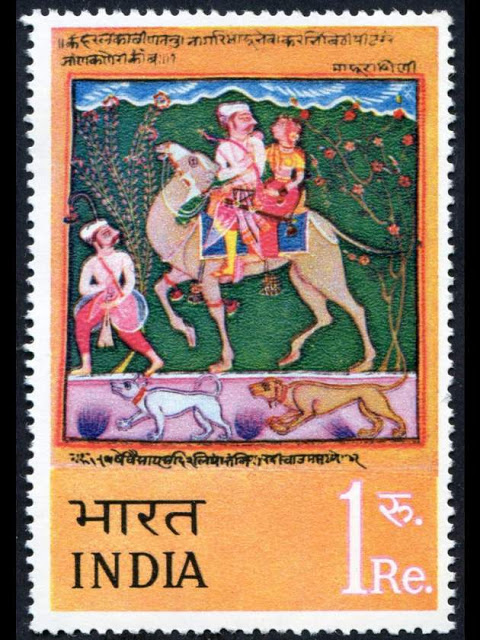
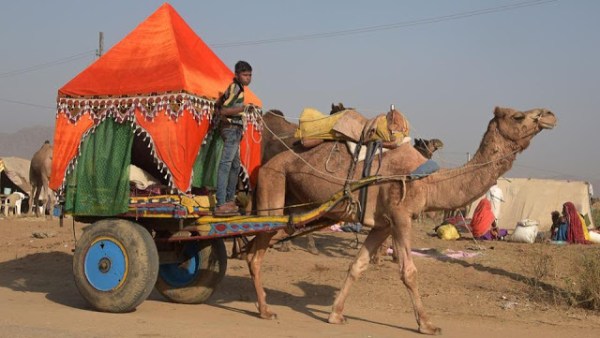
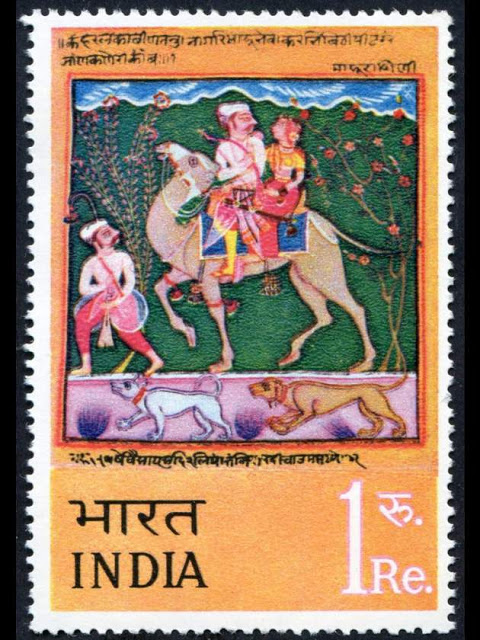
Camels are referred to in the Vedas, Mahabharata, Panini’s Ashtadyayee, Pancha tantra fables, Katha sarit sagara, Buddhist literature, Amarakosa Thesarus, oldest Tamil book Tolkappiam, two books of Tamil Sangam period, Tamil epic Silappadikaram (???), about 20 slokas of Manu Smrti, in the Bible, folk tales and festivals such as Pushkar camel festival


Camels are of two types. Camels with one hump is found in India and its neighbourhoods. The oldest reference to the camel in literature is found in the Rig Veda, if we believe the dates given to it by Herman Jacobi and Balagangadhara Tilak i.e. 6000 BCE. Even otherwise the camels are referred to in Indian literature continuously for thousands of years. Let me start with Tamil literature:

The oldest book in Tamil language is Tolkappiam, a grammatical treatise dated between first century BCE and first century CE. The third part of the book refers to camels in two Sutras (rules). It describes the naming of a calf of camel and a female camel.


Next comes Akananuru and Sirupanaatrup padai- two books from the 18 major works of Sangam Tamil literature.


Akananuru verse 245 created a debate among Tamil scholars because of the two interpretations.

One interpretation is that the camels ate the dried flowers of silk cotton trees on the rocks which looked like the bones of animals and another interpretation is camels ate bones in the dry and arid areas of Tamil Nadu. Since camels are herbivorous the second interpretation is wrong.


In Sirupannatruppadai (line 154) the Agarwood washed by the sea in the City of Eyirpattinam looked like a camel lying down.

Both are interesting because the camels were found even in the southern most part of India 2000 years ago. Since they mentioned horses in hundreds of places it is no wonder that they were driven from north to south by the merchants.


In the most famous Tamil epic Silappadikaram the hero of the story Kovalan is said to have travelled to the sea side on a mule; but the word used by the poet Ilango is ‘Attiri’ which may mean a camel or a mule according to Tamil dictionary!


The very word ‘Ottakam’ in Tamil is derived from the Sanskrit word Ustra and Usti, both are found in the Rig Veda, the oldest book in the world.


Another interesting thing is the word CAMEL is cognate to Kramela in Sanskrit for camel. It may be derived from gamal of Arabic or Kramela from Sanskrit , subject for research!


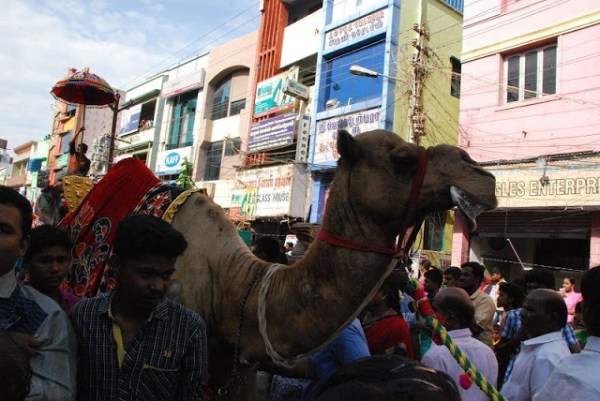
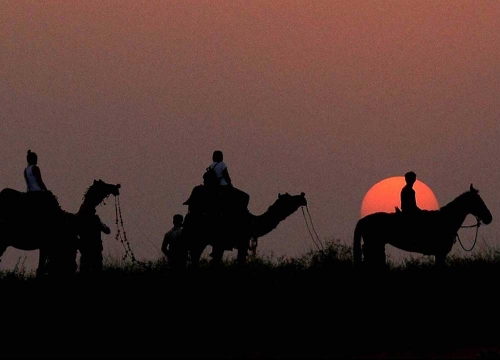
Camels in Madurai Temple procession

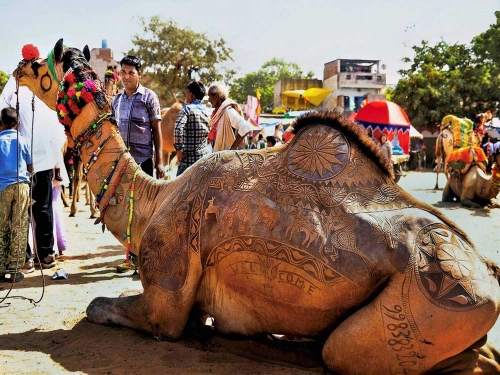
In my home town Madurai in Tamil Nadu, the temple festivals used to have Elephant, Camel and Bull with a drum on it. God’s procession is always led by these three. I don’t know when this custom came to Madurai Meenakshi Sundareswarar Temple.

xxx
USTI, USTRA in the VEDAS.

Both of these words, of which the former is quite rare (RV 18-106) must have the same sense

Roth and Aufrecht hold tha in the Rig Veda and the brahmanas the sense is humped bull or buffalo, but the former thinks in the vs the sense is doubtful, and camel may be meant.

Hopkins is decidedly of opinion that the sense in every case is camel.

Rig Veda 1-138-2

8-5-37

6,48; , 22, 31

Atharva Veda 20-127-2, 132, 13

Vajasaneyi Samhita 13-50

Satapata Brahmana- 1-2-3-9

Aitareya Brahmana- 2-8

The animal was used as a beast of burden yoked in fours—AV 2-127-2; RV 8-6-48


Source- Vedic Index of Names and Subjects Volume-1, AA Macdonell and AB Keith


It is interesting to note that more camel references come from the Eighth Mandala of Rig Veda. It is concerned more with the kings of Iran. This Mandala is full of mysteries and much research is needed. Here are a few references:

RV 8-46-32 says,

Balbhutha and Taruksha have made a gift of 100 camels to the sage. The names Balbutha and Taruksha, both of typical Sanskrit sounds are rare names.

RV 8-5-37 says,

Kashu gives 100 camels and 10000 cows to the priest

Kasu is found in Avestan literature confirming his Iranian descent.

Another reference to Iraninans is 8-6-46 ; here Parshu (Persian Parsa) and Tirinda (Persian Tiridates) gave one lakh gifts. It may be gold or cattle or camels or all mixed.


What is mentioned here can be compared with Mulavarman Sanskrit Inscription of Indonesia, where the Seven Yupa Stambha inscriptions say that the king donated 20,000 cows to the Brahmins with lot of gold. So 10,000 cows in RV need not raise any one’s eye brows!
In Kalidasa

This can be again compared with a reference in Kalidasa’s Raghu vamsa (whom I date first Century BCE on the basis of Sangam Literature similes):-

“Then the seer Kautsa after loading the gold bags on 100 horses and camels , affectionately touched the King Raghu and said the following”- ( Raghu Vamsa 5-32)


Here also we see 100 camels like we see in the Rig Veda. So all these were very common in those days.


When we see Panini’s reference to Camel Corps around Seventh Century BCE, we would be surprised.

–to be continued………………….

தமிழில் ஒட்டக மர்மம்!- PART 1 (Post No.5290)

RESEARCH ARTICLE Written by London swaminathan

Date: 5 August 2018


Time uploaded in London – 14-03  (British Summer Time)


Post No. 5290


Pictures shown here are taken from various sources such as Facebook friends, Wikipedia, Books, Google and newspapers; thanks. Pictures may be subject to copyright laws.


ஒட்டக ஆராய்ச்சியில் வரும் விஷயங்கள்


ரிக்வேதத்தில் ஒட்டகம்

பாணினியின் இலக்கண நூலில் ஒட்டகம்

பைபிளில் ஒட்டகம்

சங்க இலக்கியத்தில் ஒட்டகம்

தொல்காப்பியத்தில் ஒட்டகம்

சிலப்பதிகாரத்தில் ஒட்டகம்??

காளிதாசனில் ஒட்டகம்

ஸம்ஸ்க்ருதக் கதை  நூல்களில் ஒட்டகம்

அமர கோஷத்தில் ஒட்டகம்

மஹாபாரதத்தில் ஒட்டகம்

மனு ஸ்ம்ருதியில் ஒட்டகம்

சிந்து சமவெளியில் ஒட்டகம்

அகராதி, நிகண்டுக்களில் ஒட்டகம்

ஒட்டக வாஹனம்

எனது முடிபு


கட்டுரை இரண்டு பகுதிகளாக வருகின்றது; இதோ முதல் பகுதி:-

சங்க இலக்கியத்தில் சிறுபாணாற்றுப் படையிலும் அக நானூற்றிலும், ஒட்டகம் பற்றிய குறிப்புகள் வருகின்றன. ஒட்டகம் என்பது பாலைவன மிருகம். மேலும் உஷ் ட் ர என்ற ஸம்ஸ்க்ருதச் சொல்லே இப்படி ஒட்டை, ஒட்டகம் என்று மருவியது.


சிறுபாணாற்றுப்படை சங்க காலத்தின் முடிவில் தோன்றிய நூல். ஆகவே பொது ஆண்டு 300 முதல் 400-க்குள் இருக்கலாம். பிற்கால இலக்கியத்திலும் கூட ஒட்டகம் பற்றிய குறிப்புகள் சிலவே.


பனி நீர்ப்படுவின் பட்டினம் படரின்

ஓங்கு நிலை ஒட்டகம் துயில் மடிந்தன்ன

வீங்கு திரை கொணர்ந்த விரைமர விறகின்

1153-155 சிறு பாணாற்றுப்படை


பொருள்

கடல் நீர் அலைகள் எயிற்பாட்டினக் கரையில் அகில் கட்டைகளைக் கொண்டுவந்து ஒதுக்கின. அக்கட்டைகள் ஒட்டகம் உறங்குவது போலக் காட்சி தந்தன.


தொல்காப்பியத்தில் ஒட்டகம் வருகிறது


சூத்திரம் 1517

‘ஒட்டகம் அவற்றொடு ஒருவழி நிலையும்………………….’

ஒட்டகத்தின் குட்டியையும் கன்று எனலாம்


சூத்திரம் 1552

‘ஒட்டகம், குதிரை, கழுதை, மரை இவை

பெட்டை என்னும் பெயர்க் கொடைக்கு உரிய’

ஒட்டகம், குதிரை, கழுதை, மரைமான் ஆகியவற்றின் பெண்பால்- பெட்டை என்ற பெயர் பெறும். அதாவது ஒட்டகப் பெட்டை என்றால் அது பெண் ஒட்டகம்.


ஆக தொல்காப்பியர் காலத்திலேயே ‘உஷ்ட்ற’ என்பது தமிழில் ஒட்டகம் ஆகிவிட்டது.

XXX


அகநானூற்றில் ஒட்டகம்

முள் தின்றதா? எலும்பு தின்றதா?


அகநானூற்றில் மருதன் இளநாகனார் பாடிய பாடலில்

“குறும்பொறை உணங்கும் ததர் வெள் என்பு

கடுங்கால் ஒட்டகத்து அல்குபசி தீர்க்கும்

கல்நெடுங் கவலைய கானம் நீந்தி,

அம்மா அரிவை ஒழிய– அகம்.245


இந்த வரிகளின் பொருள்


பாறையில் உதிர்ந்து கிடக்கும் இலவ மலர்கள் காய்ந்து எலும்புகள் போலக் காட்சி தரும். அவைகளை ஒட்டகங்கள் சாப்பிட்டுப் பசியைத் தீர்த்துக்கொள்ளும்.


இந்தப் பாடல் வரிகளை ஒட்டகம் எலும்பு சாப்பிட்டதாக் கொண்டோரும் உண்டு. ஆனால் ஒட்டகங்கள் சாக பட்சினிகள்; அவை எலும்பு தின்னாது.


ஆக எலும்பு போலக் காய்ந்த பூக்கள் அல்லது பூக்களைத் தாங்கிய , காய்ந்த சுள்ளிகள் என்றே கொள்ளல் வேண்டும்.

அகநானூறு, சிறுபாணாற்றுப் படை, தொல்காப்பியம் ஆகியவற்றில் ஒட்டகம் வருவதால் அக்காலத்தில் பாலைவனப் பகுதி மிருகமான ஒட்டகம் தமிழகம் வந்தது என்று கொள்ளவேண்டும். இல்லாவிடில் அதற்குத் தமிழ் இலக்கணத்தில் தொல்காப்பியர் இடம் தந்திருக்க மாட்டார்!

XXXX


கோவேறுக் கழுதையில் கோவலன்


சிலப்பதிகாரத்தில் கோவலன் அத்திரி மீது சவாரி செய்ததாக ஒரு செய்தி உண்டு; அத்திரி என்றால் கழுதை, ஒட்டகம் என்று இரு பொருள் உண்டு. கோவலன் போன்ற பெரிய வணிகன் கழுதை மேல் சவாரி செய்தான் என்பதை விட ஒட்டகத்தின் மீது சென்றான் என்று பொருள் கொள்வது பொருந்தும்


பூம்புகாரில் பௌர்ணமி நாளன்று நடந்தது என்ன?


வான வண்கையன் அத்திரி ஏற

மான் அமர் நோக்கியும் வையம் ஏறிக்

கோடி பல அடுக்கிய கொழிநிதிக் குப்பை………………………


–கடலாடு காதை, சிலப்பதிகாரம்


பொருள்

வானத்து மழைபோல வழங்கும் கைகளை உடைய கோவலன், கோவேறுக் கழுதையின் மீது ஏறிக்கொண்டான்; மான் போன்ற பார்வையுடைய மாதவி மூடு வண்டியில் ஏறிக்கொண்டாள்; கோடிக் கணக்கான பொருள் உடைய வணிகரின் மாட வீதிகளைக் கடந்து சென்றனர்.


இதில் அத்திரி என்பதைக் கழுதை என்று உரைகாரர்கள் வியாக்கியானம் செய்த போதும் அத்திரி என்பதற்கு ஒட்டகம் என்றும் பொருள் உண்டு. ஆக கோவலன் ஒட்டகம் மீது ஏறிக் கடலாடச் சென்றான் என்றும் பொருள் சொல்ல முடியும்.


மதுரையில் ஒட்டக பவனி


மதுரை மீனாட்சி கோவிலில் சுவாமியும் அம்மனும் பவனி வருகையில் ஒட்டகம் யானை டமாரம் (முரசு) ஏந்திய மாடு முதலில் பவனி வரும் அவைகளுக்குப் பின்னர் சுந்தரேசரும் மீனாட்சி அம்மனும் பவனி வருவர்.


எருது ஒட்டகம், எருமை ஆகியவற்றுக்கும் திமில் இருந்தாலும் திமில் உள்ள மிருகம் என்றால் அது ஒட்டகத்தையே குறிக்கும். மாடு, ஆடு ஆகியவற்றுக்குக் கொம்புகள் இருந்தாலும் கொம்பு மிருகம் என்றால் அது காண்டா மிருகத்தையே குறிப்பது போல!


அகராதி, நிகண்டுக்களில்

ஒட்டகத்தின் தமிழ் ஸம்ஸ்க்ருதப் பெயர்கள்

ஒட்டகம், ஒட்டை, அத்திரி, இரவணம், கனகதம், தாசோகம், நெடுங்கழுத்தன், உஷ் ட் ர,  க்ரமேல (இதிலிருந்து கேமல் CAMEL என்ற ஆங்கிலச் சொல் வந்தது; அராபிய மொழியில் கமல், கமலா என்று இருப்பதால்  அங்கிருந்தும் ஸம்ஸ்க்ருத்ததுக்கு வந்திருக்கும் வாய்ப்பு இருக்கிறது.)


அமர கோசம் என்னும் புகழ் பெற்ற ஸம்ஸ்க்ருத நிகண்டில்

பெண் ஒட்டகத்துக்கு உஷ்ட்ரி கா (ம்ருத்தாண்டே) என்ற பெயர் உள்ளது

க்ரமேல, மய, மஹாங்காஹா, கரபஹ, தீர்க்கக்ரீவ, த்விகுடஹ, சரபஹ என்ற பெயர்கள் உள்ளன.

தமிழில் தாசேரம், நெடுங்கோணி, அயவனம், கூன்புறம் என்ற பெயர்களும் காணப்படுகின்றன. இவைகளில் பெரும்பாலானவை ஸம்ஸ்க்ருதப் பெயர்களே!

குட்டியாக இருந்தால்

கரபாஹா, ஸ்யுஹு, ஸ்ருல்லகா, தாரவைஹி, பாத பந்தனைஹி என்றும் உள்ளது.


TO BE CONTINUED………………………….
 

–SUBHAM–

சுற்றுப்புறம் காக்க வழிமுறைகள்! – 1 (Post No.5289)


Picture from Sevabharati.
Written by S NAGARAJAN

Date: 5 August 2018


Time uploaded in London – 6-40 AM  (British Summer Time)


Post No. 5289


Pictures shown here are taken from various sources such as Facebook friends, Wikipedia, Books, Google and newspapers; thanks. Pictures may be subject to copyright laws.


சென்னை வானொலி நிலையம் 21-7-18 முதல் 31-7-18 முடிய தினமும் காலை ஒலி பரப்பிய சுற்றுப்புறச் சூழல் சிந்தனைகளில் ஐந்தாவது உரை


சுற்றுப்புறம் காக்க தனிமனிதனின் வழிமுறைகள்! – 1


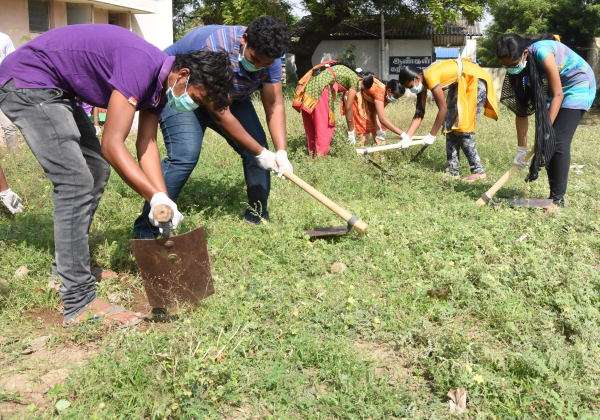
சுற்றுப்புறச் சூழலைக் காப்பதும் சட்டம் இயற்றுவதும் அரசின் கடமை என்று எண்ணாமல் ஒவ்வொரு தனி  மனிதனும் சுற்றுப்புறச் சூழலைப் பாதுகாக்க முன் வரவேண்டும்.

அரசு இயற்றும் சட்டங்களை பின்பற்றுவதுடன் கூட மற்றவர்களையும் சட்டங்களை மதித்து நடக்க உத்வேகமூட்ட வேண்டும்.

இது தவிர பல்வேறு வழிகளால் ஒவ்வொரு தனி மனிதனும் சுற்றுப்புறச் சூழலைக் காக்க முடியும்.

எடுத்துக் காட்டாக சிலவற்றை இங்கே கூற முடியும் :

ஷவரிலோ அல்லது குழாயிலிருந்து வரும் நீரிலோ நெடுநேரம் குளிக்காமல் தண்ணீரை வீணாக்காமல் தேவையான அளவு நீரில் குளித்தால் நீரைச் சேமிக்க முடியும்.


ஷேவிங் செய்யும் போதோ அல்லது பல் துலக்கும் போதோ குழாய்த்தொட்டியில் இருக்கும் குழாயை திறந்து விடாமல் மூடி வைக்க வேண்டும்.தேவைப்படும் போது நீரை எடுத்தாலே போதுமே!

ஒழுகுகின்ற குழாய்களை உடனடியாக ரிப்பேர் செய்து சரிவர பராமரிக்க வேண்டும். சிறுதுளி பெரு வெள்ளம் என்பதை அனைவரும் அறிவோம்.

வீட்டிலேயே நீரை மறுசுழற்சிக்கு உள்ளாக்க முடியும். தோட்டம், மாடியில் செடிகள் வளர்ப்பு உள்ளிட்டவற்றிற்கு சரியான நீரை சரியான அளவில் கொண்டு செல்ல வழி வகுக்க வேண்டும்.

சுத்தம் செய்வதற்கு எப்போதுமே அதிக அளவில் நீரைப் பயன்படுத்த வேண்டாம். தேவையான இடத்தில் பேகிங் சோடா, வினிகர் ஆகியவற்றைப் பயன்படுத்தி நீரைச் சேமிக்கலாம்.

நீரைச் சேமித்தல் மிக மிக இன்றியமையாதது. ஏனெனில் நீர் வரும் ஆதாரங்களிலிருந்தோ அல்லது நதிகளிலிருந்தோ ஒவ்வொருவரின் இல்லத்திற்கும் நீரைக் கொண்டுவருவதற்கான ஆற்றல் அளப்பரியது. அதற்கு ஆகும் செலவும் அதிகம்.

சார்ஜர்களை ப்ளக்கில் எப்போதும் போட்டு வைக்காமல் பயன்பாட்டில் இல்லாத நேரத்தில் அகற்றி விட வேண்டும்.

வீ ட்டில் உள்ள விளக்குகளை எப்பொழுதும் எரிய விடாமல் தேவையான நேரத்திம் மட்டுமே எரிய விட வேண்டும்.

பயன்பாட்டில் இல்லாத கம்ப்யூட்டர்கள், லேப் டாப்கள், மொபைல் போன்கள் ஆகியவற்றை உரிய முறையில் மின்சார இணைப்பிலிருந்து அகற்றி விட வேண்டும்

குண்டு பல்புகளை அகற்றி விட்டு காம்பாக்ட் ஃப்ளோரெஸண்ட் பல்புகளைப் (compact fluorescent bulbs) பொருத்த வேண்டும்.

வாகனப் பயன்பாட்டைக் குறைக்க பொதுப் போக்குவரத்தைப் பயன்படுத்தலாம் அல்லது கார் பூல் எனப்படும் பல பேர் இணைந்து ஒரு காரில் செல்லும் முறைப்படி செல்ல வேண்டிய இடத்திற்குச் செல்லலாம். இதனால் எரிபொருள் சேமிக்கப்படும், பெரு நகரங்களில் போக்குவரத்து நெரிசல் இல்லாமல் இருக்கும். தனித்தனியாக காரை ஓட்டும் போது ஏற்படும் களைப்பு அறவே இருக்காது. பல பேர் அமர்ந்திருக்க ஒருவர் மட்டுமே ஓட்டுவதால் இந்த நன்மை ஏற்படும்.

இப்படிச் சிந்தித்தால் ஏராளமான வழிகளை நாமே முன்மாதிரியாக இருந்து அமைத்துக் காட்ட முடியும்!

***


HINDU FESTIVAL NAGA PANCHAMI AND ENVIRONMENTAL SCIENCE (Post No.5288)

Written by London swaminathan

Date: 4 August 2018


Time uploaded in London – 11-59 AM  (British Summer Time)


Post No. 5288


Pictures shown here are taken from various sources such as Facebook friends, Wikipedia, Books, Google and newspapers; thanks. Pictures may be subject to copyright laws.


HINDU FESTIVAL NAGA PANCHAMI AND ENVIRONMENTAL SCIENCE (Post No.5288)


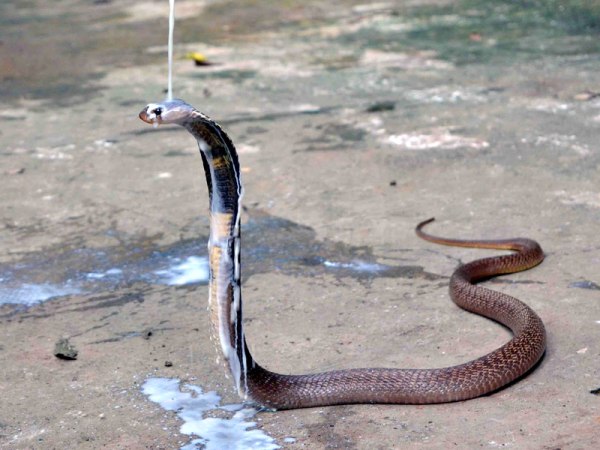
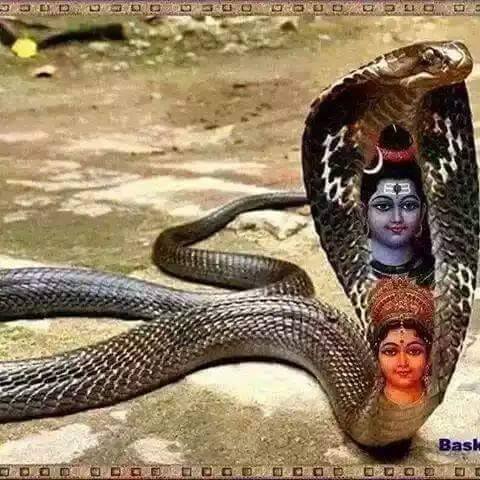
This year (2018), Naga Panchami falls on 15th of August. It is a Hindu festival celebrated throughout India. Though the stories change from area to area the basis is same. People worship snakes or snake goddess on that day. Snake goddess is found in Rig Veda, Greece, Indus Valley and South Indian villages (Please see my articles listed at the end).


It falls on Suklapaksha Panchami of Ashada (Adi in Tamil) month.


(Naga= snake, Panchami= Fifth Lunar day)


English word snake came from Sanskrit= S+Naga= Snake

English word serpent came from Sanskrit Sarpa

Tamil word Aravu/ Aravam came from Sanskrit Sarpam (s dropped, p=v;according to linguistic rule)


Hindus show great respect to environment. They want to keep disturbance to the nature to the minimum. From the morning, they worship nature. Before putting their feet on earth (floor) they ask for pardon (Padas sparsam Kshamsvame). Before they dig the land for wells or ploughing the land, they ask for pardon. They say cutting the trees is a sin. They called the earth mother (Bhuma Devi= Gaiya in Greek). It is in the oldest book, the Vedas.


They are scientists; so, they know that optimum utilisation of nature is the best. Though they know snakes are poisonous animals, they still worshipped the poisonous cobras. They knew that snakes are required to kill the rats in the fields. If the rats are not controlled food production will be reduced. They knew snakes form a vital link and it maintains an equilibrium in Nature. That is why all Hindu gods are adorned with snakes!


They also know that snakes never bite a man unless and otherwise they are threatened or disturbed. People walking in the villages, particularly during nights just clap the hands and walk ( can the snakes hear human sounds? do they have ears? discussed in my previous articles)


In some parts of India Naga Panchami continue for one month till the Panchami of next month (Ashada to Bhadra).

Holes in the anthills are considered to be the homes of cobras. Women worship them even on ordinary Fridays and they pour milk in the holes.


Bengalese plant a milky white plant (Euphorbia Lingularum) on these days on a raised mound of earth in the courtyards of their houses and worship Goddess Manasa Devi. They worship her to get immunity from snake bites or avoiding bitten by snakes. If anyone has died due to snake bite in the family all of them join in worship and they pour milk in the ant hills where snakes live.


Punjabis draw a black figure on the wall to avoid snakes coming into the houses. The figure represents snake goddess.


In the central parts of Indi,a they paint snakes and birds on walls and they make a paste with wheat and pulses. They dip grass in the paste and make snake figures. They offer sweets and milk to the snakes.


In Maharashtra and other parts, they offer milk and dried rice to snakes. They pour it in the places where they live. They even avoid digging and ploughing on those days.


In Karnataka, a vrata(fasting) named Citranemi is observed.


In Mithila (Bihar- Nepal border) Mauni Panchami is celebrated.


In Orissa and Dravida, Guru Panchami is celebrated by worshipping Lakshmi and Gauri on that day.


TWO STORIES ABOUT NAGA PANCHAMI


In South India the story is about a Brahmana boy bitten by a cobra when he went to get a Ketaki flower ( Thazam Pu in Tamil; Pandanus Fascicularis) . His sisters followed a vow (Vrata) and brought him back to life. The fourth day of waxing moon in Sravana month is observed as Festival of Brothers and Sisters. They observe it.


Another story


Chand was a merchant who did not believe in the Goddess Manasa devi. As a result, he lost all his sons due to snake bites. But yet he was very obstinate and never paid reverence to the Goddess. He got one more son who was the apple of his eyes. He was still obstinate in not worshipping Manasa and Manasa Devi was also relentless and she bit his son on his wedding day in spite of his precautions. His newly wed wife Vehula did not allow his body to be cremated. She was fasting till her body became a skeleton but never stopped her prayers to Manasa. She begged to Manasa for the restoration of his husband’s life. At last Manasa relented and gave his life back.


It is the belief of many that a person supposed to be dead by a snake bite, really lives in a state of suspended animation for a long time after.

Hindus, by not killing the snakes, the vital animal in the food production chain, increase the production of food grains. The snakes keep even frogs and toads in control which freely enters every home during rainy season.


Villagers don’t fear snakes even when it enters a house; they simply trap it in a box or pot and release it in the field. They know the value of it.


Every village has some snake charmers, who handle snakes without any fear. Every village has a medicine man with anti-dotes for venom. But yet snake bites kill hundreds of villagers; it is said that more people die in panic or not seeking proper help.


What do Hindus do on Naga panchami Day?


1.They go to ant hills where the snakes live, they pour milk or feed them with some eatables (only vegetarian food).


2.They actually worship the snakes if they see them with utmost reverence.


3.They worship snake goddess Manasa Devi and other snake (Naga sculptures) stones.


4.They draw pictures of snake goddesses on the walls in houses.


  1. They draw pictures of snakes and birds which will drive away the fear of snakes.


  1. Through these activities, they psychologically prepare children and women not to panic when they see snakes in the garden or filed.


Sanskrit and Tamil scriptures have hundreds of snake bite stories; most of the bitten people came back to life by the grace of a saint or God.


Being a tropical country India has hundreds of varieties of snakes and most of them are non-poisonous.


Foreigners have taken several videos and films in appreciation of Hindus’ reverence to snakes


  1. MY OLD ARTICLES ON SNAKE WORSHIP


  1. serpent worshp | Tamil and Vedas

tamilandvedas.com/tag/serpent-worshp

Posts about serpent worshp written by Tamil and Vedas. about; Fatness Anecdotes (Post No.3526) Napoleon’s Leadership Qualities (Post No.4155) … Snake worship in …


Serpent Queen:Indus Valley to Sabarimalai | Tamil and Vedas

tamilandvedas.com/2012/06/17/serpent-queenindus…

Picture shows Indus Snake seal The most famous snake queen figure came from the Minoan Civilization in the island of Crete. British archaeologist Arthur Evans …


Snakes and Snake Bites in Mahabharata! | Swami’s Indology Blog

swamiindology.blogspot.com/2015/03/snakes-and-snake-bites-in-mahabharata.html

10 Mar 2015 – The stories in Hindu scriptures are real life stories. They are not concocted. The best examples are stories of snake bites. From the story of Parikshit to down south Tamil stories of Periya Purana and Tiruvilaiyadal Purana, we hear about several deaths due to snake bites. In some stories gods or saints came ..


included the Olmec, the Mixtec, the Toltec, the Aztec, and the Maya.

snake miracle | Tamil and Vedas

https://tamilandvedas.com/tag/snake-miracle/

(for old articles go to tamilandvedas.com ORswamiindology.blogspot.com). sesha … Though there is no religion or culture without a snake in it, Hindus are the only community who worship snakes from the Vedic days until today. There are millions of … All the Hindu gods are linked with a snake in one way or another. All the .

Are Mayas, Indian Nagas? | Tamil and Vedas

https://tamilandvedas.com/2012/04/28/are-mayas-indian-nagas/

28 Apr 2012 – Maya calendar begins on 11th August 3114 BC. Indiancalendar Kaliyuga begins in 3102 BC. But Hindu mythology is very clear about their existence long before Kali yuga. Kaliyuga is the last of the four yugas. But Mayas are silent about their existence before this date 3114 BC. The amazing co incidence …


Amazing Similarities between Mayas and Hindu Nagas | Tamil and …

https://tamilandvedas.com/…/amazing-similarities-between-mayas-and-hindu-nagas/

28 Apr 2012 – Amazing Similarities between Mayas and Hindu NagasAmazing Similarities between Mayas and Hindu Nagas ( The first part of this article is Are Mayas, Indian Nagas?) 1. Strange co incidence: Kali Yuga 3102 BC and Maya Yuga beginning 3114 BC 2. Maya appearance:Maya people of Central America …


Naga Yakshi | Tamil and Vedas

https://tamilandvedas.com/tag/naga-yakshi/

We have Nagapanchami celebrations celebrated throughout India where live snakes are worshipped. Hindus respect Nature and Environment and use the natural resorces to the minimum. Snake Goddesses such as Manasa Devi and Naga Yakshi are worshipped in India. The Vedas has an authoress named as Serpent …


Gondwana | Tamil and Vedas

https://tamilandvedas.com/tag/gondwana/

They celebrate Hindu festivals such as Dasara and Naga Panchami. Like any other village community they have their own stories for everything. They are well versed in arts and building. They have divided themselves into four different castes lie the four divisions of work in ancient Hindu society. They form the biggest tribe …


–subham–


நாலு குணங்கள் பற்றி வள்ளுவனும் வால்மீகியும் (Post No.5287)

Written by London swaminathan

Date: 4 August 2018


Time uploaded in London – 7-31 am  (British Summer Time)


Post No. 5287


Pictures shown here are taken from various sources such as Facebook friends, Wikipedia, Books, Google and newspapers; thanks. Pictures may be subject to copyright laws.


நான்கு குணங்கள் அவசியம் என்று வள்ளுவனும் வால்மீகியும் வலியுறுத்துகின்றனர்.


ஸிம்ஹிகை என்னும் கடல் அரக்கியை ஹனுமார் கொன்றவுடன் ஆகாசத்திலுள்ள பூதங்கள் சொன்னார்கள்: உம்மால் பெரும் பூதம் கொல்லப்பட்டது. நீர் எண்ணிய எண்ணியாங்கு எய்துவீர். மேலும்,


யஸ்யத் வேதானி சத்வாரி வானரேந்த்ர யதா தவ

த்ருதிர் த்ருஷ்டி மதிர் தாக்ஷ்யம் ஸ்வகர்மஸு ந  ஸீததி


சுந்தர காண்டம் 1-216


பொருள்

“வானரேந்திரனே!

தைரியம் (உறுதி),

தீர்க ஆலோசனை (கண்ணோட்டம்) , புத்தி,

வலிமை

என்ற இந்த நான்கும் உமக்கு எப்படியோ அப்படி எவனுக்குண்டோ அவன் தனது கார்யங்களில் இடையூறுகளே இராது”


இதே கருத்தை வள்ளுவன் இரண்டு இடங்களில் சொல்வான்


அஞ்சாமை ஈகை அறிவூக்கம் இந்நான்கும்

எஞ்சாமை வேந்தர்க் கியல்பு – குறள் 382


பொருள்

அஞ்சாமை,

ஈகை,

அறிவு,

ஊக்கம்-

இந்த நான்கு பண்பு நலன்களும் இருப்பதே தலைவனுக்கு (அரசனுக்கு) சிறப்பு


இதையே இன்னும் ஒருமுறை எதிர்மறையில் கூறி வலியுறுத்துகிறார்:–

அஞ்சும் அறியான் அமைவிலன் ஈகலான்

தஞ்சம் எளியன் பகைக்கு–குறள் 863


பொருள்

எதற்கும் அஞ்சுபவனாய் ,

எதனையும் தெரிந்து கொள்ளும் ஆற்றல் அற்றவனாய் ,

பிறரோடு அனுசரித்து வாழும் குணமில்லாதவனாய்,

உலோபக் குணமும்

உடையவனாக  ஒருவன் இருந்து விட்டால் அவன் பகைவர்க்கெல்லாம்  மிக எளியவன் ஆவான்


ஈகை,(லோபத்துக்கு எதிர்ப்பதம்) ஒன்று மட்டும்தான் வால்மீகிக்கும் வள்ளுவனுக்கும் வேறுபாடு ;மற்ற குணங்கள் அப்படியே இருக்கின்றன!

சான்றோர்  சிந்தனை ஒன்றே!


xxx


Picture of Tiruvalluvar  from old Tamil Book

தூது பற்றியும் இரண்டு பாடல்கள் உள்ளன

பூதாஸ்சார்த்தா விபத்யந்தே தேஸகால விரோதிதாஹா

விக்லபம் தூதமாஸாத்ய தமஹ ஸூர்யோதயே யதா

-ஸுந்தர காண்டம்

காரியங்கள் முடியக்கூடியனவாக  இருந்த போதிலும் ஸ்திரபுத்தியில்லாத தூதனை அடைந்து தேச காலங்களுக்கு மாறுபட்டு, ஸூர்யோத கால இருள் போல அழிந்து விடுகின்றன.


அதாவது நிலையான புத்தியில்லாத தூதனால் செயல்கள் கெட்டுவிடும்.


அர்த்தானர்த்தாந்தரே புத்திர்நிஸ்சிதாபி ந சோபதே

தாதயந்தி ஹி கார்யாணி தூதாஹா பண்டிதமனினஹ


இது செய்யக்கூடியது, செய்யத் தகதது என்பது நன்றாய் முடிவு செய்தபோதிலும், காரியங்கள் கெட்டுப்போகின்றன.ஏனென்றால் எல்லாம் தெரிந்தவன் என்று எண்ணாத்தால் தூதர்கள் காரியங்களைக் கெடுத்து விடுகிறார்கள்.


தூது என்னும் அதிகாரத்தில் வள்ளுவனும்,


கடனறிந்து காலம் கருதி இடனறிந்து

எண்ணி உரைப்பான் தலை -குறள் 687


தூய்மை துணைமை துணிவுடைமை இம்மூன்றின்

வாய்மை வழியுரைப்பான் பண்பு- குறள் 688


பொருள்:

தான் ஆற்ற வேண்டிய செயலை உணர்ந்து, ஏற்ற காலத்தையும் நினைத்து, தக்க இடத்தையும் தேர்ந்து, தான் சொல்ல நினைத்தவற்றை எல்லாம் தக்கவாறு எண்ணித் தெளிவுபட உரைப்பவனே சிறந்த தூதன் ஆவான்.


மனம், மொழி, மெய் தூய்மை, சுற்றத்தால் அமைந்த துணை, துணிவு ஆகிய மூன்றிலும் உறுதியாக இருப்பவனே சி றந்த தூதன்.


இந்த இரண்டிலும் ஸ்திரமான புத்தி வந்துவிடுகிறது. மனம் மொழி மெய் தூய்மையில் அஹங்காரமின்மை வந்து விடுகிறது.


  • xxxx SUBHAM xxxx

வாழ்வில் முன்னேற ஒரு முதலைக் கதை – 2 (Post No.5286)

WRITTEN BY S NAGARAJAN

Date: 4 August 2018


Time uploaded in London – 6-50 AM  (British Summer Time)


Post No. 5286


Pictures shown here are taken from various sources such as Facebook friends, Wikipedia, Books, Google and newspapers; thanks. Pictures may be subject to copyright laws.


பாக்யா வார இதழில் 3-8-18 தேதியிட்ட இதழில் அறிவியல் துளிகள் தொடரில் வெளியாகியுள்ள (எட்டாம் ஆண்டு இருபத்தியிரண்டாம்) கட்டுரை

வாழ்வில் முன்னேற ஒரு முதலைக் கதை – 2

ச.நாகராஜன்

ஏராளமான நவீன் தொழில்நுட்பங்கள் வளர்ந்து விட்ட இந்தக் காலத்தில் அவற்றுடன் இணைந்தே நம் வாழ்க்கை கழிகிறது. இ மெயில், வாட்ஸ் ஆப், எஸ் எம் எஸ், மொபைல் போன், ட்விட்டர், ஃபேஸ்புக் இன்ன பிற தொழில்நுட்பங்கள் நம்மைக் கவ்விக் கொண்டிருக்கின்றன.                                     இவற்றை எல்லாம் உதறி விட்டு நம்மால் இன்று வாழ முடியவில்லை. இதில் எவ்வளவு நேரத்தை அனாவசியமாகக் கழிக்கிறோம் என்பதை எண்ணிப் பார்க்கக் கூட நேரம் இல்லை. வாழ்க்கை ஓடுகிறது; ஓடிக் கொண்டே இருக்கிறோம். இதற்கு முற்றுப் புள்ளி வைக்கும் ஒரு வழி தான் ‘திங்க் வீக்’! (Think Week)

மைக்ரோ சாஃப்டின் பில் கேட்ஸ் தான் இந்த ‘சிந்தனை வாரம்’ என்னும் புது வழியைக் கண்டு பிடித்து அதைக் கடைப்பிடித்தார்; முன்னேறினார்.                                    வருடத்திற்கு இருமுறை பரபரப்பான தன் வாழ்க்கைச் சூழலிலிருந்து அவர் விடுபட்டுத் தனியிடம் ஒன்றை நாடுவார். நண்பர்கள், குடும்ப உறுப்பினர்கள் உள்ளிட்ட யாருடனும் தொடர்பு அறவே இருக்காது. அந்த ஒரு வாரத்தில் படிக்க வேண்டிய அனைத்தையும் படிப்பார். தனது அடுத்த கட்ட நடவடிக்கையை சிந்தனை செய்து நன்கு ஆலோசித்து முடிவெடுப்பார். இணையதளம் ஒரு பெரிய நிலைக்களமாக ஆகப் போகிறது என்பதை இந்த சிந்தனை வாரத்தில் தான் அவர் உணர்ந்தார்; அதற்காக தனது கம்பெனியை ஆயத்தப் படுத்தி முடுக்கி விட்டார். விளைவு பெரிய லாபத்தையும் பெயரையும் சம்பாதித்தார்.  இதேபோல ஸ்கில்ஷேர் கம்பெனியை நிறுவிய மைக்கேல் காஞ்சனப்ரகோர்ன் (Skillshare – Michael Karnjanaprakorn) பில் கேட்ஸின் இந்த வழியைத் தானும் கடைப்பிடிக்க ஆரம்பித்தார். சிந்தனை வாரத்தில் புது ஐடியாக்களை அவர் அலசுவார். பல பத்திரிகைகள், புத்தகங்களைப் படிப்பார். ஆழ்ந்து யோசிப்பார். தனது நிறுவனத்தில் உள்ள அனைவரிடமும் தங்கள் தங்கள் யோசனைகளை அனுப்பக் கூறுவார். இது தனது முன்னேற்றத்திற்குப் பெரிதும் உதவியாக இருக்கிறது என்று அவர் கூறுகிறார்.                                    தியானத்தின் ஒரு சின்ன வழிமுறை தான் சிந்தனை வாரம். ஒரு வாரம் இப்படிக் குடும்பம், சுற்றம், நட்பை விட்டுப் பிரிந்திருக்க முடியாதவர்கள் ஒரு நாளை சிந்தனை நாளாக ஒதுக்கலாம்; முன்னேறலாம்.                                          பெரிய முதலை சும்மா இருந்ததைப் போல குறிக்கோளுடன் கூடிய பொழுதாக இதைக் கழிக்கலாம். தினமும் வாட்ஸ் ஆப்பில் வரும் அனாவசிய வம்புச் செய்திகள் எத்தனை எத்தனை; மெயில்கள் எத்தனை எத்தனை; இவற்றிலிருந்து விடுபட வேண்டும் என்பதே இப்போதைய ட்ரெண்ட்!

இந்தியாவில் வழி வழியாக வழங்கி வரும் ஆப்பில் அகப்பட்ட குரங்குக் கதையும் பொருள் பொதிந்த ஒன்று! குரங்கைப் பிடிக்க நினைப்பவர்கள் ஒரு மரத்தைப் பிளந்து அதில் வாய் குறுகிய குவளை ஒன்றை வைத்து வாழைப்பழத்தை நன்கு தெரிகிறார்போல வைப்பார்கள். பழத்திற்கு ஆசைப்பட்ட குரங்கு குறுகிய வாயின் உள்ளே கையை விட்டு வாழைப்பழத்தை எடுக்கும். வாழைப்பழம் கையில் இருக்கும் போது அதன் கை வெளியே வராது. அதை விட்டு விட்டால் அதன் கை எளிதில் வெளியே வந்து விடும். ஆனால் பழத்தை விட அதற்கு மனம் வராது. அந்தச் சமயம் பார்த்து அருகிலிருக்கும் குரங்கு பிடிப்போர் அதைப் பிடிப்பார்கள். நமக்கு வேண்டாத வம்புச் செய்திகளைப் பிடித்துக் கொண்டபோது நாம் விடுபட முடியாது. நம்மைப் பிடிக்க வேண்டிய துரதிர்ஷ்டம் காத்திருந்து நம்மைப் பிடிக்கும்.


ஜென் பிரிவில் ஒரு அழகிய குட்டிக் கதை உண்டு. குதிரையில் அமர்ந்த ஒரு மனிதன் மிக வேகமாக குதிரையில் வந்து கொண்டிருந்தான். அவனது வேகத்தைப் பார்த்து பயந்து சாலையில் நின்று கொண்டிருந்த ஒரு மனிதன் அவனை நோக்கிக் கத்தினான்: “எங்கே போகிறாய், இவ்வளவு வேகமாக!” அதற்கு ஓடும் குதிரையில் இருந்த மனிதன் கத்தி பதில் சொன்னான்: “எனக்குத் தெரியாது, குதிரையைக் கேள்”                  ஆழ்ந்த பொருள் கொண்டது இந்த ஜென் கதை. குதிரை என்பது நமது பழக்க வழக்கங்கள். நம்மை மீறி நமது பழக்க வழக்கங்கள் அதன் போக்கில் வேகமாக நம்மை இழுத்துச் செல்கின்றன. போகுமிடம் நமக்கு எப்படித் தெரியும். குதிரைக்குத் தான் – பழக்க வழக்கங்களுக்குத் தான் – போகுமிடம் (விளைவு) தெரியும்; ஆகவே குதிரையைச் சற்று நிறுத்தி யோசிக்க வேண்டும்.

ஆக முதலைக் கதை, குரங்குக் கதை, குதிரைக் கதை வாழ்வின் அர்த்தத்தைக் கண்டுபிடிக்க உதவும்.  நவீன கால சொற்றொடரின் படி திங்க் வீக் என்று இதைச் சொன்னாலும் சரி அல்லது புத்தமத விளக்கமான மைண்ட்ஃபுல்னெஸ் (Mindfulness) என்று சொன்னாலும் சரி அர்த்தம் ஒன்று தான்.                            உன்னிலிருந்து நீ விலகி உன்னைக் கவனி என்பதே இதன் சுருக்கமான அர்த்தம்.

மைண்ட்ஃபுல்னெஸ் என்பதைச் சுருக்கமாக விளக்க வேண்டுமெனில்,”உன்னைச் சுற்றி என்ன நடக்கிறது, எங்கே நீ போய்க்கொண்டிருக்கிறாய், எந்த வழியில் எந்த விதத்தில் நீ சென்று கொண்டிருக்கிறாய்” என்பதை சிந்தித்து நன்கு உணர்வதே ஆகும். இந்த விழிப்புணர்ச்சியைத் தருபவையே மைண்ட்ஃபுல்னெஸ் தியான வழி முறைகள்.            ஏராளமான வெற்றிக் கலை உத்திகளைக் கையாண்ட மேலை உலகம் இப்போது மைண்ட்ஃபுல்னெஸ் பக்கம் திரும்பி இருக்கிறது.                                                        ‘சும்மா இருந்து சுகம் கண்டு, யோசித்து, வெற்றி பெறு’ என்கிறது இப்போதைய மேலை உலகம். காலம்காலமாக கையாளப்பட்டு வெற்றி தரும் வழி முறை இதுவே என்பதில் ஐயமில்லை!


அறிவியல் அறிஞர் வாழ்வில் .. ..


ஃப்ரான்ஸிஸ்கோ வரேலா (பிறப்பு 7-9-1946 மறைவு 28-5-2001) சிலியைச் சேர்ந்த உயிரியல் விஞ்ஞானி. சிலியில் நடந்த அரசியல் புரட்சி காரணமாக அவர் அமெரிக்கா சென்று சில காலம் தங்கினார். பின்னர் சிலிக்குத் திரும்பி வந்து சிலி பல்கலைக்கழகத்தில் பேராசிரியராகப் பணியாற்றினார். புத்தமதம், அறிவியல் ஆகிய இரண்டின் நடமாடும் களஞ்சியம் என்ற பெயரைப் பெற்ற இவர் உயிரியலைப் படிக்கும் மாணவனாக இருந்த போது பேராசிரியர் ஹம்பரோ மடுரானா என்பவரின் அறைக்குள் வேகமாக நுழைந்து கத்தினார்:” பிரபஞ்சத்தில் மனித மனதின் பங்கு என்ன என்பதை நான் அறிய வேண்டும்.”

மடுரானா புன்முறுவலுடன் பதில் சொன்னார்:”பையா! சரியான இடத்திற்குத் தான் நீ வந்திருக்கிறாய்!”

அன்றிலிருந்து வரேலாவுக்கு மடுரானா வழிகாட்டியானார். வரேலாவின் நண்பரான விஞ்ஞானி ஜெர்மி ஹேவேர்ட் (Jeremy Hayward) தனது வழிகாட்டியான புத்தமத துறவி ட்ரங்பா ரின்போச்சேயை அறிமுகப்படுத்த, அவர் வரேலாவுக்கு “ஒன்றும் செய்யாமல் சும்மா இருப்பதை” சொல்லித் தந்தார். புத்த மதத்தை நன்கு அறிந்து கொண்ட வரேலா நோபல் பரிசு பெற்ற தலாய்லாமாவைச் சந்தித்து அறிவியலும் புத்தமதமும் பற்றிய மாநாட்டை இந்தியாவில் தர்மஸ்தலாவில் நடத்தினார். பின்னர் இமயமலைக் காடுகளிலும் குகைகளிலும் தனியே இருந்து தியானம் பயின்று மைண்ட்ஃபுல்னெஸ் என்றால் என்ன என்பதைத் தெரிந்து கொண்டார்.

அவரது வழியில் சகவிஞ்ஞானிகள் புத்த துறவிகளை அமெரிக்க ஆய்வுக்கூடத்திற்கு அழைத்து வந்து அவர்கள் தலையில் 256 சென்ஸர்கள் வரை மாட்டி தியானத்தின் போது மூளையில் ஏற்படும் ஆய்வு பற்றி சோதனை நடத்தினர். சோதனை முடிவில், தியானத்தைத் தொடர்ந்து செய்வதன் மூலம் கவன சக்தி பிரம்மாண்டமான அளவில் கூடுகிறது என்றும், மூளை வியக்கத்தக்க விதத்தில் நல்ல மாறுதலை அடைகிறது என்றும் கண்டுபிடித்தனர். வரேலா இறுதி வரை புத்தமத தியான முறைகளை அறிவியல் ரீதியாக ஆராய்ந்து முடிவுகளை அதிகாரபூர்வமாக உலகிற்கு அறிவித்து வந்தார். சுவை நிரம்பிய வாழ்க்கை வரலாறு கொண்ட விஞ்ஞானி வரேலா மதத்தையும் அறிவியலையும் இணைத்தவராவார்!

***


சிஷ்யனை நக்கல் செய்த குருநாதர் (Post No.5285)

Compiled by London swaminathan

Date: 3 August 2018


Time uploaded in London – 13-20  (British Summer Time)


Post No. 5285


Pictures shown here are taken from various sources such as Facebook friends, Wikipedia, Books, Google and newspapers; thanks. Pictures may be subject to copyright laws.


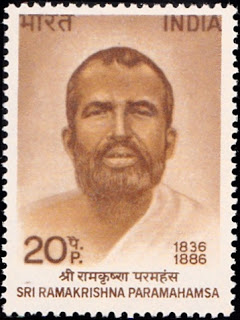
ஸ்ரீ ராமகிருஷ்ண பரமஹம்சரின் குருநாதரின் பெயர் தோதாபுரி, அவர் பரமஹம்சரை கிண்டல் செய்த ஒரு சம்பவம் இதோ:


ராமகிருஷ்ணர் சிறு வயதிலிருந்தே விடியற்காலையிலும் மாலையிலும் கைகளைத் தட்டிக்கொண்டும், சில நேரங்களில் நடனமாடிக்கொண்டும் இறைவனின் பல்வேறு திருநாமங்களைச் சொல்லிப்பாடுவார்.


‘ஹரி போல், ஹரி போல்’ (ஹரியின் பெயரைச் சொல்) ‘ஹரியே குரு’, ‘குருவே ஹரி’, ‘ஓ என் உயிரே கோவிந்தா’, பிராணனே கோவிந்த, அறிவே கோவிந்தா, உணர்வே கோவிந்தா’ ‘நீவீர் உலகம்’ ‘நான் இயந்திரம், நீ என்னை இயக்குபவன்’ என்றெல்லாம் பாடுவார்.


அத்வைத சாதனை செய்து கடவுளை உருவமும் குணமும் இல்லாதவராக- எங்கும் நிறைந்த எல்லாமான பிரம்மமாகக் கண்ட பிறகும் கூட அவரிடம் இந்தப் பழக்கம் நிற்கவில்லை.


ஒருநாள் மாலை தோதாபுரியும் ராமகிருஷ்ணரும் உடகார்ந்து வழக்கம்போல ஆன்மீகம் பற்றிப் பேசிக்கொண்டிருந்தார்கள்.


வெளிச்சம் மறைந்து இருள் சூழத் துவங்கியது. சந்தியாகால நேரம்; ராமகிருஷ்ணர் வழக்கம்போலக் கைகளைத் தட்டிக்கொண்டு கடவுளின் திருநாமங்களைச் சொல்லிக்கொண்டு பாட ஆரம்பித்தார். இதைக் கண்டு தோதாபுரி ஆச்சர்யமடைந்தார். ஏனென்றால் ஆன்மீகத்தின் ஆரம்ப நிலையில் இருப்பவர்கள் செய்யக்கூடிய காரியம் இது. ராமகிருஷ்ணரோ ஆன்மீக சாம்ராஜ்யத்தின் உச்சகட்டத்தை எட்டியவர்; அத்வைத சாதனையில் வெற்றி பெற்றதால் அதற்கு மேல் எதுவும்தேவை இல்லை.

அவர் இப்படி சாதாரண மனிதன் போல ஆடுவதும் பாடுவதும் கை தட்டுவதும் குருநாதரான தோதாபுரிக்கு வியப்பைத் தந்தது. மேலும் அவர் புன்சிரிப்போடு, குரு நாதரைப் பார்த்துக்கொண்டு கைகளைத் தட்டி ஆடினார். அவர் கைகளை ஒன்றோடு ஒன்று தட்டி ஆடியதைப் பார்த்த தோதாபுரி, “என்ன பூரி செய்ய மாவு தட்டுகிறாயா?” என்று  கேட்டார்.


இதைக்கேட்டதும் ராமகிருஷ்ணர், ” என்ன அர்த்தமில்லாமல் பேசுகிறீர்கள்? நான் இறைவனின் புனிதமான பெயரைப் பாடுகிறேன். அதைப் போய் பூரி தட்டும் வேலையோடு ஒப்பிடுகிறீர்களே. இது மிகவும் மோசம்” என்றார்.


தோதாபுரி புன்சிரிப்போடு பதில் ஒன்றும் பேசாமல் இருந்துவிட்டார்.


ஆதாரம்—‘பகவான் ஸ்ரீ ராமகிருஷ்ணர்’, ராமகிருஷ்ண மடம், மயிலாப்பூர், சென்னை.


‘சித்தன் போக்கு சிவம் போக்கு ஆண்டி போக்கு அதே போக்கு’– என்று தமிழில் பழமொழி உண்டு. ஒவ்வொரு பெரியோரின் வாழ்விலும் இது போல சில விநோதச் செயல்கள் இருக்கும்; அதை வைத்து நாம் அவர்களை எடை போட்டால் நாம் மதியீனர்கள் ஆவோம்.

Picture shows Muralidhara Swamikal with his devotees

காஞ்சி பரமாசார்ய சுவாமிகள் (1894- 1994) கூட அத்வைதம் பேசும் தாங்கள் ‘’ஏன் உத்துரணி தட்டும் வேலை’’யைச் செய்து கொண்டிருக்கிறோம் என்று அருமையான சொற்பொழிவு ஆற்றியுள்ளார்.


கீழ்நிலயில் உள்ள நம்மைப் போன்றவர்களும் அவர்களிடம் வரவேண்டும் என்பதற்காவே அவர்கள் இப்படிப் பூஜை புனஸ்காரங்களைச் செய்துகொண்டு இருக்கிறார்கள்.

அவர்களைப் போன்ற பெரியோர்கள் மலைக் குகைகளில் உடகார்ந்து தவம் செய்யத் துவங்கினால் நமக்கு வாய்ப்பே இல்லாமல் போய்விடுமல்லவா?


–சுபம்–

Dravidian Theories- Tamil and Sanskrit came from same source! (Post No.5284)


Compiled by London swaminathan

Date: 3 August 2018


Time uploaded in London – 8-16 AM   (British Summer Time)


Post No. 5284


Pictures shown here are taken from various sources such as Facebook friends, Wikipedia, Books, Google and newspapers; thanks. Pictures may be subject to copyright laws.

The present book is a store house of information on everything Dravidian, and bears evidence on every page of it, to the immense learning of the author, his indefatigable research, his genius for analysis, and his familiarity with the grammars of almost all the languages of South India.

It is a pioneering contribution to a field of study in which there have been too few workers. Swaminatha Aiyar, a painstaking scholar, author of the book, has laboured long over it with single minded devotion in the cause of linguistic science. No doubt his labours will help in promoting national integration, by showing how , over two or three millennia ago, people living in different parts of India lived in linguistic amity taking freely from neighbouring languages and there by enriching their own .

Running in twelve chapters of immense importance this pioneering research material suffixed with appendices, bibliography and footnotes, shall be of great help to those who are interested in linguistics in general and Dravidian theories in particular. This is a must for every library and institution.

Author’s Profile

  1. Swaminatha Aiyar was one of the galaxy of brilliant men who are born and bred in Thanjavur district in the nineteenth century. He was a contemporary of P S Sivaswami Aiyar and continued as his close associate and friend, with mutual respect and admiration.

    Like so many great men of those days, R Swaminatha Aiyar also commenced his life as a school teacher in the district, serving as such from 1880 to 1884.

    1885- He was appointed Assistant Professor of Mathematics in Presidency College, Madras
    1889- Head clerk, Revenue Department
    1893- Senior Assistant in Board of Revenue
    1895- Registrar of the Revenue Department
    1896- Professor of Mathematics Presidency College , Madras
    1897- Famine Assistant in Revenue Department , Tamil Translator to Government.

1910- Treasury Deputy Collector, Administrative Deputy Collector

He was a linguist, administrator, mathematician, grammarian, educator, scholar, orientalist, and polymath, a versatile genius. In short, he, by birth, early training and bent of mind, and the opportunities provided by his occupation, became eminently fitted for the work he dedicated himself to later on in life.


-TAKEN FROM THE JACKET OF THE BOOK.

Mr P N Appuswami in his foreword to the book said in 1975:
The knowledge he had cultivated of Vedic Sanskrit and of classical Sanskrit, from his boyhood, at a time when such knowledge was more prevalent and valu d , was of great help in preparing his mind for linguistic study . So too his knowledge of the classic Tamil of the Sangam and later periods helped him in his study of the dialects of the Tamil country.

One must be familiar with Vedic and classical Sanskrit and proficient in South Indian languages to understand his theories. But even a cursory reading without deep knowledge in many of these languages, we can understand his line of thinking.

Lot of so called researchers and scholars take one matter from here and one matter from there and try to connect them. They don’t realise that the information belongs to various periods or various levels of development. They connect Vedic Sanskrit and classical Tamil which is widely different in ages. There is at least a 2000 year gap.

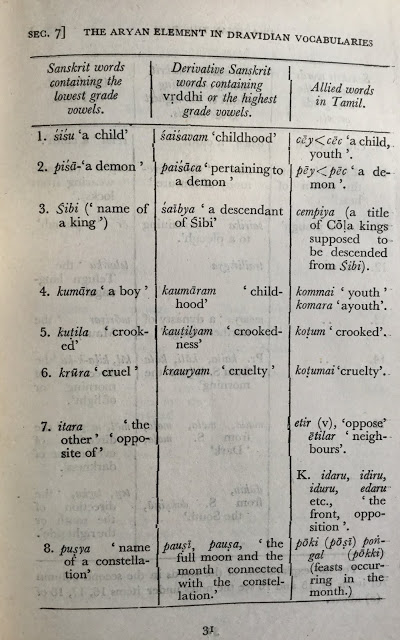
Swaminatha Aiyar has beautifully shown the intermediate Prakrit link between Sanskrit and Tamil. He has used the table prepared by Dr Caldwell and showed the possible Prakrit link.

If one followed his line of thinking one could find the common foundation of Tamil and Sanskrit. One can understand why Shiva sent his disciple Agastya from the Northern Himalayas to the Southern Pothiya Hillls to codify a grammar for Tamil. Tradition says that both these languages came from the kettle drum sound of Lord Shiva. Paranjothi Munivar confirms it in his Tiru Vilaiyatal Purana.

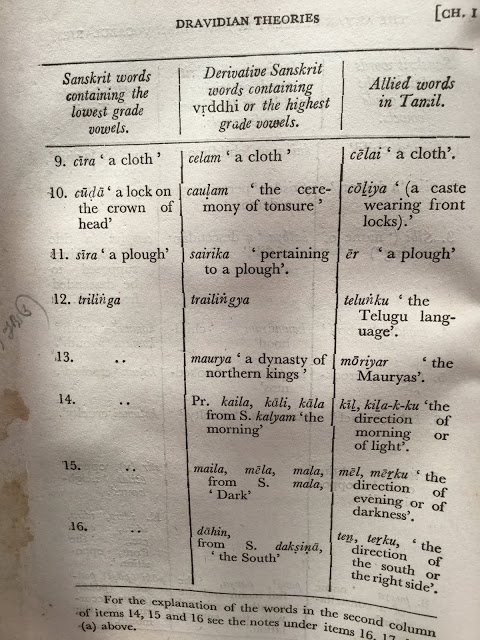
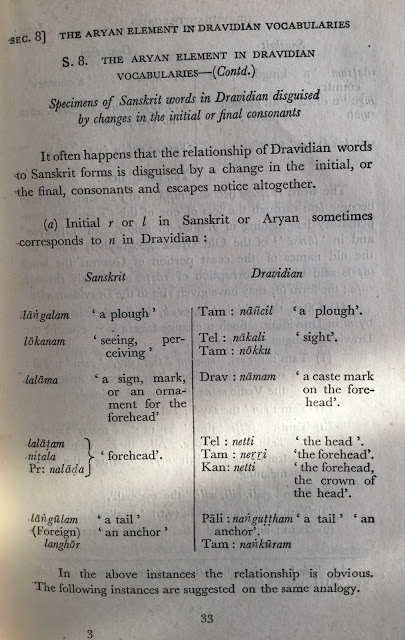
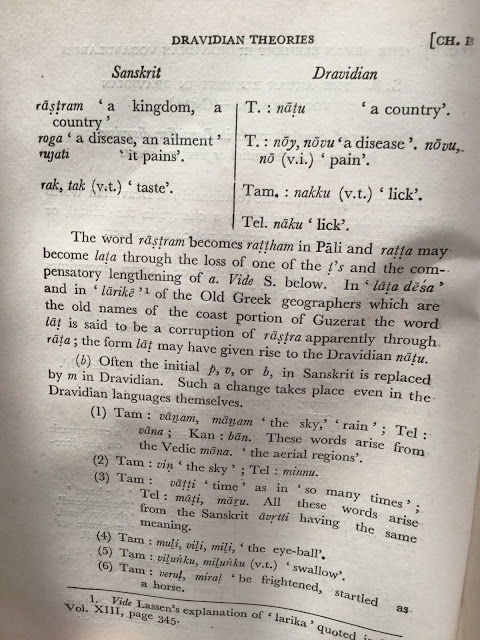
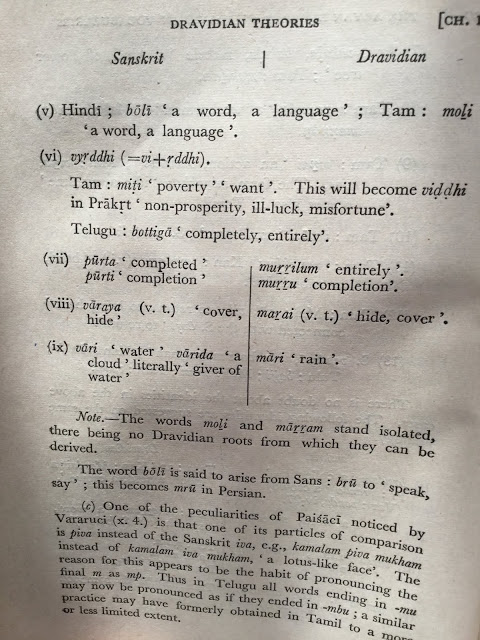
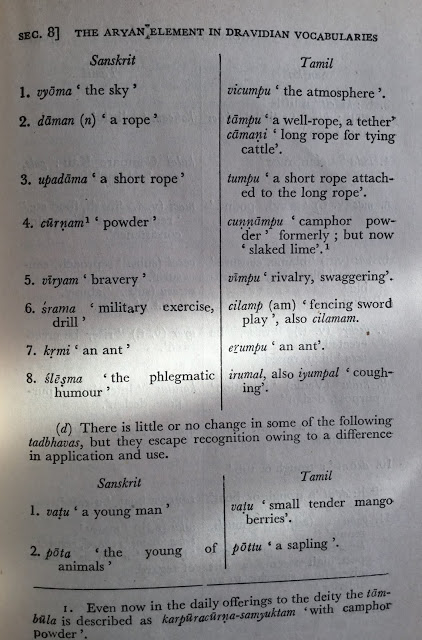
Following is the table given by Swaminatha Aiyar to show the link between Tamil and Sanskrit:


My previous articles on the same subject:

  1. Who are Dravidians? | Tamil and Vedas

tamilandvedas.com/2013/07/17/who-are-dravidians

Who are Dravidians? By London Swaminathan … https://tamilandvedas.com/2013/07/17/who-are-dravidians/ Previous Post திராவிடர்கள் யார்?

.

  1. ‘Dravidians are Invaders’ – Tamil and Vedas

tamilandvedas.files.wordpress.com/2013/12/…

‘Dravidians are Invaders’ Who are Dravidians ? Part- 2 Post No. 761 dated 26/12/13 ; compiled by London swaminathan Please read part 1 before reading this part …


  1. Dravidian | Tamil and Vedas

tamilandvedas.com/category/dravidian

Foreigners used this “Dravidian” Brahui to show the Dravidians entered India through the north … (for old articles go to tamilandvedas.com OR swamiindology …

  1. Very Important Date – Tamil and Vedas

tamilandvedas.files.wordpress.com/2014/01/very…

5.Who are Dravidians? (Posted July 17, 2013) and 700 more articles. Contact swami_48@yahoo.com . Title: Microsoft Word – Very Important Date Author: Swaminathan

  1. Munda Tribe follows Brahmin customs! Mystery of Indian Hill …

swamiindology.blogspot.com/2016/06/munda-tribe…

(for old articles go to tamilandvedas.com OR swamiindology.blogspot.com) … Foreigners classified them as Dravidians but there is no Dravidian or Aryan element in them.

  1. Indus Valley Case – Tamil and Vedas

tamilandvedas.files.wordpress.com/2013/12/indus…

Indus Valley Case: Lord Indra Acquited Post No 764 dated 28th December 2013. … Dravidians and Aryans came to India from outside. But Hindu literature says


Brahui | Tamil and Vedas

tamilandvedas.com/tag/brahui

Posted by Tamil and Vedas on September 12, 2017. https://tamilandvedas.com/2017/09/12/brahui-theory-incorrect-post-no-4205/

  1. Tamil and Sanskrit | Tamil and Vedas

tamilandvedas.com/tag/tamil-and-sanskrit

Tagged Agastya statues, Panini, Tamil and Sanskrit, Tamil Grammar. Posted by Tamil and Vedas on July 26, 2016. … Tamil and Sanskrit came from the same source.

  1. Origin of Tamil and Sanskrit | Swami’s Indology Blog

swamiindology.blogspot.com/2014/11/origin-of…

Tamil and Sanskrit came from the same source. One who knows these two languages can learn any language in the world without much difficulty.

  1. Origin of Tamil and Sanskrit | Tamil and Vedas

tamilandvedas.com/…/origin-of-tamil-and-sanskrit

Origin of Tamil and Sanskrit. Research paper written by London Swaminathan Research article No.1409; … Tamil and Sanskrit came from the same source.


–SUBHAM—

கீழ்ஜாதிக்காரனை மேல் ஜாதியாக்கும் அதிசய மந்திரம்! (Post No.5283)

Written by London swaminathan

Date: 3 August 2018


Time uploaded in London – 6-52 AM   (British Summer Time)


Post No. 5283


Pictures shown here are taken from various sources such as Facebook friends, Wikipedia, Books, Google and newspapers; thanks. Pictures may be subject to copyright laws.


கீழ்ஜாதிக்காரனை மேல் ஜாதியாக்கும் அதிசய மந்திரம்! (Post No.5283)


சிவ சிவ என்கிலர் தீவினையாளர்


சிவ சிவ என்றிடத் தீவினை மாளும்


சிவ சிவ என்றிடத் தேவரும் ஆவர்


சிவ சிவ என்னச் சிவகதி தானே

திருமூலரின் திருமந்திரம்


பொருள்


பாவிகள், சிவன் (கடவுள்) நாமத்தை உச்சரிக்க மாட்டார்கள்; பாவம் செய்தவர்களும் சிவ, சிவ என்ற நாமத்தை உள்ளன்போடு உச்சரித்தால் பாவங்கள் போகும். சிவன் நாமத்தை உச்சரித்தால் மனிதனும் தேவர் ஆகிவிடுவான். தொடர்ந்து சிவன் நாமத்தை உச்சரிப்பவர்கள் சிவனுடன் ஒன்றிவிடுவார்கள்.


‘நாவுக்கு அருங்கலம் நமச்சிவாயவே’ என்று அப்பர் பெருமான் சொன்னதும் இதனால்தான்.


இதை விளக்க ஒரு கதை உண்டு

ஸ்ரீராமகிருஷ்ண பரமஹம்சர் சந்தித்த பெரிய பக்தர்களில் ஒருவர் கிருஷ்ண கிஷோர். அவர் ராம பிரானை வழிபடுபவர். அரியதாகா என்னுமிடத்தில் வாழ்ந்தார்.அவரைப் பற்றி ராமகிருஷ்ணர்  சொன்னதாவது:


“எனக்கு முதலில் தெய்வீகப் பரவச நிலை ஏற்பட்டு அதிலேயே  ஆழ்ந்து கிடந்தபோது  , என்னால் உலக ஆசை பிடித்த சாதாரண மக்களோடு இருக்கவே முடியாது. நான் கடவுள் வெறி பிடித்து , கடவுள் பற்றிய விஷயங்களையே கேட்க விரும்பினேன். மஹாபாரதம் எங்கே நடக்கும்? பாகவதம் எங்கே நடக்கும்?

அத்யாத்ம ராமாயணம் எங்கே நடக்கும்? என்று அலைந்தேன். சில நேரங்களில் கிருஷ்ண கிஷோரிடம் செல்வேன். அவருக்குக் கடவுளிடம் அற்புதமான நம்பிக்கை இருந்தது.


ஒருமுறை கிருஷ்ண குமார் பிருந்தாவனத்துக்குச் சென்றிருந்தார். அவருக்கு மிகவும் தாகம் எடுத்தது. போகும் வழியில் இருந்த ஒரு கிணற்றடிக்குச் சென்றார். அங்கே ஒருவன் தண்ணீர் இறைத்துக் கொண்டிருந்தான். கிஷோர் அவனிடம் சென்று தமக்குக் குடிக்கக் கொஞ்சம் தண்ணீர் தரும்படி கேட்டார். அவனோ தான் மிகவும் தாழ்ந்த குலத்தைச் சேர்ந்தவன் என்றும் அவருக்குத் தண்ணீர் எடுத்துத் தருவது பாவம் என்றும் கூறினான்.


உடனே கிருஷ்ண கிஷோர் அவனிடம் ‘ சிவ, சிவா’ என்று சொல்லச் சொன்னார். அவன் சொன்னதும் நீ உயர்குலத்தவன் ஆகிவிட்டாய், உன் கையாலேயே தண்ணீர் இறைத்துக் கொடு’ என்றார். அவனும் தந்தான். கடவுளின் திருநாமத்தில் அவருக்கு அவ்வளவு நம்பிக்கை.


சிவ சிவ என்றிடத் தேவரும் ஆவர்என்று திருமூலர் சொன்னது எவ்வளவு உண்மை! நாடு முழுதும் இந்த நம்பிக்கை உண்டு!


அஜாமிளன் கதை புராணத்தில் வருகிறது எவ்வளவு பாபம் செய்த போதிலும் சாகும் நேரத்தில் மகன் பெயரான நாராயணன் பெயரைச் சொல்லி அழைத்த ஒரே காரணத்தினால் அவன் எல்லா பாபமும் நீங்கப் பெற்றான்.


விஷ்ணு ஸஹஸ்ர நாமத்தின் பலஸ்ருதியிலும் சங்கீர்த்ய நாராயண சப்த மாத்ரம் விமுக்த துக்காஸ் சுகினோ பவந்து” என்று சொல்லப்படுகிறது. நாராயண என்ற சப்தமும் சிவன் என்ற சப்தமும் எல்லாப் பாவங்களையும் போக்கி எல்லோரையும் உயர் நிலைக்கு இட்டுச் சென்று விடுகிறது. இதை அப்பர் சுவாமிகள் , திருமூலர், சம்பந்தர் முதலியோரும் ஆழ்வார்களும் நமக்கு பாடல்களால் உணர்த்தியுள்ளனர்.


சிவ, சிவ!                                          நாராயண, நாராயண!!


–சுபம்–

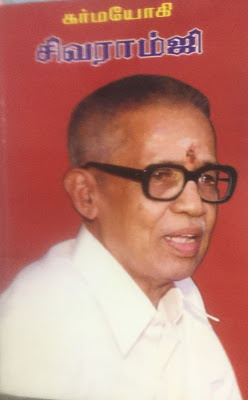
அதிசய கர்மயோகி (RSS) ஸ்ரீ சிவராம்ஜி!

Written by S NAGARAJAN

Date: 3 August 2018


Time uploaded in London – 5-25 AM   (British Summer Time)


Post No. 5282


Pictures shown here are taken from various sources such as Facebook friends, Wikipedia, Books, Google and newspapers; thanks. Pictures may be subject to copyright laws.


அதிசய கர்மயோகி ஸ்ரீ சிவராம்ஜி!


ச.நாகராஜன்


இப்படி ஒரு அதிசய கர்மயோகி இந்தக் காலத்தில் வாழ்ந்திருக்கிறாரா என்று நம்ப மறுக்கும் அளவு ஒரு அதிசய கர்மயோகியாக வாழ்ந்தவர் ராஷ்ட்ரீய ஸ்வயம்சேவக சங்கத்தின் (RSS) பிரசாரகர் ஸ்ரீ சிவராம்ஜி!


இவரைப் பற்றி அறிய ஆவல் கொண்டிருக்கும் பலருக்கும் தன்னைப் பற்றி எந்த வித விஷயத்தையும் தெரிவிக்காமல் மிக மிக அடக்கமாக எளிமையாக வாழ்ந்த மஹா புருஷர் அவர். என்றாலும் கூட நமது அதிர்ஷ்டவசமாக சங்க பிரசாரகர் பா.உத்தம்ராஜ் அவரைப் பற்றிய அரிய தகவல்களை

‘கர்மயோகி சிவராம்ஜி’ என்ற நூலில் தொகுத்துத் தந்து சிறந்த பணியை ஆற்றியிருக்கிறார்.


1968ஆம் ஆண்டையொட்டி சிவராம்ஜியுடன் சிறிது காலம் மதுரையில் அவருடன் பழகும் பாக்கியம் எனது குடும்பத்தினருக்குக் கிடைத்தது.


வழக்கம் போல எந்தக் குடும்பத்தினருடன் அவர் பழகினாலும் அதில் ஒரு உறுப்பினராகவே ஆகி விடுவது போல அவர் எங்கள் குடும்பத்தில் இணைந்தவர் ஆகி விட்டார்.


எளிமையான சட்டை – ஆனால் அழுக்கு இல்லாமல் தூய்மையாக இருக்கும். அதிகம் பேசவே மாட்டார் – ஆனால் பேசியவை மிக ஆழ்ந்த அர்த்தம் கொண்டதாக இருக்கும். பிற விஷயங்களைப் பற்றிப் பேசுவார் – ஆனால் அதன் உள்ளார்ந்த ஓட்டம் சங்க வளர்ச்சியை ஒட்டியே இருக்கும்.

அதிகாலை முதல் இரவு முடிய தினமும் சங்கப் பணி ஒன்றே தனது மூச்சாகக் கொண்டு வாழ்ந்தவர் அவர்.


இன்று இந்து முன்னணித் தலைவராக இருக்கும் ஸ்ரீ இராம கோபாலனைக் ‘கண்டெடுத்தவர்’ அவர் தான்!

பிரசாரகராக இருந்து பிராந்த பிரசாரகராக உயர்ந்து இந்து முன்னணியை அமைத்து அதன் தலைவராக இருக்கும் இராம கோபாலன் சிவராம்ஜியைப் பற்றிக் கூறுகையில்,”நாங்கள் எல்லோரும் பிரச்சாரகர்கள். ஆனால் சிவராம்ஜி நூற்றுக்கு நூறு பிரச்சாரகர். பிசிறில்லாத ஸ்வயம்சேவகர்” என்று கூறினார்.

பரமபூஜனீய ஸ்ரீ குருஜி கோல்வால்கர் ராஷ்ட்ரீய ஸ்வயம்சேவக சங்கத்தில் மூன்று ரிஷிகள்  இருப்பதாக ஒரு முறை குறிப்பிட்டார். அந்த மூவர் 1) தீனதயாள் உபாத்யாய 2) தத்தோபந்த் தெங்கடி 3) சிவராம்ஜி


எந்த ஒரு நபரையும் செதுக்கி அவரிடம் உள்ள நல்லனவற்றை வெளிக்கொணர்ந்து அவரை எவ்வளவு தூரம் சிறப்பானவராக ஆக்க முடியுமோ அவ்வளவு தூரம் ஆக்கி விடும் ‘சிறந்த மனிதரை உருவாக்கும் சிற்பியாக’ – ‘படைத்த பின் சிறக்க வைக்கும் சிறப்பு பிரம்மாவாக’ -அவர் வாழ்ந்தார்.

சைக்கிளில் தான் செல்வார். அதற்கு ஒரு ஷெட்யூல்ட் ரூட் இருக்கும்.


ஸ்ரீமதி நிர்மலா அவஸ்தி (விவேகானந்த கேந்திர முழு நேர ஊழியர்) அவரது செயல்முறையைப் பற்றி இப்படி வர்ணித்தார் ஒருமுறை : “சிவராம்ஜி காலையும் மாலையும் மயில் மீது சுற்றும் முருகன். காரியங்கள் முடிந்த பிறகு மத்தியான நேரம் ஆலயத்தில் அமர்ந்து எழுதிக் கொண்டே இருக்கும் விநாயகர் அவர்”


நல்லோர் வட்டம் என்று நல்லோர்கள் பலரைப் படைத்து அவர்களுக்கு திட்டங்களைத் தீட்டிக் கொடுத்து அவற்றை ஒழுங்குபட செயல்பட வைத்த அதிசய மனிதர் அவர்.

அவரது திட்டங்கள் பல என்றாலும்  சுமார் 347 திட்டங்களை மட்டும் உத்தம்ராஜ் பட்டியலிட்டிருக்கிறார். பட்டியலில் வராதவை எத்தனையோ!


ஒரு சில நல்லோர் வட்ட திட்டங்களை பார்ப்போம்:

சங்க வளர்ச்சிப் பணி தான் மூச்சு. அதன் அடிப்படையிலேயே அவர் திட்டங்களைக் காண வேண்டும்.

பத்து சங்கப் பாடல்களை மனப்பாடம் செய்தல்

ஒரு மஹானுடைய வாழ்க்கைச் சரித்திரம் படித்து அதைச் சொல்லத் தயாராக இருத்தல்

பத்திரிகைகளுக்கு ஆசிரியருக்குக் கடிதம் பகுதியில் 3 கடிதங்கள் எழுதுதல்

கல்லூரிப் பேராசிரியர் 10 பேரைச் சந்தித்தல்

ஒரு ரத்ததான முகாம் நடத்துதல்

5 கலைஞர்களைச் சந்தித்தல்

ஒரு அனாதை விடுதியைப் பற்றிய முழு விவரம் சேகரித்தல்

வேலை இல்லாத 3 பேருக்கு வேலை வாய்ப்பு ஏற்பாடு செய்தல்

கஷ்டமான நிலையில் உள்ள 5 நோயாளிகளைச் சந்தித்தல்

நல்ல ஜோக்ஸ் 50 சேர்த்தல்

நல்ல செய்தியைக் குறைந்தது 10 பேரிடம்

படிக்காத 10 பெண்களுக்கு படிப்புச் சொல்லித் தருதல்

ஒரு பள்ளிக்கூடம் துவங்குதல்

இப்படிச் சொல்லிக் கொண்டே போகலாம்.


புனேயில் 1917இல் பிறந்தார். சென்னைக்கு 1942ஆம் ஆண்டு வந்தார். பிரச்சாரகராகத் தன் பணியைத் துவக்கிய அவர் சென்னை மாநிலம் முழுவதும் தன் காலடியைப் பதித்தார். ஏராளமானோரை சங்கத்தில் இணைத்தார். அவர்களில் பலரும் மிக உயர்ந்த பொறுப்புகளில் – பல்வேறு துறைகளிலும் – இன்று பணி புரிகின்றனர்.


1999ஆம் ஆண்டு அவர் மறைந்தார். தன் இறுதி நெருங்கி விட்டதை டாக்டர் மூலம் உறுதிப் படுத்திக் கொண்ட அவர் தன் உடலை உடல் தானம் செய்து அதற்கான ஆவணத்தில் கையொப்பமிட்டார்.


அவரது இறுதி மூச்சும் சங்க காரியாலத்தில் தான். அவரது உடலை ஏந்திச் செல்ல ராமச்சந்திரா மருத்துவ மனையிலிருந்து வேன் வந்த போது வருந்தாதவரே இல்லை.

சங்க மார்க்கம் என்பது கண்டகாகீர்ண மார்க்கம். முட்கள் நிறைந்த பாதை. அதை ஸ்வயம் ஸ்வீக்ருதம் செய்பவரே ஸ்வயம் சேவகர். அதாவது தாமாக முன்வந்து அந்த முள்பாதையில் நடக்க ஆரம்பித்து லட்சியமான ஹிந்து ராஷ்ட்ரத்தை அடைவதே இலட்சியம். அந்த மார்க்கத்தைச் சுட்டிக் காட்டி அதை ஸ்வயம் ஸ்வீக்ருதம் செய்ய ஆயிரக் கணக்கானோரை அழைத்து அதில் அவர்களை இணைத்தவர் அவர்.


உலகம் முழுவதும் சுகமாக இருக்கட்டும் (லோகாஸ் ஸமஸ்தா சுகினோ பவந்து) என்பது ஹிந்துத்வம்.

அதை வாழ்ந்து காட்டி அதற்கான வழி சங்கம் ஒன்றே தான் என்பதை நிரூபித்தவர் சிவராம்ஜி.


அவரை எப்பொழுது நினைத்தாலும் ஒரு நல்ல காரியம் செய்ய நம்மை நமது மனம் தூண்டும்.

இப்படிப்பட்டவரை மஹரிஷி என்று சொல்வதே மிகவும் பொருத்தமானது!

***