650 Plays! Nehru on Sanskrit Wonders!! (Post No.5402)

Compiled by  London Swaminathan


swami_48@yahoo.com

Date: 7 September 2018


Time uploaded in London – 18-25 (British Summer Time)


Post No. 5402

 
Pictures shown here are taken from various sources including google, Wikipedia, Facebook friends and newspapers. This is a non- commercial blog.

We read about wonders of Sanskrit language. Jawaharlal Nehru adds more interesting information which most of us don’t know.

Following is taken from his book Discovery of India before Independence: –

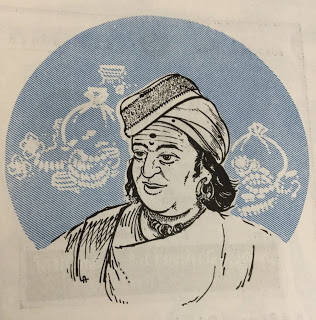
“Europe first learned of the old Indian drama from Sir William Jones translation of Kalidasa’s Shakuntala, published in 1789. Something in the nature of a commotion was created among European intellectuals by the discovery and several editions of the book followed. Translations also appeared in German, French Danish and Italian. Goethe was powerfully impressed and he paid a magnificent tribute to Shakuntala.
Xxx
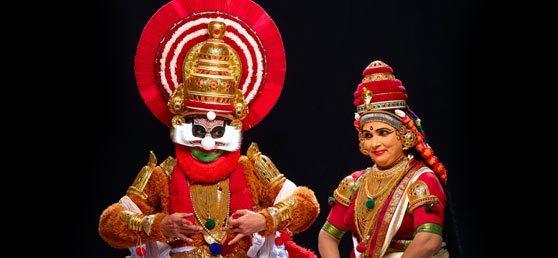

The idea of giving a Prologue to Faust said to have originated from Kalidasa’s prologue, which was in accordance with the usual tradition of the Sanskrit drama.
Xxx
Wilson who used to be Professor of Sanskrit at Oxford university, has said of these two,
‘It is impossible to conceive language so beautifully musical or, so magnificently grand, as that of the verses of Kalidasa and Bhavabhuti.

Xxx
Islamic Rule is cause for decay ??

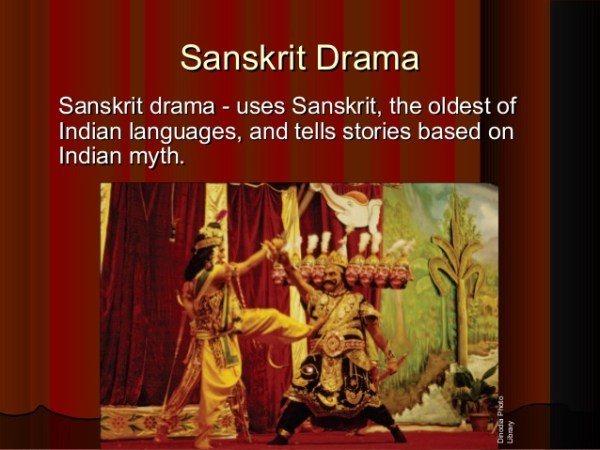
The stream of Sanskrit drama continued to flow for centuries but after Murari , early in the ninth century, there is a marked decline in the quality. That decline, and a progressive decay, were visible in other forms of life’s activities. It has been suggested that this decline may be partly due to the lack of royal patronage during the Indo -Afghan and Mogul periods and the Islamic disapproval of the drama as an art form, chiefly because of its intimate association with the national religion. But there is little substance in the argument though political changes at the top had some indirect effect. The decline was obvious long before the political changes.

Xxxx
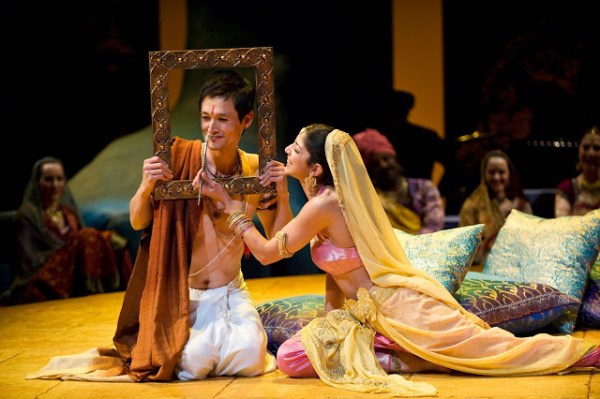

Yet , in spite of all this, it is astonishing the Sanskrit drama continued to be produced right through the mediaeval period and up to recent times. In 1892 appeared a Sanskrit adaptation of Shakespeare’s Midsummer Night’s Dream. Manuscripts of old plays are continuously being discovered. A list of these prepared by Professor Sylvain Levi contained 377 plays by 189 authors. A more recent list contains 650 plays.

Xxx

An English translation of Shudraka’s ‘Mrichakatika’ drama was staged in New York in 1924. Mr Joseph Wood Krutch , the dramatic critic of the ‘Nation’ wrote of it as follows,
‘Here, if anywhere the spectator will able to see a genuine example of that pure art theatre of which theories talk, and here, too, he will be led to meditate upon that real wisdom of the East doctrine but in a tenderness, far deeper and truer than that of the traditional Christianity which has been so thoroughly corrupted by the hard righteousness of Hebraism. A play wholly artificial but yet profoundly moving because it is not realistic but real. Whoever the author may have been, and whether he lived in the fourth century or the eighth century he was a man good and wise with the goodness and wisdom which not come from the lips or the smoothly flowing pen of the moralist but from the heart……..
Nowhere in our European past do we find, this side the classics, a work more completely civilised.

Xxx
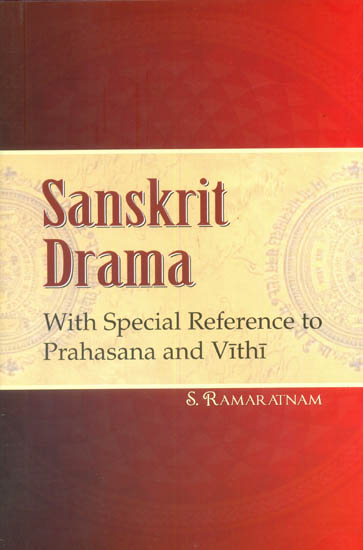

Vitality and Persistence of Sanskrit

Sanskrit is a language amazingly rich, efflorescent, full of luxuriant growth of all kinds, and yet precise and strictly keeping within the framework of grammar which Panini laid down two thousand six hundred years ago. It spread out, added to its richness, became fuller and more ornate, but always it stuck to its original roots.

Sir William Jones observed as long ago as 1784,
‘The Sanskrit language, whatever be its antiquity, is of a wonderful structure; more perfect than the Greek; more copious than the Latin and more exquisitely refined than either; yet bearing to both of them a stranger affinity, both in the roots of verbs ,and in the forms of grammar, than could possibly have been produced by accident; so strong indeed, that no philologer could examine them all without believing them to have sprung from some common source which perhaps no longer exists’.
Xxx
Nehru has given a detailed list of Sanskrit books with short descriptions in the Discovery of India.


–Subham–


பைத்தியக்கார பாதரஸ சோதனை! (Post No.5401)

written by  London Swaminathan


swami_48@yahoo.com

Date: 7 September 2018


Time uploaded in London – 6-47 am (British Summer Time)


Post No. 5401


பிரியாடிக் டேபிள் (periodic table) எனப்படும் மூலக     அட்டவணையில் 80-ஆவது இடத்தைப் பிடித்த மூலகம் பாதரஸம். இது ஒரு விநோதமான மூலகம். திரவ ரூபத்தில் இருக்கும். கண்ணாடி முதலியவற்றில் ஒட்டாது. சிறிய வெப்பம் இருந்தாலும் விரிவடையும். இதனால் உடலில் உள்ள சூட்டை அளக்க இதை தெர்மாமீட்டரில் பயன்படுத்தினர். இதன் விநோதத் தன்மையால் இதைக் கொண்டு ஈயத்தையும் இரும்பையும் தங்கம் ஆக்கலாம் (alchemy) என்று உலகம் முழுதும் நம்பிக்கை இருந்தது. ஒருவர் தலை முடியில் பாதரஸம் இருக்கும் அளவைக் கொண்டு அவர் இவ்வித (alchemy or transmutation of metals) ஆராய்ச்சியில் ஈடுபட்டாரா அல்லது காம சம்பந்தமான (syphilis) நோய்களுக்கு மருந்து சாப்பிட்டாரா என்று இறந்த பின்னரும் தலை முடி காட்டிவிடும். இது அந்தக்காலம். இப்பொழுது மெர்க்யுரி எனப்படும் பாதரஸம் (Mercury) விஷம் என அறிந்ததால் அதை உள்ளுக்கு சாப்பிடும் மருத்துகளில் கலப்பது இல்லை.


நமது ரிஷி முனிவர்கள் ஈயம், இரும்பு தாமிரம் ஆகியவற்றிலிருந்து தங்கத்தை உண்டாக்கியது உண் மையாக இருக்கலாம். ஆனால் மேலை நாட்டில் எந்த ஒரு ரஸவாத ஆராய்ச்சியும் இதை நிரூபிக்கவில்லை. விஞ்ஞானம் இன்று வரை நம்பாத அஷ்டமா சித்திகள் , இந்துமத முனிவர்களுக்கும் சித்தர்களுக்கும் உண்டு. ஆகையால் அவர்கள் இப்படி ஒரு சித்தியைப் பெற்றதில் வியப்பில்லை.


பாதரஸம் எப்பொழுதுமே திரவ நிலையில் (liquid state) இருக்கும் ஒரு உலோகம் என்ற நம்பிக்கை தகர்ந்து போன ஒரு சம்பவம் எல்லோரையும் அதிர்ச்சிக்குள்ளாக்கியது. 1759-ஆம் ஆண்டில் இரண்டு ரஷ்ய விஞ்ஞானிகள் சைபீரியாவில் வேறு ஒரு சோதனைக்காக சென்றனர். ஏ. பிரவுனும் எம்.வி. லோமோனோசோவும் உப்பையும் பனிக்கட்டியையும் கலந்து வெப்பத்தைத் தாழ்த்தும் சோதனை செய்தனர். அமிலத்தையும் பனிக்கட்டியையும் கொண்டு மேலும் வெப்பநிலையைக் குறைக்கலாமா என்றும் ஆரய்ந்தனர். வெப்பத்தை அளக்க முயன்றபோது தெர்மாமீட்டரில் (வெப்பமானி) பாதரஸம் நகரவில்லை! கண்ணாடிக்குள் அது கட்டியாக நின்றவுடன் அதை உடைத்து வெளியே எடுத்தால் கம்பி போல வந்தது. மற்ற உலோகக் கம்பிகளை வளைப்பது போல வளைக்கவும் முடிந்தது. அப்பொழுது முதல் பாதரஸ  மும் ஒரு சாதாரண மூலகமே என்று உலகம் உணர்ந்தது.

கலோமல் (calomel) எனப்பட்டும் மெ ர்க்யுரிக் குளோரைடு (Mercuric chloride) பேதி மருத்தாகவும் நோய்க்கிருமிகளைக் கொல்லும் மருந்தாகவும் இந்தியா உள்பட பல நாடுகளில் உபயோகத்தில் இருந்தது. சீன மருந்துகளில் இப்பொழுதும் பாதரஸ கூட்டுப்பொருட்கள் கலக்கப்படுகின்றன. மேலை நாடுகளில்  தோல் நோய்களுக்கு வெளியே (Skin Ointments) பூசும் களிம்புகளில் மட்டும் இருக்கும். இது விரைவில் ஆவியாகக் கூடியதால் சோதனைச் சாலைகளில் சுவாசிப்பதன் மூலம் நுரையீரலில் புகுந்து பலவிதக் கேடுகளைத் தந்தது.

கடல் மீன்களைச் சாப்பிடுவோர் (tuna, Sword fish) இந்தக் கேடுகளுக்கு அதிகம் ஆட்படுவர். நாம் சாப்பிடும் பல உணவுப் பொருட்களில் இது இருந்தாலும் மிக மிகக்குறைவே. அதனால் ஆபத்து ஏற்படாது. கர்ப்பிணிப் பெண்களை மேலை நாடுகளில் சில வகை மீன்களைச் சாப்பிட வேண்டாம் என்று எச்சரிப்பர்.


பாதரஸத்தை இப்பொழுதும் மின்சாரக் கருவிகளில் பயன்படுத்துவர். ஆனால் புறச் சூழல் மாசு பற்றி விழிப்புணர்வு ஏற்பட்டவுடன் பாட்டரிகளில் அதைப் பயன்படுத்துவது குறைந்து விட்டது.


எகிப்தியர், கிரேக்கர், இந்தியர் ஆகியோருக்கு ஆதிகாலம் முதல் தெரிந்த ஒரு உலோகம் இது. எகிப்திய கல்லறையில் தேங்காய் வடிவ குடுவை கிடைத்தது. இது கி.மு 1600 ஆண்டில் செய்யப்பட்டது.


ஸ்பெயின் நாட்டில் பழங்கால குகை ஓவியங்களில் சின்னபார் (cinnabar) எனப்படும் மெக்யுரி சல்பைடை (Mercuric sulfide) பயன்படுத்தினர். இது 30,000 ஆண்டு பழமையுடைத்து.

தென் அமெரிக்க இன்கா நாகரீக மக்களும் இதை அறிந்து இருந்தனர். ஆகவே தங்கம் தாமிரம் இரும்பு போல பழங்கால மக்கள் அறிந்த உலோகம் பாதரஸம். ஆனால் இதை வைத்து தங்கம் உண்டாக்கும் முயற்சிகள் பொய்யாய்ப் பழங்கதையாய்ப் போயினவே!


-சுபம்-

ஹிட்லரின் சித்திரவதை முகாமில் புதிய உளவியல் சிகிச்சை முறை (Post No.5400)

WRITTEN BY S NAGARAJAN

Date: 7 SEPTEMBER 2018


Time uploaded in London – 6-04 AM (British Summer Time)


Post No. 5400


Pictures shown here are taken from various sources including google, Wikipedia, Facebook friends and newspapers. This is a non- commercial blog.


டைரக்டர் திரு கே.பாக்யராஜ் அவர்களை ஆசிரியராகக் கொண்டு வெளிவரும் வார இதழ் பாக்யா. அதில் 7-9-2018 தேதியிட்ட இதழில் அறிவியல் துளிகள் தொடரில் வெளியாகியுள்ள (எட்டாம் ஆண்டு இருபத்தியேழாம்) கட்டுரை


ஹிட்லரின் சித்திரவதை முகாமில் புதிய உளவியல் சிகிச்சை முறையைக் கண்டுபிடித்தவர்!

ச.நாகராஜன்


வாழ்க்கையின் அர்த்தம் என்ன என்பதைக் கண்டு பிடிக்க முயன்று அதைப் பற்றிய உளவியல் ஆய்வில் ஈடுபட்டு பிரபலமான புத்தகத்தை எழுதியவர் விஞ்ஞானி விக்டர் ஃப்ராங்க். (Viktor Emil Frankl பிறப்பு 26-3-1905 மறைவு 2-9-1997) ஆஸ்திரியாவைச் சேர்ந்த யூதர் இவர்

ஆனால் அநியாயமாக ஹிட்லரின் சித்திரவதை முகாமிற்கு அனுப்பப்பட்ட லட்சக்கணக்கானோருள் இவரும் ஒருவர்.

இரண்டாம் உலக மகாயுத்தத்தின் போது போலந்தை திடீரென்று ஆக்கிரமித்த ஹிட்லர் அங்கு சித்திரவதை முகாம் ஒன்றை ஏற்பாடு செய்தான். இந்த முகாம் அஸ்விட்ஸ் சித்திரவதை முகாம் (Auschwitx Concentration Camp) என அழைக்கப்பட்டது. இதைத் தொடர்ந்து இரண்டாம் முகாம் ஒன்றும் ஆரம்பிக்கப்பட்டது. இதற்கு 45 துணை முகாம்கள் இருந்தன.


இந்த முகாம்களுக்கு சுமார் 13 லட்சம் பேர்கள் அனுப்பப்பட்டனர். அதில் 11 லட்சம் பேர்கள் கொல்லப்பட்டனர். 1940இல் மே மாதம் கைதிகள் இங்கு கொண்டு வருவது ஆரம்பிக்கப்பட்டது. ஏராளமான புகைவண்டிகள் இவர்களை ஏற்றி வந்தன. இவர்களில் 90 சதவிகிதம் பேர் யூதர்கள். செப்டம்பர் 1941இல் ஆரம்பித்து கூட்டம் கூட்டமாக கைதிகள் விஷவாயு சேம்பருக்குள் அனுப்பப்பட்டு கொல்லப்பட்டனர்.


செங்கல்லினால் ஆன கட்டிடம் ஒன்றில் அவர்களை அடைத்து காற்றுப் புகாதபடி ஜன்னலை மூடி விட்டு, சயனைடை அடிப்படையாகக் கொண்ட ஜிக்லான் பி (Zyklon B)  என்ற விஷ வாயுவை நிரப்பி இவர்கள் கொல்லப்பட்டனர். இது தவிர, பல்லாயிரம் பேர்கள் உணவின்றி வாடி இறந்தனர். பலர் முகாம்களின் மோசமான நிலையால் வியாதிகளால் பீடிக்கப்பட்டு இறந்தனர். இங்கிருந்து 802 கைதிகள் தப்ப முயன்றனர். ஆனால் வெற்றிகரமாகத் தப்பியவர்கள் 144 பேர்களே.


அவர்கள் மூலமாகத் தான் இந்தக் கொடூரமான சித்திரவதை முகாம் பற்றி உலகம் முழுமையாக அறிந்தது.


உலகப் போரின் இறுதிக் கட்டத்தில் சோவியத் படைகள் அஸ்விட்ஸை நெருங்கவே கைதிகளை போலந்தின் மேற்கே அனுப்பி அவர்களின் கடைசி யாத்திரையைத் தொடங்கி வைத்தது நாஜி ஜெர்மனி. எஞ்சி இருந்தோர் 1945 ஜனவரி 27ஆம் தேதி விடுதலை செய்யப்பட்டனர்.

இப்படி விடுதலையானவர்களில் ஒருவர் தான் விஞ்ஞானி விக்டர் ஃப்ராங்க்.


முதலில் வியன்னாவில் மன நல  மருத்துவராக ஒரு யூத ஆஸ்பத்திரியில் பணியாற்றி வந்தார் அவர். போர் மேகம் ஆஸ்திரியாவைச் சூழவே அமெரிக்கா தனது விசாவை வழங்கி அவரை அமெரிக்கா வருமாறு அழைத்தது. ஆனால் தனது வயதான பெற்றோரைக் கருத்தில் கொண்டு வியன்னாவிலேயே வசித்து வந்தார் அவர். திடீரென்று அவரையும் குடும்பத்தினரையும் கைது செய்தது நாஜிப் படை. குடும்பத்தினர் கொல்லப்பட்டனர்.


அவர் நான்கு சித்திரவதை முகாம்களுக்கு அனுப்பப்பட்டார். அவரது திறமையைக் கருத்தில் கொண்ட முகாம் அதிகாரிகள் அவரை கைதிகளுக்கு உளவியல் ரீதியாக ஆலோசனை சொல்லப் பணித்தனர். அங்கு ஏற்பட்ட அனுபவங்களின் விளைவாக அவர் பல புதிய உண்மைகளைக் கண்டார். அந்த உண்மைகளை இருபதாம் நூற்றாண்டின் பிரபலமான உளவியல் புத்தகமான ‘மேன்ஸ் செர்ச் ஃபார் மீனிங் (Man’ s Search for Meaning) என்ற புத்தகத்தில் வெளியிட்டார்.

முக்கியமாக தற்கொலைக்கு முயன்றவர்களை அழைத்து அவர்களுக்கு ஆலோசனை வழங்கி வாழ்க்கையின் அர்த்தத்தை உணர்த்துவதில அவர் வல்லவரானார்.


சித்திரவதை முகாமில் அவருக்கு அடுத்தாற்போல உட்கார்ந்திருந்த ஒரு கைதி வேடிக்கையாக அவரிடம், “இந்த நிலையில் நமது மனைவிமார் நம்மைப் பார்த்தால் என்ன ஆகும்? என்று சொல்லிச் சிரித்தார்.

உடனே ஃப்ராங்க் வானத்தை அண்ணாந்து பார்த்தார். அங்கு மேகக் கூட்டத்தில் அவரது அன்பு மனைவியின் முகம் கள்ளங்கபடமற்றுத் தெரியவே அவரது மனதில் ஒரு புது உத்வேகம் எழும்பியது.

‘உங்கள் அன்புக்குரிய மனைவியை அதிகம் நேசியுங்கள்; உங்களுக்கு வாழ்க்கையின் அர்த்தம் புரியும் என்கிறார் அவர்.


சித்திரவதை முகாம்களுக்கு வருவோர் பொதுவாக முதலில் எப்படியாவது யாராவது தம்மைக் காப்பாற்றி விடுவார்கள் என்ற நம்பிக்கையைக் கொண்டிருப்பர்.அடுத்த நிலையில் அது நடக்காது என்று தெரியும் போது உணர்ச்சி பூர்வமான மரணத்தை அடைகின்றனர். எப்படியோ உயிரோடிருந்தால் போதும் என்ற நிலை அது.நாளைக்கு மரணம் என்ற நிலையிலும் ஒரு துண்டு ரொட்டி இன்றைக்கு வேண்டும் என்ற அந்த நிலையைக் கடந்து மூன்றாம் நிலையில் விடுதலை என்ற நிலை ஏற்படும்.


இந்த மூன்று நிலைகளைக் கொண்ட முகாம் வாழ்வில் ஏற்படும் துன்பம் சொல்லவொண்ணாதது. அந்த துன்பத்தில் தான் தனது ஆராய்ச்சிக்கான விடையைக் கண்டார் ஃப்ராங்க்.

எவ்வளவு மோசமான நிலையிலும் கூட, சொல்லவொண்ணாத துன்பம் இருந்த போதும் கூட, உங்கள் அணுகு முறையை யாராலும் அடக்க முடியாது; அந்த அணுகுமுறை உங்களுக்குள்ள சுதந்திரம்; அதன் மூலம் வாழ்க்கையை முழுதுமாகப் புரிந்து கொள்ளலாம் என்கிறார் அவர்.


வாழ்க்கையின் அர்த்தம் என்ன என்று கேட்பதை விட வாழ்க்கை ஒவ்வொரு நாளும் ஒவ்வொரு மணியும் நம்மை என்ன கேள்வி கேட்கிறது என்பதைச் சிந்தித்தாலேயே போதும் நம்முடைய வாழ்விற்கான அர்த்தம் புரிந்து விடும் என்பது அவரது சித்தாந்தம்.

சித்திரவதை முகாமிலிருந்து விடுதலை செய்யப்பட்ட பின்னர் வெற்றிகரமான உளவியல் நிபுணராக அவர் பல்லாண்டுகள் பணி புரிந்தார். லோகோதெராபி  (Logotherapy) என்ற புதிய உளவியல் சிகிச்சை முறையை அவர் கண்டுபிடித்தார்.


வாழ்வில் ஏற்படும் துன்பங்களால் மனம் கலங்க வேண்டாம். அந்தத் துன்பமான வாழ்க்கை உங்களை என்ன கேட்கிறது என்பதை சிந்தியுங்கள்; பிரச்சினைகளிலிருந்து உங்களின் அணுகுமுறையால் மீளலாம் என்பது தான் அவர் உலகினருக்குத் தரும் புதிய சித்தாந்தம்.

உலகின் மகா கொடூரமான சித்திரவதை முகாமில் என்னென்ன நடந்தது என்பதை நேரடியாகப் பார்த்து அனுபவித்த விஞ்ஞானி என்ற முறையில் ஃப்ராங்க் உளவியல் சிகிச்சை உலகில் தனி இடத்தைப் பெறுகிறார்.


துன்பம் கண்டு கலங்க வேண்டாம்; வாழ்வின் அர்த்தத்தை அதிலிருந்து பெற்று சீராக வாலாம் என்பது அனைவருக்கும் ஒரு ஆறுதலான செய்தி தானே!


 அறிவியல் அறிஞர் வாழ்வில் .. ..

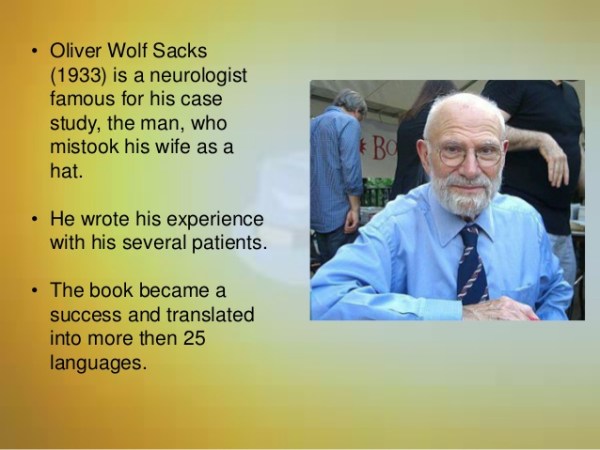
ஆலிவர் சாக்ஸ் (Oliver Wolf Sacks பிறப்பு 9-6-1933 மறைவு 30-8-2015)    பிரிட்டனைச் சேர்ந்த பிரபலமான மூளை இயல் நிபுணர். அறிவியல் வரலாற்று ஆசிரியர். அவரது ‘அவேகனிங்ஸ் (Awakenings) என்ற புத்தகம் சுவையான சம்பவங்களை உள்ளடக்கிய நூல்.இதனால் உத்வேகம் பெற்ற பென்னி மார்ஷல் என்ற அமெரிக்க டைரக்டர் இதே பெயரில் இதை 1990இல் இதை திரைப்படமாகப் பிடித்தார்.

கதை இது தான்:-

முதல் உலக மகா யுத்தத்தைத் தொடர்ந்து ஒரு புது விதமான வியாதி ஆரம்பித்தது. உயிருடன் இருந்த போதும்  தங்களின் பிரக்ஞையை இழந்து தூங்கிக் கொண்டே பல ஆண்டுகள் நடைப்பிணமாக பலர் வாழ்ந்துவந்தனர். இதைப் போக்க எந்த மருந்தும் இல்லாத நிலையில் சாக்ஸ் எல் டோபா (L Dopa) என்ற மருந்தைக் கொடுத்து அவர்களின் வியாதியைப் போக்கினார். தூக்கத்திலிருந்து விழித்த அவர்கள் முழு சுய நினைவுடன் வாழ ஆரம்பித்தனர்.

இவரது பல புத்தகங்கள் நிஜ வாழ்க்கையில் நடந்த மிக மிகச் சுவையான சம்பவங்களை சித்தரிப்பதால் அவற்றில் பல திரைப்படங்களாகவும் குறும் படங்களாகவும், நாடகங்களாகவும் ஆக்கப்பட்டு பிரபலமடைந்துள்ளன. அவேகனிங்ஸ் மூன்று அகாடமி விருதுகளுக்கு பரிந்துரை செய்யப்பட்டது.

‘விழிப்புணர்ச்சியை ஏற்படுத்தியவர் என்று பல பேர்களைச் சொன்னாலும் இவருக்கு அது விசேஷமாகப் பொருந்துகிறது!

***


கேரள யானைத் தந்த சிம்மாசனம் லண்டனுக்கு வந்த கதை! (Post No.5399)

Research article written by by London Swaminathan


swami_48@yahoo.com

Date: 6 September 2018


Time uploaded in London – 18-55  (British Summer Time)


Post No. 5399


யானை இருந்தாலும் ஆயிரம் பொன், இறந்தாலும் ஆயிரம் பொன் என்பது தமிழ்ப் பழமொழி. ஏன்?

தந்தத்திற்கு அவ்வளவு மதிப்பு. உலகெங்கிலும் இந்திய தந்தப் பொருட்கள் உள்ளன. இப்பொழுது இங்கிலாந்திலும், ரஷ்யாவிலும், மேலும் பல நாட்டு மியூஸியங்களிலும் இந்திய தந்தப் பொருட்கள் இருப்பது தெரிய வந்துள்ளது. ஏற்கனவே நான் எழுதிய ஆராய்ச்சிக் கட்டுரை ஒன்றில் பழங்கால எகிப்தில் இந்திய தந்தச் சிற்பங்கள் இருப்பது பற்றி எழுதியுள்ளேன். இதோ மேலும் சில சுவையான செய்திகள்.

இங்கிலாந்தில் இந்திய யானைத் தந்தம்

சென்னை அரும்பொருட் காட்சியகத்தின் சூபெரின்டெண்டாக இருந்த எட்வர்ட் தூர்ஸ்டன் ஒரு செய்தியைக் தெரிவித்ததார். கேரளத்தில் மன்னர் பரம்பரையில் வந்த ராம வர்மா ஒரு முறை ஐந்து அற்புதமான தந்தச் சிற்பங்களைப் பார்த்தார். அவற்றில் மனதைப் பறிகொடுத்து தந்த வேலை செய்யும் சிற்பிகளுக்கு பேராதரவு வழங்கினார். அவரை அடுத்து மன்னராக வந்த மார்த்தாண்ட வர்மா அதில் மேலும் ஈடுபட்டார். அவர் ஒரு பெரிய தந்த சிம்மாசனத்தைச் செய்து அதை  விக்டோரியா மாஹாராணிக்கு அனுப்பி வத்தை வைத்தார். உடனே பிரிட்டிஷார் அதை 1851 ஆம் ஆண்டு லண்டன் பொருட்காட்சியில் மக்கள் பார்வைக்கு வைத்துவிட்டு வின்ட்ஸர் அரண்மனைக்கு எடுத்துச் சென்றன்ர்.

லண்டனில் உள்ள மியூஸியங்களிலும் தனியாரிடமும் நிறைய தந்தக் கலைப் பொருட்கள் உள்ளன. மூக்குப்பொடி டப்பி முதல் ஆங்கில எழுத்துகளைச்  சிறுவர்களுக்கு கற்பிக்கும் அகரவரிசை வரை ஆயிரக்கணக்கான கலைப் பொருட்கள் இந்திய அரண்மனைகளிலும் இல்லங்களிலும் உள. இந்தியாவின் முதல் பிரதமர் ஜவஹர்லால் நேரு மாஸ்கோவுக்குச் சென்ற பொழுது ஒரு பெரிய தந்த ஸ்க்ரீனை ரஷ்யாவுக்குப் பரிசாகக் கொடுத்தார். 1955ஆம் ஆண்டில் கொடுத்தது இப்பொழுதுஅங்கே காட்சிக்கு வைக்கப்பட்டுள்ளது.


உலகம் முழுதுமுள்ள செல்வங்களைக் கொள்ளை அடித்து வந்த பிரிட்டிஷார், லண்டன் பிரிட்டிஷ் மியூஸியத்தில் அஸீரிய நாகரீக தந்த கலைப் பொக்கிஷத்தை வைத்துள்ளனர். ஹைதராபத்தில் சாலார் ஜங் மியூஸியத்தில் சிறப்புமிக்க கலை வேலைப்பாடுகள் மிகுந்த தந்த கைவினைப் பொருட்கள் காட்சியில் உள்ளன. பெரும் பணக்காரர்கள் சதுரங்கக் காய்களை தந்தத்தில் செய்தனர்.

மும்பையிலுள்ள பிரின்ஸ் ஆப் வேல்ஸ் மியூஸியத்தில் நிறைய தந்த கைவினைப் பொருட்கள் இருக்கின்றன. நாடு முழுதும், குறிப்பாக கேரளத்தில் நிறைய இடங்கள், தந்தச் சிற்பங்களுக்கு பெயர் போன ஊர்களாகும்.

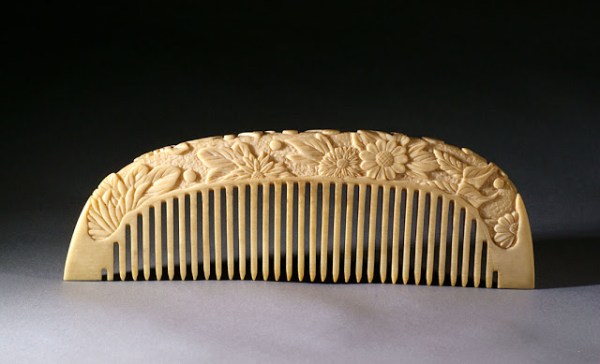
சிந்து- ஸரஸ்வதி சம வெளி நாகரீக காலத்தில் பெண்கள் தந்தத்தினால் ஆன சீப்புகளைப் பயன்படுத்தியதும் தெரிகிறது.

அது மட்டுமல்ல தமிழ், ஸம்ஸ்க்ருத இலக்கியம் முழுதும் தந்தம் பற்றிய அரிய விஷயங்கள் இருப்பது எனது ஆராய்ச்சியில் தெரிய வந்தது.


யானை இருந்தாலும் ஆயிரம் பொன், இறந்தாலும் ஆயிரம் பொன்


கி.மு இரண்டாம் நூற்றாண்டில் காளிதாசன் வாழ்ந்தான் என்று நான் சங்க இலக்கிய உவமைகள் மூலம் நிரூபித்தேன். உலகப் புகழ் பெற்ற ஸம்ஸ்க்ருதக் கவிஞன் காளிதாஸன் எழுதிய ரகுவம்ஸ காவியத்திலொரு அற்புதமான செய்தி வருகிறது:-

ரகு வம்ஸம் 17-21

மன்னன் அதிதி, நாற்கால் மண்டபத்தில் அமர்ந்து அபிஷேகம் செய்துகொண்டபின் உடை உடுப்பதாற்காக அருகிலோர் உள்ள மற்றோர் அறையில் வைக்கப்பட்டுள்ள யானைத் தந்த ஆசனத்தில் உட்கார்ந்தான் (17-21, ரகு வம்சம்)


யானைத் தந்த ஆசனம்= கஜ தந்த ஆசனம்


இதே போன்ற ஒன்றைத் தான் கேரள மன்னர் , விக்டோரியா மஹா ராணியாருக்கு   செய்து அனுப்பினார். சிற்ப வேலைகள் அனைத்தும் பரம்பரையாக கற்பிக்கப்பட்டதால் நூற்றாண்டுக் காலத்திலும் அது பெரிதும் மாறி இருக்காது என்று நம்பலாம்.


கலித்தொகையில் குறிஞ்சிக் கலியில் கபிலர் பாடலில் (40-2) பாடுகிறார்,

“வேங்கை தொலைத்த வெறி பொறி வாரணத்து

ஏந்து மருப்பின் இன வண்டு இமிர்பு ஊதும்

சாந்த மரத்தின் , இயன்ற உலக்கையால்

ஐவன வெண்ணெல் அறி உரலுள் பெய்து

புலியால் கொல்லப்பட்ட யானையின் தந்தத்தை எடுத்து வந்து செய்த உலக்கை, மற்றும் சந்தன உலக்கையால் மூங்கில் நெல்லைக் குத்தியதாக கபிலர் பாடுகிறார்.

அகநானூற்றில் தொல்கபிலர் பாடிய பாடலில் (282), ஒரு வேடன் காட்டிலே யானையைக் கொன்று கொண்டு வந்த தந்தத்தால் தங்கத்தைத் தோண்டி எடுக்க முயன்றான். ரத்தினக் கற்களுடன் தங்கமும் வந்தது. அந்த நேரத்தில் கோடாரி போல பயன்பட்ட யானைத் தந்தம் ஒடியவே அதிருந்து முத்துக்களும் சிதறின என்கிறார் ( யானையின் மருப்பில்முத்துக்கள் இருப்பதாக , காளிதாசனும் தமிழ்ப் புலவர்களும் நம்பினர்)


“பெருமலைச் சிலம்பில் வேட்டம் போகிய

செறிமடை அம்பின் வல்வில் கானவன்

பொருது தொலை யானை வெண்கோடு கொண்டு

நீர்திகழ் சிலம்பின் நன்பொன் அகழ்வோன்

கண்பொருது இமைக்கும் திண்மணி கிளர்ப்ப

வைத்துதி வால் மருப்பு ஒடிய உக்க

தெண் நீர் ஆலி கடுக்கும் முத்தமொடு”


நல்ல கற்பனை! ஆயினும் அக்காலத்தில் வேடுவர்க்கு யானைத் தந்தம் கிடைத்ததால் அதைக் கொண்டு பல்வேறு பண்டமாற்றம் செய்த தகவல்களுமுள.

பாலி என்ற நகரில் ஒரு தெரு முழுதும் தந்த வேலைச் சிற்பிகள் இருந்தனர்.


சாஞ்சியில் கிடைத்த 2200 ஆண்டுப் பழமையான கல்வெட்டு விதிசா நகரில் இருந்த தந்த வேலை சிற்பிகள் பற்றி செப்புகிறது.

வராஹ மிஹிரர் எழுதிய பிருஹத் சம்ஹிதாவில் கட்டில் கால்கள் தந்தத்தால் செய்யப்பட வேண்டும் என்கிறார். அதற்கெல்லாம் முன்னதாக வால்மீகி எழுதிய ராமாயணத்தில் அயோத்தியில் தந்த வேலைச் சிற்பிகள் இருந்தது பற்றிச் சொல்கிறார்.


சூத்ரகர் எழுதிய ‘மிருச்ச கடிகம்’ நாடகத்தில் ஒரு நாட்டிய மாதின் முற்றம் தந்தத்தால் ஆனதாகச் சொல்கிறார்.


ஹெர்குலேயம், பெக்ராம் (Herculeum, Begram) போன்ற வெளிநாட்டு நகரங்களில் இந்திய தந்தப் பொருட்கள் கிடைத்தன. சிந்துவில் பிராமணாபாத் நகரில் சதுரங்கக் காய்கள் கிடைத்தன.


ஆக இலக்கியமும் கல்வெட்டும் தொல்பொருத் துறை அகழ்வும் தந்தம் பற்றிப் பேசுவதால் 3000 ஆண்டுகளுக்கும் மேலாக நாம் தந்த வேலையில் சிறந்து விளங்கியது தெரிகிறது.

போர்ச்சுகீஸிய, ஆங்கில வரலாற்று ஆய்வாளர்களும் நமது தந்த வேலை பற்றிப் பகர்ந்தனர்.

வெளிநாட்டு தந்தப் பொருட்கள் பற்றிய குறிப்புகள் எனது நேற்றைய ஆங்கிலக் கட்டுரையில் காண்க

–subham–
Nehru to Narendra Modi- Bharat Mataki Jai ! (Post No.5398)

Compiled by London Swaminathan


swami_48@yahoo.com

Date: 6 September 2018


Time uploaded in London – 13-20 (British Summer Time)


Post No. 5398
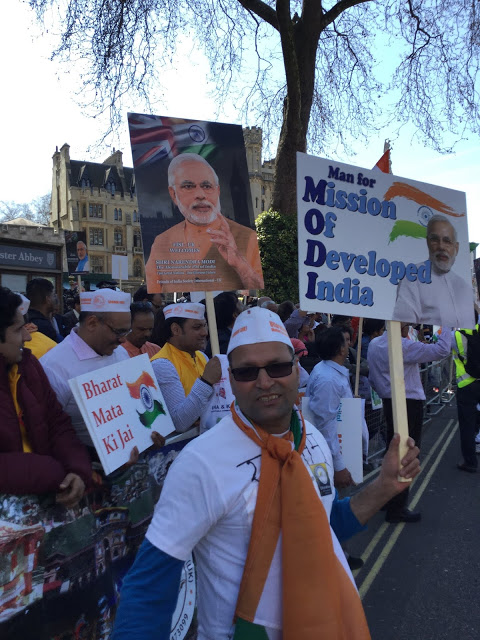
During Prime Minister Narendra Modi’s visit to London to attend the Common Wealth Leaders Conference in 2018, over one thousand Indians assembled near the British parliament on the banks of River Thames , and raised the slogan ‘Bharat Mataki Jai’ . Jawaharlal Nehru, the first Prime Minister of India also faced such slogans. He had narrated an interesting anecdote in his book ‘The Discovery of India’.

“Often as I wandered from meeting to meeting, I spoke to this audience of this India of ours , of Hindustan and of Bharata, the old Sanskrit name derived from the mythical founder of the race.

Sometimes as I reached a gathering, a great roar of welcome would greet me
Bharat Mataki Jai  — ‘Victory to Mother India’. I would ask them unexpectedly what they meant by that cry, who was this Bharat Mata, Mother India, whose victory they wanted? My question would amuse them and surprise them, and then not knowing exactly what to answer, they would look at each other and at me. I persisted in my questioning. At last a vigorous Jat, wedded to the soil from immemorial generations, would say that it was the ‘Dharti’, the good earth of India, that they meant.
What earth? Their particular village patch or all the patches in the district or province or the whole of India? And so question and answer went on, till they ask me impatiently to tell them all about it.


I would endeavour to do so and explain that India was all this that they had thought, but it was much more. The mountains and the rivers of India, the forests and the broad fields, which gave us food, were all dear to us, but what counted ultimately were the people of India, people like them and me, who were spread out all over this vast land. Bharat mata, Mother India, was essentially these millions of people, and victory to her meant victory to these people. You are part of this Bharat Mata, I told them, you are in a manner yourselves Bharat Mata, and as idea slowly soaked into their brains, their eyes would light up as if they had made a great discovery”.

Xxx
Nehru on Panini , World’s Greatest Grammarian

“As early as sixth century BC Panini wrote his great grammar of Sanskrit language. He mentions previous grammars
and already in his time Sanskrit had crystalized and become the language of an ever growing literature. Panini’s book is something more than a mere grammar. It has been described by the Soviet Professor Th. Stcherbatsky of Leningrad, as ‘one of the greatest productions of human mind’. Patanjali wrote a famous commentary called the ‘Mahabhashya’ on Panini’s work in as much of a classic as Panini’s work . The professor said ‘the ideal scientific work for India is the grammar of Panini with the Mahabhashya of Patanjali’.

Panini is still the standard authority on Sanskrit grammar, though subsequent grammarians have added to it and interpreted it. It is interesting to note that Panini mentions the Greek script. This indicates that there was some kind of contact s between India and Greece long before Alexander came to the East.

Taxila (THAKSHASEELAM) was a pre- Buddhist University and a seat of Brahminical learning. Panini, the great grammarian of sixth or seventh century BC, is said to have studied here. It was considered an honour and a distinction to be a graduate of Taxila.

Panini mentions some dramatic forms (this he mentioned when he wrote about the history of Natyasastra).


–subham-

மஹாபாரதப் பெரும் போர் – துரியோதனனின் கேள்வி! ((Post No.5397)

WRITTEN BY S NAGARAJAN

Date: 6 SEPTEMBER 2018


Time uploaded in London – 5-49 AM (British Summer Time)


Post No. 5397


Pictures shown here are taken from various sources including google, Wikipedia, Facebook friends and newspapers. This is a non- commercial blog.


போர் போர், மஹாபாரதப் பெரும் போர் – துரியோதனனின் கேள்வி!


ச.நாகராஜன்


போர் என்பது இனி தவிர்க்க முடியாததாக ஆகி விட்டது.

பஞ்ச பாண்டவர்களை ஒழித்தால் தான் நிம்மதியாக அரசாள முடியும் என்ற இறுதி முடிவுக்கு துரியோதனன் வந்து விட்டான்.

போர் ஆயத்தங்கள் முடிகின்ற நிலை.


‘,ஹூம், அவர்களிடம் வெறும் ஏழு அகக்ஷௌஹிணி சேனை மட்டும் தான். என்னிடமோ பதினோரு அக்ஷௌஹிணி சேனை.

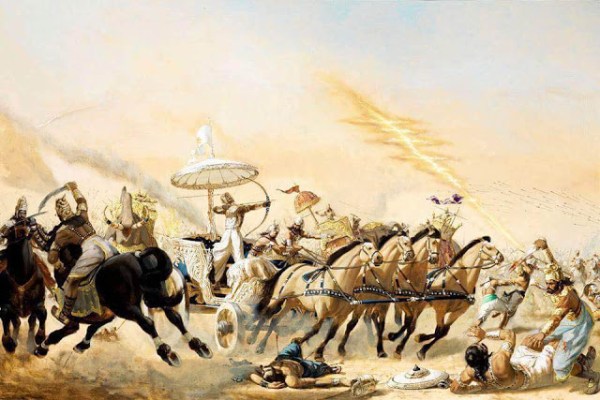
ஒருவனை ஒருவன் வீழ்த்தினால் கூட மிச்ச்ம் நாலு மிஞ்சும் – வெற்றியுடன். அது மட்டுமா,  குடும்பத்தில் அனைவருக்கும் பெரியவரான பீஷ்மர் என் பக்கம். அனைவருக்கும் வில் வித்தை கற்றுக் கொடுத்த துரோணர் என் பக்கம். ஆசார்ய கிருபர் என் பக்கம். அருமைத் தம்பிகள், மாமா சகுனி, இன்னும் ஏராளமான ராஜாக்கள்! அட,இது போதாதா, வெற்றிக்கு” என்று இவ்வாறு எண்ணி மகிழ்ந்தான் துரியோதனன்.


ஆனால் ஒரே ஒரு உறுத்தல்.


அந்த மாமாயக் கண்ணன் அவர்கள் பக்கம். அவன் ஏதாவது மாயாஜாலம் செய்து விடுவானோ – துரியோதனனுக்கு இந்த பயம் சற்று இருந்தது.


அவனுக்குப் பதில் தெரிய வேண்டிய கேள்வி ஒன்றே ஒன்று தான்!


வெற்றி நிச்சயம் என்ற போதிலும் கூட போர் எப்போது முடியும், எத்தனை நாள் தான் நடக்கும்?

ஒரு நாள அவசர ஆலோசனைக் கூட்டத்தைக் கூட்ட எண்ணினான். இரவு முழுவதும் சிந்தனை.


இரவு விடிந்ததும் பிதாமஹர் பீஷ்மரை நோக்கி துரியோதனன் வினவினான்: “இதோ பிரம்மாண்டமான இந்த பாண்டவ சேனையை எவ்வளவு காலத்தில் வெல்வீர்?”


இதைக் கேட்ட பீஷ்மர் பதில் அளித்தார்: “ பதினாயிரம் காலாட்கலையும், ஆயிரம் தேராளிகளையும் ஒரு பாகமாகச் செய்து பாண்டவர்களின் சேனையை நாள் தோறும் அழிப்பேன். இது எனது பாகமாகக் கொள்கிறேன். ஓ! பாரத! அல்லது யுத்தத்தில் நின்று கொண்டு லட்சம் பேர்களைக் கொல்கின்ற மஹாஸ்திரங்களை விடுவேன் என்றால் ஒரு மாதத்தில் கொல்லுவேன்”


துரியோதனன் இப்போது துரோணர் பக்கம் திரும்பினான்: “ஓ! ஆசார்யரே! நீர் பாண்டுபுத்திரர்களின் சேனைகளை எவ்வளவு காலத்தில் வெல்லுவீ ர்?”


துரோணர் அவனை நோக்கிச் சிரித்துக் கொண்டே பதில் கூறினார்:” கிழவனாயிருக்கிறேன். சக்தியும் முயற்சியும் எனக்குக் குறைந்து விட்டன. பாண்டவ சேனையை பீஷ்மர் போல் ஒரு மாதத்தில் எரிப்பேன் என்பது என் எண்ணம். இது தான் என் சக்தியின் அளவு. இது தான் என் வலிமையின் அளவு”

துரியோதனன் கிருபரை நோக்க அவர், “இரண்டு மாதங்களில் கொல்வேன்” என்றார்.


அஸ்வத்தாமன் பத்து தினங்களில் பாண்டவ சேனையை வதம் செய்வதாக பிரதிக்ஞை செய்தார்.

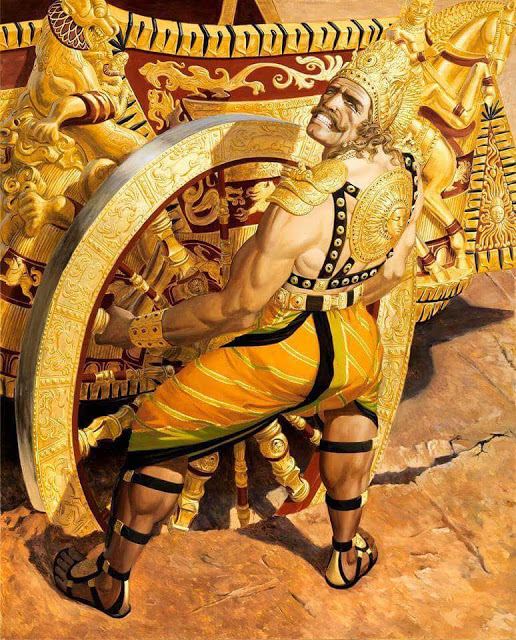
கர்ணனோ ஐந்து தினங்களில் பாண்டவரை வதம் செய்வேன் என்று பிரதிக்ஞை செய்தான்.

உள்ளதிலேயே குறைந்த காலம்; ஐந்தே நாட்கள்! பாரதப் போரை முடிவுக்கு கொண்டு வந்து விடுவேன்! !கர்ணனின் வாக்கு!

கர்ணனின் இந்த வார்த்தையைக் கேட்ட கங்காபுத்திரரான பீஷ்மர்  ஹாஹா என்று சப்தத்துடன் சிரித்தார்.


“ஓ! ராதையின் புத்திரா! கர்ணா! தேரில் ஏறி வருகின்ற அர்ஜுனனை நெருங்காத வரையில் நீ இவ்விதம் நினைப்பாய். உன்னாலே இப்படியும் இதற்கும் மேலும் இஷ்டப்படி சொல்லுவதற்கு முடியும்” என்றார் பீஷ்மர்.

இந்த விஷயங்களை தனது ஒற்றர் மூலம் அறிந்து கொண்ட தர்மர் தனது தம்பிகளை நோக்கி நடந்த விஷயங்களைச் சொன்னார்.


பின்னர் அர்ஜுனனை நோக்கி, “நீ எவ்வளவு காலத்தில் பகைவர்களை நாசம் செய்வாய்?” என்று கேட்டார்.

அர்ஜுனன், “ நான் சத்தியம் தவறாமல் சொல்கிறேன். கிருஷ்ணனின் சகாயத்துடன் தேவர்களோடு கூடிய மூவுலகங்களையும்  எல்லா சராசரங்களையும் சென்றதையும் இருப்பதையும் இனி உண்டானதையும் ஒரு நிமிஷத்தில் கொல்லுவேன்” கிருஷ்ணன் எதை விரும்புகிறானோ அதன் படியே ஆகும்! வேறு விதம் ஆகாது.  பாசுபதாஸ்திரம்  என்னிடம் இருக்கிறது. அதை பீஷ்மரும் அறியமாட்டார். துரோணருக்கு, அது தெரியாது. கிருபருக்கும் தெரியாது. அஸ்வத்தாமனும் அறியான்! எனில் கர்ணனுக்கு மட்டும் எப்படித் தெரியும்?


என்றாலும் திவ்ய அஸ்திரங்களினாலே  சாமான்ய மனிதர்களைக் கொல்வது உசிதமில்லை. ஓ! பாண்டவரே! ஒருவராலும் வெல்லப்படாத சிகண்டி, யுயுதானன், திருஷ்டத்யும்னன், பீமசேனன், நகுல ஸஹதேவர், யுதாமன்யு, உத்தமௌஜஸ், விராட துருபதர்கள், சங்கன், கடோத்கஜன், அவனது புத்திரனான் அஞ்சனபர்வா, சாத்யகி,அபிமன்யு, திரௌபதியின் ஐந்து புத்திரர்கள் ஆகிய இவர்கள் தேவர்களுடைய சேனையைக் கூட வெல்வார்கள். அதே போல கோபத்தால் நீர் எந்த மனிதனைப் பார்ப்பீரோ அவன் சீக்கிரம் இல்லாமல் போய் விடுவான் என்பது நிச்சயம் என்று உம்மை நான் அறிகிறேன்.” என்று பதில் கூறினான்.


ஒரு மாதம் நடக்குமா, பத்து மாதம் நடக்குமா, அல்லது ஐந்து நாட்கள் நடக்குமா? அர்ஜுனன் கூறியது போல ஒரு நிமிடத்தில் முடியுமா? அல்லது தர்மரின் ஒரு கோபப் பார்வையே போதுமா?

அர்ஜுனன் கணித்த படி கிருஷ்ணன் எதை விரும்புகிறானோ அதுவே நடக்கும்!


மாமாயக் கண்ணன் முன்பே முடிவு செய்து விட்டான்.

படிப்படியாக பதினெட்டு நாட்களில் களை எடுத்து வேருடன் பகைவ்ரை அழிப்பதென்று! அவன் எடுத்த முடிவை யாரே மாற்ற வல்லார்?


அற்புதமான தர்ம யுத்தம் கோரமாக நடந்தது.

தர்மம் வென்றது. பாவம் தோற்றது.

போர் எனில் இது போர்! புண்ணியத் திருப் போர்!

பாவிகள் ஒழிந்தனர்; புண்ணியர் ஜெயித்தனர்!


***

குறிப்பு : –  வியாச பாரதம், உத்யோக பர்வம் 193, 194 அத்தியாயங்களின் சுருக்கத்தைத் தான் மேலே பார்த்தோம். விரிவாக படிக்க விரும்புவோர், ம.வீ.இராமானுஜாரியாரால் பதிப்பிக்க்ப் பெற்ற ம்ஹாபாரதம் தமிழ் மொழிபெயர்ப்பு நூலைப் படிக்கலாம்.

-subham-


நியூட்டன், நெப்போலியன் தலை முடியில் (மயிரில்) பாதரஸம்! (Post No.5396)

Written by London Swaminathan


swami_48@yahoo.com

Date: 5 September 2018


Time uploaded in London – 10-15 am (British Summer Time)


Post No. 5396


நியூட்டன், நெப்போலியன் தலை முடியில் (மயிரில்) பாதரஸம்! (Post No.5396)


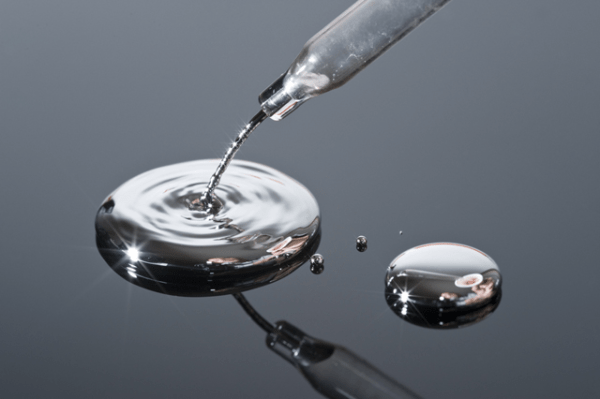
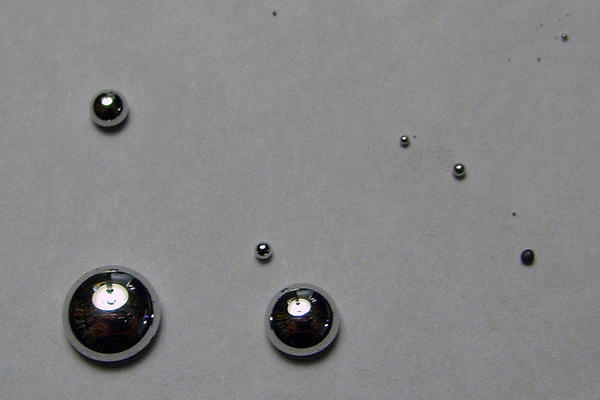
பாதரஸம் (Mercury) போல மனிதர்களைப் பைத்தியமாக்கிய ஒரு மூலகம் உலகில் இல்லை. ரஸவாத (alchemy) வித்தையில் மிகவும் பயன்பட்ட மூலகம். இரும்பையும் ஈயத்தையும் தங்கமாக்காலாம் என்று உலகம் முழுதும் ஆராயப்பட்ட மூலகம்.


இந்தப் பாதரஸம், மனிதன் இறந்த பின்னரும் முடியில், மயிரில் அப்படியே இருக்கும். அதன் மூலம் நாம் என்ன கண்டுபிடிக்கலாம்?


அவருக்கு காம சம்பந்தமான நோய்கள் இருந்து சிகிச்சை பெற்றது தெரியும்.

அல்லது

அல்லது அவர்கள் ஏதோ ரஸவாத (alchemy) ஆராய்ச்சியில் ஈடுபட்டனர் என்பது தெரியும்.


இதோ சுவையான ஆராய்ச்சியில் கிடைக்கும் சோகமான தகவல்கள்:-


மனிதனின் தலை முடியில் கந்தகம் இருக்கும் அமீனோ அமிலங்கள் உள. அவை மெர்குரி எனப்படும் பாதரஸத்தை ஈர்த்துக் கொள்ளும். இதனால் ஒருவர் எந்த அளவுக்கு மெர்க்யுரி (பாதரஸ) விஷத்தால் பாதிக்கப்பட்டார் என்று நிரந்தர ரிகார்ட் (பதிவுப் புஸ்தகம்) உண்டாகிவிடும்!


முன் காலத்தில் யாரேனும் ஒருவர் இறந்தால் அவர்களுடைய மயிர்க் கற்றையை எடுத்து பாதுகாத்து வைப்பர்.


(காஷ்மீரில் உள்ள பிரபல மசூதியில் முகமது நபியின் மயிர், காட்சிக்கு வைக்கப்பட்டுள்ளதையும் அதைத் தரிசிக்க ஆண்டுதோறும் பல்லாயிரக் கணக்கில் மக்கள் வருவதையும் முன்னரே ஒரு கட்டுரையில் எழுதி இருக்கிறேன்)


தற்காலக் கருவிகளைக் கொண்டு பிரபல தலைவர்கள், விஞ்ஞானிகளின் முடியை ஆராய்ந்ததில் பல முக்கிய விஷயங்கள் கிடைக்கின்றன. இதை மயிர் ‘விஷயம்’ என்று ஒதுக்கிவிடாமல் மயிர் ‘விஷம்’ என்று அதிசயிக்க வேண்டியுள்ளது.

காம சம்பந்தமான நோய்கள் ஜனன உறுப்புகளைத் தாக்கும் . அப்படித் தாக்கினால் கலோமெல் (calomel) என்ற  மருந்தைக் கொடுத்தனர் அந்தக் காலத்தில். இந்தப் பொடியில் மெர்குரி க்ளோரைட் முதலியன இருக்கும் . இது பூஞ்சக் காளான் முதலியவற்றை ஒழிக்கும்; நல்ல பேதி மருந்து.


மயிரிலுள்ள மெக்யுரி எனப்படும் பாதரஸம் இதன் காரணமாகவோ, அல்லது ஆராய்ச்சிசாலையில் பாத ரஸப் புகையை சுவாசித்ததாலோ வந்திருக்க வேண்டும்.


ஐஸக் நியூட்டன் (1642-1727) என்ற பிரபல பௌதீக (இயற்பியல்) விஞ்ஞானியின் முடியை ஆராய்ந்தனர். அவர் ஒரு பிரம்மாச்சாரி. ஆகவே அவர் செய்த ஆராய்ச்சியின் போது பாதரஸ ஆவி அவர் தலை முடிக்கு ஏறியிருக்கலாம் என்பது அறிஞர் பெருமக்களின் ஏகோபித்த கருத்து.


ராபர்ட் பர்ன்ஸ் (Robert Burns 1759- 1796) என்ற ஸ்காட்டிஷ் (ஸ்காட்லாந்து) புலவரின் முடியிலும் இப்படி பாதரஸம் இருந்தது. அவரது வாழ்வை ஆராய்ந்தோர், அவர் சிபிலிஸ் (syphilis) போன்ற காம நோக்கு சிகிச்சை பெற்றதால் மெர்க்யுரி தலைக்கு ஏறி விட்டது என்பது விஞ்ஞானிகளின் கண்டுபிடிப்பு.


நெப்போலியனை பிரிட்டிஷ்கார ர் கள் செயின்ட் ஹெலினா தீவில் சிறை வைத்த போது அவருக்கும் கலோமல் கொடுத்தது அவர் முடியிலிருந்து தெரிந்தது. ஆனால் அவர் இறந்ததற்குக் காரணம் ஆர்செனிக் (arsenic) விஷமாகும். பிரிட்டிஷார் அவரை விஷம் வைத்துக் கொன்றனர். அது தனிக் கதை.


அந்தக் காலத்தில் வேறு சில நோய்களுக்கும் பாதரஸ உப்புக்கள் கலந்த மருந்துகளைக் கொடுத்தனர். இதனால் நல்லோரும் கூட உயிர் இழந்தனர். டென்மார்க் நாட்டைச் சேர்ந்த புகழ் மிகு வானவியல் நிபுணர் டைகோ ப்ராஹியின் ((Tycho Brahe 1546-1601) கதை சோகக் கதை. அவருக்கு மூத்திரக் காயில் நோய். இதற்காக மருந்து கொடுத்து இருந்தனர். அவர் மறுநாளன்று பிராக் நகரில் ஒரு பெரிய விருந்து ஒன்றில் கலந்து கொள்ள வந்தார். அபோது சிறிநீர் கழிக்க வேண்டிய நிர்பந்தம் ஏற்பட்டது. மன்னர் கொடுக்கும் விருந்திலிருந்து பாதியில் வெளியேறுவது முறையல்ல என்று கருதி மூத்திரத்தை அடக்கினார். இதனால் அவரது சிறுநீர்ப்பை பிய்ந்து போய் சில நாட்களில் உயிரிழந்தார். அவரது முடியை ஆராய்ந்தபோது அவருடைய உயிரைக் காப்பாற்ற அவருக்கு மெர்குரி கலந்த மருந்தது கொடுக்கப்பட்டது தெரிந்தது. ஆகவே முடியில் மெர்க்யுரி இருந்த எல்லோரும் காம நோயாளிகள் என்றும் கணக்குப் போட்டுவிடக்கூடாது.


இங்கிலாந்தின் மன்னர்களில் அபகீர்த்தி வாய்ந்தர் எட்டாம் ஹென்றி (1491-1547) மன்னர் ஆவார். அவருக்கு நிறைய மனைவிகள்; பிடிக்காத மனைவியருக்கு எல்லாம் மரண தண்டனை விதித்தவர். அவர் முடியிலும், ரஷ்யாவின் ஐவான் தி டெர்ரிபில் (Ivan the Terrible) முடியிலும் பாதரஸ அளவு அதிகம் இருப்பது அவர்களைக் காம நோயாளிகளின் பட்டியலில் சேர்க்கத் தூ ண்டுகிறது. இரண்டாவது சார்ல்ஸ் மெர்க்யுரி விஷத்தால் இறந்தது உறுதி செய்யப்பட்ட செய்தி! அவர் காமக் களியாட்டங்களிலும் ரஸவாத வித்தை ஆராய்ச்சிகளிலும் ஈடுபட்டவர். இந்த இரண்டில் ஏதோ ஒன்று அவர் முடியில் பாதரஸத்தை ஏற்றி இருக்கலாம் என்பது அறிஞர் பெருமக்களின் துணிபு.

-சுபம்–


MERCURY IN FAMOUS MEN! HAIRY MYSTERY!! (Post No.5395)

COMPILED by London Swaminathan

swami_48@yahoo.com

Date: 5 September 2018


Time uploaded in London – 7-47 am (British Summer Time)


Post No. 5395


Hair contains lot of sulfur-containing amino acids, and these attract mercury and provide a permanent record of the person’s exposure to the element.

It was often the custom in earlier times to preserve locks of hair from those who had died. When these have been analysed by modern methods, curiously high levels of mercury have been found, leading some to suspect that the person was medically treated with calomel because they had syphilis or they had taken part in alchemical experiments and thereby breathed mercury vapour.

The hair of Isaac Newton (1642-1727) contains high levels of mercury, which  almost certainly came from his alchemical work because he was known to have been a celibate all his life; the mercury in the hair of Scottish poet Robert Burns (1759-96) suggests he had been treated for venereal disease. Napoleon’s hair also shows that he was probably given calomel when he was taken ill on St Helena, but this was not the cause of his death.

Mercury in hair does not always imply syphilis or alchemy. One of the saddest deaths of a scientist was that of Danish astronomer Tycho Brahe (1546-1601) who suffered with prostate trouble. At a royal banquet in Prague he dared not leave the table to relieve himself, with the result that his bladder split and he died of urinary poisoning a few days later. Analysis of a strand of hair, which had the root intact, showed that the day before he died he was given  a mercurial medicine in an effort to save his life. It has been tempting  to assume that when famous people were treated with mercury the reason was syphilis. King Henry VIII of England and Ivan the Terrible of Russia were both dosed this way. Charles II almost certainly  died of mercury poisoning  but probably not as a result of medical treatment, although he too might well have needed it as a result of notorious sex life. He was exposed to the metal while doing alchemical experiments which he carried out in poorly ventilated room in the palace.


The alchemists believed that mercury was unique. In their theory it was the element, a component of all metals, and so held the key to transmutation of base metals into gold. It uniquely represented the quintessential property of fluidity. Therefore reports from Siberia , that mercury could freeze solid, and thereby lose its elemental fluidity, were discounted as little more than traveler’s tale.


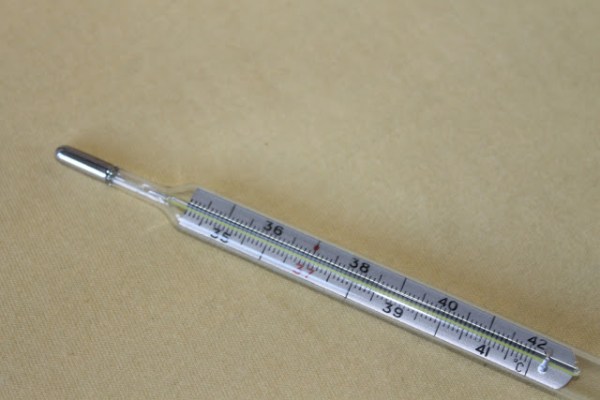
So it came as a shock to two Russian scientists, A.Braun ad M. Lomonosov, of St Petersburg when, on 26th December 1759, they experimented with snow to see how low a temperature they could achieve. A mixture of ice and salt can produce a temperature drop of many degrees below 0 degree C and they thought that mixing snow and acids might result in even lower temperatures, and so it did. Suddenly the mercury in their thermometer stopped moving, and appeared to have been solidified. Curious to know what had happened, they broke away the glass and found that the mercury in the bulb had become a solid metal ball with mercury  from the tube protruding like piece of wire, which they could bend, just like other metals. The belief that mercury was unique had been destroyed.

Cmemical Properties

Symbol Hg

Atomic Number 80

Atomic weight 200-59

Melting Point  Minus 39 C

Boiling Point 357 C

Oxide HgO


Mercury is a silvery metal and a member of the group 12 of the Periodic Table.


Source- Nature’s Building Blocks, John Emsley,2001

–subam–
வில்லிப்புத்தூராரின் மடக்கணி பாடல்! (5394)

WRITTEN BY S NAGARAJAN

Date: 5  SEPTEMBER 2018


Time uploaded in London – 6-41 AM (British Summer Time)
 

Post No. 5394


Pictures shown here are taken from various sources including google, Wikipedia, Facebook friends and newspapers. This is a non- commercial blog.


வில்லிபாரதம்

வில்லிப்புத்தூராரின் மடக்கணி பாடல்!


ச.நாகராஜன்


வில்லிப்புத்தூராரின் வில்லி பாரதம் தமிழுக்குப் பெருமை சேர்க்கும் அபூர்வமான காவியம்.


வில்லிப்புத்தூராரின் பாணியே தனிப் பாணி. ஏராளமான கதைகளை அவர் கூறுவது வியப்பூட்டும் ஒன்று. அதுவும் ஒவ்வொரு வரிக்கும் ஒரு கதை சொல்லும் அவரது சொல் சுருக்கம் அபூர்வமானது.


அத்துடன் ஏராளமான அணிகளை ஆங்காங்கே அள்ளித் தெளித்து நம்மை பிரமிப்பூட்டுவதும் அவரது பாணி.

இந்த இரண்டு அம்சங்களையும் ஒருங்கே காட்டும் ஒரு பாடல் ஆதி பருவத்தில் திரௌபதி மாலையிட்ட சருக்கத்தில் இடம் பெறுகிறது. (பாடல் எண் 41)


இது கண்ணபிரானைக் குறித்த பாடல் என்பதால் சுவை இன்னும் சற்றுக் கூடுகிறது.


திரௌபதிக்கு அவளது செவிலித் தாயர் சுயம்வர மண்டபத்தில் கூடி இருக்கும் அரசர்களை இன்னார் என்று அறிமுகப்படுத்தி வைக்கும் போது கண்ணபிரானை அறிமுகம் செய்து வைக்கின்றனர்.


இந்தக் குரிசில் யதுகுலத்துக் கெல்லாந் திலகமெனுமாறு

வந்துற்பவித்துப் பொதுவருடன் வளருங் கள்ள மாமாயன்

முந்தக் கஞ்ச மாமனுயிர் முடித்தானிவற்கு முகிலூர்தி

அந்தப்புரத்திலாராம மந்தப்புரத்திலாராமம்.


இந்தப் பாடலில் உள்ள இறுதி அடியான, “அந்தப்புரத்திலாராம மந்தப்புரத்திலாராமம்” என்பதில் அந்தப்புரம் என்பது வெவ்வேறு பொருளில் வந்தது மடக்கு என்னும் சொல்லணியாகும்.

பாடலின் பொருள் இது:


இந்தக் குரிசில் – இந்த உத்தம புருஷன்


யது குலத்துக்கு எல்லாம் திலகம் எனும் ஆறு வந்து உற்பவித்து – யது வமிசம் முழுவதற்கும் ஒரு திலகம் என்று சொல்லும் படி அலங்காரமாய் அக்குலத்தில் வந்துதித்து

பொதுவருடன் வளரும் – இடையர்களுடனே வளர்ந்த

கள்ள மா மாயன் – எவரும் அறியவொண்ணாத பெரிய மாயையையுடைய கண்ணபிரான் ஆவான்.

முந்த – இளம் பருவத்திலேயே

கஞ்சன் மாமன் உயிர் முடித்தான் இவற்கு – மாமனாகிய கம்ஸனின் உயிரை ஒழித்தவனாகிய இவனுக்கு

முகில் ஊர்தி அந்த புரத்தில் ஆராமம் – மேகங்களை வாகனங்களாக உடையவனான இந்திரனது அந்த அமராவதி நகரத்திலுள்ள கற்பகச் சோலை

அந்தப்புரத்தில் ஆராமம் – தனது மனைவி வசிக்கும் அந்தப்புரத்தில் இருக்கும் சோலையாம்.


இந்தப் பாடலில் ஏராளமான சிறப்புகள் உள்ளன.

முதலில் திலகம் என்ற சொல்! யது குலத்து திலகம் கண்ணன் என்பது அழகிய பிரயோகம். சீதையை வனிதையர் திலகம் என கம்பன் கூறி இருப்பதை இங்கு ஒப்பு நோக்கலாம்.

அடுத்து கண்ணன் பிறந்தது, இடையர்களுடன் வளர்ந்தது, அவன் அங்கு ஆற்றிய லீலைகள், பிறகு கம்ஸனைக் கொன்றது ஆகியவற்றை ஒரு வரியில் சொல்லி விடுகிறார் வில்லிப் புத்தூரார்.


வசுதேவருக்கும் தேவகிக்கும் எட்டாவது கர்ப்பத்தில் உதித்த கண்ணன் ஆயர்பாடி சென்று யசோதையின் மகனாக வளர்கிறான். அங்கு இடையர்களுடன் வளர்ந்து பல லீலைகளைப் புரிகிறான்.. தேவகி புத்திரன் யசோதையிடம் ஒளிந்து வளருதலை நாரதர் சொல்லக் கேட்ட கம்ஸன் மிக்க கோபம் கொள்கிறான். வில்விழா என்கிற வியாஜ்யத்தை வைத்து  கண்ணனை வடமதுரைக்கு வரவழைக்கிறான்.


கண்ணன் வடமதுரை சென்று, கம்ஸ சபையில் வேகமாக எழும்பிக் கம்ஸனது  மஞ்சத்தில் ஏறி அவனது கிரீடம் கழன்று கீழே விழும்படி செய்து  அவனைத் தலைமயிரைப் பிடித்து இழுத்து தரையிலே தள்ளி அவன் மேல் தான் விழுந்து அவனைல் கொன்று ஒழிக்கிறான். இவ்வளவையும் சுட்டிக் காட்டுகிறது பாடலின் மூன்றாம் வரி.


அடுத்து மடக்கணியுடன் கூடிய நான்காம் வரி சுட்டிக் காட்டும் கதை இன்னொரு சுவையான கதை.


கண்ணன் நரகாசுரனை அழித்த பின் அவனால் முன்னொரு சமயம் கவர்ந்து போகப்பட்ட இந்திரன் தாயான அதிதி தேவியின் குண்டலங்களை அவளுக்குக் கொடுக்கும் பொருட்டு சத்யபாமையுடன் கருடன் தோளின் மீதேறி தேவலோகத்திற்குச் செல்கிறான். அங்கு இந்திராணி சத்யபாமையை வரவேற்று சகல உபசாரங்களையும் செய்கிறாள். என்றாலும் தேவலோகப் பெண்டிருக்கே உரித்தான் பாரிஜாதத்தை  கேவலம் மானிடப் பெண்ணாகிய சத்யபாமைக்குத் தருதல் தகாது என்று எண்ணி அதைத் தரவில்லை. சத்யபாமை கண்ணனிடம் இந்த பாரிஜாத மலரரை துவாரகைக்குக் கொண்டு போக வேண்டும் என்ற தனது விருப்பத்தைத் தெரிவிக்க கண்ணன் உடனே அந்த பாரிஜாத மரத்தை வேருடன் பிடுங்கிக் கருடனின் தோள் மீது ஏற்றுகிறான்.அப்பொது இந்திராணியின் தூண்டுதலின் பேரில் இந்திரன் கண்ணனுடன் போருக்கு வருகிறான்.


இந்திரன் உட்பட்ட சகல தேவ் சைனியத்தைத் தன் சங்க நாதம் ஒன்றினாலேயெ பங்கப்படுத்திய கண்ணன் துவாரகைக்கு பாரிஜாத மரத்துடன் வருகிறான். அங்கு சத்யபாமையின் அந்தப்புரத்தில் புறங்கடைத் தோட்டத்தில் அதை நடச் செய்து அருள்கிறான்.


இந்தக் கதையை சுவாரசியமான மடக்கணியுடன் சொல்கிறது நான்காம் வரி. அந்தப்புரம் என்ற சொல் வெவ்வேறு பொருளில் பயன்படுத்தப்படுகிறது.


ஆக வில்லிப்புத்தூராரின் பாணியான ஒரு வரியில் ஒரு கதை என்பதையும் அணிகளை இடத்திற்குத் தக்கவாறு பயன்படுத்துவதில் இங்கு சிறப்பான மடக்கணியைப் பயன்படுத்துவதையும் இந்தப் பாடலில் காண்கிறோம்.

வியாச பாரதம் சுவையானது எனில் அதைத் தமிழில் தரும் வில்லிப்புத்தூராரின் பாரதம் சுவைக்குச் சுவை ஊட்டுவதாக அமைவதைக் கண்டு வியக்கிறோம்..


கள்ள மாமாயன் வில்லிப்புத்தூராரிடம் புகுந்து செய்யும் தமிழ் மாயம் இதுவோ?!

***


குறிப்பு : பாடலின் உரை வை.மு. கோபாலகிருஷ்ணமாசாரியர் இயற்றியதைப் பின்பற்றியதாகும்.

Indian Ivory Antiques in England and Russia! (Post No.5393)

Research article Written by London Swaminathan

swami_48@yahoo.com

Date: 4 September 2018


Time uploaded in London – 21-39 (British Summer Time)


Post No. 5393
Ivory products of India are found in Ancient Egypt, Russia and Britain. Ivorry objects are mentioned in Kalidasa’s works and Sangam Tamil Literature. Harappans of Indus valley exported Ivory combs and other gold and silver ornaments to Sumeria accoording to Mortimer Wheeler. That shows India is one of the oldest countries in the world to make and use ivory products.

It is supported  by later inscripttions and litearature.

The ivory recovered from elephant is referred toby Kalidasa and other poets:

In Tamil there is a proverb “An elephant is worth 1000 gold coins whether it is alive or dead’. This expalins the value of its tusk and the hide. Moreover Hindu literature is full of references to pearls dropping from tusks (though it is scientifically not proved).

Ivory is referred to in Sangam Tamil Literature as well. Through 200 similes of Kalidasa found in Sangam Tamil literature, I have proved Kalidasa, the greatest Indian poet and playwright, lived before Sangam period, may be in first century or second century BCE.

Ivory Throne : Raguvamsam 17-21

King Athithi had the coronation abishekam sitting in Bhadrasana posture and then went to the next room for changing his clothes where he sat on the Ivory seat (Chair or stool)- (Rv 17-61)

Several Sangam Tamil poets used ivory objects in their poems:

Kapilar sings about the women who pounded the grains in the mortar with pestles made up of ivory and sandal (Kalitokai 40-4)

Tol Kapilar sings about a hunter using the ivory tusk to dig the land to get gold. While he was doing it the tusk broke and pearls inside the tusk came out along with the gold! (Akam 282 -Thol Kapilar).

There is an inscrption in Sanchi (200 BCE) which mentions a guild of ivory carvers in the nearby city of Vidhisa (now known as Besnagar). This fully testifies to the craft ivory carving. Ramayana also mentioned ivory craft. The indian stauette found in Herculaneum and the ivory paques found in Begram further testify to the antiquity of ivory trade. Varahamihira’s Brhat Samhita advises people to make legs of the bed with solid ivory. High ivory potal of a courtesan’s house is mentioned in Sudraka’s ‘The Little Clay Cart’ drama. All these refereces are from the first few centuries of moden era.


Chessmen made up of ivory were used in Brahmanabad in Sind. Ivory laid doors of Bijapur Palace was famous in the eighth century. So we have continous refrences from the Indus valley Time.


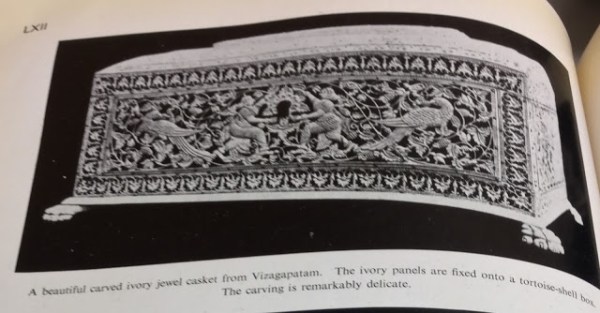
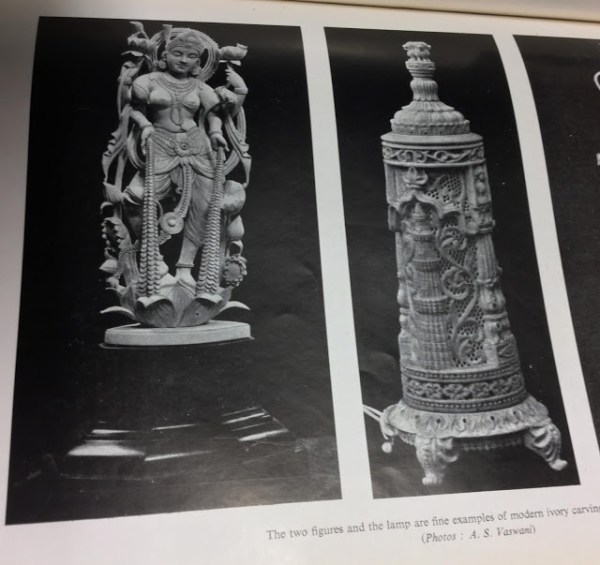
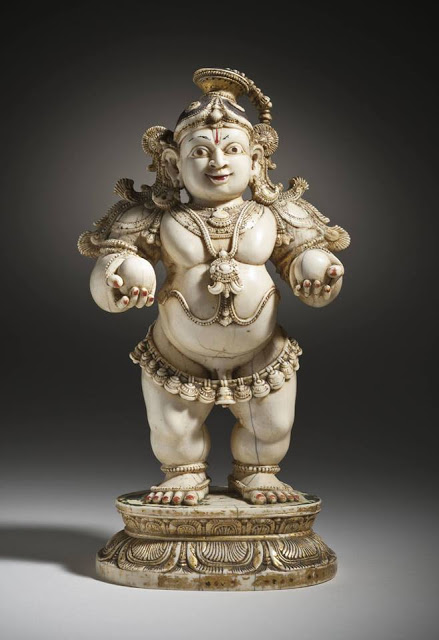
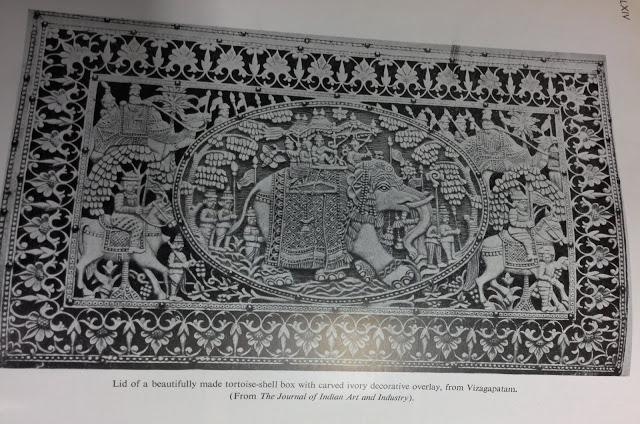
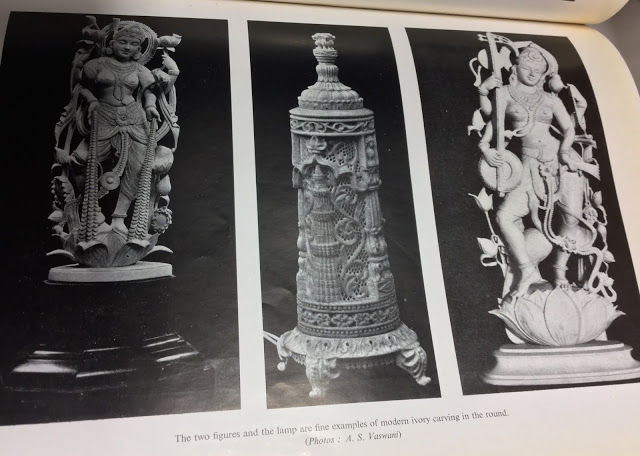
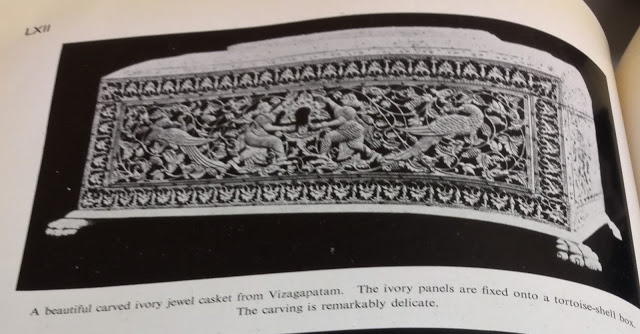
Terry in his’ Voyages to the East Indies’ (1655 CE) tells us of the skill of Indian crafsmen in making cabinet boxes, trunks and stands. He also describes the ivory work on tortise shells. Portugese traveller Paes wrote about a hall made up of ivory in Vijayanagara Empire. Hindu temples in South India has several ivory objects. A nagaswara instrument (Tamil Pipe) made up of ivory is in a Hindu temple in Tiruvarur, Tamil Nadu. Sir George Watt made a deep study in the ivory craft of Indians during the 1903 exhibition in Delhi. He has collected lot of trade secrets of ivory traders. Form Kerala to Himachal, there were several towns famous for ivory craftwork.Till ivory sale was banned, all craft shops in India were selling ivory boxes, caskets, statues and combs.

There is ample evidence that ivory craft was well developed in India before the second century BCE.

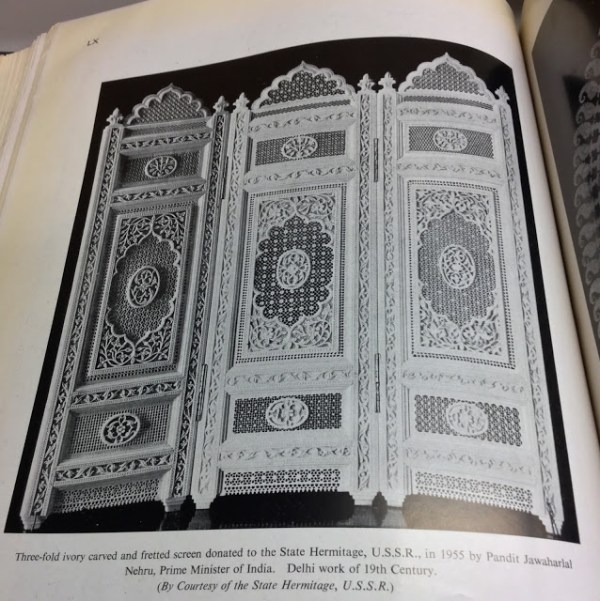
Jawaharlal Nehru, former Prime Minisrer, donated a three fold ivory carved screen to Soviet Union in 1955. This is on dispaly in Moscow.

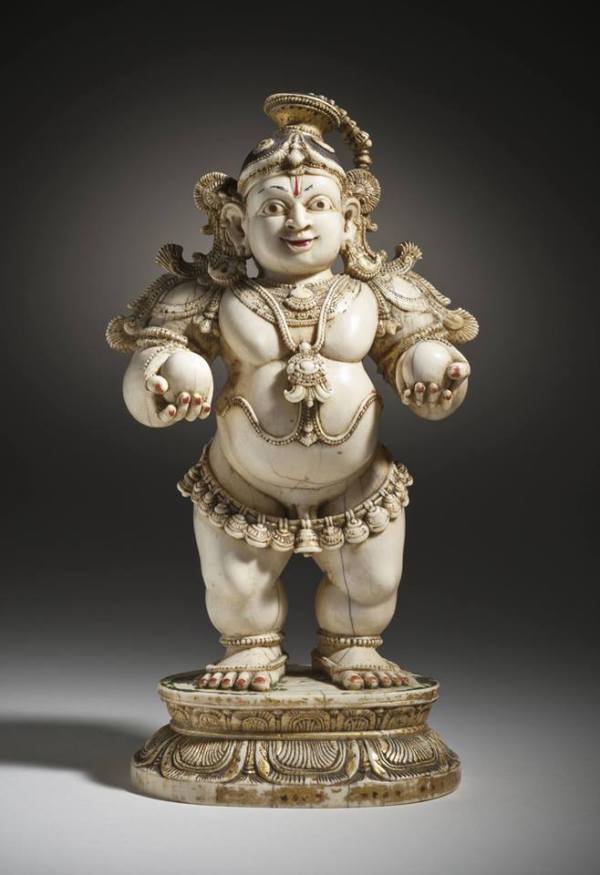
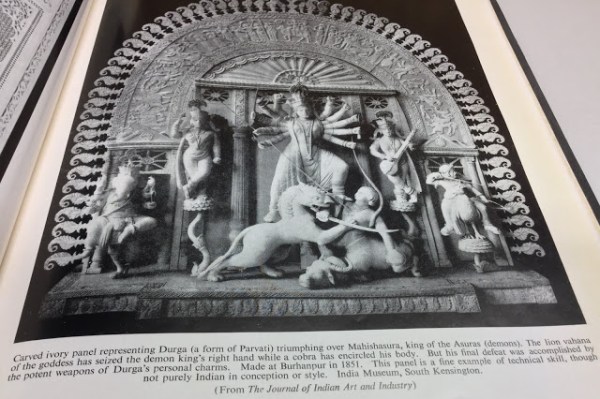
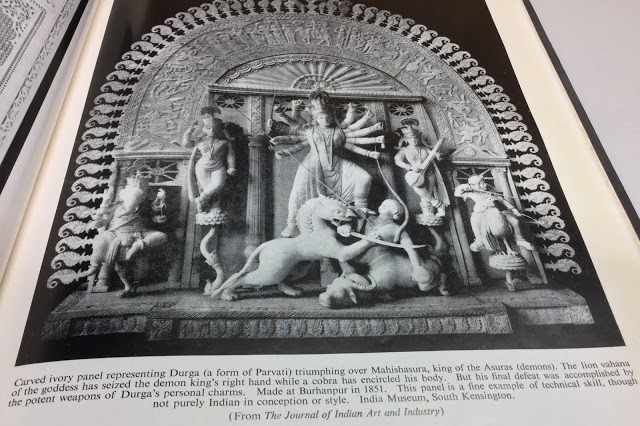
Museum in London has a statue of Durga made in Burhanpur in 1851.


Indian Ivory Throne to Queen Victoria
Edgar Thurston, former superintendent of Madras Government Museum, has related the interesting history of India’s ivory industry of 1800s. When one Maharajah, Rama Varma, saw some five ivory carvings , he became enthusiastic about the craft and began to strongly encourage a broader application. The Maharajah who succeeded him, Marthanda Varma sent to Queen Victoria a new ivory throne, elaborately carved and decorated with inset jewels. After prominent display at the Great Exhibition of 1851 in London, it was installed in the State Apartment at Windsor Castle. Nineteenth century ivory products included individual cases for calling cards, envelopes , gloves, handkerchiefs, bookshelves, chessboards etc.

Also carved in Madras was scent bottles, special talismans for children, ‘howdahs’ for carrying royalty on the back of the elephants.
Especially in western India ladies combs and bangles were very common ivory products

The residual ivory saw dust was sometimes sold to cow and buffalo dealers, who fed it to the female animals to increase their milk yield. In northern India ivory saw dust was considered to be a fortifying medicine. In India, ivory craft was a family trade. Boys learnt from their parents when they were young.

The ancient Indian town of Pali, on the old trade route between Bombay and Delhi, turned ivory bangles for several centuries. Entire streets of crafts men made only this article in sets of graduated sizes, so as to cover a woman’s arm from shoulder down to wrist. They were cut from the tusk as it too decreases from base to Point.

English alphabet sets were also made during British rule for export.


In Madras some children wore special talisman s made of ivory.
Following India n museums have ivory products
Prince of Wales museum in Mumbai
Crafts museum, Thapar House, Delhi
Salar Jung Museum, Hyderabad
Art Museum, Thiruvananthapuram

and abroad:-

Museums in London and Windsor

Museum in Moscow

Ivory Craft In other parts of the World:-

The Old Testament includes references to ivory One passage tells that “King Solomon made great throne of ivory and overlaid it with pure gold”, 1 kings 10:18 and 2 chronicles 9:17
More strikingly Ahab allegedly made a house of ivory, 1Kings 22:39
“And the houses of ivory shall perish”, Amos 3:15

The earliest surviving ivory carvings are mainly from Egypt, Phoenicia, Assyria, China and India.
In pre dynastic Egypt tombs contained ivory and fish hooks, arrowheads pins, bodkin,s spoons, knives, combs, bracelets and necklaces

The British Museum has probably the best collection of the Assyrian ivories, 1200-600 CE from Ancient Nineveh

Elephant tusks were used through out ancient China; in addition walrus tusks were utilised in the north, and hippopotamus tusks in the warm southern regions.
China imported tusks from South East Asia and India. The first Chinese, Shang Dynasty , was already producing animal figures and other items .

Source books

Ivory and its Uses by Benjamin Burack,Tokyo 1984

Handicrafts and Arts in India, Taraporevala

Tamil and Sanskrit Literature

Please read Indian Ivory in Ancient Egypt in the following article:-

  1. Egypt ivory figures | Tamil and Vedas

tamilandvedas.com/tag/egypt-ivory-figures

Posts about Egypt ivory figures written by Tamil and Vedas

GEM STONES IN KALIDASA & TAMIL LITERATURE | Tamil and Vedas

tamilandvedas.com/2012/02/13/gem-stones-in…

The pearl recovered from elephant ivory is referred by Kalidasa and other poets: … //tamilandvedas.com/2012/02/13/gem-stones-in-kalidasa-tamil-literature/

–Subham–