சிரிப்பு யோகாவும்! – உண்மை யோகாவும்! ! (Post No.5694)

Written by S Nagarajan

Date: 24 November 2018

GMT Time uploaded in London –6-52 am
Post No. 5694

Pictures shown here are taken from various sources including google, Wikipedia, Facebook friends and newspapers. This is a non- commercial blog

நாட்டு நடப்பு

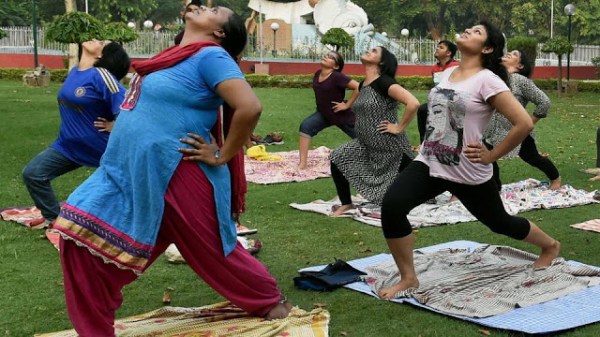
சிரிப்பு (தரும்) யோகாவும்! – உடல் மன நலத்திற்கான உண்மை யோகாவும்!

ச.நாகராஜன்

ஹிந்து மதத்திற்கும் பாரதத்திற்கும் சிறப்பு தரும் ஒரு பெரிய பயிற்சி யோகா!

இந்த வார்த்தையை எவ்வளவு தூரம் கேவலப்படுத்த முடியுமோ அவ்வளவு கேவலப்படுத்துகிறார்கள் நமது நாட்டில் சிலரும், மேலை நாட்டில் பலரும்!

சிரித்துக் கொண்டே இருந்தால் சிரிப்பு யோகாவாம். பின்னால் நடந்து கொண்டே சென்றால் அது ஒரு யோகாவாம்! சாப்பிடுவதும் யோகா, செக்ஸும் யோகா.. இப்படி யோகாவை எல்லா வார்த்தைகளிலும் சேர்த்து கமர்ஷியல் செய்வதை தின வார இதழ்களில் அன்றாடம் பார்க்கலாம்.

இதே போல தவறாகப் பயன்படுத்தும் இன்னொரு வார்த்தை கோஷண்ட்! இண்டெலிஜென்ட் கோஷண்ட் என்று நுண்ணறிவை அளக்க ஒரு மதிப்பீட்டு எண்ணைச் சொன்னார் ஒரு விஞ்ஞானி. இந்த கோஷண்ட் என்ற வார்த்தையைப் பிடித்துக் கொண்டு, எமோஷனல் கோஷண்ட், லவ் கோஷண்ட், செக்ஸ் கோஷண்ட்  … இப்படி எதற்கு வேண்டுமானாலும் கோஷண்டைச் சேர்த்துக் கொள்கிறார்கள்.

யோகா என்பது மனிதனின் ஆன்மா பரமாத்மாவுடன் சங்கமம் ஆகும் ஒரு இணைப்பு- ஒரு சேர்க்கை – ஒரு கூடுதல்!

இது புனிதமானது. இந்தப் புனிதத்திற்கு உடல் ஒரு இன்றியமையாத பாலம். ஆகவே உடலைப் பேணுவது தேவையாகிறது.

உடம்பினுக்குள் உறு பொருள் கண்டேன்; உடம்பை வளர்த்தேன், உயிர் வளர்த்தேனே!

பதஞ்சலி முனிவர் யோக சூத்ரத்தை வகுத்தார். படிப்படியாக யோகம் பற்றி விளக்கியுள்ளார். யோகா சித்தவிருத்தி நிரோத:  – யோகம் என்பது அலைபாயும் மனதை கட்டுப்பாட்டிற்குள் கொண்டு வருவது தான்!

இதற்கு ஒருமுனைப்படுத்தப்பட்ட ஒரு  தெய்வீகப் பொருளின் மீதான குவிப்பு தேவை என்றார் அவர்.

இதயத்தின் மீது இந்தக் குவிப்புடன் இறைவனை தியானித்தால் நலம் பயக்கும் என்பது அவர் உபதேசம். யோகம் இறை சக்தியுடன் இணைய வழி வகுக்கும் என்பது அவரது அருளுரை.

ராஜ யோகம், கர்ம யோகம், லய யோகம், பக்தி யோகம், ஞான யோகம், ஹட யோகம் என பயிற்சி முறைக்குத் தக்கவாறு யோகம் பலபடியாகப் பிரிக்கப்பட்டுள்ளது.


அவரவர்க்குப் பிடித்தபடி, தேவைக்குத் தக்கபடி, சூழ்நிலைக்கும் முயற்சிக்கும் ஏற்றபடி இவற்றில் ஒன்றைத் தேர்ந்தெடுக்கலாம்; முன்னேறலாம்.

அனைத்தின் இலட்சியம் ஒன்றே தான். இறைவனுடன் சேர்வது.

இதை சிரிப்பு யோகம், செக்ஸ் யோகம் என்றெல்லாம் சொல்லிக் கேலிக் கூத்தாக்குவது எந்த விதத்தில் நியாயம்?!

யோகம் என்ற அற்புதமான தெய்வீகச் சொல் அசிங்கப்படுத்தப் படுகிறது.

இதை அறிந்தபிறகு நாமாவது

யோகம் என்பதை கண்ட சொல்லுடன் சேர்க்காமல் இருப்போமாக!

Truth 12-10-18 86ஆம் தொகுதி, 26ஆம் இதழில் வெளி வந்துள்ள யோகா பற்றிய ஒரு பகுதியை ஆங்கில மூலத்தில் கீழே தருகிறோம்.

நன்றி : ட்ரூத் வார இதழ்

***

Practice of Yoga: Yoga is gaining popularity in various countries and Yogasana is proving to be a plausible alternative for persons of different ages for physical health improvement. It is necessary to know what Yoga is, in the spiritual sense.Yoga in general is the process of unification of Atma with — Paramatma (the Supreme Being), Shiva (one of the three principal Hindu Gods) with Shakti (Goddess Durga), Jeeva (the living being) with Brahma (The Supreme Entity) etc.– which are all the same in the ultimate analysis.

According to Patanjal Yoga Sutra (1/2) ‹Yoga chitta vruththii nirodha:– Yoga is the process by which one can control or absolutely stop the diverse and distracting waves of the mind. This control finally leads to a blissful state: Samadhi (trance). To reach this state you require first an undivided concentration on a single pure or divine object, whatever you like – yadhabhimat dhyanat va (Yogasutra 1/39). It is better for the believers to concentrate on the worship of God with all devotion in so many forms and through so many ways: ESWARA: PRANIDHAANAM VAA (Yoga Sutra 1/23).

Again if you can concentrate – on the heart (or the divine figure) of a saint who is above all material attachments whatsoever– this is also an easy and fruitful method to attain  Samadhi– Veetha raga vishyam va chiththam (Yogasutra : 1/36). This is Raja Yoga– the most popular yoga round the world– in a nut shell.

Besides Raja Yoga, there are other important schools of Yoga– Karma Yoga, Bhakti Yoga, Jnana Yoga, Laya Yoga, Hatha yoga etc.– the target of all of them being almost the same: by different ways to reach the same destination– to get connected or united with the Supreme Power.

   One should remember that only physical fitness and mental peace cannot bestow upon us the spiritual bliss, which is joy thousand times deeper, which is joy immense without any parallel.

That’s why the Upanishad has clearly declared : (NALPE SUKAMASTI H=BHUMIVA SUKAM (Chandokya Upanishad 7/23/1). There is no genuine joy in the physical world, it is all there in the spiritual realm.

Not only that, if you can have an electrical connection with the power house, you get so many benefits out of it so soon: light, fan, TV, computer etc all get energized or empowered in a moment. Similarly if we can establish a hot line with the Supreme Power through Yoga, we become empowered in the physical, mental, intellectual, material as well as spiritual planes simultaneously. But tragically enough, we are either totally disconnected or at best loose- connected with the Super Power. What a loss indeed, how very foolish – to keep ourselves away from this Super Power which is the  summum bonum of human life !!

(Courtesy– Sahaj Kriya Yoga, Vol I by Kinkar Vitthal Ramanuja).

Courtesy : Truth Weekly 12-10-18 issue Vol 86 Issue 26

Tags– சிரிப்பு யோகா,உண்மை யோகா

***


Owls in Shakespeare and Hindu Literature (Post No.5693)

Written by London Swaminathan

swami_48@yahoo.com

Date: 23 November 2018

GMT Time uploaded in London –18-28
Post No. 5693

Pictures shown here are taken from various sources including google, Wikipedia, Facebook friends and newspapers. This is a non- commercial blog

I am adding following points from The Dictionary of Superstitions (year 1989) to my original research article on owls:-
It is interesting to see several cultures have views about owls similar to Hindus. In Hinduism it is mostly associated with death and secret activities. Stories from Panchatantra and Mahabharata adduce proof tp this. At the same time goddess Lakshmi and Chamunda have owl as their Vahanas

I want to add following information to my original article published in 2014
1.Taking owls to Athens is a parallel to the saying Taking coal to New Castle 

2.Theophrastus,319 BCE, says
If an owl is startled by him in his walk, he will exclaim Glory be to Athene!before he proceeds.

3.Ovid, 15 CE, says
The owl of the night sat on an opposite house top and uttered his ill boding funeral voice.
4.Pliny The Elder, 77 CE, in Natural History, says 
Owl seen in day time
The it is looked upon as a direful omen to see it in the city or in the day time.

It is similar to Hindu views. Sanskrit and Tamil literature link owls to crematorium and evil omens.


Shakespeare

5.Shakespeare,1595, says in Midsummer Night’s Dream,
Whilst the screitch owle, sctritching loud,
Puts the wretch that lies in woe,
In remembrance of a shrowd 

In 1599, Shakespeare adds in Julius Caesar, adds
Yesterday the Bird of Night did sit,
Even at Noone day, upon the Market place,
Howting and shreeking
……..
I beleeve, they are portentous things Unto the Clymate
That they point upon (an omen of Caesar s death)

Xxx

6.In 1625, Delaney Thomas of Reading , in 1725 Bourne refer to owls and death.
Bourne says in Antiquates Vulgares,
Omens and Prognostications are still in the mouths of all tho only observed by the vulgar. In country places they are in great repute… If an owl , which they reckon a most abominable and unlucky bird, sends forth it’s hoarse and dismal voice it is an omen of the approach of some terrible thing, that some dire calamity… is near at hand.

7.In 1773 White Selborne says
From this screaming probably arose the common people’s imaginary species of screech owl, which they superstitiously think attend s the window s of dying persons.

8.In 1829, Brocket of North country Words
The barn or the white owl has the reputation of being the herald of horror and disaster
In 1841 Hartsthorne writes
The singular cry or scream of this white owl is considered ominous of death.

9.Even in 1967, S Marshal writes in Fenland Chronicle,
If an owl sat on the roof, or flew up against a window at night, that meant a death actually in the house

OWLS : Are they Good or Bad Omens?
Lakshmi and her Vahana Uluka/owl

Written by London Swaminathan
Post No. 1062; Dated 24th May 2014.

Owls are nocturnal birds. They are known as very intelligent and good birds in the Western World. As a symbol of knowledge and of erudition that can see through obscurity, the owl appears in the emblems of educational institutions, book stores and publishing houses. In Greece owls are associated with Goddess Pallas Athena/Minerva, the Goddess of Wisdom.

In India and China owls are not liked by the people because of its demonic gaze. They consider them as the harbinger of misfortune. Owls have earned a bird name in Indian mythology and folk lore. People associate their calls with the God of death.

Goddess Lakshmi and Chamunda have owls as their Vahanas. In Judaism, the female night demon Lilith is described in the company of the owl; Mayan death God Hunahau is often depicted with a head like an owl’s.
In the pre –Aztec civilization of ancient Mexico (Teotihuacan), the owl was the sacred animal of the rain god. But Aztecs considered it an evil omen.


Emblem of Birbeck college,London

Owls have negative associations in popular thinking: with their nocturnal habits, solitude, silent flight and plaintive cry they came to symbolize evil and death. Hooting of the owls was regarded an ill omen.

In India the famous fable book Panchatantra has a long story of a fight between the crows and owls. At the end, the owls are burnt with their nests by the clever crows. Indians who practise black magic kill owls during Deepavali to ward off evil or to gain magical powers. Villagers kill owls for their meat thinking that it would cure many diseases.

In the Vedas
“Uluka is the ordinary word for owl from the Rig Veda (10-165-4) onwards. The bird was noted for its cry and was deemed the harbinger of (nairrta) ill fortune (AV 6-19-2;Taittiriya samhita 5-5-18-1;Vajasaneyi samhita 24-38). Owls were offered at the horse sacrifice to the forest trees (Vajasaneyi Samhita 24-23; Maitrayani Samhita 3-14-4)”.
(page 102, Vedic Index of Names and Subjects, A A Macdonell & AB Keith)


Greek Goddess Athena with owl

Narada and owl
Scriptures refer to calls of owls as having the character of songs i.e. one note or or a simple combination of notes repeated at various intervals. Thus the call of the Brown Wood Owl is said to consist of four deep musical syllables, who—hoo—hoo–hoo. There is a story that narrates how sage Narada was advised to learn music from an owl residing near the Manasarovar lake on the Himalayas (Lingapuranam). This shows that the ancient Indians also appreciated the musical calls of the hated bird. (Tamils also had the same belief; see below for more details).

The long eared owl is distinguished by long tufts, usually borne erected and is most probably the ‘sasoluka’ which has served as a model for the face of a particular attendant of Lord Skanda (M.Bh. 9-45-79). One of the Matris of the same deity is said to have a face like that of the sasoluka (ch 30)
(Mayans also had the same description; see above)


University seal with owl.

Crow killing owls
A particular species of owl has the habit of killing crows. ‘Kakolukiya’ section of the Panchatantra describes it in detail. They live in the Himalayan region. They are the species of Dusky Horned Owls. Mahabharata describes them as Pravarakarna and long lived (3-199-4). There is also a reference in the Ramayana. When after a break with Ravana, Vibhishana goes to Rama, the latter’s ally Sugriva warns him against the owl like tactic of the enemy (96-17-19).

Again after seeing this owl work havoc among the crows at night, Aswaththamam decided to kill Pandavas while asleep during the night time ( M.Bh 1-2-296) and the epic gives an interesting description of the bird:
Ulukam ghora darsanam
Mahasvanam mahakayam haryaksham bhabrupidangalam
Sudhirgagonanakaram suparnamiva veginam
Suptanjagana subahun vayasan dayasantaka: (M.Bh.10-1-36)

The Skandapurana also relates the above incident and calls the owl the powerful bearded vulture a (31-44/45)
Page 179 of Birds in Sanskrit Literature by K.N Dave.

Greek Coin with owl

My Comments:

1.It is interesting to note that the Jews and Hindus believed that owls are messengers of death. Sanskrit literature and Sangam Tamil literature associate owls with death (See Tamil Purananuru verses 240, 261,364)

2.It is equally interesting that owl like face of Lord Skanda’s attendant and one of the Matri’s is like Mayan Death God Hunahau, who has owl like face.

3.It is also interesting God Indra is called Uluka and several Rishis have the name Uluka and Kausika ,another name of owl. It is same in Tamil literature, as many of the Sangam age poets have Andhai (owl) attached to their names. Previously it was thought they were from the towns with the name of owl (Andhai). So we can conclude that both the positive and negative notions existed side by side. Otherwise we cannot have many Rishis with the name Uluka, Kausika and many Tamil names like Kukai Koziyaar, Pisiranthaiyaar, Othal andhaiyaar etc.

  1. It is amazing to read that Tamils and their counterparts in the North has the same belief the owls have musical skills.

All these debunk the racist Aryan – Dravidian divisive theories created by foreigners with a motive to stabilise their rule and spread their religion.
We also have various types of demons named after large birds like Uluka (owl), Suparna (Eagle) and Grudhya (RV: 7-104-17)

We can also conclude that Hindus are very good observers of nature. There are lot of references to owls in the epics Ramayana and Mahabharata.

Tamil References:
The shriek of the owl in the Nemai tree in the desert tract is like the sound of the smithy (Natrinai 394)
A stanza in Natrinai (verse 83) is an apostrophe to the owl that has its abode in the deep recess of a tree on the bank of the village tank. Its shriek at night is said to be alarming and the lady-companion promises it a fine pleasant dish of meat boiled in ghee and fried flesh of rats if only it kept silent at nights when the hero comes on visit.

One description is of a night bright with the moon light and full of disturbances with the barking of dogs and the hooting of owls (Aka.122)

Owl’s Music


The owl’s harsh hooting is heard like the tune of the instrument called Makuli and seems to have some signification (Aka.351)
(Compare it with Narada learning music from owl :Linga Purana)
Jeevaka Chintamani, one of the Five Tamil Epics, says that the owl emitted sweet music like a lyre. It is in Nachinarkiniyar commentary on the epic.

In a rare reference in the epic, owl is praised as giving a positive message about the hero. But in other places the negative image is projected like other epic Manimegalai where the owl is described as the messenger of death. The oldest section of Sangam Tamil literature associated the bird with death and crematorium (See Purananuru verses 240, 261,364).

Kukai koziyar says that the shrill cry of the owl breaks the eerie silence of the graveyard (Pura.364)
The owl with nocturnal habits living in the burning grounds and other wastelands is said to make the sound ‘’cuttukkuvi ‘’and is imagined to call the dead (Pura. 240)

Owls hoot and keep time to peacock’s dance, says a poet (Aink.291)
Bilo Irudayanath, who has done research with the tribal peoples, says that if an owl sits on top of the hut, they will dismantle the old thatched roof and do a new roof.

Owl has several names in Tamil such as Aandhai,Aandalai, Kuukai, Kuraal, Kutinjai. But some names in Tamil Nigandu/Dictionary have the Sanskrit names Kinnara, Kinnari, Kausika, irudi (Rishi),Uluka and Pingalai. The words Kinnara, Kinnari are linked with musical skills.

Owl who saved Genghis Khan
The arms of the Tartar rulers contain a black night owl in a golden shield, because the first of them, Genghis Khan was saved his life with the help of such a bird. They believed that the barn owl saved his life. When his horse was shot in one of the battles he ran for his life and hid under a bush. His enemies were looking for him. At that time a white owl came and sat on the tree under which he was hiding. They did not even come near that tree thinking that he would definitely not be there. His enemies thought the owl would not have sat there if any man had been hiding under the tree. So owl earned a permanent place in their emblems!

Goddess Lakshmi with Uluka

From Mahabharata

Owl and Crow fight

(8).Uluka (owl) was the name of emissary sent by Duryodhana to tell the Pandavas that their peace proposal is rejected. Seer Kausika (Visvamitra) also means owl. In Tamil also we have many poets with owl name (Pisir Anthai, Othal Anthai). People thought that they are the names of their towns. My view is that they actually mean the bird of wisdom owl, which is the vehicle of Lakshmi and Greek Goddess Athena. In western countries it is a very common logo in the educational institutions.

This confirms my view that most of the tribal names are totem symbols I have already given the names of Tamil poets with frog names like their counterparts in Sanskrit. Tortoise is also the name of several rishis/seers.

Tags– Owl, owls in Shakespeare, Hindu literature, Tamil literature

–SUBHAM–

தமிழ் குறுக்கெழுத்துப் போட்டி-30+ சொற்கள் (Post No.5692)

Written by London Swaminathan

swami_48@yahoo.com

Date: 23 November 2018

GMT Time uploaded in London –14-14
Post No. 5692

Pictures shown here are taken from various sources including google, Wikipedia, Facebook friends and newspapers. This is a non- commercial blog

முப்பதுக்கும் மேலான தமிழ்ச் சொற்களை இக்கட்டத்துக்குள் அடைக்கலாம். கீழே அதற்கு உதவுவதற்காக குறிப்புகள் உள. முடியாதபோது விடைகளைக் காண்க

 1  2  3  4
 5  6  7
 8
9 10 11  12
13  14
15
16  17 18  19
20 21
22 23 24

குறுக்கே

2.பனை மரத்தில் கிடைப்பது

3.கோடாரி; ஒரு அவதாரத்தின் பெயர்

5.வழி, காய்ச்சல்

6.அறைகளின் நாற்புறத்தில் நிற்பது

7.ஒரு கருவி

8.கை, கார்யத்தின் மூலச் சொல்

12.ஆகர்ஷணம்; நடிகைகளிடம் உள்ளது

13.பானை

14.ரசம், குழம்பில் சுவை தருவது

15.தாளிக்க வேண்டியது

16.கோத்திரத்துடன் பேசப்படுவது

  1. அம்பு விடத் தேவை

18.வில்லுடன் வருவது

20.கணவன்; சைவ சித்தாந்தச் சொல்

21.பெண்களின்  நண்பன்

22.விளையாடு, ஆனந்தி

22.பத்தாவது அவதாரம்

23.மக்கள் தேர்ந்தெடுப்பது

கீழே

1.பயிர் செழிக்கத் தேவையானது

2.மனிதனைக் கெடுக்கும் குணம்

3.சாதுவான பிராணி

4.வளைவு

9.இடத்தின் எதிர்ப் புறம்

10.முடிச்சு போன்றது; அவிழ்க்க/தீர்க்க வேண்டியது

11.செலவுக்கு எதிர்ப்பதம்

15.நாய் மீதும் வீசலாம், கட்டிடமும் கட்டலாம்

16.இதில் தானியத்தைச் சேமிக்கலாம்

17.கை கழுவி……, போய்……….. என்று சொல்ல உதவும்

17.கை கால்களில் 5 இருக்கும்

19.வாக்கிய முடிவில் வைப்பது

19.பிராமணர்கள் யாகத்தில் பயன்படுத்தும் இலை; ஒரு மரம்

20.வலிமை

24.குடிக்கக் குடிக்க ஆனந்தம்; குடலைக் கெடுக்கும்


ள் சு
சு ம் ர் சு ளி
ம் வு
ம் ம்
சி ச் ர்
ம் க் ளி பு
ம் கு டு ள்
கு ம் வி ல் ம் பு
தி ம் வை
ர் ளி ல் கி சு

Answers

சுரம், உரம், கரம், வரம், வலம்,  கலம், குலம், குதிர், பதி, கல், கள், கர்வம், பரசு, பசு, சுள்ளி, கள்ளி, சுவர்,

கவர்ச்சி, சுளிவு, வரவு, சிக்கல், வில் அம்பு, புரசு, வைரம் , அரசு, கடுகு, ,விரல், கல்கி, புள்ளி, உளி, களி, ரம்

TAGS–30+ சொற்கள், குறுக்கெழுத்துப் போட்டி

–subham–

தவளைக் கஷாயம் (Post No.5691)

Written by London Swaminathan

swami_48@yahoo.com

Date: 23 November 2018

GMT Time uploaded in London –7-00 AM
Post No. 5691

Pictures shown here are taken from various sources including google, Wikipedia, Facebook friends and newspapers. This is a non- commercial blog

picture from Wikipedia

பிளினி மூத்தவர் ( PLINY THE ELDER ) சுமார் 2000 ஆண்டுகளுக்கு முன் ரோமானிய சாம்ராஜ்யத்தில் வாழ்ந்தார். அவர் நம் நாட்டு வராஹமிஹிரரின் பிருஹத் ஜாதகம் போல வானவியல் முதல் பிராணிவியல் வரையுள்ள எல்லா விஷயங்களையும் எழுதி நேச்சுரல் ஹிஸ்டரி- NATURAL HISTORY இயற்கை வரலாறு-என்ற பெயரில்37 தொகுதிகளாக வெளியிட்டார். இது லத்தீன் மொழியிலுளது. இதை 500 ஆண்டுகளுக்கு முன்னர் வெனிஸ் நகரில் பதிப்பித்தனர். வராஹமிஹிரரின் பிருஹத் ஜாதகம் போன்ற நூல்கள் ஏராளமான விஞ்ஞான பூர்வ விஷயங்களை உடைத்தாய் இருக்கிறது. பிளினி எழுதிய மருத்துவ விஷயங்கள் ஒரே அபத்தக் களஞ்சியமாக உளது. நமது சரகர், சுஸ்ருதர் போன்றோர் எழுதிய நூல்கள் இவருக்கும் சில அல்லது பல நூற்றாண்டுகளுக்கு முந்தியவை. இவைகளை ஒப்பிடுகையில் ஐரோப்பியர்கள் காட்டுமிராண்டி வைத்தியத்தைக் கடைப்பிடித்தது தெரிகிறது.

ஒரு சில எடுத்துக் காட்டுகளைக் காண்போம்:-

ஒருவருக்கு இடது பக்கம் கண் நோய் இருந்தால் ஒரு தவளை அல்லது தேரையின் இடது கண்ணை நோயாளியின் இடது தோளில் இருந்துத் தொங்க விடுக; இதே போல வலது கண் நோய்க்கு வலப்பக்கம் செய்க.

யாருக்காவது காதில் நோய் இருந்தால் தவளைக் கொழுப்பைக் காதில் திணிக்கவும். நோய் பறந்தோடும்.

பல் வலியா? தவளையை புளிச்ச காடி எனப்படும் விநிகரில் கொதிக்க வைத்து அந்தக் கஷாயத்தால் வாயைக் கொப்புளிக்கவும்.

இருமல், தொண்டையில் வியாதி இருந்தால் குட்டித் தவளையை வாயில் போட்டுத் துப்பி விடவும்.

இது போன்ற நம்பிக்கைகள் ஐரோப்பாவில் 1600 ஆண்டுகளுக்கு நீடித்தமைக்கு  அநதக் காலத்தில் வெளியான சில ஆங்கில நூல்களும் சான்று பகர்கின்றன.

1658ல் ஸர் கே.டிக்பி (SIR K DIGBY எழுதிய டிஸ்கோர்ஸ் ஆன் சிம்பதி (DISCOURSE ON SYMPATHY) என்ற நூலில் காணும் விஷயம்:

நீங்கள் பிரயாணம் செய்கிறீர்களா? குறிப்பாக நோய் இருக்கும் பகுதிக்குச் செல்வதானால் தவளை அல்லது தேரையைப் பொடி செய்து டப்பாவில் கொண்டு செல்லவும். அல்லது உயிருடன் உள்ள தவளை அல்லது சிலந்திப் பூச்சிகளையோ ஆர்ஸெனிக் என்னும் விஷத்தையோ கொண்டு சென்றால் நோய்கள், அவைகளுக்குப் போய்விடும் உங்களை விட்டுவிடும் என்ற நம்பிக்கை இருக்கிறது.

1665ல் ஆலின் லெட்டர்  என்பவர் எழுதிய விஷயம்:-

‘பிளேக்’ போன்ற கொடிய கொள்ளை நோய் இருந்தால்  அப்பகுதிக்குச் செல்லுகையில் தவளை விஷம் கொண்ட தாயத்துகளை அணிக. நோய் வந்தாலும் அது உங்களைக் கொல்லாது.

இப்படி தேரை, தவளை வைத்தியம் 1800 ஆம் ஆண்டுவரை பரப்பப்பட்டு வந்துளது.

தமிழ் ஸம்ஸ்க்ருத நூல்களில் உள்ள மூலிகை மருத்துவம் நாம் எவ்வளவு முன்னேறி இருந்தோம் என்பதற்கு எடுத்துக் காட்டுகள்.

Tags– தவளை, கஷாயம், தேரை, வைத்தியம்

–SUBHAM–
போகுமிடம் வெகு தூரம்! போக வேண்டும் நெடு நேரம்!! (Post No.5690)

Written by S Nagarajan

Date: 23 November 2018

GMT Time uploaded in London –6-13 am
Post No. 5690

Pictures shown here are taken from various sources including google, Wikipedia, Facebook friends and newspapers. This is a non- commercial blog

ஆங்கில இலக்கியம்
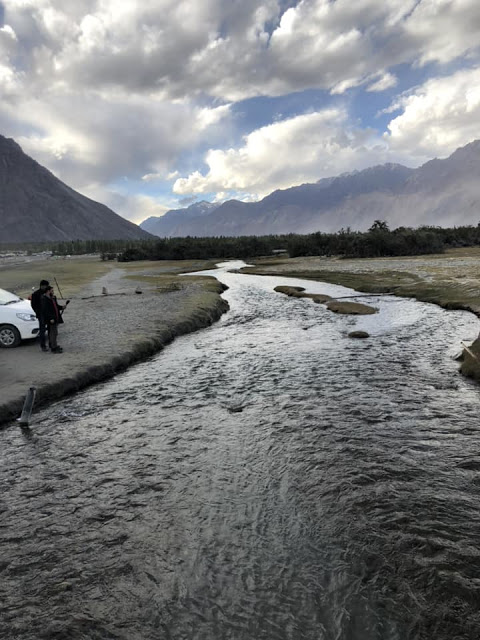
போகுமிடம் வெகு தூரம்! போக வேண்டும் நெடு நேரம்!!
ச.நாகராஜன்
போகுமிடம் வெகு தூரம்!
போக வேண்டும் நெடு நேரம்!!
எத்தனை அற்புதமான வரிகள், பாருங்கள்!
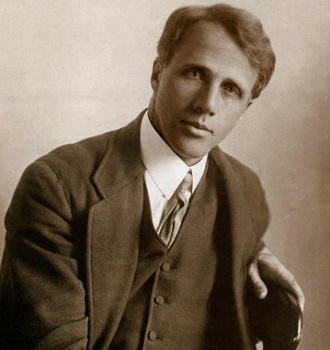
Miles to go before I sleep என்ற அற்புதமான சொற்றொடரை ‘Stopping by Woods on a Snowy Evening’ என்ற கவிதையில் தந்தவர் அமெரிக்க கவிஞரான ராபர்ட் ஃப்ராஸ்ட். (Robert Frost)
ராபர்ட் ஃப்ராஸ்ட் (பிறப்பு 26-3-1874 மறைவு 29-1-1963) அமெரிக்காவில் சான்ஃப்ரான்ஸிஸ்கோவில் பிறந்தார். அவரது தந்தை ஒரு ஆசிரியர்;- பின்னர் அவர் ஒரு பத்திரிகையின் ஆசிரியராகவும் ஆனார்.
இயற்கையிலேயே கவிதை இயற்றும் ஆற்றல் அவருக்கு இருந்தது. அமெரிக்க நாட்டுப்புற மொழியில் வல்லுநராக அவர் திகழ்ந்தார்.

Miles to go before I Sleep என்ற வரி வரும் Stopping by Woods on a Snowy Evening என்ற கவிதை 1921ஆம் ஆண்டு வாக்கில் இயற்றப்பட்டது.
குதிரையில் பயணிக்கும் பயணி ஒருவர் கூறுவது இது.
இதை விமரிசிக்கும் இலக்கிய விமரிசகர்கள் இது மரணத்திற்கு முன் தெரிவிக்கும் ஆசை போல என்கின்றனர். Sleep  என்ற சொல் இங்கு  மரணத்தைக் குறிக்கிறது என்பது அவர்களின் எண்ணம்.
ஆனால் பலரோ இது வாழ்க்கையின் லட்சியத்தை நிர்ணயித்து அதை அடையத் துடிக்கும் வாழ்க்கைப் பயணியின் அற்புதமான கூற்று என்கின்றனர்.
ஜவஹர்லால் நேரு முதல் உலகின் அறிஞர்களும் சாமான்யரும் இலக்கிய ஆர்வலர்களும் விரும்பிப் படித்து மேற்கோள் காட்டும் கவிதை இது:
Stopping by Woods on a Snowy Evening
ROBERT FROST
Whose woods these are I think I know.
His house is in the village though;
He will not see me stopping here
To watch his woods fill up with snow.
My little horse must think it queer
To stop without a farmhouse near
Between the woods and frozen lake
The darkest evening of the year.
He gives his harness bells a shake
To ask if there is some mistake.
The only other sound’s the sweep
Of easy wind and downy flake.
The woods are lovely, dark and deep,
But I have promises to keep,
And miles to go before I sleep,
And miles to go before I sleep
எனது லட்சியம் நிறைவேற போகவேண்டும் நெடு நேரம்; ஏனெனில் அதை அடைய நான் செல்ல வேண்டிய தூரம் வெகு தூரம். செல்ல வேண்டிய பாதையோ அடர்ந்த காரிருள் நிறைந்த காட்டு வழி.
உலகத்தினரின் உள்ளங்களைக் கொள்ளை கொண்ட கவிதா வரிகள்!
ஜான் கென்னடி தனது பதவியேற்பு விழாவின்போது கவிஞர் ராபர்ட் ஃப்ராஸ்டை அழைத்து கவிதை பாட வைத்தார். 1961ஆம் ஆண்டு ஜனவரி 29ஆம் நாள் நடந்த அந்த விழாவின் போது அவருக்கு வயது 86. அந்த விழாவிற்கென ஃப்ராஸ்ட் Dedication என்ற கவிதையை பிரத்யேகமாக எழுதினார். விழா நடந்த அன்று சூரிய ஒளியில் அதைப் படிக்க மிகவும் கஷ்டப்பட்டார். கடைசியில் மனப்பாடமாக இருந்த The Gift Outright என்ற கவிதையை நினைவிலிருந்து பாடி விட்டார்.
போஸ்டனில் 1963 ஜனவரி 29ஆம் நாள் அவர் மறைந்தார். அவரது கல்லறையில் எழுதப்பட்ட வாசகம் : “ I had a lover’s quarrel with the world.”
அவரது கவிதையில் இன்னொரு அழகிய கவிதை – The Road Not Taken.
The Road Not Taken
 ROBERT FROST
Two roads diverged in a yellow wood,
And sorry I could not travel both
And be one traveler, long I stood
And looked down one as far as I could
To where it bent in the undergrowth;
Then took the other, as just as fair,
And having perhaps the better claim,
Because it was grassy and wanted wear;
Though as for that the passing there
Had worn them really about the same,
And both that morning equally lay
In leaves no step had trodden black.
Oh, I kept the first for another day!
Yet knowing how way leads on to way,
I doubted if I should ever come back.
I shall be telling this with a sigh
Somewhere ages and ages hence:
Two roads diverged in a wood, and I—
I took the one less traveled by,
And that has made all the difference.
 இந்த அழகிய கவிதையில் வரும் வார்த்தைகளை வைத்து அநேகமாக ஒவ்வொரு ஆங்கிலப் பத்திரிகையிலும் The Road less Traveled என்ற தலைப்பில் நிச்சயமாக ஒரு கட்டுரை வந்திருக்கும்.
இரு நண்பர்கள் ஒரு சாலை வழியே செல்கின்றனர். பாதை இரண்டாகப் பிரிகிறது. ஒன்று கரடுமுரடானது. யாரும் அதிகமாகச் செல்லாதது. இன்னொன்று வழவழ என்று இருக்கிறது. கல், முள் இல்லை. அனைவரும் அதிகமாகப் பயன்படுத்தும் பாதை.
நண்பர் நல்ல பாதையைத் தேர்ந்தெடுக்கிறார்.
ஆனால் ஃப்ராஸ்ட் எதைத் தேர்ந்தெடுக்கிறார்?
‘ குறைந்த பேர்கள் தேர்ந்தெடுத்த அந்தப் பாதையை நான் தேர்ந்தெடுத்தேன்; அதுவே பெரிய வித்தியாசத்தை ஏற்படுத்தியது’ என்கிறார்.
அருமையான இந்தக் கவிதை உலகில் ஏராளமான பேர்களின் மீது ஒரு தாக்கத்தை ஏற்படுத்தியுள்ளது.
கரடுமுரடான வழியாக இருப்பினும் லட்சியத்தை நோக்கி அது செல்லும் எனில் அதையே தேர்ந்தெடுப்போம் என்பதே லட்சியவாதிகளின் எண்ணம்.பட்டப்படிப்பு முடிக்கும் பட்டதாரிகள் புதிய வழியில் செல்வோம் என உறுதிமொழி எடுக்க
இந்தக் கவிதை தான் தூண்டியது.
ஆனால் உண்மையில் ஃப்ராஸ்ட் இதை ஒரு ஜோக் கவிதையாகத் தான் எண்ணி எழுதினார். தனது நண்பரைக் கேலி செய்ய அவர் எழுதிய கவிதை தான் இது. அவர் நண்பர் எட்வர்ட் தாமஸ் அடிக்கடி நடைப்பயிற்சியை மேற்கொண்டு அவருடன் நடந்து செல்வது வழக்கம். தாமஸுக்கு எப்போதுமே எந்த வழியைத் தேர்ந்தெடுப்பதில் ஒரு தயக்கம் இருக்கும். ஒரு வழியை அவர் தேர்ந்தெடுத்த பின்னர், அட, அடுத்த வழியில் போகாமல் விட்டு விட்டோமே என அங்கலாய்ப்பது வழக்கம். அதற்காக எழுதிய இந்தக் கவிதையை அனைவரும் லட்சியக் கவிதையாகப் பார்த்ததைக் கண்டு ஃப்ராஸ்டுக்கு வியப்பு மேலிட்டது. இது மன உறுதிக்கான ஒரு உருவகக் கவிதை என அனைவரும் சொல்ல, தாமஸிடம் ஃப்ராஸ்ட், “ சும்மா விளையாட்டுக்காக அதை எழுதினேன் என்றாலும் கூட அதை அனைவரும் மிகவும் சீரியஸாக எடுத்துக் கொண்டு விட்டனர்”, என்று கூறினார்.
படிப்பவர்களுக்கு உத்வேகம் ஊட்டும் கவிதை அல்லவா இது!
எனக்கும் தான்:-
“போகுமிடம் வெகு தூரம்
    போக வேண்டும் நெடு நேரம்
போகும்வழி முள்பாதை
    போகாதோர் பலர்பாதை
நோகுமிடம் உடலெல்லாம்
    நோகாது என் உறுதி
ஆகும் ஆசை முடியட்டும்
     அற்புதமாய் அமையட்டும்”

Where does Lakshmi reside? (Post No.5689)

Written by London Swaminathan

swami_48@yahoo.com

Date: 22 November 2018

GMT Time uploaded in London –19-15
Post No. 5689

Pictures shown here are taken from various sources including google, Wikipedia, Facebook friends and newspapers. This is a non- commercial blog

Turmeric is a medicinal plant. Turmeric powder has got anti- bacterial properties. Food made with turmeric powder don’t go off quickly. Turmeric was applied on wounds to cure it. Hindu women apply raw turmeric paste on their faces during their bath. This will prevent unwanted hair growth on their faces. In the olden days scholars praised turmeric as one of the auspicious symbols.

Nowadays we believe whatever published in a science journal though the same thing is contradicted  the very next week. ‘A coffee a Day keeps doctor Away’— they publish one story one week. The very next week you read ‘A coffee a day will take you near the grave’. We never go into the details of such research articles, but simply believe them.

In the olden days, scholars attributed all the rules to God so that people wouldn’t challenge them. Turmeric is also given such a holy status due to its medical properties.

Here are some interesting Slokas/couplets on the theme:-
Yadgrham rajate nityam mangalairalepanaihi
Tadgrhe vasate Lakshmihi nityam purnakalanvita

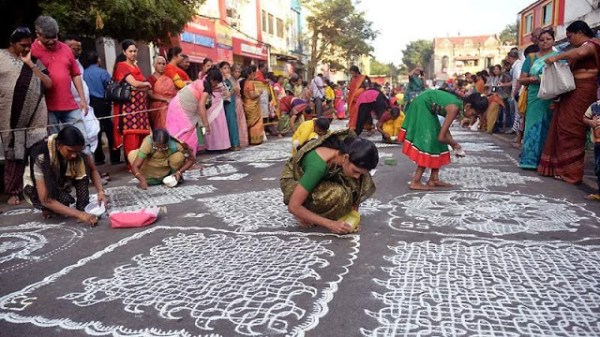
Lakshmi, Goddess of Wealth, resides in full, in the house where a woman cleans the house and decorates it with Kolam or Rangoli.

One more sloka adds Lakshmi resides where there is no fight between husband and wife.
Yadgrhe kalaho nasti pujyante yadgrhestithaha
Tadgrhe vasate Lakshmiihi nityam purnakalanvita

Xxx


Married Hindu women are expected to present themselves with auspicious symbols on their faces. The couplets below say that it will increase the life span of their husbands. Now we know tensions can trigger cancer, increase heart attacks and blood pressure. If one of the partners can help in reducing the tension it will naturally help them to live longer. Here are two couplets which describe the auspicious symbols of a woman
Haridra kumkumam chaiva sinduam kajjalam tada
Kurpasakam ca tambulam mangalyabaranai tada

Kesa samskara kabari karakarnadibhushanam
Bharturayushya micchanti dushayenna pativrata

The symbols or the decorations that will help a husband are
Bathing with turmeric paste
Wearing Kunkum and Sinduram
Wearing blouse

applying kohl (black pigment) to eyes
Having supari, betel nuts
Adorning hands, nose, ear with ornaments
Hair do
These are considered good for husband’s life.
Previous post

Lakshmi resides | Tamil and Vedas

tamilandvedas.com/tag/lakshmi-resides

Posts about Lakshmi resides written by Tamil and Vedas. … which lists the places where Lakshmi, … //tamilandvedas.com/2017/01/20/where-does-lakshmi-reside-post-no ..

Tags- Lakshmi, Kolam, Turmeric
— Subham—


லெட்சுமி வசிக்கும் இடம்; மஞ்சள் மகிமை! (Post No.5688)


Written by London Swaminathan

swami_48@yahoo.com

Date: 22 November 2018

GMT Time uploaded in London –7-23 am
Post No. 5688

Pictures shown here are taken from various sources including google, Wikipedia, Facebook friends and newspapers. This is a non- commercial blog


பெண்கள் மஞ்சள் தேய்த்துக் குளிக்கும் வழக்கம் மறைந்து வருகிறது. பல வகையான சோப்புகளும், கிரீம்களும் அந்த இடத்தைப் பிடித்துவிட்டன. மஞ்சள் தேய்த்துக் குளிப்பதால் பெண்களின் முகத்தில் முடி வளர்வதைத் தடுக்கலாம். பரு முதலியன வராமலும் தடுக்கலாம்.

மஞ்சள் என்பது பாக்டீரியா எதிர்ப்புக் குணம் மிக்க பொருள் என்பதை இப்பொழுது விஞ்ஞானிகளும் ஒப்புக் கொண்டு விட்டனர். மஞ்சள் பொடி போட்டு இந்திய உணவு உருவாக்கப்படுவதை வெளிநாட்டு சமையல் சானல் (channels) கள் மிகவும் சிலாஹித்துப் பேசுகின்றன. சமைத்த பண்டங்கள் விரைவில் கெட்டுப்போகாமல் இருக்க மஞ்சளும் உப்பும் உதவும் என்பது தாய்மார்கள் அறிந்த விஷயமே.

அந்தக்காலத்தில் தெய்வத்தின் பெயரில் எதைச் சொன்னாலும் மக்கள் கேள்வி கேட்காமல் அதை ஏற்றனர். இந்தக் காலத்தில் விஞ்ஞானத்தின் பெயரில் எதைச் சொன்னாலும் மக்கள நம்புகின்றனர். இரண்டுமே விவேகமற்ற செயல். ஒரு காரியத்தின் கருத்தை அறிநதால் அது எக்காலத்திலும் நம்பப்படும்; காப்பி குடித்தால் நல்லது என்று ஒரு கட்டுரை வரும்; அடுத்த வாரம் காப்பி குடித்தால் கெடுதி என்று வரும் அநத ஆராய்ச்சியை யார் எங்கு எத்தனை பேரிடத்தில் நடத்தினர், அது எல்லோருக்கும் பொருந்துமா என்பதை எல்லாம் நாம் முழுதும் ஆராய்வதில்லை. இப்படித்தான் அந்தக் காலத்திலும் காரண காரியங்களை விளக்காமல் ‘அங்கே’ லக்ஷ்மி வசிப்பாள் என்று சொல்லி விட்டார்கள். இன்று அறிவியல் சோதனைகள் மூலம் காரண காரியங்களை விளக்க, விளங்கிக்கொள்ள நமக்கு வாய்ப்பு கிடைத்து இருக்கிறது.

பழங்காலத்தில் லக்ஷ்மி வாசம் செய்யும் இடங்களைப் பற்றி ஒரு நல்ல ஸ்லோகம் இருக்கிறது. அதை நன்கு சிந்தித்துப்  பார்த்தால் அவர்கள் சொன்னது சரிதான் என்பது தெரியும்.

கணவர்களுக்கு ஆயுளைத் தரும் பெண்களின் அலங்காரங்கள்

ஹரித்ரா குங்குமம் ச ஏவ ஸிந்தூரம் கஜ்ஜலம் ததா

கூர்பாஸகம் ச தாம்பூலம் மங்கள்யாபரணே ததா

கேசஸம்ஸ்கார கபரீ கர்கணாதி பூஷணம்

பர்துர்ராயுஷ்மிச்சந்தி தூஷயேன்ன பதிவ்ரதா

பொருள்

மஞ்சள் பூசிக் குளிப்பது

குங்குமம்,ஸிந்தூரம் தரிப்பது

கண்ணுக்கு மை தீட்டுதல்

ரவிக்கை, தாம்பூலம் (வெற்றிலை பாக்கு)

காது, மூக்குகளில் நகை அணிதல்

வாரின தலை

முதலியன கணவர்களுக்கு ஆயுளைத் தரும் பெண்களின் அலங்காரங்கள்


கோலத்தின் மஹிமை

இன்னொரு ஸ்லோகத்தையும் காண்போம்

யத் க்ருஹம் ராஜதே நித்யம் மங்களைரனுலேபனைஹி

தத் க்ருஹே வசதே லக்ஷ்மீ: நித்யம் பூர்ணகலான்விதா

எவள் வீட்டைப் பெருக்கி மெழுகி,  கோலமிட்டு  அலங்கரிக்கிறாளோ அங்கே லக்ஷ்மீ பூரண கலைகளுடன் வசிக்கிறாள்.

அது என்ன பூரண கலை?

நாம் அஷ்ட லக்ஷ்மீ என்று சொல்லும்போது வளத்தை, தனம், தான்யம், வீரம், ஸந்தானம் (மகப்பேறு), ஐஸ்வர்யம், சௌபாக்கியம் என்று எல்லாம் பிரித்துப் பார்க்கிறோம். இவை அனைத்தும் இருந்தால் அது லக்ஷ்மீயின் பூரண அம்சம் ஆகும்.

இந்த இரண்டு ஸ்லோகங்களும் வியாஸர் சொன்னதாக ஒரு புஸ்தகத்தில் படித்தேன். ஆனால் மஹாபாரதத்திலா என்று சொல்லவில்லை.

பொங்கும் மங்களம் எங்கும் தங்குக.

மஞ்சள் முகமே வருக, மங்களம் என்றும் தருக என்று பாடுவோம்.

tags– மஞ்சள்,மஹிமை,  கோலம், லெட்சுமி

–சுபம்–

8 லட்சம் ஆண்டு இல்லாத அளவு கார்பன் டை ஆக்ஸைடின் அளவு (Post No. 5687. )

Written by S Nagarajan

Date: 22 November 2018

GMT Time uploaded in London –7-08 am
Post No. 5687

Pictures shown here are taken from various sources including google, Wikipedia, Facebook friends and newspapers. This is a non- commercial blog

 பாக்யா வார இதழில் அறிவியல் துளிகள் தொடரில் வெளியாகியுள்ள (எட்டாம் ஆண்டு முப்பத்தி எட்டாம் கட்டுரை)!                                              அத்தியாயம் 402

ஜாக்கிரதை! எட்டு லட்சம் ஆண்டுகள் இல்லாத அளவு பூமியில் கார்பன் டை ஆக்ஸைடின் அளவு!!

ச.நாகராஜன்

மனித குலத்திற்கே வருத்தமூட்டும் ஒரு செய்தியை விஞ்ஞானிகளின் ஆகஸ்ட் 2018 அறிக்கை தருகிறது. எட்டு லட்சம் ஆண்டுகள் இல்லாத அளவு உயர்ந்தபட்ச கார்பன் டை ஆக்ஸைடு அளவை பூமி கொண்டிருக்கிறது என்பது தான் அது!

அண்டார்டிகாவில் கிரீன்லாந்தில் பனியின் உள்ளீட்டைக் (Icecore) குடைந்து பார்த்து பூமியின் வளிமண்டலம் கடந்த எட்டு லட்சம் ஆண்டுகளில் எப்படி மாறி இருக்கிறது என்பதை அவர்கள் கண்டறிந்தனர். அதில் வந்த ஷாக்கிங் நியூஸ் தான் இது!

அமெரிக்காவில் எடுக்கப்பட்ட ஸ்டேட் கிளைமேட் ரிபோர்ட் 2017இன் படி கார்பன் டை ஆக்ஸைடின் செறிவு  பத்துலட்சத்திற்கு 450 என்ற அளவில் இருக்கிறது என்பது தெரிய வருகிறது. இதை அமெரிக்க காலநிலை கழகம் தெரிவித்திருக்கிறது. 38 ஆண்டுகளில் வருடாவருடம் பனியின் உள்ளீடு பற்றிய ஆய்வு நடந்து வருகிறது. அதில் உச்சபட்சமாக 2017இன் அளவு இருக்கிறது.

எப்படி உலகம் மாறி வருகிறது என்பதைச் சுட்டிக்காட்டும்  இது, ஆய்வின் ஒரு எச்சரிக்கை தான்.

ஸயின்ஸ் என்ற பிரபல அறிவியல் இதழில் எழுதி வரும் எலிஸபத் கமில்லோ 65 நாடுகளில் உள்ள 524 விஞ்ஞானிகள் இணைந்து செய்த ஆய்வின் அறிக்கையை சமீபத்திய (2018) இதழில் தந்துள்ளார். ஆயிரத்தி எண்ணூறுகளில் இருந்து எடுக்கப்பட்டு வரும் அளவுகளில் 2017ஆம் ஆண்டின் ரிகார்டுகளை அறிவியல் ரீதியாகப் பார்க்கும் போது, அது இரண்டாவது உஷ்ணம் மிகுந்த ஆண்டாக விளங்குகிறது.

உண்மையில் சொல்லப்போனால் 2017ஆம் ஆண்டு ஒரு எல் நினோ ஆண்டு. அதாவது பூமியில் சிறிது குளிர்ச்சியை ஏற்படுத்தும் ஆண்டு. அந்த ஆண்டிலேயே இப்படி ஒரு அதிக வெப்பம் என்றால் நினைக்கவே நெஞ்சம் நடுங்குகிறது.

பூமியின் எதிர்கால நிலை என்ன தான் ஆகும்?

இதே போல விஷ வாயுத் தன்மை கொண்ட க்ரீன் ஹவுஸ் கேஸ் எனப்படும் பசுமை இல்லா வாயுக்களான மீதேன், நைட் ரஸ் ஆக்ஸைடு ஆகியவற்றின் அளவுகளும் என்றுமில்லாத அளவு அதிகரித்துள்ளன.

1993 ஆண்டு முதல் எடுத்துக் கொண்டால் கடல் மட்ட நீரின் அளவு மூன்று அங்குலம் உயர்ந்துள்ளது. கடல்நீரில் மேல் மட்டத்தில் உள்ள 2300 அடிகள் அதிக அளவு உஷ்ணநிலையை இப்போது காட்டுகிறது. எல் நினோ ஆண்டு என்று அழைக்கப்படும் 2016ஆம் ஆண்டை விட இந்த ஆண்டு அதிக அளவாக இது உள்ளது.

அண்டார்டிகாவின் பனிப்படலத்தின் பரப்பு கூட 8,11,000 சதுர மைல்களாக மார்ச் 2017இல் ஆகி கடந்த 38 ஆண்டுகளாக இந்தப் பனிப்பரப்பு சுருங்கிக் கொண்டே வருவதை உறுதி செய்கிறது.  இதை வைத்து விஞ்ஞானிகள் கூறுவது 1980இலிருந்து 72 அடி அளவிற்கு மேல் மட்டத்திலிருந்து பனிப்படலம் குறைந்து விட்டது என்பது தான்!

இதன் விளைவாக  1900ஆம் ஆண்டிலிருந்து எடுத்துக் கொண்டு பார்த்தால் ரஷியா இரண்டாவது கடுங் குளிரான ஆண்டாக 2017ஐக் கொண்டிருக்கிறது. வெனிஜுலா, நைஜீரியா, இந்தியா ஆகிய நாடுகளில் பல பகுதிகளில் வழக்கத்திற்கு மாறாகப் பெரிய அளவில் மழை பொழிந்து பெரும் வெள்ளம் ஏற்பட்டுப் பெரும் பாதிப்புகள் ஏற்பட்டுள்ளன.

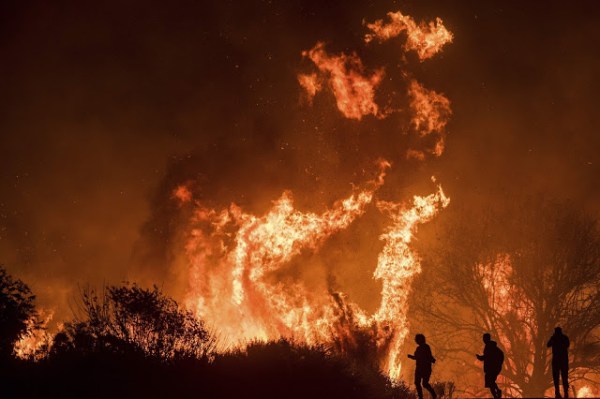
அது மட்டுமின்றி வழக்கத்திற்கு மாறான அதிக பட்ச உஷ்ணத்தால் காட்டுத் தீ பெரும் அளவில் உலகின் பல பகுதிகளில் மூண்டது. அமெரிக்காவில் 40 லட்சம் ஹெக்டேர் நிலப்பரப்பை காட்டுத் தீ அழித்தது. அமேஸான் பகுதியில் 2,72,000 காட்டுத் தீ விபத்துக்கள் ஏற்பட்டுள்ளன!

பவளப்பாறைகள் ஆங்காங்கு பாதிக்குப் பாதியாக அழிவு பட்டு வருகின்றன!

இதை உலகம் தாங்காது; இனியும் பசுமை வாயுக்கள் அதிகரிக்காது என்று வைத்துக் கொண்டாலும் கூட பூமியின் வளி மண்டல வெப்பம் இன்னும் இருபது ஆண்டுகளுக்கு அதிகரித்துக் கொண்டே போகும்.

இதன் விளைவுகள் பிரம்மாண்டமானதாக இருக்கும்.

பூமியின் வெப்பம் தாங்காது மனித குலம் படாத பாடு படும். கடலோர நகரங்கள் அழிந்து போகும். கடல் வாழ் உயிரினங்கள் மறையும். தாவரங்கள் செழிக்காது.

நாம் வாழ்ந்து கொண்டிருக்கும் இந்த 2018 ஆம் ஆண்டு நான்காவது அதிக வெப்பமுடைய ஆண்டாக உருவாகி வருகிறது என்ற எச்சரிக்கையையும் விஞ்ஞானிகள் தருகின்றனர்.

ஆகவே வீட்டிற்குள் சுனாமி அலை வந்து விட்டது போல இந்த அபாயத்தை நினைத்து உலக நாடுகளின் அரசுகள் நடவடிக்கை எடுக்க வேண்டும் என்பது விஞ்ஞானிகளின் அறிவுரை.

அரசு எடுக்கும் முடிவுகளுக்கு உலக மக்கள் ஆதரவு தந்தே ஆக வேண்டும்; இல்லையேல் அரசுகளும் இருக்காது; அவர்கள் ஆள மக்கள் கூட்டமும் இருக்காது!

முதலில் வாகனப் புகையை கட்டுப்படுத்தும் முயற்சியில் ஒவ்வொரு தனி மனிதனும் இறங்க வேண்டும். இது தான் முதல் படி!

மனித குலம் காக்கப்படும் வழி இங்கே தான் ஆரம்பிக்கிறது!!

அறிவியல் அறிஞர் வாழ்வில் .. ..

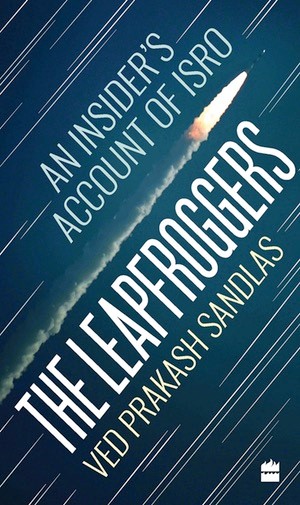
அமெரிக்காவில் பொதுவாக மலரும் நினைவுகளாக எழுதப்படும் புத்தகங்கள் ஏராளம். இந்தியாவிலோ குறைவு; அதுவும் விண்வெளி இயல் பற்றி வரும் புத்தகங்களோ மிகக் குறைவு. இந்தக் குறை போக்கும் விதமாக இந்திய விண்வெளி ஆய்வு நிறுவனமான ஐ.எஸ்.ஆர். ஓவில் பணி புரிந்த வேத பிரகாஷ் சண்ட்லாஸ் ‘தி லீப்ஃப்ராக்கர்ஸ்’ (The Leapfroggers) என்ற நூலை எழுதி வெளியிட்டுள்ளார்.

அதில் முன்னாள் பாரத ராஷ்ட்ரபதியும் பிரபல விண்வெளி விஞ்ஞானியுமான அப்துல்கலாம் பற்றிய ஒரு சுவையான சம்பவத்தை அவர் தருகிறார்.

அப்துல்கலாம் அவர்களுக்கு அலுவலகத்திற்குக் குறிப்பிட்ட நேரத்திற்கு வந்து குறிப்பிட்ட நேரத்திற்கு வெளியே செல்ல வேண்டும்  என்பதெல்லாம் கிடையாது. இரவு பகல் பாராது உழைப்பது அவர் இயல்பு. அதே போல அவருடன் இணைந்து பணியாற்றியவர்களும் கூட அப்படியே நேரத்தைப் பாராது பணி புரிந்தனர்.

இதன் விளைவாகத்தான் எஸ் எல் வி – 3 ராக்கெட் 1980 ஜூலையில் முதன் முதலாக விண்ணில் ஏவப்பட்டது.

இந்த ராக்கெட்டைத் தயாரிக்கும் பணியில் நமது விஞ்ஞானிகள் தீவிரமாக ஈடுபட்டிருக்கும் போது ஒரு நாள் நள்ளிரவில் அப்துல்கலாம் எஸ் எல் வி – 3 ராக்கெட்டின் பணிகளின் முன்னேற்றம் பற்றி சண்ட்லாஸிடம் விசாரித்தார்.

உடனடி பதிலாக,”எந்த விதக் குழப்பமும் இன்றி, ஒரு பிரச்சினையும் இன்றி பணிகள் சீராகப் போய்க் கொண்டிருக்கின்றன” என்று கூறப்பட்ட போது, அப்துல்கலாம், “அப்படியா, அப்போது சில பிரச்சினைகளை உருவாக்குவோம்” என்று பதில் அளித்தார். அங்கு பணி புரிந்தோரிடம் ஏராளமான சிக்கலான கேள்விகளைக் கேட்க ஆரம்பித்தார்.

நிர்வாக இயலின் புது உத்தி இது! வேண்டுமென்றே பிரச்சினைகளைப் பற்றிச் சொல்லி அதற்கான சிறந்த தீர்வைக் காண வேண்டும் என்பதே அந்த உத்தி.

கலாம் அவர்கள் கிளப்பிய பிரச்சினைகளால் உந்தப்பட்ட விஞ்ஞானிகள் அவற்றை மனதில் கொண்டு அதற்கான தீர்வைக் காண முற்பட்டனர். எதிர்பார்த்த காலத்தை விடச் சற்றுக் கூடுதலான காலத்தை அவர்கள் எடுத்துக் கொண்டாலும் கூட, ராக்கெட்டின் வடிவமைப்பும் செயல்பாடும் சிறப்பாக அமைந்து இந்தியாவின் வெற்றிக்கு வழி வகுத்தன.

இப்படி, அப்துல்கலாம் அவர்களின் சிந்தனையும் செயல்பாடும் ஒப்பற்றதாய் அமைந்திருந்ததைப் சண்ட்லாஸ் விளக்கியுள்ளார்.

***

Science in Bhartruhari’s Nitisataka Couplets/Slokas (Post No.5686)

Written by London Swaminathan

swami_48@yahoo.com

Date: 21 November 2018

GMT Time uploaded in London –14-04 am
Post No. 5686

Pictures shown here are taken from various sources including google, Wikipedia, Facebook friends and newspapers. This is a non- commercial blog

We take three more slokas from the Niti Sataka and analyse and compare them with other poems.

Here in the following three couplets Bhartruhari deals with geology and oceanology. Hindus believe that the earth is on the head of a big snake, sometimes described as 1000 headed snake called Adi Seshan. The poet says that the snake is born by tortoise and the tortoise is held in position by the sea floor. Though Kalidasa and others also said the same, we don’t know the science behind it. When Vishnu is projected as lying on the snake bed in the Milky Ocean, we assume that they are talking about the ocean of Time. Greeks say that Atlas is holding the earth on his shoulders.

But the other two slokas are based on true science.


Indra is said to have cut down the wings of the flying mountains. Later they settled down under the floor of the ocean or elsewhere. This is a clear reference to geological changes that the earth encountered through its millions or billions of years’ history. We knew now that the Dinosaurs became extinct after one big asteroid hit the earth 6 million years ago. In those days more asteroids and meteorites were hitting the earth than today. Later it was stopped. Though millions of meteorites hit earth even today, most of them are burnt in the atmosphere. But in geological ages it was a different scene and the flying mountains were asteroids. The asteroids that fell in the sea or displaced and pushed into sea are the ones like Mainak parvat mentioned in the sloka.

I don’t mean all the submarine mountains are asteroids or displaced by asteroids; but some must be that led to the story of Mainak flying away from the Himalayas. They already know the long and continuous chain of submarine mountains which they gave the name Chakravala.

The second is about the Suryakanta gem that emits fire at the touch of sunlight. Now we know they are magnifying glass or lens which can focus sunlight and produce fire. We read in the Greek history that they were able to burn sailing ships by focusing sunlight through lens.

Ancient poets used symbolic language to express their thoughts and views; they created stories for the laymen; for an example, they told the laymen that the snake is devouring sun or moon during eclipse, but they knew it’s the shadow of earth that creates the eclipse. They calculated it and forecast eclipses well in advance. Another example is that they calculated the movements of planets for astrological predictions.

They gave scientific names to planets. The name Sanaischaran for Saturn means slow moving. Saturn takes thirty years to complete one round around sun. They named the largest planet Jupiter as Guru. Guru means heavy, large etc.

Only now the scientists are using the gravitational power of the Jupiter (Guru), known as sling shot  effect to boost the rockets or satellites. But Guru means one who boosts you into orbit of spiritual world with his power. So we have rightly named Jupiter as Guru. I have already written about the future predictions of Hindus in my earlier articles (about other planets).

Here are the relevant three slokas. Just to teach simple morals, Bhartruhari use these similes which shows common men were well aware of these things even in the days of Bhartruhari:–

  1. Sesha bears all the worlds placed on his serpent-

like head: he himself is always borne on the back of the king of the tortoises, who dwells, held without difficulty, in the bounds of ocean. Ah! with what ease do the mighty perform great marvels !

  1. The son of Himalaya would have behaved far more

nobly if he had allowed enraged Indra to cut off his wings with the thunderbolt breathing forth huge masses of flame, and had not, when his father was helplessly subject to calamity, sought a refuge by throwing himself into the ocean.

  1. The sun-stone, though insensate, is kindled into

light when touched by the rays of the sun: how then

should a mighty man bear an injury inflicted by another.

वहति भुवनश्रेणिं शेषः फणाफलकस्थितां

कमठपतिना मध्येपृष्ठं सदा स च धार्यते ।

तम् अपि कुरुते क्रोडाधीनं पयोधिरनादराद्

अहह महतां निःसीमानश्चरित्रविभूतयः ॥ 1.31 ॥

वरं पक्षच्छेदः समदमघवन्मुक्तकुलिशप्रहारैर्

उद्गच्छद्बहुलदहनोद्गारगुरुभिः ।

तुषाराद्रेः सूनोरहह पितरि क्लेशविवशे

न चासौ सम्पातः पयसि पयसां पत्युरुचितः ॥ 1.32 ॥

–subham–

பர்த்ருஹரி சொல்லும் விஞ்ஞான விஷயங்கள் (Post No.5685)

Himalaya pictures from Radhika Balakrishnan

Written by London Swaminathan

swami_48@yahoo.com

Date: 21 November 2018

GMT Time uploaded in London –10-34 am
Post No. 5685

Pictures shown here are taken from various sources including google, Wikipedia, Facebook friends and newspapers. This is a non- commercial blog

பர்த்ருஹரி இந்த ஸ்லோகங்களில் சொல்லும் அறிவியல் துளிகள்

1.மலைகள் பறந்தன;

2.சூரிய காந்தக் கல் நெருப்பைக் கக்கும்;

3.பூமியைப் பாம்பு தாங்குகிறது-

பர்த்ருஹரி நீதி சதகம் தொடர்ச்சி

ஸ்லோகங்கள் 31,32,33


‘பெருந்தன்மை கொண்டபெரியோர்கள், கொடையாளிகளின் சக்திக்கும் பெருமைக்கும் அளவே இல்லை. இந்த பூமியை ஆதிசேஷன் என்னும் பாம்பு தாங்குகிறான். அந்த சேஷ நாகத்தை ஆமை தன் முதுகில் தாங்குகிறது. அநத ஆமையை கடல் தனது அடித்தளத்தில் தாங்கி நிற்கிறது’.—1-31

காளிதாஸன் போன்ற உலகப் புகழ்பெற்ற கவிஞர்களும் பூமியைப் பாம்பு தாங்குவதாகக் கருதினர். இதன் விஞ்ஞான விளக்கம் தெரியவில்லை. இதை அப்படியே சொல்லுக்குச் சொல் பொருள் கொள்ளாமல் அதன் தாத்பர்யத்தை அறிய வேண்டும். உலகில் ஒவ்வொரு பழைய கலாசாரத்திலும் இப்படிப்பட்ட நம்பிக்கை இருந்தது. கிரேக்கர்கள அட்லஸ் (Atlas) என்பவன் தனது தோளில் பூமியைச் சுமப்பதாக நம்பினர். இதனால் தேசப்பட புத்தகத்துக்கு அட்லஸ் என்று பெயர் சொல்லுவர்.

வஹதி புவனேஸ்ரேணிம் சேஷஹ பணாபலகஸ்திதாம்

கமடபதினா மத்யே ப்ருஷ்டம் ஸதச தார்யதே

தமபி குருதே க்ரோடாதீனம் பயோதிரநாதராத்

தஹஹ மஹதாம் நிஸ்ஸீமாநஸ்சரித்ர விபூதயஹ – 31

वहति भुवनश्रेणिं शेषः फणाफलकस्थितां

कमठपतिना मध्येपृष्ठं सदा स च धार्यते ।

तम् अपि कुरुते क्रोडाधीनं पयोधिरनादराद्

अहह महतां निःसीमानश्चरित्रविभूतयः ॥ 1.31 ॥

XXX

‘தேவர்களின் தலைவனான இந்திரன் இமயமலை மீது தன் வஜ்ராயுதத்தை வீசித் தாக்கினான். அப்போது இமயத்தின் மகனான மைநாக பர்வதம் தந்தையை விட்டு ஓடிப்போய் கடலில் அடைக்கலம் புகுந்தது. இது சரியான செயலன்று. மகன் என்னும் பெயருக்கு ஏற்ற செயலுமன்று’ – 1-32

மலைகள் ஆதிகாலத்தில் பறந்தததாகவும் ,இந்திரன் அவற்றின் சிறகுகளை வெட்டியதாகவும் புராணங்கள் புகலும்.இந்த நிகழ்ச்சியை உவமையாகப் பயன்படுத்துவர் புலவர் பெருமக்கள்.

இதில் பெரிய அறிவியல் உண்மை இருப்பதாக நான் கருதுகிறேன். டைனோஸரஸ் போன்ற ராட்சத மிருகங்கள் பூமியிலிருந்து அழிய பெரிய விண்கற்களே காரணம் என்று விஞ்ஞானிகள் இப்போது பகர்வர். பூமியின் துவக்க கால சரிதத்தில் இத் தாக்குதல்கள் அதிகம் இருந்தன. இன்றும் ஒவ்வொரு நொடியும் பூமியில் விண்கற்கள் விழுந்தபோதும் அவை காற்றில் பஸ்மம் ஆகி சாம்பல மட்டுமே பூமியில் விழும். இரவு நேரத்தில் வானத்தை உற்று நோக்குவோர் நட்சத்திரங்கள் விழுவது போலக் காண்பது எல்லாம் இந்த விண்கற்களே. ஆயினும் துவக்க காலத்திலிவை அதிகம் இருந்தது.

இதை பாமர மக்களுக்கு விளக்க எழுந்த கதைதான் மலைகள் பறந்ததும் அதை இந்திரன் வெட்டி வீழ்த்தியதும்.

இந்த பர்த்ருஹரி ஸ்லோகத்தில் சொல்லவரும் நீதி ஒருவருக்கு ஆபத்து ,, வருகையில் — குறிப்பாக தந்தைக்கு ஆபத்து வருகையில் — மகன் ஓடிப்போவது — உதவாமல் பயந்து ஒளிவது — முறையன்று– வீரமும் அன்று என்பதாகும்.

நீதியைப் புரிந்து கொண்டு விட்டோம். இதிலுள்ள அறிவியல் விஷயங்களை நுணுகி ஆராய்வோம்:

1.பூமியின் ஆரம்பகட்டத்தில் விண்கற்கள் (Meteorites) , நுண்கிரஹங்களின் (asteroids) தாக்குதல் அதிகம் இருந்ததை இந்துக்கள் அறிவர்.

  1. உலகில் கடலுக்கு அடியிலும் மலைகள் இருப்பது (Submarine mountains) இந்துக்களுக்கு நன்கு தெரியும். (சக்ரவாள மலை பற்றியஎனது கட்டுரையில் முன்னரே விளக்கி இருக்கிறேன்)

3.பிற்காலத்தில் இந்த விண்கல், நுண் கிரஹவீ ழ்ச்சி அறவே நின்றதையும் இந்துக்கள் அறிவர். ஆகையால்தான் இந்திரன் பறக்கும் மலைகளின் சிறகுகளை வெட்டி அவற்றை கடலுக்குள் அனுப்பிய கதைகள் எழுந்தன.

கடலியலும் (Oceanography), பூகர்ப்ப இயலும் (Geology) வளந்த இந்த நாட்களில் நாம் படிப்பதை புராணங்கள் கதை ரூபத்தில் நமக்குக் கற்பித்தன.

அது மட்டுமல்ல; இந்திரன்தான் உலகின் முதல் சிவில் எஞ்சினீயர். அவன் மலைப் பாறைகளை அகற்றி தண்ணீரை விடுவித்த கதை உலகின் பழமையான் நூலான ரிக் வேதத்திலேயே உளது.

இதை அறியாத சிலர் இந்திரன் அரக்கனை வெட்டி வீழ்த்தியதாகவும் அவர்கள் பழங்குடி மக்கள் என்றும் பிதற்றினர். இந்திரன் என்பது தலைவன், மன்னன், முழுமுதற் சக்தி போன்ற பல பொருட்களில் ரிக் வேதத்தில் வருகிறது. ஆயிரத்துக்கும் மேலான இடங்களில் இந்திரன் பெயர் வநததை ‘ஒரு ஆள்’ என்று நினைத்து வெள்ளைக்காரர்கள் குழம்பிப் போய் நம்மவர்களையும் குழப்பிவிட்டனர்.

வரம் பக்ஷச்சேதஹ ஸமதம கவன்முக்தகுலிஸ

ப்ரஹாரைருத்ரச் சதூபஹலதஹனோத்ரார குரூபிஹி

துஷாரத்ரேஹ்ஹே ! பிதரி க்லேசவிவசே

ந சாசௌ ஸம்பாதஹ பயஸி பயஸாம் பத்யூருசிதஹ -32

वरं पक्षच्छेदः समदमघवन्मुक्तकुलिशप्रहारैर्
उद्गच्छद्बहुलदहनोद्गारगुरुभिः ।
तुषाराद्रेः सूनोरहह पितरि क्लेशविवशे
न चासौ सम्पातः पयसि पयसां पत्युरुचितः ॥ 1.32 ॥

XXX

சூர்யகாந்தக் கல், சூரிய ஒளியை நெருப்பாக கக்குவதை காளிதாஸன், தமிழில் திருமூலர் போன்ற ஏராளமான புலவர்கள் பயன்படுத்துவதால், லென்ஸ் (Lens), உருப்பெருக்கு ஆடி (Magnifying glass) பற்றி இந்துக்களுக்கு முன்னரே தெரிந்ததை நாம் அறிய முடிகிறது.

இதோ பாட்டின் பொருள்

சூரிய ஒளிபட்டவுடன் உயிரே இல்லாத ஜடப்பொருளான சூர்ய காந்த மணி கூடப் பிரகாஸிக்கிறது; நெருப்பை உமிழ்கிறது. அப்படி இருக்கையில் பெரியோர்களை யாரேனும் அவமதித்தால் அவர்கள் சும்மா இருப்பார்களா? 1-33

ஆக, பல விஞ்ஞான உண்மைகளை உவமையாகப் பயன்படுத்துவதால் இவைகளைப் பாமர மக்களும் அறிந்தது புலனாகிறது. நம்மில் பலர் எப்படி டெலிவிஷன், ரேடியோ, மொபைல் போன் பற்றிய விஞ்ஞான விஷயங்களை அறியாமலேயே அதை பயன்படுத்த மட்டுமே தெரிந்து கொண்டது போல பாமர மக்களுக்கு உவமை மட்டுமே தெரியும். அதன் பின்னுள்ள விஞ்ஞான விஷயங்கள் தெரியாது.

பூமியின் சலனம் பற்றி முழுதும் அறியாவிட்டால் இந்துக்கள் கிரஹணத்தைக் கணக்கிட்டும் இருக்க முடியாது. ஜோதிட சாஸ்திரத்தை உருவாக்கி இருக்கவும் முடியாது. சனிக் கிரஹம் குருக் கிரஹம் போன்றவற்றுக்கு விஞ்ஞானப் பெயர்களை சூட்டி இருக்கவும் முடியாது.

சனிக் கிரஹம் (சனை= மந்தம், மெதுவாக) சூரியனைச் சுற்றிவர 30 ஆண்டுகள் ஆவதை அறிந்து சனைச் சரன் (மந்த கதியில் செல்வோன்) என்று பெயரிட்டனர்.

குரு என்றால் கனமான என்று பெயர்; கிரஹங்களில் பெரியது குரு (வியாழன்)) என்பதாலும், குருவைப் போல ஒருவரை உயர்த்தி, உந்தி விடுவதாலும் (Slingshot Gravity effect) அந்த கிரஹத்துக்கு குரு என்று பெயரிட்டனர், இந்த ‘ஸ்லிங் ஷாட் எப்பெக்ட்’ இப்பொதுதான் விஞ்ஞானிகளுக்குத் தெரியும். இனி வரப் போகும் எதிர்காலக் கண்டு பிடிப்புகளை இந்துக்கள் முன்னரே அறிவித்துவிட்டதை  எனது முந்தைய  கட்டுரைகளில் பட்டியலிட்டு விட்டேன்.

யதசேதனோபி பாதைஹி ஸ்ப்ருஷ்டஹ ப்ரஜ்வலதி ஸவிதுரினகாந்தஹ

தேஜ்ஸ்வீ புருஷஹ பரக்ருதநிக்ருதிம் கதம் ஸஹதே – 33

Tags- நீதி சதகம், பர்த்ருஹரி, சூர்யகாந்த மணி, பறக்கும் மலைகள், பூமி பாம்பு, சேஷ நாகம்

–சுபம்—