பிராமணனுக்கு
கூடுதல் அபராதம்; ஏனையோருக்கு குறைந்த அபராதம்- மநு
புரட்சி
மானவ
தர்ம சாஸ்திரம் என்று அழக்கப்படும் மநு ஸ்ம்ருதியின் எட்டாவது அத்தியாயத்தை இன்று
முடித்து விடுவோம். முதலில் மநு சொன்ன புரட்சிகர கருத்துக்களைப் (IN BULLET
POINTS) ‘புல்லட்
பாயிண்டு’களில் சொல்லி விடுகிறேன்
போன
தடவை 8-300 ஸ்லோகம் வரை பார்த்தோம் 8-301 முதல் தொடர்வோம்.
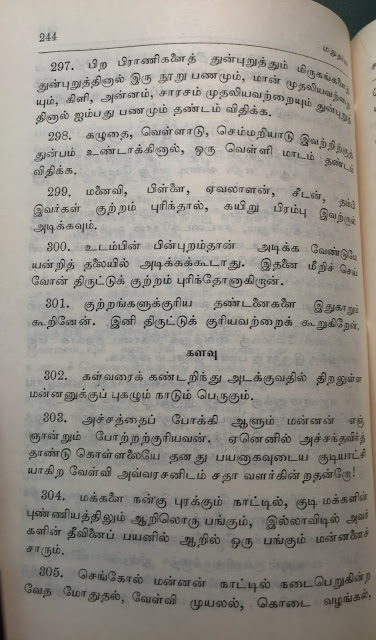
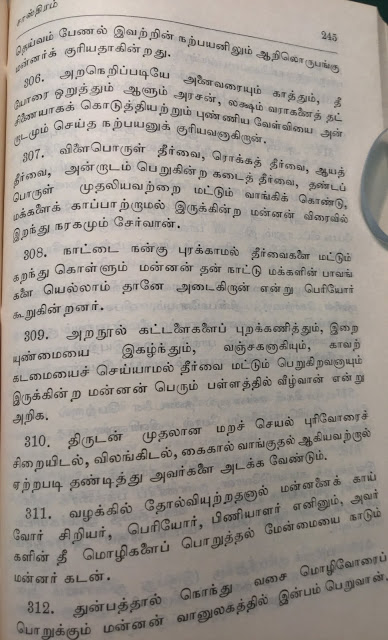
1.மக்கள் செய்யும் நல்லது, கெட்டதுகளில் ஆறில் ஒரு பங்கு அரசனையே
சாரும் 8-304
2.நாஸ்தீகம் பேசும் அரசனும், வரியை மட்டும் வாங்கிக்கொண்டு
மக்களுக்கு பாதுகாப்பு தராத அரசனும் நரகத்தில் விழுவார்கள் 8-307, 8-309
3. சிறுவர்களையும் வயதானவர்களையும்
மன்னிக்கும் அரசன் சுவர்க்கத்துக்குச் செல்வான் – 8-13
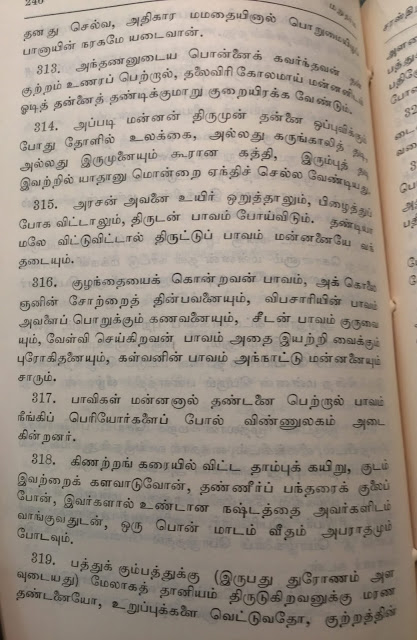
4. தப்பு நடந்த பின்னர் யார்- யார் மீது பழி போடுவார்கள்? 8-317
5. ரத்தினம் முதலிய விலையுயர்ந்த
பொருட்களைத் திருடுபவனுக்கு மரணதண்டனை கொடு (கோவலனை ரத்தினம் திருடினான் என்று தவறாக
எண்ணி பாண்டியன் மரணதண்டனை அளித்ததை சிலப்பதிகாரத்தில் காண்க) 8-321
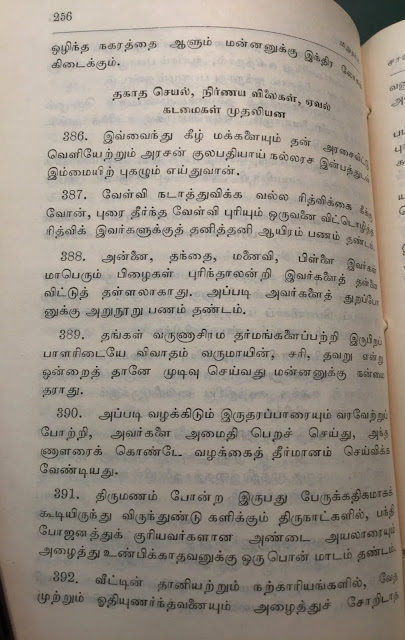
6.பிராமணர்கள் நன்கு படித்த பின்னரும் தப்பு செய்தால் அவனுக்கு உச்சபட்ச தண்டனை
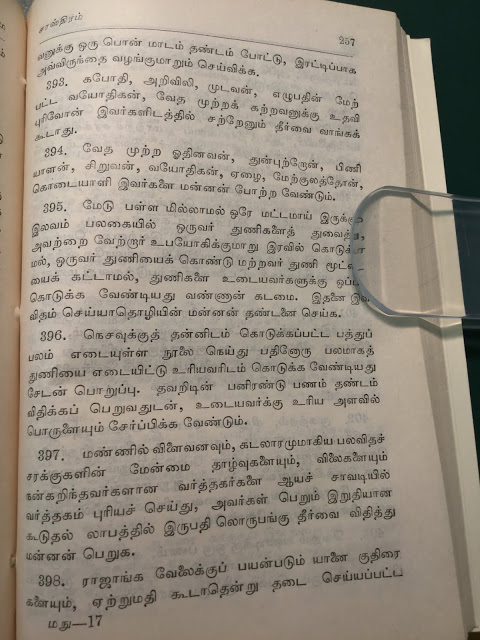
கொடு. சூத்திரனுக்கு 8 பணம், வைஸ்யனுக்கு 16 பணம், க்ஷத்ரியனுக்கு 32 பணம், பிராமணனுக்கு 64, அல்லது 128 அல்லது அதைப் போல பன்மடங்கு அபராதம்
போடு. 8-336,
8-337, 8-338
இந்த
8,16,32, 64 என்பதில் வேறு ஒரு சுவையான தகவலும்
உளது. இந்தியாவின் ரூபாய் தசம முறைக்கு மாறும் வரை 4, 8, 16 அணா= 1 ரூபாய் என்றே இருந்தது. சிந்து-
ஸரஸ்வதி நதி நாகரீகத்திலும் இதே எண் வரிசையில் எடைக் கற்கள் இருந்தன. இதுவும் ‘ஒரிஜினல்’ மநு பல ஆயிரம் ஆண்டுகளுக்கு முன்
வாழ்ந்தவர் என்பதைக் காட்டும்
7.பிராஹ்மணர்கள் தங்கள் பாதுகாப்புக்கு
ஆயுதங்களை எடுத்துச் செல்லலாம்; காண்க 8-348 to 8-350
8. யார் ஒருவன் கொல்லும் எண்ணத்துடன்
வந்தாலும் அவனைக் கொல்வதில் தவறு இல்லை; 8-351
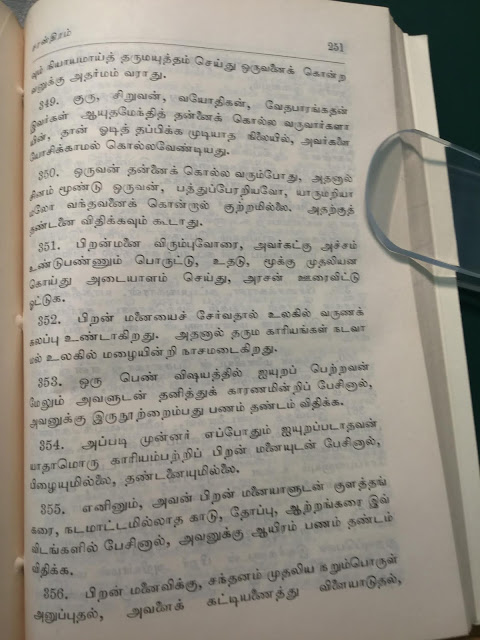
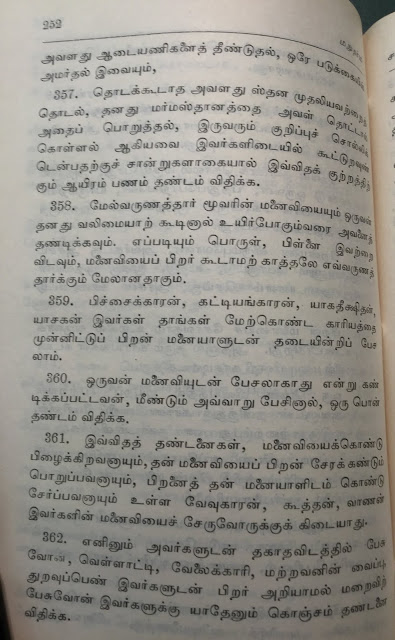
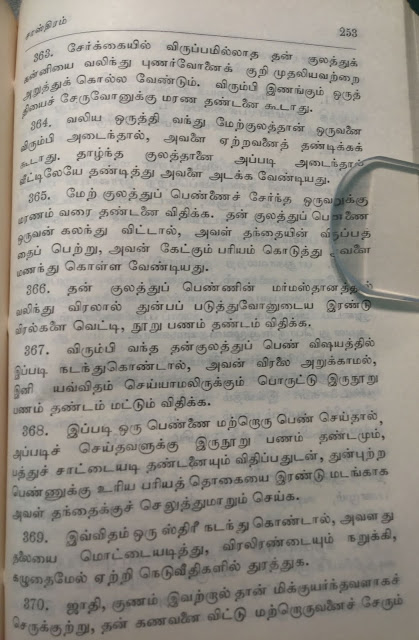
9. மாற்றான் மனைவியுடன் படுப்போனுக்கு
கடும் தண்டனை கொடு 8-359.
இசைவு
கொடுக்கும் பெண்ணை நாய்க்கு இரையாகப் போடு.8-359, 8-371
10. அரசன், பிராஹ்மணர்களைக் கொல்லக்கூடாது. இது
பாவங்களில் மிகப் பெரியது.
11. குருடர்கள், 70 வயதைத் தாண்டியவர்கள், அறிவு வாளர்ச்சி பெறாதோருக்கு வரி
விலக்கு கொடு. 8-394
12. இரண்டு வாரத்துக்கு ஒரு முறை
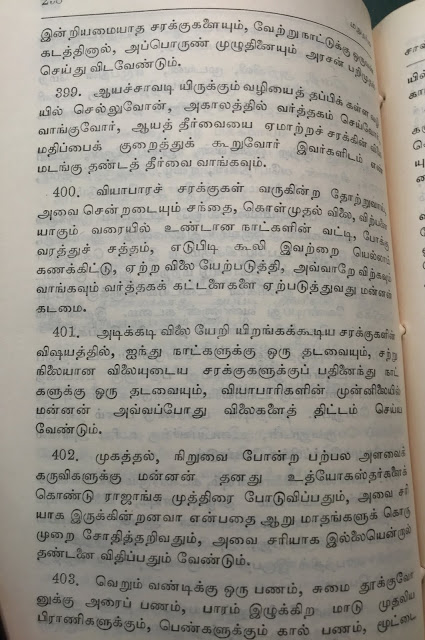
பொருட்களுக்கு விலை நிர்ணயம் செய்; 8-402, 8-403
13.யோகிகளுக்கும், கர்ப்பிணிகளுக்கும் இலவச படகுப் பயனம்
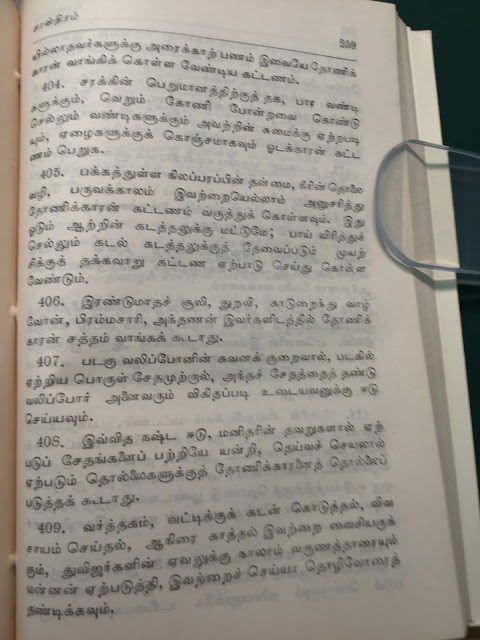
கொடு; ஓடக்காசு வாங்காதே 8-407
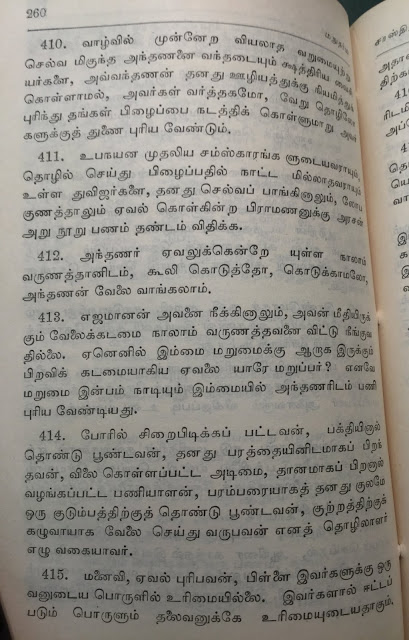
14.அடிமைகளில் 7 வகை – –415
இவைகள்
ஆங்கிலத்திலும் உளது. முழு விவரம் வேண்டுவோர் இணைப்புகளைப் படிக்கவும்
ஏன் நீங்கள் நோய்வாய்ப்படுகிறீர்கள் அல்லது பருமனாக இருக்கிறீர்கள், காரணம் தெரியுமா?
உங்களின் ஜீரண மண்டல உள் குழாயில் (inner tube) ஏதோ ஒரு கோளாறு இருக்கிறது, அதனால் தான் நீங்கள் நோய்வாய்ப்படுகிறீர்கள், பருமனாக ஆகி விடுகிறீர்கள்!
உங்களுக்கு ஒரு பிரச்சினை இருக்கிறது என்பதைக் கூட நீங்கள் உணராமலேயே இருக்கலாம். ஆனால் உடல் பருமன் அல்லது சில ஆரோக்கியப் பிரச்சினைகள் என உங்களுக்கு ஏற்பட்டால் அது உங்கள் உள் குழாய் சரியில்லை, அதுவே அடிப்ப்டைக் காரணம் என்பதாக இருக்கலாம் அதாவது உங்கள் ஜீரண அமைப்பு சரியில்லை என்பதே காரணம். ஏதோ ஒரு ஜீரணக் கோளாறு – இர்ரிடபிள் பவல் சிண்ட்ரோம் (Irritable Bowel Syndrome), வயிற்று உப்புசம், மலச்சிக்கல், டயரியா, மார்பு எரிச்சல், வாயுக் கோளாறு, reflux எனப்படும் பின்னொழுக்கு, இன்னும் சொல்ல முடியாத சில பிரச்சினைகள் போன்றவற்றுள் ஒன்றால் நீங்கள் அவதிப் பட்டுக் கொண்டிருக்கிறீர்கள் என்று அர்த்தம். அமெரிக்காவில் மட்டும் பத்து கோடி பேர்கள் ஜீரணக் கோளாறினால் பாதிக்கப்பட்டிருக்கிறார்கள். அதுமட்டுமல்ல, அமெரிக்காவில் அதிக விற்பனையாகும் ‘டாப் டென்’ மருந்துகளில் இரண்டு ஜீரணக் கோளாறைப் போக்குவதற்கான மருந்துகளே ஆகும். பற்பல கோடி டாலர்கள் செலவழித்து இவற்றை மக்கள் வாங்குகிறார்கள்! சுமார் 200 மருந்துகள் ஜீரணக் கோளாறைப் போக்க விற்பனையாகின்றன; ஆனால் என்ன பிரச்சினை என்றால் இவற்றில் பலவற்றைச் சாப்பிடுவதால் கோளாறு அதிகமாகிறதே தவிர நிவாரணம் கிடைப்பதில்லை! குடல் கோளாறுகளுக்காக மக்கள், மருத்துவர்களை நாடுவது மிகவும் அதிகமாகி வருகிறது.
ஜீரணக் கோளாறுகள் ஒவ்வாமையை உருவாக்குகிறது, மூட்டுவாதத்தை ஏற்படுத்துகிறது, auto immune disease எனப்படும் தன் எதிர்ப்பு நோயை உருவாக்குகிறது, நிலை தடுமாற்றம், கான்ஸர், தொடர்ந்து இருக்கும் சோர்வு, உடம்பில் தடிப்புகள், முகப்பருக்கள் என இப்படி உடலில் பல வியாதிகளை இது ஏற்படுத்துகிறது. ஆகவே ஜீரண அமைப்பானது உங்கள் உடலில் ஏற்படும் அனைத்துடனும் தொடர்பு கொண்ட ஒன்று.
இப்போது நாம் குடல் நாளத்தில் ஏதேனும் பிரச்சினை இருக்கிறதா என்பதை எப்படி அறிவது என்று பார்க்கலாம். நல்ல உடல் நலத்தை உறுதி செய்ய உள்ள முக்கியமான ஏழு காரணங்களில் ஜீரணம் என்பது நான்காவது முக்கியமான காரணம் ஆகும்.
Intestinal Health அல்லது குடல்நாள ஆரோக்யம் என்பது சீரான ஜீரணம், உட்கொள்ளுதல், தன்மயமாக்கல் என வரையறுக்கப்படுகிறது.
முதலாவதாக, மழைக்காடுகளில் உள்ளச் சுற்றுப்புறச் சூழலில் பல்வேறுபட்ட ஒன்றுடன் ஒன்று சார்ந்தவையாக பல அமைப்புகள் உள்ளன. அதே போல குடல் நாளத்தில் 500 உயிரினங்களும் 3 பவுண்டு பாடீரியாவும் உள்ளன. குடல் நாளம் ஒரு பெரிய கெமிக்கல் ஃபாக்டரியாக இயங்கி நீங்கள் சாப்பிட்ட உணவுப் பொருள்களை ஜீரணிக்க வைத்து, ஹார்மோன்களைச் சீராக்கி, விஷப்பொருளளைப் பிரித்தெடுத்து, விடமின்களையும் இதர முக்கிய உடல்நலத்தைப் பேணிக்காக்கும் கூட்டுபொருள்களையும் உருவாக்கி உங்கள் உடலை ஆரோக்கியத்துடன் வைத்திருக்க உதவுகிறது. இந்த நட்பான பாக்டீரியாக்கள் சீராக இருப்பது அவசியமாகிறது. ஒட்டுண்ணிகளும், நுரைமங்களும் (Parasites and yeasts) போன்ற தப்பான பாக்டீரியாக்கள் நல்லவை அல்ல.
ஒரு முக்கியமான விஷயம், குடல் நாள் ஆரோக்கியம் என்பது உடல் நல ஆரோக்கியம் என்பதாகும். எக்ஸிமா, சொரியாஸிஸ், மூட்டுவாதம் போன்றவைக்கும் ஜீரணத்திற்கும் சம்பந்தம் இல்லை என்பது போலத் தோன்றினாலும் அவை ஜீரணக் கோளாறினாலேயே ஏற்படுகின்றன.
இரண்டாவதாக குடல்நாளத்தில் நோய் எதிர்ப்பு (Gut immune system) அமைப்பு உள்ளது. உங்களின் முழு உடலில் உள்ள நோய் எதிர்ப்பு சக்தி உங்கள் குடல் நாளத்தால் பாதுகாக்கப்படும் ஒன்றாகும். குடல் நாளத்தில் ஒரே ஒரு செல்லின் கனமே (One cell-thick layer) விஷப்பொருள்களிலிருந்து உங்களைப் பாதுகாக்கிறது. இந்த எல்லை பாதிக்கப்பட்டால் சாதாரணமாக ஜீரணமாகும் பொருள்களே ஒவ்வாமைப் பொருள்களாக மாறி உங்களை நோய்வாய்ப்படுத்தும். கெட்ட மாலிக்யூல்களை அகற்றி நல்லனவற்றை வடிகட்டி எடுத்து உங்கள் நோய் எதிர்ப்பு சக்தியைப் பாதுகாப்பது குடல் நாளத்தைப் பாதுகாப்பதில் இன்றியமையாத ஒன்றாகும்.
மூன்றாவதாக இரண்டாவது மூளை எனப்படும் குடல் நாள நரம்பு மண்டல அமைப்பானது மூளையில் உள்ள ந்யூரோ டிரான்ஸ்மிட்டர்களை விட அதிகமான அளவு அதைக் கொண்டுள்ளது என்பது வியப்பூட்டும் ஒரு செய்தி. உண்மையில் குடல் நாளம் தனக்கெனவே ஒரு மூளையைக் கொண்டுள்ளது. அதை “enteric nervous system” என்று அழைக்கின்றனர். அது உடலியலில் மூளையுடன் நுண்ணியமான வழிகளில் தொடர்பைக் கொண்டுள்ள ஒரு அதி நவீன அமைப்பாகும்.
குடல் நாள மூளைக்கும் தலையில் உள்ள மூளைக்கும் தகவல்கள் தொடர்ந்து பரிமாறப்பட்டு வருகின்றன. அந்தத் தகவல் தொடர்பில் இடையூறு ஏற்பட்டால் உடல் ஆரோக்கியத்தில் தீங்கு நேரிடும்.
நான்காவதாக, வளர்சிதை மாற்றத்தினால் துணைப் பொருள்களாக உருவாக்கப்படும் விஷங்களை உங்கள் குடல் நாளம் அகற்ற வேண்டும். அவற்றை கல்லீரல் பித்தப்பையில் தள்ளுகிறது. மலச்சிக்கல் ஏற்படும் போது உங்கள் உடலில் விஷங்கள் பாதிப்பு ஏற்பட அதனால் நோய் உருவாகிறது.
இறுதியாக உங்கள் குடல் நாளமானது நீங்கள் உட்கொண்ட உணவை சிறு துகள்களாக ஆக்கி அதில் உள்ள விடமின்கள், தாதுப் பொருள்கள் ஆகியவற்றை ஒரு திசு கனமுள்ள அடுக்கில் அனுப்பி, அதை இரத்த ஓட்டத்தில் சேர்த்து உங்கள் உடலையும் மூளையையும் சத்துள்ளதாக ஆக்க வேண்டும்.
உங்கள் குடல் நாளம் நிறைய விஷயங்களை நிர்வகிக்க வேண்டியிருக்கிறது. ஒரு கச்சிதமான உலகில் கூட அனைத்தையும் சீராக வைப்பது என்பது கடினமான காரியமாகவே இருக்கிறது. அப்படி இருக்கும் போது இந்த அதி நவீன உலகில் ஜீரண அமைப்பை சீராக வைத்துக் கொள்வது என்பது இன்னும் அதிக கஷ்டமான காரியம். ஏனெனில் ஜீரண அமைப்பை அதல பாதாளத்தில் தள்ளி விடும் அளவில் ஏராளமான சிக்கல்களை நவீன உலகம் ஏற்படுத்துகிறது!
உங்கள் குடல் நாளம் சீராக இல்லை என்பதை எப்படி உணர்வது?
Let us continue with eighth chapter
and finish it today.
Bullet points
1.Good or Bad whatever the
people do one sixth come to the king. See 8-304
2.King who takes taxes without
giving protection and who is atheist go to hell. 8-307 and 8-309
3.The king who forgives infants
and elderly people go to heaven. See 8-313
4.Who blames who for blunders
. see 8-317
5.Gem Thieves must be given
death sentence.
6.Manu is very strict with
Brahmins. Since they know all the rules, they get more punishments than
Vaisyas, Kshatrias and Shudras. See 8-336 to 8-338
THE NUMBERS TALLY WITH INDUS
WEIGHTS AND OLD INDIAN RUPEE PAISE SYSTEM!!!
((Harappa
Weights. A statistical analysis of commonly found Indus weights, which seem to
be in the ratio, 3000:1600: 300: 200: 150: 60: 32: 16: 8: 4: 2: 1. The base is 0.89
gm as the lowest weight, which is the smallest amongst the commonly found
weights.))
(Old
Indian Rupee is qual to 192 paisa = 2, 4, 8, 16 annas= 16X12= 192 paisa; i.e 6,
12, 24, 48, 96, 192 paisa)’
7.Brahmins have to carry
weapons for self protection- see 8-348 to 8-350
8. You can even kill a Brahmin
if he tries to kill you 8-351
9. Punishment for Adultery – 8-359; throw her to dogs-8-371
10.Killing a brahmin is the
biggest sin
11.No tax for blind, idiots
and 70 year old people 8-394
12. Price Fixing every
fortnight – 8-402 , 8-403
13. Seven Kinds of Slaves
(Servants)- See 8-415
14. Free Travel for Pregnant
Women and ascetics – See 8-407
Xxxx
Now read the original slokas…………………
Now read the original slokas…………………
8-301. Thus the whole law of
assault (and hurt) has been declared completely; I will now explain the rules
for the decision in cases)of theft.
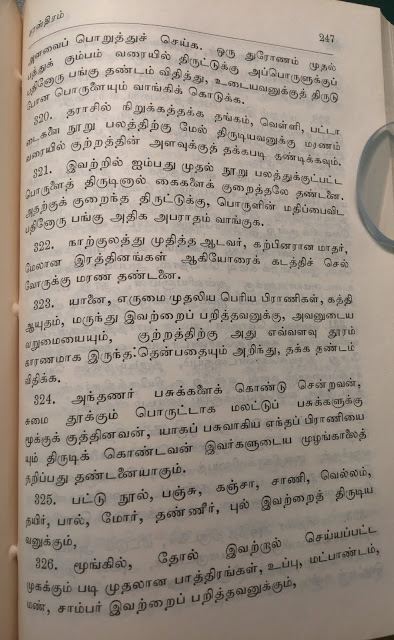
302. Let the king exert himself to the utmost to punish thieves;
for, if he punishes thieves, his fame grows and his kingdom prospers.
303. That king, indeed, is ever worthy of honour who ensures the
safety of his subjects; for the sacrificial session (sattra, which he, as it
were, performs thereby ever grows in length, the safety of his subjects
representing the sacrificial fee.
ONE SIXTH OF GOOD OR BAD COMES TO THE KING
8-304. A king who duly
protects his subjects receives from each and all the sixth part of their
spiritual merit; if he does not protect them, the sixth part of their demerit
also will fall on him.
305. Whatever merit a man gains by reading the Veda, by
sacrificing, by charitable gifts, (or by) worshipping Gurus and gods, the king
obtains a sixth part of that in consequence of his duly protecting (his
kingdom).
306. A king who protects the created beings in accordance with the
sacred law and smites those worthy of corporal punishment, daily offers as it
were sacrifices at which hundred thousands are given as fees.
307. A king who does not afford protection, yet takes his
share in kind, his taxes, tolls and duties, daily presents and fines, will after
death soon sink into hell.
308. They declare that a king who affords no protection, yet receives the sixth part of the produce, takes upon himself all the foulness of his whole people.
ATHEISTS GO TO HELL
309. Know that a king who heeds not the rules of the law,
who is an atheist, and rapacious, who does not protect his subjects, but
devours them, will sink low after death.
310. Let him carefully restrain the wicked by three methods,- by
imprisonment by putting them in fetters, and by various kinds o) corporal
punishments.
311. For by punishing the wicked and by favouring the virtuous,
kings are constantly sanctified, just as twice-born men by sacrifices.
FORGIVE INFANTS AND ELDERLY
8-312. A king who desires his own
welfare must always forgive litigants, infants, aged and sick men, who inveigh
against him.
8-313. He who, being abused by men in pain, pardons them,
will in reward of that act be exalted in heaven; but he who, proud of his
kingly state, forgives them not, will for that reason sink into hell.
314. A thief shall, running, approach the king, with flying hair,
confessing that theft and saying, ‘Thus have I done, punish me;’
315. And the thief must carry on his shoulder a pestle, or a club
of Khadira wood, or a spear sharp at both ends, or an iron staff.
316. Whether he be punished or pardoned, the thief is freed from the guilt of theft; but the king, if he punishes not, takes upon himself the guilt of the thief.
WHO BLAMES WHO?
8-317. The killer of a learned Brahmana (or embryo) throws his guilt on him who eats
his food, an adulterous wife on her negligent husband, a sinning) pupil or
sacrificer on their negligent teacher or priest, a thief on the king(who
pardons him.
318. But men who have committed crimes and have been punished by
the king, go to heaven, being pure like those who performed meritorious deeds.
319. He who steals the rope or the water-pot from a well, or
damages a hut where water is distributed, shall pay one masha as a fine and
restore the article abstracted or damaged in its proper place.
SEVERE PUNISHMENT
8-320. On him who steals more than ten kumbhas of grain
corporal punishment shall be inflicted; in other cases he shall be fined eleven
times as much, and shall pay to the owner the value of his property.
321. So shall corporal punishment be inflicted for stealing more
than a hundred (palas) of articles sold by the weight, (i.e.) of gold, silver,
and so forth, and of most excellent clothes.
322. For (stealing) more than fifty (paNas) it is enacted that the hands (of the offender) shall be cut off; but in other cases, let him inflict a fine of eleven times the value.
DEATH SENTENCE TO GEM THIEFS
8-323. For stealing men of noble family and especially
women and the most precious gems, the offender deserves corporal or capital
punishment.
324. For stealing large animals, weapons, or medicines, let the
king fix a punishment, after considering the time and the purpose for which
they were destined.
325. For stealing cows belonging to Brahmanas, piercing the
nostrils of a barren cow, and for stealing other cattle (belonging to
Brahmanas, the offender) shall forthwith lose half his feet.
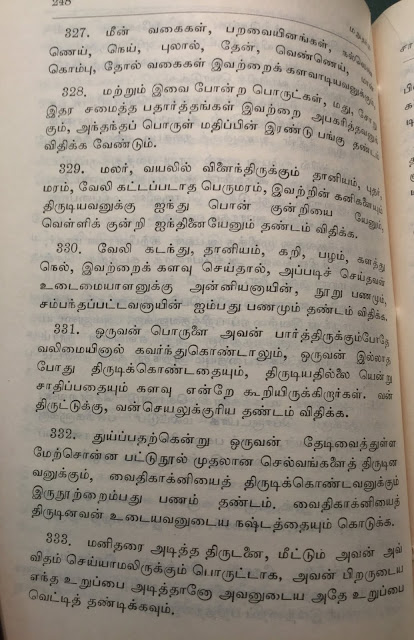
327. Vessels made of bamboo or other cane, salt of various kinds,
earthen vessels, earth and ashes,
328. Fish, birds, oil, clarified butter, meat, honey, and other
things that come from beasts,
329. Or other things of a similar kind, spirituous liquor, boiled
rice, and every kind of cooked food, the fine shall be twice the value of the
stolen article.
FIVE KRISHNALAS
8-330. For flowers, green corn, shrubs, creepers, trees, and other
unhusked grain the fine shall be five krishnalas.
331. For husked grain, vegetables, roots, and fruit the fine (shall be) one hundred (panas) if there is no connexion (between the owner and the thief), fifty (panas) if such a connexion exists.
ROBBERY AND THEFT
8-332. An offence (of this description), which is committed in the
presence (of the owner) and with violence, will be robbery; if (it is
committed) in his absence, it will be theft; likewise if (the possession of)
anything is denied after it has been taken.
333. On that man who may steal any of the above-mentioned
articles, when they are prepared for use, let the king inflict the first or
lowest amercement; likewise on him who may steal a sacred fire out of the room in
which it is kept.
334. With whatever limb a thief in any way commits (an offence)
against men, even of that the king shall deprive him in order to prevent a
repetition of the crime.
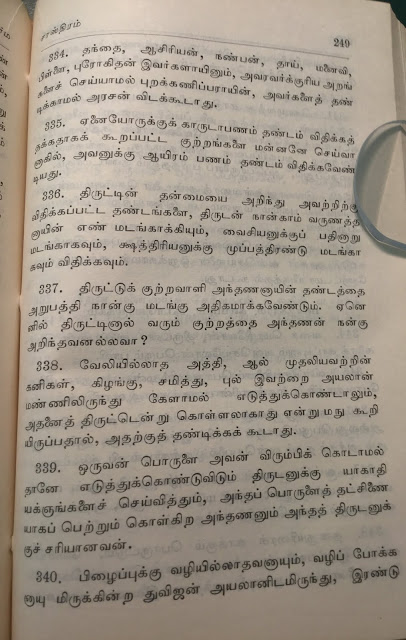
8-335. Neither a father, nor a teacher, nor a friend, nor a
mother, nor a wife, nor a son, nor a domestic priest must be left unpunished by
a king, if they do not keep within their duty.
BRAHMINS MUST BE PUNISHED MORE SEVERELY THAN SHUDRAS
8-336. Where another common
man would be fined one karshapana, the king shall be fined one thousand; that
is the settled rule.
337. In a case of theft the guilt of a Sudra shall be
eightfold, that of a Vaisya sixteen fold, that of a Kshatriya
two-and-thirtyfold,
338. That of a Brahmana sixty-fourfold, or quite a
hundredfold, or even twice four-and-sixtyfold; each of them knowing the nature
of the offence.
339. The taking of roots and of
fruit from trees, of wood for a (sacrificial) fire, and of grass for feeding
cows, Manu has declared to be no theft.
340. A Brahmana, seeking to obtain property from a man who
took what was not given to him, either by sacrificing for him or by teaching him,
is even like a thief.
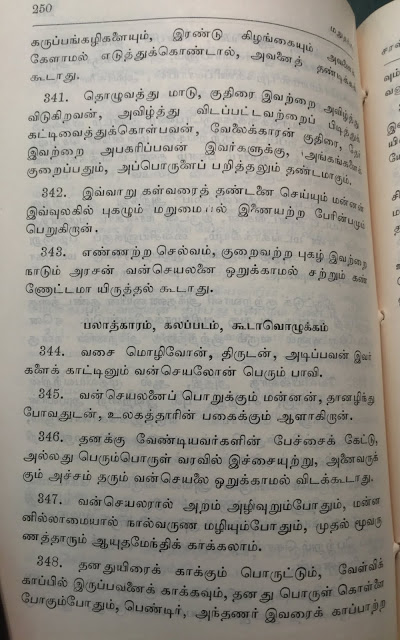
341. A twice-born man, who is travelling and whose provisions are
exhausted, shall not be fined, if he takes two stalks of sugar-cane or two esculent
roots from the field of another man.
342. He who ties up unbound or sets free tied up (cattle of other men), he who takes a slave, a horse, or a carriage will have incurred the guilt of a thief.
343. A king who punishes thieves according to these rules, will
gain fame in this world and after death unsurpassable bliss.
PUNISH THE VIOLENT CRIMINALS
8-344. A king who desires to gain the throne of Indra and
imperishable eternal fame, shall not, even for a moment, neglect (to punish)
the man who commits violence.
345. He who commits violence must be considered as the worst
offender, (more wicked) than a defamer, than a thief, and than he who injures
(another) with a staff.
346. But that king who pardons the perpetrator of violence quickly
perishes and incurs hatred.
347. Neither for friendship’s sake, nor for the sake of great
lucre, must a king let go perpetrators of violence, who cause terror to all
creatures.
BRAHMINS MAY CARRY ARMS
348. Twice-born men may take up arms when they are hindered
in the fulfilment of their duties, when destruction threatens the twice-born
castes varna in evil times,
8-349. In their own defence,
in a strife for the fees of officiating priests, and in order to protect women
and Brahmanas; he who under such circumstances kills in the cause of right,
commits no sin.
350. One may slay without hesitation an assassin who approaches (with murderous intent), whether he be one’s teacher, a child or an aged man, or a Brahmana deeply versed in the Vedas.
KILLING ASSASSINS IS OK.
351. By killing an assassin the slayer incurs no guilt,
whether he does it publicly or secretly; in that case fury recoils upon fury.
ADULTERY
8-352. Men who commit adultery
with the wives of others, the king shall cause to be marked by punishments
which cause terror, and afterwards banish.
353. For by adultery is caused a mixture of the castes varna among
men; thence follows sin, which cuts up even the roots and causes the
destruction of everything.
354. A man formerly accused of (such) offences, who secretly
converses with another man’s wife, shall pay the first or lowest amercement.
355. But a man, not before accused, who (thus) speaks with (a
woman) for some (reasonable) cause, shall not incur any guilt, since in him
there is no transgression.
356. He who addresses the wife of another man at a Tirtha, outside
the village, in a forest, or at the confluence of rivers, suffer the punishment
for adulterous acts (samgrahana).
357. Offering presents to a woman, romping with her, touching her
ornaments and dress, sitting with her on a bed, all these acts are considered
adulterous acts (samgrahana).
358. If one touches a woman in a place which ought)not to be
touched or allows oneself to be touched in such a spot, all such acts done with
mutual consent are declared to be adulterous (samgrahana).
359. A man who is not a Brahmana ought to suffer death for
adultery (samgrahana); for the wives of all the four castes even must always be
carefully guarded.
360. Mendicants, bards, men who have performed the
initiatory ceremony of a Vedic sacrifice, and artisans are not prohibited from
speaking to married women.
361. Let no man converse with the wives of others after he has
been forbidden (to do so); but he who converses with them, in spite of a
prohibition, shall be fined one suvarna.
362. This rule does not apply to the wives of actors and singers,
nor of those who live on the intrigues of their own wives; for such men send
their wives to others or, concealing themselves, allow them to hold criminal
intercourse.
363. Yet he who secretly converses with such women, or with female slaves kept by one master, and with female ascetics, shall be compelled to pay a small fine.
364. He who violates an unwilling maiden shall instantly suffer
corporal punishment; but a man who enjoys a willing maiden shall not suffer
corporal punishment, if (his caste be) the same (as hers).
365. From a maiden who makes advances to a man of)high cast), he
shall not take any fine; but her, who courts a man of low caste, let him force
to live confined in her house.
366. A man of low caste who makes love to a maiden of the highest
(caste) shall suffer corporal punishment; he who addresses a maiden on equal caste
shall pay the nuptial fee, if her father desires it.
367. But if any man through insolence forcibly contaminates a
maiden, two of his fingers shall be instantly cut off, and he shall pay a fine
of six hundred panas.
368. A man (of) equal (caste) who defiles a willing maiden shall
not suffer the amputation of his fingers, but shall pay a fine of two hundred panas
in order to deter him from a repetition (of the offence).
369. A damsel who pollutes another damsel must be fined two
hundred panas, pay the double of her nuptial fee, and receive ten lashes with a
rod.
DONKEY RIDE; THROW HER TO DOGS
8-370. But a woman who
pollutes a damsel shall instantly have her head)shaved or two fingers cut off,
and be made to ride (hrough the town on a donkey.
371. If a wife, proud of the greatness of her relatives or her
own)excellence, violates the duty which she owes to her lord, the king shall
cause her to be devoured by dogs in a place frequented by many.
372. Let him cause the male offender to be burnt on a
red-hot iron bed; they shall put logs under it, Until the sinner is burned to
death.
373. On a man (once) convicted, who is (again) accused within a
year, a double fine (must be inflicted); even thus (must the fine be doubled)
for (repeated) intercourse with a Vratya and a Candali.
374. A Sudra who has intercourse with a woman of a twice-born
caste (varna), guarded or unguarded, (shall be punished in the following
manner): if she was unguarded, he loses the part (offending) and all his
property; if she was guarded, everything even his life.
375. (For intercourse with a guarded Brahmana a Vaisya shall
forfeit all his property after imprisonment for a year; a Kshatriya shall be
fined one thousand (panas) and be shaved with the urine (of an ass).
376. If a Vaisya or a Kshatriya has connexion with an unguarded
Brahmana, let him fine the Vaisya five hundred (panas) and the Kshatriya one
thousand.
377. But even these two, if they offend with a Brahmani (not only)
guarded (but the wife of an eminent man), shall be punished like a Sudra or be
burnt in a fire of dry grass.
378. A Brahmana who carnally knows a guarded Brahmani against her
will, shall be fined one thousand (panas); but he shall be made to pay five
hundred, if he had connexion with a willing one.
379. Tonsure (of the head) is ordained for a Brahmana (instead of)
capital punishment; but (men of) other castes shall suffer capital punishment.
380. Let him never slay a Brahmana, though he have committed all possible
crimes; let him banish such an offender, leaving all his property to him and his
body unhurt.
KILLING BRAHMINS
8-381. No greater crime is known on earth than slaying a Brahmana;
a king, therefore, must not even conceive in his mind the thought of killing a
Brahmana.
382. If a Vaisya approaches a guarded female of the Kshatriya
caste, or a Kshatriya a (guarded) Vaisya woman, they both deserve the same
punishment as in the case of an unguarded Brahmana female.
383. A Brahmana shall be compelled to pay a fine of one thousand
(panas) if he has intercourse with guarded (females of) those two (castes); for
(offending with) a (guarded) Sudra female a fine of one thousand (panas shall
be inflicted) on a Kshatriya or a Vaisya.
384. For (intercourse with) an unguarded Kshatriya a fine of five
hundred (panas shall fall) on a Vaisya; but (for the same offence) a Kshatriya
shall be shaved with the urine (of a donkey) or (pay) the same fine.
385. A Brahmana who approaches unguarded females (of the)
Kshatriya or Vaisya (castes), or a Sudra female, shall be fined five hundred
(panas); but (for intercourse with) a female (of the) lowest (castes), one
thousand.
386. That king in whose town lives no thief, no adulterer, no
defamer, no man guilty of violence, and no committer of assaults, attains the
world of Sakra (Indra).
387. The suppression of those five in his dominions secures to a
king paramount sovereignty among his peers and fame in the world.
388. A sacrificer who forsakes an officiating priest, and an
officiating priest who forsakes a sacrificer, (each being) able to perform his
work and not contaminated (by grievous crimes), must each be fined one hundred
(panas).
389. Neither a mother, nor a father, nor a wife, nor a son shall
be cast off; he who casts them off, unless guilty of a crime causing loss of
caste, shall be fined six hundred (panas).
BRAHMINs FIGHTING
390. If twice-born men dispute among each other concerning the
duty of the orders, a king who desires his own welfare should not (hastily)
decide (what is) the law.
391. Having shown them due honor, he should, with (the assistance
of) Brahmanas, first soothe them by gentle (speech) and afterwards teach them
their duty.
392. A Brahmana who does not invite his next neighbour and his neighbour
next but one, (though) both (he) worthy (of the honour), to a festival at which
twenty Brahmanas are entertained, is liable to a fine of one masha.
393. A Srotriya (Vedic Pundit)who does not entertain a virtuous
Srotriya at auspicious festive rites, shall be made to pay him twice (the value
of) the meal and a masha of gold (as a fine to the king).
NO TAX FOR 70 YEAR OLDS
394. A blind man, an idiot, a cripple who moves with the help of a
board, a man full seventy years old, and he who confers benefits on Srotriyas,
shall not be compelled by any king to pay a tax.
395. Let the king always treat kindly a Srotriya, a sick or
distressed man, an infant and an aged or indigent man, a man of high birth, and
an honourable man (Arya).
Washerman, Weaver
396. A washerman shall wash the
clothes of his employers gently on a smooth board of Salmali wood he shall not
return the clothes of one person for those (of another), nor allow anybody but
the owner to wear them.
397. A weaver (who has received) ten palas (of thread), shall
return (cloth weighing) one pala more; he who acts differently shall be
compelled to pay a fine of twelve (panas).
398. Let the king take one-twentieth of that (amount) which men,
well acquainted with the settlement of tolls and duties (and) skilful in
(estimating the value of) all kinds of merchandise, may fix as the value for
each saleable commodity.
399. Let the king confiscate the whole property of (a trader) who
out of greed exports goods of which the king has a monopoly or (the export of
which is) forbidden.
400. He who avoids a custom-house (or a toll), he who buys or
sells at an improper time, or he who makes a false statement in enumerating
(his goods), shall be fined eight times (the amount of duty) which he tried to
evade.
401. Let (the king) fix (the rates for) the purchase and sale of
all marketable goods, having (duly) considered whence they come, whither they
go, how long they have been kept, the (probable) profit and the (probable)
outlay.
PRICE FIXING
8-402. Once in five nights, or at the close of each
fortnight, let the king publicly settle the prices for the merchants.
403. All weights and measures must be duly marked, and once
in six months let him re-examine them.
404. At a ferry an (empty) cart shall be made to pay one pana, a
man’s (load) half a pana, an animal and a woman one quarter of a (pana), an
unloaded man one-half of a quarter.
405. Carts laden with vessels full of merchandise shall be made to
pay toll at a ferry according to the value of the goods, empty vessels and men
without luggage some trifle.
406. For a long passage the boat-hire must be proportioned to the
places and times; know that this rule refers to passages along the banks of
rivers; at sea there is no settled freight.
407. But a woman who has been pregnant two months or more, an
ascetic, a hermit in the forest, and Brahmanas who are students of the Veda,
shall not be made to pay toll at a ferry.
408. Whatever may be damaged in a boat by the fault of the
boatmen, that shall be made good by the boatmen collectively, each paying his
share.
409. This decision in suits (brought) by passengers (holds good
only) in case the boatmen are culpably negligent on the water; in the case of
(an accident) caused by (the will of) the gods, no fine can be (inflicted on
them).
410. The king should order a Vaisya to trade, to lend money, to
cultivate the land, or to tend cattle, and a Sudra to serve the twice-born
castes
411. Some wealth Brahmana shall compassionately support both a
Kshatriya and a Vaisya, if they are distressed for a livelihood, employing them
on work which is suitable for their castes.
412. But a Brahmana who, because he is powerful, out of greed
makes initiated men of the twice-born castes against their will do the work of
slaves, shall be fined by the king six hundred panas).
413. But a Sudra, whether bought or unbought, he may compel to do
servile work; for he was created by the Self-existent Svayambhu to be the slave
of a Brahmana.
414. A Sudra, though emancipated by his master, is not released
from servitude; since that is innate in him, who can set him free from it?
SEVEN KINDS OF SLAVES
415. There are slaves of seven
kinds, (viz.) he who is made a captive under a standard, he who serves for his
daily food, he who is born in the house, he who is bought and he who is given,
he who is inherited from ancestors, and he who is enslaved by way of punishment.
416. A wife, a son, and a slave, these three are declared to have
no property; the wealth which they earn is (acquired) for him to whom they
belong.
417. A Brahmana may confidently seize the goods of (his) Sudra
(slave); for, as that (slave) can have no property, his master may take his
possessions.
418. (The king) should carefully compel Vaisyas and Sudra to
perform the work (prescribed) for them; for if these two (castes) swerved from
their duties, they would throw this (whole) world into confusion.
419. Let him daily look after the completion of his undertakings,
his beasts of burden, and carriages, (the collection of) his revenues and the
disbursements, his mines and his treasury.
420. A king who thus brings to a conclusion. all the legal
business enumerated above, and removes all sin, reaches the highest state of
bliss.
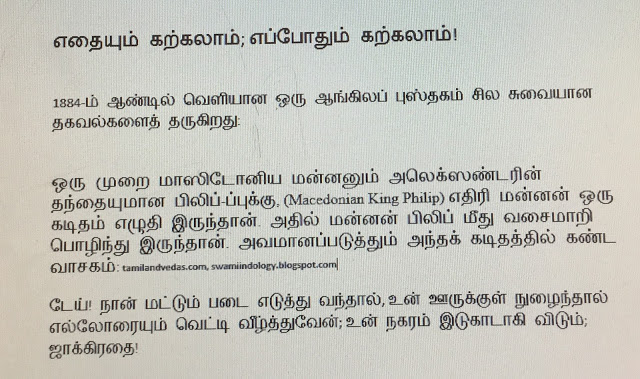
THERE ARE
THREE INTERESTING ANECDOTES ABOUT CALIPH OF CORDOVA (SPAIN) WHO RULED AROUND
1017, ISSAC NEWTON AND KING PHILIP (359 BCE) OF MACEDON PHILIP (359 BCE):–


























 Tamil and Vedas