Pictures are taken from various
sources; beware of copyright rules; don’t use them without permission; this is
a non- commercial, educational blog; posted in swamiindology.blogspot.com and
tamilandvedas.com simultaneously. Average hits per day for both the blogs
12,000.
இதுவரை 8 அத்தியாயங்களை முடித்து 9-ம் அத்தியாயத்தில் 120 ஸ்லோகம் வரை கண்டோம். மநு நீதி நூல் –44 ம் பகுதியில் மேலும் சில முக்கிய விஷயங்களை முதலில் புல்லட் (BULLET POINTS) பாயிண்டுகளில் தருகிறேன். பகுதி-4-10-2019ல் தேதி இந்த பிளாக்கில் பதிவிடப்பட்டது
இந்தப் பகுதியில்
சொல்லப்படும் விஷயங்கள் இப்போது பயனற்றவை. ஆராய்ச்சியளருக்கு மட்டும்
பயன்படக்கூடிய விஷயங்கள்தான். மநு சொல்லக்கூடிய 12 வகை புத்திரர்கள் பற்றிய
விதிகள் பின்பற்றப்பட்டனவா என்பதே சந்தேகம். ஏதோ ஒரு காலத்தில் இவை
எழுதப்பட்டிருக்க வேண்டும்.
ஆனால் சில சுவையான
செய்திகளும் உள.
பிள்ளைக்கு
ஏன் `புத்`ரன் என்று பெயர்? ஏன் என்றால் அவன் `புத்` என்னும் நரகத்திலிருந்து
அவனது தந்தையை விடுவிக்கிறான். இதனால்தான் ஆண் குழந்தைகளுக்கு மதிப்பு அதிகம்- 9-138
ஆண் குழந்தைகளும் பெண் குழந்தைகளும் சம
அளவில் இருப்பது உலகில் ஒருவனுக்கு ஒருத்தி என்ற நீதியை நிலைநாட்ட உதவும். ஆனால்
கொஞ்சம் யோசித்துப் பார்ப்போம்; பெண்கள் அளவுக்கு அதிகம் உள்ள சமுதாயத்தில் என்ன நிகழும்? ஒருவனுக்கு பல
பெண்கள் என்ற அவல நிலை ஏற்படும். பின்னர் திரைப்படங்களில் காணப்படும் நீலாம்பரிகள்
அதிகரிக்கும். கொலை, சதி முதலியன அதிகரிக்கும்.
மேலும் பழைய காலத்தில் ஆண் மட்டுமே
சம்பாதித்து பெரிய குடும்பங்களைப் பராமரித்தான். உலகம் முழுதும் முக்கியத்தொழில்
வேளாண்மையும் போர் புரிதலுமே. ஆகையால் நாட்டைக் காக்க வீர மகன்கள் தேவைப் பட்டது; வீரமாதா என்ற
கொள்கையினை வேதத்திலும் புறநானூற்றிலும் காண்கிறோம் ஆகையால் அப்போது ஆண்களே
விரும்பப்பட்டனர்.
போரில் சண்டையிட்டு இறந்தால்
சொர்க்கத்துக்கு நேரடி டிக்கெட் கிடைக்கும் என்று புறநானூறும், பகவத் கீதையும், குரானும் சொல்கிறது.
எந்த ஒரு நூலையும் மதிப்பிடுவதற்கு
முன்னர் அது எப்பொழுது எழுதப்பட்டது? அதை அப்படியே
பின்பற்றியதற்கு ஆதாரம் உளதா? மேலும் அதே காலத்தில் வேறு சமுதாயங்கள்
எப்படி இருந்தன? என்பதையெல்லாம் சீர் தூக்கிப் பார்க்க
வேண்டும்.
சந்திரனுக்கு ஏன் 27 மனைவிகள்?
மநு வேறு ஒரு சுவையான செய்தியையும்
சொல்கிறார் (9-128)
இரட்டைக் குழந்தைகள் பிறந்தால் யார்
மூத்தவன்? ஏனெனில் மநுவின் வாதப்படி மூத்தவனுக்கே
அதிகம் சொத்துரிமை; ஏனெனில் அவன் தான் நீர்க்கடன் செலுத்தி
முன்னோர்களை நரகத்திலிருந்து விடுவிக்கிறான். இரட்டைக் குழந்தைகளில் யார்
இரண்டாவதாக தாயின் ஜனன உறுப்பிலிருந்து வெளி வருகிறதோ அந்தப்பிள்ளையே மூத்தவன். ஏனெனில் அதுதான்
முதலில் உருவான கரு. இவை யெல்லாம் உரைகாரர்களின்
வியாக்கியானம் (9-126)
9-126 ல் மநு சொல்லும் இந்திரன் துதி ஐதரேய
பிராஹ்மண (6-3) நூலில் வரும் சுப்ரஹ்மண்யா துதிகள் என்பதையும்
உரைகாரர்கள் சு ட்டிக்காட்டுவர்.
சரி, ஒருவருக்கு ஆண் குழந்தையே இல்லை;
அப்படியானால் அவருக்கு நரக வாசம்தானா? இல்லை.
அவருக்குப் பிறந்த பெண்களின் குழந்தைகள் நீர்க்கடன் செலுத்துவர் ( இறந்து
போன மூதாதையருக்கு).
பாருங்கள்; அந்தக்
காலத்தில் தட்சனுக்குப் பிறந்த 50 பெண்களை எப்படி மணம் செய்வித்தான்
என்று (9-129).
ஒருவனுக்குப் பிறக்கும் மகன், தந்தையைப் போன்றவன்.மகளோ மகனுக்கு
சமமானவள்; அப்பாடியிருக்கையில் அவளுக்கு
சொத்துரிமையை எப்படி மறுக்க முடியும்? 9-130
தட்சனின் கதை மஹாபாரஹத்திலும் உள்ளதை (1-70;
12-329-57) உரைகாரர்கள் எடுத்துரைப்பர்.
பின்னர் 12
வகை உறவினர்களில் எந்த ஆறு பேர் நீர்க்கடன் செலுத்தலாம், எந்த
ஆறு பேர் செலுத்த முடியாது என்றும் (9-158 முதல்) விளக்குகிறார்.
இவையெல்லாம் ஒரு பெரிய கூட்டுக்
குடும்பத்தில் பாகப் பிரிவினை சண்டை வரும்போது பயன்பட்டிருக்கலாம்.
பிராமணனுக்கு 4 மனைவி
ஒரு பிராஹ்மணனுக்கு 4 மனைவி இருந்தால் என்ன நிகழும்? 9-149
கல்யாணமாகாத பெண் தகப்பன் வீட்டில்
ரகசியமாகக் குழந்தை பிறந்தால் என்ன நிகழும்? (9-172) என்றெல்லாம்
மநு விவாதிக்கிறார். அபூர்வமாக இப்படியெல்லாம் நிகழக்கூடும் என்பதை யோசித்து
எழுதிய மநு மஹா ‘ஜீனியஸ்’தான். எதையும் அவர் மறைக்கவும் இ ல்லை; மறக்கவும்
இல்லை.
ஆனால் கூட்டிக் கழித்துப் பார்த்தால், பாரத நாட்டில் ஒழுக்கமிக்க சமுதாயமே இருந்தது. இதை 2000 ஆண்டுகளாக வந்த வெளிநாட்டு யாத்ர்ரீகர்கள் எழுதி வைத்துள்ளனர். இந்த நாட்டில் எதுவும் பத்திரத்தில் எழுதுவதில்லை இல்லை. வாய்ச்சொல் போதும் (சத்தியம்) ; அவ்வளவு நேர்மையானவர்கள் என்றும் எழுதி வைத்துள்ளனர். மேலும் பல விஷயங்களை ஸ்லோகங்களில் காண்க .
Pictures are taken from various
sources; beware of copyright rules; don’t use them without permission; this is
a non- commercial, educational blog; posted in swamiindology.blogspot.com and
tamilandvedas.com simultaneously. Average hits per day for both the blogs
12,000.
Let us continue with chapter 9; most of the things said here have no relevance today; we have no evidence to show that these rules were ever observed. This chapter is only of academic interest. May be useful to researchers.
When one wants to assess ‘Manu’s
justice’ one must consider:
What time did he write?
For whom did he write?
Were they followed verbatim or
just rules in the book?
What happened in the contemporary
civilizations?
In my view, most of the rules
were academic. Foreign writers who visited India about 1500 years ago praised
the Hindu society for its truthfulness and honesty. They saw order and
discipline everywhere.
More over all communities around
the world gave importance to male children because they were the bread winners,
farm workers and fighters (in the war). But Manu empahasized more about the
ablutions to the departed souls by the eldest son. This son’s duty to the
departed souls and the Veera Matha (mother of heroic sons) concept are seen both
in Pura nanuru of Sangam Tamil literature and the Vedas. Typical Hindu concepts
seen from the Himalayas to Kanyakumari.
In addition to it, we see the
Veera Swarga concept in the Bhagavad Gita, Pura Nanuru (Sangam Tamil
literature) and the Islamic Koran. That is, who dies in war will get a direct
ticket to the Heaven.
So, one must think twice before
passing judgement on Manu. They must consider the rules of contemporary
civilizations.
Throughout my comments on Manu, I
have been showing the original Manu lived during Rig Vedic times. I have given
the reasons for it (No reference to Sati, all reference about Mighty Saraswati
River, No Ganga). All the Hindu scriptures except Vedas are updated constantly.
Manu Smrti also updated during Sunga rule. Manu’s examples are all from very
ancient times. He never mentioned Rama or Krishna. He never gave examples of
epic heroes. Even in this chapter he gave examples about Daksha with 50
daughters, not Kuchelaa/Sudhama with 27 daughters
Manu considers all hypothetical
situations such as 4 wives of a Brahmin , unmarried daughter delivering a child
secretly at father’s house. He never forgets or hides anything. Even though
such things are rare, he talks about rules concerned with them.
Let us continue from 9-137
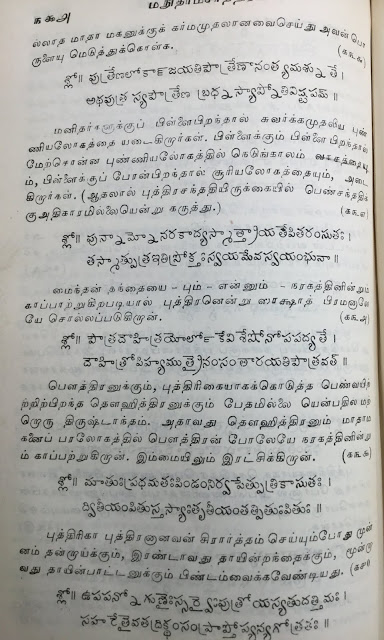
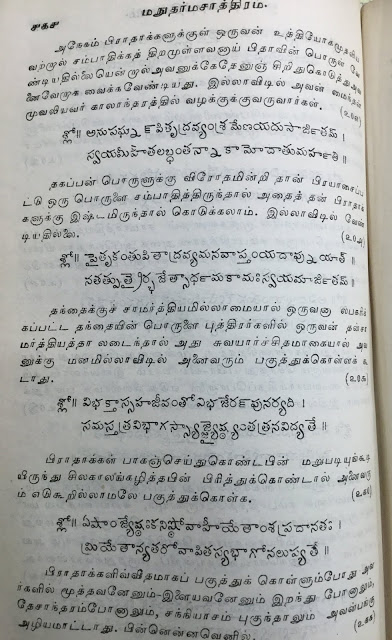
9-137:- Through a son he conquers the worlds, through a son’s son he obtains immortality, but through his son’s grandson he gains the world of the sun.
138. Because a son delivers
(trayate) his father from the hell called Put, he was therefore called put-tra
(a deliverer from Put) by the Self-existent (Svayambhu) himself.
139. Between a son’s son and the
son of a daughter there exists in this world no difference; for even the son of
a daughter saves him who has no sons in the next world, like the son’s son.
140. Let the son of an appointed
daughter first present a funeral cake to his mother, the second to her father,
the funeral to his father’s father.
ADOPTION
9-141. Of the man who has an
adopted (Datrima) son possessing all good qualities, that same (son) shall take
the inheritance, though brought from another family.
142. An adopted son shall never
take the family (name) and the estate of his natural father; the funeral cake
follows the family (name) and the estate, the funeral offerings of him who
gives (his son in adoption) cease (as far as that son is concerned).
143. The son of a wife, not
appointed to have issue by another, and he whom an appointed female, already
the mother of a son, bears to her brother-in-law, are both unworthy of a share,
one being the son of an adulterer and the other produced through mere lust.
144. Even the male child of a
female duly appointed, not begotten according to the rule given above, is
unworthy of the paternal estate; for he was procreated by an outcast.
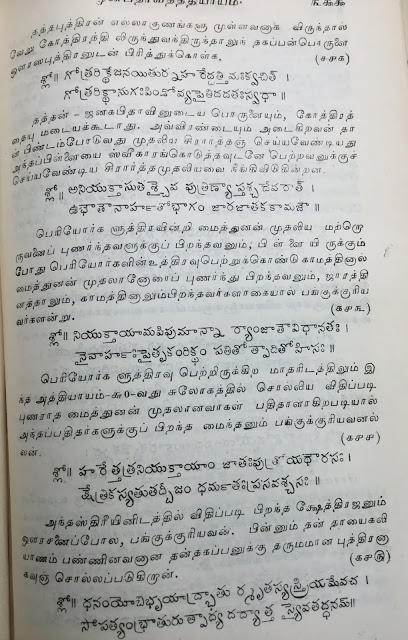
145. A son legally begotten on
such an appointed female shall inherit like a legitimate son of the body; for
that seed and the produce belong, according to the law, to the owner of the
soil.
146. He who takes care of his
deceased brother’s estate and of his widow, shall, after raising up a son for
his brother, give that property even to that (son).
147. If a woman (duly) appointed
bears a son to her brother-in-law or to another (Sapinda), that son, if he is
begotten through desire, they declare to be incapable of inheriting and to be
produced in vain.
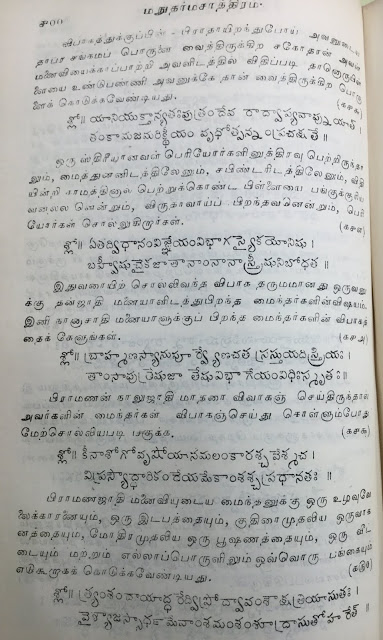
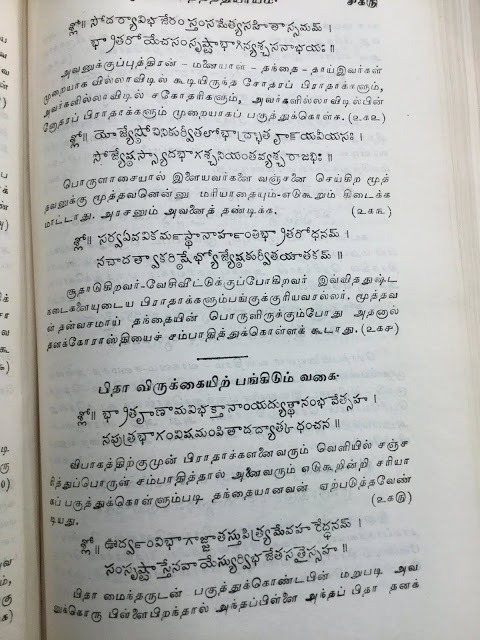
148. The rules given above must be understood to apply to a distribution among sons of women of the same caste; hear now the law concerning those begotten by one man on many wives of different castes.
Brahmin’s Four Wives
9-149. If there be four wives
of a Brahmana in the direct order of the castes, the rule for the division of
the estate among the sons born of them is as follows:
150. The slave who tills the
field, the bull kept for impregnating cows, the vehicle, the ornaments, and the
house shall be given as an additional portion to the Brahmana son, and one most
excellent share.
151. Let the son of the Brahmana
wife take three shares of the remainder of the estate, the son of the Kshatriya
two, the son of the Vaisya a share and a half, and the son of the Sudra may
take one share.
Distribution of Ten Shares
9-152. Or let him who knows the
law make ten shares of the whole estate, and justly distribute them according
to the following rule:
153. The Brahmana son shall take
four shares, son of the Kshatriya wife three, the son of the Vaisya shall have
two parts, the son of the Sudra may take one share.
154. Whether a Brahmana have sons
or have no sons by wives of the twice-born castes, the heir must, according to
the law, give to the son of a Sudra wife
no more than a tenth part of his estate.
155. The son of a Brahmana, a
Kshatriya, and a Vaisya by a Sudra (wife) receives no share of the inheritance;
whatever his father may give to him, that shall be his property.
156. All the sons of twice-born
men, born of wives of the same caste, shall equally divide the estate, after
the others have given to the eldest an additional share.
157. For a Sudra is ordained a
wife of his own caste only (and) no other; those born of her shall have equal
shares, even if there be a hundred sons.
Six plus Six Sons
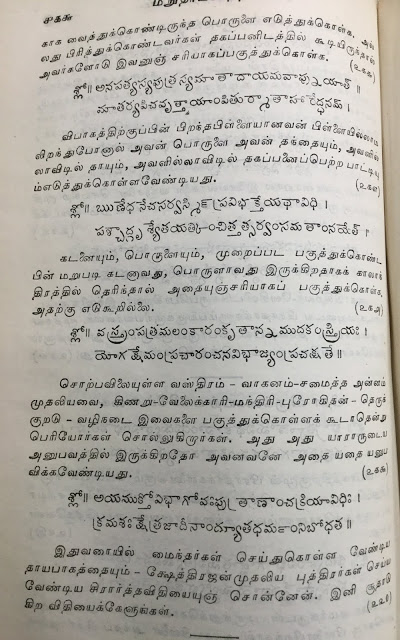
9-158. Among the twelve sons of
men whom Manu, sprung from the Self-existent (Svayambhu), enumerates, six are
kinsmen and heirs, and six not heirs, (but) kinsmen.
159. The legitimate son of the
body, the son begotten on a wife, the son adopted, the son made, the son
secretly born, and the son cast off, (are) the six heirs and kinsmen.
160. The son of an unmarried damsel, the son received with the wife, the son bought, the son begotten on a re-married woman, the son self-given, and the son of a Sudra female, are the six who are not heirs, but kinsmen.
Unsafe Boat
9-161. Whatever result a man
obtains who tries to cross a sheet of water in an unsafe boat, even that result
obtains he who tries to pass the gloom of the next world with the help of bad
substitutes for a real son.
162. If the two heirs of one man
be a legitimate son of his body and a son begotten on his wife, each (of the
two sons), to the exclusion of the other, shall take the estate of his
(natural) father.
163. The legitimate son of the
body alone (shall be) the owner of the paternal estate; but, in order to avoid
harshness, let him allow a maintenance to the rest.
164. But when the legitimate son
of the body divides the paternal estate, he shall give one-sixth or one-fifth
part of his father’s property to the son begotten on the wife.
165. The legitimate son and the
son of the wife (thus) share the father’s estate; but the other tell become
members of the family, and inherit according to their order (each later named
on failure of those named earlier.
AURASA, KSHETRAGA, DATRIMA, KRITRIMA
9-166. Him whom a man begets on
his own wedded wife, let him know to be a legitimate son of the body (Aurasa),
the first in rank.
167. He who was begotten
according to the peculiar law (of the Niyoga) on the appointed wife of a dead
man, of a eunuch, or of one diseased, is called a son begotten on a wife
(Kshetraga).
168. That boy equal by caste whom
his mother or his father affectionately give, confirming the gif with a
libation of water, in times of distress to a man as his son, must be considered
as an adopted son (Datrima).
169. But he is considered a son made (Kritrima) whom (a man) makes his son, (he being) equal (by caste), acquainted with (the distinctions between) right and wrong, (and) endowed with filial virtues.
GUDHOTPANNA, APAVIDDHA, KANINA,
SAHODHA
9-170. If a child be born in a
man’s house and his father be not known, he is a son born secretly in the house
(Gudhotpanna), and shall belong to him of whose wife he was born.
171. He whom (a man) receives as
his son, (after he has been) deserted by his parents or by either of them, is
called a son cast off (Apaviddha).
UNMARRIED MOTHERS
9-172. A son whom a damsel
secretly bears in the house of her father, one shall name the son of an
unmarried damsel (Kanina, and declare) such offspring of an unmarried girl (to
belong) to him who weds her (afterwards).
173. If one marries, either
knowingly or unknowingly, a pregnant (bride), the child in her womb belongs to
him who weds her, and is called (a son) received with the bride (Sahodha).
KRITAKA, PAUNARBHAVA,
SVAAYAMDATTA, PARASAVA
9-174. If a man buys a (boy),
whether equal or unequal (in good qualities), from his father and mother for
the sake of having a son, that (child) is called a (son) bought (Kritaka).
175. If a woman abandoned by her husband,
or a widow, of her own accord contracts a second marriage and bears (a son), he
is called the son of a re-married woman (Paunarbhava).
176. If she be (still) a virgin,
or one who returned (to her first husband) after leaving him, she is worthy to again
perform with her second (or first deserted) husband the (nuptial) ceremony.
177. He who, having lost his
parents or being abandoned (by them) without (just) cause, gives himself to a
(man), is called a son self-given (Svayamdatta).
178. The son whom a Brahmana
begets through lust on a Sudra female is, (though) alive (parayan), a corpse
(sava), and hence called a Parasava (a living corpse).
179. A son who is (begotten) by a
Sudra on a female slave, or on the female slave of his slave, may, if permitted
(by his father), take a share (of the inheritance); thus the law is settled.
180. These eleven, the son
begotten on the wife and the rest as enumerated (above), the wise call
substitutes for a son, (taken) in order (to prevent) a failure of the (funeral)
ceremonies.
181. Those sons, who have been
mentioned in connection with (the legitimate son of the body), being begotten
by strangers, belong (in reality) to him from whose seed they sprang, but not
to the other (man who took them).
182. If among brothers, sprung
from one (father), one have a son, Manu has declared them all to have male
offspring through that son.
183. If among all the wives of
one husband one have a son, Manu declares them all (to be) mothers of male
children through that son.
184. On failure of each better
(son), each next inferior (one) is worthy of the inheritance; but if there be
many (of) equal (rank), they shall all share the estate.
185. Not brothers, nor fathers,
(but) sons take the paternal estate; but the father shall take the inheritance
of (a son) who leaves no male issue, and his brothers.
186. To three (ancestors) water
must be offered, to three the funeral cake is given, the fourth (descendant is)
the giver of these (oblations), the fifth has no connection (with them).
187. Always to that (relative
within three degrees) who is nearest to the (deceased) Sapinda the estate shall
belong; afterwards a Sakulya shall be (the heir, then) the spiritual teacher or
the pupil.
188. But on failure of all
(heirs) Brahmanas (shall) share the estate, (who are) versed the in the three
Vedas, pure and self-controlled; thus the law is not violated.
BRAHMANA’S PROPERTY
9-189. The property of a Brahmana
must never be taken by the king, that is a settled rule; but (the property of
men) of other castes the king may take on failure of all (heirs).
190. (If the widow) of (a man)
who died without leaving issue, raises up to him a son by a member of the
family (Sagotra), she shall deliver to that (son) the whole property which
belonged to the (deceased).
191. But if two (sons), begotten
by two (different men), contend for the property (in the hands) of their
mother, each shall take, to the exclusion of the other, what belonged to his
father.
192. But when the mother has
died, all the uterine brothers and the uterine sisters shall equally divide the
mother’s estate.
193. Even to the daughters of
those (daughters) something should be given, as is seemly, out of the estate of
their maternal grandmother, on the score of affection.
194. What (was given) before the
(nuptial) fire, what (was given) on the bridal procession, what was given in
token of love, and what was received from her brother, mother, or father, that
is called the sixfold property of a woman.
195. (Such property), as well as
a gift subsequent and what was given (to her) by her affectionate husband,
shall go to her offspring, (even) if she dies in the lifetime of her husband.
196. It is ordained that the
property (of a woman married) according to the Brahma, the Daiva, the Arsha,
the Gandharva, or the Pragapatya rite (shall belong) to her husband alone, if
she dies without issue.
197. But it is prescribed that
the property which may have been given to a (wife) on an Asura marriage or (one
of the) other (blamable marriages, shall go) to her mother and to her father,
if she dies without issue.
198. Whatever property may have
been given by her father to a wife (who has co-wives of different castes), that
the daughter (of the) Brahmani (wife) shall take, or that (daughter’s) issue.
199. Women should never make a
hoard from (the property of) their families which is common to many, nor from
their own (husbands’ particular) property without permission.
200. The ornaments which may have
been worn by women during their husbands’ lifetime, his heirs shall not divide;
those who divide them become outcasts.
201. Eunuchs and outcasts,
(persons) born blind or deaf, the insane, idiots and the dumb, as well as those
deficient in any organ (of action or sensation), receive no share.
202. But it is just that a man who
knows (the law) should give even to all of them food and raiment without stint,
according to his ability; he who gives it not will become all outcast.
203. If the eunuch and the rest
should somehow or other desire to (take) wives, the offspring of such among
them as have children is worthy of a share.
204. Whatever property the
eldest(son acquires by his own exertion after the father’s death, a share of
that shall belong to his younger brothers, provided they have made a due progress
in learning.
205. But if all of them, being
unlearned, acquire property by their labour, the division of that shall be
equal, (as it is) not property acquired by the father; that is a settled rule.
206. Property (acquired) by
learning belongs solely to him to whom (it was given), likewise the gift of a
friend, a present received on marriage or with the honey-mixture.
207. But if one of the brothers,
being able to maintain himself by his own occupation, does not desire a share
of the family property, he may be made separate by the others receiving a
trifle out of his share to live upon.
208. What one brother may acquire
by his labour without using the patrimony, that acquisition, made solely by his
own effort, he shall not share unless by his own will with his brothers.
209. But if a father recovers
lost ancestral property, he shall not divide it, unless by his own will, with
his sons, (for it is) self-acquired (property).
210. If brothers, (once) divided
and living (again) together (as coparceners), make a second partition, the
division shall in that case be equal; in such a case there is no right of
primogeniture.
211. If the eldest or the
youngest (brother) is deprived of his share, or if either of them dies, his
share is not lost (to his immediate heirs).
212. His uterine brothers, having
assembled together, shall equally divide it, and those brothers who were
reunited (with him) and the uterine sisters.
213. An eldest brother who
through avarice may defraud the younger ones, shall no (longer hold the position
of) the eldest, shall not receive an (eldest son’s additional) share, and shall
be punished by the king.
214. All brothers who habitually
commit forbidden acts, are unworthy of (a share of) the property, and the
eldest shall not make (anything his) separate property without giving (an
equivalent) to his younger brothers.
215. If undivided brethren,
(living with their father,) together make an exertion (for gain), the father
shall on no account give to them unequal shares (on a division of the estate).
216. But a son, born after
partition, shall alone take the property of his father, or if any (of the other
sons) be reunited with the (father), he shall share with them.
217. A mother shall obtain the
inheritance of a son (who dies) without leaving issue, and, if the mother be
dead, the paternal grandmother shall take the estate.
218. And if, after all the debts
and assets have been duly distributed according to the rule, any (property) be
afterwards discovered, one must divide it equally.
219. A dress, a vehicle,
ornaments, cooked food, water, and female (slaves), property destined for pious
uses or sacrifices, and a pasture-ground, they declare to be indivisible.
9-220. The division of the
property and the rules for allotting shares to the several sons, those begotten
on a wife and the rest, in due order, have been thus declared to you; hear now
the laws concerning gambling.
Pictures are taken from various sources; beware of copyright
rules; don’t use them without permission; this is a non- commercial,
educational blog; posted in swamiindology.blogspot.com and tamilandvedas.com
simultaneously. Average hits per day for both the blogs 12,000.
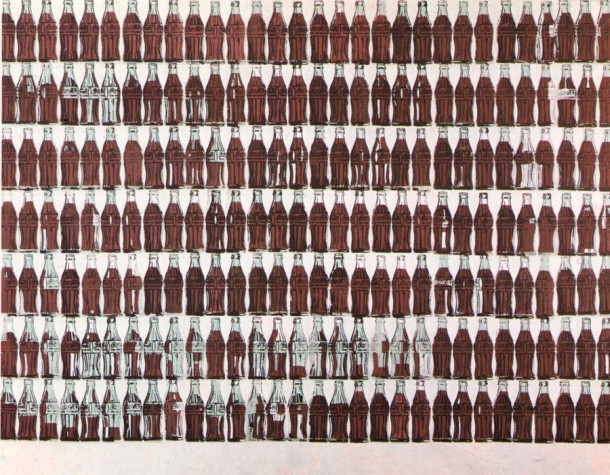
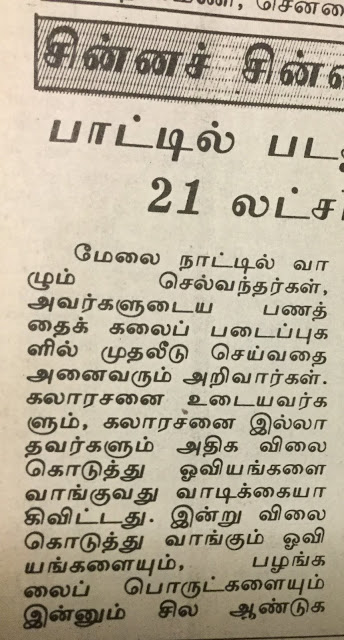
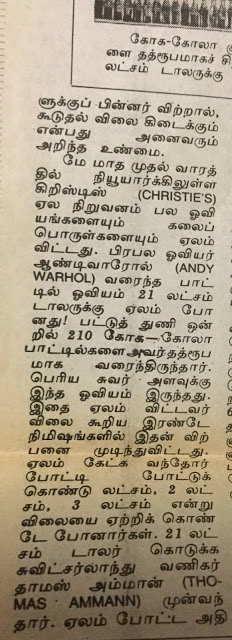
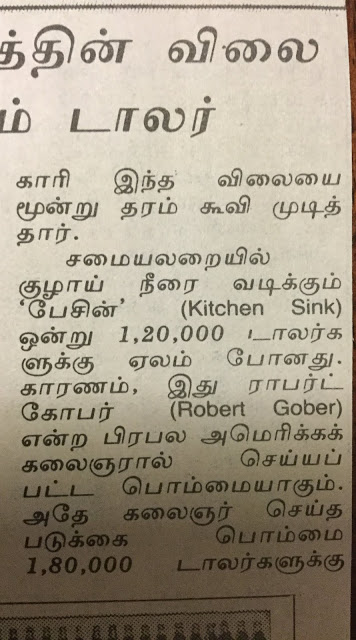
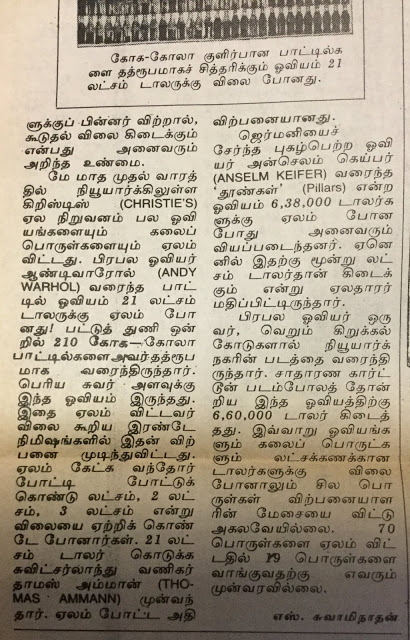
நான் எழுதிய `பாட்டில்
படத்தின் விலை 21 லட்சம் டாலர்` என்ற
கட்டுரை தினமணியில் உலகப் பலகணி -யின் கீழ் 1992-ம்
ஆண்டு ஜூன் 14ம் தேதி வெளியானது. அத்துடன் , `ரஷியாவை
அதிரவைத்த கொலை வழக்குகள்’ இமயமலையில் புற்று நோய்க்கு மருந்து` என்ற கட்டுரைகளும் வெளியாகின. அவைகளை நேற்று வெளியிட்டேன். இன்று
பாட்டில் பட ஏலக் கதை:–
Do you want latest Auction Story? (25th October 2019, Metro Newspaper)
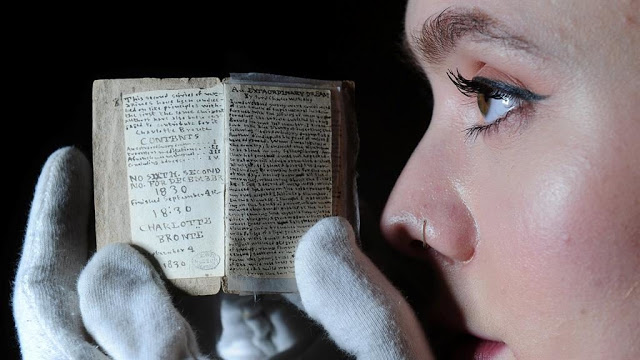
A MUSEUM is attempting to buy a rare matchbox-sized book handwritten by Charlotte Brontë.
The Jane Eyre author wrote The Young Men’s Magazine aged 14 in 1830. The tiny tome contains three stories, and is one of five similar surviving volumes.
The Brontë Parsonage Museum is now asking for help to raise funds as the book goes under the hammer in Paris next month, set to sell for at least £650,000.
Actress Dame Judi Dench, president of the Brontë Society, is supporting the bid to ‘bring it back where it belongs’.
She said: ‘I have long been fascinated by the little books. These tiny manuscripts are like a magical doorway into the imaginary worlds they inhabited.’
Date: 26 OCTOBER 2019
British Summer Time uploaded in London – 7-25 am
Post No. 7139
Pictures are taken from various sources; beware of copyright rules; don’t use
them without permission; this is a non- commercial, educational blog; posted in
swamiindology.blogspot.com and tamilandvedas.com simultaneously. Average
hits per day for both the blogs 12,000.
கட்டுரை எண் : 7123 வெளியான தேதி : 22-10-2019 – கீதையின் ஐந்தாவது கட்டளை-யைத் தொடர்ந்து வருவது இந்தக் கட்டுரை
கீதையின் ஆறாவது கட்டளை!
ச.நாகராஜன்
ஜே.பி.வாஸ்வானி அவர்கள் கீதை
ஏழு கட்டளைகளைத் தருவதாகக் கூறுகிறார்.
ஏழு கட்டளைகளுள் ஆறாவது கட்டளை
இது :
Thou
Shalt Seek the Lowest Place
நீ உனக்கென ஒரு தாழ்ந்த இடத்தை நாடு
இதைப் பற்றி அவர் தரும் விளக்க
உரையில் சில முக்கியமான கருத்துக்களை இங்கே பார்ப்போம்:
அதிகாரத்தையும் விளம்பரத்தையும்
தேடும் இந்த உலகின் இன்றைய நாளில் இது எவ்வளவு தூரம் சாத்தியமாகும்? விந்தை தான்!
அக்பரை கடவுள் என்று துதி பாடும்
கூட்டம் பீர்பலிடம் வந்து, ‘அக்பர் கடவுள் தானே, அதை நீ ஒத்துக் கொள்கிறாயா?’ என்று கேட்டனர்.
பீர்பல் திட்டவட்டமாக அதை மறுத்து
விட்டார்.
இது தான் சமயம் பீர்பலை ஒழித்துக்
கட்ட என்று எண்ணிய அவர்கள் அக்பரிடம் சென்று, “நீங்கள் தாம் எம் கடவுள். ஆனால் பீர்பல்
இதை ஒத்துக் கொள்ள மறுக்கிறார்” என்று கோள் மூட்டினர்.
அக்பர் உடனடியாக பீர்பலை அழைத்தார்.
“பீர்பல், இவர்கள் என்னைக் கடவுள்
என்று எண்ணுகிறார்கள். நீர் அதை ஒத்துக் கொள்ள மாட்டேன் என்று கூறியது உண்மையா?” என்று கேட்டார்.
பீர்பல் ஆம் என்று தான் கூறியதை
ஒத்துக் கொண்டார்.
அக்பர் கோபத்துடன், “ பீர்பல்,
நான் என் குடிமக்களுக்கு கடவுள். உமக்கு எம் மீது கொஞ்சம் கூட மரியாதையே இல்லையா?” என்று கேட்டார்.
பீர்பல் அக்பரை நோக்கிக் கூறினர்
:”அரசே! தாங்கள்
கடவுள் இல்லை என்று நான் கூறியது உண்மை தான்! ஏன் அப்படிக் கூறினேன்? தாங்கள் கடவுளுக்கும்
ஒரு படி மேலே! அதனால் தான் நீங்கள் கடவுள் இல்லை என்று கூறினேன்”
பீர்பலைத் தண்டிக்க நினைத்தவர்கள்
இந்தப் பதிலைக் கேட்டு திடுக்கிட்டனர்.
அக்பருக்கு ஒரே மகிழ்ச்சி. வியப்பு
தாளவில்லை.
“சற்று விளக்கிக் கூறும்” என்று பீர்பலை நோக்கிக் கூறினார்.
பீர்பல் கூறினார்: “அரசே! கடவுளை
எடுத்துக் கொள்ளுங்கள். நாம் எவ்வளவோ பேர் என்னென்ன தவறுகள் உண்டோ அவ்வளவையும் செய்கிறோம்.
ஆனால் அவரது சாம்ராஜ்யமான இந்தப் பூவுலகிலிருந்து ஒரு போதும் அவர் யாரையும் விரட்டி
விடுவதில்லை.
ஆனால் தாங்களோ, எவனேனும் ஒருவன்
தவறிழைத்து விட்டதாகத் தோன்றினால் அவனை உடனடியாகத் தண்டித்து விடுகிறீர்கள்; நாடு கடத்தி
விடுகிறீர்கள்! தங்களின் அதிகாரம் எப்படிப்பட்டது, பாருங்கள்! தாங்கள் கடவுளுக்கும்
ஒரு படி மேலே தானே இருக்கிறீர்கள்?!”
அக்பர் பெரும் புத்திசாலி.
பீர்பல் கூற வந்ததை நன்கு புரிந்து
கொண்டார்.
அகம்பாவம் ஒருவனை எந்த அளவுக்குக்
கொண்டு போய் விடும் என்பதை, தான் கடவுள் என்று கூறியதை ஒத்துக் கொண்டதாலேயே தெரிய வருகிறது
என்பதை அவர் உணர்ந்து கொண்டார்.
பீர்பலை அவர் போற்றித் தன் நிலையை உணர வைத்ததைப் பாராட்டினார்.
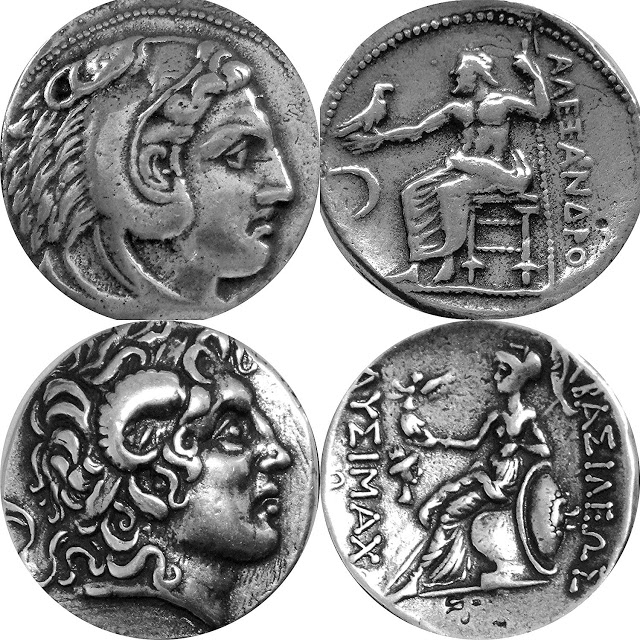
மாமன்னர் அலெக்ஸாண்டர் மரணப்படுக்கையில்
இருந்தார். அவரது அன்னைக்குத் துக்கம் தாளவில்லை. ஓவென்று அழுதார்.
அலெக்ஸாண்டர் அவரை அருகில் அழைத்தார்.
“தாயே! கவலைப்பட வேண்டாம். நான் இறந்த பிறகு என்னைப் புதைத்த பிறகு, வரும் பௌர்ணமியன்று
என் கல்லறைக்கு வந்து அலெக்ஸாண்டர் என்று என்னைக் கூப்பிடுங்கள். நான் உங்களிடம் பேசுகிறேன்” என்றார்.
அலெக்ஸாண்டர் மரணமடைந்த பின்னர்
அவர் கல்லறையில் புதைக்கப்பட்டார்.
முழுநிலா ஒளி வீசிப் பிரகாசிக்கும்
பௌர்ணமியும் வந்தது.
கல்லறைக்கு ஓடோடி வந்த அலெக்ஸாண்டரின்
தாயார், அவர் புதைக்கப்பட்ட இடத்திற்கு வந்து, “ஓ!அலெக்ஸாண்டர்” என்று கத்திக் கூப்பிட்டார்.
உடனடியாக நாலா புறங்களிலிருந்தும்
ஏராளமான குரல்கள் எழும்பின:
“இங்கு நூற்றுக் கணக்கான அலெக்ஸாண்டர்கள்
புதையுண்டு கிடக்கிறோம். எந்த அலெக்ஸாண்டரை நீங்கள் கூப்பிடுகிறீர்கள்? உங்களுக்கு
யார் வேண்டும்?”
இது தான் உலகம்.
அக்பர் ஒரு நாள் பீர்பலுடன்
விருந்துண்டார்.
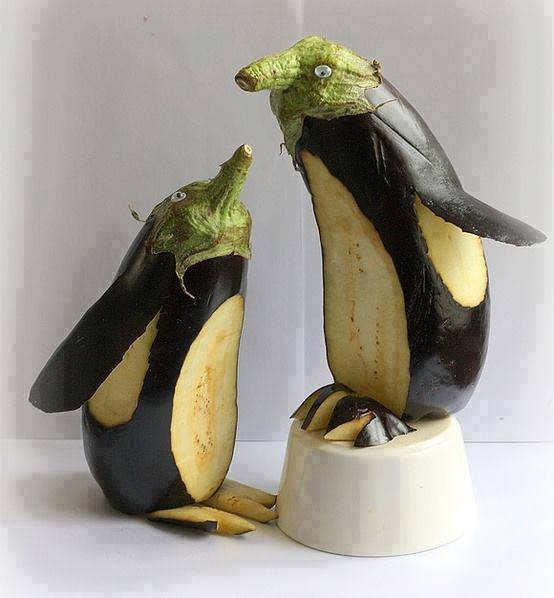
“ஆஹா! பீர்பல்! கத்தரிக்காய்
போல ஒரு கறிகாயை நான் கண்டதே இல்லை. என்ன ருசி? நீர் என்ன சொல்கிறீர்?” என்றார்.
“மன்னா! அது தான் உண்மை! எப்படிப்பட்ட
கறிகாய் கத்தரிக்காய்! அதனால் தான் அதற்கு கிரீடம் போல ஒன்றை வைத்திருக்கிறான் கடவுள்”
பீர்பலின் இந்த பதிலால் அக்பருக்கு
ஏக குஷி.
ஆனால் அன்று அவருக்கு ஜீரணம்
ஆகவில்லை. பெரிதும் கஷ்டப்பட்டார்.
மறுநாள் பீர்பலிடம் அவர், “பீர்பல்!
கத்தரிக்காய் போல ஒரு மோசமான கறிகாயை நான் பார்த்ததே இல்லை! நீர் என்ன சொல்கிறீர்” என்றார்.
“மன்னா! அது தான் பெரிய உண்மை!
அதனால் தான் அதன் தலையில் ஆணி போன்ற ஒன்றை அடித்து சுற்றி வர முள்களை கடவுள் கொடுத்திருக்கிறார்” என்றா பீர்பல்.
அக்பருக்குக் கோபம் வந்து விட்டது.
“பீர்பல்! நேற்று நீர் தான் கடவுள் அதற்குக் கிரீடம் கொடுத்திருக்கிறார். அது தான்
பிரமாதமான காய் என்றீர். இன்று அப்படியே மாற்றிப் பேசுகிறீரே” என்றார் அக்பர்.
பீர்பல் மன்னனை நோக்கிக் கூறினார்:
“ மன்னரே! எனக்கு நீங்கள் தான் எஜமானர். கத்தரிக்காய் இல்லை. நீங்கள் சொன்னதை மறுத்து
இந்த எளியேன் பேசக் கூடாது. ஆனால் கத்தரிக்காயைப் பற்றி நான் என்ன வேண்டுமானாலும் பேசலாம்.
அது எனக்கு எஜமானன் இல்லை” என்றார்.
அக்பருக்கு பீர்பலின் எளிமை
புரிந்து விட்டது.
எப்போதும் தன்னைத் தாழ்ந்த நிலையில்
வைத்துக் கொள்ளும் பண்பு அவருக்குப் புரிந்து அவரை இன்னும் கொஞ்சம் அதிகமாகப் பிடிக்க
ஆரம்பித்து விட்டது.
Date: 25 OCTOBER 2019 British Summer Time uploaded in London – 15-34 Post No. 7138
Pictures are taken from various sources; beware of copyright rules; don’t use them without permission; this is a non- commercial, educational blog; posted in swamiindology.blogspot.com and tamilandvedas.com simultaneously. Average hits per day for both the blogs 12,000.
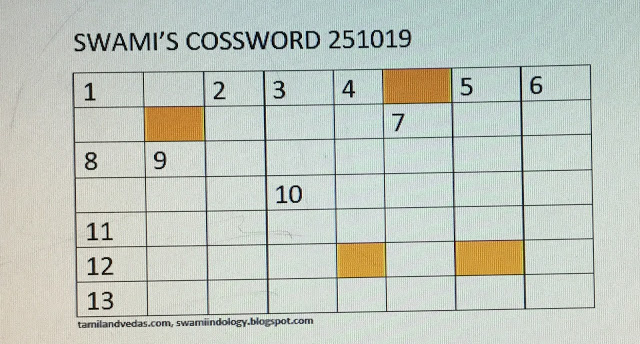
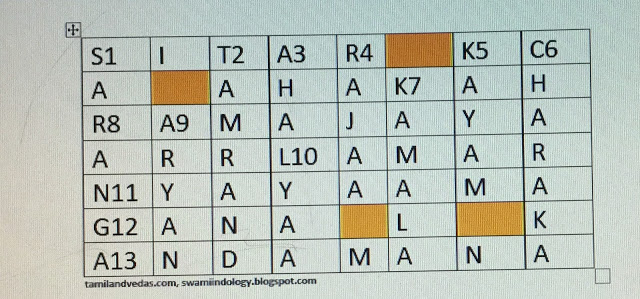
Popular Sanskrit words or Hindu names are used; they are used throughout India.
ACROSS
1. –6
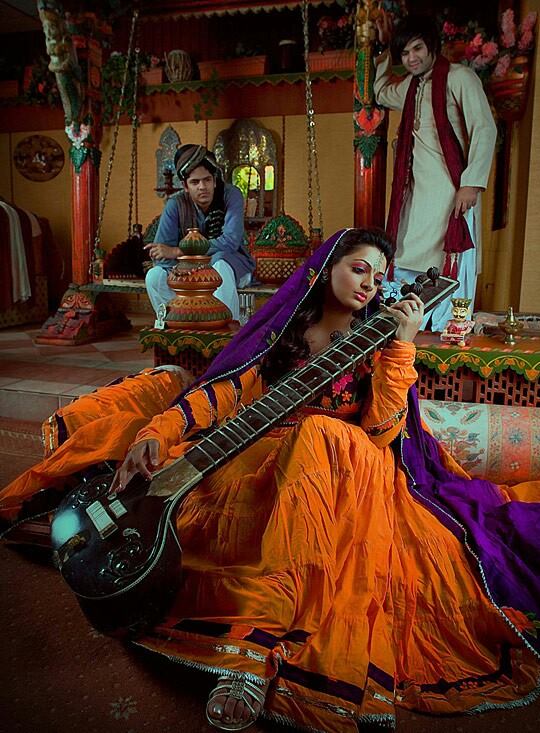
LETTERS- INDIAN STRINGED INSTRUMENT PLAYED
BY PANDIT RAVI SHANKAR
8.– 8–HOLY NAME
WRITTEN BY SOUTH INDIANS TO REMEMBER THE GREAT EPIC HERO (in Patrikas,
notebooks, letters)
10. –4–
BUDDHIST MONK OF TIBET
11. – 5–RULES,
JUSTICE, JUDGEMENT
12. – 4–GROUP,
CLAN, TRIBE
13. -7– INDIAN
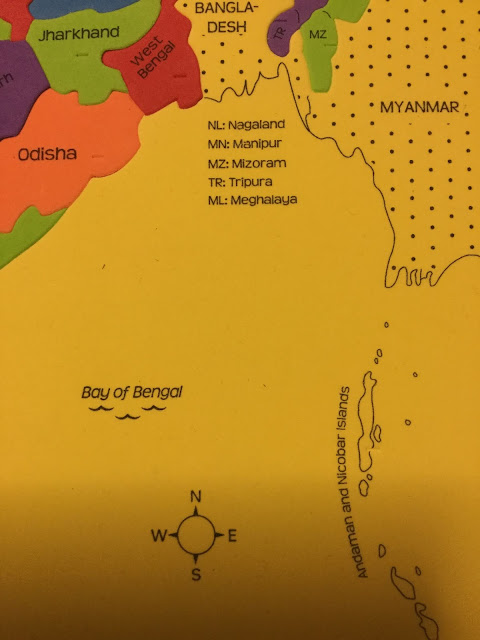
ISLANDS IN BAY OF BENGAL
DOWN
1.– 7
LETTERS–A BIRD; ALSO A RAGA IN INDIA MUSIC
2. – 5–FLOWER,
COPPER, REDDISH COLOUR
3. –6– WIFE
OF GAUTAMA RISHI MOLESTED BY INDRA
4. – 4–KING,
POPULAR MASCULINE NAME
5. – 5– BODY;
IN TAMIL IT MEANS INJURY OR ASAFOETIDA
6. – 7–ONE
OF THE FAMOUS AYURVEDA PHYSICIANS; (but not Susruta).
7. –6–
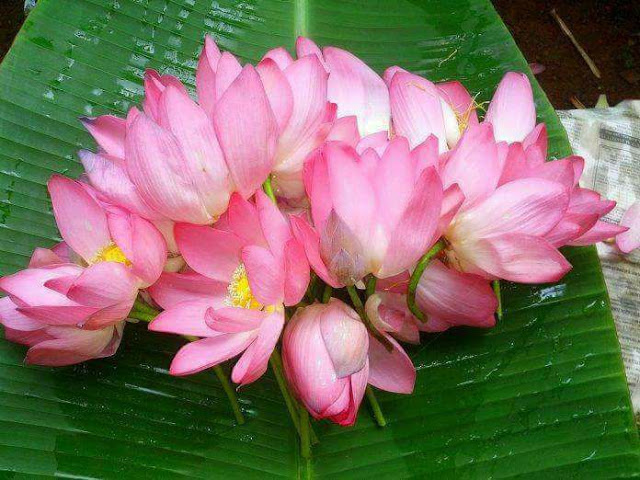
LOTUS; FEMININE NAME
9. – 4–CULTURED, WORD FOUND IN SANSKRIT AND TAMIL LITERATURE
Date: 25 OCTOBER 2019 British Summer Time uploaded in London – 10-15 AM
Post No. 7137
Pictures are taken from various sources; beware of copyright rules; don’t use
them without permission; this is a non- commercial, educational blog; posted in
swamiindology.blogspot.com and tamilandvedas.com simultaneously. Average
hits per day for both the blogs 12,000.
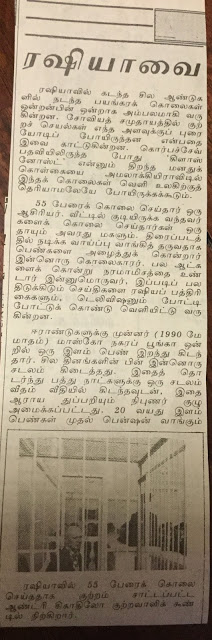
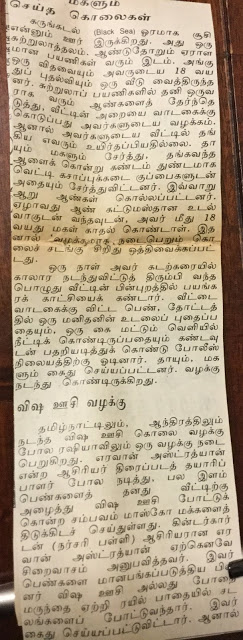
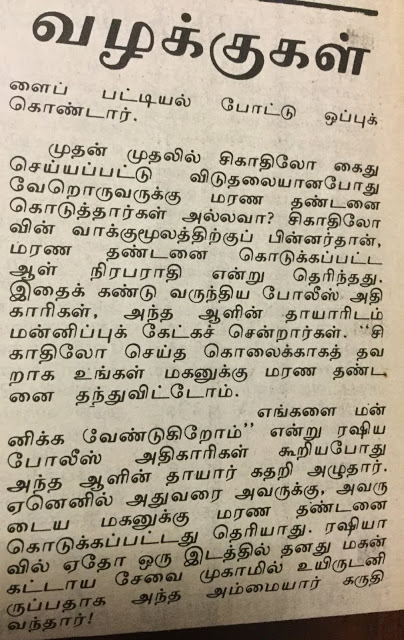
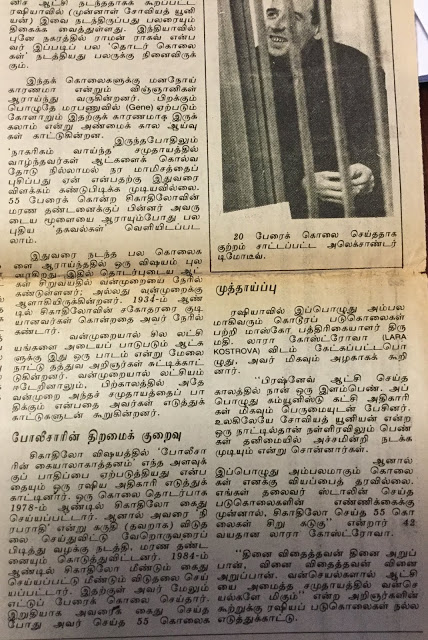
நான் எழுதிய ‘ரஷியாவை அதிரவைத்த கொலை
வழக்குகள்’ என்ற கட்டுரை தினமணியில் உலகப் பலகணி -யின் கீழ் 1992-ம் ஆண்டு ஜூன் 14ம் தேதி வெளியானது. அத்துடன் பாட்டில்
படத்தின் விலை 21 லட்சம் டாலர் , இமயமலையில்
புற்று நோய்க்கு மருந்து என்ற கட்டுரைகளும் வெளியாகின.
Date: 25 OCTOBER 2019 British Summer Time uploaded in London – 7-22 AM
Post No. 7136
Pictures are taken from various sources; beware of copyright rules; don’t use
them without permission; this is a non- commercial, educational blog; posted in
swamiindology.blogspot.com and tamilandvedas.com simultaneously. Average
hits per day for both the blogs 12,000.
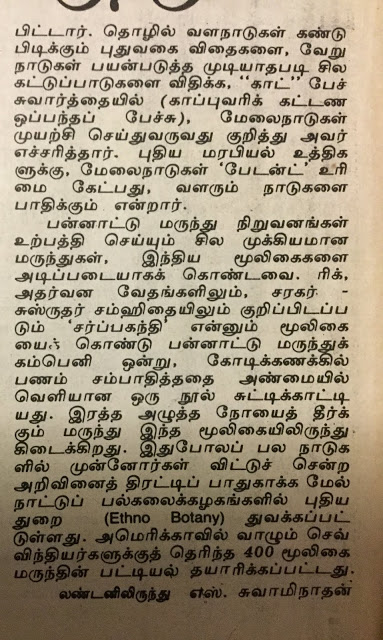
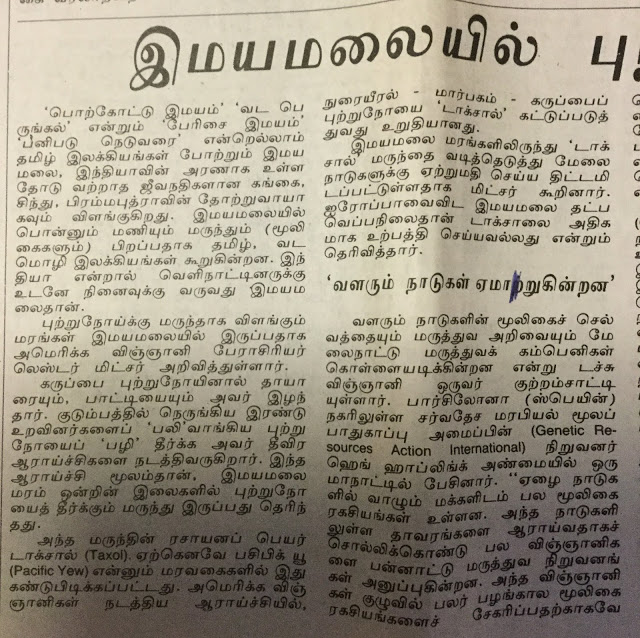
நான் எழுதிய ‘இமயமலையில்
புற்றுநோய்க்கு மருந்து’ என்ற கட்டுரை தினமணியில் உலகப் பலகணி -யின் கீழ் 1992-ம் ஆண்டு ஜூன் 14ம் தேதி வெளியானது. அத்துடன் ரஷியாவை
அதிரவைத்த கொலை வழக்குகள், பாட்டில் படத்தின் விலை 21 லட்சம் டாலர் என்ற கட்டுரைகளும் வெளியாகின. முதலில் இமயமலையில்
புற்று நோய்க்கு மருந்து என்பதைக் காண்போம்.
நான் எழுதிய செய்தி 1992-ல் வெளியானது. அதற்குப் பின்னர் 2011-ல்
லண்டனில் வெளியான செய்தி அபாய மணி அடித்துள்ளது. இமயமலை மரங்களில் ‘டாக்ஸால்’ இருப்பதை
அறிந்து அதை அதிகமாக அறுவடை செய்வதால் அந்த இனமே அழிந்து விடும் என்ற பேராபத்து
ஏற்பட்டதாக லண்டன் கார்டியன் (The
Guardian Newspaper, London) செய்தி வெளியிட்டது.
பின்னர் 2015-ல் டாபர் (Dabur) நிறுவனம்
இதை ஆயுர்வேத முறையில் எடுத்துப் பயன்படுத்தப்போவதாக அறிவித்தது.
2002-ல் வெளியான மற்றொரு செய்தி ஆண் மரங்களில் 64 சதவிகிதம் அதிகம் ‘டாக்ஸால்’ கிடைப்பதாக ஆராய்ச்சியில் தெரிய வந்ததாகச் சொல்கிறது.
Thu 10 Nov 2011
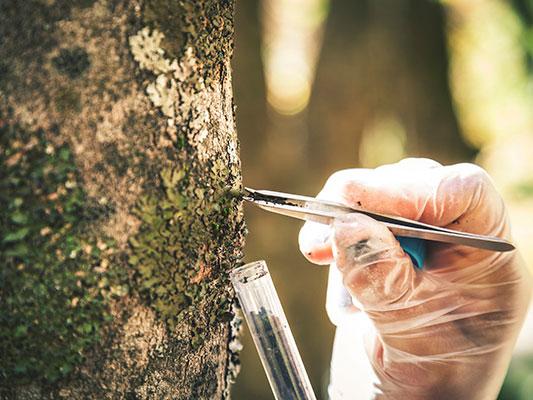
Taxol,
a chemotherapy drug used in the treatment of cancer, was first found in the
bark of the Pacific yew tree (Taxus brevifolin). Photograph: National
Cancer Institute/Corbis
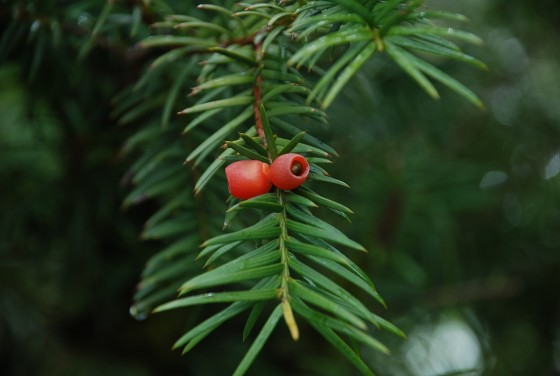
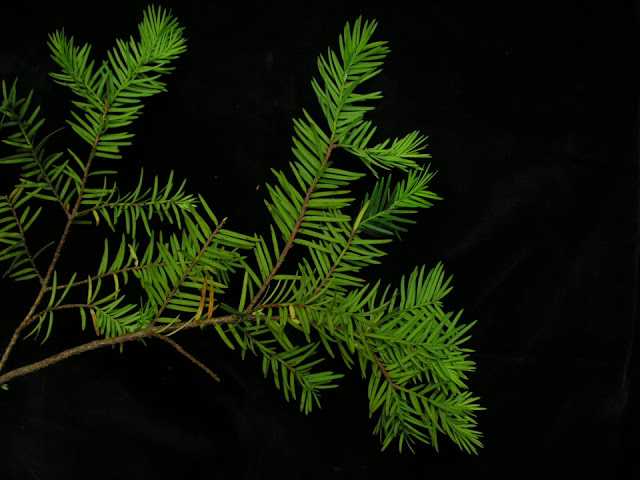
A species of
Himalayan yew treethat is used to produce Taxol, a chemotherapy
drug to treat cancer, is being pushed to the brink of extinction by
over-harvesting for medicinal use and collection for fuel, scientists warned on
Thursday.
The medicinal
tree, Taxus contorta, found in Afghanistan, India and Nepal,
has seen its conservation status change from “vulnerable” to
“endangered” on the IUCN’s annual “red list” of threatened
species.
Taxol was discovered by a US
National Cancer Institute programme in the late 1960s, isolated in the bark of
the Pacific yew tree, Taxus brevifolia.
All 11 species of yew have since been found to contain Taxol. “The
harvesting of the bark kills the trees, but it is possible to extract Taxol
from clippings, so harvesting, if properly controlled, can be less detrimental
to the plants,” said Craig Hilton-Taylor, IUCN red list unit manager.
Xxx
Dabur, one of India’s largest
Ayurvedic formulation manufacturers, has now ventured into modern
pharmaceutical research and product development. Dabur recently announced that
it had perfected a method to extract taxol — a potent drug used to treat
ovarian and breast cancers — from the leaves of the Himalayan yew (Taxus
baccata).
Says Anand Burman, director of research and
development at Dabur, “We cannot compete with the big players in the
synthetic pharmaceutical business, so we are limiting our efforts to what we
know best — natural plant products and extracts.”
Xxxx
AGE AND SEX OF TREES DECIDE QUANTITY
OF TAXOL
Taxol content in the bark of
Taxus baccata trees growing in a homogenous (uniform) environment at Jageshwar,
District Almora in Central Himalaya has been quantified. The average taxol
concentration in the bark of sampled trees was 0.0558+/-0.008% (of dry wt.) and
was about 64% higher for male plants (averaged across tree age) in comparison
to female trees. Maximum taxol content was recorded in the bark samples
collected from trees of >110 yrs age.
ANOVA indicates a
significant difference in the taxol content of bark from trees of different
ages, however, differences were not significant between sexes. Taxol was
quantified by HPLC using a standard curve prepared with authentic taxol; the
identification of bark taxol was confirmed by UV and mass spectrometry. The
total taxol content of the bark of Taxus trees across an age series was found
to range between 0.064 to 8.032 g/tree, and a tree of about 100 yrs age can
yield 5.74 kg dry bark.
Date: 25 OCTOBER 2019 British Summer Time uploaded in London – 5-32 AM
Post No. 7135
Pictures are taken from various sources; beware of copyright rules; don’t use
them without permission; this is a non- commercial, educational blog; posted in
swamiindology.blogspot.com and tamilandvedas.com simultaneously. Average
hits per day for both the blogs 12,000.
பாக்யா 16-10-2019 இதழில்
அறிவியல் துளிகள் பகுதியில் வெளியாகியுள்ள ஒன்பதாம் ஆண்டு பதினெட்டாம் கட்டுரை – அத்தியாயம் 434
வேண்டியதைத் திறம்படச் செய்து முடிக்க
கெய்ஸன் மற்றும் ஜிடிடி வழிமுறை!
ச.நாகராஜன்
வாழ்க்கையில் திறம்பட முன்னேற்றம் அடைய விரும்பாதாரே
இல்லை. நிறுவனங்களும் எப்படியேனும் உற்பத்தியை அதிகரித்துச் செலவைக் குறைத்து நிறைய
லாபத்தை அடையவே விரும்புகின்றன.
இரண்டாவது உலகப் போர் முடிந்தவுடன் வீழ்ந்து கிடந்த
ஜப்பான் எப்படியேனும் எழுந்து நிற்க வேண்டும் என்று எண்ணியது. அதன் விளைவாக ஜப்பானியர்கள்
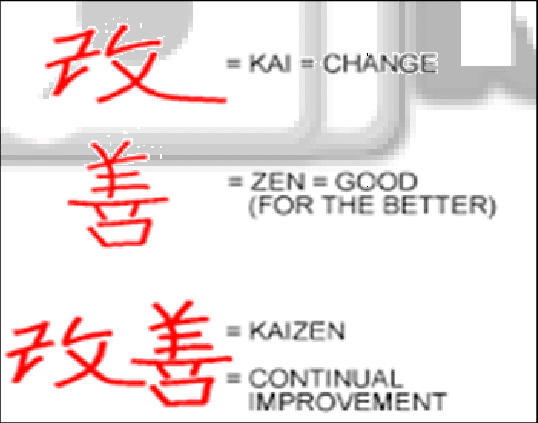
பல உத்திகளைக் கையாண்டனர். அவற்றில் ஒன்று கெய்ஸன்(Kaizen).
கெய்ஸன் என்றால் தொடர்ந்த முன்னேற்றம் என்று பொருள்.
ஒரு மாற்றத்தை அதிரடியாக ஒரே நாளில் அடைவது என்பது கடினம். ஆகவே ஒவ்வொரு நாளும் ஒவ்வொரு
விதத்திலும் சிறுகச் சிறுக தொடர்ந்து முன்னேற்றம் அடைதல் என்ற உத்தியை ஜப்பானிய நிறுவனங்கள்
கையாள நினைத்தன. இந்த தொடர் முன்னேற்றமான கெய்ஸனை மிகவும் வெற்றிகரமாக ஜப்பானின் டொயோடோ
நிறுவனம் கையாண்டது. உலகமே பிரமிக்கும் வண்ணம் அதன் உற்பத்தி அதிகரிக்க, தரமோ வானளவு
உயர்ந்தது.
இதனால் உலக நிறுவனங்கள் இந்த கெய்ஸன் எனப்படும்
தொடர் முன்னேற்றத்தை அமுல் படுத்த ஆரம்பித்தன.
திட்டமிடு – செய்- சரிபார்- செயலில் இறங்கு. இது
தான் கெய்ஸன்.
ஒரு சின்ன குப்பைக் கூடையை இடம் மாற்றி வைப்பதால்
கூட நேர விரயம் தவிர்க்கப்படுகிறது என்பது ஆச்சரியமான விஷயம் என்றாலும் கூட அது உண்மைதான்.
எடுத்துக்காட்டாக அமெரிக்காவில் நாற்காலி போன்ற பர்னிச்சர் பொருள்களைத் தயாரிக்கும் நிறுவனத்தை நடத்திய ஹெர்மன் மில்லர் என்பவர் கெய்ஸனில் ஆர்வம் காட்டி அதை அமுல்படுத்த ஆரம்பித்தார். ஏரான் சேர் (Aeron Chair) என்பது அவரது நிறுவனத்தின் புகழ் பெற்ற தயாரிப்பு. ஹாலிவுட் திரைப்படங்கள் என்றாலும் சரி, டி.வி. ஷோக்களானாலும் சரி, சேர் என்றால் அது ஏரான் நாற்காலியாகத் தான் இருக்கும். அப்படி ஒரு புகழ்!
2012இல் அவர் கெய்ஸனை ஆரம்பித்தவுடன் 1998ஆம்
ஆண்டை ஒப்பிடும் போது 500 சதவிகிதம் உற்பத்தி அதிகமானது. தரமோ 1000 சதவிகிதம் உயர்ந்தது.
ஒரு நாற்காலி தயாரிக்க 82 விநாடிகள் என்பது வெறும் 17 விநாடிகள் என்றானது.
முழு நாற்காலியும் உற்பத்தி வரிசையிலிருந்து முழுவதுமாக
பாக்கிங் முடிய 600 விநாடிகள் என்பதிலிருந்து 340 விநாடிகள் என்றானது.
கெய்ஸனின் வெற்றியால் மனம் மகிழ்ந்தோர் அதைத்
தனிப்பட்ட வாழ்வில் உயரவும் பயன்படுத்த ஆரம்பித்தனர். ஒரு மனிதன் ஒரேயடியாக ஒரே நாளில்
உயர்ந்து விட முடியுமா? முடியாது.
படிப்படியாகத் தொடர் முன்னேற்றம் அடைய கெய்ஸன் விதிகள் பயன்படுத்தப்பட்டு பார்த்ததில் நல்ல விளைவுகள் தெரிந்தன.
கெய்ஸனின் பத்து விதிகள் வருமாறு :
சம்பிரதாயமான தொடர்ந்து கடைப்பிடித்து வந்த உளுத்துப் போன கருத்துக்களைத் தூக்கி எறியுங்கள்
எப்படி முடிப்பது என்று பாருங்கள், ஏன் அதை முடிக்க முடியாது என்று காரணம் சொல்லாதீர்கள்
செய்ய முடியாததற்கு காரணம் சொல்லி மன்னிப்புக் கேட்காதீர்கள். இப்போதிருக்கும் நடைமுறை பற்றிக் கேள்விகளைக் கேட்டு அலசுங்கள்.
100 சதவிகிதம் முழுமையாக ஒரு செயல் உடனே முடிக்கப்பட வேண்டும் என்று எதிர்பார்க்காதீர்கள். 50 சதவிகிதம் அடைய முடியும் என்றாலும் அதை இப்போதே செய்யுங்கள்.
ஒரு தவறு செய்யப்பட்டால் அதை உடனடியாகத் திருத்துங்கள்
ஏன் என்று ஐந்து முறை கேளுங்கள். பிரச்சினைக்கான அடிப்படைக் காரணம் என்ன என்பதைக் கண்டறியுங்கள்
ஒரு தனிப்பட்டவருடைய அறிவை நம்புவதை விட பத்துப் பேரைக் கலந்தாலோசித்து அனைவரின் அறிவையும் பயன்படுத்துங்கள்
கெய்ஸன் அடிப்படையிலான கருத்துக்கள் எண்ணிலடங்காதவை. அனைத்தையும் தெரிந்து கொள்ள முயலுங்கள்; பயன்படுத்துங்கள். தொடர் முன்னேற்றத்தை அடையுங்கள்.
கெய்ஸன் ஒரு புறமிருக்க, நாளுக்கு நாள் அறிவியல் முன்னேற்றத்தினால் தேவைகளும் அதிகரிக்கின்றன; உத்திகளும் கூட மாறுபடுகின்றன.
ஏராளமான வேலைகள்! பல காரியங்களை அவசரம் என்ற பெயரில்
உடனுக்குடன் செய்ய வேண்டி இருக்கிறது. கணினித் துறையிலோ கேட்கவே வேண்டாம். நாளைக்கு
ஆரம்பிக்க வேண்டிய வேலைக்கு நேற்றே முடிக்க வேண்டும் என்று இலக்கு நிர்ணயிக்கப்படுகிறது!
திரைப்படத் துறையை எடுத்துக் கொண்டால் பல்வேறு பிரிவுகளை ஒருங்கிணைக்க வேண்டி இருக்கிறது;
நன்கு திட்டமிட வேண்டி இருக்கிறது.
எந்த ஒரு இடத்திலும் சிறிது குறை என்றால் ஏகப்பட்ட
நஷ்டத்தைச் சந்திக்க நேரிடுகிறது.
ஆகவே Getting Things Done – சுருக்கமாக GTD எனக் கூறப்படும் புது வழியைத் தருகிறார் டேவிட்
ஆலன் என்னும் அமெரிக்கர். இவரது Getting Things Done என்ற புத்தகம் 15 லட்சம் பிரதிகள் விற்றுச் சாதனை படைத்திருக்கிறது.
உற்பத்தித் திறனைக் கூட்டுவதற்கான பைபிள் என்று இதைப் புகழ்கின்றனர்.
2001ஆம் ஆண்டு முதலில் வெளியான இது 2015ஆம் ஆண்டு புதிய வடிவில் வெளியிடப்பட்டு உலகினரின்
கவனத்தை ஈர்த்திருக்கிறது!
தொழிலகங்களின் உற்பத்திப் பெருக்கத்திற்கும் தனி நபர் முன்னேற்றத்திற்கும் என்ன சம்பந்தம் என்ற கேள்வி எழுவது இயல்பே. ஆலன் கூறும் வழிகளை அப்படியே வாழ்க்கை முறையிலும் பயன்படுத்த முடியும். நாம் நினைத்ததை அடைய முடியும்.
அவர் கூறும் பல வழிகளில் முக்கியமான சில இதோ:
ஒரு ‘கலெக் ஷன் பக்கெட்டை’ உருவாக்குங்கள். அதென்ன கலெக் ஷன் பக்கெட்?
பல விஷயங்களைச்
செய்ய வேண்டுமென்றால் அதை மனம் அடிக்கடி நினைவூட்டி நம்மை செய்து கொண்டிருக்கும் வேலையிலிருந்து
திசை திருப்புகிறது. பால் வாங்க வேண்டும், பால் வாங்க வேண்டும் என்று அடிக்கடி நினைவூட்டுகிறது
மனம். ஆனால் வீட்டிற்குப் பால் வாங்காமலேயே போகும் போது வருத்தப்படுகிறோம். ஆகவே ஒரு
சின்னப் பேப்பரில் இப்படிப்பட்ட விஷயங்களை எழுதி விடுங்கள். வேலை முடிந்தவுடன் அதைப்
பாருங்கள். செய்ய வேண்டியதைச் சரியாகச் செய்ய முடியும். இந்தச் சின்னப் பேப்பர் தான்
செய்ய வேண்டியவற்றைச் செய்ய உதவும்
‘கலெக் ஷன் பக்கெட்!
அடுத்த செயல் என்ன என்பதற்கான பட்டியல்.
இப்படி பல துண்டுச்
சீட்டுகளை எழுதி வைத்திருக்கிறேன், ஒன்றும் நடக்கக் காணோம் என்று சொல்வோருக்கு ஆலன்
கூறும் அடுத்த வழி இது. பல செயல்களைச் செய்து முடிக்கத் துடிப்போருக்கு, அடுத்து உடனடியாகச்
செய்ய வேண்டிய செயல் என்ன என்பதைக் குறித்து வைத்துக் கொள்ளுங்கள் என்கிறார். இதன்
மூலம் ஒவ்வொரு காரியமாக முடிந்து கொண்டே இருக்கும் – டென்ஷன் இல்லாமல். தனிநபரின் காரியத்
திறன் கூடும்; கூடிக் கொண்டே இருக்கும்.
3) வாராந்திர
மதிப்பீடு செய்யுங்கள்
குறித்து வைக்கப்பட்டவை முடிகிறதா, பெண்டிங் என்றால் ஏன் அப்படி ஏற்பட்டது, அதை நீக்க என்ன செய்ய வேண்டும் என்று பாருங்கள் என்கிறார் ஆலன்.
இது மட்டுமல்ல,
பல செயல்களைத் தொடர்ந்து செய்து கொண்டே இருக்க வேண்டிய நிலையில் உள்ளவர்கள் (எடுத்துக்காட்டாக
திரைப்பட ஷூட்டிங் என்று வைத்துக் கொள்வோம் அல்லது ஒரு மென்பொருள் வடிவமைப்பாளர் லாப்
டாப்பில் உட்கார்ந்து வேலை செய்வதை எடுத்துக் கொள்வோம்) தங்கள் வேலைகளை 25 நிமிட வேலைப்
பகுதிகளாகப் பிரித்து வைத்துக் கொண்டு 25 நிமிட வேலை 5 நிமிட ஓய்வு என்று செய்து கொண்டிருந்தால்
அதிகமாகத் திறனுடன் வேண்டியதைச் சாதிக்க முடியும் என்கிறார் ஆலன்.
பல லட்சம்
பேர் உலகில் கெய்ஸன் வழியாலும் ஜிடிடி முறையாலும் இன்றைய அவசர யுகத்தில் பலன் பெற்று
வருகின்றனர். நாமும் பலன் அடையலாமே!
அறிவியல் அறிஞர் வாழ்வில் .. ..
அமெரிக்க கணித
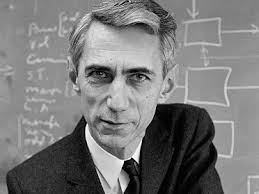
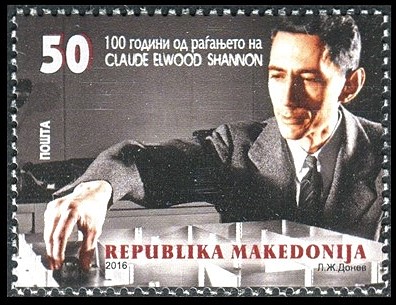
மேதையும் எலக்ட்ரிகல் எஞ்ஜினியருமான க்ளாட் எல்வுட் ஷனான் (Cladude Elwood Shannon தோற்றம்:3-4-1916 – மறைவு: 24-2-2001) வாழ்வில் ஏராளமான சுவையான சம்பவங்கள் உண்டு.
ஃபாதர் ஆஃப் இன்பர்மேஷன்
தியரி (Father of Information Theory) என்று கொண்டாடப்படுபவர்
அவர்.
செஸ் விளையாட்டில் எத்தனை சிக்கலான கணித நகர்த்துதல்கள்
என்பதைப் பற்றிய பேப்பரை 1950 இல் சமர்ப்பித்த அவர் அதில் பத்தின் 120 மடங்கு அடுக்குகள்
உள்ளன என்றார். அதாவது ஒன்றைத் தொடர்ந்து 120 பூஜ்யங்களைப் போட்டால் வரும் பிரம்மாண்டமான
எண் அது.
செஸ் விளையாட்டை
விளையாடும் மெஷினையும் அவர் தான் உருவாக்கினார். உலகினரை பிரமிக்க வைக்கும் மூளையைக்
கொண்ட அவருக்கு மேடையில் பேசுவது என்றால் நடுக்கம் தான். ஆயிரத்து தொள்ளாயிரத்து
அறுபதுகளிலிருந்தே தான் உருவாக்கிய துறை சம்பந்தமான கூட்டங்களில் கலந்து கொள்வதை நிறுத்தி
விட்டார் அவர். 1973 இல் அவர் பெயரால் நிறுவப்பட்ட ஷனான் லெக்சரில் உரையாற்ற அவரை அழைத்தனர்.
கடைசி நிமிடத்தில் கூட்டத்தில் உரையாற்ற மறுத்து விட்டார்.
1985இல் பன்னாட்டு இன்பர்மேஷன் தியரி பற்றிய கருத்தரங்கில் திடீரெனத் தோன்றவே அவரைப் பேசுமாறு அனைவரும் வேண்டவே சில நிமிடங்கள் உரையாற்றினார். திடீரென்று தான் போர் அடிக்கிறோமோ என்று நினைத்தவர் தன் பையிலிருந்து மூன்று பந்துகளை எடுத்து தூக்கிப் போட்டு விளையாட ஆரம்பித்தார்.
இது அவரது பொழுதுபோக்குகளில்
ஒன்று!
வந்தவர் ஷனான்
என்பதை அறிந்து கொண்ட கூட்டத்தினரின் மகிழ்ச்சிக்கு எல்லையே இல்லை. அவரிடம் ஆட்டோகிராப்
வாங்க பெரும் வரிசை உருவானது. அனைவரையும் திருப்திப்படுத்தினார் அந்த மேதை!
Date: 24 OCTOBER 2019 British Summer Time uploaded in London – 16-47
Post No. 7134
Pictures are taken from various sources; beware of copyright rules; don’t use them without permission; this is a non- commercial, educational blog; posted in swamiindology.blogspot.com and tamilandvedas.com simultaneously. Average hits per day for both the blogs 12,000.
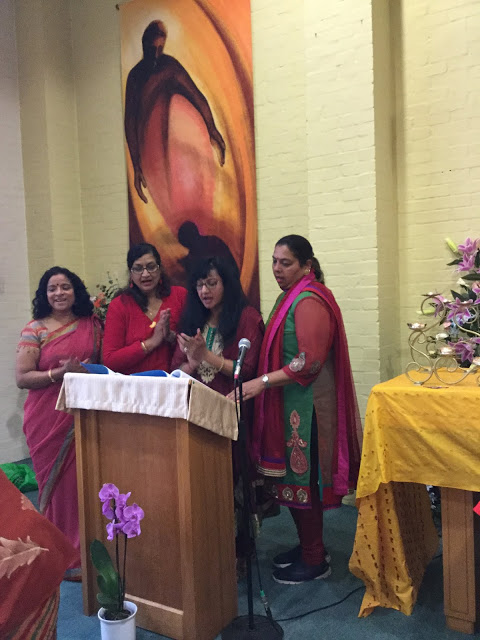
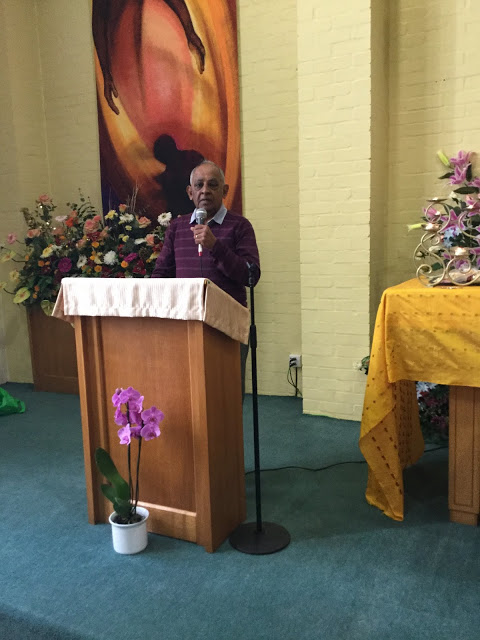
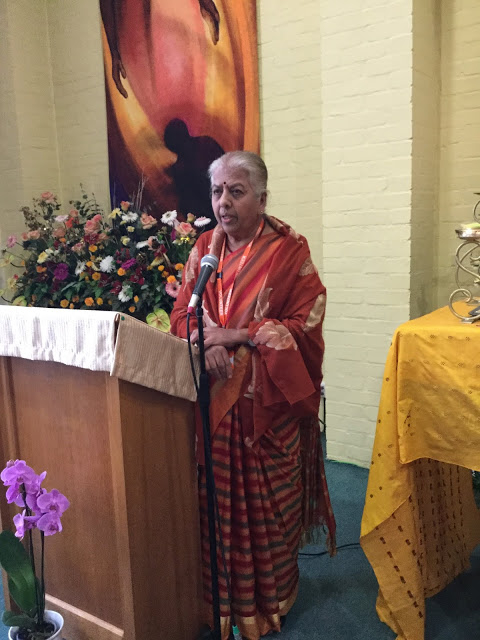
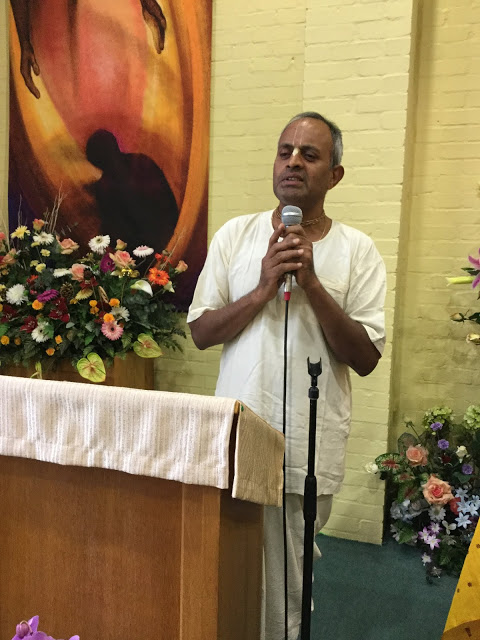
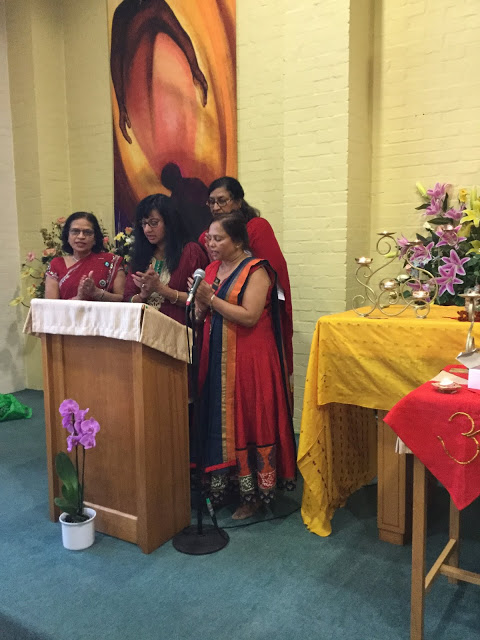
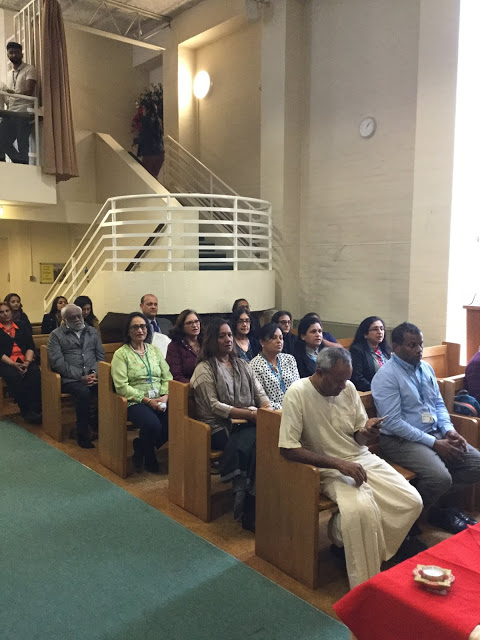
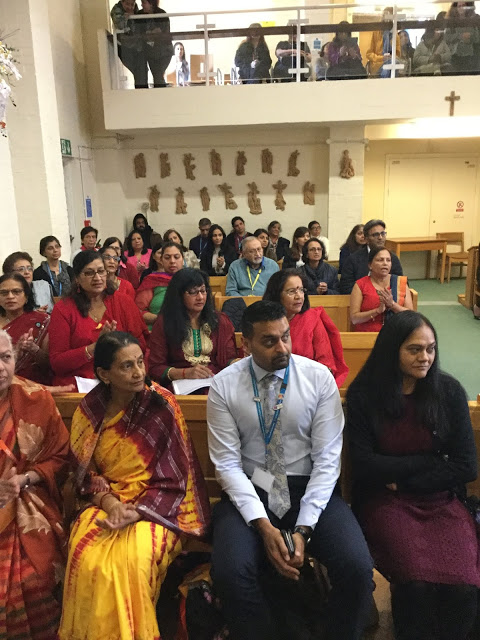
I had to
attend two Deepa Avali (Lamps Row) functions yesterday; the first one was at
the chapel of Northwick Park Hospital in Harrow area of greater London. We do
weekly Hindu Bhajan at the chapel every Wednesday and so we did the Diwali
(Deepa avali) event yesterday. About 100 patients, staff, volunteers and guests
attended the event.
After the
prayers, sweets were distributed. An outside Bhajan troupe and Hare Krishna
temple priest did the prayers along with weekly volunteers Mrs Annapurani
Panchanathan and Mr Balasubramanian.
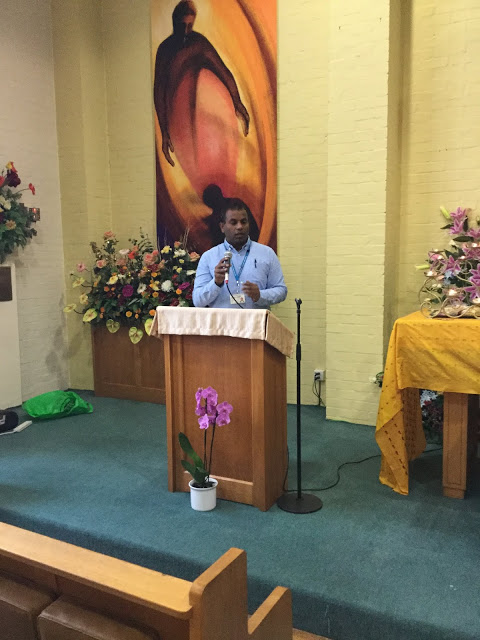
Participants were very enthusiastic about the individual Aarti in the Damodhar Puja done by Hare Krishna temple priest. Hindu Chaplain V. V. Swaminathan thanked everyone at the end.
xxxxxxxxxxxxxxxxx
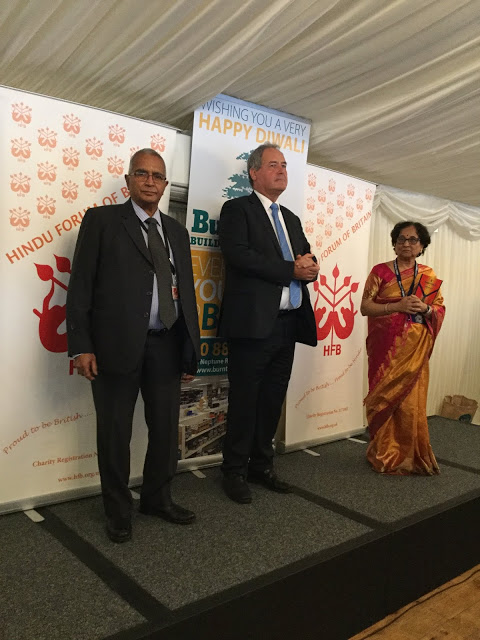
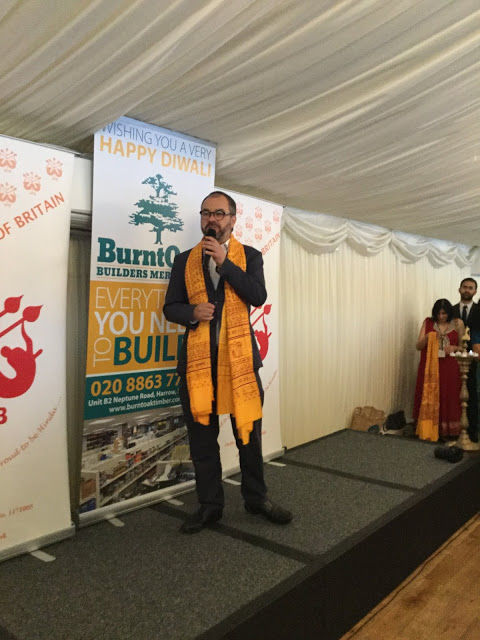
Bob Blackmaan MP speaking
Inside British Parliament
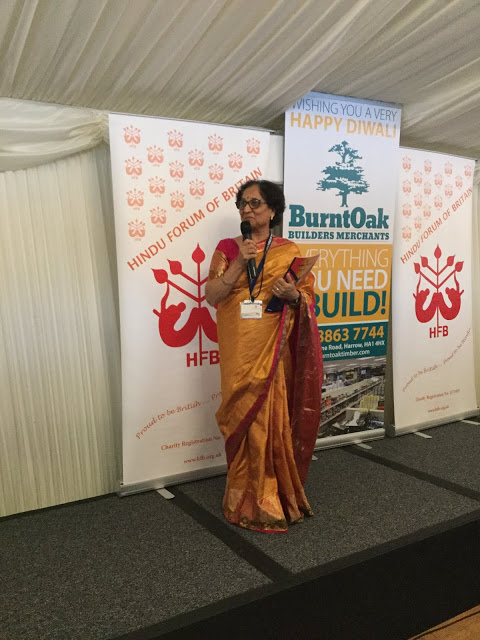
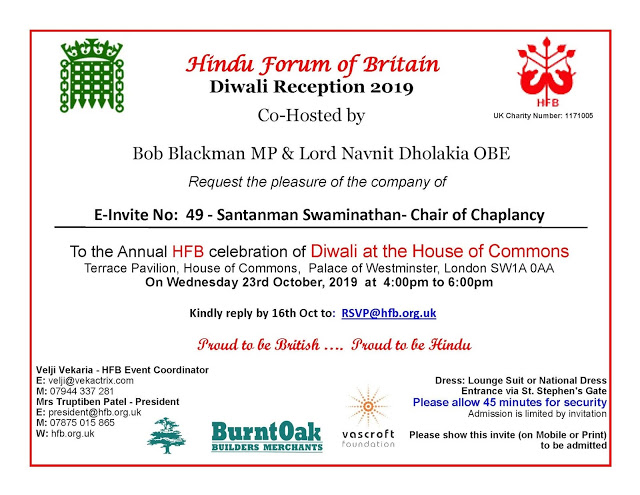
Every year
Hindu Forum of Britain celebrates the Deepavali on the terrace of the British
Parliament. Anyone would appreciate the beautiful view of Thames River from the
terrace , with colourful ferries running every minute.
Bob Blackman MP and the leader of the Hindu Parliamentary group and Lord Dholakia were the sponsors. Mr Blackman is known to every active Hindu in London. He visits at least nine Hindu temples on Deepavali day. Yesterday he joked in the meeting saying his Diwali begins in September and ends in December every year. He had to attend so many Diwali related events during this period.
While
speaking Bob received big applause from the audience for supporting the Indian
Government action in Kashmir. He praised the Indian government for giving equal
law to every citizen of India. He condemned the planned Pro Pakistani rally
towards High Commission of India on Deepavali day (27-10-2019). He told the
audience that the government would take appropriate action to prevent any
untoward incident.
(During last
Pakistani Muslim demonstration, they attacked High Commission building. When
Indian PM Modi visited two years ago, they burnt Indian National Flag along
with Anti Indian Dravidians and Khalistanis, after everyone left the area).
Bob praised
the Hindus for living peacefully without disturbing anyone. He warned the Hindu
women to be careful on Diwali day while they visit temples. Lot of Gold Chain
snatching incidents happen during that period.
Bob wished everyone Subha Diwali.
Lord Navnit Dolakia, Bob and HFB President Truptiben
Lord
Dholakia mentioned about the 39 dead bodies that were found on the day and
asked all the Hindus to pray for the departed souls (39 immigrants from East
European countries died mysteriously in the frozen compartment of a lorry). He
asked Hindus to come forward and take part in politics. He praised the law-abiding
Hindus and said even inside the prisons we find very few Hindus where as
Muslims occupy 25 percent.
Earlier President of the Hindu Forum Truptiben Patel welcomed the gathering and said the 2 percent Hindus in the country contribute a lot for the development of the country.
(My Comments– Every council in London has got lot of Muslim councillors; the current Mayor of London is of Pakistani origin. Hindus very rarely take part in politics. Most of the National Lottery funding goes to Christian and Muslim organisations. British Government also helps Christian charities which believe in conversions. Oxfam, Christian Aid and many proselytising organisations get government funding. During Labour rule millions of Muslims were allowed to enter the country as refugees. Muslim chaplains in hospitals and prisons outnumber Christian chaplains. Most of the refugees support the Labour Party. Now they are numerically more. Every Muslim in Britain has got 4 to 16 children whereas Hindus have one or two children).
Date: 24 OCTOBER 2019 British Summer Time uploaded in London – 9-18 am
Post No. 7133
Pictures are taken from various sources; beware of copyright rules; don’t use
them without permission; this is a non- commercial, educational blog; posted in
swamiindology.blogspot.com and tamilandvedas.com simultaneously. Average
hits per day for both the blogs 12,000.
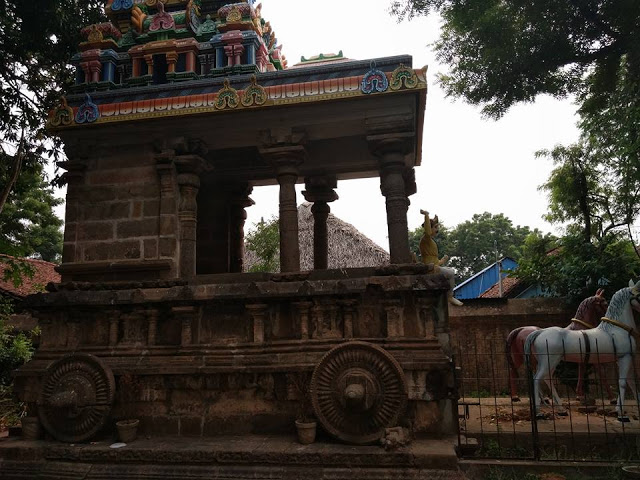
கடவுளின் பாத சுவடுகளை வழிபடுவதும், ஞானியரின் காலணிகளை வழிபடுவதும் பாரத நாட்டில் தொன்றுதொட்டு இருந்துவரும் பழக்கங்கள். ராமனின் பாதுகைகளை சிம்மாசனத்தில் வைத்து அரசாண்டான் பரதன். காசி இந்து பல்கலைக் கழக துவக்க விழாவுக்கு வர இயலாது என்று சிருங்கேரி சுவாமிகள் சொன்னவுடன் பாதுகைகளை வாங்கிச் சென்று பெரிய மரியாதை செய்து அவற்றைத் திருப்பி அனுப்பினார் அமைச்சர். பாதுகா சஹஸ்ரம் என்ற பெயரில் இறைவனின் திருவடிகள் மீது 1000 பாடல் இயற்றினார் வேதாந்த தேசிகன். வள்ளலார் பாதக் குறடுகள் முதல் மஹாத்மா காந்திஜியின் பாதக் குறடுகள் வரை இன்றும் மரியாதையுடனும் பயபக்தியுடனும் தரிசிக்கப்படுகிறது.
இந்துக்களுக்கு
மண்ணும் புனிதம், மலையும் புனிதம். பக்தர்களின் காலடித்
தூசி தன் மீது படவேண்டும் என்பதற்காக
மாமன்னர்கள் தங்கள் பாத சுவடுகளை கோவில் தரைகளில் பொறிக்க வைத்தனர். ஆனால் அவர்கள்
காலடிச் சுவடுகள் மீது நாம் படக்கூடாது என்று அஞ்சி அதன் மீதும் மண்டபம் எழுப்பிவிட்டோம்.
இமய
மலை முதல் இலங்கையின் சிவனொளி பாத மலை (Adam’s Peak) வரை பாதச் சுவடுகளை வழிபடுவதில்
வியப்பில்லை ஆனால் கம்போடியாவிலும் 1500
ஆண்டுகளுக்கு முன்னரே வழிபடக்கூடிய பாத சுவடுகள் உள்ளதைப் பலரும் அறியார்.
வியட்நாம், கம்போடியாவின் பழைய பகுதி ப்யூனான் (Funan). அங்கு முக்கிய வைஷ்ணவக் கல்வெட்டுகள்
கிடைத்தன. ஒரு கல்வெட்டு ஜயவர்மனின் மனைவி குலப் பிரபாவதி செய்த தானம் பற்றியது.
பிராமணர்கள் வசிக்கும் குரும்ப நகரத்தில் அவள் இறைவனின் தங்க விக்ரகத்தை
நிறுவினாள்; ஒரு
நந்தவனத்தையும், ஆஸ்ரமத்தையும்
நிர்மாணித்தாள்; மற்றொரு
கல்வெட்டு விஷ்ணுவின் பாத சுவடுகள் பற்றியது. குணவர்மன் என்பவன் சக்ர தீர்த்த
ஸ்வாமின் என்னும் விஷ்ணுவின் பாத சுவடுகளைப் பொறித்தான். அடுத்ததாக ருத்ரவர்மன்
கல்வெட்டு புத்தர், பிராமணர் ஆகியோரைப் புகழ்கிறது.
604-ம் (CE 604) ஆண்டில் (சக ஆண்டு 526) ஒரு பிராஹ்மணன், மலை உச்சியில் சிவன் பாதத்தைப்
பொறித்து அதன் மீது தண்ணீர், பால் விழுவதற்காக ஒரு குடத்தை நிர்மாணிததாக ஒரு கல்வெட்டு
இயம்புகிறது. அதைச் சுற்றிலும் செங்கல் சுவர் எழுப்பியதையும் கல்வெட்டு
உரைக்கிறது.
613 (CE 613) ஆண்டில் சிவன் மடி மீது பார்வதி
அமர்ந்த சிலை நிர்மாணிக்கப்பட்டதை மற்றொரு கல்வெட்டு காட்டுகிறது.
xxxx
Brahma Stamp in Indo China
சீனர்கள்
அடித்த கொள்ளை – ஒரு லட்சம் பவுண்டு தங்கம்
சீனாவின்
லியங் வம்சாவளி (History of Liang Dynasty) )
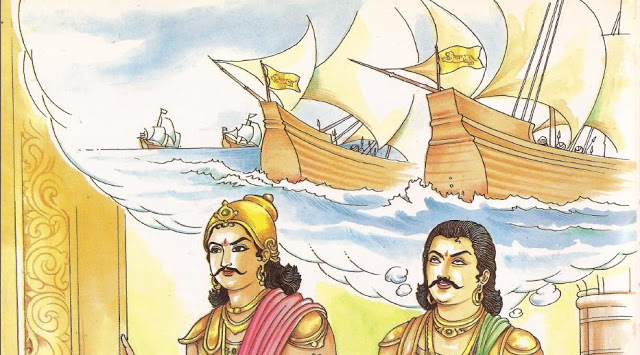
பற்றிய புஸ்தகம் கிடைத்துள்ளது. அதில் வியட்நாமென்னும் சம்பா தேசத்தில் இருந்து சீனர்கள் ஒரு லட்சம் பவுண்டு
எடையுள்ள தங்கத்தை எடுத்துச் சென்றதாகவும் கவுண்டின்ய வம்சத்தில் வந்த மன்னர் தங்க
சிம்மாசனத்தில் படாடோபங்களுடன், அழகிகள் சாமரம் வீச, எழுந்தருளியதாகவும் எழுதி வைத்துள்ளனர். இப்பொழுது நாம் சினிமாவில்
காணும் மன்னர்களின் காட்சிகள் அத்தனையையும் அவர்கள் அப்படியே வருணித்து
எழுதியுள்ளனர்.
சம்பா
தேச பாமர மக்கள் உடை அணியாமல் இருந்ததாகவும் அவர்களுக்கும் உடை அணியும் வழக்கததை
கவுண்டின்யர் கற்றுக் கொடுத்தகதாவும் சீனர்கள் எழுதி வைத்துள்ளனர்.
சீனர்களுக்கு
சிறிய கப்பல் மட்டுமே கட்டத் தெரிந்ததால், தென் சீனக் கடலில் ,இந்துக்களின் நீண்ட கப்பல்களுக்கு , பயணிகள் மாற்றப்பட்டதாகவும் சீனர்கள்
சொல்கின்றனர்.
ஒரு
பவுண்டு= 453 கிராம்; ஒரு பவுன்/ சவரன் = எட்டு கிராம்)
xxx
உடனே
செய்க!
உலக
நாடுகள் முழுதும் அவரவர் எழுதிய புது வரலாற்றைப் படிக்கின்றனர். இந்தியர்கள்
மாட்டும் வெள்ளையர்கள் எழுதிய வரலாற்றை இன்று வரை படிக்கின்றனர்!!!
இந்திய வரலாற்றை விரைவில் திருத்தி எழுத மாபெரும் இயக்கம் துவக்க வேண்டும். தமிழர்களும் ஏனைய தென் இந்தியர்களும் தென் கிழக்கு ஆசியாவில் எட்டு நாடுகளை 1500 ஆண்டுகளுக்கு ஆண்டதை மாணவர்கள் கட்டாயம் படிக்க வேண்டும்; சிங்க்கப்பூரின் பெயர் சம்ஸ்க்ருதம் (சிம்ஹ புரம்; இலங்கையின் பெயர் சம்ஸ்க்ருதம்- லங்கா, சிம்ஹலதேச); பர்மாவின் பெயர் பிரஹ்மா, கம்போடியாவின் பெயர் காம்போஜம், லாவோஸின் பெயர் லவன் தேசம்; வியட்நாமின் பழைய பெயர் சம்பா; மலேயாவின் பெயர் மலை நாடு- தமிழ்) சாவகம், சுமத்ரா போன்ற` இந்தோநேஷிய தீவுகள் தமிழ், சம்ஸ்கிருத நூல்களில் உள்ளன; தென் கிழக்காசிய வரலாற்றை தமிழர்கள் கற்றால் ராஜேந்திர சோழன், வீர பாண்டியன், குலோத்துங்க சோழனின் கடற்படை வலிமை புரியும். வியட்நாமை ஆண்ட திருமாற பாண்டியன் முதல் 1500 ஆண்டுகளுக்கு இந்தியர்கள் கொடிகட்டிப் பறந்தனர்). அந்த புகழோங்கிய காலம் மீண்டும் வரும்; வரச் செய்ய முடியும்!)
15 Aug
2012 – Why Do Hindus Worship Shoes? By
London swaminathan. “A pair of sandals worn by the Maharishi is expected to
fetch £80,000 when they are …
20 Jul
2018 – The kings foot prints were
engraved on a boulder and it indicated he ruled or conquered that area. In the
text of the inscription he compared his …
7 Oct
2018 – Tamil and Vedas … காலமெனும் மணலிற் காலடி ‘Footprints on
the … some of his most famous poems,
including the Village Black Smith. … Manu and Longfellow: Great Men think
Alike (Post No.4074)In …




































 Tamil and Vedas