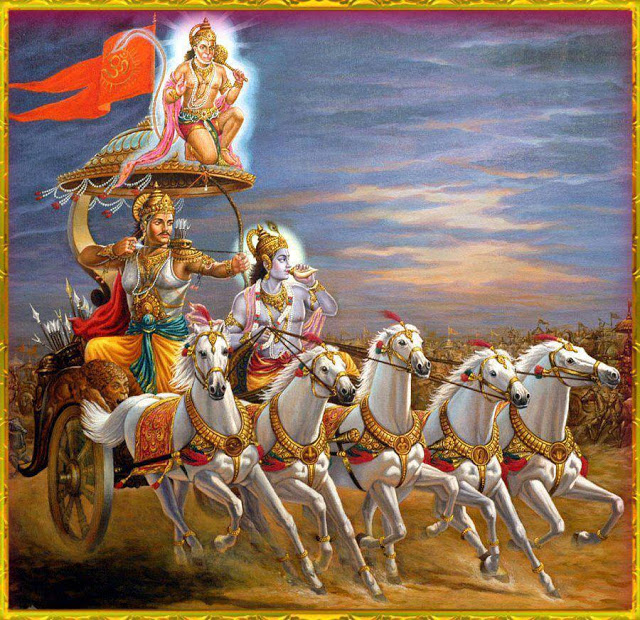
கிருஷ்ணனை 800 மைல் விரட்டிய கால யவனன் ! (Post No.7546)

கிருஷ்ணனை 800 மைல் விரட்டிய கால  யவனன் ! (Post No.7546)

RESEARCH ARTICLE WRITTEN BY LONDON SWAMINATHAN  

Post No.7546

Date uploaded in London – – 7 February 2020

Contact – swami_48@yahoo.com

Pictures are taken from various sources for spreading knowledge; this is a non- commercial blog.

மஹாபாரத பிற்சேர்க்கையான ஹரி வம்ச புராணம், பாகவதம் முதலியவற்றில் கிருஷ்ணனைப் பற்றிய ஒரு உண்மைக்கதை- வரலாற்றுச்  சிறப்புமிக்க கதை உள்ளது. யாதவர்களை ஓடஓட விரட்டிய நிகழ்ச்சி  இது. உத்தர பிரதேச மாநிலமான மதுராவில் இருந்த ஒரு சமூகத்தை 802 மைல்  — 1291 கிலோமீட்டர் தொலைவில் குஜராத் மாநிலத்தில் உள்ள துவராகா புரிக்கு  விரட்டிய வரலாற்று நிகழ்வு இது – அதைவிட வியப்பான விஷயம், கிருஷ்ணனையும் யாதவர்களையும் விரட்டிய மன்னன் பெயர் ‘கால யவனன்’ . யமன் போன்ற யவனன் அல்லது கருப்பு யவநன் என்று பொருள் சொல்லலாம். அந்த யவனன் கிரேக்கனா, அராபியான , ரோமானியனா என்றும் தெரியவில்லை . இதை எல்லாவற்றையும் விட சுவையான விஷயம் கிருஷ்ணன் அனுப்பிய கறுப்புப் பாம்புக்குப் பதிலாக அவன் அனுப்பிய எறும்பு டப்பா கதை! tamilandvedas.com, swamiindology.blogspot.com

இதோ முழு விவரம்-

இந்த வரலாற்று நிகழ்வினைச்  சொன்னால் மக்களிடையே கிருஷ்ணன் மதிப்பு குறைந்துவிடும் என்று பவுராணிகர்கள், இதை அதிகம் பிரஸ்தாபிக்கவில்லை போலும் !

கால யவனன் கதையில் மூன்று பகுதிகள் காணப்படுகின்றன. முதல் பகுதி கார்க்யர் என்ற ரிஷி பற்றிய கதை; அவர் வ்ருஷ்ணி குல, அந்தக குல (யாதவ) மக்களுக்கு குரு . அவரை ஒரு சமயம் யாதவர்கள்  அவமானப்படுத்தவே அவர் 12 ஆண்டு தவம் செய்து சிவபெருமான் அருளால் ஒரு அப்சரஸ் மூலம்குழந்தை பெறுகிறார். அந்தக் குழந்தை யாதவ குலத்தைப் பழி வாங்கும் என்றும் சிவன் சொல்கிறார். இதை அறிந்த பக்கத்து தேச யவன மன்னன் அவரையும் அவரது குழந்தையையும் தனது அரண்மனையில் வளர்த்தான். காரணம்? அவனுக்குக் குழந்தை கிடையாது. அவன் இறந்தபின்னர் கார்க்யரின் மக ன் பட்டம் சூட்டப்பட்டான் . tamilandvedas.com, swamiindology.blogspot.com

அவனுக்கு கால யவனன் என்ற பெயர் ஏற்பட்டது..

நாரத முனிவர் இதுபற்றி மதுராபுரி மன்னனான கிருஷ்ணனை எச்சரிக்கிறார் . அவரோ சிறிதும் பொருட்படுத்தவில்லை.

இது ஒரு புறமிருக்க, கம்சனின் மாமனாரும் மகா சக்திவாய்ந்த மகத சாம்ராஜ்யத்தின் மன்னனும் ஆன  ஜராசந்தன், கம்சனை சம்ஹாரம் செய்த கிருஷ்ணனைக் காலி  செய்ய தருணம் பார்த்துக் கொண்டிருந்தார். இப்போது காலயவனனுடன்  இமயமலைப் பகுதியில் உள்ள குட்டி நாடுகளை ஆளும் எல்லா மன்னர்களும் சேர்ந்து கொ ண்டனர். அவன், ஜராசந்தன் ஆதரவோடு மதுராபுரி மீது படையெடுத்தான். அவனுடைய படைகளுடன் வந்த குதிரைகளும் ஓட்டக்கங்களும் போட்ட லத்திகளும் மூத்திரமும் ஆறு போல பெருக்கெடுத்தது ; அந்த ஆற்று க்கு அஸ்வகிருத் என்ற பெயரும் ஏற்பட்டது.

மாபெரும் படை மதுராபுரியை நோக்கி வருவதை அறிந்த கிருஷ்ண பரமாத்மா யாதவ மக்களின் மாபெரும் கூட்டத்தைக் கூட்டி சொற்பொழிவைத் துவக்கினார்-

எனது அருமை மக்களே, நான் சொல்லுவதைக் கேளீர் . மாபெரும் படை மதுராபுரியை சுற்றி வளைத்து இருக்கிறது. இது வெல்ல முடியாத படை. கால யவனன் , சிவ பெருமானிடம் வரம் பெற்றவன் . நானும் சமாதானத்துக்கு எவ்வளவோ முயன்று பார்த்தேன். இதுவரை பலன் கிட்டவில்லை. காரணம்? ஜராசந்தனின் கோபம் தணியவில்லை. அவன் காழ்ப்பு உணர்வு கொண்டுள்ளான். கால யவனனோ , ‘நானே ஆளப் பிறந்தவன்’ என்று மமதையுடன் கொக்கரிக்கிறான். இந்த செய்தியை நாரதர் என்னிடம் இயம்பினார்” tamilandvedas.com, swamiindology.blogspot.com

.
ஹரி வம்சத்தில் உள்ள சம்ஸ்கிருத ஸ்லோகங்களில் மேலும் சொல்லப்படுவதாவது —

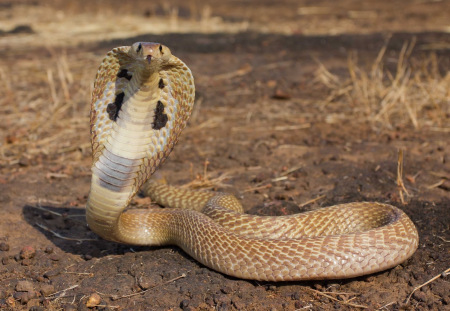
கிருஷ்ணர் ஒரு டப் பியை எடுத்து அதற்குள்   அதி பயங்கரமான கரு நாகப் பாம்பை உள்ளே போட்டு ஒரு தூதனிடம் கொடுத்தார் இதை காலா யவன னிடம் காட்டி நான் சொல்லுவதைச்  சொல்லிவிட்டு வா என்று தூது அனுப்பினார் கண்ணன். தூதன் , கால யவனனி டம் சென்று டப்பாவைத் திறந்து காட்டியது குல நந்தன னான கிருஷ்ணன் சீறும்  கரும் பாம்பு போன்றவன் என்றான். கால  யவன னுக்குப் புரிந்துவிட்டது. அதி பயங்கரமான கூரிய பற்களுடைய எறும்புகளை பிடித்துவரச்  சொல்லி அதை டப்பா  முழுதும் போட்டு நிரப்பினான் . அந்தப் பாம்பை அவை கடித்துக் குதறி சாப்பிட்டு விட்டன.. இதைப்போய் உங்கள் கிருஷ்ணனிடம் கொடு என்றான் கால யவனன் .

எறும்புடன் வந்த டப்பாவில் அதி பயங்கர கரும்பாம்பு பிணமானதைக் கண்டு கிருஷ்ணன் பயந்தான்; யாதவகுலத்தை அழைத்துக் கோடு 800  மைல் பயணம் செய்து கடலோரப்  பட்டினமான துவாரகா நகருக்கு சென்றான் tamilandvedas.com, swamiindology.blogspot.com

.

யாதவ குல மக்கள் அனைவரும் வீ ட்டு வாசலுடன் வாழத் துவங்கிய ஒரு நாள், கிருஷ்ணன் மட்டும் தனியாக, நிராயுதபாணியாக  மதுரா புரிக்கு நடந்தே  சென்றான் . கா லயவனனை ஒற்றைக்கு ஒற்றை சண்டைக்கு வா என்றான் . அவன் இத்தகைய தருணத்தை நழுவ விடக்கூடாது .கிருஷ்ணன் கதையை இன்றுடன் முடிப்போம் என்று புறப்பட்டான். கிருஷ்ணர் ஓட்டம் பிடித்தார் எல்லாம் ஒரு திட்டத்தோடு தான் .
ஹரிவம்சத்தில் உள்ள மூன்றாவது கதை.

மாந்தாதா என்ற மாமன்னனின் மகன் முசுகுந்த சக்ரவர்த்தி.  அவன் தேவாசுரப்  போரில் தேவர்களுக்கு வெற்றி வாகை பெற்றுத் தந்தவன் . இனி போரே வேண்டாம் . நான் நிம்மதியாகத் தூங்க அருள்புரியுங்கள்  என்று தேவர்களிடம் வேண்ட, இந்திரன் மூலமாக ஒரு வரம் பெற்றான். என து தூக்கத்தை எவனாவது கெடுப்பானாகில், நான் விழித்தவுடன் பார்க்கும் மனிதன் எரிந்து போ க வேண்டும் என்றான். இந்திரனும் ததாஸ்து (அப்படியே ஆகட்டும்) என்றான். அவர் ஒரு குகையில் சென்று உறங்கி விட்டார் . இந்த விஷயம் முழுவதையும் நாரத முனிவர் ஆதியோடு அந்தமாக கிருஷ்ணனிடம் இயம்பி இருந்தார் . இது எல்லாம் கிருஷ்ணனுக்கு நினைவுக்கு வரவே முசுகுந்த மன்னன் தூங்கும்  குகைக்குள் மெதுவாக சப்தமின்றி நுழைந்து முசுகுந்தனின் தலை மாட்டில் அமர்ந்தார் tamilandvedas.com, swamiindology.blogspot.com

.

கால யவனனும் அந்தக் குகைக்குள் நுழைந்தான். கால  யவனனுக்கு விநாச காலே விபரீத புத்தி; ஒரு உறங்கும் ஆசாமி அருகில்தலை மாட்டில், கிருஷ்ணன் அமர்ந்து இருப்பதைப்  பார்த்து, உறங்கும் ஆசாமியை  கால்களால் எத்தி உதைத்தான். கோபத்தோடு எழுந்த முசுகுந்தன் கோபப் பார்வையை அவன் மீது வீசவே கால யவனன் எரிந்து சாம்பலானான் . . கிருஷ்ணனுக்கு  புத்திமான் பலவான் ஆவான்என்ற பழமொழி பொருந்தும்.

இதற்குப் பின்னர், முசுகுந்த மன்னனிடம், அவன் தூங்கிய காலத்தில் உலகில் என்ன என்ன நடந்தன என்ற தலைப்புச்  செய்திகளை ‘புல்லட் பாயிண்டு’ (Bullet Points) களில் கிருஷ்ணன் மொழிந்தார். முசுகுந்தனும் மகிழ்ந்து, இனி சுவர்க்கம் புகும் நேரம் வந்துவிட்டது என்று சொல்லி பூவுலகில் இருந்து புறப்பட்டார்.

xxx
என் கருத்து

பைபிளில்  (Bible) இரண்டாவது அத்தியாயத்தில் எக்ஸோடஸ் (Exodus)  என்ற தலைப்பில் மோசஸ் என்ற தலைவன் யூத மக்களை அடிமைத் தளையில் இருந்து விடுவித்து இஸ்ரேலுக்கு அழைத்துச்  சென்றான் என்ற செய்தி வருகிறது . மூன்று மதங்கள் போற்றும் மோசஸ் உண்மையில் இருந்ததற்கு இதுவரை வரலாற்றுச் சான்றுகளோ தொல்பொருட் துறை சான்றுகளோ கிடைத்தில ; ஆயினும் எக்ஸோடஸ் என்னும் மாபெரும் வெளியேற்றம் பற்றி பல சினிமாக்களும் புஸ்தகங்களும்  வெளியாகியுள்ளன. அது போன்ற நிகழ்ச்சி யாதவர் வெளியேற்றமும் tamilandvedas.com, swamiindology.blogspot.com

.

மோசஸ் இஸ்ரேலை நோக்கி சென்ற காலையில் அவருக்கு செங்கடல் வழி திறந்துவிட்டது என்று பைபிள் இயம்பும். இது எல்லாம் ஹரிவம்சத்தைக் காப்பி அடித்து எழுதியது என்பர் ஆன்றோர். கிருஷ்ணர் பற்றி சொல்லும் விஷயங்கள் அத்தனையையும் பைபிளும் காப்பி அடித்து இருக்கிறது .

1.பிறக்கும் முதல் குழந்தை குலத்துக்கு ஆபத்து என்றவுடன் ரோம மன்னர் குழந்தைகளைக் கொன்றதை கம்சன் செய்த கொடுஞ் செயல்களுடன் ஒப்பிடலாம்.

2.மோசஸ் யாதவ/ யூதர்களை குடியேற்றியதை கிருஷ்ணனின் துவாரகா குடியேற்றத்துடன் ஒப்பிடலாம்.

3.கூடையில் மோசஸை நைல் நதியில் மிதக்கவிட்டதை கர்ணன் கதையுடன் ஒப்பிடலாம் tamilandvedas.com, swamiindology.blogspot.com

.

4..செங்கடல் திறந்து மோசஸ் முதலியோருக்கு வழிவிட்டதை யமுனை நதி திறந்து வசுதேவனுக்கு வழிவிட்டதை ஒப்பிடலாம்.

5.ஆதம் (Adam) ஏவாள்(Eve) கதை என்பது உபநிஷத்தில் உள்ள இரண்டு பறவைக் கதை என்பதை காஞ்சி பரமாசார்ய சுவாமிகள் ஏற்கனவே ஒப்பிட்டுள்ளார் . ஆதம் (Adam=Adma) என்பது ஆத்மா என்பதன் திரிபு. ஏவாள் என்பது ஜீவ (Eve-Jeev)  என்பதன் மருவு. அதாவது உபநிஷத்தில் வரும் இரண்டு பறவைக் கதை– ஒரு பறவை பழம் சாப்பிட்டது– என்பதை பைபிள் ஒரு ஆப்பிள் சாப்பிட்டதாகக் கூறும் . இது பரமாத்மா , ஜீவாத்மா கதை

6.ஆதம் தனது இடது எலும்பை ஒடித்து பெண் இனத்தை உருவாக்கினான் என்பது அர்த்த நாரி கதை. சிவ பெருமானின் இடப்புறம் சக்தி/ பெண் இனம்.

7. ஏசு சொல்லும் குட்டிக்கதைகள் உபநிஷத் கதைகள் போன்றவை tamilandvedas.com, swamiindology.blogspot.com

.

8.இதுதவிர பைபிளில் ஏராளமான சம்ஸ்கிருத் சொற்கள் இருக்கின்றன.

பைபிள் என்பது இந்துமத நுல்களைக் காப்பி அடித்து எழுதியது என்பதற்கு இவைகள் சான்றுகள். மோசஸ் எக்ஸோடஸ் அத்தியாயம் எழுதப்பட்டது கி.மு ஆறாம்   நூற்றாண்டு . கிருஷ்ணர் கதைகளோ கி.மு 3100க்கு முந்தையது.

xxx

Krishna appears in Yaga Fire

இதை எல்லாம் விட்டுவிட்டு ஒரிஜினல் கதைக்குத் திரும்புவோம்

கால யவன் கருப்பு கிரேக்கனா (Black Greek?), கருப்பு அராபியனா (Black Arabian)? என்ற ஆராய்சசியும் நீடிக்கிறது. யவன என்ற சொல்லை சங்க இலக்கியம் ரோமானியர் என்ற பொருளில் பயன்படுத்துகிறது. அலெக்சாண்டர் படை எடுப்புக்குப் பின்னர் கிரேக்கர் என்ற பொருளில் வருகிறது. குதிரை விற்பனைக் கதைகளில் அராபியர் என்ற பொருளில் வருகிறது . யவன என்ற சொல் வரும் பல்லாயிரம் இடங்களைத் தொகுத்து ஹெல்சிங்கி (பின்லாந்து) நகர புஸ்தக வெளியீடு 2015ல் வெளியாகி யிருக்கிறது. அதில் சம்ஸ்க்ருத ஸ்லோகங்கள் ஆங்கிலத்தில் அப்படியே உள்ளன. கால யவனனுடன் சேர்ந்த மன்னர்கள், இனங்கள் பெயர்கள் நிறைய உள்ளன . அத்தனையையும் ஆராய்ந்தால் புதிய இந்திய வரலாறு tamilandvedas.com, swamiindology.blogspot.com

எழுதலாம்.

இதைவிட மிக மிக சுவையான விஷயம் ஹெலிகாப்டர் பற்றியது. ஹரி வம்சத்தில் ஓரிடத்தில் கால யவனனுக்கு  வானில் பறக்கும் (aerial car) வாகனத்தில் தூது விடுவோம் என்ற ஸ்லோகம் வருகிறது. போகிற போக்கில் இதைச்  சொல்லுவதால் அக்கால மக்களுக்கு விமானம், ஹெலிகாப்டர் என்பன அத்துப்படி என்பதும் ஆனால் மன்னர்கள் மட்டுமே அரிதாகப் பயன்படுத்தினர் என்றும் தெரிகிறது.

இதை எல்லாம்விட மிக மிக அதிசயமான விஷயம் போக்குவரத்து வசதிகள். கிருஷ்ணர், துவாரகைக்கும் ஹஸ்தினாபுரத்துக்கும், துவரகை க்கும் மதுராபுரிக்கும் இடையே சென்று வந்த செய்திகள் நிறைய உள்ளன. துவாரகா- மதுரா தொலைவு 1291 கிலோ மீட்டர். அதாவது 802 மை லகள். 5000 ஆண்டுகளுக்கு முன்னர் செல்வதற்கு புல்லட் ரயில் (Bullet Trains)  இல்லை ; அப்படியும் எப்படி கிருஷ்ணன் அடிக்கடி பயணம் செய்தார்? அதுவும் யாதவ குல மக்கள் கால் நடையாக எப்படி வந்தனர்? பின்னர் கிருஷ்ணர் மட்டும் எப்படி கால்நடையாக தனியே சென்றார்.? tamilandvedas.com, swamiindology.blogspot.com

 புற நானுற்றுக்கு உரை எழுதிய மதுரை பாரத்வாஜ கோத்ர பிராமணன், உச்சிமேற் புலவர் கொள் நச்சினார்க்கினியர், விளம்புவது போல யாதவ குலத்தினர் தமிழ் நாட்டில் எப்படி குடியேறினர்? இரண்டாயிரம் மைல்கள் நடந்து வந்தனரா ? மதுரை அரசி மீனாடசியின் அம்மா காஞ்சன மாலை , அவளோ உக்ரசேனனின் குமாரத்தி ஆயிற்றே . அவர்கள் எப்படி  தமிழ் நாட்டு மதுரைக்கு குடியேறினர் ? ஆதி சங்கரர் எப்படி இரு முறை இமயம் முதல் குமரி வரை வலம் வந்தார்? பாஹியானும் யுவாங் சுவானும் சீனாவில் இருந்து எப்படி காஞ்சிபுரம் வரை வந்தனர்? இவை எல்லாவற்றையும் ஒப்பிட்டு புது வரலாறு எழுதுவோமாக . புரியாத பல புதிர்களை விடுவிப்போமாக .

Tags  –  துவாரகா , மதுரா , கிருஷ்ணன் , குடியேற்றம்,யாதவர், கால யவனன் , கார்க்யர் , ஜராசந்தன், கிருஷ்ணர்

சுபம் —

அழகிக்கு நான்கு நெற்றி, ஐந்து காதணி, ஆறு …….. ஒரு புதிர் பாடல்! (Post No.7545)

WRITTEN BY S NAGARAJAN                     

Post No.7545

Date uploaded in London – – 7 February 2020

Contact – swami_48@yahoo.com

Pictures are taken from various sources for spreading knowledge; this is a non- commercial blog.

அழகிக்கு நான்கு நெற்றி, ஐந்து காதணி, ஆறு மார்பகங்கள், ஏழு கண்கள் – ஒரு புதிர் பாடல்!

ச.நாகராஜன்

மதுரகவிராயரின் பல பாடல்களை ஏற்கனவே பல கட்டுரைகளில் பார்த்து விட்டோம்.

இன்னும் ஒரு பாடல் இது.

புதுமையான புதிர் பாடல் இது.

துரைரங்கன் என்னும் ஒரு பிரபுவின் மீது அவர் பாடிய இந்தப் பாடலில் அவரை, பாடலில் உள்ள புதுமையை ஆராய்ந்து அறிய வேண்டும் என்கிறார் கவிராயர் tamilandvedas.com, swamiindology.blogspot.com

.

பாடல் இதோ:

துங்கவரை மார்பா துரைரங்க பூபதியே

இங்கோர் புதுமை யியம்பக் கேள் – பங்கயக்கை

ஆயிழைக்கு நான்குநு தலைந்துகுழை யாறுமுலை

மாயவிழி யேழா மதி

பாடலின் பொருள் :

துங்கம் – பரிசுத்தமாகிய

வரை – மலை போன்ற

மார்பா – மார்பினை உடையவனே

துரைரங்க பூபதியே – துரைரங்கன் என்னும் பூபதியே

இங்கு  – இவ்விடத்தில்

ஓர் புதுமை இயம்பக் கேள் – ஒரு புதிய செய்தி உண்டு; அதைச் சொல்கிறேன்; கேட்பாயாக (அது என்னவெனில்)

பங்கயக் கை – தாமரை மலர் போன்ற கைகளை உடைய

ஆயிழைக்கு – அழகிய பெண்ணுக்கு

நான்கு நுதல் – நான்கு நெற்றிகள்

ஐந்து குழை – காதணி ஐந்து tamilandvedas.com, swamiindology.blogspot.com

ஆறு முலை – மார்பங்கள் ஆறு

மாய விழி ஏழாம் – வஞ்சமுள்ள (மயக்கும்) கண்கள் ஏழு

மதி – தேர்ந்து நீயே ஆலோசித்து இதை அறிவாயாக!

பாடலின் பொருளை துரைரங்க பூபதி அறிந்து கொண்டு மதுரகவி ராயருக்குப் பரிசுகள் கொடுத்துப் பாராட்டினார்.

பாடலில் மறைந்திருக்கும் பொருள் தான் என்ன?

ஆயிழை என்றால் கன்னி (ராசி)

மேஷம், ரிஷபம், மிதுனம்,கடகம், சிம்மம், கன்னி, துலாம், விருச்சிகம், தனுசு, மகரம், கும்பம், மீனம் ஆகியவை பன்னிரெண்டு ராசிகள் tamilandvedas.com, swamiindology.blogspot.com

இவற்றில் கன்னி ராசிக்கு நான்காவது ராசி  தனுர் ராசி.

தனுர் என்றால் வில் என்று பொருள்

கன்னி ராசிக்கு ஐந்தாவது ராசி மகரம்.

மகரம் என்றால் மீன் என்று பொருள்.

கன்னி ராசிக்கு ஆறாவது ராசி கும்பம். அதாவது குடம்.

கன்னி ராசிக்கு ஏழாவது ராசி மீனம். அதாவது கெண்டை மீன்.

பாடலில் புலவர் கூறிய கருத்து;

அழகிக்கு வில்லை நிகர்த்த நெற்றியும்

மகர மீனுருவை ஒத்த காதணியாகிய மகர குண்டலமும்

குடம் போன்ற மார்பகங்களும்

கெண்டை மீன் போன்ற கண்களும் உள்ளன.

இதை ஆராய்ந்து அறிக.

 ஜோதிடத்தில் அழகியைச் சேர்த்துப் பாடிய சமத்காரப் பாடல் இது. tamilandvedas.com, swamiindology.blogspot.com

இன்னொரு சமயம் மதுரகவிராயர் ஒரு அழகிய பெண்ணைப் பார்த்தார்.

அபார அழகு. அசந்து போனார். பாடினார் ஒரு பாடல் இப்படி :-

மூவென்ப தென்பதிலோர் நாளில்லை மொய்வனத்தில்

தாவுந் தனிமிருகந் தானில்லை -நேரே

வளையா நடையில்லை வாரிறுக விம்மும்

முலையாளை யான் முயங்குதற்கு

பாடலின் பொருள் :

வார் இறுக – கச்சு இறுகும்படி

விம்மும் முலையாளை – பருத்த மார்பகங்களை உடையவளை

யான் முயங்குவதற்கு – நான் கட்டித் தழுவுவதற்கு

மூவொன்பது என்பதில் – மூன்று ஒன்பது அதாவது இருபத்தேழு நட்சத்திரங்களில்

ஓர் நாள் இல்லை – ஒரு நட்சத்திரம் இல்லை – உத்தர நட்சத்திரம் இல்லை – அதாவது உத்தரம் இல்லை (பதில் இல்லை – அவளிடமிருந்து)

மொய் வனத்தில் – நெருங்கிய காட்டில்

தாவும் – தாண்டித் திரியும் tamilandvedas.com, swamiindology.blogspot.com

தனி மிருகம் இல்லை – ஒப்பற்ற மிருகம் இல்லை (அதாவது வேங்கை இல்லை. வேங்கை என்ற சொல்லுக்குப் பொன் என்ற பொருளும் உண்டு)

நேரா வளையா நடை இல்லை – நேராக வளையா நடையுமில்லை.

நேரா வளையா நடை என்பது அன்னம் அல்லது சோறைக் குறிக்கிறது tamilandvedas.com, swamiindology.blogspot.com

.

 பேரழகியைக் கட்டித் தழுவுவதற்கு ஆசை. ஆனால் அவளிடமிருந்து பதிலும் இல்லை; என்னிடம் அவளுக்குத் தரப் பொன்னும் இல்லை;  சோறும் இல்லை, எப்படித் தழுவுவேன்?

நல்ல கேள்வி இது? யார் தான் பதில் சொல்ல முடியும்?

***

Great Exodus -Yadavas’ Migration to Gujarat from Uttar Pradesh (Post No.7544)

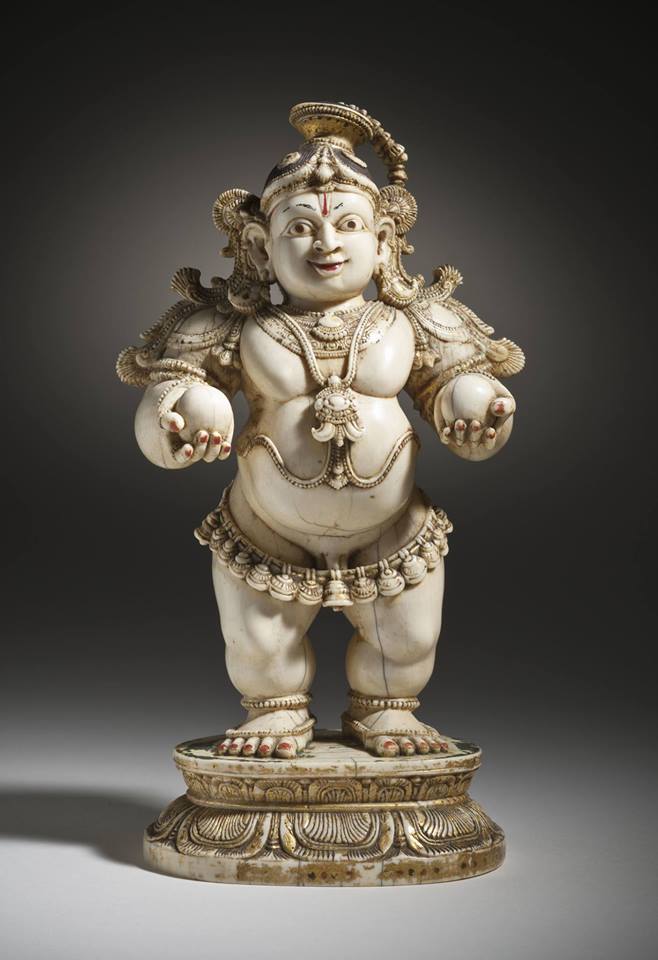
Ivory Krishna

Research article Written  by London Swaminathan         

Post No.7544

Date uploaded in London – – 6 February 2020

Contact – swami_48@yahoo.com

Pictures are taken from various sources for spreading knowledge; this is a non- commercial blog.

Great Exodus -Yadavas Migration to Gujarat from UttarPradesh

There is a very interesting historical anecdote in Puranas and Harivamsa which is an annexure to Mahabharata. This is a major event in Indian history which is ignored by many, probably to keep the good name of Lord Krishna. This happened 5000 years before our time and 2000 years before Moses who is associated with the Biblical Exodus. tamilandvedas.com, swamiindology.blogspot.com

Why did Krishna run away from Mathura to Dwaraka with his group ?

Why did all the Yadavas travelled 800 miles with all the beds and boxes to go to Dwaraka?

Who is Kala Yavana , the Black Greek, who attacked Lord Krishna along with Jarasandha?

How come Krishnan shuttled between Dwaraka and Mathura, a distance of 1291 kilometres, 800 miles in ancient times?

Was there a Bullet train or a Helicopter?

The answer for all these questions is in amazing Harivamsa, part of Mahabharata. tamilandvedas.com, swamiindology.blogspot.com

In addition to the answers there is a very interesting Ant and Snake anecdote.

Xxx

Exodus forms the second chapter in the Old Testament of the Bible. It describes the exodus of Jews under the leadership of Moses from Egypt to Israel. Jews were delivered from slavery. Though there is no historical or archaeological proof for Moses until this day three great Semitic religions believe in him. The Exodus was written around sixth century BCE .There are two striking similarities between the Bible and the Bhagavata. Bhagavata is the life story of Lord Krishna. Like Red Sea divided into two parts and gave a safe way to Moses, river Yamuna separated into two parts during very heavy rains and floods to give a safe exit to Vasudev who carried child Krishna in a basket.

Another striking similarity is the great exodus of Yadavas from Mathura in Uttar Pradesh to Dwaraka in Gujarat. It may be compared with Moses exit from Egypt to Israel tamilandvedas.com, swamiindology.blogspot.com

.

There are other similarities like ‘killing the first born child’ and ‘floating a child in a basket’, ‘Adam and Eve story’ and ‘parables of Upanishad and Jesus parables . Christians copied all thse stories through Greeks, who were well versed with Hindu stories. And the Greek Bible was translated into English 1600 years after death of Jesus. Let me stop there and continue with the historical EXODUS incident.

From Harivamsa

“Kala Yavana came with a big force to attack Mathura. He was the son of Gargya Rishi. Since Yavana king had no issues when he died, Kala Yavana became king.

Hearing of the approach of huge army, Vasudeva, the leader of the Vrshnis and Andhakas addressed his kinsmen saying,

Great is the calamity that has befallen descendants of the Vrshni and Andhaka races. For this enemy is unslayable by us on account of the boon conferred on him by the holder of the trident (Lord Shiva). I employed all other means as conciliation etc to win him over. But he wishes for battle worked up with pride. ‘I am to live here’, this Narada said to me. I too tell you this. The emperor Jarasandha is not forgiving towards us; and the other kings too, assailed by the Vrshni discus and on account of the destruction of Kamsa, have been displeased with us and sought refuge with the Magadha king. Under the protection of Jarasandha they want to obstruct us and many kinsmen of the Yadavas were slain by them. What more we will never acquire prosperity if we live in the city. tamilandvedas.com, swamiindology.blogspot.com

Saying this, and desirous of retreating Keshava, sent an envoy to the  king of Yavanas. In order to terrorise the Yavana king the highly intelligent Krishna . put a deadly poisonous snake in a pot and sealed it. It looked very black like the collyrium. He then sent it to the Yavana king through his own emissary. He told the emissary to tell the Yavana king Krishna is like this black serpent. The emissary showed the pot with the serpent to Kala Yavana and said Krishna sent this. Kala Yavana undetood that Krishna is threatening him. He placed ants into the pot and filled it. The innumerable ants with sharp beaks ate the snake completely. He sent it back to Krishna. This baffled Krishna. He left Mathura and went to Dwaraka with his people. When Yadavas settled there, he went all alone to Mathura to confront Kala Yavana. When the waiting Kala Yavana  pursued Krishna he could not catch him. Krishna did all these things with a purpose.

Narada told him a secret about one king called Muchukunda, son of Mandhata. He prayed for long and peaceful sleep and the god also gave him that boon. He also asked another boon that whoever wakes him from sleep must be burnt alive by his look. Having learnt all this from Narada, Krishna slowly entered the cave where Muchukunda was sleeping. Without disturbing him, Krishna sat near his head. Kala Yavana, who pursued Krishna also entered the cave and Muchukunda looked at him when Kala Yavana touched his feet. He was burnt like an insect falling in to fire. Then Krishna told Muchukunda all that happened during his sleep” tamilandvedas.com, swamiindology.blogspot.com

.

This story is in Hari vamsa ;in another place it was told that the emissary should be sent by an aerial car it is told as a passing remark. So we can conclude that aerial cars or helicopters were used by kings on special occasions.

This Yadava exodus must have taken place just before Mahabharata war. We know that after the war, Krishna was killed by a hunter and Yadavas fought among themselves and Dwaraka went under the sea in a Tsunami. It is proved by submarine excavations. We may safely conclude it happened before 3102 BCE. tamilandvedas.com, swamiindology.blogspot.com

tags- Kala Yavana, Gargya, Exodus, Dwaraka, Mathura, Yadavas, Migration

—subham–

எவரெஸ்ட் சிகரத்தில் 100 சடலங்கள் (Post No.7543)

Written  by London Swaminathan         

Post No.7543

Date uploaded in London – – 6 February 2020

Contact – swami_48@yahoo.com

Pictures are taken from various sources for spreading knowledge; this is a non- commercial blog.

கடந்த 67 ஆண்டுகளில் 300 பேர் எவரெஸ்ட் சிகரம் ஏறும்  பாதைகளில் இறந்து போயினர். இதில் 100 பேருடைய சடலங்கள் இன்று வரை கிடைத்தில என்றும் இது நேபாள அரசுக்கு கவலை தருகிறது என்றும் 2019 ம்  ஆண்டு மே மாதம் வெளியான நியூயார்க் டைம்ஸ் பத்திரிகைக்  கட்டுரை கூறுகிறது. இப் போது இமயப்பனி , புவி வெப்பம் காரணமாக வேகமாக உருகத் துவங்கியதால் பல சடலங்கள் வெளிப்படலாம். ஒரு ஷெர்பா, தான் போகும் வழியில் மூன்று சடலங்களைக் கண்டதாகப் பேட்டி கொடுத்துள்ளார். நான் 1992ல் தினமணி கதிரில் எழுதிய கட்டுரையில் ஒரு சடலமும் அருகில் ஒரு டயரி (Diary) யும் கண்டு எடுக்கப்பட்டது  பற்றி எழுதினேன். அக்கட்டுரையை இத்துடன் இணைத்துள்ளேன்.

Tags எவரெஸ்ட், டயரி, டைரி, சடலங்கள்

அடங்காதவரை அடக்குவது எப்படி? (Post No.7542)

Written  by London Swaminathan         

Post No.7542

Date uploaded in London – – 6 February 2020

Contact – swami_48@yahoo.com

Pictures are taken from various sources for spreading knowledge; this is a non- commercial blog.

அறப்பளிச்சுர சதகத்தில் 100 அருமையான பாடல்கள் உள . அதில் ஒரு பாடல், எதை அல்லது யாரை எப்படி அடக்கலாம் என்று உரைக்கிறது.

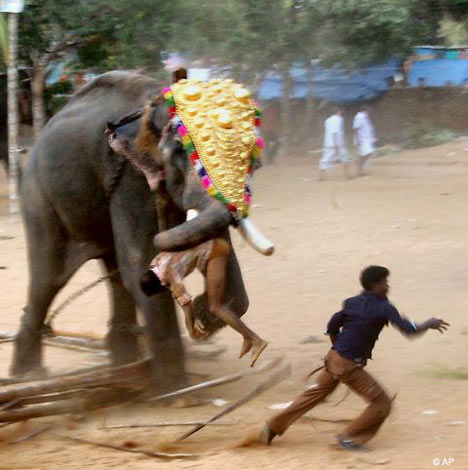
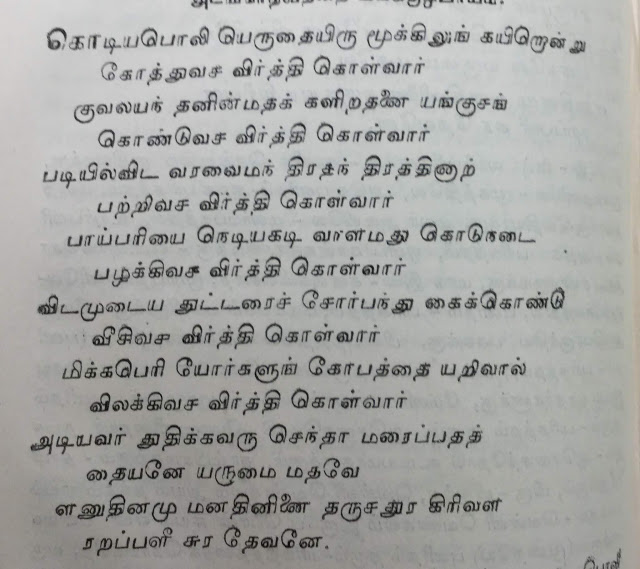
கொடிய , வலிய எருதாக இருந்தால் மூக்கில் கயிறு கட்டி அடக்கிவிடலாம்.  மதம் பிடித்த பெரிய யானையை அங்குசம் என்னும் ஆயுதத்தால் குத்தி வசப்படுத்தலாம்.

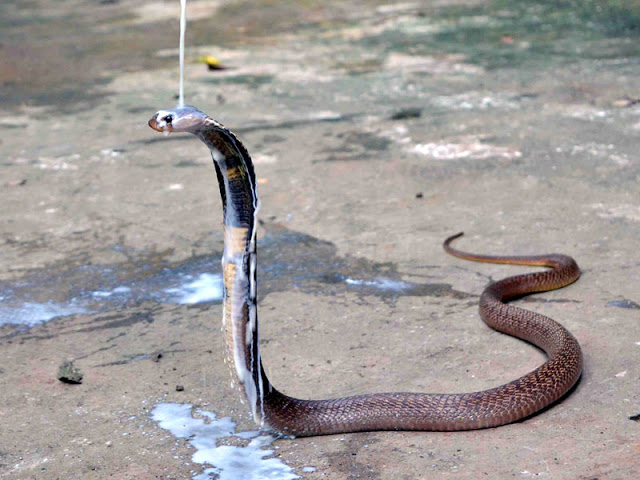
விஷப் பாம்பாக இருந்தால் மந்திரத்தால் அதை அடக்கிவிடலாம் . பாய்ந்து செல்லும் குதிரையாக இருந்தால் கடிவாளம் போட்டுக் கட்டுப்படுத்தலாம்.

விஷம் போன்ற மனத்தைக்கொண்ட கெட்டவர்களைச்  சவுக்கால் அடித்து வசப்படுத்தலாம். அறிஞர்களாக இருந்தால் கோபத்தை நல்ல சிந்தனையால், அறிவால் கட்டுப்படுத்தலாம்.

அடியார்கள் துதித்த மாத்திரத்தில் அருள்புரிய ஓடிவரும் அறப்பளீச்சுரனே, தாமரைப் பாதங்கள் உடையவனே ,சதுரகிரி மலையில் உறைவோனே !

சொற்களின் பொருள் — களிறு – யானை , அரவு- பாம்பு, பரி – குதிரை, வசவிர்த்தி- வசப்படுத்தல், சோர்பந்து – கொறடா , சவுக்கு.

துட்டன்-துஷ்டன்- கெட்டவன் , குவலயம் – உலகம், மதவேள் – மன்மதன் போல அழகுடைய.

அறப்பளீச்சுர சதகம்

அம்பலவாணக்  கவிராயர் பாடிய இந்த நூறு பாடல்களும் கொல்லி மலையில் உள்ள அறப்பளீஸ்வரர் என்ற சிவபெருமானை நோக்கிப் பாடியதாகும். அந்த மலை, சதுர கிரி என்று அழைக்கப்படும். மதுரைக்குப் பக்கத்திலும் ஒரு சதுரகிரி உள்ளது . அது வேறு ; இது வேறு

tags – அடங்காதவர், அடக்குவது , எருது, யானை, அரவு

–subham-

விபூதியின் மஹிமை! – 1 (Post No.7541)

Vibhuti Valluvar

Written  by S Nagarajan             

Post No.7541

Date uploaded in London – – 6 February 2020

Contact – swami_48@yahoo.com

Pictures are taken from various sources for spreading knowledge; this is a non- commercial blog.

ச.நாகராஜன்

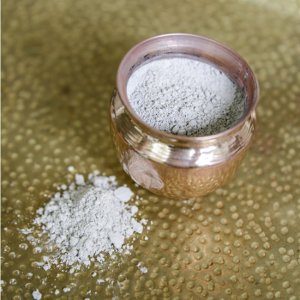
விபூதி எனப்படும் திருநீறு சைவர்கள் தரிக்க வேண்டிய முக்கியமான ஒன்று.

“ஒரு நாளாவது ஒருவன் பஸ்மத்தைத் தரிப்பானாயின் அவனுக்குண்டாகும் புண்ணியபலத்தைச் சொல்கிறேன், கேட்பாயாக : என்னவெனில் அவ்ன் மகாபாதகங்களைச் செய்திருப்பின் அவைகளும் வேறு பாதகங்களும் நசித்துப் போய்விடும். இது சத்தியம்! சத்தியம்!! சந்தேகமில்லை”

என்று இப்படி நாராயணர், நாரதரிடம் கூறிய் ஆச்சரியகரமான உரை தேவி பாகவதத்தில் இடம் பெறுகிறது.

தேவி பாகவதம், பதினொன்றாம் ஸ்கந்தத்தில் 11ஆம் அத்தியாயம் மூவகை பஸ்மம் பற்றி விளக்குகிறது.

12,13,14 ஆகிய அத்தியாயங்கள் பஸ்ம மகிமையை மிக விரிவாக விளக்குகின்றன.

15ஆம் அத்தியாயம் பஸ்மம் தரிக்கும் முறைகள் பற்றிய விளக்கத்தை அளிக்கிறது.

ஸ்கந்தபுராணமோ சூத சம்ஹிதையில் யக்ஞ வைபவ காண்டத்தில் (29ஆம் அத்தியாயம்) திருநீற்றின் மகிமை பற்றிக் கூறுகிறது.

அதை இங்கு சுருக்கமாகக் காண்போம்:

மஹாபஸ்மம், பஸ்மம் என்று விபூதி இரு வகைப் படுகிறது.

பாவங்களை எல்லாம் நாசம் பண்ணுவதால் அதற்குப் பஸ்மம் என்று பெயர்.

ஞானத்தைக் கொடுத்து மஹாபாவங்களை எல்லாம் நாசப்படுத்துவதால் சிவபெருமானே மஹாபஸ்மம் எனப்படுவார்.

அந்த மஹாபஸ்ம சொருபத்தை அடைந்தவர்களுக்கு தவம் முதலியவற்றினால் யாதொரு பயனும் இல்லை.

மஹாபஸ்ம சொரூபம் விளங்கப் பெற்றவன் சிவனே ஆவான்.

மஹா பஸ்ம ஞானம் அடைவதையே பெரும் பயன் என்று வேதம் முதலிய நூல்கள் கூறுகின்றன.

சிரௌதம், ஸ்மார்த்தம், லௌகிகம் என்று  பஸ்மம் மூன்று வகைப்படும்.

இதில் சிரௌதம், ஸ்மார்த்தம் ஆகிய இரண்டும் அந்தணர்களுக்கே உரியன.

லௌகிகம் மற்ற எல்லோருக்கும் ஆகும்.

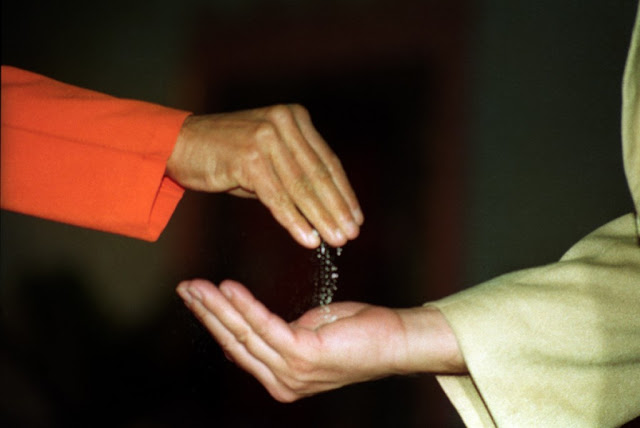
ஜாபாலோபநிஷத் மந்திரங்களினால் உத்தூளனம் செய்து கொண்டு, பஞ்சபிரம மந்திரங்களால் நீர் விட்டுக் குழைத்துத் திரிபுண்டரம் தரித்துக் கொள்ள வேண்டும்.

மேதாவி முதலிய மந்திரங்களால் பிரம்மச்சாரி அணிய வேண்டும்.

சந்யாசி பிரணவ மந்திரத்தால் (ஓம்) அணிவது தகுதி.

மந்திரங்களுக்கு அதிகாரமில்லாதவன் மந்திரம் இல்லாமலேயே தரித்தல் வேண்டும்.

விபூதியை உத்தூளனமாகவும் திரிபுண்டரமாகவும் தரித்தல் ஞானாங்கமாகும் என்று வேதங்கள் சொல்லும்.

பாசுபத விரதத்தை அனுஷ்டிப்பவன் மெய்ஞானத்தை அடைந்தவனாவான் என கைவல்ய உபநிடதம் கூறுகிறது.

முக்தியை விரும்புவபவர்கள் விபூதியை எப்போதும் தரிக்க வேண்டும்.

உயிரைக் காப்பாற்றல், சுபம், ஸ்நானம், தானம், தவம், யாகம் எல்லாம் திருநீறு என்று வேதங்கள் கூறுகின்றன.

திருமால், பிரமன்,இந்திரன், தேவர்கள்,இலட்சுமி, சரஸ்வதி, இந்திராணி, அரம்பையர்கள், யட்சர், கந்தர்வர், ராக்ஷஸர், அசுரர், முனிவர்கள் ஆகிய இவர்களில் விபூதியை உத்தூளனமாகவும் திரிபுண்டரமாகவும் தரியாதவர் யார்?

திருநீறு அணியாதவர்க்கு ஞானமில்லை.

அவர்கள் கோடி ஜன்மம் எடுத்தாலும் சம்ஸார பந்தம் ஒழியார்; பாவிகள் ஆவார்! நரகத்தில் வீழ்ந்து வருந்துவர்.

வர்ணாசிரம தர்மம் தரும் பலனையும் அவர்கள் அடைய மாட்டார்கள். அவர்கள் செய்யும் புண்ணியமும் பாவமாகும்.

பல ஜன்மங்களிலும் பாவம் செய்தவர்களுக்கு விபூதியில் வெறுப்பு உண்டாகும்.

paramam pavitram Bhaba Vibhutim

விபூதியை விரும்பாதவர்கள் அனைவரும் மஹாபாவிகள் என்று

தெரிந்து கொள்ள வேண்டும்.

திருநீற்றின் மகிமையை ஒருவராலும் சொல்ல முடியாது.

இப்படி ஸ்காந்த புராணம் அழுத்தமான வார்த்தைகளால் விபூதி அணிவதன் அவசியத்தையும் அதன் மகிமையையும் விளக்குகிறது.

அடுத்து தேவி பாகவம் கூறும் மகிமைகளைச் சற்றுப் பார்ப்போம்.

  • தொடரும்

****

Vasantasena , Noble Courtesan’s love affair with ‘Brahmana Merchant’! (Post No.7540)

Written  by London Swaminathan               

Post No.7540

Date uploaded in London – – 5 February 2020

Contact – swami_48@yahoo.com

Pictures are taken from various sources for spreading knowledge; this is a non- commercial blog.

That magnanimity is no close preserve of birth and lineage, and that a debasing environment is no impediment to what is intrinsically noble, is patent in the character of Vasantasena , presented by Bhaasa  in

‘Daridra –Charudatta’ and by Shudraka  in

‘Mrichhakatika’ . It has got to be recognised  also that the lure of conventional romance and the profusion of seductive love accessories on the lines of the Kamasutra , as presented in the Mrichhakatika, serve not to demoralize the real woman in her, and in spite of her  ignoble birth she gets united at last to her lover

Charudatta, who is by birth a Brahmana , but by profession a merchant now reduced to poverty.

The high position of the courtesan is recognised not merely in the Kamasutra but also in the Artha-shastra ; and in classical Sanskrit convention  these are not mean forces to reckon with.

In spite of the mean and vulgar machinations of  brutal

Shakara , Vasantasena has the satisfaction to see  that her love for the brahmana  merchant, which is based on intrinsic merit , is appreciated and validated.   The depositing of her ornament casket with her lover almost at the first introduction, her sincere and heart felt inclination to religious performances , her liberality, which is evinced by her granting ransom to her chief attendant maid, her pleasure in giving full play to  the motherly instinct , her reverential reference to Charudatta’s wife  and the cheerful way of meeting her privations to the point of  being almost beaten to death are but clear evidences of  her totally uncourtesan like leanings.

To her maid’s query whether she was after a prince or a potentate, she gives an emphatic reply:

“My girl, it is a question of loving , not applying the trade of a courtesan”. Charudatta’s boy, who plays with a Little Earthern Toy Cart (this is the title of the play)  and seems to be depressed because his playmates of the  merchant  square play with the golden carts , she consoles him by saying : “Don’t worry, my child, you shall have a golden cart to play with”.

When the boy’s attendant maid introduces Vasantasena as his mother, he is not reconciled, but utters  knowingly,

“You are not telling me the truth. If she were my mother, she would not have such beautiful jewels”.

To this  Vasantasena says ,

“Child, your naïve lips utter cruel words …. There now I am your mother . Take these ornaments and make a golden cart for you.”  She has seen many sordid things in life, but her mind is not debased. In spite of her vile associations, her mind was not defiled; but rather, as the hero puts it, ‘she is worthy of the homage that one accords to a goddess’. In her, discrimination and passion are well balanced, discrimination leading to modesty and passion to steadfastness in affection.

My comments

We have beautiful dramas written in Sanskrit by Bhasa, Kalidasa, Visakadatta and Shudraka which were staged at least 1600 years before Shakespeare. Each one has many beautiful characters who will beat Shakespeare’s characters.

The society described in those drams is entirely different from what we read in Manu Smriti and other Smritis (Hindu Law books. Even Mahabharata has characters like Dharma vyadha and Ramayana, a Valmiki. If these dramas are from 3rd century BCE (Bhasa’s 13 plays), then we can’t place Manu nearer to that period. Either the anti- Shudra remarks are interpolations or later additions .

Another thing is a Brahmin merchant it is like hot ice cream. And that Brahmin merchant was loved by a courtesan of ignoble birth. This is a picture from Shudraka of second century CE (Mrchhakatika- Little clay Cart).

Though I have not read the drama in its Sanskrit original, I have read its Tamil translation by Pandithamani Kathiresan Chettiyar. It was prescribed for Tamil language paper in Undergraduate Studies in Madurai University. It is a drama touching various facets of society. I place Kalidasa’s three dramas on the basis of his 200 out of 1500 similes found in Sangam Tamil literature (See my 20 plus research articles in this blog). Even if scholars don’t agree with me, Bhasa’s 13 plays are definitely before Kalidasa.

If we put all these plays together and study the society, it will show a liberal society with catholic outlook. If we add the society as wee see in Sangam Tamil literature and Buddhist Jataka Tales we will have more support for the liberal views. Kabila, the Brahmin poet who contributed over 200 poems to the 2500 poem Sangam corpus, goes to a chieftain and introduces himself “I, the brahmin, have brought these daughters; marry them”. But those two are not his own daughters, but the daughters of his beloved friend and the great philanthropist Pari, who was a kshatriya ruler. So we see a society with catholic outlook from Kanyakumari to Kashmir.

 The above write up about Vasantasena is taken from ‘Great women of India’ published in 1953 by the Advaita Ashrama; those who have read the dramas on Vasanta sena only can appreciate this critical review. It must be made compulsory to study the ancient dramas at school level and college level. If we do it before we study Shakespeare it will make us proud. An ocean of drama literature is in Sanskrit up to 18th century. Almost a continuous production of dramas for 2000 plus years. Unfortunately, we lost all ancient Tamil dramas.

tags – Vasantasena, Charudatta, Love, Courtesan ,

xxx

My old articles

tamilandvedas.com › 2014/05/19 › 133-beautiful-quotations-of-bhasa…


133 Beautiful Quotations of Bhasa – Part 2 | Tamil and Vedas

  1.  
  2.  

19 May 2014 – Vasantasena in Charudatta drama. GOOD & BAD PEOPLE 115.Don’t grind what is already ground. 116.Discharge your duties as if death …

tamilandvedas.com › 2020/01/07 › a-courtesan-became-the-queen-of-…


A COURTESAN BECAME THE QUEEN OF MADURAI (Post …

  1.  

7 Jan 2020 – SHE WAS A COURTESAN FROM TIRUVELLORE NEAR CHENNAI. HERE IS HER INTERESTING STORY. … Tamil and Vedas … A lampoon by a contemporary writer Chnna Venkanna, throws some light on Mangamma’s life.

tamilandvedas.com › tag › goldsmiths

tamilandvedas.com › tag › goldsmiths


Goldsmiths | Tamil and Vedas

  1.  

15 Apr 2017 – Silappadikaram, the Tamil epic, is the story about Kannaki and … He advised the mighty king Cheran Senguttuvan about the good things in life (Dharma). … and courtesan Matavi, the mighty lord of the Cheras, asked Matalan:.

tamilandvedas.com › 2018/06/07 › sea-is-a-channel…


‘SEA IS A CHANNEL, EARTH IS A COURTYARD’ FOR INDIANS

  1.  

7 Jun 2018 – Mricakatika of Sudraka (second century CE) describes the eight courtyard building of courtesan Vasantasena. There is a beautiful description …

சடலங்களை உண்ண கழுகுகள் தேவை !! (Post No.7539)

Written  by London Swaminathan               

Post No.7539

Date uploaded in London – – 5 February 2020

Contact – swami_48@yahoo.com

Pictures are taken from various sources for spreading knowledge; this is a non- commercial blog.

நான் தினமணிக் கதிரில் 1992ம் ஆண்டு டிசம்பரில் பார்சி மத மக்கள், இறந்த பின்னர் சடலங்களை  கழுகுகளுக்கு இரை யாகப் போடுவது பற்றி எழுதிய கட்டுரை இது. மொத்தத்தில் அவர்கள் எண்ணிக்கையில் மிகவும் குறைவு என்பதால் இது பெரிய பிரச்சனையாக உருவெடுக்கவில்லை.

Tags  -சடலங்கள், கழுகுகள், பார்சி, பம்பாய்

வேப்பமரம் பற்றி சுவையான செய்திகள் (Post No.7538)

Written  by London Swaminathan               

Post No.7538

Date uploaded in London – – 5 February 2020

Contact – swami_48@yahoo.com

Pictures are taken from various sources for spreading knowledge; this is a non- commercial blog.

tamilandvedas.com › tag › வேப்ப-மரம்

வேப்ப மரம் | Tamil and Vedas

  1.  

16 Oct 2015 – எச்சரிக்கை: இது மருத்துவக் கட்டுரை அல்ல;. ஆன்மீகக் கட்டுரை!!! Compiled by london swaminathan. Post No.2248. Date: 16 October 2015. Time uploaded in London: 13-26.

tamilandvedas.com › tag › அஸ்வத்த

அஸ்வத்த | Tamil and Vedas

  1.  

வேத காலத்தில் பிப்பலாடன் (அரச மரம்) என்ற பெயரில் ரிஷி முனிவர்கள் … நாகை மாவட்டம் திருவாவடுதுறையில் உள்ள வேப்ப மரம் ஒன்றின் …

tamilandvedas.com › tag › ஐயவி

ஐயவி | Tamil and Vedas

  1.  

வேப்ப மர இலைகளை வீட்டில் சொருக வேண்டும். 2.வெண் (ஐயவி) கடுகைப் புகைக்க வேண்டும். 3.வெண் கடுகை (ஐயவி) நெய்யுடன் கலந்து அப்ப …

tamilandvedas.com › tag › neem-tree

neem tree | Tamil and Vedas

  1.  

Bodhi Tree | Tamil and Vedas · https://tamilandvedas.com/tag/bodhi-tree/. Tamils have been using Neem (Veppa Maram in Tamil வேப்ப மரம்) for ages to stop the virus of small pox. If one takes it from young age in the prescribed …

tamilandvedas.com › tag › truth-test

swamiindology.blogspot.com › post-no2667

புளியமரத்தில் … – Swami’s Indology Blog

  1.  

27 Mar 2016 – புளியமரத்தில் பேய்கள் வசிப்பது ஏன்? ஒரு ஆராய்ச்சிக் … (for old articles go to tamilandvedas.com OR swamiindology.blogspot.com). புளியமர2. நானும் என் …

tamilandvedas.com › tag › பேய்கள்-பற்…

பேய்கள் பற்றி | Tamil and Vedas

  1.  

புளிய மரத்துக்கும் பேய்க்கும் என்ன சம்பந்தம் என்று ஆராயப் புகுந்தபோது புளியமரம், பேய்கள் பற்றி மேலும் சில சுவையான விஷயங்கள் …

—subham–

வயோதிகன் குமரன் ஆன விந்தைச் சம்பவம்!(Post No.7537)

Written  by S Nagarajan

Post No.7537

Date uploaded in London – – 5 February 2020

Contact – swami_48@yahoo.com

Pictures are taken from various sources for spreading knowledge; this is a non- commercial blog.

கொங்குமண்டல சதகம் பாடல் 69

வயோதிகன் குமரன் ஆன விந்தைச் சம்பவம்!

ச.நாகராஜன்

கொங்குமண்டலத்தில் உள்ள கஞ்சமலையில் ஏராளமான வியத்தகும் மூலிகைகள் உள்ளன. இவற்றில் நரை திரை போக்கி வயோதிகரை வாலிபராக்கும் மூலிகையும் ஒன்று.

தான் குமரனாக விரும்பிய வயோதிகரான மூலன் என்ற ஒரு அந்தணர் இதை அடைய விரும்பினார்.

கஞ்சமலையின் உள்ள கருங்காட்டினுள் சென்று மூலிகையை தேடலாம்  என்று நினைத்த அவர் தன் மாணாக்கனிடம் சொல்லி விட்டுக் கிளம்பினார்.

அவர் வெளியே சென்ற சமயம் அவரது மாணாக்கன் உலையில் இருந்த சோறை ஒரு கருநெல்லிக் கோலால் கிளறினான். குச்சி கறுப்பாக இருந்ததால் உலையில் இருந்த சோறு அனைத்தும் கறுப்பாயிற்று. சமைத்த சாதம் இப்படிக் கறுப்பாகி விட்டதே, குரு வந்தால் கோபிப்பாரே என்று சீடன் பயந்தான்.

நிறம் மாறிய அன்னத்தைத் தானே சாப்பிட்டு விட்டு வேறு புதிதாக அன்னத்தைச் சமைத்து வைத்தான்.

அந்த கறுப்பு அன்னத்தைப் புசித்ததால் சீடன் நரை திரை நீங்கி இளமை எய்தினான்.

தனது குருவுக்குப் பயந்து அவன் ஒளிந்து கொண்டான்.

மலை மீதிலிருந்து இறங்கி வந்த மூலன் தன் சீடன் எங்கே என்று தேடி, உரக்கக் கூவினான். நீ எங்கே இருக்கிறாய் என்ற குருவின் குரலைக் கேட்ட சீடன் அவர் முன்னே வந்து நின்றான். அவன் யார் என்று தெரியாத குரு அவனை யார் என்று கேட்க அவனோ நான் தான் உங்கள் சீடன் என்று சொல்ல அவர் வியந்து போனார்.

எப்படி இப்படி ஆனாய் என்று அவர் கேட்க சமைத்த சாதம் கறுப்பான சம்பவத்தைக் கூறினான்.

அந்தக் குச்சி எங்கே என்று கேட்டார் குரு.

அதை முறித்து அடுப்பில் வைத்து எரித்து விட்டேன் என்றான் சீடன்.

ஒரு கணம் திகைத்துப் போனார் குரு.

பின்னர் ஒரு யோசனை செய்தார். அவன் வாயில் விரலை விட்டு அவன் உண்ட சாதத்தைக் கக்க வைத்தார். அதைத் தான் எடுத்து உண்டார்.

அவரும் வாலிபர் ஆனார்.

இந்த அரிய சம்பவத்தைக் கொங்கு மண்டல சதகம் தன் 69வது பாடலில் கூறிப் போற்றுகிறது.

பாடல் இதோ:

உலையி லமுது படைத்துண்டு சீட னொளித்திருப்பத்

தலையின் மயிருங் கருக்கக் கண் டேயவன் சற்குருவும்

நிலையுடன் கக்குவித் துண்டடைந்த் தானன் னெறியிற் கஞ்சமலையி லதிசயங் கண்டது வுங்கொங்கு மண்டலமே

இப்பாடலின் பொருள் :

உலை வைத்துச் சமைத்துச் சாப்பிட்டுத் தன் உருவம் மாறி விட்டதால் சீடனுடைய முன் உருவம் தெரியாமல் நரைதிரை நீங்கி இருக்கக் கண்ட அவனது சற்குரு, (உண்மை அறிந்து) தன் சீடன் அருந்தியிருந்த உணவைக் கக்கச் செய்து அதைத் தானும் அருந்தி குமரன் ஆனதுவும் கொங்கு மண்டலமேயாம்.

இந்த வரலாறைக் கரபுரநாதர் புராணம் கஞ்சமலைச் சருக்கத்தில் இப்படி விவரிக்கிறது:

கரபுரநாதர் புராணம்

அந்தமா ணாக்கன் றன்னை யடுகைநீ செய்யென் றோதி

புந்தியின் மருந்து தேடிப் போயின னயலிற் சீட

னுய்ந்திடக் கருநெல் லிக்கொம் பொன்றினா வனந் துழாவ

வெந்தனங் கரிபோ லாக வெருவியன் னத்தை யுண்டான்

நரைதிரை மாறி மேனி நடந்தவீ  ரெட்டாண் டேபோற்

புரையிலா வழகு பெற்றுப் புடமிடு பொன்போ லானான்.

துழாவிய கொம்பெங் கென்றான் சுல்லியிற் போட்டே னென்ன

வழாதுநீ யுண்ட சோற்றை வாயினிற் கக்கென் றோத

விழாத சோ றதனைக் கக்க மிச்சிலைக் குருவு முண்டான்

றொழாரெவ ரிவர்க டம்ப்பைச் சுந்தரப் பால ரானார்

  • கஞ்சமலைச் சருக்கம்

இப்படிப்பட்ட அரிய மூலிகைகள் இருப்பது பற்றி வியத்தகும் நல்ல பாடல்கள் மூலமாக அல்லவோ அறிய முடிகிற!

***