Neem Tree Wonders (Post No.7536)

Written  by London Swaminathan               

Post No.7536

Date uploaded in London – – 4 February 2020

Contact – swami_48@yahoo.com

Pictures are taken from various sources for spreading knowledge; this is a non- commercial blog.
There is an interesting anecdote about neem trees. A newly married wife was worried as her husband had to proceed on a long journey on some assignment. His wife consulted the local doctor who advised her to ask her husband to sleep under a tamarind tree during his onward journey and under a neem tree on his return journey. Tamarind will make any one sick if one sleeps under it. Sleeping under the tamarind tree made her husband sick. So without continuing his journey he returned home quickly. But he remembered to sleep under neem tree while returning. This gave him quick recovery. He was alright when he came back home. His wife was very happy. This folk tale highlights the medicinal property of the Neem trees.

But it is not just a folk tale. Two major tragedies attracted the world attention towards neem. In 1958 there was a devastating locust attack in Nigeria that wiped out every tree in the area, leaving only the neem trees untouched. And the second was the Bhopal gas tragedy in 1984 which killed over 3000 people. But the neem trees were not affected.
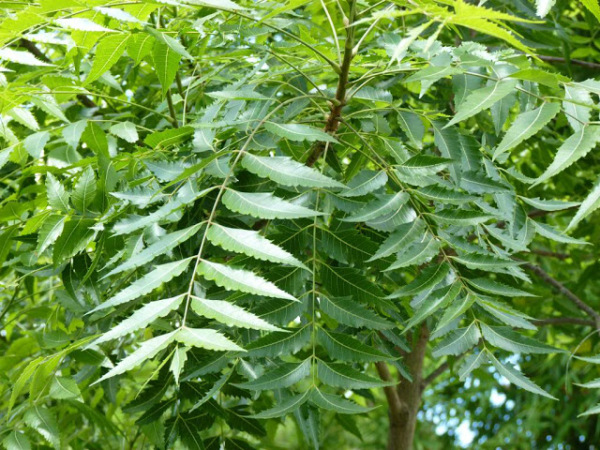
In Ayurveda books neem has been mentioned by Charaka and others.

India fought with USA for nearly fifteen years for the patent rights for neem tree and won at last.

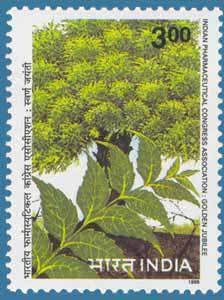
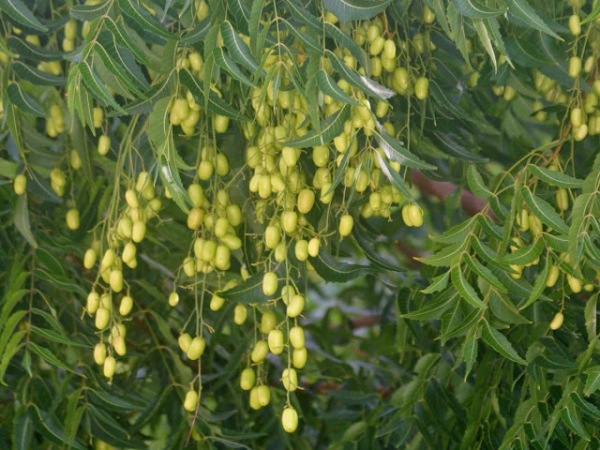
Neem’s botanical name is Azadirachta indica. Also known as Veppa or nimba in vernacular languages. It is called margosa tree.

xxx

Gudi Padwa Festival

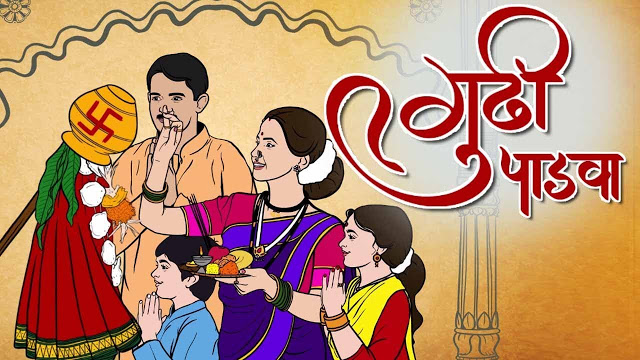
A gudi is a long pole. People of Ayodhya were very happy when Lord Rama returned to the city after 14 years in exile . They celebrated the occasion by displaying ‘gudi’ at the entrance of their houses. At the top end of the pole, a coloured silk cloth is pleated and fixed with a silver or brass pot. It is decorated with a small garland of flowers and twigs of the neem tree. Gudi padwa day is the new year day according to Shalivahana Shaka. Marathi and Konkani Hindus celebrate it. It falls on the first day of the month of Chitra. Nearer this time comes the Telugu New Year called Ugadi. First day of Chitrai month is new year day for Tamils and many other communities in India as well.
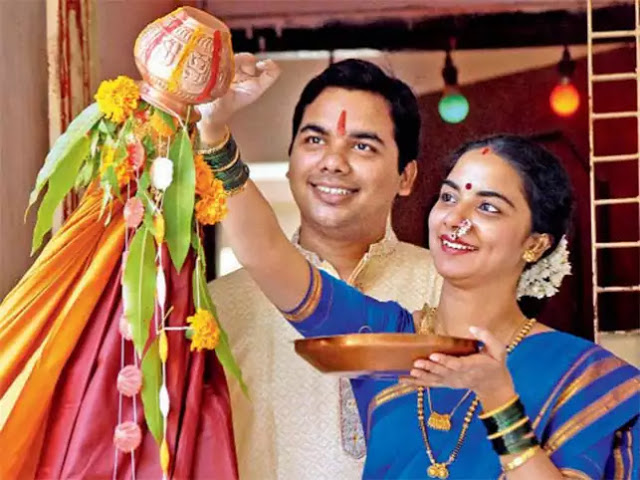
Tamils use the flowers of neem in the Payasam for the Tamil New Year Day, which is a sweet liquid made with jaggery.

Neem tree occurs in various amulets found in ancient India.

In the Buddhist Jataka Tales, it is praised as nature’s bitter boon.

In India there is a common belief that chewing fresh leaves of neem daily purifies the blood and strengthens the defence mechanism of human body. They even say that one gets immunity from even snake poison and scorpion poison.

Neem has been mentioned in Charak Samhita. All parts of the tree are used to treat internal and external ailments. It is a medicine for skin diseases. The pharmacological properties of the Neem tree are so popular in India that virtually it is playing the role of a village dispensary. They use almost every part of the tree in one way or other. The twigs are used as truth brushes. It has germicidal and anti -septic properties. The decoction of bark and leaves is used as febrifuge to relieve fever. The dry flowers are used in certain dishes. The leaves and bark are used to heal wounds, ulcers, jaundice and skin diseases. The fruits are used as purgative.

Xxx
The oil of the seeds is used as a medicinal hair oil and also for curing rheumatism and leprosy.

Prayer meetings by Gandhiji at Sabarmati Ashram and Sevagram were conducted under neem tree.

Cutting of these trees is a taboo as it is considered akin to killing a young girl.

In India deaths due to pesticides are very high. Neem’s pesticidal property will save many.

Source. Organiser article dated 12-6-2005 with my inputs.

My old articles on the same subject:

tamilandvedas.com › 2017/06/11 › significance-of-neem-tree-in-hind…


Significance of Neem Tree in Hinduism – Tamil and Vedas

  1.  

11 Jun 2017 – Some interesting stories about Neem trees (Margosa tree, Veppa Maram in Tamil) were compiled by Rev Osborn Martin in his book the ‘Gods …

neem tree | Tamil and Vedas

https://tamilandvedas.com/tag/neem-tree/

The sadhu instructed one of his disciples to bring a good quantity of neemleaves. These leaves are very bitter. He was asked to grind them and make Laddus …

Posted on 16 October 2015

Bodhi Tree | Tamil and Vedas

https://tamilandvedas.com/tag/bodhi-tree/

Tamils have been using Neem (Veppa Maram in Tamil வேப்ப மரம்) for ages to stop the virus of small pox. If one takes it from young age in the prescribed …

Posted on 3 October 2014

Banyan Tree and Sanatkumaras | Tamil and Vedas

https://tamilandvedas.com/tag/banyan-tree-and-sanatkumaras/

Tamils have been using Neem (Veppa Maram in Tamil வேப்ப மரம்) for ages to stop the virus of small pox. If one takes it from young age in the prescribed …

Posted 25 November 2102

Indian Wonder – The Banyan Tree – South Indian Society

http://www.sisnambalava.org.uk/…/indian-wonder-the-banyan-tree-20130318043049.aspx

18 Mar 2013 – Reand and enjoy this article about “Banyan Tree” from Mr. Santhanam Swaminathan.

Tamarind Tree | Tamil and Vedas

https://tamilandvedas.com/tag/tamarind-tree/

Tamils have been using Neem (Veppa Maram in Tamil வேப்ப மரம்) for ages to stop the virus of small pox. If one takes it from young age in the prescribed …

Posted on 26 March  2016

Magic of Trees! | Tamil and Vedas

Magic of Trees!

25 Nov 2012 – Magic of Trees! Picture shows Newton under Apple Tree. Hindu Saints composed Upanishads under the Himalayan Trees. Buddha attained …

Strange LUTA Disease in Kashmir! (Post No.3890); posted on 8 May 2017

–subham–
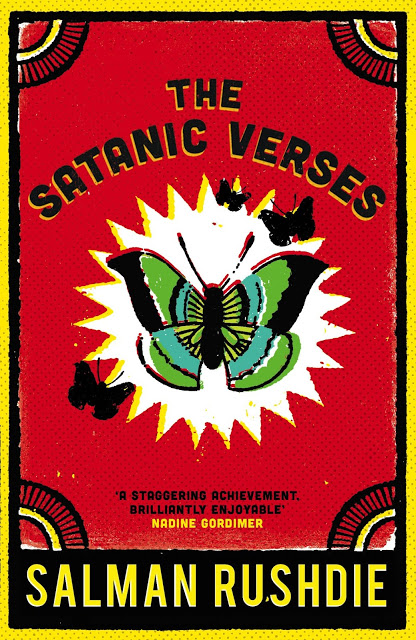
செய்தியில் அடிபட்ட புஸ்தகங்கள் (Post No.7535)

Compiled by London Swaminathan               

Post No.7535

Date uploaded in London – – 4 February 2020

Contact – swami_48@yahoo.com

Pictures are taken from various sources for spreading knowledge; this is a non- commercial blog.

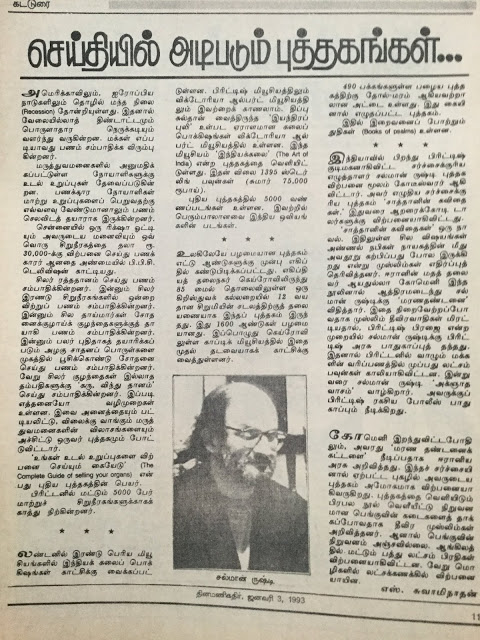
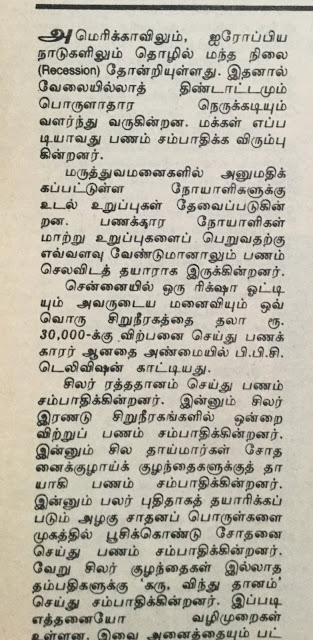
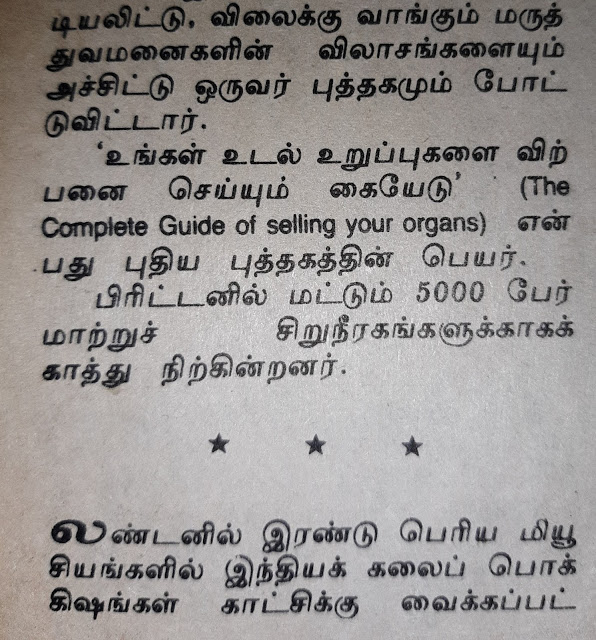
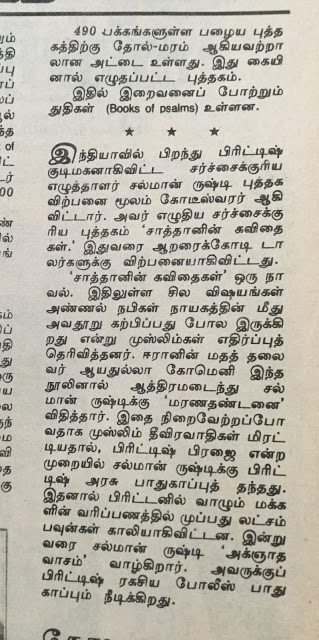
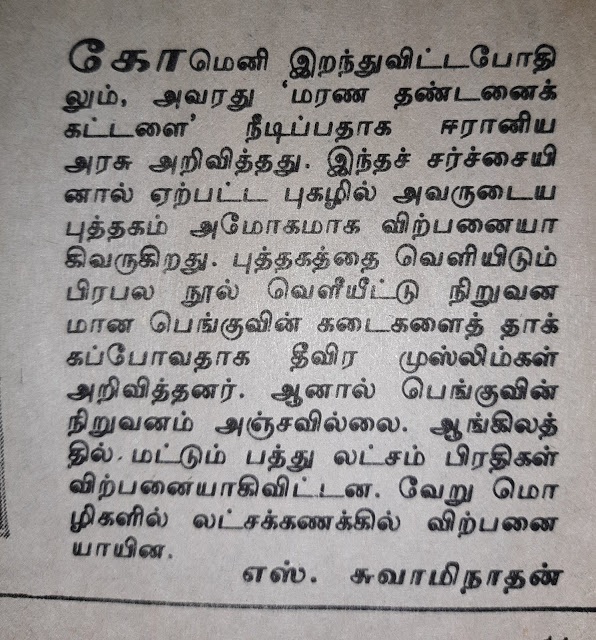
1993ம் ஆண்டு ஜனவரி 3 தேதியிட்ட தினமணி கதிரில் நான் எழுதிய செய்தியில் அடிபடும் புஸ்தகங்களை இத்துடன் இணைத்துள்ளேன். சல்மான் ருஷ்தியைப் பொறுத்தவரையில் அவர் மீதான பட்வா நீக்கப்பட்டு அவர் உயிருடன் உள்ளார். கலை ப் பொக்கிஷம் தொடர்பான புஸ்தகம் இன்றும் ‘யானை விலை குதிரை விலை’க்கு விற்கப்படுகிறது .

Latest on Salman Rushdie

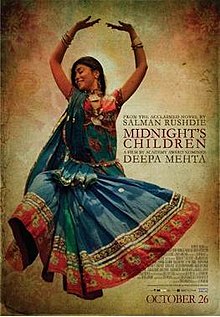
Sir Ahmed Salman Rushdie FRSL is a British Indian novelist and essayist. His second novel, Midnight’s Children, won the Booker Prize in 1981 and was deemed to be “the best novel of all winners” on two separate occasions, marking the 25th and the 40th anniversary of the prize. Wikipedia

Born19 June 1947 (age 72 years), Mumbai, India

SpousePadma Lakshmi (m. 2004–2007), 

MoviesMidnight’s ChildrenThen She Found Me,

ChildrenZafar RushdieMilan Rushdie

Tags –  பட்வா , சல்மான் ருஷ்தி, கல்லறை, புஸ்தகம், கலைப் பொக்கிஷம்

–subham–

Mega Treasure discovered in Britain (Post No.7534)

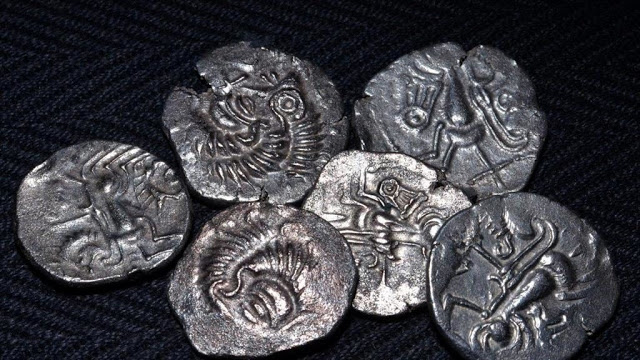
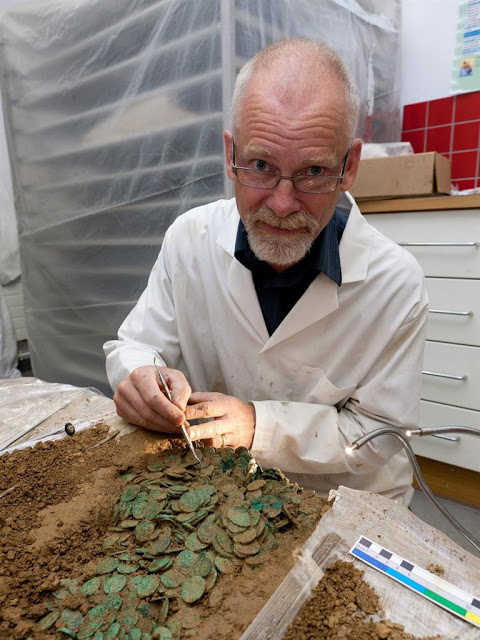
Museum curator Neil Mahrer sorting out the coins
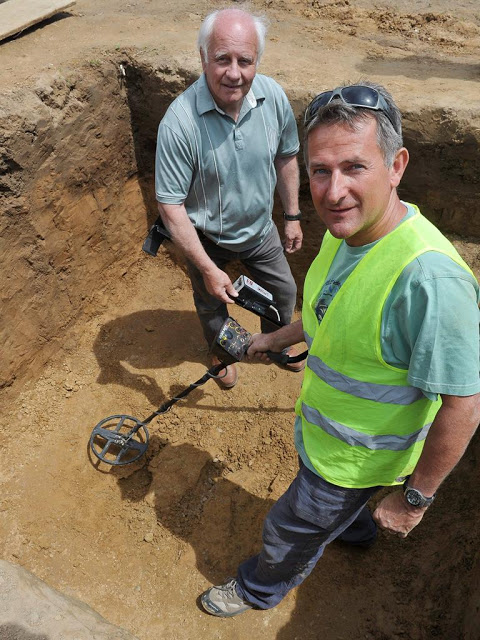
Treasure hunters Mr Mead and Mr Miles with Metal Detector

Compiled by London Swaminathan               

Post No.7534

Date uploaded in London – – 4 February 2020

Contact – swami_48@yahoo.com

Pictures are taken from various sources for spreading knowledge; this is a non- commercial blog.

Detectorists’ £10m Iron Age coin stash is UK’s biggest ever

AS COIN finds go, this one took a lot of counting… almost eight years in fact!

A hoard of 69,347 silver and gold Iron Age coins — worth £10million — has just been officially recognised by Guinness World Records as the UK’s biggest ever.

The stash, which dates from around 50BC and weighs almost 1,700lb, was unearthed by metal detectorists Reg Mead and Richard Miles on Jersey in the Channel Islands in 2012.

It was hidden under a hedge in a clay mound and also included jewellery.

The pair began their search back in the 1980s after a woman told them she had seen what looked like ‘silver buttons’ in a field.

The hoard has been declared ‘treasure’, which means it officially belongs to the Queen. But the duo are entitled to a reward — which is expected to be ‘considerable’. Some of the finds are now on display at the island’s La Hougue Bie Museum. Olga Finch, curator of archaeology for Jersey Heritage, said: ‘We are delighted that such an impressive archaeological item was discovered, examined and displayed in Jersey.

‘Once again, it puts our island in the spotlight of international research into Iron Age coinage and demonstrates the world class heritage Jersey has to offer.’

The previous Guinness record for the largest collection of ancient coins found in Britain was 54,951, near Mildenhall, Wiltshire, in 1978.

The world record is 150,000 pennies from the 13th century, found in Brussels in 1908.

Mr Mead and Mr Miles described the moment they received their official record certificates as ‘lovely’.

From Metro Newspaper dated 3-2-2020

–subham–

தேன் ஏன் கெடுவதில்லை? (Post No.7533)

Written by London Swaminathan               

Post No.7533

Date uploaded in London – – 4 February 2020

Contact – swami_48@yahoo.com

Pictures are taken from various sources for spreading knowledge; this is a non- commercial blog.

லண்டனில்  இருந்து வெளியாகும் மெட்ரோ பத்திரிகை அறிவியல் கேள்வி பதில் பகுதியில் தேன் ஏன் கெடுவதில்லை? என்ற கேள்விக்கு பதில் சொல்லகிறது.

மூடி வைக்கப்பட்ட பாண்டங்களில் தேன் (Honey) இருந்தால் பல ஆயிரம் ஆண்டுகள் ஆனாலும் கெடுவதில்லை. எகிப்திய கல்லறைகளில் தேன் கண்டுபிடிக்கப்பட்டது. அது கெடவில்லை. Written by London swaminathan, tamilandvedas.com, swamiindology.blogspot.com

தேன் கெடாமல்  இருப்பதற்குக் காரணம் தேநீக்கள் அதை செய்யும் முறையே.

தேனீக்களில் , பூக்களுக்குச் சென்று தேனை சேகரித்துக் கொண்டுவரும்  ஒரு பிரிவு (Forager Bees)  உண்டு. அவை .அதை தொழிலாளர் பிரிவு தேநீக்களிடம் (Worker Bees)  அளிக்கும்

தொழிலாளர் பிரிவு தேனீக்கள் அதை குடிக்கும்; கொப்பளிக்கும் ; இவ்வாறு பலமுறை செய்து கொண்டே இருக்கும் . இதனால் அந்தத் தேனில் உள்ள நீர்சசத்து குறைந்துவிடும். இப்படி ச்  செய்கையில் அவற்றின் வயிற்றில் உள்ள என்சைம்  தேனில் இருக்கும் குளுக்கோஸ் என்னும் சர்க்கரைச் சத்தை குளுகோனிக் அமிலமாக (Gluconic Acid)  மாற்றிவிடும் தென் இவ்வாறு அமில ச் சத்துடன் ஆக்கப்படும்போது ஹைட்ரஜன் பெராக்ஸைட் (Hydrogen Peroxide) என்ற வாயுவும் உற்பத்தியாகும் . அதுமட்டுமல்ல . தேன் அட்டைகளின் அறைகளில் தேனை வைத்து தனது  சிறகுகளால் விசிரிக் கொண்டே இருக்கும். இதனால் தண்ணீர் சத்து மேலும் ஆவியாகும் .மொத்தத்தில் அமிலத் தன்மையும் நீரின்மையும் இதைக் கெடாமல் பாத்து காக்கிறது. உணவுப் பண்டங்களைக் கெட்டுப்போக ச் செய்யும்  பாக்டீ ரியாக்கள் இந்த சூழ்நிலையில் வாழ முடியாது . ஹைட்ரஜன் பெராக் ஸைட் வாயுவுக்கும் பாக்டிரீயா (Anti bacterial)  கிருமிகளைக் கொள்ளும் சக்தி உண்டு . ஆகையால் பாட்டில்களில் அடைக்கப்பட்ட தேன் , பல ஆண்டுகள் ஆனாலும் கெடுவதில்லை . Written by London swaminathan, tamilandvedas.com, swamiindology.blogspot.com

xxx

rock honey bees

எனது கருத்து

சமணர்கள் தேன் சாப்பிடமாட்டார்கள் இவ்வளவு கஷ்டப்பட்டு தேனீக்கள் உருவாக்கும் தேன் நமக்கானதல்ல . அவைகளுக்கானதே ;மேலும் இது பிராணிகளை வதை செய்வதாகும் என்பது அவர்கள் கருத்து. இந்துக்கள் வேத காலம் முதலே மது பர்க்கம் என்ற பெயரில்  பாலையும் தேனையும் சேர்த்துக் கொடுத்து உபசரித்தனர்; பைபிளிலும் சரி, சம்ஸ்க்ருத -தமிழ் இலக்கியங்களிலும் சரி; ஒரு நாட்டின் செழிப்பை  வருணித்துச்  சொல்கையில் ‘அங்கு பாலும் தேனும் ஆறாக ஓடிற்று’ என்பர்.

ஆனால் சமணர்கள் பால் பொருட்களை பயன்படுத்துவர். கன்றுகளுக்கு எஞ்சியது போக மீதியுள்ள பாலை மட்டும் இந்துக்களும் சமணர்களும் பயன்படுத்துவர். Written by London swaminathan, tamilandvedas.com, swamiindology.blogspot.com

ஜாதிக்கொடுமை

Honey bottles in my kitchen in London.

ஜாதிகளைக் கண்டுபிடித்தது ஆரியரா திராவிடர்களா என்ற சர்சசையை வரலாற்று ஆசிரியர்கள் விவாதிப்பது உண்டு .உண்மையில் சொல்லப் போனால் அதைக் கண்டுபிடித்து இன்று வரை நடைமுறைப் படுத்துவது தேனீக்களே! ராஜா -ராணி வம்ச பரம்பரை ஆட்சிக்கும் அதுவே காரணம் போலும். தொழிலாள ர்களை வேலைக்கு வாங்கி சுக போகமாக வாழ்கிறது ராணித்  தேனி . போகட்டும் . அவைகள்  பின்பற்றும்  ஜாதிக்கொடுமைக்கு கை  மேல் கிடைத்த பலன்!! மனிதர்கள் அத்தனை தேனையும் திருடிக் குடித்து விடுகிறார்கள் ! Written by London swaminathan, tamilandvedas.com, swamiindology.blogspot.com

–subham–

புதையலோ புதையல், மஹா மஹா MEGA புதையல் (Post No.7532)

Iron Age Coins discovered in Britain

Written  by London Swaminathan               

Post No.7532

Date uploaded in London – – 4 February 2020

Contact – swami_48@yahoo.com

Pictures are taken from various sources for spreading knowledge; this is a non- commercial blog.

Treasure Hunters Mr Mead and Mr Miles

நேற்றைய தினம் (3-2-2020) பிரிட்டிஷ் பத்திரிகைகள் ஒரு சுவையான செய்தியை வெளியிட்டுள்ளன. அது பிரிட்டனின் மிகப்பெரிய புதையல் பற்றிய செய்தி .அதன் மதிப்பு பத்து மில்லியன் ஸ்டெர்லிங் பவுன்கள். இந்தியக்கணக்கில் சுமார் 100 கோடி ரூபாய். இவை இரும்புக் கால நாணயங்கள் (Iron Age Coins)

பிரிட்டனில்  புதையல் கண்டுபிடிக்கும் கருவி விலைக்கு கிடைக்கிறது. குழந்தைகளுக்கான சிறு பொம்மைக் கருவி முதல் மிகவும் சக்தி வாய்ந்த கருவி வரை யாரும் வாங்கலாம். இதை மெட்டல் டிடெக்டர் (Metal Detector) என்பர். அதாவது பூமிக்கடியில் இருக்கும் உலோகப் பொருட்களைக் கண்டுபிடித்து  ஒலி எழுப்பும்.

பிரிட்டிஷ் பத்திரிகைகளில் வாரம் தோறும் புதையல் செய்திகள் வருகின்றன. இதற்காக மாதப் பத்திரிக்கைகளும் உள . இந்தியாவிலும் நிலத்துக்கடியில் நிறைய புதையல் உளது. அதைக் கண்டு பிடிப்போர் அதன் மதிப்பு தெரியாமல் உருக்கி உலோகத்தை மட்டும், குறிப்பாக தங்கம் வெள்ளியை மட்டும் , எடுத்துக்கொள்வர். உண்மையில் அதிலுள்ள உலோகத்துக்குக் கிடைக்கும் விலையைப் போல பத்து முதல் 100 மடங்கு விலை கிடைக்கும் என்பதை பாமரர்கள் அறியார். விஷயம் தெரிந்தோர் அதை வெளிநாட்டுக்க்குக் கடத்தி விடுகின்றனர். தமிழ் நாட்டில் கண்டுபிடிக்கப்பட்ட ஒரு காதலன் காதலி ரோமானிய மோதிர உருவம் பத்திரிகைகளில் வெளியான சில தினங்களில் மாயமாய் மறைந்து விட்டது. கரூரில் அமராவதி ஆற்றில் கிடைக்கும் புதையல்கள கள்ளத் தனமாய் வெளிநாட்டுக்கு அனுப்பப்படுகின்றன. கங்கை நதியில் நவநந்தர்கள்  ( Nava Nandas of Nanda Dynasty, 5th century BCE)  தங்கக் கட்டிகளை ஒளித்து வைத்த செய்தியை சங்க புலவர்கள் 2000 ஆண்டுகளுக்கு முன்னரே பாடியுள்ளனர் . நிற்க. Written by London swaminathan, tamilandvedas.com, swamiindology.blogspot.com

பிரிட்டனில்  கண்டுபிடிக்கப்பட்ட புதையல்களில் (Treasure) இதுதான் மிகப்பெரியது என்று கின்னஸ் சாதனைப் புஸ்தகத்தில் இடம்பெற்ற இப் புதையலில் 69,347 தங்கம், வெள்ளி, இரும்பு நாணயங்கள் அடங்கும். இதன் எடை 1700 பவுண்டு.விலை மதிப்பு பத்து மில்லியன் ஸ்டெர்லிங் பவுன். இதில் பழைய காசு கி.மு. 50 காலத்தைச் சேர்ந்தது .

ரெக்  மீட்  மற்றும் ரிசர்ட்  மைல்ஸ் (Reg Mead and Richard Miles) ஆகிய இருவர் இதை 2012ல் ஒரு வேலிக்கு அடியில் களிமண் மேட்டில் கண்டுபிடித்தனர் . ஆனால் இப்போதுதான் கின்னஸ்  சாதனை நூல் இதை பெரும் புதையல் (Biggest Treasure) என்று  அறிவித்துள்ளது. புதையலை யாராவது கண்டுபிடித்தால் அது மகாராணிக்குச் சொந்தம் என்பது பிரிட்டனில் உள்ள சட்டம். ஆயினும் கண்டுபிடித்தோருக்கு ஒரு பங்கு உண்டு.

‘கழுகுக்கு மூக்கில் வேர்க்கும்’ என்பது தமிழ்ப் பழமொழி. அதுபோல புதையல் தேடுவோருக்கு கையில் அரிக்கும். யாரோ ஒரு பெண்மணி இந்தப் பொட்டலில் ஒரு வெள்ளி பித்தா னை பார்த்தேன் என்றார். உடனே இவ்விருவரும் மம்மட்டி, கோடாரி , கத்தி, கபடா , மெ ட்டல் டிடெக்டர் சஹிதம் போய் வெற்றி கண்டனர்.

curator in the museum sorting out the coins

இவை கிடைத்த இடம் சானல் ஐலண்ட்ஸ் (Channel Islands) எனப்படும் ஜெர்சி, கேர்ன்சி ஆகும்.

ஜெர்சியில் உள்ள லா ஹோ க் பை மியூசியத்தில் (La Hogue Bie Museum, Grouville, Jersey) இவை காட்சிக்கு வைக்கப்பட்டுள்ளன.

இதற்கு முன்னர் பிரிட்டனில் கண்டுபிடிக்கப்பட்ட மிகப் பெரிய புதையல் 1978ல் வில்ட்ஷைர் (Wiltshire) அருகில் கிடைத்த 54,951 நாணயங்கள் புதையல் ஆகும். Written by London swaminathan, tamilandvedas.com, swamiindology.blogspot.com

உலகில் கிடைத்த மிகப்பெரிய புதையல் 13ம் நூற்றாண்டைச் சேர்ந்த 1,50,000 பென்னி காசுகள்  புதையல் ஆகும். அவை 1908ம் ஆண்டில் பிரஸ்ஸல்ஸ் (பெல்ஜியம்) நகரில் கண்டெடுக்கப்பட்டன.

நாமும் புதையல் தேடுவோம். கிடைத்தை அழிக்காமல் , உருக்காமல்  பாதுகாப்போம் .

Written by London swaminathan, tamilandvedas.com, swamiindology.blogspot.com

Tags –  புதையல், மிகப்பெரிய, ஜெர்சி, கின்னஸ் சாதனை,

–subham–

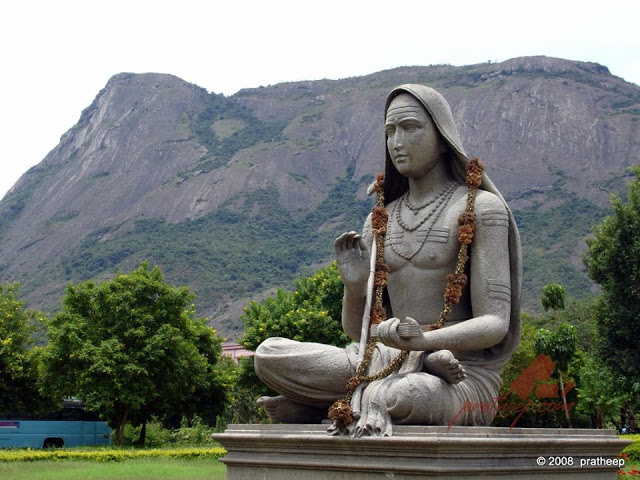
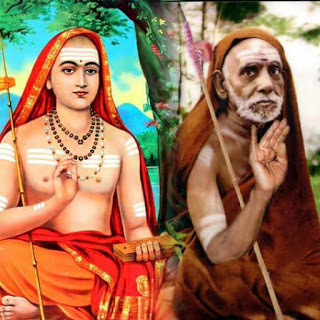
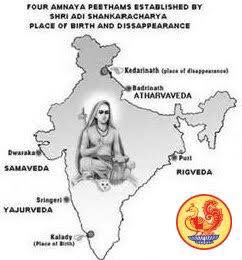
ஆதி சங்கரரின் அற்புத ஸ்துதிகள், நூல்கள்! (Post No.7531)

Written by S Nagarajan               

Post No.7531

Date uploaded in London – – 4 February 2020

Contact – swami_48@yahoo.com

Pictures are taken from various sources for spreading knowledge; this is a non- commercial blog.

ச.நாகராஜன்

காலடியில் அவதரித்து 32 ஆண்டுகளே பாரதத்தில் உலவிய பெரும் அவதார புருஷரான ஆதி சங்கரர் இயற்றிய நூல்கள் கணக்கற்றவை.

அவற்றில் உள்ள உபதேச அருளுரைகளும், உண்மைகளும் இரகசிய விளக்கங்களும் எண்ணற்றவை.

அவரது நூல் பட்டியல் இதோ:

  Bhashya Granthas:   1. Brahma Sutras 2. Isavasya Upanishad 3. Kena Upanishad 4. Katha Upanishad 5. Prasna Upanishad 6. Mundaka Upanishad 7. Mandukya Upanishad 8. Mandukya Karida 9. Aitareya Upanishad 10. Taittireeya Upanishad 11. Chhandogya Upanishad 12. Brihad Aranyaka Upanishad 13. Sree Nrisimha Taapaneeya Upanishad 14. Sreemad Bhagawad Geeta 15. Sree Vishnu Sahasranama 16. Sanat Sujateeyam 17. Lalita Tri-satee 18. Hastaamalakeeyam Compiled by S Nagarajan, tamilandvedas.com, swamiindology.blogspot.com     Prakarana Granthas: 19. Viveka Chudamani 20. Aparokshanubhooti 21. Upadesa Sahasri 22. Vaakya Vritti 23. Swaatma Niroopanam 24. Atma-bodha 25. Sarva Vedanta Sara Samgraha 26. Prabodha Sudhakaram 27. Swaatma Prakasika 28. Advaita anubhooti 29. Brahma anuchintanam 30. Prashnouttara Ratnamaalika 31. Sadachara anusandhanam 32. Yaga Taravali 33. Anatmasree Vigarhanam 34. Swaroopa anusandhanam 35. Pancheekaranam 36. Tattwa bodha 37. Prouda anubhooti 38. Brahma Jnanavali 39. Laghu Vakyavritti 40. Bhaja Govindam 41. Prapancha Saaram   Hymns and Meditation Verses: 42. Sri Ganesa Pancharatnam 43. Ganesa Bhujangam 44. Subrahmanya Bhujangam 45. Siva Bhujangam 46. Devi Bhujangam 47. Bhavani Bhujangam 48. Sree Rama Bhujangam 49. Vishnu Bhujangam 50. Sarada Bhujangam 51. Sivananda Lahari 52. Soundarya Lahari 53. Ananda Lahari 54. Sivapaadaadi kesaanta varnana 55. Siva kesaadi padaanta varnana 56. Sree Vishnu-paadaadi-kesanta 57. Uma maheswara Stotram 58. Tripurasundari Vedapada Stotram 59. Tripurasundari Manasapooja 60. Tripurasundari Ashtakam 61. Devi shashti upachara-pooja 62. Mantra matruka Pushpamaala 63. Kanakadhara Stotram 64. Annapoorna Stotram 65. Ardhanareshwara Stotram 66. Bhramanaamba Ashtakam 67. Meenakshi Stotram 68. Meenakshi Pancharatnam 69. Gouri Dasakam 70. Navaratna Malika 71. Kalyana Vrishtistavam 72. Lalitha Pancharatnam 73. Maaya Panchakam 74. Suvarna Mala Stuti 75. Dasa Sloki 76. Veda Sara Siva Stotram 77. Siva Panchaakshara Stotram 78. Sivaaparadha Kshamapana 79. Dakshinamoorthy Ashtakam 80. Dakshinamoorthy Varnamala 81. Mrutyunjaya Manasa Pooja Stotram 82. Siva Namavali Ashtakam 83. Kaala Bhairava Ashtakam 84. Shatpadee Stotram 85. Siva Panchakshara Nakshatra Mala 86. Dwadasa Ling Stotram 87. Kasi Panchakam 88. Hanumat Pancharatnam 89. Lakshmi-Nrisimha Pancharatnam 90. Lakshmi-Nrisimha Karunarasa Stotram 91. Panduranga Ashtakam 92. Achyuta Ashtakam 93. Sree Krishna Ashtakam 94. Hari Stuti 95. Govinda Ashtakam 96. Bhagavat Manasa Pooja 97. Praata Smarana Stotram 98. Jagannatha Ashtakam 99. Guruvashtakam 100. Narmada Ashtakam 101. Yamuna Ashtakam 102. Ganga Ashtakam 103. Manikarnika Ashtakam 104. Nirguna Manasa Pooja 105. Eka Sloki 106. Yati Panchakam 107. Jeevan Mukta Ananda Lahari 108. Dhanya Ashtakam 109. Upadesa (Sadhna) Panchakam 110. Sata Sloki 111. Maneesha Panchakam 112. Advaita Pancharatnam 113. Nirvana Shatakam 114. Devyaparadhakshamapana Stotram  


ஸ்வாமி சின்மயாநந்தா ஆதி சங்கரர் நூல்கள் பற்றி பவன்ஸ் ஜர்னல் இதழில் மே 1988-1989 இல் எழுதிய கட்டுரையில் 139 நூல்களின் பட்டியலைத் தருகிறார். tamilandvedas.com, swamiindology.blogspot.com   ஆதி சங்கரர் இயற்றிய நூல்களின் விளக்கத்தை ஆன்மீக சிகரத்தில் ஏறிய மகான்கள் மட்டுமே தர முடியும். இந்த வகையில் நாம் கொடுத்து வைத்தவர்கள்.   ஸ்வாமி விவேகானந்தர் தனது அருளுரைகளில் சங்கரர் பற்றிய ஏராளமான விளக்கங்களை அளித்துள்ளார்.   சமீப காலத்தில் காஞ்சி காமகோடி மஹா பெரியவாள் ஏராளமான உபதேச அருளுரைகளிலும் கட்டுரைகளிலும் ஆதி சங்கரரின் நூல்கள் பற்றிய விளக்கங்களைத் தந்து அருளியுள்ளார். கல்கி இதழில் வாரா வாரம் வெளியாகிய ஜகத்குருவின் அருளுரைகள் குறிப்பிடத் தகுந்தவை. அடுத்து ராமகிருஷ்ண மடத்தைச் சார்ந்த பல்வேறு துறவிகள் பல நூல்களில் விளக்கங்களை அளித்துள்ளனர்.   சென்னை மைலாப்பூர் ராமகிருஷ்ண மடத்து வெளியீடான சௌந்தர்ய லஹரி குறிப்பிடத்தகுந்த ஒன்று. அண்ணா எழுதிய இந்த விளக்க உரையில் பதத்திற்குப் பதம் தமிழில் அர்த்தம், இரகசியங்கள் பற்றிய விளக்கங்கள் உள்ளிட்டவை இடம் பெற்றுள்ளன.   அடுத்து ஸ்வாமி சின்மயாநந்தரின் நூல்கள் மிகத் தெளிவான விளக்க உரைகளை தந்துள்ளது. தக்ஷிணாமூர்த்தி அஷ்டகம் பற்றிப் பலரும் எழுதிய விளக்க நூல்களை எடுத்துக் கொண்டால் பல நூறு பக்கங்களில் அதிசய விளக்கங்களைக் கண்டு பிரமித்துப் போகிறோம்.   இன்னும் சிலர் ஆதி சங்கரரின் ஸ்தோத்திரங்களை மொழி பெயர்த்துத் தமிழிலும் தந்துள்ளனர். tamilandvedas.com, swamiindology.blogspot.com   தெய்வீக ஸ்தோத்திரங்களை சங்கரர் அருள்வாக்கில் இயற்றியதை அப்படியே கூற வேண்டும் என்றாலும் அர்த்தம் புரிந்து கொள்ள இந்தத் தமிழ்/ ஆங்கில மொழி பெயர்ப்புகள் உதவும் என்பதில் ஐயமில்லை. அடுத்து வரும் சில கட்டுரைகளில் ஆதி சங்கரரின் நூல்கள் பற்றிய சிறு குறிப்புரைகளைக் கண்டு மகிழலாம்.  


Tags – ஆதி சங்கரர், இயற்றிய நூல்கள், ஸ்துதிகள்,   Adi Shankara Hymns  

TARIGONDA VENGAMAMBA AND MADHURAVANI (Post No.7530)

Compiled by London Swaminathan               

Post No.7530

Date uploaded in London – – 3 February 2020

Contact – swami_48@yahoo.com

Pictures are taken from various sources for spreading knowledge; this is a non- commercial blog.

Tarigonda  Vengamamba  was a poetess from Chittoor area in Andhra region. She has dedicated all her work to deity Narasimha in Tarigonda village. She was perhaps a native of that village. She was the daughter of a Brahmana named Krishnayya;  widowed early in life , she found solace in religion and philosophy  — especially yoga — , which furnished themes for her literary compositions. She was probably born in the last quarter of the eighteenth century.

Vengamaambaa was a more prolific authoress than most of the women writers who had preceded her.  Three of her metrical works in Telugu   — the Bhagavata, the Rajayoga sara and the Venkatachala Mahatmya  – have come down to us. Though not equal in literary craftmanship to Molla or Muddupalani, her poetry is not without charm.  Her language is sweet, and her descriptions, especially of erotic subjects , are free from the excesses  which mar the compositions of others.  The popularity of Vengamamba rests more upon Rajayoga sara  than on her other works.  It serves as an introduction to the study of the Yoga philosophy, and is read with avidity by many who devote their lives  to the cultivation of the spirit.

The Nayaka queens of Thanjavur were cultured women, and some of them have made distinct contributions to Sanskrit  and Telugu literatures. The poems and dramas composed during this period mark the growth of a vigorous Southern school of Telugu literature. It certainly speaks highly of these ladies that were able to distinguish themselves in a  region which has for centuries  been the hub of the South Indian culture, and during this particular period  when it produced men of eminence .

xxx

Two consorts of Ragunatha Nayaka  (1600-30 )

Madhuravani and Ramabhadramba , both pupils of Kalayya , and one queen of Vijayaraghava (1633-73) – Ranjamma deserve mention .

Madhuravaani

Her attainments are enumerated in the introduction to Ramayana.  She was proficient in grammar and prosody  and in adept in completing ‘Samayas’ – incomplete cryptic verses –  and in Ashtaavadaana  – attending to eight things at a time –  and Shataavadaana – attending to 100 things at a time.  She was also a gifted musician, and for her skill in playing on the Vina, her loyal lover called her Madhuravaani (of sweet tone).

Vijayaraghava , the next ruler introduced her as a character in his y

Yaksha Gana – the Rahunadabhyudhayam, where she is spoken of as an ‘ashu kavitaa vaani ‘– one who can compose verses spontaneously and instantaneously.

Her Ramayana in 14 cantos purports to be a Sanskrit  rendering of Raghunatha Nayaka’s poem in Telugu, Which is now probably lost. The translation is no mean work of art; the style is simple, graceful and dignified, reminiscent of Kalidasa’s Raghuvamsa , which she  appears to have imitated successfully in many placeS.

Source book – great women of India, Advaita Ashrama, Mayavati.

–SUBHAM–

‘சூரியனும் ஒரு நட்சத்திரம்’ என்பது வேதகால முனிவர்களுக்கு தெரியும்! (Post No.7529)

RESEA

RCH ARTICLE WRITTEN BY London Swaminathan               

Post No.7529

Date uploaded in London – – 3 February 2020

Contact – swami_48@yahoo.com

Pictures are taken from various sources for spreading knowledge; this is a non- commercial blog.

Sun Chariot in Denmark

வானவியலைப் படித்தால் வியந்து கொண்டே இருப்பீர்கள். tamilandvedas.com, swamiindology.blogspot.com

TAGS –  நட்சத்திரங்கள் , சூரியன், ரிக் வேதம்,

SUBHAM

கடவுள் இருக்காண்டா குமாரு! (Post No.7528)

WRITTEN BY London Swaminathan               

Post No.7528

Date uploaded in London – – 3 February 2020

Contact – swami_48@yahoo.com

Pictures are taken from various sources for spreading knowledge; this is a non- commercial blog.

Written by London swaminathan

நான் பேஸ் புக் (FACEBOOK)  ரசிகன்; ஆனால் வாட்ஸ் அப்- (Whats up) பின் எதிரி. இருந்தபோதிலும் இவ்விரு ‘வீண் அரட்டை அரங்கங்களிலும்’ (Anti Social Media?!) பயன்படுத்தும் ‘கடவுள் இருக்காண்டா குமாரு’ என்ற வாசகம் எனக்கு மிகவும் பிடித்த கவர்ச்சிகரமான வாக்கியம் ஆகும்.

இந்தச் சொல்லாக்கத்தை யார் உருவாக்கினாரோ, அவர் வாழ்க!

தினமும் பத்திரிக்கையைத்  திறந்தால் கலிபோர்னியாவில் காட்டுத் தீ (Wild Fire)  ; மக்கள் ஓட்டம்; பலர் சாவு ; கருகிய  காட்டு மிருகங்களின் சடலங்களில் இருந்து நாற்றம்.

இன்னொரு பக்கத்தைத் திருப்பிப் பார்த்தால் ஆஸ்திரேலியாவில் வரலாறு காணாத புஷ் பயர்  (Bush Fire) – புதர்களில் காட்டுத் தீ – அரிய கங்காரு, கோவாலா கரடிகள் சாவு- லட்சக் கணக்கில் அழிந்தன. ஹெலிகாப்டரில் இருந்து அணைக்க முயன்ற தீயணைக்கும் படையினர் பரிதாப சாவு.

மனிதனுக்கே தண்ணீர் இல்லாததால் 10,000 ஒட்டகங்கள் சுட்டுக் கொலை!

xxx

இன்னொரு நாள் பத்திரிக்கையைத் திறந்தால் கோர்னோ வைரஸ் (Corona virus) – சீன நகங்களில் இருந்து மக்கள் ஓட்டம் – எங்கும் மரண ஓலம்- உலகை மரண பயம் கௌவிக் கொண்டது. உலக சுகாதார ஸ்தாபனம் எமர்ஜென்சி அறிவிப்பு.

பத்து ஆண்டுகளுக்கு முன்னர் சுனாமி (Tsunami)  பேரலைகள் எழும்பி ஒரே இரவில் பல லட்சம் உயிர்களைக் காவு கொண்டது .

இது தவிர ஆண்டு தோறும் படிக்கும் வெள்ளம், வறட்சி, பஞ்சம் பட்டினி, போக்குவரத்து விபத்துகள், பூகம்பம், எரிமலை சீற்றம் , இடி மின்னல் தாக்குதல், பாம்புக்கடி சாவுகள்!!!

இவை யாரையும் துயரத்துக்கு ஆளாக்குவதில்லை. ஏனெனில் உலகில் ஏதாவது ஒரு பகுதியில் நடந்து கொண்டே இருக்கும். நம்முடைய உணர்வுகள் மரத்துப் போய்விட்டன

புதியது என்ன?

முன்னர் போரில் (War) செத்தார்கள். இப்போது பயங்கரவாதிகளின் (Terrorists’ Bomb attacks) குண்டு வெடிப்பில் சாகிறார்கள். அதாவது மனிதன் இன்னும் மிருக மாகிவிட்டான் .

எவ்வளவு விஞ்ஞான முன்னேற்றம் இருந்தும் ஒரு எய்ட்ஸ் (AIDS) நோய்  வந்து பயமுறுத்துகிறது; ஒரு கோர்னோ வைரஸ் வந்து பயமுறுத்துகிறது. இவை அனைத்து ம் பொருளாதார தாக்கங்களையும் (Economic Impact) உண்டுபண்ணுகின்றன.

மேல் உலகத்தில் இருந்து கடவுள் நம்மைப் பார்த்து சிரித்துக் கொண்டு இருக்கிறாரோ??

கடவுள் இருக்காண்டா குமாரு.

நம்புங்கடா ! கடவுள் இருக்காண்டா குமாரு!

xxx

லோகாஸ் ஸமஸ்தோ சுகினோ பவந்து

எல்லோரும் இன்புற்றிருப்பது அன்றி யாம் ஒன்றும் அறியோம் பராபரமே !

tags – கடவுள், இருக்காண்டா,

–சுபம்–

போஜ மஹாராஜன் : கொடுத்தே சிவந்த கொடைவள்ளல்! (Post No.7527)

போஜனைப் பற்றிய அடுத்த கட்டுரை இது.

போஜ மஹாராஜன் : கொடுத்தே  சிவந்த கொடைவள்ளல்! (Post No.7527)

WRITTEN BY S NAGARAJAN            

Post No.7527

Date uploaded in London – – 3 February 2020

Contact – swami_48@yahoo.com

Pictures are taken from various sources for spreading knowledge; this is a non- commercial blog.

ச.நாகராஜன்

மாமன்னன் போஜ மஹாராஜன் அனைத்துக் கலைகளிலும் வல்லவனாக இருந்தான். சிறந்த சிவபக்தன் என்பதாலும் அனைத்து நூல்களையும் ஆராய்ந்தவன் என்பதாலும் வாழ்வின் நிலையாமையைப் பற்றி நன்கு அறிந்திருந்தான்.

அவனது அவையில் ஒரு நாள் நடந்த சமபவம் இது:

சிம்மாசனத்தில் போஜன் அமர்ந்திருக்க அருகில் இருந்த அடைப்பக்காரன் போஜனுக்கு வெற்றிலையை மடித்துக் கொடுத்தான். அதற்குள் வைக்க வேண்டிய பாக்கு மற்றும் வாசனைப் பொருள்களை அவன் எடுத்துக் கொடுப்பதற்குள் போஜன் வெற்றிலையை அப்படியே வாயில் போட்டுக் கொண்டு மென்று தின்ன ஆரம்பித்தான்.

இந்தச் செய்கையைக் கண்ட அரசவை அறிஞர்கள் சற்று வியப்படைந்தனர். அவர்களில் ஒருவர் இதற்கான காரணத்தைக் கேட்க போஜன் கூறினான்: “ மனிதன் மரணத்தின் பற்களில் எப்போதும் சிக்கி இருப்பவன். அவன் எப்போது பிறருக்குக் கொடுக்கிறானோ, அவன் எப்போது ஒரு பொருளை அனுபவிக்கிறானோ அப்போது மட்டும் தான் – அந்தக் கணம் தான் அவனுக்குச் சொந்தம். அடுத்து வருவதெல்லாம் சந்தேகத்திற்கு இடமானது தான்.”

இதைக் கூறி விட்டுப் போஜன் தொடர்ந்தான்:

“ஆகவே ஒவ்வொரு நாளும் மனிதன் படுக்கையை விட்டு எழுந்திருக்கும்போது தனக்குத் தானே. ‘இன்று நான் எந்த நல்ல காரியத்தைச் செய்ய முடியும்’ என்று கேட்டுக் கொள்ள வேண்டும். சூரியன் மாலையில் மேற்கே அஸ்தமிக்கும் போது ஒருவனது வாழ்க்கையின் ஒரு பகுதியையும் எடுத்துக் கொண்டு செல்கிறான். பலரும் என்னைக் கேட்கிறார்கள் :” இன்று என்ன செய்தி? நீங்கள் உடல் ஆரோக்கியத்துடன் இருக்கிறீர்களா” என்று.

உடலின் ஆரோக்கியத்தை எப்படிப் பாதுகாக்க முடியும்? ஒவ்வொரு நாளும் நாம் வாழ்க்கையை விட்டுச் சென்று கொண்டிருக்கிறோம் இல்லையா? ஆகவே நாளை செய்ய வேண்டியதை இன்றே செய். மதியம் செய்ய வேண்டியதை அதற்கு முன்பே செய். மரணம் நீ பகலில் செய்ய வேண்டியதைச் செய்து முடித்தாயா, முடிக்கவில்லையா என்று பார்க்காது. மரணம் என்ன, மரணம் அடைந்து விட்டதா? ஒருவனது ஆபத்துக்கள் எல்லாம் அழிந்து விட்டனவா? உடலை நோக்கிப் பாய்ந்து வரும் வியாதிகள் தடுக்கப்பட்டனவா? அனைவரும் உல்லாசத்தில் திளைக்கின்றனரா?”

போஜன் இப்படிக் கூறி முடித்தவுடன் அவனது மனதை நன்கு அறிந்த ஒரு கவிஞர் அவனை நோக்கி, “ விரைந்து செல்லும் போர்க்குதிரையின் மீது அமர்ந்த மரண தேவன் உன்னை நெருங்கிக் கொண்டிருக்கிறான்.

ஆகவே மன்னர் மன்னா, நீ எப்போதுமே தர்ம காரியங்கள் செய்வதிலேயே ஈடுபட்டுக் கொண்டிருக்க வேண்டும்.” என்றார்.

மன்னன் மகிழ்ந்தான். அனைவரும் போஜனின் மனப்போக்கையும் அவனது அறம் சார்ந்த வாழ்க்கையையும் போற்றிப் புகழ்ந்தனர்.

போஜராஜன் பெரிய கொடை வள்ளல். இல்லை என்று இரப்போர்க்கு இல்லை என்று சொல்லாமல் வேண்டியதைத் தருபவன்.

தனது வாயிலில் காத்திருப்போர்க்குத் தங்கக் காசுகளைத் தருவது அவன் வழக்கம். அவனது காவலாளிகள் ஒவ்வொருவரையும் வரிசையாக அனுமதிக்க ஒவ்வொருவராக வந்து வாங்கிச் செல்வது வழக்கம்.

அவனது கையில் அணியும் கங்கணத்தில் அவன் ஒரு ஸ்லோகத்தைப் பொறித்து வைத்திருந்தான்.

அதன் பொருள் : “ மனிதனின் செல்வம் இயற்கையாகவே நிலையில்லாதது. துரதிர்ஷ்டம் உன்னை சீக்கிரமே அடைவது நிச்சயம். நல்லதைச் செய்ய உள்ள வாய்ப்பைக் காண்பதற்கு நேரம் கடந்து விட்டது. ஓ! பௌர்ணமி நிலவே! உன்னிடம் இருக்கும் செல்வத்தால் உலகெங்கும் வெண்மையான பிரகாசமான கிரணங்களை அள்ளி வீசு!

உனது செல்வ வளத்தால் பாதிக்கப்படாதவன் விதி! அது நீடித்து நிலைத்து இருக்காது!

ஓ! ஏரியே! உனது பாய்ந்து செல்லும் அழகிய நீரைப் பாய்ச்ச இதுவே தகுந்த தருணம்! மேலும் இப்போது நீர சுலபமாகக் கிடைக்கிறது. சுவர்க்கத்தில் மேகங்கள் நெடுநேரம் மிதக்காது.கொஞ்ச நேரம் தான் நீர் வெள்ளமெனச் செல்லும் -அதன் வேகம் நீரை உயரத்திற்குக் கொண்டு சென்ற போதிலும் கூட! அந்த வெள்ளத்தின் குறும்பு நீண்ட காலம் இருக்காது. நதியின் இரு புறமும் உள்ள உயரமான மரங்களை அது தாழ வளைத்து வைத்திருக்கிறது.”

இந்த ஸ்லோகத்தின் மூலமாக நிலையாக இருக்காத செல்வத்தை அது இருக்கும் போதே பிறருக்குக் கொடுத்து விடு என்று அவன் தனக்குத் தானே அறிவுறுத்திக் கொண்டான்.

போஜன் ஒரு தாயத்தை வேறு தன் கழுத்தில் அணிந்திருந்தான்.

அதில் உள்ள பதக்கத்தில் அவனே இயற்றிய ஒரு செய்யுள் பொறிக்கப்பட்டிருந்தது.

அதன் பொருள் : “பிரகாசமான சூரியன் அஸ்தமிப்பதற்கு முன் இரப்போர்க்கு நான் என் செல்வத்தைக் கொடுக்காவிடில், இந்தச் செல்வம் நாளைக்கு யாருக்குச் சொந்தமாகும் என்பதை யாராவது எனக்குச் சொல்ல முடியுமா?”

இப்படிக் கொடுத்துக் கொண்டே இருந்தால் போஜனின் கஜானா என்ன ஆவது?

அது குறைந்து கொண்டே போனது.

இதைப் பார்த்தார் அவனது அமைச்சர் ரொஹக். அதிர்ந்து போனார் அவர். ஆனால் அதை போஜனிடம் நேரடியாகச் சொல்ல அவருக்குத் துணிச்சலும் இல்லை.

ஆகவே போஜன் தானம் வழங்கும் கூடத்தில் ஒரு நாள் இரவு சென்று அங்கிருந்த ஒரு கரும்பலகையில் எழுதி வைத்தார் இப்படி:

“தேவையான காலத்திற்கு உதவும் வகையில் ஒருவன் செல்வத்தைக் காத்து வைக்க வேண்டும்.”

இதை மறுநாள் காலை பார்த்தான் போஜன். சிரித்தான்.

அதன் அடியில் எழுதினான் இப்படி:

“நல்லவனுக்குத் தீங்கு எப்படி வரும்?”

அன்று இரவு அமைச்சர் போஜன் எழுதியதற்குக் கீழாக இப்படி எழுதினார்:

“சில சமயம் உண்மையிலேயே விதி கோபத்துடன் எழும்”

மறுநாள் காலை இதைப் பார்த்த போஜன் தனது அமைச்சருக்கு முன்னாலேயே இப்படி எழுதினான்:

“அப்படியெனில் குவித்து வைத்திருக்கும் பொற்குவியல்கள் உண்மையிலே மறைந்து போகும்.”

இப்படி எழுதி விட்டுத் தன் அமைச்சரை நோக்கிய போஜன், “ மதியில் சிறந்த பிரதம மந்திரியினால் கூட எனது யானை போன்ற உறுதி மொழியை அவரது அங்குசத்தினால் மாற்ற முடியாது.”

நவரத்தினங்கள் பதிக்கப்பட்ட அழகிய ஆடையை அணிந்த போதும் கூட போஜனின் மனம் எளியவர் பால் எப்போதும் இருந்தது.

இது போன்ற நூற்றுக் கணக்கான சம்பவங்கள் இன்னும் போஜனின் வாழ்க்கையில் உண்டு.

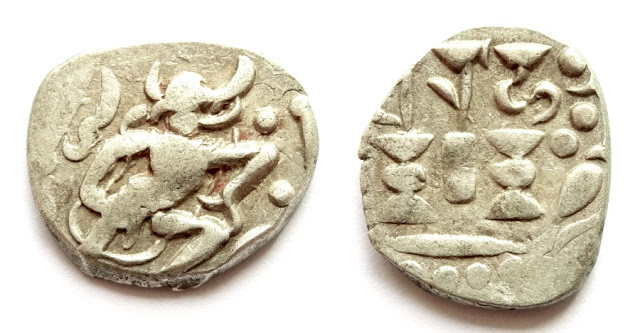
King Bhoja’s Coin with Varaha Avatara of Vishnu.

இப்படிப்பட்ட ஒரு மன்னனை உலகின் எந்த நாடேனும் கண்டதுண்டா?

இல்லை என்றே சந்தேகமின்றி உரக்கக் கூறலாம்!

Tags – போஜ மஹாராஜன், கொடைவள்ளல்

–subham-