MIRACLE BY BUDDHA, CREATED A BEAUTY TO TEACH ANOTHER BEAUTY! (Post. 7677)

Written by London Swaminathan

Post No.7677

Date uploaded in London – 10 March 2020

Contact – swami_48@yahoo.com

Pictures are taken from various sources for spreading knowledge; this is a non- commercial blog. Thanks for your great pictures.

The Emperor of mighty Maghada, modern Bihar and the surrounding states, was Bimbisara . His consort was Queen Kshema. Both of them were contemporaries of the Buddha. They lived 2600 years ago and left a mark in the history of India.

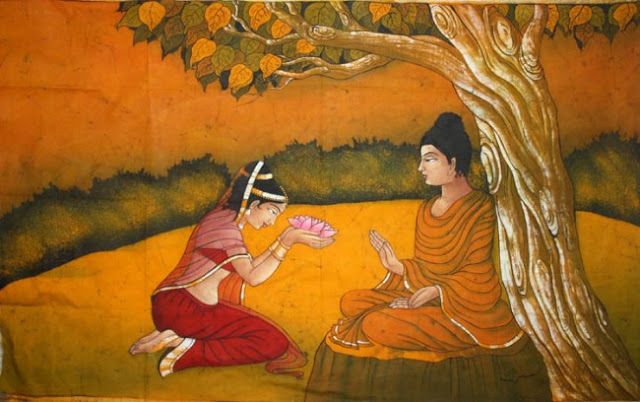
Queen Kshema was a great beauty. She looked like a golden statue. She was a proud peacock. Always boasting about her beautiful look. She was born in the royal family of Madraas. when she got married to Bimbisara she lived with him in the capital city of Rajagriha . Bimbisara was a disciple of Gautama Buddha. So he donated the royal garden Velu Vana to Buddhist Sanga/ Association. Buddha came to the royal garden. Bimbisara wanted his Queen to go and pay respects to Buddha. But she said ‘No’. The reason was that she was scared to see Buddha who would easily find her fascination with beauty and beauty products.

Bimbisara knew the Great Master would not mind such a thing. So he devised a novel plan to send her to Velu vana. He asked her close associates to sing the glory and beauty of royal garden so as to persuade her to visit it. As expected her curiosity was roused. The plan had its desired effect. She wanted to see the royal garden. Bimbisara arraigned her a golden chariot. The ministers and her associates were secretly instructed to take her to Buddha and make her pay respects.

She went to the garden with a big retinue and enjoyed every bit of nature there. It was nearing sunset. Ministers hinted to her that she may just see Buddha on her way back to the palace. She said ‘No’.

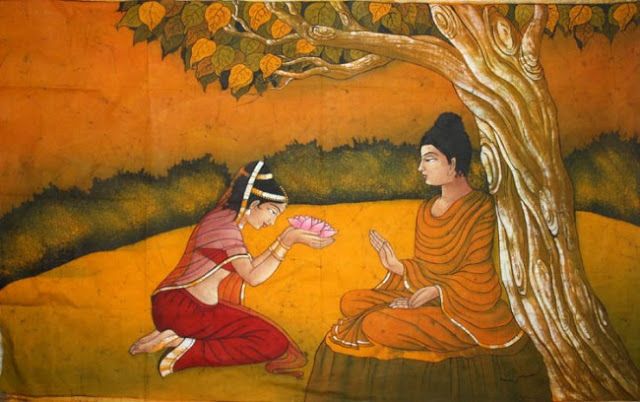
Now the ministers were afraid to face the king without her seeing the Buddha. So they forcefully drove the chariot near Buddha. There was the most beautiful woman fanning Buddha . Queen looked at her golden skin and looked at the lady near the great Buddha. She was astonished and then felt ashamed of her beauty and thought that she can’t even go near her. While she was thinking like this, the most beautiful woman on the stage slowly became a middle aged woman. A short while after that she became an old lady and fell down with a great noise. No body moved. Every body was so involved and immersed in the discourse of the Master. He was reciting the Dhammapada sloka 347.

“Those who are given to attachment fall into the stream of repeated existences, life and death cycle, like the spider caught in the net created by itself. One who has no attachment gets rid of his/ her sufferings and goes out by tearing asunder the net”

—-Dhammapada 347

On listening to this utterance, the Queen decided to follow Buddha. On her return to the palace she decided to take ordination at once. King Bimbisara asked her if she had seen the Master. In reply she said that what the king had seen of the Master was negligible; it was the real Teacher she had visualised. She wondered how come Bimbisara was running a government without renunciation until that day. She then asked for his permission to become a bikshuni/ a monk. The king gave his permission with his whole heart and sent her to the nunnery in a golden palanquin.

Bihar was the land of Janaka and Sita, of Maitreyi and Gargi. Thousands of years before Queen Kshema, they excelled in Hindu philosophy. No wonder that Kshema became a monk overnight.

Kshema became a Their (saint) and in the stanzas attributed to her in the Theri gatha, Kshema relates that a young man of excellent appearance wanted to entice her worldly enjoyment, but she spurned his proposal saying that what were pleasures to him pierced her like a sharp dart.

On one occasion, when she was staying in the hermitage near the city of Sharavasti, King Presenajit was looking for a Guru. He was apprised of the presence of Bikshuni Kshema. He came to her and had intellectual and philosophical discussions with her. The king was greatly impressed by her vast knowledge.

Dhamma patha was the Veda of Buddhists. It contains Buddha’s teachings. Dhamma is Dharma in Sanskrit.

tags – Queen Kshema, King Bimbisara, Buddha, Miracle,

–subham–

சங்கீத வித்வானுக்கும் தம்பூரா (சுருதிகாரன்) தேவை (Post No.7676)

Written by London Swaminathan

Post No.7676

Date uploaded in London – 10 March 2020

Contact – swami_48@yahoo.com

Pictures are taken from various sources for spreading knowledge; this is a non- commercial blog. Thanks for your great pictures.

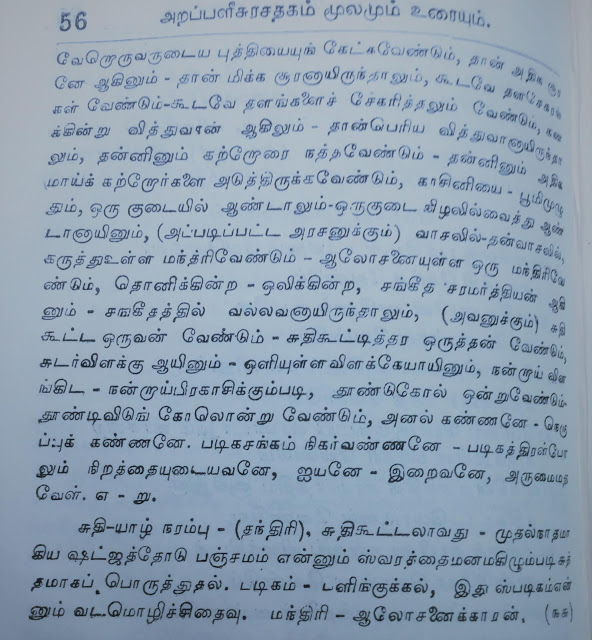
எல்லோரும் தனிமையில் வாழ முடியாது எப்பேற்பட்ட  தலைவனாக இருந்தாலும் ஒருவரில் உதவியால்தான் அவன் சோபிக்க முடியும். பெரிய அரசனாக இருந்தாலும் அவனுக்கு சரியான ஆலோசனை வழங்கும் அமைசர் தேவை என்பது நமக்குத் தெரிந்ததே. அறப்பளிஸ்வர சதகத்தில்  அம்பலவாண கவிராயர் கொடுக்கும் பட்டியலைக் காண்போமா ?

ஒருவன் எவ்வளவு புத்திசாலியாக இருந்தாலும் அவனைவிட புத்தியுடையோரின் கருத்துக்களைச் செவிமடுக்க வேண்டும் . ஒரு மன்னன் மஹா சூரனாக இருந்தாலும் அவனுக்கும் ஆயுதம்தாங்கிய தளகர்த்தர்களின் துணை வேண்டும். தான் பெரிய படிப்பு படித்திருந்தாலும், மெத்தப் படித்தவர்களின் சகவாசம் தேவை. அவர்களைப் போற்ற வேண்டும்

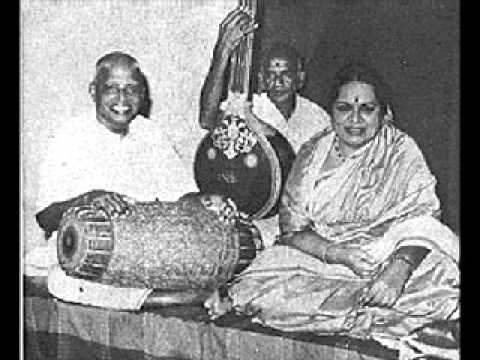
நன்றாகப் பாடக்கூடிய இசை மேதை ஆனாலும் பக்கத்தில் சுருதி சேர்த்து, சுருதி கூட்ட  ஒரு சுருதிகாரன் தேவைப்படுவான்.

பூமியை ஒருகுடையின் கீழ் ஆளும் மன்னரானாலும் அவனுக்கு ஆலோசனை வழங்க ஒரு அமைச்சன் தேவை.நல்ல ஒளிவீசும் விளக்கானாலும் அந்த தீபத்தைத் தூண்டிவிட ஒரு தூண்டுகோல் தேவைப்படுகிறது.

அனல் வீசும் நெற்றிக் கண்ணுடைய படிக நிற வண்ணனே ! இறைவனே; அறப்பளிஸ்வரனே ! அருள்வாயாக.

tags – சுருதிகாரன், சங்கீத வித்வான், அமைச்சர்

–subham —

தமிழில் எத்தனை சதகங்கள்? (Post.7675)

Written by London Swaminathan

Post No.7675

Date uploaded in London – 10 March 2020

Contact – swami_48@yahoo.com

Pictures are taken from various sources for spreading knowledge; this is a non- commercial blog. Thanks for your great pictures.

சதகம் என்றால் 100 பாடல்கள்.

தமிழில் மிகவும் பழைய சதகம் திருவாசகத்திலுள்ள திருச்  சதகம். மாணிக்கவாசகரால் பாடப்பட்டது அவர் சம்பந்தர், அப்பருக்கு முன் வாழ்ந்தார் என்ற ஒரு கருத்தும். ஒன்பதாம் நூற்றாண்டில் வாழ்ந்தவர் என்ற ஒரு கருத்தும் உளது.

சதகம் சிற்றிலக்கிய வகையைச் சேர்ந்தது.

பெரும்பாலும் நீதியையும், ந்தந்த பிரதேசத்தின் மகிமையையும் சொல்வதாக இவை அமைந்துள்ளன.

சதகம் பற்றிய இரண்டு நூல்கள் பிரிட்டிஷ் லைப்ரரியில் உள்ளன.ஒரு நூலில் பதம் பிரித்து அர்த்தம் கொடுக்கப்பட்டுள்ளது.

இதோ சதகப்  பட்டியல் (இணைப்பைக்  காண்க)

Tags –  சதகங்கள், சதகம்,  பட்டியல்

Xxx Subham xxx

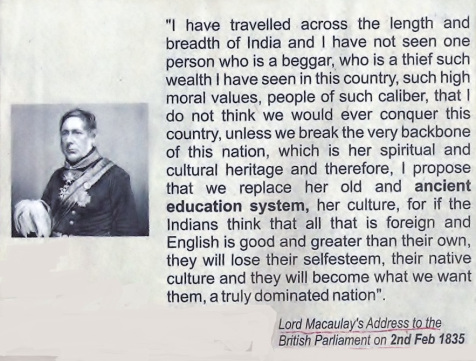
Dead Cat thrown at Lord Macaulay (Post No.7674)

CAMPAIGNING ANECDOTES (Post No.7674)

Written  by  London Swaminathan

Post No.7674

Date uploaded in London – 10 March 2020

Contact – swami_48@yahoo.com

Pictures are taken from various sources for spreading knowledge; this is a non- commercial blog. Thanks for your great pictures.

My opponent came into Surrey Naked

To the reviling of a local Conservative, a local Liberal candidate for a parliamentary vacancy in Surrey (England, UK) replied,

“The gentleman is taunting me for not having been born in this district as he was. Let me tell the gentleman that my only excuse is that I’m a Lancashire man from choice, while he is one by necessity. If there is any difference between us, it is that I came into this country with my pants on while the gentleman came into it with his off.”

Xxx

I am ‘TO LET’ (Unfurnished)

When Mr Thomas Sheridan , son of the celebrated Richard Brinsley Sheridan, was a candidate for the representation of a Cornish (U.K)  borough, he told his father, that if he had succeeded, he should place a label on his forehead with the words ‘to let’, and side with the party that made the best offer.

Right, Tom, said the father, but don’t forget to add the word ‘unfurnished’.

Xxx

Lord Macaulay and Dead Cat

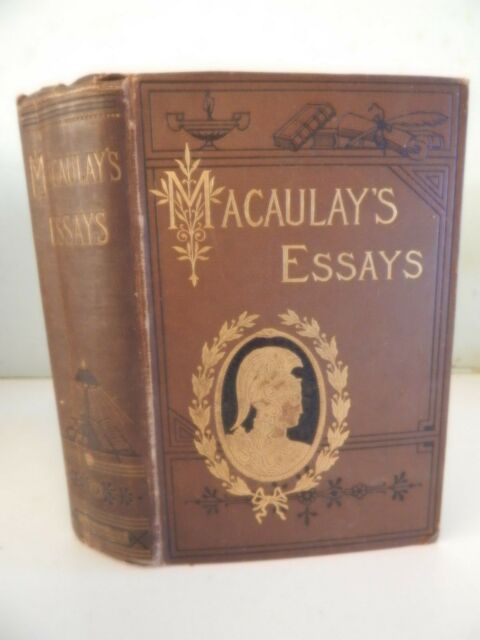
On one occasion Lord Macaulay had an unpleasant experience at Edinburgh (Scotland, UK). He was re-contesting a seat in that constituency and was standing side by side with his opponent on the balcony one evening, when he was suddenly struck by a dead cat. The member of the audience who threw the animal at once apologised and said that he had intended it for his opponent.

“Well, said Macaulay, I wish you had meant it for me and struck him” .

Xxxx

Liar, Liar !

The political speaker found himself repeatedly interrupted by a speaker who shouted ‘Liar!’ again and again during his discourse. His patience exhausted, the speaker at last said,

“If the gentleman will be good enough tell us his name as well as his calling, we shall be pleased to hear from him”.

Xxx

“Wall, I cant vote now”

Sam Houston, when running for Governor of Texas, overlooked no prospective voters. He went around to most of the farm houses and personally harangued the inmates, getting their promises to vote for him.

At one such farm house he had gotten the farmer’s promise of a vote, and seeing the lanky son of the house pass by, sized him up as another prospective supporter.

“Son, he said to the boy, you look old enough to vote; how old are you?”

“Wall (well), I was 21 last April, but I didn’t bow my head when dad ast the blessing, so he sot me back two years…… so now I can’t vote”.

Tags- Liar, Lord Macaulay, dead cat, Sheridan, Election Campaign, naked, anecdote

Xxx subham xxxx

பிள்ளையாருக்கு யாரும் பெண் கொடுக்காதது ஏன்? (Post No.7673)


பிள்ளையாருக்கு யாரும் பெண்
கொடுக்காதது ஏன்?
(Post No.7673)


Written  by  S Nagarajan

Post No.7673

Date uploaded in London – 10 March 2020

Contact – swami_48@yahoo.com

Pictures are taken from various sources for spreading knowledge; this is a
non- commercial blog. Thanks for your great pictures.


ச.நாகராஜன்


விநாயகருக்கு யாரும் ஏன் பெண்
கொடுக்க முன்வரவில்லை?

கேள்வி நியாயமானது தான்; ஆனால்
விடை தான் தெரியவில்லை.

அனைத்தும் அறிந்த தமிழ்ப் புலவர்களிடம்
சென்றால் ஒரு வேளை விடை கிடைக்கலாமோ?

அந்தகக்கவி வீரராகவ முதலியார்
தனது பாடல் ஒன்றில் விடையைச் சொல்லி விடுகிறார்.

பாடல் இதோ:


வீரஞ் சொரிகின்ற பிள்ளா யுனக்குப்பெண்
வேண்டுமென்றால்

ஆருங் கொடாருங் களப்பன் கபாலி
யம்மான்றிருடன்

ஊருஞ் செங்காடு நின்முகம் யானை
யுனக்கிளையோன்

பேருங் கடம்பனுன் றாய்நீலி நிற்கும்
பெருவயிறே


பாடலின் பொருள் :-

வீரம் சொரிகின்ற பிள்ளாய்
–  வீரத்தன்மையைப் பொழிகின்ற பிள்ளையாரே

உனக்குப் பெண் வேண்டும் என்றால்
– நீ திருமணம் செய்து கொள்ளத் தகுதியான ஒரு பெண் வேண்டும் என்றால்

ஆரும் கொடார் – ஒருவர் கூட முன்
வந்து தர மாட்டார்கள்.

காரணம் என்னவெனில்

உங்களப்பன் கபாலி – உங்களது
அப்பனாகிய சிவபிரான் கபாலி அதாவது கபாலத்தை ஏந்தியவன்

அம்மான் திருடன் – அம்மானாகிற
கிருஷ்ணன் (வெண்ணெய் திருடும்) திருடன்

ஊரும் செங்காடு – சொந்த ஊரோ
செங்காடு

நின்றன் முகம் யானை – உனது முகமோ
யானை முகம்

உனக்கு இளையோன் பேரும் கடம்பன்
– உனக்கு தம்பியாக இருக்கும் முருகன் பெயரும் கடம்பன் (கடப்ப மாலையை அணிந்தவன்)

உன் தாய் நீலி – உனது தாயோ நீலி

நிற்கும் பெருவயிறு – உனக்கும்
பெருவயிறு (மகோதரமோ)

ஆக இப்படி இருக்க உனக்கு யார்
தான் பெண் கொடுப்பார்கள்?


விநாயகர் மீது நிந்தாஸ்துதியாக
இப்படிப் பாடியிருக்கிறார் பெரும் புலவர் அந்தகக் கவி வீரராகவ முதலியார்.

இவரது பாடல்கள் அருமையானவை.


சிதம்பரம் என்ற வள்ளலை நோக்கி
அவருக்கு ஒரு தாய் நமஸ்காரம் செய்து வேண்டுவதை புலவர் சொல்லும் பாங்கு இது:

துறை : நற்றாயிரங்கல்


பங்கஜமேன் மேவியசௌ பாக்யசுப
மானளித்த

அங்கஜவேள் வெங்காணையா லாவிநொந்த
– எங்களிட

மாரஞ்சி தம்பரவு மாதினையாள்
கோடி நமஸ்

காரஞ் சிதம்பரயோ கா


பாடலின் பொருள் :-


சிதம்பர யோகா – சிதம்பரம் என்ற
பெயரைக் கொண்ட  வள்ளலே

பங்கஜம் மேல் மேவிய – தாமரை
மலர் மேல் வீற்றிருக்கும்

சௌபாக்ய சுபமான் அளித்த – சௌபாக்கியங்களையும்
சுபங்களையும் தருகின்ற திருமகள் பெற்ற

அங்கஜவேள்  – மன்மதனது

வெங்கணையால் – கொடிய அம்புகளால்

ஆவி நொந்த – மனம் வருந்திய

எங்களிடம் – எங்களிடத்திலுள்ள

மாரஞ்சிதம் – மிகவும் மனோரஞ்சிதத்திற்கு
ஏதுவாய்

பரவும் – புகழப்படுகின்ற

மாதினை – பெண்ணை

ஆள் – ஆண்டருள வேண்டும்

கோடி நமஸ்காரம் – உனக்கு கோடி
நமஸ்காரம்.

சிதம்பர பூபதியின் மீது ஒரு
தாய் தன் மகளை ஏற்றருள வேண்டும் என்று இரங்கிப் பாடுவதாக அமைந்துள்ள பாடல் இது.


சொல் விளையாடலிலும் வல்லவர்
அந்தகக் கவி வீரராகவ முதலியார்.


ஒரு பாடல் இது:


பணியாரந் தோசையி லங்கொங்கை தோய்ந்திடப்
பார்ப்பர் பல்லி

பணியாரந் தோசையில் லாச்செந்துவாய்ப்பிறப்
பார்களென்னோ

பணியாரந் தோசைமுன் னோனுக் கிட்டேத்திப்
பழனிச்செவ்வேட்

பணியாரந் தோசைவ ராகாரன் னோர்க்கென்ன
பாவமிதே


என்ன, பணியாரம், தோசை என்று
நான்கு வரிகளிலும் வருகிறதே என்று வியப்போருக்கு பாடலின் பொருள் மிகுந்த திருப்தியைத்
தரும்.

பாடலின் பொருள் :

பணி ஆர் – ஆபரணம் நிறைந்த

தோ – இரண்டாகிய

சையிலம் – மலை போன்ற

கொங்கை – மார்பகங்களை

தோய்ந்திடப் பார்ப்பர் – பொருந்தப்
பார்ப்பர்

பல்லி – பல்லி

பணி – பாம்பு

ஆர் அந்து – நிறைந்த அந்து
(இவைகள் போன்ற)

ஓசை இலா செந்து ஆய் பிறப்பார்கள்
– சத்தமற்ற ஜெந்துக்களாகப் பிறப்பார்கள்

என்னே – இதற்குக் காரணம் யாதோ?

பணியாரம் தோசை – பணியாரம் தோசை
ஆகியவற்றை

முன்னோனுக்கு இட்டு ஏத்தி –
முத்தவரான பிள்ளையாருக்கு படைத்துத் துதித்து

பழநி செவ்வேள் – பழனியில் எழுந்தருளியிருக்கும்
முருகப் பெருமானை

பணியார் – வணங்காதவர்கள்

சைவர் ஆகார் – சைவர்கள் ஆக மாட்டார்கள்

அந்தோ – அட பரிதாபமே

அன்னோருக்கு – அவர்களுக்கு

இது என்ன பாவம் – இது என்ன தீவினைப்
பயனோ?


சுவைத்து ரசிக்க இவர் பாடிய
பாடல்கள் இன்னும் ஏராளம் உள்ளன!

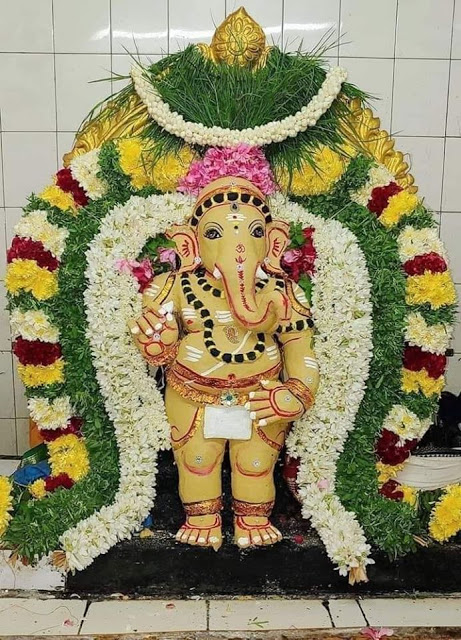
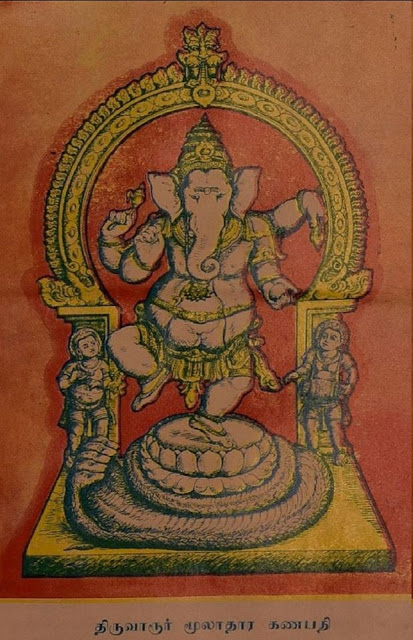
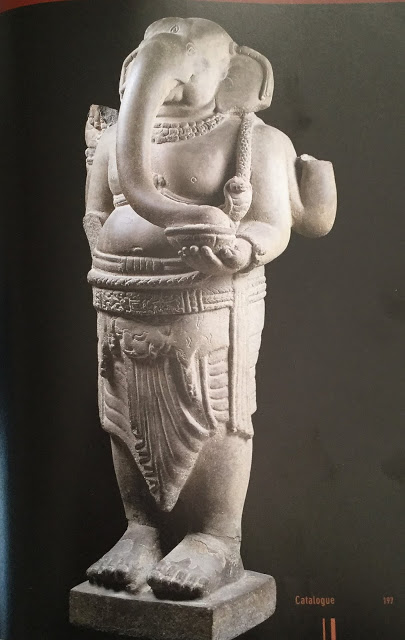
Ganesh from Vietnam/Champa

Tags – பிள்ளையார், விநாயகர், அந்தக க்கவி , வீரராகவ முதலியார் , பெண்

***

SWAMI CROSSWORD 932020 (Post No.7672)

Written  by  London Swaminathan

Post No.7672

Date uploaded in London – 9 March 2020

Contact – swami_48@yahoo.com

Pictures are taken from various sources for spreading knowledge; this is a non- commercial blog. Thanks for your great pictures.

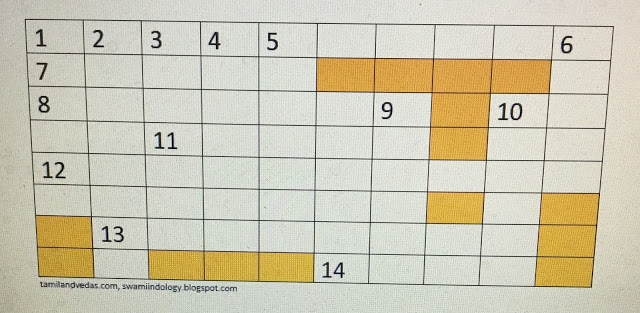
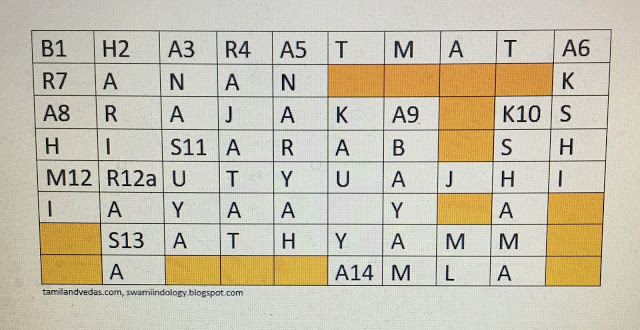
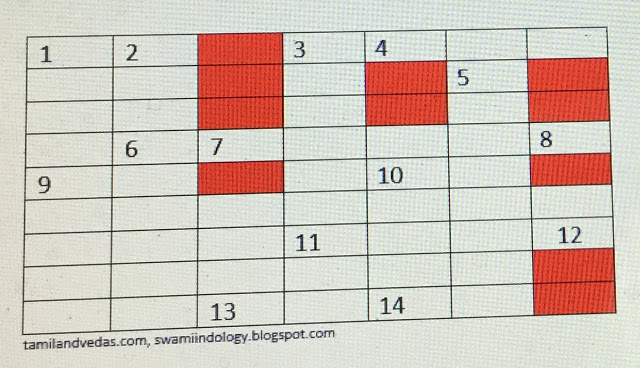
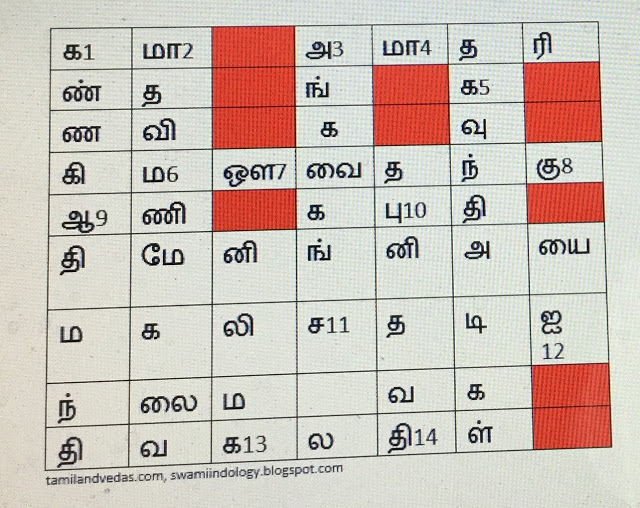
ACROSS

1. (10)- Mother India in Sanskrit

7. (4) -battlefield

8. (7)- kingless; lawless

11. (4)- extract

12. (6)- death

13. (7)- truth

14. (4)- sour;acid

DOWN

1. (6)- Sarasvati; name of the script used from Asokan Times

2. (4) – Vishnu’s popular name

3. (7)- a famous woman in mythology; meaning no jealousy

4. (6)- silver

5. (6)- uncultured, uncivilized

6. (5)- eye; part of feminine names

9. (6)- protection

10. (6)- patience in Sanskrit

12a. (4) sentiment; there are 9 types

–subham–

நாட்டிய தாரகையின் 5 நிபந்தனைகள்; மாந்தோப்பு அழகியுடன் புத்தர் சந்திப்பு (Post.7671)

Written  by  London Swaminathan

Post No.7671

Date uploaded in London – 9 March 2020

Contact – swami_48@yahoo.com

Pictures are taken from various sources for spreading knowledge; this is a non- commercial blog. Thanks for your great pictures.
நாட்டிய தாரகையின் 5 நிபந்தனைகள்; மாந்தோப்பு அழகியுடன் புத்தர் சந்திப்பு (Post.7671)

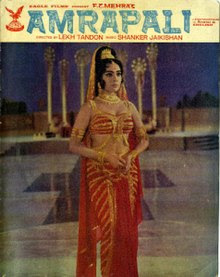
2600 ஆண்டுகளுக்கு முன்னர் இந்தியா எப்படி இருந்தது என்பதை சம்ஸ்கிருத நூல்களும், பாலி மொழி நூல்களும்  காட்டுகின்றன.  இதில் மிகவும் சுவையான விஷயம் மாந்தோப்பு அழகி பற்றிய நான்கு  செய்திகளாகும்.

1.அவளுக்கு ஆம்ர பாலி (பாலி  மொழியில் அம்பா பாலி )   ‘மாந் தோப்புக்காரி’ என்று பெயர் வந்தது ஏன்?

2.புத்தர் பிரான் ஏன் அவள் வீட்டுக்குப் போய் சாப்பிட்டார்?

3.அவளுடன் ஒரு நாள் படுக்க, அவள் போட்ட ஐந்து நிபந்தனைகள் என்ன?

4.மகத சாம்ராஜ்ய சக்ரவர்த்தி பிம்பி சாரன் அவளுடன் படுக்க செய்த தந்திரம் என்ன?

2600 ஆண்டுகளுக்கு முன்னர் புத்தர் பிரான் அடிக்கடி சென்ற இடம் பீஹார் மாநிலம் ஆகும். அந்த மாநிலத்தில் வைசாலி என்னும் புகழ்மிகு நகரம் சீ ரும் சிறப்புடனும் திகழ்ந்தது. அதில் சாக்கிய குல பிரபு ‘மஹாநாமா’ வாழ்ந்து வந்தார். அவருக்கு குழந்தைகள் கிடையாது. ஒரு நாள் அவர் மாந்தோப்பில் உலவச் சென்றபொழுது ஒரு பெண் குழந்தை கேட்பாரற்றுக் கிடந்தது. அதை எடுத்து மனைவியிடம் கொடுக்கவே அவளுக்குப் பேரானந்தம் கிட்டியது. செல்வச் சீமாட்டி போல அவளை வளர்த்தார்கள். அவள் பருவத்துக்கு வந்தபோது பேரழகியாகத் தோன்றினாள் . மாந்தோப்பில் கிடைத்த பெண் ஆதலால் அவள் பெயரும் அம்பா பாலி என்றே நிலைபெற்றுவிட்டது (சம்ஸ்கிருத மொழியில் ஆம்ர என்றால் மாமரம். அது பேச்சு வழக்கு மொழிகளான பாலி /பிராக்ருதத்தில் ‘அம்பா’ ஆகிவிடும்).

பெண்ணுக்குக் கல்யாணம் கட்ட வேண்டிய தருணம் வந்தவுடன் பெற்றோருக்கு கவலையும் வந்தது. ஏனெனில் லிச்சாவி குல வழக்கப்படி அந்த ஜாதியில்தான் மணம் முடிக்க வேண்டும். ஆகையால் லிச்சாவி சபை கூட்டப்பட்டது . எல்லோரும் மண்டபத்தில் கண்களை அகலவிரித்து காத்திருந்தனர். பேரழகி அம்பா பாலி  உள்ளே புகுந்தாள் . அனைவரும் ஆச்ச ரியத்தில் மூழ்கினர். இதயம் ‘படக் படக்’ என்று துடித்தது. இவள் எனக்குத்தான் என்று எல்லோரும் ஏகமனதாக தீர்மானம் போட்டுக்கொண்டனர். அறைக்குள் யுத்தம் வெடிக்கும் அளவுக்கு போட்டா போட்டி; காட்டா குஸ்தி. சபைத் தலைவர்கள் ஒரு சமாதானத் தீர்மானம் போட்டனர் . இவளை ‘பொது மகளாக்கி’ எல்லோரும் அனுபவிப்போம் என்று தீர்மானம் போட்டனர். தந்தை தாய் மனம் துடித்தது; ஒப்புக்கொள்ள மறுத்தனர்.

வீட்டில் நுழைய ஐந்து நிபந்தனைகள்

ஆனால் பெரும் சண்டை நிகழ்வதைத் தடுப்பதற்காக அந்த புத்திசாலிப் பெண் ஒரு அறிவிப்பைப் பிரகடனம் செய்தாள் . உங்கள் தீர்மானத்தை நான்  ஏற்கிறேன் . நான் போடும்  நிபந்தனைகளை நீங்கள் ஏற்கவேண்டும் என்று சொல்லிப் புல்லட் பாயிண்டு (Bullet Points )களில் பட்டியல் போட்டாள் –
1. ஒவ்வொரு நாளும் ஒரு ஆண்மகன் மட்டுமே என் வீட்டுக்குள் நுழையலாம்

2. அவர் ஒரு இரவு என்னுடன் படுக்க 500 ‘கார்ஷா பணம்’ தரவேண்டும்; (இந்தப் பழங்கால நாணய முறை இன்று வரை தமிழில் கூட ‘காசு’ ‘பணம்’ என்று வழங்கப்படுகிறது )

3.என் வீட்டுக்குள் வந்து போவோரை யாரும் கண்காணிக்கக் கூடாது

(நல்ல வேளையாக அக்காலத்தில் சி சி டி வி C C T V cameras, காமெராக்களும் கிடையாது; கூகுள் வாட்ச் Google Watch-ம் கிடையாது)

4.எனக்கு நகரத்தில் முக்கிய இடத்தில் பெரிய வீடு கொடுக்க வேண்டும்.

5.எந்தக் காரணத்துக்காகவாவது அரசாங்க அதிகாரிகள் என் வீட்டை சோதனை போடவேண்டுமானால் எனக்கு ஏழு நாள் நோட்டிஸ் (Seven Day Notice)  கொடுத்து அதற்குப்பின்னரே என் வீட்டுக்குள் அதிகாரிகள் வரவேண்டும் .

இந்த ஐந்து நிபந்தனைகளையும் சபை ஏற்றுக்கொண்டது.

அம்பாலிக்கு பெரிய வீடு கிடைத்தவுடன் சிறந்த ஓவியனைக் கூப்பிட்டு வீட்டுச் சுவர்களில் மன்னர்கள், பிரபுக்கள், பெரிய வியாபாரிகள் ஆகியோரின் ஓவியங்களை  வரைய ச் சொன்னாள் . அதில் மகத சாம்ராஜ்யத்தின் மாமன்னன் பிம்பிசாரனின் படமும் இருந்தது. அதைப் பார்த்தவுடன் அவளுக்கு காதல் மலர்ந்தது. இந்தச் செய்தி மன்னன் காதிலும் விழுந்தது . அவனும் அம்பாபாலியின் புகழ் பரவுவதை அறிந்து அவள் வீட்டுக்குப் புறப்படத் தயாரானான். ஆனால் அதில் ஒரு சிக்கல் . மகதப் பேரரசுக்கும்  லிச்சாவிகளுக்கும் இடையே உரசல் நிலவியது. அமைச் சர்கள் வைசாலி நகருக்குள் நுழைவது ஆபத்து என்று எச்சரித்தனர் . பிம்பி சாரன் மாவீரன் ; ராணுவ தளபதி கோபன் என்பவனைப் பாதுகாப்புக்கு அழைத்துக்கொண்டு மாறு  வேடத்தில் வைசாலி நகருக்குள் போய் அம்பாபாலியுடன் ஆறு இரவுகள் தங்கினான்.

இதற்குள்  நகர அதிகாரிகளுக்கு பராபரியாகத் தகவல் கிடைக்கவே எதிரி நாட்டு மன்னனைப் பிடிக்க வீடு வீடாக சோதனை போடத் துவங்கினர். அம்பா வீட்டுக்கும் வந்தபோது அவள் 7  நாள் நோட்டிஸ் நிபந்தனையைச் சுட்டிக்காட்டியவுடன் அவர்கள் போய்விட்டனர். மன்னன் பிம்பிசாரனும் மாறுவேடத்தில் தப்பித்துச் சென்றான்.

பிம்பிசாரன் விடைபெற்றுச் செல்லும் முன்பாக அம்பாபாலிக்கு ராஜமுத்திரை பதித்த மோதிரத்தை அவளுக்கு அன்பளிப்பாகக் கொடுத்து எப்போதும் தன் அரண்மனைக்கு வரலாம் என்றான். அவளும் ஒன்பது மாதத்தில் ஒரு பிள்ளையைப் பெற்றாள் .அவன் பள்ளிப்பருவம் எய்தியபோது எல்லோரும் அவனை ‘யாருக்குப் பிறந்தவனோ’ என்று ஏசினர் . உடனே அவனை அம்பா , அரண்மனைக்கு அனுப்பிவைத்தாள். அங்கே அவன் விமல கொண்டன்னா என்ற பெயருடன் வளர்ந்து பிற்காலத்தில் புத்த பிட்சுவாக மாறினான். காலம் உருண்டோடியது .

புத்தர் வருகை

வைசாலி நகருக்கு அருகில் உள்ள கொடிகாம என்னும் ஊரில் புத்தர் தங்கியிருப்பதை அறிந்து அம்பாவும் அவருக்கு அஞ்சலி செலுத்தச் சென்றாள் அவருடைய சொற்பழிவைச் செவிமடுத்தாள் ;அதே நேரத்தில் லிச் சாவி குலத் தலைவர்களும் அங்கே வந்தனர். புத்தர் பிரானை சிஷ்யர்கள் புடைசூழ தம் இல்லத்துக்கு விருந்துண்ண அவள் அழைத்தாள் ;லிச் சாவி குலத் தலைவர்களும் புத்தரை அழைத்தனர். அனால் புத்தர் பிரான் அம்பாவின் அழைப்பை ஏற்று அவள் வீட்டுக்குச் சென்று விருந்துண்டார். இது லிச்சாவி குலத் தலைவர்களுக்குப் பெருத்த ஏமாற்றத்தை அளித்தது . புத்தர் பிரான் சாப்பிட்டு முடித்தவுடன் தனது பெரிய மாந்தோப்புகளையும் வீடுகளையும் புத்த சங்கத்துக்கு அன்பளிப்பாகக் கொடுத்தார் .

நாளடைவில் தனது உடலைத் தானே பார்த்து வருத்தமுற்றாள் . உலகையே ஈர்த்த அழகான தோல், இப்போது சுருங்கிப்போய் அவளுக்கே பார்க்க அருவருப்பாக இருந்தது. அந்த நேரத்தில் புத்த பிட்சுவாக மாறிய தனது மகன் விமல கொண்டன்னா உபன்யாசம் செய்வதை அறிந்து காது குளிர கேட்டாள் ; வாழ்க்கையின் நிலையாமையை உணர்ந்தாள்; நித்யானந்தம், பேரானந்தம் பெரும் வழி புத்தரின் வழி என்று அறிந்து புத்த பிக்ஷுணி ஆனார். அதில் அர்க்கத் என்ற பெரிய நிலையை அடைந்து பெரும்பேறு பெற்றாள் ; மகத சாம்ராஜ்யத்தின் மாமன்னனான பிம்பி சாரனும் புத்த மதத்துக்குப் பேராதரவு நல்கினான்.

TAGS- அம்பபாலி ,பிம்பி சாரன், புத்தர், நாட்டிய தாரகை

–சுபம்—

‘மேலைச் சிதம்பரம்’ பேரூரில் தாண்டவமாடிய பட்டீசுரன்! (Post .7670)

Written  by  S NAGARAJAN

Post No.7670

Date uploaded in London – 9 March 2020

Contact – swami_48@yahoo.com

Pictures are taken from various sources for spreading knowledge; this is a non- commercial blog. Big Thanks for your pictures.

மேலைச் சிதம்பரம் என்று புகழ் பெற்ற பேரூரில் தாண்டவமாடிய பட்டீசுரன்!

ச.நாகராஜன்

மேலைச் சிதம்பரம் என்று புகழ் பெற்றது பேரூர். அங்கு கோமுனி, பட்டி முனி காண மரகதவல்லி சமேதரான பட்டீசுரன் தாண்டவமாடினார். இப்படிப்பட்ட பெருமையைக் கொண்ட பேரூர் உள்ளது கொங்கு மண்டலத்திலேயாம் என்று கூறிப் பெருமைப் படுகிறது கொங்கு மண்டல சதகம்.

பாகான சொல்லிதென் பேரூர் மரகதப் பார்ப்பதிமா

நாகா பரணர்பட் டீசுரர் பாதத்தை நம்பியெங்கும்

போகாத கோமுனி பட்டி முனிக்குப் பொதுநடஞ்செய்

வாகான மேலைச் சிதம்பர முங்கொங்கு மண்டலமே

இது கொங்கு மண்டல சதகத்தில் வரும் 17வது பாடல்.

பேரூர் உள்ளது ஆறை நாடு. பேரூர்ப் புராணம் கூறும் செய்யுள் இது:

கோமுக முனியும்பட்டி முனிவனுங் குறுகியேத்த

வேமுறு பூதநாத ரிடனறத் துவன்றிப் போற்ற

காமுறு விசும்பிற் றேவர் கடிமலர் மாரி தூர்ப்பத்

தீமுழங் கங்கைவள்ள றிருநடன நவிற்றலோடும் (பேரூர்ப் புராணம்)

இந்த வரலாற்றைச் சுந்தர மூர்த்தி நாயனாரின் தேவாரத்திலும் காணலாம் :

ஏழாம் திருமுறையில் கோயில் பகுதியில் உள்ள பத்துப் பாடல்களில் பத்தாவது பாடலாக அமைவது இது:

பார் ஊரும் அரவு அல்குல் உமைநங்கை அவள் பங்கன் பைங்கண் ஏற்றன்

ஊர் ஊரான் தருமனார்தமர் செக்கில் இடும்போது தடுத்து ஆட்கொள்வான்

ஆரூரன் தம்பிரான் ஆரூரன் மீ கொங்கில் அணி காஞ்சிவாய்ப்

பேரூரர் பெருமானைப் புலியூர்ச் சிற்றம்பலத்தே பெற்றாம் அன்றே.

கொங்குமண்டல சதகத்தில் அடுத்த பாடலாக மலரும் 18வது பாடல் பட்டீசுரன் பள்ளனான வரலாறைக் கூறுகிறது இப்படி:

கடுவாள் விழியினைப் பாரூர்ப் பரவை கலவிவலைப்

படுவார் தமிழ்ச்சுந் தரர்பாடற் கீயப் பரிசின்மையால்

நெடுவாளை பாயும் வயலூடு போகி  நெடியபள்ள

வடிவாகி நின்றதும் பேரூர்ச் சிவன்கொங்கு மண்டலமே

இதன் பொருள் :- சுந்தரர் நம்மைப் பாடி வருவார்; அவருக்குக் கொடுக்கப் பரிசு (பொன்) இல்லையே என்று ஒளிந்தவர் போலப் பட்டிப் பெருமான், பள்ள வடிவு கொண்ட பேரூரும் கொங்குமண்டலத்தில் உள்ளதேயாம்.

இதைப் பேரூர்ப் புராணம் இப்படி விவரிக்கிறது:

உயர்ந்தவுந்தாமே யிழிந்தவுந்தாமே யெனமறையோல மிட்டுரைக்கும்

வியந்ததஞ்செய்கை யிரண்டினுளொன்று வேதியனாகிமுன் காட்டிப்

பயந்தரு றைவர் மற்றதுங்காட்டப் பள்ளனாய்த் திருவிளையாட்டால்

நயந்தபூம் பணையின் வினைசெய வன்பர் நண்ணிமுனண்ணிரம்மா

கொங்கு மண்டல சதகம் தனது நூறு பாடல்களில், பட்டீசுரத் திருவிளையாடலுக்கு மட்டும் மூன்று பாடல்களை ஒதுக்குகிறது. (பாடல்கள் 17,18,19). இந்த மூன்றையும் நமது கொங்கு மண்டல சதகத் தொடரில் விரிவாகப் பார்த்து விட்டோம்.

***

BUDDHA’S MEETING WITH MANGO GARDEN BEAUTY; KING’S SECRET VISIT TO HER (Post No.7669)

Written  by  LONDON SWAMINATHAN

Post No.7669

Date uploaded in London – 8 March 2020

Contact – swami_48@yahoo.com

Pictures are taken from various sources for spreading knowledge; this is a non- commercial blog.

Three interesting things happened with a beautiful courtesan in India two thousand six hundred years ago.

1.Buddha’s meeting with her and accepting her food surprised every one and Buddha’s own clan Sakhyas were disappointed

2.Emperor Bimbisara entered enemy’s territory to spend one night with her and escaped incognito.

3.That courtesan who was named Mango Garden lady imposed five interesting conditions to entertain anyone for one night.

Here is the most interesting story of Ambapali. In Sanskrit her name is Amra Pali ,i.e. Lady from Mango Garden .

There is a very interesting story about the name.

A Shakyan clan noble called Mahanama found a baby girl in a mango garden in the big city of Vaishali. Now that city is in the Bihar state of India. Mahanama was childless and so his wife reared her amid pomp and luxury as her own daughter. When she grew up she became exquisitely beautiful.

There were strict caste restrictions in Sakhya clan. Mahanama can’t give her to anyone outside his clan. So when she was ready to marry, the Assembly of Lichcavis was convened. Everybody waited to see the girl. When she entered the hall all were wonderstruck with her beauty. Each one vied to marry her. It looked like there would be a big fight to get her. At last they decided to own her jointly. It is called ‘Ghana bhogya’. Her father refused to it. But the clever girl came with a proposal. She put five conditions to spend a night with anyone.

What are the conditions?

1.She should be provided a big house in the centre of the city;

2.Only one person can enter her house eachday.

3.Her fee for one night is 500 karshapanas ( very expensive lady; this word is used even today in Tamil as ‘Kasu’ ‘Panam’) .

4.If anyone wants to inspect her house for any reason the government should give her seven day notice and the Administration would be allowed into her house only on the seventh day.

5.There should be no watch over persons coming in and going out of her house.

(Thank God, there was no CCTV cameras or Google watch 2600 years ago).

The assembly accepted all her conditions.

She selected the best house in the best locality of the city. She had the walls of her house painted by an artist with the portraits of kings, ministers, nobles, rich bankers and traders. While scanning the portraits she fell in love with the portrait of emperor Bimbisara and very anxious to meet him

Since her name and fame spread far and wide Bimbisara also wanted to spend some time with her. But there was a big problem. He was the mighty emperor of Magadha Empire. Even Alexander was not ready to enter India 300 years after Bimbisara. But the Licchavi clan of Vaishali was not in good relationship with him. So his ministers warned him not to go to Ambapali’s house. But he boldly went to her house with the help of Gopa, Commander in Chief of the Army. He spent some time with her. However, the Licchavi spies got the information that the enemy in their territory. But they never suspected Ambapali. When they made house to house search Ambapali reminded them the administration should give her seven- day notice. This is one of the five conditions. In the meantime, sensing the trouble Bimbisara escaped in disguise.

When Bimbisara stayed with her for six nights he gave her a ring with his official seal and told her she could approach him anytime. After nine months Ambapali gave birth to a son. When he grew up his classmates were teasing him as an Illegitimate son of a courtesan. Then Ambapali sent him to Bimbisara. In later life that boy became a Buddhist monk and came to be known as Vimala Kondanna.

Ambapali was very successful in her trade and amassed huge wealth.Buddha in his last days came to Kotigama near Vaishali. Ambapali went to pay her respects. She listened to his discourse and became a lay devotee. She invited Buddha with his disciples for lunch in her house. At the same time the Licchavi leaders also came to invite him. But Buddha accepted only Ambapali’s invitation. This disappointed the Licchavis. At the end of dinner, she gave her entire mango garden with its big buildings to Bikshu Sanga, the Buddhist Association.

Some time after this she listened to her own son Vimala’s discourse. She decided to become a bikshuni, monk. She looked at her own body which was beautiful at one time and now became shrunken. She realised the impermanence of worldly existence and attained arhathood. She gave expression to her mind in verses.

She was one of the most famous women of ancient India. Vasanta sena, Vasava data and Ambaplali became famous and was the plot of several Sanskrit dramas and Kanyas.

While Maitreyi and Gargi Vachknavi were known for their spiritual attainments, the above three were known for their sacrifice , devotion and affection towards their lovers.

Ancient Indian love stories were more beautiful than Romeo and Juliet and Antony and Cleopatra.

-subham-

மகளிர் சிறப்பு குறுக்கெழுத்துப் போட்டி832020 (Post No.7668)

Written  by  LONDON SWAMINATHAN

Post No.7668

Date uploaded in London – 8 March 2020

Contact – swami_48@yahoo.com

Pictures are taken from various sources for spreading knowledge; this is a non- commercial blog.

ACROSS

4. – (3) கண்ணகிக்கு அடைக்கலம் கொடுத்த ஆயர்குலப் பெண்

7. (2)- சங்க காலத்தில் புகழ்பெற்ற பெண் புலவர்

8. (R to L)- (4) வலமிருந்து இடம் செல்க/  ராஜராஜ சோழனின் தமக்கை

14. – (5) அப்பர் பெருமானின் சகோதரி

DOWN

1– (4)- சிலப்பதிகார கதாநாயகி

2. சிலப்பதிகார ஆடல் அழகி

3. – பாரிமகளிரில் ஒருத்தி

5.– (8) கோவலனுக்கு வழித்துணையாக வந்த சமண மத பெண் துறவி

6. – (5)- சிலப்பதிகாரத்துடன் வந்த இரட்டைக் காப்பியம் இந்தப் பெண்மனியின் பெயர் கொண்டது

9. – (5 )காவிரியில் விழுந்த ஆட்டநத்தியைத் தொடர்ந்து சென்ற கரிகால் சோழன் மகள்

10. – (5)காரைக்கால் அம்மையார் ஆனவர்

11., go up — (4) கீழிருந்து மேலே செல்க/பாரி மகளிரில்  மற்றவர்

12. go up – (2) -கீழிருந்து மேலே செல்க/ சிலப்பதிகார ஆயர்குலப் பெண் /ஆர்யை என்பதன் தமிழ் வடிவம்

—subham—-