Pictures are taken from various sources for spreading knowledge;
this is a non- commercial blog. Thanks for your great pictures.
tamilandvedas.com, swamiindology.blogspot.com
சுபாஷிதச் செல்வம்
ஸ்வர்க்கத்தை விட உயரத்தில் இருக்கும் இருவர் யார்?
ச.நாகராஜன்
சரோஜா பட் தொகுத்த சுபாஷித சதகம் என்ற நூலிலிருந்து சில சுபாஷிதங்களைப் பார்த்து வருகிறோம். இதோ இன்னும் ஐந்து
சுபாஷிதங்கள் :-
த்வாவிமௌ புருஷௌ லோகே ஸ்வர்கஸ்யோபரி திஷ்டத: |
ப்ரமுஸ்ச க்ஷமயா யுக்தோ தரித்ரக்ஷ்சைவ தானவான் ||
இந்தப் பூவுலகில் ஸ்வர்க்கத்தை விட உயரத்தில் இருவர் மட்டுமே இருக்கின்றனர். மன்னிக்கத் தெரிந்த, அதிகாரத்தில் இருக்கும் ஒரு அதிகாரியும், தரித்திரனாக இருந்தாலும் தானம் கொடுக்கும் ஒரு ஏழையுமே அவர்களாவர்.
Two persons in this world stand above the heaven. An office-bearer possessed of forgiveness and poor (man) who is liberal.
தங்க நகையில் பதிக்கப்பட வேண்டிய நவரத்னமணி ஒன்று ஈய ஆபரணத்தில் பதிக்கப்பட்டால் அது குறையாகக் காணப்படப்போவதுமில்லை அல்லது அழகற்று இருப்பதுமில்லை. நவரத்னமணியை ஈயத்தில் வைத்தானே அவன் தான் கெட்ட பெயருக்கு ஆளாவான்!
If a gem worthy of being set in a golden ornament is lnlaid in lead, it neither grumbles not does it look ugly. The person (who connects the gem with lead) becomes subject to blame.
ஒரு சிற்பியின் கலை ஒரு அருமையான பொருளில் வைக்கப்பட்டால் அது இன்னும் அதிக மேன்மையை அடைகிறது. எடுத்துக்காட்டாகச் சொல்லப் போனால் மேகத்துளிகளானது சிப்பியில் விழும் போது அந்தத் துளிகள் முத்துக்களாகப் பரிமளிக்கின்றன!
The art of sculptor attains more excellence if put in an excellent object. For instance, the water of a cloud, falling in a sea-shell becomes pearls.
பெண்மணிகளுள் சாந்தமானவள் யார்? எந்த ராஜா குணோத்தமன்? வித்வான்களால் எப்போதும் மதிக்கப்படுவது எது? இந்தக் கேள்விகளுக்குப் பதில் இதிலேயே இருக்கிறது! இருந்தாலும் (எளிதில்) புரிந்து கொள்ளப்படுவதில்லை
இந்த மூன்று கேள்விகளுக்கும் விடை இந்த சுபாஷித ஸ்லோகத்திலேயே உள்ளது. ஸ்லோகங்களின் நான்கு பாதங்களில் ஒவ்வொரு பாதத்தின் முதல் எழுத்தையும் கடைசி எழுத்தையும் சேர்த்துப் பார்த்தால் மூன்று விடைகளும் வந்து விடும்!!
சீமந்தினீஷு – சாந்தா இதில் சீ + தா = சீதா என்பது முதல் கேள்விக்கு விடை
ராஜா – குணோத்தம: இதில் ரா + ம = ராம என்பது இரண்டாம் கேள்விக்கு விடை
வித்வத்பி: – வந்த்யா இதில் வி + த்யா = வித்யா என்பது மூன்றாம் கேள்விக்கு விடை.
ஆக,
பெண்மணிகளுள் சாந்தமானவள் சீதா!
குணோத்தமனான ராஜா ராமன்!
வித்வான்களால் எப்போதும் மதிக்கப்படுவது வித்யா (கல்விச் செல்வம்)
Who is (most) composed among women? Who was the most religious king? What is always respectable to the learned? (The answers to these questions) are told there only. However they are not understood. (The answers can be obtained by joining the first and last letter of each quarter of the verse as follows : Sita, Rama, Vidya)
*
லோப மூலானி பாபாநி ரஸபூலாஸ்ச வ்யாத்ய: |
இஷ்டமூலாநி ஷோகானி த்ரீணி த்யக்த்வா சுகீ பவ ||
பேராசையே பாவத்திற்கான அடி வேர். வியாதிகள் சுவையை அடைப்படையாகக் கொண்டுள்ளவை. சோகத்தின் காரணம் ஆசைப்படும் பொருள்களை விரும்புவதால் தான்! இந்த மூன்றையும் விடு, சந்தோஷமாக இரு! (சுகீ பவ!)
Greed is the root-cause of evil (deed). Diseases have taste at their basis. The root of grief is desired objects. Give up all the three and be happy.
Pictures are taken from various sources for spreading knowledge.
this is a non- commercial blog. Thanks for your great pictures.
tamilandvedas.com, swamiindology.blogspot.com
Whole world knows Hindus worship everything from tree, snake, rivers and hills to numbers and grammar. As a Hindu when I get up between 4 am and 4-30 am in London, I look at my right palm and I say ‘I salute you Lakshmi, Sarasvati and Govinda’ (Karaagre vasate Lakshmi……). The age old famous sloka is recited by millions of RSS workers as well in their Pratasmaran (Morning Thoughts). Just before stepping on the ground from the bed, they ask the ‘pardon of Mother Earth’. It is not only done by high class orthodox Brahmins but also by farmers before ploughing the land, wood cutters before cutting the trees and thieves before robbing the people. But nowadays thieves go to Tirupati Balaji and share their booty in the money box there! I mean the political robbers and film word black marketeers.
The idea is optimum use of everything with environmental awareness in mind. That is why they respect everything. In the Rig Veda, the oldest book in the world, even stones pressing Soma plant and Wooden spoons used to pur ghee in the fire have separate hymns.
Now let me tell you about two hymns in the Atharva Veda, where there is ONLY numbers. They are addressed to Vanaspati and the Bull. The first hymn is described as a charm to get prosperity for the people and the second one for the welfare of the cattle. But why do they numbers 1, 10, 100 and 1100 is NOT explained by anyone. Is it not like beating around the bush . They could have directly asked the gods Give me this, Give me that. In fact there is more into it.
Look at the hymn and I will give my opinion on it.
HYMN XV
A charm for general prosperity
1Plant! I have those who shall avert the threatened danger, ten and one. O sacred Plant, produced aright! make sweetness, sweet thy self, for me. 2Twenty and two, O Plant, have I who shall avert the threatened ill. O sacred Plant, produced aright! make sweetness, sweet thyself, for me.
3Thirty and three, O Plant, have I who shall avert the threatened ill. O sacred Plant, produced aright! make sweetness, sweet thyself, for me.
4Forty and Four, O Plant, have I who shall avert the threatened ill. O sacred Plant, produced aright! make sweetness, sweet thyself, for me.
…….
…..
11Thousand and hundred, O Plant, have I who shall avert the threatened ill. O sacred Plant, produced aright! make sweetness, sweet thyself, for me.
It goes up to 11 in the same way
Ralph T H Griffith adds the following as footnote in his translation:-
Stanzas 3-11 of the hymn , which is a charm for general prosperity, are exactly the same with the exception of the numbers which increase by 11 in each stanza (thirty and three , forty and four, and so on ) up to one hundred and ten . In stanza 10 and 11 concluding with one thousand and one hundred.
XXX
NEXT MANTRA
HYMN XVI
A charm for the increase of cattle
1Bull! if thou art the single bull, beget. Thou hast no vital sap.
This is similar to the previous poem. The hymn is a charm for the increase and prosperity of the cattle. It goes up to 11 like the previous hymn.
Xxx
In the Rudram Chamakam (Anuvakam 11) Hymn of Yajur Veda
We have the following numbers
“Let me be granted the uneven number one, three, five, seven, Nine, eleven, thirteen, fifteen, seventeen, Nineteen, twenty one, twenty three, twenty five, twenty seven, twenty Nine, and thirty one, thirty three, and even numbers four, eight, twelve, and sixteen, twenty, and twenty four, twenty eight, thirty two thirty six, and forty and forty four, forty eight to ensure food and its production, its continuity, and the urge to enjoy, the origin of all productions, the sun, the heaven, the head of all, the infinite, the all pervading like the sky, time and the like present at the end of total consummation exists at the end of it on the earth as universal form, the Antaryami the immortal, the inner ruler of every thing, the omni present and omni potent.”
Odd numbers go up to 33
Even numbers go up to 48
xxxxxxx
My comments
Number symbolism is found in many cultures; but Sanskrit hymns are the oldest hymns with numbers. Even the most famous mantras are known only with numbers E.g. Eka/1 Aksharam (Om), Pancha/5 Aksharam (Namasivaya) , Shat /6 Aksharam (Saravanabhava) , Ashta/8 Aksharam (Narayanaya)etc.
But in the Yajur Veda the Chamakam numbers are not explained properly; here in Atharva veda also the explanation given by foreigners is wrong.
Traditionalists believe that Vedas are based on secret sounds and the proper recitation is more important than its meaning.
Another thing we see here is Ayurveda. Vanaspati (Head of Herbs or Herbal forest ) is addressed in the hymn.
One more point to be noted is Pati, Vati, Mati suffix which are found in the Rig Veda. Now we see them commonly in names such as Sarasvati, Ganapati and Indu Mati. We see the continuity throughout the Vedas and modern day naming of boys and girls. Hinduism is a Living Religion!
Later Tamil Siddhas also used this number symbolim
Pictures are taken from various sources for spreading knowledge.
this is a non- commercial blog. Thanks for your great pictures.
tamilandvedas.com, swamiindology.blogspot.com
எண்களை / ‘நம்பர்’களை வணங்கும் வினோத இந்துக்கள்!
உலகில் எல்லா இடங்களிலும், எல்லாவற்றிலும் கடவுளைப் பார்ப்போர் இந்துக்கள் ஒருவராகத்தானிருக்கவேண்டும் படுக்கையிலிருந்து காலையில் 4 அல்லது 4 மணிக்கு எழுந்திருக்கும் நான் விளக்கைப் போட்டுவிட்டு வலது கை உள்ளங்கையைப் பார்த்து என் கையில் உறையும் லெட்சுமிக்கு, சரஸ்வதிக்கு, கோவிந்தனுக்கு நமஸ்காரம் என்று சொல்லுகிறேன் (கராக்ரே வசதே லக்ஷ்மி …. என்ற ஸ்லோகம்). லண்டனில் 7 மாதங்களுக்கு காலையில் விளக்கு வேண்டும். பின்னர் 5 மாதங்களுக்கு வெளியே 4 மணிக்கே வெளிச்சம் இருக்கும் . நான் மட்டுமல்ல பழைய சம்பிரதாயத்தைப் பின்பற்றும் லட்சக் கணக்கான இந்துக்களும் 40 லட்சம் ஆர் எஸ் எஸ் உறுப்பினர்களும் இதை தினமும் சொல்கிறார்கள். படுக்கையிலிருந்து கால்களை பூமியில் வைப்பதற்கு முன்னால், பூமித்தாயே உன் மீது பாதங்களை வைப்பதற்கு மன்னித்துவிடுங்கள் என்று ஒரு ஸ்லோகம். அந்த அளவுக்கு புற சூழல் பற்றிய மஹா அறிவு. உழவர்கள் நிலத்தை உழுவதற்கு முன்னால் பூஜை; திருடர்கள், திருடுவதற்கு முன்னால் முருகனுக்கு அல்லது பிள்ளையாருக்கு பூஜை!! இப்போது திருடர்கள், திருப்பதி பாலாஜி வெங்கடாசலபதிக்கு பூஜை போடுகிறார்கள்; அல்லது கள்ளப்பணம் அத்தனையையும் உண்டியலில் போட்டு விடுகிறார்கள். LUCKY GOD ‘லக்கி’ சாமி; பெருமாள் வாழ்க.
பொறுமை, பொறுமை ! இதோ ‘சப்ஜெக்டு’க்கு வந்து விட்டேன்.
அதர்வண வேத மந்திரத்தில் சில மந்திரங்களைப் படித்துவிட்டு அசந்து போனேன் . தினமும் சிவன் கோவிலில் சிவபிரானுக்கு அபிஷேகம் செய்யும்போது சொல்லும் ருத்ரம்- சமகத்தில் எண்களை அடுக்கிச் சொல்லுவது பலருக்கும் தெரியும்.ஆனால் அதர்வண வேத நம்பர் NUMBER மந்திரம் பற்றி பலருக்கும் தெரியாது. முதலில் அதைக் காண்போம்.
தமிழில் ‘சாதனம்’ என்ற தலைப்பு; ஜம்புநாத அய்யர் கொடுத்த தலைப்பு.
கருத்து செல்வம் தழைக்கப் பாடுவது
ரிஷி- விசுவாமித்திரன் (பாடியவர்)
பாடப்படுவோன் – வனஸ்பதி
1.எனக்கு ஒன்று, எனக்கு பத்து கஷ்டம் தடுப்பவள்.
ஓஷதியே நீ ருதத்தில் பிறப்பவள் ; நீ ருதம் மிகுந்தவள் .
இனி நீ எனக்கு இனிமை செய்.
2.ஓஷதியே (மூலிகையே)! எனக்கு இரண்டு , எனக்கு இருபது ………… இனிமை செய்
3.எனக்கு மூன்று , எனக்கு முப்பது ……
4.எனக்கு நான்கு , எனக்கு ………… இனிமை செய்
5.எனக்கு ஐந்து , எனக்கு ஐம்பது ………… இனிமை செய்
6.எனக்கு ஆறு , எனக்கு அறுபது ………… இனிமை செய்
7.எனக்கு ஏழு , எனக்கு எழுபது ………… இனிமை செய்
8.எனக்கு எட் டு , எனக்கு எண்பது ………… இனிமை செய்
9.எனக்கு ஒன்பது , எனக்கு தொண்ணு/நூ று ………… இனிமை செய்
10.எனக்கு பத்து , எனக்கு நூறு ………… இனிமை செய்
11.எனக்கு நூறு , எனக்கு ஆயிரம் ………… இனிமை செய்
XXX
கிரிப்பித் GRIFFITH என்ற ஆங்கிலேயர் கொடுத்த விளக்கம்-
பொதுவாக செல்வம் தழைக்கப் பாடப்படும் பாடல்கள்
வனஸ்பதி – பல கஷ்டங்களைத் தவிர்ப்பவள்
ஒளஷதங்களால் நோய் நீக்குங்கள்
முதல் 11 பாடல்களும் ஒரே மாதிரியானவை ; துன்பத்தைத் தருபவர்கள் எண்ணிக்கை ஏறு வரிசையில் சென்று 1100ல் முடிகிறது . எவ்வளவு எண்ணிக்கையில் துன்பங்கள் இருந்தாலும் அவைகளை அழிக்க தெய்வ நம்பிக்கை முக்கியம் என்பது பொருள்.
(புள்ளிக்கோடிட்ட இடங்களில், முதல் மந்திரத்தில் உள்ள வரிகளை ஏனைய 10 மந்திரங்களிலும் எழுதிக் கொள்க)
XXX
எனது வியாக்கியானம்
இனி என் கருத்துக்களை சொல்கிறேன்.
1.முதலில் இது வனஸ்பதி (HEAD OF HERBS) என்னும் கானக தேவதை பற்றிப் பாடிய பாடல் .
ரிக் வேதம் முழுதும் வனஸ்பதியைக் காணலாம். ஆக , ஆயுர்வேதத்தின் துவக்கம் ரிக்வேதத்திலேயே உள்ளது.
2.இரண்டாவது, ‘பதி’ என்னும் பின் ஒட்டு SUFFIX ஆகும். இதையும் ‘மதி’, ‘வதி’ என்ற பின் ஓட்டுக்களையும் இன்றுவரை இந்துக்கள் பெயர்களில் பயன்படுத்துவது உலக மஹா அதிசயம் ( உ.ம். ) கணபதி, பார்வதி, இந்துமதி
3.மூன்றாவது, எண்களில் அதிசயம் இருக்கிறதா அல்லது அந்த மந்திர ஒலியில் அதிசய சக்தி இருக்கிறதா என்பதாகும். ‘ஒலி’யில்தான் (SOUND EFFECT) சக்தி, மந்திரத்தின் பொருளைப் பார்க்கத் தேவை இல்லை என்பதே சம்ப்ரதாயம் (காலா கால நம்பிக்கை )
4.நாலாவது, இது போன்ற பாடல் சமகத்திலும் வருகிறது . அதற்கு இதுவரை சொல்லப்படும் விளக்கம் எதுவும் திருப்தியாக இல்லை. ஆக ஒலி – யையே நம்ப வேண்டியுள்ளது
5.ஐந்தாவது , முற்றிலும் என் கருத்து — வேதம் முழுதும் நம்பிக்கை ஊட்டும் ஆட்டோ சஜ்ஜஷன் AUTO SUGGESTION பயன்படுத்தப்படுகிறது . அதாவது ஒரு விஷயத்தை நாம் வலுவாக நம்பினால் அது நடக்கும்; “நம்பினார் கெடுவதில்லை; இது நான்கு மறைத் தீர்ப்பு” எனற பாரதியார் வரிகளிலும் “மனம் போல மாங்கல்யம்” என்ற பழமொழிகளிலும் அதைக் காணலாம்.
ஆட்டோ சஜ்ஜஷன் — அதாவது நமக்கு நாமே சொல்லிக்கொள்வது; உதாரணத்துக்கு ஒரு பெண், ‘ஐயோ என் தலையில் இருந்து முடி உதிர்ந்து கொண்டே இருக்கிறதே’ என்று மயிரைத் தடவிக்கொண்டே இருந்தால் முடி மேலும் உதிரும். ‘அடடா, கடவுள் எனக்கு எவ்வளவு அழகான முடி கொடுத்துள்ளார். இது மேலே வளரட்டும்’ என்று சொல்லிக்கொண்டே முடியை வருடினால் அது மேலும் மேலும் வளரும்.
மருத்துவத் துறை விஞ்ஞானிகளும் இதை ஒப்புக்கொள்கிறார்கள். PLACEBO EFFECT பிளாசிபோ தாக்கம்/ செல்வாக்கு என்ற கட்டுரைகள் அதிகம் வர துவங்கியுள்ளன. பிளாசிபோ என்றால் ‘போலி மாத்திரை’. இது உங்கள் கை வலியைப் போக்கும் என்று சொல்லி வெறும் மாவால் ஆன மாத்திரையை ஒரு பிரபல டாக்டர் கொடுத்தால் அது உங்களுக்குப் பலன் தருகிறது . இதற்கு நேர் மாறாக அதே டாக்டர் உண்மையான மருந்தை உங்களுக்குக் கொடுத்து உங்களுக்கு மருந்தோ டாக்டரோ பிடிக்கவில்லை என்றால் அந்த மருந்தின் வீரியம்/ சக்தி குறைகிறது
Autosuggestion is a psychological technique related to the placebo effect, developed by apothecary Émile Coué at the beginning of the 20th century. It is a form of self-induced suggestion in which individuals guide their own thoughts, feelings, or behaviour. The technique is often used in self-hypnosis. (Go to Wikipedia for more information)
உலகப் புகழ்பெற்ற ஹிப்னாஸிஸ் நிபுணர் பால் மக் கென்னா (PAUL MACCENNA) இங்கு பிரிட்டிஷ் டெலிவிஷனில் நடத்திய நிகழ்ச்சிகளை நான் வாரம் தோறும் பார்ப்பேன். அவர் மனோவசியத்தால் ஒருவரைத் தொட்டு “நீ மைக்கேல் ஜாக்சன்; பாடு இப்போது”- என்று கட்டளை இட்டால் உடனே அந்த பெண்ணோ ஆணோ மைக்கேல் ஜாக்சன் போல கைகால்களை ஆடிக் குதித்து பாடத் துவங்குவார்கள் . இதைக் கண்டு பல்லாயிரக் கணக்கான ரசிகர்கள் சிரிப்பார்கள் ; அவரே ‘ஸ்டாப் ; நீ .XYZ…..’.. என்று அவர் பெயரைச் சொல்லித் தொட்டவுடன் அவர் சுய ரூபத்தை அடைவார். இது எல்லோருக்கும் வராது .
ஆனால் ஆட்டோ சஜ்ஜஷன் நல்ல பலன் தரும். கண்களை நீவி விட்டுக்கொள்ளும் போதும் எனக்கு நல்ல கண்பார்வை வரட்டும் என்று சொல்லச் சொல்கிறார்கள் . இந்துக்களில் பிராமணர்கள் தினமும் சூரிய வழிபாட்டில் சொல்லும் மந்திரங்களில் இது உள்ளது. “ நான் நூறாண்டுக் காலம் வாழவேண்டும்; பார்க்க வேண்டும்; கேட்க வேண்டும்; மகிழ் ச்சியாக இருக்கவேண்டும்; பேச வேண்டும்” என்று சொல்லி சூரியனைப் பார்ப்பார்கள். உங்களை அறியாமலே நீங்கள் நோய் நொடியில்லாமல் 100 ஆண்டு வாழ தினமும் விதை நட்டு, உரம்போட்டு, வனஸ்பதியை வளர்க்கிறீர்கள்.
நமது முதல் கடமை வேத மந்திரங்களைப் பாதுகாக்க வேண்டும்; வேதத்தை பல்லாயிரம் ஆண்டுகளாக வாய் மொழியாகக் காத்து நமக்கு அளித்துவரும் வேத பண்டிதர்களை வணங்கி ஆதரிக்க வேண்டும்.
XXX
அடுத்த மந்திரம் – சூக்தம் 158-
தலைப்பு – காளை
விசுவாமித்திரன் – ஏக விருஷன் உற்பத்தி செய்
1. நீ ஒரே காளையானால் உற்பத்தி செய்; செய்யவில்லையேல் நீ இரசமன்னி யிலுள்ளவன் (NO VITAL SAP)
2……………..
11………………………..
இப்படி 11 மந்திரங்கள் உள்ளன. போன மந்திரம் போலவே இதிலும் எண்கள்தான்!
கால்நடைகளைப் பராமரிக்கும் பாடல் என்று சொன்ன Ralph T H Griffith கிரிப்பித், மனிதன் காளையாக விளிக்கப்படுகிறான் என்றும் சொல்கிறார்.வெள்ளைக்காரர்களின் விளக்கம் சரியில்லை என்பதே என் கருத்து
xxx
Rudram- Chamakam in Yajur Veda
சமகத்தில் 11ஆவது அநுவாகத்தில் ஒற்றைபடை எண்களாக 33 வரையும் இரட்டைப் படை எண்களாக 44 வரையும் எண்கள் மட்டுமே மந்திரமாக உச்சரிக்கப்படுகின்றன. இது வரை இதற்கு எத்தனையோ தத்துவ விளக்கங்கள் கொடுக்கப்பட்டபோதிலும் ஒன்றுகூட எல்லா எண்களையும் விளக்குவதாக இல்லை.
12 Feb 2021 — this is a non- commercial blog. Thanks for your great pictures. tamilandvedas.com, swamiindology.blogspot.com. if you need the article in word …
29 Jul 2012 — The Book of Revelation (13:16-18) in the Bible mention 666 as the number of the beast. When the US President Reagan moved to California his …
Pictures are taken from various sources for spreading knowledge;
this is a non- commercial blog. Thanks for your great pictures.
tamilandvedas.com, swamiindology.blogspot.com
வாரந்தோறும் திங்கள் கிழமை இந்திய நேரம் மாலை 6.30க்கு ஒளிபரப்பாகும் ஞானமயம் நிகழ்ச்சியில் 22-11-2021 அன்று ச.நாகராஜன் ஆற்றிய உரை.
எந்த நேரமும் ஞானமயம் நிகழ்ச்சிகளை யூ டியூபிலும் facebook.com/gnanamayam என்ற இணைய வழித் தொடுப்பிலும் காணலாம். இந்த உரை மூன்று பகுதிகளாகத் தரப்படுகிறது.
ஸ்ரீ சத்ய சாயி பாபா! – 3
ச.நாகராஜன்
பகவான் பாபா அற்புதங்களை மட்டும் ஆற்றி பக்தர்களுக்கு அருள் பாலிக்கவில்லை; தனது 65ஆம் பிறந்த நாள் விழாவின் போது உலகிலேயே சிறந்த அறுவைச் சிகிச்சை வசதிகளுடன் கூடிய சூப்பர் ஸ்பெஷாலிடி ஹாஸ்பிடல் ஒன்றை நிறுவி இலவச சிகிச்சை அளிக்கத் தான் கொண்டிருக்கும் சங்கல்பத்தைக் கூறினார். 110 கோடி ரூபாய் செலவில் அமைக்கப்பட்ட இது 1991 நவம்பர் 2ஆம் தேதி திறந்து வைக்கப்பட்டது. புட்டபர்த்தி சிறு கிராமம் என்ற நிலையிலிருந்து மாறி சகல வித வசதிகளுடன் கூடிய விமான நிலையமும் அமைந்த ஒ நவீன நகராக மாறி விட்டது.
உலகெங்கும் சாயி பக்தர்கள் ஆங்காங்கே சேவா மையங்கள், சமிதி உள்ளிட்டவற்றை அமைக்கலாயினர். அமெரிக்கா, ரஷியா, ஹாங்காங், பிரிட்டன்,ஜப்பான் உள்ளிட்ட நூற்றுக்கும் மேற்பட்ட நாடுகளில் சாயி மையங்கள் எழுந்தன. தாய்லாந்தில் பாங்காக் நகரிலிருந்து 200 மைல் தொலைவில் உள்ள ஒரு சிறு கிராமத்திற்கு புட்டபர்த்தி என்று பெயரிடப்பட்டது. அவர்கள் எங்கள் தாய்லாந்து, இப்போது சாய்லாந்து ஆகி விட்டது என்று கூறி மகிழ்ந்தனர்.
சாயிபாபா யார் என்று விசாரித்து அறிய 1958ஆம் ஆண்டு ஒரு கமிஷன் பகவானிடம் வந்தது. அவர்கள் கேட்ட கேள்விகளுக்கெல்லாம் உடனுக்குடன் பாபா பதில் அளித்தார் இப்படி:-
“நீங்கள் பிறந்த தேதி?”
“பிறக்கவே இல்லை”
“வயது?”
“யாராலும் வகுக்க முடியாது. அனாதி.”
“பெற்றோர் பெயர்?”
“பெற்றோரே இல்லை; ஸ்வயம்பு”
“இருப்பிடம்?”
“எல்லா இடத்திலும் இருப்பேன்”.
சாயி பாபா ஆங்காங்கே ஏராளமான உரைகளைத் தன் வாழ் நாள் முழுவதும் தெலுங்கு மொழியில் ஆற்றி வந்தார். அந்த உரைகள் ஆங்கிலத்தில் மொழி பெயர்க்கப்பட்டு Sathya Sai Speaks என்று 42 தொகுதிகளாக வெளி வந்துள்ளன.
அவரது அணுக்கத் தொண்டராக அமைந்த கஸ்தூரி அவர்கள் பாபாவின் வரலாற்றை ‘சத்யம் சிவம் சுந்தரம்’ என்று நான்கு தொகுதிகளாக எழுதியுள்ளார்.
நாமஸ்மரணம் சக்தி வாய்ந்தது என்று போதித்த பாபா நகர சங்கீர்த்தன் என்று அதிகாலையில் ஆங்காங்கே ஒவ்வொரு ஊரிலும் பக்தர்கள் குழுவாக பஜனைப் பாடல்களைப் பாடி வலம் வந்து வாழும் இடத்தை ஆன்மீக சக்தி வாய்ந்த் இடமாக மாற்ற வழி வகுத்தார்.
கோவில்களில் உழவாரப் பணிகள், குக்கிராமங்களில் இலவச மருத்துவ முகாம்கள், ஏழைகளுக்கு மருத்துவமனையில் இலவச சிகிச்சை, நாம லிகிதம், வேத பிரசாரம் உள்ளிட்ட ஏராளமான சேவைப் பணிகளை ஆற்ற வழி வகுத்துப் போதித்தார்.
சாயிபாபா போதனைகளின் அடிப்படையில் ஏராளமான இடங்களில் கல்லூரிகள் அமைக்கப்பட்டன; அவை அற்புதமாக இயங்கி வருகின்றன!
உலகெங்கும் உள்ள சாயி நிறுவனங்களின் குறைந்த பட்ச மதிப்பு 27000 கோடி ரூபாய் எனில் அவர் எப்படிப்பட்ட பிரம்மாண்டமான சேவா நிறுவனங்களைத் தான் தனித்து ஒருவராகவே எழுப்பியுள்ளார் என்பதை உணர்ந்து மகிழலாம்.
வாழும் வழி பற்றி அவரைப் போல போதித்தவர் யாருமே இல்லை எனலாம்.
சுறுசுறுப்பாயிரு; ஆனால் படபடப்பாய் இராதே!
பொறுமையாய் இரு! ஆனால் சோம்பேறியாக இராதே!
பற்றற்று இரு! ஆனால் காட்டுக்குப் போய் விடாதே!
இல்லறத்தை நடத்து. ஆனால் காம வெறியனாக இராதே!
வீரனாய் இரு. ஆனால் போக்கிரியாக இராதே!
அன்பாய் இரு: ஆனால் அடிமையாக இராதே!
கொடையாளியாக இரு; ஆனால் ஓட்டாண்டியாக் இராதே!
சிக்கனமாய் இரு; ஆனால் கருமியாக இராதே!
இரக்கங் காட்டு; ஆனால் ஏமாந்து போகாதே!
என்பது அவர் அருளுரை!
2006ஆம் ஆண்டு அவருக்கு இடுப்பில் ஒரு முறிவு ஏற்படவே அவர் தொடர்ந்து வீல் சேரில் அமர்ந்தபடியே தன் அருள் மழையை எங்கும் பொழிந்து வந்தார்.
இடையறாது 85 ஆண்டுகள் கோடிக்கணக்கான பக்தர்களுக்கு வழிகாட்டி அருள் பாலித்து வந்த பகவான் 2011ஆம் ஆண்டு மார்ச் மாதம் 28ஆம் தேதி மருத்துவ மனையில் அனுமதிக்கப்பட்டார். பல நிபுணர்கள் அவர் உடல் நலத்தை இடையறாது கண்காணித்து வந்தனர். ஆனால் இறைவன் சங்கல்பப்படி 2011 ஏப்ரல் மாதம் 24ஆம் தேதி காலை 7.40 மணிக்கு பகவான் தனது அவதாரப் பணியை முடித்துக் கொண்டு விண்ணுலகு ஏகினார். அவரே கூறியபடி அவர் மூன்று அவதாரங்களை எடுக்க சங்கல்பம் கொண்டிருந்தார். முதலாவது அவதாரம் ஷீர்டியில் தோன்றி அருள் பாலித்தது. இரண்டாம் அவதாரம் புட்டபர்த்தியில் தோன்றி அருள் பாலித்தது. அடுத்த மூன்றாம் அவதாரமும் அவரது திருவுளப்படி எடுக்கப்படும்!
சத்ய சாயி பாபாவைப் பற்றி ஏராளமான மொழிகளில் ஆயிரக்கணக்கான புத்தகங்கள் வெளியாகியுள்ளன. பக்தர்களின் அதிசய அனுபவங்களுக்கு ஒரு எல்லையே இல்லை!
சேவை செய்; நாம ஸ்மரணம் செய் – இறைவனை அடையலாம் என்பதே அவர் வாழ்க்கையின் சுருக்கமான அருள் மொழி.
My Life is My Message என்றார் அவர்; அவரது வாழ்க்கையை உற்றுக் கவனிப்போம்; ஊன்றிப் படிப்போம். உணர்வோம். உயர்வோம்.
பகவான் ஸ்ரீ சத்ய சாயி பாபாவின் சரண கமலங்களுக்குப் பணிவான நமஸ்காரங்களைச் சமர்ப்பித்து எனது உரையை முடிக்கிறேன்.
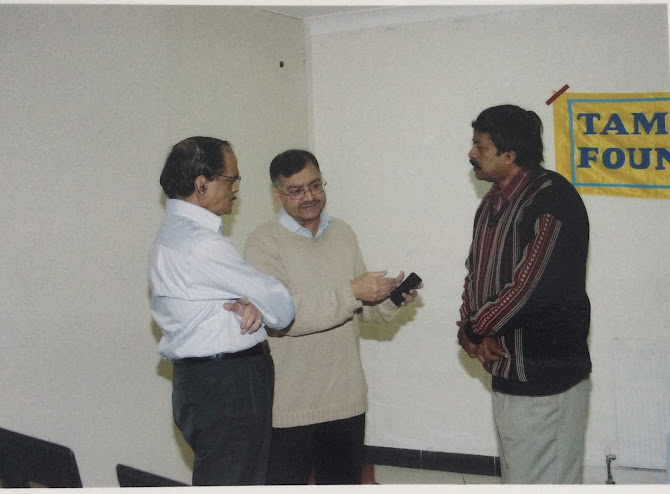
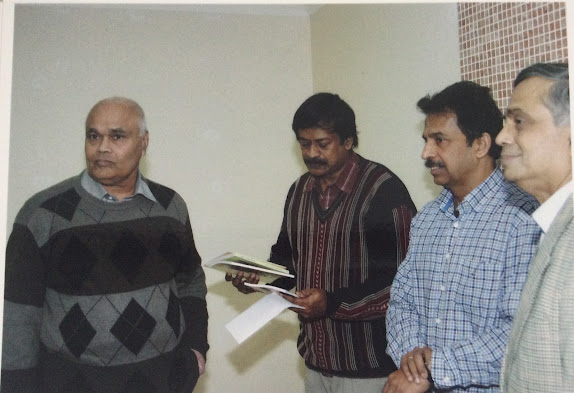
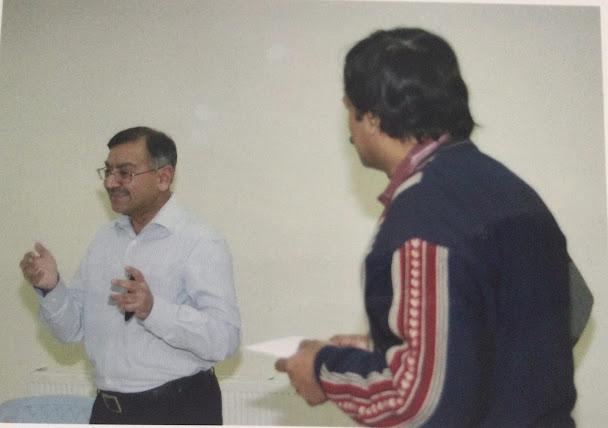
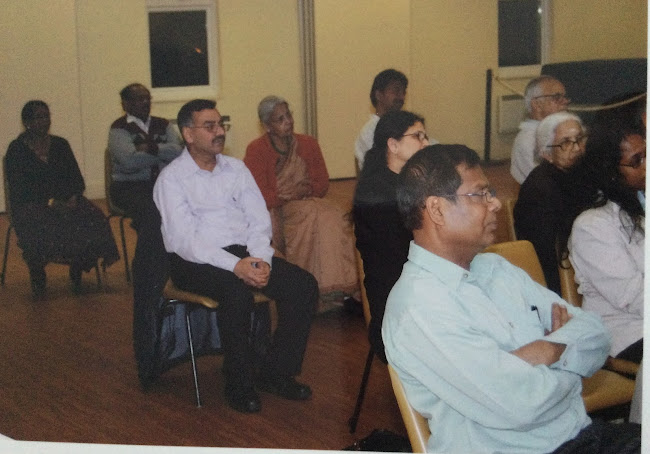
(Whene ver director Amshankumar visied London, his host MR Pathmanabha Iyer used to invite me to meet him. Once I organised a meeting at Sangamam Restaurnat in Wembley. Everyone was moved to see his documentary on Bharatiyar- a wonderful documentary. I watched his full lenght feature film in EASTHAM. He gave us an interview sometime ago on Ganamayam broadcast from London. Here in the picture Mr Pathmanabha Iyer, London poets Giri, Mr M Rajagopalan, Dr Mani of Orpington and London swaminathan are shown. Everyone must watch his documentaries on Bharatiyar, U Ve Sa, Manakkal Rengarajan, Thavil Thetchanamurthy, Dr C V raman etc. More information about him is in Wikipedia.
I organised the event under the auspices of Tamil Heritage Foundation UK.)
Pictures are taken from various sources for spreading knowledge.
this is a non- commercial blog. Thanks for your great pictures.
tamilandvedas.com, swamiindology.blogspot.com
Let me finish Swamiji Krishna Story in one or two paragraphs.
In the last part 9, I told you how Swamiji was ‘forced’ to help a sinner just to keep my father happy. If someone asks something from God or a Saint without expecting anything (for himself or his family), perhaps Swamijis will bend the course of fate. That is what happened in the last episode. My father did not ask for himself or for his family or expecting something from someone .
This reminds me of a hymn in Rig Veda, which I have listed in 53 points where some unity is maintained in the Rig Veda, oldest book in the world. A hymn says Indra, we are your friends and you are God’s friend , Please help us. Another hymn says, we are here to pray for our friends.
Even today Brahmins do it; probably kings supported Brahmins for that only. A brahmin is supposed to pay obeisance to the departed souls at least 90 times in a year ( I hardly do 20 times a year in London). In that TARPANA ceremony, the last mantra says, I pay this salute to you, O Departed Souls, to seek blessings for my friends and relatives who are already dead, but no one is in the world for offering you these water and sesame seeds.
So a brahmin does a ceremony for the departed sous on behalf of his friends and relatives without expecting anything.
Xxx
What was Swamiji Krishna’s Mission?
Everyone comes with a vision and mission in his/her life. We have seen it in many a Swamijis. When it is fulfilled they leave the world happily. Adi Shanakara, Swami Vivekananda, Bharati, Sambandar and many others died young, leaving their ineffaceable foot prints.
Swamiji Krishna also came with a mission- “To make Achankoil Ayyappa Temple easily accessible to general public”. Achankoil , Ariyankavu, Kulathupuzai, Sabari malai and Kantha malai are the Five Famous Ayyappa (Dharmasastha) Temples. Swamiji requested Kerala Government to lay a proper road to the temple. Before that his long time disciple Madurai Ramarao and others used to go with sickles and axes to cut the bushes and make a path to the temple. Others will follow them. Again, next year same story;bushes would have grown and you have to cut the bush to move forward. When the Kerala Road Transport in charge Madhavan Nair came to inspect the sandy/muddy mountain path, being an atheist , he did not have much to offer. But while their jeep car was going up the hills via sandy road suddenly an elephant and tiger came across the road. Normally they would move and disappear in the forest in a short time. But they stayed for long in the middle of the road blocking their way. When Madhavan Nair became nervous he thought if the swamiji could do miracles why can’t he ask the animals to go away. Immediately Swamiji said, “Say that you would lay a proper road to the temple and the animals would go”. When he said YES the animals moved into the forest and they proceeded to the temple.
We had been to the Achankoil temple a few times at the invitation of Swamiji. Tons of flowers would come to the temple during Pushpaanchali time. Madurai devotees used to send the flowers in truck. When we went there it was still a muddy road. When Swamiji received the news that the Kerala Government laid a proper tar road, Swamiji left the world. His mission fulfilled. His next door neighbours were Sitarama Ayyar and his sons Subbamani, Anantha Krishnan, Raju and Sundar who served Swamiji 24 hours a day. They are all in good positions in life.
Swamiji used to tell us ‘You all will get Four Digit Salary! Now even girls start with five digit or six digit salary . in those days 1000++ rupees per month was considered higher income group.
Xxx
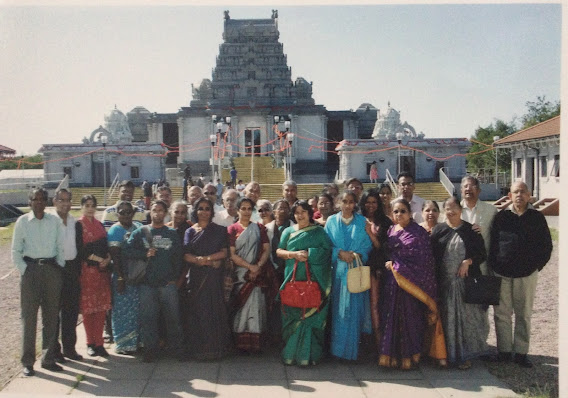
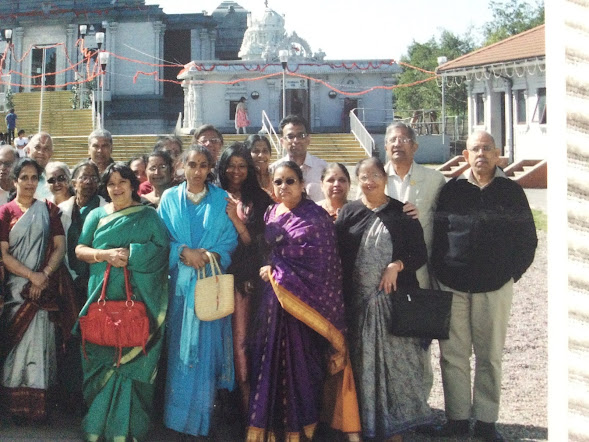
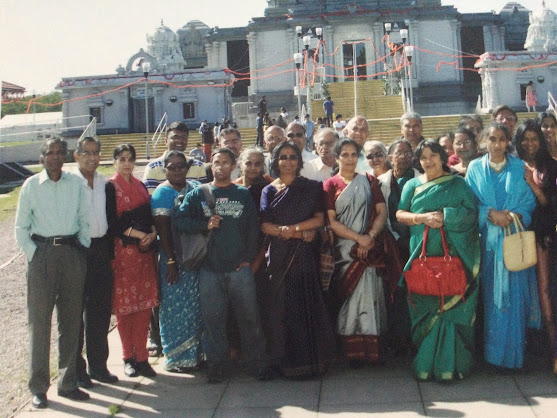
COACH TRIP TO BIRMINGHAM BALAJI TEMPLE
(TRIPS TO BIRMINGHAM BALAJI TEMPLE- LONG AGO THERE WAS NO TEMPLE OF BALAJI IN B’HAM. BUT MR S V SHARMA OF CRICKLEWOOD, LONDON AND MR PILLAI OF WIMBLEDON TOOK US TO B’HAM WHERE WE DID KALYANA UTSAVAM OF GODS IN GEETA BHAVANAM. IT WAS A TWICE A YEAR TRIP. DR NARAYANA RAO USED TO ANNOUNCE EVERY ONE HOUR ABOUT THE ON COMING TEMPLE. WE USED TO DONATE MONEY. THIS TWICE A YEAR TRIP BECAME ONCE A YEAR VISIT FOR LONDONERS AND FOR THE PAST TWO YEARS NO TRIP TO B’HAM TEMPLE DUE TO CHINESE VIRUS ATTACK.. THIS IS ONE OF THE TRIPS TO PROPER TEMPLE IN THE RECENT YEARS. I ORGANISED THE TRIPS ONE OR TWO TIMES. While we are going in the coach towards the temple, we sing devotional songs and Bhajans. At the temple, Vishu Sahasra Nama Parayana; while our return journey all film songs, Quiz and Anthaathi Song Competitions!))
Another anecdote…………………..
As a brahmin, my father should have done Gayatri Upadesa to me at the age of 5 or 7. But I had the Punul/ sacred thread at the age of 23!
Swamiji one day casually asked me why don’t you wear Punul?
I did not wear it because my dad did not arrange my Punul ceremony, I said.
When my father came to the hospital, where Swamiji was admitted for eye treatment, he asked my father the reason for such a long delay.
He gave him a dodgy reply. My first two sons had their Punul ceremony on top of Tirumalai (Tirupati). So I thought of……………………………………..
Swamiji closed his eyes and then opened it after some time. I got permission from Tirupati Balaji. Let us celebrate it in Madurai. Ask the priests to fix an auspicious day. He added ‘but, do a Kavadi at Tirupparankundram Murugan (Skanda) temple’. I also agreed to do Kavadi. (It is carrying semi circular decorated wooden thing with flowers and prasad.
I used to mock at people who used to dance like possessed people when the Semi Circular Kavadi was put on their shoulders. They dance like fiends.
But on the day, they put the Kavadi on my shoulders, I completely forgot myself and only my brothers took me up over the steps. Tirupparankundram is a temple carved out of a hillock. And behind the temple there is hilly rock. As school boys we used to do adventurous trips to the top of the hill without the knowledge of our parents. We knew they would say NO. on top there is a water stream and Kasi Viswanathar Koil. Decades later Dr R Nagaswamy took us to the places where the Jains had carved beds in rocks 1500 years ago and written their names in Brahmi script.
So even inside the temple, you have to go up and up. After I finished Kavadi and Abishekam for the Lord on the day, actual Punul (Sacred thread /Jahnu) celebration came and it was during the famous Chitra Festival. If I remember it correct it was 2 May 1972, the Annual Chariot Festival day. But because Swamiji’s devotee Achunathan Nair , SP of Madurai Police , came to the ceremony, the chariot had to slow down. A big police cordon was around SP’s car parked in front of my house in North Masi Street, Madurai. Thus it became a memorable day for me. I have been doing Gayatri worship from that day without a break. When I went to New York, Rome, Athens, Stockholm, Paris and other places I always carry a spoon and a tumbler (lota) to do the water ceremony and sun worship, that is called ‘Sandhya Vandanam’.
THIS CONFIRMS ANOTHER THING SAID BY SRI ARUNAGIRINATHAR IN TIRUPPUGAZ; THAT IS TIRUPATI BALAJI IS MURUGAN/LORD SKANDA; BOTH ARE ONE AND THE SAME. THAT IS WHY SWAMIJI ASKED ME TO DO KAVADI INSTEAD OF GOING ALL THE WAY TO TIRUPATI FOR PUNUL.ARUNAGIRI PRAISED MURUGA ON TOP OF TIRUMALAI (See my research article on this matter)
There may be many more Swamiji anecdotes which did not come to my mind now.
xxx
Let me give you the List of all Samadhis I visited.
Samadhis of SHIRDI BABA, PUJYA RAGAVENDRA SWAMI, GNANANANDA of TIRUKKOVILUR
ESWARAMBA,( Sathya Sai Baba’s Mother),MAHATMA GANDHIJI, NERUR SADASIVA BRAHMENDRAL,
KANCHI PARAMACHARYA, SIDDHAR SAMADHI AT SIRUVACHUR, MADURAI KULANTHAIYANANDA SWAMI, SRI AUROBINDO and MOTHER at PONDICHERRY, RAMANA MAHARISHI,
SESHADRI SWAMIGAL, VISIRI SWAMIGAL (FROM OUTSIDE ONLY), SIDDHAR SAMADHIS IN CHENNAI
SHANTHANANDA of PUDUKKOTTAI, KARUVUR SIDDHAR, SWAMI SIVANADA RISHIKESH and a few others.
I will tell you very briefly about my feelings there
To be continued…………………………….
TAGS- who is london swaminathan-10, Swamiji, Birmingham trip, Amshankumar
தொடர்ந்து வந்த சில ஆண்டுகளில் ஆயிரக்கணக்கில் பக்தர்கள் சேர்ந்தனர்.
பாபா இருக்குமிடம் பிரசாந்தி நிலையம் என்ற பெயருடன் உருவானது. ஆயிரக்கணக்கான அருள் விளையாடல்களை அவர் நடத்த ஆரம்பிக்க உலகமே பிரமித்தது. நேரத்தைக் கருதி ஒரு சில முக்கிய அற்புதங்களை மட்டும் இங்கு பார்ப்போம்.
ஒவ்வொரு மனிதரைச் சுற்றியும் ஒரு ஒளிவட்டம் உண்டு.ஆங்கிலத்தில் இதை அவ்ரா (AURA) என்று குறிப்பிடுவர். இந்த ஒளிவட்டத்தைப் பற்றி ஆராய்ந்தவர்களுள் தலையாய விஞ்ஞானி அரிஜோனா பல்கலைக் கழகத்தைச் சேர்ந்த டாக்டர் ஃப்ராங்க் பாரனோஸ்கி என்பவராவார். அவர் தொடர்ந்து செய்த ஆராய்ச்சிகளால் எந்த வித சாதனமுமின்றி ஒரு மனிதரின் அவுராவை தனது வெறும் கண்களாலேயே பார்க்கும் திறனைப் பெற்றவர். அவர் பாபாவை தரிசித்தார். ஆனந்தம் கொண்டார். 1979ஆம் ஆண்டு மே மாதம் 19ஆம் தேதி பிருந்தாவன் அருகே ஸ்ரீ சத்ய சாயி கல்லூரி கட்டிடங்களின் திறப்பு விழாவில் ஸ்ரீ சத்ய சாயி கட்டிடங்களைத் திறந்து வைக்க, தொடர்ந்து நடந்த பயிற்சி முகாமில் எட்டாம் நாளன்று பாரனோஸ்கி உரை நிகழ்த்தினார். அந்த உரையில், “நான் அமெரிக்க நாட்டுத் தலைவர் ஃபோர்ட், இங்கிலாந்து ராணி இரண்டாவது எலிஸபத் நெதர்லாந்து ராணி வில்லெயுல்மினா ஆகியோர் இருந்த மேடைகளில் பேசியுள்ளேன்” என்று கூறிய அவர் ஸ்வாமியின் ஒளிவட்டம் இளஞ்சிவப்பு நிறத்தில் இருப்பதையும் அது அவர் பேசும் நபர் அல்லது தொடும் நபரை ஊடுருவி பிறகு திரும்பி வருவதையும் கண்டதாகவும், அவருடைய சக்தி எங்கும் பரவி இருப்பதாகவும் கூறினார். அவரது பிரேமை ஒளிவட்டத்தைக் கண்டு வியந்த அவர், Love Walking on Two Feet – நடமாடும் பிரேமை உருவம் – என்று அவரை வர்ணித்தார்.
அமெரிக்காவில் ஒரு பெரிய நிறுவனத்தின் நிர்வாகி வால்டர் கோவான் என்பவர். அவர் தனது மனைவி எல்ஸியுடன் இந்தியா வந்து ஸ்வாமியை தரிசித்தார். சென்னையில் 1971 டிசம்பரில் எட்டாவது அகில இந்திய ஸ்ரீ சத்ய சாயி சேவா நிறுவனங்களின் மாநாட்டில் கலந்து கொள்ள அவர் வந்த போது கன்னிமாரா ஹோட்டலில் தங்கி இருந்தார். டிசம்பர் 20ஆம் தேதி காலையில் திடீரென்று அவருக்கு மாரடைப்பு ஏற்பட்டது. உடனடியாக ஆஸ்பத்திரிக்கு எடுத்துச் செல்லப்பட்ட அவர் அங்கு காலமானதாக அறிவிக்கப்பட்டு அவர் நாசியிலும் காதுகளிலும் பஞ்சும் வைக்கப்பட்டது. அவர் சவத்தை அப்புறப்படுத்த டாக்டர் உத்தரவிட்டார். பிறகு தனது அலுவலைக் கவனிக்கச் சென்ற அவர் திரும்பி கோவானின் அறைக்கு வந்த போது அவர் உயிருடன் இருந்தார். பஞ்சு அகற்றப்பட்டிருந்தது. இதயத் துடிப்பு சீராக இருந்தது. என்ன நடந்தது என்று டாக்டர் பிரமித்தார். பணியாளர்கள் சிவப்பு நிற அங்கி அணிந்த ஒருவர் கோவானைப் பார்க்க வந்ததாகவும் உடனே அவர் உயிர் பிழைத்தார் என்றும் கூறினர் கோவானே நடந்தது என்ன என்பதைப் பின்னர் விளக்கினார்.
தான் இறந்து வெகு உயரம் சென்றதாகவும் பாபா தன்னுடன் வந்ததாகவும் அவர் கூறினார். ஒரு இடத்தில் மேஜை ஒன்றில் தலைவராகக் காணப்பட்ட ஒருவரிடம் கோவானைப் பற்றிய பல ஆவணங்கள் பல மொழிகளில் தரப்பட்டன.அவை அவர் பல் வேறு காலங்களில் பல்வேறு கலாசாரங்களில் உயர்ந்த பதவி வகித்து வந்ததை அவை குறிப்பிட்டன. அதை பாபா மொழிபெயர்த்துக் கூறினார். அந்தத் தலைவரிடம் பாபா, கோவானைத் தன்னுடைய பாதுகாப்பில் அனுப்பி வைக்குமாறு கூற தலைவர் அதற்கு இணங்க இருவரும் அறையை விட்டு வெளியே வந்தனர். தான் மீண்டும் உயிருடன் இருப்பதை உணர்ந்ததாக கோவான் கூறினார். இப்படி இறந்த ஒருவர் மீண்டும் உயிர் பெற்ற சம்பவம் நம் காலத்திலேயே நம் கண் முன்னாலே நடந்திருக்கிறது என்பது எத்துணை ஆச்சரியமான ஒன்று!
டாக்டர் பகவந்தம் கேம்பிரிட்ஜில் படித்த சுலபத்தில் மசியாதவர். சித்து வேலைகளைக் கண்டால் அவருக்குப் பிடிக்காது. ஒரு முறை அவர் பாபாவைச் சந்தித்த போது அவரிடம் பாபா பகவத் கீதை வேண்டுமா, நான் கொடுத்தால் படிப்பீர்களா என்றார். ”இன்றே படிக்காவிட்டாலும் அதை பொக்கிஷமாகப் பாதுகாப்பேன்” என்றார் பகவந்தம்.
அவர் பார்த்துக் கொண்டே இருக்க கையை அசைத்தார் பாபா. அதிலிருந்து சிறிய அளவில் ஒரு கீதை புத்தகம் சிருஷ்டிக்கப்பட்டிருந்தது. விஞ்ஞான மனப்பான்மை கொண்ட பகவந்தம் அதிசயித்து அது எந்த பிரஸ்ஸில் அடிக்கப்பட்டது என்று கேட்டார். ‘சாயி பிரஸ்ஸில். தெலுங்கு எழுத்துக்களில் அடிக்கப்பட்டிருக்கிறது. ஏனெனில் உங்களுக்குப் படிக்கச் சுலபமாக இருக்கும்” என்றார் பாபா. பகவந்தம் பாபாவின் அணுக்கத் தொண்டராக ஆனார்; பகவான் தெலுங்கில் ஆற்றிய சொற்பொழிவுகளை ஆங்கிலத்தில் மொழிபெயர்க்கும் பாக்கியத்தையும் பெற்றார்.
அமெரிக்காவில் பிரபலமான சைக்கியாட்ரிஸ்ட் டாக்டர் சாமுவேல் சாண்ட்விஸ் (Dr. Samuel Sandweiss)என்பவர், தானே பாபாவிடம் பல அனுபவங்களைப் பெற்றார்.
Amazing! Unbelievable! Unthinkable! என்று தனது அனுபவங்கள் பலவற்றால் அவர் வியந்து கூறினார். இனி Psychiatry யே இல்லை! இனி உலகை Saichiatry யே ஆளும் என்று சிலேடையாக எழுதினார். அவரது Sai Baba The Holy Man and the Psychiatrist என்ற நூல் உலகப் புகழ் பெற்ற நூல்.
பாரா சைக்காலஜி எனப்படும் அதீத உளவியல் துறையில் நிபுணத்வம் கொண்ட பல விஞ்ஞானிகள் பாபாவிடம் வந்து அவரை ஆராய ஆரம்பித்தனர். கார்லிஸ் ஓஸில் என்ற விஞ்ஞானி பாபாவின் அனுமதியைப் பெற்று அவரை ஆராய ஆரம்பித்தார். அவருடன் ஹரால்ட்ஸன் என்பவரும் சேர்ந்தார்.
அங்கையை அசைத்து விபூதியை வரவழைத்து அவர்களிடம் தந்தார் பாபா. பல அதிசய அனுபவங்களைப் பெற்ற அவர்கள் 1975இல் கலிபோர்னியாவில் நடந்த பல்கலைக் கழக அதீத உளவியல் ஆராய்ச்சி நிறுவனத்தின் மகாநாட்டில் இந்த அற்புதங்களில் மோசடி இருப்பதற்கான சான்றாக எதையும் தங்களால் கண்டு பிடிக்க முடியவில்லை என்றனர்.
Pictures are taken from various sources for spreading knowledge.
this is a non- commercial blog. Thanks for your great pictures.
tamilandvedas.com, swamiindology.blogspot.com
CHRISTIAN ATROCITY AGAINST WOMEN
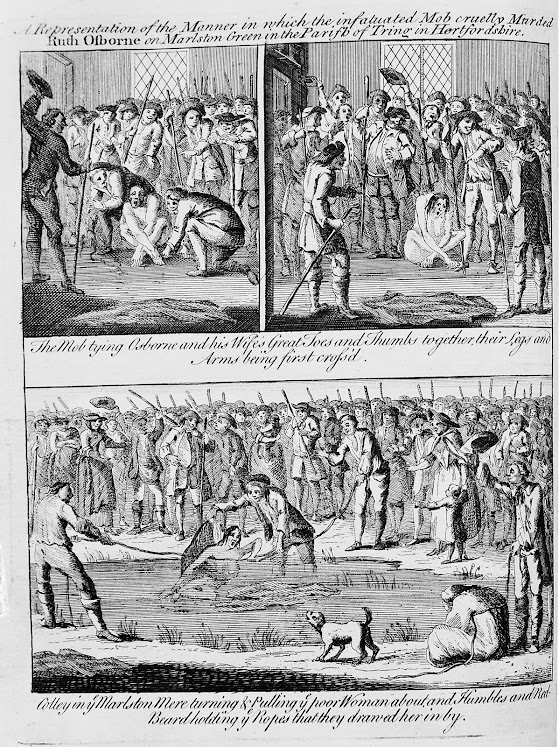
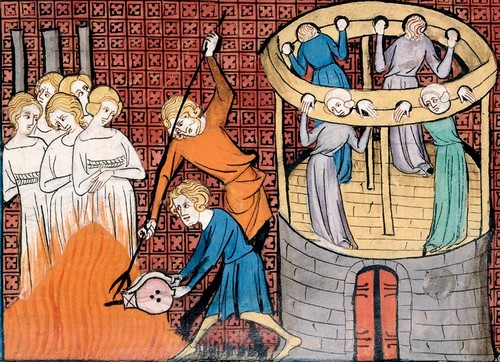
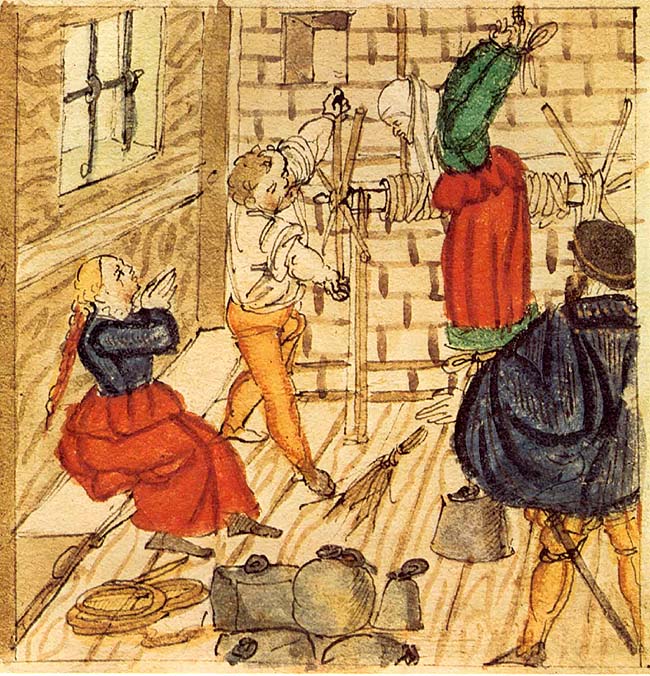
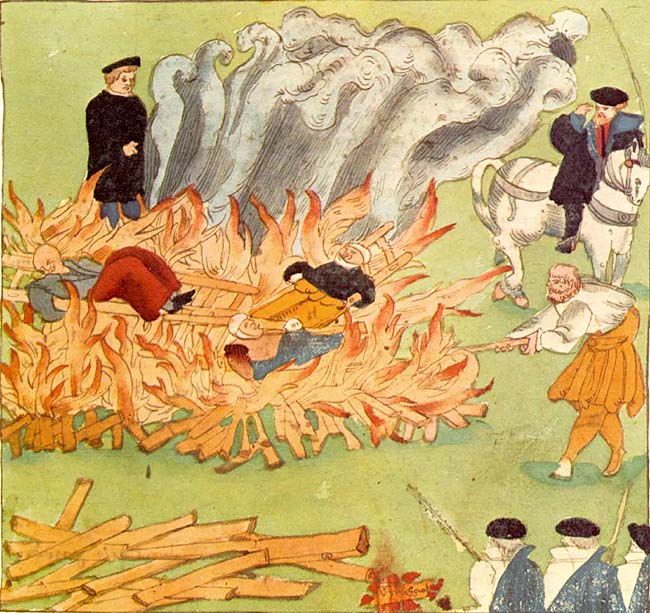
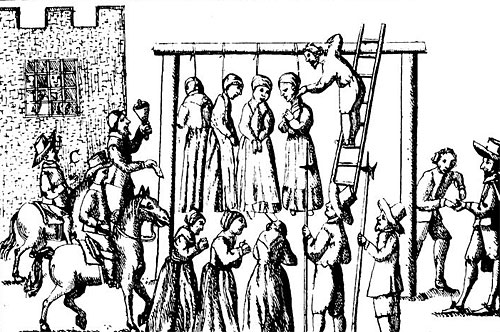
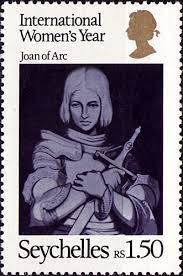
Christians dubbed all pagans as witches and burned them alive. Joan of Arc is the most famous woman and heroine burned alive. But until 1920s the church justified it and turned a blind eye to the problem. Only in 1920, she was made a martyr/saint. Later she became Saint Joan. Napoleon Bonaparte announced that Joan was the national symbol of France. Catholic church feared that France could also turn anti- Catholic like the Protestant Germany.
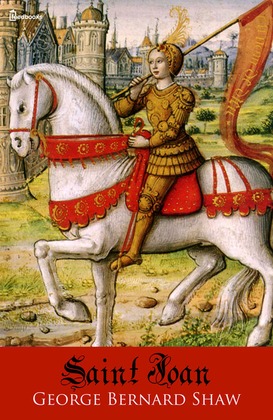
George Bernard Shaw brings out the animosity of Christian preachers against women like Joan, the Maid of Orleans.
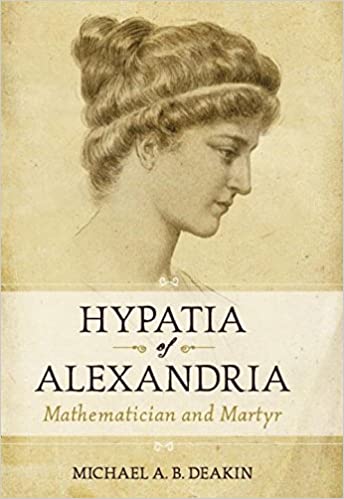
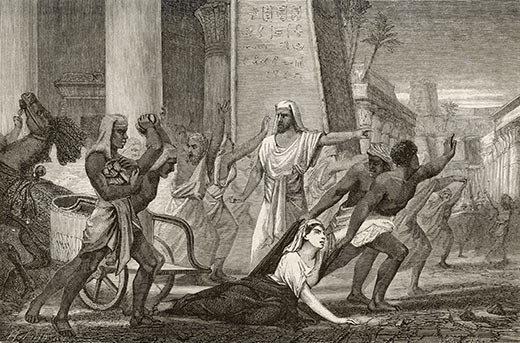
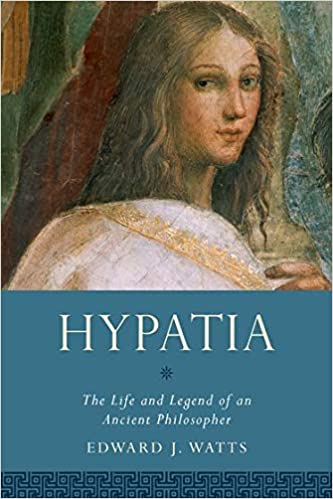
Christians have been practising witch hunt for 2000 years. The most famous woman mathematician Hypatia was dragged down to the streets like a dog by Christian fanatics and killed violently in Egypt. The world of science knows what happened to Copernicus and Galileo.
In Christian dictionary, a witch is one who does not practise Christianity and practise another faith. Hypatia was so beautiful that she did not want to show her beauty, thinking that it would distract the students , taught maths from behind a curtain. She taught that sun is the centre of the world and all the planets are going around it. She lived in the 4th century CE in Alexandria in Egypt. 1500 years later Kepler was given credit for this Helio- centric theory. Hypatia might have got this theory from Hindus of Alexandria in Egypt. There were sizeable number of Hindu scholars and businessmen in Alexandria according to early Greek and Roman writers.
Hindus knew that the Sun was in the centre and around which earth and other planets orbited. They calculated eclipses correctly and gave the names appropriately because of this knowledge; slowest orbiting planet was given the name Sanais Charan- slow moving (Saneeswaran is a wrong word for Saturn) and named the heaviest planet Jupiter /Guru. Guru means ‘heavy’ as well one who elevates his disciple to a higher place. Latest NASA scientists’ discovery shows that planet Guru/Jupiter is not only the largest but also it has catapulting effect. A satellite can use Guru’s gravitational pull to go higher and higher without spending any fuel. Hindu Guru does the same for his dieciple!!
xxx
PICTURES FROM WIKIPEDIA
Ralph T H Griffith adds the following note as a foot note to Atharva Veda Sukta 171; Canto/Book 5; hymn 29
“This invocation of Agni to counteract and destroy malevolent fiends who sapped men’s strengths and took their lives is a far more sensible than the European belief, countenanced by the law and generally prevalent even at the beginning of last century, which attributed any insidious and unaccountable illness to the malevolent machinations and noxious charms of witches, who were usually poor old women with wrinkled faces , hairy lips, squinting eyes, squeaking voices and scolding tongues. Dr Sprenger in his ‘Life of Mohammed’ computes the entire number of persons who have been burned as witches during the Christian epoch at NINE MILLIONS – Chambers Encyclopaedia/ Witchcraft”
xxx
What was hidden by Griffith
Joan of Arc’s burning and Hypatia’s killing show that the Witch hunt has been going on for nearly 1700 years. Christian priests authorised them. People gathered in large numbers and celebrated burning of women.
Muslim invaders killed more people who refused to convert themselves.
Greeks poisoned their opponents and the best example is Socrates.
Romans were more barbarous and killed the slaves by throwing them to wild animals like tigers and lions. A vast crowd sitting in In the huge stadium watched happily the tearing of human beings by wild animals.
Now for Americans, shooting and killing people like ducks has become a hobby. Are we progressing or regressing?
In the Atharva Veda sukta it was only a ‘ghost busting mantra’. No loss of life is reported.
Hindu children must learn all these things properly to counteract the anti -Hindu preachers.
–subham–
TAGS- CHRISTIAN, BURNING WOMEN, 9 MILLION, HYPATIA, JOAN OF ARC, WITCHES
Pictures are taken from various sources for spreading knowledge.
this is a non- commercial blog. Thanks for your great pictures.
tamilandvedas.com, swamiindology.blogspot.com
கிறிஸ்தவ மதத்தில் நம்பிக்கை இல்லாத பெண்களை பேய்மகள் , சூன்யக்காரி என்று சொல்லி உயிருடன் எரித்துக்கொல்வதை உலகம் நன்கு அறியும் . பிரான்ஸ் நாட்டின் வீராங்கனை, பேரழகி ஜோன் ஆப் ஆ ர்க்கை (JOAN OF ARC ஆர்க் நகர ஜோன் ) உயிருடன் எரித்துக் கொன்றதால் இது உலகம் முழுதும் அம்பலமாகியது. பின்னர் போப்பாண்டவர் இதற்கு மன்னிப்புக் கேட்டுவிட்டு அவளை செயின்ட் / புனிதவதி என்று அறிவித்தார். பெர்னார்ட் ஷா எழுதிய நாடகத்தில் இந்த அநியாயத்தைக் கண்டித்தார் (பெர்னார்ட் ஷா நாடகத்தை லண்டன் சுவாமிநாதன் பி.பி.சி. தமிழோசைக்காக தமிழில் மொழிபெயர்த்துள்ளார் ).
வெள்ளைக்கார மஹா பாவிகள் இதைப் பற்றி எழுதவே மாட்டார்கள்; அது மட்டுமல்ல இது 19-ம் நூற்றாண்டு வரை நடந்தது. அப்படி பெண்களை உயிரோடு எரிக்கையில் ஊரே கூ டி நின்று வேடிக்கை பார்க்கும். கூத்தாடி மகிழ்வார்கள். அங்குள்ள சிறுவர் சிறுமியர் மனதில் அனுதாபம், பரிதாபம் தோன்றக்கூடாது என்பதற்காக அவள் சூன்யக்காரி, மந்திரத்தால் இந்த ஊரையே நாசம் செய்ய முயன்றாள் என்று வதந்தியைப் பரப்புவார்கள் . பின்னர் அவளை கயிற்றால் கட்டி, வைக்கப்போரில் வைத்து கொளுத்தி ஆடிப்பாடி மகிழ்வார்கள். இதற்கெல்லாம் முன்னின்று அனுமதி கொடுப்பவர் கிறிஸ்தவப் பாதிரி. இதே போல மதம் மாறாதவர்களை முஸ்லீம்கள் கொன்று குவித்தார்கள் . இந்த வரலாற்று உண்மை களை ஆதாரபூர்வமாக இந்துக்களுக்குக் கற்பிக்கவேண்டும்.
மாற்று மதத்தினர் இந்து மதத்தினரைத் தாக்கிப் பிரசாரம் செய்தால் இதை அச்சிட்டு அவர்கள் கைகளில் கொடுக்க வேண்டும்.
முதலில் CHAMBERS ENCYCLOPAEDIA சேம்பர்ஸ் என்சைக்ளோபீடியா என்ன கூறுகிறது என்பதைப் பார்ப்போம் .
அதர்வண வேதம் ஐந்தாம் காண்டத்தில் 28-ஆவது மந்திரம் (ஸூக்தம் எண் 171) பேய் ஒட்டும் மந்திரம் ஆகும் .அதுபற்றி வேத மந்திரங்களை ஆங்கிலத்தில் மொழி பெயர்த்த ரால்ப் டி .எச் . கிரிப்பித் RALPH T H GRIFFITH இவ்வாறு கூறுகிறார்
” கெட்ட பிசாசுகளை அழிக்க அக்கினியை நாடும் இப்பழக்கம் ஐரோப்பாவில் உள்ளதைவிட தேவலை போல் உள்ளது. அங்கு சென்ற நூற்றாண்டின் துவக்கத்தில் தோன்றிய பயங்கரமான பேய்களுக்கு பெண் மந்திரவாதிகள்தான் கரணம் என்று நம்பினர்; மக்களும் கூட அதை நம்பினர். அம்மந்திரவாதிகள் பொதுவாக ஏழைக் கிழவிகளாக இருப்பார்கள். சுருக்கங்கள் நிறைந்த முகம், ரோமங்கள் அடர்ந்த உதடுகள் , பூனைக் கண்கள், கீச் என்ற குரல், வசைபாடும் நாக்குகள் உடையோர் என்று அவர்களை வருணிப்பார்கள். கிறிஸ்தவ சகாப் தத்தில் சுமார் 90 லட்சம் பெண் மந்திரவாதிகள் எரிக்கப்பட்டதாக டாக்டர் ஸ்ப்ரெங்கர் ” முகமது நபியின் வாழ் க்கைச் சரிதம் என்ற நூலில் கூறுகிறார்- ஆதாரம் சூன்யக் காரிகள் – சேம்பர்ஸ் என்சைக்ளோபீடியா WICHCRAFT ,CHAMBRS ENCYCLOPEDIA.
DR SPRENGHER IN HIS BOOK ‘ LIFE OF MOHAMMED’.
குறிப்பிட்ட அதர்வண வேத மந்திரத்தில் ஜாதவேதஸ் என்னும் அக்கினி தேவன் குறித்துப் பாடும் பாடலில் உயிர்க்கொலை எதுவுமில்லை. பேய் பிசாசுகள் மீது சாபம் மட்டுமே உளது. ஆகையால் கிரிப்பித் இது ரொம்பவும் தேவலை போல இருக்கிறதே. எங்கள் ஐரோப்பா மிகவும் மோசம் என்று சொல்லாமல் சொல்கிறார்.
XXXX
கிரிப்பித் மறைத்த விஷயங்கள்
வயதான, ஆதரவற்ற, தனித்து வாழும் பெண்கள் எவருக்கும் ஐரோப்பாவில் பாதுகாப்பு இல்லை. அவர்கள் எரிக்கப்படுவார்கள். அது மட்டுமல்ல. கிறிஸ்தவ மதத்தை ஏற்காத இளம்பெண்களையும் இப்படி எரித்தார்கள். கிரிப்பித் மிகவும் சாதுர்யமாக, ஜோன் ஆப் ஆர்க் பற்றி எதுவும் சொல்லவில்லை. ஆர்லியன்ஸ் நகர பேரழகி ஜோன், 19 வயதில் சூன்யக்காரி முத்திரை குத்தப்பட்டு உயிருடன் எரிக்கப்பட்டாள் . இது 500 ஆண்டுகளுக்கு முன்னர் நடந்தது. இறுதியாக நெப்போலியன் இந்த அக்கிரமத்தைக் கண்டித்து அவளை பிரான்ஸ் நாட்டின் தேசீய சின்னம் என்றும் அறிவித்தார். இதற்கு மேலும் இந்த அநியாயத்தைக் கண்டிக்காமல் இருந்தால் பிரான்சும் ஜெர்மனி போல கத்தோலிக்க கிறிஸ்தவத்துக்கு எதிராகப் போர்க்கொடி தூக்கும் என்று கருதி 1920ம் ஆண்டில் நா ங்கள் செய்தது மஹா தப்பு; அவளை இன்று முதல் பு ண்ய ஆத்மா என்று வணங்குவோம் என்று அறிவித்தார் அப் போதைய போப்பாண்டவர்.
கிறிஸ்தவர்கள் இதை 2000 ஆண்டுகளாக செய்து வந்தனர். 1700 ஆண்டுகளுக்கு முன்னர் ஹைப்பேஷியா HYPATIA என்னும் பேரழகி எகிப்து நாட்டில் மக்களுக்கு கணிதம் சொல்லிக்கொடுத்தார். அவர் பிற்காலத்தில் கெப்ளர் KEPLER கண்டுபிடித்ததாகச் சொல்லப்படும் சூரிய சித்தாந்தத்தை 1700 ஆண்டுகளுக்கு முன்னரே சொன்னார். அவளை கிறிஸ்தவ மத விரோதி என்று முத்திரை குத்தி படுகொலை செய்தனர். கோபர்நிக்கஸ், கலீலியோ போன்ற விஞ்ஞானிகளை கிறிஸ்தவர்கள் கொடுமைப் படுத்தியதை எல்லா புஸ்தகங்களிலும் காணலாம்.
ஹைப்பேஷியா HYPATIA கொல்லப்பட்ட அ லெக்ஸ்சாண்ட்ரியா துறைமுகத்தில் இந்துக்கள் காலனி HINDU COLONY இருந்தது. இந்து வணிகர்கள் அங்கு பெரும் அளவில் இருந்தனர். ஆக , ஹைபேசியா சொன்ன புதுமை விஷயம் இந்துக்களின் கண்டுபிடிப்பே. ஏனெனில் கிரஹணம் பற்றிய தகவல்கள் 2000 ஆண்டுகளாக சங்கத் தமிழ் நூல்களிலும் அதற்கு பல்லாயிரம் ஆண்டுகளுக்கு முந்தைய ரிக் வேதத்திலும் உளது. நாம் நாள் தோறும் பார்க்கும் பஞ்சாங்கத்திலும் உளது. ஆக சூரியனைச் சுற்றித்தான் கிரகங்கள், பூமி முதலியன செல்கின்றன என்பது இந்துக்களுக்குத் தெரியும். அல்லது கிரஹணத்தை சொல்லியிருக்க முடியாது .
கிறிஸ்தவ, முஸ்லீம் படுகொலைகளை மார்க்ஸீயக் கும்பலும், வாத்திகன் ஆதரவு கும்பலும் மறைத்து வருகின்றன. இவற்றை இந்து மத சிறுவர் சிறுமியர்க்கு கற்பது மிகவும் அவசியம் ஆகும் .
இதைவிட கொடூரமான சம் பவம் கிரேக்க நாட்டிலும் இத்தாலியிலும் நடந்தன. கிரேக்க நாட்டில் அவர்களுடைய தெய்வத்துக்கு எதிராகப் பேசிய சாக்ரடீஸ் முதலியோருக்கு கட்டைப் பஞ்சாயத்து நடத்தி கட்டாய விஷம் கொடுத்துக் கொன்றனர். ரோமானிய மன்னர்கள் அசுரர்கள். ராவணன் போன்றவர்கள். அவர்கள் அடிமைகளையும் போர் எதிரிகளையும் சிங்கம் புலிகள் முன்னிலையில் தூக்கி எறிந்து சண்டை போட்டு சாகுங்கள் — என்று சொல்லி வேடிக்கை பார்த்தனர். அதை வேடிக்கை பார்க்க பிரம்மாண்டமான ஸ்டேடியம் கட்டினார்கள் ( கட்டுரையாளர் லண்டன் சாமிநாதன் இரண்டு முறை ரோம் சென்ற போதும் அந்தக் கட்டிடங்களை புகைப்படம் எடுத்து முன்னரே இங்கு வெளியிட்டுள்ளார்.)
90 லட்சம் பெண்களின் ஆன்மா சாந்தி அடைவதாக !
PLEASE GO TO WIKIPEDIA FOR MORE INFORMATION ABOUT HYPATIA OF ALEXANDRA, JOAN OF ARC OF FRANCE.
–SUBHAM–
tags- சூன்யக்காரி பிரான்ஸ் , வீராங்கனை, ஜோன் ஆப் ஆர்க் ,JOAN OF ARC , Hypatia, ஹைப்பேஷியா











 Tamil and Vedas