Dictionary of Demons

Andhakasura
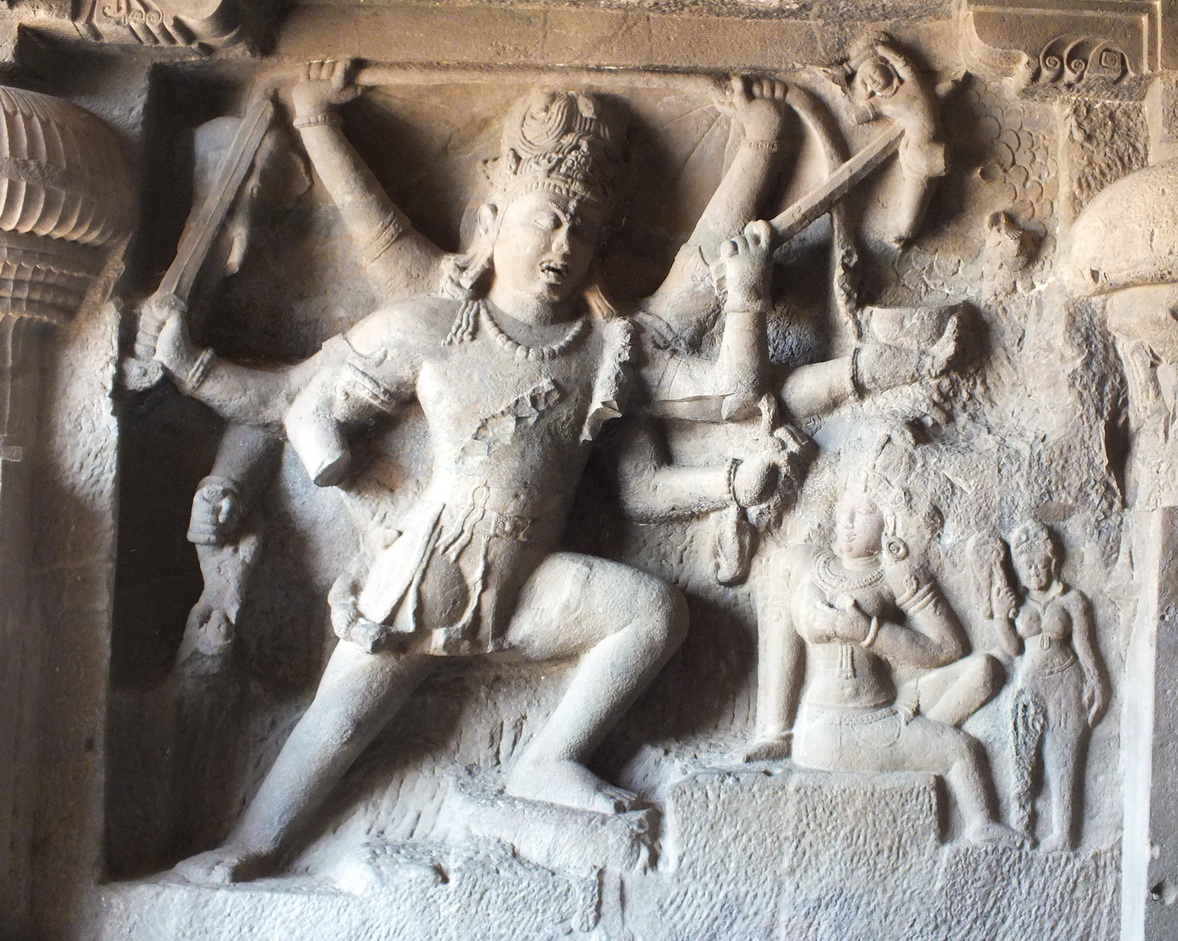
Shiva killed Andhakasura

Research paper written by London Swaminathan
Research article No.1362; Dated 21st October 2014.

DIWALI IS THE CELEBRATION OF DESTRUCTION OF DEMONIC QUALITIES.

Every ancient culture and religion has two types of forces Angels and Demons i.e Good and Bad. This is symbolic. Every one of us has two sets of thoughts good and bad. People who have only good thoughts, words and deeds are considered great saints in India. They are angels or Devas. Those who have bad thoughts, words and deeds 100 % are considered demons. But most of the people don’t stoop that low. They are at various levels.

In Hindu mythology we see demons like Ravana who are well educated, wealthy but bent upon during very bad things. They were so arrogant that they were not ready to change even when they were given enough opportunities and sufficient time.

In the oldest literature in the world, the Rig Veda, even the natural forces are described as demons. Foreign “scholars” who tried to translate them struggled hard to understand the difference between the demons and the natural catastrophes. People who came to India from outside with a motive to spread their religion or to establish their rule, followed “Divide and Rule” policy and divided India into two classes–Aryans and Dravidians. They dubbed all Dravidians as demons. They boldly concealed the facts available in Hindu scriptures. They published half truths by quoting one couplet from here and another couplet from somewhere and told the people this is what Hinduism say about Dravidians. Hindus who never study their huge, voluminous, gigantic, Himalayan amount of literature, believed those people because they wrote in ENGLISH!!!!.

Indian “Scholars” with divisive tendencies who were either Marxists or Dravidian political leaders became “Yes men” to those foreigners because it served their political purposes. They also adopted the same foreign tactic of Divide and Rule.
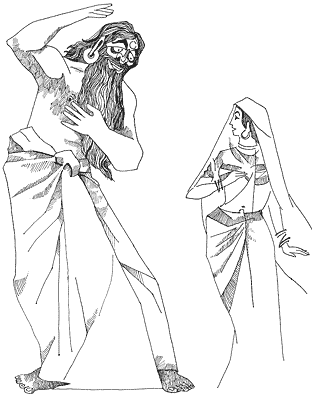
bhasmasura_mohini
Bhasmasura killed himself with his own boon!

Those who study Hindu scriptures will know that both the Asuras and Suras (Demons and Angels) are the sons of the same mother. Even the word Asura (demonic) is used as an epithet of Indra in the early parts of the Rig Veda. It meant great strength. All the Iranians (Persians) and Assyrians called themselves Asuras. It did not have any bad connotation other than terrific, huge, strong etc.

Lord Krishna gives a list of Daivic (angelic) and Asuric (demonic) qualities in the Bhagavad Gita. It is very clear that people are divided on the basis of qualities and not on birth. Living beings are classified into 18 types of people and the scriptures say that they all came from the same mother. Some narrowed it down to six or seven categories like we see in Vishnu Sahasranamam: Sura- Nara- Go- Khaga-Bogi- Gandharva- Daityai: (Angels, Human beings, Animals, Birds, Gandharvas (celestial singers), Daityai: (people with asuric qualities).

Those who are born to Kasyapa and Diti are called Daitya. Prahalada, Hiranyakasipu and Hiranyakshan were born in this family. Krishna says that he was Prahlada among the Daityas in the Bhagavad Gita (10-30). The Vibhuti Yoga of Gita (Chapter 10) makes it clear that all are Lord’s children. And just to give this message to the humanity he described himself the best one in each category.

List of Asuras, Rakshasas, Daityas and Danavas:

Demons killed by Lord Krishna
Putana (woman)
Sakatasura (Cart Demon)
Trinavarta (Wind Demon)
Vatsaura (Calf demon)
Bakasura ( Stork or Heron demon)
Aghasura (Snake demon)
Dhenukasura (ass demon)
Kaliya (sepent )
Pralambasura (human)
Arishtasura (Bull)
Kesi asura (Horse demon)
Sankachuda- Shell demon
Kamsa – Human
Chanura – wrestler
Vyomasura- sky demon
Madhu – demon
Narakasura
Tarakasura
Tarakasura in Yakshagana

Demons killed by Indra

Ahi (RV 2-11)
Vritra – a Brahmin (in a lot of RV hymns) (RV 2-11)
Trisiras (Visvarupa) — a Brahmin
Sambara (RV 6-26) (RV 4-30)(2-12)
Araru
Susna(RV 2-14)
Kuyava ( RV 1-103)
Ilibisa
Uranu (RV 2-14-4)
Svarbhanu (RV 5-40-5)
Ahisuva – snake (RV 8-32-2),(10-144-3)
Karanja (RV 1-53-8)
Parnaya ( R V 10-48-8)
Vangrda ( R V 10-48-8)
Varcin
Arbuda(RV 2-14)
Aurnavabha
Vrkadvaras (2-20-4)
Pipru(RV 2-14)
Chumuri (RV 6-20)
Namuci (RV 2-14)
Ridhikra (RV 2-14)
Sribrnda
Anarsani
Dhuni (RV 6-20)
Vala (RV 2-11)
Mrigya
Drbhika (RV 2-14)
Tugra (RV 6-26)
Vetasu (RV 6-26)
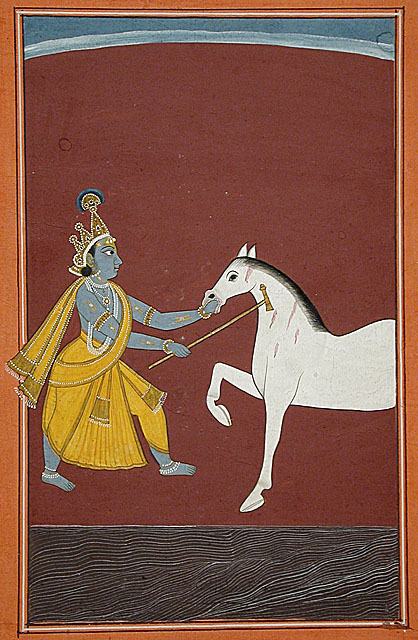
Digital Capture
Keshikasura killed by Krishna

Names of all the Vedic “demons” end with vowels ‘a, u,i’. This uniformity shows that they were also sons of the soil belonging to the same race. Hindu Gods’ names also end with the same vowels AgnI, IndrA, VarunA, YamA, VayU, MitrA,NasatyA, DasrA, ArkA,VaghisA, BrhaspatI, VachaspatI etc ( a, i, u). If they are foreign names, we can’t see this similarity!!

Demons killed by other Gods
Madhu Kaitaba – killed by Hayagriva (Vishnu)
Hiranyakasipu – Narasimha
Bali – Trivikrama or Vamana
Ravana, Indrajit, Kumbakarna , Maricha – Rama
Kara, Dushana – Rama
Tadaka – Rama
Kabandha – Rama
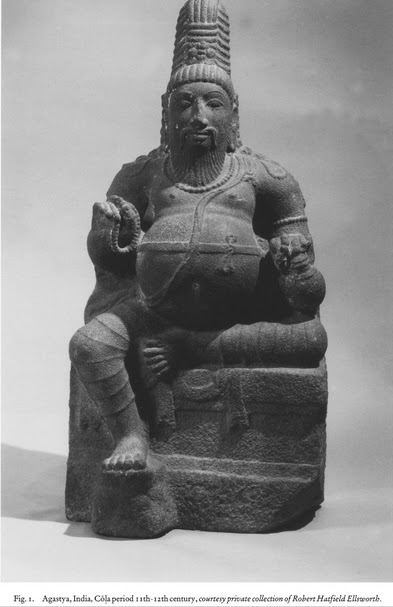
Vatapi – Agastya
Bakasura – Bhima
Jatasura – Bhima
Andhakasura – killed by Shiva
Bamsmasura – killed himself
Gajamukasura – Ganesh
Surapadman – Subrahmanya
Tarakasura – Subrahmanya/Skanda
Mahisasura – Devi
Sumba– Devi
Nisumba– Devi
Sunda– Devi
Upasunda– Devi
Vidyunmalai- Lord Siva
Viryavana — Lord Siva
Tarakaksha — Lord Siva

durga2
Durga killed Mahisasura

During the mythological period and Ramayana period people with bad qualities were called demons. In the Mahabharata period we see less number of demons and more number of bad people like Duryodhana. Even the demons killed by Krishna are not portrayed as demons in the Mahabharata. Only in the Bhagavatha Purana which was written in ‘old Puranic style’, baddies were described as Asuras. In short, Asuras are as human as we are in appearance but with bad qualities. They derived sadistic pleasure by troubling others. If we reject the foreign theories on our Gods and Goddesses, we will understand them better.

chola Bronze Narasinha
Narasimha who killed Hiranyakasipu

Contact swami_48@yahoo.com
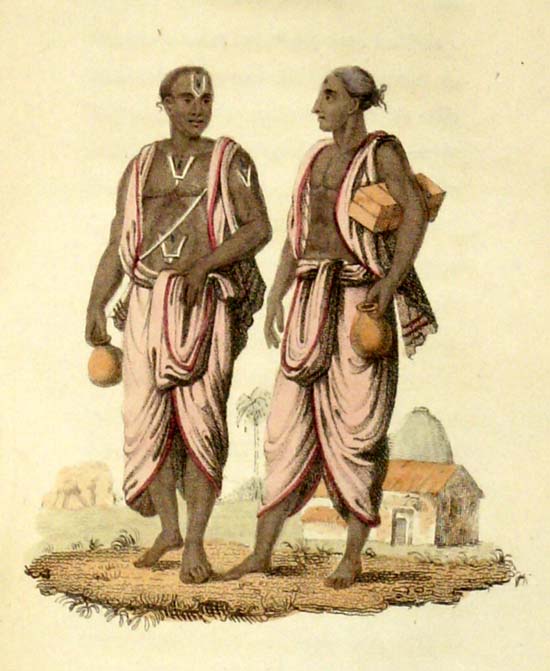
Oldest Poet Usanas Kavi!

brahmins

Research paper written by London Swaminathan
Research article No.1360; Dated 20th October 2014.

“Of the Vrsnis I am Vasudeva; of the Pandavas I am Dhananjaya (winner of wealth); of the sages I am Vyasa and of the poets I am Usana”.
– Bhagavad Gita 10-37

Why did Krishna say that he was Usana Kavi, an ancient poet whom we did not know much? We know a lot of other Vedic seer poets, but not Usanas.

First of all let me give you some basic information:
1.Until this day we use the word ‘Kavi’ for a poet in all the major Indian languages including Tamil (Pulavar was old and Kavinjar is current). This shows that the Rig Vedic Sanskrit lives in all our hearts. Kavi is a poet and Kavitha is a poem in all Indian languages. ‘Kavi’ is in the Veda and in the Gita!

2.Usanas belonged to Kavya Gotra and in Tamil, the oldest poet Tolkappiyan is believed to be from this Gotra. And there is another poet Kappiyatru Kappiyanar of Patitru Pathu (Ten Decads) from the same Gotra.

3. This shows the antiquity of the Gita as well. Krishna mentioned one of the oldest poets of the Rig Veda! AA Macdonell and A B Keith say in their Vedic Index of Names and Subjects, “ Usanas Kavya is an ancient seer, already a half mythical figure in the Rig Veda where he is often mentioned, especially as associated with Kutsa and Indra”. Rig Veda itself is old; in fact the oldest book we know of. Usanas had become ancient to the seers of Rig Veda! But Krishna was able to appreciate it. That means Krishna lived before the collection of Rig Vedic hymns by Vyasa.

4.”Later on Usanas becomes the Purohita/Priest of the Asuras in their contests with the Gods. A Variant of his name is Kavi Usanas. He appears in the Brahmanas as a teacher also”, say the authors. This shows that there were more poets with the same name in later days. We know that Shukracharya was the Guru of Asuras. This reveals another fact that both Asuras and Suras had Brahmin teachers. Both Devas and Asuras were sons of the soil. In Tamil also we have famous names of Sangam period, Kapila, Parana, Nakkirar and Avvaiyar at various ages. All these poets have done some works in later ages in Tamil as well. So it is possible that we had other poets with the name of Usanas. But even their works are not available!!
5.Usana’s name figured as an author of Artha sastras (Books on Economics) earlier than Kautilya alias Chanakya.

40_Vedic-India

References to Usanas in the Rig Veda
His name occurs in seven out of ten Mandalas of the Rig Veda. His name is missing in Mandalas 2,3 and 7. We are unfortunate to lose the poems of such a popular poet. This shows how much of old Sanskrit literature was lost.

The way all the people praise him give the impression that the words Kavi and Kavya (poet and classics)– all originated from Usanas Kavya!

The following references are considered important (from Vedic Index):
Rig Veda 1-51-10, 1-83-5, 1-121-12;
R V 4-16-2, 6-2011, 8-23-17
R V 9-87-3, 9-97-7, 10-40-7
Probably also 1-130-9, 5-31-8, 5-34-2
Also in A V 4-29-6 (A V = Atharva Veda)

Taittriya samhita, Panchavimsa Brahmana, Sakyayana Srauta Sutra mention the Purohit/priest Usanas (Sukracharya).

Kavi Usanas is found in RV 4-26-1.

Map_of_Vedic_India

He appears as a teacher in two of the Brahmanas.
Yajur Veda and Sama Veda also praise him as a great poet.
Usanas’ few compositions are available in the Rig Veda: 9-87 to 89 and 8-84. As usual, the foot notes say that it is difficult to understand certain lines. Ninth Mandala of Rig Veda deals with Soma Pavamana (Soma Plant and Juice).
Usana, the son of Kavi is well known for making Agni the ministrant priest and offerer of the sacrifice for Manu ( RV. 8-23-17)

He is referred to as a seer and leader of the people. By his poetic gift he is said to have discovered the secret milk of cows of Indra which was concealed ( RV. 9-87-3)

Usana is said to have increased the vigour of Indra ( RV. 1-51-10) and fashioned the thunderbolt for him for slaying Vritra( RV. 1-121-12; 5-34-2).

He is characteristically wise and soma is compared with him due to his wisdom ( RV. 9-97-7)

Indu, the well armed god, is flowing onward, who quells the curse and guards from treacherous onslaught,
Father, begetter of the gods, most skilful, the buttress of the heavens and earth’s supporter
Rsi and sage, the champion of the people, deft and sagacious, Usana in wisdom
He had discovered even their hidden nature, the cows concealed and most mysterious title (RV 9-87-2/3)

Source books : Vedic Index of Names and Subjects Volume 1 and Bhrgus – A Syudy by Jayanti Panda, Delhi, 1984; The Rig Veda, Translated by Ralph T H Griffith.

Hindus Worship Ten Directions!

compass

Research paper written by London Swaminathan
Research article No.1355; Dated 18th October 2014.

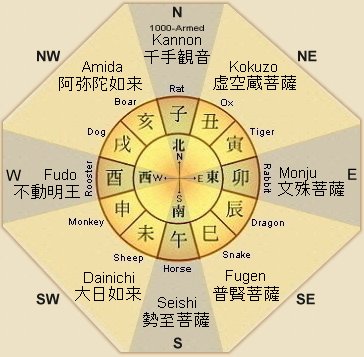
Hindus worship all the ten directions including the four cardinal and four ordinal directions on a compass.

“Purushasuktam” is one of the most popular Vedic hymns. It is in the Tenth Mandala of the oldest scripture in the world- Rig Veda. It is recited in almost all the temple and domestic rituals. Orthodox Hindus who have studied Vedas recite it every day. The first few verses describe the omnipresence and omnipotence of the God:

“ The Purusha (Supreme Being) who has thousands of heads, thousands of eyes and thousands of feet enveloped the earth on all sides and stood beyond it in ten directions of space. All this is Purusha only. All that has been and all that will be. And he is the Lord of Immortality which grows by food”.
God is projected in his cosmic form in this hymn.

We know that Muslims worship facing only one direction, that is the direction in which their holy shrine Kaba is. But Hindus worship all the ten directions i.e eight directions and up and down. All religions believe in the omnipresence of God. He does not live or stay in one place, but he is everywhere.
We know the famous story of one saint stretching his feet in one direction where there was a god’s statue. When people objected to it, he asked them to show the direction where God was not present. This enlightened the people and they realised their mistake of being rude to the saint. This type of story is in many parts of the world to illustrate the omnipresence of God. But yet when it comes to rituals, Hindus give special significance to the four cardinal and four ordinal directions on a compass.

Orthodox Hindus perform a ritual called Sandhya Vandhana thrice a day in which they worship seven directions. In addition to the four cardinal directions of East, South, West and North they worship up above and down below and the middle.

yaga kunda

Hindus believe that eight elephants hold the earth in eight directions and the names of the 8 elephants are Airavata, Pundarika, Vamana, Kumuda, Anjana, Pushpadanta, Sarvabhauma and Supratika. Madurai Meenakshi temple show the eight elephants in the sanctum sanctorum.

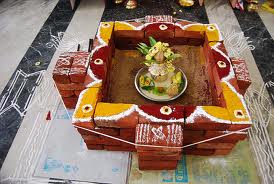
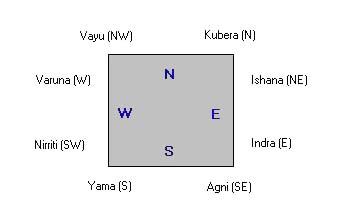
When the Hindu priests do a Havan or Homa or Yaga at home or in a temple, they first install the Yaga Kunda, the Fire Altar. They invoke all the eight deities in charge of all the eight points in a compass. Each Vedic deity is allocated a particular direction. The priest will ask the performer to invoke the deity by placing Samit (peepal stick), yellow rice and flowers in each direction. The eight deities are as follows:

East – Indra
South East – Agni
South – Yama
South West – Niruthi
West – Varuna
North West – Vayu
North – Kubera
North East – Isana.

They are called Ashta Dik Palaks, meaning Eight Guardian Deities.
dik1palas

Each of them lives in a particular city and they are: Amaravati, Tejovati, Samyamani, Krshnanjana, Sraddhavati,Gandhavati, Mhaodaya and Yasovati.

Hindus do most of the auspicious things facing East or North.
South is considered the direction of departed souls.
North is the direction of Holy souls and Holy places.

The belief about South and North is attested by Tamil and Sanskrit scriptures and secular literature.
“Head towards north is wrong” was posted by me on 10th October 2012. You should never lie in the bed with head towards North. It is scientifically proved.

Hindus have these beliefs for thousands of years. The Manu Smriti, which is at least 2300 years old, says the following about directions:

“The lord dwelt in the golden egg, as bright as sun with thousand rays, and then just by thinking, he himself divided the egg into two. Out of the two fragments, he made the sky and the earth, and the atmosphere in the middle, and the eight cardinal directions, and the eternal place of the waters” (Manu 1- 12/13)

(I guess that the above is about the Big Bang theory and the formation of life on earth)

zodiac-8-sided-chart-master
Buddhist Gurdian deities

And in another sloka he talks about eating habits:
“For facing east he eats food that gives long life
South fame;
West good fortune and
North truth” (Manu 2—52).

“And when he has offered the oblations properly in this manner, he should distribute the propitiatory offering in all the cardinal directions, in clockwise order – one each to Indra, Yama, Lord of the Waters (Varuna) and the Moon together with their attendants” (3—87)
Clockwise means ‘Pradakshinam’ – east, south, west and north.

There are lot of references to directions and the beliefs associated with them. Hindus allocated colours for all the four cardinal directions and Buddhists and Mayans followed Hindus ( I have given the details in a post on Hindu Nagas – Mayan similarities).

Contact swami_48@yahoo.com

34 Names of Agni, Fire God!

agni staue in OZ

Research paper written by London Swaminathan
Research article No.1353; Dated 17th October 2014.

Agni is the god of sacrificial fire. Hindus worship him from the Vedic days till this day. All the household festivals and temple festivals begin with the worship of fire/Agni. Brahmins were worshipping him twice a day in the morning and evening and slowly it is disappearing now. But yet he is worshipped in the daily ritual- Sandhya Vandhana.

Agni is the son of Kasyapa and Aditi or Dyaus and Prithvi. Dyaus is heaven and Prithvi is earth. His Vahana/vehicle is a goat. He is the guardian deity of South East. Agni is shown riding a chariot drawn by red horses or parrots in later iconography.

His consort is Svaha and his son is Skanda. This is symbolic. All the offerings are put into fire with the mantra ‘Svaha’ and Agni is worshipped without fire in the form of Skanda or Muruga. So all the Subrahmanya (Skanda) worshippers are worshipers of Agni.

Agni is fire and also Priest, Father, Brother, Friend, Guest and finally the Light of lights, the Soul within our soul and the Deva who is identified with every other Deva or Devi and with the ultimate reality. The Vedic sage’s poetic mind most enthusiastically contemplates every one of these aspects of Agni.

As simple fire Agni is the child of two mothers (the two sticks that produce it by concussion ) and is lifted by Ten Young Virgins — the priest’s fingers ‘’anguli’’ and by another analogy he is the Banner/ketu of the people.

We also need to know the style of mystic expression to understand what significance the Vedic sage intends to convey by describing the domestic fire – Gargapatya Agni – as the ‘’Lord of the Household’’, the ‘’Husband of Wives’’, the ‘’Lover of Maidens’’ as the ‘’Household Friend ‘’(damunas) and the loved and the respected guest at home (athithir durone).

agni, guimet
Agni in Guimet Museum, France

We learn two important things from the worship of Agni:
1.Vedic poets’ imagination fly sky high when they praise Agni. They are great poets and they are great intellectuals. From ordinary light (Fire) they take us to the Supreme Light. When we compare this with other ancient poems such as Babylonian Gilgamesh, we can estimate their level of intelligence!!

2. Agni is not worshipped anywhere except India (Parsees in Iran went from India) and only the cognate words are in other languages. This shows that India is the original home of the Hindus and those who went outside spread it or observed it to some extent and it petered out in course of time. The original home of the Hindus still keeps it glowing. Sri Satya Sai Baba and other great saints of India performed Adi Rudra Yajnas (recitation of the long Rudra hymn 14641 times along with the fire offering) in our own time.

34 Names of Agni
Amarakosa, ancient Sanskrit thesaurus gives 34 names for the Vedic fire god Agni. English words such as ignite, ignition, igneous rocks came from this Sanskrit word Agni. The oldest religious book and the oldest record of the human beings, the Rig Veda, begin with a hymn to Agni and ends with a hymn to Agni. That is the beauty of the Veda. It shows the importance the Hindus give to Agni. Next to Indra, Agni has the highest number of hymns. His name is mentioned in other hymns as well. If we take them into account, he tops the list of all deities.

Fire god is the witness of all rituals in Hinduism. From birth to death all Hindu rituals include fire worship. They celebrate the first anniversary of the child with a Havan/Homa or fire sacrifice and end a person’s life journey by consuming the body to fire. Even the wedding is celebrated in front of fire or Agni. He is the witness for all good and bad things.

losangelese
Agni in Losanjalese Museum

The fire god Agni is extremely important in the Vedic religion. He is the messenger of the gods. He takes all the offerings poured into the fire to the gods. He is everywhere. He is in the sun and moon and as ‘jataragni’ in the stomach, says Sayana in his commentary. Jataragni is the metabolic activities in the body that produce heat. He is in the sea as Badava Agni. All the girls are possessed by him before the marriage. This means that all the girls must be married in front of him (sacrificial fire) as he gives them like a father gives his daughter to the bridegroom. The couple have to walk around the fire. It is called
Saptapadi.

Orthodox Hindus keep fire in a pot from the birth to death and use it for all occasions. The ‘aupasana’ pot contains paddy husk burning forever. It is never extinguished. When a baby is born it is lighted and the same fire is used to light the funeral pyre when the person dies at an old age.

Agni has got cognate words ignis in Latin ogni in Old Slavic and ugnis in Lithuanian . He is worshipped in the houses in three forms by the Brahmins and they are Garhapatya, Dhakshinagni and Ahavaneeyam.

Tamils have separate words for fire: Thii, Neruppu, Kanal. It proves Tamil is an independent language.

34 names of Agni in the Amarakosa and the commentaries on them give lot of interesting information:

bm_agni_goat_
Agni in British Museum, London

1.Agni
Meaning:– Going forward
2.Vaisvanara
Relative of the people; Relative of Visva Nara:
3.Vahni
Travels with wind
4.Vitihotra
Place where many Ahutis are offered
5.Dananjaya
Helps to earn wealth; also name of Arjuna and a snake
6.Krupeetayoni
Source of water; vice verse Water produces Agni
‘’Agner apa:’’
7.Jwalana:
Glittering, glowing

fritstal book

8.Jataveda:
He who knows all; Heat creates everything e.g. sun, body heat
9.Tanunapath
He never allows the body to fall; one who does not protect his own shape; becoming dry or one who eats ghee
10.Barhi:
Creeping, crawling
11.Sushma
One who shortens or dries everything
12.Krsnvartma
One who produces black smoke
13.Sochiskesa
One who has flame as his hair

14.Usharbuh
Bright in the morning; Brahmins make him bright in the morning.
15.Asrasya:
One who burns everything associated with him
16.Brhatbanu
One who creates light

agni

17.Krshanu:
emaciating
18.Pavaka:
One who purifies
19.Anala:
One of the Eight Vasus
20.Rohitasva
One who has a red horse
21.Vayusaka:
Friend of the wind
22.Shikavan
One who has flames of tuft

havan
23.Asusukshani:
Dries anything at once or shortens
24.Hiranyareta:
Golden shakti or veeryam
25.Hutabuk
Whatever offered is eaten by him
26.Dahana:
One who makes everyone feels hot

27.Havyavahana:
One who has wind as a vehicle
28.Saptarchi
One who has got seven flames.
Kali, Karala, Manojawa, Sulohita, Sudumravarna, Spulingini, Visvadara are his seven tongues/ flames.

homam chandru
Birmingham Chandru Kurukkal doing Homam/Havan

29.Damuna:
One who subdue, quietens
30.Sukra:
Colour of Sukra – Venus –Bright White
31.Chitrabanu
Colourful light
32.Vivavasu
Light is his wealth
33.Suchi;
One who purifies everything
34.Apapitta:
He is the embodiment of pitta in the water

colour of horses
Agni = red horse – rohitaswa
Varun = white horse
Kuberan = horse of Kumuda (water lily) flower colour
Vayu = babru/ brown colour horse
(Amarakosa commentary gives these details of colour horses)

homam2

Agni has got other names as well:
Abja hasta = lotus in hand
Dhuma-ketu = whose sign is smoke
Chhaga-ratha =ram rider
Sapta jihva = seven tongued
Tomara dhara = javelin bearer

Number Seven and Agni
Agni is associated with Number7 for some unknown reasons. He is called Saptaarchi and Saptajihva (Sapta is 7). His seven tongues have separate names (given above).in the Vishnu Purana he is called Abhimani, and the eldest son of Brahma. He had three sons by Swaha. Their names were Pavaka, Pavamana and Suchi. They had 45 sons- altogether 49 persons (7X7). Agni’s chariot had seven wheels representing seven winds. In the Rig Vedic hymns on Agni, we come across number 7 often.

yaga mylai

contact swami_48@yahoo.com

Pictures are used from face book and other sites;thanks.

Fire Simile: From Rig Veda to Ramayana!

burning firewood

Research paper written by London Swaminathan
Research article No.1351; Dated 16th October 2014.

A beautiful simile about fire is used from the Rig Veda to Tamil Kamba Ramayana of 12th century CE. Fire is compared to anger by several Indian poets. Both destroy their “parents” and those who live with them! This shows that Indian thought process is similar from Kashmir to Kanyakumari – from Rig Vedic days to the middle ages or modern days.

Amarakosa, the Sanskrit Thesarus, gives 34 names for Agni, the God of Fire. One of them is Asrayasa: , which means it will destroy whoever it makes friendship with.

In the Veda:
In the tenth Mandala of the Rig Veda(RV 10-79-4), a poet sings about the God Agni:
“This holy law I tell you, earth and heaven ; the infant at his birth devours his parents.
No knowledge of the god have I, a mortal. Yea, Agni knoweth best, for he hath wisdom”.

Ralph T H Griffith in a foot note in his translation of the Rig Veda says,
“Agni born from the wood of the fire sticks seems as he creeps through the brushwood that he is burning to seek entrance again into his mother’s side. He then finds an old dry tree rooted in the earth and feeds on it as on food that has been specially prepared for him.

His parents: the two fire sticks from which he has been produced.

This is beautiful. Like fire sticks that produce fire, forests trees also produce fire when one tee rubs with another tree. Fire destroys both the trees (parents). Anger is also like this. Anger will destroy a person where it originated along with his relatives, supporters and patrons.

fire
In Tamil Literature
Maruthan Ilanagan , a Tamil poet in Purananuru verse 349, uses this simile. A king asks for the hand of a beautiful girl, but her father refuses to give her to him. The king became angry, wiping the sweat from his forehead with the help of his spear, started abusing him. And the poet comments that this angel/girl is going to destroy the town like a fire in a forest tree destroys the whole forest. Here the comparison is that the girl is going to destroy her parents like the fire that destroys its parent tree and the forest.

Great Tamil poet Tiruvalluvar also uses this simile:-

Anger not only destroys those whom it affects, like fire, but it will also burn
Those kindred souls, who step into help as a raft towards salvation – Kural 306

The idea here is that anger destroys not only the man who gets angry but those who go to his rescue. Shakespeare meant very much the same when he wrote ‘men in rage strike those that wish them best’

wildfires-

But Kamba Ramayanam paints the picture best in a verse in the Uttara Kanda comparing anger to the fire that starts in a bamboo cluster and destroys not only its birth place but all round –
Mungilir piranthu – Kamba.uttara- ilavinan 29

Books Used: — Rig Veda: Translation by R T H Griffith, Tirukkural commentary by Dr S.M .Diaz, Purananauru and Kambaramayanam in Tamil.

contact swami_48@yahoo.com

Mr.30! Indra and Chandra!! Rig Veda Mystery-5

moon_harvest_

Research paper written by London Swaminathan
Research article No.1349; Dated 15h October 2014.

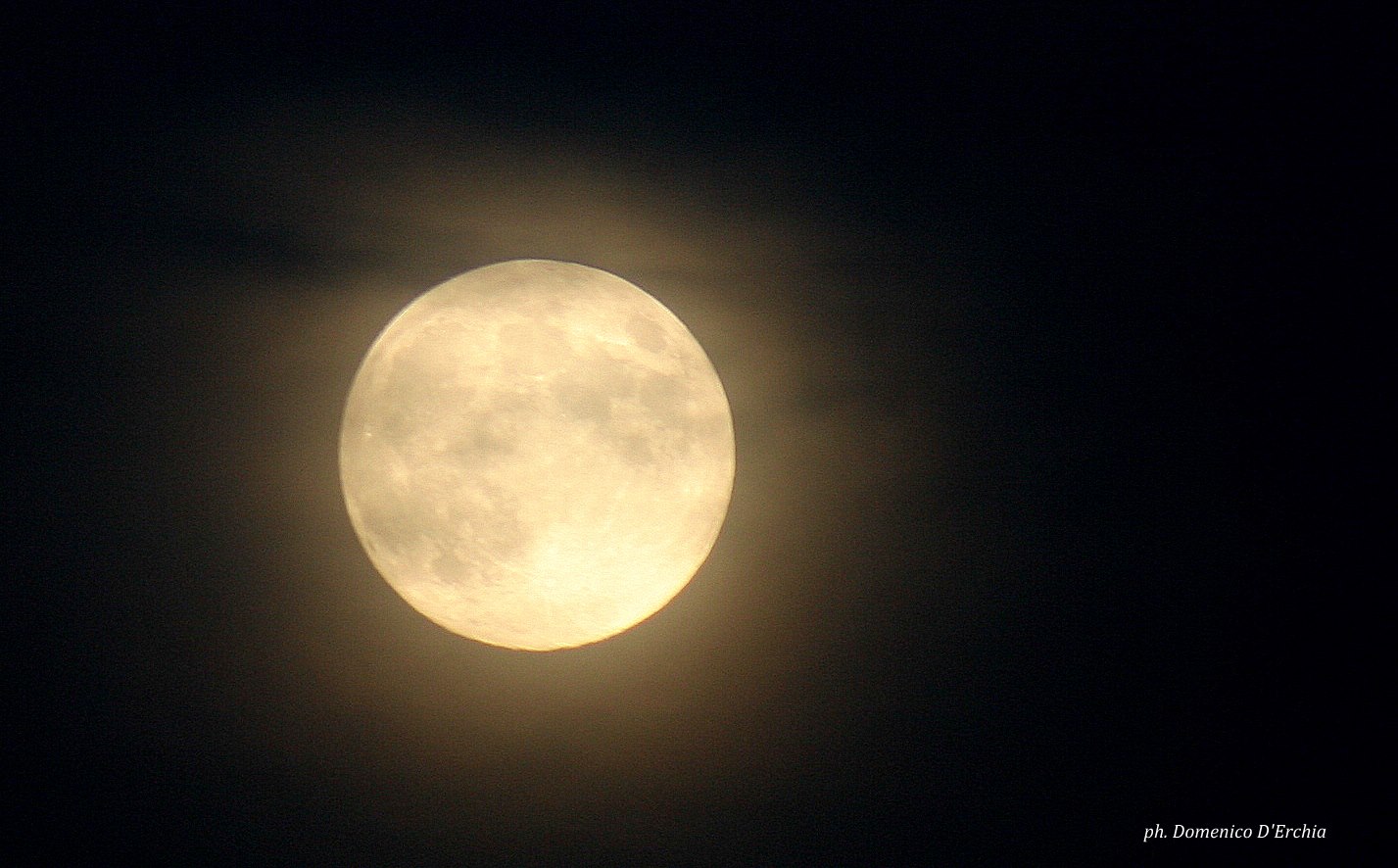
Indra and Chandra are called Mr.Thirty in Indian and Sumerian cultures respectively. Chandra, the Sanskrit word for moon, is a male deity in Hindu scriptures and astrology. But in several other cultures moon is feminine deity.

Indra is called Tri dasa pati (Three Ten Lord= Lord of Three Tens) in Hindu scriptures because he is the head of the thirty three Vedic Gods. But yet this number is rounded to 30!

Tridasa pati is used in Carnatic musicians’ compositions and inscriptions (Sravanabelagola inscription, Thyagaraja Kriti) and Hindu mythology.

The thirty three Gods are 12 Dwadasa Aditya, 11 Ekadasa Rudra and 8 Ashta Vasu and Two Asvins.

It is a coincidence that Sumerians also rounded the number 27 or 29 and a half to 30!
Why moon is called No.30?

moon-phases-08-131008

It seems that in all the cultures of the Near East the moon was imagined a male deity. In Anatolia, the Hurrian moon God was Kushuh corresponding to earlier Hattic god Kashku and Luwian Arna. The name was usually written with the name of the Mesopotamian moon god Sin or the numeral 30 – representing the thirty days in a month.

In Ugarit the moon god was Yarih.

Only the Greeks and the Romans worshipped moon as goddess. They were called Selene and Diana respectively.
Moons other names in different cultures:–
Menuo, Man Nannan, Mani, Myesyats , Mene, Kushukh, Amins, Soma , Chandra, Full moon : Pournami or Purnima;
In Tamil , Thingal, Nilavu and Pirai

The moon was the first calendar of the ancient people, as it disappears and reappears every month. The word for month comes from moon and that in turn comes from indo- European root ‘’me’’ – measure –. The god Mani determined the waxing and waning of the moon. One of his titles was ‘year-counter’ and another was ‘time teller’. The Norse and Anglo- Saxons had two kinds of months, a proper lunar month of 29 and half days and a common law month of 28 days.

Like Hindus Baltic culture believed that there is a connection between moon and the plants. Like Hindus they also sowed seeds during the bright half of the month. Baltic people also prayed to the new moon for health during full moon like Hindus . Major Hindu festivals are held on full moon days. In fact all the 12 full moons in a year are big festival days in the Hindu temples.

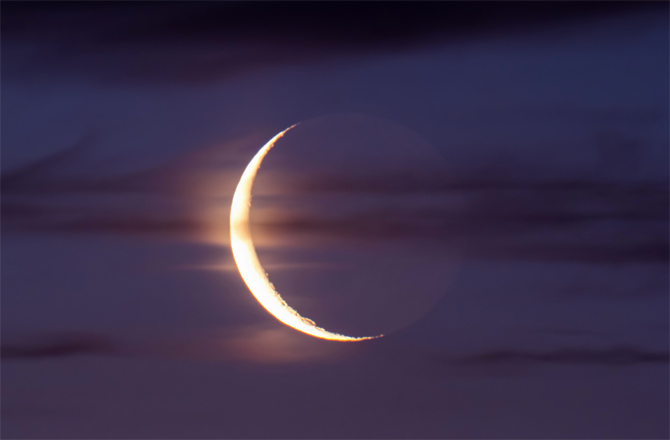
A lot of rituals are linked with full moon around the world. People thought that there is a link between the menstruation and ovulation of women. They prayed to moon for children. Hindus do Puja (worship) with flowers on Full Moon days. Many of the Hindu gods and goddesses have crescent moon on their head.

In Hinduism the word Soma is used for both the moon and a miraculous herb. Hindus use Sasi (Sin in Sumerian) Chandran (Suen in Sumerian) . In Tamil Thingal is moon like the Canaanite Nikkal. Nannan is also a familiar name in Sangam Tamil literature.

Nanna was a Mesopotamian moon god worshiped from 3500 BCE. He was the tutelary god of Ur. His wife was Ningal (rhyming with Tamil Thingal).

copRigVeda

Rig Veda Mystery -5
I have already posted Rig Veda Mystery 1 to 4.
We have already seen Vedic number puzzle of four horns, three feet, two heads and seven hands (RV 4-58).
Here is another Rig Vedic number riddle about 33 gods:

Three times a hundred gods and thrice a thousand, and three times ten and nine have worshiped Agni.
For him spread sacred grass, with oil bedewed him and established him as Priest and Sacrifice-(RV 3-9).
Griffith who translated the above hymn says,

In the Vaisvadeva Nivid or hymn of invitation to the Visvedevas the number of Gods is said to be 3 times 11, then 33, then 303, then 3003. By adding together 33+ 303+ 3003 the number 3339 is obtained

My opinion is that the Vedic seers must be mathematics geniuses to use maths in worshiping Gods. They were great intellectuals to use Number symbolism 4000 years ago. When we compare this with the Sumerian poems of Gilgamesh, they sound like barbaric and primitive poems of low level intellect!! I am not making this sweeping statement on the basis of this one verse. Those who study the Vedas and the last hymn of the Rig Veda (10-191) will be surprised to find how advanced they were. Vedic seers sing the World Anthem for the welfare of the human beings (I have already written about this International Anthem of the World).

Contact swami_48@yahoo.com

Hundred Sanskrit Names from 1800 BCE to 1400 BCE!

buddhist reliquary
A container of buddhist relics with Sanskrit inscription

Research paper written by London Swaminathan
Research article No.1347; Dated 14th October 2014.

Dr Paul Thieme (1905-2001) who was one of the eminent Indologists gave a lecture in the auditorium of Archaeological Survey of India on March 31, 1972 on the nature of the Gods mentioned in the Hittile—Mitaani treaty dated 1380 BCE and the discovery of more than a hundred names of Sanskritic origin in the Nuzi (Iraq), Syrian and Mitanni (Syria/Turkey region) documents dating back to the eighteenth century BCE. All these are from outside India!!

I have already reported the names Azigi, Vizigi, Tiamath, Sumukan found in Athrva Veda are in Sumerian records. Even Manu mentioned about Sumukan as a king. But we have no other details. S B Roy and others are identified at least two kings in Mesopotamia who are found in the eighth Mandala of Rig Veda. The scholarly world knows the Amarna letters found in Egypt with Mitannian king Dasaratha’s name. The scholars have identified Hittitles and Kassites as Indo European language speakers. Horses and Chariots are found over a vast area of Asia and Africa (Egypt) around 1400 BCE.

If we take into account all the above factors and the Rig Vedic Hindus presence in the Gangetic plains around 1700 BCE (Michael Witzel’s dating) and Shrikant Talageri’s still earlier dating there would not be any doubts about the antiquity of Sanskrit language. Now we have pushed the date of Rig Veda to 2000 BCE or before that. Probably scholars will soon accept the date 6000 BCE proposed by the great freedom fighter Balagangadhara Tilak on astronomical evidence.

Cambodia
Sanskrit inscription in Cambodia

Let me give some Sanskrit names and words as found in those records:
Wasannasaya= of stadium (Skt.vasanasya)
Aratiyanni = part of cart (Skt.rathya+Hurrian ni)
Asuwannini = stable master (asva+ni)
Babrunnu = red brown (Babru+nu)
Baritannu = golden yellow (Bharita+nu)
Pinkarannu = red yellow or pale (Pingara/ Pingala+nu)
Urukmannu = jewel (rukma+nu)
((Note the Sumerian city name Uruk etc))
Zirannu = quick (Jira+nu)
Makanni = gift (magha+ni)
Maryannu = young warrior (marya+nu)
((Note the English word marya; also Hero= Veera))
Matunni = wiseman (Mati=wisdom)

NAMES OF KINGS OR PEOPLE
Sutarana = Sutarana or Sutraana
Parsasatar = Prasastra
Saussatar = susastra or sausastra
Artadama = Rta dama

( in Tamil also this rule is followed. When a word begins in L or R in Sanskrit Tamils add a vowel A or E or U before the word like Mitaani; Ramayana is written as Iramayanam and Loka is written Ulokam in Tamil following the ancient Tamil Grammar. Lakshmi will be ILetchumi or Ilakkumi in Tamil)

Tusrata = tus+ratha or Dasaratha
(Tamils also follow this rule. Unlike four Ka/Ga, Sa/Ja,Pa/Ba, Ta/Da in Sanskrit, Tamil has only one sound each. So when they want to write Sanskrit Damayanti, they write Tamayanti; When it is Harsa they have to write Karsa. In the past 500 years they have started using some special letters called Grantha lipi to bring out the Sanskrit sound. Still neither Sanskrit nor Tamil can write Harry Potter!!! They have to write Haari paattar or Héri paattar)

ling sanskrit

Mativaza =Mati+vaza
Artamna = rtamna
Bardasva = Vrdh-asva
Biryasura = Virya sura
Saimasura = siima sura
Sata vaza= satavaja
Biridasva = Brhad Ava (Big Horse)

Treaty between the Hittites and the Mitannians
Hittite king suppiluliuma and the Mitanni king Mativaza signed a treaty. The Vedic gods mentioned in the treaty are
Indara = Indra
Mitrasil = Mitra
Nasadianna = Nasatya, the Asvins
Uruvanassil =Varuna

(Tamils also write like Mitannians even today. They have to Tamilize the sounds like DRA and so they write Inthira and Miththira. The have to write Nasaththiya instead of Nasatya. They wrote Asvin as Asuvina 500 years ago Nowadays they use the gratha script to bring the Sanskrit sound S, Sh, Ja, Ksha. But using the Grantha script is still optional. In the literary books they write Shakespeare as SHEKSUPIYAR) .
Scholars who knew both Iranian and Sanskrit have confirmed these are of Sanskritic origin and not Iranian.
alphabet_consonants

Sanskrit Numbers in Kikkulis Horse Manual (1400 BCE)
Aikawartanna = one turn of the course (Skt. Eka vartana)
Tera wartanna= 3 / trevartana
Panzawartanna = 5/ panchavartana
Sattawartanna = 7 / saptavartana
Nawawartanna = 9 / navavartana

The list goes on and on. More research comparing the Sanskrit and Mesopotamian records may reveal more secrets. If the linguists understand how Tamil and Sanskrit coexist over for 2000 years in assimilating sounds, they don’t need to argue using the linguistic jargon. Certain sounds did not exist in ancient Tamil such as Sa. Sangam(association or academy) and Sangu (conch) are Sanskrit words. Only after the Sangam period they started using Sa. Like Greeks and Persians changing the Sindhu as Hindu, Tamils might have changed to Indhu. Sangavai might have become Angavai. We did not have enough proof from Pre Sangam days. Even now Sri Lankan Tamils use only R for T!

sanskrit_vwl

If it is Cricket game they will write only CrickeR and Brent council will be BrenR. If there can be so much difference within 30 miles distance from Indian Tamil area, how much one can expect in a vast area of Asia where we find Sanskrit records from Siberia to Sri Lanka and Indonesia to Egypt!!

contact swami_48@yahoo.com

சிரியா, துருக்கியில் இந்துக்கள் ஆட்சி!

mitanni

Research paper written by London Swaminathan
Research article No.1342; Dated 12th October 2014.

சிரியாவும் துருக்கியும் இப்போது முஸ்லீம் நாடுகள். ஆனால் 4000 ஆண்டுகளுக்கு முன் இவையும் இராக்கும் ஈரானும் இந்துக்கள் ஆண்ட இடங்கள்! நான் சொல்லும் விஷயம் புதிதல்ல. இந்தியா சுதந்திரம் அடைவதற்கு முன்னரே நடந்த அகழ்வாராய்ச்சிட்யில் கண்ட விஷயங்களை வேண்டுமென்றே வெளிநாட்டு அறிஞர்கள் மறைத்துவிட்டு ஆரிய—திராவிட கட்டுக்கதைகளை அவிழ்த்து விட்டனர். காஞ்சி பரமாசார்ய சுவாமிகள் 1932 ஆம் ஆண்டில் சென்னையில் நடத்திய உபந்யாசத்தில் கூட இதை எல்லாம் பற்றிப் பேசியுள்ளார். அதே போல அவர் சுட்டிக்காட்டிய இன்னும் ஒரு விஷயம் போர்னியோ தீவின் அடர்ந்த காட்டில் 1600 ஆண்டுக்கு முந்தைய மூலவர்மன் கல்வெட்டாகும். அதாவது தென்கிழக்காசிய நாடுகள், மலேசியா, சிங்கப்பூர், பர்மா, இந்தோநேசியா அனைததையும் இந்துக்கள் 1500 ஆண்டுகளுக்கு ஆண்டனர்.

வெளிநாட்டு “அறிஞர்கள்”, திராவிட “அறிஞர்கள்”, மார்கசீய “அறிஞர்கள்” ஆகியோரின் கூட்டுச் சதித் திட்டத்தில் நமது வரலாறு மறைக்கப்பட்டு விட்டது. இன்று வரை நம் குழந்தைகள் மௌர்ய சாம்ராஜ்யம் அதற்கு முன் சிந்து சமவெளி நாகரீகம் என்று படித்துக் கொண்டிருக்கின்றனர். அதவது 1500 ஆண்டு இடைவெளி! இந்த 1500 ஆண்டுகளில் ஆண்ட மன்னர் பட்டியல் புராணங்களில் உள்ளது. மெகஸ்தனீஸ் இந்தியா வந்தபோது மகத சாம்ராஜ்யத்தின் 154ஆவது மன்னர் ஆள்வதாகவும் அதற்கு 6000 ஆண்டுகளுக்கு முன் அவர்கள் ஆட்சி துவங்கியதாகவும் எழுதி இருக்கிறார். இனியாவது நம் பிள்ளைகள் அகழ்வாராய்ச்சியில் கிடைத்த உண்மைத் தகவல்களையாவது கற்க வழி செய்யவேண்டும்.

வரலாற்றில் ஆர்வம் உடையோர் தெரிந்துகொள்ள வேண்டிய நான்கு முக்கிய விஷயங்கள்:
1.அமர்னா கடிதங்கள் ( தசரதன் எழுதிய 13 கடிதங்கள் )
2.பொகஸ்கோய் கல்வெட்டு
3.மிட்டன்னிய நாகரீகம்
4.கிக்குலி எழுதிய குதிரைப் பயிற்சி நூல்

(அமர்னா என்பது எகிப்து நாட்டிலும், பொகஸ்கோய் என்பது துருக்கி நாட்டிலும், மிட்டனியர் ஆண்ட பிரதேசம் சிரியா நாட்டிலும் உள்ளன)

hittite3

இவை எல்லாம் விக்கிபீடியா போன்ற எல்லா கலைக் களஞ்சியங்களிலும் ஆங்கிலத்தில் இருக்கின்றன. இவை தவிர காசைட்டுகள், ஹிட்டைட்டுகள், ஹிக்சோஸ் (யக்ஷர்கள்) மூவர் பற்றியும் படிக்கவேண்டும். இவற்றில் தமிழர் வரலாறும் உள்ளது. கே.கே. பிள்ளை என்பார் கி.மு.1800-வாக்கில் எகிப்தைத் தாக்கியோர் இலங்கையை சேர்ந்த யக்ஷர்கள் என்கிறார். நிற்க.

முதலில் சிரியா, துருக்கியை ஆண்ட மிட்டன்னிய நாகரீக வரலாற்றை சுருங்கக் காண்போம். இவர்கள் யார் என்பதும், எப்படி வந்தார்கள் என்பதும் இதுவரை மர்மமாக உள்ளது. இவர்கள் இந்துக்கள் என்பதால் யாரும் ஆராய்ச்சியும் செய்யாமல் ஒதுங்கிவிட்டனர். இவர்களை ஆர தீர ஆய்ந்தால் திராவிட, ஆரிய வாதம் தவிடுபொடியாகி விடும் என்பது அறிஞர்களுக்குத் தெரியும். அது மட்டுமல்ல. இந்தியர்கள் உலகெங்கும் குடியேறி நாகரீகத்தைப் பரப்பியதும் தெரிந்துவிடும். இதனால் வெள்ளைக்கார அறிஞர்கள் எழுதிய பல நூறு புத்தகங்கள் குப்பைத் தொட்டிக்குப் போய்விடும் என்பதும் தெரியும்.ஆகையால்தான் மௌனம்!!!

மிட்டன்னிய நாகரீகம் பற்றி முதலில் கி.மு.1500 வாக்கில் எகிப்தில் ஒரு கல்லறையில் குறிப்பு இருக்கிறது. பிறகு 400 ஆண்டுகளுக்கு இவர்கள் பற்றி ஆங்காங்கே பேச்சு அடிபடுகிறது. இவர்கள் பெயர்கள் எல்லாம் ராமாயணம், புராணம், விஷ்ணு சஹஸ்ரநாமம் ஆகியவற்றில் வரும் தூய சம்ஸ்கிருத பெயர்களாக இருக்கின்றன. மிகவும் அதிகம் அடிபடக்கூடிய மிட்டன்னிய மன்னன் தசரதன் என்பவன் ஆவான். அவன் தனது மகள் ததுஹிபாவை (தத்த சிவா) எகிப்திய மன்னன் அமனோபிசுக்கு மணம் செய்துகொடுத்தான். அவன் இறக்கவே, அடுத்த மன்னன் அவளை மனைவியாக வரித்துக் கொண்டான்.
எகிப்திய- மிட்டனிய தொடர்புக்குப் பின்னர் எகிப்தில் ஏராளமான சம்ஸ்கிருத பெயர்கள் கிடைக்கின்றன. ராம்செஸ் என்ற பெயரில் மட்டுமே 11 மன்னர்கள் இருக்கின்றனர். இந்த ராம்செஸ் பற்றியும் காஞ்சி பரமாசர்ய ஸ்வாமிகள் 80 ஆண்டுகளுக்கு முன் பேசி இருக்கிறார். யாரும் கண்டுகொள்ள வில்லை!!!!
அந்தக் காலத்தில் ஒவ்வொரு மன்னனும் பல்வேறு நாட்டுப் பெண்களைத் திருமணம் செய்துகொள்வது மரபு. யாரேனும் படை எடுத்தால் உடனே பெண் கொடுத்த நாடுகளும் படை அனுப்பும். இந்த முறையில்தான் தசரதனும் எகிப்துக்குப் பெண் (தனது மகள்) கொடுத்தான். எகிப்திய மன்னனோ மலை முழுங்கி மஹாதேவன். தசரதன் எவ்வளவோ கடிதங்கள் எழுதியும் பதிலே சொலவில்லை.

Cuneiform_letter_to_Amenhotep_III
Dasaratha Letters in cuneiform script

அன்புச் சகோதரனே,
நான் ஐந்து ரதங்களையும் அவற்றுக்கான குதிரைகளையும் அனுப்பினேனே. தங்க மோதிரம், காதுக்கான தோடுகள் அனுப்பினேனே. வந்து சேர்ந்ததா? ஏன் பதிலே எழுதவில்லை? நான் உனக்கு உடம்பில் நோய் தீர இரண்டு முறை இஷ்டார் (துர்கையின் தங்கச் சிலை) விக்ரஹம் அனுப்பினேனே. ஏன் பதிலே இல்லை? இப்படிப் புலம்பித் தள்ளி இருக்கிறான கடிதங்களில். இவை எல்லாம் கி.மு 1340க்கு முன்!! அப்புறம் தசரதனை அவனது மகனே கொலை செய்ததாகவும் வரலாறு போகிறது.

தசரதன் செய்த ஒரு உடன்படிக்கையில் வேத மந்திரங்களில் வரும் மித்ரன், வருணன், இந்திரன், நாசத்யர் (அஸ்வினி குமாரர்கள்) அக்கிய நான்கு தெய்வங்களின் பெயரில் சத்தியப் பிரமாணம் செய்து உடன் படிக்கை செய்துகொண்டனர். இது பொகஸ்கோய் கல்வெட்டில் இருக்கிறது. மித்ரனை இவர்கள் முதல் தெய்வமாக வணங்கியதால் இவர்கள் தங்களை மித்ரன்னியர் (மிட்டனி) என்று அழைத்துக் கொண்டனர். நகர நாகாரீகம் நடத்திய நகரீகம் மிக்கவர் என்பதால் மற்றவர்கள் இவர்களை நகரிக, நாகரீக என்றும் அழைத்தனர். இவர்களை வேறு பல சொற்கள் கொண்டும் குறிப்பிடுகின்றனர். அவற்றின் பொருள் தெரியவில்லை.

மிட்டன்னியரில் தசரதனைப் போல பிரதர்தன என்று ஒருவன் பெயர். இந்த மன்னன் பெயர் நமது புராண மன்னர் பட்டியல் சஹஸ்ரநாமம் ஆகியவற்றில் வரும் பெயர். மற்றொன்று புத்தரின் தந்தை சுத்தோதனன் போல உள்ளது. இவர்கள் அனுப்பிய கிக்குலி என்பான் எழுதிய குதிரைப் பயிற்சி நூலில் சம்ஸ்கிருத எண்கள் இருப்பதையும் பல கட்டுரைகளில் எழுதிவிட்டேன்.

800px-Mitannian_-_Cylinder_Seal_with_a_Row_of_Human_Figures_above_Animals_-_Walters_42685

Mitannian seal

தசரதன் எழுதிய கடிதங்கள் அமர்னா என்னும் இடத்தில் கிடைத்ததால் அவைகளை அமர்னா கடிதங்கள் என்பர். இதில் ஒன்று பிரான்சில் காட்சியகத்தில் இருக்கிறது. இறுதியாக தசரதன் மன்னன் சத்திவாச(சத்ய வாசன்) ஹிட்டைட் மன்னர்களுக்குக் கப்பம் கட்டும் மன்னன் ஆகி உடன்படிக்கை செய்து கொண்ட தகவலும் கிடைத்திருக்கிறது. மிட்டன்னிய வம்சம் ஆண்ட தலை நகர் வசுகன்னி எங்கே இருக்கிரது என்று இதுவரை கண்டுபிடிக்க முடியவில்லை. பல ஆராய்ச்சியாளர்கள் ஊகத்தின் பேரில் கட்டுரை எழுதி இருக்கிறார்கள். ஹுர்ரியன் என்ற பெயரும் உண்டு. இது சூரியன் என்பதன் மரூஉ ஆகும். சூரியன்=மித்ரன்=மிட்ரன்ய=மிட்டன்னி.

சில மொழிகளில் வேற்று மொழிச் சொற்களை எழுதும்போதும் சில எழுத்துக்களில் (லிபி) வேற்று மொழிச் சொற்களை எழுதும்போதும் அதே சபதத்தைக் கொண்டுவர முடியாதென்பது உலகறிந்த உண்மை.

ஜெயலலிதா, ஷேக்ஸ்பியர் முதலிய சொற்களை 500 ஆண்டுகளுக்கு முன் சேக்சுபியர், செயலலிதா என்றே எழுதியிருப்பர். பின்னர்தான் ஜ, ஹ,ஷ, க்ஷ எனபன (கிரந்த எழுத்துக்கள்) சேர்க்கப்பட்டன. இது போல பல சம்ஸ்கிருத பெயர்கள் கியூனிபார்ம் எழுத்துகளில் எழுதப்பட்டபோது சிறிது உருமாறி யிருக்கலாம். இன்றும் கூட தமிழிலோ சம்ஸ்கிருத்திலோ HARRY POTTER ஹாரி பாட்டெர் என்ற ஒலியை ஆங்கிலத்தில் உச்சரிப்பது போல எழுதவே முடியாது. இது தெரியாமல் பல “அறிஞர்கள்” மொழியியல் என்ற பெயரில் உளறி வருகிறார்கள். இன்றும் கூட தமிழில் இருதயம், முகம் போன்ற வடமொழிச் சொற்களுக்கு தமிழ்ச் சொல்லே இல்லை. இதை வைத்துக் கொண்டு தமிழனுக்கு இதயமே இல்லை என்று சொன்னால் பரிகசிக்கமாட்டர்களா?

மிட்டன்னிய மன்னர் பட்டியல்

கீர்த = கிரீட, அல்லது கீர்த்தி எனப் பொருள் கொள்ள முடியும்
சுத்தர்ன = புத்தரின் தந்தை சுத்தோதன போன்றது
பரதர்ன = பிரதர்தன
சௌஸ்ததர = சௌசதர (சௌசம் = சுத்தம்)
அர்த தாம = புகழ் பெற்ற ருத்ர தாமன் என்ற அரசன் பெயர் போன்றது
சுத்தர்ன 2
அர்தகுமார = குமார
அர்த தாம 2
சுத்தர்ன 3
சத்திவாச/ கீர்த்திவாச = சத்ய வாச அல்லது வாக்ய; க்ருத்திவாச எனபது சிவபெருமானின் ஒரு பெயர்
சத்துவர = சத்வ அல்லது சத்யவரன்
வசசத்த = வசு சத்ய
சத்துவர 2

mitanni

மேற்கண்ட சப்தங்கள் சம்ஸ்கிருதம் என்பது உறுதியானபோதும் எழுதப்பட்ட லிபியின் காரணமாகவும், எழுதப்பட்ட பிராந்தியம் காரணமாகவும் உருமாற்றம் அடைந்தன. தமிழ் ஊர்ப் பெயர்களை வெள்ளைக்காரர்களும் கிரேக்கர்களும் உருத்தெரியாமல் சிதைத்ததை நாம் அறிவோம். ஆரல்வாய் மொழி என்பதை ஆராம்பொலி, தஞ்சாவூர் என்பதை டேஞ்சூர் என்று ஆயிரக்கணக்கான இடப்பெயர்களைச் சிதைத்தனர். இதற்காக டேஞ்சூர் தமிழ் ஊர் இல்லை நாம் சொல்வதில்லை.

மேலும் மேற்கூறிய பெயர்கள் தந்தை பெயரை பேரனுக்குச் சூட்டும் இந்து முறையில் மாறி மாறி வருவதையும் காணலாம். அது மட்டுமல்ல பாண்டிய மன்னர்கள் சடையன், மாறன் ஆகிய பெயர்களை மாறி மாறி வைத்துக் கொண்ட முறையையும் காண்கிறோம் (ஜடா வர்மன், மாறவர்மன்)
அமெனோபிஸ், ஆகநாடன் ஆகிய இருவருக்கும் பின் வந்த துதகாமுன் என்ற ரசனின் மனைவி பெயர் அங்கனா. இதை அஞ்சனா அல்லது அங்கனா (தேவலோக மகளிர்=சுரா+அங்கனா) என்றும் படிக்கலாம்.

பஞ்ச ஜனா:
வேதத்தில் பஞ்ச ஜனா: என்று ஐந்து வகை மக்கள் குறிப்பிடப்படுகின்றனர். இவர்களில் த்ருஹ்யூ என்னும் குடியினர் மேற்காசிய நாடுகள் அனைத்துக்கும் சென்று இந்து கலாசாரத்தைப் பரப்பினர். இது கி.மு 2000 ல் அல்லது அதற்கு முன் நடந்தது என்பதை சுமேரியாவை இந்திரன் தாக்கியது ஏன்? என்ற கட்டுரையில் சில தினங்களுக்கு முன் கொடுத்து இருக்கிறேன்.

mitanni_map

அகத்திய, கௌண்டின்ய கோத்த்ர ரிஷிக்கள் தென் கிழக்காசிய நாடுகளுக்குச் சென்று கிழக்கு திசையில் கலாசாரத்தைப் பரப்பியது போல இதுவும் கலாசார பரப்புதலாகத் துவங்கி அரசியலில் முடிந்தது.
—-சுபம் —

Hindu Kings Who Ruled Syria and Turkey!

mitanni

Research paper written by London Swaminathan
Research article No.1341; Dated 11th October 2014.

Foreign “scholars” who wrote Indian history books deliberately hid some glorious chapters of Indian history — 1500 year rule of the Hindus in South East Asian countries and 2000 year rule of Hindus in Syria, Turkey and Iraq. Though the Bogazkoy inscription mentioning the Vedic Gods, Amarna letters of Dasaratha in Egypt, Kikkuli’s Horse manual with Sanskrit numbers were discovered long before Indian independence, they never found a place in our school and college text books.

The British writers who wrote our history books wrote more about their “achievements” and “developments” in India than Indian contribution and cultural expansion. But instead of blaming them now, we have to blame our “scholars” who never bothered to correct it or update it. All over the world they updated their past history saying that they had glorious civilization around 1000 BCE or 2000 BCE. Indian history has a huge gap between Mauryan dynasty and Indus Valley. The Marxist and Dravidian scholars are very happy! They never recognised any of the 153 generations mentioned by Megasthenes and the Hindu Puranas.

It is not too late to read about the glorious Hindu rule in Syria and Turkey.

mitanni_map

Amarna letters

Between 1600 BCE and 1200 BCE the major powers of the Near East contended with each other for control of the region by means of war and diplomacy. Much of our knowledge of this period comes from the Amarna letters, a collection of clay tablets containing correspondence between Egyptian rulers of the later 18th Dynasty and their neighbours. They reveal amongst other things, the existence of Mitanni (Amarna is in Egypt).

The Amarna letters date from the reigns of Amenophis III and IV (Akhenaten) and Tutankhamun (1390—1327 BCE). Written in Akkadian, the diplomatic language of the time, in cuneiform script, they include letters from subject princes and regions in the Near East. In the letters we see rulers sending gifts to each other and sometimes entering into dynastic marriages such as that between Amenophis III and Taduhepa, daughter of Tushratta (Dasaratha) of Mitanni.

Tushratta wrote to his son in law, “ I have sent you , as a present to my brother, five chariots and five yoke of horses, and as a present to Taduhepa my sister, I have sent trinkets of gold, a pair of gold earrings ….. and godly stones”. After the death of Amenophis III, Taduhepa was married to his son Akhenaten.
Tushratta twice sent the statues of Ishtar of Nineveh to Egypt to heal the pharaoh of Egypt. (Ishtar is Goddess Durga. Foreign writers always give their known equivalents instead of original names. All the Greek writers wrote that Indians worship Bacchus and Hercules meaning Shiva/Indra and Vishnu)

Mitanni_teshub
Mitannian seal

Mitanni (Mitranya Desa) appears in history in 1480 BCE, when Parrattarna (Pratardhana) was in control of Aleppo in Syria , By the end of 15th century BCE, Saushatar brought Assyria under Mitannian control. Tushratta was assassinated by his son in 1340 BCE. He was the last king of independent Mitanni. His kingdom was destroyed by the Hittites and Assyrians. A document from the Hittite capital Hattusa records a treaty in which Tushratta’s son Shattiwaza is recognised as the ruler of Mitanni as a Hittite vassal. Mitanni’s capital was called Washukanni (Vedic God Vasu) .
A powerful Hurrian (Surya Vamsa; Hurrian=Suryan)) state in north Mesopotamia and Syria (named after Surya, Hindu sun god) , Mitanni is first mentioned in an Egyptian tomb inscription dating to the early the fifteenth century BCE and last attested at the time of Assyrian king Tiglath-pilesar 1115—1077 BCE.

The name Mitanni comes from a personal name maiita (MITRA for Sun) known from Nuzi In Iraq. Since Bogazkoy inscription mentioned Mitra in Mitannian Peace Treaty, there is no doubt that it denotes MITRA, the Vedic God. Hurriya is also Surya=Sun=Mitra.
Mitra, Surya, Hurya, Solomon, Suleyman, Shulman are all same (H=S)

Mitanni changed in to a geographical name Maittani. The state was also known as Hurri in Hurrian, Khanigalbat in Assyrian and some other texts, Khabigalbat in Babylonian, and Naharina or Nahrima in Egyptian.
Sanskrit word Nagara= Nagarika= City dwellers ,Cultured, Posh

800px-Mitannian_-_Cylinder_Seal_with_a_Row_of_Human_Figures_above_Animals_-_Walters_42685

Scholars could not identify or locate its capital Washukanni. Its identification with Tell Fekherieh is disputed. By the mid fifteenth century BCE, Mitanni has conquered many parts of Iraq, Turkey, Syria which stretched to the Mediterranean sea. Its kings campaigned against Egypt and Hatti and eventually signed peace treaties with them.

It has been argued that the glass production in the fifteenth century BCE should be attributed to Mitanni and the best early glass comes from Nuzi in Iraq.
After Mitannian contact with Egypt, we see lot of Sanskrit names among Egyptian royals. Tutankhamen’s wife was Ankenan. It is the corrupted form of Anjana or Angana (Surangana= Sura+ angana= Woman of Devaloka)

Mitanni Kings with pure Sanskrit Names
Kirta (1500 BCE) = Kreeta/Crown or Kirti=Fame
Shuttarna = Sudhana or Sudharsana (Gautama Buddha’s father name was Sudhodana)
Paratarna = Pratardhana in Vishnu Sahsranama
Shaushtatara = Suacadhara (Pure?)
Artatama = Like Rudra Daman(130—150 CE), Arta Daman or Arta Dharma
Shuttarna II
Artashumara = Artha Kumara
Artatama II
Shuttarna III
Shattivaza/ Kirtiwasa = Sathya vakya, Sathya Vacha, Kirti Vacha, Krittivasan is name of Lord Shiva
Shattuvara= Satvavara or Sathyavaran
Wasashatta = Vasu satva or Sathya
Shattuara II =

(Like India, grand father’s name or great grand father’s name was repeated. Pandyas alternated with Maran and Sadaiyan; Maravarman and Jadavarman)

Cuneiform_letter_to_Amenhotep_III
Dasaratha Letter to Egyptian Paharoah

Hindu Migration
Vedas mention Pancha Jana (five tribes) in many places. Of the five tribes, Druhyus were the people who migrated to West Asia. Now we get lot of proof for this from the 8th Mandala of Rig Veda. The names correlate with the names in Iraq and Iran. It should have happened before 2000 BCE.
In my post “Did Indra Attack Ur in Sumeria?”, I have given enough proof for the Vedic contact with Mesopotamia (Iraq).

hittite3

Old Reference:
Following is the piece posted by me under Indus Valley to Egypt: Lapiz lazuli Export:
“The contact between Egypt and the Hindu kings of Turkey and Syria is well documented. Thanks to the clay tablets of Amarna letters we know that Dasaratha’s daughter Taduhepa ( Datta shivaa) was married to Amenophis III of Egypt. Dasaratha was ruling Syria and Turkey around 1380 BCE. He was assassinated in 1340 BCE. Mitanni kings followed Vedic religion is confirmed by Bogazkoy inscription where all the four major Vedic gods are mentioned in a peace treaty. Pratardhana – name in Vishnu sahasranama – was ruling Aleppo now in Syria. Turkey and Syria were ruled by the Vedic kings from 1480 BCE according to the clay tablets.

Dasaratha sent Amenophis five chariots, five horses, trinkets of gold, a pair of gold rings and goodly stones, says one of the Amarna letters. We have more Sanskrit names and horse manual with Sanskrit numbers around 1400 BCE in Turkey. Marrying one’s daughter with a king of a neighbouring country is a typical Hindu custom followed by kings from Kanyakumari to Kashmir and beyond. Afghan Gandhari and Iranian Kaikeyi were married to Drudharashtra and Dasaratha, because all those countries were ruled by the Hindus in those days.

(Mitannian Dasaratha is different from Ramayana Dasaratha. Like Tamils, Tamilize Sanskrit words, Mitannians also wrote Dasaratha as Tushratta, Pratardhana as Parartana. Even today Sri Lankan Tamils write Damayanthy as Tamayanthy. Mauritius Tamils are still worse and they write Subramanya as Soupramoniamme due to French influence. Greek writer, Chinese visiors and British rulers distorted all place names and people’s names beyond recognition. Beautiful Aralvaymozi became Aramboli, Tarangampadi changed to Tranqbar, Tutukkudi changed to Tuticorin < Alexander became Alikasunda etc.)

The horse manual written by Kikkuli ( Aswa Sena) runs to 1080 lines on clay tablets. Though it was written in Hittite language the numerals Aika,Tera,Pancha, Satta, Nava vartaana (1,3,5,7,9 intervals) and words for colours are in Sanskrit.
mitanni

Books used: Dictionary of the Near East by the British Museum, Time’s World History, Arya Tanagini by A. Kalyanaraman and Wikipedia.)

Who is a Rishi? How many types of Rishis?

valmiki

Research paper written by London Swaminathan
Research article No.1339; Dated 10th October 2014.

The word Rishi means a man to whom Vedic hymns are revealed, an author of sacred hymns, a poet; a priestly singer of those hymns, a saint or sage of ancient India.

Definition of a Seer(Rsi):

In the earliest Vedic text like the Rig-Veda, the word Rsi occurs several times. There are various interpretations:
The Rig-Veda Sarvanukramani 1-4 explains the word Rsi as one who recites the mantra form of the sentence – yasya vaakyam ca rsih.
Sayana derives Rsi from rs ‘to go’. In the introduction to his commentary of the Rig-Veda he connects the word Rsi with drs ‘to see’ and explains how the Veda which is beyond the scope of perception is revealed first of all to the sages through the favour of god.

In the Nirukta 2-11 Yaska quotes the opinion of Aupamanyava, ‘rsir darsanat stoman dadarsa iti aupamanyavah’. This means that the Veda is eternal and it has not been created by any agency. The Nirukta further informs us that the mantras are directly revealed to the Rsis through their meditation and prescience. So the Rsis are called ‘sukta drastarah and not sukta kartarah.

The Satapatha Brahmana derives the word Rsi from rs ‘to toil hard’, ‘to suffer from’.

The Taitriya Aranyaka explains Rsi as abhi+aa+rs ‘ to go forward’, ‘to appear’.
Besides the etymological meaning of the word Rsi, it carries the ideas relating to poetic and prophetic vision, super sensuous knowledge, righteousness and ecstasy.
(Source: Bhrgus – A Study by Jayanti Panda)

Rishis are inspired poets. The seven Rishis are mind born sons of Brahma, the creator. The seven Rishis are represented in the sky by the seven stars of the Great Bear (Ursa Major) constellation.

Bruhu

“The seven great sages of old, and four elders and the Manus also are of My nature and born of My mind and from them are all these creatures in the world “ – (10-6 – Bhagavad Gita )

Atri, Brhu, Kutsa, Vasistha, Gautama, Kasyapa and Angirasa are Sapta Rishis (Seven Sages) now. They change during every Manvantara (Life of one Manu is one Manvantar. There are 14 Manus).
Four Elders: Sanakar, Sanandanar, Sanadanar and Sanatkumarar
Saptarishis showed Pravruti Marga and the Four showed Nivruti Marga.

“Thus transmitted from father to son, Arjuna, this yoga remained known to the Rajarsis (royal sages). It has, however, long since disappeared from this earth”. (4-2 – Bhagavad Gita)

Rama ,Krishna, Buddha and Janaka were all kings —Raja Rsis– who taught the highest wisdom.

rishi

The Seven Sages have the following seven virtues or criteria for being a Saptarishi:

1.Long life: A rishi lives for a longer period than the normal life span of a human being
2.Mantra Drshta: Like Radio boxes receive the radio wavelengths one tunes in, they receive certain mantras by fine tuning their minds. Like TV boxes they can see anything from a distance. They can see present, past and future. It is like rewinding, watching or fast forwarding a video tape. Everything is recorded already.
3.Divinity: They are almost like Gods. They have all the powers of Gods, but they don’t use it for themselves.

4.High Status: This is what differentiate them from other Rishis. They are high by virtue of their good qualities, Vedic education/studies and age.
5.Practice: They preach what they practise. They practise what they preach. Thought, Word and Deed are one and that is known as Tri Karana Suddhi.
6.Divine Vision: Perspective outlook. Always work for the uplift of the society.
7.Gotra Pravardha: The human race evolved from these seven Rishis. So each one must be in charge of one clan and devise ways for his clan based on their Time, Place and Circumstances. They can change the rules considering the above three.

( I have taken the seven virtues from Anna’s commentary on Bhagavad Gita in Tamil and expanded with additional points).

rishi shishya

Types of Rishis (seers)

How many types of Rishis (seers) are there in our scriptures? In fact the English word seer itself came from the Sanskrit word Rishi. Seer is the mirror image of Rsi.
Of the ten Mandalas of the Rig Veda, eight are attributed to eight Rishis or his family:
Rig Veda
Mandala 2: Grtsamada (Brigu)
Mandala 3: Visvamitra
Mandala 4: Gautama (Vamadeva)
Mandala 5: Atri
Mandala 6: Bharadwaja
Mandala 7:Vasistha
Mandala 8: Kanva
Mandala 9: Angira
Mandala 1 and 10 are attributed various Rishis.

shankarasiva

Baudhayana Dharmasutra Gives a list of different types of seers:

Sruta rsi = One who hears Vedas from their teachers
Kanda rsi = Rishis of different Kanadas (sections) of the Vedas
Tapa rsi = Those who do severe penance
Satya rsi = Those who are truthful learners
Deva rsi = Equal to devas; divine
Sapta rsi = Seven Great Sages
Maha rsi = Great/ Exalted position
Parama rsi = Supreme/ Exalted position
Brahma rsi = Rsi of Brahmana community
Raja rsi = Rsi of Kshatriyas community (Kings)
Jana rsi = Common man becoming a Rsi

Patanjali, author of Mahabhasya on Panini’s Ashtadyayi, affirmed two new categories of Rsis:
Mantrakrit = the revealers or composers of Vedic hymns
Mantrakritsama = a writer of Vedangas like Kalpasutra.

agastya in nepal,bharatkalyan97.blogspot

Ten Types in the Ramayana and Mahabharata:

Grihasthasramis = Householder but Rsis
Urdhvaretas = who have no wives or children; celibates
Asramavasis = Hermit dwellers
Yayavaras = Continuous wanderers
Purohita- vrittikas = Priestly saints
Sadharana vrittikas = Usual type rsis
Saastras adyapakas = Teacher rsis
Sastras adhyapakas = Rsis who give arms training
Ugra tapasvis = Practising severe penance
Sadharana tapsvis = Practising ordinary austerity
Majority of the seers were householders.

Source: Rsis in Ancient India by C B Pandey 1987.

contact swami_48@yahoo.com