Poetess and Historian Gangadevi!

madura vijayam

Written by London swaminathan

Research article No. 1787; Date 8th April 2015

Uploaded from London at   21-44

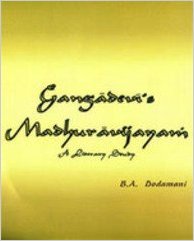
Gangadevi and her Sanskrit poetic work Madura Vijayam have made immense contribution to South Indian History.

Gangadevi was the chief queen of Kumara Kampana II (1343—1379). She accompanied her husband in his southern expedition. Though Kampana had many wives like other Indian kings, Gangadevi was the chief consort.

Gangadevi wrote Madura Vijayam in Sanskrit poetry. The book was brought to light by G.Harihara Sastri and V Srinivasa Sastri of Trivandrum in 1916. S Thiruvankatachary translated into English and Annamalai University published it in 1957. He commented on her poetic merits in the following words, “Being a biographer first and then only a poet, her literary borrowings do not affect the work in any way.”

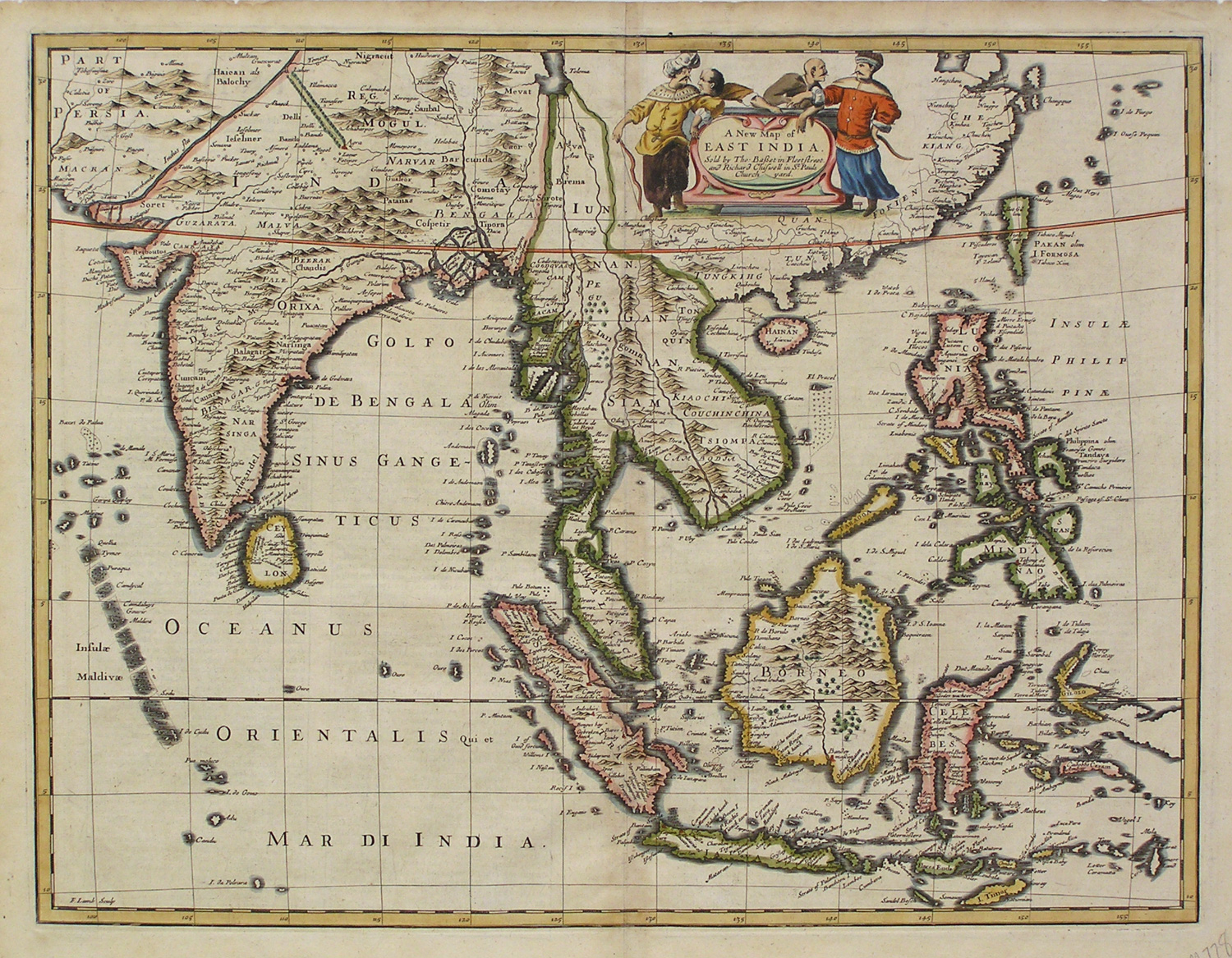
MapofMadurai

Gangadevi was a learned person. She mentions and pays homage to the ancient poets like Kalidasa, Bhattabana, Bharavi, Bhavabhuti, Dandin along with Valmiki and Vyasa. She gives some interesting information about Agastya. She described him as the author of 74 poetic compositions. She praises Agastya’s nephew Gangadhara, who dramatized the story of Mahabharata. She acknowledges Viswanatha, one of the two sons of Gangadhara, and his influence on her as a guru.

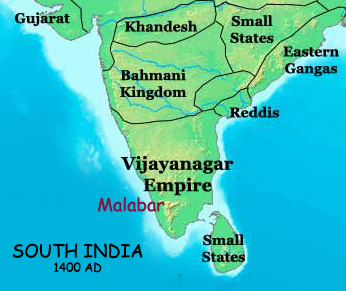
When Kampana invaded South India, it was under Madurai Sultanate. Malik Kafur attacked Madurai in 1311 CE. He just plundered all the temples and went back to Delhi. The second invasion took place under Ghiyasuddin Tughlak and he established Madurai Sultanate. From 1335 to 1371, Madurai suffered a lot. The temple was closed for nearly forty years. Madura Vjaya described the appalling condition of Hindus during that period. Though Hoysala ruler Veera Vallala tried to dislodge the Sultan he was killed in the war. Kampana came with a big army and killed Madurai Sultan Qurbat Hasan Kangu.

Gangadevi gave minute details of her husband’s expedition and the condition of Madurai. Her report was like a modern day war correspondent in the warfront. Even now women rarely go to war fronts to cover the attacks. But Gangadevi did it 700 years ago! Publishers of Madura Vijayam praised her as the first historian of South India like Kalhana of Rajatarangini in North India.

East-Hem in 1400 AD

Chidambaram = Abode of Tigers!

Gangadevi described the political and religious conditions in such a way that the descriptions looks like a faithful portrait of  the real state of affairs in those days. The famous Saivite temple town Chidambaram is called Vyagrapuri (Tiger town). She described the condition, “As a result of the tyrannical rule of Muslims, Vyagrapuri has actually become the Abode of Tigers”. It is a pun on the word Vyagra=Tiger.

It is believed that Kampana got a divine sword from the goddess before invading Madurai. It is in the Madura Vijayam. There are nine chapters. Earlier chapters describe the life of Kampana and later chapters describe his victorious march to Madura. His victory sounded the death knell to Muslim Rule in Madurai.

Source: Madura Vijayam and Kingship: State and Religion in South India by D Sridhara Babu.

Kings of Gupta, Kushan Dynasties!

IMG_2695

Compiled by London swaminathan

Article No.1763; Dated—31 March 2015.

Dictionary of 10,000 Indian Kings – Part 18

Summary of Previous 17 Parts:–

160 Kings in Rig Veda published here on 23rd November 2014.

First part of the article –146 kings beginning with letter ‘A’.

Second part– 65 Pandya Kings of Madurai+ Puranic Kings

Third part — 122 kings beginning with letter ‘B’

Fourth Part- 43 Kings of Vijayanagara Empire + 34 Kings under letter C.

Fifth Part – 106 Kashmiri Hindu Kings

Sixth Part – 30 Satavahana  Kings  + 136 Kings under letter D.

Seventh Part –  35 Tamil Pandya Kings of Sangam Age.

Eighth Part – List of Chera (Kerala) 22 kings of Sangam Age+ Kings listed under E (3),G(37) & H(28)=68kings

Ninth Part- 39 Choza Kings of Tamil Nadu

Tenth Part- 104 kings from Cambodia, Champa, Sri Vjaya Kingdom of Indonesia and Pallava

11th part:Under ‘I’  13 kings+ Under ‘J’ 40 kings+ Under ‘K” 147 kings are listed.

12th Part:– 113 kings of various Indonesian kingdoms are listed.

13th Part –UNDER ‘L’ 14 + UNDER ‘M’ 72 + PANDYA II LIST 36=122 KINGS

14TH PART:Dynasties of Vishnukundina (10), Vakataka (16),Salankayana (4),Andra Ikshvaku (4) and Names under “N”(60)=94 kings.

15th Part:—-Kadamba dynasty – 14 kings, Badami Chalukya -10 kings, Rashtrakuta dynasty kings- 16

Western Chalukya kings – 14, Kakatiya dynasty – 16, Eastern Chalukya kings – 33, Ganga vamsa – 16, Kalachuri dynasty- 14,Pala vamsa -21, Chandela dynasty 34, Gurjara Pratihara -17

Hoysala-13, Alupa – 32 kings are listed = Total 226 kings

16th part – Under R—121 kings and 152 Kings of Nepal = 273 kings

In this 17th part, I have listed Kings under ‘S’

In this 18th part I list the kings of Kushan (18), Gupta Dynasties(26) and Kings under the letter ‘T’ (38 kings). So far we have listed 2483+82=2565 kings!

IMG_2696

G1)Sri Gupta

G2)Ghatotkacha

G3)Chandragupta I

G4)Samudragupta

G5)Ramagupta

G6)Chandragupta II

G7)Kumaragupta I

G8)Skandagupta

G10)Purugupta

G11)Kumaragupta II

G12)Budhagupta

G13)Narasimhagupta Baladitya

G14)Kumaragupta III

G15)Vishnugupta

G16)Vainyagupta

G17)Bhanugupta

G18)Shashankgupta

G19)Neeravgupta

G20)ShivaGupta II

G21)SidharthaGupta

G22)Budhha lalJi Gupta

G23)Shankar Lal Gupta

G24)Raja Pistam Gupta

G25)Akhilesh Gupta

G26)Vishisht Gupta

IMG_2697

  1. 320 : Chandragupta Ifounds the Gupta Empire.Chandragupta wins many battles against many northern emperors.
  2. 330-376 : Samudraguptaexpands the empire from the Indus River to the Bay of Bengal, and up into the northern mountains.
  3. 376-415 : Chandragupta IImakes the empire secure, and encourages trade.
  4. 415-450 : Kalidascomposes most of his poetry in the reign of Kumargupta(415-455).
  5. 450 : Empire begin to collapse under pressure from invading Huns.
  6. 554 : The Gupta dynasty ends when the last emperor Shashakgupta

KUSHAN DYNASTY

Ku1)Heraios (c. 1 – 30), first Kushan ruler, generally Kushan ruling period is disputed

Ku2)Kujula Kadphises (c. 30 – c. 80)

Ku3)Vima Takto, (c. 80 – c. 95) alias Soter Megas or “Great Saviour.”

Ku4)Vima Kadphises (c. 95 – c. 127) the first great Kushan emperor

Ku5)Kanishka I (127 – c. 140)

Ku6)Vāsishka (c. 140 – c. 160)

Ku7)Huvishka (c. 160 – c. 190)

Ku8)Vasudeva I (c. 190 – to at least 230), the last of the great Kushan emperors

Ku9)Kanishka II (c. 230 – 240)

Ku10)Vashishka (c. 240 – 250)

Ku11)Kanishka III (c. 250 – 275)

Ku12)Vasudeva II (c. 275 – 310)

Ku13)Vasudeva III reported son of Vasudeva III,a King, uncertain

Ku14)Vasudeva IV reported possible child of Vasudeva III,ruling in Kandahar, uncertain.

Ku15)Vasudeva of Kabul reported possible child of Vasudeva IV,ruling in Kabul, uncertain

Ku16)Chhu (c. 310? – 325)

Ku17)Shaka I (c. 325 – 345)

Ku18)Kipunada (c. 345 – 375)

IMG_2698

Kings Under letter T from Morton Smith Book (all years are in BCE)

T1)Taksaka 1580 BCE

T2)Talajhangha  haihaya1100 BCE

T3)Tama saunaka 1310 BCE

T4)Tamrakalpa – daughter of Satyabhama

T5)Tamrarasa – daughter of Bhadrasva

T6)Tamrayaksas

T7)Tamsu apratiratha 1520 BCE

T8)Tantra vantivana 1150 BCE

T9)Tapasvini Bhangavati 1070 BCE

T10)Tapati –wife to samvarana 1300

T11)arakayana

T12)Tarapida kalainga

T13)Tarasvin 1040 – son of Samba

T14)Tigmatman vatsa 560

T15)Titiksu anava – 1360

T16)Tittiri yadava –1110

T17)Traisanu turvasa -1330

T18)Tranakarya maharathin 200

T19)Trasadasva -1390

T20)Trasadasyu aiksvakava 1450

T21)rasadasyu purukutsi -1170

T22)Trasu ailina – 1300

T23)Traiyaruna aiksvakava 1320

T24)Traiyaruna auruksaya 1120

T25)Tridhanvan aiksvakava 1335

IMG_2699

T26)Trigarta raja – 1220

T27)Trinetra of Magadha – 710

T28)Trisanku satyavrata – 1375

T29)Trisanu turvasa – 1350

T30)Trivana – son of antinara

T31)Tranabindu saka -1320

T32)Trayaruna vasumanas -1340

T33)Tryaruna traivrsna -1170

T34)Tumba saura -1230

T35)Tumbabvana saura -1225

T36)Tumburu – father of Nala- 1090

T37)ura kavaseya – 925

T38)Turvasu yayateya – 1420 BCE

(Pictures are taken from Historical Atlas; thanks.

Stri Rajya- Kingdom of Women in India!

Anushka-Rudramadevi

Queen Rudrama Devi

Research Article No.1741; Date:- 22  March, 2015

Written by London swaminathan

Uploaded at London time 17-30

56 Countries in Ancient India!

Whenever Hindu grandmas tell a story to their grandchildren about any event in ancient India, they will always tell them that “the kings from all the 56 counties were present there or were invited to the coronation or a Royal wedding or big Yaga or Yajna”. Like we have divided today’s India into several states and union territories, ancient India was divided into 56 smaller states or countries. Even when the countries came under one powerful ruler for some time the states or countries never forgot their identity.

During Buddha’s time there were 16 big political divisions known as 16 Mahajanapadas. But there were smaller divisions as well. In Tamil Nadu there were three big powers called Chera, Choza and Pandyas. At the same time there were smaller chieftains ruling their own territories paying tributes to the three kings.

Mahabharata mentioned at least 29 countries or divisions. Most of them took part in the great war, either supporting Kauravas or Pandavas.

16 janapadas

Studying those 56 countries gives us information about ancient India’s geography and history. Varahamihira, in his Brhat Samhita (Fifth Century CE) gives us some interesting information in this area—Geography of India:-

Since many countries were named after the tribal group, the same name may appear at more than one geographical location. If Kambojas live at different locations, all those countries will be called Kamboja. Sometimes the community as a whole migrates to a different region, then the geographical name of the country would change.

Another interesting thing is that people were named after their appearance: long faced, long haired, horse faced etc. We see a dominant group Lambakannas (Lamba Karna = Long eared) in Mahavamsa of Sri Lanka. In Brhat Jataka, we come across:

Vyagramukhas (Tiger faced), Danturakas (People with protruding teeth), Asvavadanas (Horse faced), Vyalagrivas (Serpent necked) Surpa karnas (ears like winnowing basket), Urdhvakanthas (High necked ones), Smasrudharas (the bearded ones), Mahagrivas (long necked ones), Sauvira (Sour gruel or Jujube Fruit or Antimony), Turagananas (Horse faced) Kesadharas (hairy ones), Cipitanaskikas (Flat nosed tribe), Svamukhas (dog faced people), bark clad people, Trinetras (three eyed people),Ekachara (one footed people) and Mlechas.

Mlechas, according to Kern, are foreigners or barbarians. In 2-15 of Brhat Samhita, the Greeks are spoken of as Mlechas. In Alberuni’s time, the term was used to denote the Arabs. ( I have already dealt with this word in two of my articles).

Varahamihira mentioned a kingdom by name Harahaura. It is mentioned very rarely. The Harahaura country is supposed to be the land lying between the Indus and the Jhelum and the Gandgarh Mountain and the salt range.

brooklyn museum

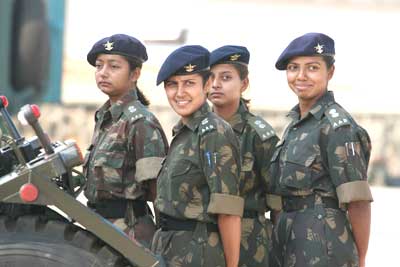
Women soldier, Brooklyn Museum, NY

When Varahamikhira says horse faced or tiger faced, they might have had some tattoos or masks with animal pictures. We need cross references to confirm it. Once we solve this puzzle, then we can understand the Hanumans, Jambavans and Jatayus of Ramayana. They are not monkeys, bears or eagles. They were as human as we are today, but named after those animals or birds for some reasons.


Rani-Lakshmi-Bai

Rani Lakshmi Bai

Kingdom of Women!

Varahamikhira included Stri Rajya in the North West division of India. Kingdom of Women called Stri Rajya was known to Chinese pilgrim Yuan Chwang as an Amazonian kingdom in the Himalayan valley of Sutlej. Dey states that it was a country in the Himalaya immediately on the north of Brahmaputra, which has been identified with Garhwal and Kumaun. Atkinson tells us that a woman named Pinchu ruled over the Nu Wang tribe in Eastern Tibet, and the people in each successive reign chose a woman for their Sovereign. Vatsyayana mentions a Stri Rajya (2-5-27), which Yasodhara places to the west of Vanga.

(Megasthenes mentioned the Pandya queen; it may be Goodees/ Queen Meenakshi of Madurai. Curtius mentioned women soldiers following Maurya Chandragupta’s Palanquin. Kaikeyi drove the chariot of Dasaratha in the battlefield and got two boons)

Divisions of the Globe (chapter 14 of Brhat Samhita)

Central region

Bhadra, Arimeda, Mandavya, Salva, Nipa, Ujjihana, Samkhyata, Marwar, Vatsa, Ghosa, Matsya, Madhyamika, Mathura, Upajyotisa, Dharmaranya, Surasena, Gauragriva, Uddehika, Pandu, Guda, Asvatta, Panchala, saketa, Kanka, Kuru, Kalakoti,  Kukkura, Udumbara, Kapisthala, Hastinapura

East

Vyagramukhas (Tigerfaced), Suhmas, Karvatas, Surpakarnas (whose ears resembled winnowing baskets), Khasas, Magadha, Mithila, Samatata, Orissa, Asvavadanas (Horse faced), Danturakas (People with protruding teeth), Pragjyotisa, Cannibals, Bhadras, Paundras, Gaudas, Utakal, Kasi, Ambasthas, one footed people.

Magadha was called Kikata in Vedic days and Bihar now.

jhansi

South East

Kosala, Kalinga, Vanga, Upavanga, Jatharanga, Sulika, Vidarbha, Vatsa, Andhra, Cedi, Urdhvakantas, Island of Vrsa, Nalkrera dvipa, Carmadvipa Vyagrivas, Mahagrivas, Kiskindha, Kantakasthala, Nisadas, Purikas, Dasarna, naked sabras, parna sabaras,


South

Lanka, Kalajinas, Saurikrsnas, Talikatas, Girinagara,

Malaya, Dardura, mahendra Malindya mountains

Bharukachas, kankatas, Kankanas, Vanavasis (banvasi in North Kanara)Sibikas, Phaniakaras, konkanas, Abhiras, Avartakas, Dasapura, Gonardas, Kerala, Karnataka, mahatavi (Great Forest), Citrakuta, Kollagiri, Nasik, Colas, Kraunca Islands, Jatadharas, Kaveri river, Rsyamuka, Dharmapattana, Ghanarajya, Velluru, Pisikas, Surpa mountain, Kusuma mount, Tumbavana, Karmaneyakas, Southern Ocean, Tapasasrama, Rsikas, Kanci,Marucipattana, Ceryarakas, Simhalas, Rsabas, Baladevapattanam, Dandaka forest, whale eater, Bhadras, Cutch, Elephant caves, Tampraparni river

South West

Pahlavas, Kambojas, Sindhu sauviras, Vadavamukhas, Aravas, Ambasthas, Kapilas, Narimukhas, Anartis, Yavanas, Margaras, Karnapraveyas, Parasavas, Sudrasm barnars, Kiratas, Khandas, Kravyadas, Abhiras, cankukas, Surastras, Badaras, Dravidas, Great ocean

West

Haihayas, Vokkanas, Punjab, Ramathas, Paratas, Taraksiti, Jrngas, Vaisyas, Kanakas, Scythians, Mlechas


chennamma

North West

Mandavyas, Tusaras ,Talas, Halas, Madras, Asmakas, Kulutas, Haladas, Stri rajya/Kingdom of women, Nrsimha forest, Khasthas, Phalgukukas, Guluhas, Marukuchas, Carmarangas, One eyed tribe /ekavilochana, Sulikas, Dirge griva /long necked ones, Dirge vasya / long faced, Dirgakesa / long haired


North

Uttarakuru , Ksudraminas, Kaikayas, Vasatis, Yamunas, Bhogaprastha, Arjunayanas, Agnidhras, Adarsas, Antardvipins, Trigarta, Turagananas /horse faced, Svamukhas / dog faced, Kesadharas / hairy ones, Cipitanasikas /flat nosed  tribe, Daserakas, Vatadhanas, Saradhanas, Taxila, Puskalavata, Kailavata, Kanthadhanas, Ambaravatas, Madrakas, Malwa, Pauravas, Kachcharas, Dandapingalaks, Manahalas, Huns, Kohalas, Sitakas, Mandavyas, Bhutapura, Gandhara, Yasovati, Hematalas, Ksatriyas, Khacaras, Gavyas, Yaudheyas Dasameyas, Syamakas, Ksemadhurtas

North East

Kira, Kashmir, Abhisaras, Daradas, Tanganas, Kulutas, Sairindhras, Varashtra, Brahmapura, Darvas, Damaras, Vanarajya, Kiratas, Cinas, Kaunindas, Bhallas, Patolas, Jatasuras, Kunatas, Khasas, Ghosas, Kucikas, One fotted men, /eka chara, Anuvidhdhas, Suvarnabhu, Vasudhana, Divisthas, Pauravas, Bark clad people, Trinetras/ three eyed people.

indian women

Commentators have identified these places and the communities. But there are some doubtful identifications or simple guesses. Amazing thing about Brhat Samhita is that he had full knowledge of all parts of India and the communities or tribes occupying those places.

RD parade rehearsal

Strange Bird Stories in Mahabharata!

Swan

swan

Written by London swaminathan

Research Article no. 1711; dated 12 March 2015

Up loaded at 16-30 London time

Strange Animal Stories in Mahabharata! – Part 3

Part 1 and part 2 were posted yesterday and day before yesterday.

We have seen snakes, snake bites, crocodiles, and strange frog, fish and tortoise stories so far. Now let us look at some strange bird stories in the Mahabharata.


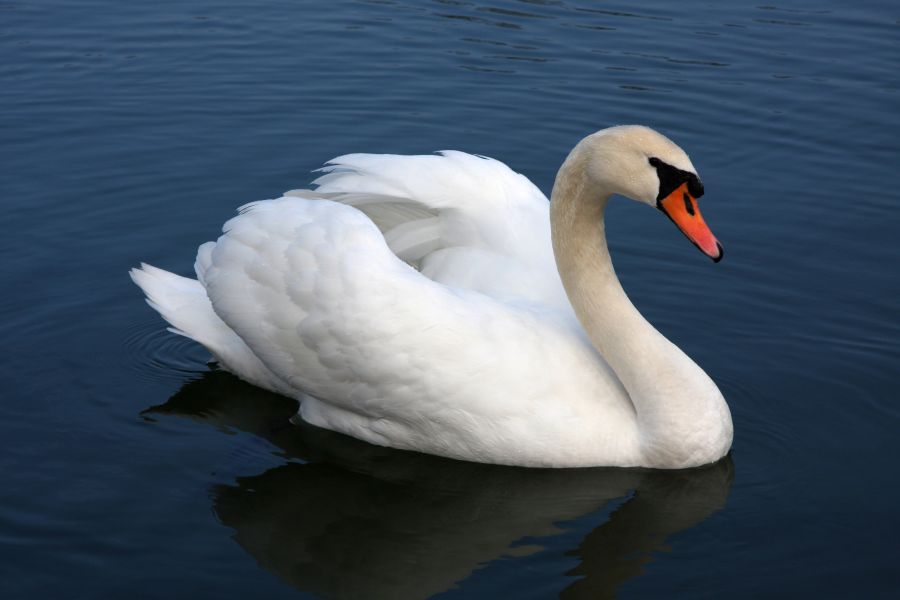
Swan

(1).Water birds appear in the Yaksha Prasna (Questions of a Ghost) story. The pond was located only when Bhima saw the water birds at a distance. Our forefathers observed nature very closely and found out lot of things through animal behaviour.

(2).Bird migration is also mentioned in the epic. When Bhisma was lying down on the Bed of Arrows, they noticed a kind of birds and commented Uttarayana is round the corner. Our forefathers found out the change of seasons by the appearance of different kinds of birds. Even today the monsoon birds appear every year in Kerala just before the beginning of monsoon on 1st or 3rd of June.

(3).Atreya, a great seer, assumed the form of a swan. Sadhya Gods approached them and asked the difference between righteous and unrighteous men. 5-36

eagle-and-seagull

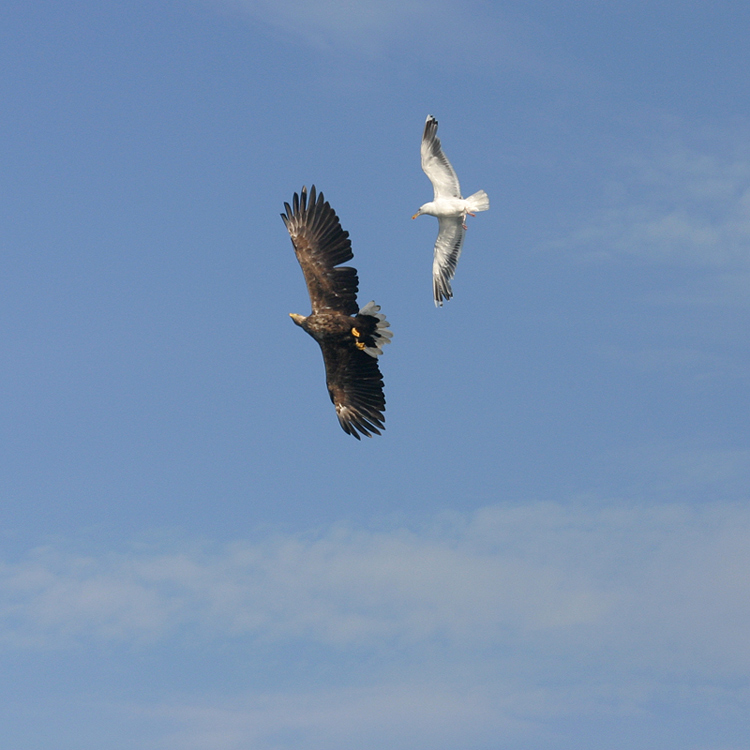
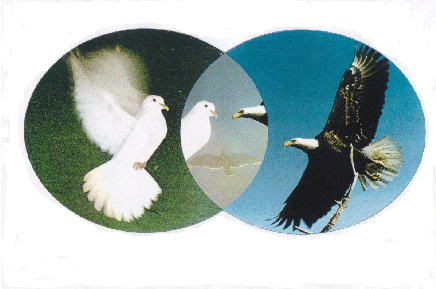
(4).Shibi story  (3-197 M.Bh.) is known throughout India. Purananuru, part of Sangam Tamil literature and Tamil epic Silappadikaram mentioned the story in several places and claimed that Shibi, King of North West India, was their forefather ((Read my earlier article Were Chozas Tamils?). In the story of Shibi we knew that Indra took the form of a hawk and Agni took the form of a dove. Buddhists pirated all the Hindu stories and included them in the Jataka Tales. Sibhi story is one of them.

Shibi’s son was called Kapotaroma (Dove feather) because he was made up of various fleshy parts of King Shibi (sounds like cloning or tissue culture!). King Shibi cut his body parts to save the dove from the hawk

(5).Shakuntala, who was protected by the birds, is found in Mahabharata (1-71) and Kalidasa’s most famous Shakuntalam drama.

DOVE.eagle

Dove and Hawk

(6).Hindus believe that humans may be reborn as animals and birds depending upon their Karma in the previous birth. We have the story of Jarita in the Mahabharata (1-230).

Jarita (bird) was the wife of a male bird who was seer Mandapala in previous birth. She gave birth to four baby birds. Later Mandapala abandoned her and lived with another female bird known as Lapita. When Krishna and Arjuna burnt down the Khandava Vana (Gond+Vana= Gondwana ) forest Jarita escaped from the fire by flying out at the insistence of the baby birds. Baby birds also escaped miraculously from the fire. When Mandapala (in bird form) came to inquire about their welfare, Jarita ignored him and asked him to go back to his lady love Lapita. Mandapala explained that it was he who saved the baby birds from the fire and Lapita also worried about them. Then Jarita accepted Mandapala and they lived happily in another forest.

It may be just a story rather than a real life incident. But it has got many messages such as accepting a repentant and reformed husband, birds’ love and kindness, fire hazards etc. Husbands returning to their wives after spending time with another woman is a common theme in Sangam Tamil Literature. 279 verses out of 966 Tamil verses (in the love poems) are about visiting prostitutes. We should not take it literally, but the message must be understood!

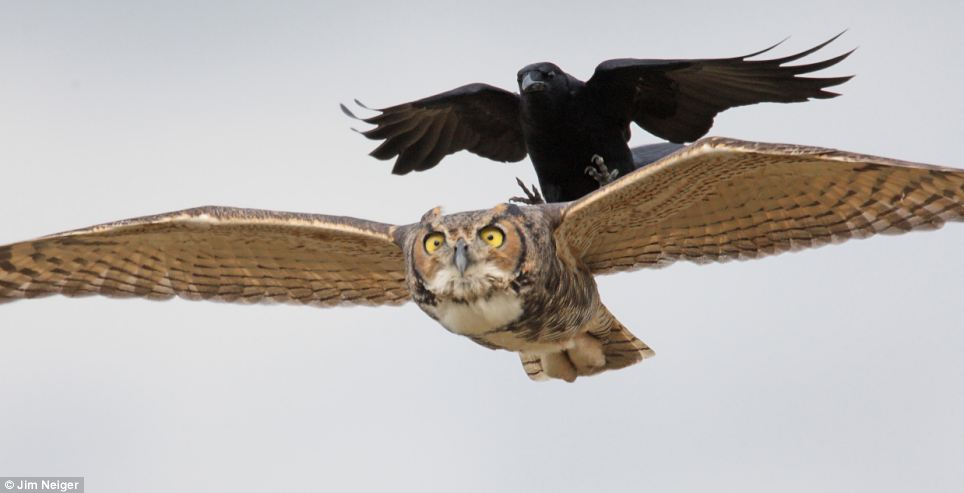
(7).Asvattama set fire to Pandava’s camp at the dead of night after the war. He did this after watching owls attacking the crows in the night (10-1). The fight between the Owls and the Crows form the entire fifth book of Panchatantra fables.

crow and owl

Owl and Crow fight

(8).Uluka (owl) was the name of emissary sent by Duryodhana to tell the Pandavas that their peace proposal is rejected. Seer Kausika (Visvamitra) also means owl. In Tamil also we have many poets with owl name (Pisir Anthai, Othal Anthai). People thought that they are the names of their towns. My view is that they actually mean the bird of wisdom owl, which is the vehicle of Lakshmi and Greek Goddess Athena. In western countries it is a very common logo in the educational institutions.

This confirms my view that most of the tribal names are totem symbols I have already given the names of Tamil poets with frog names like their counterparts in Sanskrit. Tortoise is also the name of several rishis/seers.

eagle

Eagle

(9)In the article on mysterious Sanskrit names in Sumerian books, I mentioned about Sumukha. Though Manu Smrti also mentioned the name of this king, nothing is found about King Sumukha in any Indian literature. But a Naga by name Sumukha appeared in Mahabharata (5-103). In fact it was not a snake (Naga), it was a human being with Naga symbol or tattoo.

Chikura was the father of Sumukha. He was killed by an eagle (man) before Matali chose Chikura’s son Sumukha to be the husband of his daughter Gunakeshi. The clash between the Naga tribes and the Eagle tribes is known throughout the world. We see it in the flags of Mexico, Emblem of USA and the Mayan stories.

When Sumukha got worried about an imminent attack from eagle (tribes), Indra came and protected Sumukha (Snake people). We see this clash of Nagas and Eagles in all the epic and Hindu Puranic stories.

(10).Eagle appeared in another story in Mahabharata (5-113). Shandili was a pious woman who lived on Mount of Rishaba. Once Galava and his friend, an eagle, came that way in search of good horses. When the eagle (in fact a man of eagle tribe) saw Shandili , he thought this virtuous woman should live in the heaven. The mere thought of carrying her away to heaven made the eagle’s wings to drop off. When he explained that the thought was not impure, Shandili forgave him and gave the eagle (man) more powerful wings.

flag-day-mexicol

Eagle- Snake clash

We have more such stories in the epic. Since thousands of years lapsed between the actual incidence and the writing, the original meaning was lost. Everything made to look like miracle stories.

I will conclude this series “Strange animal stories in Mahabharata” tomorrow.

swami_48@yahoo.com

Mystery of ‘J’and ‘Y’ in literature!

JJJJJ

Written by London swaminathan

Article No 1697; Dated 7th march 2015

London Time 14-08

The history of letter ‘J’ is mysterious. It is also very confusing. If you read the history of this letter in encyclopaedias you can see how confused the linguists are. They have used all the terms in linguistics that are available to describe the letters: vowel, consonant, fricative, post alveolar fricative, palatal approximant, voiced, voiceless alveolar plosive, diphthong, pronunciation shift etc. They have linked various languages such as Latin, Greek, Hebrew, Arabic and Romance languages. These languages belonged to different families, not at all related! In short they are confused and they would confuse you!

Strange Facts: Most famous Samuel Johnson’s English dictionary (1775) had only 24 letters! No J, No V! Later dictionaries such as Webster only used 26 letters! Then the English were forced to use 26 letters. Samuel used the letters J and V in the spelling of words, J for y or I;  V was used for u.

YY22

Ancient Latin had no sound ‘J’, hence no letter for it. Ancient Romans of 100 CE had 23 letters only; no J, no V and no  W!

–from the book The Alphabet by David Sacks

Look at the following words; which is correct?

Yesu = Jesus

Yuda/Yehudim = Jew

Yasmin = Jasmin

Yulius = Julius

Yusuf = Joseph

Yitro = Jethro (crescent)

Yatra = Jatra

TAMIL = SANSKRIT

Yama = Jama

Yava = Java ( Savakam in Tamil)

aYan = aJan ( AJAN means Brahma;Than+Mal+ Ayan;Suchindram)

vYira = vaJra (Porunthal Inscription)

gaYamukasura = gaJamukasura

RamaDan = RamJan = RamaLan (D=J=L)

JJ2

YYY!

Nowhere in the encyclopaedia had they mentioned Tamil and Sanskrit, two ancient languages. My research shows that their theories are wrong. Since they don’t know Tamil and Sanskrit, they have come to wrong conclusions. Those who study Tamil and Sanskrit and compare them with other languages will rewrite linguistic theories.

Letter ‘J’ is used as ‘Y’ in many languages now. The origin of this change lies in Tamil and Sanskrit literature.

Oldest Sanskrit Inscription in India!

Sometime ago a fifth century BCE inscription was discovered at Porunthal near Palani in Tamil Nadu. It has a Brahmi inscription with the Sanskrit word “Vayira”. This is a Sanskrit word used for diamond = VaJra. Here also we see the J=Y change. Tolkappiam , the oldest Tamil book gives the rules for borrowing Sanskrit words. So this vaJra is a Sanskrit word borrowed and changed to vaYira. If the dating of this inscription ( Fifth Century BCE) is correct, then  we see the change in the oldest inscription in Tamil Nadu. When the archaeologists sent the paddy found in the place it was dated 490 BCE by American laboratories.

Sanskrit word Vayira is used in Sangam Tamil literature in many verses. Poet Markandeya used it in Purananuru verse 365. The verse is full of stories from Sanskrit scriptures. Rig Vedic Purusha sukta descrition of the universe, Kalidasa’s story of cursing Bhumadevi to be a spinster for ever, Bhumi being the wife of Hindu kings, Vajra Suci (Diamond needle) etc are found in the verse. Sangam poet name is also in Sanskrit!

language problem

Now we know how Yeshu changed to Jesus and Yusuf changed to Joseph. It happened even before Latin literature appeared in the world in 3rd century BCE.

Yama is a unit of time; one fourth of the day. It is written as Jama. Vajra (vayira) and Yama (jama) are found in ancient Tamil literature. Tamil and Latin have contemporary literature. Even without the Palani Brahmi inscription, we can prove that J=Y from Tamil and Sanskrit literature.

The conclusion is that there is no truth in the explanations given in encyclopaedias for many pages about “spelling shift or pronunciation shift” Y=I=J. It is all happened in ancient India. Since Tamils and Sanskrit speakers spread to different parts of the world they took it with them. We can trace back most of the ancient words to Tamil and Sanskrit. I already gave the example Number ‘One’ and ‘Eight’ in English are from Tamil (Ondru, Ettu) where as other English numbers are from Sanskrit. We can see it English numbers from 21, 31, 41 etc. They are done in the Tamil way: twenty + one, thirty+one (in Tamil irupaththu ondru, muppathu ondru etc). The English numbers before twenty are done as in Sanskrit: 3+10= thirteen, 4+ten= Fourteen, Five+ Ten = Fifteen etc.

All the ancient languages in the world develop either the Tamil way or the Sanskrit way. In English we see both the trends.

In short, all the ancient languages have come from Tamil and Sanskrit. There are thousands of Tamil words in English. The long list was given by Sathur Sekaran 40 years ago, who I interviwed in the BBC Tamil Service in London in 1988.

If we go deeper still, we can see both Tamil and Sanskrit have the same roots and same grammar rules; Sandhi (Punarchi in Tamil) rules or Joining of words rules are followed until today only in two languages Tamil and Sanskrit. Some of the vestiges we can still see in European languages which have come from Sanskrit! (Or cal it Indo-European!)

Tamil is closely related to Sanskrit. There is no other language that comes this closer. This did not happen because of geographical proximity; it happened because of internal thinking process. Both languages evolved from the same source and diversifies or branched out 2500 years ago.

accent

swami_48@yahoo.com

Amazing Yadava Kings!

yadav migration

Compiled by London swaminathan

Article No. 1686; Dated– 2 March 2015.

Dictionary of 10,000 Indian Kings – Part 17

Summary of Previous 16 Parts:–

160 Kings in Rig Veda published here on 23rd November 2014.

First part of the article –146 kings beginning with letter ‘A’.

Second part– 65 Pandya Kings of Madurai+ Puranic Kings

Third part — 122 kings beginning with letter ‘B’

Fourth Part- 43 Kings of Vijayanagara Empire + 34 Kings under letter C.

Fifth Part – 106 Kashmiri Hindu Kings

Sixth Part – 30 Satavahana  Kings  + 136 Kings underletter D.

Seventh Part –  35 Tamil Pandya Kings of Sangam Age.

Eighth Part – List of Chera (Kerala) 22 kings of Sangam Age+ Kings listed under E (3),G(37) & H(28)=68kings

Ninth Part- 39 Choza Kings of Tamil Nadu

Tenth Part- 104 kings from Cambodia, Champa, Sri Vjaya Kingdom of Indonesia and Pallava

11th part:Under ‘I’  13 kings+ Under ‘J’ 40 kings+ Under ‘K” 147 kings are listed.

12th Part:– 113 kings of various Indonesian kingdoms are listed.

13th Part –UNDER ‘L’ 14 + UNDER ‘M’ 72 + PANDYA II LIST 36=122 KINGS

14TH PART:Dynasties of Vishnukundina (10), Vakataka (16),Salankayana (4),Andra Ikshvaku (4) and Names under “N”(60)=94 kings.

15th Part:—-Kadamba dynasty – 14 kings, Badami Chalukya -10 kings, Rashtrakuta dynasty kings- 16

Western Chalukya kings – 14, Kakatiya dynasty – 16, Eastern Chalukya kings – 33, Ganga vamsa – 16, Kalachuri dynasty- 14,Pala vamsa -21, Chandela dynasty 34, Gurjara Pratihara -17

Hoysala-13, Alupa – 32 kings are listed = Total 226 kings

16th part – Under R—121 kings and 152 Kings of Nepal = 273 kings

Dwarka-Map_small

Yadava Kings

The king list given by R. Morton Smith in his book “Dates and Dynasties in Earliest India” – show the names of at least 78 Yadava kings. All of us know that the Puranas give the list of Surya vamsa and Chandra Vamsa. But we don’t know the full list of Yadava kings. We knew the most famous Yadava, Lord Krishna! Apart from his close associates, we don’t read much about them. But Morton smith took some efforts to collect all the Yadava kings details from Puranas. (I have not given all the Yadava kings here. Some are listed here today. Some are in the previous lists. More coming in  future lists).I don’t agree with Morton Smith’s dates because he placed Rama in 1060 BCE and Krishna in 980 BCE. Even modern scholars have dated Mahabharata characters to 1500 BCE. Hindus believe that it happened just before Kaliyuga began in 3102 BCE. But once we can prove the dates of Rama and Krishna beyond anyone’s doubts, then all these dates will have to change. It is useful to have some readily available information of all the kings with relative chronology.

In this 17th part, I have listed Kings under ‘S’

So far we have listed 2148 +335=2483 kings!

ALL YEARS ARE IN BCE, except when they are marked CE

S1)SABALASVA KAURAVA – 1470 BCE

S2)SABHASKA BHANGAKARI – 1080 BCE

S3)SABHANARA ANAVA – 1520 BCE

S4)SADASVA NIPA – 1195

S5)SAGARA AIKSVAKAVA – 1280 BCE

S6)SAHADEVA SARNJAYA VAISALI 1160 BCE

S7)SAHADEVA  KSATRADHARMANA 1440 BCE

S8)SAHADEVA  OF MAGADHA 980 BCE

S9)SAHADEVA AIKSVAKAVA – 835 BCE

S10)SAHADEVA PANDAVA – 975 BCE

S11)SAHADEVA PANCALA – 1070 BCE

S12)SAHADEVA SAURI

S13)SAHADEVA KRTRADHARMAN 1350

S14)SAHADEVA DAIVAKI – 1300

S15)SAHALYA NANDA – 380 BCE

S16)SAHANJA KARTI YADAVA – 1490 BCE

S17)SAHASRAJIT YADAVA – 1600 BCE

S18)SAHASRAJIT YADAVA BHAJAMANA – 1175 BCE

S19)SAHASRAJIT KARSNA –

SAHASRASVA –

S20)SAHASRAVANT AIKSVAKAVA – 850 BCE

S21)SAHASVANT OF KALINGA 1090 BCE

1220 BCE SAIBHAYAA, WIFE OF JYAMAGHAA

SAINDHYAVANI

SAKA

S22)SAKALYA VIDAGHDA 870

S23)SAKTI KUMARA BLC – 190 BCE

S24)SAKUNI AIKSVAKAVA – 1820 BCE

S25)SAKUNI VAIDARBHA – 1050

SAKUNTALA VAISVAMITRA -1250 BCE
banner_about_Krishna_3_12

S26)SALA , BROTHER OF NAMA

S27)SALA BAHLIKA -1000

SALAVATI, WIFE OF VISVAMITRA 1280 BCE

S28)SALISUKA MAURYA -235

S29)SALMALA KAURAVA – 1400 BCE

S30)SAMARA NIPA – 1200 BCE

S31)SAMBA VAISVAKASENA -1060

S32)Samba , son of Krishna and jambavati

S33)SAMBHAVA OF MAGADHA 1030 BCE

S34)SAMBHUTI AIKSVAKAVA – 1430 BCE

S35)SAMHATASVA AIKSVAKAVA – 1560 BCE

S36)SAMI ANDHAKI YADAVA 1170 BCE

S37)SAMIN SAUNASVA

S38)SAMIKA SAURA YADAVA -1100

S39)SAMKIRTI VAISVAMITRA -1260

S40)SAMKIRTI KSATRADHARMANA – 1380 BCE

S41)SAMKIRTI , SON OR GRANDSON OF NARA–1180

S42)SAMPARA NIPA –1200 BCE

SAMPATI   YATI

S43)SAMPRATI MAURYA – 221

S44)SAMPRIYA MAGHADI OR MADHAVI – 1200

S45)SAMTARDANA DHARSTAKETAVA – 980

SAMUDRA

S46)SAMUDRAVIJAYA, FATHER OF ARISTANEMI

S47)SAMVARANA KAURAVA – 1300

S48)SAMVARTA , BROTHER OF AUCATHYA 1290

S49)SAMYATA MARUTI TAURVASI – 1280

S50)SAMYATI PAURAVA – 1620 BCE
krishna bommai,fb

S51)SANADVAJA VAIDEHA – 946

S52)SANAKA, BROTHER – 1150

S53)SANDHANA ANDIRI 1180

S54)Sangramjit, brother of Karna

S55)SANJAYA VAIDEHA –792

S56)SANJAYA AIKSVAKAVA -540

S57)SANJAYA KSATRADHARMANA -1550

SANKARA

SANKILA

SANKHANABHA

S58)SANKU AUGRASAINYA – 920

S59)SANNATI ALARKA KASYA 1240

SANNATI, WIFE OF BRAHMADATTA -1090

S60)SANNATI DVIMIDHA- 1080

S61)SANNANTIMANT DVIMIDHA 1100

S62)ANTANU KAURAVA –1075

SANTIDEVAA , WIFE OF DEVAMILHUS -1280

S63)SAPA, FATHER OF NIMI -1580

S64)SAPTARATHAVAHANA – 830

S65)SARABHA RAUKMINEYA

S66)SARADVANT DRUHYU – 1480

S67)SARADVANT GAUTAMA – 1120

S68)SAARANA , BROTHER OF RAMA 1100

SARASVATI , WIFE OF ANTINARA 1540 BCE

S69)SARMISSTHA VARSAPARVANI – 1800 BCE

SANRNGADEVAA, MOTHER OF TUMBA – 1250

S70)SARUTHA ,HUSBAND OF DUSMANTA -1230

S71)SARVABHAUMA NABHAGI -1350

S72)SARVABHAUMA BRHATKSATRA 1160 BCE

S73)SARVABHAUMA DVIMIDHA – 1215

S74)SARVAKAMA  SARVABHAUMA -1350

S75)SARVAKARMAN NABHAGI – 1290

ancient_india

S76)SARVASENA OF KASI – 1080 BCE

SARVATRAGA

S77)SARYATI MANAVA -1450

S78)SASABINDU YADAVA – 1520

SASADA VIKUKSHI – 1820 BCE

SATABALAA , DAUGHTER OF RAMA

S79)SATADHANVAN YADAVA – 1090

S80)SATADHANVAN MAURYA -192

S81)SATADYUMNA VAIDHA – 1020

S82)SATAJIT YADAVA 1580

S83)SATAJIT, BROTHER OF BHAJAMANA -1175

S84)SATAKARNI VEDISRI – 178 CE

S85)SATAKARNI VEDISRI II – 132 CE

S86)SATAKARNI SUNDARA III – 85 CE

S87)SATAKARNI CAKORA IV – 86 CE

S88)SATAKARNI GAUTAMIPUTRA 108 CE

S89)SATAKARNI SIVASRIPULOMAYI- 164 CE

S90)SATAKARNI SIVASKANDHA – 193 CE

S91)SATAKARNI YAJNASRI – 197 CE

S92)SATAKARNI CANDASRI 226 CE

S93)SATANANDA SARADVATA – 1195 BCE

S94)SATANIKA SATRAJITA – 885

S95)SATANIKA VATSA – 500

S96)SATARATHA NABHAGI – 1240

S97)SATAVAHANA ANDHRA SAIMUKA – 185

S98)SATAYAJNA OF MAGADHA – 817

S99)SATHA, BROTHER OF RAMA -1095

S100)SATRAJIT NAIGHNA YADAVA – 1120

krishna

S101)SATRAJIT JANAMEJAYA III

S102)SATRUGHNA DASARATHI 1060

S103)SATRUGHNA ARJUNA

S104)SATRUGHNA SABHAKSA – 1075

S105)SATRUGHNA YADAVA – 990

S106)SATRUGHNA, FATHER OF ARIMARDHANA

S107)SATRUJIT NIVATASATRU – 1075

S108)SATTVADANTA BHADREYA – 1025

S109)SATVANT YADAVA- 1240

S110)SATYA SAUNAKA – 1160

S111)SATYA NAGNAJITI – 1160

SATYAA ,WIFE OF CITRARATHA 1110

SATYABHAMAA, WIFE OF KRISHNA – 1080 BCE

S112)SATYADHRTA, FATHER OF KRIPA – 1040

S113)SATYADHRTI- 1065

S114)SATYDHRTI DVIMIDHA – 1280

S115)SATYDHRTI PARSVINA – 1020

S116)SATYAHITA OF MAGADHA – 1090

S117)SATYAJIT AJAMIDHA – 630

S118)SATYAKA SAINEYA YADAVA—1115

S119)SATYAKAMA JABALA – 740

S120)SATYAKARMAN ANAVA SARNJAYA – 1450

S121)SATYAKARMAN, BROTHER OF ANAVA DHARTAVRATA – 1020

S122)SATYAKARNA CANDRAPIDA -900

S123)SATYAKETU KASYA -1160

S124)SATYAKETU YADAVA KASEYA 1090

S125)SATYAKI YUYUDHANA

eastindia

SATYRARATTAA , WIFE OF TRISANKU – 1300

S126)SATYARATHA VAIDEHA – 704

S127)SATYARATHA ANAVA – 1110

SATYAVATI, DAUGHTER OF GADHI – 1340

S128)SATYAVATI KALI DASEYI  – 1040

Following in small letters are taken from Mahabharata

S129)Satyasena , son of karna

S130)Satyavan dhumat sena, husband of savitri

S131)Saumadhiti, son of shala

S132)Sauveera, who did 3 year long yajna

S133)Shala ,eldest son of king pariksheet and sushobana

S134)Shalva ,king of saubhya in matrikavtak

S135)Shanka, eldest son of king virata of matsyadesa

S136)Sharabha, dhristaketus brother

S137)Sharyati , father of sukanya, ancient king

S138)Shashasabindu- ancient king

S139)Shatayupa, kekaya king

S140Hrtayudha – king of kalinga

S141)Somaka – ancient time

S142)SAUBAGASENA MAYURA – 205

S143)SAUNAKA , SON OF SUNAKA – 950 BCE

S144)SAUNAKA DEVAPI – 925

S145)SAUNAKA INDROTA – 900

S146)SAUNAKA DRTI – 875

S147)SAUNAKA BUDHA SONA – 400

S148)SENAJIT NIPA – 1325

S149)SENAJIT OF MAGADHA – 858

S150)SETU DRUHYU -1520

S151)SIBI AUSINARA – 1345
krishna3

S152)SIGRASVA AIKSVAKAVA – 975

S153)SIKHANDINI DRAUPADI – 975

S154)SIMUKA ANDHRA -211 CE

S155)SINDHUDWIPA AMBARISA – 1410 BCE

S156)SINEYU YADAVA – 1420

S157)SINI YADAVA – 1140

S158)SINI GARGYA BHARATA -1170

S159)SIRADVAJA VAIDEHA – 1080

SISIRAVATI

S160)SISRAYANI, BROTHER IN LAW OF AGAVAHA 1180

SISIRAYANI VRKADEVI

S161)SISUNAGA OF MAGADHA – 437

S162)SISUPALA SUNITHA

SITA, WIFE OF RAMA -1060

S163)SIVASKANDHA SATAKARNI

SIVASRI SATAKARNI

SIVASVATI ANDHRA 87 CE

SKANDASVATI ANDHRA 150 BCE

SKANDASVATI ANDHRA II 16 BCE

S164)SOBHARI KANVA 1180

165)SOMA PANCALA -1130

S166)SOMADATTA VAISALI – 1120

S167)SOMADATTA SRNJAYA – 1090

S168)SOMADATTABAHLIKA – 1020

S169)SOMADHI OF MAGADHA – 975

S170) SOMAKA PANCALA – 1050

S171)SONAKA BUDDHA SAUNAKA –

S172)SONASVA YADAVA – 1100

S173)SRADDHADEVA JANA NISADA 1130

S174)SRADDHADEVA VAISYA – 1150

S175)SRAVANA CAITRAKA – 950

S176)SRAVAS SAUNAKA – 1120

S177)SRAVASTA AIKSVAKAVA – 1680

S178)SRAVISTHA PIPPILADI – 900

S179)SRENIKA BIMBISARA

S180)SRIDEVA LAUMAPADA – 1010

S181)SRIDEVA DAIVAKI – 1260

S182)SRNJAYA VAISALI – 1180

S183)SRNJAYA PANCALA  1225

S184)SRNJAYA ANAVA – 1480

S185)SRNKHALA  AIKSVAKAVA – 1140

SRSTACAYA

S186)SRUTA BAGIRATHA -1040

S187)SRUTADEVA SAURI -1050

S188)SRUTADEVAA, WIFE OF VRDDHASARMAN -1000

S189)SRUTAKARMA DRAUPADEYA, SON OF SAHADEVAN

S190)SRUTAKIRTI SAURA -1040

S191)SRUTAKIRTI KAIKEYI- 1000

S192)SRUTANJAYA OF MAGADHA – 835

S193)SRUTASENA , SON OF JANAMEJAYA -1225

S194)SRUTASRAVAA, WIFE OF DAMAGHOSA- 1000

S195)SRUTASRAVAS OF MAGADHA -977

S196)SRUTASRAVAS SAURA -1020

SRUTAVANT

S197)SRUTAVANT VISRUTASVA -1020

SRUTOYA

S198)SRUTAYUS OF KALINGA – 980

S199)SRUTAYUS OF VDEHA – 836

S200)STHIRAMUSHTI VASUDEVA –
linschoten_full_map

S201)STHULAKESA- 1000

S202)SUBAHU SURA -1300

SUBANDHU

SUBHADRAA, WIFE OF ARJUNA- 990

S203)SUBHAGASENA, SON OF ASOKA – 230

SUBHANGI, WIFE OF KURU – 1280

S204)SUBHUSANA SANKU AUGRASAYANYA-900

S205)SUCADRATHA VATSA – 760

S206)SUCALA OF MAGADHA – 610

S207)SUCANDRA VAISALI – 1220

S208)SUCARU PANCALA SAURA – 1050

S209)SUCARU PANDAVA -900

S210)SUCETAS ANAVA – 850

S211)SUCETAS DRUHYU- 1350

S212)SUDAMSTRA YADAVA – 1030

S213)SUDARSANA AIKSVAKAVA – 1020

S214)SUDAS PAIJAVANA – 1090

S215)SUDAS HAMSAMUKHA- 1330

S216)SUDHODANA SAKYA – 560

S217)SUDESNA RAUKMIEYA

S218)SUDESNAA, WIFE OF BALI-1240

S219)SUDEVA AIKSVAKAVA – 1380

S210)SUDEVA OF KASI -1360

S211)SUDEVA DAIVAKA -960

SUDEVAA, WIFE OF RCA -1020

SUDEVAA, WIFE OF VIKUNTHIN-1110

SUDEVI ,WIFE OF VISVAKSENA -1080

S212SUDHANVAN Dhundhu paurava – 1660

S213)SUDHANVAN AIKSVAKAVA – 1410

S214)SUDHANVAN PARIYATRA 1240

S215)SUDHANVAN KAURAVA 1260

S216)SUDHANVAN KAURAVA OF MAGADHA 610

S217)SUDHARMAN CAITRAKA YADAVA 980

S218)SUDHARMAN DVIMIDHA -1235

S219)SUDHRTI RAJYAVARDHANA – 1420

S220)SUDHRTI VAIDEHA – 1340

S221)SUDHYUMNA AILA -1300

S222)SUDHYUMNA AILINA PAURAVA 1280

SUGANDHI

SUGATRI, WIFE OF AKURA – 1100

S223)SUHMA BALEYA -1210

S224)SUHOTR, BROTHER OF VIDHATA -1210

S225)SUHOTRA KAUSIKA 1500

S226)SUHOTRA JAHNAVA -1460

S227)SUHOTRA BARHATKSATRA 1150

S228)SUHOTRA FATHER OF AJAMIDHA -1390

S229)SUHOTRA VAIDATHINA – 1190

S230)SUHOTRA KAURAVA -1240

S231)SUHOTRA KAURAVA 1240

S232)SUHOTRA ATITHEYA – 1410

S233)SUJAJNA YADAVA – 1475

S234)SUKA, FATHER IN LAW OF ANUHA – 1140

S235)SUKANYA SARYATA – 1420

S236)SUKETU VAIDEHA – 1440

S237)SUKETU SAUNITHA KASYA 1200

S238)SUKETU AIKSVAKAVA – 1200

S239)SUKHIBALA VATSA -680

S240)SUKRTI NIPA 1160

S241)SUKSATRA OF MAGADHA – 914

S242)SUKUMARA OF KASI -1100

S243)SUKUMARA MOTHER OF PRATIPA – 1120

S244)SUMANTA LAUMAPADA – 1140

S245)SUMANTU JAIMINI – 960

S246)SUMANU VAIDEHA 748

S247) DVIMIDHA – 1100

S248)SUMATI MAHINETRA

S249)SUMITRA ANAMITRA

S250)SUMITRA AIKSVAKAVA AMITRAJIT -660
Krishna-and-Balaram-on-top-of-Govardhan-hill

S251)SUMITRA AIKSVAKAVA AMITRAJIT II -410

S252)SUNAHA JAHNAVA KAUSIKA -1460

SUNAHOTRA

S253)SUNAHOTRA KSHATRAVRDDHA – 1580

S254)SUNAHOTRA VAITADHINA- 1200

S255)SUNAHPUCCHA AJIKARTA – 1250

S256)SUNASHEPA DEVARATA -1240

S257)SUNAKA KSATRAVRDDHA – 1520

S258)SUNAKA ,SON OF RURU -975

S259)SUNAKSATRA AIKSVAKAVA – 730

S260)SUNAMAN KANKA – 950

SUNAMAN DEVAKI –

S261)AUNAMITRA ANAMITRA – 1165

SUNAMNI, WIFE OF VASUDEVA

SUNANDAA, DAUGHTER OF RAMA -1060

SUNANDAA, DAUGHTER OF SARVASENA – 1060

SUNANDAA DAUGHTER OF SARVABHAUMA -1160

SUNANDAA, DAUGHTER OF PRATIPA 1100

S262)SUNAYA VAIDEHA – 481

S263)SUNAYA VATSA – 640

S264)SUNDARA SATAKARNI -85 CE

SUNDARI, WIFE OF VISRUTASVA  -1075 BCE

S265)SUNETRA OF MAGHADA  – 745

S266)SUNETRA II – 617

S267)SUNITHA SAUCADRATHA

S268)SUNITHA VATSA 765

S269)SUNITHA OF KASI – 1220

S270)SUNITHA SISUPALA – 980

S271)SUNITHA KARSANA

S272)SUPARNA AIKSVAKAVA – 680

S273)SUPARNA, FATHER IN LAW OF CITRARATHA

S274)SUPARSVA VAIDEHA – 814

S275)SUPARSVA CAITRAKA -1020

S276)SUPARSVA, SON OF SATHA -1070

S277)SUPARSVA FATHER IN LAW OF SAMBA -1075

S278)SUPARSVA DVIMIDHA – 1120

S279)SUPRATIKA HAIHAYA – 1270

S280)SUPRATITA AIKSVAKAVA – 770

S281)SURA ARJUNI YADAVA – 1300

S282)SURA NIPA – 1030

SURASAA, DAUGHTER OF RAMA

S283)SURASENA  ARJUNI YADAVA – 1300

S284)SURATHA, SON OF JANAMEJAYA – 1210

S285)SURATHA AIKSVAKAVA – 430

S286)SURATHA JAHNAVA KAURAVA – 1225

S287)SURAUDYA DHURYA – 1500

S288)SURUPA NASAMAUJASA YADAVA – 1025

S289)SURYAPIDA, SON OF JANAMEJAYA -910

S290)SUSANDHI AIKSVAKAVA – 900

S291)SUSANTI NAILA PANCALA – 1310

S292)SUSARMAN KANVA MAGADHA 38

S293)SUSENA SAURA -970

S294)SUSENA SURATHA

SUSEVA

SUSILA MADRI

SUSMANTA AILINA

S295)SUSRUTA VAIDEHA 572

S296)SUSUVAA, WIFE OF JAYATSENA -1140

S297)SUTANU AUGRASAINYA – 900

S298)SUTANU PARICAKRITA

S299)SUTANU YAUDHISISTHIRA -965

S300)SUTAPAS ANAVAS -1280
mathura-and-vrindavan-tour2

S301)SUTEJAS SAUNAKA- 1240

S302)SUTODA VAIDEKA 594

S303)SUVACAS, DAUGHTER OF RAMA

S304)SUVARCAS VAIDEHA 616

S305)SUVARCAS MANAVA – 890

SUVARNAA, WIFE OF SUHOTRA –

S306)SUVARNAROMAN  VAIDEHA – 1120

S307)SUVIRA SAINYA – 1320

S308)SUVIRA DVIMIDHA – 990

S309)SUVRATA AUSINARA -1340

S310)SUVRATAOF MAGADHA -779

S311)SUVRATA TRINETRA –

S312)SUVRATA AIKSVAKAVA -580

SUYAJNA

S313)SUYANJA, WIFE OF MAHABHAUMA – 1100

SUYASA, WIFE OF RKSA 118
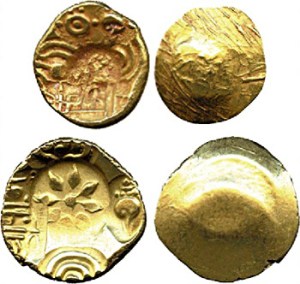
YadavasofDevagiri_25070

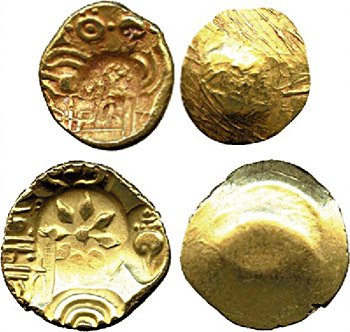
Coins of Devagiri Yadava kings

S314)SUYASAS KUNALA MAURYA –

S315)SUYAVAS, GRAND FATHER OF  SUNASHEPA – 1295

S316)UYODHANA ANAVAS/ARDRA KAKUSTHA

S317)SVAGATA VAIDEHA – 638

S318)SVAHI YADAVA – 1600

S319)SVAPHALKA VARSNEYA YADAVA – 1130

S320)SVARBHANU, FATHER IN LAW OF AYU –

S321)SVARGAGA BHAIMA PANDAVA –

S322)SVATI ANDHRA – 28

S323)SVATIKARNA MRGENDRA 9

S324)VATI KARNA KUNTALA 6 BCE TO 3 CE

S325)SVATISENA ANDHRA- 3 CE

S326)SVAYAMBHOJA YADAVA – 1130 BCE

S327)SVCENI LAUMAPADA- 1100

S328)SVETA PAURADYA -1250

S329)SVETA LAUMAPADA -1200

S330)SVETAKARNA SATYAKARNI 880

S331)SVETAKETU ARUNEYA GAUTAMA-750

S332)SVETARANA VAITARANA –

S333)SVETARATHA VAHANA

S334)SVETAVAHANA YADAVA -1100

S335)SYAMA SAURA KRSNA -1120

SVAYASVA ATREYA –SYENI ,WOFE OF PRAVIRA 1720 BCE

krishna-with-his-dear-friend-vrindavan-das

Kings under ‘S’ finished.

Billion Dollar Big Birth Day Parties: Hindus Taught the World!

Greetingcardsretaildisplay

Written by London swaminathan

Research Article No.1668; Dated 22 February 2015.

Birth day cards, birth day parties, birth day decorations and birth day gifts —  is a billion dollar business in the world. But not many people know that Hindus taught the world this Birth day Celebrations!!

Celebrating one’s birth day is a Vedic custom. We know about Krishna Jayanti (Janmashtami), Rama Jayanti (Rama Navami), Hanuman Jayanti, Buddha jayanti (Vesak/VIsakam/Vaikasi Viskam), Jesus Jayanti (Christmas), Shankara Jayanti, Mohammad Jayanthi (Milad un Nabi), Ramana Jayanthi, Ramakrishna Jayanthi and 100 more Jayantis!

Jayanti here means the anniversary of a birth day. We started with Rama and Krishna and spread it to the world. Followers of Buddha and Jesus also celebrate it now. Hindus extended it to all the philosophers like Ramanuja, Madhwa, Vallabha, Ramadas and many more saints.

Hindus did not stop there, they extended it to national leaders too! Gandhi’s Birth day on 2nd October (Gandhi Jayanti), Nehru’s Birth day on 14th November (Children’s Day), Dr Radhakrishnan’s Birth day on 5th September (Teachers day). They did not stop with human beings. They are celebrating the birth of a book—Gita jayanti (the day Bhagavad Gita was told to Arjuna!). This is very unique – birth day celebration for a book!

happy-birthday-balloons-27

When a boy or girl is born in a family, it leads to big celebrations. On the first birth anniversary, they do special type of Pujas in the temple or at home: Ayush Homam for the long and healthy life of the child. They make sweets, invite close relatives and feed them. If it is a king the celebrations are bigger. Great Tamil king Raja Raja Choza, made his birth day a national festival by celebrating is as Sathaya Viza (Sathabishak was the Nakshatra/asterism under which he was born). The whole Choza country celebrated it!

When princes were born, the kings released all the prisoners according to Hindu epics and Puranas/mythologies! So it all started from India and spread to the world! But Change is inevitable. The world has changed it to according to the needs. Now with the birth day cards, cakes and birth day balloons, it has become a billion dollar business. In big cities like London and New York there are special shops for birth day materials. There are event managers who arrange surprise parties, magic shows, musical treats etc.

108 saints

Famous Birth Days (Jayanthis)

Janmashtami or Krishna Jayanthi (Birth day of Krishna):– It is celebrated on the eighth day (Ashtami) of the Krishna Paksha (dark fort night) of Shravana corresponding to August/September. This is the most famous birth day in India.

Rama Navami (Birth day of Sri Rama): — Rama’s birth day is celebrated on the ninth day (Navami) of bright fort night (Shukla Pakksha)in the month of  Chitrai corresponding to April.

Shankara Jayanti is celebrated every year in April or May corresponding to Vaishaka Sukla Paksha Panchami Thithi (Fifth day of waxing moon in the month of Vaishak)

Buddha Jayanthi :–Full Moon Day of Vaishak (Corresponding to April/May)

Madhwa jayanthi:– Vijaya Dasami Day: Dasami Titi of Ashwin Sukla Paksha (Tenth day of the waxing moon in the month of Ashwin corresponding to October)

Ramanuja Jayanthi:–Chitra month Arudra star (asterism) day corresponding to April/May

Hanuman Jayanthi:– Chitra Pournami (Full Moon Day of Chitrai corresponding to April/May )

Gita Jayanthi:– Sukla Ekadasi of Margasirsha corresponding to November/December every year.

It is a strange coincidence that many of the birth days of famous people fall in April/May.

bday-cake1

Hindus go one step up!

Hindus don’t stop celebrating it till their death. There are

Birth day celebrations at the

60th year –Shasti Apta Purti,

at the 70th year Bhima ratha shanti

at 77th year Vijaya ratha Shanti

at 80th year Sathabisheka

at the 100th year Purnabhishekam / Centenary.

Though Vedas repeatedly say that a person should live for 100 years, Hindus wish that they live up to 120 years. Hindus have a 60 year cycle. They would have seen it two times if they live for 120 years.

They celebrate it with the recitation of Rudram from the Yajur Veda. 11 people recite it 11 times.

Sixtieth birth day is celebrated as second wedding at a temple. Tamil Hindus celebrate it in famous temples like Tirukkadaiyur temple.

Sathabisheka is celebrated for a person who had seen (the Darshan of ) 1000 crescent moons. Hindus believe seeing the crescent moon on the third day after New Moon is an auspicious one. A person can see the crescent moon every 29th day and it would take approximately 81 years to see it one thousand times.

all-saints

Shanti in general means Peace. Here it means peace of mind, good health, avoiding bad influence of planets and evil forces:

A Tamil book written by Chellamani Bhattar of Vikramasingapuram gives the year of celebration of several birthdays:

Bhima Shanti -55th year beginning

Ugra ratha shanti 60th year beginning

Shastitama apta purthi-61st year beginning

Pitha ratha s – 70th year beginning

Ratha shanti –72 year beginning

Vijaya shanthi – 78th year beginning

Prapauthra shanti:  As soon as a male child is born to one’s grandson.

Kanakabhisheka—The above one.

Satabhishek  – after 80 year 8 months

Mrtyunjaya shanti – between 85 and 90.

Purnabhisheka – at the age of hundred.

Let us all live up to 100 years and celebrate Purnabishekam!!

card-display

Lord Shiva and Panini, the Greatest Grammarian!

maheswara-sutrani

Lord Nataraja Shiva with 14 Sutras

Research Paper written by London swaminathan

Research Article No.1657; Dated 17th February 2015.

Vakyakaram Vararuchim, Bhashyakaram Patanjalim

Paninim Sutrakaram cha pranatosmi Munitrayam

Let us bow to the great three seers Vararuchi, Patanjali and Panini.

Two thousand seven hundred years ago, there lived a man in India who is considered the father of grammar in the world. His name was Panini. He lived before Buddha and other great philosophers of sixth century BCE. Though he mentioned several great grammarians before his time, we don’t know anything about them. We could not get their books. Panini’s grammar book Ashtadyayi was the first in the world.

Here is a story of a person who gained the greatest knowledge in the world of languages by the grace of Lord Shiva! Tamil Hindus in South India and their counter parts in North India consider Lord Shiva was the one who gave them the language and the grammar.

nataraja (1)

The world is not celebrating Panini’s work Ashtadyayi or Paniniyam just because it was the first grammar book known in any language, but because of its amazing structure. He constructed a grammar for Sanskrit which shows the greatest height to which human thought can raise. This marvellous thing happened 2700 years ago!

Homer’s Iliad was just 100 years old by that time. Other languages except Sanskrit did not have any literature at all! Moses could repeat only Ten Commands of the God! Of course we have Gilgamesh in the Middle East and some other writings in Hieroglyphs (Book of Dead) in Egypt. But they are all museum materials and that too primitive thinking without any higher thoughts. They are not literature. But Sanskrit had huge volume of literature by then. The world’s greatest literary wonder Rig Veda was reverberating in the nook and corner of Asia. Turkey had Rig Vedic Gods in Cuneiform letters. And Rig Veda is still preserved in its pristine form without a change of single syllable. All this is done by word of mouth!! That is another world wonder. Nowhere in the world a literature of that size is preserved without writing till today!

cola1

Lord Shiva’s Grace!

Panini was a student of Guru (teacher) Varsha. He was the dullest student in the group. Guru (teacher) was not happy. Guru’s wife also told him to go out into the world and learn the basics. He went to the Himalayas and did penance. Lord Shiva appeared before him and told him that he was fully satisfied with his prayer and was ready to give him whatever he wanted. Panini was very intelligent. He did not ask for gold coins or beautiful women or a kingdom. He asked Lord Shiva to bestow him knowledge in the language. Shiva was very happy started to dance. His kettle drum boomed and the Himalayan Mountains echoed it.

Paninni was so focussed he could get only 14 beats from the drum called ‘Damaruka’ in Sanskrit. Based on the fourteen sounds he wrote the most famous grammar book in the world called Eight Chapters (In Sanskrit Ashta+Adhyayi). It contains 3959 Sutras. Sutra means formulas. He wouldn’t waste a single space. Even if he could avoid a full stop or a comma he would feel as if he had saved one million dollars. But his grammar was complete, no gap, no incoherency.

  1. a i u ṇ
    2. Ṛḷ k
    3. e o ṅ
    4. ai au c
    5. ha ya va ra ṭ
    6. la ṇ
    7. ña ma ṅa ṇa na m
    8. jha bha ñ
    9. gha ḍha dha ṣ
    10. ja ba ga ḍa da ś
    11. kha pha cha ṭha tha ca ṭa ta v
    12. ka pa y
    13. śa ṣa sa r
    14. ha l

This contain all the letters of Sanskrit language.

 cola2

He mentioned 500 towns in his work. This shows his vast geographical knowledge. He talks about 51st generation of Bharadwaja etc. This shows his knowledge in the ancient history of India. People erected a statue for him in his birth place, now in Pakistan. Chinese traveller Huan Taang saw the statue 1400 years ago. Patanjali who wrote a commentary praised him as Bhagavan Panini. Like Divine Homer and Divine Tiruvalluvar he was called Divine Panini. He was considered a seer – a Maharishi.

Patanjali says that holding the holy grass Dharba in his hand, facing East, he wrote the marvellous grammar in the world. I will explain the 14 sounds he heard in another article. They are called Maheswarani Sutrani. Brahmins repeat the 14 sutras every year on the day they change their sacred thread and start the Vedic studies again. Great Sanskrit scholars say that his grammar is closer to Vedic language than classical Sanskrit. He never mentioned Buddha or Mahavira. He lived well before their time.

Panini mentioned the grammarians before his time: Upavarsha, Parasarya, Karmanda, Sakatayana, Apitali and Sakalya. When he was going into a jungle with his students, there came a tiger! All the students ran away. But Panini stared at the tiger and analysed the word Vyagra, Sanskrit word for tiger.

Western linguists wonder how a person can write a grammar in such a scientific way at that period. Most of the world was uncivilised at that time. But India had produced wealthy literature, quantitatively and qualitatively very high.

In Kashmir a king passed an order that everyone must learn Ashtadyayi and those who passed in it were awarded 1000 gold coins each!

nata2

Panini died on a Trayodasi day (13th day either after the full moon or new moon). Even today traditional learners of Sanskrit in North India declare holiday for the studies on 13th day. Unlucky number 13!! Author of Panchatantra Vishnusarman said that Panini was killed by a lion. We know that his town was Salaturya in Pakistan and his mother was Dakshi. All other details and stories about him are just hearsay!

The name Panini is synonymous with the words WONDER, MARVELLOUS and AMAZING. Those who study his grammar will understand it.

Panini of Seventh Century

Indologist Goldstucker placed him in the seventh century BCE and Max Muller in the sixth century BCE. Dr Radha Kumud Mukerjee, Bhandarkar and Pathak thought that Goldstucker was correct. VS Agrawala, the author of a monumental work “India as Panini knew it” —dated him to fifth century.

A.Kalyanaraman in his book Aryatarangini rightly points out, “A language takes a long time to develop. European languages took several hundreds of years in this process. Modern grammar in English began only under the Stuarts. The earliest grammatical treatises in Sanskrit were written around 1000 BCE.  Had Panini lived in fourth century BCE, then there would not be any commentaries by Vararuchi and Patanjali within a short period. Patanjali was placed in 150 BCE or before. Other languages in the world show a big gap between the original work and the commentaries. In Tamil the commentaries came 1300 years after the original grammar book Tolkappiam. In other languages also there is a 500 to 1000 year gap. So we can boldly say that Panini existed at least 500 years before the commentators.

tanjur1

Let us sing the glory of Lord Shiva and his disciple Panini on this Shivaratri day (17 February 2015).

Pictures were taken from Sangatham.com and other sites;thanks.

Mac Donald and O’Shaughnessy in Indus Valley Civilization!!

indus4

Research Paper written by London swaminathan

Research Article No.1652; Dated 15th February 2015.

Three Generations in Indus Valley Civilization!

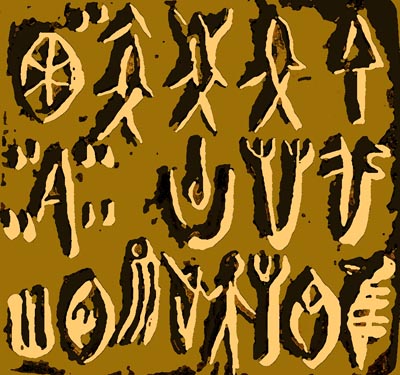
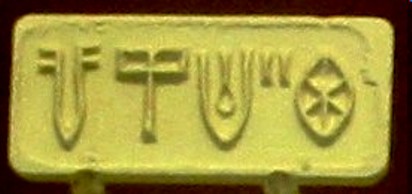
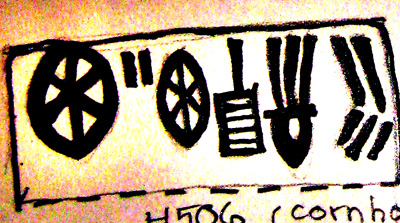
This article explains the apostrophe like strokes after the circle sign. See the pictures please.


The Irish name ‘Mac Donald’ means Son of Donald and O’Shaughnessy means Grandson of Shaughnessy. Mac means son (Makan in Tamil) and O is the abbreviation for grandson (Mor means big or Og means young).

Studying Irish names may help us to decipher Indus seals. Many of the scholars in this field think that the 4000+ seals found in the Indus Valley have names of people or the quantity of exports or imports.

Instead of O’, female will have Ni which means daughter of grandson of XXXX.

Instead of Mac, female will have Nic which means daughter of son of XXXX.

This is what we find in ancient Sanskrit and Tamil works. Hindus always remember three generations. The Irish people simply followed the ancient Hindu customs. The famous Vishnu Sahasranama sloka runs like this:–

Indus_script.jpg3

(1)Vyasam (2)Vasistha – naptharam (3)Sakthehey pauthram-akalmasham I


(4)Parasara-athmajam vande (5)Suka thatham thaponidhim II


I bow to the flawless Vyasa, great grand-son of Vasistha, grandson of

Sakthi, son of Parasara, and father of Suka, and one who leads a simple, austere life.

Names of five generations:


Here we see Vasistha, his son Sakthi, his son Parasara, his son Vyasa and his son Suka – five generations in one sloka and the all the five generations are saluted. This Hindu custom is followed in Assyria and other places where we see Hindu influence through Hittites, Kassites and Mitannians.

inscription

Assyrian Inscription

Here are some more examples:

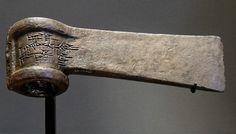
kassite weapon 1275 BCE

Kassite weapon 1275 BCE

1.A bronze arrow head inscribed with the owner’s name in early Phoenician letters, ‘Arrow of Ada’ son of Bala. It is dated 1100 BCE

(Picture is in page 13 of Dictionary of the Ancient Near East, British Museum)

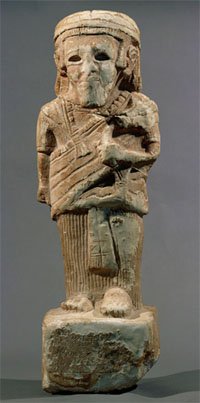
ammonite-king.jpgthree generations

2.Limestone statue of  Yerah, Azar from Amman citadel, late eighth century BCE, inscribed with his name and those of his father and grandfather.

(Picture is in page 15 of Dictionary of the Ancient Near East, British Museum)

Indus_script.jpg3

This is a typical Hindu custom. Tamils also follow their north Indian colleagues in naming. Most of the Tamil poets have the prefix Nal (Nar) meaning good as in Nakkiran, Nannagan, Nachellai, Nappinnai. They simply followed Sanskrit names. In Sanskrit Su as in Sugandhi, Sumathy, Sukarna (Indonesian President Sukarno) etc

Tamils follow Sanskrit language in the alphabetical order, Case suffixes, origin of sound etc. My theory is that both the languages have come from same source. The biggest proof is Sandhi rules. No other languages except Tamil and Sanskrit have these Sandhi (Punarchi) rules. If there is any language that has Sandhi to some extent they are related to Sanskrit!

(I have already written an article about it in Tamil)

Like Irish Mor (big), Tamils have Mudu Kannan, Mudu Kuthan and like Og (young), they have Ila nagan (Mudu=old or big and Ila= young). In Sanskrit they have Maha, Yuva etc. (Purananuru poet Masathan=Maha Sastha)

Tamils also say son of so and so XXX (e.g. Madurai Kanakkayanar Makanar Nakkiranar (Madurai Kanakkayanar’s son Nakkiran).

Tamil takes prefixes like Sanskrit in names and adjectives!

InscriptH506

Indus Seals

On Indus seals we see round symbol and then apostrophe (two strokes) followed by several letters. I guess that this also like Mac Donald or O Shaughnessy. Just to identify the person, they say son or daughter or grandson of so and so.

Hindu Brahmins who perform Tharpan every month for their ancestors also pray to the departed souls  “father, grandfather and great grandfather”- Pitha , Pitha Mahan, Prapita mahan. Remembering three generations and paying respects to them at all times is a must in Hinduism. Understanding these things will help us to decipher the Indus seals properly if they contain personal names.

indus1

(Please Read my 20+ Indus articles)

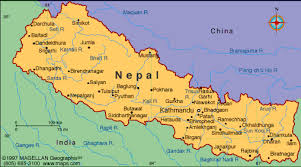
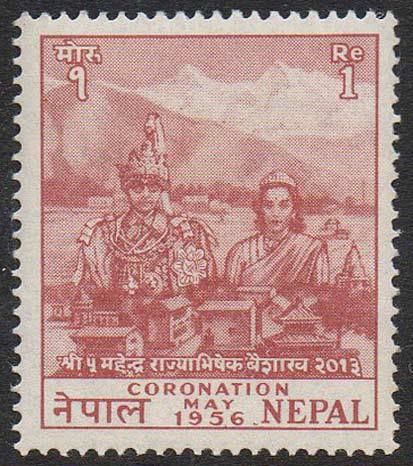
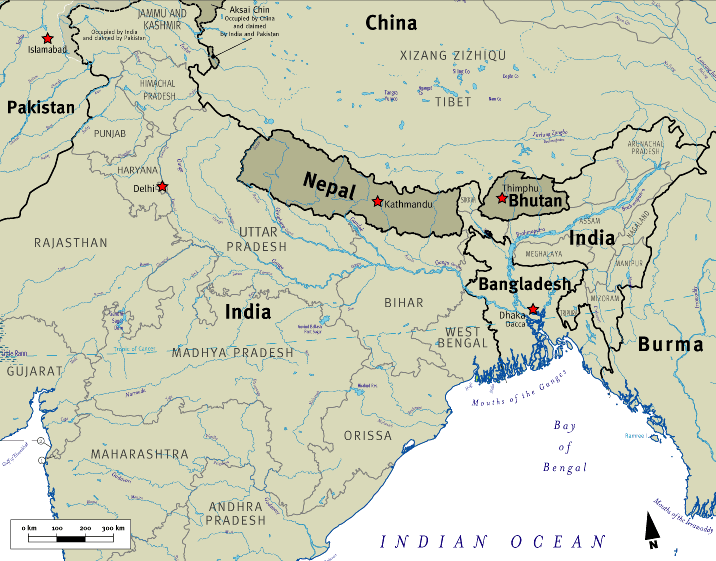
152 Hindu Kings of Nepal

nepal

Dictionary of 10,000 Indian Kings – Part 16

Compiled by london swaminathan


Post No: 1648;  Dated: 13 February 2015

160 Kings in Rig Veda published here on 23rd November 2014.

First part of the article –146 kings beginning with letter ‘A’.

Second part– 65 Pandya Kings of Madurai+ Puranic Kings

Third part — 122 kings beginning with letter ‘B’

Fourth Part- 43 Kings of Vijayanagara Empire + 34 Kings under letter C.

Fifth Part – 106 Kashmiri Hindu Kings

Sixth Part – 30 Satavahana  Kings  + 136 Kings underletter D.

Seventh Part –  35 Tamil Pandya Kings of Sangam Age.

Eighth Part – List of Chera (Kerala) 22 kings of Sangam Age+ Kings listed under E (3),G(37) & H(28)=68kings

Ninth Part- 39 Choza Kings of Tamil Nadu

Tenth Part- 104 kings from Cambodia, Champa, Sri Vjaya Kingdom of Indonesia and Pallava

11th part:Under ‘I’  13 kings+ Under ‘J’ 40 kings+ Under ‘K” 147 kings are listed.

12th Part:– 113 kings of various Indonesian kingdoms are listed.

13th Part –UNDER ‘L’ 14 + UNDER ‘M’ 72 + PANDYA II LIST 36=122 KINGS

14TH PART:Dynasties of Vishnukundina (10), Vakataka (16),Salankayana (4),Andra Ikshvaku (4) and Names under “N”(60)=94 kings.

15th Part:—-Kadamba dynasty – 14 kings, Badami Chalukya -10 kings, Rashtrakuta dynasty kings- 16

Western Chalukya kings – 14, Kakatiya dynasty – 16, Eastern Chalukya kings – 33, Ganga vamsa – 16, Kalachuri dynasty- 14, Pala vamsa -21, Chandela dynasty 34, Gurjara Pratihara -17

Hoysala-13, Alupa – 32 kings are listed = Total 226 kings

In this 16th part – Under R—121 kings and 152 Kings of Nepal = 273 kings

So far we have listed 1875+ 273= 2148 kings!

500px-Ancient_india

Kings under Letter ‘P’ (From R Morton Smith’s Book)

Padmavati, sister of Darsika – 469 BCE

Padmavati vaihotri- 505 BCE

Padmika , wife to Asmaka, 1290 BCE

Paippilada, brother of pippiladi – 880 BCE

1.Palaka ajapala –

2.Palita

3.Panchajana aiksvakava

4.Panchasikha

5.Pancavana asamanjas

6.Pandu of Mahabharata- 1000 BCE

Pandya – 1160 BCEpanini dakshiputra, grammarian,420 BCE

7.Para I Nipa – 1260 BCE

8.Para II Nipa 1200 BCE

9.Atnara hairanyanabha

10.Paramaksa

11.Paramanyu anava – 1520

12.Parasu Raukminiya Karsna –

13.Paravrt yadava – 1340

14.Parigha paravrta 1315

15.Parikshit I Kaurava – 1260 BCE

16.Parikshit II abimanyava – 950 BCE

17.Parikshit I 1490

18.Parikshit of Mahabharata

19Parikshita janamejanya –

20.Pariplava vatsa – 660 BCE

21.Pariyatra aiksvakava 1240 BCEparsva Tirthankara – 792 BCE

22.Parsvamardin, son of Rama –

Parsvin, son of Rama107 BCE

23.Partha arjuna

24.Parvata narada – 1150 BCE

Paryasravas

25.Patusravas caidya 980

Paura

26.Porus 325 BCE

Pauravasi, wife of Gadhi – 1340 BCE

27.Parusti

28.Pijavana pancala – 1110

29.Pindaraka rauhineya

30.Pippiladi

31.Pitayudha

32.Prabha vaidharbi – 1280 BCE

Prabha, wife of Ayu – 1840 BCE

Prabhavati, wife of Udayana – 460 BCE

33.Pracetas Druhyu – 1390 BCE

34.Pracetas anava – 880 BCE

35.Pracetas akisvakava

36.Pracinvat paurava 1740

37.Pradyota of Avanti – 503

38.Pradyumna karsna – 960 BCE

39.Prajani pramsava – 1440

40.Parakasa saunaka – 1080

Pramdvara , wife of Ruru – 100

41.Pramati vaisali – 1080

42.Pramati saunaka – 1025 BCE

43.Pramoda akisvakava 1590 BCE

44.Pramsu manava  1460

45.Prasena

46.Prasenajit aikvakava – 1540

47.Prasenajit of kosala -550

48.Prasenajit naighna yadava – 1120

49.Prastoka sarsnjaya – 1160

50.Prasusruta aiksvakava 925

51.Pratardana of Kasi – 1310 BCE

52.Pratibahu vajri – 920

53.Pratiksatra ksatradharmana -1580

54.Pratiksatra sameya Yadava – 1150 BCE

55.Pratindhaka marava vaideha – 1260

56.Praatipa kaurava – 1090

57Pratiratha

58.Pratiratha tamsu – 1500

59.Pratitasva aiksvakava  790

60.Prativaha yadava – 850

61.Pratoyoman aksvakava – 910

62.Prativyuha

63,Pratyagraha vasava caidya -1170 bc3

64.Prativillasana Andhra -73 CE

65.Pravira paurava -1720

67.Pravira sadyumna ailina – 1250

68.Prasadhra manava -1430

69..Prasata panchala – 1015

70.Prtha gandusi sauri – 1060

71Prtha kunti – 1060 BCE

72.Prthu aiksvakava – 1760

73.Prthu of sitraka – 1100

74..Prthu nipa – 1280

75.Prthu visnvrdhdha –

76.Prthukirti

77.Prthukirti sasabindava – 1500

78.Prthulaksa anava 1050

79.Prthurukman paravrta yadava – 1320

80.Prthusena yadava -940 bce

81.Prthusena nipa 1280

82.Prthsrvasa sasabindava 1500

83.Prthuyasas sasabindava

84.Pulastya trnabindu – 1300

85.Pulindaka sunga – 132

86.Pulomavi – Andhra – 4 to 38 CE

87.Pulomavi vasisthiputra 136

88.Pulomavi sivasri satakarni- 164

89.Pulomavi III – 242

90.Punarvas nalaya yadava -1065

91.Pundarika Aikskvakava – 1330

92.Pundra baleya –

93.Pundra saugandeya sauri –

94.Punika in Avanti – 510

95.Punjaka – 1290

96.Puramjaya (satyakarman) 1450

97.Purana vaisvamitra 1260

98.Purana kasyapa -530

99.Puravasa (Pururuvasu)

100.Purnabhadra vaibhandaki -1040 BCE

101.Purnotsanga Andhra 168 CE

102.Puru yayateya -1780 BCE

103.Puruvaha madhu

104.Prudvant yadava – 1280

105.Purujanau pancala – 1290

106.Purukutsa Aikskvakava –  -1470

107.Purukutsa vishnuvrdhdha

108.Purumidha sauhotra – 1350

109.Purumitra, son of Ajamidha

110.Pururuvas Aila- 1860 BCE

111.Puruvasa, father in law of Kusasva – 1380

112.Puruvasu yadava – 1300

113.Puruvadhya saura – 1270

114.Pusanara -1090

115.Puskara, brother of nala – 1365

116.Puskarin (Brahmaruna)96

117.Puskarini , mother of Vitatha – 1230

118.Puspavant of Magadha – 1110

119.Pusya Aikskvakava – 1o60

120.Pushyadharman ,Mauryan viceroy – 185 BCE

121.Pusyamitra sunga -185 BCE

All the years are in BCE; Dates and Dynasties in Earliest India by R Morton Smith. I don’t agree with the dates given in the book. But we can use it as a starting point and adjust it with the eras one follows.

Here is a list of Kings of Nepal, taken from Wikipedia:—

Yalamber (The Legend King)

King Yalamber

Legendary Kirata Rulers


The Kirat Kings

The 29 Kirat kings were as follows :

  1. Yalamber 2. Pavi 3. Skandhar 4. Balamba, 5. Hriti, 6. Humati, 7. Jitedasti, 8. Galinja, 9. Pushka, 10. Suyarma, 11. Papa, 12. Bunka, 13. Swananda, 14. Sthunko, 15. Jinghri, 16. Nane, 17. Luka, 18. Thor, 19. Thoko, 20. Verma, 21. Guja, 22. Pushkar, 23. Keshu, 24. Suja, 25. Sansa, 26. Gunam 27. Khimbu, 28. Patuka, 29. Gasti.

Kushal (Mahabharata period)

Jitedasti (Buddha period)

Sthunko (Asoka Period)

We have lost scores of names of kingss in between the  above rulers.

Thakuri Dynasty

1.Amshu Varma

2.Raghu Deva (869 CE)

3.Gunakama Deva (949 -994)

4.Bhola deva –(1024-1040)

5.Lakshmi kama deva

6.Bhaskara deva

7.Vijayakama deva

8.Bala Deva

9.Padma Deva

10.Nagarjuna Deva

11.Shankara Deva (1067-1080 CE)

12.Bama Deva

13.Harsha Deva

14.Siva Deva III (1099-1120)

15.Mahendra Deva

16.Mana Deva

17.Narendra Deva

18.Rudra Deva

19.Amruta Deva

20.Ratna Deva

21.Someswara Deva

22.Gunakama II Deva

24.Lakshmikama III Deva

25.Vajayakama II Deva

1st_king

First Legendary King of Nepal

Lichchavi Vamsa

1)185  Jayavarmā (also Jayadeva I)

2)Vasurāja (also Vasudatta Varmā)

3)c. 400 Vṛṣadeva (also Vishvadeva)

4)c. 425 Shaṅkaradeva I

5)c. 450 Dharmadeva

6)464-505 Mānadeva I

7)505-506 Mahīdeva (few sources)

8)506-532 Vasantadeva

9)Manudeva (probable chronology)

10)538 Vāmanadeva (also Vardhamānadeva)

11)545 Rāmadeva

12)Amaradeva

13)Guṇakāmadeva

14)560-565 Gaṇadeva

15)567-c. 590 Bhaumagupta (also Bhūmigupta, probably not a king)

16)567-573 Gaṅgādeva

17)575/576 Mānadeva II (few sources)

18)590-604 Shivadeva I

19)605-621 Aṃshuvarmā

20)621 Udayadeva

21)624-625 Dhruvadeva

22)631-633 Bhīmārjunadeva, Jiṣṇugupta

23)635 Viṣṇugupta – Jiṣṇugupta

24)640-641 Bhīmārjunadeva / Viṣṇugupta

25)643-679 Narendradeva

26)694-705 Shivadeva II

27)713-733 Jayadeva II

28)748-749 Shaṅkaradeva II

29)756 Mānadeva III

30)826 Balirāja

31)847 Baladeva

32)877 Mānadeva IV

nepal-stamp

Malla rulers of the whole Kathmandu valley

  1. Ari Deva1201 – 1216
  2. Abhaya Malla1216 – 1235
  3. Ranasura1216
  4. Jayadeva Malla1235 – 1258
  5. Jayabhima Deva1258 – 1271
  6. Jayasimha Malla1271 – 1274
  7. Ananta Malla1274 – 1310
  8. Jayananada Deva1310 – 1320
  9. Jayari Malla1320 – 1344
  10. Jayarudra Malla1320 – 1326
  11. Jayaraja Deva1347 – 1361
  12. Jayarjuna Malla1361 – 1382
  13. Jayasthiti Malla1382 – 1395
  14. Jayajyotir Malla1395 – 1428
  15. Jayakiti Malla1395 – 1403
  16. Jayadharma Malla1395 – 1408
  17. Jayayakshya Malla1428 – 1482

RaniOfNepal1920

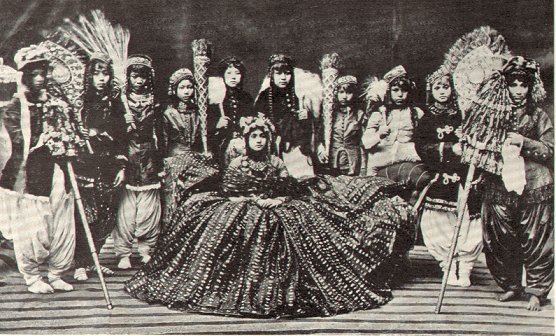
Rani of Nepal, 1920

Malla rulers of Kantipur

  1. Ratna Malla1482 – 1520
  2. Surya Malla1520 – 1530
  3. Amara Malla1530 – 1538
  4. Narendra Malla1538 – 1560
  5. Mahendra Malla1560–1574
  6. Sadashiva Malla1574–1583
  7. Shivasimha Malla1583–1620
  8. Lakshminarasimha Malla1620 – 1641
  9. Pratap Malla1641–1674
  10. Chakravartendra Malla1669
  11. Mahipatendra Malla1670
  12. Jayanripendra Malla1674–1680
  13. Parthivendra Malla1680–1687
  14. Bhupalendra Malla1687–1700
  15. Bhaskara Malla1700–1714
  16. Mahendrasimha Malla1714–1722
  17. Jagajjaya Malla1722–1736
  18. Jaya Prakash Malla1736–1746, 1750–1768
  19. Jyoti Prakash Malla1746–1750

nepal-locator6

Malla rulers of Lalitpur

  1. Purandara Simha1580 – 1600
  2. Harihara Simha1600 – 1609
  3. Shiva Simha(King of Kantipur) 1609 – 1620
  4. Siddhi Narasimha1620 – 1661
  5. Srinivasa Malla1661 – 1685
  6. Yoga Narendra Malla1685–1705
  7. Loka Prakash Malla1705–1706
  8. Indra Malla(Purandara Malla) 1706–1709
  9. Vira Narasimha Malla1709
  10. Vira Mahindra Malla1709–1715
  11. Riddhi Narasimha1715–1717
  12. Mahindra Simha(King of Kantipur) 1717–1722
  13. Yoga Prakash Malla1722–1729
  14. Vishnu Malla1729–1745
  15. Rajya Prakash Malla1745–1758
  16. Vishvajit Malla1758–1760
  17. Jaya Prakash Malla(King of Kantipur) 1760–1764
  18. Ranajit Malla(King of Bhaktapur) 1762–1763
  19. Dala Mardan Shah1764–1765
  20. Tej Narasimha Malla1765–1768

Jijabai-blessing-shivaji-

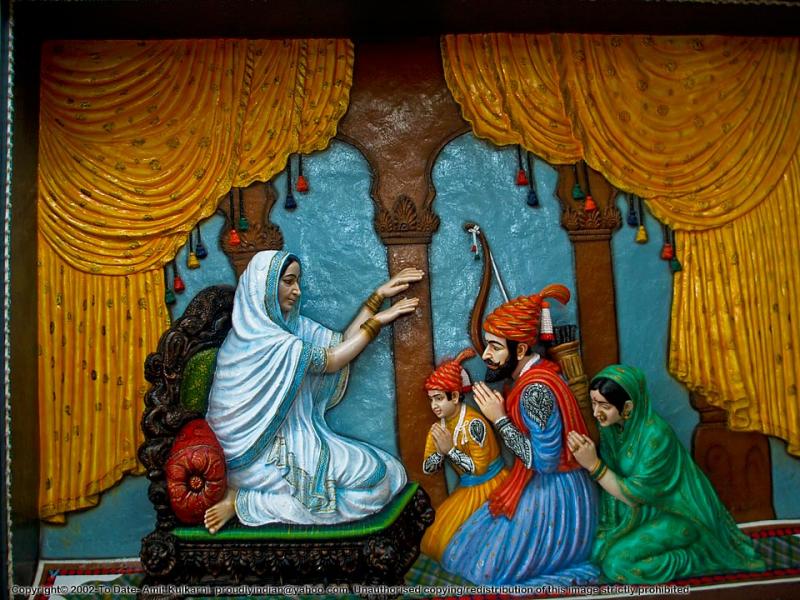
Jijabhai blessing Veera Shivaji of Maharashtra!

Malla rulers of Bhaktapur

  1. Raya Malla1482 – 1519
  2. Prana Malla1519 – 1547
  3. Vishva Malla1547 – 1560
  4. Trailokya Malla1560–1613
  5. Jagajjyoti Malla1613–1637
  6. Naresha Malla1637–1644
  7. Jagat Prakasha Malla1644–1673
  8. Jitamitra Malla1673–1696

9.Bhupatindra Malla 1696–1722

10.Ranajit Malla 1722–1769

(Pictures are taken from various sites;thanks)