Fireflies in Sanskrit and Tamil Literature!

Waitomo-glow-worm-New-Zealand
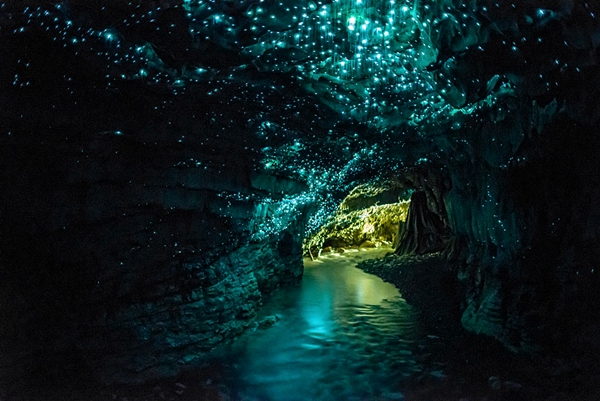
Waitomo Glowworm Caves, New Zealand.

Written by London Swaminathan
Post No. 1109; Dated 15th June 2014.

Great poet Kalidasa is famous for his similes and descriptions of nature. His works abound in imageries. One of the imageries is about the fire flies. Fire-flies are seen in thousands in Indian villages during night time. No one would have missed them. But using them in poetry in appropriates places needs lot of literary skills. Tamil and Sanskrit poets are very keen observers of nature. They use it to the maximum in their poems to convey lot of messages. The fire fly imagery brings out another fact of the natural world.

Kamban who wrote Ramayana in Tamil gives us an interesting fact in Bala Kanda (Verse 59) of Kamba Ramayana. While describing the fields of Ayodhya, he describes how the sparrows mistook the gems for fireflies and took the gem stones lying on the ground to illuminate their nests. They thought that they were fireflies. He compared it to the sparrows’ natural habit of taking fireflies to their nests for lighting! Human beings, probably, got the idea of lighting from the sparrows!

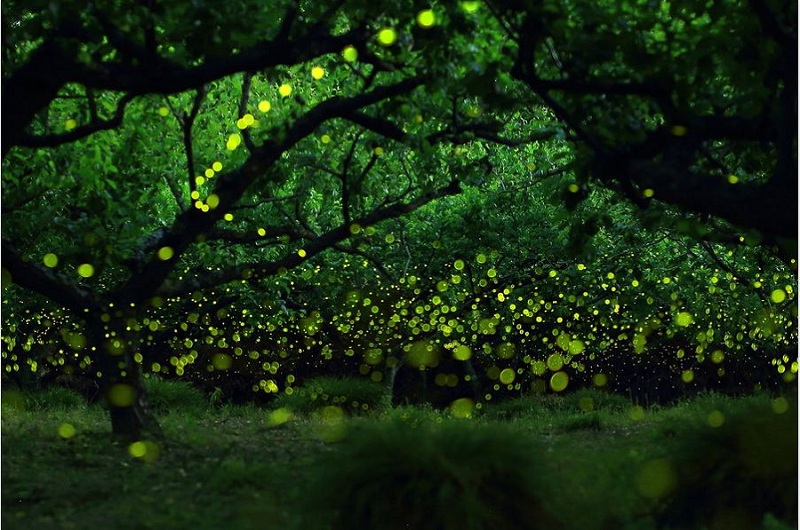
Fairies-nagoya city
Fireflies in Nagoya City, Japan.

Kalidasa in his Meghaduta (verse 80) says,
“The flash of lightning of a very mild brilliancy is imagined to resemble the soft and twinkling light of a row of fireflies. The lovely and varying illumination with which these fireflies light up the roads at night gives quite an idea of enchantment”.

Three Tamil poets of Sangam age give us a similar picture:

“The bear thrusts its hand like front leg into the anthill raised by the termites and scoop out their comb for its food at midnight. A poor snake that had its abode in the anthill, was fatally wounded by the sharp claws of the beast.

The fireflies surrounding the ant-hill fly scattered and emit phosphorescent light”.
This scene is repeatedly pictured in many passages by different poets and compared to that of a smithy. The beast covered with thick black fur all over the body is likened to the blacksmith working in the smithy, the ant-hill to the raised structure of the furnace, the hard breath and action of the beast to the roar and action of the bellows, and fireflies flying and emitting light to the sparks of red hot iron beaten there — Akam.72,Akam 81,Nar 125.

_mycena_chlorophanos_33 species
Mycena chlorophenos, 33 species of fungi emit light.

Perumkausikanar, in one of his poems (Nar. 44), described the glow worms on a jack tree. The heroine looks at the dark sky and observes the movement of the clouds in the light emitted by the glow worms among the branches of a jack tree.

Kalidasa described the light emitting plant ‘Jyotirlatha’ (Raghuvamsa 9-70 & Kumara Sambhava 1-30) which is not known to any biologist. We know only lower organisms such as fungi, jelly fish, planktons and insects like fireflies with this light emitting quality. Probably lit is like the jack tree full of fireflies (Nar. 44).

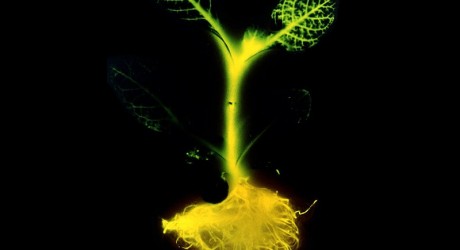
glowing_plant_genetically engineered
Genetically engineered tobacco plant emitting light.

David Attenborough, in his nature series on the BBC, described a cave full of fireflies in New Zealand. They looked like the illumination in the amusement parks or the government buildings on National Holidays. They emit light on and off. Millions of fireflies living in a narrow area! Only when we know such natural wonders we can get a glimpse of what Kalidasa described as Jyotirlatha. Kamban also described light emitting Kalpalatha (Balakandam 793)

contact swami_48@yahoo.com

நேராகப் படித்தால் ராமாயணம்; தலைகீழாகப் படித்தால் மஹாபாரதம்!

ram,maha

நேராகப் படித்தால் ராமாயணம்; தலைகீழாகப் படித்தால் மஹாபாரதம்!

ச.நாகராஜன்

Written by S Nagarajan
Post No.1104; dated 13th June 2014.

ராமாயண, மஹாபாரதம்
ஹிந்து தர்மத்தின் அற்புதமான இதிஹாஸங்களாக இலங்குபவை ராமாயணமும் மஹாபாரதமும். வேதத்தின் சுருக்கமே ராமாயணம் என்றும் ஐந்தாவது வேதம் தான் மஹாபாரதம் என்றும் தொன்று தொட்டு இந்த நாட்டில் போற்றப்பட்டு வருகிறது.உலகில் முதல் முதல் எழுந்த காவியம் என்பதால் ஆதி காவியம் என ராமாயணம் கருதப்படுகிறது. 644 ஸர்க்கங்களில் 24000 சுலோகங்களில் ஏழு காண்டங்களில் தர்மத்தின் திரு உருவான ராமனின் கதையை சம்ஸ்கிருதத்தில் மஹரிஷி வால்மீகி தருகிறார்.

18 பர்வங்களில் (100 உப பர்வங்களில்) ஒரு லட்சம் சுலோகங்களில் 2314 அத்தியாயங்களில் மஹரிஷி வேத வியாஸரால் மஹா பாரதம் இயற்றப்பட்டுள்ளது.

காலம் காலமாக இந்த இரு இதிஹாஸங்களும் உலகின் எல்லாப் பகுதிகளிலும் ஏராளமானோரை பல்லாயிரக்கணக்கில் கட்டுரைகள், நூல்கள் மற்றும் காவியங்களை வெவ்வேறு மொழிகளில் இயற்ற ஊக்குவித்திருப்பதை உலகமே அறியும்.

தைவக்ஞர் சூரிய கவி
ஆனால் பாரதத்தைச் சேர்ந்த மூன்று அதிசயக் கவிஞர்கள் இந்த இரு இதிஹாஸங்களை வைத்து ஒரு அற்புதமான அதிசயமான செயலை சம்ஸ்கிருத மொழியில் சாதித்துள்ளனர்.
தைவக்ஞர் சூரிய கவி என்பவர் பெரும் சம்ஸ்கிருத விற்பன்னர், கவிஞர்! அவர் 36 ஸ்லோகங்கள் அடங்கிய ராமகிருஷ்ண விலோம காவ்யம் என்று ஒரு காவியத்தை இயற்றியுள்ளார். இதில் ஸ்லோகத்தை முதலிலிருந்து படித்துக் கொண்டு போனால் ராமாயணக் கதையைக் காணலாம். ஸ்லோகத்தின் பின்னாலிலிருந்து திருப்பிப் படித்துக் கொண்டு போனால் வருவது இன்னொரு ஸ்லோகம். அதில் மஹாபாரதக் கதையைக் காணலாம். விகடகவி, தேருவருதே போன்ற சொற்களில் வரும் எழுத்துக்களைத் தலைகீழாகத் திருப்பிப் போட்டாலும் அதே சொற்கள் வருவது ஒரு சொல் அலங்காரம். இதை ஆங்கிலத்தில் Palindrome என்கிறோம்.

ஒரு ஸ்லோகம் அல்ல, பல ஸ்லோகங்கள் அடங்கிய ஒரு காவியமே இப்படி அமைக்கப்பட்டுள்ளது என்றால்..! வியக்க வைக்கும் இந்தக் காவியத்திலிருந்து உதாரணத்திற்கு இரு பாடல்களை இங்கு காணலாம்.

ramayan,mahabaharat

கௌசிகே த்ரிதபஸி ஷ்ரவ்ரதி யோத்ததாத் த்விதநயஸ்வமாதுரம் I
ரந்துமாஸ்வயன தத்தித்தாதயோ தீவ்ர ரக்ஷஸி பதத்ரிகேஷிகௌ II
-ஆறாவது ஸ்லோகம்

இதன் பொருள் : எல்லா உயிரினங்களின் ஆசைகளை நிறைவேற்ற உறுதி பூண்ட தசரத மன்னர், (மனோ வாக்கு காயம் ஆகிய )மூன்று விதத்திலும் தவம் செய்த ரிஷி விஸ்வாமித்திரருக்குத் தன் செல்வங்களான ராமர், லக்ஷ்மணரைத் தந்தார்.

இதே ஸ்லோகத்தை திருப்பிப் போட்டுப் படித்தால் பொருள் மாறி விடும் இப்படி:- புண்ணியச் செயல்களைச் செய்த ஓ, பரீட்சித்து மன்னனே, ராக்ஷஸ குணத்தில் வேறு யாரையும் ஒப்பிடமுடியாத பூதனையையும் பறவையின் உருவில் இருந்த பகனையும் குதிரையின் உருவில் இருந்த கேசினையும் விளையாட்டு லீலையாக எல்லையற்ற ஞானம் உடைய ஸ்ரீ கிருஷ்ணர் அவர்கள் உடலிலிருந்து (உயிரை நீக்கி) முக்தி அளித்தார்.

rama brown

இதே காவியத்திலிருந்து இன்னொரு பாடலைப் பார்ப்போம்.
க்ஷதாய மா யத்ர ரகோரிதாயுர் அங்கானுகானன்யதயோயனானி I
நிநாய யோ வன்யனகானுகாரம் யுதாரிகோரத்ரயமாயதாக்ஷ: II
– 34வது ஸ்லோகம்

இதன் பொருள் : சுக்ரீவனும் இதர குரங்குகளும் யுத்தகளத்தில் நுழைந்தவுடன் அழியப் போகும் வாழ்வை உடையவனான ராவணனால் ராமருக்கு எந்தக் காயத்தையும் விளைவிக்க முடியவில்லை.
இதையே பின்னாலிலிருந்து படித்தால் வரும் பொருள் இது: நீண்ட கண்களையுடைய ஸ்ரீ கிருஷ்ணர் மலை போன்ற உருவத்தை ஒத்த (அகாசுரன், கேசின், பூதனா ஆகிய) மூன்று பயங்கரமான அசுரர்களை வதம் செய்தான்.

இது போன்ற விலோம காவியத்தின் ஆதிகர்த்தா சூர்யகவியே என ஆய்வாளர்கள் கருதுகின்றனர். அவர் பார்த்தபுரத்தில் (அஹ்மத் நகர்) 1580ஆம் ஆண்டு வாக்கில் வாழ்ந்த அற்புதமான கவிஞர். இதற்கு அவரே ஒரு உரையையும் எழுதி இருக்கிறார். அதில் இப்படிப்பட்ட ஒரு காவியம் செய்வது எவ்வளவு கஷ்டமானது என்பதையும் விளக்கியுள்ளார்.

rama B&W

சிதம்பர கவியின் அற்புத காவியங்கள்
அடுத்து 1600ஆம் ஆண்டில் தஞ்சாவூரில் வாழ்ந்த சிதம்பர கவி என்பவர் சப்தார்த்த சிந்தாமணி என்ற நூலை இயற்றியுள்ளார். இதிலும் முதலிலிருந்து படித்தால் ராமாயணமும் பின்னாலிலிருந்து படித்தால் மஹாபாரதக் கதையும் மிளிரும். தஞ்சை சரஸ்வதி மஹாலில் சுவடி வடிவில் உள்ள இந்த அற்புத நூல் இன்னும் அச்சிடப்படவில்லை எனத் தெரிகிறது. ஆனால் இதன் பெருமை உலகெங்கும் பரவி விட்டிருக்கிறது.இவர் இன்னும் ஒரு படி மேலே போய் கதா த்ரயம் என்ற காவியத்தையும் இயற்றி இருக்கிறார். இதில் ஸ்லோகத்தைப் பிரித்துப் படித்துப் பார்த்தால் ராமாயணம், மஹாபாரதம் ஆகியவற்றோடு பாகவதக் கதையையும் படிக்கலாம், ஒரே பாடலில் மூன்று பிரம்மாண்டமான நூல்கள்! அதிசயம், ஆனால் உண்மை! உலகில் இது போல எந்த ஒரு மொழியிலும் நினைத்துக் கூடப் பார்க்க முடியாத சாதனையாக இது கருதப்படுகிறது!

கவிஞர் வேங்கடாத்வரி
சிதம்பர கவியை அடுத்து அதிசயமான மூன்றாவது கவிஞராகத் திகழ்பவர் வேங்கடாத்வரி என்பவர். 1650ஆம் ஆண்டு வாக்கில் காஞ்சிபுரத்தில் வாழ்ந்த மாபெரும் கவிஞர் இவர். இவரது ராகவ யாதவீயம் என்பது 30 ஸ்லோகங்களைக் கொண்ட ஒரு அரிய நூல். ஸ்லோகத்தை நேரடியாகப் படித்தால் ராமாயணக் கதையையும் தலைகீழாகப் படித்தால் மஹாபாரத கதையையும் இதில் படிக்க முடிகிறது.இதில் இரு ஸ்லோகங்களைப் பார்க்கலாம்.

ராமநாமா சதா கேதபாவே தயாவான் அதாபீனதேஜா: ரிபௌ ஆனதே I
காதிமோதாஸஹாதா ஸ்வபாஸா ரஸாமே சுக: ரேணுகாகாத்ரஜே பூருமே II
-ஸ்லோகம் 7
அனுலோமமாக அதாவது முதலிலிருந்து கடைசி வரை வரிசைக்கிரம்மாகப் பார்த்தால் இதன் பொருள் : துயரப்படுவோரிடம் எப்போதும் சதா கருணையுடன் திகழும் ராமபிரான், சூரியனைப் போலப் பிரகாசிப்பவரும் சுலபமாக அணுகக்கூடியவரும் முனிவர்களைத் துன்புறுத்திய ராக்ஷஸர்களை அழித்தவருமான அவர் ரேணுகாவின் புத்திரரும் பூமி அனைத்தையும் தனது செல்வமாகக் கொண்டு சுற்றித் திரிந்தவருமான பரசுராமரைப் பார்த்த போது குளிர்ந்த ஒளியுடன் அடக்கமுடன் திகழ்ந்தார்.
இதையே திருப்பிப் போட்டால் வரும் ஸ்லோகம்:

மேருபூஜேத்ரகா காணுரே கோஸுமே சா அரஸா பாஸ்வதா ஹா சதா மோதிகா I
தேன வா பாரிஜாதேன பீதா நவா யாதவே அபாத் அஸ்வேதா சமானாமரா II

பிரதிலோமமாக அதாவது கடைசியிலிருந்து முதல் வரை (மேலே உள்ள ஸ்லோகப்படி பார்த்தால்) இதன் பொருள் : மேருவையும் வெல்லும் ரைவர்த்தக மலையில் இருந்தபோது பாரிஜாத மலரை அடைந்த ருக்மிணி பூமியில் உள்ள குறைந்த வாசனையே உள்ள எந்த புஷ்பங்களின் மீதும் ஆசையின்றிப் போனதோடு ஒரு புதிய மேனியை அடைந்தவள் போலத் திகழ்ந்தாள்.
ஆக அனுலோமமாகவும் பிரதிலோமமாகவும் உள்ள இந்த விலோம காவியத்தின் அனைத்துப் பாடல்களையும் வார்த்தை வார்த்தையாக எடுத்து அர்த்தத்தைக் கூறப் போனால் கவிதையின் அழகும் ஆழமும் நன்கு புரிவதோடு பிரமிப்பும் வியப்பும் வரும்.

krishna and balarama
Picture of Krishna and his brother Balarama.

இன்னும் ஒரு பாடல்:
தாம் ஸ: கோரமதோஷ்ரீத: விக்ராம் அஸதர: அதத I
வைரம் ஆஸ பலாஹாரா வினாஸா ரவிவம்சகே II
– ஸ்லோகம்18

அனுலோமமாக இதன் பொருள்: ராமனின் வலதுகரமாகத் திகழ்ந்த பயமே அறியாத லக்ஷ்மணனால் மூக்கு அறுபட்டவுடன் சூர்ப்பணகை ராமன் மேல் பழி வாங்கத் துடித்தாள்.
இந்த ஸ்லோகத்தை பிரதிலோமமாக கடைசியிலிருந்து தலைகீழாக எழுதிப் பார்த்தால் வருவது இந்த ஸ்லோகம்:-

கேசவம் விரஸானாவி: ஆஹ ஆலாபஸமாரவை: I
ததரோதஸம் அக்ராவித: அஷ்ரித: அமரக: அஸதாம் II

இதன் பொருள்:-மலைகளின் கொட்டமழிப்பவனும், தேவர்களின் தலைவனும், அசுரர்களை அழிப்பவனுமான இந்திரன் தனது சந்தோஷம், பலம், ஒளி ஆகியவற்றை இழந்தான். வானையும் பூமியையும் படைத்த கிருஷ்ணனிடம் சமாதானப்படுத்தும் சொற்களைப் பேசினான்.
காவியம் படிப்போம்; பரப்புவோம்!

(சம்ஸ்கிருத) இலக்கணத்திற்குட்பட்டு பொருள் பொதிந்த சொற்களை இப்படி அமைப்பதென்பது இறை அருளினால் மட்டுமே வரும் என சூரிய கவியே மனம் நெகிழ்ந்து சொல்லியுள்ளார்.
இப்படிப்பட்ட தெய்வீகக் கவிஞர்கள் இந்த நாட்டில் தோன்றி இதிஹாஸ மேன்மையையும் சம்ஸ்கிருத அருமையையும் நிலை நாட்டி இருப்பது சனாதன தர்மத்தின் ஏராளமான அதிசயங்களுள் இன்னும் ஒரு அதிசயமே!
krisna bow

ராமகிருஷ்ண விலோம காவ்யத்தை சம்ஸ்கிருதத்தில் படிக்க விரும்புபவர்கள் கீழ்க்கண்ட இணையதளத்தில் http://sanskritdocuments.org/all_pdf/raamakrshhna.pdf என்ற தொடுப்பிலிருந்து இலவசமாக டவுன்லோட் செய்து கொள்ளலாம்.

ராகவ யாதவீயம் காவியத்திற்கு ஆங்கிலத்தில் விரிவான அழகான உரை ஒன்றை எழுதி இருப்பவர் டாக்டர் சரோஜா ராமானுஜம்.இந்த சம்ஸ்கிருத ஸ்லோகத்திற்கான ஆங்கில விரிவுரை நூலையும் இணையதளத்தில் காணலாம்.

அருமையான காவியங்களை உலகிற்குத் தரும் இணைய தளங்களுக்கும் உரை எழுதிய சம்ஸ்கிருத விற்பன்னர்களுக்கும் நமது நன்றிகளை உரித்தாக்கி இக் காவியங்களின் பெருமையை உலகில் பரப்புவோம்!.ராம கிருஷ்ணரின் அருளுக்குப் பாத்திரராவோம்!!
******************

Do Saints’ Samadhis have Divine Power? Can They do Miracles?

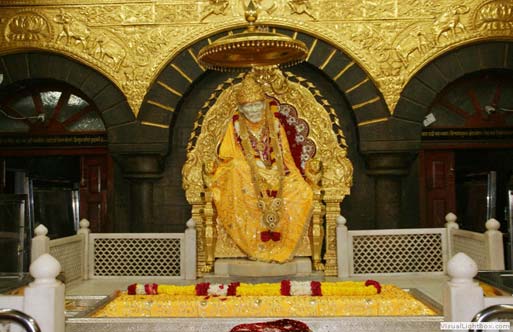
L_samadi
Shirdi Baba Shrine with Samdhi

Written by London Swaminathan
Post No.1099; Dated 11th June 2014.

Hindus believe that by visiting the Samadhis of saints they can be cured of diseases or their problems can be solved in a trice.

Is it true? Yes, “It is true”, say great saints.

Thousands of devotees visit Manthralaya, where Sri Ragavendra Swami’s Samadhi is located, Shirdi where Sri Baba’s Samadhi is located, Govindapuram Adhistanam where Sri Bodendra Saraswati’s Samadhi is located and several Samadhi’s of Muslim saints in North India.

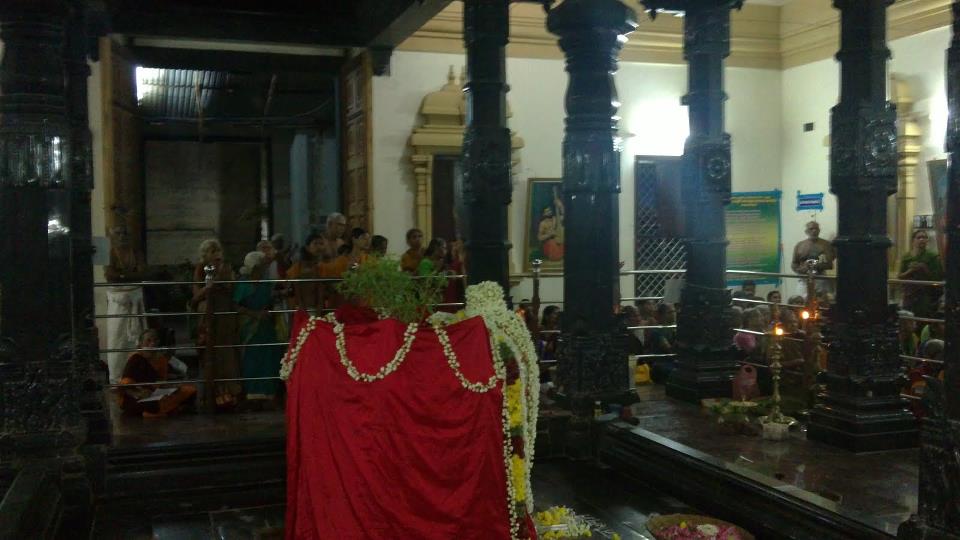
A Samadhi is a place where an enlightened soul is laid to rest after his or her death. Such holy places are called Brundavanam or Adhishtanam. Usually a Tulsi (holy basil) plant or a Shivalainga is installed on the Samadhi.

Bodendra was the 58th pontiff of Kanchi Kamakoti Peedam. In the calm silence of the night, a melodious voice, uttering Rama Nama (name of Lord Rama) is heard, rising from subdued tones to a crescendo, and then fading into silence again. Sri Bodendra recited Rama Nama throughout his life.
Kanchi Paramacharya (1894-1994) liked to meditate in the serene atmosphere of the Bodendra Adhistana. When he was staying at Tiruvidaimarudur, Paramacharya used to go to Govindapuram and do meditation in the stillness of the night unattended and unseen. That is, nobody would have noticed his departure and suddenly he would be seen sitting there in meditation. Kanchi Paramacharya said that one can hear chanting of Rama nama in the Govindapuram Adhistanam of Sri Bodendra Saraswati.

rayaru-mantralaya
Mantralaya: Sri Ragavendra’s Samadhi

Miracle by Sri Ragavendra
Devotees of Sri Ragavendra believe that his power will remain in the samadhi for 600 years. Sir Thomas Munro, Bellary District collector (later he became Governor of Madras), went to Sri Ragavendra’s Samadhi on the banks of river Tungabadra to discuss a dispute between the Mutt and the Government in the 1800s. When other officials told him that they couldn’t solve it, he himself went there, removed his shoes and hat and went in to discuss the issue. Instead of meeting the Mutt officials, he saw Sri Ragavendra himself emerging from his Samadhi. No one else could see Swamiji. The invisible discussion went in for some time and he went back and quashed the government order. It was duly gazetted.

Famous South Indian temples attract millions of people because the Siddhar (enlightened souls) Samadhis are located in their vicinity. Eighteen famous Siddhars attained Mukti in 18 famous shrines of Tamil Nadu, Kerala and Andhra Pradesh.

Following is the list of 18 Siidhars and the places where their Samadis are located:
1.Agasthiyar – Thiruvanathapuram
2.Idaikkadar- Tiruvannamalai
3.Kamalamuni- Tiruvarur
4.Karuvurar- Karur
5.Kuthampai- Mayavaram
6.Konkanar- Tirupati
7. Gorakkar- Perur
8.Sattaimuni – Thiruvarangam
9.Sundaranandar – Madurai
10.Thanvanthiri _ Vaitheeswarankoil
11.Thirumular _ Chidambaram
12.Nandeeswarar – Kasi
13.Pathanjali – Rameswaram
14.Pambatti – Sankarankoil
15.Bogar – Pazani
16.Machamuni- Tirupparankundram
17.Ramathevar – Azakarmalai
18.Vanmikanathar – Ettukudi

(There are alternate lists with slight variations)

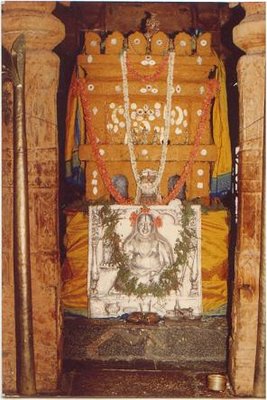
bodendral,govindapuram
Sri Bodendra Adhistanam, Govindapuram

Bones say God’s Name!!

Following anecdote told by Swami Ramdas also prove this point:
A famous saint of Maharashtra once paid a visit to a place called Mangalwedha, about eight miles from Pandharpur. At that time a huge fort was under construction at Mangalwedha. While the saint was passing by the high wall of the fort, where hundreds of labourers were working, the wall collapsed and many including the saint were killed, smashed down by the fall of the wall. The devotees of the saint missed him and started a search. After a long and arduous search, they could not find him. Some people of Mangalwedha reported that in all probability the saint must have been crushed to death beneath the fallen wall of the fort.

Accordingly, a large number of devotees joined in together in the work of removing the fallen wall. When they did so, they found a number of skeletons of people who had died in the accident. The devotees of the saint wished to single out his bones so that they could raise a tomb over them. The difficulty, however, was that the bones of the people killed were mixed up and they did not know which were the bones of the saint.

govindapuram
Sri Bodendra Adhishtanam

Now a great devotee of Pandharpur Vithoba — the Deity of the great temple there – happened to pass that way. He understood the perplexity of the devotees and said,“ I shall be able to pick out the bones of the saint”. So saying he took out the bones that were lying helter-skelter and holding them one by one to his ear, he was able to separate saint’s bones from those of others. Such of the bones as were singing the name of the Pandharpur deity – Vithal – he separated from others. The sound of name of God had entered into the very marrow of the saint’s bones by his unceasing practice of chanting the Name. Such is the power of the Name.

contact swami_48@yahoo.com

அபூர்வ நினைவாற்றல், அபார ஞாபக சக்தி

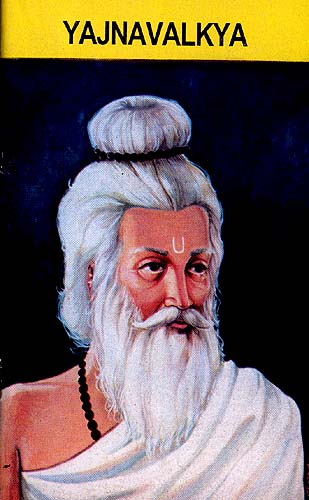
yajnavalkya_idh111

கட்டுரை எழுதியவர்- லண்டன் சுவாமிநாதன்
கட்டுரை எண். 1077; தேதி:– 1 ஜூன் 2014

பழங்கால இந்தியாவில், இந்துக்களுக்கு இருந்த நினைவாற்றல் பற்றி பல சுவையான கதைகள், சம்பவங்கள் உண்டு. யஜூர் வேதத்தின் ஒரு பிரிவான சுக்ல யஜூர் வேதம் தோன்றியது எப்படி என்று அக்கதை விளக்குகிறது. படிப்பதற்கு கொஞ்சம் அருவருப்பாக இருக்கும். ஆனால் அதன் ஆழமான கருத்தைப் புரிந்து கொண்டால் மூக்கில் விரலை வைத்து வியக்கத் தோன்றும்.

புராதன இந்தியாவின் பெரிய அறிவாளி யாக்ஞவல்கிய மஹரிஷி. இந்த முனிவருடன் மோதிய உலகின் முதல் பெண் அறிவாளி கார்கி பற்றி ஏற்கனவே எழுதிவிட்டேன். எப்போதுமே சர்ச்சையில் அடிபடும் யாக்ஞவல்கியர், இந்தக் கதையிலும் அப்படித்தான்! வேத வியாசர் என்னும் முனிவர் வேதங்கள் கட்டுக்கடங்காமல் போனதால் அதை நான்காகப் பிரித்து யஜூர் வேதத்தைப் பரப்பும் பொறுப்பை வைசம்பாயனரிடம் ஒப்படைத்தார்.

வைசம்பாயனரிடம் பயின்ற பல மாணவர்களில் யாக்ஞவல்கியரும் ஒருவர். ஒரு நாள் அவருக்கும் ஆசிரியருக்கும் இடையே காரசார விவாதம். நான் வெளியே போகிறேன் என்றார். உடனே குரு வைசம்பாயானர், ஒரு உத்தரவு போட்டார். என்னிடம் கற்றதை எல்லாம் ‘கக்கு’ என்றார். உடனே அவர் கற்றதை எல்லாம் ‘வாந்தி’ எடுத்தார். அங்கிருந்த சக மாணவர்கள் எல்லோரும் தித்திரிப் பறவைகளாக மாறி அந்த ‘’வாந்தியைக் கொத்தித்’’ தின்றனர். பின்னர் யாக்ஞவல்கியர் வெளியேறி சூரிய தேவனை நோக்கித் தவம் இருந்து புதிய –சுக்ல—யஜூர் வேதத்தை உண்டாக்கினார். பழைய வேதத்துக்கு கிருஷ்ண யஜூர் வேதம் என்று பெயர்.

prashna20upanishad

கதையைப் படித்தால் கொஞ்சம் அருவருப்பாகத்தான் இருக்கும். மற்றவரின் வாந்தியைச் சாப்பிடுவதா? ஆனால் உண்மையில் இதன் பொருள் ஆழமானது. இருவருக்கும் கருத்து வேறுபாடு வந்தவுடனோ அல்லது யாக்ஞவல்கியர் தவம் செய்ய விரும்பியதாலோ ஆசிரியர் ஒரு உத்தரவு போட்டிருப்பார். அது என்ன? ‘’ யாக்ஞவல்கியரே நீர் போகலாம். ஆனால் சக மாணவர்களுக்குச் சொல்லிக் கொடுத்துவிட்டுப் போங்கள்”. அவர் உடனே ‘’சிஷ்யர்களே! எனக்கு அதிக நேரம் கைவசம் இல்லை. ஒரு முறை எனக்குத் தெரிந்த எல்லாவற்றையும் ( வாந்தி எடுக்கிறேன்) சொல்கிறேன். நினைவிற் கொள்ளுங்கள்’’ என்று சொல்லி இருப்பார். வேதத்தை வாய்மொழியாகவே கற்க வேண்டும் என்ற விதி இன்றுவரை பின்பற்றப் படுவதால் மாணவர்கள் (தித்திரி) கிளிகளாக மாறி முடிந்ததைக் கற்றனர் (வாந்தியைச் சாப்பிட்டனர்).

இதுதான் உண்மையில் நடந்தது. மாணவர்கள் அவர் சொன்னதை அப்படியே கிரகித்துக் கொண்டனர்! ஏன் கிளிகளைச் சொன்னார்கள்? சொன்னதைத் திருப்பிச் சொல்லும் அபூர்வ சக்தி கிளிகளுக்கு உண்டு என்பதால் மாணவர்கள் கிளிகளாக மாறியதாக சங்கேத மொழியில் சொன்னார்கள். கிளிகளுக்கும் பிராமணர்களுக்கும் உள்ள தொடர்பை ஏற்கனவே கட்டுரையாகக் கொடுத்துள்ளேன். பிராமணர் வீட்டில் கிளிகள் இருப்பதை சங்கத் தமிழ் நூல்களும், சம்பந்தர் தேவாரமும், ஆதிசங்கரர்- மண்டன மிஸ்ரர் வாக்குவாத நிகழ்ச்சியும் காட்டுவதை ஏற்கனவே எழுதி இருக்கிறேன். ‘தித்திரி’ என்ற சொல் தமிழில் ‘தத்தை’ (கிளி) என்று மருவியது.
ganapathy sachi
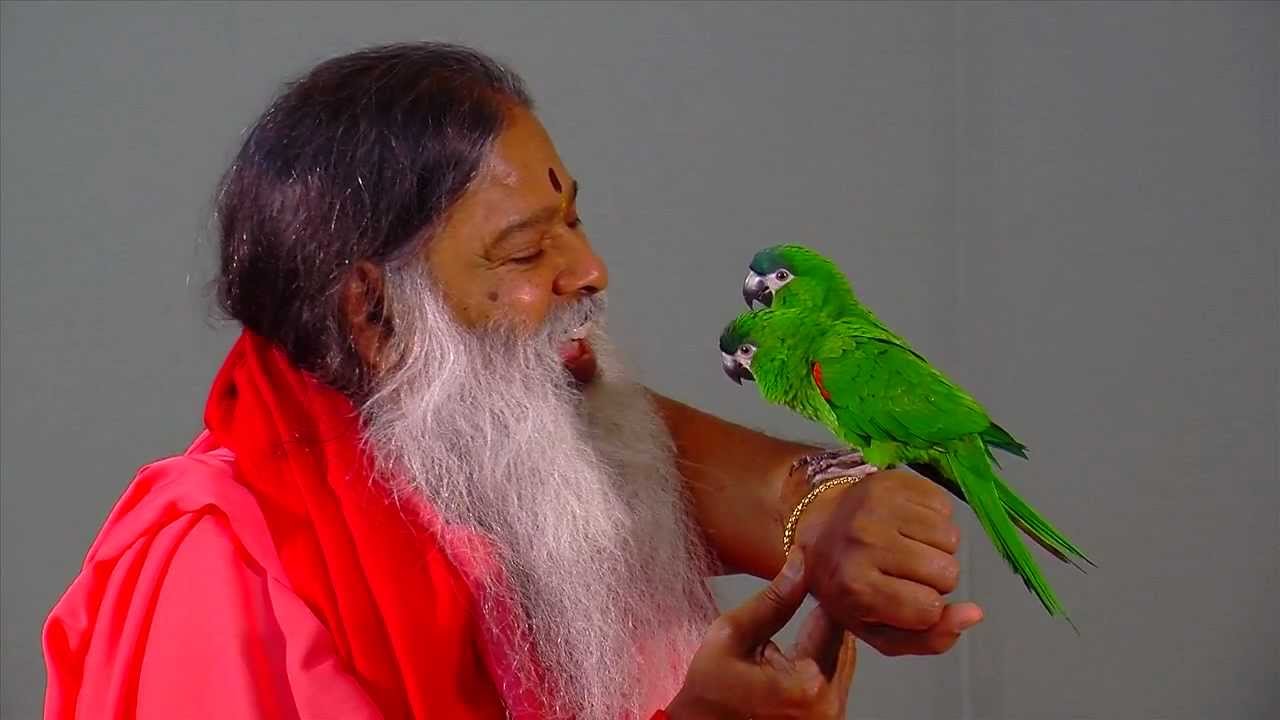
Swami Ganapathy Sachidananda with a parrot.

((நல்ல வேளை ! ஆரிய- திராவிட இன வாதம் பேசும் வெளிநாட்டு, வெள்ளைக்கார ‘ அறிஞர்களும்’ அதற்கு ஆமாம்சாமி போடும் நம்மூர்க் கோமாளிகளும் இந்தக் கதையில் இதுவரை ‘’கை வைக்க’’வில்லை. கிருஷ்ண என்றால் கருப்பு, சுக்ல என்றால் வெள்ளை!– “கருப்பு யஜூர் வேதத்தை திராவிடர்கள் உடையது என்றும் வெள்ளை (சுக்ல) யஜூர் வேதத்தை ஆரியர்களுடையது என்றும் இது ஆரியர்-திராவிடர் மோதலின் விளைவே”– என்றும் எழுதி இருப்பார்கள் அந்தக் கோமாளிகள். இது வரை ஏனோ அவர்களின் ‘’தீய பார்வை’’ இதன் மீது விழவில்லை!!))

நியாய சாஸ்திரம் பற்றி ஒரு கதை

வாசுதேவ சர்வபௌமன் என்ற பண்டிதர் நியாய (லாஜிக்) சாஸ்திர நிபுணர். ஆனால் இதைக் கற்க மிகவும் கஷ்டப்பட்டார். காரணம்? அந்தக் காலத்தில் பீஹாரில் உள்ள மிதிலா (சீதையின் ஊர்) நகரத்தில் ஒரே ஒருவர்தான் இதைக் கற்றுக் கொடுத்தார். வாசுதேவ சர்வ பௌமன் அவரிடம் சென்றார். ஆனால் அவர் எந்தப் புத்தகத்தையும் நகல் எடுக்கக் கூடாது என்றும் வேண்டுமானால் தங்கிக் கற்கலாம் என்றும் சொல்லிவிட்டார்.
ganapathy2

வாசுதேவர், இதற்காகவே அங்கு தங்கி, முழுப் புத்தகத்தையும் மனப்பாடமாகக் கற்றார். பின்னர் மேற்கு வங்கத்தில் நவத்வீபம் என்னும் இடத்தில் தானே ஒரு கல்லூரி துவங்கி எல்லோருக்கும் சொல்லிக் கொடுத்தார்.. அவ்வளவு நினைவாற்றல் அவருக்கு!

Three Stories on Amazing Memory Power

memory

Written by London Swaminathan
Post No:–1070; Dated 28th May 2014.

A strange story about Yajur Veda is repeated like parrots by all the scholars. Nobody has explained the meaning behind it. Yajnavalkya and his Guru Vaisampayana had difference of opinion. As a result of a quarrel, Vaisampayana ordered him to return whatever he learnt from him. Immediately Yajnavalkya “vomited out” the knowledge he possessed. Other students who were present there became Tittiris (parrots) and “ate all the vomit”. Then Yajnavalkya prayed to the Sun God and received a new Yajur Veda what is known as Shukla Yajur Veda. After giving this story, all the scholars proceed to explain the great philosophy in the Upanishads. Nobody explained the meaning of the story. Probably they thought the meaning is obvious and there is no need to explain. Actually it is a story of an amazing memory feat.

Vaisamapayana and Yajnavalkya had an argument. Yajnavalkya decided to leave his Guru. Guru asked him to teach his fellow students before he left. But Yajnavalkya would have told him that he had no time for it, but ready to recite only once .This would allow anyone to pick up whatever possible, if one has an amazing memory. In the Vedic days students had an amazing memory power. That is what happened. When Yajnavalkya recited it for the last time all the students became parrots and grasped it (Tittiri= parrots, vomit= recitation, ate the vomit= grasped and memorised.). So this must have been the greatest memory feat in the ancient India.
yajnavalkya_idh111

Parrots are famous for learning human voice. We have many stories of parrots reciting Vedas in Brahmins’ houses in the history of Adi Shankara and Tamil saint Tirujnana Sambanda. So the Vedic story of Tittiri eating the vomit of Yajnavalkya is nothing but memorising it as and when the Veda is recited! Such people are known as Ekata or Ekagrahi.
ganapathy2
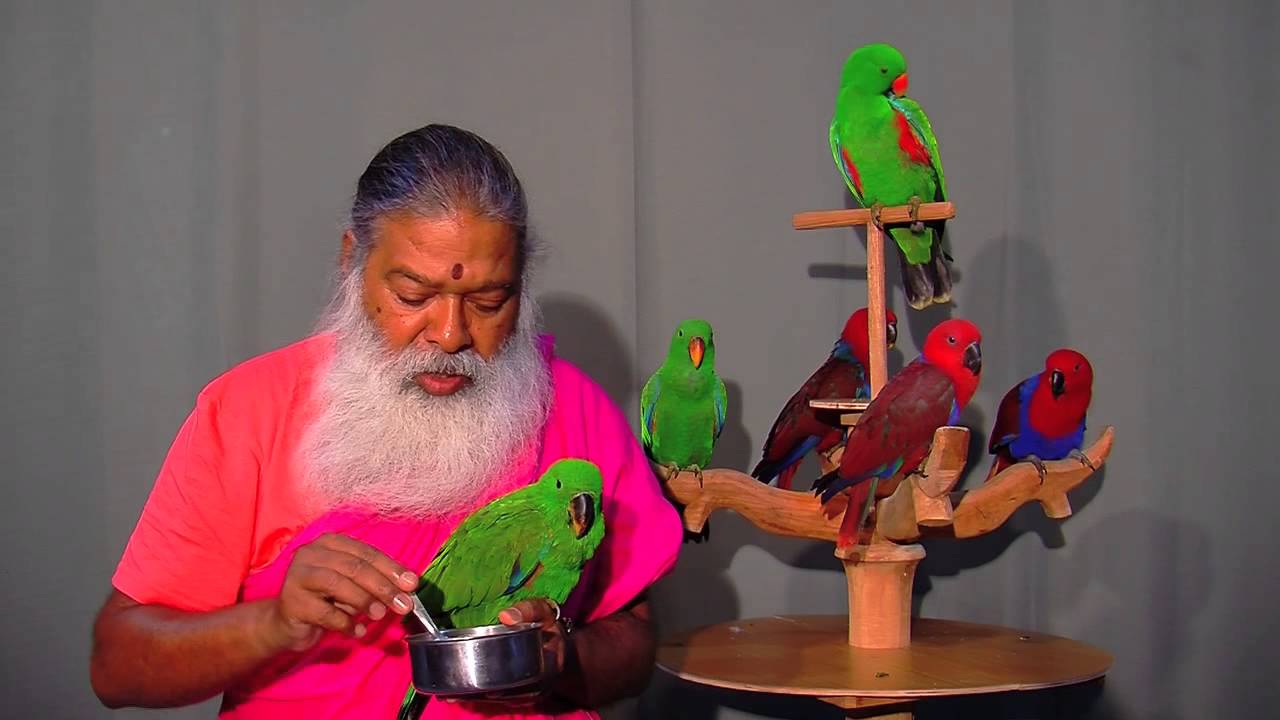
Sri Ganapathy Sachidananda Swamy with hsi parrots.

Hindus in ancient India, learnt by rote a lot of things. Vedas are taught and learnt by word of mouth until today. Ancient scholars were famous for their superhuman memory. In Tamil Nadu there were scholars who can remember eight or ten tasks done at the same time. They were known as Ashtavadanis or Dasavadanis.

Second Story : Nyaya Sastra
Pandit Vasudeva Sarvabhauman who wanted to get mastery over Nyaya Sastra approached the top most people in the field. Mithila was a great centre of Nyaya Studies (Logic). The professor who had the best logic book there did not allow anyone to copy it. So Pandit Vasudeva went there and learned the whole text book by heart and started his own institution in Navadweepa to teach logic.

prashna20upanishad

Third Story: Intelligent Poet
Dharana matrka is one of the ancient arts of India. Dharana means to remember. To make everything easy to remember, Hindu saints gave most of the science in Sutra (aphorism) form or in verses. There is an interesting story about it. A king had announced a reward of thousand gold coins to the poet who would satisfy him with a new, self composed verse. He had in his court seven scholars who were masters of memory. The first could reproduce anything on hearing it only once, the second twice, and the third thrice and so on. When any poet came to the royal court with his newly composed verse and recited it aloud, the first pundit stood up, challenged its originality and reproduced the whole verse himself. The second pundit then stood up, challenged and reproduced for he had already heard it twice; then the third and the fourth and so on. All the poets who came to the court left the court without getting any reward and they were utterly confused as well.

ganapathy sachi

One day a poet came and recited a verse which meant that the king’s father had borrowed hundred thousand gold coins from his father. The king was completely taken aback and asked his pundits if they knew anything about it. Then the poet smiled and said, “You must admit that this is an original verse, though the purport is not true. Now give me the promised amount”. The king was highly satisfied and gave him the reward.

Contact: — swami_48 @yahoo.com

Hindu Magic — Indra Jal!

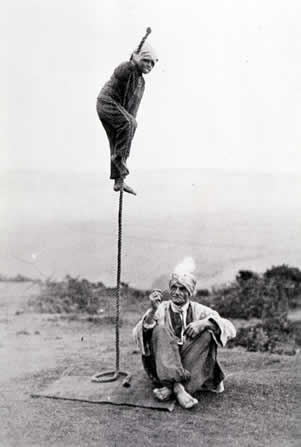
rope trick karachi

Written by London Swaminathan
Post No. 1046; Dated 16th May 2014

Magic is one of the Sixty Four Arts in the Sanskrit book Kamasutra. Vatsyayana recommended it even for women. More than their friends and relatives, they can make their children enjoy it. But in actual practice, we see only men. They dominate the World of Magic. Of all the Indian magic tricks the Rope Trick was the most famous one. The magician would climb a rope that is going towards sky and disappear from there!

The Indian Rope trick was the oldest Indian magic. Adi Shnkara mentioned it in his commentary on Vedanta. Kanchi Paramacharya put his date somewhere before Christ. So the trick must be at least 2000 year old. Vatsyayana also metnioned magic as one of the 64 arts. Later, traveller Ibn Batuta (1304-1377) has mentioned a similar trick which he saw in China. Adi Shankara has clearly said it was an illusion. So people knew that there was no mystery behind it, but only an illusion or just tricks.
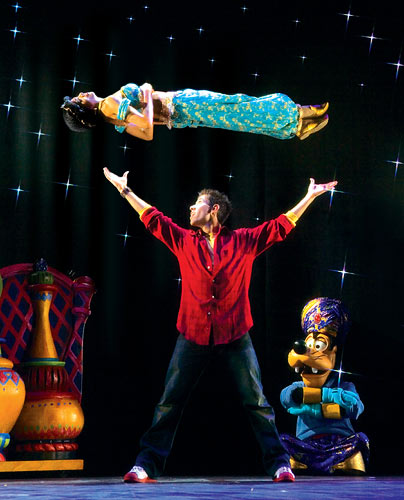
Mickey's-Magic-Show-J-web

A lot of tricks fall under the category of Indrajal. We don’t know why Indra’s name is attached to it. It may be due to its colourful presentation. Rainbow with seven colours is called Indra’s bow in Sanskrit and Tamil literature.

The Sanskrit Prose Kavya ‘’Dasakumaracharitam’’ by the Seventh Century poet Dandin gives an interesting account of a magic show.

Rajavahana was a prince of Magadha country. Manasara, King of Malawa, had a daughter by name Avantisundari. Rajavahana’s father was driven out of the country by Malawa king and he was living in exile in the forest. He allowed Rajavahana to go on an all India tour. He was separated from his group of nine friends on the way and arrived at Ujjaini, capital of Malawa desa. There he met his old friend who married a girl who is close to Avantisundari. When he met her one day he fell in love with her. She also wanted to marry him. But he knew his father wouldn’t allow that relationship, because she was the daughter of his enemy.
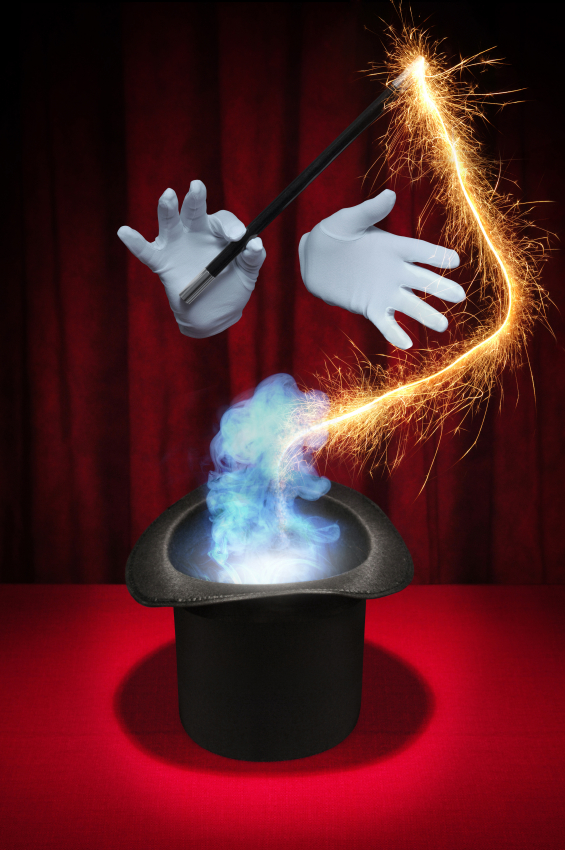
Magic Series - smoke and mirrors

By chance he met a magician by name Vidyeswara who was ready to help Rajavahana in his wedding plan. Through Avantisundari, Rajavahana got one magic show arranged in the palace. The description of the magic show reveals how the old magic shows looked like. Here is the detail:

Trumpets were sounded, music was played, songs were sung by enchanting songstresses, and then fierce looking snakes, displaying their hoods, roamed about the court emitting out poison. Shrieks were heard and people rushed to the doors, when a flight of vultures descended from above the sky and flew away each with one serpent in its mouth. Before the people had come to their senses, a growl like thunder was heard, and people saw with their own eyes Vishnu- assuming his half man half lion form (Narasimha form),killing the demon Hiranyakasipu.
indrajal

Thus holding the whole audience spellbound for half an hour, the clever magician saluted the king and said, “Your Majesty, I think I should conclude my programme with a pleasant and auspicious show to cheer up my spectators. I am afraid, I have taxed their nerves too much. And what else would be more pleasant that a marriage between a girl resembling your daughter and a handsome youth, an exact match for the bride?”
The king who was more than pleased with what the magician had already shown, smilingly agreed to the novel idea.

In came Rajavahana, hand in hand with Avantisundai and the marriage ceremony was conducted by a proper priest. Then the magician waved his wand and shouted ‘vanish’. Both Rajavahana and Avantisundari disappeared through a secret door in the palace.

19_Coin_Tricks_Getting_Started_xxxlarge
Though it was only a fiction, we knew that the magic shows were performed 1200 years ago. Legendary King Vikramaditya’s wife Bhanumati and Bhoja were experts of this art.
Sutrakrida, tricks with coloured threads, Hasta laghava, tricks by hands were also known in those days.

Contact swami_48 @yahoo.com

மாய மந்திரம்! இந்திர ஜாலம்!

rope trick karachi
Written by London Swaminathan

Post No.1045: : Dated 16th May 2014
English version of the article is posted under the title Hindu Magic: Indra Jal

சிறு வயதில் சர்கஸ், பொருட்காட்சி, விழாக்கள் போன்றவற்றில் மாயா ஜாலக் காட்சிகளைப் பார்த்திருக்கிறோம். டெலிவிஷன் வந்த பிறகு அதிலும் பல ‘மாஜிக்’ தந்திரக் காட்சிகள் வந்தன. இந்திர ஜாலம் என்பது இதற்கான வடமொழிச் சொல். தமிழில் இதற்குக் கண்கட்டு வித்தை என்று பெயர். ஆனால் அதிலும் வித்தை என்பது சம்ஸ்கிருதம்! மாயாஜால தந்திரக் காட்சிகள் என்றால் எல்லோருக்கும் எளிதில் விளங்கும். காமசூத்திர நூல் எழுதிய வாத்ஸ்யாயனர், இதையும் பெண்களுக்கான 64 கலைகளில் ஒன்றாகச் சேர்த்திருக்கிறார்.

ஆதிகாலம் முதற்கொண்டு இந்தியர்கள் செய்துவந்த மிகப்பெரிய மாயாஜாலக் காட்சி ‘கயிறு வித்தை’ என்பதாகும். இதைப் பற்றி பல வெளி நாட்டு யாத்ரீகர்கள் எழுதி வைத்துள்ளனர். மந்திரவாதி ‘’\சூ! மந்திரக் காளி!’’ சொன்னவுடன் ஒரு கயிறு தானாகவே மேலே எழும்பும். அதைப்பிடித்துக் கொண்டு ஒரு மந்திர வாதி வானத்தை நோக்கி மேலே மேலே செல்வான். பிறகு மறைந்து போய் விடுவான். சில காட்சிகளில் அவன் பெயரைக் கூப்பிட்டவுடன் கீழே வந்து நிற்பான். இபின் படூடா என்ற யாத்ரீகர் 700 ஆண்டுகளுக்கு முன் இதே போல ஒரு காட்சியை சீனாவில் பார்த்ததாக எழுதிவைத்துள்ளார்.
ஆதிசங்கரர் எழுதிய வேதாந்த பாஷ்யத்தில் இந்த கயிற்று வித்தையைக் குறிப்பிட்டு இதை மாயம் என்கிறார். ஆக அவரது காலத்துக்கு முன்னரே 2000 ஆண்டுகளாக இந்த வித்தை இந்தியாவில் காட்டப்பட்டு வருகிறது!!

19_Coin_Tricks_Getting_Started_xxxlarge
இதற்கும் இந்திரனுக்கும் ஒரு தொடர்பும் இல்லை. ஆனால் வானவில்லை இந்திரனின் வில் (இந்திர தனுஸ்) என்று சம்ஸ்கிருதத்தில் அழைப்பர். அது போல இந்த ‘’மாஜிக் ஷோ’’வும் வண்ணம் நிறைந்ததாக இருந்ததால் இப்பெயர் வந்திருக்கலாம்.

இந்த இந்திர ஜாலம் பற்றி 1300 ஆண்டுகளுக்கு முன் தண்டி என்ற கவிஞர் எழுதிய தசகுமார சரித்திரம் என்ற வடமொழிக் கதைப் புத்தகத்தில் ஒரு சுவையான கதை வருகிறது.

சுவையான மாய மந்திரக் கதை

மகத நாட்டில் ராஜவாஹனன் என்ற இளவரசன் வசித்து வருகிறான். அவனுடைய தந்தையை மாளவ மன்னன் மானசாரன் தோற்கடித்து காட்டுக்கு விரட்டி விடுகிறான். ராஜவாஹனன் தாய் தந்தையரின் அனுமதி கேட்டு நாட்டைச் சுற்றிப் பார்க்கப் புறப்படுகிறான். அவனுடன் வந்த பத்துப் பேரையும் இடையில் தவற விடுகிறான். பின்னர் அவன் மட்டும் தனியாகப் பயணம் செய்து உஜ்ஜையினி நகரை அடைகிறான். அதுதான் மானசார மன்னனின் தலை நகரம். அந்த மன்னனுக்கு அவந்திசுந்தரி என்ற அழகிய மகள் உண்டு.
href=”https://tamilandvedas.com/wp-content/uploads/2014/05/indrajal.jpg”>indrajal

எதிர்பாராத விதமாக உஜ்ஜையினி நகரில் அவனுடைய பழைய நண்பனைச் சந்திக்கிறான். அவன், அவந்தி சுந்தரியின் தோழியைத் திருமணம் செய்துகொண்டு செல்வாக்குடன் விளங்குபவன். அவர்கள் மூலமாக அவந்தி சுந்தரியைச் சந்திக்கிறான். காதல் மலர்கிறது. ஆனால் தந்தையைக் காட்டிற்கு விரட்டிய மன்னனின் மகளைக் காதலிப்பதால் வெளிப்படையாக எதுவும் செய்ய முடியாது.

Magic Series - smoke and mirrors
இதுபற்றி எண்ணி எண்ணிக் கவலைப் பட்டுக் கொண்டிருந்தபோது, வித்யேஸ்வரா என்ற மந்திரவாதியின் தொடர்பு கிடைக்கிறது. அவன் உதவி செய்ய முன்வருகிறான். இருவரும் ஒரு திட்டம் தீட்டுகின்றனர். அதன்படி அவந்திசுந்தரி தனது தந்தை மானசாரனிடம் சொல்லி ஒரு மாயாஜாலக் காட்சியை ஏற்பாடு செய்கிறாள். அதில் அற்புதமான காட்சிகள் வருகின்றன.

தாரை ,தம்பட்டைகள் முழங்குகின்றன. ஒளி வெள்ளம் பாயும்போது விண்ணிலிருந்து பாம்புகளும் கழுகுகளும் இறங்குகின்றன. இரண்டு கழுகுகள் இரண்டு பாம்புகளைப் பிடித்துச் செல்லுகையில் மற்ற பாம்புகள் விஷம் கக்கி அரண்மனையை வலம் வருகின்றன. விஷ்ணுவானவர், நரசிம்ம வேடத்தில் வந்து இறங்கி ஹிரண்யகசிபுவைக் கிழித்து வதம் செய்கிறார். மக்கள் எல்லோரும் திகைப்புடன் பார்க்கையில் மந்திரவாதி மெதுவாக மன்னனிடம் சொல்கிறான்:

“அரசே நல்ல காட்சியை மங்களமாக முடிக்கவேண்டும் ஆகவே ஒரு திருமணக் காட்சியுடன் முடிக்க அனுமதி தேவை என்கிறான். உங்கள் மகளைப் போலவே அலங்கரிக்கப்பட்ட ஒரு மணமகளை வரவைக்கிறேன் என்றான். மன்னனும் திகைப்பிலிருந்து வெளியே வரவில்லை. ஆகவே என்ன வேண்டுமானாலும் செய்யுங்கள் என்கிறான். ஒரு அழகான இளைஞன் மணப் பெண்ணுடன் வருகிறான். ஐயர் ஹோமம் வளர்த்து கல்யாணம் செய்துவைக்கிறார். எல்லாம் மாயாஜாலக் காட்சி போலவே நடக்கிறது. ஆனால் உண்மையில் மணப் பெண் போல வந்தது அவந்தி சுந்தரி. அவளை மணந்தவன் ராஜவாஹனன்.

கல்யாணம் முடிந்தவுடன், சூ! மந்திரக் காளீ! இரண்டு பேரும் மறைந்து போங்கள் என்கிறான். பெண்ணும் மாப்பிள்ளையும் அரண்மனையில் இருந்த ரகசிய சுரங்கக் கதவு மூலம் தப்பித்து ஓடிவிடுகிறார்கள். கதை எப்படிப் போனாலும் அந்தக் காலத்தில் மாயாஜாலக் காட்சிகள் அரண்மனையில் நடத்தப்பட்டதை நாம் அறிய இந்தக் கதை உதவுகிறது.
Mickey's-Magic-Show-J-web<a

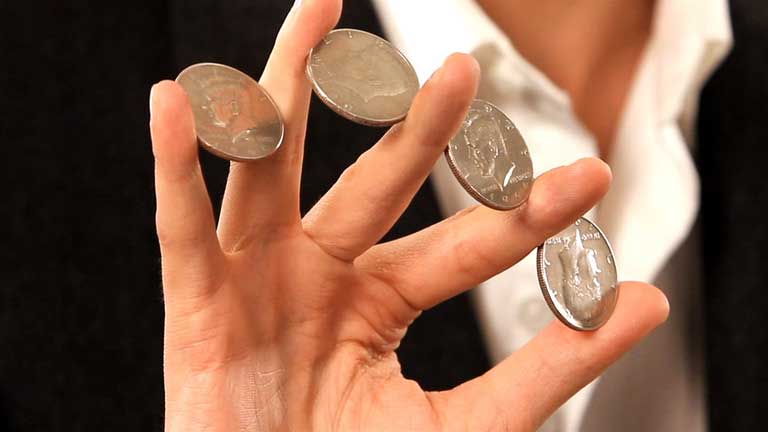
கயிறு வித்தை தவிர, மந்திரத்தால் மாங்காய் மரம் உண்டாக்குவது, கலர் நூல்களைப் பயன்படுத்தி (சூத்திர க்ரீடா) தந்திரங்கள் செய்வது, கணக்கு வித்தைகளைச் செய்வது, கைகளை லாகவமாகப் பயன்படுத்தி காசுகளை மறைப்பது (ஹஸ்த லாகவம்) முதலியன அக்காலத்தில் தந்திரக் காட்சிகளில் இடம்பெற்றன.

contact swami _ 48@yahoo.com

Temples are Occult Laboratories

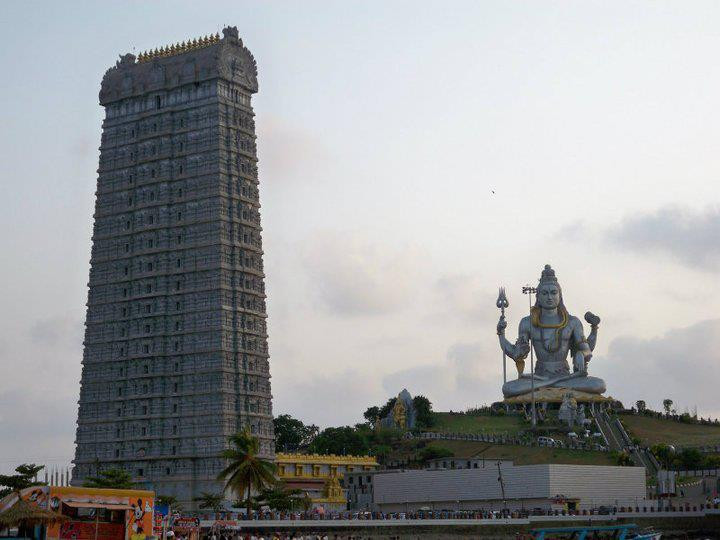
murdeshwar remote
Murudheeswar Temple in Karnataka.

Compiled by London Swaminathan
Post No.999; Dated 24th April,2014.

Why do we need temples?

1.People will immediately say that ‘not everyone has facilities at home for a peaceful prayer’.
2.Others will point out that temples are clean places for doing prayers.
3.Some may say that joint prayer is more effective than individual prayer.
4.Temples are places where people can socialise.

5.We may add that temples are not just places of worship but also centres of art and culture.
6.Temple festivals like Car (chariot) festivals help to establish communal unity since all castes are allowed to worship from the same place, brushing shoulder with shoulder.

7.Temples are places where you can feel the positive vibrations.
8.Temples are located in places where there is natural energy.
9.Temples are occult centres with some magical powers.
10.In India temples are a big industry. Millions of people are employed by the temples and the associated industries.

11.Indian tourism depends mainly on temples and its devotees.
12.Temples are centres of beautiful sculptures, musical pillars, architectural wonders, Engineering marvels and unsolved mysteries.

13.Temples are heritage centres that show continued practice for at least 2000 years.
14.Temples have thousands of inscriptions and copper plates that helps us to study and write history.
15.Temples have old records of Sthalapuranas (local history) and palm leaf manuscripts.

16.Temples are the richest places in India where kings and rich people deposited their wealth. Examples: Balaji temple at Tirumala/Tirupati, Padmanabhaswamy Temple at Trivandrum, Somnath Temple of Gujarat which Muhammed of Gazni raided 17 times and robbed all the gold and took it to Aghanistan, and Mulasthan/Multan Sun Temple in Pakistan which Muhammad Bin Kazim raided and took tons of gold to Iraq.

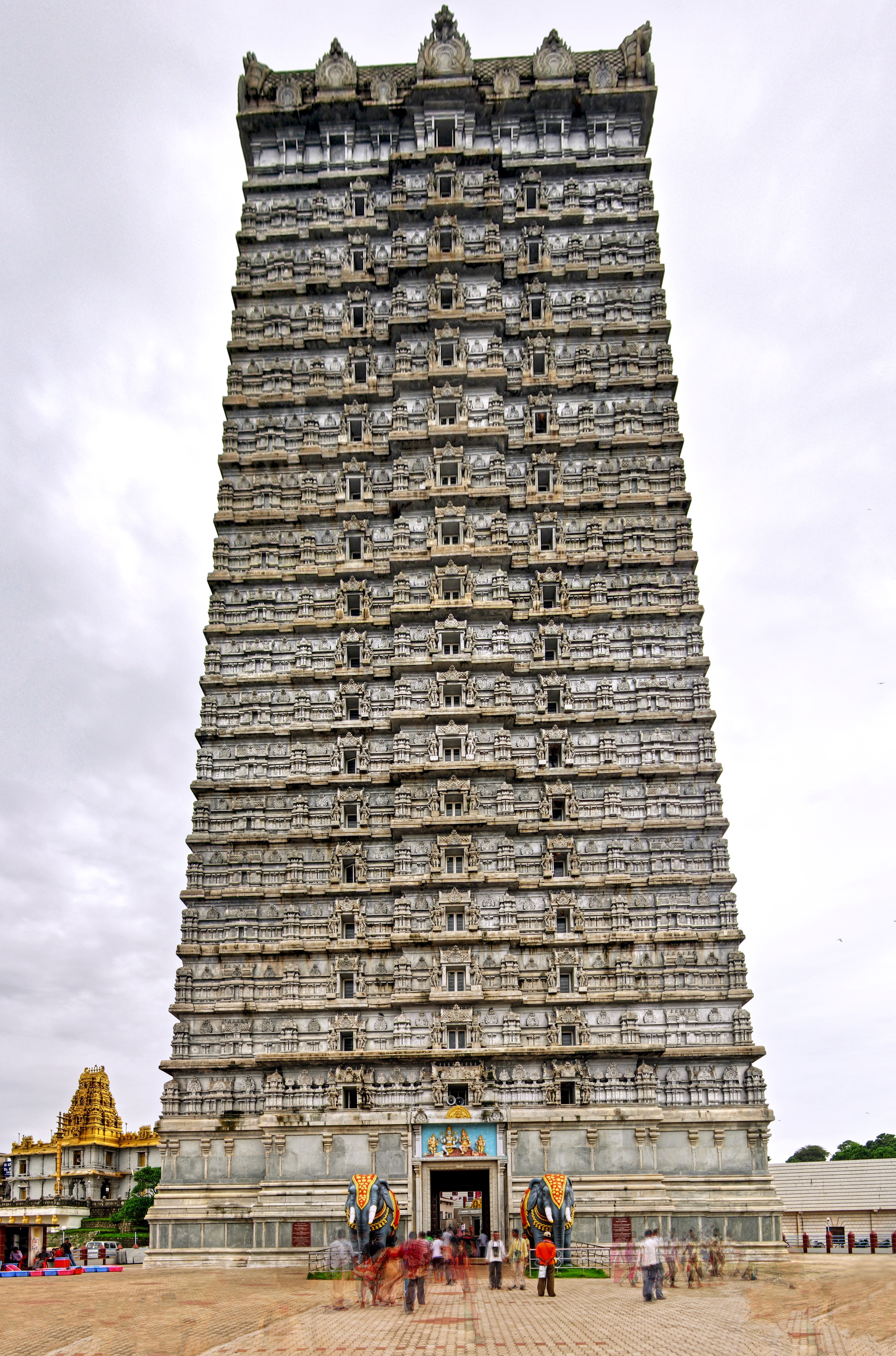
Murudeshwara_raja_gopura_HDR,_Jul_2012
17.Temples are feeding centres of the poor. At times of severe drought, even the middle class people went to temples and took food. Examples: Thevaram of Appar and Sambandhar to get gold coins to feed the people.
18.Temples supported dancing girls. Thanjavur Brhadeeswar temple name all the 400 dancing girls with their addresses in the inscriptions.

19. There are over one lakh (100,000) temples in India giving enormous scope for further research.
20.Temples are Yoga centres where Yoga is taught. Temples have libraries with religious books. Temples have Veda Patasalas, Thevaram teaching centres and Bhajan centres.
21.Temples are places where big concerts , religious discourses and Yagas, Havans and Homams are held.
22. Temples are places where ceremonies for departed souls are held in proper sanctified atmosphere. Example: Adi New moon day (Amavasya) etc.

Occult Laboratories!
Professor Ramanujam Srinivasan gives a novel explanation about the temples in his book Facets of Indian Culture:–

“In the first place, the temple is a place of worship where people gather to think of God, pray to Him and worship Him. Though theoretically we could do this at any place and at any time, certain conveniences and environments are provided in the temples which one cannot command always in other places. In most homes, quiet worship of the supreme is almost impossible.

“Congregational or community worship provides an effect out of proportion to the number taking part. There is feeling of devotion and aspiration surging forth from the hearts of those assembled in such places of worship. If thought is a reality several minds and hearts tuned to a particular attitude of aspiration and devotion are bound to produce tremendous results.
agk and tpk

Tirupparankundrama and Alakarkoil near Madurai

“Apart from all these things, there is an important aspect of temple which is often lost sight of when people talk about temples. Certain great centres have been chosen by Greta Seers as most effective for the purpose of achieving ceratin definite results in the common life of a community. There are centres of great occult powers and the Great Ones who founded these great centres magnetized those places, in consequence of which these centres become channels for certain types of influences from on high to flow through them, not only to the people gathered there, but to all surrounding locality. It will enable people coming under those influences to achieve what otherwise they might not have been to accomplish.

“ We may look upon these temples some kind of occult laboratories. Certain physical adjustment coupled with certain systematized sounds (Mantras or Music) gives rise to certain results as a matter of course. If these physical processes are properly gone through the results will be there, whosoever the person or persons who did it provided they have been taught the right way of doing it and also are competent to do it.

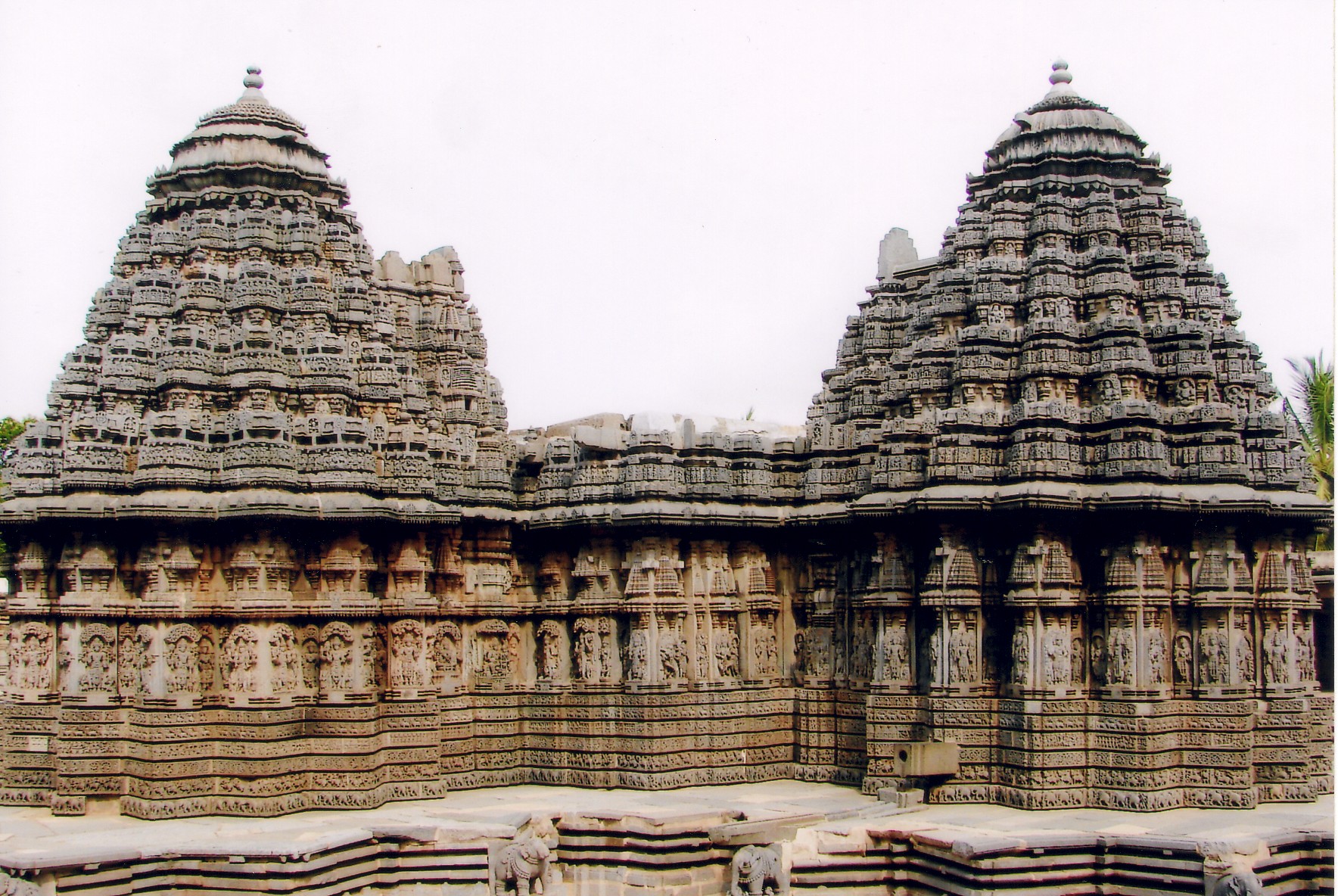
Keshava_Temple_at_Somanathapura
Somnathpur,Karnataka.

“A person of high character will able to put more life into what he does and to that extent the effect will be modified and quality improved. One of the essentials for the proper conduct of such rituals is the proper ordaining of the priest.

“There are certain laws governing the operation of these occult laboratories. Just as in an ordinary science laboratory, certain conditions have to be fulfilled before the desired result is achieved, so also in these occult laboratories we have to provide the necessary favourable conditions if we have to reap good results. Beyond a certain limit, no dirt or filth shall be allowed. In some temples none shall enter the Garba Griha (sanctum sanctorum)in North Indian temples, there is no restriction. They speak of Ugra Prathista and Saumya Prathista. In some cases very strict adherence of physical purity is insisted upon, in other cases the conditions are not so rigid. If some great people who founded them have laid down some conditions, they should be fulfilled.

“But all this is the purely material aspect. Before mysticism, neither temple nor theology is of any avail. The purpose of religion is to satisfy the inner hunger of man for the realisation of the Larger Self, the Divine. All the time this inner urge is there and seeks expression and fulfilment. The world evolves and man also evolves. His nature expands; he becomes less selfish, less insular, less parochial”.

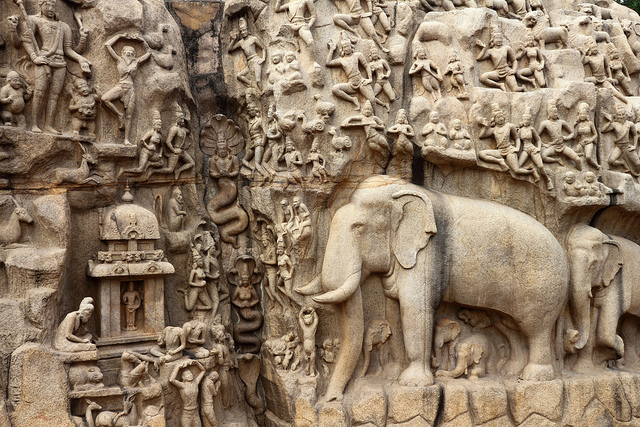
mahabakipuram
Mahabalipuram/Mamallapuram

Please read my earlier posts related to temple worship:
1.The Wonder That is Madurai Meenakshi Temple ( posted 29 September 2013)
2. Acoustic Marvel of Madurai Temple (Posted on 12th May 2013)
3.Largest Golden Temple in the World (posted on 23 July 2012)
4.Mirror Temples! Hindu Wonders! ( posted on 3rd October 2013)
5. Musical Pillars in Hindu Temples (Posted on 12th May 2013)
6. Multan in Pakistan: Magnetic Hindu God (posted on 26 February 2014)
7. 108,000 Temples in India (Posted on 21 July 2012)
8. Temple Visit ‘Good for Health’ (posted on 15 May 2013)
9. Prayers are good for Heart, says Scientists (10 July 2013)
10. OM boosts Brain Power: US University Research Posted ( Posted 12 June 2013)
& 900 more articles on similar subjects

(Most of these English articles are posted in Tamil also)

Contact:– swami_48@yahoo. com

கங்கை நதிக்கடியில் தங்கம்: தமிழர் தகவல்!

gold-coins-

Written by London swaminathan
Posted in English as well
Post No 964 Dated 8th April

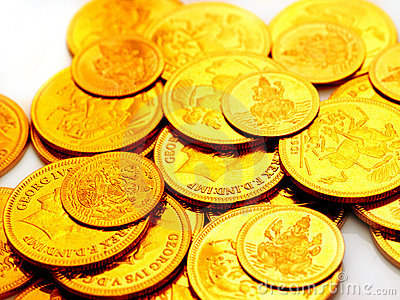
சில வாரங்களுக்கு முன் வட இந்தியாவில் ஒரே பரபரப்பு! உத்தரப் பிரதேசத்தில் ஒரு சாமியாருக்கு கனவு. அந்தக் கனவில் ஒரு ராஜா தோன்றி அவர் ‘டன்’ கணக்கில் தங்கம் புதைத்து வைத்த இடத்தைச் சொல்லிவிட்டார். இதை சாமியாரும் எல்லோருக்கும் அறிவிக்கவே அவருக்கு நெருக்கமான மந்திரி எல்லோரையும் அகழ்வாராய்ச்சிக்கு அனுப்பிவைத்தார். ஆயிரக் கணக்கான மக்கள் கையில் கோடாரி மண் வெட்டிகளுடன் 11 நாட்கள் தோண்டினர். அவருடைய சீடருக்கு இன்னொரு கனவு வரவே அவர் கங்கை நதிக்கரையில் உள்ள வேறு ஒரு இடத்தைச் சொல்லவே அங்கும் தோண்டும் பணி துவங்கியது. தொல்பொருட் துறை, பூகர்ப்பவியல் நிபுணர்கள் எல்லோரும் ‘ஆமாம்சாமி’ போட்டதால் எல்லோருக்கும் நம்பிக்கை வலுத்தது. இறுதில் ஒன்றும் கிடைக்காமல் தங்கம் தேடும் பணியைக் கைவிட்டனர்.

சங்கத் தமிழ் இலக்கியத்தில், தங்கத்தை எங்கே ஒளித்துவைத்து வைத்திருக்கிறார்கள் என்று எழுதிவைக்கப்பட்டுள்ளது.– ஒன்று பாடலிபுத்திரத்தில் கங்கைக்கு அடியில் ஒரு சுரங்கத்தில் பொக்கிஷம், புதையல் வைக்கப்பட்டு இருக்கிறது.– இரண்டு, வேளிரின் பாழியில் ஒளித்து வைக்கப்பட்டிருக்கிறது. இது பற்றிய சுவையான செய்தி அகநானூற்றில் இருக்கிறது. அதற்கு முன் காஞ்சி பரமாசார்யார் சொன்ன வேறு ஒரு தங்கப் புதையல் கதையைப் பார்ப்போம்:
barGold

வித்யாரண்யருக்கு கிடைத்த தங்கப் புதையல்

சென்னையில் 1957-59–ல் காஞ்சி பரமாசார்யாள் (1894-1994) நடத்திய சொற்பொழிவுகள்:

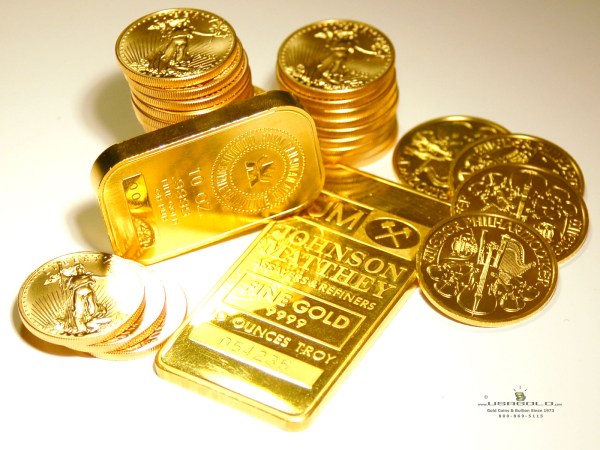
“வித்தியாரண்யர் ( கி.பி.1331-1386) நான்கு வேதத்துக்கும் சேர்த்து பாஷ்யம் (உரை) பண்ணியிருக்கிறார்……. இவரைப் பற்றி ஒரு கதை சொல்வர். சரித்திரத்தில் இதற்கு ஆதாரம் இருக்கிறதோ என்னவோ? இவர் பிரம்மச்சாரியாக இருந்த காலத்தில் மகாலெட்சுமியைக் குறித்து கடுமையான தபஸ் பண்ணினாராம். ஏகாக்கிர சித்தத்தோடு இவர் பண்ணுகிற தபஸைப் பார்த்து மகாலெட்சுமி பிரத்தியட்சமானாள். இவர் பரம ஏழையாக இருந்தவர். மகாலெட்சுமி, ‘’உனக்கு என்ன வேண்டும்’’ என்று கேட்டபோது, ‘’எனக்கு நிறைய செல்வத்தைக் கொடு; உலகத்தில் யாரிடத்திலும் இல்லாத ஐச்வர்யத்தை எனாக்குக் கொடு’’ என்று இவர் கேட்டாராம். மகாலெட்சுமி, ‘’அப்பா, உனக்கு இந்த ஜன்மத்தில் ஐச்வர்யம் கொடுப்பதற்கு இல்லையே; வேண்டுமானால் அடுத்த ஜன்மாவில் நிறைய ஐச்வர்யத்தை கொடுக்கிறேன்; இந்த ஜன்மாவில் கொடுக்க எனக்கு யோக்கியதை இல்லை’’ என்று சொன்னாளாம்.

அடுத்த ஜன்மாவில் தருகிறேன் என்று சொன்னவுடன் எப்படியாவது ஐச்வர்யத்தைப் பெற்றுவிடவேண்டும் என்று உடனே சந்நியாசம் வாங்கிக்கொண்டு, சந்நியாசம் வாங்கிக் கொண்டால் சாஸ்திரப்படி மறு ஜன்மமாகப் போய்விடாதா? ‘’நான் சந்நியாசம் வாங்கிக்கொண்டு விட்டேன். இப்போது ஐச்வர்யத்தை கொடு’’ என்றாராம். உடனே மகாலெட்சுமியும் சொர்ணத்தை வர்ஷித்தாளாம்.

Gold-Bars

நிலம் முழுக்க எங்கே பார்த்தாலும் ஒரே தங்கமாகத் தெரிந்தது; இவற்றைப் பார்த்தவுடன் வித்தியாரயர் அழ ஆரம்பித்துவிடாராம். அடடா! என்ன முட்டாள்தனமாகக் கேட்டோம். ஆசிரமம் வாங்கிகொண்டபின் நமக்கு தங்கம் எதற்காக? சந்நியாச ஆஸ்ரமத்தில் இதைத் தொடவும் கூடாதே. கேட்காமல் இருந்திருந்தால் மகாலெட்சுமி அடுத்த ஜன்மத்திலாவது வேண்டிய ஐச்வர்யத்தைக் கொடுப்பாளே. இனி அடுத்த ஜன்மாவிலும் அவள் கொடுக்கமாட்டாள். சந்நியாச ஆஸ்ரமத்தை வாங்கிக் கொண்டுவிட்ட நாம் இப்போது அவள் கொடுத்ததையும் தொட முடியாது என்று அழுதாராம்.

அப்போதுதான் மாலிக்காபூர் தென்னாட்டுக்குப் படையெடுத்டு வந்து, எல்லா ராஜ்யங்களும், எல்லாக் கோயில்களும் சிதறுண்டு போகும்படியாக எல்லாவற்றையும் ரணகளமாகப் பண்ணிவிட்டுப் போயிருந்தான். சரி, இந்த ஐச்வர்யத்தைக் கொண்டு, இவற்றையெல்லாம் ஒழுங்கு செய்வது என்று வித்தியாரண்யர் தீர்மானம் பண்ணிக் கொண்டாராம். ஆடு மேய்க்கிற வனுக்கு குறும்பன் என்று பெயர். அப்போது அங்கே ஹரிஹரன், புக்கன் என்ற இரண்டு பேர் —அண்ணன் தம்பி – ஆடு மேய்த்துக் கொண்டிருந்தார்கள். அந்த இரண்டு குறும்பர்களையும் அழைத்து, அந்த துங்கபத்திரை பிரதேசத்திலேயே, ஒரு ராஜ்யத்தை ஸ்தாபித்து அதற்கு ராஜாக்களாக அவர்களை ஏற்படுத்தினார். அந்த ராஜ்யந்தான் விஜய நகர சாம்ராஜ்யம்”.

மேற்கண்டது ஆசாரிய ஸ்வாமிகள் சென்னை உபந்நியாசங்கள் 1957-59, பாகம் 3-ல் உள்ளது.

gold1

தமிழர் கண்ட தங்கப் புதையல்

சங்க கலத்தில் வாழ்ந்த பரணர் என்ற பிராமணப் புலவரும் மாமுலனார் என்ற பிராமணப் புலவரும் ஏராளமான வரலாற்றுச் செய்திகளைப் பாடல்களிலேயே தருகின்றனர். மாமுலனார் வட நாட்டு விஷயங்களை அதிகம் சொல்லுவார். நந்த வம்சம் மற்றும் மௌரியர்கள் பற்றி அவர் பாடுவதைப் பார்க்கையில் அவர் மிகப் பழைய புலவர்களின் பட்டியலில் ஒருவர் என்றே எண்ண வேண்டி இருக்கிறது. அவரும் பரணரும் கூறும் ‘’தங்க’’ விஷயங்களைக் காண்போம்.

தொன்முது வேளிர் பாழியில் குவித்து வைத்த தங்கம் பற்றி பரணர் ( அகநானூறு 258) பாடுகிறார்:

நன்னன் உதியன் அருங்கடிப் பாழி
தொல்முதிர் வேளிர் ஓம்பினர் வைத்த
பொன்னினும் அருமைநற்கு அறிந்தும், அன்னோள்
துன்னலம் மாதோ எனினும் அஃதுஒல்லாய் —

பொருள்:- அரிய காவலை உடையது நன்னன் உதியன் என்பவனின் பாழிச் சிலம்பு தொன்மை மிக்க வேளிர்கள் தேடி வைத்த பொன் அங்கே பாதுகாவல் செய்து வைக்கப்பட்ள்ளது. அதனைவிட அரியவள் தலைவி என்பதை நீ நன்றாக அறிவாய். அறிந்திருந்தும் அவளை நாம் நெருங்க மாட்டோம் என்று யான் கூறிய பின்னும் என்கூற்றிற்கு உடன்படாது போனாய்……
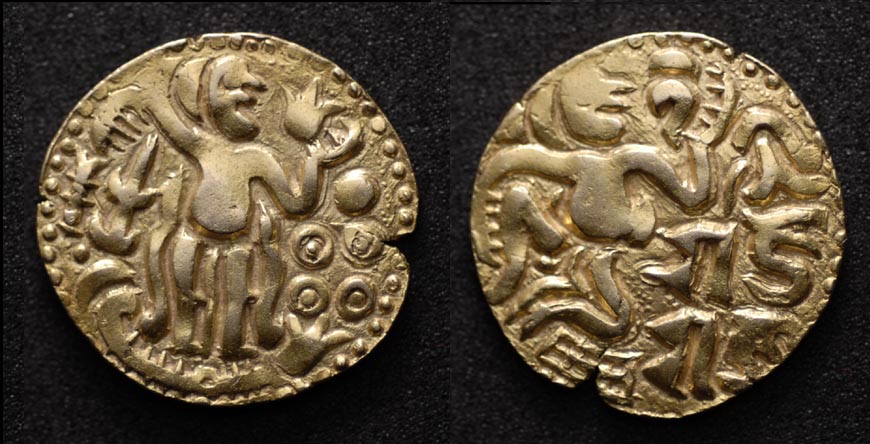
raja_raja
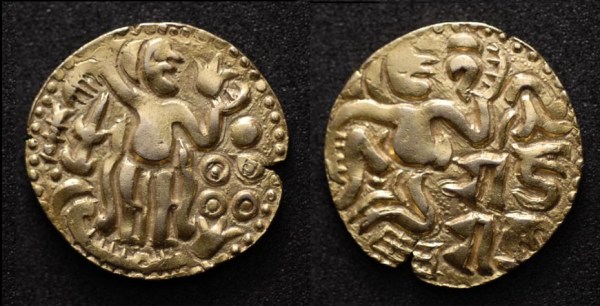
Gold Coin of Raja Raja Choza

இதில் தெரிவது என்னவென்றால்
வேளிர்கள் நிறைய தங்கத்தைக் குவித்துவைத்தனர்.
அதற்கு பலத்த பாதுகாப்பு போடப்பட்டது.
அதை அடைவதைவிடக் கடினம் என்னுடைய காதலி.

மாமுலனார் தரும் தகவல் இதை விட வியப்பானது.

புகையின் பொங்கி, வியல்விசும்பு உகந்து
பனிஊர் அழற்கொடி கடுப்பத் தோன்றும்
இமயச் செவ்வரை மானும் கொல்லோ?
பல்புகழ் நிறைந்த வெல்போர் நந்தர்
சீர்மிகு பாடலி குழீஇக் கங்கை
நீர்முதல் கரந்த நிதியம் கொல்லோ?
எவன்கொல்? வாழி, தோழி !

பொருள்:– தோழி வாழ்க! அகன்ற வானிலே உயர்ந்து எழு புகையினைப் போல் விளங்கிப் பனி தவழும் தீச்சுடரைப் போல் தோன்றும் இமய மலை போன்றதோ! அல்லது பலவகைப் பட்ட புகழும் மிக்க போர் வெல்லும் நந்தர் என்பவரின் சிறந்த பாடலிபுத்திரத்தில் திரண்டிருந்து பின் கங்கையின் நீர் அடியில் மறைந்து போன செல்வமோ! அவ்விரண்டும் இல்லையென்றால் நம்மைவிட்டுப் பிரிந்து போனதற்குக் காரணம் யாதோ!
gupt2
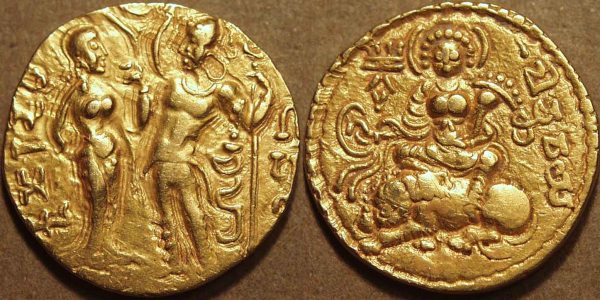
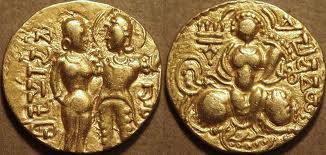
Gold Coins of Guptas

தலைவி பேசுவது போல அமைந்த இந்தப் பாடலில் நாம் அறிந்து கொள்வது என்னவென்றால் பாடலிபுரத்தை ஆண்ட நந்த வம்ச அரசர் கங்கை ஆற்றின் அடியில் சுரங்கம் அமைத்து பெருஞ் செல்வத்தை மறைத்து வைத்திருந்தனர். பின்னர் அது காணாமற் போனதால் குழீஇக் கரந்த நிதியம்’ என்று சொல்லப்பட்டது.

‘’நிதி’’ என்ற சம்ஸ்கிருதச் சொல்— தங்கம், நவரத்னங்கள் போன்ற எல்லாச் செல்வத்தையும் குறிக்கும்.
பாடலிபுத்திரம் என்பது இப்போது பீஹார் மாநிலத் தலை நகரான பாட்னா நகரம் ஆகும்

இதே புலவர் இன்னொரு பாடலில் (அகம் 251) நந்தனின் செல்வம் பற்றிப் பாடுகிறார். இதற்கு உரை எழுதியவர்கள், மஹாபத்ம நந்தன் (கி,மு. 345-329) என்று மன்னர் பெயரையும் குறிப்பிட்டுள்ளனர்.

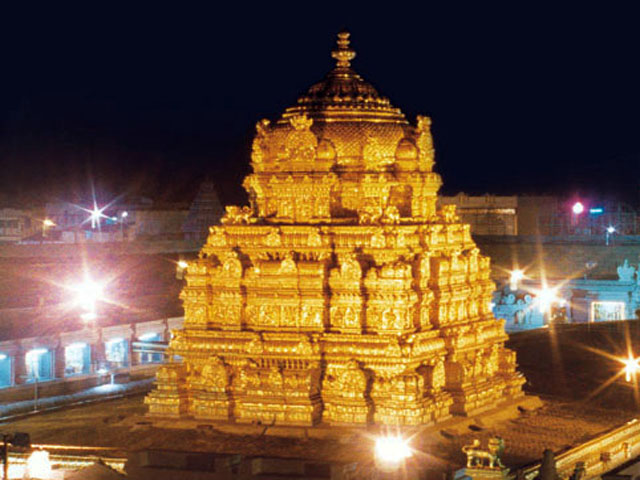
tirupati2
Picture of Golden Tower of Tirupati Balaji Temple

நாம்படர் கூரும் அருந்துயர் கேட்பின்,
நந்தன் வெறுக்கை எய்தினும் மற்றவண்
தங்கலர் வாழி, தோழி ! வெல்கொடித்
துனைகால் அன்ன புனை தேர்க் கோசர்
தொல் மூதாலத்து அரும்பணைப் பொதியில்…………….

பொருள்: தோழி, வாழ்வாயாக! வெற்றிச் சிறப்புமிக்க கொடியினையும் காற்றைப் போன்று வேகமான அலங்கரிக்கப்பட்ட தேரினையும் உடையவர்கள் கோசர்கள். அவர்கள் பகைத்து எழுந்தனர். பழைய ஆலமரத்தின் கிளைகளுக்கு அடியில் போர் முரசங்களைக் குறுந்தடியினால் அடிக்கின்றனர். மகாபத்ம நந்தன் என்னும் பாடலிபுத்திரத்து மன்னனுடைய செல்வத்தையே அவர் பெற்றாரெனினும் அதற்கு மகிழ்ந்து அங்கேயே தங்கிவிடுபவர் அல்லர் ( என் காதலர்).

2000 ஆண்டுகளுக்கு முன்னர். கங்கை நதி, பாட்னா நகரம், நந்த வம்சம், மௌரிய மன்னர்கள் ஆகியோர் பற்றி நம் புலவர்கள் பாடியது மிகவும் வியப்பான விஷயம். தமிழர்கள் போரின் பொருட்டும், வணிகத்தின் பொருட்டும் கங்கை நதி, இமயம் வரை சென்றதையும் இதில் அறிகிறோம். நந்தர்களின் செல்வம் குறித்தும் அறிகிறோம். அவர்கள் புகழ் தென்னாடு வரை பரவி இருந்தது.
gupta1

இப்பொழுது கங்கை நதிக்கடியில் சுரங்கத்தைத் தேடிக் கண்டுபிடிப்பது ‘’வைக்கற்போரில் ஊசியைத் தேடியது போலாகும்’’. அந்த செல்வமும், தமிழர்கள் பாழியிலும் மறைத்து வைத்த செல்வமும் யார் கையில் போய்ச் சேர்ந்ததோ? மாலிக்காபூர் தென்னகக் கோவில்களில் இருந்து ‘’டன்’’ கணக்கில் தங்கம் கொண்டு சென்றதை வரலாற்று ஆசிரியர்கள் எழுதி வைத்துள்ளனர்.

contact swami_48@yahoo.com
Gold under River Ganges in Patna!

gold1

By London Swaminathan
Post No. 962 Dated 7th April 2014

Recently Indian news papers reported a big search for gold hidden under a temple site near Lucknow on the banks of River Ganga. This started after a Hindu saint reported a dream where he thought the golden treasure of a king was buried. When his disciple reported another dream more temple sites were searched for gold. But nothing was found and all the searches came to an abrupt end after ten days. It attracted huge publicity in foreign media. Ancient Tamil literature gives some interesting information about gold under Ganges River and another place in Tamil Nadu!

Finding gold under the ground in India is nothing new and nothing unusual. There is a proverb in Tamil “Tamils spoiled themselves by burying (gold)”= Tamilan Puthaiththu kettaan in Tamil. To escape from thieves and invaders they did this in the olden days. Still we find gold coins under the ground; most of them go unreported. Most of the Roman gold coins were discovered in South India and most of the Gupta gold coins were recovered in North India. All these are tip of an iceberg. Due to lack of historic knowledge and lack of knowledge about antique values they were melted the very next minute. Tamil and Sanskrit literatures boast in hundreds of verses that the golden Simhasana (throne) steps under the feet of the present king came from the crowns of the kings he conquered. This is in ancient Sangam Tamil verses and Kalidasa’s works! Just to insult the defeated kings, the victorious kings melted the crowns and thrones of the defeated kings and put them under their feet!!!

Gold-Bars

Vidyaranya found Golden Treasure!

Kanchi Paramacharya in his Madras Discourses (1957-1959) gives the story of Vidyaranya’s discovery of gold and using it for establishing Vijayanagara Empire. Born as Madhava in a village in Karnataka he prayed to Goddess Makalakshmi, Goddess of Wealth, for enormous amount of wealth. Lakshmi appeared before him and told him that he can’t enjoy wealth in this birth but it was possible for him to get it in the next birth. An idea flashed in his mind immediately. He told Goddess Lakshmi that he would take Sanyas ( Renunciation) which is considered a ‘second birth’ for a Hindu. Lakshmi agreed and gave him tons of gold. As soon as he saw rocks of gold and hills of gold he wept loudly. He knew that sanyas (renunciation ) means no attachment to anything worldly. “Oh My God, What Have I done? How can I touch gold when I have become a Sanyasi (an ascetic)”, he cried. Goddess Lakshmi disappeared while he was wondering what to do next.

At that time of hsitroy in 14th century AD, Muslim forces invaded South India and destroyed most of the temples along its routes. Madhava, who was later known as Vidyaranya, called two goatherds Harihara and Bhukka and asked them to build a city at the chosen place at the appointed auspicious time. Both of them did it and utilised the entire gold to establish a mighty and wealthy Hindu empire—later known as Vijaya Nagara Samrajya.

barGold

This was told by Kanchi Paramacharya and he concluded his lecture by adding how Vijayanagara king Kampanna Udayar invaded Madurai and finished Muslim rule and re-established Hinduism in the southern countries. Gangadevi, a wise woman and queen of the great Kampanna Udayar accompanied him all along her husband’s invasion route and reported everything she saw in Sanskrit verses like a war correspondent! The book ‘Madura Vijayam’ is available now.

There is another story about Sri Vidyaranya, who later became Jagadguru of Sringeri Mutt, about making gold shower in the lands of Vijayanagara Empire. When there was a draught, Harihara and Bhukka approached Vidyaranya swami for help. He prayed to goddess Lakshmi again and there was a shower of gold in the capital city.

gupta1
Picture of Gupta Gold Coins

Leaving all the exaggeration out in the above anecdotes we can see one fact very clearly. Sri Vidyaranya got huge quantity of gold through his divine power. So we can boldly call him a Golden Swamiji!
Gold in Tamil Literature

Tamil poet Mamulanar who lived 2000 years ago in Tamil Nadu always referred to some places in North India. Next to Paranar, he gave us lot of information about North India. Since he sang about Nandas and Mauryas he was considered one of the oldest Tamil poets of Sangam age. He gave us detailed description of Mauryan invasion of Tamil Nadu and how they laid ‘pukka’ roads to facilitate their mighty chariots to roll down smoothly.

In the Aga Nanuru verses 251 and 265 he describes the treasure (gold and gems) that was hidden in a tunnel under the River Ganges. Later the treasure (gold)) disappeared. He puts it through the mouths of heroine and her friend in two poems. In verse 265, the heroine first describes the beautiful Himalayas with its peaks under smoky clouds. In the next few lines she describes the gold and gems hidden in a tunnel in Pataliputra under river Ganges. She wondered why her husband left her longing in separation. It may be due to something very important things like the Ganges treasure (Nidhi) the golden Himalayas.Mamulanar used the Sanskrit word Nidhi(am) for this treasure.

gupt2

In verse 251 the poet refers to Nanda’s wealth (Tamil word verukkai). The old commentators said it was the wealth of Maha padmananda. So we came to know that Mahapadma Nanda (345-329 BC) had huge wealth and one of the Nanda kings made a tunnel under Pataliputra to hide the gold. Can we find it? We know that it is like finding a needle in a haystack!

It is very interesting to see the mention of Pataliputra (now known as Patna, capital of Bihar), Ganga, Nanda and gold in the oldest part of Tamil literature. It shows how old Tamil literature is!
Velir Gold in Pazi
gold-coins-

In another verse (Aga Nanuru 258 ) poet Paranar sang about the gold amassed in the Pazis of Velir tribes. Nannan Uthiyan was a chieftain. He had kept all his gold of the ancient Velir tribes under tight security, says Poet Paranar. The hero compares that gold to the hardship he was undergoing to see his lady love. ‘Meeting my lady is more difficult than getting the gold secured by the Velirs in Pazi famous for its tight security!’ ,he wonders.

raja_raja
Gold Coin of Raja Raja Choza

Tamils have sung about the gold in the Karnataka –Tamil Nadu border. It was the area that supplied gold to the South Indians in those days. The recent discovery of huge amount of treasure in Padmanabha swamy temple of Tiruvanathapuram (Kerala) explains the wealth of this area.
I have already explained it in my six part article Indiahhhhhhhhhhh….The Richest Country in the World (Parts 1, 2, 3, 4, 5, 6).

Contact swami_48@yahoo.com
tirupati2
Golden Tower of Tirumala Balaji Temple.