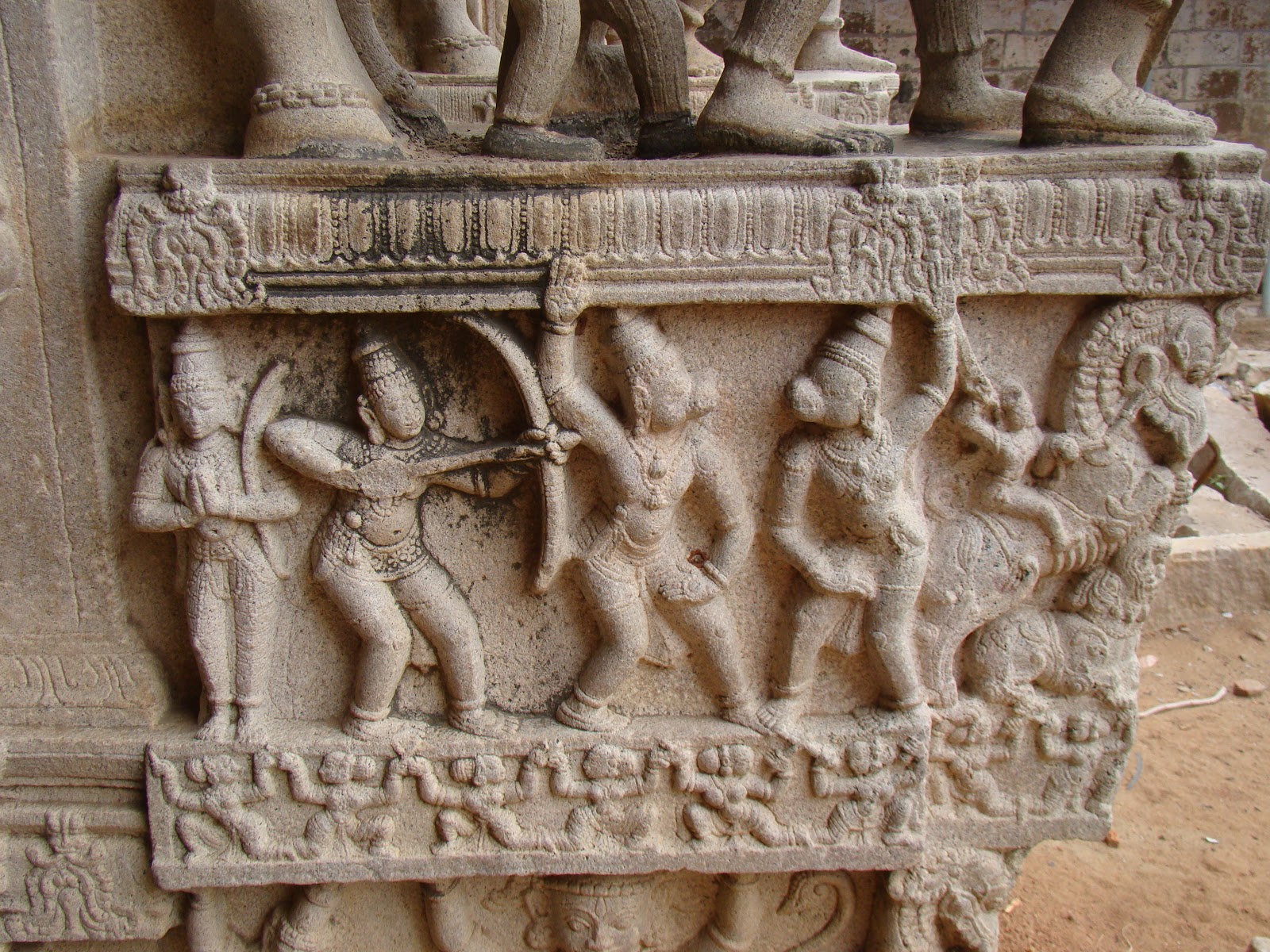
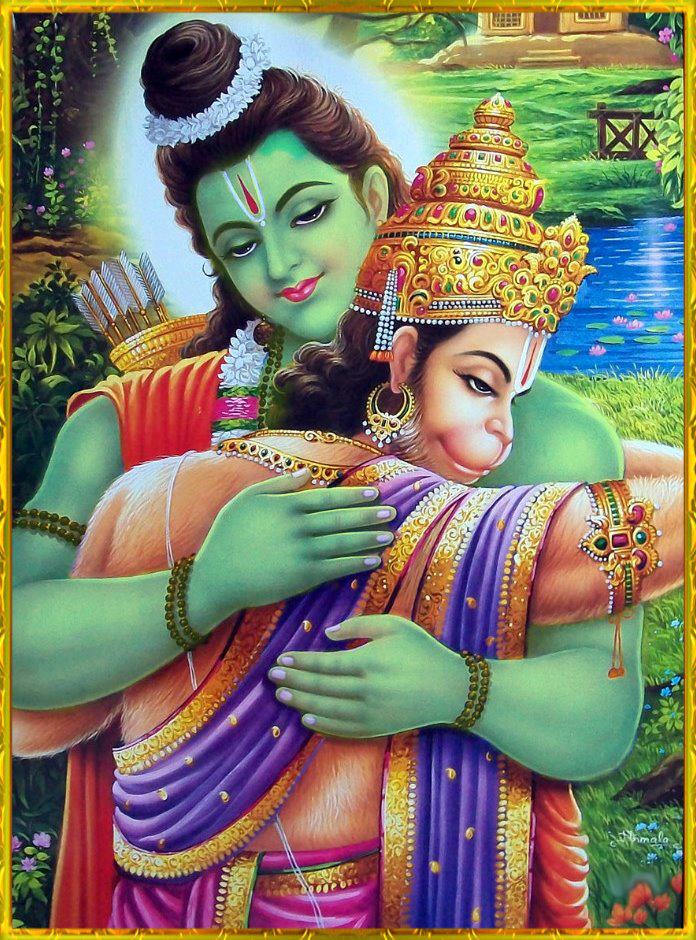
HINDU DICTIONARY IN ENGLISH AND TAMIL 113; இந்து மத கலைச்சொல் அகராதி-113 (Post.16,194)

Written by London Swaminathan

Post No. 16,194

Date uploaded in London – 13 September 2026

Contact – swami_48@yahoo.com

Pictures are taken from various sources for spreading knowledge.

this is a non- commercial blog. Thanks for your great pictures.

tamilandvedas.com, swamiindology.blogspot.com

xxxx 

Words beginning with letter V

***

Vachaspati Mishra

Vācaspati Miśra, c. 10th century CE, was a gṛhastha scholar from the Mithilā region in modern Bihar state (bordering Nepal). He was knowledgeable in several disciplines connected to the Dharma and is traditionally hailed as a sarva-tantra-svatantra.

The uniqueness of Vācaspati Miśra was his ability to write on almost every darśana with the perspective of an insider. This is perhaps unparalleled in the history of the Dharma. Perhaps his most well-known work is the Bhāmatī, an exposition of Adi Shankaracharya’s Brahmasūtra Bhāṣya.

Vācaspati Miśra is a colossus among the Indian philosophers. One of the great Maithila scholars of the period, Vācaspati Miśra came from a family of Mīmāṃsakas and made his fame as an authority on that topic, on which he says himself. He was, the teacher of Smārta Vardhamāna, author of Danḍaviveka.

Vācaspati Miśra’s family appears to have lived in several different villages of Mithila

Vācaspati Miśra has to his credit nine valuable treatises contributed to different orthodox systems of philosophy. On the basis of the internal evidences provided by these works, modern scholars arrange them in the following chronological order.[15]

1) Nyāyakaṇikā: This is a commentary on Vidhiviveka, a Bhāṭṭa Mīmāṃsā work of Maṇḍanamiśra.

2) Nyāyasūtroddhāra: This is a compilation of the Nyāyasūtra fixing the readings of the text of the sūtras.

3) Nyāyasūcīnibandha: This arranges the same Nyāyasūtra.

4) Nyāyavārtikatātparyaṭīkā: This work also known by its shorter and more popular name, ‘tātparyaṭīkā’, is an extensive commentary on the Nyāyavārtikā of Uddyotakara Bhāradvāja.

5) Tattvasamīkṣā: It is generally believed to be a commentary on the Brahmasiddhi of Maṇḍanamiśra. But it has been recently suggested that this is also an independent Mīmāṃsa treatise of Vācaspati Miśra. This work is lost.

6) Tattvabindu: This is also an independent Bhāṭṭa Mīmāṃsa treatise of Vācaspati Miśra.

7) Sāṅkhyatattvakaumudī: This work, known briefly as Tattvakaumudī, is a brilliant commentary on the famous Sāṅkhyakārikā of Īśvarakṛṣṇa.

8) Yogatattvavaiśāradī known also by its shorter title Tattvavaiśāradī: This work is a commentary on the Pātañjalayogasūtrabhāṣya of Vyāsa.

9) Bhāmatī: The full title of this work is perhaps Śārīrakabhāṣya bhāmatī. This is the earliest known exhaustive and complete commentary on the Brahmasūtraśāṅkara-bhāṣya.

It is interesting to note that in a verse in the epilogue of the Bhāmatī Vācaspati Miśra gives a full list of his own works arranged exactly in the above order suggested by the modern researchers. In the Indian tradition Vācaspati Miśra is again perhaps the first writer to give a complete list of his works, that too in a chronological order.

Date

1. Since Vācaspati Miśra refutes Bhāskara in his Bhāmatī, he must be 10th century at earliest.

2. Vācaspati Miśra quotes Dharmottara respectfully, so must have lived a century or so after him. Since Dharmottara is 9th century C.E, Vācaspati Miśra must be 10th century C.E.

***

Vaidehi

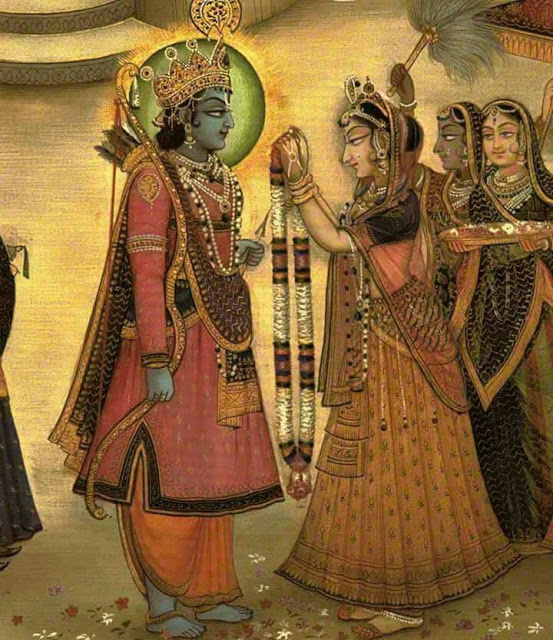
Vaidehi is an alternate name for Goddess Sita that means “princess or daughter of the Videha kingdom”.  Sita’s father, King Janaka, ruled the ancient kingdom of Videha. In ancient times, people often named princesses after their home kingdom. King Janaka was also called Videha because he lived free from worldly attachments. Because he was Videha, his daughter became Vaidehi.

***

Vaikuntha

Vaikuntha is the eternal celestial abode of the Hindu god Lord Vishnu and his consort Goddess Lakshmi.  The word Vaikuntha translates from Sanskrit as “a place without anxiety” (vai means without, and kuntha means anxiety or distress). It exists completely outside the temporary, material universe and is free from time, fear, birth, and death.It serves as the ultimate destination for pure devotees and liberated souls who achieve moksha (salvation). Scriptures describe the realm as self-illuminated by divine energy, featuring golden palaces, jewel-studded buildings, and lush hanging gardens.  Puranas and Vaishnava traditions often place Vaikuntha—also known as Vishnuloka or Param Padam—far above the material worlds in the direction of the Capricorn constellation (Makara rashi).

Vaikuntha Ekadashi is a sacred Hindu festival dedicated to Lord Vishnu, observed on the 11th lunar day of the waxing fortnight in the Tamil month of Margazhi (December–January). Devotees believe that the gateway to Lord Vishnu’s celestial abode (Vaikuntha) opens on this day, granting liberation (moksha) from the cycle of birth and death. Observing a fast on this single Ekadashi is considered equal in merit to fasting on all 23 other Ekadashis of the year. Mukkoti Ekadasi: Also known as Mukkoti Ekadasi, it is believed that three crore deities gather in Vaikunth during this auspicious occasion. The next Vaikuntha Ekadashi falls on Sunday, December 20, 2026.

***

Vajasneyi

Vajasaneyi is the name of the primary mantra collection (Samhita) of the Shukla Yajurveda and the school of Vedic study founded by the ancient sage Yajnavalkya.   It includes 40 chapters of verses and prayers used by priests during Vedic ritual sacrifices (yajna). The 40th chapter is the Isha Upanishad, a major philosophical text.

Vājasaneyī (वाजसनेयी).—(VĀJASANEYAS). A group of Priests. Priest Yājñavalkya was one of the disciples of Yajur Veda-group of Vyāsa. Of the line of disciples, Yājñavalkya had fifteen disciples. They were called Vājasaneyins or Vājasaneyas.

The Yajus—collection received from the god Sun were divided into fifteen groups by Yājñavalkya and given to each of his disciples. From that day onwards, his disciples became famous by the name Vājasaneyas. (Br. U 7-3-7).The name Vajasaneyi is derived from Vajasaneya, patronymic of sage Yajnavalkya, an authority and according to tradition, founder of the Vajasaneyi branch.

***

Vajra

Vajra (वज्र):—[from vaj] mn. ‘the hard or mighty one’, a thunderbolt that of Indra, said to have been formed out of the bones of the Ṛṣi Dadhīca or Dadhīci  and shaped like a circular discus, or in later times regarded as having the form of two transverse bolts crossing each other thus x; also applied to a thunderbolt in general or to the lightning evolved from the centrifugal energy of the circular th° of Indra when launched at a foe.

Vajra (वज्र):—It is mentioned in the Ṛgveda mostly as a weapon of Indra. It is suggested that it was originally made of stone and later of bone. a weapon shaped out of Dadhīci’s limbs by Viśvakarman for the use of Indra; with this Indra was able to break the back of the mountains. By this Vṛtra was slain. But it was of no use against Namuci.

Diamond is also called Vajra. It became Vairam in Tamil, because Brahmin women spoke Prakrit at home like women found in 2200 year old Kalidasa’s works. In other words, it is the spoken form of Sanskrit.

Vajra is the symbol of sacrifice; Dadhichi Rishi gave his own backbone to destroy the evil forces.

***

Vakyapadiya

The Vākyapadīya is an ancient Sanskrit masterpiece on the philosophy of language and grammar written by the poet-grammarian Bhartṛhari around the 5th century CE. The Vakyapadiya is an ancient Sanskrit text dealing with the philosophy of language. Bhartrhari authored this book in three parts and propounds his theory of Sphotavada (sphota-vada) which understands language as consisting of bursts of sounds conveying their meaning, as opposed to the theory of Varnavada (varna-vada) which states that language is interpreted as a combination of indivdual letters.Three Books (Trikāṇḍī): Divided into Book 1 (Brahma-kāṇḍa on the spiritual reality of the word), Book 2 (Vākya-kāṇḍa on the sentence), and Book 3 (Pada-kāṇḍa on individual words and meanings). Famous verses argue that all human knowledge and awareness are fundamentally intertwined with language.

***

Vala

Vala (वल).—(bala) An asura.

In the Rig Veda, Vala is a demonic rock enclosure or cave personified as an asura (demon) who traps the stolen morning light, dawn (Ushas), and radiant divine cows. Mention is made about this asura in many hymns in the Ṛgveda.

Translating to “enclosure” or “cave” in Vedic Sanskrit, Vala is described as the brother of Vrtra (the serpent of drought) and son of Tvashtr, sharing the root meaning of covering or blocking.

The god Indra—strengthened by drinking Soma and aided by divine allies like Brhaspati, Trita, and the Angiras (Angirasas) rishis—shatters Vala’s stone cavern to release the imprisoned cows (representing light rays and illumination) back to the world. While Indra typically uses his thunderbolt, certain hymns (such as RV 2.24) describe Brahmanaspati or Indra breaking open Vala using spiritual power, divine sound, and true prayer (brahman) rather than physical weapons. In esoteric and spiritual commentaries (such as those by Sri Aurobindo), Vala symbolizes the forces of darkness and the subconscious mind that block human perception from reaching the supreme truth. It is stated in Padma Purāṇa, Bhūmikhaṇḍa, how Indra killed this asura.

One day Vala went to the sea for his evening worship. Devendra saw the asura, shining with the radiance of celibacy and the divine rod and deer-hide, praying on the sea-shore. Instantly Indra cut him into two with his weapon, the thunderbolt. Vala fell down motionless

***

Valmiki

Valmiki was a Maharishi, a great saint, who portended the story of Lord Rama. He is regarded as the first poet in Sanskrit language and hence, also revered as Adi Kavi. He composed the first poem, RAMAYANA, wherein he brought himself into this epic.

Interestingly, after he repented for his sins, he was initiated by the Great Sage, Narada, to meditate on the name, “Rama”, with the purpose of bringing in balance and further Spiritual upliftment to become a Saint.

The First Verse in Sanskrit

Strangely enough, the words of the first shloka were curse words from the Maharishi. One day, as he was bathing in the river Ganges, he saw a crane (kraunch) couple mating. He was extremely happy and experienced bliss seeing the birds. Suddenly, the male bird was hit by an arrow, and died. The female bird screamed in pain and died immediately. Anger came upon Valmiki and he cursed the hunter in a haste. This spontaneous curse became the first verse in Sanskrit. The curse literally meant, “Oh hunter, may you not get rest for eons, for you killed a ‘Kraunch’ from the pair, when they were in so much bliss”. After calming down, when he looked upon the curse from a higher perspective, it sparked a vision to create a Mahakavya, which is known as Ramayana.

Valmiki’s Life before Transformation as a Saint

He is said to be a robber named Ratnakkardah in his early life. He lived in a forest and his wife and children were in a town nearby. Before that, he was a soldier and he used to kill soldiers who behaved brutally towards the women of those who lost the war. That made the king and other soldiers go against him. So, he had to escape from there. Later, he became a robber and lived in a forest.

One day as sage Narada passed through the forest, Ratnakkardah threatened to kill him, if he did not give away all the wealth that he had. Narada did not get afraid, and instead asked him why he was committing such a sin. Ratnakkardah did not consider this to be a sin and justified that he was robbing others of wealth in order to take care of his family. To this, Narada questioned if his family would be willing to share the sins that he was earning while using the money from such wrong doings? Ratnakkardah had never thought about this earlier. He tied Narada to a tree and hurried home to check with his family. His family disagreed to share his sins. They said that it was his responsibility to earn for them and that they had nothing to do with how he earned the money.

Suddenly, reality dawned upon him and he realized the negative entitlement that he was generating by his actions. He ran back to Narada and pleaded him to help and save him from all the sins that he had committed.

Narada was delighted at this change and initiated him to repeat the sacred name “Rama” with his mind and soul to get uplifted. As Ratnakkardah found it difficult to pronounce the word Rama, Narada suggested him to repeat the word “mara” instead. And slowly, he was able to chant the name “Rama”.

There are a few different versions of this story, but essentially, he was initiated to chant the mantra of “Rama”. With this immense tapas he became a great saint and came to be known as Valmiki (the one who came out of an ant hill, which was formed around him during the long intense tapas). He later went on to write the epic of Ramayana.

The “RAMA” Mantra

You can notice here that the mantra “Rama” was chanted even before Lord Rama was born. Hence, you can observe this indication in many bhajans as “Ram se bada Ram ka Naam”.

अंत में निकला ये परिणाम, ये परिणाम,

राम से बड़ा राम का नाम ..

Anth  mein  nikala   ye parinam  ,Ye parinam

Ram se  bada  Ram Ka nam

At the end emerged this result  , thus result

The name of  Rama is greater  than Rama

Tags- Vachaspati Mishra , Valmiki, Vala, Vajra, HINDU DICTIONARY IN ENGLISH AND TAMIL 113; இந்து மத கலைச்சொல் அகராதி-113

To be continued…………………..

HINDU DICTIONARY IN ENGLISH AND TAMIL 111; இந்து மத கலைச்சொல் அகராதி-111(Post.16,188)

Written by London Swaminathan

Post No. 16,188

Date uploaded in London – 11 September 2026

Contact – swami_48@yahoo.com

Pictures are taken from various sources for spreading knowledge.

this is a non- commercial blog. Thanks for your great pictures.

tamilandvedas.com, swamiindology.blogspot.com

xxxx 

Urmila

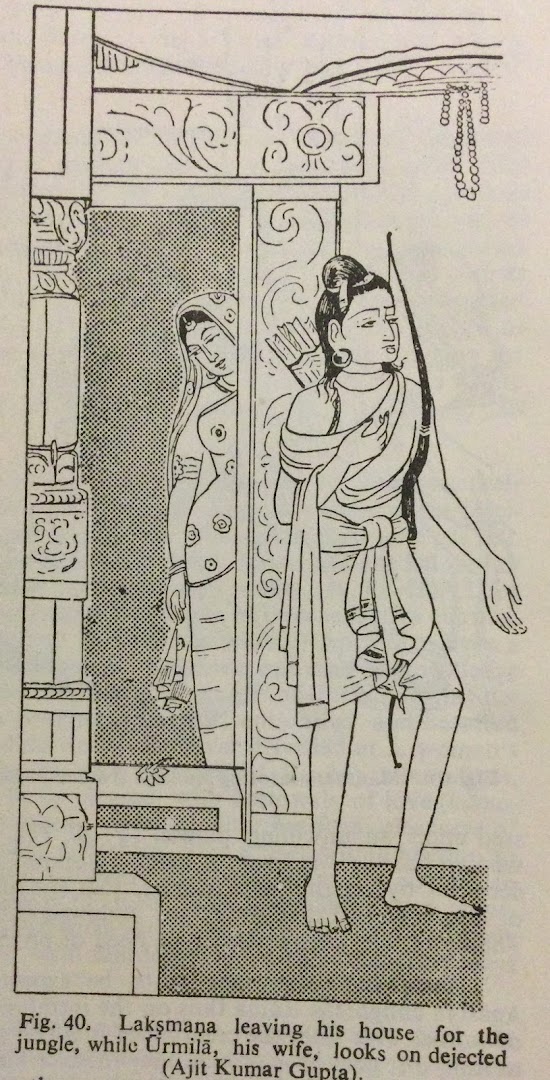
She was the daughter of King Janaka of Mithila and Queen Sunaina. She married Lakshmana on the exact same day that Rama married Sita. Children: Traditional texts state that Urmila and Lakshmana had two sons named Angada and Chandraketu.  When Rama, Sita, and Lakshmana left for a 14-year forest exile, Urmila wished to accompany them. Lakshmana asked her to stay in Ayodhya to comfort and look after his aging parents and the grieving kingdom.  According to regional folk Ramayanas and Ram-kathas (though absent in Valmiki’s original Sanskrit text), Lakshmana refused to sleep for 14 years so he could continuously guard Rama and Sita. When the Goddess of Sleep (Nidra) approached him, Urmila selflessly volunteered to sleep on his behalf so he could remain awake and fulfil his duty. This quiet act of devotion earned her immense respect as an unsung heroine of the epic. While folk tales vividly celebrate her 14-year slumber and sacrifice, foundational texts like Valmiki’s Ramayana focus more broadly on her quiet endurance and palace duties at home.

***

Urvashi

Urvashi is an Apsara (nymph) in Hindu legend. She was a celestial maiden in Indra’s court and was considered the most beautiful of all the Apsaras. She became the wife of king Pururavas (Purūrávas, from purū+rávas “crying much or loudly”), an ancient chief of the lunar race. ShBr 11.5.1, and treated in Kalidasa’s drama Vikramōrvaśīyam.

Birth: There are many legends about the birth of Urvashi but the following one is most prevalent. Once the revered sages Nara-narayana was meditating in the holy shrine of Badrinath Temple situated in the Himalayas. Indra, the king of the Gods, did not want the sage to acquire divine powers through meditation and sent two apsaras to distract him. The sage struck his thigh and created a woman so beautiful that Indra’s apsaras were left matchless. This was Urvashi, named from ur, the Sanskrit word for thigh. After his meditation was complete the sage gifted Urvashi to Indra, and she occupied the pride of place in Indra’s court. Heard of the beauty of Purūravas from Nārada, when she came to the earth due to a curse of Mitra and Varuṇa, and gave enjoyment to him so long as he satisfied her two conditions—keeping her two sheep safe, and not showing himself naked before her except in sexual intercourse. When after 64 years she saw him naked one day, she left him. He looked for her and saw her at the R. Sarasvati playing with her friends. At his request she promised a day’s enjoyment with him every year. On her advice he prayed to Gandharvas, and got an Agnisthāli. Mother of six sons by Purūravas.4 Returned to Heaven.5 The Goddess enshrined at Badari.6 When she danced before Indra, she forgot her abhinaya and was cursed by Bharata to become an invisible creeper for 55 years on the earth.

Urvaśī (उर्वशी).—One of the heavenly Apsarās. She tried to seduce Arjuna when he was in the heavenly kingdom. Arjuna refused to satisfy her because he considered her the mother of the Kuru dynasty having taken Puru for her husband. Because of Arjuna’s refusal, Urvaśī cursed Arjuna to become a eunuch for one year. This curse took its effect during last year of exile of the Pāṇḍavas in the kingdom of Virāṭa; a woman from the heavenly planets who became enamoured of King Purūravā.

***

Usanas kavi

वृष्णीनां वासुदेवोऽस्मि पाण्डवानां धनञ्जय: ।
मुनीनामप्यहं व्यास: कवीनामुशना कवि: ॥ ३७ ॥

vṛṣṇīnāṁ vāsudevo ’smi
pāṇḍavānāṁ dhanañ-jayaḥ
munīnām apy ahaṁ vyāsaḥ
kavīnām uśanā kaviḥ

“Of the Vrsnis I am Vasudeva; of the Pandavas I am Dhananjaya (winner of wealth); of the sages I am Vyasa and of the poets I am Usana”.
– Bhagavad Gita 10-37

Kavi means seers, that is, one who could see or tell what is going to happen next.

Why did Krishna say that he was Usana Kavi, an ancient poet whom we did not know much? We know a lot of other Vedic seer poets, but not Usanas.

First of all let me give you some basic information:
1.Until this day we use the word ‘Kavi’ for a poet in all the major Indian languages including Tamil (Pulavar was old and Kavinjar is current). This shows that the Rig Vedic Sanskrit lives in all our hearts. Kavi is a poet and Kavitha is a poem in all Indian languages. ‘Kavi’ is in the Veda and in the Gita!

2.Usanas belonged to Kavya Gotra and in Tamil, the oldest poet Tolkappiyan is believed to be from this Gotra. And there is another poet Kappiyatru Kappiyanar of Patitru Pathu (Ten Decads) from the same Gotra.

3. This shows the antiquity of the Gita as well. Krishna mentioned one of the oldest poets of the Rig Veda! AA Macdonell and A B Keith say in their Vedic Index of Names and Subjects, “ Usanas Kavya is an ancient seer, already a half mythical figure in the Rig Veda where he is often mentioned, especially as associated with Kutsa and Indra”. Rig Veda itself is old; in fact the oldest book we know of. Usanas had become ancient to the seers of Rig Veda! But Krishna was able to appreciate it. That means Krishna lived before the collection of Rig Vedic hymns by Vyasa.

4.”Later on Usanas becomes the Purohita/Priest of the Asuras in their contests with the Gods. A Variant of his name is Kavi Usanas. He appears in the Brahmanas as a teacher also”, say the authors. This shows that there were more poets with the same name in later days. We know that Shukracharya was the Guru of Asuras. This reveals another fact that both Asuras and Suras had Brahmin teachers. Both Devas and Asuras were sons of the soil. In Tamil also we have famous names of Sangam period, Kapila, Parana, Nakkirar and Avvaiyar at various ages. All these poets have done some works in later ages in Tamil as well. So it is possible that we had other poets with the name of Usanas. But even their works are not available!!
5.Usana’s name figured as an author of Artha sastras (Books on Economics) earlier than Kautilya alias Chanakya.

References to Usanas in the Rig Veda
His name occurs in seven out of ten Mandalas of the Rig Veda. His name is missing in Mandalas 2,3 and 7. We are unfortunate to lose the poems of such a popular poet. This shows how much of old Sanskrit literature was lost.

The way all the people praise him give the impression that the words Kavi and Kavya (poet and classics)– all originated from Usanas Kavya!

The following references are considered important (from Vedic Index):
Rig Veda 1-51-10, 1-83-5, 1-121-12;
R V 4-16-2, 6-2011, 8-23-17
R V 9-87-3, 9-97-7, 10-40-7
Probably also 1-130-9, 5-31-8, 5-34-2
Also in A V 4-29-6 (A V = Atharva Veda)

Taittriya samhita, Panchavimsa Brahmana, Sakyayana Srauta Sutra mention the Purohit/priest Usanas (Sukracharya).

Kavi Usanas is found in RV 4-26-1.

He appears as a teacher in two of the Brahmanas.
Yajur Veda and Sama Veda also praise him as a great poet.
Usanas’ few compositions are available in the Rig Veda: 9-87 to 89 and 8-84. As usual, the foot notes say that it is difficult to understand certain lines. Ninth Mandala of Rig Veda deals with Soma Pavamana (Soma Plant and Juice).
Usana, the son of Kavi is well known for making Agni the ministrant priest and offerer of the sacrifice for Manu ( RV. 8-23-17)

He is referred to as a seer and leader of the people. By his poetic gift he is said to have discovered the secret milk of cows of Indra which was concealed ( RV. 9-87-3)

Usana is said to have increased the vigour of Indra ( RV. 1-51-10) and fashioned the thunderbolt for him for slaying Vritra( RV. 1-121-12; 5-34-2).

He is characteristically wise and soma is compared with him due to his wisdom ( RV. 9-97-7)

Indu, the well armed god, is flowing onward, who quells the curse and guards from treacherous onslaught,
Father, begetter of the gods, most skilful, the buttress of the heavens and earth’s supporter
Rsi and sage, the champion of the people, deft and sagacious, Usana in wisdom
He had discovered even their hidden nature, the cows concealed and most mysterious title (RV 9-87-2/3)

Source books : Vedic Index of Names and Subjects Volume 1 and Bhrgus – A Syudy by Jayanti Panda, Delhi, 1984; The Rig Veda, Translated by Ralph T H Griffith.

****

Usha

Ūṣā (ऊषा).—(also uṣā) Daughter of Bāṇa. Her companion was Citralekhā. Dreamt one night that she was sleeping with Aniruddha. Informed her friend of the dream but could not give Aniruddha’s name. Citralekhā drew pencil sketches of all gods and men and showed them to her one by one. Seeing Aniruddha’s she identified him. At this, Citralekhā flew through air and brought Aniruddha to her room unnoticed by others. Ūṣā was enjoying his company. The guards who got scent of this reported to Bāṇa who imprisoned Aniruddha. In course of time she married Aniruddha and went to his home with the approval of Bāṇa.*

Aniruddha (अनिरुद्ध), grandson of Kṛiṣhṇa, son of Pradhyumna was born in the race of Yadu in Dvāravatī, and became the lover of Uṣā: daughter of the Asura Bāṇa.

***

Ushas

Ushas:–Goddess of the dawn in the Vedas. She is the all seeing eye of the gods. An auspicious deity heralding Surya and drives away darkness. Rig Veda describes her as a beautiful virginal figure who rides in a hundred chariots. She inspired the finest lyrical hymns in the Rig Veda. Ushas is beautiful, fresh and ever young, dressed in a red garment awakens creatures and send them off to their respective duties.

 Ushas is the goddess of dawn in the Rig Veda, daughter of Dyaus Pita (Sky), and sister of Ratri (Night). She rides a golden chariot drawn by red horses or cows, banishes darkness, and wakes all life. Equivalent to Roman Aurora or Greek Eos. Most beautiful poems are found in the Vedas describing her beauty.

***

Uttara

Uttarā (उत्तरा).—The daughter of King Virāṭa and the wife of Abhimanyu. Virāṭa first want Arjuna to marry his daughter, but Arjuna declined and said that his son, Abhimanyu, should marry her. Uttarā became the mother of King Parīkṣit. She prayed to Śrī Krishna to save her son, who was being attacked within her womb, and Kirshna saved him.

Also the name of a star in the sky.

***

Uttara kanda

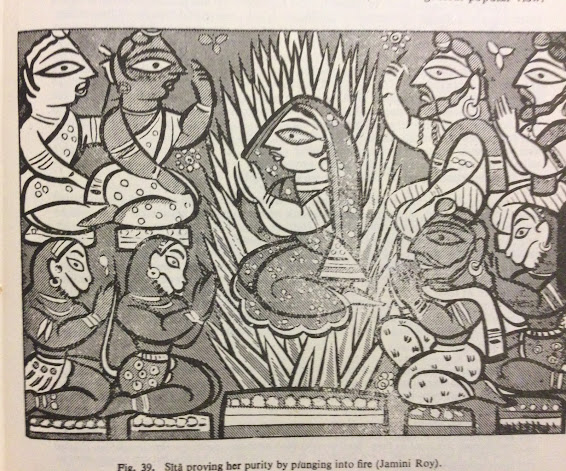
Uttara Kanda is the last Book of the great epic Ramayana and it deals with the return of Rama to Ayodhya and his coronation to the throne. The reign of Rama in Ayodhya has also been narrated in this Book along with the second ordeal of Sita. This Kanda or Book also gives a description of the birth of Lav and Kush, the two sons of Rama in the hermitage of Valmiki and the episode ends with the description of the last days of Rama in the world. After the furious war between Rama and Ravana, Ravana was ultimately killed by Rama and Vibhishana was made the king of Lanka. Then Rama met with Sita and Sita had to give an Agnipariksha before Rama could accept her since she stayed for long in another man’s home. Sita went into the burning pyre but was left unhurt and thus her faithfulness to Rama was proved. Then Rama, along with Lakshmana and Sita return to Ayodhya. 

With the rising Sun, Rama taking the car Pushpaka, which was given to him by Vibhishana, stood ready to depart. Self-moving was that car, and it was very fairly painted and large; two stories it had, and windows and flags and banners and many chambers, and it also gave a melodious sound as it coursed along the airy way. Then Vibhishana asked Rama if he could do anything else for him and Rama then told him to content the monkeys and bears who have accomplished his affair with jewels and wealth, so that they could fare to their homes. He also advised him to rule as a righteous, self-controlled, and compassionate and a just collector of revenues, so that all may be attached to him. Vibhishana bestowed wealth on all the host, and Rama was taking leave of all the bears and monkeys and of Vibhishana and at that time all of them cried out in a single voice that they also would like to go with him to Ayodhya. Thus, Rama invited them gladly, and Sugriva and Vibhishana and the entire host mounted the mighty car; and the car rose up into the sky, drawn by golden geese, and sailed on its airy way, while the monkeys, bears, and rakshasas took their ease. 

Hanuman is Rewarded 
The monkeys stayed in the kingdom of Ayodhya more than a month, feasting on honey and well-cooked fruits and meats and roots, though it seemed to them but a moment, because of their devotion toward Rama. The time then came for them to go to their own city, and Rama embraced every one with affection and gave them goodly gifts. But Hanuman bowed and begged this boon, that he might ever be devoted to Rama alone, and that he might live on earth so long as the story of the deeds of Rama was told of amongst men. Hearing this request from Hanuman, Rama granted it and took from his own neck a jeweled chain and put it upon Hanuman. One by one the monkeys came and touched the feet of Rama,and then went their way; but they wept for sorrow of leaving him. 

Ordeal of Sita 
Then Rama governed Ayodhya for ten thousand years; and the news once came out that Sita had conceived. Then Rama asked her if she had any longing, and she replied that she would like to visit the hermitages of the sages by the River Ganga. Rama thus granted her wish and the visit was scheduled for the next day. That very night Rama came to know from his ministers that his subjects were happy since he killed Ravana but were somewhat not pleased for he brought back Sita with him who stayed for long in the house of a different person other than her husband. At this, Rama got utterly shocked and ordered his brothers and told Lakshmana to leave Sita in the jungle and return to Ayodhya. Lakshmana thus left Sita in the hermitage of Valmiki and returned to Ayodhya. 

Lava and Kusha 
Rama ruled his kingdom well and by that time Sita, dwelling at the hermitage of Valmiki, gave birth to two sons, and they were named Kusha and Lava; and they grew up in the forest hermitage, and Valmiki trained them with great wisdom, and he made the book of Ramayana in slokas, and gave them skill in recitation. 

Sita taken home by Earth 


After Rama came to know that Lava and Kusha were his sons and that Sita was living in the hermitage of Valmiki, he send message to the saint enquiring about Sita. Rama asked if Sita would like to return to Ayodhya. Then Valmiki accompanied Sita to Ayodhya and then Rama again asked Sita to prove her faithfulness towards him again. With this Sita prayed to Vasundhara to accept her since he was ever faithful to Rama. Thus a heavenly throne rose up from within the earth, borne on the heads of mighty nagas, decked in shining jewels; and the Earth stretched out her arms and welcomed Sita and placed her on the throne, and the throne sank down again. 

Last Days of Rama 
Rama became heavy-hearted with the disappearance of Sita inside the earth before his very eyes, and the whole world seemed empty without her.. Bharata reigned in Kekaya, and Shatrughna was king of Madhu, while the sons of Lakshmana founded kingdoms of their own. Once came a yogi who called himself Time and told Rama that he was the avatar or incarnation of Lord Vishnu and that he had accomplished his goal by killing Ravana and reigning in the earth for eleven thousand years. Then he advised Rama that the time has come for his return to heaven. Rama accepted his advice and along with his brothers and several rakshasas and monkeys he went to the river Sarayu, from where Rama reached the heaven. 

***

Uttara kuru

Uttarakuru (उत्तरकुरु) play a mythical part in the Epic and later literature, are still a historical people in the Aitareya Brāhmaṇa, where they are located beyond the Himālaya (pareṇa Himavantam). In another passage, however, the country of the Uttara Kurus is stated by Vāsiṣṭha Sātyahavya to be a land of the gods (deva-kṣetra), but Jānaṃ-tapi Atyarāti was anxious to conquer it, so that it is still not wholly mythical.

Uttarakuru (उत्तरकुरु).—A part of the Jambūdvīpa (Island of Jambū). Mention is made in the Mahābhārata that during his conquest Arjuna had gone up to this place and carried away from there plenty of wealth. It is believed by common people that this place is inaccessible to human beings. (Mahābhārata Sabhā Parva, Chapter 28, Stanzas 7 to 20). The southern end of this place is the Nīlagiri and the Northern end Mount Meru. The inhabitants are gifted people, with trees bearing flowers and fruits, the flowers fragrant and the fruits sweet.

A particular type of tree known as Kṣīrī (milky) grows here from which milk will flow. There are also trees which will give you whatever you ask. It was the belief of ancient people that with the fruits of Kṣīrī, you could make garments and ornaments. The soil of this place contains gems and in the sand there is gold. Those who fall down from heaven live in this region. The average age of the inhabitants of this place is said to have been eleven thousand years. There is a kind of bird in this place called Bhāruṇḍa. These birds drag dead bodies away to caves. (Mahābhārata Bhīṣma Parva, Chapter 8, Stanzas 2 to 13).

to be continued…………………….

Tags- Uttarakuru, Urvashi, Uttara Kanda, Usana Kavi, HINDU DICTIONARY IN ENGLISH AND TAMIL 111; இந்து மத கலைச்சொல் அகராதி-111

Hinduism through 500 Pictures in Tamil and English; படங்கள் மூலம் இந்து மதம் கற்போம்-6 (Post No.15066)

Written by London Swaminathan

Post No. 15,066

Date uploaded in London –  8 October 2025

Contact – swami_48@yahoo.com

Pictures are taken from various sources for spreading knowledge.

this is a non- commercial blog. Thanks for your great pictures.

tamilandvedas.com, swamiindology.blogspot.com

xxxx   

Hanuman , monkey faced God is a great devotee of Rama , one of the ten Avatars/ incarnation of Vishnu. He is a popular god throughout India, particularly in the north. Almost all villages have a shrine for hanuman also known as Anjaneya .

He is the son of wind god Vayu and Anjana and so called Maruti , Vayu putra and Anjaneya ; and being the messenger of Lord Rama , he is also known as Rama duta.

Valmiki in Sanskrit and Kamban in Tamil describe his adventures and heroic acts in three cantos from Kishkinda Kaanda to Yuddha kaanda of Ramayana.

Valmiki illustrated him as a person with two hands folded together and raised above head. This means I bow and worship you from head to foot, Sirasaa namaami .

***

Hanu means jaw and his jaw was deformed in an incident and so he is called Hanuman

There are two scientific explanations,

The vaanara – vana + nara= Vaanara= forest men shows that they deformed their jaw as a custom ; this type of body or mouth or ear alteration is seen around the world in certain tribes.

Second explanation is they wore monkey emblem or monkey masks. He is shown as a normal man when he met Rama and Lakshmana for the first time. More over Ramayana has bear people, eagle people as well showing more totem symbols. In paintings they were shown with animal face just to explain it to common people.

Even Sangam Tamil literature describes a painting in Tirupparankundram where Indra is shown as a cat in the Ahalya episode. It is written 2000 years ago.

When Hanuman  saw his master Rama and his brother Lakshmana faint with fatigue on the battle field of Lanka, he flew in an amazingly short time to the Himalaya. He uprooted the whole hill with rare herbs that have power to raise a dead man to life and returned to Lanka to revive Rama and Lakshmana and with them also thousands of monkeys.

His heroism, strength and devotion are always admired, and these characteristics are shown in his statues and idols. Kings erected hanuman shrines at the gates of their forts to infuse into the hearts of their fighting men the spirit of heroism.

Sometimes he is represented with hands showing the Abhaya and Varadha postures. He is Brahmachari

Hanuman in Ramayana had super human powers. He was able to fly with tremendous speed. He jumped from India to Ceylon/ Sri Lanka in one bound; he tore up trees, carried away big rocks, even hills and performed many other wonderful tasks.

He tackled all hurdles on the way to Lanka in different ways; this served as a management lesson in solving problems.

In one of his fights with the rakshasas /demons they greased his tail and set it on fire, but to their own destruction, for with it Hanuman burnt down their capital city.

Along with his army of monkeys, he built a bridge to Lanka so that his army could march towards Lanka. He  killed several demons in the battle.

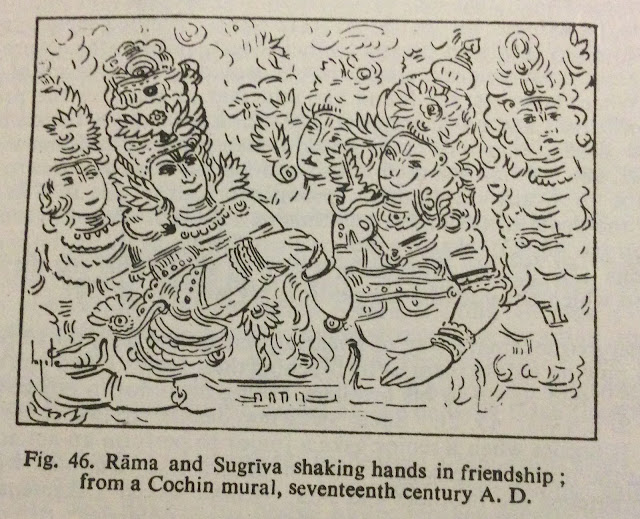
When he met Rama in Kishkinda he made Rama and Sugriva, King of Kishkinda to sign a friendship treaty. As a result of which, Vali, sugriva’s brother was killed by Rama.

After Rama killed Ravana, demon king of Lanka, Hanuman accompanied Rama and Sita to Ayodhya  and there he received from him the reward of perpetual youth and life. So he is one of the SEVEN CHIRANJEEVIS, never dying seven. This means his service will be remembered for generations.

Hanuman was well versed in grammar according to Valmiki and Kamban

Tulsidas attributes great powers like Ashtama Siddhis (Eight Types of Superhuman powers) to Anjaneya in his Hanuman chaalisaa. Millions of Hindus recite it every day

to be continued……………….

 Hinduism through 500 Pictures, in Tamil and English, படங்கள் மூலம் இந்து மதம் கற்போம்-6, Part Six, Hanuman, Anjaneya

RAMAYANA LINE DRAWING SKETCHES- PART 2 (Post No.10,509)

Compiled  BY LONDON SWAMINATHAN

Post No. 10,509

Date uploaded in London – –   31 DECEMBER  2021         

Contact – swami_48@yahoo.com

Pictures are taken from various sources for spreading knowledge.

this is a non- commercial blog. Thanks for your great pictures.

tamilandvedas.com, swamiindology.blogspot.com

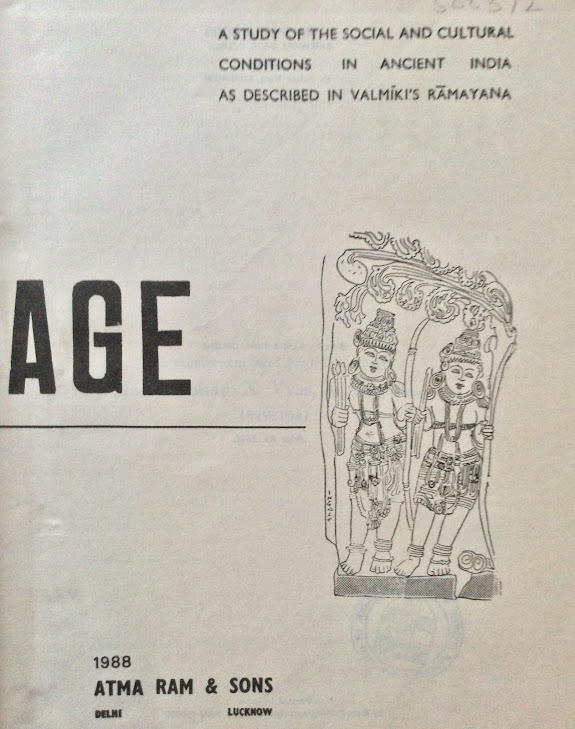
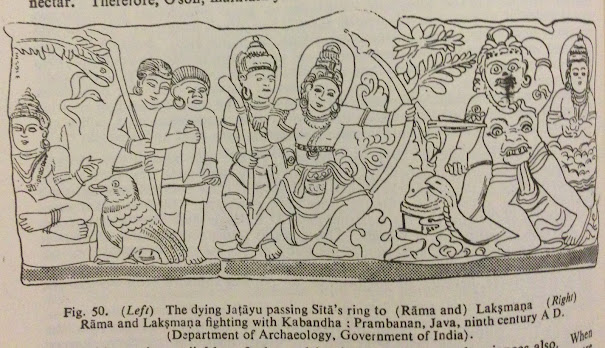
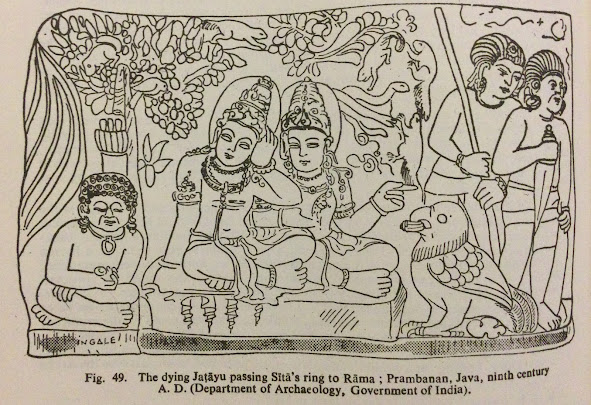
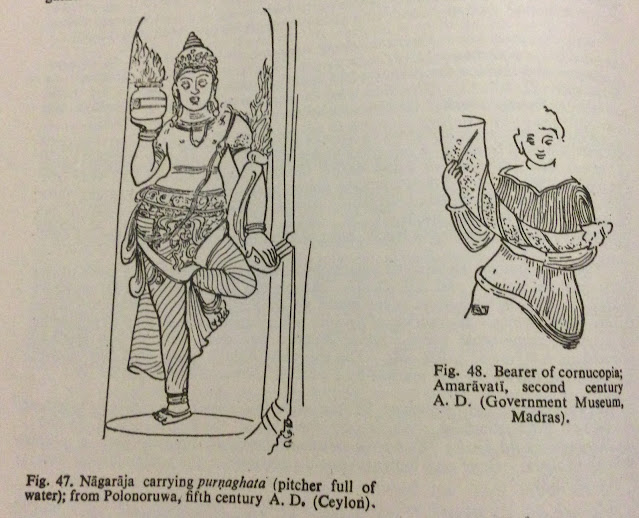
Hindu epic Ramayana has spread to all countries in Southeast Asia. In India and Sri Lanka we have lot of places associated with Rama.

Here is the SECOND part of pictures from a 1988 book:-

to be continued………………………………………..
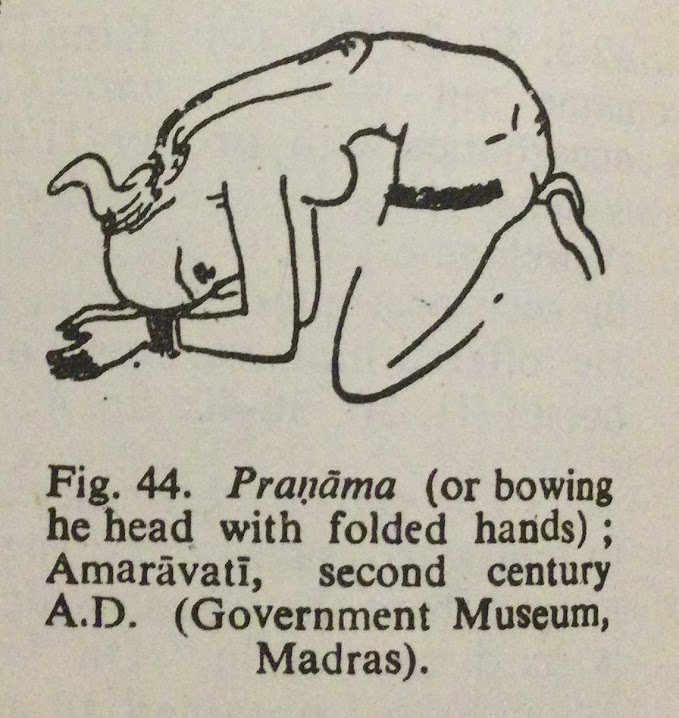
tags- Ramayana, Line drawing, Sketches-2,

Story of Two Ants in Ramayana (Post No.9739)

WRITTEN BY LONDON SWAMINATHAN

Post No. 9739

Date uploaded in London – –15 JUNE   2021           

Contact – swami_48@yahoo.com

Pictures are taken from various sources for spreading knowledge.

this is a non- commercial blog. Thanks for your great pictures.

tamilandvedas.com, swamiindology.blogspot.com

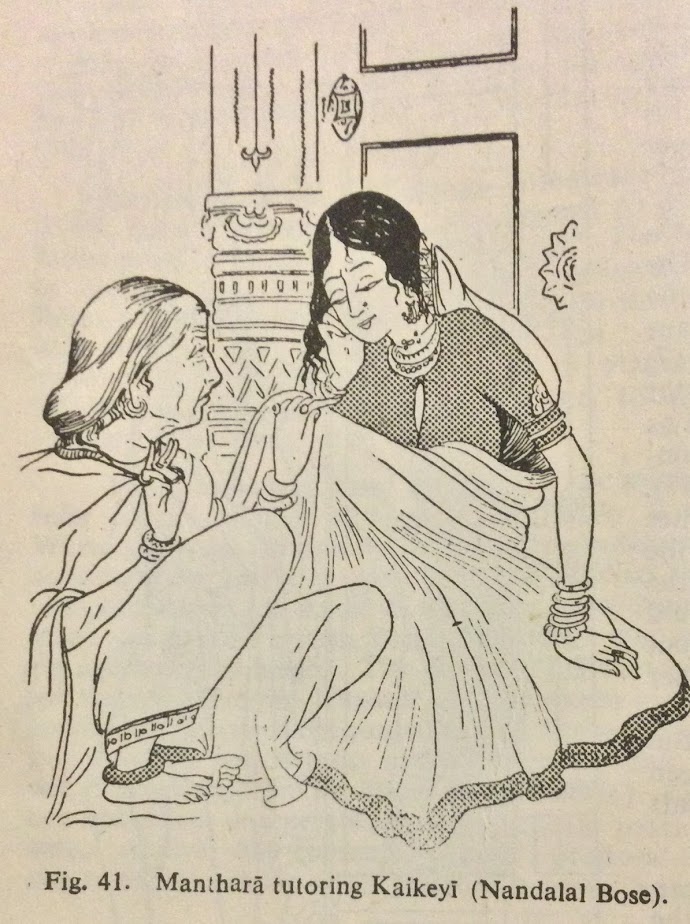
There is an interesting story in Ramayana about two ants. Kamban, the great author , who rendered Valmiki Ramayana in Tamil, hints at it in the Ayodhya Kanda/ canto. Kamban puts the words Erumbin Kathaiyal / ‘the lady of two ants story’ in the mouth of lamenting King Dasaratha. He was the one who gave two boons to Kaikeyi, one of his three queens. Kaikeyi, using the boons sent Rama to forest and got the kingship for her own son Bharat.

In this context Dasaratha was complaining about Kaikeyi to his chief queen Kausalya. The words Erumbin Kathaiyal/ Llady of Ants brings out the background of Kaikeyi. Strangely Hindu epics dont give the birth names of Queens. They are always named after their countries or cities,

Gandhari from Kandahar/ Gandhara of Afghanistan

Kunti from the kingdom of Kunti

Kaikeyi from Kekaya kingdom in Afghanistan /Iran border

Kausalya is from Koshala

Mythili  is from the city of Mithila and so on.

Kaikeyi is from the country of Kekaya, where her father Asvapati was ruling. It happened in the life of Asvapati . One day while he was in bed with his beloved queen, he laughed wildly. The queen got annoyed and became suspicious. She asked her husband Asvapati what made him laugh at the dead of night in the bed. She added further that he was mocking at her. Asvapati pacified her and told that he listened to the talk of two ants  under his bed and burst into laughter about their conversation.

One in a billion gets the power of knowing the language of animals, Hindus believe. In Tamil Periya Purana, we know that Kazatrarivar and Aanayanar knew the language of the animals. So do the great Hindu emperor Vikramaditya.

When Asvapati explained it to his wife, the queen, she was not ready to believe him and so she insisted that he must disclose the joke that the ants exchanged. Asvapati told her that the seer who taught him the language told him that he should never disclose it to anyone. Violating the code would result in his death. Even after this, she insisted that he gives the secret conversation of two ants under the bed. He asked her for time so that he could consult the saint who gave him the power.

When he consulted him, he told Asvapati to banish the queen and that was what Asvapati did.

On the background of this old anecdote, Dasaratha condemned Kaikeyi with the words Ant Story Lady. What he meant was hereditary was more powerful than environment. Her genetics worked more than the acceptable law. According to law, the eldest , in this case Rama, should become king. Moreover she knew that Rama’s exile will shorten the life of Dasaratha , but she didn’t care like Asvapati’s wife, who was the mother of Kaikeyi.

Here we come across a scientific fact in genetics which is known to our forefathers. Another fact that animal languages are understood by humans. In fact Dirgatamas, the blind poet of the oldest book in the world the Rigveda,reveals that there are four levels of sound and humans understand only the fourth level. It is in R V 1-164. So, scientists in future may find one day what Hindus knew thousands of years before our time.

Xxx Subham xxxx

tags-  Kaikeyi, ant lady, story, two ants, Ramayana 

RAMAYANA & MAHABHARATA QUIZ- SEERS, SAINTS AND RISHIS (Post No.4595)

Written by London Swaminathan 


Date: 8 JANUARY 2018


Time uploaded in London-11-08 AM


Post No. 4595

Pictures shown here are taken from various sources such as Facebook friends, Books, Google and newspapers; thanks.


1.We all know that Vyasa muni wrote Mahabharata with the help of Lord Ganesh. What is the full name of Vyasa?

2.Ashtavakra was the Rishi (seer) who was born with eight bends in his body because of the bad sound effect; his father recited the Vedas with mistakes; who told this story to Yudhisthira?

3.Who was the rishi that visited the Pandavas in the Dwaitya forest and advised them to surround themselves with Brahmanas?

  1. What is Dronacharya’s father’s name?

5.Which Muni (saint) gave Dronacharya the Agni Astra (fire weapon)?


6.Who was the one who told Yudhisthira the story of Nala and Damyanti in the forest?

7.Who was the chief priest of Pandavas who advised them on religious ceremonies?

8.What is the name of the Rishi who gave boons to Kunti for serving him?

9.Name the rishi learned in astrology and astronomy who visited Balarama during the Mahabharata war.

10.Name the Inter Galactic traveller (rishi) who advised Dhritarashtra  to keep Duryodhana in check.

11.Parikshit, posthumous son of Abimanyu, was cursed by whom for throwing a dead snake on a seer?

Kalakshetra Picture


12.Who was Shrungi’s father on whose neck the dead snake fell?

  1. Who taught Sanatsujatiyam to Dhritarashtra to come out of ignorance or wordly attachment?


RAMAYANA SEERS SAGES AND RISHIS


14.Who performed the Pattabisheka (coronation ceremony) of Lord Rama?


15.where did Sita Devi live when Lakshmana left her in the forest?

16.Who taught Rama the famous Surya Hymn Aditya Hrudaya ?

  1. When young who gave the miraculous Bala, Abala mantras to Rama Lakshmana?

18.Who did Putra Kameshiti Yajna for Dasaratha?

19.Rama met a seer before going to the Ashrama of Agastya. He Gave all his taposakti (austerity earned by doing penance). Who was he?

20.Who was the Guru of Janaka?

21.Who was the seer who turned down the invitation of Indra and entered fire after worshipping Rama?

22.Who gave a big feast to the army of Bharata by his power earned through penance?

23.Anasuya gave lot of jewels to Sita/ Who was her husband?

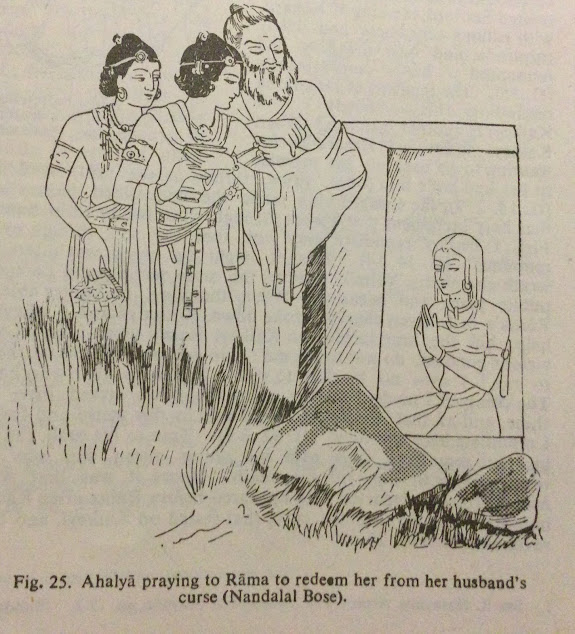
24.Rama’stouch turned Ahalya into a woman from stone. What is the name of Ahalya’s husband?

25.Who wrote Ramayana in Sanskrit?


ANSWERS

1.Krsihna Dwaipayana, 2. Lomana rishi, 3. Bakadalbhya, 4. Bharadwaja, 5 Agnivesha Muni, 6. Brihadashwa, 7.Dhaumya Rishi, 8. Durvasa, 9. Gargacharya, 10. Narada 11.Shrungi, 12. Shamika, 13. Sanatsujata, 14.Vasishtha, 15.Valmiki’s Ashram/hermitatge, 16. Agastya, 17.Viswamitra 18.Rishya shrnga 19. Sutikshna, 20.Sadananda 21.Sarabhanga, 22.Bharadwaja,  23.Atri,  24. Gautama and 25. Valmiki


–Subham–


31 New Quotations from Valmiki Ramayana

rama rama

Good Thoughts Calendar (October 2014)
Post No. 1313; Date: 27th September 2014.
Compiled by London Swaminathan ©

31 New Quotations from Valmiki Ramayana (31 quotations from Valmiki Ramayana were posted already in Good Thoughts Calendar for the month of August on 30-7-14; and 20 more quotations posted on 5th august 2014.)

Important Dates: October 2 Sarasvati Puja, 3 Vijaya Dasami/Dasara, Deepavali 22nd in Tamil Nadu, 23rd in North India.
Auspicious Days: October 30; Full Moon day- 8; New Moon (Amavasya)-23; Ekadasi – 4, 19

October 1 Wednesday
It is impossible to gauge a person’s competence without giving him an assignment — (V.R. 6-17-54)
Rté niyógaat saamarthyam avaboddhhum na sakyaté

October 2 Thursday
The fear of death does not plague those who are steadfast in truth and righteousness– (V.R. 6-46-33)
Satya dharmaabhi raktaanaam naasti mrtyukrtam bhayam

October 3 Friday

Experts on the science of righteousness/ dharma aver that truth is the ultimate Dharma — (V.R. 2-14-3)
Aahu satyam hi paramam dharmam dharmavidó janaah

October 4 Saturday
Subtle and inscrutable principles govern the conduct of the noble — (V.R. 4-18-15)
Suukshmah paramadhurjnébyah sataam dharmah

October 5 Sunday
Who will not honour the man who treads the noble path ? — (V.R. 2-115-6)
Maaragam aaryam prapannasya naanumanyéta kah pumaan

raman kadal

October 6 Monday
Mere bragging does not make one noble — (V.R. 6-71-58)
Na katthanaat satpurusaa bhavanti

October 7 Tuesday
Fire does not scald fire — (V.R. 5-55-22)
Na agnir agnau pravartaté

October 8 Wednesday
Indeed, only a snake knows the moves of another — (V .R. 5-42-9)
Ahiréva hyahéh paadaavijaanaati na samsayah
(In Tamil – Paambin kaal Paambu ariyum)

October 9 Thursday
A woman’s youthfulness is short lived (V .R. 5-24-34)
Striinaam yauvanam adhruvam

October 10 Friday
For women, husbands are verily their gods — (V .R. 2-32-30)
Striinaam bhartaa devataa
Also Tamil Tirukkural 55

RamaWithRavana_22758

October 11 Saturday
When looking out for a woman, you will always find her in the midst of other women (V .R. 5-11-43)
Striyó hi strisu drsyanté sadaa samparimaargané

October 12 Sunday
It is not possible to find a lost maiden amidst a herd of deer (V.R. 5-11-44)
Na sakyam pramadaa nastaa mrugirsu na parimaargitum

October 13 Monday
The fairer of all the species ought not to be slain — (V .R. 2-78-21)
Avadhyaah sarvabhuutaanaam pramadaah
(Also in Tamil: Pen Endraal Peyum Irangum)

October 14 Tuesday
Will not the king reap the result of a well executed task? – (V.R. 7-53-26)
Sukrtasya kim kaaryasya phalam naavaiti paarthivah

October 15 Wednesday
Enthusiasm is at the root of all prosperity — (V.R. 5-12-11)
Anirvédah sriyó muulam

RameshwaramTemple48

October 16 Thursday
One desirous of auspiciousness ought not to despise others — (V.R. 7-33-22)
Naavajnaa hi paré kaaryaa ya icchétcchréya aatmanah

October 17 Friday
The daring and gallant do not worry silly about death — (V.R. 6-120-7)
Vikraantascaapi suuraasca na mrtyum ganayanti ca

October 18 Saturday
The doer of good begets happiness and an evil doer begets sadness — (V.R. 6-114-26)
Subhakrcchubhamaapnóti paapakrt paapamanucyaté

October 19 Sunday
Be not contemptuous towards foes — (V.R. 6-59-4)
Naavajnaa ripavé kaaryaa

October 20 Monday
The mighty are seldom enraged — (V.R. 5-52-16)
Kópam na gaccanti hi sattvavantah

ramayan sculptue

October 21 Tuesday
In this world, money maniacs are loathed — (V.R. 2-21-58)
Dvésyó bhavat yarthaparó hi lóké

October 22 Wednesday
Where company with kinsmen, and where servitude to basemen? — (V.R. 6-87-14)
Kva ca svajanasamvaasah kva ca nicaparaasrayah

October 23 Thursday
Who will dare to sport with an enraged five-hooded serpent? — (V.R. 5-38-25)
Kah kridati saróséna pancavaktréna bhógina

October 24 Friday
Hurtful words, though well-meant, are harsh — (V .R. 6-36-3)
Hitabhuddhyaa yadahitam vacah parusamucyaté

October 25 Saturday
Do not be furious with your kinsmen — (V .R. 4-33-51)
Na caapi kópah svajané vidhéhya

rama under the rock

October 26 Sunday
Surely, creatures cannot overcome fate — (V.R. 5-37-4)
Vidhir núnam asamhaaryah praaninaam
Also in Tamil Tirukkural 380.

October 27 Monday
Fate indeed follows man with a compelling intent — (V.R. 4-56-4)
Vidhih kila naram lóké vidhaanénaanuvartaté

October 28 Tuesday
The meek alone are subdued — (V.R. 2-21-11)
Mrdurhi paribhuuyaté

October 29 Wednesday
The greedy see not false like those who relish putrefied food — (V.R. 2-66-6)
No lubhdó bhudyaté dóssankim paakamiva bhaksayam

October 30 Thursday
It is hard to render a kingdom impregnable —- V R 2-52-72
Raajyam hi duraaraksatmam matam

October 31 Friday
How can the once rich ever be subservient to the moneyed? —- V R 2-8-35
Samrddhaarthasya nastarrrthó jiivisyati katham vasé

ram-hanuman

Pictures are used from various websites;thanks.
contact swami_48@yahoo.com

நேராகப் படித்தால் ராமாயணம்; தலைகீழாகப் படித்தால் மஹாபாரதம்!

ram,maha

நேராகப் படித்தால் ராமாயணம்; தலைகீழாகப் படித்தால் மஹாபாரதம்!

ச.நாகராஜன்

Written by S Nagarajan
Post No.1104; dated 13th June 2014.

ராமாயண, மஹாபாரதம்
ஹிந்து தர்மத்தின் அற்புதமான இதிஹாஸங்களாக இலங்குபவை ராமாயணமும் மஹாபாரதமும். வேதத்தின் சுருக்கமே ராமாயணம் என்றும் ஐந்தாவது வேதம் தான் மஹாபாரதம் என்றும் தொன்று தொட்டு இந்த நாட்டில் போற்றப்பட்டு வருகிறது.உலகில் முதல் முதல் எழுந்த காவியம் என்பதால் ஆதி காவியம் என ராமாயணம் கருதப்படுகிறது. 644 ஸர்க்கங்களில் 24000 சுலோகங்களில் ஏழு காண்டங்களில் தர்மத்தின் திரு உருவான ராமனின் கதையை சம்ஸ்கிருதத்தில் மஹரிஷி வால்மீகி தருகிறார்.

18 பர்வங்களில் (100 உப பர்வங்களில்) ஒரு லட்சம் சுலோகங்களில் 2314 அத்தியாயங்களில் மஹரிஷி வேத வியாஸரால் மஹா பாரதம் இயற்றப்பட்டுள்ளது.

காலம் காலமாக இந்த இரு இதிஹாஸங்களும் உலகின் எல்லாப் பகுதிகளிலும் ஏராளமானோரை பல்லாயிரக்கணக்கில் கட்டுரைகள், நூல்கள் மற்றும் காவியங்களை வெவ்வேறு மொழிகளில் இயற்ற ஊக்குவித்திருப்பதை உலகமே அறியும்.

தைவக்ஞர் சூரிய கவி
ஆனால் பாரதத்தைச் சேர்ந்த மூன்று அதிசயக் கவிஞர்கள் இந்த இரு இதிஹாஸங்களை வைத்து ஒரு அற்புதமான அதிசயமான செயலை சம்ஸ்கிருத மொழியில் சாதித்துள்ளனர்.
தைவக்ஞர் சூரிய கவி என்பவர் பெரும் சம்ஸ்கிருத விற்பன்னர், கவிஞர்! அவர் 36 ஸ்லோகங்கள் அடங்கிய ராமகிருஷ்ண விலோம காவ்யம் என்று ஒரு காவியத்தை இயற்றியுள்ளார். இதில் ஸ்லோகத்தை முதலிலிருந்து படித்துக் கொண்டு போனால் ராமாயணக் கதையைக் காணலாம். ஸ்லோகத்தின் பின்னாலிலிருந்து திருப்பிப் படித்துக் கொண்டு போனால் வருவது இன்னொரு ஸ்லோகம். அதில் மஹாபாரதக் கதையைக் காணலாம். விகடகவி, தேருவருதே போன்ற சொற்களில் வரும் எழுத்துக்களைத் தலைகீழாகத் திருப்பிப் போட்டாலும் அதே சொற்கள் வருவது ஒரு சொல் அலங்காரம். இதை ஆங்கிலத்தில் Palindrome என்கிறோம்.

ஒரு ஸ்லோகம் அல்ல, பல ஸ்லோகங்கள் அடங்கிய ஒரு காவியமே இப்படி அமைக்கப்பட்டுள்ளது என்றால்..! வியக்க வைக்கும் இந்தக் காவியத்திலிருந்து உதாரணத்திற்கு இரு பாடல்களை இங்கு காணலாம்.

ramayan,mahabaharat

கௌசிகே த்ரிதபஸி ஷ்ரவ்ரதி யோத்ததாத் த்விதநயஸ்வமாதுரம் I
ரந்துமாஸ்வயன தத்தித்தாதயோ தீவ்ர ரக்ஷஸி பதத்ரிகேஷிகௌ II
-ஆறாவது ஸ்லோகம்

இதன் பொருள் : எல்லா உயிரினங்களின் ஆசைகளை நிறைவேற்ற உறுதி பூண்ட தசரத மன்னர், (மனோ வாக்கு காயம் ஆகிய )மூன்று விதத்திலும் தவம் செய்த ரிஷி விஸ்வாமித்திரருக்குத் தன் செல்வங்களான ராமர், லக்ஷ்மணரைத் தந்தார்.

இதே ஸ்லோகத்தை திருப்பிப் போட்டுப் படித்தால் பொருள் மாறி விடும் இப்படி:- புண்ணியச் செயல்களைச் செய்த ஓ, பரீட்சித்து மன்னனே, ராக்ஷஸ குணத்தில் வேறு யாரையும் ஒப்பிடமுடியாத பூதனையையும் பறவையின் உருவில் இருந்த பகனையும் குதிரையின் உருவில் இருந்த கேசினையும் விளையாட்டு லீலையாக எல்லையற்ற ஞானம் உடைய ஸ்ரீ கிருஷ்ணர் அவர்கள் உடலிலிருந்து (உயிரை நீக்கி) முக்தி அளித்தார்.

rama brown

இதே காவியத்திலிருந்து இன்னொரு பாடலைப் பார்ப்போம்.
க்ஷதாய மா யத்ர ரகோரிதாயுர் அங்கானுகானன்யதயோயனானி I
நிநாய யோ வன்யனகானுகாரம் யுதாரிகோரத்ரயமாயதாக்ஷ: II
– 34வது ஸ்லோகம்

இதன் பொருள் : சுக்ரீவனும் இதர குரங்குகளும் யுத்தகளத்தில் நுழைந்தவுடன் அழியப் போகும் வாழ்வை உடையவனான ராவணனால் ராமருக்கு எந்தக் காயத்தையும் விளைவிக்க முடியவில்லை.
இதையே பின்னாலிலிருந்து படித்தால் வரும் பொருள் இது: நீண்ட கண்களையுடைய ஸ்ரீ கிருஷ்ணர் மலை போன்ற உருவத்தை ஒத்த (அகாசுரன், கேசின், பூதனா ஆகிய) மூன்று பயங்கரமான அசுரர்களை வதம் செய்தான்.

இது போன்ற விலோம காவியத்தின் ஆதிகர்த்தா சூர்யகவியே என ஆய்வாளர்கள் கருதுகின்றனர். அவர் பார்த்தபுரத்தில் (அஹ்மத் நகர்) 1580ஆம் ஆண்டு வாக்கில் வாழ்ந்த அற்புதமான கவிஞர். இதற்கு அவரே ஒரு உரையையும் எழுதி இருக்கிறார். அதில் இப்படிப்பட்ட ஒரு காவியம் செய்வது எவ்வளவு கஷ்டமானது என்பதையும் விளக்கியுள்ளார்.

rama B&W

சிதம்பர கவியின் அற்புத காவியங்கள்
அடுத்து 1600ஆம் ஆண்டில் தஞ்சாவூரில் வாழ்ந்த சிதம்பர கவி என்பவர் சப்தார்த்த சிந்தாமணி என்ற நூலை இயற்றியுள்ளார். இதிலும் முதலிலிருந்து படித்தால் ராமாயணமும் பின்னாலிலிருந்து படித்தால் மஹாபாரதக் கதையும் மிளிரும். தஞ்சை சரஸ்வதி மஹாலில் சுவடி வடிவில் உள்ள இந்த அற்புத நூல் இன்னும் அச்சிடப்படவில்லை எனத் தெரிகிறது. ஆனால் இதன் பெருமை உலகெங்கும் பரவி விட்டிருக்கிறது.இவர் இன்னும் ஒரு படி மேலே போய் கதா த்ரயம் என்ற காவியத்தையும் இயற்றி இருக்கிறார். இதில் ஸ்லோகத்தைப் பிரித்துப் படித்துப் பார்த்தால் ராமாயணம், மஹாபாரதம் ஆகியவற்றோடு பாகவதக் கதையையும் படிக்கலாம், ஒரே பாடலில் மூன்று பிரம்மாண்டமான நூல்கள்! அதிசயம், ஆனால் உண்மை! உலகில் இது போல எந்த ஒரு மொழியிலும் நினைத்துக் கூடப் பார்க்க முடியாத சாதனையாக இது கருதப்படுகிறது!

கவிஞர் வேங்கடாத்வரி
சிதம்பர கவியை அடுத்து அதிசயமான மூன்றாவது கவிஞராகத் திகழ்பவர் வேங்கடாத்வரி என்பவர். 1650ஆம் ஆண்டு வாக்கில் காஞ்சிபுரத்தில் வாழ்ந்த மாபெரும் கவிஞர் இவர். இவரது ராகவ யாதவீயம் என்பது 30 ஸ்லோகங்களைக் கொண்ட ஒரு அரிய நூல். ஸ்லோகத்தை நேரடியாகப் படித்தால் ராமாயணக் கதையையும் தலைகீழாகப் படித்தால் மஹாபாரத கதையையும் இதில் படிக்க முடிகிறது.இதில் இரு ஸ்லோகங்களைப் பார்க்கலாம்.

ராமநாமா சதா கேதபாவே தயாவான் அதாபீனதேஜா: ரிபௌ ஆனதே I
காதிமோதாஸஹாதா ஸ்வபாஸா ரஸாமே சுக: ரேணுகாகாத்ரஜே பூருமே II
-ஸ்லோகம் 7
அனுலோமமாக அதாவது முதலிலிருந்து கடைசி வரை வரிசைக்கிரம்மாகப் பார்த்தால் இதன் பொருள் : துயரப்படுவோரிடம் எப்போதும் சதா கருணையுடன் திகழும் ராமபிரான், சூரியனைப் போலப் பிரகாசிப்பவரும் சுலபமாக அணுகக்கூடியவரும் முனிவர்களைத் துன்புறுத்திய ராக்ஷஸர்களை அழித்தவருமான அவர் ரேணுகாவின் புத்திரரும் பூமி அனைத்தையும் தனது செல்வமாகக் கொண்டு சுற்றித் திரிந்தவருமான பரசுராமரைப் பார்த்த போது குளிர்ந்த ஒளியுடன் அடக்கமுடன் திகழ்ந்தார்.
இதையே திருப்பிப் போட்டால் வரும் ஸ்லோகம்:

மேருபூஜேத்ரகா காணுரே கோஸுமே சா அரஸா பாஸ்வதா ஹா சதா மோதிகா I
தேன வா பாரிஜாதேன பீதா நவா யாதவே அபாத் அஸ்வேதா சமானாமரா II

பிரதிலோமமாக அதாவது கடைசியிலிருந்து முதல் வரை (மேலே உள்ள ஸ்லோகப்படி பார்த்தால்) இதன் பொருள் : மேருவையும் வெல்லும் ரைவர்த்தக மலையில் இருந்தபோது பாரிஜாத மலரை அடைந்த ருக்மிணி பூமியில் உள்ள குறைந்த வாசனையே உள்ள எந்த புஷ்பங்களின் மீதும் ஆசையின்றிப் போனதோடு ஒரு புதிய மேனியை அடைந்தவள் போலத் திகழ்ந்தாள்.
ஆக அனுலோமமாகவும் பிரதிலோமமாகவும் உள்ள இந்த விலோம காவியத்தின் அனைத்துப் பாடல்களையும் வார்த்தை வார்த்தையாக எடுத்து அர்த்தத்தைக் கூறப் போனால் கவிதையின் அழகும் ஆழமும் நன்கு புரிவதோடு பிரமிப்பும் வியப்பும் வரும்.

krishna and balarama
Picture of Krishna and his brother Balarama.

இன்னும் ஒரு பாடல்:
தாம் ஸ: கோரமதோஷ்ரீத: விக்ராம் அஸதர: அதத I
வைரம் ஆஸ பலாஹாரா வினாஸா ரவிவம்சகே II
– ஸ்லோகம்18

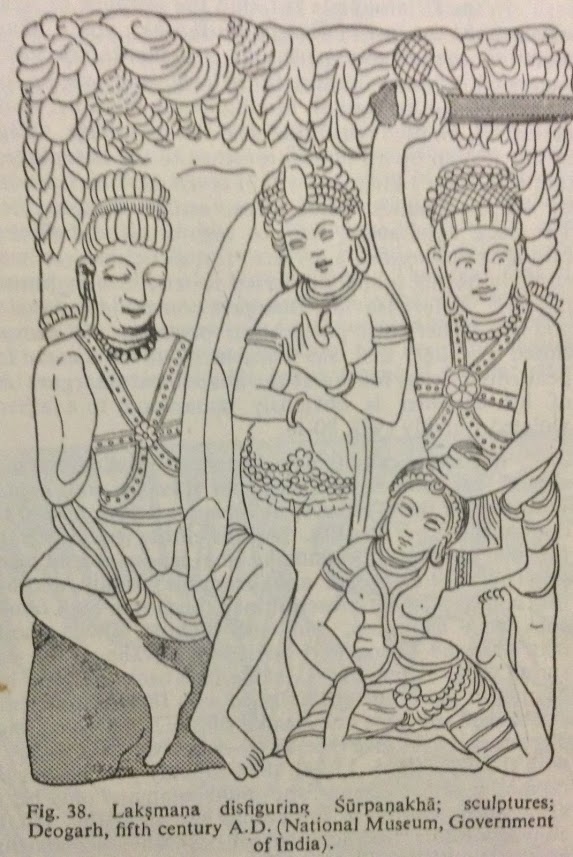
அனுலோமமாக இதன் பொருள்: ராமனின் வலதுகரமாகத் திகழ்ந்த பயமே அறியாத லக்ஷ்மணனால் மூக்கு அறுபட்டவுடன் சூர்ப்பணகை ராமன் மேல் பழி வாங்கத் துடித்தாள்.
இந்த ஸ்லோகத்தை பிரதிலோமமாக கடைசியிலிருந்து தலைகீழாக எழுதிப் பார்த்தால் வருவது இந்த ஸ்லோகம்:-

கேசவம் விரஸானாவி: ஆஹ ஆலாபஸமாரவை: I
ததரோதஸம் அக்ராவித: அஷ்ரித: அமரக: அஸதாம் II

இதன் பொருள்:-மலைகளின் கொட்டமழிப்பவனும், தேவர்களின் தலைவனும், அசுரர்களை அழிப்பவனுமான இந்திரன் தனது சந்தோஷம், பலம், ஒளி ஆகியவற்றை இழந்தான். வானையும் பூமியையும் படைத்த கிருஷ்ணனிடம் சமாதானப்படுத்தும் சொற்களைப் பேசினான்.
காவியம் படிப்போம்; பரப்புவோம்!

(சம்ஸ்கிருத) இலக்கணத்திற்குட்பட்டு பொருள் பொதிந்த சொற்களை இப்படி அமைப்பதென்பது இறை அருளினால் மட்டுமே வரும் என சூரிய கவியே மனம் நெகிழ்ந்து சொல்லியுள்ளார்.
இப்படிப்பட்ட தெய்வீகக் கவிஞர்கள் இந்த நாட்டில் தோன்றி இதிஹாஸ மேன்மையையும் சம்ஸ்கிருத அருமையையும் நிலை நாட்டி இருப்பது சனாதன தர்மத்தின் ஏராளமான அதிசயங்களுள் இன்னும் ஒரு அதிசயமே!
krisna bow

ராமகிருஷ்ண விலோம காவ்யத்தை சம்ஸ்கிருதத்தில் படிக்க விரும்புபவர்கள் கீழ்க்கண்ட இணையதளத்தில் http://sanskritdocuments.org/all_pdf/raamakrshhna.pdf என்ற தொடுப்பிலிருந்து இலவசமாக டவுன்லோட் செய்து கொள்ளலாம்.

ராகவ யாதவீயம் காவியத்திற்கு ஆங்கிலத்தில் விரிவான அழகான உரை ஒன்றை எழுதி இருப்பவர் டாக்டர் சரோஜா ராமானுஜம்.இந்த சம்ஸ்கிருத ஸ்லோகத்திற்கான ஆங்கில விரிவுரை நூலையும் இணையதளத்தில் காணலாம்.

அருமையான காவியங்களை உலகிற்குத் தரும் இணைய தளங்களுக்கும் உரை எழுதிய சம்ஸ்கிருத விற்பன்னர்களுக்கும் நமது நன்றிகளை உரித்தாக்கி இக் காவியங்களின் பெருமையை உலகில் பரப்புவோம்!.ராம கிருஷ்ணரின் அருளுக்குப் பாத்திரராவோம்!!
******************

Lord Shri Rama – The World’s Best PR Man!

By S Swaminathan

Lord Shri Rama

Valmiki praised the way Sri Rama spoke to people. The way Valmiki described him showed Sri Rama was the best PR Man. The best company would have hired him as a Public Relations Officer with the highest pay. Why? He was Srutha Bhashi, Hitha Bhashi, Mitha Bhashi and Purva Bhashi according the Adi Kavi Valmiki.

  • Srutha Bhashi: Rama always spoke truth
  • Hitha Bhashi: He spoke whatever was pleasant to hear.
  • Mitha Bhashi: He spoke very little.
  • Purva Bhashi: He did not wait for others to open a dialogue. He opened the conversation.

Let us analyse it for a minute. Many a times we speak the truth and get caught in a trap. Why? Though we spoke truth, it was bitter. One example is a wife’s cooking. Under the pressures of work and modern living a man may shout at her saying that she put too much salt in the dishes. It may be true – but the way we spoke was wrong.

If we were Rama we would have passed the message in the gentlest way with the kindest words.  Rama would probably have said “Darling, your cooking is usually wonderful. What happened to you today? Aren’t you feeling well? The food you prepared was a bit salty today which is unusual.” Speaking truth is good but it should not harm or upset any one. That is why Valmiki called him a Srutha Bhashi and Hitha Bhashi.

When people attend weddings or birthday parties they often wait for others to come and talk to them. Their arrogance and ego stop them going up to others, who they consider their rivals, to enquire about their welfare. They pretend to look at other people and wait for their ‘rivals’ to approach them. When they go home they boast to their friends that they snubbed those arrogant rivals. The other people would probably have told their friends the same thing. But look at Rama. He was the son of a great emperor and crown prince of a kingdom. He went up to people and voluntarily spoke to them and enquired about their welfare. He was called a Purva Bhashi.

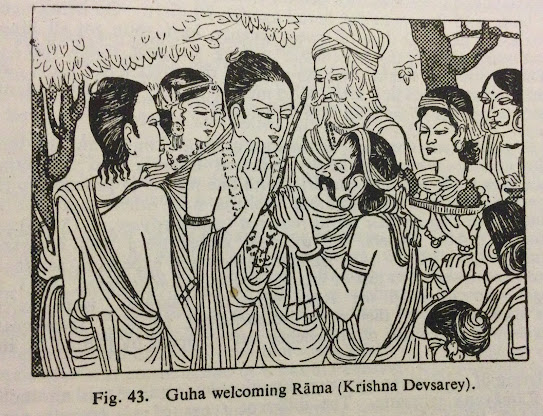
Mitha Bhashi: Many people suffer from verbal diarrhoea. They can never stop blabbering. We meet them with their mobile phones on 24/7 – on the bus, in the office and of course, at our political meetings! Rama spoke only very little, but made everyone happy. When he met a hunter Guhan he declared him as the fifth brother. When Ravana lost all his weapons in the final phase of the war he told him: “Go home today. Come back tomorrow” and gave him a last chance for survival. These words were meaningful and powerful.  (Guhan and Ravana references are from a version of the Ramayana written by Kamban in Tamil).

If you were running a business today, wouldn’t you hire Rama as your PRO with the highest pay?

Please visit my blogs: swamiindology.blogspot.com and tamilandvedas.wordpress.com


Send comments and feedback to: swami_48@yahoo.com