Power of Holy Durva Grass

0b888-snakeandmongoose

Gramineae or Poaceae family has 11,000 plants including paddy and wheat. Human beings’ staple food comes from this family. It has got lot of grass varieties in this family. Hindus used several plants of medicinal properties in their daily puja or religious rituals. Two grasses known as Dharba (Kusa) and Durva ( Cynodon dactylon) are used in their main rituals.

Durva is the favourite plant of Lord Ganesh. He is praised as Durva priyaya Nama: In the Navagraha Homa, Ketu is propitiated with this grass in the Homa (fire). Lord Ganesh is the deity for planet Ketu.


Durva grass has many medicinal properties. People from olden times used it as medicine. It is good for lungs and skin. It can flush out the impurities from blood. There is a story about Durva grass. Lord Ganesh had to fight with a demon called Analasuran (Fire Demon). As soon as he swallowed the demon Vinayaka’s stomach started burning. When he ate Durva grass the fire subsided.


Dr R Nagasamy, historian and former vice chancellor of Kancheepuram University and Director of Archaeology gives some interesting detail about this Durva grass in his Tamil book ‘Yavarum Kelir’. This grass is considered the King of Grass. So the kings used it in their coronation ceremony. Hymns in Sanskrit are recited at the coronation: ‘’Oh, Durva grass. Like you are the best among the grasses, let me be the best among men’’.


The word for Durva in Tamil is Aruku, a synonym for Sun. Sanskrit word fro sun is also Arka.  Arka= Greek word Argos and Sanskrit word Bargo/Light are cognates.
76f47-snakekilled

Snake and Mongoose

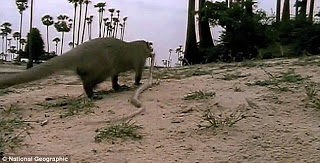
Mongoose and snake are born enemies. The minute they meet they start the fight and one tries to kill the other. It is always a fight to death. In most cases the snake is killed. It is said that the mongoose will run back to grass land full of Durva grass and roll and come back with fresh energy. Such is the power of rejuvenation of Durva grass.


Lord Krishna says in Bhagavad Gita (9-26):

Whoever offers to me with devotion a leaf, a flower, a fruit or water, that offering of love, of the pure of heart I accept.

So Hindus use grass, leaves, flowers and water to do puja.
27Saneeswaran

A Tamil poet known as Kapila (another name of Lord Ganapathy) also said what Krishna said in Bhagavad Gita ( See Puranannuru verse 106). He used the words grass, flower and Erukku, a dry land bush.


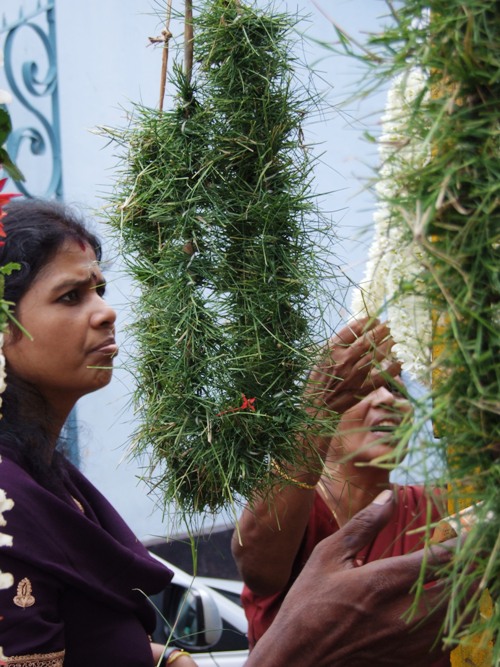
Sri Lankan Tamil Hindus use this grass more in their ceremonies. When they send their children to school for the first time they dip the grass in milk and give it to the children. During wedding, they bless the couple with rice with this grass.


Tamil language has a phrase to bless any good deed: Let it spread like banyan tree and root like Aruku (Durva). This grass is a symbol of revival like the phoenix bird. It can grow anywhere anytime.


This grass is the favourite food of animals such as horse, elephant, rabbits and wild boars. They run very fast. This grass acts like petrol for those animals. Germans use the juice of grass in their breads. We can also use this grass in our food items and side dishes. In all the Ganesh temples of Tamil Nadu devotees bring garlands made of this grass.

pillayarpatti

Read my earlier articles on medicines: 1.Why Do Hindus Practise Homeopathy? 2.Copper Kills Bacteria 6.Amazing Medical Knowledge of Tamils 3.OM boosts Brain Power 4.Prayers Good for Hearts, says scientists 5.Tomatoes Prevent Cancer 6.Head towards North is Wrong 7.Miracles by the Blind and Oldest Organ Donation 8.The Tortoise Mystery: Can we live for 300 years? 9.Scientific Proof for Shamudrika Lakshnam 10.Bhishma: First man to practise Acupuncture 11.How did a Pandya King get a Golden Hand? 12. Indian Wonder: The Banyan Tree + 570 articles on other subjects.

Pictures are taken from other sites;thanks. Contact swami_48@yahoo.com

அருகம்புல் ரகசியங்கள்

எழுதியவர்- லண்டன் சுவாமிநாதன்

ஆல்போல் தழைத்து அருகு (அறுகு) போல வேரூன்ற வேண்டும் என்று தமிழர்கள் வாழ்த்துவதை அறிவோம். ஆலமரம் மிகப்பெரிய மரமாக வளர்ந்து விழுதுகள் மூலமாக காலம் காலமாக வாழ்வதை நாம் அறிவோம் (காண்க எனது முந்தைய கட்டுரை: இந்திய அதிசியம்- ஆலமரம் )


வரலாறு, தொல்பொருட் துறை அறிஞர் டாக்டர் இரா.நாகசாமி ஒரு அரிய தகவலைத் தருகிறார்: அருகம் புல், புல் வகைகளில் அரசு போன்றது. ஆகையால் ராஜாக்கள் பட்டாபிஷேக தினத்தன்று அருகம் புல்லை வைத்து ஒரு மந்திரம் சொல்லுவார்கள். ‘’அருகே, புல்களில் நீ எப்படி சிறந்து விளங்குகிறாயோ அதே போன்று மன்னர்களில் நானும் சிறந்தோன் ஆகுக’ எணன்று முடி சூடும்போது மன்னன் கூறவேண்டும் என்று வடமொழி நூல்கள் கூறுகின்றன’ (பக்கம்26, யாவரும் கேளிர், டாக்டர் இரா நாகசாமி)


அருகம் புல் ரகசியங்களை இந்துக்கள் ஆதியிலேயே அறிந்திருந்தனர். நெல்லும் புல்லும் ஒரே வகைத் தாவரம் தான். ‘கிராமினே’ என்ற குடும்பத்தைச் சேர்ந்த 11,000 வகைத் தாவரங்களில் தர்ப்பைப் புல்லுக்கும் அருகம் புல்லுக்கும் மட்டுமே தனி இடம் கொடுத்தனர். பிள்ளையாருக்கு ஏற்றது அருகம் புல். நவக் கிரக ஹோமங்களில் கேது கிரகத்துக்கு சாந்தி செய்யும்போது அருகம் புல்லை ஹோமத் தீயில் இடுவர். கேது கிரகத்துக்குப் பிள்ளையார் அதி தேவதை.

மார்கழி மாதத்தில் வீட்டு வாசலில் அருகம்புல்லையும் சாணியில் நட்டுவைப்பர். அருகம் புல் இருந்தால் சாணியில் புழுப்பூச்சிகள் வராது. அருகம் புல்லுக்கு வடமொழியில் தூர்வா என்று பெயர். இப் பெயர் கணபதி மந்திரங்களிலும் உபநிஷத்திலும் வருகிறது. பிள்ளையாரை தூர்வாப் ப்ரியாய நம: என்று சொல்லி வழிபடுவர்.

2000 ஆண்டுப் பழமையான சங்கத் தமிழ் இலக்கியத்திலோ தொல்காப்பியத்திலோ ‘சிவன்’ என்ற சொல்லே கிடையாது. அதே போல பிள்ளையார் பற்றிய குறிப்பும் கிடையாது. ஆனால் கபிலர் என்ற பிராமணப் புலவரின் பெயர் ரிஷி முனிவர்களுக்கும் உண்டு. பிள்ளையாருக்கும் உண்டு. பகவத் கீதையில் கண்ணபிரான் (9-26) ‘எனக்கு பத்ரம் புஷ்பம், பலம் தோயம்= இலை, பூ, பழம், தண்ணீர்’ எதைக் கொடுத்தாலும் நான் அதை ஏற்றுக்கொள்வேன் என்று கூறுகிறார். இதையே கபிலரும் (புறம் 106)

‘’புல் இலை எருக்கம் ஆயினும், உடையவை

கடவுள் பேணேம் என்னா’’ என்று கூறுகிறார்.


புல், இலை, எருக்கு ஆகிய எதைப் போட்டு பூசித்தாலும் கடவுள் வேண்டாம் என்று சொல்லாது என்று கபிலர் கூறியதை எனது ‘’புறநானூற்றில் பகவத் கீதை’’ என்ற கட்டுரையில் ஏற்கனவே கொடுத்துவிட்டேன். இங்கு பிள்ளையாரின் ஒரு பெயரான ‘’கபிலர்’’ என்ற பெயரைக் கொண்ட புலவர், புல், இலை, எருக்கம் என்று கூறுவதைப் பார்த்தால் இது மூன்றும் பிடித்த ஒரே கடவுள் பிள்ளையார்தான்!

புல் என்பது அருகம் புல்லையும், பத்திரம் என்பது விநாயகருக்குப் பிடித்த 21 வகை இலைகளையும், எருக்கம் என்பது எருக்கம் பூவையும் குறிக்கலாம்.

மாணிக்கவாசகர் புல்லாகிப் பூண்டாகி என்று பாடுவதிலும் பொருள் உளது. இன்னொரு உண்மை என்னவென்றால் இறந்தவன் மறுபிறப்பு எடுப்பது எப்படி என்று கூறும் உபநிஷத்துகள் நமது ஆன்மா மழை மூலம் புல்லை அடைந்து, பசுவின் வயிற்றை அடைந்து பாலாக மாறி தாயின் வயிற்றில் கரு மூலமாகப் புகும் என்றும் சொல்லப்பட்டிருப்பதும் கவனிக்கப் படவேண்டியது.


பாம்பு- கீரி சண்டை மர்மம்

பாம்பும் கீரியும் பரம எதிரிகள். இரண்டும் ஒன்றை ஒன்று பார்த்தால் தாக்கிக் கொல்லாமல் விடா. பாம்பு கடிக்கும் போது விஷத்தைப் போக்குவதற்காக ஒவ்வோரு முறையும் கீரி, அருகம் புல் மீது படுத்துப் புரண்டு சக்தி பெறும் என்பதும் கவனிக்கத்தக்கது.

அருகம் புல் பெயரிலேயே சக்தி கொடுக்கும் சூரியன் பெயரும் (அருகன்) இருக்கிறது. அருகன்=சூரியன்=ஆர்கோஸ் (கிரேக்கம்)= பர்கோ தேவஸ்ய( காயத்ரி மந்திரம்) எல்லாம் ஒன்றுக்கு ஒன்று தொடர்புடைய சொற்கள்.

இலங்கை மக்களும் நாட்டார் சமூகத்தினரும் அருகின் பெருமையை நன்கு அறிவர். இலங்கையில் குழந்தைகளுக்கு ‘’பால் அரிசி’’ வைப்பார்கள். பள்ளிக்குப் போகும் முன் குழந்தைகளுக்கு பாலில் அருகம் புல்லைத் தோய்த்து வாயில் விடுவர்.

கல்யாண காலங்களில் மணமக்களை வாழ்த்தி அருகரிசி போடுதலும் உண்டு.

மருத்துவ குணங்கள்

மிருகங்களில் பலம் வாய்ந்ததும், வேகம் மிக்கதும், பலன் தருவதும் சாக பட்சிணிகள் தான்; அதாவது சைவ உணவு சாப்பிடுபவையே; .யானை, குதிரை, காண்டாமிருகம், பசு ஆகிய அனைத்தும் சைவ உணவு, குறிப்பாக அருகம் புல் முதலியனவற்றை சாப்பிடுபவை. குதிரை, முயல், காட்டுப் பன்றி ஆகியன அருகம் புல்லை விரும்பிச் சாப்பிடும். இவை அனைத்தும் அபார வேகம் மிக்கவை. அத்தனைக்கும் அருகம் புல் ‘பெட்ரோல்’ மாதிரி.

நோய் வந்தால் பூனை, நாய், கோழி ஆகியன கூட அருகம்புல்லைக் கடித்துத் துப்புவதைக் காணலாம்.


அருகம் புல் பற்றிய புராணக் கதையும் கூட அதன் குணத்தைக் காட்டும். அனலாசுரன் என்பவன் நல்லோர் அனைவர்க்கும் துன்பம் செய்தான். எல்லோரும் பிள்ளையாரை வேண்டவே அவர் அனலாசுரனை விழுங்கிவிட்டார். பெயருக்கு ஏற்றவாறே அவன் அவர்க்கு வயிற்றில் அனலை உண்டாக்கி எரிச்சல் தரவே, பிள்ளையாரும் அருகம் புல்லைச் சாப்பீட்டே குணம் அடைந்தார்.

அருகம் புல் சாற்றை காலையில் அருந்துவது நல்லது. இது மலச் சிக்கல், உடலில் உள்ள விஷம் ஆகியவற்றை நீக்கும்.தோல் நோய்கள், மார்பு, நுரை ஈரல் தொடர்பான நோய்கள், ஜனன உறுப்புகள் சம்பந்தமான நோய்களைக் குணப்படுத்தும்.


ஜெர்மனி போன்ற நாடுகளில் புல் சாற்றைக் கலந்தும் ரொட்டி செய்கிறார்கள். மக்கள் அதை விரும்பி வாங்குகிறார்கள். நாமும் அருகம் புல் தோசை, சப்பாத்தி, ரொட்டி ஆகியவற்றை செய்யலாம். புல் வகைகளை உணவாக உட்கொள்ளுதல் பற்றி தனி புத்தகமே ஆங்கிலத்தில் இருக்கிறது. ஒரு வேளை ஆங்கிலப் புத்தகத்தில் ஆங்கிலேயர் சொன்னால் தான் நம்மவர்களுக்குப் புரியும் போல இருக்கிறது.

பிரதமர் இந்திராகாந்தி வெளிநாட்டுக்குச் சென்றபோது அவருக்கு பரிசாக அளித்த கம்பளம் இந்தியாவில் செய்யப்பட்டது (மேட் இன் இண்டியா) என்று எழுதப்பட்டதை அவரே ஒரு கூட்டத்தில் குறிப்பிட்டார்.அது போல அருகம்புல்லும் ‘பாரீன்’ சரக்காக வரும் நாள் வெகு தொலைவில் இல்லை.


அபிதான சிந்தாமணி தரும் தகவல் (பக்கம் 109)

அறுகு: ஒரு விதமான பூண்டு. இதைக் கஷாயம் செய்து மிகவும் விருப்பமான உருசியுள்ள, குளிர்ச்சியுண்டாக்குகிற குடிநீராக உபயோகப் படுத்துகின்றனர். இது உப்பறுகு, கூந்தலறுகு, சிற்றறுகு, புல்லறுகு, பேரறுகு, பானையறுகு, வெள்ளறுகு என பேதப்பட்டு குணங்களும் மாறுபடும். இது தேவர்கள் பொறுட்டு அநலாசுரனை விநாயகர் விழுங்கிய காலத்து வெப்பம் தணிவுற முனிவர் பூசித்தலாலும், விரோசனையால் விநாயக மூர்த்தி பசியாக வந்த காலத்திற் பசி தணிய நிவேதிக்க இட்டமையாலும், ஆசிரியை எனும் ரிஷி பத்தினியால் தேவேந்திரனிடம் துலை ஏறப்பெற்றுத் துலையில் தேவேந்திரன் செல்வத்தினும் உயர்ந்தமையாலும், தருப்பையில் ஒன்றாதலாலும் ஏற்றமுடைத்தாம் (விநாயக புராணம்) துலை= தராசு


நான் எழுதிய வேறு மருத்துவக் கட்டுரைகள்

1.டாக்டர் முருகனும் பேஷன்ட் அருணகிரிநாதரும் 2.இளநீர் மகிமையும் தென்னையின் பெருமையும் 3.தக்காளி ரசத்தின் மகிமை 4.Why Do Hindus Practise Homeopathy? 5.Copper Kills Bacteria 6.Amazing Medical Knowledge of Tamils 7.நெல்லிக்காய் மகிமை: அவ்வையாரும் ஆல்பிரூனியும்,அருணகிரிநாதரும் 8.OM boosts Brain Power 9.Prayers Good for Hearts, says scientists 10.யானைக் காப்பி 11.ஒருவேளை உண்பான் யோகி 12.Tomatoes Prevent Cancer 13.Head towards North is Wrong 14.Miracles by the Blind and Oldest Organ Donation 15.The Tortoise Mystery: Can we live for 300 years? 16.Scientific Proof for Shamudrika Lakshnam 17.Bhishma: First man to practise Acupuncture 18.வடக்கே தலை வைக்காதே 19.How did a Pandya King get a Golden Hand? + 570 articles on other subjects.

Contact: swami_48@yahoo.com; pictures are not mine.

‘Prayers Good for Heart’ says Scientists


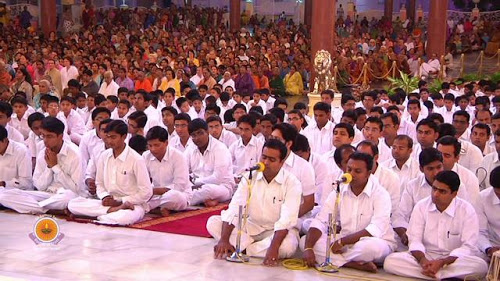
Picture of Sathya Sai Bhajans

London newspapers have published an interesting news item yesterday (London Metro, July 9, 2013 and The Mail) about the power of prayers, in particular, group prayers. Read the story below and my comments:

’Hallelujah! Singing in a choir is as good as Yoga’’ is the title given by the newspapers.


‘’Scientists say chanting the Hallelujahs of the No.1 hit can be as good for the heart as a Yoga session. That is because singing helps us to control our breathing and regulate our heart beat and pulse.


And while singing alone is good, singing in a choir is better, research shows. Dr Bjorn Vickhoff of Gothenburg University in Sweden led the research. He said, ‘songs with long phrases achieve the same effect as breathing exercise in yoga. In other words, through song we can exercise a certain control over mental states. Choir singing or chanting foot ball songs impose a calm and regular breathing pattern on participants, giving their hearts a work out.’


Scientists of Gothenburg University made this discovery after asking a group to perform three different choral exercises—monotone humming, singing a hymn and chanting a slow mantra—while their heart rate was monitored. The results revealed the music’s melody and structure was directly linked to the cardiac activity of the choir.

The next task for the researchers is to measure how music affects the body in biological terms, said Dr Vickhoff. He reckons songs could be used to treat people with breathing difficulties.

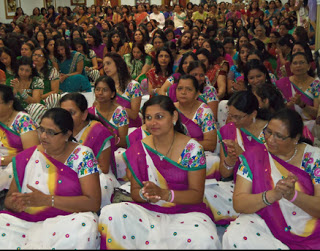
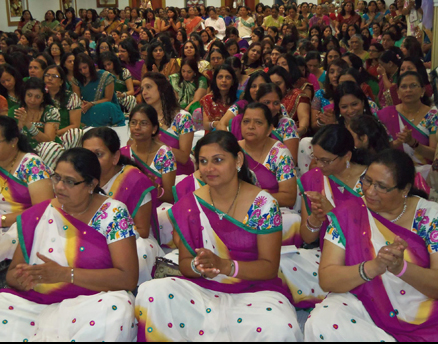
24 Bhajan groups took part in a marathon session in California (USA)

My comments: Bhajans are good for heart patients

Bhajan singing is popular among Hindus. Swami Sivananda, Ramakrishna Mutt, Chinmaya Mission, Swami Abhedananda, Hare Krishna Movement and last but not the least Sri Sathya Sai Baba made Bhajan a house hold name. Thiruppugaz Bhajan, Thevaram recitation, Divya Prabandha recitation also fall under this category. (I have the personal experience of participating in the above groups)


Bhajan means singing a hymn or reciting God’s name loudly with the accompaniment of musical instruments. In some Bhajans Lamp dance and Stick dance are also included. This type of singing will fall under the category of choir singing and group singing in the churches.


It is good to know that those who do Bhajans or Thevaram recitation are strengthening their hearts physically and spiritually. The researchers  will soon find out that music also has the same effect.

(This article is translated in to Tamil and posted: London Swaminathan).

பஜனை செய்வது நல்லது: விஞ்ஞானிகள் கண்டுபிடிப்பு

24 Bhajan groups in California (USA) joined together for a marathon Bhajan session.

பஜனை செய்வது நல்லது: விஞ்ஞானிகள் கண்டுபிடிப்பு

லண்டன் மெட்ரோ பத்திரிக்கையில் 2013 ஜூலை 9ஆம் தேதி ஒரு சுவையான செய்தி வந்துள்ளது. கூட்டுப் பிரார்த்தனை செய்வது உடலுக்கு நல்லது.சுவீடனிலுள்ள கோதன்பர்க் பல்கலைக்கழகம் இந்த ஆராய்ச்சியை நடத்தியுள்ளது.


எல்லோரும் கூட்டாக சேர்ந்து உரத்த குரலில் பாடுவது இருதயத் துடிப்பையும் நாடித் துடிப்பையும் ஒழுங்குபடுத்துகிறது. பாடுவதே நல்லது. அதிலும் கூட்டாகப் பாடுவது இன்னும் நல்லது என்று அறிவியல் அறிஞர்கள் சொல்கிறார்கள்.

Sri sathya Sai Baba who made Bhajan a household name.

விஞ்ஞானிகள் ஒரு தொண்டர் குழுவை அமைத்து மூன்று வகையான வெவ்வேறு பாடும் பணியைக் கொடுத்தனர். முதலில் தனித் தனியே வாயை மூடிக்கொண்டு குரல் எழுப்பச் சொன்னார்கள் (ஹம் செய்வது அல்லது ரீங்காரம் செய்வது). இதற்கு அடுத்த படியாக ஒரு துதிப் பாடலைப் பாடச் சொன்னார்கள். கடைசியாக ஒரு மந்திரத்தை மெதுவாகச் ஜெபிக்கச் சொன்னார்கள். ஒவ்வொரு முறையும் குழுவின் நாடித் த்டிப்பும் இருதயத் துடிப்பும் கணக்கெடுக்கப்பட்டது.அப்போது இருதயத்தின் செயல் பாட்டூக்கும் பாடும் முறைக்கும் தொடர்பு இருப்பது கண்டுபிடிக்கப்பட்டது.


நீண்ட சொற்கள் கொண்ட பாட்டுக்களைப் பாடுகையில் மூச்சை அடக்கி யோகா செய்யும்போது என்ன பலன்கள் கிடைக்கிறதோ அந்த அளவுக்கு நற்பலன்கள் கிட்டுவதாக  டாக்டர் ஜான் விக்காப் கூறுகிறார்.


கூட்டாக சர்ச்சுகளில் பாடுவதோ, கால்பந்து போட்டிகளுக்குப் போகும் ரசிகர்கள் தங்கள் குழுவின் பாடல்களைப் பாடும்போதோ (இங்கிலாந்து போன்ற நடுகளில் கால்பந்து அணிகளுக்கு கீதங்கள் உண்டு) அவர்களுடைய இருதயத் துடிபு அமைதியாக சீராக இருப்பதும் ஆராய்ச்சியில் தெரியவந்துள்ளது


கோதன்பர்க் பல்கலைகழக ஆய்வுக்குழுத் தலைவர் டாக்டர் விக்காப் பேசுகையில் அடுத்தபடியாக இசை மூலம் உடலில் ஏற்படும் மாற்றங்களை ஆராயப்போவதாகக் கூறினார். மூச்சுவிடக் கஷ்டப்படுவோருக்கு பாட்டு சிகிச்சை கொடுத்தால் நால் குணம் கிடக்கும் என்று அவர் நம்புகிறார்.


சுருக்கமாகச் சொல்லப்போனால் பஜனை செய்வது நல்லது, கூட்டுப் பிரார்த்தனை செய்வது நல்லது. சுவாமி சிவானந்தா முதல் சத்ய சாய் பாபா வரை பரப்பிய பஜனை புகழ் பெறும் காலம் வந்துவிட்டது. திருப்புகழ் பஜனையும், தேவாரக் கூட்டுப் பிரார்த்தனையும் பாட திட்டத்தில் இடம்பெறும் காலம் வந்துவிட்டது!


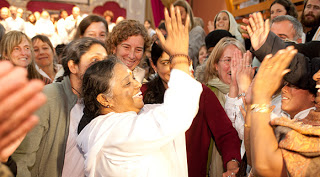
Amma in Houston (USA) doing Bhajan

அந்தக் கால சினிமாப் பாட்டில் சும்மாவா சொன்னார்கள்:

‘’பஜனை செய்தால் மழை பெய்யும்

பக்குவமாகவே, பஜனை செய்தால் மழை பெய்யும்

சுண்டல் வடையுடன், பஜனை செய்தால் மழை பெய்யும்’’


நமப் பார்வதி பதயே:— ஹர ஹர மஹாதேவா!

தென்னாட்டுடைய சிவனே போற்றி—

எந்நாட்டவர்க்கும் இறைவா போற்றி!!

கோவிந்த நாம சங்கீர்த்தனம் கோவிந்தா, கோவிந்தா!


(இந்தக் கட்டுரையை வேறு இடத்தில் பயன்படுதுவோர் எழுதியது ‘’லண்டன் சுவாமிநாதன்’’ என்று வெளியிட அன்புடன் வேண்டுகிறேன். தமிழ் எழுத்தாளர்களுக்கு மதிப்பும் மரியாதையும் கொடுங்கள்)

Role of Dreams in Tamil Saivite Literature

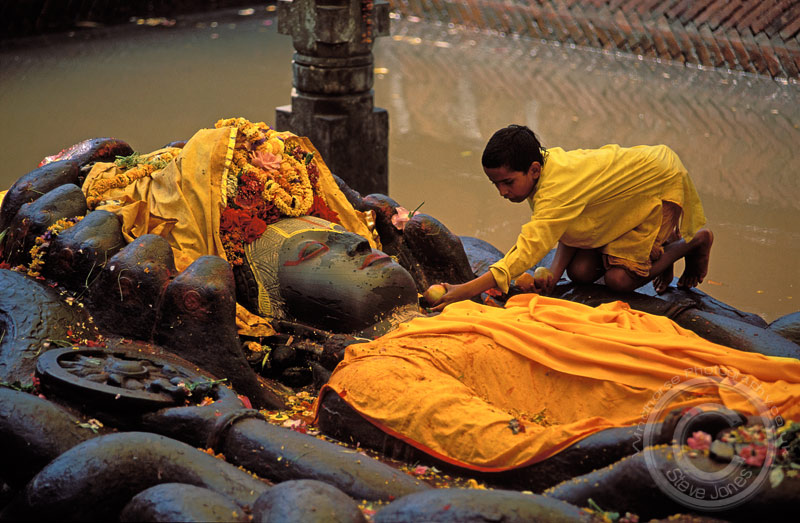
sleeping vishnu,Nepal

Picture of Sleeping Vishnu in Nepal.

Lord Shiva has played a very active role in the dreams of Saivite saints and Saivite devotees. Those who believe in such dreams will not accept the western interpretation of dreams.

Hindus are the only race in the world who give importance to dreams and good sleep. I have strong proof for my sweeping statement. In the famous Rudram and Chamakam of Yajur Veda, the devotee prays for good sleep (Sayanam Cha Me, Su Dhinam Cha me)! Brahmins are supposed to do Sandhaya Vandhanam (Water oblation and Gayatri Mantra recitation) three times a day in which they pray for the destruction of nightmares (Dus Swapna Nasanam).

Hindus knew about the REM sleep and dream patterns. They even categorised the dreams as good and bad. The traditional Panchangam (calendar) gives good dreams and bad dreams. Through their scriptures we read the epic characters’ good and bad dreams.

Girls’ names like Swapna, Sapna, English words like Somnambulism, all came from the Sanskrit word for dream: swapna.

In my earlier article on dreams that was posted on 29 December 2011 under the heading ‘’DO OUR DREAMS HAVE MEANING?’’ I have explained how Hindus differ from Western Psychoanalyst Sigmund Freud and Jung. I have given the Hindu view through the words of Swami Sivananda. I have explained the mysterious dreams of mothers of Gautama Buddha, Mahavira, Swami Vivekananda and famous people such as scientists Kukule, Otto Lowei, mathematician Ramanujan, politician Abraham Lincoln, authors Mary Shelly, Stephen King and singer Paul Mc Cartney. I have also explained the animal dreams mentioned in Sangam Tamil Literature and Swami Vivekananda’s strange dream about Jesus Christ.

Now I write about the role of dream in Tamil Saivite Literature Periapuranam. I have used the English translation of Swami Sivananda of Divine Life Society. But the interpretations are mine.

In Tamil Sangam Literature over 40 dreams of humans are reported. In the Tamil epic Silappadikaram, we read about the bad dreams of Kannaki just before the execution of her beloved husband Kovalan ( Gopalan). In Tamil Periyapuranam also we come across several dreams in the stories of Nayanars. Periapuranam is a book written in poetry form by poet Sekkizar in 11th century detailing the life history of 63 Saivite saints called Nayanars.

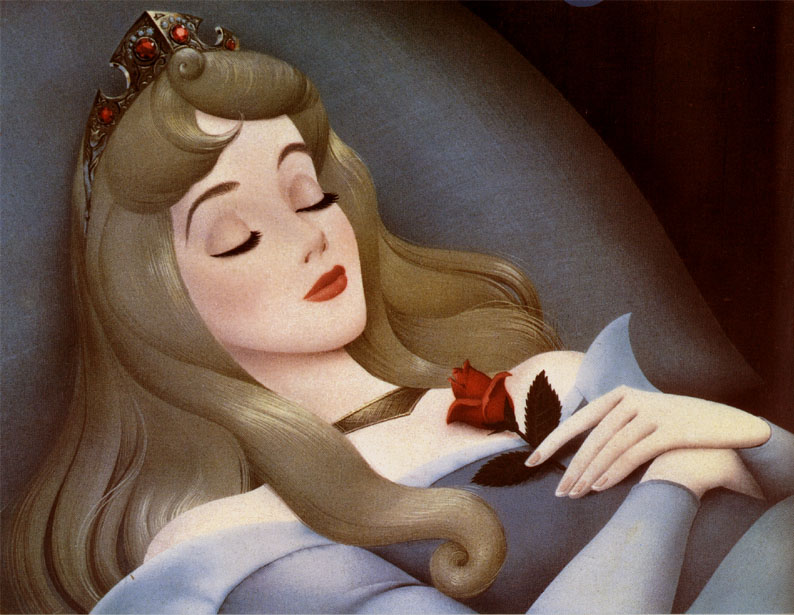
Sleeping-Beauty-disney-princess-203546_794_615

Sweet Dreams

Sundarar was one of the four important Saivite saints. After marrying Paravaiyar, he fell in love with another girl Sangiliyar. She used to make garlands and bring them to the temple. Sundrar prayed to Lord Shiva to make this marriage happen. Lord Shiva appeared in the dreams of Miss Sangiliyar and asked her to marry saint Sundarar. Though Lord fulfils devotees’ requests, it is up to the devotees to bear all the consequences.  Sundarar’s life also took some unexpected turns.

Another important dream is found in Kannappa Nayanar story. He was the first one who did eye transplant ‘operation’ 1500 years ago! Read my earlier post for the full story of Kannappa Nayanar in ‘’MIRACLES BY THE BLIND & OLDEST ORGAN DONATION’’ posted on 25th February 2013.When the Brahmin priest who did traditional rituals was very upset with the unconventional rustic puja of Kannappan, Lord Shiva appeared in the dream of priest Sivagochariar and asked him to watch Kannappan the next day from a hiding place.

In the story of Tiru Nalai Povar alias Nandanar, Siva appeared in the dreams of two opposing parties and coordinated his temple visit.  Tiru Nalai Povar (literal translation– Mr Tomorrow), who belonged to a lower caste wanted to enter the most sacred shrine of Tamil Saivites—Chidambaram Temple. Lord made a compromise by appearing in the dreams of ‘’Thillai 3000’’ Priests and Mr Tomorrow. He asked Mr Tomorrow to undergo a Fire bath like Sita Devi to prove that he was pure. He appeared in the dream of Thillai Priests to arrange a Fire Walking ceremony and then bring him inside the temple. This shows how the fire walking ceremony was started by Sita Devi and spread to Tamil Nadu and practised till today.

Appar and Sambandhar

In the story of Appar, Lord Shiva appeared in the dream of his sister Tilakavathy. Shiva convinced her that her brother would return home and reconvert himself to Hinduism. When Appar started a fast against the removal of Shivalinga by the Jains in Vadathalai temple, Lord Shiva appeared in King’s dream and ordered him to restore order. In the story of Nami Nandi Adikal also we see a similar dream.

Tiru Jnana Sambandar, the boy wonder of Saivism, was given pearl palanquin by the Lord. He revealed the location of the palanquin in the dreams of the town people. Same dream came simultaneously to the devotees. This type of episode cannot be explained by science or psychoanalysts.

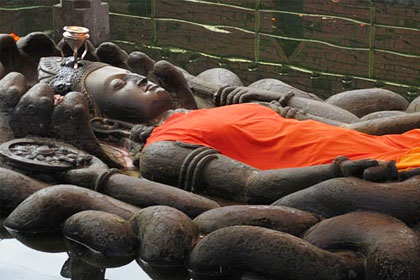
1357198084_0!!-!!sleeping bishnu

In the story of Pusal Nayanar we read about the construction of a temple by two methods. Pusal Nayanar did build a temple mentally. Pallava king built a temple physically. Both of them fixed the same auspicious day for consecration. But God appeared in the dream of Pallava King and asked him to postpone it.

In another story about Tiruneelakanta Yazpanar , God appeared in several peoples’ dreams and asked them to bring him inside the temple so that Lord can hear his sweet songs.

Though it is not an exhaustive list of all dreams, still one can see a pattern in them.1) Hindu approach to dreams is entirely different from Western analysts 2) No one can deny a place for the Hindu interpretation of dreams 3)Personally I feel the western interpretation of dreams is incomplete. Their interpretation could not be applied for all the dreams.4) In the olden days ASARIRI (anonymous voice) was heard more. Later it was replaced by dreams. Like we change methods of communication from cable phones to mobile phones God also changed his method of communication from Asariri to dreams.5)If one devotee dreams and it comes true we may consider it a coincidence or a dream come true by luck. But we read in Saivite literature that God appeared simultaneously in several people’s dreams. This is unique.6) Hindus take dreams seriously. In the olden days, they did what they were instructed to do. Even now they remember them and they approach their close relatives and friends and ask for explanation/interpretation of the dreams. 7) In the above episodes, we see two kings had dreams. They took them seriously and acted accordingly.

Have Sweet Dreams: Sayanam Cha me, Su dhinam Cha me!

Swami_48@yahoo.com; pictures are taken from various sources.

SUPERMAN OF INDIA: ANJANEYA


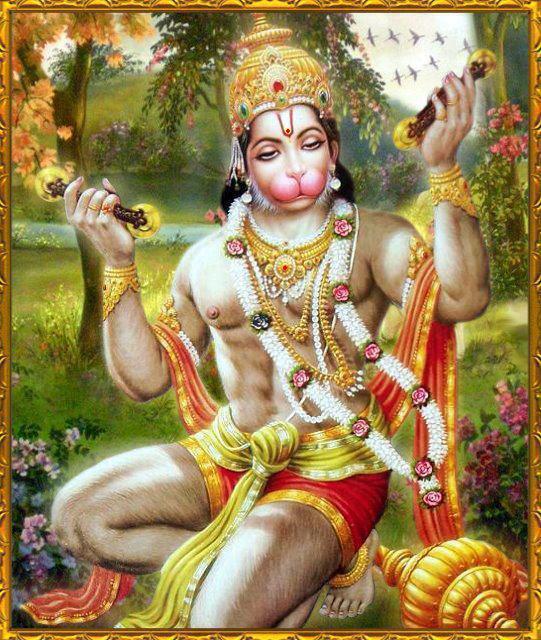
Hanuman also known as Anjaneya, Maruti and Bajrangbali is becoming popular in India. Gigantic statues of Hanuman are appearing in every state of India. The statues are up to 150 foot tall. Hanuman is the Superman of India. He has done all adventures that we read in western comics such as Superman, Spiderman, Phantom etc.  North Indians are so devoted to Bajrang Bali that they may even consider this title ‘superman’ offensive. Hanuman is super God for millions. Hanuman Chalisa by Tulsidas is recited by millions every day.


Indians consider war as a heroic action. Soldiers are praised and the Hindu epics and ancient Sangam Tamil literature categorically say that that soldiers go straight to heaven when they die and Indra is waiting to receive them in the heaven. But this is heroism. Soldiers are heroes. But there is another category of heroes who are called Great (est) Heroes and in Sanskrit they are called Mahavira. Those who won all the five senses fall under this category. India knew TWO MAHAVIRS who have won over their five senses: Mahavira Anjaneya and Mahavir, the 24th Thirthankara of Jains. Heores are in millions. But Mahavirs are few in number. When Alexander commanded a Hindu ascetic to follow him, he refused. When Alexander said to him that he would kill him if he did not obey, he was laughing saying that soul cannot be killed, only the body can be killed. This is Mahavira. I have already written about it in my post the Naked Hindu Sadhus with Alexander.

Talking about the Hanuman statues one temple stands out unique in applying modern technology to Hindu Gods. Hanuman’s devotion to Lord Rama and his wife Sita is proverbial. Hindus believe that his every hair will say Rama even if it is fallen from his body. Hindus believe that Rama and Sita live in his heart for ever and he is immortal (Chiranjeevi). Ramayana has this episode of him opening and showing Rama and Sita in his heart.


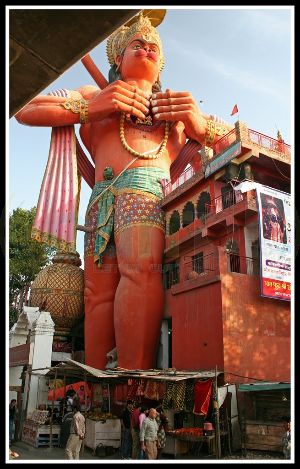
Innovative Hindus have installed a huge hanuman statue (108ft high) in Karol Bhag area of Delhi. No one can miss this enormous orange colour Hanuman. It is a rare sight amidst the chaotic Delhi road traffic with metro trains running behind. It was installed in 2007. It is an architectural and engineering marvel. Lakhs of devotees visit this temple. Devotees can see Rama and Sita coming out of Hanuman’s heart when he opens it with his two hands. When he does it, the loud speakers announce  Jai Shri Ram. Devotees are also repeating it. The statue is operated by an automatic electronic system.


To give the structure a strong foundation, the idol has been placed 30 feet under the surface. The statue houses a four storey temple which has darbars of Shri Ram, Vaishno Devi, Sai Baba, Lord Shankar and an underground cave complete with water.


Devotees offer Sesame seeds, Mustard oil, Black Gram (Urad Dhal), Jaggery (Gur), Black cloth, symbolic knife, earthern lamps, iron in different forms and flowers and fruits. This Karol Bagh is named as Shri Sankat Mochan Dham.

rama namam ruchi 

Please read earlier posts:

நாமும் அனுமார் ஆகலாம்(Tamil)

நிர்வாண சாமியார்களுடன் அலெக்சாண்டர் (Tamil)

Ramayana wonders- Seven articles in seven parts

Hanuman wonders
N.B:Those who use this article elsewhere are requested to give full credit to the blog or the author london swaminathan. Pictures are taken from other websites. Thanks.


அதிசய அனுமார் சிலை


ஆஞ்சனேயர் என்றும் அனுமார் என்றும் மாருதி என்றும் போற்றப்படும் பஜ்ரங்க பலி இந்தியா முழுதும் பிரபலமாகி வருகிறார். மக்களின் நம்பிக்கைக்கு ஏற்ப அவ்வப்போது சில கடவுளர் பிரபலமாவது இந்துக்களுக்குப் புதிதல்ல. “கருத்து ஒன்றே, கடவுள் உருவங்கள் மாறு படலாம்—“ஏகம் சத், விப்ராஹா பஹுதா வதந்தி” என்று உலகின் பழமையான சமய நூல் ரிக் வேதம் கூறும்: “உண்மை ஒன்றே, அறிஞர்கள் பல்விதமாகப் பகர்வர்”- என்பது இதன் பொருள்.


மாநிலத்துக்கு மாநிலம் போட்டி போட்டுக் கொண்டு பெரிய பெரிய அனுமார் சிலைகளை நிறுவி வருகின்றன. 125 அடி முதல் 150 அடி வரை விண்ணைத் தொடும் வகையில் அனுமார்கள் ஆகாசத்துக்கும் பூமிக்கும் வளர்ந்து வருகிறார்கள்! புதிய காலம், புதிய அணுகுமுறை– தவறே இல்லை. அதற்காக ஆகம முறைப்படி அமைந்த சுசீந்திரம் கோவில் 18 அடி உயர அனுமாரையும் நாமக்கல் ஆஞ்சநேயரையும் மறந்து விடக்கூடாது.


அனுமார் இந்தியாவின் ‘சூப்பர்மேன்’. ஆங்கிலத்தில் தற்காலத்தில் எழுந்த சித்திரப் படக் கதைப் புத்தகங்களில் (காமிக்ஸ்) வரும் சூப்பர்மேன், ஸ்பைடர்மேன், பேண்டம் ஆகிய அனைத்தையும் தோற்கடிக்கும் அத்தனை சாகசங்களையும் அனுமன் அன்றே செய்துவிட்டான் என்பதை சுந்தரகாண்டம் படிப்போர் அறிவர். அவன் ‘சொல்லின் செல்வன்’ மட்டும் அல்ல. அளப்பறிய அற்புதங்களைச் செய்தவன். உலகின் முதல் மூலிகை மருத்துவன் அவன். இமய மலைக்குச் சென்று சஞ்சீவீ மூலிகையைக் கொண்டு மாண்டோரை மீட்டவன் அவன்.


போரில் இறப்போர் சுவர்க்கம் புகுவர் என்பது புறநானூற்றிலும் உண்டு, ரிக்வேதத்திலும் ராமாயண, மஹாபாரத இதிஹாசங்களிலும் உண்டு. வேதத்திலும் சங்கத் தமிழ் பாடல்களிலும் வீர மாதா, வீர அன்னை பாடல்கள் இருப்பதை ஏற்கனவே எழுதிவிட்டேன். ஆக போரில் இறப்போர் வீரர்களே. ஆனால் இதைவிட பெரிய வீரம் புலன்களை வெல்லும் வீரம். “புலன் ஐந்தும் வென்றான் தன் வீரமே வீரம்”– என்று அவ்வைப் பாட்டியும் புகழ்வார்.


மற்ற நாடுகளில் ஏ.கே-47 துப்பாக்கியால் அதிகம் பேரைச் சுட்டுக் கொல்வோரே வீரர்கள். இந்தியாவில் இதைவிடப் பெரிய “மஹா வீரர்கள்” உண்டு.  புலனை வென்ற மஹாவீரர்கள் அவர்கள். ஆஞ்சநேயர் அவர்களில் ஒருவர். மற்றொருவர் சமண மத 24-ஆவது தீர்த்தங்கரர் மஹாவீரர். இப்படி விரல் விட்டு எண்ணக்கூடிய மஹாவீரர்கள் இந்தியாவில் இருந்திருக்கிறார்கள். ‘நிர்வாண சாமியார்களுடன் அலெக்ஸாண்டர்’ என்ற கட்டுரையில் மாமன்னரையே துச்சமாகத் ,துரும்பாக மதித்த சாமியார் பற்றி எழுதினேன். ஆக அனுமாருக்கு, மஹாவீரனுக்கு புதிய கோவில்கள் எழுப்பி நாட்டின் இளைஞர்களை பிரம்மச்சர்ய பாதையில் கொண்டு செல்வது நல்லதே. நாட்டின் தலை நகராம் டில்லியில் இப்படிப்படட் ஒரு கோவில் 108 அடி ஆஞ்சநேயருடன் உருவாகியுள்ளது.

டில்லி கரோல் பாக் பகுதியில் உள்ள ‘சங்கட மோக்ஷன் தாம்’ (கோவில்) ஒரு ஒப்பற்ற, நூதனமான அனுமார் கோவில் ஆகும். அதிபயங்கர டில்லிப் போக்குவரத்துக்கு இடையே, பறக்கும் மெட்ரோ ரயில் பாதை அருகே பிரம்ம்மாண்ட உருவத்தில் ஆரஞ்சு வண்ணத்தில் ஜொலிக்கும் இந்த அனுமாரை யாரும் மறைக்க முடியாது, மறக்கவும் முடியாது. இது 35 அடி அஸ்திவாரத்துடன் அமைந்த பெரிய அனுமன் சிலை. அனுமனின் மயிர்க்கால்கள் தோறும் ராம நாமம் கேட்கும் என்பது பக்தர்களின் நம்பிக்கை. சிரஞ்சீவியான அனுமன் இருதயத்திலே எப்போதும சீதா ராமன் குடி கொண்டிருக்கிறார்கள் என்பது நாம் அறிந்ததே. இதை உணர்த்தும் வண்ணம் வாரத்துக்கு இரண்டு முறை நெஞ்சைத் திறந்து காட்டுகிறார். எலெக்ட்ரானிக் முறையால் இயக்கப்படும் இந்த அதி நவீன ஆஞ்சநேயனைக் காண லட்சக்கணக்கானோர் கூடி நிற்பர்.


மக்களின் நம்பிக்கை அளவு கடந்தது. வட இந்திய மக்களுக்கு அனுமன், ஓர் சூப்பர்மேன் அல்ல, சூப்பர் கடவுளே. தினமும் வெல்லம், உளுந்து, எள், கடுகு எண்ணை, கருப்புத் துணி, இரும்புப் பொருட்கள், பூ, பழம் ஆகியன கொண்டு வருகின்றனர். சிலைக்குக் கீழே பிரம்மாண்டமான தண்ணீர்த் தொட்டி உள்ளது. வாரத்துக்கு இருமுறை அனுமன் நெஞ்சைத் திறக்க, ராமரும் சீதையும் வெளியே தோன்ற பக்தர்கள் ஜெய் ஸ்ரீராம் என்று கோஷம் இடுகிறார்கள். ஒலிபெருக்கி மூலமும் ராம நாமம் ஒலிக்கிறது.

எனது முந்திய கட்டுரைகளையும் படித்து இன்புறுக:

1.நாமும் அனுமார் ஆகலாம், 2.ராமாயண வினா விடை, (3-9) ‘ராமாயணா ஒண்டர்ஸ்’ (ஆங்கிலத்தில் ஏழு பகுதிகள்)


முத்துசுவாமி தீட்சிதர் செய்த அற்புதங்கள்

முத்துசுவாமி தீட்சிதர் செய்த அற்புதங்கள்

ஆதாரம்: ஷண்மதமும் முத்துசுவாமி தீக்ஷிதரும், எழுதியவர்: என். பார்த்தசாரதி, ஆண்டு 2002.

சென்னை மேற்கு மாம்பலம் பார்த்தசாரதி அவர்கள் எழுதிய 24 பக்க புத்தகத்தில் ஒரு கலைக்களஞ்சிய அளவுக்கு தகவல்கள் உள்ளன. சங்கீத ரசிகர்கள் அனைவரும் படிக்க வேண்டிய புத்தகம்.


அற்புதம் 1: காசியில் கங்கை நதியில் வீணை கிடைத்தது.


அற்புதம் 2: திருத்தணி முருகப்பெருமான் சன்னிதியில் அவன் அருளால் முதல் பாட்டைப் பாடி 440 கீர்த்தனைகளை இயற்றினார். (அவர் ஆழ்ந்த தியானத்தில் இருந்தபோது ஒரு வயதான ஆள் அவர் வாயில் கற்கண்டைப் போட்டதாகவும் உடனே பாடல்கள் பொங்கி எழுந்ததாகவும் கூறுவர்). முதல் பாட்டு ‘ஸ்ரீ நாதாதி குருகுஹோ’ என்று அமைந்தது. அது முதற்கொண்டு எல்லா பாடல்களிலும் ‘குருகுஹ’ என்ற முத்திரையை வைத்துப் பாடினார்.


அற்புதம் 3: எட்டயபுரத்தில்  வறட்சி நிலவிய காலத்தில் அங்கு சென்றார். ‘வாடிய பயிரைக் கண்ட போதெல்லாம் வாடிய’ பெருமக்கள் வரிசையில், மரபில் வந்தவர் அவர். உடனே அமிர்தவர்ஷினி ராகத்தில் அம்பிகை மீது ‘ஆனந்தாமிர்தகர்ஷினி’ என்ற க்ருதியைப் பாடவே மழை ‘பெய்யெனப் பெய்தது’.


அற்புதம் 4: தமிழ், சம்ஸ்கிருத மொழிகளில் வேற்றுமைகள் (விபக்தி) எட்டு ஆகும். இவைகளை வைத்துப் பாடினால் விபக்தி கிருதிகள் என்பர். இவ்வகையில் 32 கீர்த்தனைகள் இயற்றினார். ஒரு குறிப்பிட்ட கீர்த்தனையில் அதே வேற்றுமையில் வரிகள் அமையும். அபயாம்பிகை, கமலாம்பிகை, நீலோத்பலாம்பிகை, மதுராம்பிகை பெயர்களில் (4 x 8=32) இப்படிப் பாடினார்.


அற்புதம் 5: சிவன் மீது பாடிய ‘ஸ்ரீ விஸ்வநாதம்’ என்ற கிருதி சிகரமாக அமைந்தது. 14 ராகங்களைக் கொண்டு சிவனின் பெருமைகளை விளக்குகிறார். ஒரே பாட்டில் 14 ராகம்!


இனி அரிய தகவல்கள்

அரிய தகவல் 1: இவர் ஒவ்வொரு பாடலிலும் ‘குருகுஹ’ என்ற முத்திரையோடு பாடலின் ராகத்தையும் இணைத்துக் கூறுகிறார்.


தகவல் 2: கர்நாடக சங்கீதத்தின் மும்மூர்த்திகளில் ஒருவரான இவர் செய்த ‘வாதாபி கணபதிம் பஜே’ என்ற ஹம்சத்வனி ராக பாடலைத் தான் முதலில் கற்பிப்பார்கள். இவர் மும்மூர்த்திகளில் ஏனைய இருவரான சியாமா சாஸ்திரிகள், தியாகராஜர் ஆகியோர் காலத்தவர். ஷியாமா சாஸ்திரிகளைச் சந்தித்தது உறுதி, ஒருவேளை தியாகராஜரையும் சந்தித்திருக்கலாம்.


தகவல் 3: இவர் வாழ்ந்தகாலம் 1775- 1835. பிறந்தது திருவாரூர், சமாதி அடைந்தது எட்டயபுரம். காசியில் சிதம்பரநாத யோகியுடன் வசித்தது 5 ஆண்டுகள். திருவாரூர், தஞ்சாவூர், காஞ்சீபுரம், எட்டயபுரத்திலும் பல ஆண்டுகள் வாழ்ந்தார்.


தகவல் 4: சங்கீதம், யோக சாஸ்திரம், மந்திரம், உபநிஷதம், சம்ஸ்கிருதம், தெலுங்கு முதலியவற்றில் கரை கண்டவர். சம்ஸ்கிருத சொற்களை அடுக்கு மொழியில் அள்ளித் தெளித்திருக்கிறார். அவைகளில் அழ்ந்த  மந்திர தந்திரங்கள் நிறந்திருக்கின்றன.


தகவல் 5: பிள்ளையார் மீது சுமார் 24, சிவன் மீது 100, சக்தி மீது 150, முருகன் மேல் 30, ராமர், கிருஷ்ணர், விஷ்ணு மீது 60, நவக்கிரகங்கள் மீது 9 கிருதிகள் என்று ஷண்மத தத்துவங்களையும் பாடி இருக்கிறார்.


தகவல் 6: இவர் அம்பாள் மீது பாடிய பாடல்களை ஸ்ரீசக்ரம், மந்திர, யந்திர, தந்திரங்கள் அறிந்தவர்களே பூரணமாக விளங்கிக் கொள்ள முடியும். பரம ரகசியங்கள் நிறைந்தவை. அதே போல பலன்களும் கொடுக்க வல்லவை. இதில் மிகவும் முக்கியமானது நவாவரணக் கீர்த்தனைகள் 9 ஆகும். இதே போல நவக்கிரஹங்கள் பற்றிய 9 பாடல்களில் கிரஹ பீடைகள் விலக மந்திரபூர்வ பாடல்களைப் பாடியுள்ளார்.

தகவல் 7: இவர் பாடல்களில் வரும் புராண, இதிஹாச நிகழ்ச்சிகள் எண்ணற்றவை. அதிகமாகக் கேள்விப்படாத விஷயங்கள் சில: ஒரு பாடலில் குபேரனின் மகன்கள் நளகூபரனும் ,மணிக்ரீவனும் நாரதர் சாபத்தால் மருத மரங்களாகப் பிறந்து கிருஷ்ணனின் உரலால் சாப விமோசனம் பெற்றதைக் குறிப்பிடுகிறார். இன்னொரு பாடலில் தானம் கொடுத்த பசுவையே மீண்டும் தானம் கொடுத்த ந்ருக மகாராஜன் ஓணாயாகப் பிறந்து கண்ண பெருமானால் முக்தி அடைந்ததைப் பாடுகிறார்.


தகவல் 8: இது வேறு ஒரு ஆங்கிலப் புத்தகத்தில் இருந்து எடுக்கப்பட்ட தகவல்: தீட்சிதர் , காஞ்சிபுரத்தில் உபநிஷத் பிரம்மம் என்ற சாதுவுடன் 4 ஆண்டுக் காலம் வசித்தார். அவர் இயற்றிய ராம அஷ்டபதிக்கு இசை அமைத்தார்.


தகவல் 9: இவருடைய சீடர்களில் திருவாரூர் நடன மாது திருவாரூர் கமலமும் ஒருவர். அவர் கோவிலில் ஆடுவதற்காக 2 தெலுங்கு பாடல்களையும் இயற்றினார். அதைப் பார்க்க நாட்டியப் பேரறிஞர்களான தஞசாவுர் நால்வரான பொன்னையா, சின்னையா, வடிவேலு, சிவானந்தம் ஆகிய நால்வரும் வந்தனர்.


மேலும் விவரம் வேண்டுவோர், என்.பார்த்தசாரதியின் “ஷண்மதமும் முத்துசுவாமி தீக்ஷிதரும்” என்ற நூலையும் டி.எஸ்.பார்த்தசாரதி எழுதிய   ‘Muthuswami Dikshitar’ ( in the book Great Composers ) என்ற ஆங்கிலக் கட்டுரையையும் படிக்கவும்.

தாயுமானவர் உண்டாக்கிய தமிழ் மழை

இரண்டு தினங்களுக்கு முன் “மழை வர பிரார்த்தனை” என்ற தலைப்பில் மழையைப் பெய்யச் செய்யும் தமிழ் பதிகங்களைப் பிரசுரித்தேன். முத்துசுவாமி தீட்சிதர் அமிர்தவர்ஷினி ராகத்தில் பாடி மழை கொட்டச் செய்ததையும் மேலே படித்தீர்கள். இதே போல தாயுமானவரும் செய்திருக்கிறார்.

தாயுமானவர் ராமேஸ்வரம் சென்றபோது மழையே இல்லை, ஒரே வரட்சி. காய்ந்து கருகிப்போன பூமியில் வசிக்கும் மக்களின் அவல நிலையைக் கண்டு மனம் உருகினார். உடனே இப்படிப் பாடினார்:


சைவ சமயம் சமயம் எனில் அச் சமயத்

தெய்வம் பிறை சூடும் தெய்வம் எனில்—ஐவரை வென்

றானந்த இன்பில் அழுந்துவது முத்தி எனில்

வானக்காண் பெய்மின் மழை.


இந்த வெண்பாவைப் பாடிய உடனே பெரு மழை கொட்டித் தீர்த்தது. மக்கள் எல்லோரும் தாயுமானவரின் பெருமையை உணர்ந்தனர்.


Please Read my earlier posts on music:

1.Rain Miracles: Rain and Fire by Music

2.மழை அற்புதங்கள்

3.இசைத் தமிழ் அதிசயங்கள்

4.சங்கீத ரகசியம்: இளமையில் கல்

5.தியாகராஜருடன் 60 வினாடி பேட்டி


Contact swami_48@yahoo.com


மழை வர பிரார்த்தனை

வினவுங்கள் விடை தருவோம் கேள்வி-2

மழை வர பிரார்த்தனை


மழை பெய்விக்க வருண ஜபம் செய்கிறார்கள். தமிழில் ஏதேனும் பாடல்கள் இருக்கிறதா? (ராமதாஸ் கேட்கும் கேள்வி)


கீழ்கண்ட பாடல்களை சில ‘வெப்சைட்டில்’ இருந்து எடுத்துள்ளேன். இவைகளை மழை பெய்விக்கவும் பொதுவாக கிரகங்கள் தொடர்பான கோளாறுகள் போகவும் படிப்பதுண்டு.


1.திருப்பாவை : ஆண்டாள் பாடியது


ஆழிமழைக்கண்ணா! ஒன்று நீ கைகரவேல்

ஆழியுட்புக்கு முகந்து கொடார்த்தேறி

ஊழிமுதல்வ னுருவம்போல் மெய்கறுத்துப்

பாழியந்தோளுடைப் பற்பநாபன் கையில்

ஆழிபோல் மின்னி வலம்புரிபோல் நின்றதிர்ந்து

தாழாதே சார்ங்க முதைத்த சரமழைபோல்

வாழ உலகினில் பெய்திடாய் நாங்களும்

மார்கழி நீராட மகிழ்ந்தேலோ ரெம்பாவாய்.


விளக்கம்: உலகில் நல்ல செயலைச் செய்யத் தொடங்கினால் பலரும் வந்து தன்னாலியன்ற உதவியைச் செய்வார்கள். நல்ல மழைபொழிந்து நாட்டில் நன்மை ஏற்படுவதற்காக கிருஷ்ண பக்தர்களான ஆயர் சிறுமியர் நோற்கும் நோன்புக்குத் தானும் உதவி செய்யவேண்டும் என்ற நோக்கத்தோடு மழையைத் தரும் வருணதேவன் இவர்களின் எதிரில் வந்து நிற்கிறான். அவனை ஆழிமழைக்கண்ணா! என்றழைத்து நாங்களும் கண்ணனும் மகிழ்ந்து நீராடும்படி மழைபொழிய வேண்டும் என்று அவனுக்குக் கட்டளை இடுகிறார்கள். மழைபொழியும் செயலைக் கண்ணும் கருத்துமாக நடத்தும் வருணதேவனே! உன்னுடைய கொடைத்தன்மையில் சிறிதும் மறைத்துக் கொள்ளாமல் மழைபொழிந்து எல்லோருக்கும் உதவவேண்டும். நிறைய மழையைத் தர தண்ணீருக்கு எங்கே போவது என்று நினையாதே! நடுக்கடலுக்குச் சென்று முகத்தைத் தண்ணீரில் வைத்து உனக்குத் தேவையான அளவு தண்ணீரைப் பருகு; ஆரவாரித்துக்கொண்டு வானத்திற்குச் செல்; ஊழி முதல்வனின் உருவம்போல் கருமை நிறத்தைப் பெறு; மிக்க வலிமையுடைய பத்மநாபனின் வலக்கையில் இருக்கும் சக்கரம்போல் சுடரொளியால் மின்னலை மின்னிக்காட்டு; பகவானின் கையில் இருக்கும் வலம்புரிச் சங்குபோல் ஒலித்துக்காட்டு; ராமனுடைய கையில் இருக்கும் திருச்சார்ங்கத்திலிருந்து கிளம்பும் ராமபாணம்போல் அனைவரும் வாழ இவ்வுலகினில் மழைபொழிந்திடாய்! நாங்களும் கண்ணனும் மகிழ்ந்து நீராட தாமதிக்காமல் மழைபொழிந்திடு என்கிறார்கள்.


2. இசை விற்பன்னர்கள் இருந்தால் அமிர்தவர்ஷினி ராகம் அல்லது மேகரஞ்சனி ராகத்தில் பாடவோ வாத்தியங்களை இயக்கவோ செய்யலாம். எல்லாவற்றுக்கும் மேலாக நம்பிக்கையும் மனம் குவிந்த பிரார்த்தனையும் இருந்தால் கைமேல் பலன் கிடக்கும் என்பது முன்னோர் கண்ட முடிவு. எட்டயபுரம் பகுதியில் வறட்சி நிலவியதைப் பார்த்து வருத்தம் அடைந்த முத்து சுவாமி தீட்சிதர்,  அமிர்த வர்ஷினி ராகத்தில் “ஆனந்த அம்ருதகர்ஷினி” என்ற பாடலைப் பாடியவுடன் மழை கொட்டியது.


3.ஆதிகாலத்தில் வறட்சி எற்பட்டால் ரிஷி முனிவர்களை நாட்டிற்குள் வர அழைப்பார்கள். கோசல நாட்டில் வரட்சி ஏற்பட்டவுடன் ரிஷ்யசிருங்க (கலைக்கோட்டு) முனிவரை காட்டில் இருந்து அழைத்துவந்தார் தசரத மாமன்னன். உடனே மழை கொட்டியது. இதனால்தான் “நல்லார் ஒருவர் உளரேல் எல்லோர்க்கும் பெய்யும் மழை” என்ற வாசகம் வந்தது.


4.தெய்வம் தொழாள் கொழுநன் (கணவன்) தொழுதெழுவாள் பெய்யெனப் பெய்யும் மழை என்று வள்ளுவரும் கூறுகிறார்.


5.தேவாரம்: கோளறு திருப் பதிகம் (திருஞான சம்பந்தர் பாடியது. இதைப் பாடினால் கிரகங்கள் காரணமாக நிகழும் அனைத்துத் துன்பங்களும் நீங்கும் என்பது நம்பிக்கை)


1. வேய் உறு தோளிபங்கன் விடம் உண்ட கண்டன்

மிக நல்ல வீணை தடவி

மாசறு திங்கள் கங்கை முடிமேல் அணிந்து என்

உளமே புகுந்த அதனால்

ஞாயிறு திங்கள் செவ்வாய் புதன் வியாழன் வெள்ளி

சனி பாம்பு இரண்டும் உடனே

ஆசறு நல்லநல்ல அவை நல்ல நல்ல

அடியார் அவர்க்கு மிகவே.


2. என்பொடு கொம்பொடு ஆமை இவை மார்பு இலங்க

எருது ஏறி ஏழை உடனே

பொன்பொதி மத்தமாலை புனல் சூடி வந்து என்

உளமே புகுந்த அதனால்

ஒன்பதொடு ஒன்றொடடு ஏழு பதினெட்டொடு ஆறும்

உடனாய நாள்கள் அவைதாம்

அன்பொடு நல்லநல்ல அவைநல்ல நல்ல

அடியார் அவர்க்கு மிகவே.


3. உரு வளர் பவளமேனி ஒளி நீறு அணிந்து

உமையோடும் வெள்ளை விடைமேல்

முருகு அலர் கொன்றை திங்கள் முடிமேல் அணிந்து என்

உளமே புகுந்த அதனால்

திருமகள் கலையது ஊர்தி செயமாது பூமி

திசை தெய்வம் ஆன பலவும்

அருநெதி நல்லநல்ல அவை நல்லநல்ல

அடியார் அவர்க்கு மிகவே.


4. மதிநுதல் மங்கையோடு வடபால் இருந்து

மறை ஓதும் எங்கள் பரமன்

நதியொடு கொன்றைமாலை முடிமேல் அணிந்து என்

உளமே புகுந்த அதனால்

கொதிஉறு காலன் அங்கி நமனோடு தூதர்

கொடுநோய்கள் ஆன பலவும்

அதிகுணம் நல்லநல்ல அவை நல்லநல்ல

அடியார் அவர்க்கு மிகவே.


5. நஞ்சு அணி கண்டன் எந்தை மடவாள் தனோடும்

விடை ஏறும் நங்கள் பரமன்

துஞ்சு இருள் வன்னி கொன்றை முடிமேல் அணிந்து என்

உளமே புகுந்த அதனால்

வெஞ்சின அவுணரோடும் உரும் இடியும் மின்னும்

மிகையான பூதம் அவையும்

அஞ்சிடும்  நல்லநல்ல அவை நல்லநல்ல

அடியார் அவர்க்கு மிகவே.

6. வாள்வரி அதள் ஆடை வரி கோவணத்தர்

மடவாள் தனோடும் உடனாய்

நாண்மலர் வன்னி கொன்றை நதிசூடி வந்து என்

உளமே புகுந்த அதனால்

கோள் அரி உழுவையோடு கொலை யானை கேழல்

கொடு நாகமோடு கரடி

ஆள் அரி நல்லநல்ல அவை நல்லநல்ல

அடியார் அவர்க்கு மிகவே.


7. செப்பு இளமுலை நல் மங்கை ஒருபாகம் ஆக

விடையேறு செல்வன் அடைவு ஆர்

ஒப்பு இளமதியும் அப்பும் முடிமேல் அணிந்து என்

உளமே புகுந்த அதனால்

வெப்பொடு குளிரும் வாதம் மிகை ஆன பித்தும்

வினையான வந்து நலியா

அப்படி நல்லநல்ல அவை நல்லநல்ல

அடியார் அவர்க்கு மிகவே.


8. வேள்பட விழிசெய்து அன்று விடைமேல் இருந்த

மடவாள் தனோடும் உடனாய்

வாண்மதி வன்னி கொன்றை மலர்சூடி வந்து என்

உளமே புகுந்த அதனால்

ஏழ்கடல் சூழ் இலங்கை அரையன் தனோடும்

இடரான வந்து நலியா

ஆழ்கடல் நல்லநல்ல அவை நல்லநல்ல

அடியார் அவர்க்கு மிகவே.


9. பலபல வேடமாகும் பரன் நாரிபாகன்

பசு ஏறும் எங்கள் பரமன்

சலமகளோடு எருக்கும் முடிமேல் அணிந்து என்

உளமே புகுந்த அதனால்

மலர்மிசையோனும் மாலும் மறையோடு தேவர்

வருவகாலமான பலவும்

அலைகடல் மேருநல்ல அவை நல்லநல்ல

அடியார் அவர்க்கு மிகவே.


10. கொத்து அவர் குழலியோடு விசயற்கு நல்கு

குணம் ஆய வேட விகிர்தன்

மத்தமும் மதியும் நாகம் முடிமேல் அணிந்து என்

உளமே புகுந்த அதனால்

புத்தரொடு அமணை வாதில் அழிவிக்கும் அண்ணல்

திருநீறு செம்மை திடமே

அத்தகு நல்லநல்ல அவை நல்லநல்ல

அடியார் அவர்க்கு மிகவே.


11. தேனமர் பொழில் கொள் ஆலை விளைசெந்நெல் துன்னி

வளர் செம்பொன் எங்கும் நிகழ

நான்முகன் ஆதியாய பிரமாபுரத்து

மறைஞான ஞானமுனிவன்

தான் உறு கோளும் நாளும் அடியாரை வந்து

நலியாத வண்ணம் உரைசெய்

ஆன சொல்மாலை ஓதும் அடியார்கள் வானில்

அரசாள்வர் ஆணை நமதே.

என்ற கோளறு திருப்பதிகம் பாடியருளினார்.


நம்பினார் கெடுவதில்லை. இது நான்கு மறை தீர்ப்பு

அம்பிகையைச் சரண் புகுந்தால் அதிக வரம் பெறலாம் (மகா கவி பாரதி)


Please read my earlier posts:

1.Spaceships and Special Prayer Days (February 2012)

2.மாதத்துக்கு மூன்று மழை ஏன்? (டிசம்பர் 2012)

3.Rain Miracles: Rain by Fire and Music

Please send your questions to : swami_48@yahoo.com


Free Charter Flight to Heaven

Pictures are taken from other sites such as vaimanika.com, Bharat Gyan etc. Thanks.


Free Charter Flight to Heaven

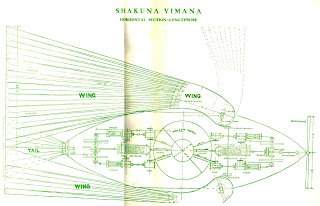
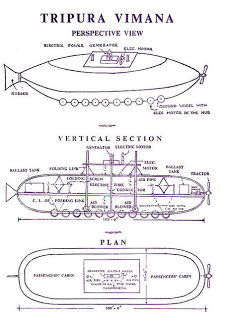
Hindu saints talk about special planes coming from heaven to pick up the good people on earth. Sangam Tamil literature, Tamil epic Silappadikaram and Ramayana also speak about such airplanes coming from heaven.

The Boy Wonder, Child Prodigy and Youngest Poet in recorded history Sambandhar (Tirugnana Sambandhar who lived in Seventh Century) sings about it in crystal clear language (here is arough translation):

“ Whoever sings all the ten verses that I sang with great devotion will go to heaven. The angels from heaven will bring the plane and devotees can board it. Those who go there will rule the world sitting there majestically” (Thevaram First Chapter). This decad was sung by him at his own native place called Sirkazi (venkuru). Sambandhar started composing poems at the age of three.


Purananuru verse 27

Sangam Tamil Poet Muthukannan Sathanar, who lived 2000 years ago, also sings about planes coming from heaven for the people who did good deeds on earth. He adds another interesting detail that those planes are pilotless remote controlled planes! The poet asks Chozan Nalakillil to do good things, particularly help the needy. The people who travel to heaven are sung by the poets, he says.


Kannaki goes to heaven in Airplane

( I have already given this anecdote in ‘Miracles by the Departed Souls’)

Tamil epic Silappadikaram also has one such story. Kovalan, the hero of the epic was sentenced to death by the Pandya king under the false accusation of stealing the queen’s anklet. Fourteen days after this execution, his wife Kannaki was standing under a tree and Kovalan came back to earth in an aerial car and took Kannaki to heaven. The tribal women in the hill watched this in awe. They praised her as goddess and reported the incident to the Chera King Senguttuvan. The story of what women had seen under the Venkai tree at the top of the hill Tiruchenkunru astonished all who heard it. The wonder struck king decided to erect a s temple for Kannaki and marched all the way to Himalayas with an army and brought back a holy stone from the Himalayas. He bathed the stone in the Ganges and made it holier. This episode shows that 2000 years ago the values and beliefs were same throughout India.

From Ramayana

Dasaratha appears to Rama (chapter 121,Yudda Kanda, Valmiki Ramayana)


‘’Dasaratha stood in his chariot. He came back from Indraloka. Rama and Lakshmana bowed before him who was standing in his aerial car in the sky. Dasaratha took Rama and Lakshmana and embraced them. They mutually praised each other. Dasaratha even told Sita not to mistake him for sending her to Agni pareeksha (Fire Test). After addressing all the three he ascended to Indraloka in his chariot. Mounted on his aerial car, full of majesty, his body blazing with effulgence, Dasaratha returned to the abode of the Sovereign of the Gods’’.

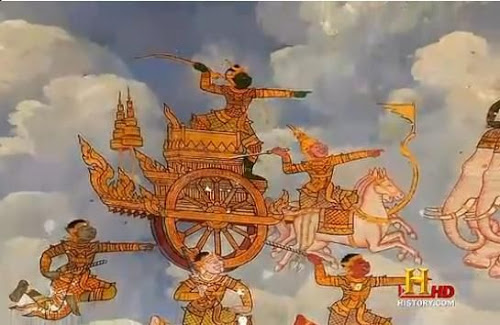
Rama also used an airplane. He travelled back to Ayodhya with his retinue from Sri Lanka. But it belonged to Kubera of the Himalayan country. Ravana took it from his cousin Kuber and rama got it as war booty.

Why did I give the title as ‘Charter Flight’?

It is because the aerial chariot comes just for a single devotee. Not any Tom, Dick and Harry can board it. Moreover it is a nonstop flight to Heaven, no changes or stop over!

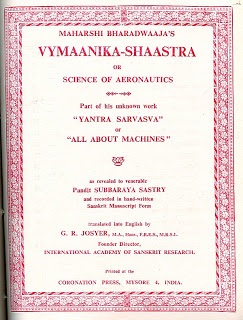
(Two articles on Subbaraya Shastry, author of Vaimanika Shastra, written by my brother S Nagarajan have been posted in this blog last year.)

Tamil References cited above:

விண்ணியல் விமானம் விரும்பிய பெருமான்

வெங்குரு மேவியுள் வீற்றிருந்தாரை

நண்ணிய நூலன் ஞான சம்பந்தன்

நவின்ற இவ்வாய்மொழி நலமிகு பத்தும்

பண்ணியல்பாகப் பத்திமையாலே

பாடியும் ஆடியும் பயில வல்லோர்கள்

விண்ணவர் விமானம் கொடுவர ஏறி

வியனுலகாண்டு வீற்றிருப்பாரே (முதல் திருமுறை/சம்பந்தர்)


புறநானூறு

புலவர் பாடும் புகழுடையோர் விசும்பின்

வலவன் ஏவா வான ஊர்தி

எய்துப, என்ப, தம் செய்வினை முடித்து எனக்

கேட்பல் எந்தை! சேட்சென்னி! நலங்கிள்ளி (புறம்.27, மு.க.சாத்தனார்)


சிலப்பதிகாரம்

என்றலும் இறைஞ்சி, அஞ்சி,

இணை வளைக்கை எதிர்கூப்பி,

நின்ற எல்லையுள் வானவரும்

நெடுமாரி மல்ர் பொழிந்து,

குன்றவரும் கண்டு நிற்பக்,

கொழுநனொடு கொண்டுபோயினார்;

இவள் போலும் நங்குலக்கோர்

இருந்தெய்வம் இல்லை;

பெரிய தெய்வம் (குன்றக் குறவை, சிலப்பதிகாரம்)