Knowledge of Biology in Hindu Scriptures

Knowledge of Biology in Hinduism

Western scholars attributed the origin of all branches of science and knowledge to the Greeks. This is due to two reasons: 1.They did not have Tamil and Sanskrit books translated into English when they wrote such things and nobody challenged their views and 2. Though Hindu scriptures pre date all that is Greek, the latest versions of Hindu scriptures have interpolated sections. So the Westerners dated most of the things to first few centuries of Common Era (AD).All encyclopaedias point in one direction—Greek origin or rarely Egyptian or Sumerian origin. That is wrong.How?


8.4 million Yonibedham

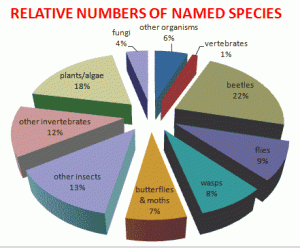
The wonder is that Hinduism comes very close to the modern science in several fields. Whether it is astronomy or origin of universe or number of living organisms, Hindu scriptures come very,  very close to modern estimates, where as others lag far behind. This article is about biology only. Hindu scriptures said that there are 8.4 million different varieties of living beings. The Sanskrit words in the scriptures are 84 hundred thousand Yoni Bedham. One must remember that it was written at least 2000 years ago. Even today science is not sure about the number of organisms on earth. They keep on adding every year. When the genetic mapping is completed they may reduce it or increase it with introducing new classifications. The current number is on the basis of what we know today and how we classify them

Tamils repeated whatever said in the Sanskrit scriptures and added their own knowledge and in some places fine tuned them. In addition, they evolved their own systems as well .A typical example is Siddha Medical system parallel to Ayurveda Medical System. Both of them believed in the principle of Prevention is better than cure.
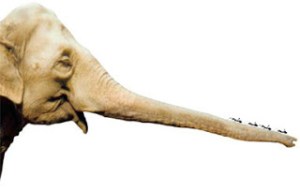
“From ant to elephant”  is an expression found in Hindu scriptures.


Six level of knowledge

Tolkappiyam, the oldest Tamil book dated to 1st century BC, says that living beings are classified in to six categories depending upon the level of their evolution. It placed human beings at the top with ‘six senses’. The living organisms with one sense are trees and grass. They have the sense of touch. Living beings with two senses are snails and oysters. They can taste and feel. Beings with three senses of taste, touch and smell are ants and termites. And with four senses are crabs and dragon flies. The fourth sense added here is vision. Living organisms with five senses are horses, elephants, pigs and birds. They have the hearing as the extra sense. Humans are the only living beings with SIX SENSES. They have mind, meaning able to think. (Ref.Tol-Porul.571 –578)

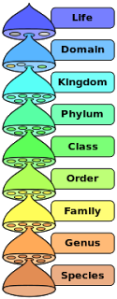
Now we use Linnaeus classification for plants and animals. He published his works in the 1750s. Neither Tolkappiar or nor Linnaeus is perfect in their classification. But we can appreciate their scientific approach. They tried to classify them on a reasonable basis. With genetic mapping of organisms we may even throw Linnaeus in to dust bin soon.

Tamil Landscape Divisions

Tamils divided their land into 4+1 categories. They gave a predominant plant’s name for each of the five landscapes: Kurinchi  (a mountain flower) for hilly areas, Mullai (jasmine) for forests, Marutham (tree with red flowers) for pastoral region, Neytal (water flower) for sea shores and Palai ( desert tree) for arid lands.

They followed their northern counterparts in their classification. Hindu mythology divides the world into 7 or 9 Dweepas (regions) on the basis of a predominant plant or animal. India is known as Jambudweepa, land of jambju or Rose Apple trees. The other dweepas are : Plaksha (fig tree), Shalmali (Silk Cotton Tree),Kusha (grass), Krauncha (Curlew Birds),Pushkara (lotus) and Saka (Teak= Tectona grandis).

Manu’s classification of Animals

Manu Smriti, the ancient law book of Hindus, classifies animals in different ways. The references are spread over in chapter 5. It shows that the ancients classified them on the basis of hoofs, whether they are carnivorous or herbivorous, whether they live in villages or forests etc. It indicates that they also thought about it and divided them in to various categories.

The fact that vegetarianism originated, supported and spread to different parts of the world from India is enough to prove that they knew about animals and plants. The fact that India is the country where lot of herbs are listed in Tamil and Sanskrit medical books is enough to prove that they based their lives on the flora and fauna of the country. An in depth study may throw more light on this subject. Westerners quote only the positive things from Greek literature. If we come to know about their superstitious beliefs about animals and plants we will have a good laugh. Westerners always date anything Greek prior to Indian scriptures. But anyone who does a quantitative and qualitative analysis of the available materials can easily find which one was first. Even before the Greeks started writing in 800 BC (Homer’s Iliad and Odyssey), India had incredibly huge, voluminous Vedic literature where A to Z (astronomy to zoology) is dealt with.
Please read my other posts:

1.Flowers in Tamil Culture 2. How Old is Indian Civilization?

Contact swami_48@yahoo.com or swaminathan.santanam@gmail.com


INDIAN CROW

INDIAN CROW by Mark Twain

( Mark Twain (1835- 1910) was an American author. His real name was Samuel Langhorne Clemens. His famous works include The Adventures of Tom Sawyer, Adventures of Huckleberry Finn. His essays are popular and his sense of humour is enjoyed by everyone. His essays on the Indian Crow and India are quoted very often).


I suppose he is the hardest lot that wears feathers. Yes, and the cheerfulest, and the best satisfied with himself. He never arrived at what he is by any careless process, or any sudden one; he is a work of art, and “art is long”; he is the product of immemorial ages, and deep calculation; one can’t make a bird like that in a day. He has been reincarnated more times than Shiva; and he has kept a sample of each incarnation, and fused it into his constitution. In the course of his evolutionary promotions, his sublime march toward ultimate perfection, he has been a gambler, a low comedian, a dissolute priest, a fussy woman, a blackguard, a scoffer, a liar, a thief, a spy, an informer, a trading politician, a swindler, a professional hypocrite, a patriot for cash, a reformer, a lecturer, a lawyer, a conspirator, a rebel, a royalist, a democrat, a practicer and propagator of irreverence, a meddler, an intruder, a busybody, an infidel, and a wallower in sin for the mere love if it. The strange result, the incredible result, of this patient accumulation of all damnable traits is, that he does not know what care is, he does not know what sorrow is, he does not know what remorse is, his life is one long thundering ecstasy of happiness, and he will go to his death untroubled, knowing that he will soon turn up again as an author or something, and be even more intolerable capable and comfortable than ever he was before.

In his straddling wide forward step, and his springy sidewise series of hops, and his impudent air, and his cunning way of canting his head to one side upon occasion, here minds one of the American blackbird. But the sharp resemblances stop there. He is much bigger than the blackbird; and he lacks the blackbird’s trim and slender and beautiful build and shapely beak; and of course his sober garb of gray and rusty black is a poor and humble thing compared with the splendid lustre of the blackbird’s metallic sables and shifting and flashing bronze glories. The blackbird is a perfect gentleman, in deportment and attire, and is not noisy, I believe, except when holding religious services and political conventions in a tree; but this Indian sham Quaker is just a rowdy, and is always noisy when awake–always chaffing, scolding, scoffing, laughing, ripping, and cursing, and carrying on about something or other. I never saw such a bird for delivering opinions. Nothing escapes him; he notices everything that happens, and brings out his opinion about it, particularly if it is a matter that is none of his business. And it is never a mild opinion, but always violent–violent and profane–the presence of ladies does not affect him. His opinions are not the outcome of reflection, for he never thinks about anything, but heaves out the opinion that is on top in his mind and which is often an opinion about some quite different thing and does not fit the case. But that is his way; his main idea is to get out an opinion, and if he stopped to think he would lose chances.

I suppose he has no enemies among men. The whites and Mohammedans never seemed to molest him; and the Hindoos, because of their religion, never take the life of any creature, but spare even the snakes and tigers and fleas and rats. If I sat on one end of the balcony, the crows would gather on the railing at the other end and talk about me; and edge closer, little by little, till I could almost reach them; and they would sit there, in the most unabashed way, and talk about my clothes, and my hair, and my complexion, and probable character and vocation and politics, and how I came to be in India, and what I had been doing, and how many days I had got for it, and how I had happened to go unhanged so long, and when would it probably come off, and might there be more of my sort where I came from, and when would they be hanged, – and so on, and so on, until I could not longer endure the embarrassment of it; then I would shoo them away, and they would circle around in the air a little while, laughing and deriding and mocking, and presently settle on the rail and do it all over again.

They were very sociable when there was anything to eat – oppressively so. With a little encouragement they would come in and light on the table and help me eat my breakfast; and once when I was in the other room and they found themselves alone, they carried off everything they could lift and they were particular to choose things which they could make no use of after they got them. In India their number is beyond estimate, and their noise is in proportion. I suppose they cost the country more than the government does; yet that is not a light matter. Still, they pay; their company pays; it would sadden the land to take their cheerful voice out of it.
– Following the Equator

GODS AND BIRDS

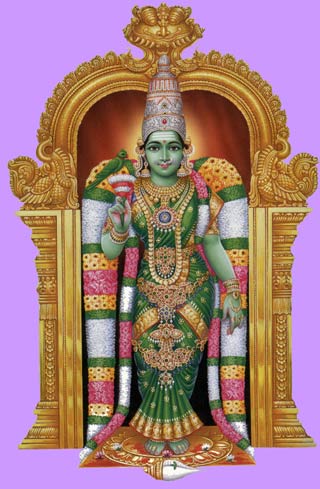
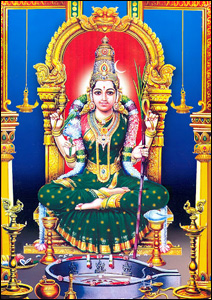
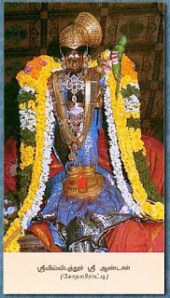
Pictures of Goddess Meenakshi, Kamakshi and Andal


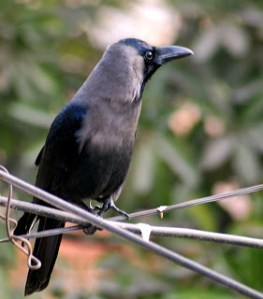
“ I suppose he (the crow) has no enemies among men. The whites and Mohammedans never seemed to molest him; and the Hindoos, because of their religion, never take the life of any creature, but spare even the snakes and tigers and fleas and rats”

–Mark Twain writing on Indian Crows

Hindus are great lovers of animals. They show kindness and respect to birds and animals. Hundreds, maybe thousands, of towns are named after birds and animals in the whole of India. From ant, snake to elephant, every animal is honoured. Each town has a long story about them, mostly connected to Gods. Birds and Gods are close. We have several Hindu gods carrying a bird in their hands. Why? What is the significance?

Meenakshi, Goddess of Madurai, carries a parrot on her right shoulder, so do Andal of Srivilliputur near Madurai  and Kamakshi of Kanheepuram (Tamil Nadu,India). Lord Muruga/Skanda  has  a cock in his hand or flag with cock.

Meenakshi Navaratna Mala, a Sanskrit hymn praises her in the very first verse as the carrier of a parrot. Such is the importance of parrot in her life:

“Meenakshim ,Madhureswareem, Sukhatharam Sri Pandya Baalaam Bhaje” =Salutations to Goddess Meenakshi, goddess of Madurai, who has a parrot in her hand, who is the daughter of Pandya king.

Madurai Meenakshi has got a parrot made of pearls. ( Please read about her amazing jewellery collection in my THE WONDER THAT IS MADURAI MEENAKSHI TEMPLE ).

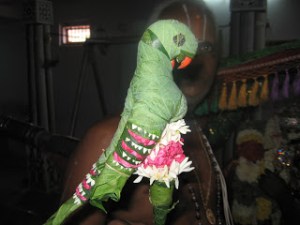
Picture of Parrot made with leaves in Srivilliputtur, Tamil Nadu


When we were children we used to go to Meenakshi temple very often. There was a big cage near the sanctum sanctorum of goddess Meenakshi where 20 to 30 parrots were kept. If we call Rama  they will repeat RAMA. If we call  Meenakshi, they will echo MEENAKSHI. I have already explained in three or four posts the relationship of Brahmins and parrots. The parrots simply repeated the VEDAS, says the Indian literature.

Now we know the reason. All good things we say are repeated. Hindu devotees believed that our requests and prayers are also repeated to Goddess even after we leave the temple. Birds’ link to omens has been already explained in my post “Can Birds Predict Your Future?” Tamils, Etruscans and other Hindus strongly believed in such omens.

In Srivilliputtur, a parrot is made every day with leaves and kept In the left hand of goddess Andal. At the end of the day, It is given to devotees who believed it would bring good luck to them.

‘ Kili viDu Thuthu’  is a genre in Tamil. The meaning is sending parrot as a messenger to a loveror beloved. Andal is said to have sent the parrot to Lord Vishnu to give the message of her love. More over wherever parrot is there it is velieved Sukhabrahmam is repeating the mythologies.

In the story of Skanda/Kartikeya the cock was a subdued demon. It symbolises that our demonic thoughts would be subdued ‘in the hands of God. Hindu goddess Lakshmi and Sarawati have owl and swan as their respective vehicles (vahanas). Crow is the vahana of planet Saturn and Garuda/eagle of God Vishnu (Please read my articles on Vahans for more details).


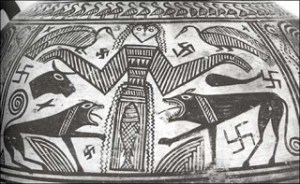
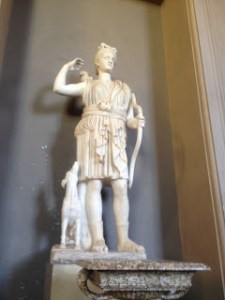
Picture of Greek Goddess Artemis with birds and Hindu Swastika symbol, 700 BC

Parrot Upanishad= Taitriya Upanishad.

Upanishads are the highest philosophical treatise in Hinduism. One of the 18 main Upanishads is Taitriya Upanishad. Thiththi and Thaththai are words for parrot in Sanskrit and Tamil. The story of Taitriya Upanishad is interesting. Yagnavalkya’s teacher was offended and asked him to return the Veda. He “vomited it and the parrots ate it”. Even a child can understand the symbolic story. When Yagnavalkya’s Guru asked him not to repeat it, he gave it to his disciples (What he threw out was taken/eaten by others).

Once again this story proves the significance of parrots in Vedas and Gods hands/shoulders. The message is, repetition of good things, is essential. Taitriya Upanishad is a beautiful Upanishad with instructions for students, saints as well as laymen. Be a parrot and repeat God’s names or good principles!

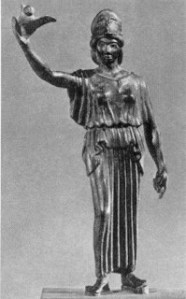
Picture of Greek Goddess Athena with an owl

Vyasa’s Son ‘Parrot Saint’ = Sukha Brahmam

Vyasa’s son Sukha Brahmam was the one who recited all the Puranas (Hindu Mythologies). Hindu mythologies are voluminous running to millions of lines. This monumental work was done by Sukha (literally parrot). Needless to explain the symbolism behind it. Sukha’s dad Vyasa did another great task of compiling and dividing Vedas into four sections and entrusting them to four of his disciples. Nowhere in the world we see such immense task carried out by any human being. Till this day no one on earth has beaten Vyasa or his parrot son in compiling lost works. Humanly impossible task was done by both. When we talk about Vyasa and Sukha we can use only superlatives!

Sumerian and Greece

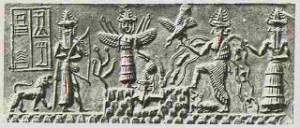
Gods in Sumerian culture also carried birds. Greek Goddess Athena carried an owl in her hand. Owl is considered a bird of wisdom. The Greek word for owl is Glaukos. It is derived from Sanskrit word Uluka=owl. In India also owl was considerd wise and Uluka, Kausika were used by Rishis. In Sumerian culturecertain gods and goddesses carried birds. There are lots of other stories about owls as well.

Contact London Swaminathan : swami_48@yahoo.com

Picture of Hindu Saint Ganapathi Sachidananda with a live parrot


Earlier related posts:

1. Animal Einsteins (Part 1 and Part 2) 2. Can parrots recite Vedas? 3. Why do animals worship Gods? 4. Mysterious Messengers for Ajanta, Angkor Wat and Sringeri 5. Elephant Miracles 6). 45 Words for Elephant 7. Can Birds Predict your Future? 8. Two Little Animals That Inspired Indians 9. Three Wise Monkeys from India 10. Mysterious Tamil Bird Man 11.Vedic Dog and Church Dog 11. Deer Chariot:  Rig Veda to Santa Claus 12. Mysterious Fish Gods around the World 13.  Serpent  (Snake) Queen: Indus Valley to Sabarimalai 14.Who Rides What Vahanas (Animal or Bird)? 15. Vahanas in Kalidasa and Tamil Literature 16. Vahanas on coins and in sculptures

Pictures of Greek and Sumerian Gods

Amazing Andal: Where did she see the Lion?

Andal  is one of the famous women poets of Tamil Nadu. She lived around 8th century. Though she is known as a devotional poet, her knowledge in several subjects is amazing. She has sung about various subjects from Astronomy to Zoology. In her A to Z dealings, I am going to touch A for Astronomy and Z for Zoo in this article. Ancient Tamil women were well educated. We have scores of female poets (poetesses) in Sangam Tamil literature. We had more than one Avvaiyar in Tamil literature. Among the devotional poetesses Karaikal Ammaiyar of fifth century and Andal of 8th century AD are more popular.

Andals’s 30 verses known as Tiruppavai and  another 143 verses known as Nachiyar Tirumozi are household names in Tamil Vaishnavite families. Her wedding song Varanam Ayiram (part of Nachiyar Tirumozi) is sung in all the Vaishnavite Brahmin weddings. She is the only one female in the twelve famous Vaishnavite Saints known as Alvars.

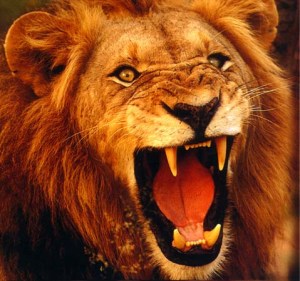
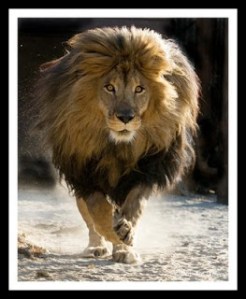
Two of the 30 Tiruppavai verses are known for her knowledge in Animal Behaviour and Astronomy. One may wonder whether she encountered a lion in a forest or a zoo when one reads her description of a lion. Unless she had keen observation power or a personal visit to a zoo in Madurai near her native place Srivilliputur she would not have described the lion in the following manner:

“ As a fierce lion, which throughout the rains

Within his mountain lair has lain asleep

And awakes, and flashes fire from the eye

And angrily with bristling mane he moves

All of his body, and shakes himself and stands

Upright and roars, and lordly issues forth:

So who flowerlike art, come graciously

Forth from thy shrine; in grace upon by throne

Of cunning craftsmanship, search out the cause

That brings us here. Ah, Elorembavoy  (23)

(From Hymns of the Alwars by J S M Hooper)

Andal and Astronomy

Andal must be an amateur astronomer. Though she was a teenage girl she knew ornithology, zoology, astronomy etc. She mentioned a particular bird called Anaichathan (Asian Drongo Cuckoo or Valiyan Kuruvi) . Her keen observation of Venus rising and Jupiter setting in the early morning sky 1200 years ago helped us to confirm her period. We know approximately her period because of her father Periyalvar and the Pandya king of his times. Andal’s precise date was determined by her astronomical reference in the following verse:

Singing the glory of him

Who split the bird’s bill and killed

And Him who plucked the wicked demon as a weed

Girlies all reached the site of deity

Venus ascended and Jupiter had slept sunk;

Birds too clanged behold, belle gild:

The eye is a la flower or deer flirting?

Yet asleep in bed

Enjoin to dip and shiver in bath of cold;

Shed off thy stealth untold

This day is auspicious, consider our damsel.


In the very first verse of Tirupavai, she says that it was Full moon day in the month of Markazi.( Markazi thingal mathi niraintha nannaalal in Tamil) and then she says Venus ascended and Jupiter went down. This happened on 18th December 731 AD according to scholars Raghava Iyengar and KG Shankar. Thanks to Andal we were able to pinpoint the date.

I am giving both the verses in Tamil for the benefit of Tamil readers:


Animal behaviour:

மாரிமலை முழைஞ்சில் மன்னிக்கிடந்து உறங்கும்

சீரிய சிங்கம் அறிவுற்றுத் தீவிழித்து

வேரி மயிர்ப்பொங்க எப்பாடும் பேர்ந்து உதறி

மூரி நிமிர்ந்து முழங்கிப் புறப்பட்டுப்

போதருமா போலே நீ பூவைப் பூவண்ணா உன்

கோயில் நின்று இங்ஙனே போந்தருளி, கோப்புடைய

சீரிய சிங்காசனத்திருந்து, யாம் வந்த

காரியம் ஆராய்ந்து அருள் ஏல் ஓர் எம்பாவாய் (திருப்பாவை 23)


Astronomy:

புள்ளின்வாய் கீண்டானைப் பொல்லா அரக்கனைக்

கிள்ளிக் களைந்தானைக் கீர்ந்திமை பாடிப்போய்

பிள்ளைகள் எல்லாரும் பாவைக் களம் புக்கார்

வெள்ளி எழுந்து வியாழம் உறங்கிற்று

புள்ளும் சிலம்பின காண்! போது அரிக்கண்ணினாய்

குள்ளக் குளிரக் குடைந்து நீராடாதே

பள்ளிக் கிடத்தியோ பாவாய்! நீ நன்னாளால்

கள்ளம் தவிர்ந்து கலந்து ஏல் ஓர் எம்பாவாய் (திருப்பாவை 13)

Contact swami_48@yahoo.com

அஸ்வமேத யக்ஞமும் அஸ்வப் படுகொலைகளும்


GOOD NEWS : This blog has crossed 81,000 hits. I have uploaded more than 400 research articles and at least one article is uploaded on an average every day. We thank you for your continued support. Both my blogs put together attract 1200 to 1800 hits a day. Please spread the word to your friends. Wherever you use my matter, please give full blog address. Pictures are not mine. They come under copyright rules.


அஸ்வமேத யக்ஞமும் அஸ்வப் படுகொலைகளும்


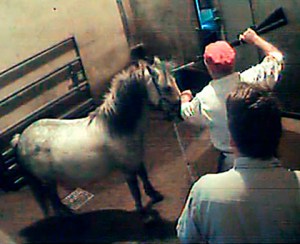
அஸ்வமேத யக்ஞம் என்பது என்ன? பெரிய மன்னர்கள் ஒரு குதிரைக்குப் பூஜை செய்து பட்டம் கட்டி திரிய விடுவார்கள் அது சென்றவிடமெல்லாம் எந்த மகாராஜா அனுப்பினாரோ அவருக்கு அந்த நாடு எல்லாம் கப்பம் கட்ட வேண்டும். யாராவது துணிவு இருந்தால் குதிரையைக் கட்டிப் போடுவார்கள். உடனே அதை அனுப்பிய மன்னர் சண்டைக்கு வருவார். யாருக்கு வெற்றியோ அவர்கள் பக்கம் அந்த இடம் போய்ச் சேரும். இறுதியில் குதிரையை வெட்டி யாகம் செய்வர். இப்படிச் செய்த இந்திய மன்னர்களை விரல் விட்டு எண்ணிவிடலாம். இருந்தபோதிலும் இந்தச் செய்தியைப் படித்த பலர் புருவத்தை உயர்த்துவர். உயிர்க் கொலை நியாயமா என்பர். அவர்களுக்கெல்லாம் ‘ஷாக்’ கொடுக்கும் செய்தி பிரிட்டனில் வெளியாகி இருக்கிறது.


சில நாட்களுக்கு முன்னால் பெரிய சூப்பர் ஸ்டோர்களில் விற்ற மாமிசத்தில் குதிரை மாமிசமும் கலந்திருந்தது. சொல்லாமல் இப்படிச் செய்வது சட்ட விரோதம். செய்தி வெளியானவுடன் டன் கணக்கில் விற்பனைக்கிருந்த மாமிசம் எல்லாம் குப்பைத் தொட்டிக்கு அநுப்பப்பட்டது. அப்போது பத்திரிக்கைகள் ஒரு உண்மைச் செய்தியை வெளியிட்டன. குதிரை மாமிச ரகசியங்கள் அம்பலத்துக்கு வந்துவிட்டன.


இதைப் பார்த்தால் மேலை நாட்டில் தினமும் லட்சக் கணக்கில் “ அஸ்வமேதங்கள்” நடக்கின்றன என்று சொல்லலாம்.

2010ஆம் ஆண்டுப் புள்ளி விவரங்கள் இதோ:

சீனா கொன்ற குதிரைகள் 201,600

பிரான்ஸ்————————–     4500

இதாலி                  67,000

அமெரிக்கா             110,000

ஆர்ஜெந்தினா           150,000

கனடா               100,000+


ஒரே ஆண்டில் பல லட்சம் குதிரைகள் மனிதர்களின் வயிற்றுக்குள் போய்விட்டன. அது மட்டுமல்ல. தமிழ் நாட்டில் இருந்து அடிமாடுகளை எப்படி லாரியில் அடைத்து அனுப்புகிறார்களோ அப்படி 67000 குதிரைகளை கொடுமையான முறையில் ஐரோப்பிய நாடுகள் ஏற்றுமதி செய்வதும் பத்திரிக்கைகளில் வெளியானது.

பிரிட்டனில் மட்டும் ஆறு வதைக் களங்களில் 8000 குதிரைகளைக் கொல்லுகின்றனர். ஒரே துப்பாக்கி ரவையைப் பயன்படுத்தி குதிரையின் மூளையில் சுட்டு “ மனிதாபிமான” முறையில் கொல்லுகின்றனர்!!!

குதிரைப் பந்தயத்தில் ஓடி வெல்லும் குதிரைகளுக்கு ராஜ உபசாரம். அது கிழடு தட்டிப் போய் ஆட்டம் ஒடுங்கிய பின் கொலைக் களம்.


போகிற போக்கில் ஆட்டைக் கடித்து மாட்டைக் கடித்து மனிதனையும் கடித்தால் ஆச்சரியப் படுவதற்கில்லை.


கொல்லான் புலாலை மறுத்தானை

எல்லா உயிரும் கை கூப்பித் தொழும் (வள்ளுவப் பெருமான்)

contact: swami_48@yahoo.com

வேத நாயும் மாதா கோவில் நாயும்

படத்தில் சர்ச்சில் பிரார்த்தனை செய்யும் அதிசய நாய்

உலகில் முதல் முதலில் நாயின் பெருமையைப் போற்றியது உலகின் மிகப் பழைய மத நூலான ரிக் வேதம் ஆகும். இந்துக்கள் எப்போதுமே பிராணிகள் தாவரங்களின் பால் அன்பு மழை பொழிபவர்கள். சம்ஸ்கிருத, தமிழ் இலக்கியங்களில் உள்ள ஆயிரக் கணக்கான குறிப்புகள் இதை உறுதி செய்கின்றன. மஹா பாரதத்திலும் ராமாயணத்திலும் வியாசரும் வால்மீகியும் நாய்கள் பற்றிய சுவையான கதைகளைச் சேர்த்துள்ளனர். டோக்கியோ விலுள்ள நாய் சிலை உலகப் புகழ்பெற்றது. இப்போது இத்தாலிய மாதா கோவில் நாய்க் கதை ஒன்றும் லண்டன் பத்திரிக்கைகளில் படங்களுடன் வெளியாகி இருக்கிறது. இதோ சுவையான நாய்க் கதைகள்:


இத்தாலியில் சான் டொனாசி என்னும் ஊரில் சாண்டா மரியா அசுந்தா மாதாகோவில் இருக்கிறது. அங்கு மரியா மார்கரிட்டா லோசி என்ற பெண்மணி ஏழு வயதான ‘டாம்மி’ என்ற நாயுடன் சர்ச்சுக்கு (மாதாகோவில்) போவது வழக்கம். இதை யாரும் பொருட்படுத்துவதில்லை. அவர் காலடியில் ‘டாம்மி’ அமைதியாக அமர்ந்திருக்கும். சென்ற ஆண்டு அவர் இறந்துவிட்டார். அந்த நாய் திடீரென்று கடந்த இரண்டு மாதங்களாக தினமும் சர்ச் மணி அடித்தவுடன் பிரார்த்தனைக் கூட்டத்துக்கு வந்துவிடுகிறது! அங்குள்ள பாதிரியாரும் அதை அன்புடன் உபசரிக்கிறார்.


நாய்கள் நன்றியுள்ள பிராணிகள். மேலை நாடுகளில் இரண்டாம் உலகப் போரில் சேவையாற்றிய பல நாய்களுக்கு சிலைகள் உண்டு. ஆயினும் போரில் சம்பந்தப்படாத ஜப்பானிய ஹசிகோவின் கதை மிகவும் உருக்கமானது. டோக்கியோ பல்கலைக்கழகத்தில் விவசாயத் துறை பேராசிரியர் யுனோ ஒரு நாயை வளர்த்தார். அதன் பெயர்தான் ஹசிகோ (எட்டாம் எண் என்று அர்த்தம்). பேராசிரியர் தினமும் பல்கலைக்கழகத்தில் இருந்து வரும்போது சிபுயா என்ற ரயில் நிலைய வாசலில் அது காத்து நிற்கும். அவர்களது இந்த நட்பு ஓராண்டு நீடித்தது. ஆனால் அவர் 1925ல் மூளையில் ரத்தம் உறைந்து இறந்துவிட்டார். அவர் எப்படி ரயில் நிலையத்துக்கு வருவார்? ஆயினும் ஹசிகோ ஒன்பது ஆண்டுகளுக்கு அதே ரயில் நிலையத்துக்கு அதே நேரத்துக்கு தவறாமல் போய் பேராசிரியருக்காக காத்து நின்றது. ஜப்பானின் மிகப்பெரிய பத்திரிகை இந்த நாய் பற்றி ஒரு கட்டுரை வெளியிட்டவுடன் அது உலகப் புகழ் பெற்றது. 1934 ஆம் ஆண்டு அந்த ரயில் நிலைய வாயிலில் நாயுக்கு ஒரு வெண்கலச் சிலை வைத்தனர். அந்த சிலைத் திறப்புவிழாவுக்கு ஹசிகோவும் வந்தது!

படத்தில் ஹசிகோ சிலை

1935ல் ஹசிகோ புற்றுநோய் காரணமாக இறந்தது. அதன் உடலைப் பதப்படுத்தி டோக்கியோ தேசிய மியூசியத்தில் வைத்திருக்கின்றனர். மஹா பாரதத்திலும் ராமாயணத்திலும் ரிக் வேதத்திலும் இந்துக்கள் ஏன் நாய்க் கதைகளை எழுதினர் என்பது இப்போது நமக்கு நன்கு விளங்கும்.

நாய்கள் நன்றியுடையவை மட்டும் அல்ல. அபூர்வ சக்திகளை யுடையதும் கூட. மனிதனை விட 3000 மடங்கு அதிகம் மோப்ப சக்தி/முகரும் சக்தி கொண்டவை. பூகம்பம், சுனாமி, எரிமலைச் சீற்றம் ஆகியவற்றை பல நாட்களுக்கு முன்னரே அறிந்து ஊளை இடத் துவங்கிவிடும். பூமிக்கடியில் கேட்கும் உறுமல் சப்தத்தை அவை கேட்கின்றன என்று விஞ்ஞானிகள் சொல்கின்றனர்.


ரிக் வேதத்தில் நாய்

ரிக் வேதம் இற்றைக்கு 3500 ஆண்டுகளுக்கு முன் உலகில் எழுந்த முதல் மத நூல். அதில் ‘சரமா’ என்ற நாய் இந்திரன் வளர்த்த நாய். அதற்கு சரமேயஸ் என்ற பெயரில் இரண்டு குட்டிகளும் உண்டு. அவை ஒவ்வொன்றுக்கும் 4 கண்கள். அதாவது அவற்றின் சக்தியைக் குறிப்பிட இப்படி சங்கேத மொழியில் வேத காலப் புலவர்கள் மொழிவர். பாணிக்கள் இந்திரனின் பசுக்களைத் திருடிய போது சரமாதான் அவைகளைக் கண்டுபிடித்தது. அதன் குட்டிகளான சரமேயஸ் யம தர்ம ராஜனின் காவலர்கள். அதாவது சாவு வருவதை முன் கூட்டி அறிவிக்கும் சக்தி படைத்தவை!

(கிரேக்கர்கள் இதை ஹெர்மிஸ் என்று மாற்றி அவர்கள் புராணத்தில் சேர்த்துவிட்டனர். சம்ஸ்கிருத ‘ஸ’ கிரேக்க மொழியில் ‘ஹ’ ஆக மாறும். இதனால்தான் ‘சி’ந்து நதி ஆட்களை ‘ஹி’ந்துக்கள் என்று மொழிந்தனர்)

ரிக் வேத காலத்தில் மனிதன் நாய் வளர்த்த செய்தி இதில் கிடைக்கிறது. அது மட்டுமா? அதற்கு பெயர் வைத்தது, அதன் சேவைக்கு நன்றி கூறும் முகத்தான் அவை பற்றி கவிதை பாடியது ஆகியவற்றையும் எண்ணி இந்துக்கள் பெருமைப்படலாம்.

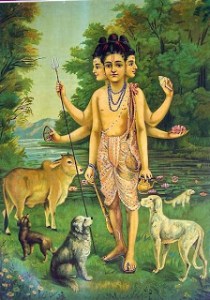
படத்தில் தத்தாத்ரேயர் (ரவிவர்மா ஓவியம்)

மகாபாரதத்தில் நாய்

பாண்டவர்கள் தங்கள் இறுதிக் காலத்தை புனித திசையான வடக்கில் இருக்கும் மேரு மலையை நோக்கி நடந்தே கழிக்க எண்ணுகின்றனர். தர்மபுத்திரனை ஒரு நாய் பின்தொடர்ந்து செல்கிறது. இப்படிப் போகும் வடதிசைப் பயணத்தை மகா பிரஸ்தானம் என்பர். சங்க காலத் தமிழர்கள் வட திசை நோக்கிச் செல்லுவதற்குப் பதிலாக வட திசை நோக்கி அமர்ந்து உண்ணாவிரதம் இருந்து உயிர் நீத்தது புறநானூற்றில் உள்ளது பாண்டவர்கள் ஒவ்வொருவராக சுருண்டு விழுந்து இறந்தனர். கடைசியாக மிஞ்சியது தர்மனும் நாயும்தான். சொர்க்கத்துக்குப் போனபோது நாயை உள்ளேவிட முடியாது என்று சொல்லிவிட்டனர். நாய்க்கு அனுமதி இல்லாவிடில் எனக்கு சொர்க்கமே வேண்டாம் என்று சொன்னார் தர்மர். உடனே அந்த நாய் தான் தர்ம தேவதை என்று சுய ரூபத்தைக் காட்டி இறுதிக் காலத்திலும் தர்மன் கடைப்பிடித்த தர்மத்தைப் பாராட்டியது.


ராமாயணத்தில் நாய்

உத்தரகாண்டம் 60, 61 அத்தியாயத்தில் வால்மீகி முனிவர் ஒரு நாயின் கதையைக் கூறுகிறார். ஒரு நாயை ஒரு பிராமணன் அடிக்கவே அது ராம பிரானிடத்தில் புகார் செய்கிறது. ராமன அந்த பிராமணனுக்கு ‘சம்மன்’ அனுப்பவே அவன் கோர்ட்டில் ஆஜர் ஆனான். அவனுக்கு என்ன தண்டனை கொடுப்பது என்று மந்திரிகளைக் கேட்டபோது பிராமணர்களைத் தண்டிக்கமுடியாது என்று கூறிவிட்டனர். ஆனால் ராமன் அந்த பிராமணனை ஒரு மடத்துக்குத் தலைமை அதிகாரியாக நியமித்து ‘தண்டணை’ கொடுத்தார்! எல்லோருக்கும் ஒரே ஆச்சரியம். உத்தமபுத்திரன், சத்திய ஆத்மா ராமனா இப்படிச் செய்கிறான்? என்று புருவத்தை உயர்த்தினர். இதன் காரணம் நாய்க்குக் கூடத்தெரியுமே என்று ராமன் குறிப்பால் உணர்த்தினார்.

நாய் தன் கதையைக் கூறியது. பூர்வ ஜன்மத்தில் ஒரு மடத்தின்/ கல்வி நிறுவனத்தின் தலைவர் தாம் என்றும் அப்போது பணத்தைக் கையாண்ட குற்றத்தால் இப்போது அந்த பிராமணன் கையில் அடிபட நேரிட்டது என்றும் விளக்கியது. எல்லோருக்கும் விளங்கியது. அந்தப் பிராமணன்அதிகாரியாகப் பதவி ஏற்று தவறு செய்வான், தன்னாலேயே நரகத்துக்குப் போவான் என்று.

இந்தக் கதையில் பல நீதிகள் இருக்கிறது. விரிவஞ்சி விடுக்கிறேன்.


ஆதி சங்கரர் கண்ட 4 நாய்கள்

உலக மகா தத்துவ மேதை ஆதி சங்கரர் காசி மாநகரத்தில் 4 நாய்களுடன் வந்த சண்டாளனைப் பாதையில் இருந்து விலகச் சொன்னபோது அவன் கேட்ட கேள்வி ஆதி சங்கரருக்கு ஞானம் அளித்தது. அந்த சண்டாளனை பரமேஸ்வரனாகவும் 4 நாய்களை 4 வேதங்களாகவும் அவர் உணர்ந்தார்..

தத்தாத்ரேயர் என்னும் திரிமூர்த்தி அவதாரம் 4 வேதங்களை 4 நாய்களாக அழைத்து வரும் அற்புதமான படத்தை பாரதம் போற்றும் ஓவியர் ரவிவர்மா அழகாக வரைந்துள்ளார்.

புண்ய சீலர் நாமதேவ் வைத்திருந்த உணவுப் பண்டத்தில் ஒரு பகுதியை நாய் திருடிக் கொண்டு ஓடியது. அவரும் அதன் பின்னால் ஒடினார். எதற்காக? நெய் இல்லாமல் அதைச் சப்பிட்டால் நாயின் குடல் வெந்து விடுமே என்று எண்ணி நெய்யையும் அதற்குக் கொடுக்க ஓடினார்.

இந்து மதம் முழுதும் மரம், செடி, கொடி, பிராணிகள் எல்லாம் போற்றப்படுகின்றன. இப்போது வெளி நாட்டினர் இதை எல்லாம் படம் பிடித்து நாம் இன்று கூறும் புறச் சூழல் விடயங்களை இந்துக்கள் 3000 ஆண்டுகளுக்கு முன்னரே கூறிவிட்டனர் என்று டெலிவிசனில் காட்டுகின்றனர் (அண்மையில் நாகப் பாம்புகளைப் போற்றும் நாக பஞ்சமி நிகழ்ழ்சிகளை லண்டனில் கண்டோம்)

இந்து என்று சொல்லடா! தலை நிமிர்ந்து நில்லடா!!


Please read other animal stories posted earlier in this blog:

1. Animal Einsteins (Part 1 and Part 2)

2. Can parrots recite Vedas?

3. Why do animals worship Gods?

4. Mysterious Messengers for Ajanta, Angkor Wat and Sringeri

5. Elephant Miracles

6). 45 Words for Elephant

7. Can Birds Predict your Future?

8. Two Little Animals That Inspired Indians

9. Three Wise Monkeys from India

10. Mysterious Tamil Bird Man

11. Gajendra Moksha in Africa

12.அதிசய பறவைத் தமிழன்

Contact London Swaminathan at swami_48@yahoo.com


Elephant Coffee- a cup £30 (Rs2500)

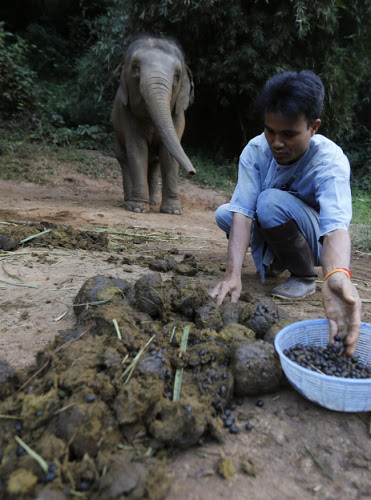
London newspapers have published an interesting news story about coffee that comes out of an elephant’s bottom! It is called black ivory coffee. Because of its super taste, it is one of the most expensive coffees in the word at £30 a cup (Rs 2500). The reason for its good taste is every coffee bean is plucked out of elephant’s dung. They feed the coffee beans to elephants and the animal’s stomach acid improves it flavour.


This coffee is called crap-uccino. Canadian Blake Dinkin spent £300,000 developing this idea. He used a herd of twenty elephants for this. The first 70 kilo coffee he produced in Thailand has sold out. He expects a good demand for this black ivory coffee.

It raises a moral question. Can we use elephants to make them eat what they can’t digest? When it comes to money, morality disappears in western countries.

Hindus reverence to Elephants & cows

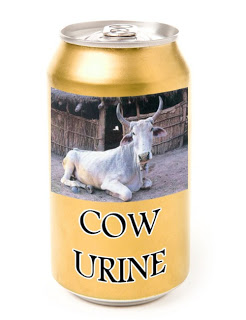
Hindus revered two animals the most –cow and elephant. They did two pujas everyday in all the temples and Mutts for cow and elephant. They are known as Go Puja (cow worship) and Gaja Puja (elephant worship). They not only respected these animals but used their parts as well. Even a primitive man would have done it. There is no wonder. But Hindus went one step further and found out the medical values of their urine and excretory materials.

Pancha gavyam (five products from Go=Gau=cow) is from the cow. Hindus must consume the urine, cow’s dung, milk, curd and butter at all ritual functions. The cow dung is anti bacterial and is used by the Hindus for thousands of years as cleaning materials in kitchen and front of the houses. Now cow’s urine is sold in bottles. People will slowly realise its medical value. I will consider these as Hindu discoveries.

The hair from elephant tails is used as a talisman against diseases in Kerala, India. The mahout used to give it when we give him money. Elephant’s urine was also used by orthodox Hindus. When I spent my boyhood days in Madurai, Tamil Nadu, India I have done it along with other elders. When I went to Guruvayur elephant sanctuary, I bought the elephant’s hair. As soon as the elephants excrete the dung people used to run and stamp on it so that all the fissures and sores on the foot disappear. When I was a boy all these were fun rather than religious or scientific. Now after reading the elephant dung coffee news I realise its value.

People pay the mahout to get the water blown out from the trunk of an elephant. Whoever drenches in that water will get immunity from diseases. This is seen in 2200 year old (Bharhut sculptures) Gajalakshmi statues where Goddess Lakshmi is bathed by two elephants. I have already written about Gajalakshmi’s travel to Sri Lanka and Denmark. The figure is found in Denmark and Sri Lanka.

Elephant dung and cow’s dung are used as manure. Cow’s milk is also used all over the world. I have a feeling Hindus were the first one to introduce them to the human beings. There are some reasons to believe so. They worshipped these two animals above all other animals and started using them well before others. They found out their medicinal values. They banned beef eating. Beef spreads killer diseases such as Mad Cow Disease. Millions of cows were slaughtered after this disease spread to Europe in the past few years. Certain countries beef was banned by UK leading to economic wars. Beef sale dropped out heavily in the supermarkets after the scientists’ revelation that it can spread to human beings. Lot of people stopped eating red meat and switched over to chicken and fish. A lot more have become vegetarians.


Read also my previous posts:

1.யானை பற்றிய நூறு பழமொழிகள் 2.Gajalakshmi in Kalidasa and Sangam Literature 3.Gajendra Moksha in Africa

Contact: swami_48@yahoo.com or swaminathan.santanam@gmail.com

யானைக் காப்பி:கோப்பை £30 (ரூ.2500)


லண்டன் பத்திரிக்கைகள் ஒரு சுவையான செய்தி வெளி யிட்டிருக்கின்றன. யானையின் ஆசன வாயிலிருந்து வரும் காப்பிக் கொட்டையை வறுத்து தயாரிகும் காப்பி இது. படிக்க கொஞ்சம் அறுவெறுப்பாக இருந்தாலும் குடிக்கச் சுவையாக இருக்குமாம். ஒரு கோப்பை 30 பவுண்டுகள் (இந்திய ரூபாய் ரூ2500).

யானைக்கு காப்பிக்கொட்டை பழங்களைச் சாப்பிடக் கொடுப்பார்கள். அது அவைகளை முழுதும் ஜீரணிக்காமல் பின்பக்கம் வழியாக வெளியே தள்ளிவிடும். அந்த யானை லத்தியிலிருந்து ஒவ்வொரு காப்பிக்கொட்டை பழத்தையும் பிரித்தெடுக்க வேண்டும். பிறகு கொட்டைகளை வெளியே எடுப்பார்கள். யானை வயிற்றிலுள்ள அமிலங்கள் அந்தக் காப்பிக் கொட்டைகளுக்கு ஒரு மாயாஜால சுவையைக் கொடுக்கிறது.

கனடா நாட்டைச் சேர்ந்த பிளேக் டின்கின் என்பவர் 3 லட்சம் பவுன்ட் செலவில் இந்த ஏற்பாடைச் செய்துள்ளார். அவர் 20 யானைகளுக்கு இப்படி கொடுத்து 70 கிலோ காப்பிக்கொட்டை உற்பத்தி செய்துவிட்டார். முழுதும் விற்றுப்போய்விட்டன.

ஒரே கேள்விதான். யானைக்கு முழுதும் ஒவ்வாத ஒரு பொருளைச் சாப்பிடக் கொடுத்து பின்னர் அதையே வெளியே தள்ளச் செய்வது நியாயமா? மேலை நாட்டினருக்குப் பணம் கிடைத்தால் போதும், தார்மீக சிந்தனை பறந்தோடிப் போய்விடும்.

இந்துக்கள் எல்லா மிருகங்களையும் விட பசுவையும் யானையையும் மிகவும் மதித்தனர். எல்லா கோவில்களிலும் மடங்களிலும் காலையில் கோ (பசு) பூஜையும் கஜ (யானை) பூஜையும் நடைபெறுகிறது. இதற்கு பல அறிவியல் காரணங்கள் இருக்கின்றன. இதை இந்துக்கள் ஆயிரக் கணக்கான ஆண்டுகளுக்கு முன்னரே கண்டுபிடித்தனர். மாட்டுச் சாணத்துக்கு பாக்டீரியா கிருமிகளைக் கொல்லும் சக்தி இருப்பதை அறிந்து வீட்டையும் சமையல் அறையையும் மெழுக சாணத்தைப் பயன்படுத்தினர். அதன் மூத்திரத்துக்கு உள்ள மகத்தான மருத்துவப் பயன்களை அறிந்து அதை மருந்திலும் சமயச் சடங்கிலும் பயன்படுத்துகின்றனர். உலகில் இரண்டு மிருகங்களின் சாணத்தை மட்டுமே இப்படிப் பயன்படுத்தமுடியும். ஒன்று பசு, மற்றொன்று யானை.

இந்துக்கள் சமயச் சடங்கில் பயன்படுத்தும் பஞ்சகவ்யம் பற்றிப் படித்துவிட்டு யானையைப் பார்ப்போம்.

பஞ்ச கவ்யம் என்றால் என்ன?

இந்துக்கள், குறிப்பாக பிராமணர்கள், முக்கியச் சடங்குகளின் போது பஞ்ச கவ்யம் சாப்பிட வேண்டும். பஞ்ச கவ்யம் என்றால் பசு மாட்டிலிருந்து கிடைக்கும் ஐந்து பொருட்கள் என்று பொருள். இதோ விவேக சிந்தாமணி என்ன சொல்கிறது என்று படியுங்கள்: “இது கோமூத்திரம், கோமயம் (சாணி), பால், தயிர், நெய் இவை பஞ்ச கவ்வியம் என்று கூறப்படும். கோமூத்திரத்துக்கு வருணனும், கோமயத்துக்கு அக்னியும், பாலுக்குச் சந்திரனும் தயிருக்கு வாயுவும், நெய்க்கு விஷ்ணுவும் தேவதைகள் என்று ஸ்மிருதிகள் கூறுகின்றன.

பின்னும் செந்நிறத்த பசுவிடம் கோமூத்திரத்தையும், வெள்ளைப் பசுவிடம் கோமயத்தையும், பொன்னிறப் பசுவினிடம் பாலையும், நீல நிறப்பசுவிடம் தயிரையும், கரு நிறப் பசுவினிடம் நெய்யையும் கொள்ளின் நலமெனப்படும்.

கோமூத்திரம், கோமயம் இவை இரண்டும் ஆறு மாத்திரை எடையும், நெய்யும் பாலும் மூன்று மாத்திரை எடையும், தயிர் பத்து மாத்திரை எடையும் இருத்தல் வேண்டும் இதை மந்திர பூர்வமாகக் கலந்து பிராமண சந்நிதியில் உண்டவன் சகல் பாபத்திலிருந்தும் விடுபட்டு சுத்தமடைகிறான்”.


யானை லத்தியின் மகிமை

யானை இருந்தாலும் ஆயிரம் பொன் இறந்தாலும் ஆயிரம் பொன் என்பது தமிழ் பழமொழி. யானையின் தந்தத்தை மத சம்பந்தமான சிலை , பூஜைப் பொருட்களுக்குப் பயன்படுத்துவதை அறிவோம். கேரளத்தில் யானை வால் முடியை நோய்த் தடுக்கும் தாயத்தாகப் பயன்படுத்துவர். யானை லத்தி போட்டால் அதை மிதிக்க பெரியோர்களும் சிறியோரும் ஓடோடி வருவர். காலில் உள்ள பித்தவெடிப்பு, சேற்றுப் புண் இவைகளை குணப்படுத்தும் ஆற்றல் அதற்குண்டு. யானையின் மூத்திரத்தையும் தலையில் தெளித்துக் கொள்வார்கள். யானையின் துதிக்கை வழியாக வரும் தண்ணிரை தலையில் விழச் செய்வார்கள். இதை கஜ லெட்சுமி சிலைகளிலும் காணலாம். 2200 ஆண்டுகளுக்கு முந்திய கஜலெட்சுமி சிலைகள் இலங்கை, டென்மார்க் வரை சென்று அங்கு நாணயங்களிலும் பாத்திரங்களிலும் பொறிக்கப்பட்டன. இது பற்றி எனது முந்தைய கட்டுரைகளில் விரிவாகக் காணலாம்.

யானை லத்தி நல்ல உரமும் கூட.

யானை பற்றிய பழமொழிகளும் நாம் அதை எவ்வளவு மதித்தோம் என்பதைக் கட்டுகிறது. இதை எல்லாம் படித்த பின்னர் மேற்கூறிய யானை லத்தி காப்பியைக் குடிக்க நாம் எல்லோருக்கும் தயக்கமே இருக்காது. விலையை மட்டும் குறைத்தால் போதும்.

படிக்கவேண்டிய எனது மற்ற கட்டுரைகள்:

1.யானை பற்றிய நூறு பழமொழிகள் 2.Gajalakshmi in Kalidasa and Sangam Literature 3.Gajendra Moksha in Africa

Contact: swami_48@yahoo.com or swaminathan.santanam@gmail.com

Magic of Trees!

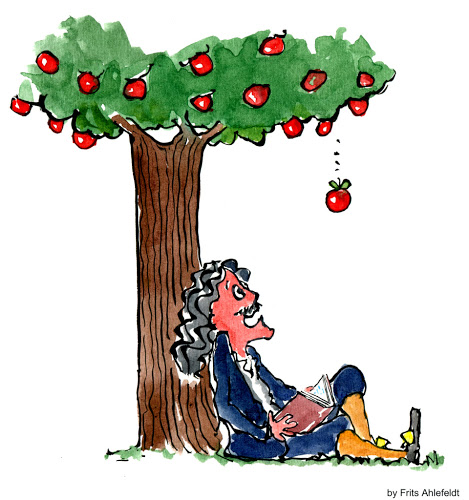
Picture shows Newton under Apple Tree


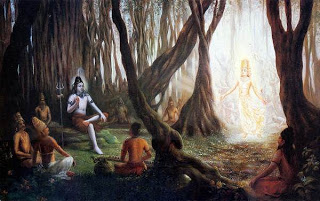
Hindu Saints composed Upanishads under the Himalayan Trees

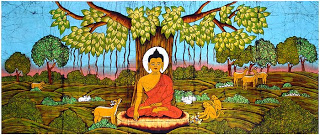
Buddha attained wisdom under the Bodhi Tree

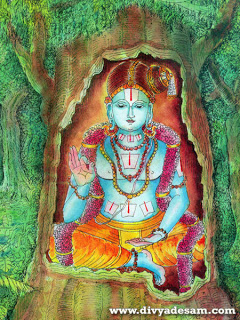
Vaishnavite saint Nammalvar attained wisdom under a Tamarind tree

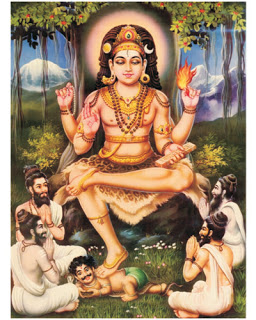
Sanatkumaras attained wisdom under the banyan tree

Saivaite saint Manikkavasakar attained wisdom under a Kuruntha Tree

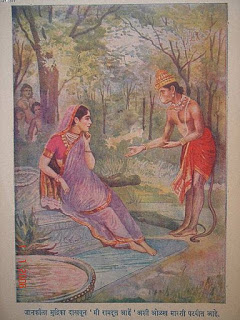
Sita Devi saw Hanuman under Asoka Tree

Hanuman lives under Parijatha Tree

Plato and Aristotle attained wisdom in the Olive groves of Greece

Issac Newton discovered Laws of Gravity under an Apple tree!

From time immemorial Hindus have been worshipping trees of wisdom .Three trees from the same genus Ficus  (belongs to the family Moraceae) have been mentioned in the Vedas, Upanishads and later Hindu scriptures like Bhagavad Gita, Vishnu Sahsranama etc. They are Banyan Tree, Peepal tree and Udumbara tree. Brahmins performed their fire rituals (Yagas, Yagnas, Havans and Homas) with particular types of wood only- mostly Peepal ( also known as asvaththa, Bodhi ). Tamils called this peepal tree as the King of Trees (Arasa maram). They installed gods’ statues under Peepal or Banyan (Arasu and Aal in Tamil அரச, ஆல மரம்) only. Krishna says he is Asvaththa among the trees in Bhagavad Gita. Buddha who was born a Hindu followed the Vedic tradition and did his penance under this tree.

Hindus used these trees for some scientific reasons. More the leaves, more oxygen they produce in the day time. Ficus Indica (Banyan tree) and Ficus religiosa (peepal/aswaththa) are huge and produce more oxygen, so as Ficus glomerata (udumbara in Sanskrit and Aththi in Tamilஅத்தி). Sangam Tamil literature and Gatha Sapta Sati (Prakrit book of verses) describe the gods under these trees. Some of the trees themselves were considered sacred. Wood Nymphs are also described in these literatures. Sanskrit literature goes one step ahead and speaks about ‘love with the trees’. (The botanical terms for these plants are given at the bottom):

Picture shows Sanatkumaras and Lord Shiva under Banyan Tree


If you touch Saptaparna (ஏழிலைப் பாலை), it will bloom

If you taste Makizam (மகிழம்), it will bloom

If you scold (tiff) Pathiri (பாதிரி), it will bloom

If you laugh to Mullai (முல்லை), it will bloom

If you dance around Punnai (புன்னை), it will bloom

If you hug Kura (குராபக), it will bloom

If you kick Asoka (அசோகு), it will bloom

If you sing to Kurukkaththi (குருக்கத்தி), it will bloom

If you look at Mara (மரா), it will bloom

If your shadow touches Shenpaka செண்பகம், it will bloom.

Picture shows Sita under Asoka Tree

Paalai= Wrightia Tinctoria or Alstonia Scholaris; Makizam= Mimusops eEengi; Paathiri =Stereospermum Suaveblens; Mullai= Jasminium Auriculatum; Punnai= calophyllum inophyllum; Kura= holarrhena antidysenterica; Asoka = Saraca Indica; Kurukkaththi= Hiptage Madabloata; Mara=Shorea Talura; Shenpakam= Michelia Champaka.

Veppa maram=Azadirachta Indica

Puliya maram= Tamarindus Indica

Picture shows Kuruntha Tree and Saint Manikkavasakar

(Kanchi Shankaracharya, Paramacharya swamikal who attained Samadhi at the age of 100, had said the above in one of his lectures. Greatest of the Indian poets, Kalidasa, refers to these trees in several places.)

Great Tamil poet Tiruvalluvar added one more to this list Anicham flower that is not satisfactorily identified yet. If you smell it, it withers.

Udumbara/Aththi/Ficus glomerata: This tree was worshipped by the Romans according to the Bible. North Indians worship it as Dattatreya.

There are hundreds of golden sayings about trees in our scriptures:

“Asvattha  is the manifestation of Vishnu, Palasa (Butea Monosperma)of Brahma, Nyagrodha (banyan) of Shiva and Udumbara of Yama”—Mahabharata (Xiii-1-49-101)

Recently India has started exporting Neem (margosa வேம்பு) tree leaves to Japan for its medicinal properties. Japanese drink neem based water instead of green tea.Tamils have been using Neem (Veppa Maram in Tamil வேப்ப மரம்) for ages to stop the virus of small pox. If one takes it from young age in the prescribed quantity, even snake bite wouldn’t affect the person. One kilo neem leaves fetch Rs100.

Red sandal wood is exported to Japan for nuclear plants. They stop the radiation spreading like the metal lead. Sandal’s cooling effect is praised by Tamil and Sanskrit literature.

Picture shows Nammalvar under Tamarind Tree

Scientific facts: 121 Drugs from plants!

Different size trees produce different amount of oxygen. It differs from 200 pounds to 400 pounds per tree a year. Man of average size consumes 400 pounds oxygen per year. Ocean algae ( Katal Paasi in Tamil கடல் பாசி) produces 90 percent of world’s oxygen!

Tropical forests are considered “Lungs of Earth”. The US National Cancer Institute has identified 3000 plants that are active against cancer cells. 121 prescription drugs sold today are produced from plants. Vincristine, extracted from the plant Periwinkle is one of the worlds most powerful anti cancer drugs.

Trees help us to fight cancer, small pox, may be even AIDS. Let us respect, worship and save TREES.

A Sanskrit sloka describes the relationship between the women and the trees. It is slightly different from the list given above:

Nalinkithak kuraapakas thilako na drushto

No thadithscha charanai sudrasaam asoka:

Siktho na vakthram athunaa bahulaas cha saithre

Chitram thathaapi bhavathi prasava avakirna

Picture shows a tree hugger

Meaning: பெண்கள் உதைத்தால் பூக்கும் அசோக மரம், பெண்கள் சிரித்தால் பூக்கும் செண்பக மரம், பெண்கள் பேசினால் பூக்கும் நமேரு மரம், பெண்கள் தழுவினால் பூக்கும் குராபக மரம், பெண்கள் பார்த்தால் பூக்கும் திலக மரம்).

Read my earlier posts on trees: Indian Wonder: 1.The Banyan Tree (Hindus worship Banyan Trees);  2.இந்திய அதிசயம்: ஆல மரம்; 3.ஒன்றுக்கும் உதவா உதிய மரமே 4.நெல்லிக்காய் மகிமை; அவ்வையாரும் ஆல்பிருனியும் அருணகிரிநாதரும் 5.பொம்பளை சிரிச்சா, உதைச்சா, பார்த்தா போச்சு 6.இளநீர் மகிமையும் தென்னையின் பெருமையும் 7.கலித்தொகையில் ஒரு அதிசயச்செய்தி 8. Lie detectors in the Upanishads 9. Three Apples that Changed the World 10. Two Mangoes that changed the Tamil World 11.வியப்பூட்டும் அதிசய மரங்கள்

Pictures are taken from various websites. Thanks. contact: swami_48@yahoo.com
**************

தேள்— ஒரு மர்ம தெய்வம்!


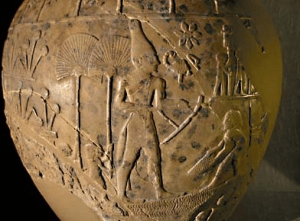
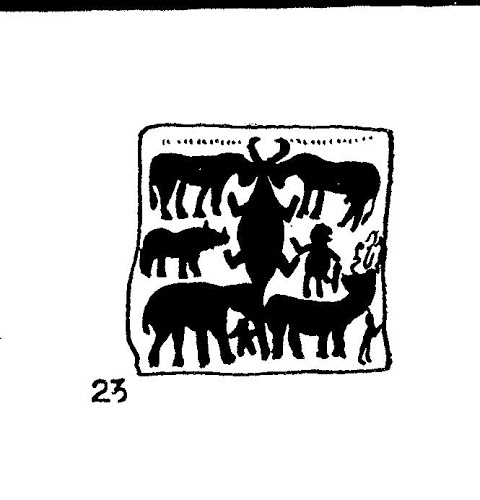
படம்: ரஹ்மான் தேரி தேள் முத்திரை; எகிப்திய தேள் மன்னன்

(This is a summary of my Two Part English article ‘The Great Scorpion Mystery in History’, posted already in this blog: swami)

உலகின் பல பழைய நாகரீகங்களில் பாம்பு வழிபாடு இருந்ததைக் கண்டோம். இந்துக் கடவுளர் எல்லோரிடமும் பாம்பு இருக்கிறது. ஆனால் தேள் என்பது சுமேரிய, எகிப்திய, சிந்துவெளி, மாயா, வளைகுடா நாகரீகங்களில் 2000, 3000 ஆண்டுகளுக்கு முன் இருந்தது. இப்போதும் இந்தியாவில் தேள் வழிபாடு இருக்கும் வியப்பான விஷயம் பலருக்கும் தெரியாது.


அஸ்ஸாமில் கௌஹாத்தி நகரில் பிரம்மபுத்ரா நதியின் நடுவில் ஊர்வசி தீவு என்ற தீவு இருக்கிறது. இதில் உமானந்தா கோவிலில் சிவனும் தேவியும் உண்டு. ஆனால் தேவியின் வடிவம் ஒரு தேளாகச் சித்தரிக்கப்பட்டுள்ளது. இதை மக்கள் வழிபட்டுச் செல்கின்றனர்.

கர்நாடகத்தில் குல்பர்கா பக்கத்தில் உள்ள கண்டாக்கூரில் நாகபஞ்சமி தினத்தன்று தேள் திருவிழா நடக்கிறது. அங்குள்ள தேள் அம்மனின் பெயர் கொண்டம்மை. அவளை வழிபட மக்கள் மலை ஏறிச் செல்வர். போகும் வழியில் எல்லாம் பாறை பொந்துகளில் நிறைய தேள்கள் வசிக்கின்றன. இதை மக்கள் பிடித்து விளையாடுகின்றனர்.  சிறுவர்கள் உடல் முழுவதிலும் தேள்களை விட்டுக் கொண்டாலும் அவைகள் கடிப்பதில்லை! இது அங்குள்ள விலங்கியல் பேராசிரியர்களுக்கும் வியப்பூட்டுகிறது. தொட்டாலோ மிதித்தாலோ தங்களைப் பாதுகாத்துக் கொள்வதற்காக தேள்கள் கொட்டும். ஆனால் கண்டாக்கூரில் இப்படிச் செய்வதில்லை.


தேள் திருவிழாவுக்கு ‘செலின யாத்ரா’ என்று பெயர். எகிப்திலும் தேளின் பெயர் இதே சப்தத்தில்தான் இருக்கிறது! எகிப்தில் தேள் தெய்வத்தின் பெயர் செல்கத். இந்த தெய்வத்தை குடும்ப உறவுக்கான (செக்ஸ்) தெய்வமாக கருதுவர்.

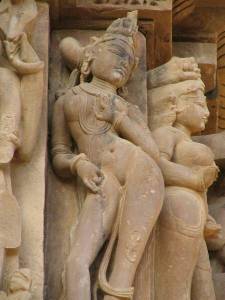
கஜுராஹோவில் காம சம்பந்தமான சிற்பங்கள் இருக்கின்றன. இதில் ஒரு அழகியின் தொடையில் ஒரு தேள் ஏறுவதாக சிற்பி செதுக்கி இருக்கிறான். ஏன் என்று காரணம் தெரியவில்லை. உலகின் பல கலாசாரங்களிலும் தேளை ‘செக்ஸ்’ சம்பந்தமான தெய்வமாகக் கருதுகின்றனர்.

ரிக் வேதத்திலும் அதர்வ வேதத்திலும் தேள்கள் பற்றிய குறிப்புகள் உண்டு. அதன் விஷத்தைக் கண்டு மக்கள் பயப்பட்டனர். சிந்து சமவெளியில் தேள் முத்திரைகள் இருக்கின்றன. ஆனால் இதுவரை எழுத்துக்களை படிக்க முடியாததால் தேள் முத்திரை புதிராகவே இருக்கிறது.

மாதவி ஆடிய 11 வகை நடனம் பற்றி ஏற்கனவே கட்டுரை எழுதினேன். அதில் தேவி ஆடிய ஒரு நடனத்தின் பெயர் மரக்கால். அதாவது அவுணர்கள் பாம்பு, தேள் வடிவத்தில் வந்தபோது அவைகளிடம் இருந்து தப்பிக்க தேவி மரக் கால்களுடன் ந்டனம் ஆடியதாக தமிழர்கள் 2000 ஆண்டுகளுக்கு முன் ஒரு நாட்டியம் உண்டாக்கினர்.


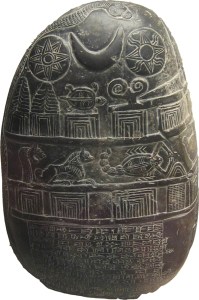
படத்தில் குதுர் கற்கள்; கஜுராஹோ அழகி

27 நட்சத்திரங்களுக்கு சிறப்பான தமிழ்ப் பெயர்களும் சின்னங்களும் உண்டு. அனுஷம்/ அனுராதா நட்சத்திரத்துக்கு மற்றொரு பெயர் தேள். சின்னமும் அதுவே.

தேவர்கள் வாழும் இடத்தை புத்தேள் உலகு என்று தமில் இலக்கியம் பகரும். தமிழில் தேளுக்கு நளி, அலம், தெருக்கால், துட்டன், பறப்பன், விருச்சிகம் (சம்ஸ்கிருதம்), நளிவிடம் என்ற பெயர்கள் இருக்கின்றன. சம்ஸ்கிருதத்தில் 30 பெயர்கள் உண்டு (எனது ஆங்கிலக் கட்டுரையின் இறுதியில் பட்டியல் இணைக்கப்பட்டிருக்கிறது)

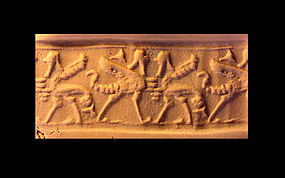
எகிப்தில் கி.மு.3100ல் ஆண்ட மன்னனின் பெயர் தேள். அவன் முத்திரையில் அவன் முகத்துக்கு நேராக தேள் படம் பொறிக்கப்ட்டு இருக்கிறது. தில்முன் எனப்படும் பஹ்ரைனில் மட்டும் 36 தேள் முத்திரைகள் கிடைத்திருக்கின்றன.

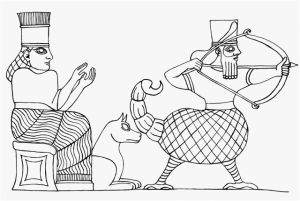
படத்தில் தேள் வீரன்


படத்தில் சிந்து சமவெளி தேள் முத்திரை

எகிப்திலும் கிரேக்க நாட்டிலும் தேள் பற்றி பல புராணக் கதைகள் சொல்லப்படுகின்றன. இவைகளில் சில வானியல் நிகழ்ச்சிகளைக் குறிப்பன.

இஷாரா என்னும் தெய்வம் தேளுடன் தொடர்புடையவள். கிரேக்கத்தில் ஆர்டெமிஸ், ஒரியன் ஆகிய கதைகளில் தேளின் பங்கு இருக்கிறது.

சுமேரியாவில் பிரளய கால வீரன் ஜில்காமேஷ் வாயிற்காப்போன் தேள் மனிதர்கள் என்றும் சூரியக் கடவுள் ஷமாஷின் காவலர்கள் தேள் தெய்வங்கள் என்றும் எழுதப்பட்டுள்ளன. இவை அனைத்தும் 5000 ஆண்டுப் பழமையானவை.

பாபிலோனியாவில் எல்லைகளில் நடும் கற்களிலும் நில தானம் செய்யும் கல்வெட்டுகளிலும் தேள் படம் இருக்கிறது. இவைகளை குதுர் கற்கள் என்பர். இவைகளை வெளியிட்ட காசைட் மன்னர்கள் வேத கால நாகரீகத்துடன் தொடர்புடையோர். மேலும் கல்வெட்டுகளில் வரும் வாசகங்களும் சாபங்களும் இந்திய கல்வெட்டுகளை நினைவு படுத்துகின்றன.


பாரசீகத்தில் தேள் தொடர்பான பிரார்த்தனைகள் உள்ளன.

For more details, see my English post: The Great Scorpion Mystery in History.

Other articles on Snake, Indus Valley etc:

1.Serpent Queen: From Indus Valley to Sabarimalai 2.The Sugarcane Mystery: Indus valley and Ikshvaku Dynasty 3. Vishnu seal In Indus Valley 4. Indus Valley –New Approach required 5.Indra in Indus valley seals+ Symbols for Vedic Gods and 6.Ghost in Indus seals and Indian literature7. Karnataka-Indus Valley Connection 8.Human sacrifice in Indus Valley and Egypt 9.Tiger Goddess of  Indus Valley: Aryan or Dravidian? 10.Flags: Indus valley –Egypt similarities 11. Fish God  around  the World 12.சிந்து சமவெளி-எகிப்தில் நரபலி 13.சிந்து சமவெளியில் ஒரு புலிப் பெண் 14. சிந்து சமவெளியில் பேய் முத்திரை 15. நாகராணி: சிந்து சமவெளி முதல் சபரிமலை வரை 16.கொடி ஊர்வலம்: சிந்துசமவெளி-எகிப்து அதிசய ஒற்றுமை. Contact London Swaminathan at swami_48@yahoo.com