Can Birds Predict Your Future?

By London Swaminathan

Kili Jothitam (Parrot Astrology)


South Indians, particularly Tamils, have some strange beliefs. It is ironic that they believe in nuclear physics and astrophysics and at the same time believe in the following four as well:


Birds can predict your future

Lizards can predict your future

Eyes can predict your future

Sneeze can predict your future


Is there any science behind it? Well, as far as I know, birds and animals can predict earth quakes and weather. Lot of scientific proof is available for both weather and EQ. Just before the onset of South West Monsoon certain kind of birds are seen in Kerala. All the Indian news papers report it every year and the rains also start in the next few days. If animals behave strangely, then some natural catastrophe like earth quakes will happen. This is also documented by the scientists. People in the western countries have some beliefs about at least 15 types of birds. In Tamil also we have lots of proverbs on birds and animals. Crow is praised and insulted in Tamil proverbs. I have posted 200+  Proverbs on elephants from among the 20,000 Tamil Proverbs.

Tamil Panchang (traditional calendars with Hindu festival days etc.) has got two pages devoted to Pancha Pakshi Shastra (Prediction by Five Birds) and Lizard Predictions. Nobody has done any scientific research into it to prove it or disprove it. The Bird astrology divides the day into five parts allocating one each to vulture, owl, crow, cock and peacock. Actually there is more to it. They tell you what would happen depending upon the nature of flights of birds. It is an interesting area for research students.

If we go to the Lizard astrology page, the Panchang divides it into two parts. It tells you what would happen if a lizard falls on you and if the lizard calls (makes sound). It tells you something good or bad would happen depending upon the part of the body it touches or the direction of the sound. Big tabular columns are in the Panchang for birds and lizards predictions.

Fluttering Eyes

Flutter of eyes also is taken into account to find what is going to happen next. This is supported in Sanskrit literature as well. Tamils are not alone in it. One thing is common in all these strange predictions. Left is good for women and right is good for men. Probably the logic for this is Ardhanari principle of Lord Shiva, i.e. Shiva’s left side is shared by Parvathy. Bible also supports it by saying the woman is made from the left rib of man (For more, please read my Sanskrit in Bible posts)


Sneeze

If a person sneezes they say “Bless you” in western countries. Actually it started in India. We have enough proof for this in Tamil and Sanskrit literature.

Tirukkural, the most famous book of the Tamils, says in Chapter FEIGNED:

When I continue to be receding, he sneezed and thought I would then wish him long life (Kural 1312)

I sneezed; “Live long”, she blessed. Then suddenly she wept saying, “You sneezed thinking of some other lady” (Kural 1317)

I stifled my sneeze. She wept saying, “Is it to hide from me the thought of thee in the mind of thy beloved” (Kural 1318)

(Ladies! Beware of your husband’s sneezes! Watch him and count the number of sneezes!!)


Parrot Astrology

Let me finish with Parrot Astrology. In nook and corner of Tamil Nadu you can see Parrot  Astrologers sitting under a banyan tree or by the side of the temple wall. No foreigner misses a photo with them. Parrot astrologers carry a cage with three parrots. If you are ready to spare a few Paise (olden days) or rupees (modern days), he will predict you whether you would pass in the exams, get a promotion, succeed in the job interview, cure your cancer or get your heart throb!!

He simply calls the parrot to pick a card from the deck of cards he keeps ready. Say for example, if I go to him, he will ask my name first and tell the parrot, get good a card for Mr Swaminathan. The parrot walks majestically and picks a card, gives it faithfully to the astrologer, gets a bribe of one or two nuts or grains and walks back into its cage (slavery again for a faithful service!). He reads the card and Voila, You know your future!

(Please read my posts (1) Why Animals worship Gods?, (2)Animal Einsteins Part 1 and Part 2 and (3) Can Parrots recite Vedas?)

For more of the same, contact swami_48@yahoo.com or swaminathan.santanam@gmail.com


Four Birds in One Sloka: Adi Sankara and Nature

S.Swaminathan

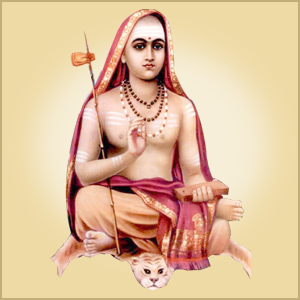
Kill two birds with one stone, goes the English saying. But Adi Sankara got four birds with one stone, nay, in one Sloka. The greatest exponent of Advaita philosophy was very close to Nature and none of his hymns goes without a simile about nature. His famous simile, rope and snake, occurs in scores of places in his Viveka Chudamani. He mentioned innumerable birds, animals, insects and plants. Some of them are very interesting because nobody knows the truth about those animals and plants. A superman, as he was, travelled several thousand miles by walk through the length and breadth of India.

Here is a hymn from his Sivanandalahari:

Lord of Gauri! As the swan loves the lotus bed, the Chataka bird the dark cloud, the Koka bird the sun every day and the Chakora bird, the moon –even so, O Lord of beings, my mind desires your lotus feet, which are to be reached through the path of knowledge, and which yield the bliss of perfection.

–Sivanandalahari-59

The longing of the devoted mind for god is compared to the longing of the Swan for the lotus tank, of the Cataka bird for the rain bearing clouds, of the Chakravaka bird for the sun and of Cakora bird for the moon. Swans feed on lotus stalks. Cataka birds are believed to drink only rain water. Chakravaka looks for sun light eagerly and Cakora birds are believed to live on moon light.

In another sloka of Viveka Chudamani (sloka 76) he says:

The deer, the elephant, the moth, the fish and the black bee—these five have died, being tied to one or other of the five senses, viz. sound etc., through their own attachment. What then is in store for man who is attached to all these five senses. (Deer by sound, elephant by skin, moth by light, fish by bait and bee by honey are trapped)

Green Cockroach

Shankara says some interesting thing about cockroach turning green in Viveka Chudamani sloka 358. The man who is attached to the Real becomes Real, through his one pointed devotion. Just as the cockroach thinking intently on the bhramara is transformed in to a brahmara. This is a popular belief that the cockroach, through fright, does actually turn green when caught by the worm known as Bhramarakita.

Ankola Tree

In Sivanandalahari (sloka 61),he says:

Just as the seeds of Ankola tree (azinjil in Tamil, Alangium hexapetalum)  go and attach themselves to the tree, the needle sticks to the magnet, the chaste woman to her lord, the creeper to the tree and the river to the ocean, even so if the flow of mind reaches the lotus-feet of the Lord of souls and remains there always, that is called devotion.

Snake and Rope

Since the philosopher Pyrroh, who accompanied Alexander the Great to India and Kalidasa used Sankara’s favourite simile about rope and snake, Adi Sankara must have lived before these people. Sangam Tamil Literature also had indirect references to Sankara.

Sankara used Crocodile, Python, Silk worm, Cockroach, Fire fly, Tiger in addition to ocean, river and mountain to illustrate his teachings.

Contact authorat : swami_48@yahoo.com or Swaminathan.santanam@gmail.com
Please read my other articles on the same subject:

  1. Let Nature be your teacher: Wordworth and Dattatreya
  2. Adi Shankara’s date through Tamil Literature (in Tamil)
  3. Lie Detector in Upanishads
  4. Animal Einsteins-part 1 and part 2

*****************

சிட்டுக்குருவி,சிட்டுக்குருவி சேதி தெரியுமா?

தேசிய கவி சுப்ரமண்ய பாரதி உயிர் வாழ்ந்த காலத்தில் மிகவும் வறுமையில் வாடினார். அவரது மனைவி சமைக்க அரிசி இல்லாமல் அடுத்த வீட்டில் கடன் வாங்கி வந்தாள். அரிசியைக் கண்ணில் கண்ட பாரதி அதே நேரத்தில் முற்றத்தில் குருவிகளையும் கண்டார். உடனே செல்லாம்மவிடமிருந்து தானியத்தை வாங்கி குருவிகளுக்காக இரைத்தார். செல்லம்மாவின் முகம் வாடியது. குருவிகள் உண்டது கண்டு பாரதியின் முகம் ஆனந்தத்தில் மலர்ந்தது!

காக்கை குருவி எங்கள் ஜாதி நீள் கடலும்
மலையும் எங்கள் கூட்டம் என்று பாடிய கவிஞனுக்கு,

காக்கைச் சிறகினிலே நந்தலாலா
உந்தன் கரிய நிறம் தோன்றுதையா நந்தலாலா என்று பாடிய கவிஞனுக்கு,
யார் பாடம் கற்பிப்பது?

பலர் ஏழையின் சிரிப்பில் இறைவனைக் கண்டார்கள். பாரதியோவெனில் இயற்கையின் சிரிப்பில் இறைவனைக் கண்டான். சிட்டுக் குருவி யிடமிருந்து ஆன்மீக பாடங்களையும் கற்றான். அவரது ஆன்மீக தாகத்தைக் காட்டும் பாடல் இதோ:

விட்டு விடுதலையாகி நிற்பாய் இந்தச்
சிட்டுக் குருவியைப் போலே.

எட்டு திசையும் பறந்து திரிகுவை
ஏறியக் காற்றில் விரைவொடு நீந்துவை
மட்டுப் படாதெங்கும் கொட்டிக் கிடக்குமிவ்
வானொளி யென்னும் மதுவின் சுவையுண்டு— (விட்டு)

பெட்டையினோடின்பம் பேசிக் களிப்புற்றுப்
பீடையிலாதொர் கூடு கட்டிக்கொண்டு
முட்டை தரும் குஞ்சைக் காத்து மகிழ்வெய்தி
முந்த உணவு கொடுத்து அன்பு செய்து இங்கு—(விட்டு)

முற்றத்திலேயும் கழனி வெளியிலும்
முன் கண்ட தானியம் தன்னைக் கொணர்ந்துண்டு
மற்ற பொழுது கதை சொல்லித் தூங்கிப்பின்
வைகறை ஆகு முன் பாடிக் களிப்புற்று (விட்டு)

தத்தாத்ரேயர் என்ற ரிஷி இயற்கையில் தான் கண்ட எல்லாவற்றிலும் ஒரு நல்ல பாடத்தைக் கற்றதை பாகவதம் எடுத்துக்கூறும். (Please read my article Let Nature Be Your Teacher: William Wordswoth and Dattatreya in my blogs). வோர்ட்ஸ்வொர்த் என்ற ஆங்கிலக் கவிஞனும் ஏட்டுப் படிப்பு எதற்கும் உதவாது. புத்தகங்களை தூக்கி எறிந்துவிட்டு வெளியே வாருங்கள் என்கிறான். இவை எல்லாவற்றையும் பாரதி செயலிலேயே செய்து காட்டிவிட்டான்.

குரு கோவிந்த சிம்மன் கதை

சீக்கியர்களில் கடைசி குருவான குரு கோவிந்த சிங் மாபெரும் வீரன். மொகலாயப் பேரரசன் அவுரங்க சீப்பின் கண்களில் விரலை விட்டு ஆட்டியவன். எத்தனை கஷ்டங்கள் வந்தபோதும் அவைகளைத் துச்சமாக மதித்தவன். அந்த குரு கோவிந்த சிம்மன் ஒரு சிட்டுக் குருவியைக் கூட பருந்தாக்கிக் காட்டுவேனென்று வீர முழக்கம் செய்தார். கால்சா என்னும் சீக்கிய வீரர்களின் அமைப்பை நிறுவி வீரப் படைகளை நிறுவினார். அவர் கூறிய வாசகங்களை பாரதியார் குரு கோவிந்த சிம்மனைப் பற்றி பாடிய பாடலில் ஈயைக் கருட நிலைக்கு ஏற்றுவேன் என்று சிம்ம கர்ஜனை செய்கிறார்.

குரு கோவிந்தன் உண்மையிலேயே இப்படிச் செய்து காட்டினார். அவர் கால்சா வீரர்களுக்காக செய்த அமிர்தம் ஒரு சில துளிகள் கீழே சிந்திவிட்டன. அதைச் சுவைத்த குருவிகள் உடனே வீறு கொண்டெழுந்து வானில் சீறிப் பாய்ந்தன. கழுகுகளை ஓட ஓட விரட்டின. இதைக் கண்ட வீரர்கள் குருவின் மகத்தான சக்தியை உணர்ந்தனர்.

கோவிந்த சிம்மன் எப்போதும் ஒரு வெள்ளைப் பருந்தை வைத்திருந்தார். ஒரு முறை அவர் ஒரு முஸ்லீம் கனவானின் தோட்டத்துக்குப் போனார். அந்த ஆள் ஒரு கறுப்பு பருந்தை வைத்திருந்தார். கோவிந்த சிம்மனின் வெள்ளைப் பருந்தின் மீது ஆசை வந்தது. ஒரு தந்திரத்தின் மூலம் அதைக் கைப்பற்ற எண்ணினான். இரண்டு பருந்துகளுக்கும் போட்டிவைப்போம். தோல்வி அடைந்தவர் அவரது பருந்தை மற்றவருக்கு கொடுத்து விட வேண்டும் என்ற நிபந்தனையும் போட்டார்.
குரு கோவிந்தருக்கு எதிராளியின் உள்நோக்கம் புரிந்தது. உடனே பருந்து என்ன? குருவிகளை அனுப்புகிறேன் அதனோடு உங்கள் பருந்து போடியிடட்டும் என்றார். அந்த முஸ்லீம் கனவானோ உம்முடைய குருவிகள் என் பருந்துக்கு உணவாகிவிடும் என்று சொல்லி சிரித்தார்.
கோவிந்த சிம்மன் மரத்தில் இருந்த இரண்டு சிறிய குருவிகளைப் பிடித்து பருந்தை விரட்ட அனுப்பினார். இரண்டு குருவிகளும் பருந்தை படுகாயப் படுத்தி ஒரு கிலோ மீட்டருக்கு விரட்டிச் சென்றன. படு காயம் அடைந்த பருந்து கீழே விழுந்து இறந்தது. அப்போது குரு கோவிந்தர் சொன்ன சொற்கள் சீக்கியர்களுக்கு உத்வேகம் அளிக்கும் சொற்களாகும்.
சிட்டுக் குருவிகளைப் பருந்துகளாக்கி சண்டையிட வைப்பேன். அப்போதுதான் என்பெயர் கோவிந்த சிம்மன். ஒன்றே கால் லட்சம் பேர் வந்தாலும் அவை எதிர்த்துப் போராடும் என்றார்:
சிடியான் சே பாஜ் பனாவோ

சவா லாக் சே ஏக் லடாவோ
தப் குரு கோவிந்த நாம் சுனாவோ

இதையே சீக்கிய குரு கூறிய சொற்களிலேயே காணலாம்:

சிரியோன் சே மே பாக் லராவுன்
தபே கோவிந்த சிம் நாம் கஹாவுன்

தமிழ் திரைப் படங்களில் சிட்டுக் குருவி

தமிழ் திரைபடங்களும் சிட்டுக் குருவிகளைப் பற்றி பாடல்கள் பாடி அவைகளின் மூலம் கருத்துக்களைப் பரப்பியுள்ளன. சிட்டுக் குருவிக்கு என்ன கட்டுப்பாடு, தென்றலே உனக்கெது சொந்த வீடு, உலகம் முழுதும் பறந்து பறந்து ஊர் வலம் வந்து விளையாடு (படம்: சவாலே சமாளி) என்ற பாடலில் பாரதி பாடலின் தாக்கத்தைக் காண்கிறோம்.
ஏ குருவி குருவி (படம்: முதல் மரியாதை), சிட்டுக்கு செல்ல சிட்டுக்கு ஒரு சிறகு முளைத்தது ( படம்: நல்லவனுக்கு நல்லவன்), சிட்டுக்குருவி, சிட்டுக்குருவி சேதி தெரியுமா, என்ன விட்டுப் பிரிந்து போன கணவன் வீடு திரும்பல்லே ( படம்: டவுன் பஸ்), சிட்டுக் குருவி முத்தம் கொடுத்து சேர்ந்திடக் கண்டேனே (படம்: புதிய பறவை) ஆகிய பாடல்கள் தமிழர்களின் னினைவில் நீங்கா இடம் பெற்றுவிட்டன.

பஞ்சதந்திரக் கதைகளிலும் கூட குரங்குக்கு புத்திமதி சொன்ன குருவிகளின் கூட்டுக்கு நேர்ந்த கதி மூலம் ஒரு நீதி புகட்டப்படுகிறது. சங்க இலக்கியத்திலும் குருவிகளைப் பற்றி நிறைய குறிப்புகள் இருக்கின்றன.

இப்படி 2000 ஆண்டுகளுக்கு நமக்கு ஊற்றுணர்ச்சி தரும் சிட்டுக் குருவி இனம் வெகு வேகமாக அழிந்துவருவது கவலை தருகிறது. சிட்டுக் குருவிகளை காப்பது நம் கடமை.
**************

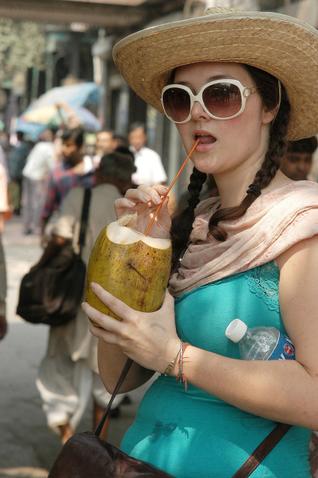
இளநீர் மகிமையும் தென்னையின் பெருமையும்

Picture : courtesy of  The Hindu

நன்றி ஒருவர்க்குச் செய்தக்கால் அந்நன்றி

என்று தரும் கொல்லென வேண்டா—நின்று

தளரா வளர் தெங்கு தாள் உண்ட நீரைத்

தலையாலே தான் தருதலால் ( வாக்குண்டாம் )

பொருள்: தென்னை மரம் நிலத்திலிருந்து குடித்த தண்ணீரை சுவையுடைய இளநீராக தலை வழியாகத் தருதல் போல, ஒருவர்க்கு உதவி செய்தால் தருணம் வரும்போது மிகுதியாகத் திருப்பிச் செய்வார். ஆகையால் ஒருவர்க்குச் செய்த உதவி எப்போது திருப்பிக் கிடைக்கும் என்று எண்ணத் தேவையே இல்லை.

இந்த அருமையான கருத்தை 1500 ஆண்டுகளுக்கு முன் வடமொழியில் நீதிசதகம் (ஸ்லோகம் : ப்ரதம வயசி ப்லுதம் தோயம்——) எழுதிய பர்த்ருஹரி என்ற புகழ்மிகு கவிஞனும் அழகாகப் பாடிவிட்டான்:

பொருள்: மரம் நட்ட சில ஆண்டுகளுக்கு மட்டுமே நீர் பாய்ச்சுகிறோம். அதற்கு நன்றிக் கடனாக வாழ் நாள் முழுதும் தன் தலையில் பெரிய பாரத்தைச் சுமந்து கொண்டு சுவையான இளநீரைத் தருகிறது தென்னை.

தென்னை மரத்துக்கும் இளநீருக்கும் இப்படி அறிமுகம் தேவை இல்லை. தேங்காய் என்பது கோவில்களிலும் பூஜைகளிலும் உணவிலும் தவிர்க்க முடியாத ஒன்று. இலை முதல் நார் வரை எல்லா பகுதிகளும் பயன் படுவதால் இந்த மரத்தை கற்பக விருட்சமாகக் கருதுவோரும் உண்டு.

தமிழ்நாட்டில் திருத் தெங்கூர், வட குரங்காடு துறை முதலிய கோவில்களில் தல விருட்சமாக விளங்குகிறது. சித்த, ஆயுர்வேத வைத்தியத்தில் தேங்காய் எண்ணை முதல் மரத்தின் பல பகுதிகளும் பயன்படுத்தப்படுகின்றன. கள், சர்க்கரை, கயிறு, கூடை, விசிறி, கட்டில், உத்தரம் என எல்லாம் தந்து மனிதனின் வாழ்க்கையுடன் பின்னிப் பிணைந்து விட்டது.

இளநீர் சூட்டைத் தவிர்க்கும் என்பது உலகறிந்த உண்மை. கோடை காலம் வந்து விட்டால் சாலை ஓரம் முழுதும் மலை போலக் குவித்து, பொழுது சாயும் வரை விறுவிறுப்பாக விற்கின்றனர். இதெல்லாம் பழைய கதை.

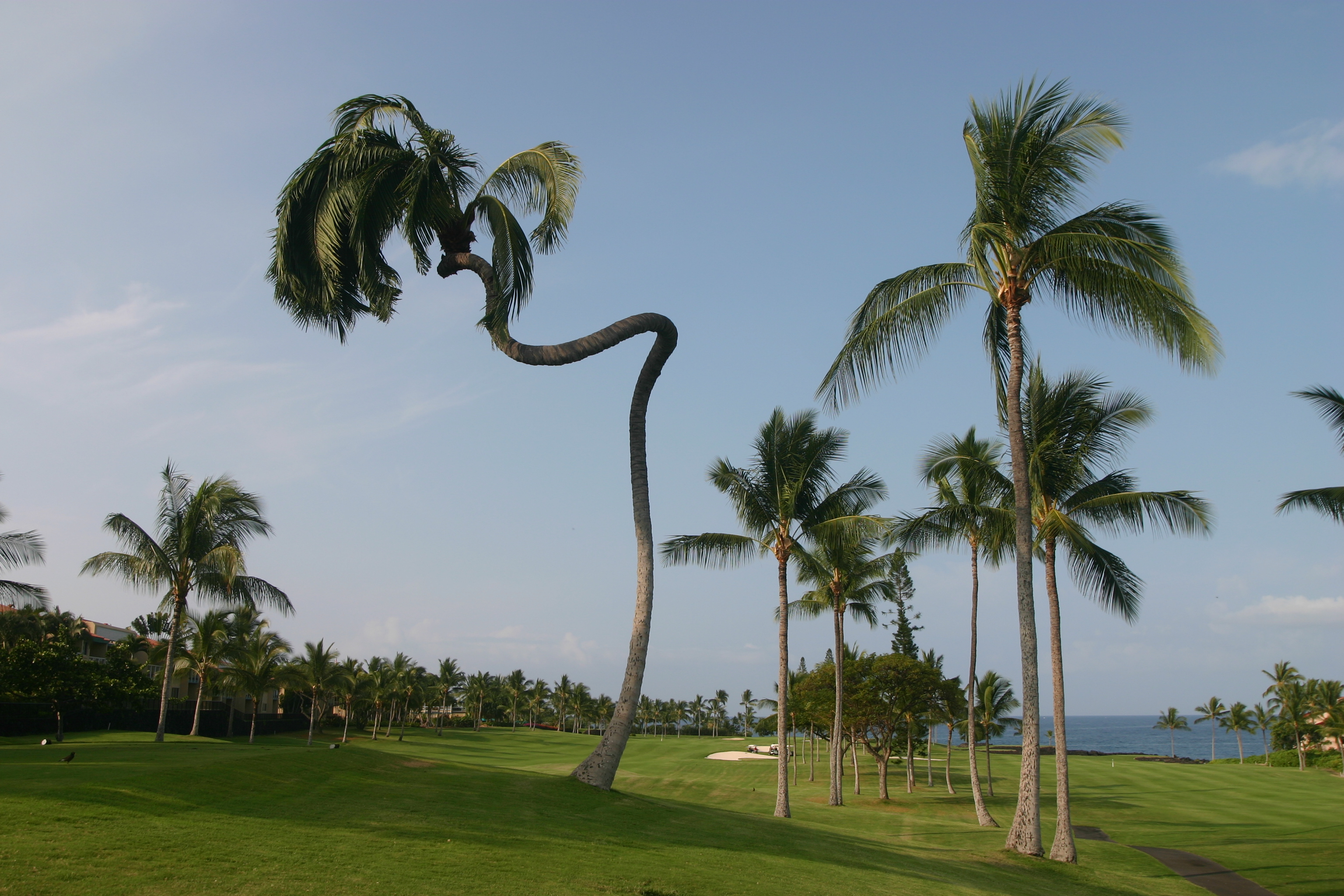
Picture: Coconut Tree in Hawai,USA

புதிய கதை என்னவென்றால் இதை அட்டை டப்பாவில் ( carton) அடைத்து ஜூஸ் போல அமெரிக்கவிலும் ஐரோப்பிய நாடுகளிலும் விற்கத் துவங்கி விட்டார்கள். இதன் காரணமாக இதற்கு புது கிராக்கி வந்துவிட்டது. கோகோஸ் ந்யூசிபெரா (cocos nucifera) என்ற தாவரவியல் பெயருடன் உலகின் பெரும்பாலான கடற்கரைகளை அழகுபடுத்தும் மரம் இது.

வெளிநாடுகளில் ஒரு பொருளை விற்கவேண்டும் என்றால் அதன் எடை, அது தயாரிக்கப்பட்ட நாள், எத்தனை நாள் வரை அதைப் பயன்படுத்தலாம், அதில் என்ன என்ன சத்துக்கள் எவ்வளவு இருக்கின்றன என்று எல்லா வற்றையும்  எழுத வேண்டும். இப்படி எழுதிய உடனே இளநீருக்கு புது “மவுசு” வந்து விட்டது.

இளநீரில் பொட்டாசியம் மக்னிசியம், சோடியம், கால்சியம், பாஸ்பரஸ், தாமிர, கந்தக, இரும்புச் சத்து, வைட்டமின்கள் உண்டு. வாழைப்பழத்தைப் போல இரண்டு மடங்கு பொட்டாசியம் இருக்கிறது. கொழுப்புச் சத்து அறவே இல்லை. சர்க்கரைச் சத்தோ ஆரஞ்சு பழரசம் போன்ற பழ ரசங்களை விட மிகக் குறைவு. வயிற்றிலுள்ள புழுக்களைக் கொல்லும். சிறு நீரகத்தைப் பாதுகாக்கும். சில வகை புரதச் சத்து பசும்பாலை விட அதிகம் கொண்டது. குழந்தைகள் முதல் பெரியோர் வரை யாருக்கும் கொடுக்கலாம். சிறு நீரக, குடல் தொற்று நோய்கள், வயிற்றுப் போக்கு எல்லாவற்றுக்கும் மருந்தும் ஆகும்.

தென்னை 5, 6 ஆண்டுகளில் பலன் தரும். பனை மரமோ பலன் தர 30 ஆண்டுகள் ஆகும்.

இந்திய அதிசயம்: ஆலமரம்

அலெக்ஸண்டரை வியப்பில் ஆழ்த்திய மரம்

உபநிஷத ரிஷிகள், மாணவர்களுக்கு செய்முறைப் பயிற்சி கொடுக்க பயன்படுத்திய மரம்

இந்தியாவின் தேசிய மரம்

தமிழ், சம்ஸ்கிருத கவிஞர்கள் பாடிய மரம்

சால்மான் ருஷ்டி, சதே, டேனியல் டீபோ கதைகளில் வரும் மரம்

அங்கோர் வட் கோவிலுக்கு பெயர் கொடுத்த மரம்

பனியா என்ற சொல்லை ஆங்கில அகராதியில் நுழைத்த மரம்

பகவத் கீதையில் கண்ணன் சொன்ன மரம்

சிவன் உபதேசம் செய்த மரம்

கண்ணன் இலையில் மிதந்த மரம்

கின்னஸ் நூலில் புகழ் அடைந்த மரம்

அமெரிக்கா வரை சென்ற மரம்

வட சாவித்திரி விரதத்தில் வணங்கப்படும் மரம்

தமிழ் பழமொழிகளில் இடம்பெற்ற மரம்

தமிழ் நாட்டுக் கோவில்கள் ஆறில் தல விருட்சம் ஆன மரம்


உலகம் புகழும் இந்த இந்திய அதிசயம் உபநிஷத ரிஷிகள காலம் முதல் இன்று திரைப் படப் பாடல்கள் வரை மனிதனின் சிந்த்னையைத் தூண்டி வருகிறது. ஆல் போல் தழைத்து அருகு போல வேரூன்ற வேண்டும் என்று பெரியோர்கள் வாழ்த்துவதைக் கேட்கிறோம்.

ஆலும் வேலும் பல்லுக்குறுதி நாலும் இரண்டும் சொல்லுக்குறுதி என்று ஆலமரமும் வேல மரமும் புகழப்படுகின்றன. (நாலும் இரண்டும்=வெண்பா, குறள் பாக்கள் வகை).

தமிழ்நாட்டிலும் குஜராத்திலும் பல ஊர்ப்பெயர்களிலும் (வடோதரா, குஜராத்) ஆல மரம் மணம் கமழும். தமிழ்நாட்டில் ஆறு பெரிய கோவில்களில் இது ஸ்தல விருட்சம் (மரம்) ஆக திகழ்கிறது. ஆலங்காடு, திரு ஆலம்பொழில், திரு அன்பிலாந்துறை, திரு மெய்யம், திருப் பழவூர், திரு வில்லிப் புத்தூர்.

அங்கோர்வட் என்னும் கம்போடிய நாட்டு ஆலயம் உலக அதிசயங்களில் ஒன்று. அதன் பெயரில் உள்ள வட் என்பது “வட” என்ற சம்ஸ்கிருத சொல்லின் சுருக்கம் ஆகும். “வட” என்றால் ஆல மரம் என்பது பொருள்.

ஆண்டுதோறும் கோடைகால (ஆடி) பவுர்ணமியில் பெண்கள் அனுஷ்டிக்கும் வட சாவித்திரி விரத நாளில் ஆலமரத்துக்கு பூஜை நடக்கும். சாவித்திரியை வழிபடும் நாள் இது.

பஞ்சதந்திரக் கதைகளில் விஷ்ணு சர்மன் இந்த மரத்தை வானளாவப் புகழ்கிறான். மற்ற மரங்கள் பூமிக்குப் பாரமே என்பான். பறவைகளுக்கும் மிருகங்களுக்கும் வாழ்வளிக்கும், மனிதர்களுக்கு நிழல் அளிக்கும் இந்த மரம் மகிழ்ச்சிக் கடலின் இருப்பிடம் என்பான்.

“Deer recline in its shade;

Birds in multitude gather to roost

Darkening its dark-green canopy of leaves;

Troops of monkeys cling to the trunk;

While hollows hum with insect-throngs

Flowers are boldly kissed by honey-bees;

O! What happiness its every limb showers

An assemblage of various creatures;

Such a tree deserves all praise,

Others only burden the earth.”


ஆங்கிலக் கவிஞன் சதேயும் இதை ஆமோதிப்பான். நாலடியாரிலும் வெற்றி வேர்க்கையிலும் நமக்கு அறத்தைப் போதிக்கவும் இதுதான் உதவியது. கம்ப ராமாயணத்திலும், சிந்தாமணிச் செய்யுளிலும், காளிதாசன் காவியங்களிலும் இடம் பெறுகிறது.

“It was a godly sight to see

The venerable tree

For over the lawn, irregularly spread

Fifty straight columns propt its lofty heads

And many a long depending shoot

Seeking to strike a root

Straight like a plummet grew towards the ground

So like a temple did it seem that there

A pious hearts first, impulse would be prayer….”

எப்படி வாழைப் பழத்தில் ஊசி ஏற்றுவது போல கட்டிடங்களுக்கு அடியில் வேரை நுழைத்து ஆலமரம் அந்தக் கட்டிடங்களின் அஸ்திவாரத்தையே ஆட்டம் காணவைக்கிறதோ அது போல மன்னன் அஜன் மனதில் கவலைகள் நுழைந்தன என்று கவிபாடுவான் உலகப் புகழ் காளிதாசன்.

ஆலின் கீழ் அமர்ந்து பேசா மூர்த்தியாக சிவ பெருமான், தட்சிணாமுர்த்தி வடிவில், மவுன உபதேசம் செய்த மரம். கண்ணன் ஆலின் இலையில் மிதந்து பெருமை ஏற்றிய மரமும் இதுதான். ஆதிகாலத்தில் கோவில்கள் அனைத்தும் மரத்தின் கீழ்தான் இருந்தன. குறிப்பாக ஆலமரத்தின் கீழ் கோவில் கட்டினர். ஊர் மன்றம் நடத்தினர். விழாக்கள் நடத்தினர்.

அலெக்ஸாண்டர் இந்த மரத்தைக் கண்டு வியந்ததையும் 7000 படை வீரர்களுடன் முகாம் இட்டதையும் கிரேக்க நாட்டு ஆசிரியர்கள நமக்கு எழுதிவைத்திருக்கிறார்கள்.

சாந்தோக்கிய உபநிடதத்தில் ஸ்வேதகேது என்ற இளைஞனுக்கு அவன் தந்தை பல விஞ்ஞான சோதனைகள் மூலம் இறை ஞானம் அளிக்கிறார். அதில் ஒரு செய்முறைப் பயிற்சி ஆல மரம் தொடர்புடையது.

“ மகனே அதோ அந்த ஆல மரத்திலிருந்து ஒரு பழம் பறித்து வா.

“இதோ, கொண்டுவந்துவிட்டேன், தந்தையே

“மகனே அதைப் பிரித்து உள்ளே பார்,

தந்தையே, மிக மிகச் சிறிய விதைகள் இருக்கின்றன

மகனே அதில் ஒருவிதையை எடுத்து பிரித்துப் பார்.

தந்தையே, பிரித்துவிட்டேன்.ஒன்றுமே தெரியவில்லையே.

பார்த்தாயா, ஒன்றுமே கண்ணுக்குக் தெரியாத அந்த ஒன்றிலிருந்துதான் இந்த பிரம்மாண்டமான ஆலமரம் உருவாகி இருக்கிறது. அதுதான் பிரம்மம். அது வேறு யாரும் இல்லை. நீயேதான்.(உன்னையே நீ அறிவாய்).

ஆலமரக்குச்சிகள் பல் தேய்க்க உதவும். அதன் பட்டைகளும், பாலும் பழமும் மருதுவப் பயன் கொண்டவை.

அஸ்வத்தாமவுக்கு பாண்டவர்களைப் படுகொலை செய்யும் யோசனை தோன்றியதும் ஆல மரத்துகடியில்தான். இரவு நேரத்தில் காகங்கள் ஆந்தைகளைத் தாக்கியதைப் பார்த்தவுடன் அதே போல இரவு நேரத்தில் பாண்டவர்கள் முகாமுக்குள் சென்று படுகொலைகள் செய்கிறான்.

அதே ஆலமரத்தை மும்மூர்த்திகளின் வடிவாக இந்துக்கள் வணங்குவர். பிரம்ம, விஷ்ணு, சிவன் அந்த மரத்தின் வேர், பட்டை, கிளைகளில் இருப்பதாக ஐதீகம்.

பனியா என்ற சொல்லும், பானியன் ட்ரீ என்ற சொல்லும் ஆங்கில அகராதியில் உண்டு. அந்தக் காலத்தில் வியாபாரிகள் (பனியாக்கள்) இம்மரத்தின் கீழ் இருந்து வணிகம் செய்ததை வைத்து மரத்துக்கு பானியன் ட்ரீBanyan Tree என்ற ஆங்கிலப் பெயர் வந்தது.

தாவர இயல் ரீதியில் அரச மரம் (அஸ்வத்த), அத்தி மரம், ஆல மரம், உடும்பரா ஆகியன மோரேஸி Moraceae என்னும் குடும்பத்தைச் சேர்ந்தன. இவை அனைத்தும் பைகஸ் Ficus என்னும் பெயருடன் துவங்கும். இந்துக்கள் இதை அந்தக் காலத்திலேயெ அறிவர். இவை அனைத்திலும் இறைவன் உறைவதை அறிந்து விஷ்ணு சஹஸ்ரநாமத்தில் கூட ஏற்றிவிட்டனர்.(ந்யக்ரோத=ஆலமரம், அஸ்வத்த=அரச மரம், உடும்பர= அத்தி வகை, யமனுக்குரிய மரம், எமனின் மற்றொரு பெயர் அவுதும்பரன்)

உலகப் புகழ்பெற்ற ஆல மரங்கள்

வெளிநாட்டினர் இந்தமரங்களை அமெரிக்கா, ஸ்பெயின் ஆகிய இடங்களில் நட்டு அவை மிகவும் பெரிதாக வளர்ந்துவிட்டன. அமெரிக்காவில் ஹவாய் திவிலும், ப்ளோரிடா மநிலத்திலும் ஆல மரங்கள் உண்டு.

ஆயினும் சென்னை அடையாறு பிரம்ம ஞான சபை வளாக ஆலமரம், ஆந்திர கதிரி திம்மம்மா ஆல மரம், உலகப் புகழ் கல்கத்தா தாவரவியல் தோட்டத்திலுள்ள மாபெரும் ஆலமரம், பெங்களுருக்கு அருகிலுள்ள மரம், குஜராத்தில் இருக்கும் கபீர் வட், அண்மைக் காலத்தில் கண்டு பிடிக்கப்பட்ட பஞ்சாப் பதேகார் மாவட்ட ஆல மரம்– நூற்றுக் கணக்கான ஆண்டுகளாக இருக்கின்றன. ஆயிரக் கணக்கான விழுதுகளுடன் இன்னும் வளருகின்றன. ஒரே நேரத்தில் 3000 முதல் 10000 பேர் வரை இவைகளின் கீழ் நிழலில் தங்கி இளைப்பாறலாம். இந்த மரங்களை அழியாமல் காப்பதும் போற்றி வளர்ப்பதும் நம் கடமை.

பஞ்சாபில் கட்டி சோலன் கிராமத்தில் இருக்கும் மாபெரும் ஆலமரத்தின் குச்சிகளை அடுப்பெரிக்க விறகுக்காக கூட மக்கள் எடுக்கமாட்டார்கள். அதனால் குடும்பத்துக்கே ஆபத்துவரும் என்று பயப்படுகிறார்கள். ஆயிரக்கணக்கான பறவைகளை  ஆனந்தப் படுத்துமால மரத்தை துன்புறுத்த யாருக்கு மனம் வரும்?

“தெள்ளிய ஆலின் சிறுபழத் தொரு விதை

தெண்ணீர்க் கயத்துச் சிறுமீன் சினையினும்

நுண்ணிதே யாயினும் அண்ணல் யானை

அணிதேர் புரவி ஆட்பெரும் படையொடு

மன்னக் கிருக்க நிழலாகும்மே” –(வெற்றிவேர்க்கை)

பொருள்: சிறிய மீனின் முட்டையை விடச் சிறியதான ஆல மர விதையானது நாற்பெரும் படையொடு வரும் மன்னரும் தங்க நிழல் தரும். அதுபோல மிகச் சிறிய செல்வமுடைய மேன் மக்கள் பிறருக்குப் பெரிதும் பயன்பட வாழ்வார்கள்..

அத்தி, ஆல் அரசு ஆகிய மரங்கள் எல்லாவற்றிலும் பூக்கள் வெளியே தெரியாமலே காய்கள் உருவாவதால் பூவாது காக்கும் மரங்கள் (கோளி ஆலம்) என்று சொல்லி இவைகளையும் உவமைக்குப் பயன்படுத்தினர் தமிழ் புலவர்கள்.

நாலடியார் என்னும் அற நூல் பல இடங்களில் ஆல மர உதாரணத்தைக் காட்டுகிறது. ஆலம் விதை சிறிதானாலும் மரம் பெரிதாவது போல ஒருவனின் அறச் செயல் பயன் தரும். இன்னும் ஒரு இடத்தில் ஆலமரத்தைக் கறையான்கள் அரித்தாலும் அதன் விழுதுகள் அதைத் தாங்கி நிற்பது போல தந்தையை மகன் காப்பாற்றவேண்டும் என்று சொல்லும்.

மரம் வளர்த்தால், மனித குலம் தழைக்கும்.

FAMOUS BANYAN TREES

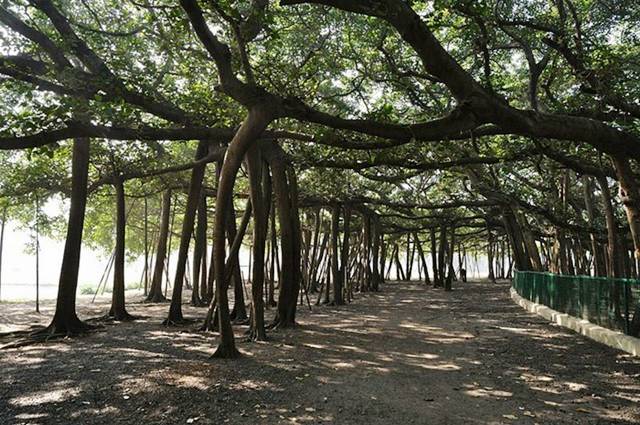
LARGEST TREE: The latest discovery of a huge banyan tree in Fategarh district of Punjab surprised all nature lovers when they came to know its dimensions. The tree is in a village called Choti Kalan and the tree is called Kaya Kalpa Vriksha. It occupies four acres. A temple and a rest house have been constructed under the tree. Punjab Government has taken steps to preserve it as a bio diversity area. Though private lands surround the tree, people believe that stopping the growth of the tree will bring bad luck. The people are so scared they don’t even collect the fallen twigs for fire wood.

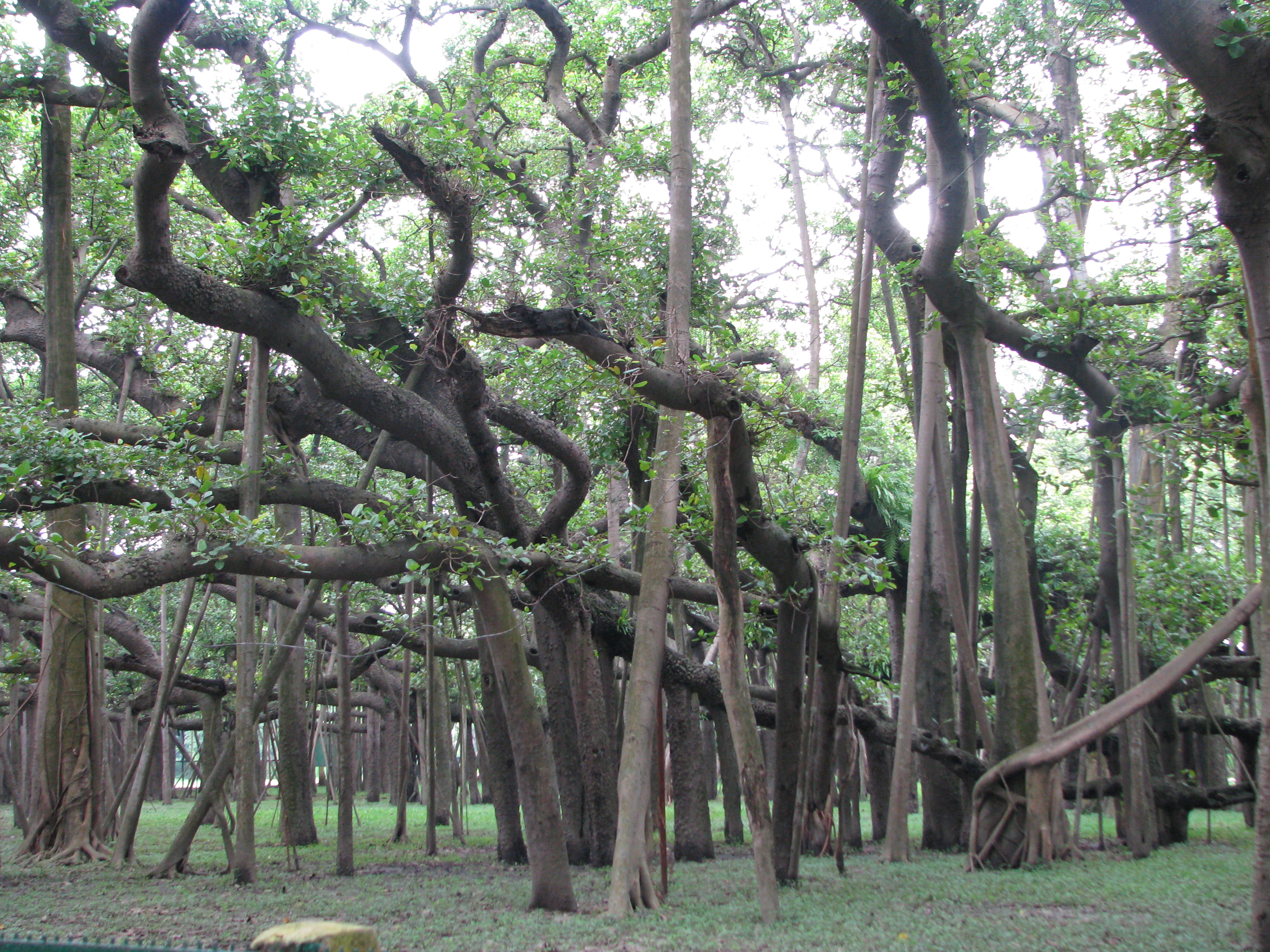
Great Banyan Tree- Kolkatta Botanical Gardens-250 year old-occupy four acres-3300 aerial roots

Thimmamma Marimanu, Near Kadiri,A.P-1100 aerial roots- said to be 600 year old-Thimmamma committed SATI and a banyan tree came in that place. Thousands of people go there on Shivratri day every year to worship Thimmamma.

Adyar Theosophcal Society Tree- Chennai -200 year old-3000 people can stand in its shade.

Kabir Vad tree, Gujarat-300 year old tree.

Doda lara mara- near Bangalore- spread over three acres-

William Owen Smith Banyan tree-Hawai,USA (Banyan trees were brought to USA by nature lovers)

************************************

Indian Wonder: The Banyan Tree

There is a beautiful verse in the Panchatantra about Banyan Tree:

“Deer recline in its shade;

Birds in multitude gather to roost

Darkening its dark-green canopy of leaves;

Troops of monkeys cling to the trunk;

While hollows hum with insect-throngs

Flowers are boldly kissed by honey-bees;

O! What happiness its every limb showers

An assemblage of various creatures;

Such a tree deserves all praise,

Others only burden the earth.”

Ancient story teller Vishnu Sharma of Pancha Tantra fame composed the above poem; modern poet Southey did not lag behind:

“It was a godly sight to see

The venerable tree

For over the lawn, irregularly spread

Fifty straight columns propt its lofty heads

And many a long depending shoot

Seeking to strike a root

Straight like a plummet grew towards the ground

So like a temple did it seem that there

A pious hearts first, impulse would be prayer….”

Read more amazing things about the tree below:

Alexander the Great amazed at the Banyan tree;

Angkor Wat got its name;

Bania entered Oxford English Dictionary;

Bhagavad Gita used it as a simile;

Seers of Upanishads used it for boys’ experiments;

Tamil and Sanskrit literatures sang its glory;

Shiva and Vishnu sat under/on it;

Salman Rushdie, Daniel Defoe and Southey used it in their stories and novels;

Guinness Book of Records published it under its Tree records;

Banyan is the Sthala Vriksham of many Tamil temples;

Spread its branches in the Unites States;

Used as tooth picks and medicines by Indians;

Worshipped by Hindu women in Vata Savithri Vrata;

Served as the meeting point of villagers for thousands of years

The story of the great and glorious BANYAN TREE is a never ending story.

CHANDOGYA UPANISHAD

Swetaketu said to his father : “Please sir, tell me more of this teaching.

Very well my son. Go and pick a fig from the Banyan tree

Here you are, sir

Split it open and tell me what you see inside

Many tiny seeds, sir

Take one of them and split it open and tell me what you see inside.

Nothing at all, sir

Then the father said,n “The subtlest essence of the fig appears to you as nothing, but, believe me my son, from that very nothing this mighty banyan tree has arisen.

That being which is the subtlest essence of everything, the supreme reality, the Self, the self of all that exists, THAT ART THOU Svetaketu.”

This Chandogya Upanishad is full of practical demonstrations and experiments ( salt and glass of water etc.). This shows the scientific approach even in the teaching of philosophy.

NATIONAL TREE OF INDIA

Banyan tree is the national tree of India.

TAMIL TEMPLES

Over six temples in Tamil Nadu have got the tree as its temple tree (sthala Vriksha): Thiru Alankadu, Thiru Alampozil, Thirup pazuvur, Thiru Anpilanthurai, Thiru Meyyam and Thiru Vilipputhur temples. Ancient Tamil native doctors used its root, leaves and latex(milk) as medicines. The tooth brushes made up of its stick are used throughout the length and breadth of India.

BANIA

Indian merchants are called banias. They did their business camped under the tree and the Europeans called this tree as Bania (n) tree.

ALEXANDER

Alexander was wonder struck when he saw this tree in India. He camped with 7000 soldiers under  banyan trees in North West India.

ASWATTHAMA

Aswatthama got the idea of attacking Pandavas when he saw crows attacking owls at the dead of night.

ANGKOR WAT

Vata is banyan tree in Sanskrit. Throughout India people worshipped gods and goddesses under the banyan tree in the olden days. In Cambodia where Hindu culture was established by two saints called Agastya and Kaundinya, the same worship was followed. When big stone temples were built in those places, they were still called Vat giving the name Angkor Vat. Because of carelessness and the civil war, huge banyan trees have covered the temple walls now.

KALIDASA
Kalidasa, the king of similes, used banyan tree simile appropriately. Like the roots of a banyan tree creeps insidiously into the adjoining tower and shake its very foundations, grief entered King Aja’s heart and shook him.

SRI RAMA

Lord Sri Rama consulted engineers about building a sea bridge to Sri Lanka under the green wood banyan tree. When the birds were making a big noise he made them quiet by hand gestures according to Sangam Tamil literature.

SRI KRISHNA

Lord Krishna in Bhagavad Gita (15-1): The scriptures speak of the eternal Asvattha, the World Tree, whose roots are in the most high, branches in the lower regions, and leaves in Vedic hymns. He who knows it, understands the Veda really. The same thought is in Katopanishad II-3.1 and Rig Veda I-24-7;I-16420.

Sri Krishna was floating on a banyan leaf and Shiva did teacher under banyan tree as Dakshinamurti.

VISHNU SAHSRANAMAM

Botanical term for banyan tree is Ficus Bengalensis (nyakrodha or Vata in Sanskrit).It belongs to the family Moraceae. Other three important trees of this family are also worshipped by Indians. Ficus religiosa (peepal; in Tamil Arasa maram),Ficus Benjamina (Fig tree; aththi in Tamil), Ficus glomerata (udumpara). Vishnu Sahasranamam praises Lord Vishnu with the names of three Ficus trees (Nyagrodha, Utumpara, Asvaththa).

TRIMURTI

Hindus worship Banyan tree (Ala Maram in Tamil) for thousands of years. Sanskrit and Tamil literature has innumerable references to it. They consider it represents Brahma , Vishnu and Shiva (Tri Murti). They reside in its roots, barks and branches respectively.

FAMOUS BANYAN TREES

LARGEST TREE: The latest discovery of a huge banyan tree in Fategarh district of Punjab surprised all nature lovers when they came to know its dimensions. The tree is in a village called Choti Kalan and the tree is called Kaya Kalpa Vriksha. It occupies four acres. A temple and a rest house have been constructed under the tree. Punjab Government has taken steps to preserve it as a bio diversity area. Though private lands surround the tree, people believe that stopping the growth of the tree will bring bad luck. The people are so scared they don’t even collect the fallen twigs for fire wood.

Great Banyan Tree- Kolkatta Botanical Gardens-250 year old-occupy four acres-3300 aerial roots

Thimmamma Marimanu, Near Kadiri,A.P-1100 aerial roots- said to be 600 year old-Thimmamma committed SATI and a banyan tree came in that place. Thousands of people go there on Shivratri day every year to worship Thimmamma.

Adyar Theosophcal Society Tree- Chennai -200 year old-3000 people can stand in its shade.

Kabir Vad tree, Gujarat-300 year old tree.

Doda lara mara- near Bangalore- spread over three acres-

William Owen Smith Banyan tree-Hawai,USA (Banyan trees were brought to USA by nature lovers)

VAT SAVITHRI VRAT

Vta Savitri Vrata (fasting) is observed by married women for health and wealth of their husbands. It is mostly observed in Eastern parts of India. People worship Savitri in Banyan (Vat) trees on the full moon day of Jyesta month (May-June). They wear new clothes and bangles on that day.

TAMIL PROVERBS

Tamils have named many towns after Banyan tree like Gujarat (Vatodara). They have proverbs and poems praising the strength of banyan tree. A poem describes how small seeds of a banyan tree bring forth huge trees. A didactic book called Vetri Vekai says that the seeds of a banyan tree are smaller than the eggs of fishes in a pond, but it gives shade to a big army of a king  with elephants and horses when it is fully grown. Good people’s wealth may be little but it will benefit a great number of people. Naladiyar, another didactic book, compares small seeds for the good work one does. It says it will give huge benefits for the person who does such work.

**************

ஒன்றுக்கும் உதவாத உதிய மரமே

(தினமணி, 29-11-1977)

தஞ்சை, நவ.27 (1977): தஞ்சை மாவட்டத்தில் புயல் வீசி மரங்கள் சாய்ந்தன. இவைகள் சாலைப் போக்குவரத்தைப் பாதித்ததால், சாலையின் குறுக்கே விழுந்து கிடக்கும் மரங்களை பொது மக்கள் இலவசமாக எடுத்துச் செல்லலாம் என்று கலெக்டர் அறிவித்தார். உடனே ஏழை எளிய மக்கள் அவைகளை வெட்டி வீட்டுக்குக் கொண்டு சென்றனர். சில அரசு ஊழியர்கள் பணி முடிந்த்ததும் ஒரே வெட்டில் வெட்டக் கூடிய உதிய மரங்களை வெட்டி, சைக்கிளின் பின்னால் பெரிய மரங்களாக வைத்துச் சென்றனர். அவர்களை சட்ட மன்ற கொறடா துரை கோவிந்தராஜன் வழிமறித்து ஏன் பெரிய மரங்களை கொண்டு செல்கிறீர்கள் என்று கேட்டார். அவர்கள் ,”கலெக்டர் அறிவித்ததால் நாங்கள் எடுத்துச் செல்கிறோம்” என்று பதில் சொன்னார்கள். உடனே கொறடா, புளிய மரக் கிளைகளை எடுத்துச் சென்றாலும் அடுப்பு எரிக்க உதவும். இவைகள் உதிய மரங்கள். அடுப்பில் வைதாலும் எரியாது, புகை தான் வரும், ஒன்றுக்கும் உபயோகம் இல்லாதவர்களை “ ஒன்றுக்கும் உதவாத உதிய மரமே” என்று கிராமங்களில் சொல்லுவதை நீங்கள் கேட்டதில்லையா என்றவுடன் அவர்கள் வெட்கமடைந்து அந்த பெரிய மரங்களை சாலை ஓரமாக போட்டுவிட்டுச் சென்றனர். (தினமணி செய்தியின் சுருக்கம்).

உதிய மரமும் ஒதிய மரமும் ஒன்றும் என்று சொல்லுவார்கள். ஆனால் இரண்டுக்கும் வெவ்வேறு தாவரவியல் பெயர்கள் கொடுக்கப்பட்டிருப்பதால் அது சரியா என்று சொல்ல முடியவில்லை.

உதிய மரம் உத்தரம் செய்யக்கூட பயன்படாது என்று கிராமப்புறத்தில் பழமொழி உள்ளத்.. எதற்கும் ஆகாத ஆட்களை, ஆள் உதுயமரம் போல வளந்திருக்கானே தவிர ஒரு பிரயோஜனமும் இல்லை என்று அப்பா, அம்மாக்கள் அலுத்துக்கொள்வதையும் பார்க்கலாம்.

ஓதிய மரம் தூணாமோ, ஒட்டாங் கிளிஞ்சல் காசாமோ? (பழமொழி)


உடம்பைக் கடம்பால் அடி

படம்: மதுரையின் ஸ்தல விருட்சமான கடம்ப மரம்

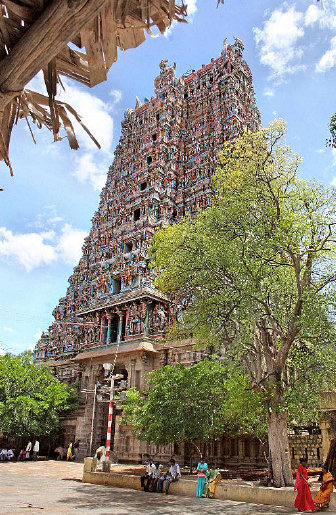
கடம்ப மரம் உடலுக்கு நன்மை பயக்கும் என்பது ஆன்றோர் வாக்கு. உடம்பைக் கடம்பால அடி என்ற பழமொழி இதற்குச் சான்று. மதுரை நகரத்தைக் கட்டுவதற்கு முன் அந்த இடம் ஒரு பெரிய கடம்பவனக் காடாக இருந்தது. ஒரு நாள் இரவில் தனஞ்செயன் என்ற வணிகன் அக்காட்டு வழியே செல்கையில் இரவு நேரத்தில் அதிசய ஒளியைக் கண்டான். இந்திராதி தேவர்கள் காட்டின் நடுவே இருந்த சிவலிங்கத்துக்குப் பூஜை செய்வதைப் பார்த்து மறுநாள் பாண்டிய மன்னனுக்கு அறிவிக்கவே அங்கே கோவில் கட்டினான் என்று ஸ்தல புராணம் கூறுகிறது. இன்றும் மதுரை மீனாட்சி கோவிலில் காய்ந்து போன ஒரு கடம்ப மரத்தை வேலி கட்டி பாதுகாத்து வருகின்றனர்.

(என் பாட்டி கடம்ப மரத்தால் செய்யப்பட்ட கட்டிலில் படுத்து உறங்குவாள். அவள் இறுதி மூச்சு வரை நோய் நொடி இல்லாமல் வாழ்ந்தாள். நாங்கள் எனக்குத்தான இறுதிக் காலத்தில் இந்த கட்டில் சொந்தம் என்று சகோதரர்களுக்குள் “ஜோக்” அடித்துக் கொள்வோம்! அக்கட்டில் இன்னும் மதுரையில் இருக்கிறது.)


Mysterious Tamil Bird Man

Mysterious Tamil Bird Man

Indian literature is full of stories about birds. The fables of Panchatantra and Hitopadesha are famous and translated into many languages. The seed for all such stories is in the Upanishads, Mahabharata and Ramayana. But certain stories are embedded so deep in Sanskrit and Tamil books that miss our attention. Tamil Bird Man story found in 2000 year old Sangam literature is one of them. Famous Tamil poet Paranar sang about him in five poems. The verses about the mysterious bird man Ay Eyinan are found in Akananuru (verses 148,181,208 etc). To be praised by Paranar, one must be as great as an emperor. Later poet Avvaiyar praised Athiyaman Neduman Anji just for getting a verse on him from Paranar (Puram 99).  He was paired with another great poet Kapilar.(For more details about Paranar, please read my article No Brahimns, No Tamil).

Ay Eyinan was a friend of a chieftain called Nannan. Nannan was attacked by a king from a neighbouring country. He was so worried about leaving his town unprotected. Ay Eyinan came to his help and protected his town. When Njimili attacked that town, Ay Eyinan was killed in the battle. Immediately a large flock of birds came to protect his body from scorching sun light. When his body was taken, the birds moved with it and sheltered him like an umbrella. He was a friend of birds, probably like our great emperor Vikramadiya who even knew the language of the birds!

Bird Girl

Sakuntala, heroine of the world famous drama Shakuntalm by Kalidasa, was named a bird girl. Sakunta means bird in Sanskrit. Abandoned at birth by her parents Visvamitra and Menaka, Sakuntala was looked after by birds. They encircled her protectively so that she remained unharmed until sage Kanva finds her. Kanva gave her the name Sakuntala, because she was first adopted in a sense by the birds who cared for her (More bird stories are in my article Animal Einsteins Part 1 and Part 2)

Sage who called hundreds of birds

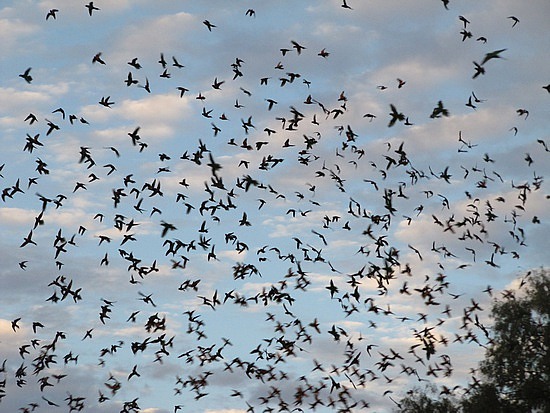
Tiruvannamalai near Chennai is famous for its Shiva temple and sages who lived there. Among the famous poets and sages of Tiruvannamalai are Arunagirinathar, Ramana Maharishi and Seshadri Swagal (1870-1929). Seshadri Swamigal performed a number of miracles and one of them was about birds. Venkatachala Mudaliyar and his wife Subbalakshmi Ammal were his great disciples. One day Swamigal visited them and asked Subbalakshmi whether she would like to watch some fun. When she said yes, he just waved his hands looking at the sky. Hundreds of birds came within minutes and occupied the trees and terrace of nearby houses. All kinds of Indian birds were there. It was 4 pm in the evening. When Subbalakshmi Ammal sympathized with the bird lings in the nests and asked him to send the birds to their nests he just pulled a thread from his towel and blew it in the air. All the birds flew away in a few minutes.

Those who have watched Alfred Hitchcock’s film The Bird may be familiar with such scenes.

********************


அதிசயப் பறவைத் தமிழன்!!!

தமிழ் இலக்கியத்தில் உள்ள ஒரு அதிசயப் பறவை மனிதன் பற்றிப் பலருக்கும் தெரியாது. இது 2000 ஆண்டுகளுக்கு முன் நடந்த உண்மைச் சம்பவம். பரணர் என்ற ஒரு பெரிய கவிஞர் மட்டும் இந்த விஷயத்தை விடாமல் நாலைந்து பாடல்களில் பாடிவிட்டார். பரணர் வாயால் ஒருவர் பாராட்டப்பட வேண்டும் என்றால் அவருக்குக் கொடுத்து வைத்திருக்க வேண்டும். அதியமான் நெடுமான் அஞ்சியைப் பாராட்டப் போன போது “பரணன் படினன் கொல்” என்று வியப்படைகிறார் அவ்வையார். நீ பரணனால் பாராட்டப் பட்டவன் ஆயிற்றே (புறம் 99) என்று.

கபிலர்-பரணர் என்று இரண்டு புலவர்களை இணத்தே பேசுவார்கள். சேர மன்னன் கடல் பிறக்கோட்டிய செங்குட்டுவனோவெனில் தனது மகனையே பரணரிடம் ஒப்படைத்து நீயே கல்வி கற்பி என்று குருகுல வாசத்துக்கு அனுப்பிவிட்டான். இவ்வளவு பெருமை உடைய ஒருவர் வாயால் பாராட்டப்பட்ட  அதிசயப் பறவை மனிதன் யார் தெரியுமா? அவன் பெயர் ஆய் எயினன். அவன் மிஞிலி என்பவனுடன் போரிட்டு உயிர் துறந்தான். அவன் உடல் மீது சூரிய ஒளி பட்டால் உடல் வாடுமே என்று அவன் மீது பறவைகள் ஒன்றுகூடி ப் பறந்து நிழல் செய்தன. இது சங்க காலத்தில் பெரும் அதிசயமாகக் கருதப் பட்டிருக்க வேண்டும். இல்லாவிடில் பரணர் போன்ற ஒரு பெரும் புலவர் இப்படி பல பாடல்கள் பாடமாட்டார்.

ஆய் எயினன் கதை ஒரு சுவையான, ஆனால் சோகமான கதை. அவன் நன்னன் என்பவனின் ஆருயிர் நண்பன். நன்னனை வேறு ஒருவன் எதிர்த்தபோது அவனுடைய ஊரை பாதுகாக்க எயினன் சென்றான். அப்போதுதான் மிஞிலியுடன் போரிட்டு உயிரிழக்க நேரிட்டது. நண்பனுக்கு உதவப் போய் இந்த கதி. தன்னுயிரையும் பொருட்படுத்தாமல் நண்பனுக்கு உதவியதால்தான் பறவைகளும் அனுதாபம் தெரிவித்தன போலும். எயினனின் மனைவியர் துயறுற்று அழுதபோது அகுதை என்பவன் மட்டும் வந்து மிஞிலியை தோற்கடித்து அவர்களுக்கு உதவினான்.

அகநானூற்றின் பாடல்களில் மேல் விவரங்களைக் காணலாம்:அகம். 148,181, 208, 396 புறம் 351

கடும்பரிக் குதிரை ஆஅய் எயினன்

நெடுந்தேர் ஞிமிலியொடு பொருது, களம்பட்டென

காணிய செல்லாக் கூகை நாணிக்

கடும் பகல் வழங்கா தாஅங்கு……. (அகம்.148,பரணர்)

பொருள்: எயினனுக்கு நிழல் குடை பிடிக்க எல்லா பறவைகளும் போயின. ஆனால் கூகைக்குப் பகலில் கண் தெரியாது என்பதால் அந்தப் பறவை மட்டும் போக முடியவில்லை. அதற்காக அது வெட்கப்பட்டது.

ஆஅய் எயினன் வீழ்ந்தென, ஞாயிற்று

ஒண்கதிர் உருப்பம் புதைய ஓராங்கு

வம்பப் புள்ளின் கம்பலைப் பெருந்தோடு

விசும்பிடை தூர ஆடி, மொசிந்தூடன் (அகம்.181,பரணர்)

பொருள்: ஆய் எயினன் முருகப் பெருமானைப் போன்ற ஆற்றலுடன் நின்று மிஞிலியுடன் போரிட்டான்.இறுதியில் விழுப்புண்பட்டு வீழ்ந்தனன். கதிரவனின்  ஒளிய கதிர்கள் அந்த ஆயின் மேல் படாதவாறு மறையும்படிப் புதிய பறவைகள் வானத்தில் ஒன்றாகக் கூடின. வானத்தில் வட்டமிட்டன.

அதிசயப் பறவைப் பெண்

உலகப் புகழ்பெற்ற சம்ஸ்கிருத கவிஞன் காளிதாசனின் மிக உன்னத படைப்பு சாகுந்தலம் என்னும் நாடகமாகும். அதில் உள்ள கதா நாயகி சகுந்தலா அதிசயப் பறவைப் பெண்ணாவாள். விசுவாமித்திரரும் மேனகையும் பிறந்த குழந்தையைக் காட்டில் விட்டு விட்டுப் போய்விட்டார்கள். கண்வர் என்ற மகரிஷி அந்தப் பக்கம் வந்த போது பறவைகளே உணவு ஊட்டி வளர்த்த பச்சிளம் குழந்தையைக் கண்டு வளர்ப்பு மகளாக வளர்த்தார். அந்தப் பெண் குழந்தைக்கு என்ன பெயர் சூட்டுவது என்று யோசித்தபோது அவருக்கு பறவைப் பெண்=சகுந்தலா என்ற பெயரே பொருத்தமாகப் பட்டது. உன்னைப் பறவைகளே ஊட்டி வளர்த்ததால் உனக்கு இப்படி பெயர் வைக்கிறேன் என்று அவரே சொல்லுகிறார்.( ஆலமரப் பறவைகளின் ஒலியை ஸ்ரீ ராமர் அடக்கியது உள்பட ஏனைய பறவைச் செய்திகளை அனிமல் ஐன்ஸ்டைன் Animal Einsteins Part 1 and Part 2 என்ற ஆங்கிலக் கட்டுரையின் இரண்டு பகுதிகளில் காண்க)

சேஷாத்ரி ஸ்வாமிகள் செய்த பறவை அதிசயம்

திருவண்ணாமலை சாது சந்யாசிகளுக்குப் பெயர் பெற்ற திருத்தலம். அருணகிரிநாதர், ரமண மகரிஷி முதலிய எத்தனையோ ஆன்மீகப் பெரியார்களின் பாத துளிகள் பட்ட புனித ஊர். அங்கு சேஷாத்ரி சுவாமிகள் (1870-1929) என்ற மகான் செய்த அற்புதங்கள் எண்ணற்றவை. அதில் ஒன்று பறவை அதிசயம். வெங்கடாசல முதலியாரும் அவருடைய மனைவி சுப்புலெட்சுமி அம்மாளும் சுவாமிகளின் பரம பக்தர்கள். ஒரு அமாவாசை நாளன்று மாலை சுமார்  4 மணிக்கு முதலியார் வீட்டுக்கு சுவாமிகள் வந்தார். “சுப்புலட்சுமி இங்கு வா, ஒரு வேடிக்கை காண்பிக்கிறேன்” என்று சுவாமிகள் சொன்னவுடன் அவர் என்ன வேடிக்கை என்று கேtடுகொண்டே வந்தார். அவர்கள் வீட்டில் 3 மரங்கள் இருந்தன. சுவாமிகள் “பார் உனக்குப் பறவைகளைக் காட்டுகிறேன்” என்று சொல்லிக் கொண்டே வானத்தைப் பார்த்து வா என்று சைகை செய்தார். ஒரு காகம் வந்தது. தொடர்ந்து அவர் கூப்பிடk கூப்பிட பறவைகளின்  எண்ணிக்கை நூற்றுக் கணக்கில் பெருகிவிட்டன. காக்கை, குருவி,கிளி, புறா, மஞ்சள் குருவி, நாகணவாய் என்று வித விதமான பறவைகள் வந்துவிட்டன. பக்கத்து வீடுகளில் எல்லாம் பறவைகள் உட்கார்ந்து குரல் எழுப்பின. சுப்புலட்சுமி அம்மாள்,, அடடா, மாலை வேளையில் இப்படிப் பறவைகளைக் கூப்பிடுகிறீர்களே. அவைகள் எல்லாம் குஞ்சுகளைப் பார்க்க கூட்டுக்குப் போக வேண்டாமா என்று கேட்கவே, அப்படியா இதே போகச் சொல்கிறேன் என்று சுவாமிகள் சொன்னார். துண்டின் ஒரு நூலை எடுத்து வாயால் ஊதிப் போ என்றவுடன் அவ்வளவு பறவைகளும் பறந்தோடிப் போய்விட்டன. விக்ரமாத்திதன் கதையில் படிப்பது போல சுவாமிகளுக்கும் பறவைகளின் மொழி தெரியும் போலும்!!

ஆல்ப்ரெட் ஹிட்ச்காக்கின் பறவைகள் (Alfred Hitchcock’s film The Bird ) என்ற படத்தைப் பார்த்தவர்களுக்கு ஏராளமான பறவைகள் என்றால் என்ன என்பது எளிதில் விளங்கும்.

*****************

தாவரங்களின் அறிவு!–Part 4

அறிவியல் அதிசயங்கள்

தாவரங்களின் அறிவு! -4

———————————-

ச.நாகராஜன்

ஒரு செடியானது கீழே போட்டு மிதித்துக் கொலையுண்ட பின்னர் மீதியிருந்த இன்னொரு செடி  லை – டிடெக்டருடன் இணைக்கப்பட்டது. ஒவ்வொரு மாணவனும் அதன் முன்னே நடந்து செல்லுமாறு கூறப்பட்டான். ஐந்து மாணவர்கள் அந்தச் செடியின் அருகே சென்ற போது அந்தச் செட் எந்த விளைவையும் காண்பிக்கவில்லை. ஆனால் ஆறாவது மாணவனான ‘செடியின் கொலைகாரன்’அதன் அருகே சென்றவுடன்  லை – டிடெக்டருடன் இணைக்கப்பட்டிருந்த எலக்ட்ரோடு வெகு வேகமாக அசையத் தொடங்கியது. அது கொலையாளி யார் என்பதை அடையாளம் காட்டியது!

இந்தச் சோதனையின் மூலம் தாவரங்களுக்கு ஞாபக சக்தி உண்டு என்பதையும் அது தமக்குத் தீங்கு செய்த மனிதரையோ அல்லது இதர வஸ்துவையோ யார் அல்லது எதாக இருந்தாலும் கூட இனம் காண்பித்து விடும் என்பதும் நன்கு தெரிய வந்தது!

தாவரங்கள் அதை வளர்க்கும் எஜமானர்களுடன் நெருக்கமான உறவைக் கொண்டிருக்கின்றன!

ஒரு முறை பாக்ஸ்டர் நியூஜெர்ஸியிலிருந்து நியூயார்க் நகருக்குத் திரும்பினார். தனது ரிகார்டரில் பதிவு செய்யப்பட்ட கிராப் பேப்பர்களைப் பார்த்த போது  எல்லா தாவரங்களும் தன் எண்ணங்களை வெளிப்படுத்தியதை அவரால் காணமுடிந்தது. சில தாவரங்கள் ‘ அப்பாடா’ என்ற பெருமூச்சை வெளியிட்டன. (எஜமானர் திரும்பி வந்து விட்டார்; இனி கவலை இல்லை!) சில தாவரங்களோ அவருக்கு நல்வரவு கூறி வரவேற்றன!

இந்த ‘அப்பாடா’ என்ற பெருமூச்சும், ‘நல்வரவு’டன் கூறிய வரவேற்பும் எப்போது எந்த நேரத்தில் பதிவு செய்யப்பட்டது என்பதை அவர் கூர்ந்து கவனித்துப் பார்த்தார்.

அது அவர் நியூஜெர்ஸியிலிருந்து நியூயார்க் திரும்ப முடிவு செய்த அதே நிமிடத்திலேயே பதிவு செய்யப்பட்டிருந்தது!

சின்ன ‘செல்லானாலும்’ கூட உயிருடன் இருக்கும் திசு ஒன்று இறந்து போனால் அதைக் கண்டு கொள்ளத் தவறுவதில்லை. இதை பாக்ஸ்டர் எதேச்சையாக ஒரு நாள் கண்டுபிடித்தார். ஒரு நாள் அவர் தன் சாப்பிடவிருந்த யோஹர்ட்டுடன் (தயிர்) ஏதோ ஒரு பழ ஜாமைக் கலந்தார். தயிரில் இருந்த ‘லாக்டோபஸில்லி’ செல்களை ஜாமில் சேர்க்கப்பட்டிருந்த ப்ரிஸர்வேடிவ் கொன்று விட்டது. இதைக் கூடத் தாவரங்கள் உணர்ந்து விட்டன.

பாக்ஸ்டர் சிங்க்கில் (Sink) கொதிக்கும் நீரை ஓட விட்ட போதும் தொட்டியில் இருந்த சில நுண்ணிய  பாக்டீரியாக்கள் இறந்து விட்டதை எண்ணி அவை அலறின போலும் என்று கூறுகிறார் அவர்!

இதை உறுதி செய்வதற்கான இன்னொரு சோதனையை அவர் மேற்கொண்டார். உப்பு நீரில் இருந்த ஒரு ‘ஷ்ர்ம்ப்’ ஒன்றை தானியங்கி மெக்கானிஸம் வாயிலாக தானாகவே சுடுநீரில் கரையும் படி அவர் ஒரு ஏற்பாட்டை அமைத்தார். மனிதன் யாராலும் தொடப்படாமல் இருப்பதை உறுதி செய்யவே ஆடோமாடிக் மெக்கானிஸம் பயன்படுத்தப்பட்டது. சுடு நீரில் ‘ஷ்ரிம்ப்’ விழுந்தவுடன் தாவரம் அதைப் பதிவு செய்து விட்டது!

இப்படி ஏராளமான சோதனைகளை நடத்தியதன் மூலமாக பாக்ஸ்டர் தாவரங்களின் அதிசயிக்கத்தக்க அறிவைக் கண்டு வியந்தார். இந்த சோதனைக¨ளையும், தனது முடிவுகளையும் உலகிற்கு அறிவித்தார்.

உண்மையிலேயே தாவரங்களின் அறிவு அதிசயிக்கத் தக்க ஒன்று தானே!!