Rama – Embodiment of Dharma

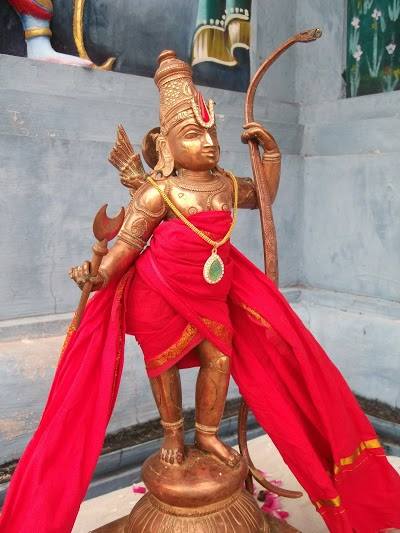
ramabronze

By London Swaminathan
Post No. 957 Dated 5th April 2014

Rama Navami, Birth day of Lord Rama falls on 8th April 2014.

“Rama, the ancient idol of heroic ages, the embodiment of truth, of morality, the ideal son, the ideal husband, the ideal father, and above all the ideal king, this Rama has been presented before us by the great sage Valmiki. No language can be purer, none chaste, none more beautiful, and at the same time simpler, than the language in which the great poet has depicted the life of Rama. And what to speak of Sita? You may exhaust the literature of the world that is past, and I may assure you that you will have to exhaust the literature of the world of the future, before finding another Sita. Sita is unique; that character was depicted once and for all. There may have been several Ramas, perhaps, but never more than one Sita!”
—-Swami Vivekananda

Valmiki praised Lord Rama as the embodiment of Dharma (righteousness). We have lots of monuments and temples all over India which boasts of their association with Sri Rama. They were made holy the minute Rama walked on the soil of those towns and cities, hills and forests. He was even kind towards animals including small creatures. Ramakrishna Paramahamsa tells us a story where his kindness excelled:

“Sri Ramachandra in the course of his travels through the forest descended into the lake called Pampa to drink water, leaving his bow and arrow fixed on the ground. Coming up he found a frog lying covered all over with blood, having been run through by his bow. He was very sorry and said to the frog, “Why didn’t you make some kind of sound? Then I could have known that you were here and you would not have come to this plight.” The frog replied, “O,Rama, when I fall into danger, I call on Thee, ‘O,Rama, save me’. Now that You yourself are killing me , to whom else shall I turn and pray?

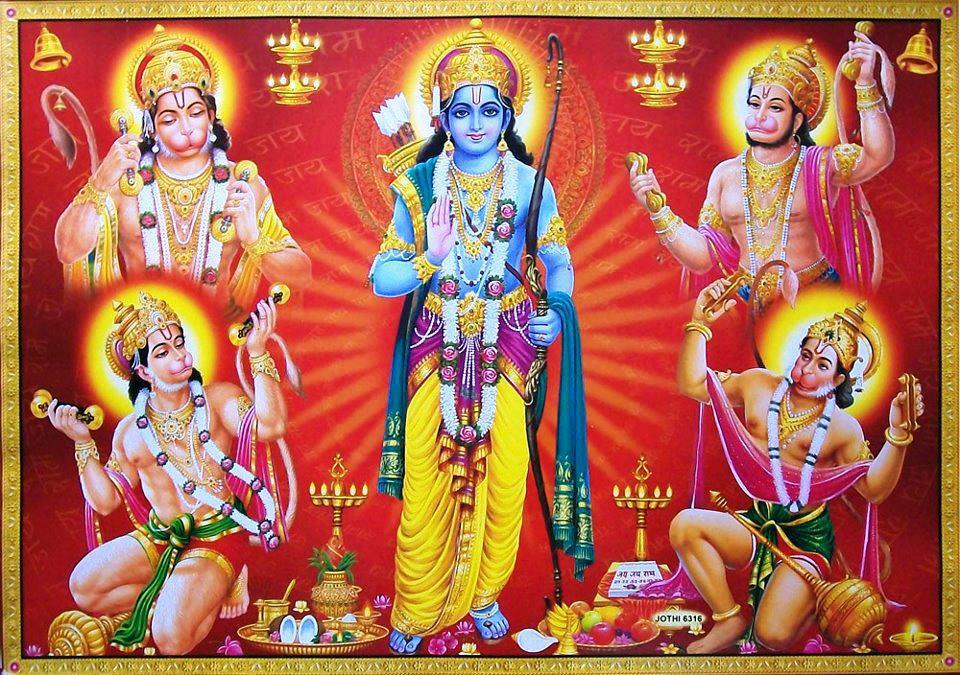
hanuman 4

Tamil saint praise for Rama:

Rama liberated all the creatures in the vicinity of Ayodhya, the capital of his kingdom. All those lived in the city went to heaven. Nammalvar, a Vaishnava saint who lived 1200 years ago praised Sri Rama about his kindness towards plants and animals in one of his hymns:–

“For the seekers of knowledge
Can there be a knowledge?
Better than
The knowledge of the divine, Sri Rama
The one who liberated
Even the blades of grasses
And all the swarms of ants
Leaving none behind
That ever existed
In the good city of Ayodhya.
And placed them in
An exotic heaven
Created exclusively for them
By the Great Grandsire Brahma.

—The Ultimate Liberator by Nammalvar.

Contact :– swami_48@yahoo.com

Tamil Saint Pattinathar’s Warning

sadhu shank

By London Swaminathan
Post No. 955 4th April 2014.

Tamil saint Pattinathar warns us about the impermanence of life. He reminds us of the ‘three important chanks’ our family uses. Life is short and we must do everything good within that short period.

Pattinathar’s life was full of very interesting events. He lived in the tenth century CE. He was a rich man of a port city called Kaveri Poom Pattinam, also known as Pumpuhar in Tamil Nadu. He got his name from this city meaning ‘City man’ (Pattinathar). He was married but had no issue. So they took a child that was left uncared for in a garden at Tiruvidaimarudur. The child was given the name Marudaipiran. As he grew up, one day he came to Pattinathar’s wife, his foster mother, and asked her to give a parcel to Pattinathar. Later he disappeared. It was the box that changed his life.

When Pattinathar came home and opened the box with all curiosity he found an eyeless needle and a palm leaf on which a conundrum had been written. He considered that was a ‘special delivery parcel with a special message’ for him from Lord Shiva. Immediately he distributed his vast wealth to the poor and became an ascetic. He wandered far and wide and came to Tiruvotriyur to spend his last days. His thought provoking hymns are well known to Tamils.

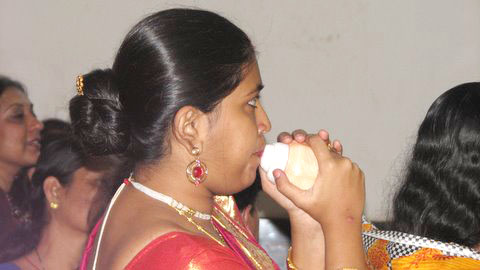
lot women conch
In one of his poems he warns us that we must remember three sounds from the blowing conches at family events:

The first of the chanks feeds with milk
The second shackles us with women of dense locks;
The third is sounded to announce our death.
How much, Oh, how much is the weal of worldly life?

bengali blow

(Translation from Tamil into English was done by Sekkizar Adippodi Dr T N Ramchandran of Thanjavur).
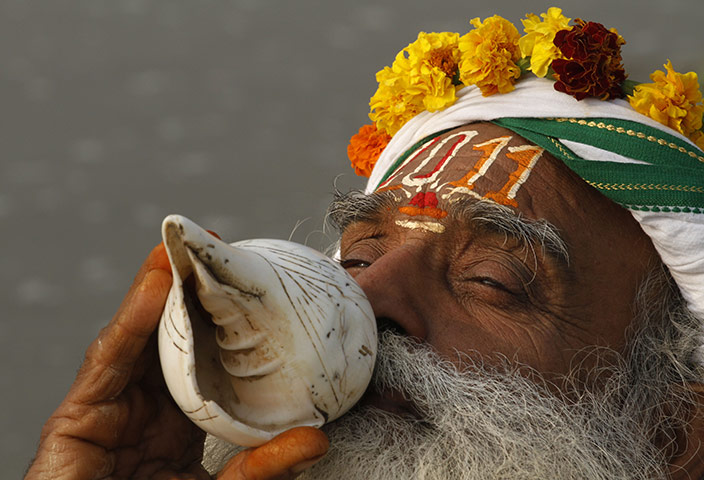
The custom of blowing conches in the weddings was practised by all the Hindus until a few centuries ago. Now Bengalis only use Chanks (conches) in all the ceremonies. Andal, a famous Tamil poetess, mentioned about blowing conches in the Tamil weddings 1300 years ago. Hindu mothers used conches (chanks) to feed the babies with milk. Now this practise is also dropped after the introduction of feeding bottles. Just to attract the attention of the child, they used to play blowing chanks in the olden days. Blowing conches is practised during the funeral procession in certain parts of the country even today.

So the last of the three sounds will be heard only by family members, because it will be our last journey.

conch-blowing

A V Subramania Aiyar, in his book ‘The Poetry of Tamil Siddhas’, compared him with another Siddha (enlightened soul) Sivavakkiyar. He aptly commented about Pattinathar’s poems:-

“As a Saiva mystic and saint Pattinathar has been held in great veneration. His poems are happily free from the violent denunciations of idol worship, temples, rituals, caste, Vedas, Agamas etc. which Sivavakkiyar indulges in. He has shown an excessive desire to extol the virtues of unqualified asceticism and Yogic mysticism in language that that can be understood by the masses. He shows leanings towards Bhakti in his later poems. As a poet he is far superior to Sivavakkiyar. Pattinathar has a greater command over imagery and language. His poetry has sweetness, simplicity and emotional appeal. He has sung of his religion and philosophy with freedom, vigour and breadth of outlook. He has good mastery over form, especially Ahaval metre, in which some of his most brilliant poetical passages have been written. Pattinathar is the most widely read Siddhar in the Tamil language”.

conch 4

I would recommend the following two English books for non Tamil readers:
The Poetry and the Philosophy of THE TAMIL SIDDHAS by A.V. Subramania Aiyar, published by S.Mahadevan, Tirunelvely, Year 1957; St.PATTINATHAR, Tamil Text with English Translation by Sekkizhaar Adippodi T N Ramachandran, International Institute of Saiva Siddhanta Research, Dharmapura Adhinam, Dharmapuram, MAYILADUTHURAI 609 001, Year 1990.

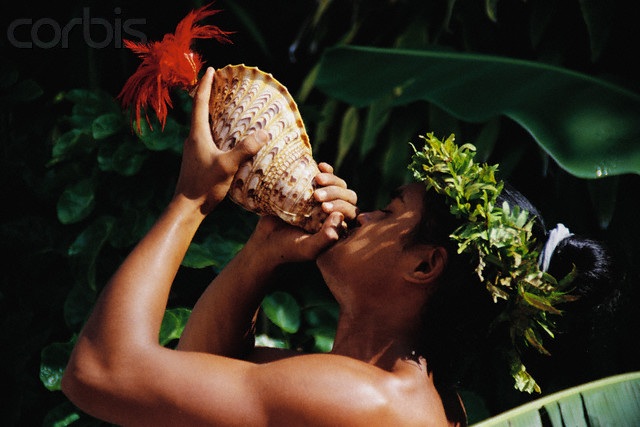
Polynesian Man Blowing Conch Shell

Contact swami_48@yahoo.com

வேதத்தில் வெள்ளரிக்காய் !

fruit cucumber

By London Swaminathan
Post No. 949 Date 2nd April 2014.

வெற்றி எட்டு திக்கும் எட்ட கொட்டு முரசே !
வேதம் என்றும் வாழ்க என்று கொட்டு முரசே !!
நெற்றி ஒற்றைக் கண்ணனோடு நிர்த்தனம் செய்தாள்!
நித்த சக்தி வாழ்க என்று கொட்டு முரசே !!
–மஹா கவி பாரதி.

இந்துக்கள் இயற்கையை நேசிக்கும் அன்பர்கள். இயற்கையில் கடவுளைக் கண்டுபிடித்தவர்கள். இயற்கை மூலம் கடவுளைக் காட்டியவர்கள். இன்று எல்லோரும் புறச் சூழல் பாதுகாப்பு என்று பெரிய கூக்குரல் எழுப்புவதற்கு முன் ‘எறும்பு முதல் யானை வரை’ எல்லாவற்றுக்கும் இறை அந்தஸ்து வழங்கினவர்கள், ஒரு ஊருக்கு ‘திரு ஆனைக் கா’ என்று பெயரிட்டு பக்தி இலக்கியத்தில் யானைக்கு அழியாத இடம் கொடுத்தனர். அதன் பக்கத்திலேயே ‘திரு எறும்பூர்’ என்று மற்றொரு ஊரில் எறும்புக்கு மதிப்பு கொடுத்தனர். வேதத்தில்—உபநிஷதத்தில்– ஆலமரவிதை, பசுமாட்டின் வாலில் உள்ள முடி, உப்பு முதலியவற்றின் மூலம் கடவுள் பற்றி பாடம் நடத்தியதைப் படிக்கிறோம். இதே போல வெள்ளரிப் பழம் மூலம் ஒரு பெரிய உண்மையைக் கற்பிக்கிறது யஜூர்வேதம்.

CUCUMBERFRUIT

வேதங்கள் நான்கு : ரிக், யஜூர், சாமம், அதர்வணம் என்று. இவைகளில் சைவர்களின் தாரக மந்திரமான நமசிவாய என்னும் மந்திரம் யஜூர்வேதத்தில் வருகிறது. யஜூர் வேதத்தில் ருத்ரம் சமகம் என்ற பகுதியில் ருத்ரத்தின் நடுவில் அமைந்துள்ளது நமசிவாய மந்திரம். அதற்குச் சற்றுப் பின்னால் சிவனின் பெருமையைக் கூறுகையில் ‘ம்ருத்யுஞ் ஜய மந்திரம்’ என்று போற்றப் படும் ஒரு சிறிய மந்திரம் வருகிறது. ரிக் வேதத்திலும் இந்த மந்திரம் இருக்கிறது (7-59-12). இதை நமக்குக் கொடையாக வழங்கியவர் மார்க்கண்டேய மகரிஷி.. ‘ம்ருத்யு’ என்றால் மரணம் (இறப்பு)—.அதை ஜயிக்கக்கூடிய மந்திரம் என்பதால்—-மரணத்தை வெல்லும் இம் மந்திரத்துக்கு ‘‘மஹா மிருத்யுஞ் ஜய மந்திரம்’’ என்று பெயர். இதில்தான் வெள்ளரிப் பழம் வருகிறது. இதோ அந்த மந்திரம்:–

ஓம் த்ரயம்பகம் யஜாமஹே ஸுகந்திம் புஷ்டிவர்த்தனம்
உர்வாருகமிவ பந்தனான் ம்ருத்யோர் முக்ஷீய மாம்ருதாத்

ஸுகந்திம் = இயற்கையான நறுமணம் உடையவரும்
புஷ்டிவர்த்தனம் = கருணையால் அடியார்களை ஊட்டி வளர்ப்பவரும் ஆகிய
த்ரயம்பகம் = முக்கண்ணனை
யஜாமஹே = பூஜித்து வழிபடுகிறோம்.
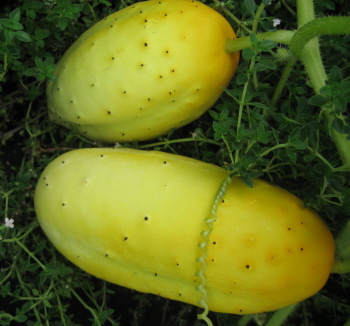
உர்வாருகம் இவ = வெள்ளரிப் பழம் காம்பிலிருந்து விடுபடுவது போல
ம்ருத்யோ: = சாவினுடைய
பந்தனாத் = பிடியிலிருந்து
முக்ஷீய = உமது அருளால் விடு படுவோமாக!
மா அம்ருதாத் = முக்தி வழியில் இருந்து விலகாமல் இருப்போமாக!

golden cucumber

ஸ்ரீ ருத்ரம் (நமகம்-சமகம்) மந்திரத்தை– கவிதாமணி, உபய பாஷா ப்ரவீண, செந்தமிழ் கவிதைச் செம்மல் அ.வெ.ர. கிருஷ்ணசாமி ரெட்டியார் அழகிய தமிழில் மொழிபெயர்த்து வெளியிட்டுள்ளார். அதில் இந்த மந்திரப் பகுதியின் தமிழ் வடிவத்தை மட்டும் பார்ப்போம்:-

இயற்கை நறுமணம் உடைய தேவரே
ஈடில்லாக் கருணையால் அடியாரை வாழ்விக்கும்
வியத்தகு முக்கண் உடைய எம்பெரும
வினயமாய்ப் போற்றி அஞ்சலி செய்தோம்
வெள்ளரிப் பழம் காம்பினின்று விடுவதொப்ப
மேவிய உமதருளால் மரணத்திலிருந்து விடுபடவும்
தெள்ளிய சன்மார்க்க நெறியில் இருந்து யாம்
திசை மாறாதென்றும் வாழ்ந்திடுவோமாக

வேதம் படித்த சைவர்கள், விபூதி பூசும் போது இந்த மந்திரத்தைச் சொல்லிகொண்டே விபூதி இட்டுக் கொள்வார்கள். யாருக்காவது, ஆயுள் அதிகரிக்கவோ, மரண பயம் நீங்கவோ, நோய்கள் நீங்கவோ வேண்டுமானால் மிருத்யுஞ் ஜய ஹோமமும் நடத்துவது வழக்கம். இந்தச் சிறிய மந்திரத்தை அனைவரும் சொல்லலாம். முதலில் வெள்ளரிப் பழத்தை ஏன் இதில் சொன்னார்கள் என்று காண்போம்.

child cucumber

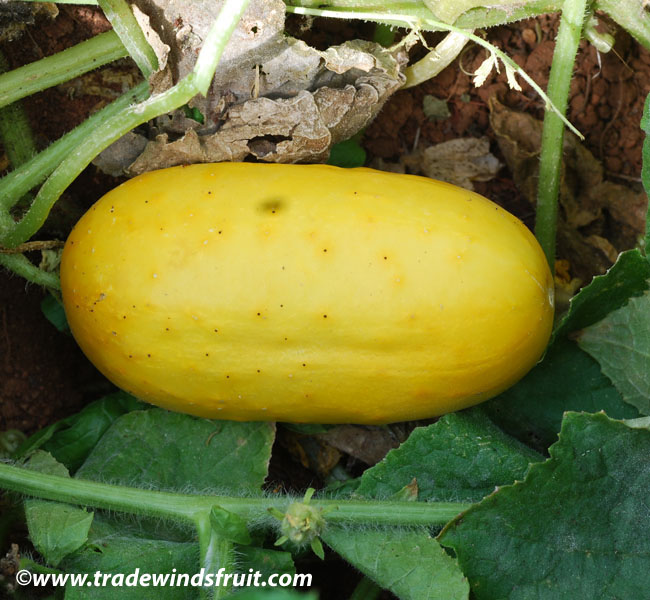
மற்ற பழங்கள் பழுத்தவுடன் அது கீழே விழும். பழம் விழுந்தால் அது தரும் அதிர்ச்சியை நாம் அறிவோம். கீழே விழுந்தாலும் சரி ஒருவரின் தலையில் விழுந்தாலும் சரி, அதில் பக்க விளைவுகள் உண்டு. ஆனால் வெள்ளரிப்பழம் மட்டும் பழுத்தவுடன் பழம் இருந்த இடத்திலேயே இருக்கும். ஒரு அங்குலம் கூட நகராது, அதன் காம்பு மட்டும் தனது தொடர்பை அழகாகத் துண்டித்துக் கொள்ளும். பழுத்த பழத்துக்கு அவ்வளவு மரியாதை. காம்பே ஒரு ‘கும்பிடு போட்டு விட்டு’ சற்றே விலகிவிடும்.

இன்று டிஸ்கவரி (Discovery Channel) சேன்னலில் இயற்கை பற்றிய டாகுமெண்டரிகளை பார்க்கையில் பூ மலர்வதையும் ,காய் வெடிப்பதையும் ‘ஸ்லோ மோஷனில்’ (Slow Motion) பார்த்து வியக்கிறோம். அந்தக் காலத்தில் பெரிய சக்திவாய்ந்த கேமராக்களும் இல்லை. அதை ‘’ஸ்லோ மோஷ’’னில் போட்டுப்பார்க்கும் வசதிகளும் இல்லை. ஆனால் நமது ரிஷிகள் தன் ஞானக் கண்களால் அதை கண்டார்களா அல்லது ஊனக் கண்களை வைத்து உன்னிப்பாகப் பார்த்தார்களா என்று சொல்லமுடியாது. நல்ல ஒரு கவிதை உவமையை நமக்குத் தந்துவிட்டார்கள்.

வெள்ளரிப் பழ உவமையின் பொருத்தத்தையும் காண்போம். வீட்டில் 80, 90 வயதுப் பாட்டி, பாட்டனார் இறந்தால் அதைக் ‘கல்யாணச் சாவு’ என்று சொல்லுவர். பெரிய வருத்தம் இருக்காது. ஏனெனில் பிறந்தவர் எல்லாம் இறப்பதை எல்லோரும் அறிவர். அது இயற்கை நியதி. ஏன் நமக்கு வருத்தம் வரவில்லை? அவர்கள் நிறைந்த வாழ்வு வாழ்ந்து பேரன், பேத்தி, கொள்ளுப் பேரன்களைப் பார்த்தாகிவிட்டது. அதாவது முழு வெள்ளரிப்பழம் போல ஆகிவிட்டனர். இனியும் அது இருந்தால் பழமே தன்னால் பிளவுபட்டு வெடித்துவிடும். காம்பே விலகியது போல அதிர்ச்சி இல்லாத, மிருதுவான, அழகான முறையில் மரணம் சம்பவித்தால் இறந்தவருக்கும் கஷ்டம் இல்லை, அவர்களுடைய உறவினர்களுக்கும் வருத்தம் இல்லை. அதாவது பந்தங்களை அதிரடிப் போகில் தூக்கி எறியாமல், நம்மைப் பிடித்த பந்தங்கள்—கட்டுகள்—தளைகள் — விலங்குகள் – தானாக, ‘ஸ்மூத்’தாக, விலகுவதையே வெள்ளைப்பழ உவமை காட்டுகிறது.

blonde_cucumber

ஆகையாலதான் இந்த உவமை; வெள்ளரிப் பழம் காம்பில் இருந்து விடுபடுவதுபோல சாவில் இருந்து விடுபடுவோமாக. ஞானம், பழுத்த நிலையில் மரணம் சம்பவித்தால் நேரடி மோட்சம் தானே. மற்ற மரணங்களைப் போல பல ‘’மண்டகப் படிகள்’’(Stop overs) கிடையாது. இது நேரடி விமான சர்வீஸ். நடுவில் ஸ்டாப் ஓவர் (stop over) கிடையாது.– டைரக்ட் Fலைட் Direct Flight— ஆகையால் வெள்ளரி போல பழுத்த நிலையில் இறப்போம்—அது போல பந்தங்கள் கஷ்டமின்றி பிரியட்டும்—பிரிந்த பின்பு மீண்டும் பிறப்பின்றி மரணமிலாப் பெருவாழ்வு வாழ்வோம்– என்பதே இந்த மந்திரத்தின் பொருள் என்று ஆன்றோர் விளக்குவர்.

(காஞ்சி பரமாசார்ய சுவாமிகள் 1957-59 ஆம் ஆண்டுகளில் சென்னையில் நடத்திய உபந்யாசம் ஒன்றில் வெள்ளரிப் பழ விஷயத்தை சுருக்கமாகத் தொட்டுக் காட்டினார். அதை அடிப்படையாக வைத்து எழுதப்பட்டது இக்கட்டுரை).

Contact swami_48@yahoo.com

Salt Doll Stories explain Brahman

Sri_Ramakrishna

By London Swaminathan
Post No 948 Date 1st April 2014.

Salt Doll Stories & Chemistry Experiments explain ‘Satyam, Janam, Anantam Brahma’

Brahman is the word used for God in the Upanishads. Sri Sathya Sai Baba popularised the Taittiriya Upanishad line ‘Satyam Jnanam Anantam Brahma’ through his sweet and beautiful Bhajan song, meaning God is Truth, God is Knowledge and God is Infinite. Though great philosopher saints Shankara , Ramanuja and Madhwa elaborated on this line, experiencing Brahman is explained the best in the short and crisp stories of Sri Ramakrishna Paramahamsa.

Earlier, the Vedic seers explained great doctrines through simple experiments like we do it today in the chemistry labs of schools and colleges. Many chemical salts are used in the laboratory for qualitative and quantitative analysis experiments. Vedic seers asked young students to bring a handful of salt and asked them to put it in a glass of water. Then questions were asked to find where the salt had gone and how it disappeared, did the water taste differently in various parts of the cup etc. Through this simple experiment seers explained the nature and qualities of God. They used the tiny seeds of the Banyan tree as well. Tamil saints and Siddhas (enlightened souls) also used the same salt doll similes in their verses. Earliest reference comes from a 2000 year old Tamil book called Kalitokai.

best ice use it

Ramakrishna’s Stories

Story 1
A salt doll went to measure the depth of the ocean. It wanted to tell others how deep the water was. But this it could never do, for no sooner did it get into the water than it melted. Now, who was there to report the ocean’s depth?
What Brahman is cannot be described in Samadhi one attains the knowledge of Brahman – one realises Brahman. In that state reasoning stops altogether, and man becomes mute. He has no power to describe the nature of Brahman.

Story 2
Once four friends, in the course of a walk, saw a place enclosed by a wall. The wall was very high. They all became eager to know what was inside. One of them climbed to the top of the wall. What he saw on looking inside made him speechless with wonder. He only cried Ah! Ah! And dropped in. he could not give any information about what he saw. The others too climbed the wall, uttered the same cry,’ Ah! Ah!’ and jumped in. now who could tell what was inside!
What Brahman is cannot be described. Even he who knows it cannot talk about it.

scaling wall

Story 3
The husband of a young girl has come to his father in law’s house and seated in the drawing-room with other young men of his age. The girl and her friends are looking at them through the window. Her friends do not know her husband and ask her pointing to one young man, “Is that your husband? “No”, she answers, smiling. They point to another young man and ask if he is her husband. Again she answers, “No”. They repeat the question referring to a third, and she gives the same answer. At last they point to her husband ask, “Is he the one?” She says neither yes nor no, but only smiles and keep quiet. Her friends realize that he is her husband.

One becomes silent on realising the true nature of Brahman.

There is a proverb in Tamil, “Those who have seen never talk; those who talk have never seen (the God)” (Kandavar Vindilar; Vindavar Kandilar).

ice-sculpture-350

A Siddha by name Sivavakkiyar uses the simile of mixing water with salt to establish the truth that Lord Vishnu and Lord Shiva are one and the same. Once the water is mixed with the salt it becomes unseparable. Shiva and Vishnu are one.

Another Tamil saint Tirumular says in Tirumanthiram that the dumb are trying to describe that which cannot be described.

The following Upanishad line is translated in Tamil verses by several Tamil saints in several of their verses:

Yato vacho nivartante aprapya manasa saha (Whence all speech turn back with the mind, not reaching It). Taittiriya Upanishad

Mozikkum winaivukkum ettatha nin tirumurtham (Abirami Andhati) in Tamil.

ocean

Contact swami_48@yahoo.com

“Buddha made one false step in stopping Sanskrit”: Swami Vivekananda

my_tattoo_by_kiyannaori

New Quotes on Sanskrit Language
Compiled by London Swaminathan
Pot No 938 dated 27th March 2014.

If I was asked what is the greatest treasure which India possesses and what is her finest heritage, I would answer unhesitatingly — it is the Sanskrit language and literature and all that it contains.
—Jawaharlal Nehru, First Prime Minister of India

Three people composed Ramayana in the Language of the Gods (Deva Bhasa) and I adapted the version of the earliest composer (Deva Bhasa=Sanskrit, earliest composer= Valmiki).
—Great Tamil poet Kamban (Twelth Century AD)

“Lord Shiva gave us both Sanskrit and Tamil”.
—Kachiappa Swamikal & Paranjothy Muni (authors of Puranas in Tamil)

sanskrit-tattoo

“ The Vedic language is not Sanskrit but Chandas. Chandas means not only metre but also the Vedas in which are metrically composed as well as the language of the Vedas. The language used in ordinary speech, poetry the Puranas , the epics, other writings is Sanskrit. The Vedic language alone is Chandas. When Panini makes a reference to the Vedas he says “iti chandasi” and when he refers to any question relating to Sanskrit he says, “iti loke”.

Sanskrit, which evolved through a constant process of ‘samskara’ or refinement, contains many words drawn from the Vedic language. But if there is a language that is based entirely on sounds meant for the well being of mankind it is Chandas. ‘Krtam ‘means created; ‘samskrtam’ means well created it would thus mean that the language called Sanskrit was created with great effort and care.
———-Kanchi Paramacharya Swamikal (1894 – 1994)
paninin big
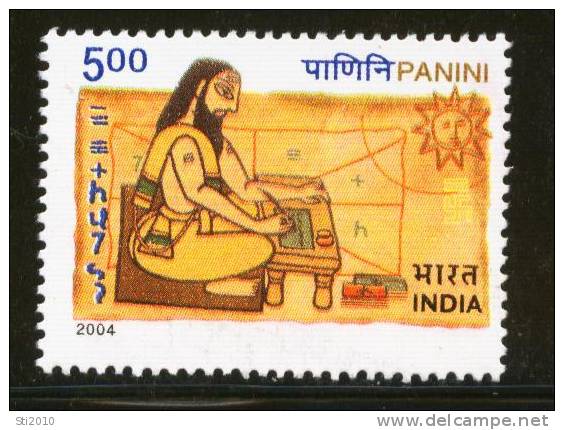
Stamp on Panini, the oldest and the greatest grammarian the world has ever produced.

“My idea is first of all to bring out the gems of spirituality that are stored up in our books, and in the possession of a few only, hidden, as it were in monasteries and forests to bring them out. In one word, I want to make them popular. The ideas must be taught in the language of the people; at the same time, Sanskrit education must go along with it, because the very sound of Sanskrit words give a prestige and a power and a strength to the race. Ramanuja, Chaitanya and Kabir — they all raised the lower classes. Their teachings stopped almost within a century of the passing away of these great masters. The secret is here. They did not apply their energies to the spreading of the Sanskrit language among the masses. Even the great Buddha made one false step when he stopped the Sanskrit language from being studied by the masses .He wanted rapid and immediate results and translated and preached in the language of the day, Pali. That was great. Knowledge came but the prestige was not there, culture was not there. It is culture that which with stands shocks, not a simple mass of knowledge; you can put a mass of knowledge into the world, but that will not do much good. There must come culture into the blood…….. The only safety I will tell you men who belong to the lower castes , the only way to raise your condition, is to study Sanskrit.
Sanskrit and prestige go together in India; as soon as you have that none dares say anything against you. That is the one secret; take that up.
— Swami Vivekananda
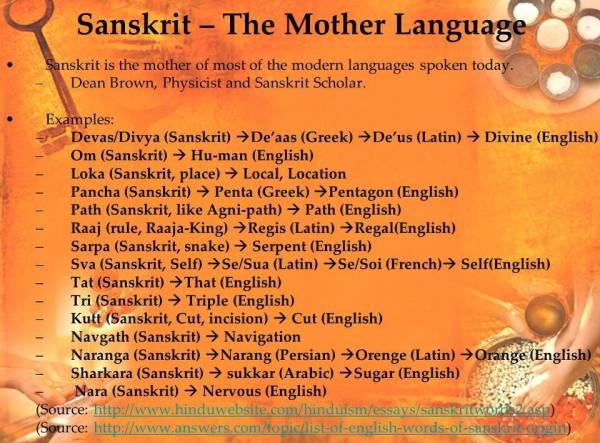
sanskrit comparative chart

Sanskrit, which is recognized as one of the oldest living languages of the world, is often misunderstood as only a language of religious hymns and rituals. Such an understanding does injustice to the great genius of this language and betrays ignorance of the work of great writers, thinkers, sages and scientists like Kautilya, Charaka, Sushruta, Aryabhata, Varahamihira, Brahmagupta, Bhaskaracharya and many others. Indeed, Sanskrit is much more than a language. It is a complete knowledge system that embodies the great learning traditions of ancient India.

Sanskrit has not only some of the greatest classics of world literature, but also a treasure of knowledge in mathematics, medicine, botany, chemistry, arts and humanities. If we provide the missing links and establish the required inter-disciplinary approaches, the wisdom of Sanskrit has the potential of enriching the present-day knowledge systems and Indian languages immensely.

The Sanskrit language has also been the source of values and ideals that have sustained India through the ages. Like the great civilization of India, Sanskrit does not belong to any particular race, sect or religion. It represents a culture that is not narrow and sectarian but open, tolerant and all-embracing. The open-minded seers and thinkers who spelt out their vision and philosophy in the sacred Vedas and the Upanishads were able to balance the opposites in their life and in philosophy. It is this spirit of liberalism and tolerance imbedded in Sanskrit that we must inculcate in our present-day life. The message of the ancient sages of India, who gave us the concept of ‘vasudhaiva kutumbakam’, the world as one family, continues to be of great significance to the world even today.
———–Prime Minister Dr Manmohan Sing at the World Sanskrit Conference on 5-1-2012
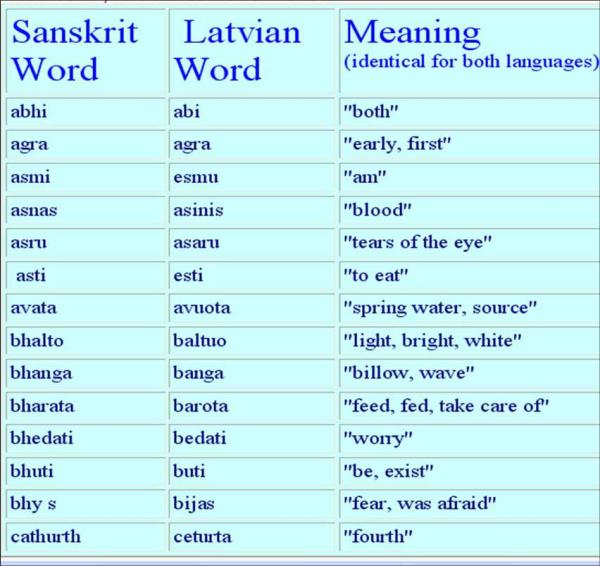
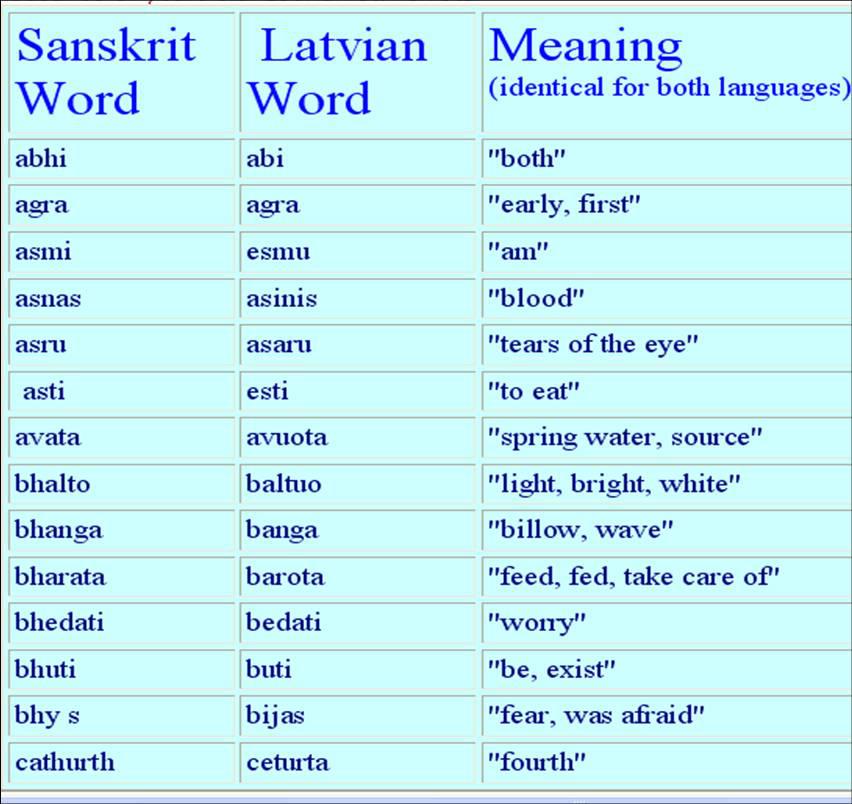
sanskrit-latvian similar words

“The Sanskrit language, whatever be its antiquity, is of a wonderful structure; more perfect than the Greek, more copious than the Latin, and more exquisitely refined than either, yet bearing to both of them a stronger affinity, both in the roots of verbs and the forms of grammar, than could possibly have been produced by accident; so strong indeed, that no philologer could examine them all three, without believing them to have sprung from some common source, which, perhaps, no longer exists; there is a similar reason, though not quite so forcible, for supposing that both the Gothic and the Celtic, though blended with a very different idiom, had the same origin with the Sanskrit; and the old Persian might be added to the same family.”
–William Jones(1746-1794)Philologist
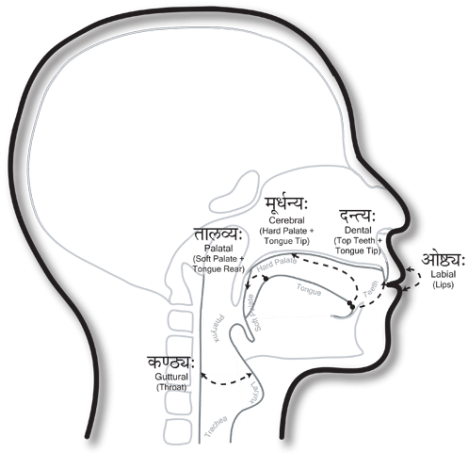
sound creation

“The ancient classical creations of the Sanskrit tongue, both in quality and body and abundance of excellence, in their potent originality and force and beauty, in their substance and art and structure, in grandeur and justice and charm of speech, and in the height and width of thr reach of their spirit stand very evidently in the front rank among the world’s great literatures. The language itself, as has been universally recognised by those competent to form a judgement, is one of the most magnificent, the most perfect and wonderfully sufficient literary instruments developed by the human mind; at once majestic and sweet and flexible, strong and clearly formed and full aand vibrant and subtle.
—–Maharishi Sri Aurobindo
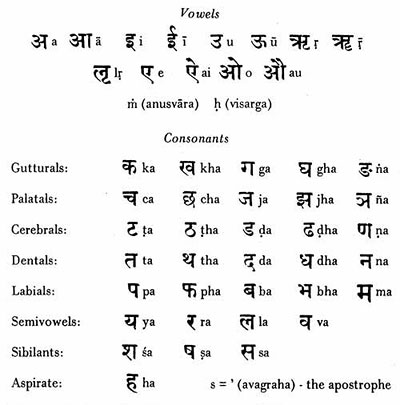
sanskrit-letters

Contact swami_48@yahoo.com

கிருஷ்ணார்ஜுனர்: பரமஹம்ஸ விவேகானந்தர் அவதார ரகசியம்!

11.4nara_narayana

Post No 930 Dated 25th March 2014
This article was written by my brother S Nagarajan for Njana Alayam Magazine

ஆன்மீக மாத இதழான ஞான ஆலயம் ஆகஸ்ட் 2013 இதழில் வெளியான கட்டுரை:

கிருஷ்ணார்ஜுனர்: பரமஹம்ஸ விவேகானந்தர் அவதார ரகசியம்!

ச.நாகராஜன்

எவ்வளவு நாள் உனக்காகக் காத்திருந்தேன்!

1881ஆம் வருடம் நவம்பர் மாதம். முதன் முதலாக ராமகிருஷ்ண பரமஹம்ஸரை விவேகானந்தர் தக்ஷிணேஸ்வரத்தில் சந்தித்தார்.கங்கையைப் பார்த்திருந்த மேற்குப் பக்க வாயில் வழியே விவேகானந்தர் நுழைந்தார்.ஒரு பாடலைப் பாடினார். அவ்வளவு தான், பாடல் முடிந்த பிறகு நரேந்திரனின் கையைப் பிடித்து வட புறம் இருந்த வாரந்தாவிற்குச் சென்ற பரமஹம்ஸர் அறைக் கதவை மூடினார், அவர்களை யாரும் பார்க்க முடியாதபடி! “இவ்வளவு தாமதமாக நீ வந்தது சரியா? உனக்காக எவ்வளவு நாள் காத்திருந்தேன்! உலகியல் சம்பந்தமான வெற்றுப் பேச்சைக் கேட்டுக் கேட்டு என் காது புளித்துப் போய் விட்டது! “ என்று ஆரம்பித்தவர் அழ ஆரம்பித்தார். பின்னர் அவர் சொன்ன பேருண்மை தான் உலகை அதிசயிக்க வைத்த ஒன்று!

“ எனது கடவுளே! எனக்குத் தெரியும். நீங்கள் தான் புராதன ரிஷியான நாராயணரின் அம்சமான நர ரிஷி என்று! இந்த உலகில் மனித குலம் படும் துன்பங்களைத் துடைக்க நீங்கள் அவதாரம் செய்துள்ளீர்கள்” என்றார் பரமஹம்ஸர்.

“இவருக்குப் பைத்தியம் பிடித்திருக்கிறது” என்று அப்போது நான் நினைத்தேன் என்று பின்னால் அந்தச் சந்திப்பைப் பற்றிக் கூறினார் அப்போது நரேந்திரனாக இருந்த விவேகானந்தர்! ஆனால் தான் தான் நாராயணர் என்பதை பரமஹம்ஸர் வெளிப்படுத்தவில்லை. ஆனால் பின்னர் விவேகானந்தர் இதை உணர்ந்து கொண்டார்.

முதலில் நாராயணர், நர ரிஷியிடம் பூலோகம் போக வேண்டும்; அனைவரின் துயரையும் துடைக்க வேண்டும் என்று கூறிய போது நர ரிஷி பிகு செய்து கொண்டாராம்! போயும் போயும் எதற்காக அங்கே போக வேண்டும் என்று! ஆனால் பூவுலகில் அவதரித்த பின்னர் திரும்பிப் போக வேண்டிய வேளை வந்த போது விவேகானந்தர் பூமியில் அனைவர் படும் துன்பத்தையும் பார்த்து திரும்ப மறுத்து விட்டாராம். இவர்கள் அனைவரும் மோக்ஷம் அடைந்த பின்னரே நான் அங்கு வருவேன் என்றார் அவர்! “பூவுலகில் அனைவரும் முக்தி பெறும் வரை எத்தனை முறை வேண்டுமானாலும் பூமிக்கு வர நான் தயார்” என்று வெளிப்படையாகவே ஒருமுறை அவர் குறிப்பிட்டார்.
நர நாராயண ரிஷிகளுக்கு மனிதர்களை முக்தி பெற வழிகாட்டுவதில் அவ்வளவு அபார பிரியம்!

Nara-narayana-for-web

அர்ஜுனா! நீ நரன்; நான் நாராயணன்!

மஹாபாரதத்தில் அடிக்கடி வலியுறுத்தப்படும் கருத்து அர்ஜுனன் நர ரிஷி என்பதும் கிருஷ்ண பரமாத்மா நாராயண ரிஷி என்பதும் தான்! வன பர்வத்தில் 12ஆம் அத்தியாயத்தில் (அர்ஜுனாபிகமன உப பர்வத்தில்) அர்ஜுனன் கிருஷ்ணரின் உண்மை சொரூபத்தை விளக்கி அவரைப் புகழ்ந்து துதி செய்த போது கிருஷ்ணர் அர்ஜுனனை நோக்கிச் சொல்லும் வாக்கியம் ஒரு பேருண்மையை வெளிப்படுத்துகிறது.

:அர்ஜுனா! நீ என்னைச் சேர்ந்தவன். நான் உன்னையே சேர்ந்தவன். நீ நரனாக இருக்கின்றாய்! நான் ஹரியான நாராயணனாக இருக்கின்றேன். நர நாராயணர்களென்ற ரிஷிகளாகி ஒரு சமயத்தில் இவ்வுலகை அடைந்தோம்” என்று கிருஷ்ணர் தாங்கள் யார் என்பதை விரிவாக விளக்குகிறார்.

பரமஹம்ஸர் விளக்கமும் கிருஷ்ணரின் விளக்கமும் நர நாராயணர்கள் எப்படி துயருற்றிருக்கும் மக்களின் அவலத்தைப் போக்கி முக்தி மார்க்கத்தை அளிக்க எப்போதும் தயாராக இருக்கிறார்கள் என்பதை உணர வைக்கிறது.

நர நாராயண ரிஷிகள் யார்?

இந்த நர நாராயண ரிஷிகளின் பிறப்பையும் பிரபாவங்களையும் தேவி பாகவதம் நான்காம் ஸ்கந்தத்தில் விரிவாகக் காணலாம். அதில் எட்டு ஒன்பதாவது அத்தியாயங்கள் கூறும் சுவையான நிகழ்வுகள் நம்மை ஆச்சரியப்படுத்தி பரவசத்தில் ஆழ்த்தும்.

ஒரு முறை பிருகு முனிவரின் புதல்வரான சியவன மஹரிஷி நர்மதை நதியில் குளித்துக் கொண்டிருந்த போது விஷ நாகம் ஒன்று அவரைப் பிடித்து இழுத்தவாறே நதியின் ஆழத்திற்குச் செல்ல ஆரம்பித்தது. பயமோ நடுக்கமோ இன்றி சியவனர் விஷ்ணுவைத் துதிக்க ஆரம்பித்தார். விஷ்ணு உடனே அவரைக் காப்பாற்றினார். நாகம் தன் பிடியை விடவே சியவனர் பாதாள லோகம் அடைந்தார். அங்கே அவரைக் கண்ட அசுர ராஜனான பிரகலாதன் விஷ்ணு பக்தரான அவரின் வருகை குறித்து மிகவும் மனமகிழ்ந்து அவரை உபசரித்து வணங்கினான். அவரிடம் பேசிக் கொண்டிருக்கும் போது உலகில் உள்ள தீர்த்தங்களில் சிறந்த தீர்த்தங்கள் எவை என்று கேட்டான். சியவனர் நைமிசாரண்யம், புஷ்கரம், சக்ரதீர்த்தம் ஆகிய மூன்று தீர்த்தங்களைக் குறிப்பிட்டார்.(நைமிசாரண்ய மஹிமை பற்றி ஞான ஆலயம் டிசம்பர் 2012 இதழில் படித்ததை நினைவு கூறலாம்.)

இதை மனதில் வாங்கிக் கொண்ட பிரகலாதன் நேராக நைமிசாரண்யம் சென்றான். அங்கே சரஸ்வதி நதிக் கரையில் இரு ரிஷிகள் தவம் செய்து கொண்டிருப்பதைப் பார்த்தான். ஆனால் அவர்கள் அருகில் வில்லும் அம்புகளும் இருந்தன. இதைப் பார்த்து ஆச்சரியப்பட்ட அவன் உண்மையான ரிஷிகளுக்கு அருகில் வில்லும் அம்பும் இருக்குமா என்று சந்தேகப்பட்டான். அவர்கள் போலி ரிஷிகள் என்று அவன் தீர்மானித்தான்.

தவம் புரிவோருக்கு தபசு தான் வேண்டுமே தவிர தனுசு எதற்காக என்று பிரகலாதன் அவர்களிடம் வினவ,” எங்கள் தபசில் உனக்கு எதற்காக இந்த வீணான விசாரம்? உலக சுகத்தை அனுபவிக்கும் ஒரு சாதாரண பிராணி நீ! பிரம்ம ரிஷிகளுடன் தர்ம அதர்ம விசாரம் செய்யலாகுமா? : என்று பதில் வந்தது.

உடனே பிரகலாதன்,” உங்களுக்கு யுத்தத்தில் சக்தி இருக்கிறது என்கிறீர்கள் அல்லவா? வாருங்கள், யுத்தம் புரிவோம் என்று அறை கூவவே தங்களது சார்ங்கம் ஆர்ஜவகம் என்னும் வெண்ணிற தனுசுகளை எடுத்து நர நாராயணர் யுத்தத்தை ஆரம்பித்தனர். பிரகலாதன் வில்லில் இருந்து வானத்தில் வந்த பாணங்கள் அங்கேயே அறுபட்டன, தேவர்களும் அசுரர்களும் கோரமான இந்த யுத்தத்தைப் பார்க்கக் கூடினர்.பற்பல ஆண்டுகள் சென்ற பின் ஒரு நாள் பிரகலாதனின் வில் அறுபட்டு விழுந்தது. அவன் வேறு வில்களை எடுத்தான் அவையும் துண்டு துண்டாகின. நூறு வருடங்கள் தேவர்களோடு யுத்தம் செய்தவன் பிரகலாதன். இப்போது ஆச்சரியப்பட்டு மலைத்து நின்றான்.

அவன் முன்னர் விஷ்ணு தோன்ற அவரைத் துதித்த பிரகலாதன்,” இவர்கள் யார்? ஏன் என்னால் அவர்களை வெல்ல முடியவில்லை? “ என்று ஆச்சரியப்பட்டு வினவினான்.
“இவர்களே மஹா தபஸ்விகளாகவும் சித்தர்களாகவும் விளங்கும் நர நாராயணர் என்று அறிவாய்! இவர்கள் என்னுடைய அம்சங்கள். ஆகவே அவர்களை எப்படி உன்னால் ஜெயிக்க முடியும்! யுத்தத்தை நிறுத்து. பாதாளம் சென்று என் மீதுள்ள பக்தியைத் தொடர்வாய்” என்று விஷ்ணு அருளவே பிரகலாதன் விஷ்ணு தன்னை வெளிப்படுத்திக் கொண்டதால் மிகவும் மகிழ்ச்சி அடைந்து பாதாளம் மீண்டான். நர நாராயணர் தங்கள் தவத்தை மீண்டும் ஆரம்பித்தனர்.

இப்படிப்பட்ட பிரம்மாண்டமான ரிஷிகளே மஹாபாரத காலத்தில் அர்ஜுனனாகவும் கிருஷ்ணனாகவும் வந்து மனித குலத்திற்கு கீதையை அருளினர். இந்த நவீன அறிவியல் யுகத்தில் விவேகானந்தராகவும் பரமஹம்ஸராகவும் வந்து மனித குலத்திற்குத் தேவையான செய்தியை அருளியுள்ளனர்.

விவேகானந்தரே ஒரு முறை அருளியுள்ளார் இப்படி: “வேறு யாரும் சொல்வதற்கு எதையும் நான் விட்டு வைக்கவில்லை” என்று! மனித குலத்திற்குச் சொல்ல வேண்டியதெல்லாம் சொல்லியாகி விட்டது,
இப்போதைக்கு இது போதும் என்று முடிவு செய்து தங்கள் இருப்பிடம் சென்று விட்டனர் நர நாராயணர்! அவர்களின் மஹிமையை உணர்ந்து, கிருஷ்ணார்ஜுனர்கள் மற்றும் பரமஹம்ஸ விவேகானந்தரின் உபதேசத்தை ஏற்று அவற்றைக் கடைப்பிடித்து உய்வது நமது கலியுக அதிர்ஷ்டம் தான் அல்லவா!

சின்ன உண்மை!
ஸ்ரீமத் பாகவதம் (பதினொன்றாம் ஸ்கந்தம், அத்தியாயம் 4) நர
நாராயண ரிஷிகள் இன்றும் பத்ரிகாஸ்ரமத்தில் தவம் புரிவதையும் (பனிரெண்டாம் ஸ்கந்தம் அத்தியாயம் 39) மார்கண்டேய மஹரிஷி நர நாராயணரின் மஹிமை பற்றி ஸ்தோத்ரம் செய்வதையும் விரிவாக விளக்குகிறது..

*****************
Contact swami_48@yahoo.com
Interesting Words in the Bhagavad Gita

aura

By London Swaminathan
Post No. 920 Dated 20th March 2014

There are many interesting words in Bhagavad Gita. Some people study it devotedly without understanding the meaning. Some people read it with the help of commentaries. Whatever you do it is useful in one way or other. But if you do word study in Bhagavad Gita and do your own research regarding those words you can retain them in memory. It will lead you towards better understanding. For instance if you look for these words in Marathi or Telugu or Hindi Bhakti literature you will definitely get some good cross references. I have done so with Tamil Bhakti literature just for some words.

1.Jnana Agni =Fire of Knowledge= fire of wisdom 4-19
“He whose undertakings are all devoid of desires and selfish puposes, and whose actions have been burn by the Fire of Knowledge, –him the wise call a sage”.(4-19)

2.Jnana Chakshu= Eye of Wisdom (15-10)
The deluded do not see Him who departs, stays and enjoys; but those who possess the Eye of Wisdom behold Him (15-10)

3.Jnana Tapasa = Austerity of Wisdom (4-10)
“Freed from attachment, fear and anger, absorbed in Me, taking refuge in Me, purified by the austerity of wisdom, many have attained to My Being”. (4-10)

4.Jnana Dipena= Lamp of Wisdom (10-11)
“Out of mere compassion for them, I, dwelling within their Self, destroy the darkness born out of ignorance by the luminous Lamp of Wisdom” (10-11)

boat-in-the-sea-hd-ya-381930

5.Jnana Plavena = Boat of Wisdom (4-36)
“Even if thou art the most sinful of all the sinners, yet thou shalt verily cross all sins by the Boat of Wisdom” (4-36)

Tamil saint Appar alias Tirunavukkarasu of seventh century AD also used a simile like this:

He is Narayanan; He is Brahma
He is in the four Vedas;
He is the perfect one
Who is like a ship on the great ocean of wisdom – 78, 6th Tirumurai

6.Jnana Yoga= Path of Knowledge (3-3)
“In this world there is a twofold path, as I said before, O Sinless one, — the Path of Knowledge of the Sankhyas and the path of action of the Yogis” (3-3)

7.Jnana Yajna= Wisdom Sacrifice (4-33, 9-15, 18-70)
“Superior is Wisdom –Sacrifice to the sacrifice with objects, O,Parantapa! All actions in their entirety, O,Arjuna, culminate in wisd0m” (4-33)
agni

Tamil devotional poets kept this beautiful Sanskrit word Jnana intact wherever they used divine knowledge or wisdom. They did not translate it in to Tamil. Like Dharma, it is an untranslatable word.

Bhuthathalvar, one of the 12 Vaishnavite saints used Lamp of Wisdom in his hymns. Tirumular, one of the 18 Tamil Siddhas (enlightened souls) used Sword of Wisdom. Sambandar ,one of the Four Great Saivite saints, used the word Flame of Wisdom in his Thevaram hymns. Bharati, the greatest of the modern Tamil poets, used the word Sword of Wisdom in his poems. There are hundreds of places where they used this Jnana with other words as similes or metaphors.
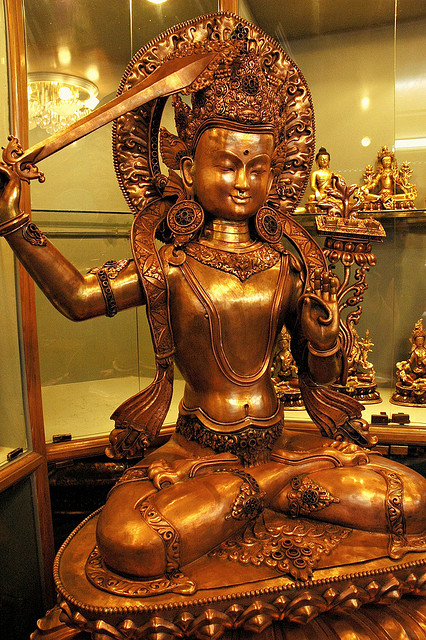
sword,Manjushri-

In the Tamil version of this article I have given the full verses.

Contact swami_48@yahoo.com

God’s Note Book!!!

angel

By London Swaminathan
Post No. 911 Dated 16th March 2014

There are so many inspiring anecdotes in English and other literatures of the world. Many of our sublime thoughts are echoed in their poetry and philosophical works. Earlier I posted an article about St.Francis of Assisi, a great Christian mystic.

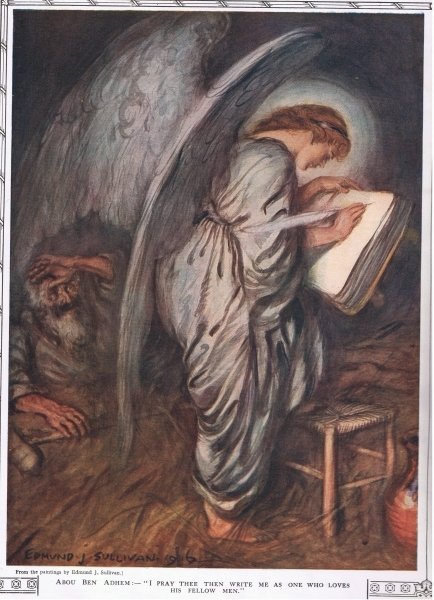
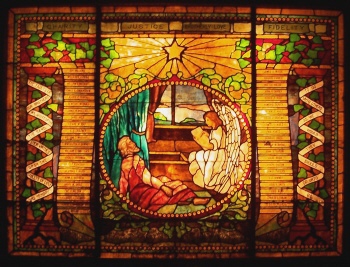
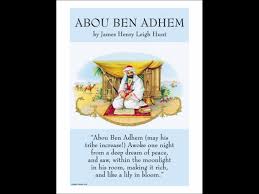
Abou Ben Adhem, a poem by James Henry Leigh Hunt (1784- 1859) is an inspiring one. We have similar poems by Hindu saints as well.

Abou Ben Adhem (May his tribe increase!)
“Awoke one night from a deep dream of peace,
And saw, within the moonlight in his room,
Making it rich, and like a lily in bloom,
An Angel writing in a book of gold:—
Exceeding peace had made Ben Adhem bold,
And to the Presence in the room he said
“What writest thou?”—The vision raised its head,
And with a look made of all sweet accord,
Answered “The names of those who love the Lord.”
“And is mine one?” said Abou. “Nay, not so,”
Replied the Angel. Abou spoke more low,
But clearly still, and said “I pray thee, then,
Write me as one that loves his fellow men.”

The Angel wrote, and vanished. The next night
It came again with a great wakening light,
And showed the names whom love of God had blessed,
And lo! Ben Adhem’s name led all the rest”.

angel2

‘Human birth is to serve others’

‘Paropakaram idham sareeram’ is a popular Sanskrit proverb. God has given us a body with two hands and two feet just to serve the humanity. Pattinathar, a Tamil Siddha (enlightened soul), has sung a poem similar to Leigh Hunt. He lived in the tenth century. His poem Koil Nan Mani Malai has some interesting information about a Note Book that Lord Shiva keeps with him.

“They alone live who live for others; the rest are more dead than alive”- said Swami Vivekanada. Under the chapter ‘’Benevolence’’, great Tamil poet says,
“Only those, who know and practise social cooperation, live their life;
The others are as good as dead” –(Kural 214)
The German Philosopher-poet Goethe conveyed the same idea in a similar context when he said:
“A useless life is only an earthly death”.

angel3

Shiva whose abode is in Mt.Kailash keeps a ruled note book with him in which he enters the names of those who work for the welfare of others. He adds the name of the saints, enlightened people and Shiva’s devotees in the note book. Those who are entered into the book will get out of the cycle of birth and death. So Pattinathar begs to Lord Shiva to enter his name as well. This is similar to Leigh Hunts poem. Did Leigh Hunt get the idea from Pattinathar?

But even before Pattinathar, Appar also wrote a similar poem. He clashed with the mighty Pallava emperor Mahendra Pallava and won at the end. One of the four great Saivite saints Appar alias Tirunavukkarasu (means King of Speech) lived in the seventh century inTamil Nadu.
He warns the lazy ,gossipy, talkative, sluggish and lethargic that their names are also entered by Lord Shiva. But Shiva is so good he writes the sincere god loving devotees’ names too.

Appar says,

“ O,Lord Shiva, you write down the names of those who offers you flowers, who sheds tears of ecstasy praising you and those who waste their time idly ignoring you”—(Fifth Tirumurai,Thevaram).

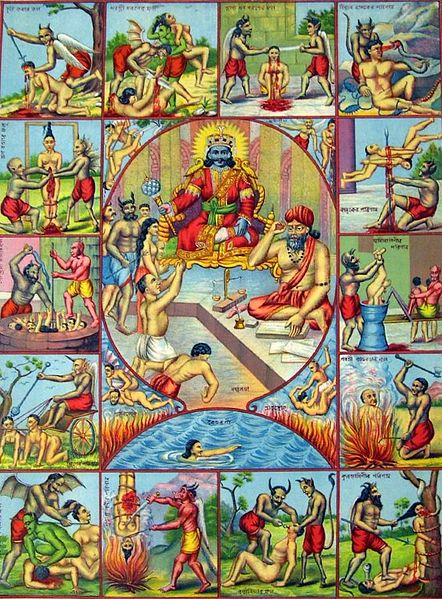
442px-Hindu_hell

(Hindu Hell picture taken from Wikipedia.

Hindus always believed that Chitra Gupta, Yama’s PA, is writing everything in his note book and when the day of judgement comes after our death, he sends us to heaven or hell according to what we did on earth. That is, Chitra Guptas’s note book decides our future. Someone interpreted Chitra Gupta means ‘’Hidden Pictures’’- and they are nothing but our good or bad thoughts. Like our powerful super computer do billion calculations in a second, Chitra Gupta? Thought Pictures do billions of calculations after our death and decides our fate. Every thought of ours sends ripples of waves and pictures!

So the moral we learn from Abou Ben Adhem, Appar and Pattinathar is that the God or his angels are always watching us from above and write everything we do whether it is good or bad. We know that the big powers are spying on us from above through their satellites. They tap or telephones, interrupt our e mails! That is for political reason. We know that anyone can watch anyone’s house though google street watch. That is for nosy reasons. But God is watching us for Dharmic reasons!

angel4

Tamil References

தம்மை மறந்து நின்னை நினைப்பவர்
செம்மை மந்த்தினும் தில்லை மன்றினும் நடம்
ஆடும் அம்பல வாண!——————–
நிந்தமர் பெயர் எழுதிய வரிநெடும் புத்தகத்து
என்னையும் எழுத வேண்டுவன், நின்னருள்
ஆனை வைப்பில், கணொனா அணுவும்
வானுற நிமிர்ந்து காட்டும்.
——-பட்டினத்தாரின் கோயில் நான்மணி மாலை

அப்பர் தேவாரம்

தொழுது தூமலர் தூவித் துதித்துநின்று
அழுது காமுற்று அரற்றுகின்றாரையும்
பொழுது போக்கிப் புறக்கணிப்பாரையும்
எழுதும் கீழ்க்கணக்கு இன்னம்பர் ஈசனே (அப்பர், 5ஆம் திருமுறை)

Contact swami_48@yahoo.com

Ganga Jal (Ganges water) for a Donkey!

donkey (1)

Compiled by London Swaminathan
Post No. 905 Dated 13th March 2014.

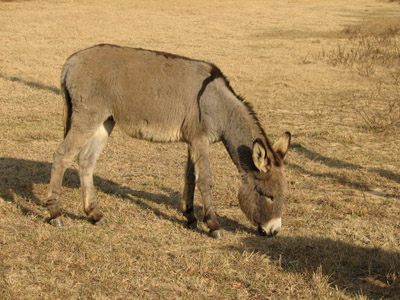
Eknath was a great saint of Maharashtra. Once he went on a pilgrimage to Benaras (Varanasi or Kasi). From there he brought back with him two pots filled with the holy water of the Ganges slung across a pole. He thought of taking it to Rameswar, a place of pilgrimage in the south, for offering to God. Hindus who visit Kasi bring Ganga jal to Rameswaram (in Tamil Nadu) and do the Abhishek ( bathing) on Shiva linga there. This is considered a meritorious act.

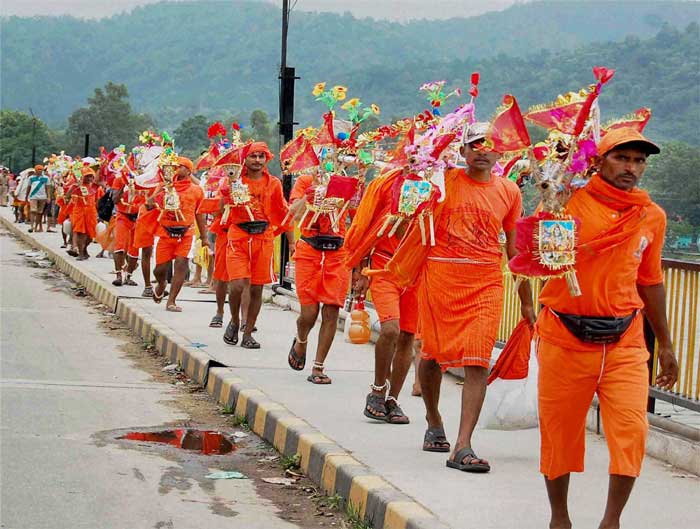
Eknath headed a party of pilgrims, each of whom carried water pots filled with the holy water. It was summer. The heat was very severe. Not a single tree was visible anywhere. Presently Eknatha saw a donkey dying of thirst. His heart was filled with compassion. Immediately he poured out the contents of his water pots to the dying animal, which straightaway lapped up the whole quantity.
Restored to life the donkey got up and went away braying.

After sometime Eknath’s fellow pilgrims arrived there. They were surprised to see the water pots of the saint empty. Therefore, they inquired of him, “Sir, where is the holy water, you brought with you?”

Eknath replied, “Brothers I gave it away to a poor donkey which was dying of thirst, since no water was available anywhere in the neighbourhood”

The fellow pilgrims exclaimed, “But sir, you have nothing left to offer to God Rameshwar! Alas! Your pilgrimage ill remain incomplete!”

B_Id_406817_kawadiyan

The saint however, observed calmly,” What you say is true.But how could I pass by the donkey, dying of thirst, without giving it water?And as I had some water, thought it was of the holy Ganges, I let the creature slake its thirst. But I am quite sure that God Rameshwar will not only forgive me but, on the contrary, will even be pleased with me.
(Source: Inspiring Anecdotes, Navajivan Publishing House, Ahmedabad, Year of Publication 1957)

Buddha’s compassion

Swami Vivekananda narrated a story in one of his talks:
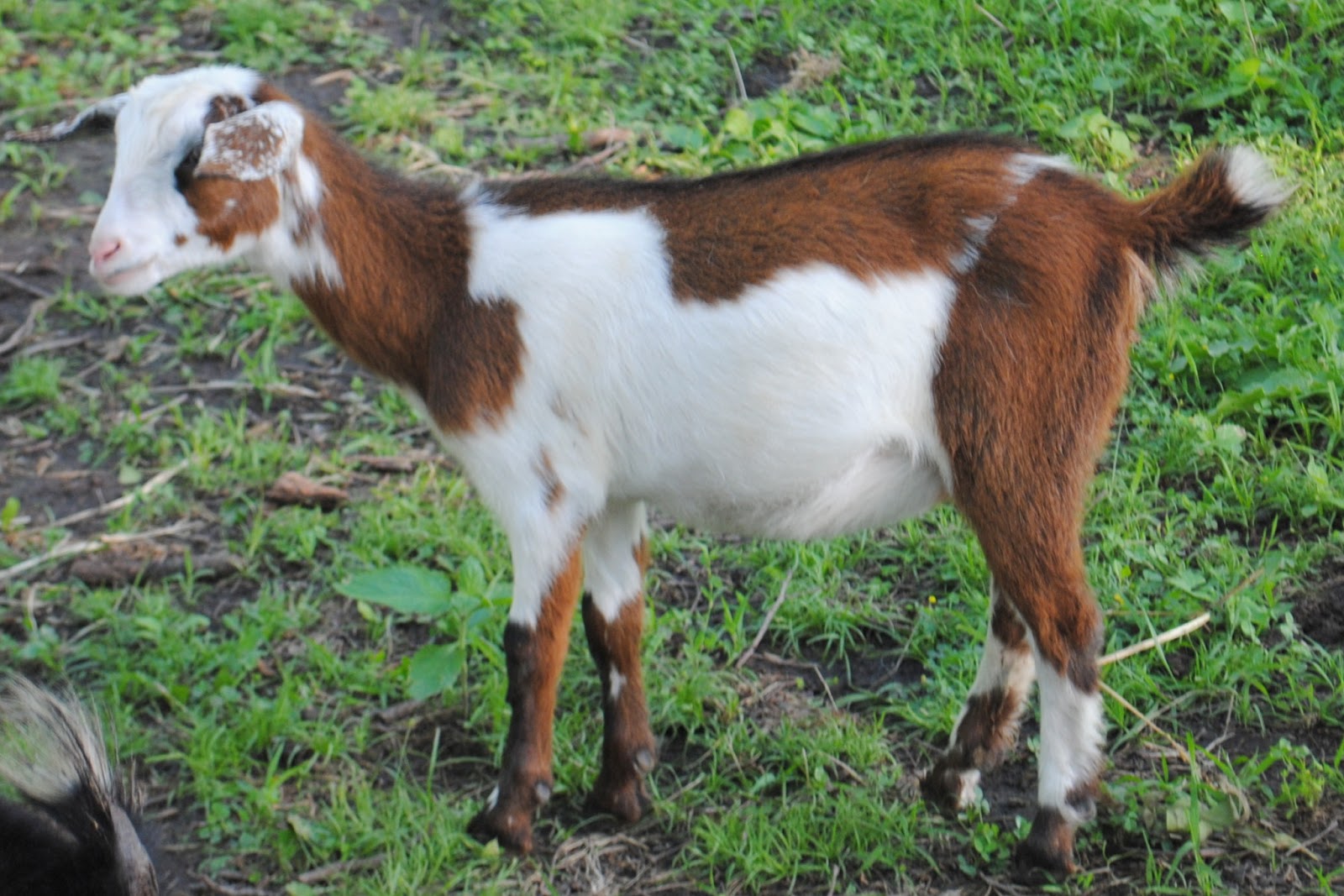
“Buddha is the name of infinite knowledge, infinite as the sky; I,Gautama, have reached that stage; you will all reach that too if you struggle for it.” Bereft of all motive power, he did not want to go to heaven., did not want money; he gave up his throne and everything else, and went about begging his bread through the streets of India preaching for the good of men and animals with a heart as wide as the ocean. he was the only man was ever ready to give up his life for animals, to stop sacrifice. He once said to a king, “if the sacrifice of a lamb help you to go to heaven, sacrificing a man will help you better, so sacrifice me.” The king was astonished. And this man was without any motive. He stands as the perfection of the active type, and the very height to which he attained shows that through the power of work we can also attain to the highest spirituality.”
goat

Source: Selections from The Complete Works of Swami Vivekanada, Advaita Ashrama, Calcutta 700 014, Year 1990.

Ramanuja’s Compassion

Following is an anecdote in Swami Ramdas’ words:
“You must have heard of the three great Teachers (Acharyas) –Shankara, Ramanuja and Madhwa. They have established their systems of philosophy in India. Ramanuja went to a Master (Guru) and requested him to initiate him. The Master gave him God’s name and also advised him not to give this Name (mantra) to anybody, adding that if he did so, he would go to hell. At once Ramanuja went to the top of the local temple and shouted, “I am going to give you all a Name which will save you. My Master has given me the Name”. He uttered the Name ( the mantra was OM NAMO NARAYANA) loudly so that everybody could hear.

ramanuja_picture

The Master heard about it and why he did so in spite of his warning. Ramanuja’s reply was, I am prepared to go to hell a hundred times if I can save thousands”.

(All within brackets are my additions:-swami)

Source: Stories As told by Swami Ramdas, Published for Anandashram by Bharatiya Vidya Bhavan, Chowpatty, Bombay-7, Year 1969.

Contact swami_48@yahoo.com

Saraswati Statue in Saudi Arabia

arabian saras
Picture os a Saudi Arabian Goddess riding swan

By London Swaminathan
Post No.899 Dated 10th March 2014

Saraswati statue in Washington DC, Capital of the United States of America, is an old story.
Saraswati statue in the British Museum is still older story.
Saraswati statue in Japan is a well known story documented by both the Japanese and Indian scholars long ago.

Saraswati statue in Saudi Arabia is also nothing new. Scholars like Stpehen Knap have already published the pictures in their blogs. But I am just putting them together for those who missed the latest.
The pre Islamic Arabia has many statues. One of them is riding a swan. So anyone will identify the goddess as Saraswati. But I have already shown in my earlier post ‘Hindu vahanas In Greece and Italy’, that the West portrays Aphrodite and Apollo as a rider of swan. But Aphrodite and Minerva and other Goddesses of the West are identified as Hindu goddesses with some minor changes. If you look at the pictures or statues of goddesses they may have several common features with statues of Hindus.

aphrodite black-320
Picture of Aphrodite on swan

The same picture of a goddess riding a swan is found in paintings and sculptures in Western museums under the name of Aphrodite and Apollo. So Saudi Arabian picture may be of Aphrodite or Apollo. But Minerva, the Roman goddess of art and education and Aphrodite got mixed up with Hindu Gods and Goddesses. For instance Aphrodite came from the ocean like Lakshmi. All Roman and Greek Gods or Goddess have one or two attributes of Hindu gods. Max Muller rightly pointed out that the Greek Mythology distorted all stories in the Hindu Mythology.
Even in India where there is a living Hindu religion, we have different stories about Ganesh and Hanuman in North India and South India. Both of them are bachelor or married depending upon which part of India they are worshipped. In the north Vaishnavism is synonymous with vegetarianism and in the south Saivism is synonymous with vegetarianism. People who have an overall view of Hinduism won’t see any contradictions in these superficial differences. People who have not learnt any one scripture in full will raise unnecessary questions confusing themselves and confusing others.
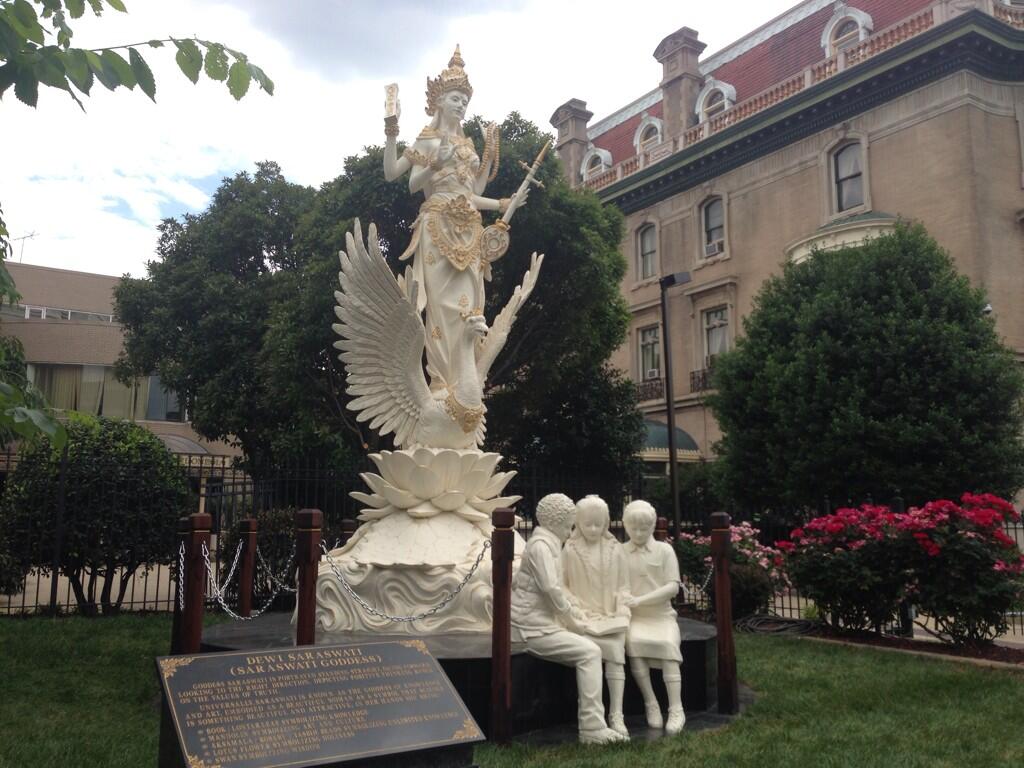
Saraswati in USA

Goddess-Saraswati (1)

The largest Muslim country in the world Indonesia is still following Indian culture, in other words, Hindu culture. One can be religiously Muslim and Culturally Hindu. That is what the movements like RSS is preaching in India.

Indonesia-gifts-Saras
Picture of Saraswati in Washington DC, USA

I have already listed all the wonders in my earlier post ‘’Hindu Wonders in a Muslim Country’’. Last year (2013)Indonesia has installed a tall Saraswati statue in Washington DC in front of its embassy in Massachusetts Avenue. Very near is the Indian Embassy with Mahatma Gandhi’s statue.
Saraswati ,Hindu Goddess of Knowledge and Wisdom, is glowing in gold and white with her vehicle swan, another symbol of wisdom. Standing on a white lotus flower, she has four arms, one holding a book symbolizing knowledge, another holding a rosary symbolizing unlimited knowledge; two other arms holding a mandolin symbolizing art and culture and showing Abhaya Hastha i.e. blessing hand. The statue is made up of marble and it is 16 foot high.

apolon-and-marsias
Picture of Apollo on swan

British Saraswati and Japanese Saraswati

On the controversial statue at the British Museum, we were told by the British authorities in 2003 itself that the statue at British museum is of Jain origin and the statue is goddess Ambika according to the inscription on the statue.

Some people suspected this as the Saraswati statue taken from Dhar in Madhya Pradesh. Kanchi Paramacharya in his talks explained how the archaeological department found a Saraswati temple inside a mosque.

saraswati brit mus

Picture of Ambika

He says,

“Dhar was a state in the former Central Province (now Madhya Pradesh). It si the same as Dhara which was capital of Bhojaraja who was a great patron of arts. Once a cave was discovered inside the mosque in Dhar On examination they found some writings in Sanskrit. They saw a wheel inside the verses dealing with grammar inscribed on it in the form of a chart. The mosque stands today where a Saraswati temple stood during Bhojaraja’s time”. (p330 Hindu Dharma, Voice of the Guru, Published by BV Bhavan)
In Japan Saraswati has been worshipped along with other Hindu gods from sixth century AD. She is called Benzaiten. There are temples for her.

benzaiten

Picture of Benzaiten Japanese Saraswati

Contact swami_48@yahoo.com