12. ஜென் கோயன்கள்!

The-sound-of one hand

ச.நாகராஜன்

புதிதாகச் சேர்ந்த ஒரு ‘கற்றுக்குட்டியை’ பெரிய மாஸ்டராக – யோகியாக – துறவியாக மாற்ற ஜென் பிரிவு கடைப்பிடிக்கும் வழிமுறைகளே அலாதியானது தான்!

தியானம் ஜென் பிரிவின் முக்கிய அங்கம். ஒரு துறவியை மனரீதியாக வளப்படுத்த உள்ள வழி முறைகளில் முக்கியமான ஒன்று கோயன்! (Zen Koans) கோயன் என்பது ஒரு குட்டி உரையாடல் அல்லது கேள்வி அல்லது ஒரு புதிர்! இதற்கு பதிலை எப்படி வேண்டுமானாலும் சொன்னாலும் பக்குவப்பட்ட ஒருவர் உள்ளுணர்வு மூலம் கூறும் பதிலே உண்மையான பதிலாக அமையும்.இந்த கோயன்கள் அன்றிலிருந்து இன்று வரை குரு முகமாகவே சிஷ்யர்களுக்குச் சொல்லப்பட்டு வருகிறது.

1916ஆம் ஆண்டு ஜப்பானில் இப்படிப்பட்ட கோயன்கள் புத்தகமாகப் பிரசுரிக்கப்பட்டதோடு அதற்கான விடைகளும் அந்தப் புத்தகத்தில் தரப்பட்டிருந்த்து. இது ஜப்பானையே ஒரு கலக்கு கலக்கி விட்டது. ரகசியமாக்க் காக்கப்ப்ட்ட கோயன்கள் பகிரங்கமாக வந்து விட்டதே என்று ஜென் பிரிவினரைச் சேர்ந்த அனைவரும் மிகவும் வருத்தப்பட்டனர்.ஆனால் இப்போது ஆங்கிலம் உள்ளிட்ட பல மொழிகளிலும் ஜென் கோயன்களைக் காண முடிகிறது – விடைகளோடு தான்!

ஹிரானோ சோஜோ என்ற ஒரு ஜென் மாஸ்டர் ஆங்கில கோயன்களின் புத்தகமான ‘தி சவுண்ட் ஆஃப் ஒன் ஹாண்ட்’ என்ற புத்தகத்திற்கு ஒரு முன்னுரை எழுதியுள்ளார்.காலம் மாறி வருவதற்கு இது ஒரு சான்று!

sound of one hand 2

ஒரு கோயனைப் படித்தவுடன் அது பற்றி ஆழ்ந்து சிந்திக்க வேண்டும். உடனே விடைக்குத் தாவி விடக் கூடாது. கோயனை ஆழ்ந்து சிந்தித்த பிறகு விடையைப் பார்த்தால் உள்ளுணர்வு பெருக ஆரம்பிக்கும்.
மாதிரிக்கு இரண்டு கோயன்களைப் பார்ப்போம்.:

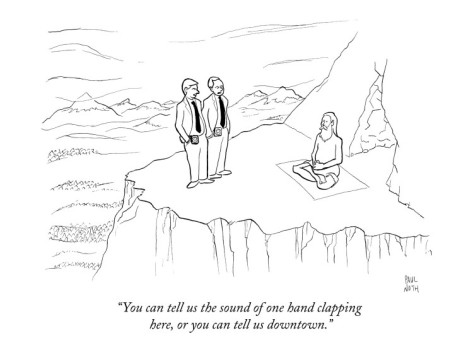
மாஸ்டர்: இரு கைகளையும் தட்டும் போது ஒரு ஓசை கேட்கிறது. ஒரு கையின் ஓசை என்ன?

விடை கீழே தரப்படுகிறது. ஆனால் உடனே இதைப் பார்க்காமல் சற்று சிந்தித்தலே நல்லது.

ஒரு கையின் ஓசைக்குப் பலரும் பலவிதமான விடைகளைப் “போகிற போக்கில்” தரலாம். ஆனால் அவையெல்லாம் ‘புத்த தன்மையை’ வெளிப்படுத்துவன அல்ல.

சில விடைகளைப் பார்க்கலாம்.
1)ஒரு கையின் ஓசையா? பாதி ஓசை!
2) ஒரு கையின் ஓசை மௌனம்!
3) உனது வாழ்க்கையில் ஒரு கையின் ஓசை என்ன?
4) அது அந்தக் கை எதை நோக்கி ஓசை எழுப்ப விழைகிறது என்பதைப் பொறுத்தது. யின் மற்றும் யாங் வேண்டுமல்லவா? ஆகவே இரு பகுதிகள் வேண்டும் ஓசை எழுப்ப!
5)இது ஓசையில்லா ஓசையைக் குறிக்கிறது. வாழ்க்கையை உற்றுப்பார். அதில் வரும் உணர்ச்சிகள் எத்தனை? தனிமை எப்படிப்பட்டது? அதைக் குறிக்கிறது இது!
இப்படி விடைகளைச் சொல்லிக் கொண்டே போகலாம். ஆனால் ஆழ்ந்த தியானத்திலிருந்து வரும் விடையே சரியான விடை.
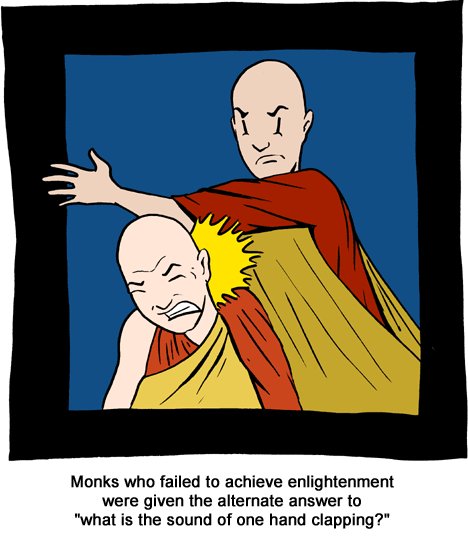
one hand clap

சரியான விடை: சிஷ்யர் மாஸ்டரைப் பார்க்கிறார். சரியான நிலையில் நிற்கிறார். பின்னர் ஒரு பேச்சும் பேசாமல் தனது ஒரு கையை முன்னே நீட்டுகிறார்.

கோயன்களின் விடை புரட்சிகரமானது. சம்ப்ரதாயமான -வழக்கத்தில் உள்ள – விடையாக அது இருக்காது. ஆனால் அந்த விடையில் உள்ளார்ந்த அர்த்தம் இருக்கும்!

இன்னொரு கோயனைப் பார்ப்போம்.
மாஸ்டர்: உனது கனவில் யாரோ ஒருவர் மேற்கிலிருந்து நம் ஸ்தாபகர் வருவதன் நோக்கத்தைப் பற்றிக் கேட்டால் நீ என்ன விடை தருவாய்? இதற்கு உன்னால் பதில் சொல்ல முடியவில்லை என்றால் புத்தமதம் போதிக்கும் உண்மையால் உனக்கு ஒரு பயனும் இல்லை!
சிஷ்யர்: சிஷ்யர் குறட்டை விடுகிறார். ஸ்…ஸ்… என்று குறட்டை சத்தத்தை விட்டுக் காண்பிக்கிறார்!

சில கோயன்கள் கீழே தரப்பட்டுள்ளன. ஆழ்ந்து யோசித்து உங்கள் பதிலைத் தயார் செய்யுங்கள். நினைவிருக்கட்டும்.உள்ளுணர்விலிருந்து தோன்றும் விடையே சரியான விடை!
1) இப்போது ஒரு கையின் ஓசையைக் கேட்ட நீங்கள் அடுத்து என்ன செய்யப் போகிறீர்கள்?
2) ஒரு கையின் ஓசையைக் கேட்பது அவ்வளவு எளிது என்றால் நானும் தான் அதைக் கேட்கிறேனே?
3) ஆயிரம் மைலுக்கு அப்பால் உள்ள தீயை அணை!
4) உங்கள் கைகளைப் பயன்படுத்தாமல் என்னை நிற்க வை!
5) வானம் எவ்வளவு உயரம்?
இதற்கான விடைகளை அடுத்த வாரம் பார்க்கலாம்.

ஒரு கோயனுக்கான விடையைக் காண சில அடிப்படை விதிகளை நாம் நினைவு கொள்ள வேண்டும்.
1)ஒரு கோயனுக்கான விடை தர்க்கத்திற்கு அப்பாற்பட்டது.
2)கோயனில் உள்ள அபத்தமான பகுதிகளையும்,அற்புதங்களைச் சொல்லும் பகுதிகளையும் விலக்கி விட்டு பதிலைக் காண முற்பட வேண்டும்.
3)ஒரு கோயனில் உள்ள முக்கியமான பகுதியை மனதில் ஏற்றிக் கொண்டு விடை காண முற்பட்டால் உள்ளுணர்வு தோன்றும்.
4) உங்களை ஒதுக்கி விட்டு நீங்கள் அல்லாத நீங்களை மனதில் ஏற்றிக் கொண்டு விடை காண வேண்டும்,
5) சில சமயம் ஒரு கோயனுக்கான விடை சக்தி வாய்ந்த நடிப்பு தான்! குறட்டை விடுவது போல ஸ்..ஸ்.. என்றாரே சிஷ்யன் அது போல!
6)சில சமயம் மாஸ்டரை நிந்திப்பது போலவோ அவமதிப்பது போலவோ கூட விடைகள் இருக்கலாம். ஆனால் அது சரியானதாக இருந்தால் மாஸ்டர் மிகவும் மகிழ்வார்!

சின்ன உண்மை
என்சைக்ளோபீடியா பிரிட்டானிகா மொத்தம் 1700 கோயன்கள் இருப்பதாகத் தெரிவிக்கிறது. இரண்டு முக்கியமான கோயன்கள் அடங்கிய நூல்கள் பி-யென்–லு (100 கோயன்களின் தொகுப்பு) மற்றும் வு-மென் –க்வான். (48 கோயன்களின் தொகுப்பு) ஆகும்.

-தொடரும்
Part 12 on Zen Buddhism by S Nagarajan.
contact swami_48@yahoo.com
Pictures are taken from other sites;thanks.
இந்துக்களின் தியாகம்: இரண்டு கதைகள்

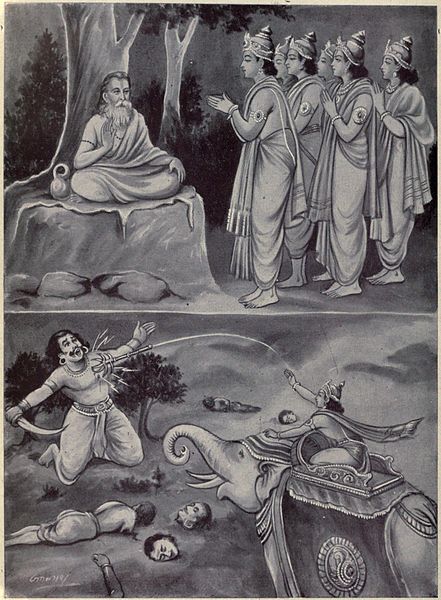
Story_of_VritraDadichi
Picture shows Dadichi (top) and Indra killing Vritra

(Already published in English)

ஒரு குடும்பத்துக்காக ஒரு தனி மனிதனைத் தியாகம் செய்யலாம்
ஒரு கிராமத்துக்காக ஒரு குடும்பத்தையே தியாகம் செய்யலாம்
ஒரு நாட்டுக்காக ஒரு கிராமத்தையே தியாகம் செய்யலாம்
ஒரு ஆத்ம நலனுக்காக உலகத்தையே தியாகம் செய்யலாம்
–பஞ்ச தந்திரக் கதைகள் 1-8

தியாகம் என்பது உயரிய பண்புகளில் ஒன்று. புராண, இதிஹாசங்களில் போற்றப்படும் பண்பு. ததீசீ முனிவர் கதையும், ஏரண்ட முனிவர் கதையும் தியாகத்தின் சின்னங்களாக விளங்குகின்றன.
ஆத்மா என்பது என்றுமுளது. அதற்கு அழிவோ பிறப்போ ஒன்றும் இல்லை. ஆத்மா குடி புகுந்த உடலை வேண்டுமானால் அழிக்கமுடியும். அது கிழிந்த போன பழைய சட்டையைத் தூக்கிப் போடுவது போல. இந்தப் பேருண்மையை இந்து ஞானிகள் அறிந்திருப்பதால் உடல் அழிவதைப் பற்றி அவர்கள் கவலைப்படுவதே இல்லை. பெரிய ஞானிகளுக்குப் புற்று நோய் முதலியன வந்தபோதும் அவர்கள் கவலை கொள்ளாதது ஏன் என்று ஏற்கனவே ஒரு கட்டுரையில் எழுதிவிட்டேன். ஆக உயிர்த் தியாகம் என்பது அவர்களுக்குக் கடினமான செயல் அல்ல.

புறாவுக்காக உடலையே தியாகம் செய்ய முன்வந்த சிபிச் சக்ரவர்த்தி கதையை முன்னரே எழுதிவிட்டேன். மஹாபாரதப் போருக்கு முன்பும், தமிழ் மன்னர்களின் போர்களுக்கு முன்பும் கழுத்தை அறுத்துக்கொண்டு உயிர்ப்பலி கொடுத்த விஷயங்களையும் எழுதிவிட்டேன். தந்தைக்காக வாழ்நாள் முழுதும் பிரம்மசர்ய விரதம் பூண்ட பீஷ்ம பிதாமஹரின் மகத்தான தியாகம், லெட்சுமணன், பரதன், காந்தாரி முதலியோர் செய்த தியாகங்களையும் நீங்கள் அறிவீர்கள்.

தியாகக் கதைகளில் மிகவும் பழையது ததீசி கதைதான். இது உலகின் மிகப் பெரிய நூலான ரிக்வேதத்திலேயே உள்ளது. மஹாபாரதத்தில் சிறிது வேறுபாட்டுடன் இக்கதை அமைந்துள்ளது. ரகசிய ஞானத்தை அஸ்வினி தேவர்களுக்கு உபதேசித்ததற்காக இந்திரன் கோபப்படுவான் என்று கருதி ததீசி முனிவன் தலைக்குப் பதிலாக குதிரை முகத்தை வைத்ததாகவும், இந்திரன் கோபம் அடங்கியவுடன் ததீசி முனிவரின் உண்மைத் தலையை மீண்டும் வைத்ததாகவும் ஒரு கதை உண்டு.

விருத்திரன் முதலிய அசுரர்களைக் கொல்லுவதற்கு ஒரு சக்தி வாய்ந்த ஆயுதம் தேவைப்பட்டது எனவும் இதற்கு ததீசி முனிவரே முன்வந்து தன் முதுகெலும்பைக் கொடுத்ததாகவும் உள்ள கதை மிகவும் பிரபலமானது. வள்ளுவன் கூட இக் கதையை மறைமுகமாக ஒரு குறளில் சொல்லுகிறான்:

அன்பிலார் எல்லாம் தமக்குரியர் அன்புடையார்
என்பும் உரியர் பிறர்க்கு (குறள் 72)

அன்புள்ளம் கொண்டோர் தம்முடைய எலும்பையும் பிறருக்கு கொடுப்பர் என்று வள்ளுவன் கூறுவது ததீசி முனிவரை மனதில் வைத்துதான். ததீசி முனிவரின் எலும்புகளால் இந்திரன் 99 முறை விருத்திரனை வீழ்த்தியதாக ரிக் வேதப் பாடல் கூறுகிறது. ததீசீ முனிவரின் எலும்புகளால்தான் இந்திரன் வஜ்ராயுதத்தைச் செய்தான் என்பது கதை. இதில் ஒரு நீதி இருக்கிறது: எந்த ஒரு பெரிய சாதனையைச் செய்யவும் தியாகம் என்பது அவசியம் என்பதே நீதி. வேதத்தில் உள்ள கதைகளில் மறை பொருள் இருப்பதால்தான் சங்கத் தமிழர் அவைகளுக்கு நான் மறை என்று பெயரிட்டனர்.

ஏரண்ட முனிவர் கதை

ஏரண்ட முனிவர் கதை அபிதான சிந்தாமணி எனப்படும் தமிழ்க் கலைக்களஞ்சியத்தில் இருக்கிறது.
ஜெயசோழன் மகன் கனக சோழன். அவன் மனைவி செண்பகாங்கி. இவன் காலத்தில் காவிரி நதி திருவலஞ்சுழியிலிருந்த விநாயகரை வலம் செய்து பாதாளத்தில் மறைந்தது. இதனால் ஜனங்கள் விசனமுற்று அரசனிடம் முறையிட்டனர். அப்போது ஒரு அசரிரீரி கேட்டது. அரசனே! நீயோ உன் மனைவியோ அல்லது ஒரு ரிஷியோ அந்த பிலத்துள் புகுந்தால் காவிரி திரும்புவள் என்று வானத்தில் எழுந்த குரல் கூறியது.

அரசனும் மனைவியும் பிலத்துள் புகுந்து உயிர்த்தியாகம் செய்ய முயன்றபோது மந்திரிகள் தடுத்து நிறுத்தி, திருக்கோடீஸ்வர்த்தில் தவம் செய்து கொண்டிருந்த ஏரண்ட முனிவரிடம் அழைத்துச் சென்றனர். அவர் அரச தம்பதிகளை வரவேற்று “தீர்க்க சுமங்கலி பவ:” என்று ஆசிர்வதித்தார். மந்திரிகள் நடந்த விசயங்களைக் கூறவே, ஏரண்ட முனிவர் முற்கால ததீசி முனிவரின் தியாகத்தை எடுத்துக் கூறி, தானும் அது போலப் புகழ் எய்தப்போவதாகக் கூறி, பிலத்துள் (பாதாள குகை) புகுந்தார். காவிரி நதியும் முன்போலவே ஓடத் துவங்கியது.

ஏரண்ட முனிவர் வேண்டுகோளின்படி இரண்டு லிங்கங்களைப் பிரதிஷ்டை செய்த கனக சோழன் 70 ஆண்டுகளுக்கு ஆட்சி செய்துவிட்டு மகன் சுந்தர சோழனுக்குப் பட்டாபிஷேகம் செய்தபின் சிவபதம் அடைந்தார்.

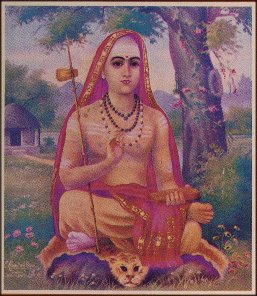
புத்தர், ஆதிசங்கரர், ஏசு, காந்தி போன்ற மதத்தலைவர்களும் நட்டுத் தலைவர்களும் செய்த தியாகங்களை உலகம் அறியும். பைபிளில் ஜான் எழுதிய சுவிசேஷத்தில் ஏசுவின் தியாகத்தைப் புகழ்கிறார்.(ஜான் 15-13)

ஜான் கீட்ஸ் என்ற ஆங்கிலக் கவிஞன் அழகான கவிதை மூலம் தியாகத்தின் சிறப்பை எடுத்துரைக்கிறார்:

“மதத்திற்காக உயிர் நீத்த தியாகிகளைக் கண்டு வியந்தேன்
நினைத்தாலே திகிலும் உதறலும் உண்டானது.
இனி அது நிகழாது; ஏன் எனில் எனது மதத்துக்காக நானும்
உயிர் துறந்து தியாகி ஆகப் போகிறேன்!
எனது மதம் எது தெரியுமா?
எனது மதம் அன்புதான்.
உங்களுக்காகவும் அன்புக்காகவும் உயிர்துறப்பேன்
என் வழி அன்பு மார்கம்; நீங்களே அதன் கோட்பாடு” (ஜான் கீட்ஸ்)

Contact swami_48@yahoo.com
**********

Hindu Sacrifice!

Story_of_VritraDadichi
Picture shows Saint Dadhichi and Indra killing demon Vritra

“For the sake of a family an individual may be sacrificed;
for the sake of a village a family may be sacrificed;
for the sake of a nation a village may be sacrificed;
for the sake of one’s self the world may be sacrificed”
–(Panchatantra:1-8)

Two saints stand out as the symbol of sacrifice in Hinduism: Dadichi and Eranda Muni.
Hindus believe that the soul is eternal. It can’t be destroyed. Only the body which houses the soul can be destroyed. This concept made Hindu saints to treat body like a shirt or an upper cloth. When the cloth or shirt is worn out, it has to be thrown out. This also made them to sacrifice their lives for the sake of humanity.

I have already written about Emperor Sibi who came forward to sacrifice himself just to save a dove from an eagle. I have also written about the sacrifice of individuals for the sake of nation. They do it just before the war. We have examples in Mahabharata and Tamil literature. All of us know Bhisma’s sacrifice of family life. He vowed to be a bachelor for the sake of his father. There are innumerable cases like Lakshmana, Bharata, Gandhari who sacrificed their pleasures for others’ sake.

Of all the stories of sacrifice, Dadichi is the oldest. He was a Vedic seer and son of Atharvan. His story appears in Rig Veda and Maha Bharata with slight variations. Dadhichi was known as Dadhyanch and Dadicha. When he conveyed the secret knowledge to Aswins, they replaced his head with that of a horse so that he can escape the wrath of Indra. As expected Indra attacked him and then Aswins replaced the horse head with his real head.

A verse of the Rig Veda says , “ Indra with the bones of Dadhyanch, slew Vritras ninety nine times”. This story is explained in detail by the scholars. As long as Dhadhichi lived on earth the Asuras (demons) were under control. When Dadhichi went to heaven, demons became unruly. Then Indra and other gods requested Dadhichi’s bones to make a weapon that will kill the most powerful demons.

Dadhichi readily gave his bones to make Vajrayutha weapon of Indra. Then Indra killed the demons including Vritra. As many other stories, this is another story with symbolic meaning. The moral of the story is “For any great work, we need someone to sacrifice”.

The story of Saint Eranda

Eranda was a saint doing penance at Tirukkodeeswaram. During his days Kanaka choza was ruling the Chola country with his queen Shenbakangi. When River Kaveri suddenly changed its course and went in to the earth near Tiruvalam suzi, people represented their grievances to the king. There was an anonymous voice from above that the river will return to its original path, if a king or a saint sacrifices his life. Immediately the king came forward to fall into the place where the river went in to a deep pit. But the ministers stopped him from sacrificing his life and took the royal couple to Saint Eranda. As the royal party reached him, he blessed the queen “Deerga Sumangali Bhava i.e. long live with your husband”.

The royal party explained the reason for their visit. The saint came forward to sacrifice his help for the sake of the village people and royal couple. He fell in to the deep cave where the river went underground. Then River Kaveri returned to its normal course. This story also explains the significance of sacrifice. Without sacrifice, nothing can be achieved in life. And the men who sacrifice their pleasures or lives will live forever in the hearts of the people.

Tamil poet Tiruvalluvar also indirectly refers to the story of Dadhichi in couplet 72 of Tirukkural:
“Those without affection in their hearts will keep all they have for themselves;

The tender hearted will even give away THEIR BONES! “
The reason Valluvar mentioned BONES is because of Dadhichi!

Buddha ,Shankara, Jesus and leaders of many other countries sacrificed their lives for the sake of their countries or peoples. The Bible says, “Greater love than this no man hath, that he lay down his life for his friends”- St.John 15-13

This is a reference to Jesus Christ.

Let me conclude a quote from the famous English poet John Keats:

“I have been astonished that men could die martyrs
for their religion–
I have shuddered at it,
I shudder no more.
I could be martyred for my religion.
Love is my religion
and I could die for that.
I could die for you.
My Creed is Love and you are its only tenet.”

Pictures are taken from other sites; contact swami_48@yahoo.com

On Marxism, Jesus and Advaita

Hindu Thinker on Marxism, Jesus and Advaita
D.B.Thengadi’s (1920-2004) Quotations

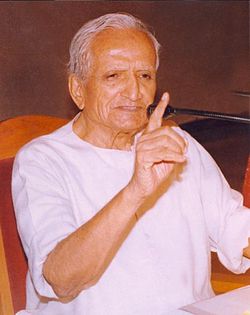
250px-Thengadijee

Dattopant Bapurao Thengadi was born at Arvi (Maharashtra) on 10th November 1920. He studied up to BA.,LLB. He was a thinker, linguist, writer, parliamentarian and a trade unionist. He was the Founder of Baharatiya Mazdoor Sang, Bharatiya Kisan Sang and Swadeshi Jagran Manch. He was a full time RSS worker (pracharak).

Advaita Summit
All religions lead to Advaita Darsan. One can climb a mountain from any side. But once the top is reached the pathways merge. In Hindusthan our seers started from the Dvaita, proceeded through the Vishsitadvaita, and reached ultimately the summit of the Advaita The spiritual journey of Jesus has also been along the same path.

First he said, “Our Father which are in Heaven, hallowed be thy name”. This is Dvaita.
In the second stage, he said, “ I am in my Father. He in you and You in me”
Finally he said, “I and My Father are one. I am the way, the truth and the life” (This is Advaita).

Two Hours Bible
According to Houston Smith, “All the words of Jesus as reported in the New Testament can be spoken in two hours”.

Shankara

Shankaracharya in Arab Land
Had Shri Shankaracharya been required to address the Arab tribes of the sixth century, he would not have delivered the message to them through the Shankara Bhasya. The oft quoted “ Padma Patram iva ambasi”( Like a Lotus in the Water) is the most appropriate simile to illustrate the ideal of Detachment. But it would convey no sense to those who have seen neither a lake nor a lotus. To an average European mind strength is symbolised by Hercules—not by Hanuman. Had Lord Buddha appeared in Palestine before nineteen centuries, his teachings would have been clothed in different imagery, different similes and different metaphors. But such superficial differences in the form of expression notwithstanding, the Message essentially would have remained the same.

True seekers care only for the gold; they do not indulge in superfluous controversies over the nature of the dross.

jesus

Teachings of Jesus
Ethics is an integral part of religion. Christian ethics is in no way different from the ethics of the Hindu sages. There is no teachings of Jesus that cannot be found in the Hindu scriptures.
A true Hindu is automatically a true Christian, and a true Christian is already a true Hindu.
Bharatiya Christians must study Christ through the seers and sages of this Dharma Bhoomi, if they aspire to understand him correctly and completely.

The late Jagadguru Shankaracharya Swami Shri Bharati Krishna Theertha observed, “ We may note that the Bible does not devote much space to this question (metaphysics); and we are compelled to infer that this because the persons, to whom the biblical teachings were given were Adikaris, not for metaphysical disquisitions but only for elementary ethical precepts and were consequently given only the latter. But, in those rare passages where the Bible does touch hereon, we find it too, preaching in reality, the same doctrine, i.e., the Advaita (Monism); for example, we see Christ himself saying:

‘The Kingdom of God is within you’!
‘Ye are Gods’
There are some other similar passages, especially in St.John’s Gospel, his Epistles and his Revelation that clearly show, what a lot of Greek and Roman historical records too prove, that it was India’s Advaita Vedanta which Christ carried from India and preached in Palestine………. It is interesting to note that it was only his favourite disciple St.John who could assimilate such Philosophical teachings.”
—The Perspective by D.B.Thengadi

On Sanatana Dharma (Eternal Religion)
Sanatana Dharma is the Universal law. It is not man made. It is described as Hindu Dharma because the Hindus were the first to ‘see’ it, even as in the West, Newton was the first one to ‘see’ the Law of Gravitation or Einstein the Law of Relativity. Hindus ‘saw’ the Dharma and based their socio economic order on the foundation of its tenets.

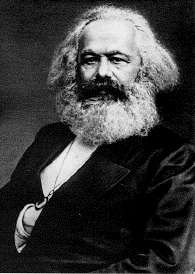
marx-bio

On Marxism
Events have proved that the data upon which Marx worked was insufficient, his information inaccurate, his attitude unscientific, his conclusions incorrect, his predictions untrue, his theories untenable…… Marxism is an intellectual parasite on Newtonian science, Darwenian evolutionism and Hegelian dialecticism…. Those who try to compare Marxism with Hinduism betray their ignorance of both.
If workers succeed communists would fail; prosperity of the former is the adversity of the latter; failures of the proletariat are the pillars of communist success.

On Muslims
Fanatical Muslims assert that Islam does not permit of any kind of nation-worship and that Muslims must fight against nationalism. But the nationalists in the so called Muslim countries successfully combated this evil. The original tenets of Islam are quite combatable with the spirit of patriotism.

On Hindu Laws
Various are the sources of Hindu Law. Firstly Four Vedas and their six subsidiary sciences. Then, the Dharma Shastras. The compilers of Dharma Shastras flourished during different periods. They were Manu, Atri, Vishnu, Harita, Yajnavalkya, Usanas, Angiras, Yama, Apastamba, Sambarta, Katyayana, Brhaspati, Parasara, Vyasa, Sankha, Likhita, Daksha, Gautama, Satatapa and Vashishta. Other ancient sources being the Meemasa, the Nyaya and the Puranas. The Smritis, the current usage, good conscience—in absence of any other guide—and desire resulting from thorough deliberation are also important as sources of Hindu Law.

It is curious to note that the above authorities have been considerably overshadowed by subsequent commentaries or digests (Nibandhas). The work of compiling Nibhandhas was going on from the ninth to the nineteenth century.

Hindus never formulated any Code of Law. The Smritis are not the codes. One Smriti does not exclude the other, nor does One Smriti repeal the others. They are like the American Restatement of Law or English Digests of Case law. All the Smritis are sources of Law.

Another interesting feature of Hindu Law is the fact that in case of any inconsistency between the usage and the Smriti, the usage is supposed to carry with it greater validity.

Brhaspati, who founded the School of Materialism in India thousands of years Demokrites, the Father of Western Materialism, was accepted by even the theist Hindus as their preceptor. Kapila who challenged the authority of previous scriptures was also a Hindu. According to Dr Babasaheb Ambedkar, at the time when Gautama took Parivraja, besides the Brahmanic philosophy, there were as many as sixty two different schools of philosophy (in India).

The Hindu Law can embrace the entire mankind with the exception of those who denythemselves its magnificent benefits. It is significant Manu described his Smriti as the ‘ Manava Dharma Shastra’ (Law Book for Mankind).

Complied by London Swaminathan
Contact swami_48@yahoo.com

11. ஜென் மாஸ்டர் சொன்ன மூன்று உண்மைகள்!

sun buddha

ச.நாகராஜன்

கடைசி கடைசியாக டைடோகுஜி மடாலயத்தின் உள்ளே அடியெடுத்து வைத்தார் சோகோ.அவர் நுழைந்த அறையில் ஒரே ஒரு சுவர் தான் இருந்தது. மூன்று பக்கங்களிலும் தள்ளு கதவுகள். நான்காவது புறம் ஒரு சுவர்.தனது புங்கோ மூட்டையைக் கீழே வைத்து விட்டு சுவரை நோக்கி தியான நிலையில் (ஜஜென்) அமர்ந்தார் சோகோ.

மூன்று பக்கங்களிலிருந்தும் கதவுகளுக்கு அப்பாலிலிருந்து யாரேனும் பார்த்துக் கொண்டிருக்கக்கூடும் என்பதால் ஒரு விநாடி கூட சோகோவால் இயல்பான நிலையில் இருக்க முடியவில்லை. மூன்று வேளையும் எளிய உணவு வழங்கப்பட்டது. தூங்க அனுமதி தரப்பட்டதோடு பாய் ஒன்றும் தூங்குவதற்காகத் தரப்பட்டது. இப்படியே ஐந்து நாட்கள் கழிந்தன. ஆக காத்திருந்ததையும் சேர்த்து மொத்தம் எட்டு நாட்கள் கழிந்தன. எதற்காக நாம் இங்கே வந்தோம், என்ன செய்வதற்காக வந்தோம் என்று எண்ணியவாறே சோகோ நேரத்தைக் கழித்தார். ஆனால் தன் மாஸ்டரிடம் அளித்த உறுதி மொழியையும் தான் எடுத்துக்கொண்ட சங்கல்பத்தையும் சோகோ நினைவுபடுத்திக் கொண்டே இருந்தார்.

இறுதியாக சோகோ துறவிப் பயிற்சிக்காக அனுமதிக்கப்பட்டார்!
பதினைந்து வருடங்கள் உருண்டோடின. சோகோவுக்கு அவர் குருவிடமிருந்து இங்கா கிடைத்தது. (சாக்யமுனி புத்தரின் போதனைகளின் பெயர் இங்கா. இந்த இங்கா முத்திரையை குருவிடம் முறையாகப் பெற்றவர்களே உள்ளொளி பெற்றதற்கான அங்கீகாரத்தை குருவிடம் பெற்றவர்களாவர்)

இத்தனை வருடங்களிலும் அனுபவம் ஒன்று மட்டுமே தான் பயிற்சி. வெறும் பேச்சோ அல்லது தத்துவச் சொற்பொழிவுகளோ எதுவுமில்லை. டைடோகுஜி மடாலயத்தில் நம்பிக்கை என்றால் என்ன என்பதை சோகோ கற்றுக் கொண்டார். எந்த கஷ்டம் வந்த போதிலும் அதை அசைக்க யாராலும் முடியவில்லை.

ஜென் மாஸ்டரான ஹகுயின் ஜென் பயிற்சியில் மூன்று முக்கியமான விஷயங்களைக் கூறியுள்ளார்.இது ஜென் பயிற்சிக்கு மட்டுமல்ல எங்கும் உதவக் கூடியவை! ஆழமான நம்பிக்கை, அதிக சந்தேகம், குறிக்கோளில் அசைக்க முடியாத உறுதி.

ஆழமான நம்பிக்கை என்றால் குருவிடம் அசாத்திய பக்தியும் அவர் கடைப்பிடிக்கும் பாரம்பரிய வழிகளில் அழுத்தமான நம்பிக்கையும் கொண்டிருப்பதாகும்.அத்தோடு ஒருவரிடம் அடங்கியுள்ள எல்லையற்ற ஆற்றலையும் அது குறிக்கும். அதிகமான சந்தேகம் என்பது ஆழமான நம்பிக்கைக்கு நேர் எதிரடியாக இருப்பது போலத் தோன்றினாலும், உண்மையில் அது தன்னிடம் உள்ளுணர்வு இல்லாமை பற்றி சந்தேகப்படுவதாகும். தன்னைப் பற்றிக் கவலைப்பட்டு “நான்” என்பதில் அவநம்பிக்கை கொள்வது தான் ‘அதிகமான சந்தேகம்’ என்பதாகும். குறிக்கோளில் அசைக்க முடியாத உறுதி என்பது என்னதான் தடைகள் வந்தாலும் அவற்றை எல்லாம் மீறி எடுத்த பயிற்சியைத் தொடர்வதும், வெற்றிகரமாக அதை முடிப்பதும் தான்!

இந்த மூன்றும் இல்லாமல் எதையும் சாதிக்க முடியாது.

buddha sandal

உபதேசங்களைக் கேட்டோ, புத்தகங்களைப் படித்தோ ஹகுயின் மாஸ்டர் கூறிய உண்மைகளை சோகோ உணரவில்லை,மாறாக நேரடி அனுபவத்தின் மூலமாகவே அவர் உணர்ந்தார். டைடோகுஜி மடாலயத்தின் வாயிலில் காத்துக் கிடந்து கற்ற பாடங்களே சோகோவுக்கு உதவின. இளமையான இருபதுகளிலிருந்த ஒரு இளைஞனுக்கு இப்படிப்பட்ட அனுபவங்கள் இல்லாமல் இருந்திருந்தால் அவன் உண்மையான ஜென் மாஸ்டராக பின்னால் ஆகி இருக்கமுடியுமா என்பது சந்தேகம் தான்! சமுதாயம் எப்படித் தான் எவ்வளவு தான் மாறட்டுமே, ஹகுயின் மாஸ்டர் கூறிய மூன்று உண்மைகள் இன்றும் என்றும் எந்தக் காலத்துக்கும் பொருந்துபவை. அவை காலத்தை வென்றவை.

இன்றோ நவீன யுகத்தில் மாணவர்களுக்கு கல்வி மீது நம்பிக்கையே போய் விட்டது. அன்றாட வாழ்க்கையின் மீதும் ஒரு பிடிப்பில்லை. தங்கள் தோல்விகளுக்கு ஏதேனும் ஒரு காரணத்தைச் சொல்வதும் உதட்டைப் பிதுக்கி தனது பொறுப்பை உதறித் தள்ளுவதும் இளைஞர்களின் இன்றைய வாழ்க்கை முறை ஆகி விட்டது.பெரியவர்களுக்கோ இளைஞர்களை விமரிசிப்பதே வேலையாகி விட்டது. பெற்றோர்கள் ஒரு வழியில் போக ஆசிரியர்கள் இன்னொரு வழியில் போக எங்குமே ஒரே குழப்பம் தான்.ஒரு தோழமை உணர்வுடன் இருக்க வேண்டிய மனிதர்கள் ‘தான்’ என்ற குறுகிய வட்டத்திற்குள் அடங்கி விட்டனர்.அதனால் குழந்தைகள் வளர்ந்தவுடன் அவர்களுக்கு உலகில் அடி எடுத்து வைக்கும் போதே ஒரே குழப்பமாக இருக்கிறது. அவர்கள் கற்ற கல்வி அவர்களுக்குத் தைரியத்தையும் தரவில்லை. தன்னை நம்பி வாழவும் சொல்லித் தரவில்லை.

சரி, இந்த ஸ்வர்ண லோகத்தை நீங்கள் ஏன் படித்துக் கொண்டிருக்கிறீர்கள்? சும்மா, ஒரு ஆர்வம் உந்த, அதனால் தான் என்றால் நீங்கள் சோகோ என்பவர் வாழும் இன்னொரு வாழ்க்கை முறையைப் பற்றிச் சிறிது அறிந்தவர்கள் மட்டுமே ஆவீர்கள். மாறாக ஆழ்ந்து இதன் உண்மையை ஆராயப் போனால் இதில் அர்த்தமுள்ள ஒரு புது வாழ்க்கை முறை அமைவதற்கான வாய்ப்பு இருப்பதை நீங்களும் உணரலாம். அன்றாட வாழ்க்கை மேம்படுவதற்கான வாய்ப்பு அது – திருப்தியுள்ள அர்த்தமுள்ள வாழ்வுக்கான வாய்ப்பு.

மரணமே எதிரில் வந்தாலும் கவலைப்படாத வாழ்க்கை! இது தான் முதலாவதும் ஒன்றே ஒன்று என்று சொல்லக் கூடியதுமான ஜென் தரும் இலட்சியம்.

சோகோ (1925-1995) புகழ் பெற்ற பெரிய ஜென் மாஸ்டர் ஆனதோடு ஏராளமான மேலை நாட்டினருக்கு ஜென் பயிற்சியை அளித்தார்.அவரது சுய சரிதம் 2002ஆம் ஆண்டில் Novice to Master:An Ongoing Lesson to the extent of My Own Stupidity என்ற தலைப்பில் வெளியானது.

ஜென் குருமார்களில் ஒரே ஒருவரின் வாழ்க்கையைப் பற்றிச் சிறிது பார்த்தோம். ஆனால் இப்படிப்பட்ட ஆயிரக்கணக்கானோரை உருவாக்க வேண்டுமெனில் புத்த மதத்தின் அடிப்படை எவ்வளவு ஆழமாக இருக்க வேண்டும்!

sandalwood-buddha-

சின்ன உண்மை
போதிதர்மர் சீனா சென்றவுடன் சக்கரவர்த்தி வூ டி-யைச் சந்தித்தார். சக்கரவர்த்தி, “மிக உயரிய உண்மை எது?” என்று போதிதர்மரைக் கேட்டார். ”இருப்பது பெரும் சூன்யம் தான், உயரிய உண்மை என்று ஒன்றும் இல்லை” என்றார் போதி தர்மர்.

This part 11 of Swarnalokam (story of Zen Master) written by S Nagarajan -தொடரும்

‘Jantunam Narajanma Durlabatha:’

tree-o-life

Human Birth is difficult to obtain
by london swaminathan

Human birth is difficult to obtain is a famous saying from northern Himalayas to Southern Kanyakumari. It is in ancient Tamil and Sanskrit literature. The above quote is from Viveka Cudamani of Adi Shankara. Let us look at the full sloka:

“ For all beings a human birth is difficult to obtain, more so is a male body; rarer than that is Brahmnahood; rarer still is the attachment to the path of Vedic religion; higher than is erudition in the scriptures; discrimination between the Self and not-Self, Realization, Identity with Brahman—these come next in order. Mukti/liberation is not to be attained except through the well earned merits of a hundred crores of births (1000 million births!)”.

In the next sloka he says three things are rare:Human birth, the longing for liberation and protective care of a greatman (mahapurusha).
Tamil literature explains the same thing in a beautiful way. One of the five Tamil epics is Jeevaka Chintamani which gives the story of Udayana and Vasavadatta. The author Thiruththakka devar says human birth is rare. It is like one yoke floating in southern sea coming next to another yoke floating in northern sea and a pole is inserted into it. Human birth is rarer than this.
evolution1

Avvai answers Lord Skanda’s question
Another famous episode in Tamil is about the grand old lady of Tamil literature Avvaiyar meeting Lord Skanda. Skanda asked her several thought provoking questions just to enjoy her beautiful Tamil. He asked her what is bigger, sweeter, crueler and rarer. When she answered his question about rarer things in the world she says human birth is rarer. Let us look at the beautiful Tamil poem in full:

“ Rare is human birth, Vadivel (Skanda/Subramanya)! Rarer is birth as a male with perfect limbs and with full use of all the senses. Rarer still is attainment of knowledge and wisdom. Rarer than this is the tendency to give and serve; and rarest of all is a life dedicated to spiritual enlightenment, for when one reaches the end the heavens will open to welcome that person—the perfect of all human beings”.

I consider this as an echo of Adi Shankara’s three slokas 2, 3 and 4 of Viveka Cudamani. It is not uncommon to see the same thoughts in all saints of India whether they speak Tamil or Sanskrit. Great men think alike. We see the same thought in all the hymns of Thevaram, Thiruvasagam and Divya Prabandham.
Seven types and Four Types of living beings

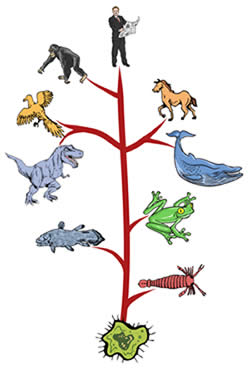
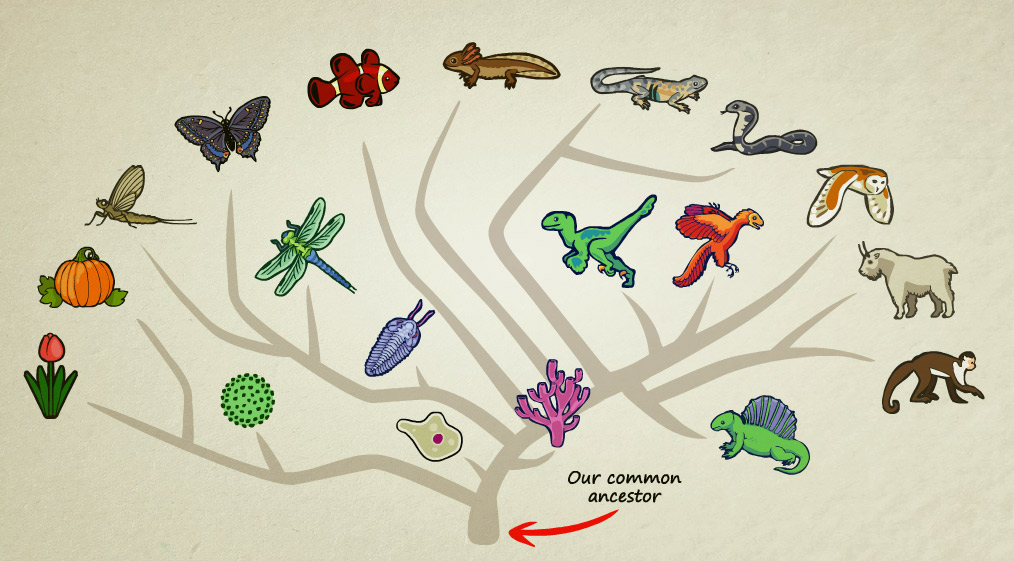
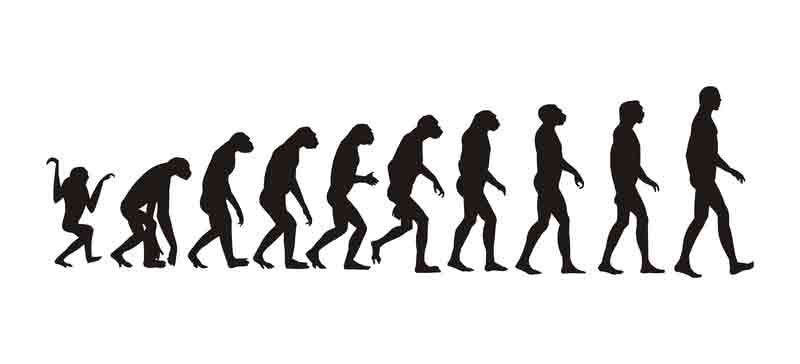
Even before Darwin gave the world the Theory of Evolution, even before the Linnaean classification of botanical species came in to practice, even before Aristotle gave his theory, Hindus divided the living beings in to four types and seven types in two different classifications:

evolutionary_tree_003
Type 1
1.Andajam: that which came from the eggs
2.Jarayutham: mammals
3.Udbhijam: that which comes out of seeds, roots
4.Swethajam: that which grows from sweat like liquids, i.e. germs etc

Type 2 Classification
1.Devas: supermen
2.Human beings
3.Animals
4.Birds
5.Reptiles
6.Fishes and other marine animals
7.Plant kingdom

evolution

Great Tamil saint Manikkavasagar gives a list of all the births one can get before realising God:

“Grass was I, shrub was I, worm, tree,
Full many a kind of beast, bird, snake,
Stone, man and demon. ’Midst Thy hosts I served.
The form of mighty Asuras, ascetics, Gods I bore.
Within this immobile and mobile forms of life,
In every species born, weary I have grown, great Lord!

புல்லாகிப் பூடாய்ப் புழுவாய் மரமாகிப்
பல்விருகமாகிப் பறவையாய்ப் பாம்பாகிக்
கல்லாய் மனிதராய்ப் பேயாய்க் கணங்களாய்
வல்லரசுராகி முனிவராய்த் தேவராய்ச்
செல்லா அ நின்ற தாவர சங்கமத்துள்
எல்லாப் பிறப்பும் பிறந்திளைத்தேன் எம்பெருமான்
–சிவ புராணம், திருவாசகம் (மாணிக்கவாசகர்)

tree of life colour
Avvaiyar’s poem in Tamil

அரியது கேட்கின் வரிவடி வேலோய்!
அரிதரிது மானிடர் ஆதல் அரிது
மானிடராயினும் கூன் குருடு செவிடு
பேடு நீக்கிப் பிறத்தல் அரிது
பேடு நீக்கிப் பிறந்த காலையும்
ஞானமும் கல்வியும் நயத்தல் அரிது
ஞானமும் கல்வியும் நயந்த காலையும்
தானமும் தவமும் தான்செயல் அரிது
தானமும் தவமும் தான்செய்வராயின்
வானவர் நாடு வழிதிறந் திடுமே.
****
Pictures are taken from various sites;thanks.
contact london swaminathan: swami_48@yahoo.com

மாநுடப் பிறவி அரிது! அரிது!!

Article written by london swaminathan

evolution

மாநுடப் பிறவி எவ்வளவு அரிது என்பதை சிந்தாமணிச் செய்யுள் ஒன்று மிகமிக அழகாகக் கூறுகிறது. இதில் தத்துவம் ஒரு புறம் இருக்க தமிழர்களுக்கு கடல் பற்றி எவ்வளவு அறிவு இருந்தது என்பதையும் இது காட்டும். சீவக சிந்தாமணி என்பது திருத்தக்க தேவரால் எழுதப்பட்ட நூல். தமிழில் ஐம்பெருங் காப்பியங்களில் ஒன்று. அவர் கூறுவார்:

“பரவை வெண் திரை வடகடல் படு நுகத் துளையில்
திரை செய் தென் கடல் இட்டதோர் நோன் கழி சிவணி
அரச அத்துளை அகவயிற் செறிந்தென அரிதால்
பெரிய மோனிகள் பிழைத்து இவண் மாநிடம் பெறலே” (சீவக.2749)

வட கடலில் நுகத் துளையோடு கூடிய ஒரு கழி தண்ணீரில் மிதந்து செல்கிறது; தென் கடலில் மற்றொரு கழி மிதந்து செல்கிறது. இந்த இரண்டும் ஒன்றை ஒன்று சந்திப்பது மிக மிக அரிது. அப்படியே சந்தித்தாலும் அவ்விரண்டு துளைகளிலும் ஒரு கோல் நுழைவது அரிதினும் அரிது. இந்த இரண்டு கழிகளும் ஒன்றை ஒன்று சந்தித்து ஒரு கோல் நுழைந்துவிட்டால் அது எவ்வளவு பெரிய அதிசயம் ஆகும்? அத்துணை அரிது நமக்கு மாநுடப் பிறவி கிடைத்திருப்பது என்கிறது சிந்தமணிச் செய்யுள்

இந்த உவமை நச்சினார்க்கினியர் உரையிலும் வருகிறது:
‘தென்கடலிட்டதோர் திருமணி வான்கழி வடகடனுகத்துளை வந்து பட்டாஅங்கு’ என்று சிந்தாமணியில் வேறு ஒரு இடத்திலும் ‘வடகடலிட்ட ஒரு நுகத்தின் ஒரு துளையில் தென்கடலிட்ட ஒரு கழி சென்று கோத்தாற் போல’ எனவும் (இறை – சூ உ. உரை) ‘வளைபயில் கீழ்கட னின்றிட மேல்கடல் வானுகத்தின், துளை வழி நேர்கழி கோத்தென’ ( திருச்சிற். 6 ) எனவும் பல இடங்களில் காண்கிறோம்.
இந்துக்கள் உயிர்வாழும் பிராணிகளை நான்கு வகையாக பிரித்தனர்.

1.அண்டஜம்: முட்டையில் இருந்து பிறப்பவை
2.ஜராயுதம்; கருப்பையில் பிறப்பவை
3.உத்பிஜம்: வித்து, வேர், கிழங்கு மூலம் பிறப்பவை
4.சுவேதஜம்: வேர்வையில் (கிருமிகள், பாக்டீரியாக்கள்) பிறப்பவை

evolutionary_tree_003

ஆறுமுக நாவலர் என்ற சைவப்பெரியார் இதற்கு கீழ்கண்ட விளக்கம் கொடுக்கிறார்:
“நால்வகைத் தோற்றங்களாவன: அண்டசம், சுவேதசம், உற்பிச்சம், சராயுசம் என்பவைகளாம். அவைகளுள் அண்டசம் முட்டையில் தோன்றுவன. சுவேதசம் வேர்வையில் தோன்றுவன. உற்பிச்சம் வித்து வேர் கிழங்கு முதலியவைகளை மேற்பிளந்து தோன்றுவன. சராயுசம் கருப்பையில் தோன்றுவன. எழுவகைப் பிறப்புக்களாவன: தேவர், மனிதர், விலங்கு, பறவை, ஊர்வன, நீர்வாழ்வன, தாவரம் என்பவைகளாம். தாவரங்களென்றது மரம் செடி முதலியவைகளை.

கருப்பையிலே தேவர்களும், மனிதர்களும், நாற்கால் விலங்குகளும் பிறக்கும். முட்டையிலே பறவைகளும், ஊர்வனவும், நீர்வாழ்வனவும் பிறக்கும். வேர்வையிலே கிருமி, கீடம், பேன் முதலிய சில ஊர்வனவும், விட்டில் முதலிய சில பறவைகளும் பிறக்கும். வித்தினும் வேர் கொம்பு கொடி கிழங்குகளினும் தாவரங்கள் பிறக்கும். தாவரமென்றாலும், நிலையியற் பொருளென்றாலும், அசரமென்றாலும் பொருந்தும். தாவரமல்லாத மற்றை ஆறு வகைகளும் சங்கமங்களாம். சங்கமமென்றாலும், இயங்கியற் பொருளென்றாலும், சரமென்றாலும் பொருந்தும்.

தேவர்கள் பதினொரு நூறாயிர யோனிபேதம், மனிதர்கள் ஒன்பது நூறாயிர யோனிபேதம். நாற்கால்விலங்கு பத்து நூறாயிரயோனிபேதம். பறவை பத்து நூறாயிர யோனிபேதம். நீர்வாழ்வன பத்து நூறாயிர யோனிபேதம். ஊர்வன பதினைந்து நூறாயிர யோனிபேதம். தாவரம் பத்தொன்பது நூறாயிர யோனிபேதம். ஆகத்தொகை எண்பத்து நான்கு நூறாயிர யோனிபேதம்.”

மேலை நாட்டினர் 400 ஆண்டுகளாகத்தான் சார்லஸ் டார்வினின் பரிணாமக் கொள்கையையும் லின்னேயஸின் தாவரஉலக்ப் பிரிவினையையும் பின்பற்றுகின்றனர். அதற்கு முன் அரிஸ்டாடில் என்ற கிரேக்க அறிஞர் சொன்னதைப் பின்பற்றினர். 2300 ஆண்டுகளுக்கு முன் அரிஸ்டாடில் கூறியதைவிட நம்மவர்கள் ந்ன்றாகப் பாகுபாடு செய்துள்ளனர். அதுமட்டுமல்ல. இதுவரை விஞ்ஞானிகள் ஏற்றுக்கொள்ளாத சூப்பர்மேன் (தேவர்கள்) பற்றியும் நாம் கூரிவிட்டோம். இதை அறிவியல் உலகம் ஏற்க இன்னும் நீண்டகாலம் தேவை.
தாவரம் முதல் தேவர்கள் வரை உள்ளவர்களை ஏழுவகையாகப் பிரித்தனர்:

1.தேவர்
2.மனிதர்
3.விலங்கு: சிங்கம், புலி, யானை, ஆடு, மாடு முதலியன
4.பறவை: காகம்,குயில், மயில், குருவி, கொக்கு முதலியன
5.ஊர்வன: பாம்பு, பூரான், தேள், பல்லி முதலியன
6.நீர்வாழ்வன: மீன், ஆமை, முதலை, திமிங்கிலம் முதலியன
7.தாவரம்: மரம், செடி, கொடி, பாசி, புல், பூண்டு முதலியன
இவைகளை 84 லட்சம் (8400000) வகைகள் என்றும் கூறினர். இது இன்றைய விஞ்ஞானிகளின் கூற்றுக்கு நெருங்கிய எண் ஆகும்.

tree-o-life

“அண்டசஞ் சுவேதசங்கள் உற்பிச்சம் சராயுசத்தோ
டெண்தரு லெண்பத்து நான்கு நூறாயிரந்தான்
உண்டுபல் யோனியெல்லாம் ஒழித்து மாநுடத்துதித்தல்
கண்டிடில் கடலைக் கையால் நீந்தினன் காரியங்காண்”

என்று சிவஞான சித்தியார் கூறுகிறார். அதாவது மாநுடப் பிறவி கிடைப்பது மிக மிக அரிது. 84 லட்சம் வகை உயிரினங்களில் உயர்ந்த மாநுடப் பிறவி கிடைப்பது கடலைக் கையால் நீந்திக் கடப்பது எவ்வளவு அபூர்வமோ அவ்வவளவு அபூர்வம். சம்பந்தரும் தேவாரத்தில் 84000 நூறாயிரம் யோனிபேதங்கள் பற்றிப்பாடுகிறார்.

evolution1

அரியது கேட்கின் வரிவடி வேலோய்!
அரிதரிது மானிடர் ஆதல் அரிது
மானிடராயினும் கூன் குருடு செவிடு
பேடு நீக்கிப் பிறத்தல் அரிது
பேடு நீக்கிப் பிறந்த காலையும்
ஞானமும் கல்வியும் நயத்தல் அரிது
ஞானமும் கல்வியும் நயந்த காலையும்
தானமும் தவமும் தான்செயல் அரிது
தானமும் தவமும் தான்செய்வராயின்
வானவர் நாடு வழிதிறந் திடுமே

என்று அவ்வைப் பாட்டியும் கூறுவர்.

ஆதிசங்கரர் கூற்று

ஆதிசங்கரர் பல இடங்களில் மாநுடப் பிறவியின் அரிய தன்மை பற்றிக் கூறுகிறார்: “ஜந்தூனாம் நரஜன்ம துர்லபத:” (அரிது அரிது மானுடராதல் அரிது). அவர் எழுதிய விவேக சூடாமணியில் 2, 3, 4– ஆவது ஸ்லோகங்களிலேயே இதைப் பற்றிப் பிரஸ்தாபிக்கத் துவங்கி விடுகிறார்.

அரிது அரிது மனிதப் பிறவி, அதிலும் அரிது பிரம்மத்தை நாடும் பிறவி
அதனிலும் அரிது வேத அறிவு, அதனிலும் அரிது ஆத்ம ஞானம்
முக்தி பெறுவதோ நூறு கோடியில் ஒன்றே!

மூன்றாவது ஸ்லோகத்தில் மூன்று அரிய விஷயங்களைக் கூறுகிறார்: மனுஷ்யத்வம், முமுக்ஷுத்வம், மஹா புருஷர்களின் அருள். மனிதப் பிறவி, வீடு பேற்றை நாடல், பெரிய குருவின் பூரண பாதுகாப்பு என்பதே அவர் கூறுவது.

வேதத்தைப் படித்த பின்னரும் முக்தியை நாடாதவன் தற்கொலை செய்துகொள்வதற்குச் சமம் என்கிறார் நாலாவது ஸ்லோகத்தில்.

tree of life colour

மாணிக்கவாசகர ஒரு மனிதனுக்குள்ள எல்லாப் பிறப்புகளையும் அழகாகப் பாடிவிட்டார்:

புல்லாகிப் பூடாய்ப் புழுவாய் மரமாகிப்
பல்விருகமாகிப் பறவையாய்ப் பாம்பாகிக்
கல்லாய் மனிதராய்ப் பேயாய்க் கணங்களாய்
வல்லரசுராகி முனிவராய்த் தேவராய்ச்
செல்லா அ நின்ற தாவர சங்கமத்துள்
எல்லாப் பிறப்பும் பிறந்திளைத்தேன் எம்பெருமான்
–சிவ புராணம், திருவாசகம் (மாணிக்கவாசகர்)

Pictures are taken from various sites;thanks.
contact london swaminathan at swami@yahoo.com

‘My age is 3 years 5 months, 7 days, 16+hour’

baby ganapathy

A Hindu saint was on a pilgrimage. He was going from town to town. Whenever he entered a new town he used to ask the people, ‘who was the most honest person in the town?’ and go to his house for food.
He went to a town and his enquiries led him to a gentleman’s house. What he gathered was that the gentleman was the father of four children and a millionaire and never lied in his life. As soon as the saint entered the house the gentleman stood up in respect and fell at his feet. After all the formalities he requested the saint to have lunch with him.

But the saint wanted to verify the details he had collected about him before sitting for the lunch.
Saint asked him, ‘’How much wealth you have acquired?’’
He told him, “Rs 22,000 only”!
How many children do you have?
“I have only one son’’!

The saint became suspicious and asked him one more question to pass a judgement on him. So the saint asked the gentleman, ‘What is your age?’
He said to him, ‘My age is 3 years 5 months, 7 days, 16 and a half hour.
Now the saint became furious thinking that he was bluffing to him. He burst out in anger, “How dare you lie to me when you have one million rupees? I knew all about you”.

The gentleman quietly replied, ‘Oh, venerable saint. It is true I owe a million. Does it belong to me? I have spent only Rs 22,000 on charities. That is the only merit (punya) that is going to come with me after death’.
kuzanthai vazipaatu

The saint became very curious now. He has never heard anything from anyone else like this. He fired the second question. I heard that you had four children, but you told me you had only one.
The gentleman told him,’ Swamiji, I will show my son now? He called them one by one by name. First son said that he was too busy playing cards. Second son told him to shut his mouth. Third son told him to mind his own business without troubling him for trivial things. Fourth son came running towards him without wasting a single second and asked him what service he can offer. Now the saint realised he has got ‘’ONLY ONE SON’’.
“OK, now explain to me why did you say that you are only, “3 years 5 months, 7 days, 16 and a half hour” old?

‘Swamiji, I am actually sixty years old. But I have been spending one and a half hour in prayers every day since I was five years old. At this rate, I have “lived” only 3 years 5 months, 7 days, 16 and a half hour’ . The days I spent without thinking about god is not counted as living. I never take them into account. Even the great Tamil saint Appar says the days you spend without saying god’s name are equal to the days you were not born (meaning not worthy of living).

The gentleman summarised his philosophy in three sentences
1.Whatever I have spent for charity work was my money and the bank balance was not mine.( It would not help me in my next birth)
2. A son is a one who understands me and helps me in all my good deeds. Other three are not my ‘’sons’’.
3. The time I spent in prayers can only be counted worthy of living. That is why I told you I was 3 years 5 months, 7 days, 16 and a half hour’ old.

krishna with brown eyes

The saint was extremely happy to hear his illuminating explanation. He had lunch with him and blessed him.

(This story was told by Sri Kripananda Variar who was famous for his religious discourses in Tamil. He was a great scholar in Saivaite philosophy. His talks are available in Tamil—translated by london swaminathan).

Contact swami_48@yahoo. com
for 650 articles in Tamil and English.
Pictures are from Facebook;thanks

என் வயது 3 வருஷம் 5 மாதம் 7 நாள் 16 அரை மணி!

baby ganapathy

திருமுருக கிருபானந்த வாரியார் சொன்ன கதை:

முற்றும் துறந்த முனிவர் ஒருவர் திருத்தல யாத்திரை புரிந்துவந்தார். பற்றற்ற பரம ஞானியாகிய அவர் இன்றிருந்த ஊர் நாளை இரார். ஒருவேளையே உப்பில்லாத உணவை உண்பார். அவர் பொய்யை அதிமாக வெறுப்பவர்.

“மனத்தொடு வாய்மை மொழியின் தவத்தொடு
தானம் செய்வாரில் தலை”

என்ற திருக்குறளை இடையறாது கூறுவார்.அவருடைய மறந்தும் பொய் புகலாது. பொய் புகல்வார் மனையில் புசியார்.

ஒருநாள் ஒரு ஊருக்குச் சென்றார். “இந்த ஊரில் உண்மையாளர் யாவர்?” என்று உசாவினார். அதோ தெரிகின்ற மாடி வீட்டில் வாழ்கின்ற முதலியார் உண்மையாளர். அவர் அடியார் பக்தி உடையவர். ஒரு லட்சம் செல்வமும் நான்கு புதல்வர்களும் உடையவர் என்று பலரும் பகர்ந்தார்கள். பின்னர் முதலியாருடைய வீட்டை முனிவர் அணுகினார்.

ஆசனத்தில் அமர்ந்திருந்த முதலியார் உடனே எழுந்தார். ஓடிவந்து ஞானியார் அடைமலர் மீது விழுந்தார். அவரை ஆசனத்தில் எழுந்தருளல் புரிந்து ,”பெருமானே உணவு செய்ய எழுந்தருளல் வேண்டும்” என்று வேண்டினார். அவருடைய அன்பு, பணிவு, அடக்கம் முதலிய நற்குணங்களைக் கண்டு முகமலர்ந்து, உண்மையாளர்தானா என்று சோதித்த பின்னரே உணவு செய்ய வேண்டும் என்று எண்ணிணார்.

“ ஐயா, உமக்குச் செல்வம் எவ்வளவு உண்டு?”
“சுவாமி! இருபத்து இரண்டாயிரம் ரூபாய் உண்டு”
குழந்தைகள் எத்தனை பேர்?”
“சுவாமி! ஒரே புதல்வன் தான்”
“உமக்கு வயது என்ன?”
“சுவாமி! எனக்கு வயது மூன்று வருஷம் ஐந்து மாதம் ஏழு நாள் பதினாறரை மணி”

முனிவருக்கு பெரும் சினம் மூண்டது.
“ஐயா! நீர் சுத்தப் புளுகனாக இருகிறீர். நீர் பேசுவதெல்லாம் பெரும் புரட்டு. உம் வீட்டு அன்னம் என் தவத்தை அழிக்கும். நான் பொய்யர் வீட்டில் புசியேன்” என்று கூறிச் சீறி எழுந்தார்.

முதலியார் அவர் காலில் விழுந்து, “அருள் நிறைந்த அண்ணலே! அடியேன் ஒருபோதும் பொய் புகலேன். சத்தியம் சொல்கின்றேன். சற்று நிதானமாக ஆராய்ந்துபார்த்து உண்மை உணர்வீராக” என்று கூறித் தனது வரவு செலவு புத்தகத்தைக் காட்டினார். அதில் இருப்புத் தொகை ஒரு லட்சம் ரூபாய் என்று இருந்தது.

“அடேய்! இதோ உனக்குச் சொத்து ஒரு லட்சம் ரூபாய் என்று இருக்கிறதே. நீ 22,000 தான் என்று பொய் சொன்னாயே”, என்று கடிந்தார்ர் முனிவர்.

“சுவாமி! ஒரு லட்ச ரூபாய் பெட்டியில் உள்ளது. ஆனால் பெட்டியில் உள்ள பணம் எனக்குச் சொந்தமாகுமா? இதோ பாருங்கள், தருமக் கணக்கில் இதுகாறும் 22,000 ரூபாய்தான் செலவழிந்துள்ளது. தருமம் புரிந்த பணம்தானே என்னுடையது. இப்போது நான் மாண்டால் பெட்டியில் உள்ள பணம் என்னுடன் வராதே. உடன் வருவது தருமம் ஒன்றுதானே” என்று கூறீனார்.
முனிவர் இதைக் கேட்டு வியப்புற்றார். “ ஆமாம், உனக்கு நான்கு புதல்வர்கள் உன்து என்று கேள்விப்பட்டேனே?” என்றார்.
kuzanthai vazipaatu

சுவாமி! எனக்குப் பிறந்த பிள்ளைகள் நால்வர்’ ஆனால் என் பிள்ளை ஒருவன் தான்.
“அப்பா! நீ சொல்வதன் கருத்து எனக்கு விளங்கவில்லையே?
“சுவாமி! விளங்கவைக்கின்றேன்”.

“மகனே! நடராஜா”, என்று அழைத்தார் முதலியார். சீட்டு விளையாடுகிறேன், வர முடியாது என்று பதில் வந்தது.
“மகனே! வேலுச்சாமி” என்று அழைத்தார் முதலியார். “ஏன் இப்படிக் கதறுகின்றாய்? வாயை மூடிக்கொண்டிரு” என்று பதில் வந்தது.

“மகனே! சிவசாமி”, என்று அழைத்தார் முதலியார். உனக்குப் புத்தி இருக்கிறதா? உன்னோடு பேச என்னால் ஆகாது. பூமிக்குச் சுமையாக ஏன் இன்னும் இருக்கிறாய்?” என்று பதில் வந்தது.
மகனே கந்தசாமி! என்று அழைத்தவுடன் கந்தசாமி ஓடிவந்து பிதாவையும் முனிவரையும் தொழுது, சுவாமி பால் கொண்டுவரட்டுமா, பழம் கொண்டுவரட்டுமா? என்று கேட்டு உபசரித்து, விசிறி எடுத்து வீசிக்கொண்டு பணிவுடன் நின்றான்.

முதலியார், “ சுவாமி! அந்த மூவரும் என் புதல்வர்களா? என் கருத்துக்கு முரண் ஆனவர்கள் என் பிள்ளைகளா? போன பிறப்பிற்பட கடன்காரர்கள், இவன் ஒருவன் தான் என் பிள்ளை” என்றார்.
அப்பா! உன் கருத்து உவகையைத் தருகின்றது. வயது விஷயத்தில் நீ கூறியதன் உட்பொருள் யாது?
“ சுவாமி! அடியேன் நாள் ஒன்றுக்கு ஒன்றரை மணி நேரம்தான் வழிபாடு செய்கின்றேன். மிகுதி நேரம் எல்லாம் வயிற்றுக்காகவும் குடும்பத்து க்காகவும் உழைக்கின்றேன். பேசாத நாள் எல்லாம், பிறவா நாள்தானே? இறைவனைப் பூசிக்கும் நேரம்தான் எனக்குச் சொந்தம். அடியேனுக்கு இந்த உடம்பு பிறந்து அறுபது ஆண்டுகள் ஆயின. ஐந்து வயதிலிருந்து பூசிக்கின்றேன். நாள் ஒன்றுக்கு ஒன்றரை மணி நேரம் பூசை செய்கின்றேன். அந்தவகையாகப் பார்த்தால், முப்பதாயிரத்து நூற்று பன்னிரண்டரை மணி நேரம் ஆகின்றது. ஆகவே அடியேன் பிறந்து அறுபது ஆண்டுகள் ஆனாலும், எனக்குச் சொந்த வயது திட்டமாக மூன்று வருஷம் ஐந்து மாதம் ஏழு நாள் பதினாறரை மணிதான்”

1.தருமம் செய்த பணம் எனக்குச் சொந்தம்
2.என் கருத்தை அநுசரிக்கின்றவனே எனக்குச் சொந்தமகன்
3.பூசை செய்த நேரமே எனக்குச் சொந்தம்”, என்றார் முதலியார்.
இதனைக் கேட்ட முனிவர் பெரிதும் மகிழ்ந்தார். அவர் வீட்டில் உணவு உண்டு வாழ்த்திவிட்டுச் சென்றார்.

krishna with brown eyes

(அனைவரும் வாங்கிப் படிக்கவேண்டிய புத்தகம்,”வாரியார் வழங்கும் சிந்தனைச் செல்வம்”- திருமுருக கிருபானந்த வாரியார்)

Pictures are taken from Facebook;thanks.
contact london swaminathan for a list of 650+ articles at swami_48@yahoo.com

மனமே அனைத்துப் புலன்களின் இயக்கத்திற்கும் காரணம்!

anuman 2 facebook

ராமாயண வழிகாட்டி அத்தியாயம் – 13
ச.நாகராஜன்

இலங்கையில் சீதையைத் தேடி அலைந்த அனுமன் பானபூமியில் பல பெண்கள் அலங்கோலமாக நிலை குலைந்து படுத்துக் கிடப்பதைக் காண்கிறான்.

“உறங்கிக்கொண்டிருக்கும் சத்ரு மன்னனின் மனைவிகள் சமூகத்தினை எனது இந்தக் கண்களால் பார்த்ததும் கொடிய பாவமாக ஆகுமே” என்று சிந்தித்த அனுமன் அதற்கான காரணத்தையும் அலசி ஆராய்ந்து தன் மேல் தவறு இல்லை என்பதை நிச்சயிக்கிறான். ஏனெனில் காமக் கண்களுடன் அவர்களைத் தேடி வந்து அவன் பார்க்கவில்லை. சீதையின் மீதுள்ள பக்தியினால், அன்னையைத் தேட வேண்டிய அவசியத்தால் அவர்களைப் பார்க்க நேரிட்டது.

சுந்தரகாண்டம் பதினோராம் ஸர்க்கம் 36,37,38ஆம் ஸ்லோகங்களைப் பாப்போம்:

பரதாரவரோதஸ்ய ப்ரஸூப்தஸ்ய நிரீக்ஷணம் I
இதம் கலு மமாத்யர்த்தம் தர்மலோபம் கரிஷ்யதி II

ந ஹி மே பரதாராணாம் த்ருஷ்டி விஷயவர்த்திநி:

அயம் சாத்ர மயா த்ருஷ்ட: பரதார பரிக்ரஹ:

(அத்யர்த்தம் தர்மலோபம் – கொடிய பாவம்; விஷயவர்த்திநி: ந- உலகியல் நோக்கப்படியானது இல்லை; பரதார பரிக்ரஹ: ச- உத்க்ருஷ்டரின் பத்னியிடத்தில் பக்தியால் உண்டானதே)

தனிமையில் தாமாய் ஆலோசனை செய்யும் (ஏகாந்த சிந்தஸ்ய) பெருந்தன்மையுள்ள அவருக்கு (மனஸ்விந: தஸ்ய) கார்யத்தின் முடிவை ஸுசிப்பிக்கும் (கார்ய நிஸ்சய தர்சிநீ) நிச்சயமான இதர எண்ணம் (நிஸ்சிதா அன்ய சிந்தா) புதிதாய் புலப்பட்டது (புன ப்ராதுரபூத்)

காமம் த்ருஷ்டா மயா ஸர்வா விஸ்வஸ்தா ராவண ஸ்த்ரிய: I
ந ஹி மே மநஸ; கிஞ்சித் வைக்ருத்ய முபபத்யதே II

அபாயத்திற்கிடமில்லை என்கிற நம்பிக்கையுடன் இருக்கும் ராவணனின் பத்னிகள் அனைவரும் என்னால் பார்க்கப்பட்டார்கள்;
அப்படியிருந்தும் எனது மனதிற்கு மாறுபாடு சற்றும் உண்டாகவில்லை.

“மே மனஸ: வைக்ருத்யம் கிஞ்சித் உபபத்யதே” (எனது மனதிற்கு மாறுபாடு சற்றும் உண்டாகவில்லை.) என்று அனுமன் சிந்திப்பதிலிருந்தே அவன் எப்படிப்பட்ட உத்தமன் என்பதும் காமத்தைக் கடந்தவன் என்பதும் தெரிகிறது.

அனுமன் அடுத்தாற் போல எண்ணுவதே உலகின் மிகப் பெரும் உண்மையை அறிவிக்கும் ஸ்லோகமாக அமைகிறது;

மநோ ஹி ஹேது: ஸர்வேஷா மிந்திரியாணாம் ப்ரவர்த்ததே I
ஸுபாஸுபா ஸ்வவஸ்தாஸு தச் ச மே ஸுவ்யவஸ்த்திதம் II
(சுந்தரகாண்டம் ஸ்லோகம் 42 11ஆம் ஸர்க்கம்)

ஸுபாஸுபாசு – நல்லவை தீயவை ஆகிய இரு வகையான
அவஸ்தாஸு – நிலைகளில்
ஸர்வேஷாம் – எல்லா
இந்திரியாணாம் – புலன்களின்
ப்ரவர்த்ததே –தூண்டுதலில்
மன: ஹி – மனம் தான்
ஹேது – ஹேது
தத் ச –அதுவோ
மே – எனக்கு
ஸுவ்யவஸ்த்திதம் – சிதறாமல் நன்கு ஸ்திரமாக இருக்கிறது.

anuman val

அந்தப்புரத்தில் ரூப லாவண்யமுள்ள அழகிய பெண்களைப் பார்த்த போதிலும் கூட அனுமனின் மனம் சிதறவில்லை; ஸ்திரமாக இருக்கிறது. புலன்களின் தூண்டுதலைச் செய்வது மனமே! அது நன்கு உறுதியாக இருந்தால் அவனே பேராண்மை படைத்தவன்.
வள்ளுவன் திருக்குறளில் ‘பிறனில் விழையாமை’ என்று ஒரு அதிகாரத்தையே படைக்கிறான். 15ஆம் அதிகாரமாக அமையும் இதில் எட்டாவது குறள் இது:

பிறன் மனை நோக்காத பேராண்மை சான்றோர்க்கு
அறனொன்றோ ஆன்ற ஒழுக்கு (குறள் 148)

பிறன் மனைவையை விரும்பிக் கண் எடுத்தும் பார்க்காத பேராண்மை சான்றோர்க்கு அறம் மட்டுமல்ல; பொருந்திய ஒழுக்கமும் கூட என்பதே இதன் பொருள்.

வள்ளுவனின் உரைகல்லில் அனுமன் சான்றோனாகவும், அறவோனாகவும்,பேராண்மை படைத்தவனாகவும் காணப்படுகிறான்.
மனமே அனைத்திற்கும் காரணம் என்பதை உபநிடதமும் (மன ஏவ மனுஷ்யாணாம் காரணம் பந்த மோக்ஷயோ: மனதே மனிதர்களின் பந்தத்திற்கும் மோக்ஷத்திற்கும் காரணம்– அம்ருத பிந்து உபநிடதம்) அறிவியலும் வலியுறுத்துகின்றன.

ஆக செம்மையான மனத்தைக் கொண்ட அனுமனைத் துதித்தால் நமக்கும் மனம் செம்மையாகும். அனுமனின் அற்புதமான மனத்தை விவரிக்கும் ஸ்லோகம் சுந்தர காண்டத்தில் உள்ள அருமையான ஸ்லோகங்களுள் ஒன்று!
************
Contact london swaminathan at swami_48@yahoo.com
Pictures are taken from facebook.