இந்து மதம் பற்றிய 200 பழமொழிகள்-Part 1


Picture: Lord Ganesh

( முன்னர் ஏற்றப்பட்ட (1) 20,000 தமிழ் பழமொழிகள், (2) யானை பற்றிய 100 பழமொழிகள், (3) பழமொழிகளில் இந்துமதம் ஆகிய மூன்று கட்டுரைகளையும் (4) Amazing Collection of 20,000 Tamil Proverbs கட்டுரையும் காண்க ).

இந்து மதத்தின் மாபெரும் தத்துவங்களை, ஒரு சில சொற்களைக் கொண்டே பழமொழிகள் விளக்குகின்றன. இத்தகைய 14 பழமொழிகளை விளக்கி 2009ஆம் ஆண்டில் எழுதிய எனது கட்டுரை இலண்டன் தென் இந்திய சங்க தீபாவளி மலரிலும் பல பிளாக்குகளிலும் வெளியாகியது இப்போது மேலும் சில நூறு பழமொழிகளை மட்டும் பார்ப்போம்.
கங்கை நதி ,காசி பற்றி மட்டுமே பத்துப் பதினைந்து பழ மொழிகள் இருக்கின்றன. ராமனும் கண்ணனும், அரியும் சிவனும், கங்கையும் காசியும் சுவர்க்கமும் நரகமும், கோவிலும் சுவாமியும் தமிழர்கள் வாழ்வில் எப்படி இரண்டறக் கலந்திருக்கின்றன என்ற பேருண்மையை பழமொழிகள் பட்டவர்த்தனமாகப் பறை சாற்றுகின்றன.

பழமொழிகள்

அண்டத்தில் உள்ளது பிண்டத்தில் உள்ளது
அரசன் அன்றேகொல்வான் தெய்வம் நின்று கொல்லும்
கல்லைக் கண்டால் நாயைக் காணும், நாயைக் கண்டால் கல்லைக் காணும் ( மரத்தை மறைத்தது மாமத யானை……….என்பதும் அதுவே)
லங்கணம் பரம ஔஷதம் (ருக்மாங்கனின் ஏகாதசி விரதக் கதை)
தன்வினை தன்னைச் சுடும் ஓட்டப்பம் வீட்டைச் சுடும்
காயமே இது பொய்யடா, வெறும் காற்றடைத்த பையடா
சுட்ட சட்டி சட்டுவம் கறிச் சுவை அறியுமா?
சட்டியில் இருந்தால் தானே அகப்பைஅயில் வரும் (கந்த சஷ்டி பற்றிய பழமொழி)


Picture: Tripura Vijaya from Tamilartsacademy.org

இது என்ன வேத வாக்கா?
அவன் சரியான பிரஹஸ்பதி (காலப்போக்கில் பொருள் மாறிய மொழி)
அவன் சரியான அசமஞ்சன் (புராணக் கதை)
இது என்ன பிரம்ம வித்தையா?
காலம்–கலி காலம், நாம் என்ன செய்ய?
கெடுவான் கேடு நினைப்பான் (விநாச காலே விபரீத புத்தி)
ஊருக்கு இளைத்தவன் பிள்ளையார் கோவில் ஆண்டி
இருக்குதே தண்ணீர் வண்டி, இல்லாவிட்டால் தம்பிரான் பதவி
என்ன ரொம்ப வேதாந்தம் பேசுகிறாய்?
அரங்கனைப் பாடிய வாயால் குரங்கனை பாடுவேனா?
அடியைப் பிடியடா, பாரத பட்டா
அவனின்றி ஒரு அணுவும் அசையாது (20)
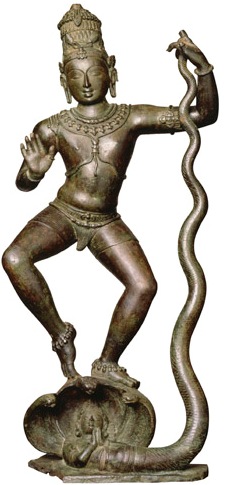
Picture: Sri Krishna

பிள்ளையார் சுழி போட்டாயிற்று
பிள்ளையார் பிடிக்க குரங்கானது
உரு ஏறத் திரு ஏறும்
ஒன்றாகக் காண்பதே காட்சி
ஆருமில்லார்க்கு தெய்வமே துணை (அகதிக்குத் தெய்வமே துணை)
தனக்கு மிஞ்சித்தான் தான தருமம் (தனக்கும் மிஞ்சியதுதான் தானம்)

அரியும் சிவனும்

சிவ பூஜையில் கரடி புகுந்தது போல
சிவனொடுக்கும் தெய்வம் தேடினும் இல்லை (சிவாத் பரதரம் நாஸ்தி)
அரன் அதிகம் அரி அதிகம் என்போருக்கு பரகதி இல்லை (கம்பன்)
அரியும் சிவனும் ஒன்னு, அறியாதவன் வாயிலே மண்ணு
தோத்திரத்துக்கு திருவாசகம் சாத்திரத்துக்கு திருமந்திரம்
திருவாசகத்துக்கு உருகார் ஒரு வாசகத்துக்கும் உருகார்
சித்தம் போக்கு சிவம் போக்கு, ஆண்டி போக்கும் அதே போக்கு
கல்லாடம் படித்தவனிடம் சொல்லாடாதே
அன்பே சிவம்
சிவத்தைப் பேணிற் தவத்திற்கழகு
சிவனே என்று கிட
சோற்றுக்குப் பின்னர்தான் சொக்கரும் மீனாட்சியும்
எறும்புக்கும் படி அளப்பான் ஈசன் (சிவநி ஆக்ஞாலேக சீம கறவது: தெலுங்கு)
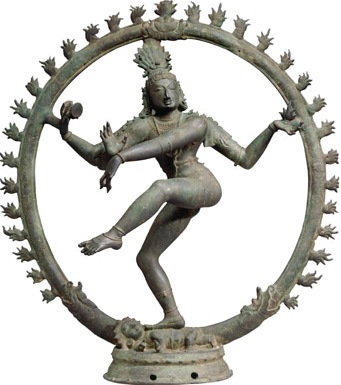

Picture: Sri Nataraja

பிச்சைச் சோற்றிற்குப் பிறப்பு இல்லை (40)
என் கடன் பணி செய்து கிடப்பதே (அப்பர்)
நீரில்லாத நெற்றி பாழ்; நெய் இல்லாத உண்டி பாழ்
சும்மா இருப்பதே சுகம் (சும்ம இரு, சொல்லற)
தருமம் தலை காக்கும்
வானத்துக்கு வால்மீகி போருக்கு வியாசர்
காணாமற் கோணாமற் கண்டு கொடு (முக்கால சந்தியா வந்தனம் செய்யும் நேரம் பற்றிய பழமொழி )
வயிறு நிறைந்தால் வாய் வாழ்த்தும் (அன்ன தானப் பெருமை)
தானம் கொடுத்த மாட்டைப் பல்லைப் பிடித்துப் பார்த்தது போல

வேலும் மயிலும்

வேலை வணங்குவதே எமக்கு வேலை (பாரதி)
வேலுண்டு வினை இல்லை; மயிலுண்டு பயமில்லை
சுக்குக்கு மிஞ்சிய மருந்து இல்லை; சுப்பிரமணியனுக்கு மிஞ்சிய தெய்வமும் இல்லை
குன்று தோராடும் குமரன் (50)
கும்பிடப் போன தெய்வம் குறுக்கே வதாற்போல்
கொடுக்கும் தெய்வம் கூரையைப் பிய்த்துக்கொண்டு கொடுக்கும்
நம்பினார் கெடுவதில்லை, இது நான்கு மறைத் தீர்ப்பு
கடவுளை நம்பினார் கைவிடப் படார்
கண்மூடிப் பழக்கம் எல்லாம் மண்மூடிப் போக
கற்றது கை மண் அளவு; கல்லாதது உலகளவு
அன்னையும் பிதாவும் முன்னறி தெய்வம்
மாதா பிதா குரு தெய்வம்

தாயிற் சிறந்ததொரு கோயிலும் இல்லை
பசித்திரு, தனித்திரு, விழித்திரு
நாலாம் பிறை பார்த்தவன் கதி நாய் பட்டபாடு தான்
ஞானத்தில் தன் பேச்சு, பிரேமத்தில் பெண்பேச்சு
கருடா சவுக்கியமா என்றதாம் பரமசிவன் கழுத்தில் இருந்த பாம்பு
கருடா சவுக்கியமா என்று கேட்டதற்கு அவரவர் இருக்கிற இடத்தில் இருந்தால் சவுக்கியம் என்றதாம்
சாமி வரம் கொடுத்தாலும் பூசாரி வரம் கொடுக்காது
அவன் ஒரு ருத்திராட்சப் பூனை (65)

கோவிலோ கோவில்
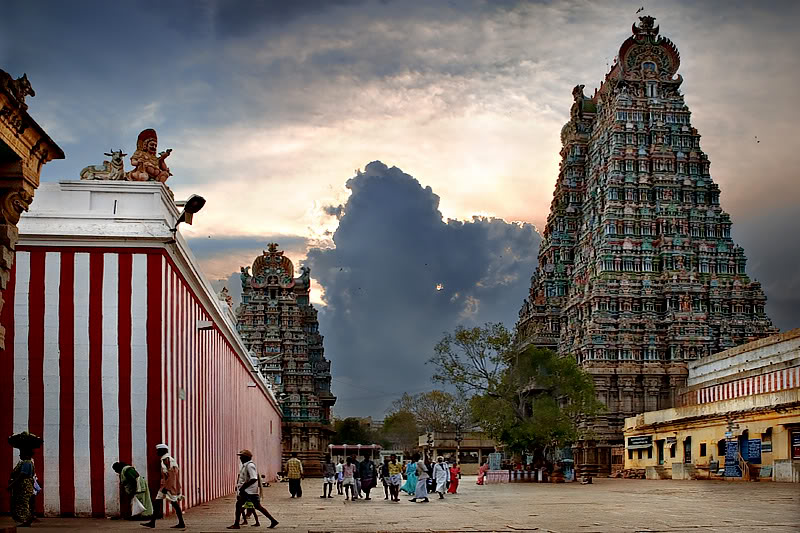
Picture: Madurai Meenakshi Temple

கோவில் இல்லாத ஊரில் குடி இருக்க வேண்டாம்
கோபுர தரிசனம் கோடி புண்ணியம்
கோபுர தரிசனம் பாப விநாசம்
கோவில் இடிக்கத் துணிந்தவனா குளம் வெட்டப் போகிறான்
கோவில் உண்டைச் சோறு குமட்டின தேவடியாள் குத்துமித் தவிட்டுக்குக் கூத்தாடுகிறாள்

கோவிலை அடைத்துக் கொள்ளை இடுகிறவனா குருக்களுக்குத் தட்சினை கொடுப்பான்?
கோவிலைப் பார்த்துக் கும்பிடுகிறதா? கொள்ளை பார்த்துக் கும்பிடுகிறதா?
கோவில் மணியம் என்கிற பேர் இருந்தால் போதும்
கோவில் மணியம் போனால் நம்பியான் சுழலும் போச்சுதா?
கோவில் விளங்கக் குடி விளங்கும்
கண்ட இடம் கைலாசம்
கண்ட கண்ட கோவில் எல்லாம் கை எடுத்துக் கும்பிட்டேன்
கண்கெட்ட பிறகு சூரிய நமஸ்காரம் செய்யறது
மூர்த்தி சிறிதானாலும் கீர்த்தி பெரிது (கடுகு சிறுத்தாலும் காரம் போகாது
ஒரு மனப் படு, ஓதுவார்க்குதவு (80)
ஓதாமல் ஒரு நாளும் இருக்க வேண்டாம்

கங்கையும் காசியும்


படம்: சிவனும் பார்வதியும் (Shiva and Parvati)

கங்கா ஸ்நானம் துங்கா பானம்
கங்கைக்குப் போன கடாவின் கதை போல
கங்கை ஆடப் போன கடாவை கட்டி அழுதானாம்
கங்கையிலே படிந்தாலும் பேய்ச் சுரைக்காய் நல்ல சுரைக்காய் ஆகாது
கங்கையில் ஆடினாலும் கணமும் விடாமற் செய்த பாவம் தொலையாது
கங்கையிலே பிறந்த நத்தை சாலக்கிராமம் ஆகாது
கங்கையில் ஆடினாலும் பாவம் தீருமா?
கங்கையில் மூழ்கினாலும் காக்கை அன்னம் ஆகுமா?
வைகைக் கரைக்கு வார்த்தையும் கங்கைக் கரைக்குக் கீர்த்தியும்
கங்கையிலுள்ள மீன் எல்லாம் சொர்க்கத்துக்குப் போகாது (ரா.கி.பரமஹம்சர்

காசி இரண்டு எழுத்துத் தானே காண எத்தனை நாள் செல்லும்?
காசிக்குப் போயும் கரும தொலையவில்லை
காசிக்குப் போயும் மூடத் தவசி காலில் விழுகிறதா?
ராமேஸ்வரம் போனாலும் சனீஸ்வரன் விடாது
காசிக்குப் போனாலும் அகப்பை அரைக் காசு
காசிக்குப் போனாலும் கதி பெற வழி இல்லை
காசிக்குப் போனேன் காவடி கொண்டு வந்தேன்
காசி முதல் ராமேசுவரம் பரியந்தம்
காசி முதல் ராமேசுவரம் வரையில் தெரிந்தவன் (100)
காசியில் இருந்தவன் கண்ணைக் குத்த காஞ்சீபுரத்திலிருந்து கையை நீட்டிக் கொண்டு போனானாம்
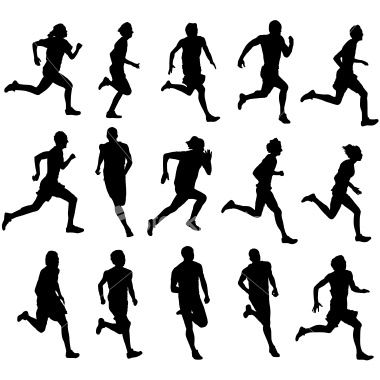
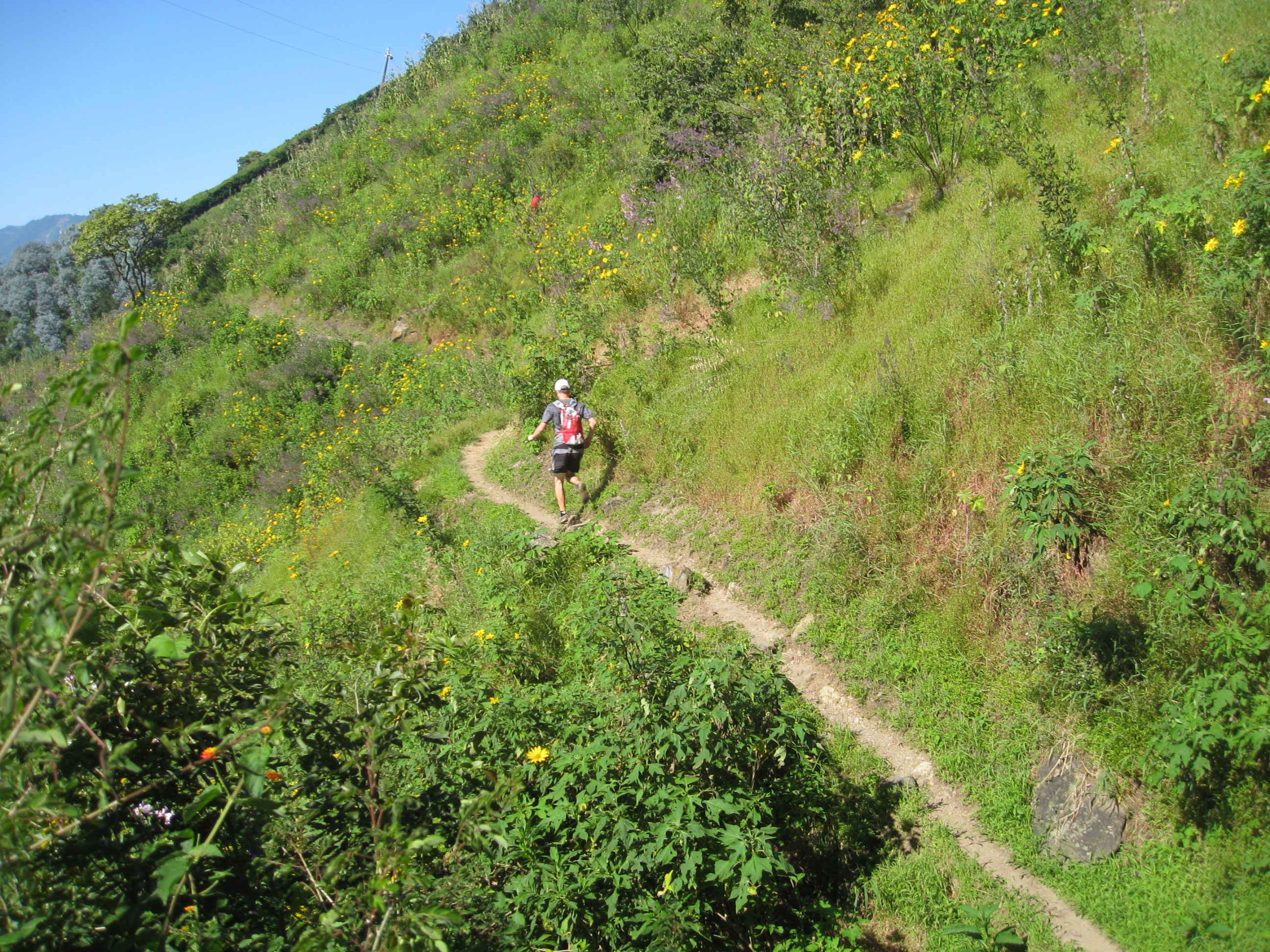
Hindu Runners !

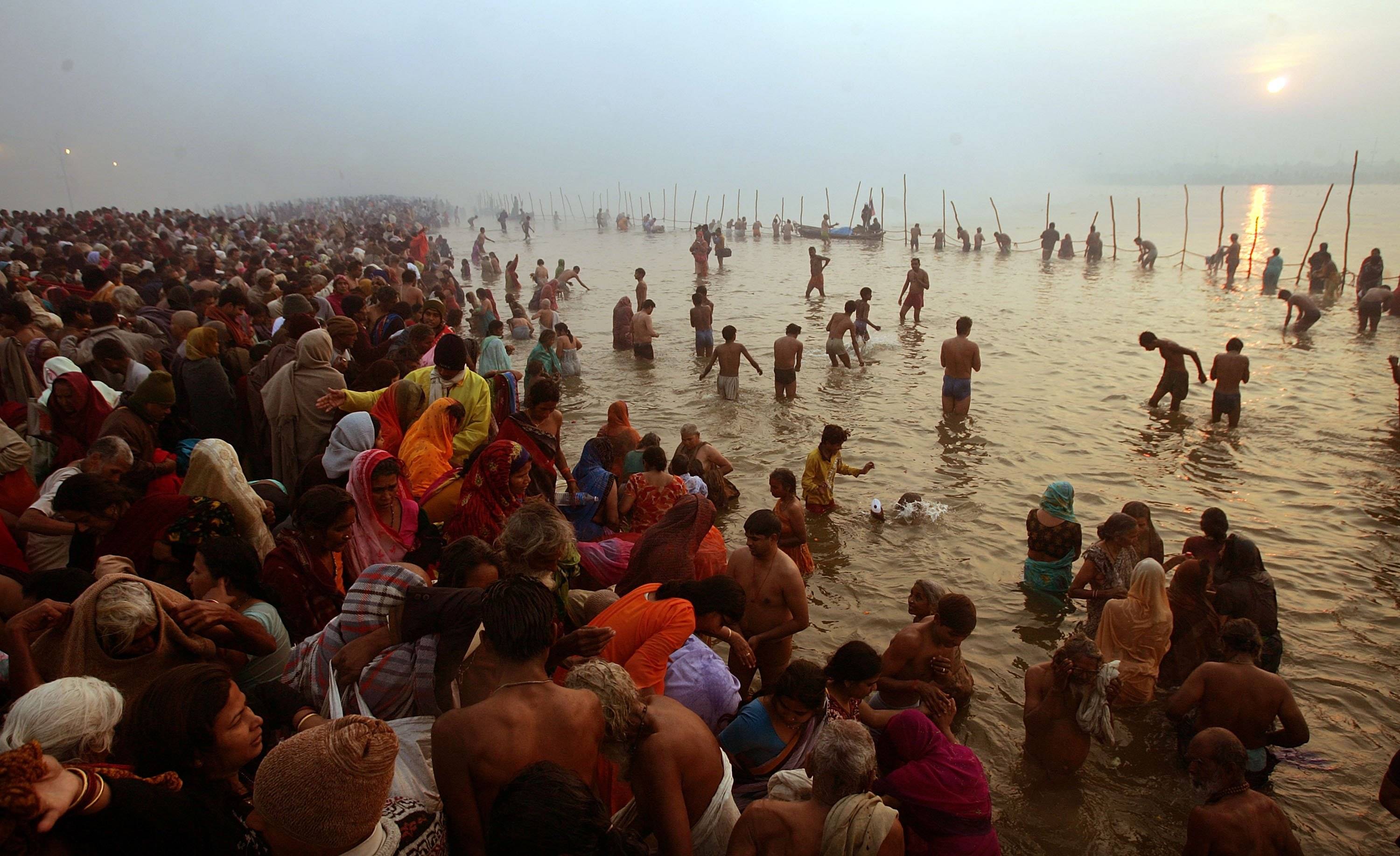
Ancient Hindu kings gave much importance to holy rivers and seas. They believed that immersing themselves in holy rivers or ponds or seas would wash away their sins. They visited them on auspicious days and bathed there with their family members. We have lots of references to such holy dips in Tamil and Sanskrit literature. Tamil kings visited the Himalayas and on their way they bathed in the holy Ganges. Seran Senguttuvan did this twice two thousand years ago. He brought a stone from the Himalayas and baythedit in the Ganga water and sculpted a statue for a chaste woman called Kannaki.

On special occasions like Coronation of a king or consecration ceremony of a temple or  a Pattabishekam of a head of a Mutt they brought holy river waters from different parts of the country. Some people have even boasted of getting waters from 108 holy rivers and four seas for such ceremonies. The great Gupata king Samudra Gupta boasts that his rule extended to both the seas. It was true he had access to the Bay of Bengal and the Arabian Sea. But Tamils kings are more specific about bathing. They said in the copper plates that they bathed in the waters of four seas on a single day. How is it possible?

Mayan Runners

Mayans in the Central America did not know the wheels. They had no carts. (They used wheels only in Children’s toys). So they used fast runners for different purposes for sending messages or medicines etc. They have even shown such runners in their paintings. They ran very fast like the Marathon runners.

A Cheran king  Palyanai Selkezu Kuttuvan, who ruled Kerala 2000 years ago,  made elephants to stand in a row to bring waters from the three seas, says Sangam Tamil book Pathtru Pathu.  Another king Veerapandiya Kattabomman who lived just 250 years ago built Bell Towers to ring the bell as soon as the main Arti was done in his favourite Skanda Temple at Tiruchendur. When the temple bell rang for the morning Deepa Aradhana (Arti), the bells in the towers rang in succession. They were located at a distance of a furlong or so. Even today we can see the remnants of those towers. He was so devoted to God.

How did they do it?

Dalawaipuram Copper plates  of Paranthaka Veera Narayanan of ninth century CE say that the Pandya king bathed in the waters of Four Seas on the same day. Many other Tamil kings also said the same thing. Gauthami Putra Sathkarni’s rule extended to the three seas.

A Marathon runner can run 13 miles per hour. So if the Pandya king hired relay runners each one can run 13 miles easily and pass the message or the product to another person. If he used horse riders each rider could have covered approximately 25 miles per hour. The holy waters from different seas would have reached his capital city Madurai  in four to six hours. The three great kings of Tamil Nadu Chera, Choza, Pandya had their respective capitals in Vanji (Karur), Uraiyur and Madurai. All these cities are within 150 miles from the three seas (Bay of Bengal , Arabian sea and Indian ocean). More over in Kanyakumari, India’s southern most town, all the three seas meet and people thronged this place for holy dips from time immemorial.

In Kanyakumari  district there are 12 important Shiva temples. On Shivratri day every year, thousands of devoted Hindus run 50 miles and cover all the temples at one go. They were given all facilities all along the route. They chant Govinda while running. This strengthens the unity between the followers of Shiva and Vishnu. There is a story behind this ritual linking Mahabharata and Purusha Mrugam.

Even today, Hindus bring Ganges waters in pots and use it on special religious occasions. Several temples in Tamil Nadu receive Ganges water in trucks on regular basis. Hindus believe that they have to visit Varanasi at least once in a life time and bring the holy Ganges water to Rameswaram in Tamil Nadu and bathe the Shivaling with it. Such beliefs give not only mental satisfaction, but also generate a good income to tourist industry.


***************


யானை பற்றிய நூறு பழமொழிகள்

Guruvayur’s famous Valiya Kesavan elephant


20 000 Tamil Proverbs என்று ஆங்கிலத்திலும் 20000 தமிழ் பழமொழிகள என்ற எனது இரண்டு கட்டுரைகளைப் படித்துவிட்டு இதைப் படிக்கவும்.

தொடர்புடைய கட்டுரைகள்: தமிழ் ஒரு கடல், சம்ஸ்கிருதம் ஒரு சமுத்திரம்

மேற்கூறிய கட்டுரையில் கூறியது போலவே தமிழ் மொழி மிகவும் வளமான ஒரு மொழி. உலகில் தமிழ் மொழியில் உள்ளதைப் போல வேறு எந்த மொழியிலாவது பழமொழிகள் இருக்குமா என்பது சந்தேகமே. வளமிக்க மிகப் பழமையான சம்ஸ்கிருதத்தில் சுபாஷிதங்கள் 20,000 க்கும் மேலாக இருந்தபோதிலும் அவை தனிப்பாடல்கள், நீதி நெறி புகட்டும் குறள் பாக்கள் என்ற வகையில் சேர்ந்துவிடும்.

இதோ யானை பற்றிய நூறு பழமொழிகள். பாமர மனிதன் ஆனை என்றே சொல்லுவான். யானை என்பது எழுத்து வழக்கு-இலக்கிய வழக்கு


Punnathurkotta elephant camp with 64 elephants

1. யானை வரும் பின்னே, மணி ஓசைவரும் முன்னே

2. யானைக்கும் கூட அடி சறுக்கும்

3. பட்டிக்காட்டான் யானையைப் பார்த்தது போல

4. யானையைப் பார்த்து நாய் குரைத்த மாதிரி

5 .யானை உண்ட விளங்கனி

6. யானை அறிந்தறிந்தும் பாகனையே கொல்லும்

7. யானை இருந்தாலும் ஆயிரம் பொன், இறந்தாலும் ஆயிரம் பொன்

8. வெண்கலக் கடையில் யானை புகுந்தது போல

9. யானை முதல் எறும்பு வரை

10. ரத கஜ துரக பதாதி உடன் வந்தான் மன்னன்

11. யானைப் பல் காண்பான் பகல் (பழமொழி)

12. யானை தன் தலையிலேயே மண்ணைப் போட்டுக் கொள்ளும்

13. ஆனைக்கும் பானைக்கும் சரி

14. ஆனக்கு ஒரு காலம் வந்தால் பூனைக்கும் ஒரு காலம் வரும்

15.யானைக்கு அல்வா வாங்கிப் போட்ட கதைதான்

16. யானைப் பசிக்கு சோளப் பொறி

17. யானை கண்ட பிறவிக்குருடர்கள் அடித்துக்கொண்டதுபோல

18. ஆனை அசைந்து தின்னும், வீடு அசையாமல் தின்னும்

19. ஆனை ஆசாரவாசலைக் காக்கும், பூனை புழுத்த மீனைக் காக்கும்

20. ஆனை ஆயிரம் பெற்றால் அடியும் ஆயிரம் பெறுமா?

Elephant playing drums

21. ஆனையிருந்து அரசாண்டவிடத்திலே பூனையிருந்து புலம்பியழுகிறது

22. ஆனை இலைக் கறி, பூனை பொறிக்கறி

23. ஆனை உயரம் பூனை ஆகுமா?

24. ஆனை ஏறித் திட்டிவாசலில் நுழைவது போல

25. ஆனை ஏறியும் சந்து வழி நுழைவானேன்?

26. ஆனை ஒரு குட்டி போட்டும் பலன், பன்றி பல குட்டி போட்டும் பலன் இல்லை

27. ஆனை கட்டத் தாள், வான முட்டப்போர்

28. ஆனை கறுத்தால் ஆயிரம் பொன் ஓட்டை கறுத்தால் உதவி என்ன?

29. ஆனை காணாமற் போனால் அரிக்கன் சட்டி குண்டு சட்டிகளில் தேடுவதா?

30. ஆனை குட்டி போடும் என்று நம்பி லத்தி போட்டது போல

31. ஆனை குண்டுச் சட்டியிலும் குழிசிச் சட்டியிலும் உண்டோ?

32. ஆனை குத்தும் தோட்டிக்குப் பிணக்கா?

33. ஆனை கேடு அரசு கேடு உண்டோ?

34. ஆனை கேட்ட வாயால் ஆட்டுக் குட்டி கேட்கிறதா?

35. ஆனை கொடிற்றில் அடங்குகிறது போல எந்த மட்டும் அடக்குகிறது?

36. ஆனை கொடுத்தும் அங்குசத்திற்குப் பிணக்கா?

37. ஆனைக் கவடும் பூனைத் திருடும்

38. ஆனைக்கிட்டுக் கெட்டவன் குடத்தில் கையிட்டாற்போல

39. ஆனைக்கில்லை கானலும் மழையும்

40. ஆனைக்கு அறுபது முழம், அறக்குள்ளனுக்கு எழுபது முழம்

Surin City, Thailand

41. ஆனைக்கு கோவணம் கட்டினாற்போல

42. ஆனைக்கு சிட்டுக் குருவி மத்தியஸ்தம் போனாற்போல

43. ஆனைக்குத் தீனியிடும் வீட்டில் ஆட்டுக் குட்டிக்குப் பஞ்சமா?

44. ஆனைக்குத் துறடும் அன்னத்துக்கு மிளகாயும் வேண்டும்

45. ஆனைக்குத் தேரை இட்டது போல

46. ஆனைக்குத் தேரை ஊனா?

47. ஆனைக்குமுண்டு அவ கேடு

48. ஆனைக்கும் புலிக்கும் நெருப்பை கண்டால் பயம்

49. ஆனைக்கு வேகிற வீட்டில் பூனைக்கு சோறில்லையா?

50. ஆனைக் கூட்டத்திற் சிங்கம் புகுந்தாற்போல

51. ஆனைச் சவாரி செய்தவன் பூனைச் சவாரிக்கு அஞ்சுவானா?

52. ஆனை தழுவிய கையால் பூனையைத் தழுவுறதா?

53. ஆனை தன்னைக் கட்ட சங்கிலியைத் தன் கையாலேயே கொடுத்தது போல

54. ஆனை துரத்தி வந்தாலும் ஆலயத்தில் நுழையலாகாது

55. ஆனை நிழல் பார்க்க தவளை அழித்தாற்போல

56. ஆனை படுத்தால் ஆட்டுக் குட்டிக்குத் தாழுமா?

57. ஆனை படுத்தால் ஆள் மட்டம்

58. ஆனை படுத்தால் குதிரை மட்டமாவது இராதா?

59. ஆனை பார்க்க வெள்ளெழுத்தா?

60. ஆனை புலி வந்தாலும் தாண்டுவாள்

Famous elephant Echo

61. ஆனை போகிற வழியில் எறும்பு தாரை விட்டாற் போல

62. ஆனை போகிற வழியில் போன வீதியில் ஆட்டுக் குட்டி போகிறது வருத்தமா?

63. ஆனை மதத்தால் (கொழுத்தால்) வாழைத் தண்டு, ஆண்பிள்ளை மதத்தால் கீரைத் தண்டு

64. ஆனை மிதிக்கப் பிழைப்பார்களா?

65. ஆனை மேயும் காட்டில் ஆடு மேய இடம் இல்லையா?

66. ஆனை மேல ஏறுவேன் வீர மணி கட்டுவேன்

67. ஆனை மேல இடும் பாரத்தைப் பூனை மேல இடலாமா?

68. ஆனை மேல இருக்கிற அரசன் சோற்றை விட, பிச்சை எடுக்கிற பார்ப்பான் சோறு மேல்

69. ஆனை மேல போகிறவன்கிட்ட சுண்ணாம்பு கேட்டா அகப்படுமா?

70. ஆனை மேல போகிறவனையும் பானையோட தின்றான் என்கிறது

71. ஆனையும் அருகம் புல்லினால் தடைப் படும்

72. ஆனையும் ஆனையும் முட்டும் போது இடையில் அகப்பட்ட கொசுகு போல

73. ஆனையும் நாகமும் புல்லினால் தடைப்பட்டன

74. ஆனையை ஆயிரம் பொன்னுக்கு வாங்கி, இரும்பு அங்குசத்துக்கு ஏமாந்து நிற்பானேன்?

75. ஆனையைக் கட்டி சுளகாலே மறைப்பாள்

76. ஆனையைக் குத்தி சுளகாலே மூடுவாள்

77. ஆனையைக் கொன்றவன் பூனையை வெல்ல மாட்டானா?

78. ஆனையைத் தண்ணீரில் இழுக்கும் முதலை பூனையைத் தரையில் இழுக்குமா?

79. ஆனையைத் தேட பூதக் கண்ணாடி வேண்டுமா?

Kenya’s famous elephant

80. ஆனையைப் பிடிப்பதும் கரகத்தில் (பானையில்) அடைப்பதும், அதுவே செல்லப் பிள்ளைக்கு அடையாளம்

81. ஆனையை வித்துவானுகும் பூனையைக் குறவனுக்கும் கொடு

82. ஆனையை விற்றா பூனைக்கு பரிகாரம் (வைத்தியம்) செய்யறது?

83. ஆனையை விற்று துறட்டிக்கு மன்றாடுகிறான்

84. ஆனை லத்தி ஆனை ஆகுமா?

85. ஆனை வயிறு நிறைந்தாலும் ஆட்டின் வயிறு நிறையாது

86. ஆனை வாயில போன கரும்பு போல

87. ஆனை வால் பிடித்து கரை ஏறலாம், ஆட்டின் வால் பிடித்து கரை ஏற முடியுமா?

88. ஆனை விழுங்கிய அம்மையாருக்கு பூனை சுண்டாங்கி

89. ஆனை விழுந்தாலும் குதிரை மட்டம்

90. ஆனை விழுந்தால் கொம்பு ,புலி விழுந்தால் தோல்

91. ஆனை வேகம் அடங்கும் அங்குசத்தில்

92 .யானை தொட்டாலும் மரணம் வரும்

93. யானை முன்னே முயல் முக்கினது போல

94. யானை வந்தால் ஏறுவேன், சப்பாணி வந்தால் நகருவேன்

95. யானை வாய்க் கரும்பும், பாம்பின் வாய்த் தேரையும், யமன் கைக்கொண்ட உயிரும் திரும்பி வாரா

96. யானை விற்றால் யானை லாபம், பானை விற்றால் பானை லாபம்

97. யானைக்கு சிம்ம சொப்பனம் போல

98. பன்றிக் குட்டி யானை ஆகுமா?

99 .மாடு கட்டிப் போரடித்தால் மாளாது செந்நெல் என்று ஆனை கட்டிப் போரடிக்கும் அழகான தென் மதுரை

100. யானையால் யானை யாத்தற்று

101. சோழ நாடு சோறுடைத்து, பாண்டி நாடு முத்துடைத்து, சேர நாடு வேழமுடைத்து, தொண்டை நாடு சான்றோருடைத்து

102.வேழத்திற்குச் சிறிதும் பெரிதாய்த் தோன்றும்

103. வேழத்தை ஒத்த வினைவந்தால் தீர்வது எப்படி?

104.வேழம் முழங்கினாற் போல


இவை ஒவ்வொன்று பற்றியும் ஒரு கதையும் ஆய்வுக் கட்டுரையும் எழுதலாம். அவ்வளவு பொருள் பொதிந்த பழ மொழிகள்.


Sri Lanka Elephants


Latest News on Ganges water

Towering peaks

Flowering meadows

Raging waterfalls

Rushing rivers

Dark and Mysterious caves

Strange Hot Water Springs

Snow clad mountains

Ethereal beauty

Divine atmosphere

Invisible Holy men along the 1500 mile Ganges river.

A study by the National Environmental Engineering Institute (NEERI) claiming that water in the Ganga has unique “anti-bacterial” properties has put a question mark on at least three important hydro electric projects on the Alaknanda in Uttarakhand. And forced Prime Minister Manmohan Singh to depute an official emissary to explain matters to environmentalist and former IIT professor G D Agrawal — later rechristened as Swami Gyanswaroop Sanand — of the Ganga Seva Abhiyanam who claims that the river will lose these properties if hydro electric projects come up on its upper reaches.

Mahakumbh is held once-in-12-years on the banks of the river Ganga. This largest religious congregation on earth will be held next year -2013.

The NEERI study, commissioned by the Tehri Hydel Development Corporation and submitted last November, has become a key document for the protestors. It states: “The present study confirmed that the uniqueness of the River Bhagirathi/Ganga lay in its sediment content which is more radioactive compared to other river and lake water sediments.

It has bactericidal properties and can cause proliferation of coliphages that reduce and ultimately eliminate coliforms from overlying water column (a Bacteriophage is a virus that infects bacteria and ultimately kills them. Coliphages infects a particular type of bacteria and kills them) Investigations revealed that particulate matters of Alaknanda have identical anti-bacterial property as that of Bhagirathi.”

Holy Shrines on the river

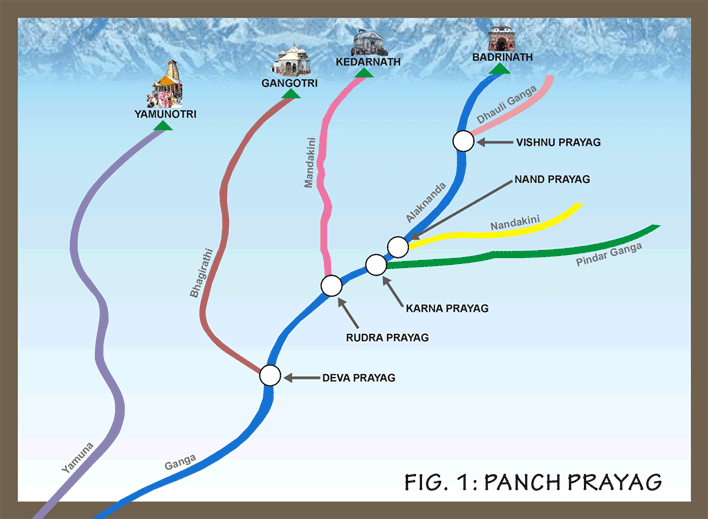
There are more than 6000 temples dotting the hills of Himachal, built with typical Himalayan timbers. You may visit Pancha Prayags, Panch Kedars, Four Dhams, and Five Hot Springs in the Garhwal hills.

Panch Prayags: Deo Prayag, Rudra Prayag, Karna Prayag, Nand Prayag and Vishnu Prayag

Four Dhams: Yamunotri,  Gangotri, Badrinath and Kedarnath

Panch Badris (Vishnu Temples): Badrinath, Pandukeshwar, Adi Badri, Bavishya Badri and Vridha Badri (Ani math)

Panch Kedars: Kedarnath, Madhya Maheswar, Tunganath, Rudranath and Urgam

Hot Water Springs in the snow: Yamunotri (surya kund), Badrinath, Son Prayag, Madhya Maheswar and Tapovan

Ice Lingas, like the Ice Linga of Amarnath Cave (Kashmir), are formed along the Khatling glacier. The main ice linga of the Garhwal hills is located between Gangotri and Kedarnath. (facts collected from the book on Garhwal Hills)

More about Ganges

In his book “Dictionary of Bhagavad Gita”, R J Venkateswaran says:

Jahnavi is another name of Ganges. Tha Ganges is the 39th longest river in the world and the fifteenth longest in Asia with a length of 2506 kilometres. But from the point of sacredness, it is river without a rival. Lord Krishna says in the Gita (10-37), “ of rivers I am the Ganga”. Sankara, the great philosopher, has praised Ganga as a goddess endowed with remarkabl powers. In his prayer to Mother Ganga, he has said that those who drink her holy waters will have gateway to the highest destiny open to them and that death will not dare to come near them. Sankara has described the river as the holy stream, issuing from Lord Hari’s blessed feet, spotlessly pure. And prays to her to destroy his sins and take him across the ocean of worldliness. Sankara paid his tribute as the saviour of the fallen, mother of great hero Bhisma, blessed you in all the three worlds”.

Sri Ramakrishna Paramahamsa was also a staunch believer in the greatness and goodness of the Ganga Master. Sri Ramakrishna used to describe the water of Ganga as Brahmavari,that is Brahman in the form of water.

Mr Venkateswaran continues, “ The Ganga has fascinated not only the sages and savants of India, but also scholars, philosophers and adventurers from all parts of the world. One of the most authoritative books on the river has been written by Dr Stevan G Darian, Professor of Linguistics at Rutgers University, entitled The Ganges in Myth and History. The author says, “From the time of Vishnu Dharma Shastra in the third century AD, Ganga has played a vital role in Hindu ceremony, in rituals of birth and initiation of marriage and death”.

But Ganges is praised in the Rig Veda and all the Hindu scriptures. Kalidasa and Sangam Tamil literature also attest to its holiness. So we can boldly say that the river has been venerated by the Hindus for more than 3000 years.

(Please read the earlier posts “Holy River Ganges in Kalidasa and Sangam Tamil Literature” and “Great Engineers of Ancient India” to know more about the greatness of the Ganges).


***********************


கண்ணன் வழி , தனி வழி !

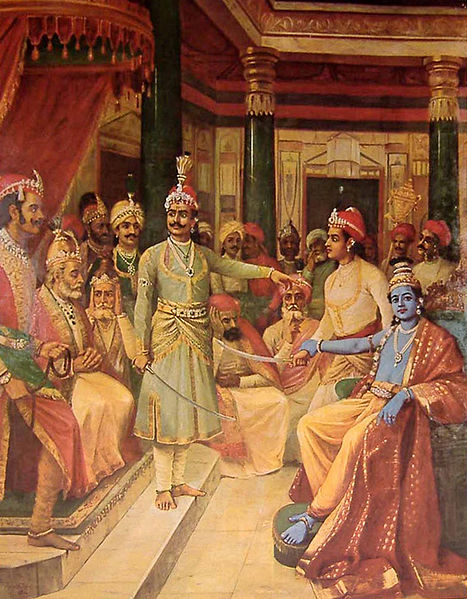
Raja Ravi Varma picture: Krishna and Sathyaki in Kaurava court

( நாமும் அனுமார் ஆகலாம் என்ற கட்டுரையின் இரண்டாவது பகுதி இது. அனுமார், அவருக்கு வந்த இடையூறுகளை எவ்வாறு களைந்தார் என்பது முதல் பகுதியில் விளக்கப்பட்டது. இதோ கண்ணன் வழி )

சோதனைகள், பிரச்சினைகள், இடையூறுகள் வந்தால் அவைகளைக் கண்ணன் தீர்க்கும் வழி தனி வழி. மகாபாரதக் கதைகளை கேட்டவர்களுக்கு நூற்றுக் கணக்கான உதாரணக் கதைகள் நினைவுக்கு வரும். இது கண்ணன் பற்றிய ஒரு பாகவதக் கதை.

கண்ணனும் சாத்யகியும் இணை பிரியா நண்பர்கள். இருவரும் யாதவ குல திலகங்கள். ஹஸ்தினாபுரத்துக்கு தூது சென்றபோதும், யுதிஷ்டிரனின் ராஜசூய யாகத்துக்குச் சென்றபோதும் கண்ணனுடன் சென்றவன் சாத்யகி. மாபாரதப் போரில் 18 நாட்களும் போரிட்டவன். பாண்டவர்களின் ஏழு படைப் பிரிவுகளில் ஒரு படைக்கு தளபதி.

ஒரு நாள் கண்ணனும் சாத்யகியும் தொலைதூரப் பயணம் சென்றனர். பாதி வழியில் இருட்டிவிட்டது. இருவரும் நடுக் காட்டில் கூடாரம் அடித்துத் தங்கினர். யார் பாதுகாவல் காப்பர்கள் என்று ஒரு ஒப்பந்தம் செய்துகொண்டனர். நாலு ஜாமம் கொண்ட இரவில் மாறி மாறி ஒவ்வொரு ஜாமத்தையும் ஒருவர் காப்பது என்று உடன்பாடு ஆயிற்று.

முதல் ஜாமத்தில் சாத்யகி காவல் காத்தார். அப்போது ஒரு பூதம் அவனைத் தாக்க வந்தது. சாத்யகி மாவீரன். கோபமும் வீரமும் கொந்தளிக்க பூதத்தைத் தாக்கினான். இவன் தாக்கத் தாக்க பூதம் மேலும் பலம் அடைந்தது, உருவத்தில் பெரிதாகிக் கொண்டே வந்தது. இதற்குள் முதல் ஜாமம் முடியவே, கண்ணன் காவல் காக்க வெளியே வந்தான்.

ஒன்றுமே நடக்காதது போல பாவனை செய்துகொண்டு சாத்யகி தூங்கப் போய்விட்டான். அதே பூதம் கண்ணனுடன் மோதியது. கண்ணன் கோபத்தையும் வீரத்தையும் காட்டாமல் அன்பே, ஆருயிரே, என் செல்லமே என்று பூதத்தைத் தட்டிக் கொடுத்தான். கண்ணன் அன்போடு தட்டத் தட்ட பூதம் சுருங்கிக் கொண்டே போயிற்று. இதற்குள் மூன்றாம் ஜாமம். உடனே சாத்யகி மீண்டும் காவல் காக்க வந்தான். கண்ணனை ஏற இறங்கப் பார்த்தான். அடி வாங்கிய சுவடே இல்லை. வாரிய தலை கூட கண்ணனுக்குக் கலையவில்லை. விஷமக் கார கண்ணன் முதல் ஜாமத்தில் நடந்தது என்ன என்று ஊகித்தறிந்தான்.

கண்ணன் தூங்கபோன உடனே பூதம் வந்தது, மீண்டும் சண்டை, அடி தடி, குத்து, வெட்டுதான். சாத்யகிக்கு செமை அடி. அவன் தாக்கத் தாக்க பூதம் பெரிதாகியது. சாத்யகிக்கு மேல் மூச்சு, கீழ் மூச்சு வாங்கியது. கண்ணனை உதவிக்கு அழைத்தால் அவமானம்.. நல்ல வேளையாக அந்த ஜாமம் முடிவுக்கு வரவே கண்ணன் காவல் காக்க வந்தான். எல்லாம் பழைய கதைதான். பூதத்தைப் புகழ்ந்து புகழ்ந்து தட்டிக் கொடுத்தான். கண்ணன் அன்போடு தட்டத் தட்ட பூதம் சுருங்கிக் கொண்டே போயிற்று அவன் அதைப் பிடித்து வேட்டியில் ஒரு ஓரத்தில் கட்டிக் கொண்டு முடிச்சுப் போட்டுவைத்தான். உள்ளே போய், “சாத்யகி விடிந்துவிட்டது. நாம் பயணத்தைத் துவங்கவேண்டும்” என்று கூறினான்.

சாத்யகிக்கு ஒரே ஆச்சர்யம். இது என்ன? அந்த பூதம் என்னிடம் மட்டும்தான் வாலாட்டியதா? கண்ணனிடம் வரவே இல்லையா? என்று நினைத்துக் கொண்டு மெதுவாக கண்ணனிடம் பேச்சுக் கொடுத்தான். “கண்ணா, இரவில் ஏதேனும் நடந்ததா? காவல் காப்பதில் ஏதேனும் பிரச்சினை இருந்ததா?” என்றான் மெதுவாக.

கண்ணனுக்குதான் சுற்றிவளைத்துப் பேசத் தெரியாதே! “ஓ, நீ பூதம் பற்றிக் கேட்கிறாயா? இதோ பார் இதுதான் என்கூட இரவில் சண்டைக்கு வந்தது என்று வேட்டியின் முடிச்சை அவிழ்த்து பூதத்தைக் காட்டினான். சாத்யகியுடன் சண்டை போட்ட அதே பூதம்! சாத்யகிக்கு ஆச்சர்யம் எல்லை கடந்துபோனது. அவன் கேள்வி கேட்பதற்கு முன்னர் கண்ணனே பதில் கூறிவிட்டான்.

“இதோ பார் சாத்யகி, ஒரு பிரச்சினை அல்லது கோபம் வரும்போது அதைப் பெரிதாக்குவது நாம்தான். அதையே நினைத்து நினைத்து ,அதனுடன் மோத மோத அது பெரிதாகிவிடும். அதே கோபத்தையோ பிரச்சினையையோ ஆற அமர சிந்தித்து ஆத்திரப் படாமல் சிந்தித்தால் பிரச்சினை சிறிதாகிவிடுமென்று சொல்லிக் கொண்டே கண்ணன் அந்த குட்டி பூதத்தைக் காட்டுக்குள் தூக்கி எறிந்தான். அது உருண்டு ஓடி விட்டது.

ஆங்கிலத்தில் பூதத்தை உண்டாக்கி சண்டை போடுவது என்ற சொற்றொடரே (Creating a Phantom and fighting with it) இருக்கிறது. ஆக பிரச்சினையோ சோதனையோ வந்தால் அமைதியாகத் தட்டிக் கொடுங்கள். அது உங்களுக்கு ஒரு கும்பிடு போட்டுவிட்டு ஓடிப்போய்விடும்.

*************************

நாமும் அனுமார் ஆகலாம்

Image

வாழ்க்கையில் பிரச்சனைகள் இல்லாதோர் யாரும் இல்லை. கல்யாணம் ஆனவருக்கும் கல்யாணம் ஆகாதவருக்கும், குழந்தை பெற்றவருக்கும் குழந்தையே பெறாதவர்க்கும், பணம் இருப்பவர்க்கும் பணமே இல்லாதவர்க்கும், வேலை இருப்பவர்க்கும் வேலையே இல்லாதவர்க்கும் பிரச்சனைகள் உண்டு. இவைகளைத் தீர்க்க ஒன்று கிருஷ்ணர் ஆகலாம் இல்லையேல் அனுமார் ஆகலாம். அனுமார் ஆனால், அட, குரங்கே ! என்று கேலி செய்வார்கள் என்று நினைக்கலாம். ஆனால் அவர் பிரச்சனைகளைத் தீர்த்த முறையையாவது பின்பற்றலாமே!

கடலைத் தாண்டி சீதையைத் தேடப் போனான் அனுமன். முதலில் அவனுக்கு வந்த தடங்கல் மைநாக பர்வதம் என்னும் மலை. நன்றாக சொகுசாக ஓய்வு எடுக்க அருமையான இடம். நாம் எந்த ஒரு செயலைச் செய்யப் போனாலும் முதலில் அது நமக்கு மிகவும் பிடிக்கும். அதில் சொகுசு கண்டு ஓய்வெடுத்தால் அடுத்த கட்டம் செல்லவே முடியாது. அனுமன் ஏமாறவில்லை. மைநாக பர்வதம் என்ன சொன்னாலும் கேட்காமல், தான் முன் வைத்த காலை பின் வைக்கக் கூடாது என்று மீண்டும் விண்ணில் பறக்கத் துவங்குகிறான். சீதையை தேடிக் கண்டுபிடிப்பது ஒன்றே குறிக்கோள்.

அனுமனுக்கு வந்த இரண்டாவது இடையூறு சுரசா என்னும் அரக்கி. அவள் பயங்கரமான உருவம் உடையவள். நமக்கு வரும் பிரச்சனைகளும் முதலில் பயங்கரமாகத்தானே இருக்கின்றன. அதை எண்ணி, எண்ணித் தூக்கம் கூட கெட்டு விடுகிறது. அனுமன் எவ்வளவோ கெஞ்சிப் பார்த்தும் வழி விட மறுக்கிறாள் சுரசா. யாரானாலும் என் வாயில் புகுந்து பின்னர் வெளியேறலாம் என்கிறாள். அதாவது வாயில் புகுந்தால் அவனுடைய கதி சகதி என்பது அவள் கணிப்பு. அனுமன் அதற்கு ஒப்புக் கொண்டு தன் உருவத்தை மேலும் மேலும் பெரிதாக்குகிறான். சுரசாவும் வாயை மேலும் மேலும் பெரிதாக்குகிறாள். அனுமன் திடீரென தனது உருவத்தைச் சுருக்கி வாயில் புகுந்து காது வழியாக வெளியே வந்து ஆகாயத்தில பறந்து விடுகிறான்.

இதிலும் நாம் அனுமன் போல மாறி பிரச்சனைகளுக்குத் தீர்வு காணலாம். சாம, தான, பேத தண்டம் என்னும் சதுர்வித—4 வகையான—உபாயங்களைப் பின்பற்றித் தீர்வு காணலாம். முதலில் சுரசாவிடம் கெஞ்சினான். அவளோ அனுமன் கெஞ்சக் கெஞ்ச மிஞ்சினாள். அவளைக் கோபப்படுத்தி வாயை பிளக்கவைத்து எதிர்பாராத தருணத்தில் எதிர்பாராத விதமாகத் தப்பிக்கிறான். பல விஷயங்களில் நாமும் இப்படித் தீர்வு காண முடியும். வழக்குப் போட்டவனும் நம் மீது குற்றம் சாட்டியவனும் நாம் இப்படித்தான் நடப்போம் என்று நினைக்கும் நேரத்தில் நாம் பெரிய விஷயத்தை சிறிய உருவத்தில் ( சின்ன உபாயம் மூலம்) சந்தித்து அதிலிருந்து நழுவி விடலாம். சுருக்கமாகச் சொன்னால் செஸ் விளையாட்டில் எதிர்பாராத விதமாக காயை நகர்த்தி எதிரியைத் திகைக்கவைப்பது போல இது.

இதற்குப் பின்னர் அனுமன் சந்தித்த இடையூறு சிம்ஹிகை என்னும் அரக்கி. மாயா ஜாலங்களில் வல்லவள். அவள் எல்லோருடைய நிழலையும் அடக்கி ஆள்பவள். அது அவள் மீது பட்டாலே போதும் அவள் நம்மை அடக்கி ஆளமுடியும். அனுமனின் நிழல் கடலில் விழுந்தவுடன் அவனுடைய வேகத்தையே குறைத்துவிடுகிறாள். இதுவரை அனுமன் சந்தித்தவர்கள் அவன் உடலுக்குத் தீங்கு செய்ய எண்ணினார்கள். சிம்ஹிகை அவனது புகழுக்குப் பெயருக்குக் களங்கம் கற்பிக்கப் பார்ப்பதையே நிழல் என்று ராமாயணம் கூறுகிறது. நம் மீது பொறாமை கொண்டவர்கள் நம்மை நியாயமான முறையில் சண்டை போட்டொ, போட்டியிட்டோ வெல்ல முடியாவிட்டால், நம் மீது அலுவலகத்திலோ நம் குடும்பம் பற்றியோ அவதூறுகளைக் கட்டவிழ்த்து விடுகிறார்கள் அல்லவா? அதுதான் நிழல் அரக்கி.

சிம்ஹிகையை அனுமன் எப்படிச் சமாளிக்கிறன்? அவளுடைய வாய்க்குள் புகுந்து வயிற்றைக் கிழித்துக் கொண்டு வெளியே வருகிறான். நமக்கு எதிரான அவதூறு, அவப் பெயர்களைத் தருணம் பார்த்து கிழித்தெறிய வேண்டும் என்பது இதிலிருந்து கற்க வேண்டிய பாடம். இதே நிழலை நம் மனத்திலிருந்து வரும் பொறாமை, கோபம் முதலியனவாகவும் வருணிக்கலாம். மொத்தத்தில் ராமாயணம் எவ்வளவு அழகாக நிழல் அரக்கி என்று சொல்கிறது பாருங்கள்!! அற்புதமான மனோதத்துவ வருணனை.

இதற்குப் பின்னரும் இதற்கு முன்னரும் அனுமன் சந்தித்த எதிரிகள், பிரச்சனைகள் எவ்வளவோ. லங்கினி, ராவணன், சஞ்சீவி மலையைப் பெயர்த்தெடுக்க வேண்டிய நிர்ப்பந்தம் இப்படி எத்தனையோ சோதனைகளைச் சொல்லலாம். அனுமனின் வாழ்க்கையைப் படிப்பவர்களுக்கு குடும்பம் மற்றும் அலுவலகப் பிரச்சனைகளுக்குத் தீர்வு காண்பது எளிது. அனுமான் சாலீஸாவைப் படித்தால் மட்டும் போதாது. பொருளை உணரவேண்டும், அதைப் பின்பற்றவேண்டும்.

அஞ்சிலே ஒன்று பெற்றான் அஞ்சிலே ஒன்றைத் தாவி

அஞ்சிலே ஒன்று ஆறு ஆக ஆரியர்க்காக ஏகி

அஞ்சிலே ஒன்று பெற்ற அணங்கைக் கண்டு, அயலான் ஊரில்

அஞ்சிலே ஒன்றை வைத்தான் அவன் நம்மை அளித்துக் காப்பான் (கம்பன்)

அனுமன் கண்ட எல்லா அரக்கிகள் ,சோதனைகளை ஒருவர் ஆன்மீக முன்னேற்றத்திற்கு ஏற்படும் சோதனைகள் என்றும் விளக்கலாம், வியாக்கியானம் செய்யலாம். இனி கண்ணன் வழியைக் காண்போம்.

கண்ணன் வழி, தனி………தனீ……. வழி ! அதைத் தனியாகக் காண்போம்.

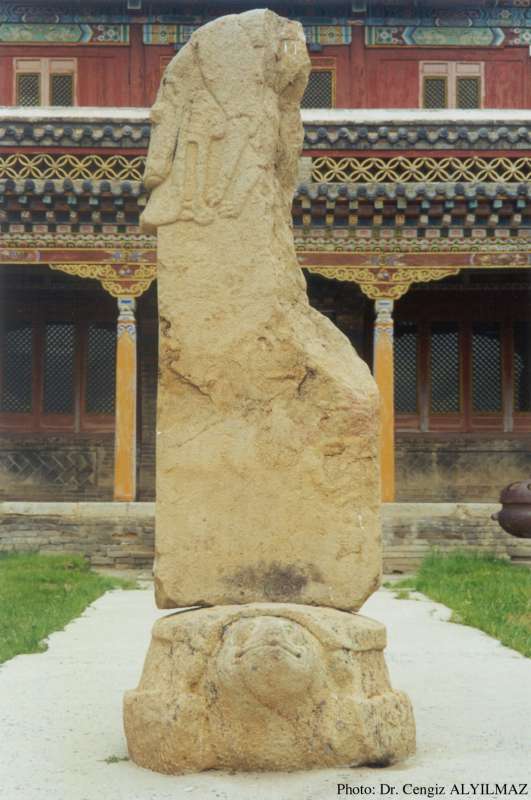
Sanskrit Inscription and Magic Square on Tortoise!!

Picture taken by Dr C Alyilmaz in  Mongolia (Bugut Inscription)

Hindu Gods are associated with all the important birds and animals. They are associated with insects and reptiles as well. Take any animal whether it is elephant or rhino, snake or scorpion, fish or crocodile, eagle or crow, boar or tortoise —they are all associated with Hindu gods. We see it in the Vedas, in the Indus valley civilization and in the temple Vahanas. But when we read that even the Chinese, Mongolians and other cultures believed in such things we raise our brows. When we see Sanskrit inscription on a tortoise statue,that too in the remotest part of the world, we are wonder struck!!

Kurmavatar, the Tortoise incarnation of Vishnu is the oldest tortoise we know. But we have even Rishis (seers) in the name of frogm(manduka)owl (Uluka) and tortoise (Kasyapa)in Vedic literature. Kasyapa is one of the Vedic Rishis. Kasyapa means tortoise. Kashmir is named after Kasyapa Rishi. Kumaon hills in the Himalayas is named after Kurma Avatar. If you read the history of Kashmir and Kumaon in Uttaranchal state you will find more surprising things. We have Kurmavatar statues in Kahajuraho Lakshman temple (M.P) and Osiyan temple in Rajasthan. One exclusive temple for Kurmavatar is near Srikakulam in Andhra Pradesh .

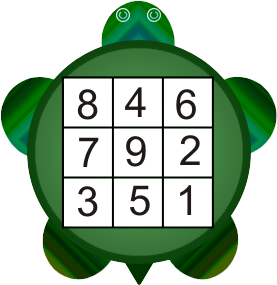
Three thousand years ago a Chinese king found a turtle with a magic square on its back. The magic square will add up to number fifteen whichever way you add the numbers. From that day it was considered a lucky square and people believe that they will get money etc. It is called Lo Shu. Hindus also believe this as money making square and call it Kubera Kolam. Egyptians and Hindus used the magic squares. Even the Vedic mathematics has magic squares.

Tortoise statues with stone tablet son their backs is a common sight in South East Asian and the Far Eastern countries. Nowadays they are used in mausoleums as memorial stones. But in olden days they were used as inscription tablets. The oldest Tortoise tablet has a Sanskrit inscription on its back along with other languages. It is dated around 500 AD. It is a wonder that this Sanskrit inscription was found in the remotest part of the world. Mongolia is a land locked country and even during the modern era the country is difficult to access. This country was known to the only because of its ruler ruthless Genghis Khan( 1162-1227 AD).

The tortoise tablet with Sanskrit inscription is known as Bugut inscription. It is an old Turkic inscription. It is found in Bugut mountain in Mongolia. The tablet on the back of the tortoise has Sogdian letters on three sides and Sanskrit letters on the fourth side. It is in Brahmi characters. The text contains an order to build a monument for king Mahan Tigin. But the inscription did not stop there. It throws lot of light on the Turkic beliefs, values and relations with others. It was dated 572 -580 AD. It is two and a half meter tall and it is preserved in Cecerleg Museum in Mongolia.

Sanskrit inscriptions are available throughout Asia from the remotest Mongolian mountains to tropical forests of Borneo. We see thousands of inscriptions in high literary style from 150 AD. Thousands of them were written in verses. This strengthens the belief that they were writing Sanskrit even earlier but on palm leaves and birch leaves. Another fact is that it was understood by everyone from Mongolia to Indonesia.

The Bugut inscription has beliefs similar to India. It considers the king as a representative of God on earth. Kings are called savers of the world. Kings lay their faith in God and thank him for everything. This is typical Indian.

BIXI

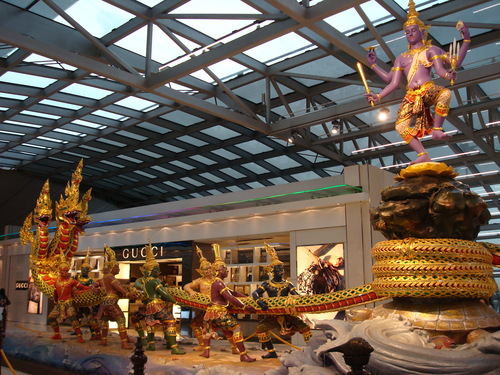
Picture: Kurmavatar in Bangkok (Thailand ) airport

In South East Asia and China they call these tortoise stone tablets Bixi. The Chinese word means strong or capable of withstanding any weight. It is similar to Kurmavatar tortoise. When Devas and Asuras churned the ocean to get Amrita (ambrosia) they used Mandara Mountain as the churning rod and the snake Vasuki as rope. But the mountain was not stable and started going to the bottom of the sea. Then Vishnu incarnated himself as a tortoise and held the mountain stable. So the idea of tortoise as a strong stabilising or fixing factor went from India to different parts of the world. We can safely conclude that Kurmavatar (Tortoise Incarnation of Vishnu) is the basis for all tortoise stories in the world. The idea migrated to China and South East Asia through the Buddhist monks.

Please read my posts: 1. Old Sanskrit Inscriptions in Mosques and on Coins 2. Ancient Sanskrit Inscriptions in Strange Places 3. The Tortoise Mystery: Can we live for 300 years? (contact swami_48@yahoo.com)

விஞ்ஞானிகள் வியக்கும் அக்னிஹோத்ரம்!

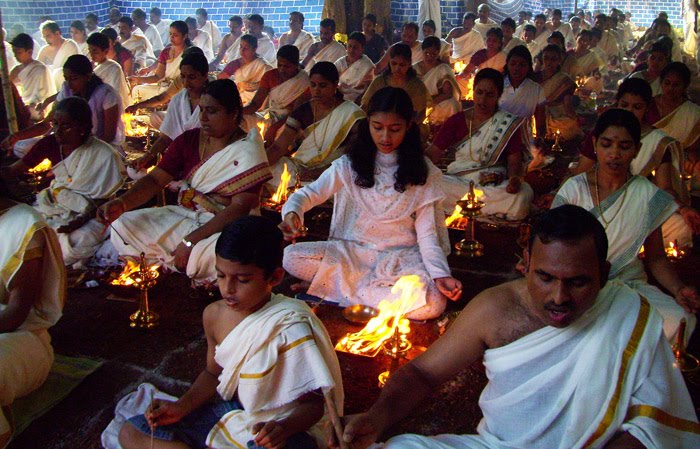
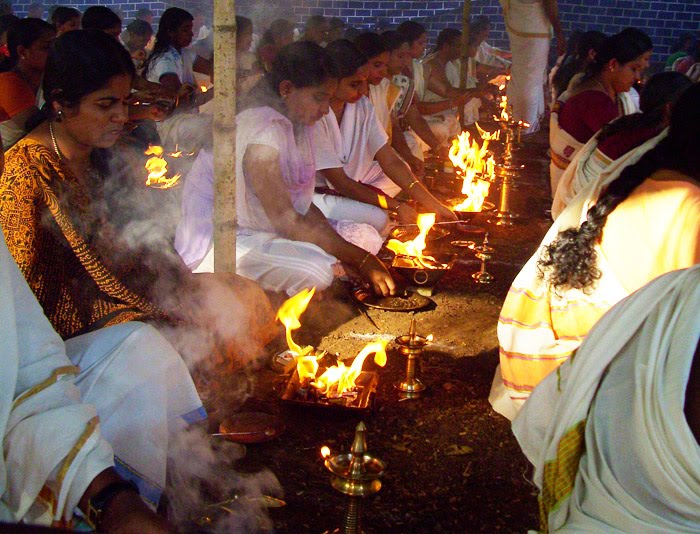
படம்: கோழிக்கோடில் அக்னிஹோத்ரம், வேத சங்கத்தினர் நடத்தியது

ச.நாகராஜன்

போபால் விபத்தும் அக்னிஹோத்ர ஆராய்ச்சியும்

வேதம் கூறும் யக்ஞத்தை மேலை நாடுகள் விஞ்ஞான பூர்வமாக ஆர்வத்துடன் ஆராய ஆரம்பித்து வெகு காலமாயிற்று. அந்த ஆராய்ச்சி முடிவுகள் அவர்களை வியக்க வைத்தன. ஆனால் வெளி உலகிற்கு அதிகமாகத் தெரியாத இந்த ஆராய்ச்சி முடிவுகள் இந்தியாவில் 1984ம் ஆண்டு டிசம்பர் மாதம் 3ம் தேதி நடந்த கோர விபத்தினால் வெளி வந்து பிரபலமாகி அக்னிஹோத்ரத்தின் மகிமையை அதிகமாகப் பரப்பின.

யூனியன் கார்பைட் தொழிற்சாலையிலிருந்து கசிந்த MIC விஷ வாயு அந்த டிசம்பர் இரவில் ஏராளமானோரை பலி வாங்கியது.

ஆனால் சோஹன்லால் குஷ்வாஹா என்பவர் தன் வீட்டில் வாந்தி எடுக்க ஆரம்பித்த போது அவர் மனைவி உடனடியாக அக்னி ஹோத்ரம் செய்யச் சொன்னார். சோஹன்லால் அக்னிஹோத்ரம் செய்யவே அவர் வாந்தி நின்றது. விஷம் அவரை ஒன்றும் செய்யவில்லை. இருபதே நிமிடங்களில் சுற்றுப்புறம் முழுவதும் விஷம் அகன்றது!

எம்.எல்.ரதோர் என்பவர்  ஐந்து வருடங்களாக அக்னிஹோத்ரம் செய்து வருபவர். அவரும் அதே நள்ளிரவில் எழுந்த ஓலக்குரல்களையும் அழுகுரல்களையும் கேட்டு யூனியன் கார்பைடு தொழிற்சாலையிலிருந்து கசிந்த நச்சு வாயுவினால் ஏராளமானோர் இறந்ததைக் கேட்டார். உடனே த்ரயம்பக் யக்ஞத்தை ஆரம்பித்தார். என்ன ஆச்சரியம். அவர் வீட்டில் விஷப் புகை நுழையவில்லை; அனைத்து குடும்ப உறுப்பினர்களும் எந்த விதமான விஷ பாதிப்புமின்றி நலமுற இருந்தனர்.


வர்ஜீனியா ஆராய்ச்சி 

யூனியன் கார்பைடு நிறுவனம் இந்த ‘ஹோம எபெக்டைப்’ பற்றிக் கேள்விப்பட்டது. வெஸ்ட் வர்ஜீனியாவில் உள்ள அதன் தலைமையகத்தில் இதைப் பற்றி ஆராய உத்தரவிட்டதோடு லட்சக்கணக்கான டாலர்களையும் ஆராய்ச்சிக்காகத் தந்து உதவியது.

விஞ்ஞானிகள் அக்னிஹோத்ரத்தின் நல் விளைவுகளை ஆராய ஆரம்பித்தனர்.

ஏற்கனவே அக்னிஹோத்ரம் பற்றி விஞ்ஞானபூர்வமாக ஆராய்ந்த பாரி ரத்னரின் முடிவுகளை இந்த விஞ்ஞானிகளும் உறுதிப் படுத்தினர்.

அக்னிஹோத்ர பயன்கள்

ரத்னர் அக்னிஹோத்ரத்தின் பயன்களாக பல விஷயங்களைப் பட்டியலிட்டுள்ளார்:


ரணமாகி இருக்கும் வளி மண்டலத்தை அக்னிஹோத்ரம் சீராக்குகிறது.

வளிமண்டலத்திற்கு உறுதியான ஊட்டச்சத்தை அக்னிஹோத்ரம் அள்ளித் தருகிறது.

அக்னிஹோத்ரம் தாவரங்களின் வாழ்க்கையை மகிழ்ச்சிகரமாக ஆக்குகிறது; பறவைகளைச் சந்தோஷமடையச் செய்கிறது.இயற்கையில் உள்ள ஆக்ஸிஜன் மறு சுழற்சிச் சுழலை லயத்துடன் இருக்கச் செய்ய உதவுகிறது. நீர் நிலைகளில் சூரிய ஒளியை நன்றாக உறிஞ்ச வழி வகை செய்கிறது.அக்னிஹோத்ரத்தால் நல்ல மருந்துகளைத் தயாரிக்க முடிகிறது.அக்னிஹோத்ரத்தால் நல்ல பயிர்களை விளைவிக்க முடிகிறது. அக்னிஹோத்ரம் விஷத்தை முறிக்கும் அருமருந்தாக இருக்கிறது!


வேதம் கூறும் விஞ்ஞானம்


வேதம் கூறும் பயோ எனர்ஜி விஞ்ஞானம் பிரபஞ்சத்தில் கோடானுகோடி சூரிய மண்டலங்கள் உள்ளது என்றும் அதில் நமது சூரிய மண்டலத்தில் உள்ள பூமியைப் போல அரிதான ஒன்று இல்லை என்றும் கூறி மனிதனின் பிராண சக்தியை வளர்ப்பது யக்ஞங்களே ஆகும் என்று கூறுகிறது.


பல நாடுகளிலும் பரவி வரும் அக்னிஹோத்ரம்

ரத்னர் மேற்கு ஜெர்மனியில் ஆறு வருடங்களாக விஞ்ஞானிகள் மேற்கொண்ட ஆராய்ச்சிகள் பல்வேறு வியாதிகளை அக்னிஹோத்ரம் குணமாக்க வல்லது என்பதை உறுதி செய்வதாகக் கூறினார்.


இஸ்ரேலில்


இஸ்ரேலில் ஹோமா தெராபி மிகவும் பிரபலமானது. நாஜெவ் பாலைவனத்தில் அராடிற்கு தெற்கே  60 மைல்கள் தொலைவில் உள்ள மொஷாவில் ஞாயிற்றுக்கிழமைகள் தோறும் அக்னிஹோத்ர வகுப்புகள் நடைபெறுகின்றன.

டென்மார்க் தலை நகரில் அக்னிஹோத்ர மையம் ஒன்று உண்டு.


அமெரிக்காவில் 

பிலடெல்பியாவில் அக்னிஹோத்ர மகிமை பற்றி நாடகம் நிகழ்த்திய •ப்ரென் ரோஸன் சாயர் “எப்போதும் கோபமாய் இருப்பவர் மறுபடியும் சந்தோஷத்துடன் இருக்கிறார்” என அக்னிஹோத்ரத்தின் பயனையே தன் நாடகத் தலைப்பாக வைத்தார்.


அமெரிக்காவில் மேரிலாண்ட் அருகே உள்ள பால்டிமோரில் தினமும் அக்னிஹோத்ரம் நடைபெற்று வருகிறது. ஒய்ட் ஹவுஸிலிருந்து 30 கிலோமீட்டர் தூரத்தில் உள்ளது தான் பால்டிமோர் என்பது குறிப்பிடத் தகுந்த விஷயம்!

வாஷிங்டன் அருகே வர்ஜினியாவில் அக்னிதேவன் ஆலயம் ஒன்று அமைக்கப்பட்டு ஆண்டிற்குப் பலமுறை யக்ஞங்கள் நடத்தப்படுகிறது. வர்ஜினியா சுற்றுப்புறச்சூழல் மாசு இல்லாத இடம் என்ற பெயரைப் பெற்றுள்ளது குறிப்பிடத்தகுந்தது!

இந்த ஆலயம் 1973 செப்டம்பர் 22ம் தேதி அமைக்கப்பட்டது. சூரிய உதயம் மற்றும் அஸ்தமனத்தின் போது அக்னிஹோத்ரம் நடைபெறுவதோடு இங்கு தொடர்ந்து பூரண மவுனம் அனுஷ்டிக்கப்படுகிறது!

சிலியில் 

இதே போல சிலியில் ஆன்டெஸ் மலையில் அக்னிதேவன் ஆலயம் இருக்கிறது.இங்கும் தினசரி அக்னிஹோத்ரம் நடைபெறுகிறது. இங்கு குடியிருப்போர் மன அழுத்தம் இல்லாமலும் எந்த வித வியாதிகளும் இல்லாமல் சந்தோஷத்துடன் இருப்பதாகக் கூறுவது வியப்பை ஏற்படுத்தும்!

பல விதமான வியாதிகளுடன் இருக்கும் மிருகங்கள் கூட இங்கு கொண்டு வரப்படுகின்றன; பூரண குணமடைகின்றன. இங்கு சிலகாலம் முன்னர் ஒரு பெரும் பனிப்புயல் அடித்தது. பலர் மாண்டனர். ஆனால் தினசரி அக்னிஹோத்ரம் செய்யும் குடும்பத்தில் யாருமே இறக்கவில்லை. அனைவரும் அதிசயித்தனர்.

போலந்தில் 

போலந்தில் உள்ள விஞ்ஞானிகள் ஒன்று கூடி அக்னிஹோத்ரத்தை ஆராய்ந்து அதன் பயன்களை நேரடியாகக் கண்டு 17 மையங்களைத் தொடங்கினர். தொடர்ந்து அக்னிஹோத்ரம் செய்து வருகின்றனர்!

ஜெர்மனியில் 

ஜெர்மனியில் அக்னிஹோத்ரம் பற்றி மிக விரிவான விஞ்ஞான ஆராய்ச்சி செய்யப்பட்டது.அமில மழையால் பாதிக்கப்பட்ட காடுகளில் அக்னிஹோத்ரத்தின் விளைவாக மீண்டும் பசுந்துளிர் தளிர்ப்பதைப் பார்த்து அவர்கள் பரவசமானார்கள்!


டாக்டர் மத்தியாஸ் பெர்பிஞ்சர் ஜெர்மனியில் செய்த ஆராய்ச்சிகள் மிக பிரபலமானவை அதிசயமானவை. அக்னிஹோத்ரம் செய்வதற்கு முன்னரும் செய்த பின்னரும் செய்தவரின் கையை கிர்லியன் போட்டோகிராபி முறைப்படி அவர் போட்டோ எடுத்து அதில் அக்னிஹோத்ரம் செய்து முடித்தவுடன் அவரது கையில் பிராண சக்தி கூடியுள்ளதைக் காண்பித்தார். சுற்றுப்புறச் சூழல் எப்படி ஆற்றல் வாய்ந்தவையாக அக்னிஹோத்திரத்தினால் மாறுகின்றன என்பதையும் அவர் விஞ்ஞான பூர்வமாக நிரூபித்தார்.

மந்திரம் மூலம் தீ 

காளிநாத் பந்த் சிதோர் என்பவர் தினசரி அக்னிஹோத்ரம் மற்றும் யக்ஞங்களைச் செய்பவர்.

அக்னிமீளே புரோஹிதம் என்ற மந்திரத்தை மும்முறை  சொன்னவுடன் ஹோமகுண்டத்தில் உள்ள சமித்துகளில் தீ தோன்றி பரவ வைத்தார். இது போல தீக்குச்சி இல்லாமல் மந்திரம் மூலமாகவே அவர் பலமுறை அக்னியைத் தோற்றுவித்துள்ளார்.

படம்: Agnihotra in Calicut organised by Vedic Society

அக்னிஹோத்ர நாடு 

அக்னிஹோத்ரத்தின் பயனை வெளி நாட்டு விஞ்ஞானிகள் அனைவரும் கண்டு வியப்பதைக் கண்ட நமது அரசாங்கமும் நம் விஞ்ஞானிகளை இதை ஆராயப் பணித்துள்ளது. அவர்களும் இதன் பயனை உணர்ந்து பல ஆராய்ச்சிக் கட்டுரைகளை வெளியிட ஆரம்பித்துள்ளனர்.

நாளுக்கு நாள் பல பயன்களைச் சுட்டிக் காட்டும் இந்த  ஆராய்ச்சிகள் நமது ரிஷிகளின் ஆற்றலையும் சமூக அக்கறையையும் லோக ஹிதத்தில் அவர்களுக்குள்ள ஆர்வத்தையும் பறைசாற்றுவதாக உள்ளன.

அக்னிஹோத்ரம் செய்ய சில நிமிடங்களே ஆகும்; சில ரூபாய்களே செலவாகும் என்பது இதன் எளிமையைக் குறிக்கிறது. நேரமும் செலவும் குறைவு. பலனோ மிகப் பெரிது!

அக்னிஹோத்ர நாடு நமதே என்னும் போது மனம் மிகவும் மகிழ்கிறதல்லவா!

*************


Hindu Gods’ Naval Attacks Against Pirates!!!

Lord Vishnu and Lord Skanda Kartikeya made daring naval attacks against sea pirates. Ultimately the pirates were subdued or destroyed. We have got enough evidence in Mahabharata, Bhagavata and Skandapurana . Lord Vishnu defeated the pirates in Varaha Avatara. He brought back the treasures hidden under the sea. (Earth/ Veda hidden under the sea is an idiom meaning treasures hidden in a far away island).

Agastya defeated Chaldeans called Kalakeyas and Lord Murugan/Skanda subdued Surapadman, a pirate leader. Lord Krishna’s dearest friend Arjuna defeated pirates known as Nivatakavachas and Panchajana which is also narrated in the Mahabharata and Bhagavata. In the past all those involved in anti social and anti people activities were dubbed as demons. But anyone who is able to read between the lines can differentiate them as pirates, robbers, trouble makers, iconoclasts, whoever is anti social and anti establishment.

Krishna’s special conch is called Panchajanya. He used it in the great war at Kurukshetra. There is a story about it in the Bhagavata. Krishna killed a demon of the ocean that kidnapped his teacher Sandipani’s son. Just to avenge the death, Krishna killed him and took his conch. Here also we read about the kidnapping for ransom and blackmailing people. Shankachuda was another Conch (sea) demon and he was killed by Krishna. All the Pandava brothers had special conches from the ocean which shows that they were more conscious about seas.

Before going into the details about these naval attacks, let us make a brief survey of the Hindu naval power. We have references about 100 oared ship, Asvin’s rescue of shipwrecked Bhuj (R.V.1-116-5;1-97-7) from the sea and similes about seas in several places in the Vedas.

All words regarding ship have either come from Sanskrit or Tamil. Sanskrit Nav is the root of Navy, naval, navigation; Tamil word Kappal is the root of skip=ship; Tamil word Kalam/ship and Sanskrit word Kalasam is the root of Galleon; Sanskrit word Yana patra gave birth to the word vessel/ship.

No other culture in the world has so much association with the sea like Hindus.

Indus valley has seals with ship images and the Indus seals have been recovered from Gulf countries.

Arthasastra gives lot of details about department for the administration of marine trade and ocean administration. Kalidasa speaks about rules regarding ship wrecked people’s properties even in popular drama like Shakuntalam. Samudra Gupta controlled vast areas of Indian ocean and obtained the name of Ocean/Samudra Gupta. Satavahanas issued coins with ship images which show their marine trade.

Agastya and Kaundinya, two Rishis, travelled to South East Asian countries and established Hindu empires. (Please read my article Did Agastya drink the ocean?)

Among the Tamil kings, Karikala was praised by the Sangam poets as one who used the wind power. He knew the power of South West Monsoon and North East Monsoon. He was the one who used the monsoon winds to sail to various places. Later Cholas like Rajaraja and Rajendra established vast empires across the sea.


Tamils against pirates

Cheran Senguttuvan also destroyed the sea pirates. Pandya King Ilamperu Vazuthi died during a marine expedition. Another Pandya Sri Maran established the first kingdom in Vietnam. (More details are in my article Tamil King Who Ruled Vietnam)

Kalidasa’s Megaduta clearly showed the route of advancing South West Monsoon. Hundreds of Tamil verses by Sangam poets are about women watching the monsoon clouds for their husbands return from overseas travel.

One of the Indian kings had the skull in his flag.Pallava king Parameswaravarman and Nandhivarman had this Katvanga (skull) flag. Probably he also destroyed the sea pirates and took their flag as a memento. Pirates use black colour flag with skull and bones displayed on it.

Vishnu’s Residence in the Sea

Hindus and oceans are inseparable. Lord Vishnu resides in the ocean on a snake bed of Adi Seshan. The word Narayana itself shows that his residence is sea. Neer means water which is in Greek as well. Nereids is water nymph in Greek. Neer/ water also in Tamil. Conch from the sea is in his hand.

The first three Avatars are ocean based. Matsyavatara (Fish Incarnation), Kurmavatara (Turtle incarnation) and Varaha Avatara (Boar incarnation) are about the seas.  Though the third one is boar the story is about the recovery of treasure from the bottom of the sea hidden by a demon, it is actually a story of a pirate leader. Hindu’s association with the sea is in the story of Churning of the Ocean. In short Hindus knew the oceans very well and had full control of Indian Ocean. The Mayas, the Australian aborigines and others used India-Indonesia-Papua New Guinea/Australia and South America route for their migration.

The word Sagara for sea came from the story of Bhageeratha abd his descendants (Please read the full story in Is Kapila Aranya, California?)


Story of Sura Samhara

In the past each group has a totem symbol. Some had monkey symbol and were called Vanaras; others had bear symbol and they were called Jambjavans; in the same way those who had eagle as their symbol were called Jatayus. These are all symbols similar to our political party or election symbols. In the South of India each group had one tree as a symbol. This is like our national emblem. Any one shows disrespect to it will be dealt with severely.

Chenguttuvan, the powerful Chera king destroyed the Kadamba tree after destroying the pirates. Sangam Tamil literature gave these details in Pathtrup pathu. More details were revealed at Silappadikaram, one of the five Tamil epics. In the same way Lord Skanda, popularly called Murugan by Tamils destroyed the Mango tree and the pirates under Sura Padman. They had their head quarters very near modern Sri Lanka. Lord Skanda invaded the island and defeated them. When the pirates surrendered, and sought reconciliation their symbols cock and peacock were placed on Lord Murugans flag.

Kalakeyas

Kalakeyas were demons of the ocean. Here demons mean pirates of the sea. Indra killed their chief Vritrasura. Kalakeyas who were living in nearby islands used to come to the land in the night and kill all the innocent people. The sages represented it to the gods. Vishnu suggested that they should get the help of sage Agastya. He was the best known marine engineer and oceanographer in Hindy mythology. He was an authority on Indian ocean. He subdued (drank) lot of pirates and was able to go to al the South East Asian countries. When he “drank” the ocean all the pirates were exposed. Thus all the kalakeyas were exterminated.

NIvatakavachas

Nivatakavachas were another type of sea pirates. They were clothed in impenetrable armour. That means they wore shields to protect themselves. They lived under the sea (under the sea means far away islands). They were extremely powerful in magic and warfare. They had powerful weapons. Their forefathers attacked Ravana and Ravana had to come for an agreement with them. But Arjuna finally defeated them

India, situated at the central point of the ocean that washes on its coast on three sides, seemed destined very early for a maritime future. In the Rig Veda, a passage (I. 25.7) represents Varuna having a full knowledge of the sea routes, and another (L. 56.2) speaks of merchants going everywhere and frequenting every part of the sea for gain.

The Ramayana refers to the Yavan Dvipa and Suvarna Dvipa (Java and Sumatra) and to the Lohta Sayara or the Red Sea. The drama Sakuntala, Ratnavali of King Harsha, Sisupalvadha of Magha, relates stories of sea voyages of merchants and others, and the fabulous literature of India is replete with stories of sea voyages by Hindus.

**************************

இந்துக் கடவுள்களின் கடற்படைத் தாக்குதல்

ஆதி காலத்தில் கடற்பயணத்துக்கு ஊறுவிளைவித்த கடற் கொள்ளையர்களை இந்துக் கடவுள்களான கந்தனும் கண்ணனும், விஷ்ணுவும் தாக்கி அழித்தனர். இது தவிர அகத்தியர், அர்ஜுனன் ஆகியோரும் இந்தத் தாக்குதலில் ஈடுபட்டனர். அப்போது கடற்கொள்ளையர் என்ற பெயரைப் பயன்படுத்தாமல் காலகேயர்கள், நீவாடகவசர்கள், சகரர்கள், பாஞ்சஜன அசுரர்கள் என்ற பல பெயர்கள் படுத்தப்பட்டன. இந்த அசுரர்கள் அனைவரும் கடலை உறைவிடமாகக் கொண்டவர்கள். இவ்வாறு அழிக்கப்பட்டவர்களில் சூரபத்மனும் ஒருவன்.


இது தொடர்பான விவரங்களைப் பார்ப்பதற்கு முன், கடலுக்கும் இந்துக்களுக்கும் உள்ள தொடர்புகளைக் காண்போம். இந்துக்களும் கடலும் இணை பிரிக்க முடியாதவர்கள். கடலைக் கடைந்துதான் அமிர்தம் எடுத்தனர். விஷ்ணுவின் முதல் மூன்று அவதாரங்கள் கடல் தொடர்பானவை. மச்சாவதாரம், கூர்மாவதாரம்,வராஹாவதாரம் ஆகிய மூன்றும் அசுரர்களை அழிக்க வந்தவை. கடலுக்கு அடியில் ஒளித்து வைக்கப்பட்ட வேதம் முதலிய பொக்கிஷங்களை மீட்கவே வராக அவதாரம். அதாவது கடலில் வெகு தூரத்தில் உள்ள தீவில் ஒளித்து வைத்ததை கடலுக்கு அடியில் என்று கூறுகின்றனர். விஷ்ணுவின் வீடே பாற்கடல்தான். கடலில் ஆதிசேஷனில் படுத்துக்கொண்டே உலகைக் காக்கிறார்.

பாற்கடல், அவதாரங்கள் இவைகளை எல்லாம் உருவகங்கள், உவமைகள் என்று கொண்டாலும் கூட கடல் என்பது எல்லோருக்கும் நன்கு தெரிந்ததால்தான் அதை வைத்து முக்கியக் கதைகள் உருவாயின. நாராயணன் என்னும் சொல்லில் உள்ள நீர் என்ற சொல் தமிழிலும் கிரேக்கத்திலும் உண்டு. கப்பல்(SKap=Skip=ship), கலம் (galleon), நாவ (Navy, Naval) ஆகிய தமிழ், சம்ஸ்கிருத சொற்களே ஐரோப்பிய மொழிகளில் பலவிதமாக உருமாறின.

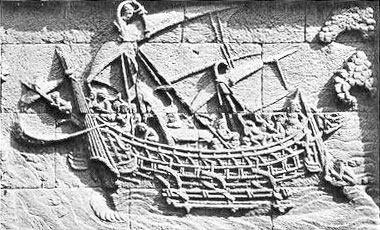
இது தவிர வேதத்தில் மிக முக்கியமான குறிப்புகள் உள்ளன. வருணன் என்பவனே கடல் தெய்வம் என்பதை ரிக்வேதமும் தொல்காப்பியமும் கூறும். 100 துடுப்புகள் உள்ள கப்பலையும் கடலில் தத்தளித்த பூஜ்ய என்பவனை அஸ்வினி தேவர்கள் மீட்டதையும் வேதம் குறிப்பிடுகிறது. சிந்து சமவெளி முத்திரையில் ,அஜந்தா ஓவியத்தில், பார்ஹுத் சிற்பத்தில், சாதவாஹனர் காசுகளில் கப்பல் படத்தைக் காணலாம்.


காளிதாசர் நாடகத்திலும், அர்த்தசாஸ்திரத்திலும் கப்பல் வணிகர் சொத்து தொடர்பான விதிகள் பற்றிப் பேசுகின்றனர். தமிழ் சங்க இலக்கியத்தில் ஏராளமான கடல் வணிகக் குறிப்புகளும் பருவக்காற்று பற்றிய குறிப்புகளும் இருக்கின்றன. காளிதாசனின் மேகதூத காவியமும் சங்கப் பாடல்களும் பருவக் காற்றூ துவங்கியவுடன் காதலர்கள் கடற்பயணம் முடிந்து பொருள் ஈட்டி வருவதை தெளிவாகக் கூறுகிறது. சோழ மன்னன் கரிகாலன் கடற் காற்றைப் பயன் படுத்தி கடலில் ஆதிக்கம் செலுத்தியதைப் புறனானூற்றுப் புலவர் பாடுகிறார். சுருக்கமாகச் சொன்னால், இந்து மகா சமுத்திரம் ஆயிரக் கணக்கான ஆண்டுகளாக இந்தியர்களின் ஆதிக்கத்திலேயே இருக்கிறது.


ராஜ ராஜ சோழன், ராஜேந்திர சோழன் ஆகிய இருவரும் பல தீவுகளை வென்று புகழ் கொடி நாட்டினர். கடலுள் மாய்ந்த இளம் பெருவழுதி ஒரு கடல் பயணத்தில் உயிர் இழந்தான். பாண்டியன் ஸ்ரீமாறன் வியட்நாமில் முதல் அரசாட்சியை நிறுவினான்.

சமுத்திர குபதனின் பெயரிலேயே சமுத்திரம் என்ற சொல் இருப்பதைக் காணலாம். இந்தியாவின் இருபுறங்களிலும் உள்ள கடல் பகுதியில் முழுக்க முழுக்க குப்தர்கள் ஆதிக்கம் செலுத்தினர் என்பதை இது காட்டுகிறது.

கடற்கொள்ளையர்கள் மண்டை ஓடும் கத்தியும் போட்ட கொடியைப் பயன்படுத்துவர். பல்லவ மன்னர்கள் பரமேச்வர வர்மன், நந்தி வர்மன் முதலிய பல மன்னர்கள் இது போன்ற கட்வாங்க கேதுவைக்/ கொடியைப் பயன்படுத்தினர். ஒருவேளை சேரன் செங்குட்டுவன் போல அவர்களும் கடற் கொள்ளையர்களை நிர்மூலம் செய்ததன் அடையாளமாக இதை வைத்திருந்திருக்கலாம்.


சூரபத்மன் கடற்கொள்ளையனா?

தேவர்களை சிறைவைத்த குற்றத்திற்காக சூரபத்மன் என்ற அசுரனைக் கந்தன் என்னும் முருகன் கொன்றதாக கந்த புராணம் கூறும். அவன் கடலில் மாமரமாக நின்றான் என்பது, ஒரு தீவில் மாமரத்துக்குப் பின்னால் ஒளிந்திருந்தான் என்பதைக் குறிக்கும். இறுதியில் அவனது ஆட்கள் சரண் அடைந்து சமரசத்தை நாடவே அவனது சின்னமான சேவலையும் மயிலையும் முருகன் தனது கொடியில் பொறித்தான் என்றும் கூறுவர்.


சூரபத்மன் கடலில் பல சட்ட விரோத, தர்ம விரோத செயல்களைச் செய்த கடற்கொள்ளையன் என்பதை உறுதி செய்யும் விதத்தில் வேறு ஒரு எடுத்துக் காட்டு சங்க இலக்கியத்திலும் சிலப்பதிகாரத்திலும் வருகிறது. எப்படி மாமரம் சூரனுக்குக் காவல் மரமாக விளங்கியதோ அதே போல கடம்ப மரத்தைக் காவல் மரமாகக் கொண்ட கடற்கொள்ளையர்களை சேரன் செங்குட்டுவன் அடக்கியதைப் பதிற்றுப் பத்துப் பாடல்களிலும் சிலப்பதிகாரத்திலும் விரிவாகக் காணலாம்.

கடலைக் “குடித்த” அகத்தியர்


அகத்தியர் கடலைக் குடித்தவுடன் அசுரர்கள் வெளியே வந்தனர் என்றும் அவர்களை தேவர்கள் கொன்றனர் என்றும் புராணங்கள் கூறும். இதன் பொருள் அகத்தியர் தலைமையில் பெரும் கடற்படைத் தாக்குதல் நடந்தது. உடனே அரக்கர்கள் ஓட்டம் பிடித்தனர் என்பதே. அகத்தியரும் கவுண்டின்யரும் தென்கிழக்கு ஆசிய நாடுகளில் 1500 ஆண்டுகளுக்கு இந்து அரசர்களின் ஆட்சிக்கு வழிவகுத்தனர். விருத்திராசுரன் என்பவன் தலைமையில் காலகேயர்கள் அட்டூழியம் செய்யவே விஷ்ணுவிடம் தேவர்கள் முறையிட்டனர். அவர் கடல் பொறியியலில் வல்ல அகத்தியனைத் தேடிப் போகும்படி கூறவே தேவர்கள் அகத்தியர் தலைமையில் தாக்குதல் நடத்தினர்.

இரண்யாக்ஷன் என்ற அசுரனைக் கொன்று கடலுக்கடியில் அவன் ஒளித்துவைத்த செல்வங்களை விஷ்ணு கொண்டுவந்தார். இந்த வராக அவதாரக் கதையும் கடற்கொள்ளையருக்கு எதிரான போராட்டத்தையே குறிக்கும்.

அர்ஜுனன் துவாரகைத் துறைமுகத்துக்கு அருகில் வாலாட்டி வந்த நீவாடகவசர்களை ஒழித்தான் என்று பாரதமும் பாகவதமும் பேசும்.இந்த வகைக் கடற்கொள்ளையர்கள் இந்தியப் பெருங்கடல் முழுதும் நீண்டகாலம் ஆதிக்கம் செலுத்தி இருக்க வேண்டும். ஏனெனில் ராவணன் கூட அவர்களுக்குப் பயந்து அவர்களுடன் சமாதான ஒப்பந்தம் செய்துகொண்டதாகப் புராணங்களில் படிக்கிறோம்.

அகத்தியர் காலகேயர் என்னும் கடல் அசுரர்களை ஒழித்தார். கிருஷ்ணர் பாஞ்சஜனா என்ற கடற்கொள்ளையர்களை அழித்து பாஞ்சஜன்யம் என்ற சங்கை கையில் வைத்துக் கொண்டார். பாண்டவர் ஒவ்வொருவரும் ஒரு விஷேச சங்கு வத்திருந்ததை கீதையின் முதல் அத்தியாயத்தில் காணலாம். எப்படி முருகன் சேவலையும் மயிலையும் சின்னமாக வைத்தாரோ அதே போல கண்ணன் பாஞ்சஜன்யத்தை கொள்ளையரை ஒழித்த நினைவுச் சின்னமாக வைத்துக் கொண்டான். கண்ணனின் ஆசிரியர் பெயர் சாந்தீபனி. அவருடைய மகனை பாஞ்சஜனன் கடத்தி கடலுக்குக் கொண்டு போகவே கண்ணன் அந்த அசுரனைத் தாக்கினான்.

பகீரதன் கதையில் வரும் சகரர்கள் 60,000 பேரை அழித்த கதையையும் இப்படிக் கருதலாம். இவை எல்லாவற்றிலும் கடல் சம்பந்தப் பட்டு இருப்பதைக் கவனிக்க வேண்டும். நிலத்தில் இருந்த அசுரர்கள் வேறு, கடலில் இருந்த கடற் கொள்ளையர் வேறு என்பது காலகேயர், நீவாடகவசர், பாஞ்சஜனாக்கள், சாகரர் என்ற சிறப்புப் பெயர்களால் தெள்ளிதின் விளங்கும். சங்கசூடன் என்ற பெயருள்ள சங்கு அசுரனும் தாக்குதலில் இறந்ததை புராணங்கள் விளக்குகின்றன.

ராமாயணத்தில் சுவர்ண த்வீபம், யவனத்வீபம் ஆகியனவும், புராணங்களில் ஏழு அல்லது ஒன்பது தீவுகளும் சொல்லபட்டுள்ளன. இனி வருங்காலத்தில் வேத, உபநிஷத, புராண, இதிஹாசங்களில் வரும் அசுரர்களை 1.நில அசுரர்கள், 2.நீர் அசுரர்கள், 3.வான அசுரர்கள் என வகைப் படுத்தி ஆராய்ந்தால் புதுப்புது உண்மைகள் வெளியாகும்.

Please read “Is Brahmastra a Nuclear Weapon ?”for Agastya “drinking” ocean symbolism

*******************************