Attention Narendra Modi! Vyasa and Manu on Rulers (Post No. 2684)

Modi_1938656f

picture of Prime Minister Narendra Modi; I am sure he has not got the 18 vices listed by Manu!

Compiled  by london swaminathan

Date: 1 April, 2016


Post No. 2684


Time uploaded in London :–  17-15


( Thanks for the Pictures  ) 


DON’T REBLOG IT AT LEAST FOR A WEEK!  DON’T USE THE PICTURES; THEY ARE COPYRIGHTED BY SOMEONE.


(for old articles go to tamilandvedas.com OR swamiindology.blogspot.com)


Vyasa says:

“A king should be

farsighted like a vulture,

patient like a crane,

vigilant like a dog,

valiant like a lion,

fearful like a crow,

and penetrate the territories of his foes

like a snake with ease and without anxiety.


Sama, Dana, Beda, Danda and Pancha Tantra

A king should win over a hero

By joining his palms,

A coward by inspiring him with fear,

And a covetous man by gifts of wealth

While with an equal he should wage a war.


He should be mindful of producing disunion among the leaders of sects and of conciliating those that are dear to him. He should protect his ministers from disunion and destruction.


If he becomes stern, the people feel it an affliction. The rule is that he should be stern when the occasion requires sternness and mild when the occasion requires mildness.


By mildness should the mild be cut. By mildness one may destroy that which is fierce. There is nothing that mildness cannot effect. For this reason mildness is said to be sharper than fierceness. That king who becomes mild when the occasion requires mildness and who becomes stern when some sternness is required succeeds in accomplishing all his objects, and putting down his foes.

XXX


IMG_1485

Manu says,


In Chapter 7 of Manu Smrti he explains the duties of kings in detail. Some of the important points are as follows:

(7-2) A ruler should protect all the people under his rule

(7-3) When the world was without a king, people lived in fear. And so the Lord created the kingship to protect his people.

(7-4) a king should be like Yama, Indra, Vayu, Agni, Surya/sun, Chandra/moon, Kubera.

(each one stands for one good quality)

Respect even a little boy!

(7-8) A king should not treat even a little boy with disrespect. He must think that he is a human being; for this is a great deity standing there in the form of a man.

(7-43)From those who have the triple learning he should acquire triple learning, the eternal science of politics and punishment, philosophy, and the knowledge of the soul; and from the people he should learn the trades and enterprises.


(7-44) Day and night he should make a great effort to conquer his sensory powers. Then only he can keep his subjects under control.


(7-45) He should avoid the ten vices that arise from desire and eight that are born of anger.

They are

Hunting,

Gambling

Sleeping by day

Malicious gossip

Women

Drunkenness

Music

Singing

Dancing

Aimless wandering (Ten vices)

Slander,

Physical violence

Malice

Envy

Resentment

Destruction of property

Verbal abuse

Assault (eight vices born out of anger)

It is very interesting to read Manu’s views on kings. He gives the examples of fallen kings from the mythology. The list makes very interesting reading. I will give them separately with the commentaries of famous commentators.

–Subam-


Wisdom from Sanskrit couplets! Always Remember Five People! (Post No 2631)

india00015

Written by london swaminathan


Date: 14 March 2016


Post No. 2631


Time uploaded in London :–  13-03


(Thanks for the Pictures; they are taken from various sources)


DON’T REBLOG IT AT LEAST FOR A WEEK!  DON’T USE THE PICTURES; THEY ARE COPYRIGHTED BY SOMEONE.


(for old articles go to tamilandvedas.com OR swamiindology.blogspot.com)


Mother and Father

You must always remember the following five:-

Janani – Mother

Janmadaataa- Father

Vidyaadaataa – Teacher

Raastra – Motherland

Dharmopadestaa – Teacher of Dharma


Janani Janmadata ca suvidyam pradadati yah

Raastram Dharmopadestaa ca pancakam santatam smaret


Xxx


indonesia-gifts-saras


To attain full Vedic Knowledge, remember the following five:

Gananaatha

Sarasvatii

Ravi

Sukra

Brhaspati

Gananaathasarasvatii ravisukrabrhaspatin

Pancaitani smarennityam vedavanipravruttaye

My comments: Gananatha stands for Siva and Ganesh. All the Vedic prayers start with a hymn on Ganesh: Gananam tva ganapathihum…………

Sarasvati- Goddess of Knowledge

Ravi is Sun, also the symbol for Veda Mata Gayatri.

Sukra (Venus) and Brhaspati (Jupiter) stand for the teachers of Demons and Angels/Devas respectively. Both of them are praised as Two Great Brahmins in Tamil and Sanskrit literature. They were the most famous teachers of ancient Hindu world.

If one remembers all the above five, they derive great inspiration to imbibe more.

Xxx


saturn

For Digestion of Food

Agastya

Kumbhakarana

Sani

Vadavaanala

Vrkodara (Bhima)

Agastim kumbhakarnam ca sanim ca vadavanalam

Aharaparipapakartam smrami ca vrkodaram


Source: Encyclopaedia of Numerals by The Kuppuswami Sastri Research Institute, Chennai 600 004


My comments:

If you know the mythological stories of these people, then you will understand better the logic behind these five names.

1.Agastya was a short person who travelled from North India to South India at the request of Lord Siva to solve the problem of population explosion in the North. At that time South India was least populated. Moreover he was a great Hindu engineer who diverted the River Kaveri in to the plains of Tamil Nadu and laid a new road route to South India via Vindhya Mountains. He also crossed the Bay of Bengal n a naval expedition to South East Asia and established Hindu empire there. But all these facts are hidden in mythological stories (Please read my previous research papers).

agastyanepal-carole-r-bolon

At that time South India was infested with cannibals. One of the cannibals Ilvala killed lot of seers. He used to ‘cook’ his brother Vatapi and feed the seers. As soon as they ate ‘him’, he used to call his brother Vatapi to come out and he would do it by tearing open the  stomachs of the seers. Ilvala tried the same trick with Agastya. Knowing the cunningness of Ilvala, Agastya ‘ate’ Vatapi dish and said “Vatapi jeerno Bhava”, when Ilvala called him. But he died inside the stomach of Agastya when he said “Let Vatapi get digested” (vatapi jeerna bhava).


2.Kumbhakarana used to eat for six months and sleep for the next six months. He was the brother of Ravana, the king and demon of Sri Lanka. Though he was a great eater, he got everything digested. If someone sleeps peacefully like Kumbha karna after a big meal, food will get easily digested. We don’t need to sleep for six months like him. You need a good, long and sound sleep for good digestion.


3.Vadavanala is the submarine fire in Hindu mythology. During volcanic eruptions under the ocean, it comes out and make Tsunamis to happen. Tsunamis create mysterious fires and devour lands and other objects on its way. If one could remember it, he would get the confidence of digesting anything.

4.Vrkodara alias Bheema was one of the five Pandava brothers. Bheema would consume anything that comes his way. When a demon called Bakasura who killed villagers, Bheema went all alone, ate the carts load of food sent for him and killed the demon Bakasura as well. So he stands for good appetites, great food and easy digestion.


5.Sani graha, planet Saturn, is in charge of longevity, disease and death in Hindu astrology. He is in charge of large intestines and feet. Apart from this, my friend and priest Sri M N Kalyanasundaram of Trichy, living in London, gave me a reasonable explanation to link Sani/Saturn with digestion. According to our Hindu astrology, Sani/Saturn governs the metal IRON. And in our blood vessels, the most important metal is iron. If haemoglobin is less, all problems crop up. So doctors first check our iron (haemoglobin) level as soon as we go into the clinic with some complaints. That way Sani is connected with blood and digestion.


So if one wishes that he or she should live for long without any disease, one should know digestion and absorption are essential. Remember the above five great personalities who got digested anything in their way!


We know people who eat some tablets for digestion after dinner. But if they give some positive thoughts about the five characters mentioned here, it will improve their digestion. It is more of a psychological treatment rather than a physical treatment.


–subham-


Five Big Sins, 5 untrustworthy, 5 walking Dead & 5 lowest people! (Post No.2588)

10 BAD QUALITIES

Date: 1st March 2016


Post No. 2588


Time uploaded in London :–14-58


( Thanks for the Pictures  ) 


DON’T REBLOG IT AT LEAST FOR A WEEK!  DON’T USE THE PICTURES; THEY ARE COPYRIGHTED BY SOMEONE.


Please go to swamiindology.blogspot.com

OR

tamilandvedas.com

for more articles and pictures.


brahmin5

1.Five Great Sins/ Pancha mahaapaataka

Killing of Brahmana- Brahmahatya

Consuming liquor- suraapaanam

Stealing- Steyam

Misbehaving with teacher’s wife- Gurvanga naagamah

Having association with the above – Samsargi


Brahmahatyaa suraapaanamsteyam gurvanganaagamah

Mahanti paatakaanyaahustasamsargi cha panchamah

–Manu smrti 11-54

Xxx

dussehra-8

2.Five Untrustworthy

Son in law- Jaamaataa

Cobra – Krsnasarpa

Fire- Agni (Paavaka)

Bad people- Durjana

Sister’s son – Bhaginiisutah

Jaamaataa krsnasarpascha paavakoo durjanastathaa

Visvaaso naiva kartavyah panchamo bhaginiisutah


xxx


dussehra-16

A Kid scared while A artist dressedup at Ravana enjoying with Spectators during Dussehra celebrations in Sector 46 of Chandigarh on Thursday, October 22 2015. Express Photo by Kamleshwar Singh

3.Five Walking Dead

Poor – Daridra

Diseased –Vyaadhita

Fool -Muurkha

One who lives abroad – Pravaasi

Always servant – nitya sevakah

Jiivantopi mrtah pancha sruuyante kila bharate

Daridro vyaadhito muurkhah pravaasi nityasevakah

xxx

anti god poster

4.Five Karma Candaalaah

Five lowest category of people are:

Atheist – naastikah

Wicked -pisunah

Ungrateful- krtaghnah

Sinner- dirgha dosakah

By birth- janmatah

Naastikah pisunashchaiva krtaghno diirghadosakah

Chatwaarah karmachandaalaa janmataschaapi panchamah


Xxx


Dussehra Celebrations

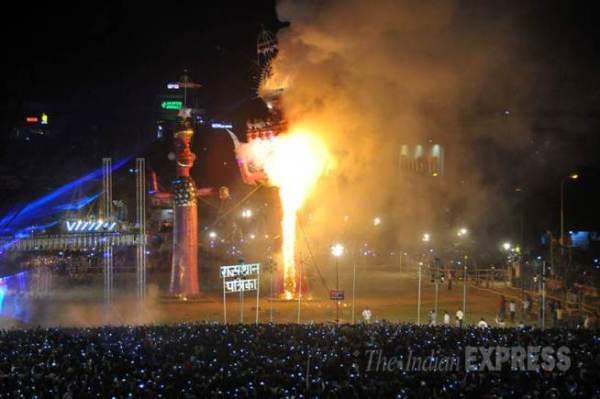
The effigy of the evil king Ravana burns during Dussehra Celebrations at Dushera Maidan in Jaipur on Thursday. Express photo by Rohit Jain Paras . 22.10.2015

5.Five afflictions/Klesa

Ignorance – Avidyaa

Egoism – Asmitaa

Desire – Raaga

Aversion – Dvesa

Clinging to life – Abhinivesa

Avidyaa Asmitaa Asmitaa Dvesa Abhinivesaah pancha klesaah

–Yogasuutram 2-3

dussehra-11

Dussehra celebrations at Lal Qula Ground in New Delhi on Thursday Express Photo By Amit Mehra 22 Octobert 2015

–Subham-


உலகமஹா கவிஞன் பற்றி ஒரு சுவையான கதை!(Post No 2587)

hindu poets

Date: 1st March 2016


Post No. 2587


Time uploaded in London :– 9-20


( Thanks for the Pictures  ) 


DON’T REBLOG IT AT LEAST FOR A WEEK!  DON’T USE THE PICTURES; THEY ARE COPYRIGHTED BY SOMEONE.


Please go to swamiindology.blogspot.com

OR

tamilandvedas.com

for more articles and pictures.

homer

கிரேக்க மகா கவி ஹோமர்(கி.மு.800)

உலகிலேயே மிகவும் பழைய கவிஞன் பெயர் உசனா கவி; அவரை உசனஸ் என்றும் அழைப்பர். கிருஷ்ணன், பகவத் கீதையில் காலங்களில் நான் வசந்தம், மாதங்களில் நான் மார்கழி என்று கூறும் விபூதி யோகத்தில் கவிஞர்களுள் நான் உசனா கவி என்கிறார். அவ்வளவு மிகப்பெரிய கவி அவர். ரிக் வேத காலத்திலேயே அவர் மிகவும் பழங்காலக் கவிஞர் ஆகிவிட்டார். அப்படியா னால் இற்றைக்கு 4500 ஆண்டுகளுக்கு முன் வாழ்ந்திருப்பா ரென்பது எனது துணிபு.


எப்படித் தமிழில் பல கபிலர்கள், பல நக்கீரர்கள், பல அவ்வையார்கள் இருந்தனரோ அதே போல பிற்காலத்தில் வந்த சுக்ராச்சார்யாரையும் உசனா கவி என்றனர்.

ஆயினும் அவருக்கு முந்தி வாழ்ந்த முதல் உசனஸ் பற்றி மனு ஸ்மிருதி ஒரு ஸ்லோகத்தில் குறிப்பிடுகிறார். அதற்கு உரை எழுதியோர் மஹாபாரதத்திலும் (9-50), பஞ்சவிம்ச பிராமணத்திலும் உள்ள ஒரு சுவையான கதையைச் சொல்லுகின்றனர்.

goethe

இதோ அந்தக் கதை:

ஆங்கிரஸின் புதல்வரான உசனஸ், வயதில் மிகவும் சிறியவர். ஆனால் வேதத்தைக் கரை கண்டவர். மூர்த்தி சிறிதானாலும் கீர்த்தி பெரிது. அவர் தன்னைவிட வயதானவர்க ளுக்குப் பாடம் நடத்துகையில், “ஓ! சின்னப் பிள்ளைகளே! நன்றாகக் கவனியுங்கள்” என்று அடிக்கடி சொல்லுவார். வயதானவர்களுக்கோ கோபமும் ஆத்திரமும் வந்தது. இவனே பொடிப்பயல்; இவன் நம்மைப் பார்த்து, சின்னப் பையன்களே (புத்ரஹா) என்று சொல்லுவதாவது என்று முறைத்துப் பார்த்தனர். முகக்குறிப்பால அதிருப்தியைக் காட்டினர். ஆனால் உசனா கவி தன் வழக்கத்தை மாற்றிக்கொள்ளவிலை.


எல்லா ரிஷிகளும் ஒரு மஹஜரை எடுத்துக்கொண்டு, கடவுளிடம் போனார்கள். அவரும் சொல்லிவிட்டார், அவன் உங்களை சின்னப் பையன்களே என்று சொல்லுவது சரிதான் என்று! அவன் அறிவினால் தந்தைக்குச் சமமானவன் என்றும் கடவுள் தீர்ப்பு சொல்லி விடுகிறார்!


இக்கதையில் மிகப்பெரிய கருத்து உள்ளது. வேதங்களைக் கரைத்துக் குடித்தவனே அறிவாளி; மூத்தவன். மேலும் கவிஞன் என்பவன் தந்தைக்கு சமமானவன்; அவன் முக்காலமும் உணர்ந்தவன்.

dante

டாண்டே படம்

இந்தச் சின்னப் பையன் கதையைக் கோடிட்டு காட்டிய உலகின் முதல் சட்ட நிபுணன் மனு, இரண்டாம் அத்தியாயம் 150 ஸ்லோகம் முதல் பல விஷயங்களைச் சொல்லுகிறார். மனுவின் காலம் கி.மு. 1500 என்று அதை ஆங்கிலத்தில் மொழிபெயர்த்த ப்யூலர் கூறுகிறார். என் கருத்தும் அதுவே. ஏனெனில் ரிக் வேதத்திலேயே பல மனுக்களின் பெயர்கள் மீண்டும் மீண்டும் வருகின்றன.

இப்போது எழுத்து வடிவிலுள்ள மனு ஸ்மிருதி, பல இடைச் செருகல்களுடன் உள்ளது. சில பிராமண உற்சாகிகள், சூத்திரர்களுக்கு எதிராக சில ஸ்லோகங்களை நுழைத்துவிட்டனர். எல்லா நூல்களிலும் இடைச் செருகல் பற்றி பிரஸ்தாபிக்கும் வெள்ளைக்காரர்கள், மனு ஸ்மிருதி பற்றி மட்டும் எதுவுமே சொல்லமாட்டார்கள். ஏனெனில் அவர்கள், இந்து மதத்தை மட்டம்தட்ட அந்த ஸ்லோகங்களைப் பயன்படுத்துவர்.

Gibraltar-Shakespeare-2014

இந்தச் சின்னப் பையன் கதையுள்ள பிராமணம் என்னும் இலக்கியம், சம்ஹிதைக்குப் பிறகு வந்தது. அதை கி.மு 1000 என்று மாக்ஸ்முல்லர் முதலியோரும் ஏனையோர் அதற்கும் முந்தையது என்றும் செப்புவர். எப்படிப் பார்த்தாலும் கிரேக்க நாட்டு ஹோமர் போன்றோர் தோன்றுவதற்கு நீண்ட நெடுங்காலம் முன்னரே உசனா கவி வாழ்ந்தார். ஆக அவரே உலகின் மிகப் பெரிய கவி; உலகின் மிக மூத்த கவி. மேலும் கவி, கவிஞன், கவிதை என்ற சொல்லெல்லாம் அவர் முதற்றே பிறந்தது எனின் மிகையாகாது.


சுமேரியாவிலுள்ள ஜில்காமேஷ் கவிதை போன்றவை வேதத்திற்குப் பிற்காலத்தில் வந்தவை. மேலும் மிகவும் நாகரீகத்தில் பின் தங்கியோரால் எழுதப்பட்டவை. ஆனால் வேத காலக் கவிதைகளோ நாகரீகத்தின் உச்சநிலையைத் தொட்ட ஒரு சமுதாயம் இயற்றியது. உலக அமைதி, மனித நேயம் பற்றிப் பாடுகிறது. அவர்களுக்கெல்லாம் மூத்தவர் நம் கவி – உசனா கவி. வேத இண்டெக்ஸ் தொகுத்த கீத், மக்டொனால்டு ஆகிய இருவரும், இந்தப் பெயர் வேத காலத்திலேயே, புராதனப் பெயராகிவிட்டது என்று பகர்வர். கண்ண பிரானும் பகவத் கீதையில் இவரைப் புகழ்வதால் கி.மு 1500 க்கு முன் அவர் வாழ்ந்தது உறுதியாகிறது.


அகஸ்தியர், விசுவமித்திரர் போன்ற வேத கால ரிஷிகள் பற்றி புராணங்களில் நிறைய செய்திகள் உள்ளன. ஆனால் உசனஸ் போன்றோர் பற்றி நாம் ஒன்றும் அறிய முடிவதில்லை. இதிலிருந்தே அவர்தம் பழமை வெள்ளிடை மலையென விளங்கும்.

ts eliot

மனு என்ன சொல்கிறார்?

மூத்தவர் என்ற தகுதி நரைமுடியாலோ, செல்வத்தாலோ, பரம்பரையாலோ வருவதில்லை. இது ரிஷிகள் வகுத்த சட்டம்; வேதங்களையும் வேதத்தின் அங்கங்களையும் கற்றவனே நம்மில் உயர்ந்தோன் (2-154 மனு).

பிராமணர்களில் மூத்தவன் வேதம் கற்றோன்;

க்ஷத்ரியர்களில் மூத்தவன், வீரம் மிக்கவன்;

வைஸ்யர்களில் மூத்தவன், அதிக தானியம் வைத்திருப்பவன்.

சூத்திரர்களில் மூத்தவன், வயதில் பெரியவன்! (மனு 2-155)


வேதத்தைப் படித்தவன், இளைஞனாக இருந்தாலும் அவனே பெரியவன் (2-156)


சங்க இலக்கியமான புறநானூற்றிலும் இதுவே வலியுறுத்தப்படுகிறது:

“ஒரு குடிப் பிறந்த பல்லோருள்ளும்

மூத்தோன் வருக என்னாது, அவருள்

அறிவுடையோன் ஆறு அரசும் செல்லும்” – (புறம் 183)

கவி என்றாலேயே அறிஞன் என்று பொருள்!

வாழ்க கவிகள்! வளர்க கவிதைகள்!

-சுபம்-

Interesting Story of the Greatest and Oldest Poet in the World! (Post No 2582)

hindu poets

Date: 28 February 2016


Post No. 2582


Time uploaded in London :– 16-54


( Thanks for the Pictures  ) 


DON’T REBLOG IT AT LEAST FOR A WEEK!  DON’T USE THE PICTURES; THEY ARE COPYRIGHTED BY SOMEONE.


Please go to swamiindology.blogspot.com

OR

tamilandvedas.com


 homer

Picture: Poet Homer

The following story is in Panchavimsa Brahmana (13-2-24) and the Mahabharata (9-50)


Usanas Kavi was a little boy. He was the son of Angiras. He discovered (not composed) many Vedic verses. He used to address all the aged people “Oh, Little Sons”.


The aged people were not happy. They told him that he acted irreligiously. We are your fathers, they told him. He told them “I am the father, because I make Vedic verses. Then they went to the Gods and complained and asked their view. The gods said, ‘He really is the father who is a maker of Vedic verses. So he triumphed over them.


Poets who have long perception are the fathers of mankind is the message. Even if they are young, they command more respect than other old people. Even today old couple, do Namaskar on the floor (prostration) to young Brahmin priests in India.


Manu Smrti, which is dated 1500 BCE by Buhler, explains it beautifully well:–


“That Brahmana who brings the Vedic birth of an aged person, who teaches him duties becomes his father, even if he is a child- 2-150 Manu


“Young Kavi, the son of Angiras, taught (his relatives who were old enough to be) his fathers and as he excelled them in the sacred knowledge, he called them ‘little sons’ – 151 Manu


“They, moved with resentment, asked the gods concerning the matter, and the gods having assembled answered, ‘the child has addressed you properly’. 2-152 Manu


“For an ignorant man is really a child and the one who gives him the Vedic verses is his father. 2-153 Manu


“Seniority comes not through age or grey hair or wealth or relatives; the sages established this law; the man who has learned the Veda with all its subsidiary texts is great amongst us. 2-154 Manu


“The seniority of Brahmans come by sacred knowledge

Of the Kshatriyas from valour

“Of the Vaishyas from wealth in grains and other goods

But that of Sudras alone by age.


Following is my article written and posted two years ago:–
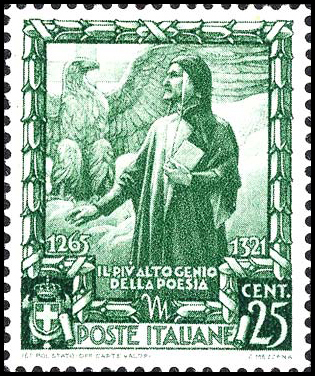
 dante

Picture: Poet Dante

Who is Usanas Kavi?


Research paper written by London Swaminathan
Research article No.1360; Dated 20th October 2014.


“Of the Vrsnis I am Vasudeva; of the Pandavas I am Dhananjaya (winner of wealth); of the sages I am Vyasa and of the poets I am Usana”.
– Bhagavad Gita 10-37


Why did Krishna say that he was Usana Kavi, an ancient poet whom we did not know much? We know a lot of other Vedic seer poets, but not Usanas.

First of all let me give you some basic information:
1.Until this day we use the word ‘Kavi’ for a poet in all the major Indian languages including Tamil (Pulavar was old and Kavinjar is current). This shows that the Rig Vedic Sanskrit lives in all our hearts. Kavi is a poet and Kavitha is a poem in all Indian languages. ‘Kavi’ is in the Veda and in the Gita!


2.Usanas belonged to Kavya Gotra and in Tamil, the oldest poet Tolkappiyan is believed to be from this Gotra. And there is another poet Kappiyatru Kappiyanar of Patitru Pathu (Ten Decads) from the same Gotra.


  1. This shows the antiquity of the Gita as well. Krishna mentioned one of the oldest poets of the Rig Veda! AA Macdonell and A B Keith say in their Vedic Index of Names and Subjects, “ Usanas Kavya is an ancient seer, already a half mythical figure in the Rig Veda where he is often mentioned, especially as associated with Kutsa and Indra”. Rig Veda itself is old; in fact the oldest book we know of. Usanas had become ancient to the seers of Rig Veda! But Krishna was able to appreciate it.


4.”Later on Usanas becomes the Purohita/Priest of the Asuras in their contests with the Gods. A Variant of his name is Kavi Usanas. He appears in the Brahmanas as a teacher also”, say the authors. This shows that there were more poets with the same name in later days. We know that Shukracharya was the Guru of Asuras. This reveals another fact that both Asuras and Suras had Brahmin teachers. Both Devas and Asuras were sons of the soil. In Tamil also we have famous names of Sangam period, Kapila, Parana, Nakkirar and Avvaiyar at various ages. All these poets have done some works in later ages in Tamil as well. So it is possible that we had other poets with the name of Usanas. But even their works are not available!!


goethe
5.Usana’s name figured as an author of Artha sastras (Books on Economics) earlier than Kautilya alias Chanakya.

References to Usanas in the Rig Veda
His name occurs in seven out of ten Mandalas of the Rig Veda. His name is missing in Mandalas 2,3 and 7. We are unfortunate to lose the poems of such a popular poet. This shows how much of old Sanskrit literature was lost.

The way all the people praise him give the impression that the words Kavi and Kavya (poet and classics)– all originated from Usanas Kavya!


The following references are considered important (from Vedic Index):
Rig Veda 1-51-10, 1-83-5, 1-121-12;
R V 4-16-2, 6-2011, 8-23-17
R V 9-87-3, 9-97-7, 10-40-7
Probably also 1-130-9, 5-31-8, 5-34-2
Also in A V 4-29-6 (A V = Atharva Veda)


Taittriya samhita, Panchavimsa Brahmana, Sakyayana Srauta Sutra mention the Purohit/priest Usanas (Sukracharya).

Kavi Usanas is found in RV 4-26-1.

He appears as a teacher in two of the Brahmanas.
Yajur Veda and Sama Veda also praise him as a great poet.
Usanas’ few compositions are available in the Rig Veda: 9-87 to 89 and 8-84. As usual, the foot notes say that it is difficult to understand certain lines. Ninth Mandala of Rig Veda deals with Soma Pavamana (Soma Plant and Juice).
Usana, the son of Kavi is well known for making Agni the ministrant priest and offerer of the sacrifice for Manu ( RV. 8-23-17)
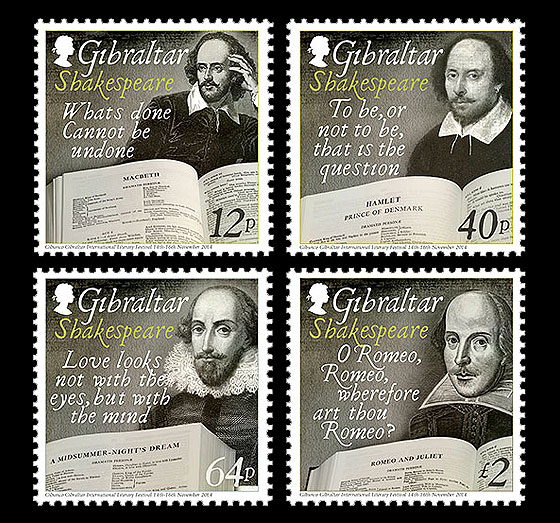
Gibraltar-Shakespeare-2014

He is referred to as a seer and leader of the people. By his poetic gift he is said to have discovered the secret milk of cows of Indra which was concealed ( RV. 9-87-3)

Usana is said to have increased the vigour of Indra ( RV. 1-51-10) and fashioned the thunderbolt for him for slaying Vritra( RV. 1-121-12; 5-34-2).

He is characteristically wise and soma is compared with him due to his wisdom ( RV. 9-97-7)


Indu, the well -armed god, is flowing onward, who quells the curse and guards from treacherous onslaught,
Father, begetter of the gods, most skilful, the buttress of the heavens and earth’s supporter
Rsi and sage, the champion of the people, deft and sagacious, Usana in wisdom
He had discovered even their hidden nature, the cows concealed and most mysterious title (RV 9-87-2/3)

Source books : Vedic Index of Names and Subjects Volume 1 and Bhrgus – A Syudy by Jayanti Panda, Delhi, 1984; The Rig Veda, Translated by Ralph T H Griffith.
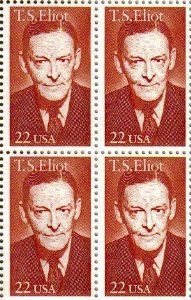
 

ts eliot

–Subham–

மர்தனம் குணவர்தனம்: குணங்கள் பற்றிய சம்ஸ்கிருத பழமொழிகள் (Post No. 2479)

cleaning saints

COMPILED BY LONDON SWAMINATHAN


Date: 11 January 2016


Post No. 2479


Time uploaded in London :– காலை  9-32


( Thanks for the Pictures  ) 


DON’T REBLOG IT AT LEAST FOR A WEEK!  DON’T USE THE PICTURES; THEY ARE COPYRIGHTED BY SOMEONE.


(for old articles go to tamilandvedas.com OR swamiindology.blogspot.com; contact 


swami_48@yahoo.com)


(தமிழ் மொழிபெயர்ப்பு:லண்டன் சுவாமிநாதன்)

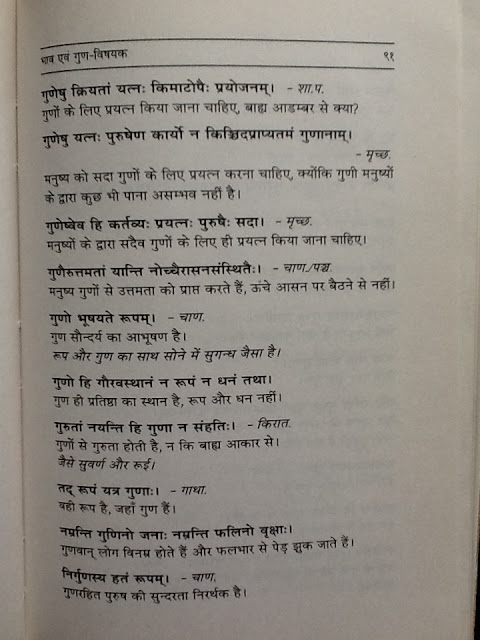
1.குணேஷு க்ரியதாம் யத்ன: கிம் ஆடோபை: ப்ரயோஜனம் – சார்ங்கதர பத்ததி.

நற்குணங்களை அடைய முயற்சி செய்க. ஆடம்பரத்தால் என்ன பயன்?


2.குணேஷு யத்ன: புருஷேண கார்யோ ந கிஞ்சித்  அப்ராப்யதமம் குணானாம்- மிருச்சகடிகம்

மனிதர்கள் நற்குணங்களை அடைய முயற்சிசெய்ய வேண்டும். நல்ல குணங்களால் அடைய முடியாது என்ன?


3.குணேஷ்யேவ கர்தவ்ய: ப்ரயத்ன: புருஷை: சதா – மிருச்சகடிகம்

நற்குணங்களை அடைய எப்போதும் முயற்சி செய்க.


4.குணைர் உத்தமதாம்  யாந்தி ந உச்சைர் ஆசனம் ஸ்தித: – சாணக்ய நீதி, பஞ்ச தந்திரம்

குணங்களால்தான் உயர்ந்த நிலையை அடைய முடியும். உயர்ந்த ஆசனத்தால் அல்ல.


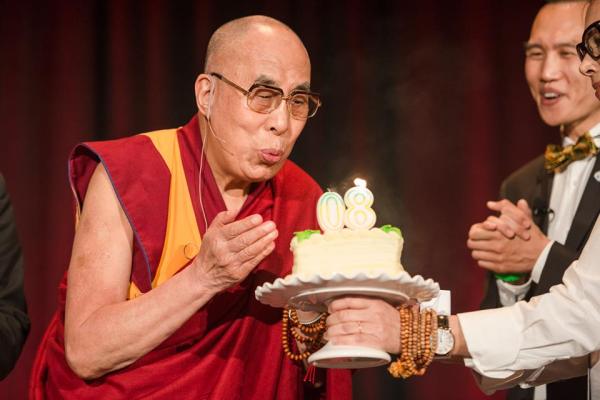
dalai's 80th BD in california

5.குணோ பூஷயதே ரூபம்- சாணக்ய நீதி

நற்குணங்களே ஒருவனுக்கு அழகு தரும்.


6.குணோ ஹி கௌரவஸ்தானம் ந ரூபம் ந தனம் ததா

குருதாம் நயந்தி ஹி குணா ச சம்ஹதி: – கிராதார்ஜுனீயம்

நற்குணங்கள் ஒருவனுக்கு பெருமை சேர்க்கும் (உயர்வு தரும்)

வெளித்தோற்றத்தால் அல்ல.


7.தத் ரூபம் யத்ர குணா: – காதா

நற்குணங்கள் எங்கோ, அங்கே அழகு (ஒளிரும்)


8.நம்ரந்தி குணினோ ஜனா: நம்ரந்தி பலினோ வ்ருக்ஷா:

பழுத்த பழங்கள் உடைய மரங்கள் தாழ்ந்து இருக்கும். நற்குணங்கள் உடையோர் அதுபோல பணிந்திருப்பர்.


9.நிர்குணஸ்ய ஹதம் ரூபம் – சாணக்ய நீதி

குணமில்லாத இடத்தில் அழகு பாழ்.


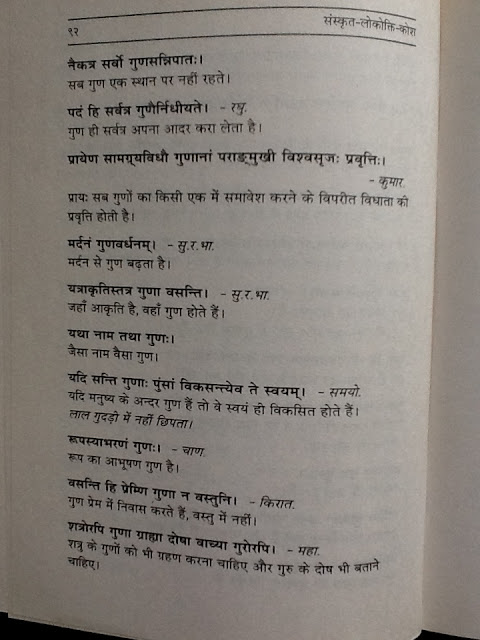
10.ந ஏகத்ர சர்வோ குண சந்நிபாத:

ஒரே இடத்தில் எல்லா குணங்களும் சேருவதில்லை.


11.பதம் ஹி சர்வத்ர குணைர் நிதீயதே – ரகுவம்சம்

ஒருவனுடைய நிலையை நிர்ணயிப்பது அவனது குணங்களே.


12.ப்ராயேன சாமக்ரயவிதௌ குணானாம் பராங்முகி விஸ்வஸ்ருஜ: ப்ரவ்ருத்தி:- குமார சம்பவம்


13.கடவுள் பெரும்பாலும், எல்லா குணங்களையும் ஒரே இடத்தில் வைக்காமல் பிரித்துவைக்கவே செய்கிறார்.

(ஒப்பிடுக: துர்கா, லெட்சுமி, சரஸ்வதி மூவரும் சேர்ந்து வசிப்பதில்லை)


14.மர்தனம் குணவர்தனம்சு.ர.பா. (சுபாஷித ரத்ன பாண்டாகாரம்)

நல்ல குணங்கள், தொடர்ந்து கடைபிடிப்பதால்தான், வளரும்.

(ஒப்பிடுக: சித்திரமும் கைப்பழக்கம், செந்தமிழும் நாப்பழக்கம். பாடப்பாட ராகம், மூட மூட ரோகம்)

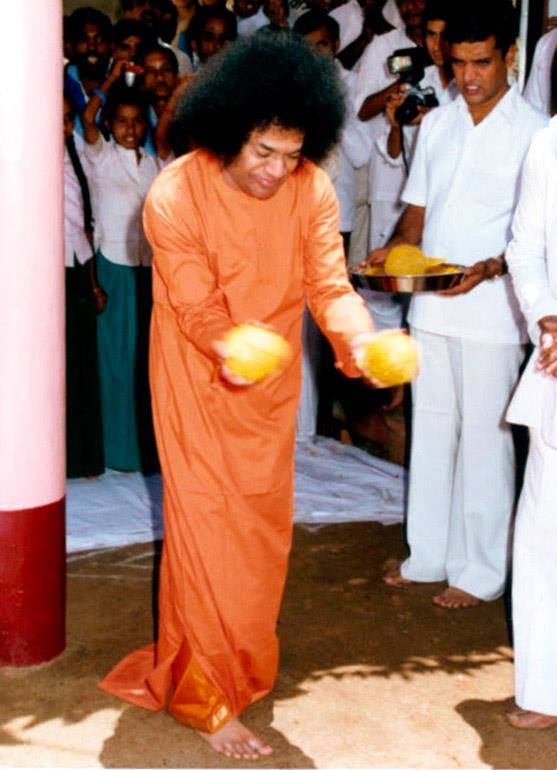
baba laddu

15.யத்ரா க்ருதிஸ் தத்ர குணா வசந்தி- சு.ர.பா.

எங்கு உடற்கட்டு இருக்கிறதோ அங்கே குணங்கள் இருக்கும்.

(ஒப்பிடுக: பலமுள்ளவனே ஆன்மாவை அறிவான்: உபநிஷத்)


16.யதா நாம ததா குண:

எப்படிப் பெயரோ அப்படி குணம் (பெயருக்கேற்ற குணம்)


17.யதி சந்தி குணா: பும்சாம் விகசந்த்யேவ தே ஸ்வயம் – சம்யோ

நற்குணங்கள் இருக்கும் மனிதர்கள், தாமாகவே உயர்வடைவர் ( குணங்களே ஒருவர் உயர உதவும்)


18.ரூபஸ்யாபரணம் குண: — சாணக்யநீதி

குணங்களே நல்ல அணிகலன்.


19.வசந்தி ஹி ப்ரேம்ணி குணா ந வஸ்துனி – கிராதார்ஜுனீயம்

அன்பில்தான் குணங்கள் இருக்கும்; பொருட்களில் அல்ல.


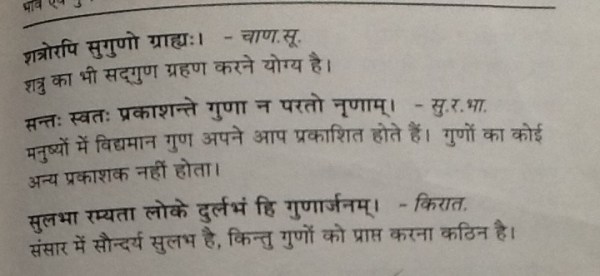
20.சத்ரோரபி குணா க்ராஹ்யா தோஷா வாச்யா குரோரபி – மஹாபாரதம்

எதிரிகளிடத்தில் நற்குணங்கள் இருந்தாலும் அவைகளையும் எடுத்துக்கொள்ளவேண்டும்.


21.சத்ரோரபி சுகுணோ க்ரஹ்ய:- சாணக்யசூத்ரம்

சந்த: ஸ்வத:ப்ரகாசந்தே  குணா ந பரதோ நூணாம் –சு.ர.பா

நற்குணங்கள் தாமாகவே பிரகாசிக்கும்; பிறர் காட்டத் தேவையில்லை.


22.சுலபா ரம்யதா லோகே துர்லபம்ஹி குணார்ஜனம் – கிராதார்ஜுனீயம்

அழகானது மலிவாகக் கிடைக்கும்; நற்குணங்களோ கிடைப்பதரிது.

(தமிழ் மொழிபெயர்ப்பு:லண்டன் சுவாமிநாதன்)


Subham–


சுபாஷித இலக்கியம் (Post No. 2427)

raghavan 2

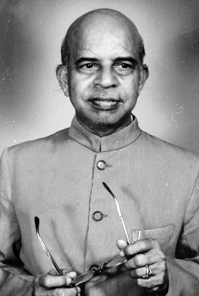
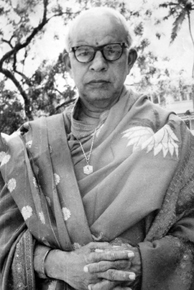
Picture of Dr Raghavan, Sanskrit Scholar


Written by S NAGARAJAN

Date: 26 December 2015


Post No. 2427


Time uploaded in London :– காலை 6-35

( Thanks for the Pictures  ) 


DON’T REBLOG IT AT LEAST FOR A WEEK!  DON’T USE THE PICTURES; THEY ARE COPYRIGHTED BY SOMEONE.


சம்ஸ்கிருதச் செல்வம்

சுபாஷித இலக்கியம்

ச.நாகராஜன்


கூகிளின் புத்தகத் திட்டம்


உலகில் உள்ள புத்தகங்களின் எண்ணிக்கையைச் சொல்வது முடியக் கூடிய காரியமா என்ன?

மலைக்க வேண்டாம்.


வானத்தில் உள்ள கோடிக்கணக்கான நட்சத்திரங்களையே பட்டியலிடும் இந்தக் காலத்தில் முடியாதது என்று ஒன்று உண்டா என்ன?


கூகிள் களத்தில் இறங்கியது. தி டெலகிராஃப் பத்திரிகை 6-8-2010 தேதியிட்ட இதழில் செய்தி ஒன்றை வெளியிட்டது. அதன்படி புத்தகம் பற்றிய கூகிள் திட்டம் முடிந்து விட்டதென்றும் உலகில் உள்ள புத்தகங்களின் எண்ணிக்கை சரியாக 129,864,880 (பன்னிரண்டு கோடியே தொண்ணூற்றெட்டு லட்சத்து அறுபத்தி நான்காயிரத்து எண்ணூற்றி எண்பது) என்றும் அந்தச் செய்தி கூறியது.


புத்தகங்களின் கணக்கு ஒருவாறாக வந்து விட்டது!


dr raghavan

டாக்டர் வி.ராகவனின் அரிய பணி


நல்லது, புத்தகமாக வெளி வராத சுவடிகள் எவ்வளவு? அதில் சம்ஸ்கிருதச் செல்வம் எவ்வளவு உள்ளது? மலைக்க வைக்கும் அளவில் பல லட்சக்கணக்கான சுவடிகள் உலகெங்கும் பல்வேறு இடங்களில், – பல்கலைக் கழகங்களில், கோவில்களில், மடாலயங்களில், தனியாரது சேகரிப்பில், அருங்காட்சியகங்களில் என்று இப்படிப் பல்வேறு இடங்களில்  –  உள்ளன.

இதை மொத்தமாகப் பட்டியலிடும் பெரிய திட்டத்தை யாரும் மேற்கொள்ளவில்லை.


சம்ஸ்கிருத பேரறிஞர் டாக்டர் வி.ராகவன் (1908-1979) இந்தப் பணியில் தீவிரமாக இறங்கினார். உலகெங்கும் பயணம் செய்தார். ஓரளவுக்கு பல்லாயிரம் சுவடிகள் மற்றும் புத்தகங்களின் விவரத் தொகுப்பை நூலாக்கினார்.


ஆனால் தஞ்சையில் உள்ள சரஸ்வதி மஹாலில்  தொடங்கி  கேம்பிரிட்ஜ் பல்கலைக்கழகம் வரை பகல்லாயிரக்கணக்கான இடங்களில் உள்ளவற்றை முழுவதுமாக யாரே தொகுப்பர்? காலம் தான் விடை சொல்ல வேண்டும்.


என்றாலும் கூட தங்களால் முடிந்த அளவில் பல அறிஞர்கள் தங்கள் வாழ்நாள் பணியாக சம்ஸ்கிருதச் செல்வத்தைக் காக்க முயற்சி எடுத்திருப்பதை சரித்திரம் சொல்கிறது.


SUBASHITA BIG

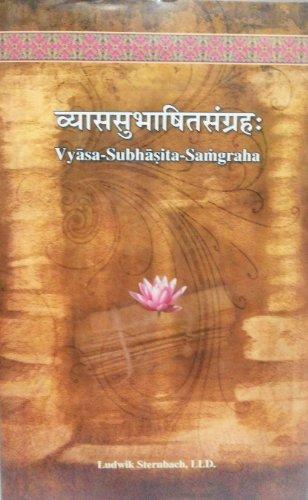
மஹாசுபாஷித சம்க்ரஹா – லுட்விக் ஸ்டர்ன்பாக்


சம்ஸ்கிருத இலக்கியத்தில் சுபாஷிதம் ஒரு தனி இடத்தைப் பெறுகிறது.


பல்லாயிரக்கணக்கான சுபாஷித ஸ்லோகங்களை வெளியிடுவது ஒன்றையே தன் வாழ்நாள் பணியாக மேற்கொண்ட அறிஞர் லுட்விக் ஸ்டர்ன்பாக் (Ludwik Sternbach) அனைத்து சம்ஸ்கிருத ஆர்வலர்களாலும் போற்றிக் கொண்டாடப்பட வேண்டிய ஒரு பெரியார்.


மஹாசுபாஷித சம்க்ரஹா என இவர் அரிய சுபாஷிதங்களைத் தொகுக்கும் பணியை ஆரம்பித்தார். இந்தத் திட்டத்தின் கீழ் எட்டுத் தொகுதிகள் வெளியிடப்பட்டுள்ளன. இவற்றில்

அகரவரிசைப்படி ஸ்லோகங்கள்/செய்யுள்கள்  தொகுக்கப்பட்டுள்ளன.


சம்ஸ்கிருத மூலமும் அதன் கீழ் ஆங்கில மொழிபெயர்ப்பும் அரிய குறிப்புகளும் இந்த எட்டுத் தொகுதிகளில் உள்ளன.

முதல் தொகுதியில் 1 முதல் 1873 ஸ்லோகங்களும் இரண்டாம் தொகுதியில் 1874 முதல் 4208 முடிய உள்ள ஸ்லோகங்களும் மூன்றாம் தொகுதியில் 4209 முதல் 8285 முடிய உள்ள ஸ்லோகங்களும் நான்காம் தொகுதியில் 6286 முதல் 8264 முடிய உள்ள ஸ்லோகங்களும் ஐந்தாம் தொகுதியில் 8265 முதல் 9979 முடிய உள்ள ஸ்லோகங்களும் ஆறாம் தொகுதியில் 9980 முதல் 11491 முடிய உள்ள ஸ்லோகங்களும் ஏழாம் தொகுதியில் 11492 முதல் 13018 முடிய உள்ள ஸ்லோகங்களும் எட்டாம் தொகுதியில் 13019 முதல் 14653 முடிய உள்ள ஸ்லோகங்களும் வெளியிடப்பட்டுள்ளன.


LUDWIG 2

முதல் பாகம் 586 பக்கங்களையும் இரண்டாம் பாகம் 608 பக்கங்களையும் மூன்றாம் பாகம் 564 பக்கங்களையும் நான்காம் பாகம் 571 பக்கங்களையும் ஐந்தாம் பாகம் 492 பக்கங்களையும் ஆறாம் பாகம் 575 பக்கங்களையும் ஏழாம் பாகம் 671 பக்கங்களையும் எட்டாம் பாகம் 732 பக்கங்களையும் கொண்டுள்ளது. ஆக சுமார் 4799 பக்கங்களில் 14653 சுபாஷித செய்யுள்களைப் படிக்க முடியும்.


அறிஞர் லுட்விக் ஸ்டர்ன்பாக்கிற்கு அறிவுச் செல்வத்தைப் போற்றும் உலகினர் அனைவரும் நன்றிக் கடன் பட்டுள்ளனர். இந்தத் தொகுதிகளை விலை கொடுத்து வாங்க முடியாதவர்கள் தக்க நூலகத்தை அணுகி இவற்றைப் படிக்கலாம். இணையதளத்திற்கான இணைப்பு வசதி உள்ள,

சுபாஷிதத்தைப் படிக்க ஆரம்பிக்க விரும்பும் ஆர்வலர்கள் கீழே குறிப்பிட்டுள்ள இணையதளங்களை நாடலாம்; நற்பயன் பெறலாம் :-

LUDWIG3

http://sanskritdocuments.org/doc_z_misc_subhaashita/doc_z_misc_subh_1_index.html

http://www.scribd.com/doc/94115369/Sanskrit-Subhashita-Collection#scribd


—Subham—-

அரசன் பேசிய பிழையான சம்ஸ்கிருதம்! குட்டிக் கதை! (Post No. 2411)

IMG_3207

Compiled by London swaminathan

Date: 21 December 2015


Post No. 2411


Time uploaded in London:- 9-35 AM

( Thanks for the Pictures  ) 


DON’T REBLOG IT AT LEAST FOR A WEEK!  DON’T USE THE PICTURES; THEY ARE COPYRIGHTED BY SOMEONE.


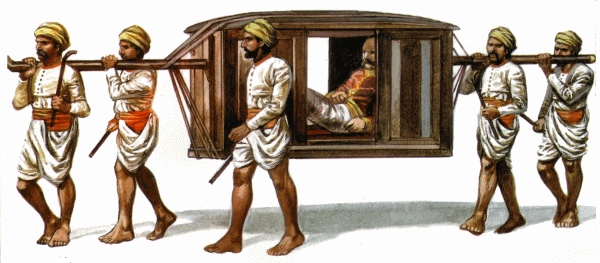
palanquin

சம்ஸ்கிருதம் பேச்சு மொழியாக இருந்ததேயில்லை என்று பல அரைவேக்காடுகள் அவ்வப்பொழுது தனது அறியாமைக்கும், முட்டாள்தனத்துக்கும் வெளிச்சம் போட்டுக் காட்டி வருகின்றன. இவை எவ்வளவு தவறு என்பதற்கு வேத காலம் முதல் இன்றுவரை ஏராளமான எடுத்துக்காட்டுகள் உள.

சிலப்பதிகாரத்தில் வைஸ்ய ஜாதியைச் சேர்ந்த கோவலன், தெருவில் கதறி அழுத ஒரு பார்ப்பனப் பெண்ணின் சம்ஸ்கிருத ஓலைச் சுவடியைப் படித்தது, “த, த, த” கதையில் (பிருஹத் ஆரண்யக உபநிஷத்) தேவர்கள், அசுரர்கள், மனிதர்கள் ஆகிய மூவரும் சம்ஸ்கிருதம் பேசியது, கும்பகர்ணன் சம்ஸ்கிருதத்தில் தவறான வரம் கேட்டது, விருத்ராசுரன் கதையில் ஒரு அசுரப் பிராமணன் தவறாக சம்ஸ்கிருதம் பேசியது, அகஸ்தியர்-வாதாபி கதையில், அகஸ்தியர் சம்ஸ்கிருதம் பேசியது, மஹாபாரத யுத்தத்தில் தர்மன், சம்ஸ்கிருதத்தில் பொய் சொன்னது (அச்வத்தாமா இறந்தான்), ஹாலன் என்ற மன்னன், அவனுடைய மனைவி சம்ஸ்கிருதத்தில் சொன்னதை தவறாகப் புரிந்து கொண்டவுடன் அவள் ‘கொல்’ என்று சிரித்தது – இப்படி நூற்றுக் கணக்கான எடுத்துக் காட்டுகளை அவ்வப்பொழுது காட்டி வந்துள்ளேன். இதோ மேலும் ஒரு சுவையான கதை.


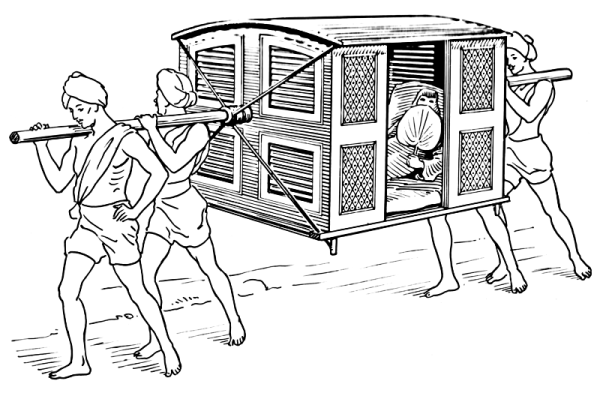
ஒரு அரசன் பல்லக்கில் பவனி வந்தான். அந்தப் பல்லக்கைப் பலர் தூக்கி வந்தனர். அவர்களில் ஒருவனைப் பார்த்து, இந்த பாரம் மிகவும் வலிக்கிறதா? என்று கேட்டான். அதை சம்ஸ்கிருத்தில் கேட்டான். அதையும் பிழைபடக் கேட்டான். உடனே பல்லக்குதூக்கி சொன்னான். உன் உடல் பாரம் வலிக்கவில்லை. நீ பேசிய சம்ஸ்கிருதத்தில் உள்ள இலக்கணப் பிழைதான் பொறுக்கமுடியாத வலியைத் தருகிறது என்றான்.


ஒவ்வொரு மொழியிலும் சில குறிப்பிட்ட முறையில் இறந்த காலம், நிகழ்காலம், எதிர்கால வினைச் சொற்கள் இருக்கும். எடுத்துக்காட்டாக தமிழில் இறந்த கால வினைச் சொற்கள்தான் மிகவும் சிக்கலானவை. கிட்டத்தட்ட பத்துவகைகள் உள்ளன. நான் வெளி நாட்டுக்காரர்களுக்குத் தமிழ் சொல்லித் தருவதால் இதை அவர்கள் புரிந்துகொள்ளப் படும் சிரமம் எனக்குத் தெரியும். வா என்பதன் இறந்த காலம் வந்தான். போ என்பதன் இறந்தகாலம் போந்தான் இல்லை! சாப்பிடு என்பதன் இறந்த காலம் சாப்பிட்டான். ஆனல் சா என்பதன் இறந்த காலம் செத்தான்! தமிழ் தெரியாத வெளி நாட்டுக்கார்கள் சா என்பதன் இறந்த காலத்தை சாப்பீட்டான் என்றும், சாத்தான் என்றும் சொல்லும்போது எனக்கு சிரிப்பு வரும். வில் என்ற வினைச் சொல்லை நாம் பயன்படுத்துவதே இல்லை. ஆனால் விற்றான், விற்கிறான், விற்பான் என முக்காலங்களிலும் பயன்படுத்துகிறோம் (கல்= கற்றான், கற்கிறான், கற்பான்). சொல் என்பதை சொற்றான், சொற்பான், சொற்கிறான் என்று சொல்ல மாட்டோம் இது போல எல்லா மொழிகளிலும் உண்டு. இப்படி சம்ஸ்கிருதத்திலும் உண்டு. இது தெரியாமல் ஒரு மன்னன் ஒரு தப்பு- இலக்கணத் தப்பு- விட்டான்.


பல்லக்கில் பவனி வந்த மன்னன்:

பாரம் பாததி வா? (என் உடல் பாரம் வலிக்கிறதா) என்றான். இது தவறு.

பல்லக்கு தூக்குபவன் சொன்னான்: “பாரம் ந பாததே யதா தவ பாததி”.

அதாவது பாரம் வலிக்கவில்லை. நீ (தவறாக) சொன்னாயே  “பாததி” என்று அதுதான் வலிக்கிறது.

palanquin1

இதிலிருந்து அக்காலத்தில் ராஜா முதல் பல்லக்கு தூக்கிவரை எல்லோரும் சம்ஸ்கிருதம் பேசியது தெள்ளிதின் விளங்கும். இதை ஒரு வேளை கற்பனைக் கதை என்று கருதினாலும், மஹாபாரத (அஸ்வத்தாமன் என்ற யானை இறந்தது), ராமாயண (கும்பகர்ணன் நித்திரை கேட்டது), உபநிஷத (த, த, த கதை) கதைகளை யாரும் பொய்யென்று சொல்லமுடியாது. பிருஹத் ஆரண்யக உபநிஷதம் (பெருங்காட்டு உபநிஷதம்) காமாலைக் கண் படைத்த வெள்ளைக்காரன் கணக்கிலும் கூட மிகப் பழைய நூல். அதாவது இற்றைக்கு 2800 ஆண்டுகளுக்கு முற்பட்டது.


இந்த த, த, த கதையை காஞ்சி பரமாசார்ய சுவாமிகளும் எம்.எஸ்.சுப்புலெட்சுமிக்கு, ஐ.நா.சபையில் பாடுவதற்கு எழுதிக்கொடுத்த மைத்ர்ரிம் பஜத – என்ற சம்ஸ்கிருதப் பாடலில் எழுதியுள்ளார். ஆக 2800 ஆண்டுகளுக்கு முன் எழுந்த பேச்சு மொழி நமது காலத்தில், ஐ நா. சபையிலும் ஒலித்து, அதை ஒலிபரப்பிய 100+ நாடுகளிலும் ஒலித்தது.

வாழ்க சம்ஸ்கிருதம்! வளர்க தமிழ்!!


Sanskrit has been a Spoken Language from Time Immemorial! Post No. 2352

IMG_9008 (2)


Compiled by London swaminathan

Date: 22 November 2015

POST No. 2352


Time uploaded in London :– 18-40

( Thanks for the Pictures  ) 


DON’T REBLOG IT AT LEAST FOR A WEEK!  DON’T USE THE PICTURES; THEY ARE COPYRIGHTED BY SOMEONE.


There was a Sanskrit scholar in a town in India. He spent most of his time in looking at dictionary to find meanings for new words. Knowing that he lives alone after the death of his wife, a thief entered the house after sunset. He opened the door with a loud noise just to test anybody is wide awake.


The Sanskrit scholar heard the noise while browsing through the dictionary. Immediately he asked, “ Kapaada sabdam kim?” (What is that noise at the door?). The thief answered the question at once with a sound CHO. The scholar was puzzled and began to flip through the dictionary pages to find out the meaning of ‘Cho’. He was very happy to get an answer in Sanskrit (from the thief)! Unfortunately he could not find any meaning for the word ‘Cho’. By the time, he finished his search, the thief looted the house completely and ran out with the booty. But to mock at the scholar, he made a big noise again by slamming the door. The scholar asked “Puna Kapaada sabdam him?” (What is that door noise again?). The thief answered ‘RAN’ and ran away. The scholar who was puzzled by this word started looking at the dictionary again. When he couldn’t find the meaning his brain worked out a word by joining the two sounds CHO+RAN = Choran.


Oh, My God! Choran, Choran!! It means a thief. Let me go and check. When he did that it was too late. The thief took all the valuables in the house (Choran mean thief).

IMG_9007 (2)

Stories like this show that Sanskrit has been a spoken language in India from time immemorial. From the Upanishadic “Da, Da, Da story” we come to know that Sanskrit was spoken by Asuras, Devas and Humans. Stories such as Vrtra Vs Indra, Kumbakarna V Brahma, Nahusa Vs Agastya (Sarpa, Sarpa), King Hala Vs his wife (Modaka thadaya) and Asvattama hatha: (Dharma Vs Drona) Vataapi Jeerno Bhava (Vataapi Vs Agastya) show that Sanskrit was spoken. Otherwise these stories have no meaning. And these stories are there from Vedic days. That means Sanskrti was spoken during Vedic days, Epic days and Puranic days.


–Subham–

Drama is Best: Kavyesu Natakam Ramyam! (POST No. 2337)

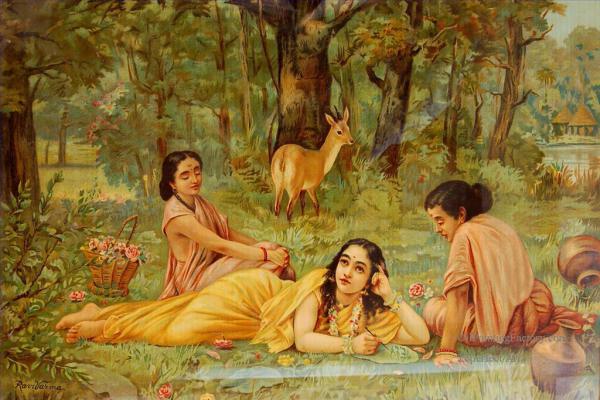
shakuntala-raja-ravi-varma

Written  by London swaminathan

Date: 17 November 2015
POST No. 2337
Time uploaded in London :– 21-20
( Thanks for the Pictures )

DON’T REBLOG IT AT LEAST FOR A WEEK!
DON’T USE THE PICTURES;
THEY ARE COPYRIGHTED BY SOMEONE.


Shakuntala Popular Four Verses


Kavyesu Natakam ramyam tatra ramyaa Sakuntala

Tatraapi cha chaturtankah tatra sloka chatustayam


In the classical literature, drama is the best one; Among the Dramas Saakuntalam (of Kalidasa) is the best. Even in that drama fourth Act is the best one. And in the fourth act, there are four beautiful slokas!


The four verses in the Fouth Act are verses 6,18,19,22


Yaasyadya ………………….

Paatum na pratamam …………………

Asana sadhu………………..

Susruusasva ……………………..


Verse 6

Seer Kanva says:

This day will Sakuntala depart; at such a thought my heart is smitten with anguish; my voice is choked by suppressing the flow of tears; and my senses paralysed by anxious thought. If such through affection, is the affliction even of me a hermit, O with what pangs must they who are fathers of families be afflicted at the first parting with their daughters?


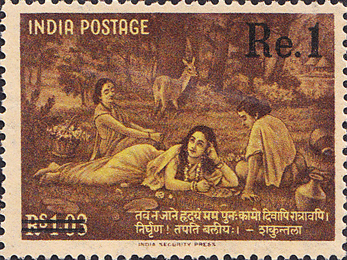
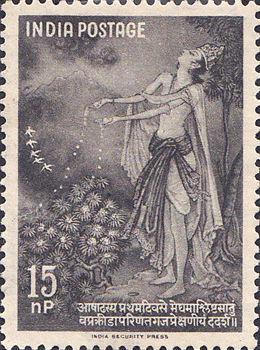
kali stamps 1

Verse 18

Seer Kanva addressing the trees and plants:


She who wouldn’t drink water first, before you were watered; she who cropped not through affection for you one of your fresh leaves, though she is fond of ornaments; she whose chief delight was in the season of the first appearance of your bloom; even that same Sakuntala is going to the palace of her wedded Lord. Let all give their consent.


Verse 19


Kanva says this Sarngarava:

Consider us, who are rich in self restraint

And consider your own exalted lineage

Consider well her love, spontaneous,

That flowed towards you  unprompted by her kin

Regard her then as worth equal  esteem

As your other consorts; more than that rests

On what Fortune has in store for her

The bride’s kin ought not to speak of it

kali stamp 2

Verse 22


“ My child, you are now leaving for your husband’s home; when you enter it:


Serve your elders with diligence; be a friend to your co-wives; even if wronged by your husband do not cross him through anger.
Treat those who serve you with utmost courtesy.
Be not puffed up with pride by wealth and pleasures;
Thus do girls attain the status of mistress of the home; those who act contrary are the bane of their families”.


These are the four popular verses in Sakntalam. All these are spoken by the seer Kanva.


If one reads in the drama and understands the context, it will add more colour and weight to these statements.


Sakuntala is shown as an innocent and  kind forest woman. Shakespeare has modelled his Miranda (The Tempest) on the character of Kalidasa’s Sakuntala.


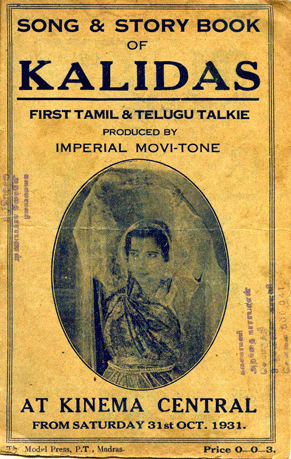
kalidas-cinema-song-book

More about Sanskrit Drama:–


Elements of Plots of Drama:


Biija seed

Bindu vital drop

Pataakaa episode

Prakarii episodic incident

Kaaryam action


Stages of Action in Drama


Praarambhah — Beginning

Prayatna —  effort

Praapti  Sambhava- Possibility of attainment

Niyataapti — certainty of attainment

Phalapraaptih —  attainment of the object


Praarambascha prayatnascha tataa praaptescha sambhavah

Niyataa cha phalapraaptih phalayogascha pacamah