மாரி, பாரி, வாரி: காளி.,கம்பன் கபிலன்!!!

06TH_WEATHER2_1937233g
Written by London Swaminathan
Post No.1125 ; Dated :– 23 June 2014.

N.B. If you want to reproduce this article, please email me for permission. Previously I gave blank cheque to some people. They have been uploading all the 1100 posts from my blogs which is not allowed from today. You have to get written permission from me for each and every article separately. swami_48@yahoo.com

மாரி என்றால் மழை;
பாரி என்பவன் கடை எழு வள்ளல்களில் ஒருவன்;
வாரி என்றால் கடல்.

காளிதாசன், கபிலன் என்பவர்கள் 2000 ஆண்டுகளு க்கு முன் வாழ்ந்த புகழ்பெற்ற கவிஞர்கள். அவர்களுக்கு ஆயிரம் ஆண்டுகளுக்குப் பின் உதித்தவன் கம்பன் என்னும் கவிஞன். இம்மூன்று கவிஞர்களும் சொல்லேர் உழவர்கள்; ஒரே விஷயத்தை தமக்கே உரித்தான பாணியில் நயம்பட உரைப்பதைப் படித்து மகிழ்வோம்.

கி.மு முதல் நூற்றாண்டில் வாழ்ந்த உலக மஹா கவிஞன் காளிதாசன். அவனது ஆயிரத்துக்கும் மேலான உவமைகளில் 200—க்கும் மேலான உவமைகளை சங்கப் புலவர்கள் கையாண்டிருப்பதை ஏற்கனவே ஆறு, ஏழு கட்டுரைகளில் ஆதாரத்துடன் எழுதி இருக்கிறேன்.

barcelona mediterranean sea

ரகுவம்சம் (17—72) என்னும் காவியத்தில் வரும் ஸ்லோகம் இது:

வறுமையில் வாடிய புலவரும் ஏழைகளும் அதிதி என்ற அரசனை அடைந்தனர். அவன் அள்ளி அள்ளிக் கொடுத்தான். அந்தப் பொருளை வாங்கி ஊருக்குத் திரும்பி வந்தவுடன் அவர்களும் எல்லோருக்கும் வாரி வழங்கி வள்ளல் என்ற பெயர் எடுத்துவிட்டனர். இதன் உட் பொருள்:–அப்பொருளைப் பெற்றோர், அப்பொருளுக்கு மூல காரணமான அதிதி என்னும் மன்னனையே மறந்துவிட்டனர். மேகங்களும் இப்படித்தான் கடல் நீரை மொண்டு எல்லோருக்கும் மழையாகத் தருகிறது. இதன் உட்பொருள்:–எல்லா கவிஞர்களும் மேகங்களை வள்ளல் என்று புகழ்கின்றனர். ஆனால் அந்த மேகங்களுக்கும் நீர் கொடுத்தது கடல் என்பதை மறந்துவிட்டனரே!!

ரகுவம்சம் 1-18ல் திலீபன் என்னும் மன்னனின் கொடைத் தன்மையை வருணிக்கையில் ‘’சூரியன் கடல் நீரை உறிஞ்சுவது ஆயிரம் மடங்கு திருப்பித் தருவதற்கன்றோ! அதே போல திலீபன் வரி வாங்கியதும் ஆயிரம் மடங்கு மக்களுக்குத் திருப்பித் தருவதற்கன்றோ!!’’ – என்பான்.

ரகுவம்ச அரசர்கள் எப்படிக் கொடுத்துக் கொடுத்து வறியவர் ஆயினரோ அதே போல பாரியும் ஆய் என்ற வள்ளலும் வறியவர் ஆனதை முடமோசியாரும் கபிலரும் பாடுகின்றனர்.

kadal-B_Id_428828_cyclone

புறம் 127 முடமோசியார் பாடிய பாடலில், ‘’ உன் மனைவி கழுத்தில் உள்ள தாலி ( ஈகை அரிய இழையணி மகளிரொடு ) மட்டுமே கொடுக்க இயலாது. மற்ற எல்லாவற்றையும் நீ பரிசிலர்க்கு வழங்கிவிட்டாய் என்பார்.

கபிலன் பாடல்
பாரியினுடைய 300 ஊர்களும் ஏற்கனவே இரவலர்க்கு வழங்கப்பட்டு விட்டது என்பதை முற்றுகையிட்ட மூவேந்தரிடம் கபிலர் கூறினார்.
புறம் 107 கபிலர் பாடிய பாடலில், மேகம் உவமை வருகிறது.:-
பாரி பாரி என்று பல ஏத்தி,
ஒருவர்ப் புகழ்வர் செந்நாப்புலவர்
பாரி ஒருவனும் அல்லன்;
மாரியும் உண்டு ஈங்கு உலகு புரப்பதுவே.

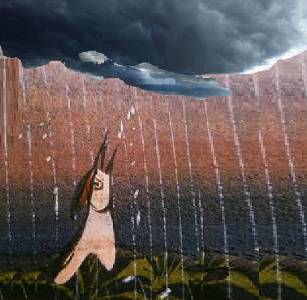
எல்லோரும் பாரியையே புகழ்கின்றனரே. உலகத்தைக் காப்பதற்கு மாரி (மழை/மேகம்) யும் உள்ளனவே. இது பழிப்பது போல பாரியைப் புகழ்வதாகும்.

கம்பன் பாடல்
கம்பனும் ராமாயண பால காண்டத்தில் இதே உத்தியைக் கையாளுகிறான்:
புள்ளி மால் வரை பொம் எனல் நோக்கி, வான்
வெள்ளி வீழ் இடை வீழ்த்தெனத் தாரைகள்,
உள்ளி உள்ள எல்லாம் உவந்து ஈயும் அவ்
வள்ளியோரின் , வழங்கின் மேகமே (ஆற்றுப் படலம், பால காண்டம்).

மற்றவர்களுக்கு தானம் செய்யும்போது ஏற்படும் இன்பத்தைக் கருதி தம்மிடமுள்ள செல்வத்தை எல்லாம் வாரி வழங்கும் வள்ளல்களைப் போல மேகங்களும் கோசல நாட்டில் மழையைக் கொட்டித் தீர்த்தனவாம்! இது கடைசி இரண்டு வரிகளின் பொருள்.

முதல் இரண்டு வரிகளின் பொருள்:– பெருமையுடைய இமயமலை பொலிவுடையதாக இருக்க வேண்டும் என்று கருதி வெள்ளி நிறக்கம்பிகள் போல தாரை தாரையாக மழை இறங்கியது.

kadal blue

ஆக மேகத்தையும் கடலையும், மழையையும் கொண்டு மன்னர்களின் வள்ளல் தன்மையை புலவர்கள் விளக்கும் நயம் மிகு பாடல்கள் படித்துச் சுவைப்பதற் குரியனவே!

உலகில் இப்படி வள்ளன்மைக்கு உவமையாக மழை, மேகம், கடல் ஆகியவற்றைப் பயன்படுத்துவதை பாரதம் முழுதும் வடமொழி, தென்மொழிப் பாடல்களில் மட்டுமே காணமுடியும். இது பாரதீயர்களின் ஒருமுகச் சிந்தனையைக் காட்டுகிறது, ஆரிய—திராவிட இனவெறிக் கொள்கையைப் பரப்புவோருக்கு இதுவும் ஒரு அடி கொடுக்கும்!

–சுபம்–

Five Fire Penance of Goddess Uma

five fire

Written by London Swaminathan
Post No. 1124; Dated :– 22nd June 2014.

N.B. If you want to reproduce this article, please email me for permission. Previously I gave blank cheque to some people. They have been uploading all the 1100 posts from my blogs which is not allowed from now onwards. You must get written permission from me for each and every article separately. swami_48@yahoo.com

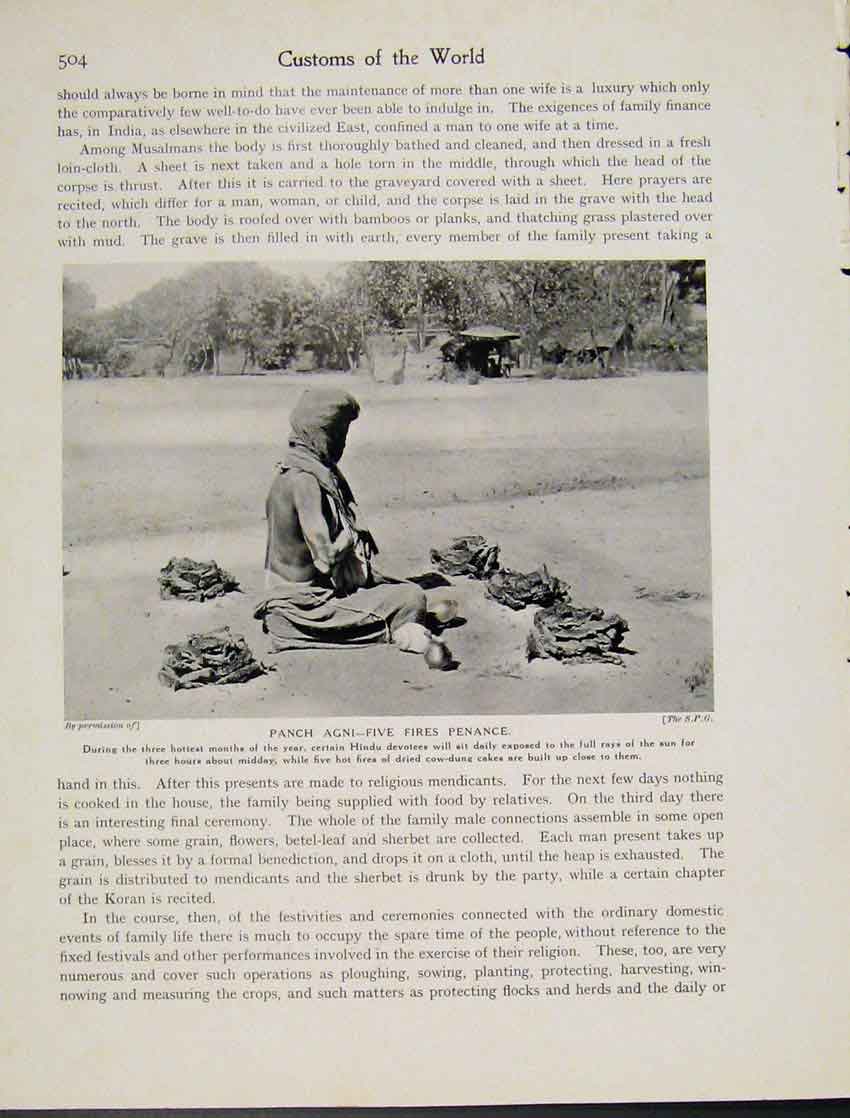
Kalidasa , the greatest of the Indian poets, describes about some strange ancient customs: Five Fire Penance (Panchagni) and Sword in the Bed/Asi dhara Vrata. Kumarila Bhatta, a contemporary of Adi Shankara, burnt himself to death in slow burning paddy husk. Hindu Yogis and saints had a very firm conviction and will power to undergo such an ordeal to achieve higher things in life. None of these hurt them because of their yogic practices.

I already wrote about the great penance undertaken by Bhageeratha and Arjuna standing on one leg to bring down River Ganga to earth and to attain Pasupata Astra from Lord Shiva.
panchagni1

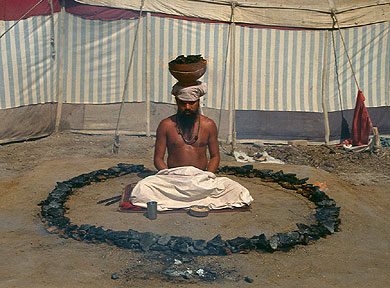
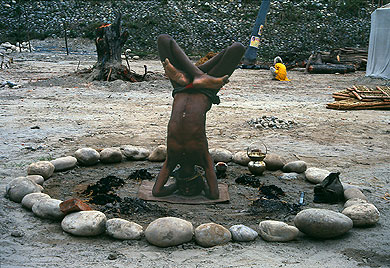
People who want to achieve something great in life lighted fire on four directions and stood amidst the four fires on one leg. Sun, which is the fifth fire, was scorching them from above. Their mind is so focussed into God that they would not feel the burning. It is also a symbolic penance which means they are out of the five bad qualities: Kama (lust), Krodha (anger) Lobha (greed), Matha (Ego) and Mathcharya (attachment).

Kalidasa in ‘Kumarasambhava’ describes Uma’s penance in beautiful verses:
“In summer, she of sweet smiles and a delicate waist, sitting in the midst of four blazing fires, gazed at the sun with her sight not directed to anything else; having got the better of his lustre that dazzles the eye”. (5-20)

“Her face greatly scorched by the rays of the sun in that manner, bore the beauty of a day lotus; but gradually, only round the long corners of her eyes, dark colour made its appearance”. (5-21)

five fire 3
“The sternest severity of austerities lies in subsisting on leaves, fallen free from the trees on their own accord; but that also she spurned; hence that gentle talker was named ‘Aparna’ (leafless) by those conversant with history (5-28)

((I agree with scholars who date Kalidasa to first or second century BCE. I have proved it right on the basis of the use of his 200+similes (out of 1000+ similes) by the Sangam Tamil poets. They are not found in Prakrit Gatha Sapta Sati or any other Sanskrit books)).

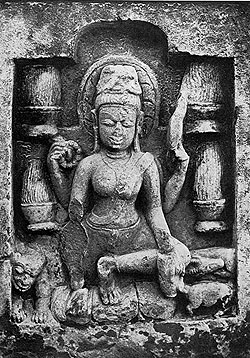
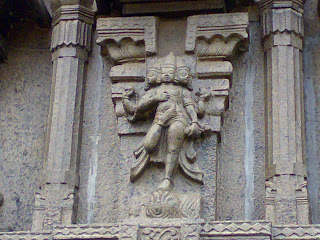
5 fire
InMadhya Pradesh Temple.

Asi Dhara Vrata (Sharp Sword Edge Vow)
It is like standing on the sharp edge of a sword. The meaning is it is difficult to maintain that balance or it would hurt if slipped. A bachelor can lie in the same bed with a beautiful girl but yet never swerve from the vow of chastity. It is said that a sword will be placed in between them in the bed according to the commentator (Raghuvamsa 13-67).

When Rama returned to Ayodhya after 14 year stay in the forest, he saw Bharata walking towards him. He praised Bharata as practising Asidhara Vratam, without enjoying the Rajyalakshmi (Kingdom or Earth is praised as Lakshmi, Goddess of Wealth in Hindu scriptures).

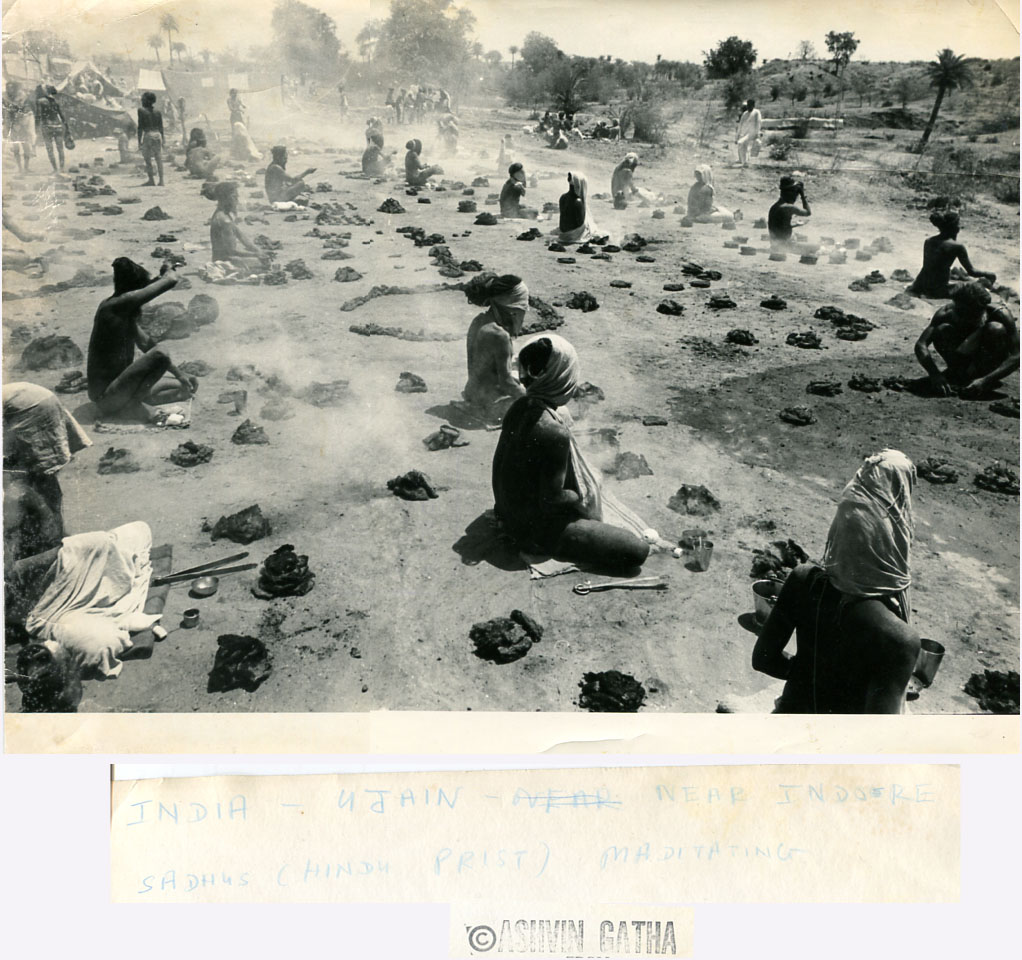
ujjain1960s5fire
Five Fire Penance in Ujjain.

Tamil Kings Fast unto Death
Tamil Kings Kopperum Choza and Neduncheralatha of Sangam age also followed similar type of vow. They sat facing North on the banks of a river and fast unto death. They were also holding a sword in their hands, probably meaning the same, i.e. sharp edged vow. Verses in Purananuru 65 (by Kazath thalaiyar) and Akananuru 55 (by Mamulanar) are about the Chera King Neduncheralathan who died facing North. When such a great person sacrificed his life, scholars and general public joined them and made it a “mass suicide”. We see it when Lord Rama drowned himself in the Sarayu River and in the Tamil Kings’ deaths. Lot of Tamil poets and scholars joined them in the fast unto death ceremony. In Tamil it is called “Vaal Vatakkiruthal”, meaning Facing North with a Sword.

Brahma,panchaishti
Brahma in Panchaishti village.

KumarilaBhatta’s Sacrifice
Kumarila Bhatta was a great scholar with whom Adi Shankara wanted to debate Advaita philosophy. He directed him to his disciple Mandana Mishra because, Kumarila was dying in burning paddy husk. When people wanted to get rid of sins they must undergo due punishment to ‘spend’ their sins. So they fast unto death facing the Holy direction North or walk towards North till their bodies fall on earth (like the Pandabva brothers) or drown themselves in a holy river (like king Aja and Rama). Kumarila Bhatta chose the method of self immolation. He placed himself in a pile of paddy husk and lighted it on four directions. It would slowly burn him to ashes. It would not hurt anyone who practises Yoga. Yogis would not feel any body pain.
XXXXXXX—–XXXXXXXXXX—XXXXXXXX
Pictures are taken from Divyadarsanam and other websites;thanks.

Fireflies in Sanskrit and Tamil Literature!

Waitomo-glow-worm-New-Zealand
Waitomo Glowworm Caves, New Zealand.

Written by London Swaminathan
Post No. 1109; Dated 15th June 2014.

Great poet Kalidasa is famous for his similes and descriptions of nature. His works abound in imageries. One of the imageries is about the fire flies. Fire-flies are seen in thousands in Indian villages during night time. No one would have missed them. But using them in poetry in appropriates places needs lot of literary skills. Tamil and Sanskrit poets are very keen observers of nature. They use it to the maximum in their poems to convey lot of messages. The fire fly imagery brings out another fact of the natural world.

Kamban who wrote Ramayana in Tamil gives us an interesting fact in Bala Kanda (Verse 59) of Kamba Ramayana. While describing the fields of Ayodhya, he describes how the sparrows mistook the gems for fireflies and took the gem stones lying on the ground to illuminate their nests. They thought that they were fireflies. He compared it to the sparrows’ natural habit of taking fireflies to their nests for lighting! Human beings, probably, got the idea of lighting from the sparrows!

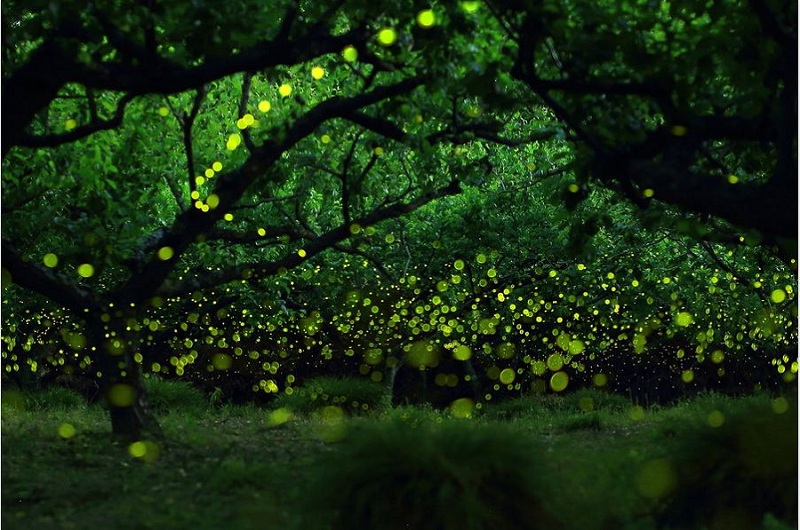
Fairies-nagoya city
Fireflies in Nagoya City, Japan.

Kalidasa in his Meghaduta (verse 80) says,
“The flash of lightning of a very mild brilliancy is imagined to resemble the soft and twinkling light of a row of fireflies. The lovely and varying illumination with which these fireflies light up the roads at night gives quite an idea of enchantment”.

Three Tamil poets of Sangam age give us a similar picture:

“The bear thrusts its hand like front leg into the anthill raised by the termites and scoop out their comb for its food at midnight. A poor snake that had its abode in the anthill, was fatally wounded by the sharp claws of the beast.

The fireflies surrounding the ant-hill fly scattered and emit phosphorescent light”.
This scene is repeatedly pictured in many passages by different poets and compared to that of a smithy. The beast covered with thick black fur all over the body is likened to the blacksmith working in the smithy, the ant-hill to the raised structure of the furnace, the hard breath and action of the beast to the roar and action of the bellows, and fireflies flying and emitting light to the sparks of red hot iron beaten there — Akam.72,Akam 81,Nar 125.

_mycena_chlorophanos_33 species
Mycena chlorophenos, 33 species of fungi emit light.

Perumkausikanar, in one of his poems (Nar. 44), described the glow worms on a jack tree. The heroine looks at the dark sky and observes the movement of the clouds in the light emitted by the glow worms among the branches of a jack tree.

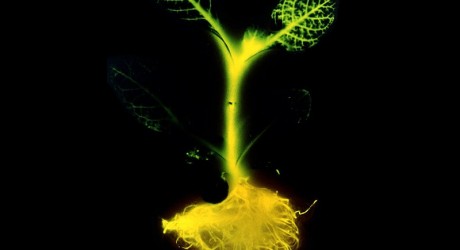
Kalidasa described the light emitting plant ‘Jyotirlatha’ (Raghuvamsa 9-70 & Kumara Sambhava 1-30) which is not known to any biologist. We know only lower organisms such as fungi, jelly fish, planktons and insects like fireflies with this light emitting quality. Probably lit is like the jack tree full of fireflies (Nar. 44).

glowing_plant_genetically engineered
Genetically engineered tobacco plant emitting light.

David Attenborough, in his nature series on the BBC, described a cave full of fireflies in New Zealand. They looked like the illumination in the amusement parks or the government buildings on National Holidays. They emit light on and off. Millions of fireflies living in a narrow area! Only when we know such natural wonders we can get a glimpse of what Kalidasa described as Jyotirlatha. Kamban also described light emitting Kalpalatha (Balakandam 793)

contact swami_48@yahoo.com

Agastya in Jataka Tales and Kalidasa

450px-Agastya,Prambanan,Indonesia
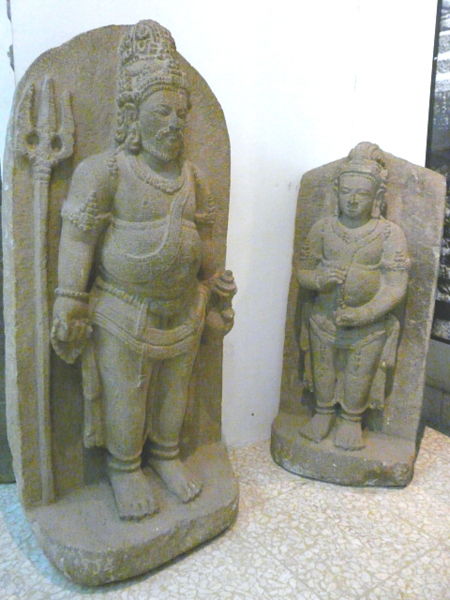
Agastya Statue from Prambanan, Indonesia.

Written by London Swaminathan
Post No.1105; Dated 13th June,2014.

The Jataka Tales is a collection of tales of the numerous births of Bodhisatva, who later became the Buddha. It is a record of very old folk tales adapted by the Buddhists to suit their needs. They were current among Indians from time immemorial. Buddhists did not hesitate to distort and twist all the old tales including the popular Hindu stories for their purpose. They even used Ramayana, Mahabharata , Puranas and Panchatantra stories and ‘’Buddhaized’’ the stories. One of such stories is the story of great Agastya whom the Tamil poets celebrated as the first patron of Tamil language. Tamil language came to Agastya through Shiva and his son Lord Skanda (Muruga in Tamil).

In the Akitti (Agastya) Jataka, Bodhisattva was born as Akitti as a son of a Brahmana mahasala (Brahmin scholar) Later he became an ascetic with his sister Yasavati. He went to Damila (Tamil country) from Kasi. Agastya lived in a garden in Kaveripattana. The reason for Agastya’s southward movement was the nuisance from his admirers. But he was pestered by his admirers in the South as well. Then he went to Karadipa also called Ahidipa (May be Nagadwipa; Ahi=snake, Naga). Nagadwipa was used for Sri Lanka as well as South East Asia. Agastya attained Moksha there.

Puranas say that Agastya drank ocean to convey the message symbolically that he crossed the ocean to go to South East Asia. His statues are found in different South East Asian countries. He was worshipped throughout South East Asia.

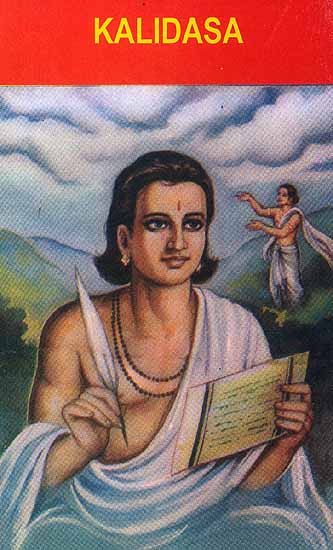
Kalidasa who lived in the first century BCE gives us very interesting details:-

agastya in London
Agastya Statue i London V&A Museum

Kalidasa’s Amazing knowledge about South India
Kalidasa in his Raghuvamsa Kavya confirmed that Agastya was closer to the Pandyas of the South. According to Tamil literature Agastya lived in the Podiya Hills ( a part of the Western Ghats inside the Tamil territory). Kalidasa’s knowledge about India was amazing. He was the first poet to give a clear and complete picture of India. Though Arjuna’s travel in the Mahabharata and Rama’s travel in the Ramayana described South India, a lot of things were vague—mixed with myths.

Kalidasa was the first Tourist guide in the world and he was the first Travel write in the world. Kalidasa’s Meghaduta described India from the Vindhya Hills up to the Northern Himalayas. His Raghu Vamsa Kavya described a vast area from Iran to South India.

During Indumati’s Swayamvara kings from different parts of India assembled to marry Indumati. Pandya king was also there. Kalidasa never mentioned other Tamil kings Choza or Chera. Pandyas were the oldest of the three kingdoms. Chozas came from North West India where Sibi ruled (Please read my article ‘’Sibi Story in Tamil literature’’ for more details)

220px-Kaviratna_Kalidasa_poster

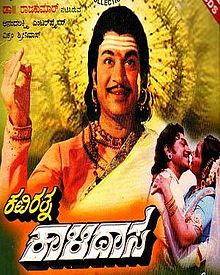
The Agastya story shows that the contact between South India and North India existed even before Buddha. According to the Puranas, Agastya was sent to the South by Lord Shiva to solve the population explosion in the north. Tamil commentators on a Purananuru verse (201 by Kabilar) also confirmed that he came with the Velir tribes to South India.

Following slokas from the Raghuvamsa are noteworthy:–
Raghuvamsa-4-21, 4-44,4-49; 6-60,6-61/65

kalidasa_idk168
4-44 South is the direction of Agastya
4-46 Malaya (Pothiya) hills, Pepper plants, Parrots
4-47- Sandal wood
4-49 even sun shines less bright because of the might of the Pandyas
4-50 pearl fisheries where River Tambraparni meets the sea
4-53, 4-59 Parasurama land between Sahya hills and the sea (Kerala)
4-54 Beautiful Kerala girls and Cosmetics
6-61 Agastya –Pandya connection, Aswamedha yagna of Pandya
6-62 Ravana- Pandya peace treaty
6-64 Malaya hills (Podiya Hills)
6-65 Pandyas are black skinned
4-21 Agastya Star (Canopus)

Pandya kings copper plates, Purananuru verse 201 by Kapilar, Pura. 2 and commentaries on several other verses confirm the link between the Pandyas and Agastya, Podiya and Himalayas, Yagas performed by the Pandyas and Agastya.

Sage Agastya was inseparable from Tamil Nadu as Parasurama was
Inseparable from Kerala.

kalidas encyclopedia
Also read my earlier posts:
Is Brahmastra a Nuclear Weapon? Sept.7, 2011

Great Engineers of Ancient India Sep.10, 2011

Did Agastya drink Ocean? (Post No.931, Dated 25-3-14)

Story of ‘Dumb Poet’ Mooka Kavi

jumping hill

Compiled by London swaminathan
Post No.1091; Dated 7th June 2014.

मूकं करोति वाचालं पङ्गुं लङ्घयते गिरिं ।
यत्कृपा तमहं वन्दे परमानन्द माधवम् ॥

Muukam Karoti Vaacaalam Panggum Langghayate Girim |
Yat-Krpaa Tamaham Vande Param-Aananda Maadhavam ||

Meaning:- ”I remember with devotion the Divine Grace of Krishna who can make the dumb speak with eloquence and the lame cross high mountains. I remember and extol that grace which flows from the Supreme Bliss of Madhava”.

This is an old Sanskrit verse which came true in the case of Muka Kavi or Kanchipuram and Tamil saint Kumara Guruparar.

Kanchi Shankaracharya in his speech says,
“Mooka Kavi was dumb from birth; but obtaining the grace of Kamakshi he burst forth into exquisite poetry. He sang five hundred verses in praise of Sri Kamakshi in five satakas of 100 verses each. In the first Sataka, known as Arya Sataka, occurs the following verses:

Siva, Siva Pasyanti Samam
Sree Kamakshee Katakshitah Purushah
Vipinam Bhavananamamitram, Mitram
Loshtam cha Yuvathi Bimbhostam

“Great men, blessed by the Kataksha ( benevolent look)of Kamakshi, regard with equal unconcern forest and palace, foe and friend, a piece of stone and the captivating lips of damsels. What a wonder O! Siva, O! Siva.”
jumping_the_gap

In this verse, the poet indicates the test by which we can find out whether a person has been purified by the benevolent look of the divine mother or not. If he has received the grace of the mother, he will be in a state of mind free from anger, enmity, desire, and fear, and such a man will view with equal indifference a piece of tile and a piece of god or a young woman. He will be attracted by nothing, desire nothing, hate nothing and fear nothing. God alone can work this miracle of ridding us of all passions. We need not go to Puranic stories to find instances of such divine grace; we can see such instances even in the present times”.

The above excerpt is from Kanchi Paramacharya’s (1894-1994)talk.

Muka Kavi means dumb (turned) poet. He used to go to Kanchi Kamakshi temple and prostrate before the statue of the goddess every day. One day he saw the goddess lips nd suddenly started composing poems. He was one of the Kanchi Sankaracharyas. He might have lived in the fifth century CE.

According to Kanchi Mutt calculations Muka Sankara (398-437 CE) was the 20th Shankaracharya. He was the son of Vidyavati, an astronomer. He mastered Vedas after he became eloquent. He was ordained by Martanda Vidhyaghana (19th Shankaracharya).

He was so much over flowing with Divine grace, that at his slightest will even stable boys and elephant keepers were transformed into brilliant poets. Matrugupta, King of Kashmir, and Pravarasena, all considered it a privilege to serve Sri Muka Sankara (Muka Kavi).

Silhouette of hiking man jumping over the mountains

His Muka Panchasati consists of five sections: Arya Satakam, Paadaravinda satakam, Mandasmita satakam, Kataaksha satakam, and Stuti satakam. Each section has 100 verses/slokas. Muka Panchasati is a lyrical outburst of poesy on Kamakshi, whose beauty of diction and mellifluence is rivalled only by the Krsna Karnamruta of Lila Suka. The Prachina Sankara Vijaya is also said to have been written by Muka Sankara. This work furnishes valuable clues to the date of Sankara. And the antiquity of Kanchi Mutt.

From the book “The Traditional Age of Sri Sankaracharya And the Maths” by A Nataraja Iyer & S.Narasimha Sastri.1962.

Wife’s three Tests to her Husband! Story from Yoga Vasishta

yoga_vasistha3

Written by London Swaminathan
Post No. 1076; Dated 31st May 2014.

There is a beautiful story in Yoga Vasishta about a queen and a king which has got deeper meaning. The wife puts three tests to her husband and he passes all the three tests. What are they?

Before reading the story, many may wonder what Yoga Vasishta is. It is a book written by sage Valmiki in Sanskrit. It has got 32,000 verses, one of the longest books in Sanskrit, probably occupying a place next to Maha Bharata and Katha Sarit Sagara. It has got a lot of Hindu stories that are not found elsewhere.

Sikidwaja was the prince of Malava in ancient India. Sikidwaja means a king with peacock flag. His queen was Chudala from Saurashtra country in ancient India (now part of Gujarat state). She was very beautiful and extremely intelligent.

When Sikidwaja was 18 years old, he married Chudala. As young royal couple they enjoyed all the pleasures available for a queen and a king. Sikidwaja’s father transferred his authority to the prince and retired into the forest. They passed many years and suddenly found out that life was boring and monotonous. They both resolved to turn over a new leaf in their lives.

Chudala spent all her time in studying about the Self. She progressed very quickly in the realm of spiritual matters. A great serenity came upon her and a new lustre shone in her face. Sikidwaja was struck by the change in her and asked her about it. She explained to him that though she did not notice any change in her face, she knew more about inner self. She told him that it gave her a lot of inner peace and joy. She explained it in detail. But Sikidwaja could not understand everything she said. He also decided to pursue the path of self illumination.

Sikidwaja proved a good and conscientious king and ruled his subjects justly, but his spiritual development was stunted, and that made Chudala sad. She performed all her duties as a wife correctly. One day he suddenly last his complacency. He couldn’t meditate anymore because of the perennial cravings of the physical self. When all his efforts to bridge the gap failed he decided to go to the forest. Chudala said to him , “What you cannot attain here, you will never attain in a forest”. Finally one morning, waking up, she found his half of the bed vacant; he was gone. In the king’s absence Chudala ruled the country.

She had mastered the art of assuming any form she chose, and presently she took the shape of a young male ascetic and appeared before her wandering husband in the forest. When he asked her who she was she introduced herself as Khumba. She told him that she knew the reason for his restlessness and ready to teach him. Khumba explained to him that renunciation of external possessions alone would not help. One had also to cultivate perfect detachment. Then she left him to meditate and went on the pretext of going somewhere. Actually she went back to the kingdom to attend to state duties.
When she came back to the forest after a few days her husband (Sikidwaja) was in Samadhi. She went back to the capital and came back after a few days. When she saw him still in Samadhi and she created Simhanada (roar of a lion) with her Yogic powers. He was undisturbed. She left her own body and transmigrated into his and awoke him from within. Khumba (chudala) asked him, “Do you feel assured that you will never more be affected by Kama (passion), Krodha (anger) and Moha (attraction). He told Khumba that he was above all passions and felt very confident now.
yoga-vasistha2

First Test
Now Khumba left Sikidwaja on the pretext of visiting Indraloka. When he came back he had a sad face. Sikidwaja asked the reason for his sadness. Since he cracked a joke at Durvasa on his way back, he cursed him to become a woman during night and that made him sad. Sikidwaja told him that he wouldn’t mind even if he became woman during night time. The night came and he went behind a curtain and started describing all the changes in his body. Khumba said to him that now his name was Madanika. She came out like a beautiful woman. As the night advanced she came closer to Sikidwaja and said to him, “Let us spend the night as husband and wife”. She found that the king, though responsive, remained untouched by any experience. He took no initiative at any stage although he never denied her anything when she made a demand on him as a wife. Chudala (Khumba/Madanika) felt very happy that her husband had come through the first test successfully.

Second test
Now Chudala wanted to put him through a second test. She created an illusory Indra with her magical powers and set him to tempt Sikidwaja. Indra invited him to visit Indra loka (heaven) to enjoy all the pleasures. The king looked at Indra with amusement and asked, “Does one have to go so far to seek happiness? There is no need for one to go in search of anything”. Indra disappeared at once. Chudala felt triumphant that her husband had come successfully through the second test also.
yv1

Third test
She had tested his passion and attitude to pleasure in the first and second tests. She planned a third test to find whether he had mastered Krodha/anger. Chudala converted herself into Madanika and created a handsome man out of thin air. She embraced him tightly. When Sikidwaja saw her in intimate contact with another man, he said nothing. When she explained the reason for her fickle mindedness, he told her that she had followed her inclination and he had no voice in it. When she promised him that she would not do it again and asked him to accept her as his wife Madanika again, he told her that there was no need for husband and wife relationship anymore, but she can still stay with him as his friend Khumba in the daytime and Madanika in the night.

Then Chudala felt very happy to see that her husband passed the third and final test as well. Now she assumed her original form as Chudala and told her husband Sikidwaja,“I have tried you in every way to see if you have attained ripeness and maturity. You have attained the stability of a rock, you are a Jivan Mukta (living saint). You have surpassed me in a hundred ways. Let me become your humble wife”.

YogaVasisthaTitleFinal

When Sikidwaja suggested total renunciation, she told him that he should return to his worldly duties as a king. A second coronation was held in the capital in grand style. It is recorded that Sikidwaja ruled happily for ten thousand years!

Source: summarised from R K Narayan’s Gods, Demons and others.

(I have explained elsewhere that the numbers 10,000 years, 60,000 years are all phrases in Sanskrit and they simply mean ‘for a very long time.’)
Contact swami_48@yahoo.com

வேதத்தில் கபிஞ்ஜலா பறவை மர்மம்!

kapinjala2

Written by London Swaminathan
Post No 1061; Dated 24th May 2014.
(This article is posted in English already)

“ரிக் வேதத்தில் ஒரு பறவைப் பாட்டு” என்ற கட்டுரையை நேற்று வெளியிட்டேன். அதனுடைய இரண்டாவது பகுதி இது.

கபிஞ்ஜலா என்ற பறவையை சாதகப் பட்சி என்று பிற்கால இலக்கியங்கள் வருணித்தன. தமிழர்கள் இதை ‘துளி நசைப் புள்’ –(மழைத் துளிகளுக்காக ஏங்கும் பறவை)– என்று புறநானூற்றிலும் ஏனைய சங்க இலக்கிய நூல்களிலும் வருணித்து இருப்பதை முதல் பகுதியில் கண்டோம்.
இந்தப் பறவை பற்றி இரண்டு சுவையான கதைகள் பிற்கால இலக்கியத்தில் உள்ளன. அவைகளை அறிந்தால், உலகின் மிகப் பழைய மதப் புத்தகமான ரிக் வேதத்தில் இதை ஏன் இந்திரனுக்கு ஒப்பிட்டனர் என்பது விளங்கும்.

2400 ஆண்டுகளுக்கு முன்னர் பௌத்தர்கள் 547 ஜாதகக் கதைகளைத் தொகுத்தனர். இவை ஒவ்வொன்றிலும் போதிசத்வர் (புத்தர்) முன் ஜன்மத்தில்என்ன மிருகமாக, பறவையாக, அரசனாக, தொழிலாளியாகப் பிறந்தார் என்று கதை ரூபத்தில் இருக்கும். ஆனால் உண்மையில் இவை எல்லாம் இந்து மதக் கதைகள். பௌத்த மதத்தைப் பரப்புவதற்காக பஞ்ச தந்திரக் கதைகள், ராமாயண, மஹாபாரத, புராணக் கதைகள் முதலியவற்றை ‘’பவுத்தமயமாக்கி’’ வெளியிட்டனர். அதாவது கதையை கொஞ்சம் மாற்றி தந்திரமாக வெளியிட்டனர். அகத்தியர் வரலாற்றைக் கூட இதில் ‘’அகித்தி’’ என்று பெயரை மற்றி எழுதி வைத்துள்ளனர். இந்த ஜாதகக் கதைகளில் மேலும் கொஞ்சம் மாற்றம் செய்து திபெத்தியர்கள் வெளியிட்டனர்.

பூர்வ ஜாதகக் கதைகளில் தித்திரி ஜாதகம் என்று உள்ளதை திபெத்தியர்கள் கபிஞ்ஜலா ஜாதகம் என்பர். தித்திரி என்பதை தமிழில் தத்தை (கிளி) என்பர். கபிஞ்ஜலா என்பது சாதகப் பட்சி என்று நான் எழுதியுள்ளேன். இதற்கு காளிதாசன் படைத்த மேகதூதக் காவியத்தில் இருந்து சகுனம் (புள் நிமித்தம்) பற்றிய நம்பிக்கைகளை ரிக் வேதக் கவிதையுடன் (ரிக் 2-42, 2-43) ஒப்பிட்டும் காட்டினேன்.

இனி சுவையான திபெத்திய ஜாதகக் கதையைக் காண்போம்:
kapinjala

புத்த ஜாதகக் கதை

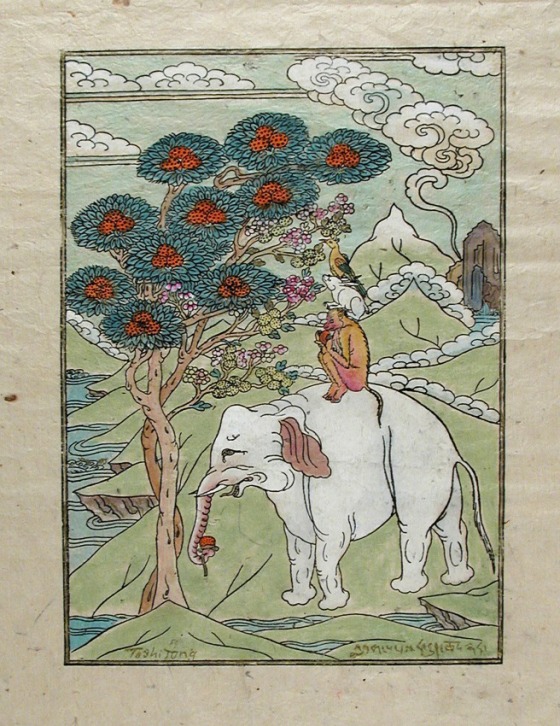
முன்னொரு காலத்தில் ஒரு காட்டில் பெரிய ஆலமரம் இருந்தது. ஒரு யானை வந்து அதன் இலைகளைத் தின்றுகொண்டு அதன் நிழலில் வசித்தது. அதற்குப் பின் அங்கே ஒரு குரங்கு வந்து தங்கியது. உடனே யானை எதிர்ப்பு தெரிவித்தது. நான் தான் முதலில் வந்தேன் என்று அதற்குக் காரணமும் சொன்னது. குரங்கு கேட்டது, ’இந்த மரத்தின் பழங்களை நீ பார்த்து இருக்கிறாயா?’. யானை நான் பார்த்ததில்லை என்று சொன்னது. அப்படியானால் நான் உனக்கு முன்னால் வந்தேன். அந்த பழங்களை எல்லாம் சாப்பிட்டேன். இப்போது இலை மட்டுமே எஞ்சியிருக்கிறது. உடனே யானை. ‘’குரங்காரே நீரே மூத்தவர். நாம் இருவரும் சேர்ந்து வாழ்வோம்’’ என்று சொன்னது.

கொஞ்ச நாள் கழித்து ஒரு முயல் வந்து அங்கே உட்கார்ந்தது. யானையும் குரங்கும் ஆட்சேபம் தெரிவித்தன. முயல் கேட்டது, ‘’நீங்கள் இந்த மரத்தின் கன்றைப் பார்த்தது உண்டா?’’ என்று. அவை இரண்டும் இல்லை என்று சொன்னவுடன், ‘’நான் வந்த போது மரக் கன்றுதான் இருந்தது. என் உயரம்தான் மரமே வளர்ந்து இருந்தது. ஆகையால் இந்த மரம் எனக்கே உரியது’’ என்றது. யானையும் குரங்கும் அதனை நண்பனாக ஏற்று நீயே, ‘சீனியர்’. நாங்கள் உன்னுடன் வாழ்கிறோம் என்றன.

இவர்கள் இப்படிப் பேசி முடிப்பதற்குள் மரத்தின் உச்சியில் இருந்து கபிஞ்ஜலா பறவை கூச்சல் போட்டது. ‘’நிறுத்துங்கள், உங்கள் பேச்சை. நான் பழம் தின்று ஒரு கொட்டையைத் துப்பினேன் அதுதான் இந்த மரமாக வளர்ந்தது’’ என்றவுடன் யானை, குரங்கு, முயல் ஆகிய மூன்றும் அந்தப் பறவையின் தலைமையை ஏற்றுக் கொண்டு சுகமாக நண்பர்களாக வாழ்ந்தன. ‘’இந்த நாலு பேரில் கபிஞ்ஜல பறவை என்பது புத்தரின் முந்தைய பிறப்பில் போதிசத்துவர்’’ — என்று கதை முடிகிறது.
ஆக கபிஞ்ஜல என்பது புத்தர். இப்படிப் பறவையை ஆன்மாவுக்கு ஒப்பிடுவது புத்தருக்கும் முந்தைய உபநிஷத்துகளிலேயே இருக்கிறது வள்ளுவனும் ஆத்மாவை பறவைக்கு ஒப்பிடுவான்:
குடம்பை தனித்து ஒழியப் புள் பறந்தற்றே
உடம்போடு உயிரிடை நட்பு (338)
(குடம்பை= கூடு, புள்=பறவை).

paint kapinjala

தேவிபாகவதக் கதை

தேவிபாகவதத்தில் ஆறாவது பகுதியில் விருத்ராசுரனை இந்திரன் வதை செய்த கதை உள்ளது. மூன்று தலைகளை உடைய விஸ்வரூபனை இந்திரன் கொன்றபோது ஒரு தலையில் இருந்து கபிஞ்ஜலப் பறவையும், மற்றொன்றிலிருந்து குருவிகளும், மூன்றாவது தலையில் இருந்து கிளிகளும் வந்ததாக தேவி பாகவதம் கூறும். இவைகள் சோம பானம், சுராபானம், அன்னம் ஆகியவற்றைச் சாப்பிட்ட மூன்று தலைகள் என்றும் அவை முறையே தேவர், அசுரர், மனிதர் ஆகியோரைக் குறிப்பதாகும் என்றும் அறிஞர்கள் விளக்கம் தருவர். இதற்குப் பின்னர் விருத்திராசுரனை அவனது தந்தை யாகத் தீயில் இருந்து உருவாக்கவே, விருத்திரனையும் இந்திரன் கொல்கிறான்.

ஆக இந்த இரண்டு கதைகளிலும் ஒரு ஒற்றுமையைக் காணலாம். கபிஞ்ஜல பறவை என்பது தேவர் (கடவுள்). அதுதான் உயர்ந்தது. இது க்ருத்சமடர் பாடிய ரிக்வேதப் பாடலில் உள்ள கருத்து. இந்த வேதக் கதையையே பிற்காலத்தில் பர்த்ருஹரி, காளிதாசன், சங்ககால தமிழ்ப் புலவர்கள், பௌத்தர்கள், தேவிபாகவதம், ஆதிசங்கரர், ராமகிருஷ்ண பரமஹம்சர் ஆகியோர் சாதகப் பட்சி என்ற பெயரில் பயன்படுத்தினர்.

ஆன்மீகத்தின் உச்சநிலையை நாடும் ஞானியைக் குறிக்கவோ, கடவுளைக் குறிக்கவோ கபிஞ்ஜல பறவையை உவமையாகப் பயன்படுத்தினர். இந்த நோக்கில் ரிக் வேதப் பாடலைப் பார்த்தோமானால் உண்மை புலப்படும். மேலோட்டமாகப் படித்தால் அது ஒரு அழகான பறவைப் பாட்டு!
பெரிய தத்துவங்களைப் போதிக்க இயற்கையில் உள்ள பறவைகள், மிருகங்கள், ஆறு, மலை முதலியவற்றைப் பயன்படுத்துவதை உபநிஷத காலத்தில் இருந்தே காண முடியும்.

இது தொடர்பாக முன்னர் வெளியான கட்டுரைகளையும் படிக்கவும்:
1.இயற்கை போதிக்கும் 13 பாடங்கள், 2.காடுகள் பற்றி கேள்வி- பதில், 3.சிந்துசமவெளியில் அரச மரம், 4. சோம பானமும் சுரா பானமும் 5. காளை வாகனம் எப்படிக் கிடைத்தது? 6.கா கா! கா கா!! 7.கழுதைக்குத் தெரியுமா கற்பூரவாசனை 8.சிந்து சமவெளியில் ஒரு புலிப் பெண் 9.தேள் தெய்வம் 10. எந்தக் கடவுளுக்கு என்ன வாகனம் 11. சங்க இலக்கியத்தில் வாகனங்கள் 12. உலகம் முழுதும் இந்து வாகனங்கள் 13. வாகனங்கள் தோன்றியது எங்கே? 14. நீண்டகாலம் வாழும் ரகசியம் 15.சுமேரியாவில் தமிழ் பறவை 16.அதிசய பறவைத் தமிழன் 17.மழை அற்புதங்கள் 18.பாம்புராணி 19.அருகம்புல் ரகசியங்கள் 20.சிட்டுக் குருவியிடம் பாரதி அற்ற பாடங்கள் 21.இளநீர் மகிமையும் தென்னையின் பெருமையும் 22.நாலு கடல் நீரில் ஒரே நாளில் குளிக்கமுடியுமா? 23.யானை பற்றி நூறு பழமொழிகள் 24.நல்லோர் அவைபுக்க நாகமும் சாகா 25.கிணற்றுத் தவளை: அப்பரும் விவேகாநந்தரும் சொன்ன கதைகள் 26.கொக்கைப்போல இருப்பான், கோழிபோல இருப்பான் 27. திருமூலர் சொன்ன யானைக் கதை 28. வேதத்தில் வெள்ளரிக்காய் 29.சப்தம் கேட்டால் இறந்துவிடும் அசுணமா
3 proportions

ஆங்கிலக் கட்டுரைகள்:
The connection between William Wordsworth and Dattatreya (posted 10 November 2011), 13 saints in nature (posted on 7 November 2013)
The Mysterious Vedic Homa Bird: Does it Exist? (posted on 10 December 2011), Can Birds Predict your Future?, Hindu Eagle Mystery Deepens (Posted on 16-2-2013), A Tamil bird in Sumerian Double headed Eagle in Sumeria, Double Headed Eagle: Sumerian- Indian Connection, Karikal Choza and Eagle Shaped Fire Altar, Bird Migration in Kalidasa and Tamil Lterature, Friends of Birds, Four Birds in One Sloka, Can Parrots recite Vedas?, Gods and Birds

Ode to Sky Lark: Shelley, Kalidasa and Vedic Poet Grtsamada

cataka 1

Written by London Swaminathan
Post No. 1058; Dated 22nd May 2014.

It is very interesting to study and compare the poems on birds by Rig Vedic sage Grtsamada, India’s greatest Sanskrit poet Kalidasa, Sangam Tamil poets and English poet P.B Shelley. Among these poets, Shelly is always associated with the sky lark. But singing odes to birds started several thousand years before Shelly, that too on the banks of River Saraswati. The author of Second Mandala of the Rig Veda is sage Grtsamada. This Mandala is considered one of the oldest Mandalas of the Veda. Some scholars dated it to 1700 BCE. Life of Grtsamada is itself mysterious. He is said to belong to two Gotras. His poem about a bird called Kapinjala is more mysterious. I will discuss the mystery of Kapinjala separately. But in the following article I will simply compare Kapainjala with sky lark and Cataka bird.

Nearly 2000 years after Grtsamada, Kalidasa, Adi shanakara and the Sangam Age Tamil poets sang about the sky lark. Nearly 1500 years after these poets, PB Shelley came on the scene to sing about the same bird.

04-willem-jacobin-cuckoo
Picture of Jacobin Cuckoo (cataka bird)

Is Kapinjala of R.V. a sky lark?
What is Kapinjala? It is a bird identified by early scholars as francolin partridge. I don’t agree with this identification. Going by the words and description, it is the Cataka bird of Sanskrit and Tamil literature. Kapinjala means that which drinks water.

Cataka : “Some people identify it with the Jacobin cuckoo (Family- Cuculidae, Genus-Clamator). Because of its persistent and peculiar call, it is also known as the brain fever bird. The cataka is believed to subsist only on rain drops; as it disdains to drink any other water, it has become a symbol in literature of pride and self respect; it is associated with clouds and rain; to see a cataka on the left is a good omen; in stanza 9 of Maghadutam, three good omens are listed: the cataka bird on the left, a gentle breeze and hen cranes eager for mating.” (from Kalidasa -The Loom of Time by Chandra Rajan)

Meghadutam of Kalidasa :–

“as you loiter along, and here on your left
The cataka in its pride sings sweetly” (verse 9)

“Siddhas watching catakas
Skilled catching falling rain drops” (verse 23)

“Without a sound you offer catakas
The water they crave” (verse 113)

Implored by catakas tormented by great thirst
And hanging low weighed down by large loads of water (Rtusamharam 2-3)
There many more references in sakuntalam , Raghuvamsam and Vikramorvasiyam)

01-chatakpakshi2
Picture of Chataka Pakshi (Kapinjala)

The Kapinjala is also associated with water and omens. So it is not francolin partridge, but it is Cataka.

What is the Mystery?
The second part of this article will deal with the mystery of this bird. Why Indra is called a Kapinjala? Why Buddha was called a Kapinjala in the Jataka story? Why Devi Bhagavatham Purana says that Kapinjala came from the head of Vritrasura? Was astrology (Bird predictions) practised in the Vedic period?

First, let us read the poem from the R.V.
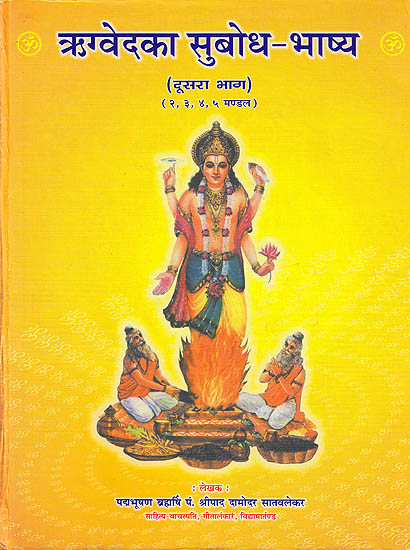
“The hymn is addressed to Indra in the form of a Kapinjala, the bird which we call the Francoline partridge”: Ralph T H Griffith in book The Rig Veda
vedabhasya
Mandala 2, Hymn 42
1.Telling his race aloud with cries repeated, he sends his voice as his boat a steersman.
O Bird, be ominous of happy fortune; from no side may calamity befall thee.
Let not the falcon kill thee, nor the eagle; let not the arrow bearing archer reach thee.
Still crying in the region of the fathers, speak here auspicious, bearing joyful tidings.
3.Bringing good tidings, Bird of happy omen, call thou out loudly southward of our dwellings,
So that no thief, no sinner may oppress us, Loud may we speak, with heroes in assembly.

Mandala 2, Hymn 43

1.Here on the right sing forth chanters of hymns of praise, even the winged birds that in due season speak.
He, like a Sama chanter utters both the notes, skilled in the mode of Trstup and of Gayatri.

2.Thou like the chanter priest chantest the Sama,Bird; though singest at libations like a Brahman’s son.
Even as a vigorous horse when he comes near the mare, announce to us good fortune, Bird, on every side, proclaim in all directions happy luck, O Bird.

3.When singing here O Bird, announce good luck to us, and when thou at sittest still think on us with kind thoughts

When flying off thou singest thou art like a lute. With brave sons in assembly may we speak aloud.

From the above hymn three things are clear:
1.It is a song bird 2.It is a bird of omen 3)It is in the region of fathers (sky)
When we compare this with cataka of Kalidasa it is matched without any difficulty. The very name Kapinjala makes it clear that it longs for water. Sangam Tamil literature copied Kalidasa in several places. Following are the descriptions of Cataka in Tamil literature:

jacobin-cuckoo_

Skylark in Sangam Tamil Literature
A bard awaiting with hopes the kind of munificence of a benefactor compares himself to the skylark that longs for drops of rain – Puram 198 sung by Vatamavannakkan Perisatan

The skylark sings while soaring in the sky longing for rain – Kali 46
It suffers in the absence of seasonal rain – Aink. Line 418

There is a reference to the skylark that longs for rain and the poet mentions it as “tuli nasai pul”( puram 198 vatamavannakkan perisatan)
Aink-418, aka.67, kali 46, pura 196, Patina-3/4

So far I have made it clear that Grtsamada,Kalidasa and Sangam Tamil poets sing about the same bird Kapinjala=Sataka= Thuli Nasai Pul in Tamil.

Now compare it with the beautiful poem by P B Shelley:

Ode to a Skylark by Percy Bysshe Shelley (1792-1822)
Sky lark is a different bird, but the approach of the poet to the bird is same as Grtsamada’s Kapinjala. So we can boldly say that Grtsamada started this genre:

Hail to thee, blithe Spirit!
Bird thou never wert-
That from Heaven, or near it,
Pourest thy full heart
In profuse strains of unpremeditated art.

Higher still and higher
From the earth thou springest
Like a cloud of fire;
The blue deep thou wingest,
And singing still dost soar, and soaring ever singest.
Skylark 08 (Shay Connolly)

In the golden lightning
Of the sunken sun,
O’er which clouds are brightening,
Thou dost float and run,
Like an unbodied joy whose race is just begun.

The pale purple even
Melts around thy flight;
Like a star of Heaven,
In the broad day-light
Thou art unseen, but yet I hear thy shrill delight–

Keen as are the arrows
Of that silver sphere,
Whose intense lamp narrows
In the white dawn clear
Until we hardly see, we feel that it is there.

All the earth and air
With thy voice is loud,
As, when night is bare,
From one lonely cloud
The moon rains out her beams, and Heaven is overflowed.

What thou art we know not;
What is most like thee?
From rainbow clouds there flow not
Drops so bright to see
As from thy presence showers a rain of melody:-

Like a poet hidden
In the light of thought,
Singing hymns unbidden,
Till the world is wrought
To sympathy with hopes and fears it heeded not:

Like a high-born maiden
In a palace-tower,
Soothing her love-laden
Soul in secret hour
With music sweet as love, which overflows her bower:
shelley
Picture of P B Shelley

Like a glow-worm golden
In a dell of dew,
Scattering unbeholden
Its aerial hue
Among the flowers and grass, which screen it from the view:

Like a rose embowered
In its own green leaves,
By warm winds deflowered,
Till the scent it gives
Makes faint with too much sweet those heavy-winged thieves:

Sound of vernal showers
On the twinkling grass,
Rain-awakened flowers,
All that ever was
Joyous, and clear, and fresh, thy music doth surpass.

Teach us, Sprite or Bird,
What sweet thoughts are thine:
I have never heard
Praise of love or wine
That panted forth a flood of rapture so divine.

Chorus hymeneal,
Or triumphal chant,
Match’d with thine would be all
But an empty vaunt,
A thing wherein we feel there is some hidden want.

What objects are the fountains
Of thy happy strain?
What fields, or waves, or mountains?
What shapes of sky or plain?
What love of thine own kind? what ignorance of pain?

With thy clear keen joyance
Languor cannot be:
Shadow of annoyance
Never came near thee:
Thou lovest: but ne’er knew love’s sad satiety.

Waking or asleep,
Thou of death must deem
Things more true and deep
Than we mortals dream,
Or how could thy notes flow in such a crystal stream?

We look before and after,
And pine for what is not:
Our sincerest laughter
With some pain is fraught;
Our sweetest songs are those that tell of saddest thought.

Yet if we could scorn
Hate, and pride, and fear;
If we were things born
Not to shed a tear,
I know not how thy joy we ever should come near.

Better than all measures
Of delightful sound,
Better than all treasures
That in books are found,
Thy skill to poet were, thou scorner of the ground!

Teach me half the gladness
That thy brain must know,
Such harmonious madness
From my lips would flow
The world should listen then, as I am listening now—P B Shelley
yaham

Please read my earlier posts:

The Mysterious Vedic Homa Bird: Does it Exist? (posted on 10 December 2011)
Can Birds Predict your Future?
Hindu Eagle Mystery Deepens (Posted on 16-2-2013)
A Tamil bird in Sumerian Double headed Eagle in Sumeria
Double Headed Eagle: Sumerian- Indian Connection
Karikal Choza and Eagle Shaped Fire Altar
Bird Migration in Kalidasa and Tamil Lterature
Friends of Birds
Four Birds in One Sloka
Can Parrots recite Vedas?
Gods and Birds

Vedic Poet Medhathithi’s Quotations

rveda

Post No:- 1056; Dated 21st May, 2014.

Rig Veda, the oldest religious scripture in the world, is full of mysteries. Even the foreign “scholars” who tried to translate the hymns very often added in the foot note, “the meaning is not clear”, “the meaning is obscure” etc. Some deliberately misinterpreted the hymns to suit their fanciful Aryan-Dravidian Race theories and sex fantasies. One must always read what Indian saints like Shankaracharya, Dayananda Saraswati, Sayana and Bhatta Baskara say about Vedas. We must respect our mother, father, Guru and what they have believed in the past thousands of years. The Vedic sages said they love to speak in mysterious language. Some hymns may be allegorical, some may be symbolic, some may be open statements and others may be in coded language.

The hymns 12 to 23 in the First Mandala are ascribed to sage Medhathithi, Son of Kanva. Following are some of the quotations from his hymns:

1.Fire kindles fire and so does poetry, youth and home life (RV 1-12-6 & 1-14-7)

2.The Valiant perishes not (1-18-4)

3.He is longing to send fortune to those who deserve (1-17-6)

4.The works of Gods are mysterious (1-18-6)

5.Not verily is there a God nor a man to know all your great wisdom and deeds. Supreme is your glory (1-19-2)

6.Noble causes on which wealth may be spent (1-17-6)
7.Fight against sin, ignorance, illness (1-18-2)

8.Ribhus: young and elderly (matured), who have truth in their thoughts and straightforwardness in their actions (1-20-4)

9. Asvins: Beautiful combination of honey and truth (1-22-3)
(This reminds us of Truth and Beauty sung by Keats and Sweetness and Light sung by Mathew Arnold; also Satyam, Sivam, Sundaram by Hindi poet Jai Shankar Prasad, great poet of Bengal Rabindranath Tagore; and in the recent days propagated by Sri Sathya Sai Baba)

Source: Rig Veda- A Scientific and Intellectual Analysis of the Hymns by Dr J.K.Trikha.

four vedas

Manu even went to the extent of saying Vedas contain that was needed in the past, and for present and future. We have to wait for a great intellectual –a new Adi Shankara– to tell us what is going to happen in future with the help of the Vedas.

contact swami_48@yahoo.com

133 Beautiful Quotations of Bhasa – Part 2

vidusaka
Vidusaka in Sanskrit drama

Post No. 1052; Dated 19th May 2014
(First part was posted yesterday 18th May 2014.)

DHARMA
76.Dharma is the foundation of universe.
77.Who in this world can ultimately survive his own misdeeds?
78.A deed of shame destroys one’s hard earned reputation as a forest fire does an ancient forest.
79.As fire dies out for lack of fuel, so does charity for lack of means.
80.Only a fool prays for hereditary poverty.

SERVICE
81.A good man considers his body as given to him for service to others (Paropakaram Idam Sariram).
82. A generous man is like a banyan tree or papal tree which harbours all the birds of the air, and animals and even reptiles.

BELLY
83.Many a man becomes criminal to fill his belly.
84.We do many things only for the sake of the belly.
85.This one span belly controls the other seven spans of our body.
86.The belly adjusts itself according the means of its owner.
87.An overfilled belly, rolling like a cuckoo’s eye, is generally filled by others.

pusani, sundaikay
Picture shows man with a big belly

PROSPERITY
88.In prosperity people invite us; in adversity we invite ourselves.
89.When a rich man becomes poor, his light is put out; when a poor man become’s rich, the darkness of his life is relieved by light.
90.A poor man is like a dried up well, a tree struck by lightning, aruined house, a walking corpse.
91.A poor man’s kindness and magnanimity pass unnoticed. His friends leave him without any fault of his. People attribute to him the crimes and evil deeds of others.
92. A rich man becoming poor by his charity deserves honour like a tank by becoming empty by irrigating fields and by slaking men’s thirsts.
93.We esteem or hate as our interests dictate.

SICKMAN & MEDICINE
94.Which sick man will reject a sure remedy for his disease, in whatever system of medicine or incantation it is found?
95.As our strength decreases, the strength of disease and old age increases.
96.The consumptives spit out phlegm as trees drop dry leaves in autumn.
97.Taking care of the ward is the most difficult of things.
98.Sleep creeps over us unconsciously, like old age, and is on us before we are aware of it.
99.A man who pretends sleep cannot face a powerful light.

SamskritaBalakendram

SAGES & HERMITAGE
100.A hermitage is like one’s own house to everyone.
101.Breaking into a stranger’s house at night is a risky thing.
102.A man understands his own thoughts first; others only next.
103.Sages retire to the forest to avoid the noise and bustle of the towns.
104.Imitate a tortoise withdrawing its limbs into its shell by withdrawing your senses into the mind.
105.A sage should be learned but not pedantic, dignified but not aloof, charming but not conscious of his charm, piercing but not polite, calm and collected and easy to please. He should readily forget injuries done to him, but should remember for all his life the smallest benefit.

ASTROLOGY
106.Astrologers predict by looking at one star, forgetting the rest. They predict events of this world by looking at the other world. What wonder if they go wrong?
107.People are afraid of the unknown.

sanplayb1
A scene from a Sanskrit play

FATE
108.Men cannot defeat fate, be he ever so vigilant.
109.Most things attributed to fate can be conquered by rightly-directed efforts. Even a rock can be made to yields water and a barren field beautiful crops.

HEAVEN & HELL
110.Heaven is not a distant world; it is here, in this world, for us to make good by work for universal welfare. Hell is not a distant world; it is here, in this world, if we do not make good by work for universal welfare.

LEADERSHIP

111.Leadership is acquired by half by hereditary talents and half by effort, and half by fate.
112.Hard words break no bones.
TRAINING
113.Even elephants and horses get their full skill and speed only by training. How much more so man?
114.Break bad news gently.
vasantasena
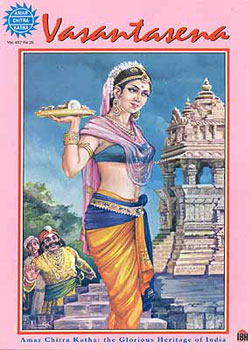
Vasantasena in Charudatta drama

GOOD & BAD PEOPLE
115.Don’t grind what is already ground.
116.Discharge your duties as if death comes tomorrow.
117.Life is sapless without good health, good food and affectionate relatives and friends.
118.Leave a difficult task to an honest expert.
119.Politicians bow to each other insincerely like peacocks.
120.The bricks fall from a decaying wall and power from nerveless fingers.
121.The most precious possession of a man is happy and contented mind.
122.Great ones shower favour on the needy without counting them.
123.Men of the frontier tracts are troublesome, turbulent and lawless and change their sovereigns according to convenience.

MOTHER EARTH & NATURE
124.Mother Earth protects those who protect her children.
125.How infinitely beautiful is the world! The beauty of the sunset, the moon and the star-vaulted sky is spiritual and ennobles us.
126.Give like the sun and rain, without expecting anything in return.

alamaram
Picture of a Banyan Tree.
TREES
127.The trees we plant soon outgrow us.
128.The twilight is the Siva in his Ardhanareeswara form (half man, half woman) half day, half night.
129.If you cut the trunk, the branches will fall off by themselves.
130.If you cut all the branches of a tree, you cannot expect it to give you shade from the heat of the sun.
131.Some men make the forest as noisy as a city by their presence.
132.A sandal wood tree is as rare among trees as a good man among men.
133.Trees are beautiful and flowers even more so; but the fruits are more useful.
Source: Bhasa – A study by A D Pusalker and Bhasa by A S Panchapakesa Ayyar, Madras, 1957

Contact swami_48@yahoo.com