Amazing TAMIL Mathematics

(This article is available in Tamil as well)

By London Swaminathan

Srinivasa Ramanujan (1887-1920) was one of the greatest mathematicians of India. He was born in a poor Tamil Brahmin family. Tamils are proud of his achievements. Viswanathan Anand is a World Chess champion. He is from Tamil Nadu and Tamils are proud of his success year after year. Tamil Nadu supplies a large number of computer software personnel in the world. All these prove that Tamils are good at anything where maths is used. But the history of Tamil mathematics began at least two thousand years ago.


Kapilan, the Brahmin poet who contributed highest number of poems in the Sangam literature was good at maths. He made a passing remark about numbers. He says that Pari’s Parambu hills had 300 towns (Pura Nanuru verse 110). This is the first statistics we get about Sangam period towns. If Pari’s Parambu Hills (a small area) had 300 towns, how many villages and towns Tamil Nadu would have had 2000 years ago! No wonder India, at present, has over 600,000 villages and 4000 towns.

In another poem, Kapilan gives a talk in bullet points like company executives. “Hey, Three Tamil kings, Listen to me. If you want Pari’s Parambu hills, don’t attack him. Do this. He gives three suggestions. In another verse (Puram 201) he talks about 49 generations of Irungovel, another Tamil chieftain like Pari. Kapilan was the poet who gave 99 plants names at one go. He beat all the ancient botanist. Just one poet gives us so many numbers and so much information.


The world came to know about nuclear power and atom bomb only around1945. But the concept of atom bomb was sung by Idaikkadar 1500 years ago. When she wanted to praise Tirukkural, the Veda of the Tamils, what she said was this:

It is like cramping seven seas in to a single mustard seed. The meaning of Kural is vast. But poet Tiruvalluvar put seven seas in to one mustard seed was the message given by Idaikkadar. Why should he sing about putting seven seas into one tiny seed? Will the Tamil world understand such a simile without some knowledge of huge power in tiny things?


The story did not stop there. Actually Tamils knew more than what Idaikkadar said. Because the earlier Upanishads praise god as smaller than the smallest particle, larger than the largest (Anooar aneeyaam, mahator maheeyaam). They knew that if one tiny seed is split into,  energy equal to seven seas will be generated.

Some readers may think that I am interpreting it in un scientific way. But if you read the following , all their doubts will be cleared. An old Tamil poem says that one mustard seed has 2,62,144 anu (anu=atom). Though their atom is very different from what we read in Today’s Physics book about Atoms, my point is that they knew smallest measurements which others did not at that time in the history

The verse goes as follows:


8 Anus= one Ther Tugal ( Chariot dust particle)

8 Ther Tugal= one cotton thread

8 cotton thread = one hair

8 hair = one sand particle

8 sand particles= one mustard seed

8 mustard seeds= one paddy seed

8 paddies = one finger length

12 fingers= I saan

2 saan= 1 muzam

4 muzam= 1 kol

500 kol= 1 kuuppidu

4 kuuppidu= 1 Katham

(Source: Senthamiz Volume 12, page 127)


When the first nuclear device was exploded the scientist behind it Oppenheimer quoted a Bhagavd Gita sloka about the Viswarupa darsanam of Lord Krishna (Please read my post A to Z of Bhagavad Gita to get full details.)

Tirumular’s brilliant calculation

Tirumular was one of the 18 Tamil Siddhars ( saints who have attained magical powers). He sings about splitting a cow’s hair in to 10000 million hairs. He takes the readers step by step. He asks one to take one hair from the tail of a cow. Then ask us to split it in to 100. Then in to 1000……….. on and on 100X1000X100 000= 100 000 00 000.(Tirumanthiram 1974).

One may wonder whether there was any practical use for such minute numbers. But these saints have seen such things through their third eye or intuition. When the western world was still struggling with their complicated Roman numerals Indians were far advanced in mathematics. Look at the table below that existed 2500 years ago.


World Tamil Conference Souvenir (1968) gives another interesting measurement:

How many grains are there in one measure?

One measure contains (measure is bigger than a litre)

1800 beans or

12,800 black peppers or

14,400 paddies or

14,800 green grams or

38,000 rice grains or

1,15,200 sesame  seeds (gingili seeds).

Tamils must be a patient race to count grains this way!


Tamils very often use a word called “IMMI” in their day today conversation. Like English phrase not even one iota, they used to say not even an Immi. This is an interesting word.


Sculptor V Ganapathy explains Immi quoting a book called Manasaram. It is as follows:

8 anu=1 ther thugal (Chariot dust particle)

8 ther thugal= 1 immi

8 immi= 1 sesame seed (Ellu)

8 Ellu= 1 paddy

8 paddies= 1 finger length

Mr V Ganapathy also added the book Manasaram says one inch= 190650 anus.

He says that different books give slightly different measurements for the same word in the Silpa Shastra( Science of Sculpting)

Another table giving the lowest Tamil number Munthiri:

I/8 is Araikaal

1/16 = maakaani

1/32= arai veesam

1/64=kaal veesam

1/80=kaani

1/320=munthiri


The other numbers very often attributed to Tamil are actually Sanskrit words. Moreover they have no secondary evidence to support those big numbers. They were not used by the Sangam poets. At least immi is used by Tamils till today like Iota ( Iota is a Greek letter).

Some Tamil blogs give incredible lowest and highest numbers without any proof. At a glance anyone can find Sanskrit words in the list! They are not Tamil words.

( Sanskrit has words for biggest numbers. But I couldn’t find words for smallest number like Tamil).


Numbers in Sanskrit:

From Wikipedia: A few large numbers used in India by about 5th century BCE (See Georges Ifrah: A Universal History of Numbers, pp 422–423):

  • lakṣá (लक्ष) —105
  • kōṭi (कोटि) —107
  • ayuta (अयुता) —109
  • niyuta (नियुता) —1013
  • pakoti (पकोटि) —1014
  • vivara (विवारा) —1015
  • kshobhya (क्षोभ्या) —1017
  • vivaha (विवाहा) —1019
  • kotippakoti (कोटिपकोटी) —1021
  • bahula (बहूला) —1023
  • nagabala (नागाबाला) —1025
  • nahuta (नाहूटा) —1028
  • titlambha (तीतलम्भा) —1029
  • vyavasthanapajnapati (व्यवस्थानापज्नापति) —1031
  • hetuhila (हेतुहीला) —1033
  • ninnahuta (निन्नाहुता) —1035
  • hetvindriya (हेत्विन्द्रिया) —1037
  • samaptalambha (समाप्तलम्भा) —1039
  • gananagati (गनानागती) —1041
  • akkhobini (अक्खोबिनि) —1042
  • niravadya (निरावाद्य) —1043
  • mudrabala (मुद्राबाला) —1045
  • sarvabala (सर्वबाला) —1047
  • bindu (बिंदु or बिन्दु) —1049
  • sarvajna (सर्वज्ञ) —1051
  • vibhutangama (विभुतन्गमा) —1053
  • abbuda (अब्बुदा) —1056
  • nirabbuda (निर्बुद्धा) —1063
  • ahaha (अहाहा) —1070
  • ababa (अबाबा). —1077
  • atata (अटाटा) —1084
  • soganghika (सोगान्घीका) —1091
  • uppala (उप्पाला) —1098
  • kumuda (कुमुदा) —10105
  • pundarika (पुन्डरीका) —10112
  • paduma (पद्मा) —10119
  • kathana (कथाना) —10126
  • mahakathana (महाकथाना) —10133
  • asaṃkhyeya (असंख्येय) —10140
  • dhvajagranishamani (ध्वजाग्रनिशमनी) —10421
  • bodhisattva (बोधिसत्व or बोधिसत्त) —1037218383881977644441306597687849648128
  • lalitavistarautra (ललितातुलनातारासूत्र) —10200infinities
  • matsya (मत्स्य) —10600infinities
  • kurma (कुरमा) —102000infinities
  • varaha (वरहा) —103600infinities
  • narasimha (नरसिम्हा) —104800infinities
  • vamana (वामन) —105800infinities
  • parashurama (परशुराम) —106000infinities
  • rama (राम) —106800infinities
  • khrishnaraja (कृष्णराज) —10infinities
  • kaiki (काईकी or काइकी) —108000infinities
  • balarama (बलराम) —109800infinities
  • dasavatara (दशावतारा) —1010000infinities
  • bhagavatapurana (भागवतपुराण) —1018000infinities
  • avatamsakasutra (अवताम्सकासुत्रा) —1030000infinities
  • mahadeva (महादेव) —1050000infinities
  • prajapati (प्रजापति) —1060000infinities
  • jyotiba (ज्योतिबा) —1080000infinities

Tamil Numerals

1 =௧ ,2 =௨ ,3=௩ ,4 =௪ ,5=௫ ,6=௬ ,7 =௭ ,8 =௮ ,9=௯ ,10=௰ ,100=௱ ,1000=௲

******************
தமிழர்கள் கணித மேதைகள்

(This article is available in English as well: லண்டன் சாமிநாதன்)

தமிழர்கள் கணக்குப் புலிகள். கணித மேதை ராமானுஜத்தை உலக்குக்கு ஈந்தவர்கள் தமிழர்கள். கணிதத்தை அடிப்படையாகக் கொண்ட சதுரங்கத்திலும் (செஸ்) தமிழரான ஆனந்த் விஸ்வநாதன் தொடர்ந்து சாம்பியன் பட்டத்தை வகித்து வருகிறார். அவரைப் பற்றிய கட்டுரையில் செஸ் விளையாட்டு தோன்றிய அற்புதமான கதையை எழுதியிருக்கிறேன். உலகில் அதிகமான கம்ப்யூட்டர் சாFட்வேர் ஆட்களை அனுப்புவதிலும் நம்மவர்கள் முன்னிலையில் இருக்கிறார்கள். தமிழர்கள் கணக்கான பேர்வழிகள்!


சங்க இலக்கியத்தில் அதிகமான கவிதைகளை எழுதிக் குவித்த புலவர் கபிலன், ஒரு புள்ளி விவர இயல் நிபுணர். பாரியின் பறம்பு மலையில் 300 ஊர்கள் இருப்பதை 2000 ஆண்டுகளுக்கு முன்னரே கவிதையில் கொடுத்துவிட்டார் (புறம் 210). இன்னொரு கவிதையில் பெரிய கம்பெனி எக்சிக்யுடிவ் அதிகாரி போல புல்லெட் பாயிண்டில் 1, 2, 3 என்று மூவேந்தருக்கு அறிவுரை வழங்குகிறார். இன்னொரு பாடலில் (புறம்201) இருங்கோவேளின் 49ஆவது தலை முறை பற்றிப் பாடுகிறார். குறிஞ்சிப் பாட்டில் ஒரே மூச்சில் 99 மலர்களின் பெயர்களை அடுக்கி தமிழ் “கின்னஸ்” புத்தகத்தில் இடம்பெறுகிறார்.

ஆனால் இதை எல்லாம் விட முக்கியமன விஷயம் திருவள்ளுவ மாலையில் இடைக்காடர் பாடலில் உள்ளது. குறளின் பெருமையைக் கூறவந்த அவர் “கடுகை துளைத்து ஏழ் கடலைப் புகுத்தி குறுகத் தறித்த குறள்” என்கிறார்.

அணுவின் அற்புதமான ஆற்றல் 65 ஆண்டுகளுக்கு முன் இரண்டாம் உலகப் போர் காலத்தில் தான் உலகிற்கே தெரியும். ஒரு சிறிய அணுவைப் பிளந்தால் ஏழ் கடல் அளவுக்கு சக்தி வெளியாகும் என்பது, முதல் அணுகுண்டை வெடித்துப் பரிசோதித்த போதுதான் தெரியவந்தது. ஆனால் இதைக் கொள்கை அளவில் முதலில் கூறியவர் இடைக்காடர்தான்.

சிலர் நினைக்கலாம். விஞ்ஞான விஷயத்தோடு எதையோ நான் கஷ்டப் பட்டு முடிச்சுப்போடப் பார்க்கிறேன் என்று. ஆனால் திருமூலர் பாடலைப் படித்தால் அந்த சந்தேகம் எல்லாம் பறந்தோடிப் போகும்.


உலகில் உள்ள உயிர்களின் வடிவத்தைச் சொல்ல வந்த திருமூலர் ஒரு அதிசயமான விஷயத்தைச் சொல்லுகிறார். ஒரு மாட்டின் முடியை எடுத்து ஆயிரம் கோடி இழைகளாகப் பகுப்பது பற்றிப் பேசுகிறார். இதுவும் அணுவைப் பிளப்பது போலத்தான். ஒரு மாட்டின் முடியை எடுத்து அதை நூறு கூறு போடச் சொல்லுகிறார். பின்னர் அதிலிருந்து ஒரு முடியை எடுத்து ஆயிரம் கூறாக்கச் சொல்லுகிறார். பின்னர் அதை ஆயிரம், மீண்டும் ஆயிரம் இப்படியே கூறு போடச் சொல்லி அதுதான் ஜீவனின் வடிவம் என்கிறார்.

இப்போது ஆண்களின் விந்துவை மைக்ரஸ்க்கோப் அடியில் வைத்துப் பார்ப்பவர்களுக்கு மில்லியன் கணக்கில் உயிரணுக்கள் இருப்பதைப் பார்க்க முடிகிறது. அதைத் தான் திருமூலர் சொல்லுகிறாரோ என்று எண்ணத் தோன்றுகிறது எது எப்படி ஆனாலும் ஒரு முடியை இப்படி மில்லியன் கணக்கில் கூறு போட முடியும் என்ற சிந்தனையே உலகில் யாருக்கும் உதிக்காத ஒன்றே. ரோமன் எழுத்துக்களை வைத்துக் கொண்டு நம்பர்களை எழுத மேலை நாட்டார் தவித்த காலத்தில் நாம் கணிதத்தில் இமய மலை உச்சிக்கே போய்விட்டோம்.

திருமூலர் சொன்ன கனக்கை எண்ணில் எழுதினால்

100x1000x100000=100 000 00 000. அதாவது மாட்டின் முடியை ஆயிரம் கோடி இழைகளாகப் பிரிக்கச் சொல்லுகிறார். இந்திய ஞானிகள் அவர்களுடைய ஞானக் கண்ணால் கண்டு சொல்லி இருக்கலாம். அணுகுண்டைக் கண்டு பிடித்த ஓப்பன்ஹீமர் முதல் அணுகுண்டு வெடித்ததைப் பார்த்தவுடன் பகவத் கீதையில் கிருஷ்ணனின் விஸ்வரூப தரிசன ஸ்லோகத்தை நினைவுகூர்ந்தார். அவ்வளவு மகத்தான சக்தி.( Please read my A to Z of Bhagavad Gita)


மேவிய சீவன் வடிவது சொல்லிடில்

கோவின் மயிரொன்று நூறுடன் கூறிட்டு

மேவியது கூறது ஆயிரமானால்

ஆவியின் கூறு நூறயிரத்தொன்றாமே”—திருமந்திரம் 1974


சங்க இலக்கிய நூல்களான பரிபாடல் (3-53), புறநானூறு (பாடல் 2) ஆகியவற்றுக்கு உரை எழுதியோர் அணுச் செறிந்த உலகம் என்று பூமியை வருணித்துள்ளனர். உபநிஷத்துக்கள் இறைவனின் பெருமையைக் கூறுமிடத்து “அணோர் அணீயாம், மஹதோர் மஹீயாம்” என்று புகழ்கிறது ( கடவுள் அணுவுக்கும் அணுவானவன் பிரம்மாண்டமான மலையைவிடப் பெரியவன்).

ஒரு கடுகில் 2,62,144 அணுக்கள் இருப்பதாக ஒரு பாடல் கூறுகிறது. இன்றைய இயற்பியல் கூறும் அணுவுக்கும் இதற்கும் தொடர்பில்லைதான். ஆனாலும் யாருமே நினைத்துக் கூடப் பார்க்காத கணக்குகளை நம்மவர் போட்டதை யாரும் மறுக்க முடியாது.


இதோ ஒரு பழந்தமிழ்ப் பாட்டு:

அணுத் தேர்த் துகள் பஞ்சிற்றூய் மயிரன்றி

மணர் கடுகு நெல் விரலென்றேற—வணுத் தொடங்க

யெட்டோடு மண்ணு விரற் பன்னிரண்டார் சாணாக்கி

லச்சாணிரண்டு முழமாம் –(செந்தமிழ்த் தொகுதி12, பக்கம் 127)

8 அணு= ஒரு தேர்த்துகள்

8 தேர்த்துகள்= ஒரு பஞ்சிழை

8 பஞ்சிழை= ஒரு மயிர்

8 மயிர்= ஒரு மணல்

8 மணல்= ஒரு கடுகு

8 கடுகு= ஒரு நெல்

8 நெல்= ஒரு விரல்

12 விரல்= ஒரு சாண்

2 சாண்= ஒரு முழம்

4 முழம் =ஒரு கோல்

500 கோல்= ஒரு கூப்பீடு

4 கூப்பீடு= ஒரு காதம்

இம்மி என்னும் அளவு

தமிழர்கள் பேச்சு வழ்க்கில் பயன்படுத்தும் மிகச் சிறிய அளவு இம்மி. ஒரு இம்மி கூடப் பிசகவில்லை என்று கூறுவார்கள். இது பற்றி 1968 உலகத் தமிழ் மாநாட்டு மலரில் ஸ்தபதி கணபதி எழுதியது இதோ:

8 அணு= ஒரு தேர்த்துகள்

8 தேர்த்துகள்= ஒரு இம்மி

8 இம்மி= ஒரு எள்ளு

8 எள்= ஒரு நெல்

8 நெல்= ஒரு பெரு விரல்


இன்னுமொரு வாய்ப்பாடு

1/8 அரைக்கால்

1/16 மாகாணி

1/32 அரை வீசம்

1/160 அரைக்காணி

1/320 முந்திரி

லிட்டர் அளவு முறை வருவதற்கு முன் தமிழ் நாட்டில் படி என்னும் அளவு பயன் படுத்தப்பட்டது. ஒரு படியில் இருக்கும் தானியங்கள்:


அவரை=1800

மிளகு=12,800

நெல்=14000

பயறு=14,800

அரிசி=38,000

எள்= 1,15,200


இதை எண்ணிய தமிழர்கள் பொறுமைசாலிகள் மட்டுமல்ல, கணக்குப் புலிகள்! சில தமிழ் பிளாக்—குகளில் இதைவிடப் பெரிய, சிறிய எண்களை ஆதாரமில்லாமல் பிரசுரித்துள்ளார்கள். மேலும் அதில் பல சம்ஸ்கிருதச் சொற்கள். ஆக தமிழர்கள் தனி உரிமை கொண்டாட முடியாது. இதோ சம்ஸ்கிருதத்திலுள்ள உலகிலேயே பெரிய எண்கள்:


From Wikipedia: A few large numbers used in India by about 5th century BCE (See Georges Ifrah: A Universal History of Numbers, pp 422–423):

  • lakṣá (लक्ष) —105
  • kōṭi (कोटि) —107
  • ayuta (अयुता) —109
  • niyuta (नियुता) —1013
  • pakoti (पकोटि) —1014
  • vivara (विवारा) —1015
  • kshobhya (क्षोभ्या) —1017
  • vivaha (विवाहा) —1019
  • kotippakoti (कोटिपकोटी) —1021
  • bahula (बहूला) —1023
  • nagabala (नागाबाला) —1025
  • nahuta (नाहूटा) —1028
  • titlambha (तीतलम्भा) —1029
  • vyavasthanapajnapati (व्यवस्थानापज्नापति) —1031
  • hetuhila (हेतुहीला) —1033
  • ninnahuta (निन्नाहुता) —1035
  • hetvindriya (हेत्विन्द्रिया) —1037
  • samaptalambha (समाप्तलम्भा) —1039
  • gananagati (गनानागती) —1041
  • akkhobini (अक्खोबिनि) —1042
  • niravadya (निरावाद्य) —1043
  • mudrabala (मुद्राबाला) —1045
  • sarvabala (सर्वबाला) —1047
  • bindu (बिंदु or बिन्दु) —1049
  • sarvajna (सर्वज्ञ) —1051
  • vibhutangama (विभुतन्गमा) —1053
  • abbuda (अब्बुदा) —1056
  • nirabbuda (निर्बुद्धा) —1063
  • ahaha (अहाहा) —1070
  • ababa (अबाबा). —1077
  • atata (अटाटा) —1084
  • soganghika (सोगान्घीका) —1091
  • uppala (उप्पाला) —1098
  • kumuda (कुमुदा) —10105
  • pundarika (पुन्डरीका) —10112
  • paduma (पद्मा) —10119
  • kathana (कथाना) —10126
  • mahakathana (महाकथाना) —10133
  • asaṃkhyeya (असंख्येय) —10140
  • dhvajagranishamani (ध्वजाग्रनिशमनी) —10421
  • bodhisattva (बोधिसत्व or बोधिसत्त) —1037218383881977644441306597687849648128
  • lalitavistarautra (ललितातुलनातारासूत्र) —10200infinities
  • matsya (मत्स्य) —10600infinities
  • kurma (कुरमा) —102000infinities
  • varaha (वरहा) —103600infinities
  • narasimha (नरसिम्हा) —104800infinities
  • vamana (वामन) —105800infinities
  • parashurama (परशुराम) —106000infinities
  • rama (राम) —106800infinities
  • khrishnaraja (कृष्णराज) —10infinities
  • kaiki (काईकी or काइकी) —108000infinities
  • balarama (बलराम) —109800infinities
  • dasavatara (दशावतारा) —1010000infinities
  • bhagavatapurana (भागवतपुराण) —1018000infinities
  • avatamsakasutra (अवताम्सकासुत्रा) —1030000infinities
  • mahadeva (महादेव) —1050000infinities
  • prajapati (प्रजापति) —1060000infinities
  • jyotiba (ज्योतिबा) —1080000infinities

Tamil Numerals தமிழ் எண்கள்

1 =௧ ,2 =௨ ,3=௩ ,4 =௪ ,5=௫ ,6=௬ ,7 =௭ ,8 =௮ ,9=௯ ,10=௰ ,100=௱ ,1000=௲

contact: swami_48@yahoo.com,  or swaminathan.santanam@gmail.com

******************

27 Hindu Stars (Nakshatras) & Western Names

(Please click on the pictures to see them in full view)

27 நட்சத்திரங்களின் விஞ்ஞானப் பெயர்கள்

The twenty seven Nakshatras of Hindu System and western equivalents for the benefit of western readers by Santhanam Nagarajan

While the Indian Star System or Hindu Nakshatra system is a scientifically designed one, some doubt whether the 27 nakshatras physically exist in the sky. They do exist. For the benefit of the western readers, the 27 nakshatras and western equivalents are given below:

1) Ashwini –Alpha, Beta –Aries அஸ்வினி
2) Bharani – No 28,29,41 Taurus பரணி
3) Krittika – Pleiades கார்த்திகை
4) Rohini – Aldebaran Hyades, Alpha, Theta, Gama, Delta and Epsilon Taurus ரோஹிணி
5) Mrigashirsha – Lambda, Phi 1, Phi 2, Orion மிருகசீர்ஷம்
6) Aardraa –Betelgeaux – Alpha Orion திரு ஆதிரை
7) Punarvasu – Castor, Pollux with Procyon Alpha, Beta, Gemini-Alpha Canis Minor respectively புனர் பூசம்
8) Pushya – Gama, Delta and Theta of Cancer பூசம்
9) Ashlesha – Delta, Epsilon, Eta, Rho and Zeta Hydra ஆயில்யம்
10) Maagha – Alpha, Ela, Gama, Zeta My and Epsilon Leonis மகம்
11) Poorva Phalkuni – Delta and Theta Leo பூரம்
12) Utra Phalkuni – Beta and 93 Leo உத்தரம்
13) Hasta – Delta, Gama, Eta, Virgo ஹஸ்தம்
14) Chitraa – Spica, Alpha Virgo சித்திரை
15) Swaati – Arcturus – Alpha Bootes ஸ்வாதி
16) Vishaakha – Alpha, Beta etc Libra விசாகம்
17) Anuraadha – Beta, Delta, Pi –Scorpia அனுஷம்
18) Jyestha – Antares Alpha, Sigma Tau Scorpio கேட்டை
19) Mula – Scorpio, tail stars மூலம்
20) Poorvaashadaa – Delta and Epsilon Sagittarius பூராடம்
21) Uttaraashaada – Zeta and Omicron Sagittarius உத்திராடம்
22) Shraavanaa – Altair – Alpha Aquila திரு ஓணம்
23) Dhanishtha – Delphinus அவிட்டம்
24) Shatabhisak – Lambda Aquarius சதயம்
25) Poorva Bhaadrapada – Alpha and Beta Pegasus பூரட்டாதி
26) Uttara Bhaadrapada – Gama Pagasus and Alpha Andromeda உத்திரட்டாதி
27) Revathi – Zeta Piscum ரேவதி

The above stars can be seen with the help of the star maps. The Vedic Rishis (seers) have very clearly indicated the size and shape of the stars. There were a number of books available in the past. The Nakshatra vidya or the Science of the Stars or descriptive astronomy is lost due to the continuous invasions on India. However Vedic Scholars are able to find out the real science now and we may hope the full benefit of this science will be passed on to the future generation. In our next article we will look into the wonders of the stars.

Out of the Zodiac signs we have some stars with common names and they are Abijit – Vega, Agastya- Canopus,Trisanku- Southern Cross, Sapatarishi Mandala-Ursa Major and Dhruva- Pole Star.

(This article is written by my brother S Nagarajan)
*************

நவீன கால விஞ்ஞான ரிஷி

அனைத்து விஞ்ஞானத் துறை நூல்களையும் காண்பித்த அதிசய மேதை ப்ரஹ்ம ஸ்ரீ சுப்பராய சாஸ்திரி! –  Part1

 
ச.நாகராஜன்
பண்டைய ரிஷிகளையும்  ஜோதிட மேதைகளையும் பற்றியே பேசுகிறோமே நவீன காலத்தில் இப்படிப்பட்ட மேதை யாரும் இல்லையா என்று கேட்பவர்க்கு பளிச்சென பதில் அளிக்க வந்த மாமணி ப்ரஹ்ம ஸ்ரீ சுப்பராய சாஸ்திரி! இவரது வரலாறு மிகவும் சுவாரசியமானது; அதிசயமானது; அற்புதமானது. அதே சமயம் நம்மை சோகத்திலும் ஆழ்த்தும். நமது கடமை தவறிய பாங்கையும் சுட்டிக் காட்டும்; எதிர்காலத்தில் எச்சரிக்கையாக இருக்க வழி வகுக்கும்.
பிரபல விஞ்ஞானியான ஜகதீஸ் சந்திர போஸ¤க்குத் தான் கொடுத்த வாக்குறுதியைக் காப்பாற்றவே சுப்பராய சாஸ்திரி தனது வாழ்க்கை வரலாறை எழுதியுள்ளார். இல்லாவிடில் இப்படிப்பட்ட ஒரு பெரிய மகானைப் பற்றி நாம் அறிந்து கொள்ள வழியே இருந்திருக்காது. 1973ம் ஆண்டு தான் இவரது வரலாறு அச்சிடப்பட்டது. அபூர்வமான அந்த வரலாறின் சுருக்கத்தைப் பார்ப்போம்.

 
சாஸ்திரிகளின் இளமை வாழ்க்கை
சாஸ்திரிகள் 1866ம் ஆண்டு தமிழ்நாட்டில் தர்மபுரி ஜில்லாவில் உள்ள ஹோசூர் தாலுக்காவில் டோகரே அக்ரஹாரம் என்னும் சிற்றூரில் பிறந்தார்.பிராமண குடும்பத்தில் மூத்தவராகப் பிறந்த சாஸ்திரிகள் இளமைப் பருவத்தில் மிகவும் வறுமையில் வாடினார்.இளமையிலேயே பெற்றோரையும் இழந்ததால் பிச்சை எடுக்க வேண்டிய அவல நிலை ஏற்பட்டது. இந்த நிலையில் அவருக்கு 12 வயது ஆகும் போது எட்டு வயது சிறுமியை மணம் வேறு செய்து முடித்தார்கள். அப்போது அங்கு பரவிய கொடுமையான காலரா தொத்து வியாதியால் சாஸ்திரிகளின் குடும்பத்தில் உள்ளவர்கள் உள்ளிட்ட ஏராளமானோர் பலி ஆனார்கள்.
காட்டிலுள்ள குகையில் குருஜி தரிசனமும் உபதேசமும்

 
இனி தாங்க முடியாது என்ற நிலைக்குத் தள்ளப்பட்ட சாஸ்திரிகள் இந்த உலகில் வாழ வேண்டாம் எனத் தீர்மானித்து மனம் போன படி நடந்து கோலார் ஜில்லாவில் அவனி என்ற இடத்தில் ஒரு காட்டிற்குள் புகுந்தார்.அங்கு கொடிய புலிகளும் விஷப் பாம்புகளும் நிறைந்த இடத்தில் வாழ ஆரம்பித்தார்.இலை தழை கிழங்குகளையும் நீரையும் மட்டும் ஆகாரமாகக் கொண்டு பல வருடம் அங்கு வாழ்ந்து வந்தார்.ஒரு நாள் ஒரு குகைக்குள் நுழைந்த அவர் பாதாளத்தில் தென்பட்ட ஒரு வழியில் சென்றார். அங்கே அதிசயமான ஒரு பெண்மணி தோற்றமளித்தார். சாஸ்திரிகள் அவர் தன் தாயார் தான் என்பதைத் தெரிந்து கொண்டார். திடீரென்று அந்தத் தோற்றமும் மறைந்தது. இந்த குகையில் தான் தனது குருஜியை அவர் கண்டார்.குருஜி தரிசனத்திற்குப் பின்னர் அவர் வாழ்வே மாறியது. குருஜி அவர் வாழ்க்கையில் ஒரு பெரும் மாற்றத்தை ஏற்படுத்தினார்.அவரிடமிருந்து ஏராளமான வித்தைகளையும் பௌதிக சாஸ்திரங்களையும் கற்றார்.இந்த சாஸ்திரங்களை அழிவுக்காகப் பயன்படுத்தக் கூடாது என்றும் தன் அனுமதியின்றி யாருக்கும் கற்றுக் கொடுக்கக் கூடாது என்றும் அவர் சாஸ்திரிகளுக்கு அறிவுறுத்தினார்!சாஸ்திரிகளது சரஸ்வதி நாடியை அவர் தூண்டி விட ஒரு பெரும் ஒளிப்பிழம்பு சாஸ்திரிகளிடம் நுழைந்து ஐக்கியமானது.பிறகு குருஜி அவர் நாக்கில் ஒரு தர்ப்பையை வைத்து எழுதினார்.இதைத் தொடர்ந்து அனைத்து பௌதிக சாஸ்திரங்களிலும் அபார வல்லமையை சாஸ்திரிகள் அடைந்தார்.

 
உலகின் முதல் விமானத்தை அமைக்க விஞ்ஞானம் தந்தவர்
பின்னர் குருஜி அனுமதி தர சாஸ்திரிகள் 25 வருட காலம் தனது மனைவியுடன் அனெகல் என்னும் சிற்றூரில் தங்கி இருந்தார். அவரைப் பேரும் புகழும் வந்தடைந்தன.பாரதமெங்கும் அவரது புகழ் பரவவே பூஞ்ஜிலால் கிரிதர் என்ற பெரும் தொழிலதிபர் பம்பாய்க்கு சாஸ்திரிகளை அழைத்தார். டாக்டர் டால்படே என்பவர் அப்போது ஆகாயவிமானங்களை அமைக்க ஆராய்ச்சி செய்து கொண்டிருந்தார். அவர் சாஸ்திர்களைச் சந்திக்கவே பாரத்வாஜர் இயற்றிய ஆகாய விமானம் கட்டும் முறையை விளக்கும் வைமானிக சாஸ்திரத்தை உபதேசித்து அவருக்கு விமானக் கட்டுமானக் கலையைக் கற்பித்தார்.

உலகின் முதல் விமானம் சௌபாத்தி கடற்கரையிலிருந்து 1900ம் வருட வாக்கில் ஒரு நாள் ஆகாயத்தில் பறந்து அனைவரையும் வியப்படைய வைத்தது. இதற்குப் பின்னரே 17-12-1903ல் ரைட் சகோதரர்கள் தங்களின் முதல் விமானத்தைப் பறக்க வைத்தது குறிப்பிடத் தகுந்தது.பம்பாயில் சாஸ்திரிகளைப் பார்க்க தினமும் கூட்டம் நிரம்பி வழிந்தது.சாஸ்திரிகளின் மேதாவிலாசத்தைக் கண்டு வியந்த இந்திய விஞ்ஞானிகள் அவர் கூறும் அனைத்து நூல்களையும் மக்களின் நன்மைக்காக வெளியிடுமாறு வேண்டினர்.தனது குருஜியிடம் அனுமதி வாங்க சாஸ்திரிகள் பெங்களூர் திரும்பினார். இந்த இடத்தோடு ஜகதீஸ் சந்திர போஸ¤க்காக எழுதிய சுய சரிதம் திடீரென்று முடிகிறது.பம்பாயில் ஜகதீஸ் சந்திர போஸை சாஸ்திரிகள் சந்தித்த விஷயம் இறுதி அத்தியாயங்களில் குறிப்பிடப்பட்டுள்ளது.
அஸ்ட்ராலஜிகல் மாகஸைன் நிறுவனரின் சந்திப்பு

 
அஸ்ட்ராலஜிகல் மாகஸைனை நிறுவிய சூர்யநாராயண ராவ் இவரை ஷிமோகாவுக்குச் செல்லும் போது 1885ம் ஆண்டு அதிர்ஷ்டவசமாக சந்தித்தார்;அவருடன் இடைவிடாது தொடர்பை வைத்திருந்தார்.அவரது பெருமுயற்சியால் பல புத்தகங்கள் பிரசுரிக்கப்பட்டன. சாஸ்திரிகளின் இறுதிக் காலம் சோகமயமானது.சுதந்திரப் போர் உச்சகட்டத்தை அடைந்ததால் அவருக்கான ஆதரவைப் பெற முடியாத சூழ்நிலை ஏற்பட்டது. அவரது பணிகள் முற்றிலுமாக நிறைவு பெறவில்லை.வாழ்க்கையில் அவருக்கு விரக்தி ஏற்பட்டது. ஒரு பெரும் மேதையை அவர் வாழ்நாளில் நன்கு கௌரவிக்காது அவரது பணியை முற்றுப் பெற வைக்காது இருந்த சமுதாயத்தின் அவல நிலையை எண்ணி வருந்த வேண்டியது தான். மஹாகவி பாரதி உள்ளிட்டோர் வாழ்ந்த காலத்தில் ஆதரவும் பெறவில்லை;உரிய சிறப்புக்களையும் அடையவில்லை. அதே கதி தான் சாஸ்திரிகளுக்கும் ஏற்பட்டது. அற்புதமான அந்த மேதையின் பரம்பரையினர் இன்றும் பெங்களூரில் வாழ்ந்து வருகின்றனர்.
ஜோதிட புத்தகங்கள்

 
சாஸ்திரிகளின் ஜோதிட ஞானம் அபாரமானது.ஏராளமான புத்தகங்களை அவர் எழுதியுள்ளார்.ஜோதிட நூல்களுக்கான அபாரமான விரிவுரைகளையும் அவர் எழுதியுள்ளார். அவரது நூல்களைப் பற்றி எழுதப் புகுந்தால் அது பெரும் நூலாக ஆகி விடும் என்பதைக் கருதி அவரது சில புத்தகங்களின் தலைப்பையும் அது கூறும் விவரங்களையும் சிறு குறிப்புகளாக இங்கு காணலாம்:

 
1) ப்ரஹ்மாண்ட சாரம்:- மஹரிஷி வியாஸர் அருளியது.இதில் பல ப்ரஹ்மாண்டங்களைப் பற்றியும் அதில் உள்ள உலகங்கள் மற்றும் சக்திகள் பற்றியும் அசையும் ஜந்துக்கள் மற்றும் அசையாப் பொருள்கள் பற்றியும் விவரமாகக் குறிப்பிடப்பட்டுள்ளது.
2) அம்ச போதினி :-மஹரிஷி பரத்வாஜர் அருளியது. இதில் சூரியன், சந்திரன் போன்ற கிரகங்கள் பற்றியும் அதன் கிரணங்கள், வெப்ப சக்தி ஆகியவை பற்றியும் விவரங்கள் உள்ளன.வெவ்வேறு விதமான கண்ணாடிகளை உருவாக்குவது பற்றியும் ஒவ்வொரு கிரகத்திலிருந்து வரும் வெவ்வேறு ஆற்றல்களை அளவிடும் முறையும் விளக்கப்பட்டுள்ளது.சூரிய கிரணங்களைச் சேமிக்கும் இயந்திரங்கள் பற்றியும் அந்த கிரணங்களை ஆற்றலுக்குத் தக்கவாறு பிரிக்கும் முறைகளும் இதில் விளக்கப்பட்டுள்ளது.

 
சாஸ்திரிகளின் நூல்களின் தலைப்புக்களையாவது நாம் தெரிந்து கொண்டால் பாரத ரிஷிகளின் எல்லையற்ற விஞ்ஞான அறிவை ஒரு சிறிதாவது புரிந்து கொள்ள முடியும் என்பதால் இன்னும் சில நூல்களின் தலைப்பைப் பார்ப்போம்.
-தொடரும்

 
இந்தக் கட்டுரை ஸ்ரீ ஜோஸியம் பத்திரிக்கையில் வெளியான கட்டுரை
இதை விரும்புவோர் இதர அபூர்வ ஜோதிட மேதைகள் பற்றியும் நாடி ஜோதிடம் பற்றியும் இந்தக் கட்டுரை ஆசிரியர் எழுதிய கட்டுரைகளைப் படிக்க விரும்புவர்

My brother’s contact details : santhanam nagarajan snagarajans@gmail.com

New iPhone game: Bankers vs Humans

Dear All,

A brief aside from my usual postings for a small advertisement:

Please take a moment to download a new game published by my son’s company: Bankers vs. Humans

It has been published for the iPhone and iPad. You can find it on the iTunes AppStore, please see the link below –

http://itunes.apple.com/gb/app/bankers-vs.-humans/id514372526?mt=8

It was recently featured in prominent financial publications like Business InsiderTheBlaze.com (and also the Huffington Post). 

You can visit the associated website: Bankersapp.com for further details on the game.

I hope you enjoy it!


Regards,

Swaminathan

தமிழர்களின் எண் “ ஜோதிடம் “ !

தமிழர்களுக்கு நான்கு என்ற எண்ணையும் நான்கின் வர்க்கங்களையும் நிறையவே பிடிக்கும். இதைப் பார்க்கையில் சங்க காலத்திலேயே எண் சோதிடம்- நியுமெராலஜி- (Numerology) பித்து வந்துவிட்டதோ என்று தோன்றுகிறது. ஆனால் சங்க காலத்துக்குப் பின்னர்தான் நூல்களையும் பாக்களையும் தொகுக்கும் வேலைகள் துவங்கின. என்ன காரணமோ தெரியவில்லை நூல்களின் பெயர்களில் 4, 40, 400, 4000 என்று நுழைத்து விட்டார்கள்.

நான் மணிக் கடிகை முதல் நாலாயிர திவ்யப் பிரபந்தம் வரை சர்வமும் நாலு மயம்தான் !!

“ஆலும் வேலும் பல்லுக்குறுதி, நாலும் இரண்டும் சொல்லுக்குறுதி”

என்று சொல்லுவார்கள். ஆல, வேல மரங்களை விளக்கத் தேவை இல்லை. “நாலும் இரண்டும்” என்பது வெண்பாவையும் குறள் வகைப் பாக்களையும் குறிக்கும்

இதோ நூல்களின் பட்டியல்:

(4) நாலடியார் (400)

நான் மணிக் கடிகை (4)

சதுர் (4) அகராதி

கார் நாற்பது (40)

களவழி நாற்பது (40)

இனியவை நாற்பது (40)

இன்னா நாற்பது (40)

புற நானூறு (400)

அக நானூறு (400)

நற்றிணை நானூறு (400)

குறுந்தொகை நானூறு (400)

பழ மொழி நானூறு (400)

நாலாயிர திவ்வியப் பிரபந்தம் (4000)

நாலாயிரக் கோவை (4000)

இவ்வாறு எண்களின் பெயரில் புத்தகம் ,பாக்கள் இயற்றுவது வேத காலத்திலேயும் உண்டு. தசம், சதம், சஹஸ்ரம் (1000) என்ற டெசிமல் (Decimal) முறைப் பெயர்கள் நிறைய வரும். இந்த தசாம்ச முறையைக் (Decimal System) கண்டுபிடித்தவர்களே இந்தியர்கள்தான். யஜூர் வேதத்தில் சத ருத்ரீயம் (100)  என்று சிவன் பெயரில் முக்கியமான துதி வருகிறது. அதில்தான் சைவர்களுக்கு உயிர் போன்ற நம சிவாய மந்திரம் முதல் தடவையாக வருகிறது. சமகம் என்னும் பகுதியில் எண்களின் பெயர்களில் மட்டுமே வரும் மந்திரங்களும் உண்டு. அதற்குப் பின்னுள்ள காலத்தில் முதல் இலக்கணப் புத்தகம் எழுதிய பாணிணி தனது புத்தகத்துக்கு அஷ்டாத்யாயீ ( 8 அத்தியாயம்) என்று பெயர் வைத்தார்.

தமிழில் மற்ற எண்களிலும் நூல்கள் இருக்கின்றன. ஏர் எழுபது (70), முப்பால் (3), திரி(3)கடுகம், சிறு பஞ்ச(5) மூலம்,பதிற்றுப் பத்து (10X10) ஐங்குறு நூறு (5X100).

எல்லா நூல்களையும் தொகுத்த போதும் அவைகளுக்கும் எட்டுத் தொகை, பத்துப் பாட்டு, பதினெண் கீழ்க் கணக்கு என்று எண் பெயராகவே வைத்ததால்தான் இவர்களுக்கு நியூமெராலஜி பைத்தியம் இருந்திருக்குமோ என்று எண்ண வேண்டியுள்ளது.

சம்ஸ்கிருதத்தைப் பொறுத்த வரை தசாம்ஸப் பெயர்கள் அதிகம் வரும்.

பதிகம் (10), சதகம் (100) சஹஸ்ர நாமம் (1000 , 1008), லட்சார்ச்சனை, கோடி அர்ச்சனை என்று. மொத்தத்தில் இந்தியர்கள் எல்லோருமே எண்கள் மீது காதல் உள்ளவர்கள் தான்.

பல வட மொழித் துதிகள் பஞ்ச ரத்னம் (5), அஷ்டகம் (8) என்று ஐந்துக்கும் எட்டுக்கும் முக்கியத்துவம் கொடுக்கின்றன. சங்க காலத்திலும் ஐம்பெருங்குழு (5), எண்பேராயம் (8) என்று சபைகளை அமைத்து தமிழர்களும் இவ்வாறு முக்கியத்துவம் கொடுத்தார்கள்.


(ஏற்கனவே இன்னொரு கட்டுரையில் 9,18,108,1008, 10008 பற்றி எழுதியுள்ளேன். தஞ்சை உலகத் தமிழ் மாநாட்டில் சமர்ப்பித்த சங்க இலக்கியத்தில் நிறம், சங்க இலக்கியத்தில் எண்கள் என்ற கட்டுரைகளில் மேலும் பல அதிசயச் செய்திகள் உள்ளன.)

தாவரங்களின் அறிவு!–பகுதி 3

ச.நாகராஜன்

பாக்ஸ்டரும் அவரது சகாக்களும் நாடெங்கும் சென்று பல்வேறு கருவிகள் வாயிலாக ஏராளமான சோதனைகளை நடத்த ஆரம்பித்தனர். முடிவுகள் அனைத்தும் தாவரங்கள் கொண்டிருக்கும் அதீத புலன் ஆற்றலை மீண்டும் மீண்டும் நிரூபித்தன!

ஒரு தாவரத்தின் இலைகளைப் பறித்து அதைத் துண்டுகளாக்கி  லை -டிடெக்டரின் எலக்ட்ரோடுகளின் அருகே வைத்த போதும் கூட இதே முடிவுகள் வெளியாயின! ஒரு நாயோ அல்லது அறிமுகமில்லாத, நட்பில்லாத நபர் யாராவது வந்தால் எதிர்மறை விளைவுகளை தாவரம் காண்பித்தது.

முதலில், நாம் லை – டிடெக்டர் எப்படி வேலை செய்கிறது என்பதைச் சற்று அறிய வேண்டும். அதன் எலக்ட்ரோடுகள் பொய் சொல்கிறாரோ என்று சந்தேகப்படும் நபருடன் இணைக்கப்படுகிறது. பிறகு அவரிடம் நன்கு வடிவமைக்கப்பட்ட கேள்விக் கணைகள் சரமாரியாக வீசப்படும். ஒவ்வொருவருக்கும் அற்புதமான பிரக்ஞை என்ற உணர்வு (consciousness)இருக்கிறது.ஆகவே எவ்வளவு தான்  முயன்றாலும் காரணங்கள் பலவற்றைக் கண்டுபிடித்துக் கூறினாலும் ஒரு பொய்யைக் கூறும் போது பிரக்ஞைக்கு அது நிச்சயமாகப் பொய் என்று தெரியும்.ஆகவே உடலில் உள்ள மின்சார தளம் (electric field) மாறுகிறது.இந்த மாறுதலை ரிகார்டர் துல்லியமாகப் பதிவு செய்கிறது.இதுவே லை – டிடெக்டர் வேலை செய்வதன் அடிப்படைத் தத்துவம்!


பாக்ஸ்டர் விநோதமான ஒரு சோதனையைச் செய்து பார்த்தார். லை – டிடெக்டரை ஒரு தாவரத்துடன் முதலில் இணைத்தார். பிறகு சோதிக்க வேண்டியவரிடம் கேள்விகளைக் கேட்க ஆரம்பித்தார். அந்த மனிதர் பொய் சொல்கிறாரா இல்லையா என்பதைத் தாவரம் துல்லியமாகக் கண்டுபிடித்தது! அவரிடம் நீ பிறந்த  வருடம் எது என்று பாக்ஸ்டர் கேட்டார். ஏழு வருடங்களை விருப்பத்தேர்வுகளாகத் தந்தார். சரியான வருடத்தைச் சொன்ன போதும் கூட‘இல்லை’ என்று அவர் கூறினார். சரியான வருடத்தை அவர் ‘இல்லை’ என்று கூறி பொய் சொன்னபோது  தாவரம் அதை உணர்த்திக் காட்டியது! கிராப் பேப்பரில் உச்சகட்டத்தை வரைந்து அவர் பொய் சொல்கிறார் என்பதை உணர்த்தியது!


நியூயார்க்கில் உள்ள ராக்லேண்ட் ஸ்டேட் ஹாஸ்பிடலில் அதன் மருத்துவ ஆராய்ச்சிப் பிரிவின் டைரக்டராகப் பணியாற்றி வருபவர் டாக்டர் அரிஸ்டைட் எஸ்ஸர் (Dr Aristide Esser). அவர் ஒரு சோதனைக்குள்ளாகும் மனிதரிடம் தாம் கேட்கும் கேள்விகளுக்குத் தப்பான பதிலைத் தருமாறு கூறினார். அந்த தாவரம் தப்பான பதிலைத் தரவிருக்கும் அதே நபர் வளர்த்தது தான்! என்றாலும் கூட பொய் கூறிய போது தன் எஜமானரை அது ‘காப்பாற்றவில்லை’; மாறாகக் ‘காட்டிக் கொடுத்தது!’


சரியில்லாத பொய்யான பதில்கள் கிராப் பேப்பர் பதிவுகள் மூலம் சுலபத்தில் அறியப்பட்டன! பாக்ஸ்டரை நம்பிய போதும் கூட எஸர் தானே சோதனைகளை நேரடியாகச் செய்து பார்க்க வேண்டும் என்று விரும்பினார்; செய்து பார்த்து திருப்தி அடைந்தார். பாக்ஸ்டரின் கொள்கைகள் மற்றும் சோதனை முடிவுகள் அனைத்தும் உண்மையே என்று கண்டறிந்தார்.


இன்னொரு சோதனையையும் பாக்ஸ்டர் நடத்தினார். இதில் ஆறு மாணவர்கள் அழைக்கப்பட்டனர். அவர்கள் கண்கள் கட்டிவிடப்பட்டது.ஒரு தொப்பியில் போடப்பட்ட பேப்பர் சுருள்களிலிருந்து ஒன்றைத் தேர்ந்தெடுக்குமாறு அவர்களிடம் கூறப்பட்டது. சோதனை நடந்த அறையில் இரண்டு செடிகள் இருந்தன.


ஒரு பேப்பர் சுருளில் இரண்டு செடிகளில் ஒன்றை வேருடன் பிடுங்கி தரையில் போட்டு அதைத் தேய்த்து அழிக்குமாறு எழுதப்பட்டிருந்தது. இப்படி ஒரு செடியைக்‘கொலை செய்பவர்’ யார் என்று பாக்ஸ்டர் உள்ளிட்ட யாருக்குமே தெரியக்கூடாது என்பதை உறுதி செய்வதற்காகவே கண்கள் கட்டப்பட்டது. ஒருவரது எண்ணம் இன்னொருவருக்குத் தெரியாது; யார் செய்வதையும் யாரும் பார்க்க முடியாது – இரண்டு செடிகளைத் தவிர!

ஒரு செடி கொல்லப்படும்! அதைப் பார்க்கும் நேரடி சாட்சியாக இன்னொரு செடி இருக்கும். நடந்தது என்ன?

-தொடரும்


முதல் திராவிட ராணி:கி.மு.1320

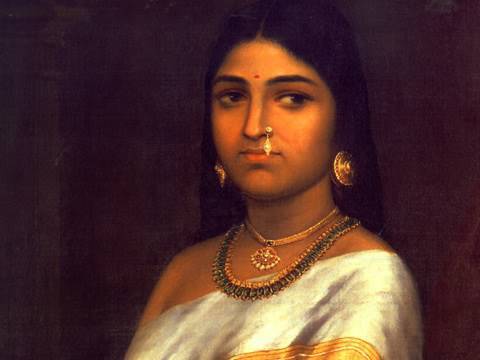
Kerala Royal Lady-Painting by Raja Ravivarma

திராவிடா என்ற ஒரு பெண்ணின் பெயர் மிக மிகப் பழைய பெயராக சம்ஸ்கிருத இலக்கியத்தில் இடம்பெறுகிறது. இவர் திராவிட நாட்டிலிருந்து சென்ற அரச குலப் பெண்ணாக இருக்க வேண்டும். இவர் த்ருணபிந்து என்பவரின் மகள். விஸ்ரவஸ் என்பவரின் தாய். இந்த வம்சங்களை ஆராய்ந்து பர்ஜிட்டர் (parjiter)  போன்ற புராண ஆராய்ச்சியாளருடன் ஒப்பிடும்  ஆர்.மார்ட்டன் ஸ்மித் (R. Morton Smith: Dates and Dynasties in Ancient India, Motilal Banarsidas)  இப்படி வரிசைப்படுத்துகிறார்.

த்ராவிடா—விஸ்ரவஸ்—விசால—ஹேமசந்திர—உசந்திர—தூம்ராஸ்வ—ஸ்ரீஞ்சய—சஹதேவ—க்ர்சாஸ்வ—சோமதத்த—ஜனமேஜய—ப்ரமாதி

ப்ரமாதி என்ற மன்னன் தசரதனின் தந்தையான அஜன் காலத்தவன். மார்ட்டன் ஸ்மித் கணக்குப்படி த்ருண பிந்துவின் காலம் கி.மு.1320. இந்த அரசர் வரிசை புராணங்களில் கொடுக்கப்பட்டுள்ளது.

உலகெங்கிலும் சுமேரிய, பாபிலோனிய, எகிப்திய கதைகளிலுள்ள மன்னர்களுக்கெல்லாம் காலம் கணித்த பின்னரும் நாம் மட்டும் புத்தர் காலம் (கி.மு ஆறாம் நூற்றாண்டு) முதல் வெள்ளைக்காரர் எழுதிய சரித்திரத்தையே இன்று வரை படித்து வருகிறோம். உண்மையில் ராமர், தசரதர் காலம் எல்லாம் இதற்கும் முன்னிருக்க வேண்டும். ஆனால் மார்ட்டன் ஸ்மித் , பர்ஜிட்டர் போன்றவர்கள் ஒவ்வொரு மன்னனுக்கும் 20 முதல் 30 ஆண்டு மட்டுமே ஒதுக்கியும் கூட அவர்கள் காலம் கி.மு.1300ஐ ஒட்டிச் செல்கிறது!

ஆனால் இதில் வியப்பதற்கு ஒன்றும் இல்லை. விஜயன் என்ற மன்னன் இந்தியாவின் ஒரிஸ்ஸா/ வங்காளப் பகுதிலிருந்து நாடு கடத்தப் பட்டு இலங்கையை அடைந்தவுடன் அவனுக்கும் அவனுடைய மந்திரிகளுக்கும் மணம் முடிக்க பெண்கள் இல்லை. பாண்டிய நாட்டுப் பெண்கள்தான் அங்கு சென்று அவர்களைக் கல்யாணம் செய்துகொண்டனர் என்று இலங்கை வரலாற்றைக் கூறும் மஹாவம்சம் என்ற நூலில் உள்ளது. இது நடந்தது கி.மு ஐந்தாம் நூற்றாண்டு.

மன்னர்கள் பல நாட்டுப் பெண்களை மணப்பது தொன்று தொட்டு நடந்துவருகிறது. காந்தார (ஆப்கனிஸ்தான்) நாட்டுப் பெண்ணான காந்தாரியை திருதராஷ்ட்ரன் மணந்தான். கேகய (ஆப்கனிஸ்தான் /ஈரான்) நாட்டுப் பெண்ணான கைகேயியை தசரதன் மணந்தான். செல்யூகஸ் நிகடார் என்ற கிரேக்க மன்னனின் மகளை மௌர்ய சந்திர குப்தன் மணந்தான்.

மஹாபாரத வீரன் அர்ஜுனன் மணக்காத இனமே இல்லை. அர்ஜுனன் பாண்டிய குமாரியை மணந்ததாக நாட்டுபுற பாடலும் உண்டு. (அர்ஜுனனும் வந்துவிட்டார் அல்லி ராணி).

2000 ஆண்டுகளுக்கு முன் அகத்திய மகரிஷி தென்கிழக்காசிய ( நாக நாட்டு) மங்கையை மணந்து அங்கு இந்து சாம்ராஜ்யத்தை ஸ்தாபித்தார். அது முஸ்லீம்கள் வரும் வரை 1300 ஆண்டுகளுக்கு நீடித்தது. ஆனால் லோபமுத்ரா என்ற பெண்ணை மணந்த ரிக் வேத அகத்தியர் வேறு. மணி மேகலை கதையிலும் இதே போல நாகநாட்டு மங்கை பீலிவளையைச் சோழ மன்னன் கிள்ளிவளவன் மணந்த வரலாறு வருகிறது.

பாண்டியர் –குஜராத்தி தொடர்பு

“ஆவஸ்யக சூர்னி” என்ற சமண மத நூல் ஒரு அரிய தகவலைத் தருகிறது. மதுரைக்கும் சவுராஷ்ட்ர தேசத்துக்கும் (குஜராத்தின் ஒரு பகுதி) இடையே தொடர்ந்து கப்பல் போக்குவரத்து இருந்ததாகவும் பாண்டு சேனன் என்ற மதுரை மன்னன் தனது இரண்டு மகள்களுடன் சென்றபோது புயல் காற்று வீசி கப்பல் உடைந்தவுடன் முருகனையும் சிவனையும் வேண்டிக் கொண்டதாகவும் கூறுகிறது. முருகனும் சிவனும் தமிழுக்கு மிகவும் நெருக்கமானவர்கள் என்பதோடு அவர்கள் இருவரும் தமிழ் சங்கத்தில் தமிழ் ஆராய்ந்ததாகவும் நாம் படிக்கிறோம். ஆக, இது சங்க காலத்தில் நடந்த ஒரு நிகழ்ச்சி என்றும் கருதலாம். புறநானூற்றில் கடலுள் மாய்ந்த இளம்பெருவழுதி என்ற மன்னன் கடல் பயணத்தில் இறந்ததையும் நினைவிற்கொள்ள வேண்டும்.

மதுரை மன்னன் மலயத்வஜ பாண்டியன் சூர சேன (குஜராத்) மன்னன் மகளான காஞ்சன மாலாவை மணந்து மீனாட்சியைப் பெற்றெடுத்தான். இதிலிருந்துதான் தற்கால மதுரையின் வரலாறே துவங்குகிறது. மதுரையைச் சுற்றி கி.மு. மூன்றாம் நூற்றாண்டு கல்வெட்டுகள் இருப்பதைக் கருத்தில் கொண்டால் மலயத்வஜன் காலமும் 2000 ஆண்டுகளுக்கு முந்தியதே.

(திராவிடம் என்பதை இப்போது அரசியல்வாதிகள் பயன்படுத்தும் சொல்லுடனும், வெளிநாட்டார்,  நம் மீது திணித்த ஆரிய திராவிடவாதச் சொல்லுடனும் குழப்பிக் கொள்ளக் கூடாது. சங்க இலக்கியத்திலும் பழைய வடமொழி நூல்களிலும் ஆரியர் என்பது முனிவர்கள் வாழும் பகுதி, வட நாடு, பண்பாடுமிக்கவர்கள் என்ற பொருளிலேயே பயன்படுத்தப்பட்டது. திராவிடம் என்பது தென் பகுதியைக் குறிக்கும் சொல். இப்போது ஆங்கிலத்தில் மத்திய கிழக்கு, தூரக் கிழக்கு என்றெல்லாம் பெயரிட்டது போல இது ஒரு நிலவியல் சொல்.)

தசரதன் எழுதிய கடிதங்கள்

எகிப்து நாட்டு அரசனுக்கு இரண்டு பெண்களை மணம் முடித்த தசரதன் (Tushratta கி.மு.1354) என்ற மன்னனின் கடிதங்கள் மிகவும் புகழ் வாய்ந்த கடிதங்கள். அவை 3500 ஆண்டுகளுக்கு முன் எகிப்திய மன்னனுக்கு எழுதப்பட்ட கடிதங்கள். இவை விக்கி பீடியா போன்ற தளங்களில் முழு விவரங்களுடன் கிடைக்கும். மிட்டன்னி மன்னனான தசரதன் தனது சகோதரி ஜிலுகிபாவையும்(Gilukhipa), மகள் ததுகிபாவையும்(Tadukhipa) எகிப்பதிய மன்னன் மூன்றாம் அமணதேவனுக்கு( Amenhotep III)  மணம் முடித்தான். இதற்குப் பின் அவன் எழுதிய 10 கடிதங்கள் மிகவும் சுவையானவை. இப்பொது கியூனிபார்ம் எழுத்தில் மியூசியத்தில் உள்ளன. நமக்குத் தெரிந்து 4, 5 தசரதன்கள் இருப்பதால் இவர் ராமாயண தசரதனுக்கு முந்தியவரா பிந்தியவரா என்பது ஆய்வுக்குரிய விஷயம். மிக மிகப் பழமையான கலப்பின கல்யாணம் இதுதான். எகிப்து நாட்டுக்கே மிஸ்ரம் (கலப்பின) நாடு என்றுதான் பெயர்.

வட மொழி தென் மொழி நூல்கள் ஒரு உண்மையை மறைக்காமல் ஒத்துக் கொள்கின்றன. விஷ்ணுவின் பத்து அவதாரங்களில் முதல் அவதாரமான மச்சாவதாரம் தென்னாட்டில்தான் நடந்தது என்ற கதை வடமொழிப் புராணங்களிலேயே உள்ளது. திருஞான சம்பந்தரும் அவர் பிறந்த சீர்காழியைத் “தோணிபுரம்” (Boat City) என்றும் பிரளய காலத்தில் தோனி (Noak’s Ark) ஒதுங்கிய இடம் என்றும் பாடுகிறார். கடல் கோளும் சுனாமியும் சங்க இலக்கியத்தில் பல இடங்களில் குறிப்பிடப் படுகிறது. இவற்றை எல்லாம் கருத்தில் கொண்டு பார்க்கையில் தென்னாட்டு / திராவிட ராணிகள் பல நாடுகளுக்குச் சென்றது உண்மையே என்று அடித்துக் கூறலாம்.

தமிழ் இலக்கியங்களில் தென்னவன் என்ற சொல் யமனையும் பாண்டியனையும் ராவணனையும் குறிக்கும். இலங்கை ராவணன் , மிதிலைப் (பீஹார்- நேபாள எல்லை ) பெண்ணான சீதையைக் குறிவைத்ததும் இதனால் அன்றோ. ராமனுக்கெல்லாம் முன்னோனான அஜன் — இந்துமதி ஸ்வயம்வரத்துக்கு பாண்டிய மன்னனும் வந்ததாக புகழ் பெற்ற கவிஞன் காளிதாசனும் பாடுகிறான். அவனும் 2000 ஆண்டுகளுக்கு முன் வாழ்ந்தவன். ஆக இது எல்லோருக்கும் தெரிந்த ஒரு வழக்குதான்.

*****************************

TIME TRAVEL by TWO TAMIL SAINTS


What is Time Travel?

If you want to go from Madras to London you travel by aeroplane. It is covering a vast distance – ie through three-dimensional space. But if you want to travel from 2011 to 1000 AD, the time when Raja Raja Chola built the Big Temple in Thanjavur, you have to travel through time. Or if you want to travel to the future, for example, 2050 then again you have to travel through time.

This concept already exists in the Hindu epic Mahabharata. But it became very popular through the writing of HG Wells and films based on his book, The Time Machine. In recent years we have lots of science fiction TV serials. If we can invent a time machine then we can sit inside and travel back even to the days of Emperor Asoka or the Rig Veda.

One question often asked is whether we would just be observers or whether we could participate in the events that happened 1000 years ago. Suppose I travel back in time with an AK 47 gun and shoot down Raja Raja Chola. What would happen to history as we know it after his death. He had a son by the name of Rajendra Chola. Would he still exist in history after I shot Raja Raja? This paradox is commonly known as the Grandfather Paradox. There are various theories about parallel universes to answer this question.

Two strange miracle stories indicate that our Tamil saints travelled back in time for the sake of their devotees. Not only did they go back in time and but they also interfered with events and changed the course of “history”. There is no such story in anywhere else in Hindu mythology.

I have already mentioned in my article Do Hindus believe in Aliens and ETs?  The story of Revati, the episode of Arjuna’s travel to Indraloka (heaven) and Sambandhar reviving a dead person were dealt with in that article. India is full of mysteries and miracles. Just around Chennai there are more than 50 Siddhar Samadhis. Each Siddhar performed a lot of miracles. But what Sundarar and Tiru Gnana Sambandhar did 1000 years ago is baffling.

Often, we hear of stories where a person that was bitten by a snake is revived by a miracle man. At least here we may interpret that the person was bitten by a non-poisonous snake and may have fainted out of fear rather than died. But in the story of Sambandhar and Sundarar, two of the Four Great Saivite Saints, no such interpretation is possible.

This is what happened: Anecdote 1

Sambandhar visited Madras 1300 years ago. He was welcomed by a rich merchant called Sivanesar. Sivanesar was very sad and cried when Sambandhar met him. When the saint asked the reason for his sadness he narrated what happened to his daughter Poompavai several years ago. When she went to pluck some flowers in the garden, she was bit by a snake and fainted. All the efforts to revive her failed and she died. Sivanesar kept the ashes and bones in an urn after cremating her body. When Sambandhar visited Kapaleeswarar temple in Mylapore, Chennai, Sambandhar asked him to bring the urn containing the ashes and bones. The saint sang a hymn beginning with the Tamil words “Mattitta Punnai”. Even before the saint finished the tenth song, the pot broke open and a beautiful twelve year old girl came out and stood before them. She was none other than the girl Poompavai, Sivanesar’s daughter. When he offered her hand to Sambandhar he politely declined the offer by saying that she was like his own daughter because he revived her. The mystery in the story is that Poompavai  had grown since her death. This means Sambandhar went back in time and revived her at that point of time and brought her back with full growth to compensate the lost years. Another interesting thing about this hymn is all the important festivals of ancient Tamils such as Onam, Karthikai lamp festival, Arudra day, Thai Pusam,  Masi sea  bathing and Panguni Uththiram are mentioned in the decad, providing a unique record of their existence.

Anecdote 2

The second story is about Sundarar reviving a boy who was devoured by a crocodile. There lived a boy called Avinasi Lingam, Son of Gangadharan, in Avinasi, a town in Tamil Nadu. One day Avinasi Lingam went with other boys to a tank to bathe. It was a beautiful lotus tank. Suddenly Avinasi Lingam’s feet were caught by a crocodile and he cried for help. The boy who lived next door to him ran back to town and brought the elders. But Avinasi Lingam disappeared and nobody dared to step in to the tank. The most famous Hindu saint Adi Shankara was also caught by a crocodile, but he came alive after his mother promised him to give him second birth in the way of Sanyasam.

Two years after this incident Sundara visited the Brahmin street where one house was celebrating happily the Punul Kalyanam (Sacred Thread ceremony for the boy), but the opposite house was engulfed in sadness. When he came to know about what happened two years ago, he went straight to the tank and prayed to Lord Siva to return the boy. The crocodile came and spat the boy out. The boy, not only came alive intact but also aged to compensate for the lost two years. This is another instance of Time Travel by a Tamil saint. He went back in time by two years and changed the course of “history”.

The people who wrote about these anecdotes clearly expressed surprise when the boy and the girl were grown to compensate the years they lost in “death”. If it is instant revival we can find many reasonable scientific explanations. Here there is no ambiguity or exaggeration.  Sundarar’s miracle decad begins with the Tamil words “Etraan Marakeen Ezumaikkum”. Avinasi is forty kilometres from Coimbatore.

(Please read my article Do Hindus believe in Aliens? Where in I have explained how Hindus view Time. We believe there is more to it than what Einstein had discovered)

Picture credit: Cedric THUVAL (copy right)
contact swami_48@yahoo.com

Bhishma – First man to practise acupuncture

Bhishma, the great warrior of Mahabharata period was the first man to practise acupuncture. When he was shot by arrows in the battle field he did not die immediately. He had a boon to choose the day of his
death. So he decided to lie on a bed of arrows for 56 days. He wanted to die on an auspicious day. The bed of arrows was made by Arjuna.

This bed of arrows is nothing but acupuncture treatment. Dr B K Singh of Indian Acupuncture Centre also  pointed this out in one of his lectures thirty years ago. Bhishma kept himself in good health by using the
acupressure techniques. But it is true acupuncture was practised more widely in China and the world came to know about it through the wandering Buddhist monks.
We have more evidence to show that the Indians knew about acupressure and acupuncture. Hindus used to pierce ear of babies during the first birth anniversary. They knew that the children’s wisdom and knowledge will increase after piercing the ears with a golden needle. Girls will have nose piercing at a
later age in addition to the ear piercing. People who go to fields for ablutions in the olden
days used to wear a turban/towel around their head closing their ears. In those days people belonging to first three castes (Brahmins, Kshatriyas and Vaisyas) wore the sacred thread. They used to wear the thread tightly around their ears to give pressure. This helped them to clear their bowels well.
Wearing the tuft (kudumi in Tamil,choti in Hindi) has also some meaning in acupuncture. From time immemorial Indian Brahmins have kept a tuft of hair tied on their shaven heads at a particular point. Chinese called this point ‘bahue’ meaning blessing. Last but not the least Indian barbers also knew a
lot of acupressure points. When they visit home to perform their services, a common practise was to apply pressure to particular points of the body to prevent their customers from receiving an embarrassing involuntary erection.
Wrestling school teachers also practised Varma Kalai (art of varma); part of which is acupressure. It was not uncommon for barbers and wrestlers to treat patients in the absence of doctors in ancient India.