பாட்டன்,பூட்டன்,ஓட்டன் = பாட்டி, பூட்டி, ஓட்டி: தேவாரம் தரும் அதிசய தகவல்

கட்டுரையாளர்; லண்டன் சுவாமிநாதன்
கட்டுரை எண். 910 தேதி 16 மார்ச் 2014

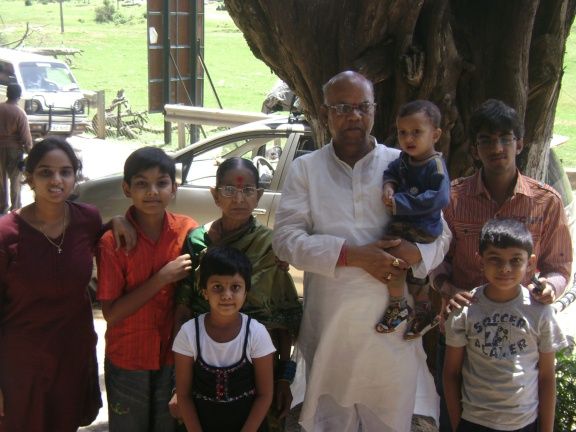
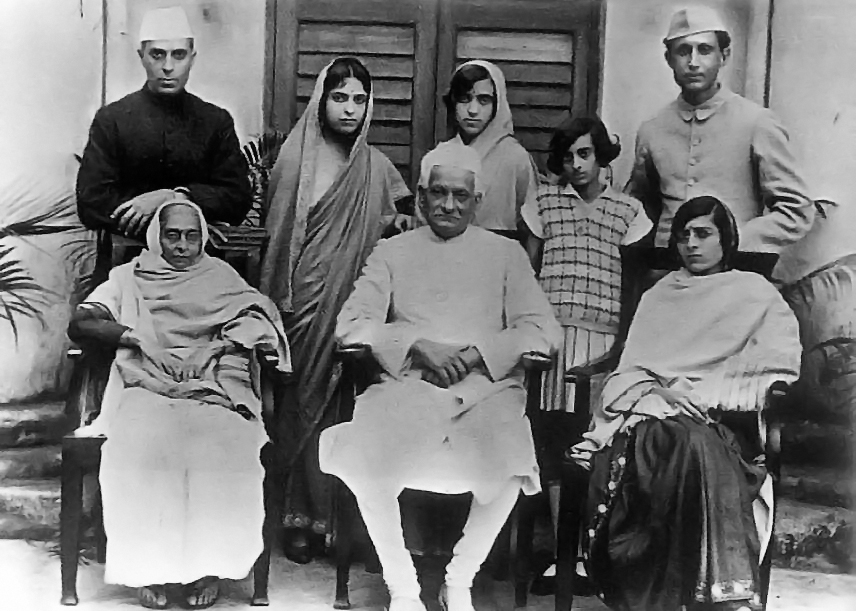
Nehru_family
Motil,Jawaharlal Nehru and Indira Gandhi

அப்பர் தேவாரத்தில் பல அதிசயச் செய்திகள் உள்ளன. அப்பர் என்னும் திருநாவுக்கரசர் (வாகீசர்) பாடிய 4900 பாடல்களும் தேவாரத்தில் 4,5,6 ஆம் திருமுறைகளில் அடுக்கி வைக்கப் பட்டுள்ளன. இவர் பயன் படுத்தும் உவமைகளும் பழமொழிகளும் தமிழ் மொழியின் தனிப்பெரும் தன்மைக்குச் சான்று பகர்கின்றன. ‘’உவமோ காளிதாச:’’ = உவமைக்குக் காளிதாசன்- என்று வடமொழியில் ஒரு பொன் மொழி உண்டு. தமிழில் அவருக்கு இணையாக ஒப்பிட ஒருவர் உண்டு என்றால் அது அப்பர் பெருமானே என்பதில் இரு வேறு கருத்துக்கு இடமே இல்லை!

(உலகப் புகழ்பெற்ற கவிஞன் காளிதாசன் தான் உலகிலேயே அதிகமான உவமைகளைப் பயன்படுத்தியவன். ஏழே நூல்களில் ஆயிரத்துக்கும் மேலான அற்புதமான உவமைகளைப் பயன்படுத்தினான். ஒவ்வொன்றும் ஒரு ரத்தினக் கல்லுக்குச் சமம். மஹாபாரதம் ராமாயணம் ஆகியவற்றில் எண்ணிக்கையில் இதைவிடக் கூடுதல் உவமைகள் உண்டு. ஆனால் அவைகள், காளிதாசன் தரத்துக்கு இல்லை. ஏனெனில் அவர்கள் சொல்ல வந்த விஷயமே வேறு.)

காளிதாசனுக்கு இணையான ‘’உவமை மன்னன்’’ தமிழில் அப்பர் பெருமானே. அதனால்தான் அவர் வாகீசர் ( சொல்லுக்கு அரசன்) என்ற சிறப்புப் பெயரைப் பெற்றார் போலும்!

இதோ தமிழுக்கு வளம் சேர்க்கும் ஒரு பாடல்:

சந்தணி கொங்கையாளோர் பங்கினார் சாமவேதர்
எந்தையும் எந்தை தந்தை தந்தையும் ஆய ஈசர்
அந்தியோடு உதயம் அந்தணாளர் நெய்யால் வேட்கும்
வெந்தழல் உருவர் வீழிமிழலையுள் விகிர்தனாரே (4-625)

பொருள்: சந்தனம் பூசிய கொங்கைகள் உடைய உமா தேவியை இடப்பக்கம் வைத்திருப்பவர சிவ பெருமான்,. சாமவேதம் இசைப்பவர். எங்கள் பாட்டன் பூட்டன் ஓட்டன் (கால) உறவால் திகழ்பவர் என் ஈசன் காலையிலும் மாலையிலும் அந்தணர்கள் நெய் ஊற்றி ஹோமம் செய்யும் தீயாகத் தோன்றுபவர்.அவரே திருவீழிமிழலை கோவிலிலும் குடிகொண்டுள்ளார்.

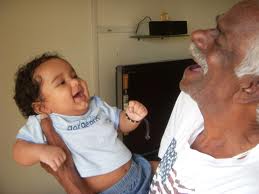
grand-children-

எந்தை தந்தை=பாட்டன் ,தாத்தா (பாட்டி)
தந்தை தந்தை= பூட்டன் (பூட்டி)
அவனுக்குத் தந்தை= ஓட்டன் (ஓட்டி)

‘’ஓட்டிக்கு மேல் உறவில்லை’’ என்று நாங்குநேரிப் பக்கத்தில் ஒரு பழமொழி வழக்கத்தில் உள்ளது. தேவார உரையில் தருமபுர ஆதீனப் புலவர் வித்துவான் திரு முத்து சு. மாணிக்கவாசக முதலியார் பாட்டி,பூட்டி,ஓட்டி பற்றிய இந்த அரிய செய்தியை நமக்குத் தந்துள்ளார்.

பிராமணர்கள் உறவுமுறை

பிராமணர்கள் ஆண்டுக்கு குறைந்தது 96 முறை தர்ப்பணம் செய்யவேண்டும். அதாவது இறந்தோருக்கு நீர்க்கடன் செலுத்தல் வேண்டும். அப்போது இறந்து போன மூன்று தலைமுறைகளை நினைவு கூர்ந்து எள்ளும் நீரும் இரைப்பர் (தெளிப்பர்). அதைப்போல அப்பர் பெருமான் கூறுகிறார். அவர் பாட்டின் நயத்துக்காகக் கூறும் ‘’எந்தையும் எந்தை தந்தை தந்தையும்’’ என்பதன் பொருள் பாட்டன், பூட்டன், ஓட்டன் என்பதே. இதற்கு இணையான பெண்பால் சொற்களை (பாட்டி, பூட்டி, ஓட்டி) நாம் அறவே மறந்துவிட்டோம்.

பித்ரு வர்கம்

1.பிதா = தந்தை
2.பிதாமஹர்= தந்தைக்கு தந்தை (தாத்தா)
3.ப்ரபிதாமஹர்= கொள்ளுத் தாத்தா
4.மாதா தாய்
5.பிதா மஹி= பாட்டி
6.ப்ரபிதா மஹி=கொள்ளுப் பாட்டி

மாதாமஹ வர்கம் (தாய் வழி உறவினர்கள்)
7.மாதாமஹர்= தாயின் தந்தை (தாத்தா)
8.மாது: பிதாமஹர்= தாயின் தந்தைக்கு தந்தை
9.மாது: ப்ரபிதாதாமஹர் = தாயின் தந்தைக்கு தந்தைக்கு தந்தை
10.மாதாமஹி (தாய்வழிப்பாட்டி)
11.மாது: பிதாமஹி= தாயின் தந்தைக்கு தந்தையின் மனைவி
12. மாது: ப்ரபிதாதாமஹி= தாய் பாட்டனாருக்குப் பாட்டி

இந்த 12 பேரும் இறந்திருந்தால் குறைந்தது, அமாவாசை, மாதப் பிறப்பு காலங்களில் எள் நீர் வார்ப்பது வழக்கம். இந்த அதிசயமான முறை உலகில் வேறு எந்த சமுதாயத்திலும் இருப்பதாக யாம் அறியோம்.
இப்போதெல்லாம் வெளிநாடுகளில் ஒருவரின் குலம், கோத்திரம், அவர்கள் யார் சந்ததியில் உதித்தனர், ‘’வேர் மூலம்’’ எங்கே என்பதை ஆராய்வது பெரிய ‘’பேஷன்’’ ஆகிவிட்டது. இந்தத் துறையில் புதிய ‘’பிஸினஸ்’’களும் பெருகி வருகின்றன. உங்கள் தாத்தாவுக்கு தாத்தாவுக்குத் தாத்தாத்தாவுக்குத் தாத்தாவுக்கு……………. கண்டுபிடித்துத் தந்துவிடுவார்கள். எல்லாவற்றுகும் துட்டு!!!

thatha peran

நம் ஊர் ஆட்களைவிட 10,15 தலைமுறை ரிகார்டுகளைப் பாதுகாத்து வைத்திருக்கிறார்கள். இந்த ஊரின் பருவநிலையும் இதற்கு மிகவும் அணுசரணையானது.

swami_48@yahoo.com

Blind Men and the Elephant: Known Story, Unknown Facts!

SAMSUNG DIGITAL CAMERA

Compiled by London Swaminathan
Post No. 907 Dated 14th March 2014.

It is a popular story known to most of the Asians because Hindu, Buddhist, Jain and Sufi poets sang about it. But not many people knew that is a story from Tirumantiram sung by the Tamil Siddha Tirumular. Even an English poem is written by an English poet about this anecdote.

A king sends six blind men to examine an elephant. Each one touches and feels only one part of the elephant’s body and jumps to a conclusion which is partly right and not the whole truth. One who felt

The leg thought it was a pillar
The belly thought it was a wall
The ear thought it was a fan/ winnowing pan
The tusk thought it was a snake or tree branch
The tail thought it was a rope
The tusk thought it was a solid pipe

The story changes slightly in each version. Tirumular was a North Indian who came to Tamil Nadu, probably from Kashmir, learnt Tamil and composed 3000 verses. It is included in the Saivite canon as Tenth Tirumurai. His poems are full of symbolism. Tirumandiram has lot of secrets about Yoga and Mantra Sastra. In one of his verses he also sang about six blind men feeling an elephant. He compared it to six sects outside the pale of Saivism.

According to him the blind man who felt the back thought it was a hill, tail a broom stick, tusk a tree stem, ear a winnowing pan trunk a pestle and leg a mortar. They quarrelled among themselves about what they thought it was. Six sects are fighting like this.

blind elephant

English poet John Godfrey Saxe (1816-1887) composed the following poem about this story:

It was six men of Indostan, to learning much inclined,
who went to see the elephant (Though all of them were blind),
that each by observation, might satisfy his mind.

The first approached the elephant, and, happening to fall,
against his broad and sturdy side, at once began to bawl:
‘God bless me! but the elephant, is nothing but a wall!’

The second feeling of the tusk, cried: ‘Ho! what have we here,
so very round and smooth and sharp? To me tis mighty clear,
this wonder of an elephant, is very like a spear!’

The third approached the animal, and, happening to take,
the squirming trunk within his hands, ‘I see,’ quoth he,
the elephant is very like a snake!’

The fourth reached out his eager hand, and felt about the knee:
‘What most this wondrous beast is like, is mighty plain,’ quoth he;
‘Tis clear enough the elephant is very like a tree.’

The fifth, who chanced to touch the ear, Said; ‘E’en the blindest man
can tell what this resembles most; Deny the fact who can,
This marvel of an elephant, is very like a fan!’

The sixth no sooner had begun, about the beast to grope,
than, seizing on the swinging tail, that fell within his scope,
‘I see,’ quothe he, ‘the elephant is very like a rope!’

And so these men of Indostan, disputed loud and long,
each in his own opinion, exceeding stiff and strong,
Though each was partly in the right, and all were in the wrong!

So, oft in theologic wars, the disputants, I ween,
tread on in utter ignorance, of what each other mean,
and prate about the elephant, not one of them has seen!

blind and elephant

Sri Ramakrishna’s Chameleon Story

Sri Ramakrishna Paramahamsa, Guru of Swami Vivekananda, related another story to show the fallacy in such superficial differences through another example:

Two persons were hotly disputing over the colour of a chameleon. One said, “The chameleon on that palm tree is of a beautiful red colour”. The other contradicted him saying, “You are mistaken, the chameleon is not red, but blue.” Being unable to settle the matter through argument both went to a man who always lived under the tree and had watched the chameleon in all its phases. One of the disputants asked ,”Sir, is not the chameleon, on the tree, of a red colour?” the man replied ,”Yes,sir”. The other disputant said, “What do you say? How is that possible, Surely it is not red, but blue.” The man again humbly replied, “Yes, sir”. He man knew that the chameleon constantly changed its colour. So he said “Yes” to both the conflicting views. God who is Sat Chit Ananda- ( Existence-Knowledge-Bliss Absolute), has likewise various forms. The devotee who has seen God in only one aspect knows that and that aspect alone. None but who has seen him in manifold aspects can say .“ All these forms are of the one God, for God is multiform”. God is formless and with form, and many are his forms which no one knows about.

blindmen-elephant

Why We Disagree: Swami Vivekananda

Swami Vivekananda expressed the somewhat a similar theme through his story Frog in the Well in the very second lecture in Chicago about 125 years ago:

I will tell you a little story. You have heard the eloquent speaker who has just finished say, “Let us cease from abusing each other,” and he was very sorry that there should be always so much variance.

But I think I should tell you a story that would illustrate the cause of this variance. A frog lived in a well. It had lived there for a long time. It was born there and brought up there, and yet was a little, small frog. Of course the evolutionists were not there then to tell us whether the frog lost its eyes or not but, for our story’s sake, we must take it for granted that it had its eyes, and that it every day cleansed the water of all the worms and bacilli that lived in it with an energy that would do credit to our modern bacteriologists. In this way it went on and became a little sleek and fat. Well, one day another frog that lived in the sea came and fell into the well.

“Where are you from?”

“I am from the sea.”

“The sea! How big is that? Is it as big as my well?” and he took a leap from one side of the well to the other.

“My friend,” said the frog of the sea, “how do you compare the sea with your little well?”

Then the frog took another leap and asked, “Is your sea so big?”

“What nonsense you speak, to compare the sea with your well!”

“Well, then,” said the frog of the well, “nothing can be bigger than my well. There can be nothing bigger than this. This fellow is a liar, so turn him out.”

That has been the difficulty all the while.

I am a Hindu. I am sitting in my own little well and thinking that the whole world is my little well. The Christians sit in their little well and think the whole world is their well. The Muslims sit in their little well and think that is the whole world. I have to thank you of America for the great attempt you are making to break down the barriers of this little world of ours, and hope that, in the future, the Lord will help you to accomplish your purpose.

elephant-with-blind-men
Bharati on Cats

The greatest of the modern Tamil poets Subramanya Bharati gave the same message through his beautiful poem Tom Tom:
We have in our home
A pet, a white cat,
She gave birth to kittens
Each of a different hue.

Ash coloured was one kitty,
Jet black was another;
A third vivid like a viper;
Milky-white was a fourth.

Skin colours do vary
But they are of the same stock.
Can you call one colour superior
And another inferior?

Complexions may vary
But all men are one.
We are all uniformly human
In our thoughts and deeds.

Tamil References:

முதலொன்றாமான் ஆனை முதுகுடன் வாலும்
இதமுறு கொம்பு செவி துதிக்கை கான்
மதியுடன் அந்தகர் வகை வகை பார்த்தே
அதுகூறல் ஒக்கும் ஆறு சமயமே (திருமந்திரம்– 1507)

Bharati Poem

வெள்ளை நிறத்தொரு பூனை
எங்கள் வீட்டில் வளருது கண்டீர்
பிள்ளைகள் பெற்றதப் பூனை
அவை பேருக்கொரு நிறம் ஆகும்

சாம்பல் நிறத்தொரு குட்டி,
கரும் சாந்தின் நிறம் ஓரு குட்டி
பாம்பின் நிறமொரு குட்டி
வெள்ளை பாலின் நிறம் ஓரு குட்டி

எந்த நிறமிருந்தாலும்
அவை யாவும் ஓரே தரம் அன்றோ
இந்த நிறம் சிறிதென்றும்
இஃது ஏற்றம் என்றும் சொல்லலாமோ

வண்ணங்கள் வேற்றுமை பட்டால்
அதில் மானுடர் வேற்றுமை இல்லை
எண்ணங்கள் செய்கைகள் யாவும்
இங்கு யாவர்க்கும் ஒன்றென காணீர்!

contact swami_48@yahoo.com
திருமூலர் சொன்ன யானைக் கதை: தெரிந்த கதை, தெரியாத உண்மைகள்!

elephant-with-blind-men

திருமூலர் சொன்ன யானைக் கதை: தெரிந்த கதை, தெரியாத உண்மைகள்!

கட்டுரையாளர்: லண்டன் சுவாமிநாதன்

கட்டுரை எண்: 906 தேதி: மார்ச் 14, ஆண்டு 2014.

யானையும் ஆறு அந்தகர்களும் என்ற கதை எல்லோருக்கும் தெரிந்த கதை. இந்தக் கதையை புத்த மதம், சமண மதம், சூஃபி முஸ்லீம்கள், ஆங்கிலக் கவிஞன் ஆகியோர் பயன்படுத்தினர். ஆனால் இது திருமூலர் பாடிய திருமந்திரத்தில் இருந்து பல இடங்களுக்குப் பரவியது பலருக்கும் தெரியாது.

திருமூலர் பாடுகிறார்:

முதலொன்றாமான் ஆனை முதுகுடன் வாலும்
இதமுறு கொம்பு செவி துதிக்கை கான்
மதியுடன் அந்தகர் வகை வகை பார்த்தே
அதுகூறல் ஒக்கும் ஆறு சமயமே (திருமந்திரம்– 1507)

பொருள்: உறுப்பு, உறுப்பைத் தாங்கி இருக்கும் யானை முதல் ஒன்றாகும். அந்த யானையின் மலை போன்ற முதுகையும் துடைப்பம் போன்ற வாலையும், தண்டு போலும் உறுதியான தந்தத்தையும், முறம் போன்ற காதையும், உலக்கை போன்ற துதிக்கையையும், உரல் போன்ற காலினையும் கண்ணில்லாத அந்தகர் பலர் ஒவ்வொரு உறுப்பினையும் மட்டும் தடவிப் பார்த்துவிட்டு யானை என்பது மலையே, துடைப்பமே, தண்டே, முறமே, உலக்கையே, உரலே என்று கூறி அவர்களுக்குள் வாக்குவாதம் செய்தனர். இது போலத்தான் ஆறு சமயத்தவர்களும் தத்தம் சமயமே பெரிதென்று கூறி வாதிடுதல்.

ஒவ்வொரு உறுப்பை மட்டும் தடவிப் பார்க்கும் ஒவ்வொரு அந்தகனும்

மலை போன்ற முதுகு

முறம் போன்ற காது

துடைப்பம் போன்ற வால்

உரல் போன்ற கால்

உலக்கை போன்ற துதிக்கை

தண்டு போன்ற கொம்பு/தந்தம்

என்றனர். இவைகளை கையால் தடவி உணர்ந்த கண் பார்வையற்றோர் அந்தந்த உறுப்பு போன்றதே முழு யானையும் என்று நினைத்தனர்.

இதே கதை ஒவ்வொரு நூலிலும் சிறிது வேறுபட்டும் காணப்படும். எடுத்துக் காட்டாக தூண் போன்ற கால், மரக்கிளை போன்ற துதிக்கை, கயிறு போன்ற வால் என்று கொஞ்சம் கொஞ்சம் மாறுபடும். ஆனால் சொன்ன வந்த கருத்துக்கள் ஒன்றே.

அரைகுறை உண்மை முழு சித்திரத்தைக் காட்டாது. வெளித்தோற்றத்தை மட்டும் வைத்து முடிவுக்கு வரக்கூடாது. உண்மை என்பது மிகப் பெரியது. நாம் காண்பதெல்லாம் ஒரு சிறு பகுதியே. இதையே கடவுளுக்கும், சமயங்களுக்கும் பலர் உதாரணமாக, உவமையாகப் பயன்படுத்தினர்.

blindmen-elephant

பாரதி பாடுகிறான்:

வெள்ளை நிறத்தொரு பூனை
எங்கள் வீட்டில் வளருது கண்டீர்
பிள்ளைகள் பெற்றதப் பூனை
அவை பேருக்கொரு நிறம் ஆகும்.
சாம்பல் நிறத்தொரு குட்டி,
கரும் சாந்தின் நிறம் ஓரு குட்டி
பாம்பின் நிறமொரு குட்டி
வெள்ளை பாலின் நிறம் ஓரு குட்டி.
எந்த நிறமிருந்தாலும்
அவை யாவும் ஓரே தரம் அன்றோ
இந்த நிறம் சிறிதென்றும்
இஃது ஏற்றம் என்றும் சொல்லலாமோ
வண்ணங்கள் வேற்றுமை பட்டால்
அதில் மானுடர் வேற்றுமை இல்லை
எண்ணங்கள் செய்கைகள் யாவும்
இங்கு யாவர்க்கும் ஒன்றென காணீர்!

மனிதர்கள் நிறத்தாலும் உருவத்தாலும் மறுபட்டுத் தோன்றினாலும் குணத்தால் அவர்கள் எல்லோரும் மனிதர்களே. வேற்றுமை பாராட்டுதல் அறிவுடைமை ஆகாது.

blind and elephant

பரமஹம்சர் சொன்ன ‘பச்சோந்தி’க் கதை

விவேகாநந்தர் சொன்ன தவளைக் கதையை ‘பாம்பின் வாய் தேரை போல’ – என்ற கட்டுரையில் கொடுத்துவிட்டேன். இதோ ராமகிருஷ்ண பரமஹம்சர் இது தொடர்பாக கூறும் பச்சோந்தி கதையைக் கேளுங்கள்:

“இரண்டு பேரிடையே பச்சோந்தியின் நிறம் பற்றிக் காரசார வாக்குவாதம் நடந்தது. ஒருவன் பனைமரத்தின் மீதிருந்த பச்சோந்தியின் நிறம் சிவப்பு என்றான். மற்றவனோ, இல்லை பச்சோந்தியின் நிறம் நீலம் என்றான். இருவரும் மரத்தடியிலேயே வசிக்கும் ஒருவனிடம் சென்று சந்தேகத்தைத் தெளிய கேள்வி கேட்டனர். முதலாமவன் ‘’பச்சோந்தி சிவப்பு நிறம் உடைய பிராணிதானே’’ என்று கேட்டவுடன் ‘’ஆமாம், சிவப்புதான்’’ என்றான். இரண்டாமவன் அதை மறுத்து ‘’இல்லை நீல நிறம்தானே’’ என்றவுடன் ‘’ஆமாம், நீல நிறம்தான்’’ என்றான். ஓந்தியானது அடிக்கடி நிறம் மாறும் என்பது அவனுக்குத் தெரியும். சச்சிதானந்த ஸ்வரூபியான இறைவனும் அநேகம் உருவமுடையவன். ஒரே உருவத்தை மட்டும் கண்டவர்கள் இறைவன் அந்த உருவம் உடையவன் என்பர். இறைவன் உடைய பல்வேறு உருவங்களையும் கண்டவனுக்கே அவை எல்லாம் ஒரே ஈஸ்வரனுடைய பல வடிவங்கள் என்பது தெரியும். கடவுள் உருவம் உடையவன், உருவமே இல்லாதவன். அவனுடைய அத்தனை உருவங்களையும் பார்க்க இயலாது”.

கம்பன் கூறுகிறான்

ஒன்றே என்னின் ஒன்றே ஆம்:
பல என்று உரைக்கின் பலவே ஆம்:
அன்றே என்னின் அன்றே அம்:
ஆம் என்று உரைக்கின் ஆமே ஆம்:
இன்றே என்னின் இன்றே ஆம்
உளது என்று உரைக்கின் உளதே ஆம்
நன்றே நம்பி குடி வாழ்க்கை!
நமக்கு இங்கு என்னோ பிழைப்பு? அம்மா!

(கடவுள் வாழ்த்து,யுத்தகாண்டம்)
பொருள்:–கடவுளை உண்டு என்பவனுக்கு அவன் உண்டு. இல்லை என்பவனுக்கு அவன் இல்லை. ஒரு கடவுள்தானென்றால் ஒரே கடவுளாகவே காட்சி தருவான். பல கடவுள் என்றால் பல கடவுளராக காட்சி தருவான். இன்றே காட்சி தருவன் என்ற நம்பிக்கை இருந்தால் இன்றே அவன் வருவான்.

ஆக, ஆனை, பூனை, பச்சோந்தி, தவளை ஆகிய எல்லாப் பிராணிகளூம் நமக்கு உணர்த்தும் பேருண்மை:- மேம்போக்கான காரணங்களை வைத்து, தோற்றங்களைக் கொண்டு அதுதான் உண்மை என்று வாதம் செய்யாதே. முழு உண்மையையும் உணர். அல்லது அப்படி உணர்ந்த பெரியோர்கள் கூறுவதையாவது நம்பு!

SAMSUNG DIGITAL CAMERA

இதையே ஆங்கிலப் புலவன் ஜான் காட்ப்ரி சாக்ஸும் பாடி வைத்தான்:-

English poet John Godfrey Saxe (1816-1887) composed the following poem about this story:

It was six men of Indostan, to learning much inclined,
who went to see the elephant (Though all of them were blind),
that each by observation, might satisfy his mind.

The first approached the elephant, and, happening to fall,
against his broad and sturdy side, at once began to bawl:
‘God bless me! but the elephant, is nothing but a wall!’

The second feeling of the tusk, cried: ‘Ho! what have we here,
so very round and smooth and sharp? To me tis mighty clear,
this wonder of an elephant, is very like a spear!’

The third approached the animal, and, happening to take,
the squirming trunk within his hands, ‘I see,’ quoth he,
the elephant is very like a snake!’

The fourth reached out his eager hand, and felt about the knee:
‘What most this wondrous beast is like, is mighty plain,’ quoth he;
‘Tis clear enough the elephant is very like a tree.’

The fifth, who chanced to touch the ear, Said; ‘E’en the blindest man
can tell what this resembles most; Deny the fact who can,
This marvel of an elephant, is very like a fan!’

The sixth no sooner had begun, about the beast to grope,
than, seizing on the swinging tail, that fell within his scope,
‘I see,’ quothe he, ‘the elephant is very like a rope!’

And so these men of Indostan, disputed loud and long,
each in his own opinion, exceeding stiff and strong,
Though each was partly in the right, and all were in the wrong!

So, oft in theologic wars, the disputants, I ween,
tread on in utter ignorance, of what each other mean,
and prate about the elephant, not one of them has seen!

contact swami_48@yahoo.com
blind elephant

‘God is a Thief: He has Stolen My Heart’

Radha-Krishna-surrounded-

By London Swaminathan
Post No. 901 Dated 11th March 2014

Pure Love Gopis and Mirabai

Please read my earlier posts on Gopis, post number 895: ‘’Swami Vivekananda on Gopis and Krishna’’ and 859 (Tamil article about Gopis).

Lord Shiva is praised as the Leader of the Robbers and Thieves in many places in Rudra hymn in the Yajur Veda. Scholars have given various interpretations in their commentaries for words such as ‘’Taskaranam, Sthayunam’’ in the Rudra. One of the interpretations is God is one who steals our heart.

The Boy Wonder of Tamil Language Tiru Jnana Sambadar who started singing thousands of hymns from the tender age of three, in his very first verse, called Lord Shiva, as the ‘’Thief who stole my heart’’ (Ullam Kavar Kalvan in Tamil). Without stooping at the first verse, he repeated the word ‘Thief Who Stole My Heart’ in all the ten verses in the first hymn. Every Saivite Tamil boy knows this verse (‘Thodudaiya Seviyan’ in Tamil).

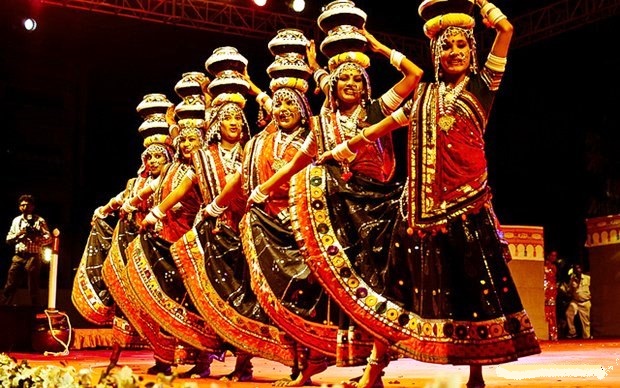
Garba-raas-dance2

In Northern part of India we see the same theme in the hymns of Mirabai and Gopis. They fell in love with Lord Krishna. God is a magnet and the devotee is iron. So the attraction is natural. As long as the iron is not rusty with bad thoughts and habits, it naturally sticks to magnet—the God.

Krishna has Stolen my Heart!

Here are two stories told by Swami Ramdas:

“Mirabai was a great devotee of Sri Krishna. She was married although she had dedicated her life to Krishna. Even after marriage she was always found singing and worshipping Krishna. She was pining for her divine lord and was perfectly indifferent to the world.

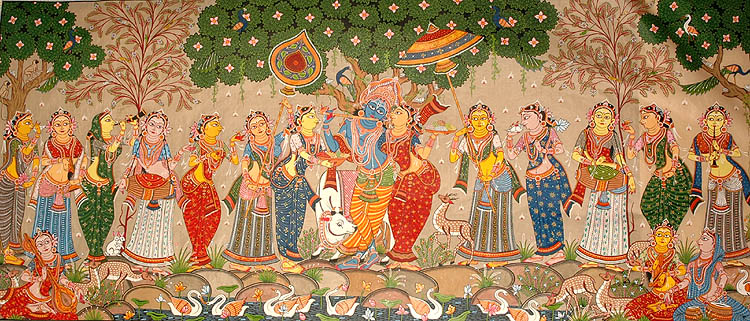
Radha-Krishn-Gopis

Mirabai belonged to the royal family and was married to a Prince of Udaipur. On account of her devotional nature, all in the royal household were against her and she underwent untold persecution through the hands of her sister-in- law and others in the palace. Her husband was kind and good to her. One day the prince came to her and said, “I am your wedded husband and so I am entitled to your love and affection. But whenever I come to you, I find you intoxicated with divine ecstasy. You have no time even to talk to me. My earnest wish is that you should give me also a portion of your love. What do you say?”

“My lord what you say is perfectly right. As a dutiful wife I should love you and serve you. But what can I do? Krishna, to whom I have dedicated my life when I was yet girl, has stolen my heart entirely. He has filled it with Himself so much so that there is no place left for you. I am helpless. Even if I wish to love you, I cannot do so. So understanding my position, you should be gracious enough to forgive me”
( I have published similar stories about two Tamil women Karaikal Ammaiyar and Andal: -swami)

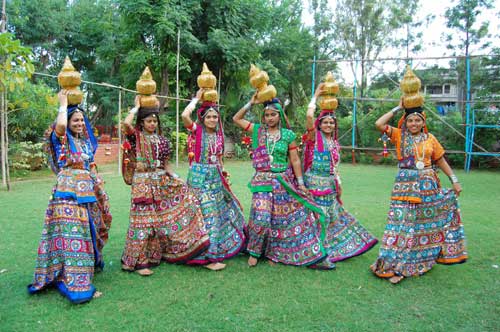
Pune-Garba-Dandiya-Dance1

Gopis’ Love

Many people are mistaken in their belief that the love between the Gopis and Krishna was of an ordinary nature on the physical level. This was not so. Their love was on the higher spiritual level. When the Gopis merely thought of Him, they were lost in Him and were raised to such a state of ecstasy that, for the time being, they forgot their bodies and their surroundings. All worldly inclinations, desires and thoughts were drowned in that ecstasy. The physical pains and attachments to the nearest kith and kin were all obliterated.

Once it so happened that a Gopi asked her daughter in law to light the lamp in the house, getting fire from the neighbouring house. In those days, there were no electric lights or even match boxes. The daughter in law went with a cotton wick soaked in oil to light it from the lamp at the neighbour’s house. She placed the wick on the fire when, just at the moment, somebody said, “Krishna is at the door”. Her eyes turned towards the door and she beheld Krishna standing there. She was so struck by the sight of Krishna that she stood gazing at Him, oblivious of the time and the fact that her hand was holding the wick over the fire. The wick having taken the fire was burning. The flame was licking her fingers, but she was not aware of it. She did not feel the pain, for she was unconscious of her body. The mother in law found out after a long wait that her daughter in law did not come, went to see what the matter was. She saw her looking at Krishna, entranced and enchanted by his presence, although her fingers were burning.

krishna_with_radha_and_gopis_pg31

That was the love of the Gopis for Krishna, their Adored One. Their love was of the purest and the holiest type. Devotees reach this climax of love when they utterly absorbed in god—their heart’s Beloved.

Source: Stories As Told By Swami Ramdas, Published for Anandashram by Bharatiya Vidya Bhavan, Bombay-7, Year 1969.
Contact: swami_48@yahoo.com

garba dance

கொக்கைப் போல இருப்பான், கோழி போல இருப்பான், உப்பைப் போல இருப்பான் பக்தன்

kokku

கொக்கைப் போல இருப்பான், கோழி போல இருப்பான், உப்பைப் போல இருப்பான் பக்தன்

By London Swaminathan
Post No. 900 Dated 11th March 2014

கொக்கும் துறவியரும்

தமிழர்கள் தெய்வ பக்தி மிகுந்தவர்கள். எதைக் கண்டாலும் அதில் தெய்வத்தை ஏற்றிவிடுவர். ‘’யாதும் ஊரே யாவரும் கேளிர்’’– என்ற புறப்பாட்டில் ஆற்று வெள்ளத்தில் அடித்துச் செல்லப்படும் தோணியைப் பார்த்த புலவர் அதன் மூலம் கர்ம வினைக் கொள்கையைப் புகட்டியதை ‘’தீதும் நன்றும் பிறர்தர வாரா ‘’ என்ற கட்டுரையில் நான் விளக்கியதைப் படித்திருப்பீர்கள்.

இதோ கொக்கு பற்றி என்ன சொல்கிறார் சங்கப் புலவர்?

செக்கர்கொள் பொழுதினான் ஒலிநீவி, இனநாரை
முக்கோல்கொள் அந்தணர் முதுமொழி நினைவார்போல்
எக்கர்மேல் இறை கொள்ளும், இலங்குநீர்த் தண்சேர்ப்ப!
(நெய்தற்கலி, கலித்தொகை)

பொருள்: அழகிய மேலைத்திசையில் மாலைக் கதிரவன் சேர்ந்துவிட்டான். சந்திரனும் அழகுடன் தோன்றிவிட்டான். செக்கர் வானம் தெரிகிறது. முக்கோல் ஏந்திய அந்தணர்கள் மந்திரங்களை தியானம் செய்துகொண்டு இருப்பது போல நாரைகள் கடற்கரை மணலிலே கண்மூடி அமர்ந்திருந்தன. இப்படி நீர்வளம் நிரம்பிய நாடு உடையவனே—நல்லந்துவனார் என்ற புலவர் 2000 ஆண்டுகளுக்கு முன்னரே பாடிவிட்டார்.

stork fish

இதையே இன்னொரு வகையில் விளக்கலாம். ‘’கொக்குக்கு ஒன்றே மதி’’ என்று தமிழில் ஒரு பழமொழி உண்டு. அதே போல முனிவர்களுக்கும் ஒன்றே மதி. கொக்குக்கு வேண்டியது இரை. அதற்கு வயிற்றுப் பசி. ஞானிகளுக்கு அறிவுப் பசி. அவர்களுக்கு வேண்டியது இறையுணர்வு அல்லது முக்தி. ஆக இருவரும் மாலையில் தியானம் செய்வது பொருத்தமான உவமை.

‘’காணாமல் கோணாமல் கண்டு கொடு’’— என்பது தமிழ் பழமொழி. இறைவனை வழிபடும் இந்துக்கள் முப்போது அவனை வழிபடுவர். காணாது (சூரியனைக் காணாது= அதிகாலையில்), கோணாது (நம்முடைய நிழல் சாய்வாக விழாத வேளை= அதாவது நண்பகல்), கண்டு (சந்தியா காலம்=பொழுது சாயும் நேரம்= சூரியனைக் கண்டு) கொடு. அந்தணர்கள் முப்போதும் இப்படி நீர் கொடுத்து தியானம் செய்வர். அது முனிவர்களுக்கும் பொருந்தும்.

வள்ளுவன் கண்ட கொக்கு

தமிழ்ப் புலவன் வள்ளுவனும் இப்படித்தான். காக்கை, கொக்கு, எலி, புலி, யானை, பாம்பு—எல்லாவற்றையும் பயன்படுத்தி நமக்குப் பாடம் சொல்லித் தருகிறான். இக் கட்டுரையில் வரும் கொக்கை மட்டும் எடுத்துக் கொள்வோம்:

கொக்கொக்க கூம்பும் பருவத்து மற்றதன்
குத்தொக்க சீர்த்த இடத்து (490)

big fish

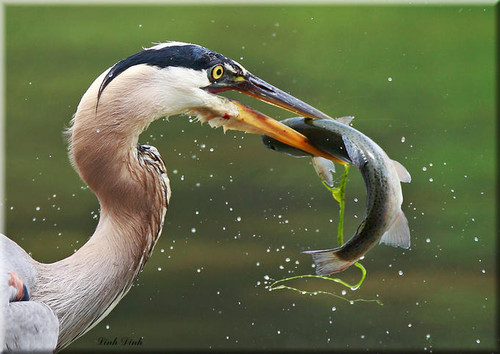
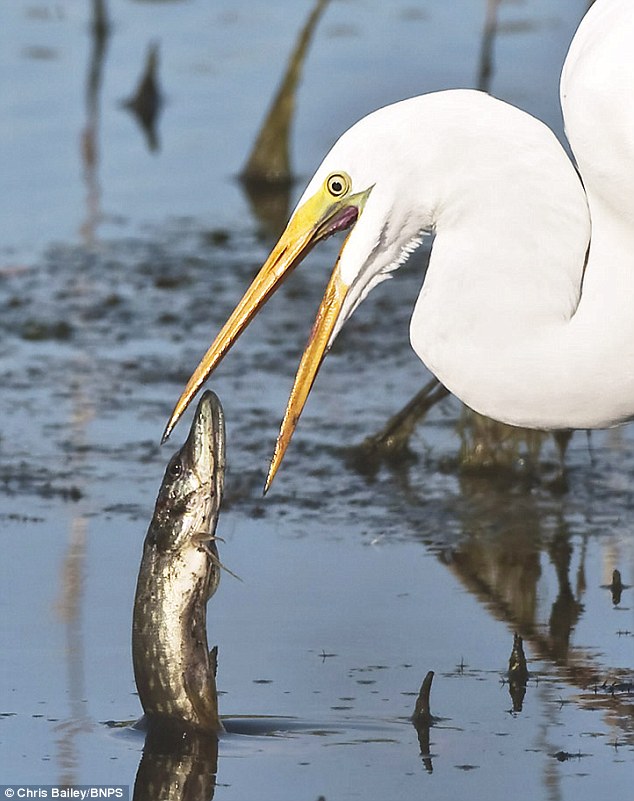
பொருள்: எதையும் கொக்கு போல காலம் அறிந்து செய்ய வேண்டும். அமைதியாக, அடக்கமாக இருக்க வேண்டிய நேரத்தில் கொக்கு போல இருங்கள். பெரிய மீன் வரும்போது கொக்கு ஒரே குத்தில் எப்படி மீனைப் பிடிக்கிறதோ அப்படி ஒரே அடியில் பகைவனை வீழ்த்துங்கள் என்பார்.

பகை, எதிரி என்பதை எல்லாம் மறந்துவிட்டு நல்ல செயல்கள் ஆற்றவும் இந்த அறிவுரை பொருந்தும். இதோ இன்னொரு அழகான கொக்குப் பாட்டு:

அடக்கம் உடையார் அறிவிலார் என்று எண்ணிக்
கடக்கக் கருதவும் வேண்டா – மடைத் தலையில்
ஓடு மீன் ஓட உறு மீன் வரும் அளவும்
வாடி இருக்குமாம் கொக்கு (வாக்குண்டாம்)

பொருள்: ஒருவன் அடக்கமாக அமைதியாக இருக்கிறான். அவன் அறிவில்லதவன் போல என்று நினைத்து, ஒருவனைப் போய் சீண்டி விடாதீர்கள். அவர்கள் கொக்கைப் போன்றவர்கள். சின்ன மீன் எல்லாம் ஓடட்டும் என்று விட்டுவிட்டு வாட்டத்தோடு நிற்கும். இதை நம்பி ஏமாந்த பெரிய மீன் ஒன்று அருகில் வருகையில் ஒரே அடியில் ‘லபக்’ என்று விழுங்கிவிடும் கொக்கு.

பெருங்கதை என்னும் நூலிலும் இதே கருத்தில் ஒரு செய்யுள் உண்டு:

ஒடுங்கி இருந்தே உன்னியது முடிக்கும்
கொடுங்கால் கொக்கின் கோளினமாகிச்
சாய்ப்பிட மாகப் போர்ப்படை பரப்பி
வலிகெழு வேந்தனை வணக்குதும் (பெருங்.3-17-61/4)
fish stork

இதுகாறும் கொக்கை எதிர்மறை அணுகு முறையில் பார்த்தோம். கொக்கை பக்தனுக்கும் உவமையாக்குகிறார் ஒரு வைஷ்ணவர். அவருடைய பெயர் அனந்தாழ்வான். ராமானுஜருக்குப் பின் வாழ்ந்த ஒரு ஆசார்யார். அவரிடம் ஒருவர், ‘’வைணவன் என்பவன் யார்? அவனுக்கான இலக்கணம் என்ன?’’ என்று கேட்கிறார். அதற்கு அனந்தாழ்வான் கூறிய பதில்:

கொக்கை போல இருப்பான் கோழி போல இருப்பான்
உப்பைப் போல இருப்பான் உம்மைப் போல இருப்பான்.

கொக்கைப் போல இருப்பான்

எங்கு நீர் நிலை இருக்கிறதோ அங்கே கொக்குகள் இருக்கும். மஹா பாரதம் படித்தவர்களுக்குத் தெரியும். திரவுபதி தாகம் எடுக்கிறது என்று சொன்னவுடன் பாண்டவர்கள் ஒரு மரத்தின் மீது ஏறி ஏதேனும் நீர் நிலை இருக்கிறதா என்று பார்த்தனர். அவர்களில் ஒருவன் கொக்கு போன்ற நீர்ப்பறவைகள் வட்டமிடுவதைப் பார்த்துவிட்டு அங்கே தண்ணீர் கிடைக்கும் என்கிறான். வைணவனும் எங்கே திருமாலின் கோவில் குளங்கள் இருக்கிறதோ அங்கேதான் இருப்பான்.

kozi,kozi, fb

கோழி போல இருப்பான்

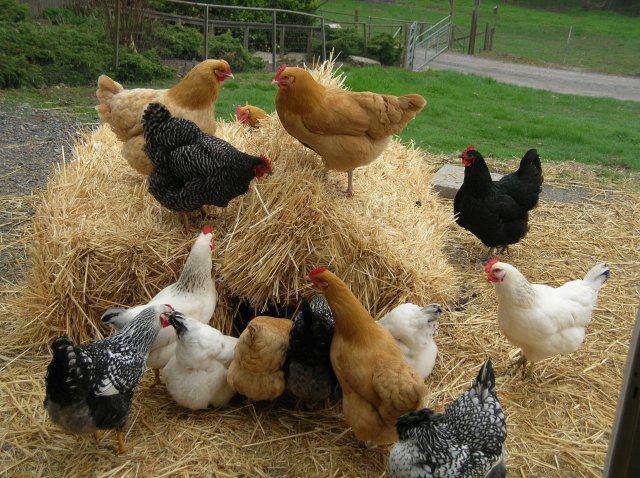
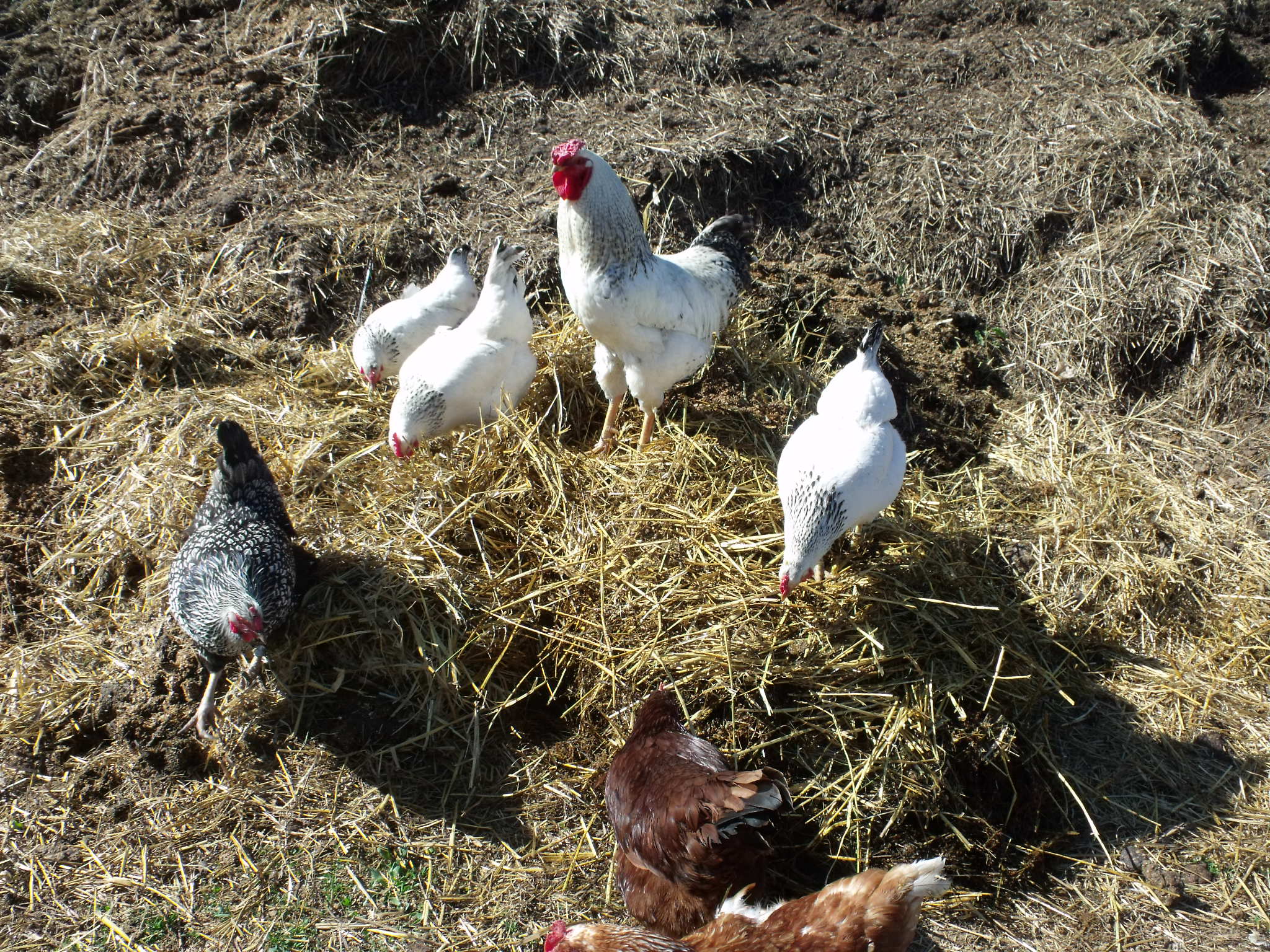
கோழி என்ன செய்கிறது? குப்பையை எல்லாம் விலக்கிவிட்டு தனக்கு வேணும் உணவை மட்டுமே தின்னுகிறது. வைணவனும் இப்படித்தான். குப்பைகளைக் களைந்துவிட்டு சத்தான விஷயங்களை மட்டுமே எடுத்துக் கொள்வான். அது மட்டுமல்ல; கோழி தனது குஞ்சுகளுக்கும் ஊட்டுவது போல உலகிற்கெல்லாம் பாகவத தர்மத்தைப் பரப்புவான். இங்கு லண்டனில் ஸ்டேஷன் வாசல்களில் ஹரே கிருஷ்ணா இயக்கத்தினர் நின்று கொண்டு கிருஷ்ண பக்தியைப் பரப்புவதை நாங்கள் அன்றாடம் காண்கிறோம்.

உப்பைப் போல இருப்பான்

வைணவன் ஒரு ஊதுபத்தி; தன்னை அழித்து மற்றவகளுக்கு வாசனை தருவான். அவன் ஒரு மெழுகுவர்த்தி. தன்னை அழித்துக் கொண்டு பிறருக்கு ஒளி தருவான். அவன் ஒரு உப்புக் கல். சமைத்த உணவுக்குள் ஒன்றி மறைந்து மற்றவர்களுக்கு சுவை தருவான். அதாவது ஞானம் அளிப்பான். தொண்டனுக்கும் தொண்டனாக தாஸானுதாஸனாக வாழ்வான்.

chicken

உம்மைப்போல இருப்பான்

என்னை வந்து கேள்வி கேட்டு, அதற்கு நான் சொன்ன பதில் எல்லாவற்றையும் உன்னிப்பாக, பொறுமையோடு கேட்டாயே – ஒரு வைணவன் இப்படித்தான் ஞானப் பசியோடும் பொறுமையோடும் இருப்பான் என்றாராம் அனந்தாழ்வான்.

ஆக கொக்கும் கோழியும் உப்பும் கூட நீதி புகட்டும் இந்து மதத்தில்!! வல்லவனுக்குப் புல்லும் ஆயுதம் அன்றோ!!

Contact swami_48@yahoo.com

Read also my earlier posts:
The Connection between William Wordsworth and Dattatreya posted 10 November 2011
13 Saints in Nature posted on 7 November 2013

Frog in the mouth of a Snake: Tamil Saints’ Simile

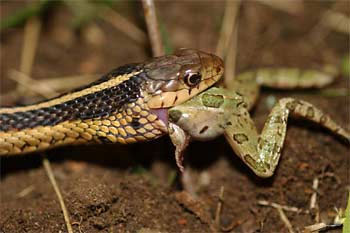
snake-frog

By London Swaminathan
Post No. 897 Dated 9th March 2014

Appar alias Thirunavukkarasar is one of the Four Tamil Saivite saints who lived around seventh century. He, along with Sambandar and Sundarar, sang thousands of hymns in praise of Lord Shiva. All the three saints visited over 225 temples and sang about the glory of Lord Shiva and the greatness of his devotees. The hymns are grouped as Thevaram in Tamil. Appar alone composed 4900 verses. They became popular because of its devotional content and the use of apt similes. Though Sangam age Tamil poets who lived before him used lot of similes in their 2300 poems, Appar as a single poet is far superior to them in handling apt similes. While other poets used the similes in different contexts such as describing the beauty of a woman or a tree or a king, Appar used it with a single purpose of glorifying Lord Shiva. One who reads his similes will be reminded of the greatest poet of India, Kalidasa.

Appar was given the name Thiru Navukku Arasu by Lord Shiva. It means the King of Speech. He lived true to his name. He was king of words, similes and language. During his time there lived the Boy Wonder of the Tamil speaking world, known as Thiru Jnana Sambandar. He lived just 16 years and composed 4000+ verses from the age of three! He did a lot of miracles during his 16 year life on earth. He also used lot of pen pictures and word pictures.

Both of them stood for the words of William Wordsworth:
One impulse from a vernal wood
May teach you more of man
Than all the sages can!

snakefrog3

I am giving below only a few word pictures –depiction of nature– through which they teach us great truths:

“Oh! Lord of TiruVotriyur! Look at me. I am looking after this body which is useless like a ladle without a handle. So I am unable to scoop your ambrosia of mercy. My thoughts are like the fearful thoughts of a frog in the mouth of a snake. I take refuge in you. Please remove my fears. (454,Fourth Tirumurai)

Sambandar gives us an improved picture of the same scene. Probably he used a camera with a more powerful lens to give us a close up shot. His poem was an apostrophe to his mind:

“Oh!Mind! This body is capable of doing blunders and liable to become sick. You try to derive pleasure from such a body. It is like a bee stuck in the mouth of a frog, which is caught in the mouth of a snake, is trying to taste the honey it gathered from the flower! But don’t worry; Lord of Tiruvarur is worshiped even by the heavenly angels. You also worship him and get freedom ( 860,Second Tirumurai)

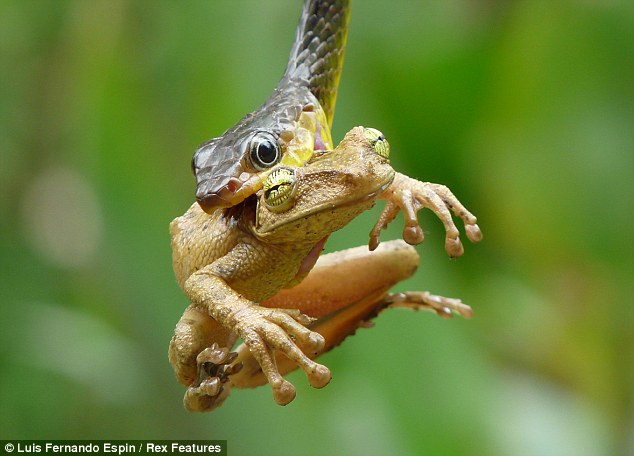
Here we see a snake with five heads. One of its five mouths has a frog struggling to escape. That frog has a bee in its mouth it wants to taste. That bee has some honey from a flower and wanted to drink it! All of us are going after such imaginary and temporary pleasures like this without realising the danger and disaster that is going to strike us next minute.

Nature can teach us a lot!

Appar saw another scene along his travel route. In a village he saw people boiling turtle for their food. It was a big vessel with cool water. The turtle is swimming happily, but below the vessel firewood is just lighted. The flames are growing bigger and bigger. The happily swimming turtle is going to be boiled and eaten in an hour. Stupid turtle does not know the danger to its life and enjoyed the momentary pleasure. Such is our impermanent life, he says.

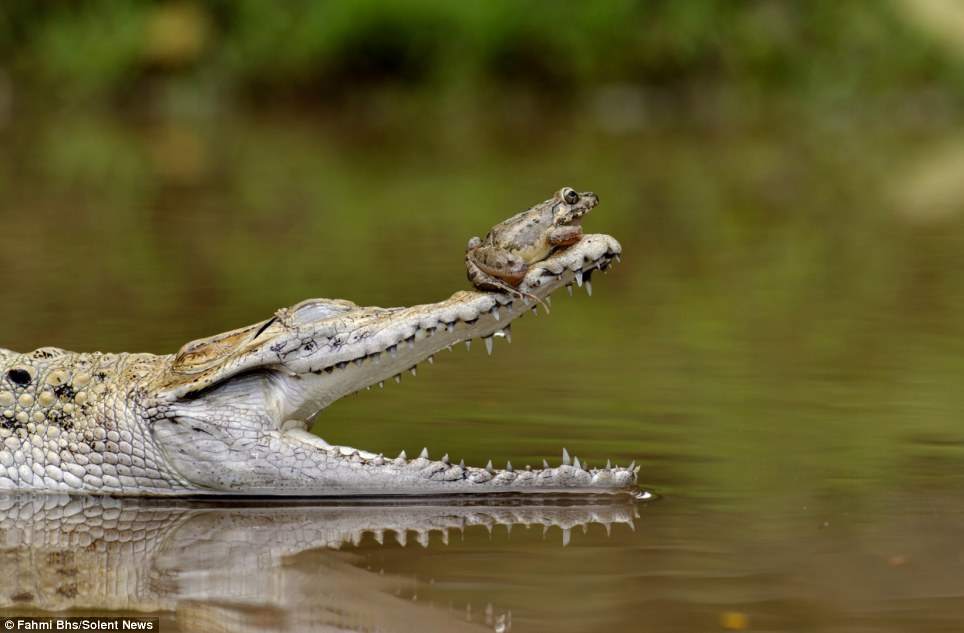
frogcrocodile

We have lot of scenes which he saw in his day to day life. But everything he saw reminded him of only one thing—Lord Shiva. He did not waste a single minute in singing his glory. Hundreds of his devotees followed him and recorded whatever he said. Thanks to them we have a few thousands of his verses even after 1300 years!

Contact swami_48@yahoo.com

கிணற்றுத் தவளை: அப்பரும் விவேகாநந்தரும் சொன்ன கதைகள்

snake frog1

கட்டுரையாளர் : லண்டன் சுவாமிநாதன்
கட்டுரை எண்:896 தேதி 8-2-14

அமெரிக்காவில் உலக சர்வமத மாநாட்டில் பேசி அனைவரையும் கவர்ந்த சுவாமி விவேகானந்தர், அற்புதமான ஆங்கிலத்தில், சொன்ன முதல் கதை கிணற்றுத் தவளைக் கதைதான். இந்தக் கதை பாரதத்தில் இமயம் முதல் குமரி வரை இருந்ததற்கு ஆதாரம் பழமொழி நானூறு நூலில் உள்ளது:–

உணற்கினிய வின்னீர் பிறிதுழியில் லென்னும்
கிணற்றகத்துத் தேரை போலாகார் – கணக்கினை
முற்றப் பகலும் முனியாது இனிதோதிக்
கற்றலிற் கேட்டலே நன்று – (பழமொழி நானூறு)

பொருள்: உண்ணுதற்குத் தகுந்த இனிய நீர் வேறிடத்தில் இருக்காது என்று என்னும் கிணற்றுத் தவளை போல இருக்காமல், நூலினை வெறுக்காமல் நாள் முழுதும் கற்பதைக் காட்டிலும் கேள்வி ஞானம் மிக்ச் சிறந்தது ஆகும்.

snakefrog2

சுவாமி விவேகாநந்தர் சொன்ன கதை

ஒரு கிணற்றில் ஒரு தவளை நீண்ட காலம் வாழ்ந்து வந்தது. ஒரு நாள் கடலில் வசித்து வந்த ஒரு தவளை அந்தக் கிணற்றில் விழுந்தது. உடனே அந்தத் தவளையைப் பார்த்து ‘’நீ எங்கிருந்து வருகிறாய்?’’ என்று கேட்டது. ‘’நான் கடலில் இருந்து வருகிறேன்’’ என்று சொன்னவுடன் கடல் எவ்வளவு பெரியது என்று கேட்டது. அது மிகப் பெரியது என்று கடல் தவளை சொன்னது. கிணற்றுத் தவளை, அந்தக் கிணற்றின் ஒரு பக்கத்தில் இருந்து மறுபக்கத்துக்குத் தாவியது. இவ்வளவு பெரிதாக இருக்குமா என்று கேட்டது. கடல் தவளை, ‘’கடல் என்பது மிகப் பெரியது’’ என்று சொன்னவுடன் மீண்டும் ஒருமுறை பழைய இடத்துக்குத் திரும்பித் தாண்டியது. இவ்வளவு பெரிதாக இருக்குமா? என்று கேட்டது.

கடல் தவளை, ‘’நீ என்ன முட்டாள் மாதிரி பேசுகிறாய்? கடல் மிக மிகப் பெரியது’’ என்று சொன்னது. உடனே என் கிணற்றை விடப் பெரியதாக ஒரு இடம் இருக்க முடியாது என்று சொல்லி அந்தத் தவளையைப் பொய்யன் என்று கூறி வெளியேறச் சொன்னது. இப்படித்தான் நாம் ஒவ்வொரு மதத்தினரும் இருக்கிறோம். அவரவர் கிணற்றுத் தவளையாக இருக்கிறோம். நான் இந்துக் கிணற்றிலும், கிறிஸ்தவர்கள் அவர்கள் கிணற்றிலும், முஸ்லீம்கள் அவர்கள் கிணற்றிலும் வாழ்ந்து கொண்டிருக்கிறோம். அவரவர்கள் அவர்கள் கிணறே உலகம் என்றிருக்கிறோம். இந்தச் சிறிய உலகத்தின் தடைகளைத் தகர்த்தெரிய இந்தக் கூட்டத்துக்கு ஏற்பாடு செய்த அமெரிக்காவுக்கு நன்றி கூறுகிறேன். உங்கள் முயற்சிகள் வெற்றியடைய கடவுள் உதவட்டும்’’ என்றார் சுவாமி விவேகாநந்தர் 150 ஆண்டுகளுக்கு முன்.

இதையே நால்வரில் ஒருவரான அப்பர் பெருமான் ஆமையாக உருவகித்துச் சொல்லுகிறார்.

அப்பர் சொன்ன கதை
மேலே உள்ள கதையில் தவளை என்பதற்குப் பதிலாக கடல் ஆமை, கிணற்று ஆமையைச் சந்தித்ததாக அப்பர் பாடிய பாடல் இதோ:
கூவல் ஆமை குரைகடல் ஆமையைக்
கூவலோடு ஒக்குமோ கடல் என்றால்போல்
பாவகாரிகள் பார்ப்பதரிது என்பரால்
தேவதேவன் சிவன் பெருந்தன்மையே — (ஆதிபுராணத் திருக்குறுந்தொகை)
snakefrog3

கிணற்றில் வசிக்கும் ஆமை, கடல் ஆமையைப் பார்த்து உன் கடல் இந்தக் கிணறு அளவுக்குப் பெரிதாக இருக்குமா? என்று கேட்டது போல பாவம் செய்வோருக்கு சிவனுடைய பெரிய தன்மையை அறிய முடியாது.

பாம்பின் வாய் தேரை போல

அப்பர் (திருநாவுக்கரசர்) தேவாரத்தில் பாம்பின் வாய் தேரை போலக் கஷ்டப் படுகிறேனே என்று பாடுகிறார்.
அப்பர் கண்ட மற்றொரு காட்சி. பாம்புகள் சீறிப் பாய்ந்து தவளைகளப் பிடித்து தின்ற காட்சி. ‘’நுணலும் தன் வாயால் கெடும்’’ என்பர். தவளையே சப்தம் போட்டு பாம்புகளுக்குத் தாங்கள் இருக்கும் இடத்தைப் பறை அறிவிக்கின்றன. அவைகளின் வாயில் சிக்கிய தவளைகள் என்னதான் முயன்றாலும் பாம்பின் வாயில் இருப்து தப்பித்ததே இல்லை. அது போல,

ஓம்பினேன் கூட்டை வாளா
உள்ளத்தோர் கொடுமை வைத்துக்
காம்பிலா மூழை போலக்
கருதிற்றே முகக்க மாட்டேன்
பாம்பின்வாய்த் தேரை போலப்
பலபல நினைக்கின் றேனை
ஓம்பிநீ உய்யக் கொள்ளாய்
ஒற்றியூ ருடைய கோவே (நாலாம் திருமுறை,454)

இதையே திருஞான சமபந்தப் பெருமான் இன்னும் கொஞ்சம் காட்சிகளைச் சேர்த்துப் பாடுகிறார்:
“செடிகொள் நோய் ஆக்கை ஐம்பாம்பின் வாய்த் தேரைவாய் சிறு பறவை கடிகொள் பூந்தேன் வைத்து இன்புறலாம் என்று கருதினாயே (இரண்டாம் திருமுறை, 860)

snake-frog

பாம்பின் வாய்க்குள் தவளை இருக்கிறது. தவளை வாய்க்குள் தேனீ அல்லது இருக்கிறது. அதன் வாய்க்குள் தேன் இருக்கிறது. அதைப் போய் சாப்பிட எண்ணுகிறதே தேனீ ! என்கிறார். எது உண்மை இன்பம் என்று அறியாது போலி இன்பங்களைக் கண்டு ஏமாறும் மனதையும் அதனால் ஏற்படும் துயரங்களையும் காட்டும் அருமையான சினிமாக் காட்சி இது. நம் ஊர் திரைப்பட டைரக்டர்கள் கூட ஒரு காட்சியை இப்படிக் காட்ட முடியாது!!

frogcrocodile

இப்படி எத்தனையோ காட்சிகள் ! உவமைகளைக் கையாளுவதில் உலகப் புகழ்பெற்ற உவமை மன்னன் காளிதாசனுக்கு மிக நெருங்கி வருகிறார் அப்பர் பெருமான்!

swami_48@yahoo.com

‘நல்லோர் அவை புக்க நாகமும் சாகா!’

B_Id_411182_manasa-puja-2
Picture of Snake blessing during Naga Panchami puja

By London Swaminathan
Post No. 894 dated 8th March 2014

தமிழர்களின் இரக்க சிந்தனையில் பாம்பு கூட உயிர் பிழைத்து விடுமாம்!
சங்க நூலில் ஒன்றான கலித்தொகையில் ஒரு உவமை வருகிறது:–

‘’தாங்காச் சினத்தொடு காட்டி உயிர் செகுக்கும்
பாம்பும் அவைப்படின் உய்யுமாம்’’ — நெய்தற்கலி

பொருள்: பயங்கர கோபத்துடன் சீறிப் பாய்ந்து மற்றவர்கள் உயிரை வாங்கும் பாம்பையும் கூட நல்லவர்கள் கூடி இருக்கும் இடத்திற்குள் வந்தால் அடித்துக் கொல்ல மாட்டார்கள் என்கிறார் நெய்தற்கலி பாடிய நல்லந்துவனார்.

மகாபாரதத்திலும் இப்படி ஒரு கதை வருகிறது.

கல்வி கேள்விகளில் தேர்ச்சிபெற்ற கவுதமி என்ற பிராமணப் பெண்ணின் மகனைப் பாம்பு கடித்திவிடுகிறது. அவன் இறந்த பின்னர் அந்தப் பாம்பை ஒரு வேடன் பிடித்துக் கொண்டுவந்து, அம்மையே உன்மகனைக் கொன்ற இந்தப் பாம்பினை எந்த வகையில் கொல்ல வேண்டும் என்ரு சொல்லுங்கள் கொன்று பழி தீர்க்கிறேன் என்றான். அவளோ இதை கொன்றாலும் தன் மகன் உயிருடன் வரப்போவத்ல்லை என்று சொல்லி பாம்பினை உயிருடன் விட்டுவிடச் சொல்கிறாள் (ம்.பா. 13/1)
‘’நல்லவர் கண்ணில் நாகம் அகப்பட்டாலும் கொல்லார்’’ என்ற தமிழ்ப் பழமொழியை இது உண்மையாக்கிவிட்டது.

‘’நல்லோரவை புக்க நாகமும் சாகா’’ — என்று பிற்காலத்திலும் சொல்லப்பட்டுள்ளது.

B_Id_411187_snakes-1
Naga Panchami Festival

பாம்புகளை எப்போதுமே தீய பிராணிகளாகவே எல்லா நாட்டு இலக்கியங்களும் வருணிக்கும்.அதிலும் விஷமுடைய பாம்பையும் விஷமற்ற பாம்பையும் வேறுபடுத்தியும் காண்பர்:

நஞ்சுடைமை தானறிந்து நாகம் கரந்துறையும்
அஞ்சாப் புறங் கிடக்கும் நீர்ப்பாம்பு – நெஞ்சில்
கரவுடையார் டம்மைக் கரப்பர் கரவார்
கரவிலா நெஞ்சத்தவர் –(வாக்குண்டாம்)

நாகப் பாம்புக்கு விஷம் இருப்பதால்தான் மறைந்து வாழ்கிறது. நீர்ப் பாம்புக்கு விஷம் இல்லாததால் அஞ்சாமல் வெளியே இருக்கும்.. அதுபோல நெஞ்சில் வஞ்சனை (கரவு) உடையார் தங்களைத் தாமே மறைத்துக் கொள்வர். வஞ்சம் இல்லாதோர் மறைந்து வாழ மாட்டார்கள்.

நாக பஞ்சமி அன்று உயிருடன் இருக்கும் நாகத்துக்குப் பூஜை செய்வதும், வாரம் தோறும் பாம்புப் புற்றில் பால் வார்ப்பதும் நாட்டின் பல்வேறு பகுதிகளில் நடைபெறுகிறது. கேரளத்தில் பாம்புக் கோவில்கள் உள்ளன. ஆயினும் இவை எல்லாம் தெய்வ வழிபாடு என்ற வகையில் வந்துவிடும். தமிழர்களோவெனில், தெய்வ சம்பந்தம் இல்லாத ‘அசெம்பிளிக்குள்’ வந்தாலும் பாம்புகளை அடிக்கமாட்டார்கள் என்பது ரசிக்கத் தக்கது!!

contact swami_48@yahoo.com
யானையை விழுங்கிய மலைப் பாம்புகள்: தமிழ் புலவர் தகவல்

lv_corcodile_snake_fight_03032014

A few days ago London Newspapers published a photo of a five hour fight between a crocodile and a snake in Queensland, Australia. Needless to say that the snake won the fight.

கட்டுரையாளர் – லண்டன் சுவாமிநாதன்
கட்டுரை எண்:- 892 தேதி:– 7 மார்ச் 2014

சங்க இலக்கியத்தில் மலைப் பாம்புகளின் நடவடிக்கைகளைக் கூர்ந்து கவனித்த தமிழ்ப் புலவர்கள், அவைகள் யானைகளை விழுங்கியது பற்றிப் பாடி வைத்திருக்கின்றனர். யானையை மலைப் பாம்பு விழுங்க முடியுமா? இதோ முதலில் சில உண்மைச் சம்பவங்கள்:—

கனடாவில் அண்மையில் நடந்த ஒரு நிகழ்ச்சி நல்ல உள்ளங்கள் எல்லாவற்றையும் உலுக்கிவிட்டது. உள்ளத்தை உருக்கியும் விட்டது. கண்ணீரை உகுக்கவும் வைத்தது. இரண்டு சிறுவர்கள், ஒரு நண்பர் வீட்டில் தூங்கப் போனார்கள். ஒரு மலைப் பாம்பு, கூரையில் காற்று வருவதற்காக வைத்த துளை மூலமாக வந்து அவர்கள் மீது விழுந்தது. அடுத்த கணம் அவர்கள் இருவரையும் நசுக்கிக் கொன்றுவிட்டது. யமன் எப்படி எல்லாம் வருவான் என்பதற்கு இது நல்ல உதாரணம்.
(வெளிநாடுகளில் வசிப்போர் மற்ற குழந்தைகளுடன் தங்கள் குழந்தைகள் பழகுவதற்காகவும் சுயமாக வாழக் கற்பதற்காகவும் “ஸ்லீப் ஓவர்” என்று பரஸ்பரம் அனுப்புவார்கள். ஆனால் இறந்து போன குழந்தைகள் 6 வயதுக்குட்பட்டவர்கள். இவ்வளவு சிறிய வயதில் அனுப்புவது பொதுவாக நடை பெறாது.)

அந்த மலைப் பாம்பு கீழே கூட்டில் அடைத்து வைக்கப்பட்டிருந்தது எப்படியோ தப்பித்து, ‘‘வெண்டிலேஷன் சிஸ்டம்’’ வழியாக உள்ளே வந்து விட்டது. கனடாவில் நியூபிரன்ஸ்விக் பகுதியில் கேம்ப்பெல்டன் என்னும் இடத்தில் 2013 ஆகஸ்டில் இந்த துயர சம்பவம் நடந்தது.

இன்னொரு சம்பவம்

அமெரிக்காவில் ப்ளோரிடாவில் ஒரு காதலன் — காதலிக்கு 12 ஆண்டு சிறைத் தண்டனை கிடைத்தது. காரணம்? ஜரேன் ஹேர் என்ற பெண்ணும் அவளுடைய பாய் Fரெண்டும் வளர்ப்பு மிருகங்களை விற்கும் தொழில் நடத்திவந்தனர். அவர்கள் கூட்டில் அடைத்து வைத்திருந்த மலைப் பாம்பு தப்பித்து வந்து அவர்களுடைய இரண்டு வயதுப் பெண்ண நெரித்துக் கொன்றுவிட்டது. இது நடந்தது 2011 ஆகஸ்ட் மாதம்! ஆக இருவருக்கும் அலட்சியக் கொலைக்காக 12 ஆண்டு சிறைத் தண்டனை.
Python-vs-Impala-MAIN-3027609
I the jungles of Africa it is always an antelope the python attacks. Probably it likes venison.

பாலி தீவில் மூன்றாவது சம்பவம்:

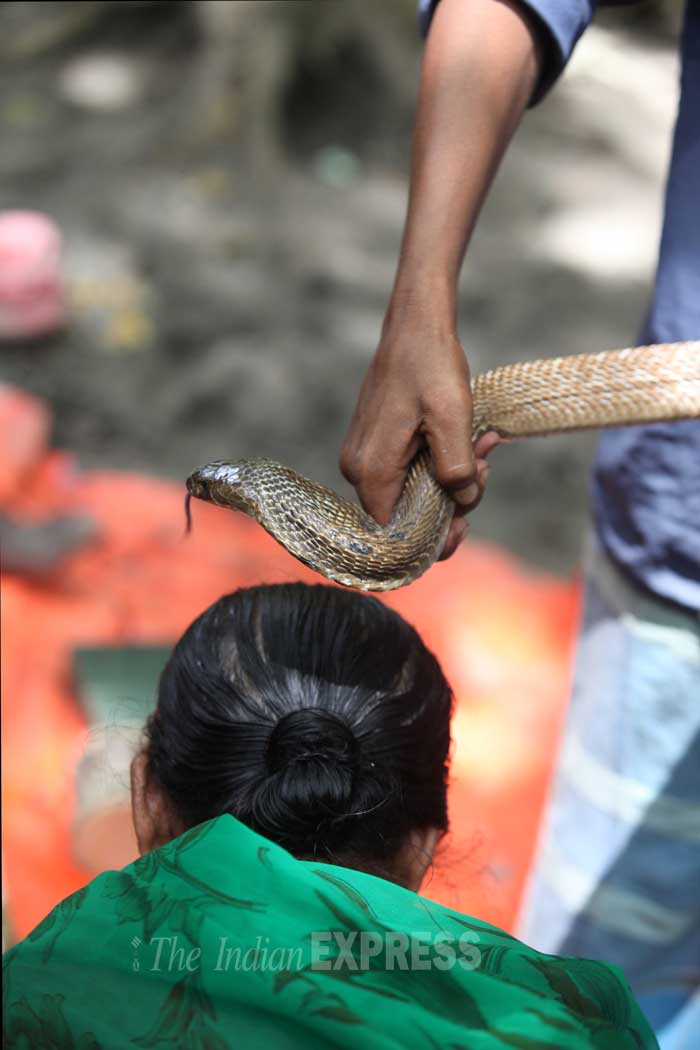
மக்கள் எல்லோரும் பார்த்துக் கொண்டிருக்கும் போதே ஒரு மலைப் பாம்பு ஒரு மனிதனை நசுக்கிக் கொன்ற சம்பவம் 2013 டிசம்பரில் இந்தோநேஷியாவில் பாலி தீவில் நடந்தது. 13 அடி நீள மலைப் பாம்பு ஒரு ஹோட்டல் பக்கம் அடிக்கடி நடமாடவே சுற்றுலாப் பயணிகள் கவலைப்பட்டனர். பக்கத்து ஹோட்டல் பாதுகாப்பு ஊழியர் அம்பர் அரியாண்டோ முல்யோ (59 வயது), ‘’நான் பிடிக்கிறேன்’’– என்று முன்வந்தார். பாம்பின் தலையையும் வாயையும் பிடித்த பின்னர் 13 அடி மலைப் பாம்பை தோளில் போட்டுக் கொண்டார். அடுத்த நிமிடம் அவருடைய உடலை வளைத்து நெருக்கியது. எல்லோரும் யாது செய்வதென்று அறியாமல் திகைத்துப் போலீசுக்குப் போன் செய்தார்கள். அவர்கள் வருவதற்குள் முல்யோ மூச்சுத் திணறி இறந்து போனார். இப்படி எத்தனையோ சம்பவங்கள்.

அமெரிக்காவில் மலைப் பாம்பை வளர்த்துவந்த ஒரு ஆஜானுபாகு உடலுடைய பல பீமன், கார் கராஜில் நுழைந்தபோது மலைப் பாம்பு வளைத்துப் பிடித்துக் கொன்றுவிட்டது. இது எப்படி நடந்தது என்பது மர்மமாகவே இருக்கிறது. கூட்டிற்குள் இருந்த மலைப்பாம்பு எப்படி அவரை நசுக்கியது என்பது புரிபடவில்லை.ஒருவேளை அவர் அதை வெளியே எடுத்துக் கூண்டை சுத்தம் செய்ய முயன்றிருக்கலாம்.அப்போது மரணப் பிடியில் சிக்கி இருக்கலாம்.

luislang3

உயிரியல் நிபுணர்களுக்கு ஒன்று மட்டும் நன்றாகத் தெரியும். மலைப் பாமபு யானை பலத்தில் ஒருவரை நெருக்கி மூச்சுத் திணறச் செய்ய சில நிமிடங்கள் போதும்! மிகக் கொடிய விஷம் படைத்த ராஜநாகம் தன் விஷத்தின் மூலம் பெரிய யானையையும் கொன்றுவிடும். ஆனால் மலைப் பாம்புகள் பெரிய மிருகங்களைக் கொல்வது அவைகளைச் சாப்பிடுவதற்காகத்தான். அவைகளின் தாடை எலும்புகள் எவ்வளவு வேண்டுமானாலும் விரிந்து கொடுக்கும். மிருகத்தை மூச்சுத் திணறச் செய்தவுடன் சூடாகச் சாப்பிட்டுவிடும். அது வயிற்றுக்குள் போய் ஜீரணமாகப் பல மாதங்கள் ஆகும். அது வரை அது இரை தேட வேண்டியதில்லை!!

மஹாபாரதத்தில் அகத்திய மாமுனியை எட்டி உதைந்த, தற்காலிக இந்திரப் பதவி வகித்த, நகுஷனை அவர் மலைப் பாம்பாகப் போகச் சபித்ததும், அவன் பூமியில் விழுந்து நெளிந்ததும் நினைவுகூறத் தக்கது.பாகவத புராணத்தில் வரும் காளீய நர்த்தனக் கதையும் ஒப்பிடற்பாலது.

காடுகளில் ஏராளமான மிருகங்களை மலைப் பாம்புகள் இப்படித்தான் கொல்கின்றன. மேலை நாடுகளில் வசிப்போர் இது போன்ற செய்திகளை அடிக்கடி படங்களுடன் பார்க்கிறோம். இந்தியக் காடுகளிலும் இது போன்ற சம்பவங்களைக் கானகவாசிகள் சொல்லக் கேட்டிருக்கிறேன்.

தமிழ்ப் பத்திரிக்கைகளுக்கு எழுதிவந்த ஜியாவுடீன் என்பவர் தேக்கடிப் பகுதி காடுகளில் நடக்கும் விஷயங்களை, மதுரையில் எங்கள் வீட்டுக்கு வரும்போது கதை கதையாகச் சொல்வார்.

attapady python
This is a python that was caught in Kerala,India

தமிழ்ப் புலவர்கள் கண்ட காட்சி

இந்தப் பிண்ணனியில் தமிழ்ப் புலவர் பாடல்களை ஆராய்ந்தால் உண்மை விளங்கும்:
அகநானூறு 68, நற்றிணை 14 மற்றும் 261, மலைபடு கடாமில் வரி 259 ஆகியவற்றில் சங்கப் புலவர்கள் இதைப் பாடினர். பிற்காலத்தில் நக்கீரதேவ நாயனார் அருளிய பதினோராம் திருமுறையில் இந்தக் காட்சியைக் காணலாம். இன்னும் பல சிற்றிலக்கியங்களிலும் காணப்படும்.

நற்றிணைப் பாடலைப் (261) பாடியவர் சேந்தம் பூதனார். குறிஞ்சி நில வருணனை:–

நெடும் பல் குன்றத்துக் குறும்பல மறுகி.
தா இல் பெரும் பெயல் தலைஇய யாமத்து,
களிறு அகப்படுத்த பெருஞ்சின மாசுணம்
வெளிறு இல் காழ் மரம் பிணித்து நனி மிளிர்க்கும்
சாந்தம் போகிய தேம் கமழ் விடர் முகை

பொருள்: நெடிந்து உயர்ந்த மலையில் இரவு நேரத்தில் மழை கொட்டுகிறது. அப்பொழுது ஒரு பெரிய மலைப் பாம்பு (மாசுணம்) ஒரு யானையை விழுங்கிக் (களிறு அகப்படுத்த0 கொண்டிருக்கிறது. அது மரத்தில் தொங்கியவாறு யானையின் உடலை வளைத்துப் பின்னிப் புரட்டி விட்டது. ஒருபுறம் சந்தன (சாந்தம்) மரத்தில் இருந்து நல்ல வாசனை வருகிறது.

anaconda

This is anaconda snake. Pythons and Anacondas grow up to 20 feet long.

மலைபடுகடாம் பாடிய பெருங் கௌசிகனார் என்ற புலவர்,

கானகப் பட்ட செந்நெறிக் கொண்மின்
கயங்கண்டன்ன வகன்பை யங்கண்
மைந்திமலி சினத்த களிறுமத னழிக்குங்
தஞ்சுமரம் கடுக்கும் மாசுணம் விலங்கி
பொருள்: காட்டு வழியாகப் போங்கள். (ஆனால் ஜாக்கிரதையாக இருங்கள்). பாம்புகள் கீழே கிடக்கும். அவைகள் மரக் கட்டைகள் போலத் தோன்றும். அவைகள் அழகிய கண்களையும் ,அகன்ற படத்தினையும் உடைய பெரிய பாம்புகள் ஆகும். அவை யானையையும் விழுங்கும்.
இதே போல அகநானூற்றில் (68), “வெண் கோட்டி யானை விளிபடத் துழவு, மகல் வாய்ப் பாந்தள்” என்றும் காணலாம்.

திருஞான சம்பந்தரும் தேவாரத்தில்

பரிய களிற்றை யரவு விழுங்கி மழுங்க – என்று பாடுவார்.

களிறென்று பெரிய மாசுணம்……பெயர்தரு பிருதியெம் பெருமானை – என்று பெரிய திருமொழியில் (1. 2:10) பெரியாழ்வாரும் பாடுகிறார்.

கம்ப ராமாயணத்தில்,
பெரிய பாந்தள், மறங்கிளர் மான யானை வயிற்றின வாக வாய்சோர்ந்துறங்கின — (கம்ப.தாடகை.11, சித்திர கூட 4-35, சேது பந்தன 20).

ஆதாரம்: மகா மகோபாத்தியாய தக்ஷிணாத்ய கலாநிதி டாக்டர் உ.வே.சாமிநாதையர் பதிப்பித்த பத்துபாட்டு மூலமும் நச்சினார்க்கினியருரையும்.

contact swami_48@yahoo.com
Art of Public Speaking: Views of Adi Shankara & Valluvar

lecture

By London Swaminathan
Post No 886 Dated 4th March 2014

Public speaking is an art. In the olden days, ministers and ambassadors are praised for their skill in speaking and presentation of facts. The virtues and qualities of Hanuman (Anjaneya) are praised sky high by Valmiki, Kamban (Tamil) and Tulsidas (Hindi) for his skill in speaking. Tamil poet Kamban praised him as Master of Words (Sollin Selvan). Maruti was praised as an expert in Grammar ( Nava Vyakaran).

Adi Shankara in his Question and Answer Hymn ‘Prasnottara Ratnamalika’ says the following about speaking:
Q:-What is unitelligence?
A:-Not repeating what is learnt ( Sloka 10)

If one is not able to say what s/he learnt, s/he is like a flower without fragrance. Tamil poet Valluvan says,
“Those, who cannot express thought acquired after deep study
Are like a bunch of flowers without fragrance “–(Kural 650)

Who is Dumb?
Adi Shankara says,
Q.Who is a dumb?
A.He who cannot speak comforting words at proper time (verse 21)

Valluvan also echoes this,
“Using harsh words, when pleasing words are available,
Is like eating green fruits while there are ripe ones” – Kural 100

Shankara’s next question on the related topic is
Q.Who can make this world as his slave?
A.He who speaks sweet words, make this world as his slave.

lecture

Valluvan says on the same subject,
“If there are men capable of speaking on affairs cogently and with charm, the world will listen to them eagerly” – Kural 648

Q.What is embellishment of speech?
A.Truth (sloka 22)

All the Indian poets hail Truth as the highest virtue. ‘Sathyam Vatha= Speak Truth’ — is a Vedic command. ‘Satyameva Jayate= Truth alone triumphs’– is the motto of Government Of India which is taken from the Mundaka Upanishad. Valluvan has done ten couplets on it.

It will be relevant to quote on Rama from my earlier post Lord Shri Rama – The Best PR man:
Valmiki praised the way Sri Rama spoke to people. The way Valmiki described him showed Sri Rama was the best PR Man. The best company would have hired him as a Public Relations Officer with the highest pay. Why? He was Srutha Bhashi, Hitha Bhashi, Mitha Bhashi and Purva Bhashi according the Adi Kavi Valmiki.

 Srutha Bhashi: Rama always spoke truth
 Hitha Bhashi: He spoke whatever was pleasant to hear.
 Mitha Bhashi: He spoke very little.
 Purva Bhashi: He did not wait for others to open a dialogue. He opened the conversation.

Brevity is the soul of wit
Valluvan also adds a valid point on the art of public speaking:
A few faultless words, who have not learned to speak
At inordinate length, they love to squeak. – Kural 649

seminar1a-resized

Related topic

Adi Shankara advises everyone should listen to the discourses of the wise:
Q: What should be considered as nectarine words by the ears?
A: The advice of holy elders (sad upadesah).

It is interesting to see his expression ‘nectarine’. Valluvar goes one step further and says one must have food only when there is nothing to listen to:
“When food for thought is not available through instructions from the learned
The stomach too may be provided some food” – Kural 412

Who is Deaf?
Shankara condemns those who don’t listen to good as deaf
Q: Who is a deaf man ?
A: That one who does not listen to advice given for his good.
Valluvan agrees with him one hundred percent, when he says,

“Ears that have not been penetrated by words of instruction from the learned
Will be effectively deaf, even if functionally in order” – Kural 418.

It is a pleasure to study the thoughts of great people and it gives more pleasure to see the same thoughts in Sanskrit and Tamil, the two great languages of India.

Contact swami_48@yahoo.com