Tamil Saints ‘No’ to Amrita and Indra Loka!

tamil yal panan

Post No 745 dated 13th December 2013

‘Butchers and Lepers are our Gods’
By Santanam swaminathan

It is amazing to see that Hindus all over India thought the same way. All the saints and poets held Amrita (ambrosia) and Indraloka (heaven) in high esteem. So they always used them as similes. We see this trend from the days of Valmiki Ramayana until the days of modern day Tamil poet Bharatidasan. They compared Indra Loka and Amrita with some principles and said their principles are higher than or more esteemed than Amrita or heaven.

1300 years ago , a Tamil Saivite saint Appar alias Tirunavukkarasar clashed with the mighty Pallava emperor Mahendra Varman who embraced Jainism. Appar also converted himself as a Jain and then reconverted to Hinduism. When the Pallava King gave him lot of troubles, Appar composed verses and sang them with very great confidence and succeeded. One of the poems says:

“Even if the entire wealth of Kubera (Lord of Wealth) is given to us, even if the kingship of the whole world is given to us, we would not care, if the donors are not Shiva devotees. But even butchers and lepers are our Gods if they are Shiva’s devotees”.

This revolutionary thought is reflected in various verses of various periods. A Vaishnavite saint Thondardippodi Alvar says:

“Even if the kingship of Indarloka is given, I would prefer only singing the glory of Achyuta, Bull among the Devas and Yadava child residing in Tiruvarangam (modern day Trichy)”.

2000 years ago a Pandya king by name, Ilamperu Vazuthi also used Amrita as a simile. He died in a sea expedition. He says: Even if Indra’s Amrta is available, we would not eat it alone (We will share it). For any good action that would earn us name and fame, we will even give our life; but any bad thing that would earn us a bad name, we would not dare to do it. Good people earn the name of the greats because of this principle: They are never selfish; they always help others(Puram 182).

Ramayan 1

Sanskrit word ‘Amrita’ (Nectar/Ambrosia) is used with three different spellings in five or six places in Sangam Tamil Literature which is 2000 year old. Ancient Tamils are well versed with Hindu scriptures. I have written several articles about it and posted here in my blog.

Post Sangam poet Tiruvalluvar in his Tamil Veda ‘Tirukkural’ says about Amrita in two of his couplets:

“Even though what one eats may be Amrita/ambrosia, eating it alone without sharing it with one’s guests is highly improper (Kural 82)
“The food into which children’s little hands have been dipped will be far sweeter to the parent than Amrita “(Kural 64)

A later day Tamil poet prefers Tamil language to Amrita. A popular modern poet Bharatidasan compared Tamil language to Amrita. He says that the name for the Tamil language is Amrita.
It looks like the origin of all these similes is in Valmiki Ramayana. When Lakshmana praised the golden Sri lanka, Rama said:

“Mother and Motherland are greater than Heaven”- ( Janani Janma Bhumischa, swargaath api gareeyasai). This comparison of Swarga/Indra Loka and Amrita is reflected in 2000 year old Tamil literature.

rohit prasad

(Please see the Tamil version of this article for the original verses; London swaminathan)
Contact swami_48@yahoo.com
Pictures are taken from face book and other sites;thanks.
‘இந்திரனும் வேண்டாம், அமிழ்தமும் வேண்டாம்’: தமிழர் நிலைப்பாடு

tamil yal panan

‘இந்திரனும் வேண்டாம், அமிழ்தமும் வேண்டாம்’: தமிழர் நிலைப்பாடு
Post No 744 dated 13th December,2013.

தமிழர்கள் இந்திரனையும் அமிழ்தத்தையும் மிக உயர்வாகக் கருதியதால் அவைகளை அளவு கோலாக வைத்துப் பாடிய பாடல்கள் புறநானூறு முதல் நாயன்மார்கள், ஆழ்வார்கள், பாரதிதாசன் பாடல்கள் வரை பல இடங்களில் காணப்படுகின்றன.. இதிலிருந்து அவர்கள் இந்திரன் மீதும் அமிழ்தம் மீதும் எவ்வளவு மதிப்பு வைத்திருந்தார்கள் என்பதும் தெளிவாகின்றது. உலகமே அறிந்திருந்த உயர்வான பொருள்களைத்தான் புலவர்கள் உவமையாகப் பயன்படுத்துவார்கள்.
கடலுள் மாய்ந்த இளம்பெரு வழுதி என்னும் பாண்டிய மன்னன் கூறுகிறான்: “இந்திரனின் அமிழ்தமே கிடைத்தாலும் தனியாக உண்ண மாட்டோம். உலகமே கிடைத்தாலும் பழி என்றால் அதன் பக்கமே போக மாட்டோம். ஆனால் புகழ் தரக்கூடிய நற்செயல்கள் என்றால் உயிரையே கொடுக்கவும் தயங்க மாட்டோம். இப்பேற்பட்ட தனக்கென வாழாத, பிறர்க்கு என வாழ்வோர்தான் பெரியோர்கள். அவர்களால்தான் இவ்வுலகம் நிலைபெற்றுள்ளது.”

உண்டால் அம்ம, இவ்வுலகம்; இந்திரர்
அமிழ்தம் இயைவதாயினும், இனிது எனத்
தமியல் உண்டலும் இலரே; முனிவிலர்;
துஞ்சலும் இலர்; பிறர் அஞ்சுவது அஞ்சிப்
புகழ் எனின் உயிரும் கொடுக்குவர்; பழியெனின்
உலகுடன் பெறினும் கொள்ளலர்; அயர்விலர்;
அன்னமாட்சி அனையராகித்
தமக்கென முயலா நோன் தாள்
பிறர்க்கென முயலுநர் உண்மையானே
–புறம் 182, கடலுள் மாய்ந்த இளம்பெரு வழுதி

திருவள்ளுவரும் அமிழ்தத்தை அளவு கோலாக, உவமைப்பொருளாக வைத்து சில குறள்கள் இயற்றினார்:

அமிழ்தினும் ஆற்ற இனிதே தம் மக்கள்
சிறு கை அளாவிய கூழ் —-(குறள் 64)
தனது குழந்தை கைகளைப் போட்டு துளாவிய கூழ் அமிழ்தத்தை விட சிறந்தது.
விருந்து புறத்ததாத் தானுண்டல் சாவா
மருந்தெனினும் வேண்டற்பாற்றன்று—- (குறள் 82)

அமிழ்தமே கிடைத்தாலும் வீட்டுக்கு வந்த விருந்தினரை விட்டுவிட்டு தனித்து உண்ணுவது விரும்பத்தக்கதல்ல. (புறநானூற்று செய்யுளின் கருத்தையே வள்ளுவரும் எதிரொலிக்கிறார்).
Ramayan 1

‘இந்திரலோகம் வேண்டாம்‘

பன்னிரு ஆழ்வார்களில் ஒருவரான தொண்டரடிப்பொடி ஆழ்வார் திருவரங்கப் பெருமானைப் போற்றும் பணியைத்தவிர இந்திரலோகம் ஆளும் பதவி கிடைத்தாலும் வேண்டாம் என்கிறார்:
பச்சை மாமலைபோல் மேனி, பவளவாய், கமலச் செங்கண்
அச்சுதா! அமரர் ஏறே! ஆயர்தம் கொழுந்தே! என்னும்
இச்சுவை தவிர, யான் போய் இந்திர லோகம் ஆளும்
அச்சுவை பெறினும் வேண்டேன் அரங்கமா நகருளானே!
–தொண்டரடிப்பொடி ஆழ்வார்

கந்தபுராணத்தில் வீரவாகுத் தேவரும் முருகனுடைய பாத கமலங்களில் சேவித்துப் பெறும் அன்பும் ஆதரவுமே வேண்டும். இந்திரலோகம் ஆளுவதைக் கனவிலும் கூடக் கருத மாட்டேன் என்கிறார்:

“ கோல நீடிய நீதிபதி
வாழ்க்கையும் குறியேன்
மேலை இந்திரன் அரசினைக்
கனவிலும் வெஃகேன்
மாலையன் பெறு பதத்தையும்
பொருளென மதியேன்
சால நின்பதத் தன்பையே
வேண்டுவன் தமியேன்” கந்தபுராணம்:
இவ்வாறு வீரவாகு தேவர் முருகனிடம் வரம் கேட்கிறார்:

இன்னொரு புலவர் தமிழ் ஒன்றே போதும், அமிழ்தமே வேண்டாம் என்கிறார்.
இருந்தமிழே உன்னால் இருந்தேனே வானோர்
விருந்தமிழ்தம் என்னினும் வேண்டேன் (ஒரு புலவர் பாட்டு)

பாரதிதாசனோ தமிழுக்கும் அமுது என்று பெயர் என்கிறார்.

அப்பர் தேவாரம்: குபேரனுடைய செல்வமே வேண்டாம்

செல்வத்துக்கு அதிதேவதையான குபேரனுடைய கட்டுப்பாட்டில் இருக்கும் சங்க நிதி, பதும நிதி முதலிய ஒன்பது நிதிகளைக் கொடுத்து இந்த உலகையே ஆளும் பதவியைக் கொடுத்தாலும், அத்தகையோர் சிவபக்தர்கள் இல்லை எனில் அந்த செல்வத்தை ஏற்கமாட்டோம். கங்கையைத் தலையில் தாங்கும் சிவபெருமானின் சீடர்கள் மாடு தின்னும் புலையரானாலும், அங்கம் எல்லாம் அழுகித் தொங்கும் குஷ்டரோகிகள் ஆனாலும் அவர்களைக் கடவுளாக வழிபடுவோம் என்கிறார்.

சங்கநிதி பதுமநிதி இரண்டும் தந்து
தரணியோடு வானாளத் தருவரேனும்
மங்குவார் அவர் செல்வம் மதிப்போம் அல்லோம்
மாதேவர்க்கு ஏகாந்தர் அல்லாராகில்
அங்கமெலாம் குறைந்து அழுகு தொழுநோயராய்
ஆவுரித்துத் தின்று உழலும் புலையரேனும்
கங்கைவார் சடைக்கரந்தார்க்கு அன்பராகில்
அவர் கண்டீர் நாம் வணங்கும் கடவுளாரே.
rohit prasad

சங்க காலத்தில் உலவிய அதே கருத்து, சங்கம் மருவிய கால நூலான திருக்குறளிலும் அதற்குப் பின்னர் மஹேந்திர பல்லவன் காலத்தில் வாழ்ந்த அப்பர் காலத்திலும் அதற்குப் பின்னர் ஆழ்வார் பாடலிலும் இருக்கக் காண்கிறோம். இதில் வியப்பு ஒன்றும் இல்லை. தமிழர்களின் கொள்கையே அகில பாரதத்திலும் நிலவியது.

அழகான பொன்மயமான இலங்கை பற்றி லெட்சுமணன் புகழ்ந்தபோது இராம பிரானும் இதையேதான் கூறுகிறான்:
“ஜனனி ஜன்ம பூமிஸ்ச ஸ்வர்காது அபி கரியஸி”–(வால்மீகி ராமாயணம்)
பெற்றதாயும் பிறந்த பொன்னாடும் நற்றவ வானினும் நனி சிறந்தனவே (பாரதியாரின் மொழி பெயர்ப்பு)

இராமனும் கூட இந்திரலோகத்தை (நற்றவ வானினும்=ஸ்வர்கம்) விட தாய்நாடே சிறந்தது, தாயே சிறந்தவள் என்கிறான். என்ன அருமையான சிந்தனை. இப்படி பாரத நாடு முழுவதும் ஒரே உவமையை — ஸ்வர்கத்தை விட, அமிதத்தை விட— பயன்படுத்தியிருப்பது இந்திய கலாசாரத்தின் மையக் கருத்தை எடுத்துகாட்டுகிறது. சங்க கால பாண்டிய மன்னன் முதல் நமது கால பாரதிதாசன் வரை அமிழ்தத்தை உவமையாகப் பயன்படுத்தியதை எண்ணி எண்ணி மகிழலாம்.

தொடர்பு முகவரி: Contact swami_48@yahoo.com

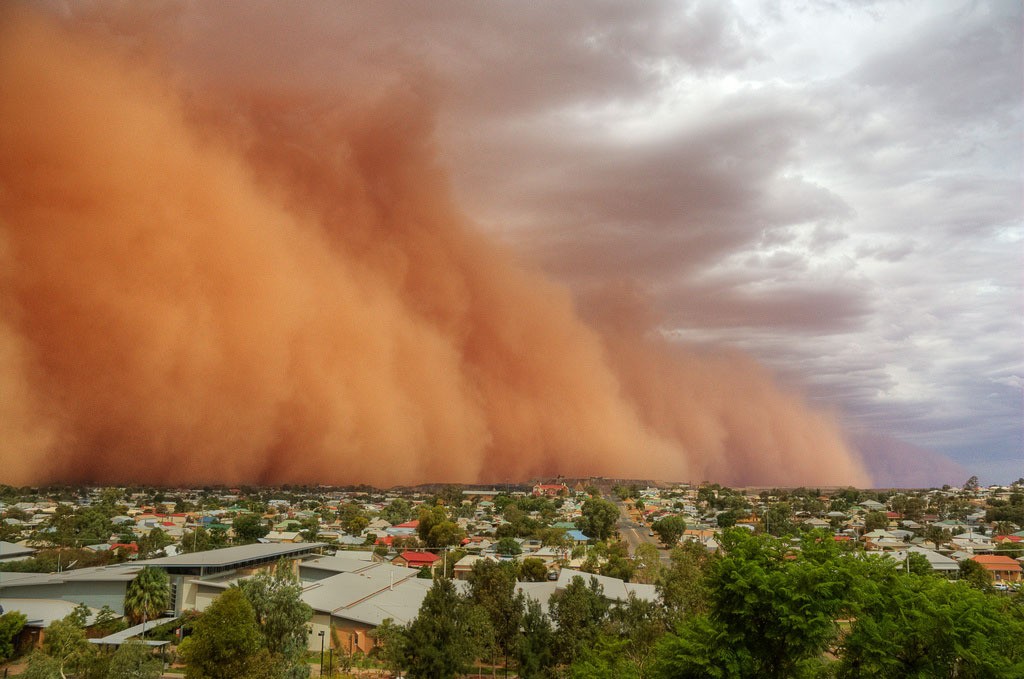
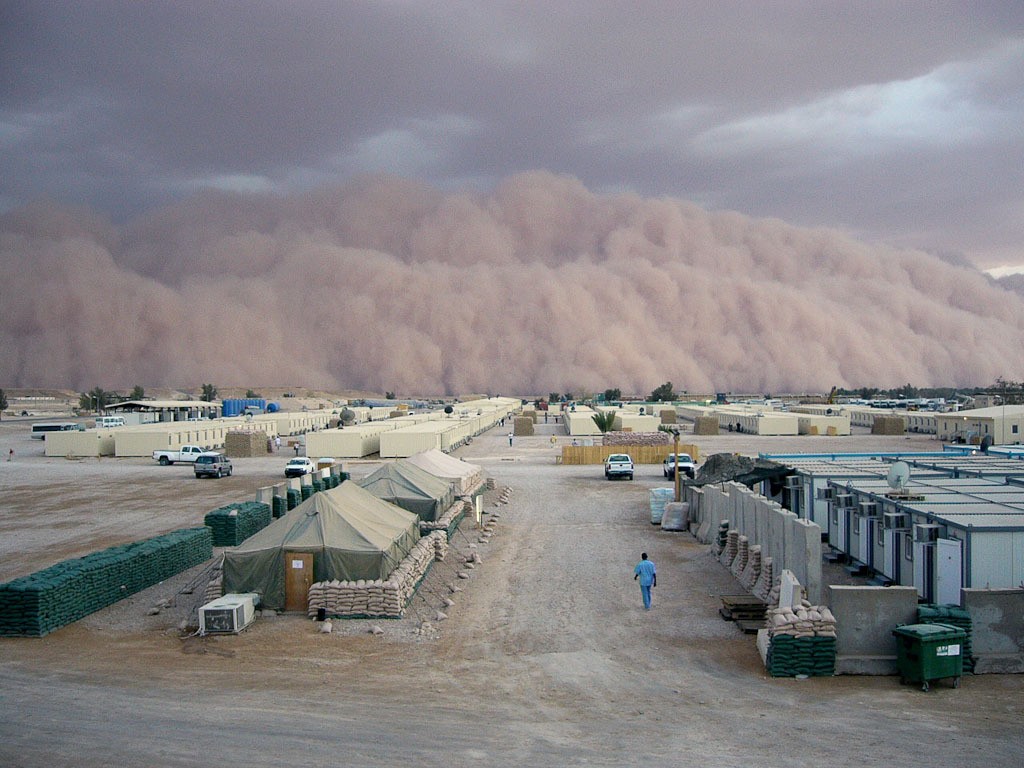
Sand Storms destroyed Two Tamil Towns!

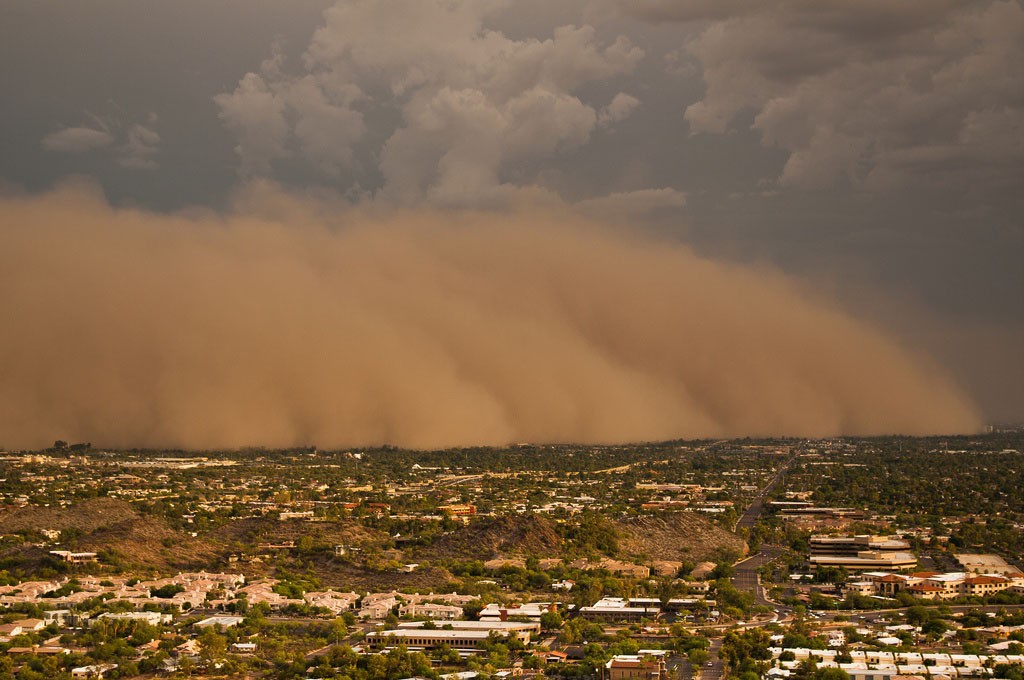
sandstorm05 (1)Arizona

Sand storm in Arizona, USA

London Swaminathan
Post No. 735 by London Swaminathan dated 6th December 2013

I have already written several posts about the power of curses and boons. I wrote about the fire and rain created by Kannaki, Paattinathadikal, Adi Shankara, Tansen and Muthuswami Dikshitar. I have also explained in one of the posts about spontaneous combustion in which Thiru Gnana Sambandhar, Tiruppanalvar, Nandhanar, Ramalinga Swamikal, Andal and other Hindu saints disappeared without any trace. Now I give two stories about sand storms destroying two ancient Tamil towns by the curses of poets and saints.

Uraiyur, now part of Trichy in Tamil Nadu, was the ancient capital of early Chozas. They ruled from Uraiyur 2000 years ago. We have very clear references in Sangam Tamil literature. This city was famous for its court of justice. I have explained in one of my posts, why even today British judiciary wearing white wigs following the great Tamil Choza king Karikalan. Uraiyur became more famous because of this ‘white wig’ incident.

Uraiyur also became famous because of a cock attacking the Royal elephant. The king felt that this soil must have some magical qualities to give such courage to a cock to attack the elephant. He created a city in that place and made it his capital and named it Koziyur meaning the city of cock. This incident also was referred to in Tamil epics and later literature.

sandstorm07 (1)Texas
Sand storm in Texas, USA

Sand Storm in Uraiyur

Once upon a time a Choza king named Parantakan was ruling from Uraiyur. At that time a saint known as Sarama Munivar had a beautiful garden with chrysanthemum flowers. He used to offer it to Lord Shiva every day. A servant named Mavalan stole the flowers every day and gave them to the king. The king never stopped him stealing, even though he knew it was stolen goods.

When Sarama munivar came to know this theft, he was furious. His anger brought a big sand storm to the town and destroyed it with the king. The king and the town got buried under the sand. This legend was spread by word of mouth.

Since Parantakan is a general Sanskrit title which several kings bore, we never knew the period of his rule. Though archaeological excavations were done, we did not have any clear proof for this incident. Hindus believe that saints anger can bring down kingdoms. Tamil Veda Tirukkural also (264, 269,894,898,899) stresses this.

sandstorm10 (1)OZ
Sand storm in Australia

Poet’s Anger destroyed a town

Poet Kalamegam was famous for his poems with pun and irony. He lived in the fifteenth century. When he went to Thirumalairayan Pattinam, local poets clashed with him. They challenged him on various counts but he answered all their questions. But the local king was partial and gave all the credits to local poets. Kalamegam was very angry. He composed two songs in which he prayed for the destruction of evil people. As soon as he recited both the verses a big sand storm struck at the town and engulfed it in the sand.
Tamils believe that a certain genre of poems can kill people. They believed in word power. Like the Sanskrit mantras, Tamil poems also produced several miracles. Particularly the life history of Nayanmars and Alvars (Tamil Saivite and Vaishnavite saints) are full of anecdotes where even Gods obey the words of their devotees.

I have given the full Tamil verses in my Tamil post.

Contact swami_48@yahoo.com

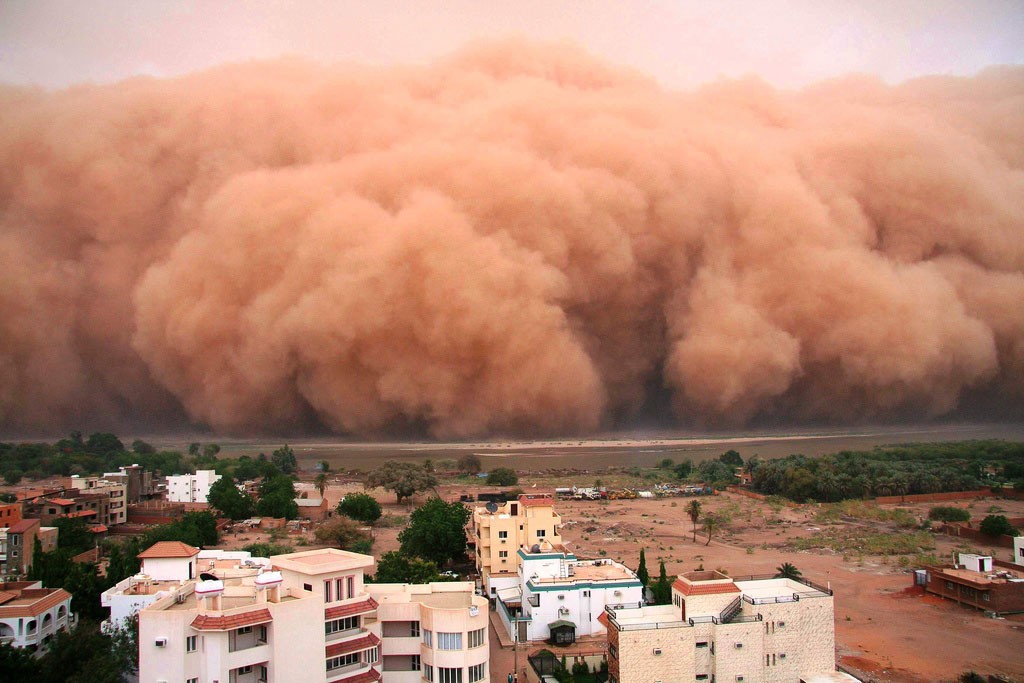
sandstorm11 (1)sudan

Sand Storm in Sudan, Africa.

“நீங்களும் கடவுள் ஆகலாம்”- திருவள்ளுவர்

namasthe
By london swaminathan

(Post No.726 dated 29th November 2013)

உங்களை எல்லோரும் தொழ வேண்டுமா?

ராம பிரான், கண்ண பிரான் போல நீங்களும் தெய்வமாகலாம் என்று வள்ளுவர் கூறுகிறார். அது மட்டுமா? எல்லோரும் உங்களை கை கூப்பித் தொழவும் வழி சொல்கிறார். நீங்கள் கடவுள் ஆக இது ஒரு சுருக்கு வழிப் பாதை! வள்ளுவர் காட்டும் பாதை. ‘சொல்லுதல் யார்க்கும் எளிது. அரியவாம் சொல்லிய வண்ணம் செயல்’!! இருந்தாலும் முயன்று பார்க்கலாமே!

1.வையத்துள் வாழ்வாங்கு வாழ்பவன் வான் உறையும்
தெய்வத்துள் வைக்கப்படும் ( குறள் 50)

யார் ஒருவன் இந்த பூவுலகில் முறையாக வாழ்கிறானோ அவன், வானத்தில் உறையும் தெய்வங்களில் ஒருவராகக் கருதப்படுவான். இதனால்தான் நாம் ராமன், கண்ணன் போன்ற மன்னர்களையும் அவதார புரிஷர்களாக வழிபடுகிறோம். வள்ளுவனின் அழகான சொற்களைக் கவனிக்கவும்.: “வான் உறையும் தெய்வம்”.

2.கொல்லான் புலாலை மறுத்தானைக் கைகூப்பி
எல்லா உயிரும் தொழும் (260)

நீங்கள் வெஜிட்டேரியனாக இருந்து எந்த வகை உயிருக்கும் மனதாலும் தீங்கு செய்யாதவராக இருந்தால் உங்களை எந்த மிருகமும் தீண்டாது. இது விஞ்ஞானிகளும் ஓரளவுக்கு ஒப்புக்கொள்ளக்கூடிய விஷயமே. நாம் பயந்தவுடன் ‘அட்ரினலின்’ என்னும் ஹார்மோன் அதிக அளவில் சுரக்கிறது. மிருகங்களுக்கு மோப்ப சக்தி அதிகம். நாய்களுக்கு மனிதனைவிட 3000 மடங்கு மோப்ப சக்தி உண்டு. காட்டில் வாழும் மிருகங்களும் நாம் பயந்தவுடன் எங்கே தாக்கிவிடுவோமோ என்று அவைகள் நம்மைத் தாக்கும். நமது அட்ரினலினை அவை முகர்ந்து விடும்! சங்கரர், புத்தர் போன்ற ஞானிகளுக்கு மிருகங்களும் கீழ்ப்படிவதை கதைகளில் படித்திருக்கிறோம். பாம்பானாலும் நாம் தீங்கு செய்ய நினைத்தால்தான் நம்மைத் தாக்கும். வள்ளுவனின் அழகான சொற்களைக் கவனிக்கவும்.: “கை கூப்பித் தொழும்”. நம்மைப் பார்த்து நமஸ்தே சொல்லுமாம்!

3.தன்னுயிர் தான் அறப்பெற்றானை ஏனைய
மன்னுயிர் எல்லாம் தொழும் ( குறள் 268)

சங்கராச்சார்யார் போன்றோர் சந்யாசம் வாங்கும் நாளன்று தண்ணீரில் நின்றுகொண்டு ஒரு சத்திய வாக்குப் பிரமாணம் செய்வார்கள் என்று கேள்விப்பட்டிருக்கிறேன். “இந்த நாள் முதல் மனம், மொழி, மெய் ( மனோ, வாக், காயம்) மூன்றாலும் எந்த உயிருக்கும் தீங்கிழைக்க மாட்டேன். எல்லோரும் சமம்” என்ற மந்திரத்தை முழங்குவார்களாம். ஆகையாலதான் அவர்களை கொடிய மிருகங்களும் விஷ ஜந்துக்களும் தாக்குவதில்லை. வள்ளுவர் ஒரு படி மேலே போய் அவர்களை உலக உயிரினங்கள் எல்லாம் தொழும் என்கிறார்.

கண்ணபிரானும் கீதையில் (5-18) “ஞானிகள் சமதர்சனம் உடையவர்கள். பிராமணன், பசு, யானை, நாய், நாயைத் தின்னும் புலையன் ஆகிய அனைவரையும் ‘ஒன்றாகக் காண்பதே காட்சி’ என்பது அவர்கள் கொள்கை” என்கிறான்.

abhishek

4.முறைசெய்து காப்பாற்றும் மன்னவன் மக்கட்கு
இறையென்று வைக்கப்படும் (388)

பழங்காலத்தில் சத்திய நெறி தவறாது ஆண்ட மன்னர்களையும் கடவுளாகவே மதித்தார்கள். திருவிளையாடல் புராணக் கதைகளைப் படிப்போருக்கு மன்னர்கள் செய்த அற்புதங்களின் பட்டியல் கிடைக்கும். காளிதாசனின் ரகுவம்ச காவியத்தைப் படிப்போருக்கு சூரியகுல வேந்தர்களின் அவதார மகிமை புரியும். தமிழில் மன்னருக்கும் கடவுளுக்கும் ஒரே சொல்தான். அரண்மனைக்கும் கடவுள் உறைவிடத்துக்கும் கோவில் என்றே பெயர்.

5.செவியுணவிற் கேள்வியுடையார் அவியுணவின்
ஆன்றாரோடொப்பர் நிலத்து (413)

சத் சங்கத்தில் இருப்போர், அதாவது ஆழ்வார்கள், நாயன்மார்கள், அடியார்கள் எல்லாம் தேவர்களுக்குச் சமம்.

6.ஐய படாஅது அகத்தது உணர்வானைத்
தெய்வத்தோ டொப்பக் கொளல் (702)

பிறர் மனதில் உள்ளதைக் கூறவல்லவர்களும் தெய்வம் போன்றவர்கள் என்கிறான் வள்ளுவன். சுவாமி விவேகாநந்தர், காஞ்சி பரமாச்சார்ய சுவாமிகள், சத்திய சாய் பாபா போன்றோர் இவ்வாறு Thought Reading சக்தி உடையோர்.

7.உள்ளத்தால் பொய்யாதொழுகின் உலகத்தார்
உள்ளத்துள் எல்லாம் உளன் (294)

பாரதியும் கூட வள்ளுவரை அடியொற்றி “உள்ளத்தில் உண்மை ஒளி உண்டாயின் வாக்கினிலே ஒளி உண்டாகும், பள்ளத்தில் வீழ்ந்திருக்கும் குருடர் எல்லாம் விழிபெற்றுப் பதவி கொள்வார்” என்கிறார். யார் ஒருவனுடைய சொல், செயல், சிந்தனை எல்லாம் ஒன்றாக இருக்கிறதோ, அதுவும் நல்ல சிந்தனையாக இருக்கிறதோ அவன் சொற்களை உலகமே கேட்கும். பாரத நாட்டில் தோன்றிய ஆயிரக்கணக்கான சாது சந்யாசிகளும் மகா புருஷர்களும் இந்த வரிசையில் இடம்பெறுவர்.
உ.ம். ராமன், அரிச்சந்திரன்,

ஏழே திருக்குறட் பாக்களில் யார் தெய்வ நிலையை அடைந்தவர்கள், எப்படி தெய்வத் தன்மையை அடைய முடியும் என்பதை வள்ளுவன் எளிதில் சொல்லிவிட்டான்.

Contact swami_48@yahoo.com

Tolkāppiyar on Translation

agastya in London

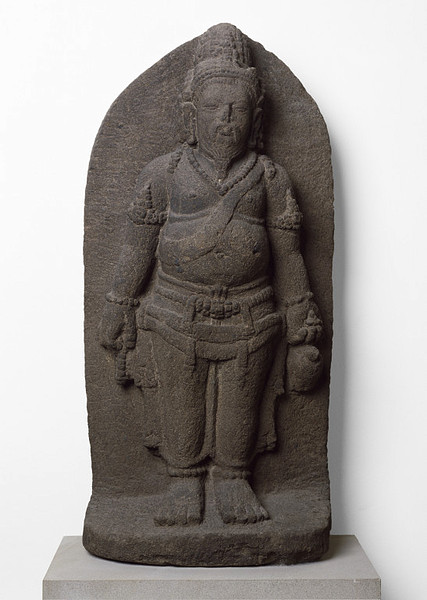
Statue of Agastya in London V&A Museum

Dr.R.Nagaswamy
( I am publishing this article with the permission of Dr R. Nagasamy. He is a well known historian and a reputed archaeologist. He held the posts of Director of Archaeology, Tamil Nadu Government and the Vice Chancellor of Kanchepuram University. He has hundreds of research papers and scores of scholarly books to his credit. He is regularly writing for his blog http://www.tamilarts.academy.com Please visit tamilartsacademy.com for more interesting articles.)

Tolkāppiyar the great grammarian deals with translating texts from other languages to Tamil, in his chapter on Marabiyal. First he gives the definition of Valinul. ( derivative text) “Vāli enappatuvatu atan valiyākum.”

It means that Vāli nūl is a derivative text from an original text.(sutra 650 marapiyal 70)
Perāciriyar the commentator says that texts like Tolkāppiyam and Palkāppiyam are no doubt derivative texts. So according to this commentator Tolkāppiyam is not an original composition. He comments later that it followed “Agattiyam.”

.
Citing a verse Perāciriyar, says that it is the duty of Tamil scholars to follow Tolkāppiyar as he has almost ordered that though he has abridged the original text at places’ he outlines the tenet of the original text (Agattiyam ) and it is virtually an obligatory injunction. Perāciriyar continues. This author does say in the same vien the text of Palkāppiyar, or Palkāyanār which means the later can not be considered as authoritative as Tolkāppiyar.

The question arises when such an authoritative text by Tolkāppiyar exists what is the need for Palkāppiyar to write his work? To this Perāciriyar answers that Palkāppiyar also did not write all about “Ezuttu, Col, and Porul”.

This author Tolkāppiyar saw that Agattiyam had a more detailed treatment of Ceyyul prosody, he condensed the same subjec noting that it was important. Further he followed the science of the original text.

450px-Agastya,Prambanan,Indonesia
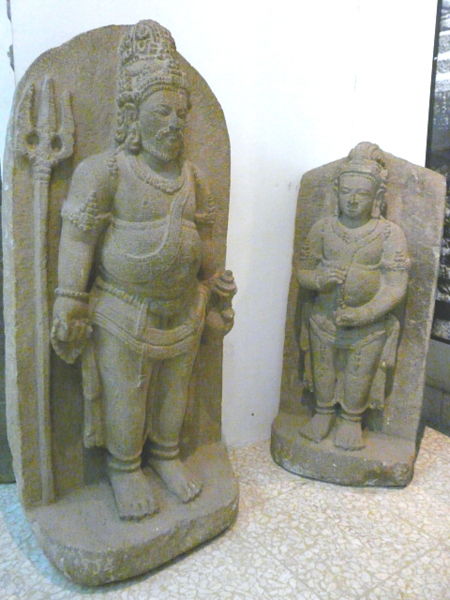
Statue of Agastya in Prambanan, Indonesia

Evidently according to Perāciriyar , Tolkāppiyar followed carefully Agattiyam. He also shows that Kakkaipādiniyar who wrote her text later, followed Tolkāppiyar. Perāciriyar questions the attitude of some Tamils saying what is derogatory if they followed an original text and translated it in their work.

Tolkāppiyam then divides secondary texts into four categories . The mode of secondary texts are four. Perāciriyar says that original text can be only one, but secondary texts can be many.

“Tokuttal, virittal, tokai viri molipeyarttal, atarpata yāttalotu anai marapinavē”

“Tokuttal” means the parts elaborately dealt with in the original text, is summarized for the benefit of small unlettered men. “Virittal “means that which are not clear in the original text are elaborated for making them understandable. “Tokai viri” means elaborating those parts both in summary and elaboration that are further enraged. “Moli peysrttal” means the text that were in other languages being translated into Tamil. That is also called Valinūl in Tamil tradition.” Perāciriyar is of the opinion that translated text (molipeyartta ) text is also a “Vali nūl”

“Atarpata yāttal” is conforming to conventions? The translation should follow the same layout of the Original. As translation follows abridgment and elaboration and further enlargement there need not be any fear for both the Tamils and also the Aryas. As this process is called translation -moli peyarttal- the meaning will not be faulted. Iit seems that there were some who opposed translations into Tamil claiming that Tamil language would be affected. Perāciriyar dismisses this apprehension. He assures the Tamils and the Āryas (Sanskritists) there is no likely hood of meaning going wrong.

” is there translated texts in Tamil among the derivative texts ? Is the a question poised. Perāciriyar answers that these are required.When Meanings of Vedic texts, Agamic texts and texts on logic are rendered into Tamil these texts serve as grammar for those texts ( Vedic, Agamic, and logical texts ). So Tolkāppiyar included translations also as derivative texts.” Says Perāciriyar .

05FRLIBRARY2_UVS_1_1507550g
Tamil Manuscripts collected by U.Ve.Sa.

We know from Col atikāram of Tolkāppiyar the Tamils were never against using northern words ( vada col ) and translations of Sanskrit texts like Vedas, Āgamas, and logical texts which included all scientific texts from any language. Perāciriyar goes further and states that Tolkāppiyam belongs to the middle Sangam age and as it is followed to this day this holds good for translating texts into Tami was not considered anti Tamil as held by some modern Tamils. And it also points out that the Tamils remained forward looking for the past two thousand years until we arrive at the second half of twentieth cent.

We have seen that Tolkāppiyar followed Agattiyar and wrote his work as a derivative text-Vali nūl. Agattiyar is said to have composed three texts on Iyal, Icai, and Nātakam – . Perāciriyar states that Agattiyar wrote three texts on Muttamil. Uvama Iyal comm.. By the time of Tolkāppiyam specialization in each Tamill had already been established and Agattiyar was the pioneer who wrote texts on all the three Tamils. Perāciriyar who wrote his commentary on Tolkāppiyam is assigned to 12thcent to the time of Vikrama chola mentions this in chapter on Uvamaiyal.
Contact swami_48@yahoo.com

Pictures are taken from various sites;thanks:- swami

நிலவு பற்றிய தமிழனின் அபார அறிவு

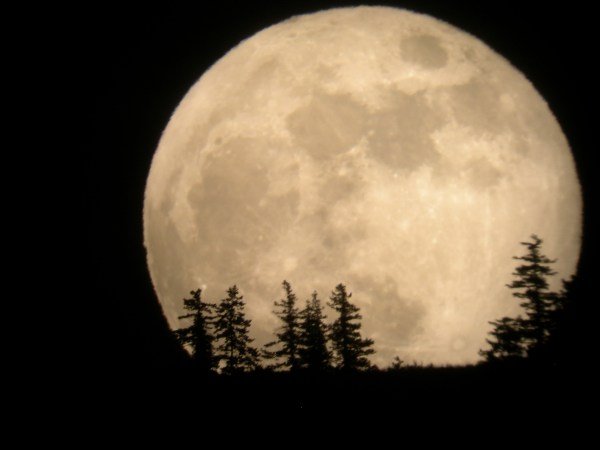
supermoon-may-2012-tim-mccord


ச. சுவாமிநாதன்

This article is already posted in English: swami

நிலவு பற்றி ஒவ்வொரு நாட்டிலும் பல நம்பிக்கைகள் உள்ளன. ஆனால் பாரத நாட்டில் இமயம் முதல் குமரி வரை ஒரே நம்பிக்கைகள் இருப்பது குறிப்பிடத் தக்கது. ஆரிய திராவிட வாதத்தில் அமுங்கித் திணறும் ‘’அறிஞர்களுக்கு’’ இந்த நம்பிக்கைகள் அடி மேல் அடி கொடுக்கும்.

1.கிரகணம் பற்றிய நம்பிக்கை நாடு முழுதும் ஒன்றே. வட மொழி, தமிழ் மொழி இலக்கியங்கள் ஒன்றே கூறும். பூமியின் நிழல்தான் கிரகணத்துக்குக் காரணம் என்பதை அவர்கள் நன்கு அறிந்ததால்தான் சரியாக பஞ்சாங்கம் கணக்கிட முடிந்தது. இருந்தபோதிலும் பாமர மக்களுக்காக சுவையாக ராகு என்னும் ராக்ஷசன் முழுங்கியதாவும் அவன் தலை பாம்பு வடிவினது என்றும் கூறுவர். இதையே பாம்பு சந்திரனை விழுங்கியதாகவும் கூறுவர்.


2.கிரீஸ் அல்லது பாபிலோனியா போன்ற வேறு எந்த நட்டையும் ‘காப்பி’ அடித்து இவர்கள் சோதிடம் பயிலவில்லை என்பதற்கு நிலவு பற்றிய நம்பிக்கைகளே சான்று பகரும். நமது கலாசாரத்தில் நிலவு என்பது ஆண், நட்சத்திரங்கள் என்பவை பெண்கள். இது வேறு எந்த கலாசாரத்திலும் இல்லை. 27 விண்மீன்களையும் தட்சனின் 27 பெண்களாக புராணங்கள் வருணிக்கின்றன. இந்த நம்பிக்கை வேதம், பிராமணங்கள் ஆகியவற்றிலும் உண்டு.


3.வேதத்தில் புருஷசூக்த மந்திரத்தில் சூரியனைக் கண்களுடனும் சந்திரனை மனதுடனும் தொடர்புபடுத்தும் மந்திரம் உள்ளது: சந்திரமா மனசோ ஜாத:, சக்ஷோர் சூர்யோ அஜாயத. மேலை நாட்டிலும் முழு நிலவு அன்று பைத்தியங்கள் அதிகரிக்கும், அந்த நாளன்று சிலர் ஒநாய்களாக மாறுவர் என்ற நம்பிக்கைகள் உண்டு. பைத்தியத்தையே ஆங்கிலத்தில் லுனாடிக் என்பர். லூனா என்றால் சந்திரன் என்று பொருள். கண்கள் ஒளிபெற சூரிய நமஸ்காரம் செய்வதும் இந்த மந்திரத்தின் அடிப்படையில்தான்.


4.‘’நிலவு’’ என்று சந்திரனுக்கு தமிழன் பெயர் வைத்தது தன்னிச்சையாக நிகழ்ந்ததா அல்லது அறிவியல் அடிப்படையில் நடந்ததா என்பதே வியப்பான விஷயம். ஏனெனில் நிலவு எப்படி தோன்றியது என்ற பலவிதமான கொள்கைகளில் ஒன்று: ஒரு காலத்தில் பூமியிலிருந்து பிய்த்துக் கொண்டு போன துண்டுதான் நிலவு என்று ஒரு கொள்கை உண்டு. பசிபிக் சமுத்திரத்தில் நிலவை அடக்கிவிடலாம் என்பர். இதை அறிந்து தான் தமிழன் நில உலகிலிருந்த பிரிவு= நிலவு என்று வைத்தானோ என்று நான் வியப்பதுண்டு.


5.தமிழர்களுக்கு ஜாதகத்திலும் சோதிடத்திலும் அபார நம்பிக்கை இருந்ததை அக நானூற்றின் பாடல்கள் 86, 136 ஆகியவற்றில் காணலாம். தீய கோள்கள் (பார்வை) இல்லாத நாளில் பவுர்ணமி- ரோகிணி நட்சத்திரம் கூடிய நாளில் தமிழர்கள் விளக்கு ஏற்றி ‘’வெஜிட்டேரியன்’’ சாப்பாட்டோடு மணல் தரையில் திருமணம் செய்ததை அப்பாடல்கள் விளக்குகின்றன. அப்போது சுமங்கலிகள் (திருமணமாகி கணவனுடன் வாழும் பெண்கள்) புது மணத் தம்பதிகளை ‘’தீர்க்க சுமங்கலி பவ:’’ என்று வாழ்த்தியதையும் அவை காட்டுகின்றன.

இந்து மத புராணங்கள் முழுதும் சந்திரன் -ரோஹிணீ காதல் கதை விளக்கமாகக் கூறப்பட்டுள்ளது. இதைப் பின்பற்றியே ரோகிணி நட்சத்திரத்தில் முகூர்த்தம் வைத்தனர் சங்க காலத் தமிழர்கள். ரோகிணி நட்சத்திரதன்று விதை விதைக்க நன்மை என்று பஞ்சாங்கம் சொல்லுவதும் குறிப்பிடத்தக்கது.


6.சந்திரனைப் பற்றிய பல நம்பிக்கைகளில் ஒன்று சந்திரனை தெய்வமாக வழிபடுவதாகும். பெரிய கோவில்களில் சுற்றுப் பிரகாரத்தில் சந்திரன் சூரியனுக்கு சந்நிதிகள் இருப்பதைக் காணலாம். உலகில் இப்படி இன்றுவரை சந்திர வழிபாடு எங்கும் இல்லை. குறுந்தொகையில் மூன்றாம் நாள் பிறை வழிபாடு (பாடல் 170) போற்றப்படுகிறது


முஸ்லீம்கள் கூட சந்திரனை நாளும் நேரமும் அறியவே பயன்படுத்துவர், வழிபட அல்ல. அவர்கள் அல்லாவைத் தவிர வழிபட அனுமதிக்கப்பட்ட ஒரே உருவம் காபாவில் உள்ள கல் மட்டுமே.

stars and moon

7.நிலவு பற்றி இந்துக்கள் நம்பும் ஒரு முக்கிய விஷயத்தை இதுவரை விஞ்ஞானம் நிரூபிக்கவில்லை. தாவரங்களுக்கு சக்தி கொடுப்பது சந்திரனே என்று வட மொழி நூல்கள் பகரும். சோம ரசம் என்பது சந்திர ஒளியையும் குறிக்கும், சோமலதையில் இருந்து கிடைக்கும் சோம ரசத்தையும் குறிக்கும் . நவக் கிரஹங்களில் சந்திரனுக்கு சோம என்றே பெயர். திங்கட்கிழமையை சோம வாரம் என்றே குறிப்பிடுவர்.


8.பன்னிரெண்டு ராசிகளின் படங்கள் ,ஓவியங்கள் தமிழ் அரண்மனைகளில் இருந்ததை முல்லைப்பாட்டில் காணலாம்.


9.இந்துக்களின் ஜாதகத்தில்  சந்திரனுக்கு எவ்வளவு முக்கியத்துவம் கொடுக்கின்றனர் என்பது ஜோதிடத்தில் நம்பிக்கை கொண்டோருக்கு விளங்கும்.


10.சங்க இலக்கியத்திலும் பிற்கால இலக்கியத்திலும் பல உவமைகள் வருகின்றன. இவைகளும் சம்ஸ்கிருத தமிழ் ஒற்றுமைக்குச் சான்று பகரும் ஏன் எனில் இந்திய இலக்கியங்கள் முழுதும் இவற்றைக் காணலாம். நிலவு என்னும் காதலன் 27 காதலிகளுடன் (நட்சத்திரங்கள்) இருப்பது போல என்ற உவமை, நிலவைப் பார்த்த கடல் பொங்கியது போல என்ற உவமை, நிலவு போன்ற குளிர்ச்சி தருபவன் என்ற உவமை எனப் பல உண்டு.


11. சிலப்பதிகாரம் போன்ற காவியங்கள் ‘’திங்களைப் போற்றுதும் திங்களைப் போற்றுதும்’’ என்று கடவுள் வாழ்த்தாகவே சூரியன் சந்திரனைச் சேர்த்திருப்பதும் நோக்கத்தக்கது.


12.பிராமணர்கள் சில நாட்களில் வேத வகுப்புக்குப் போக மாட்டார்கள். அன்று விடுமுறை. அமாவாசை, பவுர்ணமி, அதற்கு முந்திய, பிந்திய நாட்கள் (சதுர்தசி, பிரதமை) மற்றும அஷ்டமி ஆகிய ஆறு நாட்கள் உதவா. இந்த நாட்களில் கடல் அலைகளின் மாற்றமும் சீற்றமும் உலகறிந்த உண்மைகள்.


13. இதேபோல இலங்கையில் பவுத்தர்களும் அமாவாசை, பவுர்ணமி, அஷ்டமி நாட்களில் உபவாசம் இருப்பர் (உபோசத் தினங்கள்)


14. இந்துக்களின் மிகப் பெரிய பண்டிகைகள் ஒவ்வொரு மாத பவுர்ணமியிலேயே வரும். இதற்கு வேண்டுமானால் ‘பிராக்டிகல்’ காரணங்களைச் சொல்ல முடியும். மின்சார விளக்கு இல்லாத காலங்களில் லட்சக் கணக்கான மக்கள் இடம் பெயர்ந்து திருவிழவுக்கு வர இவை உதவின எனலாம்.

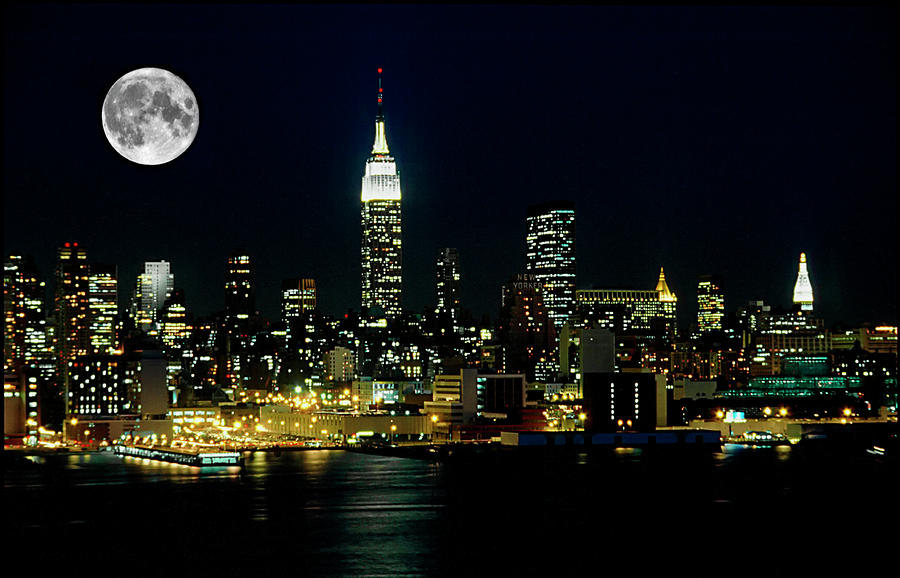
NY moon

15. நிலவில் முயல் (நற்றிணை 375) இருப்பதாகக் கூறுவதிலும் சம்ஸ்கிருத தமிழ் மொழி நூல்களில் ஒற்றுமையைக் காணலாம். சில கலாசாரங்களில் இதை மான் என்றும் கிழவி என்றும் சொல்லுவர்.


16. சங்கட ஹர சதுர்த்தி: சதுர்த்தி (நாலாம் நாள்) க்கும் பிள்ளையாருக்கும் நெருக்கம் மிகவும் அதிகம். கஷ்டங்களைப் போக்கும் சங்கட ஹர விரதம் (உண்ணாநோன்பு) பவுர்ணமிக்கு நாலாம் நாள் அனுஷ்டிக்கப்படும். அன்று மாலை பிறையைப் பார்த்த பின்னரே விரதிகள் சாப்பிடுவர். முஸ்லீம்களும் பிறை பார்த்துச் சாப்பிடும் வழக்கத்தை நம்மிடம்தான் கற்றனரோ!!


அமாவாசைக்கு நாலாம் நாள் வரும் சதுர்த்தியன்று பிறை பளிச்செனக் கண்ணில் தெரியும் ஆனால் இதைப் பார்க்ககூடாது என்று ஒரு நம்பிக்கை உண்டு. நாலாம் பிறை பார்த்தவர் நாயாய் பிறப்பார்கள் என்று ஒரு தமிழ்ப் பழமொழி இருக்கிறது ஆயினும் பெரிய பிள்ளையார் சதுர்த்தி அமாவாசைக்கு அடுத்த நாலாம் நாளே வரும். இந்த கணேஷ் சதுர்த்தியை நாடே கொண்டாடும்.

17.இந்து மதத்தில் பிறைச் சந்திரனுக்கு முக்கியத்துவம் அதிகம். பெரிய கடவுளர்களின் தலையில் பிறைச் சந்திரன் இருப்பதை காணலாம். ‘’பித்தா பிறை சூடி’’ என்று அடியார்கள் சிவ பெருமானை போற்றி வழிபடுவர்.


(இலக்கியத் திருடர்களுக்கு அன்பான வேண்டுகோள். இந்தக் கட்டுரையை வேறு எங்காவது வெளியிடுகையில் லண்டன் சுவாமிநாதன் எழுதியது என்றோ அல்லது பிளாக் பெயரையோ வெளியிட்டு தமிழ் எழுத்தாளர்களை ஊக்குவிக்க வேண்டுகிறேன். தமிழுக்குத் துரோகம் செய்யாதீர்கள். தமிழ்த் தாய் பொறுக்கமாட்டாள்.)


அடுத்த கட்டுரை— சந்திரன் பற்றிய வியப்பான விஞ்ஞானக் கண்டுபிடிப்புகள்— நம்முடைய மதக் கொள்கைகளை அனுசரித்துப் போவதைக் காட்டும். இவை அனைத்தும் ‘’லேடெஸ்ட்’’ கண்டுபிடிப்புகள். இரண்டாவது பகுதியைப் படிக்கத் தவறாதீர்கள்.


தொடர்பு கொள்ள —  swami_48@yahoo.com

படங்கள் பல்வேறு வெப்சைட்டில் இருந்து எடுக்கப்பட்டன; நன்றி.

வள்ளுவனும் வன்முறையும்

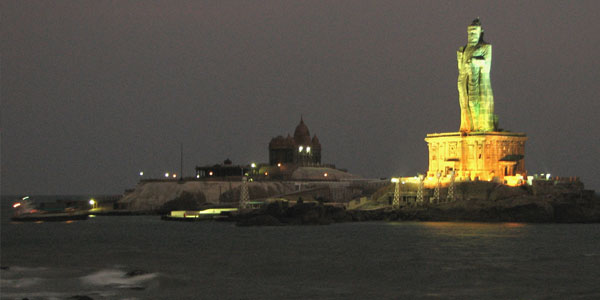
வள்ளுவர் சிலை

எழுதியவர் லண்டன் சுவாமிநாதன்

‘’ அன்பென்று கொட்டு முரசே — மக்கள் அத்தனை பேரும் நிகராம்.

இன்பங்கள் யாவும் பெருகும் — இங்கு யாவரும் ஒன்று என்று கொண்டால் ’’


என்று பாடினான் பாரதி. ‘’அன்பிற்கும் உண்டோ அடைக்கும் தாழ்’’ (ப்பாள்) என்று அன்[பின் சிறப்பபைப் பாடினான் வள்ளுவன். ஆயினும் இருவரும் அஹிம்சாவாதிகள் அல்ல. தேவையான போது, தேவையான அளவுக்கு பலத்தைப் பிரயோகிக்க வேண்டும் என்பதில் இரு கவிஞர்களுக்குமே உடன்பாடு உண்டு.


மரண தண்டனைக்கு ஆதரவு


மரண தண்டணைக்கு ஆதரவு தருபவன் வள்ளுவன். அவன் தீவிர அஹிம்சாவாதி அல்ல. தீயோரை அழிப்பது பயிர்களின் களைகளை நீக்குவது போல என்று அழகான உவமை தருகிறான். இதோ அந்தக் குறள்:


கொலையிற் கொடியாரை வேந்தொறுத்தல் பைங்கூழ்

களைகட் டதனோடு நேர் (550)


பொருள்: நாட்டில் உள்ள கொடியோரை மரண தண்டனை கொடுத்து அழிப்பது, பயிர்கள் நன்றாக வளர உழவர்கள் களை எடுப்பது போல் ஆகும்.


ஒன்னார்த் தெறலும் உவந்தாரை ஆக்கலும்

எண்ணின் தவத்தான் வரும் (264)


கீதையில் ‘’பரித்ராணாய சாதூணாம் விநாசாய ச துஷ்க்ருதாம்’ என்று கண்ணன் சொன்னதன் எதிரொலி இது. ‘’தீயோரை அழிப்பதும் நல்லோரைக் காப்பதும் என் குறிக்கோள்’’ என்று பகவான் கண்ணன் சொன்னதை, தவமுடைய யாரும் செய்ய முடியும் என்பதை வள்ளுவன் ஒப்புக்கொள்கிறான்.


கன்னத்தில் அடி, கையை முறுக்கு, கரும்பு போல நசுக்கு

அதிகாரம் 108, கயவர்கள் பற்றியது. அதில் கஞ்சர்களையும் சேர்த்துத் திட்டுகிறார். கயவர்களின் கன்னத்தில் அடித்து ஆளை நொறுக்கு என்றும் சொல்வான் வள்ளுவன்.

ஈர்ங்கை விதிரார் கயவர் கொடுறுடைக்கும்

கூன்கைய ரல்லா தவர்க்கு (1077)


பொருள்: கன்னத்தில் அடித்து நொறுக்கினால்தான் கயவர்கள் உதவி செய்வர். அதுவரை சாப்பிட்ட பின்னர் ஈரக் கையால் கூட உதறித் தெறிக்க மாட்டார்கள்.

இன்னொரு குறளில் கரும்பு போல கசக்கி நசுக்கு என்கிறான்.

சொல்லப் பயன்படுவர் சான்றோர் கரும்புபோல்

கொல்லப் பயன்படும் கீழ் (1078)


பொருள்: சான்றோர்கள் சொன்ன மாத்திரத்திலேயே பிறர்க்கு உதவி செய்வர். கயவர்கள் மட்டும் கரும்பு போல் கொன்று பிழிந்தால்தான் பயன்படுவார்கள்.


வள்ளுவன் கோபக்காரனும் கூட. சோற்றுக்கே அலையவேண்டிய நிலை இருக்குமானால் பிரம்மாவே பிச்சை எடுக்கட்டும் என்று அவனைச் சபிக்கவும் தவறவில்லை.

இரந்தும் உயிர்வாழ்தல் வேண்டின் பரந்து

கெடுக உலகு இயற்றியான் (1062)

பொருள்: உலகில் சிலர் பிச்சை எடுத்துத்தான் உயிர் வாழவேண்டும் என்றால், அந்த பிரம்மாவே பிச்சை எடுத்து அழியட்டும்.

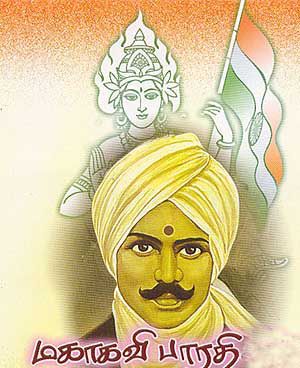
bharathy

பாரதியும் வன்முறையும்


இதைப் படித்துத்தான் பாரதியும் கொதிதெழுந்தான் போல.

‘’இனி ஒரு விதி செய்வோம் – அதை

எந்த நாளும் காப்போம்;

தனி ஒருவனுக்கு உணவிலை எனில்

ஜகத்தினை அழித்திடுவோம்’’-

வள்ளுவனைப் போல பாரதியும் சொல்கிறான்; உலகையே அழித்து விடுவோம் என்று!

சொல்லக் கொதிக்குதடா நெஞ்சம்  சோற்றுக்கோ வந்தது இங்கு பஞ்சம் என்றும் சாடுகிறான்.


பகவத் கீதை வாயிலாக கீழேயுள்ள வாசகத்தைக் கூறுகிறான். உலகில் போலீஸ் இல்லாத நாடோ படைகள் இல்லாத நாடோ இல்லை. இதை அறிந்தவர்கள் பகவத் கீதையைப் புரிந்துகொள்ள முடியும். குற்றம் புரிந்தவர்கள் யாராக இருந்தாலும் தண்டணைக்குரியவர்களே


‘’வஞ்சகர், தீயர், மனிதரை வருத்துவோர்

நெஞ்சகத் தருக்குடை நீசர்கள் இன்னோர்

தம்மொடு பிறந்த சகோதரர் ஆயினும்

வெம்மையோடொறுத்தல் வீரர் தம் செயலாம்’’.


கீழேயுள்ள பீமனின் சபதத்தைப் படிப்பவர்களுக்கு பாரதியின் மனதில் இருக்கும் கருத்து புரியும். அதர்மத்தை அழிக்க வன்முறை என்பது ஆதிகாலம் முதல் பின்பற்றப்பட்டு வந்துள்ளது. வடபுல மன்னர்களும் தமிழ் மன்னர்களும் தங்கள் வீரத்தைக் காட்டக்கூட சண்டைகள் போட்டதை சங்கத் தமிழ் இலக்கியங்களும் காளிதாசனின் காவியங்களும் காட்டும்.


‘’தொடையைப் பிளந்துயிர் மாய்ப்பேன்—தம்பி

சூரத் துச்சாதனன் தன்னையும் ஆங்கே

கடைபட்ட தோள்களைப் பிய்ப்பேன்- அங்கு

கள் என ஊறும் இரத்தம் குடிப்பேன்.’’


இந்து மதக் கடவுளர்கள், அன்பும் பண்பும் மிக்கவர்களுக்கு ஆனந்தத்தை அளித்தனர். பண்பற்ற அசுரர்களை வீழ்த்தி ஆனந்தக் கூத்தும் ஆடினர்.


‘’நல்லறம் நாடிய மன்னரை வாழ்த்தி

நயம்புரிவாள் எங்கள் தாய்—அவர்

அல்லவராயின் அவரை விழுங்கிப் பின்

ஆனந்தக் கூத்திடுவாள்’’

என்று பாரத அன்னையின் வீரத்தினைப் புகழ்கிறான் பாரதி.


‘’பாரதப் போரெனில் எளிதோ?—விறற்

பார்த்தன் கை வில்லிடை ஒளிர்வாள்

மாரதர் கோடி வந்தாலும்—கணம்

மாய்த்துக் குருதியில் திளைப்பாள்

பேயவள் காண் எங்கள் அன்னை—பெரும்

பித்துடையாள் எங்கள் அன்னை’’


என்று காளி, மகிஷாசுரமர்த்தனி, பவானி ஆகியோரை மந்தில் கொண்டு பாடுகிறான். வீர சிவாஜி ,குகோவிந்த சிம்மன் கவிதைகள் வாயிலாக அவன் வெளியிட்ட வீராவேசக் கருத்துக்கள் இன்றைக்கும் நம் எல்லையைக் காக்கும் துருப்புகளுக்கு ஊற்றுணர்ச்சி தரும் என்றால் மிகையாகாது.


Please read my earlier posts:

1.வள்ளுவர் சொன்ன சுவையான கதைகள் 2.வள்ளுவர் ஒரு சம்ஸ்கிருத அறிஞன் 3.வள்ளுவனுடன் 60 வினாடி பேட்டி 4.பாரதியுடன் 60 வினாடி பேட்டி 5.பாரதி நினைவுகள் 6.பாரதி பாட்டில் பழமொழிகள் 7.சிட்டுக்குருவியிடம் பாரதி கற்ற பாடம் 8.பாரதியின் பேராசை 9.பாரதி பாட்டில் பகவத் கீதை 10.பயமே இல்லாத பாரதி 11.சொல்லில் உயர்வு தமிழ் சொல்லே (பாரதி வாழ்க)


Picture are taken from various websites; thanks. swami_48@yahoo.com

Sibi Story in Old Tamil Literature!

chola-flag-2

By London Swaminathan

Did Tamil Chozas come from North?


Chera, Choza, Pandyas are the three great kingdoms of ancient Tamil Nadu. We know for sure they existed at least 2500 years ago. Valmiki, Vyasa, Bodhayana, Katyayana, Kautilya, Asoka, Karavela, Kalidas, Varahamihira, Dandi and others mention one or the other Tamil dynasties. All the Tamil kings claimed links with Surya clan of Sri Rama or Chandra clan of Pandavas. Some even claimed link with Agni clan. We find it more in later literature, inscriptions and copper plates. Some people thought they were all boasting to raise their profile. But the story of Sibi is found in the old part of 2000 year old Sangam Tamil Literature!


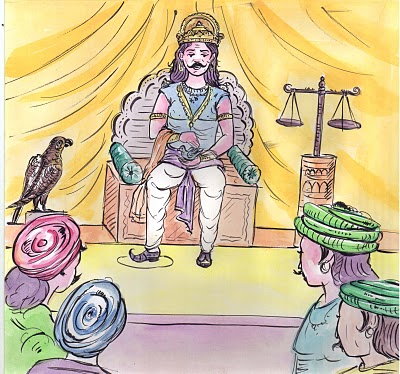
Chozas who ruled from the rice bowl of Tamil Nadu claimed that Sibi of North West India was one of their fore fathers. Story of Sibi is in Mahabharata and it gained currency in later literature. Sibi was son of King Usinara and queen Madhavi. He was a righteous king. Indra and Agni wanted to test his integrity and so they took the form of birds hawk and dove. The hawk chased the dove and it sought protection from Sibi. Sibi was ready to give the hawk anything except the dove. But the hawk (Indra) was so adamant demanded either the dove or equal measure of meat from the king. When the king cut his flesh and placed it on one pan and the dove on the other pan, it was never equal. The king himself mounted the balance to give himself for the sake of the dove. But Indra and Agni revealed themselves and blessed him. There is another story of Sibi’s eye donation in the Buddhist Jataka.


This story is sung by several poets and they are in Purananuru verses 37, 39, 43 46 and 228. Sibi’s wards were called Saibya in Sanskrit. Sangam Tamil poets Tamilized this word and called the Chozas Sembian. This word is in other Sangam books Aka Nanuru (36) and Natrinai (14).

SibiBorobudur

The story of Sibi Chakravarthy is so famous that it was sculpted in the Barhut, Nagarjunakonda ,Amaravati bas-reliefs and  Borobudur in Java,Indonesia (see Boropudur sculpture above).

Tamil epics Silappadikaram and Manimekalai gave more details about this link. Since the oldest part of Sangam Tamil literature mentions it no one can reject it. The link is confirmed with other stories as well.

Sibi ruled from the north west of India. There was a Sibi puram on the banks of river Chenab in Punjab. Sibi clan is mentioned in Rig Veda and Brahmanas. Panini referred one Sivapuram may be the same Sibipuram


One of the Chozas known as Thodithol Sembian is credited with shooting down three flying forts. We have the same story attributed to Lord Shiva. Sage Agastya ordered him to install 28 day Indra Festival in Tamil Nadu. Another king Musukunthan, son of Mandhata, helped Indra to save his city from the attacks of demons. Indra gave him several magical gifts!One Choza king was said to have ruled the mythical paradise on earth Uttara Kuru. Manu Neethi Choza who followed Manu’s rules verbatim made his son to die under the chariot wheel because he killed a calf under his chariot wheel. The cow came all the way to palace and rang the bell to seek justice.

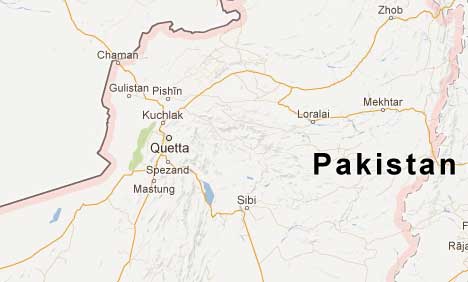
sibi,pak


City of  Sibi in Pakistan.

Sibi story was known to all the people in India. It is strange that the Chozas who ruled from the peninsular India claimed link with him. This raised the question whether Chozas had their origin in North West India. Anyone who argues they might have migrated from south to north must remember all the names are in Sanskrit and already in Hindu epics and Puranas (mythology).


This Sibi story in the old part of 2000 year old literature is another nail in the coffin of Aryan Dravidian race theory. All the three dynasties claimed close links with ancient Hindu dynasties of north. Sri Rama represented Surya clan and Pandavas represented Chandra clan. Famous tamil epic begins with a prayer to Sun (Surya), Chandra (moon) and Rains. It may represent Chozas, Pandyas and Cheras. Ancient Tamils considered the whole country as one and all were their brothers.


Please read my earlier posts: 1.Indra festival in the Vedas and Tamil Epics 2.Bull fighting: Indus valley to Spain via Tamil Nadu 3.Karikal Choza and Eagle shaped Fire Altar 4.Why do British judges follow a Tamil king? 5.Flags : Indus Valley- Egypt Similarity 6.Veera Matha in the Vedas and Tamil Literature 7.Tolkappian a Genius 8.Did Tolkappian copy Panini? 9.தமிழ் முனிவர் அகஸ்தியர் 10.வள்ளுவன் ஒரு சம்ஸ்கிருத அறிஞன் 11.கொடி ஊர்வலம்: சிந்து சமவெளி—எகிப்து அதிசிய ஒற்றுமை 12.வீரத் தாயும் வீர மாதாவும் 13.இந்திர விழா: வேதத்திலும் தமிழ் இலக்கியத்திலும்

Contact swami_48@yahoo.com; pictures are  taken from different sites;thanks.

the story of king sibi 12.8.10

Vedic God Varuna in Oldest Tamil Book

East European Slavs worshiped Varu as Perun

Oldest Tamil book Tolkappaiam dated to 1st century BC mentions Varuna as one of the four Gods allocated four different land divisions of ancient Tamil country. This raised eye brows of many people because Varuna is not mentioned much in Tamil literature. Indra is mentioned from the oldest to the latest literature which I gave in my last post.


Agni, though not mentioned directly is mentioned in the Vedic rites of Brahmins in Tamil literature. 2000 year old Sangam Tamil literature praised the Brahmins as ‘’worshippers of three fires’’ (Muth Thee). And like I mentioned in my post on Indra, Agni is worshipped by Tamils in the form of Subramanya, who the Tamils called Murugan. The very Tamil word given to him in the oldest Tamil book is Seyon=Reddish. Agnijathar and Agni Bhu are few of Lord Murugan’s popular names. Agnijathar means Fire Born. Lord Skanda was born from the fire of Lord Shiva’s Third Eye.


Now let us look at Varuna. Varuna in the Vedas is a powerful god. He is the guardian of cosmic order (rta=rhythm=ruth=truth). Varuna is in charge of the oceans, water sources and rains. During times of drought Varuna Japa (Prayers to Varuna) is done. His vahana (vehicle) is shark fish or crocodile. Tamils believed his control over rains and worshipped him for rains. Oldest Tamil book Tolkappiam says he is the god of littoral areas/Neithal. Seaward people and fisher men worshipped him.


At lower level Varunan is in charge of the direction West where as Indra controls East. In Persian literature Varuna is the most powerful God. Mitra and Varuna are paired in Vedic hymns. This led to the belief of interpreting them as Day and Night, Sun and Moon, Light and Dark and Positive and Negative energy. Tamil saint Agastya is considered son of Varuna and Urvasi. This brings Varuna closer to Tamils. Agastya was the one who made a grammar for Tamil language.

We have a few references to Varuna in Tamil:

Barathavars are the people of the sea. They would not go to sea for fishing on full moon days. This coincides with the Vedic link of Varuna with the moon and Mitra with the sun. Barathavars may be related to Bharats of Rig Veda. But this requires further research. Varuna is associated with sea in Rig Veda (RV I-25) in many places.

Tamils used to plant the Shark bone in the sand on the sea shore and do Puja with flower garlands. They drink toddy extracted from palm and paddy. This happened on the full moon day. This confirms its Vedic origin: 1.Association with shark/sea monster2.Association of moon/full moon day 3.Association with sea 4. Association of the clan name bharats  and 5.Confirmation of Varuna as Tamil God by Tolkappiam(Porul.1-5). He used the Sanskrit name Varuna.


The Sanskrit word for sea Vaaranam has its origin in Varunan.

Pattinappalai lines 86 to 93 gives us the above information.

Read my earlier post ‘’Indra in Oldest Tamil Literature’’.

Image

Valluvar and Varuna

Tamil’s greatest contribution to the world of literature is a book called Tirukkural. Tirukkural means a book of sacred couplets. There are 1330 couplets divided in to three chapters Dharma/virtue, Artha/wealth and Kama/love (Aram, Porul, Inpam in Tamil). They deal with all aspects of human life. One who reads it today would be surprised at its freshness and relevance to our own problems today. It was written by Valluvar 1500 years ago. He also praised Varuna without naming him. He placed the chapter on RAIN as the second one, next to GOD/Prayer.


Valluvar says in couplet 18:

‘’If rains fail, festivals of the year and the daily worship of the gods will cease’’.

I interpret it as the Sea festival to honour Indra and Varuna. The worship he mentions is the worship of Varuna. It is to be noted that he used the Sanskrit word Puja ( Pusanai in Tamil) in this couplet and in the very next couplet he jumps to the Bhagawad Gita phrase Dhana and Tapas (Dhanam, Thavam in Tamil). He boldly used the Sanskrit words to start his couplet, which was not practised during Sangam period.

Couplet 19:

‘’Charity and devotional practices will not be observed in the world unless rain falls.’’

I have given umpteen examples in my previous 570 + posts that the Aryan Dravidian Race theory is a fraudulent one that was imposed by vested interests. This Varuna worship in the southern most part of India also debunks the race theory.


Swami_48@yahoo.com; Pictures are taken from various sites. Those who use my articles are requested to give full credit to the blog or the author London Swaminathan.Thanks.

Read my earlier articles:

Indra in the Oldest Tamil Book

Date of Tolkappiam


தொல்காப்பியத்தில் வருணன்

Image

தமிழில் கிடைத்த பழைய நூல் தொல்காப்பியம். பெரும்பாலான அறிஞர்கள் இதை கி.மு அல்லது கி.பி. முதல் நூற்றாண்டில் வைக்கின்றனர். கார்த்திகேசு சிவதம்பி, வையாபுரிப் பிள்ளை போன்றோர் போல நானும் இதை கி.பி. ஐந்தாம் நூற்றாண்டில் வைத்துள்ளேன். (தொல்காப்பியர் காலம் பற்றிய எனது (ஐந்து பகுதிகள்) கட்டுரையில் காண்க).

ரிக் வேதத்தில் வருணன் மிக முக்கியமான கடவுள். உலகம் ஒரு சட்ட நியதிக்குள் இயங்க உதவுபவர் வருணன். மேலும் கடல், நீர் நிலைகள், மழை ஆகியவற்றுக்குப் பொறுப்பானவர். இந்திரன் கிழக்கு திக்குக்கு அதிபதி, வருணன் மேற்கு திக்கிற்கு அதிபதி. மித்ரன் என்ற ஒளிக் கடவுளுடன் இவர் ஜோடியாக வைக்கப்படுகிறார். வேத மந்திரங்கள் இவரை மித்ரனுடன் சேர்த்துப் பாடுகின்றன. இது பழந் தமிழர் நம்பிக்கையுடன் மிகவும் பொருந்துகின்றன. வருணனின் வாஹனம் சுறா மீன், முதலை அல்லது கடல் மிருகம்.


மித்ரன் வருணன் ஜோடியை அறிஞர்கள் ஒளி/இருள் என்றும் சூரியன்/சந்திரன் என்றும் ஆக்க சக்தி/அழிவு சக்தி என்றும், உற்பத்தி/மறைவு=சூரிய உதயம்/அஸ்தமனம் என்றும், கிழக்கு/மேற்கு என்றும் வியாக்கியானம் செய்கின்றனர். அதாவது ஒரு மின்சார பேட்டரியில் உள்ள பாசிடிவ்/நெகடிவ் போன்றவர் மித்ர- வருணன் ஜோடி.

வருணனின் மகன் தமிழ் முனிவன் அகஸ்தியர். அந்த வகையில் வருணனும் தமிழுக்கு மிகவும் நெருங்கி வந்து விடுகிறார்

தற்காலத்தில் பிராமணர்கள் நாள் தோறும் மூன்று முறை செய்யும் சந்தியா வந்தன மந்திரத்தில் வருண வழிபாடு இருக்கிறது. மழை பெய்யாமல் வறட்சி நிலவும் காலங்களில் வருண ஜபம் என்னும் வேத மந்திரச் சடங்கு நடத்தப்படுகிறது.


தொல்காப்பிய பொருள் அதிகாரம் (1-5)

‘’ மாயோன் மேய காடுறை உலகமும்

சேயோன் மேய மைவரை உலகமும்

வேந்தன் மேய தீம்புனல் உலகமும்

வருணன் மேய பெருமணல் உலகமும்

முல்லை குறிஞ்சி மருதம் நெய்தலெனச்

சொல்லிய முறையால் சொல்லவும் படுமே’’


தொல்காப்பியர் தனது பொருளதிகார சூத்திரத்தில் கடலும் கடலைச் சார்ந்த நிலமும் ஆன நெய்தல் நில மக்களின் கடவுள் வருணன் என்று சொல்லுவார். அவர்கள் பரதவர் என்று அழைக்கப்படுவர்.

((இலக்கியத் திருடர்களுக்கு அன்பான வேண்டு கோள்: எனது கட்டுரைகளைத் தாராளமாகப் பயன்படுத்துங்கள். ஆனால் லண்டன் சுவாமிநாதன் எழுதியது என்றோ , அல்லது பிளாக் பெயரையோ தயவு செய்து போட்டு தமிழுக்குத் தொண்டு செய்யுங்கள். தமிழ் எழுத்தாளர்களுக்கு துரோகம் செய்யாதீர்கள்)).

பட்டினப்பாலை என்னும் நூலில் வருண வழிபாடு பற்றிய சுவையான செய்திகள் கிடைகின்றன; வள்ளுவனும் மறைமுகமாக வருணனைப் புகழ்கிறான்:

Image

‘’ வெண்கூதாளத்துத் தண்பூங்கோதையர்

சினைச் சுறவின் கோடு நட்டு

மனைச் சேர்த்திய வல்லணங்கினான்

மடற்றாழை மலர்மலிந்தும்

பிணர்ப்பெண்ணைப் பிழிமாந்தியும்

புன்றலை இரும் பரதவர்

பனிதழை மா மகளிரொடு

பாயிரும் பனிக்கடல் வேடஞ் செல்லா

துவவுமடிந்துண்டாடியும்’’ (பட்டினப்பாலை 85-93)


பொருள்: பரதவர்கள் சுறாமீனின் கோட்டினை மணலில் நட்டு மலர் மாலை சார்த்தி வணங்கினர். அதில் தெய்வம் ஏறியதாக நம்பினர் பவுர்ணமி நாட்களில் இதைச் செய்வர். பனங்கள்ளையும் நெற்கள்ளையும் அருந்துவர். மீனையும் இறைச்சியையும் கடவுளுக்குப் படைப்பர்.

வாரணம்= கடல் என்ற வடமொழிச் சொல்லும் வருணன்= கடல் தெய்வம் உடன் தொடர்புடையது.


மேற்கூறிய சங்க கால பட்டினப் பாலைப் பாடல் ரிக்வேத கருத்துடன் மிகவும் அணுசரணையாக இருக்கிறது: 1. பரதவர் என்போர் ரிக்வேத பரதர்களுடன் தொடர்புடையோராக இருக்கலாம் 2. வருணனின் வாகனமான மகரம் (மீன்/முதலை/சுறா), கடலோர பரதவர் வழிபாட்டில் இடம் பெற்றது 3. வருணன் ஒரு கடல் தெய்வம் என்பது ரிக்வேதத்தில் பல இடங்களில் வருகிறது; தமிழர்களும் கடல் தெய்வமாகவே வணங்கினர் 4. முழு நிலவுக்கும் இரவுக்கும் வருணனுக்கும் உள்ள தொடர்பு வேதத்திலும் உள்ளது. வருணன் என்பவன் சோமனுக்கும் அமிர்த்துக்கும் அதிபதி. சோமன், அமிர்த கிரணங்கள் என்பது சந்திரனுக்கும் சோம பானத்துக்கும் பொருந்தும் 5.தொல்காப்பியரும் வருணன் என்ற அதே வடமொழிப் பெயரைப் பயன்படுத்துகிறார்.. மழை என்பது கடலில் இருந்து மேகமாக உற்பத்தியாகி பூமியில் பெய்கிறது என்ற கருத்து வடமொழி, தமிழ் மொழி நூல்களில் நூற்றுக் கணக்கான இடங்களில் வருகிறது.


வள்ளுவன் போற்றிய வருணன்

இந்திரன் என்ற சொல்லைப் பயன்படுத்திய வள்ளுவன் , வருணன் என்ற வேத காலக் கடவுள் பெயரை நேரடியாகப் பயன்படுத்தவில்லை. ஆயினும் கடவுள் வாழ்த்துக்கு அடுத்த அதிகாரமாக வான் சிறப்பு என்ற அதிகாரத்தை வைத்து பூசனை, தானம் தவம் என்ற சம்ஸ்கிருத சொற்களால் வர்ண பகவானை வாழ்த்துகிறான் வள்ளுவன் :

‘’சிறப்பொடு பூசனை செல்லாது வானம்

வறக்குமேல் வானோர்க்கும் ஈண்டு’’ (குறள் 18)

‘’தானம் தவம் இரண்டும் தங்கா வியன் உலகம்

வானம் வழங்காது எனின்’’ (குறள் 19)

பொருள்: வானம் வறண்டு மழை இல்லாது போனால், இந்த உலகில் வானோர்க்கு எடுக்கும் திருவிழாவும் நடைபெறாது; நாள்தோறும் செய்யும் பூஜையும் நடைபெறாது;


மழை இல்லாது போனால், இந்த பரந்த உலகத்தில் தானம் கொடுத்தலும், தவம் செய்தலும் இல்லாமல் போகும்.

மேற்கூறிய இரண்டு குறட்பாக்களில் வள்ளுவன் கூறும் பூஜை என்ன? விழா (க்கள்) என்ன? வருண வழிபாடு, இந்திர, வருண விழாக்கள் என்றால் பொருத்தமாகவே இருக்கும். கடவுள் வாழ்த்துக்கு அடுத்தபடியாக வான் சிறப்பை வைத்ததற்கு இதை விட வேறு விளக்கம் என்ன இருக்க முடியும். தென் கிழக்கு ஆசிய நாடுகளில் இன்றும் இந்திர விழா பல பெயர்களில் ( நீர் விழா, மழை விழா) கொண்டாடப் படுகிறது. தமிழில் பரிபாடலில் மேலும் பல நீர் விழாச் செய்திகள் உள்ளன.

தமிழர் கலாசாரம் வேறு, ஆரியர்-திராவிடர் வேறு என்பவர்க்கு தொல்காப்பியரும் வள்ளுவரும் கொடுக்கும் பதிலைத் தவிர வேறு பதிலும் தேவையா?

Image

Slavs in Russia and Ukraine worship Varun as Perun

என்னுடைய முந்தைய கட்டுரைகளையும் காண்க:

1.தொல்காப்பியத்தில் இந்திரன்

2.இந்திர விழா: வேதத்திலும் தமிழ் இலக்கியத்திலும்

3.வள்ளுவன் ஒரு சம்ஸ்கிருத அறிஞன்

4.அதிசயத் தமிழ் முனிவர்/புலவர் வால்மீகி

5.சோம பானமும் சுரா பானமும்

6.வீரத்தாயும் வீர மாதாவும்

7.சிந்து சமவெளியில் பேய் முத்திரை + 570 ஆராய்ச்சிக் கட்டுரைகள்