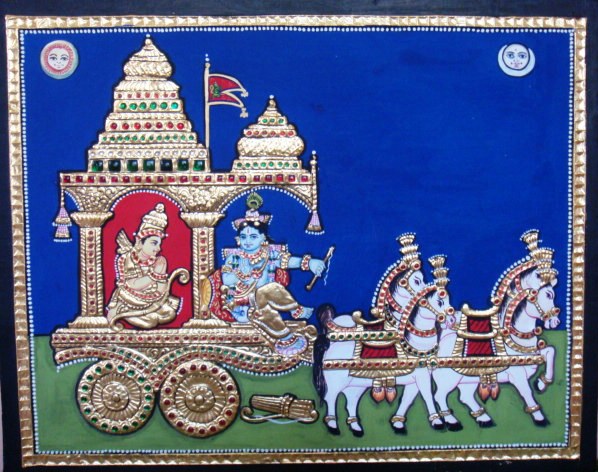
Krishna’s List of 26 Divine Qualities!

Geethopadesam.245173453_large
Post No. 721 dated 24th November 2013

Who is god? RK Paramahamsa and Tamil Saint

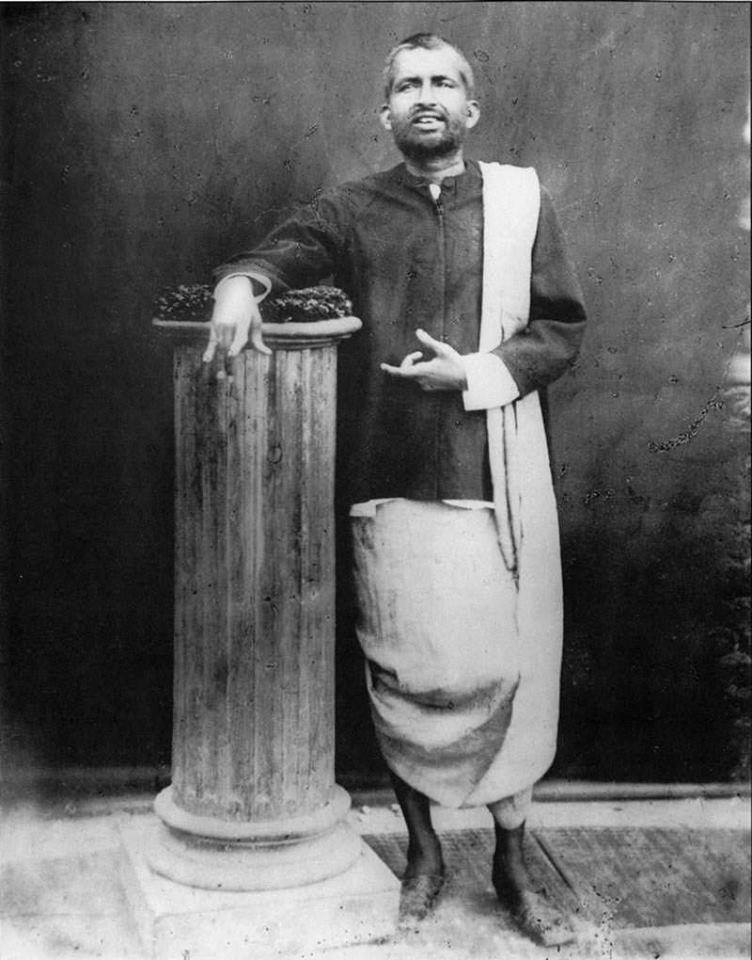
1. That man whose hair stands on end at the mere mention of the name of God, and from whose eyes flow tears of love—he had indeed reached his last birth —-Ramakrishna Paramahamsa

2. Sugar and sand may be mixed together, but the ant rejects the sand and carries away the grain of sugar. So the holy Paramahamsas and pious men successfully sift the good from the bad —R.K Paramahamsa

3. The truly religious man is who he does not commit any sin even when he is alone, and when no man observes him , because he feels that God sees him even then—R.K Paramahamsa

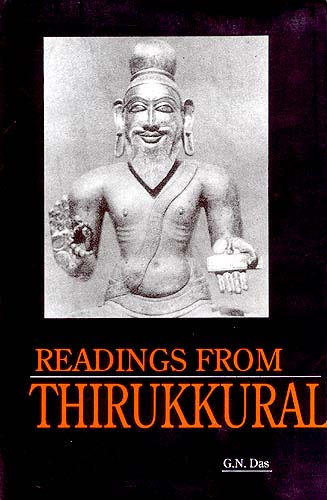
Tamil Saint Valluvar (in Tirukkural)
4. Regard him DIVINE, who divines without a doubt what is passing in another’s mind (Tirukkural 702 in Tamil)

5. A man leading his life as he ought to will be regarded as one of the DEITIES in the heaven (Tirukkural 50)

(Eg. Lord Rama, Lord Krishna, Buddha)

6. Persons who have listened and internalised from instructions of the learned,
Will be like GODS on earth, flourishing on oblational offerings (Kural 413)
Eg. Shankaracharyas and other saints

RK P

7. The king who protects his people rendering justice, according to the laws of the land
Will be hailed s the DIVINE LORD, by his subjects (Kural 388).
Eg. Dharma (Yudhitra)

8. Those who refrain from killing animals, and abstain from eating its flesh
Will receive WORSHIP with folded hands from all creatures of this world. (Kural 260)
Eg. Mahavira

9. He who has controlled his ego and mastered him self
By doing penance, will be the object of universal WORSHIP (Kural 268)

Eg. Adi Shankara, Buddha

10. If he lives true to his inner mind
He lives in the hearts of all mankind (Kural 294)

Eg. Harichandra

readings_from_thirukkural_idh158
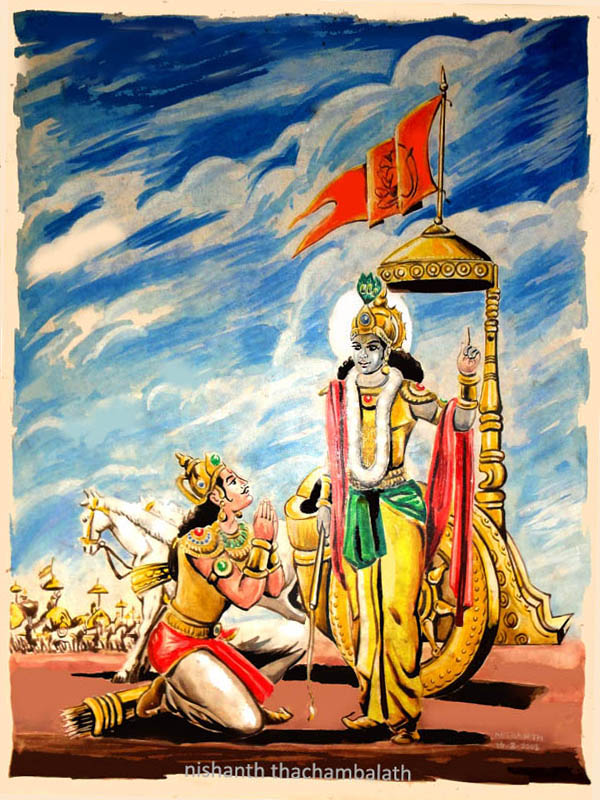
Lord Krishna’s List (Bhagavad Gita 16- slokas 1 to 3)

11. Krishna gives a long list of qualities of people born with Divine Nature:
1.Feralessness (Abhayam)
2.Purity of mind (satvasamsuddhi:)
3.Wise apportionment of knowledge & concentration(Jana yoga vyavastithi)
4.Charity (Dhanam)
5.Self control (Dama:)
6.Sacrifice (Yajna:)
7.Study of the scriptures (Svadhyaya:)
8.Austerity (Tapa:)
9.Uprightness (Arjavam)
10.Non violence (Ahimsa)
11.Truth (Satyam)
12.Freedom from anger (Akrodha:)
13.Renunciation (Thyaga:)
14.Tranquillity(Santi:)
15.Aversion to fault finding (Apaisnam)
16.Compassion to living beings(Buteshu Daya)
17.Freedom from covetousness (aloluptvam)
18.Gentleness (Mardavam)
19.Modesty (Hri:)
20.Steadiness (absence of fickleness/Acapalam)
21.Vigour(Teja:)
22.Forgivness (Ksama)
23.Fortitude (Druti:)
24.Purity (Saucam)
25.Freedom from malice (Adroha:)
26. Absence of excessive pride (Na Atimanita)

—these, O Pandava (Arjuna) are the endowments of him who is born with the DIVINE nature (Daivim Sampadam).

gitopasesa
Read also my earlier posts:

1.One Minute Bhagavad Gita
2. Bhagavad Gita through a Story
3.Bhagavad Gita in Tabular Columns
4. 45 commentaries on Bhagavad Gita
5. G for Ganga….. Gayatri…… Gita…. Govinda…
6.A to Z of Bhgavad Gita (Part 1 and Part 2)
7. Krishna’s Restaurant in Dwaraka: Hot Satwik Food Sold!

Contact swami_48@yahoo.com

‘ஆவதும் பெண்ணாலே அழிவதும் பெண்ணாலே’

B_Id_437744_Miss_Universe

Post No 720 dated 24rd November 2013 (In Tamil and English)

Compiled and translated into English by London Swaminathan

“A man’s face is his autobiography. A woman’s face is her work of fiction.”
― Oscar Wilde

தமிழிலும் வடமொழியிலும் பெண்களைப் பாராட்டியும் போற்றியும், புகழந்தும் ஏராளமான பாடல்கள், கவிதைகள் உள்ளன. மாதா, பிதா,குரு, தெய்வம் என்ற வரிசையில் முதலிடம் பெறுவதும், கடவுளின் உடலில் ஒரு பாதியைப் (அர்த்தநாரீஸ்வரர்) பெற்ற பெருமையும் பெண்ணுக்கே உண்டு. இதுபற்றி ‘உலகிலேயே அறிவாளியான பெண்’ என்ற கட்டுரையிலும், பெண்கள் பற்றிய பழமொழித் தொகுப்பிலும் ஏற்கனவே தந்து விட்டேன். தாய் என்ற நிலையில் வைக்கையில் புகழுரையும், வேசி, தேவதாசி என்ற நிலையில் இகழ்ச்சியும் பெறுபவர்கள் பெண்கள். பட்டினத்தார் பாடல்களிலும், அருணகிரியின் திருப்புகழ்களிலும் இதைக் காண்கிறோம்.

விவேக சிந்தாமணி என்ற நூலில் கொஞ்சம் கூடுதலாகவே பெண் எதிர்ப்பு உணர்வு காணப்படுகிறது. அதை எழுதிய ஆசிரியரை தமிழ் கூறு நல்லுலகம் அறிய முடியாததால் அவரது மனப்பாங்கிற்குக் காரணம் என்ன என்று தெரியவில்லை. இதோ சில பெண் எதிர்ப்புப் பாடல்கள்:

1.மங்கை கைகை (கைகேயி) சொற்கேட்டு மன்னர்
புகழ் தசரதனும் மரணம் ஆனான்
செங்கமலச் சீதை சொல்லை ஸ்ரீராமன்
கேட்டவுடன் சென்றான் மான் பின்;
தங்கை அவள் சொல்லைக் கேட்டு இராவணனும்
கிளையோடும் தானும் மாண்டான்
நங்கையற் சொற் கேட்பதெல்லாம் கேடுதரும்
பேர் உலகோர் நகைப்பர்தாமே.

Emperor Dasaratha died because he listened to Kaikeyi; Rama went after a deer to satisfy lotus like Sita; Ravana died with all his relatives after listening to his sister; listening to women will bring disasters and you will be a laughing stock.

2.பெண்டுகள் சொல் கேட்கின்ற பேயரெனும்
குணம் மூடப் பேடி லோபர்
முண்டைகளுக்கு இணையில்லா முனை வீரர்
புருடரென மொழியொணாதே
உண்டுலகம் உதிர்ப்பாருள் கீர்த்தியறம்
இன்ன தென உணர்வே யில்லார்
அண்டினவர் தமைக் கொடுப்பா ர் அழிவழக்கே
செய்வதவர் அறிவுதானே

Hen pecked husbands are eunuchs and reckless; one can’t even compare them with misers and widows. They are not men at all. Those who don’t know what fame and dharma, are the ones who always support the wrong side. They support injustice and harm those who ask for help.

B_Id_437738_Isler

3.ஆலகால விடத்தையும் நம்பலாம்
ஆற்றையும் பெருங் காற்றையும் நம்பலாம்
கோல மாமத யானையை நம்பலாம்
கொல்லும் வேங்கைப் புலியையும் நம்பலாம்
காலனார் விடும் தூதரை நம்பலாம்
கள்ள வேடர் மறவரை நம்பலாம்
சேலை கட்டிய மாதரை நம்பினால்
தெருவில் நின்று தயங்கித் தவிப்பரே.

You may trust a deadly poison and a flowing river and gale force wind. You can trust a mad elephant or a man eating tiger. You can even trust messengers of death and robbers; but those who trust sari clad women will surely be left to suffer (This verse is used in a Tamil film)

4.படியினப் பொழுதே வதைத்திடும் பச்சை நாவியை நம்பலாம்
பழி நமக்கென வழி மறித்திடும் பழைய நீலியை நம்பலாம்
கொடு மதக் குவடென வளர்த்திடும் குஞ்சரத்தையும் நம்பலாம்
குலுங்கப் பேசி நகைத்திடும் சிறுகுமரர் தம்மையும் நம்பலாம்
கடை இலக்கமும் எழுதிவிட்ட கணக்கர் தம்மையும் நம்பலாம்
காக்கைபோல் விழி பார்த்திடும் குடி காணியாளரை நம்பலாம்
நடை குலுக்கி மினுக்கிய நகை நகைத்திடு மாதரை
நம்பொணாது மெய் நம்பொணாது மெய் நம்பொணாது மெய்காணுமே
B_Id_437742_Isler

You can trust instant killing poison; you can even trust the old waylaying Neeli; you can trust a mad elephant, you can trust the laughing cheats, fraudulent accountants, land lords who rule the lands with crow like vision but never ever trust cat walking, laughing women with shiny jewellery. Never trust. Never trust.
(For Neeli story, read my post The Ghost that killed 72 Tamils)

5.அன்னம் பழித்த நடை ஆலம் பழித்த விழி
அமுதம் பழித்த மொழிகள்
பொன்னம் பெருத்த முலை கன்னங்கருத்த குழல்
சின்னஞ் சிறுத்த இடை பெண்
எண்னெஞ் சுருக்கவ டென்னெஞ்சுகற்ற
கலை என்னென்று உரைப்பதினி நான்
சின்னஞ் சிறுக்கி அவள் வில்லங்கம் இட்டபடி
தெய்வங்களுக்கு அபயமே

A Woman with more beautiful gait than a swan, more powerful eyes than poison, with words sweeter than nectar, with big breasts and dark curly hair and a thin waist made me go crazy. How can I describe the impact she made; that harlot has landed me in big trouble. Only God can save me now!

Above verses are from Viveka Chinthamani, a modern day Tamil poem by an anonymous author. The book is famous for its moral teachings and notorious for its anti women tirade. Though Arunagirinathar and Pattinathar also composed many poems with anti women lines, they were against only characterless women. Hindu literature places women in high esteem which I have already explained in my post ‘Most Intelligent Woman in the Ancient World’.

Tamils are not alone in this attack; look at the quotes from some western writers.

“A man’s face is his autobiography. A woman’s face is her work of fiction.”
― Oscar Wilde

Here’s all you have to know about men and women: women are crazy, men are stupid. And the main reason women are crazy is that men are stupid.”
― George Carlin, When Will Jesus Bring The Pork Chops?

“As usual, there is a great woman behind every idiot.”
― John Lennon

“Dispute not with her: she is lunatic.”
― William Shakespeare, Richard III

“Good girls go to heaven, bad girls go everywhere.”
― Mae West, Wit & Wisdom of Mae West
“Like a compass needle that points north, a man’s accusing finger always finds a woman. Always.”
― Khaled Hosseini

“There is always one woman to save you from another and as that woman saves you she makes ready to destroy”
― Charles Bukowski, Love is a Dog from Hell

“It’s absolutely unfair for women to say that guys only want one thing: sex. We also want food.”
― Jarod Kintz, $3.33

“I have been crying,” she replied, simply, “and it has done me good. It helps a woman you know, just as swearing helps a man.”
― Horace Annesley Vachell, The Romance of Judge Ketchum

B_Id_437745_Gabriela_Isler

Please read my earlier articles:

1.பெண்கள் பற்றி 300 தமிழ் பழமொழிகள்- பகுதி 1
2.பெண்கள் பற்றி 300 தமிழ் பழமொழிகள்- பகுதி 2

3.இந்தியப் பெண்கள் உலக மஹா அறிவாளிகள்- பகுதி 1
4.இந்தியப் பெண்கள் உலக மஹா அறிவாளிகள்- பகுதி 2

5.Most Intelligent Woman in the Ancient World

இந்தியப் பெண்கள் உலக மஹா அறிவாளிகள்- பகுதி 2

026maruthi


எழுதியவர் சந்தானம்/லண்டன் சுவாமிநாதன்

(முதல் பகுதியைப் படித்துவிட்டு இப்பகுதியைப் படிக்க வேண்டுகிறேன்)


பெண்கள் பற்றி மனு எச்சரிக்கை

உலகின் முதல் விரிவான சட்டப் புத்தகத்தை எழுதிய மனு, பெண்களை மதிக்காதவர்கள் அடியோடு அழிந்து போவார்கள் என்று எச்சரிக்கிறார். பெண் பாவம் பொல்லாதது, பெண்களை அவமதிப்பது கடவுளுக்கும் பிடிக்காஉ என்று எச்சரிக்கிறார்.


‘’யார் நலம் பெற விரும்புகின்றனரோ, அவர்கள் எல்லாம் பெண்களை ஆராதிக்கவேண்டும். தந்தையர், சகோதரர், கணவன், மைத்துனர் ஆகியோர் பெண்களை மரியாதையாக நடத்த வேண்டும்’’. (மனு3-.55)


‘’எங்கே பெண்கள் மதிக்கப் படுகிறார்களோ அங்கே கடவுள் ஆனந்தம் அடைகிறார். எங்கே பெண்கள் மதிக்கப் படுவது இல்லையோ, அங்கே செய்யப்படும் புனிதச் சடங்குகள் பலன் இல்லாமல் போகும்’’. (மனு.3-56)


‘’உறவுக்கார பெண்கள் எங்கே கண்ணீர் வடிக்கின்றனரோ அங்கே  அந்தக் குடும்பம் அடியோடு நாசமாகும். எங்கே பெண்கள் மகிழ்ச்சியோடு இருக்கிறார்களோ அந்தக் குடும்பம் செழித்துத் தழைத்து ஓங்கி வளரும்’’(மனு.3-57)


‘’எந்த வீடுகளில் பெண்கள் சரியாக நடத்தப் படவில்லையோ அந்த இடங்களில் பெண்களின் சாபம், மந்திர மாயா ஜாலத்தில் பொருள்கள் மறைவதைப் போல வீடுகளை முற்றிலும் அழித்துவிடும்’’(மனு.3-58)

‘’ஆகையால் யாரெல்லாம் நலம் பெறவும் வளம் அடையவும் விரும்புகிறார்களோ அவர்கள் எல்லாம் பெண்களை விழாக் காலங்களிலும், விடுமுறைக் காலங்களிலும் ஆராதிக்க வேண்டும். எப்படி? துணிமணிகள், நகைகள்,அறுசுவை உணவு படைத்துப் போற்றவேண்டும்’’(மனு.3-59)


மனுவை விட வேறு யார் பெண்களுக்கு இவ்வளவு ஆதரவு தர முடியும்? இருக்கிறார், ஒரு ஆசாமி, அவர் பெயர் வள்ளுவர். அவர் நம்மை மாயாஜால (சிலர் மூட நம்பிக்கை) உலகுக்கே அழைத்துச் செல்லுகிறார். பத்தினிப் பெண்கள் மழையைப் பெய் என்றால் பெய்யுமாம் (குறள் 55).


சதி அநசுயா, சத்தியவான் சாவித்திரி, சீதா தேவி கதைகளைப் படிப்பவர்கள் வள்ளுவனை நம்பியே ஆகவேண்டும். ‘’கொக்கென்று நினைத்தாயோ கொங்கணவா’’? என்று முனிவர்களையே எள்ளி நகையாடும் புள்ளி மான்கள் உலவிய நாடல்லவா இது!

014maruthi

அருந்ததி காட்டல்

ஆரிய திராவிட இனவெறியர்களுக்கு செமையடி கொடுக்கும் சான்றுகள் சங்க இலக்கியத்தில் ஆயிரம் ஆயிரம் உண்டு. அதில் ‘’அருந்ததி காட்டல்’’ என்னும் சடங்கு மிக முக்கியமானது. அருந்ததி கீழ் ஜாதிப் பெண். ஆனால் பத்தினிப் பெண்களுக்கு உலக மஹா உதாரணமாகத் திகழும் உத்தமி. புது மணத் தம்பதிகள் முதல் இரவுக்கு முன் இந்த மஹா உத்தமியை நட்சத்திர வடிவில் தரிசித்துவிட்டுத் தான் படுக்கை அறையில் நுழையவேண்டும். இவளுடைய புகழ், சங்க இலக்கியத்தில் பல இடங்களில் வருகிறது: புறம்.122; ஐங்குறு.442; பதிற்று.31-27; பெரும்பாண் 30;கலி.2-21;சிலப்.1-27


இமயம் முதல் குமரி வரை பின்பற்றப்பட்ட இவ்வழக்கை மனுவும் மறைமுகமாகக் குறிப்பிடுவார்: ‘’கீழ் ஜாதியில் பிறந்து வசிஷ்ட முனியுடன் சேர்ந்த அக்ஷமாலாவும்(அருந்ததி), மந்தபாலாவுடன் சேர்ந்த சாரங்கியும் மதிக்கப்படவேண்டியவர்கள்’’ (4-23)


சீதையின் மகத்தான சக்தி (சீதாதேவி சொன்னாள்; கண்ணகி செய்து காட்டினாள்)

‘’ அல்லல் மாக்கள் இலங்கை அது ஆகுமோ?

எல்லை நீத்த உலகங்கள் யாவும் என்

சொல்லினால் சுடுவேன்; அது தூயவன்

வில்லின் ஆற்றற்கு மாசு என்று வீசினேன் (கம்ப ராமாயணத்தில் சீதை)


பொருள்:- ஈரேழு (14) உலகங்களையும் என் சொல்லினால் (சாபத்தால்) சுடும் சக்தி எனக்கு உண்டு. என் கணவன் வில் ஆற்றலுக்கு பெருமை சேர்ப்பதற்காக காத்திருக்கிறேன். அவன் ஆற்றலுக்கு இழுக்கு வரக்கூடாது-


(தாயே என் தோளில் ஏறிக் கொள்ளுங்கள். ஒரு நிமிடத்தில் ராம பிரானிடம் சேர்த்துவிடுகிறேன் என்று சொன்ன அனுமனிடம் சீதை கூறியது இது)

032maruthi

இதோ வேத கால, சங்க கால புலவர் பட்டியல்:

வேத காலம்: அதிதி, அபலா, தக்ஷிணா, கோஷா, இந்திராணி, ஜுஹு, கத்ரு, லோபாமுத்திரை, ராத்ரி, ரோமச, சசி, சஸ்வதி, சிகண்டினி காஷ்யபி, ஸ்ரத்தா, சரமா,சிக்தா, சுதேவி, சூர்யா, சரஸ்வதி, உஷஸ், ஊர்வசி, விஸ்பலா, விஸ்ருஹா,விஸ்வவாரா, வாகம்பரிணி, வசுக்ரா மனைவி, வாக், யமி

சாம வேதம்: நோதா, அக்னிஷ்ட பாஷா, சிகந்தினி வாவரி, கன்பாயனா


சங்ககாலம்: (இந்தப் பெண் கவிஞர்களின் பெயர்கள் சில வியப்பான உண்மைகளைப் புலப்படுத்துகின்றன. பல ஆண் மற்றும் பெண் புலவர்களின் பெயர்களுக்கு முன்னால் ‘நல்’ என்ற விகுதி/முன்னொட்டு வருகிறது. இது சம்ஸ்கிருத மொழி வழக்கு. சு+கந்தி, சு+மதி, சு+வர்ணா, சு+சேதா என்பது போல நப்+பசலை, நச்+ செள்ளை என்று வருகிறது. இதே போல வெண் என்ற முன்னொட்டும் உண்டு. சிந்து சமவெளி எழுத்துக்கள் இப்படி வராது என்று சொன்ன அறிஞர்கள் இப்போதாவது தவற்றைத் திருத்திக் கொள்ளட்டும். ரிக்வேதத்தில் பெயர் தெரியாத புலவர்களுக்கு அவர்கள் சொன்ன கருத்தை வைத்து செயற்கைப் பெயர்களை அளித்தார் வியாச மகரிஷி. இதே ‘டெக்னிக்’கை சங்க இலக்கியத்தைத் தொகுத்தோரும் பின்பற்றியுள்ளனர். பலருக்கு காரணப் பெயர்களைச் சூட்டியுள்ளனர். ஆகவே கீழ்கண்ட புலவர் பெயர்களில் சில செயற்கைப் பெயர்களாக இருக்கலாம்: எ.கா. காவற்பெண்டு, காக்கை பாடினியார்)


அவ்வையார், அஞ்சில்அஞ்சியார், ஆதிமந்தியார், ஊன் பித்தை, காவற்பெண்டு, காக்கை பாடினியார், கழார்க் கீரனெயிற்றியார், காமக்கணியார் (காமாக்ஷி), வெண்ணிக் குயத்தியார், வெள்ளிவீதியார், வெண்பூதியார், வெண்ணாகையார், வெள்ளெருக்கிலையார், வருமுலையாத்தி, நக்கணையார், நன்னாகையார், நல்வெள்ளையார், நப்பசலையார், நச்செள்ளையார், நன்முல்லையார், நெடும்பல்லியத்தை, பொன்மணியார், மாற்பித்தியார், பேய்மகள் இளவெயினி, மாசாத்தியார், குறமகள் குறியெயினி, பூங்கண் உத்திரையார், பெருங்கோப்பெண்டு.


(சிலர் தமிழன்பு காரணமாக இந்த எண்ணிக்கையைப் பெருக்கியும் காட்டுவர். சிறு ‘ஸ்பெல்லிங்’ மாறுதல் இருந்தாலும் அவரைத் தனிப் புலவராக காட்டுவோரும் உண்டு.)


(இலக்கியத் திருடர்களுக்கு அன்பான வேண்டுகோள். இந்தக் கட்டுரையை வேறு எங்காவது வெளியிடுகையில் லண்டன் சுவாமிநாதன் எழுதியது என்றோ அல்லது பிளாக் பெயரையோ வெளியிட்டு தமிழ் எழுத்தாளர்களை ஊக்குவிக்க வேண்டுகிறேன். தமிழுக்குத் துரோகம் செய்யாதீர்கள். தமிழ்த் தாய் பொறுக்கமாட்டாள்.).


படங்கள் ஆர்ட்டிஸ்ட்மாருதி. பிளாக்ஸ்பாட்.காம். இலிருந்து எடுக்கப்பட்டன.

Pictures are taken from artistmaruthi.blogspot.com; thanks.

swami_48@yahoo.com


Most Intelligent Woman in the Ancient World

tamil penkal

A community’s development can be easily measured by the level of women’s education or status. If we take all the ancient cultures into account, India has a unique place in the world. Lot of countries gave women– education, freedom, right to inherit property, right to attend religious ceremonies and a status —several centuries after ‘India that is Bharat’ gave them.


Vedas and Sangam Tamil literature have the highest number of women poets (poetesses) in the world. It is amazing to see they were able to compose poems and attend assemblies. Gargi Vachaknavi was the only example one can quote for women’s education and freedom from the most ancient days. She was invited to attend an assembly of scholars to discuss philosophical matters. King Janaka of Videha convened the conference. It happened at least 3000 years ago. Even the foreign scholars, who always underestimate and underrate anything Indian, gave the date 800 BC for the Brihad Aranyaka Upanishad, where Gargi appears for the first time. Gargi, a great philosopher, not only attended the conference, but also challenged the most revered philosopher of the day, Yajnavalkya.


Thousand years later, the grand old dame of Sangam Tamil literature Avvaiyar appeared on the scene. She was able to attend the great assembly of the three most powerful kings of the Tamil speaking world– Chera, Choza and Pandya. The occasion was the great Rajasuya Yajnam done by Choza king Peru Nar Killi. She praised them for their unity and wished them long life. She was able to enter any palace without a permit or visit any country without a visa. Poets and ascetics had more rights than the diplomats of the modern world. They can challenge the kings in the assemblies and question their misbehaviour.


We have over 25 Vedic poetesses and over 25 Tamil Sangam poetesses. No culture in the world had so many poetesses 2000 years ago. It was a world dominated by men. Law giver Manu said that a community will be destroyed if women are not respected.

tamil kili

Indian women were so intelligent that they can easily solve knotty problems. A boy wanted to study Vedas. But he knew only his mother Jabala. When he went to the teacher he asked what was his Kulam, Gotra (clan and sub sects), names of parents etc. He replied truthfully that his mum asked him to give the mother’s name only as Jabala. The teacher was so impressed by his honesty, he took him immediately as his student. He gave the boy a new  name– Satyakama (one who seeks truth) Jabala.

Vedic and Sangam Tamil period women did not sing only about Gods and Kings. They sang about everything in the world. Women like Draupadi and Kannaki challenged the most powerful kings of the day. They vowed to destroy injustice and they did it. Women like Damayanti and Savitri fought for their husbands and won the cases. Sita and Mandodari, wives of rivals, were praised for their chastity. They will inspire women for generations to come.


In Vedic days, women were teachers as well. Panini, the first and foremost grammarian in the world, explains the distinction between acaryaa and acaryani, upadhyayaa and updhyayini.


Manu, author of the great law book Manava Dharma Shastra, says,

‘’women must be honoured and adorned by their fathers, brothers, husbands and bothers-in-law, who desire their own welfare. Manu 3-55

‘’Where women are honoured, there the gods are pleased; but where they are not honoured, no sacred rite yields rewards. Manu 3-56

Where the female relations live in grief, the family soon wholly perishes; but that family where they are not unhappy ever prospers. 3—57

The houses,  on which the female relations, not being duly honoured, pronounce a curse, perish completely, as if destroyed by magic’’ Manu 3-58

Hence men, who seek their own welfare, should always honour women on holidays and festivals with gifts of ornaments, clothes and dainty food. 3-59


Sanskrit and Tamil literature even entered the magic or the superstitious world to show that chaste women can do miracles. They can bring fire and rain by their power. But women never abused their powers. Sita says to Hanuman, the first International ambassador, that she can burn the 14 worlds with her power, but she wanted her husband to take the credit of finishing the demon king Ravana of Sri Lanka.


Great poet Valluvar went one step further and says that any chaste woman has the power to make rain at her bidding (Kural 55)


Seeing Arundhati Star

Arundhati: Wife of great ascetic Vashista. Symbol of faithfulness, symbol of Indian womanhood and astral goddess in the Saptarishi Mandalam (Great Bear Constellation in the Northern Sky). Every Hindu must see the star on the First Night in the sky. She was the most praised woman on earth. 5000 year old Vedas and 2000 year old Sangam Tamil literature praised her sky high.

tamil aru

Manu says

‘’Akshamala, a woman of the lowest birth, being united to Vashista and Sarangi (being united) to Mandapala became worthy of honour’’(4-23).Akshamala=Arundhati.


Sangam Tamil literature refers to Arundhati in several places: Ainkuru.442; Puram.122; Kali.2-21;pari 5-44, madu.610.

In the later days we have great women poetesses like Karaikal Ammaiyar,

Andal, Gangadevi , Mirabhai and Lalleswari.


Two thousand years ago Hindus believed in the same values from Kashmir to Kandy in Sri Lanka. This is another blow to the racists who advocated Aryan Dravidian Race Theory.


Here are the Lists of Vedic and Sangam Tamil Poetesses:

Aditi,  Apala, Dakshina, Gosha, Indrani ,Juhu, Kadru, Lopamudra, Ratri, Romasa,  Sasi, Sashvati, Sikandini kashyapi, Sraddha, Sarama, Sikta, Sudevi, Surya, Sarasvati, Ushas, Urvasi,Visvara, Visvruha, Vispala, Vakambhirini, Vachukra’s wife, Vac, Yami


From Sama Veda – Nodha, Agnishta basha, Sikatani vavari, Ganpayana,

Later day great women—

Gargi vachaknavi, Maitreyi, Nalayini, Savitri, Kaikeyi, Sita, Mandodari, Ahalya, Arundhati, Kunti, Draupadi. (Kaikeyi was a great driver. She rode the chariot when Dasaratha went to war with the demons and defeated them)


Tamil Poetesses

(Like Rig Vedic compiler Vyasa, Tamils also followed Vyasa’s technique of naming anonymous poets with abstract expressions. So we don’t know for sure how many poetesses were there in Vedic period or later. But poetesses were there, which is confirmed by later day mythologies. Slight change of spellings or some suffixes to names made enthusiasts to count more number of poetesses!! One surprising thing about Sangam Tamil names is most of them have prefixes like Sanskrit names Su=Nal. Lot of poetess’s names have this Nap or Nal prefix.


This shows ancient Indians followed the same method in naming. I have already written about the Sanskrit names among Sangam Tamil poets such as Valmiki, Damodaran, Markandeyan, Kamakshi, Kesavan, Mahadevan, Nagarajan,Paliyathan,Vishnu dasan, Kannadasan etc.


1.Avvaiyaar  2.Aadimanthiyaar 3.Anjil anjiyaar 4.Uunpiththai

5.Kaamakkanipsalaiyaar 6.Kaavarpendu 7.Kuramakal kuriyeyini

8.Maarpiththiyaar 9.Maasaaththiyaar 10.Nachchellaiyaar  11.Nakkannaiyaar

12.Nedumpalliyathai 13.Nalvellaiyaar 14.Nalveliyaar 15.Nanmullaiyaar  16.Nappasalaiyaar  17.Naagaiyaar 18.Paari makalir 19.Perungkoppendu

20.Peymakal ilaveyini 21.Ponmaniyaar 22.Ponmudiyaar  23.Puunkan uththiraiyaar 24.Pullaankanniyaar 25.Vennik kuyaththiyaar 26.Velli viithiyaar

27.Venpuuthiyaar 28.Kakkaipaadiniyaar.


Pictures are taken from World Tamil Souvenire;thanks.

Contact swami_48@yahoo.com for the list of 615 research articles.
 

இந்தியப் பெண்கள் உலக மஹா அறிவாளிகள்! – பகுதி-1

tamil kili

எழுதியவர் சந்தானம்/லண்டன் சுவாமிநாதன்

ஒரு நாட்டின் நாகரீக வளர்ச்சியையும், அறிவு முதிர்ச்சியையும் அந்த நாட்டின் பெண்களை வைத்து எளிதில் கண்டு பிடித்து விடலாம். பழங்கால இந்தியாவின் பெண்கள் உலகிலேயே மிகப்பெரிய அறிவாளிகள். வேத காலத்தில் மட்டும் 27 பெண் கவிஞர்களும் அதற்கு 1500 ஆண்டுகளுக்குப் பின்னால் சங்கத் தமிழில் 27 க்கும் மேலான பெண் கவிஞர்களும் இருந்தனர். இதை எண்ணிப் பார்க்கும்போது மிகவும் வியப்பாக இருக்கிறது. கிரேக்கம், சீனம், ஹீப்ரூ, லத்தீன் மொழிகளில் இப்படிப்பட்ட பெண் கவிஞர்கள் இல்லை. ஒன்றிரண்டு பெயருக்கு இருக்கிறார்கள். அவர்களும்  காலத்தால் பிற்பட்டவர்கள்.


1.கிரேக்க நாட்டில் ஹோமர் என்ற கவிஞர் எழுதிய ‘இலியட்’டும் ‘ஆடிசி’யும்தான் முதல் நூல்கள். இதே காலத்தியது பிருஹத் ஆரண்யக உபநிஷத் (கி.மு.எட்டாம் நூற்றாண்டு). இதில் வரும் கார்க்கி வாசக்னவி என்ற பெண்தான் உலகின் முதல் தத்துவ ஞானி.. ஜனகன் என்ற மன்னன் உலக தத்துவ அறிஞர் மகாநாட்டைக் கூட்டினான். அதற்கு ஏராளமான தத்துவ வித்தகர்கள் நாடு முழுவதில் இருந்தும் வந்திருந்தார்கள். ஜனகன் ஒரு சில கேள்விகளை எழுப்பி அவைகளுக்கு விடை கூறுவோர்,  மாட்டின் கொம்பின் கட்டப்பட்டுள்ள ஆயிரம் பொற்காசுகளை எடுத்துக் கொள்ளலாம் என்று அறிவித்தான். எல்லோருக்கும் பயங்கர ஆசை. ஆனால் மிகப்பெரிய அறிவாளி யாக்ஞவல்கியர் தானே அறிவாளி என்று சொல்லி சிஷ்யர்களைப் பர்த்து பொற்காசுகளுடம் மாடுகளை ஓட்டிச் சொல்ல உத்தரவிட்டார்.


சபையில் ஒரே மௌனம். திடீரென்று ஒரு பெண் குரல், ‘’நிறுத்துங்கள். நான் கேட்கும் கேள்விகளுக்கு பதில் சொல்லுங்கள்’’ என்று தடுத்தாள், கேள்விக் கணைகளைத் தொடுத்தாள். யாக்ஞவல்கியரின் ஆசையைக் கெடுத்தாள். இதில் வியப்பான விஷயம் என்னவென்றால் அப்போதே ஒரு பெண் ‘அசெம்பிளி’க்கு (அறிஞர் குழாம்) வர முடிந்தது. கண்ணகி, திரவுபதி போல சபையில் கேள்வி கேட்கவும் முடிந்தது. உலகில் இந்தப் பெண்மணிக்கு ஈடு இணையானவர் இன்றுவரை இல்லை.


2.இதற்கு சுமார் ஆயிரம் ஆண்டுகளுக்குப் பின்னால் தமிழ் நாட்டில் வாழ்ந்த அவ்வையாரும் இது போல மன்னர்களைக் கேள்வி கேட்கவும், தட்டிக்கழிக்கவும் வல்லவராகத் திகழ்ந்தார்.. மாபெரும் சக்திவாய்ந்த சோழ, சேர ,பாண்டிய மன்னர்கள் மூவரும் அதிசயமாக, ஒற்றுமையாக, ஒரு சேர இருந்ததைக் கண்டவுடன் அவருக்கு பெரு மகிழ்ச்சி. ராஜசூய யக்ஞம் செய்த பெருநற்கிள்ளியின் அவையில் இந்தக் காட்சியைக் கண்டார். பேரானந்ததம் கொண்டார். அதே அவ்வையார் இன்னொரு மன்னரின் அவைக்குப் போனபோது, ‘’அடே மன்னா! உன்னுடைய ஆயுதங்கள் அனைத்தும் பளபள என்று இருக்கின்றன. நீ சண்டை போடப் போகிறாயே அந்த மன்னனுடைய வாள், ஈட்டி முதலியன பழையதாக கூர் மழுங்கி இருக்கின்றன’’ என்றார். வாழைப்பழத்தில் ஊசி ஏற்றுவது போல அவனுக்கு அறிவுரை வழங்கினார். உனக்கோ போர் என்றால் என்ன என்றே தெரியாது, அனுபவம் இல்லாத பேர்வழி. அவனோ பல போர்க்களங்களைக் கண்டவன், ஜாக்கிரதை!!! என்று சொல்லாமல் சொன்னார்.

tamil aru

3.ஆதிகாலத்தில் வேதம் படிக்க பிராமணச் சிறுவர்கள் போனவுடன், குரு முதலில் கேட்கும் கேள்வி, உன் குலம் என்ன, கோத்திரம் என்ன? என்பதாகும். இப்போதும் கேட்கிறோம். வேறுவிதத்தில்; நர்சரி பள்ளிக்குப் போனவுடன், மனுவை நிரப்புவதும், நன்கொடை, கல்விக் கட்டணம் கட்டுவதும்தான் முதல் வேலை. பல பள்ளிக்கூடங்களில் தந்தை தாயாருக்கும் இன் டர்வியூ—எங்கள் லண்டனைப் போல!! வேத காலத்தில் ஒரு பையனுக்கு அப்பா யார் என்று தெரியாது. அவன் அம்மா அஞ்சவில்லை. பிள்ளைக்குப் படிக்க ஆசை இருக்கிறது. போனால் என்ன என்று அனுப்பிவிட்டாள்.


ஆசார்யர் ( ஆசிரியர்) கேட்ட முதல் கேள்வி, ‘’டேய், பையா, உன் குலம் என்ன கோத்திரம் என்ன, சொல்லு?

பையன் கொஞ்சமும் தயக்கம் இல்லாமல் ‘’சார், அப்பா பெயர் எல்லாம் தெரியாது. அம்மா பெயர் ஜாபாலா. அதை மட்டும்தான் அம்மா சொல்லச் சொன்னாள்.’’

‘’அடடா! என்ன தைரியமாக உண்மை பேசுகிறாய். வேதம் படிப்பவனுக்கு சத்தியமே அடைக்கலம். இன்று முதல் நீ என் மாணவன். உன் பெயர் சத்யகாம ஜாபாலா’’ (உண்மை விரும்பி=சத்யகாமன்) என்றார் குரு. இதுவும் உபநிஷத்தில் உள்ள கதை. ஜாபாலாவின் அறிவுக்கும் துணிவுக்கும் நிகரான ஒரு பெண் எந்த நாட்டு இலக்கியத்திலும் இல்லை.

3.திரவுபதியின் புடவையை உருவி அவளை அவமானப்படுத்த துரியோதனன் தம்பி துச்சாதனன் இழுத்து வந்தபோது அந்த சபையில் அவள் எழுப்பிய கேள்விகளும் சட்டப் பிரச்சினைகளும் உலகில் எந்த நாட்டுப் பார்லிமெண்டிலும் நடந்தது இல்லை. அப்படிப்பட்ட மஹா அறிவு, மஹா துணிச்சல்.


கண்ணகியும் மிக சக்தி வாய்ந்த பாண்டிய மன்னனைப் பார்த்து, ‘’தேரா மன்னா, செப்புவதுடையேல்’’ என்று விளிக்கிறாள். ‘’டேய், முட்டாள்’’ என்று சொல்லுவதற்குச் சமம் இது. பின்னர் தனது குலம் கோத்திரம் முதலியவற்றை உத்தரகுருவை ஆண்ட சிபியின் காலத்தில் இருந்து அக்கு வேறு ஆணி வேராகப் பிட்டுப் பிட்டு வைத்துவிட்டு, பிள்ளையார் கோவிலில் சதிர்த் தேங்காய் உடைப்பதைப் போல சிலம்பை மன்னன் முன்னால் போட்டு உடைக்கிறாள். உண்மை ‘’முத்து முத்தாக’’ வந்தது! இப்படி இந்தக் காலத்தில் செய்தால், முதல்வரோ, பிரதமரோ அவருடைய குண்டர்களோ (*ஸாரி, தொண்டர்கள்) என்ன செய்வார்கள் என்று சொல்லத் தேவை இல்லை.


4.உலகின் முதல் இலக்கண ஆசிரியன் பாணினி. அவன் சம்ஸ்கிருதத்துக்கு எழுதிய பாணீணீயத்தைக் கண்டு கம்ப்யூட்டர் உலகமே வியக்கிறது. அப்படிப்பட்ட பாணிணி 2700 ஆண்டுகளுக்கு முன் பெண் ஆசிரியைகள் இருந்ததை நமக்குத் தெரிவிக்கிறான்.


5.வேதகால, சங்க கால பெண் புலவர்கள் சாமி, மன்னன் என்று மட்டும் அலையவில்லை. எல்லாப் பொருள் குறித்தும் பாடினர். சீதை, தமயந்தி, நளாயினி, அகல்யை, மண்டோதரி, திரவுபதி ஆகியோரின் வாழ்க்கைச் சரிதம் படிப்பவர்களுக்கு அவர்களின் அறிவின் வீச்சு தெரியும்.

tamil penkal

இரண்டாம் பகுதியில் வேத கால ,சங்க கால பெண் புலவர் பட்டியலுடன் பெண்கள் குறித்து மனு கொடுக்கும் எச்சரிக்கையும் வரும். படிக்கத் தவறாதீர்கள்—- தொடரும்…….

(இலக்கியத் திருடர்களுக்கு அன்பான வேண்டுகோள். இந்தக் கட்டுரையை வேறு எங்காவது வெளியிடுகையில் லண்டன் சுவாமிநாதன் எழுதியது என்றோ அல்லது பிளாக் பெயரையோ வெளியிட்டு தமிழ் எழுத்தாளர்களை ஊக்குவிக்க வேண்டுகிறேன். தமிழுக்குத் துரோகம் செய்யாதீர்கள். தமிழ்த் தாய் பொறுக்கமாட்டாள்.)

Pictures are taken from World Tamil Conference Souvenir,thanks.Contact swami_48@yahoo.com


ஒரு தாய், ஆயிரம் தந்தைகளை விடப் பெரியவள்

Krishna and Balarama paying respect to their parents

(இலக்கியத் திருடர்களுக்கு ஒரு வேண்டுகோள்: என்னுடைய கட்டுரைகளை அப்படியே திருடி தங்கள் பெயரில் தாங்கள் எழுதியது போல வெளியிடுவதைக் கண்டு மனம் வருந்துகிறது. தமிழுக்கும் தமிழ் எழுத்தாளர்களுக்கும் துரோகம் செய்யாதபடி யார் எழுதியது, எந்த வெப்சைட்டில் எடுக்கப்பட்டது என்பதை தயவு செய்து வெளியிடுங்கள்)


ஒரு தாய், ஆயிரம் தந்தைகளை விடப் பெரியவள்

உலகிலேயே அதிக புத்திசாலியான பெண்கள் இந்தியாவில்தான் உள்ளனர். இன்று அமெரிக்காவிலும் இந்தியாவிலும் பெரிய பதவிகளில் இந்தியர்கள் இருப்பது வேத காலத்திலேயே துவங்கியது. அப்போது உலகில் பெரும்பாலான மக்களுக்கு நாகரீகம் என்றாலே என்ன என்று தெரியாது. பெண்களை அடக்கி வைத்திருந்தனர். இந்தியாவில் 3500 ஆண்டுகளுக்கு முன்னரே பெண்கள் கொடிகட்டிப் பறந்தனர். ஐயா, இதற்கெல்லாம் அதாரம் எங்கே என்று கேட்பவர்கள் தொடர்ந்து படியுங்கள்:


1.ஜனகர் கூட்டிய அறிஞர்கள் சபையில் ஆத்மா, பிரம்மம் ஆகியன பற்றி ஒரு பட்டிமண்டபம் நடத்தினார். அதில் வெற்றி பெறுவோருக்கு ஆயிரம் பொற்கிழிகள் கொடுக்கப்படும் என்று அறிவித்தார். அப்போது மிகவும் புகழ் பெற்ற யாக்ஞவல்கியர் என்ற அறிஞர் (ரிஷி) எனக்கே இந்த கேள்விக்கு விடை தெரியும் என்று சொல்லி, “ஏ சிஷ்யா, பசு மாடுகளை எனது ஆஸ்ரமத்துக்கு ஓட்டிச் செல்”’ என்று உத்தரவிட்டார். சபையே பேசாமல் இருந்தது. செல்வி கார்க்கி வாசக்னவி என்ற பெண் எழுந்து நின்று, ‘நிறுத்துங்கள்’, என்று தடுத்து யாக்ஞவல்கியர் உடன் வாதம் புரிந்தாள். இதில் தெரிவது என்ன? பெண்கள் சுதந்திரமாக ‘அசெம்பிளி’களுக்கு வரலாம். விவாதத்தில் பங்கு கொள்ளலாம்.

2.கி.மு1500 வாக்கில் எழுதப்பட்ட ரிக்வேதத்தில் 450-க்கும் மேலான கவிஞர்கள் “இயற்றிய” பாடல்கள் உள்ளன. இவைகளை அவர்கள் காதில் கேட்டு எழுதியதால் வேதத்தை ‘ஸ்ருதி’ (கேட்கப்பட்டவை) என்பர். இதில் 27 பெண் கவிஞர்கள் உள்ளனர்! இது உலக மகா அதிசயம்! உலகின் பழமையான பெண் கவிஞர்கள் இவர்கள் தான்!!


3.இதற்கு 1500 ஆண்டுகளுக்குப் பின்னர் 450 க்கும் மேலான தமிழ்க் கவிஞர்கள் பாட்டுக்களை எட்டுக்கட்டினர். அவைகளை அற்புதமான, படிக்கப் படிக்கத் தெவிட்டாத, பத்துப் பாட்டிலும் எட்டுத் தொகையிலும் படிக்கலாம். அவர்களில் 40-க்கும் அதிகமான பெண் கவிஞர்கள் இருக்கிறார்கள். உலகில் இப்படிப்பட்ட எண்ணிக்கையில் கிரேக்க, இலத்தீன், எபிரேய, சீன மொழிகளில் கூட இல்லை, இல்லவே இல்லை.


4.வேதகாலம் முதல் தமிழ் சங்க காலம் வரை எடுத்துக்கொண்டால் இந்தியப் பெண்களை மிஞ்ச உலகில் யாரும் இல்லை, இல்லவே இல்லை, முன்னர் கூறிய யாக்ஞவல்கிய மஹரிஷிக்கு இரண்டு மனைவியர். ‘அன்பே, ஆருயிரே! என் சொத்து சுகங்களைப் பிரிக்கும் காலம் வந்துவிட்டது, யாருக்கு என்ன வேண்டும்? சொல்லுங்கள் என்று இரண்டு ‘டார்லிங்’குகளிடம் சொன்னார். காத்யாயனி என்ற மனைவி சொத்து சுகங்களை வாங்கிக் கொண்டாள். மைத்ரேயி என்ற மனைவி, எனக்கு முக்தி தரும் விஷயங்களே போதும் என்று ஒதுங்கிக் கொண்டாள். இத்தகைய பெண்களை பிரம்ம வாதினிகள் என்பர். தமிழிலும் ஆறு அவ்வையார்கள்= பிரம்மவாதினிகள் உண்டு. சங்க காலம் முதல்16, 17ஆம் நூற்றாண்டுகள் வரை ஏகப்பட்ட அவ்வையார்கள் வாழ்ந்தனர். இவர்கள் எல்லோரும் இறைவனை/ தர்மத்தை நாடிய பிரம்மவாதினிகள்.


5.உலகில் இந்தியப் பெண்களுக்கு இருந்த சுதந்திரம் எங்கும் கண்டதில்லை! எட்டு வகையான திருமண வாய்ப்புகள் (ஆப்ஷன்ஸ்) கொடுக்கப்பட்டன. காதல் திருமணம் முதல் கடத்தல் திருமணம் வரை எட்டுவகையான திருமணங்கள் அனுமதிக்கப்பட்டன. மனுதர்ம சாத்திரத்தில் கூறிய இந்த எட்டுவகைகளை தமிழில் முதல் நூல் எழுதிய தொல்காப்பியரும் அப்படியே ஏற்றுக் கொண்டார். வேதத்தில் குறிப்பிடும் இந்திரன், வருணன், விஷ்ணு, ஸ்கந்தன் ஆகிய நால்வரையும் தமிழர் தெய்வங்களாக முதல் முதலில் பிரகடனப் படுத்திய புண்ணியவான் தொல்காப்பியர் /த்ருணதூமாக்கினி என்ற அந்தணர் என்பதை “தொல்காப்பியர் காலம் என்ன?’ என்ற ஆய்வுகட்டுரைகளில் எழுதியுள்ளேன்.

6.ஆரிய-திராவிட வாதம்புரிவோருக்கு மேற்கூறிய விஷயங்கள் செமையடி கொடுக்கும். அதுமட்டுமல்ல. ஸ்வயம்வரம் என்ற சுதந்திர திருமண முறை இந்திய க்ஷத்திரியர் இடையே மட்டு இருந்தது. மஹா பாரதம், பாகவதம், இராமாயணத்தில் எட்டுவகைத் திருமணங்களுக்கும் உதாரணங்கள் உண்டு. அவைகளைத் தனிக் கட்டுரையில் தருகிறேன். ஆரியர்கள் வெளியே இருந்துவந்தவர்கள் என்று கூறும் வெளிநாட்டு அறிஞர்கள (!?!?) ஜாதி முறை, திருமண முறை, யாக யக்ஞங்கள், எதற்கெடுத்தாலும் தண்ணீரை பயன்படுத்தல் ஆகியவைகளை விளக்க முடியாமல் முழி பிதுங்கித் தவிக்கிறார்கள். பாதி “அறிஞர்கள்”, இந்தப் பழி பாவங்களை திராவிடர்கள் என்று ஒரு இனத்தைக் கற்பித்து அவர்கள் மீது ஏற்றிவிட்டார்கள்!


7.மனு தர்ம சாத்திரத்தை எள்ளி நகையாடுவது வெளி நாட்டு அறிஞர்களுக்கு கைவந்த கலை! ஆனால் மனுநீதிச் சோழன் முதல் 16ஆம் நூற்றாண்டு வரை– கல்வெட்டுகள் ,செப்புப் பட்டயங்கள் வரை– கம்பராமாயணம் முதலான கவிதைகள் வரை– ஆயிரக் கணக்கான இடங்களில் தமிழர்கள் “மனு நீதி தவறாது வாழ்ந்தார்கள், ஆட்சி செய்தார்கள்” என்று எழுதி இருக்கிறது.  பெண்களைப் பற்றி மிகவும் உயர்வாக கூறுகிறார் மனு:


8.” எங்கே பெண்கள் பெருமைப் படுத்தப்படுகிறார்களோ அங்கேதான் இறைவன் மகிழ்ச்சி அடைகிறான். எங்கே பெண்கள் பெருமைப் படுத்தப்படவில்லையோ அங்கே நடைபெறும் பூஜைகள் வீணாகப் போகும்”—மனு 3-56, மஹா பாரதம் 13-4-5


9. ஒரு குரு (ஆசார்யா), பத்து ஆசிரியர்களை (உபாத்யாயா) விடச் சிறந்தவர்; ஒரு தந்தை நூறு குருக்களை விட சிறந்தவர்; ஆனால் ஒரு தாயோ ஆயிரம் தந்தையரை விடச் சிறந்தவள்—மனு 2-145

10. ஒரு பெண்ணுக்கு சிறு வயதில் தந்தை பாதுகாப்பு வழங்குகிறார் ; இளம் வயதில் கணவன் பாதுகாப்பு வழங்குகிறார்; முதிய வயதில் மகன் பாதுகாப்பு வழங்குகிறார்; எப்போதுமே அவர் பாதுகாப்பு இன்றி இருப்பதில்லை—மனு 9-9


11. மாத்ரு தேவோ பவ= அன்னை என்பவள் கடவுள் என்றும் மனைவி என்பவள் ‘கணவனில் பாதி’ என்றும் வேதம் கூறுகிறது. சிவனுக்கு வாம/ இடது பாகத்தில் இருப்பதை அர்த்தநாரீஸ்வரர் என்று இந்துக்கள் வழிபடுவர். இதை பைபிளும் இடது எலும்பு மூலம் ஆடம் என்ற ஆண்மகன் ஈவ் (ஏவாள்) என்ற பெண்மணியை உருவாக்கினான் என்று சொல்லும். உபநிஷத்திலும் இக்கதை உள்ளதை காஞ்சி மஹாஸ்வாமிகள் தனது உபந்யாசத்தில் விளக்கியுள்ளார். ( Read my posts in this blog THREE APPLES THAT CHANGED THE WORLD & SANSKRIத் IN THE BIBLE)


12.வேதத்தில் உள்ள கல்யாண மந்திரங்கள் தற்கால சினிமா காதல் கவிதைகளை விட மிகவும் சுவையானவை; சப்த சதி மந்திரத்தில் துர்க்கையை மணக்க விரும்பும் அசுரர்களிடத்தில் துர்க்கை கூறுகிறாள்: “ யார் என்னை போரில் வெல்கிறார்களோ, எனது கர்வத்தை அடக்குகிறார்களோ, எனக்கு சமமானவர்களோ அவர்களே எனது கணவராகத் தகுதி உடையோர்” என்கிறார். வேத காலப் பெண்கள் என்ன எதிர்பார்த்தார்கள் என்பது இதில் தெளிவாகிறது. கைகேயி போன்றோர் யுத்தகளத்தில் ரதங்களை ஓட்டி வரம் பெற்ற கதைகளை நாம் அறிவோம். ‘வேத மாதாவும் வீர அன்னையும்’ என்ற கட்டுரையில் இது பற்றி எழுதிவிட்டேன்.


13.காளிதாசன் காவ்யங்களிலும் ராஜசேகரன் நூல்களிலும் பெண்கள் புகழப்படுகின்றனர். சம்ஸ்கிருத மொழியில் எல்லா நற்குணங்களும் பெண்பால் சொற்களாகவே இருக்கும்.. பகவத் கீதையில் விபூதியோகத்தில் தனது சிறப்புகளை எடுத்தோதும் கிருஷ்ண பரமாத்மா (கீதை 10-34):

பெண்களுக்குள் நான் ஸ்ரீ (லெட்சுமி) ஆகவும் வாக் (சரஸ்வதி) ஆகவும், கீர்த்தி( புகழ்) ஆகவும் ஸ்ம்ருதி (நினைவாற்றல்) ஆகவும் மேதா ஆகவும் (அறிவு/ ஞானம்) த்ருதி (திட உறுதி)  ஆகவும் க்ஷமா (பொறுமை) ஆகவும் விளங்குகிறேன் என்கிறார். இந்தியா முழுதும் பெண்கள் பெயர்கள் பெரும்பாலும் நல்ல குணங்கள் பற்றிய சொற்களாகவே இருக்கும்.


(முன்னாள் முதலமைச்சர் திரு கருணாநிதி வீட்டில் கருணா (நிதி), தயா (ளுஅம்மாள்), கனி (மொழி), தயா (நிதிமாறன்) கலா (நிதிமாறன்) முதலிய சம்ஸ்கிருத சொற்களைக் காணலாம்!!!


14.தமிழ் நாட்டு கிராமங்களில் வழிபடப்படும் ராக்காயீ, மூக்காயீ, மகமாயீ எல்லாம் வேதத்தில் குறிப்பிடப்படும் ராகா, மூகா, மஹா மாயா என்று காஞ்சி மஹாஸ்வாமிகள் தனது சொற்பொழிவுகளில் அழகாக, அற்புதமாக விளக்கியுள்ளார்.

பெண்கள் வாழ்க! பெண்கள் வெல்க!!

Pictures are taken from other sites;Thanks.

One Mother is greater than 1000 Fathers!

‘Where Women are Worshipped’………

Ancient Indian women made more literary contributions than women of any other country in the world. Hindus worshipped God as ‘He’ and ‘She’ unlike Semitic religions. Hindu women like Gargi attended big Assembly debates and challenged big scholars. Nowhere in the ancient world, have we seen such women scholars. The word ‘Other Half’ for women came from the Vedas. Hindus worship ‘Half man, Half woman’ god Ardhanareeswara. This gave birth to the Adam (Atma) and Eve (Jeevatma) story of the Bible.


(I have already posted the Two Birds Story of Upanishads fromKanchi Paramacharya’s lecture; Adam=ADMA, Eve=jEve ev atma)


Women were adored not only for their beauty but also for their intellectual acumen. We have 27 Rig Vedic poetesses around 1500 BC and 27 Tamil poetesses around 3rd Century AD. Gatha Saptasati has ten poetesses. We don’t find such a galaxy of women poets in any other part of the ancient world. The following quotations will prove the respect they commanded 2000 or 3000 years ago:


“ Yatra naryast pujyante ramante tatra devatah

Yatraitastu na pujyante sarvastatraphalah kriyah”

Manu smriti 3-56, Mahabharata 13-45-5


‘Where women are worshipped, there the gods are delighted; but where they are not worshipped, all religious ceremonies become futile’—Manu Smriti.


One acharya/Guru excels ten Upadhyayas/teachers in glory; a father excels 100 acharyas/Gurus in glory; but a MOTHER excels even a thousand fathers in glory (Manu 2-145)

Picture: Buddhist Temple in Australia


“Her father protects her in childhood, her husband protects her in youth, and her sons protect her in old age; a woman is never independent”. Manu IX-9 (The meaning is that she is always protected and not left alone without support)


In Saptashati, Durga says, “He who conquers me in battle, he who humbles my pride, he who is my equal in this world, he shall be my husband”.

India was the only country in the world where women were free to choose their husbands. Eight types of marriages were offered to men and women. Men and women met and mixed freely at festivals like ‘Samanas’. Nowhere in the ancient world have we seen such a freedom.


“Let this heart of yours be mine, and let this heart of mine be yours”- Maha Bharata (1.3.9)

Matru Devo Bhava= Treat your Mother as a Goddess.

Kalaidasa on women

‘’Kanyeyam kula-jivitam‘’—Mahakavi Kalidas in Kumara Sambhava 6-63= ‘the girl is the very life of the family’

Nityam nivasate lakshmih kanyakasu prathisthita—Mahabharata 13-11-14= In the person of a girl, lies fortune as well as grace.

Kanyapyevam palaniya shikshaniyatiyatnatah  (Mahanirvana Tantra 8-47)= a girl, too, should be brought up and educated with as much care as a son.


Purushavat yoshitopi kavi bhaveyuh, samskaro hyatmani samavaiti, na strainam paurusham va vibhagam apekshate. Shruyante drishyante cha rajaputryo mahamatya duhitaro ganikah kautuki-bharyashcha Shastra prahata bhuddayah kavayashcha—Rajashekhara in Kavya mimamsa= Like men, women too, can be poets. For potentially inheres in the self, irrespective of sex differences. It is heard as also seen that princesses, daughters of ministers, courtesans and concubines are possessed of an extensive knowledge of the scriptures and also are poets.

And of feminine forms I am fame(Kirti), prosperity (Sri), speech (Vac), memory (Smrti) , intelligence (Medha), firmness(Dhrti) and patience (Kshama).—Bhagavad gita—X-34

All good qualities are kept in feminine forms


Hindus worship God in the form of man and woman. Hinduism is the only religion where Goddess is worshipped. In other major religions, GOD is always ‘HE’. From Vedic times goddess is worshipped. In Indus valley, we see Goddess seals. Vedic gods like Raka, Muka, Maha Maya are worshipped in Tamil Nadu villages as Rakayee, Mukayee, Mahamayee. Kanchi Shankaracharya in his talks has explained it in detail. Manu Smriti, ancient Hindu Law Book, says clearly that where woman is worshipped, there God resides.

I have already written about Heroic Mother (Veera Matha) in Vedas and Sangam Tamil literature.


Pictures are taken from other sites;Thanks.

Contact swami_48@yahoo.com


2000 ஆண்டுகளாக பெண்கள் செய்யும் வியாபாரம்


2000 ஆண்டுகளாக பெண்கள் செய்யும் வியாபாரம்

(Please read my earlier post FLOWERS IN TAMIL CULTURE )

தமிழர்களுக்கும் பூக்களுக்கும் உள்ள தொடர்பு வால்மீகி முதல் வெள்ளைக்காரர் வரை அனைவரையும் வியப்பில் ஆழ்த்துகிறது. சங்கத் தமிழ் இலக்கியத்தில் பூக்களை விற்கும் பூக்காரி பற்றி பல குறிப்புகள் உள்ளன. இதில் வியப்பான விஷயம், இன்றுவரை அது நீடித்து வருவதாகும்!

நிலத்தைப் பிரித்ததும் பூக்கள் அல்லது தாவரங்களால்தான்: குறிஞ்சி, முல்லை, நெய்தல், மருதம், பாலை

போருக்குப் போனாலும் ஆண்கள் தலையில் வெவ்வேறு பூக்களைச் சூடிச் சென்றனர்: வெட்சி, கரந்தை,வஞ்சி, காஞ்சி, உழிஞை, நொச்சி, தும்பை, வாகை,பாடாண் என்று ஒவ்வொரு செயலுக்கும் ஒரு பூவை ஒதுக்கினர். வெற்றி ‘வாகை’ சூடினான் என்னும் சொற்றொடர் இதிலிருந்தே வந்தது.

அரசியல் தலைவர்கள், பெரியோர்கள், சாது ,சந்நியாசிகள், கடவுளர் எல்லோருக்கும் ஒவ்வொரு வகைப் பூவை ஒதுக்கி வைத்தனர்.

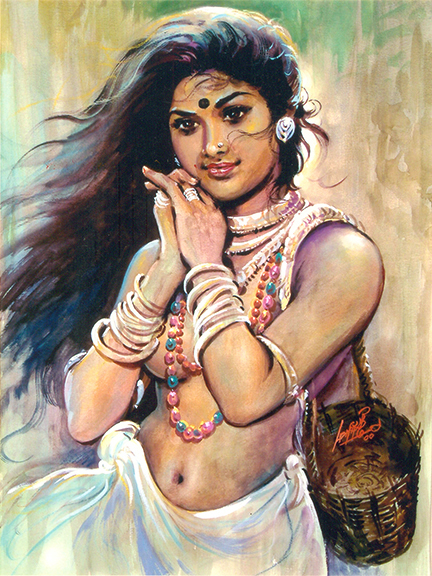
அகநானூறு பாடல் 391, நற்றிணைப் பாடல் 97,118,160 முதலிய பல பாடல்களில் பெண்கள் பூ வியாபாரம் செய்ததைக் குறிப்பிட்டுள்ளனர்.

ஓணம் பண்டிகையின் போது பூ அலங்காரம் செய்யும் வழக்கம் இன்னும் சேர (கேரள) நாட்டில் பின்பற்றப் படுகிறது.

கபிலர் பாடிய குறிஞ்சிப் பாட்டில் 99 பூக்ககளின் பெயர்களை ஒரே மூச்சில் சொல்லி ‘கின்னஸ்  சாதனை’ படைத்துவிட்டார்.

தென்னாட்டினர் மட்டும் பூச்சூடும் வழக்கத்தை வால்மீகி தனது ராமாயணத்தில் தக்க இடத்தில் பயன்படுத்தியுள்ளார். அயோத்தியா காண்டம் 96ஆம் சர்க்கத்தில் பரதன் கூறுவதாக அவர் சொல்லுவதாவது: “ நமது யுத்த வீரர்கள் மேகங்களைப் போன்ற கருத்த கேடயங்களுடன் தென்னாட்டாரைப் போலத் தலைக்கு அணிகளாக பூக்களைச் சூடுகின்றனர்” என்று கூறுகிறார். இன்று இளம் பெண்களும் ஆண்களும் பூக்களைப் பரிமாறிக் கொள்ளும் வழக்கமும் அன்றே இருந்தது. நெய்தற்கலி 21ஆம் பாடலில் “ அவள் எனக்குத் தந்த பூக்கள் இவை. பூளைப் பூ, பொன் நிறமான  ஆவிரைப் பூ என்று காதலன் மெய்மறந்து புலம்புகிறான்.

நற்றிணைப் பாடல் 97ல் மாறன் வழுதி பாடுகிறார்:

“அதனினும் கொடியாள் தானே மதனின்

துய்த்தலை இதழ பைங்குருக்கத்தியோடு

பித்திகை விரவு மலர் கொள்ளீரோ என

வண்டு சூழ் வட்டியள் திரியும்”

வண்டு சுற்றும் கடகப் பெட்டியில் குருக்கத்தி, செண்பக மலர்களைப் பெண்கள் விற்றது இதிலிருந்து தெரிகிறது

பாடல் 118ல் பாலை பாடிய பெருங் கடுங்கோ பாதிரி மலர்களைத் தெருவில் விலை கூறி விற்றுச் சென்ற பூக்காரியைக் குறிப்பிடுகிறார். பாடல் 160 குவளை மலர் மாலை தொடுப்பது பற்றிப் பேசுகிறது. இப்படி எண்ணற்ற பூக்காரிகளைக் காண்கிறோம். இன்று கோவில் வாசலிலும் வீட்டு வாசலிலும் பூ விற்போரைக் காணும் போது 2000 ஆண்டுப் பண்பாடு இன்றும் நீடிப்பது பற்றி வியாக்காமல் இருக்க முடியாது. வெளி நாட்டினர் அனைவரும் பூ மார்க்கெட்டுக்குச் சென்று புகைப்படம் எடுக்கும் காட்சிகளும் மனக் கண் முன் நிழல் ஆடுகின்றன.

‘புறநானூற்றில் பகவத் கீதை’ என்ற தலைப்பில் நான் எழுதிய கட்டுரையில் இருந்து  ஒரு பகுதி:

பத்ரம், புஷ்பம், பலம் ,தோயம்………

கீதையில் கண்ணன் கூறுகிறான்: எவன் எனக்கு பக்தியுடன் பச்சிலையோ பூவோ, பழமோ, நீரோ கொடுக்கிறானோ அதை நான் சாப்பிடுகிறேன் (9-26)

கபிலர் (புறம் 106);

நல்லவும் தீயவும் அல்ல குவி இணர்ப்

புல் இலை எருக்கம் ஆயினும்,உடையவை

கடவுள் பேணேம் என்னா; ஆங்கு,

மடவர் மெல்லியர் செல்லினும்

கடவன் பாரி கை வண்மையே

அதாவது நல்லதாயினும் தீயதாயினும் அல்லாத, குவிந்த பூங்கொத்தும் புல்லிய இலையும் உடைய எருக்கம் பூவாயினும், ஒருவன் உள்ளன்புடன் சூட்டினால் அதனைத் தெய்வங்கள் விரும்பி ஏற்குமேயன்றி, யாம் அவற்றை விரும்பேம் என்று கூறா.

Contact swami_48@yahoo.com

(இலக்கியத் திருடர்களுக்கு ஒரு வேண்டுகோள்: என்னுடைய கட்டுரைகளை அப்படியே திருடி தங்கள் பெயரில் தாங்கள் எழுதியது போல வெளியிடுவதைக் கண்டு மனம் வருந்துகிறது. தமிழுக்கும் தமிழ் எழுத்தாளர்களுக்கும் துரோகம் செய்யாதபடி யார் எழுதியது, எந்த வெப்சைட்டில் எடுக்கப்பட்டது என்பதை தயவு செய்து வெளியிடுங்கள்)

Cleopatra of Tamil Nadu

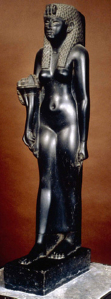
statuette-of-cleopatra1

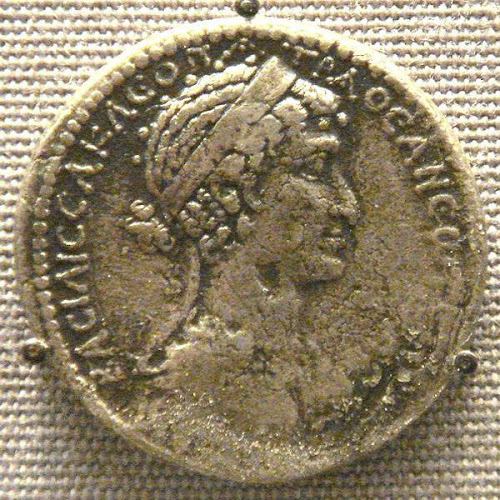
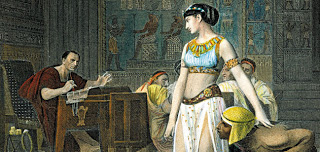
Cleopatra (69 BC -30 BC) ruled Egypt for 21 years before Christ. She was famed for beauty and intelligence. Her life was shrouded in mystery. Lot of interesting things are said about her that needs proof. But her marriage to her brother Ptolemy, Julius Caesar and Antony are facts. Egyptian kings married their sisters. Cleopatra was a Macedonian and she was the last ruler of Macedonian dynasty (Ptolemaic dynasty). When she had a clash with her brother Ptolemy XIII she fled to Syria. Roman General Julius Caesar restored her to the throne in 47 BC. They became lovers and had one child. It was said that she rolled herself in a carpet and presented herself to Caesar. When Caesar was assassinated in 44 BC, she fled to Egypt. Antony summoned her to Rome and once again an affair led to he marriage to Antony. They had three children. When she got her Egyptian kingdom back, both Antony and Cleopatra went to Alexandria where they were given a rousing welcome. Both of them were seated on Golden thrown with their three children.

When the Roman senate declared war against Antony, a rumour was spread that Cleopatra committed suicide. Antony believed it and committed suicide. When Cleopatra heard this she killed herself with an asp (Poisonous snake).

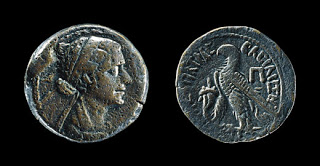
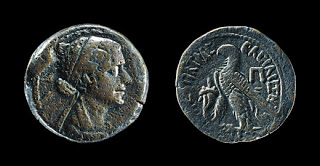
Cleopatra has inspired writers like Shakespeare , Bernard Shaw and several authors and film directors. Though Shakespeare has written about the snake bite in his drama ‘Antony and Cleopatra’, nobody knew the truth. She had the luxury of bathing in donkey’s milk every day to maintain her beauty. Another controversy is about her origin. Some people claim that she was not of Macedonian Greek origin but of Black African origin. Her beauty is also questioned by many. Some portraits on coins show her as an ugly woman. But there is no doubt she was the queen, fought wars, married three people and had several children.


Now to Rani Mangammal:

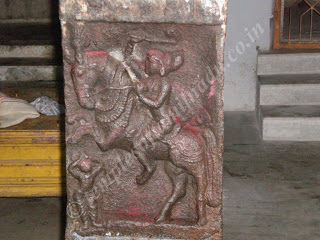
Rani Mangammal was also famous, beautiful and controversial like Cleopatra. She fought wars and died mysteriously, probably in a prison. Her origin was also questioned by a contemporary writer. But she did marry only one person.

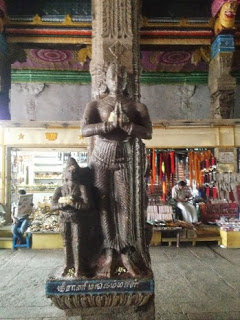
Rani Mangammal’s name is a household name in Madurai area. She built lot of Dharmasalas for the general public and palaces in Trichy and Madurai. Her palace is converted to Gandhi Museum in Madurai. She donated a lot to different temples and Brahmins. She restored Brahmin status to Sourashtra Community.

Her contemporary writer Chinna Vekanna said that she was the daughter of Tupakula Lingama Nayaka of Chandragiri and a courtesan of Tiruvellore called Kanaka. She was beautiful and very clever. She migrated to Thanjavur and later to Madurai. She came in contact with Sokkanatha Nayaka of Madurai and married him. After the death of her husband, her son Rangakrishna Muthuveerappa Nayaka became the king. He died in 1689 and Manhgamma ruled Madurai Kingdom on behalf her grandson Vijayaranga Chokkanatha Nayaka, who was just three months old at that time.

Moghul emperor Aurangzeb sent one of his shoes in a procession to all the areas hwere he expected tribute. Though Mangammal’s commander boldly took that shoe and wore it in his foot and demander for the missing shoe, later she accepted his sovereignty and paid tribute. This was done to tackle the local problems such as attacks from Chikka Devaraya of Mysore, Ravi Varma of Travancore, Shaji of Thanjavur and Kizavan Sethupathy of Ramanathapuram.


The Cauvery river dispute   came to the fore during  her rule. Chikkadevaraya built a dam across the river in Kannambadi. This deprived the irrigation channels in Thanjavur. Mangammal went to war with Chikkdevaraya and before  long the dam burst because of heavy rains and floods.

Mangammal was thrown into prison by her grandson’s coteries and she died in a prison. But she occupies an important place in Tamil history for her good work. It is relevant to compare her origin, beauty, intelligence, rule, wars and death with the Egyptian queen Cleopatra.

contact swami_48@yahoo.com

தமிழ்நாட்டின் கிளியோபாட்ரா

எகிப்திய அரசி கிளியோபாட்ராவைப் பற்றி பல சுவையான கதைகள் சொல்லப்படுகின்றன. இதே போல திருச்சியிலிருந்து மதுரையை அரசாண்ட ராணி மங்கம்மாளைப் பற்றியும் பல கதைகள் உண்டு. இருவரிடையேயும் முழுக்க முழுக்க ஒற்றுமை காணப்படாவிடினும் சில விஷயங்களில் ஒற்றுமை நிலவுகிறது. இதோ சுவையான செய்திகள்:


முதலில் கிளியோபாட்ரா (கி.மு 69-30):

கி.மு 69-ல் ராஜ வம்சத்தில் பிறந்தார். அலெக்சாண்டருக்குப் பின்னர் எகிப்தை ஆண்ட டாலமி அரச வம்சத்தில் உதித்தார். இங்கே ஒரு புதிர். இவர் கிரேக்க வம்சம் இல்லை, ஆப்பிரிக்க கறுப்பினப் பெண் என்று. இதுவரை முடிவு தெரியாத சர்ச்சை. அவருடைய அம்மா யார் என்பதும் உறுதியாகத் தெரியாது. இவரது தந்தையான 12ஆவது டாலமி இறந்தவுடன் இவர் 13ஆவது டாலமியை மணந்தார். அதாவது சகோதரனை கல்யாணம் செய்துகொண்டார். இது எகிப்து நாட்டில் இருந்த வழக்கம்-சகோதர திருமணம்! அதிகாரம் இருக்கும் இடத்தில் மோதல் இருக்கத்தான் செய்யும். சகோதர்ருடன் மோதல்.

கிளியோபாட்ர சிரியா நாட்டுக்குத் தப்பிச்சென்று பெரும்படையுடன் திரும்பிவந்தார். அப்போது ரோமாபுரியை ஆண்ட ஜூலியஸ் சீசர் பாம்பி மன்னனைத் துரத்திக்கொண்டுவந்தார். அவன் எகிப்தில் தஞ்சம் புகுந்தான். காத்திருந்த அழகி (?) கிளி (யோபாட்ரா),  ஒரு கம்பளத்தில் தன்னைச் சுற்றிக்கொண்டு ஜூலியஸ் சிசரிடம் பரிசாகக் கொடுக்கச் சொன்னார். கம்பளத்தை விரித்தபோது வெளியே வந்த கிளியின் அழகில் ஜூலியஸ் மயங்கினார். இருவருக்கும் காதல்,கல்யாணம், முடிவில் ஒரு மகன். மீண்டும் சர்சை. பிற்காலத்தில் இந்த மகன் தனக்குப் பிறந்தவன் இல்லை என்று ஜூலியஸ் சொல்லிவிட்டார்.


ஜூலியஸ் சீசர் போரில் கொல்லப்பட்டவுடன் கிளி எகிப்துக்குப் பறந்தது. ஜூலியஸுக்குப் பின்னர் வந்த ஆண்டனி இவளை அழைக்கவே காதல், கல்யாணம், மூன்று மகன்கள்! நல்ல சந்தர்ப்பம் வாய்க்கவே எகிப்து நாட்டின் ஆட்சி அதிகாரத்தைத் திருப்பிப் பெற்றுக்கொண்டு அலெக்சாண்ட்ரியா நகருக்கு வந்தார். தங்க சிம்மாசனத்தில் அமர்ந்த தம்பதிகளுடன் மூன்று பிள்ளைகளும் அமர்ந்த காட்சியைக் காண நாடே திரண்டுவந்தது. இது நடந்தது கி.மு 34 ஆம் ஆண்டு.

கி.மு.31-ல் பெரும் போர் ரோமாபுரியில் மூண்டது. கிளியோ கொல்லப்பட்டதாக வதந்தியைப் பரப்பினர். இதைக் கேட்ட ஆண்டனி தற்கொலை செய்துகொண்டார். அதைக் கேட்ட கிளியோபாட்ரா ஒரு நல்ல பாம்பை நெஞ்சில் வைத்து கடிக்கவைத்து தற்கொலை செய்துகொண்டார். ஆங்கில மாகவி ஷேக்ஸ்பியர் எழுதிய ஆண்டனி கிளியோபாட்ரா நாடகம் உள்பட ஏராளமான திரைப்படங்களும் கிளியின் நினைவைப் போற்றி வளர்க்கின்றன. அவர் பாம்பு கடித்து இறந்தாரா, அழகைப் பராமரிக்க தினமும் கழுதைப் பாலில் குளித்தாரா—எல்லாமே சர்ச்சைக்குரிய புதிர்கள்!!!


இனி மங்கம்மாள் (1689-1704) பற்றிய சுவை மிகு செய்திகள்:

கிளி (யோபாட்ரா) யைப் போலவே இவரும் அழகானவர். கிளி போலவே பல போர் புரிந்தவர். கிளி போலவே அழகால், சாதுர்யத்தால் ஆட்சி உரிமை பெற்றவர். மிகவும் திறமையான ஆட்சியாளர். மதுரை நகர் முழுதும் இன்றும் இவர் புகழ் பாடும். மர்மமான முறையில் (சிறையில்?) இறந்தார். ஆனால் இந்தச் செய்திகளில் சில, கிளி வரலாறு போலவே உறுதிப்படுத்தப் படாத செய்திகள். அவர் காலத்தில் வாழ்ந்த சின்ன வெங்கண்ணா, மங்கம்மாளைக் கிண்டல் செய்து எஉதிய கவிகளில் இருந்து பெறப்பட்ட கிளுகிளு செய்திகள் இவை.

அவர் சொல்லும் ரகசியம்: மங்கம்மாளின் இயற் பெயர் கனகா. அவர் தந்தை சந்திரகிரி துபாகுல நாயகர். அவர் ஒரு நடன மாது. வேலை தேடி தஞ்சை விஜயராகவரின் அரவைக்குச் சென்றார். அவர் அந்தப்புரத்தில் சேர்க்க தயாராக இருந்த தருணத்தில் எப்படியோ மதுரை சொக்கநாத நாயகரை(1659-1682) மணந்தார். மங்கம்மாளின் மகன் முத்துவீரப்ப நாயகர் (1682-1689) சிறிது காலம் ஆண்டு இறந்துவிட்டார். உடனே பேரன் விஜரங்க சொக்கநாத நாயக்கரின் பேரில் 1689-ல் ஆட்சியை ஏற்றுக்கொண்டார்.


மொகலாயப் பேரரசன் அவுரங்கசீப் தனது ஒரு செருப்பை நாடு முழுதும் ஊர்வலம் விட்டான். அஸ்வமேத யாக குதிரை போகும் இடம் எல்லாம் எப்படி பாரதீய சக்கரவர்த்திகளுக்குச் சொந்தமானதோ அதே போல செருப்பு போனமிடம் எல்லாம் கப்பம் கட்டவேண்டும். ராணி மங்கம்மாள் மிகவும் தைரிய சாலி. அவனது படைத் தளபதி அந்த ஒற்றை செருப்பை காலில் மாட்டிக்கொண்டு மற்றொரு செருப்பு எங்கே என்று கேட்டான். ஆனால் பின்னர் ராமநாதபுரத்தின் கிழவன் சேதுபதி, மைசூரின் சிக்க தேவராயா தஞ்சை மன்னன் ஷாஜி, திருவாங்கூர் மன்னன் ரவிவர்மா ஆகியோர் தொல்லை கொடுக்கவே அவுரங்கசீப்புடன் சமரசம் செய்துகொண்டு கப்பம் கட்டினார்.

மதுரை முழுதும் அன்ன சத்திரங்களைக் கட்டினார். கோவில்களுக்கும் பிராமணர்களுக்கும் வாரி வழங்கினார். மதுரை சவுராஷ்டிர சமூகத்துக்குப் பிராமண அந்தஸ்து வழங்கினார். காவிரிப் பிரச்சினை இவர் காலத்தில்தான் துவங்கியது. சிக்கதேவராயன் காவிரி நதியின் குறுக்கே கண்ணம்பாடியில் அணை கட்டி தஞ்சைப் பாசனத்தைத் தடுக்கவே போர்க் குரல் எழுப்பினார். கடவுள் அருளால் பெரு மழை, வெள்ளத்தில் அணை  உடைந்தது. காவிரிப் பிரச்சினையும் தீர்ந்தது. இவர் கடைசி காலத்தில் சிறையில் இறந்ததாக ஒரு செய்தி. எது எப்படியாகிலும் இவரது சத்திரங்களும், கோவில், மசூதி, கிறிஸ்தவ சர்ச்சுகளுக்குக் கொடுத்த தானங்களும், மதுரை தமுக்கம் அரணமனையும் (இப்போது காந்தி மியூசியம்), மீனாக்ஷி கோவில், திருப்பரங்குன்றம் கோவில்களும் இருக்கும் வரை மங்கம்மாளின் புகழ் மங்கவே மங்காது.


அழகால் ஆட்சி பெற்றதும், போர் முனைகளில் எதிரிகளைச் சந்தித்ததும், மர்மமான முறையில் இறந்ததும் இவரை கிளியோபாட்ராவுக்கு அருகில் அழைத்துச் செல்கிறது.

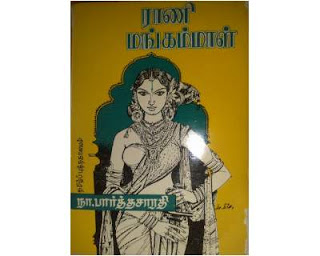
ஆர்.சத்தியநாத அய்யர் எழுதிய நாயக்கர் வரலாறு, டாக்டர் தேவகுஞ்சரி எழுதிய மதுரை வரலாறு, நா.பார்த்தசாரதி எழுதிய ‘ராணி மங்கம்மாள்’ என்னும் சரித்திர நாவல் ஆகியவற்றையும் படித்து இன்புறுக.


Pictures are taken from different sites. Thanks. Contact: swami_48@yahoo.com


(இலக்கியத் திருடர்களுக்கு ஒரு வேண்டுகோள்: என்னுடைய கட்டுரைகளை அப்படியே திருடி தங்கள் பெயரில் தாங்கள் எழுதியது போல வெளியிடுவதைக் கண்டு மனம் வருந்துகிறது. தமிழுக்கும் தமிழ் எழுத்தாளர்களுக்கும் துரோகம் செய்யாதபடி யார் எழுதியது, எந்த வெப்சைட்டில் எடுக்கப்பட்டது என்பதை தயவு செய்து வெளியிடுங்கள்).