தமிழர் தெய்வம் மணிமேகலையும் மணிபத்ராவும் (Post No.5079)

மணிபத்ரா


Written by London Swaminathan 


Date: 5 JUNE 2018


Time uploaded in London – 19-31


Post No. 5079


Pictures shown here are taken from various sources such as Facebook friends, Books, Google and newspapers; thanks. Pictures may be subject to copyright laws.


WARNING: PLEASE SHARE MY ARTICLES; BUT DON’T SHARE IT WITHOUT AUTHOR’S NAME AND THE BLOG NAME. BE HONEST; OTHERS WILL BE HONEST WITH YOU


தமிழர்களின் ஐம்பெரும் காப்பியங்களில் தனித்து நிற்பது ‘நெஞ்சை அள்ளும் சிலப்பதிகாரம்’ என்று பாரதியாரால் போற்றப்பட்ட சிலப்பதிகாரம் ஆகும்; அதன் தொடர்கதை மணிமேகலை என்னும் காப்பியத்தில் உள்ளதால் அவைகளை இரட்டைக் காப்பியங்கள் என்று அழைப்பர் தமிழர்.

யார் இந்த மணிமேகலை?

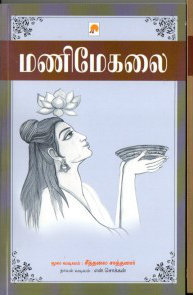
மாதவியின் மகளுக்கு மணிமேகலை என்று பெயர்; மாதவி , மணிமேகலை என்பதெல்லாம் ஸம்ஸ்க்ருதப் பெயர்கள். மணிமேகலை என்பது கடல் வணிகரின் பாதுகாப்புத் தெய்வம் ஆகும். இந்த தெய்வம் தென் இந்திய வணிகர்களின் பெண் தெய்வம். வடக்கிலுள்ள வணிகர்கள் மணிபத்ரா என்ற யக்ஷனை இது போலப் பயணிகளின் தெய்வமாகக் கருதினர். 2300 ஆண்டுகளுக்கு முந்தைய ஜாதகக் கதைகளில் மணிபத்ரா, மணிமேகலை போன்ற தெய்வங்களின் கதைகள் வருகின்றன. புத்த மதத்தினர் ராமாயண, மஹாபாரத, பஞ்ச தந்திர, ஹிதோபதேச மற்றும் நாட்டுப்புற கதைகளை எல்லாம் புத்தர் பெயரில் ஏற்றி பௌத்த ஜாதகக் கதைகள் என்று பாலி மொழியில் எழுதி வைத்தனர். இதுவும் நன் மையில் முடிந்தது. ஸமுத்ர வாணிஜ (வணிகர்) கதை, மஹா ஜனக கதை முதலியன மூலம்  அக்கால கடல் வணிகத்தை நாம் அறிய முடிகிறது.


மஹா ஜனக ஜாதகத்தில் ஒரு உரையாடல் வருகிறது:–


மஹா ஜனகன் என்பவன் சென்ற கப்பல்  உடைந்து போய் உயிரைக் கையில் பிடித்துக்கொண்டு மூச்சு இளைக்க நீந்திக் கொண்டிருந்தான்.

அப்பொழுது மணிமேகாலா தேவி அவனைப் பார்த்தாள்; இருவருக்கும் இடையே நடந்த உரையாடல்:—


மணிமேகலை:-

யாரையா நீ? இந்தப் பரந்த பெருங்கடலில் பயனின்றி கைகளை அடித்துகொண்டு தப்பிக்கலாம் என்ற நப்பாசையுடன் போகிறாயே நீ யார்? யாரை நம்பி இப்படி உயிர் பிழைக்கலாமென்ற நம்பிக்கையுடன் போகிறாய்?


மஹா ஜனகன்:

ஓ, தேவதையே! எவன் ஒருவன் ஆனாலும் நம்பிக்கையுடன் முயற்சி செய்வது அல்லவோ கடமை; எனக்குக் கண்ணுக்கு எட்டிய தூரம் வரை கரை தென் படவில்லை என்பது உண்மைதான்; ஆயினும் கரையை அடைய என் பயணத்தைத் தொடர்வேன்.

மணிமேகலை:-

கடலில் உன் தைரியத்தைக் காட்டுவதில் பயன் ஒன்றும் இல்லை, அன்பனே! கரையை அடைவதற்கு முன்பே நீ அழியப் போகிறாயே!

மஹா ஜனகன்:


ஓ கடவுளே! நீ இப்படிச் சொல்லலாமா? நான் அழிந்தாலும் கூட எனக்கு ஏற்படக்கூடிய அவப் பெயரை நான் தவிர்க்கலாமே. என்னைப் போல முயற்சி செய்பவன், பின்னர் வருத்தப்படுவதற்கு எதுவும் இராது.


மணிமேகலை:-

வெற்றி பெறாத முயற்சியில் என்ன பலன்? அதுவும் வெற்றி என்பது கண்ணுக்கு எட்டிய தொலைவில் காணவில்லையே! மரணம் என்பது தவிர்க்க முடியாத சூழ்நிலையில் என்ன பயன்?

மஹா ஜனகன்:

பார்! என் தோழர்கள் அனைவரும் மூழ்கி இறந்து விட்டனர்; ஆயினும் நான் மட்டும் நீந்துகிறேன் பார்; என் உடலில் சக்தி உள்ள வரை நான் நீந்துவேன். நான் கடலைக் கடக்க முயற்சி செய்வேன்.”

மணிமேகலையின் கோவில் காவேரி முகத்வாரத்தில் இருந்தது. குமரி முதல் கடாரம் வரை அவள் வணங்கப்பட்டாள்.

இந்த உரையாடலானது, அந்தக் கால மாலுமிகளின் நம்பிக்கையையும், விடா முயற்சியையும், நற் பெயர் எடுக்க வேண்டும் என்ற பேரவாவையும் காட்டுகிறது


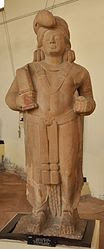
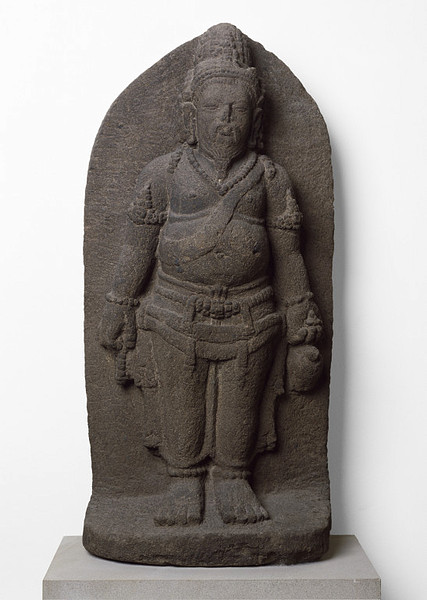
வடக்கில் மணிபத்ரா என்ற யக்ஷ்னை இதே போல வணிகர்கள் வழிபடுவர். மதுரா முதலிய இடங்களில் அவாது சிலைகளும் கோவில்களும் இருந்தன. இப்பொழுது மிகப்பெரிய மணிபத்ரா சிலை மதுரா ஜில்லாவில் (உ.பி) இருக்கிறது. குவாலியர் பகுதியில் ஒரு காலத்தில் பெரிய அளவில் மணிபத்ரா வழிபாடு நடந்து வந்தது.

ஸமுத்ர வணிக ஜாதகத்தில் உள்ள ஒரு கதையும் 2300 ஆண்டுகளுக்கு முன்னர் கடல் பயணம் என்பது எவ்வளவு சர்வ சாதாரணமாக இருந்தது என்பதைக் காட்டுகிறது.

இதோ அந்தக் கதை:

ஒரு நகரத்தில் தச்சர்கள் அனைவரும் சேர்ந்து மரச்சாமான்கள் செய்து விற்பதற்காக கடன் வாங்கினர். ஆனால் அவர்கள் திட்டம் குறித்த காலத்துக்குள் நிறைவேறவில்லை; கடன் கொடுத்தவர்களோ நச்சரிக்கத் துவங்கினர். தச்சர்கள் அனைவரும் ஒரு திட்டம் போட்டனர்; நாம் எல்லோரும் ஒரு கப்பல் செய்வோம்; திரை கடல் ஓடித் திரவியம் கொணர்வோம் என்றனர். அந்த திட்டப்படியே ஒரு நாள் கப்பலில் புறப்பட்டனர். அவர்களுடைய அதிர்ஷ்டம் காற்றும் கடலும் அவர்களுக்கு உறுதுணையாக நின்றன.  ஒரு அழகான தீவுக்குச் சென்றனர். தென்னை மரங்களும் பழ மரங்களும் காய்த்துத் தொங்கின. அங்கு இவர்களுக்கு முன்னமே வேறு ஒருவன் உடைந்த கப்பலில் இருந்து அங்கு நீந்தி வந்து வசித்தான்; இவர்களைப் பார்த்தவுடன்

“ஆஹா, என்ன  ஆனந்தம்

உழைக்காமலேயே வாழும் இடம் இதுதான்.

நெற்றி வேர்வை நிலத்தில் சிந்தி உழைக்கும் உழைப்பாளிகள் இங்கு  வர வேண்டாம். எனது தாய்நாட்டைவிட இதுதான் இன்பம் தருகிறது”.

இந்தப் பாடல் கிரேக்க புலவன் ஹோமர் எழுதிய ஆடிஸி காவியத்தில் வரும் மாயா லோக மனிதர்கள் போல இருக்கிறது. அவர்கள் தேன் குடித்து உயிர் வாழ்ந்தனர்;  ஆடிஸியஸை அழைத்த போது அந்த சோம்பேறித் தனமான சுக போகம் வேண் டாம் என்றும் வீர தீரச் செயல் செய்யவே விருப்பம் என்றும் பதில் கொடுத்துவிட்டு வெளியேறுகிறான்.  அதை நினைவு படுத்துகிறது இந்த ஜாதக் கதை.


ஆகவே பழங்கால வணிகரின் வாழ்க்கையை அறிய இந்த ஜாதக் கதைகளும் ஏனைய நூல்களும் உதவுகின்றன; கடற்பயணம் என்பதும் கனவுலகம் போன்ற வெளிநாடுகளும் எல்லோரும் அறிந்த விஷய மாக இருந்தது.

-சுபம்–

TAMIL GODDESS MANIMEGALAI AND MANIBHADRA (Post No.5078)

Yaksha Manibhadra

Written by London Swaminathan 


Date: 5 JUNE 2018


Time uploaded in London – 16-42


Post No. 5078


Pictures shown here are taken from various sources such as Facebook friends, Books, Google and newspapers; thanks. Pictures may be subject to copyright laws.


WARNING: PLEASE SHARE MY ARTICLES; BUT DON’T SHARE IT WITHOUT AUTHOR’S NAME AND THE BLOG NAME. BE HONEST; OTHERS WILL BE HONEST WITH YOU


Tamils have five epics and two of them, Silappadikaram and Manimegalai are called twin epics. Manimegalai followed the story of Silappadikaram. The heroine of Manimegalai was named after the goddess of sea travellers, particularly the business community. Her counter part in Northern India was Manibhadra, a male deity.


There is a very interesting conversation of Manimeghala and a shipwrecked traveller in the Mahajanaka Jataka. These Jataka stories are at least 2300 years old.


Those who travelled together on ships were known as Saamyaatrikaa. In the Maha Janaka Jataka story, Mahajanaka was swimming for his life after a shipwreck. He was addressed by the goddess Manimekhalaa. The dialogue between the two proves the indomitable courage and power of ancient Hindu sailors.

Mani:

“Who is the fellow who in the vast ocean is ineffectively beating his hands. Depending upon whom you are making this effort?

Sailor Janaka:

“O Goddess! It is my firm belief that in life one should exert as far as possible, and, therefore, even though the shore is not visible, I am continuing my effort to reach it.

M:- “It is useless to show your courage in the sea. You are bound to perish before reaching the shore.

S:- “O Goddess, why do you say like this? Even if I perish making effort then I will be saved at least from calumny. One who exerts  like me has not to repent afterwards.

M:_But an effort which is destined not to succeed, of which there is no end in sight, what is the use of such an effort when  death is inevitable?”

Sailor Janaka:-

“The fellow taking it for granted that he will not be able to cross the ocean ceases his efforts then it is due to his own weakness. Whether success accrues or not a man who draws up his programme and tries for its success then he is sure to succeed. It is evident from the fact that all my comrades have drowned but I am still swimming and alive. So far as any energy is left in me I shall certainly make efforts to cross the ocean”—Mahajanaka Jataka


North Indian merchants had Yaksha Manibhadra as the presiding deity of caravan leaders (saarthavaahana). All over North India they had temples for Manibhadra. The colossal statue of Yaksha discovered in Parkham in Mathura district represented him. Padmavati in Gwalior district was a great centre of Manibhadra cult.

Story of Caravan Leaders

Saarthavahanas were the source of travellers’ tales. Seamen had stories of Yakshas, Nagas, Spirits, demons and aquatic animals. Samudra Vanija Jataka story has one such story.

“Once upon a time carpenters borrowed money from some people to make some furniture. But they could not finish the work on time. The creditors pestered them for their money. When the carpenters realised that they could not do it on time, they decided to migrate to some foreign land. After constructing a large ship they sailed to a far off place. Favourable winds helped them to reach a beautiful island with coconut trees and fruit trees. Even before they went to the island, there was already a sailor from a wrecked ship, who sang joyously, ‘they are simpletons who eke out their living by farming and the sweat of labour. They are not required in my domain. This land is far better my mother land”.


This island was like the island described by Homer in his Odyssey. Lazy men who were known as lotus eaters lived there on honey. When they invited Odyssus to live that kind of lazy life, he refused to join them. The jataka tale referred to the same kind of life.

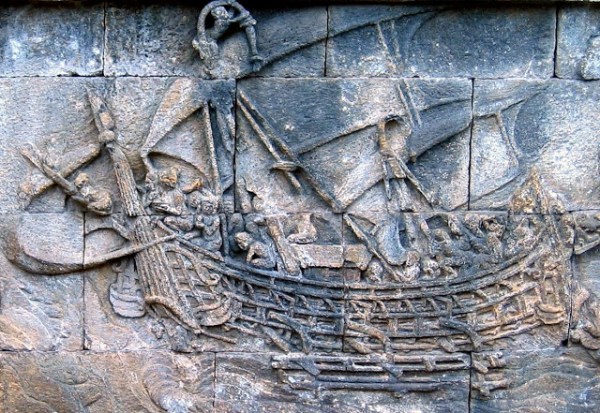
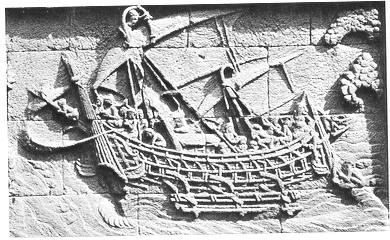
Indian Ship in Indonesia (Borobudur, Java)

From the 2300 year old Jataka stories, we come to know a lot about the land and sea merchants of ancient India.


–subham–


ஹிந்துக்களின் குணங்கள்- உண்மைச் சம்பவங்கள் – 1 (Post No.5077)

Written by S NAGARAJAN


Date: 5 JUNE 2018


Time uploaded in London –  7-21 am  (British Summer Time)


Post No. 5077


Pictures shown here are taken from various sources such as Facebook friends, Books, Google and newspapers; thanks. Pictures may be subject to copyright laws.


இது தான் இந்தியா

ஹிந்துக்களின் உயரிய குணங்கள்-சில உண்மைச் சம்பவங்கள் – 1


ச.நாகராஜன்


1

ஹிந்துக்களின் பாரம்பரிய தர்மம் சத்தியம் பேசுவது; பிறர் பொருளுக்கு ஆசைப்படாமல் இருப்பது; உண்மையாக உழைப்பது; நேர்மையாக இருப்பது: எளிமையாக வாழ்வது உள்ளிட்ட பல உயரிய குணங்களைக் கொண்டதாகும்.


இதை விளக்கும் சம்பவங்கள் கடந்த பல நூற்றாண்டுகளில் ஏராளம், ஏராளம் உண்டு.


அதைத் தொகுத்தால் ஒரு பெரிய கலைக்களஞ்சியம் ஆகி விடும்.

மெய் சிலிர்க்க வைக்கும் சம்பவங்கள் பலவற்றை ஆங்கிலேயர்கள் தங்கள் நூல்களில் எழுதியுள்ளனர்.

நெகிழ வைக்கும் சில சம்பவங்களை இங்கே காணலாம்.

2

1943ஆம் ஆண்டு!


பிரான்சை சேர்ந்த மருத்துவக் கம்பெனி ஒன்று கல்கத்தாவில் உள்ள பிரபல டாக்டர் ஒருவரைத் தங்கள் தயாரிப்புகளைப் பரிந்துரைத்து விற்பனையை அதிகரிக்க வேண்டும் என்று வேண்டிக் கொண்டது.அதன் பிரதிநிதிகள் டாக்டரை சந்தித்தனர்.

அப்போது அவர்கள் டாக்டரிடம் கூறி வியந்த சொற்கள் இவை:

“நாங்கள் உலகெங்கும் சுற்றி வருகிறோம். இங்கு இந்தியாவில் பஞ்சத்தால் மக்கள் வாடி வதங்குகிறார்கள். பிச்சை எடுத்தாலும் கூட உணவு கிடைப்பதில்லை. பெரிய மளிகைக் கடைக்கு அருகில் கூட பஞ்சத்தால் மக்கள் இறப்பதைக் காண்கிறோம்.  ஆனால் அதிசயம் என்னவெனில் இப்படிப்பட்ட கொடுமையான காலத்தில் அவர்கள் மளிகைக் கடையைச் சூறையாடி இருக்க வேண்டும். அவர்கள் எங்கும் திருடவும் இல்லை; கொள்ளை அடிக்கவுமில்லை; சூறையாடவும் இல்லை.”


கடுமையான சோதனை காலத்தில் கூட உயிரை இழக்க ஹிந்துக்கள் தயாராக இருந்தார்களே தவிர கொள்ளையிலோ, கொலையிலோ அவர்கள் இறங்கியதில்லை!


3

1942ஆம் ஆண்டு. நவம்பர் மாதம்.

கல்கத்தா ஹை கோர்ட்டைச் சேர்ந்த ஒரு பிரபல அட்வகேட் கூறியது இது:


எங்கள் கிராமத்தில் இருந்த ஒரு விவசாயி ஒரு கனவானிடம் வேலை பார்த்து வந்தார். அந்த கனவான் அவருக்கு 10 ரூபாய் தர வேண்டும். அவர் அந்த விவசாயியிடம் அதைப் பின்னால் தருவதாகக் கூறினார். அந்த விவசாயி என்னிடம் வந்து, “ஐயா! இந்த பஞ்ச காலம் மகா கொடுமையானது. எனக்கு வேலை தந்த அந்த கனவானிடம் இரண்டு  மூன்று  முறை எனக்கு வர வேண்டிய பணத்தைக் கேட்பதற்காகச் சென்றேன். ஆனால் என்னால் அதைக் கேட்க முடியவில்லை. எனக்கு ஏழ்மையின் கொடுமை தெரியும். அவரும் அப்படியே அதில் வாடி இருக்கும் போது அவரிடம் எப்படி நான் கேட்பது?”


4


சிசு பாபு பெரிய பணக்காரர்.தர்மாத்மா. சந்தன் நகரில் வசித்து வந்தார் அவர். அவரைப் பற்றிய இரு சம்பவங்கள் உண்டு.


  1. ஒரு ஏழை பிராமணர் தன் பெண்ணின் கல்யாணத்திற்காக உதவி வேண்டி சிசுபாபுவைச் சந்தித்தார். மாப்பிள்ளை யார் என்று கேட்டார் சிசு பாபு. கல்யாண தேதி, கல்யாணத்திற்கு ஆகும் செலவு எவ்வளவு என்பதையும் அந்த பிராமணரிடம் அவர் கேட்டுத் தெரிந்து கொண்டார். அங்கிருந்து சென்ற பிராமணருக்கோ ஒரே கவலை. வெளிப்படையாக உதவுகிறேன் என்று சிசுபாபு சொல்லவில்லை. உதவி செய்வாரா என்றெல்லாம் கவலைப்பட்டு உருகினார் அவர்.

கல்யாணம் நிச்சயமானவுடன கல்யாண தேதியை சிசு பாபுவிடம் சென்று அவர் கூறினார்.

திருமண தினத்திற்கு முந்தைய நாள் தேவையான அனைத்தையும் வழங்கிய சிசுபாபு செலவிற்கான பணத்தையும் தந்தார்.

பிராமணரின் கண்களிலிருந்து கண்ணீர் தாரைதாரையாகக் கொட்டியது. நன்றியைத் தெரிவித்த கண்ணீர் அது.


  1. சிசுபாபுவின் மாளிகை வீட்டில் ஒரு பெரிய சாண்ட்லியர் விளக்கு ஹாலில் எரிந்து கொண்டிருக்கும். ஒரு நாள் வீட்டைச் சுத்தம் செய்யும் வேலைக்காரி வீட்டை சுத்தம் செய்யும் போது அதைத் தவறுதலாக உடைத்து விட்டார். அந்த விளக்கின் மேல் சிசுபாபு கொண்டிருந்த பிரியத்தை அவர் அறிவார். கண்ணீர் விட்டுக் கதறினார் அந்த வேலைக்காரி.

இதைப் பார்த்த வீட்டின் திவான் (மானேஜர்) அந்த வேலைக்காரியைக் கடுமையாகத் திட்டியதோடு, அவளை அடிக்கவும் ஆரம்பித்தார்.

கங்கையிலிருந்து திரும்பி வந்த சிசுபாபு நடந்ததை அறிந்தார்.

மானேஜரைக் கடிந்து கொண்டார்:” அவளே தன் தவறுக்காக வருந்தி அழுகிறாள்; நீங்கள் அவளை அடிக்கிறீர்களே! இது சரிதானா?” என்றார் அவர்.

வேலைக்காரி தேம்பித் தேம்பி அழுதாள். கடைசி வரை சிசுபாபுவிற்கு விசுவாசமாக இருந்தாள் அவள்!

எளியவர்களிடம் பரிவு என்பது உயர்ந்தோர் குணம். ஒரு ஹிந்துவுக்கு இயல்பாகவே அது உண்டு!


***

ஆதாரம் : ட்ரூத் ஆங்கில வார இதழ் (30-3-2018)


வேத காலத்தில் வாணிபம் (Post No.5076)

Written by London Swaminathan 


Date: 4 JUNE 2018


Time uploaded in London – 18-28


Post No. 5076


Pictures shown here are taken from various sources such as Facebook friends, Books, Google and newspapers; thanks. Pictures may be subject to copyright laws.


WARNING: PLEASE SHARE MY ARTICLES; BUT DON’T SHARE IT WITHOUT AUTHOR’S NAME AND THE BLOG NAME. BE HONEST; OTHERS WILL BE HONEST WITH YOU


வேத காலம் முதல் நாம் கடல் வணிகம் செய்து வருகிறோம். வேதத்தில் இரு புறமுள்ள கடல்கள் என்ற சொற்றொடர் வருவதால் மேலைக் கடற்கரையையும் கீழைக் கடற்கரையையும் அவர்கள் ஒருங்கே ஆண்டது தெரிகிறது.

சிலப்பதிகாரத்தில் மாசாத்துவான் மகன் கோவலன் என்றும் மாநாய்க்கன் மகள் கண்ணகி என்றும் நாம் பயில்கிறோம். இது அவர்களுடைய பெயர்கள் அன்று. அவை பட்டங்கள் ஆகும். அதாவது தலா ய்லாமா, போப்பாண்டவர், சங்கராச்சார்யார் போன்ற பட்டங்கள். அல்லது டாக்டர், வக்கீல் என்பது போலத் தொழில் பட்டங்கள் எனலாம். இரண்டும் ஸம்ஸ்க்ருதச் சொற்கள்.


சார்த்தவாஹன என்றால் வணிகர் தலைவன். அதாவது வணிகர்கள் ஒரு கூட்டமைப்பு வைத்து அதில் ஒருவரைத் தலைவர் ஆக்குவர். அவர் மஹா சார்த்தவாஹனன் ; தமிழில் மாசாத்துவான். கப்பல் வணிகர்கள்  மஹா நாயக்கன் என்பவரைத் தலவராகக் கொள்வர். அவர் மாநாய்க்கன். ஆக கோவலன், கண்ணகி ஆகியோரின் தந்தை பெயரை நாம் அறியோம் ஆனால் அவர்கள் பட்டங்க ளையே அறிவோம். அக்காலத்தில் ஜாதி முறைக் கல்யாணம் இருந்ததால் வணிகர் குலத்துக்குள் அத்திருமணம் முடிந்தது.


சார்த்தவாஹன என்பதற்கு அமரகோஷம் போன்ற ஸம்ஸ்க்ருத நிகண்டுகள் பொருள் தருகையில் “ஒரே/ சம அளவு முதலீடு செய்த வணிகர் குழு” என்று சொல்லும்; அவர்கள் ஊர் விட்டு ஊர் போய் அல்லது நாடு விட்டு நாட்டுக்குப் போய் வியாபாரம் செய்வர்.


வேதத்தில் இந்தச் சொல் இல்லாவிடினும் ‘பாணி’ என்ற சொல் உள்ளது. அது வணிகரைக் குறிக்கும்; பிற்காலத்தில் ‘பனியா’ என்ற சொல் வணிகரைக் குறித்தது.


வேத காலத்தை அடுத்து வந்த பாணினி என்ற உலகப் புகழ்பெற்ற இலக்கண வித்தகர் (கி.மு. ஏழாம் நூற்றாண்டு) போகிற போக்கில் ஒரு எடுத்துக் காட்டாக ‘உத்தரபத’ (வட பெரும் வழி) என்று சொல்கிறார். அப்படியானால் ‘தென் பெரும் வழி’ ஒன்றும் இருந்திருக்க வேண்டும் என்று ஊகிக்கலாம்.

அதர்வண வேதத்தில் ப்ருத்வி சூக்தத்தில் (பூமி) பல வழிகளில் செல்லும் வணிகர் பற்றிய குறிப்புகள் உள. ஆக வேத காலம் முதல் வணிகம் நடந்தது தெளிவு. அது மட்டுமல்ல; அதே துதியில் பல மொழி பேசும் மக்கள் பற்றிய குறிப்பும் உளது. ஆகவே அக்காலத்திலேயே மக்கள் பல்வேறு மொழி பேசும் பகுதிகளுக்கோ நாடுகளுக்கோ சென்றதும் தெரிகிறது.


மக்கள் பயணிக்க பல வழிகள் உளது;

ரதங்களும் மாட்டு வண்டிகளும் செல்ல அவை உள்ளன;

நல்லோரும் தீயோரும் அவற்றில் செல்லலாம்;

அவைகள் எங்கள் கட்டுப்பாட்டில் வரட்டும்;

வழிப்பறி கொள்ளையர்களையும் எதிரிகளையும் விரட்டுவோம்.”

அதர்வ வேதம் 12-47


வற்றாது பால் சுரக்கும் பசுக்கள் போல

இந்த பூமியும் எங்களுக்கு ஆயிரம் நதிகள் (வழி) மூலம் வளம் சுரக்கட்டும்;

பல்வேறு மொழிகளையும் சமய வழிகளையும்,

வாழும் இடங்களுக்கு ஏற்ப

பின்பற்றும் பூமி இது

அதர்வ வேதம் 12-45


இந்தத் துதியிலிருந்து தெரிவதென்ன?

பூமியில் பல சாலைகள்/ பயண வழிகள் இருந்தன

மக்கள் தொடர்புக்கு இவைகளே சிறந்த வழிகள்

ரதங்களும் வண்டிகளும் அதில் ஓடின;

எல்லோரும் அதில் பயணிக்க முடியும்;

ஆயினும் வழிப்பறி திருடர்கள் உண்டு;

பாதுகாக்கப்பட்ட வழிகள் இன்பம் தரும் பாதைகள் ஆகும்.

அரசனும் அதிகாரிகளும் அவைகளைப் பாதுகாப்பர்.


அகஸ்தியர் கடல் குடித்த வரலாறு, விந்திய  மலையை கர்வ பங்கம் செய்த வரலாறு முதலியன மறை பொருளில் வரலாறு உணர்த்தும் நூல்களாகும். கடலைக் குடித்தார் என்றால் அகஸ்தியர்தான் முதலில் வணிகர் குழுவுடன் தென்கிழக்கு ஆசிய நாடுகளுக்குச் சென்றார் என்பது பொருள்.  அவர் விந்திய மலையைக் கர்வ பங்கம் செய்தார் என்றால், விந்திய மலையின் தலையைத் தட்டி, சாலை அமைத்தார் என்பது பொருள். ஆக அகஸ்தியர் காலத்தில் இருந்து இந்தப் பயணம் துவங்கிவிட்டது. அதை நமது புராணங்கள் விளக்குகின்றன.

அந்தக் காலத்தில் வடக்கில் பூபாரம்/ ஜனத்தொகை அதிகரித்தவுடன் சிவபெருமானே அகஸ்தியரை அழைத்து தென் பகுதிக்கு அனுப்பியது ஆளே இல்லாத தென் பகுதிக்கு ஆட்களை குடியேற்றியது தெரிகிறது. அகஸ்தியர் தலைமையில் 18 குடிகள் வந்தனர். இவை இல்லாம் கி.மு.800 முதல் 1000 வரை நடந்ததால் அந்தக் காலத்திலேயே மக்களின் பெரும்பயணம் துவங்கியதை நாம் அறிகிறோம். அதற்கு முன்னதாக ராமன் காலத்தில் கடலோர போக்குவரத்து நடந்தது. காடுகள் வழியே போகச் சாலைகளோ முறையான பாதைகளோ இல்லை அந்தப் பெருமை அகஸ்தியர் என்னும் முனிவரையே /இஞ்சினீயரையே சாரும்!!!


–சுபம்–


TRADE AND COMMERCE IN VEDIC DAYS (Post No.5075)

Written by London Swaminathan 


Date: 4 JUNE 2018


Time uploaded in London – 14-31


Post No. 5075


Pictures shown here are taken from various sources such as Facebook friends, Books, Google and newspapers; thanks. Pictures may be subject to copyright laws.


WARNING: PLEASE SHARE MY ARTICLES; BUT DON’T SHARE IT WITHOUT AUTHOR’S NAME AND THE BLOG NAME. BE HONEST; OTHERS WILL BE HONEST WITH YOU


Tamil epic Silappadikaram have two Sanskrit words Maha Nayaka (maanaaykkan in Tamil) and Maha Saarthavaaha (maasaaththuvaan in Tamil) as the names of the fathers of hero and heroine (Kannaki and Kovalan) of the poem. These are common nouns and not proper nouns.


The roots of these Sanskrit words are in ancient Sanskrit literature. Though the word Saarthavaaha (Leader of the Merchants) did not find a place in the Vedas they used the word ‘Pani’ for the businessmen.

The word Saarthavaaha is in Amarakosa. The commentator explains it- ‘one who is the leader of the travelling merchants who invested their own capital’. Saartha is defined as the group of travellers. They invest equal amount of money and travel to other market places in groups. Like the Hindu devotees go in groups under some Gurus, they have caravan leaders.


Atharva Veda (12-1-47 etc) speaks about trade routes. The Prithvi Sukta (Earth Hymn) says about Panthas or routes of our great land.

Now the salient features of Earth Hymn in connection with the Trade and Commerce:-

Thy many pathways for men to travel on

the roads for chariots, and for wagons to pass through

on which walk together both good and evil men,

may we be masters of those, and drive out the thief and foe. (12-47)


May the earth with people who speak various tongues

and those who have various rites

according to their places of abode

pour for me treasure in a thousand streams

like a constant cow that never fails (12-45)


(Vedic people visited several countries speaking different language)


Earth in which are cities, the work of Devas

and fields where men are variously employed;

Earth that bears all things kin her womb

may the Lord of Life make her graceful for us from every side (AV 12- 43)


The following points are considered important in the hymn:

1.This land has many routes

2.Thesee routes were the principal means of communication of the people.

3.On these routes the chariots plied.

4.They were routes for Bullock carts as well.

  1. Everyone had the right to use the routes.
  2. However it was necessary for the king to ensure the safety of merchants. He had to protect them from wild animals and robbers.

7.Well guarded and safe routes symbolised the happiness of the earth.


Ancient Tamil and Sanskrit literature have several verses about the robbers who waylaid merchants and  snatched their goods or even goods of the public.


Panini, the grammarian of Seventh century BCE, says about Uttarapatha (Grand Route in North India). When he says ‘Uttara’, we may assume there was also Dakshina patha (Grand Route to/in South India).

Agastya laid a grand road route to South India between 800 and 1000 BCE. While Rama and others used coastal route before, Agastya for the first time laid a land route via the Vindhya mountains.


Following is from my very old post:

Did Agastya drink ocean?


Agastya was one of the greatest travellers of ancient India. He was mentioned in the Rig Veda and the Ramayana. He slowly moved southward and established an ashram at the western ghats- Pothya malai. There are lot of myths about him. All this can be explained scientifically. He did divert the river Cauvery to the present Chola mandala like Baghiratha diverted Ganga. But in thousands of years it became a myth and we read a crow tilted the ‘kamandalam’ (pot) of Agastya and thus came River Cauvery.


Another story told about Agastya is that he travelled to the south at the behest of Lord Siva. It is true that either Siva or a Saivite saint requested him to go to the south to disperse the population. The story of Siva’s (Meenakshi wedding) Tirulkalyanam makes it clear by  saying the overcrowding of the earth tilted the balance and Siva requested Agastya to go southward (with a big group). Our fore fathers were such a great planners that they did what we are doing today-building satellite cities! This story is in Tiruvilayadal puranam and other books.

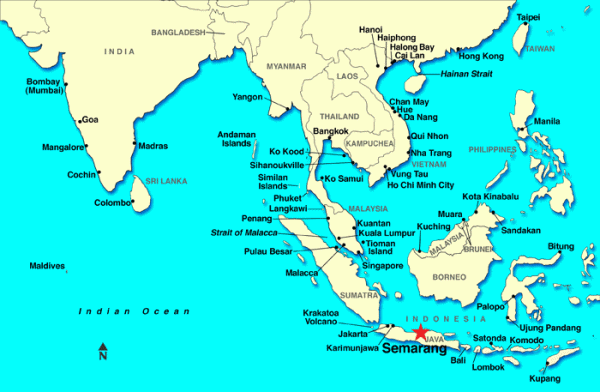
Did Agastya drink the ocean? Agastya was the first person to cross the Indian ocean for the first time to establish a great Hindu empire in South East Asia.  We now knew that there was a flourishing Hindu colony in Laos, Vietnam, Cambodia (Angkor Wat temple), Thailand, Malaysia, Singapore and Indonesia (Borobudur Stupi) for 1500 years. Now they are all converted as Muslims. Like Columbus and Magellan, he crossed the ocean- that is he ‘drank’ the ocean! It is a symbolic story. Agastya’s statues are displayed through out South East Asian countries even today.


One another myth about Agastya is that he made the Vindhya Hill not to grow again. This is another symbolic story to say that he crossed the Vindhyas for the first time through the ‘land route’. Before him North and South Indians used coastal sea routes. Tamil literature also makes it very clear in several places that Agastya came to the south with 18 groups of people and he was the one who codified a grammar for Tamil. A massive exodus from the North followed Agastya.

This is explained in the Puranas as Agastya ‘belittling’ the Vindhyas in the Puranas/mythology. Agastya was the first one to find a sea route to South East Asia around 1000 BCE which the Puranas .


The Dasakumara Charita of Dandi mentioned the name Raameshu (Hindu name) as Captain of a Ship. It is a typical Hindu name. Even today we can find names Ramesh, Rama Seshan, Ramesan in South Indian and North Indian telephone directories. Old authors guessed it as Rama jesus. It is wrong. It is like saying I am selling ‘Hot Ice Cream’.

–SUBHAM–

எனது கம்பெனியில் சேருகிறீர்களா, சார், நீங்கள்? (Post No.5074)

Written by S NAGARAJAN


Date: 4 JUNE 2018


Time uploaded in London –  6-56 am  (British Summer Time)


Post No. 5074


Pictures shown here are taken from various sources such as Facebook friends, Books, Google and newspapers; thanks. Pictures may be subject to copyright laws.


நடைச்சித்திரம் : மேலாண்மை நகைச்சுவை


எனது கம்பெனியில் சேருகிறீர்களா, சார், நீங்கள்?

.நாகராஜன்


எனது கம்பெனியில் வேலைக்கு ஆட்களை எடுக்கிறோம்.

நீங்கள் சேருகிறீர்களா, சார்?

**


கம்பெனி தலைமை நிர்வாகிகளைப் பற்றிய அனுபவங்கள் அநேகமாகப் பலருக்கும் ஒரே மாதிரியாகத் தான் இருக்கும். பணியைப் பற்றிய அறிவு நன்கு இல்லாவிட்டாலும் மற்றவரை நன்கு வேலை வாங்கத் தெரிய வேண்டும்; அதாவது நன்கு செயல் திறமையுடனும் அறிவுடனும் இருக்கும் பலரையும் நன்கு பயன்படுத்தத் தெரிந்திருக்க வேண்டும்;

இன்னொரு வித தலைமை நிர்வாகிகள் உண்டு; அவர்கள் மானேஜ்மெண்டின் தலைமைக்கு தலைமையாக இருக்கும் கம்பெனி உரிமையாளர்களை “அனுசரித்து” நடப்பவர்கள்.


இதற்கு அர்த்தம் எப்படி வேண்டுமானாலும் எடுத்துக் கொள்ளலாம். அதாவது “ஆமாம் சாமி” யாக இருக்க வேண்டும்!

சரி இன்றைய கம்பெனிகளின் நிர்வாகிகள் – பாஸ் – எப்படி இருக்கிறார்கள்?

ஒரு ஜோக் உண்டு.


கிளி ஒன்றை வாங்க வந்தவர் அதன் விலையைக் கேட்டார்.

500 டாலர் என்றார் கடைக்காரர்.

“500 டாலரா? கிளிக்கா” என்று வாயைப் பிளந்தார் விலையைக் கேட்டவர்.

“இதற்கு கம்ப்யூட்டர் ஆபரேட் பண்ணத் தெரியும் “ என்றார் கடைக்காரர்.

அடுத்த கிளியைப் பார்த்த அவர், “இதன் விலை என்ன?” என்றார்.

“இதன் விலை ஆயிரம் டாலர் என்றார் கடைக்காரர்.


“ஆயிரம் டாலரா? ஒரு கிளிக்கா இந்த விலை” மலைத்துப் போய்க் கேட்டார் அவர்.

“இந்தக் கிளிக்கு யூனிக்ஸ் ஆபரேடிங் சிஸ்டம் தெரியும.புராகிராமும் பண்ணும்” என்றார் கடைக்காரர்.

மூன்றாவதாக இருந்த கிளியைப் பார்த்த அவர், “இதன் விலை என்ன?” என்று கேட்டார்.

இதன் விலை இரண்டாயிரம் டாலர் என்றார் கடைக்காரர்.

“என்ன இரண்டாயிரம் டாலரா?” என்று மயங்கி விழும் நிலையில் இருந்தார் கேட்டவர். “அப்படி என்ன இது செய்கிறது?”


“உண்மையைச் சொல்லப் போனால் இது ஒன்றுமே செய்து நான் பார்த்ததில்லை. ஆனால் மற்ற இரண்டு கிளிகளும் இதை “பாஸ்” என்று கூறி பவ்யமாக நடந்து கொள்கின்றன!” என்றார் கடைக்காரர்.

எக்ஸிகியூடிவ் என்பவர் யார் என்பதை இப்போது புரிந்து கொண்டால் சரி.


ஒரு நல்ல எக்ஸிகியூடிவ் திறமையானவர்களைத் தேர்ந்தெடுக்க வேண்டும். நல்ல வேலை வாங்க வேண்டும். தலைமைக்கும் தலைமையாக இருக்கும் உரிமையாளர்களை “அனுசரித்து” நடக்க வேண்டும்.


ஒரு எக்ஸ்கியூடிவ் லேடி கார் ஓட்டும் போது ஒரு பஸ் மோதி இறந்தார்.

அவரை மேல் உலகில் செயிண்ட் பீட்டர் வரவேற்றார்.


“நீங்கள் பெரிய எக்ஸிகியூடிவ். அனைத்தும் அறிந்தவர். வேலையாட்களை எடுத்து அவர்களுடன் பணி புரிந்தவர். ஆகவே உங்களுக்கு ஒரு சலுகை.

ஒரு நாள் உங்களை நரகத்திற்கு அனுப்புகிறேன். அடுத்த நாள் உங்களை சொர்க்கத்திற்கு அனுப்புகிறேன். 48 மணி நேரம் கழித்து உங்கள் முடிவின் படி நீங்கள் எங்கு செல்ல விரும்புகிறீர்களோ அங்கு செல்லலாம்”

செயிண்ட் பீட்டரின் இந்த அபார சலுகையால் மனம் மகிழ்ந்த பெண்மணி முதலில் நரகம் சென்றார்.


அபாரமான வரவேற்பு.அனைத்துப் பெண்களும் அழகிகள். பியூட்டி பார்லரின் செண்ட் வாசனை கமகமத்தது.

அவரை வரவேற்று கோல்ப் மைதானத்திற்கு கூட்டிச் சென்றனர். நல்ல விளையாட்டு.பின்னர் க்ளப் ஹவுஸில் டின்னர். அடாடாடா! அதுவல்லவா டின்னர்.


டெவில் நேரடியாக வந்து நமது பெண்மணியை வரவேற்று நலம் விசாரித்தார்.

பிறகு பார்ட்டி. நல்ல அரட்டை.

24 மணி நேரம் முடிந்தது.


இப்போது சொர்க்கத்திற்கு அவர் கொண்டு செல்லப்பட்டார்.

மேகக் கூட்டங்களின் நடுவே தேவதைகள்! அவரை வரவேற்றன. நல்ல பாடல். அழகிய நடனம். ஆனந்தமாக இருந்தது.

24 மணி நேரம் முடிந்தது.


அவர் செயிண்ட் பீட்டரிடம் தன் முடிவைச் சொல்லும் நேரம்.

“நன்கு யோசித்துப் பார்த்தேன். சொர்க்கம் நன்றாகத் தான் இருக்கிறது. ஆடலும் பாடலும் சரி தான். ஆனால் நரகத்தில் இருக்கும் சுகமே தனி. ஆகவே அங்கேயே செல்ல விரும்புகிறேன்.”

அவர் நரகத்திற்கு அனுப்பப்பட்டார்.

நரகத்தில் கோரமான உருவங்கள் ஹாஹா என்று இப்போது அலறிக் கொண்டிருந்தன. நாற்றம் தாங்க முடியவில்லை. பார்க்கும் இடமெல்லாம் சகிக்க முடியாத குப்பை கூளச் சாப்பாடு.

அலறிப் போன பெண்மணியை டெவில் – கோரமான உருவம் – பார்த்து அசிங்கமாகச்  சிரித்தது.


“நேற்று நான் வந்த போது இந்த இடம் பிரமாதமாக இருந்ததே” என்று வருத்தம் தோய பயத்துடன் எக்ஸ்கியூடிவ் பெண்மணி கேட்டார்.

அதற்கு டெவில் பதில் சொன்னது” “ நேற்று உங்களை தேர்ந்தெடுக்கும் நாள்.இன்றோ நீங்கள் பணியாளருள் ஒருவர்.” (Yesterday we were recruiting you; today you are staff!”)


கம்பெனிகளைப் பற்றியும் எக்ஸிகியூடிவ் பற்றியும் ஒரு நல்ல ஐடியா கிடைத்தால் சரி!

**


எனது கம்பெனியில் வேலைக்கு ஆட்களை எடுக்கிறோம்.

நீங்கள் சேருகிறீர்களா, சார்?


***


கிரேக்க நாட்டில் தீக்குளித்த தமிழ் சந்யாஸி (Post No.5073)

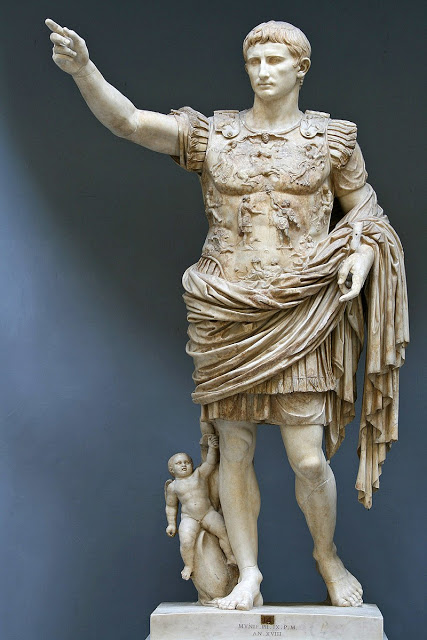
Image of Augustus, Roman Emperor


Written by London Swaminathan 


Date: 3 JUNE 2018


Time uploaded in London – 20-59


Post No. 5073


Pictures shown here are taken from various sources such as Facebook friends, Books, Google and newspapers; thanks. Pictures may be subject to copyright laws.


WARNING: PLEASE SHARE MY ARTICLES; BUT DON’T SHARE IT WITHOUT AUTHOR’S NAME AND THE BLOG NAME. BE HONEST; OTHERS WILL BE HONEST WITH YOU


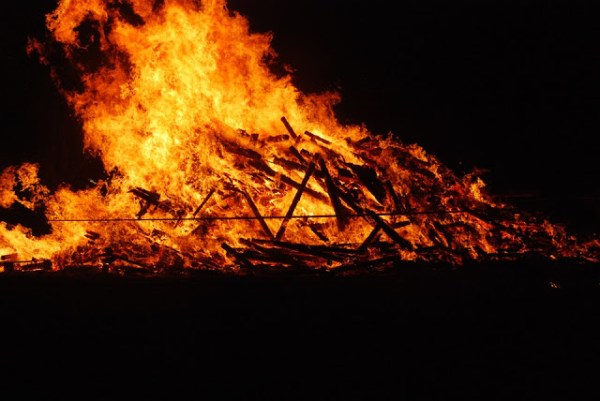
ரோமானிய மன்னன் அகஸ்டஸ் (கி.மு/கி.பி. முதல் நூற்றாண்டு)  ரோமானிய சாம்ராஜ்யத்தை ஆண்டபோது ‘பாண்டியோன்’ என்னும் மன்னன் அங்கே ஒரு தூதனை அனுப்பினான். அவனுடன் ஒரு சந்யாஸி சென்றார். அவருடைய பெயர்  ஜார்மனோசேகஸ் என்று கிரேக்க எழுத்தாளர்கள் எழுதி வைத்துள்ளனர். இவர்கள் சந்திப்பு 2000 ஆண்டுகளுக்கு முன்னர் கி.மு.19 வாக்கில் நடந்தது. இதற்குப் பின்னர் அந்த சந்யாஸி கிரேக்க நாட்டின் தலநகரான ஏதென்ஸ் மாநகரில் எல்லோர் முன்னிலையிலும் பஹிரங்கமாக தீக்குளித்தார். இதைக் கண்டு ஏதென்ஸ் மாநகரமே அதிசயித்து நின்றது. ஊரெங்கும் அதே பேச்சு.


இப்படி தமிழ்நாட்டு பாண்டிய மன்னனின் தூதனுடன் சென்றவர் பெயர் ஜார்மனோசேகஸ் என்பதை சிரமனாச்சார்யா என்று மாற்றி இவர் புத்தமதத்தினராக இருக்கக்கூடும் என்று  ராலின்ஸன், கென்னடி போன்றோர் பிதற்றி வைத்தனர். இதைச் சற்று ஆராய்வோம்.


2000 ஆண்டுகளுக்கு முன்னர் பாண்டிய மன்னனின் தூதருடன் வடநாட்டு சந்யாஸி போக வாய்ப்புகள் மிகவும் குறைவு. காரணங்கள் என்ன?

  1. நமக்குத் தெரிந்தவரை புத்த மத, சமண மத சந்யாஸிகள் எவரும் 2000 ஆண்டுகளுக்கு முன்னர் தீக்குளித்து உயிர்த் தியாகம் செய்த வரலாறு இல்லை. ஏனெனில் இது இந்துக்களின் வழக்கம்.


2.கபிலர் என்ற பிராஹ்மணப் புலவன்தான் தமிழ் இலக்கியத்தில் அதிகமான பாடல்களை யாத்தவர். அவர் பாரி மன்னனின் இரு புதல்விகளையும் கல்யாணம் கட்டிக் கொடுத்த பின்னர் திருக்கோவிலூரில் தீக்குளித்தார். இன்றும் சுற்றுலாப் பயணிகள் அங்கே சென்று கபிலர் பாறையில் வணக்கம் செலுத்தி வருகின்றனர்.


இந்து சாமியார்கள், சாது  சந்யாஸிகள் வாழ்க்கையின் குறிக்கோள் முடிந்தவுடன் இப்படித் தீக்குளித்து உயிர்த் தியாகம் செய்வது ராமாயண, மஹாபாரத கால வழக்கம்.


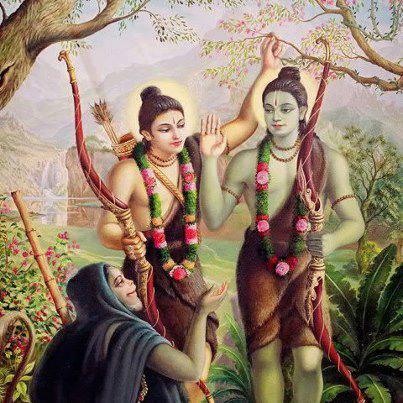
  1. ராமனைச் சந்தித்த சபரி என்ற வேடுவக் கிழவி உன்னை சந்தித்ததால் வாழ்க்கையின் பயனை எய்திவிட்டேன் என்று சொல்லி தீக்குளித்து மோட்சம் எய்தினாள்


4.சரபங்கர் என்ற முனிவரும் வேதவதியும் இவ்வாறு தீப்புகுந்ததை ராமாயணத்தில் காண்கிறோம்.

5.இதே போல ஆதிசங்கரர் ஆர்வத்தோடு வாதாட வந்த குமாரில பட்டர், எரியும் உமிக்கு நடுவில் தன் உடலை வைத்து, கொஞ்சம் கொஞ்சமாகக் கருகி இறந்த சம்பவத்தையும் நாம் அறிவோம். “நீங்கள் நான் உயிர்த் தியாகம் செய்யும் தருணத்தில் வந்து விட்டீர்கள் ஆயினும் என் சிஷ்யரிடம் வாதாடுங்கள்” என்று சொல்லி சங்கரரை அனுப்பி வைத்தார்.  அத்தகைய சாது சந்யாஸிகளுக்கு உடல் என்பது அழுக்கான ஆடை போல. அதைத் தூக்கி எறிவதில் எந்தக் கஷ்டமும் இல்லை.


6.வெளி நாடுகளுக்குச் சென்று கலாசாரத்தைப் பரப்பியது இந்துக்கள் என்பதை தென்கிழக்கு ஆசிய நாடுகள் அனைத்திலும் 1500 ஆண்டுகளுக்கு நிலவிய இந்துக் கலாசாரம் காட்டுகிறது; அதை நிறுவியவர்கள் கௌன்டின்யன், அகஸ்தியர் என்ற இரண்டு பிராஹ்மணர்கள் என்பதை அங்குள்ள கல்வெட்டுகள் காட்டி நிற்கின்றன. ஆக பாண்டிய மன்னருடன் சென்றவர் இந்து சாமியாரே என்பதற்கு அதுவும் அத்தாட்சி.


7.ஸ்பெயின், போர்ச்சுகல் ஆகிய நாட்டைச் சேர்ந்த கிறிஸ்தோபர் கொலம்பஸ் போன்ற மாலுமிகள் கொள்ளைக்காரர்கள் மட்டுமல்ல; கிறிஸ்தவக் கொலைகாரர்களும் கூட; சென்ற நாடுகளில் உள்ள பழங்குடி மக்களை அழித்து அங்குள்ள தங்கம் அனைத்தையும் கொள்ளையடித்தனர். இவர்கள் அங்கு செல்லும் முன் ஒரு இந்து சாது அங்கே சென்று அவர்களுக்கு நல்லொழுக்கத்தைக் கற்பித்தார்.  1200 ஆண்டுகளுக்கு முன்னர் பகிரங்கமாகத் தீக்குளித்தார். அப்படி உயிர்த் தியாகம் செய்யும் முன்பு ‘’நான் திரும்பி வருவேன்’’ என்று அறிவித்தார்.  இதற்குப் பல நூற்றாண்டுகளுக்குப் பின்னர் அங்கே சென்ற கிறிஸ்தவர்களைப் பார்த்து அவர்கள்தான் ஆரூடம் சொன்ன இந்து சந்யாஸி என்று கருதி காலில் விழுந்து வணங்கினர். அந்தக் கிறிஸ்தவக் கொலைகாரர்களோ அவர்களைக் கொன்று அங்குள்ள நூலகங்களை எரித்து, தங்கத்தை எல்லாம் ஸ்பெயின் நாட்டுக்குக் கொண்டு சென்றனர். எஞ்சிய சில தஸ்தாவேஜுகளில் இருந்து நமக்கு இந்தத்  தகவலகள் கிடைத்தன.

ஆகவே மாயன், கிரேக்க எழுத்தாளர்கள் மூலம் நாம் அறிவது இந்து சந்யாஸிகள் தீக்குளித்து உயிர்த் தியாகம் செய்வர் என்பதாகும்.


ராமாயண, மஹாபாரத்திலிருந்தும் தமிழ் இலக்கியத்திலிருந்தும் நாம் அறிவது வாழ்க்கையின் குறிக்கோள் முடிந்த இந்துக்கள் தீக்குளித்து உயிர்த் தியாகம் செய்வர் என்பதாகும். குமாரிலபட்டர் போன்றோரும் இவ்வாறு உயிர் துறப்பது அல்லது வடக்கிருந்து உயிர் துறப்பதை நாம் ஸம்ஸ்க்ருத இலக்கியத்தில் இருந்தும் அறிகிறோம். பாண்டிய மன்னனே தூதனை அனுப்பியது இந்த இந்து சந்யாஸியை அறிமுகப்படுத்தத்தானோ!!!

-சுபம்–

ANCIENT TAMIL HINDU SAINT WHO BURNT HIMSELF IN ATHENS! (Post No.5072)

Statue of Augustus

Written by London Swaminathan 


Date: 3 JUNE 2018


Time uploaded in London – 14-05


Post No. 5072


Pictures shown here are taken from various sources such as Facebook friends, Books, Google and newspapers; thanks. Pictures may be subject to copyright laws.


WARNING: PLEASE SHARE MY ARTICLES; BUT DON’T SHARE IT WITHOUT AUTHOR’S NAME AND THE BLOG NAME. BE HONEST; OTHERS WILL BE HONEST WITH YOU


ANCIENT TAMIL HINDU SAINT WHO BURNT HIMSELF IN ATHENS! (Post No.5072)

Monk Zarmanochegas who accompanied an Indian embassy from King Pandion to Roman Emperor Augustus  (63 BCE to 14 CE) reached Rome by 19 BCE. Later this Monk Zarmanochegas amazed Athens by burning himself to death publicly. Some people thought that he was a Buddhist. They changed the name Zarmanochegas into Sramanacharya. The identification is not certain. The Greeks did horrible things to the words they borrowed and the names they reproduced.


My research shows that he was a Hindu saints from Tamil Nadu. The reason being we don’t have enough evidence in ancient Buddhist literature to show that they burnt themselves when their life mission was finished. But in Hindu literature we have umpteen references to show that they ended their life in this way when their mission was fulfilled.

Kabila, the Brahmin poet who contributed highest number of Tamil verses in the Sangam literature, burnt himself to death after he married two daughters of ancient Tamil philanthropist Pari of Pa

rambu country. Even today we can visit his memorial Kabila Rock near Thirukkovilur in Tamil Nadu. He lived around First century BCE or CE. At the same time this Hindu burning himself in Greece also happened. So Kabilar might have inspired him. Moreover the saint/monk accompanied a Tamil ambassador from Pandya King. So the saint must be a Tamil one.


saints burning themselves happened from Ramayana Times. Sabari a hunter woman saint and many other saints of Ramayana days burnt themselves after seeing Rama, thinking that they can straight away go to heaven or attain salvation.


Kumarila Bhatta, a great scholar and contemporary of Adi Shankara burnt himself to death. When Adi Shankara came for a debate , Kumarila told him that it was too late and sent him to another scholar.

A Hindu saint visited Mayan civilization , taught them good things and burnt himself to death. He told them that he would come back again. After several centuries when he Christian robbers came from Spain that generation thought that he must be the expected saint. But those plunderers looted the innocent Mayan civilization and took all the gold to Spain.


Following is my article posted on 12 July 2014:-

Five Ascetics who Entered Fire: Vedavati, Sabhari, Sarabhanga,Kabila, Quetzalcoatl


Five Ascetics who Entered Fire: Vedavati, Sabhari, Sarabhanga,Kabila, Quetzalcoatl

Research Article Written by London Swaminathan
Post No. 1168; Dated 12th July 2014.

Hindu epic Ramayana is unique in many ways. One of the unique things about the Ramyana is “self immolation”. It is very interesting to know that women ascetics existed in the days of Ramayana and they did enter the fire and sacrificed their lives when they thought that the date of their departure had come. This is one the boldest things, we can see only in the Hindu world. Here we see a continuity of Upanishadic age sages like Gargi and Maitreyi. They did not feel any body pain when they entered the fire due to their Yogic practice.

Sita did not fear to enter fire to prove her purity. Kumarila Bhatta, contemporary of Adi Shankara, did not hesitate to burn his body slowly in the middle of husk lighted on all four sides. Tamil poet Kabila did enter fire after fulfilling his noble mission. Aztec saint Quetzalcoatl (may be a Hindu saint) did sacrifice his life in fire.

Goddess Uma did penance by standing in the middle of Five Fires (Panchagni). Many a saints including Bhageeratha did Panchagni penance. Bharata and Angatha tried to enter the fire thinking that they lost their in their mission. This is a Hindu ritual. When one completes something noble, one enters fire. When one failed to achieve to fulfil something, they enter the fire ritually.

There is a big difference between suicide and this ritual sacrifice. Here they enter the fire after announcing to the whole wide world that on such and such day they would do it for a particular noble cause. It is not because of depression or agitated mind. There is another type known as Sati, where in the women who lost their husbands climb the funeral pyre. There is another type of sacrifice where women like Chitoor Rani Padmini along with her friends entered the fire to save their modesty.
Here is a short list of great ascetics who immolated themselves:

Sharabhanga :

Rama, after slaying the demon Viradha, visited the hermitage of Sharabhanga. He told Rama that he rejected Indra’s invitation to visit Brahmaloka, knowing that Rama was visiting the place. He also directed Rama to Sutikshna’s dwelling. He requested Rama to stay with him till he casts off his body as a snake casts off its slough. Then Sharabhanga prepared a fire and poured clarified butter therein. The sage entered the flames and assumed a youthful form and ascended to Brahma’s abode (Source: Aranya Kanda, Chapter 5)

Sabhari:

She was waiting to see Rama. When Rama went to her in the middle of the forest; she gave him berry fruits and roots which were bitten by her. She did this to give the sweetest ones to Rama. Since Rama knew her motherly love, he did not reject it. She belonged to the caste of hunters. That tribal woman guided Rama and Lakshmana to lake Pampa an Rishyamuka mountain.
“Having received permission from Rama to depart, Sabhari, wearing matted locks, robes of bark and a black antelope skin, cast herself into the fire, thereafter rising into the air like a bright flame. (Chapter 74, Aranya Kanda).

Vedavati:

Vedavati was the daughter of Rishi Kusadhwaja. When Ravana was passing through the forests in the Himalaya he met Vedavati, a damsel of great beauty dressed in acetic garb. When Ravana wanted to marry her she told him that she would marry only Vishnu. But Ravana boasted to her about his heroic deeds and touched her hair with a bad intention. Enraged by this, she cursed him that he would be destroyed by her in her next birth (as Sita) and entered fire before him. When she entered the fire celestial flowers fell around her (Uttara Kanda, Ramayana)
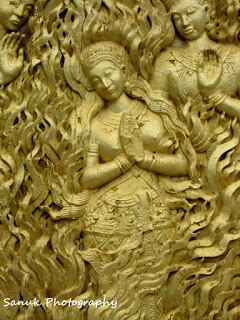
Tamil Poet Kabilar:

Kabilar, a Brahmin poet of great character, who lived in the Sangam Age ( First three centuries CE) was a good friend of a generous chieftain Pari. When the mighty Tamil kingdoms laid a siege around his kingdom Kabilar boldly supported Pari. The three Tamil kings of Sera, Choaza, Pandya kingdoms killed him by deceit. Then Kabilar took his two daughters to all the chieftains begging them to marry them. No one dared to earn the enmity of the powerful Tamil kings. At last, one chieftain took care of those girls and Kabilar, having fulfilled his mission, entered the fire. There was a memorial stone in the place known as Kabilar Stone near Tirukoyilur on the banks of River Pennai. There is an inscription with this story in verse (Source Dr R Nagasamy’s Tamil book ‘Paamaalai’).

Bharatha, Rama’s brother, was desperate to see Rama after his 14 year banishment. When he did not arrive on the appointed day Bharat was about to jump in to ceremonial fire. But Rama arrived by his divine Supersonic jet from Sri Lanka and saved his life. When Angathan and other monkeys could not find Sita in their search mission, they contemplated sacrificing themselves in fire. This is a typical Hindu approach.
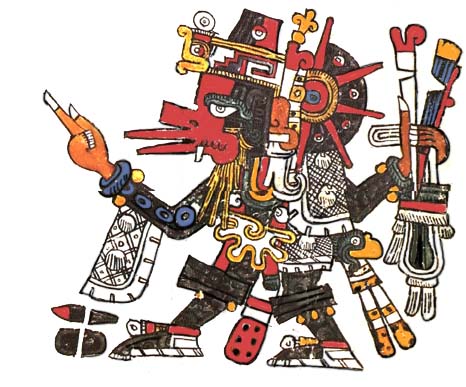
 

Aztec Saint’s Self Immolation

Aztec civilization (750 CE to 1500 CE) in South and Central America had a mysterious person with the name Quetzalcoatl. There were two people with the same name which resulted in lot of confusion. He was a demiurge, priest, ruler conceived by virginal birth years after his father’s death. He was ruler of Toltecs for twenty two years. He lived in Tula, lost a civil war, fled with a good sized Toltec force. He set sail into the open sea on a particular date Aztec calendar with a prophecy that he would come back on the recurrence of that date.

Centuries after this date, Spanish man Herman Cortes landed on the coast of Mexico on 4th March 1519. Aztec king Montezuma believed that god and saint Quetzalcoatl had come back in the form of a white man. He was given royal welcome. But Cortes, Columbus and his band of explorers brought disease, death and destruction to the wonderful Mayan, Aztec and Inca civilizations. They plundered the whole of South America and took tons of gold to Spain and Portugal.

Quetzalcoatl means ‘feathered serpent’ or ‘precious twin’. He is one of the most important Aztec deities, although he has origins in pre Aztec cultures. There was a historical king in the same name that was expelled from Tula, the Toltec capital in 987 CE. According to one version he reached the Gulf of Mexico and immolated himself, to be reborn as the planet Venus. He predicted that he would come back. He may be a Hindu saint who practised such rituals in ancient India.


–Subham–

சர்ச்சிலின் டான்ஸ்! (Post No.5071)

Written by S NAGARAJAN


Date: 3 JUNE 2018


Time uploaded in London –  9-54 am  (British Summer Time)


Post No. 5071


Pictures shown here are taken from various sources such as Facebook friends, Books, Google and newspapers; thanks. Pictures may be subject to copyright laws.


ச.நாகராஜன்


இந்தியா சுதந்திரம் பெற்று விடக் கூடாது என்பதில் முனைப்பாக இருந்தவர் வின்ஸ்டன் சர்ச்சில்.

அதை விட அவரது மோசமான எண்ணம் அப்படி ஒருவேளை சுயாட்சி தர நேர்ந்தாலும் அல்லது சுதந்திரமே தர நேர்ந்தாலும் இந்தியாவைத் துண்டாடி இந்தியா, பாகிஸ்தான் ஆகிய இரு நாடுகளை உருவாக்கித் தீராத தலைவலியை இந்தியாவிற்குத் தந்து விட வேண்டும் என்பது தான்.


முதல் எண்ணம் வெற்றி பெறவில்லை.

இரண்டாவது எண்ணம் வெற்றி பெற்று விட்டது.

இந்தியர்களை அயோக்கிய ராஸ்கல்கள் என்று அவர் கூறிய அவரது பிரபலாமான மேற்கோள் பற்றி ஒரு கட்டுரை எழுதினேன். (இந்தியர்கள் தங்கள் நாட்டை ஆளத் தகுதியற்ற நாள் சீக்கிரம் வரும் என்று அவர் குறிப்பிட்டார்; அது நிறைவேறி விடும் படி நமது அரசியல் கோமாளிகள் நடந்து கொள்வதை வருத்தத்துடன் குறிப்பிட்டு, அது நிறைவேறாமல் இருக்க இளைய தலைமுறை நடவடிக்கை எடுக்க வேண்டும் என்றும் எழுதியுள்ளேன்)


ஆனால் நன்றி கெட்ட சர்ச்சில் தனது உயிரைக் காப்பாற்றிய ஹிந்து-சீக்கிய ஜவான்களின் நாடான இந்தியாவையே பிரிக்கத் திட்டம் போட்டது தான் மன்னிக்க முடியாத செயல்.

சர்ச்சில் தனது சுயசரிதத்தில் அவர் இளம் ராணுவ வீரராக கைபர் கணவாய் அருகே பணியாற்றிய போது நடந்த ஒரு சம்பவத்தைக் குறிப்பிட்டுள்ளார்.


அவரை முஸ்லீம் பத்தான்கள் சுற்றி வளைத்தனர்.

அவர் உயிர் போகவிருந்த தருணத்தில் அவரது ப்ளாட்டூனில் இருந்த ஹிந்து-சீக்கிய ஜவான்கள் குறுக்கிட்டு அவர் உயிரைக் காப்பாற்றினர். தனது உயிர் காப்பாற்றப்பட்டது ஹிந்து-சீக்கிய ஜவான்களாலேயே என்று அவரே எழுதியுள்ளார்.


ஆனால் அவர் பிரதம மந்திரியான போது நடந்த சம்பவங்கள் விசித்திரமானவை. இந்தியாவைப் பிரிப்பதே அவர் நோக்கமாக இருந்தது. 1940 மே 10ஆம் தேதி அவர் பிரிட்டனின் பிரதம மந்திரியாக ஆனார்.


முகம்மதலி ஜின்னாவை அவர் ஆதரித்துத் தயார் படுத்தினார்.

ஆனால் இரண்டாவது உலக மகா யுத்தம் எதிர்பாராத விதமாக வந்து பிரிட்டனை அச்சுறுத்தியது.


தனது மின்னல் வேகப் படையால் ஹிட்லர் ஒவ்வொரு நாடாக கபளீகரம் செய்து கொண்டு முன்னேறினான்.


அவனை மகாத்மா காந்திஜி உள்ளிட்ட அனைவரும் ஆதரிக்கவில்லை. பிரிட்டன் தனக்கு உதவி செய்யுமாறு கெஞ்சி வேண்டிய போது அதற்கு காந்திஜியின் தலைமையில் இந்திய மக்கள் சம்மதித்தனர். ஹிட்லரால் பாதிக்கப்பட்டு இந்தியாவிற்கு ஐரோப்பாவிலிருந்து வரும் யூத அகதிகளுக்குப் புகலிடம் தரவும் இந்திய தேசிய காங்கிரஸ் முன் வந்தது. ஆனால் பிரிட்டன் இதை ஏற்கவில்லை. என்றாலும் ஹிந்து-சீக்கிய மக்கள் சில யூதர்களை இங்கு குடியேறச் செய்தது.

ஆனால் முகம்மதலி ஜின்னாவோ ஹிட்லரின் வருகை பிரமாதமான ஒன்று என்றும் ஹிட்லரை தான் ஆதரிப்பதாகவும் பகிரங்கமாகக் கூறினார்.


1938 செப்டம்பரில் மூனிச் உடன்படிக்கை ஜனநாயக செக்கோஸ்லேவேகியாவை அழித்த போது ஜின்னா ஹிட்லர் தங்களுக்கு (இந்திய முஸ்லீம்களுக்கு)  உத்வேகம் ஊட்டும் ஒருவர் என்று கூறினார்.


பிரிட்டனுக்கு ஆதரவு தந்த காந்திஜிக்கும் இந்திய மக்களுக்கும் துரோகம் இழைத்த சர்ச்சில், பிரிட்டனின் எதிரியான ஹிட்லரை ஆதரித்த ஜின்னாவுக்கு ஆதரவு தந்தார்.

பாகிஸ்தானை உருவாக்குவதில் முனைப்பாக உதவி செய்தார்.

இந்த நீண்ட நெடிய சுதந்திரப் போரில் ஒன்று தான் கிரிப்ஸ் மிஷன். (Cripps Mission) கிரிப்ஸ் லேபர் கட்சி.சர்ச்சிலோ கன்ஸர்வேடிவ் கட்சி.


கிரிப்ஸ் இந்திய மக்களுக்கு உதவ வேண்டும் என்ற எண்ணத்தில் சில திட்டங்களை முன் வைத்தார். சுயாட்சி தரப்படும் என்ற அவரது தேனான திட்டம் பேப்பர் அளவிலேயே இருந்தது. ஆக்கபூர்வமான ஒன்றாக அது இல்லாததால் காந்திஜி உள்ளிட்ட அனைவரும் அந்தத் திட்டத்தை நிராகரித்தனர்.


கிரிப்ஸின் மிஷன் தோல்வி அடைந்தது.

இதைத் தான் சர்ச்சில் மிகவும் விரும்பினார்.

கிரிப்ஸின் இந்திய விஜயம் மகத்தான தோல்வியை அடைந்தது என்ற செய்தியைக் கேட்டவுடன் அளவிலா ஆனந்தம் அடைந்த சர்ச்சில் தனது அதிகாரபூர்வமான இல்லமான 10, டவுனிங் தெருவில் தனது இல்லத்தில் இருந்த காபினட் அறையில் டான்ஸ் ஆடினார். அவ்வளவு மகிழ்ச்சி!

இதை பிரிட்டிஷ் எழுத்தாளர் மைக்கேல் எட்வர்டஸ் (Michael Edwardes) எழுதியுள்ளார்.


அமெரிக்க ஜனாதிபதியான ரூஸ்வெல்ட் இந்தியாவிற்கு உதவப் பெரிதும் விரும்பினார். யுத்தத்திற்கோ அமெரிக்க உதவி சர்ச்சிலுக்குத் தேவையாக இருந்தது. ஆகவே கண் துடைப்பிற்காக யுத்த கால மந்திரி சபை உறுப்பினரான கிரிப்ஸை இந்தியாவிற்கு அனுப்ப சர்ச்சில் சம்மதித்தார்.

இது அமெரிக்க ஜனாதிபதிக்காக – வெறும் கண் துடைப்பிற்காக. ஆனால் அவர் தோற்றவுடன் இந்தியாவை உருப்படாமல் செய்ய வேண்டும் என்ற தன் எண்ணம் பலித்ததற்கு ஆனந்த நடனம் ஆடினார் சர்ச்சில்.

சர்ச்சிலின் குள்ளநரித் தந்திரம் இந்தியாவைப் பிரிக்க வழிவகை செய்தது.


ஆனால் மிகக் குறுகிய காலத்திலேயே பாகிஸ்தான் இரண்டு பட்டது – பாகிஸ்தான், பங்களாதேஷாக.


இதுவும் போய் அகண்ட பாரதம் உருவாகும் என அரவிந்தர் கூறியுள்ளார். அதைக் காலம் தான் மெய்ப்பிக்கும்!

***

Animal Emblems of Indian Kings (Post No.5070)

Written by London Swaminathan 


Date: 2 JUNE 2018


Time uploaded in London – 21-32


Post No. 5070


Pictures shown here are taken from various sources such as Facebook friends, Books, Google and newspapers; thanks. Pictures may be subject to copyright laws.


WARNING: PLEASE SHARE MY ARTICLES; BUT DON’T SHARE IT WITHOUT AUTHOR’S NAME AND THE BLOG NAME. BE HONEST; OTHERS WILL BE HONEST WITH YOU


Indian kings, mostly used animals and birds as their royal emblems. This shows their interest in nature and staright forward thinking. They did not have mythical animals as Yali or Kamadhenu cow or four headed Airavata. They used the symbols which are recognised easily by general public.

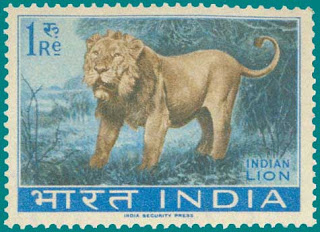
Lion
Lion was the royal emblem of the Satavahanas
Kadambas of Banavasi
Dynastic crest of Western Chalukyas of Kalyana
Ikshvakus of Eastern Deccan
Senavas of Kudalurupura

Singalese of Sri Lanka

Lion Capital of Modern India (from Asoka Pillar)

Tiger
Tiger was the royal emblem of Chozas of Thanjavur region
Hoysalas of Dwarasamudra
Sindas of Bagadage

Elephant
Elephant was the royal crest of Cheras
Bow was also on the flag of Cheras

Boar
Boar was the royal emblem of the Chalukyas


Bull, Nandhi

Bull was the royal emblem of the Nava Nagas of Narwar
Nandobhavas of Joypore
Maukharis of the Western Magadas
White Huns
May be Indus Valley Kings
Pallavas Of Kancheepuram

Eagle
Eagle was the royal emblem of the Guptas of Maghada
Gurjara Pratiharas of Kanauj
Rashtrakutas of Malked
Silaharas of Northern Konkan

Fish
Fish was the royal emblem of the Pandyas of Madurai

Double headed Eagle

Vijayanagara Emperors (Ganda Beranda Pakshi)

Kingdom of Mysore

Mouse
Mushikas of Kerala


Conch

Cochinn/ Travancore Kings

–subham–