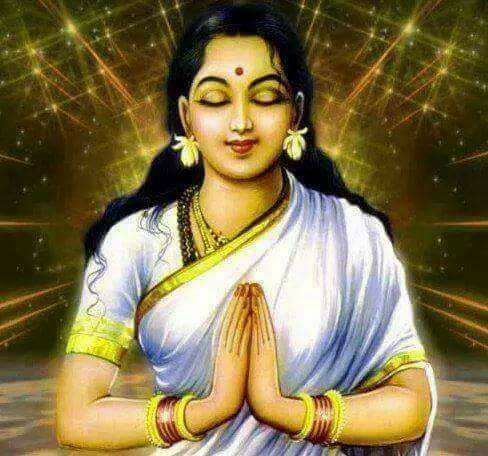
DOLL FESTIVAL IN TIRUPPAVAI AND TIRUVEMPAVAI (Post No.4895)

DOLL FESTIVAL IN TIRUPPAVAI AND TIRUVEMPAVAI (Post No.4895)


COMPILED by London Swaminathan 


Date: 8 April 2018


Time uploaded in London –  15-59 (British Summer Time)


Post No. 4895


Pictures shown here are taken from various sources such as Facebook friends, Books, Google and newspapers; thanks. Pictures may be subject to copyright laws.


WARNING: PLEASE SHARE MY ARTICLES; BUT DON’T SHARE IT WITHOUT AUTHOR’S NAME AND THE BLOG NAME. BE HONEST; OTHERS WILL BE HONEST WITH YOU


Learned Tamil scholar V R Ramachandra Dikshitar compares the Doll festival in Andal’s Tiruppavai, Manikkavasakar’s Tiruvempavai, Sangam Tamil Verses Tai Neeratal (bathing in the month of Thai) and Ambavatal of Nallanthuvanar (in Sangam Literature work Paripaatal).


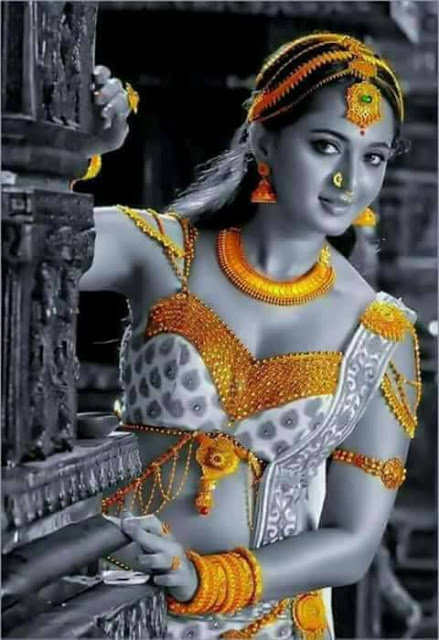
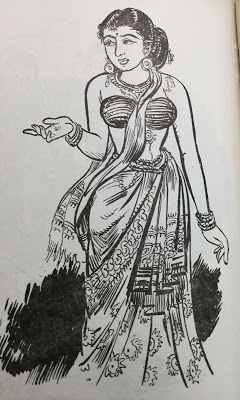
Tamil Mystic poetess Andal’s celebrated work ‘Tiruppavai’ refers to Paavai Nonbu. Young girls observe Pavai Nonbu for thirty days in the Tamil month of Markazi (corresponding to December and January). They follow strict rules and bathe in the morning and go to temple or banks of the river and make sand dolls of Goddess).

Andal Kolam

V R R Dikshitar says,


“The commentator of Tiruppavai Periyavaacaan Pillai speaks of this festival as ‘Sistaacaara’, and no ancient authority could be cited in tracing out its origin.


The same festival is also referred to in the Tiruvembaavai of Tiruvadavuuraar (Manikkavasakar). Whatever might be the origin of this festival, that it was celebrated by one and all of the unmarried girls is evident.

Story behind Pavai Festival

The story goes that once when Lord Vishnu was living in human form as Krishna, there were no rains. At that time the cowherd women began to pray to the Lord. One form of prayer was the celebration of Markazi (December-January) Nonbu by the unmarried girls. Early in the morning these girls went to the river Yamuna, took their bath, and prayed. They also wished to have Krishna Himself as their husband.

(My comments: That is the literal meaning. But the meaning behind the words is someone with the qualities of or virtues of the Lord. It is a festival for rains is evident in the lines of Andal “there will be three rains every month and plenty of paddy crops”)


Evidence in Bhagavata Purana- Katyaayani Vrata

A more or less similar version of the story is found in the Bhagavata Purana (Life History of Krishna). From this it would appear that this Nonbu (fating) went by the name Kaatyaayani Vrata for these girls said to worship the goddess Katyayani ( in the form of sand dolls) who would help them in securing Krshna as their husband (i.e.a man with divine virtues). The Puja asted for a month and on the last day, the Lord appeared befor them and after a rigid test agreed to fulfil their wishes (Dasama skanda ,Chapter 22). We know even today orthodox Brahmins performing Dhanurmasa Puja. They get up very early in the morning, bathe in the river and offer worship. Worship is also offered in all the temples before sunrise in the month.

(My comments:- Why did our forefathers chose a cold month for this fasting? People tend to sleep more, covering their head to foot with woollen shawl, and becoming lazier. So our forefathers found a way out by inventing or allocating this for the coldest month in the year. The second interesting point is to go in group to a river or tank or lake nearby for the bath. The communal spirit will keep them warm and they can make more fun which is evident in Tiruppavai lines—girls mocking or teasing other girls who are still in bed. The third point is scholalrly one:- Lord Krishna says that he is Month Markazi among the 12 months giving it foremost importance. The real meaning is that it was the beginning of the year several thousand years ago. i.e during the Rig Vedic days. B G Tilak and German scholar Herman Jacobi dated Rig Veda between 4000 BCE and 6000 BCE on the basis of astronomical remarks in the Vedic Hymns. Some scholars believe that Markazi (December / January was the beginning of the year; it is still followed in the Western world. January came from Lord Ganesh- Janus – a two faced God in Roman mythology; meaning is saying good bye to the year gone and welcoming the new year with another face. Ganesh= Janus )
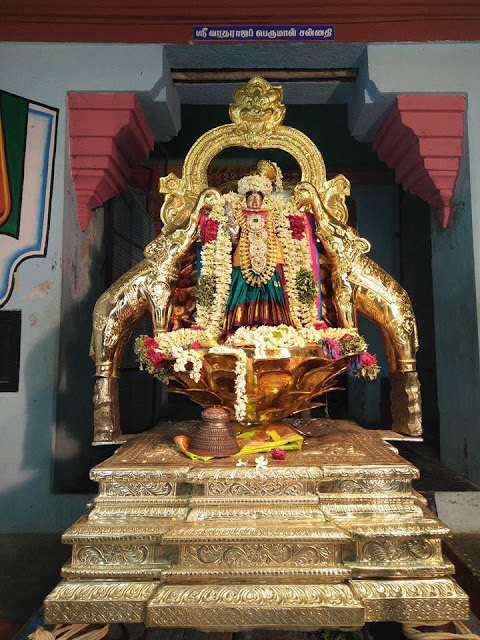
In Tamil Sangam Literature

The religious observance is not unknown to the Sangam literature. It is known as Tai Niiraatal, literally bath in the month of Tai (Tamil month Tai corresponds to January-February).

The evidence is in the 2000 year old Sangam literature in the following books:

Paripaadal St.11.1.17

Kalittogai 59, 80

Aingurunuru 84

Narrinai 22

The festival was perhaps begun on the full moon day of Markazi and continued up to the full moon of Pushya. According to the calculation of the Puurnimanta system the month of Markazi after the fifteenth is considered as Tai.

(My comments: Andal’s very first verse mentioned the full moon day in Markazi; It is also interesting to see all the full moon days are celebrated as festival days according to Hindu calendar; in those days, we didn’t have bright electric lights; so people used all the natural light available on full moon days – 24 hour lighting from sun and moon)

Lalgudi Nataraja

New name in Sangam Literature- Ambaavaatal

Nallanthuvanar, the author of Paripaadal designates this festival as Ambaavaatal. According to this authority, the festival commenced with the Tiruvadirai  (Star- Arudra) day of the month of Markazi. In his days the Vedic Brahmins were engaged in Agnihotra rites when the girls after their bath in the River Vaiagi (Madurai is on the banks of Vaigai) also worshipped the fire god in order that seasonal rains might visit the land and they might secure good husbands.


It is believed that the present festivalof Arudra Darsanam or Tiru Adirai was celebrated in the month of Mrakazi in the Tamil and Malayalam districts is a relic of this ancient practice of Pavai Nonbu.


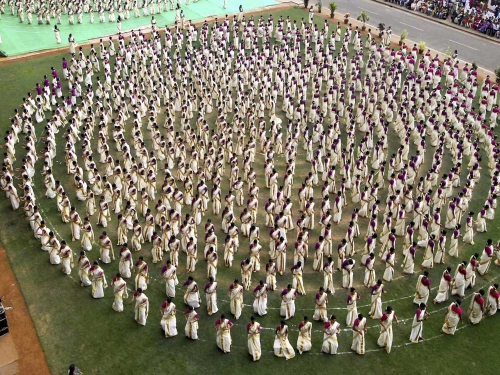
(My comments:- Tiruvadirai is celebrated on a grand scale in Kerala even today. Girls bathe, wear new clothes and flowers and dance in groups. Special dishes are made. In Tamil Nadu it is a big festival day in all the Siva temples. When the climatic conditions changed naturally two festivals merge together. We see such things in Easter and Christmas festivals in the Western world; pagan rites merge with Christian beliefs.)
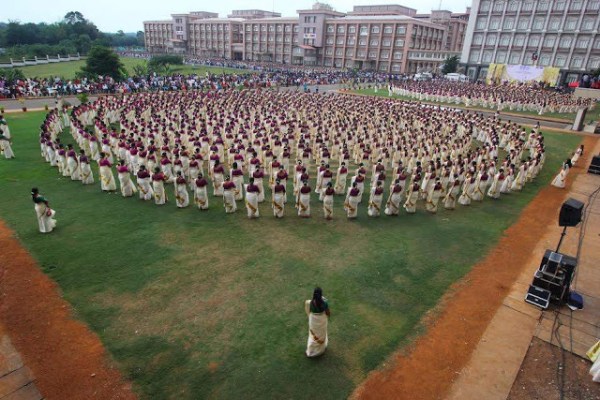
Tiruvadirai dance in Kerala

Pavai Nonbu was a vow observed by un married girls. This practice of religious austerity was sacred to the goddess Katyayani. It was a belief then by the grace of Katyayani the young girls could get suitable husbands for themselves so that their lives could be peaceful and happy. What is remarkable is that it is being observed every year both by the followers of Vaishnava and Saiva cult.”


Page 301 and 302, Studies in Tamil Literature by V R R Dikshitar.
 

— Subham–
 

அடங்காப்பிடாரியை அடக்கும் வித்தை! (Post No.4894)

COMPILED by London Swaminathan 


Date: 8 April 2018


Time uploaded in London –  11-29 am (British Summer Time)


Post No. 4894


Pictures shown here are taken from various sources such as Facebook friends, Books, Google and newspapers; thanks. Pictures may be subject to copyright laws.


WARNING: PLEASE SHARE MY ARTICLES; BUT DON’T SHARE IT WITHOUT AUTHOR’S NAME AND THE BLOG NAME. BE HONEST; OTHERS WILL BE HONEST WITH YOU


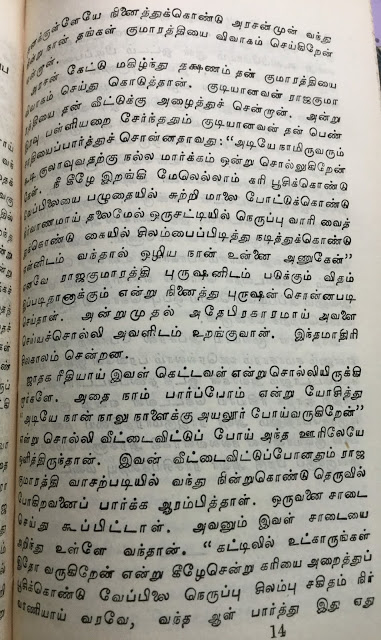
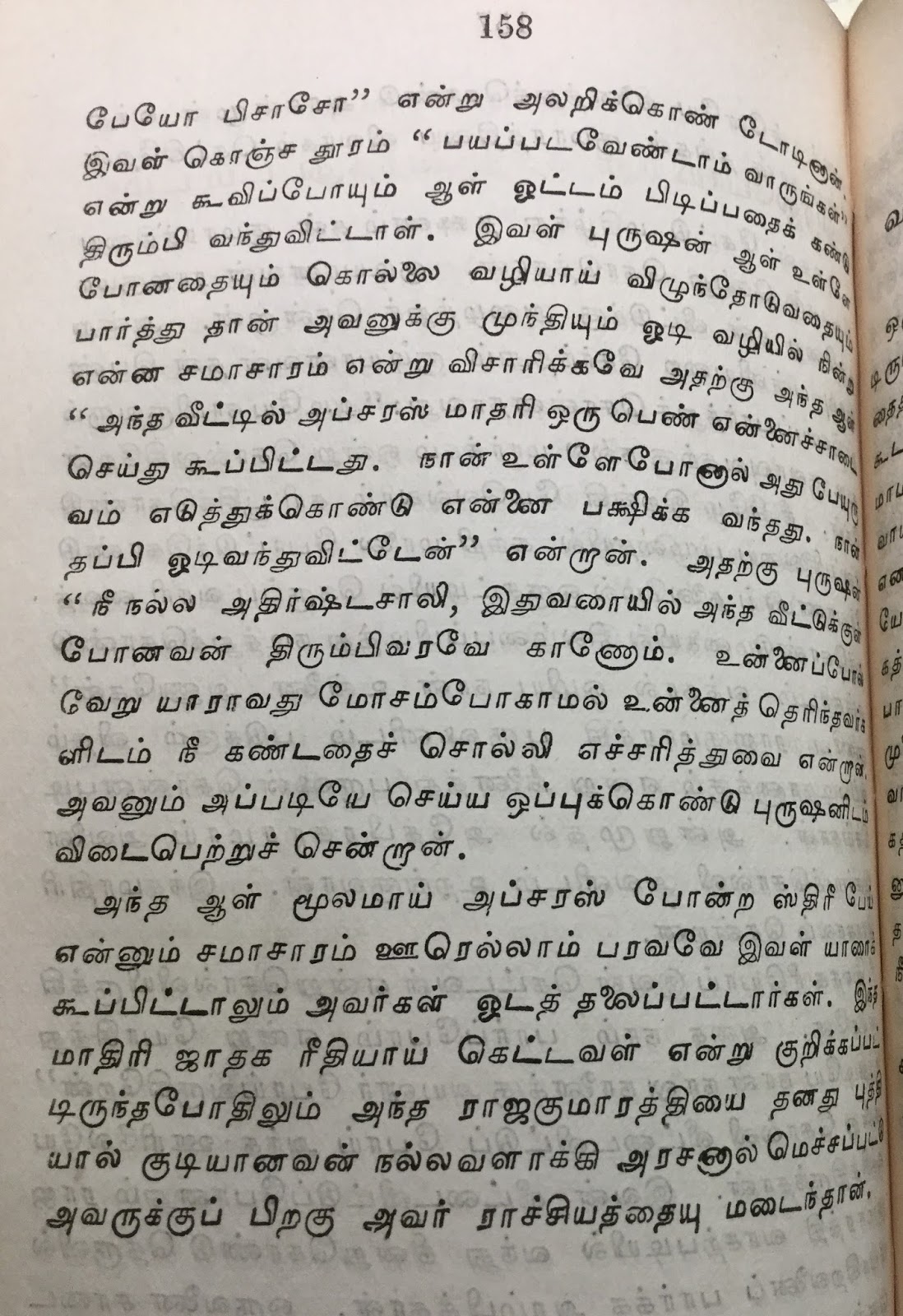
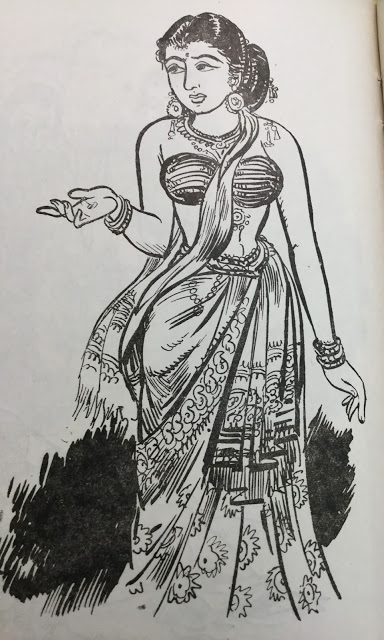
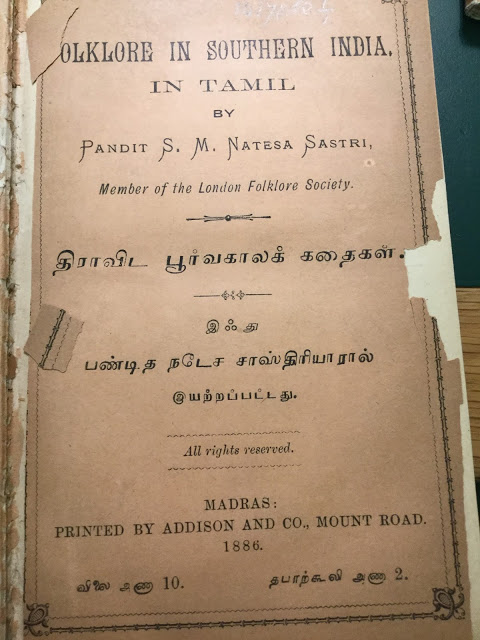
நடேச சாஸ்திரியார் என்னும் தமிழ்ப் பெரியார், தமிழ் மொழிக்கு அரிய பெரிய சேவை செய்துள்ளார். அக்காலத்தில் அவர் கேட்ட நாட்டுப்புற கதைகளைத் தமிழிலும் ஆங்கிலத்திலும் 100 ஆண்டுகளுக்கு முன்னர் புஸ்தகமாகவும் ஆராய்ச்சி இதழ்களில் கட்டுரைகளாகவும் வெளியிட்டுள்ளார். அவர் தொகுத்த ஒரு கதை வில்லியம் ஷேக்ஸ்பியரின் டேமிங் ஆf தெ ஷ்ரூ ( TAMING OF THE SHREW) போன்ற கதை. இதோ நடேச சாஸ்திரியின் நடையிலேயே படியுங்கள்:-


TAGS– கெட்ட பெண், நல்ல பெண், பேய், அடங்காப்பிடாரி

 –subham–

அட்லாண்டிஸ் மகா மர்மம் – அதிசயத் தகவல்கள்! – 1 (Post No.4893)

Date- 8 April 2018


British Summer Time- 7-19 am


Written  by S Nagarajan


Post No.4893


Pictures are taken from various sources; thanks.


23-3-2018 பாக்யா வார இதழில் அறிவியல் துளிகள் தொடரில் வெளியாகியுள்ள (எட்டாம் ஆண்டு நான்காம்)  கட்டுரை

அட்லாண்டிஸ் மகா மர்மம்அதிசயத் தகவல்கள்! – 1

.நாகராஜன்


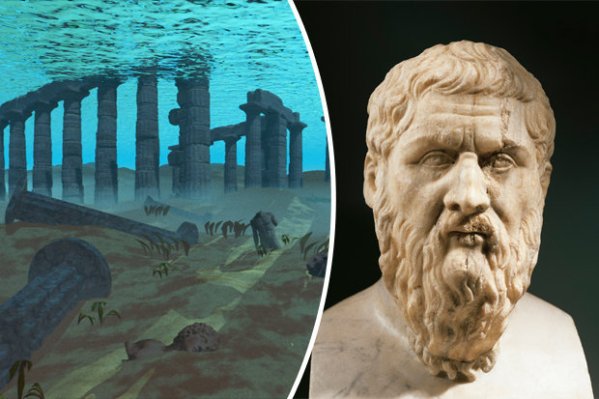
அட்லாண்டிஸ் என்னும் மர்மத் தீவு அட்லாண்டிக் பெருங்கடலின் மத்தியில் உள்ளது.

இந்த அட்லாண்டிஸ் என்னும் அற்புதத் தீவு திடீரென்று மறைந்து போனது. அது தான் மர்மம். மிக பிரம்மாண்டமான அதிசயக்கத்தக்க நாகரீகத்தைக் கொண்டிருந்த மக்கள் அட்லாண்டிஸ் மக்கள்! கனவு தேசம் என்றே அதைச் சொல்லலாம். அந்த நாகரிகத்தின் ஞானம் மட்டும் இருந்தால் போதும் உலகம் அமைதியின் சொர்க்கமாகத் திகழும்! ஆகவே தான் லட்சியவாதிகள், மாயாஜால நிபுணர்கள், புது யுகம் காண விழைவோர் ஆகியோர் இதைப் பற்றி ஆராய்கின்றனர்.

ஆயிரக் கணக்கான புத்தகங்கள் இது வரை அட்லாண்டிஸ் பற்றி வெளியாகியுள்ளன. பல்லாயிரக்கணக்கில் பத்திரிகைக் கட்டுரைகளும் இணையதளக் கட்டுரைகளும் சுவாரசியமான தகவல்களை அள்ளி வீசுகின்றன.

இதை ஆராய்வதிலேயே தன் கோடிக்கணக்கான பணத்தைச் செலவிட்டோர் ஏராளம். தன் இன்னுயிரை விட்டவர்களும் கூட உண்டு!

அட்லாண்டிஸ் பற்றிய முதல் தகவலைத் தருபவர் கிரேக்க தேசத்து அறிஞரான பிளேட்டோ! தனது டயலாக்ஸ் – உரையாடல்கள் – என்ற நூலில் அட்லாண்டிஸ் பற்றி அவர் குறிப்பிடுகிறார். கிறிஸ்துவுக்கு முன் 330ஆம் ஆண்டு எழுதப்பட்ட நூல் இது!

அகழ்வாராய்ச்சி நிபுணரான பேராசிரியர் கென் ஃபெடர் (Ken Feder – Encyclopedia of Dubious Archaeology) தனது என்சைக்ளோபீடியா ஆஃப் டியூபியஸ் ஆர்கலாஜி என்ற நூலில், “அட்லாண்டிஸ் எல்லோரும் நினைப்பது போல ஒரு அருமையான இடம் இல்லை.மாறாக செல்வம் நிரம்பிய தொழில்நுட்பத்தில் மிகவும் முன்னேறிய, ராணுவத்தில் பலம் வாய்ந்த ஒரு நாடு. இதனால் லஞ்ச லாவண்யம் பெருகிய நாடாகவும் அது திகழ்ந்தது” என்கிறார்! ஏதன்ஸின் புகழ் பாட பிளேட்டோ அட்லாண்டிஸைப் பயன்படுத்திக் கொண்டார். அட்லாண்டிஸ் இன்று இருக்குமானால்

நம் அனைவரையும் கொன்றிருக்கும் அல்லது அடிமைகளாக ஆக்கி இருக்கும். மற்றவர் யாரும் எழுதாத அட்லாண்டிஸ் பிளேட்டோவின் கற்பனையில் விளைந்த ஒன்று என்கிறார் பேராசிரியர்.

அட்லாண்டிஸ் பற்றி ஆராய்ச்சியாளர்கள் பல கொள்கைகளை வகுத்துள்ளனர். அவற்றில் சில:-

அட்லாண்டிஸ் நாகரிகம் சுமார் 9000 வருடங்களுக்கு முன்பு இருந்தது. ஒரு பிரம்மாண்டமான கடற்படையை அது கொண்டிருந்தது!  ஒரே நாளில் அது கடலுக்கடியில் மூழ்கியது!

பல நூற்றாண்டுகளாக சரித்திர ஆசிரியர்களும், விஞ்ஞானிகளும், அகழ்வாராய்ச்சியாளர்களும் அட்லாண்டிஸ் உண்மையில் இருந்ததென்றால் எந்த இடத்தில் இருந்தது என்று விவாதத்தில் ஈடுபட்டு வந்துள்ளனர்.

I

இக்னேஷியஸ் டானெலி (Ignatius Donnelly)  என்பவர் 1882ஆம் ஆண்டு எழுதியுள்ள புத்தகத்தில்  (Atlantis, the Antedivluvian World) இன்னொரு அதி முன்னேறிய நாகரிகம் ஒன்று தான் அட்லாண்டிஸுக்கு அனைத்தையும் வழங்கி இருக்க வேண்டும் என்கிறார். பிளேட்டோ சொன்ன இடத்திலேயே இது மூழ்கி இருக்கலாம் என்று கூறும் அவர் பிளேட்டோ குறிப்பிடும் ஹெர்குலிஸ் தூண்கள் எனப்படும் இரு தூண்கள் ஜிப்ரால்டர் ஜலசந்தியின் நுழைவாயிலைக் குறிப்பதாக இருக்கலாம் என்கிறார். இன்னும் சிலர் அட்லாண்டிஸை பெர்முடா ட்ரை ஆங்கிள் விழுங்கி இருக்கலாம் என்கின்றனர். டானெலியின் வழியைப் பின்பற்றி சார்லஸ் பெர்லிட்ஸ் என்பவர் 1970களில் அட்லாண்டிஸ் பஹாமா தீவுகளுக்குச் சற்றுத் தள்ளி இருக்கிறது என்கிறார்.

பெர்முடா ட்ரை ஆங்கிள் மர்மமான இடம். பல நூறு கப்பல்கள் காணாமல் போன இடம் இதுவே. இந்தக் கொள்கையை ஆதரிப்போர் பிமினி என்ற கடற்கரையில் மனிதன் அமைத்தது போல உள்ள பல கட்டுமானங்களைச் சுட்டிக் காண்பிக்கின்றனர்.

இது ஒரு கொள்கை.

இன்னும் ஒரு கொள்கை இது:


சார்லஸ் ஹாப்குட் என்பவர் 1958ஆம் ஆண்டு ஒரு புத்தகத்தை வெளியிட்டார். இதற்கு பிரபல விஞ்ஞானியான ஆல்பர்ட் ஐன்ஸ்டீன் ஒரு முன்னுரை தந்துள்ளார். இந்தப் புத்தகத்தின் பெயர் ‘எர்த் ஷிப்டிங் தி க்ரஸ்ட்’ (Earth Shifing the Crust) இதில் பூமியின் மேலோடு 12000 ஆண்டுகளுக்கு முன்னால் இடம் பெயர்ந்தது என்றும் அது அண்டார்டிகாவை இடம் பெயரச் செய்து விட்டது என்றும் குறிப்பிட்டிருக்கிறார். இந்த கண்டமே முன்னேறிய நாகரிகத்தின் இடம் என்பது அவரது கருத்து. பூமியின் மேலோடு பெயர்ச்சியின் காரணமாக இந்த அருமையான நகரம் பனிக்கட்டிகளுக்கு அடியில் அமுங்கி விட்டது என்கிறார் அவர். இதைப் பல விஞ்ஞானிகளும் ஆதரிக்கின்றனர்.

இன்னும்  பல கொள்கைகள் உள்ளன. அவற்றை அடுத்துப் பார்ப்போம்.


அறிவியல் அறிஞர் வாழ்வில் .. ..

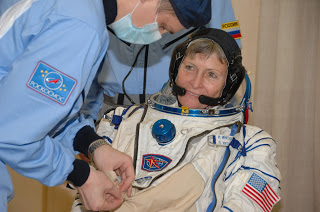
அமெரிக்க விண்வெளி வீராங்கனையான பெக்கி விட்ஸன் குழந்தைகளை விண்வெளி ஆர்வம் ஊட்டி உத்வேகப்படுத்த அவர்களைச் சந்திக்கிறார்.

சமீபத்தில் ஒரு சனிக்கிழமை அன்று குழந்தைகள் வரவழைக்கப்பட்டனர்.

செவ்வாய் கிரகம் பற்றி முதன் முதலில் விஞ்ஞானிகள் அறிந்தது எப்படி என்ற கேள்வி முதலில் எழுப்பப்பட்டது.

உடனடியாக இரு குழந்தைகள் பளீரென்று ‘க்யூரியாஸிடி’ என்று பதிலளித்து அனைவரையும் திகைக்க வைத்தன.

செவ்வாய்க்கு கொண்டு போக வேண்டிய முக்கிய பொருள் என்ன என்று கேட்ட போது குழந்தைகள், “தண்ணீர், தண்ணீர் தான் மிக அளவில் வேண்டும்” என்று பதில் அளித்தனர்.

பெக்கி விட்ஸன் நீரை மறு சுழற்சி செய்து பத்திரமாகப் பாதுகாக்க வேண்டியதன் அவசியத்தை விளக்கும் போது குழந்தைகள் மௌனமாக உன்னிப்பாக அவர் சொல்வதைக் கேட்டன.

ரீ சைக்ளிங் என்ற வார்த்தை அவர்களது ஆழ் மனதில் நன்கு பதிந்து விட்டது.

விண்வெளி வீரர்களின் ஆரோக்கியம் பற்றி அவர்கள் கேட்ட கேள்விக்கு வீராங்கனை, “இதற்கு விஞ்ஞான முன்னேற்றமே காரணம்” என்றார்.

கூட்ட இறுதியில் எத்தனை பேர் செவ்வாய் கிரகம் செல்ல ஆசைப்படுகிறீர்கள்? என்று கேட்ட போது அனைவரும் ஒரே குரலில் நாங்கள் அனைவரும் செல்ல ஆசைப்படுகிறோம் என்று கூறியது அனைவரையும் ஆச்சரியப்படுத்தியது.

இந்தியாவிலும் இப்படிப்பட்ட உத்வேகக் கூட்டம் நடக்க வேண்டும் என்று அனைவரும் ஆசைப்படுவது நியாயம் தானே!

***


THE TAMING OF THE INDIAN SHREW (Post No.4892)

Written by London Swaminathan 


Date: 7 April 2018


Time uploaded in London –  18- 36 (British Summer Time)


Post No. 4892


Pictures shown here are taken from various sources such as Facebook friends, Books, Google and newspapers; thanks. Pictures may be subject to copyright laws.


WARNING: PLEASE SHARE MY ARTICLES; BUT DON’T SHARE IT WITHOUT AUTHOR’S NAME AND THE BLOG NAME. BE HONEST; OTHERS WILL BE HONEST WITH YOU


Most of you know the story of the comedy- THE TAMING OF THE SHREW- written by William Shakespeare. Here is a story about an Indian shrew from the folk tales of India.


There was a king in India who had no issues. But after lot of penance and marrying many women he had some good news. One of the queens had become pregnant. He was expecting a male child so that he can appoint him as his ward in course of time. He waited for ten months and the news  came that the queen had given birth to a baby girl.


The king felt happy thinking that at least god was kind to give him a daughter. After sometime he called the royal astrologers and asked them to cast her horoscope. They did it and came out of the queen’s room with a sad face. The King asked them to give some prediction about the future of the girl. They told the king that she would be alright until she comes of age but later she would be a bad girl.

The king thought that he could mend her ways by teaching her all the good things in the world. As the years went by, she showed the signs of a bad woman. The king thought if he could get her a good husband he could change her. So he announced that he would give his kingdom to the prince who marries her. But knowing her background no-one came forward. At last a farmer came forward to marry her and promised the king that he knew the ways to change a shrew. The king knew no other way to solve the problem and so yielded to the request of the farmer.


The marriage was celebrated on a grand scale . He told the king he did not want the kingdom until she became a virtuous woman. The honey moon was arranged in a remote village at the request of the farmer. When she was ready in the bed

room, the farmer told her to come into the room properly dressed. She asked him to explain it.  He told her that it was the custom to come into the room with black charcoal paste on her face and turmeric smear all over the body and wear a garland of margosa (neem) leaves. She did it as she was instructed. This became a daily routine. Now the farmer wanted to check her whether she became a virtuous woman.


He told her that he was going to next village and would return in a few days’ time. He asked her to keep indoors. The farmer never went out of the village but himself in the barn and watched her. As soon he disappeared. she came to the gate and was watching passers-by. She asked one of them to come into the house and give her company. When the night came she told him that she would come to the bed room properly dressed. The stranger was waiting eagerly. She followed her custom as taught by her husband. She smeared black char coal paste on her face, wore a neem leaf garland and smeared turmeric all over her body. The stranger saw her and started shivering and shaking. He ran out of the house crying ‘Ghost, Ghost. it is trying to kill me’.


A big crowd gathered in front of the house inquiring what happened. All of them got the message that the woman in the house becomes a werewolf in the night and sucks the blood of the strangers. From that day, no one dared to walk that street in the night time.


The farmer who was hiding in the barn came out next day saying that his job had finished earlier than expected. He pretended as if he did not know anything. When the night arrived, she came to the bed room as usual, ‘dressed properly’. Both of them were happy. She became a mother in course of time. Slowly all the bad qualities in her disappeared. The king was very happy to hear that and the farmer’s son was appointed as the new king.

This is the Indian way of taming a shrew!


–subham–


இரண்டு கதைகள்! பிறப்பொக்கும் எல்லா உயிர்க்கும்! (Post No.4891)

இரண்டு கதைகள்! பிறப்பொக்கும் எல்லா உயிர்க்கும்! (Post No.4891)


Written by London Swaminathan 


Date: 7 April 2018


Time uploaded in London –  9-42 am (British Summer Time)


Post No. 4891


Pictures shown here are taken from various sources such as Facebook friends, Books, Google and newspapers; thanks. Pictures may be subject to copyright laws.


WARNING: PLEASE SHARE MY ARTICLES; BUT DON’T SHARE IT WITHOUT AUTHOR’S NAME AND THE BLOG NAME. BE HONEST; OTHERS WILL BE HONEST WITH YOU


உயிர்கள் அனைத்தும் ஒன்றே; அவைகளில் வேற்றுமை இல்லை; அவரவர் செய்யக்கூடிய கர்ம வினைகளால் அவவர் நிலை மேம்படுகிறது அல்லது தாழ்வுறுகிறது என்று பகவத் கீதையிலும் புற நானூற்றிலும் (யாதும் ஊரே யாவரும் கேளிர்- புறம் 192). ஹிதோபதேசத்திலும் தமிழ் வேதமாகிய திருக்குறளிலும் கண்டோம். இதை விளக்க இரண்டு கதைகள் — உண்மைச் சம்பவங்கள் ஸம்ஸ்க்ருதத்திலும் தமிழிலும் உள்ளன.

1.ஆதி சங்கரர் மனீஷா பஞ்சகம் இயற்றிய கதை

2.சோமாசி நாயனார் கதை


அயம் நிஜ: பரோ வேதி கணனா லகுசேதஸாம்

உதராசரிதானாம் து வசுதைவ குடும்பகம் –

—ஹிதோபதேசம், பஞ்ச தந்திரம்

பொருள்:- இது தன்னுடையது, அது பிறருடையது என்பது சின்ன புத்தியுடையோரின் செய்கையாகும்; நற்குணம் பொருந்தியோருக்கோவெனில் இந்த உலகமே ஒரு குடும்பம்.


பிறப்பொக்கும் எல்லா உயிர்க்கும் சிறப்பொவ்வா

செய்தொழில் வேற்றுமையான் – (திருக்குறள் –972)


என்று வள்ளுவன் இதை இன்னும் அழகாகச் சொல்லுவான்.

பொருள்:– எல்லா உயிர்க்கும் பிறப்பு என்பது ஒரே தன்மையுடையது; அங்கே வேறுபாடில்லை. செய்யும் தொழில்களால் – செயல்களினால் தான் வேறுபாடுகள்.


ஜாதிகள் இல்லையடி பாப்பா- குலத் தாழ்ச்சி உயர்ச்சி சொல்லல் பாவம் என்பதை விளக்கும் கதைகள் இவை. ஆன்மா என்பது எல்லா உயிர்களிடத்திலும் வேற்றுமை இன்றி ஒளிர்கிறது; வெளி வேஷத்தினால் அதன் ஒளி மங்காது; அதன் மேல் உள்ள சாம்பலை, புகை மூட்டத்தை அகற்றினால் போதும் என்பதை விளக்க இரண்டு உண்மைச் சம்பவங்கள்:


சிவ பெருமான் எந்த வேடத்திலும் வருவார்!

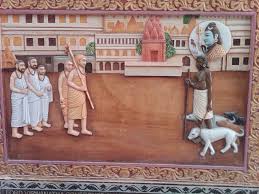
இந்துக்களின் புனித க்ஷேத்ரமான காசியில் கங்கை நதியில் குளித்து விட்டு, உலக மஹா தத்துவ ஞானி ஆதி சங்கரர் திரும்பி வந்து கொண்டு இருந்தார். ஒரு சண்டாளன், நான்கு நாய்களுடன் எதிர்த் திசையில் வந்தான். அவன் வருவதைக் கண்டவுடன் எல்லோரும் விலகிப் போ என்றனர். பொதுவாக புனிதர்கள் வரும்பாதையில் அவர்கள் குறுக்கிடவும் மாட்டார்கள்; அப்படியே வந்து விட்டாலும் விலகி வழி விடுவார்கள். இந்த சண்டாளனோ என்னை விலகச் சொல்கிறீர்களா? அல்லது என்னுள்ளே உறையும் ஆன்மாவை விலகச் சொல்கிறீர்களா? சூரிய ஒளி எந்த ஜலத்தில் பிரதிபலித்தாலும் ஒன்றுதானே? வெற்றிடம் என்பது எந்தக் குடத்தில் இருந்தாலும் வெற்றிடமே; அது இருக்கும் இடத்தினால் அது அசுத்தம் அடையாதே என்று தத்துவக் கருத்துகளை உதிர்த்தான். உடனே ஆதி சங்கரருக்கு அந்த சண்டாளன் சாதாரண ஆள் இல்லை. இறைவனின் வடிவமே- சிவ பெருமானே நான்கு வேதங்களை நான்கு நாய்கள் உருவத்தில் கொண்டு வந்துள்ளார் என்பதை அறிந்து மனிஷா பஞ்சகம் என்ற துதியைப்  பாடினார்.


பண்டிதாஹா சமதர்ஸினஹ– என்ற பகவத் கீதை    வாக்கியத்துக்கு இலக்கணமாக அமைந்தது இது. பிறக்கும் எல்லா உயிர்களும் சமமே என்ற வள்ளுவத்தை விளக்கும் சம்பவம் இது. இதில் எதிரே வந்த ஆள்,  ஜாதிகளுக்கு எல்லாம் புறம்பாக வைக்கப்படும் சண்டாளனாக வந்தது இந்து மதத்தில் ஆன்மீக முன்னேற்றத்துக்கு ஜாதி ஒரு தடையில்லை என்பதைக் காட்டுகிறது.


புலையனாக வந்த சிவன்

மாடு தின்னும் புலையா! உனக்கு மார்கழித் திருநாளோ?’– என்ற நந்தனார் நாடக பாடல் எல்லோரும் அறிந்ததே. அங்கு புலையனாக வந்த நந்தனுக்கு சிவன் காட்சி தந்தார். சிவ பெருமானே புலையனாக வந்து காட்சி தந்தார் சோமாசி நாயனாருக்கு!


 ஸோம யாகம் செய்தவரை ஸோமயாஜி என்பர். இது பேச்சுத் தமிழில் ஸோமாசி என்று மருவும். அப்படிப்பட்ட ஸோமயாகம் செய்த ஒருவர் அம்பல் என்னும் ஊரில் பிறந்தார். இது திருவாரூர் அருகில் இருக்கிறது. அவர் ஒரு யாகம் செய்யத் திட்டம் இட்டார். சிவ பெருமானை நேரில் அதற்கு வரவழைக்க வேண்டும் என்று ஆசை கொண்டார். இது அவ்வளவு எளிதான காரியம் இல்லை; சரியான சிபாரிசு இல்லாவிடில் அவரைப் பிடிப்பது கடினமே என்பதை உணர்ந்தார். எப்போதும் சிபாரிசுக் கடிதம் வேண்டும் என்றால் நேரடியாக அணுகாமல் நண்பருக்கு நண்பர் என்ற வழியில் செல்ல வேண்டும் என்பதை அவர் சுமார் 1300 ஆண்டுகளுக்கு முன்னரே பின்பற்றினார். அவர் பெயர் சோமாசி நாயனார்; 63 நாயன்மார்களில் ஒருவர்.


சிவ பெருமானின் நெருங்கிய நண்பர் சுந்தர மூர்த்தி சுவாமிகள்; அவரைப் பிடித்து சிவனையும் பிடிப்போம் என்று ஒரு வழி கண்டு பிடித்தார். சுந்தரருக்கு மிகவும் பிடித்த தூதுவளைக் கீரையை அவர் வீட்டுக்கு தினமும் அனுப்பினார். திடீரென்று சப்ளையை நிறுத்தினார். விசாரணை துவங்கியது; இது வரை யார் கொடுத்தார்? அது ஏன் திடீரென்று நிறுத்தப்பட்டது? இடைத்தரகர் வியாபாரிகள் புகுந்து பதுக்கல் செய்து விலையை உயர்த்தப் பார்க்கிறார்களா? என்றெல்லாம் எண்ணி சுந்தரரின் மனைவி பரவை , ஒரு விசாரணைக் கமிஷனை நியமித்தார். அதன் காரணமாக சோமாசி நாயனாரும் விசாரணைக்குப் பிரசன்னம் ஆயினார்.


இந்த அரிய சந்திப்பை சோமாசி நாயனார் பயன்படுத்தி யாகத் திட்டத்தையும் சிவன் வரவேண்டியதையும் வலியுறுத்தினார். சுந்தரரும் மசிந்தார்; இசைந்தார்; ஆனால் சிவனோ அப்படி எளிதாகப் பிடி கொடுக்காமல் தாமரை இலைத் தண்ணீர் போல பதில் அனுப்பினார்.


யாம் வருவோம்; ஆயினும் பக்தர்கள் கண்களில் மட்டுமே பளிச்சிடுவோம்- என்றார் சிவன்.


சுந்தரருக்கும் மகிழ்ச்சி; ஸோமாசிக்கும் சந்தோஷம்; செய்தி காட்டுத் தீ போலப் பரவியது. யாகத்தில் பெரும் கூட்டம்; கூட்டத்துக்கோ தலைவர் (சிவ பெருமான்) வந்த பாடில்லை; தலைவர் வந்து கொண்டு இருக்கிறார், வருகிறார், வருகிறார் என்ற அறிவிப்பும் மைக்கில் ஒலிக்கவில்லை. பலருக்கும் ஸோமாஸி நாயனார் கப் ஸா விட்டாரோ என்ற ஐயம் பிறந்தது; சந்தேகம் மலர்ந்தது. பொறுமையின்மை வளர்ந்தது.


பூர்ண ஆஹுதி நேரம் நெருங்கியது.


அந்த நேரத்தில் ஒரு புலையன் மனைவி மக்களுடன் வந்தான். இடுப்பில் கள் நிறைந்த குப்பி தொங்கிக் கொண்டு இருந்தது.


யாகம் செய்வோர் அனைவரும், ‘அபசாரம், அபசாரம் இந்தப் பக்கம் வந்துவிடாதே என்று அலறினர். அவனோ கேட்ட பாடில்லை; ‘ரோடு ரோலர் போல உருண்டு வந்தான். தக்க யாகத்தில் புல்டோஸர் வந்த கதை ஆகிவிடுமோ என்று பதறிய ஐயர்கள் சிதறினர். அன்பெனும் வலையில் அகப்படும் மலையான சிவ பெருமான் ஸோமாஸி கண்களுக்குத் தெரிந்தார். நான்கு நாய்களும் நான்கு வேதமென அறிந்தார். துதி பாடினார்- ஆடினார்- கொண்டாடினார்-


பூர்ண ஆகுதிப் பொருள்களைப் புலையனுக்கு — புலையனாக வந்த சிவனுக்கு- வழங்கினார். சுந்தரருக்கும் சோமாஸிக்கும் சிவனாகக் காட்சி தந்தார். இப்போதும் ஆண்டுதோறும் இந்நிகழ்ச்சி அம்பலில் விழாவாகக் கொண்டாடப் படுகிறது.


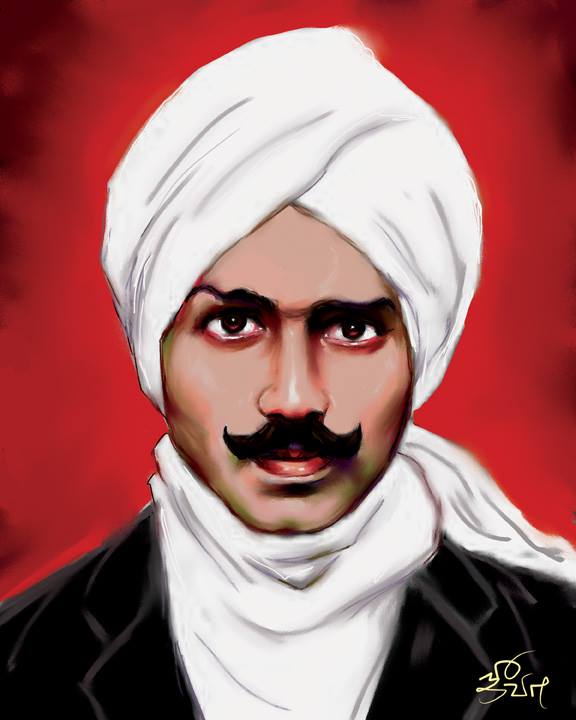
புலையனும் சிவனே! சண்டாளனும் சிவனே; இறைவனுக்கு வடிவமோ ஜாதியோ இல்லை. எல்லோருமோர் குலம்; எல்லோருமோர் இனம் என்ற பாரதியின் வாக்கு எங்கும் ஒலித்தது.


சுபம்—


My Old articles:–

“வசுதைவ குடும்பகம்”- Vasudhaiva … – Parivazhagan…

parivazhagan.blogspot.com/2015/…/2-vasudhaiva-kutumbakam.ht…

14 Jul 2015 – இதைச் செய் ; இதுதான் சரி ; இது மட்டுமே உண்மை; இவரே கடவுள் ; இது ஒன்றே வழி; என்று யாரையும் வற்புறுத்தியது இல்லை நம் சனாதன தர்மம். உன்னுடைய விருப்பத்திற்கே அனைத்தையும் விட்டு விடுகிறது. நீயே உன் இஷ்ட தெய்வத்தை ; நீயே உன் விருப்பமான …

பிறப்பொக்கும் எல்லா … – Tamil and Vedas

https://tamilandvedas.com/…/பிறப்பொக்கும்-எல்…

பிறப்பொக்கும் எல்லா உயிர்க்கும்! வசுதைவ குடும்பகம்!! (Post No. 2458). best bharat mata. Written by London swaminathan. Date: 4 January 2016. Post No. 2456. Time uploaded in London :– 8-30 AM. ( Thanks for the Pictures ). DON’T REBLOG IT AT LEAST FOR A WEEK! DON’T USE THE PICTURES; THEY ARE COPYRIGHTED BY SOMEONE. “எல்லாரும் ஓர் குலம் எல்லாரும் ஓரினம். எல்லாரும் …


பாரதி போற்றி ஆயிரம் – 72 & 73 (Post No.4890)

Date- 7 April 2018


British Summer Time- 7-09 am


Compiled by S Nagarajan


Post No.4890


Pictures are taken from various sources; thanks.


பாரதி போற்றி ஆயிரம் – 72


  பாடல்கள் 588 முதல் 600


கவிதை இயற்றியோர்: பல்வேறு கவிஞர்கள்

தொகுப்பு : .நாகராஜன்

பாரதி பத்துப்பாட்டு

நூலில் பத்து அத்தியாயங்கள் உள்ளன. இங்கு ஏழாம் அத்தியாயமான புதுமைப் பெண் பார்வையில் பாரதி துவங்குகிறது.

ஏழாம் அத்தியாயம்: புதுமைப்பெண் பார்வையில் பாரதி

1 முதல் 13 வரை உள்ள பாடல்கள்

ஆதிபொது வுடைமையாம் சமுதா யத்தில்

     அன்னைக்கே முதலிடமாய் ஆய்ந்தோர் சொல்வார்

ஓதுவால்கா முதல்கங்கை வரையென் கின்ற

     உன்னதநூல் ஆய்வுமதை உரக்கப் பேசும்

போதித்துத் தந்தையின் வழியென் கின்ற

     பேசுநிலப் பிரபுத்வ சமுதா யத்தில்

வாதித்துச் சொத்துரிமை தன்னில் பெண்ணும்

     வலிமையுள தமதுடைமை என்றே கொண்டார்


அந்நாளில் தொடங்கியபெண் ணடிமைத் தன்மை

    அடுத்தடுத்து மென்மேலும் இறுக்க மாகி

எந்நாளும் மாறாத கொடுமை யாக

     இன்றுவரை தொடர்வதனை என்ன சொல்வோம்?

இந்நாளில் கூடயெம் பெண்டிரெல்லாம்

     எமக்குற்ற விதியிதுவே என்று ஏற்று

உந்தியெழ மாட்டாமல் அடங்கிப் போனார்

     உலைவைத்தல் பாய்விரித்தல் வாழ்வாய்க் கொண்டார்


சங்கயிலக் கியகாலம் உயர்ந்த தென்று

     சாற்றுவோர் பெண்டிற்கங் குயர்வுண் டென்பார்

இங்கதனை ஆயுங்கால் முழுமை யாக

    ஏற்பதற் கில்லையென இயம்ப வேண்டும்

அங்கந்நாள் பரத்தையரைத் தேடிச் செல்லல்

    அதனாலே ஊடலெனன் ஒழுக்க மாக்கி

பங்கமுறச் செய்தாரே பெண்டிர் தம்மைப்

    பார்க்கிலிது பெண்டிர்க்குப் பெருமை யாமோ?


இதிகாசம் என்றுநாம் பெருமை பேசும்

     இராமா யணந்தனில் மட்டு மென்ன?

பதிவிரதா தர்மத்தை நாட்டு தற்குப்

     பண்புள்ள சீதைதீக் குளிக்கச் செய்தார்

மதிகுலத்துப் பாண்டவர்தம் மனையாளான

    மகத்தான திரௌபதியைச் சூதில் வைத்து

கதியற்ற நிலையிலவள் துகிலு ரிந்தார்

    கண்டதெலாம் பெண்ணடிமைத் தனமே யன்றோ?


அம்பிகையை சமபாகம் ஏற்றி ருக்கும்

     அரனாரின் அடியார்தாம் செய்த தென்ன?

தம்மனைவி தனையடியார் கேட்ட போது

     தயங்காது தந்துஇயற் பகையா யானார்

அம்மட்டோ மகள்கூந்தல் அறுத்துத் தந்தார்

    அரன்கோயில் மலர்முகர்தல் குற்ற மென்று

அம்மம்மா நாசியுடன் கரம்து ணித்தார்

     அங்கும்பெண் ஆணுக்கு அடிமை தானே?


அந்நியர் படையெடுப்பு நேரும் போதில்

      ஆங்கவர்க்குப் பலியாடு பெண்கள் தானே

அந்நாளில் தமைக்காத்துக் கொள்ள வேண்டி

     ஆடவர்கள் பெண்களைத் தானம் தந்தார்

இந்நாளில் கூடயிங்கு பெண்க ளுக்கு

     எந்தவுரி மையுமென்றும் இல்லை என்றார்

எந்நாளும் பெண்களுக்கும் தம்மைப் போல

      இதயம்உண் டென்பதனை மறந்தே போனார்


கும்மியடிப் பெண்ணே என்றெம்மைக் கைகளைக்

     கொட்டவைத்தாய் எங்கள் பாரதியே

செம்மையு டன்எம்மை வாழவைக்க அன்று

      சிந்தித்தவன் நீயே பாரதியே


எண்ணற்ற காலங்கள் ஆடவரா லுற்ற

     பெண்னடி மைத்தனம் தீர்ப்பதற்கே

மண்ணிலோர் ஆடவன் குரல்கொடுத்தாய் என்றும்

     மாறாத சரித்திரம் இதுவல்லவா?


மனைத்த லைவிக்கு வாழ்த்துசொன் னாயவள்

     மகத்து வந்தனை ஆய்ந்துரைத்தாய்

அனைத்தை யுமவள் பயனுறச் செய்து

    அனுபவ மாக்குவள் என்றுரைத்தாய்


சீனவீ ராங்கனை சியூசினி பேச்சை

     செம்மைமி குந்தநல் பாடலென

தானருந் தமிழில் தந்துபெண் விடுதலை

     தானுணர வழி காட்டிவிட்டாய்


பாரதம் விடுதலை பெறுவதென்றால் முன்னம்

     பாவையர் விடுதலை வேண்டுமென்றாய்

யாரதை அந்நாளில் ஏற்றார்கள் வந்த

      எதிர்ப்பினை ஏற்றுநீ ஓங்கிநின்றாய்


பள்ளிக்குப் பெண்ணை அனுப்புவதே பெரும்

     பாபமென் றெண்ணிய காலத்திலே

எள்ளிந கைத்தவர் தம்மையொ துக்கியே

     ஏட்டினை எம்கையில் தந்துவிட்டாய்


கல்விகற் றால் பெண்கள் தம்முரை மைதன்னைக்

     கண்டுகொள் வாரென்று எண்ணியன்றோ

நல்லபெண் னென்றிடில் நாணம்அச் சத்துடன்

     நாடும் மடமையும் வேண்டுமென்றார்


புதுமைப்பெண் பார்வையில் பாரதி தொடரும்

XXXX


பாரதி போற்றி ஆயிரம் – 73

  பாடல்கள் 601 முதல் 613


கவிதை இயற்றியோர்: பல்வேறு கவிஞர்கள்

தொகுப்பு : ச.நாகராஜன்

பாரதி பத்துப்பாட்டு

நூலில் பத்து அத்தியாயங்கள் உள்ளன. இங்கு ஏழாம் அத்தியாயமான புதுமைப் பெண் பார்வையில் பாரதி தொடர்கிறது.

ஏழாம் அத்தியாயம்: புதுமைப்பெண் பார்வையில் பாரதி

14 முதல் 26 வரை உள்ள பாடல்கள்


ஆணுக்கும் பெண்ணுக்கும் எவ்விதத்திலும்

     அறிவினில் குறையேதும் இல்லையென்றாய்

பேணும்நற் கல்வியைப் பெற்றுப் புதுமைப்பெண்

     புகழ்பெற லாமென வழியமைத்தாய்


கூடத்தி னில் பெண்ணை நிற்க வைத் துப்பலர்

    கூடிப் பலப்பல பேசுவதோ?

மூடத்த னமென்று காறியு மிழ்ந்துபின்

     முறையான காதலின் வாழ்த்துரைத்தாய்


கற்பெனல் பெண்ணுக்கு மட்டுமென் றேயதை

    காலங்கா லமாகச் சொல்லிவந்தார்

உற்றமு றையினில் இருவர்க்கும் பொதுவென

    உணர்த்திய ஆண்மகன் நீயல்லவா?


பொட்டுக்கட் டும்தேவ தாசிமுறை யென்று

     பெண்மையைக் கேவலம் செய்து விட்டார்

கொட்டிய கும்மியில் பொட்டுக்கள் யாவையும்

    கட்டவிழ்ந் துவிழச் செய்துவிட்டாய்


ஜனநாய கம்தந்த ஓட்டுரி மைகூட

     சற்றும் எமக்கிங்கு இல்லையென்றார்

துணிவோடு அதனையும் தந்தனர் என்றிடின்

     தூயநின் பாடலின் உரமல்லவா?


பெண்மை வாழ்கென்று போற்றினாய் பாரதி

பெண்மை வெல்கவென்று வாழ்த்தினாய் பாரதி

உண்மைக் கவிஞனின் உயரிய நோக்கினால்

திண்ண மாய்யாவும் நிகழ்ந்தன பாரதி


மாதர் பட்டங்கள் யாவையும் பெற்றனம்

ஓதத் தகுமுயர் சட்டங்கள் கற்றனம்

சாதம் சமைத்திடல் மட்டுமல் லாதுயாம்

சாத னைகள்பல செய்தனம் பணிகளில்


மருத்து வந்தனில் வியத்தகு சாதனை

திருத்த முடனிங்கு செய்தனர் பெண்களே

பெருமை மிகுந்த காவலதி காரியாய்

பொறுப்பினை ஏற்றதில் சிறந்தனர் பெண்களே


வாட்டம் தருவது எனும்பல பணிகளும்

நாட்ட முடன்செய்து நற்புகழ் பெற்றனர்

வீட்டை யாளல்இல் லாளெனல் மாற்றியே

நாட்டை யாண்டனர் நங்கையர் இத்தினம்


கண்ணில் காதலி காட்டிய பணியென

விண்ணைச் சாடுவர் ஆடவர் என்றனை

எண்ணி வியப்புற இன்றொரு மங்கையே

விண்ணைச் சாடினள் உயிர்பண யமாக்கியே


சமயப் பணிகளில் சார்ந்ததை ஏற்றுளோர்

சமூகப் பணியொடு கல்வியும் வளர்த்தனர்

எமக்கின் றமைந்துள எண்ணிலா புகழையும்

எமதல உனதென சமர்ப்பித் தோமே!


இத்தனையும் இருந்தாலும் பெண்கள் வாழ்வில்

     ஈவ்டீசிங் இழிவால்தற் கொலைகள் நேரும்

எத்தர்கள் பெண்களைக் கடத்திச் சென்று

     எவர்க்கோ விற்றிடல் தொடரும் இன்னும்

எத்துவர தட்சனைத் தீயில் பெண்கள்

    எரிகின்றார் தீயின்னும் அணைய வில்லை

இத்தனையும் தீர்கின்ற நாள்தான் அன்றோ

    இங்குநின் கனவுநிறௌ வேறும் நாளே…


அடிமைத்தன மென்கின்ற விலங்கை மாட்டி

     அறியாமை இருளிலெமைப் பூட்டி வைத்தார்

ஒடித்தாய்நின் கவிதையெனும் ஆயு தத்தால்

     ஒளிவிளக்காய் கல்விதனை ஏற்றச் செய்தாய்

அடிவிளக்கில் இருள்சற்றே இருத்தல்போல

     அதில்சில குறைகளின்னும் இருந்திட் டாலும்

விடிவுவரும் இருள்முழுதும் விலகிப் போகும்

     வித்தகனே புதுமைப்பெண் போற்ற வாழ்க!


புதுமைப்பெண் பார்வையில் பாரதி முற்றும்

தொகுப்பாளர் குறிப்பு:
பாரதிப் பத்துப்பாட்டை வெளியிட மகிழ்ச்சியுடன் அனுமதி தந்த கவிஞருக்கும் சந்தனத் தென்றல் பதிப்பக உரிமையாளர் கவிஞர் சி.காசிநாதன் அவர்களுக்கும் எமது நன்றி.

கவிஞரைப் பற்றிய குறிப்பு ஏற்கனவே தரப்பட்டுள்ளது.

***


TWO SAINTS WHO SAW GOD IN LOW CASTE MEN AND VEDAS IN 4 DOGS! (Post No.4889)

TWO SAINTS WHO SAW GOD IN LOW CASTE MEN AND VEDAS IN 4 DOGS! (Post No.4889)


Written by London Swaminathan 


Date: 6 April 2018


Time uploaded in London –  10-05 am (British Summer Time)


Post No. 4889


Pictures shown here are taken from various sources such as Facebook friends, Books, Google and newspapers; thanks. Pictures may be subject to copyright laws.


WARNING: PLEASE SHARE MY ARTICLES; BUT DON’T SHARE IT WITHOUT AUTHOR’S NAME AND THE BLOG NAME. BE HONEST; OTHERS WILL BE HONEST WITH YOU


Hinduism has many stories to show that God can come in any form- human or animal, high caste or low caste people. One must have the maturity and purity to recognise Him. Two stories are very familiar which illustrate this point. Let me summarise them for those who have not heard the stories.


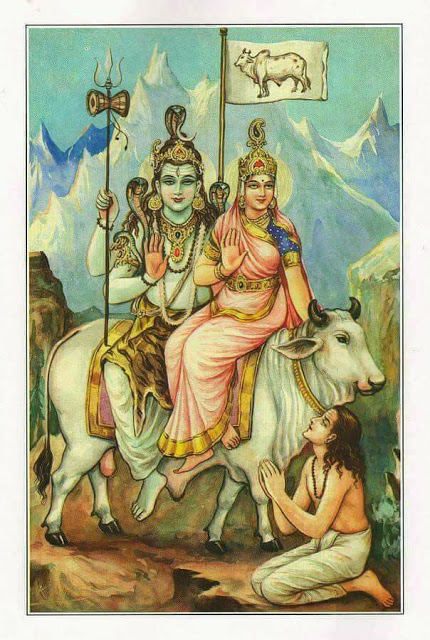
Adi Shankara, the greatest philosopher India has ever produced, was walking to holy river Ganges in the early morning for a bath. When he finished his bath, he was returning with his disciples. There came a low caste Chandala (an outcaste) with four dogs in front of him. Normally the low caste people keep away from holy men and the they come out after he holy men had gone. Contrary to the usual practice, this Chandala stood in his way refused to move. When Shankara asked him to move out of his way, he challenged Shankara asking some philosophical questions. Whether Shankara wanted the physical body or the atman (soul) residing in everyone to move away. Then Shankara realised that the person who was there was nothing but Lord Shiva himself and the four dogs were nothing but four Vedas.


There is a similar story in Tamil devotional literature. Somasi Nayanar was one of the 63 saints (Nayanmars) canonised in Saivite literature. He was famous for doing Soma Yajna and so he was called Somayaji (Somasi in colloquial Tamil). He wanted to perform a Yajna (fire sacrifice) and invite Lord Shiva in person. But he knew that it was not that easy to bring Shiva physically. He knew about Sundramurthy Swamikal, one of the Four Great Saivite saints, who is very close to Lord Shiva. To make very good friendship with Sundrar, he started supplying a special type of spinach (green) called Tuduvalai to him. Sundarar liked that greens very much. Suddenly he stopped the supply of Tuduvalai and so Sundarar’s wife Paravai started inquiring about it. Then the supplier Somasi Nayayan was brought into her presence. Using that opportunity, he requested Sundarar to bring Lord Shiva to his yajna. Sundarar was non -committal but told Somasi that he would pass the message to Lord shiva and get back to Somasi with Shiva’s reply.


Lord Shiva told Sundarar that he would definitely visit the Yajna with his retinue and whoever is devoted would see him. This message was conveyed to Somasi as well. On the day of Fire Sacrifice the whole crowd was waiting to have the darshan (seeing) of Lord Shiva. Time was running out and nothing happened in the sacrifice. Just before the finale, what is known as Purnahuti, a low caste man and his wife with four dogs came towards the sacrificial shed (pandal) Everybody was shouting at him and warned him not to pollute the area. He did not listen to any one and proceede straight with a pot of toddy was hanging from his waist. When Somasi did not prevent him entering the shed, the priests ran away from the place. And Somasi knew that it was Lord Shiva and his consort Parvati with the four Vedas in the form of four dogs. He presented them the Purnahuti and Lord readily accepted that and blessed Somasi and his family.


Somasi was born in a village called Ambal, which is not far from holy town Tiruvarur in Tamil Nadu. Every year this episode was enacted there in a festival. Lot of people attend the event.

There are many such stories in Hinduism where God came in different forms. Shankara’s episode and Somasi’s episode are typical examples to show that there is no caste differentiation in front of God. All are equal before God.


–Subham–


Businessman’s Novel Idea to catch a Thief! (Post No.4888)

Businessman’s Novel Idea to catch a Thief! (Post No.4888)


Written by London Swaminathan 


Date: 6 April 2018


Time uploaded in London –  10-08 am (British Summer Time)


Post No. 4888


Pictures shown here are taken from various sources such as Facebook friends, Books, Google and newspapers; thanks. Pictures may be subject to copyright laws.


WARNING: PLEASE SHARE MY ARTICLES; BUT DON’T SHARE IT WITHOUT AUTHOR’S NAME AND THE BLOG NAME. BE HONEST; OTHERS WILL BE HONEST WITH YOU


I am rewriting a story found in 100 year od book after deleting the caste names.

There was an old business man in a town. One night a burglar entered his house. He hid himself in a bush under a tree in his garden. Though the business man knew the presence of a thief in the garden, he pretended as if he did not notice him. Various thoughts ran into his mind. If I shouted ‘thief, thief’, then he may run away and visit my house another day. Or he may straight away attack me. My old wife is alone in the house.


Suddenly a flash of thought came. He called his wife at the dead of night and asked her to bring a chair and place it under the tree in the garden. She was wondering what happened to her husband. But as a faithful and obedient wife she did what he said. Then he asked for a pot full of hot water with cloves in it saying that he was suffering from severe tooth ache.

She did bring a pot of hot water with cloves in it to relieve him of his tooth pain. He started gurgling water mouth by mouth and spat on the bush where the burglar was hiding. Before he finished the pot full of water, there was some water left in the pot. He started gurgling the water and spat on his wife. First time she thought he did it by mistake. When he repeated three more times, she started shouting ‘Oh, My God, please help me; my husband is becoming mad. At the dead of night, he started spitting on me Come and help me!’.


The neighbours heard her cry and came to her help. When many of them came around the business man, he started scolding his wife loudly, “What is the use of saving lakhs of rupees and hundreds of sovereigns of gold for this lady? This woman who has been my wife for 50 years couldn’t even tolerate three spits. But look at the thief under the bush who was patient and nice to me even when I spat on him 25 times. Tell me how can I reward him?”


As soon as the businessman said this, the thief tried to come out of the bush and run away. Everyone sprang into action and caught him and took him to the police station.

Moral:– At times of trouble one must not panic, but must use his commons sense.


–Subham–


திருடனைப் பிடித்த புத்திசாலி வணிகன் (Post No.4887)

திருடனைப் பிடித்த புத்திசாலி வணிகன் (Post No.4887)


Written by London Swaminathan 


Date: 6 April 2018


Time uploaded in London –  7-41 am (British Summer Time)


Post No. 4887


Pictures shown here are taken from various sources such as Facebook friends, Books, Google and newspapers; thanks. Pictures may be subject to copyright laws.


WARNING: PLEASE SHARE MY ARTICLES; BUT DON’T SHARE IT WITHOUT AUTHOR’S NAME AND THE BLOG NAME. BE HONEST; OTHERS WILL BE HONEST WITH YOU


இது ஒரு தெலுங்கு தேச நாட்டுப்புற கதை


ஒரு வயதான வர்த்தகன் வீட்டில் திருடன் வந்து மரத்தடியில் ஒளிந்து கொண்டான். இதை அந்த புத்திசாலி வணிகன் பார்த்தும் பாராமலும் இருந்துவிட்டான். பின்னர் திருடனைப் பிடிக்க எப்படி பக்கத்து வீட்டுக்காரர்களை அழைப்பது என்று யோசித்தான்.


திருடன், திருடன் என்று கத்தினால் அவன் ஓடி விடுவான் அல்லது வணிகரைத் தாக்குவான். ஆகையால் ஒரு IDEA ஐடியா செய்தார்.


மனைவியைக் கூப்பிட்டு மரத்துக்குப் பக்கத்தில் ஒரு நாற்காலியைப் போடச் சொன்னார். கணவனுக்கு ஏதோ என்னமோ ஆகிவிட்டதோ என்று பயந்து அந்த அம்மாளும் ஒரு நாற்காலியைப் போட்டார்.


‘கடவுளே, பயங்கர பல் வலி. சீக்கிரம் ஒரு குடத்தில் சுடுநீரும், வாயில் அடக்கிக்கொள்ள கிராம்பும் கொண்டு வா’ என்றார். மனைவியும் அப்படியே செய்தார்.


அவர் ஒவ்வொரு முறையும் வாயைக் கொப்பளித்து அந்த எச்சிலைத் திருடன் இருக்கும் புதர் மீது துப்பினார்.  குடத்தில் கடைசி நாலு வாய்க்கு சுடு நீர் இருக்கும் நேரத்தில் அதை இரண்டு மூன்று முறைக் கொப்பளித்து மனைவி மீது துப்பினார். அவள் கணவனுக்குப் பைத்தியம் பிடித்துவிட்டது என்று குய்யோ முறையோ என்று சப்தம் போடத் துவங்கினாள். உதவி, உதவி என்று எல்லோரையும் கூப்பிடத் துவங்கினார் .

எல்லோரும் ஓடி வந்தனர்; உடனே அந்த வணிகர் மனைவியைப் பார்த்து திட்டத் துவங்கினார்:- “நான் யாருக்காக லட்சக் கணக்கான ரூபாயைச் சேமித்து வைத்தேன்? இது என்ன அநியாயம்? இரண்டு முறை எச்சில் விழுந்ததற்கு இவ்வளவு கூப்பாடு போட்டு ஊரையே கூட்டி விட்டாளே!! இதோ பாருங்கள், அந்தப் புதருக்கு அடியில் ஒளிந்திருக்கும் திருடன் மட்டும் நான் ஒரு மணி நேரத்துக்கு எச்சில் நீரை துப்பியும் கூட எவ்வளவு அமைதியாக இருக்கிறான்? அவனுக்கு என்ன பரிசு கொடுக்கலாம்? என்று கேட்டார்.


உடனே எல்லோரும் அந்த்ப் புதர் மீது பாய்ந்து, திருடனை வெளியே இழுத்து தர்ம அடி கொடுத்து, போலீஸாரிடம் ஒப்படைத்தனர்.


எந்தப் பிரச்சினையையும் சமயோசித புத்தியால் சமாளிக்கலாம்.


–subham–

நான் ஏன் நன்றாக இருக்கிறேன்? (Post No.4886)

Date- 6 April 2018


British Summer Time- 6-42 am


Written by S Nagarajan


Post No.4886


Pictures are taken from various sources; thanks.


ச.நாகராஜன்


நல்ல மனிதர் ஒருவரைச் சந்தித்தேன். அவரிடம் அவர் நன்றாக இருப்பதற்கான காரணத்தைப் பணிவுடன் கேட்டேன். அவர் கூறிய பதில்:


நான் ஏன் நன்றாக இருக்கிறேன்?

நான் யார் சொத்துக்கும் ஆசைப்படுவதில்லை. ஒரு பைசா என்றாலும் கூட அடுத்தவர் காசு என்றால் தவறாக தரப்பட்டாலும் திருப்பித் தந்து விடுவேன். ஏனெனில் கர்ம பலன் விடாது என்பது எனக்குத் தெரியும். ஆகவே நான் நன்றாக இருக்கிறேன்.


தினமும் லோகாஸ் ஸமஸ்தா சுகினோ பவந்து; சர்வே ஜனா சுகினோ பவந்து; எல்லோரும் இன்புற்றிருக்க நினைப்பதுவே அல்லாமல் வேறொன்றறியேன் பராபரமே என்று சொல்லத் தவறுவதில்லை. இதில் எனது சுயநலமும் இருக்கிறது என்பதை நான் பூரணமாக உணருகிறேன். ஏனெனில் அனைவரும் நலமாக இருந்தால் அதில் நானும் ஒருவன் தானே. ஆகவே நான் நன்றாக இருக்கிறேன்.


பிரார்த்தனை செய்ய நான் தவறுவதில்லை. அது அனைத்துச் சமயங்களிலும் உடனடியாகப் பலிப்பதில்லை என்று தெரியும். ஆனால் எது தரப்பட வேண்டும் என்பதை நம்மை விட எங்கும் நிறைகின்ற பொருளுக்குத் தெரியாதா என்ன? ஆகவே நான் நன்றாக இருக்கிறேன்.


எனது சம்பிரதாயங்களை நான் விட்டுக் கொடுப்பதில்லை. எனது வழிபாட்டு மதம் எனக்கு போற்றத் தகுந்தது. ஆனால் மற்றவர் வழிபாட்டு முறையையும் நான் மதிக்கிறேன். ஆகாயத்திலிருந்து விழும் நீரானது எப்படி கடலைச் சென்று கலக்கிறதோ அதே போல எந்த்த் தெய்வத்தை வழிபட்டாலும் அது கேசவனைச் சேர்கிறது என்ற மந்திரத்தைச் சிறு வயது முதலே நான் சொல்லி வருகிறேன்.ஆகவே நான் நன்றாக இருக்கிறேன்.


முன்னோர் வழிபாடு முக்கியம் என்பதால் எனது முன்னோர்களை நினைக்காமல் இருப்பதில்லை. தேவையான வழிபாடுகளைச் செய்வதால் அவர்களின் பரிபூரண ஆசி எனது குடும்பத்திற்கு இருக்கிறது.ஆகவே நான் நன்றாக இருக்கிறேன்.


அடுத்தவர் விஷயங்களில் நான் தலையிடுவதில்லை. அவர்கள் மனம் புண்படும் படி பேசுவதில்லை. வலியச் சென்று பிறருக்கு யோசனைகள் கூறுவதில்லை. சொற் குற்றம் நேரக் கூடாது என்பதில் கவனத்துடன் இருக்கிறேன். ஆகவே நான் நன்றாக இருக்கிறேன்.

வருமானம் பெரிதாக இல்லாவிட்டாலும் நான் கவலைப் படுவதில்லை. ஆனால் வருகின்ற வருமானம் அறத்தின் அடிப்படையில் லஞ்சம் போன்ற ஊழல் பணம் இல்லாமல் இருக்கும்படி பார்த்துக் கொள்கிறேன். வருகின்ற வருமானத்திற்குள் செலவு இருக்கும்படி பார்த்துக் கொள்கிறேன்.

ஆகவே நான் நன்றாக இருக்கிறேன்.


சொந்த நாட்டில் வாழ்வதைப் பெருமையாகக் கருதுகிறேன். ஆகவே நான் நன்றாக இருக்கிறேன்.


பெண்களை நான் நன்கு மதிக்கிறேன். அவர்களிடம் கண்ணியத்துடன் பழகுகிறேன்.ஆகவே நான் நன்றாக இருக்கிறேன்.


உடல் ஆரோக்கியத்திற்கு முதலிடம் தருகிறேன். உடலை வளர்த்தேன் உயிர் வளர்த்தேனே என்ற படி உடல் பெரும் பேறை அடைவதற்கான சாதனம் என்பதை உணர்ந்து செயல் படுகிறேன். உடல் பயிற்சி, தியானம் இவற்றில் முழுமனதுடன் ஈடுபடுகிறேன். அதே சமயம் சுற்றுப்புறச் சூழ்நிலையால் என்னை மீறி வரும் வியாதிகளை ஏற்க வேண்டியதிருந்தால் ஏற்று உரிய மருத்துவ உதவியால் மீள்கிறேன். ஆகவே நான் நன்றாக இருக்கிறேன்.


ஆடம்பரப் பொருள்கள் என்னிடம் ஏதுமில்லை. தீமை விளைவிப்போர் செய்யும் அரசியலுக்குள் நுழைவதுமில்லை. ஆகவே நான் நன்றாக இருக்கிறேன்.


எனது நேரத்தின் ஒரு  பகுதியை சமுதாயப் பணிக்காக ஒதுக்குகிறேன். மருத்துவ உதவி, படிப்பு உதவி, ஆலயங்களைச் சுத்தம் செய்தல், அன்ன தானம் ஆகியவற்றைப் புரிவோருடன் இணைந்து என்னால் முடிந்ததைச் செய்கிறேன்.ஆகவே நான் நன்றாக இருக்கிறேன்.

எனது வருமானத்தில் ஒரு பகுதியை சமுதாய நலனுக்காக ஒதுக்குகிறேன். இந்தப் பணத்திற்கு பலன் ஒன்றும் எதிர்பார்ப்பதில்லை. ஆகவே நான் நன்றாக இருக்கிறேன்.


மொழிச் சண்டை, இனச் சண்டை, மதச் சண்டை போன்றவற்றில் ஈடுபடுவதில்லை. அரசின் அனைத்து விதிகளையும் பின்பற்றுகிறேன்.ஆகவே நான் நன்றாக இருக்கிறேன்.


நண்பர்களை பெரிதும் மதிக்கிறேன். அவர்கள் நட்பினால் ‘இடித்தல்’ செய்தாலும் அதை ஏற்கிறேன். ஆனால் நம்பிக்கை துரோகிகளுடன் மட்டும் நான் பழகுவதில்லை. அவர்களை ஏற்பதுமில்லை. ஆகவே நான் நன்றாக இருக்கிறேன்.


குடும்ப உறுப்பினர்கள் நலமே முக்கியம் என உழைக்கிறேன்.அவர்களை உயர்த்தப் பாடுபடுகிறேன். ஒரு குடும்பம் முன்னேறினால் ஒரு தெரு உயரும். ஒரு தெரு உயர்ந்தால் ஒரு நகர் உயரும். நகர் உயர்ந்தால் நாடு உயரும்.  ஆகவே நான் நன்றாக இருக்கிறேன்.


தேச பக்தியும் தெய்வ பக்தியும் எனக்கு இரு கண்கள். தேச சேவை எனக்கு மிக முக்கியம்.ஆகவே நான் நன்றாக இருக்கிறேன்.

முன்னோர்களின் அற நூல்கள் உள்ளிட்ட புத்தகங்கள் கொண்ட சிறிய நூலகம் என்னிடம் உள்ளது. அவ்வப்பொழுது அதைப் படித்து என்னை உற்சாகப்படுத்திக் கொள்கிறேன், அறிவைப் பெருக்க விழைகிறேன். ஆகவே நான் நன்றாக இருக்கிறேன்.


இசை தரும் பயன்கள் அனைத்தும் தெரியும் என்பதால் அதைப் பயன்படுத்தி மன அமைதி பெறுகிறேன்.ஆகவே நான் நன்றாக இருக்கிறேன்.


ரிஷிகள், பெரியோர், மகான்கள், அறவோர் ஆகியோரை மிகவும் போற்றுவதாலும் அவர்களை அணுகி ஆசி பெறுவதாலும் கஷ்டங்கள் வருவதில்லை. சிறிய கஷ்டங்கள் வந்தாலும் அவற்றை பெரியோர் ஆசியால் எதிர் கொண்டு சமாளித்து மீள முடிகிறது. ஆகவே நான் நன்றாக இருக்கிறேன்.


அறநூல்களின் அறிவுரைப்படி இரகசியமாகக் காக்க வேண்டிய விஷய்ங்களைக் காக்கிறேன். அடுத்தவர் இரகசியங்களை அறிய விழைவதில்லை. வம்புப் பேச்சை ஆதரிப்பதுமில்லை. அப்படி வம்பு பேசுவோருடன் பழகுவதுமில்லை.ஆகவே நான் நன்றாக இருக்கிறேன்.

வயதாக ஆக, நல்ல செயலகளும் செய்த நற்பணிகளும் மனதில் நிழலாடுவதால் அமைதியுடன் இருக்க முடிகிறது. ஆகவே நான் நன்றாக இருக்கிறேன்.


***