நோஞ்சான் குதிரை மூலம் லிங்கன் சொன்ன புத்திமதி! (Post No.3367)

Written by London Swaminathan


Date: 18 November 2016


Time uploaded in London: 9-38 am


Post No.3367


Pictures are taken from various sources; they are representational only; thanks.


contact; swami_48@yahoo.com


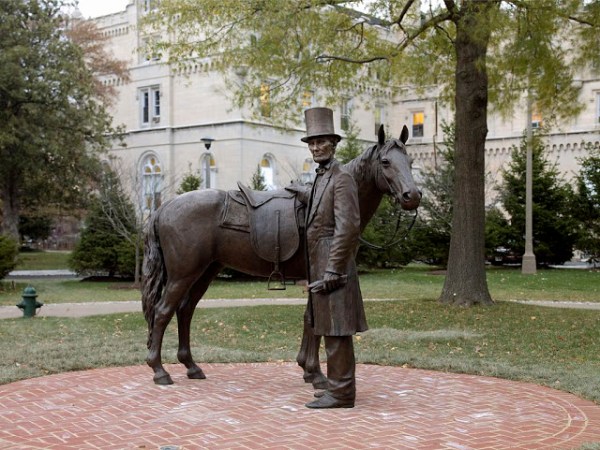
அமெரிக்காவின் ஜனாதிபதி ஆவதற்கு முன் ஆப்ரஹாம் லிங்கன் வக்கீல் தொழில் செய்துவந்தார். ஒரு நாள் வயதான, எலும்பும் தோலுமான தனது நோஞ்சான் குதிரை மீது லூயிஸ்டன் கோர்ட்டுக்குப் பயணமானார்.


அந்தக் குதிரை தெனாலிராமன் குதிரை போன்றது. முன்னே இரண்டு பேர் இழுக்க, பின்னே இரண்டு பேர் தள்ள, பத்து தப்பிடி நகரும். அவ்வளவுதான்.


அவர் குதிரை ஒரு வயக்காட்டு வழியே போன போது நடந்த சம்பாஷணை:-


ஏய் அபி (Abraham Lincoln) ! என்ன லூயிஸ்டன் கோர்ட்டுக்குப் போறியா?


ஆமாம், டாமி மாமா (Uncle Tommy). நீங்க சவுக்கியமா இருக்கீங்களா?


ம்ம்ம்ம்ம்……. இருக்கேன்……..


என்ன அங்கிள் டாமி? ஏதாவது பிரச்சனையா? இழுத்து…… இழுத்து …….. பேசுறீங்களே


இல்ல, நானும் லூயிஸ்டன் கோர்ட்டுக்கு வந்து உன்ன பாக்கறேன்.


என்ன மாமா. கோர்ட்டு, கீர்ட்டுன்னு பேசறீங்க !என்ன பிரச்சன?


ஒன்னுமில்ல. எல்லாம் நம்ம பக்கத்து நிலம் ஜிம்மிதான் — கொஞ்சம் அத்து மீறி போயிட்டிருக்கான்.

அவன கோர்ட்டுல ஒரு கை பாக்கனும்.


மாமா, இருங்க, பொறுங்க. நீங்களும் ஜிம்மியும் எத்தன வருஷம் பக்கத்துல பக்கத்துல வசிக்கிறீங்க.

என்ன ஒரு 25 வருஷம் இருக்கும்னு நினக்கிறேன்

என்ன மாமா இது? 25 வருஷமா சேர்ந்து வசித்துவிட்டு இப்ப கோர்ட் பத்திப் பேசறீங்க.


மாமா என் குதிரையை பாருங்க. இதுவும் 10, 15 வருஷமா இருக்கு. எப்படி நடக்குதுன்னு நீங்களே பாருங்க. முன்ன எல்லாம் ஒழுங்காத்தான் போச்சு. இப்ப அது மேல நான் கோபப்படுறேனா. இல்லையே.


அவ்வளவுதான்! அதோட “அட்ஜஸ்ட்” பண்ணி போறேன்.


நோஞ்சான், நொண்டி என்று தூக்கிப்போட முடியுமா?


அப்ப நீ சொல்ற. நானும், உன்னைப் போல பொறுமையாய் அட்ஜஸ்ட பண்ணிட்டு போனும்; வழக்கு வாய்தான்னு வம்பு வேண்டாங்கற.


பின்ன? அங்கிள் டாமி,  பழைய குதிரை போல நண்பரையும் பாருங்க.


சரீப்பா, அபி, நீ சொல்றதும் சரியாத்தான் படறது.


இதைக் கேட்டவுடன் ஆப்ரஹாம் லிங்கனின் முகத்தில் புன்னகை மலர்ந்தது.


கோர்ட்டுக்கு வரும் முன்னரே ஒரு வழக்கைத் தீர்த்துவிட்ட பெருமிதம் அவர் முகத்தில் பளிச்சிட்டது.

அவரது நோஞ்சான் குதிரை முன்னைவிட சிறிது வேகமாக லூயிஸ்டன் நீதிமன்றத்தை நோக்கி நடைபோட்டது!


நாய் “வாலால்” கடிக்கட்டுமே!


அமெரிக்காவில் லாங் ஐலண்ட் (LONG ISLAND) ராணுவ முகாம் அருகில் ஒரு பெரிய எஸ்டேட் இருந்தது. அங்கே பாதுகாப்புக்காக நல்ல உயர்தர, விலை மதிப்புள்ள நாய்களை பாதுகாப்புக்காக வைத்திருந்தனர். ஒரு நாள், ஒரு நாய் ராணுவ முகாம் பாதுகாவலரைக் (Army Camp Sentry) கடித்துவிட்டது. அவர் கோபத்தால் துப்பாக்கி  சனியனால் (துப்பாக்கி  முனையில் சொருகப்பட்ட கத்தி Bayonet) நாயைக் கொன்றுவிட்டார்.


நாயின் சொந்தக்காரர் வழக்கு போட்டார். வழக்கு விசாரணை நாளும் வந்தது. நாயின் சொந்தக்காரர் , அந்தக் காவலரை தன்னுடைய நாய் அப்படி ஒன்றும் கடித்துக் குதறிவிடவில்லை என்று நிரூபித்தார்.


உடனே நீதிபதி கேட்டார்:

ஏம்பா. உன்னை நாய் ஒன்றும் அப்படிப் பெரிதாக கடிக்கவில்லையே! துப்பாக்கி முனை கத்தியைப் பயன்படுத்துவதற்குப் பதிலாக அதன் பின்புறப்பகுதியால் (Rifle Butt) அடித்து விரட்டி இருக்கக் கூடாதா?

உடனே அந்தக் காவலர் பளிச்சென்று பதில் தந்தார்”


அது சரி கனம் நீதிபதி அவர்களே! அந்த நாயும் முன்பக்கத்தால் கடிக்காமல் அதன் பின்புற வாலால் என்னைக் கடிக்கக்கூடாதா?


நீதிபதி  இந்தப் பதிலைக் கேட்டு திகைத்துப் போனார்!


–Subham–

Tolerance Anecdotes: Abraham Lincoln and his Horse! (Post No.3365)

Compiled  by London Swaminathan


Date: 18 November 2016


Time uploaded in London: 9-17 am


Post No.3365


Pictures are taken from various sources; they are representational only; thanks.


contact; swami_48@yahoo.com


Abraham Lincoln’s lame horse!


When Abraham Lincoln used to be drifting around the country, practising law at Fulton and Menard counties, Illinois, an old fellow met him going to Lewiston, riding a horse, which, while it was a serviceable enough animal, was not of the kind to be truthfully called a fine saddler. It was a weather beaten nag, patient and plodding, and it toiled along with Abe–and Abes books, tucked away in saddle bags, lay heavy on the horses flank.

Hello, Uncle Tommy, said Abe.

Hello Abe, responded Uncle Tommy. I am powerful glad to see ye, ye, for I am going to have something for you at Lewiston cot, I reckon.

How is that? Uncle Tommy, said Abe

Well, Jim Adams, his land runs long o mine , he is pestering me a heap, and I got to get the law on Jim, I reckon.

Uncle Tommy, you have not had any fight s with Jim, have you?

No

He is a fair to middling neighbor isn’t he?

Only tolerable, Abe.

He has been a neighbor of yours for a long time, hasn’t he?

Nigh on to fifteen years.

Part of the time you get along all right, don’t you?

I reckon, we do Abe

Well, now, uncle Tommy, you see this horse of mine?

He isn’t a good horse as I could straddle, and I sometimes get out of patience with him, but I know his faults. He does fairly well as horses go , and it might take me a long time to get used to some other horses faults. For all horses have faults. You and uncle Jimmy must put up with each other as I and my horse do with one another.

I reckon, Abe, said uncle Tommy, as he bit off about four ounces of Missouri plug, I reckon you are about right.

And Abe Lincoln with a smile on his gaunt face rode on toward Lewiston.


Xxx

Colour one cheek!

Sir Francis De Sales, being consulted by a lady on the propriety of wearing rouge, replied,

“Some persons may object to it, and others may see no harm in it, but I shall take a middle course, by allowing you to rouge on one cheek.”


Xxx

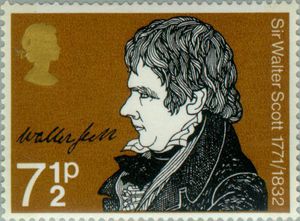
Sir Walter Scott’s Advice

Sir Walter Scott, once happening to hear his daughter Anne say of something that it was vulgar, gave the young lady the following rebuke:

“My love, you speak like a very young lady; do you know, after all, the meaning of this word vulgar? It is only common. Nothing that is common, except wickedness, can deserve to be spoken of in a tone of contempt.”

–Subham–


Why do Hindus dissolve ash in the River Ganges? (Post No.3366)

Compiled  by London Swaminathan


Date: 18 November 2016


Time uploaded in London: 8-28 AM


Post No.3366


Pictures are taken from various sources; they are representational only; thanks.


contact; swami_48@yahoo.com


ADULTS ONLY: THIS SHOULD BE READ ONLY BY THOSE WHO HAVE LOST THEIR FATHER OR MOTHER OR BOTH. YOUNGSTERS SHOULD NOT READ THE FUNERAL POSTS.


13 Day Hindu Funeral Rites- Part 3


Recorded by The Rev. J E Padfield B.D., year 1908, in his book “The Hindu at Home”.


32 different mantras
The party then proceed to a special place, outside the town or village, where such funeral rites are performed. This place is usually a well or is near a tank or river, and is used only for this particular purpose. On  arriving at the place in question, the karta proceeds to bathe and then to cook the food which he has brought. The preta shila/stone is then placed into a little receptacle formed for it of leaves and is then consecrated by the repetition of mantrams portion. A small portion of the cooked food is now waved before the stone as an offering. This is to appease the hunger of the preta, just as water, which is poured over it, is supposed to appease its thirst. After this the remainder of the cooked food is scattered to different sides a thirty-two different mantrams are repeated, calling upon the crows and kites to come and devour what is scattered. The mantras are appeals to the disembodied spirit, in the shape of the various kinds of birds, to come and partake of the food thus provided. All this is repeated every morning for ten days. The following is a specimen of the texts thus said:-


May this préta enjoy this food by means of the mouths of these kites and crows.”

Grdhra vayasa mukhena preto bhujyatam


When this ceremony is over, the scattered food is eaten by the kites and crows which fly around in expectation of the feast.


Nine different grains


After all this is finished the party return home. On entering the house, the karta purify his eyes before looking upon any of the household, by fixing them upon the light which has been placed on the spot where the deceased last lay. He then gets a pot of water which he suspends from a beam over the same place, where the dead breathed his last. A small hole is made in the bottom of this pot and the water is allowed slowly to drip on to the ground near the place, where the head lay. Some earth is also put there in which nine different kinds of grain have been mixed. The pot is left there for the ten days of the nitya karma. in order to quench the thirst of the spirit which is thought to still hover near the spot.


From the time of death up to this moment no food has been cooked in the house; but now a meal is prepared, a small portion of which is carefully placed near to the dripping water for the refreshment of the disembodied spirit. This food is renewed and placed there daily during the ten days of the nitya karma cere monies. This act ends the ceremonies of the funeral day itself, but not all the ceremonies for the dead.


Collecting the bones


On some one day of the ten during which the nitya karma rites are performed, there is a sanchanam (collecting). This takes place usually on the fourth day, and it is performed at the burning ground. It is different from and additional to the daily rite at the préta place.


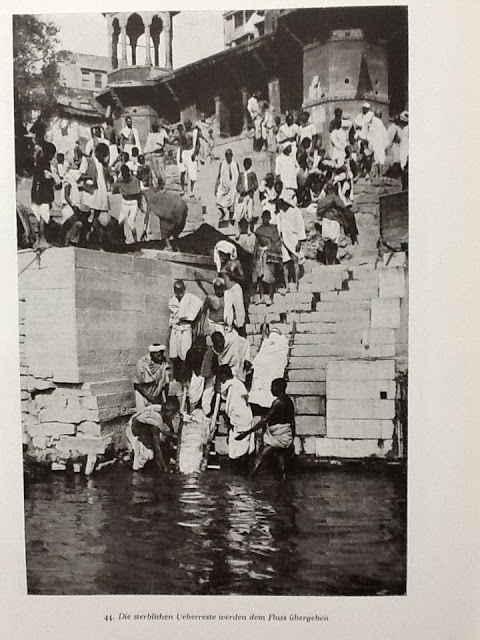
Bones placed in the Ganges River


The karta and the priest accompanied by a few friends, and probably a few Brahmins, especially if a fee is given to them for so coming, will proceed to the burning ground, taking with them from the house fire, rice, ghee and curds with pots for cooking, and also some of the sacred darbha grass. The karta then gathers some of the pieces of bone that may be left amongst the ashes of the funeral pile. These bones are preserved in a new earthen vessel or urn for a time, after which they are taken and dissolved in some sacred river, or buried in an unfrequented place.


In the case of wealthy people, who can afford to pay the necessary expenses, it is a very common thing for Brahmins to be employed and well payed to take the urn (asthi patra) with the calcined bones all the way to Benares, there to be dissolved into the sacred Ganga (River Ganges).


There is a slokam or verse, which is current amongst the purohitas/priests and extremely popular, showing the benefit which will be derived from the bones being thus cast into the waters of the river Ganges


“How longsoever the bones of a man

Are in the waters of the Ganges

For so many thousands of years

They will be respected in Brahma lokam.


Yavadhasti manushayanam Gangatoyateshu tishtati

Tavadvarsha sahasrani brahmaloke mahipate


The rest of the ashes are carefully gathered together, and put aside or buried. The karta now proceeds to prepare a place for cooking the materials be has brought for the purpose. This is done by sprinkling a spot of ground with water and smearing it with the dung of a cow. He then bathes and cooks the food, after which he performs a homam/ fire sacrifice. This being done he with suitable mantrams, casts food to the crows and kites which have come there for the meal. This food is called prétabaram or food for the spirit.


On the tenth and final day of the mourning, the near relatives, with the family priest and the karta, assemble at the place where the nitya karma rites are performed for the last important ceremony. The food is cooked and scattered to the birds, with the repeating of mantrams for the last time;  after which the chief mourners shave and bathe, so as to be rendered free from defilement. The brass pot in which this food has been cooked for the past ten days, and the preta shila (the small stone), are now thrown into the water by the karta, for they are now done with. This is called shiladhivasam, or placing the stone. The pot is afterwards secured by the purohita as a fee. After this a homam is performed by the karta, alms are to distributed to attendant Brahmins and all proceed to their homes.


What happens to the wife of the deceased?

If the deceased was a married man, it is at this last ceremony that the poor widow is degraded into her state of widowhood. This rite is called sutrachédam or cutting of the cord.


No thought of youth or beauty, no bonds of nature or ties of affection can ward off this inevitable curse. The relatives and friends of the poor forlorn creature assemble at the house and the victim is adorned for the sacrifice. Her festive raiment is put on, and she is beautified with her jewels, flowers and sweet-smelling sandal paste. The beauty intensified with rouge and bright pigments, and all is arranged as for a festive day. For a time her loving friends weep with her and embrace her, condoling with her on her fate. After this is over she is taken in a palanquin to some sort and conveyed to the scene of her degrading. When she arrives, her bright clothing and jewels are taken off. Henceforth she must have only one coarse covering; her beautiful long hair, the glory of her womanhood, is cut off and her head is close shaven. The mangalasutram or marriage token is cut off and she is now a widow indeed. This cutting off of the marriage cord is always done by a woman and then she is taken back to her home.
11th Day

On the eleventh day there are some ceremonies at the house which include the feeding of Brahmins. On this day too, in times gone by, there was a ceremony called Ekahvanam (calling of one) by which a Brahmin for sufficient consideration, took upon himself the sins of the deceased and expiated the same by 21 days seclusion and by repating numberless times the Gayatri, with various ceremonies. This now appears to be an obsolete rite. Instead of it , 32 lumps of rice and ghee mixed together are taken and thrown into a pit near to  which a sacrifice /homam is made.

Bull is dedicated


A young bull is dedicated by being stamped with the mark of vishnu’s wheel or shiva’s trident. By this the sins of the deceased are supposed to be transferred to the animal which is meritorious to feed and care for. Sometimes a cow-calf  is also devoted, and a kind of marriage is performed between the two.

12th day
On the twelfth last of the various funeral ceremonies is performed. It is called the sapindi karanam. A few words should be said about mourning, for the Hindu idea of mourning is not conveyed by the English term. To  the Hindu it means uncleanness, ceremonial defilement and it is quite apart from the natural sorrow caused to survivors by death. The word used for mourning, in the true Hindu sense, is ashushi or sutakam, both which words mean ceremonial defilement. The duration of this mourning varies according to the condition of the deceased. In the case of mere infants the time is about one day. In the case of a boy who has not yet been invested with the sacred thread, or of a girl not yet married, the time is three days and after that, in either case the proper time is ten days. In the case of a married female, whether she has joined her husband or not, her own parents and brothers and sisters observe this ceremonial mourning for three days. During these periods, the near relatives of the deceased are considered unclean, and their touch would ceremonially defile any person or thing. They must not enter their own kitchen or touch any cooking utensil. The food, during the days of mourning, must be prepared by someone not personally connected with the deceased although of equal caste.


13th day

Thirteenth day is called Suba Sweekaram. Everyone in the family bathes and wear new clothes. They go to temple and worship . afer which they don’t go to temple for a year. Elders don’t celebrate the usual festivals but children do celebrate.


(My Comments:– It is not very comprehensive. But it will give some idea about the Hindu way of life. Lot of Dhanams (Gifts), at least 96 gifts are listed in the books. Garuda Puranam is recited on the 13th day or before that. Customs also differ from area to area. It is all done for practical reasons. When people find it difficult to follow certain rules for practical reasons, the elders in the family or in the community guide them to drop some or modify some rules. Hinduism is not rigid. If someone has to write what all happens from the minute of death to the first anniversary of the death, it will be a voluminous book. Every month some ceremonies are done for one year. The first death anniversary also has lot of rituals. Then they do Tarpan on new moon days and other important days throughout their life. Non-Brahmins don’t do all the rituals but they do pay respect to their departed souls twice a year or four times a year during Two Important New Moon Days and two equinox days)


–Subham–


ஆற்றுப்படைகளில் அந்தணரும் வேதமும் ! (Post No.3364)

WRITTEN BY S NAGARAJAN


Date: 18 November 2016


Time uploaded in London:5-53 AM


Post No.3364


Pictures are taken from various sources; they are representational only; thanks.


contact; swami_48@yahoo.com


சங்க இலக்கிய ஆய்வு – கட்டுரை எண் 9


இந்தக் கட்டூரையில் பெரும்பாணாற்றுப்படை மற்றும் சிறுபாணாற்றுப்படை ஆகிய நூல்களில் வேதம் அந்தணர் பற்றி வரும் சிறப்பான செய்திகள் இடம் பெற்றுள்ளன


பெரும்பாணாற்றுப்படை, சிறுபாணாற்றுப்படையில்


அந்தணரும் வேதமும் !


                        ச.நாகராஜன்


பெரும்பாணாற்றுப்படை

பத்துப்பாட்டில் உள்ள திருமுருகாற்றுப்படை, பொருநராற்றுப்படை, சிறுபாணாற்றுப்படை, பெரும்பாணாற்றுப்படை,, கூத்தராற்றுப்படை ஆகிய ஐந்தும் ஆற்றுப்படை நூல்களாகும்.


ஆறு என்றால் வழி; படை என்றால் படுத்தல்.


குறிப்பிட்ட ஒரு வழியில் செல்லும்படி  நெறிப்படுத்துவதே ஆற்றுப்படையாக அமைகிறது.


இந்த வழியில் சென்று இந்த தலைவனை அடைந்தால் நல்ல நன்கொடை பெறலாம் என புலவர் அறிவுறுத்தும் பாடலே ஆற்றுப்படையாக மலர்கிறது.


இந்த வகையில் பெரும்பாணாற்றுப்படையைப் பாடிய புலவர் கடியலூர் உருத்திரங்கண்ணனார்.


பாட்டுடைத் தலைவன் தொண்டைமான் இளந்திரையன்.

500 அடிகள் கொண்டது பெரும்பாணாற்றுப்படை..


வறுமையான இசைக் குடும்பம் ஒன்று. அதன் தலைவனை விளிக்கும் புலவர் காஞ்சியை ஆண்டு வந்த  தொண்டைமான் இளந்திரையனை அடையும் வழியை விவரிக்கிறார்.

அந்த விவரணத்தில் நாம் பெறுவது அழகிய சங்க காலத் தமிழரின் வாழ்க்கை முறை!


காட்டின் வழியே சென்றால் காண்பது என்ன என்பதை விவரிக்கும் புலவர் அடுத்து பாலை வழி, முலலை நிலம் வழி,மருத நிலம் வழி ஆகியவற்றை விவரிக்கிறார்.

இதை அடுத்து வருவது அந்தணர் குடியிருப்பு.


அங்கே சிறிய  பந்தலில் கன்றைக் கட்டி இருப்பர். வீட்டின் முற்றமோ பசுஞ்சாணம் இடப்பட்டு மெழுகப்பட்டிருக்கும்.

அங்கு கோழியோ நாயோ வராது. அங்குள்ள பசுங்கிளிகள் வேத பாராயணம் செய்யும். அந்த வீட்டில் இருக்கும் பிராம்மணப் பெண்மணி அருந்ததி போன்ற கற்புடையவள்.

அங்கு சென்றால் நல்ல அரிசிச் சோறும், நல்ல மோரும், கொம்மட்டி மாதுளங்காயின் துண்டுகளை மிளகோடு கறிவேப்பிலல கலந்து மாவடுவோடு பெறுவீர்கள் என்று விவரமாகக் கூறுகிறார் புலவர்.


கவனிக்கவும்: அங்கே போனால், அது பிராம்மணரின் வீடு. உள்ளே விட மாட்டார்கள். ஒன்றும் கிடைக்காது என்று சொல்லவில்லை.

மாறாக வேதம் சொல்லும் கிளிகள் சூழ பசுஞ்சாணம் மெழுகிடப்பட்ட அழகிய இடத்தில் அரிசிச் சோறும் மோரும், மாதுளங்காய் கறி மற்றும் மாவடுவும் அந்தணர் தருவர் என்கிறார் புலவர்..

என்ன ஒரு அற்புதமான சூழ்நிலை. என்ன ஒரு அன்பு.

பாடல் வரிகளைப் பார்ப்போம்:,


செழுங்கன்று யாத்த சிறுதாட் பந்தர்
பைஞ்சேறு மெழுகிய படிவ நல்நகர்
மனை உறை கோழியொடு ஞமலி துன்னாது
வளைவாய்க் கிள்ளை மறை விளி பயிற்றும்
மறை காப்பாளர் உறைபதிச் சேப்பின்
பெருநல் வானத்து வடவயின் விளங்கும்
சிறுமீன் புரையும் கற்பின் நறுநுதல்
வளைக்கை மகடூஉ வயின்அறிந்து அட்ட
சுடர்க்கடை பறவைப் பெயர்ப்படு வத்தம்
சேதா நறுமோர் வெண்ணெயின் மாதுளத்து
உருப்புற பசுங்காய்ப் போழொடு கறி கலந்து
கஞ்சக நறுமுறி அளைஇ பைந்துணர்
நெடுமரக் கொக்கின் நறுவடி விதிர்த்த                                                                 தகைமாண் காடியின் வகைபடப் பெறுகுவிர் (வரிகள் 297-310)

செழுங்கன்று யாத்த – கொழுத்த கன்றுகள் கட்டப்பட்ட

சிறுதாள் பந்தர் – கால்கள் நடப்பட்ட பந்தல்

பைஞ்சேறு மெழுகிய – பசுஞ்சாணத்தினால் மெழுகிடப்பட்ட          படிவ நல்நகர் – பலவித சடங்குகள் நடக்கும் வீடு

உறி கோழியொடு ஞமலி துன்னாது – கோழி, நாய் அங்கு அண்டாது                                                          வளைவாய்க் கிள்ளை மறை விளி பயிற்றும் – வளைந்த மூக்குகள் கொண்ட கிளிகள் வேத பாராயணம் செய்யும்             மறை காப்பாளர் – வேதங்களைக் காத்து வரும் அந்தணர் உறைபதி சேப்பின் – (அவர்கள்) உறையும் இல்லம் சென்றால் வானத்து வடவயின் விளங்கும் சிறுமீன் புரையும் கற்பின் –  வானத்தின் வடக்கே திகழும் அழகிய சிறு நட்சத்திரமான அருந்ததி போல

நறுநுதல் வளைக்கை மகடூஉ – நல்ல நெற்றியை உடைய வளையல்களை அணிந்த பெண்கள் இருப்பர்                    வயின் அறிந்து அட்ட – மிக நன்றாக சமைக்கப்பட்ட

சுடர்க்கடை பறவைப் பெயர்ப்படு வத்தம் – சூரியாஸ்தமனத்தில் உள்ள பறவையின் பெயர் கொண்ட பிரமாதமான உணவு (அரிசிச் சோறு)


சேதா நறுமோர் வெண்ணெயின் – பசுவினிடமிருந்து பெறப்பட்ட நறுமணமுடைய வெண்ணெயுடன் கடைந்தெடுக்கப்பட நறுமோர் மாதுளத்து உருப்புற பசுங்காய்ப் போழொடு கறி கலந்து – மாதுளங்காயை சுட வைத்துத் துண்டுகளாக்கி மிளகு தூவப்பட்ட கறியுடன்

கஞ்சக நறுமுறி அளை இ –  நறுமணமுடைய கறிவேப்பிலை கலந்த

பைந்துணர் நெடுமரக் கொக்கின் நறுவடி விதிர்த்த – புதிய பெரிய மாமரத்தினின்று எடுக்கப்பட்ட மாவடு                     விதிர்த்த – கலக்கப்பட்ட

தகைமாண் காடியின் – அருமையான ஊறுகாயுடன் கூட

வகைபடப் பெறுகுவீர் – பல வித வகை உணவைப் பெறுவீர்!


காழ்ப்புணர்ச்சியோ பகையுணர்ச்சியோ இல்லாத ஒரு சமுதாயம். அந்தணரும் இசைக் குடும்பமும் இணைந்து உண்ணும் ஒரு அருமையான விருந்துச் சாப்பாடு!


அடுத்து 315, 316 அடிகளில் அந்தணரும் வேள்வியும் உரைக்கப்படுகிறது.


நீர்ப்பெயற்று என்று ஒரு ஊர். அந்த ஊரின் சிறப்போ சொல்லி  மாளாது. அங்குள்ள பெண்டிர் தங்களுக்குத் தெரிந்த நட்புடன் அதிகாலை நேரத்தில் நீரில் விளையாடுகின்றனர். அவர்கள் தங்களது தங்கக் காதணிகளை கரையிலே கழட்டி வைக்க அவ்ற்றை மீனொன்று தன் உணவென எடுத்து  தனியே பறவைகள் நிறைந்துள்ள் பனைமரம் அருகே செல்லாது வேதம் சொல்லும் அந்தணர்கள் யாகம் இயற்றும் வேள்வித் தூணத்து அருகில் கொண்டு வைக்கிறது.


 கேள்வி அந்தணர் அருங்கடன் இறுத்த
வேள்வித் தூணத்து அசைஇ         (வரிகள் 315-316)


எத்தகைய அற்புதமான நடைமுறை வாழ்க்கைச் சித்திரம். வேதத்தின் பெருமையும் அதை உரைக்கும் அந்தணரின் வாழ்க்கையும் விருந்தோம்பும் பண்பும் மாண்புறச் சித்தரிக்கப்படுகிறது!


சிறுபாணாற்றுப்படை


அடுத்து சிறுபாணாற்றுப்படையில் வரும் வரிகளைக் காண்போம்:

இது தொண்டை நாட்டு ஓவியர் குடியில் பிறந்த (ஒய்மான் நாட்டு) நல்லியக் கோடன் மேல் இடைக்கழி நாட்டு நல்லூர் நத்தத்தனார் பாடிய பாடல்.


அருமறை நாவின் அந்தணர்க்காயினும்

கடவுள் மால்வரை கண் விடுத்தன்ன

அடையா வாயில்    (வரிகள் 204,205,206)


நல்லியக்கோடனின் அரண்மனை வாயில் பொருநர்க்கும் புலவர்க்கும் மூடப்படாத வாயில். அருமறையை நாவிலே கொண்டிருக்கும் அந்தணர்க்கும் கடவுளின் உயர் மலை கண் திறந்து இருத்தாற்போல மூடப்படாத வாயிலாகும்


ஆக சிறப்புடை ஒரு தலைவனுக்கு உள்ள நல்லிணக்கணத்தில் அந்தணரை அவன் வரவேற்று உபசரிப்பதும் ஒன்று என்பது இதிலிருந்து பெறப்படுகிறது! இந்த இரு ஆற்றுப்படை நூல்களிலும் அந்தணரும் அவர் நாவில் உச்சரிக்கும் வேதமும் பற்றிய அருமையான கருத்துக்கள் இடம் பெறுவதைக் காண்கிறோம்; சங்க காலத்தில் வேதம் மற்றும் அந்தணருக்கான சிறப்பான இடம் பற்றி அறிகிறோம்!

******


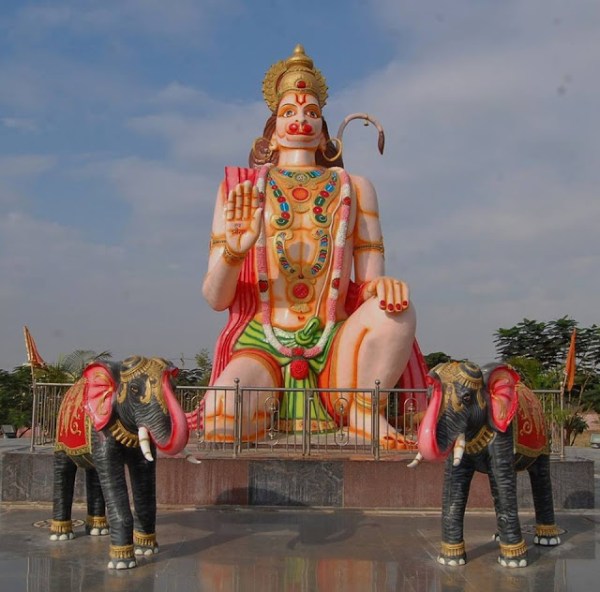
அனுமாருக்கு இரண்டு இறக்கை! கம்பன் புதுத் தகவல்!( Post No.3363)

Written by London Swaminathan


Date: 17 November 2016


Time uploaded in London: 16-21


Post No.3363


Pictures are taken from various sources; they are representational only; thanks.


contact; swami_48@yahoo.com


குட்டி யானைக்குக் கொம்பு முளைச்சதாம் பட்டணம் எல்லாம் பறந்தோடிப் போச்சாமென்று சிறு வயதில் பாடக் கேட்டிருப்போம்.


கம்பன் சொல்கிறான் அனுமனுக்கு இரண்டு இறக்கைகள் என்று; அதை வைத்துதான் அவன் பறந்தானாம்.

அதுவும் அனுமன் வாயிலாகவே அதைச் சொல்லுகிறான். படிக்கச் சுவையாக இருக்கிறது.


இதோ அந்தப் பாடல்


முற்றும் நீர் உலகம் முற்றும் விழுங்குவான் முழங்கி முந்நீர்

உற்றதே எனினும் அண்டம் உடைந்துபோய் உயர்ந்த தேனும்

இற்றை நும் அருளும் எம் கோன் ஏவலும் இரண்டு பாலும்

கற்றை வார் சிறைகள் ஆகக் கலுழனின் கடப்பல் காண்டீர்


பொருள்:-


கடலால் சூழப்பட்ட உலகம் முழுவதையும் முழுகச் செய்து அழிக்கும் பொருட்டு கடல் பொங்கி வந்தாலும் (சுனாமி ஏற்பட்டாலும்),  இந்த உலக உருண்டையே உடைந்து போய் உயர்ந்து வானத்தில் சென்றாலும், சற்றும் கலங்காமல் கருடன் (கலுழன்) போல இக்கடலைக் கடந்து செல்வேன். எப்படியெனில் எனக்கு இரண்டு இறக்கைகள் முளைத்துள்ளன. ஒரு இறக்கை நீங்கள் எல்லோரும் என் மீது வைத்துள்ள கருணை; மற்றொரு இறக்கை இராமபிரான் போட்ட கட்டளை! நான் கடலைக் கடப்பதைக் காணத்தான் போகிறீர்கள்!


என்ன அருமையான கற்பனை. கருணை/அன்பு என்ற ஒன்றும் தலைவனின் கட்டளை என்ற ஒன்றும் அனுமனை கடலையே கடக்க வைத்துவிட்டது. இவைதான் இரண்டு இறக்கைகள் (சிறைகள்).


இந்தப் பாடலில் உள்ள சில விஞ்ஞானச் செய்திகளையும் அலசி ஆராய்வோம். வெள்ளைக்காரன் எழுதிய புத்தகங்களில் எல்லாம் ஏதோ பூமி உருண்டை என்பதை அவந்தான் கண்டு பிடித்தான் என்று எழுதியிருப்பார்கள். ஆனால் நாமோ பூமியைக் குறிப்பிடத் தொடங்கிய நாளிலிருந்தே அண்டம் (முட்டை) என்ற சம்ஸ்கிருதச் சொல்லையே பயன்படுத்துவோம். பூமி முட்டை வடிவமானது என்பதோடு கடலால் சூழப்பட்டது என்பதையும் ஒவ்வொரு பாடலிலும் சொல்லுவோம்.


அது மட்டுமல்ல; சுனாமி போன்ற பெரிய தாக்குதலில்– இயற்கைச் சீற்றத்தில் உலகமே முழுகி பெரும் பிரளயம் வரும் என்பதும் நமக்குத் தெரியும். இந்த சுனாமியை அணுகுண்டுகள் வீசுவதால் மனிதனே உருவாக்குவானா அல்லது இயற்கையின் சீற்றத்தால் உருவாகுமா என்பதைப் பொறுத்திருந்து பார்க்க வேண்டும். அண்ட சராசரங்கள் என்ற சம்ஸ்கிருதச் சொற்றொடர் மூலம் இந்தப் பிரபஞ்சமே வட்டவடிவமனது என்பதையும் நாம் பல்லாயிரம் ஆண்டுகளுக்கு முன்னரே சொல்லிவிட்டோம்.


–Subham—


Why do Hindus stop the Funeral Procession at Three Places? (Post No.3362)

Compiled  by London Swaminathan


Date: 17 November 2016


Time uploaded in London: 10-08 am


Post No.3362


Pictures are taken from various sources; they are representational only; thanks.


contact; swami_48@yahoo.com


ADULTS ONLY: THIS SHOULD BE READ ONLY BY THOSE WHO HAVE LOST THEIR FATHER OR MOTHER OR BOTH. YOUNGSTERS SHOULD NOT READ THE FUNERAL POSTS.


13 Day Hindu Funeral Rites- Part 2


Recorded by The Rev. J E Padfield B.D., year 1908, in his book The Hindu at Home.


The wailing of eastern women is proverbial, but must be witnessed or heard to be fully understood. The men are quiet in their grief for it is not seemly for a man to weep and wail; but the females abandon themselves completely to their sort and their lamentations are both loud and long. They  tear their hair, beat their chests and foreheads, roll  their bodies about as if in great agony, when they utterance to their sorrow for the dead.
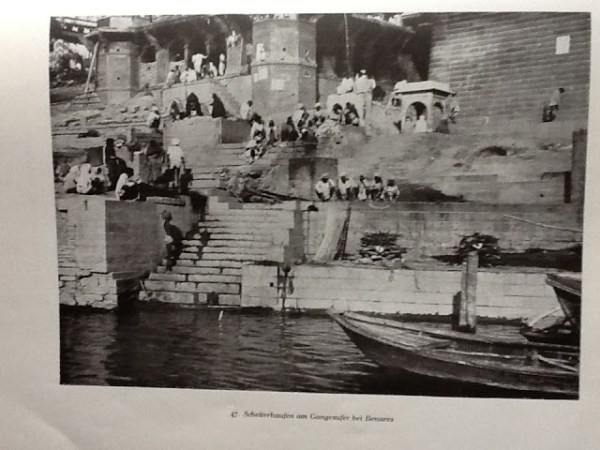
 

Light at the head of the Dead body


As soon as death has taken place, a light is put at the head of the body and preparations are at once made for the funeral. The chief person present at it is the near relative, who has to perform the necessary rites, and who is called the karma karta or the one who performs. This is the eldest son, if there is one who is old enough to have received upanayanam. Failing such a son, the ceremonies are performed by the following persons:-

if the dead person is a woman her husband; if a man, his father; if the father is dead, the next brother and so on in order of nearest relationship.


(My comments: Even today Christians follow this Hindu custom. They light the candles at the place of death. I have written a few articles already about the significance of Number 3 and Number 7 in Hinduism and Indus valley Civilization. Please read them to understand this part of the article.)


Usually only a few hours elapse after death before the funeral takes place but there is no fixed rule on this point it seems to depend on circumstances. The dead body is now washed and adorned with the pundrams/ sacred marks, and then, clothed in one long white cloth only, it is put in a sitting posture, leaning against the wall the head alone being uncovered. The karta now performs a mam sacrifice in front of the dead. The fire for the homam is brought from the house fire, and the sacrifice consists of dropping into it ghee, rice, and the green twigs of the peepul tree. Mantrams like this are repeated the while:


O fire do thou turn towards me; look kindly towards me with thy seven tongues (spoken of in the vedas), graciously partake of my offering.
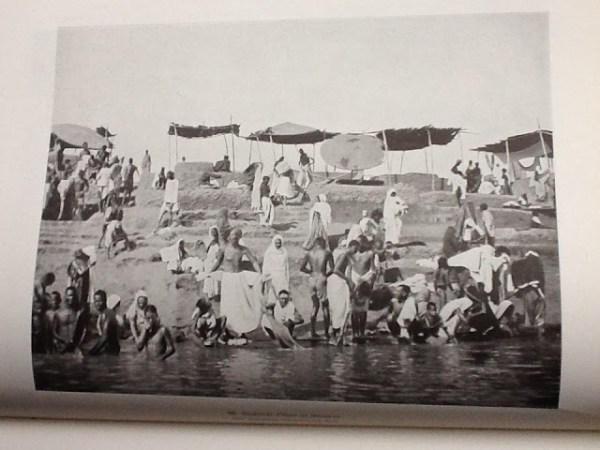
Number Seven!

After the homam, the body, enveloped in cloth, is placed upon the bier. The bier is formed construction of two long bamboos, with seven pieces of wood tied across. It is said that that seven cross pieces are used to represent seven upper worlds. Some of the fire from the homam is placed in a new earthen pot, to be carried in the procession by the chief mourner. The body, wrapped in the new cloth and fastened to the bier has the two thumbs, and the two great toes also tied together with cords. The bier carried by several of the relatives or at least by persons of the same caste.


The procession consists of few of the friends, sometimes even females, with the men carrying bier and the chief mourner, or karta, carrying the pot of fire. Where music is employed, the musicians playing their wild music also form part of the procession. Those who bury their dead always have music; those who cremate have it sometimes.


Three stops on the way! Why?


On the way to the cemetery or crematorium, the procession is stopped three times and the bier is placed on the ground. The face is then uncovered and a mantram is said. This is done from the fear that, owing to the speedy funeral the person may not be really dead after all.

The mantram used is this:

o spirit hast thou returned?

Aum, jiiva punaragacasivaa


The cemetery (shmashanam) is a vacant spot set for this purpose, usually situated to the north east of the town or village. It is generally a mere waste, barren, neglected spot with nothing to distinguish it from any other waste, except here and there a few blackened patches, from the recent or more ancient fires. These blackened places and a few broken pots are generally all there is to mark the “God’s acre” (Shiva Bhumi).


In villages, in the case of poor people, each house- holder gives a little fuel to help to form the funeral pile. This is collected by the vettian who splits the wood and prepares the pyre. He is a kind of public messenger and low official drudge attached to each village. He is always a Pariah. He generally holds a small piece of land which, with certain fees, forms his remuneration. For funerals, part of his fee is the sticks of the cloth wound round the corpse and the sticks of which the bier is made.

Naked we came, Naked we Go!


On arriving at the spot the bier is set down, and the body is put on the pile. The cloth in which it the body was wrapped is then taken off. Any jewels in the ear or elsewhere, the sacred thread and the waist cord are also removed. The body must be completely naked.  As it came into the world so it must depart. The corpse is laid on the pile with its head towards the south and its legs to the north. It is placed on its back, but the face is slightly turned towards the east, In some parts, the body is laid with its head facing the Himalayas.


Why three holes in the Water Pot?

The karta now performs the pradakshina ceremony in the anti clockwise direction. For all auspicious things it is clockwise. For death ceremony it is opposite direction.  He takes an earthen pot full of water and makes a small hole in the bottom of it from which water slowly trickles out. With his hair all hanging down his back he takes the pot of water on his shoulder and, as the water slowly runs out, he walks round the pile, having his right shoulder towards it. It is done three times. Before the second round second hole is made in the pot and in like manner a third hole is made before the third round. After  the three circumambulations, he throws the pot over his head behind him and dashes it to pieces. This is supposed to assuage the thirst the préta (disembodied spirit) during the fiery ordeal.


The karta now performs a homam/ fire sacrifice and then, taking some of the sacred fire, applies it to the right side, breasts and shoulders of the body as it on the pile. Then the supreme moment arrives when, taking some of the sanctified fire, he applies it to the pile, near the head of the body and sets it alight during which all time the priest repeats mantrams of which the following are specimens:


After performing the préta homam, he (the karta), takes brands from the homam, and standing with his face towards the south, places a brand on the right side,breasts and shoulders (of the corpse).


O Fire do not regret that thou art consuming this dead one. Do not sorrow whilst thou art consuming his skin and his whole body.”


After setting fire to the pile the mourners sit somewhat apart, whilst who carried the bier stay near to adjust the fire, until the skull is heard to burst.
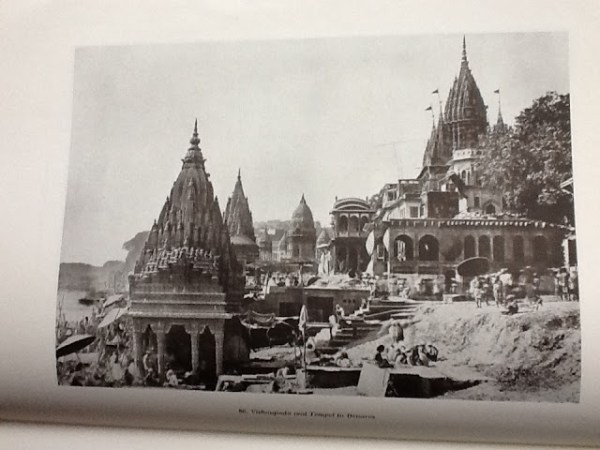
The mourner then pours water upon it to cool the spirit. The karta is then shaved by the barber. After this he bathes His head and face must be completely shaved except the sacred top-knot; but  should the deceased be younger than he is, then shaving is put off until the tenth day.


Stone for the Dead!


The chief mourner now returns to the house with his friends, but they do not enter it. The simply go there to get the materials for the nitya karma sacri fice, which must now take place, and before doing of which the karta should not re-enter the dwelling. If it should be dark before the karta arrives, the nitya karma ceremony does not take place until the following morning. This ceremony can never be done after darkness has set in. The karta, accompanied by the purohita and many relatives or friends now takes some fire and fuel, rice, ghee, curds and pulse for a sacrifice. He also receives from the purohita, a small round stone called préta shila, which, when the consecration ceremony is performed with reference to it, supposed to become the personification of the disembodied spirit of the deceased. This stone the karta ties up in a strip of cloth previously torn from the winding sheet of the deceased. This strip of cloth he wears over the right shoulder, during the performance of the nitya karma ceremonies for the ensuing ten days. During all these ceremonies this stone is honoured and treated as though it were really the spirit of the dead.


(Throughout ancient Tamil literature, south is described as the direction of the departed souls. This shows that the culture is one throughout the country. Tamils have Hero Stones for people who did heroic deeds. Brahmins also lay a stone for the dead at the backyard or somewhere in the house. Now a days for lack of space they leave it somewhere. For the saints who are buried they place a Lingam or Tulsi plant on the  place of burial. This is also worshipped like the Tamil Hero Stones).


(The Hindu believes that when the soul leaves the body it assumes the little feeble mannikin,’ exposed to injuries of all kinds. In order to protect it, it is necessary to furnish it with a sort  of intermediate body, interposed, as it were,  between the gross body and the new body which under the law metempsychosis it will by and by assume. If it is not furnished with this intermediate body it will it wander about in the form of a preta or evil spirit. The rites by which the body is prepared are known as sraddha. They usually last ten days—- From Natives of Northern India by Crooke p. 218)

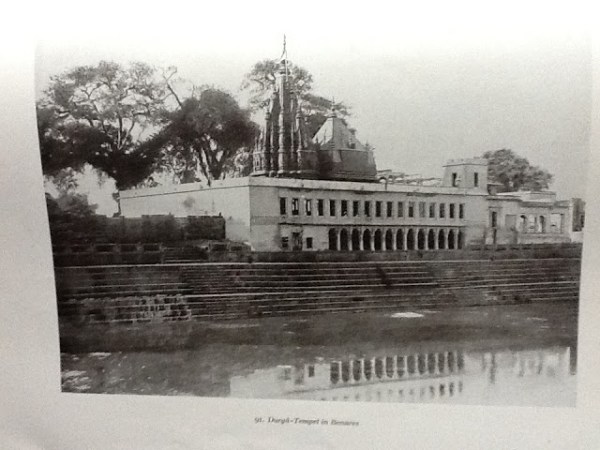
Pictures are from Benares/Kasi/Varanasi

to be continued………………


நீங்களும் அதிர்ஷ்டத்தை அழைக்கலாமே! (Post No.3361)

WRITTEN BY S NAGARAJAN


Date: 17 November 2016


Time uploaded in London:5-11 AM


Post No.3361


Pictures are taken from various sources; they are representational only; thanks.


contact; swami_48@yahoo.com


பாக்யா 18-11-16 இதழில் வெளிவந்துள்ள கட்டுரை


நீங்களும் அதிர்ஷ்டத்தை அழைக்கலாமே!

ச.நாகராஜன்

“சிலர் அல்லும் பகலும் தெருக் கல்லாயிருந்து விட்டு அதிர்ஷ்டம் இல்லை என்று அலட்டிக் கொண்டார்” –

நாடோடி மன்னன் படத்தில் கவிஞர் பட்டுக்கோட்டை கல்யாணசுந்தரம அவர்களின் பாடல்


அதிர்ஷ்டமே இல்லை என்று அலட்டிக் கொள்பவர்களில் ஒருவரா நீங்கள்? இனி கவலையை விடுங்கள். அதிர்ஷ்டத்தை நீங்கள் அழைக்கலாம். அறிவியல் அதிர்ஷ்டத்தை அலசி ஆராய்ந்து துணை புரிய வருகிறது.

இப்போது உலகெங்கும் பரபரப்பாகப் படிக்கப்படும் புத்தகங்கள் சான்ஸ் எனப்படும் அதிர்ஷ்டத்தைத் தரும் வாய்ப்பைப் பற்றி புத்தகங்களே!


கேய்ட் சுகெல் (Kayt Sukel)என்ற பெண்மணி தன் குழந்தையை இடுப்பில் கட்டிக் கொண்டு ஆப்பிரிக்காவையும் மத்திய கிழக்கையும் அடி அடியாக அளந்தவர். ரிஸ்க் எனப்படும் அபாயம் என்றால் அவருக்கு வெல்லக்கட்டி. துணிந்து ரிஸ்க் எடுத்து வாழ்ந்து பழகிய இவர் ‘தி ஆர்ட் ஆஃப் ரிஸ்க்’ (The Art of Risk) என்ற புத்தகத்தை எழுதியுள்ளார். இது அதிர்ஷ்ட விரும்பிகளின் கவனத்தை ஈர்த்துள்ளது.


கவனமுடன் தேர்ந்தெடுக்கப்பட்ட ரிஸ்கை – அபாய முடிவுகளை – எடுங்கள் என்பதே இவரது அறிவுரை.

மனிதர்களிடம் ஒவ்வொருவரிடமும் ஒரு ரிஸ்க் கால்குலேடர் இயல்பாகவே இருக்கிறது என்கிறார் அவர். சூழ்நிலை, அனுபவம், அவசியம் ஆகியவற்றோடு நிலைமையை சரியாகக் கணிக்கும் மூளைத் திறனும் உள்ளவர்கள் ஜெயிப்பது நிஜம் என்கிறார் இவர். அதிக ரிஸ்கை இயல்பாக எடுக்கும் பலருக்கு ஜீன்கள் எனப்படும் மரபணுவும் ஒரு காரணம். DRD4 GENE இன் மாற்றுரு (Variant) ஒன்றைக் கொண்ட கல்லூரி மாணவ மாணவியர் லாபரட்டரி சோதனைகளில் மிகவும் துணிச்சலுடன் புதிய சோதனைகளைச் செய்து பார்ப்பது ஆய்வுகளிலிருந்து தெரிய வருகிறது.


அபாயகரமான முடிவுகளை அதிகம் எடுப்பவர்கள் நல்ல திறம்படத் திட்டமிடும் திறன் உடையவர்கள் என்பது இவர் தரும் சுவையான செய்திகளுள் ஒன்று.

புத்தகத்தை முடிக்கும் போது, “ஒவ்வொரு நாளும் நாம் எடுக்கின்ற முடிவுகளில் அது பெரிதோ சிறிதோ, வாழ்க்கையை மாற்றுவதோ அல்லது சாதாரணமானதோ, அதில் ஒரு ரிஸ்க் – அபாயம் இருக்கிறது என்பதை ஒத்துக் கொள்ளுங்கள்” என்கிறார். ஆக அதிர்ஷ்டத்தை அழைக்க அடிப்படைத் தகுதி கவனமுடன் ரிஸ்கைத் தேர்ந்தெடுத்துச் செயல்படும் திறனே!


    அடுத்து அதிரடியாக வாய்ப்பைப் பற்றிச் சொல்லும் இன்னொரு கலக்கல் புத்தகம் ‘தி பெர்ஃபெக்ட் பெட்’ (The Perfect Bet)  இதை எழுதியவர் பிரபல கணித மேதையான ஆடம் குர்சார்ஸ்கி (Adam Kucharski) .   லாட்டரி, சூதாட்டம் போன்றவற்றில் மறைந்திருக்கும் தகவல்களை அலசி ஆராய்ந்து, என்ன நடக்கப்போகிறது என்று தெரியாத நிச்சயமற்ற தன்மையுடன் நாம் புத்திசாலித்தனமாக பேரம் பேசினால் வெற்றி தான் என்கிறார்.


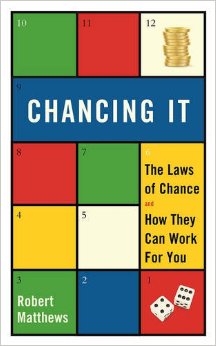
அடுத்து பிரிட்டனைச் சேர்ந்த விஞ்ஞானியும் எழுத்தாளருமான ராபர்ட் மாத்யூஸ் எழுதிய ‘சான்ஸிங் இட்’ என்ற புத்தகம் (Chancing It by Robert Mathhews)  அனைவராலும் விரும்பி வாங்கப்படுகிறது.           


இவர் தெள்ளத் தெளிவாக வெற்றிக்கான வழிகளை அடுக்குகிறார்.  சூதாட்டத்தையும் லாட்டரியையும் நடத்துவோர் கணிதத்தின் ப்ராபபலிடி (Probability) எனப்படும் இயலும் நிலை பற்றி நன்கு அறிந்தவர்கள். அவர்கள் தங்கள் வணிகத்தில் தோற்கவே மாட்டார்கள். அவர்கள் நம்புவது சூதாட வருவோரின் தொடர்ந்து ஆட வேண்டும் என்ற வெறி கொண்ட மன நிலையையே. ஆகவே ஓரிரு முறை வெற்றி பெற்றவுடன் சூதாட்ட களத்தை விட்டுக் கடையைக் கட்ட வேண்டும் என்கிறார் ராபர்ட்.


அடுத்து குறிப்பிட்டுச் சொல்லப்பட வேண்டியவர் ரிச்சர்ட் வைஸ்மேன் (Richard அதிர்ஷ்டம் பற்றி முறைப்படி பல ஆண்டுகள் ஆராய்ந்தவர் ஹெர்ட்போர்ட்ஷைர் பல்கலைக்கழகத்தில் உளவியல் பேராசிரியராகப் பணியாற்றுபவர்.  


   இவர் அதிர்ஷ்டசாலிகளைத் தேடிப் பிடித்து ஆராய்ந்தார். 400 தன்னார்வத் தொண்டர்களைத் தன் ஆய்வுக்காக அழைத்தார். இதில் 18 முதல் 84 வயது வரை உள்ளவர்கள் அடக்கம்! இவர் ஆய்வின் முடிவில் கண்டு பிடித்தது அதிர்ஷ்டசாலிகளுக்கும் ஏனையோருக்கும் அடிப்படையிலேயே அணுகு முறையில் வித்தியாசம் இருக்கிறது என்பதைத் தான். யார் வேண்டுமானாலும் அதிர்ஷ்டசாலியாகலாம் என்று கூறும் இவர் நான்கு பயனுள்ள குறிப்புகளைத் (டிப்ஸ்) தருகிறார்.


  • அதிர்ஷ்டசாலிகள் தங்களது நல்ல காலத்தைத் தாங்களே உருவாக்குகிறார்கள் அவர்கள் நல்ல வாய்ப்புகள் வரும் போது நழுவ விடுவதே இல்லை. நல்ல வாய்ப்புகள் வரும் போது அதை அவர்கள் சிறப்புடன் இனம் காணுகிறார்கள்.
  • தங்கள் உள்ளுணர்வு அல்லது அந்தரங்க குரலை அவர்கள் கேட்கிறார்கள். மதிக்கிறார்கள். அதன் படி முடிவெடுக்கிறார்கள். பகுத்தறிவுடன் எடுக்கும் முடிவுக்கு அவர்கள் அவ்வளவாக மதிப்புக் கொடுப்பதில்லை!
  • தங்களது வெற்றிக்கான இலக்கை நிர்ணயிப்பதோடு அதை அடைந்து விட்டதாக கணிப்பையும் செய்து விடுகிறார்கள் அந்த அதிர்ஷ்டசாலிகள். வரப்போகும் வெற்றியை பாஸிடிவாக எதிர்பார்த்துக் காத்திருக்கிறார்கள் அவர்கள்.
  • தங்கள் பயணத்தில் தடைகள் வந்தால் அவர்கள் தளர்வதில்லை. மோசமான தோல்விகளை அல்லது துரதிர்ஷ்டங்களை அல்லது சவால்களை அவர்கள் கடுமையாக எதிர்கொண்டு நிற்பதோடு அவற்றை நல்லதிர்ஷ்டமாக மாற்றவும் செய்கிறார்கள்.


இந்த நான்கு விதிகளைக் கடைப்பிடிப்பவர்கள் நாளடைவில் தோல்விகளைச் சந்திப்பதே இல்லை. அவர்களுக்கு அதிர்ஷ்டம் என்பது இயல்பான வாழ்க்கைப் பழக்கமாக ஆகி விடுகிறது என்கிறார் வைஸ்மேன்.


இதற்கான ஏராளமான உதாரணங்களை அவர் அடுக்கிக் கொண்டே போகிறார். ஆகவே அவர் சொல்வதைக் கேட்டுக் கடைப்பிடித்தால் அதிர்ஷ்டசாலி ஆவது நிச்சயமே!

எளிதில் கடைப்பிடிக்கக் கூடிய இந்த டிப்ஸ்களைப் பயன்படுத்தி நீங்களும் அதிர்ஷ்டத்தை அழைக்கலாமே!


–Subham–


கத்திச் சண்டை போட்ட கணித மேதை! (Post No.3360)

WRITTEN BY S NAGARAJAN


Date: 16 November 2016


Time uploaded in London:9-09 AM


Post No.3360


Pictures are taken from various sources; they are representational only; thanks.


contact; swami_48@yahoo.com


ச.நாகராஜன்


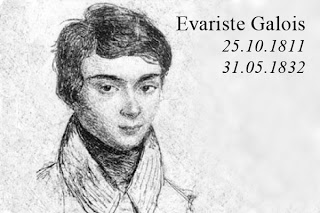
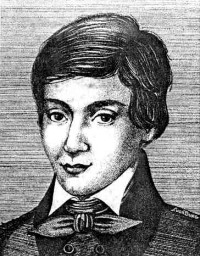
பிரான்ஸ் நாட்டைச் சேர்நத இவாரிஸ் கலோயிஸ் (Evariste Galois) ஒரு இளவயதுக் கணித மேதை. (தோற்றம் 25-10-1811; மறைவு : 31-5-1832) அருமையான குடும்பத்தில் பிறந்த அவர் இளமையிலிருந்தே இரண்டு விஷயங்களில் அதீத ஈடுபாட்டுடன் இருந்தார். ஒன்று புரட்சி அரசியல் மீது ஈடுபாடு இன்னொன்று கணிதத்தில் ஈடுபாடு. 12 வயதிலேயே அவரது கணிதத் திறமை நன்கு புலப்பட்டது.


அவரது தந்தை திடீரென்று இறக்கவே மேல் படிப்பு படிக்கக் கையில் பணமில்லாது போனது. கணித டியூஷனுக்கு வருமாறு ஒரு நோட்டீஸை மளிகைக் கடை வாசலில் தொங்க விட்டார். மாணவர்கள் வந்தனர். ஆனால் அவர்களுக்கு கலோயிஸின் உயர் அறிவு புரியவே இல்லை. ஓடி விட்டனர்.

பிரான்ஸோ புரட்சிவாதிகளால் இரண்டாகப் பிரிந்து சண்டையில்  அல்லோலகல்லோலப் பட்டுக் கொண்டிருந்தது..

அந்தக் காலத்தில் எந்த ஒரு விஷயத்தையும் முடிவு கட்ட டியூயல் எனப்படும்  சண்டை நடைபெற்று வந்தது. நிர்ணயிக்கப்பட்ட விதிகளின் படி பெரும்பாலும் கத்திச் சண்டையில் போட்டியாளர்கள் ஈடுபடுவர். ஒருவர் சாகும் வரை சண்டை தொடரும்!


கோழி காணாமல் போயிற்று என்றாலும் சரி, அரசியல் கொள்கை பற்றிய முடிவு எடுக்க வேண்டுமென்றாலும் சரி, பிரான்ஸில் டியூயல் தான். முதல் உலக மகாயுத்தம் வரை இந்த டியூயல் பிரான்ஸில் பிரபலமாக இருந்தது.

துரதிர்ஷ்டவசமாக கலோயிஸும் இந்த டியூயலில் ஈடுபட வேண்டி வந்தது. சிலர் இதை காதலுக்காக என்கின்றனர். சிலரோ அரசியல் புரட்சி காரணங்களுக்காக என்கின்றனர்.

இறப்பதற்கு முதல் நாள் முடிக்காத தனது கணித ஆய்வுப் பேப்பர்களை எடுத்து வைத்துக்  கொண்டு இரவு முழுவதும் அவர் எழுதிக் கொண்டே இருந்தார். பல  இடங்களில் பலவற்றை விளக்காமல் மார்ஜினில் நேரம் இல்லை, நேரம் இல்லை என்று எழுதி விடைகளை மட்டும் எழுதிக் கொண்டே போனார்.


     மறு நாள் இறந்து விடுவோம் என்பதைத் தெரிந்து கொண்டவர் போல இரு கடிதங்களை எழுதி, “நான் நாட்டுக்காக உயிர் விடுகிறேன் என்பதை நினைவில் கொள்ளுங்கள்’ என்று உருக்கமாக அறிவித்தார். மறுநாள் நிர்ணயித்த படி சண்டை நடைபெற்றது. அதில் அவர் உயிரிழந்தார். அப்போது அவருக்கு வயது  21 தான். க்ரூப் தியரியைக் (Group Theory) கண்டுபிடித்த இந்த இள வயது மேதையின் அகால மரணம் விஞ்ஞான வரலாற்றில் சோகமான ஒன்று!


******


Single is each man born; Single he dies: Manu (Post No.3359)

Compiled  by London Swaminathan


Date: 16 November 2016


Time uploaded in London: 5-14 am


Post No.3359


Pictures are taken from various sources; they are representational only; thanks.


contact; swami_48@yahoo.com


13 Day Hindu Funeral Rites- Part 1


Recorded by The Rev. J E Padfield B.D., year 1908, in his book The Hindu at Home.


(Uttara Kriya)


Manava Dharmasastra, the greatest and first comprehensive Law book in the world describes the death of a Hindu in the following couplets:-


“Single is each man born; single he dies: single he receives the reward of his good, and single the punishment of his evil deeds.


When he leaves his corpse, like a log or a lump of clay, on the ground, his kindred retire with averted faces; but his virtue accompanies his soul.” (Manu, iv, 240-1.)


“A mansion with bones for its rafters and beams; with nerves and tendons for cords; with muscles and blood for mortar with skin for its outward covering.


A mansion infested by age and by sorrow, the seat of malady, and harassed by pains, haunted with the quality of darkness, and incapable of standing long; such a mansion of the vital soul let its occupier always cheerfully quit.


As a tree leaves the bank of a river, when it falls in, or as a bird leaves the branch of a tree at his pleasure, thus he, who leaves his body by necessity or by legal choice, is delivered from the ravening shark, or crocodile, of the world.” (Manu vi, 76- 8.)

Why do good people die?


There is a curious passage in Manu where the question seems to be raised as to how death can have any power over such holy beings as Brahmins, especially those learned in the Vedas and who undeviating perform the duties laid down for their guidance. A reason is given for the mortality of a twice-born who may have been remiss performing religious or has offended in the matter of diet.


The fifth chapter of “Manava Dharma Sastra,” which opens with the passage referred to, is largely composed of the most minute rules and regulations as to diet. It is difficult to conceive the possibility of a mortal man’s avoiding some offence named and thus rendering himself amenable to death. The passage is as follows:


“The sages, having heard those laws delivered for the conduct of house-keepers, thus addressed the high-minded Bhrigu, who proceeded in a former birth from the genius of fire.


How, Lord, can death prevail over Brahmins, who know the scriptural ordinances and perform their duties as they have been declared?

Then he, whose disposition was perfect virtue, even Bhrigu, the son of Manu, thus answered the great Rishis (seers):-


‘Hear, from what sin proceeds the inclination of death to destroy the chief of the twice-born’


“Through a neglect of reading the Véda, through a desertion of approved usages, through supine remissness in performing holy rites and through various offences in diet, the genius death becomes eager to destroy them. (Manu, v.1-4)

Panchagavyam, Just before dying!


When amongst the Hindus of all castes and of both sexes est a person the point of death, the family priest is summoned to administer the last sacrament (Jivanamaskaram) which is administered in the following manner:–


The sick person is lifted from the couch upon which he may be lying, and is made to recline upon the ground, supported by a low stool. A couch is not considered a pure place (madi) and the friends of a sick person will not even feed him whilst lying on it, unless he is too ill to be moved. The priest then approaches with the Panchagavyam. This is a mixture of five products of the cow: milk, curd, butter, urine and dung.


The dying person is first asked to recite after the priest certain Mantras, and if he is too weak to articulate, he is desired to recite them to himself.

Afterwards the vessel containing the Panchagavyam mixture is placed to his lips and some of it poured into the mouth. This whole is called Prayachittam or the ceremony expiation. Of the various texts recited, two are given below as specimens:–


“I take this sacrament of panchagavyam for the absolution of my sins, both those committed voluntarily and involuntarily”

Jnana ajnana krta dosha prayachittartham panchagavyasamskaram karishye


“Whatever sins adhere to the skin and bone now present in this body,

May the partaking of this panchagavyam

Destroy them as fire destroys fuel.”


Yatvagastigatam papam  dehe tishtati mamake

Prasanam panchagav dahatyagnirivendhanam


Must die on the Ground!

The sick person is then replaced upon the couch to await the end though sometimes he may recover. If from sudden death or any other cause, this ceremony cannot be performed, the death is not considered a happy one.


When it is evident that death is very near, the dying person is laid on the ground, which has been previously prepared by smearing it with cow dung and by placing some of the sacred grass (darbha). It is very important that a person should breathe his last on the earth. Indeed, it is a common way of cursing to say, “When you come to die may there be no one to place you on the ground”


Not allowed to die inside the house!


There are certain phases of the moon during which would be considered a serious calamity for anyone to die inside the house. Should death draw near at such a period, the patient is carefully taken outside to die in some outer verandah. If, through a misfortune, he should die inside the house during a period, the whole dwelling is considered polluted. It must be entirely vacated for some time, after which a ceremony called “punyachavachanam” is performed in the place to purify it before it can be re-occupied. Sometimes when such a calamity does befall a house hold, in order to avoid the trouble and cost of moving out entirely, a hole is made in the sidewall of the house, near the room where the death took place, and the body is passed outside through the hole. In such a case, only that side of the house will be impure and need purification; the other part can be inhabited usual. This mode of action, however, is not considered proper or respectable and it is thought to reflect dishonour upon the dead.


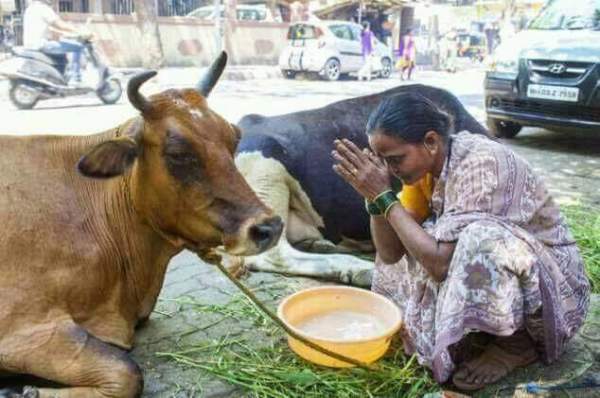
When an orthodox Hindu is at the point of death, a Brahmin brings a cow, marks its forehead with vermillion (kunkum) and salutes it. A little Ganges water is poured into the mouth of the dying man. Alms are given to Brahmins and to beggars; and just at the moment of dissolution he is removed into the open air or conveyed to the river bank.


To be continued………………..


இடி ஓசையை மிஞ்சும் புகழ் ஓசை! (Post No.3358)

Written by London Swaminathan


Date: 16 November 2016


Time uploaded in London: 4-51 am


Post No.3358


Pictures are taken from various sources; they are representational only; thanks.


contact; swami_48@yahoo.com


நாலடியாரில் ஒரு நல்ல பாடல்.


முரசொலி பெரிதா, இடி ஓசை பெரிதா, புகழோசை பெரிதா என்று ஒப்பிடுகிறார் ஒருபுலவர்.


நாலடியார் என்பது 18 கீழ்க்கணக்கு நூல்களில் ஒன்று. சமண முனிவர்களால் பாடப்பட்ட பாடல்கள் இதில் அடக்கம். திருக்குறள் போலவே நீதிநெறியை இயம்பும் பாடல்கள்.


கடிப்பிடு கண்முரசங்  காதத்தோர் கேட்பர்

இடித்து முழங்கியதோர் யோசனையோர் கேட்பர்

அடுக்கிய மூவுலகுங் கேட்குமே சான்றோர்

கொடுத்தாரெனப்படுஞ் சொல்


பொருள்:-

குறுந்தடியால் அடிக்கப்படும் முரசின் ஒலியை ஒரு காத தூரம் வரை கேட்கலாம். மேகம் இடித்து எழுப்பும் இடி ஓசையை ஒரு யோசனை தூரம் வரை கேட்கலாம். இவர் ஏழைகளுக்குக் கொடுத்து உதவினார் என்று சான்றோர் சொல்லும் சொல் பூலோகம், புவர் லோகம், சுவர் லோகம் ஆகிய மூன்று உலகக்ங்களிலும் கேட்கும்.


(காதம் என்பது ஏழரை மைல், யோசனை என்பது 30 மைல் என்று ஒரு கணக்கு உண்டு. யோசனை என்பது எட்டு மைல் என்று சொல்வோரும் உண்டு.)


ஈரேழு பதினான்கு உலகங்களையும் சுருக்கமாக மூவுலகம் என்றும் சொ ல்லுவர். மேலுலகம் நடு உலகம் கீழ் உலகம் என்ற பொருளில் இப்படிக் கூறுவதும் அல்லது கிருதகம், அகிருதகம், கிருதகாகிருதகம் என்ற மூன்று வகை என்போரும் உளர்.


கிருதகம் என்றால் செய்யப்பட்ட உலகங்கள் அதாவது பூமி, பாதாளம் முதலியவை. அகிருதகம் என்றால் செய்யப்படாதவை. அவை தபோலோகம் சத்தியலோகம் முதலானவை. கிருதகாகிருதகம் என்றால் செய்யப்பட்டதும் செய்யப்பபடாததுமாயுள்ள உலகங்கள். அதவது சொர்கம் முதலியவை.


இந்திரன் கோவில் முரசொலி


முரசொலி என்றவுடன் புறநானூற்றூப் பாடல் ஒன்றும் நினைவுக்கு வருகிறது. ஆய் அண்டிரன் இறந்தவுடன் அவன் கொடைத் தன்மையைக் கருதி அவனை,  இந்திரன் முரசு அறைந்து வரவேற்றானாம். இதைச் சொல்லுபவர் உறையூர் ஏணிச்சேரி முடமோசியார் ஆவார்.


திண்தேர் இரவலர்க்கு ஈத்த, தண்தார்,

அண்டிரன் வரூஉம் என்ன ஒண்தொடி

வச்சிரத்தடக்கை நெடியோன் கோயிலுள்

போர்ப்புறு முரசம் கறங்க

ஆர்ப்பு எழுந்தன்றால், விசும்பினானே (புறம் 241)


வச்சிரத்தடக்கை நெடியோன் = இந்திரன்.


பொருள்:-

பெரிய, வலிய தேர்களை வறியவர்களுக்கு வழங்கியவன்; குளிர்ந்த மாலையை உடையவன்; ஆய் வள்ளல் வருகின்றான் என, இந்திரன் கோவிலில் முரசம் முழங்குவதால், வானத்திலும் இடியொலியாகிய பேரொலியும் எழுகின்றதே.


-subham–