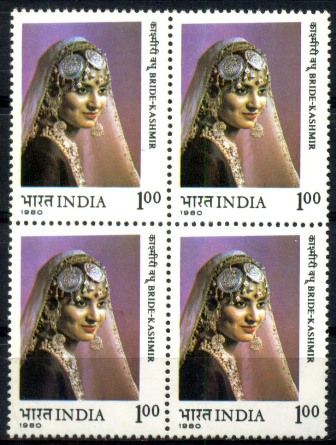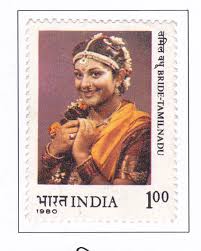
தமிழ்ப் பழமொழிகள்: TAMIL- ENGLISH PROVERB BOOK -2 (First Part)

Compiled by London swaminathan

Post No.2219

Date: 6   October 2015

Time uploaded in London: 15-48

Thanks for the pictures.

Don’t use pictures. Don’t reblog for at least a week.

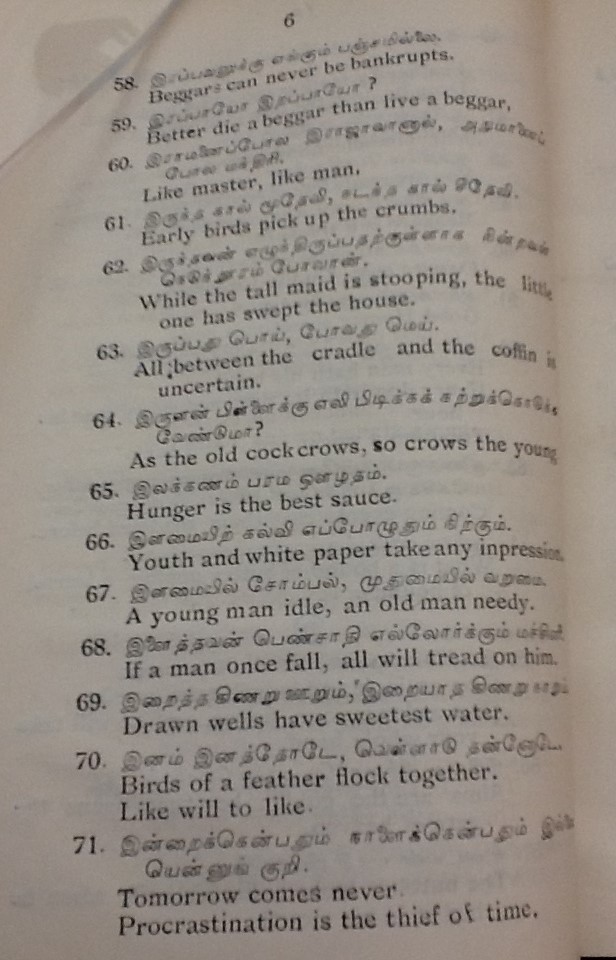
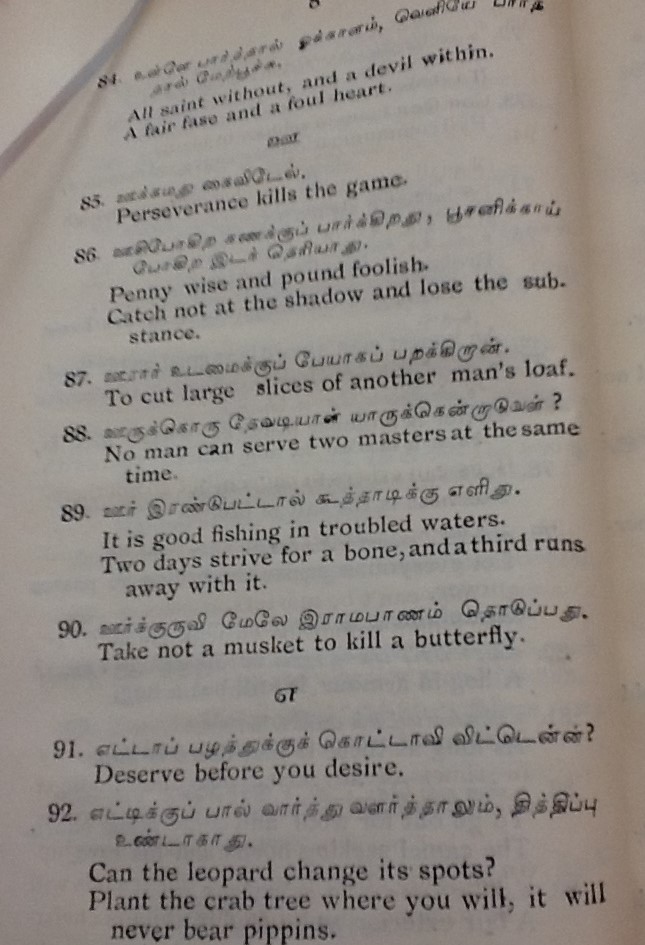
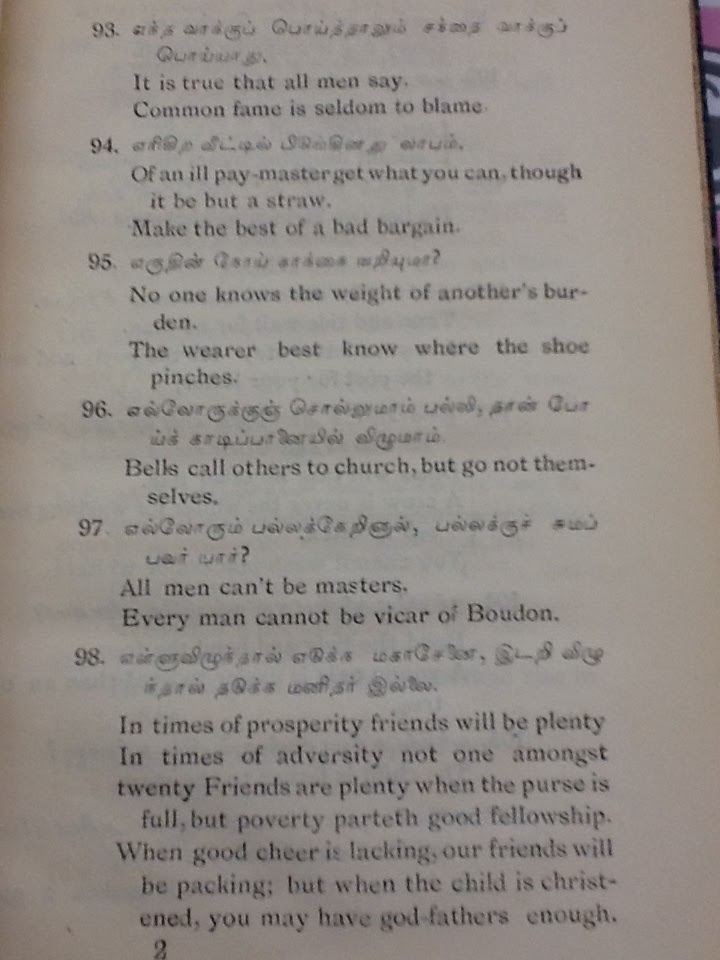
On 17th August I posted (Post No.2078) an old book with 108 Tamil proverbs and its English equivalents in this blog. Today I am posting another old book with 348 Tamil proverbs and their parallel proverbs in English:


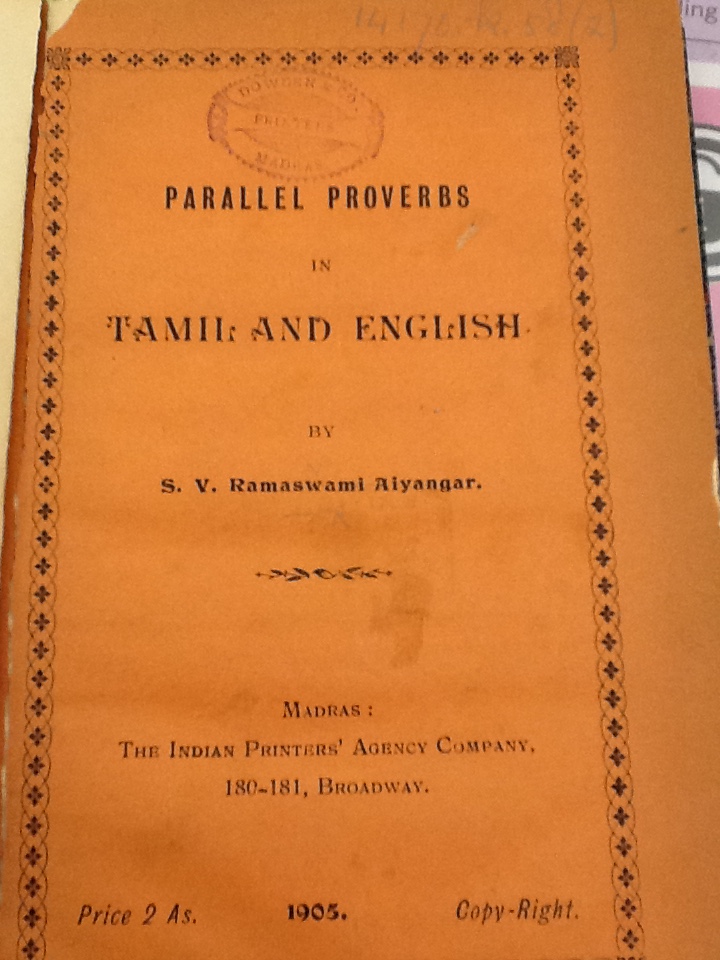
Title of the Book: Parallel Proverbs in Tamil and English

Author of the Book: Ramaswami Ayyangar

Year of Publication: 1905

Contents: 348 Tamil Proverbs and 348 English Proverbs or phrases

Source: British Library, London.

Though it is over 100 years old, it is very relevant for today. We can use every proverb even today in our conversation.

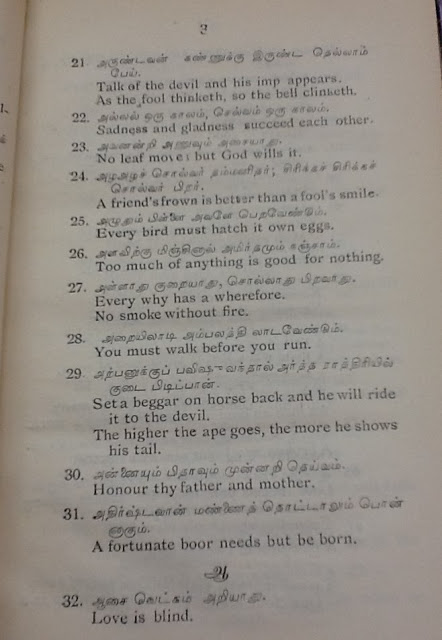
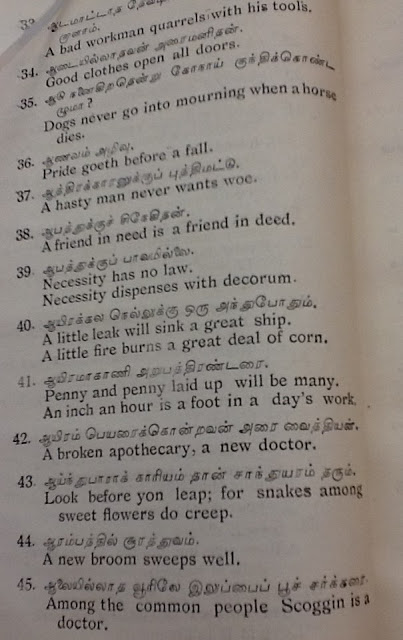
Here are the book pages; please zoom in and enlarge and then read the pages.

In the first part I am posting only 10 பக்கங்கள்

IMG_2731

IMG_2732

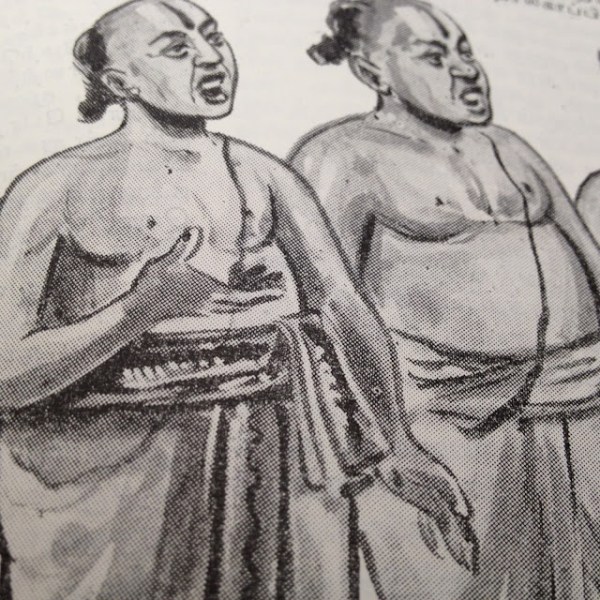
பழமொழி: அச்சில்லாமல் தேரோடுமா?

பழமொழி: அரண்டவன் கண்ணுக்கு இருண்டதெல்லாம் பேய்.

பழமொழி: ஆனைவரும் பின்னே, மணி ஒசை வரும் முன்னே

பழமொழி: உயரவுயரப் பறந்தாலும்,  ஊர்க்குருவி  பருந்தாகுமா?

பழமொழி: ஐயர் வரும் வரைக்கும்    அமாவாசை காத்திருக்குமா?

தொடரும்………………………………………

போப் சாப்பிட்ட பிஸ்ஸா (பீட்ஸா) !

Pope Francis as he celebrated Communion last July in Brazil.

Pope Francis as he celebrated Communion last July in Brazil.

Article: written by S NAGARAJAN

Post No.2218

Date: 6   October 2015

Time uploaded in London: 10-06 am

Thanks for the pictures.

Don’t use pictures. Don’t reblog for at least a week.


வாழ்வியல் அங்கம்

போப்பின் பிஸ்ஸா (பீட்ஸா)!

((தமிழ்நாட்டில் பிஸ்ஸாஎன்று எழுதுவதன் சரியான  இதாலிய மொழி உச்சரிப்பு பீட்ஸா (peetza); English Spelling Pizza)


.நாகராஜன்

 pope pizza

போப்புக்கு, இதாலி நாட்டில் நேபிள்ஸ் நகரத்தில, ஒரு அன்பர், பிட்ஸா அளித்தார்.

கையில் லண்டனிலிருந்து வெளி வரும் டைம்ஸ் இருந்தது. 5-9-2015 தேதியிட்ட இதழ்! சுவாரசியமாகப் படித்துக் கொண்டிருந்த வேளையில் மனைவி முன்னே வரப் பின்னால் பதுங்கியவாறே எனது புத்திரர்கள்!

ஆஹா! வழக்கமான விஷயத்திற்கு வந்து விட்டார்களோ! இப்படிப்பட்ட வேளைகளில் நான் எப்படி நடந்து கொள்வேன் என்று தெரிந்ததால் பாதுகாப்புடன் அம்மாவைக் கேடயமாக வைத்து வருகிறார்கள்!

என்ன?” – நான்

ஒண்ணுமில்லை. லேசா உடம்பு சரியில்லை. அதுனாலே வெளியிலேர்ந்து..”

வெளியிலேர்ந்து..” – கொஞ்சம் குரலில் கடுமை தொனிக்கநான்

பிஸ்ஸாவை (Pizza) ஆர்டர் பண்ணி வாங்கலாமான்னு..?!”


நான் மௌனமாக இருந்தது அவர்களுக்கு ஆச்சரியமாக இருந்திருக்கும். ஏனெனில் இதற்குள் கூரை விழுமளவு ஒரு கூச்சல் போட்டிருப்பேன்.

எத்தனை பிஸ்ஸா?’ – இது அவர்களுக்கு ஆச்சரியமான ஒரு திருப்பம்.

அவசரம் அவசரமாக தைரியமாக முன்னே வந்த பையன்கள்,” ஒண்ணு போதும். உங்களுக்கோ பிடிக்காது. நாங்கள் மூணு பேரும் ஒண்ணையே எடுத்துக்கறோம். ஆர்டர் பண்ணவா?”

நாலா ஆர்டர் பண்ணு. எனக்கும் சேர்த்துத் தான்!”


ஹோவென்ற கூச்சலுடன் பையன்கள் அலற, மனைவியோ எனக்கு நட்டுகழண்டு விட்டதோ என்ற பாவனையில் பார்த்தாள்.

ஒரு வேளை ஏமாற்று வித்தையோ என்ற அவளது சந்தேகப் பார்வை எனக்குப் புரிந்தது.

வேண்டாம் வேண்டாம் ஆர்டர் பண்ண வேண்டாம்” – எனது குரலால் பையன்கள் சுருங்க மனைவியோ அப்பாடா, அது தானே பார்த்தேன், வேதாளம் எங்காவது முருங்கை மரம் ஏறாமல் இருக்குமாஎன்று பார்வையால் பேசினாள்.


கிட்ட தானே இருக்கு. ராஜஸ்தானுக்கே போய் சாப்பிட்டு வந்துடலாம். அங்க போனா நைட் டின்னரை முடிச்சுடலாமே!” ராஜஸ்தான் ஹோட்டல் பெங்களூரில் பிரசித்தி பெற்ற ஒன்று. பிஸ்ஸா அங்கு ஸ்பெஷல் ஐட்டம்!

ஆயிரம் வாட்ஸ் பல்ப்பையன்களின் முகம் பளிச்.

எனக்கு என்னவோ ஆகி விட்டது என்று தீர்மானித்த மனைவியிடம் ஃபைவ் மினிட்ஸ் டைம், கிளம்புங்கள் என்றேன்.

*

epa04657751 A handout photograph made available by the L'Osservatore Romano - Press Office showing Pope Francis receiving a gift of a special pizza during his weekly general audience in Saint Peter's Square, Vatican City, 11 March 2015.      +++ANSA PROVIDES ACCESS TO THIS HANDOUT PHOTO TO BE USED SOLELY TO ILLUSTRATE NEWS REPORTING OR COMMENTARY ON THE FACTS OR EVENTS DEPICTED IN THIS IMAGE; NO ARCHIVING; NO LICENSING+++  EPA/L'OSSERVATORE ROMANO / HANDOUT  HANDOUT EDITORIAL USE ONLY/NO SALES/NO ARCHIVES

A handout photograph made available by the L’Osservatore Romano – Press Office showing Pope Francis receiving a gift of a special pizza during his weekly general audience in Saint Peter’s Square, Vatican City, 11 March 2015. -ANSA 

வாசகர்களுக்கு ஒரு வார்த்தை! எப்போதுமே அவர்களை மறுத்துப் பேசும் நான் ஏன் மனம் மாறினேன் என்ற இரகசியத்தை உங்களிடம் மட்டும்  சொல்லி விடுகிறேன். மனைவியிடமும், பையன்களிடமும் போட்டுக் கொடுத்து விடாதீர்கள்!

*

எப்போதாவது வெளியே வருவேன் என்று முன்பு வாக்குக் கொடுத்தபடியே போப்பாண்டவர் வாடிகன் வாசஸ்தலத்தை விட்டு வெளியே வந்தே விட்டார்! யாருக்கும் தெரியாமல், யாரிடமும் சொல்லாமல் ரோமில் உள்ள கண்ணாடிக் கடைக்காரரிடம் அவரே வந்து விட்டார். வேறொன்றும் இல்லை, தன் மூக்குக் கண்ணாடியைச் சரி பண்ணிக் கொள்ளத் தான்!!


கண்ணாடி நிபுணரான, அலெஸ்ஸாண்ட்ரோ ஸ்பிஜியா (Alessandro Spiezia), வாடிகன் சென்று குறித்த நேரத்தில் போப்பாண்டவரைப் பார்த்துக் கண்ணாடியைத் தரலாம் என்று பரபரப்பாக ஏற்பாடு செய்து கொண்டிருந்தார். ஆனால் அவர் முன்னால் ரோமிலுள்ள சென்ட்ரல் ஸ்டோரில், போப்போண்டவரே நேரில் நின்ற போது பிரமித்து விக்கித்து விட்டார்.


எனக்கு புது ஃப்ரேம் வேண்டாம்! இதே ஃப்ரேமில் லென்ஸ்களை மட்டும் மாற்றிக் கொடுத்தால் போதும்என்றார் போப்பாண்டவர்.


அவசரம் அவசரமாக லென்ஸ்களை மாற்றிய அலெஸ்ஸாண்ட்ரோ பெருமிதம் பொங்க மூக்குக்கண்ணாடியை போப்பாண்டவரிடம் கொடுத்தார்.

அதற்கான கட்டணம் எதையும் அவர் வாங்கத் தயாரில்லை.


ஆனால் போப்போ, ‘இதற்கு எவ்வளவு ஆச்சு? நான் தந்து விடுகிறேன்என்றார்.

40 நிமிடங்கள் ஆயிற்று கடையில்கண் டெஸ்ட், லென்ஸ் மாற்றுதல் என்று எல்லாம் முடிய! கடையின் வெளியே பிரம்மாண்டமான கூட்டம், அவரைத் தரிசிக்க!


புன்முறுவலுடன் வெளியே வந்த போப்பாண்டவர் தன்னுடைய ஃபோர்ட் ஃபோகஸ் காரில் ஏறி வாடிகனுக்குத் திரும்பினார். அவருக்கு பிரம்மாண்டமான பெரிய கார்கள் எல்லாம் பிடிக்காது! அவர் காருக்குப் பின்னால் இன்னொரு காரில் வாடிகன் போலீஸ் படை சென்றது.


போப் சொன்னாராம்ஒரு நாளைக்கு வெளியே செல்ல விரும்புகிறேன், யாருக்கும் சொல்லாமல், யாருக்கும் தெரியாமல், ஒரு பிஸ்ஸா (Pizza) சாப்பிட விரும்புகிறேன், அதற்குத் தான்!”

*

இப்போது சொல்லுங்கள் என் மனமாற்றம் சரி தானே! பெரிய போப்பாண்டவருக்கே பிஸ்ஸா ஆசை இருக்கும் போது என் மனைவி, குழந்தைகளுக்கு இருக்கக் கூடாதா, என்ன! பெங்களூரில் ராஜஸ்தான் ஹோட்டல் பிஸ்ஸா போல உண்டோ என்று அனைவருமே சொல்லும் போது அவர்கள் ஆசைப்படுவது, தப்பா, ஸார்!


அது தான் மனம் மாறி பிஸ்ஸா சாப்பிட நானும் கிளம்பி விட்டேன்!

லண்டன் டைம்ஸ் ஸார்! போப்பாண்டவர் பற்றிய செய்தி ஸார்!! 5-9-15 தேதியிட்ட இதழ்!

போகும் போது காஞ்சி பரமாசார்யாள் பல வருட காலம் மிக மிகக் கொஞ்சம் அளவே பொறி மட்டும் சாப்பிட்ட விஷயம் நினைவுக்கு வந்தது.


மனித மனம் என்றால் அப்படித்தான்! பல விஷயங்களில் மாறுதல் ஏற்படுகிறது. பல விஷயங்கள் நினைவுக்கு வருகிறது!

*

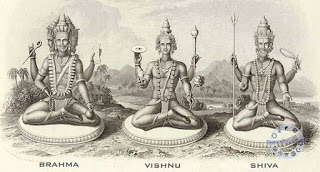
How to identify Hindu Gods and Goddesses?

Research Article: written by London swaminathan

Post No.2217

Date: 5   October 2015

Time uploaded in London: 19-27

Don’t use pictures. Don’t reblog for at least a week.


One hundred years ago, even the illiterates in India were able to identify scores of herbs, trees, flowers, stars in the sky and all Hindu Gods and Goddesses. Though they were not able to sign their names, they had all the practical knowledge.

There is an interesting anecdote in Tamil literature. Two thousand years ago two villagers, husband and wife, visited a temple near Madurai in South India. There the wife was wonderstruck with a painting on the temple wall where a cat is slipping out of an Ashram (hermit’s cottage). When she asked her husband, what it was her husband says “don’t you know the story of Indra and Ahalya? This is Indra in the form of a cat sneaking out of the Ashram after molesting Ahalya”. This scene is described in Sangam Tamil literature (Paripatal) This anecdote shows that even the villagers were able to identify the figures on a wall painting (mural). And such paintings were so common in the temples in those days.

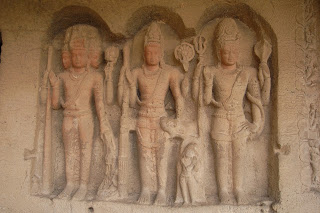
Trimurti in Ellora

Now even the scholars who are well versed in the scriptures have no practical knowledge. Their knowledge is more bookish than of field study. Moreover countries like Thailand and Cambodia have distorted the figures of Hindu Gods and Goddesses. A Hindu from India would find it difficult to recognise Indra or Shiva in South East Asian countries. Only figures like Vishnu or whoever rides on a Vahana (Mount of God) will be easily recognised; so I have compiled a list of Gods and Goddesses with their symbols.

The sculptors or goldsmiths who made the statues and idols of gods and goddesses used the Sanskrit slokas (couplets) with description for the figures.

Most of the confusion arises when Buddhist and Jain gods and goddesses are shown in any book or museum along with the Hindu Gods. They took lot of things from Hindu iconography and changed them according to their whims and fancies. Particularly confusing are the Tibetan Buddhist figures. But recognising Buddha in his meditative posture and Tirthankaras as straight standing figures with a Srivatsa on their chests won’t be difficult.

Easiest way is to recognise a vahana first and then identify its rider. But recognising the statues without vahanas is very difficult. Following list of identification will be very useful:

Brahma stamp by France

Brahma

Four heads (one head is not shown), Four hands, rosary in one hand and Vedas on another hand; swan or goose nearby (if it is a figure with Vishnu he is shown as if coming out of Vishnu’s belly button, seated on a lotus); sometimes Brahma is shown with beard.

Vishnu

Four hands, Wheel and Conch (Shankgu and Chakra) on both hands and Garuda (Eagle or Kite) as the Vahana; mace or Gatha is also seen in some pictures.

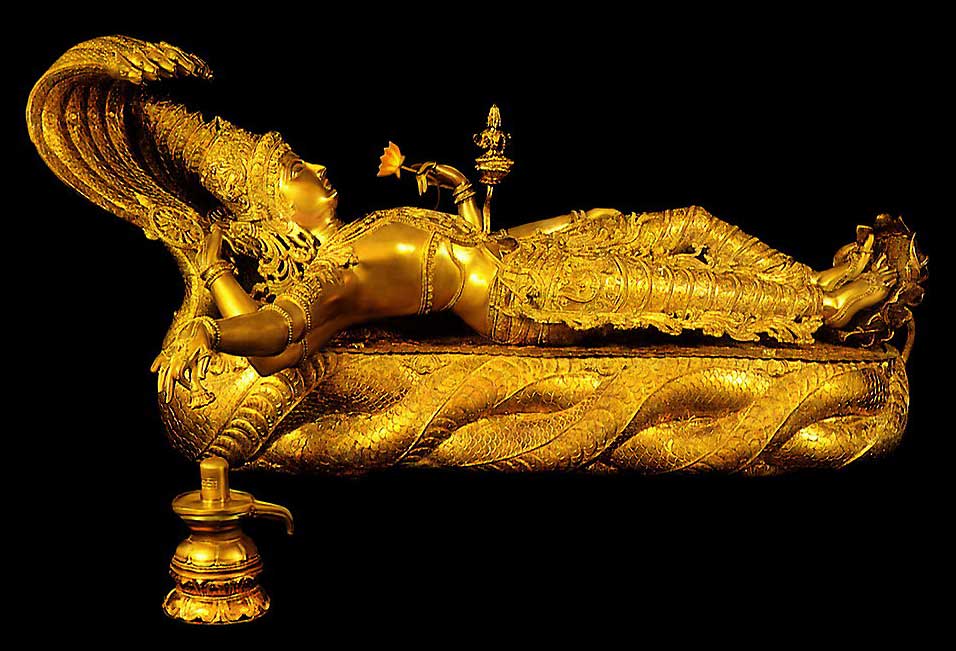
Vishnu’s another pose is Seshasai: Here he is shown lying on his snake bed. The multi-headed snake is called Adisesha.

Vishnu_1

Shiva

Trident in hand, matted lock with crescent on the hair; sometimes the third eye on the forehead is shown; riding on a bull (Rishaba); battle axe, Damarukam/drum,  and deer are in other hands. Snake is shown around his neck.

Nataraja

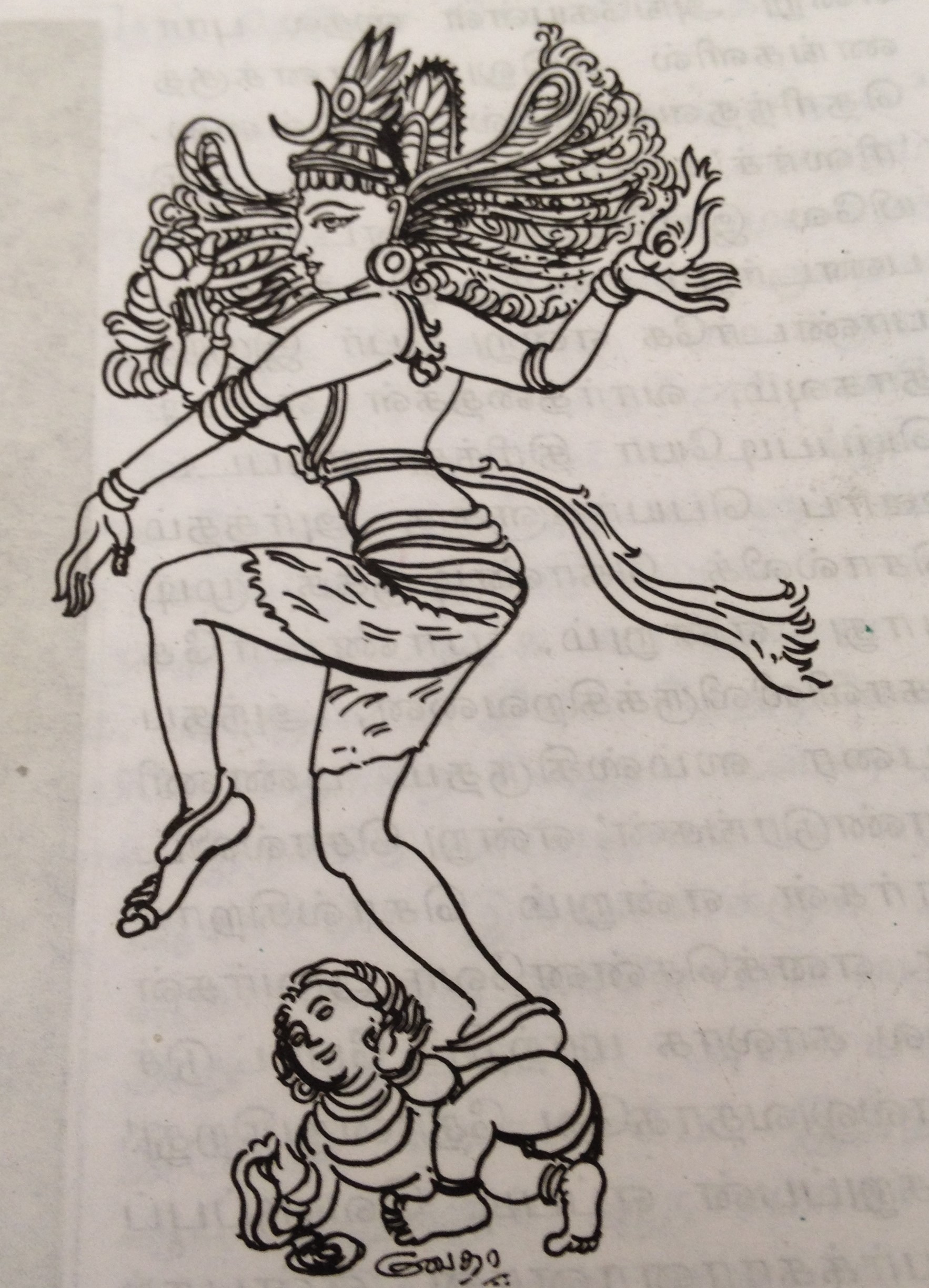
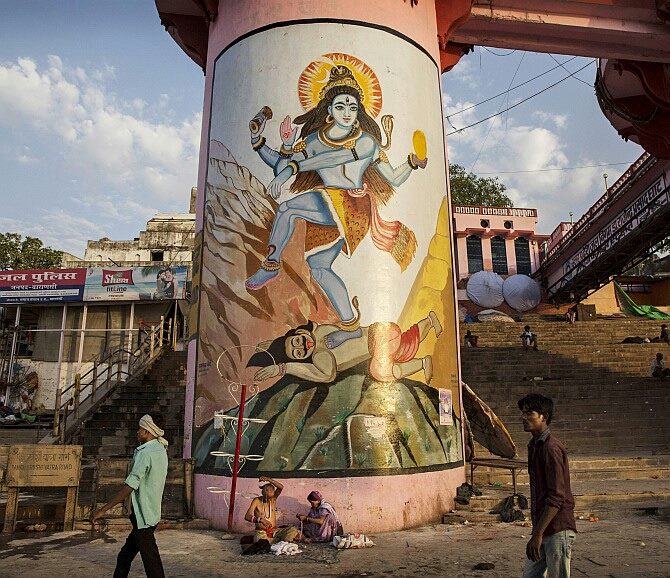
Dancing Shiva can easily be identified with one leg up and a demon under his feet. The Universal dancer holds a drum in one of his hands and Fire/agni in another hand.

Veerabhadra

Siva’s another form is Veerabhadra; he is also shown with trident.

ganesh lanka

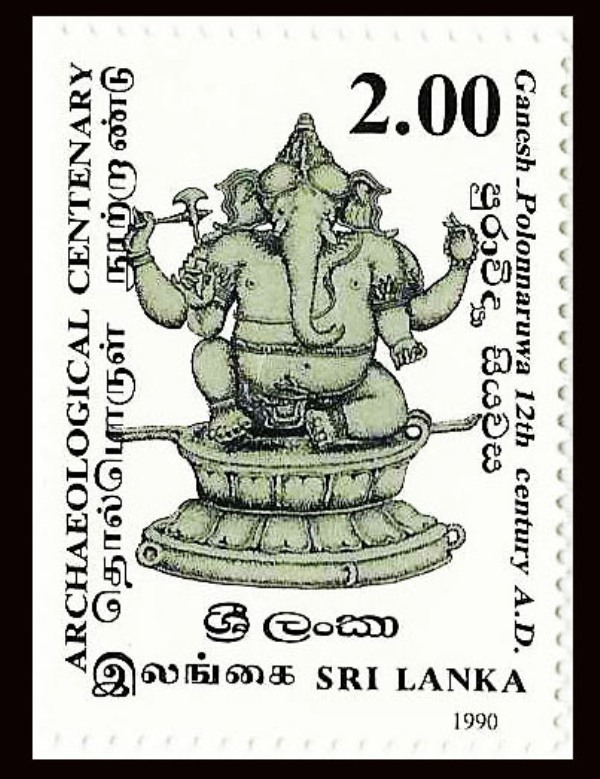
Ganesh

Easiest Hindu god to recognise is Ganesh because of his elephant head. Sometimes the rat or mouse is shown as vahana on a very small scale

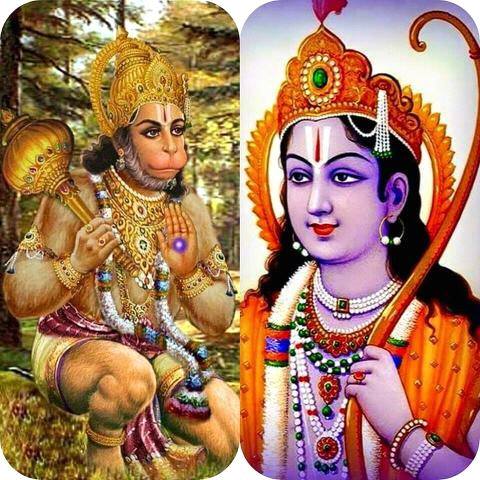
Hanuman

Monkey faced god from Ramayana can also be easily recognised like Ganesh.

Rama

Rama is always shown with his bow; and mostly with Sita and Lakshmana on either side.

hanuman raman

Dasavatara

Hindus know the stories behind Ten Incarnations of Lord Vishnu known as Dasavatara in Sanskrit; they can be easily identified by close observation of the following points:

Matsya (Fish) Avatara: Half the body is shown as Fish (In western countries sea nymphs are shown this way)

Kurma (Tortoise/turtle) Avatara: Bottom half of body is shown as tortoise

Varaha (Boar) Avatara:This Avatara is shown with a boar like face and holding the earth on the tip of its nose.

Vamana (Short) Avatara:- A short figure with a tuft like a Brahmin with an umbrella.

happy onam, sivaraman post

Narasimha (Man-lion) Avatara: Face is shown as a lion or ferocious looking; if the full figure is shown, one can see even the sharp animal toes with long nails.

Parasu (Axe) Rama: Parsurama is shown as a tall figure with an axe in his hand. He always looks angry.

Rama (Full man) Avatara: Explained above; shown with a bow, usually a very tall figure.

Balarama: Shown with a plough; he was a great agriculturist who spread agriculture and cultivation by travelling to different parts of India. He was always on pilgrimage. Wearing yellow cloth if it is a colour picture.

Krishna: Shown with a crown wearing peacock feather, handsome, tall, holding/playing on a flute, standing nearby a cow or Radha; if it is a colour picture then he is shown with blue cloth to distinguish him from his brother Balarama.

Buddha: Buddha is considered by some as one of Vishnu’s Avataras. Easily recognised because of his meditative posture and shawl on his shoulder. Closed eyes with peaceful countenance.

Kalki: Hindus believe that the last incarnation of Vishnu -Kalki is yet to come. Kalki is shown riding a white horse with a sword in is hand. Sometimes he is shown horse faced.

murugam balan

Kartikeya

Shiva’s two sons are Ganesh and Kartikeya (Skanda/Murugan) . He is easily identifiable because of his Spear and his vahana- the peacock. He is shown with his two wives Valli and Deivanai in some places. Also shown with six heads and 12 hands in Tamil books.

VEDIC GODS

Indra: He rides the white elephant ‘Airavata’ with multiple heads or single head. Indra holds thunderbolt (Vajrayudha) and lotus in his hands.

Agni: The hair of Agni is shown as fire; he rides on a goat. He holds rosary, vase in his hands.

Varuna : he is shown riding a Crocodile; noose and lotus are in his hands.

Yama: he rides buffalo and have staff and noose in his hands. Very dark in complexion.

Vayu: Vayu is shown with his vahana stag; hands are in boon giving position.

Kubera: The god of wealth is shown with mace and boon giving hand. He is also shown with a gold pot full of coins. He is short with a big belly. His vahanas varies between man, horse and goat

Nirruti: sword, shield and Katri are in his hands; man (dead body) or ass or camel is vahana

IMG_2906

Nine Planets

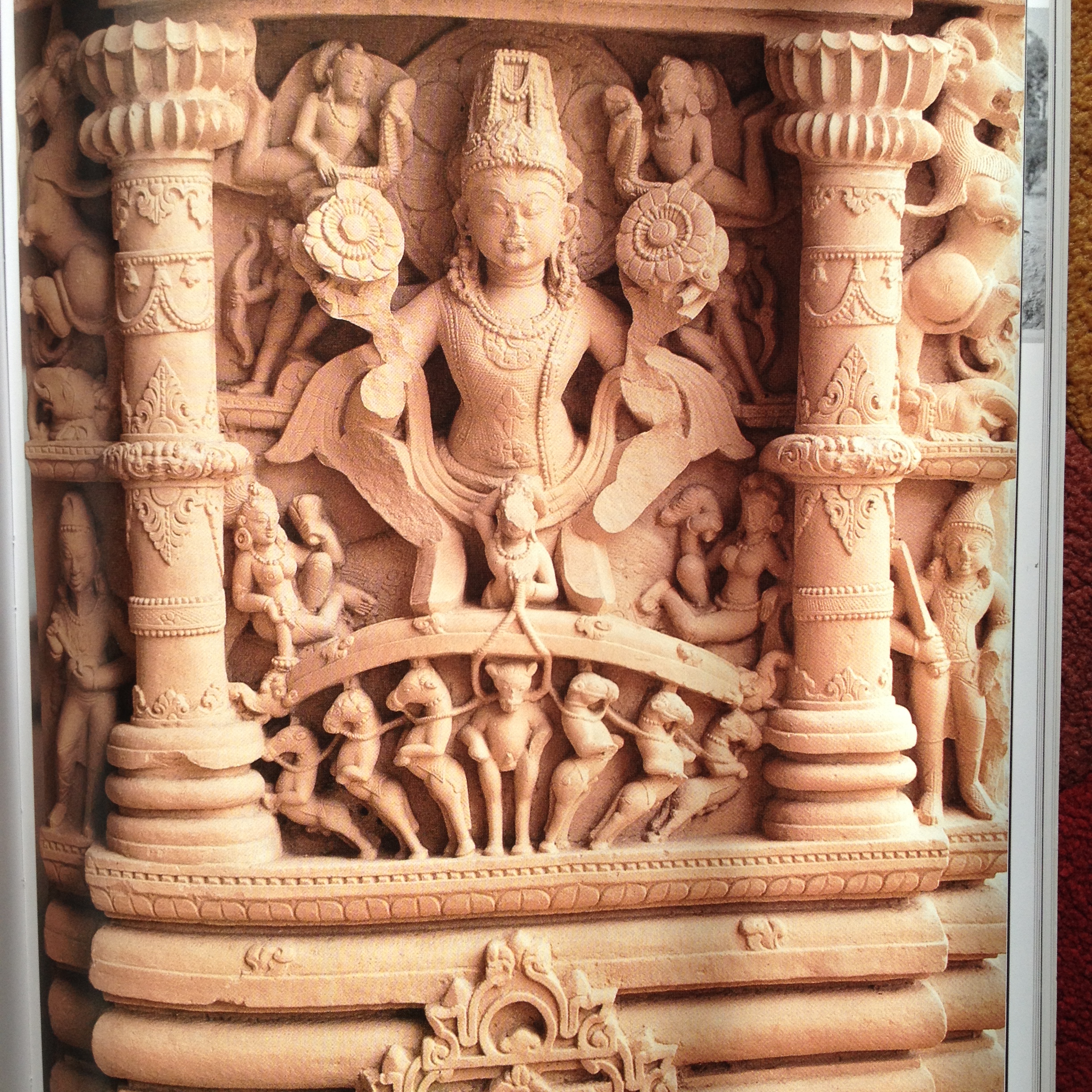
Surya: Lotus in each hand, one wheeled chariot driven by seven horses

Chandra/Moon : mace, rosary or lotus in hands; chariot driven by ten horses; Rohini on his right side and sometimes shown with his wives Kanti and Shhoba

Angaraka/mangala/Mars: Goat vahana, rosary, staff, javelin are in his hands

Budha(Mercury): Lion vahana; sword, shield mace , bow, rosary, Yoga mudra in hands.

Guru (Jupiter): Rosary, vase or staff or book are in his hands; golden chariot driven by horses is his vahana.

Sukra (Venus): Rosary, vase or staff; chariot driven by horses

Sani /Saturn: Arrow, bow, javelin, staff, rosary are in his hands; Crow is his vehicle; sometimes vulture or buffalo

Rahu: sword, shield, javelin;  face half moon, ugly face

Ketu: mace or shield in hands; serpent tail or serpent body with ugly face.

Goddesses

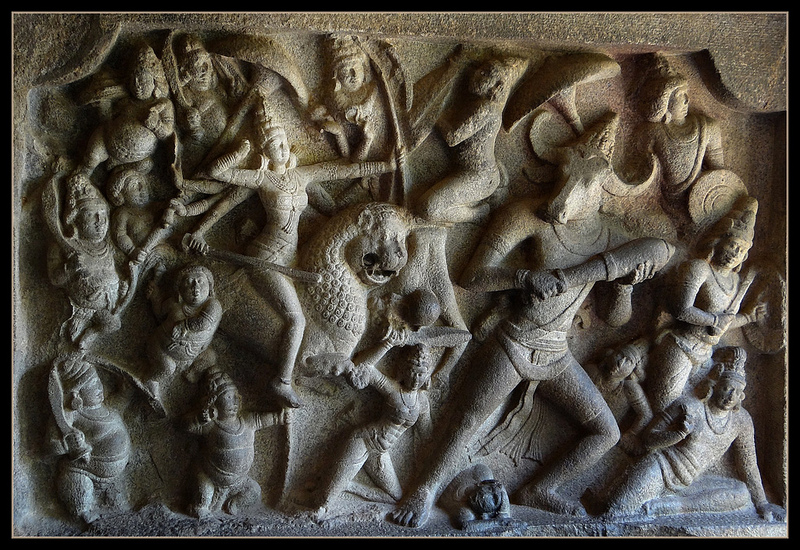
Durga: Durga is the destructive form of Uma or Parvati. She is shown as killing Mahishasura (Beffalo demon); she is also shown as Narayani with Conch and wheel or with garland of skulls; vahana — lion or tiger.

Lakshmi: seated on lotus; if it is Gajalakshmi form, two elephants on either side doing Abishekam; bowl of leaves; vahana owl

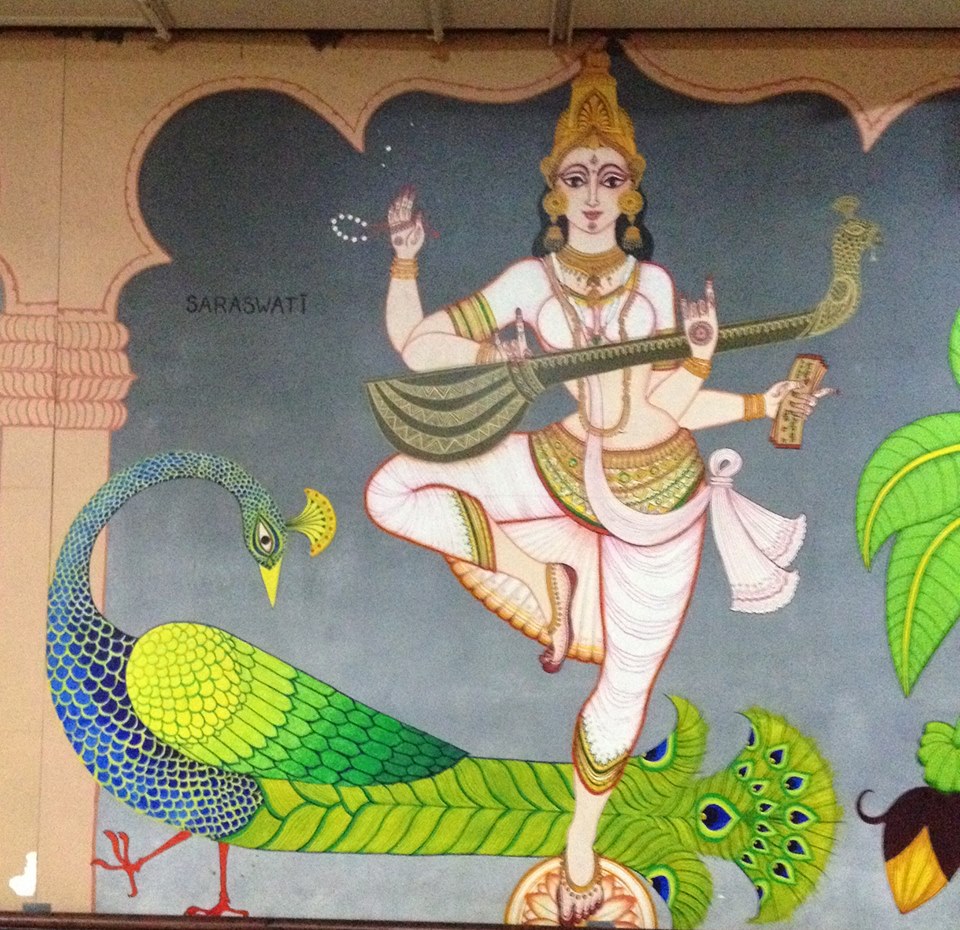
Sarasvati : Veena (musical instrument), rosary, books, vase, flute; swan or peacock is shown as vahana.

durga, mamallapuram

saraswati lakshmi

Gayathri: She is shown seated on a lotus flower, with five faces and ten hands holding rosary, bowl, battle axe, conch, wheel, mace etc. Sometimes a swan is shown by her side.

The above list is not a comprehensive list. Still there are lot of forms like Sapta matas, Lalita, Raja rajeswari, Chamundi, Kali and other forms. For every mythological story we have a special form of god or goddess. The study of Hindu iconography is a very big field. Grama devatas have (Village goddesses) have different forms. Sastha, Ayyanar, Santoshimata, Bhagavati …. list goes on and on. But one will be able to identify most of them with Tri Murtis or their three consorts.

In South Indian Temples, Vishnu is shown in three poses: Sitting, Standing and lying down. They are huge sculptures.

For each god we have different forms when they kill some demons. Particularly with Krishna, his forms like Kaliya nardana or Kaliya mardana  (dancing and tackling the snake Kaliya) are more popular.

If elders in the family learn all these things and the significance of each and every symbol, it will be useful to teach the youngsters in the family.

We must also tell them that these are symbolic representations; When Brahmachari Ganesh is shown with his “Two Wives” Siddhi and Buddhi, that means anyone worshipping god in this form will attain Success (Siddhi) and Intelligence (Buddhi). When Moon is shown with Kanti and Shoba, we must make sure they understand that these are the words for Brightness, Shining etc. When Sun has a “wife” by name Chaya (Shadow) they must know shadow follows light. Since they forgot the symbolism, now all the stories have become “myths”!!

IMG_4537 (2) siva is pillar

Nataraja and Shiva

–Subham–

ஒரே பாட்டில் சம்பந்தரின் அருட்செயல்கள்

Written by S NAGARAJAN

Post No.2216

Date: 5   October 2015

Time uploaded in London: 16-21

Don’t use pictures. Don’t reblog for at least a week.


தேவார சுகம்

தமிழாகரனின் அருட்செயல்கள்!

.நாகராஜன்

தமிழாகரன்

தமிழக வரலாற்றில் பொன்னேட்டினால் பொறிக்க வேண்டிய ஏடுகள் திருஞானசம்பந்தரும் திருநாவுக்கரசரும் வாழ்ந்த காலம்!

அறம் தலை நிறுத்த, மறத்தை நீக்க அவதாரங்கள் தோன்றுவது இந்து மத கொள்கையின் படி இடைவிடாத சுழற்சி கொண்ட ஒரு தத்துவமாகும்.

இப்படிப்பட்ட அவதாரங்களுள் முருகனே தோன்றியது போல வந்த இளம் பாலகன் திருஞானசம்பந்தர்.

முருகனுக்கும் இவருக்கும் உள்ள ஒற்றுமைகள் ‘எண்ணி’ மாளா. எண்ணி, நினைக்கவும் அதிசயம், எண்ணிக்கையிலும் அதிசயம். (இரண்டு ‘எண்ணி’ போட்டுக் கொள்ளலாம். எண்ணி எண்ணி மாளா!)

இளமை, தேவியிடம் பால் அருந்தியது, துடிப்பு, ஆற்றல், எதிலும் வெற்றி, சூர சம்ஹாரம் (சமண சம்ஹாரம் என அர்த்தம் கொள்க), பக்தர்களுக்கு அருள் பாலிப்பு, இப்படிப் பல ஒற்றுமைகளுள் தலையாய ஒன்று தமிழை உடலாகத் தரித்தது.

பல சந்த வகைகளையும், புதுப் பாணிகளையும், உவமான உவமேயங்களையும், பல்வேறு தோஷ நிவர்த்திக்கான பதிகங்களையும், இறைவனின் பெருமையைச் சொல்லும் பாடல்களையும் தம் பாக்களில் தந்தவர் ஞான சம்பந்தர். பதினாறாயிரம் பதிகங்கள் (ஒரு பதிகம் என்பது 10 பாடல்கள் + பதிக பலனைச் சொல்லும் பாடல் ஒன்று, ஆக மொத்தம் பதினொன்று) என்பதைக் கணக்கிட்டால் வருவது ஒரு லட்சத்தி எழுபத்தி ஆறாயிரம் பாடல்கள். அடேயப்பா என்று சொல்ல வைக்கும் பெரிய தொகை. அந்தப் பாடல்களை மூன்றாம் வயது தொடங்கி பதினாறாம் வயதுக்குள் பாடி இருக்கிறார். அதாவது 4748 நாட்களுக்குள் (365 x 13 + லீப் வருட நாட்கள் 3 = 4748) அப்படியென்றால் ஒரு நாளைக்கு 37.06 பாடல்கள், அதாவது ஒரு நாழிகைக்கு ஒரு பாடல்; ஒரு நாழிகை = 20 நிமிடம் ) இப்படிப் பொருள் பொதிந்த இறைவன் துதிகளை இவ்வளவு சிறப்புடனும் வனப்புடனும் உலக சரித்திரத்தில் பாடியதாக கற்பனைபயாகக் கூட கதை ஒன்று இல்லை!

ஒரே பாட்டில் சம்பந்தரின் அருட்செயல்கள்


அவரது அருட்செயல்களோ ஏராளம். அவற்றுள் முக்கியமான பத்தை மனதிற்குள் என்றும் நிறுத்தும் அளவு ஒரு சிறிய பாட்டில் அடக்கினார் பன்னிரண்டாம் நூற்றாண்டில் வாழ்ந்த திருக்கடவூர் உய்ய வந்த தேவனார் என்னும் பக்தர்.

ஓடம், சிவிகை, உலவாக் கிழி, அடைக்கப்                                              

பாடல், பனை, தாளம், பாலை நெய்தல், – ஏடு எதிர், வெப்பு,                                  

என்புக்கு உயிர் கொடுத்தல், ஈங்கிவைதாம் ஓங்கு புகழ்த்                           

தென்புகலி வேந்தன் செயல்


என்ன அருமையான பாடல்! இன்று நமக்குக் கிடைத்துள்ள திருஞானசம்பந்தரின் பாடல்கள் சுமார் 4287இல் 1256 பாடல்களில் அவரது வரலாறு (அவர் மூலமாகவே) விளக்கப்படுவதால் அகச்சான்று நிலை பெறுகிறது. இது பொய், புனைகதை என்ற வாதம் எழுவதற்கான வாய்ப்பே இல்லாமல் போய் விடுகிறது! இது நாம் செய்த தவப்பயனே!


அருள் செயல்கள்

அருட்செயல்களின் பதிகங்களாவன:-

ஓடம் திருக்கொள்ளம்பூதூர்ப் பதிகம் (‘கொட்டமே கமழும்என்று தொடங்கும் பதிகம்)

சிவிகைநெல்வாயில் அரத்துறைப் பதிகம் (‘எந்தை ஈசம் எம்பெருமான்எனத் தொடங்கும் பதிகம்)

உலவாக் கிழிதிருவாவடுதுறைப் பதிகம் (‘இடரினும் தளரினும்என்று தொடங்கும் பதிகம்)

அடைக்கப் பாடல்மறைக்காட்டுச்சதுரம் மறைப் பதிகம்

பனைதிரு ஓத்தூர்ப் பதிகம் (‘பூந்தேர்ந்தாயன கொண்டு நின் பொன்னடிஎன்று தொடங்கும் பதிகம்)

தாளம்திருக்கோலக்காப் பதிகம் (‘மடையில் வாளை பாய மாதரார்என்று தொடங்கும் பதிகம்)

பாலை நெய்தல்திருநனிபள்ளிப் பதிகம் (‘காரைகள் கூகை முல்லை களவாகை ஈகைஎன்று தொடங்கும் பதிகம்)

ஏடு எதிர்திருப்பாசுரம் (வாழ்க அந்தணர் என்று தொடங்கும் பதிகம்)

வெப்புதிருநீற்றுப் பதிகம் (மந்திரமாவது நீறு என்று தொடங்கும் பதிகம்)

என்புக்கு உயிர் கொடுத்தல்திரு மயிலாப்பூர்ப் பதிகம் (மட்டிட்ட புன்னை என்று தொடங்கும் பதிகம்)

ஆக பத்துப் பதிகங்கள் இந்தப் பாடல் கூறும் முக்கியப் பதிகங்கள்!


அருள் செயல்களின் வரலாறுகள்


இந்த அருள் செயல்களின் விவரங்கள் சுருக்கமாக இதோ:-

ஓடம்பாண்டிய நாட்டிலிருந்து சோழ நாடு சென்று பல தலங்களைத் தரிசித்த தமிழாகரர் காவிரியை அடைந்து ஓடமேறிகொட்டமே கமழும்என்று தொடங்கும் பதிகம் பாட ஓடம், படகோட்டி இன்றி தானாகவே திருக்கொள்ளம்புதூரை அடைந்தது!


சிவிகை: திருவடி நோக ஒவ்வொரு தலமாகத் தரிசித்து வந்த ஞானசம்பந்தர் மாறன்பாடி என்ற ஊரில் தங்கினார். அவரது துன்பம் கண்ட சிவபிரான் அரத்துறை என்ற தலத்தில் வாழும் அந்தணர் கனவில் தோன்றி, ‘ஞானசம்பந்தன் எம்மைக் காண வருகின்றான். அவனுக்கென ஆலயத்தில் முத்துச் சிவிகை, முத்துக் குடை, முத்துச் சின்னம் ஆகியவற்றை வைத்துள்ளோம். அதைக் கொடுத்து அழைத்து வருக என ஆணையிட்டான். அதே போல சம்பந்தர் கனவிலும் தோன்றி, ‘யாம் தரும் பொருள்களை ஏற்று வருகஎனக் கட்டளையிட்டான்.

அரத்துறை வாழ் அந்தணர்கள் வியந்து எழுந்து அனைத்தையும் ஞானசம்பந்தருக்குத் தந்து சிவிகையில் அமர்ந்து வர வேண்டுமென வேண்டினர். ஞானசம்பந்தர் சிவிகையை மும்முறை வலம் வந்து ஐந்தெழுத்தை ஓதி அதில் ஆரோகணித்தார். அப்போதுஎந்தை ஈசம் எம்பெருமான்எனத் தொடங்கும் பதிகம் பாடி அருளினார்.


உலவாக் கிழி:- திருப்பட்டீச்சுரத்திலிருந்து திருவாவடுதுறையை அடைந்த சம்பந்தர் தனது தந்தையாரான சிவபாத இருதயரைச் சந்தித்த போது அவர், தான் வேள்வி செய்வதற்குப் பொருள் வேண்டுமெனக் கேட்டார். தன்னிடம் பொருள் இல்லாததைக் கண்டு சம்பந்தர் வருந்தினார். உடனேஇடரினும் தளரினும்என்ற திருப்பதிகம் பாடி இறைவனிடம் விண்ணப்பித்தார். உடன் சிவ கணங்களுள் ஒன்று பொற்கிழி ஒன்றை மாசிலாமணியீசர் சந்நிதியில் உள்ள பீடத்தில் வைத்து, ‘இது எடுக்க எடுக்கக் குறையாத உலவாக் கிழி. இறைவன் உம்மிடம் அளிக்கப் பணித்துள்ளார்என்று கூறி மறைந்தது. அந்தப் பொன்னை சம்பந்தர் தந்தையிடம் கொடுக்க யாகம் நடந்தேறியது.


அடைக்கப் பாடல்:- அப்பரும் ஞானசம்பந்தரும் திருமறைக்காடு அடைந்த போது ஆலய வாயிலை அணுகினர். வேதங்களால் பூஜிக்கப்பட்ட கோவிலின் திருக் கதவுகள் திறக்கவே இல்லை. மக்களோ இன்னொரு வாயில் அமைத்து உள்ளே சென்று வழிபட்டு வருதலையும் அவர்கள் கண்டனர். அப்பர்பண்ணினேர் மொழியாள்என்ற பதிகத்தைப் பாடினார். பாடலின் சுவையால் மகிழ்ந்த சிவபெருமான் கதவுகள் திறக்கும்படி அருளினார். இருவரும் உள்ளே சென்று வணங்கினர். அப்பர் சம்பந்தரை நோக்கி, இனி இக்கதவுகள் திறக்கவும் அடைக்கவும் இருக்கும்படி இருத்தல் வேண்டும். நீங்கள் இப்போது இக்கதவுகள் மூடுவதற்கு பாடல் பாடி அருளுகஎன்றார். அது கேட்டு சம்பந்தரும், ‘சதுரம் மறைஎனத் தொடங்கும் பதிகத்தைப் பாடி அருளினார். கதவுகள் மூடின.


பனை:- ஞானசம்பந்தர் திருவோத்தூர் சென்ற பொழுது அங்கிருந்த சிவனடியார்கள் தமது திருக்கோவிலுக்கு நிவேதனமாக விட்ட பனை மரங்கள் ஆண்பனைகளாகக் காய்க்காமல் நிற்பதைக் கண்டு சமணர் தம்மை இகழ்வதாகக் கூறி அருள் புரிக என வேண்டினர். சம்பந்தர் உடனேபூந்தேர்ந்தாயன கொண்டு நின் பொன்னடிஎன்று தொடங்கும் பதிகத்தை அருள, ஆண்பனைகள் பெண்பனைகளாயின!


தாளம் :- சம்பந்தர் திருக்கோலக்கா இறைவனைத் துதிக்கும் போதுமடையில் வாளை பாய மாதரார்என்று தொடங்கும் பதிகத்தைத் தம் கைகளால் தாளம் இட்டுப் பாடினார். அவர் கைகள் சிவந்தன. இதைக் கண்ட இறைவன் அவருக்கு திரு ஐந்தெழுத்து எழுதப்பட்ட பொன்னாலாகிய பொற்றாளத்தை அருளிக் கொடுத்தார். அத்தாளத்தைப் பெற்ற சம்பந்தர் பதிகத்தைப் பொற்றாளமிட்டுப் பாடினார்.


பாலை நெய்தல் :- சம்பந்தரின் தாயார் பகவதி அம்மையார் அவதரித்த திருத்தலம் திரு நனிபள்ளி. அங்கு அவர் செல்லும் போது அவர் பாதம் நோவதைக் காணச் சகியாத அவரது தந்தையார் அவரைத் தம் தோள் மீது அமர்த்தி நடக்க ஆரம்பித்தார். நனி பள்ளி அடைந்த ஞானசம்பந்தர், ‘காரைகள் கூகை முல்லை களவாகை ஈகைஎன்று தொடங்கும் பதிகத்தை அருளினார். அதுவரை வளம் குன்றி பாலையாக இருந்த நனிபள்ளி, சம்பந்தரின் வரவால் நெய்தலாக மாறிப் பின்னர் மருதமாயிற்று.


ஏடு எதிர் :- அனல் வாதத்தில் தோற்ற சமணர் சம்பந்தரை புனல் வாதத்திற்கு அழைத்தனர். தம் தம் கொள்கைகளை எழுதி ஆற்றில் விட எது ஆற்றினை எதிர்த்துச் செல்கிறதோ அந்தக் கொள்கை வென்றதாகக் கொள்ளப்படும் என்ற அவர்களது வாதத்தை ஏற்றுவாழ்க அந்தணர்என்ற பதிகத்தை எழுதி ஆற்றில் விடவே அது எதிர்த்துச் சென்றது. சமணர் தம் ஏடு ஆற்றோடு சென்றது. பின்னர்வன்னியும் மத்தமும்என்ற பதிகத்தை அருள அது வைகையின் வடகரையில் அமைந்த ஒரு கோவிலின் அருகில் சென்று நின்றது. ஏடு நின்ற கோயில் திரு ஏடகம் என வழங்கப்படலாயிற்று.

வெப்பு :- பாண்டிய மன்னன் வெப்பு நோயால் துன்பப் பட சம்பந்தர், ‘மந்திரமாவது நீறுஎன்ற திருநீற்றுப் பதிகத்தை அருளினார். அவர், திருநீற்றைத் தடவிய அளவில் பாண்டிய மன்னனின் வெப்பு நோய் தணிந்தது.


என்புக்கு உயிர் கொடுத்தல் :- திரு மயிலையில் சிவ நேசச் செல்வரின் மகளான பூம்பாவை பாம்பு கடித்து இறக்கவே, அந்த பூம்பாவையின் எலும்பினை வைத்து. [மட்டிட்ட புன்னைஎன்ற பதிகம் பாடி அவளைச் சம்பந்தர் உயிர்ப்பித்தார்.

இவை தவிர இன்னும் பல அருட்செயல்கள் அவர் வாழ்வில் நடந்து அனைவரையும் பிரமிக்க வைத்துள்ளன.

தமிழ்நேசர்கள் அவற்றையெல்லாம் படிக்கப் படிக்கத் தமிழாகரனின் தமிழ் எப்படிப்பட்ட தெய்வத் தமிழ் என்பதை உணரலாம்.


தெய்வத் தமிழால் அனைத்தும் முடியும் என்பதைச் சொல்லத் தான் அவர் தன்னைத் தமிழ் ஆகரன் (தமிழை உடலாகக் கொண்டவன்) என்று கூறிக் கொண்டாரோ!

திருநெறிய தமிழ் வாழ்க! திருஞானசம்பந்தர் நாமம் வாழ்க!

தென்னாடுடைய சிவனே போற்றி! எந்நாட்டவர்க்கும் இறைவா போற்றி!


*********

Saints do not Toil for Food!

woodcutter_cutting_wood

Compiled by London swaminathan

Post No.2215

Date: 4   October 2015

Time uploaded in London: காலை 15-15

Thanks for the pictures.

Don’t use pictures. Don’t reblog for at least a week.

There was a Sadhu (ascetic) in Malabar, a tall and stout person. He was in the police service before becoming a sadhu. He used to wear only a small towel round his waist. Once when he was going for his Biksha ( asking for alms/food), a householder, seeing his good physique, asked him why he should not work and earn his bread, instead of begging for it. The sadhu was told that he would be given a meal if he was prepared to cut a few logs of firewood that were lying in the householder’s court yard.

The Sadhu without uttering a word, started splitting the firewood with an axe given to him and, within a short time, cut the whole lot and stacked the pieces in the proper place. Then, leaving the axe near the stack, the Sadhu simply walked away.

The householder saw the Sadhu going without taking food. He called him back and asked him why he was going before getting his meal. The Sadhu then replied, “I do not take my food where I work, and I do not work where I take my food!”. This means Sadhus subsist only upon alms offered to them with love.

–Story told by Swami Ramdas of Anandashram, Kerala.

ஜலே தைலம், கலே குஹ்யம், பாத்ரே தானம்!!!

Compiled by London swaminathan

Post No.2214

Date: 4   October 2015

Time uploaded in London: காலை 13-30

Thanks for the pictures.

Don’t use pictures. Don’t reblog for at least a week.

சம்ஸ்கிருதப் பொன்மொழிகள்

1).ஜலே தைலம் கலே குஹ்யம் பாத்ரே தானம் மனாகபி

ப்ராக்ஞே சாஸ்த்ரம் ஸ்வயம் யாதி விஸ்தாரம் வஸ்து சக்தித: — சாணக்கிய நீதி

நீரில் எண்ணையும், கெட்டவர்களிடத்தில் சொன்ன ரகசியமும், தகுதியுள்ளோரிடத்தில் கொடுத்த தானமும், அறிஞர்களிடத்தில் சொல்லப்படும் நூலறிவும் இயற்கையாகவே பரவிவிடும்.

Xxxx

2).ஜீவந்தோபி ம்ருதா: பஞ்ச வ்யாசேன பரிகீர்த்திதா:

தரித்ரோ வ்யாதிதோ மூர்க்க: ப்ரவாசீ நித்யசேவக:

வறுமையில் வாடுபவன், நோயாளி, முட்டாள், பிறதேசம் சென்றவன், தினக் கூலி ஆகிய ஐவரும் இருந்தும் இறந்தவர்கள் என்று வியாசர் கூறியுள்ளார்.

Xxx

3).த்ரிசங்கு இவ அந்தரா திஷ்ட – சாகுந்தலம்

திரிசங்கு போல அந்தரத்தில் நில்

Xxx

4).ந கலு ச உபரதோ யஸ்ய வல்லபோ ஜன: ஸ்மரதி – சுபாஷித ரத்ன பாண்டாகாரம்

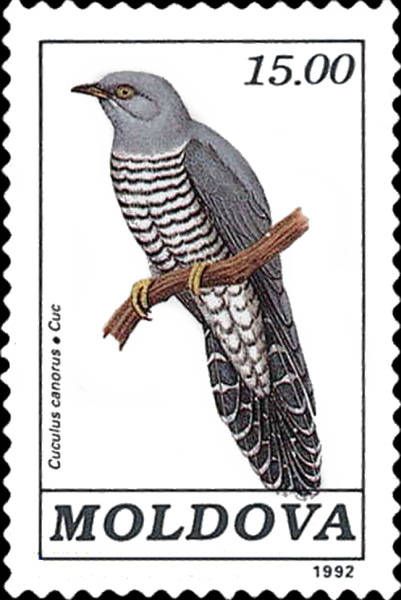
செவிடனுக்கு குயில்களின் ஆலாபனை, மகிழ்ச்சியை உண்டுபண்ணுவதில்லை அல்லவா?


தபால்தலைகளில் குயில்

Xxx

5).நக்ன  க்ஷபணகே தேஸே ரஜக: கிம் கரிஷ்யதி – சாணக்யநீதி

எல்லோரும் நிர்வாணமாக இருக்கும் இடத்தி வண்ணானுக்கு என்ன வேலை?

Xxx

6).ந வா அரே சர்வஸ்ய காமாய சர்வம் ப்ரியம் பவதி

ஆத்மனஸ்து காமாய சர்வம் சர்வம் ப்ரியம் பவதி

உடல் மீது , உருவம் மீது அன்பு இல்லை.

ஆத்மாவைக் கருதியே அன்பு இருக்கிறது

ஒப்பிடுக:— “முகநக நட்பது நட்பன்று நெஞ்சத்து

அகநக நட்பது நட்பு” (குறள் 786)

Xxx

7).ந வ்ருதா சபதம் குர்யாத் – மனு ஸ்மிருதி

வீண் உறுதி மொழி எடுக்காதே

Xxx

crane india Afghanistan-stamp790parrots

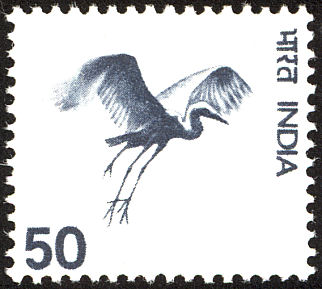
8).ந வ்யாபார சதேனாபி சுகவத் பாடயதே பக:- ஹிதோபதேசம்

நூற்றுக் கணக்கான முறை முயற்சி செய்தாலும் கொக்கு, கிளி போலப் பேச முடியாது

Xxx

9).ந சா சபா யத்ர ந சந்தி வ்ருத்தா:

வ்ருத்தா ந தே யே ந வதந்தி தர்மம் – மஹாபாரதம்/ ஹிதோபதேசம்

எங்கே முதியோர் இல்லையோ அது சபையாகாது;

யார் தர்ம உபதேசம் செய்வதில்லையோ அவர்கள் மூத்தோர் அல்ல.

Xxx

10).ந ஹி மானுஷாத் ஸ்ரேஷ்டதரம் ஹி கிஞ்சித் – மஹாபாரதம்

மானுடப் பிறவிக்கும் மேலானது எதுவுமில்லை.

ஒப்பிடுக: அரிதரிது மானிடராய்ப் பிறத்தல் அரிது.

Xxx

11).ந ஹி சிம்ஹோ கஜாஸ்கந்தீ பயாத் கிரிகுஹாசய:

–ரகுவம்சம்

யானைமீது தாக்குதல் நடத்தவல்ல சிங்கமானது, யானைக்குப் பயந்து குகையில் அடைக்கலம் புகாது.

Xxx

12).நஹி அமூலா ப்ரசித்யதி – சு.ர.பா.

மூலகாரணமின்றி எதுவும் பிரபலமாகாது.

ஒப்பிடுக: நெருப்பின்றிப் புகையாது.

–சுபம்–

பாரதியார் கவிநயம்

bharathi9-150x150

மஹாகவி பாரதியார் பற்றிய நூல்கள்! – 9

Compiled by ச.நாகராஜன்

Post No.2213

Date: 4   October 2015

Time uploaded in London: காலை 11-47

Don’t use pictures. Don’t reblog for at least a week.

ச.நாகராஜன்

பாரதியார் கவிநயம்

ரா.அ.பத்மநாபன் தொகுத்துள்ள அருமையான இந்த நூல் பாரதி நூற்றாண்டு வெளியீடாக 1982 மார்ச் மாதம் வெளியிடப்பட்டது. 248 பக்கங்கள் கொண்ட இந்த நூலின் அன்றைய விலை ரூ12.50


ரா..பத்மநாபன் பற்றிய அறிமுகம் பாரதி அன்பர்களுக்குத் தேவையில்லை. பாரதி பணியில் தன் வாழ்நாளை ஈடுபாட்டுடன் அர்ப்பணித்து ஏராளமான பாரதியார் படைப்புகளைக் கண்டெடுத்து தமிழுலகிற்கு நல்கியவர்.

பாரதியார் கவிநயம் என்ற இந்த நூலில் 34 அரிய கட்டுரைகளைத் தொகுத்து வழங்கியுள்ளார்


பழைய கட்டுரைகளைத் தேர்ந்தெடுப்பத்இல், தற்சமயம் ஜீவியர்களாக இராதவர்களது கட்டுரைகளைத் தேர்ந்து பாதுகாத்தல் எனது முதல் நோக்கமாக இருந்ததுஎன்கிறார் அவர் தனது முகவுரையில்


அறிஞர்களின் கட்டுரைகள்

சுவாமி விபுலானந்தா,நாவலர் எஸ்.சோமசுந்தர பாரதியார், பரலி சு.நெல்லையப்பர், .ரா., சக்கரவர்த்தி ராஜகோபாலாச்சாரியார், பி.ஶ்ரீ., பேராசிரியர் எஸ்.வையாபுரிப் பிள்ளை, கு..ராஜகோபாலன், டாக்டர் மு.வரதராசன், மா.அனந்த நாராயணன், திருலோக சீதாராம், பெ.நா.அப்புஸ்வாமி, .ஜீவானந்தம், டி.கே.சிதம்பரநாத முதலியார், பேராசிரியர் .சீனிவாசராகவன், கி.சந்திரசேகரன், ‘குகப்ரியை’, ரா.ஶ்ரீ. தேசிகன், அமுதன், டாக்டர் தி.சௌ.ராஜன், சங்கு சுப்ரஹ்மண்யன், ரா.நாராயணன், தொ.மு.பாஸ்கரத் தொண்டைமான், டர்பன் எஸ்.முனுசாமிப் பிள்ளை, .சிதம்பர சுப்ரமண்யன், வை.மு.கோதைநாயகி அம்மாள், .சுப்பு ரெட்டியார், ..மகரபூஷணம், பேராசிரியர் கே.ஸ்வாமி நாதன், ‘மாரார்’, மணிக்கொடி கு.ஶ்ரீநிவாஸன் ஆகிய 31 அறிஞர்களின் கட்டுரைகள் என்றால் அதன் சுவை பற்றிச் சொல்லவா வேண்டும்.


அறிஞர்களின் கருத்துக்கள்

சுவாமி விபுலானந்தர்:- கண்ணனின் குழலிசையை அநேக கவிகள் வருணித்திருக்கிறார்கள். ஆனால் பாரதியாரைப் போல் ஒருவரும் இவ்வளவு அழகாக, “மாம்பழ வாயினிலே குழலிசை வண்மை புகழ்ந்திடுவோம்என்று பாடினதில்லை.


சக்கரவர்த்தி ராஜகோபாலாச்சாரியார்:- 1906ஆம் வருஷம். நாற்பத்தெட்டு ஆண்டுகளுக்கு முன் அவரை முதல் முதல் சந்தித்தேன். சென்னையில் தம்புச் செட்டித் தெரு அல்லது லிங்கிச் செட்டித் தெரு இரண்டில் ஒன்று. அங்கே, ஒரு வீட்டுத் திண்ணையில் கல்கத்தா காங்கிரஸுக்குப் போக அவரும் ஆயத்தமாக இருந்தார். என்னுடைய வக்கீல் தொழில் தோழர், இப்போது, ‘நரசிம்ம ஸ்வாமிஎன்று சொல்லப்படும் சேலத்து நரசிம்மய்யரும், நானும், பாரதியாரோடு சேர்ந்து, மூவருமாக கல்கத்த்ஆ போக ஏற்பாடு செய்து கொண்டு சந்தித்தோம். தேஜஸ் பொருந்திய முகம், உருமாலையுமில்லை; கையில் தடியுமில்லை; அழகும் ஒளியும் சிரிப்பும் வீசிய முகம். பளிச்சென்று இப்போதும் கண் முன் வந்து நிற்கிறது.பிறகு புதுச்சேரியிலும் அந்த முகத்தைக் கண்டேன். இரு தடவை கண்டேன். குதித்துக் குதித்துப் பாடுவதையும் கேட்டேன். நல்ல சாப்பாடும் போட்டார். எனக்கும் ஆர்.வி.கிருஷ்ணய்யர் (அவரும் அப்போது சேலத்தில் வக்கீல்) இருவருக்கும் சாப்பாடு போட்டு, பாடவும் பாடினார். பிறகு சென்னையில் பல முறை சந்தித்திருக்கிறோம்; ஒரு முறை மகாத்மா காந்தி முன்னிலையில்.

(தினமணி சுடர் , சென்னை பாரதி அநுபந்தம், 5-9-1954 இதழில் எழுதியது)


 bharathi

கு..ராஜகோபாலன்: ‘ஞாயிறு வையமாகிய கழனியில் வயிர வொளியாகிய நீர் பாய்ச்சுகிறது’   – இத்தகைய அகண்டமான கற்பனையைகவிக்குக் கவிஎன்று சொல்லப்படும் ஷெல்லி முதலியவர்களின் வாக்குக்கு வெளியே காண்பது கடினம்.


கி.சந்திரசேகரன்:- பாரதியின்ஞாயிறுஎன்ற வசன காவியத் துணுக்குகளை வாசித்தால் வேதபாஷை நடையையும் வேத இலக்கியத்தின் சுடர்ப் பொறிகளையும் அவன் தனதாக்கிக் கொண்டிருப்பது தெளிவாகும்.

அமுதன்:- பாரதி தமிழின் உயிருக்கு உயிராகியவர். தமிழ் உயிர் திரண்டு உருண்டு உருவாகிய போது, பாரதி ஆயிற்று.


சங்கு சுப்ரஹ்மண்யன்:- அவரது வாழ்க்கையின்று என்னைப் போன்றவர்களுக்கு ஒரு படிப்பினை உண்டு.’எத்தகைய துன்பங்களுற்றாலும், பட்டினி கிடந்தாலும் தேசப் பணியையும், தாய்மொழித் தொண்டையும் மறக்கலாகாதுஎன்பதே அந்தப் படிப்பினை. (‘சுதந்திரச் சங்குசென்னை 9-9-1931 இதழில் எழுதியது)


அருமையான கண்ணோட்டங்கள்

பாரதியார் கவிநயம். பாரதியார் பாநலம், பாரதியும் வேதாந்தப் பேழையும், பாரதியாரின் வாழ்க்கைத் தத்துவம், பாரதியார் கவிதை, கவிதை ரஸாயனம், பாரதியும் விஞ்ஞானமும், பாரதி நடந்த பாதை, பாரதியின் மந்திரக் கவிகள் என்பன போன்ற தலைப்புகளைப் பார்த்தாலேயே பாரதியாரை அறிஞர்கள் எத்தனை விதமாகப்பார்த்துள்ளார்கள் என்பதை உணரலாம். ராஜாஜி முதல் தென்னாப்பிரிக்கா டர்பன் எஸ்.முனுசாமிப் பிள்ளை வரை பாரதியாரை நன்கு அறிந்தவர்கள் இந்தக் கட்டுரைகளை எழுதியுள்ளனர் என்பது ஒரு தனிச் சிறப்பு.


பாரதி ஆர்வலர்கள் ஒவ்வொரு கட்டுரையாக பல்வேறு பழைய இதழ்களைத் தேடிக் கண்டுபிடிக்க முடியுமா? முடியாது.

அற்புதமான இந்த கட்டுரைக் கோவையை ரா..பத்மநாபன் போன்ற பாரதி பக்தர் ஒருவராலேயெ தொகுக்க முடியும். அவருக்குத் தமிழ் உலகம் என்றும் கடமைப் பட்டுள்ளது.


பாரதி ஆர்வலர்களுக்கான இன்றியமையாத ஒரு நூல்: ”பாரதியார் கவிநயம்

*******

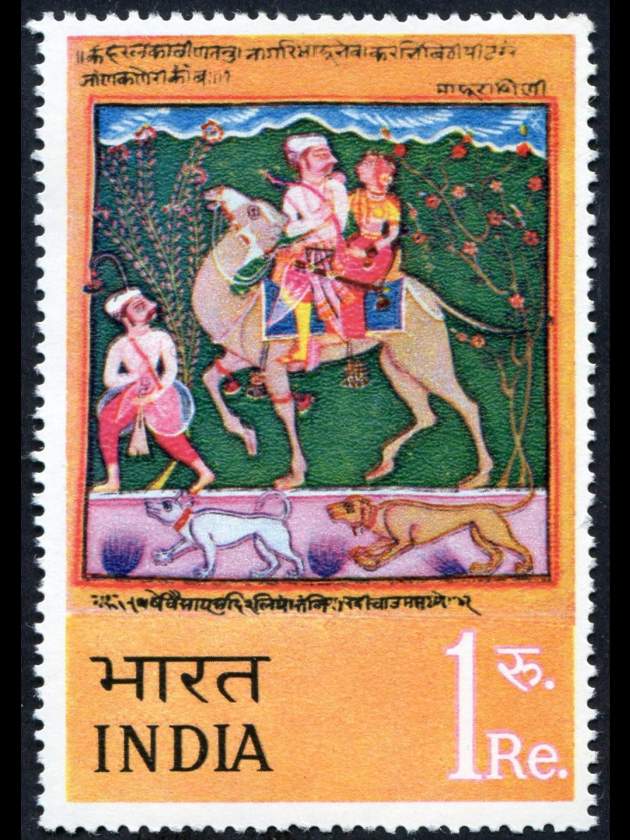
ஒட்டகங்களுக்கு கல்யாணமாம்! கழுதைகள் கச்சேரியாம்!!

camel-stamp-du-t

Compiled by London swaminathan

Post No.2211

Date: 3rd   October 2015

Time uploaded in London: 13-29

Don’t use pictures. Don’t reblog for at least a week.


கீழே சில அழகான சம்ஸ்கிருதப் பழமொழிகளையும் அவைகளுக்கு இணையான தமிழ்ப் பழமொழிகளையும் கொடுத்துள்ளேன்.

1).அங்குலீ ப்ரவேசாத் பாஹு ப்ரவேசம்

விரல் அளவு இடமிருந்தால் உடலையே (தோள் மூல) நுழைத்துவிடுவர்.

ஒப்பிடுக: இடத்தைக் கொடுத்தால் மடத்தைப் பிடுங்குவர்

இந்தி பழமொழி: அங்குலீ பகங்கர் போங்சா பகட்னா

Xxx

2).அதி கஹனம் தமோ யௌவனப்ரபவம் – காதம்பரி

இளமையில் உண்டாகும் இருட்டு ஆழமானது.

ஒப்பிடுக: தொட்டில் பழக்கம் சுடுகாடு மட்டும்

ஐந்தில் வளையாதது ஐம்பதில் வளையாது

இளமையில் கல்

Xxx

3).அபராதானுரூபோ தண்ட: – சாணக்யநீதி

குற்றத்துக்கேற்ற தண்டணை

Xxx

4).அம்புகர்போ ஹி ஜீமூதஸ்சாதகைர் அபிவந்த்யதே – ரகுவம்சம்

நீர் நிறைந்த மேகத்தைத் தான் சாதக பட்சிகள் வழிபடும்.

ஒப்பிடுக: பழமரத்தை நாடும் பறவைகள்

பணக்காரனைச் சுற்றி பத்துப் பேர் பைத்தியக்காரனை சுற்றிப் பத்துப் பேர்

ஜப் லகி பைசா காண்ட் மேம், தப் லகி தாகோ யார்

Xxx

5).ஆகரே பத்மராகாணாம் ஜன்ம காச்மணே: குத:  — ஹிதோபதேசம்

புஷ்பராகம் இருக்குமிடத்தில் கண்ணாடி மணிகள் எங்கிருந்து வந்தன?

ஒப்பிடுக: இவன் எப்படி இங்க வந்தான்!!!

xxx

camel india   donkey-240x300

6).உஷ்ட்ராணாம் விவாஹேஷு கீதம் காயந்தி கர்தபா:

பரஸ்பரம் ப்ரஸம்சந்தி அஹோ ரூபமஹோ த்வனி: – சமயோசித பத்ய மாலிகா

ஒட்டகத்தின் கல்யாணத்தில் கழுதைகள் பாடுகின்றன. ஒருவருக்கொருவர் புகழ்ந்து தள்ளினர். என்ன அழகு, என்ன குரல் வளம் என்று!

ஒப்பிடுக: ஜைசா கர், வைசா வர்

ஊண்டோம் கே விவாஹ் மேம் கதே கவையே

ஆபஸ் மேம் ஹீ ஏக் தூஸ்ரே கீ பரசம்ஸா கர்னா

Xxx

7).கஞ்சுகமேவ நிந்ததி பீனஸ்தனீ நாரீ

சிறிய மார்பகமுள்ள பெண், ரவிக்கையை வைதாளாம்!

ஒப்பிடுக: ஆடத் தெரியாத ………….ள் , தெருக்கோணல் என்றாளாம்

Xxx

8).கரீ ச சிம்ஹஸ்ய பலம் ந மூஷிகா

யானைக்குத்தான் சிங்கத்தின் பலம் தெரியும்; எலிக்குத் தெரியாது

ஒப்பிடுக: கழுதைக்குத் தெரியுமா கற்பூர வாசனை!

Xxx

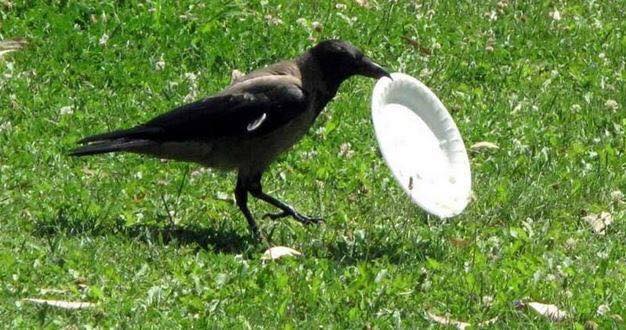
9).காக யாசகயோர் மத்யே வரம் காகோ ந யாசக: – சுபாஷித ரத்ன பாண்டாகாரம்

காகம், பிச்சைக்காரர் ஆகிய இருவரில் காக்கையே உயர்ந்தது; பிச்சைக்காரர் அல்ல.

(காகத்தினால் பயனுண்டு; அசுத்தங்களை அகற்றுகின்றன)

crow plate crow plate2

Xxx

10).காகோபி ஜீவதி சிராய பலிம் ச புங்க்தே – பஞ்சதந்திரம்

காகம் கூட பலிச் சோற்றை உண்டே நீண்ட காலம் வாழ்கின்றன.

(மனிதர்கள் வயிறு வளர்க்கவே வாழ்கின்றனர். காகமோ, பலிச் சோற்றை உண்டு நமக்கு நீத்தாரின் அருளைப் பெற்றுத் தரும். ஊரையும் சுத்தமாக வைக்க உதவும்)

Xxx

11).காணேன சக்ஷுசா கிம் வா சக்சு: பீடைவ கேவலம் – சாணக்யநீதி

தொடர்ந்து வலி இருந்தால் காதால் என்ன பயன்? கண்களால் என்ன பயன்?

Xxx

12).கிம் வா அபவிஷ்யத் அருண: தமசாம் விபேத்தா

தம் சேத் சஹஸ்ரகிரணோ துரி நாகரிஷ்யத்- சாகுந்தலம்

இருளைப் பிளப்பவனாகிய சூரியன், அருணனைச் சாரதியாகக் கொள்ளாவிடில் இருளிலா மூழ்கி விடுவான்?

Xxx

13).குகர்மாந்தம் யசோ ந்ருணாம் – பஞ்ச தந்திரம்

மனிதர்களின் புகழ் கெட்ட செயலால் முடிந்துவிடும்

Xxxx

14).க்ஷணே க்ஷணே யன்னவதாம் உபைதி ததேவ ரூபம் ரமணீயதாயா: – சிசுபாலவதம்

அழகின் லக்ஷணம், நொடிக்கு நொடி புதுமை அடைவதாகும்.(எது நொடிக்கு நொடி புதுமை அடைகிறதோ, அதுவே அழகு)

ஒப்பிடுக: பெண்களின் ‘பேஷன்’!!!!!!!!!!!!

Xxx

15).க்ஷதே ப்ரஹாரா நிபதந்தி அபீக்ஷணம் – பஞ்ச தந்திரம்

விழுந்த இடத்திலேயே அடி விழுகிறது

ஒப்பிடுக:- பட்ட காலிலே படும், கெட்ட குடியே கெடும்.

Xxx

India-stamp5886asiatic-lion-lioness

16).க்ஷுதார்த்தோ ந த்ருணம் சரதி சிம்ஹ: — சாணக்ய சூத்திரம்

சிங்கம் பசித்தாலும் புல்லைத் தின்னாது

ஒப்பிடுக: புலி பசித்தாலும் புல்லைத் தின்னாது.

-சுபம்–

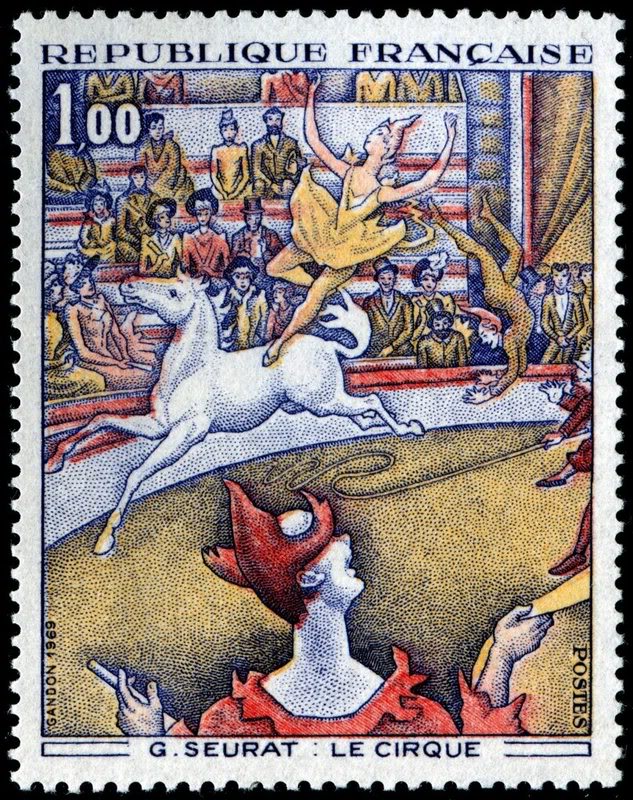
சர்க்கஸுக்குப் போன பரமஹம்ஸர்!

GandonFrance1239CircusSeurat11869YT1588A

Compiled by S NAGARAJAN

Post No.2210

Date: 3rd   October 2015

Time uploaded in London: 8-27 am

Don’t use pictures. Don’t reblog for at least a week.


.நாகராஜன்


மஹேந்திரநாத் குப்தா

இன்று உலகமெல்லாம் போற்றும் ராமகிருஷ்ண பரமஹம்ஸரின் உபதேச மொழிகளை நமக்குக் கிடைக்கச் செய்தவர் ஒரு அருமையான பரமஹம்ஸ பக்தர். எம் (M) என்று குறிப்பிடப்படும் அவரது பெயர் மஹேந்திரநாத் குப்தா. (தோற்றம் 14-7-1854 மறைவு 4-6-1932)

இடைவிடாது குருதேவரைப் பற்றிய சிந்தனையில் இறுதி மூச்சு வரை மூழ்கி இருந்தவர் அவர். அவரது அற்புதமான கதாம்ருதம் உண்மையிலேயே பாற்கடலில் இருக்கும் அமிர்தத்திற்கு நிகர் தான்!

ஸ்வாமி விவேகானந்தர் ஒரு முறை அவரிடம் அவரது கதாம்ருதம் பற்றி இப்படிக் குறிப்பிட்டார்:-“ நீங்கள் பரமஹம்ஸரை சரியான இடத்தில் தான் பிடித்திருக்கிறீர்கள். உண்மையிலேயே ஆச்சரியமாக இருக்கிறது! இந்தச் செயல் ஒரிஜினலாக அமைந்துள்ளது. இந்தப் பணி உங்களுக்காகவே ரிஸர்வ் செய்யப்பட்டுள்ளது.”(You have hit Ramakrishna to the right point.. It is indeed wonderful.. The move is quite original. It has been reserved for you, this great work!”)

சின்னச் சின்ன சம்பவங்கள்! அதில் கேட்கப்படும் சிறு சிறு வார்த்தைகள். ஆனால் அவை உணர்த்துபவையோ பெரும் இறை அனுபவத்தை!

SlaniaSweden1656Womanonhorse101087Facit1469

சர்க்கஸ் பார்க்கப் போனார் பரமஹம்ஸர்

ஒரு முறை கல்கத்தாவிற்கு ஒரு சர்க்கஸ் கம்பெனி வந்திருந்தது. பரமஹம்ஸர் அந்த சர்க்கஸைப் பார்க்கச் சென்றார். கூடவே ‘எம்’ உள்ளிட்ட அனைவரும் சென்றனர். எட்டணா டிக்கட்! காலமோ குளிர் காலம். காலரியில் உட்கார்ந்த பரமஹம்ஸர், ‘ஆஹா! இங்கிருந்து பார்க்க எவ்வளவு பிரமாதமாக இருக்கிறது!’ என்று ஆச்சரியப்பட்டுச் சொன்னார்.

அவரால் சந்தோஷத்தை எப்பொழுதுமே மறைக்க முடியாது. அவர் ஒரு முழுமையான குழந்தை!

ரிங்கில் ஒரு குதிரை மிக மிக வேகமாக ஓடிக் கொண்டிருந்தது. ஒரு ஆங்கிலேயப் பெண்மணி அவ்வப்பொழுது ரிங்கிற்குள் நுழைந்து ஓடி வரும் குதிரையின் மீது அது ஒரு கணம் ஒரு காலில் நிற்கும் போது மின்னல் போலத் தாவி ஏறுவாள். இதையெல்லாம் பார்த்தார் பரமஹம்ஸர்.

சர்க்கஸ் முடிந்து வெளியே வந்து வண்டியில் ஏறும் போது, “பாரேன்! அந்தக் குதிரையின் மீது ஏறுவதற்கும் அதில் அமர்வதற்கும் அவள் எவ்வளவு பெரிய பயிற்சியைச் செய்திருக்க வேண்டும்! இதே போலத் தான் இந்த உலகமும் சுழல்கிறது. எவர் ஒருவர் சவாரி செய்வதில் நிபுணராக இருக்கிறாரோ அவரால் தான் நன்கு சவாரி செய்ய முடியும். இல்லையேல் கீழே விழ வேண்டியது தான். அதுவே முடிவாகி விடும். இந்த உலகம் அப்படிப்பட்ட பயங்கரமான ஒன்று!

சிறிய சர்க்கஸ் நிகழ்ச்சியை வைத்து உலகைப் பற்றிய மாபெரும் உண்மையைச் சொன்னார் பரமஹம்ஸர்.

பக்தர்களுக்கு அபயமளித்துப் பயிற்சி தந்தவர்

தனது பக்தர்களை உலக வாழ்க்கை நடத்துவதில் நிபுணத்வம் அடையப் பயிற்சியும் பல இரகசியங்களையும் கற்றுக் கொடுத்தார்.

அவர்களுக்கு சங்கடங்கள் நேரும் போது அவர் அவர்களைக் காப்பாற்றினார். கெடுதி பயக்கும் விஷயங்களைப் பற்றித் தொடர்ந்து எச்சரித்து வந்தார்.

ஸ்வாமி விவேகானந்தரை உலகப் போக்கிலிருந்து எதிர் நீச்சல் போட வைத்து பிரம்மாண்டமான செயலுக்குத் தகுதி ஆக்கினார்.

பரமஹம்ஸர் வாழ்க்கையில் நடந்த நிகழ்ச்சிகள் ஆயிரக்கணக்கில் உள்ளன. அவை அனைத்தையும் துல்லியமாக – சர்க்கஸ் பார்க்கப் போய் அங்கு சொன்னது உட்பட அனைத்தையும் – அறிய வழி வகை செய்தவர் ‘எம்.’

அவரது புகழ்பெற்ற டயரிக் குறிப்பு ஒரு தங்கச் சுரங்கமாக இன்றளவும் திகழ்கிறது; நாளைக்கும் திகழும்!

அதிலிருந்து படிப்பினைகள் பலவற்றைக் கற்றால் நமது உலக சவாரியும் நிபுணத்வத்துடன் சரியானபடி நடக்கும். அஞ்சாமல் செல்லலாம்!

************

Beautiful Commentary on Five Day Brahmin Wedding! in 1903!!

Compiled by London swaminathan

Post No.2209

Date: 2nd  October 2015

Time uploaded in London: 14-01

Excerpt from the book “South Indian Hours” by Oswald J.Couldrey, Year  of Publication 1924

The book is available at SOAS library, University of London.

Mr Adivi Bapirazu has written it in a letter to Oswald.

A unique account of a Niyogi wedding, as it was celebrated in an agraharam or Brahmin village of Krishna delta (Andhra Pradesh) in the year 1903

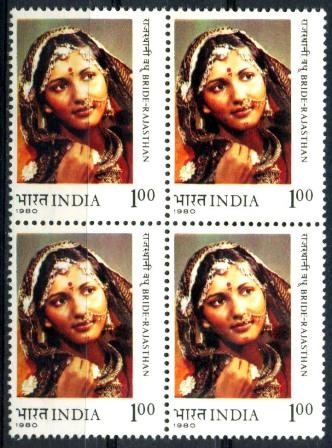
Picture  of a Tamil Bride

“My eldest sister’s wedding took place when I was a boy of six years. My cousin Subbamma, the daughter of my uncle, was married at the same time. My family was then in the legal state, so much praised by the lovers of the past, of the joint family. It was the first time for my father and uncle to perform any such important ceremony. My father was a good earning member, and our prosperity was then in the ascending stage. The brothers, therefore, had very grand ideas of celebrating the occasion.

Both my sister and my cousin assumed very grave demeanours. Only two days previously they had been solemnly “promoted brides”. All the ladies of the village were invited, and the brides to be were seated on a kind of low seat called “peetam”, and were presented with “harati”, or the ‘flame of prosperity’ – an honour which is accorded to the gods, as well as to the principal mortal persons concerned, at the end of every joyful ceremony. They were also given betel, and some gram. The distribution of gram by ladies among ladies is considered an auspicious and honourable formality. After this function my sisters (you have noticed that we often call our first cousins also brothers and sisters) were allowed to wear on their brows the “Kalyanam Bottu”, or scred marriage mark, a figure of Shiva’s trident made in vermilion. The “dot of modesty” was also applied to their left cheeks. My sister smiled whenever anyone addressed her as “bride” (kalyana Ponnu).

Once I went up to her and cried suddenly, “Sister, here is brother in law!” (Mappillai). My sister hastily rose and stood there, as the Hindu woman is taught to do in the presence of her husband. We all had a laugh at her expense.
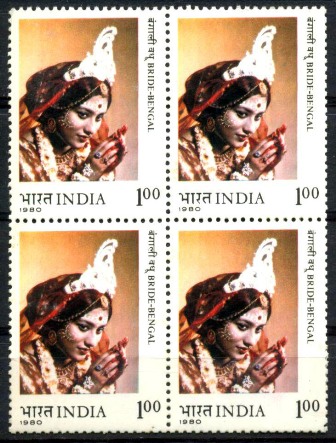
bengali bride

Picture of a Bengali Bride

FIRST DAY

I rose early on the great day, hearing that the parties of the bridegrooms would be coming in an hour. I waited and waited but no party came, nor did I hear the sound of the bridegroom’s trumpet. Many relations had arrived with their families, and the front wing or “mansion” of the house was packed full of people. A big pandal or timber portico had been erected between this mansion and the back one.  All round the main building also pandals had been erected. The front was pleasantly decorated with canopies of painted cloth and festoons of ever green and other leaves. Even in the street also a big pandal had been erected.

It was five in the evening when the far off note of the crooked trumpet announced the arrival of the expected parties. “Behold, the bridegroom cometh!” Immediately there was a great commotion. Our big fort of a house was the scene of children’s cries, the laughter of maidens, woman’s explanations and odd women’s admonitions. Everyone flocked into the courtyard at the sound of a pipe, for word had been brought that the two parties had come to the other side of the canal. The country music of the band sounded nearer and nearer, and the trumpet blared forth its summons to the parties of the brides.

‘We started out with a few musicians, carrying sweet drinks for the visitors. We found them at the hospice. The two bridegrooms were sitting like two crowned young prices on two pials, one on each. My brother-in-law had a big turban, and looked imposing enough.

‘We welcomed them heartily, and requested them to come to their prepared lodging. The bands struck up and off we started, the bridegrooms in their respective palanquins. There were two parties of dancing girls. One of these parties was rather a good one.

“When the visitors had been comfortably settled in their allotted quarters, they were invited to dinner. It is a point of courtesy for each member to be separately invited, but if the head of the party is willing they may be invited in a body, and this concession was now granted. Chaffing them for not having yet acquired the tyrannous airs of the true “bridegroom’s party” (it is part of the game that the bridegroom’s party should be very much on its dignity) we brought them to the dinner.

“It was after midnight when we finished, and then almost everyone went to bed to snatch some sleep before the auspicious nuptial hour, which was at half-past four in the morning. My father, uncle, mother and aunt, with some important persons like my father’s sister, did not sleep at all.

rajasthani bride

Picture of a Rajasthani Bride

SECOND DAY

“At three O’clock the wry necked fife” awakened us from our slumbers. Again there was hubbub. The grooms were conducted in to the inner apartments, presented with the flame of prosperity (harati), and given an oil bath. They put on silken cloths and sat on the “vedikas” or marriage pials, which are only four inches high. Ancient canticles and spells (mantras) were spoken, calling a forgotten world to witness:”Anga, vanga, Kalinga, Kamboja, Kashmira, Sindhu, Barbara Yavana” ran the family catalogue of immemorial realms. The genealogies of the brides and bridegrooms were recited by their respective family chaplains (Purohit). There was a goodly throng of Brahmins present, and the hymns rose high in rich voices like a single voice.

The fathers performed the Kanyadanam, the ceremony of giving away the daughters, while the mothers poured water over their husbands’ hands, which were held just above the right hands of the bridegrooms. Then amid the din of trumpets, drums, pipes, the bridegrooms tied the knots around the necks of the brides, and put the sacred vermilion on the knots.

The wedding was performed, but the ceremony was not yet complete. The brides and the bridegrooms poured the sacred rice over each other’s heads. Then the pairs were conducted to the room of Agni, the Sacred Fire. Before Agni, the marriage vows were sealed.

“The whole village for the five days’ feast or morning and evening meals. Just before the dinnertime there must be a second call, and everyone has to wait for everyone who has promised to come, and all these together have to wait for the bridegroom’s party. So did we. After each meal betel was distributed. There was singing of songs and poems on divine subjects, and all chanted in chorus the dinner time cry, ‘Narayana’, or ‘Govindda’ or ‘Harahara’. There were many kinds of prepared foods, and the “big bellied Brahmins” were in their own element. Ghee (clarified butter) was extravagantly expended. The bridegroom’ parties always came with pipe and drum, and went in the same way. When anybody of either party went to the others’ lodging he was given betel and sprinkled with rose water, and his scarf smeared with attars.
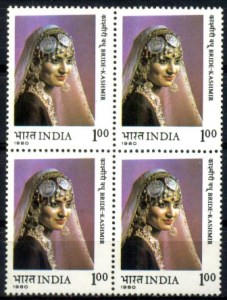
kashmiri bride

Picture of a Kashmiri Bride

THIRD DAY

“The third day was than on which presents were given to the Brahmins according to their merit. Lists were prepared, and the Brahmins went bustling to the visitors’ chaplains (Purohit/priest) with recommendations from our own chaplain. All the first class people, those that had the Veda by heart, or had read Vyakaranam (Grammar) and so on, were presented with cloths and fruits. All the others were given money according to their degree, two rupees or one, or a half or a quarter. Five hundred people or more were honoured in this way. Little boys claimed full wages. Some of the Brahmins began to quarrel and claimed that their merit should have been allowed to weigh more. All these were put into a closed hall with a single door, where stood the donors, with some auxiliaries.

“Here, sirs, is Brahma Sri Venkata Shastri Garu of Viravasaram!” cries our self-important chaplain. “He is a very great Pundit, honoured in Urlam”. The visitors’ chaplains merely nod their heads. “Very well; Give him one”. A bright silver coin is thrust into the Shastri’s hand, and he is whisked away out of the gate, protesting all the while, “No, no, I won’t take one; it is an insult; you may have it back!” – but at the same time thrusting the rupee into his waist with a peculiar movement. All the people here who wear no shirt have a special method of trusting money into their waistcloth, where it is very secure.

“That night the dancing girls performed some dramas in the old-fashioned way. Their ordinary dances were given every day.
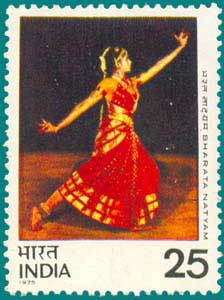
779_Bharatanatyam

Picture of a Bharatanatyam dancer

FOURTH DAY: Grand Procession

On the evening of the fourth day, there was a big assembly (sabha) at which there was presented what is called a Hari-katha, a recital of the story of some sacred personage, illustrated with songs, poems and dancing. There was a great lamp in one corner, and the two dancing parties. It was a very grand assembly in our house. Camphor pills and the incense sticks were distributed among the guests, after the usual sprinkling with rose water and smearing of attar.

Everyday there had been processions, but the procession on the fourth night was the grandest of all.so many torches of castor oil, so many torches of dried coconut and so many torches of kerosene oil; rows on rows, clusters upon clusters. There were strings of paper lamps, twinkling red, blue, yellow, green and orange; there were big toy trees made of pith, and great fans of Palmyra; there was a blaze of fireworks, the roar of the drums, the squeal of the fifes.at each and every house the procession stopped, so that people might see the bride and the bridegroom seated in the palanquin together whenever the procession stopped in front of a house, there the dancing girls danced and sang their:

“Give me one kiss, O my lord, only one kiss, if you please.

I know the cause of my lord’s anger.

For he has fallen into the clutches of the vile Chitra…..”
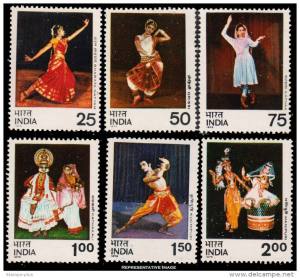
dancers

Picture of Indian Dances

FIFTH DAY

“At four o’ clock on the morning of the fifth day the last sacrifice was offered to Agni and the couples put off the state of sanctitude, or ‘diksha’. While they are in ‘diksha’ they must remain in the same clothes, they may not bathe, nor eat betel, nor may their heads be touched with razors or scissors; and so on.

The last ceremonies of the wedding were done on this day. Each pair was made to sit on a cot, and they were made to carry on a mock conversation, couched as though they were already well advanced in life and had children.

“Here, dear, take this child, for I have to fetch water from the well.”

“yes, but do you now take this crying boy, for I have to look after my fields, or my business.”

“Now I have to cook the meals, who will take this child?”

“Here am I, sister-in-law”, cried the sisters of the bridegrooms, and they had the sandalwood dolls for themselves.

“Then the two brides were lifted by two stout Brahmins and the bridegrooms were by two others. The dancing girls stood in rows with plates full of coloured flour. The strain of the music was changed to a dancing measure, and the brides took handful of the flour and threw it on the faces of the bridegrooms, who did likewise.  One mischievous bridegroom threw some flour at one of the dancing girls. Meanwhile the Brahmins who carried the brides and bridegrooms were dancing in a fantastic way, and when the young couples were throwing the coloured floor at each other a general melee of flour throwing began among us for sport. Then was there running, hiding, and all sorts of fun, and even the women were not spared. There was a general atmosphere of heart easing laughter.

“Later in the fifth day, however, everything is gloomy. The joy of the festival vanishes. The mother was crying in a corner, because her daughter was to be taken away. After the business of the flour throwing the parting ceremony took place, which was rather pathetic. We exchanged parting gifts, which mostly consisted of cloths, and the visitors took leave of us.  I followed the party as far as the big canal. When I found that they would not take me with them, do you know what I did? I fell to a crying and rolled on the ground there, and continued to do so till I was found by a banyan friend of my father and taken home.”

–Subham–