Pictures are taken from various sources for spreading knowledge;
this is a non- commercial blog. Thanks for your great pictures.
tamilandvedas.com, swamiindology.blogspot.com
லண்டனிலிருந்து ஞாயிறுதோறும் இந்திய நேரம் மாலை 6.30க்கு ஒளிபரப்பாகும் தமிழ்முழக்கம் நிகழ்ச்சியில் 23-5-2021 அன்று ஒளிபரப்பான உரை!
தோடுடைய செவியன் விடை ஏறி ஓர் தூ வெண்மதி சூடி
காடுடைய சுடலைப் பொடி பூசி என் உள்ளம் கவர் கள்வன்
ஏடுடைய மலரான் முனை நாள் பணிந்து ஏத்த அருள்செய்த
பீடுடைய பிரமாபுரம் மேவிய பெம்மான் இவன் அன்றே
திருஞானசம்பந்தர் திருவடி போற்றி! ஆலயம் அறிவோம்! வழங்குவது பிரஹன்நாயகி சத்யநாராயணன்.
ஆலயம் அறிவோம் தொடரில் இன்று நமது யாத்திரையில் இடம் பெறுவது திருஞானசம்பந்தர் அவதரித்த திருத்தலமான பிரமபுரம் ஆகும். சீகாழி என்று இன்று அறியப்படும் தலம் இதுவே. தமிழ்நாட்டில் உள்ள இந்தத் தலம் மாயவரத்திலிருந்து 22 கிலோமீட்டர் தொலைவில் அமைந்துள்ளது. இந்தத் தலத்திற்கு ஏராளமான பெயர்களும் அதையொட்டிய புராண வரலாறுகளும் உண்டு. இங்கு எழுந்தருளியுள்ள இறைவன் திருப்பெயர் :ஸ்ரீ பிரமபுரீஸ்வரர், தோணியப்பர், சட்டைநாதர்
தீர்த்தங்கள்: எல்லையற்ற மஹிமை கொண்ட 22 தீர்த்தங்கள் உண்டு. பிரமதீர்த்தம், காளி தீர்த்தம், சூல தீர்த்தம், ஆனந்த தீர்த்தம், வைணவ தீர்த்தம், ராகு தீர்த்தம் உள்ளிட்டவை இதில் அடங்கும்.,
பிரம்மா, திருமால், சிபி மஹராஜன், காளி, பராசர முனிவர், குரு, ராகு உள்ளிட்ட ஏராளமானோர் வழிபட்ட தலம் இது.
சீ என்றால் சீர் என்று பொருள்,காழி என்றால் உறுதி என பொருள்.
சிவபாத ஹ்ருதயர், பகவதி அம்மையாருக்குப் புதல்வராக இங்கு தான் திருஞானசம்பந்தர் அவதரித்தார்.வைகாசி மூலம் அவரது குருபூஜை தினமாகும். இங்குள்ள கோவிலில் உள்ள பிரமதீர்த்தத்தில் தான், சிவபிரான் அம்பிகையிடம் கூற, அம்பிகை ஞானப்பாலைப் பொற்கிண்ணத்தில் தர ஞான சம்பந்தர் அதை அருந்தி தோடுடைய செவியன் என்று சிவபிரான், அம்பிகை தரிசனத்தைக் குறித்து ஆனந்தமாகப் பாட ஆரம்பித்தார். 16 வயது வரை வாழ்ந்த அவர் உலக நன்மைக்காக பல்லாயிரக்கணக்கான பதிகங்களைப் பாடி அருளினார். நமக்கு இன்று கிடைத்திருப்பவை 385 பதிகங்களே. அவர் பிறந்த இல்லம் இங்கு திருஞானசம்பந்தர் தெருவில் உள்ளது. காஞ்சி சங்கரமடத்தால் சிறப்புற நிர்வகிக்கப்படும் இந்த இல்லம் தேவாரப் பாடசாலையாக இப்போது இலங்குகிறது.
ஊழிக்காலத்தில் பிரளயத்தில் அனைத்தும் ஒடுங்கிய அளவில், மீண்டும் உலகைப் படைக்கத் திருவுள்ளம் கொண்ட சிவபிரான் பிரணவத்தைத் தோணியாக்கி உமாதேவியுடன் அதில் ஏறி வருகையில் இத்தலத்தை அடைந்தார். அப்போது அது பிரளய நீரில் மிதந்து நின்றது. இதுவே மூலாதார க்ஷேத்ரம் என நிர்ணயித்த பெருமான் இங்கு நிலையாக எழுந்தருளினார். ஆகவே இது தோணிபுரம் என்ற பெயரைப் பெற்றது. பிரமன் இங்கு சிவபிரானை வழிபட்டதால் இது பிரமபுரம் என்ற பெயரைப் பெற்றது. இறைவன் இங்கு மூங்கில் வடிவில் தோன்றியதால் வேணுபுரம் என்ற பெயரைப் பெற்றது.
சூரபன்மனுக்குப் பயந்த தேவர்கள் அனைவரும் இந்தத் தலத்தில் தஞ்சம் அடையப் புகுந்தனர். அதனால் இது புகலி என்ற பெயரைப் பெற்றது. குருபகவான வழிபட்ட தலமாதலால் இது வெங்குரு என்ற பெயரைப் பெற்றது. சிரசு அதாவது தலை கூறாக உள்ள ராகு பகவான் இங்கு பூஜித்ததால் இது சிரபுரம் என்ற பெயரைப் பெற்றது. புறா வடிவத்தில் வந்த அக்னி பகவான் சிபி சக்ரவர்த்திக்கு அருள் பாலித்த தலம் இதுவே. ஆகவே இது புறவம் என்ற பெயரைப் பெற்றது.
பூமியைப் பிளந்து சென்று இரண்யாக்ஷனை வதம் செய்த வராஹமூர்த்தியாக அவதரித்த திருமால் வழிபட்ட தலம் இது என்பதால் பூந்தராய் என்ற பெயரைப் பெற்றது. சண்பை என்று அழைக்கப்படும் கோரைப்புல்லால் தன் குலத்தோர் அழிந்ததால் ஏற்பட்ட பழி தீர கண்ணனாக அவதரித்த திருமால் வழிபட்ட இடம் என்பதால் இது சண்பை என்ற பெயரைப் பெற்றது. சிதம்பரத்தில் காளி தேவி நடராஜரோடு வாதாடிய குற்றம் நீங்க இங்கு வழிபட்டு அருள் பெற்றதால் இது சீ காளி என்ற பெயரைப் பெற்றது. இதுவே மருவி சீகாழி ஆயிற்று என்று சொல்வர்.
மச்சகந்தியை மணம் செய்து கொண்ட குற்றத்தால் கொச்சைச் சொல்லுக்கு உள்ளான அவலம் நீங்க. பராசரர் இங்கு வழிபட்டதால் இது கொச்சைவயம் என்ற பெயரைப் பெற்றது. மலத்தொகுதி நீங்குமாறு ரோமச முனிவர் வழிபட்ட தலம் ஆதலால் இது கழுமலம் என்ற பெயரைப் பெற்றது. ஹிரண்யாக்ஷனைக் கொன்ற நரசிங்கத்தைத் தடிந்து அதன் தோலை சுவாமி சட்டையாகப் போர்த்துக் கொண்டதால் சுவாமிக்கு ஸ்ரீசட்டைநாதர் என்ற திருநாமம் உண்டு.இப்படி இன்னும் பல பெயர்களும் புராணவரலாறுகளும் உண்டு.
இந்த ஆலயம் நகரத்தில் நடுவில் நான்கு கோபுரங்களும் சுற்று மதில்களும் கொண்டதாக விளங்குகிறது. கோவினுள்ளே ஸ்ரீ பிரமபுரீஸ்வரருக்கும், திருநிலைநாயகிக்கும், திருஞான சம்பந்தருக்கும் தனித் தனி ஆலயங்கள் உள்ளன. இவை அனைத்தும் கிழக்குப் பார்த்து அமைந்துள்ளன.சுவாமி கோவில் மஹா மண்டபத்தில் திருஞானசம்பந்தர் உற்சவமூர்த்தியாக எழுந்தருளியிருக்கிறார். தெற்கு உட்பிரகாரத்தில் முத்து சட்டைநாதரும் அங்குள்ள திருமாளிகை பத்தியில் 63 நாயன்மார்களும் மூலவராக உள்ளனர். இந்த பத்தியில் ஒரு பலி பீடம் உள்ளது. அங்கிருந்து மேலே பார்த்தால் சட்டைநாதர் சந்நிதி தெரியும். மேலைப் பிரகாரத்திலும் வடக்குப் பிரகாரத்திலும் மேலே மலைக்குப் போகப் படிக்கட்டுகள் அமைந்திருக்கின்றன.
இந்த ஆலயம் திருக்கயிலாய பரம்பரை தர்மபுர ஆதீனத்தால் சிறப்புற நிர்வகிக்கப்பட்டு வருகிறது.
சீகாழியின் வடக்கே ஏழு கிலோமீட்டர் தொலைவில் கொள்ளிடம் ஆறும், ஊரின் நடுவில் கழுமல ஆறும் தெற்கே உப்பனாறும் அழகுறப் பாய்கின்றன. இது காவிரியின் வடகரைத் தலமாகும். இங்கு திருஞானசம்பந்தர் 67 பதிகங்கள், அப்பர் 3, சுந்தரர் 1 பதிகம் பாடியுள்ளனர். அருணகிரிநாதர் 14 திருப்புகழ் பாடல்களைப் பாடி அருளியுள்ளார். இன்னும் மாணிக்கவாசகர், சேக்கிழார், பட்டினத்தார்,ஒட்டக்கூத்தர், அருணாசலக்கவிராயர் உள்ளிட்டோர் இங்கு இறைவனைப் பாடிப் பரவியுள்ளனர்.
ஊழிகாலத்திலிருந்து இன்றைய நாள் வரை லக்ஷோப லக்ஷம் மக்களுக்கு அருள்பாலித்து வரும் பீடுடைய பிரமபுரீஸ்வரரும் திருநிலைநாயகியும் அனைவருக்கும் சர்வ மங்களத்தைத் தர ஞானமயம் சார்பில் பிரார்த்திக்கிறோம்.
Pictures are taken from various sources for spreading knowledge.
this is a non- commercial blog. Thanks for your great pictures.
tamilandvedas.com, swamiindology.blogspot.com
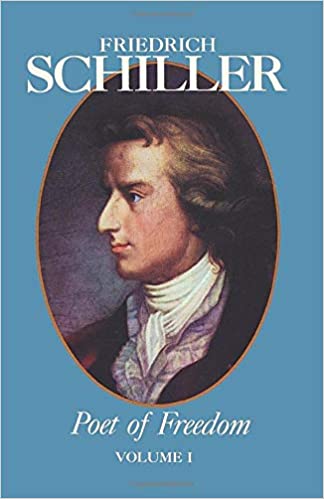
பிரெடெரிக் ஷில்லர்
FRIEDRICK SCHILLER
(1759 – 1805)
பிரெடெரிக் ஷில்லர் FRIEDRICK SCHILLER ஒரு ஜெர்மானிய நாடக ஆசிரியர். ஏழாண்டுப் போர் (SEVEN YEARS WAR) காலத்தில் அவர் WüRTTEMBERG-இல் பிறந்தார்.
அவருடைய தந்தை ராணுவத்தில் மருத்துவராக (SURGEON) பணிபுரிந்ததால் படைகள் செல்லுமிடத்திற்கு அவரும் செல்ல வேண்டியிருந்தது. இதனால் பிரெடெரிக் ஷில்லர் அவர்களுக்கு நிரந்தர வீடு என்று எதுவுமில்லை.
அவர் பெரியவராகியவுடன் சமய பரப்புரையாளராக வேண்டும் என்பது ஆசை. ஆனால் அவருடைய நகரில் வாழ்ந்த இளைஞர்கள் அனைவரைப் போலவே இவரையும் ராணுவத்தில் சேரக் கட்டாயப்படுத்தினர். ராணுவக் கழகத்தில் சேர்ந்த அவர் சட்டம் பயில அனுப்பப்பட்டார். ஆனால் சட்டக்கல்வி அவருக்குப் பிடிக்கவில்லை. பின்னர் வேறொரு ராணுவக் கல்லூரியில் சேர்ந்து மருத்துவம் பயின்றார்.
அவர் 22 வயதில் முதல் நாடகத்தை வெளியிட்டார். ஜெர்மனியில் இதுவரை தோன்றாத புதுப்பாணியில் நாடகம் இருந்ததால் நல்ல வரவேற்பு பெற்றது. ஆனால் வூர்ட்டன்பர்க் (WüRTTEMBERG) ஆட்சியாளருக்கு அது பிடிக்காததால் இனி நாடகம் எழுதக்கூடாதென்று பிரெடெரிக் ஷில்லர்க்கு தடைவிதிக்கப்பட்டது.
உடனே அவர் ஊரைக்காலி செய்து பல நகரங்களுக்குச் சென்றுவந்தார். பின்னர் ஜெர்மனியின் கலைக்கேந்திரமான WEIMARக்குச் சென்றார். அங்கு புகழ் பெற்ற கவிஞர் கெதே (GOETHE)யைச் சந்தித்து அவரது நட்பைப் பெற்றார். அவர் மூலமாக அருகிலுள்ள JENA பல்கலைகழகத்தில் பேராசிரியர் வேலை கிடைத்தது.
வெய்மார் (WEIMAR) அரசவையில் பணிபுரிந்த ஒரு பெண்ணை மணம் முடித்தார். இதற்கு ஓராண்டுக்குப் பிறகு கடும் நோய்வாய்பட்டதால் பேராசிரியர் பணியை துறக்க நேரிட்டது. டேனிஷ் ஆதரவாளர் (DANISH ADMIRERS) அவருக்கு ஓய்வூதியம் அளிக்கவே முப்பதாண்டுப் போர் (THIRTY YEARS WAR) என்ற நூலை எழுதி முடித்தார்.
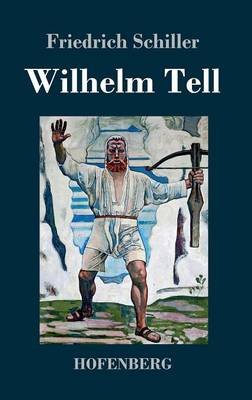
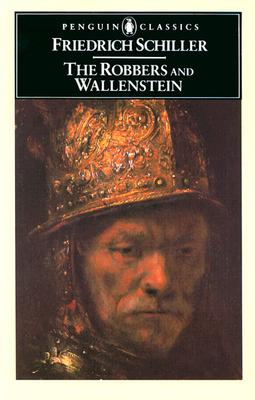
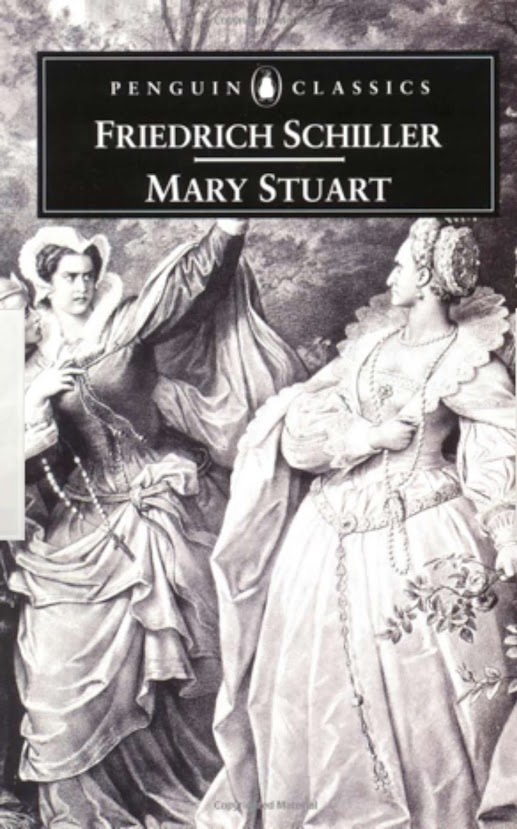
அடுத்த ஐந்து ஆண்டுகளில் அவரது சிறந்த நாடகங்கள் வெளிவரத் துவங்கின. அதில் முதல் நாடகம் WALLEN STEIN இதனைத் தொடர்ந்து எழுதப்பட்டது MARIA STUART. இது ஸ்காட்லாந்து மஹாராணி மேரியை பற்றிய நாடகம். அவர் கடைசியாக எழுதிய WILHELM TELL அவருடைய மிகச்சிறந்த நாடகமாகும்.
xxxxxxxx subham xxxx
tags – ஜெர்மனி, நாடக ஆசிரியர், பிரெடெரிக் ஷில்லர் , schiller
Pictures are taken from various sources for spreading knowledge;
this is a non- commercial blog. Thanks for your great pictures.
tamilandvedas.com, swamiindology.blogspot.com
வைணவ அமுதத் துளிகள்
கடவுள் சித்தம் அதுவானால் அப்படியே இருக்கட்டும்! ராமானுஜரின் முடிவு!
ச.நாகராஜன்
“கடவுளே, நீ என்ன நினைக்கிறாயோ அதுவே நடக்கட்டும்; உன் சித்தம் என் பாக்யம்” – அருளாளர்கள், மகான்கள் அனைவரும் முழு மனதுடன் ஏற்றுக் கொண்டு சொல்லும் சொற்கள் இவை.
சைவ, வைணவ மகான்களின் வாழ்வில் இப்படி இறைவனின் ஆணையை ஏற்று நடந்து கொண்ட ஏராளமான சம்பவங்களைப் பார்க்கலாம்.
கூரத்தாழ்வான் வாழ்வில் நடந்த ஒரு சம்பவம் இது.
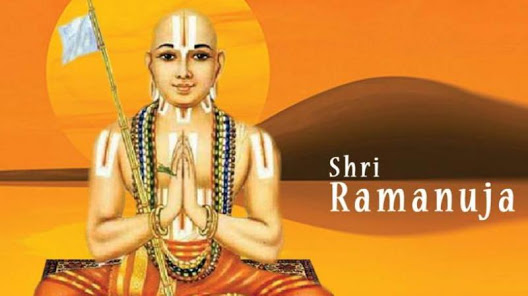
ராமானுஜரின் சிஷ்யர் கூரத்தாழ்வான். அவருக்கு இக உலகு வாழ்க்கை பிடிக்கவில்லை. அவ்வுலகில் வாழும் வைகுந்த வாழ்வு அல்லவோ வாழ்வு, நாராயணனுடன் இருக்கும் பேறு அல்லவோ பேறு என்று எப்போதும் நினைத்த வண்ணம் இருந்த அவர் கடைசியில் தன் பொறுமையை இழந்தார்.
ஒரு நாள் அரங்கநாதன் முன்னால் சென்று வேண்டினார்; பிரார்த்தனை செய்ய ஆரம்பித்து தனது உள்ளார்ந்த எண்ணத்தைத் தெரிவித்தார்.
அரங்கநாதன் அவரது பிரார்த்தனைக்குச் செவி மடுத்தார். “உமது பிரார்த்தனை நிறைவேறுக! இன்னும் மூன்று நாட்களில் நீர் இந்த இகவுலகு வாழ்வை விட்டு விடுவீர்.” என்றார் அரங்கநாதன்.
கர்பக்ருஹத்தில் கிடைத்த இந்த சொல்லமிர்தத்தைச் செவியுற்ற கூராத்தாழ்வானுக்கு எல்லையற்ற சந்தோஷம்! வெளியிலே மகிழ்ச்சியுடன் சென்று தனது மரணத்தை ஆவலுடன் எதிர்பார்த்தவாறு இருந்தார்.
இந்தச் செய்தியை குருநாதரான ராமானுஜர் கேட்டுத் திகைப்புற்றார்.
ஓடோடி வந்தார் சிஷ்யனிடம்.
“ஐயகோ! கூரத்தாழ்வானே! இப்படிச் செய்யலாமா? நான் இங்கு இன்னும் இருக்கும் போது இப்படி பரமபதத்தை நாடலாமா? இது சரியா?” என்று கேட்டார் ராமானுஜர்.
ஆழ்வான் கூறினார்: “ குருநாதரே! என்னை மன்னிக்க வேண்டும். இந்த உலகியல் வாழ்க்கையில் இது பற்றி எல்லாம் நான் எண்ணவே இல்லை” என்றார்.
உடனே ராமானுஜர், “ சரி. அப்படியானால் அரங்கனிடம் எனது பிரார்த்தனையை நான் இப்போது செய்யப் போகிறேன். அவனது திருவுள்ளத்தை மாற்றுமாறு கோரப் போகிறேன்.” என்றார்.
கூரத்தாழ்வானை மூன்று நாட்களுக்குள் அழைத்துச் செல்லும் அரங்கநாதரின் திருவுள்ளத்தை மாற்றக் கோர நினைத்த அவர் வேகமாக கர்பக்ரஹத்தின் வெளிவாயில் வரை சென்றார். அது வரை வந்தவர் உள்ளே செல்லவில்லை. திடீரென்று அப்படியே நின்றார். தனக்குத் தானே இப்படிச் சொல்லிக் கொள்ள ஆரம்பித்தார்.
“ஊஹூம், மாட்டேன்! இறைவனின் திருவுள்ளத்திற்கு எதிராக எதையும் செய்ய மாட்டேன். அது தான் ஏற்கனவே அவனால் முடிவு செய்யப்பட்டு விட்டதே! அவனது திருவுள்ளப்படியே நடக்கட்டும். அதற்கு இடைஞ்சலாக எதையும் நான் கோர மாட்டேன்; செய்ய மாட்டேன்” என்று தனக்குத் தானே கூறிக் கொண்டவர் கர்பக்ருஹத்திற்கு உள்ளே செல்லாமல் திரும்பினார். ஆழ்வான் மேல் கொண்ட எல்லையற்ற பாசத்தினால் உள்ளே செல்ல நினைத்தவர், இறைவனின் திருவுள்ளம் அல்லவோ பெரிது என்று எண்ணி வெளியே வந்தார்.
கூரத்தாழ்வான் அரங்கநாதனின் அருளுக்கு இணங்க இவ்வுலக வாழ்வை மூன்று நாட்களுக்குள் நீத்தார்; அரங்கனுடன் ஒன்றினார்.
அருளாளர்கள் முழு மனதுடன் இறைவனிடம் தங்களை ஒப்படைத்தவர்கள். அவர்களுக்கு இறைவன் எது செய்தாலும் அது சரியே. அது தான் சரி!
இராமானுஜரின் வாழ்க்கையில் நடந்த இந்த அற்புத சம்பவம் அவரது திருவுள்ளத்தை விளக்கும் ஒன்றாக அமைகிறது!
இதை பகவத் விஷயம் நூலில் ஐந்தாம் பாகத்தில் (பக்கம் 2527இல்) விளக்கமாகக் காணலாம்.
Pictures are taken from various sources for spreading knowledge.
this is a non- commercial blog. Thanks for your great pictures.
tamilandvedas.com, swamiindology.blogspot.com
Thaayumaanavar was a Tamil Saivite poet who composed at least 1452 poems on Lord Shiva. He lived 300 years ago in Tamil Nadu.
Issac Tambyah published a book with English translation of 366 poems in 1925.
He has listed the similes in Thaayumaanavar poems. The title of his book is
Psalms of a Tamil Saiva Saint , Luzac & Co, London
He gives the background of his book.
Poets cousin Arulayya Pillai was among those who were constantly with the poet ,particularly when he had finally renounced the world and betaken himself to the devout life. Arulayya Pillai is described by a Tamil editor of the Psalms as the chief of those disciples who followed the poet from place to place as his very shadow . The poets only son Kanagasabaapathi Pillai received spiritual instruction from Arulayya Pillai . They preserve d his poems.
In a place called Annappan Pettai, south of Tanjore, is a mutt where Ambalavana Swamy, one in the line of discipleship from Thaayumaana Swamy, had gathered around him a number of devout students of religion. Among those students was Arunaasala Swamy, latterly head of the mutt, and he is believed to have had in his possession the original Edu/boos from which the psalms came to be first printed.
The Psalms of Thaayumaanavar are given in all Tamil editions as 1452 in number while JR Arnold referring to an edition of 1836 as apparently the first printed, gives the number as 1453 . Kochagam is attributed to the poet, but the internal evidence is unfavourable to it.
Xxx
Some of the similes listed by Mr Tambyah
Water
As water runs down a slope and meets a stream so is the soul’s joy when it meets the joy of god, verse 440
A stone thrown into a pool clears the film off the face of the water, so are the words of the wise to a man-849
Wax
The soul in the ecstasy is as wax in fire- 44,47
In yearning for god the soul is as wax in fire,88;577;1329
The mind is capable of receiving spiritual impression s as heated wax to receive material impressions 421
Ladder
To lay foundations of grammar and other learning whereon to build a knowledge for obtaining heaven is like planting cotton trees in the hope of getting cotton for the making of a ladder of thread to reach the skies.
Lotus
As the lotus in sun light so rejoices the soul in God.
Mirror
The soul has a capacity for attachment to good or bad as a mirror reflects colours and receives impressions. In the Tiru Arul Payan, is this comparison, As the crystal reflects itself and several colours in the light of the sun, so the world is related to the Light of the Lord.
In the Bhagavad Gita (3-38) another Hindu thought is by the figure of mirror, as the mirror is covered by rust so is this soul covered by it (taint).
The Siddhanta view of soul , it is explained, is different from the Vedanta . Intheir context of the mirror analogy, in that the Vedanta in this respect takes no account of God.
Pictures are taken from various sources for spreading knowledge.
this is a non- commercial blog. Thanks for your great pictures.
tamilandvedas.com, swamiindology.blogspot.com
if u want the article in word format, please write to us.
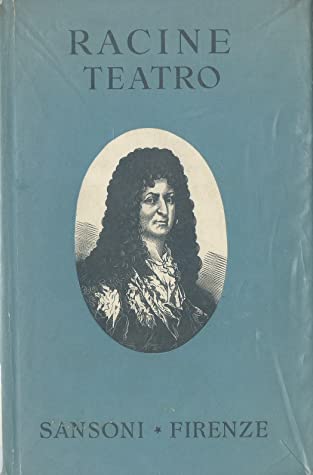
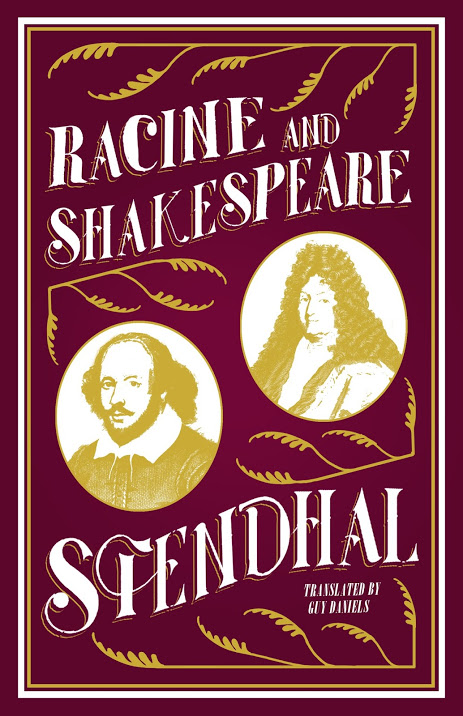
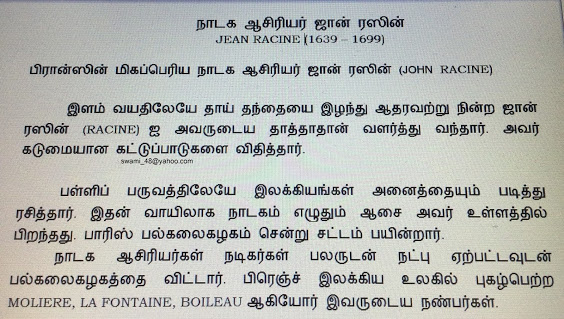
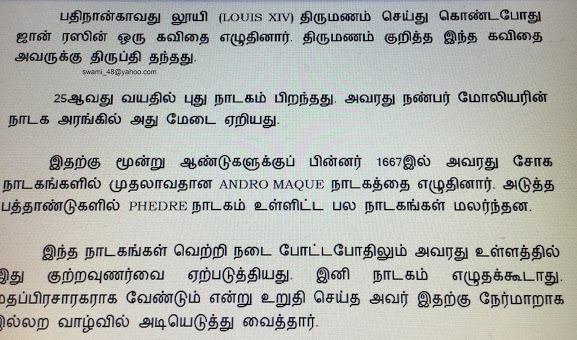
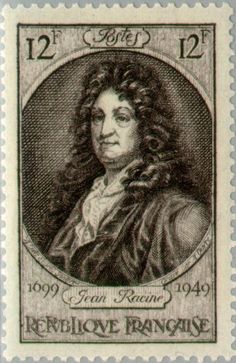
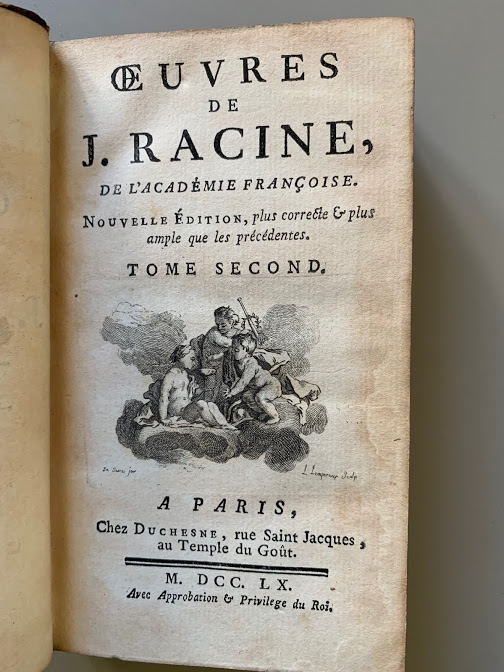
பிரான்ஸின் மிகப்பெரிய நாடக ஆசிரியர் ஜான் ரஸின் (JOHN RACINE) இளம் வயதிலேயே தாய் தந்தையை இழந்து ஆதரவற்று நின்ற ஜான் ரஸின் (RACINE) ஐ அவருடைய தாத்தாதான் வளர்த்து வந்தார். அவர்
குவளையொண்மலர்க் கண்கள் நீர்மல்க நின்று நின்று குமுறுமே”.
பாடலின் பொருள் பார்க்கப் போனால் எளிது தான். சங்கு சக்கரபாணியை நினைத்தால் குவளை ஒத்த மலர்க் கண்கள் நீர் மல்கிடும்.
ஆனால் எப்படி நீர் மல்கும் என்பதை நம்மாழ்வார் கூறுகிறார்: “கண்கள் நீர்மல்க நின்று நின்று குமுறுமே”
இங்கு தான் சந்தேகம் எழுந்தது; விவாதமும் ஆரம்பமானது.
‘நின்று நின்று குமுறும்’ என்பதை சில பண்டிதர்கள் ‘நின்று உகும் இறும்’ என்று பிரித்துப் பொருள் கொள்ள வேண்டும் என்றனர்.
அதாவது அவரது இறைவன் பால் கொண்ட காதல் மட்டற்றது. அந்த அன்பினால் நின்று அவர் ‘உகும்’ அதாவது உருகி விடுவார்; பின்னர் ‘இறும்’ அதாவது இறந்து விடுவார்.
எல்லையிலா நெஞ்சத்து அன்பு ஊற அதில் உருகி அவர் இறந்து விடுவார்;
ஆனால் ராஜா விக்ரமசிம்ஹனுக்கு இந்த விளக்கம் பொருத்தமாகப் படவில்லை.
அவன் விளக்கலானான் இப்படி: “நின்று நின்று குமுறும் என்பதில் குமுறும் என்பதை கொந்தளிக்கும் என்ற பொருளிலேயே ஆழ்வார் கூறியிருப்பதாக எனக்குப் படுகிறது. ஏனெனில் உருகி இறந்து விடுவது என்று வைத்துக் கொண்டால் மிகப் பெரும் மகானான நம்மாழ்வாரின் அன்பு அவர் இறப்பதால் ஒரு முடிவுக்கு வந்ததாக ஆகி விடுகிறது. ஆனால் அப்பேர்க்கொத்த மகானின் அன்புக்கும் ஒரு எல்லை உண்டோ, ஒரு முடிவு தான் உண்டோ, நிச்சயமாக இருக்க முடியாது. ஆகவே அவரது அன்பு எல்லையற்று குமுறிக் கொந்தளித்துக் கொண்டே தான் இருக்கும். ஒரு ஓடையில் சுழலில் எப்படி நீர் கொந்தளித்துக் குமுறிக் கொண்டே அதே இடத்தில் சுற்றிச் சுற்றிச் சுழன்று கொண்டே இருக்குமோ அதே போல ஆழ்வாரின் அன்பு குமுறிக் கொந்தளித்து அப்படியே ஆழமாய்ச் சுழலின் உள்ளே சென்று சுழன்று சுழன்று என்றும் நிற்கும்; அது அந்த இடத்திலிருந்து அகலாது, செல்லாது. இந்த அன்பு ஓசை அற்றது, இதயத்திலிருந்து வருவது, வார்த்தையால் சொல்வதற்கு முடியாதது; சொல்லுக்கு அப்பாற்பட்டதாகும்! எப்படி ஒரு பசுவானது அதனுடைய கன்று தாயிடமிருந்து விலகிச் சென்று சற்றுத் தொலவில் இருந்த போதும் அதனுடைய மடியில் பால் சுரந்து நிரம்பி நிற்குமோ, எப்படி அது தனது வாயால் தனது கன்றை அடைவதற்காக ஏங்கி நிற்கும் அன்பைச் சொல்ல முடியாது தவிக்குமோ அதே போலத் தான் இதுவும்!”
அரசனின் விளக்கத்தைக் கேட்ட பண்டிதர்கள் அசந்து போனார்கள்; அவனது விளக்கத்தையே மேலான, சரியான விளக்கம் என்று ஒப்புக் கொண்டார்கள்.
உகும், இறும் என்றால் உருகி இறந்து படுவதாக ஆகி விடும். ஆழ்வாரின் அன்புக்கு ஒரு முடிவு ஏற்பட்டதாக ஆகி விடும்! அது சாத்தியமே இல்லையே! ஆகவே குமுறிக் குமுறி அது கொந்தளித்து எப்போதும் அதே இடத்தில் நிலையாக வளர்ந்து கொண்டே இருக்கும்!
சபாஷ் ராஜா! சரியான விளக்கம்!
***
இந்த அருமையான சம்பவத்தை பகவத் விஷயம் ஆறாம் தொகுதியில் 2804ஆம் பக்கம் படித்து மகிழலாம்.
Pictures are taken from various sources for spreading knowledge.
this is a non- commercial blog. Thanks for your great pictures.
tamilandvedas.com, swamiindology.blogspot.com
Rigveda is the oldest book in the world; oldest anthology in the world with over 1000 hymns. According to tradition it was compiled by a blackman called Vyasa. His full name was Mr Black Islander (Krishna Dvaipayana). He lived in 3150 BCE during the time of the greatest Blackman of India. His name was Mr Black (Krishna). He had a great friend who was the blackest woman of India and her name was Miss Blacky (Krishnaa alias Draupadi). These three black skinned people laid the foundations of Hinduism 5000 years ago. Even if we believe Max Muller and gang still Rig Veda is 3500 years old.
It is amazing to see the similes of highly cultured people. They had very close knit family connections. Their similes are woven around families. There are beautiful similes about wife, father, mother, and brother. Friends were used as similes very often. So much faith in their friends! Gods were called Friends. ‘A friend indeed is a friend in need’ came from this.
Chinese called the foreigners ‘Foreign Devils’ in their language. Greeks called all non- Greeks as ‘barbarian’s. Christians called non -Christians as ‘Pagans’ and Muslims called all non -Muslims ‘Kafirs’. In the same way Vedic Hindus called thieves who stole the cows as Dasyus and Simyus. Kalidasa also called thieves as Dasyus. We see this word umpteen times even in the first 100 hymns which were sung by seers who lived closer to the time of Mr Black (Krishna).
The great Tamil poet who composed Tamil Veda used several Rig Vedic verses or similes in it. That is the reason one contemporary of Tiruvalluvar, author of Tirukkural, called it Tamil Veda. He openly declared now Tamil ALSO has got a Veda. Till then Tamil lacked it.
Simile 1
I am dealing with the First Mandala (book) of the Rig Veda.
1-1-9
‘Be to us easy of approach, even as a father to his son’.
In the very first hymn of the Veda we see the bond between a father and his son. And the wonder is the name of the poet is Mr Honey Verse (Madhu Chandas) and his second name is Mr World friend (Friend of the world= Visva Mitra). These show the high culture of the people. Another great wonder is the very first letter of the oldest book is A for Agni. Lord Krishna in Bhagavad Gita said ‘I am letter A among letters/alhabe’t. Tiruvalluvar who wrote Tamil Veda several thousand years after thew Rig Veda also said ‘God is like letter A in his very first couplet!’. Jesus also repeated it in the Bible.
xxxx
Simile 2
In the third hymn we see a simile of cows happily returning to their cattle sheds.
1-3-8
Ye Viswedevas (all gods) , swift at work, , come hither quickly to the draught as milch kine return to their stalls.
xxxx
Simile 3
Here Indra is portrayed as cow.
1-4-1
As good cow to him who milks, we call the doer of fair deeds
To our assistance day by day .
Xxxx
1-5-1 hymn begins
Hello Comrades! All of you come here and sit down. Let us sing the glory of Indra .
Indra is not one individual. Kanchi Paramacharya (1894-1994) makes it very clear in his talks. Indra may mean King or God.
In 2000-year-old Sngam Tamil literature also God and King are addressed with the same word. God’s temple and King’s palace have the same word.
The beauty of Vedic society is that no individual prays for himself. All sing in a group and pray for all.
Xxx
Simile 4
1-7-8
‘Indra drives the people with his might like a bull drives on the herds’.
Vedic Hindus had three great discoveries to their credit.
1.They were the first people who knew the value of cows. In other parts of the world, they were using the milk of donkeys, goats, and camels. Hindus showed the world that cow’s milk is the closest one to mother’s milk. A great invention, until this day it holds good. Nothing can replace cow’s milk. So they gave it the respect given to a mother. They called cow ‘Go Matha!’
what a great discovery!
2.The second discovery is the decimal system. From the very first chapter to the last they speak in terms of 10, 100, 1000, 10,000 and lakhs and crores. This led to all other inventions.
3.The third is the use of horses and wheels. Without which man kind couldn’t made any progress.
Xxx
Simile 5
1-10-1
‘The chanters sing about you (Indra), they praise you. The priests have raised you up, O Mr Hundred Deeds( Satakratu) !, like a pole’.
There are various interpretations on this pole.
Some compare it to acrobats’ bamboo sticks; other compare it to Yupa post or Flag Post.
In the same hymn we see friends.
Hear my words quick. Please accept my songs. Keep my words as close as your friend !
Friendship is lauded throughout the Rig Veda.
Tamil Veda Tirukkural has several chapters on Friendship.
xxx
Simile 6
1-11-1
‘All sacred songs have magnified Indra expansive as the sea’.
Vedic Hindus sailed across the sea frequently. Over 100 hymns have sea in them.
This ‘Like Sea’ is used in several hymns of Sangam Tamil literature. Buddha never mentioned sea because he was travelling inland only.
Xxx
Simile 7
Vedic Hindus were nature lovers. There are beautiful descriptions of Dawn personified as a Beautiful Girl, Ushas! Until this day Hindu girls are named as Usha. The English word ‘ushe’r is derived from Ushas.
Birds are flying in the morning. Everyone is going to work; let us raise fire in our altars and praise god –says one hymn. No where in the world we see such a scene in the dawn. This shows all Rig Vedic matters are typical tropical, nothing to do with cold central Asia or Siberia. 100 years ago 15 white skinned western idiots tried to mislead us.
Here beautiful deer simile is used.
1-15-5
Come here Indra, we are singing your praise and pouring libation into fire for you. Drink of it like a stag.
The English word libation is derived from Sanskrit ‘Bali’. Mirror image of which is LIBA.
Deer simile is used in other hymns as well.
Kalidasa, the greatest poet of India describes the natural beauty of Holy Himlayas in the first 15 verses of Kumara Sambhava. Sangam poets who came after Kalidasa of first century BCE use almost all similes from it. One of them is the Kavari Man (used by Tiruvalluvar Kural 969). Oldest verse in the Purananuru by Mudi Nagaraja also sings the glory of Himalayas with holy fire and deer.
In this Rig Vedic hymn ‘Gowra’ is sued for Deer. It is the deer with white tail. In the same way Kavari man of Tiruvalluvar is translated as Yak which is wrong. Yak would not die if the hair were removed. Tiruvalluvar says if the hair is removed Kavariman will die. The kind of Gowra or Kavari maan is probably extinct.
But the simile is simple. O Indra! Come to us like a thirsty Deer.
Xxx
Simile 8
1-23-13
‘Like lost animal, drive to us bright Pusan, him who bears up heaven
Resting on many coloured grass’.
Here the lost animal is used as a simile.
Xxx
Simile 9 , 10 and 11
1-25- 3
To gain your mercy, Varuna, with hymns we bind your heart, like a charioteer binds the tethered horse
1-25-4
They flee from me dispirited, bent only on obtaining wealth, like the birds fly to their nests
1-25-16
Yearning for the wide-seeing one, my thoughts move onward unto him
As cattle unto their pastures move.
Up to first 25 hymns covered from the first Mandala. There are ten Mandalas/ books in the Rig Veda. Hundreds of similes are in each book
–subham—
tags- Vedic Similes, father son, deer, birds, cows












 Tamil and Vedas