Pictures are taken from various sources for spreading knowledge;
this is a non- commercial blog. Thanks for your great pictures.
tamilandvedas.com, swamiindology.blogspot.com
மாரியாத்தாளைப் பெண்டுபிடிக்கிறவனுக்குப் பூசாரி பெண்சாதி எம்மாத்திரம் ?– பெண்கள் பவளக்கொடி, காத்தாயி, அறப்பத்தினி ,காமாட்சி /மீனாட்சி, சுந்தரி பெயரில் உள்ள மேலும் ஐந்து பழமொழிகளைக் கண்டுபிடியுங்கள்
1.அழகிலே பிறந்த பவளக்கொடி , ஆற்றிலே பிறந்த சாணிக் கூடை
Pictures are taken from various sources for spreading knowledge;
this is a non- commercial blog. Thanks for your great pictures.
கரந்துறை திருப்புகழ் பாடலில் முதலாவது பாடல் பற்றிய கட்டுரை எண் 8277 (வெளியான தேதி 3-7-2020). இரண்டாவது பாடல் பற்றிய கட்டுரை எண் 8817 (வெளியான தேதி 16-10-2020)
ஒரு திருப்புகழில் இரு திருப்புகழ் பாடல்கள்! – 3
ச.நாகராஜன்
ஒரு திருப்புகழுக்குள் அமைந்துள்ள இன்னொரு (கரந்துறை) திருப்புகழ் பாடல்களில் இரண்டைப் பார்த்தோம். மூன்றாவது திருப்புகழ் பாடல் இது:
தத்தித் தத்திச் சட்டப் பட்டுச்
சத்தப் படுமைக் கடலாலே
சர்ப்பத் தத்திற் பட்டுக் கெட்டுத்
தட்டுப் படுமப் பிறையாலே
சித்தத் துக்குப் பித்துற் றுச்சச்
சித்ரக் கொடியுற் றழியாதே;
செப்பக் கொற்றச் சிற்பப் பத்திச்
செச்சைத் தொடையைத் தரவேணும்
கொத்துத் திக்குப் பத்துட் புக்குக்
குத்திக் கிரியைப் பொரும்வேலா
கொச்சைப் பொச்சைப் பொற்பிற் பச்சைக்
கொச்சைக் குறவிக் கினியோனே;
சுத்தப் பத்தத் தர்க்குச் சித்தத்
துக்கத் தையொழித் திடும் வீரா
சொர்க்கத் துக்கொப் புற்றக் கச்சிக்
சொர்க்கப் பதியிற் பெருமாளே!
பாடலின் பொருளைப் பார்ப்போம் :
த்டைப்பட்டு தடைப்பட்டுக் குழறிப் பேசித் தவறுதலான வழியிலே சென்று கெட்டுப் போகின்ற இந்த பொய்க்கூட்டமாய் நிறைந்த சட்டையாகிய இந்த குடிசை என்னும் வியப்பூட்டும் சுமையை விரும்புகின்ற
சிக்கு (தடை) நீங்கப் பெற்று, உட்கு ( உள்-கு உள்ளத்திலே கருணை எண்ணம் வாய்க்கப் பெற்று, பரிசுத்தமானதும் சித்தியை(நற்கதியை, முக்தியைத் தர வல்லதுமான தமிழை (தமிழ்ப் பாடல்களை) திட்டத்துக்குப் பூரணமாக, லக்ஷணமாக, செவ்வையாகச் சொல்லும் (பாடும்) பாக்கியத்தைப் பெறுவேனோ!
அங்கிட்டு இங்கிட்டு (அங்கும் இங்குமாகப் பல இடங்களிலும்)போர் செய்ய சபதத்துடன் துணிந்து (கிட்டியிட்டு) சமீபத்தில் நெருங்கி எதிர்த்து அஸ்திரங்களைப் (படைகளை- ஆயுதங்களை) எற்றி (செலுத்தி) விரைவிற் சண்டை செய்த சூரன் –
உடம்பு கெட்டுப் போய், ஆயுதங்களைக் கை விட்டு (இல்லாதொழிந்து) அல்லது, தனது சேனைகளை விட்டுத் தன்னந் தனியனாய், பயம் அடைந்து, கடலினுள்ளே புகுந்து வேதனைப் பட்டு, (மா) மர உருவத்தை அடைந்து நிற்க
(தக்குத் திக்குத் தறுகண்) – தறுகண் அஞ்சாமையுடன் இருந்த வீரம் எல்லாம் தக்குத் திக்கென தடுமாற, தொக்குத் தொக்குற்றது கண் – (தொக்கு – ஸ்பரிச உணர்ச்சி அறியும் இந்திரியம்) (முதலிய) துவையலாகி (அழிந்து பட) அந்த இடத்தும் (அந்த நிலையிலும் கூட) கைக்கொட்டு இட்டு இட்டு – கையை மிகவும் கொட்டியவாறே ஆர்ப்பரித்து உடலுடன் சில பொழுது (நேரம்) ஆடி (போர்செய்து)
வேற்படை குத்தினதால், (துடியில் சத்திக்க) துடித்துக் கதறி ஒலி செய்ய (அல்லது துடி – உடுக்கைப் பறையின் முழக்கம் போலக் கூவிக் கதற) கைச் சமர் செய் – ஒழுங்கான போரைச் செய்த பெருமாளே! சத்திப் பெருமாளே – வேல் கொண்ட பெருமாளே கச்சிக் குமரப் பெருமாளே (தமிழைப் புகலப் பெறுவேனோ)
அலைகள் தாவிச் சென்று தாவிச்சென்றி ஓர் ஒழுங்கு முறையிலே தொழிற்பட்டு ஒலி செய்கின்ற கருங்கடலாலும்-
(சர்ப்பத்தின் தத்தில் பட்டு) கிரகணத்தின் போது ராகு கேது எனப்படும் பாம்பால் பிடிபடுதல் என்னும் ஆபத்திற்கு உட்பட்டு, கெடுதல் உற்று, தடைபடுகின்ற சந்திரனாலும்-
சித்தத்துக்கு (மனதிலே) பித்து உற்று (காம வெறி கொண்டு) (உச்சம்) அதன் அதிகமான நிலையை இந்த அழகிய கொடி போன்ற பெண் அடைந்து அழிவு படாமல்
More and more evidence are coming through the list of ‘TAMIL WORDS IN ENGLISH’ to support my pet theory that ‘Indian language’ is the mother of all languages in the world. Indian language consists words from TAMIL AND SANSKRIT languages. Both came from same source. It shows that a language can branch out in two ways. Even linguists agree the branching out of SATAM (100) AND CENTUM(100) languages. Tamil and Sanskrit are closer than any two languages in the world. The language map of the world is NOT drawn to scale. When the Periodic Tablewas drawn by the Russian chemist Dmitri Mendeleev and Theory of Evolution Tree was drawn by Charles Darwin they did it scientifically. But Family of Languages map is NOT drawn to scales. All encyclopaedias mislead the world. Yesterday’s languages without literature and grammar and script is given top positions and Sanskrit, the oldest language with the oldest book and the oldest grammar book is at the bottom. They should have at least written, ‘it is not done to scale’ (Chronologically).
Old linguists took one word from unknown scriptless, grammarless, literatureless, rootless languages and compared it with the oldest language Sanskrit. For Sanskrit, we have archaeological evidence from at least 1500 BCE in the form of Mitannian names, Bogazkhoi clay tablet inscription of Turkey and Dasaratha letters of Egypt. Thank God all these are available in encyclopaedias, but English writers hid all these evidences from Indian History books.
So please ignore all the Family of Languages Maps or diagrams and redraw it chronologically. But you can have good laugh by reading the books of Caldwell gangs and Max Muller gangs. Best jokes are available in
Bow – wow theory
Kluck- kluck theory
Pooh- pooh theory
Ding- dong theory
Onomatopoeic theory of very famous half baked oldies.
And it doesn’t stop there. Even the classification and chronological order of ‘Isolating languages, Agglutinative languages and Inflexional languages are wrong. When you look at 750 +++++ New Guinean languages and 200 ++++Australian aborigine’s languages you can laugh and laugh at those oldies. In my recent article on ‘barking of the dogs’ I have shown dogs bark with different sounds in different parts of the world!! Crows and cocks make different sounds as well!!
Last but not the least, William Jones misled the entire world by citing Matha=Mother, Pita=Father, Bratha=Brother, Hora= Hour etc and made us to believe that Aryans came from outside. All the quotes are later than Sanskrit Vedas. Lakhs of words in Sanskrit are missing in the western languages. All words regarding Yaga Yajna, and education are not found in European languages. Very important words like Guru, Manava/student, Vyakarana/grammar are not seen in their languages, because they were uncivilised, uneducated, illiterate , nomadic, barbarians at the time. Only upto number ten of Sanskrit will be found in their languages. Their bird brains couldn’t digest more than that. If anyone compares the languages in chronological order they will agree with me.
In short, when you compare two languages see whether they have scripts, literature, and grammar books, otherwise reject all the theories. Arrange them chronologically and compare them. Nothing can come nearer to Rig Veda and its Pratisakhyas, oldest grammar in the world. Several hundreds year later came Homer’s Illiad and Odyssey. Just hundred years before that came FEW chapters of the Old Testament of Bible. Here and there we find some Persian and Chinese stuff. Latin and Tamil came very late (literature wise).
Now let me continue with my Third Part :–
‘C’ is the most misleading letter. It has the sound value of ‘ch’ and ‘kh’ as in Charles and Character. And it has also the value of ‘Q’. Because of this Chaturth, ¼ ,is written as Quarter. ‘Q spelt words’ are very misleading.
Please remember that Tamil Grammarian banned all ‘Cha,Sa’ beginning words. No sibilant is available in Tamil.
Also note that French used ‘C’ for ‘K’. Tamil town Kadalur (koodalur) has the spelling of Cuddalore even today because of the French rule.
C List:–
C.1. Conch – Sangu ; சங்கு it is a Sanskrit word Sankha, commonly used in Tamil.
C.2. Cord – Saradu, Kodi , கொடி, சரடு,
C.3. Cowrie – Sozi (Soli) சோழி
C.4. Chiro / Cheir (Greek) – Kai/hand, it is also cognate to Kara/hand in Sanskrit, கை , கரம்,
C.5. Crime ,Critic ,Criticise – Kutram / Kurai sollu குற்றம், குறை சொல்லு
C .6. Camphor – Karpuura ; கற்பூரம், Sanskrit as well; see how the letters interchange in English ; ‘m’ is lost; r goes into middle
C.7. Congress , Committee – Sangam, Samiti; க/சமிட்டி , கா/ஸங்க்ரஸ் = சங்கம் both are Sanskrit words; but Tamils boast that they had Three Sangams to foster their language for 10,000 years. So the word SANGAM, banned by Tolkappiyan, is vital for Tamils!!
C.8.Ceres, Goddess – this branched out into Seer/Serivu/ sirappu (Wealth and Prosperity) செரீஸ் – சீர் , செறிவு, சிறப்பு, ஸ்ரீ , ஸர் பட்டம் (பிரிட்டனில்) in Tamil and Sri in Sanskrit ; that gave birth to ‘Sir title’ in English and ‘Thiru/Mr’. in Tamil (T=S; you can see it in all English words with TION=SION) திரு; டியன்=ஷன்
C .9.Crest – Ketu in Sanskrit , Koti in Tamil கேது/கொடி ,
C 13. Copper – Cuprum in Latin, Seppu in Tamil செப்பு
C 14. Collar – Kazuthu (Kaluththu)/neck; Kanda in Sanskrit கழுத்து
C 15. Crore – Koti; though a Sanskrit word used in Old Tamil (Tamils use only Sanskrit names for big numbers which is in Taittiriya Samhita; oldest mega numbers in the world) கோடி
C 16. Chit – Seettu, Chittai ஸீட்டு சிட்டை
C 17 – Cheroot – Suruttu/Cigar; சுருட்டு it may sound like a modern word; but it is an old verb Suruttu- Roll (to make a cigar)
C 18. – Cauldron – Kalam, Kalayam கலம் /கலசம்/கலயம், கங்காளம் (In Sanskrit Kalasam); also Kangaalam
C 19. Chowder – Kutam (pot, vessel) குடம்
C 20. Cal – Kal/stone with which they calculated in olden days ‘கல்’ வைத்து கணக்கிடு
C 21. ‘Cal’culate – ‘Kal’- culate/count with the help of stones கல் வைத்து கணக்கிடு
C 22. Compute / Count – see the root above ‘Kal’ கல் வைத்து கணக்கிடு
C 23. Cunnus – Sunni/ Penis, Male genital organ சுண்ணி
C 24. Cunt – Kundi/ anus குண்டி (in European it means the other side)
C .25 Cash – Kaasu (coin, currency); காசு, /பணம்=கார்ஷ பண
is from Sanskrit Karsha pana; used in old Sangam Tamil
C 26.Clay – Kali (man), kalimpu/paste like clayகளி , களிம்பு
C 27. Cotta – Sutta/ burnt ; சுட்ட தரை, சுடு மண் சிற்பம் in Terra Cotta it is Tharai Sutta / burnt sand in reverse order
C .28. Car/ Charred – Karuppu, Kari (burnt to blackness) கரி, கரி ஆக்கு
C 29. Curry – Kary (in food) கறி ,
C .30. Copra – Kopparai (dry coconut) , கொப்பரை
C 31. Coir – Kayiru (as well Saradu; see Cord above) கயிறு, க/சரடு
C 32. Choultry – Chattiram ( traveller’s inn, free loges on roadside) சத்திரம்
C 32 . Colon – Kutal; Kuzal/pipe like, குழல், குழாய்
tube like organ ; Kuzaai= tap as in water tap
C.33. Cock – குக்குட கொக்கரக்கோ Kukkuda in Sanskrit but when it comes to its sound it ‘Kokkara Kokkara Ko’ (‘Cock’ ara, ‘’Cock ara Co)
In English Cock-a- doodle- do; So it branched out into Kukkuda- Kokkara.
C .34. Carp/ Core – Karu in Tamil; it means Foetus, Carp/fruit; in Sanskrit ‘Garba’ கரு
C .35. Cuckoo/ Kuyil – Koel/ Kokila in Sanskrit குயில், கோயல், கோகில
C .36. Correct – Sari ( right, yes, accurate) க/சரி
Pictures are taken from various sources for spreading knowledge;
this is a non- commercial blog. Thanks for your great pictures.
கோகுலம் கதிர் அக்டோபர் 2020 இதழில் வெளி வந்துள்ள கட்டுரை!
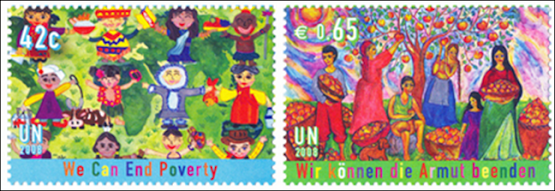
வறுமையை உலகிலிருந்து விரட்ட உலக வறுமை ஒழிப்பு நாள்: அக்டோபர் 17!
ச.நாகராஜன்
நோய்களில் எல்லாம் கொடிய நோய்!
நோய்களில் எல்லாம் கொடிய நோய் எது? வறுமை.
வறுமைக் கோடு என்று சொல்லப்படுகிறதே அது என்ன? ஒரு நாளைக்கு ஒவ்வொரு மனிதனுக்கும் சுமார் 2450 கலோரி சக்தி தேவைப்படுகிறது.
இதைத் தரும் தானியங்கள், பருப்பு வகைகள், இதர உணவு வகைகளை வாங்குவதற்கான பண மதிப்பீடு செய்யப்படுகிறது. இந்தக் குறைந்த பட்ச பணமும் இல்லாத – வருவாய் இல்லாத மக்கள் வறுமைக்கோட்டிற்கும் கீழாக வாழும் மக்கள் எனச் சொல்லப்படுகின்றனர்.
உலகில் இன்று வாழும் சுமார் 780 கோடி மக்களில் இப்படி வறுமைக் கோட்டுக்கும் கீழே வாழ்வோர் 70 கோடி பேர்கள். ஆயிரம் குழந்தைகளுக்கு 39 குழந்தைகள் 5 வயதுக்கு முன்னாலேயே இறந்து விடுகின்றனர்.
உலகில் உள்ள நாடுகளில் மூன்றாவது வறுமை மிக்க நாடாக இந்தியா விளங்குகிறது. நைஜீரியா முதல் இடத்தையும் காங்கோ இரண்டாவது இடத்தையும் வகிக்கின்றன.
உள்நாட்டுப் போர்கள் அடிக்கடி நடப்பதால் பல ஆப்பிரிக்க நாட்டு மக்கள் அன்றாட வாழ்விற்கே அல்லல் படுகின்றனர்.
அமெரிக்கா, ஸ்விட்சர்லாந்து, சிங்கப்பூர், நார்வே, ஆஸ்திரேலியா உள்ளிட்ட பல நாடுகள் செல்வச் செழிப்புடன் வளம் மிக்க நாடுகளாக விளங்குகின்றன.
காங்கோ நாட்டில் ஒரே குடிசையில் வயதான முதியவர், அவர் மனைவி, அவர் பையன், மருமகள், பேரக் குழந்தைகள் இருவர் ஆக ஆறு பேர்கள் வாழ்கின்றனர்; குடிசையில் மின் விளக்கே கிடையாது. தரையோ மண் தரை.
காங்கோவில் காணப்படும் இதே நிலை ஊட்டி அருகில் உள்ள கிராமத்திலும் காணப்படுகிறது.
வேலையில்லாமல் தவிக்கும் இவர்கள் உணவுக்கென ஏங்குகின்றனர். வேலை செய்யத் தயாராக இருக்கும் இவர்கள் என்ன பாவம் செய்தார்கள்?
வள்ளுவரின் திகைப்பு
வறுமையைப் போல கொடுமையானது எது? வள்ளுவர் ஒரு கணம் யோசித்தார். அதை எதனுடன் ஒப்பிடுவது? வறுமையைக் கொடியது எது என்றால்… எது என்றால்… அவரது திகைப்பு அதிகமானது.
வறுமையின் இன்னாதது யாதெனின் இன்மையின்
இன்மையே இன்னாதது (குறள் 1041)
வறுமையைப் போலக் கொடியது எது என்றால்.. எது என்றால்… வறுமையைப் போலக் கொடியது வறுமையே தான்!
ஆகவே தான் வள்ளுவர் (சிறிது கோபத்தோடு கூட)
இரந்தும் உயிர்வாழ்தல் வேண்டின் பரந்து
கெடுக உலகியற்றியான் (குறள் 1062) என்றார்.
உலகில் சிலர் இரந்து உயிர் வாழ வேண்டியிருப்பின் அவர்களைப் படைத்தவன் அவர்களைப் போலவே அங்கும் இங்கும் அலையட்டும்!
இந்த நிலையைப் போக்க ஏராளமானோர் தொன்று தொட்டுச் சிந்தித்து வந்துள்ளனர். 32 அறங்களையும் ஏற்படுத்தினர். ‘யாவர்க்குமாம் உண்ணும் போது ஒரு கைப்பிடி’ (நீ சாப்பிடும் போது வறுமையில் வாடும் ஒருவனுக்கு ஒரு பிடியாவது கொடு) என்று அறவுரை பகன்றார் திருமூலர்.
அக்டோபர் 17
இந்த நிலை மாற உலகெங்கும் விழிப்புணர்ச்சி ஏற்படுத்தும் விதமாக பிரான்ஸில் பாரிஸ் நகரில் 1987ஆம் ஆண்டு அக்டோபர் மாதம் 17ஆம் தேதி ஒரு லட்சம் மக்கள் ஒன்று கூடி வறுமையை அழித்து ஒழிக்க உறுதி பூண்டனர்.
அகில உலக வறுமை ஒழிப்பு தினம் அன்று தோன்றியது. 1992ஆம் ஆண்டு ஐ.நா. இதை அதிகாரபூர்வமாக் அங்கீகரித்தது.
இதற்குக் காரணமாக அமைந்தவர் ஜொஸப் ரெஸின்கி (1917-1988) என்னும் பாதிரியார்.
அக்டோபர் 17 ஆம் தேதி – உலகெங்குமுள்ள மக்களுக்கு வறுமை பற்றிய விழிப்புணர்ச்சியைத் தூண்டி அவர்களை இதை ஒழிப்பதற்கான மாபெரும் இயக்கத்தில் பங்கு பெறச் செய்யும் நாள்.
பல்வேறு உலக நாடுகளின் அரசாங்கங்கள், தன்னார்வலர்கள், இயக்கங்கள் ஒன்று கூடி வறுமையினாலும் ஊட்டச் சத்து இல்லாமையாலும் ஏற்படும் குழந்தைகளின் இறப்பு விகிதத்தைத் தடுக்க பல்வேறு வழிகளை உன்னிப்பாக ஆராய்ந்து அவற்றைச் செயல்படுத்தும் நாளாக இது அமைகிறது. பல்வேறு நிகழ்ச்சிகள் நடத்தப்படுவதோடு ஒரு கணம் மௌனமும் அனுஷ்டிக்கப்படும் நாள் இது.
உலகிலே பிறந்த ஒவ்வொரு குழந்தைக்கும் வாழ்வதற்கு உரிமை உண்டு; அந்த உரிமையைப் பறிக்கும் வறுமையை அழித்தொழிக்க ஒவ்வொரு குடிமகனும் தீவிரமாக உறுதி பூண வேண்டிய நாள் இது.
நல்ல பொருளாதார வளர்ச்சியை ஏற்படுத்தி, சுரண்டலை ஒழித்து, அனைவருக்கும் தேவைப்படும் குறைந்த பட்ச உணவை அளிக்க மக்கள் முன் வந்தால் வறுமை ஒழிக்கப்படும் என்பது உறுதி!
தங்களிடம் மிகுதியாக உள்ளதில் ஒரு சிறு பங்கையேனும் வறுமையில் வாடுவோருக்குக் கொடுத்தால் அதை விட புண்ணியச் செயல் வேறு உண்டா என்ன?
Pictures are taken from various sources for spreading knowledge;
this is a non- commercial blog. Thanks for your great pictures.
tamilandvedas.com, swamiindology.blogspot.com
There are hundreds, may be thousands , of TAMIL words in English. It is already known that most of the European words can be traced back to SANSKRIT. Linguists also agree that Sanskrit is the oldest language in the Indo-European family. But how can they explain the presence of Tamil words in English and Greek? They have already classified it as Dravidian and lot of theories connect it with different language groups in the world and none with satisfactory proof.
ஆங்கில மொழியில் ஆயிரக்கணக்கான தமிழ்ச் சொற்கள் உள . முந்தைய மொழி இயல் கொள்கைகளை வைத்து இதை விளக்கமுடியாது. உலகில் பழைய காலத்தில் ஒரே மொழி — இந்திய மொழிதான் — இருந்தது. அது கிளைவிட்டுப் பிரிந்து சம்ஸ்கிருதம் என்னும் அண்ணனாகவும் தமிழ் என்னும் தம்பியாகவும் பிறந்தது என்பதை ஒப்புக்கொள்ள எனது பட்டியல் உதவும். இதோ இரண்டாம் பகுதி:–
B .1. BAY – VAAY/MOUTH; ‘BE’ ENDRU VAAYAITH THIRAKKATHE வாய்
Pictures are taken from various sources for spreading knowledge;
this is a non- commercial blog. Thanks for your great pictures.
கரந்துறைத் திருப்புகழ் பாடல்கள் மூன்றில் முதலாவது பாடலான ‘கருப்பு விலில்’ என்பது பற்றி கட்டுரை எண் 8277இல் (வெளியான தேதி 3-7-2020) பார்த்தோம். இப்போது நாம் பார்க்கப் போவது இரண்டாவது பாடலான ‘ககனமு’ எனத் தொடங்கும் திருப்புகழ் பாடலை!
ஒரு திருப்புகழில் இரு திருப்புகழ் பாடல்கள்! – 2
ச.நாகராஜன்
ஒரு திருப்புகழில் இன்னொரு திருப்புகழ் பாடல் இருப்பதானது கரந்துறை திருப்புகழ் பாடல் எனப்படுகிறது. இப்படி அமைந்துள்ள பாடல்கள் மொத்தம் மூன்று.
முதலாவது பாடல் ‘கருப்பு விலில்’ எனத் துவங்கும். இது பழநியில் பாடப்பட்ட திருப்புகழ் பாடலாகும்.
இரண்டாவது பாடல் ‘ககனமு’ எனத் துவங்கும்.இது வள்ளிமலையில் பாடப்பட்ட திருப்புகழ் பாடலாகும்.
மூன்றாவது பாடல் ‘தத்தித் தத்தி’ எனத் துவங்கும். இது காஞ்சிபுரத்தில் பாடப்பட்ட திருப்புகழ் பாடலாகும்.
இங்கு ‘ககனமு’ எனத் துவங்கும் பாடலைப் பார்ப்போம்.
ககனமு மநிலமு மனல்புனல் நிலமமை
கள்ளப் புலாற்கி …… ருமிவீடு
கனலெழ மொழிதரு சினமென மதமிகு
கள்வைத்த தோற்பை …… சுமவாதே
யுகஇறு திகளிலு மிறுதியி லொருபொருள்
உள்ளக்க ணோக்கு …… மறிவூறி
ஒளிதிக ழருவுரு வெனுமறை யிறுதியி
லுள்ளத்தை நோக்க …… அருள்வாயே
ம்ருகமத பரிமள விகசித நளினநள்
வெள்ளைப்பி ராட்டி …… இறைகாணா
விடதர குடிலச டிலமிசை வெகுமுக
வெள்ளத்தை யேற்ற …… பதிவாழ்வே
வகுளமு முகுளித வழைகளு மலிபுன
வள்ளிக்கு லாத்தி கிரிவாழும்
வனசரர் மரபினின் வருமொரு மரகத
வள்ளிக்கு வாய்த்த பெருமாளே
இதன் பொருள் : ஆகாயம், காற்று, தீ, நீர், மண் என்ற பஞ்சபூதங்களால் ஆனதும், கெட்டுப்போன மாமிச நாற்றமும்,கிருமிகள் உள்ளதுமான வீடு,
நெருப்புப் பொறி பறப்பதுபோல பேச்சுக்கள் பிறந்து, கோபம் என்ற ஆணவம் மிகுந்த
மயக்கம் என்ற கள்ளை வைத்துள்ள தோலால் ஆன பையாகிய இந்த உடலை இனியும் யான் சுமந்து அயராதபடி,
யுகங்கள் முடிந்தாலும் தான் முடிவடையாத ஒப்பற்ற அந்தப் பேரின்பப் பொருளை,
எனது உள்ளத்தினிடத்தே ஞானக் கண்ணால் அறியும் சிவஞான அறிவு என்ற ஊற்று ஊறிப் பெருக,
ஒளிமயமானதும், அருவமானது என்றும், உருவமானது என்றும் கூறுகின்ற, வேதங்களின் முடிவினில் நிற்பதாய் உள்ள அந்தப் பொருளாகிய உன்னை யான் காண நீ அருள் புரிவாயாக.
வெள்ளை நிறத்தவளான சரஸ்வதியின் கணவனான பிரமனால் (அடியையோ, முடியையோ) காணமுடியாதவரும்,
ஆலகால விஷத்தைக் கண்டத்தில் தரித்தவரும், வளைந்த ஜடாமுடியின் மீது
கஸ்தூரியின் வாசம் வீசும், நறுமணமுள்ள மலர்ந்த தாமரையின் மீது வீற்றிருக்கும் ஆயிரம் முகங்களைக் கொண்ட கங்கை நதியை ஏற்றவருமான சிவபிரானின் செல்வமே,
மகிழ மரமும், அரும்புகள் விடும் சுரபுன்னையும் நிறைந்துள்ள தினைப்புனம் உடைய வள்ளிமலையாம்* சிரேஷ்டமான மலையில் வாழும் வேடர் மரபில் தோன்றி வளர்ந்த, ஒப்பற்ற பச்சை நிறமுள்ள வள்ளி நாயகிக்கு மிகப் பொருத்தமாக வாய்த்த பெருமாளே. (மேற்கண்ட தமிழ் பதவுரையைத் தருபவர் : ஸ்ரீ கோபால சுந்தரம் அவர்கள்)
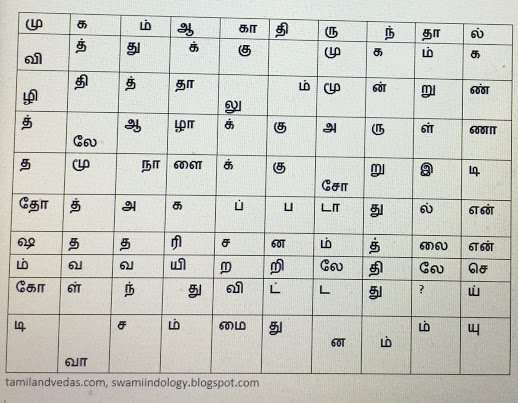
இந்தப் பாடலில் வரும் கடைசி அடியை மட்டும் ஒன்று சேர்த்துத் தொகுத்தால் அது ஒரு தனி திருப்புகழ் பாடலாக மலர்கிறது!
கள்ளப் புலாற்கி ருமிவீடு – கள் வைத்த தோற்பை சுமவாதே
உள்ளக் கணோக்கு மறிவூறி – உள்ளத்தை நோக்க அருள்வாயே
வெள்ளைப் பிராட்டி யிறை காணா – வெள்ளத்தை யேற்ற பதி வாழ்வே
வள்ளிக் குலாத்தி கிரி வாழும் – வள்ளிக்கு வாய்த்த பெருமாளே!
இந்த கரந்துறை திருப்புகழின் பொருள் இது:
மயக்கம் என்ற கள்ளை வைத்துள்ள தோலால் ஆன பையாகிய இந்த உடலை இனியும் யான் சுமந்து அயராதபடி, எனது உள்ளத்தினிடத்தே ஞானக் கண்ணால் அறியும் சிவஞான அறிவு என்ற ஊற்று ஊறிப் பெருக, உன்னை யான் காண நீ அருள் புரிவாயாக. வெள்ளை நிறத்தவளான சரஸ்வதியின் கணவனான பிரமனால் (அடியையோ, முடியையோ) காணமுடியாதவரும், கங்கை நதியை ஏற்றவருமான சிவபிரானின் செல்வமே, வள்ளிமலையாம்* சிரேஷ்டமான மலையில் வாழும் வள்ளி நாயகிக்கு மிகப் பொருத்தமாக வாய்த்த பெருமாளே.
திருப்புகழுக்குள் ஒரு திருப்புகழ்!
அடுத்து இப்படி அமைந்துள்ள இன்னும் ஒரு திருப்புகழை அடுத்த கட்டுரையில் பார்ப்போம்.
Pictures are taken from various sources for spreading knowledge;
this is a non- commercial blog. Thanks for your great pictures.
tamilandvedas.com, swamiindology.blogspot.com
There are hundreds may be thousands of TAMIL words in English. It is already known that most of the European words can be traced back to SANSKRIT. Linguists also agree that Sanskrit is the oldest language in the Indo-European family. But how can they explain the presence of Tamil words in English and Greek? They have already classified it as Dravidian and lot of theories connect it with different language groups in the world and none with satisfactory proof.
My theory is that Sanskrit and Tamil are two different languages, but came from the same source. That is the traditional belief as well, but rejected by linguists as mythological story. If there is one language in the world that can come closer to Sanskrit that is Tamil. And these two languages show how a language can branch into two different languages in course of time. There are amazing similarities between the two internally and externally, morphologically, and anatomically ( I have written umpteen articles on this topic).
One Mr Sathur Sekaarn came to London in in 1987 and was interviewed by me for the Tamil Service of the BBC World Service. He brought so many booklets written by him showing that 140 languages have Tamil words. That was too much ; he bent all the linguistic rules and went beyond logical thinking to come to his own conclusion. If you say abracadabra, he will change it 100 different ways and then show you a Tamil word linking it! He was sent to London by the great philanthropist Pollachi N Mahalingam.
I think any old word can be traced back to Sanskrit or Tamil. That shows a language can develop in these two lines only.
If you take the numbers 1 to 10 in English
One can see numbers I and 8 in English sounds exactly same in Tamil
One – onnu; ondru; ஒன்னு , ஒன்று,
Eight – ettu எட்டு
Other numbers sound like Sanskrit. Number Four is the odd one out.
Any way I will list the words from my 30 year old note books and then let me give you my conclusions.
A 1. ATHLETE – ATALAR, அடலர்
A 2. AUGURY – ARIKURI , அறிகுறி
A 3. ARABLE – ER POOTTI UzUM, ஏர் பூட்டி உழு ம்
A 4. ANNO – AANDU, ஆண்டு
A 5. APOLLO – PAKALAVAN (letters interchanged), பகலவன்
A.6. ANTHRO – AAN/MALE; ANDIRAN/ANDREW= INDRA, ஆண் , அண்டிரன்
NOTE -This is from one note book. There are English – Sanskrit words as well. Same word can be interpreted in two ways as Tamil and Sanskrit. That shows the root word can develop in those















 Tamil and Vedas