Pictures are taken from various sources for spreading knowledge; this is a non- commercial blog. Thanks for your great pictures.
1947: INDEPENDENCE OR TRANSFER OF POWER? – 3
R.Nanjappa
TRAGEDY OF CONSTITUTION
We then set about the task of giving this British imposed structure an air of Indian legitimacy. When we set about making a Constitution for ourselves, none of the basic structures or their underlying purposes or continued relevance was questioned or reviewed in the light of the ideas that guided our freedom movement. That structure was taken for granted. The man in charge of drafting it (B.N.Rau) was a career bureaucrat and part of British administration. There was a 7-member committee to go through the draft and make amendments. 6 of these members had been part of the British system and its beneficiaries. None of them had taken part in the struggle for freedom. One of them- Dr. B.R.Ambedkar – in fact had been a staunch supporter of the British, did not participate in the freedom movement, and was an opponent of Gandhiji. Ironically, he became the Law Minister! He was a member of the Viceroy’s Council when Gandhiji, Patel, Nehru and the entire top leaders of the Congress were in Jail in 1942-45! None of these people had worked with Gandhiji, really knew or shared or cared for his ideas on Swaraj . They were mostly lawyers practising the law they loved, or were part of the administration! Naturally when they set about making a Constitution, they retained all the elements that the British system had imposed on us and with which they had fallen in love. Not a single idea of Gandhiji was included or even seriously discussed. Most noteworthy was omission of any reference to the village at all!
INDIAN VILLAGES KILLED AGAIN
Dr.Ambedkar had no love for Indian villages and he made no secret of it. He said in the Constituent Assembly:
“The love of the intellectual Indian for the village community is of course infinite if not also pathetic.”
He openly boasted of his disdain for the Indian village:
“I hold that these village republics have been the ruination of India…. What is the village but a sink of localism, a den of ignorance, narrow mindedness and communalism? I am glad that the draft Constitution has discarded the village..”
From what we know of historical records, we see that Dr.Ambedkar was completely wrong. Today, with all the historical evidence available to us, his ignorance in the matter is even more appalling. Dr. Ambedkar did not know his facts. But we have another such gem from another man considered great, Jawaharlal Nehru. His differences with Gandhiji are well known, but are underplayed. Though he pretended to follow Gandhi, he did not share any of his core values, especially about village industries and village Swaraj.. In 1945, he wrote to Gandhi:
” I do not understand why a village should necessarily embody truth and non-violence. A village, normally speaking, is backward intellectually and culturally, and no progress can be made from a backward environment.”
This is shocking, coming from someone perceived to be close to Gandhi and supposed to be his follower. One wonders where he got this idea from- it is Cambridge, not certainly Indian villages, where Nehru had never lived or worked! Such Westernised elite never read our true history, never understood that the poor condition of the village was due to the 150 years of British rule which had “ruined India economically, politically, culturally and spiritually”, in the words of Gandhiji’s 1930 Resolution.
The result was that with such ’eminent’ people around, the Constitution merely solemnised what the British had created for their benefit and left behind. Our administration. law, education, general attitude to life and society, the philosophy behind the whole edifice- everything continued as before, unchecked and unaltered. With Nehru continuing as Prime Minister for 17 years, there was no chance that there could even be a second look or review. In these 17 long years, Nehru did not implement even a single programme of Gandhiji. It was Nehru who killed Gandhiji’s spirit in free India.
Some people had really informed Gandhiji that the draft Constitution had entirely discarded the village. Gandhi reacted:
“…there is no mention or direction about village panchayats and decentralisation in the foreshadowed Constitution.It is certainly an omission calling for immediate attention if our independence is to reflect the people’s voice. The greater the power of the panchayats, the better for the people……”
Gandhiji wrote this on 21 December 1947. Alas, he was dead in about 40 days. None in the Congress govt who came to power in Gandhi’s name cared to listen to him or do anything in the matter. To think that Gandhi named Nehru his successor- how awful! Great men do indeed make great and silly mistakes.
SWARAJ FOR THE ELITE
The result is that in the name of Independent India we continue with the same British systems and approach which were meant to oppress the people, and suppress their initiative. We still suffer from the cleavage between the elites and others. The police still treat the common people as cattle, as of no worth. Our officials still continue to treat the villagers with disdain, and continue to exploit them. Indian officials are every bit as arrogant and mindless of the people as during the colonial times.they are as ready to use force against dissent as the British. Now, they are even more corrupt. Even doctors educated in subsidized government colleges refuse to work in rural areas.. Villagers are steadily leaving their habitats and marching to towns and cities in search of livelihood. The village economy is ruined, its autonomy still lost, and its exploitation continues by the town and city. People exercise their vote once in five years, but by that they ensure their continued bondage to the town masters for another five years.
The ideal of village emancipation lies buried with Mahatma Gandhi.
So, what was achieved on 15 August 1947 was mere transfer of power from white sahibs to their brown Indian imitators. It is not Independence as Mahatma Gandhi taught us.
Pictures are taken from various sources for spreading knowledge; this is a non- commercial blog. Thanks for your great pictures.
அவதூதர் கொண்டிருக்கும் 24 குருக்கள் – 2
ச.நாகராஜன்
பிங்கலை : பிங்கலை என்று ஒருவேசி இருந்தாள். அவள் ஒரு நாள் தனக்கு நிறையப் பணம் தருவார் என்று நினைத்திருந்த ஒருவருக்காகக் காத்திருந்தாள்.அவர் வரவே இல்லை. இரவு முழுவதும் காத்திருந்த பிங்கலை, ‘அடடா! என்ன ஒரு முட்டாள்தனம் இது. பேராசையை ஊட்டும் புலனின்பத்திற்காக அல்லவா என் வாழ்க்கையைச் செலவழித்து விட்டேன். என்றும் அழியாத ஒன்றைப் பற்றி இனி நினைப்பேன்” என்று எண்ணி அனைத்தையும் துறந்து ஞான மார்க்கத்தில் பிரவேசித்தாள். அவளே எனது பதிமூன்றாவது குரு.
அம்பு செய்பவன் : ஒரு நாள் அம்பு செய்யும் ஒருவனை நான் பார்த்துக் கொண்டிருந்தேன். அவன் கூரிய அம்பைச் செய்வதிலேயே குறியாக இருந்தான். அருகிலே சென்று கொண்டிருந்த ஒரு படை அலங்கார அணிவகுப்பைக் கூட அவன் பார்க்கவில்லை. அவனது இந்த செய்கை கூர்மையாக ஒரே கவனத்துடன் தன் லட்சியத்தில் இருக்க வேண்டும் என்பதை நான் கற்றுக் கொண்டேன். ஆன்மீக வாழ்க்கையில் முன்னேற இந்த இரகசியத்தைக் கற்றுக் கொடுத்த அவனே எனது பதிநான்காவது குரு.
விளையாட்டுச் சிறுவன் : சிறுமிகளும் சிறுவர்களும் கௌரவம் அகௌரவம் பாராட்டாதவர்கள். யாருடனும் அவர்களுக்குக் கோபதாபம் இருப்பதில்லை. எது தன்னுடையது, எது மற்றவர்களுடையது என்று அவர்களுக்குத் தெரியாது. அவர்களது சந்தோஷம் அவர்கள் உள்ளில் இருந்தே பூரிக்கிறது. வெளியிலிருந்து அல்ல. பூரண ஞானி ஒருவனும் இதே நிலையில் தான் இருக்க வேண்டும் என்பதை அவனிடமிருந்து நான் கற்றுக் கொண்டேன். எனது பதினைந்தாவது குரு அந்த விளையாட்டுப் பையனே.
சந்திரன் : படைப்பில் தனித்துவம் பெற்றது சந்திரன். நமது பார்வைக்கு அது தேயும், வளரும். ஆனால் உண்மையில் அது அப்படியே தான் இருக்கும். ஒரு மனிதன் குழந்தைப் பருவம், வாலிபப் பருவம், முதுமைப் பருவம் என பல நிலைகளைக் கடக்கிறான். ஆனால் அவன் ஆன்மாவோ ஒரே நிலையில் தான் இருக்கிறது. சந்திரன் சூரிய ஒளியையே பிரதிபலிக்கிறது. அதற்கென தனி ஒளி இல்லை. அது போலவே ஆன்மாவின் ஒளியே மனிதனின் மனதில் பிரதிபலிக்கிறது. இதை உணர்த்தும் சந்திரனே எனது பதினாறாவது குரு.
தேனீ : மலருக்கு மலர் தாவும் தேனீ அவற்றை துன்பப்படுத்தாது, தேனை உறிஞ்சி எடுத்துக் கொள்கிறது. அதே போல ஆன்ம ஞானம் நாடும் ஒருவனும் சாஸ்திரங்களில் தன் மனதைச் செலுத்தி, தேவையானவற்றை எடுத்துக் கொள்ள வேண்டும். இதைக் கூறும் தேனீ எனது பதினேழாவது குரு.
மான் : இசையில் பெரும் விருப்பமுள்ள மான்கள் அதை வேட்டையாடுவோருக்கு அதனால் இலக்காகிறது. புலனின்பமும் பற்றும் நம்மை பலஹீனப்படுத்துகிறது. இதைச் சொல்லும் மானே எனது பதினெட்டாவது குரு.
இரையாகும் பறவை : இரை தேடும் பறவை ஒன்று ஒரு செத்த எலியைத் தூக்கிக் கொண்டு பறந்தது. அதைப் பார்த்த கழுகு மற்றும் பருந்துகள் அதைத் துரத்தலாயின. அங்கும் இங்கும் அலைந்த அது கடைசியில் தன் இரையைக் கீழே போட்டது. தனது இரையைக் கீழே போட்டவுடன் அதற்கு மற்ற பறவைகளிடமிருந்து சுதந்திரம் கிடைத்தது. அதிலிருந்து உலக இன்பங்களைச் சுமந்து கொண்டு அதை நாடும் ஒருவன் மற்றவர்களுடன் சண்டையிட வேண்டும், அவர்களால் துரத்தப்படுவான் என்பதை உணர்ந்து கொண்டேன். உலக இன்பங்களை நாடக் கூடாது என்பதை கற்றுக் கொடுத்த அந்தப் பறவையே எனது பத்தொன்பாவது குரு.
கன்னிப் பெண் : குடும்பம் ஒன்று தங்களது பிள்ளைக்கு ஒரு கன்னிப் பெண்ணை மணமுடிக்க அந்தப் பெண்ணின் இல்லத்திற்குச் சென்றது. அந்தச் சமயம் பெண்ணின் தாயார் வெளியே சென்றிருந்தாள். ஆகவே அந்தக் கன்னிப் பெண்ணே வந்தவர்களை வரவேற்று உபசரிக்க வேண்டிய நிலையில் இருந்தாள். வந்திருப்பவர்களுக்காக அவள் மாவை அரைக்க ஆரம்பித்தாள். அதனால் அவள் வளையல் ஓசை பெரிதாகக் கேட்டது. வந்த விருந்தினர்கள் இதைத் தவறாக நினைக்கக் கூடாது என்று நினைத்த அவள் ஒவ்வொரு கையிலும் இரு வளையல்களை மட்டும் வைத்துக் கொண்டு மற்றவற்றைக் கழட்டி விட்டாள். அப்போதும் கூட வளையல் ஓசை கேட்டது. ஆகவே அவள் ஒரே ஒரு வளையலை மட்டும் அணிந்து கொண்டாள். இதிலிருந்து நான் புரிந்து கொண்டது ஒரே இடத்தில் பல ஆன்மீக சாதகர்கள் இருந்தால் தேவையற்ற வீண்பேச்சு தான் வரும் என்பதைத் தான்! ஆகவே ஒருவன் தனிமையை நாடி சாதனை புரிய வேண்டும். இதைக் கற்றுக் கொடுத்த அந்தக் கன்னிப் பெண்ணே என் இருபதாவது குரு.
பாம்பு : பாம்பு எப்போதும் தனக்கென ஒரு உறைவிடத்தைக் கட்டிக் கொள்வதில்லை. கரையான்கள் தனக்கென ஒரு புற்றை அமைக்கும் போது பாம்பு அதில் வசிக்கத் தொடங்குகிறது. அதே போல உலகியலில் ஈடுபடும் மனிதர்கள் தமக்கென வீடுகளைக் கட்டிக் கொள்கின்றனர். ஆனால் ஒரு சாதுவோ அவர்கள் கட்டித் தரும் மடாலயங்களிலோ அல்லது கோவில்களிலோ அல்லது மரத்தடியிலோ தான் தங்க வேண்டும். பாம்பு தன் பழைய சட்டையை உரித்துப் போட்டு விடுகிறது. அது போலவே ஒரு சாதுவும் தன் உடலை முழு விழிப்புடன் உதிர்த்து விட வேண்டும். மரணத்தைக் கண்டு அவன் அஞ்சக் கூடாது. இதைச் சொல்லும் பாம்பே எனது இருபத்தொன்றாவது குரு.
சிலந்தி : சிலந்தி திரவத்தினால் தனக்கென ஒரு கூட்டை அமைத்துக் கொள்கிறது. பிறகு அதைத் தனக்குள் சுருக்கிக் கொள்கிறது, அதே போல மஹா சக்தி பிரளய காலத்தில் அனைத்தையும் தன்னுள் இழுத்துக் கொள்கிறது. அதே போலவே மனித ஆன்மாவும் அனைத்தையும் தன்னுள் கொண்டிருக்கிறது. மனிதப் பிறப்பில் அவற்றை மனித அங்கங்களாக மனமாக வெளிப்படுத்துகிறது. வாழ்க்கைக்குத் தேவையான அனைத்தையும் அது இதன் மூலம் பெற்றுக் கொள்கிறது. இறுதியில் அது புலன்களிலிருந்தும் மனத்திலிருந்தும் விடுபடுகிறது. இதைச் சொல்லும் சிலந்தியே என் இருபத்தியிரண்டாவது குரு.
புழு : புழு தனது குட்டியை கூட்டில் வைத்து பத்திரமாக அது இருப்பதற்காக அங்கு கூட்டைச் சுற்றி ரீங்காரம் இடுகிறது. குட்டி அந்த ஓசையைத் தவிர வேறு எதையும் நினைப்பதில்லை. நாளடைவில் அதுவும் தாய் போலவே வடிவெடுக்கிறது. அது போலவே சாதகன் ஒருவன் தன் குருவையன்றி வேறு யாரையும் நினைக்காமல் இருக்க வேண்டும். அப்படிப்பட்ட ஒரு முனைப்பட்ட தியானத்தினால் அவன் குரு போலவே உயரிய நிலையை அடைகிறான். இதைக் கற்றுத் தரும் புழுவே என் இருபத்திமூன்றாவது குரு.
தண்ணீர் : ஒவ்வொரு ஜீவராசியின் தாகத்தையும் தண்ணீர் தணிக்கிறது. ஆனால் அது ஒரு போதும் கர்வம் கொள்வதே இல்லை. அது தாழ்வான இடத்தை நோக்கியே பாய்கிறது. அது போலவே ஒரு ஞானியும் அனைவருக்கும் சந்தோஷத்தையும் ஆரோக்கியத்தையும் அருள வேண்டும். கடவுளின் படைப்பில் நீர் போல எளிமையுடன் அனைவருக்கும் பயன்படுத்தும் விதத்தில் ஒரு ஞானி இருக்க வேண்டும். நீரே எனது இருபத்திநான்காவது குரு.
இப்படியாக படைப்பில் அருமையான பாடங்களைக் கற்றுத் தரும் இந்த இருபத்துநான்கு குருக்களை நான் ஏற்றுக் கொண்டு எனது சாதனையைத் தொடர்கிறேன்.
இப்படி யதுவிடம் சொல்லி முடித்தார் அவதூதர்.
பாகவதம் தரும் இந்த அருமையான உபதேசத்தில் வரும் அவதூதரை தத்தாத்ரேயர் என்று கொண்டு தத்தாத்ரேய உபதேசம் எனவும் இது கூறப்படுகிறது,
Pictures are taken from various sources for spreading knowledge; this is a non- commercial blog. Thanks for your great pictures.
tamilandvedas.com, swamiindology.blogspot.com
திருவிளையாடல் புராணத்தில் தருமி என்ற ஏழைப் பிராமணனுக்கு சிவபெருமான் எழுதிக் கொடுத்த கவியை சங்கப் புலவன் நக்கீரன் கேள்வி கேட்க, சிவபெருமானே நேரில் வந்து நெற்றிக் கண்ணைத் திறக்க , “நெற்றிக் கண்ணைத் திறப்பினும் குற்றம் குற்றமே” என்று அவர் வாதாட, பின்னர் எல்லாம் இனிதே முடிந்த கதை எல்லோரும் அறிந்ததே . அந்தப் பார்ப்பனன் தருமி பெற்றது 1000 பொற் காசுகள் . இந்த நிகழ்ச்சியை அப்பர் பெருமான் தேவாரத்தில் பாடியதால் 1400 ஆண்டுகளுக்கு முன்னர் இது நடந்ததை நாம் அறிகிறோம். திருவிளையாடல் திரைப்படம் இந்தக் காட்சியை சுவைபடக் காட்டுவதால் மக்கள் நினைவில் இது பசுமையாக நிற்கிறது .
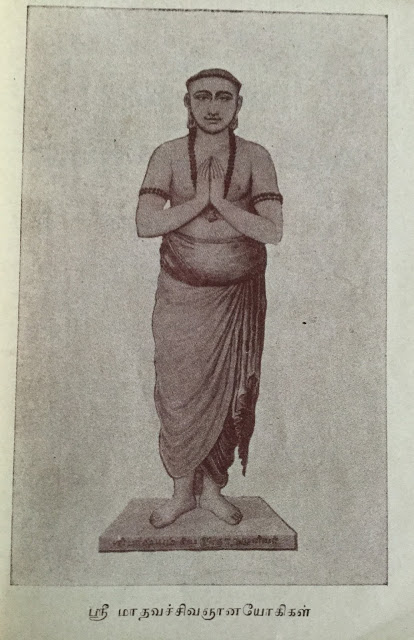
ஸ்ரீ மாதவ சிவஞான யோகிகள்
ஸ்ரீ மாதவ சிவஞான யோகிகள் என்பவர் வாழ்விலும் இது போல ஒரு சுவையான சம்பவம் நடந்தது . முதலில் மாதவ சிவஞான சுவாமிகள் யார் என்பதைக் காண்போம். அவர் தமிழிலும் சம்ஸ்கிருதத்திலும் புலமை பெற்றவர் . திருநெல்வேலிப் பகுதியில் பாபநாசம் அருகிலுள்ள விக்கிரமசிங்கபுரத்தில் சுமார் 250 ஆண்டுகளுக்கு முன்னர் இவர் பிறந்தார். இவருடைய இயற்பெயர் முக்களா லிங்கர். தந்தையின் பெயர் ஆனந்தக் கூத்தர். தாயார் பெயர் மயிலம்மை.
‘விளையும் பயிர் முளையிலே தெரியும்’ என்னும் பழமொழிக்கேற்ப இவர் மேதாவிலாசம் சிறு வயதிலேயே வெளிப்பட்டது. திருவாவடுதுறை ஆதீன முனிபுங்கவர்கள் ஒரு முறை விக்கிரமசிங்கபுரம் சென்றிருந்தனர். அப்போது பள்ளிக்கூடத்திலிருந்து திரும்பி வந்து கொண்டிருந்த முக்களா லிங்கர் அவர்களைத் தன் வீட்டுக்கு விருந்துக்கு வருமாறு அழைத்தார். இவ்வளவுக்கும் அப்போது அவருடைய தந்தை ஊரில் இல்லை. சிறுவன் அழைப்புக்கிணங்க அவனுடைய வீட்டுக்குச் சென்ற சிவனடியார்களுக்கு அவன் தாயார் அறுசுவை அமுது படைத்து உபசரித்தார்.
தந்தை ஊருக்குத் திரும்பியவுடன் மகனின் தொண்டை நினைத்து மகிழ்ந்தார். தந்தையையும் தாயாரையும் வணங்கிய முக்களாளிங்கர் தன்னைத் திருவாவடுதுறை ஆதீனத்துக்கு அழைத்துச் செல்ல வேண்டினர். அங்கு சென்ற அவர் சிவநெறித் தொண்டு செய்வதே தன் குறிக்கோள் என்று சொன்னவுடன் அங்கு சின்னப் பட்டத்தில் எழுந்தருளிய வேலப்ப சுவாமிகள் , முக்களா லிங்கருக்கு சிவ தீட்சை அருளி சிவஞானத் தம்பிரான் என்ற தீட்சா நாமம் கொடுத்தார். குரு முகமாக பல சாஸ்திரங்களைக் கற்று, சிவஞானத் தம்பிரான் சம்ஸ்கிருத நூல்களைத் தமிழில் மொழிபெயர்த்தார். தமிழில் சுமார் 20 நூல்கள் இயற்றினார் .
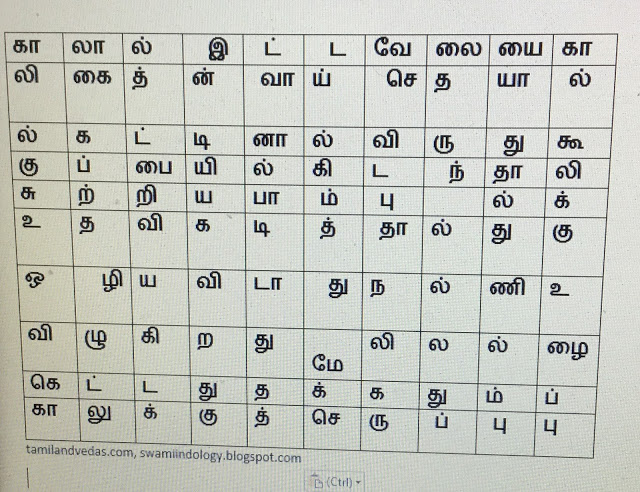
சிவ ஞான சுவாமிகள் ஒருமுறை திருப் பாதிரிப்புலியூருக்குச் சென்றார்கள் . அப்பர் சுவாமிகளைக் கரை ஏற்றிவிட்ட ஊர் என்பதால் சிலகாலம் தங்கினார் .அப்போது அவ்வூரில் கற்றோர் அவை கூடியது . அதில் ஒரு பணக்காரர் , “கரை ஏற விட்ட முதல்வா உன்னை யன்றியும் ஓர் கதியுண்டாமோ” என்ற ஈற்றடியைத் தந்து இதனை முடித்துத் தருவோருக்கு நூறு பொன் பரிசளிப்போம் என்று அறிவித்தார். இதனை அறிந்த ஏழை ஒருவன் சுவாமிகளிடம் வந்து விண்ணப்பிக்க, சுவாமிகளும் அருள் கூர்ந்து ,
வரையேற விட்டமுதம் சேந்தனிடம்
உண்டனைவல் லினம் என்றாலும்
வரையேற விட்டமுத லாகுமோ
எனைச்சித்தென் றுரைக்கின் என்னாம்
நரையேற விட்டமுத னாளவனாக்
கொண்டு நறும் புலிசை மேவும்
கரையேற விட்டமுதல் வாவுன்னை
யன்றியுமோர் கதியுண்டாமோ
என்ற பாடலை எழுதிக்கொடுத்து பரிஸில் பெற்றுச் செல்க எனப் பணித்தனர்.
சுவாமிகள் காஞ்சிபுரத்தில் தங்கிய நாட்களில் , மெய்கண்ட தேவரின் சிவ ஞான போதத்துக்கு பேருரை எழுதினார். அந்த நூலின் பெயர் சிவ ஞான மாபாடியம் .
சுவாமிகள் எழுதிய தொல்காப்பிய விருத்தியில் முந்தையோர் உரையில் கண்ட பல விஷயங்களைத் தவறு என்று சொல்லி ஆதாரமும் தருகிறார்.
சுவாமிகள் , திருவாவடுதுறை ஆதீனத்தின் ஞானக் கண்ணாக, செந்தமிழ்க் காவலராக , இலக்கண வரம்பினையும், சமய வரம்பினையும் பாதுகாக்கும் சிவஞான வள்ளலாகத் திகழ்ந்தார். விசுவாவசு சித்திரைத் திங்கள் எட்டாம் நாள் 17-4-1785-ம் ஆண்டு சிவானந்தப் பெருவாழ்வு அடைந்தார்கள்
Pictures are taken from various sources for spreading knowledge; this is a non- commercial blog. Thanks for your great pictures.
1947: INDEPENDENCE OR TRANSFER OF POWER ? – 2
R.Nanjappa
GANDHI ENTERS THE SCENE
Gandhiji entered the scene then. He had in his small book, the only book he ever wrote, “Hind Swaraj” (1909) outlined his idea of how India lost its freedom. He also said how it could regain it. He considered India not as a mere country, but as a civilization; the real enemy it was facing was Modern Civilization. The British were also its victims., more to be pitied than hated. Swaraj for India really meant the protection of its civilization.”My swaraj is to keep in tact the genius of our civilization”, he said. India gave up its adherence to its civilization and so it lost its freedom.
WHY INDIA FELL
But having said that, he also understood and pointed out what made us give up our adherence to our civilization. It was the economic exploitation forced on the nation by the British and relentlessly pursued for 150 years. Here, Gandhiji touched on the real, core issue: India did not live in the cities and towns; it lived in the 7,00.000 villages. These villages had been independent economic units, self-sufficient for all practical purposes. Kings and emperors rose and fell, but had not touched the villages. This was the basis of our national Polity and Society. This was the secret of India’s survival and prosperity through the ages. But the British disrupted their economy, deprived them of their independence, and took away the products of their labour by way of excessive taxation. Polity and Society too declined in consequence. The three lost their organic links. Real Swaraj was therefore to restore to the villages their rights as independent economic units, to let them function as a society and operate their own Polity. Gandhiji therefore ceaselessly talked of Village Swaraj, or empowering the villages.
The centre of power is in New Delhi, or in Calcutta and Bombay, in the big cities. I would have it distributed among the seven hundred thousand villages of India.
There will then be voluntary cooperation….Voluntary cooperation will produce real freedom.
Gandhiji knew that Indians had to fight for it, the British just won’t grant freedom. As early as in 1916, he had said in his Benares Hindu University speech:
If we are to receive self-government, we shall have to take it. We shall never be granted self-government. Look at the history of the British Empire and the British nation; freedom loving as it is, it will not be a party to give freedom to a people who will not take it themselves.
ELITES AND MASSES
The British as colonialists did not want to encourage Indians in any way.India was not suitable for their direct colonisation, i.e by immigration and settlement.( such as Australia or Canada) So they devised a method to rule the country by military power, and in course of time engaged Indians themselves in enslaving India and its exploitation. These Indians formed an elite, the English educated elite, who studied English language and literature, law, some Western philosophy- all at superficial levels. They were given very junior and minor positions in administration; but this was enough to make them identify with the colonial masters and alienate themselves from the people of India. On top of them were the British bosses.
This “elite” force was created by the education system imposed by the British, discarding the indigenous education system. But it achieved its objective only because the British had made knowledge of English compulsory for service. The Indian economy having been fully disrupted by then, the educated people had to take up ‘service’ or employment in increasing numbers for a living. This made them increasingly identify themselves with the colonial masters and distance themselves further from their own people and traditions.
This system was sustained by the enforcement of colonial law and order, and a police department under the control of the British officers.
This was the system we had in India on the eve of Independence in 1947. So, what happened on 15 August 1947? What changed afterwards?
Indian government under Prime Minister Nehru took over the structure as it was then. Not a single element in it was discarded or altered. Law and order, administration and education-everything continued as they had been under the British. Nehru even continued Englishman Lord Mountbatten as the Governor General (unlike Pakistan). The Army Chief was also an Englishman- Robert Lockhart.
Pictures are taken from various sources for spreading knowledge; this is a non- commercial blog. Thanks for your great pictures.
அவதூதர் கொண்டிருக்கும் 24 குருக்கள் – 1
ச.நாகராஜன்
பாகவதத்தில் பதினொன்றாம் ஸ்கந்தத்தில் கிருஷ்ணருக்கும் உத்தவருக்கும் நடக்கும் சம்வாதம் ஒன்று இருக்கிறது.
அதில் யதுவுக்கும் அவதூதருக்கும் நடந்த ஒரு சம்பாஷணை வருகிறது.
அவதூதர் தான் இருபத்துநான்கு குருக்களைக் கொண்டதாகக் கூறுகிறார்.
அந்த 24 குருமார்கள் யாவர்?
பூமி : எல்லா ஜீவராசிகளும் தங்கள் கர்மத்திற்குத் தக பூமியில் ஜெனிக்கிறார்கள். பூமியை வெட்டி உழுது பயிரிட்டு வளர்க்கின்றனர். அதில் தீயை மூட்டுகின்றனர். ஆனால் பூமியோ தனது பாதையிலிருந்து இம்மியளவும் நகர்வதில்லை. உண்ண உணவும், இருக்க இடமும் அது தருகிறது. ஆகவே பூமியிடமிருந்து ‘ஞானவானான ஒருவன் தன் பொறுமை என்னும் விரதத்தை ஒரு போதும் விடக்கூடாது’ என்பதை கற்றுக் கொண்டேன். மற்றவர்க்கு சேவை செய்வதையே விரதமாகக் கொள்ள வேண்டும் என்பதை பூமி காட்டுகிறது. ஆகவே மலை, நதி அனைத்தும் உள்ள பூமியை என் குருவாகக் கொள்கிறேன்.
காற்று : காற்று சுத்தமானது. நாற்றமில்லாதது. ஆனால் அது இனிமையான மற்றும் நாற்றமான வஸ்துக்களின் மீது பாரபட்சமின்றிப் பாய்ந்து செல்கிறது. அந்தக் கணத்தில் அது அந்த வஸ்துக்களின் மீது பட்டு அவற்றின் பண்பை ஏற்றாலும் கூட சிறிது நேரத்திலேயே தன் இயல்பை மீண்டும் அடைகிறது. இதிலிருந்து நான், ஆன்மீக வழியில் ஈடுபாடைய ஒருவன் இந்த உலகில் வாழும் போது இன்ப துன்பம் தரும் புலன்களுக்குரிய பொருள்களினால் பாதிக்கப்படாமல் இருக்க வேண்டும் என்பதைக் கற்றுக் கொண்டேன்.
ஆகாயம் : ஆன்மா ஆகாயம் போல எங்கும் நிறைந்தது. சில சமயம் ஆகாயம் மூடி இருப்பது போலத் தோன்றும். தூசியினாலும் புகையினாலும் நிரம்பி இருப்பது போல இருக்கும். சூர்யோதய காலத்திலும் அஸ்தமன காலத்திலும் வெவ்வேறு வண்ணங்களில் அது விகசிக்கும். ஆனால் உண்மையில் அது எந்த வண்ணமும் இல்லாதது. இதிலிருந்து உண்மையான ஞானி ஒருவன் எப்போதுமே ஆகாயம் மற்றும் வெளி போல எதனாலும் பாதிக்கப்படாமல் தூய்மையானவனாக இருக்க வேண்டும் என்பதைக் கற்றுக் கொண்டேன்.
அக்னி : சில சமயம் கொழுந்து விட்டு அது எரியும். சில சமயம் சாம்பல் பூத்து உள்ளடங்கி இருக்கும். ஆனால் எப்போதும் அது இருக்கும். நல்லவனோ கெட்டவனோ எவன் கொடுத்தாலும் அதை ஏற்றுக் கொண்டு அவனது பாவங்களை அது போக்குகிறது; அதே சமயம் தன் தூய்மையை இழக்காமல் இருக்கிறது. அது போலவே ஞானி ஒருவன் யார் கொடுத்த உணவை ஏற்றாலும் கூட அவனது பாவத்தைப் போக்கி அவனை ஆசிர்வதிக்க வேண்டும். ஆன்மா, வடிவம் இல்லாமல் இருந்த போதும் கூட தேவதைகளாக மனிதர்களாக மிருகங்களாக தாவரங்களாக வடிவம் எடுக்கிறது. இவை பிறப்பதும் இறப்பதும் பிரபஞ்சத்தில் மர்மமாகவே இருக்கிறது. ஆரம்ப ஆதாரமும் முடிவும் ஆன்மாவே. அக்னியும் இது போன்றதே.
சூரியன் : நாம் பார்க்கும் சூரியன் ஒருவனே. ஆனால் பல்வேறு நீர் நிலைகளில் அது பிரதிபலிக்கும் போது அது பலவாக ஆகிறது. ஒரே ஆன்மாவே இது போல பல்வேறு ஜீவராசிகளில் பிரதிபலிக்கிறது. நாம் பார்க்கும் சூரியன் வெவ்வேறு வடிவம் நம் பார்வைக்குத் தக எடுப்பது போல ஒரு ஞானியும் தனது பக்தர்களுக்காக அனைத்து வடிவையும் எடுக்கிறான்.
புறா : ஒரு சமயம் இரு புறாக்கள் ஒரு மரத்தில் வசித்து வந்தன. ஒரு நாள் ஒரு வேடன் அவற்றின் குஞ்சை எடுத்து விட்டான். அதைத் தீயில் வாட்டினான். பெண் புறா திரும்பி கூட்டிற்கு வந்து பார்க்கையில் குஞ்சைக் காணோம். குஞ்சு கிடந்த அக்னியில் அதுவும் விழுந்து தன் பிராணனை விட்டது. ஆண்புறா திரும்பி தன் கூட்டிற்கு வந்து நடந்ததைப் பார்த்தது. அதுவும் அதே அக்னியில் விழுந்து தன் உயிரை விட்டது. இதை சற்று எண்ணிப் பார்த்தால் புத்திசாலித்தனம் நிரம்பிய மனிதனனாலும் கூட தனது பற்றினால் அழிவை அடைகிறான். பற்றற்ற ஆன்மா உடல் புலன்களுடன் சேர்ந்தவுடன் முடிவில்லா ஜனன மரண சுழற்சியில் சிக்குகிறது. இதைக் கற்றுக் கொடுத்த புறாவே என் ஆறாவது குரு.
மலைப்பாம்பு : தன் இரைக்காக மலைப்பாம்பு ஒரு போதும் இருந்த இடத்தை விட்டு நகர்வதில்லை. அதன் எதிரில் எந்த ஜீவராசி வருகிறதோ அதை இரையாகப் பிடித்துத் தின்னுகிறது. இதிலிருந்து ஞானத்தைத் தேடும் ஒரு மனிதன் இன்ப சுகத்தை நாடித் தானாகச் செல்லக் கூடாது என்பதை நான் கற்றுக் கொண்டேன். எது அவன் வழியில் தானாக வருகிறதோ அதை ஏற்றுக் கொள்ள வேண்டும் என்பதையும் கற்றுக் கொண்டேன். மலைப்பாம்பைப் போல உறக்கத்தையும் விழிப்பையும் நீக்கி விட்டு ஆன்ம தியானம் ஒன்றையே மேற்கொள்ள வேண்டும் என்பதை அறிந்து கொண்டேன்.
கடல் : பிரம்மாண்டமான சமுத்திரத்திலிருந்து நான் கற்றுக் கொண்டது அநேகம். எவ்வளவு நதிகள் அதில் வந்து சேர்ந்தாலும் கூட அது தன் (நீர்)மட்ட அளவை மீறாமல் இருக்கிறது. கோடைகாலத்தில் நதிகள் வறண்ட போதும் அது தன் அளவைக் குறைப்பதில்லை. அதே அளவு தான் இருக்கிறது. அது தன் எல்லையை மீறி எங்கும் புகுவதில்லை. அதே போல ஞானியானவன் தனது உயரிய நிலையிலிருந்து ஒரு போதும் தாழ்வதில்லை. கடல் போல அவன் ஜெயிக்க முடியாமல் இருக்க வேண்டும். ஆழம் காண முடியாத கடல் போல அவனது இயல்பான இயற்கை குணம் யாராலும் சுலபத்தில் உணரமுடியாதபடி இருக்க வேண்டும். கடலே எனது எட்டாவது குரு.
பூச்சி: வெட்டுக்கிளி தீயைப் பார்த்தவுடன் அதில் தாவிக் குதிக்கிறது. அதில் எரிந்து சாம்பலாகி அழிகிறது. அது போலவே ஞானமற்ற மனிதனும் கூட மாயத்தோற்றம் அளிக்கும் புலன் இன்பங்களில் ஈடுபட்டு முடிவற்ற பிறப்பு- இறப்புச் சுழலில் சிக்குகிறான். இதற்கு மாறாக ஞானியான ஒருவனோ மற்ற அனைத்தையும் விட்டுவிட்டு மாயையையே எரிக்கிறான். வெட்டுக்கிளியே என் ஒன்பதாவது குரு.
யானை : ஆண் யானையைப் பிடிக்க மனிதர்கள் போலியான பொதி வைத்து அடைக்கப்பட்ட பெண் யானை போன்ற ஒன்றைக் காண்பிக்க மோகத்தினால் ஆண் யானை அவர்களிடம் சிக்குகிறது. அதே போல மனிதனும் கூட பெண்களைக் கண்டு மயங்கி மோகத்தினால் தளைப்படுகிறான். முக்தியை விரும்பும் ஒருவன் மோகத்தை விட வேண்டும் என்பதைத் தெரிவிக்கும் யானையே எனது பத்தாவது குரு.
எறும்பு : எறும்பானது தனக்கு வேண்டிய உணவைச் சேமித்து வைத்துக் கொள்கிறது. அது சேமித்த வைத்த அனைத்தையும் தானும் உண்ணுவதில்லை; தான தர்மமும் செய்வதில்லை. ஆனால் இதர ஜீவராசிகள் அவற்றை எடுத்துக் கொள்கின்றன. அது போலவே செல்வத்தைச் சேர்த்து வைக்கும் ஒருவன் கொள்ளை மற்றும் கொலைக்கு ஆளானவன் ஆகிறான். எறும்பு நமக்கு சில நல்ல விஷயத்தையும் போதிக்கிறது. எப்போது ஓயாத சுறுசுறுப்பைக் கொண்டு அது உழைக்கிறது. எந்தத் தடை வந்தாலும் அதை மீறி அது முன்னேறிக் கொண்டே இருக்கிறது; தனக்கு வேண்டியதைச் சேமித்துக் கொள்கிறது. அது போலவே ஞான மார்க்கத்தில் ஈடுபடும் ஒருவன் தளர்வின்றிச் சுறுசுறுப்புடன் ஆன்மாவை அறிதலில் ஈடுபட வேண்டும். இந்த அரிய உண்மையை விளக்கும் எறும்பே என் பதினொன்றாவது குரு.
மீன் : மீன் பேராசைப் பட்டுத் தூண்டிலில் இருக்கும் இரையை உண்ணுகிறது. தூண்டிலில் அகப்பட்டு உயிரை இழக்கிறது. இதிலிருந்து அதிகச் சுவை தரும் உணவு வகைகளில் ஆசைப்படக் கூடாது என்பதை நான் கற்றுக் கொண்டேன். நாக்கை வெல்லும் ஒருவன் அனைத்தையும் வென்றவனாகிறான். ஒரு நல்ல விஷயத்தையும் மீன் கற்றுத் தருகிறது. அது தனது இருப்பிடத்திலிருந்து அதாவது ஜலத்திலிருந்து ஒரு போதும் வெளியேறுவதில்லை. அதே போலவே மனிதனும் கூட தனது இருப்பிடமான உண்மையான ஆன்மாவை ஒரு போதும் விட்டு அகலக்கூடாது. இதை போதிக்கும் மீனே எனது பன்னிரெண்டாவது குரு.
23 May 2019 – தத்தாத்ரேயர் | Tamil and Vedas · https://tamilandvedas.com/tag/தத்தாத்ரேயர்/. 1. … பாகவத புராணத்தில் தத்தாத்ரேயர் என்பவர் இயற்கையிடம் தாம் …
25 Nov 2018 – தத்தாத்ரேயர் | Tamil and Vedas · https://tamilandvedas.com/tag/தத்தாத்ரேயர்/. 1. … பாகவத புராணத்தில் தத்தாத்ரேயர் என்பவர் இயற்கையிடம் தாம் …
Pictures are taken from various sources for spreading knowledge; this is a non- commercial blog. Thanks for your great pictures.
tamilandvedas.com, swamiindology.blogspot.com
DURING THE PAST 11 YEARS OF BLOGGING I HAVE DISCOVERED THE FOLLOWING WHICH I HAVE NOT FOUND ANYWHERE ELSE
1.I am letter A – said God
Every one knows that Bhagavan Krishna said in Bhagavad Gita that He is letter A among Letters/Alphabets. Tamil Veda Tirukkural’s author repeated this in the very first couplet among the 1330 couplets and showed his indebted to Lord Krishna. Jesus Christ repeated this in the Bible by saying I am the Alpha. And Sundaramurthy Swami in Thevaram also repeated what Lord Krishna said. Following this I did a research by studying the index of 20 to 30 Tamil books and 20 to 30 Sanskrit books. The same pattern is followed in both the languages. Words beginning with A will occupy 10 to 15 percent. That is the majority if you count letter wise. Then ‘Aa’ (long sound) will be very less in proportion. Then E will occupy more verses than EE. In short ,long letters will occupy less than short letters. ( I have published the tables several years ago). See the link below
This type of comparison is not possible between other two languages because Tamil and Sanskrit are closer than any two languages in the world. And the dictionaries of these languages are in similar alphabetical order. If you take European languages it will go in A B C D order
From the day Nikandu (thesaurus in Tamil ) and dictionary began until today , all those contain more Sanskrit words than Tamil words; but the they are called Tamil Dicionaries.
What is my conclusion?
I have deciphered the Indus Sarasvati Seals only 5 % percent! If I have deciphered fully, I would have got Super Nobel Prize by this time!!
My conclusion is that the Initial letter occurring highest number of times in Indus/Saraswati seals has A sound. Whether it is alphabetical or logo syllabic or X Y Z, the initial letter is A sounding word! So I decipher the symbol that occupies initial position in Indus seals is A sounded word!
Why did Tamils call all Nikandus and dictionaries printed in Tamil as TAMIL dictionaries though they contained more Sanskrit words: They did it because they saw Sanskrit and Tamil are two eyes the Motherland
Xxxxx
2.SANSKRIT AND TAMIL BELONGS TO ONE FAMILY
My second discovery is Indian languages form one family. Foreigners wrongly classified both belonging to two different unrelated families- Dravidian and Indo Aryan. They developed this theory to divide Hindus and rule India. Moreover they wanted to justify their occupation of India. They said Dravidians came from the Mediterranean and Aryans came from Central Asia. You all came just after 4100 BCE. So why shouldn’t we rule you? Biblical scholars found out the world and human beings came into the world after 4100 BCE. All foreign scholars agreed on these two points. So I consider them motivated propagandists.
So, what is my conclusion?
Tamil and Sanskrit came from the same source as Hindu scriptures say. Everybody agree that Lord Shiva sent Saint Agastya to codify a grammar for Tamil language. He came from the Himalayas. Tamil and Sanskrit are similar in structure. It is not the morphological similarities; It is anatomical. No one can impose such conditions by writing a grammar book. The sandhi rules and the letter changes are amazingly similar in approach. Moreover until today only Sanskrit and Tamil only follow the Sandhi rules. If you don’t follow the rules it is considered ungrammatical. No other ancient language has Sandhi rules. If they have, then they are formed from Sanskrit.
Not only these rules smashed the theories of foreigners. They said Aryans said Agnimee’De’ purohitam (RV HYMN 1-1) and learnt the soft sound from Dravidians in Indus valley “L “ sound and started singing Agnimee’Le’ purohitam. Biggest Joke! Even in Asokan inscriptions and Katyayana’s Vartka we see ‘CoDa’ instead of ‘CoLa’. Why didn’t they change to ‘L’ sound!!! And English changed it to Co’R’omandal coast.
How come Odyssey become Ulysseus?
How did Malagasy become Madagascar?
How did Utkala become Orissa and then Odissa?
How come Musim month is pronounced as Ramazan/ Ramadan/Ramalan?
Even Pacific islands have this D /L change.
Kanchi Paramacharya (1894-1994) smashed all these theories by quoting Vedic Pratisakyas. And more over, these sound changes are natural. Even 750 languages of New Guinea Island will have these.
And thousands of Tamil words are in English .
Scores of Tamil words are in Greek.
All these can be explained by ‘One Language Family of India Theory’.
A language can develop in only two ways – Centum languages or Satam languages.
In other words ancient languages branched out in Tamil Way or Sanskrit Way.
Ekam will change to ONE in Tamil (and English as well)
Ashta will change to EIGHT(U) in Tamil and English.
In short all words in ancient languages can be traced in Tamil or Sanskrit
19 Dec 2014 – Research article No.1499; Dated 19th December 2014. … Tamil and Sanskrit, they would have known that there is more similarity … Slokas in Bhagavad Gita with initial letter a- 97, aa-17, i-21, ii-1, u-9, uu-2, kru-1, ee-21, oo-2.
Kanchi Paramacharya pointed out the Vedic Pratisakya rule of Inter changeability of J and Y. All encyclopaedias give wrong information about J sound. I was wrongly written with a downward stroke and that became J. And Y becoming J by mistaken identity! But the entire world can be divided into ‘J language and Non J languages’ parts. That is my discovery. By studying the absorption of this J into other languages we can even find out the chronological development of ancient languages. This shows Sanskrit is the oldest language in the world with lot of ‘J words’ in the Rig Veda (Jagat, Janani, Jana etc).
YAHW, Yesu, Yusuf, Jew became Jehova, Jesus, Joseph and Jew not by mistaken pronunciation, but by Pratisakya rule.
Though the credits go to Kanchi Shankaracharya (1894-1994), the division of ‘J languages and Non J languages’ is my own discovery.
For instance, if a J sounded word is identified in Indus/ Sarasvati seals then it is definitely related to Sanskrit. Tamil language banned Ja, Ya,Sa, Nja, La, Ra as initial letters. So Tamil cannot claim anything for Ja or Sa etc.
7 Mar 2015 – Those who study Tamil and Sanskrit and compare them with other languages will rewrite linguistic theories. Letter ‘J‘ is used as ‘Y’ in many …
Xxxx
4.AGE OF KALIDASA SECOND CENTURY BCE
Hindus Sanskrit scholars dated Kalidasa around Second century BCE. Foreigners who ruled India dated him around Gupta dates. Kalidasa is famous for his 1500 similes. Of these similes, over two hundred are in Sangam Tamil works. Since Sangam Tamil works have a definite date , i.e. first three centuries of our era (CE), Kalidasa definitely lived before Sangam Era. One may wonder whether Kalidasa borrowed them from Tamil sources and the answer is a definite NO. All those similes are about Himalayas, Ganges or Hindu Gods that aare found in North India. I have shown it n my 25 plus articles
Xxxxxx
5.NO TAMIL WITHOUT SANSKRIT!
All the 30,000 lines of Sangam literature are influenced by Vedic thoughts or words. For instance if one removes Sanskrit words such as Kama (amorous), Manam (Mind) Loka (world) etc Tamil will become unreadable. It would look like Virus affected software! Tamil Veda Tirukkural has 30 percent Sanskrit usage. So Tamils accepted use of Sanskrit from Tolkappiam days without damaging the language. So even if someone deciphers Indus- Sarasvati seals it will be a hybrid of Tamil and Sanskrit, it is not complete Sanskrit. Though many have spoken about the proportion of Sanskrit words in Sangam literature and Post Sangam Tirukkural ,no one has shown the PROPRTION OF THEIR USAGE.
For instance the Sanskrit word KAMA is used in Tirukkural at least 18 times and Mana (mind) in over ten places! The Sanskrit word Adikaara is used in 133 chapters!! Also in the oldest Tamil book Tolkappiam and Tamil epic Silappadikaram
The rule is NO LANGUAGE CAN SURVIVE WITHOUT USING FOREIGN WORDS. Tamil is No exception.
Xxxx
6.YAVANA CONFUSION
Word ‘Pon’ in Tamil means Gold, Iron and Five Metals. In the same way Asva and Ayas were used by Vedic poets to mean Horse and other fast animals and Iron and other metals. Indra was a common noun meaning Leader. But foreigners who translated Vedas, got confused with Asva and Ayas and Indra and misled the world. It is same with the word ‘Yavana’. This occurs in Valmiki Ramayana and Mahabharata several times. foreigners translated it as Greeks and confused the world . Greeks are Yavanas but not all Yavanas are Greeks!. Even in Greek, it meant a small Ionia enclave in Turkey. Tamils used the word Mlecha and Yavana for Romans with whom they had very good commercial contacts. I have pointed out these mistakes in my articles.
And my conclusion is
That Yavanas were indigenous people who lived in North West India and were good architects and artisans. Probably one group migrated to Iran and Turkey and from there to Greece . Even Kalidasa described Persians as Yavanas.
xxxx
7.M.M.’S 200 YEAR GAP THEORY IS WRONG
German Sanskrit Scholar Max Muller was a man of contradictions. Goldstucker and Aravindar (Aurobindo) and many other scholars have exposed his contradictions. He dated the Rig Veda q1200 BCE based on two things 1. A ghost story in Katha Sarith Sagara of 1000 CE, 2.and based on his own pet theory that ‘A language changes every 200 years’. Both these were not followed in any part of the world. The same Katha Sarith Sagara has 101 funny things. If the same language gap of 200 years applied to Tamil literature all the dates of important Tamil works will tumble. They will fall like a pack of cards as you see in the game of Domino. I don’t know whether it is applied to any other language in the world. The current dates for Tamil Veda Tirukkural, Tamil epic Silappadikaram etc would change beyond belief.
Though MM himself backtracked on his dating of Rig Veda saying it may belong to 1500 BCE or even before; No force on earth could decide the date of RV! Because of his contradictions and attacks on RV, he was dead scared to come to India. He never came to India because of this fear.
My conclusion is that his 200 year stage to establish the date of any literature is wrong. If any one supports his theory they must show examples from other languages, particularly Indian languages. Change is inevitable in any field. But arbitrary fixing of 200 years for Vedic literature is s idiotic.
Aryan Invasion Theory is binned as soon as scientific data about Saraswati River was released. So I have nothing new to say.
Xxx
8.NEW APPROACH TO DECIPHERMENT OF INDUS VALLEY SEALS
A person is only 50 percent Indian if one knows only one of the two ancient languages -Tamil and Sanskrit. One must know both the languages to interpret anything in Indian History or Hindu Culture. A person would be in a better position if he knows Latin or Greek in addition to Tamil and Sanskrit (Sri Aurobindo was one such person).
Scholars who excavated Indus- Sarasvati sites, misled the entire world by proposing Shiva worship, Lingam- Yoni worship, Dravidian origin for language or script. Because of this wrong approach, all fall into this grew and came out with zero result. A completely new approach should be adopted to decipher the script. Like I proposed ‘A sound’ for Highest Used initial symbol, we can allocate sound for cluster of symbols. One must forget the ‘foreign Virus of Aryan-Dravidian divisions.
9.In the second part I will show my scientific discoveries; these are already written in these blogs; and they are about Time Travel, Big Bang and Big Shrink, Brahmastra is Nuclear Weapon, Hindu Concept of Aliens and ETs, Nadi Jothisa and NASA scientists, Hindu concept of Biology (84 Laksha Yoni beda) and Hindu concept of Microcosm (body) and Macrocosm (Universe), India is the richest country in the world, Vamsavali in Upanishads showing the age of Vedas etc. My History Discoveries will be dealt with separately
20 May 2012 – My friends get annoyed whenever I say, “it is already said in our Hindu scriptures”, interrupting their scientific discussions. One of my friends …
20 May 2012 – God’s particle and Kanchi Shankaracharya: Kanchi Shankaracharya who attained Samadhi at the age of 100, delivered a lecture in Madras in …
14 Feb 2012 – If we can invent a time machine then we can sit inside and travel back even to the days of Emperor Asoka or the Rig Veda. One question often …
Posts about Time Travel written by Tamil and Vedas. … I have already written about the Time Travel by two Tamil Saints. Please read my articles: TIME TRAVEL …
28 Jan 2012 – We see it in several stories involving saints. The most famous Tamil Saivite saint Tiru Gnana Sambandhar of seventh century AD did lot of …
What India could teach NASA Scientists?, Post No. 1022; Date 5th May 2014. Can Birds Predict Your Future?, posted on 22-07-2012. Tamil Astrology: Rope Trick …























 Tamil and Vedas