Pictures are taken from various sources for spreading knowledge; this is a non- commercial blog. Thanks for your great pictures.
tamilandvedas.com, swamiindology.blogspot.com
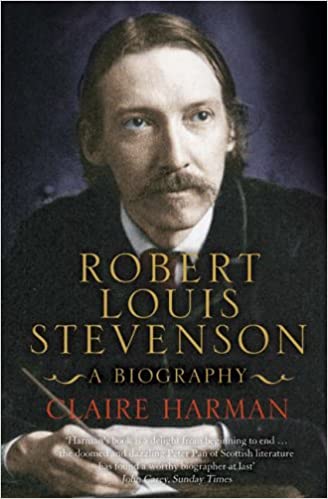
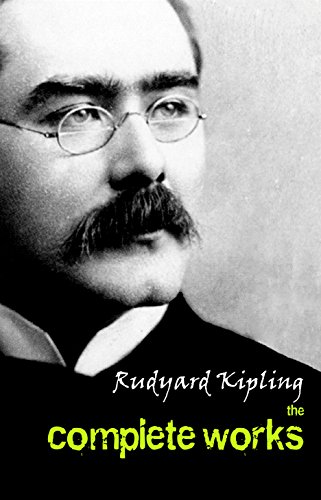
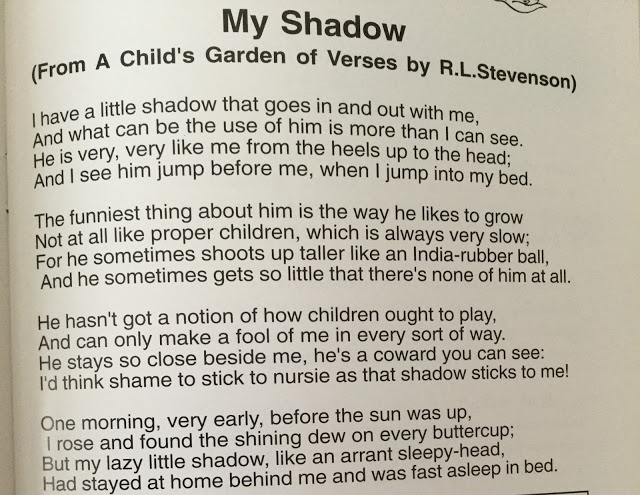
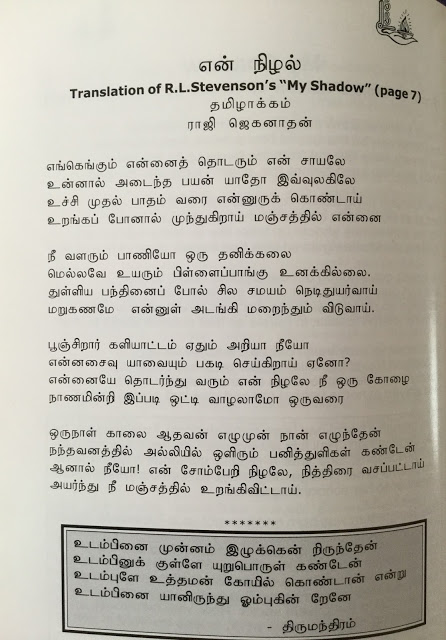
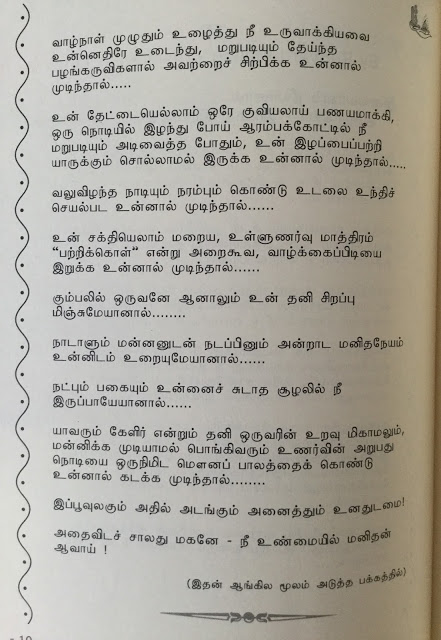
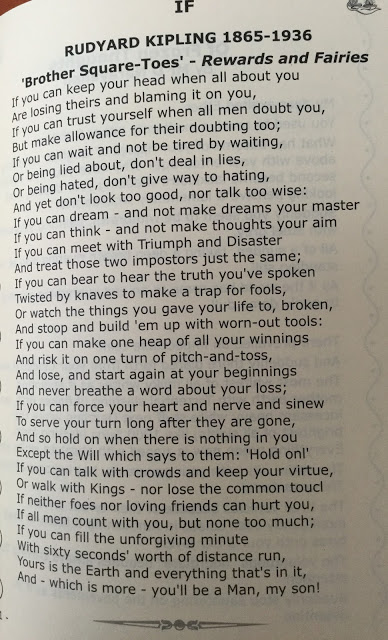
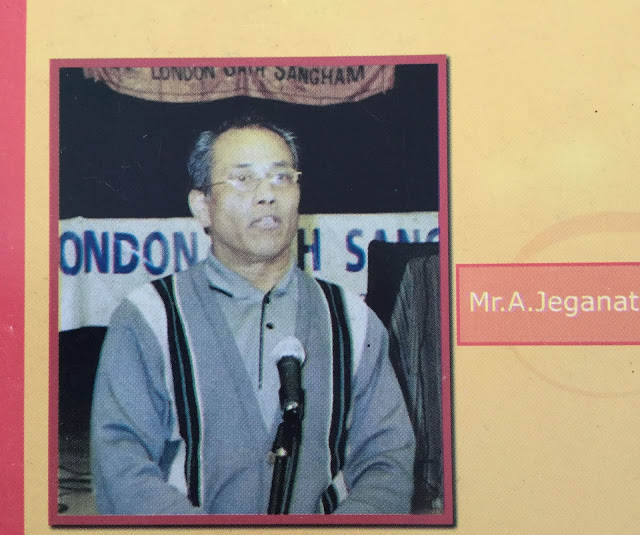
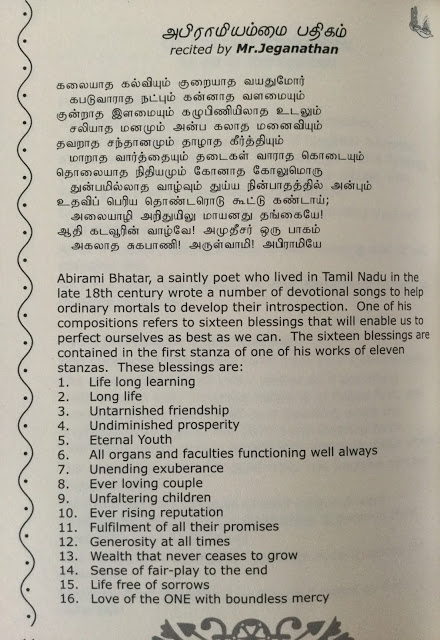
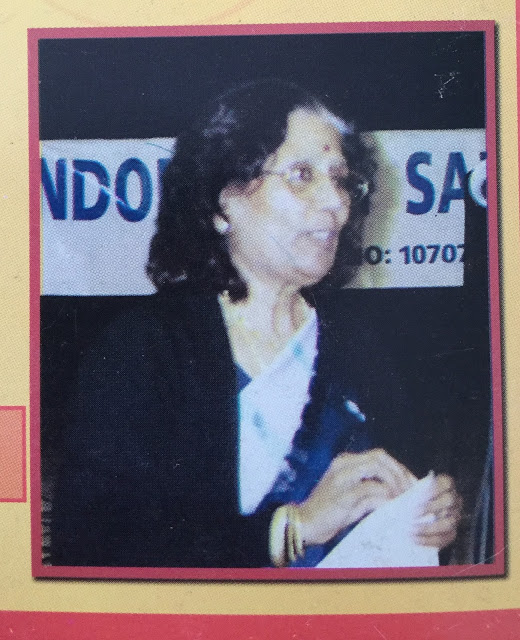
London poetess Mrs Raji Jeganathan is no more ; she died recently. She was the wife Mr Jeganathan, who was the President and Treasurer of London Sath Sangham for some time. As the secretary of the LSS, I brought out 10 quarterly News Letters for the benefit of Tamil community in London. As a tribute to her and to the tribute of English poets here are two English poems translated by her.
From the issues published in year 2004
Mrs Raji Jeganaathan–subham–
tags- Raji Jeganathaan, Translations, Rudyard Kipling, R L Stevenson, London Sath Sangam
Pictures are taken from various sources for spreading knowledge; this is a non- commercial blog. Thanks for your great pictures.
tamilandvedas.com, swamiindology.blogspot.com
சங்க இலக்கியத்தில் அதிகமான பாடல்களைப் பாடியவர் கபிலர் . அவர் ஒரு பிராமணப் புலவர். பெயரும் சம்ஸ்கிருதப் பெயர் ; பிள்ளையாரின் பெயர். சங்க இலக்கியத்தில் 30, 000 வரிகளில் பிள்ளையார் பெயர் எங்கும் இல்லையே , சிவன் என்ற சொல் எங்கும் இல்லையே என்று வருத்தப் படுவோர்க்கு ஓரளவு ஆறுதல் /ஆதரவு அளிப்பவர் இவர். திருமுருகாற்றுப் படையின் பதிகப்பகுதியில் வரும் பிள்ளையார் குறிப்பை அறிஞர்கள் பிற்காலச் சேர்க்கை என்பதால் பலரும் அதை ஏற்பதில்லை.
பிள்ளையார் மற்றும் புகழ் பெற்ற ரிஷியின் பெயர் உடையவர் கபிலர். அது மட்டுமல்ல பிள்ளையார் ஒருவருக்கு மட்டுமே நாம் எருக்கம் பூ போட்டு வணங்குவோம். வேறு கடவுளர்க்கு அது ஆகாது.
பகவத் கீதையில் 9-26 கிருஷ்ண பரமாத்மா எனக்கு பத்ரம், புஷ்பம், பலம், தோயம் (இலை,பூ , பழம் , தண்ணீர் ) எதை அன்புடன் கொடுத்தாலும் அதை ஏற்பேன் என்கிறார். அதை ஒரு பாடலில் எதிரொலித்த கபிலர், வேண்டு மென்றே எருக்கம்பூவைக் கொண்டு சேர்க்கிறார். இதனால் இவர் பெயரும் பிள்ளையார் பெயரே ; அவர் வழிபடுவதும் பிள்ளையாரே என்பது உறுதியாகிறது ; இதோ அந்தப் பாடல்:-
நல்லவும் தீயவும் அல்ல குவி இணர்ப்
புல் இலை எருக்கம் ஆயினும் , உடையவை
கடவுள் பேணேம் என்னா ………….
—-புறனானூறு பாடல் 106
பொருள்
“குவிந்த பூங்கொத்து உடைய எருக்கம் பூவையும் அருகம்புல்லையும் பூஜையில் போட்டு வாங்கினாலும் கடவுள் எனக்கு இது வேண்டாம் / பிடிக்காது என்று சொல்லமாட்டார்”
***
கபிலர் சம்ஸ்கிருத மன்னன்.குறிஞ்சிப் பாட்டை படித்த டாக்டர் ஜி.யூ.போப் (Dr G U Pope) இது காளிதாசன் காவியத்தின் எதிரொலி என்கிறார். எனது ஆராய்சசியும் இதை நிரூபிக்கிறது .
தமிழ் மொழியை மட்டம் தட்டிப் பேசிய பிருஹத் தத்தனை அழைத்துவந்து அவனுக்கு காளிதாசனைப் போல குறிஞ்சிப்பாட்டுப் பாடிக்காட்டி, அதில் 99 மலர்களின் பெயர்களை அடுக்கிப் பாடி, (கின்னஸ்) சாதனைப் புஸ்தகத்தில் இடம்பெற்றவர் . அதுமட்டுமல்லாமல் அவனையும் பாடவைத்து அதை சங்க இலக்கியத்தில் ஒரு பாடலாகச் சேர்த்து வைத்தவர்.
****
ஐயருக்கு அமோகப் பாராட்டு
பொதுவாகப் புலவர்களிடை யே போட்டி , பொறாமை உண்டு. சங்க காலப் புலவர்களினிடையே இது அதிகம் என்பதை திருவிளையாடல் புராணக் கதைகளும் பிற சம்பவங்களும் காட்டுகின்றன. ஆனால் உலக மஹா அதிசயம்!! ஒரு பிராமணப் புலவரை மட்டும் ஆறு பேர் பாராட்டியுள்ளனர். சங்க இலக்கியச் செய்யுள்களில் மட்டும்!
அவரோ மன்னர் அரண்மனைகளுக்குச் சென்று ‘நான் பிராமணன் வந்திருக்கிறேன்’ என்று தன்னை இண்ட்ரொட்யூஸ் INTRODUCE செய்து கொள்கிறார் . ‘அந்தணர்’ என்பவர் யார் என்று சந்தேகப்படும் அறிவிலிகளுக்கு அவர் சொல் பதில் தருகிறது.
தன்னைத் தானே அறிமுகப் படுத்திக் கொள்ளும் பாடல் —
“பறம்பின் கோமான்
நெடுமாப் பாரி மகளிர்; யானே
தந்தை தோழன் ; இவர் என் மகளிர்;
அந்தணன், புலவன் கொண்டுவந்தனனே
–புறம் 201
பாடியவர் கபிலர்; பாடப்பட்டோன் -இருங்கோவேள்
பொருள் –
பறம்பு மலைப் பிரதேசத்தை ஆண்ட பாரியின் மகள்கள் இருவரும் இதோ வந்துள்ளனர் நான் ஒரு பிராமணன்; இவர்கள் தந்தை என் தோழன் ; ஆகையால் என் மகள்கள் போன்றவர்கள்”.
2000 ஆண்டுகளுக்கு முன்னரே ஜாதி வெறியை உடைத்து க்ஷத்ரிய வேந்தன் பாரியின் மகளிரை தன் மகள் என்று அறிவித்த புரட்சிக்கவிஞன் கபிலன் !!
***
ஜிந்தாபாத் 1
“செறுத்த செய்யுள் செந்நாவின்
வெறுத்த கேள்வி விளங்கு புகழ் கபிலன்
இன்றுள்ள ஆயின் நன்றுமன்” – புறம் 53
பாடியவர் பொருந்தில் இளங் கீரனார்
பாடப் பட்டோன் – மாந்தரஞ் சேரல் இரும்பொறை
பொருள் :–
“பல பொருள்களையும் அடக்கிய செய்யுட்களை விரைந்து பாடும் செம்மையான நாவும் , மிக்க அறிவும் பெரும் புகழும் உடைய கபிலன் இன்று இருந்தால் நல்லது என்று நீ சொன்னாய். அது நன்றாக இருக்கிறது.”
****
ஜிந்தாபாத் 2
மல்லல் நன்னாட்டு அல்லல் தீரப்
பொய்யா நாவிற் கபிலன் பாடிய
மையணி நெடுவரை ஆங்கண் “..
புறம் – 174 ; பாடியவர் மாறோக்கத்து நப்பசலையார்
பாடப்பட்டோன் – மலையமான் சோழிய வேனாதி திருக்கண்ணன்
பொருள் –
“நின் தந்தை , கபிலர் பாடும் புகழுடையோனாக இருந்து அறம் காத்து , பெரும் வலிவுடையோனாக இருந்து இறந்தனன்”.
பொய்யா நாவிற் கபிலன் என்ற சொற்தொடரைக் கவனிக்க வேண்டும். மனம், மொழி, உடல் மூன்றிலும் தூய்மை பெற்றவர்களை எவரும் மதிப்பர். அவர்கள் புலன்களை வென்றதால் மாவீரர் எனப்படுவர். இதை அவ்வையாரும் சொல்லியிருக்கிறார் . இந்துக்கள் மஹாவீரரையும், அனுமனையும் மட்டுமே மகா வீரர் என்பர் . அப்பேற்பட்ட வீரன் கபிலன். மூவேந்தர்களும் பறம்பு மலையை முற்றுகையிட்டபோது கிளிகள் மூலம் உணவு கொண்டுவந்து பாரி நாட்டைக் காத்தவன். முடியுடைய மூவேந்தேர்களை முடி/மயிர் போல தாழ்த்திய மாவீரன். இந்துத் துறவிகளைப் போல யாகத் தீ மூட்டி அதற்குள் நுழைந்தவன் .
Pictures are taken from various sources for spreading knowledge; this is a non- commercial blog. Thanks for your great pictures.
tamilandvedas.com, swamiindology.blogspot.com
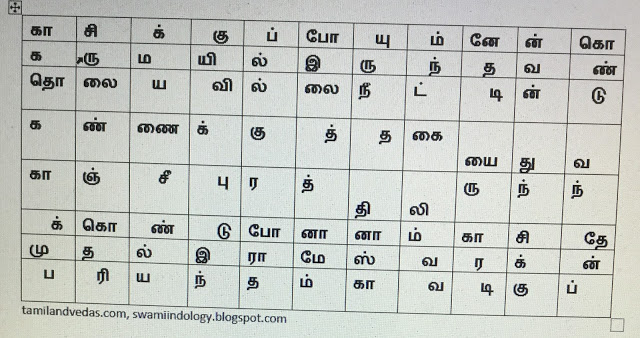
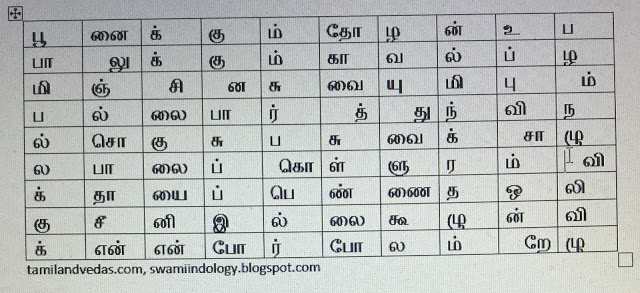
ஒரே சொல் மீண்டும் மீண்டும் வந்தால் ஓரிரு இடங்களில் மட்டுமே கட்டத்தில் இருக்கும். கொண்டு கூட்டி பொருள் கொள்க . விடை கீழே உள்ளது . சில நேரங்களில் படங்களைப் பார்த்தாலும் விடை காண உதவலாம்.
Pictures are taken from various sources for spreading knowledge; this is a non- commercial blog. Thanks for your great pictures.
WHAT DID REVOLUTIONS ACHIEVE? – 2
R. Nanjappa
The Russian Bloodbath
There are many odd things about the third of the revolutions we are considering- the Bolshevik revolution of Russia or the Great October Socialist Revolution as it was hailed by admirers. It took place on 7 November, according to the Gregorian calendar that we follow- October was according to the old Julian Calendar.
It did not overthrow the Czar: it overthrew the elected democratic govt. of Alexander Kerensky, who was himself a socialist, but not a Bolshevik, belonging to the Socialist Revolutionary Party. The Russian Provisional Govt. had come to power in February 1917, and Kerensky became its head in July. Russia was then reeling from the effects of the Great War, and Kerensky was struggling. By that time the violent activities of the Bolsheviks had increased, but being a democratic set up, there was no consensus on how to counter it- some suggesting quick, strong action and some suggesting negotiations. They lost valuable time and the Bolsheviks won by armed might, with generous support from the Navy. (Kerensky’s father had been a teacher of Lenin, and both families had been friends!)
Alexander Kerensky
He fled Russia and lived in Paris till 1940 and then went to the US eventually dying there in 1970 at the age of 89.
Bolshevik uprising was not Marxist
Though propaganda had made it that it was inspired by Marxist ideals, it had nothing to do with Marxism, in reality. Stated very simply, Marxism is based on the view that capitalism displaces feudalism, but the profit motive which powers the capitalist set-up would in the end make the system unworkable. A ripe capitalist society would lead to an army of unemployed, where the working class would form the overwhelming majority and they would overthrow the capitalists. The proletariat would seize power, the State would wither away. Workers would unite the whole world, and it would be paradise.
None of these conditions was present in Russia when the revolution took place. Russia was not then a capitalist or industrial power. It was largely agricultural. It was not a ripe candidate for revolution then. Those who took active part in the revolution were not workers, but others. The State, instead of withering away became stronger and bigger, and was controlled by the party machinery, and not by the workers, who had no rights then. The so called revolution was nothing but an armed overthrow of a struggling, elected govt.
British Views on the Bolshevik rule
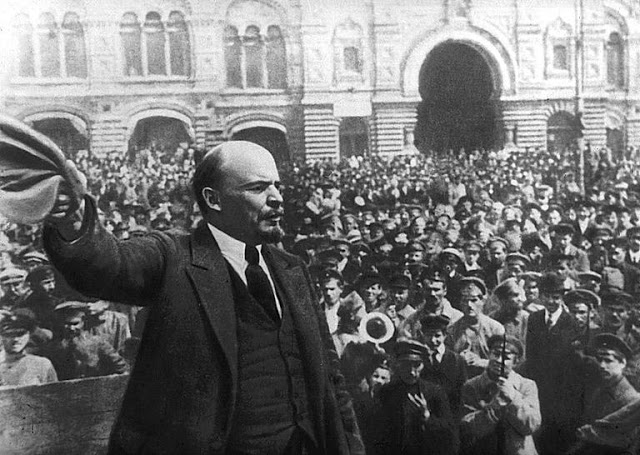
H.G.Wells, a British socialist visited Russia in 1920 and noted the conditions there. He noted that Lenin’s ideology was both narrow-minded and rigid, that his method was ruthless and dictatorial. He said the party members were already enjoying privileges, but he hoped things would improve. He met Lenin and Trotsky who thought of him as a bourgeois. Wells on his part noted that Lenin’s laugh was ‘grim’. His judgement of Stalin was completely wrong- shocking for a science writer considered ‘futurist’.
British socialists Sidney and Beatrice Webb were blind admirers of Stalin and his regime, with the purges, famine and all. They refused to see the reality, or simply lied about what they saw.
Philosopher-mathematician Bertrand Russell also visited Russia in 1920 and was more perceptive in his observation, and candid in his views. He plainly said Bolshevism was a “tragic delusion”. He said Western socialists tended to suppress the harsher features and brutalities of the regime.
In his essay “Why I am not a Communist” Bertrand Russell provided one of the most sensible critiques of the Marxist ideology, questioning its very foundations, calling Marx “muddle headed”. He said the theory had been made much worse in practice by Lenin and Stalin, and noted the millions of peasants killed by Stalin by starvation and displacement. He called Russia ‘slave camp produced by Stalin’ and wrote:
I am completely at a loss to understand how it came about that some people who are both humane and intelligent could find something to admire in the slave camp produced by Stalin.
From: Portraits From Memory, 1956. Bertrand Russell.
Nehru’s visit
Nehru visited Soviet Russia in 1927. It lasted only 4 days, and Nehru visited only those places to which he was officially taken. Yet it made a lasting impression on him. He wrote that this revolution had ‘moved human society forward’ and had laid the foundations of a new civilisation. His idea of Planning was almost totally based on the Soviet model, with equally disastrous consequences. After this Russian visit, Nehru departed from the economic ideas and arrangements of Gandhiji. On becoming PM, he did not adopt or implement a single program of Gandhiji. He indeed killed Gandhiji’s spirit, while Godse merely accounted for his body. It is remarkable that by the time USSR collapsed (1991) Indian planning also faced doom! [Gandhiji was aware of Nehru’s leanings towards Russian ideas, rather than his own, and yet made him his heir!]
Keynes against Marx
One prominent British figure that we have to consider in this context is J.M.Keynes, the economist. The Right malign him as a Marxist or Marxist sympathiser. Keynes was a public figure and had to deal with individual Marxists in his long career. He did that with grace. But he has made amply clear in his public writings and private correspondence that he did not agree with the Marxist ideology or the Soviet system. He did not agree with the book authored by the Webbs praising the Soviet economics. He did not believe that the soviet exercise could provide intellectual stimulation to the democratic West. And in private correspondence to George Bernard Shaw in 1935, expressed his disapproval of Marxism and revealed that he was himself writing a book which ‘would largely revolutionise the way the world thinks about economic problems.’ This was the famous ‘The General Theory’ (1936) and it has indeed revolutionised economics since then.
Marx as philosopher predicted that capitalism would collapse, based on dialectical dynamics. He supported the political movement to confront and quicken its end. But it failed. The General Theory of Keynes diagnosed the most intractable malady of classical economics, and provided the most practical solution, suitable to the genius of democratic and liberal (the word used in the original British sense here) societies. Thus he gave a new lease of life to capitalism, while it was the Soviet communism that collapsed.
He had asked sharply, as early as 1922:
How can I accept a creed which, preferring the mud to the fish, exalts the boorish proletariat above the bourgeois and the intelligentsia who, with whatever faults, are the quality in life and surely carry the seeds of all human advancement?
John Maynard Keynes.
ERA OF COMMUNIST VIOLENCE
One of the most inhuman chapters of human history was written by Stalin with the blood of innocent millions of his own countrymen.
As early as the start of the Bolshevik regime, Red Terror had been let loose- involving oppression, torture and killings of people, on whatever grounds. In just two months- September-October, 1918, an estimated 50,000 to 2 million people had been killed. Lenin justified the violence on the ground that the ruling class acquired monopoly of violence. Such terror and violence continued up to 1922, and involved even the mass killing of workers and civilians and hostages. But compared to what happened under Stalin, this is like a small preface.
Stalin indulged in violence only to consolidate his position. His methods included shooting at the back of the head, torture and beating to death in custody, and starvation, disease, exposure and overwork in the gulags. Starting from 1933, they continued up to the end of his regime in 1953. While about 20 million Russians are estimated to have died in the Second World War, the estimates of civilians killed by Stalin on political grounds, including the purges and starvation deaths vary from initial 20 million to up to 60 million, in some cases going up to 130 million. Alexander Solzhenitsyn estimates it at 60 million. Most of them were farmers. With the increasing availability of archival material, and intensive efforts of independent researches, a realistic picture of the horror under Stalin is emerging, though the exact numbers will continue to be controversial.
Site of a mass murder,1941.
Site of a mass grave, Ukraine, 1943.
It is now established that Stalin killed many more people -mostly his own countrymen – than Hitler.
What Did the Revolutions Achieve?
The American revolution resulted in a working Constitution which has provided both inspiration and example to countries around the world.
The French revolution generated hope, ended in violence and disillusion. But the ideals captured in the slogan-Liberty, Equality, Fraternity- still move millions.
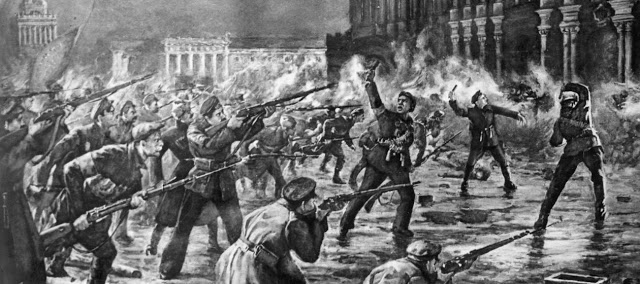
The Russian revolution was nothing but mass murder and violence, when two leaders tried to establish their hold on the party and government, in the name of communism. At home it was supported by brutal repression for more than 20 years. Outside it was sustained by false propaganda.
The communist regime was no less imperialist than the West. Many people of Eastern Europe were compulsorily bound within the USSR. Communist Parties in every other country were subject to the dictates and directions of Moscow. With the collapse of the USSR, 15 independent countries have emerged! Details are surfacing about what went on there in the name of communism.
Pictures are taken from various sources for spreading knowledge; this is a non- commercial blog. Thanks for your great pictures.
நமது பிளாக்கில் எஸ்.நாகராஜன் எழுதிய கட்டுரைகளின் பட்டியலை 2016 முதல் வெளியிடுகிறேன். இது அகர வரிசைப்படி இல்லாவிடினும் இண்டெக்ஸ் INDEX போன்றதே.
இந்தப் பட்டியலை பிரிண்ட் செய்து வைத்துக் கொண்டால் உங்களுக்குத் பிடித்த கட்டுரைகளை நேரம் கிடைத்தபோது படிக்கலாம்
கட்டுரைகளை பிளாக்கில் பெறுவது எப்படி?
பிளாக்கிற்குப் போய் தேடுவதை விட கூகுளில் (google) தேடுவது எளிது. கட்டுரையின் தலைப்பை காப்பிcopy செய்து கூகுளில் பேஸ்ட் paste செய்யுங்கள் அதன் பிறகு ஆங்கிலத்தில் from tamilandvedas.com என்று எழுதி க்ளிக் (click) செய்யுங்கள்.
from swamiindologly.blogspot.com
என்று எழுதியும் பெறலாம்.
எடுத்துக்காட்டு:
மோடி ஜி! தட்டிப் பார்த்தால் தங்கம்!! from tamilandvedas.com
மோடி ஜி! தட்டிப் பார்த்தால் தங்கம்!! from swamiindology.blogspot.com
நீங்கள் சிறு பிழை விட்டாலும் நீங்கள் எதிர்பார்த்தது கிடைக்காமல் வேறு விஷயம் வரும். அதில் நேரத்தை வீணடிக்காமல் மீண்டும் ஒரு முறை சரியாக எழுதி முயற்சி செய்யுங்கள். இரண்டு பிளாக்குகளில் ஒன்றில் கிடைத்து விடும்
கட்டுரை பெறுவதில் ஏதேனும் சிக்கல் இருந்தால் எங்களைத் தொடர்பு கொள்ளுங்கள் .
April 2020
1-4-20 7768 உத்வேகமூட்டும் இயற்கை ஆர்வலர்கள்! AIR 5 -5/3/20
2-4-20 7772 வரபலம் தவறினாலும் சரபலம் தவறாது!
3-4-20 7776 வள்ளல் சீதக்காதியை இழந்து வருந்திய புலவரின் பாடல்கள்!
Pictures are taken from various sources for spreading knowledge; this is a non- commercial blog. Thanks for your great pictures.
tamilandvedas.com, swamiindology.blogspot.com
ஒரே சொல் மீண்டும் மீண்டும் வந்தால் ஓரிரு இடங்களில் மட்டுமே கட்டத்தில் இருக்கும். கொண்டு கூட்டி பொருள் கொள்க . விடை கீழே உள்ளது . சில நேரங்களில் படங்களைப் பார்த்தாலும் விடை காண உதவலாம்.
Pictures are taken from various sources for spreading knowledge; this is a non- commercial blog. Thanks for your great pictures.
tamilandvedas.com, swamiindology.blogspot.com
We criticise some people with ‘animal’ behaviour. We condemn them as ANIMALs. But animals are more human than animals
Here is a human-interest story item from yesterday’s newspaper
Bull, cow reunited after a video of their affection goes viral in Madurai
A moving video of the bull circling the lorry, sticking his head in and finally running after the lorry carrying the cow which was sold by her owner in Palamedu surfaced online.
People broke into celebrations here after a bull, who refused to be parted from cow and doggedly chases the vehicle in which the latter was being transported were finally reunited.
A moving video of the bull circling the lorry, sticking his head in and finally running after the lorry carrying the cow which was sold by her owner in Palamedu surfaced online. the visuals showed the black bull running after the lorry for about a kilometre.
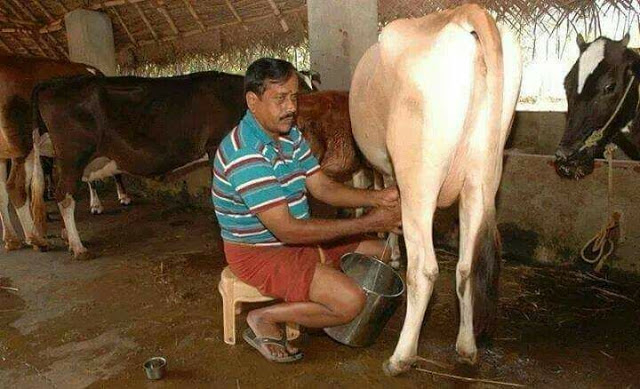
Muniandiraja a resident of Palamedu, who runs a tea shop in the area said he had reared his cow Lakshmi along with a temple Bull, named Manjamalai.
Muniandiraja said he sold his cow and had loaded it to his truck for transportation. However, the Bull could not bear the separation and followed the vehicle for about 1 km and attempting to stop it.
Seeing this incident the Deputy Chief Minister of Tamil Nadu, O Panneer Selvam’s son, O. Jayapradeep, recovered the cow by giving money to the person who bought the cow.
He donated the cow to the temple and reunited the bovines.
HINDUSTAN TIMES NEWS REPORT 15 JULY 2020
Xxxx
In Tamil literature and Mahavamsa we have a story where a cow got justice from the Choza king after losing its calf under the wheels of a Choza prince’s chariot.
16 Aug 2018 – Written by London swaminathan. Date: 16 August 2018. Time uploaded in London –12-11 (British Summer Time). Post No. 5329. Pictures shown here are taken from various sources such as Facebook friends, Wikipedia, …
Pictures are taken from various sources for spreading knowledge; this is a non- commercial blog. Thanks for your great pictures.
R. Nanjappa
The word revolution has become like a loose hat- sits on any head. We have heard of so many revolutions- revolutions in political-economic thought, like the Marxian; in philosophy like the Nietzschean; in science like the Darwinian, in psychology like Freudian, and so on. But the major revolutions which really shook the world were three- the American (1776), the French (1789-99) and the so called Bolshevik in Russia (1917). But what did they achieve really in the end?
The American Revolution
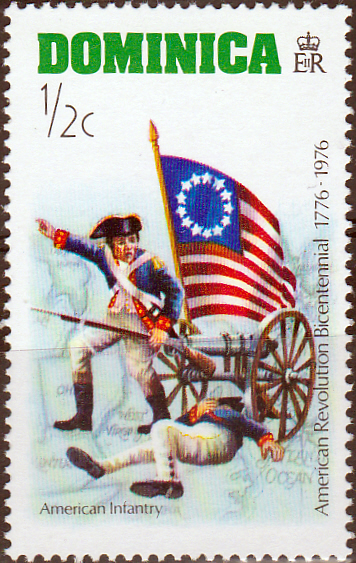
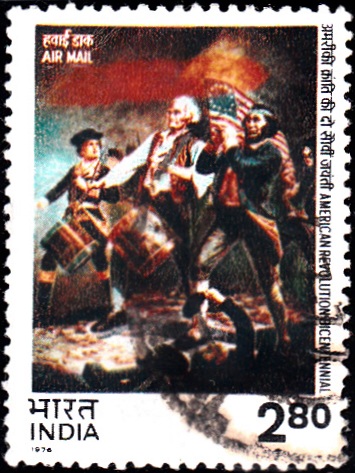
The American Revolution is by far the most beneficial to the local people and exemplary to the world. It was not bloody or violent beyond the limits of strict necessity. And it resulted not just in the establishment of a political Republic in one country, but in the enthronement of a new vision for mankind –
‘that all men are created equal, and are endowed by their Creator with certain unalienable rights, among them Life, Liberty, and the Pursuit of Happiness.
This was really revolutionary. Against the divine rights of kings known in the West, the American revolution established a divine foundation for the rights of man! The recognition of the pursuit of happiness as an ideal divinely sanctioned (an unalienable right endowed by the Creator!) cuts at the very root of conventional organized Christianity- which points to heaven for happiness! These ideals became the foundation of the American Constitution and have since inspired every democratic society in the world.
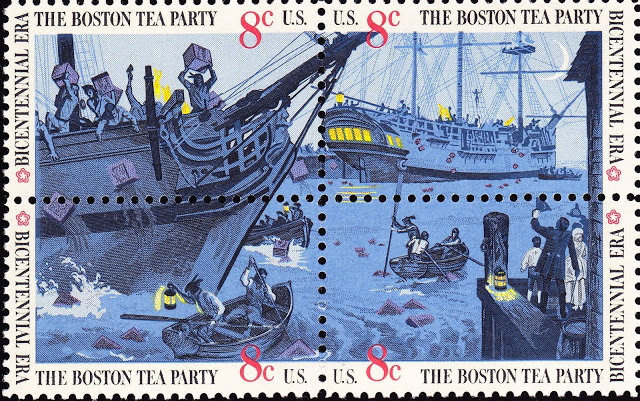
The Boston Tea Party (1773)- perhaps the single most popular incident in the public mind about the American Revolution. This is a 1846 engraving by Nathaniel Currier. But it was not called Boston Tea Party then.
Enthusiasts pulled down the statue of King George III, in 1776, after the reading of The Declaration of Independence, as a symbol of the end of monarchy. This is a much later depiction, largely imagined.
The French Revolution: Hope and Disaster
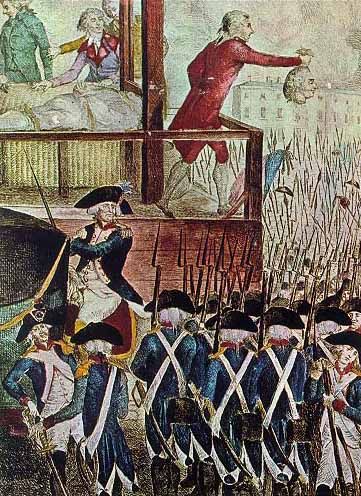
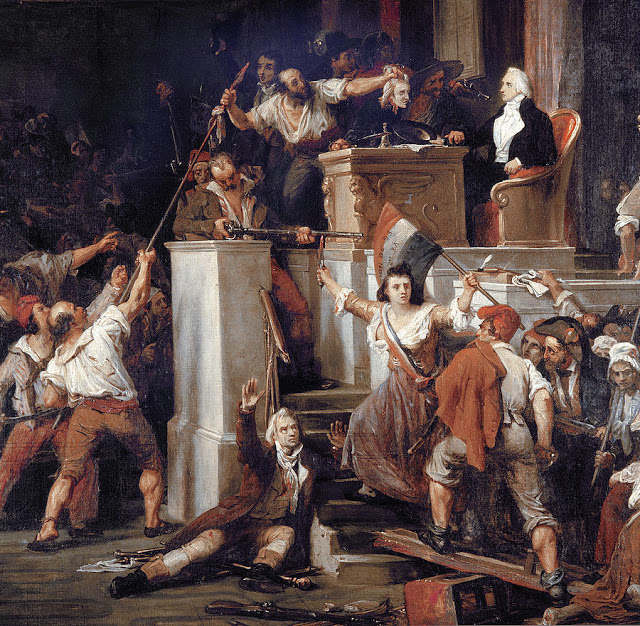
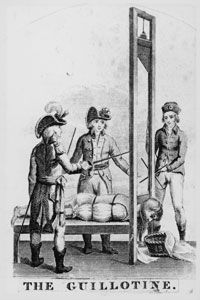
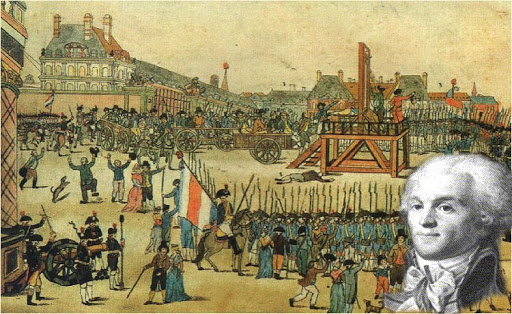
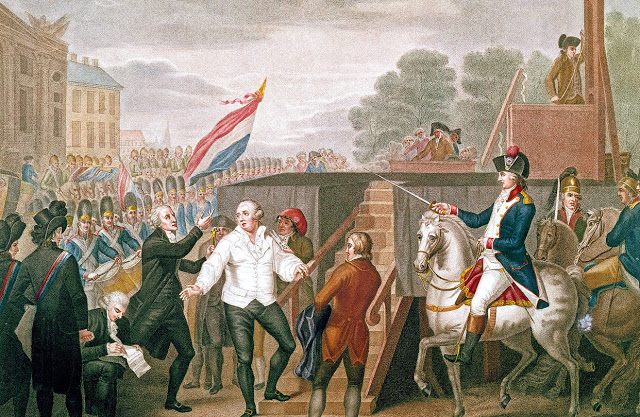
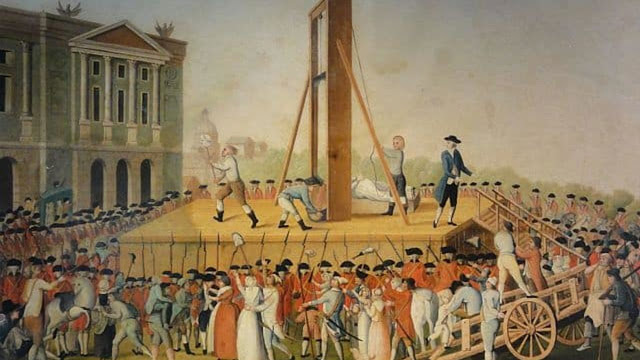
The French revolution began with great hopes and created tremendous enthusiasm in Europe and America in the beginning, with its slogan of Liberty, Equality and Fraternity. But it turned violent, developed into a Reign of Terror resulting in mass executions, and culminated in the rise of authoritarianism, dictatorship of Napoleon, and armed conflict with other European nations. Every sensitive and thoughtful initial supporter became disillusioned and became a critic- such as the English romantic poets Wordsworth and Coleridge, and statesmen like Edmund Burke who was able to gauge where the revolution was in fact heading. It had the effect of dividing the intellectual class in every country, and led to a permanent polarisation of public opinion on politics in America! While President George Washington definitely declared himself against the violent revolution, and was supported by the Federalists like Benjamin Franklin and second president John Adams, others like Jefferson supported it, egged on by Thomas Paine, who became a bitter critic of Burke. In France itself, people got divided into left (pro-revolution) and right (their opponents). This had its repercussion in America where the Federalists became known as Republicans, opponents of the violent revolution. The violence was so intense that ultimately all those who turned the revolution violent like Robespierre themselves met violent ends.
Robespierre. His role in the Reign of Terror involving the killing of thousands is still debated by historians.
Engraving of a caricature showing Robespierre executing the executioner, after killing everybody else in France. And Robespierre himself was executed in July, 1794.
Those who nurse a romantic idea of the French Revolution should study its details, and realise that it established none of its declared aims in France itself, while the slogan it generated continues to excite people even today. It is one thing to celebrate an ideal, quite another to realise it in practice.
French Revolution and English Poets
The remarkable quartet of English Romantic poets- Wordsworth, Coleridge, Byron, Shelley- were ardent supporters of the Revolution in the beginning.. It had perhaps the most profound effect upon Wordsworth and Coleridge. In The Prelude, his most important poem, Wordsworth wrote:
‘T was in truth an hour
Of universal ferment; mildest men
Were agitated; and commotion,strife
Of passion and opinion, filled the walls
Of peaceful houses with unique sounds.
The soil of common life,was, at that time
Too hot to tread upon.
The Prelude,ix, 161-7
Here we have an excellent description of a revolution- how it moves and shakes the ‘mildest men’ and ‘peaceful houses’ even. Wordsworth felt that a spiritual power was flowing from it.
O pleasant exercise of hope and joy!
For great were the auxiliaries which then stood
Upon our side, we who were strong in love!
Bliss was it in that dawn to be alive,
But to be young was very heaven!…
Now was it that both found, the Meek and Lofty, Did both find helpers to their heart’s desire; And stuff at hand, plastic as they could wish! Were called upon to exercise their skill, Not in Utopia, subterraneous Fields, Or some secreted Island, heaven knows where! But in the very world, which is the world Of all of us,—the place where in the end We find our happiness, or not at all!
From: French Revolution in Poems volume II 1815
But the play of uncontrolled passion and violence turned the enthusiasm and admiration into revulsion.The disillusionment caused Coleridge to question the very possibility of humans ever achieving any such ideals in practice. He wrote:
Those feelings and that grand ideal of Freedom…do not belong to men, as a society, nor can possibly be either gratified or realised under any form of human government: but belong to the individual man, so far as he is pure and inflamed with the love and adoration of God in Nature.
Coleridge at 42. Portrait by Washington Allston, 1843.
Wordsworth was not far behind. He writes:
…..if in these times of fear, This melancholy waste of hopes o’erthrown, If ‘mid indifference and apathy And wicked exultation, when good men On every side fall off we know not how To selfishness, disguised in gentle names Of peace and quiet and domestic love- Yet mingled, not unwillingly, with sneers On visionary minds- if, in this time Of dereliction and dismay, I yet Despair not of our nature, but retain A more than Roman confidence, a faith That fails not, in all sorrow my support, The blessing of my life, the gift is yours Ye mountains, thine O Nature. Thou has fed My lofty speculations, and in thee For this uneasy heart of ours I find A never-failing principle of joy And purest passion.
The Prelude (1799, Second Part, 478-495)
William Wordsworth. From Wordsworth.org.uk. Copyright position not stated. Used here for purely educational purpose.
We have tremendous insights here. Human revolution has failed. Liberty was not to be realised in society; yet liberty was attainable- but individually! And it was to be sought in solitary communion with Nature. So, Wordsworth and Coleridge turned to Nature, to overcome the limitations and imperfections of human nature!
Incidentally, the insight that Coleridge got- that Freedom belonged to individual man- comes very close to the age old Indian Wisdom that Liberty-Moksha- is the ultimate ideal of man and that is an individual enterprise and achievement! It is not a collective groping.
On the purely socio-economic side, one important reason given for the revolution was the oppression felt by the common man at the hands of the clergy and nobility (aristocracy) who controlled the monarch. The clergy numbered about 1,30,000, (1789) owned about 10% of the land, did not pay tax, but themselves collected a levy from the people. They did make some voluntary payment, but it didn’t amount to much. The nobility numbered about 400000, owned about 25% of the land and did not pay any tax; but they too collected tax from the people. There was thus the famous saying: The nobility did not pay, the clergy did not pray, the common man was asked to both pay and pray. The burden on the common man was depicted in a famous caricature thus:
The third estate (common man) carrying the burden of the first estate(clergy) and the second (nobility).
Lessons from England
It is one of the enduring lessons of history how England achieved all the ideals of the French revolution without a formal revolution and the violence! It quietly diluted the power and privileges of aristocracy and the Church. Well, Britain is not considered ‘great’ for nothing! Great Britain is the modern state which officially accepted the idea of the Welfare State first- an idea which combines the virtues of freedom in democracy, equality of opportunity, and fraternity expressed as caring for the poor, by transfer of resources, through taxation, from those able to pay. This is of course the ideal, and achievement will always fall short of the vision- as in all human endeavour. On the earth, the broken arcs- said Browning! But the very ideal of Welfare State is revolutionary!
Pictures are taken from various sources for spreading knowledge; this is a non- commercial blog. Thanks for your great pictures.
Compiled from Magazines, Jokes books, Net etc. by : S.Nagarajan
One day in Contract Law class, the professor asked one of his better students, “Now if you were to give someone an orange, how would you go about it?”
The student replied, “Here’s an orange.”
The professor was livid. “No! No! Think like a lawyer!”
The student then recited, “Okay, I’d tell him, ‘I hereby give and convey to you all and singular, my estate and interests, rights, claim, title, claim and advantages of and in, said orange, together with all its rind, juice, pulp, and seeds, and all rights and advantages with full power to bite, cut, freeze and otherwise eat, the same, or give the same away with and without the pulp, juice, rind and seeds, anything herein before or hereinafter or in any deed, or deeds, instruments of whatever nature or kind whatsoever to the contrary in anywise notwithstanding…”
xxx
Best Defence
An advocate defending a man accused of burglary tried this creative defense. “My client merely inserted his arm into the window and removed a few trifling articles. His arm is not himself, and I fail to see how you can punish the whole individual for an offense committed by the limb.”
“Well put,” the judge replied. “Using your logic, I sentence the defendant’s arm to one year’s imprisonment. He can accompany it or not, as he chooses.”
The defendant smiled. With his lawyer’s assistance he detached his artificial limb, laid it on the bench, and walked out.
xxx
#
What did the lawyer name his daughter?
Sue!
What did the lawyer name his son?
Bill
What is a lawyer’s favorite suit?
Original suit
What is the best birthday present one can give a lawyer?
Briefs
What’s the difference between a good lawyer and a great lawyer?
A good lawyer knows the law. A great lawyer knows the judge.
Xxx
A man sued an airline company after it mislaid his luggage.
Sadly, he lost his case
What do you call a priest that becomes a lawyer?
– A father in law
What do you call a nun that becomes a lawyer?
– A sister in law
Xxx
Q :”- How many lawyer jokes are there?
A : “ Only three. The rest are true stories.”
Have you heard about the lawyer with a conscience?
Neither has anyone else.
Q: How can you tell when a lawyer is lying?
A: Their lips are moving.
Xxx
Q: When attorneys die, why do they bury them 600 feet underground?
A: Because deep down, they’re really nice guys.
What’s wrong with lawyer jokes?
Lawyers don’t think they’re funny and no one else thinks they’re jokes.
xxx
New York has the most lawyers in the USA. New Jersey has the most toxic waste dumps in the USA. Why is this so?
New Jersey had first choice.
Are lawyers ever going to do the real thing?
Or are they happy to just “practice” law?
xxxx
Quotable Quotes :
Where there is a will, there is a lawsuit.
A good lawyer is a bad neighbor – French Proverb
Lawyers are the only persons in whom ignorance of the law is not punished. – Jermey Bentham
There are three types of lawyers – able, unable and lamentable. – Rober Smith Surtees.
Good people do not need laws and bad people will find ways to break laws. – Plato
The trouble with the laws these days is that criminals know their rights better than their wrongs. – Authour Unknown
With so many tax laws in India it can be said that the citizens are INTAXICATED.
Somebody recently figured out that we have 35 million laws to enforce the Ten Commandments. – Attributed to both Bert Masterson and Earl Wilson















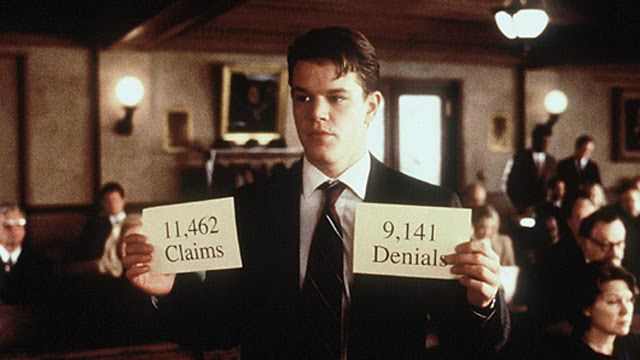
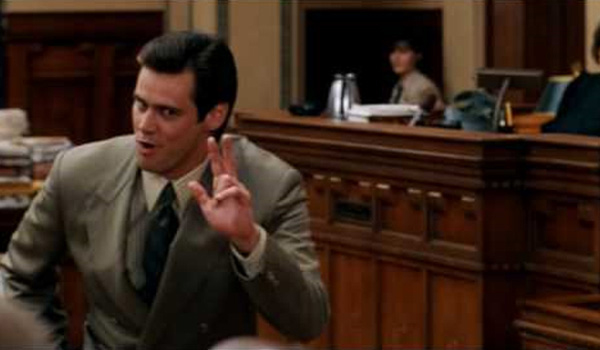

 Tamil and Vedas