Pictures are taken from various sources for spreading knowledge; this is a non- commercial blog. Thanks for your great pictures.
The Brahman is well known as the adorable being, the Atman of all, which is to be meditated upon as the worshipful Self in all beings. All beings love Him who knows it thus.– Kenopanishad 4-6
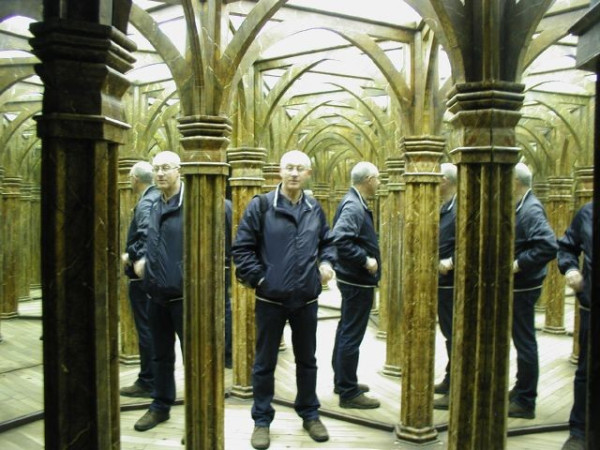
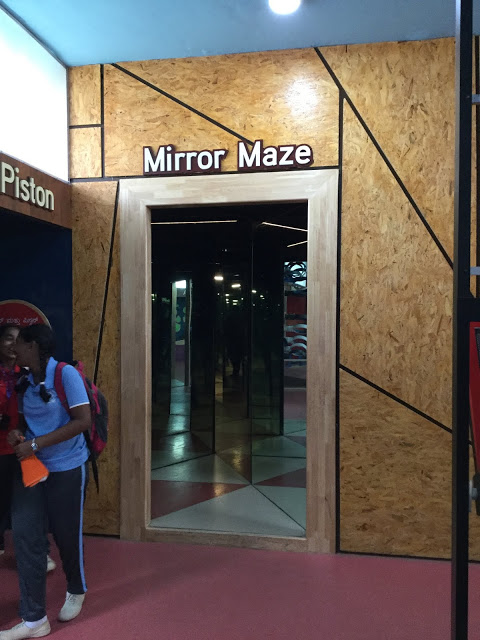
The person who hates another being is like the dog in the parable of the Maharajah (king) and the mirrors. The maharajah had a room which was mirrored on all sides so that he could stand in the middle and see himself from all angles. Normally this room was closed, but one day, the maharajah went out leaving the door ajar. The palace guard dog found the door, entered the room and discovered to his rage that there was another dog in the palace and, what is more, it was brazenly blocking his path.
The guard dog barked and so did the other dog, and so did another dog to his right and left. The guard dog realised he was surrounded by dogs all barking, jumping, crouching, and snapping whenever he did so. The guard dog flew into a frenzy, throwing himself biting and snarling at his opponents.
When the maharajah returned, he found his dog dead in a pool of his own blood, surrounded by shattered glass. The mirrored room which had been the means for the maharajah to see himself better was the means of destruction for the dog because he was ignorant. He did not know it was his own reflection that he saw. We are all like this dog because we do not understand that the world we experience is our own reflection. We bark, it barks, we bite, it bites. We are in a pool of our own blood.
Five years ago I Posted two more similar stories; Here is the link:–
இந்த விதத்தில் ஒரு இசைஞருக்கு ஒரு கவி ஏற்புடையதாகி ஒரு “டீம்” உருவாகிறது-அதற்கு ஒரு “கெமிஸ்ட்ரி” தோன்றி வளர்கிறது. மிகப் பல பிரபலமான பாடல்கள் இதன் விளைவுதான்!
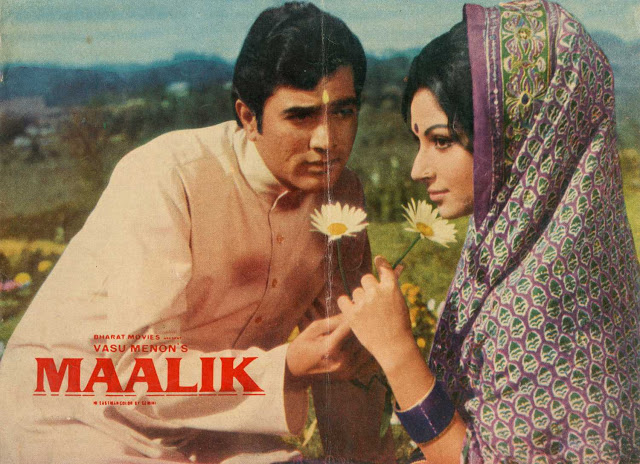
Song: Man dheere dheere gaye re Film: Malik 1958 Lyrics: Shakeel Badayuni
Music: Ghulam Mohammad Singers: Talat Mahmood & Suraiya.
எத்தனைஇனியமெட்டு, எவ்வளாவுஇனியபாடல்!
Such a lilting melody.
Notice the sheer voice quality, without any electronic gimmicks!
Suraiya was a singing star. Talat aspired to be one, but all the films he acted in flopped. In the process, he lost his market as a singer too.
Ghulam Mohammad was a good composer, whom people remember today for the music of Pakeezah , which was released after his demise. Shakeel Badyuni was a good Urdu poet. This song is a sheer beauty. Delightfully romantic.
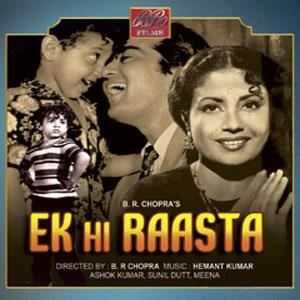
Song: Sanwale saloni aye Filk: Ek Hi Rasta 1956 Lyricist: Majrooh Sultanpuri
Music: Hemant Kumar Singers: Hemant Kumar & Lata Mangeshkar
What a nice song! Breezy, with nice mouth-organ interludes. I have heard that the mouth organ was played by either Milon Gupta or R.D.Burman
Classically romantic, with all the right associations of Nature- the breeze, the clouds, the garden, river bank, the hint of colours, koel bird, flowers and creepers! The poet reads a message in these forms of nature. Nice poetry.
This is the only bright song in this movie. People had high expectations of Hemant Kumar after his huge success with Nagin the previous year. But Christmas does not come every day. I saw this film in December, 1957. I remember an incident. When we got up to leave after the show and as the lights were switched on, someone shouted in the hall: “ஏமாந்தகுமார்” .He was meaning Hemant Kumar, the music director!
But this is a delightful melody, lilting and we feel like singing along!
Incidentally, this song was shot in the Aarey Milk Colony in Bombay. This is under threat now, as the Maharashtra govt wants to build Metro shed there, and for some housing , cutting down thousands of trees.
Pictures are taken from various sources for spreading knowledge; this is a non- commercial blog. Thanks for your great pictures.
ஆதி சங்கரர் அருளிய நூல்கள் – 1 – பஜகோவிந்தம் – கட்டுரை எண் 7579 – வெளியான தேதி 16-2-2020;
2 – சிவானந்த லஹரி – கட்டுரை எண் 7611 – வெளியான தேதி 24-2-2020;
3 – சௌந்தர்ய லஹரி – கட்டுரை எண் 7656 – வெளியான தேதி 6-3-2020
4 – ஸ்ரீ தக்ஷிணாமூர்த்தி ஸ்தோத்ரம் – கட்டுரை எண் 7704 – வெளியான தேதி 17-3-20
5 – ப்ரச்நோத்தர ரத்ன மாலிகா – கட்டுரை எண் 7801 – வெளியான தேதி 9-4-20
ஆதி சங்கரர் அருளிய நூல்கள் – 6 -ஸ்ரீ ஷட்பதி ஸ்தோத்ரம்
ச.நாகராஜன்
6. ஸ்ரீ ஷட்பதி ஸ்தோத்ரம்
ஆறுகால் ஸ்தோத்திரம் என்று தமிழில் அழைக்கப்படும் ஷட்பதி ஸ்தோத்ரம் ஆறு ஸ்தோத்ரங்களையும் பல ஸ்ருதியையும் கொண்டது. வண்டு ஸ்தோத்ரம் என்றும் இது சொல்லப்படுவதுண்டு.
இதற்கு அருமையான விளக்கத்தை 1932ஆம் ஆண்டு ஜகத்குரு காமகோடி பீடம் பெரியவாள் அருளிய உரைகளிலிருந்து ஆறு கால் ஸ்தோத்திரம் என்ற தலைப்பில் 1977ஆம் ஆண்டு பல வாரங்கள் கல்கி வார இதழில் கட்டுரைகள் வெளியாகின.
Oh Lord Vishnu! Drive away (my) immodesty, quell (my) mind and dispel the mirage of objects of worldly pleasure. Spread out compassion (in me) for all beings. Make me cross the ocean of worldly existence (to the shore, viz. moksha) (1)
I bow at the lotus-feet of vishïu (the Lord of Lakshmi) of which the celestial Gañgá is the pollen (or honey), which afford the enjoyment of their fragrance and stand out as ‘Sat’, ‘Cit’ and ‘Ánanda’ (as the true Brahman) and which cut off the terror and pain of birth in this world. (2)
Oh! Protector! Even with the difference (between You and me) passing off, I become Yours but You do not become mine. Indeed (though there is no difference between the waves and the ocean) the wave belongs to the ocean but nowhere (never) does the ocean belong to the wave. (3)
Oh Lord who held aloft the mountain and who are the younger brother of the mountain-breaker (Indra)! Oh Lord who are the enemy of the race of demons and who have the Sun and the Moon as your eyes! When You, the mighty Lord, are seen, does not the setting aside of birth (removal of samsára) come about? (4)
Oh Supreme Lord! I am frightened by the suffering caused by birth (samsára). I am fit to be (I must be) saved by You who, coming down in the form of incarnations as fish, etc., always protect the world. (5)
தாமோதர குண்மந்திர ஸுந்தரவதனாரவிந்தப்கோவிந்த பவ ஜலதி மதனமந்தர பரமம் த்ரமபனயத்வம் மே (6)
Oh Lord with the (mark of the) binding rope on Your belly! Oh abode of all auspicious qualities! Oh charming Lord of the lotus-face! Oh Govinda! Oh Lord who are the very Mandara mountain in the matter of churning the ocean of Samsára (worldly life)! Please remove my great dread. (6)
May the combination of the six words (the honey-bee) revel for ever in my lotus-mouth. (May this prayer – ”Oh Náráyna! Oh Merciful One! Let me resort to your two feet as my refuge” ever revolve in my mouth. (7)
முதல் ஸ்லோகம் அவிநயத்தைப் போக்கு, ஹே விஷ்ணு, கானல்நீர் போன்ற உலகியல் இன்பங்களை அகற்று என்கிறது.
இரண்டாம் ஸ்லோகம் ஸ்ரீபதிபதாரவிந்தத்தில் பணிகிறேன், அது கொடிய பவபயத்தைப் போக்கும் என்கிறது.
மூன்றாவது ஸ்லோகம் நான் உன்னுடையவன். சமுத்திரத்திற்கும், அலைக்கும் வித்தியாசம் இல்லை; அலை சமுத்திரத்திற்குறியதே; சமுத்திரம அலைக்கு உரியதல்ல என்கிறது.
நான்காவது ஸ்லோகம் சூரிய சந்திரரைக் கண்ணாகக் கொண்டுள்ள நீ பார்க்கப்படும்போது பவ திரஸ்காரம் ஏற்படுகிறது இல்லையா என்கிறது.
ஐந்தாவது ஸ்லோகம் சம்சார துன்பத்தால் பயப்படுகிறேன். மச்சாவதாரம் உள்ளிட்ட அவதாரங்களை எடுத்த நீ உலகைக் காப்பாற்றுகிறாய்; உன்னால் நான் காப்பாற்றப்பட வேண்டும் என்கிறது.
ஆறாவது ஸ்லோகம் ஹே தாமோதர, சகல நற்குணங்களின் இருப்பிடமே, என்னை சம்சாரம் என்னும் பேரச்சத்திலிருந்து காப்பாற்று என்கிறது.
ஏழாவது பல ச்ருதி ஸ்லோகம் – நாராயண கருணமய சரணம் கரவாணிதாவகௌ சரணௌ என்ற ஆறு வார்த்தைகள் அடங்கிய பிரார்த்தனை எனது தாமரை வாயில் எப்போதும் இருக்கட்டும் என்கிறது.
இதனைப் பாராயணம் செய்தால் பகவானிடத்தில் பக்தி, வைராக்யம், மோக்ஷம், ஞானம் ஆகியவை உண்டாகி மனக்கவலையும் கிரஹதோஷமும் நீங்கும் என்பது ஆசார்யாள் அருள்வாக்கு!
ஏராளமான, நுட்பமான அர்த்தங்கள் அடங்கிய ஸ்ரீ ஷட்பதீ ஸ்தோத்ரம் நமக்கு ஆதி சங்கரரால் அருளப்பட்ட அற்புத ஸ்தோத்ரமே!
Tags – ஆதி சங்கரர் நூல்கள் – 6 , ஸ்ரீ ஷட்பதி ஸ்தோத்ரம்
Pictures are taken from various sources for spreading knowledge; this is a non- commercial blog. Thanks for your great pictures.
It is very interesting to study the origin of English words – auspicious, hygiene, panacea etc.
Let us look at two interesting anecdotes: –
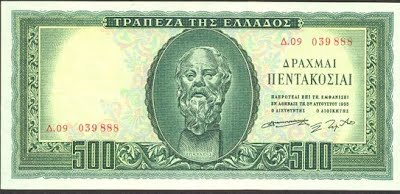
Last minute in the life of Socrates
Socrates took the cup of hemlock/poison and drank it. At this all his disciples including Plato, Crito burst into tears. But Socrates was unperturbed. He rebuked them for crying.
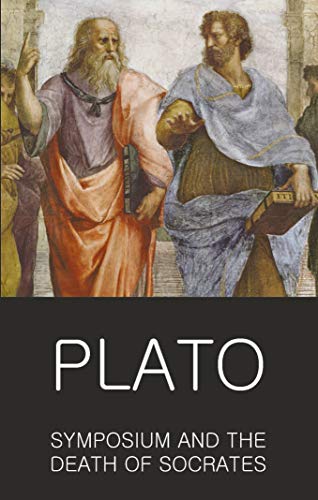
Plato describes the death of Socrates —
“He walked about, when he said his legs were heavy, lay down on his back, for such was the advice of the attendant. The man who had administered the poison laid his hands on him and after a while examined his feet and legs, then pinched his foot hard and asked if he felt it. Socrates said , No; then after that , his thighs; and passing upwards in this way he showed us that he was growing cold and rigid. And again he couched him and said that when it reached his heart, he would be gone.
The chill had now reached the region about the groin, and uncovering his face, which had been covered, he said—and these were his last words –
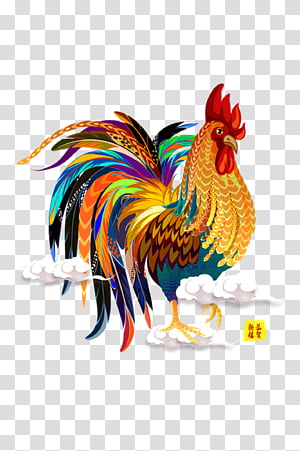
‘Crito , we owe a cock to Asclepius . pay it and do not neglect it’.
‘That , said Crito, shall be done’. But see if you have anything else to say.
To this question he made no reply, but after a little while he moved; the attendant uncovered him; his eyes were fixed. And Crito , when he saw it, closed his mouth and eyes”.
This is from Plato’s description.
Asclepius – hygiene – panacea
Asclepius was originally a heroic Greek physician, later seen as the god of medicine . He was the son of Apollo and pupil of Chiron . He extended his treatment to the resurrection of the dead. The religious cult of Asclepius mixed medicine with magic. The Greek god is usually portrayed with a staff, a serpent coiled around it, attended by a dog. His children were Hygieia and Panaceia . Cocks are traditionally sacrificed to Asclepius. English words hygiene, panacea are derived from this.
Xxx
Chicken in Rome
In 249 BCE the Roaman consul Publius Claudius wanted to carry out a surprise attack on the Carthaginian Adherbal’s fleet in the harbour of Drepana—now known as Trapani in Sicily. Poor weather foiled the element of surprise and Publius took the auspices – (explained at the bottom) — to see what to do next. But the sacred chickens refused to eat. This was a bad omen. Publius determined to see the matter through, however.
“So they refused to eat, eh, he said.
Then they can drink” – saying this he hurled them overboard. By now Adherbal had sailed out of harbour and had the Romans trapped against the shore . Publius lost virtually every ship, returned to Rome in disgrace and was exiled – not for being defeated but for sacrilege! That was the point; since the Roman religion was ritualistic , it was no surprise that the gods would turn against you if you got the rituals wrong or ignored divine warning signs.
Xxx
Two more English words ‘Auspices’ and ‘Sacrilege’
Livy tells us that Numa wanted his reign to be validated by the gods. So auspices were instituted.
Auis – bird
Specio – I inspect
That is the will of gods was determined by looking for signs , usually in the flight of birds. The ritual , which anyone can perform , was similar to Etruscan versions and became standard for all later bird auspices.
The literal meaning of sacrifice is
I make something sacred.
Latin ‘sacer’ – sacred+ ‘facio’ – I make. That is , I hand something over to a god and so that humans can use it no longer. The more precious the item made sacred and removed from human use, such as a bull, the greater the sacrifice and the more pleased the god would be.
‘Sacrilege’ is the violation of misuse of what is regarded as sacred.
Indians also follow AUSPICES until this day. All Tamil Panchangams (almanacs) has one page devoted for Five Bird Astrology (Pancha Pakshi Shastra) and Lizard Click Noise astrology. It is called Sakuna (omens) which came from the Sanskrit word for bird ‘Sakuna’. The world famous poet Kalidasa’s most famous Drama Sakunatalam means ‘Story of Bird Girl’. Sakunatala was a girl without name left in the middle of the forest and the birds brought her food and everything. Then Seer Kanva found her and raised her. So Sakuna is auspices. Varahamihira also devoted a few chapters for this Sakuna Shastra.
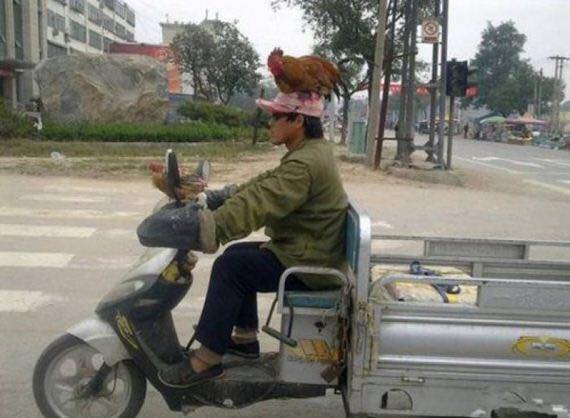
தமிழில் கோழி பற்றிய 28 பழமொழிகளை மூன்று ஆண்டுகளுக்கு முன்னர் இங்கே தொகுத்து அளித்தேன் (கீழே இணைப்பைக் காண்க) . அதில் ஒரு பழமொழி – ‘ஆடி கழிஞ்ச அஞ்சாம் நாள் கோழி அடிச்சு கும்பிட்டானாம்’ — என்பதாகும். தாமதமாகச் செய்வதைக் கிண்டல் செய்யும் பழமொழி இது. சம்ஸ்கிருதத்தில் அத்தகையோரை ‘தீர்க்க சூத்ரி’ என்று அழைப்பர் ; அதாவது நீண்ட கயிறு; தமிழில் ‘கை நீளம்’ என்றால் ஆள் ஒரு திருடன் என்று அர்த்தம்; சம்ஸ்க்ருதத்தில் ‘கயிறு நீளம்’ என்றால் ஆள் படு சோம்பேறி என்று அர்த்தம். நாம் அவர்களைத் ‘திரு நாளைப் போவார்’ என்றும் கிண்டல், கேலி, பகடி, நக்கல் செய்வோம். இப்படி ஒரு ‘லேட்’ (late) டாகக் கோழி அடிச்சுக் கும்பிட்ட சம்பவம் ரோமாபுரியில் நடந்தது.
கோழி அடிச்சு சாமி கும்பிடும் வழக்கம் கிரேக்க நாட்டிலும் இத்தாலி நாட்டிலும் (ரோம் சாம்ராஜ்யம்) உண்டு.
கிரீட்டோ – சாக்ரடீஸ் (Crito- Socrates)
புகழ்பெற்ற கிரேக்க தத்துவ வித்தகர் சாக்ரட்டீஸ், மரணதண்டனை விதிக்கப்பட்டு , அதன் காரணமாக, விஷம் குடித்து இறந்தார். அவர் கடைசியில் தனது ஆப்த நண்பனுக்கு- உயிர்த் தோழனிடம் என்ன சொன்னார்?
“ஏ , கிரீட்டோ ! மறக்காமல் அ ஸ்க்ளிப்பியஸ் (Asclepius) தேவனுக்கு சேவலை பலி கொடுத்துவிடு . நான் சொல்வதை அலட்சியம் செய்யக்கூடாதென்றார். அவரும் நான் ‘அப்படியே செய்கிறேன்’ என்று சொன்னவுடன் சாக்ரட்டீஸின் ஆவி பிரிந்தது. அஸ்க்ளிபியஸ் என்பது கிரேக்க நாட்டு மருத்துவ தேவன் ஆகும்.
(Aesculapius /Asclepius is the god of medicine)
Xxx
கோழி ஜோதிடம்
ரோமாபுரியில் கோழியால், போரில் தோற்றுப்போன வரலாறு ஒன்றுண்டு.
சிசிலி தீவில் த்ரப்பனா (Drepana in Sicily) என்னுமிடத்தில் கார்த்தஜீனிய தளபதி அதிர்பாலனின் கடற்படை நின்று கொண்டிருந்தது. அதை திடீரென்று தாக்குவதற்கு ரோமாபுரி தளபதி பப்லியஸ் க்ளாடியஸ் (Publius Claudius) திட்டம் போட்டான். நாம் சகுனம் பார்ப்பது போல (சகுனம் என்ற சம்ஸ்கிருத சொல்லுக்கு பறவை என்று அர்த்தம் . அதைவைத்து ஆரூடம் பார்ப்பதே சகுன சாஸ்திரம்) ரோமானியர்களும் சகுனம் பார்ப்பார்கள். கோழிக் குஞ்சுகளுக்கு இரை போட்டான் . அவை சாப்பிட மறுத்தன. அதாவது அபசகுனம். கோபம் வந்தது ‘இரை சாப்பிடாவிட்டால் அவை தண்ணீர் குடிக்கட்டும்’ என்று சொல்லி கடலில் தூக்கி எறிந்தான். கப்பற்படையுடன் சிசிலி தீவை நோக்கிப் புறப்பட்டான். இதற்குள் எதிரி அதிரபாலனின் ( Adherbal of Carthage) கப்பற்படை அவனை சூழ்ந்துகொண்டது. பெரும்பாலான கப்பல்களை அவன் இழக்க நேரிட்டது. பருவ நிலை மோசமானதும் இதற்கு ஒரு காரணம்.
தோற்றுப்போன பப்ளியஸ் ரோமாபுரிக்குள் அவமானத்துடன் நுழைந்தான். அவனை ரோம் அரசு நாடுகடத்தியது. தோற்றுப் போனதற்காக அல்ல; கோழி ஜோதிடத்தை (sacrilege) அவமதித்ததற்காக ! ரோமானியர்களுக்கு சகுன சாஸ்திரத்தின் மீது அவ்வளவு நம்பிக்கை!
நாம் நம்புகிறோமோ இல்லையோ , இன்றும்கூட நமது பஞ்சாங்கங்களில் பஞ்ச பட்சி சாஸ்திரம் உள்ளது. 1400 ஆண்டுகளுக்கு முன்னர் வராஹமிஹிரரும் ஆருடம் பற்றி எழுதியுள்ளார். காளிதாசன் எழுதிய உலகப் புகழ்பெற்ற சம்ஸ்கிருத காவியத்தின் பெயரே பறவைப் பெண்- காட்டில் கிடந்த பெண்ணை சகுந்தங்கள் வளர்த்ததால் அவள் பெயர் – சகுந்தலா – பறவைப் பெண். அவளை கதாநாயகியாக வைத்து காளிதாசன் எழுதிய நாடகமே சாகுந்தலம்.
கோழி பற்றிய பழமொழிகள் | Tamil and Vedas
tamilandvedas.com › tag › கோழ…
24 Sep 2017 – 27.பெட்டைக் கோழி தட்டிக் கூவுமா? 28.ஆடி கழிஞ்ச அஞ்சாம் நாள் கோழி அடிச்சுக் கும்பிட்டானாம். ஒவ்வொரு பழமொழியையும் …
ஒவ்வொரு ஆண்டும் ஏப்ரல் 22ஆம் தேதி பூமி தினம் உலக மக்களால் உற்சாகமாகக் கொண்டாடப்பட்டு வருவதை அனைவரும் அறிவோம்.
1970ஆம் ஆண்டு ஏப்ரல் 22ஆம் தேதி அமெரிக்காவில் முதல் பூமி தினம் கொண்டாடப்பட்டது; ஆயிரக்கணக்கான பள்ளிகளில் பயிலும் மாணவ, மாணவியர் இரண்டு கோடிப் பேர் இதில் பங்கு கொண்டனர். இன்றோ 2020இல் 50வது ஆண்டு விழா கொண்டாடப்படும் நிலையில் 192 நாடுகளில் பல கோடி மக்கள் பங்கு கொள்ளும் சிறப்பு நிகழ்ச்சியாக இது மாறி விட்டது.
அமெரிக்காவில் விஸ்கான்ஸின் செனேட்டரான கேலார்ட் நெல்ஸன் (Gaylord Nelson) அரும்பாடுபட்டு ‘எர்த் டே’-ஐ – பூமி தினத்தை 1970இல் உருவாக்கினார்.
1990 ஆம் ஆண்டு வாக்கில் இது உலகளாவிய இயக்கமாக மாறியது. 2009ஆம் ஆண்டு ஐ.நா.சபை இதை அதிகாரபூர்வமான பூமி காக்கும் தினமாக அறிவித்ததோடு பெயரை அகில உலக அன்னை பூமி தினம் – (International Mother Earth Day) என்று மாற்றியது.
பூமி தினத்திற்கெனத் தனியாக ஒரு கொடி உண்டு. இதற்கு ஈகாலஜி ஃப்ளாக் (Ecology Flag) என்று பெயர். ரான் காப் (Ron Cobb) என்ற ஒரு கார்டூனிஸ்ட் தான் முதன் முதலில் இதை உருவாக்கினார். இதில் இடம் பெற்றுள்ள இரு ஆங்கில எழுத்துக்களான ‘E’ மற்றும் ‘O’ ஆகியவை Environment மற்றும் Organism ஆகிய வார்த்தைகளின் முதல் எழுத்திலிருந்து எடுக்கப்பட்டு கிரேக்க எழுத்துப் போல வடிவமைக்கப்பட்டுள்ளது. இதில் பதின்மூன்று பட்டைகள் பச்சை மற்றும் வெண்மை நிறங்களில் மாறி மாறி இடம் பெறுகின்றன.
பூமி தினத்திற்காகத் தனிப் பாடல் ஒன்றும் உண்டு.
2009ஆம் ஆண்டு வால்ட் டிஸ்னி ஸ்டுடியோ, ‘எர்த்’ என்ற ஒரு விளக்கப்படத்தை அருமையாகத் தயாரித்து அதில் நான்கு விலங்கினக் குடும்பங்கள் குடிபெயர்ந்து செல்லும் பாதையை விளக்கியது.
2011ஆம் ஆண்டு பூமி தினத்தன்று 280 லட்சம் மரங்கள் ஆப்கானிஸ்தானில் நடப்பட்டு அரிய சாதனை படைக்கப்பட்டது.
2012ஆம் ஆண்டு சீனாவில் ஒரு லட்சம் பேர் கார்பன் டை ஆக்ஸைடு நச்சுப் புகை வெளியேறுவதைக் குறைக்க வேண்டியதன் அவசியத்தை வலியுறுத்தி சைக்கிள்களை ஓட்டி விழிப்புணர்வு ஊட்டினர்.
பூமி தினத்தன்று ஒவ்வொரு நாட்டிலும் ஒவ்வொரு விதக் கொண்டாட்டம் உண்டு. குழந்தைகள் குப்பைகளை அகற்றுகின்றனர். மாணவ, மாணவியர் மரங்களை நடுகின்றனர். இயற்கை ஆர்வலர்கள் பவளப்பாறைகளச் சுத்தம் செய்கின்றனர்; மக்கள் ஆங்காங்கே இது பற்றிய திரைப்படங்களைக் காண்பிக்க ஏற்பாடு செய்கின்றனர். சாமான்யனிலிருந்து நாட்டுத் தலைவர்கள் வரை பூமி நமது சந்ததியினருக்கு எதிர்காலத்தில் சரியானபடி ஒப்படைக்கப்பட வேண்டும் என்பது குறித்த கொள்கையையும் அதற்கான வழிமுறைகளையும் யோசித்துப் பல திட்டங்களை அமுல் படுத்துகின்றனர்.
பிரபஞ்சத்தில் மனிதர்கள் உயிர் வாழ்வதற்கு ஏதுவாக, மிகவும் அரிதாக, தனித்தன்மை கொண்ட கிரகமாகத் திகழும் பூமியை உலக மக்கள் அனைவரும் நேசித்துக் கொண்டாடும் தினம் இது!
நெதர்லாந்திலிருந்து முதலில் விண்வெளிக்கு யூரோப்பியன் ஸ்பேஸ் ஏஜன்ஸி மூலம் 1985ஆம் ஆண்டு விண்வெளிக்குச் சென்ற இயற்பியல் வல்லுநரான உப்போ ஜோஹன்னஸ் ஓகெல்ஸ் ( Woppo Johannes Ochkels) விண்வெளியிலிருந்து பூமிப் பந்தைப் பார்த்த போது அவருக்கு உயரிய ஆன்மீக சிந்தனைகள் தோன்றின. 2014ஆம் ஆண்டு மே மாதம் 16ஆம் தேதி புற்று நோயினால் மரணமடைந்த அவர் மருத்துவ மனையில் படுத்தபடியே தான் இறப்பதற்கு முதல் நாளன்று பூமி வாழ் மக்களுக்கு ஒரு தொலைக்காட்சி பேட்டி தந்தார்.
அதில் உருக்கமாக உணர்ச்சி ததும்ப, ‘தனக்கு வந்தது போல பூமிக்கும் கான்ஸர் வந்து விடக்கூடாது; இதை எப்படியேனும் எல்லோரும் இணைந்து காக்க வேண்டும்’ என்று வேண்டுகோள் விடுத்தார்.
“இந்த பூமி மிக்க மதிப்பு வாய்ந்தது. இது ஒன்றே தான் நமக்கான வசிப்பிடம். இரண்டாவது பூமி இல்லை. இதை எப்படியேனும் காக்க வேண்டும்” என்றார் அவர்.
இப்போது பூமிக்கு இருக்கும் ஆபத்துக்கள் பல!
இன்று வாகனங்களிலிருந்து வெளியேற்றப்படும் நச்சு வாயுவான கார்பன் மானாக்ஸைடு பூமியின் வெப்பம் கூடி பூமி வெப்பமயமாதலுக்கான முக்கிய காரணமாக அமைகிறது.
இந்த வாயுவே தலைவலி, கிறுகிறுப்பு, தடுமாற்றம், நினவாற்றல் இழப்பு, வாந்தி எடுத்தல், சுவாசிப்பதில் சிரமம் மார்பு வலி, கோமாவில் இருத்தல் போன்ற அபாயகரமான விளைவுகளை ஏற்படுத்துகிறது. குழந்தைகள், முதியோர், கர்ப்பிணிகளுக்கு ஆபத்தை கூடுதலாக விளைவிக்கும் இதைக் கட்டுப்படுத்தினால் பூமியும் பிழைக்கும்; பூமி வாழ் மக்களும் பிழைப்பர்.
அடுத்து இயற்கையின் ஒரு அற்புதமான அமைப்பான பயோ டைவர்ஸிடி (Bio diversity) எனப்படும் உயிரினவகை வேறுபாடு அல்லது பல்லுயிர்ப் பெருக்கம் இன்று அழிந்து பட்டு வருகிறது. பறவைகள், விலங்கினங்கள் மற்றும் மீன் உள்ளிட்ட கடல் வாழ் உயிரினங்கள் ஆகியவற்றின் எண்ணிக்கை குறைந்து கொண்டே வருகிறது.
பூமியின் ஆரோக்கியமும் சமச்சீர்த்தன்மையும் இந்த பல்வேறு உயிரினங்களைச் சார்ந்தே இருக்கிறது என்பது ஒரு முக்கியச் செய்தி!
பூமியில் 30 விழுக்காட்டுப் பரப்பளவே காடுகள் உள்ளன. ஆனால் இந்தக் காடுகளிலேயே
பூமியில் உயிர் வாழும் பல்வேறு உயிரினங்களில் 80 விழுக்காடு வாழ்கின்றன. ஆக தன்னுடன் சேர்ந்து வாழும் உயிரின வகைகளை அழிக்காமலும் அவை வசிக்கும் காடுகளை அழிக்காமலும் இருக்க வேண்டிய பெரும் பொறுப்பு மனித குலத்தைச் சார்ந்திருக்கிறது.
மனம் போன போக்கில் மரங்களை வெட்டி வீழ்த்திச் சுற்றுப்புறச் சூழலுக்குப் பெருங்கேட்டை பலரும் செய்து வரும் இந்தக் காலத்தில் பூமி தினத்தில் பூமியைக் காக்க சூளுரை கொண்ட பலர் மனித குலத்திற்கே வழிகாட்டியாகத் திகழ்கின்றனர்.
எடுத்துக்காட்டாக தனிநபர் ஒருவர் தனியாகவே பெரும்காட்டை உருவாக்கியதைச் சுட்டிக் காட்டலாம்.
கௌஹாத்தியிலிருந்து 350 கிலோமீட்டர் தொலைவில் உள்ள ஜோர்ஹாட்டை அடுத்துள்ள பிரம்மபுத்ரா நதியின் படுகை அருகே உள்ள பெரும் மணற்பரப்பில் ஜாதவ் பேரிக் (Jadav Payerig) என்பவர் ஒரு காட்டையே அமைத்துள்ளார். 550 ஹெக்டேர் நிலப்பரப்பில் இவர் அமைத்துள்ள காடு தனி மனிதன் அமைத்துள்ள காடுகளில் மிகப் பெரிய ஒன்றாகும்.
1979ஆம் ஆண்டு பிரம்மபுத்ரா நதியில் ஏற்பட்ட பெரு வெள்ளம் காரணமாக ஏராளமான பாம்புகள் மணற்பரப்பில் ஒதுங்க அருகில் மரம் ஏதும் இல்லாததால் மடிந்தன. இதைப் பார்த்து மனம் நெகிழ்ந்த பதினாறே வயதான சிறுவன் ஜாதவ் அந்த உயிரினங்களைக் காக்க காடு ஒன்று அமைப்பது என்று உறுதி பூண்டான். இடைவிடாத உழைப்பினால் காட்டையும் உருவாக்கி பாம்புகள், பறவையினங்கள், யானைகள் ஏன் புலிகள் கூட விரும்பி வசிக்கும் காட்டை உருவாக்கினான். ஜாதவின் செல்லப்பெயர் மொலாய். அற்புதமான காட்டை மொலாய் உருவாக்கிக் காட்டிய அதிசயத்தைக் கண்டு மனம் மகிழ்ந்த மக்கள் இந்தக் காட்டிற்கு மொலாய்க் காடு என்று பெயர் சூட்டி மகிழ்ந்தனர்.
பூமியைக் காக்கும் ஒரு அங்கமாகவும் மனித குல முழுவதும் ஏற்பட்டுள்ள விழிப்புணர்ச்சியின் அடையாளமாகவும் பொலிவியா நாட்டின் அன்னை பூமிச் சட்டம் திகழ்கிறது.
மனிதனுக்கு அரசியல் சட்டங்கள் தரும் உரிமை போல அன்னை பூமிக்கும் பதினோரு உரிமைகளை பூமிச் சட்டம் வழங்குகிறது!
வாழ்வதற்கான உரிமை, மனிதன் ஏற்படுத்தும் சுற்றுப்புறச்சூழல் மாசுகளைத் தடுத்து ஆதார வளங்களைக் காத்துக் கொள்ளும் உரிமை, சுத்த நீரைப் பாதுகாத்துக் கொள்ளும் உரிமை, தூய காற்றை நிலை நிறுத்திக் கொள்ளும் உரிமை, இயற்கையின் சமச்சீரைப் பாதுகாத்துக் கொள்ளும் உரிமை, சுற்றுப்புறச்சூழல் மாசுகளைத் தடுப்பதற்கான உரிமை, மரபணு மாற்றங்களை இயற்கையின் செல்லுலர் அமைப்புகளில் ஏற்படாமல் பாதுகாக்கும் உரிமை உள்ளிட்ட அனைத்து உரிமைகளும் அன்னை பூமிக்கு உண்டு!
இந்தச் சட்டம் உலக மக்களுக்கு உணர்த்தும் பேருண்மை என்னவெனில் “அன்னை பூமி ஒரு உயிருள்ள ஜீவன்” என்பது தான்!
பூமியின் இத்தனை அருமை பெருமைகளையும், உண்மைகளையும் உணர்ந்து பூமியைக் காக்க எப்பாடும் படுவேன் என்று ஒவ்வொருவரும் உறுதி பூண்டு சூளுரை எடுக்க வேண்டிய ஒரு தினம் பூமி தினம்! ஏப்ரல் 22ஐ மறவாதீர்!
Pictures are taken from various sources for spreading knowledge; this is a non- commercial blog. Thanks for your great pictures.
I am of one form. No one knows Me. I am always pure Consciousness.
–Kailvalypanishad 21
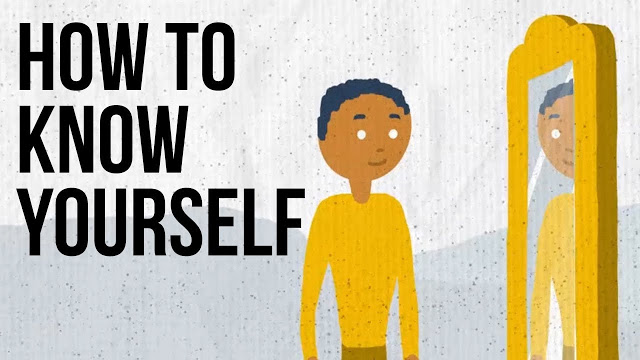
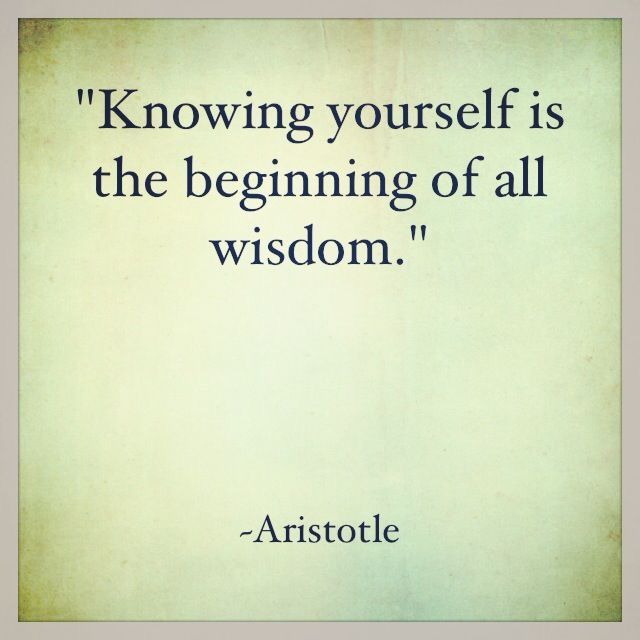
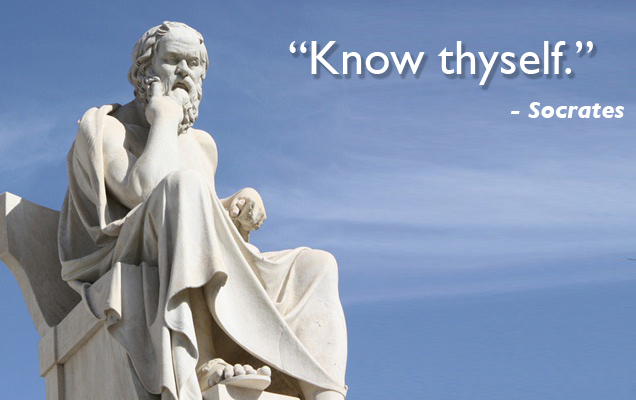
KNOW THYSELF, YOURSELF— SOCRATES
A Prince approached a Guru in the Himalayas and said to him,
Swami, you must be in contact with God?
Yes.
Now, I want to reach God . Can you help me?
Sure, that is my business.
How do I go about it? asked the Prince.
Well, how do your subjects go about seeing you?
Oh, I am accessible to anybody, all they have to do is let my secretary know .
Oh, that is easy then, said the Swami. God follow s the same principle. Just give me your card and I will pass it on. No problem.
So the Prince gave him his card . The swami looked at it and said, isn’t this your name?.
Yes.
God wants to know who is coming. He doesn’t want to know your name. The name belongs to you. It is your possession, but God wants to know who the possessor is .
Then the Prince wrote on the card that he was the Prince of the country and then the swami said
Son, isn’t this your position?
Yes.
He doesn’t want to know the position. This is your possession. Who are you?
This went on with the Prince scribbling all over the card, until, finally he wrote,
Human being, to which the Mahatma said ,
Yes. I know you are not a bird or a fox. You are a human being. That is your species. You belong to it. But who are you?
The Prince took the card back and went away because he understood he didn’t know who he was. He thought and thought until he understood. And then he never went back. He had met the person he wanted to meet.
Swami Vivekananda said,
He is an atheist who does not believe in himself
Xxx
HEAVEN AND HELL
There are three pathways to hell which destroy a human being; lust, anger and greed. Therefore give up these things.
–Bhagavad Gita 16-21
There is a Ramakrishna Swami who always tells the novices.
I am not afraid of heaven or hell.
You know I have beautiful handwriting. If I go to heaven, god will say, come here and do my correspondence. If I go to hell, the day the god of hell discovers my handwriting he will put me to the same job. So it doesn’t make any difference where I go.
We make our heaven or hell depending upon how we use our opportunities.
Pictures are taken from various sources for spreading knowledge; this is a non- commercial blog. Thanks for your great pictures.
யவனர்கள் பற்றிய எல்லா குறிப்புகளையும் தொகுத்து வழங்கும்– ‘ இந்திய இலக்கியத்தில் யோனர்களும் யவனர்களும்’ — என்ற ஆங்கில நூல் (பின்னிஷ் ஓரியண்டல் சொசைட்டி) நாட்டிய சாஸ்திரத்தில் யவனர்கள் பற்றி என்ன சொல்லி இருக்கிறது என்பதைத் தருகிறது. அவர்கள் பேசிய மொழி, அவர்கள் முக வர்ணம் பற்றி சுவையான விஷ்யங்களைத் தருகின்றன.
Yonas and Yavanas in Indian Literature, Klaus Karttunen, Finnish Oriental Society,, Helsinki
முதலில் 2000 ஆண்டுகளுக்கு முன்னர் பரத முனி எழுதிய சம்ஸ்க்ருத நூலான நாட்டிய சாஸ்திரம் என்ன சொல்கிறது என்பதை ப் பார்ப்போம்:-
பரத நாட்ய சாஸ்த்ர 13-59
இதில் தென்னக மக்களுடன் யவனர்கள் சேர்க்கப்பட்டுள்ளனர்.
கோசலாஸ் தோஸலாஸ் சைவ கலிங்கா யவனாஹா காசாஹா
த்ராவிடாந்த்ரமஹாராஷ்டிர வைஸ்னா வை வானவா சஜாஹா
இதில் கலிங்க , யவன, திராவிட , ஆந்திர, மகாராஷ்டிரா என்ற வரிசை வருவது பலரையும் வியப்புக்குள்ளாக்குகிறது
எனது கருத்து :-
தமிழ் நாட்டில் பல இடங்களில் யவனர் சேரிகள் (காலனிகள்) இருந்ததாக பழந்தமிழ் நூல்கள் செப்புகின்றன . அவர்களில் பலர் நாடகக் கலையைப் பயின்றிருக்கலாம் .
மேலும் முன்னொரு கட்டுரையில் நான் நான்கு வகையான, யவன,யோனர்களை தமிழ் , சம்ஸ்க்ருத இலக்கியங்கள் பாடியிருப்பதைக் காட்டி இருக்கிறேன் . சங்கத் தமிழ் நூல்கள் காட்டும் யவனர்கள் இத்தாலியிலிருந்து வந்த ரோமானியர். பிற்கால தமிழ் நூல் காட்டும் ‘யவன தச்சர்கள்’ வடமேற்கு இந்தியாவின் ஒரிஜினல், ஆதி யவனர்கள் . அதற்குப் பின்னர் சம்ஸ்க்ருத இலக்கியம் பேசும் யவனர்கள் அலெக்ஸ்சாண்டருடன் வந்த கிரேக்க நாட்டவர். துலுக்கர் படையெடுப்புக்குப் பின்னர் ‘யவனர்கள் , யோனர்கள்’ என்போர் அராபியர்கள் அல்லது துலுக்கர்கள் (துருக்கர்கள்). ஆகவே இவர்களில் பெரும்பாலும் தென்னக காலனிகளில் வசித்த இத்தாலியர்களே / ரோமானியர்களே .
(இரண்டாம் நூற்றாண்டு கிரேக்க குறு நாடகத்தில் கன்னட அல்லது துளு மொழி சொற்கள் உள்ளன என்பர். ஆயினும் இம்மொழிகள் உருவானது இதற்குச் சில நூற்றாண்டுகளுக்குப் பின்னரே.)
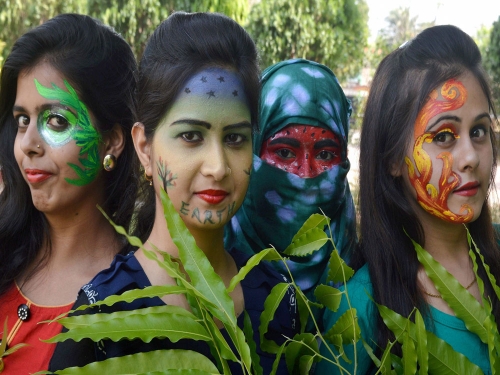
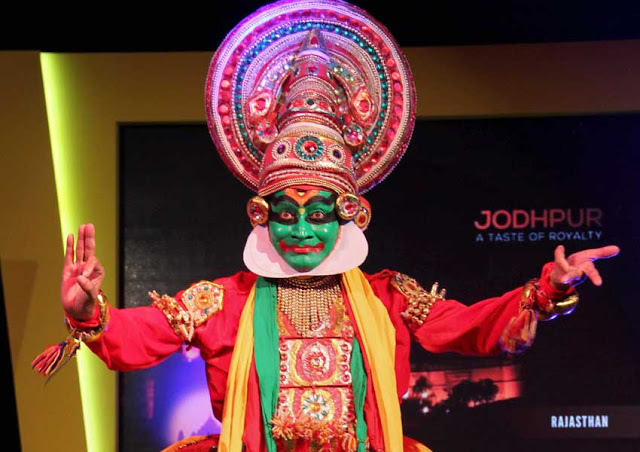
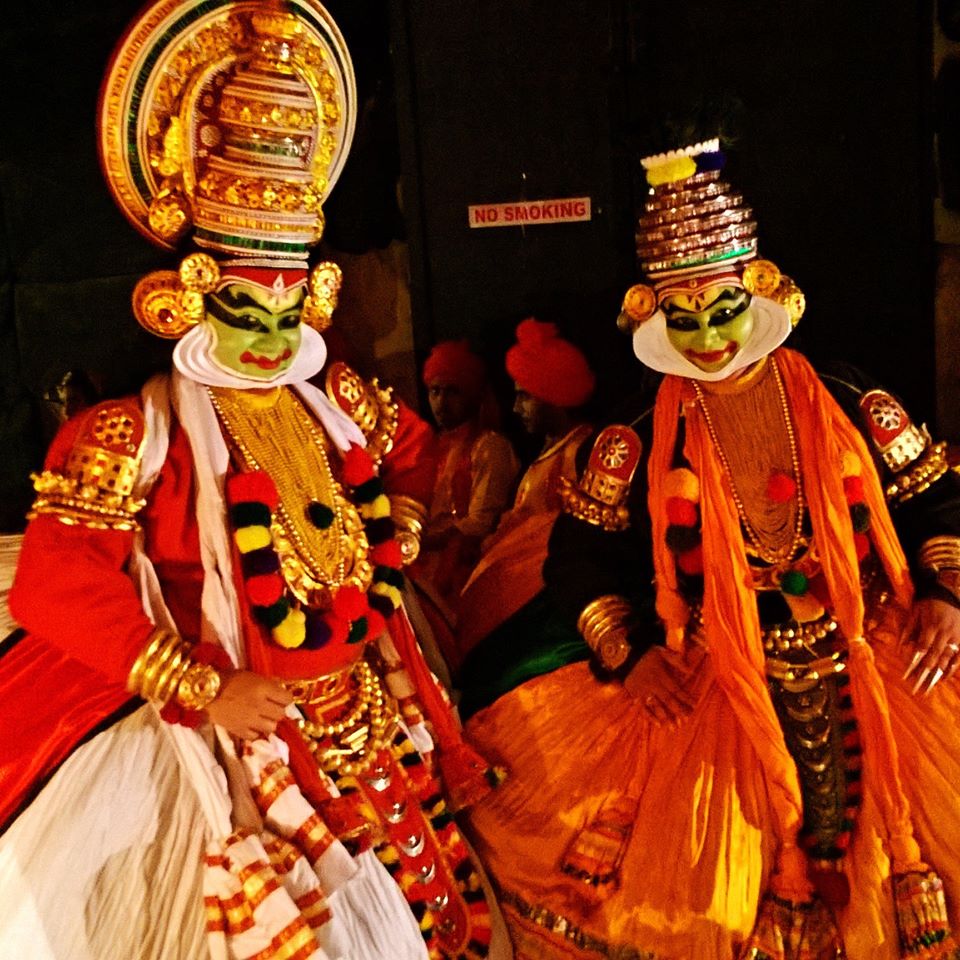
பரத முனிவர் இன்னுமொரு இடத்தில் எந்தெந்த வகுப்பினருக்கு முகத்தில் என்ன சாயம் பூசி நடிக்கவோ, நடனமாடவோ வைக்கவேண்டும் என்று இயம்புகிறார்:–
(இதிலுள்ள பிராஹ்மண தேசத்தை பாணினி (5-2-81)யும், பதஞ்சலியும் குறிப்பிடுகின்றனர். அது இப்போதும் பாகிஸ்தானில் சிந்து மாகாணத்தில் பிராஹ்மணாபாத் என்ற நகரமாக இருக்கிறது .இதுபற்றி பிராமண நாடு, சூத்திர நாடு என்ற எனது கட்டுரையில் விவரித்துள்ளேன். அலெக்ஸ்சாண்டருடன் வந்த வரலாற்று ஆசிரியர்கள் இதை கிரேக்க மொழியில் ‘பிராஹ்மனோய்’ Brachmanoi என்று எழுதிவைத்துள்ளனர்.)
இதே வரிசையில் மலைகள், நதிகள் ஆகியவற்றையும் காவ்ய மீமாம்சம் குறிப்பிடுகிறது:–
இதற்குப் பின்னர் 1400ம் ஆண்டு வாக்கில் சிம்மபூபால என்கிற மன்னன், ‘ரஸார்ணவ சுதாகர’ என்ற நாடக நூலில் யவன கதா பாத்திரங்கள் என்ன மொழியைப் பேசவேண்டும் என்று சம்ஸ்க்ருதத்தில் எழுதி இருக்கிறார் —
கீழ்த்தர, மத்தியதர வர்க்க நடிகர்கள்/கதா பாத்திரங்கள் – ஸுரஸேனி ;


















 Tamil and Vedas