‘SACRIFICE IS THE NAVEL OF THE UNIVERSE’- ON SACRIFICE AND STARS (Post No.4970)

Written by London Swaminathan 


Date: 2 May 2018


Time uploaded in London – 17-08 (British Summer Time)


Post No. 4970


Pictures shown here are taken from various sources such as Facebook friends, Books, Google and newspapers; thanks. Pictures may be subject to copyright laws.


WARNING: PLEASE SHARE MY ARTICLES; BUT DON’T SHARE IT WITHOUT AUTHOR’S NAME AND THE BLOG NAME. BE HONEST; OTHERS WILL BE HONEST WITH YOU


 ‘YAJNAO BHUVANASHYA NAABHIH’
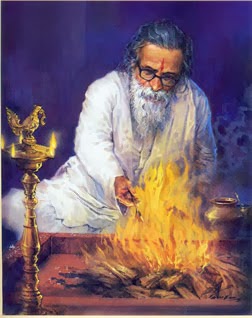
Rig Veda says ‘Yajno Bhuvanasya Nabhi’ (RV1-164-35); the meaning of the mantra is “Sacrifice is the navel of  (Naabhih= navel, nest, home, birth place etc) the Universe. Sacrifice has many meanings in the Bhavad Gita. It does not mean only fire sacrifice; it means penance; life itself is a Yajna; giving something to God, community, society is sacrifice. Jnana Yajna, Tapo Yajna, Dravya Yajna are few of the Yajnas.

Prajapati, the creator, created human beings along with the sacrifice (yajna) and told the human beings to benefit through the yajnas.


Lord Krishna explains the different types of Yajnas in Chapter 4 in slokas/couplets 24-32.


xxx

STARS ARE HOLY SOULS
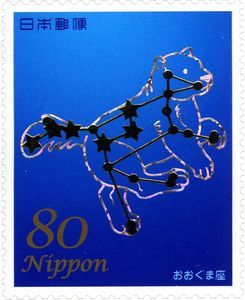
In several cultures including the Greek culturestars portrayed as good and bad characters; but in Hindiusm stars are seen as positive signs only.

Satapata Brahmana says,

The stars are the souls of the righteous who go to heaven and Mahabharata also confirms it (Sata.Br.6-5-4-8 and Mbh 3-174/5).

Druva (Pole star), Sapta Rishis (Seven Seers= Ursa Major), Arundhati (Alcol), Agastya (Canopus),Trisanku (Southern Cross), Krittika (Pleiades) and Arudra (Betelgeuse) are some of them.

Though the popular story thinks that the little boy Druva is pole star, W H Robinson thinks that Sunahsepa of Rig Veda is (Cynosure=Sunahsepa) Pole Star.

Sangam Tamil Literature which is at least 2000 year old mentioned Sapta Rishis (7 seers in Ursa Major), Pole Star, Arundhati, Krittika (Pleiades) etc.

Even before 2000 years ago the beliefs were same from the Himalayas to Kanya Kumari.


The great Vedic seers, who by Varuna’s holy act had been exalted to the stars, and who shine both by night and day, have taught him wisdom.
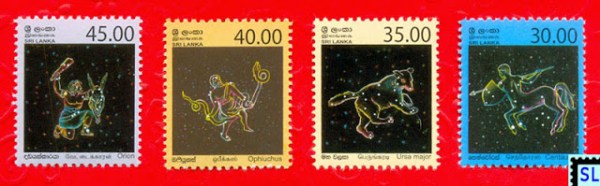
Seers and Bears

Rishi is seer and Rikshaah is bears. The Sapta Rishi constellation (Ursa Major) is called Great Bear in Greek and other cultures.

Dr.Martin Haug says,

It is found only once in the Rig Veda (1-24-10). According to an account in the Satapata Brahmana (2-1-2-40 this name was afterwards changed into ‘Sapta Rishyah’ the Seven Rishis, by which name the stars of Ursa Major are called in the Vedic hymns (RV 10-82-2; AV 6-40-1) and in the classical Sanskrit writings. The sounds of Riksha ‘bear’ and Rishi ‘seer-prophet’ were so near to one another, at  that time when they commenced to deify those great founders of Brahmanism nothing was more natural than to assign them a place in the sky and make them one of the brightest and most beautiful constellations.”


There is no doubt that the same constellation is alluded to under both names – rikshaah and sapta rishyah.

The seven wise and divine Rishis, with hymns, with metres with ritual forms, according to the prescribed measures, contemplating the path of the ancients, have followed it, like charioteers, seizing the reins 9Rig Veda 10-130-7).

Every Brahmin family of India claims to be descended from one or other of the Seven Great Rishis or sages, who were exalted to the stars of constellation, called Ursa Major (the Great Bear) in the West; but in India it is Sapta Rishayah.

THE ASVINS

The meaning is ‘possessors of horses’. They were two stars, said to appear in the sky before dawn, in a golden chariot drawn by horses or birds. They were also the physicians of the gods (Aitareya Brahmana 1-18)

They have mythological correspondence with the Castor and Pollux of the Greeks They are presiding divinities of the zodiacal asterism named from them. ; and which is figured as  a horse’s head from their name, and not from any fancied resemblance.

This constellation, at the time of vernal equinox appears in the heavens just before the dawn. That was the time for certain sacrifices in the olden days.

Asvins are also called Dasras (destroying, destructive, giving marvellous aid, overcoming enemies, doing wonderful deeds, worthy to be seen, handsome, beautiful, applied to the Asvins as being the destroyers of diseases.


–Subham–


MIRACULOUS ASVINI DEVAS IN THE MYSTERIOUS RIG VEDA! (Post No.4228)

Compiled by London Swaminathan


Date: 20 September 2017


Time uploaded in London- 16-11


Post No. 4228


Pictures are taken from various sources; thanks.


Rig Veda is a great book! Oldest anthology in the world! Oldest religious book in the world! Dated between 1200 BCE and 4500 BCE! One derives great pleasure when one reads it. Every page shows you different things. A lot of words are used only once. Foreigners struggle to find the meaning of them! 100 different “scholars” give 100 different meanings despite Sayana’s interpretation!


Asvini Devas are the most interesting and Mysterious angels: They are twins! “Scholars” tried to compare them with different twins in different cultures; but you will have a good laugh when not even a fraction of similarity is found there!

World’s First Community Service!

One will be wonder struck to know the community service they did for the general public. They were the surgeons and doctors of the heaven and earth. Their stories are full of miracles. They show the marine power of the Hindus of the Vedic period.


Tugra’s son Bhujyu was lost in a shipwreck; Immediately Asvini Devas rushed there in 100 oared ship and brought him ashore after three days: Imagine how deep they went into the sea! Some idiots argued that Vedic Hindus did not know sea. If you read Rig Veda you will dub those people as the Worst idiots of the world!

Rig Vedic Hymns 1-112, 1-116, 1-117, 1-118, 1-119, 1-120 and several other hymns have the adventures of Asvins.

xxx


Arrangements according to an ascending order of significance are quite effective. Thus the passage describing the mounting significance of syllables,

Agni with one syllable won speech;

the Asvins with two syllables won expiration and inspiration,

Vishnu with three… the three worlds

Soma with four… the four footed cattle

Pusan with five.. the Pankti,

Prajapati with seventeen – the seventeen fold stoma.


This shows that the Vedic Hindus were great mathematicians. Their use of decimal system throughout Rig Veda and syllable based prosody show that they were highly educated.

xxx

Asvins fix the broken leg of Vispala! They were great surgeons! They could do anything. They were the ones who extricated people from big troubles; they were the twins who rushed to help anyone in distress. They were involved in great social service. They were the pioneers of Red Cross! They beat Florence Nightingale in nursing field by several thousand years.


The Asvins rescued Rebha who hid in a well as if he were in a pitcher of gold – 1-117-12


This shows that the Rig Vedic society was very wealthy. The talk about gold in hundreds of hymns.


They restored the health of an old seer called Chyavana. They were great gerontologists!


These twin deities are ever young and handsome, bright and full of glory! They are the earliest bringers of light in the morning sky. They reveal to the Gods the places where the Soma plant of magical properties grows!

Who were they?

Are they friends? are they brothers? No one knew!

Why were they called Asvinau? Horse men?

Is it because they rode horses? No one knew!

Because their chariots were drawn by horses, sometimes by swans; sometimes by donkeys; at other times by falcons.

They were golden in colour, bright, swift and fast.

They travelled before Ushas, the goddess of dawn. They brought the light to the world!

The twins have two names! Dasra (light emitting) and Nasatya ( not untruth). What fantastic names they had!

xxx


Rig Veda have several hymns on them. Foreigners become pukka idiots when it came to Asvins. Because no European civilization has similar gods. They tried very hard to compare them with Discouri and Kastor and Polydeukes in Greek mythology, Castor and Pollux (Gemini) in the Roman mythology. The Baltik supreme Gods Dievas had twin sons known as Dievo Suneliai who ride on their divine horses. Cunning foreigners never tell us that these divinities were 3000 years junior to Vedic Asvins!!! Greeks did not even start writing literature before 800 BCE (Homer’s Iliad and Odyssey)

xxx

The Asvins are described as carrying Surya or Soma (Sun, Moon) in their chariot as well as Madhu (honey). The chariot itself is drawn by horses;the gods are also associated with birds—swans and eagles/falcons – and with asses.


Their abode is variously described as the celestial sphere, mid-air, plants, houses and also mountain tops (Sangam Tamil literature describes Anangus/angels dwell in these places)

xxx

They are intimately related with the number three; for, together with surya whom they carry in their chariot they make an archetypal trio.

Many actual exploits together with real historical names are mentioned; they rescued drowning men, men in a burning house, they replaced a broken leg with a wooden one, cured many people from apparently incurable diseases and helped others of dangerous predicaments. The number of actual names mentioned in connection with the Asvins compares only with those in the Indra myths. This led to the belief they were ancient kings who lived long long before Rig Vedic times.


Yaska’s Views!

Yaska, quotting the historical school says, Who, then, are these Asvins?

some say they are the Sun and Moon

some say that they are the sky and the Earth

yet others say that they are the day and Night;

but the historians say that they were pious kings.

Asvins have no parallels in any other culture!


When they use their whip, honey drops from their whips!!!


The heaven and  earth are manifestly the Asvins, for they (heaven and earth) have pervaded everything- Satapata Brahmana 4-1-5-16


xxx

Roman coin

A Story

An incident is recorded in the Aitareya Brahmana 2-25 which seemed to threaten the breach of of the peace among gods, but which was amicably settled:

“The gods did not agree in regard to the first draught of Soma. Each of them desired, Let me drink first! Let me drink first! But coming to an arrangement they said, ‘Come let us run a race, and the victor shall be the first to drink Soma. Agreed, said they all. They ran a race accordingly; and when they started and ran Vayu first reached the goal, then Indra, then Mitra and Varuna and last the Asvins. Indra thought he might beat Vayu (wind god) and he followed him closely; and said Let is two now be the victors. No rejoined Vayu, I alone shall be the winner. Let us so win together that I shall have a third of draught, said Indra. No said Vayu. I alone shall be the winner. Let us so win together that I shall have the fourth, continued Indra. Agreed said Vayu. He gave him a right to the fourth. So Indra has one share out of the four and Vayu three. So Indra and Vayu won together, as did Mitra and Varuna, and the two Asvins respectively”.


We may not understand the full impact of the story today. But Vedic Hindus were great sportsmen. They decided everything by horse race or chariot race or running race!


Elsewhere it is said the Asvins never drank Soma. They refused to drink Soma. Another mystery!

Agni ran the race in a car drawn by mules,

Ushas in one drawn by ruddy bulls,

Indra in one drawn by ruddy horses

while the Asvins carried off the prize in a car drawn by asses. In the Rig Veda 1-116-2 , the asses also are said to have won the race.

In the great race run by the gods for the Asvina Shastra prize, the Asvins were the winners with a carriage drawn by the donkeys. Thence on account of the excessive efforts to arrive at the goal, the donkeys lost their originality, became devoid of milk and the slowest of all animals used for drawing carriages – Aitareya Brahmana 4-9


xxx

Let these songs sharpen you, O Asvins, as a whetstone sharpens the sword-  3-39-7

This shows the Rig Vedic society was full of heroes. Even Avvaiyar of Sangam Tamil literature mocks at a king when he had shiny swords where as his enemy had blunt swords, ie, he was more experienced in warfare where as the other king was a novice in the field.

Elsewhere the Rig Vedic mother prays for heroes as children.

xxx

O Asvins, fly like two swans towards the Soma pressed here- 5-78-1

xxx

The Asvins are frequently invoked to rush to the sacrifice as a pair of deer, cows or more commonly two birds or swans 5-78-1/2

My previous post:–

Asvini Devas on Different Chariots: Rig Veda Mystery- 4 …

tamilandvedas.com/2014/10/13/asvini-devas-on…

Asvini Devas on Different Chariots: Rig Veda Mystery- 4. Research paper written by London Swaminathan Research article No.1343; Dated 13th October 2014.


–SUBHAM–


Asvini Devas on Different Chariots: Rig Veda Mystery- 4

ashwini_kumars_tales_f

Research paper written by London Swaminathan
Research article No.1343; Dated 13th October 2014.

“The Asvins have been a puzzle to the oldest commentators who have widely differed in their interpretations” — Muir

Rig Veda is full of mysteries. Each mantra and each word in it have different interpretations. The people who have translated them in to different European languages interpret it differently. Like no two clocks agree, no two scholars agree on a word or a sentence in a hymn. It shows how difficult it is to translate the words and thoughts of sages who lived 8000 years before our time according to B G Tilak, 6000 years ago according to Jacobi or at least 3200 years before our time according to Max Muller. It shows another thing as well. We should not rely on foreign scholars’ translations. This also shows that literal translation wouldn’t take us anywhere. To illustrate this point, I have given below how Vedic Gods Asvins are described in the translations:

Chariot of the Asvins drawn by horses :– RV 1-117-2
Chariot of the Asvins drawn by birds :– RV 6-63-6
Chariot of the Asvins drawn by swans :– RV 4-45-4
Chariot of the Asvins drawn by eagles:– RV 1-118-4
Chariot of the Asvins drawn by bird steeds :– RV 6-63-7
Chariot of the Asvins drawn by eagle steeds :– RV 8-5-7

1.That car of yours, swifter than thought, O Asvins, which drawn by brave steeds cometh to the people,
Where on ye take the dwelling of the pious, come ye there on to our abode, O Heroes — RV 1-117-2

2.The swans ye have are friendly, rich in store of meath, gold pinioned, strong to draw, awake at early morn
Swimming the flood, exultant, fain for draughts that cheer; ye come like flies to our libations of the meath RV 4-45-4
Meath = mead = honey

3.Ye Twain, with these your glories fair to look on, brought to win victory, rich gifts for Surya
After you flew your birds, marvels of beauty: dear to our hearts! The song, well lauded reached you. RV 6-63-6

4.May your winged coursers, best to draw Nasatyas! Convey you to the object of your wishes.
Swift as thought, your car hath been sent onward to food of many a sort and dainty viands RV 6-63-7

5.O Asvins, let your falcons bear you hither, yoked to your chariot, swift with flying pinions
Which, ever active, like the airy eagles, carry you, O Nasatyas, to the banquet RV 1-118-4

6.Hitherward running speedily with horses, as with rapid hoses,
Come, Asvins, to our song of praise — RV 8-5-7
dioscouri
Coins of Dioskouroi

Asvins, also called Nasatyas, are twin gods in the Vedas. They are physicians. “There are almost as many opinions as experts in the interpretation of the pair of gods mentioned as watching over Mitanni. Their Vedic name most commonly used is ‘the knights’ or ‘the horsemen’, two golden or honey coloured twins. They bring up the morning light of the sky, making a path through the clouds for the dawn goddess Ushas. At the evening twilight they play a similar part, and perhaps they must be identified with the morning and evening star.

“The equivalent of the Greek Dioscuri (Dioskouroi) cannot be called in question. Their name Nasatya, which can be interpreted the root form ‘nas’, meaning ‘to save’, seems to be an allusion to their mission of beneficence. They are the doctors of the gods, the friends of the sick and unfortunate. They heal the blind, and the lame, and give back their youth to the old. They are kindly disposed to love and marriage. Their parents were the sun and the cloud goddess, Saranyu– says new Larousse Encyclopaedia of Mythology.

They are ever young and handsome. As personifications of the morning twilight, they are said to be children of the sun by a nymph who concealed herself in the form of a mare; hence she was called Aswini and her sons Aswins. Mythically they are the parents of the Pandava princes Nakula and Sahadeva. Asvins’ other names: Gadagadau, Abdijau (ocean born), Pushkara –srajau (wreathed with lotuses), Badaveyau (sons of submarine fire Badava) and Swar Vaidyauv. One of them is names Dasra and the other Nasata.
They restored youth to Chyavana. They rescued Bhujyu from the sea.
Nirukta says they are ‘heaven and earth’, ‘day and night’, ‘two kings’ and ‘performers of holy acts’ according to various interpreters.

Professor Goldstucker says, “The myth of the Aswins is one of that classes of myths in which two distinct elements, the cosmical and the human or historical, have gradually become blended into one”.

In my view, Asvins serve as an example for the difficult, misleading or obscure interpretations about Vedic Gods.
Contact swami_48@yahoo.com

Read my previous post: Miracles of Asvins.

Miracles of Asvins in the Vedas

ashwini_kumars_tales_f

Written by London Swaminathan
Post No. 1159;Dated 8th July 2014.

Miracles are part of mythology. But in Hinduism we come across miracles even in the Vedas. Western scholars take the Vedic statements as true historical records and use them to support their fanciful Aryan-Dravidian Race Theory. The Vedic twins Asvini Devas are attributed with lot of miracles. The “scholars” expounded (in fact bluffed) lot of theories. If one puts them together and read them, they will be utterly confused. But orthodox Hindus believed them with all the traditional faith in the Vedas.

Asvins are called Dasras (enlightened giving) and Nasatyas (kind & helpful); also known as horsemen, Asvinau, Aswinikumaras.

They are the sons of Vivaswan and Saranyu. They are the doctors of the gods (Svar Vaidhyau).
They healed the blind and the lame. They are invoked in various Hindu ceremonies. They ride in three wheeled chariots drawn by horses or birds.

They are the harbingers of dawn – Ushas. Their other appellations are ‘ocean born’(Abdhijau), ‘wreathed with lotuses’(Pushkara srajau), sons of the submarine fire (Badaveyau) and Gadagadau.
Western scholars compared Asvins with the Dioscuri of Greece. But not many similarities exist between them.
In the Nirukta, they are interpreted as heaven and earth, day and night, two kings, performers of holy acts. They represent light or luminous objects.

asvins book

The number of hymns (57 specific hymns and mentioned 376 times in the Rig Veda) addressed to them testifies to the enthusiastic worship they received.
In the Mahabharata they are the parents of Nakula and Sahadeva. Like Asvins, they are also twins.
The Vedic poets use beautiful similes in their hymns. They praise Asvin twins
Like two hymn singing Brahmanas
Like two charioted heroes
Like two beautiful damsels beautifying themselves
Like a wise married couple
Like two Chakravaka birds/ swans
Like two lips that speak sweetly with the mouth
Like two breasts that give nurture to life

sukanya

Miracle 1
The twins Asvins restored youth to old Chyavana. He had a beautiful young wife named Sukanya. When Asvins wanted to marry her, she hesitated. Asvins told her that they would make her husband young and then she can choose one among them i.e. two Asvins and Chyavana. When all the three came before her, she rightly chose her husband Chyavana.

Miracle 2
Bhujyu episode is mentioned at least in eight hymns in the Rig Veda. Bhujyu was the son of king Tugra. When enemies from an island gave him trouble, Tugra sent Bhujyu by boats to attack them. His boat was broke in the mid sea. Then Asvins saved him, according to Sayana (RV1.117-14). Bhujyu’s ship had 100 oars. This serves as an evidence for naval forces during the Vedic period.

Miracle 3
In Khela’s battle a leg was severed like a wild bird’s pinion. Immediately Asvins gave Vispala an artificial iron leg. This shows that artificial limbs were fixed in those days (1-116-15).
Poetess Gosha has a hymn on Asvins. (RV 10-40).This serves as an evidence for literate women in Vedic society. Gritsamada’s hymn (RV 2-39) to Asvins is a beautiful poem:–

dioscouri
Dioscouri of Greece and Rome

Come near like two press stones, with a common aim
Like two zealous men moving to a tree of treasure
Like two hymn singing Brahmanas to the assembly
Like two people’s envoys called at many places.

Like two charioted heroes going in the morning
Like two leaders, come together to your choice,
Like two beautiful damsels beautifying themselves
Like a wise married couple among the people.

Like two horns come earliest to us hither
Like two hoofs, travelling with rapid motion
Like two Chakravaka birds/ swans at the day’s dawning
Come towards us, mighty, like charioted heroes.

Like two boats take us across; like two poles
Like axles, like spokes, like fellies carry us.
Like two dogs ward off all harm to our bodies
Like two crutches protect us against falling.

Like two raging winds, two confluent rivers.
Like two quick seeing eyes, come towards us
The two hands most useful to the body
Like two feet take us towards our welfare – RV 2-39

This shows Rig Vedic people are highly literate and cultured. We also hear about the ship attacks, maritime warfare etc. Medical science has advanced to transplanting an iron leg. Women poets (poetess) sang hymns and were part of the Vedic society.

Contact swami_48@yahoo.com

27 Similes in One Vedic Hymn!


By London Swaminathan


Rig Veda, the oldest religious book in the world, has beautiful poetry in it. The Vedas are records of man’s earliest thoughts on God and philosophical matters. When the Vedic seers wanted to convey their thoughts they used lot of similes as well. Vedas can be interpreted symbolically, metaphorically and literally. Hindus believe that the RISHIS (seers) have heard it (SRUTI) and not composed it. Westerners think 400+ poets composed it. Whatever may be the interpretation, nobody can deny the poetic content in it.

Vedas are dated 1500 BC by Max Muller. Hindus believe that they are eternal-timeless. Whatever the date may be, no one can deny that they were the earliest records. The wonder of wonders is that it was not written, but passed by word of mouth from one generation to another. No book in the word has this credit. It was not a single poem or hymn. It was huge-1028 hymns, 10,552 rcs or couplets, 4,32,00 syllables. Veda Patasalas (Vedic schools) in South India teach the Vedas the same way as it was done on the banks of Saraswati, Sindhu and Ganges thousands of years ago. It is a literary marvel- greater than the Seven Wonders of the World.

Hindus called the Vedas- Word of God. Veda means knowledge. God revealed this knowledge for the greatest good of mankind. Otherwise who will sing,

“May all be happy and rid of diseases

May all have a happy and harmonious life

May nobody ever be afflicted with suffering”

When people in other parts of the earth were killing each other or the animals for food and fighting for their survival, Hindu seers were praying for the welfare of the humanity. But they were not arrogant. They also said,

“Let noble thoughts come to us from all directions”.

Kalidasa, the classical Sanskrit poet, used more similes than any other poet in the world (Please read my post AMAZING STATISTICS ABOUT KALIDASA). But the root of his similes lies in the Vedas. If a society has to understand complicated similes they must be highly educated. If a poet has to use so many similes in a single hymn, he must be a great poet. A lot of later day poets do it only when they sing about a woman. Men become poetical when they see beautiful women! But here one poet by name Grtsadama sings about the Vedic Twins Asvini Devas. It is a spontaneous outburst of his thoughts. It is gushing out like water from a natural spring or an artesian well. I have given below Griffith’s translation of RV. II-39


गरावाणेव तदिदथं जरेथे गर्ध्रेव वर्क्षं निधिमन्तमछ |
बरह्माणेव विदथ उक्थशासा दूतेव हव्या जन्या पुरुत्रा ||
परातर्यावाणा रथ्येव वीराजेव यमा वरमा सचेथे |
मेने इव तन्वा शुम्भमाने दम्पतीव करतुविदा जनेषु ||
शर्ङगेव नः परथमा गन्तमर्वाक छफाविव जर्भुराणातरोभिः |
चक्रवाकेव परति वस्तोरुस्रार्वाञ्चा यातं रथ्येव शक्रा ||
नावेव नः पारयतं युगेव नभ्येव न उपधीव परधीव |
शवानेव नो अरिषण्या तनूनां खर्गलेव विस्रसः पातमस्मान ||
वातेवाजुर्या नद्येव रीतिरक्षी इव चक्षुषा यातमर्वाक |
हस्ताविव तन्वे शम्भविष्ठा पादेव नो नयतं वस्यो अछ ||
ओष्ठाविव मध्वास्ने वदन्ता सतनाविव पिप्यतं जीवसेनः |
नासेव नस्तन्वो रक्षितारा कर्णाविव सुश्रुता भूतमस्मे ||
हस्तेव शक्तिमभि सन्ददी नः कषामेव नः समजतं रजांसि |
इमा गिरो अश्विना युष्मयन्तीः कष्णोत्रेणेव सवधितिं सं शिशीतम ||
एतानि वामश्विना वर्धनानि बरह्म सतोमं गर्त्समदासो अक्रन |
तानि नरा जुजुषाणोप यातं बर्हद … || (RV 2-39)

ghrāvāṇeva tadidathaṃ jarethe ghṛdhreva vṛkṣaṃ nidhimantamacha |
brahmāṇeva vidatha ukthaśāsā dūteva havyā janyā purutrā ||
prātaryāvāṇā rathyeva vīrājeva yamā varamā sacethe |
mene iva tanvā śumbhamāne dampatīva kratuvidā janeṣu ||
śṛṅgheva naḥ prathamā ghantamarvāk chaphāviva jarbhurāṇātarobhiḥ |
cakravākeva prati vastorusrārvāñcā yātaṃ rathyeva śakrā ||
nāveva naḥ pārayataṃ yugheva nabhyeva na upadhīva pradhīva |
śvāneva no ariṣaṇyā tanūnāṃ khṛghaleva visrasaḥ pātamasmān ||
vātevājuryā nadyeva rītirakṣī iva cakṣuṣā yātamarvāk |
hastāviva tanve śambhaviṣṭhā pādeva no nayataṃ vasyo acha ||
oṣṭhāviva madhvāsne vadantā stanāviva pipyataṃ jīvasenaḥ |
nāseva nastanvo rakṣitārā karṇāviva suśrutā bhūtamasme ||
hasteva śaktimabhi sandadī naḥ kṣāmeva naḥ samajataṃ rajāṃsi |
imā ghiro aśvinā yuṣmayantīḥ kṣṇotreṇeva svadhitiṃ saṃ śiśītam ||
etāni vāmaśvinā vardhanāni brahma stomaṃ ghṛtsamadāso akran |
tāni narā jujuṣāṇopa yātaṃ bṛhad … || (RV 2-39)

Rig Veda Hymn xxxix (RV 2-39)-Asvins

1.Sing like the two press-stones for this same purpose; come like two misers to the tree of treasure;

Like two laud-singing Brahmans in the assembly, like the folk envoys called in many places.

2. Moving at morning like two car borne heroes, like to a pair of goats ye come electing;

Like two fair dames embellishing their bodies, like a wise married pair among the people.

3. Like to a pair of horns come first to usward, like to a pair of hoofs with rapid motion;

Come like two Cakavas in the grey of morning, come like two chariot wheels at dawn, ye Mighty;

4.bear us across the rivers like two vessels, save as ye were yokes, naves, spokes and fellies.

Be like two dogs that injure not our bodies; preserve us, like two crutches, that we fall not.

5. Like two winds ageing not, two confluent rivers, come with quick vision like two eyes before us.

Come like two hands most helpful to the body, and guide us like two feet to what is precious.

6. even as two lips that with the mouth speak honey, even as two breasts that nourish our existence,

Like two nostrils that protect our being, be to us as our ears that hear distinctly.

7. like two hands give ye us increasing vigour; like heaven and earth constrain the airy regions

Asvins, these hymns that struggle to approach you, sharpen ye like an axe upon a whetstone.

8. These prayers of ours exalting you, O Asvins, have the Grtsamadas, for a laud, made ready.

Welcome them, O ye Heroes, and come hither. Loud may we speak with brave men, in assembly.

When we read it, we have to remember that Homer started to write the first book in Greek (Illiad) nearly 700 years after this. Tamils started to write their first book (Tolkappiyam) 1500 years after this. Moses said his ten commandments only 500 years after this. Unlike the primitive similes in the Gilgamesh we see high quality here in the Vedas.

Please contact swami_48@yahoo.com or Swaminathan.santanam@gmail.com for more details.

***********