Pictures are taken from various sources for spreading knowledge.
this is a non- commercial blog. Thanks for your great pictures.
tamilandvedas.com, swamiindology.blogspot.com
xxxx
Four Crores verses in one day?!
S. Nagarajan
The Tamil literature is a vast treasure, and it is not possible to learn all this literature in one lifetime.
Avvaiyar is a great female poet of Sangam period. She is belonging to the first century BCE.
She was respected by one and all in the Tamil country. She travelled widely from one point of the country to the other point inspiring people with her fantastic poems.
All the kings were delighted to have Avvaiyar in their court. They used to ask several questions and used to get amazing answers.
Once Avvaiyar went to Pandiyan kingdom and the king welcomed her with respect.
When the court assembled one mischievous person asked Avvaiyar, “You are great! Could you compose four crores’ poems in one day?”
All were stunned on hearing this mischievous question.
But Avvaiyar laughed, “Why not? I will recite four crores poem tomorrow.”
Everybody was worried how Avvaiyar could compose four crores’ verses in one day.
Avvaiyar took rest and there was no action on her part to compose any poem.
Next day when the court assembled the King asked, “Madam, have you got four crores’ poems? There is no cart to carry all the four crore palm leaves contain the verses?’
Avvaiyar unfolded her small bag and took one palm leaf, and said, “This is enough to answer the question raised by the person yesterday.”
All were eagerly looked her face.
She started reading her poem from the palm leaf.
The poem consisted of four lines.
She read one by one.
Not stepping into the place of those who is not respecting you is equals to a crore.
Not taking food in those persons’ home who have not invited you with whole heart is equals to a crore.
To get a friendship of person from a noble lineage even by giving one crore equals to a crore.
Not allowing your tongue swerving from truth even one is offering crores and crores to you equals to a crore.
Everyone was wonderstruck on hearing this four crores poem. The person asked for four crores only. But Avvaiyar used many crores in her verse and the king was so pleased that he bows down before Avvaiyar.
Even to this day, the four-crore poem is very famous in Tamil World. And Avvaiyar is being honored by every Tamil speaking people till this day.
In 1991, a 20.6-kilometer-wide crater in Venus was named after her by the international Astronomical Union.
Her famous quote, “What you have learned is a mere handful; What you have not learned can be compared to the size of the world” is included in NASA’s Cosmic Questions Exhibit.
Pictures are taken from various sources for spreading knowledge.
this is a non- commercial blog. Thanks for your great pictures.
tamilandvedas.com, swamiindology.blogspot.com
xxxx
ENGLISH VERSION WAS POSTED YESTERDAY (17-12-2025)
துர்கா தேவி ( என் சுய புராணமும் உள்ளது)
சிற்ப சாஸ்திரத்தில் துர்க்கையின் வடிவம்
துர்க் என்றால் கோட்டை ; துர்க்கையை வழிபடுவோரை அவள், அரண் போல வளைத்துக் காப்பாள் ;
தேவி வடிவங்களில் மிகவும் நம்பிக்கையையும் தைரியத்தையும் வெற்றி உணர்வினையும் ஊட்டக்கூடிய தோற்றம் துர்கா தேவி . அவளைப் பார்த்த மாத்திரத்திலேயே நமக்கு பாசிட்டிவ் எனர்ஜி / ஆக்க பூர்வ சக்தி வந்துவிடும் !
****
துர்கா தேவியின் மகிஷாசுர மார்த்தனி சிற்பம்தான் மிகவும் மனதில் பதியும் வடிவம். மகாபலிபுரத்தில் உள்ள இந்த மஹிஷாசுரமர்தனியின் சிலையைப் புகைப்படம் எடுக்காத வெளி நாட்டுக்காரர் எவருமில்லை! யார் யாரெல்லாம் மாமல்லபுரத்துக்கு வந்தார்களோ அவர்கள் எல்லோரும் நூறு ஆண்டுகளுக்கு முன்னரே எருமை முக அசுரனை தேவி வதம் செய்த காட்சியை படம்பிடித்து புஸ்தகங்களில் வெளியிட்டுள்ளனர்; அவ்வளவு அற்புதமான சிலை!
மஹிஷ – எருமை.
மாமல்லபுரம் மகிஷாசுரமர்த்தினி சிற்பம்
துர்க்கையின் உருவான மகிஷாசுரமர்த்தினி பத்து கரங்களைக் கொண்டவர். மூன்று கண்களை உடையவர். தலையில் ஜடா மகுடம் தரித்தவர். சந்திரகலாவைத் தலையில் சூடியவர். கண்கள் நீலோத் பல மலரினை ஒத்ததாக அமைந்திருக்கும். பருத்த உடலினையும், மெலிந்த இடையினையும் பெற்றவர். அடசி மலரின் நிறத்தினை உடையவர். உடலில் மூன்று வளைவுகளை /நெளிவுளைக் (திரிபங்கம்) கொண்டவர். வலது கரங்களில் திரிசூலம், கத்தி /கட்கம், சக்தி ஆயுதம், சக்கரம் அம்பு ஆகியவையும் இடது கரங்களில் பாசம் அங்குசம். கேடயம், பரசு, மணி ஆகியவற்றைத் தரித்திருப்பார். இவளின் காலடியில் துண்டிக்கப்பட்ட மகிஷனின் கழுத்திலிருந்து இரத்தம் கசிந்து கொண்டிருப்பது போல் அமைந்திருக்கும். எருமைத் தலையின் மீது தமது இடது காலினையும், தமது வாகனமாகிய சிங்கத்தின் மீது காலை ஊன்றியவாறும் அமைந்திருப்பார் என்று சிற்பரத்தினம் குறிப்பிடுகின்றன.
விஷ்ணுதர்மோத்திரம், மகிஷாசுரமர்த்தினியைச் சண்டிகா என்று அழைக்கின்றது. இவர் இருபது கரங்கள் பெற்றவளாகக் கூறுகிறது. பொன் நிறத்தில் ஒளிருபவளாகவும் சிங்கத்தின் மீது கோபத்துடன் அமர்ந்திருப்பவளாகவும் குறிப்பிடுகிறது. இவளது கைகளில் சூலம், கட்கம், சங்கு, சக்கரம், பாணம், சக்தி, வஜ்ரம், அபயம், டமரு, குடை ஆகியவைகளை வலது கரங்களில் தரித்தும், இடது கரங்களில் நாகபாசம், கேடயம், பரசு, அங்குசம், தனுஷ், கந்தம் (மணி) துவஜம் (கொடி) கதை, கண்ணாடி மற்றும் முத்காரம் (கள்ளி) ஆகியவைகளைத் தரித்திருப்பாள். வலது கையில் ஏந்திய திரிசூலம் மகிஷனின் கழுத்தில் பதித்திருப்பது போல அமைந்திருக்கும். மகிஷனின் விழி பிதுங்கி, புருவங்கள் இரத்தத்தில் நனைவது போலிருக்கும்.
மாமல்லபுரத்தில் இச்சிற்பம் அமைந்துள்ளது.
Durga at Gangakondacholeeswaram
மாசிமகத்தன்று கடற்கரையில் குவியும் பழங்குடி இருளர் இனமக்கள் அப்போது காலநிலை மாறி, கடல் நீரால் சூழப்பட்டு இருக்கும் இந்த மகிஷாசுரமர்த்தினி குடைவரை கோவிலில் முழங்கால் கடல் நீரில் நடந்து சென்று அங்கு உள்ள துர்கா சிற்பத்திற்கு பூஜை செய்து வணங்குவர்.
காஞ்சி கைலாசநாதர் கோயிலில் மற்றும் தமிழகமெங்கும் பரவலாக இடம்பெற்றுள்ளது. சிவன் கோவில்களில் வடபுறச் சுவர்களில் உள்ள மாடங்களில் துர்க்கையைக் காணலாம் ; சில இடங்களில் எருமைத் தலை மீது அவள் காட்சி அளிக்கிறாள்.
மகிஷாசுரனை வதம் செய்ய உருவாக்கப்பட்ட மகிஷாசுரமர்த்தினி அனைத்து கடவுளர்களின் சக்தியையும், ஆயுதங்களையும் பெற்று வணங்கப்பட்டாள். சிவபெருமான் திரிசூலத்தையும் விஷ்ணு சுதர்சன சக்கரத்தையும் பிரம்மா தனது சக்தியையும் அளித்தார்கள்.
***
லலிதா சஹஸ்ரநாமம் முழுதும் பண்டாசுரனை வதம் செய்த கதை வருகிறது .
தேவி மஹாத்ம்யம் என்னும் 700 ஸ்லோககங்களில் அவள் கதை முழுதும் சுருக்கமாக வருகிறது வங்காளி மக்களுக்கு இந்தத் துதி அத்துப்படி;.கோவில்களில் தினசரி பாராயணமும் நடக்கும்; காளி, துர்கா என்ற வடிவங்களில் அவளை ராம கிருஷ்ண பரமஹம்சர் முதல் பல்லாயிரக்கணக்கானோர் வணங்கி அருள்பெற்றனர் .
சம்ஸ்கிருதத்தில் ‘நவ’ என்றால் ஒன்பது என பொருள். மந்திர சாஸ்திர நூல்கள் துர்க்கைக்கு ஒன்பது வடிவங்கள் இருப்பதாகக் கூறுகின்றன. சைலபுத்ரி, பிரம் மசாரிணி, சந்திரகாண்டா, கூஷ்மாண்டா, ஸ்கந்தமாதா, காத்யாயினி, காளராத்திரி, மஹா கௌரி, சித்திதாத்திரி என ஒன்பது வடிவம் .
1: First is Shailaputri (Daughter of the Mountain), Second is Brahmacarini (Who wanders in Brahman, a Tapasyi, performer of Penance),
2: Third is Chandraghanta (Bell of Moon), Kushmanda (Glowing substratum of Universal Egg) is Fourth,
3: Fifth is Skandamata (Mother of Skanda), Sixth is Katyayani (Daughter of Katyayana Rishi),
4: Seventh is Kalaratri (Dark Night of Destruction), Mahagauri (Great Shining White Form) is Eighth,
5: And Nighth is Siddhidatri (Bestower of Siddhis or Accomplishments); These are eulogized as Nava Durga (Names of Nine Durgas),
6: These Names were indeed uttered by (none other than) the great-souled Brahma.
Mahisasuramardini drawing
1.சைலபுத்ரி
துர்க்கை அம்மனின் முதல் வடிவம் சைலபுத்ரி. நவராத்திரி முதல் நாளில் சைலபுத்ரி துர்க்கையை வழிபடுவது வழக்கம். சைலபுத்ரி என்பது ‘மலைமகள்’ என்று பொருள். மலை அரசனான இமவானின் என்பவரின் மகள் இவர். இவருக்கு பார்வதி, சதி, பவானி தேவி என பல்வேறு பெயர்கள் உள்ளன.
இவர் தனது முன் அவதாரத்தின் தட்சனின் மகளாக பிறந்ததால் ‘தாட்சாயினி’ என்றும் கூறுவர். இவர் தான் சிவனை திருமணம் பார்வதி தேவி ஆவார்.
2.பிரம்மசாரிணி
‘பிரம்ம’ என்றால் தபஸ் அதாவது தவம் செய்தல் என்று பொருள். மிக எளிமையாக காட்சி தரும் இந்த பிரம்மசாரிணியின் வலக் கரத்தில் கமண்டலம் காணப்படுகிறது.
சிவ பெருமானை திருமணம் செய்யும் பொருட்டு கடும் தவம் புரிந்தார்.
3. சந்திரகண்டா
நவராத்திரியின் மூன்றாம் நாளில் சந்திர காண்டா அன்னையை வணங்கப்படுகிறார். இவர் அன்னையின் மூன்றாவது வடிவமாவார். நீதியை நிலை நாட்டி சந்திர பிறையை அணிந்தவள். ‘சந்திர’ என்றால் நிலவு. ‘கண்டா’ என்றால் மணி என்று பொருள்.
பத்து கைகளை கொண்டு சிங்க வாகனத்துடன் காட்சி தருகின்றார்.
Durga statue
4. கூஷ்மாண்டா:
கு, உஷ்மா, ஆண்டா என்ற மூன்று சொற்கள் உள்ள பெயரின் முறையே சிறிய, வெப்பமான, உருண்டை என்ற பொருள் கொண்டது.கூஷ்மாண்டா என்பவர் ஆதிசக்தி துர்கா தேவியின் படைத்தல் உருவம் ஆகும்.
5. ஸ்கந்த மாதா
ஸ்கந்த என்றால் முருகனை குறிக்கும். மாதா என்றால் அன்னை அதாவது முருகனின் தாய் ஆவார்
நான்கு கரங்களை உடைய ஸ்கந்த மாதா இரண்டு கரங்களில் தாமரையும், ஒரு கரம் பக்தர்களுக்கு ஆசி வழங்குவது போன்றும், மற்றொரு கரம் மடியில் குழந்தை முருகனை ஆறுமுகத்துடன் அரவணைத்து காட்சி தருகின்றாள். இவர் தாமரை மலர் மீது அமர்ந்து தவம் செய்பவளாக விளங்குகின்றார்.
6. காத்யாயனி
முற்காலத்தில் காதா என்ற முனிவர் இருந்தார். அவருக்கு காதயா என்ற மகன் இருந்தார். காதா கடும் தவம் செய்து துர்க்கையை மகளாக பெற்றார். இதனால் இவருக்கு ‘காத்யாயனி’ என்ற பெயர் வந்தது. இவருக்கு மகிஷாசுர மர்த்தினி என்ற பெயரும் உண்டு.
7. காளராத்திரி
அன்னையின் ஒன்பது ரூபங்களில் மிக பயங்கரமான ரூபம் இந்த காளராத்திரி எனும் காளி ரூபம்.
கால என்றால் நேரத்தையும், மரணத்தையும் குறிக்கும். ராத்திரி என்றால் இரவு எனவும் பொருள். காளராத்திரி என்றால் காலத்தின் முடிவு என பொருள்படும்.
இந்த துர்க்கை வடிவம் எதிரிக்கும் அச்சத்தைத் தரக்கூடியது.இவளின் நான்கு கைகளின், ஒன்றில் கரத்தில் வஜ்ராயுதமும், மறுகரத்தில் வாளும் இருக்கும். மற்ற இரு கரங்கள் பக்தர்களுக்கு அபயம் தருவதாக உள்ளது. இந்த அன்னைக்கு கழுதை வாகனமாக உள்ளது.
8. மகாகௌரி
மகா என்றால் பெரிய என்றும், கௌரி என்றால் தூய்மையானவள் என்றும் பொருள்படும். இவரின் பால் போல் வெண்மையாகக் காட்சி தருகின்றார்.
நான்கு கரம் கொண்ட மகாகௌரி, ஒரு கரத்தில் சூலம், மறு கரத்தில் மணியையும் தங்கி நிற்கிறாள். மற்ற இரு கரங்கள் பக்தர்களுக்கு அபயம் தருகிறார். இவருக்கு காளை வாகனமாக இருக்கின்றது.
9. சித்திதாத்ரி
நவராத்திரி விழாவின் கடைசி நாளான மகா நவமி தினத்தில் ‘சித்தி தாத்ரி’ துர்க்கை வழிபாடு செய்வர். ‘சித்தி’ என்றால் சக்தி என்றும், தாத்ரி என்றாள் அருள்பவள், அதாவது சக்தியை அருள்பவள் என்று பொருள்.
மார்கண்டேய புராணத்தில் பக்தர்களுக்கு அன்னை அருளிய எட்டு விதமான சித்திகள் -குறிப்பிடப்பட்டுள்ளது.
தாமரை மலரில் அமர்ந்திருக்கும் சித்திதாத்ரி, நான்கு கரங்களில், இடது கரத்தில் கதை, சக்கரத்துடனும், வலக் கரத்தில் தாமரை, சங்கு ஏந்தியும் அருள்பவள். சித்திதாத்ரி அன்னையின் வாகனம் சிங்கம்.
***
விஷ்ணு துர்க்கை
மேல்மா கிராமத்தில் விஷ்ணு துர்க்கை புடைப்புச்சிற்பம் கண்ெடடுக்கப்பட்டது. பாலை நில கடவுளாகவும், வேட்டைக்கு செல்வோர், போருக்கு செல்வோர் கடவுளாகவும் துர்க்கை வழிபாடு பழக்கத்தில் உள்ளது. புடைப்பு சிற்பம் வடக்கு திசை நோக்கி உள்ளது.
கரண்ட மகுடம், காதுகளில் பத்திர குண்டலங்களுடன், கழுத்தில் சரபலி, மார்பு கச்சை, தோள்பட்டையுடன், இடுப்பில் அரையாடை முடிச்சுடன் உள்ளது. 4 கரங்களில் சங்கு, சக்கரம், அபயம், கடிஹஸ்தங்கள் காட்டப்பட்டுள்ளது. பல்லவர் காலமான , 7ம் நூற்றாண்டைச் சேர்ந்தது இது
******
சுய புராணம் MY STORYALLOT LOT LUCKY PRIZE JOURNALIST QUOTA
சுமார் ஐம்பது ஆண்டுகளுக்கு முன்னர் எனக்கு முதல் ‘லாட்’டிலேயே மதுரை எல்லிஸ் நகரில் ஒரு வீடு அல்லாட் ஆகியது ஏனெனில் ஜர்னலிஸ்ட் கோட்டாவில் நானும்தினமணி எடிட்டர் ஏ என் சிவராமன் மகனும் மனுப்போட்டோம்; இரண்டே பேர்தான் மனு! இருவருக்கும் அடித்தது லக்கி பிரைஸ் ; ஆனால் என் வீட்டுக்கு எதிர்த்தாற்போல் சுடுகாடு!
நான் கிரஹப்பிரவேசம் செய்த நாளில் ஹோ வென்று ஒரு சடலம் எரிந்து கொ ண்டிருந்தது என் அம்மா கேட்டாள். என்னடா இது? என்று; அதெல்லாம் அப்புறம் சொல்றேன். முதலில் பூஜைக்கு வேண்டியதைஎடுத்து வைப்போம் என்றேன்.
பின்னர் நீண்ட போராட்டத்துக்குப் பின்னர், பெரும் ரகளை, கிளர்ச்சிக்குப் பின்னர் சுடுகாடு மூடப்பட்டது . நிற்க
சொல்ல வந்த விஷயம் வேறு; அந்த வீட்டில் குடிபுகுந்த பின்னர் என் மகனுக்கு நிற்காத வயிற்றுப்போக்கு ஏற்பட்டது சீர் அடித்தது என்று சொன்னார்கள் மதுரை பழங்காநத்தத்தில் போய் மந்திரித்தும் நிற்கவில்லை.
எங்கள் எல்லோருக்கும் கணபதி மந்திரத்தை தென்காசி ஆயக்குடி சுவாமிஜி கிருஷ்ணா உபதேசம் செய்தார்; கணபதி ஹோமத்தை மட்டும் எனது தந்தை மதுரை தினமணி பொறுப்பாசிரியர் வெ.சந்தானம், எனது பெரிய அண்ணன் ஸ்ரீநிவாஸன், தினமணி சீனியர் சப் எடிட்டர் வெங்கடராமனுக்கு உபதேசம் செய்தார்; அவரை தினமும் சந்திப்பதால் அவர் வீட்டுக்குப் போய் பிரச்சனையையும் கவலையையும் கொட்டித் தீர்த்தேன்; அவர் அலட்சியமாக
இதெல்லாம் புது வீட்டுக்குப்போனால் வரும் சாதாரண பிரச்சனை இதற்குப் போய் கவலைப்படாதே என்றார்
எனக்குப் பெரிய ஏமாற்றம். என்ன சார் ? உங்களிடம் வந்தால் நீங்கள் ஏதோ மந்திரம் போட்டு பிரச்சனையை முடித்து வைப்பீர்கள் என்று வந்தேன். நீங்கள் இப்படிச் சொல்கிறீர்களே? என்றேன் . சிறிது மெளனம் .
பின்னர், சரி ஒரு மந்திரத்தை சொல்லித் தருகிறேன்; கை, கால்களை அலம்பிக் கொண்டு (கழுவிக்கொண்டு) வா என்றார் . பெரும்பாலோருக்குத் தெரிந்த துர்கா சூக்தத்தின் முதல் மந்திரத்தைச் சொல்லிக் கொடுத்தார் ஐம்பது ஆண்டுகளுக்கும் மேலாக தினமும் அவர் சொன்னபடி 13 ஆவ்ருத்தி /தடவை சொல்லி வருகிறேன். துர்கா தேவி பல ஆபத்துகளிலிருந்து காப்பாற்றியிருக்கிறாள்.
–subham —
Tags- விஷ்ணு துர்க்கை ,மாமல்லபுரம் ,மகிஷாசுரமர்த்தினி ,சிற்பம் , துர்கா தேவி, என் சுய புராணம், படங்கள் மூலம் இந்து மதம் கற்போம்-32 , Hinduism through 500 Pictures in Tamil and English-32
Pictures are taken from various sources for spreading knowledge.
this is a non- commercial blog. Thanks for your great pictures.
tamilandvedas.com, swamiindology.blogspot.com
xxxx
Nammaalvaar is one of the twelve Tamil Vaishnavite saints known as Aalvaars (Azlvar). He is at the top of the 12 saints because of his contribution to Tamil devotional poetry called Nalayira (naalaayira) Divya Prabandham (4000 poems on Vishnu). His erudition in Tamil language attracted even poets like Bharatiyar, who is the greatest poet in modern Tamil. We can ee Nammalvar’s poems echoing in his songs. Both of them assure us that they will bring Krita Yuga, the Golden Age and drive away the Kali Age, the iron age.
In this article I want to show that Nammalvar is the one who inspired great Chaitanya and others to dance and reach God. Tamil devotees used to sing and dance very soberly. If one goes to Sampradaya Bhajans in Tamil Nadu, one can see men and women dance to the tune of Bhajan singer or the Bhagavata. But they go in round and round and clap rhythmically. If women dance, they hold lamps or sticks in their hands and dance, known as Deepa Pradakshina or Kolaattam. They also do Kummi dance by clapping the hands while moving in a circle
(Kummi- dancing by girls with rhythmic clapping while moving in a circle.
Kolaattam doing the same as above, but with sticks).
But Nammalvar describes a different type of dance which one can see in ISKCON dancers. They jump up and down, and some even fly skyward. I thought Chaitanya Mahaprabhu was the one who inspired such a type of dance. I found myself wrong when I went through the devotional poems of Nammalvar. They are called Paasuram in Tamil .
Chaitanya Mahaprabhu lived just 500 years before our time. But Nammalvar lived about 1200 years before our time.
If one reads the poems given below and note the highlighted words one will understand what he wants us to do.
Nowadays we see great Bhajans done by Chinmaya Mission, Sathya Sai Organisations, Swami Sivananda’s DLS, Ayyappa Bhaktas etc. But Hare Krishna dancers are the only one who come closer to what Nammalvar advised us to do.
Sri Ramakrishna Paramahamsa also told us when one is nearer to God people will think that the person has gone mad. He narrated several anecdotes from Chatanya’s life to illustrate this point. It is true he danced like a mad man and spread the Vishnu worship in Bengal , Bihar and Assam. Abhang singers in Maharashtra walk miles and miles. But Nammalvar says you must jump up and down. Your head should hit the ground. When the people see your antics, people would laugh at you. They will say that you have gone mad. If they act do that, know that you are nearer to God and you are on the right track. Just read the poems below. These are only samples. He elaborates on the same topic further down in his long poem.
3057 மொய்ம் மாம் பூம் பொழில் பொய்கை முதலைச் சிறைப்பட்டு நின்ற கைம்மாவுக்கு அருள் செய்த கார் முகில் போல் வண்ணன் கண்ணன் எம்மானைச் சொல்லிப் பாடி எழுந்தும் பறந்தும் துள்ளாதார் தம்மாம் கருமம் என்? சொல்லீர் தண் கடல் வட்டத்து உள்ளீரே (1)
3057. The dark cloud-colored Kaṇṇan gave his grace to the elephant Gajendra when it was caught by a crocodile in a pond by a grove blooming with flowers that swarmed with bees. What is the use of those who do not get up, dance, jump, praise and sing the greatness of our lord? O devotees, who live in the world surrounded by the cool ocean, tell me.
3058 தண் கடல் வட்டத்து உள்ளாரைத் தமக்கு இரையாத் தடிந்து உண்ணும் திண் கழல் கால் அசுரர்க்குத் தீங்கு இழைக்கும் திருமாலைப் பண்கள் தலைக்கொள்ளப் பாடி பறந்தும் குனித்தும் உழலாதார் மண் கொள் உலகில் பிறப்பார் வல்வினை மோத மலைந்தே (2)
3058. Thirumaal destroyed the strong Asurans, ornamented with heroic anklets on their feet who killed the people of the world surrounded by oceans and ate them. If you do not bathe, sing, dance, and praise Thirumaal, you will be born on the earth again and suffer because you have collected bad karma.
3059 மலையை எடுத்து கல் மாரி காத்து பசுநிரை தன்னைத் தொலைவு தவிர்த்த பிரானைச் சொல்லிச் சொல்லி நின்று எப்போதும் தலையினோடு ஆதனம் தட்டத் தடுகுட்டமாய்ப் பறவாதார் அலை கொள் நரகத்து அழுந்திக் கிடந்து உழைக்கின்ற வம்பரே (3)
3059. He carried Govardhana mountain and protected the cows from their affliction. Those who do not jump and dance, rolling on the ground, and praise always the dear lord will go to hell and suffer.
3060 வம்பு அவிழ் கோதைபொருட்டா மால் விடை ஏழும் அடர்த்த செம்பவளத் திரள் வாயன் சிரீதரன் தொல் புகழ் பாடி கும்பிடு நட்டம் இட்டு ஆடி கோகு உகட்டுண்டு உழலாதார் தம் பிறப்பால் பயன் என்னே சாது சனங்களிடையே? (4)
3060. The god Sridharan has a beautiful pearl-like mouth. He killed seven strong bulls to marry Nappinnai whose hair was adorned with fragrant flowers. What is the use of those who are born as sages if they do not sing, dance, kneel, bow their heads and wander and do not praise the lord?
THEY FALL ON lONDON ROADS TO SALUTE LORD KRISHNA.
3061 சாது சனத்தை நலியும் கஞ்சனைச் சாதிப்பதற்கு ஆதி அம் சோதி உருவை அங்கு வைத்து இங்குப் பிறந்த வேத முதல்வனைப் பாடி வீதிகள் தோறும் துள்ளாதார் ஓதி உணர்ந்தவர் முன்னா என் சவிப்பார் மனிசரே? (5)
3061. The ancient beautiful shining god left his divine form in heaven and was born on the earth to defeat Kamsan who troubled the sages. What can those who do not sing, praise, dance and worship him do before sages who worship him, knowing all the sastras?
3062 மனிசரும் மற்றும் முற்றும் ஆய் மாயப் பிறவி பிறந்த தனியன் பிறப்பிலி தன்னை தடங் கடல் சேர்ந்த பிரானை கனியை கரும்பின் இன் சாற்றை கட்டியை தேனை அமுதை முனிவு இன்றி ஏத்திக் குனிப்பார் முழுது உணர் நீர்மையினாரே (6)
3062. People have been born in various forms— human, animal and others. The matchless god does not have birth and he was born on this earth to save his devotees. He sleeps on the wide ocean. He is sweet as a fruit, sugarcane juice, jaggery, honey and nectar. If devotees praise him with songs and dance without ever growing tired they will receive the wisdom of understanding all things.
3063 நீர்மை இல் நூற்றுவர் வீய ஐவர்க்கு அருள்செய்து நின்று பார் மல்கு சேனை அவித்த பரஞ்சுடரை நினைந்து ஆடி நீர் மல்கு கண்ணினர் ஆகி நெஞ்சம் குழைந்து நையாதே ஊன் மல்கி மோடு பருப்பார் உத்தமர்கட்கு என் செய்வாரே? (7)
3063, He gave his grace to the five Pandavas and destroyed the hundred evil Kauravas. What is the use of people who merely eat well and get fat without thinking of the god? What could they do to the good devotees who are filled with tears, melting in their hearts with devotion for the god?
3064 வார் புனல் அம் தண் அருவி வட திருவேங்கடத்து எந்தை பேர் பல சொல்லிப் பிதற்றி பித்தர் என்றே பிறர் கூற ஊர் பல புக்கும் புகாதும் உலோகர் சிரிக்க நின்று ஆடி ஆர்வம் பெருகிக் குனிப்பார் அமரர் தொழப்படுவாரே (8)
3064. Our father stays in northern Thiruvenkaṭam hills where flourishing cool waterfalls descend with abundant water. Devotees who repeat his many names and wander everywhere and dance while the people of the world mock them and laugh at them saying that they are crazy will be worshiped by the gods in the sky.
The last stanza here shows that they will laught at you and dub you a crazy fellow.
We have seen such criticism about Sri Ramakrishna Paramahamsa and Sri Seshadri Swamikal of Tiruvannamalai.
Let us all become mad, I mean crazy about God.
Atheists are suffering from God phobia; let us suffer from God mania!
(above translation is by Kausalya Hart. I differ from it in only in a few places. Nammalvar used the word flying (paranthum) in Tamil.
–subham—
Tags- God mad, Dance, reach god, laugh at , up and down, fly and dance, Nammlavar, Tamil poems, Pasurams, Hare Krishna, ISKCON
Pictures are taken from various sources for spreading knowledge.
this is a non- commercial blog. Thanks for your great pictures.
tamilandvedas.com, swamiindology.blogspot.com
xxxx
Part 32
Item 191
In Akananuru verse 4, poet Kurunkudi Maruthanaar described the Mullai landscape, that is forest land.
The literary convention for this Mullai tract is wife or lady love longing for her lover’s return from business trip.
In this verse all the natural components of Mullai land such as Mullai flower, Kanthal flower, the monsoon rain and the happy deer drinking water from the stagnant ponds.
Love towards living beings
Two interesting things are in the poem.
1
The bees are sucking the nectar from the flowers and on seeing that, the man who is travelling in a chariot immediately stopped the cart and tied the bells in the neck of his horse/s. He did not want to disturb the happy bees with the bell sound. This shows how much Tamils loved animals, from ant to elephant.
2
Second interesting thing is a simile of a music instrument Yaaz (English word Jazz is derived from it).
The buzzing of the bees is compared to the music of Yaaz. And the monsoon is also described. Woman’s beauty is compared to the blooming Kanthal flower.
In short, every line of the verse has some message.
The literary conventions of the age are seen not only in such gracious blending of the human passions with the beauties of nature but also in the classification of the sentiments of love in accordance with the different regions and assigning them to seasons and hours. This is one of the strangest things in Sangam Tamil poetry. That is not seen in Sanskrit poetry. Tamils not only divided the landscape into five regions, they also allocated flora, fauna and one love sentiment.
The regions are five
Kurinchi – mountain region,
Mullai- forest or pastoral tract,
Marutam – agricultural land,
Neital- coastal area,
Palai , paalai– arid, desert land .
Each of these has its own peculiar flora and fauna, different stages of love. These conventions prove that ancient Tamil poetry was inspired by acute observation of nature and its influence on human life in its different aspects. This is seen in Sanskrit poetry as well. We see it in the Ritu Samharam and Meghadutam of Kalidasa. But Tamils went one step ahead and allocated a specific human emotion to each area. Paalai land means the poet must talk about temporary separation husband or lover due to business trip or studies etc. Mullai means husband or lover hurrying back home before the monsoon.
Monsoon was an important factor in Hindu’s life. Even the ascetics observed Chaatur maasya Vratam (4 month vow) , i.e., they stayed in one place for four months. Other times they were always moving from one town to another. Spring means new season of love. Post harvest period means wedding season.
***
Akam verse five is composed by Paalai Paadiya Perun Kadungo.
It is like a monologue or apostrophe to his heart (mind). After seeing his wife’s face, he dropped the plan of his travel. She used to smile at him but now frowned at him when he said he wanted to go on a business trip.
The poet described the arid Palai land as a place where the falling gooseberries from the trees looked like crystal balls. They looked like the marbles children used to gather for playing.
One proverb is also used the poet. It is not right to part a loving wife was the proverb.
***
A painting simile is used by the poet.
Like Monalisa, paintings reflect the emotions of the people portrayed on it. Here the poet says as soon as his wife saw my face changing she realised that I am planning a trip abroad. His face reflected his emotions like painting.
Then, what did he see?
He saw his wife smelling the fragrance of the flowers on her child’s head and shed tears. At once, the flowers wilted. Hidden meaning is how stone hearted you are to part me and your child.
***
In verse 4 following lines are to be noted
பாடல் 04 (முல்லை)
முல்லை வைந்நுனை தோன்ற இல்லமொடு
……………………….
தாதுண் பறவை பேதுறல் அஞ்சி,
மணிநா ஆர்த்த மாண்வினைத் தேரன்,
உவக்காண் தோன்றும் குறும்பொறை நாடன்,
****
In verse 5 following lines are to be noted
பாடல் 05 (அளிநிலைபெறா)
அளிநிலை பொறாஅது அமரிய முகத்தள்,
…………
குறுக வந்துதன் கூர்எயிறு தோன்ற
வறிதகத் தெழுந்த வாயல் முறுவலள் 5
கண்ணிய துணரா அளவை, ஒண்ணுதல்,
வினைதலைப் படுதல் செல்லா நினைவுடன்
முளிந்த ஓமை முதையலம் காட்டுப்,
பளிங்கத் தன்ன பல்காய் நெல்லி,
மோட்டிரும் பாறை ஈட்டுவட்டு ஏய்ப்ப, 10
இறப்ப எண்ணுதிர் ஆயின் – ‘அறத்தாறு
அன்று‘ என மொழிந்த தொன்றுபடு கிளவி
–subham—
Tags- Ancient Tamil Encyclopaedia -Part 32; One Thousand Interesting Facts -Part 32
Pictures are taken from various sources for spreading knowledge.
this is a non- commercial blog. Thanks for your great pictures.
tamilandvedas.com, swamiindology.blogspot.com
xxxx
Proverbs on Gold- Part 2
1053. இரும்பு செம்பானால் திரும்பிப் பொன் ஆகும். If iron can be converted into copper, Copper may be reconverted into gold.
1103. இழை ஆயிரம் பொன் பெற்ற இந்திரவர்ணப்பட்டு. A scarlet cloth each thread of which is worth a thousand gold pieces.
1262. உதாரிக்குப்பொன்னும்துரும்பு. Even gold is a thing of nought to the generous. 1406. ஊசி பொன்னானால் என்ன பெறும்? Though made of gold what will a needle fetch? 1421. ஊதாரிக்குப்பொன்னும்துரும்பு. Even gold is a thing of nought to the spendthrift.
1442. ஊரில்எளியாரைவண்ணான்அறிவான்சாதிப்பொன்பூண்டாரைத்தட்டான்அறிவான். The washerman knows the poor of a village, the goldsmith knows whose ornaments are made of fine gold.
1496. எடுத்தாலும் பங்காருப்பெட்டியை எடுக்கவேண்டும் இருந்தாலும் சிங்காரக் கழுவில் இருக்கவேண்டும். If you steal, take away a golden casket; if you are impaled, endure the punishment on an ornamented stake.
1549. எதிர்வீடு ஏகாலி வீடு, பக்கத்து வீடு பணி செய்பவன் வீடு, அடுத்த வீடு அம்பட்டன் வீடு. The opposite house is the washerman’s, the adjoining house is the goldsmith’s, and the next to mine is that of the barber.
1553. எத்தனைபுடம்இட்டாலும்இரும்புபசும்பொன்ஆகாது. Though iron may be heated never so much, it will not become gold.
1554. எத்தனை ஏழை ஆனாலும் எலுமிச்சங்காய் அத்தனை பொன் இல்லாமற்போமா? However poor one may be, will he not possess gold, at least of the value of a lemon?
1635. எல்லாரும் கப்பல் ஏறியாயிற்று இனி அம்மானார் பொற்பட்டம் கட்டப்போகிறார். All have embarked, my uncle is about to receive a golden mark of distinction. Spoken of aspirations beyond one’s merits.
1706. என்னுடைய வீட்டிற்குப் பூவாய் வரப் பொன்னும் துரும்பாச்சு. Since the woman came to my house, even gold has become a common thing.
1811. ஒருகாசுகொடாதவன்ஒருவராகன்கொடுப்பானா? Will he who refuses to give a cash, give a pagoda? A Pagoda is a gold coin worth about seven shillings.( in 1842)
2203. கலப்பானாலும் பூசபூசப் பொன்னிறம். Though not pure, repeated gilding will give it the colour of gold.
2340. கனக மாரி பொழிந்தது போலே. As it rained gold.
2367. காகத்தின்கண்ணுக்குப்பீர்க்கம்பூபொன்நிறம். To the eye of a crow the flower of the gourd is tinged with gold.
2375. காக்காய்க் குஞ்சு ஆனாலும் தன் குஞ்சு பொன் குஞ்சு. Though but a young crow, it is a golden one to its mother.
2574. குடத்தில் பொன் கூத்து ஆடுமா? Will gold in a pot dance?
2591. குடிக்கிறதுகாடிநீர், அதற்குத்தங்கவட்டிலா? What you drink is sour gruels, do you require a cup of fine gold for it?
2648. குத்தி வடித்தாலும் சம்பா குப்பையிலே போட்டாலும் தங்கம். Though pounded and boiled it is samba-superior rice-though cast on the rubbish heap it is gold.
2892. கைநிறைந்தபொன்இல்லாவிட்டாலும்கண்நிறைந்தகணவன்இருக்கவேண்டும். Though not possessed of a handful of gold, one should have a husband that fills the eye.
Pictures shown here are taken from various sources such as Facebook friends, Books, Google and newspapers; thanks.
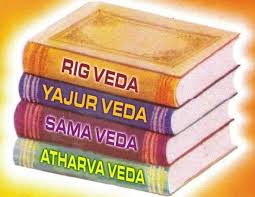
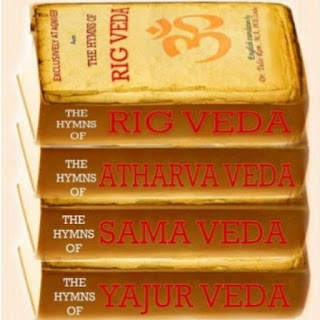
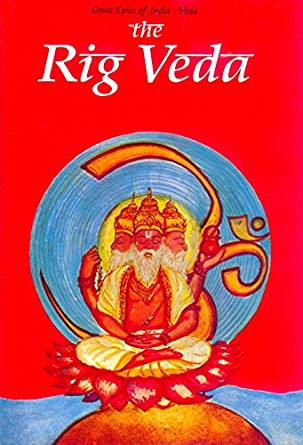
We know that the Rig Veda is the oldest religious book in the world; we know that Rig Veda is the first anthology in the world; we know that Rig Veda gives a list of 400 plus poets who were here 6000 years ago. It is amazing to see such a long list of poets several thousand years ago; No language has such a long list of firsts in the modern world.
Foreigners, particularly Max Muller and Marxists, dubbed them silly, ‘mostly childish’ with one or two rare gems here and there. They also said you cannot see high philosophy in it. I give below some excerpts of lectures delivered by Dr Ghate in University of Bombay 100 years ago:–
“Do you, young readers, come to the Rig Veda (RV) with the hope of finding in it the most sublime poetry? Then I am not surprised at the disappointment which would be in store for you.
You must not expect to find in the RV the smooth and melodious verses of KALIDASA,
nor the deep and heart-rending emotions of BHAVABUTI,
nor the polished and jingling music of DANDIN,
nor the elaborate and highly finished art of MAGHA,
nor the deep significance of BHARAVI,
nor the bewilderingly complex phrases of BANA.
All the same it cannot be denied that the hymns of the RV, at least some of them are such as goddess of poetry would be proud of.
The freshness and beautiful imagery which characterize the hymns addressed to Ushas (aurora), the heroic simplicity of some of the hymns addressed to Indra (the Thundering Bull), the homeliness which pervades some of the hymns to Agni, cannot but appeal to a sympathetic and appreciative reader. Though the RV as a book of poetry cannot at all stand comparison with the best specimens of Sanskrit classical poetry, still it has something indescribable in it which cannot be slightly passed over”
MY COMMENTS:-
Rig Veda is not a ‘poetry book’, i.e. nobody praised it as a poetry book. It is valued because it is a book of hymns. Moreover, 5000 or 6000 years ago, the world has no civilisation at all. Egypt, Babylonia, Mayan, Chinese, Greek civilisations came after the RV, if we go by the modern date of RV. Astronomically Tilak and Jacobi placed it in 4500 BCE and latest Saraswati River Research and NASA satellite images place RV before Indus Valley Civilization, i.e. 2500 BCE or before. Hindus believe that Vyasa divided the Vedas into four around 3102 BCE. So when there is no civilization in any part of the world we see 400 plus poets who sang religious songs on the banks of the mighty, ocean like River Sarswati. We even know they did not ‘compose’ but they gave us what they ‘heard’ (Sruti in Sanskrit, Kelvi in Tamil).
Is there Philosophy before the Upanishads?
I will give some excerpts from Bombay University lecture by Dr Ghate:
“So far I have spoken about the mythology of the Rig Veda (RV). Before concluding, I should like to make few remarks on the philosophy of the RV:-
“India is often spoken as the cradle of philosophy. Nowhere are made so bold and daring attempts to solve the riddle of the universes as in India, where there lived kings like JANAKA and AJATASATRU, Brahmins like YAAJNAVALKYA and NACHIKETAS, philosophers as SANKARA and KUMARILA. So the student of the RV will naturally be curious to know what philosophy is taught in the RV. He has, however to be warned, that no cut and dry system is taught here, for which he has to go to SUTRAS. Nor do philosophic speculations form the main burden of the RV as they do in the case of the UPANISHADS.
However, the seeds of the Upanishad thought are seen scattered about here and there in the Samhita (Hymns) of the RV. Though the general religion of the RV refers to a plurality of nature gods, still the tendency to monism is distinctly in some of the hymns. Just as the Rishis (seers) thought that the several natural phenomena had some divine forces behind them which were personified into so many gods, in the same way they advanced one step further and came to think that all these were the aspects of one and the same all-pervading divine force which manifested itself in different ways. Thus there was a transition from many gods to one god. Thus in 1-164-46, we have, “They call it Indra, Mitra, Varuna and Agni or the heavenly Garutmath (the sun). The sages call the One Being in many ways; they call it Agni, Yama and Matariswan. Here the several Vedic gods are stated to be one being. This whole hymn (1-164) is nothing but a collection of fifty verses poetry, all of them except one, being riddles whose answers are not given. “The subjects of these riddles are cosmic, that is, pertaining to the nature phenomena of the universe: mythological, that is, referring to the accepted legends about the god; psychological that is, pertaining to the human organs and sensations of finally crude and tentative philosophy or theosophy. Heaven and Earth, Sun and Moon, air, clouds and rain; the course of the sun, the year, the seasons, months days and nights; human voice, self-consciousness of life and death; the origin of the first creature and the originator of the universe – such are the abrupt and bold themes” (from Bloomsfield).
The idea that the dead forefathers are dwelling in another world, in the company of gods, where we ourselves to go after death, seem to be expressed or implied in several places.
Thus, we have in 1-91-1, “under your guidance, O Indra, our wise fathers received their share of treasurers among the gods;”
so also 1-125-5. The thirst for life haunts the mind of the Rishis and he leads himself to believe that the life after death in the world of the gods and fathers, is eternal, at least as compared with the life on this earth. Thus in 5-55-4 and 5-63-2 the life is called AMRUTATVA or IMMORTALITY.
Questions concerning the beginning and origin of all things were asked and answered by the Vedic Rishis. Thus, in the hymn 10-121 Hiranyagarbha (golden egg) is described as existing in the beginning of the creation, the sole Lord of beings, supporting heaven and earth.
In 10-90 hymn popularly known as Purushasukta, the idea that the whole world is one being, the Viratpurusha, who having pervaded the world from all sides, still remained over and above it, is dealt with.
In the hymn 10-82, waters are spoken of as being the first substance or prime cause.
In hymn 10-125, Vak (speech) is represented as the companion and upholder of the gods and as the foundation of all religious activity and its attendant boons.
Hymn 10-129 is a typical hymn in this connection. It is called the Creation hymn. Deussen says of this hymn: “In its noble simplicity, in the loftiness of its philosophic vision, it is possibly the most admirable bit of philosophy of olden times… No translation can ever do justice to the beauty of the original”
The avowed purpose of all philosophy is to account for the presence of the world and its contents as something which is not self-evident, and needs to be explained beyond the point of mere individual experience, or analysis through empirical knowledge. The creation hymn performs this act not without some unsteadiness and with petulance due to scepticism. In putting forth a fundamental principle without personality it does not fall far behind the best thought of later times inside or outside India.”.
One thing, however, must be noted and it is that pessimism and metempsychosis, the two main threads which are oven in everything Indian, and which are he distinguishing traits thereof, are wanting in the early philosophy of the Vedas.”
MY COMMENTS:
Modern translations and interpretations give more information on the philosophy of the Vedas. Traditionalists believe that all the philosophical of ancient India existed from the very beginning. They called it the ‘Conclusions of the Vedas’ Vedanta (literally End of Vedas). Dr Ghate’s view was the one held by foregners.
Source: Ghate’s Lectures on Rig Veda, Revised and Enlarged by Dr V S Suktankar, Oriental Book Agency, Poona 2, 1966 (First Edition 1915)
Kavayah kim na pasyanti – says Sanskrit book of golden sayings
“What is it that poets cannot envision?”
“Of the sages I am Vyasa and of the poets I am poet Usana” – says Lord Krishna in Bhagavad Gita (10-37)
Poetry in India has been so popular that even Lord Krishna could not miss it in the Bhagavad Gita. Rig Veda has the names of more than 400 poets who “saw” the mantras (Mantra drsta) and revealed them to the world. Of the 400 plus poets scores of them were poetesses. It is a literary wonder that we have over 400 poets around 1700 BCE. We couldn’t find such a galaxy of poets in the Babylonian or Egyptian civilisations. There was no book in any ancient civilisation except Hindu’s Rig Veda. A book must have a common theme, common purpose and common aims like the Rig Veda. We haven’t had any such book or anthology around 1700 BCE, the latest date accepted by the world for the Rig Veda.
Vedic poets dance and sing that the Gods love secret language:-
When Lord of our prayer, the first of speech and the foremost
The sages uttered, giving the unnamed a name,
Which was their best and their most stainless, then they
With love revealed the Divine secret in their souls
The Rig Veda contains true lyrics of which Ratri (Night) and Aranyani (The Spirit of the Forests) are notable. The hymns to Usas (Dawn) and the lovely marriage hymn Suryas Bridal are lyrical in tone. The Atharva Veda contains the beautiful Prithivi sukta (Ode to Earth).
((Ratri Sukta- RV 10-127; Aranyani Sukta 10-146; Surya’s Bridal 10-85; Ode to Earth/Prithivi Sukta AV 12-1))
What is Poetry? Valmiki’s Curse became a Verse!
It is highly impossible to define what poetry is. A host of definitions may come to our mind. But no definition can bring out its full range and import. Like God, it admits a variety of interpretations; but no interpretation can be wholly satisfactory.
In Hinduism Valmiki is considered the Adi Kavi, the first poet to write a Kavya. In his case the “Sloka (couplet) came out of his Soka”(sorrow):–
“Sokah slokathvamaagathah”
“Alokathvamaapadhyata yasya sokah” (Raguvamsa of Kalidas)
Sage Valmiki was one day going to the river Tamasa to bathe, when he saw a hunter shooting a bird which was innocently sporting with its mate beside the water. The poor bird with an arrow in its breast, fell dead at the feet of the saint. Immediately he cursed the hunter. Unconsciously the sage spoke the curse in a metre called ‘anushtubh’, for before that time metres were unknown in India, except those in the Vedas. When Valmiki returned to his abode lord Brahma appeared before him and persuaded him to write the Story of Rama in that very metre. He obeyed him and thus the Ramayana came to be written.
Mere metre perfection or verse form cannot constitute the essence and aroma of poetry. Medicine and astrology were written in verse, but they can never be called poetry in the truest sense of the term. Poetry is an intuitive perception of the unseen. It is the arresting of the visitation of the divinity in man.
Kamban, the author of Ramayana in Tamil, compares the art of poetry to the majestic and easy flow of a great river. According to him, ideal poetry is to the poet, what a river is to a Naturalist, an object beautiful to look at, and pregnant with meaning.
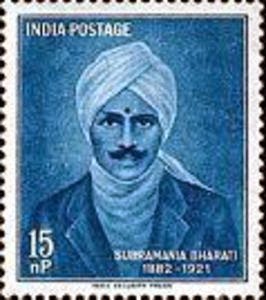
Great Tamil poet Bharati has translated many of his experiences into beautiful poetry. His poetry is full of imagination and highly rhythmical.
Former President of India Dr Rajendra Prasad wrote: “ A poet interprets and lays bare the human heart and mind to his less gifted brothers and sisters , enabling them to see and know man’s finer self at close quarters. His words do not die and he is loved and lives in man’s memory. He makes tears flow and laughter ripple through his verses.
Bharati, in his invocation to Vani, the Muse of Poetry, virtually describes what he considers to be the indispensable requirements of great poetry:
“Great grasp of the subject matter; lucidity of expression; the power of providing for those who subject the poem to deep study and thought, the higher imaginative pleasures through its profundity and suggestiveness; and powerful emotion that can move the reader even to the point of tears”.
“No insight, No poetry” says the Subashita Ratna Bhandagaram, the Sanskrit Book of Sayings.


 Tamil and Vedas