விண்வெளி ராக்கெட்டும் விசேஷ பிரார்த்தனையும்


ஆதி சங்கரர் “கனக தாரா ஸ்தோத்திரம்” செய்தால் ஏழை வீட்டில் தங்க மழை பெய்கிறது. முத்துசாமி தீட்சிதர் அமிர்தவர்ஷனி ராகத்தில் அம்பாளைப் பிரார்த்தித்தால் வறண்ட பூமியில் மழை பெய்கிறது. ஞான சம்பந்தர் பதிகம் பாடினால் இறந்துபோன பெண் அஸ்திக் கலச சாம்பல் எலும்பிலிருந்து எழுந்து வருகிறாள். நாமும் அதே ஸ்தோத்திரம் , பதிகம் பாடினால் ஏன் நமது பிரார்த்தனைகள் நிறைவேறுவதில்லை?

இதோ, கீழே இதற்கான விடை உள்ளது.

கிரகண நாட்களில் பிரார்த்தனை செய்தால் ஏன் பலன் பன் மடங்கு அதிகரிக்கிறது? சிவ ராத்திரி, வைகுண்ட ஏகாதசி, பிள்ளையார் சதுர்த்தி, துர்காஷ்டமி, ஜன்மாஷ்டமி, ராமநவமி ஆகிய நாட்களில் பூஜை செய்தால் ஏன் பல மடங்கு பலன் கிடைக்கும் என்று நமது மத நூல்களும் ஆச்சார்யர்களும் கூறுகிறார்கள்?

இதோ கீழே இதற்கான விடை உள்ளது.

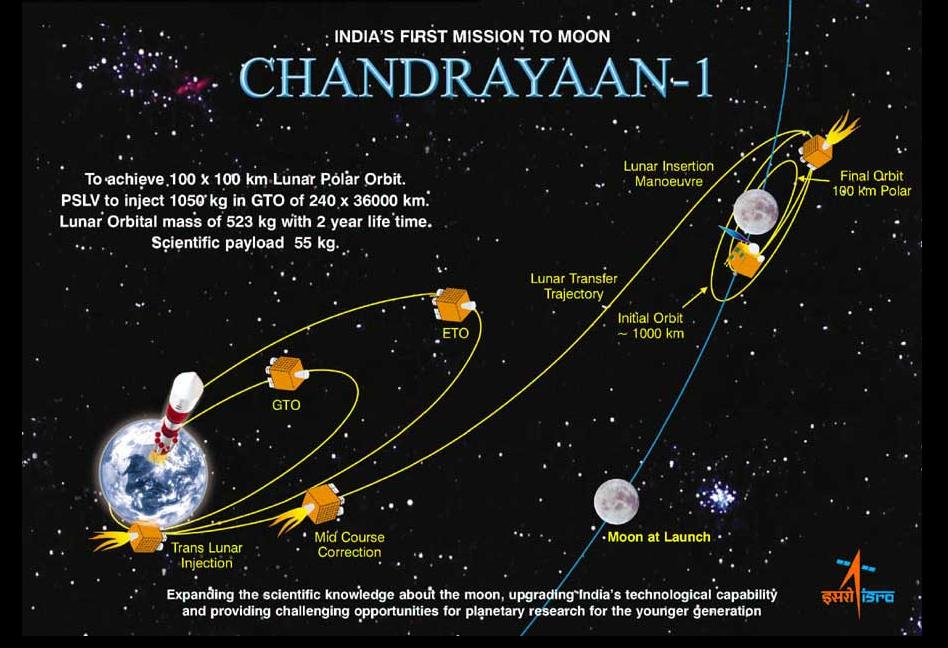
இந்திய விண்கலம் சந்திரனுக்குச் சென்றதை எல்லோரும் அறிவர். அமெரிக்க ரஷிய விண்கலங்கள் செவ்வாய், சனி கிரகங்களுக்கு அவ்வப்போது ஏவப் படுகின்றன. பல விண்கலங்களும் பாதியில் கோளாறு ஆகி விழுகின்றன. ஏன் சில போயின, சில வெடித்து விழுந்தன? தவறான நேரம் அல்லது இயந்திரக் கோளாறு காரணமாக இருக்கலாம்.


ஒவ்வொரு விண்கலம் ஏவப்படும் முன்பாக பல ஆண்டுகள் திட்டமிடுவார்கள். என்ன என்ன ஏற்பாடுகள் தேவை தெரியுமா?

ஒரு ஏவுதளம் வேண்டும். இது கடலுக்கருகில் அல்லது மனித நடமாட்டம் இல்லாத பாலவனத்தின் பக்கத்தில் இருக்க வேண்டும். அதுவும் நில நடுக் கோட்டுக்குப் பக்கத்தில் இருக்க வேண்டும். இதற்குப் பின் எந்த கிரகத்துக்கு அனுப்புகிறோமோ அதன் பாதை, வேகத்தைக் கவனித்து, அது பூமிக்கு அருகில் வரும் போது ஏவ வேண்டும். விண்வெளியில் அதிக எரிபொருள் செலவில்லாமல் பயணம் தொடர ஒவ்வொரு கிரகத்தின் ஈர்ப்பு உந்து விசையைப் (Gravitational slingshot) பயன்படுத்த உரிய தருணத்தில் அனுப்ப வேண்டும். இது தவறினால் சில நேரம் ஆண்டுக் கணக்கில் கூட காத்திருக்க வேண்டும்.

இனி ராக்கெட்டையும் விண்கலத்தையும் பார்ப்போம். ஒரு விண்கலம் பூமியின் ஈர்ப்பு விசையத் தாடவேண்டுமானால் ஒரு வினாடிக்கு குறைந்தது 11.2 கிலோமீட்டர் அல்லது எட்டு மைல் வேகத்தில் அந்த ராக்கெட் போக வேண்டும். அப்போதுதான் பூமியின் ஈர்ப்பு விசையை (Escape velocity ) மீறமுடியும். துல்லியமான கம்ப்யூட்டர் கணக்குகளில் ஒரு இம்மி பிசகானாலும் ராக்கெட்டோ விண்கலமோ அதன் இலக்கிலிருந்து பல கோடி மைல்கள் தள்ளிப் போய்விடும் .அல்லது புறப்பட்டவுடனே விழுந்துவிடும். பெரிய விண்கலம் ஆக இருந்தால் கூடுதல் எரிபொருளும் பெரிய ராக்கெட்டும் தேவைப்படும். கால நிலை முதலியவற்றைக் கணக்கில் கொண்டு (Launch window ) ஒரு கால அட்டவணை தயாரிக்க வேண்டும்.

செவ்வாய் கிரகத்தை நோக்கி அனுப்பப்பட்ட பெரும்பாலான விண்கலங்கள் தோல்வியில் முடிந்தன. பல தோல்விகளுக்கு என்ன காரணம் என்று இன்னும் ஆராய்ந்து வருகிறார்கள்.

இப்போது இதையே விசேஷ பிரார்த்தனையுடன் ஒப்பிடுங்கள். எப்படி ஈர்ப்பு விசையைத் தாண்ட வினாடிக்கு எட்டு மைல் வேகம் தேவையோ அப்படி நம்முடைய அகங்காரம், மமகாரம், தீய எண்ணங்கள், கோபம் தாபம் ஆகிவற்றைத் (Gravity) தாண்ட தீவிர பிரார்த்தனை வேண்டும்.

எப்படி சில நாட்களில் ஏவினால் கிரகங்களின் உந்துவிசை பயன்படுகிறதோ(Gravitational slingshot)  அப்படி விசேஷ நாட்களில் பிரார்த்தனை செய்தால் பிரார்த்தனைக்கு உந்து விசை கிடைக்கும். அப்போது நூறு முறை நாம ஜபம் செய்தாலும் அது பல்லாயிரம் மடங்காகும்.

எப்படி குறிப்பிட்ட நாட்களில் (Launch window ) ஏவினால்தான் ராக்கெட்டுகள் எளிதாக இலக்கை அடையுமோ அப்படி பண்டிகை அல்லது கிரகண காலங்களீல் செய்தால் எளிதில் நினைத்ததை அடையலாம்.

எப்படி குறிப்பிட்ட இடத்தில் உள்ள ஏவுதளத்திலிருந்து இலக்கை நோக்கி ஏவுகிறோமோ அப்படி குறிப்பிட்ட நேரத்தில் குறிப்பிட்ட இடத்தில் பிரார்த்தனை செய்தால் பிரார்த்தனையின் முழுப் பலனும் கிடைக்கும்.

எப்படி பெரிய ராக்கெட்டுக்கு நிறைய எரிபொருள் தேவைப் படுகிறதோ அப்படி நம்முடைய பெரிய வேண்டுகோளுக்கு நிறைய பிரார்த்தனை தேவைப்படும். ஆனால் சில நாட்களில் கிரகங்கள் (செவ்வாய், சனி) அருகில் இருந்தால் அதன் ஈர்ப்புவிசை (Gravitational slingshot) பயன்படுவது போல நமக்கு குறைந்த பிரார்த்தனைக்கு நிறைந்த பலன் கிடைக்கும்.

ஆதி சங்கரர், சம்பந்தர் போன்றோருக்கு இந்த கணக்குகள் எல்லாம் ஞானக் கண்களால் தெரியும். ஆதலால் அவர்கள் நினைத்ததை முடிக்கிறார்கள். அவர்கள் கூறியது போல நாமும் பண்டிகை நாட்களில் ஒரே எண்ணத்தோடு ராக்கெட் போல குறி இலக்கு நிர்ணயித்தோமானால் எளிதில் பலன்கள் கிட்டும். நம்முடைய பிரார்த்தனைக்கும் ஒரு “லாஞ்ச் விண்டோ” தேவை.
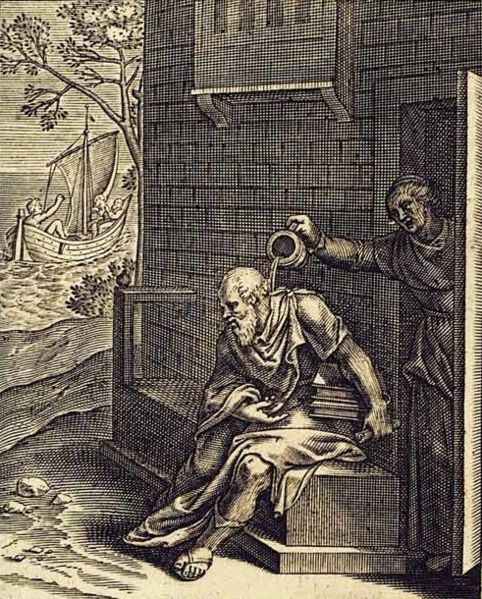
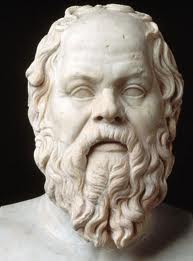
 

60 second interview with Socrates


(Questions are Imaginary; answers are from Plato’s Dialogues and Xenophon’s writings)

Sir , Who are you?


“I am not an Athenian nor a Greek, but a citizen of the world.”

Socrates, you were accused by the authorities in Athens that you spoiled the youths. The second accusation against you was that you denied the established gods and introduced strange divinities. What did you say in the court?


“Esteemed friend, citizen of Athens, the greatest city in the world, so outstanding in both intelligence and power, aren’t you ashamed to care so much to make all the money you can, and to advance your reputation and prestige–while for truth and wisdom and the improvement of your soul you have no care or worry?”


Did you corrupt the youth by your teachings?

I cannot teach anybody anything. I can only make them think. To find yourself, think for yourself.

The only good is knowledge and the only evil is ignorance.


You are one of the greatest philosophers. The Oracle of Delphi told that you were the wisest.

Did you agree?


I know one thing, that I know nothing.


Did you learn Hindu Upanishads? Your philosophy sounds similar to our philosophy.


Wonder is the beginning of wisdom. Know thyself.

All men’s souls are immortal, but the souls of the righteous are immortal and divine
An honest man is always a child.
We understand that your wife was very rude to you. One day she scolded you for lecturing. When you did not stop, she poured on you a bucket full of water. Shakespeare in his play “Taming of the Shrew” mentions your wife’s rudeness. What did you say to your friends then?


You heard thunder and now it is raining.


It looks like you wouldn’t advise any youth to get married. Is it correct?


By all means marry; if you get good wife, you will become happy; if you get a bad one, you will become a philosopher.


Socrates, you had a sense of humour. Out of the 501 juries in the court only 281 supported your conviction and death sentence. What did you say about it in your three speeches?


“Death may be the greatest of all human blessings. To fear death, my friends, is only to think ourselves wise, without being wise: for it is to think that we know what we do not know. For anything that men can tell, death may be the greatest good that can happen to them: but they fear it as if they knew quite well that it was the greatest of evils. And what is this but that shameful ignorance of thinking that we know what we do not know?”


“I am surprised that only by a small majority I was convicted and sentenced to death. I knew the outcome already. My conviction was a foregone conclusion. I am old. I have to die soon. I am not scared of death.”


O, philosopher, you have not left us any book written by you. Whatever we know is through the writings of your friends Plato, Crito and Xenophon. What did you think about friendship?


Be slow to fall into friendship, but when you are in, continue firm and constant.

Socrates, you said something about the youths of your time 2500 years ago. That is what we also say today. What did you say?


Our youth now love luxury. They have bad manners, contempt for authority; they show disrespect for their elders and love chatter in place of exercise; they no longer rise when elders enter the room; they contradict their parents, chatter before company; gobble up their food and tyrannise their teachers.


Socrates, you must visit our university campus and see how my colleagues use the mobile phones. You are absolutely right. My teachers will give you a rousing welcome for this statement. What is your view on poverty and suffering?


“If you don’t get what you want, you suffer; if you get what you don’t want, you suffer; even when you get exactly what you want, you still suffer because you can’t hold on to it forever. Your mind is your predicament. It wants to be free of change. Free of pain, free of the obligations of life and death. But change is law and no amount of pretending will alter that reality.”

What is your advice to our people?

“Do not do to others what angers you if done to you by others.”

“Envy is the ulcer of the soul.”

“When the debate is lost, slander becomes the tool of the loser.”

“Thou should eat to live; not live to eat.”

“The secret of happiness, you see, is not found in seeking more, but in developing the capacity to enjoy less. He is richest who is content with the least, for content is the wealth of nature”.

O, You sound like our Gandhi. He also advised us to live with minimum needs. What did you say to Crito before you died?


Crito, I owe a cock to Asclepius; will you remember to pay the debt?


**************


சாக்ரடீஸுடன் 60 வினாடி பேட்டி

(கேள்விகள்-சுவாமிநாதனின் கற்பனை- பதில்கள் பிளாட்டோ நூல்களிலிருந்து)

சாக்ரடீஸ், நீரோ தத்துவ ஞானி, உமது மனைவியோ அடங்காப் பிடாரி. ஒரு முறை நீர் உரையாற்றும்போது அவள், உம்மீது வசை மாரி பொழிந்து ஒரு வாளி தண்ணீரையும் கொட்டினாளே, அப்போது என்ன சொன்னீர்?

இதுவரை இடி இடி இடித்தது. இப்போது மழை பெய்கிறது.


அட, பொறுமையின் இலக்கணமே ! கிரேக்க நாடு பெற்றெடுத்த தவப் புதல்வா! அப்படியானால் நங்கள் எல்லாம் கல்யாணமே கட்டக் கூடாதோ?

வாய்ப்பு கிடைத்தால் விடாதீர்கள். கல்யாணம் செய்துகொள்ளுங்கள். நல்ல மனைவி கிடைத்தால் மகிழ்ச்சியுடன் வாழுங்கள். மோசமான மனைவி கிடைத்தால் தத்துவ ஞானி ஆகிவிடுவீர்கள்.

இப்போது புரிகிறது, நீங்கள் எப்படி தத்துவ வித்தகர் ஆனீர்கள் என்று. எங்கள் உபநிடத்தில் கூறியதை நீரும் கூறினீரா?

உன்னையே நீ அறிவாய்

நல்ல வாசகம், சாக்ரடீஸ், நீவீர் வறுமையில் வாழ்ந்தீர், ஆனால் ஞானச் செல்வத்துக்குக் குறைவில்லை. இளஞர்களில் உள்ளத்தைக் கொள்ளை கொண்டீர். இதுதான் உம் மீதுள்ள பெரும்பழி.

நான் யாருக்கும் எதையும் சொல்லித்தர முடியாது. சிந்தனை செய்யத் தூண்டுவதே என் பணி. உன்னை நீ அறிய சிந்தி, நன்றாகச் சிந்தித்துப் பார்.


தெய்வவாக்கில் உமக்கு நம்பிக்கை அதிகம். டெல்பியில் குறி சொல்லும் தெய்வத்திடம் மிகப் பெரிய அறிவாளி யார் என்று கேட்டதற்கு உம்முடைய பெயரை அது கூறியது.அப்போது என்ன தோன்றியது?

என்னை விடச் சிறந்த அறிவாளி யாரையாவது நான் தேடிக் கண்டுபிடிப்பேன். உடனே தெய்வத்திடம் போய் ஏன் என்னைச் சொன்னாய் என்று கேட்பேன்


அஞ்சாத சிங்கம்,ஆனால் ஒரு ஞானி, எங்கள் ஊர் ஜனக மகாரஜா போல,

அறிவாளி யாரையாவது கண்டுபிடித்தீர்களா?

(பல அரசியல்வாதிகளையும் தத்துவ அறிஞர்களையும் பார்த்தபின்)

அவர்களை விட நான் சிறந்தவனே, தெய்வம் சொன்னது பொய்யன்று.


உமக்கு எப்படி இவ்வளவு துணிவு பிறந்தது?

நல்ல செயலைத் துவங்கும்போது அது நேர்மையானதா என்றுதான் பார்ப்பேன். உயிருக்கு ஆபத்து விளையுமா என்று சிந்திப்பது கோழைத் தனம்.


உமது புகழ்பெற்ற பொன்மொழி எங்கள் சரஸ்வதி தேவி “கற்றது கை மண் அளவு, கல்லாதது உலகளவு” என்பதைப் பிரதிபலிக்கிறதே:

எனக்கு ஒன்று தெரியும் ,அது என்னவென்றால் எனக்கு ஒன்றும் தெரியாது

I know one thing, that I know nothing.


ஆஹா, புரிகிறது. எங்கள் வள்ளுவரும் “ அறிதோறு, அறியாமை கண்டற்றால்” என்றுதான் சொல்வார்.படிக்கப் படிக்கத்தான், அடடா, இவ்வளவு நாள் கிணற்றுத் தவளையாக இருந்தோமே என்று நினைக்கிறோம்

கிரேக்க மக்கள் தொழுதுவந்த தெய்வங்களை நீர் புறக்கனிக்கச் சொன்னதாக உம் மீது பழி சுமத்தப் பட்டுள்ளது, இளைஞர்களை ஒழுக்கத்திலிருந்து தவறச் செய்தீர்களாமே?

புதிய தெய்வங்களை உண்டாக்கியதாகக் குற்றம் சாட்டுகிறீர்கள். மற்றொரு புறம் நான் நாத்தீகம் பேசியதாகச் சொல்கிறீர்கள். இது முரணாக இல்லையா? வெறுப்பும் பொறாமையும் தான் உங்கள் குற்றச் சாட்டுகளுக்குக் காரணம்.


எழுபது வயது, மூன்று பிள்ளைகளுக்கு தந்தை. நீதி மன்றத்தில் மூன்று சொற்பொழிவுகள் செய்தீர்கள்.முதல் சொற்பொழிவில் என்ன சொன்னீர்கள்?

வீண் கர்வத்தாலும், அறியாமையாலும் கஷ்டப்படும் மக்களைத் திருத்துவதே ஆண்டவன் எனக்கு இட்டிருக்கும் பணி. அறம் தவறாது நீதி நிலை நாட்டப்படவேண்டும். இதுவே என் விருப்பம். என்ன தண்டனை கொடுத்தாலும் அதை ஏற்பேன்.


உமக்கு மரண தண்டனை விதித்த நீதி மன்றத்தில் 501 பேர் இருந்தனர்.ஒரு கவிஞனும் தோல் வியாபாரியும் உமக்கு எதிராக நின்றனர். இவர்களில் 220 பேர் உமக்கு ஆதவளித்தபோது இரண்டாவது உரையில் என்ன சொன்னீர்?

உங்கள் தீர்ப்பு எனக்கு வியப்பளிக்கவில்லை. முன்கூட்டியே குற்றவாளி என்று முடிவுகட்டி விட்டீர்கள். ஆனால் இத்தனை குறைந்த வாக்குகள் தான் எனக்கு மரண தண்டனை அளித்தது என்பது ஆச்சரியமாக இருக்கிறது.


நான் குற்றமற்றவன் என்று என் மனச் சாட்சி சொல்லுகிறது எனக்கு நீங்கள் பசியும் பிணியும் ஏற்படாதவாறு மானியம் தந்திருக்க வேண்டும். ஆனால் நான் சிறையில் அடிமாடு போல வாழ விரும்பவில்லை நான் வேறு நாட்டுக்கு சென்று வசிக்கவும் விரும்பவில்லை. நான் ஒரு ஏழை, அல்லது அபராதத் தொகை கொடுத்திருப்பேன். எனக்கு பொருளை இழப்பதில் ஒரு கஷ்டமும் இல்லை.


மேலை நாட்டு வள்ளுவா, நீயோ வள்ளுவனுக்கும் கிட்டதட்ட ஆயிரம் ஆண்டுகளுக்கு முன் வாழ்ந்தாய்,மூன்றாம் சொற்பொழிவு பற்றி…….

ஏதன்ஸ் நகர மக்களே! நீங்கள் எனக்கு மரண தண்டனை விதித்திருக்கிறீர்கள். இதனால் உங்களுக்கு ஒரு லாபமும் கிடைக்கப் போவதில்லை. நான் வயதானவன். இந்தத் தண்டனை இல்லாவிட்டாலும் குறுகிய காலத்துக்குள் நான் இறக்கத்தான் போகிறேன் போர்ககளத்தில் ஒரு வீரன் எப்படி நடந்துகொள்வானோ அப்படியே நீதிமன்றத்திலும் நடக்கவேண்டும். மனிதனுக்கு மரணம் ஆபத்தல்ல. அதர்மமே ஆபத்து தர்ம வழியில் நடப்பவனுக்கு இம்மையிலும் மறுமையிலும் துன்பமில்லை.


எனக்கு ஆதரவாக செயல்பட்டவர்களுக்கு ஒரு வேண்டுகோள், நான் எப்படி செல்வர்களையும் பிறரையும் கேள்விகள் கேட்டு துளைத்தேனோ அப்படியே நீங்களும் செய்ய வேண்டும்.அவர்கள் போக்கில் விட்டு விடாதீர்கள். காலம் அதிகரித்து விட்டது. இன்னும் கொஞ்ச காலம் நீங்கள் உயிரோடு இருப்பீர்கள். நானோ இப்போதே உங்களை விட்டுப் போகிறேன். விடை கொடுங்கள்.


(விஷம் கொடுத்து கொல்வதற்கு முன் சிறைச் சாலையில் நடந்தது: நம் ஊரில் கோவில் திருவிழாவுக்கு கொடி ஏற்றிய பிறகு முக்கிய காரியங்களை நிறுத்திவைப்பது போல, ஏதன்ஸ் நகர மக்கள் அருகிலுள்ள தீவின் விழாவுக்கான கப்பல் புறப்பட்டுவிட்டால் அது திரும்பும் வரை எதையும் செய்ய மாட்டார்கள். இதனால் சாக்ரடீஸின் மரண தண்டனை சிறிது தடைப்பட்டது)

நண்பர் :கெட்ட செய்தி கொண்டுவந்திருக்கிறேன்

சாக்ரடீஸ்: கப்பல் வந்து விட்டதா?

நண்பர்: நாளை வரப்போகிறது. நாளை உமது ஆயுள் முடியும்

சாக்ரடீஸ்: நண்பரே நான் தூங்குவதால் என்னை எழுப்பாமல் காத்திருந்தீர். அப்பொழுது நான் ஒரு கனவு கண்டேன்.மங்கை ஒருத்தி மங்கல உடை தரித்து என் முன் தோன்றினாள். இன்றைக்கு மூன்றாம் நாள் நீர் அழகிய சொர்க்கத்திற்கு வந்து விடுவீர் என்றாள்.


விஷம் அருந்தும் முன் நீர் என்ன சொன்னீர்?

உடல் நமக்கு இறைவன் தந்த சிறைச் சாலை; இதிலிருந்து நாமாகத் தப்பிவிடக்கூடாது. ஆண்டவனே நம்மை விடுதலை செய்யவேண்டும் என்று ஞானிகள் கூறுகிறார்கள்.


விஷ பானம் உடலில் வேலை செய்யத் துவங்கியவுடன் நீர் கடைசியாகச் நண்பரிடம் சொன்ன வார்த்தைகள்…….?

நான் ஒரு கோவிலுக்கு பலிக் கடன் செய்ய வேண்டும். அதை எனக்காக நீர் செலுத்திவிடும்.


(சாக்ரடீஸ் எந்த புத்தகமும் எழுதவில்லை. அவரது சீடர்கள் ,குறிப்பாக பிளாட்டோ எழுதிய நூலிலிருந்தும் சாக்ரடீஸை கிண்டல் செய்து அரிஸ்டபனீஸ் எழுதிய நாடகத்திலிருந்தும் பல விஷயங்களை அறிகிறோம்.)

மஹா சிவராத்ரி மகிமை


மாசி மாத கிருஷ்ண பட்சத்தில் 13 அல்லது 14 ஆம் இரவில் சிவராத்ரி அனுஷ்டிக்கப்படுகிறது. சிலர் இதை பங்குனி மாதம் என்றும் கணக்கிடுவர்.

விஷ்ணுவுக்கு வைகுண்ட ஏகாதசி எப்படி முக்கியமோ அப்படி சிவ பக்தர்களுக்கு சிவராத்திரி மிக முக்கியமான நாளாகும். இந்த நாளில் சிலர் தண்ணீர் கூட குடிக்காமல் முழுப் பட்டினி கிடந்து உபவாசம் அனுசரித்து மறுநாள்தான் சாப்பிடுவர். உலகு எங்கிலும் உள்ள சிவாலயங்களில் இரவு முழுதும் பூஜை பாராயணம், அபிஷேகம் ஆகியன நடைபெறும். 12 ஜோதிர்லிங்க தலங்களில் அன்று சிவனைத் தரிசிக்க லட்சக் கணக்கான மக்கள் கூடுவர்.

பசுபதி நாதர் கோவில் கொண்டுள்ள நேபாளத் தலைநகர் காத்மண்டுவில் இது பெரிய அளவில் கொண்டாடப்படுகிறது. உண்மையில் சிவராத்ரி நேபாள நாட்டின் தேசியத் திருவிழாவாகும். அன்று சிவனை அந்த நாட்டின் ராஜாவாக கருதி ராஜ மரியாதைகள் செய்வர். காசி எனப்படும் வாரணாசியிலோ மக்கள் கூடம் அலை மோதும்.

சிவராத்திரி தோன்றிய கதை நமக்கு முக்கியமான ஒரு செய்தியைத் தருகிறது. ஒருவன் அறிந்தோ அறியாமலோ சிவலிங்கத்துக்குப் பூஜை செய்தாலும் அவனுக்கு முக்தி கிடைக்கும் என்பதே அந்த செய்தி. சிவ ராத்திரி கதை மஹாபாரதத்தில் சாந்தி பர்வத்தில் பீஷ்ம பிதாமஹர் அம்புப் படுக்கையில் படுத்திருந்தபோது கூறப்படுகிறது.

சித்ரபானு என்ற மன்னன் உபவாசம் இருந்தபோது அஷ்டவக்ரர் அங்கே வருகிறார். மன்னன் உபவாசம் இருப்பதன் காரணத்தை வினவியபோது அம் மன்னன் தனக்கு பூர்வ ஜன்மத்தில் என்ன நடந்தது என்பதை விவரமாகக் கூறுகிறான். முன் ஜன்மத்தில் தான் ஒரு வேடன் என்றும் காட்டில் வேட்டையாடிய போது நேரம் ஆகிவிட்டதால் இரவுப் பொழுதை ஒரு மரத்தின் மீது கழித்ததாகவும் அதன் கீழே வந்து தங்கிய மானைக் கொன்று வீட்டுக்குக் கொண்டுபோக வேண்டும் என்பதற்காக ஒவ்வொரு இலையாகப் பறித்து மானுக்குப் போட்டதாகவும் கூறுகிறான்.

காலையில் மானுடன் வீட்டுக்குச் சென்றபோது யாரோ ஒருவர் உணவு கேட்டு வந்ததால் அதைக் கொடுத்துவிட்டதாகவும் சிறிது காலத்துக்குப் பின் இறந்துவிட்டபோது சிவ தூதர்கள் இருவர் வந்து ராஜ உபசாரம் செய்து அழைத்துக் கொண்டு போனபோதுதான் முழு விஷயமும் தெரிய வந்ததாகவும் மன்னன் கூறுகிறான். அவன் இலைகளைப் பறித்துப் போட்ட மரம் சிவனுக்கு மிகவும் உகந்த வில்வ மரம் என்றும் மானுக்குப் போட்ட வில்வ இலைகள் அருகில் இருந்த சிவலிங்கம் மீதும் விழுந்ததால் எல்லா புண்யமும் வந்து சேர்ந்ததாகவும் மன்னன் கூறுகிறான்.

இந்தக் கதை நமக்குப் புகட்டுவது என்ன?

  1. சிவனுக்குப் பூஜை செய்கிறோம் என்று தெரியாமல் வில்வத்தைப் போட்டாலும் கூட முழு புண்ணியமும் கிட்டும்..
  2. வேடனாக இருந்து செய்த பாபங்கள் கூட மன்னிக்கப் படும்.
  3. அறியாமல் செய்த புஜையானாலும் அடுத்த ஜன்மத்தில் மன்னர் பதவி கிட்டும்

இந்தப் புனித நன்னாளில் நாம் என்ன செய்யலாம்?

பெரிய நகரங்கள் எல்லாவற்றிலும் உள்ள சிவன் கோவில்களில் இரவில் நான்கு ஜாமங்களிலும் பூஜை அபிஷேகம் நடக்கும். அதை தரிசிக்கலாம். பூ,தேங்காய் பழம் கொண்டுபோய்க் கொடுக்கலாம்.

மறு நாள் அலுவலகம் இல்லாவிட்டால் இரவு முழுதும் விழித்திருந்து ருத்ர பாராயணம் செய்யலாம். அது முடியாதவர்கள் ஓம் திரயம்பகம் எனத் துவங்கும் ம்ருஞ்ஜய மந்திரத்தை இயன்றவரை ஜபிக்கலாம். அதுவும் முடியாதவர்கள் மஹா மந்திரமான ஒம் நமசிவாய என்ற ஐந்தெழுத்தை ஜெபிக்கலாம்.

பட்டினி கிடக்க முடிந்தவர்கள் ஒரு நேரமாவது சிவனை நினைந்து உபவாசம் இருக்கலாம்.

வட இந்திய காய்கறிக் கடைகளில் (குறிப்பாக லண்டனில் வெம்பிளியில்) இலவசமாக வில்வ பத்திரம் கிடைக்கும். அதை சிவன் மீது அர்ச்சிக்கலாம்.

சுருக்கமாகச் சொன்னால், நாள் முழுதும் “சிவனே” என்று கிடந்தால் போதும். 12 ஜோதிர்லிங்க ஸ்தலங்களையும் தரிசித்த புண்ணியம் கிடைக்கும்.

தென்னாட்டுடைய சிவனே போற்றி

எந்நாட்டவர்க்கும் இறைவா போற்றி

ஓம் நம சிவாய.

*****************************


Space ships and Special Prayer Days

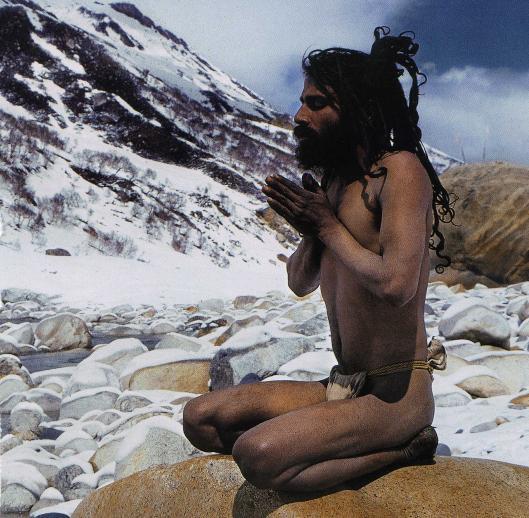
The title may look strange to many of you. You may wonder what a spaceship has got to do with special prayer days. I would like to explain why Hindus insist doing prayers on particular days and at particular times and in particular places. If the prayers are done by great saints miracles do happen. But when we do the same, no such miracles occur. Why?


Hindus believe that praying on festival days like Shivratri, Durgashtami, Ganesh Chathurthy, Kanda Shasti, Janmashtami, Rama Navami etc will increase the benefits many fold. Praying during solar or lunar eclipse will also boost the power of our prayers is a popular belief. Hindu scriptures support this belief. Is it true that certain places or certain days or certain times are more beneficial than other days? Yes, it is true.


When Adi Shankara sang the Kanakadhara Stotram a shower of golden gooseberries (amalaka) fell from the heaven for the sake of a poor devoted lady. When Saivite Nayanmars and Vaishnavite Alwars sang hymns, hundreds of miracles happened. It is the same old story with a lot of saints like Nivritti, Jnandev, Sopana, Muktabhai, Eknath,Namdev, Tukaram, Ramdas, Chaitanya,  Shirdi Saibaba, Ramakrishna Paramahamsa, Ramana and many more Babas.


Why doesn’t God answer our prayers when we sing the same old hymns sung by our saints?


Let’s look at this example:

If you want to send a spaceship into space orbit or beyond that point you need to plan a lot of things. You can’t launch a spaceship from anywhere on earth. You must have a space station at a vantage point, most times near the sea or uninhabited places. Moreover the latitude and longitude of that place must be taken into account. For example, it is advantageous if the launch pad is nearer the equator.


You have to design a rocket which exceeds a speed of at least eight miles per second (11.2 kilometres/second). This is called escape velocity. Then you must have sufficient energy to lift the rocket. The heavier the rocket, the more fuel you need to get to this speed. Then you must have an aim – like the Moon or Mars, and do the calculations accordingly and correctly. If you make even a small mistake in the calculation, the space pod at the tip of the rocket may fall back on earth or travel several thousand miles away from its destination. We often read of such failures in the newspapers. Most space missions to Mars have failed.

For launching every rocket they have Launch Windows. They have to fire the rocket at a specific time. If they miss it they have to wait for another like that. This is especially true when scientists want to launch a spaceship to a particular planet: they have to calculate the orbit of that planet and the time it comes closest to earth etc. If they want to use the ‘gravitational slingshot’ to speed up the journey, they have to adhere to a particular time. This will save an enormous amount of fuel.


One can apply this principal to prayers on special days or by special people:


We must have some aim and focus only on it (like the space ship). We must make great preparations like selecting a particular place, day and time (like launch windows). We must have enough fuel (number of times or recitation of mantra) and right speed (intensity of prayer). If our ego, hatred, desire, bad thoughts etc. are eliminated then the prayer becomes fruitful. We attain ‘escape velocity’ for our prayers and it goes straight in to orbit (of God). Since saints like Adi Shankara, Ramanuja, Madhwa, Chaitanya or Yogis and Rishis knew these “launch windows” and they attained the escape velocity easily for their prayers to achieve great success. But we always waiver, make the wrong calculations and the wrong demands so our rockets (prayers) easily fail.


Special festival days are like launch windows – they are the right time for our prayers to be sent. Our prayers will easily reach the target. Festival days act like gravitational slingshots – our prayers, even if you recite the mantra just 100 times, are boosted several thousand times. In short it reaches its destination and gives you the expected results quickly.

***************

அப்பருடன் 60 வினாடி பேட்டி


(கேள்விகள்-சுவாமிநாதனின் கற்பனை, பதில்கள்-அப்பர் தேவாரத்திலிருந்து)


வாகீசரே, கூற்றாயினவாறு விலக்ககிலீர் என்ற வரியுடன் பதிகம் பாடியவுடம் உமது தீராத சூலை நோய் திர்ந்தது. உமது  பணிதான்  என்ன?

நம் கடம்பனைப் பெற்றவள் பங்கினன்

தென் கடம்பைத் திருக்கரக் கோயிலான்

தன் கடன் அடியேனையும் தாங்குதல்

என்கடன் பணி செய்து கிடப்பதே

 ‘கொலவெறி’ யானையை உங்கள் மீது பல்லவ மன்னன் ஏவிவிட்டானே, எப்படி சமாளித்தீர்கள்?

சுண்ணவெண் சந்தனச்சாந்தும் சுடர் திங்கட் சூளாமணியும்

…………………………………………….

அஞ்சுவது யாதொன்றும் இல்லை அஞ்சவருவதும் இல்லை


இதைப் பாடியவுடம் மத யானை உங்களை வலம் வந்து வணங்கியதை உலகமே அறியும். மனிதகுலத்துக்கு ஒரு அறைகூவல் விடுத்தீர்களோ?

மனிதர்காள் இங்கே வம்மொன்று சொல்லுகேன்

கனி தந்தால் கனி உண்ணவும் வல்லிரே

புனிதன்  பொற்கழல் ஈசன் எனும் கனி

இனிது சாலவும் ஏசற்றவர்கட்கே


பெற்றோர்கள் மருள்நீக்கியார் என்றும், சம்பந்தர் அப்பரே என்றும், சிவ பெருமான் நாவுக்கரசு என்றும் அழைத்தனர். கடும் விதியையும் தூக்கி எறியலாம் என்று பாடினீரா?

தண்டி குண்டோதரன் பிங்கிருடி சார்ந்த புகழ் நந்தி சங்கு கன்னன்

பண்டை உலகம் படைத்தான் தானும் பாரை அளந்தான் பல்லாண்டிசைப்ப

திண்டி வயிற்றுச் சிறுகட் பூதஞ் சில பாடச் செங்கன் விடை ஒன்றூர்வான்

கண்டியூர் கண்டியூர் என்பீராகில் கடுக நும் வினையைக் கழற்றலாமே.


சமணர்களின் சொற்கேட்டு மகேந்திர பல்லவ மன்னன் உம்மை சுண்ணாம்புக் காளவாயில் போட்டபோது என்ன பாடினீர்?

மாசில் வீணையும் மாலை மதியமும்

வீசு தென்றலும் வீங்கிளவேனிலும்

மூசு வண்டறை பொய்கையும் போன்றதே

ஈசன் எந்தை இணையடி நீழலே


அற்புதம் பல செய்த பெரியாரே, இதைப் பாடியவுடன் அந்த வெப்பம் எல்லாம் தணிந்து வெளியே வந்தீர். கல்லைக் கட்டி உம்மைக் கடலில் போட்டானே, அப்பொழுது என்ன செய்தீர்கள்?

சொற்றுணை வேதியன் சோதி வானவன்

பொற்றுணைத் திருந்தடி பொருந்தக் கைதொழக்

கற்றுணைப் பூட்டியோர் கடலிற் பாய்ச்சினும்

நற்றுணை ஆவது நமச்சிவாயவே


திரு அங்க மாலைப் பாடலில் எல்லா உடல் உறுப்புகளையும் சொல்லி பாடல் செய்தீர். மற்றொரு பதிகத்தில் பழமொழி ஒவ்வொன்றையும் வைத்து பாடல் செய்தீர்.ஒன்று முதல் பத்து வரை உள்ள எண்களை வைத்து பாடல் செய்தீர்.நால்வரில் உம் பாட்டில்தான் அதிக தமிழ் மணம் வீசுகிறது.


மாதர் பிறைக் கண்ணியானை மலையான் மகளோடும் பாடிப்

போதொடு நீர் சுமந்தேத்திப் புகுவார் அவர் பின் புகுவேன்

யாதும் சுவடு படாமல் ஐயாறு அடைகின்றபோது

காதன் மடப் பிடியோடும் களிறு வருவன கண்டேன்

கண்டேன் அவர் திருப் பாதம் கண்டறியாதன கண்டேன்


கங்கைகொண்ட சோழபுர வெளிப் பிரகார புற நடராஜர் சிலை, உம் பாட்டில் உள்ளது போலவே சிரிக்கிறாரே!

குனித்த புருவமும் கொவ்வை செவ்வாயிற் குமிண் சிரிப்பும்

பனித்த சடையும் பவளம் போல் மேனியிற் பால் வெண்ணீறும்

இனித்தம் உடைய எடுத்த பொற்பாதமும் காணப் பெற்றால்

மனித்தப் பிறவியும் வேண்டுவதே இந்த மாநிலத்தே


மனமே படகு, அறிவே துடுப்பு, கோபமே சரக்கு, நமது செருக்கே பாறை என்று உருவகப்படுத்தி பாடினீர்களே, அது என்ன பாட்டு?

மனம் என்னும் தோணி பற்றி மதி என்னும் கோலை ஊன்றி

சினம் என்னும் சரக்கை ஏற்றிச் செறி கடல் ஓடும்போது

மதனெனும் பாறை தாக்கி மறியும் போது அறியவொண்ணா

துனை உனும் உணர்வை நல்காய் ஒற்றியூர் உடைய கோவே.


மண்ணில் நல்ல வண்ணம் வாழலாம் என்று சம்பந்தர் சொன்னார்.

துன்பமில்லாமல் வாழ முடியுமா?


துன்பமின்றித் துயரின்றி என்றும் நீர்

இன்பம் வேண்டில் இராப்பகல் ஏத்துமின்

என் பொன் ஈசன் இறைவன் என்று உள்குவார்க்கு

அன்பனாயிடும் ஆனைக்கால் அண்ணலே

“நாம் ஆர்க்கும் குடி அல்லோம் நமனை அஞ்சோம்

நரகத்தில் இடர்ப் படோம் நடலை இல்லோம்

ஏமாப்போம் பிணி அறியோம் பணிவோம் அல்லோம்

இன்பமே எந்நாளும் துன்பம் இல்லை”


“ஞாலம் நின் புகழே மிக வேண்டும்” என்று சிவனைப் பாடிய நீங்கள் யார் யாரை வணங்குவீர்கள்?

சங்க நிதி பதும நிதி இரண்டும் தந்து

தரணியொடு வான் ஆளத் தருவரேனும்

மங்குவார் அவர் செல்வம் மதிப்போம் அல்லோம்

மாதேவர்க் ஏகாந்தர் அல்லாராகில்

அங்கம் எல்லாம் குறைந்து அழுகு தொழு நோயராய்

ஆவுரித்து தின்று உழலும் புலையரேனும்

கங்கைவார் சடைக்கரந்தார்க்கு அன்பராகில்

அவர் கண்டீர் நாம் வணங்கும் கடவுளாரே


“தோன்றாத் துணைவன்” என்றும் “நினைப்பவர் மனம் கோயிலாகக்கொண்டவன்” என்றும் “ஞானப் பெரும் கடலுக்கு ஓர் நாவாய்” என்றும் சிவனை அற்புதமாக வருணித்த வள்ளலே, கோவில் கோவிலாகச் சென்று செடி கொடிகளை அகற்றி உளவாரப் பணி செய்த உத்தமரே, சிறுவயது விளையாட்டிலும், இளம் வயது காதலிலும் கழிகிறது என்று ஆதிசங்கரர் பஜ கோவிந்தத்தில் பாடியதை——-


பாலனாய்க் கழிந்த நாளும் பனி மலர்க் கோதை மார்தம்

மேலனாய்க் கழிந்த நாளும் மெலிவொடு மூப்பு வந்து

கோலனாய்க் கழிந்த நாளும் குறிக்கோள் இலாது கெட்டேன்

சேலுலாம் பழன வேலித் திருக்கொண்ட்டீச் சுரத்துளானே


புனித நீராடலால் மட்டும் பலன் இல்லையா??

கங்கை ஆடில் என் காவிரி ஆடில் என்

கொங்கு குமரித் துறை ஆடில் என்

ஓங்கு மாகடல் ஓத நீராடில் என்

எங்கும் ஈசன் எனாதவர்க்கில்லையே


நரியைப் பரியாக்கிய திருவிளையாடலை நீவீர் பாடியதன் மூலம் மாணிக்கவாசகர் உங்கள் மூவருக்கும் முன் வாழ்ந்தவர் என்பதைச் சொல்லாமல் சொன்னீர்கள். “சங்கரா செய போற்றி” என்ற வரிகள் மூலம் ஆதி சங்கரரும் உங்களுக்கு முந்தியவர் என்பதைக் கூறிவிட்டீர்கள். கருவுற்ற நாள் முதலாக உன் பாதமே  காண்பதற்கு உருகிற்று என் உள்ளமும் என்பதால் நீவீர் ஜீவன் முக்தர் என்பதையும் எங்களுக்குக் காட்டிவிட்டீர்கள். உங்களைப் பல கோடி முறை வணங்கி வழிபடுகிறோம்.

(மேலும் இருபது பெரியார்களுடன் 60 வினாடிப் பேட்டிகள் உள்ளன. படித்து இன்புறுக)

*************************


Bird Migration in Kalidasa and Tamil Literature


V  shaped formation of birds

(This is the second part of my thesis that Kalidasa, the greatest of the Indian poets, lived in the first century BC, prior to Sangam Tamil period. Please read first part, if you have not read it)

Migration of birds is one of nature’s mysteries and wonders. Birds migrate to warmer places from cold countries for food and breeding. Some of the birds like Arctic Terns travel an amazing distance of 28,000 miles! They fly from North Pole to South Pole and return in six months. It is still a mystery and we don’t know for sure how the birds fly such a long distance generation after generation. Various theories tell us that they use earth’s magnetic fields or stars to navigate. Scientists even think that they have these routes embedded in their magnetic cells in their bodies. It is like our computer memory chips. We have a large number of bird sanctuaries in India where in birds from distance places come and breed and go back to their homes with their little ones.

One more amazing thing about the bird migration is that our ancient Sanskrit and Tamil poets have noticed it and included it in their literature. Golden peaks of Himalayas and the Himalayan lakes with swans are sung by Kalidasa and the Tamil poets. The great poet and playwright Kalidasa lived in the First century BC, during the time of Vikramaditya. A lot of evidence in the form of similes and expressions of Kalidasa are found in Sangam Tamil literature. These Tamil books are dated to the first few centuries of our era.

Bird migration is in Mahabharata as well. Our forefathers were keen observers of nature. They used this observation in their day to day life. When Draupadi asked for water in the forest, the Pandavas identified the water source from a very long distance by watching the circling the water birds. Then the most interesting ghost story of Mahabharata called Yaksha Prasnam was narrated in the question and answer format. This format is called Socratic method after Socrates. It is wrong because it is in Upanishads and Yaksha Prasna of Mahabharata. There are many more referencesto bird migration in the epic. Bhisma watched the bird migration from his bed of arrows before deciding his day of death in Uttarayanam. (Please read my article World’s first acupuncturist Bhisma)

Mysteries in Kalidasa’s Books

Kalidasa’s knowledge of geography, history, science, customs, psychology, arts, natural wonders and flight techniques are amazing. Shakespeare followed him in dramas and Leonardo Da Vinci followed him in innovations. In one of his books he describes how the wilder beasts migrate in a great rush. Those who watched National Geographic  TV channels will be wonder struck how Kalidasa knew this animal migration. Perhaps it happened in his time in Indian forests. When he describes the flight in the sky he describes what the pilots see while landing a plane. This is experienced by the pilotsin their early days of flying training. No one other than a pilot would undergo such an experience. When you land a plane the earth would come towards you in such a great speed that you would be taken back. We also experience such things when we watch 3 D Movies  wearing special glasses.

Kalidasa also talked about Light emitting plants (Kumar.  I-30 and Ragu. IX-90). So far the scientists knew only light emitting jelly fish, electric eel and lower organisms like planktons. They are called photo luminescent or bio luminescent organisms. Fire flies are known to every villager. They emit light in the night. But Kalidasa wrote about light emitting plants (Jyotir latha). The BBC nature programme by David Attenborough showed such plants in New Zealand. Actually millions of fire flies crowd together on trees and hills and emit light in coordinated sequences. Only when one watches such Nature Channels on TV one will understand the mysterious things written by Kalidasa.

Birds in Tamil Literature

Ornithologists use Ringing or Electronic Tagging to find out the movements of birds. But without these modern gadgets, Tamil and Sanskrit poets have found out the movements of birds two thousand years ago.  We have references to bird migration in Purananuru- verse 67 by Pisir Anthaiyaar, Natrinai 70 by Velli Veethiyaar( migration of cranes), Natr. 356 by Paranar, Akam 120 by Nakkeeran and Akam 273 (“v” formation of migratory birds) by Avaaiyaar. The Tamils called bird migration as “valasai pothal”.

Sangam poet Paranar (Natrinai 356) describes Himalayas with beautiful swans and celestial women. Alathur Kizar sings about the advancing South West monsoon towards Himalayas in Puram verse 34. I have written in another article it was not Hippalus who discovered monsoon but  the Tamils who lived in the peninsular India. Karikal Cholan was praised by a poet (Puram verse 66) as using wind power to sail his ships in the ocean (see page 33 of my book Thamiz Ilakkiyaththil Athsiya Seythikal).

Avur Kizar greets a Brahmin by name Kaundinya Vishnu Dasan (puram166) to live longer like the Himalayas where bamboo trees grow. Murinjiyur Mudi Nagarayar sings in Puram 2 about the beautiful deers in the Himalayas with golden peaks where the Brahmins perform fire sacrifices. Paranar and Kumattur Kannanar praise the holy Himalyas as divine hills in Pathirrup Pathu verses. All these are echoes of Kalidasa’s verses in Megadhutam, Raguvamsam ,Vikrmorvasiyam and Kumarasambhavam.

Kalitokai by Maruthan Ilanagan (92) sang about the swan and the Himalayas .Also Kali 72,, 146 (Nallanthuvanar), Kali 12 (PP Katunko)

When we give milk mixed with water, swans and geese can drink milk only leaving the water. They have a magical skill to filter it says Kalidasa .Gatha Saptasati poets copied it.

The migratory birds use the Krauncha Pass in the Himalayas to travel further north says Kalidasa (Krauncha means crane). The modern name for this pass is Niti Pass. The gait of the swans is compared to the gait of women. The cry of the swans is compared to the tinkling sound of the anklets. The white colour of the crane is compared to the glorious white umbrella of the royalty. The feathers of swan are used in the beds and mattresses of Tamil kings.

Lord Murukan is called Kraunchabedanar, one who created the pass in the Himalayas, though which the birds migrate from Siberia to Vedanthangal near Chennai. Lord Muruka’s name as Kraunchabedanar  is used in Tamil literature

Kalidasa’s references of swan, cranes and Himalayan geese: Mega. 11,23, 59, 70,81.

Vikra. IV 2,3,4,6,20;31,32,33,3441,54

BIRD MIGRATION :Vikra IV 14 to 17

Kumara. 1-30 (Hamsa mala)

Ragu. IV 19,VIII 59, XIII-33, XVI 33, 56, XVII-75

Malavika.II-2

Nala Damayanti story narrated in the Hindu mythology also tells us how Damayanti sent messages using the birds.

Tamil and Sanskrit Comparison

Birds flying in V shaped formation is compared to garlands by both Sangam poets and Kalidasa (Mega. 11,59). This formation was used by fighters in Mahabharata war as well. It was called Krauncha formation.

Raguvamsam (I-41) described this as festoons welcoming a king. In another place the birds flying in V shaped formation was compared to the Skull garland in the neck of black demon woman Thataka. It was a beautiful comparison of white cranes flying with the dark clouds as background.  Tamil Brahmin poet Nakkeeran who was well versed in Sanskrit compared this bird formation to the garland in the neck of Lord Skandan (Murugan) in Akam verse 120. Another verse in Akam 234 also used this simile. This simile is found in GSS (Gatha Saptasati) as well. But GSS poets never talked about Murukan and so they were not the sources for Tamil poets or vice versa.

Most important verses are of Pisiranthaiyar (Puram 64) and Paranar (Natrinai 356).Let us look at them in detail and compare them with that of Kalidasa:

Pisiranthaiyar (Puram 67) sends a message through a swan travelling from Kanyakumari to Norhtern Mountains after eating the fishes in the Indian Ocean. The poet asked the swan to take rest at Uranthai and deliver a message to his friend Kopperuncholan whom he never met (Please read my article Amazing Powers of Human Mind to fully understand the friendship between the two great people of ancient Tamil Nadu). The poet very well knew the northward journey of swans after satisfying its hunger. This poem is an echo of Megadhutam sloka 98.A later day poet Saththimutraththu Pulavar also used the same technique of addressing a crane (Krauncha) to deliver a message.

Paranar in Natrinai 356 made it very clear that the red legged, may be pink legged flamingos, go to the Himalayas to feed its little ones/bird lings after taking food from the southern oceans. In the same poem he sang about the golden peaks of the Himalayas where the celestial angels play with the swans.

Kalidasa in Vikramorvasiya Act IV slokas 14 to 17 made three points which were used in Tamil poems

1. Love message through Swans

2. Cooing of swans was mistaken to tinkling of anklets of his girl friend

3. Swans travelling to Manasasovar Lake in the Himalayas

(There is a big bird sanctuary for flamingos in Kodikkarai/Point Calimere in Tamil Nadu)

In short, whatever Kalidasa said about the bird migration, their V -shaped formation looking like a garland, their northward journey towards Himalayan lakes, the golden hued Himalayan peaks, the celestial angels playing with the deer and swans, the Brahmin saints doing fire sacrifices and the cobras dancing with their crown jewels in the Himalayas (see Kakkaipadiniyar Nachchellaiyar’s sixth song in the Pathitrupathu) all these are used by various Tamil poets. No one would doubt that the Tamil poets copied or imitated Kalidasa .Not all of them would have travelled to the Himalayas when there was no transport, safer land routes or bridges to cross big perennial rivers two thousand years ago.

Sakuna Satram (omens) is a branch of Hindu astrology which proves that Hindus are keen observers of birds’ movements. Sakuna means bird in Sanskrit. A bird’s movement, its cry, its position –all are taken in to account before predicting the future.


**********************


கண்ணதாசனுடன் 60 வினாடி பேட்டி

(கேள்விகள்: சுவாமிநாதனின் கற்பனை, பதில்கள்-கவியரசு கண்ணதாசன் பாடல்களிலிருந்து)

மீசை இல்லாத பாரதி, தாடி இல்லாத தாகூர் என்று கவிஞர் வாலி உம்மை வருணிக்கிறார். உமது வாழ்வு பற்றி……….

ஒரு கோப்பையிலே என் குடியிருப்பு

ஒரு கோல மயில் என் துணையிருப்பு

இசை பாடலிலே என் உயிர் துடிப்பு

நான் காண்பதெல்லாம் அழகின் சிரிப்பு

கவிஞரே, மூன்று பெண்களை மணந்தீர், 15 குழந்தைகளுக்குத் தந்தையானீர். இன்னும் ஒன்று பெற்றிருந்தால் 16-ம் பெற்றுப் பெரு வாழ்வு வாழ்க என்பது உண்மையாயிருக்குமே?

போட்ட கணக்கில் ஒரு புள்ளி தவறாமல்

கூட்டிக் கழித்துக் குறையாப்பொருள் வளர்க்கும்

நாட்டுக்கோட்டைச் செட்டி மரபில் நானும் பிறந்தவன் தான்

ஆனாலும் என் கணக்கோ அத்தனையும் தவறாகும்

கூட்டுகின்ற நேரத்தில் கழிப்பேன்; குறையென்று

கழிக்கின்ற நண்பர்களைக் கூட்டுவேன், கற்பனை பெருக்குவேன்

அத்தனையும் பிழையென்று துடைப்பத்தால பெருக்குவேன்; ஏதேதோ

பெரும்பெரிய திட்டங்கள் வகுப்பேன்; வகுத்தது எல்லாம் வடிகட்டிப்

பார்த்தபின் சிரிப்பேன் அடடா நான் தெய்வத்தின் கைப் பொம்மை.

4000க்கும் மேலாகக் கவிதைகள் எழுதினீர். 5000க்கும் மேலான சினிமா பாட்டுகள் எழுதினீர். இதன் நோக்கம்தான் என்ன?

மானிட இனத்தை ஆட்டிவைப்பேன் அவர்

மாண்டுவிட்டால் அதை பாடிவைப்பேன் நான்

நிரந்தரமானவன் அழிவதில்லை எந்த

நிலையிலும் எனக்கு மரணமில்லை

நிவீர் படிக்காத மேதை. ஆதி சங்கரர் முதல் பாரதி வரை 2000 ஆண்டுகளாகத் தோன்றிய பெரும் மேதைகளின் கருத்தை எல்லாம் எளிய பாடல்களாக்கிக் கொடுத்தீர்களாமே?

அன்பெனப் படுவது என்னெனக் கேட்டேன்

அளித்துப் பாரென இறைவன் பணித்தான்!

பாசம் என்பது யாதெனக் கேட்டேன்

பகிர்ந்து பாரென இறைவன் பணித்தான்!

மனையாள் சுகமென யாதெனக் கேட்டேன்

மணந்து பாரென இறைவன் பணித்தான்!

பிள்ளை என்பது யாதெனக் கேட்டேன்

பெற்றுப் பாரென இறைவன் பணித்தான்!

உலக மகாகவி காளிதாசன் “சொல்லும் அதன் பொருளும் போல” பார்வதியும் பரமேஸ்வரனும் வாழ்வதாக கடவுள் வாழ்த்துப் பாடினான். நீவீர் கணவன் மனைவி பற்றி என்ன சொல்கிறீர்?

சத்தியொரு பாதியாய்ச் சிவனுமொரு பாதியாய்

தர்மத்தில் இணைந்து வாழ்வோம்

கத்திவழி நேர்மையாய் பண்புவழி மேன்மையாய்ப்

பாரெல்லாம் வணங்க வாழ்வோம்

பள்ளியறை கொள்வதில் பரமனடி சேர்வதில்

பக்கத்தில் பங்கு கொள்வோம்.

பட்டினத்தார் கருத்துக்களைப் பாடியிருக்கிறீராமே?

வீடு வரை உறவு, வீதி வரை மனைவி

காடுவரை பிள்ளை, கடைசி வரை யாரோ?

நல்ல தத்துவப் பாடல்தான்., உமது ஆசை என்ன?

அதோ அந்த பறவை போல வாழ வேண்டும்

இதோ இந்த அலைகள் போல ஆட வேண்டும்

ஒரே வானிலே ஒரே மண்ணிலே

ஒரே கீதம் உரிமை கீதம் பாடுவோம்

நேருபோன்ற தலைவர்கள் இறந்தபோது உருக்கமான கவிதைகள்

எழுதினீர்கள். மரணம் பற்றி ஒன்றுமே பாடவில்லையா?

போனால் போகட்டும் போடா-

இந்த பூமியில் நிலையாய் வாழ்ந்தவர் யாரடா

வந்தது தெரியும் போவது எங்கே, வாசல் நமக்கே தெரியாது

வந்தவரெல்லாம் தங்கிவிட்டால், இந்த மண்ணில் நமக்கே இடமேது?

வாழ்க்கை என்பது வியாபாரம், வரும் ஜனனம் என்பது வரவாகும்

அதில் மரணம் என்பது செலவாகும்

வரவு செலவு எழுதும் குலத்தில் உதித்த மாமேதையே.. ஜனன,மரணம் பற்றிய உமது வரவு செலவுக் கண்க்கிலும் பிழை இல்லை. இளமையில் வறுமை கொடிது என்று அவ்வைப் பாட்டி சொல்கிறாளே?

“ஏன் பிறந்தாய் மகனே – ஏன் பிறந்தாயோ
இல்லையொரு பிள்ளை என்று ஏங்குவோர் பலரிருக்க
இங்கு வந்து ஏன் பிறந்தாய் செல்வமகனே
நான் பிறந்த காரணத்தை நானே அறியுமுன்னே
நீயும் வந்து ஏன் பிறந்தாய் செல்வமகனே”

Where there is a will, there is a away என்று ஆங்கிலத்திலும் மனம் இருந்தால் வழி உண்டு என்று தமிழிலும் சொல்வது உண்மைதானா?

வாழ நினைத்தால் வாழலாம் வழியா இல்லை பூமியில்
ஆழ்கடலும் சோலையாகும்  ஆசையிருந்தால் நீந்தி வா

பார்க்கத் தெரிந்தால் பாதை தெரியும்

பார்த்து நடந்தால் பயணம் தொடரும்
பயணம் தொடர்ந்தால் கதவு திறக்கும்

கதவு திறந்தால் காட்சி  கிடைக்கும்
காட்சி கிடைத்தால் கவலை தீரும் , கவலை தீர்ந்தால் வாழலாம்…..

எற்றைக்கும் ஏழேழ் பிறவிக்கும் கண்ணனுடன் வாழ்வேன் என்கிறாரே ஆண்டாள் திருப்பாவையில்.  உமது கருத்து என்னவோ?

நூறுமுறை பிறந்தாலும்
நூறுமுறை இறந்தாலும்
உனைப் பிரிந்து வெகுதூரம் – நான்
ஒருநாளும் போவதில்லை
உலகத்தின் கண்களிலே
உருவங்கள் மறைந்தாலும்
ஒன்றான உள்ளங்கள்
ஒருநாளும் மறைவதில்லை!

லாட்டரி பரிசு விழுந்தால் பாதியைக் கோவிலுக்கு எழுதி வைப்பேன் என்று நூறு முறை சொன்னாலும் இந்த பாழாய்ப் போன கடவுள் செவிசாய்ப்பதில்லையே?
நினைப்பதெல்லாம் நடந்துவிட்டால் தெய்வம் ஏதுமில்லை
நடந்ததையே நினைத்திருந்தால் அமைதி என்றுமில்லை
முடிந்த கதை தொடர்வதில்லை ,இறைவன் ஏட்டினிலே
தொடர்ந்த கதை முடிவதில்லை மனிதன் வீட்டினிலே
எங்கே வாழ்க்கை தொடங்கும் அது எங்கே எவ்விதம் முடியும்
இதுதான் பாதை இதுதான் பயணம் என்பது யாருக்கும் தெரியாது
பாதையெல்லம் மாறிவரும் பயணம் முடிந்துவிடும்
மாறுவதைப் புரிந்து கொண்டால் மயக்கம் தெளிந்துவிடும்

யாதும் ஊரே, யாவரும் கேளிர் என்று எங்கள் புறநானூற்றுப் புலவன் கனியன் பூங்குன்றன் கூறுகிறான். இப்படி ஏதேனும் உயரிய எண்ணம் உண்டா?

எங்கிருந்தாலும் வாழ்க
உன் இதயம் அமைதியில் வாழ்க
மஞ்சள் வளத்துடன் வாழ்க
உன் மங்கலக் குங்குமம் வாழ்க
வாழ்க…வாழ்க…

துரியோதணனையும் அர்ஜுனனையும் அனுப்பி நல்லது கெட்டது பற்றி ரிப்போர்ட் கொடுக்கச் சொன்னான் கண்ணன். துரியோதணன் எல்லாரும் கெட்டவர்கள் என்றும் அர்ஜுனன் எல்லாரும் நல்லவர்கள் என்றும் சொன்னார்களாம். இவர்களில் யார் நல்லவர்?

கடவுள் ஒரு நாள் உலகை காண தனியே வந்தாராம்
கண்ணில் கண்ட மனிதனை எல்லாம் நலமா என்றாராம்
ஒரு மனிதன் வாழ்வை இனிமை என்றான்
ஒரு மனிதன் அதுவே கொடுமை என்றான்
படைத்தவனோ உடனே சிரித்து விட்டான்

கள்ளம் இல்லா பிள்ளை உள்ளம் நான் தந்தது
காசும் பணமும் ஆசையும் இங்கே யார் தந்தது
எல்லை இல்லா நீரும் நிலமும் நான் தந்தது
இன்பம் துன்பம் என்னும் எண்ணம் ஏன் வந்தது
இறைவனுக்கே இது புரியவில்லை
மனிதனின் கொள்கை தெரியவில்லை
ஒரு மனிதன் அதுவே கொடுமை என்றான்
படைத்தவனோ உடனே சிரித்து விட்டான் 

கண்ணதாசரே, 9000 க்கும் மேலாக கவிதை மழை பொழிந்துவிட்டீர்கள். உம்மை தினமும் பேட்டிக்கு அழைத்தாலும் எனது பேட்டி முடியவே முடியாது. நன்றி.

One Minute Bhagavad Gita


Bhagavad Gita is part of Mahabharata, the Hindu epic. Gita has 700 verses in 18 chapters in Sanskrit. All the essential spiritual truths expounded by the Vedas are in the Gita. This great poem is the crown jewel of all Indian literature. If one wants to get the essence of the Gita or Hinduism here it is:


DUTY FIRST

You have only the right to do and not to think of its fruits. Let not the longing for fruits be the motive force of your action. But don’t entertain inaction (chapter 2- verse 47).


NATURE OF SOUL

He has neither birth nor death. Nor does he cease to be, having been in existence before; unborn, eternal, permanent and primeval; he is never killed when the body is killed (2-20)


REBIRTH

Just as a man gives up old garments and puts on new ones , so the embodied self abandons  decrepit bodies and assumes new ones (2-22).


PEACE

Whoever has abandoned desires, and moves about without attachments and the sense of “ I ” and “Mine”- he attains to peace (3-71)


ATTAIN GLORY

Arise; Attain Glory (11-33)


UNMANLINESS

Yield not to unmanliness, Arjuna, for it does not become thee. Cast off this petty faintheartedness and stand up, O Scorcher of enemies (2-3)


IN THE FOOT PRINTS

Whatever action a great man performs common man follows (3-21)


AUM

I am the AUM in all the Vedas (7-8)


SELFISHNESS IS SIN

Those who cook for their own sake ,they truly eat sin (3-13)


PATH WAY TO HELL

Three path ways to hell: Lust, Anger and Greed (16-21)


SCHOLARS

Enlightened men are those who see the same (atman) in a Brahmana, in a cow, in an elephant and even in a dog or in an eater of dog meat (out caste) 5-18


FRIEND AND FOE

One should uplift one’s lower self. One should not lower one self. For the self is verily both the friend and foe of the self


FOUR KINDS

Four kinds of pious people worship me: The distressed, the seeker of knowledge, the seeker of wealth and the wise. Of them the wise is dear to me (7-16 & 17)


REINCARNATION

Whenever there is decline of righteousness and rise of unrighteousness, then I send forth (reincarnate) Myself (4-7)


PROTECTION OF THE GOOD

For the protection of the good, for the destruction of the wicked and for the establishment of righteousness, I am born from age to age (4-8)


DOUBTING THOMAS

An ignorant man without any positive faith, who knows only to doubt, goes to ruin. To such a doubting soul there is neither this world nor the world beyond.


NO SUFFERING FOR THE GOOD

No devotee of mine will ever perish (9-31)

He does not meet with downfall either here in this world nor in the hereafter. Know for certain, that one who treads the path of virtue, never treads the path of woe (6-40)


HOW TO DO PUJA

Whoever makes an offering to me with devotion, be it of leaf, flower, fruit or water- that devout offering by a pure hearted man, I accept with joy. (9-26)


ONE’S OWN DUTY

Better is one’s own duty (swa dharma) though though devoid of merit, than the duty of another

Well performed (18-47).


DELIVERY FROM ALL SINS

Abandoning all duties, come to me as the only refuge. Grieve not; I will deliver you from all sins

(18-66)


YOGI

He who has no ill will to any being,  who is friendly and compassionate, free from egoism and

Self sense, even minded in pain and pleasure and patient (12-13).


YOGI=TORTOISE

He who draws away the senses from the objects of sense on every side as a tortoise draws in his limbs in to the shell, his intelligence is firmly set in wisdom (2-58)


MAN BECOMES GOD
Freed from passion, fear and anger, ever absorbed in my thought, and ever dependent on me- many have attained to my state, being purified in the fire of knowledge and austerity (4-10).


WELFARE OF ALL
By restraining all the senses, being even-minded in all conditions, rejoicing in the welfare of all creatures(Sarva Bhuta Hiterata:), they come to me indeed (12-4)


1000 SUNS=VISVA RUPA DARSANAM=THE COSMIC FORM

If the light of a thousand suns were to blaze forth all at one in the sky, that might resemble the exalted Being (11-12)


ON CASTE

The four fold order was created by me according to the divisions of quality and work. Though I am its creator know me to be incapable of action or change (4-13)


ON FOOD

The foods which promote life, vitality, strength, health, joy and cheerfulness, which are sweet, soft, nourishing and agreeable are dear to the good (17-8)


ON WOMEN

Among women I am Kirti (glory), Sri (prosperity), Vak (speech) Smriti (memory) , Medha (intelligence), Dhriti (firmness) and Ksama (patience)-(10-34)

Women, Vaisyas (trading and agricultural classes) as well as Sudras (labouring classes) and those  of vile birth ,whoever they may be,  taking refuge in me, they also attain the supreme goal (9-32)


ALL FAITHS LEAD TO ME

Whatever form any devotee with faith wishes to worship, I stabilize the faith of that devotee in that very form (7-21)

*************


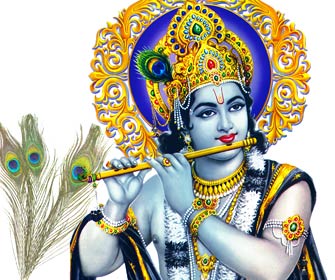
ஸ்ரீ கிருஷ்ணனுடன் 60 வினாடி பேட்டி

( கேள்விகள்: சுவாமிநாதனின் கற்பனை; பதில்கள்-பகவத் கீதையிலிருந்து )

கிருஷ்ணா உனக்கு ஒரு சவால். ஒரே நிமிடத்தில் பகவத் கீதையின் சாரத்தைப் போதிக்க வேண்டும். கீதையின் சாரம் என்ன?

கர்மன் ஏவ அதிகாரஸ்தே மா பலேஷூ கதாசன (2-47): கருமத்திலேயே உனக்கு அதிகாரம், ஒருபோதும் பலனில் இல்லை

புரிகிறது, கண்ணா, பலனில் பற்று வைத்து எதையும் எதிர்பார்த்துச் செய்யாதே என்கிறாய். யோகம் என்றால் என்ன?

ஸமத்வம் யோகம் உச்யதே (2-48): சம நிலைமையே யோகம்.வெற்றி தோல்விகளில் சமமாக இருந்து கொண்டு பணிகளைச் செய்.

கண்ணா, ஆத்மா எப்படிப்பட்டது?

ந ஜாயதே ம்ரியதே வா கதா சிந் நாயம் பூத்வா பவிதா வா ந பூய:

(2-20) ஆத்மா ஒருபோதும் பிறப்பதும் இல்லை, இறப்பதும் இல்லை. இல்லாமல் இருந்து மறுபடியும் உண்டாவதும் இல்லை. என்றும் உள்ளது, அழியாதது.

புரிகிறது. கிட்டத்தட்ட நான் இயற்பியலில் படித்ததுதான் Energy can neither be creataed nor destroyed. சுவாமி விவேகானந்தர் கீதையின் முக்கிய செய்தி என்று எதோ சொல்கிறாரே, அது என்ன?

க்லைப்யம் மாஸ்ம கம: ந ஏதத் த்வயீ உபபத்யதே(2-3) : பேடித்தனத்தை அடையாதே.இது உன்னிடத்தில் சிறிதும் பொருந்தாது

நல்ல புத்திமதி. நீ எவ்வப்போது அவதாரம் எடுக்கிறாய்?

யதா யதா ஹி தர்மஸ்ய க்லானிர் பவதி (4-7): எவ்வப்போது தர்மத்துக்குக் குறைவும், அதர்மத்துக்கு எழுச்சியும் உண்டாகிறதோ அப்போது நான் வருவேன்.

தேவை தானப்பா, வந்து என்ன செய்வாய்?

பரித்ராணாய சாதூணாம், விநாசாய துஷ்க்ருதாம் (4-8) : சாதுக்களைக் காத்தற்கும், துஷ்டர்களை அழிப்பதற்கும் யுகம் தோறும் அவதரிப்பேன்.

கண்ணா, ரொம்ப கஷ்டம்பா, சொல்லிட்டேன். ஒன்றா, இரண்டா. நீ நிறைய பேரை அழிக்க வேண்டியிருக்கும்பா. மனிதன் கடவுள் ஆக முடியுமா? எங்கள் வள்ளுவர் சொல்றாரு, வையத்துள் வாழ்வாங்கு வாழ்பவன் வான் உறையும் தெய்வத்துள் வைக்கப்படும் என்று.

ஆசை, பயம் கோபம் இல்லாதவர்கள், என்னைச் சரண் அடைந்தவர்கள் என் தன்மையை அடைந்திருக்கிறார்கள்(4-10).

உண்மைதனப்பா, காஞ்சி மகா சுவாமிகள், ரமணர், ராமகிருஷ்ணர், ஆழ்வார்கள், நாயன்மார்கள் போல பலரைப் பற்றி படித்திருக்கேன். “வழக்கெனப்படுவது உயர்ந்தோர் மேற்றே” என்று தொல்காப்பியர் சொன்னதும் உன்னைப் பார்த்துதானோ?

யத் யத் ஆசரதி ஸ்ரேஷ்ட: தத் ததேவ இதர ஜன: (3-21): பெரியவன் ஒருவன் எதைச் செய்கிறானோ அதையே ஜனங்களும் பின்பற்றுவர்.

யார் அறிவாளி?
ஆசையும் அதற்குக் காரணமான சங்கல்பமும் இல்லாமல் வினைகளை ஞானத்தீயில் யார் ஒருவன் பொசுக்குகிறானோ அவனே பண்டிதன்(4-19)

யார் யோகி?

கருமம் செய்யும் நிலையில் கரமத்தை காணாதவனே யோகி.(4-18)

சந்தேகப் பேர்வழிகளுக்கு உன் அறிவுரை?

சம்யாத்மா விநஸ்யதி(4-40) : ஞானம் இல்லாதவன் சிரத்தை இல்லாதவன் சந்தேகம் உடையவன் அழிகிறான் அவர்களுக்கு இவ்வுலகும் இல்லை, அவ்வுலகும் இல்லை.

ஞானிகள் யார்?

பண்டிதா: சம தர்சின (5-18): பிராமணன்,பசு, யானை, நாய், புலையன் எல்லோரையும் சமமாகப் பார்ப்பவனே ஞானி

நல்லது செய்பவர்களுக்கு நீ என்ன உத்தரவாதம் தருவாய்?

ந ஹி கல்யாண க்ருத் கஸ்சித் துர்கதிம் தாத கச்சதி (6-40) : நல்லதைச் செய்பவன் எவனும் நிச்சயமாக தீய நிலையை அடையவே மாட்டான்.

ந மே பக்த ப்ரணச்யதி (9-31): என் பக்தன் அழியவே மாட்டான்.

இது போதுமப்பா, 100 சதவிகித கியாரன்டி. உன்னை எப்படி பூஜிப்பது?

பத்ரம் புஷ்பம் பலம் தோயம் (9-26): எவன் எனக்கு பக்தியுடன் பச்சிலையோ, பூவோ, பழமோ, தீர்த்தமோ தூய்மையுடன் கொடுக்கிறானோ அதை நான் புசிக்கிறேன்.

யாருக்கு அமைதி இல்லை?

ஸ சாந்தி மாப்னோதி ந காம காமி (2-70) : ஆsaiயுள்ளவனுக்கு அமைதி இல்லை.

திருடன் யார்?

வேள்வி செய்தால் தேவர்கள் உங்களுக்கு இன்பம் தரும் பொருட்களைத் தருவார்கள். அவர்கள் கொடுத்ததை அவர்களுக்குக் கொடுக்காமல் உண்பவன் திருடனேயன்றோ?(10-12) தமக்காகவே சமைப்பவர்கள் பாவத்தையே உண்கிறார்கள் (12-4).

கிருஷ்ணா, இது கொஞ்சம் கொஞ்சம் கடு மொழி, சுடு மொழி அப்பா. எல்லோருக்கும் நீ விடுக்கும் அறைகூவல்?

உத்திஷ்ட, யசோ லபஸ்வ (11-33): எழுந்திரு, புகழ் அடை.

யார் வாழ்க்கையில் முன்னேறுவார்கள்?

உத்தரேத் ஆத்மநாத்மானம்: தன்னைத்தானே உயர்த்திக் கொள்ள வேண்டும்.தன்னைத்தானே தாழ்த்திக் கொள்ளக் கூடாது.தனக்குத் தானே நண்பன், தனக்குத் தானே பகைவன்(6-5).

எல்லோரும் இன்புற்றிருக்க வேண்டும் என்று எங்கள் தாயுமானவர் கூறுகிறார். நீயும் எதோ சொன்னாயாமே?

சர்வ பூத ஹிதே ரதா(12-4, 11-55): தே மாம் ஏவ ப்ராப்னுவந்தி: எல்லா உயிர்களும் இன்புற்றிருக்க நினைப்பவர்கள் என்னையே வந்து அடைகிறார்கள்.

சாக்ரடீஸ் உன்னையே நீ அறிவாய் என்று சொன்னது உன்னைப் பார்த்துதானா?

ஆத்மவான் பவ: (2-45) : உன்னையே நீ அறிவாய்

சரியப்பா, எவ்வளவோ தப்புச் செய்துவிட்டோம். எங்களுக்கு பாவ மன்னிப்பு தருவாயா?

சர்வ தர்மான் பரித்யஜ்ய மாமேகம் சரணம் வ்ரஜ (18-66): எல்லா தருமங்களையும் விட்டுவிட்டு என்னையே சரண் அடை. நான் உன்னை எல்லா பாபங்களிலும் இருந்தும் விடுவிக்கிறேன்.

அப்பா, கண்ணா. இது ஒன்றே போதும் அப்பா. உன்னையே சரண் அடைந்தேன். என்னையும் உலகிலுள்ள அனைவரையும் காப்பற்றப்பா.