Tamil Miracle Cure for Flu


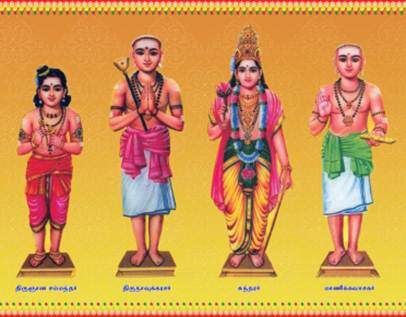
Picture of Saivite saints and Sambandhar is standing first.

Tamil Miracle Cure for Flu

Flu epidemic has killed 37 children in the U.S. says a latest news story. This infectious disease reaches epidemic proportions in winter.  Elderly people, Children and pregnant women are more vulnerable and are advised to take Flu jab well in advance. It is caused by a virus. Getting flu vaccine every year is still the best way to protect against influenza (flu). It reduces the risk of illness and complications .This is what we read in news papers and medical journals. 1300 years  ago, Tamil Nadu was also in the grip of a flu epidemic. But they had a miraculous cure according to Tamil Hymns Thevaram and Paeriyapuranam.

A boy wonder known as Thiru Gnana Sambandhar did a lot of miracles in Tamil Nadu in the eighth century. A few of them were medical miracles curing diseases with Tamil hymns.


Anti Flu Hymn

The boy genius was touring Tamil Nadu visiting different temples. He came to Kongunadu region to worship Shiva at Tiruchengodu temple. That was during severe winter months. The flu that was prevalent spread to all the devotees who accompanied the young poet. Devotees who were very familiar with many miracles of the saintly boy were looking for some miraculous cure. In those days there was no flu jab. Feeling the pulse of his followers he sang a decad (ten verses) beginning with ‘’Avvinaik kivvinai’’ in Tamil. Immediately all were cured of Flu. It was reported in later day books that all the people of the town were also cured of the illness. Even today devotees, who visit temples in the early morning after a shower, wear holy ash by reciting this verse. They are in good health. It is a miracle cure.
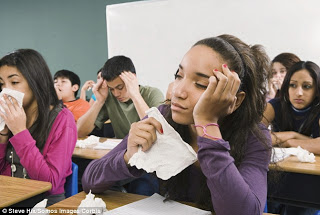
Picture: Flu attack in US Schools.

Epileptic Attack

Sambandhar did another miracle with a girl who was suffering from epileptic attacks (Muyalakan in Tamil). When he visited Mazanadu, the daughter of the chieftain Kolli Mazavan was having fits. One day she fainted and Kolli Mazavan took his daughter to Tiruppachchilasrama temple. Sambandhar happened to be there at that time. He asked about her condition and Kolli Mazavan told him that all the medicine men have washed their hands off  this young woman. He sang a decad beginning with ‘’Thuniva Thingal…..’’. Immediately the woman stood up and went near her dad. He was extremely happy. She was completely cured of her illness.
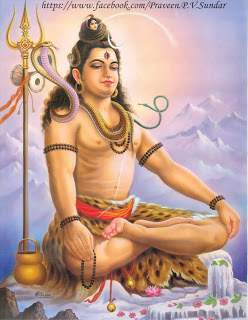
Tamil literature has numerous incidents of deaths due to snake bites. There were several cases where the ‘dead’ were revived by Godly men or miraculous cure. Native medicine men suck the poisoned blood with cocks and hens. Though the animals die at the end, humans survived. Saivite saints applied holy ash and revived many of them. Sambandhar revived one business man at Tirumarugal by singing a hymn.

contact: swami_48@yahoo.com

Tamil references for Tamil readers:

திருச்செங்கோடு பதிகம் (Anti Flu Hymn)

அவ்வினைக் கிவ்வினை யாமென்று சொல்லு மஃதறிவீர்

உய்வினை நாடாதிருப்பதும் உந்தமக் கூனமன்றே

கைவினை செய்தெம் பிரான்கழல் போற்றுதும் நாமடியோம்

செய்வினை வந்தெமைத் தீண்டப் பெறா திருநீலகண்டம்


திருப்பாச்சில் பதிகம்

துணிவார் திங்கள் துளங்கி விளங்கச் சுடர்ச்சடை சுற்றி முடித்துப்

பனிவளர் கொள்கையர் பாரிடம் சூழ ஆரிடமும் பலிதேர்வர்

அணிவளர் கோலமெல் லாஞ்செய்து பாச்சில் ஆசிரமத்துறைகின்ற

மணிவார் கண்டரோ மங்கையை வாட மயல் செய்வதோ இவர் மாண்பே.


திருமருகல் விஷம் தீர்த்த பதிகம்

சடையாய் எனுமால் சரண் நீ எனுமால்

விடையாய் எனுமால் வெருவா விழுமால்

மடையாய் குவளை மலரும் மருகல்

உடையாய் தருமோ இவளுண் மெலிவே
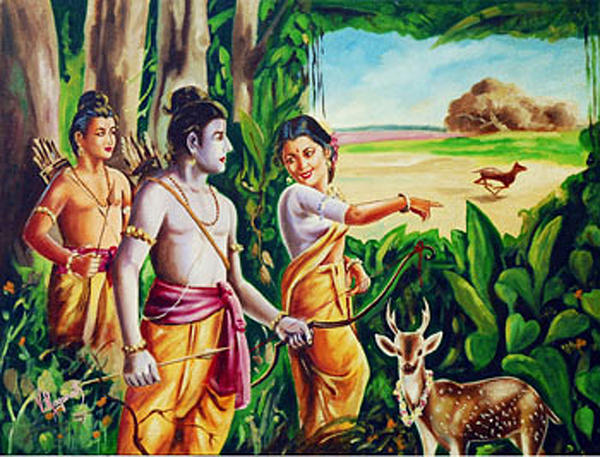
மாண்டவர் மீண்டுவந்த 3 அதிசய நிகழ்ச்சிகள்

Ramayana

மாண்டவர் மீண்டுவந்த 3 அதிசய நிகழ்ச்சிகள்

உலகப் புகழ் பெற்ற இதிஹாசங்களான ராமாயணத்திலும் மஹா பாரதத்திலும், நெஞ்சை அள்ளும் தமிழ் காப்பியமான சிலப்பதிகாரத்திலும் மூன்று அற்புத நிகழ்ச்சிகள் உள்ளன. வால்மீகி, வியாசர், இளங்கோ ஆகிய மூவரும் பொய் சொல்லவோ, மிகைப் படுத்திக் கூறவோ இல்லை. இந்த நிகழ்ச்சிகள் வரும் இடங்களையும் அவை விவரிக்கப்பட்ட முறையையும் பார்கையில் எவரும் நம்புவார்கள்.

இறந்த பின் நாம் எங்கே போகிறோம்? எவ்வளவு காலத்துக்குப் பின் மீண்டும் பிறப்போம்? இறந்தவர்கள் பலருக்குக் கனவில் வருகிறார்கள். சிலர் நீண்ட காலத்துக்கு முன் இறந்த மஹான்களைப் பார்த்ததாகக் கூறுகிறார்கள். ராகவேந்திரர் போன்றோர் 600 ஆண்டுக் காலம் அங்கே சமாதியில் இருந்து அருள் புரிவதாகப் படிக்கிறோம். இப்படி மாண்டவர்கள் மீண்டும் வர முடியுமா? அதற்கு 2000, 3000 ஆண்டுப் பழமையான இலக்கியங்களில் சான்று உண்டா என்று பார்க்கையில் ‘’உண்டு’’ என்றே சொல்லவேண்டும்.

இந்தக் கட்டுரையாளர் வாழ்விலும் இப்படி ஒரு உண்மைச் சம்பவம் நடந்தது. எங்களுக்கு எல்லாம் மந்திர உபதேசம் செய்த ஆயக்குடி சுவாமிஜி கிருஷ்ணா அவர்கள், மதுரையில் ஒரு வீட்டில் கணபதி ஹோமம் செய்து முடித்த பின்னர், திடீரென்று ஒரு திசையை நோக்கி எல்லோரையும் கீழே விழுந்து நமஸ்காரம் செய்யச் சொன்னார். வெற்றிடத்தை நோக்கி ஏன் நமஸ்காரம் செய்யச் சொல்கிறார் என்ற கேள்வியை யாரும் கேட்பதற்கு முன் அவரே விளக்கமும் கொடுத்தார். அந்த வீட்டில் ஒரு மஹான் இருந்ததாகவும், அவர் இன்று நடந்த பூஜையைப் பார்க்க வந்ததாகவும் கூறினார். பிறகு அந்த வீட்டுச் சொந்தக் காரர் சுவாமிஜியை மாடிக்கு அழைத்துச் சென்று அவர்களுடைய கொள்ளுத் தாத்தாவின்  படத்தைக் காட்டி அவர் ஒரு பெரிய மஹான் என்று கேள்விப்பட்டதாகச் சொன்னார்.. மஹா கணபதி பற்றி யார் சந்தேஹம் கேட்டாலும் காஞ்சிப் பெரியவரே இவரிடம்தான் அனுப்புவார்.

ராமாயணத்தில் ஒரு காட்சி

(வால்மீகி ராமாயணம், யுத்த காண்டம், அத்தியாயம் 121)

ராமரைப் பார்க்க தசரதர் இந்திரலோகத்திலிருந்து வருகிறார். அவருடைய விமான ரதம் வானில் அந்தரத்தில் நிற்கிறது. அன்போடு ராமரையும் லெட்சுமணரையும் அழைத்து மடியில் உகாரவைத்து அரவணைத்துக் கொள்கிறார். பின்னர் சீதை உள்ளிட்ட மூவருக்கும் ஆசிகள் வழங்கிவிட்டு சீதையிடம் ராமர் மீது கோபம் கொள்ளவேண்டாம் என்றும் அவன் செய்ததெல்லாம் (அக்னிப் பரீட்சை) மக்களின் முன்னிலையில் சீதை உத்தமி என்று காட்டவே என்றும் விளக்குகிறார்.

தசரதர் போவதற்கு முன் ராமர் ஒரு அற்புதமான வேண்டுகோள் விடுக்கிறார். தந்தையே, நீங்கள் கோபத்தில் கைகேயி ‘’என் மனைவி இல்லை என்றும் பரதன் என் பிள்ளை இல்லை’’ என்றும் தலைக்கு முழுக்குப் போட்டுவிட்டு உயிரை விட்டீர்கள். இன்று முதல் மீண்டும் அவர்களை உங்கள் மனைவி, மகன் என்ற நிலைக்கு உயர்த்த வேண்டுகிறேன் என்றவுடன் தசரதரும் அவ்வாறே அருள் புரிந்தார். அத்தியாயத்துக்கு அத்தியாயம், ராமன் உலக மஹா உத்தமன், மனிதருள் மாணிக்கம் என்று காட்டுகிறது ராமாயணம். இதனால் தான் ராமாயணம் காலத்தால் அழியாத காவியமாகத் திகழ்கிறது.

மஹா பாரதத்தில் ஒரு காட்சி

போரில் இறந்தவர்கள் எங்கே போகிறார்கள் என்று ‘ஸ்த்ரீ பர்வ’த்தில் திருதராஷ்டிரனும் யுதிஷ்டிரனும் (தர்மர்) விவாதிக்கிறார்கள். இதற்கு தர்மர் கொடுத்த விளக்கம் கவனிக்கப் படவேண்டியது. போரில் முழு மனதுடன் வீரராக உயிர் இழந்தோர் இந்திர லோகத்துக்கும், அரைகுறை மனதுடன் போரிட்டோர் கந்தர்வலோகத்துக்கும் போகிறார்கள். உயிர்ப் பிச்சை கேட்டவர்களும் புறமுதுகு காட்டியவர்களும் யக்ஷர்களாகிறார்கள் என்று யுதிஷ்டிரர் கூறுகிறார்.

சங்கத் தமிழ் நூலான புறநானூறு மற்றும் பகவத் கீதை முதலியன போரில் இறப்பவர்கள் சொர்க்கலோகத்தை அடைகிறார்கள் என்று திட்டவட்டமாக கூறுகின்றன. இதை ‘’புறநானூற்றில் பகவத் கீதை-பகுதி 1, பகுதி 2’’ மற்றும் ‘’வீரத் தாயும் வீரமாதாவும்’’ என்ற கட்டுரைகளில் முன்பே விளக்கி இருக்கிறேன்.

மஹாபாரதத்தை ஜனமேஜயன் சபையில் வாசித்தபோது போரில் இறந்த பீஷ்மர், துரோணர், அபிமன்யு, துர்யோதணன் ஆகியோர் மீண்டும் வந்ததை ஜனமேஜயனே நம்பவில்லை. இடை மறித்து அப்படியானால் என் தந்தை பரீட்சித்தையும் இப்போது காட்ட முடியுமா? என்று கேட்கிறார். உடனே வியாச மஹரிஷி , பரீட்சித்து மன்னரையும் உயிரோடு காட்டுகிறார்.

கங்கை நதியில் ஒரு அதிசயக் காட்சி (ஆஸ்ரம வாசிக பர்வம்)

காந்தாரி, குந்தி, திருதராஷ்டிரன் ஆகியோர் போரில் மடிந்த தனது மகன்களையும் உறவினர்கலையும் பார்க்க துடியாய்த் துடிக்கிறார்கள். வியாச மஹரிஷி இந்தத் துடிப்பை அறிந்து ஒரு நாள் எல்லோரையும் கங்கை நதிக்கு வரச் சொல்கிறார். ஊர் மக்கள், அரச குடும்பத்தினர், மா முனிவர்கள் எல்லோரும் அதிசயத்தைக் காண பெரும் கூட்டமாகக் கூடவே, வியாசர் ஒவ்வொருவர் பெயராகச் சொல்லி அழைக்கிறார். துரோணர், பீஷ்மர் தலைமையில் மிகப் பெரிய போர் வீரர் கூட்டம் பெரும் சப்தத்துடன் கங்கை நதியில் இருந்து எழுந்து வருகின்றனர். ஆயிரக் கணக்கில் யுத்தத்தில் இறந்த வீரர் அனைவரும் நதிக்கு மேலே காட்சி தருகின்றனர். எல்லோரும் மகிழ்ச்சியோடு காணப்பட்டனர். இரவு முழுவதும் குடும்பத்தோடு சேர்ந்து சந்தோஷமாக உரையாடுகின்றனர். பழைய பகைமை எல்லாம் மாயமாய் மறைந்தோடிவிட்டன.

இந்த உரையாடல் முடிவதற்குள், வியாசர் ஒரு அறிவிப்பை வெளியிடுகிறார். யார் யாருக்கெல்லாம் விருப்பம் இருக்கிறதோ அவர்கள் எல்லோரும் இறந்தவர்கள் திரும்பிச் செல்லும்போது அவர்களுடன் போகலாம் என்று அறிவிக்கிறார். உடனே பல க்ஷத்ரிய குலப் பெண்கள், முன்னர் இறந்த தங்களுடைய கணவர்களோடு சேர்ந்து மேல் உலகம் சென்றனர். மாண்டவர்களின் உருவங்கள் கங்கை நதிக்குள் சென்று மறையும் போது உறவினர்களும் அவர்களுடன் சென்றதாக மஹா பாரதம் கூறுகிறது. இது எல்லாம் போர் முடிந்து 15 ஆண்டுகளுக்குப் பின் நடந்தது.

இந்த நிகழ்ச்சிகள் நமக்குப் புலப்படுத்துவது சில உண்மைகள்: 1.இறந்த பின்னர் பழைய பகைமை மறைந்துவிடும். 2.இறந்தவர்கள் மகிழ்ச்சியான ஒரு உலகத்தில் வசிக்கிறர்கள். 3.வியாசர் போன்ற மந்திர பலம் உடைய மஹரிஷிகள், இறந்தவர்களோடு தொடர்பு கொள்ளமுடியும், அவர்களை பூமிக்கு திரும்ப அழைக்கவும் முடியும். 4.திதி கொடுக்கும் போது இறந்தவர்கள் வந்து பிண்டத்தை வாங்கிக்கொள்வது எல்லாம் உண்மையே என்பதற்கு இது ஒரு சான்று.

தமிழில் சிலப்பதிகார அதிசயம்

தமிழ் காவியமான சிலப்பதிகாரத்தில் கோவலன் கொலையுண்ட 14ஆம் நாளில் ஒரு அதிசயம் நடந்தது. கண்ணகி கேரள தேசத்திலுள்ள திருச் செங்குன்றத்தில் ஒரு வேங்கை மரத்தின்  கீழே நின்று கண்ணிர் விடுத்தாள். அப்போது விண்ணோரும் வியக்கும் வண்ணம் கோவலன் ஒரு விமானத்தில் வந்து கண்ணகியை மேல் உலகத்துக்கு அழைத்துச் செல்கிறான். இதை கண்ட கானக மக்கள் வியந்து போற்றுகின்றனர். அத்தோடு நில்லாமல் இந்த அற்புதக் காட்சியை சேர மன்னனிடம் வியப்போடு விளக்கினர்.

சேர மன்னன் செங்குட்டுவன், இதைக் கேட்டு அகம் மகிழ்ந்து, உளம் குளிர்ந்து அந்தப் பத்தினித் தெய்வத்துக்கு இன்றே கோவில் கட்ட ஏற்பாடு செய் என்று மந்திரிகளுக்கு உத்தரவு இடுகிறான். புனித இமய மலையில் கல் எடுத்து புனித கங்கையில் அதைக் நீராட்டி அந்தக் கல்லில் கண்ணகி சிலை வடிக்க இமயம் நோக்கிச் செல்கிறான். பின்னர் அவன் எடுத்த சிலைக்கு புனித நீராட்டுகையில் ‘கடல் சூழ் இலங்கைக் கயவாகு வேந்தன்’ உள்பட பல நாட்டு மன்னர்களும் வருகை தந்து சிறப்பிகிறார்கள் என்று சிலப்பதிகாரம் கூறும் (குன்றக் குரவை காதை, சிலப்பதிகாரம்)

*******

Miracles by the Departed Souls

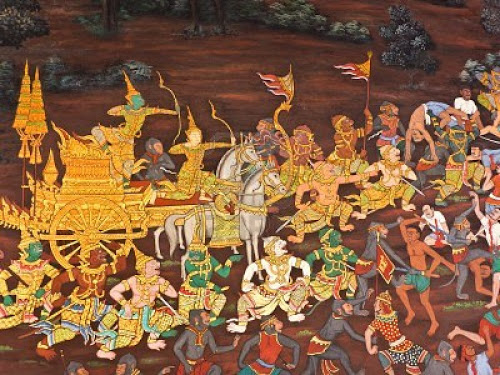
Picture of Ramayana Painting in Thailand

Miracles by the Departed Souls 

Ramayana and Mahabharata are two great Hindu epics. They are treasure houses of Hindu Wisdom. The more you read them, the more meanings you get.  The deeper you go, you come up with new interpretations. If you want to compare those incidents and anecdotes with Big bang theory or Theory of Evolution, Quasars or Quantum Physics, Theory of Relativity or highest philosophy it gives scope for all those things.


What happens to us after death? Where do we go from here if you believe in rebirth? Is there any place where you spend your time before rebirth?– are few of the questions that come to our minds. Some people claim that they see the departed souls in their dreams and some others say that they saw great people who have died long ago. Can the departed souls come back to earth in the same form after some time?


(It is true that great saints visit earth now and then. I myself had one such experience. When Swamiji Krishna of Ayakkudi, Tenkasi was doing Ganapathy Homa in one of the houses in Madurai, he suddenly asked everyone to prostrate in one particular direction showing a vacant space up above, near the roof. Later he told that one of the great souls who lived in the house came to bless everyone. Later the owners of the house took Swamiji upstairs and showed the picture of their great grandfather.  He was a saint who died at least 50 or 60 years ago).

Two incidents in the Ramayana and Mahabharata give some interesting information about these things. Dasaratha came back in flesh and blood to earth and embraced Rama and Lakshmana long back after his death. In the Mahabharata Duryodhana, Bheeshma, Abimanyu and others came back to earth 15 years after their death in the battle and took some of the living people with them to the heaven! Read about these interesting things in more details below:

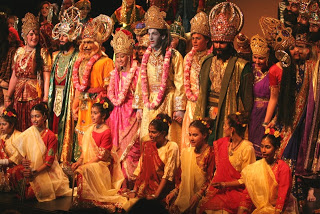
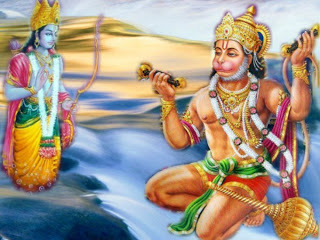
Picture of Ramayana characters

Dasaratha appears to Rama (chapter 121,Yudda Kanda, Valmiki Ramayana)

Dasaratha stood in his chariot. He came back from Indraloka. Rama and Lakshmana bowed before him who was standing in his aerial car in the sky. Dasaratha took Rama and Lakshmana and embraced them. They mutually praised each other. Dasaratha even told Sita not to mistake him for sending her to Agni pareeksha (Fire Test). After addressing all the three he ascended to Indraloka in his chariot. Mounted on his aerial car, full of majesty, his body blazing with effulgence, Dasaratha returned to the abode of the Sovereign of the Gods.

Before Dasaratha left, Rama requested him to forgive Kaikeyi and Bharatha and accept them as his wife and son. Dasaratha told Kaikeyi before dying that she was not his wife anymore and Bharatha was not his son.

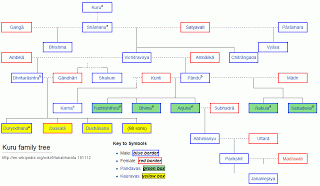
Picture of Kuru Family Tree

Mahabharata Miracle

When Mahabharata was recited in the assembly of King Janamejaya he also did not believe that the dead came back to earth. He asked whether he could see his dad Pariksheet, immediately Vyasa brought him to earth.

Mahabharata gives more information about different levels of living places for the departed. In the Sthree Parva of the epic, there is a discussion about the people who died in the war. When Dhritarashtra asked about them, Yudhishtra told him those who fought valiantly and whole heartedly, they all went to Indraloka. Those who fought unwillingly, went to Gandarvaloka and  those who fought and backed out or killed when begged for life, they all went to the place of Yakshas.


Bhagavad Gita and Tamil Sangam Anthology ‘Purananuru’ say in clear cut terms that those who are killed in war go to heaven.

Please read my Tamil articles on ‘Gita in Pura Nanuru’ Part 1 (புறனானுற்றில் பகவத் கீதை-பகுதி 1, பகுதி-2, வீரத்தாயும் வீர மாதாவும்).

Reappearance of those who died in the great Bharata war is narrated in chapter3 of Asramavasika Parva in Mahabharata. I summarise only the important points:

  1. At the request of Gandhari, Dhritarashtra and Kunthi, the great Rishi of miraculous powers Vyasa did this. He asked everyone to assemble on the banks of Ganges.
  2. When Vyasa called the names of the dead people, they all came out of Ganges water and appeared just above the water. The Pandava and Kaurava armies rose up with big uproar. Bheeshma and Drona came out first. Thousands of dead people appeared with them. Dhritarashtra’s sons, Pandava’s sons, army commanders from both the sides, all appeared in front of the assembled Rishis, general public and the royal families on the banks of River Ganga.
  3. Dhritarashtra and Gandhari got divine vision by the grace of Vyasa. All of them spoke with the dead throughout night. Everyone was happy. There was no enmity.
  4. Women who have lost their husbands and sons were happy to see them back alive. Vyasa told the Kshatriya ladies, they can accompany their husbands if they wanted to. Several women came forward and went to heaven with their husbands. They entered the Ganges water along with their husbands.
  5. All of them disappeared in the water. Then Vyasa told Dhritarashtra that his sons are ever happy like he saw them today.
  6. Three years after this incident Dhritarashtra, Gandhari, Kunthi – all died in a forest fire. In fact, they refused to move away from forest fire and sacrificed their lives voluntarily.

This narration proves that people live after their death in various planes till the time of their rebirth comes. They are happy and there is only love in the heaven and no hatred even between born enemies. Only great Rishis (seers) like Vyasa can bring the dead back to earth for a short period. In the Ramayana we heard about physical touch and embrace. Here no such embracing was reported. There was always a distance between the dead and the alive. Mahabharata has more on this topic of the departed souls in different places. Anyone interested can do a deeper study.

Ramayana

Departed Souls in Tamil Epic Silappadikaram

Tamil epic Silappadikaram also has one such story. Kovalan, the hero of the epic was sentenced to death by the Pandya king under the false accusation of stealing the queen’s anklet. Fourteen days after this execution, his wife Kannaki was standing under a tree and Kovalan came back to earth in an aerial car and took Kannaki to heaven. The tribal women in the hill watched this in awe. They praised her as goddess and reported the incident to the Chera King Senguttuvan. The story of what women had seen under the Venkai tree at the top of the hill Tiruchenkunru astonished all who heard it. The wonder struck king decided to erect a s temple for Kannaki and marched all the way to Himalayas with an army and brought back a holy stone from the Himalayas. He bathed the stone in the Ganges and made it holier. This episode shows that 2000 years ago the values and beliefs were same throughout India.

Contact swami_48@yahoo.com


அனைத்தும் பெற ஆறு கேள்விகள் !


சம்ஸ்கிருதச் செல்வம்-10


10. அனைத்தும் பெற ஆறு கேள்விகள் !


ச.நாகராஜன்

   வாழ்க்கையில் வெற்றி பெறவும் ஒரு திட்டத்தில் வெற்றி பெறவும் ஒரு பொருள் அல்லது இடம் அல்லது நிறுவனம் அல்லது ஒரு தனி நபர் பற்றி மதிப்பீடு செய்ய SWOT analysis என்ற உத்தியை நிபுணர்கள் இன்றைய நவீன உலகில் கடைப்பிடிக்கின்றனர். SWOT  என்றால்  Strengths, Weaknesses, Opportunities,Threats என்று அர்த்தம். பலம், பலஹீனம், வாய்ப்புகள், எதிர் வரும் அபாயங்கள் ஆகிய நான்கை நன்கு அலசி ஆராய்ந்தால் வெற்றி நிச்சயம் என்கிறது ஆல்பர்ட் ஹம்ப்ரி என்பவர் கண்டுபிடித்த ஸ்வாட் அனாலிஸிஸ்.


ஆனால் வெகு காலம் முன்பே நமது அறிஞர்கள் “ஆறு கேள்வி அனாலிஸிஸைக்” கண்டு பிடித்துள்ளனர். கவிஞர் அழகுற அதை இரண்டே வரிகளில் கூறுகிறார்:


க: கால: கானி மித்ராணி

    கோ தேஷ: கௌ வ்யயாகமௌ I

கோஹம் கா சைவ மே 

    ஷக்திரிதி சிந்தயம் முஹுர்முஹு: II


க: கால: – என்ன நேரம் இது? (What time is this?)

கானி மித்ராணி – எனது நண்பர்கள் யார் யார்? (Who are my friends?)

கோ தேஷ: – இது என்ன இடம்? (Which is this place?)

கௌ வ்யயாகமௌ – இதில் செலவுகள் என்ன? ஆதாயங்கள் என்ன? (What are expenses an gains?)

கோஹம் – நான் யார் (Who am I ?)

கா சைவ மே ஷக்திரிதி – எனது பலம் என்ன? (What is my strength?)


“ஒருவன் எப்போதுமே என்ன காலம் இது? எனது நண்பர்கள் யார், யார்? இது என்ன இடம்? இதில் செலவுகள் என்னென்ன, ஆதாயங்கள் என்னென்ன? நான் யார்? எனது பலம் என்ன? என்பனவற்றைச்  சிந்திக்க வேண்டும்.” என்பது இந்தச் செய்யுளின் பொருள்.


       இதில் நான் யார் (கோஹம்) என்று எப்போதும் சிந்திப்பது பெரிய சித்திகளை அருளி முக்திக்கே வழி வகுக்கும் என்பது பகவான் ரமணரின் அருளுரை.


ஆக இந்த ஆறு கேள்விகளை எப்போதும் சிந்திக்கும் எவருக்கும் அபாயம் ஒரு நாளும் இல்லை என்பதோடு வெற்றி நிச்சயம் என்பதில் சந்தேகமே இல்லை.


சிந்தனீயா ஹி விபதாம் ஆதாவேவ ப்ரதிக்ரியா I

ந கூபகனனம் யுக்தம் ப்ரதீப்தே வஹ்னினா க்ருஹே II


“ஒரு ஆபத்தான நிலையை அடையும் முன்னரே ஒருவன் முன்னெச்சரிக்கை நடவடிக்கைகளை எடுக்க வேண்டும்.வீடு தீப்பற்றி எரியும் போது கிணறு வெட்டும் வேலையை ஆரம்பிக்கக் கூடாது!” என்பது இந்த ஸ்லோகத்தின் பொருள்.


வீடு தீப்பற்றி எரியும் போது  கிணறு வெட்ட ஆரம்பிக்கும் மூடன் அழியாமல் இருப்பது எப்படி? எப்பொழுதும் முன் ஜாக்கிரதையுடன் அனைத்து விஷயங்களையும் அலசி ஆராய்ந்து வாழ்க்கைத் திட்டங்களை வகுக்க வேண்டும் என்பது கவிஞரின் அறிவுரை.


வெற்றி பெற வழி வகுக்கும் ஆறு கேள்விகளைக் கேட்டு பதிலைப் பெற்றுத் திட்டங்களை வகுத்தாலே வாழ்க்கையில் ஆபத்தே வராது வந்தாலும் அவற்றை “மா சம்பத்தாக” மாற்றி விடலாமே!


*************************************

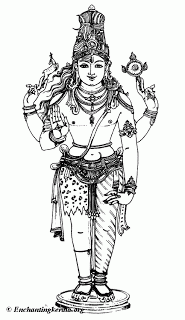
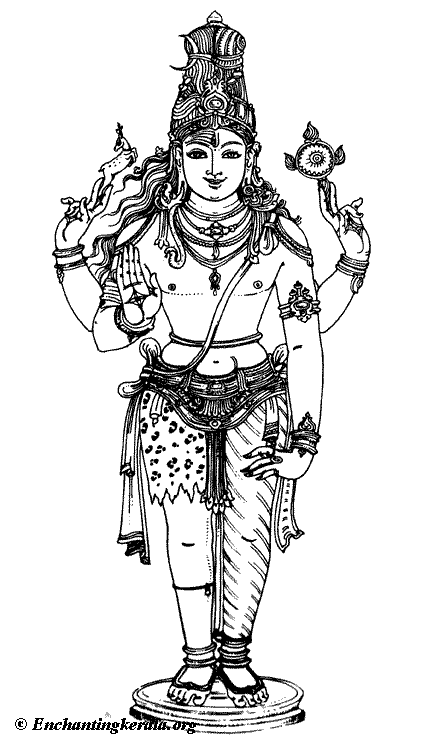
Master of Boons & God of Languages-Lord Shiva

Picture shows 12 ft high Shivling is bathed with milk in Thanjavur Temple ,Tamil Nadu.


 Master of Boons & God of Languages-Lord Shiva

if an ocean is made the inkpot, the branch of the Parijata tree made the pen and Goddess Saraswati embarks to write the glory of Lord (Shiva) it still will be impossible to comprehend the greatness of the Lord fully’ – Shiva Mahimna Stotra of Pushpadanta.


Shiva is known by many names and one of them is Asutosh. That means he ‘can be pleased easily’ and made happy quickly. So people found it easier to pray to Shiva and obtain a number of boons. Shiva means ‘auspicious one’. So he gave many boons for the betterment of his devotees, but yet it was left to them to use the boons in the way they wanted.


Shiva is associated with languages and grammar as well. India’s two ancient languages Sanskrit and Tamil originated from Lord Shiva. Sanskrit language follows the grammar written by Panini. Panini says that the letters and its sounds came from the beats of Shiva’s kettle drum ‘Damarukam’.  The language formula is called Maheswara Sutrani. Tamil sage Agastya is also said to have learnt Tamil from Shiva and his son Murugan/Kartikeya. 17th century Tamil poet Paranjothy Muni sang that Shiva taught Sanskrit and Tamil to both. He said that from one side of the kettle drum came Sanskrit and from the other came Tamil.


Shiva not only gave language and grammar but also helped the world by giving all the good things when the milky ocean was churned by the Devas and Demons. When 14 good things came out of the ocean, poison also came out as a by product. All were scared to death. But Shiva swallowed it to save the mankind, stopped by his wife Uma half way through his throat. His neck became bluish in colour and he was known as Neela kanta (blue necked).This is also one of his acts of mercy.


His acts of compassion were too many to narrate here. He gave Lord Vishnu his wheel called Sudarsana. This wheel is like a boomerang. It will hit the target and return to Vishnu. When Vishnu fell short of one lotus flower while he was doing Puja, he offered one of his eyes to Shiva. Shiva was pleased and gave him discuss called Sudarsana wheel.

The best example of his compassion was the boon he gave to Pasmasura. That ‘Ash demon’ asked for a boon to kill anyone by placing his hand on the head of his victims. When Shiva gave him the boon, he tried to test it on Shiva’s head. Shiva had to run for his life and ultimately rescued by Vishnu. When Vishnu came like a beautiful girl, Pasmasura fell for her. She asked him to learn dance from her and asked to put his hand on his head as part of learning Abhinaya gestures. He was killed when he put his hand on his own head forgetting the boon he got.

Another act of mercy was giving Pasupathastra to Arjuna, the hero of Mahabharata. When Shiva came in the guise of a hunter a severe fight followed and then Shiva revealed himself. Tamil Saivaite poets gave a long list of his compassionate acts in their poems Thevaram and Thiruvasagam. He favoured a person who hit him with his shoes (Kannappa Nayanar), he blessed another person who hit him with stones (Sakkiya Nayanar) and he gave Pasupata Astra to one who shot him with arrow (Arjuna). He gave ocean of milk when a boy cried for a glass of milk (Upamanyu).

Madurai has the world famous Shiva temple (Please read my post THE WONDER THAT IS MADURAI MEENAKSHI TEMPLE). Shiva’s compassionate acts are enacted in every day festival at the Madurai temple. The list is a long list of 64 Divine Games (Tiru Vilaiyadal in Tamil). Tamils are very familiar with those beautiful stories. Even birds and animals including cranes, bees, pigs, elephants, cows, monkeys, eagles, spiders, ants and snakes were blessed by him.


He favours good and bad equally. He is even called the lord of the thieves, ‘taskaranam pati’. But the inherent weaknesses in the bad people bring their own downfall. Ravana, King of Sri Lanka, was a great devotee of Shiva. But he suffered when he could not control his passions.

Wikipedia picture of Thanjavur temple

Shiva in his Nataraja form was the most attractive form. In his cosmic capacity he appears as Nataraja. As the Lord of Dance ( Nata Raja), Shiva’s steps follow the rhythm of the universal forces. He dances in the circle of fire, treading upon a dwarfish figure who is the personification of ignorance.


Hinduism is a religion where God can be your child, your lover, your lady love, your mother, your master or your servant. In other religions God is a reverential ‘HE’ who lives far away in the sky, not even a ‘SHE’. But Hindus go to the extent of poking fun about God out of intimacy and not out of disrespect. One saint called him ‘one and a half eyed’ (When he split into two in Ardhanari form, his three eyes were shared by him and Uma). Another saint challenged him asking who is clever You or me. I only gave my love, but you gave me the entire world. God is compassionate. Shiva is more compassionate.


Let us pray to HIM who gives us instant (and constant) benefits!

contact: swami_48@yahoo.com


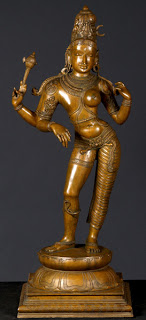
Lord Shiva is “Dead”!

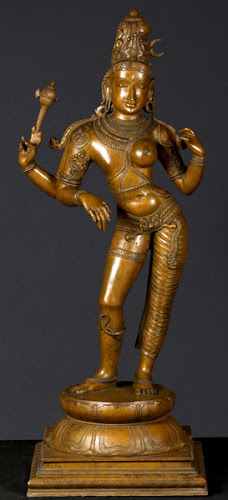
Picture shows Ardhanari and Sankaranarayana forms.

Lord Shiva is “Dead”!

King Bhoja Raja was an erudite scholar and a poet. He was famous for his generosity and financial help for the poets. Though India had many kings in the name of Bhoja and Vikramaditya one Bhoja who ruled at the time of Kalidasa was part of many interesting stories.

A poor poet wanted to make some money by writing some poems. But the poets of his days dealt with almost all the subjects in the world. So he thought of something very novel. “ Let me write a poem saying Shiva is dead, Bhoja will show much interest because he is a great devotee of Shiva”, he thought. So he went to Bhoja and read his revolutionary piece of poem saying ‘Shiva is dead’.


When he read the poem Bhoja asked him to explain the meaning. The poet did explain: Half of Shiva’s body was taken by Uma (in Ardhanari form); the other half was taken by Narayana ( in Sankara Narayanan form). So Shiva is dead! He explained.


Bhoja was not happy. He put a few clever questions to the poet: What happened to the moon on his head, snake in his neck, the great Ganges on the hair, his begging bowl in the hand and above all his good virtues?

The poet was taken by surprise. He thought he could make easy money. In a short time he recomposed himself and gave a suitable answer: Oh Ye King, I forgot to tell you. The river Ganges merged into the sea; crescent moon went up above in the sky, snake had gone in to the hole in the earth; Shiva’s begging bowl came in to my hand; his generosity and other great virtues had gone to King Bhoja Raja.

The king was very happy to hear this and he admired the poet’s wisdom and presence of mind. He gave him lot of gold coins and honoured him suitably. Ancient Indian poets were famous for their wit and wisdom and repartees. Sense of humour earned them good reputation and much money. (This verse is in the collection of Tamil anonymous poems).


Tamil verse for Tamil readers:

ஒரு பாதி மால் கொள மற்றொரு பாதி உமையவள் கொண்

டிருபாதியாலும் இறந்தான் புராரி இரு நதியோ

பெரு வாரிதியில் பிறை வானில் சர்ப்பம் பிலத்திற் கற்ப

தருவான போச கொடையுடன் கையோடென்கை தந்தனனே (தனிப்பாடல்)


Please read earlier Bhoja Raja stories in this blog:

1.Strange Link between Shiva, Socrates and Thiruvalluvar

2. Who is Dhananjayan?

3. World’s Largest Story Collection

4.போஜராஜன் செய்த தந்திரம் ( in Tamil)


சிவன் ‘இறந்தான்’- புலவர் விட்ட க(வி)தை!


Forms of Sankaranarayana and Ardhanari

போஜ ராஜன் என்ற மன்னன் மாபெரும் அறிவாளி. கற்றோரைக் காமுறும் பெரும் புலவன். புலவர்களுக்குப் புரவலன். காளிதாசன் போன்ற பெரும் புலவர்களின் இனிய நண்பன். இத்தகைய மன்னன் காலத்தில் ஒரு ஏழைப் புலவனும் வாழ்ந்தான். ஏதேனும் பாட்டு எழுதிச் சென்றால் போஜ மான்னன் தனது போஜனத்துக்கு வழி செய்வானே என்று பரிதவித்தான். அவனுக்கு கவிதை எழுதத் தெரியாது என்பதல்ல. கவி மழை பொழிய வல்லவனே. ஆனால் எல்லாப் புலவர்களும் எல்லாவற்றையும் பற்றி எழுதிப் பரிசு வாங்கிவிட்டார்களே, நான் எதைப் பற்றி எழுதுவேன் என்று அங்கலாய்த்தான். தருமி என்னும் ஏழை அந்தணனுக்கு கவிதை எழுதித்தந்த சிவ பெருமான் இவனுக்கு கவிதை எழுதித் தரவில்லை!

ஏழைப் புலவனுக்கு திடீரென ஒரு யோஜனை பளிச்சிட்டது. அதுவும் சிவன் அருள்தான், ஏனெனில் அது சிவனைப் பற்றிய கவிதை! ஆனால் அரைத்த மாவையே அரைக்காத புதுக் கவிதை, அதாவது புது விதமான கவிதை. சிவன் இறந்த கவிதை. இதைக் கேட்டால் போஜன் கட்டாயம் பரிசு தருவான் என்ற நம்பிக்கை ஊட்டிய கவிதை.

இதோ அந்தக் கவிதை:

ஒரு பாதி மால் கொள மற்றொரு பாதி உமையவள் கொண்

டிருபாதியாலும் இறந்தான் புராரி இரு நதியோ

பெரு வாரிதியில் பிறை வானில் சர்ப்பம் பிலத்திற் கற்ப

தருவான போச கொடையுடன் கையோடென்கை தந்தனனே (தனிப்பாடல்)

பொருள்:

சிவ பெருமானுடைய ஒரு பாதியை உமா கவர்ந்துவிட்டாள் (அர்த்தநாரீஸ்வரர்), மற்றொரு பாதியை திருமால் (சங்கர நாராயணன்) கவர்ந்துவிட்டார். இவ்வாறு இருவரும் உடலைப் பங்கிட்டதால் சிவ பெருமான் என்பவரே இல்லை என்றார்.

இதைக் கெட்ட அரசனுக்கு திருப்தி வரவில்லை. கேள்விகள்தான் வந்தன. போஜராஜன் கேட்டான்: புலவரே, சிவன் இறக்கவே முடியாது. அப்படியானால் சிவனின் தலை மீதிருந்த கங்கை எங்கே? தலையில் அணிந்த இளம் பிறை எங்கே? அவர் கழுத்தில் நிலவும் பாம்பு எங்கே? அவருடைய கையில் இருந்த திருவோடுதான் எங்கே? என்றான்.

முதலில் மன்னனின் கேள்விகளைக் கேட்டுவிட்டு திடுக்கிட்டுப்போன புலவன் மீண்டும் சுதாரித்துக்கொண்டு கதை, இல்லை, கவிதை, விட்டார். அடடா! சொல்ல மறந்துவிட்டேனே, அவர் மீதிருந்த பிறைச் சந்திரன் வானத்திற்கு ஓடிப் போய்விட்டான். பாம்போ பூமிக்குள் இருந்த துளையில் புகுந்துவிட்டது. கங்கை கடலில் கலந்துவிட்டாள். சிவன் கை திருவோடு என் கைக்கு வந்து விட்டது. சிவ பெருமானின் மாபெரும் கொடைத் தன்மை போஜராஜன் என்ற மன்னனிடம் போய்விட்டது என்று போட்டார் ஒரு போடு! போஜ மன்னனுக்கு பெரு மகிழ்ச்சி. ஏழைப் புலவன் திருவோட்டில் தங்கக் காசு மழை பெய்தான்.


இந்தியப் புலவர்கள் மேதாவிகள். சமயத்துக் கேற்றவாறு கவி மழை பெய்து, தங்க மழையில் நனைவார்கள். மற்றொரு புலவர் ராமநாத சேதுபதியிடம் பொன்முடிப்பு வாங்கச் சென்றார். அவர் தங்கத் தட்டில் பணமுடிப்பு வைத்துத் தந்தார். பண முடிப்பை எடுத்துக் கொண்டு தட்டைத் திருப்பித் தருவது வழக்கம். அவர் புத்திசாலித் தனமாக பணத் தட்டு மன்னனுக்கோ? ஏழைப் புலவருக்கோ? என்றார். மன்னன் சிரித்துக் கொண்டெ ‘உமக்கே’ என்றான். புலவருக்கு அன்று இரட்டை போனஸ்!

(பணத்தட்டு என்றால் பண முடை, பணம் போதாத நிலை என்ற அர்த்தமும் உண்டு).


Please read earlier Bhoja Raja stories in this blog:

1.Strange Link between Shiva, Socrates and Thiruvalluvar

2. Who is Dhananjayan?

3. World’s Largest Story Collection

4.போஜராஜன் செய்த தந்திரம் ( in Tamil)

contact: swami_48@yahoo.com

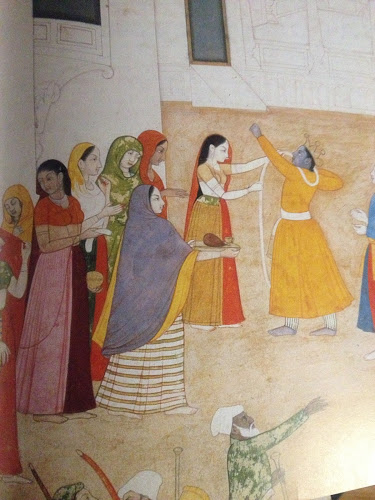
சீதை சொன்ன பழமொழி

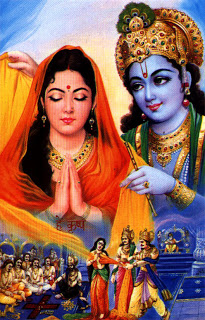
Paintings abroad: Sita garlands Rama.

9.ராமாயண வழிகாட்டி

அத்தியாயம் – 9 by ச.நாகராஜன்


உயிரைக் காப்பாற்றிக் கொள்! ஆனந்தம்  உன்னை  வந்து அடையும்!!


தினமும்  புரிய வேண்டிய சந்தியாவந்தனத்தில் மதிய வேளையில் சொல்லும் மந்திரத்தில் சூரியனைப் பார்த்துச் சொல்லும் மந்திரங்கள் இவை:


புரஸ்தாத் சுக்ரம் உச்சரத் – கிழக்கில் பரிசுத்தமாய் உதித்து

தேவஹிதம் சக்ஷு: – தேவர்களுக்கு நன்மை செய்வதும் கண் போன்றதுமான

தத் – அந்த சூர்ய மண்டலத்தை

சரத: சதம் – நூறாண்டு

பச்யேம – கண்டு வணங்குவோம்

ஜீவேம சரத: சதம் – அங்ஙனமே நூறாண்டு வாழ்வோம்

நந்தாம சரத: சதம் – நூறாண்டு உற்றார் உறவினருடன் கூடிக் குலவுவோம்

மோதாம சரத: சதம் – நூறாண்டு மகிழ்வோம்

பவாம சரத: சதம் – நூறாண்டு கீர்த்தியுடன் விளங்குவோம்

ச்ருணவாம சரத: சதம் – நூறாண்டு இனியனவற்றைக் கேட்போம்

ப்ரப்ரவாம சரத: சதம் – நூறாண்டு இனியனவற்றையே பேசுவோம்

அஜீதாஸ்யாம சரத: சதம் – நூறாண்டு தீமைகளால் ஜயிக்கப்படாதவர்களாக வாழ்வோம்


ஆக வேதம் நூறாண்டு ஒரு மனிதன் வாழ வேண்டியதை வலியுறுத்துகிறது. இதையே ஈசாவாஸ்ய உபநிடதத்தில் இரண்டாம் ஸ்லோகத்திலும் காண்கிறோம்.

ஒருவன் எப்பாடுபட்டேனும் எவ்வளவு கஷ்டத்தைஅனுபவித்தாலும் கூட உயிர் வாழ யத்தனிக்க வேண்டும் என்பதே மஹரிஷிகள் நமக்கு வலியுறுத்திக் கூறும் அன்புரை; அறவுரை!


இந்த வழியில் ஆதிகாவியத்தை இயற்றிய வால்மீகி முனிவர் தன் முக்கிய கதாபாத்திரங்கள் வாயிலாக இந்தப் பேருண்மையை வலியுறுத்துகிறார். ஒரு பெரிய மஹாகவி இப்படிப் பட்ட பேருண்மையை ஒரு தரத்திற்கு இரு தரம் வலியுறுத்துகிறார். அதுவும் கூட இருவேறு கதாபாத்திரங்கள் வாயிலாக வலியுறுத்துகிறார். அப்படியெனில் அந்த உண்மை எப்படிப்பட்ட  பேருண்மை என்பதை நாம் சுலபமாகப் புரிந்து கொள்ளலாம்.


சுந்தர காண்டத்தில் சீதை கூறுவதைப் பார்ப்போம்:
கல்யாணீ பத காதேயம் லௌகிகீ ப்ரதிபாதி மா I

ஏதி ஜீவந்த மாநந்தோ நரம் வர்ஷ ஸதாதபி II


ஜீவந்தம் –உயிர் வாழும்

நரம் – ஒரு மனிதனை

வர்ஷ ஸதாத் அபி – பல வருடங்கள் கழித்தாயினும்

ஆனந்தம்  – ஆனந்தமானது

ஏதி – வந்தடைகிறது

இயம் –என்ற இந்த

லௌகிகீ – உலகத்தாரால் வழங்கப்படும்

காயா – முதுமொழி

கல்யாணீ –உண்மையாகவே

மே – என் விஷயத்தில்

ப்ரதிபாதி – தோற்றுகின்றது

வத –சந்தோஷம்

           சுந்தரகாண்டம் 34ஆம் ஸர்க்கம்  6ஆம் ஸ்லோகம்


அனுமன் அசோகவனத்தில் சீதையைக் “கண்களால் கண்டு” ஸ்ரீ ராமர் க்ஷேமமாய் இருப்பதைத் தெரிவித்து “உமக்கும் க்ஷேம சமாசாரத்தை அறிவிக்க நியமித்தனர்”  (கௌஸலம் அப்ரவீத்) என்று கூறியவுடன் சீதை அடைந்த மகிழ்ச்சிக்கு எல்லையில்லை அப்போது அவர் கூறிய வார்த்தைகளே இவை. உலகியல் முதுமொழி என்று அவர் கூறுவதிலிருந்தே இந்த அழகிய கருத்து பன்னெடுங்காலம் வழக்கில் இருந்து வந்திருக்கின்றது என்பதை அறிய முடிகிறது.


இதே  ஸ்லோகத்தை  நந்திகிராமத்தில் இருந்த பரதனும் கூறுகிறார். யுத்தகாண்டம் 129ஆவது ஸர்க்கத்தில் இரண்டாவது ஸ்லோகமாக பரதன் கூறுவது அமைகிறது.


அனுமன், ராமர் ராவணனை வென்று சீதையுடனும் லக்ஷ்மணனுடனும் வருகிறார் என்று பரதனிடம் தெரிவிக்கும் போது “ப்ரீதிகரம் கீர்த்தனம் அஹம் நாம ஸ்ருணோமி?” (உவப்பளிக்கும் செய்தியை நான் தானா கேட்கிறேன்?) என்று மகிழ்ச்சியுடன் கூவிய அவர் இந்த ஸ்லோகத்தைக் கூறுகிறார். உலகோர் கூறி வரும் முதுமொழி உண்மை என்பதை இரண்டாம் முறையாக இதே காவியத்தில் கூறி  நம்மை அதிசயிக்க வைக்கிறார்.


எந்த நிலையிலும் மனம் கலங்காது உயிரை எப்பாடுபட்டேனும் காக்க வேண்டும் என்பது உயிர்மொழியாக இங்கு இலங்குகிறது.

இரண்டாம் உலக மகாயுத்தத்தின் போது ஹிட்லரின் கோரக் கொடுமைகளிடமிருந்து தங்கள் உயிரைப் பாதுகாத்துக் கொண்டவர்களின் கதையை இங்கு நாம் நினைவு  கூறலாம். ஏராளமான நேச நாட்டுப் படையினர் மற்றும் யூதர்கள் சிறைக் கைதிகளாக இருந்து உயிரைக் காப்பாற்ற பல்வேறு முயற்சிகளில் ஈடுபட்டதையும் ஏராளமான உண்மைச் சம்பவங்கள் தெரிவிக்கின்றன. சிறைகளிலிருந்து தப்பித்தவர்களின் கதையோ இன்னொரு பெரிய ஆனந்த காண்டமாக அமைகிறது.


ஆகவே உடல்நலம், மனநலத்தோடு அருமையான உயிரைப் பாதுகாத்தல் எந்த வகையிலும் இன்றியமையாதது.

சீதா தேவி, பரதன் ஆகியோர் வாயிலாக மஹரிஷி வால்மீகி நமக்குத் தரும் முக்கிய ராமாயணச் செய்தி இது!


***********************

Teleportation Miracles in Hindu scriptures

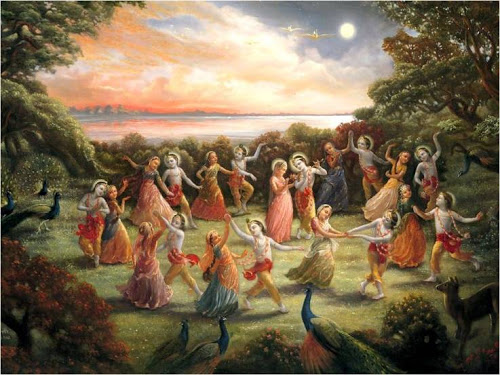
Picture shows Numerous Krishnas at the same time.


Teleportation Miracles in Hindu scriptures

What is teleportation?

Teleport: move by telekinesis; Teleportation: A hypothetical method of transportation in which matter or information is dematerialized, usually instantaneously, at one point and recreated at another.

We read lot about it in science fiction stories and television serials. Devotees of Hindu saints are very familiar with this miracle even before western science fiction stories were published. Lord Krishna had done it many times according to Bhagavatham (Sanskrit book on Lord Krishna’s life history). Krishna appeared at hundreds of places with the Gopika girls. When his class mate Sudama met him on a friendly visit, Krishna transferred lot of wealth, building and dresses through telekinesis.

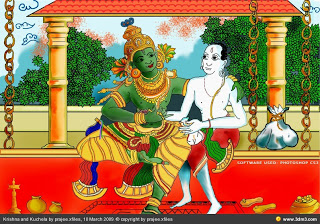
Picture shows Krishna with Kuchela (Sudhama)

Sudhama was a poor Brahmin suffering from acute poverty. When his wife persuaded him to go to Krishna who has become a King of Gujarat (Dwaraka), poor Sudama (also known as Kuchela) took some pounded rice in a rag. When  Krishna tasted it Sudama’s hut became a palace, his children’s rags became costly dress. Rukmini stopped Krishna from eating anymore of the pounded rice flakes from the rags. She feared every hand full of it in Krishna’s mouth transferred millions of Rupees!to Kuchela. Such is the power of true friendship.


In the recent years, a lot of teleportation was reported in the lives of Sathya Sai Baba devotees. But non believers rejected them as reports lacking any evidence.

Sundarar’s Magic

Sundarar was one of the great Four Saivaite saints of Tamil Nadu. He lived in 8th century AD. Like other three saints he also did several miracles. One of the miracles involves teleportation. Sundarar was empty handed when he went to Vriddhachalam temple near Chennai. He was always generous in asking, in fact demanding.  He never acted like a beggar while he was begging. He sought only gold whenever he prayed for money. Knowing his status Shiva was also generous in giving. When Sundarar prayed for gold coins Shiva gave him 12,000 gold coins. Money always comes with problems. How to carry such a big load safely? was Sundarar’s worry. His home town Tiruvarur is not nearby. Again he went to Shiva for a solution. He told him to throw them in to the river Manimutharu and collect them at the Kamalalayam Tank in Tiruvarur temple! If it was hard earned money Sundarar would have hesitated, but it was money that came easily. So he left them in the river and went to Tiruvarur.


Sundarar told his wife Paravai that he was going to collect the coins from the local temple tank at Tiruvarur and asked her to accompany him. She would have thought that Sundarar had gone mad. But yet like a faithful wife, she followed him with lot of doubts in her mind. Sundarar stood on the banks of the vast tank (biggest temple tank in Tamil Nadu) and started singing poems praising Lord Shiva. Surprise! Surprise! All the 12,000 coins came out intact as if they were minted under the tank!

Vridhachalam also known as Tirumudukundram is situated between Chennai and Trichy very near Viluppuram.


Transmutation Miracles

What is transmutation?

Changing of base metals into gold; changing of one material into another.

Sundarar was credited with one more miracle. When he went to Tiruppugalur he needed money. When he prayed for money Lord Shiva, the presiding deity in the temple, did not answer his prayers. Tired he was, both mentally and physically, slept in the temple front hall itself. But in a hurry, he made a pillow out of bricks that he found nearby. When he woke up, all the bricks under his head were gold bricks! Again he went into the temple and thanked Shiva whole heartedly. He sang a decad in praise of Shiva.

Transmutaion of base metals into gold was done by several Siddhas. Whenever devotees fell short of money for personal care or public work, their Gurus simply transmuted rocks and bricks into gold. Vidyaranya was given tons of gold by goddess and he established the Vijayanagara empire with that wealth.


Tamil References for Tamil Readers:

Sundarar Padikam (decad) in Vridhachalam

பொன்செய்த மேனியினீர்

புலித்தோலை அரைக்கசைத்தீர்

முன்செய்த மூவெயிலும்

எரித்தீர் முதுகுன்றம் அமர்ந்தீர்

மின்செய்த நுண்ணிடையாள்

பரவையிவள் தன்முகப்பே

என்செய்தவாறடிகேள்

அடியேன் இட்டளங்கெடவே.


Sundarar Padikam (decad) in Tiruppugalur

தம்மையே புகழ்ந்து இச்சை பேசினும்

சார்வினும்தொண்டர் தருகிலாப்

பொய்மையாளரைப் பாடாதே எந்தை

புகலுர் பாடுமின் புலவீர்காள்

இம்மையே தரும் சோறுக் கூறையும்

ஏத்தலாம் இடர் கெடலுமாம்

அம்மையே சிவலோகம் ஆள்வதற்கு

யாதும் ஐயுறவில்லையே.

Please read

1.Time Travel by Two Tamil Saints 2. Miracles in crematorium

உற்சாகமே பலம்!

8.ராமாயண வழிகாட்டி

அத்தியாயம் – 8

ச.நாகராஜன்


உற்சாகமே பலம்!


உத்ஸாஹோ பலவானார்ய

   நாஸ்த்யுத்ஸாஹாத்பரம் பலம் I

ஸோத்ஸாஹஸ்யாஸ்தி லோகேஸ்மின்ன 

   கிஞ்சித்தபி  துர்லபம் II


ஆர்ய – அண்ணா! (பண்பாடுடையவரே!)

உத்ஸாஹ: – உற்சாகமே ( எதற்கும் சலியாத விடாமுயற்சியே)

பலவான் – எதையும் அளிக்க வல்லது

பலம் – பலனை அளிக்க வல்லது

உத்ஸாஹாத் –  உற்சாகத்தை விட

பரம் – சிறந்ததாய் வேறொன்று

அஸ்தி ந – இல்லை

ஸோத்ஸாஹத்ய – உற்சாகம் உடைய ஒருவனுக்கு

அஸ்மின் – இந்த

லோகே – உலகில்

துர்லபம் – அடைய முடியாததென்பது

கிஞ்சித் அபி – ஒன்றுமே

ந அஸ்தி – இல்லை


உத்ஸாஹவந்த: புருஷா  நாவசீதந்தி கர்மஸு I

உத்ஸாஹமாத்ரமாஷ்ரித்ரிய சீதாம் ப்ரதிலபேமஹி II


உத்ஸாஹவந்த: – உற்சாகமுடைய

புருஷா- மனிதர்கள்

கர்மஸு – காரியங்களில்

அவசீதந்தி ந – மனச்சோர்வடைய மாட்டார்கள்

உத்ஸாஹமாத்ரம் – உற்சாகம் ஒன்றையே

ஆஷ்ரித்ரிய – மேற்கொண்டு

சீதாம் –சீதா தேவியை

ப்ரதிலபேமஹி –அடைவோம்


கிஷ்கிந்தா காண்ட்த்தில் முதல் ஸர்க்கத்தில் 140,141,142 ஸ்லோகங்களாக அமைபவை இவை. பம்பா சரஸைக் கண்ட ஸ்ரீராமர் விரக தாபத்தால் புலம்ப அவரைத் தேற்றும் விதமாக  இவற்றை லக்ஷ்மணர் ராமரிடம் கூறுகிறார்.


மனிதனுக்கு வாழ்வில் உற்சாகமே இன்றியமையாதது. உற்சாகமே பலம்.உற்சாகமே வெற்றியைத் தரும். இடைவிடா முயற்சிக்கு ஆதார அடிப்படை உற்சாகமே.


இந்த அரிய  குணத்தை உடையவன் தான் ராமன் என்றாலும் சீதை பால் கொண்ட அன்பின் அதிசயத்திற்குக் கட்டுப்பட்டு (காமவசம் ஆபன்ன: என்பது வால்மீகி மஹரிஷியின் வாக்கு) அவன் சீதையை நினைத்துப் புலம்பும் போது லக்ஷ்மணன் அவரை நோக்கிக் கூறும் இந்த உண்மை மனித குலம் அனைத்திற்கும் என்றும் பொருந்தும்.


உற்சாகத்தைப் பற்றிய எனது ஆங்கிலக் கட்டுரையைக் கீழே தந்துள்ளேன். படித்து மகிழலாம்.இந்த ஆங்கிலக் கட்டுரையில் குறிப்பிடப்பட்டுள்ள ஸ்லோகங்கள் ராமாயண வழிகாட்டி ஐந்தாம் அத்தியாயத்தில் விவரிக்கப்பட்டுள்ளன.


The One Word That Makes the Difference between Success and Failure!

The difference between Success and Failure is determined by just one MAGIC WORD!

Yes, just by one word!

What is that?

Walter Chrysler, when asked to give the secret of success, listed the various qualities, such as ability, capacity, energy, but added that the real secret was enthusiasm.

“Yes, more than enthusiasm,” said Chrysler, “I would say excitement; I like to see men get excited.”

In the great epic Ramayana, Maharishi Valmiki is giving an interesting picture.

When Hanuman, the monkey God was not able to trace out the location of Sita, He was very much distressed.

He lamented, “How could I meet my colleagues at the other end of the ocean without finding out Sita!”

As He is the embodiment of Success, He immediately found out the required quality and uttered two verses (12th chapter verses 10 and 11).

In Sundara Kandam, the best part of Ramayana, He says, “Enthusiasm is the cause for getting wealth; enthusiasm is the greatest comfort; Enthusiasm makes one to do his best always, in all matters. Enthusiasm makes human effort fruitful. Hence I am going to do my best induced by enthusiasm.” Needless to say, Hanuman found Sita in Asokavanam. This is the turning point in the great epic. Rama went to Lanka and killed Ravana.

Norman Vincent Peale has written a book titled, “Enthusiasm Makes the Difference”. He points out that


Enthusiasm never runs down

Enthusiasm cancels fear and worry

Enthusiasm reduces stress and tension

Enthusiasm works miracles in problems

Enthusiasm is a powerful motivation which makes things happen

Enthusiasm builds power under your difficulties

Enthusiasm makes the difference- it leads everybody from failure to success.

The word enthusiasm from the Greek entheos means ‘God in you’ or ‘full of God’. In other words enthusiasm is a “Godly Quality”.

Emerson wrote:”Nothing great was ever achieved without enthusiasm.” God helps to those who work with great enthusiasm. So instead of blaming others or the environment, we have to work hard enthusiastically aiming at our goal.

This one word will definitely take us to success from failure!

«««««««