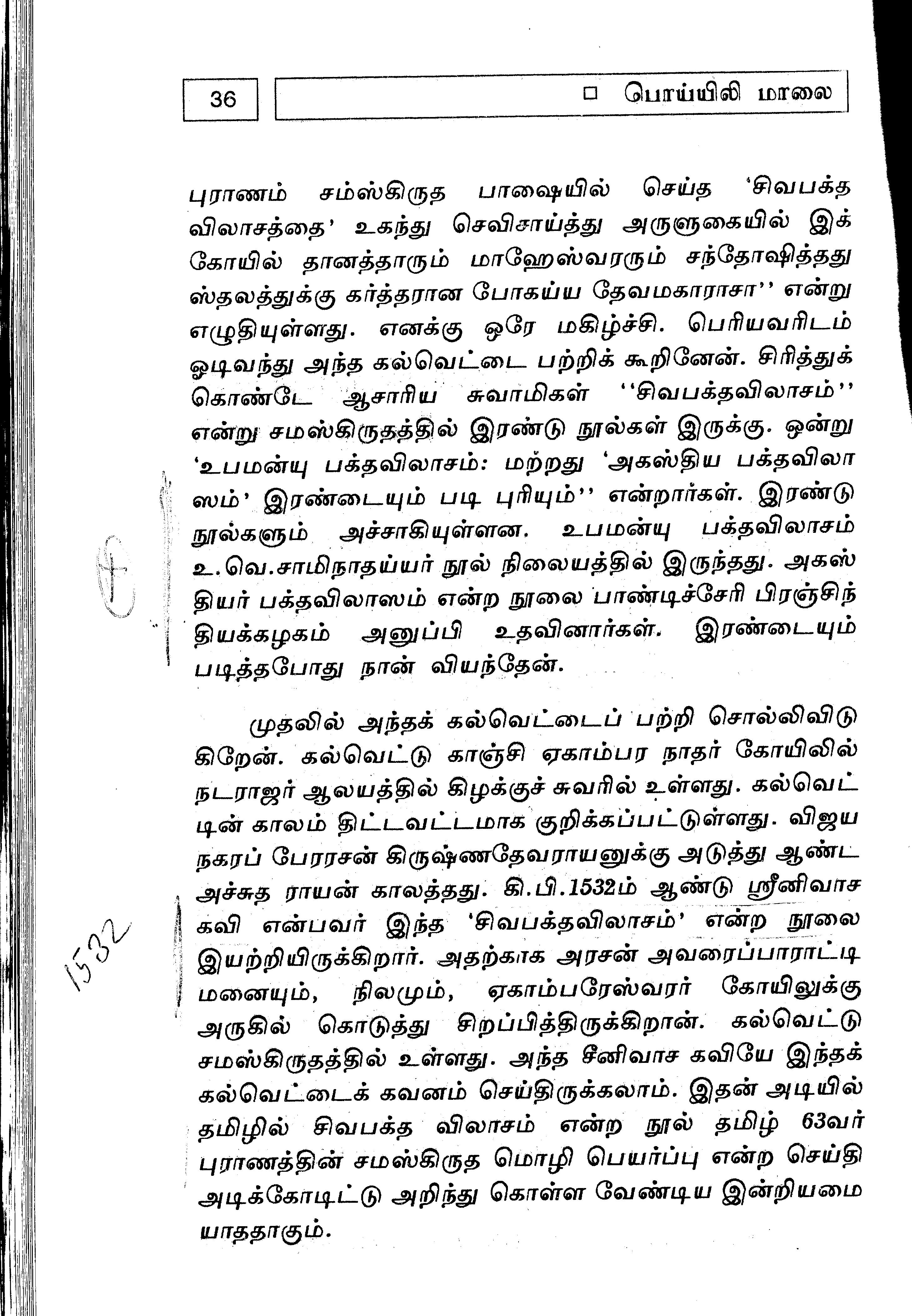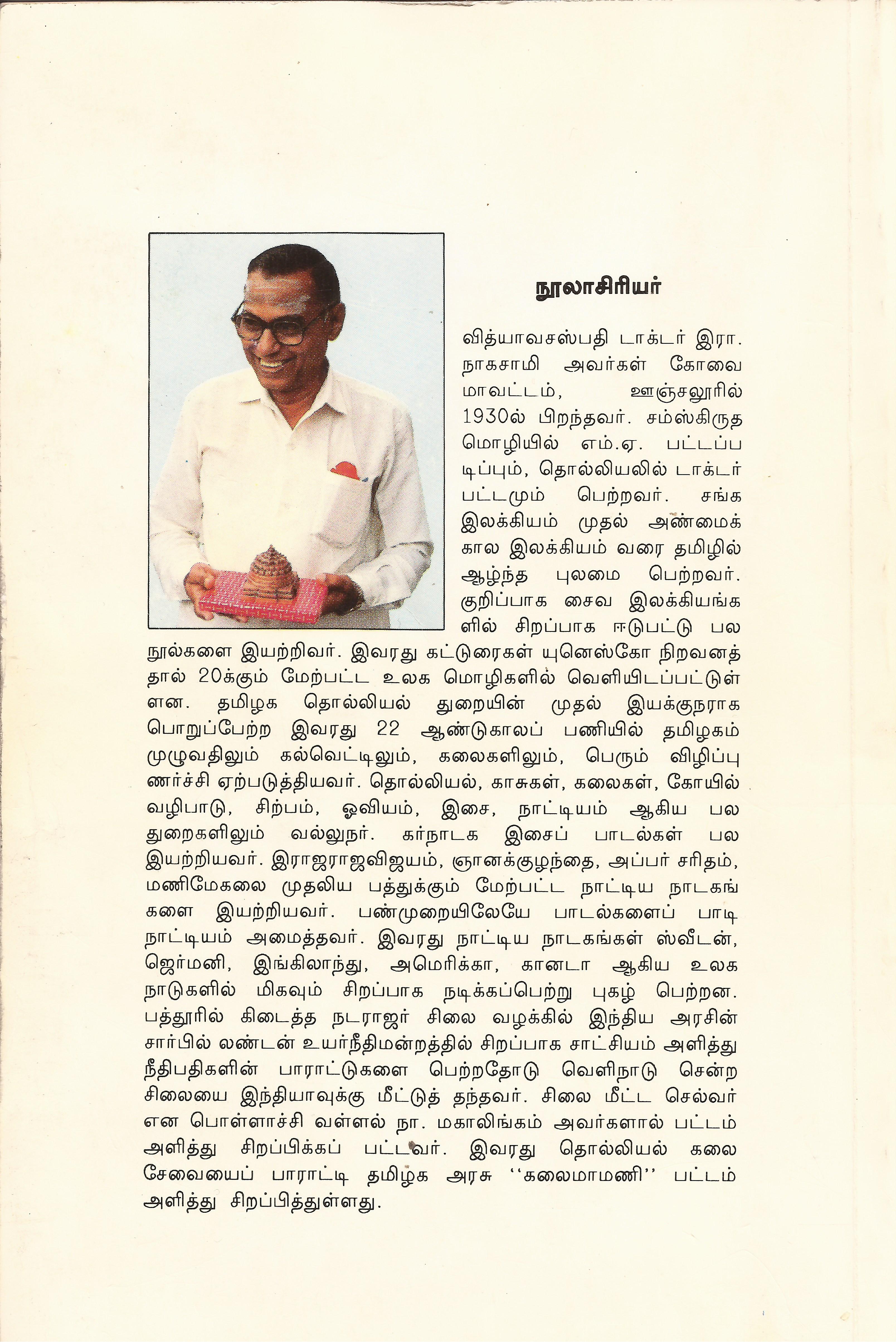
காஞ்சிப் பெரியவர் காட்டிய அற்புதக் கல்வெட்டு


poyyilimalai


Nagasamy new 1

Nagasamy new 2


Tamil Arts Academy (Dr R Nagasamy’s website)


Aintinaikal (Five Land Divisions) in Veda. Dr. R.Nagaswamy 14-Jan-2013. The Camakam, hymns of the Kṛṣṇa Yajur Veda appearing as the seventh prapataka 


Dr R Nagasamy’s Tamil and English articles are available in his blog http://www.tamilartsacademy.com

poyyilimalai2


Do Saints’ Samadhis have Divine Power? Can They do Miracles?

L_samadi
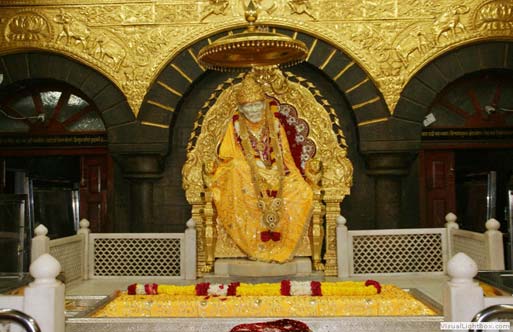
Shirdi Baba Shrine with Samdhi

Written by London Swaminathan
Post No.1099; Dated 11th June 2014.

Hindus believe that by visiting the Samadhis of saints they can be cured of diseases or their problems can be solved in a trice.

Is it true? Yes, “It is true”, say great saints.

Thousands of devotees visit Manthralaya, where Sri Ragavendra Swami’s Samadhi is located, Shirdi where Sri Baba’s Samadhi is located, Govindapuram Adhistanam where Sri Bodendra Saraswati’s Samadhi is located and several Samadhi’s of Muslim saints in North India.

A Samadhi is a place where an enlightened soul is laid to rest after his or her death. Such holy places are called Brundavanam or Adhishtanam. Usually a Tulsi (holy basil) plant or a Shivalainga is installed on the Samadhi.

Bodendra was the 58th pontiff of Kanchi Kamakoti Peedam. In the calm silence of the night, a melodious voice, uttering Rama Nama (name of Lord Rama) is heard, rising from subdued tones to a crescendo, and then fading into silence again. Sri Bodendra recited Rama Nama throughout his life.
Kanchi Paramacharya (1894-1994) liked to meditate in the serene atmosphere of the Bodendra Adhistana. When he was staying at Tiruvidaimarudur, Paramacharya used to go to Govindapuram and do meditation in the stillness of the night unattended and unseen. That is, nobody would have noticed his departure and suddenly he would be seen sitting there in meditation. Kanchi Paramacharya said that one can hear chanting of Rama nama in the Govindapuram Adhistanam of Sri Bodendra Saraswati.

rayaru-mantralaya
Mantralaya: Sri Ragavendra’s Samadhi

Miracle by Sri Ragavendra
Devotees of Sri Ragavendra believe that his power will remain in the samadhi for 600 years. Sir Thomas Munro, Bellary District collector (later he became Governor of Madras), went to Sri Ragavendra’s Samadhi on the banks of river Tungabadra to discuss a dispute between the Mutt and the Government in the 1800s. When other officials told him that they couldn’t solve it, he himself went there, removed his shoes and hat and went in to discuss the issue. Instead of meeting the Mutt officials, he saw Sri Ragavendra himself emerging from his Samadhi. No one else could see Swamiji. The invisible discussion went in for some time and he went back and quashed the government order. It was duly gazetted.

Famous South Indian temples attract millions of people because the Siddhar (enlightened souls) Samadhis are located in their vicinity. Eighteen famous Siddhars attained Mukti in 18 famous shrines of Tamil Nadu, Kerala and Andhra Pradesh.

Following is the list of 18 Siidhars and the places where their Samadis are located:
1.Agasthiyar – Thiruvanathapuram
2.Idaikkadar- Tiruvannamalai
3.Kamalamuni- Tiruvarur
4.Karuvurar- Karur
5.Kuthampai- Mayavaram
6.Konkanar- Tirupati
7. Gorakkar- Perur
8.Sattaimuni – Thiruvarangam
9.Sundaranandar – Madurai
10.Thanvanthiri _ Vaitheeswarankoil
11.Thirumular _ Chidambaram
12.Nandeeswarar – Kasi
13.Pathanjali – Rameswaram
14.Pambatti – Sankarankoil
15.Bogar – Pazani
16.Machamuni- Tirupparankundram
17.Ramathevar – Azakarmalai
18.Vanmikanathar – Ettukudi

(There are alternate lists with slight variations)

bodendral,govindapuram
Sri Bodendra Adhistanam, Govindapuram

Bones say God’s Name!!

Following anecdote told by Swami Ramdas also prove this point:
A famous saint of Maharashtra once paid a visit to a place called Mangalwedha, about eight miles from Pandharpur. At that time a huge fort was under construction at Mangalwedha. While the saint was passing by the high wall of the fort, where hundreds of labourers were working, the wall collapsed and many including the saint were killed, smashed down by the fall of the wall. The devotees of the saint missed him and started a search. After a long and arduous search, they could not find him. Some people of Mangalwedha reported that in all probability the saint must have been crushed to death beneath the fallen wall of the fort.

Accordingly, a large number of devotees joined in together in the work of removing the fallen wall. When they did so, they found a number of skeletons of people who had died in the accident. The devotees of the saint wished to single out his bones so that they could raise a tomb over them. The difficulty, however, was that the bones of the people killed were mixed up and they did not know which were the bones of the saint.

govindapuram
Sri Bodendra Adhishtanam

Now a great devotee of Pandharpur Vithoba — the Deity of the great temple there – happened to pass that way. He understood the perplexity of the devotees and said,“ I shall be able to pick out the bones of the saint”. So saying he took out the bones that were lying helter-skelter and holding them one by one to his ear, he was able to separate saint’s bones from those of others. Such of the bones as were singing the name of the Pandharpur deity – Vithal – he separated from others. The sound of name of God had entered into the very marrow of the saint’s bones by his unceasing practice of chanting the Name. Such is the power of the Name.

contact swami_48@yahoo.com

ஏற்றம் தரும் ஏலாதி!-Part 1

05FRLIBRARY8_UVS_1507555g (1)

ச.நாகராஜன்

Post No 1098; Dated 11th June 2014.

தமிழ் அறநூல்கள்

தமிழில் அறநூல்களுக்கு ஒரு தனி இடம் உண்டு. திருக்குறள் உள்ளிட்ட வாழ்வாங்கு வாழ வேண்டிய அற நெறிகளைக் கூறும் நூல்கள் ஏராளம் தமிழில் உள்ளன.

இந்த வகையில் பதிணென்கீழ்க்கணக்கு நூல்களுள் ஒன்றான ஏலாதி சுவையான விதத்தில் அறநெறிகளைக் கூறுவதோடு சற்று வித்தியாசமாகவும் அமைந்துள்ள ஒரு நூல்.பதினெண் கீழ்க்கணக்கு நூல்களில் ஒன்று புறம் பற்றியும்,ஆறு நூல்கள் அகம் பற்றியும் ஏனைய பதினோரு நூல்கள் அறம் பற்றியும் கூறுவது உற்று நோக்கத் தக்கது. கி.பி.100 முதல் கி.பி 500 முடிய உள்ள காலத்தில் மலர்ந்த இந்த நூல்கள் பெரும்பாலும் அறநெறிகளை வலியுறுத்த எண்ணிய முனிவர்கள், பொய்மை இல்லாப் புலவர்கள் மற்றும் சமண ஆசாரியர்களால் எழுதப்பட்டவையாகும். இதே காலகட்டத்தில் வாழ்ந்தவராகக் கருதப்படும் பர்த்ருஹரியின் நீதி சதகம் நூறு பாடல்களில் அற்புதமாக பல நீதி உரைகளை விளக்குகிறது. வடமொழியில் அமைந்துள்ள இந்த நூலை மேற்கோள் காட்டாதவர் இல்லைஆக பற்பல அற நூல்கள் பாரதமெங்கும் எழுந்தமையால் இதை அறநூல்களின் காலம் என அழைக்கலாம்.

அறநெறிகளின் முக்கியத்துவம்
அறநெறிகளின் முக்கியத்துவத்தை, “தனது ஆளுமையின் அகத்தன்மையின் நிறைவான நிலையை அடைய மனிதனின் செயல்பாடுகளே அறநெறிகள்” (Ethics is the activity of man directed to secure the inner perfection of his own personality) என்று ஆல்பர்ட் ஸ்வைட்சர் கூறுவார். உலகின் பெரும் விஞ்ஞானியான ஆல்பர்ட் ஐன்ஸ்டீனோ, தனது ஒப்புமைத் தத்துவத்தையே எடுத்துக் கொண்டு ஒப்புமைத் தத்துவம் இயற்பியலுக்கு மட்டும் தான்;அறநெறிகளுக்கு அல்ல (Relativity applies to physics, not ethics) என்று கூறி மாற்றுக் குறையாத அறநெறி கடைப்பிடிக்கப்பட வேண்டியதன் அவசியத்தை வலியுறுத்துகிறார்! இந்த வகையில் ஏலாதி போன்ற அறநூலின் தேவையும் வலிமையும் நமக்கு நன்கு புலனாகிறது!

கணிமேதாவியார்
ஏலாதி நூலை எழுதியவர் கணிமேதாவியார். கணித்தலில் மேதையாக இவர் இருப்பதாக இவரது பெயர் சுட்டுவதால் இவர் சோதிடத்தில் வல்லவராக இருத்தல் வேண்டும் எனக் கருதப்படுகிறது. இறைவாழ்த்து நீங்கலாக எண்பது பாடல்களைக் கொண்டது ஏலாதி. அருகக் கடவுளை இவர் வாழ்த்துவதால் இவர் சமண சமயத்தைச் சேர்ந்தவர் எனத் தெரிகிறது.

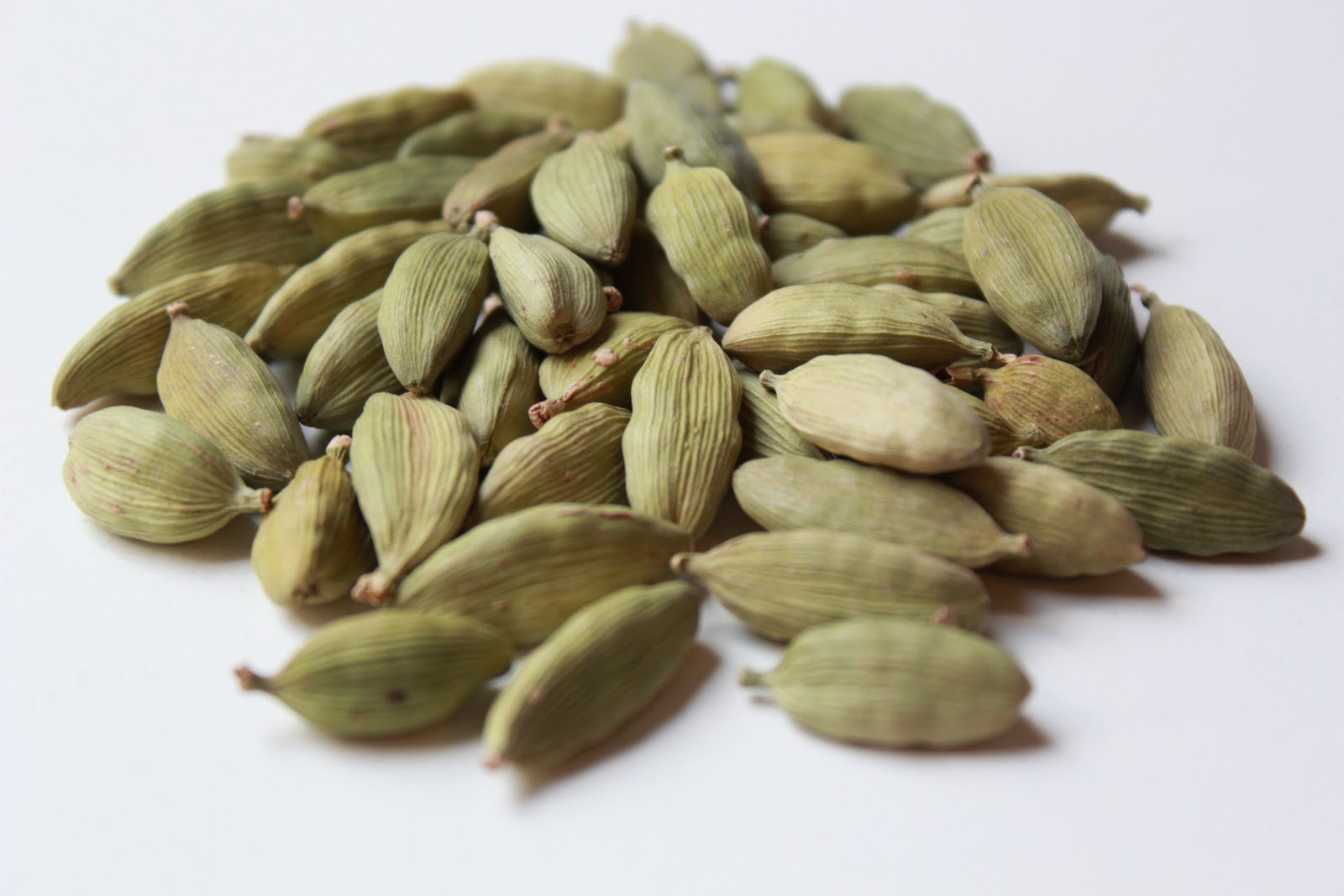
cardamom

ஏலாதி என்ற பெயர் ஏன்
ஏலாதி சூர்ணம் பழைய தமிழ் மருத்துவ நூல்களில் காணப்படும் முக்கியமான ஒரு சூர்ணம். ஏலம் ஒரு பங்கும்,இலவங்கப்பட்டை இரண்டு பங்கும்,நாககேசரம் மூன்று பங்கும், மிளகு நாலு பங்கும், திப்பிலி ஐந்து பங்கும் சுக்கு ஆறு பங்கும் கலந்த ஒரு கலவை ஏலாதி சூர்ணம்.அரிய மருத்துவ குணங்கள் கொண்ட இந்த சூர்ணம் உடல் நலத்தைச் சீராகக் காக்கும் ஒரு அற்புத சூர்ணம்.
இதே போல மன நலத்தையும் அதை முதலாகக் கொண்ட வாழ்க்கை நலத்தையும் சீராக ஆக்கிக் கொள்வதற்கான வழிமுறைகளைக் காண்பிக்கும் வாழ்வியல் நூல் என்பதால் இதற்கு ஆசிரியர் கணிமேதாவியார் ஏலாதி என்ற அதிசயப் பெயரை, அற்புதப் பெயரைச் சூட்டியுள்ளார்.அத்தோடு ஏலாதி சூர்ணத்தை உருவாக்குவதில் ஆறு மூலப்பொருள்கள் இருப்பது போல ஏலாதி பாடல்களில் ஆறு பொருள்களை கணிமேதாவியார் வகுத்து வலியுறுத்துகிறார்.
அற ஸ்பரிசஸங்கள் அன்றாடம் வாழ்க்கையில் ஏற்பட ஏற்பட அறம், பொருள்,இன்பம், வீடு ஆகிய பெறுதற்கரிய நான்கு பேறுகளையும் பெறலாம் என்பதை அனைத்து அறநூல்களும் வலியுறுத்துகின்றன.

இல்லற நூல், துறவற நூல், நல்லற நூல்
இந்த நூலின் சிறப்புப் பாயிரம்
“இல்லற நூல் ஏற்ற துறவற நூல் ஏயுங்கால்
சொல்லறநூல் சோர்வின்றித் தொக்குரைத்து – நல்ல
அணிமேதையாய் நல்ல வீட்டு நெறியும்
கணிமேதை செய்தான் கலந்து” என்று வலியுறுத்துவது போல ஏலாதி ஒரு இல்லற நூல்; அத்தோடு துறவிலக்கணம் கூறும் துறவற நூல் அனைத்து அறங்களையும் வலியுறுத்துவதால் ஒரு நல்லற நூல் என்பது நூலைப் படித்தால் விளங்கும்.

பழங்காலத்தில் உளவியல் அடிப்படையில் வாழும் நல் மன வாழ்க்கையைப் பெரியோர் பெரிதும் வற்புறுத்தி வந்தனர். அதற்கான செம்மையான நலங்களை அறநெறி நூல்கள் சுட்டிக் காட்டின.ஆகவே அவற்றைக் கடைப்பிடித்தோர்க்கு மனத்தினால் உண்டாகும் நோய்கள் அறவே இல்லாமல் போனது; அவர்களுக்குப் புகழுடைய வாழ்க்கையும் அமையப் பெற்றது.

யாருக்கு இந்த அறநூல் தேவை இல்லை!
கணி மேதாவியார், அற நூல் எதுவும் தேவை இல்லை என்று அறுதியிட்டு உறுதி கூறுகையில் யாருக்குத் தேவை இல்லை என்ற வினா ‘சஸ்பென்ஸாக’ நம் மனதில் எழுகிறது.
பொய்யான் புலாலொடு கள் போக்கி தீயன
செய்யான் சிறியார் இனம் சேரான் – வையான்
கயல் இயல் உண் கண்ணாய், கருதுங்கால் என்றும்
அயல அயலவர் நூல் (பாடல் 14)

பொய்யே சொல்லாதவன், மாமிசம், மது இவற்றை நீக்கியவன், மற்றவர்க்குத் தீங்கு செய்யாதவன், சிறியவர் சேர்க்கையைக் கொள்ளாதவன் மற்றவர்க்கு இன்னாதவற்றைச் சொல்லாதவன் ஆகிய நல் குணங்களைக் கொண்டவனுக்கு மீன் போன்ற கண்களை உடையவளே அறநூல்கள் தேவை இல்லை என்ற பாடலைப் படித்தவுடன் அதில் உள்ள பொருளின் ஆழம் நமக்குப் புரியும்.

chola-flag-2

பொய் பற்றிய அறிவியல் ஆராய்ச்சி
சமீபத்தில் பெனிஸில்வேனியா பல்கலைக் கழகத்தில் டாக்டர் டேனியல் லாங்பெலோ நடத்திய ஆராய்ச்சி ஒன்றில் மனிதர்கள் உண்மை பேசுவதற்காகவே படைக்கப்பட்டவர்கள் என்பதை நிரூபிக்கும் விதமாக ஒரு நிகழ்வைக் கண்டார். ஒரு மனிதனைப் பொய் பேசுமாறு சொல்லி அவன் மூளையில் என்ன மாறுதல்கள் ஏற்படுகிறது என்பதை ஸ்கேன் செய்து பார்க்கையில் மூளைப் பகுதிகளுக்கு அதிக இரத்தம் செலுத்தப்படுவதோடு அங்கு ரசாயன மாறுதல்கள் ஏற்படுவதை விஞ்ஞானிகள் கண்டு அதிசயித்தனர்! சிவப்பும் மஞ்சளுமுமாக மூளை ஸ்கேனிங் இயந்திரத்தில் பதிவான மூளைப் படலங்களை அவர்கள் கண்டு வியந்து மேலும் அதிக ஆராய்ச்சிகளைச் செய்தனர். மிகவும் சிக்கலான பொய்களைக் கூட ஒருவன் பேசும் போது கண்டுபிடித்து விடலாம் என்பது அவர்களின் ஆய்வின் முடிவு. பொய் சொல்லச் சொல்ல அந்தப் பொய்யே சொன்னவனைச் சுடும் (தன்னஞ்சு அறிவது பொய்யற்க பொய்த்தபின் தன்னெஞ்சே தன்னைச் சுடும் – குறள் 273) என்று அற நூல்கள் சொல்வதை விஞ்ஞான ஆய்வுகளும் இன்று அங்கீகரிக்கின்றன!

இதே போல மாமிசமும் மதுவும் உடலுக்கும் மனதிற்கும் ஏற்படுத்தும் தீங்குகளையும் இன்று மருத்துவ வல்லுநர்கள் திறம்பட எடுத்துரைக்கின்றனர்.ஆக வாழ்வாங்கு வாழ ஆறு குணங்கள் தேவை என்பதை இந்தப் பாடல் எடுத்துரைக்கிறது.தனது பல பாடல்களில் பொய்யை உரைக்காதே என்று அவர் வலியுறுத்திக் கூறுவது அமெரிக்க ஆராய்ச்சியை நினைவுபடுத்தி விஞ்ஞான பூர்வமான வாழ்க்கையை வாழத் தூண்டும் நூல்களின் பெருமை நமக்குப் புலப்படுகிறது!

குபேர பட்டம் பெற வழி!
குபேர பட்டமும் கை கூடும் என்று ஒரு பாடல் வலியுறுத்தும் போது அது எப்படி கை கூடும் என்ற கேள்வி நமக்கு இயல்பாகவே எழும்!. 49ம் பாடல் பதில் கூறுகிறது!

யானை குதிரை பொன் கன்னியே ஆநிரையோடு
ஏனை ஒழிந்த இவை எல்லாம் – ஆன் நெய்யால்
எண்ணன் ஆய் மாதவர்க்கு ஊண் ஈந்தான் வைசிர
வண்ணன் ஆய் வாழ்வான் வகுத்து
வகையறிந்து யானை, குதிரை, பொன், கன்னி,பசு இவற்றையும் தவம் புரிவோர்க்கு பசு நெய்யோடு உணவளிப்பவர் வைசிரவண்ணன் எனும் குபேரனது வாழ்க்கையை அடைவர் என்று கூறுகிறது இந்தப் பாடல். தானம் புரிவோருக்கு தனம் தானே வந்து சேரும் என்பது பொருள்!

((லேடீஸ் ஸ்பெஷல் 2010ஆம் ஆண்டு தீபாவளி மலரில் வெளியான கட்டுரை .))

(This two part article is written by my brother S Nagarajan:Second part will be published tomorrow: swami)

Guru – Parama Guru – Parameshti Guru – Parapara Guru

Paramacharya-
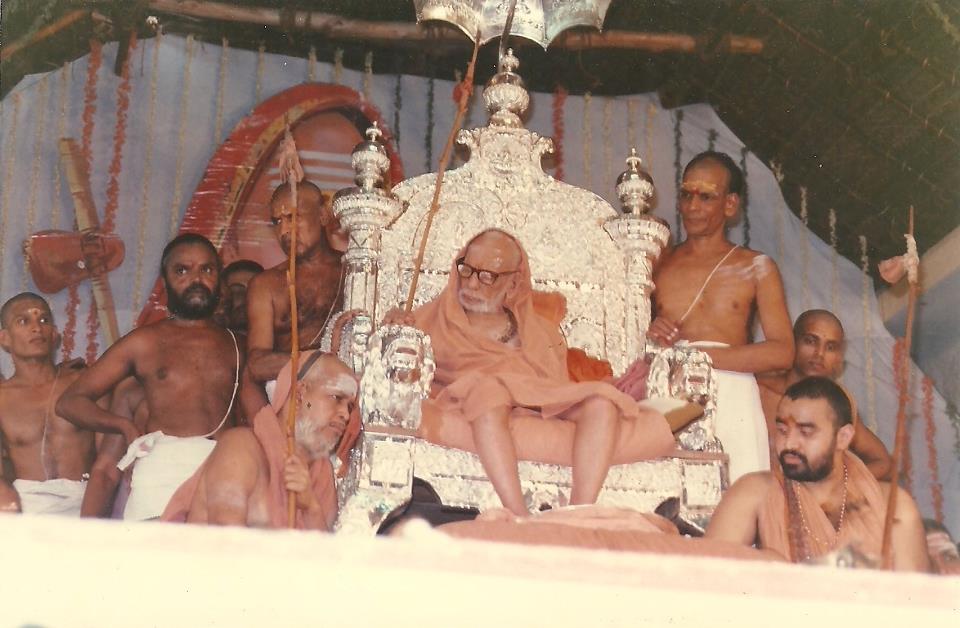
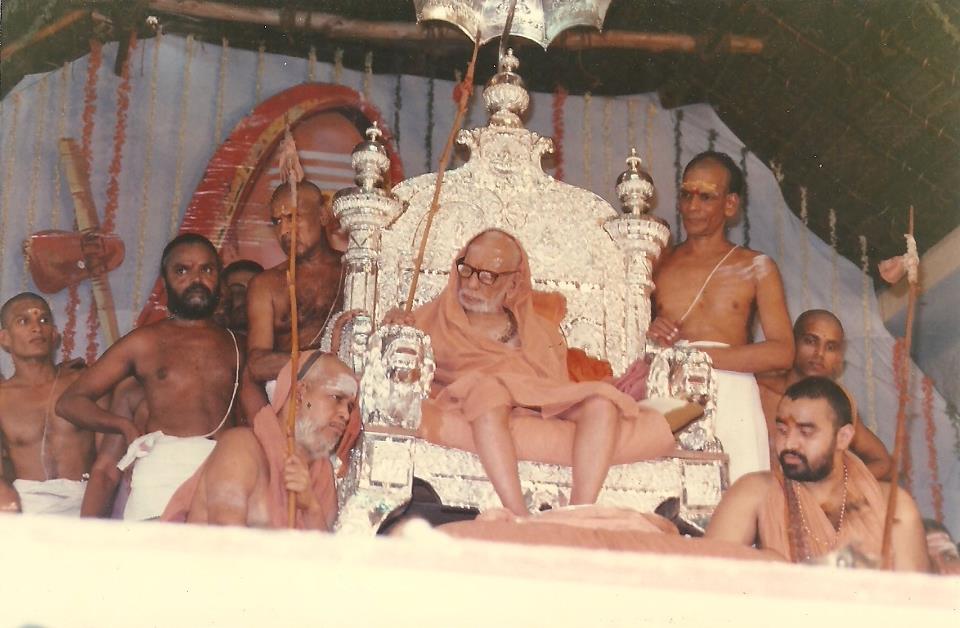
Sri Kanchi Paramacharya (1894 – 1994) on the throne.

Written by London Swaminathan
Post No. 1097; 10th June 2014.

Guru and God are one. Guru is he who satisfies the spiritual hunger of the aspirant. When an aspirant takes Sanyas (entering Ascetic life) from his Guru he respects him more than God. His respect doesn’t stop there. He worships Guru’s Guru (teacher of the teacher) and his Guru and his Guru. To avoid confusion and to decide the hierarchy, they have special titles.

Guru = One’s spiritual teacher who ordains him.
Parama Guru = Guru’s Guru
Parameshti Guru = Parama Guru’s Guru
Paraapara Guru = Parameshti Guru’s Guru

Kanchi Paramacharya who attained Samadhi in 1994 was respected throughout India including the then Prime minister and President of India. He was installed as the 68th Shankaracharya of Kanchi Kamakoti Peedam with the title Sri Chandra Sekarendra Sarasvati. He had his Parapa guru (1814-1857) with the same name Chandra Sekara. He was Chandra Sekara – 5 and Paramacharya was Chadrasekara -6.

Two anecdotes in the life of Sri Parapa Guru were influenced by some mysterious dreams. He was well versed in Mantra Sastras (scriptures) and so he installed some Yantras in Kanchi Kamakshi Temple and Tiruvanaikka (Jambukeswaram) Akilandeswari Temple near Trichy. Since Adi Sankara made two ear rings to Goddess Akilandeswari long ago which were worn out in course of time, Parapa guru was requested by his devotees to install new ear rings. He did that in Jambhukeswaram and celebrated the Kumbhabishekam (consecration) of Kanchi Temple as well.

kanchi-tapas

Dream No.1
When the Parapaguru was camping in Chennai he had a strange dream at the dead of night. Goddess Kamakshi appeared in his dream and asked him to expedite the consecration ceremony. She showed her head where the hair was dry and matted meaning that Parapaguru must do the consecration quickly. When he had this dream his camp was inside the Fort. Normally the fort was locked during sunset and opened only the next day morning. But he informed the authorities about his dream through some influential people. Immediately the East India Company authorities opened the gates of the Fort in the early hours.

Parapaguru reached Kancheepuram the same day which is forty miles away from Chennai. He went to the temple straight and prayed to Goddess Kamakshi with tears in his eyes. All the arrangements were made for the consecration. Donations were pouring in. There were no transport facilities about 150 years ago and yet a galaxy of intellectuals gathered at Kancheepuram. Consecration of the temple took place in the presence of thousands of devotees.

Dream No.2
When the devotees requested Parapaguru to install new ear studs (Thadanga in Sanskrit) he came to Tiruvanaikka from Kumbakonam. But Sringeri Mutt claimed that they have the sole right to do the Thadanga Prathishta. The issue went to three different courts and the judgements came in favour of Kanchi Mutt. The litigations took four long years and wasted lot of resources. Though Parapaguru installed the new ear studs to goddess Akilandeswari, he himself resented the huge expenditure. He even made a remark that they should have left it Sringeri Mutt.

The devotee who helped the Mutt all through the litigations decided to raise funds. He suddenly disappeared leaving lot of his colleagues to worry. But he came back after a few days. When the Parapaguru asked the reason for it he gave him the reason with a sad face that his proposal was turned down by the King of Thanjavur. He said that the King of Thanjavur could not receive Parapaguru or arrange for his stay at the Thanjavur palace for lack of funds. But the king said that it would be possible another time.

After hearing this, Parapaguru made arrangements to go to Kumbakonam via different route. When his paraphernalia of devotees, officials along with the elephants, horses, cows, and camels reached Tiruvaiyaru road, they were forced to travel towards Thanjavur by the soldiers of Thanjavur. When they resisted they were threatened that it would be considered violation of king’s orders.

shanakara face
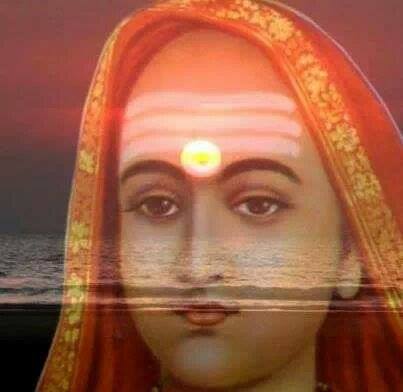
Picture of Adi Sankara.

While they were involved in an argument, Parapaguru’s palanquin reached the spot. To everyone’s surprise a grand reception was given to Parapaguru with all the traditional music and Purnakumba. Sri Parapahuru was taken in a grand procession through the streets of Thanjavur with the king. Everyone was wondering what made the king to change his mind suddenly who said early that he had not sufficient funds to receive Parapaguru.
The king had a dream of Lord Sri Chandramouleeswarar who told him to receive Parapaguru with all the traditional honours. Parapaguru stayed there for some time and was honoured with Kanakabishekam (literally bathing with gold coins). Parapaguru was given gold, silver and gem studded jewels. It helped the Kanchi Mutt financially to great extent. All ended well due to the two dreams.

Source: History of Sri Parapaguru of Kanchi Paramacharya (in Tamil) by Brindavanam Trust, Kumbakonam, 1981.

குரு– பரமகுரு — பரமேஷ்டி குரு — பராபர குரு!

Paramacharya-
Sri Kanchi Paramacharya Swami.

கட்டுரை எழுதியவர்:– லண்டன் சுவாமிநாதன்
கட்டுரை எண்:–1096; தேதி 10 ஜூன் 2014.

ஆதி சங்கரர் நிறுவிய சங்கர மடங்களில் யார் ஒருவர் சந்யாசம் கொடுக்கிறாரோ அவர் குரு என்று அழைக்கப்படுவார். அவ்வாறு சந்யாசம் பெறுபவர் தன்னுடைய குருவை வணங்குவதோடு, குருவுக்கு குரு, அவருக்கு குரு என்று பல தலை முறைகளையும் வணங்குவார். ஆனால் இவர்கள் ஒவ்வொருவருக்கும் ஒரு சிறப்பு பட்டம் உண்டு.

1.குரு
2.குருவுக்கு குரு = பரம குரு
3.பரம குருவின் குரு = பரமேஷ்டி குரு
4.பரமேஷ்டி குருவின் குரு = பராபர குரு

காஞ்சி சங்கரமடத்தின் தலைவராக இருந்து 1994-ல் சமாதி அடைந்த ஸ்ரீ சந்திர சேகரேந்திர சரஸ்வதி சுவாமிகளை (பரமாசார்ய சுவாமிகள்) ஆன்மீக உலகம் முழுதும் அறியும். அவர் காமகோடி பீடத்தின் 68-ஆவது பட்டம். எல்லோரும் அவரைப் போற்றி வழிபட்டனர். அவருடைய பராபர குருவைப் பற்றி ஓரிரு சுவையான சம்பவங்கள் உண்டு.

பராபர குருவின் பெயரும் ‘’சந்திரசேகரர்’’தான். சொல்லப் போனால் ’சந்திரசேகரர்’’-5. நமது காலத்தில் நமக்கு அருள் பாலித்த பரமாசார்யார் ’சந்திரசேகரர்’’-6. அவருடைய பராபர குரு 1814 முதல் 1857 வரை பட்டம் வகித்தார். அவருடைய பூர்வாஸ்ரமப் பெயர் வேங்கட சுப்ரமண்ய தீக்ஷிதர். தஞ்சாவூர் மஹாராஜாவுக்கு அமைச்சராக இருந்த கோவிந்த தீக்ஷிதரின் பரம்பரையில் வந்தவர். மந்திர சாஸ்திரத்தில் வல்லவர். ஜம்புகேஸ்வரத்திலும் காஞ்சீ புரத்திலும் மீண்டும் யந்திரங்களைப் பிரதிஷ்டை செய்தவர்.

kanchi-tapas

முதல் கனவு

பராபர குரு அவர்கள் பல தலங்களுக்கு விஜயம் செய்துவிட்டு சென்னையை அடைந்தார். அவர் முகாமிட்ட இடம் சென்னை கோட்டை மதில் சுவருக்குள் இருந்தது. தம்புச்செட்டித் தெருவிலும் ஒரு மடம் இருந்தது. சென்னை சிஷ்ய கோடிகள் சிறப்பான பூஜைகளை குறைவின்றி நடத்தி வந்தனர். திடீரென்று ஒரு நாள் இரவில் பராபர குருவின் (சங்கராசார்யார்) கனவில் காமாட்சி அம்மன் தோன்றினாள். “ இதோ என் தலையைப் பார். என் தலை மயிர், எண்ணை இல்லாது சடையாய்ப் போய்விட்டதைப் பார். பாலாலயம் பண்ணியபின் எத்தனை நாட்களுக்கு தைலாபிஷேகம் இல்லாமல் இருப்பது? உனக்கு ஜீர்ணோத்தாரண கைங்கர்யத்துக்குப் பணம் தேவை என்றால் என்னைக் கேட்டால் கொடுக்க மாட்டேனா? எனக் கூறிவிட்டு மறைந்தனள்.

கனவில் வீசிய ஒளியினால் அப்போதே கண்விழித்த ஆசார்ய ஸ்வாமிகள், அப்போதே காஞ்சீபுரத்துக்குப் போகவேண்டும் என்று மடத்து அதிகாரிகளை எழுப்ப உத்தரவிட்டார்கள். அக்காலத்தில் சென்னைக் கோட்டையின் வாயில் கதவுகள் முன்னிரவில் பூட்டப்பட்டு, விடியற்காலையில்தான் திறப்பது வழக்கம். தன் உத்தேசத்தை செல்வாக்குடைய சில பக்தர்கள் மூலம் சொல்லி அனுப்பினார்கள். ஸ்ரீ ஸ்வாமிகளின் அபிப்ராயத்தை அறிந்த கிழக்கிந்தியக் கம்பெனி அதிகாரிகள் கோட்டைக் கதவைத் திறக்க உத்தரவிட்டனர். பக்தர்களால் மாற்று போகிகளுக்கு (பல்லக்கு சுமப்பவர்களுக்கு) ஏற்பாடு செய்யப்பட்டது. பொழுது புலர்வதற்கு முன் ஸ்வாமிகள் சென்னையை விட்டுப் புறப்பட்டுவிட்டார்.

சென்னையிலிருந்து 40 மைல் தொலைவிலுள்ள காஞ்சீபுரத்தை அடைந்து அன்றே அம்பிகையைத் தரிசித்து தாரை தாரையாகக் கண்ணீர் சொரிந்தார்கள். சில தினங்கள் கழிந்தன. பணமும் பொருளும் முயற்சியின்றி குவிந்தன. மராமத்து வேலைகள் வெகு விரைவில் முடிந்தவுடன் காமாட்சி கோவில் கும்பாபிஷேகம் (ஜனவரி 22, 1840) சிறப்பாக நடந்தது.

shanakara face
Sri Adi Sankara

தாடங்கப் பிரதிஷ்டை

பஞ்சபூத க்ஷேத்ரங்களில் ஒன்றான ஜம்புகேச்வரமெனப்படும் திருவானைக்காவலில் கோயில் கொண்டு விளங்கும் ஸ்ரீ அகிலாண்டேச்வரீயின் காதுகளில் ஸ்ரீ ஆதி சங்கரர் தாடங்கங்களை (காதணி) பிரதிஷ்டை செய்தது உலகப் ப்ரஸித்தம். தாடங்கங்கள் சிதிலமடைந்து இருந்ததால் பக்தர்களும் கோவில் ஸ்தானீகர்களும் அந்த தாடங்கங்களை ஜீர்ணோத்தாரணம் செய்து பிரதிஷ்டை செய்யவேண்டும் என்று விக்ஞாபனம் செய்தார்கள். ஸ்வாமிகள் இதை ஏற்று 1844ஆம் ஆண்டு திருவானைக்காவலை அடைந்தார்.

ஸ்ரீ சிருங்கேரி மடத்தார் தங்களுக்கே தாடங்கப் பிரதிஷ்டை செய்ய உரிமை உண்டு என்று வழக்கு தொடுத்தனர். திருச்சிராப்பள்ளி பிரின்ஸிபல் ஸதர் அமீன் கோர்ட் (ஜூலை 1844), திருச்சி ஸிவில் கோர்ட், ஸதர் அதலத் உயர்நீதி மன்றம் ஆகிய மூன்று கோர்ட்டு களிலும் வழக்கு, அப்பீல், மேல் அப்பீல் எல்லாம் தள்ளுபடி செய்ய ப்பட்டன. நான்கு ஆண்டுக் காலம் நடந்த இந்த வழக்குகளுக்கு ஏராளமாக பொருட்செலவு ஆயிற்று.

மூன்று நீதிமன்றங்களினாலும் பரம்பரையாகக் காமகோடிபீடத்திற்கு அகிலாண்ட நாயகியின் தாடங்க ஜீர்ணோத்தாரண பாத்யதை ஊர்ஜிதப் படுத்தப்பட்டபின் , பராபர குரு ஸ்வாமிகள், காஞ்சியில் ஸ்ரீ காமாக்ஷிக்கு செய்தபடி, திருவானைக்காவல் அம்பிகை தாடங்கங்க ளுக்கும் கலாகர்ஷணம் செய்வித்து, தாடங்கங்களைப் புதுப்பித்தார். ஒரு நன்னாளில் பரமானந்தத்துடன், ஸ்ரீ அகிலாண்டேச்வரீ அம்பிகையின் காதுகளில் அவைகளைச் சாற்றி, தமக்கும், உலக மக்களுக்கும் தேவியின் பரமானுக்ரஹத்தை ஸம்பாதித்துக் கொண்டார்கள்.

chandrasekara-bharati-abinava-bharati

Sringeri Sankaracharyas Sri Abhinava Bharati and Sri Chandrasekara Bharati swamijis.

இரண்டாவது கனவு

ஸ்ரீ அகிலாண்டேச்வரீயின் தாடங்கங்கப் பிரதிஷ்டை ஸம்பந்தமாக நான்காண்டுக் காலம் நடந்த வழக்கினால் ஏற்பட்ட செலவுகளும்,, யாத்திரைக்கு வேண்டிய அதிகப்படியான பரிவாரங்களினால் ஏற்பட்ட செலவுகளும் சேர்ந்து மடத்திற்குப் பெரிய பளுவாகியது. இதை உணர்ந்த ஆசார்ய ஸ்வாமிகள் மடத்தின் நிர்வாகப் பொறுப்புள்ள அதிகாரிகளைக் கூப்பிட்டு, ‘அம்பிகையின் அனுக்ரஹத்தினால் நமது மடத்தின் பாரம்பர்யமான கைங்கர்யங்கள் ஸ்தாபிதமான மகிழ்ச்சி ஒரு புறம் இருந்தாலும், இவ்வளவு பெரிய பணச் செலவையும், பாரத்தையும், மடத்திற்குப் பிற்காலத்தில் வரக்கூடிய நிர்வாஹி களுக்கு வைத்துவிட்டோமே என்பதை யோஜித்துப் பார்க்கும்போது, ச்ருங்கேரி ஸ்வாமிகள் ஆசைப்பட்டதை அவரே செய்துவிட்டுப் போகட்டுமே என்று இருந்திருக்கலாமே’’ என்று குறைப்பட்டு வருத்தத்துடன் தெரிவித்தார்கள்.

இதைச் செவியுற்ற — நான்கு வருடங்களாகத் தாடங்கங்கப் பிரதிஷ்டை வழக்கில் பிரதிவாதியாக இருந்து , இரவு பகலாகச் சலியாது உழைத்து வந்த மடத்தின் முக்ய அதிகாரி –, ஒருநாள் திடீரெனக் காணப்படவில்லை. எங்கு சென்றார் என்று ஒருவருக்கும் தெரியவில்லை.

ஒருவாரம் சென்றது. சோர்வடைந்த முகத்துடன் அவர் திருவானைக்காவல் மடத்திற்குத் திரும்ப வந்து சேர்ந்தார். அவர் வந்த விவரம் அறிந்த ஆசார்யாள், அவரை அழைப்பித்து, சில தினங்களாக எங்கு சென்றிருந்தார் என நிர்பந்தித்துக் கேட்டார்கள். தஞ்சாவூர் அரண்மனைக்குச் சென்று மஹாராஜாவை பேட்டிகண்டு கும்பகோணம் போகும் வழியில் தஞ்சாவூரில் மஹாசந்நிதானம் முகாமிடலாமா என்று கேட்டதற்கு, அரண்மனையில் தற்போது நிதி வசதி இல்லை என்றும் பின்னொரு சமயம் பார்த்துக் கொள்ளலாம் என்றும் சொல்லிவிட்டார்கள். ஆகையால் மனக் கலக்கத்துடன் திரும்பி விட்டேன் என்றார்.

சில தினங்கள் கழித்து ஸ்ரீ ஆசார்யாள் திருவானைக்காவலை விட்டு கும்பகோணம் நோக்கி யாத்திரையை மேற்கொண்டார்கள். திருவையாறு வழியாக யாத்திரை திட்டமிடப்பட்டது. வண்டிகள், மாடுகள், குதிரைகள், யானை, ஒட்டகை சகிதம், திருவையாறு சாலையில் திரும்பிக் கொண்டிருந்த போது அரண்மனை சிப்பாய்கள் எதிர்பாராத வண்ணம் வண்டிகளையும், யானை, குதிரைகள் முதலிய யாவற்றையும் கட்டாயப்படுத்தி, தஞ்சாவூர் செல்லும் சாலையில் திரும்பச் செய்தனர். எதிர்த்தவர்களிடம் வேறு காரணம் ஏதும், சொல்லாது இது ராஜாவின் உத்திரவு என்று சொல்லி மிரட்டி அவர்களையும் தஞ்சை நோக்கித் திருப்பிவிட்டார்கள், அரண்மனை வீரர்கள்.

ஆசார்யாளின் பல்லக்கும் அங்கு வந்து அடைந்தது. அரண்மனை அதிகாரிகள் பூர்ணகும்பம் முதலிய மரியாதைகளுடன் வரவேற்று அழைத்துச் சென்றனர். சில தினங்களுக்கு முன் ஆசார்யாள் தஞ்சையில் முகாமிடுவதற்கான வஸதி இல்லை எனக் கூறின அரசரின் நிலையில் திடீர் மாற்றம் எப்படி ஏற்பட்டது? மஹா ராஜாவிற்குக் கனவில் ஸ்ரீசந்த்ரமௌளீச்வரர் தோன்றி உடனே ஆசார்ய சுவாமிகளை அழைத்து வந்து, எல்லாவித மரியாதை களுடன், ஸ்வாமி பூஜைக்கு ஏற்பாடு செய்யவேண்டுமென உத்திரவாகியதே காரணமெனத் தெரியவந்தது. கனவை நினை வாக்கினார் மஹாராஜா. பல நாட்கள் சிறப்பான பூஜைகள் நடைபெற்றன. பெரிய அம்பாரியில் நகரப் ப்ரதக்ஷிணம் நடத்தி வைக்கப்பட்டது. சுவாமிகளுடன் தஞ்சை நகர வீதிகள் வழியாக ராஜாவும் பவனி வந்தார். ஸ்வாமிகளுக்கு கனகாபிஷேகமும் செய்துவைத்தார். ஸ்வாமிகள் அமர்ந்திருந்த வெள்ளி அம்பாரியை மடத்திற்கே ராஜா அளித்தார்.

Source: காஞ்சி ஸ்ரீ பெரியவர்களின் ஸ்ரீ பராபகுரு ஸ்வாமிகளின் வ்ருத்தாந்தம், Book published by Brindavanam Trust,Kumbakonam, 1981.

Arundhati wins; Vishwamitra defeated!

vasi viswa

Written by London Swaminathan (Story as told by Sri M N Kalyanasundaram)
Post No.1095 ; Dated 9th June 2014.

Arundhati was one of the celebrated women of ancient India. Though born in a low caste she was elevated to the highest status due to her chastity. Ancient Tamil Sangam poets who lived 2000 years ago praised her sky high. They said she was the symbol of chastity. Every newly married couple must see her in the sky just before First Night. She is seen in the Sapatarishi constellation (Ursa Major or Great Bear constellation). It is a double star system which is seen as Vasishta and Arundhati by the Hindus.

Seeing Arundhati or looking at the star on the first night debunks Aryan-Dravidian Race theory. Tamils respected her like North Indians from the remotest period. Sangam Tamil poets and later Tamil epic poets referred to her in scores of places. Ramayana and Mahabharata referred to her with the same respect.

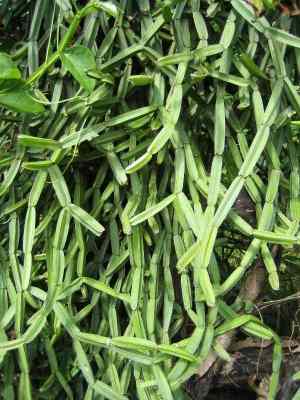
pirandai

Picture of Pirandai (Cissus quadrangularis)

There is a very interesting story about Arundhati. Ancient Hindu women were very intelligent and educated in the scriptures. Once Vasistha invited his arch enemy Vishwamitra for a feast on a Srardha day. On the day of Srardha, the departed souls are propitiated. Brahmins and saints were fed on the day. The guests are worshipped as the representatives of the departed souls. Vishvamitra promised to participate on one condition. He insisted that he must be served with 1008 curries (side dishes). Vasishta knew what he was up to. He told him that he would inform his ‘home minister’ Arundhati as she was in charge of the guests.

The fight between Vishvamitra and Vasishta began on the day Vishwamitra tried to snatch the wish fulfilling cow from Vasishta. He was badly punished for this. He clashed with Vasishta on many more occasions. At the end he did great penance and was certified as Brahma Rishi by Vasishta himself.

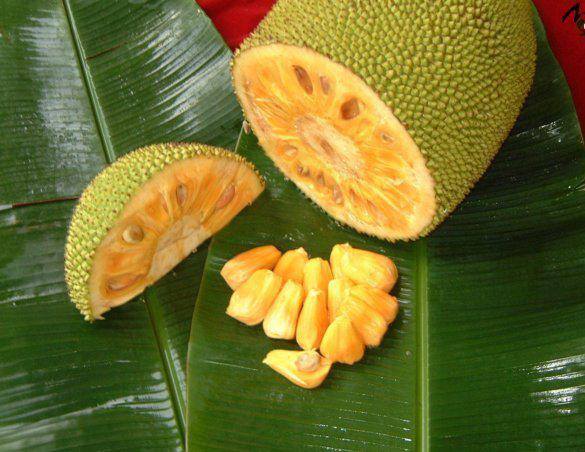
pala and sulai
Picture of Jack Fruit (Panasam)

Vasishta informed Arundhati the condition laid by Vishwamitra. She did not bother. On the day of Srardha , Vishwamitra came and sat at the dining hall. But to his disappointment he saw only 10+ curries on the plate (plantain leaf). When he angrily questioned Vasishta, he told him to put the question to Arundhati as she was in charge of the ceremony. Before Vishwamitra questioned her, Arundhati recited a popular sloka (couplet) which made Vishwamitra speechless.

What did Arundhati tell him?
कारवल्लि शांत चैव वज्र वल्लि शतत्रयं
पनसं षट् शतंचैव श्रार्धकाले विधीयते

Kaaravalli satam chaiva vajra valli satatrayam
Panasam shat satam chaiva sraardhakaalE VidhiiyatE

“If someone serves at the time of Srardha, karela/bitter gourd that is equal to 100 items, Pirandai that is equal to 300 curry items and the Jack fruit that is equal to 600 items. That is the rule for the ceremony.”
Srardha= ceremony to pay obeisance to the departed souls.
Vajravalli/Pirandai = Cissus quadrangula
Vitis quadrangularis

She served these three vegetable dishes along with 8 more items on the plate. So it came to 1008 items. Vishwamitra was happy at the explanation from the chastest woman in the world.

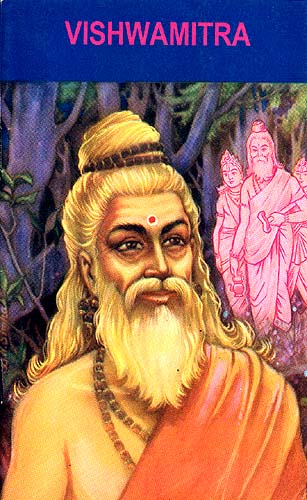
vishwamitra_idh110

Women are projected as more intelligent than men in Hindu scriptures. Savitri defeated Yama, the God of Death. Gargi (800 BCE) questioned Yajnavalkya, the first philosopher in the Upanishads. Tamil poetess Avvaiyar was bold enough to challenge the powerful Tamil kings. Draupadi argued her case like an attorney when she was dragged to the court of Duryodhana. Many queens fought the foreign invaders. Great beauties like Padmini, Queen of Chitoor, jumped into fire instead of molestation by the foreign invaders. Ganga Devi was the oldest war correspondent who accompanied her husband when he invaded ‘foreigner infested’ South India. Rig Veda had more than twenty poetesses who lived 3500 years ago. Sangam Tamil literature had more than 25 Tamil poetesses who lived more than 2000 years ago. No part of the world had such a galaxy of poetesses! We had great mathematicians such as Lilavati!

Contact swami_48@yahoo.com

தமிழுக்கு எத்தனை பெயர்கள்?

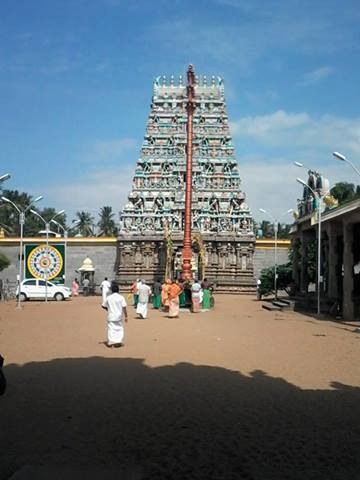
dwajasthamba

தொகுத்து எழுதியவர்:- லண்டன் சுவாமிநாதன்
கட்டுரை எண்:–1094 ; தேதி ஜூன் 9, 2014.

தமிழுக்குத்தான் எத்தனை பெயர்கள்?

தெய்வத் தமிழ், செந்தமிழ், முத்தமிழ், கன்னித் தமிழ், தென் தமிழ், தேன் தமிழ், பழந்தமிழ், ஞானத் தமிழ், திருநெறிய தமிழ், அமுதத் தமிழ், அருந்தமிழ், தண்டமிழ், வண்டமிழ், ஒண்டமிழ் இசைத் தமிழ், தன்னேரிலாத தமிழ், இயற்றமிழ், தீந்தமிழ், இருந்தமிழ், நாடகத் தமிழ், பசுந்தமிழ், கொழிதமிழ், பாற்றமிழ், சொற்றமிழ், பைந்தமிழ் – இப்படி எத்தனையோ பெயர்களை உடையது நம் தாய்த் தமிழ்.

ஆயினுமிவைகளில் இன்று பெரும்பாலும் மக்கள் பயன்படுத்தும் பாடல்கள் தெய்வத் தமிழ் பாடல்களே! ஆழ்வார்களும் நாயன் மார்களும், மாணிக்கவாசகர் போன்ற அடியார்களும் பாரதி போன்ற தெய்வீகக் கவிஞர்களும் பாடிய பாடல்களே காலத்தை வென்ற கவிதைகளாக மிளிர்கின்றன. திரைப்படப் பாடல்கள் எல்லாம் நேற்று முளைத்து இன்று மறையும் காளான்கள் போல மறைந்து விடு கின்றன. அவைகளில் பொருள் பொதிந்த தத்துவப் பாடல்கள் மட்டுமே காலத்தை எதிர்த்து நீச்சல் அடிக்கின்றன. அவைகளையும் சற்று ஆராய்ந்தால் அவை ஒரு தெய்வீகக் கவிஞரின் கருத்துகளை சிறிது எளிமைப் படுத்திய பாடல்கள் என்பது புரியும்!!

இதோ தமிழைப் போற்றும் சில பெரியோர்களின் பாடல்கள்:
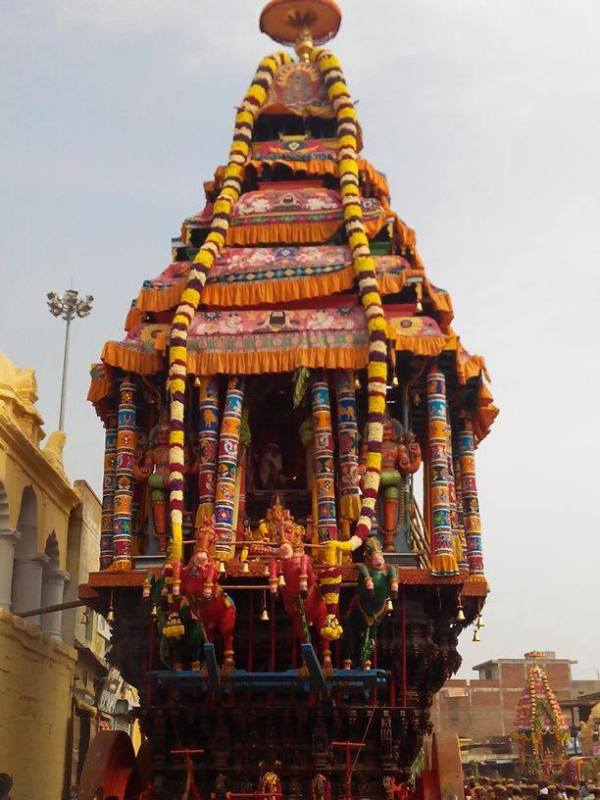
annamalai ratham,fb

ஞானத் தமிழ்
கல்லுயர் கழுமல விஞ்சியுண் மேவிய கடவுள்தன்னை
நல்லுரை ஞான சம்பந்தன் ஞானத்தமிழ் நன்குணரச்
சொல்லிடல் கேடவல்லோர் தொல்லை வானவர் தங்களொடும்
செலுவர் சீரருளாற்பெற லாஞ்சிவ லோகமதே
திரு ஞான சம்பந்தர் 1-117-12

பிறவிஎனும் பொல்லாப் பெருங்கடலை நீந்தத்
துறவிஎனுந் தோற்றோணி கண்டீர் – நிறைஉலகில்
பொன்மாலை மார்பன்புனற் காழிச் சம்பந்தன்
தன்மாலை ஞானத் தமிழ்.
நம்பியாண்டார் நம்பி 11-11 ஆளுடைய பிள்ளையார் திருமும்மணிக் கோவை

அன்பே தகளியா ஆர்வமே நெய்யாக
இன்புருகு சிந்தை இடுதிரியா – நன்புருகி
ஞானச் சுடர் விளக்கேற்றினேன் நாரணற்கு
ஞானத் தமிழ் புரிந்த நான்.
பூதத்தாழ்வார், இரண்டாம் திருவந்தாதி பாடல் 2182
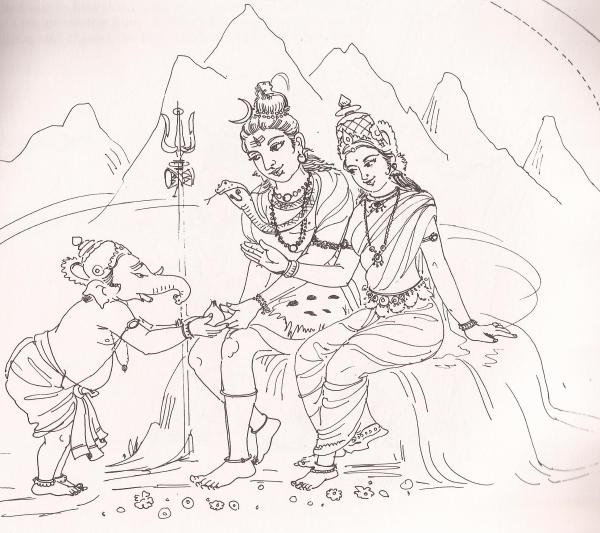
ganesh and mango

திருநெறிய தமிழ்
அருநெறிய மறைவல்ல முனியகன் பொய்கையலர்மேய
பெருநெறிய பிரமாபுரம் மேவிய பெம்மானிவன்றன்னை
ஒருநெறியமனம் வைத்துணர் ஞானசம்பந்தன் உரைசெய்த
திருநெறிய தமிழ் வல்லவர் தொல்வினை தீர்தல் எளிதாமே
முதல் திருமுறை

அருந்தமிழ்
அலைபுனல் ஆவடுதுறையமர்ந்த
இலைநுனை வேற்படை யெமிறையை
நலம் மிகு ஞானசம்பந்தன் சொன்ன
விலையுடை யருந்தமிழ் மாலைவல்லார்
முதல் திருமுறை, சம்பந்தர்

கூடல் ஆலவாய்க் குழகன் ஆவது
அறியாது அருந்தமிழ்ப் பழித்தனன் அடியேன்
ஈண்டிய சிறப்பில் இணையடிக் கீழ் நின்று
வேண்டு மதுவினி வேண்டுவன விரைந்தே (பெருந்தேவபாணி)
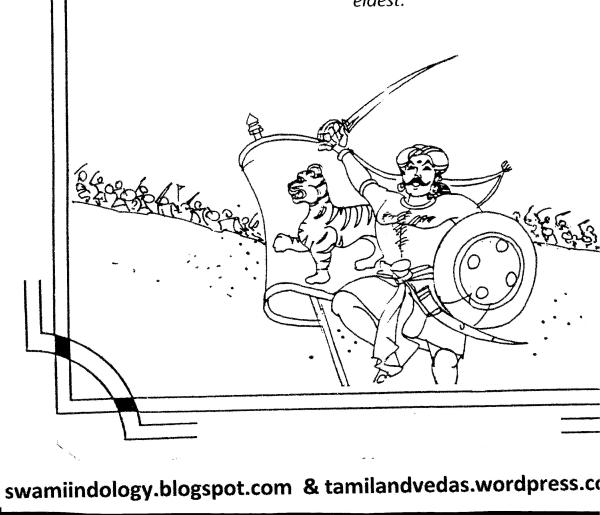
pulik kodi

செந்தமிழ்
வடவேங்கடம் தென்குமரி ஆயிடைத்
தமிழ்கூறும் நல் உலகத்து
செந்தமிழ் இயற்கை சிவணிய நிலத்தொடு
முந்துநூல் கண்டு முறைப்பட எண்ணி
நிலந்தரு திருவிற் பாண்டியன் அவையத்து
………….. ஐந்திரம் நிறைந்த
தொல்காப்பியன் எனத் தன்பெயர் தோற்றிப்
பல்புகழ் நிறுத்த படிமையோனே (பனம்பாரர் – பாயிரம்)

பிறந்த பிறவியிற் பேணியெஞ்செல்வன் கழலடைவான்
இறந்த பிறவியுண்டாகில் இமையவர் கோன் அடிக்கண்
திறம்பயில் ஞானசம்பந்தன் செந்தமிழ் பத்தும் வல்லார்
நிறைந்த உலகினில் வானவர் கோனொடுங்கூடுவரே
முதல் திருமுறை, சம்பந்தர்

செந்தமிழ்த்திறம் வல்லிரோ?
அந்திவானமும் மேனியோ? – (சுந்தரர் தேவாரம்)

செந்தமிழோடு ஆரியனைச் சீரியானை
முத்தமிழும் நான்மறையும் ஆனான் (அப்பர் தேவாரம்)
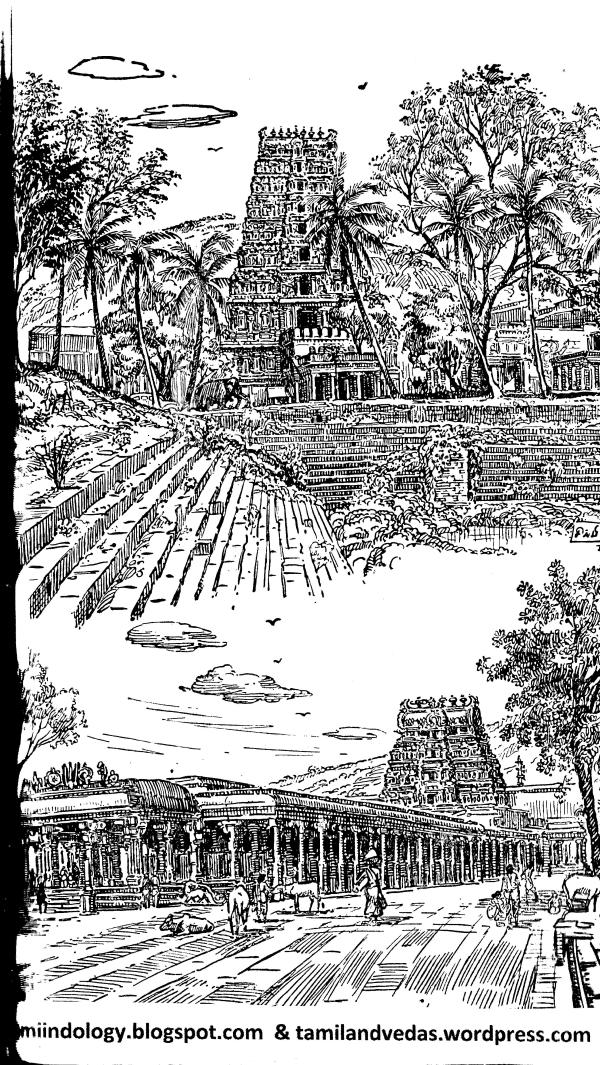
alagarkoil

தென் தமிழ்
தென் தமிழ் நன்னாட்டு தீது தீர் மதுரை
— சிலப்பதிகாரம்
வடதிசை மருங்கின் மன்னர்க்கெல்லாம்
தென் தமிழ் நன்னாட்டுச் செழுவில் கயல்புலி
மண்தலை ஏற்ற வரைக — சிலப்பதிகாரம்

தென் தமிழ் உரைத்தோன் (கம்பன்)

வடமொழியைப் பாணினிக்கு வகுத்தருளி அதற்கிணையாத்
தொடர்புடைய தென்மொழியை, உலகமெலாம் தொழுதேத்தும்
குடமுனிக்கு வலியுறுத்தார் கொல்லேற்றுப்பாகர்
கடல் வரைப்பின் இதன் பெருமை யாவரே கணித்தறிவார்
–பரஞ்சோதி முனிவரின் திருவிளையாடல் புராணம்

21THIDOL_1524795g

தண்டமிழ்
கோள்நிலை திரிந்து கோடை நீடினும்
தான் நிலைதிரியாத் தண்டமிழ் பாவை (மணிமேகலை)

தள்ளாப் பொருள் இயல்பின்
தண் தமிழாய் வந்திலார்
கொள்ளார் இக்குன்று பயன் –(பரிபாடல் 9)

தண்டமிழ் நூற் புலவாணர்க்கோர் அம்மானே –(சுந்தரர்)

குழுவு நுண்தொளை வேயினும் குறிநரம்பு எறிவுற்று
எழுவு தண்தமிழ் யாழினும் இனிய சொற்கிளியே –(கம்ப இரா.அயோத்தி.சித்திர 28)

தண்ணார் தமிழ் அளிக்கும் தண்பாண்டி நாட்டானை (மாணிக்கவாசகர், திருவாசகம்)

தன்னேர் இலாத தமிழ்
ஓங்கல் இடைவந்து உயர்ந்தோர் தொழவிளங்கி
ஏங்கொலிநீர் ஞாலத்து இருள் அகற்றும் – ஆங்கவற்றுள்
மின்னேர் தனி ஆழி வெங்கதிர் ஒன்று ஏனையது
தன்னேர் இலாத தமிழ் — (தண்டி அலங்காரம்)
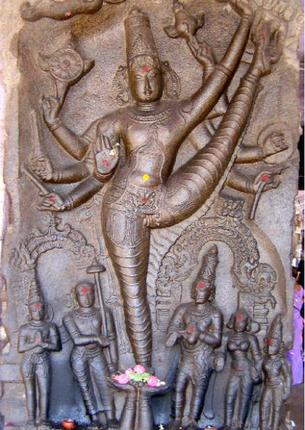
26fr_Prabhu_Kudantharama

பசுந்தமிழ்
கண்ணுதற் பெருங்கடவுளும் கழகமொடு அமர்ந்து
பண்ணுறத் தெரிந்து ஆய்ந்த இப்பசுந்தமிழ் ஏனை
மண்ணிடைச்சில இலக்கணவரம்பிலா மொழிபோல்
எண்ணிடைப்படக் கிடந்ததா எண்ணவும் படுமோ – (திருவிளையாடல், நாடு.57)

முத்தமிழ்
எத்திறத்தினும் ஏழுலகும் புகழ்
முத்து முத்தமிழும் தந்து முற்றுமே –(கம்பன்)

செந்தமிழோடு ஆரியனைச் சீரியானை
முத்தமிழும் நான்மறையும் ஆனான் (அப்பர் தேவாரம்)

அலகிறந்தனை தலை சிறந்தனை
அருள் சுரந்தனை இருள் துரந்தனை
உலகு அளித்தனை தமிழ் தெளித்தனை
ஒன்றும் ஆயினை பலவும் ஆயினை
( காசிக் கலம்பகம் )
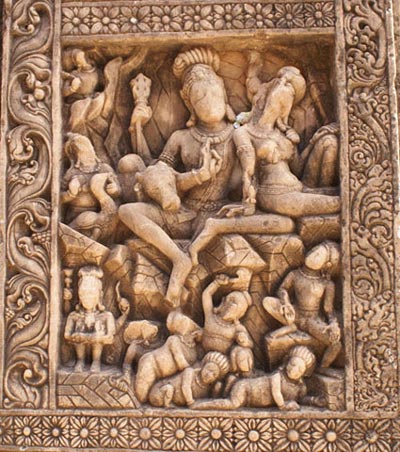
15.-Uma-maheshwar,Bhimakichaktemple,-Malhar

சொற்றமிழ்
மற்றுநீ வன்மை பேசி வந்தொண்டன் என்னும் நாமம்
பெற்றனை; நமக்கும் அன்பிற் பெருகிய சிறப்பின் மிக்க
அற்சனை பாட்டே ஆகும்; ஆதலால் மண்மேல் நம்மைச்
சொற்றமிழ் பாடுகென்றார் தூமறை பாடும் வாயார் — (பெரியபுராணம், சேக்கிழார்)

தமிழ்
தாங்கா நல்லிசைத் தமிழ்க்கு விளக்காகென
வானோர் ஏத்தும் வாய்மொழிப் பல்புகழ்
ஆனாப் பெருமை அகத்தியன்………………. (பன்னிருபடலம்)

காதொளிரும் குண்டலமும்,கைக்குவளை
-யாபதியும்,கருணை மார்பின்
மீதொளிர்சிந் தாமணியும், மெல்லிடையில்
மேகலையும், சிலம்பார் இன்பப்
போதொளிர்பூந் தாமரையும், பொன்முடிசூ
ளாமணியும் பொலியச் சூடி,
நீதியொளிர் செங்கோலாய்த் திருக்குறளைத்
தாங்கு தமிழ் நீடு வாழ்க !

நால்வரிசை அமுதிருக்க, நம்மாழ்வார்
மொழியிருக்கச் சேக்கி ழாரின்
பால்வடிசெந் தமிழிருக்கக் கம்பச்சித்
திரமிருக்கப் பகலே போன்று
ஞாலத்தி லறம்விளங்கும் நாயனார்
குறளிருக்க, நமது நற்றாய்,
காலத்தை வென்றோங்கும் கற்பகம்போற்
கனிபெருகக் கண்டி லோமோ !
-சுத்தானந்த பாரதியார்
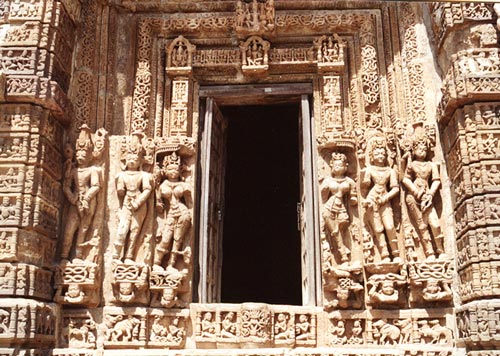
18.-Door-Jamb,-Large-Vishnu-Temple,-Janjgir

தமிழ்நிலை பெற்ற தாங்கரு மரபின், மகிழ்நனை மறுகின் மதுரை (சிறுபாணாற்றுப்படை)

இனிமையும் நீர்மையும் தமிழ் எனல் ஆகும் (பிங்கலந்தை)

இன் தமிழ் இயற்கை இன்பம் (சிந்தாமணி 2063)

தமிழ் தழிய சாயலவர் சிந்தாமணி சுர.32)

என்னை நன்றாக இறைவன் படைத்தனன்
தன்னை நன்றாகத் தமிழ் செய்யுமாறே (திருமூலர் திருமந்திரம்)
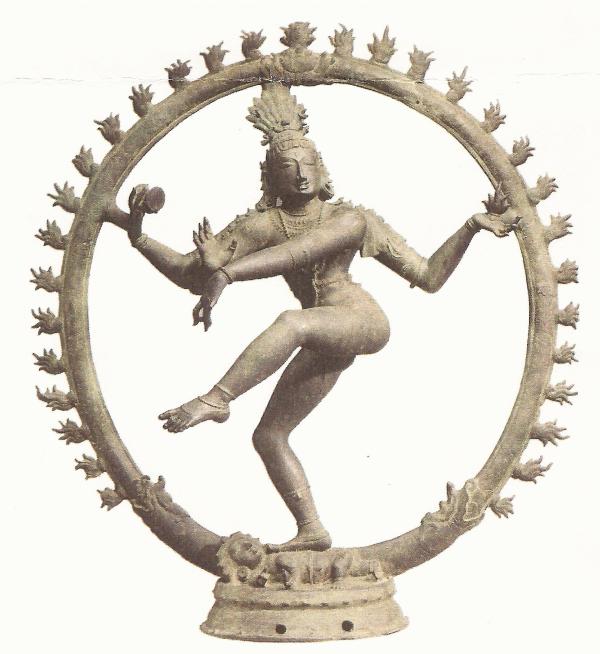
chola Nataraja2
கடவுள் தந்த தமிழ்
வழக்கினும் மதிக்கவியினும் மரபின் நாடி
நிழற்பொலி கணிச்சி மணி நெற்றியுமிழ் சங்கண்
தழற்புரை சுடர்க் கடவுள் தந்த தமிழ் (கம்ப இராமா.ஆரணி. அகத்தி.41)

சாறு சுவை எனக் கூற நின்று இட்ட
ஆரியம் தீந்தமிழ் என்மனார் அவையே
ஓரிருமகாரின் பேறுகண்டு அவற்றுள்
கன்னியந்தமிழின் செவ்வியைப் புணர்ந்தோய் (பொய்கையார்)
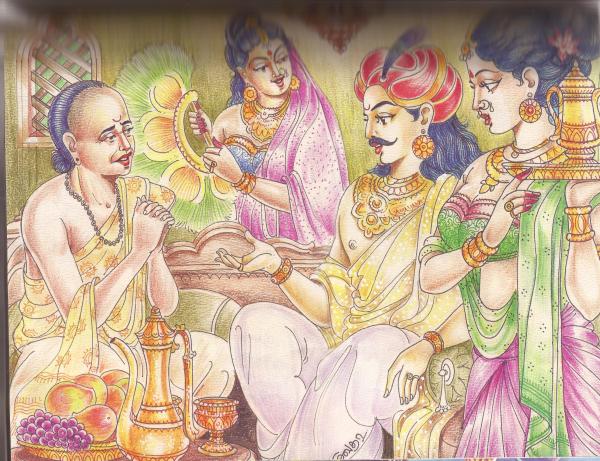
karikalan
தமிழால் வைதாரையும் வாழவைப்போன் (கந்தர் அலங்காரம்-22, அருணகிரிநாதர்)

பாரதியார், பாரதி தாசன் ஆகியோரின் பொன்மொழிகள் பாரதி பற்றிய கட்டுரைகளிலும், பாரதியுடன் 60 வினாடி பேட்டி, பாரதிதாசனுடன் 60 வினாடி பேட்டி ஆகிய கட்டுரைகளிலும் காண்க.
Astrologers versus Saints

appar1
Appar alias Tirunavukkarasu

Written by London Swaminathan
Post No. 1093; dated 8th June 2014

Planets can’t influence the course of events in the presence of saints. It won’t affect even their devotees. We see the evil effects of malevolent planets are nullified when saints want to do something good. We have an anecdote to prove this in the life of one of the Saivite saints of Tamil Nadu. He lived in the seventh century.

Tiru Jnana Sambandhar, the miracle boy and a Great Saivite saint, was invited to Pandya country by the queen and the chief minister to cure the disease of the king. At that time the king was under the influence of Jains who were politically lenient and involved themselves in various non religious activities. The invitation was delivered to him when the minister and queen met Sambandhar at Thirumaraikkaadu in Choza territory. Senior most Tamil saint Appar was with him at that time. He knew very well the mischief of the politically lenient people. So he warned the boy saint.

Sambandhar started composing beautiful verses on Lord Siva from the age of three and he died at the age of sixteen. Since he was very young when the invitation came, Appar thought that it would be wise to warn him. But he was a divine child. Appar himself had suffered a lot under the Pallava King Mahendra Varman, who was also under the influence of Jains. Appar is known as Tirunavukkarasar.

Sambandhar who was considered an incarnation of Lord Subramanya, like Adi Sankara, told Appar, to stop worrying. He told him that the effects of nine planets won’t harm him. He sang a beautiful poem to nullify the effects of the evil planets. It is sung by lot of Tamils until today when they are undergoing some bad effects of malevolent planets.

Sekkizar who sang about all the Saivite saints in the tenth century recorded this anecdote in his poem as well. He said,
“Appar said out of concern
“Dear son!
There is no limit to the perfidy
of those wretched people;
I have something more to say;
The planetary aspects too are malevolent;
It is not proper for you
To agree to go there”.
sambadar
Sambandhar

Sambandhar replied:
“If it is true that the object we worship
Is the feet of our Lord,
No harm will approach us”.
Saying so, he contemplated
The fragrant blossoms –
The rosy feet of the Transcendent Being –
And expounded his credo
By the decad beginning with the words,
“The Partner of Her
With shoulders smooth like the bamboo”.
(In Tamil VeyuRu ThoLibagngan VidamuNda KanDan….)

Sambandhar’s actual prayer to Lord Siva went like this:

“Since the Partner of Her
With shoulders smooth like the bamboo,
He with the throat which swallowed the poison,
He who plays the Veena
And wears on His crown
The flawless moon and the Ganges
Since He has taken abode in my heart
The Sun, the Moon, Mars, Mercury,
Jupiter, Venus, Saturn,
And the two snakes (Rahu and Ketu);
They all are unqualifiedly good, good indeed,
Wholly good are they to the devotees,
Exceedingly good they are!

Beginning with this verse he sang ten verses (decad) and went to the Pandya country. Though he had to face stiff opposition and competition from the Jains there, he won the fight at the end.

Appar,Sambandar

Saints versus Planets: A Story by Swami Ramdas
Following story is from “Stories as told by Swami Ramdas”:–

An itinerant saint came to a certain place along with his young disciple. The routine was that the disciple should go for alms (Bhiksha), and after collecting sufficient provisions come back to the Guru. Both would then cook food from the provisions thus secured and satisfy the hunger.

As usual, the disciple, who was yet a boy, started in the morning on his daily Bhiksha (going for alms). When he was passing through a lane he was called by an astrologer who sat on the Verandah of his house waiting for customers. Having had no customers till then and finding no work to do he asked the boy to sit by his side. Taking that moment as the basis, the astrologer studied the planets governing the life of the boy and found out that the boy, according to his reading, should die next day. The astrologer told this anticipated event to the boy.

The boy hearing the prediction of the astrologer was thoroughly frightened. He could not collect the Bhiksha for the day, but hurriedly went back to his Guru. With tears in his eyes he told his Master about the dire prediction of the astrologer. Then the guru calmly replied: “Look here my boy, nothing is going to happen to you tomorrow. You will be alright.” He kept the boy with him the whole day. On the following day the boy was asked to go for Bhiksha in the usual course. The boy again happened to go through the same lane in which the astrologer lived. The astrologer was astounded to find him alive contrary to his prediction. He called the boy, asked him who his Guru was, and expressed a wish to have his Darshan.

Nalvar copy
Four Great Saivite Saints.

Accordingly, led by the boy, the astrologer went to the saint whose disciple the boy was. The boy introduced the astrologer to his Guru. The saint looked at the astrologer and said, “You freighted my disciple unnecessarily. Do you think he will meet with any harm so long as he is under my protection? It was unwise of you to have upset the mind of the boy by saying that he would die yesterday”
Such is the power of the saints.

அருந்ததியிடம் தோற்ற விஸ்வாமித்ரர்

vasi viswa

Written by London Swaminathan (As told by Sri M N Kalyana Sundaram, London)
Post No. 1092 ; 8th June 2014

விஸ்வாமித்ரர் புகழ் பற்ற ராஜரிஷி. ராஜ வம்சத்தைச் சேர்ந்தவர். ஆனால் தவத்தினால் பிரம்ம ரிஷி (பிராமண குல)யாக உயர்ந்தவர். அதுவும் “வஷிஷ்டர் வாயால் பிரம்ம ரிஷி” பட்டம் பெற்றவர். ஆனால் இப்படிப் பட்டம் பெறுவதற்கு முன் அவருக்கும் வசிஷ்டருக்கும் எப்போதும் மோதல்தான். காம சுகம், அஹங்காரம், கோபம் ஆகிய மூன்று எதிரிகளால் மூன்று முறை தோல்வி அடைந்து இறுதியில் மீண்டும் தவம் இயற்றி பிரம்ம ரிஷி பட்டம் பெற்றார்.

.
வசிட்ட மகரிஷியிடம் இருந்து காமதேனு பசுவைப் பறிக்க முயன்ற காலம் முதல் நடந்த பல மோதல்களில் கீழ்கண்ட மோதலும் ஒன்று. இது ஒரு சுவையான கதை.

ஒருமுறை வீட்டூக்குச் சாப்பிட வருமாறு விஸ்வாமித்ரரை வசிஷ்டர் அழைத்தார். அது ஒரு திதி (திவசம்/ சிரார்த்தம்) அன்று ஏற்பாடு செய்யப்பட்ட சாப்பாடு. அதற்கென்ன வந்தால் போச்சு! ஆனால் 1008 வகை கறி செய்து படைக்க வேண்டும் என்றார். உலகில் 1008 வகையான காய்கறிகள் உண்டா? அப்படியே இருந்தாலும் இத்தனை கறிகாய்களைச் சமைத்து யாராவது உணவு படைக்க முடியுமா? அப்படியே சமைத்துப் போட்டாலும் அதைச் சாப்பிட யாரால் முடியும்?

விசுவாமித்ரர் தன்னை வேண்டுமென்றே சிக்கலில் மாட்டிவைக்கவோ அல்லது அவமானப்படுத்தவோ இப்படிச் செய்கிறார் என்பது வசிஷ்டருக்குத் தெரியும். இருந்த போதிலும் விட்டுக் கொடுக்காமல் , “ ஓ, 1008 வகை கறியமுது வேண்டுமா? அதற்கென்ன அருந்ததியிடம் சொல்லி விடுகிறேன் என்றார்.

vishwamitra_idh110

வசிஷ்டரின் மனைவியான அருந்ததி கற்பின் சின்னம். ஒவ்வொரு இந்துவும் திருமணமான முதலிரவில் அருந்ததி நட்சத்திரத்தைப் பார்க்கவேண்டும். வசிட்டரும் அருந்ததியும் இணபிரியாமல் இருப்பதுபோல நீங்கள் இருவரும் இணைபிரியாமல் வாழுங்கள் என்று பிராமண புரோகிதர்களும் வாழ்த்துவர். அருந்ததி கீழ்ஜாதிப் பெண்ணாக இருந்தபோதிலும் அவள் கற்பினால் உயர்ந்தவள் என்பதால் எல்லோருக்கும் அவளே தெய்வம்.

சங்கத் தமிழ் நூல்களில் ஐந்தாறு இடங்களில் அவள் வாழ்த்தப் படுகிறாள். தமிழ்ப் புலவர்கள் ஈராயிரம் ஆண்டுகளாக அவள் புகழ் பாடுகின்றனர்.

விருந்துச் சாப்பாடு நாளும் வந்தது. விசுவாமித்திரர் இலையில் அமர்ந்தார். பாகற்காய் கறி, பலாப்பழம், பிரண்டைத் துவையல்—- ஒரு வாழை இலையில் எவ்வளவு கறிகள் படைக்கமுடியுமோ அவ்வளவுதான்—- இலையில் இருந்தன. 1008 கறிகள் இல்லை. விசுவாமித்திரர் கோபத்துடன் வசிஷ்டரை வினவினார். அவரோ நான் தான் அருந்ததியிடம் சொல்லிவிட்டேனே. அவளையே கேட்டுக்கொள்ளுங்கள் என்றார் வசிஷ்டர்.

இவர்கள் பேச்சைக் கேட்டுக்கொண்டிருந்த உலகம் போற்றும் உத்தமி அருந்ததி தானே முன்வந்து ஒரு பாட்டைக் கூறினாள். இதுதானே திவச கால விதி, உங்களுக்குத் தெரிந்திருக்குமே என்றாள். வசிட்டர் வாயடைத்துப் போனார். பேசாமல் சாப்பிட்டுவிட்டு வாழ்த்திவிட்டுப் போனார். அருந்ததி கூறிய அந்தப் பாட்டு என்ன?

காரவல்லி சதம் சைவ வஜ்ரவல்லி சதத்ரயம்
பனசம் ஷட்சதம் சைவ ஸ்ரார்த்தகாலே விதீயதே

कारवल्लि शांत चैव वज्र वल्लि शतत्रयं
पनसं षट् शतंचैव श्रार्धकाले विधीयते
viswa

ஒரு திதியன்று சமைக்கப்படும் சமையலில் பாகற்காய் கறி 100 கறிகளுக்குச் சமம், பிரண்டைத் துவையல் அல்லது கறி 300 கறிகளுக்குச் சமம், பலாப்பழம் 600 கறிகளுக்குச் சமம் என்று பாடல் கூறுகிறது. ஆயிரம் கறிகள் ஆயீற்று. மீதி,— இலையில் எண்ணிப் பாருங்கள், எட்டு கறிகள் வைத்திருக்கிறேன். ஆக மொத்தம் 1008! என்றாள்

சட்டப் படி தொட்டுப் பேசு என்று சொல்லிய அருந்ததியின் பேச்சை மீற எவரால் முடியும்?
கற்புக்கரசி — சொல்லுக்கும் அரசி!

ஆண்களை மிஞ்சும் அறிவு — பெண்களுக்கு உண்டு!

Story of ‘Dumb Poet’ Mooka Kavi

jumping hill

Compiled by London swaminathan
Post No.1091; Dated 7th June 2014.

मूकं करोति वाचालं पङ्गुं लङ्घयते गिरिं ।
यत्कृपा तमहं वन्दे परमानन्द माधवम् ॥

Muukam Karoti Vaacaalam Panggum Langghayate Girim |
Yat-Krpaa Tamaham Vande Param-Aananda Maadhavam ||

Meaning:- ”I remember with devotion the Divine Grace of Krishna who can make the dumb speak with eloquence and the lame cross high mountains. I remember and extol that grace which flows from the Supreme Bliss of Madhava”.

This is an old Sanskrit verse which came true in the case of Muka Kavi or Kanchipuram and Tamil saint Kumara Guruparar.

Kanchi Shankaracharya in his speech says,
“Mooka Kavi was dumb from birth; but obtaining the grace of Kamakshi he burst forth into exquisite poetry. He sang five hundred verses in praise of Sri Kamakshi in five satakas of 100 verses each. In the first Sataka, known as Arya Sataka, occurs the following verses:

Siva, Siva Pasyanti Samam
Sree Kamakshee Katakshitah Purushah
Vipinam Bhavananamamitram, Mitram
Loshtam cha Yuvathi Bimbhostam

“Great men, blessed by the Kataksha ( benevolent look)of Kamakshi, regard with equal unconcern forest and palace, foe and friend, a piece of stone and the captivating lips of damsels. What a wonder O! Siva, O! Siva.”
jumping_the_gap

In this verse, the poet indicates the test by which we can find out whether a person has been purified by the benevolent look of the divine mother or not. If he has received the grace of the mother, he will be in a state of mind free from anger, enmity, desire, and fear, and such a man will view with equal indifference a piece of tile and a piece of god or a young woman. He will be attracted by nothing, desire nothing, hate nothing and fear nothing. God alone can work this miracle of ridding us of all passions. We need not go to Puranic stories to find instances of such divine grace; we can see such instances even in the present times”.

The above excerpt is from Kanchi Paramacharya’s (1894-1994)talk.

Muka Kavi means dumb (turned) poet. He used to go to Kanchi Kamakshi temple and prostrate before the statue of the goddess every day. One day he saw the goddess lips nd suddenly started composing poems. He was one of the Kanchi Sankaracharyas. He might have lived in the fifth century CE.

According to Kanchi Mutt calculations Muka Sankara (398-437 CE) was the 20th Shankaracharya. He was the son of Vidyavati, an astronomer. He mastered Vedas after he became eloquent. He was ordained by Martanda Vidhyaghana (19th Shankaracharya).

He was so much over flowing with Divine grace, that at his slightest will even stable boys and elephant keepers were transformed into brilliant poets. Matrugupta, King of Kashmir, and Pravarasena, all considered it a privilege to serve Sri Muka Sankara (Muka Kavi).

Silhouette of hiking man jumping over the mountains

His Muka Panchasati consists of five sections: Arya Satakam, Paadaravinda satakam, Mandasmita satakam, Kataaksha satakam, and Stuti satakam. Each section has 100 verses/slokas. Muka Panchasati is a lyrical outburst of poesy on Kamakshi, whose beauty of diction and mellifluence is rivalled only by the Krsna Karnamruta of Lila Suka. The Prachina Sankara Vijaya is also said to have been written by Muka Sankara. This work furnishes valuable clues to the date of Sankara. And the antiquity of Kanchi Mutt.

From the book “The Traditional Age of Sri Sankaracharya And the Maths” by A Nataraja Iyer & S.Narasimha Sastri.1962.