அசோகனுக்கு ஒரே நாளில் 84,000 கடிதங்கள்!!

letter-writing

ஆராய்ச்சிக் கட்டுரை எழுதியவர் — லண்டன் சுவாமிநாதன்
கட்டுரை எண்:-1314; தேதி:– 28 September 2014.

மகாவம்ச ஆராய்ச்சிக் கட்டுரை வரிசையில் இது 12-வது கட்டுரை.

மகாவம்சத்தில் கடிதம் எழுதும் கலை!

இந்தியர்களுக்கு எழுதத் தெரியுமா, தெரியாதா? அப்படி எழுதத் தெரிந்தால் அதை யாரிடம் கற்றார்கள்? என்று 100 ஆண்டுகளுக்கு முன் வெள்ளைக்காரர்கள் ஆராய்ச்சிக் கட்டுரைகளை எழுதி —ஆங்கிலத்தில் எழுதி!!!!! — பல கட்டுரைகளை வெளியிட்டார்கள். இந்தியர்களுக்கு எழுதத்தெரியாது அதை சுமேரியர்கள் அல்லது பீனிசியர்கள் இடமிருந்து கற்றார்கள் என்று எழுதி முடித்தார்கள். மார்கசீய வரலாற்று ‘’அறிஞர்களும்’’ ஆமாம், ஆமாம் அது உண்மையே என்று முத்திரை குத்தினார்கள்.

அதாவது கிரேக்கர்கள், எகிப்தியர்கள், சுமேரியர்கள், மாயா இன மக்கள், சீனர்கள் ஆகிய எல்லோரும் எழுத்துக்களைத் தானாக உருவாக்கும் வல்லமை படைத்தவர்கள். ‘’முட்டாள் இந்தியர்கள்’’ மட்டும் எதையுமே இறக்குமதி செய்யும் ‘’கடன் வாங்கிகள்’’ என்று முத்திரை குத்தினர். நம்மூர் திராவிடங்களுக்கும், அதுகளுக்கும் இதுகளுக்கும் ஒரே மகிழ்ச்சி. ஆமாம் ஆமாம், ஆரியப் பார்ப்பனர்கள் சைபிரீயவிலிருந்து வந்த காட்டு மிராண்டிகள் என்று மேடை போட்டு முழக்கி தமிழர்களுக்கு இருந்த மூளை எல்லாவற்றையும் மழுங்கடித்தனர்.

உண்மை என்ன?

கடிதம் எழுதும் கலை, 2500 ஆண்டுகளுக்கு முன் எப்படி வளர்ச்சி அடைந்தது என்பதற்கு மகாவம்சம் என்னும் இலங்கை வரலாற்று காவியத்தில் குறந்தது ஆறு எடுத்துக்காட்டுகள் உள.
அசோகன் என்னும் மாமன்னன் கல்லிலே எழுத்துக்களைப் பொறித்ததால் நமக்குக் கொஞ்சமாவது தடயங்கள் கிடைத்தன. அதே காலத்தில் – 2300 ஆண்டுகளுக்கு முன்னர் —- இலங்கையிலும் கல்வெட்டுகள் உள. இதிலிருந்து நாம் அறிவதென்ன?

காஷ்மீர் முதல் கண்டி வரை எழுத்துக்கள் இருந்தன. அது மட்டுமல்ல. அதை எல்லோரும் படிக்க முடியும் அளவுக்கு அறிவுத் தீ கொழுந்துவிட்டு எரிந்தது. அப்படி இல்லையானால் ஆப்கனிஸ்தான் முதல் கர்நாடகம் வரை அசோகன் கல்வெட்டில் எழுதி இருக்கமாட்டான்.

அது சரி! 2300 ஆண்டுகளுக்கு முன்னால் இருந்த நிலவரம் என்ன? நம்மிடையே இருக்கும் சிந்து சமவெளி எழுத்துக்கள் 4000 ஆண்டு பழமை உடையவை. ஆனால் அவர்கள் என்ன எழுதினர் என்பதை இதுவரை கண்டறிய முடியவில்லை. மேலும் அசோகனுக்கும் சிந்து வெளி நாகரீகத்திற்கும் இடையே 1500 முதல் 2000 ஆண்டுவரை இடைவெளி இருக்கிறது. இந்தியர்கள் எழுத்தையே மறந்துவிட்டார்களா?

இல்லை! இந்தியர்கள் எழுதிக் கொண்டேதான் இருந்தார்கள். ஆனால் மரவுரியிலும், பனை ஓலைகளிலும் எழுதினார்கள். அவை சில நூறு ஆண்டுகளுக்கு மேல் இரா. அழியக்கூடிய பொருட்கள்.
இதற்கு என்ன ஆதாரம்?

சிசுபாலவாதம் என்னும் நாடகத்தில் ருக்மினி, கிருஷ்ண பரமாத்மாவுக்கு எழுதிய காதல் கடிதம் பற்றி வருகிறது.

Love Letters from Ancient India – posted on 21st April 2012
Techniques of Secret Writing in India –posted on 19th March 2013

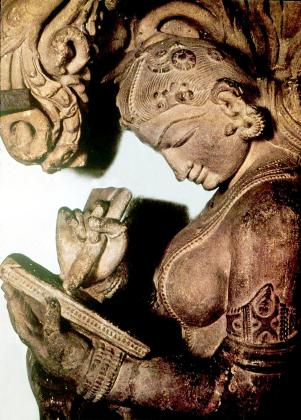
இதை இரண்டு ஆண்டுகளுக்கு முன்னரே எழுதி இருக்கிறேன். பெண்கள் ரகசிய சங்கேத மொழியில் எப்படிக் கடிதம் எழுத வேண்டும் என்று 64 கலைகளைப் பட்டியலிட்டுக் கொடுத்த காமசூத்திர ஆசிரியர் வத்ஸ்யாயன மகரிக்ஷி கற்றுத் தருகிறார். அதையும் மேற்கூறிய இரு கட்டுரைகளில் காண்க. பத்தாம் நூற்றாண்டில் சிலை வடித்த சிற்பிகளும்கூட பெண்கள் கடிதம் எழுதுவது போல சிலை வடித்தானேயன்றி ஆண்கள் எழுதுவது போல வடிக்கவில்லை!!

கிருஷ்ணர் காலம் கி.மு. 3100-க்கு முன்னர். அதாவது கலியுகம் தொடங்கியதற்கு முன்னர். அதே காலத்தில் வாழ்ந்த வியாசன் என்னும் மாமுனிவன் மஹாபாரதம் என்னும் உலகிலேயே நீண்ட காவியத்தை எழுத முயன்றபோது பிள்ளையாரை அழைத்ததையும் அதற்கு ஒருவருக்கு ஒருவர் ‘’நிபந்தனை– பதில் நிபந்தனை’’ என்று போட்ட கதையையும் நாம் அறிவோம்.
letter writing

மஹாபாரதத்துக்கு முந்தி நடந்தது ராமாயணம். அதில் ராமன் என்ற பெயர் அம்புகளில் எழுதப்பட்டதையும். இலங்கைக்கு கடல் பாலம் கட்டுகையில் ராம என்று எழுதிய கற்கள் மிதந்ததையும் நாம் கதைகளில் படிக்கிறோம். ஆனால் இவைகளுக்கு தொல்பொருட் துறை சான்றுகள் இல்லாததால் அறிஞர் பெருமக்கள் ஏற்கமாட்டார்கள். போகட்டும்.

மகாவம்சத்திம் வரும் சாட்சியங்களைப் பார்ப்போம். அத்தியாயம் 5-ல் ஆசோகனுக்கு வந்த கடிதங்கள் பற்றி சொல்லப்படுகிறது. 84,000 ஊர்களிலும் புத்த விகாரைகள் கட்டி முடிக்கப்பட்ட செய்தி ஒரே நாளில் கடிதங்கள் மூலம் வந்ததாக மகாவம்சம் இயம்பும். இதிலிருந்து நாம் அறிவதென்ன?

அருமையான அஞ்சல்துறை அக்காலத்தில் செயல்பட்டது. ஒரே நேரத்தில் மன்னன் வீட்டில் (அரண்மனையில்) கடிதங்கள் டெலிவரி ஆயிற்றூ!! ஐயா! 84,000 ஊர்கள் என்பது மிகைப்படுத்த எண்ணிக்கையாக இருக்கிறதே என்று சிலர் அங்கலாய்க்கலாம். அப்படிப்பட்டவர்கள் கபிலர் பாடிய புறநானூற்றுப் பாடலை நினைவிற் கொள்ள வேண்டும். பாரி என்னும் சிற்றரசன் வசத்தில் இருந்த 300 ஊர்களையும் பாரி வள்ளல் ஏற்கனவே தானம் செய்துவிட்டதாக மூவேந்தர்களுக்குச் செய்தி தருகிறார் கபிலர். சின்ன பாரியிடமே 300 ஊர்கள் இருந்தால் ஆப்கனிஸ்தான் முதல் கர்நாடகம் வரை ஆண்ட அசோகனிடம் 84,000 ஊர்கள் இருந்ததில் வியப்பில்லையே. பிற்காலத்தில் வந்த யுவாங் சுவாங் போன்ற சீன யாத்ரீகர்களும் இதை உறுதி செய்கின்றனர்.

சுவையான காதல் கடிதம்

அத்தியாயம் 22-ல் காதல் கடிதம், அதைத் தொடர்ந்து நடந்த படுகொலைச் செய்திகள் வருகின்றன.. கோதபயனுடைய மகன் காகவன தீசன் ராஜாவாகப் பதவியேற்ற காலத்தில் நடந்தது இது. அவனுடைய மனைவி பெயர் விஹாரதேவி. புத்த விஹாரத்தின் பெயரில் ஒரு ராணியா என்று வியப்போருக்கு மஹாவம்சம் விளக்கம் தருகிறது.

கல்யாணி என்னும் பகுதியை தீசன் என்பவன் ஆண்டு வந்தான். அவன் தம்பி உதிகன் என்பான் ராணியையே (அண்ணன் மனைவி) காதலித்தான். மன்னனுக்கு இது தெரிந்தவுடன் அவன் தம்பி ஊரை விட்டே ஓடிவிட்டான். இருந்தாலும் காதல் தீ அணையவில்லை. ஒருவருக்கு புத்தபிட்சு வேடம் போட்டுக் காதல் கடிதம் கொடுத்து அனுப்பினான். அந்தத் ‘’திறமைசாலி’’ அரண்மனை வாயிலில் இருந்த தேரர் குழுவுடன் கூட்டத்தோடு கூட்டமாக உள்ளே சென்று விடுகிறான். போஜனம் முடிந்து ராஜா ராணி கிளம்பும் தருணத்தில் ராஜா முன்னே சென்றார். ராணி பின்னே ஏகினாள். ராணியின் காலடியில், போலி புத்தபிட்சு காதல் கடிதத்தை வீசி எறியவே அந்தக் காகித சப்தம் கேட்டு ராஜா திரும்பிப் பார்க்கிறார். நடந்ததை அறிந்தவுடன் உண்மையை விசாரித்தரியாமல் புத்த குருவான தேரரையும் போலி புத்த பிட்சுவையும் தலையைச் சீவி கடலில் எறிந்து விடுகிறான்.

உண்மையான தேரரையும் மன்னன் கொன்றதால் இலங்கையை சுனாமி தாக்கி ஊருக்குள் கடல் அலைகள் பொங்கி வந்தன. உடனே கடல் தேவனின் கோபத்தை தணிக்க தனது அழகிய மகள் தேவியை பொற்கலத்தில் வைத்து கடலில் மிதக்க விடுகிறான். அது லங்கா விஹரை அருகே ஒதுங்கியது. அவளைக் காகவனதீசன் கல்யாணம் செய்துகொண்டு ராணி ஆக்குகிறான். அவள் பெயரே விஹார தேவி.

இதில் நமக்கு முக்கியமான விஷயம் புத்தபிட்சு மூலம் ராணிக்குப் போன லிகிதமே (கடிதம்)!

அத்தியாயம் 8-ல் 2500 ஆண்டுகளுக்கு முன்னர், முதல் மன்னன் விஜயன் எழுதிய கடிதம் பற்றிய செய்தி கிடைக்கிறது. அவன் முதல் மனைவி யக்ஷிணி என்பதால் அவளையும் அவள் மூலம் பிறந்த இரண்டு குழந்தைகளையும் விரட்டிவிட்டான். பின்னர் கல்யாணம் கட்டிய தமிழ்ப் பெண் மூலம் குழந்தை கிடைக்கவில்லை. சாகப்போகும் தருணத்தில் தன் சொந்த நாடான வங்க தேசத்துக்கு கடிதம் அனுப்பி தன் தம்பியை வரவழைக்கிறான். இதன் மூலம் 2500 ஆண்டுகளுக்கு முன் இருந்த அஞ்சல் சேவையை (தபால் துறை) நாம் அறிய முடிகிறது
letter writing4

அத்தியாயம் 10-ல் பாண்டுகாபயனுக்கு அரசன் எழுதிய கடிதம் பற்றிப் படிக்கலாம். அவன் மாமன்மார்களை வெற்றி கொண்டு படைகளுடன் முன்னேறி வந்தவுடன் அரசன் கடிதம் அனுப்புகிறான். கங்கைக் கரையைத் தாண்டாதே. அதற்குப்பின் நீ வசப்படுத்திய பகுதிகளை வைத்துக் கொள் என்று கடிதம் கூறியது. ஆக உள்நாட்டு கடித சேவைபற்றியும் நாம் அறிய முடிகிறது.

அத்தியாயம் 33-ல் ரோஹனாவில் கலகம் செய்த பிராமணனுக்கு அரசன் அனுப்பிய செய்தி வருகிறது முதலில் ஏழு தமிழர்களுடன் சேர்ந்து கொண்டு அந்த பிராமணன் ‘’ஆட்சியை ஒப்படைத்துவிடு’’ என்று மன்னன் காமனிக்கு கடிதம் அனுப்புகின்றான். அவன் கலகம் செய்த பிராமணன் தீசனுக்கு பதில் அனுப்புகிறான். ‘’இந்த அரசு இப்போது உன்னுடையது முதலில் தமிழர்களைப் போரிட்டு வெல்வாயாக’’– என்று அரசன் பதில் கூறுகிறது.

அத்தியாயம் 23-ல் வேறு ஒரு தண்டச் சோறு உண்ணூம் இளைஞன் பற்றிய கதை வருகிறது. சங்கன் என்பனுக்கு ஏழு பிள்ளைகள் அதில் நிமிலன் என்பவன் வெட்டிச் சோறு உண்டு பொழுதை வீணாய்க் கழித்துவந்தான். அவன் சகோதர்களுக்கு ஏக கோபம். அப்போது அந்தப் பகுதிக்குக் காவலுக்குக் குடும்பத்துக்கு ஒருவர் வரவேண்டும் என்று கட்டளை இட்ட உடன் அவனே சென்று இளவரசனைக் கண்டான்.

இளவரசன் இந்த ஆள்– நல்ல உடல் வலுவோடு இருக்கிறான். இவனுக்கு ஒரு சோதனை வைப்போம் என்று கருதி தொலை தூரத்தில் என்னுடைய பிராமண நண்பன் குண்டலி வசிக்கிறான். அவனிடம் இந்தக் கடிதத்தைக் கொடுத்துவிட்டு அவன் கொடுக்கும் வெளிநாட்டுச் சரக்குகளை வாங்கி வா என்கிறான். அவன் அந்தத் தேர்வில் வெற்றி பெறவே அவனுக்கு பெரும் பதவிகள் கிடைக்கின்றன. இங்கு நாம் கவனிக்க வேண்டிய விஷயம் பிராமணனுக்கு அனுப்பிய கடிதம் என்பதே!

கட்டுரையில் நாம் கண்டது என்ன?
2500 ஆண்டுகளுக்கு முன்னர், கண்டி முதல் காஷ்மீர் வரை கடிதப் போக்குவரத்து நடந்தது. மக்கள் எல்லோருக்கும் எழுதப் படிக்கத் தெரியும். காதல் கடிதம் முதல் மிரட்டல் கடிதம் வரை பலவகையான கடிதங்கள் எழுதப்பட்டன. அசோகன் காலத்தில் பிரம்மாண்டமான கடிதப் போக்கு வரத்து நடந்தது. இந்த எழுத்துக் கலை ராமாயண, மஹாபாரத காலத்திலேயே தோன்றிவிட்டது.

வளர்க கடிதம் எழுதும் கலை!! வாழ்க கடிதம் எழுதுவோர்!!

31 New Quotations from Valmiki Ramayana

rama rama

Good Thoughts Calendar (October 2014)
Post No. 1313; Date: 27th September 2014.
Compiled by London Swaminathan ©

31 New Quotations from Valmiki Ramayana (31 quotations from Valmiki Ramayana were posted already in Good Thoughts Calendar for the month of August on 30-7-14; and 20 more quotations posted on 5th august 2014.)

Important Dates: October 2 Sarasvati Puja, 3 Vijaya Dasami/Dasara, Deepavali 22nd in Tamil Nadu, 23rd in North India.
Auspicious Days: October 30; Full Moon day- 8; New Moon (Amavasya)-23; Ekadasi – 4, 19

October 1 Wednesday
It is impossible to gauge a person’s competence without giving him an assignment — (V.R. 6-17-54)
Rté niyógaat saamarthyam avaboddhhum na sakyaté

October 2 Thursday
The fear of death does not plague those who are steadfast in truth and righteousness– (V.R. 6-46-33)
Satya dharmaabhi raktaanaam naasti mrtyukrtam bhayam

October 3 Friday

Experts on the science of righteousness/ dharma aver that truth is the ultimate Dharma — (V.R. 2-14-3)
Aahu satyam hi paramam dharmam dharmavidó janaah

October 4 Saturday
Subtle and inscrutable principles govern the conduct of the noble — (V.R. 4-18-15)
Suukshmah paramadhurjnébyah sataam dharmah

October 5 Sunday
Who will not honour the man who treads the noble path ? — (V.R. 2-115-6)
Maaragam aaryam prapannasya naanumanyéta kah pumaan

raman kadal

October 6 Monday
Mere bragging does not make one noble — (V.R. 6-71-58)
Na katthanaat satpurusaa bhavanti

October 7 Tuesday
Fire does not scald fire — (V.R. 5-55-22)
Na agnir agnau pravartaté

October 8 Wednesday
Indeed, only a snake knows the moves of another — (V .R. 5-42-9)
Ahiréva hyahéh paadaavijaanaati na samsayah
(In Tamil – Paambin kaal Paambu ariyum)

October 9 Thursday
A woman’s youthfulness is short lived (V .R. 5-24-34)
Striinaam yauvanam adhruvam

October 10 Friday
For women, husbands are verily their gods — (V .R. 2-32-30)
Striinaam bhartaa devataa
Also Tamil Tirukkural 55

RamaWithRavana_22758

October 11 Saturday
When looking out for a woman, you will always find her in the midst of other women (V .R. 5-11-43)
Striyó hi strisu drsyanté sadaa samparimaargané

October 12 Sunday
It is not possible to find a lost maiden amidst a herd of deer (V.R. 5-11-44)
Na sakyam pramadaa nastaa mrugirsu na parimaargitum

October 13 Monday
The fairer of all the species ought not to be slain — (V .R. 2-78-21)
Avadhyaah sarvabhuutaanaam pramadaah
(Also in Tamil: Pen Endraal Peyum Irangum)

October 14 Tuesday
Will not the king reap the result of a well executed task? – (V.R. 7-53-26)
Sukrtasya kim kaaryasya phalam naavaiti paarthivah

October 15 Wednesday
Enthusiasm is at the root of all prosperity — (V.R. 5-12-11)
Anirvédah sriyó muulam

RameshwaramTemple48

October 16 Thursday
One desirous of auspiciousness ought not to despise others — (V.R. 7-33-22)
Naavajnaa hi paré kaaryaa ya icchétcchréya aatmanah

October 17 Friday
The daring and gallant do not worry silly about death — (V.R. 6-120-7)
Vikraantascaapi suuraasca na mrtyum ganayanti ca

October 18 Saturday
The doer of good begets happiness and an evil doer begets sadness — (V.R. 6-114-26)
Subhakrcchubhamaapnóti paapakrt paapamanucyaté

October 19 Sunday
Be not contemptuous towards foes — (V.R. 6-59-4)
Naavajnaa ripavé kaaryaa

October 20 Monday
The mighty are seldom enraged — (V.R. 5-52-16)
Kópam na gaccanti hi sattvavantah

ramayan sculptue

October 21 Tuesday
In this world, money maniacs are loathed — (V.R. 2-21-58)
Dvésyó bhavat yarthaparó hi lóké

October 22 Wednesday
Where company with kinsmen, and where servitude to basemen? — (V.R. 6-87-14)
Kva ca svajanasamvaasah kva ca nicaparaasrayah

October 23 Thursday
Who will dare to sport with an enraged five-hooded serpent? — (V.R. 5-38-25)
Kah kridati saróséna pancavaktréna bhógina

October 24 Friday
Hurtful words, though well-meant, are harsh — (V .R. 6-36-3)
Hitabhuddhyaa yadahitam vacah parusamucyaté

October 25 Saturday
Do not be furious with your kinsmen — (V .R. 4-33-51)
Na caapi kópah svajané vidhéhya

rama under the rock

October 26 Sunday
Surely, creatures cannot overcome fate — (V.R. 5-37-4)
Vidhir núnam asamhaaryah praaninaam
Also in Tamil Tirukkural 380.

October 27 Monday
Fate indeed follows man with a compelling intent — (V.R. 4-56-4)
Vidhih kila naram lóké vidhaanénaanuvartaté

October 28 Tuesday
The meek alone are subdued — (V.R. 2-21-11)
Mrdurhi paribhuuyaté

October 29 Wednesday
The greedy see not false like those who relish putrefied food — (V.R. 2-66-6)
No lubhdó bhudyaté dóssankim paakamiva bhaksayam

October 30 Thursday
It is hard to render a kingdom impregnable —- V R 2-52-72
Raajyam hi duraaraksatmam matam

October 31 Friday
How can the once rich ever be subservient to the moneyed? —- V R 2-8-35
Samrddhaarthasya nastarrrthó jiivisyati katham vasé

ram-hanuman

Pictures are used from various websites;thanks.
contact swami_48@yahoo.com

84,000 Letters to Emperor Asoka!

letter writing4
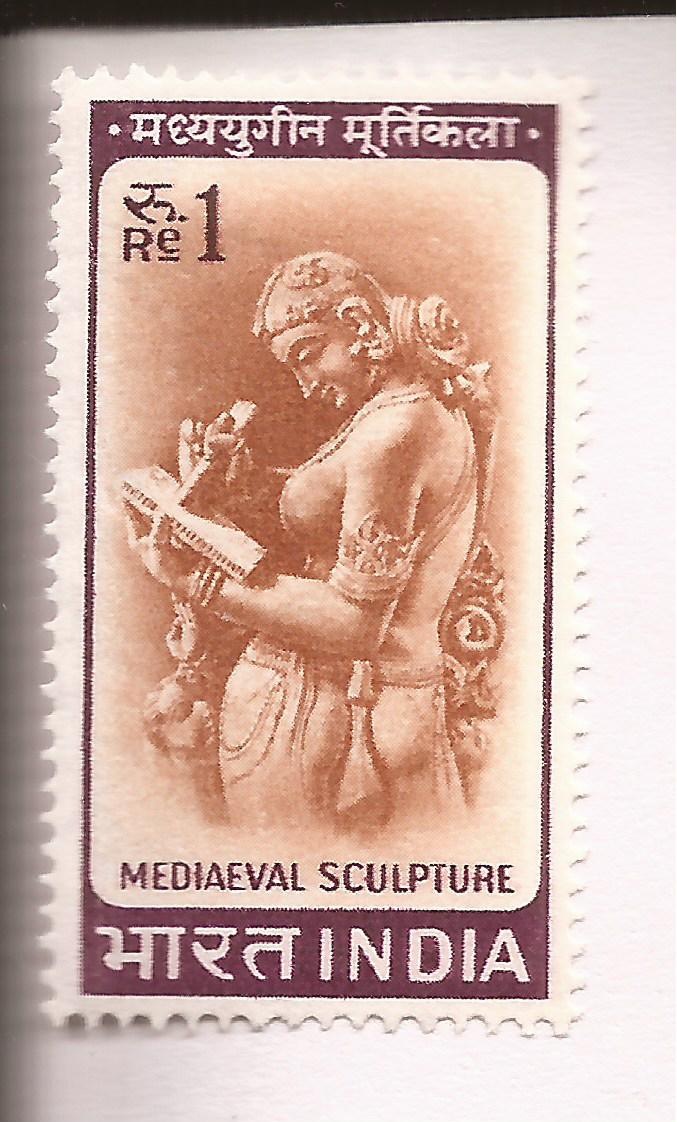
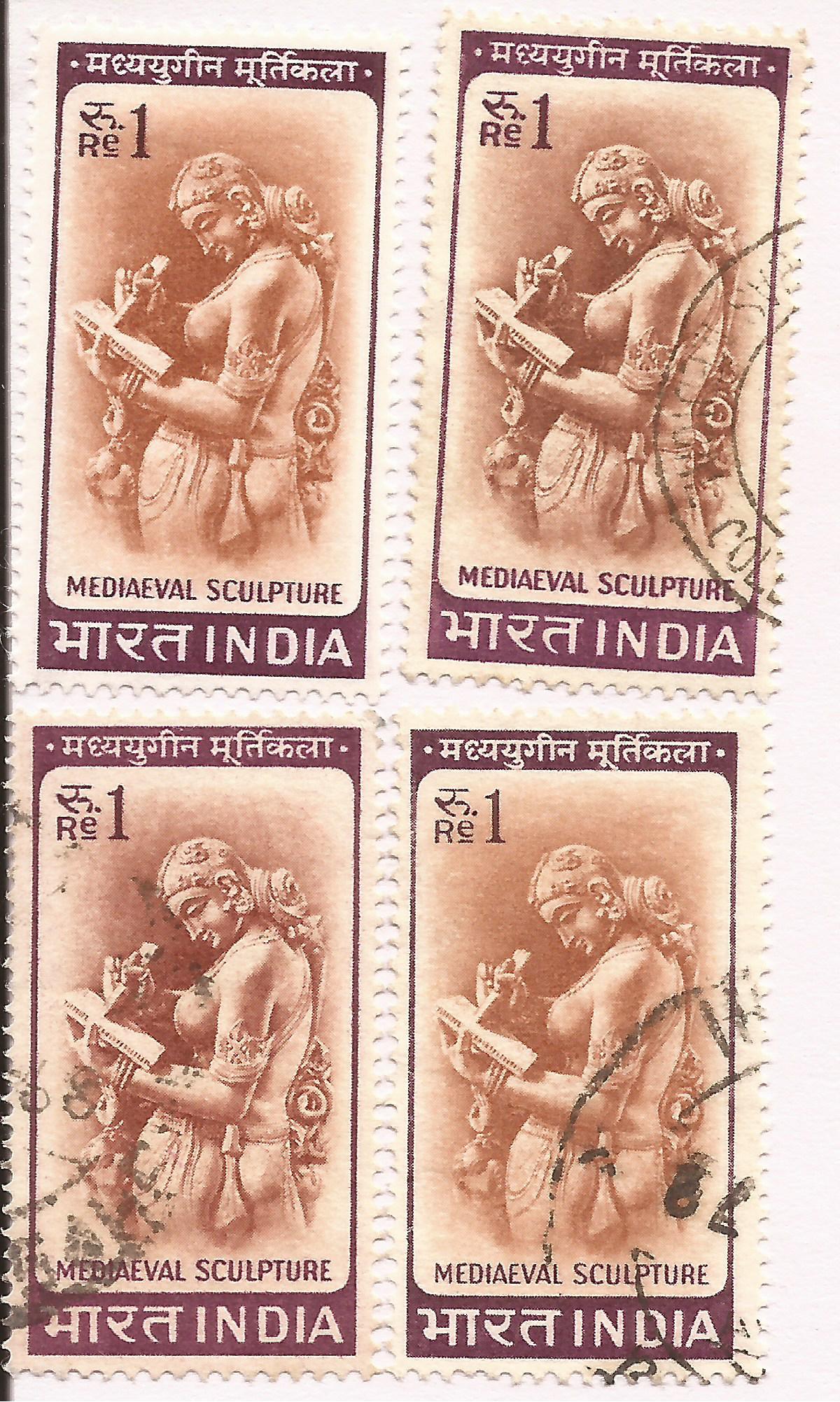
Indian Postage Stamp with a woman writing a letter!

Research Paper written by London Swaminathan
Post No. 1312; Dated 26th September 2014.

This is part of my series of articles on Mahavamsa.

This article gives more proof for the Art of Letter Writing in Ancient India from the Sri Lankan Chronicle Mahavamsa.

Scholars in the past have debated whether Indians knew writing and if at all they knew writing when they started to write. We knew that the writing existed during the Indus valley civilization. But we did not know what they wrote. Still it remains undeciphered. Then there was a big gap. Just before Asokan’s time (Third Century BCE) we see writing again. During Asoka’s time we had inscriptions from Karnataka to Afghanistan. And in Sri Lanka also we have had writing on inscriptions around that time.

The fact of the matter is Asoka was the first one to write on stone. Even before Asoka ,we had been writing, but only on perishable materials such as palm leaves and tree barks. Unfortunately all those perished and disappeared. Mahabharata itself is a proof for writing. We have heard the story of Ganesh writing Mahabharat just to help Vyasa. We have similar stories in Ramayana where we read about Ram’s name on arrows and rocks. But historians and archaeologists don’t take into account these stories from epics and mythology.
If the writing was understood by people from Afghanistan to Kandy in Sri Lanka, then writing should have existed several centuries before Asoka. This is a logical conclusion. If people could not understand the script, Asoka would not have embarked on a huge mission.

letter writing

We know about the love letter written by Rukmini to Lord Krishna before 3100 BCE. We have ample references to letter writing from Kalidasa’s time. Tamil epic Silappadikaram also mentioned letter writing in several places. I have given all these references in the following two articles posted here in this blog:
Love Letters from Ancient India – posted on 21st April 2012
Techniques of Secret Writing in India –posted on 19th March 2013

Letter Writing in Mahavamsa
Sri Lankan chronicle Mahavamsa mentioned letter writing in at least in six places. In one of them it says that Asoka received letters from 84,000 centres on the same day. Even if we ignore the number 84,000, we knew for sure he received letters from lot of centres on the same day. This proves improved communication between people and the administration and a well established Postal system. More over the letter writing existed at his time. His stupas were in Kancheepuram in Tamil Nadu as well. Let us look into the details:

Chapter 5:Asoka received letters from 84,000 centres
“On every side from the 84000 cities came letters on one day with the news “The Viharas are completed”. Then he proclaimed that there will be a festival in seven days time” — Mahavamsa
About 84,000 cities I would like to add something interesting from 2000 year old Sangam Tamil Literature. The most famous Tamil poet Kabila says in one of his verses that the chieftain of Parambu Hills, Pari, was ruling over 300 towns. So it is no wonder that Asoka had control over 84,000 towns. I wouldn’t think it as an exaggeration.

letter-writing
10th Century of Letter Writing in Kolkatta Museum

Chapter 8: Vijaya’s Letter
Vijaya who was banished by his father and the general public for his atrocities in Bengal, settled in Sri Lanka. He married a local Yakshini girl and then a Tamil princess from Pandya Kingdom of Madurai. Since Yakshini wife was forced to leave the palace with her children and the Tamil princess had no issues, he wrote a letter to his brother Sumitta. He requested him to come down and rule Sri Lanka.Then more people from Bengal came in to Sri Lanka and continued the royal line, according to Mahavamsa. Vijaya wrote his letter in fifth century BCE.

Chapter 10:
In chapter 10 also we have a reference to letter writing. When Pandukabhayan defeated all his uncles who were against him, the king wrote to him that he should not cross the Ganges (all rivers in Sri Lanka are called Ganga) but he can retain the lands he had won on the other side of the river.

Chapter 22: Love Letter and Murder

In chapter 22, we come across an interesting love letter and murder. King Kakavanatissa had a wife by name Vihara Devi. There is a story behind this strange name. In Kalyanai region of Sri Lanka there was a king by name Tissa. His younger brother Ayya-Utika loved the queen. When his brother came to know about it he became furious. But before he took any action, Ayya Utika escaped to a forest where from he sent a love letter through a man disguised as a Buddha Bikshu. He entered the palace with the Thera and dined with the king. While the royal couple were leaving the dining hall, this disguised Bikshu threw the love letter in front of the queen. When the king heard the rustle of the paper, he turned back. When he came to know what happened he killed the genuine Thera and the disguised Bikshu together without thinking.
After he threw the bodies in to sea, there was a Tsunami and the sea invaded the land. The king put his daughter Devi in a golden vessel and floated it in the sea just to pacify the sea god. When the vessel reached the shore near Lanka Vihara, the king Kakavanna tissa noticed the princess and married her. That is how she got the epithet “Vihara Devi”. We come to know sending love letters through disguised ascetics existed in those days.

Chapter 23
A gigantic strong man, but very idle, earned the wrath of his brothers. So his mother sent him to the king. He wanted to check his strength and capacity and so sent him to a Brahmin friend by name Kundali who lived in far away town. He sent a letter to Kundali asking him to send him some goods. The idle man succeeds in his mission and gets a big job.

Chapter 33
In Chapter 33, we come across a rebel Brahmin fighting against the king. At that time Seven Tamils from Tamil Nadu lands in the area and joined him in the fight. They send a written message to the king to surrender. But the king followed the Divide and Rule policy. He persuaded the Brahmin to support him saying that the land belonged to him. Here we see written threat.
Maha vamsa covers a period between 543BCE to 361CE. We have seen letter writing from the earliest Vijaya period to Common Era.

My conclusion is that Indians from Kashmir to Kandy were literate and they used letter writing to send the messages of love, threats and administrative matters even in the Sixth Century BCE!
Contact swami_48@yahoo.com

ரோம் நகரில் 700 மித்ரன் கோவில்கள்!

vatican mithra
Mithra in Vatican Museum

தொகுத்து வழங்குபவர்- கட்டுரை மன்னன் லண்டன் சுவாமிநாதன்
கட்டுரை எண்..1311; தேதி- 26 செப்டம்பர் 2014

லண்டன் நகரில் இருந்து வெளிவரும் ‘டெய்லி டெலிகிராப்’ (Daily Telegraph) பத்திரிக்கையில் சில நாட்களுக்கு முன் ஒரு கட்டுரை வெளியாகி இருக்கிறது. லண்டனில் 60 ஆண்டுகளுக்கு முன் மித்ரனென்னும் தெய்வத்தின் கோவில் கண்டுபிடிக்கப்பட்டது பெரும் பரபரப்பை உண்டாக்கியதன் அறுபதாவது ஆண்டு தின நினைவாக (60th Anniversary) இக்கட்டுரை வெளியானது. அதில் கண்ட வியப்பான, சுவைமிகு தகல்களை மேலும் மூன்று என்சைக்ளோபீடியா தகவல்களுடன் தொகுத்து அளிப்பேன்.

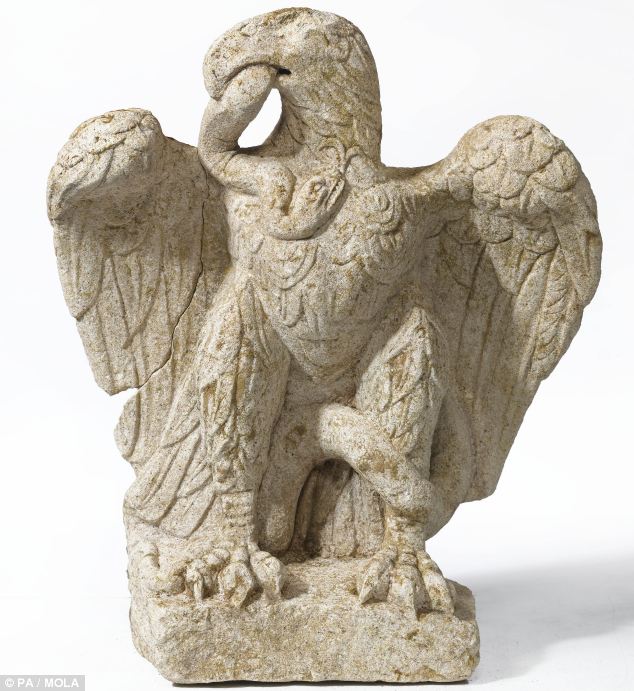
பிரிட்டனை ரோமானியர்கள் 400 ஆண்டுக்காலம் ஆண்டனர். ஆகையால் முதல் 4 நூற்றாண்டுகளைச் சேர்ந்த சின்னங்கள் லண்டனில் ஆண்டுதோறும் கிடைத்து வருகின்றன. சென்ற ஆண்டு மட்டும் 10,000 ரோமானியப் பொருட்கள் கிடைத்தன. இதில் 250 ஜோடி தோல் (Leather Shoes) செருப்புகள், மட்பாண்டங்கள், கோப்பைகள், தட்டுகளும் அடங்கும். ரோமானியரின் ஒரு சின்னமான கழுகும் அதன் வாயில் பாம்பும் உடைய (Eagle and Snake) ஒரு கற்சிலையும் அண்மையில் கிடைத்தது.

மித்ரன் யார்?

மித்ரன் (Vedic God Mitra) என்பது வேத காலத்தில் வழங்கப்பட்ட ஒரு தெய்வம். வியப்பான விஷயம் என்ன வென்றால் இன்றும் பிராமணர்கள் நாள்தோறும் செய்யும் சந்தியா வந்தனத்தில் இந்த தெய்வத்தை வழிபடுகின்றனர். சூரிய நமஸ்காரம் செய்வோர் சொல்லும் முதல் மந்திரம் “ஓம் மித்ராய நம:”. மித்ரன் என்ற சொல்லுக்கு சூரியன், ஒப்பந்தம், நண்பன் (Sun, Contract, Friend) என்ற பொருள் உண்டு. விஷ்ணு சர்மா எழுதிய பஞ்ச தந்திரக் கதைகளில் ஒரு தந்திரம் மித்ர பேதம் என்பதைப் பலரும் அறிவோம்.

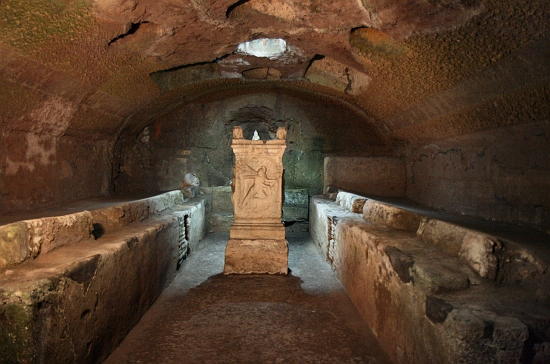
mithraeum in Rome hidden

Mithra hidden underground in Rome.

இதை எல்லாம் விட வியப்பான விஷயம் மித்ரன் பொறித்த களிமண் பலகைக் கல்வெட்டு சிரியா- துருக்கி ஆகிய முஸ்லீம் நாட்டு பிதேசத்தில் கிடைத்ததாகும். கி.மு. 1380 ஆண்டில் மிட்டனிய (Mittanian) வம்ச அரசன் ஒருவன் பக்கத்து நாட்டுடன் சமாதான நட்புறவு ஒப்பந்தம் செய்து கொண்டான். மிட்டனிய வம்சம் வேத கால இந்துக்கள் ஆவர். அவர்கள் மித்ரன், வருணன், இந்திரன், நாசத்யர்கள் (அஸ்வினி தேவர்கள்) பெயரில் சத்தியப் பிரமாணம் செய்து சமாதான ஒப்பந்தம் நிறைவேற்றினர். ஆகவே 4000 ஆண்டுகளாக மித்ரன் வழிபாடு நடக்கிறது!!!

மித்ரன், காலை நேர தெய்வம், வருணன், இரவு நேர தெய்வம். நம்மை எல்லாம் சூரியன், சந்திரன் போல எப்போதும் கண்காணித்துக் கொண்டே இருப்பார்கள். நல்லாட்சியை மலர வைப்பதும் தீயோரை நையப் புடைப்பதும், விதிகள் (ருதம்) ஒழுங்கு, கட்டுப்பாடு ஆகியனவற்றைச் செயல் படுத்துவதும் இவர்கள்தம் பணி என்று வேதங்கள் முழங்குகின்றன.

சில விஞ்ஞானிகள் பாசிட்டிவ், நெகட்டிவ் (Positive & Negative energy) என்ற இருவகை சக்திகளையே இந்துக்கள் மித்ர—வருண என்று சொன்னார்கள் என்பர். ஏனெனில் வேதத்தில் மித்ர—வருணன் என்று ஜோடியாகவே சொல்லுவர். பிரித்துச் சொல்வது அபூர்வம்.

mithraeum-san-clemente-8966p40
Mthra temple under San Clementine church.

ரோமானிய மித்ரன்

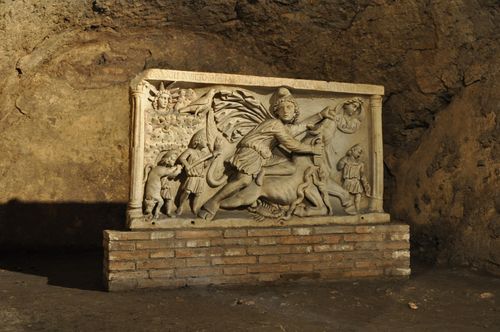
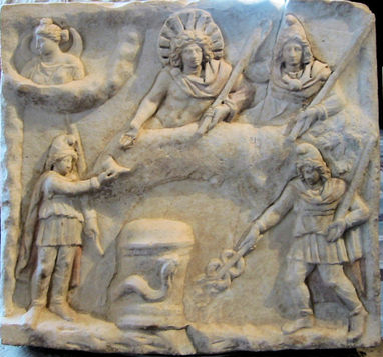
ரோமானிய படை வீரர்கள் இடையே 2000 ஆண்டுகளுக்கு முன்னரே மித்ரன் (Mithras) வழிபாடு பரவிவிட்டது. இவர்கள் ஏது காரணத்தினாலோ மித்ரன வழிபாட்டை ரகசியக் காப்பு பிரமாணத்தோடு, பாதாள குகைகளிலும், அறைகளிலும் நடத்தினர். ஒரு நேரத்தில் ரோம் நகரில் மட்டும் 700 மித்ரன் கோவில்கள் இருந்தன. ரோமானிய மித்ரன், ஈரான் வழியாக வந்த மித்ரன் என்பதால் பாரசீகக் குல்லாயைக் காணலாம். பாரசீக மித்ரன், (Azura Mazda) அசுர மஸ்தாவுடன் சேர்ந்தவன் இவர்கள் மித்ரன், ஒரு காளை மாட்டை கொல்லுவது போல சிலைகள் வடித்துள்ளனர். இதுவே ரோமாபுரி முழுதும் காணக்கிடக்கும். இந்தக் காளையைக் கொல்லும் சின்னம் வானியல் தொடர்பான சின்னமாகும். உண்மையில் காளை வதை அல்ல.

ரோமானியர், காளையை பலியிட்டு வணங்குவர். ஆயினும்அக் காளை வழிபாடு வேறு ஒரு பெண் தெய்வத்துகானதாகும்.

mithraism-carvings-ancient-rome

பாரசீக (ஈரான்) மித்ரன்

பாரசீக நாட்டில் வாழ்ந்த சொராட்ஸ்ரர் (Zoroaster) இந்தியாவின் குஜராத்/சௌராஷ்ட்ர (Saurashtra= Zoroastra) மாநிலத்தில் இருந்து சென்றவர் என்பது காஞ்சி மஹாபெரியவரின் கணிப்பு. அவரது காலமும் கி.மு.800-ஐ ஒட்டியதே. . அவர் வேதத்தின் ஒரு பகுதியை தலை கீழாக மாற்றி வைத்துக் கொண்டார். வேதம் அசுரன் என்று சொன்னால் அவர் தேவர் என்பார். ஆயினும் அவர்களும் தீயை வழிபடுவர், பூணூல் போட்டுக் கொள்வர். பல வகைகளில் ஒருமைப்பாடு காணலாம். அவர்களுடைய மித்ரன் நான்கு குதிரை பூட்டிய ரதத்தில் செல்லும் சூரியனாகவும், போர்த் தெய்வமாகவும், நீதி தேவனாகவும் வழிபடப்பட்டான். இந்த தெய்வம் அவருக்கு ஆயிரம் ஆண்டுகளுக்குப் பின்னர் ரோமானிய சாம்ராஜ்யத் துக்குள் நுழையும்போது இன்னும் உருமாறிப்போனார். எல்லோரும் ஒப்புக் கொள்ளக்கூடிய ஒரு விஷயம் இவர் முதலில் வேதகால தெய்வம் என்பதாகும்.

Mithras in bath

ரோம் ஆட்சி எங்கு எங்கெல்லாம் பரவியதோ அங்கு எல்லாம் ரோமானிய படைவீரர்கள் இந்த தெய்வத்தையும் கொண்டு சென்றனர். லண்டனில் இவரைப் போற்றும் கல்வெட்டுகளும் கிடைத்தன. இப்போது உலகம் முழுதுமுள்ள மியூசியங்களில் மித்ரன் சிலைகளைக் காணலாம். இந்துக்கள் மட்டும் உள்ளத்தில் மித்ரன் வழிபாடு செய்வர். மற்றவர்கள் மியூசியத்தில் காட்சிப்பொருளாகக் காண்பர்.
வாழ்க மித்ரன் புகழ்!

–சுபம்–

Eagle/Garuda in India, Rome and Sri Lanka

eagle

It was discovered near the Aldgate Tube station in London.

Research paper written by London Swaminathan
Post No.1310; Dated 25th September 2014.

I wrote three articles about Eagle/ falcon (Garuda in Sanskrit) sometime ago:

“Hindu Eagle Mystery Deepens” — posted on 16th Feb. 2013
Gods and Birds, posted on 3rd Feb. 2013
“Double Headed Eagle: Sumerian –Indian connection”– posted on18 December 2011.

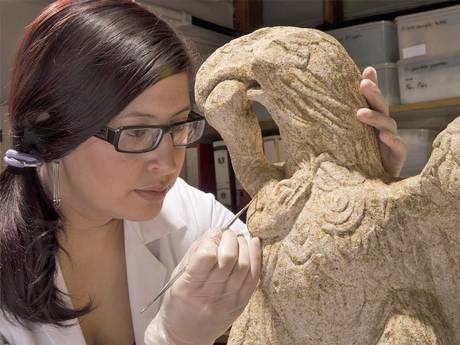
Now there are more interesting things about the eagle in History. Last year the same time, a remarkable discovery was made in London. A Roman eagle with a snake in its mouth was dug out very near the Tower of London. The amazing thing about the sand stone sculpture is that it is intact as if it was made yesterday. Actually it was made 1900 years ago and buried with a wealthy Roman general or businessman of Londinium (London’s original name). From 1st century to fourth century of Common Era, Britain was under the rule of Romans.

pg-28-eagle-2-mola

Let us look at the interesting things about this remarkable find:
I have already written that the fight between the Snake People and the Eagle people is depicted all over the world from Egyptian to Mayan civilizations. Actually this Garuda- Naga fight has started in Mahabharata times. Flags and emblems of many countries have this Garuda/Naga logo.
This Garuda emblem is mentioned in the Sri Lankan chronicle Mahavamsam as well.

In Sri Lankan Mahavamsam (chapter 19), when Sangamitra, daughter of Emperor Asoka, was travelling in a ship with the Pipal tree (Ficus religiosa), the Nagas (people with snake totem) objected to it. Then Sangamitra ‘assumed’ the form of Garuda and threatened the Nagas. Immediately they made peace with her and accompanied the ship up to the Naga Country (northern part of Sri Lanka). Here we can read between the lines. When Nagas objected, she showed the Garuda devouring Naga emblem to threaten them. The message given by her was “I will take severe action against the Nagas like in the olden days”.

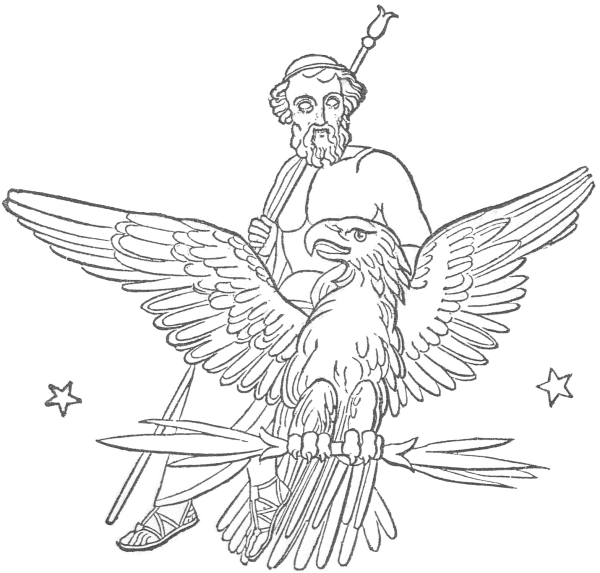
Zeus (Jupiter) on eagle
Zeus riding on an eagle
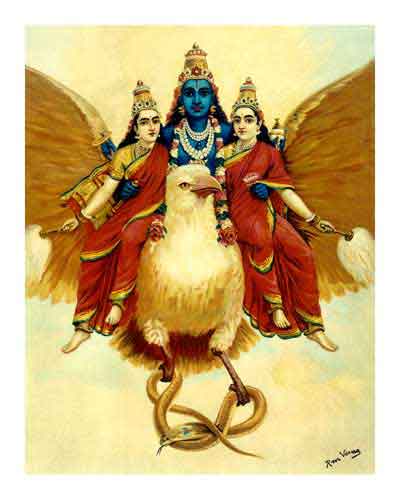
raviLord-Garuda

Ravi Varma picture of Vishnu riding eagle

((What happened in the olden days is explained in detail in the Mahabharata. The clash started when Arjuna and Krishna started burning Naga forest called Khandava Vana (Gond wana Land) and then the enmity continued until a Naga hid himself in a fruit basket and killed Pariksheet. Then Janamaejaya started killing all the Nagas (Sarpa Yaga) and at last Saint Astika made a peace treaty between them. Even today Brahmins recite this story in a mantra every day in the Sandhya Vandhanam))

In Greece Zeus is shown riding an eagle like Vishnu. In Egypt also Naga/eagle logo is shown in some of the seals.

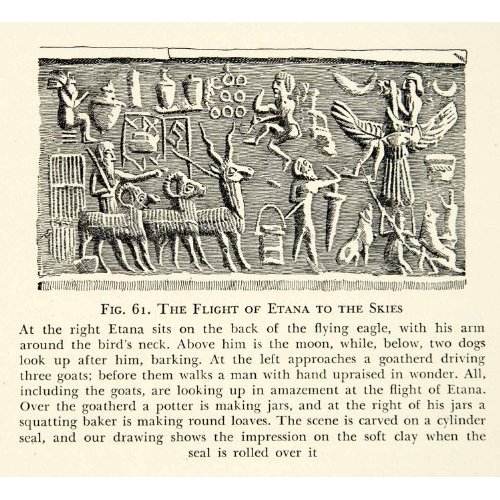
Etana
Etana in Babylonia riding on eagle on his way to heaven to get medicinal herb(Soma !)

Roman and Hindu similarities
Rome has eagle as its emblem. But why did they bury a big statue 65 cms tall in a London mausoleum (grave). ‘Daily Mail’ of London explained it in a box item along with the news:–

a) The eagle signifies ‘good’ in Roman art.
b) It is also the symbol of Jupiter, the most popular Roman god at that time.
c) The fact that eagle is eating a snake shows that it has triumphed over death or evil.
d) In Roman art eagles are often shown carrying the souls of Roman emperors to the gods making the mortals divine. This is the reason for placing it in a mausoleum, said Michael Marshall, Roman Finds expert.

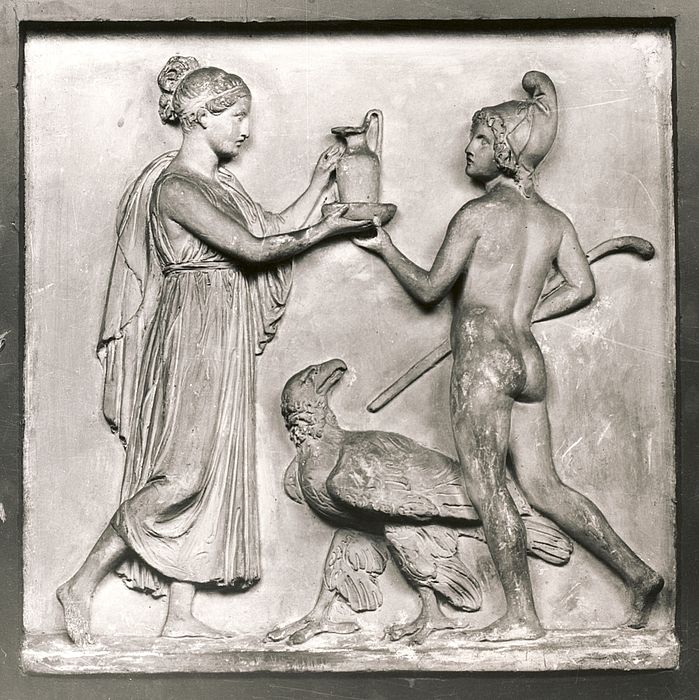
hebe-and-ganymede-by-bertel-
Ganymede taken to heaven by eagle (Zeus)

All these points correspond with Hindu mythology. Hindus recite Garuda Purana (Eagle Myth) on the last day of mourning period. They have the same belief of Garuda’s role in the transit of soul. Sumerians also believed that Etana was taken to heaven by an eagle. Greeks also believed that Zeus was riding an eagle like Hindu God Vishnu. Like Sangamitra (In Mahavamsa) threatened the Nagas with eagle emblem, we have similar stories in the Vedas. Ahi, the snake demon was killed by Indra who is comparable to Jupiter of Romans and Zeus of Greeks (I have explained this in detail in my previous articles on Indra).
In short, last year’s London find explains the belief that existed 2000 years ago throughout the world.
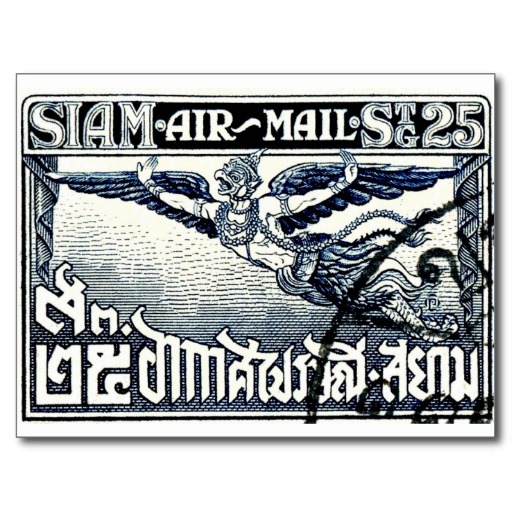
siam garuda

Thailand airmail stamp of Garuda; Indonesian airlines is also Garuda Airlines!

பனை மர வழிபாடு: மகாவம்ச, சங்க இலக்கியச் சான்றுகள்

palmyra with 8 branches
Rare type of Palmyra with 8 branches in Sri Lanka

தொகுத்து வழங்குபவர்- கட்டுரை மன்னன் லண்டன் சுவாமிநாதன்
கட்டுரை எண்.. 1309; தேதி- 25 செப்டம்பர் 2014

மஹாவம்ச ஆய்வுக் கட்டுரை வரிசையில் இது பதினோராவது கட்டுரை.

2014 ஜனவரி 27ல் — “பனமரங்கள் வாழ்க” — என்று ஒருகட்டுரை (எண் 804) வெளியிட்டேன். மஹாவம்ச நூல் ஆராய்ச்சியில் ஈடுபட்டபோது சங்க இலக்கியத்தில் உள்ள பனைமர வழிபாடு இலங்கையில் பௌத்த சமயத்திலும் இருப்பதைக் கண்டு வியந்தேன். அதன் விளைவாகப் பிறந்து இக்கட்டுரை.

மரங்களிலும் ஏரி, குளங்களிலும், காடுகளிலும் கடலிலும் அணங்குகள் (தேவதைகள்) வசிப்பதாக சங்க காலத் தமிழர்கள் நம்பினர். இவர்கள் பற்றியும் பேய்கள், பூதங்கள் பற்றியும் நூற்றுக் கணக்கான குறிப்புகள் சங்க இலக்கியத்தில் உண்டு.

மரங்கள் பற்றி மகாவம்சத்தில் 25–க்கும் மேலான குறிப்புகள் இருக்கின்றன. பட்டப் படிப்பில் தாவர இயலைக் கற்ற எனக்கு இவை எல்லாம் தேன் போன்று இனிக்கும் தகவல்கள். பனைமரம் பற்றிய குறிப்பு இதோ:

அத்தியாயம் 10– பாண்டுஅபயன் காலத்தில் நடந்தது இது.
“பொது கல்லறை, கொலைக் களம், மேற்றிசை ராணிகளின் ஆலயம், வேசவனத்து ஆலமரம், வேட்டை பூதத்துக்குரிய பனை மரம், யோனர்களுக்கு ஒதுக்கப்பட்ட இடம், மகா யக்ஞ சாலை – ஆகிய இவைகளை அவன் மேற்கு வாயிலுக்கு அருகில் அமைத்தான்”.

இந்த மகாவம்ச தகவலுக்கு விளக்கம் எழுதியோர் இதை வேட்டைக் காரர்களின் கடவுள் என்று எழுதி இருக்கின்றனர்.

battocaola branched palmyra
Branched Palmyras in Mattakilappu (Batticaloa) of Sri Lanka

இதே போல சங்க இலக்கியத்திலும் பேசப்படும்.ஆனால் அது நெய்தல் என்னும் கடலும் கடற்சார்ந்த நிலமும் பற்றிய குறிப்பு. நற்றிணைப் பாடல் 303-ல் மதுரை ஆருலவிய நாட்டு ஆலம்பேரி சாத்தனார் பாடிய பாடலில்

“தொன்று உறை கடவுள் சேர்ந்த பராரை
மன்றப் பெண்ணை வாங்கு மடற் குடம்பைத்
துணை புணர் அன்றில் உய்வுக்குரல் கேட்டொறும்
………………………………

என்ற வரிகளுக்கு உரை எழுதிய பின்னத்தூர் அ. நாராயணசாமி அய்யர் கூறுவது யாதெனில்: “ பண்டுதொட்டு உறைகின்ற கடவுள் தங்கப் பெற்ற பருத்த அடியையுடைய ஊர்ப்பொதுவிலுள்ள பனையின் வளைந்த மடலிடத்துச் செய்த குடம்பையின் கண் இருந்து தன் பெடையைப் புணர்கின்ற மகன்றிலின் வருத்தம் தரும் குரலைக் கேட்கும்தோறும்”

இதில் நமக்குத் தேவையானது பருத்த பனைமரத்தில் கடவுள் இருக்கிறார் என்ற நம்பிக்கையாகும். இதே நம்பிக்கை 2000 ஆண்டுகளுக்கு முன் இலங்கையை அரசாண்ட பாண்டு அபயனுக்கும் இருந்தது ஒப்பிடற்பாலது.

பனைமரக் கொடியை கிருஷ்ண பரமாத்மாவின் அண்ணன் பலராமன் வைத்திருந்ததை ஒல்காப் புகழ் தொல்காப்பியனும் மதுரைக் கணக்காயனார் மகனார் நக்கிரனாரும் (புறம் 56) விதந்து ஓதுவதும் வியப்புக்குரியது. எத்தனையோ மரங்கள் இருக்க பலராமன் பனை மரத்தைத் தேர்ந்தெடுத்தது ஏன்? என்று நான் வியப்பதுண்டு. ஆனால் விக்கிபீடியா பொன்ற கலைக்களஞ்சியங்கள் பனைமரம் 800 வகைகளில் பயன்படுத்தப்படுவதாக எழுதியதைப் படித்தவுடன் வியப்பு போய்விட்டது. பலராமன், கண்ணன் விளையாடிய ராஜ தந்திர ஆட்டங்களில் சிக்காமல், நாடு முழுதும் விவசாயத்தைப் பிரசாரம் செய்வதையே தனது அரும்பணியாகக் கொண்டவர். தோளில் கலப்பயுடன் காட்சிதருவார்!

palmyra 7
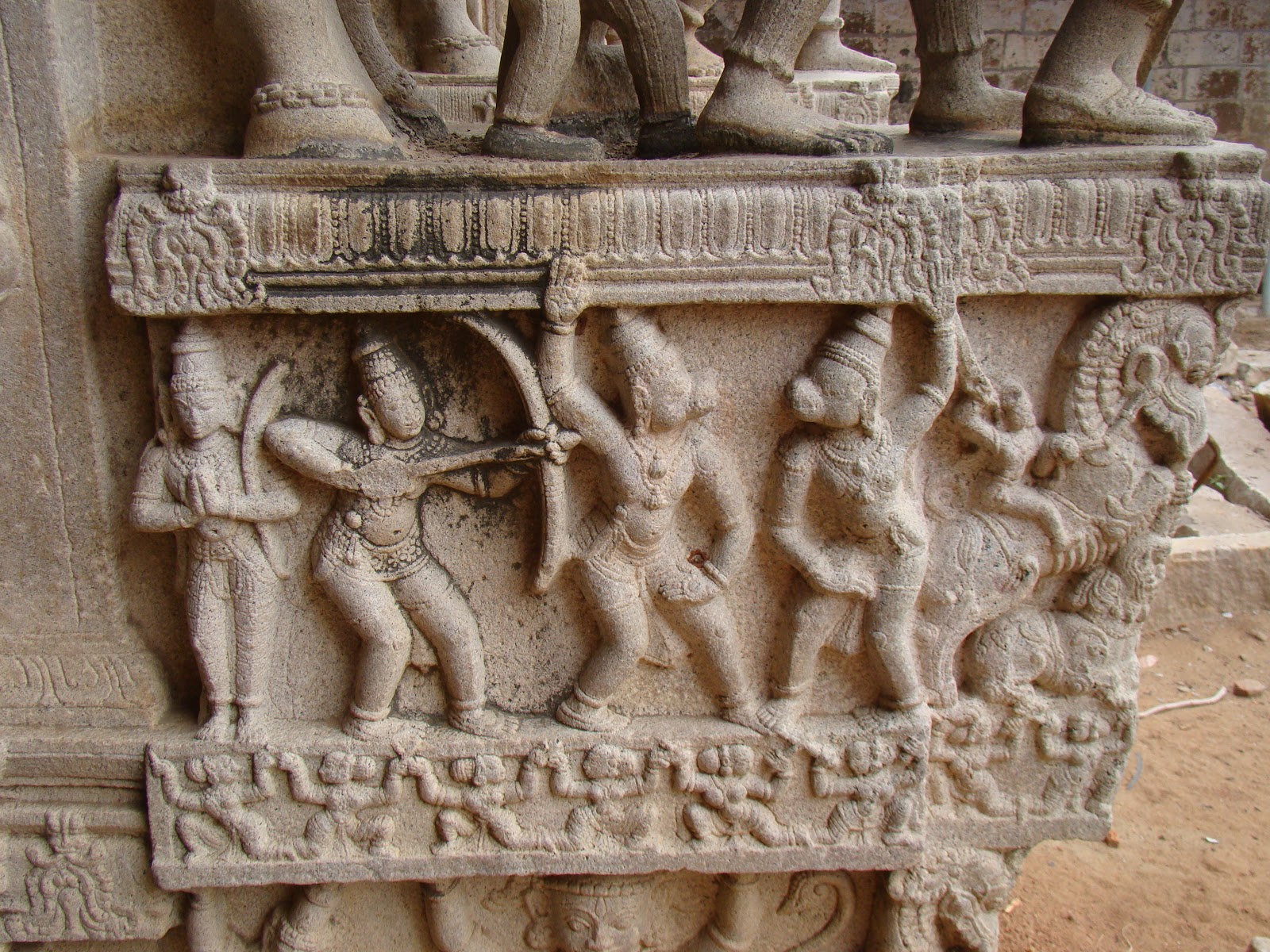
Rama piercing seven Palmyra Trees with a single arrow in Amriteshwar Temple, Karnataka

பனை மரம் பற்றிய மற்றொரு புதிரை பனைமரங்கள் வாழ்க என்ற கட்டுரையில் வெளியிட்டு ஒருவேளை இப்படி இருக்கலாம் என்று ஒரு ஊகச் செய்தி வெளியிட்டேன். இப்போது அதுவும் உறுதிப்படுத்தப்பட்டு விட்டது. இலங்கை மன்னனாக விபீஷணனை அம்ர்த்திவிட்டுப் புறப்பட்ட இராம பிரானுக்கு விபீஷணன் ஒரு பரிசுப்பொருள் தருகிறான். இது தங்கத்தினால் ஆன ஏழு பனை மரங்கள் என்று இராமாயணம் பகரும். ஒருவேளை இரமன் ஒரே அம்பில் ஏழு மராமரங்களைத் துளைபோட்டு (கின்னஸ்) சாதனைப் புத்தகத்தில் இடம் பெற்றதால் இப்படி இருக்குமோ என்று ஊகச் செய்தி வெளியிட்டேன்.

கோவில் சிற்பங்களில் உள்ள மரங்கள் பற்றி வெளியான ஆரய்ச்சிப் புத்தகத்தில்(See page 200 of Plants in Indian Temple Art by Shakti M Gupta) ராமபிரான் ஏழுபனை மரங்களைத் துளைத்த காட்சி கர்நாடக மாநில அமிர்தேஸ்வரர் கோவிலில் இருப்பதாக அவர் எழுதி இருந்தார். ஆக ராமன் பனைமரம் ஏழையும் துளை போட்டதற்காகவே விபீஷணன் ஒரு நினைவுப் பரிசு கொடுத்தான் என்பது பொருத்தமாகவே இருக்கிறது. ராமாயன மரா மரம் அந்தச் சிற்பத்தில் பனை மரமானதும் ஆய்வுக்குரியது.

அடிமுதல் முடி (நுனி) வரை நமக்குப் பயன்படும் பனை மரம் வடமொழியில் தாட என்றும் தால என்றும் எழுதப்படும். இதை ஓலைச் சுவடிகளாகப் பயன்படுத்தியதே இதன் புனிததன்மைக்குக் காரணம் என்று வேறு ஒரு புத்தகத்தில் படித்தேன். அவருக்கு மஹாவம்ச, சங்கத் தமிழ் இலக்கிய அறிவின்மையே அத்தகைய முடிபுக்குக் காரணம்.

இந்திய வரலாற்று ஆராய்ச்சியில் இறங்குவோருக்கு தமிழும் சம்ஸ்கிருதமும் தெரிந்திருக்கவேண்டும். இல்லாவிடில் நிறைய தவறான முடிவுக்கு வருவார்கள்.

OLYMPUS DIGITAL CAMERA
Tasty Palmyra fruits (fleshy parts inside is eaten)

கம்போடியா நாட்டு தேசிய மரமாகத் திகழும் பனை மரம், தமிழ்நாட்டில் திருப்பனந்தாள், திருப்பனங்காடு, திருப்பனையூர், திருமழல்பாடி, திருக்குறுங்குடி ஆகிய தலங்களில் தல மரங்களாக வழிபடப்படுவதும் குறிப்பிடத் தக்கது.

அனுராதா நட்சத்திரத்தை தமிழர்கள் முடைப் பனை என்று அழைப்பது, ஞான சம்பந்தப் பெருமான் ஆண் பனை மரங்கள் அனைத்தையும் பூத்துக் குலுங்கும் பெண் மரங்களாக மாற்றி அற்புதம் செய்தது, ஆதிசங்கரர் தாடங்கப் பிரதிஷ்டை செய்தது ( தால/தாட அங்கம் = தோடு), தாயத்துக்கும் பனைமரத்துக்கும் உள்ள தொடர்பு முதலிய விஷயங்களை முந்திய கட்டுரையில் கண்டு கொள்க.

2000 ஆண்டுகளுக்கு முன்னர் காதலில் தோவியுற்ற தமிழ் இளைஞர்கள் ஊர் அறிய பனைமர மடலான குதிரை மீது பவனி வருவர். இது தமிழர்களுக்கே உரித்தான வழக்கம். ஆயினும் இதிலும் வடக்கில் இருந்தோ அல்லது வெளிநாட்டில் இருந்தோ இறக்குமதி செய்யப்பட்ட குதிரையின் தொடர்பு இருப்பது ஏன் என்று விளங்கவில்லை. ஆனால் தமிழர்கள் பற்றிய செய்தி எல்லாம் குதிரைகள் நன்கு பயன்படுத்தப்பட்ட காலத்துக்குப் பிற்பட்டவையே. இதைத் தனியாக ஆராய்வோம்.

122 Amruteshwara temple Rama Sita Lakshmana Golden Deer
Ramayana is depicted in sculptures in Karnataka

My earlier Ramayana and Tree related posts:
1.Where is Rama Setu (Rama’s Bridge) ? 2. Did Sita Devi Die in Earth Quake? 3. Ramayana Wonders Part1 (4) . Ramayana Wonders Part2 :How many miles did Rama walk? (5) Ramayana Wonders Part 3: Rama and Sanskrit G’ramma’r (6) Part 4: Who can read all 300 Ramayanas? (7) Ramayana Wonders part 5: Indus Valley Cities in Ramayana (6) Indian wonder: The Banyan Tree (7) Ramyana Wonders Part 6 (8) Where there is Rama, No Kama and many more 9) இந்திய அதிசயம்: ஆலமரம் 10) பனை மரங்கள் வாழ்க 11)தமிழ் பக்தர்களின் அபார தாவரவியல் அறிவு 12)அருகம்புல் ரகசியம் 12)சிந்து சமவெளியில் அரச மரம் 13)மரத் தமிழன் வாழ்க 14) வேதத்தில் 107 மூலிகைகள் 15) சிவனுக்கும் தமிழர்களுக்கும் மரங்கள் சுவீகார புத்திரர்கள் 16)ஒன்றுக்கும் உதவாத உதிய மரமே 17) தமிழ்நாட்டைப் பற்றி 100 அதிசய செய்திகள் 18) Magic of Trees 19)இளநீர் மகிமையும் தென்னையின் பெருமையும் 20) வாழைப்பழம் வாழ்க 21) தக்காளி ரசத்தின் மகிமை.

Contact swami_48@yahoo.com

700 Temples for ‘Hindu Mitra’ in Rome!

vatican mithra
Mithra in Vatican Museum

Compiled by London Swaminathan
Post No 1308; Dated 24 September 2014.

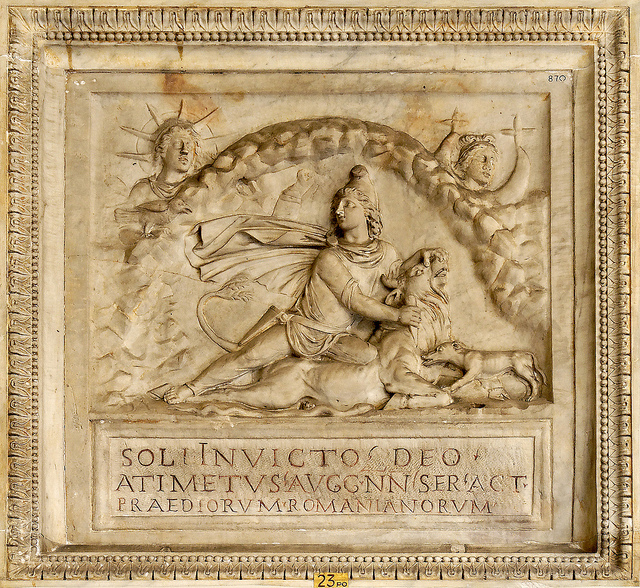
Mitra is a Vedic god. He is associated with the Sun. Mitra is another name of Sun as well. This Vedic god was worshipped throughout the Roman empire 2000 years ago. At one time there were 700 temples for Mitra in Rome. The worship reached Rome from Iran in a degenerated form. Wherever the rule of the Romans was extended there the cult of Mitra was also practised. Even in London they have excavated one Mitra temple sixty years ago. Because of construction of big companies were involved when they dug out the heart of London, they could not install the temple in its original place. Some of the statues were removed from its original site. Now there is a plan to build the temple in the same place as it was during the Roman rule of Britain.

London’s name came from the Roman Londinium. Places of Mithra worship were called Mithraeums. A third century structure was discovered in London. Following this discovery, some Roman artefacts are discovered in London every year. Last year a delicately carved stone sculpture of a Roman eagle with a snake in its beak was discovered in the Tower of London area. Last year alone they dug out 10,000 Roman objects including 250 leather shoes, hundreds of plates and timber writing tablets near the London Mitra temple. Romans ruled Britain in the first four centuries of the Common Era. Roman soldiers worshipped Mithra and accorded high status like an emperor.

In London an inscription dated to 310 CE was discovered. It said, “For the salvation of our Lords, the four emperors and the Caesar, and to the God Mithras the invincible sun from the east to the west”. Most of the British Christian churches were built in the model of Mithraeums.

Mithras in bath
Mitra coming out of rocks

Historians have discovered scores of human skeletons badly injured and mutilated. They were gladiators who were fighting wild animals such as lions bears and tigers. Thousands of Romans enjoyed watching people torn to pieces by wild animals. They even watched people fighting one another till one of them was killed. Huge crowd cheered them to kill one another. Most of the victims were prisoners of war or slaves. They were all young and under 30!

God Mitra in Vedas (1380 BCE Inscription of Turkey)

Even today Mitra is worshipped as Sun by millions of Brahmins in their daily ritual called ‘Sandhyavandhanam’ and by the practisers of ‘Surya Namaskara’. The first mantra is Om Mitraya Nama:.

The archaeological evidence for Mitra goes back to 1380 BCE. He was invoked in a contact between two kings. Mitannian king swore in the name of Mitra, Varuna, Indra and Nasatyas. Mitannians ruled over an area covering Syria and Turkey. The clay tablet inscription with a peace treaty was discovered in Bogazkoy in Turkey.
mithraism-carvings-ancient-rome
Mithra in museums

Mitra and Varuna are the sons of Aditi or Adityas. They are called kings/ Rajas and they possess power/Kshatram. This is the reason for worship by the roman soldiers. Both Mitra and Varuna were endowed with universal power/ Samraj. They maintain universal order/ Rita=rhythm. Mitra presides over friendship and ratifies contracts. This is the reason for Mitannian king to invoke him in the contract. Sanskrit word Mitra means sun and a friend. One of the Pancha Tantras of Vishnu Sarman in ‘Mitrabedham. Zoroaster who went from Saurashtra area of Gujarat to Iran around 800 BCE also used this name Mitra who is considered very close to Asura Mazda.

In the Vedas, Mitra is the ruler of the day and Varuna the ruler of the night like sun and moon. Both maintain the order in the world and this is the reason for Vedas always pairing them as Mitra-Varuna. People with a scientific bent of mind see them as the positive and negative nodes in an electric battery. They together uphold and rule the earth and the sky, guard the world, encourage religion and punish the sinners
mithraeum-san-clemente-8966p40
Mithraemple under San clemente Church

Mithra Cult of the Romans
Mithra in Persia was a god of war, justice and the sun. As a god of war he rode in a golden chariot drawn by four horses to combat the demons.

Under the Roman empire, Persian Mithra became the focus of a mystery cult particularly popular among the roman soldiers. Mithraic shrines were characterised by an image of Mithras slaying a bull. The slaying of bull was an ancient Persian rite said to have been established by the first man Yima. For the followers of Mithraism this rite symbolised the renewal of creation. In killing the bull it was believed that Mithras brought back Yima’s rule over a world where hunger and death were yet unknown. Romans sacrificed bulls, but to different mother goddess.

Note how the spelling changes from Vedic India to Iran to Rome. Mitra becomes Mithra and then to Mithras.

(In Hindu mythology, Yama was the man said to have died as the first person. Hindu mythology is distorted in Persian and Greek mythologies).

mithraeum in Rome hidden
Mysterious Mithra temples are always in under ground locations.

Sources for the article:
Daily Telegraph (London),
Encyclopaedia of Gods by Michel Jordan,
Dictionary of World Myth by Roy Willis and
New Larousse Encyclopaedia of Mythology

பட்சிகள் அருள் பெற்ற அபூர்வ ஸ்தலங்கள்

cock_sidenew
Cock at Trafalgar Square, London (Photo by london swaminathan)

எழுதியவர்: ச.நாகராஜன்
கட்டுரை எண் 1307; தேதி செப்.24, 2014

(This article is written by my brother S Nagarajan and published in the Tamil magazine Jnana Alayam: London swaminathan)
If you want to read similar subject in English please see my posts: 1 Gods and Birds posted on Feb..3,2013 (2). Hindu Eagle Mystery Deepens, posted on Feb.16, 2013 (3). Who rides What Vahana (Animals or Birds)? posted on Oct.26, 2012; Interesting Facts about Vahanas, posted on oct. 2012; (4) Four Birds in One Sloka (5) Kapinjala Bird Mystery (6) Mysterious Vedic Homa Bird: Does it exist) (7) என்ன கடவுளுக்கு என்ன வாகனம்? (8) கா….கா…….கா……கா……

cock1
படைப்பில் அனைவரும் சமம்

“காக்கை குருவி எங்கள் ஜாதி – நீள்
கடலும் மலையும் எங்கள் கூட்டம்
நோக்கும் திசையெலாம் நாமன்றி வேறில்லை

நோக்க நோக்கக் களியாட்டம்” என்று பாடினார் மஹாகவி சுப்ரமண்ய பாரதியார். பறவைகளை மனிதருடன் சேர்த்த அத்வைத பாவனையை அவர் ஒரு சிறந்த ஹிந்துவாக இருந்ததனாலேயே பெற முடிந்தது.

வானத்தின் மீது மயிலாடக் கண்டேன்
மயில் குயில் ஆச்சுதடி – அக்கச்சி
மயில் குயில் ஆச்சுதடி என

சிதாகாச நடனத்தை வள்ளலார் அற்புதமாக்ச் சித்தரித்தார்.

அருணகிரிநாதரோ “ஆன தனி மந்திர ரூப நிலை கொண்டது ஆடு மயில்” என்று பிரணவமே மயில்ரூபம் கொண்டு அற்புதமாக ஆடுகிறது என்று (வாதினை அடர்ந்த என்று தொடங்கும் பாடலில்) விளக்குகிறார். இப்படிப்பட்ட அற்புதமான பரவசமூட்டும் ஆன்மீக விளக்கங்களை அறிந்து கொள்ள பரந்த பாரத தேசமெங்கும் பரவிக் கிடக்கும் தலங்களில் தான் எத்தனை பட்சிகள் பற்றிய ஸ்தலங்கள்.

Peacock cry

அன்னை மயிலாக வழிபட்ட மயிலை
அன்னை உமாதேவி, மயிலாக உருக்கொண்டு சிவபிரானை வழிபட்டதால் திரு மயிலை என்ற பெயர் பெற்ற மயிலையின் பெருமையை மயிலையே கயிலை கயிலையே மயிலை என்று அருளாளர்கள் கூறுவதால் அறிய முடிகிறது.

ஈக்களும் வண்டுகளும் பூஜிக்கும் தலம்
ஈவேங்கை மலை என்னும் ஈங்கோய்மலை ஈக்களால் பூஜிக்கப் பெற்ற தலம். நக்கீரர் திரு ஈங்கோய்மலை எழுபது என்னும் நூலை இயற்றியதால் மகிழ்ந்த அரசன் ஒருவன் அவரது உருவத்தை இங்கு பிரதிஷ்டை செய்து பூஜை நடத்தும் படி நிபந்தம் அமைத்ததை இந்தக் கோவிலின் சிலாஸாசனம் தெரிவிக்கிறது. இதன் இன்னொரு பெயர் மதுகிரி.

பட்டீச்சுரத்தில் இறைவனை வழிபட்ட மதுவல்லி என்ற தாசியும் அவள் வளர்த்த கிளியும் முத்தி பெற்றதாக பட்டீச்சுரப் புராணம் தெரிவிக்கிறது.

பட்டிச்சுரத்திற்கு மேற்கே மணல் மேடு ஒன்று இருக்கிறது. அதற்கு நந்தன் மேடு என்று பெயர். இங்கு ஏழரை லட்சம் பொன் இருப்பதாக அறிவிக்கும், “எழுவானுக்கும் தொழுவானுக்கும் இடையே ஏழரை லட்சம் பொன் இருந்த தாக” அறிவிக்கும் ஒரு கல்வெட்டைக் கண்டார் சரபோஜி மஹாராஜா. (எழுவான் என்றால் சப்த கன்னிகள் (மேற்கே) இருக்கும் இடம் என்றும் தொழுவான் என்றால் முகமதியர் தொழும் இடம் என்றும் அறிந்து கொண்ட அவர், சோழன் மாளிகையில் புதையல் இருக்கும் இடத்தில் வெட்ட முயல்கையில் கதண்டுகள் (கருவண்டுகள்) வெளிப்படவே தன் முயற்சியைக் கைவிட்டதாக சுவையான செய்தி ஒன்றை வரலாறு தெரிவிக்கிறது. கருவண்டுகள் புதையலைக் காக்கின்ற அபூர்வ தலம் இது..
பட்டீச்சுரமும், திருச்சத்திமுற்றமும் கருடன் பூஜித்த தலங்களாகும்!

Funny animal picturesSource: Fimca Grey fgrey@lancashire.newsquest.co.uk

கழுகு வழிபடும் கழுக்குன்றம்
வேதமே மலையாய் விளங்கியமையால் வேதகிரி என்ற பெயருடன் திகழும் திருக்கழுக்குன்றத்தில் 500 அடி உயரமுள்ள மலையில் தினமும் உச்சிப்போதில் கழுகு வந்து உணவு பெற்றுச் செல்வதை அனைவரும் அறிவோம். இதனால் பட்சி தீர்த்தம் என்ற சிறப்புப் பெயரைப் பெற்ற இந்த தலத்தில் மார்க்கேண்டேயர் இறைவனை வழிபட பாத்திரம் இல்லாமல் தவிக்க இறைவன் சங்கு ஒன்றைச் செய்து அருளியதையும் இங்குள்ள குளத்தில் பன்னிரெண்டு ஆண்டுகளுக்கு ஒரு முறை சங்கு உற்பத்தி ஆவதையும் கோவில் வரலாறு தெரிவிக்கிறது!

ராவணனை எதிர்த்த ஜடாயுவின் இறக்கைகளை அவன் அறுக்க, கீழே விழுந்து இறக்கும் தருவாயில் இருந்த ஜடாயு ராமரிடம் தன்னை வைத்தீஸ்வரன் கோவில் என்று இன்று அழைக்கப்படும் திருப்புள்ளிருக்கு வேளூரில் தகனம் செய்யுமாறு வேண்டியதை வைத்தீஸ்வரன் கோவில் தல வரலாறு கூறுகிறது. இங்குள்ள ஜடாயு குண்டத்தை பக்தர்கள் தரிசிப்பது மரபு.

கல் கருடனின் ஸ்தலம்
கருடனுடன் தொடர்பு கொண்ட தலங்களோ ஏராளம். கும்பகோணத்திற்கு அருகில் உள்ள நாச்சியார் கோவிலில் உள்ள கல் கருடன் அதிசய வரலாற்றைக் கொண்டவர். சிற்பி ஒருவர் கருடனைச் செதுக்கி பிராணபிரதிஷ்டை செய்த போது அது பறக்க ஆரம்பிக்கவே அதன் மீது ஒரு கல்லை எறிய அது அலகில் பட்டு கருடன் விழுந்த தலம் இது! திருநறையூர் எனச் சிறப்பிக்கப்படும் இந்த தலத்தில் கருடனை மண்டபத்திலிருந்து வெளியே கொண்டு வரும் போது நால்வரும் பிரகார வலத்தின் பொது எட்டுப் பேரும் கீழே கொண்டு வரும் போது முறையே 16,32,64, 128 என்ற கணக்கில் தூக்கும் படி கருடனின் எடை அதிகரித்துக் கொண்டே போவது இன்றும் காண முடியும் ஒரு அதிசயம்.

bird then chittu

பட்சிகளின் ஸ்தல பட்டியல்
இப்படி நூற்றுக்கணக்கான தலங்களில் பட்சிகளின் தொடர்பு உள்ளதை அந்தந்த தலத்தின் புராணம் மூலம் அறிய முடிகிறது. ஆர்வமுள்ளவர்கள் இதை இன்னும் அதிகமாக நன்கு அறிய விரும்பலாம். அவர்களுக்கு உதவும் ஒரு பட்டியல் (உ.வே.சுவாமிநாதையர் ஓலைச் சுவடிகளிலிருந்து குறிப்படுத்துத் தொகுத்த்து) இதோ:-

பூஜித்த பட்சி தலம்

பெட்டைப் பருந்து வேளூர் தேதியூர்
அன்னம் அம்பர்
மயில் மாயூரம், மயிலை, திருமயிலாடி
சாதகப் புள் திருவஞ்சிக் களம்
எண்காற்புள் திருபுவனம், தாராசுரம்
சக்கரவாகம், திருப்பள்ளியின் முக்கூடல்

12_YT_SPARROW_1391748f

குருவிகள் சேர்ந்து பூஜித்த தலம் குருவி, ராமேஸ்வரம்,முக்கூடல்
வலியான், மதுரை
கூகை கொடுங்குன்றம்
கோழி ஐந்தூர் (திருச்செந்தூருக்கு அருகில் உள்ள இடம்)
காக்கை சிதம்பரம்,அம்பர்மாகாளம்,திருப்பனந்தாள்,
இடைமருதூர்,குரங்கணில் முட்டம்
வண்டு திருவண்டுதுறை
வாவல் புகலூர், ராம நந்தீஸ்வரம்
தேனீ ஈங்கோய்மலை,நன்னிலம், கந்தங்குடி

13TH_ARREST_Swan,Vijayawada
குளவி கோளிலி
சாதகப்புள் திருவஞ்சிக்களம்
நாரை திருநாரையூர்
மாடப்புறா வல்லம்
கிளி கீரனூர், கிளியனூர்

பறவைகளும் முக்தி பெறலாம்

இந்தப் பட்சி ஸ்தலங்கள் உணர்த்தும் உண்மை என்ன? பெறுதற்கு அரியது மனிதப் பிறவி என்றாலும் அதில் பிறந்தால் மட்டுமே முக்தி அடைய முடியும் என்பது கிடையாது. இறைவன் அருளுக்கு முன் சகல ஜீவராசிகளும் சமம். பட்சிகளாக இருந்து இறைவன் அருள் வேண்டி பூஜித்து முக்தி பெற்ற பட்சிகளும் உண்டு. பட்சிகளைச் சுற்றிப் படரும் திவ்யமான சரிதங்களைக் கேட்கும் போதும் அவற்றுடன் தொடர்புள்ள தலங்களைத் தரிசிக்கும் போதும் சிந்திக்கும் பகுத்தறிவு ஆற்றல் இல்லாமல் இருந்தும் கூட அவை இறைவனின் அருள் பெற்ற அதிசயங்களை உணர்ந்து நம்மை இறையருளுக்குப் பாத்திரமாக ஆக்கிக் கொள்ள வேண்டும் என்ற உத்வேகம் பெற முடிகிறதே, அதற்காகவே இந்தத் தலங்களுக்கு நாம் விஜயம் செய்யலாம். இறைவனை வணங்கி இக பர சௌபாக்கியம் பெறலாம்!

ஞான ஆலயம் செப்டம்பர் 2014 இதழில் பிரசுரமாகி உள்ள கட்டுரை

contact swami_48@yahoo.com
**********************

Palmyra Tree Worship in India and Sri Lanka!

battocaola branched palmyra
Rare branched palmyra trees in Batticaloa in Sri Lanka.

Research paper written by London Swaminathan
Post No 1306; Dated 23rd September 2014.

Tree worship is practised around the world. We see it in Sumer, Indus and Maya civilizations to name a few. But India is a country where it is practised till today with same fervour as it was 2500 years ago. Vishnu Sahasranamam gives three trees as Gods names : Asvatta, Udumbara and Nyagrodha. All these trees belong to the genus Ficus (Pipal, Fig and Banyan Trees). We have even people named after these trees in our old literature- both secular and religious. But the surprising thing is the Worship of Palmyra Trees!

Palmyra’s botanical name is Borassus flabellifer (Family: Arecaceae or Palmae). It is indigenous to India. Lord Krishna’s brother Balarama had it on his flag. It is strange that he chose this tree when there were hundreds of beautiful flowering and fruit laden trees in India. The oldest Tamil book Tolkappiam mentioned the Palmyra flag of Balarama. Nakkirar in Purananauru verse 56 also praised Balarama carrying Palmyra flag and plough. The tree and its parts are used in hundreds of ways. No part of this tree is useless. So it is called Karpaga Taru (Wish Fulfilling Tree).

Major temples in Tamil Nadu have “Sthala Vrkshas” meaning the local tree of the temple. This is the tree of the temple in Tiruppanandal, Tiruppanangkadu, Tiruppanaiyur, Tirumazalpadi and Tirukkurungkudi. Both Buddhists and Hindus worshiped this tree. Some people thought it was because the palm leaf that was used for writing the scriptures and preserving them. But it is not convincing. Moreover the 2000 year old Sangam Tamil literature and Sri Lanka’s chronicle Mahavamsam specifically say that these trees are abodes of Gods!!

It is called Panai or Pennai in Tamil and Tal or Tad in most of the Indian languages. In a few temples in Tamil Nadu Adi Shankara and his followers did Tadanga Pradhista to Goddesses. It was used as an earring of women at one time. That is why it was called Thadanga ( In Tamil Thodu).

palmyra with 8 branches
Palmyra tree with 8 branches

In Mahavamsa

During the reign of Pandu abhayan in Sri Lanka he built several buildings and made several facilities for the public. One of them was the erection of a Palmyra tree surrounded by a fence which was the God of the Hunters (See chapter 10).

In Sangam Tamil literature Palmyra tree is said to be worshipped by the residents of Neithal landscape (sea shore and its surrounding area). Alamperi Sathanar of Natrinai verse 303 says that there was a Palmyra tree in the meeting place of the village and the tree had a huge stem where God resides. The commentator adds that it is common for the people of the littoral land to invoke family deity and city deity in the Palmyra tree.

Indian temple sculptures from second century BCE show Palmyra tree in at least eight places. In many of them Balarama’s killing of Dhenukasura is portrayed with the tree. I have already written about Vibhishana’s gift to Rama in the Ramayana Wonders series where Vibishana presented Ram, a momento with seven golden Palmyra trees. It was a puzzle and I commented that it may be due to Rama’s heroic act of piercing through seven trees with one arrow. Now my guess is proved right.

palmyra 7
Amriteshwara temple, Karnataka

At the Amriteshwara temple in Amritapura, Karnataka, there is a sculpture with seven Palmyra trees. There are markings on the tree to show that it was pierced by an arrow and Sri Ramachandra is standing on the left with his bow. The arrow having pierced through the trees is denoted by a downward moving line. There is a snake under the trees. Lakshman, Hanuman and Sugreeva are all watching the scene (See page 200 of Plants in Indian Temple Art by Shakti M Gupta). So this is the reason for Vibishana donating a Seven Golden Palmyra trees memento to Rama. Ramayana refers to a different tree. Palmyra tree is Tala tree. There may be some confusion in the transcription of the word. There is scope for more research here.

In my Tamil article Long Live Palmyra Tress posted on 27th January 2014, I have listed the Tamil proverbs on Palmyra trees and the important Tamil verses where Palmyra is used as a simile.

Palmyra Tree Miracle
When the famous Saivite saint Sambandhar visited Tiruvothur he saw a devotee crying. The devotee raised some Palmyra trees so that he can use the income for his community service in the Shiva temple. By rare coincidence all the trees were male trees and did not yield fruits. Atheists were mocking at him and teased him asking when his god would yield him fruits. When Sambandhar asked him the reason for his sad face, he told him about the ‘male only Palmyra trees’. Later Sambandhar visited the Shiva temple and looked at the Palmyra trees and he sang ten verses in praise of the Lord and said the male trees will yield (Kurumpai Aan Panai Eenum in Tamil). Next minute all the trees bloomed and bore plenty of Palmyra fruits! Dr R Nagasamy, renowned historian and archaeologist, has quoted the Sanskrit lines from the Upamanyu Bhakta Vilasam giving the same meaning: Tala: pumamsa: sruthvai they bhavanthu paritha: palai:
OLYMPUS DIGITAL CAMERA
Fruits of Palmyra Tree

Talisman and Tale Tree
I guess the English word Talisman and Tamil word Tali came from the Sanskrit word Tala for Palmyra leaf. In the ancient India, Hindus wore ornaments made up of Palmyra leaf in which they wrote mantras. Adi Shankara and his followers installed Thadanga in Kanchi Kamakshi Temple and Trichy Akilandeswari Temple. But that is worn on the ear as ear studs.

During lunar and solar eclipse times the Brahmin priests visited my house and asked us to wear the Palmyra leaf with written mantra on our foreheads. This is to ward off the evil effects of the planets, if the eclipse occurred on the day of your birth star etc. This custom shows that wearing the palm leaf with written mantra has been there for ages.

Tamil Youths Ride on Toy Palmyra horses
In ancient Tamil Nadu, Tamil youths who fell in love with girls used to make a horse toy with Palmyra leaves and used to ride on it along the streets to make it public. Then the parents of the girls were forced to marry them. Though it was practised only by the Tamils in ancient India, the association of horse in this ritual show that it also came from the north. Horses came to India from outside. The oldest reference is in the Rig Veda.

Star Anuradha is called Mudai panayam in Tamil meaning stunted Palmyra tree.
Countries like Cambodia have Palmyra trees as their national emblem. In Tamil Nadu and Palakkadu area of Kerala the tree plays a big role in common man’s life. It may be due to the toddy tapped from these trees.

122 Amruteshwara temple Rama Sita Lakshmana Golden Deer
Ramayana in Karnataka Temple

My earlier Ramayana and Tree related posts:

1.Where is Rama Setu (Rama’s Bridge) ? 2. Did Sita Devi Die in Earth Quake? 3. Ramayana Wonders Part1 (4) . Ramayana Wonders Part2 :How many miles did Rama walk? (5) Ramayana Wonders Part 3: Rama and Sanskrit G’ramma’r (6) Part 4: Who can read all 300 Ramayanas? (7) Ramayana Wonders part 5: Indus Valley Cities in Ramayana (6) Indian wonder: The Banyan Tree (7) Ramyana Wonders Part 6 (8) Where there is Rama, No Kama and many more

Contact swami_48@yahoo.com

Pictures are taken from different websites;thanks.

மகாவம்ச பொன்மொழிகள்

MINOLTA DIGITAL CAMERA

தொகுத்து வழங்குபவர்- லண்டன் சுவாமிநாதன்
கட்டுரை எண்..1305; தேதி- 23 செப்டம்பர் 2014
மஹாவம்ச ஆய்வுக் கட்டுரை வரிசையில் இது பத்தாவது கட்டுரை.

மஹாவம்சம் என்ற பாலி மொழி நூல் இலங்கையின் வரலாற்றையும், இலங்கையில் புத்தமதம் தோன்றி வளர்ந்த வரலாற்றையும் இயம்பும் ஒரு நல்ல நூல். கொஞ்சம் புத்தமத ஆதரவு தூக்கலாக இருந்த்போதும் நிறைய வரலாற்று ரகசியங்கள் இதில் பொதிந்து கிடக்கின்றன. மொத்தம் 37 அத்தியாயங்கள் உள்ளன. இந்தக் கட்டுரையில் அதில்உள்ள சில பொன்மொழிகளை மட்டும் காண்போம்.

பயன்படுத்தும் துணை நூல்:–
மகாவம்சம், தமிழாக்கம் எஸ். சங்கரன், சமுதாயம் பப்ளிகேஷன்ஸ், சென்னை, 1962, விலை ரூ.25

அத்தியாயம் 36: அரச போகம்
பெருமைக்குரிய பல காரியங்களைச் செய்ய அரசுரிமை ஆதாரமாக இருப்பது போலவே, பல அநீதிகளுக்கும் காரணமாக இருக்கிறது. இதை உணர்ந்து நடக்கும் பக்திமான்கள் அரச போகம் குறித்து ஆனந்தம் அடைய மாட்டார்கள். அதை விஷத்துடன் கலந்த இனிய உணவாகக் கருதியே நடப்பார்கள்.

அத்தியாயம் 35: அறிவாளிகளும் மூடர்களும்
அறிவுடையவர்கள் பெருமைக்குரிய பல காரியங்களைச் செய்து பயனற்ற செல்வத்தைப் பயன்படுத்தி மதிப்பிட முடியாத அளவு பயன் பெறுகிறார் கள். ஆனால் மூடர்கள் குருட்டுத்தனமாக இன்பத்தை அனுபவிப்பதற்காக பெரும் தீமைகளைப் புரிகிறார்கள்.

அத்தியாயம் 34: பெரும் பதவி
கர்வத்தையும், சோம்பேறித்தனத்தையும் வென்ற, பாசங்களிலிருந்து விடுபட்ட அறிவுடையோர், பெரும்பதவியை அடையும்போது மக்களுக்குத் தீங்கு செய்யாமல் பெருமைக்குரிய பல காரியங்களைச் செய்து மகிழ்ச்சி அடைவர். பக்தியுடன் பல நல்ல காரியங்களைச் செய்வர்.

அத்தியாயம் 33: பேராசை
அறிவுள்ளவர்கள் ஆட்சிக்கு வருகையில் தம்முடைய மகிழ்ச்சிக்காகவும் மற்றவர் மகிழ்ச்சிக்காகவும் பாடுபடுகிறார்கள். ஆனால் அறிவில்லாத வர்கள் தாங்கள் பெற்ற செல்வத்தை தமக்கோ பிறருக்கோ பயன்படுத்து வது இல்லை. மேலும் மேலும் பணம் சேர்க்கவேண்டும் என்ற பேராசையே இதற்குக் காரணம்.

அத்தியாயம் 32: சொர்க்கம்
நல்வாழ்வு நடத்தி பெருமைக்குரிய செயல்களைப் புரிந்தோர் தமது சொந்த வீட்டுக்குள் நுழைவதைப் போல சொர்க்கத்துக்குள் நுழைவார்கள். ஆகையால் அறிவுள்ளோர் பெருமைக்குரிய செயல்களைச் செய்வதில் மகிழ்ச்சி கொள்வார்களாக !

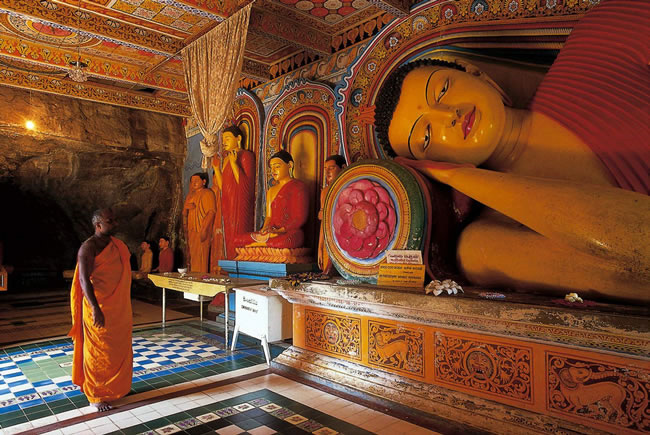
SirLanka.Buddhism

அத்தியாயம் 30: புத்தரின் அஸ்தி
உள்ளத்தில் நம்பிக்கை உடையவன் அருள்பெற்ற ஞானி புத்தருக்கு அவர் உயீரோடு இருகும்போதே வணக்கம் செய்திருப்பான். பின்னர் மனித குல விமோசனத்துக்காக அவர் பிரித்தளித்த அவரது அஸ்திக்கும் மரியாதை செலுத்துவான்.

அத்தியாயம் 28: நம்பிக்கை
உள்ளத்தில் நம்பிக்கையுடன், உடலின் தீமையைப் பொருட்படுத்தாமல் ஒருவன் தேடிச் சேர்த்த பெருமை நூற்றுககணக்கான பலன்களைத் தரும். அவை இன்பச் சுரங்கம் போன்றவை. எனவே உள்ளத்தில் நம்பிக்கையுடன் நல்ல பணிகளைச் செய்யவேண்டும்.

அத்தியாயம் 27: ஈகையில் இன்பம்

பிறருக்குக் கொடுப்பது எவ்வளவு பெருமையானது என்பதை அறிந்தவர்கள் பொருளைச் சேர்த்துவைப்பதைப் பயனற்றது என்று கருதுவர். பிறருக்கு தாராளமாக வழங்குவர். அவர்கள் மனம் ஆசையில் இருந்து விடுபடும். மக்களின் நலனே அவர்களது நாட்டமாக இருக்கும்.

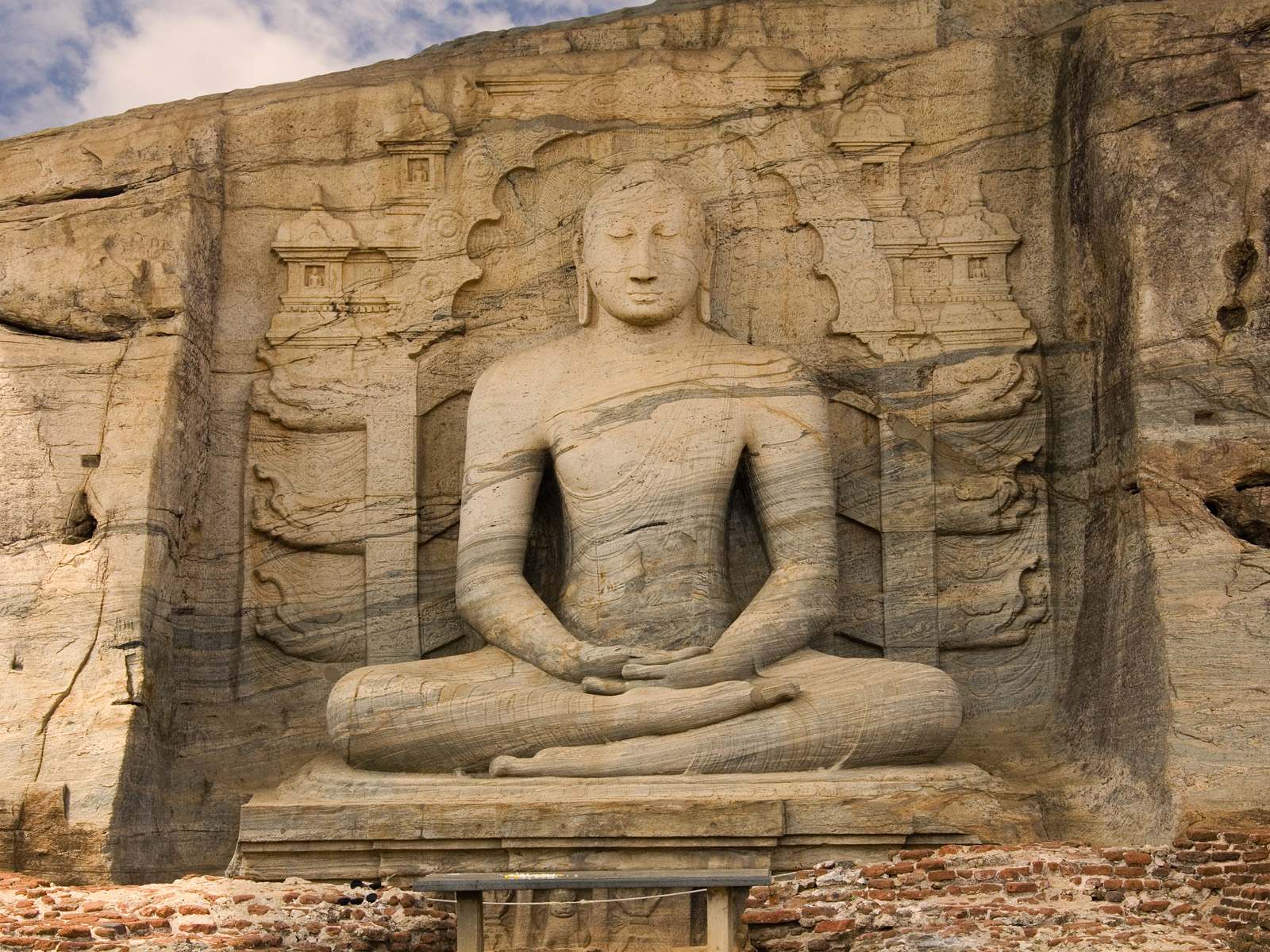
Buddhist statue, Polonnaruwa, Sri Lanka

அத்தியாயம் 26: ஐந்து குற்றங்கள்

ஐந்து குற்றங்களை உடைய பொக்கிஷங்கள் விஷேச அறிவுடையவர்கள் வசப்பட்டால் அவை ஐந்து சாதகங்களாக ஆகின்றன. எனவே அறிவுடையோர் அவைகளை அடைய முயற்சிப்பாளர்களாக;
ஐந்து குற்றங்கள்: தீயினால் ஏற்படும் நஷ்டம், நீரினால் ஏற்படும் நஷ்டம், ஜீவராசிகளால் ஏற்படும் நஷ்டம், பொருட்கள் பறிமுதலாவது, கொள்ளை போவது.
ஐந்து சாதகங்கள்: மக்களிடையே புகழ், சாதுக்களிடையே பெரு மதிப்பு, பெருமை, கடமை செய்யும் உறுதி, மரணத்துக்குப் பின் சுவர்க்கத்தை அடைதல்

அத்தியாயம் 25 மரணம்
பேராசையால் கொல்லப்பட்ட எண்ணற்றவர்களை எண்ணும்போது, அதனால் விளையும் தீமைகளை நினைத்துப் பார்க்கும் போது, எல்லோருக்கும் மரணமே முடிவு என்பதை நினைவில் நிறுத்தவேண்டும். அபோதுதான் ஒருவன் கஷ்டத்தில் இருந்து விடுதலை பெற முடியும்

அத்தியாயம் 24 சமாதானம்
பல காரணங்களால் விரோதம் மூண்டாலும் பக்தியுள்ளோர் சமாதானமாகப் போய்விடுவர்.

அத்தியாயம் 23: அதிசய நிகழ்ச்சிகள்
தன்னுடைய விமோசனத்தில் அக்கறையுடைய மனிதன், சாதுக்களின் அதிசய நிகழ்ச்சிகளைக் கேட்கும்போது தீயவழியைத் திரும்பியும் பாரான். நேர் வழியில் சென்று மேலும் இன்பம் பெறுவான்

Discover-Sri-Lanka-9-Days-Buddhist-Tour

அத்தியாயம் 22: மறுபிறவி
பெருமைக்குரிய காரியங்களைச் செய்வதாலேயே இவ்வுலகில் மனிதர்கள் விரும்பிய பிறவியை அடைகிறார்கள். இதை எண்ணிப் பார்ப்போர் எப்போதும் பெருமைக்குரிய காரியங்களைச் செய்வதிலேயே உற்சாகத்துடன் மனதைச் செலுத்துவார்கள்

அத்தியாயம் 21: அற்புத சக்தி
இந்த அரசன் தவறான நம்பிக்கைகளைக் கைவிடாதபோதிலும், தீய வழியிலிருந்து விலகி நின்றதால் இத்தகைய அற்புத சக்திகளைப் பெற முடிந்தது.

அத்தியாயம் 20: தீய சக்தியின் வலிமை
சக்தியுள்ள, எதிர்க்கமுடியாத மரணத்தை அறிந்திருந்தபோதும் மனிதன் உலக வாழ்வில் அதிருப்தி கொள்வது இல்லை. இதன் காரணமாகத் தீமையைக் கண்டு வருந்துவதோ நன்மையைக் கண்டு மகிழ்வதோ இல்லை – இத்தீய சக்தியின் வலிமை அத்தகையது – அத்தகையவன் தெரிந்தே மூடனாகிறான்.

அத்தியாயம் 17: புத்தரின் அருள்
ஏற்கனவே நிர்வாணம் அடைந்துவிட்ட உலக நாதர் (புத்தர்) இவ்வாறாக மனித குலத்துக்கு எல்லையற்ற அருள் பொழிந்து கொண்டிருந்தார்.

அத்தியாயம் 12: அலுப்பு வராது
புத்தர் போலவே தேரர்களும் அங்குமிங்கும் சென்று ஆசியை அருளினார்கள். உலகம் உய்யப் பாடுபடும் பணியில் யாருக்குத்தான் அலுப்பு ஏற்படும்?

அத்தியாயம் 5: கடமை பெரிது
பிரம்ம லோகத்தையும் கைவிட்டு, துயரம் நிறைந்த இந்த மக்கள் உலகத்தில் புத்தமதக் கொள்கையின் பொருட்டு அவர் அவதரித்து கடமைகளைச் செய்தார். யார்தான் கொள்கைக்கான கடமையைக் கைவிட முடியும்?

buda-nın-beşiktaşlı-olması_425405

அத்தியாயம் 4 :மாய உலகமும் நிலையாமையும்
பூரணமான உள்ளொளி அடைந்த, மூவகையாக நிலவும் அனைத்து உலகுக்கும் அருள்பாலித்து உதவியர்களுமான உலக போதகரின் புத்திரர்களுடைய மறைவை எண்ணூம்போது நாம் இந்த உலகத்தின் பொய்யான தனமையை மனதில் இருத்தி விமோசனம் அடைவதற்காக விழிப்புடன் பாடுபடுவோமாக.

அத்தியாயம் 3: உலக இன்பத்தை மறுப்பது ஏன்?
அக ஒளியினால் மன இருளைப் போக்கிய தேரர்கள் உலக இருளை வெற்றி கொள்ளும் ஒளி விளக்குகளாகத் திகழ்ந்தார்கள். அந்த ஒளி விளக்குகளும் மரணம் என்னும் பெரும்புயலில் அணைக்கப் பட்டுவிட்டன. அதனால்தான் அறிஞர்கள் உலக இன்பத்தை மறுக்கிறார்கள்.

அத்தியாயம் 2:
நிலையாமை பற்றி சிந்தித்துப் பார்ப்பவர்கள் துயரத்திலிருந்து விடுபடுவார்கள்.

மஹாவம்சத்தில் உள்ள 37 அத்தியாயங்களில் பெரும்பாலான அத்தியாயங்களின் முடிவுப் பாடல் பொன்மொழியாக அமையும். அவைகளில் முக்கியமானவற்றைக் கொடுத்தேன்.
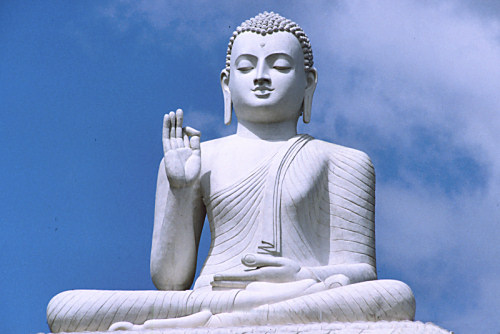
SL buddha
—சுபம்—

contact swami_48@yahoo.com