Gemmology in Brhat Samhita

Good-Type-of-Diamond-Investment

Research paper written by London swaminathan

Research paper No 1634; dated 8th February 2015

Varahamihira’s Sanskrit book Brhat Samhita is encyclopaedic. He covered very interesting topics in 106 chapters. He deals with Examination of Gem Stones in chapter 80 and then with Pearls in 81, Rubies in 82 and Emeralds in Chapter 83.

Yesterday I wrote an article, “Amazing Encyclopaedia Brhat Samhita”, in which I have given all the topics under 106 chapters.

I will give some interesting information about gems in his own words:-

He mentioned 22 gems and described the qualities and varieties of diamonds.

He enumerates the units of weights of gems and their values.

8 white mustard seeds= one rice grain

Price of 20 tandula (rice grain) diamond = 200,000 karshapanas!

This is the price of diamond 1500 years ago!

In chapter 81 he described the qualities of pearls. He says the best pearls are available from eight places. Kautilya who wrote his Arthasastra 2300 years ago praised the Pandya Kavatam, a pearl recovered from the Gulf of Mannar in Tamil Nadu. Varahamihira gives the gods who preside over the gems. He speaks of 18 types of pearl necklaces. Those who look at the Bharhut and Amaravati sculptures would have noticed the beautiful necklaces on them. Indian sculptures are with lot of jewellery. Around the same time we see Greek statues without jewellery. Indian women were fond of jewellery from Vedic times.

a_pair_of_diamonds

Picture of diamonds

In English, we use the phrases “He is a Gem” or “He is a gem of a person”. This is India’s contribution to the world. Emperor Vikramaditya of First century BCE had Nine Gems (nine great scholars) in his court. One of them was the greatest of the Indian poets Kalidasa.  Amarakosa is very clear about this expression. Every excellent representative of a class is designated as a gem of……………

First, Varahamihira discuss the origin of gems. He says it is the bones of demon Bala or bones of Dadichi according to some. The third reason he gives is that the gems are caused by the wonderful qualities of earth. Last one is scientific.

He gives a list of 22 gems:Diamond, sapphire, emerald, agate, ruby, blood stone, beryl, amethyst, vimalaka, royal gem/quartz, crystal, moon gem, saugandika, opal, conch, azure stone, topaz, brahma gem, jyotirasa, sayaka, pearl and coral.

The Sanskrit verses run like this:

Vajreindranila marakatha ka karkethara padmaraka rudirakyaa:

Vaidurya pulaka visalaka  rajamanis fatika sasikantha:

Saugandika gomedaka shanka maha nila pushparagaakyaa:

Brhmanis jyotirasa sasyaka muktapravalani

In chapter 82 he gives the price of rubies. He quotes the Purvacharyas for the prices. This shows that there were books by his predecessors on this subject.

Since Varahamihira himself knows that only four gems are important in the list of 22, he deals with them separately.

diamonds-loose-certified-1

He gives the list of places were diamonds are mined in his days: Vena River, Kosala, Surashtra, Saurpara, Matanga, Himalaya, Valla, Kalinga and Paundra

Diamonds and their Adidevatas (deities) are as follows:–

Hexagonal diamond = Indra

Dark with shape of a snake’s mouth = Yama

Bluish yellow = Vishnu

Karnikara flower colour = Varuna

Bluish red/triangular = Agni, Fire God

Asoka flower colour = Vayu

He adds that red and yellow diamonds are good for the rulers and warriors; white diamonds for Brahmins; Sirisa flower coloured (whitish yellow) for Vaisyas and colour of swords for Shudras.

He talks about the beliefs about diamonds. If it is with black marks or scratches it would bring bad luck or disaster for those who wear it.

diamonds-1

Diamonds are not a Girl’s Best friend!

“Some authorities are of opinion that women wishing to beget sons should never wear diamonds; but (in our opinion) diamonds that are triangular, trigonal and like a coriander seed, or the buttocks, are productive of good results to damsels desiring male offspring.

His last verse in the chapter on diamonds is

“ A diamond with inauspicious characteristics causes the ruin of the wearer’s kith and kin, wealth and life; whereas a good one destroys the enemies and danger from thunderbolt and poison. It especially confers a lot of enjoyments on kings”.

I will give more information about rubies, pearls and emeralds in another article.

swami_48@yahoo.com

-Diamonds-Buried-

This is Heaven! Beautiful Description in Mahabharata!!

??????????????????????????????????

by S.Nagarajan

Post No 1633; Dated 8th February 2015


In Vana Parva of Mahabharata , Heaven is described very beautifully. (Chapter 262 Mahabharata in Tamil) . Given below is a brief description of the chapter.


Once the great Sage Durvasa came to meet Rishi Mudgala. Mudgala received him with great reverence and offered him food. While they were talking a celestial messanger appeared before Mudgala and invited him to come along with him in his chariot to go to Swarka loka.


Mudgala asked him what constitutes happiness in heaven and what are the disadvantages thereof?


The celestial messenger was wonderstruck with these questions because everybody will jump on to his chariot once they are invited whereas this rishi is asking about the merits and demerits of heaven!

the-mahabharata-story-1-728

He addressed him as an unwise person and described him about the Heaven as follows:


” The region called Heaven exists there above us. Those regions tower high and are furnished with excellent paths and are always ranged by celestial cars.  Atheists  and untruthful persons and those that have not practiced ascetic austerities and those that have not performed great sacrifices cannot come there.

Only men of virtuous souls and those of subdued spirits and those that have their faculties in subjection and those that have controlled their senses and those that are free from malice and persons intent on practice of charity ; and heroes and men bearing marks of battle after having with subdued senses and faculties, performed the meritorious rites attain those regions.

There are established separately myriads of beautiful shining and replendent worlds bestowing every object of desire owned by those celestial beings, the gods, the sadhyas, the Vaiswas, the great sages, Yamas, the Dharmas, the Gandharvas and the apsaras.

There is that monarch of mountains the golden Meru extending over a space of thirty-three thousand yojanas.

 atred-free-happiness-

There are sacred gardens of celestials with Nandana at their head where sport the persons of meritorious acts.


And neither hunger, nor thirst, nor lassitude, nor fear, nor anything that is disgusting or inauspicious is there.


And all the odours of that place are delightful and the breezes delicious to the touch.


And all the sounds there are captivating to the ear and heart.

And neither grief, nor decrepitude, nor labour, nor repentance also is there. That world  obtained as the fruit of one’s own acts is of this nature.


Persons come there by virtue of their meritorious deeds. And the persons of those that dwell there look resplendent solely by virtue of their own acts and not owing to the merits of  their father or mothers.

golden himalayas

Who are Ribhus?


There is neither  sweat, stench nor urines.


There no one could soils one’s garments. And their excellent garlands redolent of divine fragrance never fade. They yoke such cars as the one I have brought now. Men live very happily there devoid of envy, grief , fatigue, ignorance and  malice.

Higher and higer over such regions there are others endued with higher celestial virtues – of these the beautiful and resplendent regions of Brahma.

Rishis  sanctified  by meritorious acts come to that  Brahma regions .

And there dwell certain beings named Ribhus. They are the gods of the gods themselves.


Their regions are supremely blessed and are adored even by the deities. These shine by their own light and bestow every object of desire.

They sufer no pangs that women might cause and do not possess worldly wealth and are free from guile.

himalaya-mountain-lake

The Ribhus do not subsist on oblations nor yet on ambrosia. They are endued with such celestial forms that they cannot be perceived by the senses. And these eternal gods of the celestials do not desire happiness for happiness’ sake, nor do they change at the revolution of a Kalpa.


For them there is neither ecstacy, nor joy, nor happiness. They have neither happiness nor misery. The number of those deities is thirty-three. Wise men come to these regions, after observing excellent vows or bestowed gifts according to the ordinance.


– Disadvantages of  the Heaven ,in the next article.

ஏசு கிறிஸ்து இந்தியாவுக்கு வந்தது ஏன்?- Part 2

Christ-Yogic aura, buddha

படத்தின் வலது கீழ்க் கோடியில் நமஸ்காரம் செய்வதையும், கை குவித்து

கும்பிடுவதையும் காணலாம். பழங்காலத்தில்— இந்துமுறை வழிபாடே இருந்தது

ஆய்வுக் கட்டுரை எண்: 1632; தேதி : 8 பிப்ரவரி 2015

கட்டுரையாளர்: லண்டன் சுவாமிநாதன்

ஏசு கிறிஸ்து என்று ஒருவர் கிடையவே கிடையாது, அவர் புத்த மத துறவிதான் என்னும் பொருள்படக்கூடிய ஒரு சுவையான விஷயத்தை சுவாமி விவேகாநந்தர் கூறுகிறார்:

“நான் இங்கிலாந்துக்கு கப்பலில் திரும்பிவந்து கொண்டிருந்தபோது ஒரு விநோத கனவு கண்டேன். ரிஷி போல தோற்றம் உடைய ஒருவர் என் முன்னே தோன்றி நான் தேரபுத்தர் என்னும் புராதன வகுப்பைச் சேர்ந்தவன். நாங்கள் ரிஷி முனிவர்களின் வழிவந்தவர்கள். எங்களுடைய கொள்கைகள், போதனைகளை மக்கள் கிறிஸ்து சொன்னதாகச் சொல்லி பரப்பி வருகின்றனர். உண்மையில் கிறிஸ்து என்று ஒருவர் பிறந்ததே இல்லை. இந்த இடத்தைத் தோண்டிப்பார்த்தால் அதற்கான தடயங்கள் கிடைக்கும் என்றார். உடனே நான் எந்த இடத்தைத் தோண்டிப்பார்த்தால் அதற்கான தடயங்கள் கிடைக்கும்? என்று திருப்பிக் கேட்டேன். அந்தப் புனித மகான், துருக்கி என்னும் இடத்தை நோக்கிக் கையைக் காட்டினார். இதற்குள் என் கனவு கலைந்துவிட்டது. உடனே நான் கப்பலின் மேல் தளத்திற்கு ஓடிப்போய் கப்பல் எங்கே இருக்கிறது? இது என்ன இடம்? என்று மாலுமியிடம் கேட்டேன். அதோ பாருங்கள். துருக்கி, அதன் அருகில் இருக்கும் தீவு கிரீட் தீவு என்றார். அப்பொழுது கப்பல் மத்திய தரைக் கடலில் சென்று கொண்டிருந்தது”

இந்த சம்பவம் ராமகிருஷ்ண மடம் வெளியிட்ட விவேகாநந்தர் சம்பாஷணைகள் என்ற புத்தகத்தில் வெளியிடப்பட்டுள்ளது.

இதற்குப் பின்னர் விவேகாநந்தர் இந்த விஷயத்தை ஆராய்ந்ததாகத் தெரியவில்லை.

jesus blessing, Hindu gesture

புத்தர் தலையைச் சுற்றி வரையப்படும்

ஒளிவட்டம் — ஏசுவைச் சுற்றறீருப்பதை பழைய ஓவியங்களில் காணலாம்.

பைபிளில் அத்வைதம்!

அத்வைதம் என்பது என்ன? அவ்வையார் அழகாகக் கூறிவிட்டார்: ஒன்றாகக் காண்பதே காட்சி! நாம் அனைவரும் இறைவனின் ஒரு அம்சம். அதை உணரும்போது முக்தி கிட்டும்—அஹம் பிரம்மாஸ்மி! – என்பது அத்வைதம்.

இவ்வளவு பெரிய கொள்கையை – இந்துக்கள் போற்றிவரும் கொள்கையை —பாலைவன ஆட்டிடையர்கள் இடையே சொன்னால் அவர்களுக்குப் புரியாது. கல்லைக் கொண்டு எறிந்து விரட்டி விடுவார்கள். ஆகவே ஏசு தனது சீடர்களின் பக்குவத்தை அறிந்து அவர்களை படிப்படியாக அழைத்துச் செல்வதை விவேகாநந்தர் அழகாக எடுத்துரைக்கிறார்.

முதலில் ஏசு சொன்னார்: பர மண்டலத்தில் இருக்கும் பிதாவை நேசியுங்கள்; அதாவது வானுறையும் தெய்வத்தை வழிபடுங்கள் என்று. பின்னர் பக்குவம் அடைந்த சீடர்கள் இடையே பேசுகையில் நான் தான் மரம்; நீங்கள் அதன் கிளைகள் என்றார். மிகவும் பக்குவம் அடைந்த சிஷ்யர்கள் இடையே பேசுகையில் “ நானும் என் பிதாவும் ஒருவரே என்றார். இது அஹம் பிரம்மாஸ்மி, தத்வம் அஸி என்ற உபநிஷத மகா வாக்கியங்கள்”

சுவாமி விவேகாநந்தரின் இந்த சொற்பொழிவு, ஏசு, இமய மலைக்கு வந்து குருகுல வாசத்தில் உபநிஷதங்களைக் கற்றதை உள்ளங்கை நெல்லிக் கனி போல விளக்கும்.

மேலும் புத்த மதத்தினர் — பிரசாரகர்களுக்கு என்ன என்ன வழிமுறைகளைப் பின்பற்றினரோ — அதே முறைகளை கான்வெண்டுகள் பயன்படுத்தின. உபநிஷதக் கதைகள் போல பல குட்டிக் கதைகளை ஏசுவும் சொன்னார். குருடன் குருடனை வழி நடத்துவது போல என்ற கடோபநிஷத், திருமந்திர உவமைகளையும், பாலும் தேனும் ஆறாக ஓடும் என்ற சம்ஸ்கிருத சொற்றொடர் களையும் பைபிள், ஏசு உரைகளில் காணலாம்

buddha and chirst

ஏசுவின் சீடர்கள்– புத்த மத வழக்கங்களை மேற்கொண்டனர்.

ஏசு கிறிஸ்து பிறப்பதற்கு 250 ஆண்டுகளுக்கு முன்னரே மாமன்னன் அசோகன் உலகம் முழுதும் புத்த மதப் பிரசாரகர்களை அனுப்பியதால் பலருக்கும் இவ்வழி முறைகள் பற்றித் தெரியும். நூற்றுக் கணக்கான புத்தமத பழக்க வழக்கங்களை, துவக்க கால கிறிஸ்தவ பிரசாரகர்கள் பயன்படுத்தியதை‘The Original Jesus’ written by E R Gruber and G Kersten என்ற புத்தகத்தில் காணலாம்.

ஏசு கிறிஸ்துவை மீன் என்று அழைத்தது எதனால்?

ஏசு கிறிஸ்துவுக்கும் கிரேக்க நாட்டுக்கும் எந்தத் தொடர்பும் கிடையாது. ஒருவனைக் கூப்பிட்டு மூக்கைத் தொடு என்றால் நேரடியாக மூக்கைத் தொடுவதற்குப் பதிலாக கழுத்துக்குப் பின் கையை வளைத்துத் தொட முயற்சிப்பதற்கு இது சமம்.

ரோமானிய (இத்தாலி) சாம்ராஜ்யத்தில் ஏசுவுக்கு துவக்க காலத்தில் கடும் எதிர்ப்பு நிலவியது. ஆகையால் கிறிஸ்தவ மதத்தினர் ஏசுவைக் குறிக்க, மீன் என்று பொருள்படும் கிரேக்க சொல்லைப் பயன்படுத்தினர். இது ஒரு நீண்ட சொற்றொடரின் முதல் எழுத்துக்களால் ஆன சுருக்கச் சொல் என்று ஆராய்ச்சியாளர்கள் கஷ்டப்பட்டு பொருள் கண்டனர்.

பானை என்ற சொல்லுக்குப் பொருள் என்ன? என்று கேட்டால் பாலும் நெய்யும் வைக்கும் பாண்டத்துக்கு பால்+நெய்= பானை என்று எட்டுக்கட்டி பொய் சொல்வது போன்றதே இது.

உண்மையில் ‘’ஜஸ’’ என்ற சம்ஸ்கிருத சொல் மீனைக் குறிக்கும். ஜஸானாம் ச மகர அஸ்மி == மீன்களில் நான் மகரமாக இருக்கிறேன் – என்று கிருஷ்ண பரமாத்மா பகவத் கீதையின் விபூதி யோகத்தில் சொல்லி இருக்கிறார். ஆக ‘’ஜஸ’’ என்ற சம்ஸ்கிருதச் சொல்லையே (ஜஸ= ஜீஸஸ்) கிறிஸ்தவர்கள் சங்கேதச் சொல்லாக பயன் படுத்தினர் என்று பொருள் கொள்வதே பொருத்த முடைத்தாம்.

மீன் சின்னம் அதிர்ஷ்ட சின்னம் என்பதால் உலகம் முழுதும் – அதாவது கிறிஸ்து பிறப்பதற்கு முன்னரே பயன்படுத்தினர்.

இதுவரை சொன்ன விஷயங்களில் இருந்து ஏசு கிறிஸ்து என்று ஒருவர் இல்லை, அவர் தேர புத்தர்- ஈசான்ய வகுப்பைச் சேர்ந்த ஒரு துறவி என்றும், இந்து மதக் கருத்துக்களைக் கற்று- பாலை வன ஆட்டு இடையர் களுக்குப் புரியும் வகையில் அவர் சொன்னார் என்றும், இந்துக்களைப் பொறுத்தவரையில் அவருடைய போதனைகள் வெறும் அரிச்சுவடி என்றும் துணிய முடிகிறது

இந்தக் கட்டுரை மூன்றாம் தொடரில் நிறைவு பெறும்.

Amazing Encyclopaedia Brhat Samhita!

Brhat1

Research article written by London swaminathan

Research article No 1631; Dated 7th February 2015


Varahamihira (505 –587 CE) was a great astronomer, mathematician, scientist, poet, astrologer and a compiler. Samhita means compilation. He rightly named his book Big Compilation or Great compilation. He wrote it in Sanskrit. He deals with all the subjects under the sun in 106 chapters. Anyone that sees the contents of the book would understand the necessity of learning Sanskrit. A man who lived 1500 years before our time cared to gather whatever he can from different authors and sources and put them in a book for the future generations. We have lost thousands of books in course of time. But we are not that unlucky. We have still thousands of books in the libraries and Brhat Samhita is one of them. They are untapped sources. Someone has to study them with a modern science background. We can find new things.

In one of my articles I mentioned that Varahamihira and the Sangam Tamil poets who lived 500 years before Varahamihira refer to the link between the rain and planet Venus. No scientist has found the connection yet. There are many more in Varahamihira’s encyclopaedic work.

Though he wrote the book around 570 CE, he mentioned the name of his predecessors. This shows that India had great scientists before 500 CE. Some of the names he mentioned are Kapila, Kanabhuj, Ausanasa, Visnugupta, Purvasastra, Garga, Vrddha Garga, Parasara, Asita, Devala, Siddhanta, Surya Siddhanta (these two may be books) , Kasyapa, Vajra, MayaAtri, Bhaguri, Baladeva, manu, Sarasvata, savitra, Sakra, Sukra, Vagisa, Vasistha, Kapisthala, Garutmat, Rsaba, Bharatwaja, Visvakarman, Nagnajit, Narada, King Dravyavardhana, Saptarsimatra and Munis and Yatrakaras. So many subjects were dealt with by these people 2000 years ago and Varahamihira refers to all their works. He was very humble to say that he just compiled them.

domestic

He was a great Vedic scholar and poet. When he writes about rainfall and crops suddenly he bursts into beautiful Sanskrit poetry (I will deal with this topic separately). He quotes Vedic Mantras with the beginning line. He is an example for modern book writers and authors.

He wrote another astrological treatise known as Brhat Jataka. That is for the believers of astrology. But here in this book he writes on the following subjects:

Chapter 1 to 10: on Planets and their course

Chapters 11 to 20: Comets, Canopus (Agastya nakshatra), Sapta Rsi Mandala (Ursa Major constellation), Conjunction of Moon and other planets

Chapter 21 to 28: Clouds, Rainfall, Wind Circle, Moon’s conjunction with Rohini and Svati.

29: Flowers, 30, 31 Dawn and Twilight, 32 Earth quake, 33 Meteors

35 to 39: Halos, Rainbows, Aerial cities, Mock suns, Haze and Hurricane

Agriculture:

40 Crops, 41 Classification of Substances, 42 Price Fluctuation

42 to 47 Bird Omens (Wagtail) etc

48 to 50 Royal Ablutions, Crowns, Swords

51.52 Science of Limbs, Pimples,

53 Architecture, 54: Exploration of Water Springs, 55: Treatment of Trees

Country Diary : Crows fly through branches of a tree

Animals:

56 and 58 Temples and Idols, 57 Preparation of Adamantine Glue

59 Entering Forest 60 Installation of Images

61 to 68 : Features of Cows, Dogs, Cocks, Tortoises, Goats, Horses, Elephants

68,69,70 Signs of men and maidens

71:Omens 72, 73 Signs of Chowries and Umbrellas

74 Praise of Women, 75 Winning Affection

Erotic Recipes!

76 Erotic Recipes 77 Preparation of Perfumes

78 Union of man and woman

79 Signs of Couches and Seats

 gems

Gemmology

80 Examinations of Gems

81, 82, 83 Pearls, Rubies and Emeralds

84,85,86,87,88, 89 Lamps, Tooth sticks, Bird Omens, Beast omens, Dogs

90 to 96 Omens : jackal cries, Crow cries etc

97 Time of Fruition

98, 99: Asterisms and Lunar Days

Marriage matches and Birth Charts

100 Qualities of Karanas

101 to 106: Birth Horoscopes, Zodiac, Marriage planetary combinations, Transits of planets, worship of planetary deities and conclusion

body

We must learn Sanskrit and study the originals, because there are various interpretations on words. Apart from that one can enjoy poetry.

An amazing range of subjects dealt with 1500 years ago! They existed 1000 years before his time!! He just compiled them!!

In the next few articles I will give some interesting titbits from various chapters.

ஏசு கிறிஸ்து இந்தியாவுக்கு வந்தது ஏன்?- Part 1

most of the pictures Yogic white

ஆய்வுக் கட்டுரை எண்: 1630; தேதி : 7 பிப்ரவரி 2015

கட்டுரையாளர்: லண்டன் சுவாமிநாதன்

இந்து மதத்தின் மூன்று சிறப்புகள்:

1.உலகின் எந்தப் பகுதியிலும் சாது சந்யாசிகள், முனிவர்கள், மகான்கள், புனிதர்கள் தோன்ற முடியும். அவர்கள் அவதரித்துக் கொண்டே இருப்பார்கள் என்பதை இந்து மதம் ஒப்புக் கொள்கிறது

2.ஏனைய மதத்தினரை ‘காபிர்’ (KAFIR) என்றோ, ‘பேகன்’ (PAGAN) என்றோ ஏசுவதில்லை. எல்லோரையும் ‘அம்ருதஸ்ய புத்ராஹா’, ‘திவ்யாத்ம ஸ்வரூபலாலா’ (ஏ! இறைவனின் புதல்வர்களே) என்று அழைப்பர்.

3.உலகின் பழைய மதம் என்றாலும் பின்னர் வந்த தத்துவ ஞானிகள், இறைவனின் தூதர்கள், மத ஸ்தாபகர்கள் ஆகிய அனைவர் சொன்னதும் இந்து மத நூல்களில் ஏற்கனவே உள்ளன. இதன் காரணமாக யாரையும் மதம் மாற்றியதும் (PROSELYTISATION)  இல்லை; யாருடனும் மதம் தொடர்பாக “புனிதப் போர்” (CRUSADES, JIHADS) நடத்தியதும் இல்லை.

இந்து மத நூல்கள் கடல் போலப் பரந்து விரிந்தவை; அதில் இல்லாதது ஏதும் இல்லை.எகிப்திய, பாபிலோனிய, கிரேக்க, சுமேரிய பழங்கதைகளைப் படிப்போருக்கு, அட! நம்மைக் காப்பி அடித்து எழுதி இருக்கிறார்களே! –என்று நினைக்கத் தோன்றும். அத்தோடு அவ்விலக்கியங்களில் காண முடியாத உயரிய கருத்துக்களும் இந்துமத நூல்களில் இருக்கும். (உலகின் மிகப் பழைய நூலான ரிக் வேதத்தின் கடைசி பாடல் கருத்து பற்றி ஏற்கனவே எழுதிவிட்டேன்).

இன்ன பல சிறப்புகளால் 2000 ஆண்டுகளுக்கு முன்னால் ஏசு கிறிஸ்து இந்தியாவில் இமயமலைக்கு வந்து குருகுல வாசத்தில் அமர்ந்து உபநிஷதங்களைக் கற்று, ஆட்டு இடையர்களுக்கும், சடங்குகளை மட்டும் அர்த்தம் இன்றிப் பின்பற்றியோருக்கும் உபதேசம் செய்தார். அவர் பிறவியிலேயே ஞானி. இதற்குக் காரணம் அவர் பிறந்த யூதமதப் பிரிவான ஈசன்னியர் (ESSENES) பிரிவு இந்து மத யோகியர் போன்ற நடை,உடை,பாவனை உடையதொரு ஒரு பிரிவு (கட்டுரைக்குள் இவர்கள் பற்றிச் சுருக்கமாகச் சொல்லியுள்ளேன். மேல் விவரம் வேண்டுவோர் விக்கிபீடியா முதலிய கலைக்களஞ்சியங்களை நாடலாம்).

ஜீசஸ் கிரைஸ்ட் (JESUS CHRIST)  இந்தியா வந்தார் என்று 200 ஆண்டுகளாகப் பல வெளி நாட்டினரும், நம் நாட்டினரும் புத்தகங்கள் எழுதிவிட்டனர். அதற்கு சில மறுப்புரைகளும் வந்து விட்டன. ஆனால் அவர்கள் எடுத்துக் காட்டாத சில விஷயங்களை நான் தொகுத்து — “பைபிளில் சம்ஸ்கிருதம்” (SANSKRIT IN BIBLE, PART 1 AND PART2 ) என்ற இரண்டு பகுதி கட்டுரையை மூன்று ஆண்டுகளுக்கு முன் வெளியிட்டேன். சில நாட்களுக்கு முன் ஆங்கிலத்தில் ஜீசஸ் மிஸ்டரி (JESUS MYSTERY: DID HE LEARN AT HINDU GURUKULA?) என்று இன்னொரு கட்டுரையும் எழுதினேன். அதன் சுருக்கத்தை தமிழில் சிறு சிறு பகுதிகளாகத் தருகிறேன்.

ஏசுவின் இளமைக் காலம் பற்றி பைபிள் மவுனம் சாதிக்கிறது. மார்க், மாத்யூ, லூக், ஜான் (GOSPELS OF MARK, MATEW, LUKE AND JOHN) ஆகிய நால்வர் எழுதிய புதிய ஏற்பாடு (NEW TESTAMENT) நூல்களில் ஏசு 12 வயதில் சென்றார்- முப்பது வயதில் திரும்பிவந்தார் என்று மொட்டையாக எழுதி முடித்துவிட்டனர். இது பற்றி கிறிஸ்தவர்களே அவர்களுக்குள் தடை எழுப்பி விடை கண்ட பகுதிகளை கிறிஸ்தப் பிரசார நூல்களில் கண்டு கொள்க.

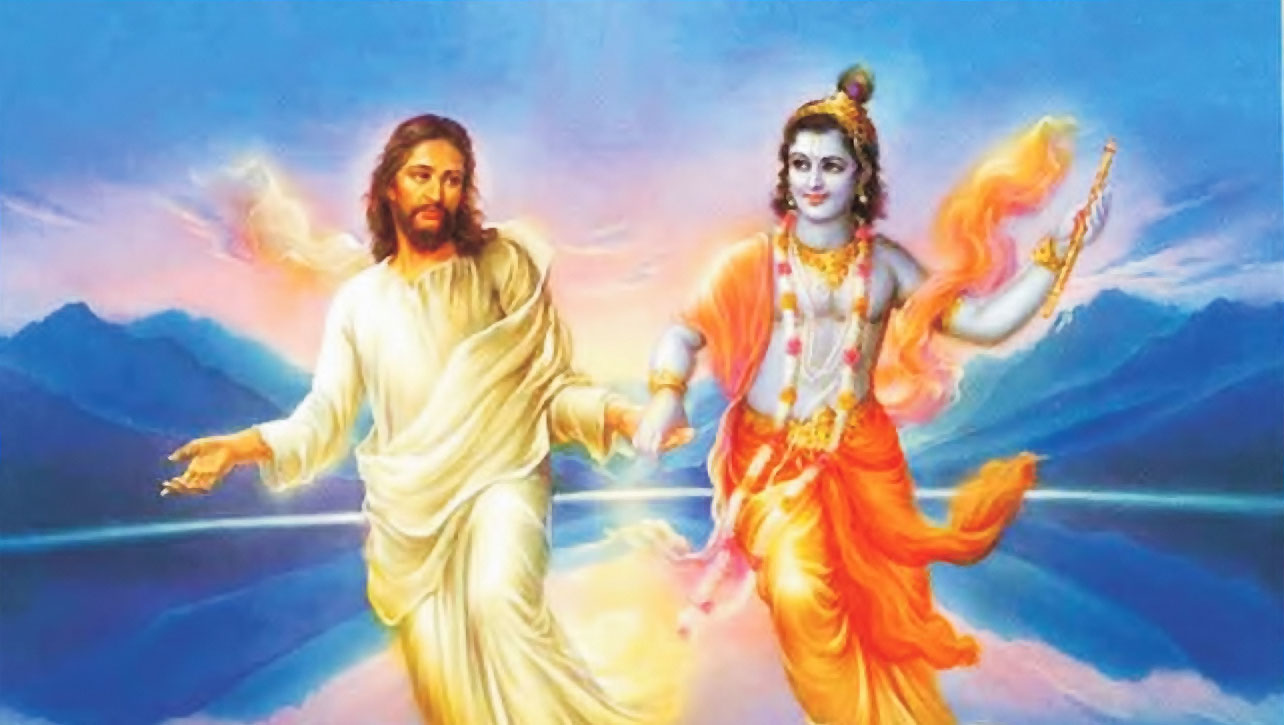
christ and krishna

ஒரு மனிதனின் இளமைக் காலம் அதிபயங்கர சக்தியுடன் எதையாவது புதுமையைப் படைக்கத் துடிக்கும் காலம். அந்த சக்தியை சரியான வழியில் திருப்பி விடாவிட்டால் அவர்களுடைய வாழ்நாள், வீழ் நாளாகவும் வீண் நாளாகவும் போகும். இதற்காக இந்துக்கள் ஒரு அற்புதமான வழியைக் கண்டு பிடித்தனர். வீட்டில் இருந்தால்தானே “அப்பா, அம்மா சொல்வதெல்லாம் தவறு- உலகம் தெரியாமல் உளறுகிறார்கள்” என்று எண்ணத் தோன்றுகிறது. வாத்தியார் வீட்டுக்கே போய் அவருக்கு உணவு படைத்து, துணி துவைத்து பாடத்தையும் படி — என்று குருகுல வாசம் செய்ய ஏழு வயதில் அனுப்பிவிட்டனர். பின்னர் 20 வயதில் வீட்டுக்குத் திரும்பி வந்தவுடன் கால்கட்டு (கல்யாணம்) போட்டுவிட்டனர். இதற்குப் பின் கெட்ட வழியில் செல்வது கடினம். மேலும் வாத்தியார் வீட்டில் 13 ஆண்டுகளுக்கு தினமும் மிலிட்டரி ட்ரில் (MILITARY DRILL)  போல செய்துவந்தது அதே நல்ல வழியில் செல்லவும் உதவியது. “தொட்டில் பழக்கம் சுடுகாடு மட்டும்” (HABITS DIE HARD) — என்பது தமிழ் பழமொழி. நல்லதானாலும் கெட்டதானாலும் சின்ன வயதில் படித்தது அவ்வளவு எளிதில் மாறாது.

அந்தக் காலத்தில் ஒரே குருவிடம் நூற்றுக் கணக்கான மாணவர்கள் இருந்தனர். அததகைய குருமார்களை குலபதி என்று பட்டம் கொடுத்து அழைப்பர். அது மட்டுமின்றி ஏசு பிறப்பதற்கு பல நூற்றாண்டுகளுக்கு முன்னரே, தட்சசீலம், நாளந்தா, காஞ்சீபுரம் ஆகிய இந்திய நகரங்களில் மாபெரும் பல்கலைக் கழகங்களும் நடந்துவந்தன.

இந்த குருகுலவாசம் பற்றி ஈசன்னிகளுக்குத் தெரியும். அதனால் ஏசுவை இங்கே அனுப்பிவைத்தனர்.ஈசன்னிகள் என்பது ஈச, ஈச்வர (இறைவன்) என்னும் மூலத்தில் இருந்து பிறந்த சொல் என்பது எனது துணிபு. இந்த யூதமதப் பிரிவு பற்றி பிளினி (கி.பி.70 PLINY THE ELDER), ஜோசபஸ் முதலியோர் கொஞ்சம் எழுதி வைத்துள்ளனர். அவர்கள் கூறுவதாவது: இந்தப் பிரிவினர் தினமும் குளிப்பார்கள் (இது பாலஸ்தீனத்தில் ஒரு அதிசயம்!!). இவர்கள் இறை நாட்டம் உடைய யோகியர். இவர்களில் பெரும்பாலோர் கல்யாணம் செய்து கொள்வதில்லை (பிரம்மசாரி). சுருக்கமாகச் சொல்லவேண்டுமானால் இந்து யோகிகள் பற்றி என்ன என்ன சொல்வோமோ அததனையும் ஈசன்னிகள் பற்றிச் சொல்லப் பட்டுள்ளன. இந்தக் குலத்தில் பிறந்தவர்தான் ஏசு. ஆகையால் அவர் குருகுல வாசத்துக்கு இமயமலைக்கு வந்ததில் வியப்பதற்கு ஒன்றுமிலை.

மேலும் காஷ்மீருக்கும் யூதர்களுக்கும் (JEWS) உள்ள தொடர்பு பற்றி பல ஆய்வுகள் உண்டு. கி.மு 1000 ஆண்டில் இருந்த சாலமன் (SOLOMON THE WISE) காஷ்மீருக்கு வந்ததாக செவிவழிக் கதைகள் உள்ளன. அவன் விக்ரமாதித்தன்போல பெரிய அறிவாளி. இது தவிர சிலுவையில் அறைபப்பட்ட மூன்றாம் நாள் ஏசு உயிர் பெற்று எழுந்து காஷ்மீருக்கு வந்து 120 வயது வரை யோகி போல வாழ்ந்தார் என்றும் காஷ்மீரில் அவரது சமாதி உள்ளது என்றும் ஒரு புத்தகம் வேறு வெளியாகி இருக்கிறது. யூதர்களின் 12 பிரிவுகளில் ஒன்று காஷ்மீருக்கு வந்தது என்ற ஐதீகமும் உண்டு.

Jesus-Christ-and-Krishna1

பைபிள்கள் பல விதம்! ஒவ்வொன்றும் ஒருவிதம்!!

இந்து மதப் புராணங்களில் எப்படிப் பல இருக்கின்றனவோ இப்படி ஏசு பற்றி புராணங்களும் ( மாறுபட்ட பைபிள் பதிப்புகள்) ஏராளமாக இருந்தன. துரு கியில் இருந்த கான்ஸ்டன் டைன் (EMPEROR CONSTATNTINE 272-337 CE) என்ற மன்னன் ஒரு பைபிள் மகாநாடு கூட்டி எல்லா பைபிள்களையும் எரித்துவிட்டு ஒரே பைபிள் மட்டும் வைத்துக் கொண்டார். அதனால் ஏசு 12 வயது முதல் 30 வயது வரை 18 ஆண்டுகள் என்ன செய்தார், எங்கே இருந்தார் என்பதெல்லாம் மாயமாய் மறைந்துவிட்டது. அது இப்பொழுதும் தூய ஏசுவின் வாழ்வில் ஒரு ஓட்டை போல, கறை போல பைபிளில் உள்ளது. பைபிளை யாரும் வீட்டில் வைத்திருக்கக்கூடாது, யாரும் மொழி பெயர்க்கக் கூடாது, வாரம்தோறும் சர்ச்சுக்கு வந்துதான் கேட்க வேண்டும் என்று அவர் உத்தரவு போட்டார். இதை மீறிய பலர் மரண தண்டணைக்குள்ளான சோக சம்பவங்களை பைபிளின் கதை என்ற (The Story of the Bible) புத்தகத்தில் காணலாம். எல்லாம் நூல் வடிவிலும் இந்தெர்நெட்டில் கட்டுரை வடிவிலும் உள்ளன.

இப்பொழுது பலவிதமான பைபிள்கள் கிடைத்து வருகின்றன. ஆனால் அவற்றை ஆராய்ச்சியாளர்கள் பூசி மெழுகிவருகின்றனர். சாக்கடல் பகுதியில் (Dead Sea Scrolls) கிடைத்த சுவடிகள் பற்றி பலவிதமான செய்திகள் வருகின்றன. லண்டன் பிரிட்டிஷ் நூலகத்திலும் மாஸ்கோ, ஜெர்மனி முதலான இடங்களிலும் துண்டு துண்டாக இருந்த கிரேக்க மொழி பைபிளை (Sinai Bible) அனைத்து நூலகங்களும் இணைந்து, துண்டுகளை ஒட்டுப்போட்டு இப்பொழுது இணைய தளத்தில் வெளியிட்டுவிட்டன. ஆனால் இது ஆங்கிலத்தில் மொழி பெயர்க்கப்பட வில்லை. சினாய் பைபிள் (Codex Sinaiticus)  என்ற இதை யார் வேண்டுமானாலும் கிரேக்க மொழியில் படிக்கலாம். இதற்கும் கிறிஸ்தவ பைபிளுக்கும் ஏராளமான வேறுபாடுகள் இருப்பதாக பைபிள் மோசடி (The Bible Fraud by Tony Bushby)  என்ற நூல் கூறுகிறது.

இனி வரும் கட்டுரையின் தொடர்ச்சியில் ஏசு கிறிஸ்து பற்றி விவேகாநந்தரின் விநோதக் கனவு, பைபிளில் அத்வைதம் எப்படி படிப்படியாக மலர்கிறது என்ற விவேகாநந்தரின் சொற்பொழிவு, ஏசுவின் ஒரு மண்டல கால விரதம், மாதா கோவில்களில் புத்தமத வழக்கங்கள், ஏசுவுக்கு மீன் பெயர் வந்தது ஏன்?, பகவத் கீதையும் பைபிளும், கிறிஸ்துவும் கிருஷ்ணரும், விதுர நீதியும் ஏசு உபதேசமும், உபநிஷத் கதைகளும் ஏசுவின் கதைகளும், ஏசு பக்தர்கள் போட்ட நமஸ்தேயும் நமஸ்காரமும், துரதிருஷ்ட எண் 13, ஏசு செய்த பாதபூஜை ஆகிய விஷயங்களைக் காண்போம்.

தொடரும்…………………………..

குரங்குக் குட்டி நியாயமும் பூனைக்குட்டி நியாயமும்!

best cat

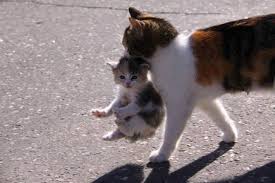
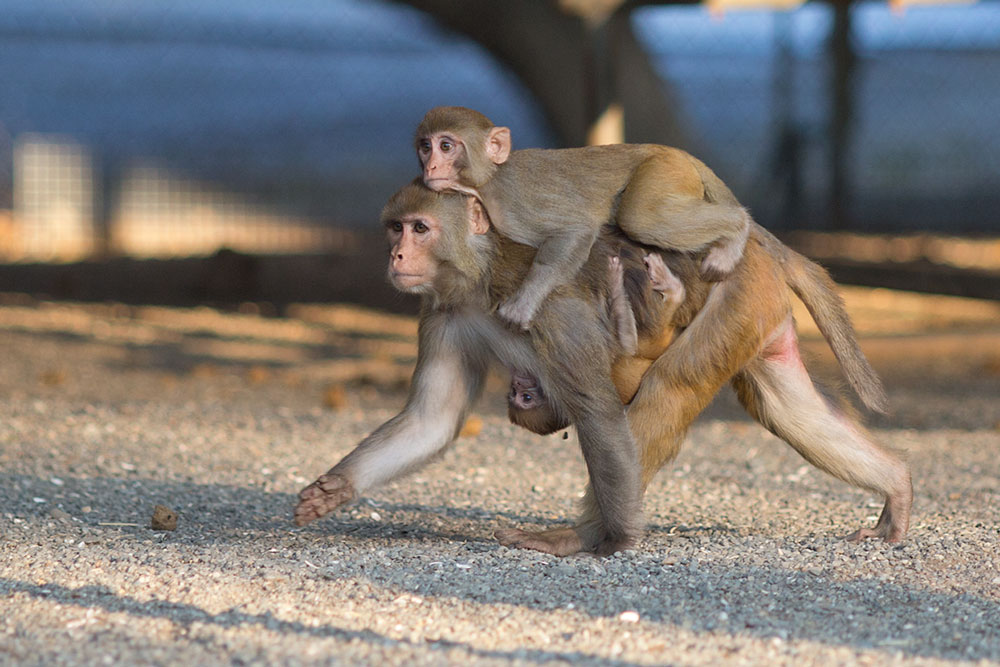
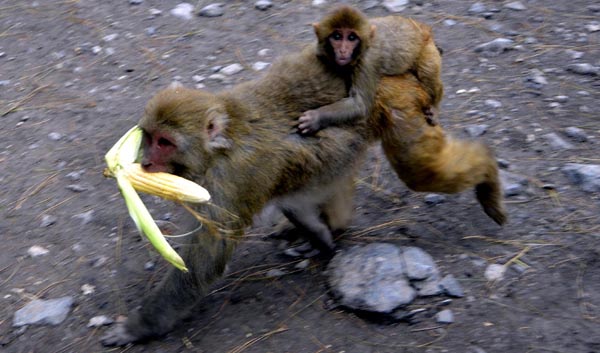
Cat carrying its kitten

சம்ஸ்கிருதச் செல்வம் – இரண்டாம் பாகம்

  1. குரங்குக் குட்டி நியாயமும் பூனைக்குட்டி நியாயமும்!


Post No 1629; Dated 7th February 2015

by ச.நாகராஜன்

நியாயங்கள் வரிசையில், எல்லா ஆன்மீகச் சொற்பொழிவுகளிலும் இறைவனுடனான பக்தியை விளக்கும் போது பேசப்படும் இரு நியாயங்களை இங்கு காண்போம்:

मर्कटन्याय

MARKATANYAYA

மர்கட நியாயம்

குரங்கு நியாயம்

மர்கடம் – குரங்கு

இது மர்கட கிஷோர நியாயம் (குரங்குக் குட்டி நியாயம்) என்றும் வழங்கப்படுகிறது.

மிகவும் பிரபலமான இந்த நியாயத்தைச் சொல்லாத ஆன்மீகவாதியே இருக்க முடியாது. குரங்குக் குட்டியானது தனது பாதுகாப்பிற்காகத் தன் தாயின் மார்பை நன்கு அணைத்துக் கொண்டிருக்கும். எந்த ஆபத்து என்றாலும் கூட அது தாயை விடாது.

இதை, பக்தனான ஒருவன் பகவானை நன்கு பற்றிக் கொள்வதற்கு உதாரணமாக எடுத்துச் சொல்வர்.


best monkey

मार्जालन्याय

MAARJAALANYAYA

மார்ஜால நியாயம்

பூனை நியாயம்

மார்ஜாலம் -பூனை

இது மார்ஜால கிஷோர நியாயம் (பூனைக் குட்டி நியாயம்) என்றும் வழங்கப்படும். இதுவும் மிகவும் பிரபலமான நியாயம். மர்கட நியாயத்துடன் எப்போதுமே இது இணைத்து உதாரணமாகக் காட்டப்படுவதால் இரண்டையும் இணைத்தே அர்த்தம் புரிந்து கொள்ள வேண்டும். எப்படி ஒரு பூனைக் குட்டியை அதன் தாய் வாயில் கவ்விக் கொண்டே தான் செல்லும் இடமெல்லாம் அதை எடுத்துச் சென்று அதைக் கண்ணும் கருத்துமாகப் பாதுகாக்கிறதோ அதே போல பக்தன் ஒருவனை பகவான் எப்போதுமே தன் பொறுப்பில் வைத்துப் பாதுகாக்கிறான் என்பதைச் சொல்ல இந்த நியாயம் சுட்டிக் காட்டப்படுகிறது.

இந்த இரு நியாயங்களும் ஏராளமான நூல்களில் எடுத்தாளப்படுகின்றன.

ராமகிருஷ்ண உபதேச மஞ்சரியில் அவர் இந்த இரு நியாயங்களையும் உபதேசிப்பதைக் காணலாம்.


cats

இது பற்றி நிலவி வரும் கதைகளில் ஒரு கதையை மட்டும் இங்கு பார்க்கலாம்.

கர்நாடகத்தில் வாழ்ந்த பிரபலமான மகான் கனகதாஸர். இவர் வாழ்ந்த காலத்திலேயே சமகாலத்தவராக வாழ்ந்த இன்னொரு பெரும் மகான் வைகுந்ததாஸர். ஒரு நாள் வைகுந்ததாஸர் வாழ்ந்து வந்த பேலூருக்கு வந்த கனகதாஸர் அவரைப் பார்க்கும் ஆவலுடன் அவர் வீட்டிற்கு வந்தார். வந்த நேரம் நள்ளிரவு ஆகி விட்டது. ஆகவே அவரை எழுப்பி தொந்தரவு தர மனம் இல்லாததால் கனகதாஸர் வைகுந்ததாஸர் வீட்டுத் திண்ணையிலேயே படுத்து உறங்கி விட்டார். காலையில் கதவைத் திறந்த வவைகுந்ததாஸர் வீட்டுத் திண்ணையில் கனகதாஸர் உறங்கிக் கொண்டிருப்பதைப் பார்த்துத் திடுக்கிட்டு பெரிதும் வருத்தமடைந்தார். அப்போது விழித்துக் கொண்ட ககதாஸரை நோக்கி அவர், “இப்படி வாசல் திண்ணையில் உறங்கலாமா? என்னை எழுப்பி இருக்கக்கூடாதா? என்று ஆதங்கத்துடன் கேட்டார். அதற்கு கனகதாஸர், “உங்களை எழுப்பித் தொந்தரவு தர மனமில்லை. ஆகவே திண்ணையிலேயே படுத்து விட்டேன் என்று சமாதானம் சொன்னார்.

உடனே, வைகுந்ததாஸர்,ஆஹா! நீங்களோ ஒரு மார்ஜால நியாயி. நானோ சாதாரண மர்கட நியாயி! நீங்கள் சாதனையில் என்னை விட எங்கோ எட்டாத உயரத்தில் இருக்கிறீர்கள். இப்படி வீட்டு வாயிலில் படுத்தால் பகவான் என்னை விட்டு இன்னும் அதிக தூரம் போய் விடுவார் என்றார்.

இதிலிருந்து மர்கட நியாயம் பற்றியும் மார்ஜால நியாயம் பற்றியும் நண்ன்கு புரிந்து கொள்ளலாம்.

வைஷ்ணவ சம்பிரதாயத்தில் உள்ள இரு பெரும் பிரிவுகள் தென்கலை மற்றும் வடகலை. இவற்றிக்கு இடையில் சில வேறுபாடுகள் உண்டு. அவற்றில் ஒன்று மர்கட மார்ஜால நியாயம் பற்றியதாகும்.

வடகலையார் பக்தன் தனது முயற்சியைச் செய்ய வேண்டும் என்பர். அதாவது மர்கட நியாயம் போல பகவானைப் பற்றிக் கொள்ளல் வேண்டும். எல்லா சாஸ்திர, சம்பிரதாயங்களையும் அனுஷ்டிக்க வேண்டும் என்பது வடகலையார் முடிபு.

ஆனால் தென்கலையாரோ கடவுள் நிபந்தநையற்ற கருணையைப் பொழிபவர். அவரே பக்தரை மார்ஜால நியாயம் போல பரிபாலித்து தேவையானதைத் தருவார் என்பர்.


monkey

Monkey with its baby

ன்னொரு உண்மையைச் சுட்டிக் காட்டவும் இநத் இரு நியாயங்கள் பயன்படும். ஒரு நல்ல குருவானவர் தனது சீடனை மார்ஜால நியாயம் போலத் தானே பாதுகாப்பார். ஒரு நல்ல சீடனானவன் மர்கட நியாயம் போலத் தன் குருவைத் தானே பிடித்துக் கொள்வான்!

ஆக இப்படி ஆன்மீகத்தில் முக்கிய இடம் பிடித்துள்ள இந்த இரு நியாயங்களைப் பற்றி ஒரு தனி நூலே எழுதி விடலாம். அவ்வளவு உதாரணங்கள் உள்ளன. இதை எடுத்தாளும் ஏராளமான பாஷ்யங்கள், நூல்கள் உள்ளன. விரிப்பின் பெருகும்.

ANBU

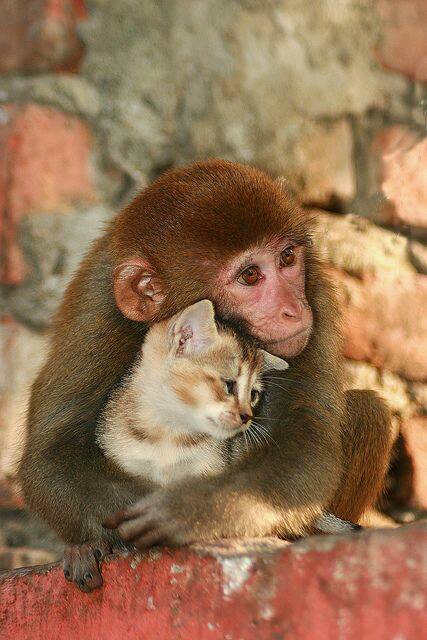
Monkey and Cat: Kindness

***********

Kings of South India

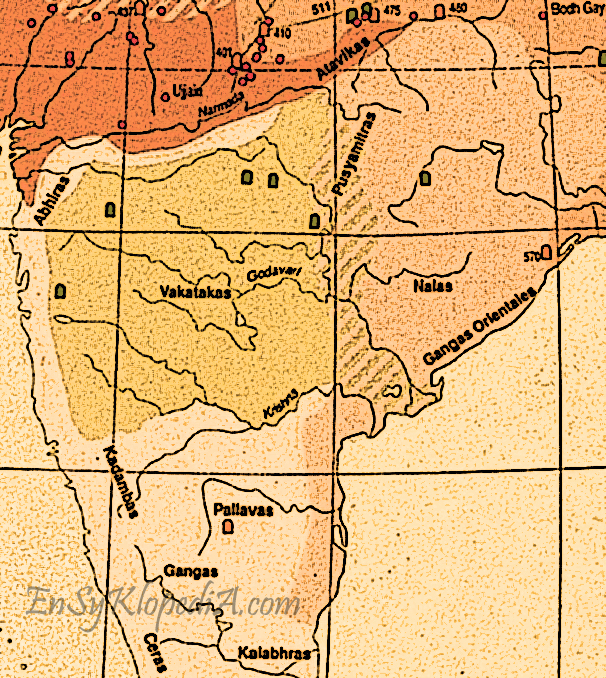
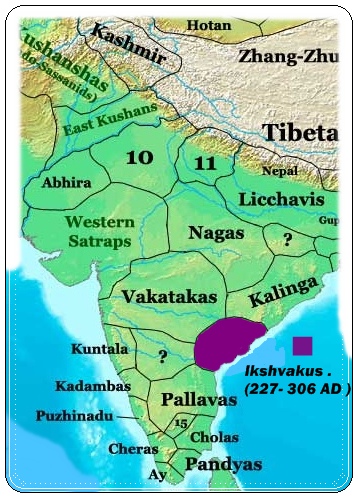
Vakataka-Kingdom-Map-Around-400-CE

Dictionary of 10,000 Indian Kings – Part 14

Compiled by london swaminathan

Post No: 1628: Dated 6 February 2015

160 Kings in Rig Veda published here on 23rd November 2014.

First part of the article –146 kings beginning with letter ‘A’.

Second part– 65 Pandya Kings of Madurai+ Puranic Kings

Third part — 122 kings beginning with letter ‘B’

Fourth Part- 43 Kings of Vijayanagara Empire + 34 Kings under letter C.

Fifth Part – 106 Kashmiri Hindu Kings

Sixth Part – 30 Satavahana  Kings  + 136 Kings underletter D.

Seventh Part –  35 Tamil Pandya Kings of Sangam Age.

Eighth Part – List of Chera (Kerala) 22 kings of Sangam Age+ Kings listed under E (3),G(37) & H(28)=68kings

Ninth Part- 39 Choza Kings of Tamil Nadu

Tenth Part- 104 kings from Cambodia, Champa, Sri Vjaya Kingdom of Indonesia and Pallava

11th part:Under ‘I’  13 kings+ Under ‘J’ 40 kings+ Under ‘K” 147 kings are listed.

12th Part:– 113 kings of various Indonesian kingdoms are listed.

13th Part let us look at the list of those kings listed

UNDER ‘L’ 14 + UNDER ‘M’ 72 + PANDYA II LIST 36=122 KINGS

14TH PART:Dynasties of Vishnukundina (10), Vakataka (16),Salankayana (4),Andra Ikshvaku (4) and Names under “N”(60)=94 kings

So far 1649 Kings were listed.

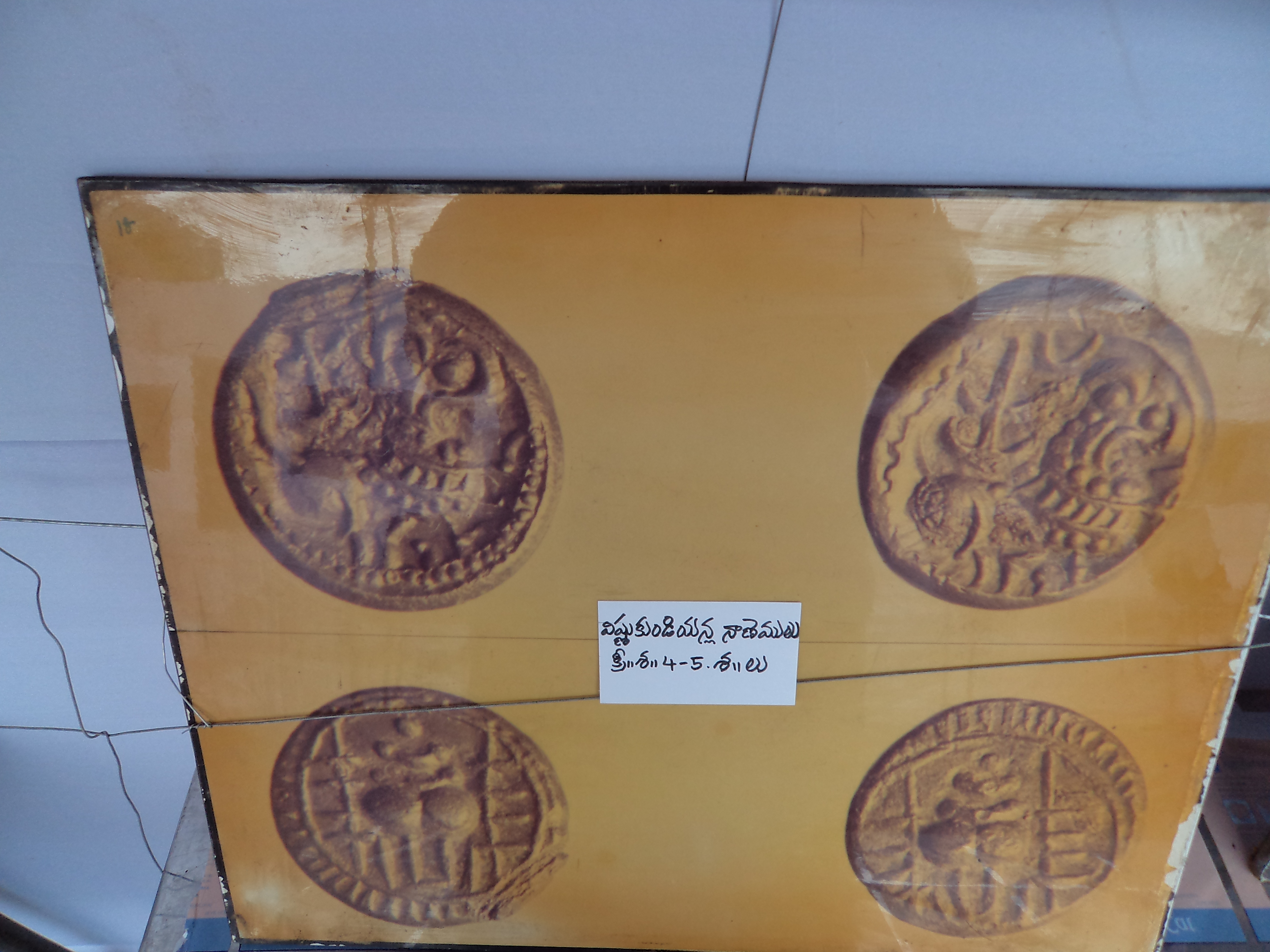
Coins, (Vishnu_Kundina_time)

Coins from Vishnukundina period.

Vishnukundina Dynasty of Andhra Pradesh

INDRA VARMA- 4TH CENTURY CE

MADHAVA VARMA- 4TH CENTURY

GOVINDA VARMA- 4TH CENTURY

MADHAVA VARMA II -5TH CENTURY

VIKRAMENDRA VARMA – 508 CE

INDRA BHATTARAKA VARMA – 528 CE

VIKRAMENDRA VARMA – II 555 CE

GOVINDA VARMA II –  573 – 621CE

MADHAVA VARMA IV-

MANCHANA BHATTARAKA – RULE ENDED IN 624

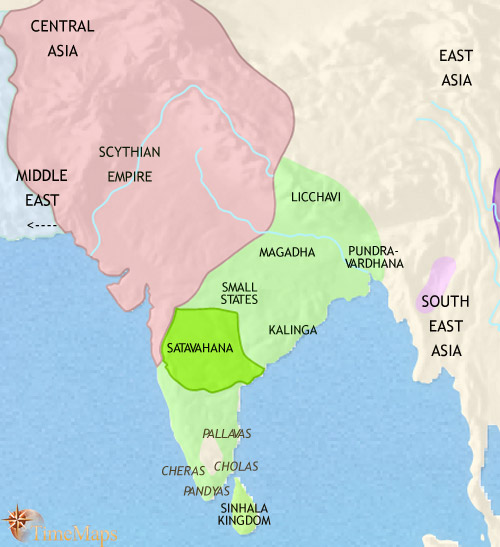
newsouthasia_ad1

VAKATAKA DYNASTY (DECCAN REGION)

VINDHYASAKTI – 250-270 CE

PRAVARASENA – 270-330

NANDHIVARDHANA BRANCH

RUDRASENA -330 -355

PRITHIVISENA -355

RUDRASENA-II  380

DIVAKARASENA -385

PRABHAVATIGUPTA (REGENT) -385

DAMODARASENA/ PRAVARASENA II – 400

NARENDRASENA-440

PRITHIVISENA II – 460-480 CE

VATSAGULMA BRANCH

SARVASENA -330

VINDHYASENA/ VIDHYASAKTI II- 355

PRAVARASENA- II 400

UNKNOWN KING -415

DEVASENA- 450-

HARISENA -475-500 CE

SALANKAYANA DYNASTY (BRAHMIN RULERS) OF TELENGANA/ANDHRA

HASTI VARMA – 300 CE

NADI VARMA

VIJAYADEVA VARMA

VIJAYANANDI VARMA – 440 CE

 Ikshwakus Kingdom

IKSHVAKU DYNASTY OF ANDHRA (GUNTUR AREA)

VASHISTIPUTRA SANTAMULA – SECOND CENTURY CE

VIRAPURUSHADATTA

EHLUVALA SANTAMULA II

RUDRAPURUSHADATTA– SECOND CENTURY CE

“N”

KINGS UNDER LETTER “N” FROM  R.MORTON SMITHA BOOK – DATES AND DYNASTIES IN EARLIEST INDIA:

N1)NABHAGA MANAVA -1470 BCE

N2)NABHAGA’S SON

N3)NABHANEDISHTA MANAVA

N4)NABHAS AIKSVAKAVA -1350 BCE

N5)NAGADARASAKA MAHANADIN 446 BCE

NAGANIKA, WIFE OF SIMUKA

N6)NAGARJUNA OF MADHYAMIKAS 150 CE

N7)NAGNASIT OF GANDHRA -1110

N8)NAGNASITI SATYA-

N9)NAHUSA AYAVA – 1820 BCE

N10)NAKULA PANDAVA-975 BCE

N11)NALA NAISADA- 1370

N12)NALA CANDANOKO DUNDUBHI-1090

N13)NALAYANA, FATHER IN LAW OF MUDGALA-1250

N14)NANDA OF MADIRA

N15)NANDA MAHAPADMA-431

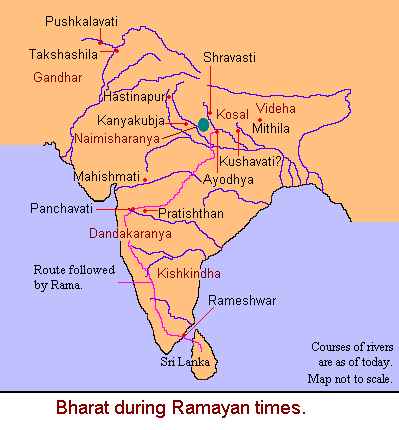
ramayan

N16)NANDANA VAIDARBHA DEVANA- 970 BCE

N17)NADENDU CANDRAMASA

N18)NADHIVARDHANA- VAIDEHA -1460

N19)NADHIVARDHANA MAGADHA-467

N20)NADHIVARDHANA PRADYOTA- 385

N21)NADHIVARDHANA MAHAVIRA JINA -520 BCE

N22)NARA SAKA- 1400

N23)NARA BHARADVAJA BHARATA- 1200 BCE

N24)NARA BHANGAKARA -1101

N25)NARADA WITH PARVATA -1150

N26)NARAYNA OF MAGADHA-51

N27)NAREYA OF BHANGAKARA -1080

N28)NARISYANTA MANAVA-1470

NARMADA, WIFE OF PURUKUTSA/TRSADASYU-1470 BCE

N29)NASAMAUJAS YADAVA -1050 BCE

N30)NAVA AUSINARA ANAVA -1340

N31)NAVAKA

N32)NAVARATHA VAIDARBHA-1090

N33)NAYA VAISVAMITRA -1270

N34)NEMIKRSNA OF ARISTAKARNA

N35)NIDAGHA SATRUJIT-1075

N36)NIDATA DAIVASENI YADAVA -1100

N37)NIDHRUVA KASYAPA -1200 BCE

N38)NIGHNA NABHAGI- 1250 BCE

N39)NIGHNA YADAVA-1140 BCE

N40)NIKUMBHA AIKSVAKAVA-1580 BCE

N41)NILA YADADAVA -164

N42)NILA PANCALA -1330 BCE

NILINI, MOTHER OF NILA- 1350

N43)NIMI SAPYA AIKSVAKAVA-154

N44)NIMI VAIDHRBHA -1270

N45)NIMI -1180 BCEE

N46)NIPA -1240

N47)NIPA CARUDESNA-

N48)NIRAMITRA OF MAGADHA- 910

N49)NIRAMITRA VATSA- 400

N50)NIRAMITRA NAKULI PANDAVA – 950BCE

N51)NIRVRTI  VAIDARBHA- 1210

N52)NIRVRTI OF MAGADHA- 728

N53)NISADHA ATITHEYA- 1400 BCE

N54)NISATHA OF RAMA-1075

N55)NRCAKSAS VATSA 810 BCE

N56)NRCAKSAS VATSA II 705 BCE

N57)NRGA AUSINARA ANAVA 1340

N58)NRPANJAYA DVIMIDHA -970 BCE

N59)NRPANJAYA VATSA -600 BCE

N60)NYAGRODHA AUGRASAINYA 980 BCE

To be continued………………………….

Swami_48@yahoo.com

சிங்கள மொழி அதிசயங்கள்!

sri lanka

ஆய்வுக் கட்டுரையாளர் : லண்டன் சுவாமிநாதன்

ஆய்வுக் கட்டுரை எண்: 1627; தேதி: 6 பிப்ரவரி 2015

இலங்கையில் பேசப்படும் சிங்கள மொழி பல புதிர்களின் உறைவிடமாக விளங்குகிறது. இந்தப் புதிர்களுக்கு மொழி ஆராய்ச்சியாளர்களுக்கு இதுவரை சரியான விடைகள் கிடைக்கவில்லை. “ரிக் வேதம்- ஒரு வரலாற்று ஆய்வு” — என்ற (The Rig Veda – A Historical by Shrikant Talageri) புத்தகத்தில் ஸ்ரீகாந்த் தலகரி என்பவர் இதை எடுத்துக்காட்டி சம்ஸ்கிருத மொழி இந்தியாவில் தோன்றி வெளி நாடுகளுக்குப் பயணம் செய்தது; அவர்கள் இந்தியாவுக்கு வெளியில் இருந்து இம்மொழியை இறக்குமதி செய்யவில்லை என்று வலியுறுத்துகிறார்.

இந்திய-ஆர்ய (Indo-Aryan) மொழிகள் என்னும் பிரிவின் கீழ் சிங்கள மொழி வைக்கப்பட்டபோதிலும் பல பொருந்தாத விஷயங்களும் இம் மொழியில் இருப்பதை வில்லியம் கெய்கர்(Wilhelm Geiger 1856-1943) முதலிய ஆராய்ச்சியாளர்கள் கண்டறிந்தனர். வில்லியம் கெய்கர் சொன்னதாவது: நெடில் வர வேண்டிய இடத்தில் குறிலும் , குறில் வர வேண்டிய இடத்தில் நெடில் எழுத்துக்களும் வந்து புதிர் போடுகின்றன. மற்ற இந்திய ஆரிய மொழிகளைப் போலல்லாது வேற்றுமை உருபுகள் இருக்கின்றன. சிங்கள மொழி இலக்கணப் புதிர்களை என்னால் விடுவிக்க இயலவில்லை என்பதை நான் ஒப்புக் கொள்கிறேன்.”

king batiya abhya 19 bce

King Batiya Abhaya inscription (19 BCE)

பெல்லா, ககுலா, களுவா, ஒளுவா

சிங்கள மொழியில் உடல் உறுப்புகளைக் குறிக்கும் சொற்கள் எந்த மொழியில் இருந்து வந்தவை என்றே தெரியவில்லை. தமிழ், சம்ஸ்கிருதம், வெட்டா ஆகிய மொழிகளில் வந்த சொற்களே சிங்கள மொழியில் இருக்க வேண்டும். ஆனால் தலை, கழுத்து, கால், தொடை என்னும் சொற்களைக் குறிக்கும்  ஒளுவா, பெல்லா, ககுலா, களுவா, என்ற சொற்கள் எங்கிருந்து வந்தன என்பது புரியவில்லை.

மேலும் மஹாவம்ச நூலின் மூலம் சிங்கள மக்களின் முதல் மன்னன் விஜயன் என்றும் , இந்தியாவின் கலிங்க-வங்க தேசப் பகுதியில் இருந்து வந்து பாண்டிய மன்னனின் மகளையும், ஒரு யக்ஷர் குலப் பெண்ணையும் மணந்து கொண்டான் அவன் என்றும் அறிகிறோம். ஆனால் தற்போதைய ஆராய்ச்சிகள் சிங்கள மக்களின் மூதாதையர்கள் இந்தியாவின் சிந்து சமவெளிப் பகுதில் இருந்து வந்தவர்கள் என்று காட்டுகின்றன. இந்தியாவின் வட மேற்கு மூலையான ஆப்கனிஸ்தான், பாகிஸ்தான் ஆகிய பிரதேசத்தில் இருந்து வந்தவர்கள் என்று தெரிகிறது. இவர்கள் குடியேறிய காலத்தில் அப்பகுதிகள் அகண்ட பாரதத்தின் ஒரு பகுதியாகும்.

6-Sinhala-ConsonantsS

எம்.டபிள்யூ. எஸ். டி சில்வா என்பவர் சிங்கள மொழி பற்றி எழுதிய கட்டுரையில், மற்ற மொழிகளில் இல்லாத சிறப்பு அமசங்கள் இதில் இருப்பதானது மிகவும் உற்சாகமாக ஆய்வு நடத்த உந்துகிறது. தற்போதைய மொழிக் கொள்கைகள் சரியா, இல்லையா என்ற சவாலையும் இது வீசுகிறது. நாம் அறிந்த வரை தற்கால இந்திய-ஆரிய மொழிக் குடும்பத்தில் இதற்கு ஒரு இடம் ஒதுக்குவது கடினமாகவே உள்ளது – என்று எழுதியுள்ளார்.

சிங்கள மூதாதையர்கள், வட மேற்கு இந்தியாவில் இருந்து குஜராத்தில் உள்ள லாட தேசத்தில் வந்து தங்கி,  பின்னர் இலங்கையில் குடியேறினர் என்றும் டி சில்வா கூறுகிறார். கெய்கர், பரனவிதான போன்ற அறிஞர்களும் இது பற்றி ஆராய்ந்து எழுதியுள்ளனர்.

தண்ணீர், தண்ணீர்

தண்ணீர் என்ற பொருள்படும் வடுரா என்ற சிங்களச் சொல் ஜெர்மானிய மொழிக் குடும்பத்தில் உள்ள “வாட்டர்” என்ற சொல்லுக்கு இணையானது பற்றியும் சர்ச்சை நீடிக்கிறது. ஹிட்டைட் மொழியிலும் ‘வதர்’ உள்ளது. ஆனால் இந்தோ ஆரிய மொழிக் குடும்ப விதிகளின்படி இப்படி வர முடியாது என்றும் ஏற்கனவே விக்ரமசிங்க என்ற அறிஞர் கூறியது போல் ‘வரதுக’ என்னும் சம்ஸ்கிருத மூலத்தில் இருந்து இச் சொல் வருவது சாத்தியமல்ல என்றும் கெய்கர் கூறுகிறார். ஆனால் பி.குணசேகர கூறியது போல விஸ்தார (பரவுதல்) என்ற சம்ஸ்கிருத சொல்லுக்குத் தொடர்புடையது இது என்பதை ஒப்புக் கொள்கிறார்.

தலகாரி இது பற்றிக் கூறுவதாவது: இந்திய- ஆரிய மொழிக் குடும்பத்தில் சேராத , இப்பொழுது வழக்கொழிந்த ஒரு இந்திய-ஐரோப்பிய (Indo – European) மொழிக் குடும்பத்தைச் சேர்ந்தது இது என்று ஏன் அவர்களுக்குத் (மேற்படி ஆராய்ச்சியாளர்களுக்கு) தோன்றவில்லை. மேலும் இந்திய மொழிகள் இந்த பூமியில் இருந்து வெளியே சென்று பரவின என்பதே உண்மை. வெளியில் இருந்து இந்திய மொழி பேசுவோர் பாரதத்தில் குடியேறவில்லை என்பதையும் இது காட்டுகிறது. (இதற்கு முந்தைய ‘பாரா’க்களில் பங்கானி என்னும் வேறு ஒரு மொழி பற்றி ஆராய்ந்ததன் அடிப்படையில் அவர் இந்த முடிவை வெளியிட்டார்)

pgss_sinhala_image1

என் கருத்து: 200 ஆண்டுகளுக்கு முன் வெளிநாட்டு “அறிஞர்கள்” எழுதிய இந்திய வரலாறு, இந்தோ ஆரிய மொழிக்கொள்கைகள் அனைத்தும் தவறானவை. திராவிடர்கள் வெளியிலிருந்து வந்தவர்கள் என்று கால்டுவெல் போன்றோர் நம்பியதன் அடிப்படையிலும், ஆரியர்கள் வெளியிலிருந்து வந்தவர்கள் என்று மாக்ஸ்முல்லர் போன்றோர் நம்பியதன் அடிப்படையிலும் எழுந்த தவறான கொள்கைகள் இவை. இதை மாற்றி எழுதும் இன்றியமையாத கடமை நமக்கு உள்ளது.

வாழ்க சம்ஸ்கிருதம்! வளர்க தமிழ்!!

Contact swami_48@ yahoo.com

தமிழ் திரைப்படங்களில் ராமர்! -1

rama_sita_lakshman_and_hanuman

Research article written by S Nagarajan

Research Article No. 1626: dated 6th February 2015


by ச.நாகராஜன்

பாரதத்தின் தேசீய வீரனாகவும் தெய்வமாகவும் திகழ்பவர் ஸ்ரீ ராமர்.

தமிழ் திரைப்படங்கள் பாரதப் பாரம்பரியத்தோடு ஒன்றிய ஒன்று என்பதைச் சுட்டிக் காட்டும் வகையில் தமிழ் திரையுலகில் ராமர் சித்தரிக்கப்பட்டிருப்பதை ஏராளமான படங்களும் பாடல்களும் சுட்டிக் காட்டுகின்றன.

வால்மீகி முனிவர் ராமரின் சரித்திரத்தை 24000 ஸ்லோகங்களில் விவரித்து ராமாயணமாகப் படைத்தார். அதை பாரதம் தேசீய நூலாக ஏற்றுக் கொண்டுள்ளது. ராமரின் வரலாறை அன்றாடம் கேட்பதே ஒரு பாக்கியம் என்பது தான் ஒரு சாதாரண இந்தியனின் மனோபாவமாக இருந்து வருகிறது.

‘ஏகைகம் அக்‌ஷரம் ப்ரோக்தம் மஹா பாதக நாசனம்’ – அதில் ஒரு எழுத்தைச் சொன்னாலும் கூட அது மஹா பாதகத்தையும் போக்கி விடும் என்பதே வால்மீகி முநிவரின் வாக்கு. அதுவே நம் அனைவரது நம்பிக்கையும் கூட.

ஒரு ஸ்லோகம் என்பது நான்கு பாதங்களைக் கொண்டிருக்கும். இப்படி அமைக்கப்பட்டுள்ள 24000 ஸ்லோகங்களில் ஒரு  பாதத்தையும் கூட மாற்ற முடியாது, இடைச் செருகல் செய்ய முடியாது என்பதை அதில் ஊறி அனுபவித்த மஹாகவி கம்பன் கூறுகிறான் இப்படி:


sita rama

“வாங்க அரும் பாதம் நான்கும் வகுத்த வான்மீகி என்பான்

தீங்கவி செவிகள் ஆரத் தேவரும் பருகச் செய்தான்       ஆங்கவன் புகழ்ந்த நாட்டை அன்பெனும் நறவம் மாந்தி மூங்கையான் பேசலுற்றான் என்ன யான் மொழியலுற்றேன்”

மாற்ற முடியாதபடி சொற்கள் உள்ள வால்மீகியின் பாதங்கள் அமைந்த ராமாயணத்தை அவன் இனிய கவிதைகளால் தேவரும் பருகும்படி செய்தான். அப்படிப்பட்ட மஹாமுனி புகழ்ந்த கோசல நாட்டை அன்பெனும் கள்ளைக் குடித்து விட்டு ஊமை உளறுவது போல மொழிய ஆரம்பித்து விட்டேன் என்பது இதன் திரண்ட பொருள்.

எப்படிப்பட்ட உலகின் தலையாய மஹாகவி கம்பன்! அவனது அவையடக்கச் செய்யுள் இது! அவனே வியக்கும் அரும் கவி வால்மீகி.

பாரத மக்கள் அனைவருடைய லட்சிய புருஷராக ஒருவரை வால்மீகி மையப்படுத்திக் காட்டுவது சாதாரண விஷயமல்ல. அந்த ராம சரித்திரம் இன்று வரை மங்காமல் நாளுக்கு நாள் மெருகேறிப் புகழோங்கி வழங்கப்பட்டு வருகிறது.

அதைத் தமிழ் திரையுலகம் தமிழ் மக்களின் மேன்மைக்காகவும் ரசிப்பிற்காகவும் அவ்வப்பொழுது பயன்படுத்திக் கொண்டே வந்திருக்கிறது.

சில எடுத்துக்காட்டுகளைக் காண்போம்.

1968ஆம் ஆண்டு மலர்ந்த படம் லக்ஷ்மி கல்யாணம். ஏ.எல்.சீனிவாசன் தயாரிப்பில் உருவான இந்தப் படத்தில் நட்சத்திரப் பட்டாளமே பங்கு பெற்றது. சிவாஜி கணேசன். எஸ்.வி.ரெங்காராவ், பாலாஜி, சோ, சௌகார் ஜானகி, வெண்ணிற ஆடை நிர்மலா என ஏராளமான நட்சத்திரங்கள். எம்.எஸ். விசுவநாதன் இசை அமைத்த இந்தப் படத்தில் பெண் பார்க்கும் படலம் ஒன்றில் அழகிய வீணையை மீட்டி வெண்ணிற ஆடை நிர்மலா பாட அதை பெண் பார்க்க வந்த பாலாஜி மெய்மறந்து கேட்க அருகில் சிவாஜி கணேசன்,வி.எஸ்.ராகவன். வி.கே.ராமசாமி, பழம் பெரும் காமடி  நடிகர் கருணாநிதி, சோ  உள்ளிட்ட அனைவரும் ரசிக்க பாடல் மலர்கிறது.

பாடலை எழுதியவர் ராம பக்தியில் தோய்ந்த ஒருவர் – கண்ணதாசன். பாடலின் கடைசி வரிகளில் லட்சோப லட்சம் மக்கள் கொண்டுள்ள நம்பிக்கையை வைத்தார். முதல் வரிகளிலோ அற்புத பட்டியல் ஒன்றை சித்தரித்து விட்டார். பாடல் இதோ:

rama-lakshmana-sita-and-hanuman-HF35_l

ராமன் எத்தனை ராமனடி
ராமன் எத்தனை ராமனடிஅவன்
நல்லவர் வணங்கும் தேவனடிதேவன்
(ராமன் எத்தனை ராமனடி)

கல்யாண கோலம் கொண்டகல்யாணராமன்
காதலிக்கு தெய்வம் அந்தசீதாராமன்
அரசாள வந்த மன்னன்ராஜாராமன்
அலங்கார ரூபம் அந்தசுந்தரராமன்
(ராமன் எத்தனை ராமனடி)

தாயே என் தெய்வம் என்றகோசலராமன்
தந்தை மீது பாசம் கொண்டதசரதராமன்
வீரம் என்னும் வில்லை ஏந்தும்கோதண்டராமன்
வெற்றி என்று போர் முடிக்கும்ஸ்ரீஜெயராமன்
(ராமன் எத்தனை ராமனடி)


வம்சத்திற்கொருவன்ரகுராமன்
மதங்களை இணைப்பவன்சிவராமன்
மூர்த்திக்கு ஒருவன்ஸ்ரீராமன்
முடிவில்லாதவன்அனந்தராமன்

ராமஜெயம் ஸ்ரீராமஜெயம்
நம்பிய பேருக்கு ஏது பயம்
ராமஜெயம் ஸ்ரீராமஜெயம்
ராமனின் கைகளில் நான் அபயம்!!!

 
அற்புதமான இந்தப் பாடலின் ஏற்றத்தைச் சொல்லிக் கொண்டே போகலாம். கல்யாணராமன், சீதாராமன், ராஜாராமன்,  சுந்தரராமன்,  கோசலராமன்,தசரதராமன்,கோதண்டராமன்,


ramasita

ஸ்ரீஜெயராமன்,ரகுராமன்,சிவராமன் என்று அடுக்கிக் கொண்டே போன கவிஞர் எண்ணிக்கையற்ற தன்மையை நினைத்து அனந்தராமன் என ராமன் அனந்தம் என்று முத்தாய்ப்பாகக் கூறுவது நூல்களின் முடிந்த முடிபல்லவா!  ராமஜெயத்தை நம்பியோர்க்கு ஏது பயம் என்றும் கூறி அனைவரும் அவரது அபய்மாக இருக்க வேண்டியதன் அவசியத்தையும் வலியுறுத்துகிறார் கவிஞர். பி.சுசீலா தனக்கே உரித்த மென்மைக் குரலில் உருகிப் பாடும் இந்தப் பாட்டில் 18 முறை ராமர் வருகிறார்!

ஏராளமானோர் பங்கு பெறும் இந்தக் காட்சியில் பெண்பார்க்கும் படலத்திற்கு ஒரு புதிய அர்த்தத்தை சிருஷ்டித்து விட்டனர் கலைக் குடும்பத்தினர்.

இப்படிப்பட்ட ராமர் பாடல்களைப் பாடுவது நமது வாழ்க்கை முறை என்பதைப் படம் சித்தரிக்கிறது!

இந்த ராமனை மனதில் ஏற்றிக் கொண்டு தமிழ் திரைப்படங்களில் ராமரைத் தேடி யாத்திரயைத் தொடங்குவோம்.


            -தொடரும்


swami_48@yahoo.com

Jesus Mystery! Did he learn in Hindu Gurukula?

Jesus-Christ-and-Krishna1

Christ and Krishna

Research paper written by London swaminathan

Research article Number 1625; Date 5h February 2015

The greatness of Hinduism is that they believe that messengers of God can appear in any part of the world. Another great thing about Hinduism is that they don’t call anyone Kafir or pagan, but all are called Divine Children (Amrutasya Putraha or Divyatma Swarupalala).  The third great thing about Hinduism is that whatever said in other religions are already found in the vast ocean like Hindu scriptures. Nothing in the world came to them as a surprise or a new thing! So they din’t clash with any one or covert any one.

Bible is silent about the teenage years of Jesus Christ. The New Testament says Jesus went at the age of 12 and came back at the age of 30. Scholars from various fields have discussed this topic for nearly 200 years and have come out with various theories. Teenage years are very important in any human being’s life. Since youths have tremendous energy and turbulent mind, they will go astray very easily if their energy is not properly channelized.

buddha and chirst

Krishna, Christ and the Buddha

Ancient India had a beautiful system to tackle this problem. Children at the age of seven were sent to Teachers (Guru) houses and asked to serve them. While serving at the teachers’ houses they were taught the lessons. When they have mastered the subject by the age of twenty or so they were sent home. Immediately they were married and so there was less opportunities for following bad things. Moreover the military style discipline imparted at Guru’s place made them to fall in a groove. Habits die hard. They followed the good habits they learnt at Guru’s Ashram or Gurukula. Sanskrit scriptures say that certain teachers had hundreds of students and so they were called Kulapatis.

Jesus Christ was a born Yogi and Jnani

Jesus’ life and his teachings point out that he had education at a Hindu Gurukula in the Himalayas. Even before Jesus was born, India had big universities with thousands of students in Takshasheela (Taxila), Nalanda and Kancheepuram. So it was not impossible.

Why should Jesus come to India to learn such things?

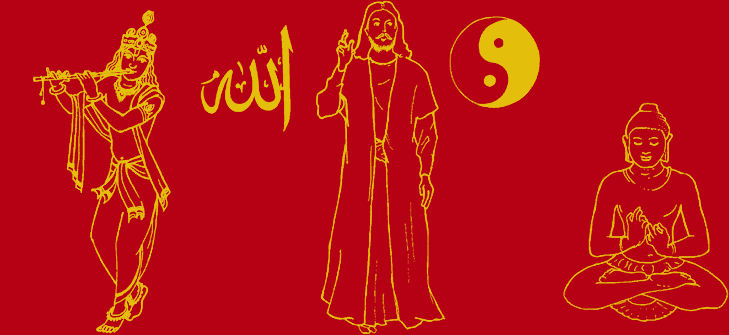
Jesus was born in a Jewish sect known as Essenes. Roman writer Pliny the Elder ( 70 CE) gave the details of Essenes’ life. They were ascetics, they took bath every day (like Hindus), they believed in mysticism and they did not marry (Brahmacharys). Readers can find more about Essenes in encyclopaedias. They were like Hindu Yogis. The word Essenes came from Sanskrit word Isa (God). In short they were god men. In India every town has a great soul who we respect as god men.

Though many people have put forward various points to justify that Jesus visited India in his teenage years, they have not given many of the following things:
 

christ and krishna

Adwaita in the Bible: Jesus’ probably learnt Adwaita-Non Dualism from Hindu saints in the Himalayas. Swami Vivekananda spoke about three stages in the preaching of the Christ. When he went to the masses, who could not conceive anything other than a personal God, he said, Pray to your Father in Heaven and he acted like a Messenger of God. To others who could grasp a higher idea, he said, I am the vine, ye are the branches, but to his disciples, to whom he revealed himself fully, he proclaimed the highest truth, I and my father are one. This is what considered as Maha Vakyas in our Upanishads : Aham Brahmasi, Tat twam asi etc.(I am God, You are That).

When he said,’ The Kingdom of Heaven is within you’ and ‘Blessed are the pure in heart for they shall see God’, Jesus meant only the non-dualist principle, which was made popular by the greatest philosopher Adi Sankara.

Jesus Christ= Thera Buddha

Swami Vivekananda also narrated a strange dream about Jesus Christ to his disciples. Read it in his own words:

“I had a curious dream on my return voyage to England. While our ship was passing through the Mediterranean sea, in my sleep, an old and venerable looking person, Rishi-like in appearance, stood before me and said: I am one of the ancient order of Theraputtas which had its origin in the teaching of the Indian Rishis.
 The truths and ideals preached by us have been given out by Christians as taught by Jesus: but for the matter of that there was no such personality by the name of Jesus ever born. Various evidences testifying to this fact will be brought to light by excavating here. By excavating which place can those proofs and relics you speak of be found? I asked. The hoary-headed one pointing to a locality of Turkey, said, see here.
 Immediately after, I woke up, and at once rushed to the upper deck and asked the captain, ‘what neighbourhood is the ship in just now?’. ’Look yonder’, the captain replied, ’there is Turkey and the island of Crete’.”
jesus bhaktas namskar and namste

Hindu Style: Bhaktas prostrate: Namaskar and Namaste (See at the bottom right)

Bhagavad Gita & The Bible: There are many resemblances between the Gita and the New Testament. As an instance of a resemblance between the two scriptures a quotation or two may be given. Krishna says (9-27) ‘whatever thou do; whatever thou eat; whatever thou sacrifice; whatever thou give away; whatever mortification you may perform; do all as if to me.’ With this compare (I.Cor.x.31)’whether therefore ye eat or drink, Whatever ye do, do all to the glory of God.’ Krishna says again ‘Be not sorrowful; from all thy sins I will deliver thee’. While in Mathew ix.2. We read, Be of good cheer; thy sins be forgiven thee.’

Let me add just one further quotation, in which the resemblance is striking: In describing Heaven Krishna says of it that it is a place ‘in which neither sun nor moon need shine, for all the lustre it possess is mine.’

The Heaven described in Revelation xxi.23 is a city which had no need of the sun, neither of the moon to shine in it, for the glory of god did lighten it.’ Quoting all these in his book Indian Philosophy, the learned author J.F.Kennedy says that the writers of the New Testament borrowed all these from Bhagavad Gita.

King Herod= King Kamsa

Mr.J.F.Kennedy adds one more analogy in the above said book that Kamsa who killed all the children is Indian Herod.( Herod was a Roman king who ordered the slaughter of all the children to make sure that Jesus’ is dead.)


Catholic Church and the Buddhist Monastery: All the customs, from the uniform to the convent is copied from the Buddhists who were sent to the West from the days of Asoka. This was noticed and reported by a lot of Western scholars.

‘The Original Jesus’ written by E R Gruber and G Kersten gives hundreds of examples with proof. Asoka sent preachers to different countries and Jesus also arranged for his disciples travel even before his death. The convent, the system of preachers, the uniform for the priests- all copied from the Buddhists and the Buddhists adopted all these from the Hindus. To give one example, Hindu saints wore saffron cloth and the Buddhists wore yellow cloth. Hindu saints went to different parts of the world including South East Asia where there are many statues of Agastya even today.
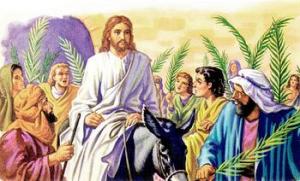
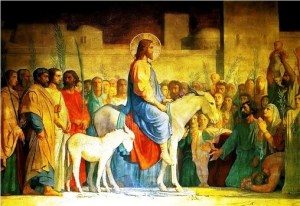
most of the pictures Yogic white

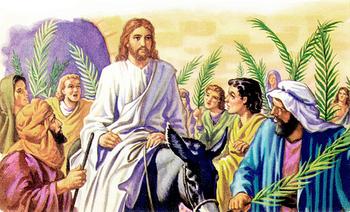
Old Jesus pictures are in Hindu Yogi’s white dress!

Jesus and Fish Symbol

Scholars struggled very hard to justify why Jesus was identified with Fish symbol. At last they found out a circuitous route to explain it. They took him all the way to Greece and named him fish in Greek language! No one can see any logic in this strange link! In Greek “Ichtys” means fish and it was the acronym for” Iseous Christos Theou Hyos Soter” (Jesus Christ, Son of God, Saviour). This is a scholarly invention or concoction. It is like giving the meaning for the word ‘WIFE’ as “Worries Invited Fore Ever”! A senseless joke. The fact of the matter is that in the Bhagavad Gita, Hindus’ holy book, Lord Krishna says, “Jasaanaam makaras ca asmi”. The meaning is “Of the fishes I am Makara”. Makara is translated as shark or alligator or even big fish. Here the Sanskrit word for fish is Jasa. In course of time this sound was used for Isa (God), Yasa/s(fame) and names such as Jason etc.

In short, the Sanskrit word for fish and the name of Jesus sounded similar. But scholars struggled very hard to give umpteen interpretations for Jesus’ link with fish.

Vidura Niti= Jesus Niti

Like Sermon on the Mount and the Buddhist Dhammapada, the Hindu scriptures also teach men to return good for evil. This is what said to have uttered by Vidura, the wise man of Mahabharata in the Vidura Neethi.

Thiruvalluvar, the great Tamil saint in his Thirukkural says:

When a man has experienced pain caused by harm done to him, how can he cause pain to others? (Couplet 318)

‘The best way to punish those who harm you is to make them feel ashamed by doing them well and thinking no more of it’ (couplet 314).

Na tath parasya sandhadyath pratikuulam yadatmana: 7-17
“Do not do unto others as you wish others not to do unto you – Vidura Niti

padapuja

Padapuja : Hindu style! Washing the feet!

Mahabharata Santiparva 167-9 also repeats the same message in a positive way:

Tasmaad dharma praaadheenena bhavitavyam yataatmanaa
Tathaa cha sarvabhuutesu vartitavyam yathaatmani

Hence, by self control and by making right conduct (dharma) your main focus, treat others as you treat yourself.

Jesus Christ also said the same in the Bible,

Therefore all things whatsoever ye would that men should do unto you, do ye even so unto them (Matt.7,12)

Blind Leading the Blind: Many of the parables told by Jesus are similar to the parables in the Upanishads. Even the Upanishad and Vedic phrases such as Honey and Milk, Blind leading the Blind are found in Jesus teachings (Mathew 15:13-14, Luke 6:39-40)

Namaste by Jesus Devotees

Several of Catholic Christian customs such as Baptism, Using Bells, Incense, early paintings  showing Namaste (Joining both hands to show respect), Jesus in simple dress like Hindu yogis, Idol worship in the form of Virgin Mary, Cross  etc. show the influence of Hinduism and Buddhism.

When the people noticed that he was teaching at the age of 30, they were wondering, “is not this the carpenter’s son?” (see Mathew). The word used in Greek bible is Tekton (Sanskrit word Taksha, Tamil Thachan). There are hundreds of Sanskrit words in the Bible. Please see my early articles: Sanskrit in the Bible part 1 and Part 2

Oral Tradition in Kashmir


The oral tradition in Kashmir says that the Biblical king Solomon visited Kashmir. Jesus Christ was said to have spent his last days in Kashmir after resurrection The present Bible was redacted in 3rd century AD in Constantinople and lot of different versions were burnt at that time. Like Hindu Puranas they had various versions of the Bible. To avoid confusion they were burnt by the king Constantine. There is a bible called Sinai Bible in the British Library in London which differs widely from the modern Bible. There are 14,800 differences according to the author of “The Bible Fraud”, Tony Bushby.

There is a grave in Kashmir, which is considered Jesus’ grave. The epitaph on the grave says, “The messenger of peace rests here”. Several scholars have pointed out the similarity between the parables of the Upanishads and Christ.

jesus blessing, Hindu gesture

Hindu blessing : jesus does it with right hand like Hindu Yogis!

Forty Day (Mandalam) Fast: Jesus fasted for 40 days in the desert at the beginning of his ministry.

Even today 40 day fasting period leading up to Easter was followed by orthodox Christians. This 40 day period is called a Mandalam in Hindu scriptures. Even today millions of Hindus visiting Sabarimalai in Kerala and Murugan temples in Tamilnadu (Skantha Shasti) follow this custom.

Washing the feet: When Dharma alias Yudhistra performed the Rajasuya Yagna he allocated the tasks to different people. Krishna chose the work of washing the feet of the worthy Brahmins. One but cannot recall to mind an identical incident in the Life of Jesus, who when he ate the Passover meal with his 12 disciples went round washing their feet. This custom of washing the feet existed in Ancient India even today when great men like Sankaracharyas visit any one, it is done.


Unlucky No.13: The Christians think that number 13 unlucky. This is because that Judas, who betrayed Jesus was the thirteenth person at the Last Supper. But this belief about No13 has a different origin. The ‘Brahmanas’, the books that came immediately after Vedic Samahitas, call No13 a dirty number because the thirteenth month is called a dirty (mala) month. When the Vedic society used a lunar calendar unlike our modern solar calendar there was always a few days left as balance at the end of each year. When it accumulated in to a full month they treated as something dirty and avoided all good activities during that period. Amazing coincidence is that the South American Mayan civilization had also the same belief.

Christ-Yogic aura, buddha

Jesus has aura around his head like Hindu Yogis and Buddha!

Krishna Miracles: There are very many similarities between the miracles done by Jesus Christ, Krishna and Moses. The river Jamuna separated to give way to Krishna and Red Sea separated to give way to Moses and his followers. Jesus fed 5000 people with bread from the basket which contained only a few breads. In the same way Draupati fed a lot of people with Akshayapathram by the grace of Lord Krishna.

(Many of the above things are already reported in my posts at various articles. Now I have put them together:swami)
Contact swami_48@yahoo.com

(Pictures are used from various sites;thanks)