சென்னையைச் சுற்றி அபூர்வ நவக்கிரக தலங்கள்

SSL27632

எழுதியவர் –சந்தானம் சீனிவாசன்

புகைப் படங்கள் ச.சீனிவாசன்

கட்டுரை எண்: 1693 தேதி 5 மார்ச் 2015

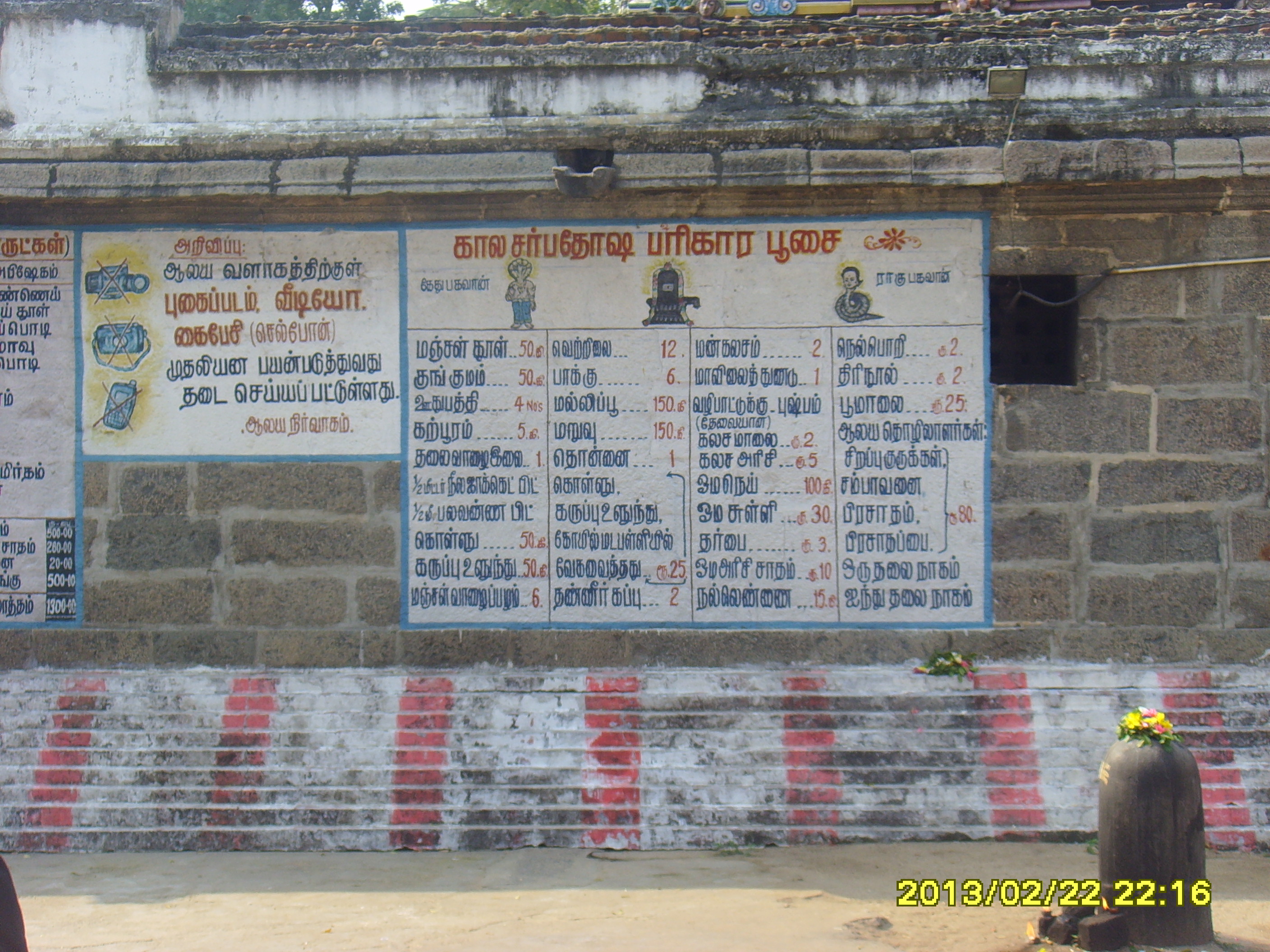
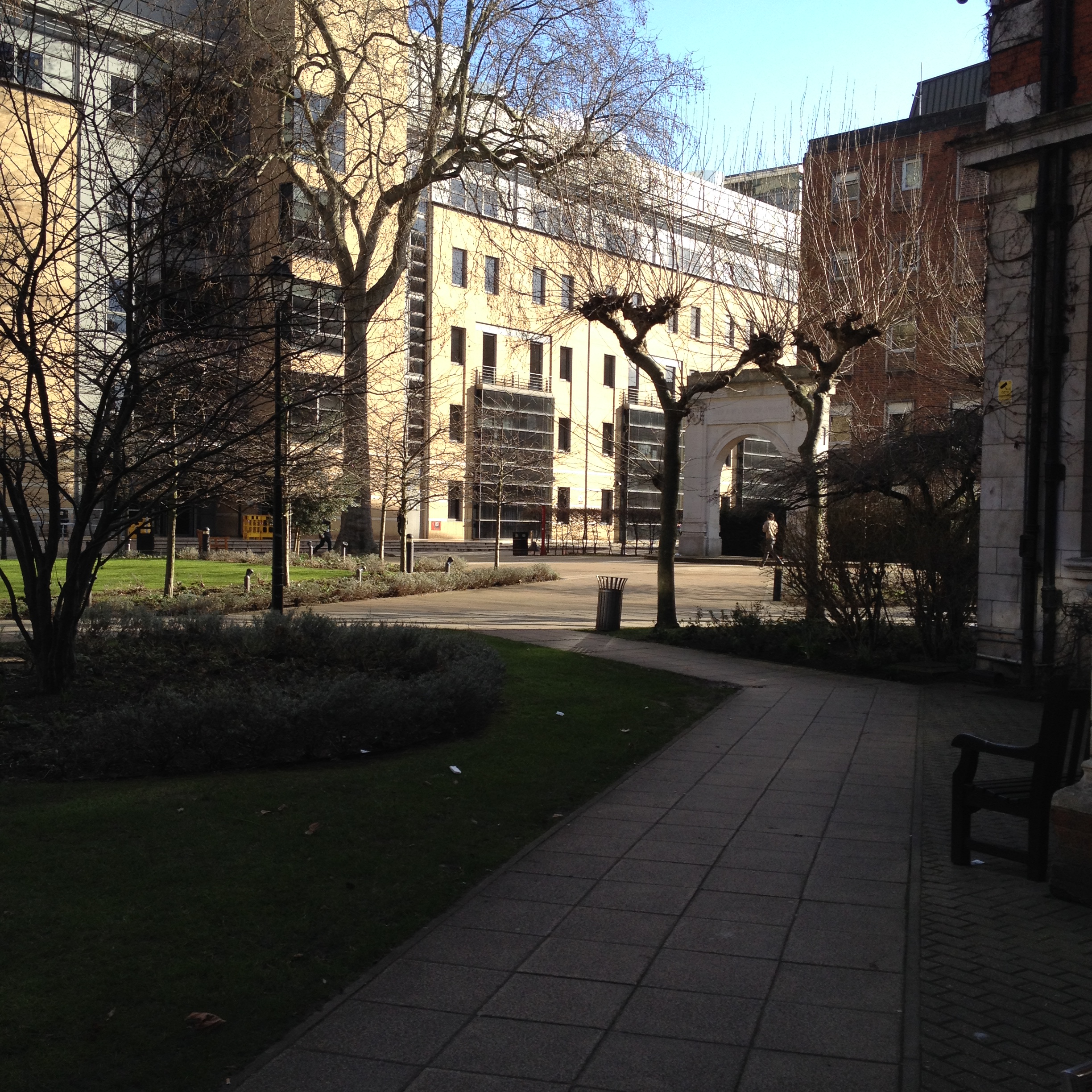
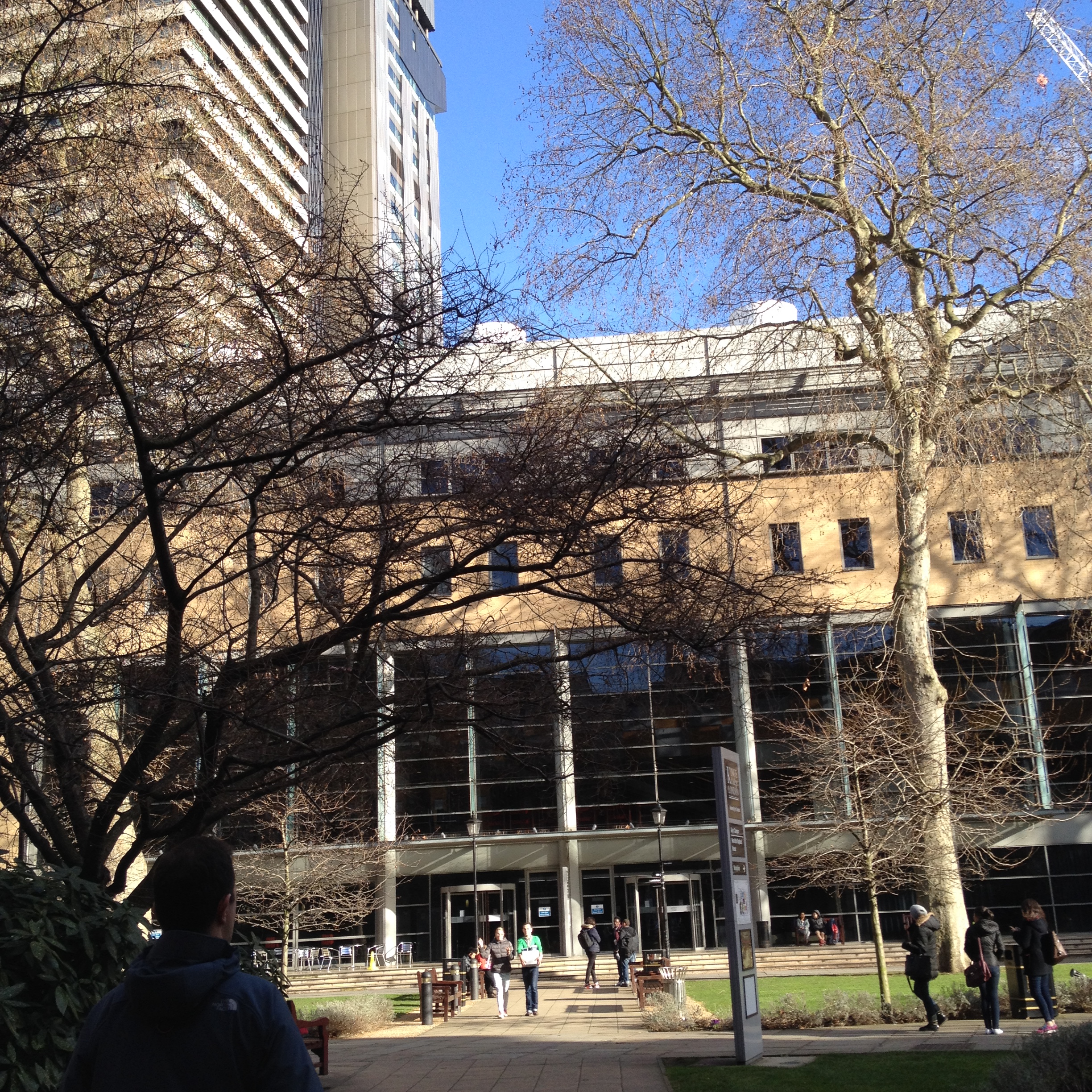
தஞ்சை மாவட்டத்தில் மாயவரம், கும்பகோணம் முதலிய ஊர்களைச் சுற்றியுள்ள நவக்கிரக தலங்கள் மிகவும் பிரபலமானவை. ஆனால் சென்னையைச் சுற்றிலும் நவக் கிரக ஸ்தலங்கள் இருப்பது பெரும்பாலோருக்குத் தெரியாது. அனத தலங்களும் பழம்பெரும் கோவில்களை உடையவை. மேலும் ஒரு கார் இருந்தால் காலை முதல் இரவுக்குள் நவக் கிரகத் தலங்கலையும் தரிசித்து அருள் பெறலாம். நான் எடுத்த புகைப் படங்களில் அவைகளின் இருப்பிடம், தலப் பெருமை முதலிய விவரங்கள் உள்ளன.

குறிப்பிட்ட கிரகங்களுக்குப் பரிகாரம் செய்ய விரும்புவோருக்கு எளிதாக இருக்கும் வகையில் கீழ் கண்ட விவரங்களைத் தருகிறேன்:

SSL27610

1.கொளப்பாக்கம் அகஸ்தீஸ்வரர்—சூரியன்

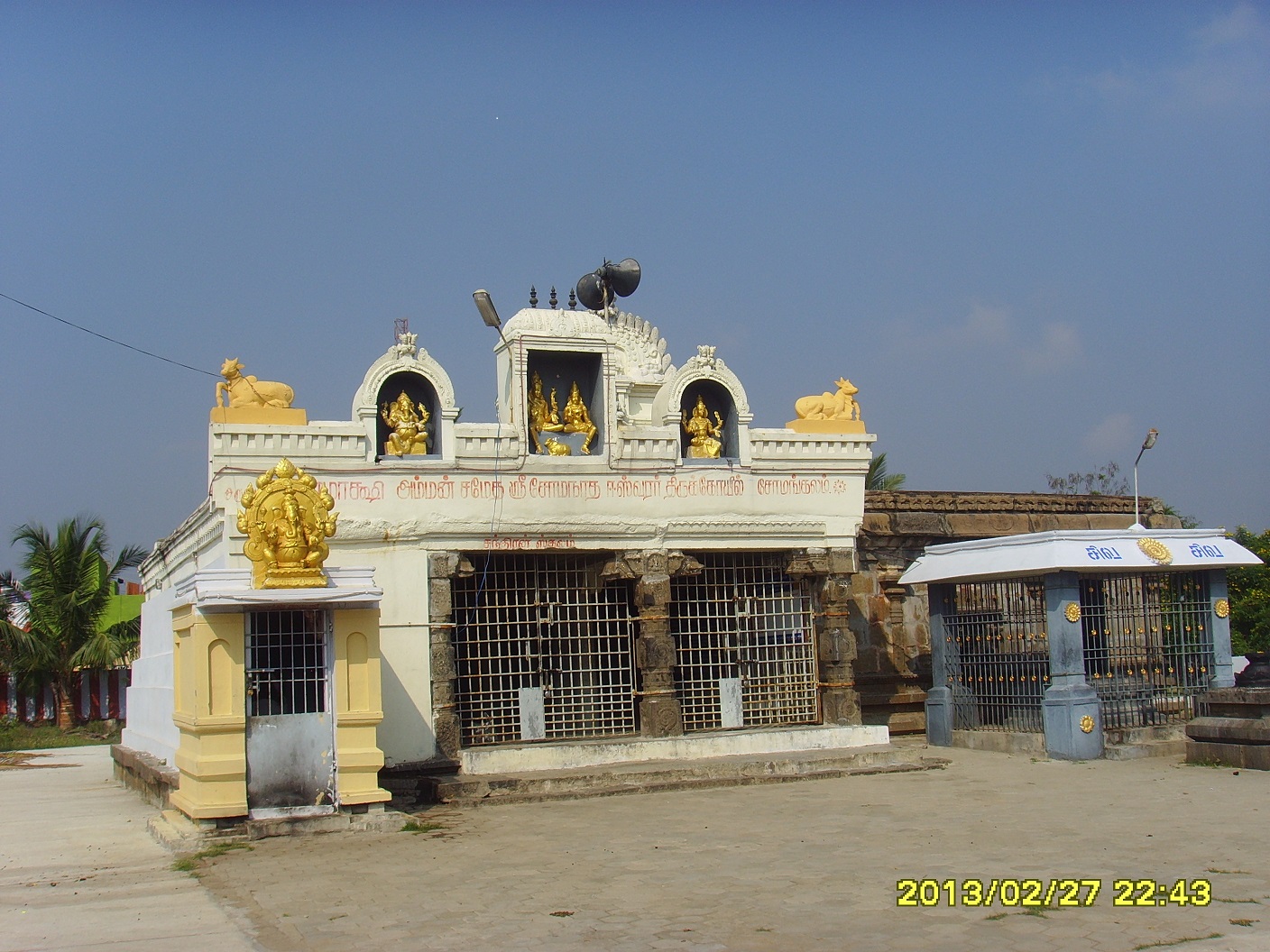
2.சோமங்கலம் சோமநாதேஸ்வரர் – சந்திரன்

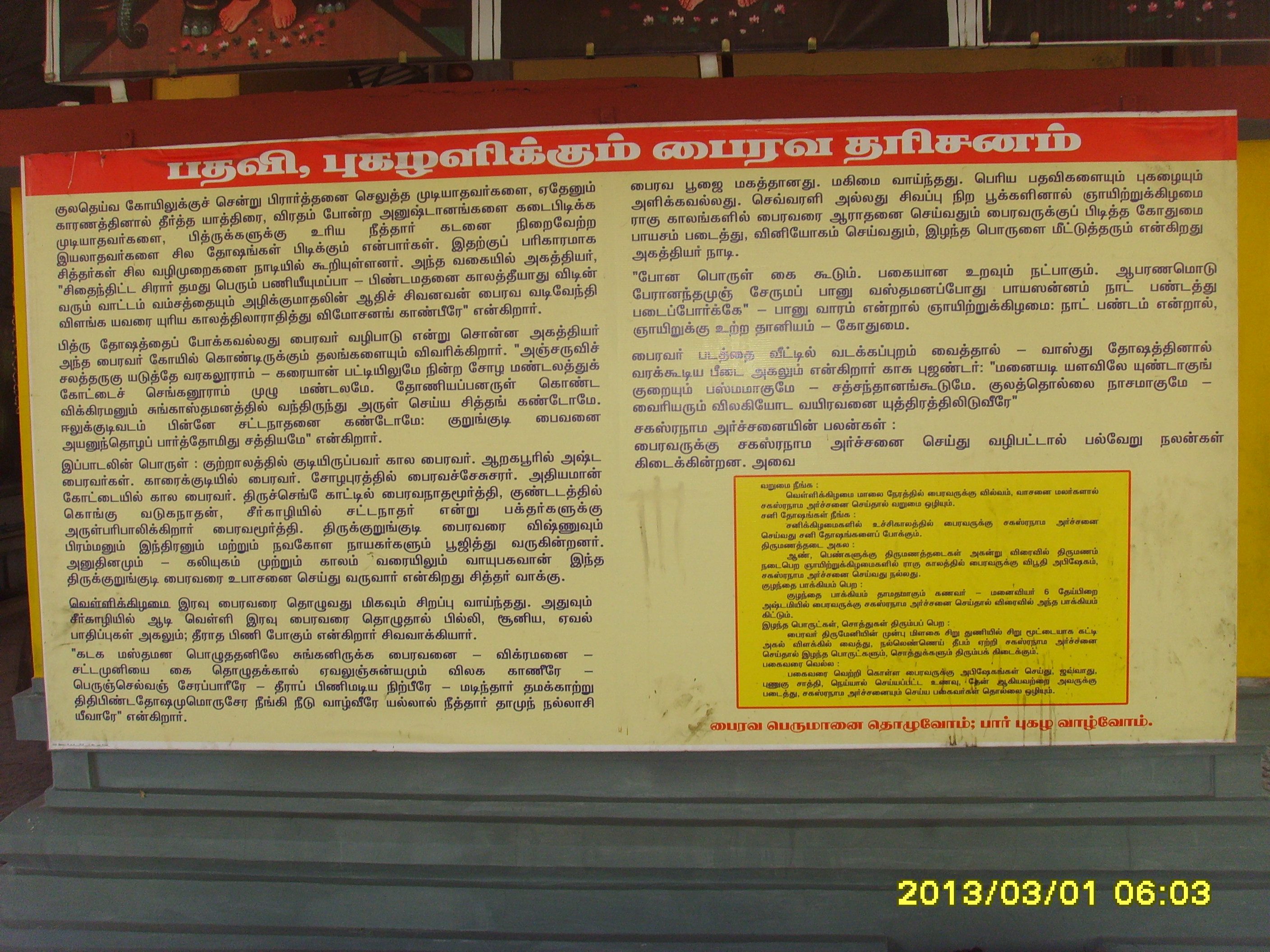
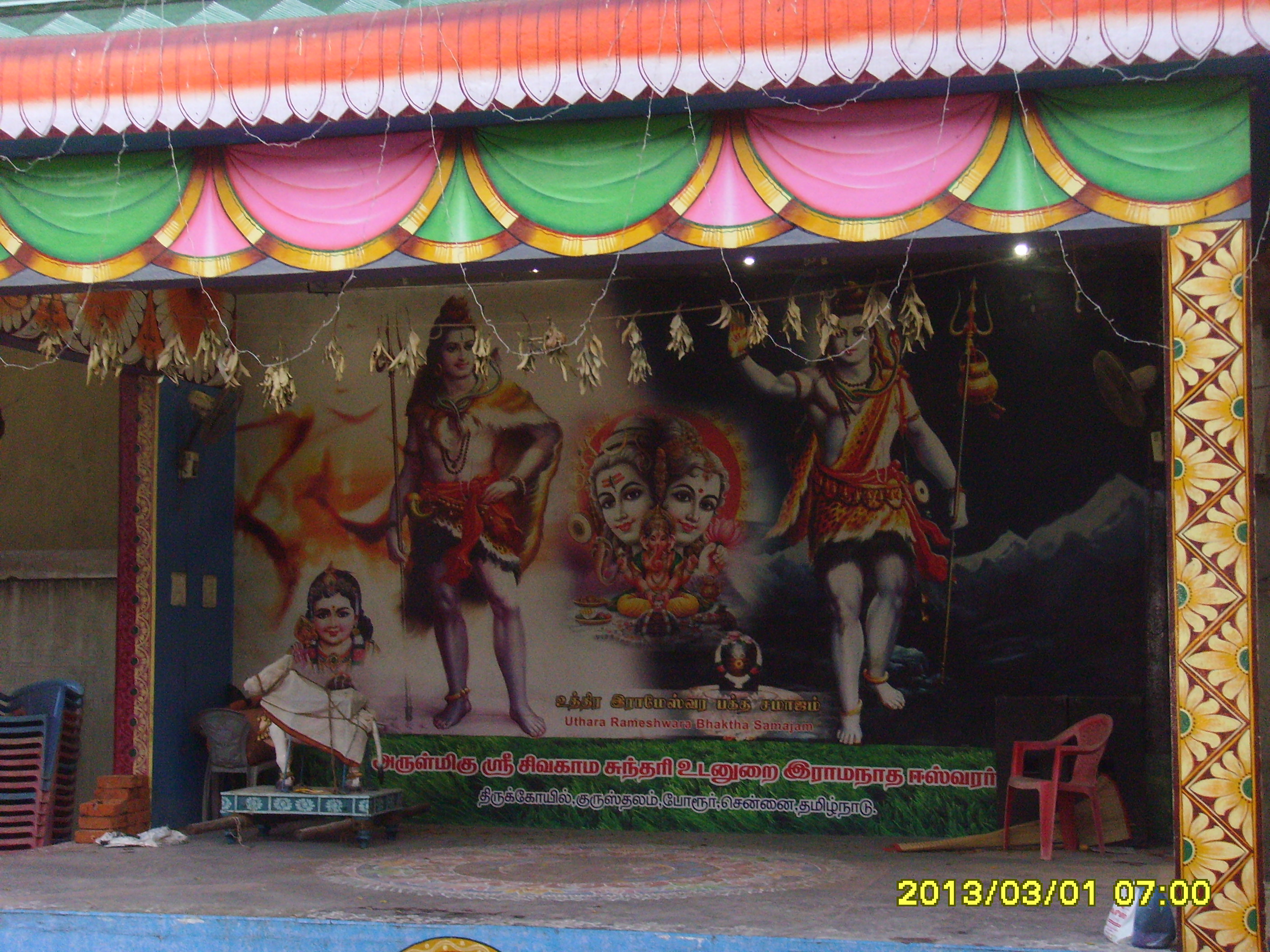
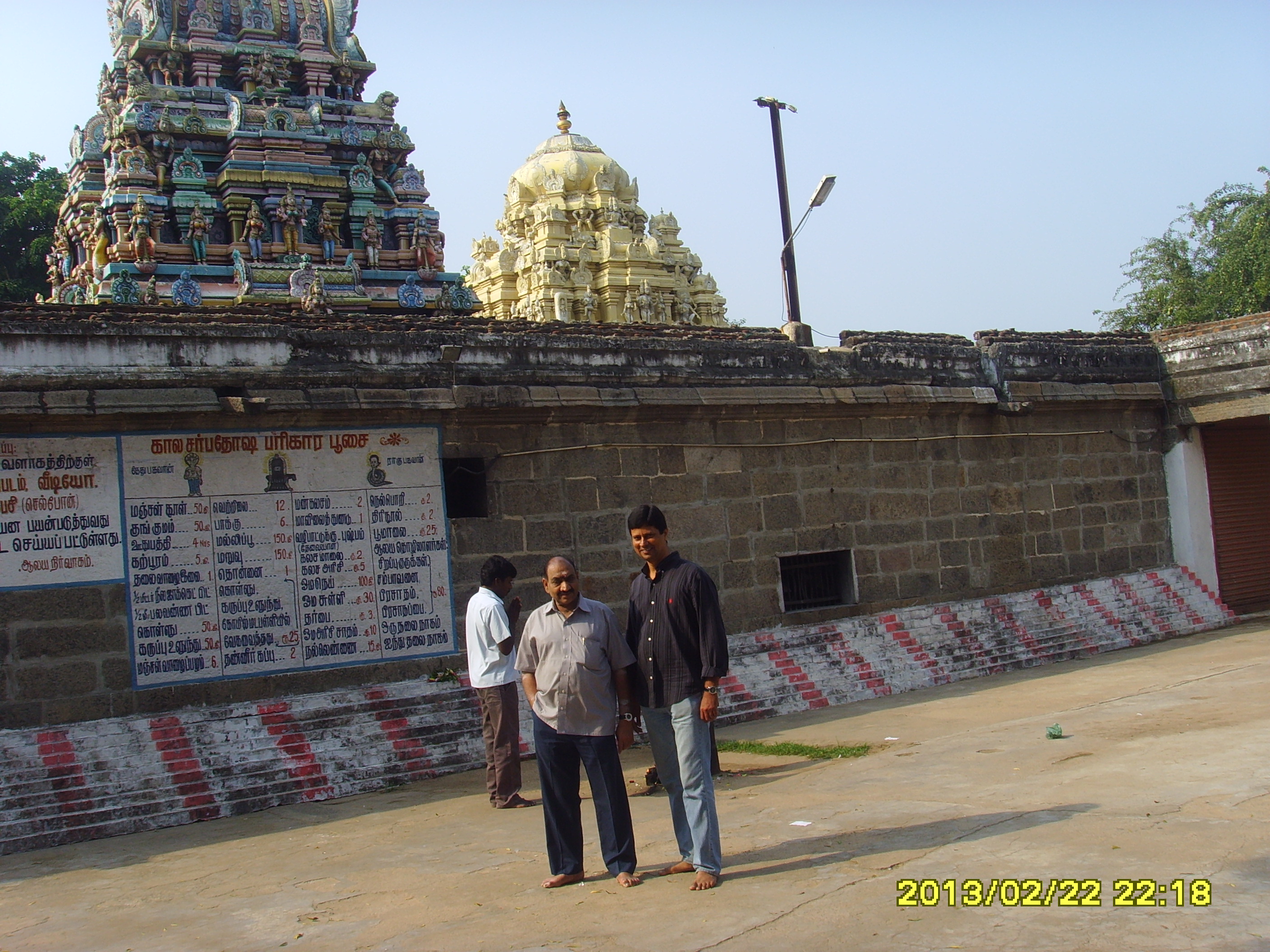
3.போரூர் ராமநாதேஸ்வரர் – குரு

4.குன்றத்தூர் வடதிருநாகேஸ்வரர் – ராகு

5.கோவூர் திருமெய்யினீஸ்வரர்- புதன்

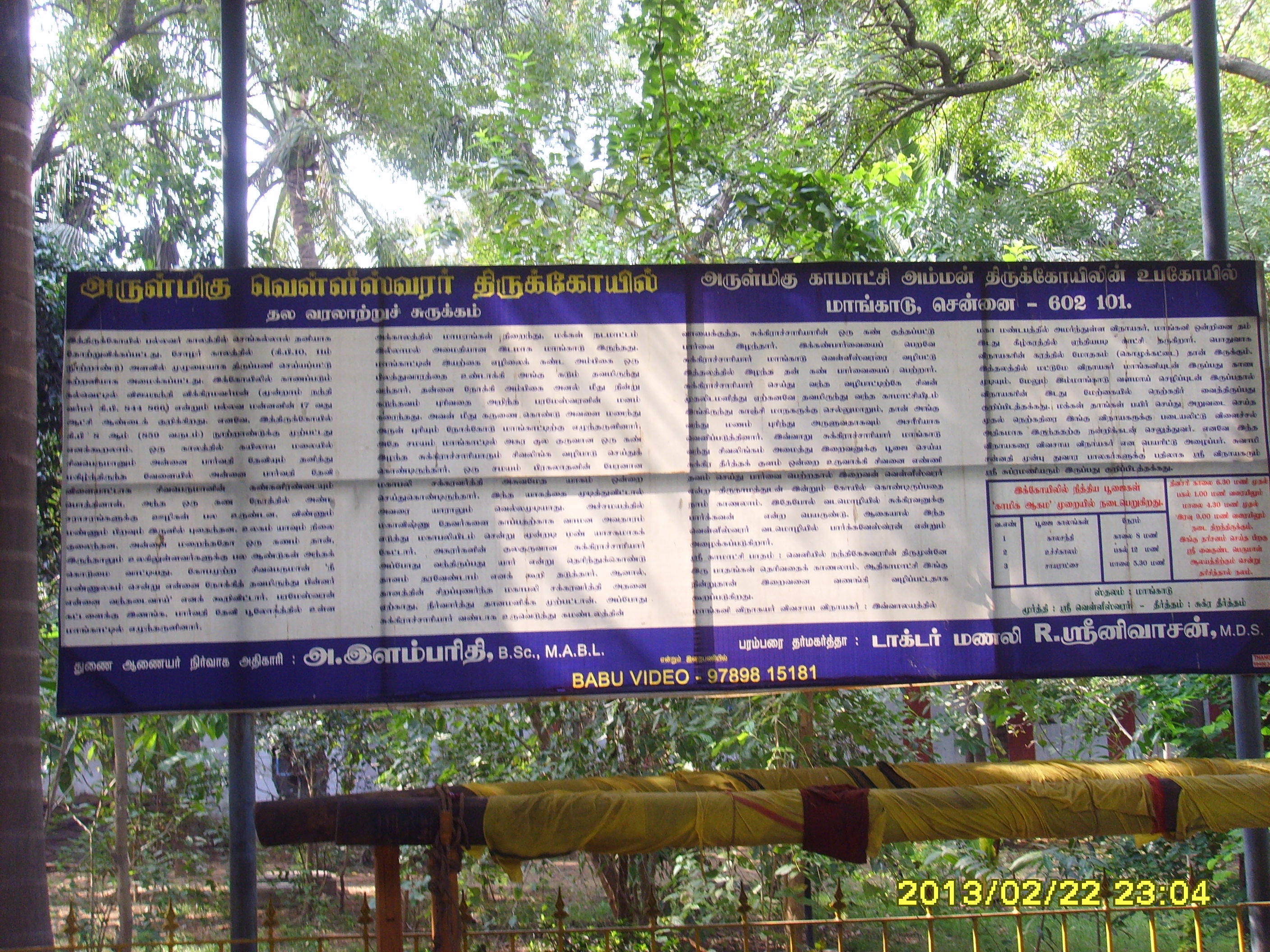
6.மாங்காடு வெள்ளீஸ்வரர் – சுக்கிரன்

7.கெருகம்பாக்கம் நீலகண்டேஸ்வரர் – கேது

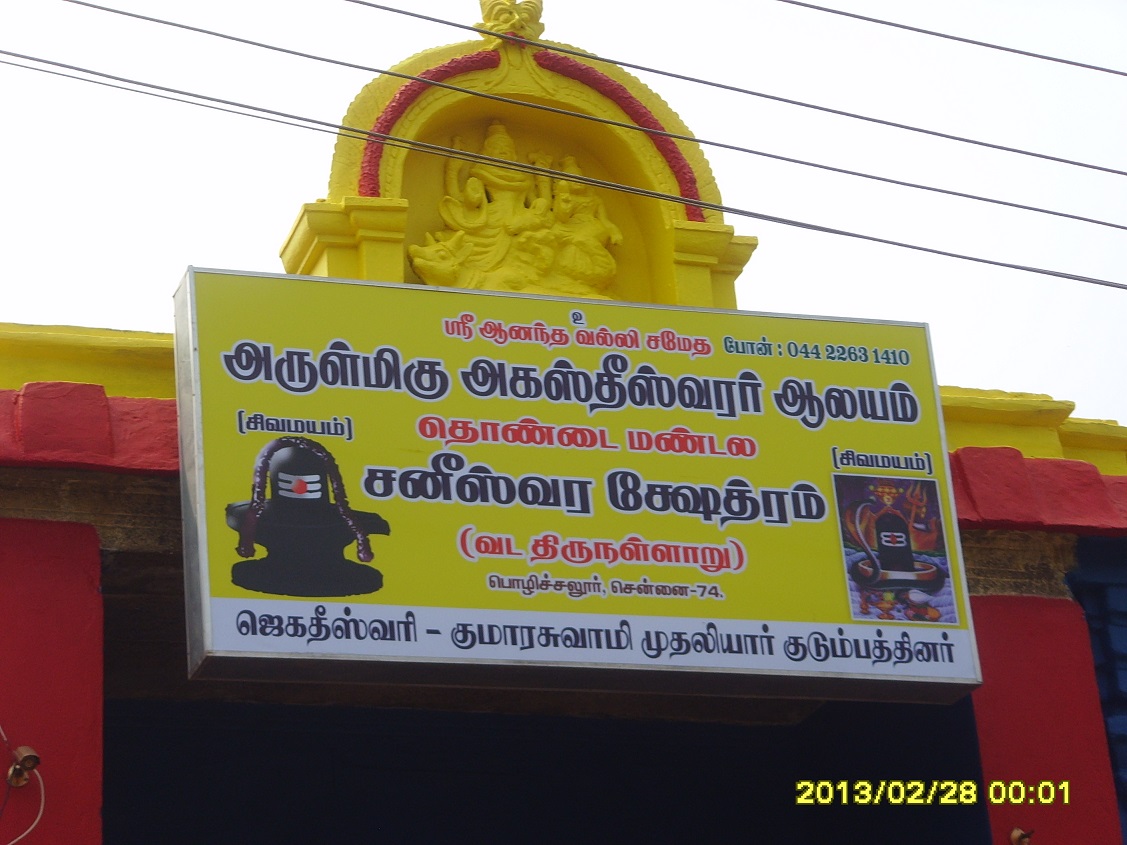
8.பொழிச்சலூர் அகஸ்தீஸ்வரர் – சனி

9.பூந்தமல்லி வைதீஸ்வரர் – செவ்வாய்

SSL27597

சென்னை சுற்றுலாத்துறையும் இந்தத் தலங்களைப் பிரபலப்படுத்த வரைபடம் முதலியன வெளியிட்டு உதவுகின்றனர். நானும் என் மனைவியும் ஒரு நண்பரின் உதவியுடன் அத்தனை தலங்களையும் சூறாவளிச் சுற்றுப் பயணம் சென்று தரிசித்தது மறக்கமுடியாத அனுபவம் ஆகும். நீங்களும் 9 தலங்களையும் தரிசித்து நவக்கிரஹங்களின் அருள் பெறலாம். குறிப்பாக கும்பகோணம், நாகபட்டிணம், மாயூரம் என்று போக முடியாத சென்னை வாசிகளுக்கு இது ஒரு வரப் பிரசாதம் ஆகும். கையில் வெண்ணெய் இருக்கும் போது நெய்யுக்கு கவலைப்படுவார் யாராவது உண்டா?

SSL27598

SSL27599

மாங்காடு – வெள்ளீஸ்வரர்- சுக்கிரன்

SSL27602

SSL27614

கோவூர் – புதன்

SSL27617

குன்றத்தூர் -ராகு

SSL27625

SSL27636

SSL27642

SSL27657

SSL27662

SSL27669

SSL27670

போரூர் – குரு பகவான்

SSL27593

SSL27596

பூவிருந்தவல்லி – செவ்வாய்

–சுபம்–

Questions from London Medical Students!- Part 1

IMG_2474

Written by London swaminathan

Research Article No. 1692; Dated 5 March 2015.

Ethical Issues of Hindu Patients and Non Hindu Health Professionals in British Hospitals

Semitic vs Oriental

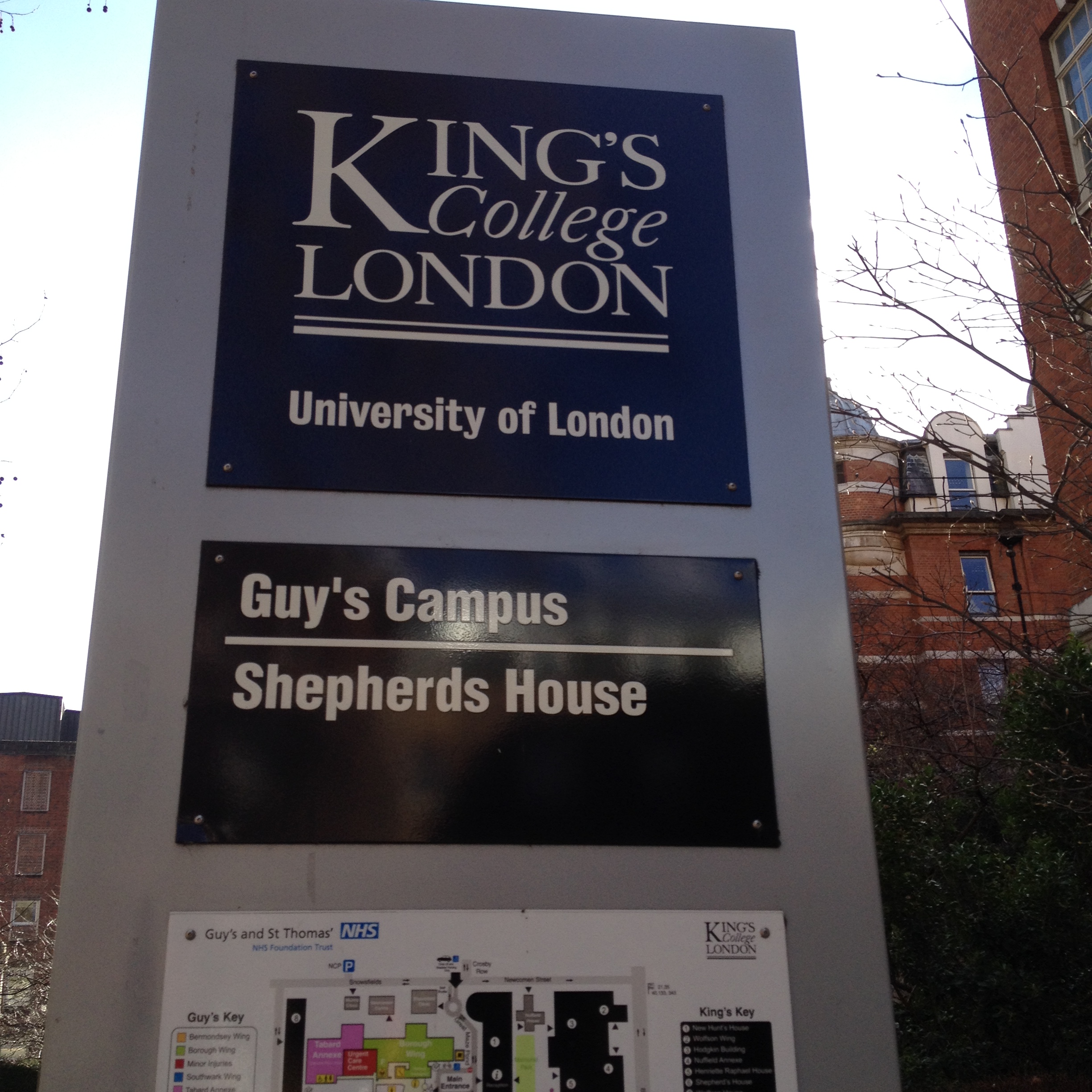
For the third consecutive year I was invited by the Kings College to give a talk to the students of four universities who have chosen the subject Medical Ethics and Law as part of their studies. My talk was delivered on 2nd March, 2015 (Time 1-30 to 3-30 including Q and A) at Hodgkin Building, Guys Campus, Kings College, London SE1 1UL

In the first one hour I did a power point presentation on Hinduism. I compared the Semitic religions with Hinduism, Buddhism, Jainism and Sikhism. I explained that Oriental religions believe in rebirth and Karma theory. We all know that if you something good to your friend your friend will buy you a cup of coffee. If you do something very bad, immediately your friend will punch on your face or give you a slap. Something similar to Newton’s Third Law “For every action there is an equal and opposite reaction”. But Hindus did not stop there. They said that it would follow you in your next birth! They believed that soul exists for ever until it merges with God. It is something similar to the First Law of Thermodynamics that Energy can neither be created nor be destroyed,.

This belief in Karma theory plays a key role in Hindu’s approach to diseases. They thought acute diseases are the result of bad karma (action) in their previous births.

Another big difference between the Semitic and Oriental religions is that Hindus have a purpose in life. The aim or the goal of a Hindu is to merge with the God by liberating him or her from the cycle of birth and death. This is a unique concept.

The common thread among all the religions of the world is that they wanted to elevate man from animal state to a good man and then from man to a superman. They wanted to maintain order in the world and so they advised us to follow some rules  such as Kindness, Love, Honesty and Truth.

Then I explained to them the Four Vedas, Four Values (Dharma, Artha, Kama and Mokasha), Four stages of Life (Brahmacharya, Grahastha, Vanaprastha and Sanyasa), Four castes, major festivals, symbols of Hindus, two great Hindu epics  and two ancient languages of India (Sanskrit and Tamil). Hindus may be illiterate but not ignorant. They may not know the Vedas or the Tamil Thevaram or Divya Prabandham, but they believed in the same concept about Dharma (Righteousness or moral code) , Artha (wealth), Kama (Pleasure) and Moksha (liberation from the birth-death cycle) from one end of the land to the other end. Last but not the least, Hindus also believe in One God but they allow people to worship the God in different forms highlighting different aspects. If you are very studious and want to get good marks you worship Goddess of Education Sarasvati and if you want to become a billionaire you worship Goddess of Wealth Lakshmi and so on. The oldest religious scripture in the world Rik Veda says that “Ekam Sath – Vipraha Bahuda Vadhanthi” (God/Truth is one; learned people call him by different names). Now to the Q and A session:–

IMG_2470

Questions from Students

1.Sir, you said that we have rebirths and you also said that if I was born in a rich family or as a child prodigy or with a healthy beautiful body, it is all due to previous good karma (action). How do I know that it is all because of previous Karma? What is the proof?

My answer: It is a very good question. This doubt comes to all of us. Religion is based on faith. Science is based on observation. Religion begins where science ends. Unless you believe in what your forefathers or saints said, you can’t follow many of the religious teachings.

I added two more points. Lot of research was done by the Department of Parapsychology in Rajasthan University regarding cases of rebirth and they were all documented with a scientific approach. They blindfolded the people and took them to the places where they claimed to have lived in their previous births. There was amazing accuracy. A village boy in North India claimed that he lived in New York in his previous birth just by looking at the pictures of sky scrapers. He was blindfolded and was taken in plane and he identified the places where he lived and all other landmarks in NY. Though hundreds of cases like this were recorded, scientists still say that memory can be implanted from some source etc. So religion is only for believers. Hindu saints and seers thought why some are born lucky and healthy and others are not and then found out this by intuition. As a Hindu I strongly believe in it, though I have a degree in science (B.Sc).

The second point I wanted to add here is that the Theory of Karma is misinterpreted or misunderstood by many. Karma of previous birth — whether good or bad— will definitely have an impact. But it can be nullified or reduced or wiped out by very hard work during this birth.

If I bored you with my talk today, you may fire a paper arrow at me or throw a rotten egg on me. That will definitely come and hit me. But I can duck below the table and escape or hold the book against my face and escape. (All the students laughed). But the insult is done. In a way Karma theory worked. Karma also acts in the same way. If you want to escape from your previous actions, still you can do it by doing lot of good things now.

Hinduism has a beautiful rule. Even God can’t take the word back; what he said will be true. We have lots of stories in our mythology about the Curses and Boons. Once said, it is the final word. But if you repent for your bad actions, then they always show you a way out. There is always an exit strategy. Suppose your father left you a debt of 100,000 pounds before his death. You may work very hard and pay it back and make millions more. Alternately you can blame your father for all the previous debts (Karma in previous birth) and go into more debts and declare insolvency (hell). The choice is yours!

IMG_2471

Karma Theory and Attitude towards Life:

Hindus’ attitude towards life and death surprised several health professionals in Britain. I worked as a health advocate for thirteen years in Newham University Hospital in East London and as a manger of Health Advocacy Project for Tamil and Malayalee communities for three years after my BBC World Service Contract finished.

On several occasions I used to accompany Macmillan Cancer Charity specialist nurses to break very bad news to terminally ill cancer patients and their families. They are specially trained nurses and so they talk for half hour or so about various things that could happen with cancer patients and then say in your case It is terminal. Then they break for a few minutes and ask the patient, Sir, Do you understand whatever I said to you so far? Do you have any question? The patient replied I am ready to go! The nurse could not understand it. Then I explained to her that he was ready to leave the world. This happened with another patient also. She was repeatedly saying “Finish me now”. The doctors could not understand her. Then I explained to the health professionals that she wanted the treatments to be stopped now and she wanted to die.

Hindus, when they reached the third stage of life – Vanaprastha/ Forest dweller stage, they have the satisfaction of having lived a full life. They have seen their grandchildren and so they believe it is time to leave. In the olden days pensioners or Vanaprasthas went to forest or distant place like Kasi/Benares and they never bothered about wordy things or relations. This attitude of old aged Hindus was very shocking to foreign health professionals. They could not understand the philosophical attitude of Hindu patients (In their mind they thought that it was due to depression or frustration).

I told the students that even my father at his ripe old age asked us when he was going to die? What he meant was he is ready for it. We used to tell him that “Dad, Don’t talk about it now, you are going to live for hundred years” (Hindu Vedas repeat it in hundreds of places that one should live One Hundred Years).

About students’ other questions on 1)Abortion: To be or not to be 2) Organ Donation: Yes or No 3) Euthanasia 4) Alcoholism and Hindu scriptures 5) Hindus and Non Vegetarian Diet and Medical preparations 6) Disposal of Hindu dead bodies in Hospitals etc. I will give it in the second (Final) part of this article.

Swami_48@yahoo.com

எண்ணெய் இல்லாமல் விளக்கை எரிப்பது எப்படி?

DiwaliOilLampCrop

Oil Lamp picture from Wikipedia

Written by S Nagarajan

Article No 1691; Date 5th March 2015

London Time: 6 am

சம்ஸ்கிருதச் செல்வம் – இரண்டாம் பாகம்

19. எண்ணெய் இல்லாமல் விளக்கை எரிப்பது எப்படி?

.நாகராஜன்

நியாயங்களின் வரிசைத் தொடரில் மேலும் சில நியாயங்களைப் பார்ப்போம்:

अन्तेरंडाविवाहश्चेदादावेव स कुतो न इति न्यायः

ante randavivahascedadaveva sa kuto na iti nyayah

அந்தே ரண்டாவிவாஹஷ்சேதாதாவேவ குதோ இதி நியாயம்

விதவையைக் கல்யாணம் செய்வது பற்றிய நியாயம் இது.

ஒரு விதவையைக் கல்யாணம் செய்து கொள்ள விரும்பினால் ஏன் அவள் மணம் புரிந்து கொண்டு விதவையான பின்னர் அவளை  மணம் புரிந்து கொள்ள விரும்ப வேண்டும்? அவள் கன்னியாக இருந்த போது அவளை மணம் முடித்திருக்கலாமே!

இந்த நியாயம் ஒரு காரியத்தை அது முடிக்க வேண்டிய உரிய காலத்தைக் கடந்து விட்ட பின்னர் முடிக்க நினைப்பதைக் குறிக்கிறது.

குறித்த பருவத்தில் செய்ய வேண்டிய காரியத்தை அந்தந்த காலத்தில் செய்து முடிக்க வேண்டும் என்பதை உணர்த்த வரும் நியாயம் இது.

calpping hands

Clapping hands

अन्धकवर्तकीयन्यायः

andhak vartakiya Nyayah

அந்தகவர்தகீய நியாயம்

கைகளைத் தட்டுபவனும் பறவையும் பற்றிய நியாயம் இது.

ஒருவன் தன் இரு கைகளையும் பலமாகத் தட்டிக் கொண்டே இருக்கிறான். அவன் கைகளில் பறவை உட்கார்ந்திருக்க முடியுமா?

அதன் உயிருக்கே அது ஆபத்தாக அல்லவா அது முடியும்!

இது நினைத்துப் பார்க்கவே முடியாத ஒன்று! ஆக இது போல நினைத்துப் பார்க்க முடியாத ஒரு காரியத்தைக் குறிக்க வரும் நியாயம் இது.

Nausea

Nausea/vomiting image

अन्यद्भुक्तमन्यद्वान्तमितिन्यायः

anyadbhuktam anyadvantamiti nyayah

அன்யத்புக்தம் அன்யத்வாந்தமிதி நியாயம்

சாப்பிட்டது ஒன்று; வாந்தி எடுத்தது இன்னொன்று என்பது பற்றிய நியாயம் இது!

எதையாவது ஒன்றை உண்ட பின்னர் வாந்தி எடுத்தால் உண்டது தானே வர வேண்டும்!

ஒரு கேள்வி கேட்கப்படும் போது அதற்கு விடை அளிக்காமல் வேறு எதையாவது பதிலாகச் சொல்லும் போது இந்த நியாயம் உரைக்கப்படும்.

கேள்வியையே தொடவில்லையே, எதையோ உளறுகிறாயே என்று சொல்ல இந்த நியாயம் பயன்படும்.

oil_lamp

अस्नेहदापनन्यायः

asnehadapana nyayah

அஸ்நேஹதாபன நியாயம்

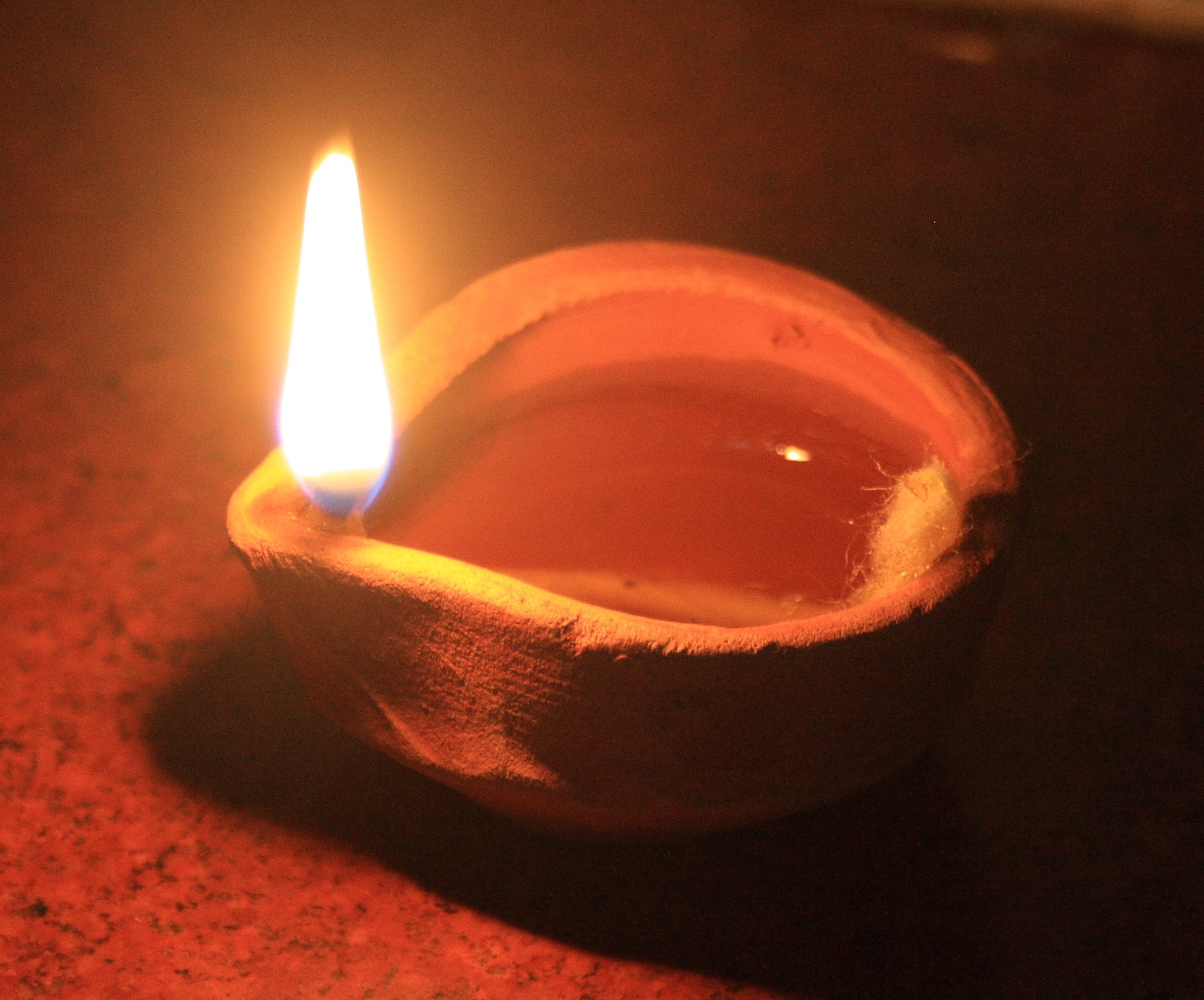
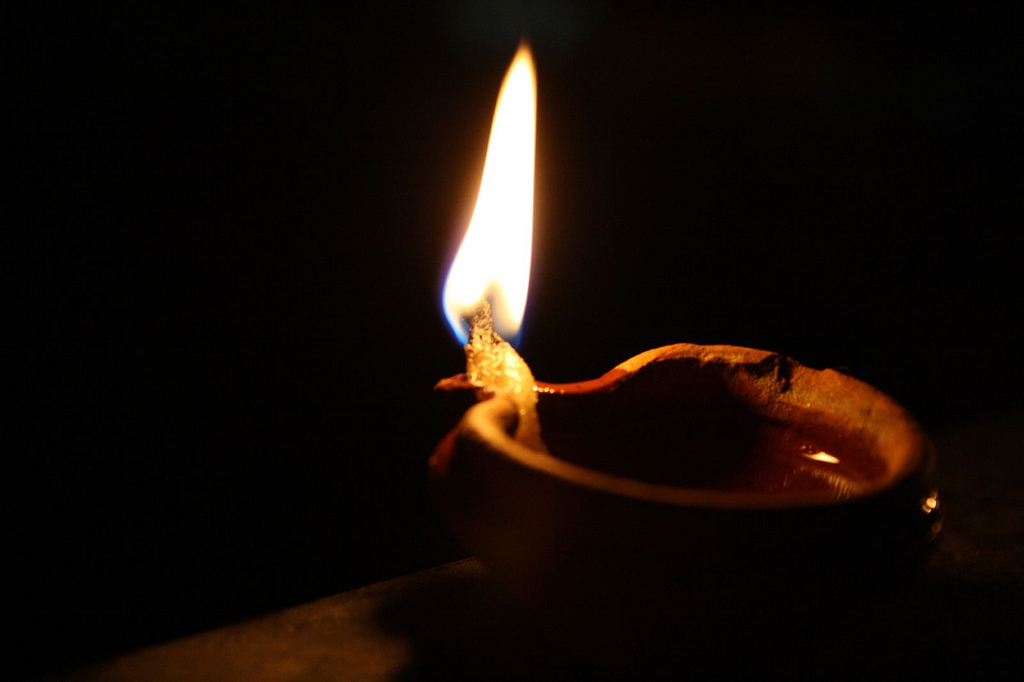
எண்ணெய் இல்லாமல் எரிக்கப்படும் தீபம் பற்றிய நியாயம் இது!

இது பல இடங்களில் பயன்படுத்தப் படும் ஒன்று.

ஒரு மனிதன் தான் சம்பாதிப்பதை விட அதிகமாகச் செலவழிக்கும் போது எண்ணெயே இல்லாமல் எப்படி தீபம் எரியும்வரவு இல்லாமல் செலவழிப்பது எப்படி சாத்தியம்என்ற இந்த நியாயம் சுட்டிக் காட்டப்படும்.

அஸ்திவாரமே இல்லாமல் ஒருவன் கட்டிடம் எழுப்பினால் அது என்ன ஆகும்?

இயல்பான அழகே இல்லை; தன்னை அழகாக எப்படிக் காட்ட முடியும்?

உள்ளீடே இல்லை; பெரிதாக தன்னை எல்லாம் இருப்பது போல ஒருவன் எப்படிக் காட்ட முடியும்?

நிரந்தர நன்மையை நினைக்காமல் வந்து போகும் ஒன்றை விரும்பினால் அது நிலைக்குமா?

இப்படிப்பட்டப் பல்வேறு சூழ்நிலைகளில் இந்த நியாயம் சுட்டிக் காட்டப்படும்.

punching sky

Punching air picture

अकाशमुष्टिहननन्यायः

akasamushtihanana nyayah

ஆகாசமுஷ்டிஹனன நியாயம்

கைகளின் முஷ்டியினால் ஆகாயத்தை அடிப்பது பற்றிய நியாயம் இது!

ஆக்ரோஷமாக கைகளின் முஷ்டியினால் ஆகாயத்தை ஒருவன் அடிக்கத் தொடங்கினால் அவனை என்னவென்று சொல்வது!

முடியாத ஒன்றை ஒருவன் செய்யும் போது இந்த நியாயம் சுட்டிக் காட்டப்படும்!

???????????????????????????????????????????????????????????????????????????????????????????????????????????????????????

********

swami_48@yahoo.com

மாசி நிலா பாசி படரும்!

மாசி நிலா

Written by லண்டன் சுவாமிநாதன்

Research Article No. 1690; Dated 4 March 2015.

நாங்கள் தஞ்சாவூர்க்காரர்கள். நான் பிறந்தது நாகப்பட்டிணம் அருகிலுள்ள கீழ்வளூர். வளர்ந்தது மதுரையில். பெண்ணை மணந்தது நெல்லையில். ஆகையால் “யாதும் ஊரே யாவரும் கேளிர்” —என்று மூன்று மாவட்டத்தில் சொந்தம் கொண்டாடுவது வழக்கம்!

(கேளிர்= சொந்தக்காரர்கள்)

என் (தஞ்சைப்) பாட்டி முதலியோர் சொல்லிக் கேட்ட பழமொழி “மாசி நிலா பாசி படரும்” — என்பது. ஆனால் பழமொழி அகராதியில் அந்தப் பழமொழி இல்லை. “மாசிச் சரடு அல்லது மாசிக் கயிறு பாசி படரும்” என்று மாசி மாத இறுதியில் வரும் காரடையான் நோன்பைச் சிறப்பிக்கும் பழமொழியையும் காணோம். எது எப்படியாகிலும் அனுபவ உண்மை ஒன்றே போதும். கிராமப் புறங்களில் வசிப்போருக்குத் தெரியும் மாசி மாத பௌர்ணமியன்று நிலவு வெளிச்சம் மிகவும் பளிச்சென்று இருக்கும் என்பது — குளத்தில் உள்ள பாசியில் — வீட்டின் கொல்லைப் புறத்தில் உள்ள பாசியில் கூட — நிலவொளி பட்டுப் பளபளக்கும் – அதன் மீது படரும் — என்பது.

tank2

கும்பகோண மஹாமக குளம்

எல்லா மாத பௌர்ணமிகளையும் விட அதிக வெளிச்சம் உடையது மாசி நிலவு. ஆகையால்தான் பெரும்பாலான கோவில் தெப்ப உற்சவங்களையும், ரத உற்சவங்களையும் இந்த நாளில் வைத்தனர் இந்துப் பெரியோர்கள். மாசி மாதம் உற்சவம் இல்லாத கோவில்களே இராது.

இந்துக்கள் மிகவும் புத்திசாலிகள். மின்சார விளக்கு இல்லாத காலத்தில் எப்படிப் பெரிய பண்டிகளைக் கொண்டாடுவது என்று யோசித்தார்கள். பக்கத்து கிராமங்கள் எல்லாவற்றிலும் இருந்தும் கட்டை மாட்டு வண்டிகளிலும், பாத யாத்திரையாகவும் பல்லாயிரக் கணக்கான மக்கள் வர வேண்டுமே! அப்போதுதான் நமது சாது சந்யாசிகளுக்கு ஒரு யோஜனை பிறந்தது. எல்லா பௌர்ணமி நாட்களையும் பண்டிகைகளாகக் கொண்டாடுவோம் என்று.

ஒவ்வொரு மாத பௌர்ணமியும் இந்துக்களுக்கு பெரிய பண்டிகைதான். அப்போது ஒரு சிறிய பிரச்சனை எழுந்தது. நாட்டில் சில பகுதிகளில் வெவ்வேறு பருவங்களில் மழை பெய்யுமே! கேரளா, கர்நாடகம் என்றால் ஜூன் மாதம் முதல் செப்டம்பர் வரை 4 மாதங்களுக்கு மழை கொட்டித் தீர்க்குமே. தமிழ் நாடானால் ஐப்பசி –கார்த்திகை அடைமழைக் காலம் என்று பழமொழி உள்ளதே. சந்திரனையே பார்க்க முடியாதே. அப்படியானால் தை, மாசி, பங்குனி, சித்திரை, வைகாசி ஆகிய ஐந்து மாதப் பௌர்ணமிகளைப் பெரிதாகக் கொண்டாடுவோம் என்று தீர்மானித்தனர். அப்பொழுதும் ஒரு பெரிய பிரச்சனை எழுந்தது. சித்திரை வைகாசியில் கோடை வெய்யில் கொளுத்தித் தள்ளுமே என்றனர். அப்படியானால் மாசி மாத பவுர்ணமியை, முக்கியமாக வைத்துக் கொள்வோம் என்றனர். பருவ நிலை மிகவும் சாதகமான பௌர்ணமி மாசி என்று கண்டதால் எல்லா கோவில்களிலும் மாசியைக் கொண்டாடுவோம் என்று தீர்மானித்தனர். தைப் பூசம், மாசி மகம், பங்குனி உத்திரம், சித்திரா பௌர்ணமி, வைகாசி விசாகம் என மாதம் தோறும் பௌர்ணமி உற்சவங்களை அறிவித்து அதற்குத் தக நல்ல புராணக் கதைகளையும் கண்டுபிடித்து ஒட்டுப் போட்டனர்.அவை பொய்க்கதைகள் அல்ல. இருந்த கதைகளை அழகாக இணைத்தனர்!

mahamagam

வடலூர் தைப்பூசம், மதுரை சித்திரா பௌர்ணமி போன்ற பண்டிகைகளுக்கு லட்சக் கணக்கில் மக்கள் வந்தாலும் சிரமமின்றி. குளிக்கவும் குடிக்கவும் – தண்ணீர் பிரச்சனை இன்றி கொண்டாடும் காலம் என்பதால் மாசி மாதத்திலேயே அதிகமான பெரிய பண்டிகைகள் வருகின்றன.

சிவன் மீதே காமக் கணைகள தொடுத்த மன்மதனை எரித்த காமதகனம் (காமன் பண்டிகை), வசந்த காலம் வரப் போவதை எண்ணி வண்ணப் பொடிகளை வீசி மகிழும் ஹோலி பண்டிகை, குழந்தைகளைக் கொன்று வந்த பிரஹலாதன் சகோதரி ஹோலிகாவை சம்ஹாரம் செய்த ஹோலிகா சம்ஹாரம், அவள் உருவ பொம்மையை எரித்தல், அத்தோடு “பழையன கழிதலும் புதியன புகுதலும்” முறையே என்று பழைய பொருள்களை சொக்கப் பனை கொளுத்தல் ஆகிய எல்லாம் சேர்ந்து மாசி மாத பௌர்ணமியைன் மகிமையை உயர்த்தியது.

மாசி மாத பௌர்ணமியில் சந்திரனும் மக நடசத்திரமும் உச்சமாகும்போது சந்திரனுக்குத் தெற்கில் ஒரு நட்சத்திரம் தள்ளில் காற்பங்கு நாசம், இரண்டு தள்ளில் அரைப்பங்கு நாசம், மூன்று தள்ளில் முக்காற்பங்கு நாசம், சந்திரனுக்கு வடக்கு தள்ளில் மிகவுஞ் சவுக்கியம் என்று அபிதான சிந்தாமணி எனும் தமிழ் கலைக்களஞ்சியம் செப்பும்:–

alaivay

திருச் செந்தூர் கோவில் ( திருச் சீரலைவாய்)

காணு  மாசிக்கலை மதியை கருது மக மீனான்கதனில்

பேணும்தென்பான்  மீன் சேரிற் பெரிதாமஃ கந்தானென்ப

பூணில் இரண்டு முக்காலாம், பொருந்து மூன்றிற் பாதியதாம்

சேணில் வடபால் மீன் சேரிற் செகத்திலன்னம் சிறிதாமே

என்றும் சிந்தாமணி செப்புகிறது.

மாசி மாதத்தில் பௌர்ணமி ஏற்படுகையில் நிலவு மக நட்சத்திரத்திற்கு அருகில் இருப்பது போலத் தென்படுவதால் மாசி மகம் என்ற பெயரும் ஏற்பட்டது (வான சாத்திரப் படி சந்திரன் (நிலவு) என்பது பூமியில் இருந்து இரண்டரை லட்சம் மைல் தொலைவில் உள்ளது. ஆனால் ‘ரெகுலஸ்’ என்று அழைக்கப்டும் மக நட்சத்திரமோ கோடி கோடி கோடி மைல்கள் தள்ளி இருக்கிறது)

magam2

மஹாமகம்

இதோடு கும்பகோணத்தில் உள்ள ஆறு ஏக்கர் பரப்புடைய மஹா மக குளத்தில் 12 ஆண்டுகளுக்கு ஒரு முறை கங்கை, யமுனை, சரஸ்வதி உள்பட எல்லா புனித நதிகளும் சங்கமம் ஆவதாக நம்பிக்கை இருப்பதால் புனித நீராடலும் நடைபெறுகிறது. அடுத்த மஹாமகம் 2016-ல் நடைபெறும். சிம்ம ராசியில் குரு பிரவேசிக்கும் போது குடந்தையில் உள்ள எல்லா கோவில் கடவுளரும் மக்களுடன் சேர்ந்து நீராடி நம் பாவங்கள் அனைத்தையும் கழுவுவர்.

மாசி மாத பண்டிகைகள்: ஹோலி, காரடையான் நோன்பு, காமதகனம், நடராஜர் அபிஷேகம், மாசி மகம், பல கோவில்களில் தேரோட்டம், தெப்ப உற்சவம், திரு மோகூரில் கஜேந்திர மோட்ச லீலை, பிரம்ம ஸாவர்ணி மன்வாதி, தீர்த்தவாரி, பால்குடம். திருச்செந்தூர், கோயம்புத்தூர், பெருவயல் தேரோட்டம், திருக்கண்ணபுரம், குடந்தை கோவில்களில் விழா.மதுரை, திருப்பரங்குன்றம் கோவில் விழாக்கள், நடராஜர் உள்ள கோவில்களில் அபிஷேகம். சுருஙகச் சொன்னால் கோவில் எங்கும் விழாக்கள். இன்னும் ஒரு சிறப்பு: — வைஷ்ணவர்களும், சைவர்களும், சாக்தர்களும், கௌமாரர்களும் (குமரன் எனும் முருகனை வழிபடுவோர்) விழா எடுக்கும் ஒரே நாள்—மாசி மகத் திரு நாள்!

–சுபம்–

MEMORY QUEEN DRAUPADI

Draupadi

Written by S Nagarajan

Research Article No. 1689; Dated 4 March 2015.


Memory:Queen Draupadi of Mahabharata and Emperor Napoleon of France

Emperor Napoleon had an excellent memory. He memorized the rosters of his units and used to call the soldiers by name. It is estimated more than one lakh soldiers were in his army. Baron Meneval, Napoleon’s secretary, wrote in his memoirs that his memory had been described as ‘astonishing’. Various biographers describe his memory as ‘very retentive’, ‘near photographic, ‘prodigious’, and ‘phenomenal’.

Cyrus had a memory so prodigious that he knew by heart the names of all the officers and soldiers of his armies. Emperor Otho, the successor to Galba had learned the names of all the soldiers of his army. He used to call everyone by his proper name.

stamp-napoleon-france-

Similarly Mithridates , the famous king and emperor Adrianius knew by heart the names of all their soldiers. Themistocles was able to remember thirty thousand citizens of Athens by name. Xerxes was reputed to be able to recall the names of the one lakh soldiers in his armies. We believe all these statements without raising any question.


Let us compare these interesting facts with the photographic memory of Queen Draupadi of Mahabharata. She revealed her very rare qualities to the Queen Sathyabama, the wife of Lord Krishna in an intimate chat. She informed Sathyabama that one lakh sixty thousand Brahmanas (priestly class) were daily fed in the palace of Yudhishthira. He also had a hundred thousand well-dressed serving maids with bracelets on arms and golden ornaments on necks, and decked with costly garlands. They were all skilled in singing and dancing. Draupadi knew the names and features of all those girls, as also what they are and what they were, and what they did not.

Yudhishthira had also a hundred thousand maid-servants. These servants daily used to feed guests, with plates of gold in their hands. And while Yudhishthira lived in Indraprastha a hundred thousand horses and a hundred thousand elephants used to follow in his train. These were the possessions of Yudhishthira while he ruled the earth. It was Draupadi, however, who regulated their number and framed the rules to be observed in respect of them; and it was she who had to listen to all complaints about them. Indeed she knew everything about what the maid-servants of the palace and other classes of attendants, even the cow-herds and the shepherds of the royal establishment, did or did not! We are astonished with the statements of Draupadi.

draupadi2

When we compare these statistics with that of Napoleon and other kings we are compelled to admire how sharp was her intellect and memory!While we are ready to believe historians like Pliny, the same way we have to believe the statements of the great Queen Draupadi also. This astonishing memory is one of her qualities only. The women of the world should learn more about Draupadi and should follow her footsteps by developing rare skills.

Note:  The original Sanskrit slokas of Mahabharata were translated by sri Ganguly in 1873-1886. The English version has been taken from public domain and for authenticity sake used here. Readers could download the full Mahabharata from net.

Water Purification Techniques in Ancient Indian Literature!

Strychnos_potatorum_5

Clearing nut (Strychnos potatorum = Thetraang Kottai in Tamil)

Written by London swaminathan

Research Article No. 1688; Dated 3 March 2015.

Water is a rare commodity in certain parts of India. There is a proverb in Tamil, “Treat Water as Precious” – “Neeraiyum Seeraadu”. Villagers have to walk miles together just to get some water for their day to day essential use. Even that water is murky or muddy. Indian literature is full of stories about mass migration because of big droughts. We read about the droughts and migration in Vedic literature and later Tamil literature. Indus valley civilization was also affected by acute drought. Mahabharata described the drought in Saraswati River basin and the Brahmins moved out of that area.  have collected all the references to drought in the Vedas and Tamil literature for my research.

Waterpurify

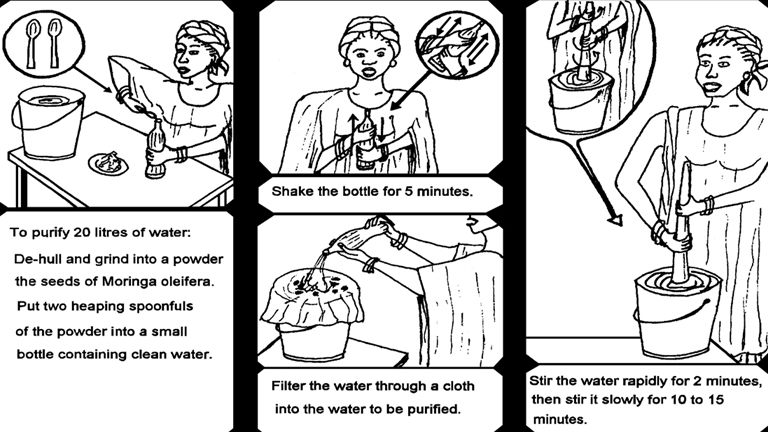
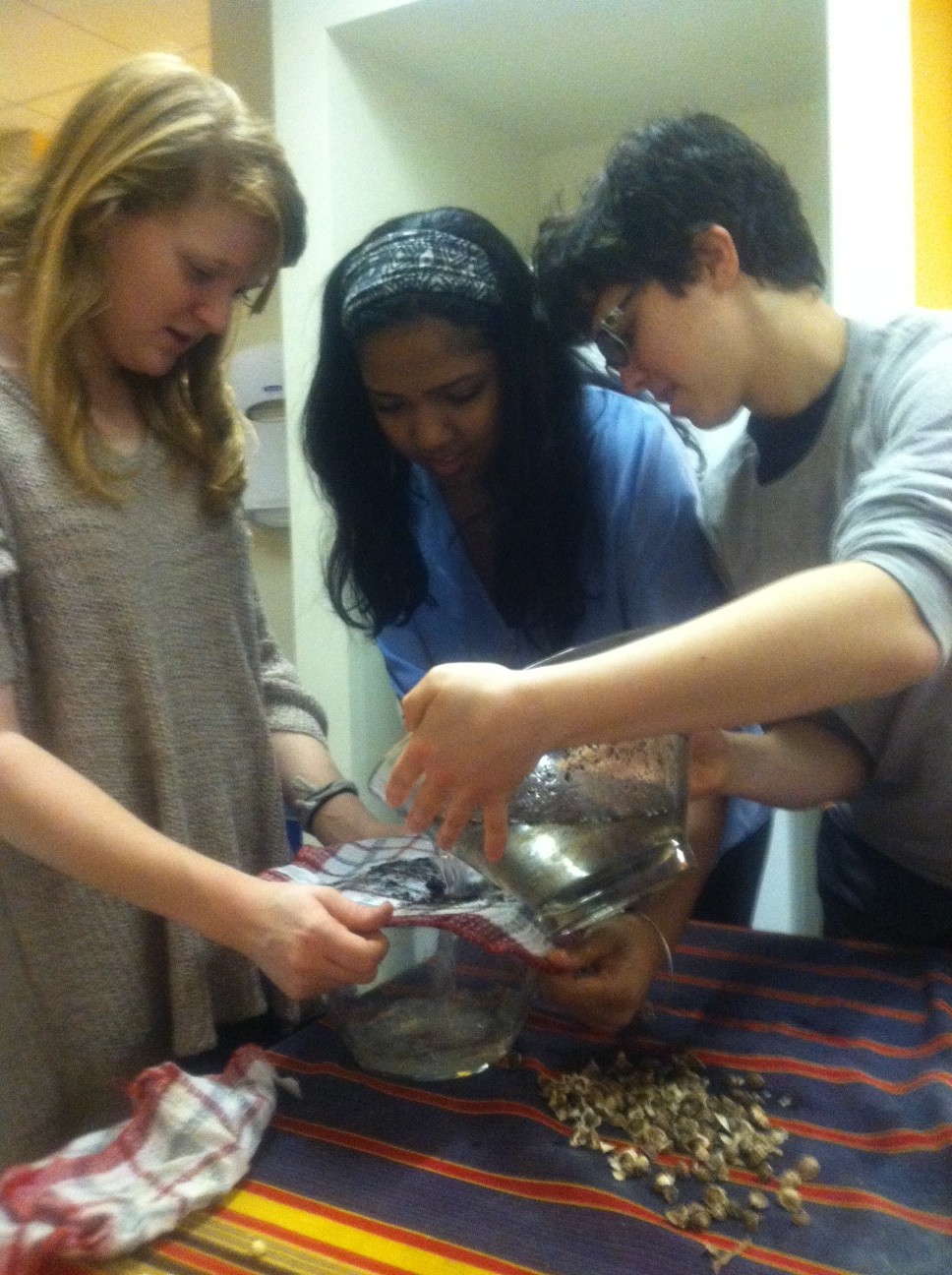
Water purification in African countries with drumstick tree

Even in the areas where water is available, there were certain periods of acute scarcity. So the ingenious people have found out some techniques for water purification. Usually they dugout water springs in the dry river beds or some places identified by the trees. Varahamihira has dealt with this in a separate chapter in his Brhat Samhita (Please read my earlier article on this topic: How to find water in the desert? Posted on 16th February 2015 in this blog)

pathiri

Tamil Books on Water purification

Kalitokai is an anthology of Sangam Tamil period. It is dated to first three centuries CE. A confused woman who later became clear and composed is compared to the water that is purified by the clearing nuts (Kalitokai, Neithar Kali by Poet Nallanthuvanar):

“ How come she has become bright and composed now! As soon as she embraced that broad chested man, she has become clear like the water that has become crystal clear after adding the Thetraankottai (Clearing nuts)”

Naladiyar is an anthology of 400 verses in Tamil. It is dated to eighth century CE. One of the verses says about the unlearned people,

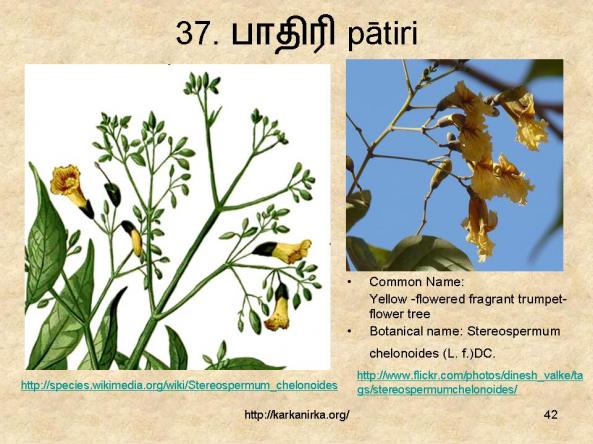
“Though they be unlearned, if they move in the society of the learned, the former will grow wise and learned just as the new earthen pot by its contact with the bright coloured “Paathiri” flower, imparts its fragrance to the water deposited in it”.

best water

जलकतकरेणुन्यायः

jalakatakarenu nyayah

Sanskrit language has got many Nyayas (analogies or similes) and one of them is jala katakarenu nyaya. The nyaya is used to illustrate that dirty things can be purified by mixing with good things. If you mix the kataka powder (Clearing nut powder), then the water gets purified-  is the message. This is used by great people like Sri Sathya Sai baba to bring out the sacrifice one makes in community service. He used to say, “bring out the good in the society and disappear like Kataka powder. Once it purifies the water it dissolves in the water and loses its shape. A social worker also should sacrifice his name, fame and identity when he serves the community like the kataka powder” — is the message, he gives.

KATAKA = Strychnos potatorum = clearing nut tree= Thetra maram in Tamil

It is a common sight in South Indian houses that a corner is allocated for a mud pot. There the mud pot is placed on a heap of river sand and in the water pot they put Vettiver or pathiri flower for fragrant and cool drinking water.

Moringa_oleifera_pods_NP

Drumstick tree is used in African countries for water purification.

Varahamihira on Water purification

Brhat Samhita – Chapter 54

“A mixture of antimony, and the powder of Bhadramusta ( a kind of grass) bullbs, andropogon, Rajakostaka and myrobalan combined with Kataka nuts should be dropped into a well.

Anjanasusthosariirai: saraajakosathakaamalakachurnai:

Kathakafalasamayukthairyoga kuupe pradhaatavya:

(Kataka = Strychnos potatorum- Clearing Nut tree. Cilliya mara , Tettamaram in Tamil and Malayalam;  Anjana is translated as antimony; but it has other meanings in Sanskrit).

Even the water that is muddy, bitter, saltish, bereft of good taste, and of bad odour, will become clear/pure, of good taste and good smell and endowed with other qualities”.

the-moringa-book

The villagers living in arid areas will be benefitted if they follow ancient scriptures. In African countries they use the seeds of Moringa oleifera, a common vegetable used in South India and Sri Lanka.

moringa-oleifera-powder2

Swami_48@yahoo.com

சம்பூர்ண ராமாயணம் படம் பார்த்த ராஜாஜி

sampoorna-ramayanam-400x400-imadat38gaatymk5

Compiled by S Nagarajan

Article No. 1687; Dated– 3 March 2015.

தமிழ் திரைப்படங்களில் ராமர் – 7

by ச.நாகராஜன்


ஶ்ரீ ராமராஜ்யம்!


சம்பூர்ண ராமாயணம் படம் பார்த்த ராஜாஜி


பொதுவாக திரைப்படங்களைப் பார்க்க விரும்பாத மூதறிஞர் ராஜாஜி திரைப்படங்களைப் பார்க்கத் தமக்கு நேரமில்லை என்று சொல்லி ஒதுங்கி விடுவது வழக்கம். ஆனால் சம்பூர்ண ராமாயணம் படம் பார்க்க அவரை அழைத்த போது படம் பார்க்க வந்ததோடு பரதனாக நடித்த சிவாஜிகணேசனின் நடிப்பு சிறப்பாக அமைந்திருப்பதாகவும் பாராட்டினார்.பொதுவாக ராமாயணம் பற்றிய இதே ஈடுபாடு இந்த தேசத்தில் பிறந்த சிறு குழந்தை முதல் மூதறிஞர் வரை இருப்பதில் வியப்பே இல்லை. ராமாயண மஹாபாரத இதிஹாஸம் என்றால் மக்களுக்குத் தனி ஒரு ஈடுபாடு என்றும் உண்டு.தொலைக்காட்சியில் ராமாயணம் தூர்தர்ஷன் வாயிலாக ஒளிபரப்பப்பட்ட போதும் மக்கள் அனைவரும் குறிப்பிட்ட அந்த ஒளிபரப்பு நேரத்தில் தொலைக்காட்சிப் பெட்டிக்கு குடும்பத்துடன் அடைக்கலமாயினர்.

ramayan1

ஶ்ரீராமராஜ்யம்

இந்த வகையில் ராமாயணம் மீண்டும் தெலுங்குப் படவுலகில் 2011இல் வெற்றிகரமாகப் படமாக்கப்பட்டது.ஶ்ரீராமராஜ்யம் என்ற படம் ராமர் அயோதியில் பட்டம் சூட்டப்பட்ட பின்னர் நடந்த நிகழ்வுகளைக் கொண்ட அருமையான படம்.

பிரபல டைரக்டரான பாபு இதை இயக்க படங்களில் நிரந்தர ராமராக வலம் வந்த என்.டி.ராமாராவின் புதல்வர் சூப்பர்ஸ்டார் பாலகிருஷ்ணா ராமராகவும் நயன்தாரா சீதையாகவும் நடித்த ஶ்ரீராமராஜ்யம் படம் 2011ஆம் ஆண்டு திரையிடப்பட்டது. இது 2012ஆம் ஆண்டு டப்பிங் செய்யப்பட்டு தமிழிலும் மலையாளத்திலும் வெளி வந்தது. 1943ஆம் ஆண்டு வெளிவந்த ஹிந்தி படத்தின் தலைப்பே தனக்கு உத்வேகமூட்டியது என்றார் பாபு.

இசை அமைத்தவர் இளையராஜா. ஆத்மார்த்தமாக இசை அமைத்த அவரது பாடல்கள் 170 நிமிட நேர படத்தில் 50 நிமிடம் 25 விநாடிகள் எடுத்துக் கொண்டதென்றால் பாடலின் முக்கியத்துவம் பற்றிக் கேட்க வேண்டுமா என்ன? 15 பாடல்களை எஸ்.பி.பாலசுப்ரமணியம், ஷ்ரேயா கோஷல் உள்ளிட்ட பல பின்னணிப் பாடகர்கள், பாடகிகள் பாடினர்.ஜொன்னவிதூல ராமலிங்கேஸ்வர ராவ் பாடல்களை இயற்றினார். அருமையான பாடல்கள் அனைத்தையும் வரவேற்ற ரசிகர்கள், இன்றும் தவறாமல் அவற்றை யூடியூப் உள்ளிட்ட பல்வேறு இணையதள பாடல்தளங்களில் கேட்டு ரசிக்கின்றனர்.

sankarabharanam-400x400-imad2r8gnyjansmh

சங்கராபரணம்

இதே போல தெலுங்கில் தயாராகி தமிழில் டப் செய்யப்பட்ட 1979ஆம் ஆண்டு திரைப்படமான சங்கராபரணம் குறிப்பிடத் தகுந்த ஒரு படம். இதில் ராமரைப் பற்றிய பத்ராசல ராமதாஸரின் பாடல் ஒன்று இடம் பெற்று அனைவரையும் உருக்கியது. வாணி ஜெயராம் பாடிய பாடலை யாருமே மறக்க முடியாது.

ஏ தீருக நனு தய ஜூசே தவோ, இன வம்சோத்தம ராமா

நா தரமா   பவசாகர மீதனு, நளின தளேக்ஷண ராமா

ஶ்ரீ ரகு நந்தன, சீதா ரமணா, ச்ரித ஜன போஷக ராமா

காருண்யா லய, பக்த வரத நின்னு, கன்னதி காணுபு ராமா

க்ரூர கர்மமுலு, நேரக சேசிதி, நேரமுலெஞ்சகு ராமா

தாரித்ரயமு, பரிகாரமு சேயவே, தெய்வ சிகாமணி ராமா

எப்படி கருணை புரிவாய். எப்படி சாகரம் கடப்பேன், வம்சோத்தம ராமா, ரகு நந்தனனே, சீதையின் ரமணனே, அடியாரைக் காப்பவனே, காருண்யமயமானவனே, பக்தர் தம் வரதனே, க்ரூரமான கர்மங்கள் செய்தாலும் அவற்றை நீக்கி, தரித்திரம் போக்கி அருள்வாய் தெய்வ சிகாமணியே, ராமா!’ என்ற பொருளை உடைய இதை வாணி ஜெயராம் தன் பக்திக் குரலில் பாடியது அனைவரையும் மகிழ்வித்தது!

tel_shankarabharanam

சங்கராபரணம் படத்தை இயக்கியவர் பிரபல டைரக்டரான கே.விஸ்வநாத். இந்தப் படம் வெளின முதல் நாளில் கூட்டமே இல்லை. ஆனால் படத்தைப் பார்த்து வெளியே வந்த ரசிகர்கள் கூறிய அபாரமான புகழ்மொழிகளால் அடுத்த நாளிலிலிருந்து கூட்டம் அலை மோத ஆரம்பித்தது. ஹைதராபாத் ராயல் தியேட்டரில் 216 நாட்கள் ஓட, நாட்டின் இதர பகுதிகளில் உள்ள பல திரையரங்கங்களில் சுலபமாக நூறு நாட்களைத் தாண்டியது!

Sankarabharanam-Movie-Stills (3)

ப்ரோசேவாரெவரு ரா

சங்கர சாஸ்திரியாக நடித்த ஜே.வி.சோமயாஜுலு அந்தப் பாத்திரமாகவே மாறி விட்டார். இதில் ராமரைப் பற்றிய புகழ் பெற்ற இன்னொரு பாடலும் உண்டு.மைசூர் வாசுதேவாசார் இயற்றிய ப்ரோசே வாரெவரு ரா என்ற பாடலை யாருமே மறக்க முடியாது. இதை எஸ்.பி.பாலசுப்ரமணியமும் வாணி ஜெயராமும் தங்கள் அற்புதக் குரல் வளத்தால் மெருகேற்றினர்.

மைசூர் வாசுதேவாசார் (தோற்றம் 28-5-1865 மறைவு 17-5-1961) பெரிய ராமபக்தர்.தியாகராஜ ஸ்வாமிகளின் சீடர் பரம்பரையில் வந்தவர். 95 வயது வரை வாழ்ந்த இவர் சுமார் 200 கீர்த்தனைகளை இயற்றியுள்ளார். இவற்றில் பெரும்பாலானவை சம்ஸ்கிருதம் மற்றும்ம் தெலுங்கில் உள்ளவை.

நினு விநா ப்ரோசேவாரெவரு ரா – உன்னையல்லால் என்னைக் காப்பவர் யார்?

ரகுவரா – ஓ ரகு குல திலகமே

 நானு நீ சரணாம்புஜமுலு – நான் உன் சரணாரவிந்தங்களை

நே விடஜால கருணாலயால – விட முடியாது, கருணைமயமானவனே!

கமாஸ் ராகத்தில் அமைந்த இந்தப் பாடலைக் கேட்டு உருகாதவர் யாரும் இருக்க முடியாது! படக்காட்சியும் அபிநயங்களோடு அமைந்திருந்தது!

Sankarabaranam Movie in Tamil Photos (6)

இதிஹாஸம் ஏற்படுத்தும் தெலுங்கு, தமிழ் ஒற்றுமை

தெலுங்கு திரைப்பட உலகமும் தமிழ்த் திரைப்பட உலகமும் மிக அன்யோன்யமாகவே ஆரம்ப காலம் முதல் இருந்து வந்துள்ளது. இதற்கான காரணம் பண்பாட்டின் அடிப்படையில் மனதால் அனைவரும் ஒன்று பட்டிருந்த காரணத்தினால் தான்! அரசியல் அந்தக் காலத்தில் திரையுலகில் புகவில்லை! சென்னையில் இருந்த ஸ்டுடியோக்களைத் தாராளமாகப் பயன்படுத்திய திரைப்படத் தயாரிப்பாளர்களுக்கு இரு மொழிகளில் ஒரே சமயத்தில் படம் எடுப்பது சுலபமாக இருந்தது.

ஆடல் பாடல், கிளுகிளுப்புப் படங்களையே தெலுங்கு உலகம் விரும்பியது என்று சிலர் கூறுவது சரியில்லை. மிக அழகான கலைப் படங்களையும் இதிஹாச புராணப் படங்களையும் தெலுங்கு உலகம் தந்திருக்கிறது என்பதை ஆதாரபூர்வமாக நிரூபிக்க முடியும். சம்பூர்ண ராமாயணம், லவகுசா, ஶ்ரீ ராமராஜ்யம், சங்கராபரணம் போன்ற படங்கள் போதாதா, இதை நிரூபிக்க!

இந்த அற்புதமான தெலுங்கு தமிழ் ஒற்றுமை காலத்தை வென்று நிலை நிற்க ராமரின் அருளை வேண்டுவோம்!

*************

Amazing Yadava Kings!

yadav migration

Compiled by London swaminathan

Article No. 1686; Dated– 2 March 2015.

Dictionary of 10,000 Indian Kings – Part 17

Summary of Previous 16 Parts:–

160 Kings in Rig Veda published here on 23rd November 2014.

First part of the article –146 kings beginning with letter ‘A’.

Second part– 65 Pandya Kings of Madurai+ Puranic Kings

Third part — 122 kings beginning with letter ‘B’

Fourth Part- 43 Kings of Vijayanagara Empire + 34 Kings under letter C.

Fifth Part – 106 Kashmiri Hindu Kings

Sixth Part – 30 Satavahana  Kings  + 136 Kings underletter D.

Seventh Part –  35 Tamil Pandya Kings of Sangam Age.

Eighth Part – List of Chera (Kerala) 22 kings of Sangam Age+ Kings listed under E (3),G(37) & H(28)=68kings

Ninth Part- 39 Choza Kings of Tamil Nadu

Tenth Part- 104 kings from Cambodia, Champa, Sri Vjaya Kingdom of Indonesia and Pallava

11th part:Under ‘I’  13 kings+ Under ‘J’ 40 kings+ Under ‘K” 147 kings are listed.

12th Part:– 113 kings of various Indonesian kingdoms are listed.

13th Part –UNDER ‘L’ 14 + UNDER ‘M’ 72 + PANDYA II LIST 36=122 KINGS

14TH PART:Dynasties of Vishnukundina (10), Vakataka (16),Salankayana (4),Andra Ikshvaku (4) and Names under “N”(60)=94 kings.

15th Part:—-Kadamba dynasty – 14 kings, Badami Chalukya -10 kings, Rashtrakuta dynasty kings- 16

Western Chalukya kings – 14, Kakatiya dynasty – 16, Eastern Chalukya kings – 33, Ganga vamsa – 16, Kalachuri dynasty- 14,Pala vamsa -21, Chandela dynasty 34, Gurjara Pratihara -17

Hoysala-13, Alupa – 32 kings are listed = Total 226 kings

16th part – Under R—121 kings and 152 Kings of Nepal = 273 kings

Dwarka-Map_small

Yadava Kings

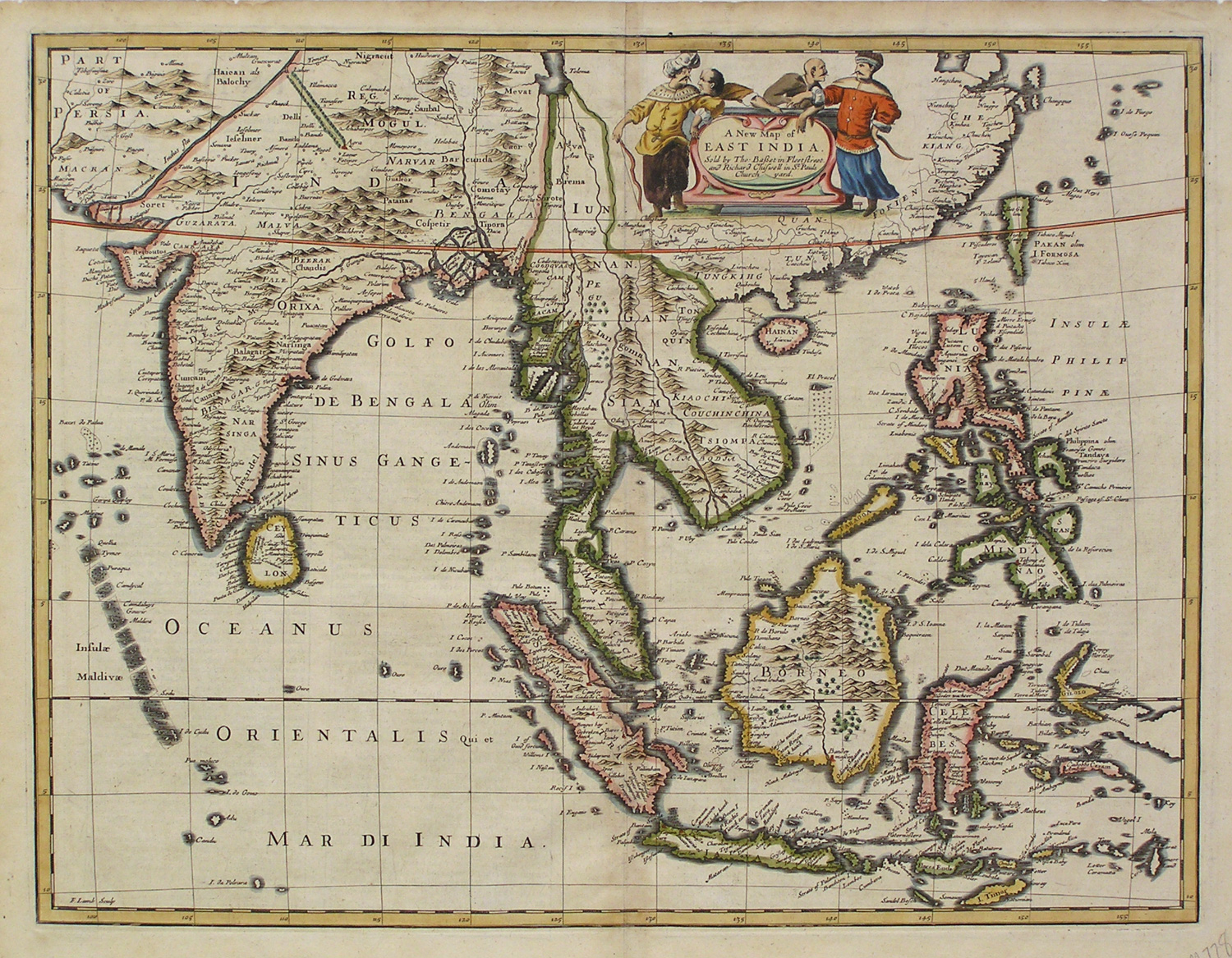
The king list given by R. Morton Smith in his book “Dates and Dynasties in Earliest India” – show the names of at least 78 Yadava kings. All of us know that the Puranas give the list of Surya vamsa and Chandra Vamsa. But we don’t know the full list of Yadava kings. We knew the most famous Yadava, Lord Krishna! Apart from his close associates, we don’t read much about them. But Morton smith took some efforts to collect all the Yadava kings details from Puranas. (I have not given all the Yadava kings here. Some are listed here today. Some are in the previous lists. More coming in  future lists).I don’t agree with Morton Smith’s dates because he placed Rama in 1060 BCE and Krishna in 980 BCE. Even modern scholars have dated Mahabharata characters to 1500 BCE. Hindus believe that it happened just before Kaliyuga began in 3102 BCE. But once we can prove the dates of Rama and Krishna beyond anyone’s doubts, then all these dates will have to change. It is useful to have some readily available information of all the kings with relative chronology.

In this 17th part, I have listed Kings under ‘S’

So far we have listed 2148 +335=2483 kings!

ALL YEARS ARE IN BCE, except when they are marked CE

S1)SABALASVA KAURAVA – 1470 BCE

S2)SABHASKA BHANGAKARI – 1080 BCE

S3)SABHANARA ANAVA – 1520 BCE

S4)SADASVA NIPA – 1195

S5)SAGARA AIKSVAKAVA – 1280 BCE

S6)SAHADEVA SARNJAYA VAISALI 1160 BCE

S7)SAHADEVA  KSATRADHARMANA 1440 BCE

S8)SAHADEVA  OF MAGADHA 980 BCE

S9)SAHADEVA AIKSVAKAVA – 835 BCE

S10)SAHADEVA PANDAVA – 975 BCE

S11)SAHADEVA PANCALA – 1070 BCE

S12)SAHADEVA SAURI

S13)SAHADEVA KRTRADHARMAN 1350

S14)SAHADEVA DAIVAKI – 1300

S15)SAHALYA NANDA – 380 BCE

S16)SAHANJA KARTI YADAVA – 1490 BCE

S17)SAHASRAJIT YADAVA – 1600 BCE

S18)SAHASRAJIT YADAVA BHAJAMANA – 1175 BCE

S19)SAHASRAJIT KARSNA –

SAHASRASVA –

S20)SAHASRAVANT AIKSVAKAVA – 850 BCE

S21)SAHASVANT OF KALINGA 1090 BCE

1220 BCE SAIBHAYAA, WIFE OF JYAMAGHAA

SAINDHYAVANI

SAKA

S22)SAKALYA VIDAGHDA 870

S23)SAKTI KUMARA BLC – 190 BCE

S24)SAKUNI AIKSVAKAVA – 1820 BCE

S25)SAKUNI VAIDARBHA – 1050

SAKUNTALA VAISVAMITRA -1250 BCE
banner_about_Krishna_3_12

S26)SALA , BROTHER OF NAMA

S27)SALA BAHLIKA -1000

SALAVATI, WIFE OF VISVAMITRA 1280 BCE

S28)SALISUKA MAURYA -235

S29)SALMALA KAURAVA – 1400 BCE

S30)SAMARA NIPA – 1200 BCE

S31)SAMBA VAISVAKASENA -1060

S32)Samba , son of Krishna and jambavati

S33)SAMBHAVA OF MAGADHA 1030 BCE

S34)SAMBHUTI AIKSVAKAVA – 1430 BCE

S35)SAMHATASVA AIKSVAKAVA – 1560 BCE

S36)SAMI ANDHAKI YADAVA 1170 BCE

S37)SAMIN SAUNASVA

S38)SAMIKA SAURA YADAVA -1100

S39)SAMKIRTI VAISVAMITRA -1260

S40)SAMKIRTI KSATRADHARMANA – 1380 BCE

S41)SAMKIRTI , SON OR GRANDSON OF NARA–1180

S42)SAMPARA NIPA –1200 BCE

SAMPATI   YATI

S43)SAMPRATI MAURYA – 221

S44)SAMPRIYA MAGHADI OR MADHAVI – 1200

S45)SAMTARDANA DHARSTAKETAVA – 980

SAMUDRA

S46)SAMUDRAVIJAYA, FATHER OF ARISTANEMI

S47)SAMVARANA KAURAVA – 1300

S48)SAMVARTA , BROTHER OF AUCATHYA 1290

S49)SAMYATA MARUTI TAURVASI – 1280

S50)SAMYATI PAURAVA – 1620 BCE
krishna bommai,fb

S51)SANADVAJA VAIDEHA – 946

S52)SANAKA, BROTHER – 1150

S53)SANDHANA ANDIRI 1180

S54)Sangramjit, brother of Karna

S55)SANJAYA VAIDEHA –792

S56)SANJAYA AIKSVAKAVA -540

S57)SANJAYA KSATRADHARMANA -1550

SANKARA

SANKILA

SANKHANABHA

S58)SANKU AUGRASAINYA – 920

S59)SANNATI ALARKA KASYA 1240

SANNATI, WIFE OF BRAHMADATTA -1090

S60)SANNATI DVIMIDHA- 1080

S61)SANNANTIMANT DVIMIDHA 1100

S62)ANTANU KAURAVA –1075

SANTIDEVAA , WIFE OF DEVAMILHUS -1280

S63)SAPA, FATHER OF NIMI -1580

S64)SAPTARATHAVAHANA – 830

S65)SARABHA RAUKMINEYA

S66)SARADVANT DRUHYU – 1480

S67)SARADVANT GAUTAMA – 1120

S68)SAARANA , BROTHER OF RAMA 1100

SARASVATI , WIFE OF ANTINARA 1540 BCE

S69)SARMISSTHA VARSAPARVANI – 1800 BCE

SANRNGADEVAA, MOTHER OF TUMBA – 1250

S70)SARUTHA ,HUSBAND OF DUSMANTA -1230

S71)SARVABHAUMA NABHAGI -1350

S72)SARVABHAUMA BRHATKSATRA 1160 BCE

S73)SARVABHAUMA DVIMIDHA – 1215

S74)SARVAKAMA  SARVABHAUMA -1350

S75)SARVAKARMAN NABHAGI – 1290

ancient_india

S76)SARVASENA OF KASI – 1080 BCE

SARVATRAGA

S77)SARYATI MANAVA -1450

S78)SASABINDU YADAVA – 1520

SASADA VIKUKSHI – 1820 BCE

SATABALAA , DAUGHTER OF RAMA

S79)SATADHANVAN YADAVA – 1090

S80)SATADHANVAN MAURYA -192

S81)SATADYUMNA VAIDHA – 1020

S82)SATAJIT YADAVA 1580

S83)SATAJIT, BROTHER OF BHAJAMANA -1175

S84)SATAKARNI VEDISRI – 178 CE

S85)SATAKARNI VEDISRI II – 132 CE

S86)SATAKARNI SUNDARA III – 85 CE

S87)SATAKARNI CAKORA IV – 86 CE

S88)SATAKARNI GAUTAMIPUTRA 108 CE

S89)SATAKARNI SIVASRIPULOMAYI- 164 CE

S90)SATAKARNI SIVASKANDHA – 193 CE

S91)SATAKARNI YAJNASRI – 197 CE

S92)SATAKARNI CANDASRI 226 CE

S93)SATANANDA SARADVATA – 1195 BCE

S94)SATANIKA SATRAJITA – 885

S95)SATANIKA VATSA – 500

S96)SATARATHA NABHAGI – 1240

S97)SATAVAHANA ANDHRA SAIMUKA – 185

S98)SATAYAJNA OF MAGADHA – 817

S99)SATHA, BROTHER OF RAMA -1095

S100)SATRAJIT NAIGHNA YADAVA – 1120

krishna

S101)SATRAJIT JANAMEJAYA III

S102)SATRUGHNA DASARATHI 1060

S103)SATRUGHNA ARJUNA

S104)SATRUGHNA SABHAKSA – 1075

S105)SATRUGHNA YADAVA – 990

S106)SATRUGHNA, FATHER OF ARIMARDHANA

S107)SATRUJIT NIVATASATRU – 1075

S108)SATTVADANTA BHADREYA – 1025

S109)SATVANT YADAVA- 1240

S110)SATYA SAUNAKA – 1160

S111)SATYA NAGNAJITI – 1160

SATYAA ,WIFE OF CITRARATHA 1110

SATYABHAMAA, WIFE OF KRISHNA – 1080 BCE

S112)SATYADHRTA, FATHER OF KRIPA – 1040

S113)SATYADHRTI- 1065

S114)SATYDHRTI DVIMIDHA – 1280

S115)SATYDHRTI PARSVINA – 1020

S116)SATYAHITA OF MAGADHA – 1090

S117)SATYAJIT AJAMIDHA – 630

S118)SATYAKA SAINEYA YADAVA—1115

S119)SATYAKAMA JABALA – 740

S120)SATYAKARMAN ANAVA SARNJAYA – 1450

S121)SATYAKARMAN, BROTHER OF ANAVA DHARTAVRATA – 1020

S122)SATYAKARNA CANDRAPIDA -900

S123)SATYAKETU KASYA -1160

S124)SATYAKETU YADAVA KASEYA 1090

S125)SATYAKI YUYUDHANA

eastindia

SATYRARATTAA , WIFE OF TRISANKU – 1300

S126)SATYARATHA VAIDEHA – 704

S127)SATYARATHA ANAVA – 1110

SATYAVATI, DAUGHTER OF GADHI – 1340

S128)SATYAVATI KALI DASEYI  – 1040

Following in small letters are taken from Mahabharata

S129)Satyasena , son of karna

S130)Satyavan dhumat sena, husband of savitri

S131)Saumadhiti, son of shala

S132)Sauveera, who did 3 year long yajna

S133)Shala ,eldest son of king pariksheet and sushobana

S134)Shalva ,king of saubhya in matrikavtak

S135)Shanka, eldest son of king virata of matsyadesa

S136)Sharabha, dhristaketus brother

S137)Sharyati , father of sukanya, ancient king

S138)Shashasabindu- ancient king

S139)Shatayupa, kekaya king

S140Hrtayudha – king of kalinga

S141)Somaka – ancient time

S142)SAUBAGASENA MAYURA – 205

S143)SAUNAKA , SON OF SUNAKA – 950 BCE

S144)SAUNAKA DEVAPI – 925

S145)SAUNAKA INDROTA – 900

S146)SAUNAKA DRTI – 875

S147)SAUNAKA BUDHA SONA – 400

S148)SENAJIT NIPA – 1325

S149)SENAJIT OF MAGADHA – 858

S150)SETU DRUHYU -1520

S151)SIBI AUSINARA – 1345
krishna3

S152)SIGRASVA AIKSVAKAVA – 975

S153)SIKHANDINI DRAUPADI – 975

S154)SIMUKA ANDHRA -211 CE

S155)SINDHUDWIPA AMBARISA – 1410 BCE

S156)SINEYU YADAVA – 1420

S157)SINI YADAVA – 1140

S158)SINI GARGYA BHARATA -1170

S159)SIRADVAJA VAIDEHA – 1080

SISIRAVATI

S160)SISRAYANI, BROTHER IN LAW OF AGAVAHA 1180

SISIRAYANI VRKADEVI

S161)SISUNAGA OF MAGADHA – 437

S162)SISUPALA SUNITHA

SITA, WIFE OF RAMA -1060

S163)SIVASKANDHA SATAKARNI

SIVASRI SATAKARNI

SIVASVATI ANDHRA 87 CE

SKANDASVATI ANDHRA 150 BCE

SKANDASVATI ANDHRA II 16 BCE

S164)SOBHARI KANVA 1180

165)SOMA PANCALA -1130

S166)SOMADATTA VAISALI – 1120

S167)SOMADATTA SRNJAYA – 1090

S168)SOMADATTABAHLIKA – 1020

S169)SOMADHI OF MAGADHA – 975

S170) SOMAKA PANCALA – 1050

S171)SONAKA BUDDHA SAUNAKA –

S172)SONASVA YADAVA – 1100

S173)SRADDHADEVA JANA NISADA 1130

S174)SRADDHADEVA VAISYA – 1150

S175)SRAVANA CAITRAKA – 950

S176)SRAVAS SAUNAKA – 1120

S177)SRAVASTA AIKSVAKAVA – 1680

S178)SRAVISTHA PIPPILADI – 900

S179)SRENIKA BIMBISARA

S180)SRIDEVA LAUMAPADA – 1010

S181)SRIDEVA DAIVAKI – 1260

S182)SRNJAYA VAISALI – 1180

S183)SRNJAYA PANCALA  1225

S184)SRNJAYA ANAVA – 1480

S185)SRNKHALA  AIKSVAKAVA – 1140

SRSTACAYA

S186)SRUTA BAGIRATHA -1040

S187)SRUTADEVA SAURI -1050

S188)SRUTADEVAA, WIFE OF VRDDHASARMAN -1000

S189)SRUTAKARMA DRAUPADEYA, SON OF SAHADEVAN

S190)SRUTAKIRTI SAURA -1040

S191)SRUTAKIRTI KAIKEYI- 1000

S192)SRUTANJAYA OF MAGADHA – 835

S193)SRUTASENA , SON OF JANAMEJAYA -1225

S194)SRUTASRAVAA, WIFE OF DAMAGHOSA- 1000

S195)SRUTASRAVAS OF MAGADHA -977

S196)SRUTASRAVAS SAURA -1020

SRUTAVANT

S197)SRUTAVANT VISRUTASVA -1020

SRUTOYA

S198)SRUTAYUS OF KALINGA – 980

S199)SRUTAYUS OF VDEHA – 836

S200)STHIRAMUSHTI VASUDEVA –
linschoten_full_map

S201)STHULAKESA- 1000

S202)SUBAHU SURA -1300

SUBANDHU

SUBHADRAA, WIFE OF ARJUNA- 990

S203)SUBHAGASENA, SON OF ASOKA – 230

SUBHANGI, WIFE OF KURU – 1280

S204)SUBHUSANA SANKU AUGRASAYANYA-900

S205)SUCADRATHA VATSA – 760

S206)SUCALA OF MAGADHA – 610

S207)SUCANDRA VAISALI – 1220

S208)SUCARU PANCALA SAURA – 1050

S209)SUCARU PANDAVA -900

S210)SUCETAS ANAVA – 850

S211)SUCETAS DRUHYU- 1350

S212)SUDAMSTRA YADAVA – 1030

S213)SUDARSANA AIKSVAKAVA – 1020

S214)SUDAS PAIJAVANA – 1090

S215)SUDAS HAMSAMUKHA- 1330

S216)SUDHODANA SAKYA – 560

S217)SUDESNA RAUKMIEYA

S218)SUDESNAA, WIFE OF BALI-1240

S219)SUDEVA AIKSVAKAVA – 1380

S210)SUDEVA OF KASI -1360

S211)SUDEVA DAIVAKA -960

SUDEVAA, WIFE OF RCA -1020

SUDEVAA, WIFE OF VIKUNTHIN-1110

SUDEVI ,WIFE OF VISVAKSENA -1080

S212SUDHANVAN Dhundhu paurava – 1660

S213)SUDHANVAN AIKSVAKAVA – 1410

S214)SUDHANVAN PARIYATRA 1240

S215)SUDHANVAN KAURAVA 1260

S216)SUDHANVAN KAURAVA OF MAGADHA 610

S217)SUDHARMAN CAITRAKA YADAVA 980

S218)SUDHARMAN DVIMIDHA -1235

S219)SUDHRTI RAJYAVARDHANA – 1420

S220)SUDHRTI VAIDEHA – 1340

S221)SUDHYUMNA AILA -1300

S222)SUDHYUMNA AILINA PAURAVA 1280

SUGANDHI

SUGATRI, WIFE OF AKURA – 1100

S223)SUHMA BALEYA -1210

S224)SUHOTR, BROTHER OF VIDHATA -1210

S225)SUHOTRA KAUSIKA 1500

S226)SUHOTRA JAHNAVA -1460

S227)SUHOTRA BARHATKSATRA 1150

S228)SUHOTRA FATHER OF AJAMIDHA -1390

S229)SUHOTRA VAIDATHINA – 1190

S230)SUHOTRA KAURAVA -1240

S231)SUHOTRA KAURAVA 1240

S232)SUHOTRA ATITHEYA – 1410

S233)SUJAJNA YADAVA – 1475

S234)SUKA, FATHER IN LAW OF ANUHA – 1140

S235)SUKANYA SARYATA – 1420

S236)SUKETU VAIDEHA – 1440

S237)SUKETU SAUNITHA KASYA 1200

S238)SUKETU AIKSVAKAVA – 1200

S239)SUKHIBALA VATSA -680

S240)SUKRTI NIPA 1160

S241)SUKSATRA OF MAGADHA – 914

S242)SUKUMARA OF KASI -1100

S243)SUKUMARA MOTHER OF PRATIPA – 1120

S244)SUMANTA LAUMAPADA – 1140

S245)SUMANTU JAIMINI – 960

S246)SUMANU VAIDEHA 748

S247) DVIMIDHA – 1100

S248)SUMATI MAHINETRA

S249)SUMITRA ANAMITRA

S250)SUMITRA AIKSVAKAVA AMITRAJIT -660
Krishna-and-Balaram-on-top-of-Govardhan-hill

S251)SUMITRA AIKSVAKAVA AMITRAJIT II -410

S252)SUNAHA JAHNAVA KAUSIKA -1460

SUNAHOTRA

S253)SUNAHOTRA KSHATRAVRDDHA – 1580

S254)SUNAHOTRA VAITADHINA- 1200

S255)SUNAHPUCCHA AJIKARTA – 1250

S256)SUNASHEPA DEVARATA -1240

S257)SUNAKA KSATRAVRDDHA – 1520

S258)SUNAKA ,SON OF RURU -975

S259)SUNAKSATRA AIKSVAKAVA – 730

S260)SUNAMAN KANKA – 950

SUNAMAN DEVAKI –

S261)AUNAMITRA ANAMITRA – 1165

SUNAMNI, WIFE OF VASUDEVA

SUNANDAA, DAUGHTER OF RAMA -1060

SUNANDAA, DAUGHTER OF SARVASENA – 1060

SUNANDAA DAUGHTER OF SARVABHAUMA -1160

SUNANDAA, DAUGHTER OF PRATIPA 1100

S262)SUNAYA VAIDEHA – 481

S263)SUNAYA VATSA – 640

S264)SUNDARA SATAKARNI -85 CE

SUNDARI, WIFE OF VISRUTASVA  -1075 BCE

S265)SUNETRA OF MAGHADA  – 745

S266)SUNETRA II – 617

S267)SUNITHA SAUCADRATHA

S268)SUNITHA VATSA 765

S269)SUNITHA OF KASI – 1220

S270)SUNITHA SISUPALA – 980

S271)SUNITHA KARSANA

S272)SUPARNA AIKSVAKAVA – 680

S273)SUPARNA, FATHER IN LAW OF CITRARATHA

S274)SUPARSVA VAIDEHA – 814

S275)SUPARSVA CAITRAKA -1020

S276)SUPARSVA, SON OF SATHA -1070

S277)SUPARSVA FATHER IN LAW OF SAMBA -1075

S278)SUPARSVA DVIMIDHA – 1120

S279)SUPRATIKA HAIHAYA – 1270

S280)SUPRATITA AIKSVAKAVA – 770

S281)SURA ARJUNI YADAVA – 1300

S282)SURA NIPA – 1030

SURASAA, DAUGHTER OF RAMA

S283)SURASENA  ARJUNI YADAVA – 1300

S284)SURATHA, SON OF JANAMEJAYA – 1210

S285)SURATHA AIKSVAKAVA – 430

S286)SURATHA JAHNAVA KAURAVA – 1225

S287)SURAUDYA DHURYA – 1500

S288)SURUPA NASAMAUJASA YADAVA – 1025

S289)SURYAPIDA, SON OF JANAMEJAYA -910

S290)SUSANDHI AIKSVAKAVA – 900

S291)SUSANTI NAILA PANCALA – 1310

S292)SUSARMAN KANVA MAGADHA 38

S293)SUSENA SAURA -970

S294)SUSENA SURATHA

SUSEVA

SUSILA MADRI

SUSMANTA AILINA

S295)SUSRUTA VAIDEHA 572

S296)SUSUVAA, WIFE OF JAYATSENA -1140

S297)SUTANU AUGRASAINYA – 900

S298)SUTANU PARICAKRITA

S299)SUTANU YAUDHISISTHIRA -965

S300)SUTAPAS ANAVAS -1280
mathura-and-vrindavan-tour2

S301)SUTEJAS SAUNAKA- 1240

S302)SUTODA VAIDEKA 594

S303)SUVACAS, DAUGHTER OF RAMA

S304)SUVARCAS VAIDEHA 616

S305)SUVARCAS MANAVA – 890

SUVARNAA, WIFE OF SUHOTRA –

S306)SUVARNAROMAN  VAIDEHA – 1120

S307)SUVIRA SAINYA – 1320

S308)SUVIRA DVIMIDHA – 990

S309)SUVRATA AUSINARA -1340

S310)SUVRATAOF MAGADHA -779

S311)SUVRATA TRINETRA –

S312)SUVRATA AIKSVAKAVA -580

SUYAJNA

S313)SUYANJA, WIFE OF MAHABHAUMA – 1100

SUYASA, WIFE OF RKSA 118
YadavasofDevagiri_25070

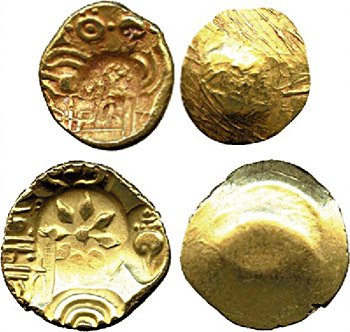
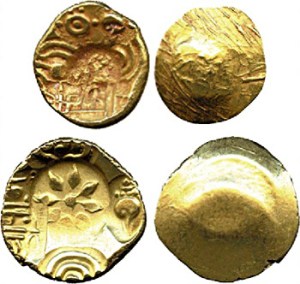
Coins of Devagiri Yadava kings

S314)SUYASAS KUNALA MAURYA –

S315)SUYAVAS, GRAND FATHER OF  SUNASHEPA – 1295

S316)UYODHANA ANAVAS/ARDRA KAKUSTHA

S317)SVAGATA VAIDEHA – 638

S318)SVAHI YADAVA – 1600

S319)SVAPHALKA VARSNEYA YADAVA – 1130

S320)SVARBHANU, FATHER IN LAW OF AYU –

S321)SVARGAGA BHAIMA PANDAVA –

S322)SVATI ANDHRA – 28

S323)SVATIKARNA MRGENDRA 9

S324)VATI KARNA KUNTALA 6 BCE TO 3 CE

S325)SVATISENA ANDHRA- 3 CE

S326)SVAYAMBHOJA YADAVA – 1130 BCE

S327)SVCENI LAUMAPADA- 1100

S328)SVETA PAURADYA -1250

S329)SVETA LAUMAPADA -1200

S330)SVETAKARNA SATYAKARNI 880

S331)SVETAKETU ARUNEYA GAUTAMA-750

S332)SVETARANA VAITARANA –

S333)SVETARATHA VAHANA

S334)SVETAVAHANA YADAVA -1100

S335)SYAMA SAURA KRSNA -1120

SVAYASVA ATREYA –SYENI ,WOFE OF PRAVIRA 1720 BCE

krishna-with-his-dear-friend-vrindavan-das

Kings under ‘S’ finished.

தமிழன் கண்ட செயல்முறை அறிவியல்! தண்ணீர்! தண்ணீர்!!

Waterpurify

Written by London swaminathan

Research Article No. 1685; Dated– 2 March 2015.
தண்ணீர் என்பது ஒரு அரிய பொருள். அது கிடைத்துக் கொண்டே இருந்தால் அதன் அருமை பெருமை தெரியாது. காசைத் ‘தண்ணீர் போல செலவழிக்கிறான்’ என்று ஊதாரி மகனைத் திட்டுவர் பெரியோர். நாங்கள் ஆட்சிக்கு வந்தால் ‘பாலும் தேனும் தண்ணீர் போல ஓடும்’ என்பர் அரசியல் கட்சியினர். ஆனால் உண்மையில் தண்ணீர் கிடைக்காததால் எவ்வளவோ நாகரீகங்கள் தலை நகர்களையே கூட மாற்றி இருக்கின்றன!

ரிக்வேதம் முதல் திருவிளையாடல் புராணம் வரை வரும் வறட்சி பற்றிய குறிப்புளை எல்லாம் எழுதிப் பார்த்தால் நூற்றுக் கணக்கில் இருக்கும். இதனால்தான் தமிழில் “நீரையும் சீராடு” – என்று ஒரு பழமொழி யையும் சொல்லிவைத்தார்கள்.

“ஆற்றுப் பெருக்கற்று அடி சுடும் அந்நாளும் ஊற்றுப் பெருக்கால் உலகூட்டும் வைகை” என்று எங்கள் மதுரையில் ஓடும் வைகை நதியின் சிறப்பைப் போற்றுவர். ஆனால் அப்படிக் கிடைக்கும் ஊற்று நீர், களிமண் பூமியாக இருந்தால் கலங்கிப் போய் இருக்கும். அப்படியே குடிக்க முடியாது. இதற்காக தமிழன் 2000 ஆண்டுகளுக்கு முன்னரே, — கலங்கிய நீரைத் தெளிவிப்பது எப்படி? என்று கண்டுபிடித்து வைத்தான். அது மட்டுமல்ல! கிணற்றுக்கடியில் இருக்கும் கலங்கல் நீரைக்க்கூட சுத்தப்படுத்தி வாளியில் ஏற்ற வழி கண்டுபிடித்தான்.

Strychnos_potatorum_5

நான் 1993 முதல் லண்டனில் இருந்து வெளியான “மேகம்” மாத இதழில் “தமிழ் இலக்கியத்தில் அதிசயச் செய்திகள்” என்று கட்டுரை எழுதி வந்தேன். அது 2009-ல் புத்தக வடிவில் வெளியானது (நாகப்பா பப்ளிகேஷன்ஸ், சென்னை). அதற்கு முன்பாகவே நிலாசாரல்.காம் அதை “ஈ புக்”—ஆக வெளியிட்டது. அதில் (பக்கம் 17), கலித்தொகையில் வரும் தண்ணீர் சுத்தப்படுத்தும் முறை பற்றிய குறிப்பை சுருக்கமாக எழுதி இருந்தேன். அதை சற்று விரிவாகக் காண்போம்.

கலித்தொகை என்பது சங்க இலக்கியத்தில் எட்டுத்தொகை நூல்களில் ஒன்று. அதில் ஐந்து பகுதிகள் உண்டு. அதில் நல்லந்துவனார் பாடிய நெய்தல் கலி கடைசி பகுதியாக வருகிறது. அதில் வரும் ஒரு குறிப்பு:–

நல்கிய கேள்வன் இவன் – மன்ற, மெல்ல

மணியுள் பரந்த நீர்போலத் துணிவாம்

கலம் சிதை இல்லத்துக் காழ்கொண்டு தேற்றக்

கலங்கிய நீர்போலத் தெளிந்து, நலம் பெற்றாள்!

நல் எழில் மார்பனைச் சார்ந்து………..”

இதன் பொருள்: – மணியும் அதனுள் பரந்து விளங்கும் நீரும்போல, இவ்விருவரும் ஒருமித்த மனமுடையவர் என்று அனைவரும் துணிந்தனர்- திருமணமும் நடந்தது. அதன் பின்னர் அவளைக் கண்டவர் சொன்னார்கள்:

இல்லத்திலுள்ள நீர் கலங்கி இருந்தால், அது இருக்கும் பாத்திரத்துள் சிறிது தேற்றாவின் விதையைத் தேய்த்ததும், அந்நீர் தெளிந்து விடுவது போல, அந்த நல்ல அழகுடைய மார்பனைச் சேர்ந்ததும் இவளும் தெளிவுற்று நலம் பெற்றாளே!

water puried

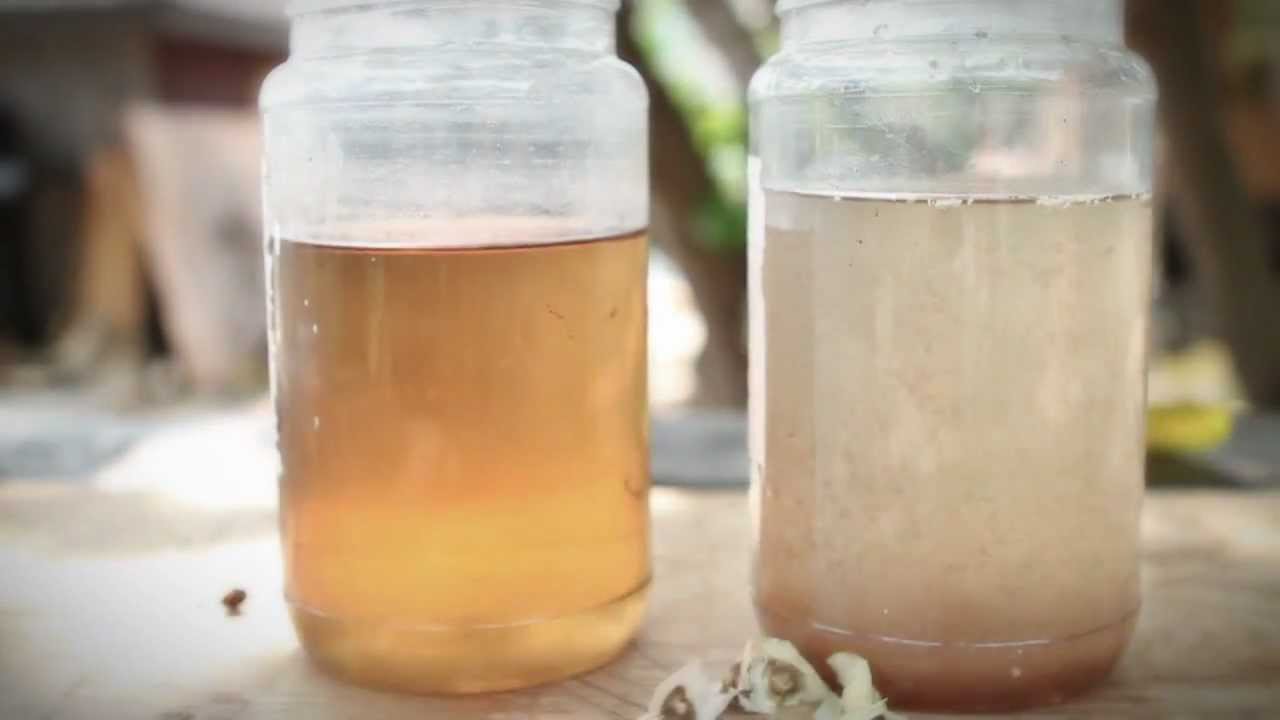
தேற்றாங் கொட்டை என்பதைப் பொடி செய்து கலங்கிய நீரில் போட்டால் அது தெளிந்துவிடும் என்பது சங்க காலம் முதல் இன்றுவரை பின்பற்றப் படுகிறது. பாட்டிலில் தண்ணீர் விற்பனைக்கு வரும் காலத்துக்கு முன்னரே சுத்தமான நீரைப் பெற இதைப் பயன்படுத்தினர். (இதற்கு கதகப் பொடி என்ற பொடியை வடமொழி நூல்கள் குறிப்பிடும்)

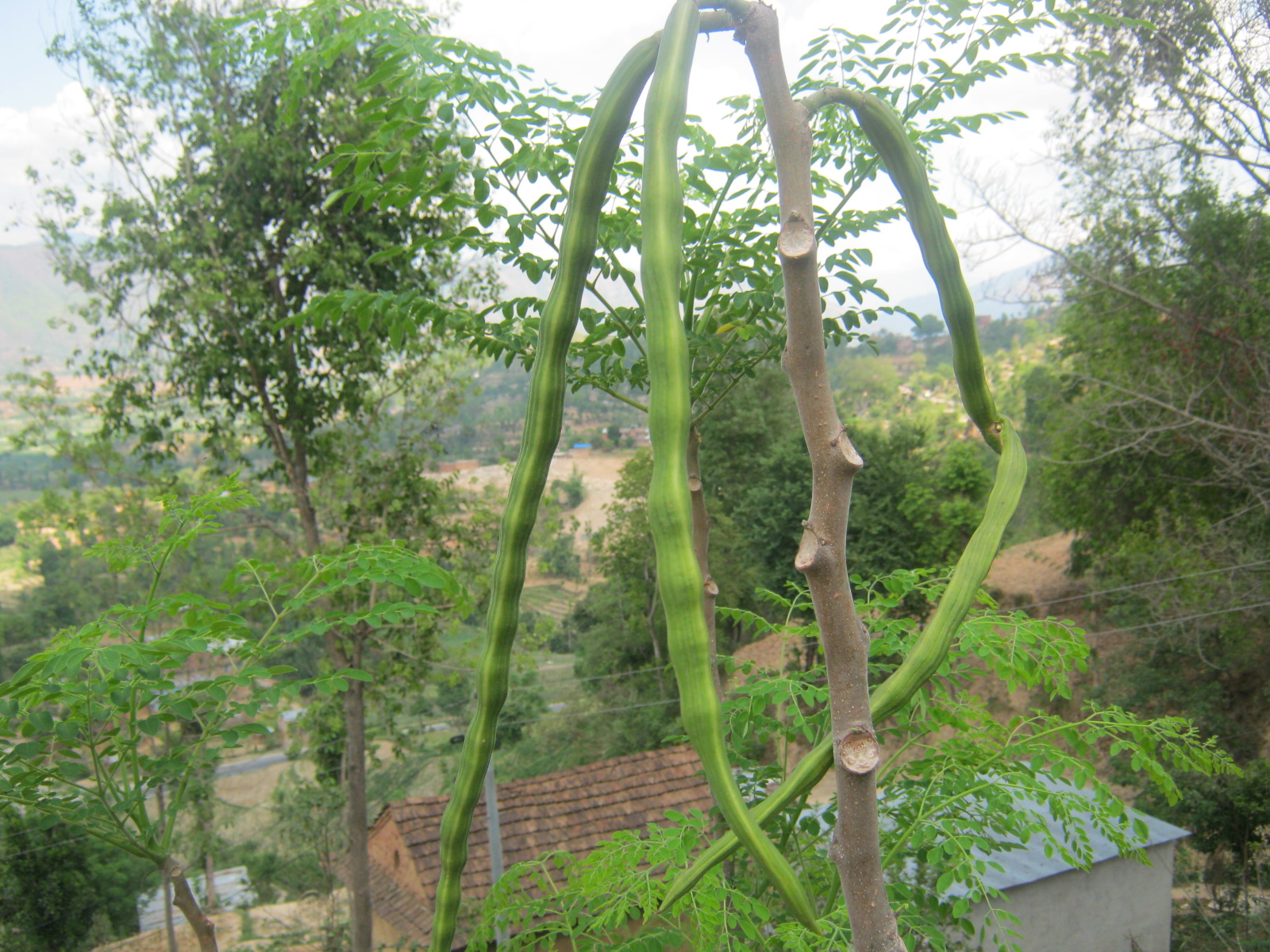
ஆப்பிரிக்க நாடுகளில் முருங்கைக் காய்க்குள் இருக்கும் விதைகளைப் பயன்படுத்தி இதைச் செய்தனர்.

கதகப் பொடி வடமொழியில் உள்ள நியாயங்களில் ஒன்றாக வருவதும் அதை சத்திய சாய்பாபா உவமையாகப் பயன்படுத்துவதும் எஸ்.நாகராஜன் எழுதிய கட்டுரையில் இதே பிளாக் –கில் நேற்று வெளியாகியுள்ளது. (கட்டுரைத் தலைப்பு நீரில் அமிழ்ந்த சுரைக்காய், மார்ச் 1 வெளியீடு)

தமிழர்கள் அந்தக் காலம் முதல் இன்று வரை கோடைகாலத்தில் வீட்டின் ஒரு ஓரத்தில் மண்ணை நிரப்பி, அதன் மீது பானையை வைத்து, அந்த நீரில் வெட்டி வேர், விளாமிச்சை வேர் முதலியவற்றைப் போட்டு தண்ணீர் குடிப்பது நாம் அறிந்ததே. வெட்டி வேர் எஸ்ஸன்ஸ் என்பது இப்போதெலாம் மிகவும் அதிக விலைக்கு வெளி நாடுகளுக்கு ஏற்றுமதி ஆகிறது அவர்கள் இதை பெர்Fயூம் செய்யப் பயன்படுத்துகின்றனர்!

best water

பாதிரிப் பூவின் மகிமை

ஆனால் மற்றொரு தமிழ் இலக்கியப் பாடல் பாதிரிப் பூவின் மகிமையைப் பாடுகிறது

கல்லாரே ஆயினும் கற்றாரைச் சேர்ந்தொழுகின்

நல்லறிவு நாளும் தலைப்படுவர் – தொல் சிறப்பின்

ஒண்ணிறப் பாதிரிப்பூச் சேர்தலாற் புத்தோடு

தண்ணீர்க்குத் தான்பயந்தாங்கு – நாலடியார்

பொருள்:–பழமையான சிறப்பையும், ஒளி பொருந்திய நிறத்தையும் உடைய பாதிரிப்பூவைச் சேர்தலினால், புதுப் பானையானது தன்னிடமுள்ள தண்ணீர்க்குத் தன் மணத்தைக் கொடுத்தது போல, கல்லாதவர்களே ஆயினும் கற்றறிந்த அறிஞர்களுடன் சேர்ந்தால் அவர் சேர்க்கையால் நல்லறிவு நாளுக்கு நாள் பெருகும்

அருமையான உவமை. பானைத் தண்ணீருக்குப் பாதிரிப் பூ வாசனை தரும். கல்வி அறிவு மிக்கவர்கள், தன்னைச் சார்ந்தவர்களுக்கும் அறிவொளி பரப்புவர்.

வராஹமிகிரரும், பிருஹத் சம்ஹிதா நூலில் தண்ணீர் சுத்திகரிப்பு பற்றிப் பேசுகிறார். கடுக்காய், நெல்லிக்காய்,பத்ரமுஷ்டா புல் ஆகியவற்றை கிணற்று நீரில் போடும்படியும் அப்போது அது தெளிந்து விடும் என்றும் சொல்லுகிறார்

தமிழில் இதே கருத்தை வலியுறுத்தும் பழமொழிகளும் உண்டு. நூலோடு சேர்ந்த நாரும் மணம் பெறும் என்று கம்பன் வீட்டுக் கட்டுத் தறியும் கவி பாடும் என்றும் வசனங்கள் உண்டு. ஆனால் நாம் இங்கு காண்பது பாதிரிப் பூவின் பயன்பாடுதான்.

Fragrant_root_vetti-ver

வெட்டி வேர், விளாமிச்சை வேர், பாதிரிப் பூ, தேற்றாவின் கொட்டை முதலியன பயன் தரும் தாவரங்கள். ஆப்பிரிக்கர் சொல்லுவது போல முருங்கை விதைகளப் பயன்படுத்தியும் நன்மை அடையலாம். இந்தியா போன்ற வெப்ப மண்டல நாடுகளுக்கு கடவுள் கொடுத்த வரப் பிரசாதங்கள் இவை.

swami_48@yahoo.com

Navaratna Mystery in Sanskrit Literature!

nine

Written by London swaminathan

Research Article No. 1684; Dated 1st March 2015.

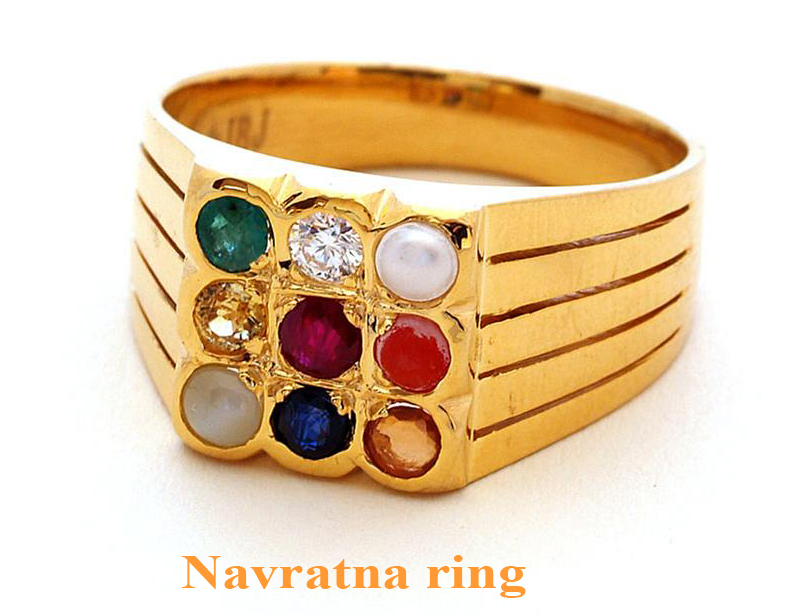
Navaratna means nine gems. This word is used in gemmology and in Sanskrit literature. In gemmology it means the nine gems Diamond (Vajra), Ruby (Manikya or Padmaraga), Emerald (Marakatha), Sapphire (Neelam), Topaz (Pushparaka), Pearl (Mukta), Coral (Pravala), Cat’s Eye (Vaidurya) and Gomedaka (garnet). But I am dealing with the Navaratna in Sanskrit literature. The mystery about nine gems or nine jewels in Sanskrit literature is not solved till this day. The reason being

Navaratna-setting-system

Yellow sapphire=Pushparaka; Hessonite=Gomedaka

1.The sloka about nine literary gems is a very late composition.

2.The Sanskrit verse mentioned nine people in the Royal court of Emperor Vikramaditya. The most famous Vikramaditya of Indian history lived in the first century BCE. We have one era known as Vikrama Samvat (56 BCE) in our calendar system. Because of his fame, for at least 1000 years, several other kings also called themselves Vikramaditya! But the nine literary gems lived in different ages. So they would not fit into his court!

3.Of the nine scholars, we did not know about four scholars except their names.

4.Kalidasa was the most famous scholar in the list. He could have lived in the first century BCE, renowned Sanskrit scholars believe so. (Please read my earlier articles on Kalidasa’s age through Sangam Tamil literature).

number_nine

The Sanskrit verse runs like this:

Danvantri Kshapanaka Amarasimha Shanku Vetalabhatta Ghatakarpar Kalidasa

Kyato Varahamihiro nrupate sabhayam ratnani vai Vararucir nava Vikramasya

This verse is found in “Jyotirvidbharana” of the sixteenth century. The nine jewels according to the verse are

Dhanvantri

Kshapanaka

Amarasimha

Sankhu

Vetalabhatta

Ghatakarpara

Kalidasa

Varahamihira

Vararuci

Navratna-ring-2

We knew for sure that Varahamihira of Brhat Samhita lived in the sixth century CE. Amarasimha, the author of 10,000 word dictionary Amarakosa lived around fourth century CE. Kshapanaka was a lexicographer but we don’t have his work. We don’t know anything about Kshapanaka , Ghatakarpara and Sankhu. Vetala Bhatta was the author of Vetala (Ghost) stories. Danvanatri was the author of several medical works.

Several great authors with the name Vararuci lived from fourth century BCE to 13th century CE. Most famous Vararuci was the author of Vartika who explained Panini’s Grammar. So we did not know which Vararuci is mentioned in the ‘navaratna’ verse.

Sankhu is represented by a few odd verses in later anthologies and Ghata karpara by collections of gnomic stanzas.

Everyone knew about the greatest of the Indian poets, Kalidasa, who was the author of at least seven works. Unless we can prove that all these people lived around first century BCE, we can’t place them in the court of Emperor Vikramaditya.

Problem with Indian literature is that there was constant updating. All the Puranas and important Sanskrit works were updated with latest information. Westerners interpreted it as interpolations or stamped it as a work of a later date. It happened with Adi Shankara as well. Several works of later Shankaracharyas were also attributed to Adi Shankara. Because of this Adi Shankara was dated to 732 CE which is wrong (Please read my article Shankar’s age through Tamil literature).

ratnaring

Whether the nine gems/jewels lived at the time of Vikramaditya or not, the great works of Danvantri, Kalidasa, Amarasimha, Vetalabhatta and Vararuci are real literary gems!

contact swami_48@yahoo.com