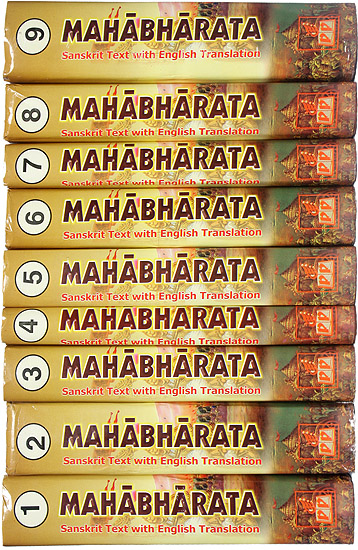
ஒரு லட்சம் ஸ்லோகங்கள், 2314 அத்தியாயங்கள் கொண்ட உலகின் மிகப் பெரும் நூல் மஹாபாரதம்

maha head 3

Dont Reblog it for at least a week; dont use pictures.

மஹாபாரத வழிகாட்டி

ஒரு லட்சம் ஸ்லோகங்கள், 2314 அத்தியாயங்கள் கொண்ட உலகின் மிகப் பெரும் நூல் மஹாபாரதம்


Research Article written by S NAGARAJAN

Date: 17th  September 2015

Post No: 2165

Time uploaded in London :– 12-11

(Thanks  for the pictures) 


.நாகராஜன்

வாழ்நாள் முழுவதும் படிக்க வேண்டிய இதிஹாஸங்கள் ராமாயணமும், மஹாபாரதமும்.

இதில் மஹாபாரதம் உலகின் மிகப் பெரும் நூல் என்ற பெருமையைப் பெறுகிறது. இதில் இல்லாத விஷயங்களே இல்லை என்பது இதன் சிறப்புகளில் ஒன்று.

நூலின் பிரம்மாண்டத்தை எப்படி அறிவது?


கீழே உள்ள பட்டியலைப் பார்த்து அறியலாம்.


தமிழில் மிகவும் அரும்பாடு பட்டு மஹாபாரதத்தைப் பதிப்பித்தவர் .வீ.இராமானுஜாசாரியர். இவரது பதிப்பு மொத்தம் சுமார் 8895 பக்கங்களைக் கொண்டிருக்கிறது. 2314 அத்தியாயங்கள் இதில் உள்ளன.

1896இல் K.M. கங்குலி அவர்களால் 1896ஆம் ஆண்டு ஆங்கிலத்தில் மொழி பெயர்க்கப்பட்ட மஹாபாரதத்திலோ 2113 அத்தியாயங்கள் உள்ளன.

ஹிந்தியில் மஹாபாரதம் பற்றி எழுதியுள்ள அறிஞர் வாசுதேவ குப்தா தனது மஹாபாரத் தர்ஷன் (2011 வெளியீடு, புனீத் ப்ரகாஷன், ஜய்பூர்) என்ற நூலில் 1923 அத்தியாயங்களில் உள்ள 96244 ஸ்லோக பட்டியலைத் தருகிறார்.

நூலின் பிரம்மாண்டம் இப்போது புரியும்.


மூன்று பட்டியல்களையும் கீழே காணலாம். இன்னும் சில பட்டியல்களும் கூட இருக்கக் கூடும்.

 maha headline

தமிழ் மஹாபாரதம்.வீ.ராமானுஜாசாரியர் பதிப்பு

  1. ஆதி பர்வம் 260 அத்தியாயங்கள் 956 பக்கங்கள்
  2. சபா பர்வம் 103 அத்தியாயங்கள் 359 பக்கங்கள்
  3. வனபர்வம்  315 அத்தியாயங்கள் 1242 பக்கங்கள்
  4. விராட பர்வம் 78 அத்தியாயங்கள் 337 பக்கங்கள்
  5. உத்யோக பர்வம் 196 அத்தியாயங்கள் 663 பக்கங்கள்
  6. பீஷ்ம பர்வம் 122 அத்தியாயங்கள் 510 பக்கங்கள்
  7. துரோண பர்வம் 203 அத்தியாயங்கள் 858 பக்கங்கள்
  8. கர்ண பர்வம்  101 அத்தியாயங்கள்  482 பக்கங்கள்
  9. சல்ய பர்வம்  66 அத்தியாயங்கள் 303 பக்கங்கள்
  10. சௌப்திக பர்வம் 18 அத்தியாயங்கள்  72 பக்கங்கள்
  11. ஸ்த்ரீ பர்வம் 27 அத்தியாயங்கள்  72 பக்கங்கள்
  12. சாந்தி பர்வம் 375 அத்தியாயங்கள் 1414 பக்கங்கள்
  13. அநுசாஸன பர்வம் 274 அத்தியாயங்கள் 1068 பக்கங்கள்
  14. அஸ்வமேதிக பர்வம் 118 அத்தியாயங்கள் 403 பக்கங்கள்
  15. ஆஸ்ரமவாசிக பர்வம் 41 அத்தியாயங்கள் 98 பக்கங்கள்
  16. மௌஸல பர்வம் 9 அத்தியாயங்கள் 28 பக்கங்கள்
  17. மஹா ப்ரஸ்தானிக பர்வம் 3 அத்தியாயங்கள்  10 பக்கங்கள்

18 ஸ்வர்காரோஹண பர்வம்    5 அத்தியாயங்கள்   20 பக்கங்கள்

               மொத்தம்        2314  அத்தியாயங்கள்   8895 பக்கங்கள்


ஆங்கிலத்தில் உள்ள மஹாபாரதம்கே.எம். கங்குலி பதிப்பு


maha headline2

  1. ஆதி பர்வம் 236 அத்தியாயங்கள்
  2. சபா பர்வம் 80 அத்தியாயங்கள்
  3. வனபர்வம் 313 அத்தியாயங்கள்
  4. விராட பர்வம் 72 அத்தியாயங்கள்
  5. உத்யோக பர்வம் 199 அத்தியாயங்கள்
  6. பீஷ்ம பர்வம் 124 அத்தியாயங்கள்
  7. துரோண பர்வம் 203 அத்தியாயங்கள்
  8. கர்ண பர்வம் 96 அத்தியாயங்கள்
  9. சல்ய பர்வம் 65 அத்தியாயங்கள்
  10. சௌப்திக பர்வம் 18 அத்தியாயங்கள்
  11. ஸ்த்ரீ பர்வம் 27 அத்தியாயங்கள்
  12. சாந்தி பர்வம் 364 அத்தியாயங்கள்
  13. அநுசாஸன பர்வம் 168 அத்தியாயங்கள்
  14. அஸ்வமேதிக பர்வம் 92 அத்தியாயங்கள்
  15. ஆஸ்ரமவாசிக பர்வம் 39 அத்தியாயங்கள்
  16. மௌஸல பர்வம் 8 அத்தியாயங்கள்
  17. மஹா ப்ரஸ்தானிக பர்வம் 3 அத்தியாயங்கள்

18 ஸ்வர்காரோஹண பர்வம்    6 அத்தியாயங்கள்  

               மொத்தம்        2113  அத்தியாயங்கள் 


 maha2

ஹிந்தியில் உள்ள மஹாபாரத தர்ஷன் நூலில் கே.எம்.வாசுதேவ குப்தா தந்துள்ள பட்டியல்

  1. ஆதி பர்வம் 227 அத்தியாயங்கள் 8884 ஸ்லோகங்கள்
  2. சபா பர்வம் 78 அத்தியாயங்கள் 2511 ஸ்லோகங்கள்
  3. வனபர்வம் 269 அத்தியாயங்கள் 11664 ஸ்லோகங்கள்
  4. விராட பர்வம் 67 அத்தியாயங்கள் 2050 ஸ்லோகங்கள்
  5. உத்யோக பர்வம் 186 அத்தியாயங்கள் 6698 ஸ்லோகங்கள்
  6. பீஷ்ம பர்வம் 117 அத்தியாயங்கள் 5884 ஸ்லோகங்கள்
  7. துரோண பர்வம் 170 அத்தியாயங்கள் 8909 ஸ்லோகங்கள்
  8. கர்ண பர்வம் 69 அத்தியாயங்கள் 4964 ஸ்லோகங்கள்
  9. சல்ய பர்வம் 59 அத்தியாயங்கள் 3220 ஸ்லோகங்கள்
  10. சௌப்திக பர்வம் 18 அத்தியாயங்கள் 870 ஸ்லோகங்கள்
  11. ஸ்த்ரீ பர்வம் 27 அத்தியாயங்கள் 775 ஸ்லோகங்கள்
  12. சாந்தி பர்வம் 329 அத்தியாயங்கள் 14732 ஸ்லோகங்கள்
  13. அநுசாஸன பர்வம் 146 அத்தியாயங்கள் 8000 ஸ்லோகங்கள்
  14. அஸ்வமேதிக பர்வம் 103 அத்தியாயங்கள் 3320 ஸ்லோகங்கள்
  15. ஆஸ்ரமவாசிக பர்வம் 42 அத்தியாயங்கள் 1111 ஸ்லோகங்கள்
  16. மௌஸல பர்வம் 8 அத்தியாயங்கள் 320 ஸ்லோகங்கள்
  17. மஹா ப்ரஸ்தானிக பர்வம் 3 அத்தியாயங்கள் 123 ஸ்லோகங்கள்

18 ஸ்வர்காரோஹண பர்வம்    5 அத்தியாயங்கள்   209 ஸ்லோகங்கள் 

               மொத்தம்        1923  அத்தியாயங்கள்    84224 ஸ்லோகங்கள்

19 ஹரிவம்சம்                                             12000 ஸ்லோகங்கள்

                                  மொத்தம்                 96244 ஸ்லோகங்கள்


 maha4

ஆக தீவிரமாக இதைப் படிக்க விழையும் ஒருவர் நாள் ஒன்றுக்கு நூறு பக்கங்கள் வீதம் படித்தால் 100 நாட்களில் படித்து முடிக்கலாம். நாள் ஒன்றுக்கு 1000 ஸ்லோகங்கள் என்ற கணக்கில் படித்தாலும் 100 நாட்களில் படித்து முடித்து விடலாம்.


பல முறை படிக்க வேண்டிய நூல் என்பதால் முக்கியமான பகுதிகளை மீண்டும் திருப்பிப் படிக்கக் கூடிய அளவில் குறிப்புகளும் எடுக்க வேண்டியிருக்கும்.


அதற்கான் ஆயத்தங்களுடன் விநாயகரையும் வியாஸரையும் வணங்கி படிக்க ஆரம்பிக்கலாம்.


படிக்க முனையும் பாக்கியசாலிக்கு வாழ்த்துக்கள்.

***********

Did Lord send you a message?

F Douglass

DON’T REBLOG IT AT LEAST FOR A WEEK!  DON’T USE PICTURES; THEY ARE COPYRIGHTED BY SOMEONE.


Compiled  by London swaminathan

Date: 16th September 2015

Post No: 2164

Time uploaded in London :– 20-35

(Thanks  for the pictures) 


Prejudice against Race, Religion and Colour

Frederick Douglass, noted Negro author and champion of the rights of his people, was once invited to have tea with President Lincoln at the White House.

Whenever Douglass spoke of this occasion he always said, “Lincoln is the first white man I ever spent an hour with who did not remind me that I am a Negro.”

xxxx

Did Lord send you a message?

Innocently unaware of the prejudices held against him, an old coloured man, staunchly religious, applied for membership in an exclusive church. The pastor attempted to put him off with all sorts of evasive remarks. The old Negro, instinctively becoming aware that he was not wanted, said finally that he would sleep on it and perhaps the Lord would tell him just what to do.

Several days later he returned.

“Well”, asked the minster, “did the Lord send you a message?”

“Yes, he did,” was the answer. “He told me it wasn’t no use. He said, I have been trying to in that same church myself for ten years and I still can’t make it.”

Xxxx

Jewish Ladies

A man who was talking with Sir Moses Montefiore at a reception, found the conversation so entertaining that he completely forgot the race of his companion and made some uncomplimentary remark about the Jewish features of a lady who was passing by. The mistake was no sooner made than it was perceived. The unhappy man began to apologise profusely. “I ask thousand pardons. It was so stupid of me to forget. You look angry enough to eat me. I beg you not to devour me.”

“Sir”, replied Sir Moses, “it is impossible. My religion forbids.”

Xxxx

prejudice-quotes-8

In the days of the great Abolition furore, Wendell Philips was accosted on a lecture tour by a minister who hailed from the state of Kentucky, a place with very different views concerning the ideas of the Abolitionists. The clergyman, who was more militant on behalf of his prejudices than on behalf of his creed, said, “Yoy are Wendell Philips, I believe.”

“Yes, I am.”

“You want to free the niggers, don’t you?”

“Yes, I do.”

“Well, why do you preach your doctrines up North? Why don’t you try coming down to Kentucky?”

Philips began to counter question the man. “You are a preacher. Aren’t you?”

“Yes, I am, Sir”

“Are you trying to save souls from Hell?”

“Why yes, Sir. That is my business.”

“Why don’t you go there then?” suggested Mr Philips.

Xxxx

roosevelt

Theodore Roosevelt once said, “While I was a police commissioner of New York City, an anti – Semitic preacher from Berlin Rector Ahlwardt, came to New York to preach a crusade against the Jews. Many Jews were much excited and asked me prevent him from speaking and not to give him police protection.

This, I told them was impossible; and if possible would have been undesirable because it would make him a martyr. The proper thing to do was to make him ridiculous. Accordingly I sent a police under a Jewish sergeant, and Jew-baiter made his harangue under the active protection of 40 police, every one of them a Jew.”

Red Roosvelt

Xxx

I am an Irishman!

He was a red faced, middle aged Irishman, who had taken just enough to make him officious. He kept a wary eye on the conductor, and a sympathetic one on the unsteady entering passenger. Opposite the Irishman sat a young man of the most pronounced Hebrew type. He watched pat with a humorous twinkle in his black eyes.

A good natured Negro got in, and took the seat next to the Irishman. Pat threw one haughty look at the black man; then, rising with great dignity, he said in terms of unutterable scorn: “a nagger!” and sat down next to the young Hebrew. Quick as a flash his new neighbour, with an exact imitation of Pat’s tone and manner, said, “an Irishman!” and too the vacant seat next to the Negro a titter went round the car, and one Irishman looked foolish.

—————————xxxxxxxxxxxxxxxxxxxxxxxx—————————-

300 ராமாயணமா? 3000 ராமாயணமா? –Part 2

DON’T REBLOG IT AT LEAST FOR A WEEK!  DON’T USE PICTURES; THEY ARE COPYRIGHTED BY SOMEONE.


Part 1 was posted yesterday; Source: British Library, London

 kkish1

Compiled  by London swaminathan

Date: 16th September 2015

Post No: 2163

Time uploaded in London :– 9-18 am

(Thanks  for the pictures) 


IMG_3416 (2)

IMG_3417 (2)

IMG_3422 (2)

IMG_3423 (2)

IMG_3428 (2)

IMG_3431 (2)

IMG_3434 (2)

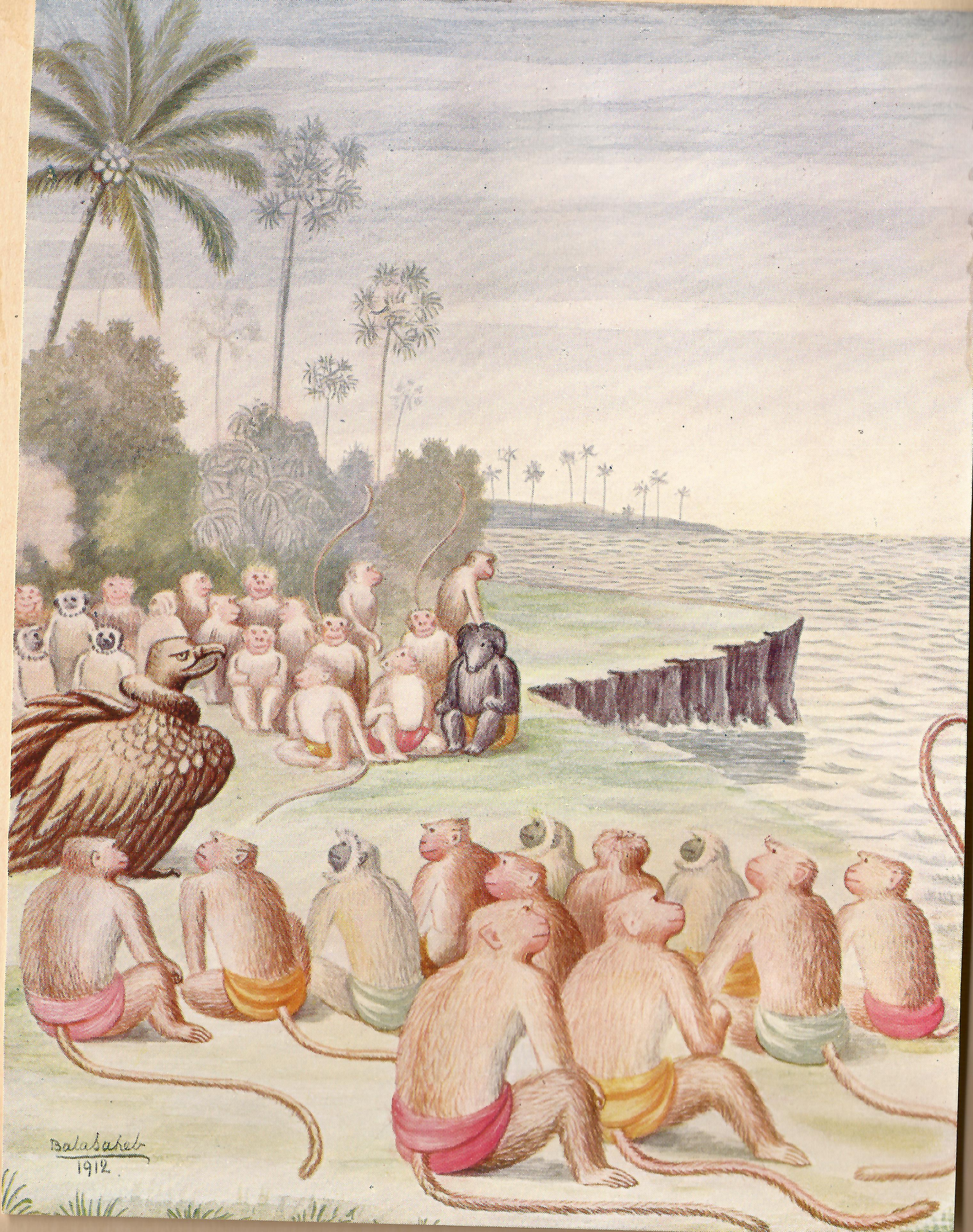
k kanda 9

to be continued………………………………

நையாண்டிப் பாடல்கள் – சம்ஸ்கிருதத்தில்!

IMG_1625 (2)

DONT REBLOG IT AT LEAST FOR A WEEK. DONT USE PICTURES.

Compiled by S NAGARAJAN

Date: 16th September 2015

Post No: 2162

Time uploaded in London :– 8-20 am

(Thanks for the pictures) 


 .நாகராஜன்   நீலகண்ட தீக்ஷிதரின் கலி விடம்பனா பாடல்களில் நையாண்டிப் பாடல்கள் தனி ரகம். அதைப் பாட தனித் திறமை வேண்டும். கூடவே தைரியமும் வேண்டும்.ஜனநாயக நாட்டில் கருத்துச் சுதந்திரமும் பேச்சு சுதந்திரமும் அபரிமிதமாக இருக்கும் போது இப்படிப்பட்ட பாடல்களை இயற்றுவது சுலபமான விஷயம்.ஆனால் பழைய கால மன்னர் ஆட்சியில் இப்படிப்பட்ட கவிதைகளை ஒருவர் இயற்றியுள்ளார் என்றால் அது ஆச்சரியமான விஷயம் தானே.17ஆம் நூற்றாண்டில் வாழ்ந்த நீலகண்ட தீக்ஷிதர் அற்புதமான கலி விடம்பனா என்ற நூலை இயற்றியுள்ளார். நூறு பாடல்களைக் கொண்ட இதில் நையாண்டிக்குப் பஞ்சமே இல்லை. (சில பிரதிகளில் 102 பாடல்களும் உள்ளன)இவர் மதுரையில் திருமலை நாயக்கர் அரசவையில் மந்திரியாக இருந்தவர். (இவரைப் பற்றி எனது சம்ஸ்கிருதச் செல்வம் தொடரில் நான்காம் அத்தியாயத்தில் படித்திருப்பதை இங்கு நினைவு கூரலாம்)  நையாண்டிப் பாடல்கள் ஜோதிடர், மருத்துவர், கவிஞர், மனைவியின் பிறந்தக உறவினர் என்று அனைவருமே இவரது பாடல்களுக்குத் தப்பவில்லை.சில நையாண்டிப் பாடல்கள் இதோ:-  आयुस्प्रश्ने दीर्घमायुर्वाच्यं मौहूर्तिकैर्जनैस् ।जीवन्तो बहुमन्यन्ते मृताः प्रक्ष्यन्ति कं पुनस् ॥ १६ ॥

ஜோதிடர் ஒருவரிடம் ஒருவர் தன் வாழ்நாளைப் பற்றி ஜோதிடம் கேட்டால், அவர் நீண்ட நாள் வாழ்வார் என்று சொல்ல வேண்டும். அவர் நீண்ட நாள் வாழ்ந்தால் ஜோதிடரைப் பற்றி உயர்வாக நினைப்பார். அவர் செத்து விட்டாலோ கேள்வி கேட்க அவர் உயிருடன் இருந்தால் தானே! (பாடல் 16)

भैषज्यं तु यथाकामं पथ्यं तु कठिनं वदेत् ।आरोग्यं वैद्यमाहात्म्यादन्यथात्वमपथ्यतस् ॥ २५ ॥

ஒரு மருத்துவர் தனது இஷ்டம் போல தனது நோயாளிக்கு மருந்து கொடுக்கலாம். ஆனால் உணவை எப்படி உட்கொள்ள வேண்டும் எதையெல்லாம் சாப்பிடலாம், எதையெல்லாம் சாப்பிடக் கூடாது என்ற கடுமையான நிபந்தனைகளையும் கூடவே சொல்லி விட வேண்டும். நோயாளி ஒரு வேளை குணமாகி விட்டால் அதற்கான புகழை மருத்துவரின் திறமையே காரணம் என்று சொல்லிப் பெற முடியும். ஒருவேளை நோயாளி குணமடையாவிட்டால் அவர் சொன்னபடி பத்தியமாக இருக்க வில்லை என்று சொல்லித் தப்பித்துக் கொள்ளலாம்!   (பாடல் 25)

लिप्समानेषु वैद्येषु चिरादासाद्य रोगिणम्  ।दायादाः संप्ररोहन्ति दैवज्ञा मान्त्रिका अपि  ॥ २९ ॥

ஒரு மருத்துவர் தொடர்ந்து தன்னிடம் சிகிச்சை பெறும் நீடித்த நோயுடைய ஒருவரிடமிருந்து பணம் பெற நினைக்கும் போது அவர் இன்னும் இரண்டு பேரை நோயாளியிடமிருந்து பண வசூல்  செய்வதைப் பார்ப்பார். ஒருவர் ஜோதிடர். இன்னொருவர் மந்திரவாதி!   (பாடல் 29)

स्तुतं स्तुवन्ति कवयो न स्वतो गुणदर्शिनस् ।कीतः कश्चिदलिर्नाम कियती तत्र वर्णना  ॥ ३५ ॥

ஒரு கவிஞர் தனது சொந்த கவித்வம் இல்லாமல், பல விஷயங்களைப் பற்றி தனக்கு முன்னால் இருந்த கவிஞர்களால் வர்ணிக்கப்பட்டவற்றையே வர்ணிப்பார். தேனீ என்ற ஒரு பூச்சி வகை இருக்கிறதல்லவா! அதைப் பற்றித் தான் எவ்வளவு பிரம்மாண்டமான விவரங்களைப் பார்க்க முடிகிறது!   (பாடல் 35)

IMG_1650 (2)

गृहिणी भगिनी तस्याः श्वशुरौ श्याल इत्यपि  ।प्राणिनां कलिना सृष्टाः पञ्च प्राणा इमेऽपरे  ॥ ४१ ॥

இந்தக் கலியுகத்தில் வாழ்வை நீட்டிக்கும் ஐந்து பிராண சக்திகள் – மனைவி, மனைவியின் சகோதரி, மனைவியின் சகோதரர், அவளது பெற்றோர் ஆவர்     (பாடல் 41)

ज्ञातेयं ज्ञानहीनत्वं पिशुनत्वं दरिद्रता  ।मिलन्ति यदि चत्वारि तद्दिशेऽपि नमो नमस् ॥ ९७ ॥ உறவினர்கள், ஞானஹீனர்கள், வம்பு பேசுபவர்கள், தரித்திர நிலையில் உள்ளவர்கள், ஆகிய இந்த நால்வரின் கூட்டு இருக்கும் திசைக்கே நமஸ்காரம் நமஸ்காரம். (பாடல் 97)

நூறு பாடல்களையும் படித்தால் அது எந்தக் காலத்திற்கும் பொருந்துவதாக இருப்பதைக் கண்டு வியக்கலாம்.

சம்ஸ்கிருதத்தில் பாடலைப் பார்க்க விரும்புவோர் https://docs.google.com/viewer?url=http://www.sanskritworld.in/public/assets/book/book_50dd30263ad34.txt

என்ற தளத்தை அணுகலாம்.

ஆங்கில மொழிபெயர்ப்புடன் கலி விடம்பனாவைப் படிக்க விரும்புவோர்  http://www.vidyavrikshah.org/literature/kalividambana/kalint.html  என்ற தளத்தை அணுகலாம். நன்றி கூறலாம்.

*********

A Foreigner’s comment on Tamil Brahmins

IMG_5608

Compiled by London swaminathan

Date: 15th September 2015

Post No: 2161

Time uploaded in London :– 19-50

(Thanks  for the pictures) 


I am reading an interesting book titled “South Indian Hours” written by Oswald J. Couldrey I.E.S., sometime Principal of Rajamundry College, published by Hurst and Blackett Ltd., London in 1924. The book has 3 colour and 19 other illustrations by the author.

Here is an excerpt from the book:

“The oxen of Telengana, including the famous Nellore breed, have shortish horns, but those of the further South are one and all crowned as it were with a great stringless lyre of ivory, which lends a silent note of majesty to the traffic of the streets and wharves of metropolitan Madras. Likewise upon the bows of men caste marks, the seals of the national gods, are commoner and larger, and commoner and more conspicuous also are the many forms of that contrarious Hindu tonsure, which leaves a long horse-tail of hair just where the European monk wears nothing.

IMG_5607 (2)

These human fashions mean a greater steadfastness in the old and purely Indian order than the Telingas, in the towns at east, have been able to preserve. Not that the Tamil people are backward; rather they know better than their northern neighbours how to lay hold on the new without relinquishing the old. There is no need for an Andhra man to go to the Tamil country to study the Tamils. The latter visit him at home, and get employment in his offices and schools, faster than he can find room for them in his heart.

For the Tamil Brahmins are a remarkable race, clever and full of enterprise. For all their strict orthodoxy they adopted Western education earlier, and still ensue it more industriously, than the more easy-going men of Andhra-desha. Therefore are they sometimes called by lovers of analogy the Scots of Southern India; but the comparison, though illustrating well enough the point in question, should not be further pressed. It is perhaps chiefly the fear of Tamil penetration which has led the Andhras to agitate for a separate administration.

The Tamil Brahmins shave clean, unlike their Andhra brothers, who largely affect a Maratha-military moustache which hardly fits one’s notion of a Brahmin. True, it is the mark only of the Niyogi, the Brahmin who has renounced the service of religion for professional work in the world; but in the Tamil country even such retain the mask of ancestral holiness. Nothing impressed me more, on first arriving at South India, than the faces of these Tamil Brahmins. They reminded me of a Roman portrait-gallery, where the features of unknown sages, poets and statesmen are assembled, and sometimes the face occurs a Greek God grown thoughtful; all are chiselled in the same clear medium, but here it is darker than old marble, and liker walnut-wood or a very ancient ivory.

IMG_3461

The difference is greater in the South between the higher and lower castes than in Telingana. The common people of the South are far inferior to those of Telengana in refinement of feature, but the Brahmins of the South, Aiyars and Ayangars, are at no such disadvantage beside their northern brother. Feminine beauty in these latitudes is generally held to shine brightest among the Tamil Aiyangars, the Vaishnava Brahmins of Coromandel.

The Southern ladies deserve also this praise, that tjhey still remain staunch to the noble silken flow of their ancestral costume, and robes darkly rich with India dyes, having among them nothing sewn but the sort close bodice; a costume which has not its equal in the world today for dignity and beauty. But the daughters of the Andhras, those at least who pretend to wealth and station, are beginning to coquette with the barbaric fashions of the West, and interpolate half sleeves, puffed and frilled, into such weeds as might have beseemed the mother of the Gracchi.

Altogether the Tamils have a far weightier and more  comfortable body of ancestral culture behind them than the people of the Cirkars. I shall never forget how disgusted I was when, having lately left Tanjore, where they still entertain one with a dance of damsels (unless vulgarity and puritanism have swept them away since 1909), I was asked, by a prominent citizen of an Andhra city of old renown, to an entertainment of card-conjuror and a gramophone were to be respectively the life and soul. Fortunately this was an extreme instance, but the suggested contrast was typical enough. Some are even said to consider the substitution of the gramophone for the dancing girl as a sign of advancing civilisation, because the dancing girls too often sing sweet love-songs over-boldly, or are otherwise no better than they should be.

But the Tamil people excels in every art, in the weaving of soft raiment as well as of alluring gestures, in the graving of brass, the carving of wood, the working of stone, in fact in the devising of all those embellishments which make the life of a  people happier for themselves, and more interesting to others. Such embellishments in a simpler form are still a part of popular life even in Telangana, but for centuries the country has not been rich enough to develop them, and its later prosperity turns away from them away to foreign gewgaws. The new spirit of nationalism, I fear, has come too late to help them.”

IMG_4563

In a footnote, the writer adds,

“I think the Aiyangars must have come largely from Gujerat, a little more than 1000 years ago, for Gujerat was a centre for Bhagavatas, the original Vaishnavas. Gujerati women are likewise famous for their

300 ராமாயணமா? 3000 ராமாயணமா? –Part 1

IMG_3381 (2)

DON’T REBLOG IT AT LEAST FOR A WEEK!  DON’T USE PICTURES; THEY ARE COPYRIGHTED BY SOMEONE.


Research Article: Written by London swaminathan

Date: 15th September 2015

Post No: 2160

Time uploaded in London :–14-16

(Thanks  for the pictures) 


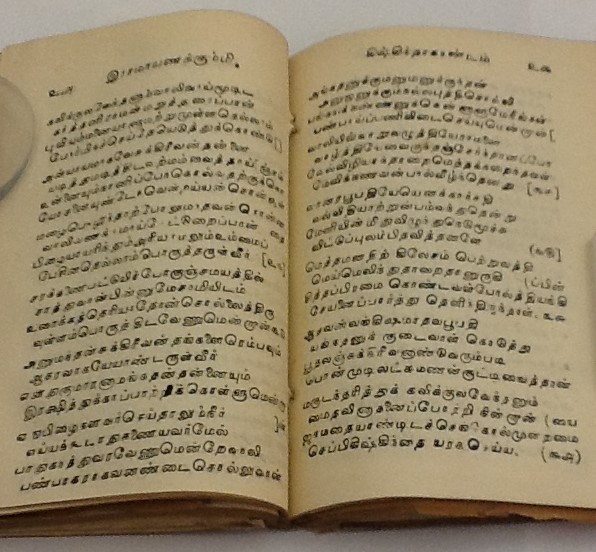
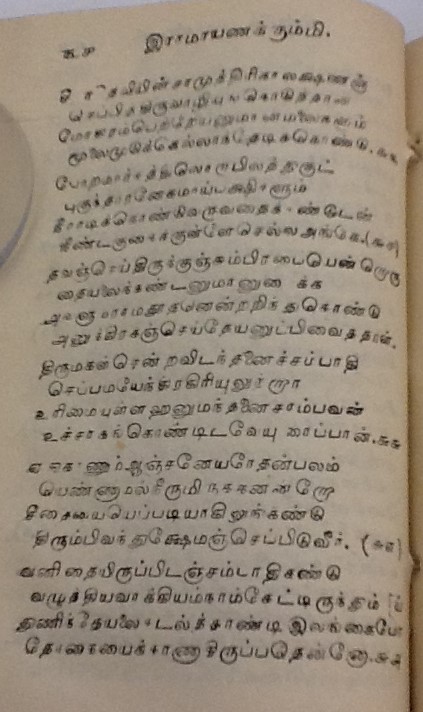
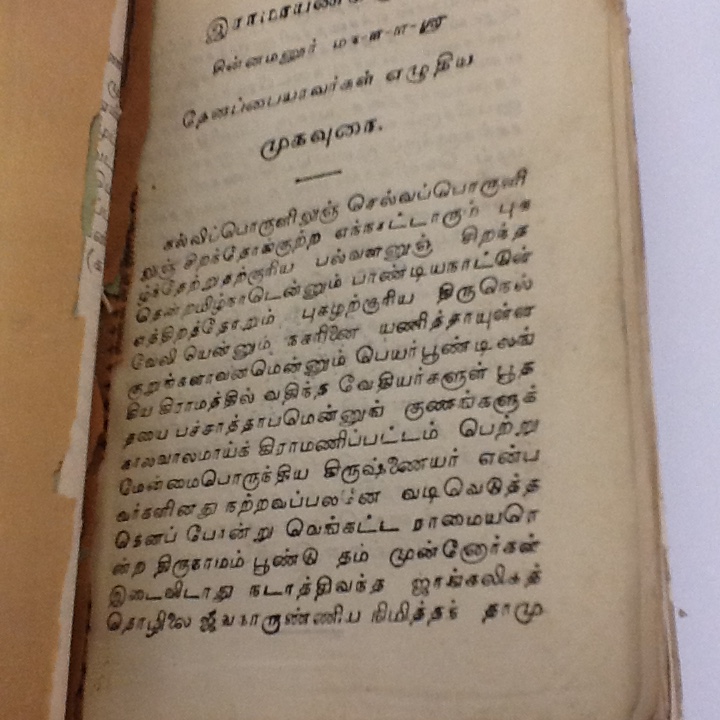
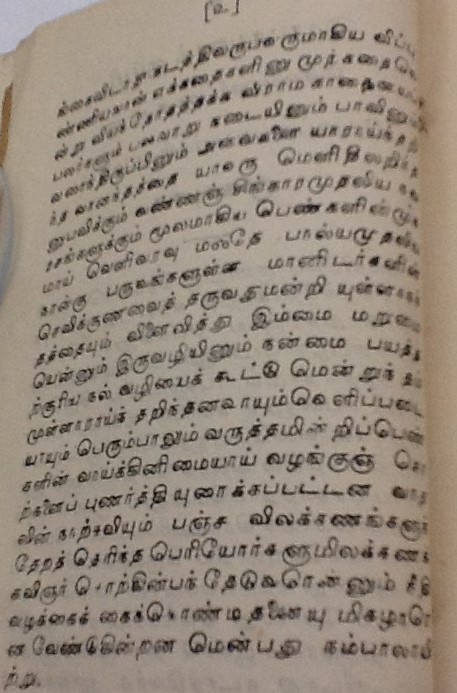
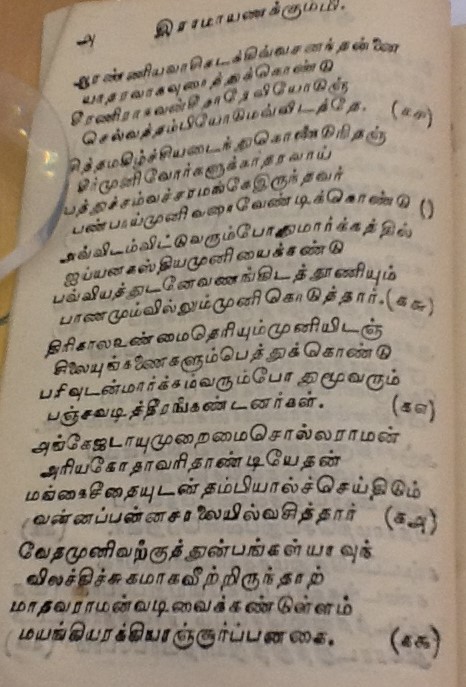
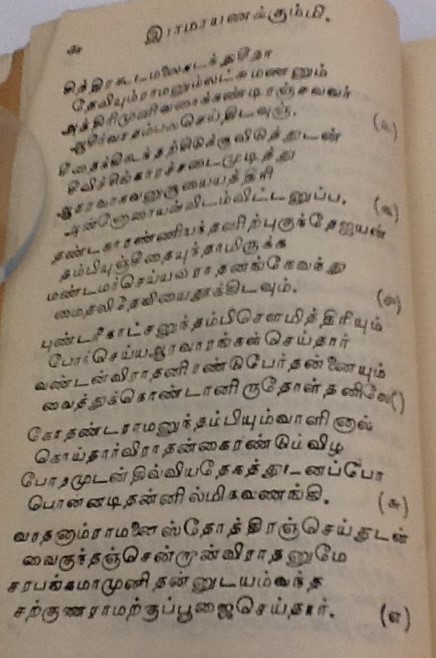
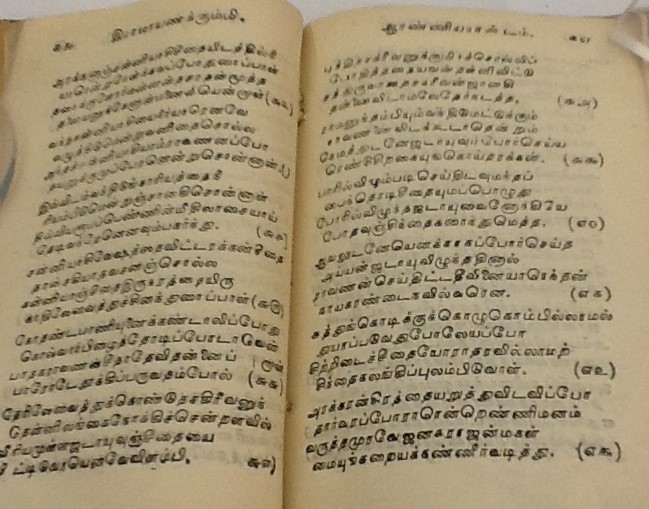
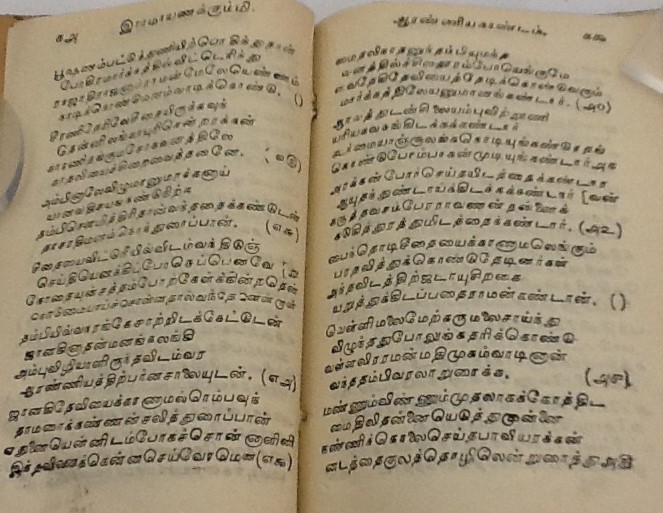
“300 ராமாயணம்” என்று ஆங்கிலத்தில் ஏ.கே. ராமனுஜம் கட்டுரை எழுதிய பின்னர் கடந்த கால் நூற்றாண்டில் பல நூல்கள் வெளியாகிவிட்டன. நானே புறநானூற்றில் உள்ள இரண்டு ராமாயணக் காட்சிகள், ஆழ்வார் பாடல்களில் வரும் அணிலின் உதவி (இலங்கைக்குப் பாலம் கட்ட) முதலிய பல காட்சிகள் ஒரிஜினல் ராமாயணங்களில் இல்லை என்பதை எழுதி இருக்கிறேன். சென்ற வாரம் ராமன்- யமன் சண்டை பற்றி வசந்தன் உயிர்வரு படலம் என்ற சிறிய நூலை பிரிட்டிஷ் லைப்ரரயிலிருந்து எடுத்து இங்கே வெளியிட்டேன். தியாகராஜர் போன்றோரின் கிருதிகளில் வரும் ராமாயணம், ஆழ்வார் பாடல்களில் வரும் ராமாயணம், திரைப்படப் பாடல்களில் வரும் ராமாயணம், தென்கிழக்கு ஆசிய நாடுகளில் உள்ள பலவகை ராமாயணங்கள் என்று தொகுக்கப் போனால் 3000 ராமயணங்களுக்கும் மேல் கிடைக்கும்!! நமக்குத் தெரிந்தது எல்லாம் கம்பன், வால்மீகி, துளசிதாஸ், எழுத்தச்சன்,மற்றும் அஸ்ஸாமிய, வங்காளி மொழி ராமாயணங்கள்தான். கம்பன் குறிப்பிடும் மூன்று ராமாயணங்களில் போதாயன , வசிஷ்ட ராமாயணங்கள் நமக்குக் கிடைத்தற்பாடில.

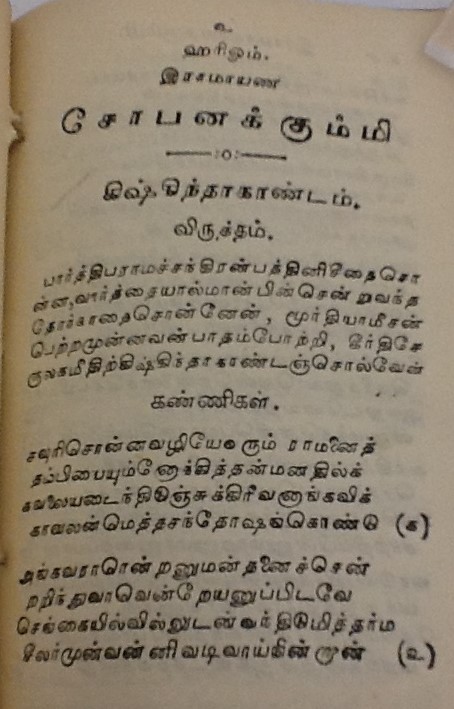
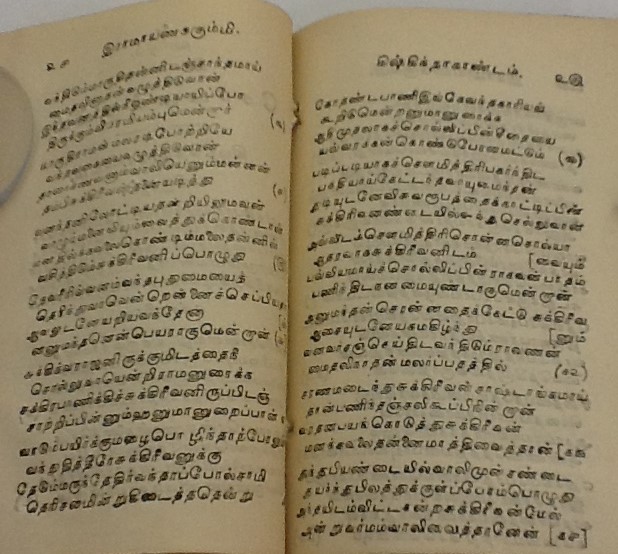
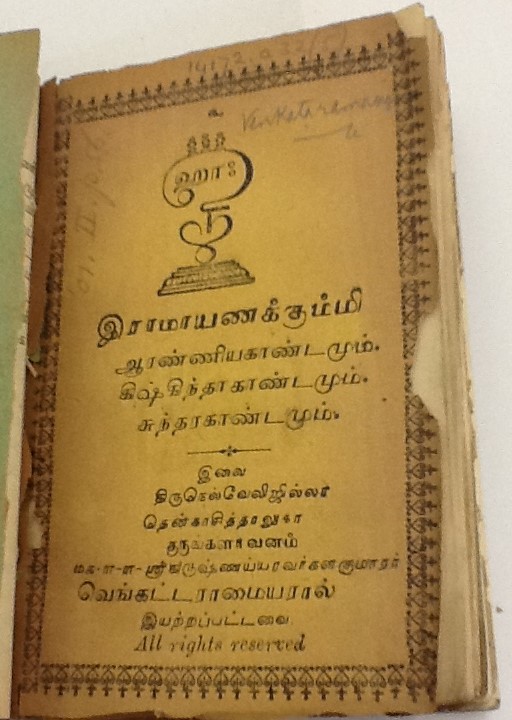
பிரிட்டிஷ் லைப்ரரியில் ராமாயணக் கும்மி என்று ஒரு பாக்கெட் சைஸ் நூலைப் பார்த்தவுடன் வியப்பு மேலிட்டு இதை எழுதுகிறேன். எத்தனை பேரோ ராமாயணம் எழுதி இருக்கிறார்கள். இவர்களை எல்லாம் நாம் மறந்துவிட்டோம். யாரை நம்பி, திருநெல்வேலி ஜில்லா, தென்காசி தாலுக்கா, குருங்களாவனம், வெங்கட்ராமையர் இப்படி ஒரு ராமாயனக் கும்மி எழுதினார்? யாரை நம்பி அதை லண்டனிலுள்ள பிரிட்டிஷ் லைப்ரரி 1902-ஆம் ஆண்டு முதல் காப்பாற்றி வைத்திருக்கிறது? – இதை எண்ணும்போதெல்லாம் புல்லரிக்கிறது. காலத்தால் வெல்ல முடியாத காவியமன்றோ ராமகாதை!!

வெங்கட்ராமையருக்கு பன்முறை நமஸ்காரம் சொல்லி அந்த ராமாயணக் கும்மியை இங்கு வெளியிடுகிறேன். 113 ஆண்டுகளுக்கும் மேலாக அதைப் பாதுகாத்துவைத்து வந்து கேட்போருக்கெல்லாம் அரிய, பெரிய, பல்லாயிரம் தமிழ் நூல்களை இலவசமாக வழங்கும் பிரிட்டிஷ் லைப்ரிக்கு நன்றி சொல்லி இதை வெளியிடுகிறேன். ஆணவமும், அஹங்காரமும், பண வெறியும் பிடித்த தமிழ்நாட்டு நூலகங்கள் இவர்களிடம் பாடம் கற்க வேண்டும்—பயிற்சி பெற வேண்டும். கடவுள் காப்பாற்றுவாராக!

IMG_3382

IMG_3383

IMG_3385 (2)

IMG_3386 (2)

IMG_3388 (2)

IMG_3389 (2)

IMG_3392 (2)

IMG_3393 (2)

IMG_3395 (2)

IMG_3396 (2)

IMG_3397 (2)

IMG_3395 (2)

IMG_3399 (2)

IMG_3402 (2)

IMG_3403 (2)

IMG_3404 (2)

IMG_3405 (2)

IMG_3406 (2)

IMG_3407 (2)

IMG_3410 (2)

IMG_3413 (2)

To be contimnued………………..

ஆறே பாடல்களில் பகவத்கீதை! இரண்டே அடிகளில் கீதையின் சாரம்!

894_Bhagwat_Gita_thumb[13]

மஹாபாரத வழிகாட்டி


DON’T REBLOG IT AT LEAST FOR A WEEK!  DON’T USE PICTURES; THEY ARE COPYRIGHTED BY SOMEONE.


Research Article: Written by ச. நாகராஜன்

Date: 15th September 2015

Post No: 2159

Time uploaded in London :–காலை 7-59

(Thanks  for the pictures) 


.நாகராஜன்


வியாசரும் வில்லியும்

ஒரு லட்சம் ஸ்லோகங்கள் அடங்கிய வியாசர் அருளிய மஹாபாரதத்தைத் தமிழில் பாக்களாகத் தர எண்ணினார் வில்லிப்புத்தூரார்.

“குறும்பி அளவாக் காதைக் குடைந்து தோண்டி எட்டினமட்டு அறுப்பதற்கோ வில்லி இல்லை” என்று பின்னால் ஒரு புலவர் பாடும் அளவு புலமை இல்லாதவர்கள் பாடத் துணிந்தால் அவர்களின் காதைக் குடைந்து தோண்டி தண்டிக்கும் அளவு புலமை பெற்றவர் வில்லிப்புத்தூரார்.

வியாசர் பாடிய 18 பர்வங்களில் 10 பர்வங்களை மட்டுமே சுமார் 4350 பாக்களில் தன் காவியத்தில் பாடியுள்ளார். தர்மர் முடிசூட்டியதுடன் வில்லி பாரதம் முடிவடைகிறது.

700 ஸ்லோகங்கள் கொண்டது பகவத் கீதை. வில்லிபுத்தூரார் தனது பாரதத்தில் பகவத்கீதையை ஆறே ஆறு பாடல்களில் தந்துள்ளார்.

பாடல்கள் கீழே தரப்பட்டுள்ளன.

மாயை என்று ஒருத்தி தன்பால் மனம் எனும் மைந்தன் தோன்றி,          

தூய நல் அறிவன் தன்னைத் தோற்றம் இன்றாக்கி வைத்தான்           

தாயொடு தந்தை, மக்கள் தாரம், என்று இவர் பால் வைத்த                        

நேயமும் அவன் தனாலே நிகழ்ந்தது ஓர் நினைவு கண்டாய்!

மாயை என்னும் ஒருத்தியிடம் மனம் என்னும் மகன் தோன்றினான். பரிசுத்தமான ஞானம் என்பவனை வெளிப்படாமல் ஆகி வைத்தான். தாய், தந்தை, மக்கள், மனைவி ஆகியோர்  மீதான பாசமும் அந்த மனம் என்பவனின் எண்ணத்தாலே  தான் நிகழ்ந்தது!

குயின்ற ஐம் பொறிவாய் நின்று, குறித்த ஐம்பொருளும் தானே                

அயின்று, முக்குணங்களோடும், அறுவகைப் படைகளோடும்,           

பயின்று, அரசாளும் அந்த மனம் எனும் பகைவன் ஆங்குத்             

துயின்ற போது, ஒளித்து நின்ற தோன்றலும் தோன்றும் கண்டாய்!

உடம்பில் பொருந்தியுள்ள மெய், வாய், கண், மூக்கு, செவி என்னும் ஐந்து இந்திரியங்களும் ஊறு சுவை. ஒளி. வாசனை, ஓசை என்னும் ஐந்து புலன்களையும் தானே அனுபவித்து, சத்வம், ரஜஸ், தமஸ் என்னும் முக்குணங்களோடும் காமம், க்ரோதம், லோபம், மோகம், மதம், மாற்சர்யம் என்னும் ஆறு வகை சேனைகளோடு பழகி அரசாட்சி செய்யும் மனம் என்னும் பகைவன் தூங்கிய போது,  (அவனால்) தோற்றமில்லாதவனாய் செய்யப்பட்ட அந்த நல்லறிவன் வெளிப்படுவான்.

gita stamp

அந்த நல் அறிவன் தன்னை அறிந்தவர் அறிஞர் ஆவார்,                     

தந்தையால் வகுக்கப்பட்ட சராசரப் பொருள்கள் தோறும்                         

வந்து, அவன், தீம்பால் நெய்போல் உயிர்க்கு உயிர் ஆகி, வாழும்               

பந்தமது உணர்ந்து, நேரே பார்க்குங்கால், பகை யார்? நண்பு ஆர்?

அந்த நல் அறிவன் தன்னை அறிந்தவர்களே அறிஞர் ஆவார். அந்தப் (பரம்பொருள் என்னும்) தந்தையால் வகுக்கப்பட்ட சஞ்சரிப்பதும் சஞ்சாரியாதனவும் ஆகிய எல்லாப் பொருள்களிலும் பசுவின் பாலில் உள்ளே உறைந்திருக்கும் நெய் போல, உயிர்க்கு உயிர் ஆகி, ஜீவாத்மாக்களின் உள்ளே பரமாத்மாவாக உறைந்து வாழும், (இந்த) சம்பந்தத்தை உணர்ந்து நேரே பார்க்கும் போது பகைவன் யார்? நண்பன் யார்? எவருமில்லை!

உம்பரும், முனிவர் தாமும், யாவரும், உணரா ஒன்றை                 

இம்பர், இன்று, உனக்கு நானே இசைவுற உணர்த்தா நின்றேன்,                           

ஐம் பெரும் பூதத்தானும் அமைந்தன உடலம், யார்க்கும்;                        

நம்பனும் ஒருவன்; உள்ளே ஞானியாய் நடத்துகின்றான்!


தேவர்களும், முனிவர்களும், மற்றும் எல்லோரும் உணராத ஒன்றை, இந்த இடத்தில், இப்போது, உனக்கு நான் பொருந்தும் படி உணர்த்துகின்றேன். எல்லாப் பிராணிகளுக்கும் ஐம்பெரும் பூதங்களால் அமைந்தது உடல். அவற்றினுள்ளே ஞானியாய் இருந்து (ஒப்பற்ற கடவுளாய்) ஒருவன் தானே அனைத்துத் தொழில்களையும் செய்து நடத்துகின்றான்.

வில்லி ப்ஹரதம்

என்னை நீ புகலக் கேண்மோ! எங்கும் ஆய், யாவும் ஆகி                     

மன்னிய பொருளும் யானே; மறைக்கு எலாம் முடிவும் யானே;               

உன்னை யான் பிறிவது இல்லை; ஒரு முறை பிறந்து மேல் நாள் –                     

நல் நிலா எறிக்கும் பூணாய்! – நரனும் நாரணனும் ஆனோம்


‘நல்ல சந்திரகாந்தியை ஒத்த ஒளியை வீசும் ஆபரணங்களை அணிந்துள்ள அர்ஜுனா! என்னை யார் என (உனக்கு உணர்த்துமாறு) நான் சொல்வதைக் கேள்! எல்லாப் பொருள்களிலும் பொருந்தி எல்லாப் பொருள்களுமாய் அழியாது நிலை பெற்ற பரம்பொருளும் நானே! வேதங்களுக்கு எல்லாம் முடிவான பொருளும் நானே! உன்னை என்றும் நான் பிறிந்தவன் அல்ல; முன்னொரு சமயம் நரனும் நாராயணனுமாக நீயும் நானும் அவதரித்தோம்!

பின் ஒரு பிறப்பின் யாமே இராம லக்குமப் பேர் பெற்றோம்;             

இந் நெடும் பிறப்பில், நீயும் யானுமாய் ஈண்டு நின்றோம்;

நின்னிடை, மயங்கும் இந்த நேயமும் ஒழிக!” என்று,                                     

 தன் நிலை அவற்குக் காட்டி, தத்துவம் தெளிவித்தானே.

பின்பு ஒரு அவதாரத்தில் நாமே இராமன், இலக்குவனாக அவதரித்தோம். இந்த நீண்ட அவதாரத்தில் நீ அர்ஜுனனாகவும் நான் கண்ணனாகவும் இங்கு இருக்கிறோம். உன்னிடமுள்ள திகைப்பையும் உறவினர், நண்பர் என்ற இந்த அபிமானத்தையும் நீக்குக’ என்று தன் உண்மையான விஸ்வரூபத்தை அவனுக்குக் காட்டித் தத்துவத்தை அவம் மனம் தெளிவுறும்படி அருளினான்.

ஆஹா! என்ன அருமையான பாடல்கள்! எத்தனை எளிமையாக கீதை ஆறே பாடல்களில் எளிய தமிழில் பொருளாழத்துடனும் சொல் சிக்கனத்துடனும் சூத்திரப் பாங்குடனும் விளக்கப்பட்டுள்ளது.

இதைப் படிப்போர்கள் முழு வில்லி பாரதத்தையும் படிக்க உத்வேகம் பெறுவார்கள் என்பதில் ஐயமுண்டோ!

இந்த விளக்கத்தைப் படித்த பின்னர் மகாகவி பாரதியாரிடம் வருவோம்.

அவசர யுகம் அல்லவா! இரண்டே அடிகளில் அவன் தெள்ளத் தெளிவாக கீதையில் கண்ணன் போதித்ததை இப்படிச் சுருக்கமாகக் கூறி விட்டான்:

rath yatra

பக்தி பண்ணி பிழைக்கச் சொன்னான்;                                  

பலனை எண்ணாமல் உழைக்கச் சொன்னான்

மாம் அனுஸமர (என்னை நினை)

கர்மண்யேவாதிகாரஸ்தே மா பலேஷு கதாசன! (கர்மம் புரிவதற்கே உனக்கு அதிகாரம் உள்ளது; அதில் வரும் பயனில் எண்ணம் வையாதே – ஒரு பொழுதும்!)

***********

As you sow, so you shall reap!

cropped_kali

DON’T REBLOG IT AT LEAST FOR A WEEK!  DON’T USE PICTURES; THEY ARE COPYRIGHTED BY SOMEONE.


Article Written by  London swaminathan

Date: 14th September 2015

Post No: 2158

Time uploaded in London :–20-05

(Thanks  for the pictures) 


Hindus believe in Karma theory. They know the deeds of one individual will follow the individual in his/her next birth. What a person has done in former birth, will come upon him again. There is a saying in Tamil that “He who sows millet, reaps millet, he who sows deeds (good or bad) will reap accordingly”. Hindus also believe that Brahma, the creator, has already written in one’s head what is going to happen. It cannot be changed.

“That which does not exist will not come into existence, and that which exists will not be annihilated” – is another saying. They have several stories in their folklore and scriptures. Here is a story to show that inherited fate will not expire.

There was a priest in a Kali (goddess) temple. He used to swindle money allocated to make Prasad (Food Offering) for the goddess. Even the Prasad he made for public distribution, was not distributed it to the public. Because of his overeating, he fell sick. Then he prayed to Goddess that he would sacrifice two goats to the goddess if he was cured. His illness was cured in a weeks’ time. Then he sacrificed two animals just to satisfy his hunger.

In the meantime, there was severe drought in the kingdom. So the king and the minister decided to visit the Kali temple. As soon as the priest saw the king and minister coming, he thought that they were coming to punish him for all his bad acts. So he hid himself behind the goddess Kali’s statue.

The king and the minister prayed loudly, “Oh Merciful Mother! The country is suffering from acute drought for a long time. You must save the country and the people by showering timely rain”. Then the goddess replied that she needs a human sacrifice to set things right. Immediately the king told the minister that it was the solemn duty of a king to protect his people. So let me sacrifice myself. But the minister objected to his proposal and said there are several ministers to help the king. But there is only one king so let me die for the sake of the country.

They argued like this for a long time. At last they decided to ask goddess about her choice. Before they opened their mouth, Goddess said loudly, “When I said human sacrifice I did not mean you people. Please sacrifice the priest who is hiding behind me”. Both of them got the priest and took their sword to finish him off. He also said his last prayer, “Oh, Mother! I have been serving you for half a century. And yet you wanted my blood! Why? Why?”

two-goats

Goddess said smilingly, “Dear priest! You became sick because of your over eating. And yet you found an excuse to eat more and sacrificed two innocent animals. As you sow, so shall you reap.”

The king and the minister cut off the head of the priest. Goddess appeared before them and asked what they wanted now. They told her to remove the drought by regular rain and revival of the dead priest. She did both according to their request. The priest behaved from that day. There was copious rain fall which made everyone happy.

This is a folk tale.

வால்டேரும் வள்ளுவரின் திருக்குறளும்!

voltaire guinea

DON’T REBLOG IT AT LEAST FOR A WEEK!  DON’T USE PICTURES; THEY ARE COPYRIGHTED BY SOMEONE.


Research Article: Written by ச. நாகராஜன்

Date: 14th September 2015

Pot No: 2157

Time uploaded in London :–காலை 10-02

(Thanks  for the pictures) 


குறள் தெளிவு


.நாகராஜன்


 valluvar

வள்ளுவர் தபால் தலை படம்

குருடன் ரோஜா செடியைப் பார்ப்பது போல!

வள்ளுவரின் திருக்குறளுக்கும் வால்டேருக்கும் சம்பந்தம் இருக்கிறதா? வியப்பாக அல்லவா இருக்கிறது.

சற்றுப் பொறுங்கள்! கட்டுரையின் கடைசி பகுதியில் தெளிவு பிறக்கும்!

ஒரு சமயம் வால்டேர் (Voltaire) அவரது நண்பரான ஷெர்லாக் (Sherlock) என்பவரிடம் பேசிக் கொண்டிருந்தார். ஷெர்லாக் அவரிடம், “வெளிநாட்டுக்காரர்கள் ஷேக்ஸ்பியரை அனுபவித்து ரஸிக்க முடியாது” என்றார். உடனே வால்டேர், “ஆமாம், அது உண்மைதான்! அவரது படைப்புகளை மொழிபெயர்ப்பின் மூலமாகவே அவர்கள் படிக்க வேண்டியிருக்கிறது. அதில் பிழைகள் ஏராளம் உள்ளன. அத்தோடு மூலத்தில் இருக்கும் அழகுகள் அத்தனையும் போய் விடுகின்றன. ஒரு குருடனை அவன் கைகளை ரோஜா செடியின் முள்கள் குத்திக் கொண்டிருக்கும் போது    ரோஜாவின் அழகைப் பார்த்து அனுபவி என்று வற்புறுத்த முடியாது” என்றார்,

வால்டேரின் இந்தக் கூற்று வள்ளுவரின் குறளுக்கும் நன்கு பொருந்தும்.அருமையான நூல் என்று திருக்குறளைப் பல மொழிகளில் மொழி பெயர்த்தாலும் அதன் அழகையும் அருமையையும் ஆழ்ந்த பொருளையும் தமிழை அறியாதவர்கள் அனுபவித்து ரஸிக்க முடியாது.

coin valluvar

வள்ளுவர் நாணயம் படம்

ஆய்விற்காக ஒரே ஒரு குறள்

எடுத்துக் காட்டாக ஒரே ஒரு குறளை மட்டும் எடுத்து அலசி ஆராய்வோம்.

அன்பும் அறனும் உடைத்தாயின் இல்வாழ்க்கை

பண்பும் பயனும் அது       (குறள் 45)

இந்தக் குறளுக்கு G.U.Pope மொழியாக்கம் செய்த ஆங்கிலப் பெயர்ப்பு இது.

If love and virtue in the household reign,

This is of life the perfect grace and gain.

If the married life possess love and virtue, these will be both its duty and reward. மேலெழுந்தவாரியாகப் பார்த்தால் மொழி பெயர்ப்பு சரி தான்.

ஆனால் வள்ளுவரோ தனது குறளை குறள் முழுவதும் உள்ள தேர்ந்தெடுத்து அமைக்கப்பட்ட சொற்களோடு ஒரு மர்மமான அதிசயமான முறையில் நெய்து இருக்கிறார்.

ஒரு குறளை மேலெழுந்தவாரியாகப் படித்துப் பொருளை அர்த்தம் செய்து கொண்டால் அதில் உள்ள ஆழத்தை அறிய முடியாது. அதாவது ஆழ்ந்திருக்கும் கவி உளத்தைக் காண முடியாது..

அன்பு, அறன், உடைத்து ஆயின், இல், வாழ்க்கை, பண்பு, பயன், அது – இந்த ஒன்பது சொற்களையும் அவர் குறளில் எங்கெங்கு எப்படிப் பயன்படுத்தியுள்ளார் என்பதைப் பார்க்க வேண்டும். இல் என்பதை இல்லம் என்றும் பயன்படுத்தலாம் இல்லை என்றும் பயன்படுத்தலாம். இல்லை என்ற பொருளில் அவர் பயன்படுத்தி இருந்தால் இந்தக் குறளுக்குத் தேவையற்ற இல்லை என்று வரும் குறள்களை நீக்கி விடலாம். இப்படி பொருத்தமான அர்த்தமுள்ள குறள்களைத் தனியே ஒப்பு நோக்கித் தொகுக்க வேண்டும். பொருத்தமுள்ள எல்லா குறள்களையும் பொருத்திப் பார்த்தால் பிரம்மாண்டமான அர்த்தம் வெளி வரும்.

அதாவது குறளில் சொல்லப்பட்டிருப்பது பனிக்கட்டியின் முனை போல இருக்க, உண்மையான பொருள் மறைந்திருக்கும் பிரம்மாண்டமான பனிக்கட்டியாக இருக்கிறது குறள் பாக்களில்.

voltaire

 வால்டேர் – அஞ்சல்தலை

772 இடங்களைப் பார்க்க வேண்டும்!

எடுத்துக் காட்டாக மேலே எடுத்துக் கொள்ளப்பட்ட குறளில் உள்ள வார்த்தைகளை ஆராய்வோம்.

அன்பு என்ற வார்த்தை 23 இடங்களில் வருகிறது.

அறன் என்ற வார்த்தை 21 இடங்களிலும் அறம் என்ற வார்த்தை 20 இடங்களிலும் அறத்தான் என்பது ஒரு இடத்திலும் அறத்திற்கு -2, அறத்தின் -2 அறத்து – 2, அறவோர் 1 இடங்களிலும் வருகிறது.

உடைத்து 34 இடங்களிலும் ஆயின் என்பது 35 இடங்களிலும் வருகிறது.

இல் என்ற வார்த்தை மட்டும் 118 இடங்களில் வருகிறது. வாழ்க்கை 19 இடங்களில் வருகிறது.

பண்பு 29 இடங்களிலும், பண்பின் – 3 இடங்களிலும் பண்பினார்கள் – 1 இடத்திலும் வருகிறது.

பயனும் என்பது 31 இடங்களில் வருகிறது.

அது என்ற வார்த்தை மட்டும் திருக்குறளில் எத்தனை இடங்களில் பயன்படுத்தப்பட்டுள்ளது தெரியுமா?

430 இடங்களில் பயன்படுத்தப்பட்டுள்ளது.

சுமாராக இதையெல்லாம் கூட்டிப் பார்த்து ஆராய ஆரம்பித்தால் 772 இடங்களை நாம் ஆய்ந்து ஒரு குறளின் உண்மையான ஆழ்ந்த பல்வேறு அர்த்தங்களைக் கண்டு பிடிக்க வேண்டும். அத்தோடு இதையொத்த குறள்கள், இதற்கு விரிவை வழங்கும் குறள்கள் போன்ற பல்வேறு வகைகள் வேறு உண்டு. தமிழனாகப் பிறந்த பேற்றை எண்ணி மகிழ்ந்தவாறே, இந்த ஒரு குறளை மட்டும் ஆராய சற்று நேரத்தை அமைதியாகச் செலவழித்தால் குறளின் கட்டுக் கோப்பும் இதர அருமைகளும் தெரிய வரும்!

இன்னும் மறைந்திருக்கும் பொருளை வேறு ஆய்ந்து உணர வேண்டும்.

ஆகவே தான் இதற்குத் தமிழ் மறை என்று பெயர் வைத்தனர்.

அணுவைத் துளைத்து ஏழ் கடலைப் புகட்டிக் குறுகத் தரித்த குறள் என்ற ஔவையாரின் வாக்கிற்கு அர்த்தம் கண்டு பிடிப்பதற்கு வேறு, இன்னும் எவ்வளவு ஆராய்ச்சி நடத்த வேண்டுமோ!

ஒன்று மட்டும் நிச்சயம்! ஷேக்ஸ்பியரைப் பற்றி வால்டேரின் கூற்றில் ஐயம் இருக்க முடியாது. ஏனென்றால் ஒரு மேதையைப் பற்றிய இன்னொரு மேதையின் கணிப்பு அது. அதில் தவறு இருக்க முடியாது. அதையே ஒரு அடிப்படையாகக் கொண்டு திருக்குறளை நோக்கினால் திருக்குறளுக்கு மொழிபெயர்ப்பு எடுபடாது என்பதில் ஐயமே இல்லை.

வால்டேரின் கொள்கை வள்ளுவர் குறளுக்கும் சிறப்பாகப் பொருந்தும் என்பது தான் அவருக்கும் குறளுக்கும் உள்ள சம்பந்தம்! குறளைத் தமிழ் தெரிந்தவர்கள் மட்டுமே அறிந்து கொள்ள முடியும் – முழுவதுமாக!

caoin valluvar2

காசுகளில் வள்ளுவர் படம்

தமிழர்கள் பாக்கியசாலிகள்

தமிழ் தெரிந்தவர்கள் உலகிலேயே கொடுத்து வைத்த பாக்கியசாலிகள்!

தெய்வத் தமிழ் மூலம் திருக்குறளைப் படிக்கலாம்; திருக்குறள் மூலம் தெய்வத் தமிழைத் தொழுது உய்யும் வழி அறியலாம்.

வாழ்நாள் முழுவதற்குமான துணையாக இலங்கும் ஒரே வழிகாட்டி நூல் அற்புதத் தமிழ்க் குறளே!

குறளே தான்!

************
கோபக்காரர்களை வெல்வது எப்படி?

angry

DON’T REBLOG IT AT LEAST FOR A WEEK!  DON’T USE PICTURES; THEY ARE COPYRIGHTED BY SOMEONE.


Article: Written by London swaminathan

Date: 14th September 2015

Pot No: 2156

Time uploaded in London :– 9-43 am

(Thanks  for the pictures)

வட கேரளத்தில் காஞ்சன்காடு என்ற இடத்தில் ஆனந்தாஸ்ரமம் உள்ளது. அங்கு நடந்த ஒரு சமபவத்தை சுவாமி ராமதாஸ் சுவைபட வருணிக்கிறார் (தமிழில் மொழிபெயர்ப்பு: லண்டன் சுவாமிநாதன்).

ஆனந்தாஸ்ரமம் எல்லா வகை சாமியார்களுக்கும் புகலிடம் கொடுத்து வந்தது. அங்கு தங்கும் சிலர், “என்னைத் தொடாதே, என் மீது படாதே; தீட்டு வந்துவிடும். சுத்தம் கெட்டுவிடும்” — என்றெல்லாம் அங்கலாய்ப்பர்.

ஒரு முறை காவியுடை தரித்த கட்டையான, குட்டையான ஒரு சாமியார் வந்தார். சடை முடியும், தாடியும் உண்டு. முகத்தில் கோபக்கனல் வீசிக்கொண்டே இருக்கும். துர்வாச முனிவரின் மறு அவதாரம்தான். “நான் யார் தொட்டதையும் சாப்பிட மாட்டேன் ஆகையால் எனக்கு சமையல் வசதிகள் வேண்டும்” என்றார். அவரது அறையிலேயே புதிய பாத்திரங்கள், அரிசி, உப்பு, புளி முதலிய பலசரக்குகள் எல்லாம் வழங்கப்பட்டன. அவரே சமைத்து அவரே பரிமாறிக்கொண்டு சாப்பிட்டு விடுவார். அருகிலேயே ஆஸ்ரமம் பயன்படுத்தும் ஒரு வாளியில் பாதி  தண்ணீரும் நிரப்பி வைத்துக் கொண்டு வாழை இலைக்குப் பக்கத்தில் வைத்துக் கொண்டு சாப்பிடுவது அவரது வழக்கம்.

ஒரு நாள், அந்த சாமியார் சாப்பிட எல்லா ஏற்பாடுகளையும் செய்துவிட்டு வாளித் தண்ணீரை அருகில் வைத்துக் கொண்டு உட்கார்ந்தார். அந்த வாளி, ஆஸ்ரமத்தில் வரும் வேலைக்காரி வழக்கமாக, பாத்திரங்களைக் கழுவப் பயன்படுத்தும் வாளி. ஆகையால், சாமியாரது அனுமதியின்றி அவர் அதைப் போய் எடுத்தார். உடனே அனத சந்யாசி கோபம் பொங்கி வெடிக்க எழுந்தார். சுடு சொற்களைப் பொழிந்தார். தீட்டுப் பட்டுவிட்டதே என்று தகாத சொற்களை மொழிந்தார். அந்த வேலைக் காரிக்கு என்ன செய்வதென்று தெரியாமல் ஓடி ஒளிந்தார்.

ஆஸ்ரமத்தில் அன்பே வடிவான மாதாஜி கிருஷ்ணாபாயும் வசித்து வந்தார். அவரது காதுக்கும் இந்தச் செய்தி எட்டியது. அந்த சாமியாரின் கோபத்தைக் கண்ட எவரும், அவர் அருகில் நெருங்கப் பயந்தனர். இதற்குள் இன்னொரு சீடர் ஓடிவந்து சூடான தலைப்புச் செய்திகளை வாசித்தார்: “அந்த சாமியார், தான் சமைத்த உணவுகளை இலைகளில் பரிமாறி நாய்களுக்கு வைத்து விட்டார். குட்டிபோட்ட பூனை போல இங்குமங்கும் நடந்து திரிகிறார்”.

anger

இதை எல்லாம் அமைதியாகக் கேட்ட மாதாஜி, சமையல் அறைக்குள் சென்று பழத் தட்டை எடுத்தார். அதிலுள்ள முலாம் பழம், மாம்பழம், வாழைப்பழம் முதலிய பழங்களை தோலை எல்லாம் எடுத்துவிட்டு அழகிய வடிவங்களில் வெட்டி ஒரு சுத்தமான தட்டில் வைத்தார். ஒரு தொண்டரை அழைத்து “இதைக் கொஞ்சம் தூக்கிக் கொண்டு வாருங்கள். அந்த சாமியாரின் முன் வையுங்கள்; அச்சம் வேண்டேல்; அடியேனும் உடன் வருவேன்” என்று செப்பினார்.

அந்தத் தொண்டரும் அவ்வாறே செய்ய, அந்த சந்யாசி அதை ஏற இறங்கப் பார்த்துவிட்டு தூரப் பார்வை செலுத்தினார். அங்கே மாதாஜி மெல்ல மெல்ல நடந்து வருவதைக் கண்டார்.

மாதாஜி, அன்பான மெல்லிய குரலில், “அந்த வேலைக்கார பெண், உங்கள் வாளியை அனுமதியின்றித் தொட்டது தவறுதான். தாங்கள் இந்தப் பழங்களை மறுக்காமல் உண்ண வேண்டும்” என்றார். அத்தோடு அவர் கொண்டுவந்த சூடான, சர்க்கரை போட்ட இனிய பசும்பாலை ஒரு ‘ஜக்’கு நிறைய கொடுத்து இதையும் அருந்தி பசியாறுக” என்றார். சந்யாசியும் மறுக்காமல் சுவைமிகு பழத் துண்டுகளை ஒவ்வொன்றாகச் சுவைத்தார்; பாலையும் பருகினார். முகத்தில் கோபம் போய் சாந்தம் என்னும் குணம் படரத் துவங்கியது. மாதாஜியும், அவர் சாப்பிட்டு முடிக்கும் வரை பொறுமையுடன் காத்திருந்தார். அவர் சாப்பிட்டு முடித்து விட்டுப் பாலைக் கொஞ்சம் கொஞ்சமாகக் குடித்தார்.

மாதாஜியும், மெதுவாக, “எப்படி இருக்கிறது?” என்று கேட்டார். “என் கோபமெல்லாம் பறந்து ஓடிவிட்டது. நான் சந்தோஷமாக இருக்கிறேன்” என்று விடை பகர்ந்தார். மாதாஜியும் மெதுவாக தனது அறைக்குப் புறப்பட்டார். அந்த சந்யாசி எல்லோரிடமும் வலியச் சென்று மாதாஜி மிக நல்லவர், மிகப் பெரியவர் என்று புகழ்ந்து தள்ளினார்.

anger cartoon

இன்னா செய்தாரை ஒறுத்தல் அவர் நாண

நன்னயம் செய்துவிடல் – குறள் 314

ஒருவர் தீங்கு செய்தால், அவரே வெட்கப்படும்படி அவருக்கு நன்மை செய்துவிடுங்கள். இதுவே சிறந்த தண்டனை.

கோபத்தை கோபத்தால் வெல்ல முடியாது; அன்பால்தான் வெல்ல முடியும் – தம்மபதம் 5/ புத்தர் சொன்னது

–சுபம்–