What did Vedic Hindus Eat?

Famous tasty Apuupa (masaapuupa) South Indian Vada

Written by London swaminathan

Research Article No: 1825

Date: 23 April 2015; Uploaded in London at 20–43

It is very interesting to study the food items listed in the Vedas. It is a long list and it deserves a separate research book. I have not come across any book comparing the food items in the Vedas with the food items in the epics and the mythologies. But there are some articles on food items in the Vedas. Going through the Vedic food items will give us some idea about their life style. Rig Veda is the oldest book in the world, now dated between 1700 BCE and 6000 BCE.

Not all the Hindus were vegetarians. The Vedic society comprised of the fighting Kshatriyas and travelling Vaisyas along with the manual labourers called Shudras. No wonder meat was part of their menu. But the surprising thing is the mention of meat is very little compared to the vegetarian items.

The most interesting item is Apuupa (RV 3-52-7; RV 10-45-9). Even today the Puja offering includes Mashapupa (Vada made of black gram or Urad Dhal). If rice flour is used with ghee and sugar/jaggery it becomes a sweet dish Appam. Tamils use both Appam and Vada today. It shows the food items did not change for at least 3700 years!

Apuupa is translated as a cake in the Vedic Index by Keith and Macdonell. It might be a dish made up of rice or barley mixed with ghee (clarified butter) according to them. It is mentioned in the Rig Veda (3-52-7; 10-45-9) and Satapatha Brahmana (2-2-3-12; 4-2-5-19)
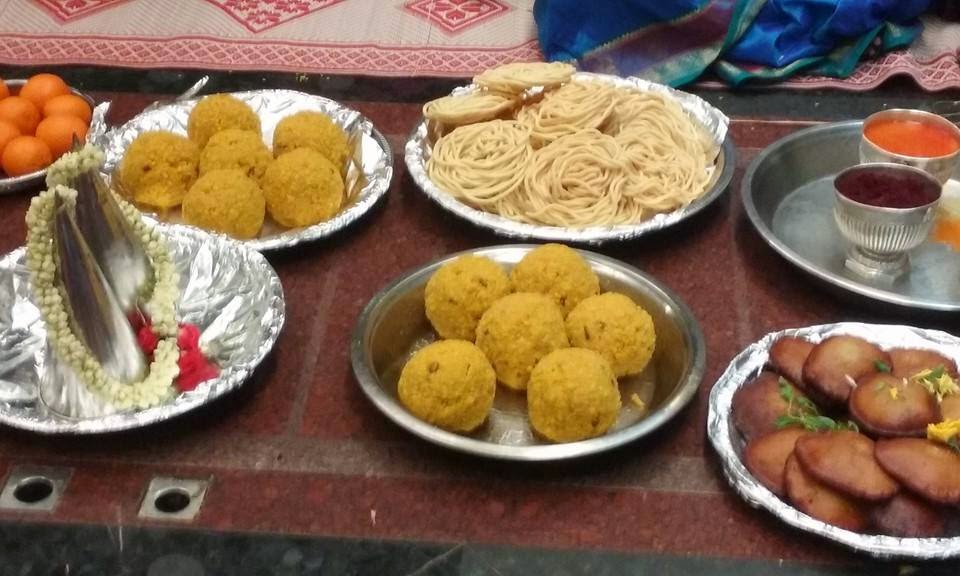
Sweet Apuupa is at the right extreme.

Vedic seers were honoured with Madhuparka, a mixture of milk and honey. Both of them were available in the forests where their ashrams (dwellin places) or Parnaslas (Leafy huts) were constructed. They had gruels as well. Even today all the village temples in Tamil Nadu offer gruel during their festivals. This shows the continuity of the Vedic food or offering.

Here is a list of the food items:

Odana – grains cooked with milk or other items. Like today they had different odanas such as dadhy odana (curd rice), ksiraudana (milk rice) mudgaudana bean rice, sesame audana, ghrtraudana( ghee rice) and meat rice( biriyani) . They are found in RV and AV in addition to the Upanishads and Satapatha Brahmana.

Pinda is a ball of rice offered to departed souls. This is mentioned with the same Sanskrit word in Sangam Tamil literature. The use of water, rice and sesame seeds shows that the Aryan Dravidian Racist Theory was unfounded. They are grown and used in tropical countries. All are found in Indus valley and the same Sanskrit words are used till the Southernmost Part of Tamil Nadu. Til= El, Vrihi= Arisi, Nara= Neer. Had the Hindus come from cold central Asia or Europe they would not have used water from birth to death in all the ceremonies. For auspicious events they used yellow rice and inauspicious they used white rice. It was even put into the mouth of dead body. All these show they were born and brought up here. All the customs originated here.

Savoury Apuupa (kuzi appam)

Kharambha – gruel

Aamiksa – clotted curds

Kiilaala/ parisruta/pana paanta/  – sweet drink

Go /Ksira/payas/pratiduh – milk

Dadhi/payasaa – – yogurt or curd

Navanita – butter

Pakti – cake

Pakva /Pacata – cooked food

Parivapa – fried rice

Piiyusaa – biestings

Pitu – food (This word is used in Tamil as well)

Pista – flour

Madhu – honey

Maamsa – meat

Madhya/ suraa – liquor

Yavaagu – baley

Vistarin – porridge

Soma rasa – not a food, but an offering or Prasad

Grains used by the Vedic Hindus: at least 25 different types of grains are mentioned. Ten types of fishes are also found in the Vedas but not as food items. In the Asvamedha Yajna more than 200 items are offered as offering from grains to animals. But we don’t know whether they are symbolic or actual.
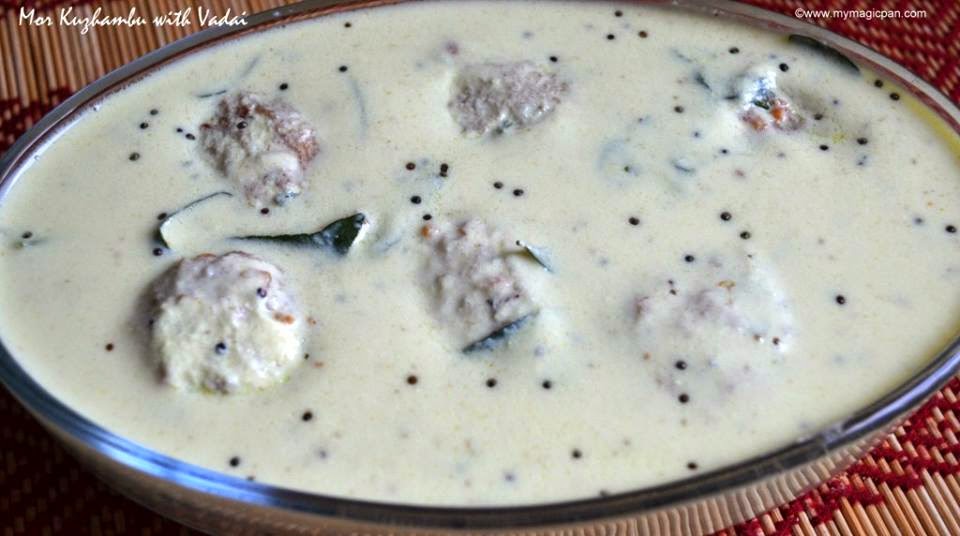
apuupa in yogurt (Dahi Vada)

Rice gets more mentions. Dairy products are referred to in hundreds of places. That deserves a separate article. This shows the Vedic Hindus were the one who introduced the cow to the mankind and it was worshipped as mother cow/ Go Matha. Water and rivers were worshipped as goddesses.

Swami_48@yahoo.com
கேசவர், த்ரோணர், கௌரவரை வைத்து ஒரு புதிர்!

Written by S NAGARAJAN

Research Article No: 1824

Date: 24 April 2015; Uploaded in London at 8-22 am


சம்ஸ்கிருதச் செல்வம்பாகம் 3

2. கேசவர், த்ரோணர், கௌரவரை வைத்து ஒரு புதிர்!

.நாகராஜன்

கம்பன் ஒரு மஹா கவி. அவனைப் போல் ஒரு கவி இனி பிறப்பானா என்பது சந்தேகமே. சரஸ்வதியின் அருள் இருந்தால் மட்டுமே அப்படி ஒரு மஹாகவி இனி தமிழ் நாட்டில் பிறக்கக் கூடும்.


 அபார கற்பனை மின்னல்களை ஆங்காங்கு பளிச்சிடச் செய்து கவிதை வானில் பறந்து கொண்டே இருப்பான் அவன்.


உதாரணம் இந்திரஜித்தின் மாளிகை காவலர்களும் புதிர்களும். இது என்ன? இந்திரஜித்தின் மாளிகைக் காவலர்களுக்கும் புதிர்களுக்கும் என்ன சம்பந்தம் என்று திகைப்பு ஏற்படுகிறதல்லவா! கம்பனால் மட்டுமே இப்படிப்பட்ட திகைப்புகளைத் தர முடியும்!


அபார வீரனான இந்திரஜித்தை வெல்ல யாராலும் முடியாது. அவன் பெயரைக் கேட்ட மாத்திரத்திலேயே அனைவரும் நடுநடுங்குவர். அப்படிப்பட்ட வீரனின் மாளிகையில் காவல் காப்போர் பெயருக்குத் தான் காவல் வீரர்கள்! அவர்கள் யாரைக் காவல் காப்பது? அவர்களுக்குப் பொழுதே போகவில்லையாம், என்ன செய்வது? ஆகவே அவர்கள் இரவு  முழுவதும் விழித்துத் தங்கள் பணியை ஆற்ற ஒரு வழியைக் கண்டுபிடித்தார்கள்! அது தான் ஒருவர் புதிர்களைப் போட வேண்டியது, மற்றவர் அதை விடுவிக்க வேண்டியது. பழங்கதைகளைப் பேசிக் கொண்டே இருப்பது, இப்படி பொழுதைப் போக்கினார்களாம், அவர்கள்!

பாடலைப் பார்ப்போம்:-


ஏதி யேந்திய தடக்கையர்  பிறையெயி றிலங்க                            

மூதுரைப் பெருங்கதைகளும் பிதிர்களு மொழிவார்                        

ஓதி லாயிர மாயிர முறுவலி யரக்கர்                                          

காது வெஞ்சினக் களியினர் காவலைக் கடந்தான்

                    சுந்தர காண்டம்ஊர்தேடு படலம்பாடல் 138


இதன் பொருள் : சொல்லப் போனால், ஆயுதங்களை ஏந்திய அகன்ற கைகளைக் கொண்டவர்களும் பகைவரைக் கொல்ல வல்ல கோபமாகிய கள்ளை அருதியவரும் தம் பிறைகளை ஒத்த பற்கள் தெரியும்படி  பழமையாகச் சொல்லப்பட்டு வரும் பெரிய கதைகளையும் விடுகதைகளையும் தமக்குள் பேசிக் கொண்டிருப்பவருமான பல ஆயிரம் மிக்க வலிமை பெற்ற அரக்கர்கள் அமைந்த காவலை அனுமன் தாண்டி உள்ளே சென்றான்.


இதற்கு உரை எழுதிய உ.வே.சாமிநாதையர், மூதுரை – ‘பழமொழிகளும் ஆம். பிதிர்கள்வழக்க்கு அழிப்பாங்கதைகள் ; இவற்றை உறக்கம் வராதபடி உரைப்பர் என்பது பழைய உரைஎன்று விளக்குகிறார்.

இன்னொரு பிரபல உரையாசிரியரான வை.மு.கோபாலகிருஷ்ண மாச்சாரியார் பாடலின் மூன்றாம் அடியில் உள்ள முறுவலி அரக்கர்என்பதற்கு பதிலாக உணர்விலி அரக்கர் என்ற பாட பேதத்தைத் தருகிறார்.

அவரது விளக்கவுரை:-


மூதுரைமுதுமொழி; அதன் இலக்கணம் – :நுண்மையும் சுருக்கமும் ஒளி உடைமையும், மென்மையும் என்று இவை விளங்கத் தோன்றிக் குறித்த பொருளை முடித்தற்கு வரும் , ஏது நுதலிய முது மொழியானஎன தொல்காப்பியத்தில் காண்க.


பெரும் கதை:- தேவாசுர யுத்தம், க்ஷீராப்தி மதநம், பூர்வீக ராக்ஷஸர் வரலாறு போல்வன.


பிதிர்ஒரு சமயத்தில், கம்பர் ஔவையாரை நோக்கி,                   

ஒரு காலடீ  நாலிலைப் பந்தலடீஎன்று சொல்லி, “இதன் பொருள் என்?” என்று வினாவியதும், “ஆரையடா சொன்னாயடாஎன்று விடை கூறியதும் போல்வன! (ஆரைக்கீரை முதலின் காம்புகள் நான்கு பிளவுபட்ட இலையை உடையனவாய் இருக்கும்.)


எதிர்ப்பார் இல்லாமையால் புதிர்களைச் சொல்லிக் காலம் போக்கினர் காவல் வீரர்கள் என்பது கம்பனின் மின்னல் கற்பனை!

இனி இப்படிப்பட்ட அரும் புதிர்கள் தமிழ் மொழியிலும் சம்ஸ்கிருத மொழியிலும் ஆயிரக் கணக்கில் உள்ளன. அவற்றைத் தொகுப்பவர் தான் இல்லை.


ஆக இப்படிப்பட்ட பழம் பெரும் வரலாற்றைக் கொண்டவை கவிதைப் புதிர்கள்! அதை எடுத்துக் காட்டவே மேலே உள்ள கம்பனின் பாடல் உதாரணமாகத் தரப்பட்டது!


மேலும் சில சம்ஸ்கிருத புதிர் கவிதைகளைக் காண்போம்.

இப்போது காண இருப்பது கூட ஸ்லோகம்என்னும் புதிர் கவிதை. இதை விடுவிப்பது சற்று சிரமமான காரியம்.


கேசவம் பதிதம் த்ருஷ்ட்வா த்ரோணோ ஹர்ஷசுபாகத: I                   

ருதந்தி கௌரவா: சர்வே ஹா கேசவ கதம் கத:      II


இதன் பொருள் : ஒரு சவம் (பிணம்) நீரில் விழுவதைப் பார்த்த கழுகு ஒன்று  மிக்க மகிழ்ச்சியை அடைந்ததுதனக்கு சரியான விருந்து தான் என்று! ஆனால் நரிகள் ஏமாற்றத்துடன் ஊளையிடுகின்றன – “, கேசவா, எப்படி அது இப்படிப் போய்விட்டது” –என்று!


இந்தப் பாடலில் கே+ சவம் = கேசவம் ஆகிறது. சவம் என்றால் பிணம்; கே என்றால் நீர். த்ரோண என்றால் கழுகு; கௌரவா என்றால் நரிகள்.

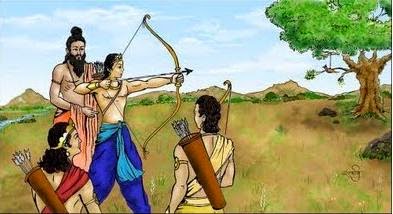
ஆனால் பாடலை முதலில் கேட்கும் போது கேசவன், த்ரோண, கௌரவா என்றவுடன் பாண்டவ, கௌரவர்களை நினைத்தும் துரோணரை மனதில் கொண்டும் புதிரை அவிழ்க்கத் தோன்றும்.


உண்மையான விடையைக் கேட்டவுடன் புன்முறுவல் தான் தோன்றும்!

இப்படி ஒரு வகைப் புதிரும் இது போல் உண்டு!

இது அமைந்துள்ள விருத்தம் ஆர்யா விருத்தம்.

இனி பஹிர் ஆலாப வகை புதிர் ஒன்று இது:-


கேசரத்ருமதலேஷு சம்ஸ்தித: கீத்ருஷோ பவதி மத்தகுஞ்சர: I

தத்தவத: சிவமபேக்ஷ்ய லக்ஷணைர் அர்ஜுன: சமிதி கீத்ருஷோ பவேத் II


இது அமைந்துள்ள விருத்தம் –  ரதோத்தாத விருத்தம்


இதன் பொருள் :-

மத்த யானை கேசர மரத்தின் அருகே இறந்து பட்டால் என்ன ஆகும்?

சிவனை ஆராதித்து அர்ஜுனன் போர்க்களத்தில் எப்படி போர் புரிந்தான்?


இதற்கான விடை :- தானவகுலப்ரமரஹிதா:

இப்படிப் பார்த்தால் முதல் கேள்விக்கு விடை கிடைக்கும்–  கேசர மரத்தில் உள்ள தேனீக்களுக்கு யானையிடமிருந்து ஒழுகும் மதம் இதமான ஒன்றாகும்.


தானவகுலப்ரமரஹிதா:  – என இப்படிப் பார்த்தால் இரண்டாவது கேள்விக்கு விடை கிடைக்கும்.

அரக்கர்களின் கூட்டத்திலிருந்து ஏற்படும் கவலையிலிருந்து அர்ஜுனனுக்கு விடுதலை கிடைக்கும்.

(தானவஅரக்கர்)

எப்படி தானவகுலப்ரமரஹிதா: என்ற சொற்றொடரை இரு விதமாகப் பிரித்தால் புதிர் கேள்விகளுக்கு விடை கிடைக்கிறது.


விடைகளுடன் படிப்பதால் எளிதாக ரஸிக்க முடிகிறது. கேள்வியைக் கேட்டு விடையைக் கண்டு பிடியுங்க்ள் என்றால் சம்ஸ்கிருத பண்டிதராக இருந்தாலும் இரவுத் தூக்கம் போய்விடும்!


*************


Why did Rama marry Sita on Phalguni Uththiram Day?

Written by London swaminathan

Research Article No: 1823

Date: 23 April 2015; Uploaded in London at 19-21

“During the Muhurtha sacred to the sun, and when the moon was in conjunction with UTTARA PHALGUNI, such of her kinswomen as had their husbands and male children living, put decorations on her (Uma’s) body” – Kalidasa in Kumarasambhava, Chapter 7, Sloka 6

Choza Bronzes of Parvati- Paramasiva (Kalyanasundara);wikipedia picture.

Valmiki who lived thousands of years ago according to Hindu tradition, Kalidasa who lived before first century BCE and Kamban who lived in 12th century CE — all mention the star Uttar Phalguni as the most auspicious day for the wedding. Tamil saint Sambandhar of seventh century CE praised Panguni (Phalguni) uththaram in his Tevaram verse. All the Tamil temples have been celebrating this day as a great festival day for at least 2000 years. It is very interesting to see the same culture and belief from the Himalayas to Kanyakumari. The largest country in the world at that time.

In my research paper “Why did Sangam Tamils marry on Rohini star day?” posted by me on 20th May 2014, I have explained that the two Akananuru verses and Tamil epic Silappadikaram say that Tamils got married on the day Rohini was in conjunction with the moon. Tamils followed what their Northern brothers did, because the culture was same from the Himalayas to Kanyakumari even before two thousand years ago. I have quoted Kalidasa’s Shakuntalam verse on Rohini and said that it explodes Aryan Dravidan Racist theory. Sangam Tamil literature and Silappadikaram have umpteen references to Arundhati (Vedic seer Vasistha’s wife) as the chaste woman in the world. This also gives a severe blow to the racist theory. Now there is another blow to the Aryan Dravidian Racist theory from the Panguni Uththiram festival.

Valmiki and Kamban who adapted Valmiki Ramayana in Tamil are very clear about the wedding day. Vamiki Ramayana says,

Picture of Sita Kalyanam

“Let the four princesses give their hands to four valiant princes on the same day, O Great Ascetic. O Brahmin, the wise declare the nuptials should take place on the last day under the Phalguni star when Bhaga is in the ascendant”—Bala Kanda, Chapter 72


Kamban says in Tamil “Panguni Uththaram”. The moon is in the asterism of Uththiram (Balakandam, Kamba Ramayana, Kadimana Patalam)

The astronomical name of the star Utra Phalkuni  is Beta and 93 Leo (உத்தரம்)

This is a very auspicious day for the Hindus. Holi festival and Kama Dhahanam (Burning of Kama/Desire/Manmatha are celebrated in the North and the South on a grand scale. All the Vaishnavite and Saivaite temples in Tamil Nadu have their main festivals during that period. Most importantly the marriage of Shiva with Uma is celebrated in most of the temples. Rama who broke Shiva Dhanus got married on the day Shiva got married!

It is more auspicious for the devotees of Kartikeyan (Skanda/Murugan). In all the Tamil speaking parts of the world, Murugan temples do Chariot festivals and other events.

This is the day Lord Shiva married goddess Meenakshi in Madurai. Later the Nayak king merged three festivals of Madurai, Tirupparnkundram and Alakarkoil for the convenience of general public. Now it is called Chitra (full moon day) festival.

Picture of Meenakshi Kalyan from Madurai Temple

Lord Skanda married Deivanai, daughter of Indra on the day as well. Lord Muruga helped Indra to defeat the evil demons and he, as a token of gratitude, gave his daughter Deivanai in marriage to Lord Skanda/Murugan. All these stories are mythological and to bring the atmosphere of cheer and happiness these celestial weddings were celebrated. People chose those days to celebrate the weddings of their near and dear ones. In countries like Malaysia and Singapore they take Kavadis and pull chariots in the streets.

Hindus chose Full Moon Day (Purnima or Paournami) for most of their festivals. There were no electric lights before 1880. Celebrating festivals on or around full moon day made it easier for the pilgrims to travel from far off places. Even among the 12 full moon days they avoided rainy season for big festivals. So big festivals are held between Magh (Masi) and Vaishak (Vaikasi).

Ellora Caves: Siva – Uma

Stars Rohini and Uttaram are Hindus favourite stars!

-SUBHAM-

வேதத்தில் தங்கமும் ரத்தினக் கற்களும்!

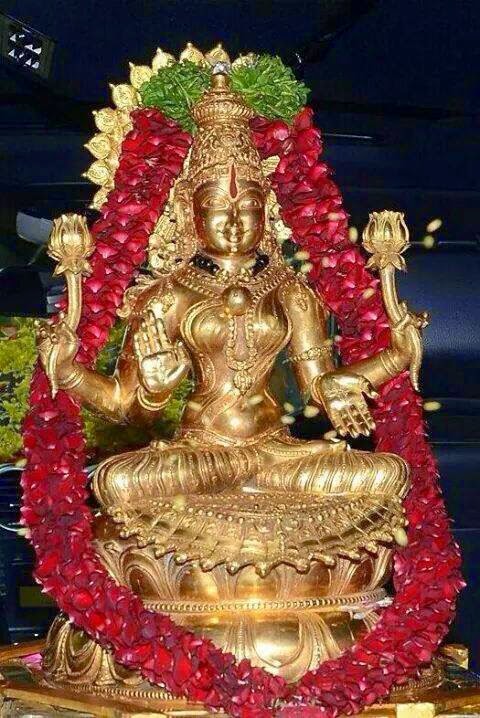
40624-gold2b2bganesh

Compiled by London swaminathan

Date: 23 April 2015; Post No: 1822

Uploaded in London 9-35 காலை

ரிக் வேதம் கி.மு 1700 அல்லது அதற்கு முந்தையது என்று மேலை உலகம் மெதுவாக ஒப்புக் கொள்ளத் துவங்கி விட்டது. நாள் ஆக ஆக ஜெர்மானியர் ஜாகோபி, சுதந்திரப் போர் வீரர் பால கங்காதர திலகர் ஆகியோர் வான சாஸ்திர கணக்குப்படி சொன்ன கி.மு. 4000-க்கும் முந்தையது ரிக் வேதம் என்றும் உலகம் ஒப்புக் கொள்ளும் நாள் வெகு தூரத்தில் இல்லை. வேதத்தில் ரத்தினக் கற்கள் மற்றும் தங்கம், வெள்ளி பற்றிய குறிப்புகள் சில முக்கியமான விஷயங்களை உணர்த்துகின்றன.

1.வேத கால இந்துக்கள் நாகரீகத்தில் மிகவும் முன்னேறியவர்கள். ஏனெனில் தங்கத்தை ஆற்று மணலில் சலித்து எடுப்பதோடு, அபராஜித தங்கத்தை வெட்டி எடுப்பதோடு, தற்காலத்தில் செய்வது போல தங்கத் தாதுக்களை உருக்கியும் தங்கம் எடுத்துள்ளனர்.

2.வேத கால நகைகளின் பெயர்களைப் பார்த்துவிட்டு, கி.மு. மூன்றாம் நூற்றாண்டைச் சேர்ந்த சிற்பங்களில் உள்ள நகைகளைப் பார்க்கையில் வேத காலத்தில் நகைகள் எப்படி இருந்திருக்கும் என்று ஊகிக்க முடிகிறது. அவர்கள் பணக்காரர்கள் என்பதும், உல்லாசமான வாழ்க்கை நடத்தினர் என்பதும் தெரிகிறது.

3.நகைகள், தங்கம், வெள்ளி முதலியவற்றுக்காண சம்ஸ்கிருத பெயர்களின் வேர் சொற்கள் முதலியன– வேறு ஐரோப்பிய மொழிகளில் இல்லாததால், ஆரியர்கள் வெளியிலிருந்த வந்தனர் என்ற கொள்கையில் பலத்த இடி விழுகிறது. அப்படி வெளியிலிருந்து வந்திருந்தால் இந்த மொழியின் தாக்கம் அங்கே இருந்திருக்கும். இது மட்டுமல்ல ஆயிரக் கணக்கான வேத கால சம்ஸ்கிருத்ச் சொற்கள் அந்த மொழிகளில் இல்லை. வில்லியம் ஜோன்ஸ் சொன்ன மொழிக் கொள்கை தவறு என்பதும் தெரிகிறது.

4.ரிக் வேதத்தில் மயில், நீர், மீன் போன்ற தமிழ் சொற்கள் இருப்பதாகக் கூறி சிலர் வியப்பர். இன்னும் சிலர், சிந்துசமவெளியில் தமிழ் “கதைக்கப்பட்ட”தற்கு இதுவும் ஒரு சான்று என்று கதைப்பர். ஆனால் நீர் போன்ற சொற்கள் பழம் கிரேக்கத்தில் இருப்பதை நான் காட்டியுள்ளேன். இப்பொழுது ரிக் வேதத்தில் காணப்படும் மணி என்ற சொல் சங்கத் தமிழ் நூல்களில் 400-க்கும் மேலான இடங்களில் காணப்படுவது எனது ஆராய்ச்சி முடிபுகளை உறுதிபடுத்துகிறது. அதாவது தமிழும் சம்ஸ்கிருதமும் ஒரே குடும்பத்தை சேர்ந்தவை- கிளைவிட்டுப் பிரிந்து 2000 ஆண்டானதால் இரண்டும்  தனி மொழிகள் ஆயின. இதை அறிந்த நம் முன்னோர்கள் ஒரு மொழியில் இருந்து இன்னொரு மொழிக்குக் கடன் வாங்கவும் தயங்கவில்லை. முன்னர் இருந்த மூல மொழியைச் சேர்ந்த சொற்களே நீர், மீன்,அரிசி (வ்ரீஹி), மணி, இருதயம், மயூர (மயில்) முதலியன. இன்னும் நிறைய பொதுச் சொற்கள் ரிக் வேதத்தில் உள. அவைகளைத் தனிக் கட்டுரையாகத் தருவன்.

92909-gold2csriranjini2bkodampally

மனைவியருக்கு தங்கம் வாங்கிக் கொடுப்பதில் மகிழ்ந்தனர் கணவன்மார்கள்

5.வேதங்கள் சமய சம்பந்தமான மந்திரங்களை உடையவை. அவை தங்கம், வெள்ளி பற்றிய உலோகவியல் (மெட்டல்லர்ஜி) புத்தகம் அல்ல. ஆயினும் அதில் நிறைய விஷயங்கள் உள. இவைகளை மொத்தமாக வைத்துப் பார்க்கையில் – குறிப்பாக அவைகளில் வரும் மிகப் பெரிய டெசிமல் சிஸ்டம்/ தசாம்ஸ எண்களை வைத்துப் பார்க்கையில் இது நாகரீகத்தில் சுமேரிய எகிப்தியர்களை விட முன்னேறிய நாகரீகம் என்பது தெள்ளத் தெளிவாகிறது. இதில் வரும் ஆபரணங்களின் பெயர்கள் உடலில் எல்லா உறுப்புகளிலும் நகைகள் அணிந்ததைக் காட்டுகின்றன.

6.வேத காலத்தில் பெண்கள் அணிந்த நகைகளைக் கற்பனை செய்ய, கிமு. மூன்றாம் நூற்றாண்டு முதல் நமக்குக் கிடைக்கும் கற்சிலைகள் உதவும். கிரேக்க, எகிப்திய, பாபிலோனிய பெண்கள் படங்களைப் பக்கத்தில் வைத்து ஒப்பிட்டால் இந்தியப் பெண்கள் தான் அதிக நகைகள் அணிந்திருந்தனர் என்பதும் தெரியும். கிரேக்கர் கழுத்தில் நகைகள் இரா. சுமேரியர் கழுத்தில் கொஞ்சம் இருக்கும். எகிப்தியர் மட்டும் கழுத்தளவுக்கு நம்மை ஒட்டி நகை அணிந்திருப்பர். ஆனால் இந்துக்களோ கழுத்துக்குக் கீழேயும் இடுப்பிலும், கைகளிலும், கால்களிலும் நகை அணிந்ததை சிற்பங்களில் காணலாம்.

7.ஆண்களும் நகை அணிந்ததை வேதங்கள் செப்பும். இந்திரன், மருத்துக்கள் நகை அணிந்ததையும் அஸ்வினி தேவர்கள் தங்க ஆசனம் பொருத்திய ரதங்களில் ஏறுவதையும் அவை கூறுகின்றன.

8.தங்க கரன்ஸிக்களும் (பணமாகப் பயன்படுத்தும் தங்கக் காசு), தங்கத்தை நிறுப்பதற்கான எடை அளவுகளும் இருந்தன இதுவும் பாரதம் முழுதும் ஒரே மாதிரி இருந்துள்ளது. 100 குந்துமணி அளவு, 100 தானிய எடை என்பன வேதத்தில் காணக் கிடக்கின்றன. திவோதாச என்ற மன்னன், ஒரு புரோகிதருக்கு தங்கக் கட்டிகளைப் பரிசளித்தான். இன்னொருவர் 4 தங்கத் தாம்பாளங்களைப் பரிசளித்தார்.

9.ஆயிரம் பொற்காசு அளிக்கும் வழக்கம் தருமி (திருவிளையாடல் புராணம், அப்பர் பாட்டு) காலம் வரை இருப்பதை நாம் அறிவோம். இதுவும் வேத கால வழக்கம். மாட்டின் கொம்பில் கட்டப்பட்ட ஆயிரம் பொற்காசுகளை ஜனக மாமன்னன் பரிசளித்ததை உபநிஷத்துகள் கூறும். இவ்வளவு தங்கத்தை கி.மு 1700-ஆம் ஆண்டிலேயே பரிசளித்திருந்தால் இந்தியா எவ்வளவு பணக்கார நாடாக இருந்திருக்க வேண்டும்?

10.”உலகிலேயே மிகப் பெரிய பணக்கார நாடு இந்தியா” — என்ற தலைப்பிட்ட ஐந்து ஆங்கிலக் கட்டுரைகளில் அலெக்ஸாண்டரும், கஜினிமுகமதுவும், கொலம்பசும், பிரிட்டிஷ், பிரெஞ்சு, டச்சு, போர்ச்சுகீஸியரும் ஏன் இந்தியாவை நோக்கி வந்தனர் என்று எழுதியுள்ளேன். ஐரோப்பவிலோ பிற நாகரீகங்களிலோ தங்கக் கட்டிகள், தங்கத் தம்பாளங்களை, முறையான சடங்குகளில் பரிசு அளித்ததாகப் படிக்க முடியாது.

248aa-amman2bgold

11.பெண்களுக்கு தாய் தந்தையரே நகை பூட்டிய செய்திகளும் வேத கால இலக்கியங்களில் இருக்கின்றன.

12.மணி என்பது வைரமாகவோ முத்து ஆகவோ இருக்கலாம் என ஆராய்ச்சியாளர் எண்ணுவர். அவைகளை நூலில் கோர்த்து கழுத்தில் அணிந்த குறிப்புகள் வேதத்தில் (மணி க்ரீவ) உண்டு. நூலில் கோர்த மணிகள் போல என்ற உவமை பகவத் கீதையிலும் சங்க இலக்கியத்திலும் உள்ளதை முன்னரே எடுத்டுக் காட்டி இருக்கிறேன்

13.பொற்கொல்லன், நகை விற்பவன் ஆகியோர் பெயர்களும் இருப்பதால், நகைத்தொழில் இருந்தது பற்றியும் அறிகிறோம்.

14.இன்றும் கூட பரிசு கொடுக்கும் போது சொல்லும் மந்திரங்களில் “சதமானம் பவது” என்று ஒரு மந்திரம் சொல்லப்படும் யார் என்ன ஓதி விட்டாலும் அதை ஓதிக் கொடுக்கும் ஐயர் “லட்சம் கட்டி வராஹன்” என்று சொல்லி பெண், மாப்பிள்ளை கையில் கொடுப்பார். இவ்வளவு பெரிய தொகை ஓதி விடப்படதாலேயே அத்தகைய மந்திரங்கள் காலாகாலமாக இருந்து வருகின்றன. சதமானம் என்பது 100 குந்துமணி (ரத்தி) எடைத் தங்கம் ஆகும்.

ஒரு பிச்சைக்கார  சமுதாயம், லட்சம் கட்டி வராஹன் என்று நினைத்துக்கூட பார்க்காது. வேத கால சமுதாயம் தங்கத்தில் புரண்ட சமுதாயம் என்பதால்தான் இத்தகைய மந்திரங்கள் வருகின்றன. அர்ஜுனன் உத்தரகுரு எனப்படும் இமயமலைப் பிரதேச நாட்டுக்குச் சென்று தங்கமும் ரத்தினமும் கொண்டு வந்ததாலேயே அவனுக்கு தனஞ்ஜயன் என்று பெயர்.

15.சிந்து, சரஸ்வதி நதிக்கரைகளில் தங்கம் கிடைத்ததால் அந்த நதிகளுக்கு தங்க (ஹிரண்மய) என்ற சிறப்பு அடைமொழி உள்ளது. காவிரிக்கும் ‘பொன்னி’ என்ற சிறப்புப் பெயர் இருக்கிறது

aeeb4-01_open_page_alapa_2296283f

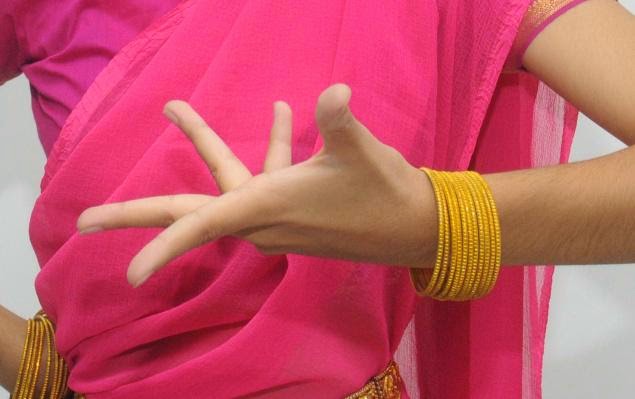
காஞ்சனம் ஹஸ்த லட்சணம் (கைகளுக்கழகு கனக வளையல்கள்!!)

16.நிருக்தத்தில் (சொற்பிறப்பியல்) மணி என்பதற்கு சூரிய காந்தக் கல் என்று ஒரு உரைகாரர் பொருள் சொல்லுகிறார். அந்தக் காலத்திலேயே பஞ்சை எரிக்கும் பூதக் கண்ணாடி பற்றி நம்மவர் அறிந்திருந்தனர். வயதானவர்கள் தங்கத்தை அணிந்து இறந்தால் தங்கமாகவே ஆவர் என்ற நம்பிக்கை இருந்தது ஒரு மந்திரத்தின் மூலம் தெரியவருகிறது.

ஆங்கிலக் கட்டுரையில் நான் தொகுத்துக் கொடுத்து இருப்பதன் சுருக்கத்தை மட்டுமே இங்கே கொடுத்துள்ளேன். வேத கால இலக்கியமான சம்ஹிதை, பிராமணங்களில் எந்த எந்த இடங்களில் இந்த குறிப்புகள் வருகின்றன என்ற புள்ளி விவரங்களுக்கு எனது ஆங்கிலக் கட்டுரையைக் காண்க.

d482a-gem

–சுபம்–

Vedic Hindus’ Hair Style

Compiled by London swaminathan

Date: 22 April 2015; Post No: 1821

Uploaded in London 22-08

Vedic literature is an encyclopaedia of the life of ancient Hindus. Though the Vedas are religious books, we have got lot of information about the normal secular life of people. We have got some interesting information about the Vedic hair style.

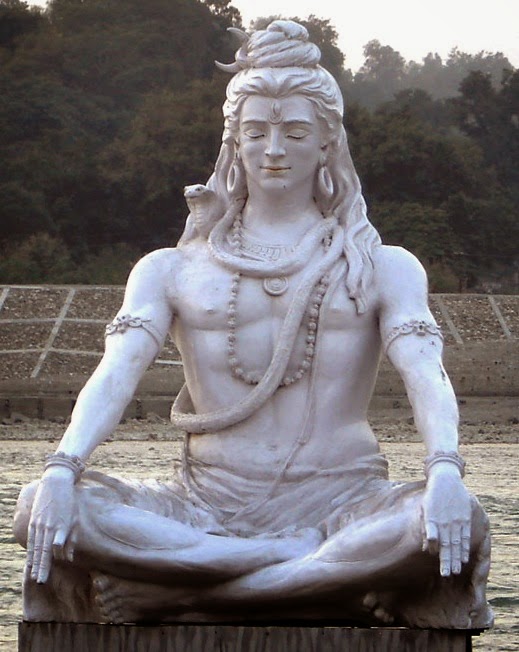
Shiva, One of the gods of Hindu Trinity, has a name due to his hair style. Kapardin is his name. It means matted locks. Even today lot of ascetics have this hair style. This name occurs in the Vedas. Rudra and Pusan wore their hair plaited or matted.

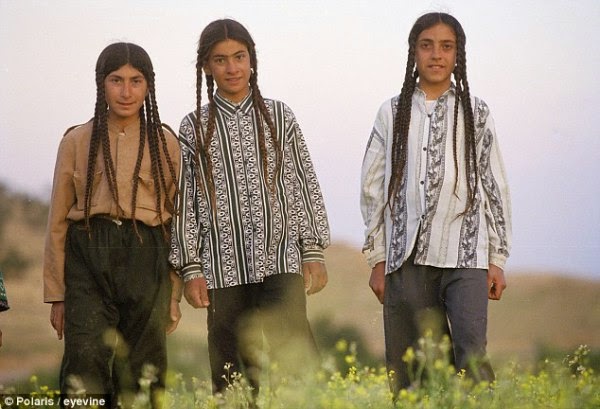
The use of the word ‘apasa’ indicates that plaits were worn by women in dressing the hair. There are undoubted references to the custom of wearing hair in braids or plaits. A maiden had her hair in four plaits (RV 10-104-3). It is very interesting to compare it with the plaited hair of Yazidis of Iraq. I have already explained in my two articles that they were ancient Hindus isolated in the hills of Iraq (Please read my articles “Hindu Vestiges in Iraq” and “Trikala Surya Upasana” ,posted on 12th and 23rd of August 2014 respectively).

The Yazidi youths wore a hair style as described in the Veda.

Yazidi boys of Iraq

Sangam Tamil literature described the Tamil women doing five types of hair styles (Aimpaal Kunthal in Tamil). This has been explained by the commentators as five different hair dos.

Kesa / hair is mentioned in the Atharva Veda (AV 5-19-3, 6-136-3), Vajasaneyi Samhita 20-5; 25-3and Satapatha Brahmana  2-5-2-48

In the hymns of Atharva Veda plenty full growth of hair is desired

Cutting and shaving of hair were in vogue. Scissors, razors and knives are mentioned in the Vedas.

Long hair was regarded womanly (SB 5-1-2-14). This shows women had long hair and they prayed for long hair. In the Mahabharata Draupadi vowed not to tie her hair until Dusshsana was killed and his blood is smeared in her hair. Women don’t dress their hair when their husbands were away.

When a woman was pregnant the ‘seemanta’ ceremony is done and lot of bangles are given to the woman. This seemanta means parting the hair. Kataka Samhita 23-1 mentioned this parting with the thorn of a porcupine – ‘salali’

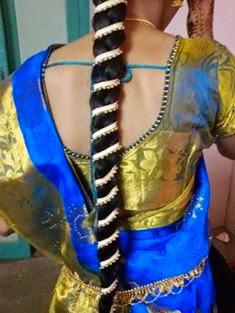
Beautiful Hair style on a statue

Another term for hair style is ‘stuka’ which means a tuft of hair or wool RV 9-97-17; AV 7-74-2

The word ‘pulastin’ (KS 17-15) occurs in the sense of ‘wearer of plain hair’ as opposed to ‘kapardin’ ‘ wearer of braided /matted hair.

Locks were known as ‘sikhanda’, parting of hair ‘siman’ and top knot as ‘sikha’

We see top knot in Buddha statues. A sage had the name Pulastya, may be due to his hair style.

Rama’s hair style was described as Kaka Paksha in Ramayana (like the two wings of crow)

Siva Kapardin

Hair Treatment

Vedic Hindus were very keen to have good dense hair. In order to stop hair from falling, herbs were grown  in water and other selected places. In order to make the hair grow a paste of heated sirsa (vanquiena spinosa) and nuts of aksa (bellerica Terminalia) were applied to the head.

In short they cared much for healthy hair and they did decorate their hair with different styles. This shows that they were well advanced in fashion and style. That stood as a proof for their happy and prosperous life. Foreign “scholars” deliberately concealed all the positive things about the Vedic society and projected them as nomadic migrants.

1. மான் விழியாளுக்கு எது ஆபரணம் ?

Compiled by S NAGARAJAN

Date: 22 April 2015; Post No: 1820

Uploaded in London 9–35 am


சம்ஸ்கிருதச் செல்வம் பாகம் 3

1. மான் விழியாளுக்கு எது ஆபரணம் ?

.நாகராஜன்

சம்ஸ்கிருதம் என்னும் பெருங்கடலில் கவிதைப் புதிர்கள் சுவாரசியமான ஒரு பகுதி.

ஆயிரக்கணக்கான புதிர்களை நூற்றுக் கணக்கான கவிஞர்கள் இயற்றியுள்ளனர்.

இந்தப் புதிர்களில் பல வகை உண்டு.

சமஸ்யா என்னும் விடுகதைப் புதிர்களில் கேள்வி ஒன்று கேட்கப்பட்டு அதில் உள்ள புதிரை விடுவிக்க அறைகூவல் விடப்படும். சாமர்த்தியசாலிகள் அந்தப் புதிரை அவிழ்த்து அனைவரின் பாராட்டையும் பெறுவர்.

இன்னொரு விதம், ஒரு கவிதையில் புதிர் போடப்பட்டிருக்கும்; விடையும் அதே கவிதையில் இருக்கும். இதை “அந்தர் ஆலாப” வகை என்று கூறுவர்.

இன்னொரு விதக் கவிதையில் புதிர் போடப்பட்டிருக்கும்; ஆனால் விடை அந்தக் கவிதையில் இருக்காது; நாம் தான் கண்டு பிடிக்க வேண்டும். இந்த வகையை “பஹிர்-ஆலாப” வகை என்று கூறுவர்.

முதலில் அந்தர் ஆலாப வகை புதிர் கவிதை ஒன்றைப் பார்ப்போம்:-

கிம் பூஷணம் வா ம்ருகலோசனாயா:     

கா சுந்தரி யௌவனதுக்கபாரா I                                                   

தாதா லிபி வா விததாதி குத்ர                                          

சிந்தூரபிந்துவிதவாலலாடே II


ம்ருகலோசனிமான்விழியாள்

இந்த்ரவ்ரஜா என்ற சந்தத்தில் அமைந்துள்ள இந்தக் கவிதைப் புதிரின் பொருள் இது தான்:-

மான் விழியாளுக்கு எது ஆபரணம்? – சிந்தூரபிந்து (அதாவது நெற்றியில் இடும் சிந்தூரப் பொட்டு)                                                                     

எந்த அழகிய பெண்ணுக்கு அவள் இளமையில் துக்கம் ஏற்பட்டு விட்டது? – விதவா (அழகிய இளம் பெண்ணுக்கு)

விதி தலை எழுத்தை எங்கே எழுதியுள்ளது? – லலாடே (நெற்றியில்


இந்த மூன்று கேள்விகளுக்கும் கடைசி வரி விடையைத் தருகிறது.

சிந்தூர பிந்து விதவா லலாடே! ஆனால் இந்த வரியின் அர்த்தமோ அபத்தம்!

விதவையின் நெற்றியில் இடப்பட்டுள்ள சிந்தூர பிந்து என்பது இதன் பொருள்!

மிதிலையைச் சேர்ந்த வித்யாகர மிஸ்ரா என்பவர் தொகுத்துள்ள வித்யாகர சஹஸ்ரகா என்ற நூலில் இடம் பெற்றுள்ள புதிர் கவிதை இது.


இதையே சற்று மாற்றி இன்னொரு கவிதையும் காணக் கிடைக்கிறது.

கிம் பூஷணம் சுந்தர சுந்தரீணாம்                                                        

கிம் தூஷணம் பாந்தஜனஸ்ய நித்யம் I                                                      

கஸ்மின் விதாவா லிகிதம் ஜனானாம்                              

 சிந்தூரபிந்துவிதவாலலாடே II


இதன் பொருள் : மிக அழகிய பெண்களுக்கு (சுந்தர சுந்தரி) எது ஆபரணம்சிந்தூர பிந்து (நெற்றியில் இடப்படும் சிந்தூரப் பொட்டு)

வெளியில் கிளம்பும் ஒருவருக்கு சகுனத் தடை எது? – விதவாஒரு விதவையைப் பார்ப்பது!

ப்ரம்மா விதியின் தலையெழுத்தை எங்கே எழுதியுள்ளார்லலாடேநெற்றியில்!

கடைசிவரியில் விடை உள்ளது. ஆனால் அது தரும் அர்த்தமோ அனர்த்தம்! – (விதவையின் நெற்றியில் இடப்பட்டுள்ள சிந்தூர பிந்து!)


இனி பஹிர்ஆலாப வகை புதிர் கவிதை ஒன்றைப் பார்ப்போம்.


கிம் ஸ்யாத் வர்ணசதுஷ்டயேன வனஜம் வர்ணேஸ்த்ரிமிர் பூஷணம்

ஸ்யாதாத்தேன மஹி த்ரயேன து பலம் மத்யம் த்வயம் ப்ராணதம்  I    

வ்யஸ்தே கோத்ரதுரங்ககாஸகுஸுமான்யந்தே சம்ப்ரேஷணம்                

யே ஜானந்தி விசக்ஷணா:க்ஷிதிதலே தேஷாமஹம் சேவக:   II

கஷ்டமான இந்த கவிதைப் புதிர் ஒரு வார்த்தை விளையாட்டு!


தாமரை என்ற பொருளைத் தரும் நான்கு எழுத்து வார்த்தை எது?

விடை : குவலய(ம்)

அதன் எந்த மூன்று எழுத்துக்கள் ஆபரணத்தைக் குறிக்கும்?

விடை: வலய(ம்) ( a bracelet)

அதன் முதல் எழுத்து பூமியைக் குறிக்கும்! விடை : கு (பூமி)

முதல் மூன்று எழுத்துக்கள் பழத்தைக் குறிக்கும். விடை : குவல

இரண்டு எழுத்துக்கள் சேர்ந்தால் வலிமை என்ற பொருள். (பலம்)


தனித் தனியே பார்த்தால் குடும்பம், குதிரையின் உணவு, பூ, கடைசியில் பார்த்தால் அனுப்புதல் என்ற பொருளைத் தரும்.

இந்தப் புதிருக்கான விடையை அறிந்திருக்கும் சாமர்த்தியசாலிகளுக்கு நான் சேவகன்! – என்று இப்படி கவிஞர் முடிக்கிறார்

சார்த்தூல விக்ரிதம் என்ற சந்தத்தில் அமைந்துள்ள பாடல் இது.


குவலய என்ற ஒரு வார்த்தையை வைத்து கவிஞர் இப்படி ஒரு வார்த்தை சித்து விளையாட்டை விளையாடி விட்டார்!

சம்ஸ்கிருதத்தில் ஒவ்வொரு சொல்லுக்கும் ஒரு பொருள் உண்டு என்பதையும் சில எழுத்துக்களின் சேர்க்கை பல பொருள்களைத் தரும் என்பதையும் இதை வைத்துக் கவிஞர்கள் புதிர் போடுவர் என்பதையும் அறிய இது ஒரு அழகிய உதாரணம்.

****************

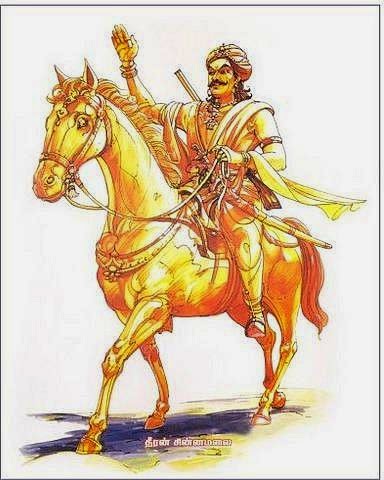
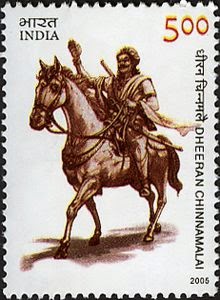
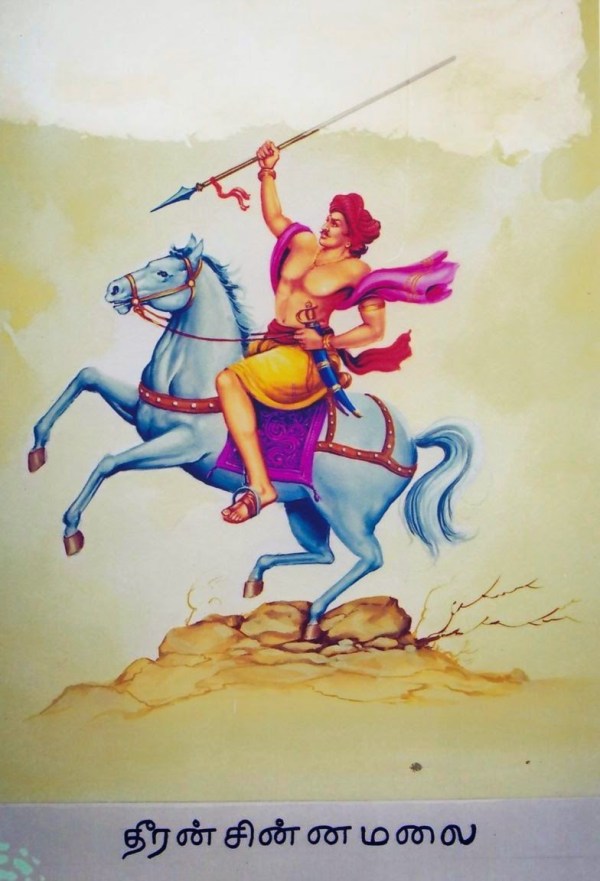
Dheeran Chinnamalai, a fighter to the last!

Compiled by London swaminathan

Date: 22 April 2015; Post No: 1819

Uploaded in London 8-54 am

By T A Srinivasan, Indian Express, 4th April 1985

I was about to throw out my old paper cuttings. One of them was written by my colleague in Indian Express and it is a good article about a great hero. So I am typing the full article published thirty years ago: London swaminathan

Dheeran Chinnamalai alias Theerthagiri

Long before the First War of Independence in 1857 which the British historians derisively referred to as the ‘Sepoy Mutiny’, many Polygars (Paalaiyakkaarar in Tamil) and chieftains in the South had fought against the British, chief among them being Hyder Ali, Tippu Sultan, Kittur Chennamma in Karnataka, Velu Thampi, Paliathachcan and Palasiraja in Kerala, Kattabomman, Oomaithurai, Pulithevan and Marudu Pandiyar in Tamil Nadu. But not so popular were many valiant fighters and one among them was Dheeran Chinnamalai, the hero of the Kongu country, whose memory has been cherished by the Tamil Nadu Government by naming a Transport Corporation after him.

His heroic deeds do not find any mention in any mention in the scores of history books that this writer has occasion to come across, but he has been immortalised in folk songs recited in the area and a poetic tribute to this great hero has been offered by Mr Sakthikanal, who has come out with a Kummi work of 96 pages. But for him and the Tamil Nadu Government cherishing his memory, he would have been a forgotten hero like the scores of others.

Pandya Gift

According to legend, Chinnamalai’s forefathers had served the Pandya kings and one of them was Uthama Kamindar or Karian Sarkarai of Anoor, who worked under Sathrusathana Pandya. The then Choza king, Uthama, performed a Bhuta Yaga and ordered the demon who came out of the Yaga Kunda to destroy the Pandya country. Kariyan sarkarai worsted the Choza king and his demon in the battle field and Pandya king, in turn, gifted 24 villages in the Kongu country to him and made him his chieftain. One of his descendants was Kotraivel Sarkarai, who besides being an able administrator, was a great poet and “Nalla Mangaiamman Sathakam” written by him deals with medicines, animal husbandry and farming. He had two wives but no issues and he adopted two sons, Senapathi and Rathinam. The kingdom was divided into two and Senapathi became the ruler of Anoor and Rathinam Sarkarai got the area west of it with headquarters at Melapalayam.

Dheeran Chinnamalai was the second of the five sons of Rathina Sarkarai and he was born in 1756. The name given to him by his parents was Theerthagiri and after getting preliminary education in traditional schools, he learnt martial arts. His elder brother Kuzandaisami , and the youngest Kuttisami were peace loving men. The other two Thambi and Kiledar, like Chinnamalai, loved battles.

The Kongu country then which consisted of the present Coimbatore, Periyar, Salem, parts of Tiruchi districs with Palai hills as northern and Palani hills as the southern boundaries. It was under the suzerainty of Mysore rulers.  The Mysore king then in turn was under the control of the British and Chinnamalai , who hated the British from childhood, wanted the Kongu country become free.

Marava Warriors

When Hyder Ali died in 1782, and Tippu became the ruler of Mysore, Chinnamalai wanted to strengthen his hands and he recruited a large contingent of Marava warriors and all of them joined Tippu’s army.  Chinnamalai also built a big palace at Oddanilai on the banks of Noyyal and trained his warriors.

When the fourth and the last Mysore War broke out in 1799, Chinnamalai and his forces fought valiantly along with Tippu  against the English forces  which invaded Mysore from the east and the west.  A British contingent from Bombay, led by General Stuart, forced Tippu to retreat from  the Coorg frontier; the Madras forces under General Harris, aided by the Nizam’s forces and led by Col.Wellesley, routed Tippu at Maalavalli. Harris further marched towards Srirangapattinam and laid siege to it in 1799. The capital was stormed and Tippu was killed in the battlefield.

Kongu Heroes’ Challenge

Chinnamalai, with his remaining warriors, retreated to the Kongu country. He sought the help of other Polygars in the area to fight the British. He became a force to reckon with and the British sent an ambassador to his court offering to acknowledge him as the ruler of the Kongu country with the condition he should pay royalty to them. Chinnamalai not only rejected the offer outright but also challenged the meet him in the battle field.

Colonel Maxwel, who was leading the British forces at Sankagiri, then ordered the British forces to loot Chinnamalai’s country.  Chinnamalai, who got annoyed by these acts of the British, looted their areas and the two forces met on the banks of Cauvery, in 1801, in which Chinnamalai’s forces became victorious. Col. Maxwell who had a narrow escape in the 1801 war took a bigger force a year later consisting of 10,000 soldiers to the Kongu country. The Kongu forces, which were only 3000 strong, defeated them and the English captain  was killed in action.  The Kongu forces which had no fire power or other weapons, which the British possessed, were able to defeat mainly with the ‘crowbar tactic’. They attacked the British with the crowbars on their hands by swinging them right and left and were able to win the war.

Hindu Idol Destroyed

The British unable to bear the ignominy, sent a 3000 strong cavalry under the leadership of Colonel Harris in 1803 to the Kongu country. Chinnamalai had strengthened his army in the meantime and acquired fire arms. The Kongu people were then celebrating the festival at the Arachalai Amman temple at Arachalur. Col.Harris forces stormed them and the British colonel disfigured the idol of the Amman (goddess). The Kongu forces, which were infuriated by this, attacked the British forces with vigour and Chinnamalai shot at Colonel Harris’ horse. The injured horse ran helter skelter and others followed suit.  Chinnamalai was third time lucky in making the British forces retreat from the Kongu country.

Chinnamalai Victorious in Three Wars!

Having failed in their efforts to defeat Chinnamalai in three wars, the British sent a much bigger force with canon power from Calicut and Chinnamalai who got prior information about it, left Oddanilai along with his forces and took refuge in Karumalai forests in the Palani Hills.

The British forces destroyed Chinnamalai’s palace and fort at Oddanilai and went back to Calicut. The British who were not satisfied with this, somehow wanted to get at Chinnamalai and his men. Due to the betrayal of Chinnamalais cook, he and his brothers were taken prisoners by the British who chained them and took them to Sankagiri fort in 1805. They were hanged there like Kattabomman, Marudu Pandiyar, Oomaithurai and other great heroes.

It is in the fitness of things that the Tamil Nadu Government decided to honour this unhonoured and unsung hero by naming a transport corporation after him as it had done in the case of Marudu Pandiyar and Kattabomman. The buses which will run bearing his name, will make the people remember this valiant fighter and sing his glory for a long, long time to come – T A S

Indian Express, 4th April 1985

GOLD in the Vedas!

Compiled by London swaminathan

Date: 21 April 2015; Post No: 1818

Uploaded in London 21-22

Vedic society was rich and prosperous. Vedic women wore gold and silver jewellery. We have references to gem stones as well. We read about their dance and music. Naturally the women would have dressed themselves for the occasion. Though Vedas are religious books, still we find lot of secular matters. Indian sculptures that are available from third century BCE show lot of different types of jewels. Every part of the sculpture has a jewel. When we look at Greek statues we see bare bodies. When we look at Sumerian and Babylonian statues we see scanty jewellery. Only the Egyptian women wore some jewellery like the Hindus. Probably they imported the jewellery or the idea from India.

1.Candra denotes gold in the Rig Veda (RV 2-2-4, 3-31-5, TS 1-2-7-1; KS 2-6; VS 4-26; SB 3-3-3-4) and other Vedic texts.

Jatarupa is also used to denote gold. Hiranya in the sense of gold is also frequently referred to in the RV and later texts.

2.The extraction of gold from earth (RV 1-117-5; AV 12-1-6; 12-1-26; 12-1-44) was known to Vedic people. Washing for gold is mentioned in the Taittiriya Samhita (TS 6-1-71-) and Satapatha Brahmana (SB 2-1-1-5). Gold is also recovered from the river beds and that is why the Indus was called Hiranmaya in the RV (10-75-8) The Sarasvati is also depicted as Hiranyavartani (AV 6-61-7)

3.Hiranya means ornaments in gold in the RV (1-122-2; VS 15-50)

4.A golden currency, weights of gold,’astaaprud’, is mentioned in the Kataka Samhita (11-1) and Taittiriya Samhita (3-4-1-4)

  1. A golden satamana means 100 krishnalas (Kunthumani in Tamil) in the Satapatha Brahmana (5-5-3-16)

Happy couple: husbands present lot of gold to make their wives happy.

6.Gold was obtained by smelting from ore (SB 6-1-3-5; 12-4-3-1)

7.Gold as a gift is also recorded in the RV(6-47-23) where we learn ten lumps of gold (dasa hiranya pindam) to a priest by Divodasa.

Brahadaranyaka Upanishad also mentioned about 1000 gold pieces tied to the horns of cows as a prize for the greatest scholar. Yajnavalkya got it. Giving thousand gold pieces continued until the Sangam period in Tamil Nadu.

My comments: The extraction of gold by smelting shows the advancement in metallurgy. The golden currency shows the wealth of the country. Unfortunately we get golden coins only from first century BCE now. Hindus recycle gold every now and then. King Divodasa giving ten bars of gold to a priest shows the enormous wealth of the country. If the gold currency is confirmed by some archaeological discovery then India will be the first currency to use golden currency.

Belief about Gold

8.The Atharva Veda refers to the belief of the people: one that dies of old age becomes who he wears it (gold …. For life time thee, for splendour thee and for force and strength  – that with brilliance of gold thou might shine out among the people.

  1. The terms Anja or Anji in the sense of ornaments is found in the RV (1-64-4) but the word alamkara occurs for the first time in satapata Brahmana (3-4-1-36; 13-8-4-7) and Chandogya Upanishad (8-8-5)

10.During marriage,  gold ornaments were gifted to the daughter by the father, as for example, niska in the RV (2-33-10) and kurira in the RV (10-85-8) means the head ornament, karnasobhana – ear rings (RV 8-78-3). The AV mentioned Tirita (8-6-7), parihasta (hand clap) and (amulet) in Kausika sutra (35—11)

11.The Atharva Veda refers to

Pravarta (ear ornament) 15-2-1

Golden amulets- 1-35

Niskariva (necklace of niska coins; Kasu Maalai in Tamil) –5-14-3

Kurira (head ornament) – 6-138-2

amman+gold.jpg (480×718)

  1. Vajasaneyi Samhita mentioned goldsmith (30-17) and jeweller (30-7) manikara. SB mentioned golden chain as rukma pasa (6-7-1-7)
  1. Rig Veda mentioned women wearing golden ornaments on breast (RV 1-166-10) vakshasu rukma

14.Indra is said to have worn golden bracelets in his arms. Maruts are also said to have worn golden ornaments like young suitors and sons of wealthy house ( RV 5-60-4; 8-5-28; 8-68-3). Asvins are invited to ascend a car with golden seats. Sankyayana Grhya sutra states that in ‘simantonayanna’ the wife is to sing merrily by wearing many gold ornaments (1-122-16)

There are many more references to golden ornaments, silver ornaments, gems (mani) in the Vedic literature.

  1. My Comments: The absence of cognate words ( for gold, jewels) in Indo European languages and the absence of such customs in Europe around 1700 BCE (Rig Vedic period) show that Vedic civilization originated in India. Presenting or gifting gold coins is also seen only in India. Vedic Hindus were not migrants. As I mentioned earlier we see very scanty jewels or no jewels at all in Europe. They were not able to make any golden gifts.

( I have already written  a five part article– @ India is the Richest country in the world’)

Kanchanam Hastha Lakshanam (Beauty of Hands lies in Gold)

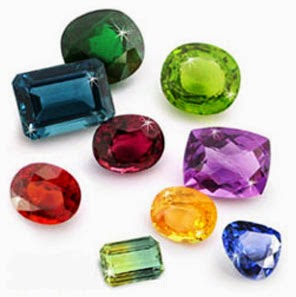
Gem Stones in the Vedas

16.The word Mani figures in RV (1-33-8) and AV(1-29-1;2-4-1;8-5-1 which may be gems or jewels.) Mani occurs in Sangam Tamil literature over 400 times to denote gems. So we can take it as gems. Mani is also mentioned in TS (7-3-14-1), KS (35-15), AB (4-6) as an amulets for all kinds of evil.

17.It is evident that the mani could be strung on a thread (sutra), which is referred to in Panchavimsa Brahmana (PB 20-16-6) and elsewhere (JUB 1-18-8, 3-4-13, JB 2-248, SB 12-3-4-2).

(The simile sutra mani gana eva occurs in Bhagavad Gita and Sangam Tamil literature)

18.Mani is worn around neck : manigriva (RV 1-122-14)

Gold Standard

19.Gold weighing hundred grains (SB 12-7-2-13), four gold plates weighing hundred grains (SB 13-4-1-6) are found in SB.

SB mentioned a gift of 300 gold coins (SB 5-5-5-16). Satamana or measures of hundred mean weight of a hundred krishnalas (seeds of Abrus precatorius).

Even today the word ‘satamana’ is used in all the mantras where gifts are involved.

Tamils and other communities were using the Gunja seeds (krishnala) for weighing gold until the last century.

Mani in the Rig Veda denotes diamond or pearl according to scholars. Durga in his commentary on Nirukta says that it denotes Sun stone (crystal used as a burning glass)

Hiranya mani in Rig Veda may mean gem studded gold ornaments. Tamil and Sanskrit literature mentioned it in later day literature.

கருணைக்கு அருணகிரி!

Written by London swaminathan

Date: 21 April 2015; Post No: 1817

Uploaded in London at 17-47

உரையாசிரியர்களில் வல்லவரான நச்சினார்க்கினியரை “உச்சிமேற் புலவர்கொள் நச்சினார்க்கினியர்” என்றும் தொல்காப்பியம் யாத்த தொல்காப்பியனை “ஒல்காப்புகழ் தொல்காப்பியன்” என்றும் சங்கத் தமிழில் மிக அதிகப் பாடல்களை இயற்றிய பிராமணப் புலவன் கபிலனை “புலன் அழுக்கற்ற (ஜிதேந்திரியன்) அந்தணாளன்”, “வாய்மொழிக் (சத்தியவான்) கபிலன்” என்றும் பாராட்டுவர். நம்மாழ்வாரை “வேதம் தமிழ் செய்த மாறன் சடகோபன்” என்றும் அடை மொழி கொடுத்து பாராட்டிப் போற்றுவர். இதில் ஒவ்வொன்றிற்கும் ஒர் காரணம் உண்டு. இதே போல திருப்புகழ் பாடி சந்தக் கவிகளால் பெயர் பெற்ற அருணகிரிநாதருக்கு ஒரு சிறப்புப் பட்டம் உண்டு. “கருணைக்கு அருணகிரி” என்று அவரை பக்தர் உலகமும் தமிழ் உலகமும் போற்றும்.

“கருணைக்கு அருணகிரி” என்று அவரைப் போற்ற பல காரணங்கள் உண்டு. கந்தனின் கருணையால் அவருக்கு மறு ஜன்மம் கிடைத்தது. கந்தனின் கருணை மழையில் நாம் எல்லோரும் நனைய நமக்கு 1300-க்கும் மேலான திருப்புகழ்களைக் கொடுத்தார். இதையெல்லாம் விட தமிழ்ப் புலவர்களை எல்லாம் தமது அகந்தையால் படாதபாடு படுத்திய வில்லிப்புத்தூராரைத் தண்டிக்க வாய்ப்புக் கிடைத்தும் அவர் மீது கருணை காட்டினார்.

அது என்ன கதை?

வில்லிபுத்தூரார் தன்னை மிஞ்சிய தமிழ் அறிவு யாருக்கும் இல்லை என்றார். அப்படி யாராவது தனக்கும் மிஞ்சிய அறிவு படைத்ததாகச் சொன்னால் கவிதைப் போட்டிக்கு வரவேண்டும் என்றும் சவால் விட்டார். அந்தப் போட்டியில் தோற்போரின் காதைக் துறட்டு வைத்து அறுத்தும் விடுவார். பல போலி புலவர்களை நடுநடுங்க வைத்தார். ஒவ்வொரு ஊராகச் சென்று புலவர் என்று பெயர் சொல்லிய எல்லோரையும் வாதுக்கு அழைத்தார்; வம்புக்கும் இழுத்தார்.

அருணகிரி புகழ் அறிந்து அவர் வாழ்ந்த திருவண்ணாமலைக்கும் வந்தார். திருப்புகழையும் குறை சொன்னார். இதற்கெல்லாம் ஒரு முடிவு கட்ட வேண்டி, அந்தப் பகுதி மன்னன் பிரபுடதேவன் ஒரு போட்டிக்கு ஏற்பாடு செய்தான். அருணகிரியும், வில்லிப் புத்தூராரும் அதற்கு இசைவு தெரிவித்தனர். எப்போதும் நிபந்தனை போடும் வில்லிக்கு வில்லனாக வந்த அருணகிரியும் ஒரு நிபந்தனை விதித்தார். தன் கையிலும் ஒரு துறட்டியைக் கொடுக்க வேண்டும் என்றும் வில்லி தோற்றால் அவர் காது அறுபடும் என்றும் எச்சரித்தார்.

அருணகிரி பாடும் ஒவ்வொரு செய்யுளுக்கும் பொருள் சொல்ல வில்லி ஒப்புக் கொண்டார். முருகன் அருள் பெற்ற அருணகிரி, கந்தர் அந்தாதி என்னும் அற்புதப் பாட்டை எட்டுக்கட்டி ஒவ்வொரு செய்யுளாகச் சொல்லச் சொல்ல போட்டி நீண்டு கொண்டே போனது. ஐம்பத்து நான்கு பாடல்கள் வரை பாடி முடித்த அருணகிரி, ஒரே எழுத்துக்களான கவிதையை எடுத்து வீசினார். இது பொருளற்ற பிதற்றல் என்றும் அப்படிப் பொருள் இருந்தால் அதற்கு அருணகிரியே பொருள் சொல்லட்டும் என்றும் வில்லிப்புத்தூரார் கூறினார்.

அபோது அருணகிரி, ‘குமரா’ என்று பெயர் சொல்லி அழைக்க ஒரு பாலகன் அவர் முன்னே வந்தான். அதாவது முருகனே பையன் போல வந்தான். அவனே அக்கவிதைக்கும் பொருள் சொல்லவே வில்லி தனது தோல்வியை ஒப்புக் கொண்டார். ஆயினும் அவரது காதை அறுக்காமல் விட்டு விட்டு அவரிடம் இருந்த துறட்டியையும் வாங்கிக் கொண்டு நீங்களும் நல்ல கவி இயற்றிப் புகழ் பெறலாமே என்று அறிவுரையும் ஆசியும் வழங்கினார்.

இதற்குப் பின்னரே வில்லிப்புத்தூரார் மஹாபாரதத்தை தமிழ் வடிவில் தந்து பெயர் பெற்றார். இன்று வரை வில்லி பாரதம் அவர்தம் புகழைப் பரப்புகிறது. அகந்தை அழிந்து அறிவுக் கண் திறக்க உதவிய அருணகிரியை உலகம், “கருணைக்கு அருணகிரி” என்று வாழ்த்தியது.

அவர் பாடிய, வில்லியைத் திணறடித்த, பாடல்:

திதத்தத்தத் தித்தத் திதிதாதை தாததுத் தித்தத்திதா
திதத்தத்தத் தித்த திதித்தித்த தேதுத்து தித்திதத்தா
திதத்தத்தத் தித்தத்தை தாததி தேதுதை தாததத்து
திதத்தத்தத் தித்தித்தி தீதீ திதிதுதி தீதொத்ததே

இதன் பொருள்:

திதத்த ததித்த என்னும் தாள வாக்கியங்களை, தன்னுடைய நடனத்தின் மூலம் நிலைபடுத்துகின்ற, உன்னுடைய தந்தையாகிய (தாதை) பரமசிவனும், மறை கிழவோனாகிய (தாத) பிரம்மனும், புள்ளிகள் உடைய படம் விளங்கும், பாம்பாகிய (தத்தி) ஆதிசேசனின், முதுகாகிய இடத்தையும், இருந்த இடத்திலேயே நிலைபெற்று, அலை வீசுகின்ற, சமுத்திரமாகிய (அத்தி) திருப்பாற்கடலையும் (தன்னுடைய வாசத் தலமாகக் கொண்டு), ஆயர்பாடியில் (ததி) தயிர், மிகவும் இனிப்பாக இருக்கிறதே (தித்தித்ததே) என்று சொல்லிக்கோண்டு, அதை மிகவும் வாங்கி உண்ட (திருமால்), போற்றித் (துதித்து) வணங்குகின்ற, பேரின்ப சொரூபியாகிய, மூலப்பொருளே (ஆதி), தந்தங்களை (தத்தத்து) உடைய, யானையாகிய ஐராவதத்தால் (அத்தி) வளர்க்கப்பட்ட, கிளி (தத்தை) போன்ற தேவயானையின்,தாசனே, பல தீமைகள் (திதே துதை) நிறைந்ததும், ரத்தம் மாமிசம் முதலிய சப்த தாதுக்களால் நிரப்பப்பட்டதும், மரணம் பிறப்பு இவைகளோடு கூடியதும், பல ஆபத்துக்கள் நிறைந்ததும் (ஆகிய) எலும்பை மூடி இருக்கும் தோல்பை (இந்த உடம்பு), அக்னியினால் (தீ), தகிக்கப்படும், அந்த (திதி) அந்திம நாளில், உன்னை இவ்வளவு நாட்களாக துதித்து (துதி தீ) வந்த என்னுடைய புத்தி, உன்னிடம் ஐக்கியமாகி விட (தொத்ததே) வேண்டும்.

Baffling Questions and Beautiful Answers in Spirituality — Part V

baba president

Former President of India Abdula kalam with Sri Sathya Sai Baba

Compiled by S NAGARAJAN

Date: 21 April 2015; Post No: 1816

Uploaded in London at 8-19 am

By Santhanam Nagarajan

Here is a new Question – Answer series for the benefit of all.

From time to time we have baffling questions.  But there is nobody to answer them.

But here is an effort to compile the answers from the great scholars, sages and saints of India. Some beautiful answers are found in the ancient Hindu epics and scriptures.  This is an effort to compile them.  This is in continuation of the earlier article.

10) Why should one Meditate and recite God’s names?

By Dhyana (Meditation) you develop Jnana (Spiritual wisdom) and by Japam (recitation of God’s name) you develop Bhakthi (devotion) and by both, you cleanse your heart of the canker of ego. You can link yourselves with God, by a chain of love, through the recitation of the name, in silence and with full awareness of the meaning and its nuances. Each Sai ram, Hare Krishna, Hare Ram, or Vittal is a link; the more the links the longer the chain, the firmer the bond.  But each link has to be well forged out of well- tempered steel.  One false link, that is to say, the Name once uttered in sloth or slight, indifference or anger, resentment or rancor, will constitute a weak link and the bond will not bind!

-Sri Sathya Saibaba in Sathya Sai Speaks Volume 11-Link by Link

baba

Sri Sathya sai Baba

11) What is the significance of the story related to Christ’s birth?

The story says there was a Star in the sky, which fell with a New Light, and this led a few Tibetans and others to the place where the Savior was born. This story is read and taken on trust by many, though stars do not fall or even slide down so suddenly.  What the story signifies is this:  There was a huge halo or splendor illuminating the sky over the village when Christ was born.  This meant that He, who was to overcome the darkness of evil and ignorance, had taken birth that He will spread the Light of Love in the heart of man and councils of humanity.  Appearances of splendor and other signs to herald the era that has dawned are natural when incarnations happen on earth.  Jesus was to shatter the darkness that had enveloped the world and the aura of light was a sign that announced the event.  The Masters arrive in answer to man’s prayer, “Thamaso maa jyothir gamaya” (Lead us from darkness unto Light!)

-Sri Sathya Saibaba in Sathya Sai Speaks Volume 11-He whom Christ announced

Summary

10) Why should one Meditate and recite God’s names? 11) What is the significance