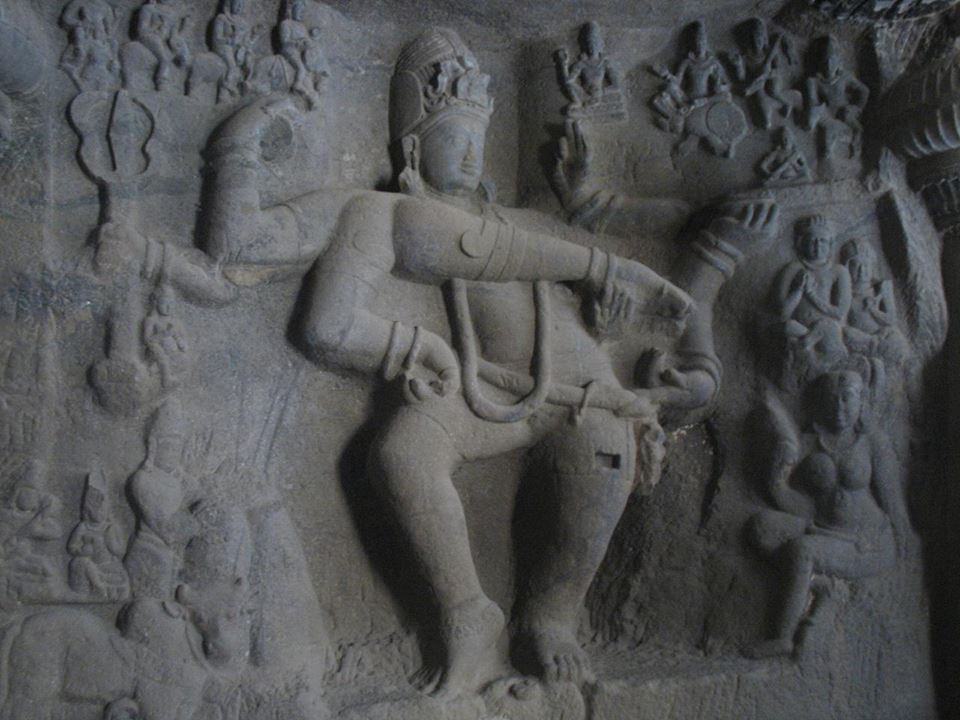
Four Indian Kings who did not want to Rule!

Puhar-ILango

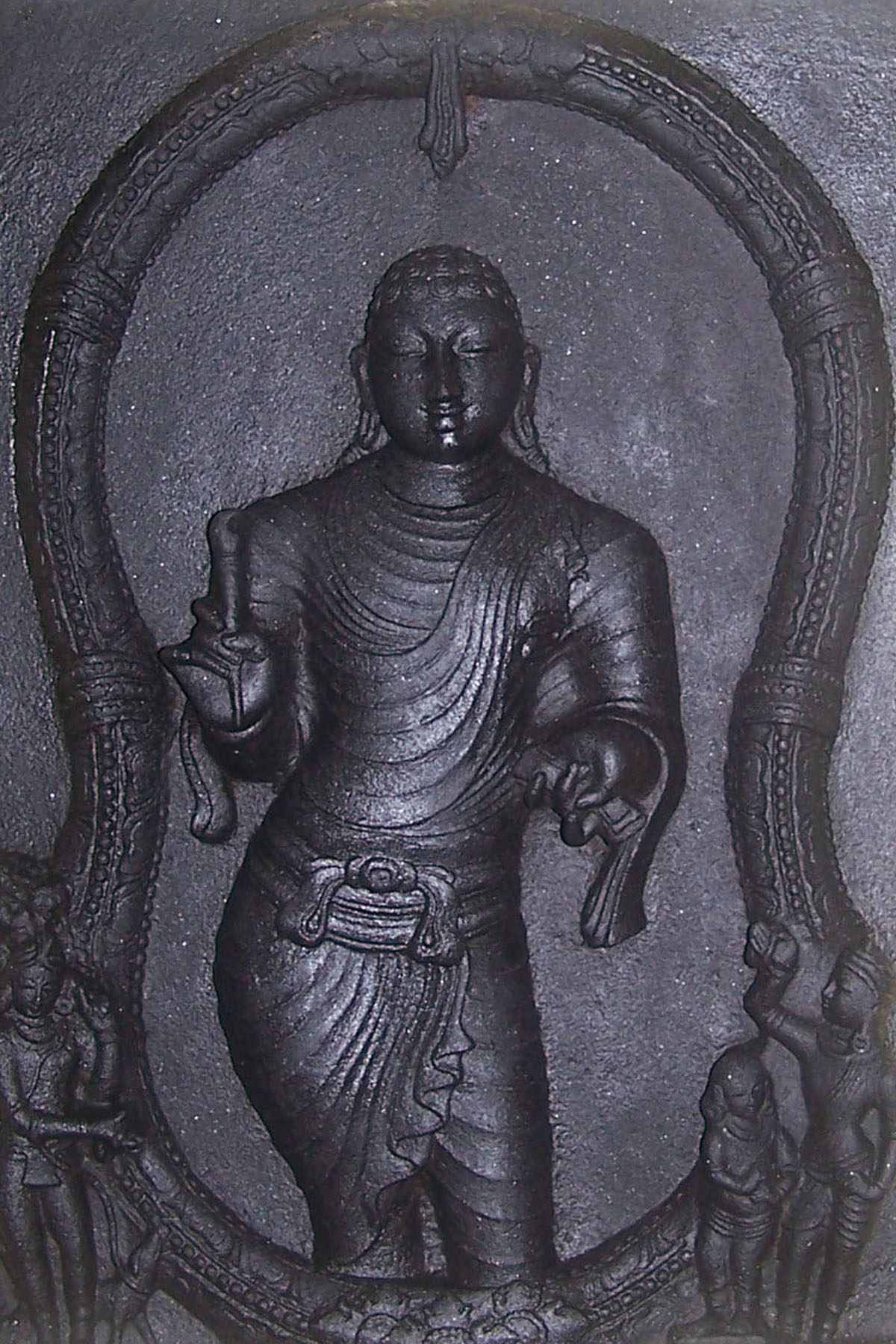
Picture of Tamil Prince Ilango

Research Article written by London swaminathan

Post No. 1778; Date 5th April 2015

Uploaded from London at  22-03

We have stories of at least four ancient Indian kings who sacrificed their right to rule. Because of their great sacrifice their names are entered into our literature and remembered for ever.

Devapi of Rig Vedic Period

Dustaritu Paumsayana of Vedic Period

Bhisma of Mahabharata Period

Ilango of Tamil Sangam Period

The interesting stories about these people are as follows:-

Devapi (RV 10-98) abdicated the throne in favour of his brother. According to the Nirukta (2-10), Devapi was the elder Kuru prince, but his younger brother Santanu became the king. There was a prolonged drought in the kingdom and Devapi acted as the priest of the king and brought rain by performing a sacrifice. The Brhaddevata gives us the same story but adds that Devapi abdicated because of his skin disease.

King Dustaritu Paumsayana, a king of the Srnjayas had to abdicate for his misrule (Satapata Brahmana 12-9-3-1). We have the stories of Vijaya who was banished from Kalinga/Vanga region who established a new kingdom in Sri Lanka. Other kings thrown out were Vena, Nahusa and Sumuka. But theirs was not abdication; they were driven out from their kingdoms.

title_bhishma_

Bhishma’s Great Sacrifice

Bhishma’s sacrifice was highly praised by the epic. His name was Devavrata. He sacrificed his right to rule for the sake of his father. His father Shantanu fell in love with a fisherwoman (Satyavati). Her father insisted that Shantanu could marry her only when he promised him that her child would succeed him to the throne of Hastinapura. When Shantanu was not ready to give such a promise, Devavrata came to know about his father’s love for Satyavati. He renounced the throne of Hastinapura. The entire country praised him for his sacrifice and then he was called Bhishma (man of terrible vow).

King Edward VIII of Britain wanted to marry a divorced American woman Wallis Simpson; it was opposed on moral, political and legal grounds. He renounced the throne in 1936 and married the woman.

bhisma

Tamil Prince Ilango

Ilango (also written Ilanko) was the younger son of King Ceralatan who ruled the western coastal area (Kerala) of South India. His elder brother was Senguttuvan. He was celebrated in the Tamil epic Silappadikaram written by his brother Ilanga. They lived in the Second century CE.

One day, when the king Ceralatan was sitting in the audience hall, there came to the court an astrologer who predicted the immediate death of the reigning king and the passing of the throne to his younger son (Ilango). It was an age of faith in Astrology. The prediction was a rude shock to Senguttuvan, brother of Ilango. He was the elder son and heir apparent to the throne. Ilnago noticed this, and in order that his brother might enjoy the kingdom, he became a monk. Once he became a monk, he could not be a king. The assumption of holy orders was to assure his brother that he would not stand to the way of his brother’s hopes and aspiration. He left the palace immediately and lived in Gunavayir Kottam, a temple.
swarna-vrsti  shankara

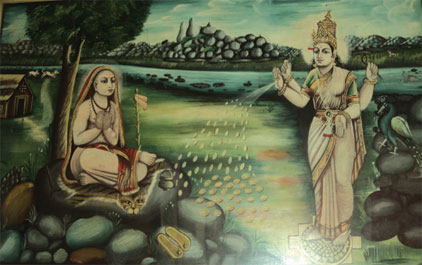
Pictures of Vidyaranya and Adi Shankara

Hindus believed that once a person becomes a monk, astrological predictions won’t come true. It is a way out or an exit strategy to defeat the fate or to beat the Karma theory. When Adi Shankara was caught by a crocodile, he told his mother that his present life was finished, but once his mother allowed him to become a monk, he would live. His mother said yes and the crocodile left him. That was like his “second birth”.

When Vidyaranya prayed for immense wealth, goddess appeared before him and told him that he couldn’t become rich in that birth, he immediately became a monk. Later he realised that Hindu monks couldn’t touch money. He gave all the gold bars given by the Goddess to  Harihara and Bhukka to establish the Vijanagara Empire. In the same way, by taking a “second birth” as ascetic, Ilango wiped out his first existence. He beat astrology by becoming an ascetic.

Source books:

Who is Who in the Mahabharata by Subash Mazumdar

A cultural Index to Vedic Index, Edited by N N Bhattacharya

The Cilappatikaram by Prof. V R Ramachandra Dikshitar

வேதத்தில் பரத நாட்டியம்!

JR

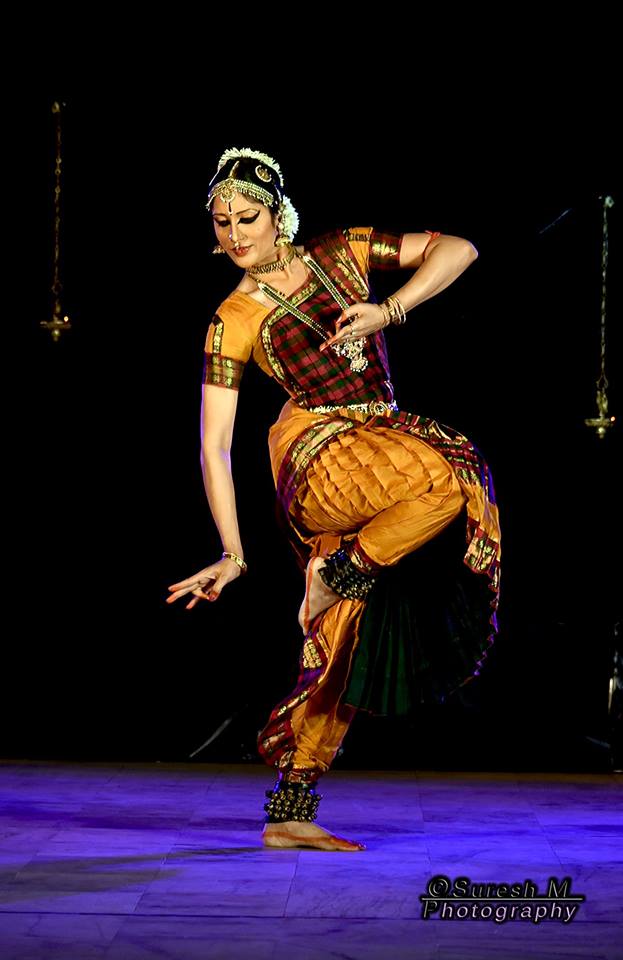
Picture of Famous Bharata Natyam Dancer Dr Janaki Rengarajan

Research Article written by London swaminathan

Post No. 1777; Date 5th April 2015

Uploaded from London at  14-00

This is already published in English in two parts

உலகிலேயே மிகப் பழமையான நூல் ரிக்வேதம். அதிலுள்ள பல சம்ஸ்கிருதச் சொற்களை தமிழர்களாகிய நாம் இன்றும் அன்றாடம் பேசும் உரையாடலில் பயன்படுத்துகிறோம். இன்றும் அந்த வேதம் கோவில்களிலும் யாகங்களிலும், திருமணச் சடங்குகளிலும் ஒலித்துக் கொண்டிருக்கிறது. அதில் நாட்டியம் பற்றியும், சங்கீதம் பற்றியும் ஏராளமான குறிப்புகள் உள்ளன. வேதத்தில் வரும் இசைக் கருவிகள், ஆபரணங்கள், தங்க நகைகள், நாட்டியம் – சங்கீதம் ஆகிய எல்லாவற்றையும் ஒட்டு மொத்தமாக வைத்துப் பார்க்கையில் அவர்கள் எவ்வளவு நாகரீகம் படைத்தவர்கள் என்பதை எண்ணி வியக்கிறோம்.

ஒரு நாட்டில், மக்களின் அடிப்படைத் தேவைகள் – உணவு, உடைகள், உறைவிடம் – ரோட்டி கப்டா அவர் மகான் – நிறைவடையும் போதுதான் கவலைகள் மறையும்; கலைகள் மலரும். அவைகள் பரிணமிக்க மேலும் சிறிது காலம் பிடிக்கும். ரிக் வேத காலத்தில் பெண்கள் நகை அணிந்து சபைகளுக்குச் செல்லும் மந்திரங்களைப் பார்க்கையில் அவர்கள் நாகரீகத்தில் மிகவும்  முன்னேறியவர்கள் என்று தெரிகிறது.

குஜராத்தி பெண்கள் இன்று ‘கர்பா’ நடனம் ஆடுவது போல— மேலை நாட்டில் கம்பத்தைச் சுற்றி ‘மே போல் டான்ஸ்’ ஆடியது போல— வேத காலப் பெண்கள் வட்டமாக நின்று ஆடிய குறிப்புகளும் உள.

இந்திரனை நாட்டியக்காரன் என்று ரிக்வேத மந்திரங்கள் துதிபாடுகின்றன. இந்திரன் ஆடியதோடு மற்றவர்களை ஆடவைத்ததையும், கந்தர்வர்கள், அப்சரஸ்கள் ஆடியதையும் காண்கிறோம்.

பிற்கால புராணக் கதைகளில் இதன் முழு விவரங்களும் கிடைக்கின்றன. தேவ லோகத்தில் அரம்பையர்கள் ரம்பா, ஊர்வசி, மேனகா, திலோத்தமா – ஆடியதை நாம் அறிவோம். கந்தர்வர்கள் என்பவர்களை இசையுடன் இணைத்து கந்தர்வ கானம் என்று புகழ்வதையும் நாம் கேட்கிறோம். இதற்கெல்லாம் வேதத்தில் மூலம் (வேர்) இருக்கிறது.

ராமாயணம், மஹாபாரதம் போன்ற இதிஹாசங்களில் இதுபற்றி கூடுதலாகத் தகவல் கிடைக்கிறது. அர்ஜுனன், அலி வேடம் தரித்து உத்தரை என்ற ராஜ குமாரிக்கு சங்கீதம் நடனம் பயிற்றுவித்ததை அறிவோம். தமிழில் சிலப்பதிகாரத்திலும் அதன் உரைகளிலும் நாட்டியம் பற்றிய முழு விவரங்களும் உள்ளன. (இது பற்றி நான் எழுதிய முந்தைய கட்டுரைகளைக் காண்க). இந்தப் பிண்ணனியில்தான் சம்ஸ்கிருதத்தில் பரதர் எழுதிய பரத நாட்டிய சாஸ்திரமும் புகழ் பெற்றது.

janki fb

வேதத்தில் வரும் நாட்டிய விஷயங்கள்

தொல்பொருட் துறை அறிஞர் டாக்டர் இரா நாகசாமி 25-2-1989-ல் பம்பாய் ஷண்முகாநந்தா நுண்கலை – இசை சங்கத்திலும் 16-12-1989 ல் சென்னை நாரத கான சபையிலும் ஆற்றிய ஆங்கிலச் சொற்பொழிவுகளில் குறிப்பிடுவதாவது: ரிக் வேதத்தில் சரியான பாத அசைவுகளோடு ஆடும் மருத்துகளை ந்ருதவ: (நடனமாடுவோன்) என்று அழைக்கின்றனர்.

மார்பில் தங்க நகைகளோடு ஆடும் நடனக்காரர்களே! உங்கள் சகோதரத்துவத்தை நாடி மானுடப் பிறவிகளும் ஓடி வருகின்றனர். எங்களையும் பார்த்துக் கொள்வாயாக  – என்று ரிக் வேத துதி கூறுகிறது (8-20-22)

மருத்துக்கள் தாளத்துக் கேற்ப ஆடுவதோடு மட்டும் நில்லாமல், பாடவும் செய்கின்றனர். மருத்துக்கள் ஆண்கள். பெண்களில் மிகச் சிறந்த நடனம் ஆடும் உஷை (அதிகாலைப் பொழுது) பற்றிய அழகிய பாடலும் உண்டு. அவள் பகட்டான ஆடை அணிந்து வரும் காட்சியை ரிக் வேத ரிஷி வருணிக்கிறார்.

“அதிகாலைப் பொழுது — உஷா— கிழக்கு வானத்தில் அழகிய வண்ணங்களில் தோன்றிவிட்டாள். பறவைகள் சிறகடித்துப் பாடுகின்றன (புள்ளும் சிலம்பின காண் – ஆண்டாள் திருப்பாவை)). மனிதர்கள் எழுந்து சுறுசுறுப்பான வேலைகளில் இறங்கிவிட்டனர். உஷத் காலம், ஒரு நடனக்காரி போல, எல்லோருக்கும் மகிழ்ச்சியையும், உற்சாகத்தையும் அளிக்கிறாள்”.

உவமை பற்றிய விதிகள், மக்களுக்கு நன்கு தெரிந்த விஷயங்களையே, உயர்ந்த விஷயங்களையே உவமைகளாக்க வேண்டும் என்று சொல்லுகின்றன. வேத காலத்தில் நாட்டியம் என்பது மிகவும் பிரபலமாக இருந்ததால்தான் புலவர் இந்த உவமையைக் கையாளுகிறார்.

நாட்டியக் கலை மிகவும் உன்னத நிலைக்குச் சென்றதைக் காட்டும்  – மிகவும் வளர்ச்சி பெற்றதைக் காட்டும் — பல உவமானங்கள் ரிக் வேதத்தில் வருகின்றன. நாட்டியக்காரிகள், சமூகத்தில் முக்கிய இடம் பெறுகின்றனர். அவர்கள் இல்லாமல் எந்தப் புனிதச் சடங்கும் நடைபெறமுடியாது. புனிதத்துவத்துக்கும், பூரனத்துவத்துக்கும் சின்னமாக விளங்குவது பூரண கும்பம். “ஓ! அழகிய பெண்மணியே, நெய்யும் தேனும் நிறைந்த அந்த பூரண கும்பத்தை எடுத்து வா” என்று இன்னும் ஒரு துதி கூறும்.

அமரகோசம் என்னும் அற்புத சம்ஸ்கிருத நிகண்டில் நாட்டியம் பற்றிப் பல சொற்கள் இருப்பதையும் நாகசாமி எடுத்துரைத்தார்:

தாண்டவம் நடனம் நாட்யம் லாஸ்யம் ந்ருத்யம் ச நர்த்தனே

தன்யத்த்ரிகம் ந்ருத்ய கீத வாத்யம் நாட்யம் இதம் த்ரயம்

(ஆங்கிலச் சொற்பொழிவில் இருந்து நான் மொழி பெயர்த்ததில் பிழைகள் இருந்தால் அவை என்னுடையவை என்று அறிக)

இனி சந்திரா ராஜன் எழுதிய காளிதாசன் எற ஆங்கில நூலில் சொல்லும் சில கருத்துக்களைக் காண்போம்:–

பரத மாமுனி, சம்ஸ்கிருதத்தில் எழுதிய நாட்டிய சாஸ்திரம் என்ற நூல்தான் உலகில் நாடகம், நாடகவியல் கோட்பாடுகள் பற்றிய மிகப் பழைய நூல் (பழங்காலத்தில் நாடகமும் நடனமும் இணைந்தே மக்கள் முன் வைக்கப்பட்டன).

வேத மந்திரங்களைப் பல்ர் பாடியதற்கான சான்றுகளைப் பார்க்கையில் அவை கோஷ்டி கானம் என்பது தெளிவாகிறது. மேலும் அதில் திரும்பத் திரும்ப வரும் பல்லவிகலையும் காண்கிறோம். மேலும் பெண்கள் அழகிய ஆடைகளையும் அணிகலன்களையும் அணிந்து கைகளில் நீர்க்குடங்களுடன் யாக மேடைகளைச் சுற்றி ஆடிப் பாடி நடன மாடிய காட்சிகளும் மந்திரங்களில் வருகின்றன. இந்தப் பல்லவி, ஆடல், பாடல் ஆகியன அக்காலத்தில் நாடகத்தின் ஆதி வடிவம் ஆகும்.

எங்களுக்கு வரம்பிலா மகிழ்ச்சியை அருள்வாயாக என்ற வரிகள் மீண்டும் மீண்டும் வருகின்றன ( ரிக் 10-100); மாட்சிமை பொருந்திய அன்னை உன்னை ஈன்றெடுத்தாள். அருள் பெற்ற அன்னை உன்னைப் பெற்றெடுத்தாள்– என்ற வரிகள் மீண்டும் மீண்டும் வருகின்றன ( ரிக் 10-134).

இந்திரனை நாட்டியக் காரன் என்று சொல்லும் ரிக்வேத மந்திரங்கள் வசந்த காலத்தில் நடனமாடும் மருத்துக்கலைப் பற்றியும் பாடுகின்றன (ரிக். 5—52; 6—63). அஸ்வினி தேவர்களும் இவ்வாறு போற்றப்படுகின்றனர்.

jr natraj pose

காளிதாசனில் நாட்டியம்

உலகப் புகழ் பெற்ற சம்ஸ்கிருதக் கவிஞன் கி.மு. முதல் நூற்றாண்டில் வசித்தான் என்னும் பல அறிஞர்களின் கருதை சங்க காலப் பாடல்களும் உறுதி செய்வதைப் பல ஆராய்ச்சிக் கட்டுரைகள் மூலம் இதே பிளாக்கி- கடந்த ஐந்தாண்டுகளாக எழுதி வருகிறேன். அவனும் பல இடங்களில் நாட்டியம் பற்றிக் குறிப்பிடுகிறான். அவனுக்கு 500 ஆண்டுகளுக்குப் பின்னர் வாழ்ந்த வராஹமிகிரரும் பிருஹத் சம்ஹிதாவில் கிரகணமும், கிரகங்களும் நாட்டியப் பெண்களைப் பாதிப்பது பற்றி மூன்று இடங்களில் குறிப்பிடுவான்.

காளிதாசன் எழுதிய நடனக் குறிப்புகலைத் டனிக் கட்டுரையில் தருவேன்.

ரிக்வேதத்திலும் அதர்வ வேதத்திலும் நடனம் பற்றி வரும் இடங்கள் பின்வருமாறு:

ரி.வே.:–

1-130-7; 2—22-4; 5-52-12; 6-63-5; 7-33-9, 7-33-12, 7-10-95; 8-20-22, 8-24-9, 8-24-12, 8-92-2; 10-100, 10-123-5, 10-134, 10-132-6

அ.வே.

4-37-1, 4-37-4, 4-37-5, 7-12-2, 12-1-1, 12-1-41

ரிக் வேதத்தில் கந்தர்வர், அப்சரஸ் பற்றிய பாடல்களும் கூர்ந்து நோக்கப்படவேண்டியவை.

அதர்வவேதத்தில் பூமி பற்றிய பாடல் மக்கள் எப்படி ஆடிப்பாடி மகிழ்ச்சியுடன் வாழ்கின்றனர் என்று காட்டுகிறது.

இருபதுக்கும் மேலான இசைக் கருவிகள், இருபதுக்கும் மேலான ஆபரணங்கள், இருபதுக்கும் மேலான நடனக் குறிப்புகள் முதலியன் 3700 ஆண்டுகளுக்கு முந்தைய, உலகின் மிகப் பழைய நூலான ரிக் வேதத்தில் இருப்பது — ரோடி-கப்டா அவ்ர் மகான்—பற்றிய கவலையே இல்லாத ஒரு செழிப்பான நாகரீகத்தைக் காட்டுகிறது என்பதில் இனியும் ஐயம் உண்டோ!!

jan2 (2)

What you have learnt is Handful, what you haven’t learnt is…………

IMG_2785

What we have learnt — picture
Article written by S NAGARAJAN
Post No. 1776; Date 5th April 2015
Uploaded from London at  12–48

Hindu Vedas, Vedangas and the Great Sages Associated With the Vedas

By Santhanam Nagarajan

The primary scriptures of Hinduism are the Vedas.

They are beginning less, endless. They are eternal in nature.

The Vedas are not composed by any man. They are ‘apaurseya’ (meaning not man made).

They are called ‘Sruthi’ (meaning ‘heard’).

The Vedas were revealed to the sages after the creation of the Universe for the benefit of mankind. These have been handed down from generation to generation in the teacher -disciple tradition orally because the method of chanting cannot be mastered otherwise.

The oral method of instruction has ensured that there has not been any distortion.

The Vedas are four namely Rik , Yajur , Sama  and Atherva Veda.

These Vedas consist of thousands of mantras so to say countless. The mantras  are vibrations which are very potent.

Each of the four Vedas has further been divided into various branches. The Rik has 21 branches, the Yajur has 101 branches, the Sama has 100 branches and the Atharva Veda has 9 branches.

But at present some of the branches alone exist. Thus we have only one branch in Rik Veda. This is called pauzhiyam.

We have three branches in Yajur Veda namely Tatittriya, Kanva and Madhyandina,  only two branches in Sama  namely Chandoga and Talavakara and only one branch in Atharva Veda. This is available in Northern part of India.

Krishna Dwaipayana also known as Vyasa divided Vedas into four parts. He selected four of his intelligent disciples to study these diligently.

He taught Rig  to Paila, Yajur  to Vaisampayana, Sama  to Jaimini and Atharva Veda to Sumantu.

He also taught the 18 Puranas and Idihasa (meaning great epics) to Romoharshana.

Then again Paila has divided Rig Veda into two parts and imparted its teachings to two of his disciples – to Indrapramiti and Baspala. Baspala has divided his own branch to four parts and taught them to his pupils Bodhya, Agnimadaka, Yagnyavalkya and Parasara. Indrapramiti has taught his own branch to his son Mandukya.

One should not take the outward meaning of the mantras. Each and every word has ten meanings. Not by scholarly reading buy by intuition only one could understand these.

From time immemorial till modern days many have revealed the fantastic sciences that are potent in these which include vedic mathematics, the science of building planes, the ways to enhance one’s life span etc.

Swami Vivekananda, Maharishi Dayanada Saraswathi, Aurobindo, Swami Bharathi Krishna Tirtha are some of the great men who revealed the greatness of Vedas.

book line1

What we have not learnt – picture

What you have learnt: Bharadwaja Story

Vedas are countless and one cannot master it completely.

An interesting story with regard to mastering of Vedas is worth reading.

The great sage Bharadwaja started studying the Vedas. One purusha ayus (meaning a full span of life for human which is one hundred years) was completed. Still there was a lot to learn. He prayed Indra for another purusha ayus. Indra granted. One more hundred years passed. But Bharadwaja found that a lot more to learn. He again prayed and Indra again granted another 100 years. Thus 300 years passed. After 300 years Indra appeared and Bharadwaja was proud that he completed Vedas fully. Indra made three huge mountains before him. He took a handful of the earth from each of the mountains and told the sage, “Oh, Bharadwaja, what you have learnt so far is equivalent to these three handfuls of the earth only and whatever Vedas you are yet to learn are equivalent to these three huge mountains.” Thus Vedas are endless.

Sage Vaisampayana, the disciple of Ved Vyas has compiled twenty seven branches of Yajur Veda.

Sukarna was the son of Sumanthu and the grand son of sage Jaimini; they have studied one branch of Sama Veda. Sumanthu divided Sama Veda samhitha into one thousand branches. Kaysaly, Hiranyanabha, Pauspincha are his disciples. Hiranyanabha had 500 disciples for himself. One disciple Kruthi has studied twenty four Samhithas of Sama Veda.

Maharishi Maunchakesh have compiled Nakhyatra, Veda kalpa, Samhitha kalpa, Agnirakshya kalpa and Santi kalpa. These five bikalpas are the important parts of Atharva Veda Samhitha.

The Vedas are also called as Veda purusha. He has got six different organs or limbs namely 1) Shiksha 2) Vyakaranam (meaning Grammar) 3) Chandas (meaning Sconce of Prosody) 4) Niruktam (Science of etymology) 5) Jyotisham (Astronomy and Astrology) 6) Kalpam

These six are called as Vedangas.

Shiksha is that work which helps us to obtain the full results of Vedas. It is found that there are 35 of them. Shiksha tells us about the various aspects of letters. Details are not enumerated here.

Vyakarana helps us in understanding the Vedas by analyzing the words and their meanings.

Chandas tells us about the various meters such as Gayatri, Trishtub etc.

Niruktam gives a detailed exposition about the Vedic words and their meanings.

Jyotisha is based on Jyothis Lord namely the sun. This tells us the proper timings for the performance of various Vedic rituals.

Kalpa means the performance or practice of something. It tells us the method of practicing the various sacrifices and other karmas (or duties) mentioned in the Vedas.

IMG_2789

*****************

Only Religion where Woman is worshiped!

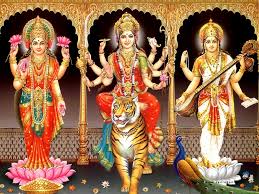
goddess

Research Article written by London swaminathan

Post No. 1775; Date 4th April 2015

Uploaded from London at  22-02


“ Yatra naryast pujyante ramante tatra devatah

Yatraitastu na pujyante sarvastatraphalah kriyah”

Manu smriti 3-56, Mahabharata 13-45-5

‘Where women are worshipped, there the gods are delighted; but where they are not worshipped, all religious ceremonies become futile’—Manu Smriti.

One acharya/Guru excels ten Upadhyayas/teachers in glory; a father excels 100 acharyas/Gurus in glory; but a MOTHER excels even a thousand fathers in glory (Manu 2-145)

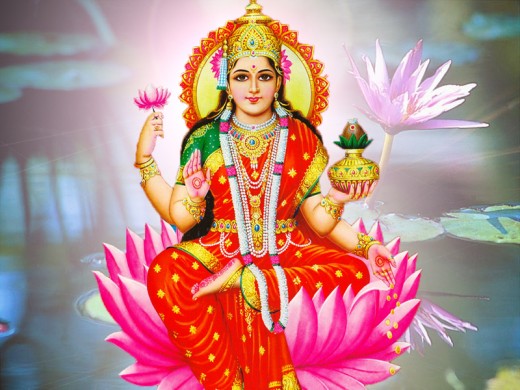
lakshmi

Hinduism is the only religion in the world where woman is worshipped as Goddess from the days the oldest Veda until today. In other religions God is He, but in Hindu religion God is worshiped as He and She from the Vedic days. The beauty of Hindu religion is that the same goddesses are worshiped continuously until today. Though we heard many names of goddesses in in the Middle East, Egypt and Europe (Greek and Rome) all those goddesses were sent to Museums. The most powerful mantra Gayatri is in all the three Vedas. Goddesses Gayatri, Savitri and Sarasvati are worshipped from Vedic days and they are very popular names of girls from Northern Himalayas to Southern Most parts of Sri Lanka.

Here is a list of Goddesses from the Vedas:–

1.Usas (dawn)—Most beautiful description of Usas is found in the Vedas in many hymns.

2.Sarasvati — River and Goddess; praised in many hymns

3.Prithivi  – Earth (Greeks and others followed this Hindu concept)

4.Ratri (RV 10-107) – Called daughter of Heaven

5.Vac (personified speech) – RV 10-125

6.Purmandhi (Goddess of Plenty)  – Her name occurs nine times in the Oldest Book Rig Veda

7.Parendi(Goddess f Riches and abundance) –

8.Dhiisanaa  (Goddess of Abundance) – mentioned at least 12 times

9.Ilaa (Goddess of Nourishment) Personification of the offering of milk and butter, meaning plenty. Her name is very common among girls. She is mentioned at least 10 times in the Rig Veda. She is also known as the daughter of Manu or Mitra- Varuna in the Satapata Brahmana

sachu

10.Brhaddivaa- Occurs at least four times. She is called mother and mentioned with Ila (RV 10-64-10), Sarasvati and Raka.

11.Raka – Bountiful goddess Raka is mentioned at least twice (RV 2-32-7, 5-42-17)

12.Sinivaali _ She is mentioned in two hymns (2-32; 10-184). She is invoked with Sarasvati and called as wife of Vishnu. She is sister of the gods, broad hipped, fair armed, prolific and a mistress of the family. She is implored to grant off spring.

13.Kuhu (Personification of New Moon). Raka and Sinivaali are also connected with the phases of the moon

14.Prsni – The mother of Maruts

15.Saranyu (10-17-2)- Occurs once in the RV; Tvast’s daughter married to Visvat

16.Indrani – Wife of Indra

17.Varuni- Wife of Varuna

18.Agnayi – Wife of Agni

19Rudrani

(This type of Sanskrit naming exists until today among Hindu families: Bhava=Bhavani, Shiva= Shivan, Vishnu=Vasihnavi etc)

20.Asvini= Wife of Asvins is mentioned once

21.Suryaa is also mentioned

22.Bharati

23.Mahi

24.Aditi:Aditi is an ancient Goddess to express the infinite and boundlessness. She is mentioned about eighty times in the Rig Veda. The concept of her motherhood is found in many words such as dyaur-aditih, aditeh putrah. Her children were Adityas. Aditi is connected with light.

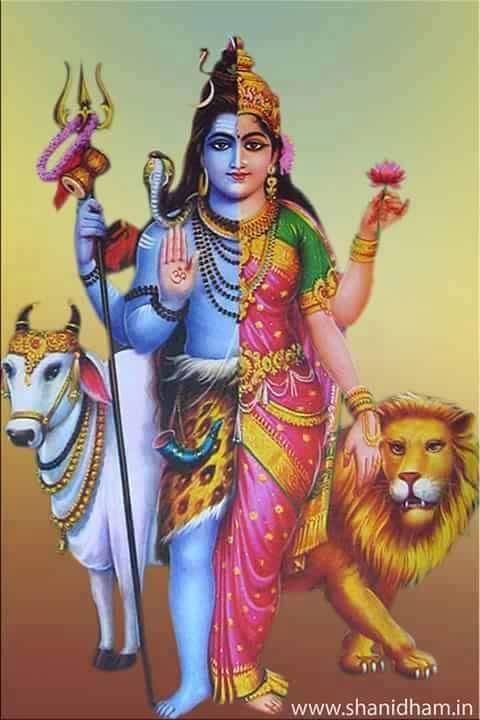
God and Goddess sharing (Ardhanaree)

ardhanaree with two vahanas

Ten Mandalas of the Rig Veda have Apri Suktas where Bharati, Sarasvati and Ila are invoked. In some, Bharati is replaced with Mahi.

Al other are invoking Bharati, Sarsvati and Ilaa.

There are over twenty poetesses among the Rig Vedic poets or “composers” ( Vedas are “heard” like we hear radio wavelengths on the receivers; not “composed”. Like Newton’s Laws of Motion, they exit whether we discover them or not. Vedas are eternal)

Along with the names of poetesses, the goddesses form the biggest group of esteemed women in any known ancient civilization. The latest date accepted for the Rig Veda is 1700 BCE. We have not heard such a big group of women in any other civilization around that time. All the Vedic metres are given women’s names. All the rivers are given women’s names in the Vedas: Ganga Sindhu, Sarasvati and Yamuna etc. All the good virtues are given the names of women in the Vedas such as Kirti, Karunaa and Shanti.

And of feminine forms I am fame(Kirti), prosperity (Sri), speech (Vac), memory (Smrti) , intelligence (Medha), firmness(Dhrti) and patience (Kshama).—Bhagavad Gita—X-34

sivauma

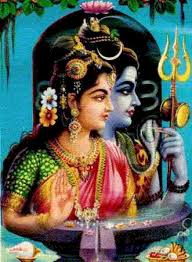
Jagata Pitarau Parvati Paramesvarau (Father and Mother of Universe– Kalidasa)

கலியுக அறிகுறி- குருமார்கள் குலிங்க பக்ஷி போலத்திரிவர்!! 8 வயதில் குழந்தை பெறுவர்!

PloverCrocodileSymbiosis

Research Article written by London swaminathan

Post No. 1774; Date 4th April 2015

Uploaded from London at  13-10 (லண்டன் நேரம்)

கல்கி புராணம்

சம்ஸ்கிருதத்திலிருந்து தமிழில் மொழி பெயர்த்தவர் கு.அனந்தாசாரியார் – 1903 — விலை12 அணா


சென்ற வாரம் லண்டனில் பிரிட்டிஷ் லைப்ரரிக்குச் சென்று கல்கி புராணத்தைப் படித்தேன். அதிலுள்ள சில சுவையான விஷயங்களைத் தருகிறேன். கூடிய மட்டிலும் கு.அனந்தாசாரியார் 1903-ல் பயன்படுத்திய சொற்களை அப்படியே தருகிறேன். குலிங்க பக்ஷி பற்றி கல்கி புராணம் கூறுவது முன்னர் நான் எழுதிய “மஹா பாரதத்தில் ஒரு அதிசயப் பறவை” (ஜூலை1, 2014) என்ற கட்டுரையில் சொன்ன பூலிங்கப் பறவையே என்பதும் தெரிந்தது. இது பற்றி வைஷ்ணவப் பெரியார் ஸ்ரீ வேதாந்த தேசிகன் (கி.பி 1268—1370) எழுதிய தயா சதகத்தில் வரும் சுவையான விஷயத்தையும் கீழே படியுங்கள்:–

ஓ, சூத முனிவரே! மனிதர்கள் முப்பதடிப் பிரமாணமுள்ளவர்கள்,கலி யுகத்தில் முடிவில் மூன்றங்குலப் பிரமாணமாகி விடுவர்.

கலியுகத்தில், ஜனங்கள் அன்ன விக்ரயம் (விற்பது) செய்வார்கள்; அந்தணர்கள் மந்திரங்களை விற்பார்கள்; ஸ்த்ரீகள் பதிவ்ரதா தர்மத்தை (கற்பை) விற்பார்கள்.

பிராமணர்கள், வேதங்களைக் கீழ்ப்பட்ட ஜாதியினருக்குச் சொல்லிப் பிழைப்பர். பிராமண ஸ்த்ரீகள் மோர், தயிர், பால் விற்பார்கள்; வைஸ்யர்கள் எல்லோரும் மாமிசம் விற்பார்கள்

symbiosis

மானுக்குதவி செய்யும் பறவை

கலியுகத்தில் பிராமணாதி மூன்று வர்கத்தினர் ஸ்வதர்மத்தை இழந்து வயிறு நிறைப்பதிலும், மாதர்களைப் புணர்வதிலும் ஆசை கொள்வர்.  சூத்திரர்கள் நற்செய்கை, நல்லொழுக்கம் உள்ளவர்களாயிருப்பார்கள்.

ஸ்த்ரீகள் (பெண்கள்) எல்லோரும் எட்டாவது வருஷத்தில் புத்திரர்களைப் பிரசவிப்பார்கள்- நியாயாநியாயாயமில்லா மல் (நியாயம்+ அநியாயம்) புருஷர்களைப் புணருவார்கள்.

மாதர்கள் யாவரும் பன்றிபோல் பத்து எட்டு குழவிகளைப் பெறுவார்கள். இரு கரத்தாலும் சிரத்தை (தலையை) சொறியப்போகிறார்கள்.

ஓ, புத்திமானே, மாதர்கள் புருஷனை வஞ்சனை செய்து, புருஷனுக்கு முன் உண்ணுதலும், உறங்குதலும் செய்யப்போகிறார்கள்

பூமிகளெல்லாம் சுரமில்லாமல் சுவல்பப் பலனாய் பலிக்கப்போகிறது. கொடிகள் யாவும் செழிப்பாக வளர மாட்டா.

Kalki

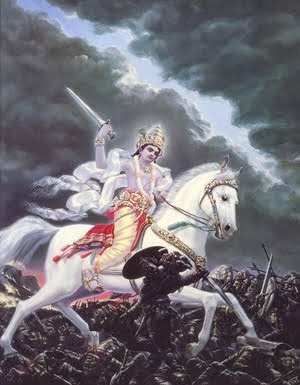
கல்கி அவதாரம்

விவாக ரத்து அதிகரிக்கும்!

ஜனங்களைப் பிணிகள் பீடிக்கப் போகிறது. விதவைகள் ஒரு புருஷனை மணந்து சந்ததியுண்டு பண்ணுவர். சுமங்கலி ஸ்த்ரீக்கள் புருஷனோடு சண்டையிட்டு விதவைகளைப் போல் ஆவர் (டைவர்ஸ்- விவாக ரத்து அதிகரிக்கும் என்று சொல்வதாக நான் அர்த்தம் செய்கிறேன். பம்பாய், கலகத்தா, டில்லி, சென்னை ஒவ்வொரு நகரத்திலும் ஆண்டுக்கு 8000 விவாகரத்து வழக்குகள் விசாரணைக்கு வருகின்றன. இதை சில ஆயிரம் ஆண்டுகளுக்கு முன்னர் எழுதி வைத்த நம் முன்னோர்களை எண்ணி வியக்கிறேன்)

கலியுகத்தில் கொடையாளிகள், தரித்திரர்களாகவும் கிருபணன், தனிகனாகவும், பாபி, தீர்க்கயுஸ் உடையவனாகவும், நல்லவன் அல்பாயுஸ் உள்ளவனாகவும், அல்ப ஜாதிகள் மஹாராஜாவாகவும், உத்தம குணத்தினர் அவர்களுக்குப் பணிவாகவும் இருப்பர்

பெருங்காற்று- சுவல்ப மழை- க்ஷாமம் உண்டாகும்

எல்லா ஜனங்களும் வேதாந்தம் பேசுவர்- ஒருவரும் தத்துவத்தை அறியார். அந்தணர்கள் வெகுவாக வாதம் பண்ணுவர். வேஷத்தில் மட்டும் அந்தணர்களாக இருப்பர்.

கலியுகத்தில் மனிதர்கள் பொய்யை சத்தியமாகவும், மெய்யை அசத்தியமாகவும் செய்வர். வேத மார்க்க கர்மங்களை தூஷிப்பர் – நீதியை அனுசரியார்.

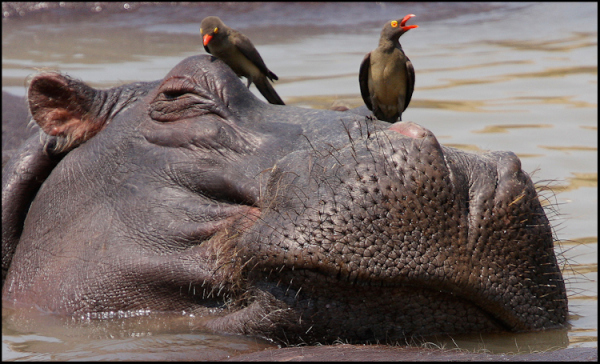
Hippo and Oxpeckers - Highly Commended - Paula Martin

நீர் யானைக்குதவும் பறவைகள்

குலிங்கப் பறவைகளும் குருமார்களும்

கலியுகத்தில் சில குருமார்கள், நித்திய கர்மங்களை இழந்து இதரர்களுக்கு மாத்திரம் ஞானத்தைப் போதித்து குலிங்க பக்ஷிக்கள் போல் சஞ்சரிப்பார்கள்.

எனது கருத்து

குலிங்க பறவை பற்றிய ஒன்றிரண்டு கதைகள் மஹாபரதத்தில் வருகின்றன. ஆனால் அவை மேற்கூறிய குருமார்கள் விஷயத்தில் பொருந்தாததால் ஸ்ரீ வேதாந்த தேசிகர் எழுதிய தயா சதக மேற்கோளைப் பார்த்தேன். மிகவும் பொருத்தமாக இருக்கிறது. இதோ அந்த ஸ்லோகமும் அதன் விளக்கமும்:–

மாசாஹசஸ் உக்தி கந கஞ்சுக வஞ்சித அந்ய

பத்யத்ஸு தேஷு விததாமி அதி சாஹசானி

பத்மா சஹாய கருணே ந ருணத்ஸி கிம் த்வம்

கோரம் குலிங்கம் சகுநே: இவ சேஷ்டிதம் மே (ஸ்லோகம் 94)

பொருள் விளக்கம்:

தயாதேவியே! சாஹசச் செயல்களைச் செய்யாதே என்று மற்றவர்களிடம் சொல்லிவிட்டு – உத்தமன் போல வேஷம் போட்டு —  அவர்கள் பார்த்துக் கொண்டிருக்கும் போதே நான் சாஹசச் செயல்களில் இறங்குகிறேன். குலிங்கப் பறவை போல நான் செய்யும் சாஹசச் செயல்களை நீ கண்டிக்காமல் இருப்பது ஏன்? (என்னை சரியான பாதையில் செலுத்துவது தாய் போன்ற உனது கடமை இல்லையா?)

குலிங்கம் என்னும் பறவை கத்துவது — மா ஸாஹஸம் குரு—

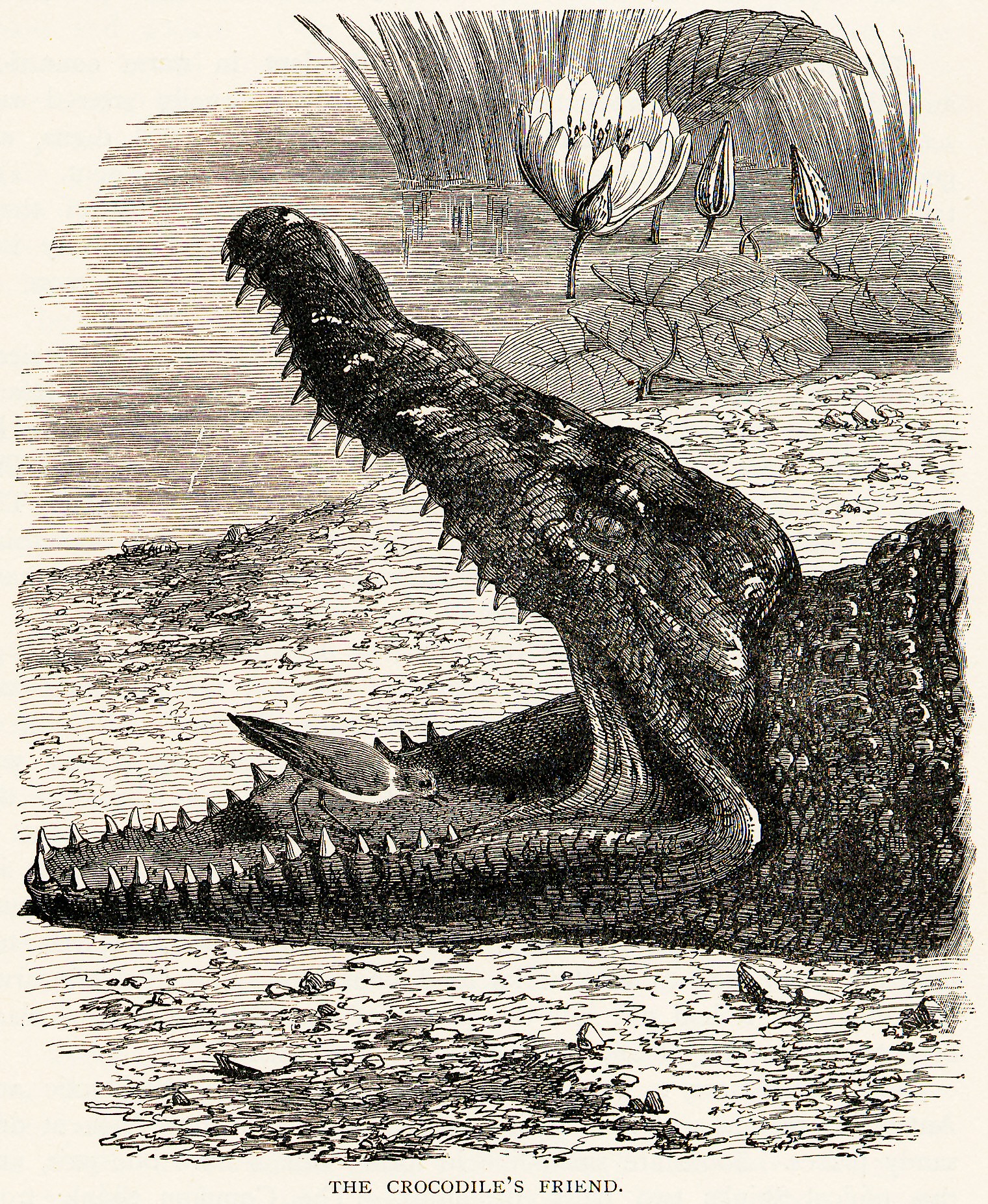
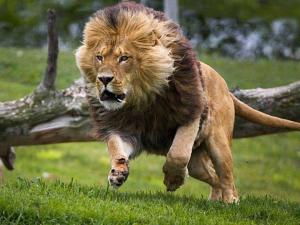
சாகசம் செய்யாதே – என்று சொல்லுவது போல இருக்குமாம். இப்படிச் சொல்லிக்கொண்டே, கொட்டாவி விடும் சிங்கத்தின் வாயில் புகுந்து அதன் பற்களில் சிக்கியுள்ள மாமிசத் துண்டுகளை இழுக்குமாம். சிங்கம் வாயை மூடினால் அதற்கு என்ன நேரிடும்?

(வேதாந்த தேசிகர் மிகப் பெரிய மஹான். பணிவின் காரணமாகவும் நம்மைப் போன்றோருக்கு அறிவுறுத்தவும் தன்னைக் குலிங்க பறவைக்கு ஒப்பிடுகிறார். மாணிக்கவாசகரும் திருவாசகத்தில் தன்னை நூற்றுக்கும் மேலான பாடல்களில் நாயுடன் ஒப்பிட்டுப் பாடியிருப்பதை நினைவிற் கொள்ளுதல் பொருத்தம்)

இரு வகை பிராணிகள் இடையே நிலவும் ஒத்துழைப்பை உயிரியல் விஞ்ஞானிகள் ‘’சிம்பியாஸிஸ்’’ என்று அழைப்பர். முதலையின் வாயில் சிக்கும் மாமிசத் துண்டுகளை எடுத்து சுத்தம் செய்யும் ப்ளோவர் பறவைகளின் வரவுக்காக முதலைகள் வாயைத் திறந்துகொண்டு காத்திருக்கும். அவைகளுக்கு ஒரு தீங்கும் செய்யா. ஆனால் சிங்கம் புலி போன்ற மிருகங்களிடையே இப்படி நடப்பதாக பதிவு செய்யப்படவில்லை. இந்தியக் காடுகளில் இத்தகைய செயல்கலைக் கண்ட நம் முன்னோர்கள் தக்க இடத்தில் அதை உவமையாகப் பயன்படுத்துவது சிறப்புடைத்து.

time1

ஏற்கனவே ஆதி சங்கரர் ஒரு நாலு வரிப் பாட்டிலேயே நான்கு பறவைகளை உவமையாக்கியது பற்றியும் தத்தாத்ரேயர் இருபதுக்கும் மேலான பறவை, விலங்குகள், பூச்சிகளிடமிருந்து தான் கற்ற போதனைகளை பாகவத புராணத்தில் சொல்லியிருப்பதையும், மரத்தின் மீது ஏறும் அதிசய அங்கோல மர விதைகள் பற்றி ஆதி சங்கரர் பாடியிருப்பது பற்றியும் பல கட்டுரைகளில் தந்துள்ளேன். படித்து இன்புறுக.

இனி, கல்கி புராணத்தில், மேலும் உள்ள விஷயங்களைக் காண்போம்:–

கலியுகத்தில் பிராமணாதி வர்ணத்தினர் நித்திய கர்மங்களை இழந்து, அதர்மங்களைச் செய்து சாராயம், கள், மாம்ஸம் முதலான தாமஸ பதார்த்தங்களைப் புசித்து உலகத்து ஜனங்கள் (அவர்களை) நிந்திக்கப் போகிறார்கள்.

கலியுகத்தில் வித்தியா குருவென்றும், மந்திரோபதேசக்  குருவென்றும், சிஷ்யன் என்கிற பேதமுமில்லாமல் நாம வாசகத்தால் மட்டும் பேதத்தை அடைந்து ஆசார்யப் பத்தினியை சீஷனும், சிஷ்ய பத்தினியை குருவும் அனுபவிக்கப் போகிறார்கள்.

கலியுகத்தில் எவன் தனிகனோ (பணக்காரன்) அவன் நல்ல குலத்தில் பிறந்தவனாகிறான் (கருதப்படுவான்). தரித்ரனானவன் துஷ் குலத்தில் பிறந்தவனாகிறான் (கருதப்படுவான்).சிலவிடங்களில் ஜாதி பேதமில்லாமல் இருக்கும்.

கலியில் மிருகங்கள் முதலிய ஜந்துக்களின் வயிற்றில் விசித்திர கர்மமும், கலியுக முடிவில் மனுஷ்ய யோனியில் அல்ப மிருகங்களும் உண்டாகப் போகின்றது.

kaliyuga_spencer_sass

யோகிகளுக்குள் சிறந்தவரான சூத புராணிகன், கலியுக தர்மம் யாவையும் ரிஷிகளுள் சிறந்தவரான  வியாச மாமுனியிடத்தில் கேட்டு, பரம ஆச்சரியத்தை அடைந்து மறுபடியும் கிருத யுக தர்மத்தைக் கேட்டார்.

(இதற்குப் பின்னர் கிருதயுக தர்மம் பற்றி வருகிறது. இது 1903 ம் ஆண்டு வெளியிடப்பட்டது. அடைப்புக் குறிக்குள் இருப்பது எனது விளக்கங்கள்).

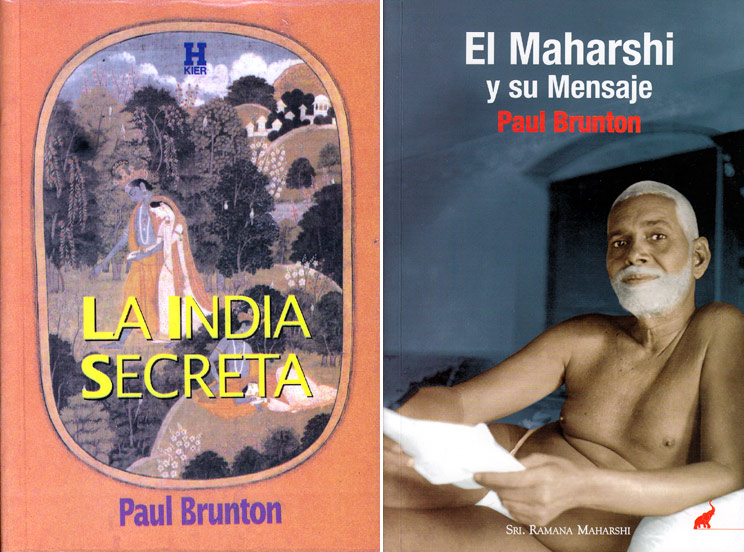
Paul Brunton – by Annie Cahn Fung

annie1annie1

Post No 1773; Date 4th April 2015

uploaded from London at 7-44 am

BOOK REVIEW

Paul Brunton – by Annie Cahn Fung

Santhanam Nagarajan

The book under review, ‘Paul Brunton’ is written by Annie Cahn Fung. It is a thesis of seven long years presented by the author to the Department of Religious Anthropology, University of Paris, Sorbonne.

Written in a lucid style the book covers all aspects of the great life of Paul Brunton, the mystic writer (1898-1981). It consists of two parts, Prelude to a Quest and The Quest for Truth.

The research led the research scholar to Switzerland, India and The United States.  Brunton died in Switzerland in 1981 and he spent many years in India where he met very many great souls. Brunton’s friends and students founded Wisdom’s Goldenrod center for Phillosophic Study in US and Anne Cahn Fung has collected all important information about Brunton, here.

a-hermit-in-the-himalayas

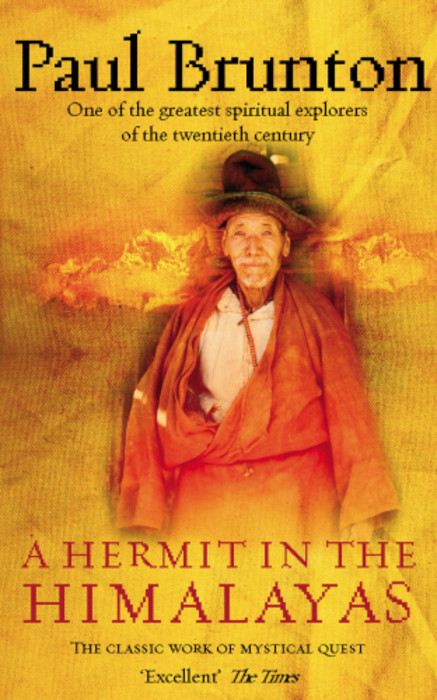
Paul Brunton’s real name was Raphael Hurst. He was born in London on November 27, 1898. He came to India in 1930 and met the great Sankaracharya of Kanchi mutt and the sage of Thiruvannamalai Ramana Maharishi. In 1931, during his second stay at Thiruvannamalai he encountered many mystical experiences taking him to a new sprititual hight. Due to some unexpected financial and professional reasons he was forced to return back to London.

His second visit to India was in 1935. He stayed in Thiruvannamalai and published his famous book, ‘A message from Arunachala’. He spent four months in the heart of Himalayas.

He passed the winter, 1937-1938 in London and then returned to India for the third time in 1939.

The author explains in detail the various incidents that led Brunton to many cities of the world and the mystical experiences he encountered therein.

PaulBruntonRamanaMaharshi1

His friendship with Maharaja of Mysore is very interesting. It is in Mysore he met the learned guru, Sri Subrahmanya Iyer, The guruji of Maharajah of Mysore.

His day to day discussions with Mr Iyer gave him a fresh insight in all of his research. Under Iyer’s influence, Brunton had written the book, ‘The Hidden Teaching Beyond Yoga’.

Due to some ‘deplorable situation’ in Ramanashramam, he had to return back to Mysore from Thiruvannamalai and he never saw Ramana maharishi again.

But his faith in Ramana’s teachings was unshattered. After spending many months in the company of Sri Iyer, he retruned to London.

The first part of the book explains all these in detail and the second part explains the intricate perception, space and time, casuality, karma, evolution, mind and brain, symbolism of numbers, inner divinity etc.

Brunton’s view of the “Hinduized” West will make us an interesting reading.

message from arunachala

The author concludes the book with two chapters titled, ‘Brunton’s work’ and ‘The man who bridged the East and West’.

The book is very interesting as it covers many hitherto untold happenings in Paul Brunton’s life.

We heard all about Brunton’s active years in India. But after that we are not aware of any thing about his exclusive last years.

The book gives all about Paul Brunton, and I recommend very strongly all Ramana devotees and Brunton admirers to read this book.

search in secret india

Words fail me in congratulating the author who took a very rare subject for her thesis.

After reading this book, I am sure, the reader will be ‘reborn’ again knowing many secrets of life.

I suggest the author Annie to write more about Brunton’s life and his views on Vedanta as her seven long years’ research will certainly reveal more interesting information.

notebooks of Paul

**********

Fake Ascetics (GURUs) of Kaliyuga !!

kaliyuga_spencer_sass

Research Article No.1772; Date:- 3 April, 2015

Written by London swaminathan

Uploaded at London time – 20-55

When I went to the British Library in London last week, I read an interesting book on Kaliyuga. The title of the book is ‘KALKI PURANA’. The Sanskrit text was translated into Tamil by K Ananthacharyar. The date of Publication was 1903, Price 12 Annas.

One of the signs of Kaliyuga was a riddle to me. It said,

“In Kaliyuga, some Gurus will forget all the daily religious rituals, but advise others to do those and go around (fly)  preaching like Kulinga birds.

I can understand the meaning. They will teach morals to others but they would not follow their own teachings. But why did he compare them to Kulinga birds? There are one or two references to Kulinga birds in the Bhagavata and Mahabharata. That also did not make any sense. When I searched for the Kulinga bird I came across the beautiful ‘Daya Satakam’ of Sri Vedanta Desikan which throws light on the adventurous Kulinga bird (It is similar to my research article on the mysterious Bhulinga bird of Mahabharata). It looks like both Kulinga and Bhulinga birds are one and the same.

It is said that its cry sounds like “Maa Saahasam Kuru = Don’t do adventurous acts”. Here is Vedanta Desika’s verse and its commentary:-

PloverCrocodileSymbiosis

Plover is like Kulinga/Bhulinga bird (Picture from Wikipedia)

Vedanta Desika in his famous hymn ‘Daya Satakam’ says

Maa saahasokti gana kanchuka vanchitaaniyah

Pashyastu thesu vidadhaamyathy saahasaani

Padmaa sahaaya karune na runasti kim tvam

Ghoram kulingam sakuneriva cheshtitam me

Meaning:

O, Daya Devi! I preach to others not to engage in terrible acts that are against the scriptures. After giving advice like this, I myself engage in such shameful acts in front of them. After the Upadesa (discourse) I travel in the opposite direction, cheating them. My act is like the acts of Kulinga bird which warns others not to involve in dangerous acts. But what does the bird do? When the lion yawns before going to sleep and has its carnivorous mouth open wide, the Kulinga bird dashes in and tries to pull out the pieces of meat that stuck to its teeth. Any moment, the bird runs the risk of being killed by the closing of lion’s mouth. O, Daya Devi, it is your duty to prevent me from performing such dangerous acts that I preach against. Why are you watching my destructive behaviour without intervening? You must come to my recue and send me forward on the right path-

Sloka 94 of Daya Satakam by Sri Vedanta Desikan

Vedanta Desikan, Vaishnavite Guru of Kancheepuram area, 1268-1370. Sri Vedanta Desikan was a great saint. When he compared himself to Kulinga bird, it does not mean that he was really like a Kulinga. This is to warn us about fake Gurus. Poets and philosophers always feel humble and compare themselves to the lowest creature. Great Tamil saint Manikkavasagar compared himself to a dog in over hundred places in his Tiruvasagam.

So, please beware of ANANDAS, BABAS, GURUS, SWAMIJIS, SWAMINIS, ACHARYAS, RELIGIOUS SPEAKERS and UPANYASAKS!

First find out their personal life first and then use your discretion before accepting them as GURUs.

symbiosis

Birds clean the skin of the animals. This cooperation is called symbiosis.

There are more interesting information about the signs Kaliyuga in the Kalki Purana:

1.Girls will give birth to children at the age of eight. They won’t follow any rules for their sexual behaviour.

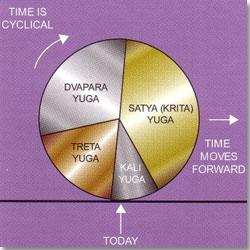
2.People who were 30 measures in Krta Yuga will take the size of three measures in the Kali Yuga ( It is interesting to compare it with a verse in Manu Smrti (1-83). He says that the age of human beings was 400 years in Krta Yuga and it would be only one fourth of that in Kali)

3.High class will become the low class and low class people will become high class people.

4.The rich will be dubbed as high class people and the poor will be dubbed as low class people

5.Women will give birth to 8 or ten children like pigs. They are going to scratch their head with both hands (I don’t understand this phrase.)

6.People will sell food, Brahmins will sell the mantras and women their chastity.

7.More married women will live like widows after fighting with their husbands (Probably it means divorced women)

8.Brahmin women will sell Milk, Butter Milk and Curd/Yogurt and the Vaisyas (business community) will sell meat.

9.There will be reduced rain and less harvest. People will be afflicted with diseases.

10.People will swear that truth is untruth and untruth is truth.

11.Brahmins and other two Varnas (Kshatriyas and Vaisyas) will forget their own Dharma (swadharma).

12.At the end of Kali Yuga, people will give birth to animals.

13.Brahmins will be namesake Brahmins, eating meat and drinking liquor. They will argue a lot.

14.The character (sexual behaviour) of students and teachers will be at a very low level.

15.Women will have dinner first and go to bed before their husbands.

16.Everyone will be preaching Dharma, but none would understand its meaning.

(The original book is in Sanskrit. The Sanskrit verses are also given in the book with Tamil translation. I have given a rough translation from the Tamil version. Some are general comments like there will be famine, diseases, less morality etc. But a few comments like women fighting with their husbands, are very specific that make us wonder how they came to know about it thousands of years before our time. The statistics on divorce in India shows that 6000 to 8000 women file for divorce in each of the four major cities in India!)

மனு ஸ்மிருதியில் மிருகங்கள்!

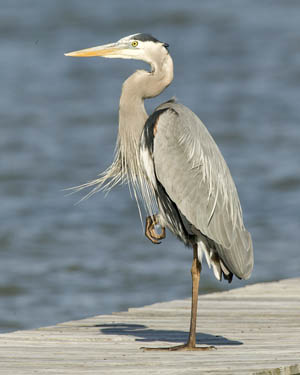
Heron_070067-717950

Research Article No.1771; Date:- 3 ஏப்ரல், 2015

Written by London swaminathan

Uploaded at London time – காலை 7-43

(இதை ஏற்கனவே ஆங்கிலத்தில் வெளியிட்டு இருக்கிறேன்.)


மனு நீதி நூலைப் பற்றி இந்து விரோதிகளும் வெளிநாட்டினரும் நிறைய அவதூறுகளைப் பரப்பியதால்  அதிலுள்ள நிறைய நல்ல விஷயங்கள் உலகிற்குத் தெரியாமல் போய்விட்டன. சுமார் 300 ஆண்டுகளுக்கு முன் வரை மனு நீதிக்குத் தமிழ்நாட்டிலும் நல்ல மதிப்பு இருந்தது. இது கல்வெட்டுகளில் இருந்தும், திருவிளையாடல் புராணம் போன்ற நூல்களில் இருந்தும் வள்ளலார் போன்றோர் எழுத்துக்களாலும் தெரியவருகிறது. சங்க காலத்தில் ஒரு சோழ மன்னனுக்கே மனுநீதிச் சோழன் என்ற பெயர் இருந்ததும் அவன் தேர்க்காலில் தனது மகனையே பலிகொடுத்ததையும் நாம் அறிவோம்.

மனு ஸ்மிருதியில் சில இடைச் செருகல்கள் உள. அவற்றை நீக்கிவிட்டுப் பார்த்தால் உலகிலேயே தலை சிறந்த நீதி நூல் இதுதான் என்பது புலப்படும். அவர் சொல்லவரும் விஷயங்களின் எண்ணிக்கையைப் பார்க்கையில் வியப்பு மேலிடும். திருலோக சீதாராம் என்னும் தமிழ் அன்பர் அழகிய தமிழில் மனு நீதியை மொழி பெயர்த்துள்ளார். அனைவரும் படித்து ஆராய வேண்டிய விஷயம் இது. எனினும் இக்கட்டுரையில் நாம் பார்க்கப் போவது மனு கையாண்ட சில உவமைகள் மட்டுமே.

cat

இந்துக்கள் இயற்கையின் நண்பர்கள். இயற்கையில் நிகழ்வனவற்றைக் கூர்ந்து கவனித்து அதைத் தகுந்த இடத்தில் உவமைகளாகப் பயன் படுத்தி, அரிய பெரிய உண்மைகளை மனதில் பசுமரத்தாணி போல பதியச் செய்கின்றனர். பாகவத புராணத்தில் தத்தாத்ரேயர் என்பவர் இயற்கையிடம் தாம் கற்றுக் கொண்ட விஷயங்களின் நீண்ட பட்டியலை நாம் முன்னரே பார்த்தோம். மஹாபாரதத்திலும் ராமாயணத்திலும் வரும் பறவை, மிருகங்களின் கதைகளும் உங்களுக்குத் தெரியும். உலகம் முழுவதும் மொழி பெயர்க்கப்பட்டுள்ள பஞ்சதந்திரக் கதைகளை இந்தியச் சிறுவர்கள் அனைவரும் அறிவர்.

மனுவும் தக்க இடங்களில் பிராணிகளைப் பயன்படுத்தி அறிவுரை வழங்குகிறார். மனுவுக்கு மிகவும் பிடித்தது கொக்கு. இதற்கு அடுத்த படியாக அவர் அதிகம் பயன்படுத்துவது பூனை! கொக்கும் பூனையும் தந்திரத்தால் இரை தேடுகின்றன.

கொக்கின் குணத்தை நல்லதுக்கும் கெட்டதுக்கும் உவமையாக்குகிறார். சில பிராமணர்கள் ருத்ராக்ஷப் பூனை போலவும், காத்திருக்கும் கொக்கு போலவும் கபடதாரிகள். அவருக்குத் தண்ணீர் கூடக் கொடுக்கக்கூடாது என்று எச்சரிக்கிறார். இது நாலாவது அத்தியாயத்தில் வருகிறது.

LionAttack

ஏழாவது அதிகாரத்தில் மன்னனின் குணநலன்கள் பற்றிச் சொல்லுகையில் அவன் கொக்கு போல காத்திருந்து காலம் கருதி இடத்தாற் செயின் வெற்றி கிட்டும் என்கிறார். இதையே பிற்காலத்தில் அவ்வையாரும் வள்ளுவரும் வாக்குண்டாம், திருக்குறள் ஆகியவற்றில் பயன்படுத்தினர். மனு என்பவர் ரிக்வேத காலத்தில் (கி.மு.1700-க்கும் முன்னதாக) வாழ்ந்தவர். இன்றைய மனு நீதி நூல் 2300 ஆண்டுக்கு (கி.மு.3-ஆம் நூற்றாண்டு) முந்தையது என்று அறிஞர்கள் பகருவர்.

ஓடுமீன் ஓட உறுமீன் வரும் அளவும்

வாடி இருக்குமாம் கொக்கு – வாக்குண்டாம்

என்று அவ்வையாரும் மனு சொன்னதையே சொல்கிறார்

கொக்கொக்க கூம்பும் பருவத்து மற்றதன்

குத்தொக்க சீர்த்த விடத்து – குறள் 490

என்று வள்ளுவரும் மனு சொன்னதையே சொல்கிறார்


4-30, 4-192, 4–196/7, 5-14, 7-106, 11-136, 12-66 (மனுவில் குறைந்தது எட்டு இடங்களில் கொக்கு வருகிறது)

bee_with_flower

ஆமையோ ஆமை!

மனு பயன் படுத்திய ஆமை உவமை, பகவத் கீதையிலும் திருக்குறளிலும் உள்ளது. மன்னன் தனது ரஹசியங்களையும் துறைகளையும் ஆமை தனது உறுப்புகளை ஓட்டுக்குள் இழுத்து பாதுகாப்பது போலக் காக்க வேண்டும் என்கிறார் மனு (7—105). புலன் அடக்கம் பற்றிச் சொல்லுகையில்  குறளும் கீதையும் ஆமை பற்றிப் பேசும்.

ஒருமையுள் ஆமை போல் ஐந்தடக்கல் ஆற்றின்

எழுமையும் ஏமாப்புடைத்து – குறள் 126,

கீதை 2-58, மனு 7-105, திவ்விய பிரபந்தம் 2360.

ஏழாம் அத்தியாயத்தில், எதிரிகளை அழிக்க, ஒரு அரசன் ,”கொக்கு போல திட்டம் தீட்டவும், சிங்கம் போல தாக்கவும், ஓநாய் போல பாயவும்,தோல்வி வரும்பட்சத்தில் முயல் போலப் பின்வாங்கவும் வேண்டும் என்கிறார்.

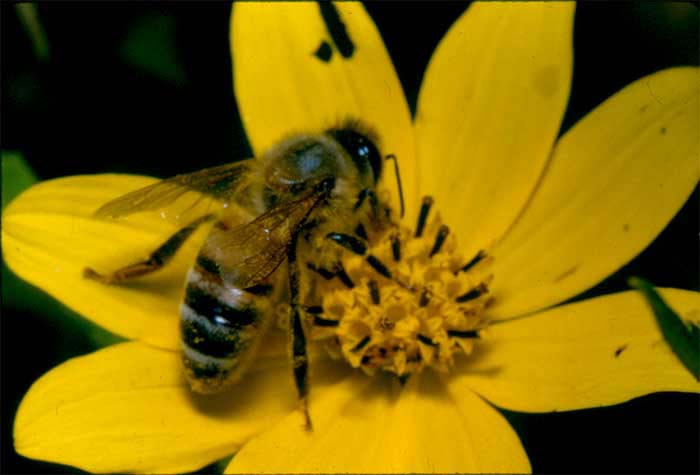
வரிவிதிப்பு பற்றிச் சொல்லுகையில் மக்களுக்கு மிதமாக வரி விதிக்க வேண்டும். அது தேனீயானது மலர்களில் இருந்து தேனை எடுப்பது போலவும், அட்டையானது பிராணிகளிடத்தில் இருந்து ரத்தம் எடுப்பது போலவும், கன்றானது தனது தாயாரிமிருந்து பால் குடிப்பது போலவும் இருக்க வேண்டும் என்பார்.

survive-wolf-attack

புலித்தோல், மான் தோல் முதலியவற்றை தியானத்துக்குப் பயன்படுத்துவது பற்றியும் சொல்கிறார். வேறு பல இடங்களில் நிறைய மிருகங்கள் பற்றிய குறிப்புகள் வருகின்றன. ஆனால் அவைகள் உவமை அல்ல.

மனு நீதி சாத்திரத்தைப் படித்துப் பயன்பெறுக.

கலைமகளோ செல்வக் கடல் மகளோ பூவின் தலைமகளோ!

2sitakalyan

Article No.1770; Date 3rd  April 2015

Written by S NAGARAJAN

Uploaded at 7-18 am (London Time)

தமிழ் திரைப்படங்களில் ராமர் – 16

ச.நாகராஜன்

வைதேகி ராமன் கைசேரும் காலம்!


பவளவல்லி கரம் தொட்டான் உவந்து!

பாரத தேசத்தில் பிறந்தோர் அனைவருக்கும் சீதையின் கல்யாணம் என்பது அவர்களின் வாழ்க்கையில் இணைந்து விட்ட ஒரு அற்புதமான விழா ஆகும். இன்று நடக்கும் கல்யாணங்களில் கூட சீதா கல்யாண வைபோகமே என்று பாடுவது கண்கூடு.

ஆக இப்படிப்பட்ட கல்யாணத்தைக் கவிஞர்கள் வர்ணிக்காமல் இருக்க முடியுமா!

இராமாயண வெண்பா என்ற அரிய காவியத்தை இயற்றிய மதுரையைச் சேர்ந்த மதுரகவி ஶ்ரீனிவாஸ ஐயங்கார் சீதையின் அழகை வர்ணித்து அதை ராமன் எப்படி எண்ணி மகிழ்ந்தான் என்பதை இப்படிக் கூறுகிறார் கடிமணப் படலத்தில்:

கலைமகளோ செல்வக் கடல்மகளோ பூவின்

தலைமகளோ என்னத் தழைந்து – குலவி

உடல் பூரித்து உள்ளம் உவந்தான் ஓண் செம் கேழ்

மடல் பூரித்து உற்ற தோள் மன்               கடிமணப் படலம், பாடல் 429

தேவாதி தேவனான ராமபிரானுக்கு தெய்வத் திருமகளான சீதையை செங்கை நீர் வார்த்து கன்யாதானம் செய்யும் புண்ணியத்தைப் பெற்றான் ஜனக மன்னன்.

தேவாதி தேவனும் அத் தெய்வத் திருமகளும்

ஓவாது உறைந்து ஆங்கு உயர்கமல்ப் – பூவாரும்

மங்கையுடன் மேவி மகிழ்நீர் எனச்சனகன்

செங்கைநீர் வார்த்தான் தெளிந்து                  பாடல் 448

இருவரும் ஒருவரின் ஒருவர் கரம் பற்றும் காட்சியே காட்சி!

அதை கவிஞர் வர்ணிக்கும் பாங்கு இது:-

வெய்ய கனல்வாய் விதித்த விதி யாவும்

செய்து முடித்துச் செழும் கரத்தான் – நெய்யமைந்த

ஆகுதிகண் தேர்ந்தான் அரும் பவளவல்லி கரம்

ஓகையோடு தொட்டான் உவந்து   பாடல் 450

IDOL RAMA

கங்கை அமரன்இளையராஜாஎஸ்.ஜானகி கூட்டணி


இந்த வைதேகி ராமன் கைசேரும் சோபன நிகழ்வை பகல் நிலவு படத்தில் வரும் ஒரு பாடல் சித்தரிக்கிறது. படம் வெளியான ஆண்டு 1985. படத்தை இயக்கியவரோ பிரபல டைரக்டர் மணிரத்னம். அவரை ஒரு நல்ல டைரக்டர் என இனம் காண்பித்த படம் இது.

சரத்பாபு ராதிகாவிடம் சலங்கையைக் காட்டி இது சலங்கை அல்ல; இதுவே மாங்கல்யம் என்கிறார். அதைக் காலில் கட்டிக் கொண்டு ராதிகா நடனமாடுகிறார். ஒரு அபிநயத்துடன் கூடிய பாடலாக இது மலர்கிறது. இசை அமைத்தவர் இளையராஜா. பாடலைப் பாடியவர் எஸ்.ஜானகி. பாடலை இயற்றியவர் கங்கை அமரன். நல்ல கூட்டணி தானே இது!

கோவில் பிரகார மண்டபத்தில் பிரதானமாக ராதிகா நடனமாடும் காட்சியமைப்பில் அவர் மிகவும் கஷ்டப்பட்டு பரதநாட்டியக் கலையைக் கற்றுக் கொண்டு ஆடிக் காட்டுவதைப் பார்க்கிறோம்.

ramakoti beauty

வைதேகி ராமன் கைசேரும் காலம்!

பாடல் இது தான்:-

வைதேகி ராமன் கைசேரும் காலம்

தை மாத நன் நாளிலே     வையம் வானகம் யாவும் தோரணம்

மெய்யை மெய் தொடும் காதல் காரணம்

வைதேகி ராமன் கைசேரும் காலம்

தை மாத நன் நாளிலே    ஆ..ஆ..

காவேரி நீர் போல ஓடும் ஆடும்

கல்யாண ராகங்கள் பாடும்

காணாத கோலங்கள் யாவும் காணும்

கண்ணொடு மோகங்கள் கூடும்

ஏதோ ஓர் பொன் மின்னல் என்னுள்ளிலே

ஏதேதோ கூறாதோ பூந்தென்றலே

காதோடு ஆனந்தம் கேட்கின்றதே

ஏன் என்று என் உள்ளம் பார்க்கின்றதே   (ஸ்வர வரிசை)

வைதேகி ராமன் கைசேரும் காலம்

தை மாத நன் நாளிலே         (ஸ்வர வரிசை)

பூவான மிருதங்கம் எங்கும் பொங்கும்

புரியாத லயம் கூட சங்கம்

கூவாத குயில் தந்த சந்தம் சிந்தும்

குறையாத சுகம் எந்தன் சொந்தம்

நான் காணும் ஆனந்தம் ஆரோஹணம்

வான் தூவும் பூவெல்லாம் அவரோஹணம்

சங்கீத தாளங்கள் போடும் மனம்

சந்தோஷ ராகங்கள் பாடும் தினம்

மிதிலையில் வைதேகி ராமன் கைசேரும் காலம்

தை மாத நன் நாளிலே

வையம் வானகம் யாவும் தோரணம்

மெய்யை மெய் தொடும் காதல் காரணம்

வைதேகி ராமன் கைசேரும் காலம்

தை மாத நன் நாளிலே

கோவில் பிரகார மண்டபம், தெப்பக்குள மைய மண்டபம் என எல்லா இடங்களிலும்

நடனம் தொடர்கிறது.  கதாநாயகியின் சந்தோஷமும் புரிகிறது!

தமிழ் திரைப்படங்களில் கதாநாயகியின் மனநிலையைச் சித்தரிப்பதற்கும் அவ்வப்பொழுது ஏற்படும் திருப்பங்களுக்கு உதவவும் ராமரும் சீதையும் தொடர்ந்து கை கொடுத்து வந்திருக்கின்றனர்!

****************

More about Bharatanatya in the Vedas!

IMG_2760

Research Paper No.1769; date 2nd April 2015

Written by London swaminathan

Uploaded at 21-42 London Time

Please read the first part of article posted yesterday under the title “Dance in the Vedas”.

Dr R Nagasamy, historian and former Director of Archaeology, Tamil Nadu delivered two lectures in the Shanmukananda Fine Arts, Sangeetha Sabha, Mumbai and Narada Gana Sabha, Chennai in 1989. He gives the references to dance in the Vedas:-

“I find that almost all forms of classical dances of India like Bharata Natyam, Kathak, Kathakali, Kuchipusdi, Manipuri, Mohini Attam etc are represented in this conference. It represents the essential unity of all classical dances of India, which from its recorded history has over 4000 years of continuous existence.

“In the earliest strata of India thought, represented by the Rig Veda, we find the classical form of dance mentioned frequently. The Maruts, said to dance in measured steps, are often referred to as dancers – Nrtavah.

“Oh ye dancers with golden ornaments on your chests, even a mortal comes to ask for your brotherhood. Take care of us”, says a Vedic hymn (RV 8-20-22)

cave dance

The Maruts not only dance rhythmically but also sing, and are called the singers of heaven. While they are described as the male dancers, the most charming imagery of a dancing girl, is created in Ushas, the dawn, portrayed as a dancer decked in showy attire.

Adhi poshamsi vapate nrtoohu iva pornute vakshakaa

“As the dawn arrives, with her beautiful colour in the eastern horizon, it gladdens the heart of the living beings. The birds flutter, singing with their sweet voices. Men rise up from their sleep and busy themselves in activities. Ushas is a giver of joy and happiness like a beautiful dancer”.

“There are several passages in the Rig Veda, indicating the highly developed art of dance, to which many of nature’s phenomenon are compared. Soon we find the dancer occupying an important position in the society. All religious and auspicious rites, required her presence. For example the birth of sanctity and immortality is symbolised by the Purna Kumbha. Oh, fair damsel, bring hither to us the Purna Kumbha, filled with streams of clarified butter blend with nectar”.

Poornam naari prabhara kumbham etham drutasya

Dhaaram amrutena sambhrutam

Dr Nagasamy pointed out also that music and dance are part of Shodasopara (16 Upasaras).

The Amarakosa (Sanskrit Thesarus) lists different words used to denote dance:

Tandavam Natanam Natyam Lasyam Nrityamcha Narthane

Tanyathrikam Nritya geetha vadhyam natyam idam trayam


Bharata’s Natyasastra (The Treatise on Dance Drama) is the oldest surviving text of the theory of dance drama and dramatics.

IMG_2750

Maypole Dance/ Garba Dance

Chandra Rajan gives the following information in the introduction to Kalidasa:

The Vedic hymns were chanted and sung by several voices and the refrain in some suggests a choral element. There is mention in the Vedic literature of maidens, beautifully dressed and jewelled, singing and dancing and circling the sacred altars with jars of holy water in their hands.

The refrain in RV 10-100 :- “For our boon we ask for felicity full and boundless. And in 10-134, The glorious mother gave you birth/ the blessed mother gave you birth”.

Indra is addressed as dancer in many hymns.

In RV 5-52 on Maruts we have the following

Hymn singing, seeking water, they, praising, have danced about the spring

In 6-63, Asvins are praised as dancing heroes.

krishnakaliya,trikoteeswara temple, AP

Krishna dancing on Kaliya

Dance in Kalidasa

Varahamihira in his Brhat Samhita mentioned dancing girls in three places to say how they will be affected by the planets or the eclipses.

Kalidasa (1st Century BCE) who lived at least 500 years before Varahamihira mentioned the Abhinaya (hand gestures) in several places. When he described the Spring season in Raguvamsa 9-33, he says the rustling of leaves of the mango trees in the breeze looked like they were trying to learn Abhinaya/gestures (Abhinayaan parichetum udhyataa iva). In the following verse he described the creepers dancing to the tunes of the beetles. In 19-36, he tells us about dance competition.

In the Megadutam (verse 58), he described the Dance of Siva:

The wind breathing through hollow bamboos makes sweet music;

Woodland nymphs sing with passion filled voicesof the victory over the trile city;

If your thunder rumbles in the glens like a drum

Would not the ensemble then be complete

For the Dance-Drama of the Lord of Beings?


Kalidasa’s description (Malavika 2-6) of a lady resting her left hand on her hip and right hand hanging loosely reminds us of the dancing figure discovered in in the Indus Valley. He says it is more attractive than her dancing.

Whenever Kalidasa saw some plants fluttering in the breeze, he was always reminded of dancing girls. We have more references to it in Vikramorvaseeiyam and Shakuntalam.

kaliya nardhana