தொல்காப்பியத்தில் கார்த்திகைத் திருவிழா (Post No.3089)

kartikai annamali

Written by London Swaminathan


Date: 24  August 2016


Time uploaded in London: 19-50


Post No.3089


Pictures are taken from various sources; thanks for the pictures.


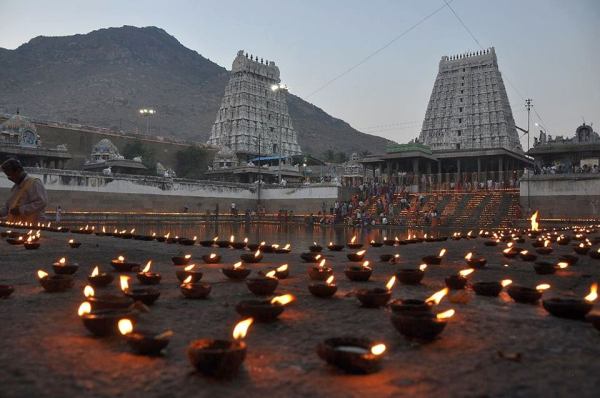
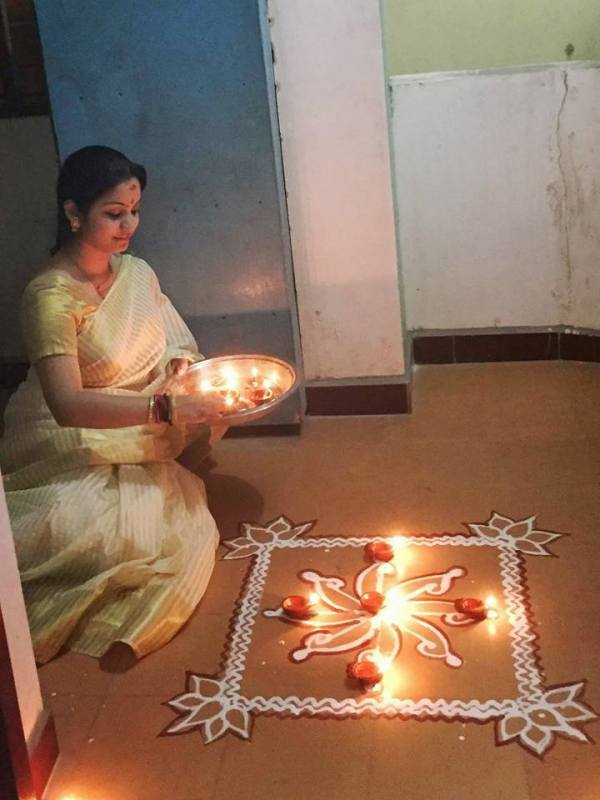
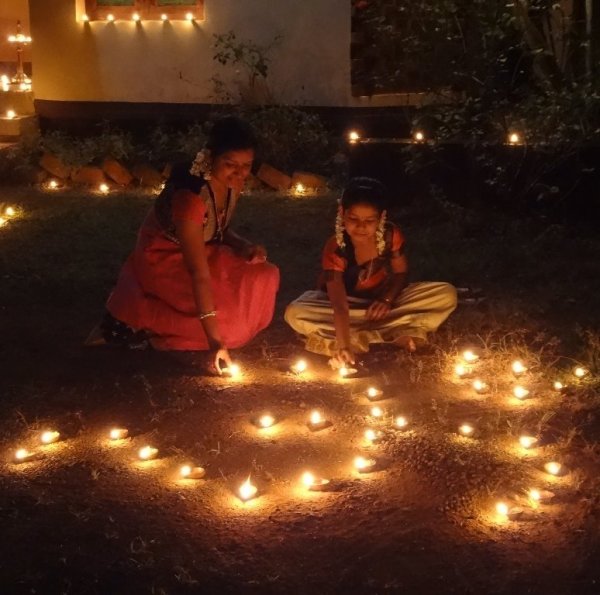
தமிழ்நாட்டில் ஆண்டுதோறும் கார்த்திகை பௌர்ணமி அன்று நடைபெறும் கார்த்திகைத் திருநாள் கண்கொள்ளாக் காட்சியாகும். மூன்று நாட்களுக்கு ஜாதி, இன வேறு பாடின்றி அனைவர் வீட்டு வாசலிலும் தண்ணீர் தெளித்து சுத்தப் படுத்தி, கோலமிட்டு, அகல் விளக்குகளை வரிசையாக ஏற்றி வைப்பர். கண்ணுக்கெட்டிய தூரம் வரை எங்கு பார்த்தாலும் ஒரே விளக்கொளிதான்!


கோவில்களிலும் இது போலவே ஆயிரக் கணக் கான விளக்குகள் ஒளிரும். இதற்காகவே அன்று இலுப்பை எண்ணை   கொண்டு விளக்கு ஏற்றுவர்.

அதைப் பார்த்தவுடன் தீப மங்கள ஜோதி நமோ நம: — என்னும் அருணகிரியின் திருவாக்கு நினைவுக்கு வரும் ( நாதவிந்துகலாதீ நமோ நம: என்ற திருப்புகழ் ).


திருவண்ணாமலையில் நடைபெறும் கார்த்திகை தீபம், பரணி தீபம் என்பன மிகவும் பிரசித்தமானவை. லட்சக் கணக்காணோரைக் கவர்ந்திழுக்கும் திருவிழாவாகும்.
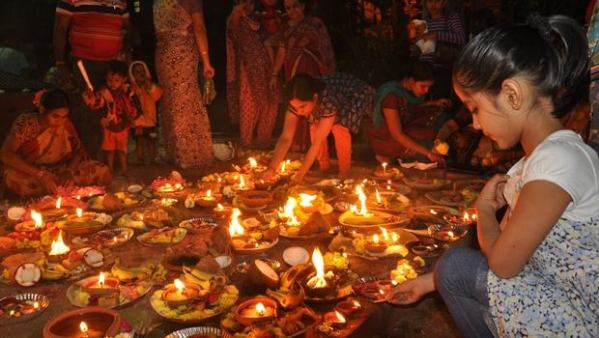
karthikai deepam

தமிழ்நாட்டின் எல்லாக் கோவில்களிலும் சொக்கப்பனை கொளுத்துல் நிகழ்ச்சியும் அன்று இரவில் நடைபெறும். ஐப்பசி கார்த்திகை மாதங்களில் பயிர்களை அழிக்கும் வெட்டுக்கிளி முதலிய பூச்சிகள் பெருகி இருக்கும் என்பதால் இப்படிச் சொக்கப்பனை கொளுத்துவர். அதில் பூச்சிகள் விழுந்து இறந்துவிடும். வீடுகளிலும் பழைய பொருட்களை வெளியே போட்டு சொக்கப்பனை கொளுத்தும் வழக்கம் இருந்திருக்க வேண்டும்.


கார்த்திகை பற்றி சங்க இலக்கிய நூல்களில் இடம்பெற்ற குறிப்புகளைப் பலரும் அறிவர். ஆனால் தொல்காப்பியத்தில் இது பற்றிய குறிப்பு இருப்பது பலருக்கும் தெரிந்திராது.


தொல்காப்பியத்தில்


வேலி நோக்கிய விளக்கு நிலையும்–

தொல்.பொருள்.புறத்திணை இயல்-35


வேலி நோக்கிய விளக்கு நிலையும்– என்ற சூத்திர வரிகளுக்குப் பொருள் கூறுகையில் “கார்த்திகைத் திங்கள் கார்த்திகை நாளில் ஏற்றிய விளக்கு” என்று உச்சிமேற் புலவர்கொள் நச்சினார்க்கினியர் உரை வகுத்துள்ளார்.
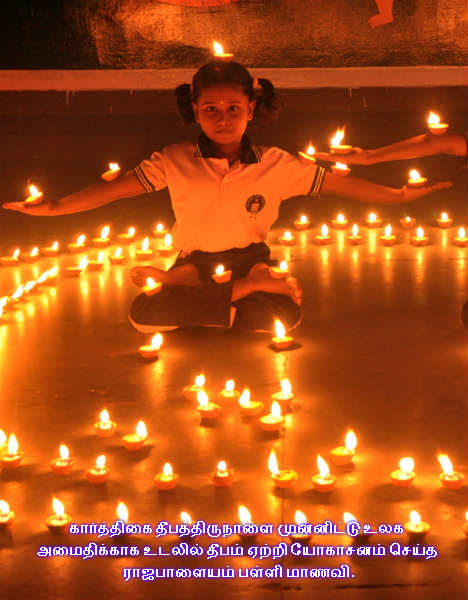
kartik deep

தொல் காப்பியத்தில் வரும் இந்திரன், வருணன், அக்னி, துர்கை முதலிய குறிப்புகளுடன் இதையும் வைத்துப் பார்க்கையில் தொல்காப்பிய உரை சரியே என்று தெளிவுபெறலாம்.

அகநானூறு,  நற்றிணை போன்ற அகத்துறை நூல்களில் கூட  கார்த்திகை விழா பற்றிய குறிப்புகள் இருப்பது, இதன் புகழைக் காட்டும்.


தீபாவளிக்கு இப்பொழுது  எப்படி எல்லோரும் குடும்பத்தினரைப் பார்க்கப் போய்விடுகிறார்களோ, அது போல அந்தக் காலத்தில் கார்த்திகை திருவிழாவுக்கு எல்லோரும் சொந்த ஊருக்குப் போய்விடுவர்.


தொழில் விஷயமாக வெளியூர் என்ற கணவன், கார்த்திகை விழாவுக்கு வரட்டும் என்று மனைவி சொல்லும் பாடல் அகநானூற்றில் (141) இருக்கிறது


குறுமுயல் மறுநிறம் கிளர, மதி நிறைந்து

அறுமீன் சேரும் அகல் இருநடுநாள்

அறுகு விளக்குறுத்து, மாலை தூக்கி (அகம்.141)


இதே போல அகம்.185, 11, நற்றிணை 202 ஆகிய பாடல்களிலும் கார்த்திகை விழா சிறப்பிக்கப் படுகிறது.


சிலர் சிந்து சமவெளி நாகரீகத்தில் காணப்படும் ஆறு கோடுகள் எல்லாம் முருகனை வளர்த்த ஆறு கார்த்திகைப் பெண்கள் என்றும் நம்புவர்.


வேதத்திலும், குமார சம்பவம் முதலிய நூல்களிலும் கார்த்திகைப் பெண்களும், அவர்களைக் குறிக்கும் விண்மீன்களும் இடம் பெற்றிருகின்றன. ஆக வேத காலக் கார்த்திகை இன்று வரை வழிபடப் படுகிறது.


கார்த்திகை பௌர்ணமி அன்று இந்த ஆறு நட்சத்திரங்களும் நிலவுடன் நெருங்கி நிற்கும்.


வானவியல் கணக்குப்படி கார்த்திகை நட்சத்திரங்கள் ஏழு ஆகும். நாமும் அதை முருகன்+ ஆறு கார்த்திகைப் பெண்கள் என்று சொன்னாலும் தவறில்லை.

KARTIKAI DINDIGUL

முத்தொள்ளாயிரம் என்னும் நூலில்.

குடத்து விளக்கேபோல் கொம்பன்னார் காமம்

புறப்படா பூந்தார் வழுதி — புறப்படின்

ஆபுகும் மாலை அணிமலையில் தீயே போல்

நாடறி கௌவை தரும்


என்றும்

சீவக சிந்தாமணி ஆசிரியர் திருத்தக்க தேவர்


“குன்றிற் கார்த்திகை விளக்கீட்டென்ன”

என்றும்


பொய்கையார், கார் நாற்பதில்

“கார்த்திகைச் சாற்றிற் கழி விளக்கைப் போன்றனவே”

என்றும் கார்த்திகை தீபத்தைப் போற்றுவர்.
 

kartikai1

தொல்காப்பியம்  தொடர்பான எனது முந்தைய கட்டுரைகள்:—


தொல்காப்பிய அதிசயங்கள்- Part 2, 24-12-2014

தொல்காப்பிய அதிசயங்கள், 14-11-2014

தொல்காப்பியர் காலம் தவறு-1, 9 செப்டம்பர் 2012

தொல்காப்பியர் காலம் தவறு–பகுதி 2, தேதி-10 செப்டம்பர் 2012

பகுதி4-தொல்காப்பியர் காலம் தவறு, 13 செப்டம்பர் 2012

தொல்காப்பியர் காலம் தவறு–பகுதி3, 12 செப்டம்பர் 2012

தொல்காப்பியத்தில் துர்கை, அக்னி!, 31 மார்ச் 2014

தொல்காப்பியத்தில் எட்டுவகைத் திருமணங்கள்!!, 9 ஏப்ரல் 2015

தொல்காப்பியர் காலம் தவறு—பகுதி1, 2, 3, 4 (posted 9-9-12 முதல் 13-9-12 வரை)

தொல்காப்பியத்தில் இந்திரன் posted on 14 ஜூன் 2013

தொல்காப்பியத்தில் வருணன் posted on 8 ஜூலை 2013

மூன்று தமிழ் சங்கங்கள் கட்டுக்கதையா? (25-2-2012)

தமிழ், சம்ஸ்கிருத இலக்கியங்களில் மங்கலச் சொற்கள் (Post No.2826), 20-5-2016

தீபாவளிக் கட்டுரை: தீப மங்கள ஜோதீ நமோ நம! , 10 நவம்பர், 2015
kartikai, sai babu.jpg

No Brahmins ! No Tamil ! (posted on 12/1/2012)

Tolkappian- A Genius ( posted on 12/9/2012)

Indra in the Oldest Tamil Book

Varuna In the Oldest Tamil Book

Did TOLKAPPIYAR copy from Sanskrit Books?, 10-9-2012

WHO WAS TOLKAPPIYAR?,9-9-2012


–Subham–
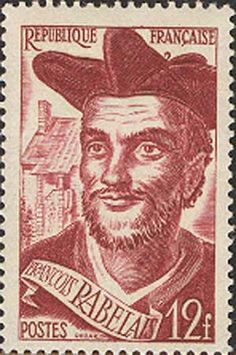


Rabelais and Shrewdness Anecdotes (Post No.3088)

rabelais 1

Compiled by London Swaminathan


Date: 24  August 2016


Time uploaded in London: 18-33


Post No.3088


Pictures are taken from various sources; thanks for the pictures.


gargantua-252683

A sidewalk pitchman was disgusted by his failure to elicit any profitable response from the large crowd assembled around him.

“You pikers, he said in disgust, are too tight to offer me 50 cent for a dollar”.

“I will”, someone spoke up.

“All right, said the pitch man, handover the fifty cents.”

“I am not taking any chances. Take it out of the buck and hand me the change”.


Xxx


(Francois Rabelais (1494-1553) was a French writer. He wrote Gargantuan and Pantagruel, a hilarious classic of French literature and one of the greatest books ever written.  He was a Greek scholar and joined a monastery.)


Rabelais once found himself stranded in a village in southern France without a sou (a former French coin of low value) to get him back to Paris.  He took this means to obtain quick and easy passage to the French capital.


He engaged a room in the only tavern in the town and asked for a secretary to assist him in some writing. The mistress of the inn sent him her son, a sharp lad about twelve years old.


Rabelais said to his ‘secretary’, “My boy, we are about to undertake a very serious business here. I want you to sit down here and print these labels for me. Poison for the King, Poison for the queen, Poison for the Duke of Orleans etc While you are doing this I shall be preparing the poison.


While the terrified youngster was busy at his task of printing, RABELAIS Scrapped up the ashes from the grate, mixed them with the contents of his snuff box  and wrapped up the contents in several neat packages, on which he pasted his labels.

Gargantua_GF

He then dismissed his ‘secretary’ with a solemn warning and the boy at once rushed downstairs and breathlessly told his mother of the whole business. The woman summoned the gendarmes (French Police) who came to the inn and caught the dangerous guest with his damning evidence.  As the suspect could not give an account of himself he was bundled off to Paris. Hence he was brought to court and recognised by the King who heard his case and of course set him free.


–Subham–


எவரெஸ்ட் வெற்றியும் உயிர் தியாகங்களும்! (Post No.3087)

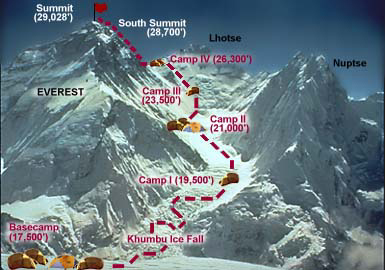
everestroutemap

Article Written S NAGARAJAN

Date: 24th  August 2016

Post No. 3087

Time uploaded in London :– 5-29 AM


(Thanks for the Pictures)


DON’T REBLOG IT AT LEAST FOR A WEEK! DON’T USE THE PICTURES; THEY ARE COPYRIGHTED BY SOMEONE.


(for old articles go to tamilandvedas.com OR swamiindology.blogspot.com)


பாக்யா 19-8-16 இதழில் அறிவியல் துளிகள் தொடரில் வெளியாகியுள்ள கட்டுரை


எவரெஸ்ட் வெற்றியும் உயிர் தியாகங்களும்!

.நாகராஜன்

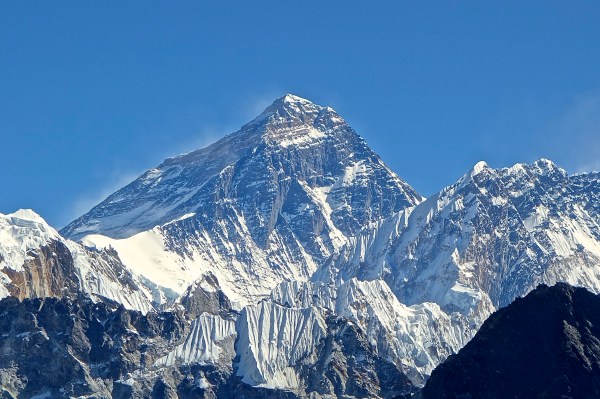
Mt._Everest_from_Gokyo_Ri_November_5,_2012

மேலை நாட்டினரின் மலையேறும் நோக்கமும் நமது மலையேறும் நோக்கமும் முற்றிலும்  மாறுபட்டது” –ஜம்லிங் டென்சிங் (எவரெஸ்டை வெற்றி கொண்ட டென்சிங்கின் மகன்)


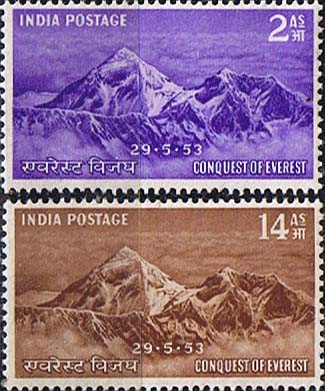
எவரெஸ்ட் சிகரத்தில் ஏறி வெற்றி கண்ட முதல் மனிதர் டென்சிங் நார்கே. (தோற்றம் 29-5-1914 மறைவு 9-5-1986) இருபதாம் நூற்றாண்டின் செல்வாக்குள்ள போற்றப்படும் நூறு பேர்களில் அவரையும் சேர்த்துக் கொண்டாடியது டைம் பத்திரிகை.

1953ஆம் ஆண்டு மே மாதம் 29ஆம் தேதி எவரெஸ்ட் சிகரத்தின் உச்சியில் சர் எட்மண்ட் ஹிலாரியுடன் அவர் ஏறினார்.


மேலை நாட்டினருக்கு  மலை ஏறுவது என்பது ஒரு விளையாட்டான பொழுது போக்கு. ஆனால் இந்தியா, திபத் மற்றும் நேபாளத்தில் உள்ள ஷெர்பாக்களுக்கோ அது ஒரு வழிபாடு போல. எவரெஸ்ட் அருகில் உள்ள இடத்தை அவர்கள் புனிதத் தாய் என்று போற்றி வழிபட்டு வருகின்றனர்.


எவரெஸ்ட் வெற்றியைப் பற்றி டென்சிங் கூறுகையில், “நான் முயன்றேன். ஏழு  முறை முயன்றேன். தாயின்  மீது தவழத் துடிக்கும் சேயைப் போல. முடிவாக அவள் வெற்றியை அருளினாள் என்று கூறினார்.


எவரெஸ்ட் சிகரத்தில் ஏற முயன்று பலியானோர் எண்ணிலடங்காத பேர்கள்.


1996ஆம் ஆண்டு மே மாதம் 10 மற்றும் 11ஆம் தேதிகளில் பனிப்புயலில் சிக்கி எட்டு பேர் உயிரிழந்தனர். கோரமான விபத்து என்ற பெயரை இது பெற்றது. எவரெஸ்ட்  மீது ஏறுவதில் வருடா வருடம் பலர் உயிரிழப்பது வழக்கமாக ஆனது.


1924 ஆம் ஆண்டு ஜூன் மாதம் 4ஆம் தேதி பிரிட்டனைச் சேர்ந்த மலையேறும் வீரர்களான ஜார்ஜ் மல்லாரி மற்றும் ஆண்ட்ரூ இர்வின் ஆகியோர் எவரெஸ்ட் சிகரத்தின் மிக உயரத்தில் உள்ள முகாமிற்குச் சென்று தங்கினர்.


நான்கு நாட்கள் கழித்த பின்னர் அவர்கள் வடகிழக்கே சிகரத்தின் கீழ் செங்குத்தாக 800 அடிக்குக் கீழாக இருப்பதைக் கண்டதாக சிலர் பின்னர் கூறினர். ஆனால் அப்போது பிரம்மாண்டமான மேகக் கூட்டம் அவர்களை மூடியது.

பின்னர் அவர்கள்  இருவரையும் யாரும் காணவே இல்லை.

அவர்கள் என்ன ஆனார்கள்? புரியாத புதிராக இருந்தது.

அறிவியல் ஆய்வாளர்கள் அந்த இருவரும் 29029 அடி உயரத்தில் மலை உச்சியை அடைந்து கீழே இறங்கி வரும் போது ஜூன் 9ஆம் தேதி இறந்திருக்கலாம் என்று கருத்துத் தெரிவித்தனர்.


1933ஆம் ஆண்டு இர்வினின் ஐஸ் கோடரி 28907 அடியில் கண்டு பிடிக்கப்பட்டது. 1999ஆம் ஆண்டு மலாரியின்  உடலை எவரெஸ்டின் வடக்குப் பகுதியில் ஒரு மலையேறும் குழு கண்டது. சில நாட்களில் அதே பகுதியில் இன்னொரு உடல் கண்டுபிடிக்கப்பட்டது. அது இர்வினா என்ற சந்தேகமும் எழுந்தது.


ஆனால் அவர்கள் எவரெஸ்ட் உச்சியை அடைந்தனரா என்பதை யாராலும் உறுதி செய்ய முடியவில்லை.

எவரெஸ்டில் டென்சிங்கின் வெற்றியைக் கொண்டாட வெற்றி கண்ட 50ஆண்டு விழாவின் போது டென்சிங்கின் மூன்றாவது  மனைவிக்குப் பிறந்த டென்சிங்கின்  மகன், ஜம்லிங் டென்சிங் (Jamling Tenzing) எவரெஸ்ட் மீது ஏறினார். அவருக்குத் துணையாக சர் எட்மண்ட் ஹிலாரியின் மகனும் கூடச் சென்றார். தன்னை ஒரு நாளும் மலை ஏறுவதை தன் தந்தை ஊக்குவிக்கவில்லை என்று கூறிய ஜம்லிங், “ஆனால் அவன் ஒரு நாள் நிச்சயம் எவரெஸ்ட் மீது ஏறி விடுவான் என்று மற்ற அனைவரிடமும் டென்சிங் தன்னைப் பற்றிக் கூறியதாகத் தெரிவித்தார்.


 india-1953-conquest-of-mount-everest-set-fine-mint-20096-p

டென்சிங் பற்றிய ‘எவரெஸ்ட் என்ற ஆங்கிலத் திரைப்படம் இமேஜ் மேக்ஸிமம் என்பதன் சுருக்கமான ஐமேக்ஸ் உத்தியில் 1998ஆம் ஆண்டு தயாரிக்கப்பட்டது. இதைத் தயாரிக்க ஜம்லிங் எவரெஸ்ட் பெரிதும் உதவினார். அவருக்கு 25000 டாலர்கள் தரப்பட்டது. ‘பணம் பெரிதல்ல, ஷெர்பாக்களைப் பற்றி உலக மக்கள் அறிய அது உதவியதே, அதைத் தான் பெரிதாக நினைக்கிறேன், என்று கூறி மகிழ்ந்தார் ஜம்லிங்.

45 நிமிடமே ஓடும் எவரெஸ்ட் படம் ஐமேக்ஸ் உத்தியில் தயாரிக்கப்பட்ட படங்களிலேயே அதிக வசூலை அள்ளிக் குவித்தது.


‘டச்சிங் மை ஃபாதர்ஸ் சோல் (Touching  my Father’s Soul) என்ற புத்தகத்தை அவர் எழுதி 2001 ஆம் ஆண்டில் வெளியிட்டார். புத்தகம் அமோகமாக விற்பனையைக் கண்டது, 18 மொழிகளில் மொழிபெயர்க்கப்பட்டது. ஜம்லிங் இப்போது மலையேறும் வீரர்களுக்கான பயிற்சியைத் தருவதற்கான ஒரு மையத்தை அமெரிக்காவில் நடத்தி வருகிறார்.

அத்துடன் உத்வேகம் ஊட்டும் சிறந்த மோடிவேஷனல் பேச்சாளராகவும் திகழ்கிறார்.


தந்தைக்கு ஏற்ற பிள்ளை என்று உலகம் அவரை பாராட்டுகிறது.


புனிதமான அன்னை எனக்கு வெற்றியை அருளினாள் என்று ஜம்லிங்கும் இமய மாதாவைத் தொழுது போற்றி வணங்குகிறார்!


rod2

அறிவியல் அறிஞர் வாழ்வில் .. ,,


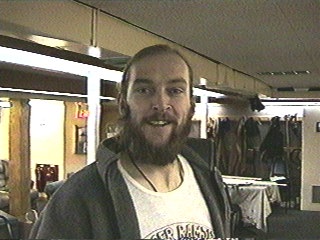
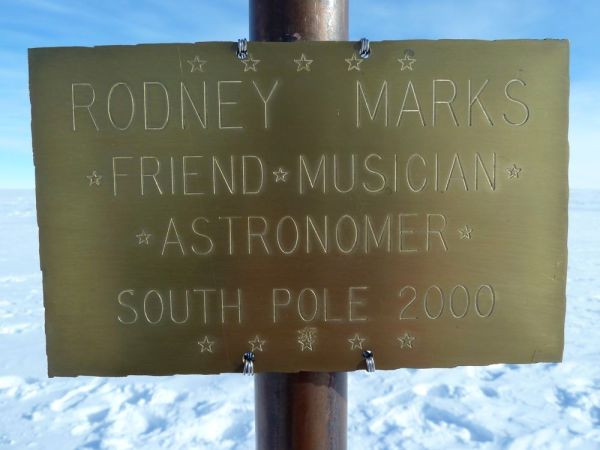
தென் துருவத்தில், அண்டார்டிகா குளிர் என்பது பயங்கரமான குளிர்! வான்பௌதிக இயலாளரான ரோட்னி  மார்க்ஸ் (astro physicist – Rodney Marks) என்பவர் ஆஸ்திரேலியாவைச் சேர்ந்தவர். அண்டார்டிகாவில் உள்ள அமெரிக்க ஆய்வு மையமான அமுண்ட்ஸென் ஸ்காட் நிலையத்தில் தென் துருவ ஆய்வுப் பணிக்காகச் சென்றார்.


2000ஆம் ஆண்டு மே மாதம் 12ஆம் தேதியன்று திடீரென்று அவர் மரணமடைந்தார். யாருக்கும் ஒன்றும் புரியவில்லை.


குளிரோ கடும் குளிர். விமானம் பறப்பது என்பது எளிதான காரியமல்ல.ஆகவே அவரது உடல் வசந்த காலம் வரும் வரை அங்கேயே பாதுகாப்பாக வைக்கப்பட்டு பின்னர் நியூஜிலாந்திற்கு பருவநிலை சீரடைந்த பிறகு கொண்டு வரப்பட்டது. பிரேத பரிசோதனையில் அவர் மெதனால் விஷத்தால் மரணமடைந்திருப்பது கண்டுபிடிக்கப்பட்டது.


 உடனடியாக தீவிர விசாரணை மேற்கொள்ளப்பட்டது. அந்த நிலையத்தில் இருந்த 49 பேரிடம் நியூஜிலாந்து போலீஸ் விசாரணையை மேற்கொண்டது. அவர் நிச்சயம் தற்கொலையும் செய்து கொள்ளவில்லை, யாரும் அவருக்கு மெதனால் கொடுக்கவும் இல்லை என்றும் கண்டுபிடிக்கப்பட்டது. அவர் தனக்குத் தெரியாமலேயே தற்செயலாக மெதனாலை சாப்பிட்டிருக்கலாம் என்று  முடிவு செய்யப்பட்டது. 2008ஆம் ஆண்டு மீண்டும் ஒரு அறிவியல் ஆய்வை பிரேத பரிசோதனை நிபுணர் ஒருவர் மேற்கொண்டு முந்தைய முடிவை உறுதி செய்தார்.

 rodney marks


அறிவியல் அறிஞர் ஒருவரின் முடிவு தென் துருவத்தின் முதல் கொலை கேஸாக அமைந்து பிரபலமானது.

********************


List of Tamil Kings who performed Yagas and Yajnas -Post No. 3086

IMG_5587

Compiled by London Swaminathan


Date: 23  August 2016


Time uploaded in London: 20-59


Post No.3086


Pictures are taken from various sources; thanks for the pictures.


(Posted already the Tamil Version of this article)


Sangam Age Tamil kings were ardent Hindus who followed all the rituals prescribed in the scriptures. Thanks to the poets who sang the praise of Tamil kings we come to know the views prevailed 2000 years ago in Tamil Nadu. Aswamedha Yagam, Rajasuya Yanjam and Soma Yagam were performed during the Sangam Age by the Tamil Kings. Apart from the poems , copper plates from Sinnamanur, Dalavaipuram and Velvikkudi provide us lot of details.


Dr R Nagasamy, former Diretor of Archeaology, Tamil nadu Government and Former Vice Chancellor of Kancheepuram niversity has listed the Vedic rituals and Yajnas performed by the tamil Kings 2000 years ago. Kanchi Paramacharya has pointed out in one of his lectures that they have special words for many of the Vedic terms. This shows that the Tamils knew all thse things well before i1st century BCE.

IMG_5588

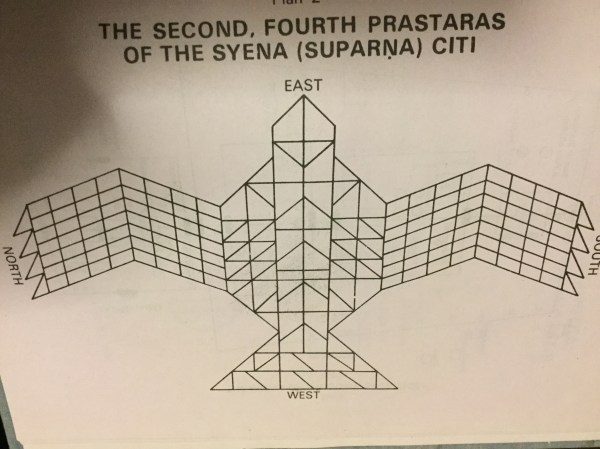
Falcon/eagle shaped Vedic altar ; Choza King Karikalan did construct like this.


Words for Brahmins, Vedas, Dhanam, Yaga are alsready in Tamil in hundreds of verses. Kings also weighed themselves equal to gold or other things (Tula Bharam); they did Go Sahasram, Bahu swarnam etc.


Now let me give what Dr R Nagasamy, eminent historian and archaeologist say about the Yagas and Yagnas ( I am attempting a rough translation in English of his write up in Tamil):


“Kings did two types of sacrifices, one in the field of Dharma and the other in in the battle field. The ceremonial sacrifice in the battle field was done with the head of the enemy as oven, blood as boiling water for the cooking and the hands of the slained enemy as fuels sticks. Neduncheziayan who won the battle of Talai alangaanam did this according to Mankuti Kizaar and mankuti marudanaar.

rudra-baba

Sathya Sai Baba who performed Athi Rudra  Maha Yajna

The other sacrifice done to propitiate the gods is done according to the scriptures. Same Nedunchezian did the fire sacrifice for the gods according to Mankuti Kizar (Puram.29)

Another Pandya Mudukudumi Peruvazuthi had the epithet ‘he who had done many yagas’ (Puram.15).


Karikal Peruvalathan did a yaga in the fire altar constructed in the shape of an eagle or falcon. He constructed the Yupa pillar as well. All his wives stood by his side (puram.224)


Perunarkilli who came in the same line of Karikala did Rajasuyam and he was called Perunarkilli who had done Rajasuyam.


Chera 9Kerala) kings also did not lag behind in performing Vedic yajnas.

Palyanai Selkezukuttuvan did ten sacrifices for Gauthaman (pathitrupathu).


Peruncheral Irumporai found out all the rules for observing the fast and finished the Yaga according to scriptures.


swathi homam, narasimhar, injimedu

picture  that looks like Narasimha.

Ilancheral Irumporai did Vedic yagas.


Seran Senguttuvan constructed the thatched shed for Vedic rituals in the coolest part of the capital city Vanji.


Forefathers of Athiyaman Anji, a chieftain, did fire sacrifices accordinto verses in the Sangam books. Velirs are supposed to have originated from the fire altar.

Among the later Pandyas, Arikesari Maravarman did the rituals off Hiranyagarbam, Tuabharam, Bahusuvarnam. Thermaran did these and Gosahasram as well.


Maravarman Rajasimhan alsodid the same according to inscriptions.

radha krishna in jwala

Picture of Radha, Krishna in fire.

Pallava kings did fire sacrifices according to scripture. Sivaskanda varman did Agnistomam, Asvamedham, Vajapeyam. Kumara Vishnu did Asvamedham.


All the Pallava Kings did Somayaga. There was noeception.

Among the later Choza kings, Parantakan and and Rajaraja did Tulabharam (weighing themselves against gold or grains or some valuables.)


Rajathi raja I did Asvamedha yagam according to his epigraphs. Later Vijyanagara Kings also followed suit”.


Source Book:–

Yaavarum Kelir (Tamil) by Dr R Nagasamy, Vasagar Vattam Publication, Chennai -17, year 1973

IMG_5585

Spoons and ladles used in the fire cerwemonies

–Subham–


தமிழ் மன்னர்கள் செய்த யாகங்கள்! (Post No.3085)

radha krishna in jwala

Radha and Krishna appear in Yaga Fire

Compiled by London Swaminathan


Date: 23  August 2016


Time uploaded in London: 13-48


Post No.3085


Pictures are taken from various sources; thanks for the pictures.


பாரதீய கலாசாரம், இமயம் முதல் குமரி வரை ஒன்றுதான் என்பதற்கு சங்கத் தமிழ் இலக்கியமும், பிற்கால இலக்கியங்களும், கல்வெட்டுகளும் பட்டயங்களும் சான்று பகர்கின்றன.


தமிழ் மன்னர்கள் செய்த யாக யக்ஞங்கள் பற்றி இரண்டு கட்டுரைகளில் சொன்னேன். ஒன்று கரிகால் சோழனின் பருந்து வடிவ யாக குண்டம் பற்ற்றியது. மற்றொன்று சோழன் பெருநற்கிள்ளியின் ராஜசூய யக்ஞம் பற்றியது.


காஞ்சிப் பல்கலைக்கழகத்தின் முன்னாள் துணை வேந்தரும், தமிழ்நாடு தொல்பொருட் துறையின் முன்னாள் டைரக்டருமான டாக்டர் இரா. நாகசாமி எழுதிய ஒரு நூலில் தமிழ்நாட்டு வேந்தர்கள் செய்த யாக யக்ஞங்களைப் பட்டியலிட்டுள்ளார்.

எத்தனை மன்னர்கள் யாகம் அல்லது வேள்விகளில் நம்பிக்கை வைத்து , ஆர்வத்தோடு அவைகளைச் செய்தார்கள் என்பதைப் பட்டியலைப் படித்தால் புரியும்.


நூலின் பெயர்:- யாவரும் கேளிர்

ஆசிரியர் – இரா.நாகசாமி

வாசகர் வட்டம், சென்னை-17

1973

swathi homam, narasimhar, injimedu

Narasimha appear in Swathi Homam


“அரசர்கள் இருவகை வேள்வி வேட்டனர். அறக்கள வேள்வி என்றும் மறக்கள வேள்வி என்றும் அவை அழைக்கப்பட்டன. போரில் வெற்றி கண்ட காலத்து துணித்த மாற்றானின் தலையை அடுப்பாக அமைத்து, குருதியை உலையகவும், துண்டிக்கப்பட்ட கரத்தை துடுப்பாகவும் கொண்டு போர்க்களத்தில் வேள்வி செய்வது ஒரு மரபு. இதையே மறக்கள வேள்வி என்பர். பாண்டியன் தலையங்கானத்துச் செருவென்ற நெடுஞ்செழியன் களவேள்வி வேட்டான் என்று மாங்குடிக்கிழார் கூறுவார். இதே நிகழ்ச்சியை மதுரைக் காஞ்சியில்  மாங்குடி மருதனாரும் கூறியுள்ளார்.


தேவர்களை வேண்டி தீயில் வேட்பது அறக்கள வேள்வி.

நான்மறையாளரைச் சுற்றமாகக் கொண்டு, அடிபணிந்த அர்சர் ஏவல் செய்ய, தலையங்கானத்துச் செருவென்ற பாண்டியன் நெடுஞ்செழியன் அறக்கள வேள்வி செய்தான் என மாங்குடிக்கிழார் கூறுவார் (புறம்.29)


பாண்டியன் முதுகுடுமிப் பெருவழுதி பல யாகங்களைச் செய்ததால் பல்யாகசாலை முதுகுடுமிப் பெருவழுதி எனப்பெயர் பெற்றான் (புறம்.15)


இதுபோன்று சங்ககாலப் பேரரசர்கள் அனைவரும் வேள்வி வேட்டனர். கரிகால் பெருவலத்தான் பருந்து வடிவில் செய்யப்பட்ட வேள்விக் குண்டத்தில் யூபத்தை நாட்டி வேத வேள்வித் தொழிலாகிய யாகத்தை முடித்தான். அப்போது குற்றமற்ற அவாது குலமகளிர்கள் அவனருகே நின்றனர் (புறம்.224)


தூவியற் கொள்கை துகளறு மகலிரொடு

பருதியுருவிற் பல்படைப் புரிசை

எருவை நுகர்ச்சி யூப நெடுந்தூண்

வேத வேள்வித் தொழில் முடித்த தூஉம் (புறம்.224)


இவனது குலத்தில் வந்த பெருநற்கிள்ளி, இராஜசூயம் என்னும் அரசர்க்குரிய சிறந்த வேள்வி வேட்டு, இராஜசூயம் வேட்ட பெருநற்கிள்ளி எனப் பெயர் பெற்றான்.

பல சேர மன்னர்கள் வேள்வி வேட்டனர்

charles-yaga

Prince Charles in Rishikesh

பல்யானை செல்கெழுகுட்டுவன் கௌதமனாருக்காக பார்ப்பாரில் பெரியோரைக் கேட்டு பத்து பெருவேள்வி வேட்பித்தான். (பதிற்றுப்பத்து, பதிகம் 3)


பெருஞ்சேரல் இரும்பொறை வேள்விக்குரிய விதிகளைக் கேட்டு வேள்வி வேட்பதற்கு முன், தான் இருக்க விரதங்களை முறைப்படி முடித்து வேள்வி முடித்தான். (பதிற்றுப்பத்து, பதிகம் 74-1-20


இளஞ்சேரல் இரும்பொறை முறைப்படி சாந்தி வேட்டான். சேரமான் செங்குட்டுவன் வஞ்சிமாநகரின் குளிர்ந்த பொழில்கள் சூழ்ந்த இடத்தில் வேள்விச்சாலை அமைத்தான். வேள்விமாக்களை கேட்டு  உரிய முறையில் ராஜசூயம் வேட்டான. அதை ஒட்டி சிறையிருந்த எல்லாக் கைதிகளையும் விடுதலை செய்தான். வந்திருந்த மன்னருக்கேற்ப வரிசை முடித்தான்


பேரிசை வஞ்சிமூதூர்ப்புறத்து தாழ்நீர் வேலி தண் மலர்ப்பூம் பொழில் வேள்விக்கான மாளிகை கட்டி நன் பெரு வேள்வி முடித்த பின் — என சிலம்பு (28–196-199) கூறுகிறது.

அதியமான் நெடுமான் அஞ்சியின் முன்னோர்கள் “அமரர் பேணியும் ஆவுதி அருத்தியும்” சிறப்பெய்தினர் (புறம்.99) வேளிர்கள் வேள்விக் குண்டத்தில் தோன்றியவர் என்ற வரலாறு உண்டு. சங்க காலத்தில் அரசர் வேள்வி வேட்டலை மிகச் சிறப்பாகக் கருதினர்.

rudra-baba

Sathya Sai baba in Adhi Rudra Yaga

சங்க காலத்திற்குப்பின் வந்த பல்லவரும் பாண்டியரும் வேள்வியில் ஈடுபாடு நிறைந்து விளங்கினர். ஒரு பாண்டிய மன்னன் காலையிலும் மாலையிலும் அக்னியில் ஹோமம் செய்தான் என்று தளவாய்புரம் செப்பேடு கூறுகிறது.


பாண்டியர்களில் அரிகேசரி மாறவர்மன் ஹிரண்யகருப்பம், துலாபாரம், பகு சுவர்ணம் என்பவற்றைச் செய்தான்


தேர்மாறன் என்னும் பாண்டியனும் எண்ணிறைந்த கோசஹஸ்ரமும், ஹிரண்யகருப்பமும், துலாபாரமும்,  செய்தான் என்று வேள்விக்குடி செப்பேடுகள் குறிக்கின்றன.

மாறவர்மன் இராஜசிம்மன் துலாபாரம் செய்தான் என்றும் சின்னமனூர் செப்பேடு கூறுகிறது.


பல்லவர்கள் முறைப்படி பல வேள்விகளை வேட்டவர்கள் என்று அவர்களது கல்வெட்டுகள் கூறுகின்றன. சிவ ஸ்கந்தவர்மன் என்பான் அக்னிஷ்டோமம், அச்வமேதம், வாஜபேயம் ஆகிய வேள்விகளை வேட்டான்.


குமார விஷ்ணு அச்வமேத யாகம் செய்தான். சோமயாகம்

செய்யாதவரே பல்லவ குலத்தில் கிடையாது என ஒரு செப்பேடு குறிக்கிறது. அவர்கள் பல வேள்விகளை வேட்டதால்  பிரும்மண்யம் நிறைந்தவராய் இருந்தனர். அதனால் பரம பிரும்மண்யர் என்று அழைக்கப்பட்டனர்.


சோழர்களில் முதல் ராஜாதி ராஜன் அச்வமேத யாகம் செய்தான் என அவன் கல்வெட்டுகள் கூறுகின்றன. விஜயாலயன் வழிவந்தவர்களில் இராஜாதி ராஜன் ஒருவனே அச்வமேத யாகம் செய்தவன்”.


–சுபம்–


Tamil King’s Rajasuya Yagna! (Post No.3084)

IMG_5583

Research Article written by London Swaminathan


Date: 23  August 2016


Time uploaded in London: 6-35 AM


Post No.3084


Pictures are taken from various sources; thanks for the pictures.


(Tamil version of this article is posted yesterday)

Dharma’s Rajasuya Yagna in the Mahabharata, the longest epic in the world, is well known. But very few people knew about the great Rajasuya Yagna performed by a Choza king 2000 years ago. Four Sangam Tamil Poets sang in praise of the great King Peru Nar Killi.

Pandarang Kannan (Krishna), Vadama vannakkan Perunchaththan (Maha Sastha),Avvaiyaar and Lochana (Ulochanar). Their verses are in the oldest part of Sangam Literature in Puranaanuru verses 16, 125, 367, 377.

(A Yagna is a fire ceremony in which Soma juice, melted butter (ghee) and certain types of wood were placed in the fire as offerings to Vedic Gods).


Tamil Kings always fought among themselves. Tamil poets tried to calm them down, but yet the wars continued. So when Tamil poetess Avvaiyar saw three great Tamil Kings of three Kingdoms at one place she was very happy. Chera King Maari Venko and Pandyan King Ugra Peruvazuthi attended and approved the Rajasuyam conducted by Choza Perunar Killi. She wished them a long life – as many  years as the number of rain drops or the number of stars in the sky.


Ancient Tamil Nadu had three Kingdoms Chera (Kerala), Choza (East coast and Rice bowl areas) and the Pandya (Southern Tamil Nadu) kingdoms. Lot of chieftains and local leaders were under them.


Mahabharata has a very detailed description of the Rajasuya Yajna performed by the eldest of the Five Pandavas- Dharma alias Yudhistra. But Tamil verses give only the minimum details.


We came to know from Avaiyar’s verse (Puranaanuru 367) that Brahmins were given gold coins on that occasion as Dhanam (fees and donation). Avvaiyar says, “Whatever good you do in this birth only will help you like a boat ( to cross to the next world).

IMG_5584

Interesting Facts about Rajasuya:-

The fees for the Rajasuya was amazing number of cows! This is recommended by the scriptures. No one would know how many were actually given.


32,000 cows for each of the four principal priests.

16,000 cows each for the second line priests.

8000 cows for the third liners and 4000 each for others.

I guess Brahmins would have received gold instead of cows, because maintaining them would have been a big problem.

What is Rajasuya?

Rajasuya means birth of a king (generate a king). Actually this is a rite of royal consecration. All the minor kingdoms would approve him as the chief. It was performed only by the Kshatriyas – the ruling caste.

The time required for Rajasuya was two years. The king had to undergo lot of rituals and fasting during this period. There were many smaller Yagnas (fire ceremonies) involving Soma plant and Ghee (melted butter).


Rajasuya consisted of several events:

Soma rite (performed with a mysterious plant from the Himalayas. Please read my article on the Soma plant for more details).

Abhiseka (pouring or bathing the king with holy waters accompanied by Mantra)

Chariot Race

Seizing the cows and releasing the cows (Ancient Hindu kings will raid the cows in the nearby country first. This means “Let us fight”. This was practised by all the rulers from Kanyakumari to Kashmir). In the Rajasuya it was done only symbolically.

King ascending the throne.

Followed by ritual dice play

Reciting of Sunashepa (Dog’s tail) story

Avabhrta snana (bathing)

King observing certain vows for a year.

One more concluding fire ceremony (Atiratra Type)

Stepping on the tiger skin


The details of this Yagna is found in Srauta Sutras of Asvalayana, Latyayana, Katyayana and Apastambha.


In Rajasuya the king is praised as the protector of the Brahmins, sacker of the cities (in war).

IMG_5585

Spoons and laddles used in Vedic Rituals


Vedic Index by Macdonell and Keith gives the following information:

“Raja-suya is the name in the Atharva veda and later literature of the ceremony of the royal consecration. The rite is described in great length in the Sutras, but its main features are clearly outlined in the Brahmanas, while the verses used in the ceremony are preserved in the Yajurveda.


Besides priestly elaboration, the ritual contains popular ceremonial. For example, the king is clothed in the ceremonial garments of his rank and provided with bow and arrow as emblems of sovereignty.  He performs a mimic cow raid or engages in a sham fight with a royal. In a game of dice, he symbolically ascends the quarters of the sky as an indication of his universal rule; and steps on a tiger skin, thus gaining the strength and the pre-eminence of the tiger.

My Comments: –

Tiger is found in the Indus Valley seals. The number of cows as sacrificial fees corresponds with the Indus valley weights (in proportion). The dices are found in the Indus valley too. All these point towards a Vedic Culture in the Indus/Sarasvati valley Civilization.

-subham-


சோழ மன்னன் செய்த ராஜசூய யக்ஞம் (Post No.3083)

IMG_5583

Research Article written by London Swaminathan


Date: 22  August 2016


Time uploaded in London:  21-18


Post No.3083


Pictures are taken from various sources; thanks for the pictures.


சோழ மன்னன் பெருநற்கிள்ளி ராஜசூய யக்ஞம் என்ற பெரிய வேள்வியைச் செய்ததை புறநானூறு மூலம் நாம் அறிகிறோம் அவனைக் குறித்து நான்கு பாடல்கள் 16, 125, 367, 377) உள்ளன. அவற்றை முறையே பாண்டரங் கண்ணனார், வடம வண்ணக்கன் பெருஞ்சாத்தனார், ஔவையார், உலோச்சனார் ஆகியோர் பாடினர்.


இராஜசூய வேள்விக்கு சேரமான் மாரி வெண்கோவும், பாண்டியன் கானப்பேர் தந்த உக்கிரப் பெருவழுதியும் வந்திருந்தனர். அவர்கள் மூவரும் ஒருங்கே உட்கார்ந்திருந்ததைப் பார்த்த ஔவையாருக்கு பெரிய மகிழ்ச்சி. நீங்கள் வானத்தில் தோன்றும் நட்சத்திரங்களைவிட, மழைத் துளிகளைவிட அதிக நாட்கள் வாழுங்கள் என்று வாழ்த்துகிறார்.

IMG_5584

ராஜசூய யக்ஞம் என்றால் என்ன?

இது குறித்து லாத்யாயன ஸ்ரௌதசூத்ரம் சொல்கிறது. அரசர்கள் ஜாதியான க்ஷத்ரியர்கள் மட்டுமே இதைச் செய்யலாம். ராஜ சூய என்றால் அரசனை ‘உற்பத்தி செய்தல்’, ‘கடைந்தெடுத்தல்’ என்று பொருள். அதாவது ஒரு மாமன்னனை உருவாக்குதல்.


இந்த வேள்வியைச் செய்த, பெருநற்கிள்ளி தன்னுடைய பெயருக்கு முன்பாக ராஜசூயம் வேட்ட பெருநற்கிள்ளி என்று பட்டம் வைத்துக் கொண்டதிலிருந்தே இதன் பெருமையும் மகிமையும் விளங்கும்.


இதைச் செய்து முடிக்க இரண்டு ஆண்டுகள் தேவை!

பங்குனி மாத சுக்லபட்ச முதல்நாளில்  தீட்சை எடுத்துக்கொள்வர்.

முதலில் சோமரசம் தொடர்பான சடங்குகள் ஐந்து நாட்களுக்கு நடக்கும். பின்னர் ஓராண்டுக்கு சிறிய யாகங்கள் நடக்கும்.


அதன் பிறகு 12 நாட்களுக்கு நீடிக்கும் சடங்குகள் நடைபெறும்.


அரசனுக்கு அபிஷேகம் செய்து முடிசூட்டுதலே முக்கியமான — முத்தாய்ப்பான — நிகழ்ச்சி. பல புண்ய நதிகளிலிருந்து கொண்டுவரப்பட்ட நீரை மந்திரம் சொல்லி அரசனின் தலையில் ஊற்றுவர் பிராமணர்கள். அபோழுது பிராமணர்களுக்கு நிறைய தானங்கள் வழங்கப்படும்


இதை ஔவையார் பாராட்டுகிறார்:-

வாழச் செய்த நல்வினை அல்லது

ஆழுங்காலைப் புணை பிறிது இல்லை — என்பார்.


ஒருவர் செய்த நல்வினைதான் அவர் இறந்த பின்னர் அவருக்கு துணையாக வரும் – என்பதே இதன் பொருள்.


ஆகையால் பிராமணர்களுக்கு கைநிறைய தங்கக் காசுகள கொடு என்கிறரர்.


ஏற்ற பார்ப்பர்க்கு ஈர்ங்கை நிறையப்

பூவும் பொன்னும் புனல்படச் சொரிந்து


வாழ வேண்டும் என்று அறிவுரை பகர்கிறார். (Puram.367)


இதற்குப் பிறகு தேரோட்டும் பந்தயம் (ரேஸ்) நடக்கும்

அதைத் தொடர்ந்து ஆநிரை கவர்தல், ஆநிரை மீட்டல் நடக்கும்.

இதில் சுமார் 100 பசுக்கள் இருக்கும்


(தமிழ் நாகரீகம், பண்பாடு என்று எதுவும் தனியாக கிடையாது. ஆநிரை மீட்டல், கவர்தல் ஆகியன மஹா பாரதத்திலும் உண்டு. சங்க இலக்கியத்திலும் உண்டு. பிராந்தியத்துக்கு பிராந்தியம் உலகம் முழுதும் சில விநோத வழக்குகள், இசை நடனம் முதலியன இருக்கும் அது போல இந்தியாவிலும் 25 மாநிலங்களில் 25 விதமான பழக்க வழக்கங்கள் , நடை உடை பாவனைகள் இருக்கும்.)

IMG_5585

மன்னன் , தேரிலிருந்து இறங்கிய பின்னர் முடி சூட்டு வைபவம் நடக்கும்.


இறுதியாக சொக்கட்டான் ஆட்டம் நடைபெறும். இதில் மன்னர்தான் வெற்றி  பெ றுவார்.  சொக்கட்டான் ஆட்டம் புற நானூற்றிலும், திருக்குறளிலும் உள்ளதே.


இதற்குப் பிறகு சுனஸ்சேபன் கதை உபந்யாசம் நடக்கும்.

அடுத்த பத்து நாட்களுக்கு சிறிய யாகங்கள் நடத்தப்படும். இதற்குப் பின் மன்னன், ஓராண்டு காலத்துக்கு சில விரதங்களைக் கடைப்பிடிக்க வேண்டும்.


இவ்வளவையும் சோழ மன்னன் பெருநற்கிள்ளி செய்தது ம் அதை மற்ற புலவர்களும், புரவலர்களும் போற்றியது ம் எதைக் காட்டுகிறது?


தமிழ் மன்னர்களுக்கு யாக யக்ஞங்கள் மீதுள்ள நம்பிக்கையைக் காட்டுகிறது. பார்ப்பனர் பற்றியும், வேள்வி பற்றியும், நான்மறைகள் குறித்தும், யூப நெடுந்தூண்கள் (வேள்வித் தூண்) பற்றியும் சங்க இலக்கியத்தில் ஏராளமான குறிப்புகள் காணப்படுகின்றன.


32,000 பசு, 16000 பசு 8000 பசு தானம்!


ராஜ சூய வேள்வியை செய்வதற்கு 4 புரோகிதர்கள் தேவை. அவர்கள் ஒவ்வொருவருக்கும் 32,000 பசுக்கள் தட்சிணை!

இரண்டாம் நிலையிலுள்ள 4 ஐயர்களுக்கு தலா 16,000 பசுக்கள் தட்சிணை.


மூன்றாம் நிலையிலுள்ளோருக்கு தலா 8000, அதற்கடுத்த நிலையிலுள்ளோருக்கு தலா 4000 பசுக்கள் தட்சிணை என்று சாத்திரங்கள் செப்புகின்றன.

ஆச்வலாயன, பாரத்வாஜ, ஆபஸ்தம்ப, காத்யாயன ச்ரௌத சூத்ரங்களில் இதன் விவரங்களைக் காணலாம்.


சிந்து சமவெளி நாகரீகம்


சிந்து சமவெளி நாகரீகத்திலும் எடைக்கற்கள் இதே வீதத்தி ல்தான் இருக்கின்றன.4, 8, 16, 32, 64 ….


வேத கால தட்சிணையும் இதே வீதாசாரத்தில்தான் இருக்கும். ஆக வேத கால நாகரீகமும் சிந்து சம்வெளி நாகரீகமும் ஒன்றே.


இப்போதுள்ள ரூபாய்க்கு முன் இந்தியாவில் தம்பிடி, அணா, ரூபாய் என்ற முரை இருந்தது மூன்று தம்பிடி= காலணா, நான்கு காலணா = ஒரு அணா, 16 அணா = ஒரு ரூபாய் (அதாவது 64 காலணா அல்லது 192 தம்பிடி). இதுவும் சிந்து சம்வெளி விகிதாசாரமே!


–subham–

கருவுயிர்த்தாள் குறத்தி; காயம் தின்றான் குறவன் (Post No.3082)

new tribe 1

Research Article written by London Swaminathan


Date: 22  August 2016


Time uploaded in London:  15-54


Post No.3082


Pictures are taken from various sources; thanks for the pictures.


குறத்தி கருவுற்ற காலத்தில் குறவன் மருந்து சாப்பிட்டான் – என்று ஒரு தமிழ்ப் பழமொழி உள்ளது. இதன் உண்மைப் பொருள் என்ன?


குறத்தி கருவுற்றபோது அவளைப் போலவே கணவனும் மருந்து (காயம்) உண்டான் என்பது இதன் பொருள். இது கிண்டலாக எழுந்த பழமொழியா அல்லது உண்மைப் பொருளுடைத்தா?


அரசமரத்தைச் சுற்றிவிட்டு அடிவயிற்றைத்தொட்டுப் பார்த்தாள் (பார்த்தாளாம்) என்று ஒரு தமிழ்ப் பழமொழியும் இருக்கிறது. அதாவது அரச மரத்தைச் சுற்றினால், மகப்பேறு இல்லாதோருக்கு மகப் பேறு (குழந்தைகள்) கிட்டும் என்றும் சொல்லலாம். உடனடி பலனை எதிர்பார்ப்பது மடமை என்றும் பொருள் சொல்லலாம்.


இதே போல குறத்தி கர்ப்பமுற்றதற்கு குறவன் மருந்து சாப்பீட்டானாம் என்று கிண்டலாகவும் நினைக்கலாம்.


ஆனால் உண்மைப் பொருள் : குறவன் மருந்து சாப்பிட்டான் என்பதே!


இதில் வியப்பான விஷயம் என்னவென்றால் இந்தப் பொன்மொழி  சம்ஸ்கிருத்த்திலும் உண்டு. “மகனைப் பெறுகிறாள் நிஷாதப் பெண்; மருந்தைக் குடிக்கிறான் நிஷாத தந்தை” — என்று சம்ஸ்கிருதத்தில் ஒரு பொன்மொழி இருக்கிறது.


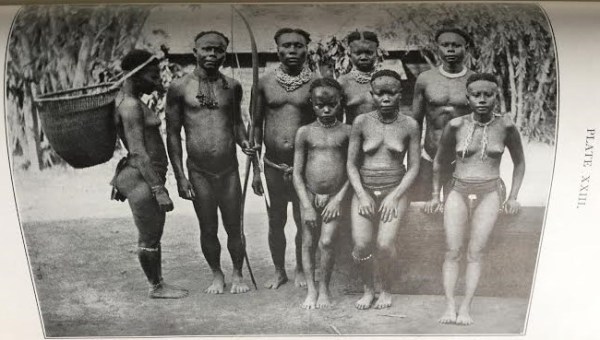
இதைவிட வியப்பான விஷயம் வடகிழக்கு மலையில் வாழும் நாகா இன மக்களும் இப்படியே சொல்லுவர்

“நாகாவின் மனைவி குழந்தை பெற்றாளாம்; நாகன் மருந்து சாப்பிட்டானாம்” என்று.


இப்படிப்பட்ட வழக்கம் உலகம் முழுதும் இருக்கிறது. இதை கூவேட் (couvade) என்ற பிரெஞ்சு மொழிச் சொல்லால் குறிப்பிடுவர். அந்தச் சொல்லின் பொருள் பறவைகள் முட்டையை ‘அடைகாப்பது’ ஆகும்.


மனைவிக்கு பேய் பிசாசுகளால் எந்தப் பாதகமும் வரக்கூடாது என்று பேய் பிசாசுகள், துர் தேவதைகள், அணங்குகளை ஏமாற்ற கணவன் இப்படி பிரசவ வேதனைப்படுவது போல நடிக்கும் வழக்கம் எகிப்து, கிரேக்கம் முதலான நாடுகளில் ஆதிகாலத்தில் இருந்தது. ஆயினும் கணவன்” மருந்து உண்ணல்” என்பது இந்தியாவில் பல இடங்களில் காணப்படுகிறது.


இதிலிருந்து தெரியும் விஷயங்கள் என்ன?


1.நிஷாதர்கள், தமிழ்க் குறவர், குறத்தியர், நாகா இனப் பழங்குடிகள் யாவரும் ஒன்றே.


2.அவர்களும் இந்துக்களே. ஏனெனில் நிஷத நாட்டு மன்னன் நளன் சரிதம் மஹாபாரதத்திலேயே உள்ளது. அவன் மிகச் சிறந்த தேரோட்டி, மிகச் சிறந்த சமையல்காரன்.


3.நிஷாதர்கள் என்னும் வேடர் குடியைச் சேந்தவர்தான் வால்மீகி, குஹன், கண்ணப்ப நாயனார், சபரி என்னும் தவசி.


4.நான் முன்னர் கட்டுரைகளில் குறிப்பிட்டது போல நகர நகரீகம் நிலவியபோதே அவர்கள் கானகத்தில் சுகமான– இயற்கையோடு இணைந்த வாழ்வு நடத்தினர். இதற்கு ராமாயணம், மஹாபாரத, சிலப்பதிகார சான்றுகளை ஏற்கனவே கொடுத்துள்ளேன்


  1. வெளிநாட்டு வெள்ளையர்கள், இவர்களை திராவிடர்கள் என்றும், மலைகளுக்கு விரட்டி அடிக்கப்பட்டவர்கள், இந்துக்கள் அல்லாதவர் என்றும் எழுதியது எல்லாம் பொய்ப் புனைச் சுருட்டு என்பதை சங்கத் தமிழ் இலக்கியமும், சம்ஸ்கிருத இலக்கியமும் விளக்குகின்றன.
  2. தமிழர்கள் நகர நாகரீகம் வாழ்ந்த காலத்திலேயே குறிஞ்சி நிலத்தில் கானவர் வாழ்க்கை நடந்ததை சங்க இலக்கியம் பறை சாற்றூம்.


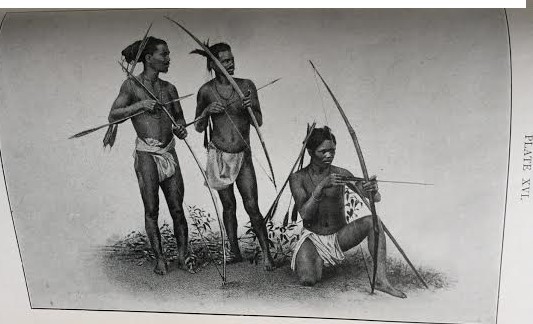
7.இப்போது நிஷாதர்களின் ஒரு பிரிவு “பில்” என்ற இன மக்கள் ஆவர். அவர்கள் வில்லும் கையுமாகத் திரிவதால் ‘வில்’ என்பதே ‘பில்’ என்று மாறியதாகச் சொல்லுவர். ஆனால் அவர்கள் இப்போது பேசும் மொழி வடக்கத்திய மொழிகளே (குஜராத்தி, மராத்தி).


8.நிஷாதப் பெண்களை மணந்த அந்தணர் பற்றிய குறிப்புகளும் சம்ஸ்கிருதத்தில் உள்ளன. இதே போல நாக கன்னிகைகள் மணந்ததையும் இதிஹாச புராணங்களில் காண முடியும். ஆக ஜாதி, இனம் என்பது கடுமையான விதியாக இருக்கவில்லை.

new tribe 16

ஆக, நாகா இன மக்கள், நிஷாதர்கள் (பில்/வில்லவர்), குறிஞ்சி நிலக் குறவர், குறத்தியர் ஆகியோர் ஒரே மாதிரி சிந்திப்பது  — “இமயம் முதல் குமரி வரை ஒன்று” —  என்பதை நி லைநாட்டுகிறது.


வெளி நாட்டினர் எழுதிய பல விஷயங்கள் வடிகட்டிக் கொடுக்கப்பட்ட செய்திகளே (filtered information) அன்றி முழு உண்மை அல்ல என்பதை

பழங்குடி மக்கள் பற்றிப் படித்தால் புரிந்துகொள்ளலாம். அவர்களும் கண்ணப்பர், சபரி, வால்மீகி போல தீவிர இந்துக்களே.


வாழ்க நிஷாதர்கள்! வளர்க இந்து மதம்!!


Part 6 – Comparative Proverbs about Different Castes (Post No.3081)

new tribe 1

Compiled by London swaminathan

Date: 22  August 2016

Time uploaded in London:  10-38 AM

Post No.3081


Pictures are taken from various sources; thanks for the pictures.


Part-6 on caste Proverbs. For proverbs on Brahmins, Banias, Jats, Carpenters, Blacksmiths, Goldsmiths and agricultural castes, please read the first five parts.


Proverbs on Bhils


The Bhils are described as hunters, blackmailers and highway robbers. They are the kings of the jungle. They are always ready for fight. Bhil is also a man of word and with a Bhil for escort your wife is safe.


If you manage to please him he is a Bhil;

If you rub him on the wrong way up he is the son of a dog.


From the wilds of Assam comes the quaint saying

The Naga’s wife gets a baby; the Naga himself takes the medicine.


This sounds rather like a reminiscence of the ‘couvade’, but it may be nothing more than a reflexion on the intelligence of the Nagas.


My comments: –


Meaning of Couvade (French word):

The custom in some cultures in which a man takes to his bed and goes through certain rituals when his child is being born, as though he is physically affected by birth.


It is very strange that such customs exist through out India. In Sanskrit and Tamil we have such proverbs about forest dwellers.


Nishada wife gives birth; Nishada father drinks medicine is in Sanskrit.


Kurva woman gives birth; Kurava man took medicine (Karuvuyirthal Kurathi; Kaayam thindraan Kuravan) – is a tamil saying.


Though it is in several cultures through out the world Indian Proverbial meanings are closer than other proverbs. In other cultures the husbands of the pregnant women undergo various ritual to distact the evil spirits from his wife. In India it is about him taking medicine!


Forest dwelling Nishadas are ardent Hindus and cultures. The story of Nalan and Sabari are very good examples. In Tamil one of the 63 Nayanmars (saivite Saints), Kannappan, was a Nishada. Nalan was the King of Nishada Country and great Charioteer and a cook.


This explodes the foreign invaders’ theory that Nishadas were aborigines or outside the bounds of Hinduism. They lived simultaneously with the city dwellers and had a good rapport with the kings.


Xxx

new tribe 16

Comparative Proverbs


A black Brahmin, a fair Shudra, an undersized Muslim, a ghar-jamai (son in law who lives with father in law) and an adopted son are not to be trusted


Trust not a black Brahmin and a fair Pariah


A dark Brahmin, a fair Chuhra (sweeper), a woman with a bird are contrary to nature.


The Kunbhi (tiller) died from seeing a ghost;

The Brahmin from wind in the stomach;

The goldsmith from bile.


Brahmins are made to eat;

Bhavaiyas to play and sing;

Kolis to commit robbery;

Widows to mourn.


A Dom (low caste), a Brahmin and a goat are of no use  in time of need.


The Brahmin is Lord of the water;

A Rajput lord of the Land;

The Kayasth, Lord of the Pen

Khatri, Lord of the back ( a coward)


A Khatri woman brings forth sons always

A Brahmin woman only now and then

(may be due to female infanticide)


Kayasths, Khatris and cocks support their kins

Brahmins, Doms and Nais destroy theirs


Bribe a Kayasth; feed a Brahmin; water paddy and betel; but kick a low caste man.

A Turk wants toddy

A bullock wants grain

Brahmin wants mangoes

Kayasth wants an appointment


A Dhobi is better than a Kayasth

A Sonar is better than a cheat

A dog is better than a deity

And a Jackal better than a Pandit


Kazis, Kasbis, Kasais and Kayasths – the four bad ‘K’s.


Know a good Kaysth by his pen

A good Rajput by his moustache

A good Baidya (doctor) by his medicine.


There are hundreds of proverbs like these. The list is not exhaustive. These are only examples.


Source book:–

These were recorded 100 years ago in the book:

The People of India by Sir Herbert Risely, London, 1915.


—subham–


நான் பெருந்தமிழன்: பூதத்தாழ்வார் பெருமிதம்!! (Post No.3080)

IMG_5568

Written by London swaminathan

Date: 21 August 2016

Time uploaded in London: 20-06

Post No.3080


Pictures are taken from various sources; thanks for the pictures.


பன்னிரு ஆழ்வார்கள் பாடியது நாலாயிர திவ்யப்பிரபந்தம். 12 ஆழ்வார்களில் பேயாழ்வார், பூதத்தாழ்வார், பொய்கையாழ்வார் ஆகிய மூவரும் முதல் மூவர் ஆவர். காலத்தாலும் மூத்தவர்கள். முதல் மூவரும் அந்தாதிகளாகப் பாடியுள்ளனர்.


பூதத்தாழ்வார் பாடிய இரண்டாம் திருவந்தாதியில் ஒரு நல்ல பாசுரம். அதில் அவர் தன்னை “பெருந்தமிழன்” என்று பெருமையாகச் சொல்லிக் கொள்கிறார். இதோ பாருங்கள் பாடலை:–


யானே தவம் செய்தேன், ஏழ் பிறப்பும் எப்பொழுதும்

யானே தவம் உடையேன்; எம் பெருமான்! யானே

இருந்தமிழ் நல்மாலை இணை அடிக்கே சொன்னேன்

பெருந்தமிழன் நல்லேன், பெருகு.


பாடலின் பொருள்:–

என் தலைவனே! எல்லாப் பிறவிகளிலும் தவம் புரிந்தவன் நான். அந்தத் தவத்தின் பயனைப் பெற்றவனும் நானே. சிறந்த தமிழ் மொழியால் சொல் மாலைகளை உன் திருவடிகளில் சூட்டினேன்; கலைகள் வல்ல பெருந்தமிழனும் அடியேனே.

நாயன்மார்களும் ஆழ்வார்களும் தாங்கள் செய்த பணிகளையெல்லம் தமிழின் பெயரால் செய்ததாகவே சொல்லுவர். அது மட்டுமல்ல. தமிழி ல் பாடியதைப் பெருமையாகச் சொல்லுவர். ஆண்டாள் “சங்கத் தமிழ் மாலை” முப்பதும் செப்பியவர். “நாளும் இன்னிசையால் தமிழ் பரப்பிய ஞான சம்பந்தன்” என்று மற்ற அடியார்கள் அவரைப் போற்றுவர். சுருக்கமாகச் சொன்னால் தமிழும் தெய்வீகமும் ஒன்று.

IMG_5567

திருக்குறளும் பூதத்தாழ்வாரும்

திருக்குறளில் காணப்படும் ஒரு கருத்தும் பூதத்தாழ்வார் பாடலில் காணப்படுகிறது. ஒருவரை ஒருவர் பார்த்து எழுதினார் என்றோ பாடினார் என்றோ கருதத் தேவை இல்லை. இது குமரி முதல் இமயம் வரை உள்ள கருத்து.


அருளில்லார்க்கு அவ்வுலகம் இல்லை பொருளில்லார்க்கு

இவ்வுலகம் இல்லாகியாங்கு — குறள் 247


“பொருள் இல்லாதவர்கு இவ்வுலத்தில் இன்பம் கிடைக்காதது போல, உயிர்களிடத்தில் அருள் இல்லாதோருக்கு சுவர்க்க லோகம் கிடைக்காது” –என்பான் வள்ளுவன்.


இதோ பூதத்தாழ்வார் பாடல்:-

பொருளால் அமர் உலகம் புக்கு இயல் ஆகாது;

அருளால் அறம் அருளும் அன்றே; அருளாலே

மா மறையோர்க்கு ஈந்த மணிவண்ணன் பாதமே

நீ மறவேல் நெஞ்சே நினை

–இரண்டாம் திருவந்தாதி

IMG_5391

பொருள்:-

செல்வத்தால் சுவர்க்கம் செல்ல முடியாது; எம்பெருமான் அருளால், அறம் பொருள் இன்பம் கிடைக்கச் செய்வான். தனது அருளாலேயே வேதம் வல்லார்களுக்குத் தன்னைக் கொடுக்கும் நீலமணிவண்ணன் திருவடிகளை, நெஞ்சமே! நீ மறவாதே நினைத்துக் கொண்டிரு.

–subham–