Jokes from 75-year-old Tamil Magazine (Post No.3115)

deaf 3

Translated by London Swaminathan


Date: 2 September 2016


Time uploaded in London: 20-5


Post No.3115


Pictures are taken from various sources; thanks.


To a beggar who is lame, outside the temple:-

“Hey, where is that blind fellow who I used to see every day? I haven’t seen him for the past three days.

Oh, Swami (My Lord), he has gone to a theatre to “see” a drama.

What?????????????

Because he revealed the truth about the “blind” beggar, he was given some alms.

After some days, the lame beggar was missing!

To another beggar outside the temple:

Hey, where is that lame beggar?

Other beggar: Oh, Swami (My Lord), he has gone on a “Padayatra” to Palani and from there he will “walk” all the way to Tirupati!

What?????????????????

The other beggar was given extra money for telling him the truth about the “lame” beggar.

After three days that beggar was also missing!

The temple goer met a new beggar and asked about the other missing beggar.

The new beggar told him that beggar had gone back to his shop because two of his servants resigned and gone to beg!

What??????????

Xxxxx


bad hearing

After a wedding feast everyone was chewing betel leaves and nuts except one person.

Hello my friend! Why didn’t you take the betel leaf and Supari? Don’t you like it?

I like it very much. But I forgot my false teeth set today!

XXX

Two deaf people met and started a conversation:

First one: Where are you going with a bag in hand Are you going to Vegetable Market?

Second Deaf: No, No, I am going to the Vegetable Market.

First Deaf: Sorry, I thought that you are going to Vegetable market.

Second deaf: Did you say that I am going to grocery shop? I am going to Vegetable Market.

First deaf: Ok, OK; Don’t shout. I heard you. Tell me next time you go to the vegetable market. I need some tomatoes.

Second Deaf: Bye, Bye.

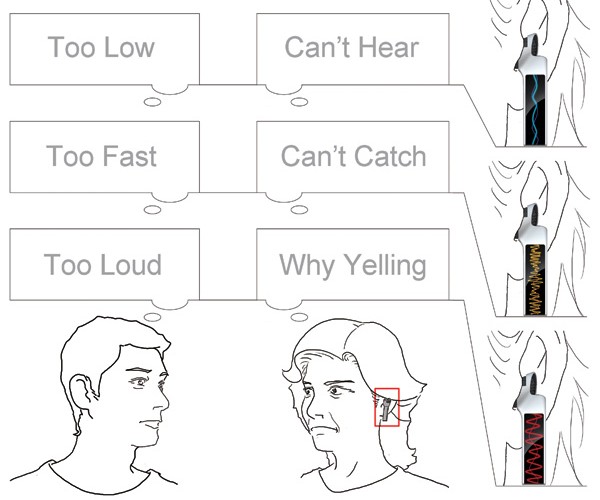
deaf cartoon

Xxx Subham xxx

ஞயம்பட உரை; வெட்டெனப் பேசேல்; பழிப்பன பகரேல் (Post No.3114)

talking 3

Written by London Swaminathan


Date: 2 September 2016


Time uploaded in London: 13-33


Post No.3114


Pictures are taken from various sources; thanks.


நாவடக்கம் பற்றி இந்தியப் புலவர்கள், அதிலும் குறிப்பாகத் தமிழ்ப் புலவர்கள், சொன்ன அளவுக்கு வேறு யாரும் சொல்லி இருப்பார்களா என்பது சந்தேகமே. தமிழர்கள் அதிகம் பேசக்கூடியர்கள், அளவில்லாமல் — அளவு தெரியாமல் —பேசக்கூடியவர்கள் என்பது வள்ளுவனுக்கும் அவ் வையாருக்கும் தெரிந்திருக்கிறது. ஆகையால் அவர்களும் எப்படிப் பேச வேண்டும்? எப்படிப் பேசக்கூடாது? என்பதை பல வகைகளில் சொல்லிவிட்டனர்.


முதலில் ஒரு சம்ஸ்கிருதப் புலவர் சொன்னதைப் பார்ப்போம். அதை அவ்வை, வள்ளுவன் சொன்னதோடு ஒப்பிட்டு மகிழ்வோம்:


ஜிஹ்வாக்ரே வர்ததே லக்ஷ்மீர் ஜிஹ்வாக்ரே மித்ர பாந்தவா:

ஜிஹ்வாக்ரே பந்தனப் ப்ராப்தி: ஜிஹ்வாக்ரே மரணம் த்ருவம்


பொருள்:

நாக்கின் நுனியில்தான் லட்சுமி வசிக்கிறாள்;  (செல்வம் என்பது நீங்கள் பேசும் விதத்தில்தான் இருக்கிறது.)

நாக்கின் நுனியில்தான் நண்பர்களும் உறவினர்களும் இருக்கிறார்கள்; (அதாவது நீங்கள் இனிய சொல் சொல்லாமல், கடுஞ்சொற்களைப் பேசினால், அதோடு நண்பர்கள், சொந்தக்காரர்களின் கூடாரம் காலியாகிவிடும்).


நாக்கின் நுனியில்தான் சிறைச் சாலையும் இருக்கிறது. (எத்தனை பேர் அவதூறு வழக்குகளினாலும், பொய் சொன்னதாலும், சிறைச் சாலைக்குப் போனார்கள் என்பதை பத்திரிக்கைகளில் படிக்கிறாம்; நுணலும் தன் வாயால் கெடும் என்பது தமிழ்ப் பழமொழி; அதாவது தவளைகள் சப்தம் போட்டு, தான் இருக்கும் இடத்தைக் காட்டுவதால் பாம்புக்கு இரையாகின்றன).

நாவின் நுனியில்தான் மரணம் நிற்கிறது என்பது ஸ்லோகத்தின் கடைசி வரி. மேற்கூறிய மூன்றில் எதுவும் மரணத்தையும் சம்பவிக்கலாம்.

talking 4

இதனால்தான்

ஞயம்பட உரை,

வெட்டெனப் பேசேல்,

 பழிப்பன பகரேல்,

பிழைபடச் சொல்லேல்,

மிகைபடச் சொல்லேல்

வஞ்சகம் பேசேல்

கடிவதுமற

சுளிக்கச் சொல்லேல்

நொய்யவுரையேல்

மொழிவதறமொழி


என்றெலாம் அவ்வையார் கதறுகிறார்.


வள்ளுவனோ “யாகாவாராயினும் நா காக்க” (127) என்கிறான். இனிய சொல் இருக்கும்போது சுடு சொற்களைப் பயிலுவது, பழம் இருக்கையில் காயை  சாப்பிட்டதற்கு சமம் என்கிறான்

இனிய உளவாக இன்னாத கூறல்

கனியிருப்பக் காய் கவர்ந்தற்று (100)


வள்ளுவன்,

இனியவை கூறல்

புறங்கூறாமை

பயனில சொல்லாமை

சொல்வன்மை

என்று 4 அதிகாரங்களில் 40 திருக்குறள்களில் இதை வலியுறுத்திவிட்டான்.


Yelling

இறுதியாக மனு சொன்னதையும் பார்ப்போம்:-


சத்யம் ப்ரூயாத் ப்ரியம் ப்ரூயான்ன ப்ரூயாத்சத்யமப்ரியம்


ப்ரியம் ச நான்ருதம் ப்ரூயாதேஷ தர்ம சநாதன: — மனுஸ்ம்ருதி 4-138


உண்மையே பேசு,

இனிமையே பேசு,

இனிமையற்றதை, உண்மையே ஆனாலும், சொல்லாதே.

அதற்காக இனியது என்று கருதி பொய் பேசாதே.


இதுவே எக்காலத்துக்கும் பொருந்தும் சநாதன தர்மம் (இந்து மதத்தின் அடிப்படைக் கோட்பாடு) – மனுஸ்மிருதி 4-138


–subham–

Astrology is the Right Hand of Hinduism: Christian Preacher’s attack! (Post No.3113)

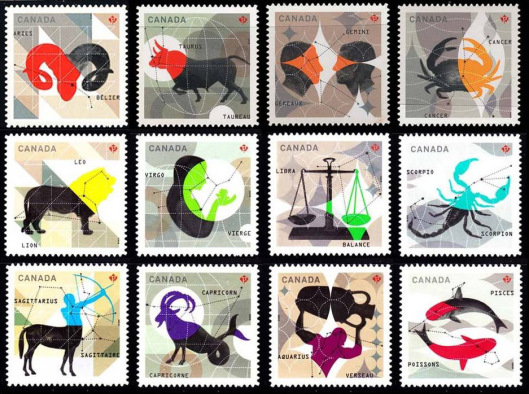
canada-2011-2013-zodiac-signs

Written by London Swaminathan


Date: 2 September 2016


Time uploaded in London: 8-30 AM


Post No.3113


Pictures are taken from various sources; thanks.


From the book

India – Its Life and Thought by John P.Jones D.D., The Macmillan Company, New York, 1908.


KALI YUGA

9.Modern Hinduism, also, inculcates the spirit of pessimism among its people. The Puranas tell us, and the people universally believe it, that we are now living in Kali Yuga, the iron age, in which all things are evil, and in which righteousness is a thing largely unknown to the people. All the forces of this age are against the good, and it leaves no encouragement to anyone to try to do, and to e, good.

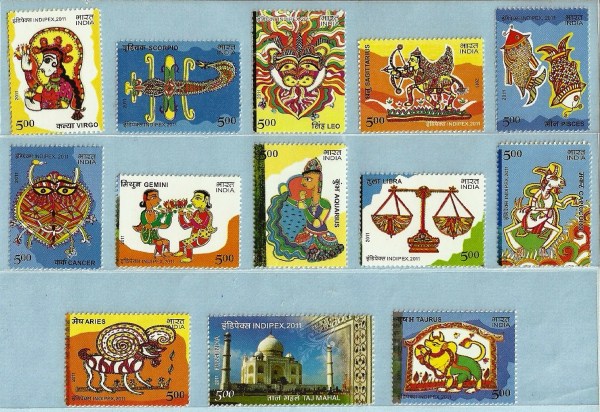
zodiac, india

ASTROLOGY

10.Add to this the even more potent belief of the people n astrology. The plants and the stars, the moon and the nodes are living gods, they say, which wield an influence over the life and destiny of human beings. The astrologer is perhaps the most important functionary in the social and religious life of the people. No marriage can be performed unless the horoscope of the bride and bridegroom harmonize. No social or domestic event of importance, and specially no religious ceremony of any consequence, carried on save during what are called auspicious days and moments. Astrology is the right hand of Hinduism, and it has supreme authority in the direction of most of its affairs.


Add to this is belief in omens, which enters very largely into human life and thought. A hindu will not start upon a journey save on what is astrologically an auspicious day; and if even a crow crosses his path from left to right, after he has begun his journey, it is regarded as an ill omen, and he will at once return home. He spends much of his time in watching such omens; even ass’s bray carries a significance to him. If it is heard in the east, his success will be delayed; in the southeast, it portends death; in the south it means wealth etc. It matters not how important it may be that a man should undertake a journey or a task at a certain time, he will not do it at that time if he finds it to be inauspicious.


When the new governor of Madras recently arrived at his destination, the reception to be given to him by the Hindus had to be postponed because it was ignorantly put at an hour which was Rahu Kala – an inauspicious hour!

In a thousand similar ways, the Hindu people are controlled and handicapped by silly superstitions which make life a burden to them and which rob them of efficiency and sanity.”


TEMPLE CHARIOTS

Temple Cars have Sensual Carvings! (Page 211)

“Among the most demoralizing institutions to the youth of India are the temple cars, which are found in every village of any consequence throughout the land. They are erected at great expense, by temple authorities, are most elaborately carved, and are used for the conveyance of the gods through the village streets upon festival occasions. There is hardly one of these cars, in South India at any rate, which is not disfigured by grossly sensual; carvings such as ought to bring blushing shame to any decent and self-respecting community. They are open to the public gaze, and children of the village play under their shadow, and gaze daily upon their vile and disgusting sights. The government would forbid the erection of such cars tomorrow, if they had not pledged themselves not o interfere with the religion of the people!


My Comments

If we read the above comments now, we cant stop laughing at him. Hindus still believe in all these things and yet have made tremendous progress. His comments about the sensual figures in the temple cars would evoke laughter. Even today the temple cars are made in the same way. But yet Hindus are not morally degraded. They are better than any other faiths. But worst things are available on line, and most of them are made in Christian countries.


The Christian preachers refused to translate the third part of Tirukkural (which deals with family life) last century. But today we hear about the crimes committed by the preachers.

About his remark on astrology, I have to point out that almost all the Western newspapers publish astrology column today.

About the omens, I have to point out that they are superstitious about number 13, number 666, ladder, cat etc.

There are more pornographic materials on the internet than on the temple cars!


EAST IS UNIQUE!

In praise of Indians (page 197/198)

“The people of India are, perhaps, the most religious upon earth. In this respect, they are very unlike the Japanese and Chinese, who are worldly, prosaic practical. Hindus are poetic, other-worldly, and spiritually minded. They have a keen instinct for things of the spirit. They are, also, very unlike the people of the West.  Among Westerners, religion is largely an incident in life.it has for them a separate department, a small corner, in the life. In the East, on the other hand, religion enters into every detail of life. There is hardly a department or an interest in life which is not subsidized by faith and which has not to be conducted religiously. Moreover, the people of India thought out and elaborated most profound systems of theosophic thought in the far, remote past. When our ancestors were in the depth of savagery, Indian sages were indulging in metaphysical disquisitions which are even today the admiration of the western sages. And there were many among those ancient Hindu rishis whose self -propelled flight toward God and divine things, and whose spiritual aspirations and yearnings were so beautiful that we can but speak with profound respect and entertain the highest admiration of them religion is not merely a philosophy, or even an aspiration; it is something vastly more than this (From page 197/198)

zodiac, maldives

MY PREVIOUS ARTICLES ON ASTROLOGY: —


Millionaires and Astrology!!, Post No. 1102; Dated 12th June 2014.


New COLOURING Book on Astrology! (Post No 2508), Date: 4 February 2016

Hindu’s Strange Magic Square Astrology!! (Post No. 2756),Date: 25 April 2016


The difference between a Sage and an Astrologer (Post No.2547), Date: 16  February 2016

What India could teach NASA Scientists?, Post No. 1022; Date 5th May 2014.

Can Birds Predict Your Future?, posted on 22-07-2012


Tamil Astrology: Rope Trick for Predictions! Posted on 27-02-2013

DIVINATION in The Vedas, Babylonian and Etruscan, Research Article No.  1792; Date: 10th April 2015


–Subham-

பேடி/அலி: வள்ளுவனும் காளிதாசனும் சொல்லும் உவமை (Post No.3112)

valluvar-4

Written by London Swaminathan


Date: 2 September 2016


Time uploaded in London: 6-33 AM


Post No.3112


இந்தியாவின் இரு பெரும் புலவர்கள் ஒரே உவமையைப் பயன் படுத்துவதை ஒப்பிட்டுப் பார்க்கையில் இலக்கிய இன்பம் பொங்கும். நாம் கற்றதை நினைவில் வைத்துக்கொள்ளவும் உதவும்.


ஆண்மை இல்லாதவனை அலி அல்லது பேடி என்பர்; உடலில் குறை இருந்தாலும் சரி, மனதில் வீரமினமை இருந்தாலும் பேடி -தான்.


பேடித்தனத்தை அடையாதே (க்லைப்யம் மாஸ்மகம:– பகவத் கீதை 2-3) என்று அர்ஜுனனை கிருஷ்ணன் கண்டிப்பதையும் நாம் அறிவோம்.


பெண்ணாகவும் ஆணாகவும் விளங்கிய சிகண்டியுடன் சண்டை போட மறுத்து, உயிர் துறந்த மாபாரதப் பிதாமஹர் பீஷ்மரை நாம் அறிவோம்.


வள்ளுவனுக்கும், அவனுக்கு முன் வாழ்ந்த காளிதாசனுக்கும் மஹாபாரதக் கதை நினைவுக்கு வந்தது போலும்!


இதோ காளிதாசன் கவிதை:–


கதஸ்ரியம் வைரி வராபிபூதாம்

தசாம் சுதீனாமபிதோ ததானாம்

நாரீமவீராமிவ தாமவேக்ஷ்ய ச

வாடமந்த: கருணாபரோபூத்

–குமார சம்பவம் 13-36


இந்திரனின் தலைநகரான அமராவதிக்குள் குமாரன் (முருகன்) புகுந்தபோது அது பேடியை மணந்த அழகி போலப் பொலிவிழந்து காணப்பட்டது. உடனே முருகப்பெருமானுக்கு கருணை பிறந்தது.


வள்ளுவன் சொல்லுவான்:–

கல்லாதான் சொற்காமுறுதல் முலையிரண்டும்

இல்லாதாள் பெண்காமுற்றற்று — திருக்குறள் 402


அதாவது, படிக்காத ஒருவன் அறிஞர் சபையில் பேச முற்படுவது, இயல்பாகவே தனங்கள் இரண்டும் இல்லாத பெண் ஒருத்தி காம சுகம் அனுபவிக்க விரும்பியது போல் ஆகும்.


இதை விட பேடி என்ற சொல் லையே வேறு இரண்டு சொற்களிலும் காணலாம்:–


பகையகத்து பேடி கை வாள் ஒள்வாள் அவையகத்து

அஞ்சும் அவன் கற்ற நூல்– திருக்குறள் 727


சபையில் பேச அஞ்சும் ஒருவன், போர்க்களத்தில் பேடியின் கையில் கிடைத்த வாள் போன்றதே.


தாளாண்மை இல்லாதான் வேளாண்மை பேடி கை

வாளாண்மை போலக் கெடும்– திருக்குறள் 614


முயற்சி இல்லாத ஒருவன் பிறருக்கு உதவ முன் வருவது பேடியின் கையில் கிடைத்த வாள் போன்றதே (பயனற்றது).


நல்ல உவமை! வள்ளுவன் வாய்மொழி வளர்க! காளி புகழ் ஓங்குக!!


-Subam-


Dravidian Devil Worshippers! J.P.Jone’s attack on Goddess Meenakshi! (Post No. 3111)

d08b0-maduraitempletank

Written by London Swaminathan


Date: 1st September 2016


Time uploaded in London: 13-55


Post No.3111

Pictures are taken by london swaminathan


From the book

India – Its Life and Thought by John P.Jones D.D., The Macmillan Company, New York, 1908.


Page 32 to 34

“It will be convenient start upon our tour from Madura, the missionary home of the writer. It is a large, wide-awake centre of of enthusiastic Hinduism in the extreme south of the peninsula. In the heart of this town, of more than a hundred thousand people, stands its great temple, dedicated to Siva. The principal monuments of South India are its temples. They are the largest temples in the world. The Madura temple is only the third in size; but in s upkeep and architectural beauty it far surpasses the other two, which are larger. It covers an area of fifteen acres, and its many gopuras or towers, furnish the land mark of the country for miles around. It is erected almost entirely of granite blocks, some of which are sixty feet long. Its monolithic carving is exquisitely fine, and its most abundant and elaborate. Hinduism may be moribund; but this temple gives only intimation of life and prosperity as one gazes upon its elaborate ritual, and sees the thousands passing daily into its shrine for worship. It represents the highest form of Hindu architecture, and like almost all else that is Hindu, its history carries us to the dim distance of the past. But the great Tirumalai Nayak, the king of two and a half centuries ago, spent more in its elaboration than anyone else. And it was he who built, half a mile away, the great palace, which though much reduced, still stands as the noblest edifice of its kind south of a line drawn from Bombay to Calcutta.

IMG_5596

In this same temple, we find,transformed, another cult. It is called the Temple of Meenatchi, afer its presiding Goddess, “The Fish Eyed One”. When Brahmanism reached Madura, many centuries ago, Meenatchi was the principal demoness worshipped by the people, who were all devil worshippers. As was their wont, the Brahmans did not antagonize the old faith of the people, but absorbed it by marrying the Meenatchi to their chief god Siva, and thus incorporated the primitive devil worship into the Brahmanical religion. Thus the Hinduism of Madura and of all South India is Brahmanism plus devil-worship. And the people are today much more absorbed in pacifying the devils which infest every village than they are in worshipping purely Hindu deities. The prevailing faith of the Dravidians, therefore is demonolatry; and the myriad shrines in the villages and hamlets, and the daily rites conducted in them, attest the universal prevalence of this belief and the great place it has in the life of these so-called Hindus.”


Page 206

“4.Another marked feature of modern Hinduism is its devil worship. This is peculiarly manifest in South India. In the Madras Presidency, whose fifty million population is mostly Dravidian, nine tenths of the people follow the faith of their ancestors, which is Demonolatry (Demon Worship.


When Brahmanism came to South India, many centuries ago, it found entrenched among the people, everywhere and universally, this ancient cult. The Brahmans, recognizing this, did what they have already done; they said to the people: “We have not come to destroy your religion; we will take your demons and demonesses, marry them to our gods, and give them shrines and worship in our temples. Come with them and be a part of our religion. We will give to you the privileges, and confer upon you the dignity and blessing, of our great religion.” The people were impressed by this offer, accepted the situation, and were absorbed, with their religion, into the Brahmanical faith. From that time forward they have been recognised as Hindus, and have, after a fashion, been loyal members of the faith.


But let it not be supposed they, by becoming Hindus, they have deserted their ancestral religion, and have ceased to be devil worshippers. Far from it, Hinduism proper is to them a mere plaything, or a festival pastime. On special Hindu holidays, and perhaps on occasions of pilgrimage, they will visit these Hindu temples and bring their offering to the deities of Brahmanism. But their chief concern and their daily religious occupation is found in the appeasing of the many devils whose abode is supposed to be in their countless village shrines and under well-known trees in their hamlets. They have not abated one jot of their belief in the supremacy of these devils in their life affairs; and they always stand in fear of them, and do what they can do to satisfy their bloody demands.

Thus at least nine tenths of the people of South India, are first of all, demonolater, and secondly, but a long way behind, are Hindus. And yet a great many people in the West think of these people as the pure worshippers of the highest type of Brahminical faith”.

madurai temple

My Comments:

1.This is a very good piece to show how

the foreign invaders divided the Hindus

2.This shows that even after living in Madurai for thirty years or so, this Christian preacher did not know the Tamil History or pretended to not to know the history. All the forefathers of Goddess Meenakshi are from North India and Meenkashi’s father was Malaydwaja Pandya and Mother Knachanamala. All the name linked to the history Meenakshi are in Sanskrit.

3.Two thousand year old Sangam literature and the oldest Tamil book are full of Hindu rites and Hindu Gods.

4.Most of the famous Kings of Tamil Nadu did Aswameda or Rajasuya Yajnas.

5.Brahmins contributed one third of the Sangam literature

6.When J P Jones wrote this book Indus Valley sites were not excavated. After their excavation, scholars found all the symbols of Hindu Gods there.

7.Attacking all the Dravidians as Devil worshippers in one place and provoking them to fight against the “injustice: done to them by Aryans in another place is their usual tactics.

Foreigners knew that Hindus never read their literature in full and so they thought they can fool anyone by writing in English. But now we have fooled them and all their hope of changing  India into a Christendom failed miserably.

madurai pillayar

Ganesh/ Ganapathy/ Pillayar picture from Madurai

Please read my previous posts on the same subject:

The Wonder that is Madurai Meenakshi Temple, posted on 14 Oct 2011.

Acoustic Marvel of Madurai Temple, posted on 12 May 2013

Musical Pillars in Hindu Temples, posted on 12 May 2013

Madurai Temple Photos,31 May 2013

21 லிட்டர் கொழுக்கட்டை எதற்காக?, posted on 30 May 2013

–Subham–



வைரத்தில் இட்ட துளை! கம்பனும் காளிதாசனும் ஒப்பீடு (Post No.3110)

diamond-bruise

Picture: Making hole in a diamond

Translated by London Swaminathan


Date: 1st September 2016


Time uploaded in London:8-59 AM


Post No.3110


Pictures are taken from various sources; thanks for the pictures.


உலக மஹா கவிஞன் காளிதாசனின் காவியத்தை படியாதோர் பழங்கால பாரதத்தில் இருந்திரார். கம்பனும் படித்திருப்பான். மூவர் ராமாயணத்தைப் படித்து, முதலோனாகிய வால்மீகியையே தான் பின்பற்றுவதாக எழுதினான் கம்பன். ஆயினும் அந்த மூவர் யார் என்று உரைகாரர் வகுத்ததில் காளிதாசன் பெயர் இலை. நான் ரகுவம்சத்தையும் கம்ப ராமாயணத்தையும் ஒப்பிடுகையில் பல ஒற்றுமைகளைக் காண்கிறேன். ஆகையால் மூவரில் ஒருவர் காளிதாசனோ?


இதோ ஒரு பாடல்:–

அதவா க்ருத வாக் த்வாரே

வம்சே அஸ்மின் பூர்வ சூரிபி:

மணௌ வஜ்ர சமுத்கீர்ணே

சூத்ரஸ்யேவ அஸ்தி மே கதி:

-ரகுவம்சம் 1-4


“நான் காவியம் இயற்றும் திறமை இல்லாதவந்தான். ஆனால் முன்னோர் சென்ற வழியில் சென்று புகழடைவேன். எப்படியென்றால் வைரத்தால் துளையிடப்பட்ட ரத்தினக் கல்லில் ஒரு நூலைக் கோர்ப்பது எளிதுதானே. அதே போல முன்னோர்கள் (வால்மீகி) இயற்றிய காவியம் என்னும் துவாரத்தில் நுழைந்து செல்வேன்.”

ரகுவம்சம் 1-4


வைரத்தில் இட்ட தொளையில், தான் எளிதில் சென்றதாகக் காளிதாசன் பணிவோடு சொல்கிறான். கம்பன், ராமரின் அம்பு ஏழு மராமரங்களைத் துளைத்ததை நினைவு கூறுகிறான். இதோ கம்பன் பாடல்:-

palmyra-7

Picture: Rama and Seven Trees

நொய்தின் நொய்ய சொல் நூல் கற்றேன் எனை

வைத வைவின்  மராமரம் ஏழ் துளை

எய்த எய்வதற்கு எய்திய மாக்கதை

செய்த செய்தவன் சொல் நின்ற தேயத்தே

அவை அடக்கம், பால காண்டம்


பொருள்:–

சான்றோர்கள் சபித்த சாபச் சொல்லைப் போலத் தப்பாமல், ஏழு மராமரங்களையும் துளையிட்டான் ராமன். அவனைப் பற்றிய பெரிய சரிதத்தை சம்ஸ்கிருதத்தில் ராமாயணமாகச் செய்து முடித்த தவ முனிவன் வால்மீகியின் கவிதைகள் நிலை பெற்ற இந்த தேசத்திலே, எளியவனுக்கும் எளியவனான நான் என் கவிகள் கொண்டு இந்நூலை இயற்றத் தொடங்கினேன் . இது என்ன வியப்பு!


திடீரென ராமன் துளையிட்ட ஏழு மராமரங்கள் , கம்பனுக்கு நினைவுக்கு வந்தது ஏன்? பெரியோர்களின் சாபம் தப்பாமல் எப்படி போகுமோ, அதே போல எனது சொற்களும் வால்மீகி என்ற பெரியோனின் சொல் போன வழியில் , ஏழு மரங்களைத் துளைத்து அம்பு சென்றது போலச் செல்லும்.


வால்மீகியின் வைரத்துளை என்பது காளிதாசனின் வாசகம்

இராமனின் மராமரத் துளை என்பது கம்பனின் வாசகம்.


நேரடியாக கம்பன் அப்படிச் சொல்லாவிடினும் முன் பின் பாடல்களை காளிதாசனின் அவை அடக்கத்தோடு ஒப்பிடுகையில் அது காளிதாசனின் தாக்கம் என்பதைக் காட்டும்.


முந்தைய கட்டுரைகள் (Earlier Posts):–

புத்தகம் எழுதுவது எப்படி? கம்பனும் காளிதாசனும் காட்டும் வழி ,Date: 1 June 2016

‘ரொம்ப நாளாக எனக்கு ஒரு ஆசை’, 21-2-2013


கெட்ட நண்பர்கள் இருக்கையில் பாம்புகள் எதற்கு? (Post No.3109)

¿Quién? ¿Cuándo? ¿Por que? ¿Que? ¿Como? ¿Donde?

Translated by London Swaminathan


Date: 1st September 2016


Time uploaded in London:5-20 AM


Post No.3109


Pictures are taken from various sources; thanks for the pictures.


(Posted in English yesterday)

சம்ஸ்கிருதத்தில் இரண்டே வரிகளில் , திருக்குறள் போல,  அருமையான கருத்துகளைச் சொல்லி விடுவர். அது போன்ற 4 வட மொழி ஸ்லோகங்கள் “ஏன்? ஏன்?”  என்று முடியும். ஆகையால் ஸ்லோகத்தில் எதுகை மோனையும் இருக்கும்.


இதோ முதலில் கருத்து; பின்னர் ஸ்லோகம்!!


பொறுமை உள்ளவனுக்கு கவசம் ஏன்?

கோபம் உள்ளவனுக்கு எதிரி ஏன்?

உறவினர் உள்ளவனுக்கு நெருப்பு ஏன்?

நண்பன் இருந்தால் மருந்து ஏன்?


கெட்டவர் சேர்க்கை இருக்கும்போது பாம்பு ஏன்?

படிப்பாளிக்கு பணம் ஏன்?

பணிவு உடையோருக்கு ஆபரணம் ஏன்?

நல்ல விவேகம் உள்ளவனுக்கு ராஜ்யம் ஏன்?


பேராசை இருந்தால் வேறு கெட்ட குணம் அவசியமா?

கோட் சொல்லும் ஆளுக்கு வேறு பாவம் அவசியமா?


உண்மை இருக்குமிடத்தில் வேறு தவம் அவசியமா?

சுத்த மனம் இருந்தால் தீர்த்த யாத்திரை அவசியமா?


ஒற்றுமை உள்ள இடத்தில் வேறு பலம் அவசியமா?

புகழ் இருக்குமிடத்தில் வேறு அலங்காரம் அவசியமா?

நல்ல கல்வி இருந்தால், செல்வம் அவசியமா?

கெட்ட புகார் இருந்தால், மரணமும் அவசியமா?


Many People Thinking of Questions

சாந்திஸ்சேத் கவசேன கிம், கிம் அரிபி: க்ரோதோ அஸ்தி, சேத் தேஹினாம்

ஞாதிஸ்சேத் அனலேன கிம், யதிசுஹ்ருத் திவ்ய ஔஷதை: கிம் பலம்


கிம் சர்பைர் யதி துர்ஜனா: கிம் தனை வித்யா  அனவத்யா யதி

வ்ரீடா சேத்கிமு பூஷணை:, சுகவிதா யத்யஸ்தி  ராஜ்யேன கிம்


லோபஸ்சேத் குணேன கிம், பிசுனதா யத்யஸ்தி கிம் பாதகை:

சத்யம் சாத் தபஸா ச கிம் சுசிமனோ யத்யஸ்தி தீர்தேன  கிம்


சௌஜன்யம் யதி கிம் பலேன மஹிமா யத்யஸ்தி கிம் மண்டனை:

சத்வித்யா யதி கிம் தனைர் பயசோ யத்யஸ்தி கிம் ம்ருத்யுனா


–SUBHAM–