Churchill’s Moustache! More Rough and Ready Anecdotes (Post No. 3472)

Compiled by London swaminathan


Date: 22 December 2016


Time uploaded in London:- 8-13 AM


Post No.3472


Pictures are taken from different sources; thanks.


contact; swami_48@yahoo.com


Did you call me X Y Z?
Chief Justice Marshall of the US Supreme Court related that Governor Giles of Virginia once addressed a note to Patrick Henry
“Sir, I understand that you have called me a “Bobtail politician “. I wish to know if it be true and, if true, your meaning” – W M Giles

Patrick Henry replied
“Sir, I do not recollect calling you a Bobtail politician at any time but think it probable I have. Not recollecting the time of the occasion, I can’t say what I did mean; but if you will tell me what you think I meant, I will say whether you are correct or not”.
Very Respectfully,
Patrick Henry

Xxx


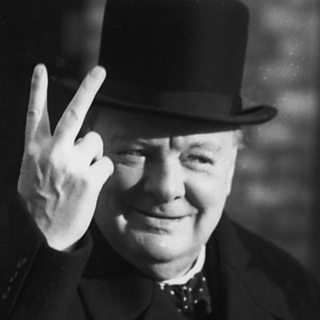
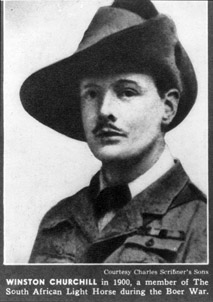
Winston Churchill’s Moustache!

At that stage in his political career at which Winston Churchill switched over from the Conservative to the Liberal side of the house , many of his erstwhile adherents were sorely offended. A snappish young lady once told him playfully, “There are two things I don’t like about you, Mr Churchill.
“Yes”, he inquired.

“Your new politics and your new moustache”.
“My dear Madam, said Churchill coldly, you are not likely to come into much contact with either”.

Xxx

Shooting just for the Motion!

At Kentucky (USA) political meeting a certain participant in the debate was shot by the several of the others at the meeting. The event occurred on the open floor and created a considerable stir in the community .

A Northerner, who was in the town, asked an
acquaintance who had been present, why the shooting had occurred.
“He made a motion that was Out of order”, explained the Kentuckian.
Horrified at this excess of parliamentarianism ,
“You mean to tell me that they shot a man in cold blood on the floor of the meeting just for making a motion that was out of order!”
“Well, drawled his informant, the motion was toward his hip pocket ”

–SUBHAM–
 

Know Thyself first!(Post No.3471)

Written by S NAGARAJAN


Date: 22 December 2016


Time uploaded in London:- 6-10 am


Post No.3471


Pictures are taken from different sources; thanks.


contact; swami_48@yahoo.com


Know Thyself first!


Santhanam Nagarajan


It is very interesting to note that the world best teachers preach the same doctrine.


Know thyself first; everything follow suit!


This is the final teaching given by the sages of the past.


In Bhagavatam, the Hindu Scripture, there is an interesting dialogue take place between Sage Narada and Sanatkumara.


Narada asked Sage Sanatkumara to teach him.


Sanatkumara said : ‘Say what you know: I will say what you do not’

Narada said: ‘Lord, I know Rig Veda, Yajur Veda, Sama Veda, Atharvana Veda, history and tradition called the fifth Veda, grammer,  ritual, mathematics, astrology, mineralogy, logic, economics, physics, meta-physics, zoology, politics, astronomy, ,ecjamocs, fine arts.    ‘Lord, yet these things are but elementary knowledge; I do not know the Self. I have heard from masters, that he who knows Self, goes beyond sorrow, I am lost in sorrow. Help me to go beyond’.


So in order to go beyond sorrow one has to know oneself.


The same doctrine was emphasized by Socrates also.


Socrates asked the king Euthydemus, ‘Tell me, have you ever been to Delphi?’


“Yes, certainly, twice’ replied Euthydemus.


“And did you notice an inscription somewhere on the temple?’


“I did”.


“Did you possibly pay no regard to the inscription? Or did you give it heed, and try to discover who and what you were?’


“ I can safely say I did not’, he answered. That  must I made quite sure I new, at any rate; since if I did not know even myself, what in the world did I know?”


This easy supposition ruined Euthydemus.


Socrates always empahasised on his first commandment , ‘Know Thyself.’


According to Socratic discipline this first commandment promise the desired result.


The play of our intelligence is the beginning of wisdom. Any true admission of ignorance, the faintest consciousness of having been on the wrong path, can, form the starting-point f a truer method of search.


The sage of Arunachala, Ramana maharishi of Thiruvannaamalai, Tamilnadu, India also emphasized  to enquire oneself, Who am I? This enquiry of Who am I means  finding the source of ‘I’. When this is found, that which you seek is accomplished.


This means the ultimate goal of a human being is achieved.


Be it the teaching of Sanatkumara, or Socrates, or Ramana maharishi, the point is the same.


First one hast to enquire himself and find out Who he is.


The starting point is enquiry. Who am I?


If this is found, everything is accomplished. This is the great secret.


Published in www.ezinearticles..com

http://ezinearticles.com/?Know-Thyself-First&id=9600903


*******

நச்சு மாமரம் ஆயினும் கொலார்- மாணிக்கவாசகர் (Post No. 3470)


Written by London swaminathan


Date: 21 December 2016


Time uploaded in London:- 20-13


Post No.3470


Pictures are taken from different sources; thanks.


contact; swami_48@yahoo.com


இந்துக்கள் கருணை மிகுந்தவர்கள்; குறிப்பாக செடி கொடிகளிடத்திலும் பறவை, விலங்குகளிடத்திலும் பேரன்பு கொண்டவர்கள். முல்லைக்குத் தேர் ஈந்தான் பாரி மன்னன்; மயிலுக்குப் போர்வை ஈந்தான் பேகன் என்னும் மன்னன். சிவபெருமான் சுவீகார புத்ரனாக எடுத்த தேவதாரு மரத்துக்கு பார்வதி தங்கக் குடங்களிலிருந்து தண்ணீர் வார்த்தாள்; இது குமரக் கடவுளுக்கு அவள் தாய்ப்பால் கொடுத்தது போல இருந்தது என்று காளிதாசன் ரகு வம்சத்தில் (2-36/39) கூறுகிறான். மேகதூதம் என்னும் நூலில் தனது காதலி ஒரு மந்தார மரத்தை மகன் போல வளர்ப்பதைக் கண்டு வா என்று மேகத்திடம் யக்ஷன் கூறுவதாக கவி புனைந்துள்ளான்.


பாரதியாரோ “காக்கை குருவி எங்கள் ஜாதி” என்று சொல்லிவிட்டு மலையையும் கடலையும் கூட தங்கள் கூட்டம் என்பார்.

சங்க இலக்கிய நூலான நற்றிணையில் ஒரு பெண் ஒரு புன்னை மரத்தை அன்போடு சகோதரி போலக் கருதி அதற்கு பாலும் நெய்யும் ஊற்றி வளர்த்த பாடல் உள்ளது (நற்றிணை 172).


சாகுந்தல காவியத்தில் சகுந்தலை என்ற கானகப் பெண் செடிகொடிகளுக்க்ப் பெயர் சூட்டுவது, செடிக்குத் தண்ணீர் ஊற்றாமல் சாப்பிடப் பாகாமல் இருப்பது, ரிஷி முனிவர்கள் செடி கொடி மரங்களைப் புதல்வர்களாகப் பாவிப்பது ஆகியவற்றை காளிதாசன் பாடுகிறான்.

விஷ மரமானாலும் கூட மனிதர்கள் வெட்ட மாட்டார்கள் என்று காளிதாசன் குமார சம்பவ காவியத்தில் பாடுகிறான் (2-55).

இதையே மாணிக்க வாசகரும் திருவாசகத்தில் சொல்லுவது ஒப்பிடற்பாலது:


விச்சதின்றியே விளைவு செய்குவாய்

விண்ணு மண்ணக முழுதும் யாவையும்

வைச்சு வாங்குவாய் வஞ்சகப் பெரும்

புலையனேனையுன் கோயில் வாயிலிற்

பிச்சனாக்கினாய் பெரிய அன்பருக்

குரியனாக்கினாய் தாம் வளர்த்ததோர்

நச்சு மாமரமாயினுங் கொலார்

நானும் அங்கனே யுடைய நாதனே

–திருச்சதகம், திருவாசகம், பாடல் 96


பொருள்:-

விதை இல்லாமலே செடிகொடிகளை வளரச் செய்பவன் நீ; விண்ணுலகம், மண்ணுலகம் ஆகியவற்றை நிலைபெறச் செய்து, உரிய காலத்தில் அவைகளை, அழிப்பவனும் நீயே; புலையனைப் போன்ற என்னையும் உன் கோவிலின் முன்னே வைத்துப் பித்தனாக்கினாய் —அடியார்களுக்கு உரியவானாக ஆக்கிவைத்தாய்.  உலகத்தார் தாமே வளர்த்த மாமரங்கள் நச்சுத்தனமை எய்தினாலும் கொல்ல மாட்டார்கள்— என்னை அடிமையாக உடைய தலைவனே! யானும் அத்தகையேன் ஆவேன்.


“மரம் சா மருந்தும் கொள்ளார்”– என்று தமிழ் நூல்கள் பகரும். மருந்தே வேண்டினும் அந்த மரம் சாகும் அளவுக்கு அதன் பட்டைகளைத் தோலுரிக்க மாட்டார்கள்.


மாணிக்க வாசகரும் காளிதாசனும் ஒரே கருத்தைப் பாடி இருப்பது இமயம் முதல் குமரி வரை ஒரே சிந்தனை நிலவுவதற்கு எடுத்துக் காட்டு.


மரங்களை வெட்டாதே என்று காவிரிப் பூம்பட்டினத்துக் காரிக்கண்ணனார் பாடிய பாடலும் புறநானூற்றில் (57) வருகிறது:-


கடிமரம் தடிதல் ஓம்பு – நின்

நெடுநல் யானைக்குக் கந்து ஆற்றாகவே– என்கிறார் புலவர்.


மரங்கள் வாழ்க! நச்சு மரங்களும் வாழ்க!!

Please read my earlier posts on Kalidasa:

1.Gem stones in Kalidasa and Tamil Sangam Literature

2.Holy River Ganges in Kalidasa and Sangam Tamil Literature

3.Gajalakshmi in Kalidasa and Sangam Tamil Literature

4.Sea in Kalidasa and Sangam Tamil Literature

  1. Bird Migration in Kalidasa and Tamil literature

6.Hindu Vahanas in Kalidasa and tamil literature

7.Amazing Statistics on Kalidasa

8.Kalidasa’s age: Tamil works confirm 1st Century BC


9.சங்கத்தமிழ் இலக்கியத்தில் காளிதாசன் உவமைகள்

  1. காளிதாசனின் நூதன உத்திகள்: தமிழிலும் உண்டு

11. Lord Shiva and Tamils adopted Trees! (Posted on 6 July 2013)


12. சிவனுக்கும் தமிழர்களுக்கும் மரங்கள்- சுவீகார புத்ரர்கள்! (Posted on 6 July 2013)


–Subham–

Rudeness Anecdotes (Post No.3469)

Compiled by London swaminathan


Date: 21 December 2016


Time uploaded in London:- 18-14


Post No.3469


Pictures are taken from different sources; thanks.


contact; swami_48@yahoo.com


The would -be wit found himself quietly put down several pegs when, at the dinner table, he held up his fork with a piece of meat upon it and asked his hostess,
“Is this pig?”
“To which end of the fork do you refer ?”, asked one of his fellow guests.

Xxx
I can’t remember your name
At a recent gathering of Hamilton college alumni, Alexander Woollcott was interrupted in the telling of a story by a former classmate, who said, “Hello Alex! You remember me, don’t you?”

Mr Woollcott shook his head,
“I can’t remember your name, but don’t tell me……” He then went on with his story.

Xxxx

Real Pearls and False Teeth!

At a stuffy English garden party, Beatrice Lilly, Lady Peel, wearing the Peel pearls, was approached by a lady of lineage who said maliciously,
“What lovely pearls, Beatrice, are they genuine?”
Miss Lillie nodded,
“Of course you can always tell by biting them” , she said.
“Here, let me see.”
“Gladly, said Lady Peel, preferring her jewels, but remember Duchess, you can’t tell real pearls with false teeth”.

Xxxx
 

“I simply can’t bear fools”.

One of Dorothy Parker’s more telling retorts was in answer to the snobbish young man who had been discoursing at some length at a party and had finally observed,
“I simply can’t bear fools”.
“How odd, was Miss Parker’s reply.
“Apparently your mother could”.

Xxxx

For deadly comments on deadly occasions Beatrice Lillie deserves some accolade.
“Don’t think it has been charming”, she said to her hostess when leaving a party, “because it has not” .
Xxx


Polished Brass!
Robert Hall being unsuccessful in securing the hand of a Miss Steel, while smarting under his disappointment, took tea with a company of ladies, one of whom, the lady of the house, said, in bad taste ,
“You are dull, Mr Hall, and we have no polished steel to brighten you”.
“O, madam, replied Hall, that is of no consequence; you have plenty of polished brass”.

Xxx

I never forget a Face, but……
A celebrity hound approached Groucho Marx at a party.
“You remember me, Mr Marx. We met at the Glynthwaites some months ago”.
“I never forget a face”, Groucho replied, “but I will make an exception in your case”.

Xxx
Against the charge of malice, Samuel Rogers defended himself thus:
“They tell me I say ill- natured things. I have a very weak voice; if I didn’t say ill- natured things no would hear what I said”.

Xxxx
When one of the town’s most important movie producers had his secretary call the late john Barrymore to invite him to a party, Barrymore politely murmured  into the telephone,
“I have a previous engagement which I shall make as soon as possible”.

Xxx


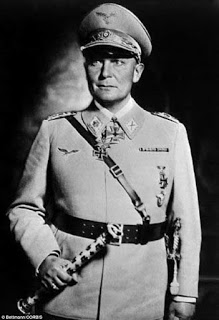
I am Herman Goering!

Herman Goering accompanied the Fuehrer on one of his visits to Rome. On the crowded railway platform filled with dignitaries and troops, the massive Marshal roughly jostled past an Italian gentleman of aristocratic bearing, who turned and haughtily demanded an apology. Fiercely the Marshal turned upon him and snapped,
“I am Herman Goering”. The Italian bowed and replied,
“As an excuse that is not enough, but as an explanation it is ample”.


–Subham–

அதிசய புத்த துறவி ஸு யுன்! – 23 (Post No.3468)

Written by S NAGARAJAN


Date: 21 December 2016


Time uploaded in London:- 5-41 am


Post No.3468


Pictures are taken from different sources; thanks.


contact; swami_48@yahoo.com


100 வயது வாழ்ந்த பெரியோர்


120 வயது வாழ்ந்த அதிசய புத்த துறவி ஸு யுன்! – 23

ச.நாகராஜன்


ஸு யுன்னுக்கு இப்போது வயது 83.


ஹுவா டிங் ஆலயம் இந்த வருடம் புதுப்பிக்கப்பட்டது. குன் மிங் ஏரிக்கு மேற்கே பி-ஜி என்ற பெயருடைய மலை ஒன்று உண்டு. இந்திய சக்கரவர்த்தியான பேரரசர் அசோகரின் இரண்டாம் மகன் அங்கு வந்தார். அவர் அந்த இடத்தில் மரகத பீனிக்ஸ் பறவைகளின் கூட்டத்தைப் பார்த்தார்.


அங்கேயே தங்க விரும்பிய அவர் நிர்வாணத்திற்கான உயர் வழியைக் கண்டு உய்ந்தார். அவரை மரகத பீனிக்ஸின் ஆவி என்று அனைவரும் அழைத்தனர். அந்த மலையும் கூடவே அவரது பெயரைப் பெற்றது.


ஸூவான் ஃபெங் என்ற குரு அங்கு ஒரு ஆல்யத்தை நிர்மாணித்தார். பூக்களால் நிரம்பிய இடமாதலால் அது மலர்த் தண்டு என்று பெயரிடப்பட்டது.


இரண்டு வருடங்களுக்கு முன்பு அந்த ஆலயத்தை யூனான் நிர்வாகம் வெளிநாட்டவருக்கு விற்க முனைந்தது.

இதனால் மனம் வருந்திய ஸு யுன் கவர்னராக இருந்த டாங்கை அணுகி அதை அவரையே வாங்கச் செய்தார் டாங் அந்த மடாலயத்தின் தலைமைப் பொறுப்பை ஏற்குமாறு ஸு யுன்னை வேண்டினார்.


அதை மீண்டும் புனருத்தாரணம் செய்து கட்டும் போது ஒரு கல்லிலாலான மேஜை ஒன்று கிடைத்தது. அதில் மேகத்தின் ஆலயம் என்ற எழுத்துப் பொறிக்கப்பட்டிருந்தது. அது உடனடியாக இறந்தவர்களின் அஸ்தி வைக்கப்பட்டிருந்த ஹை ஹுய் ஸ்தூபத்தின் மீது வைக்கப்பட்டது.


ம்லையடிவாரத்தில் இன்னொரு ஆலயம் கட்ட தீர்மானிக்கப்பட்டு வேலைகள் துவங்கின.


ஒரு நாள் அந்த இடத்தில் இரண்டு லட்சம் டாலர் மதிப்புள்ள தங்க, வெள்ளி நாணயங்கள் அடங்கிய மூட்டை ஒன்று கிடைத்தது.


அதை அப்படியே அரசாங்கத்திடம் ஒப்படைக்க வேண்டும் என்றார் ஸு யுன். ஆனால் அங்கிருந்த மற்றவர்களோ அதை ஆலய புனருத்தாரணத்திற்கு ஆகும் செலவிற்காக வைத்துக் கொள்ளலாம் என்றனர்.


ஆனால் புத்த தர்மத்தில் இருக்கும் சாதுக்கள் எந்த ஒரு புதையலையும் தான் வைத்துக் கொள்ளக் கூடாது என்ற விதி இருப்பதைச் சுட்டிக் காட்டிய ஸு யுன் அதை அரசிடமே ஒப்படைக்க வேண்டும் என்று வலியுறுத்தினார்.

அப்படியே அந்த புதையல் மூட்டை அரசிடம் ஒப்படைக்கப்பட்டது.

அந்த் வருடம் கடுமையான பஞ்சத்தால் யூனான் மாகாணம் தவித்தது. மக்கள் டிப்தீரியா வியாதியால் அவஸ்தைப்பட்டு மரித்தனர்.


அங்குள்ள ராணுவமும் மக்களும் கவர்னர் டாங்கை மீண்டும் கவர்னராக்க விரும்பினர். அவரும் அதை ஏற்று மீண்டும் கவர்னராக யூனானுக்கு வந்தார்.


கவர்னரான உடன் மடாலயத்திற்கு வந்த டாங், ஸு யுன்னிடம் மழைக்காக பிரார்த்தனை புரியுமாறு வேண்டினார்.


ஸு யுன்னும் அதை ஏற்று ம்ழைக்காக பிரர்ர்த்தனை புரிய மூன்றே நாட்களில் மழை பெய்ய ஆரம்பித்தது.


ஆனால் டிப்தீரியா பரவுவது நிற்கவில்லை. ஆகவே டாங் மீண்டும் ஸு யுன்னிடம் வந்து, “ பனிப்பொழிவு ஏற்பட்டால் டிப்தீரியா நிற்கும் என்று கேள்விப்பட்டிருக்கிறேன். நீங்கள் பனிப் பொழிவிற்கும் பிரார்த்தனை செய்ய வேண்டும்” என்று வேண்டினார்.


அதை ஏற்றுக் கொண்ட ஸு யுன், ‘நான் பிரார்த்தனை செய்கிறேன். நீங்களும் தூயமையாக இருந்து வேண்டிக் கொள்ளுங்கள்” என்றார்.
டாங் விதிகளை அனுசரிக்க ஸு யுன் பிரார்த்தனை புரிய ஆரம்பித்தார்.


மறு நாளே ஒரு அடி உயரம் வரை பனிப் பொழிவு பெய்தது.

அனைவரும் போதிதர்மரின் எல்லையற்ற கருணையை நினைத்து ஆனந்தம் அடைந்தனர்.

*******


Truth, The Teacher (Post No. 3466)

Compiled by London swaminathan


Date: 20 December 2016


Time uploaded in London:- 20-49


Post No.3466


Pictures are taken from different sources; thanks.


contact; swami_48@yahoo.com


There was a king. He believed that life is meant only for enjoyment. He was especially fond of wearing new clothes. But he didn’t discharge properly the duties of his high office. The people, too, consequently became remiss.


One day four wise men visited the capital. When they heard of the king’s pleasure seeking ways they thought of bringing him to the right path as they were very clever. So, saluting the king, one day they said to him, “Your Highness, we are expert weavers. We can weave such fine cloth with gold and silver threads that you may have never seen anything like it. But what is still more wonderful is that the cloth is invisible to a person who does not do his work faithfully.


Hearing this, the king thought to himself, “This is a fine way of finding out who in my kingdom is neglectful and irresponsible in carrying out his duties”.


Accordingly, he asked the weavers to weave a piece of the wonderful cloth. For this purpose, he ordered the treasury officer of the State to supply them with whatever quantity of gold and silver threads they required.

The weavers started to work on the job. they, however made only noise all the time with the empty looms, though everyday they brought from the treasury  as much of gold and silver threads as they liked.

After four days, the king asked his minister to visit the weavers and find out how far they had done the job. The minister accompanied by some officers of the State set out for the weavers’ place


Hearing that minister coming with State officers, the four weavers at once set down to work on the looms.  Soon afterwards the minister and his officers arrived.  They saw the weavers working away on the empty looms, and with much concentrated attention as if they were weaving the cloth.


But though they looked at the looms with wide-open eyes  again and again, they didn’t see any cloth! The minister therefore said to himself, “Why can’t I see the cloth? Am I not doing my allotted work faithfully?”


Sensing his perplexity, the weavers smiled and asked him whether the cloth was being woven properly “Have you any suggestion to improve it ,sir?, they added.


The minister, hiding his puzzlement, however smiled back and answered, “What a wonderful cloth have you woven!  Indeed, I have never seen like of it before”. The turning to the officers he asked, “Is it not so?”


The officers, too were in a similar state of mind. They also, therefore hid their real feeling and simply endorsed the minister’s opinion.

The minister and officer then returned home.  The minister subsequently reported to the king. He was full of great admiration for the weavers’ skill.


Eight days afterwards the king accompanied by his minister, visited the weavers. He, too, had an experience like that of his minister. Though again and again he cleared his eyes with his hand kerchief to see the cloth, yet all was in vain! He also, therefore, asked himself whether he was faithful in doing his duties.

The minister, surmising what was passing through the mind of the king smiled a little and said to the king, “Your Highness, is not the cloth beautiful? Don’t you like it?”


Hearing this the king was startled! But he also pretended to endorse the opinion of the minister. The weavers said to the king, “Your Highness, the cloth is almost woven. We have worked on it very hard, indeed. Let us now take your measurement, as we would like to prepare a beautiful garment out of it for you.”


After three or four days the weavers carrying an empty tray, went to the king.  The king was utterly confused! He did not know what to do. If he told the weavers that he could not see any garment in the tray, that would be confessing that he was not worthy of being a king!


The weavers removed the clothes the king was wearing and instead put the new garment on him. But he could not see it on his body.  He pretended, however, that he was wearing the new garment. And so, did the minister and the officers. Asa matter of fact, they all exclaimed, of course hypocritically with one voice, “Your Highness, your dress is so beautiful!”

The king was then taken around the city everybody pretended that he or she saw his new dress, for fear of being found out if he spoke the truth. More, they were even full of admiration for the king’s new garment.


Just then a little boy shouted, “The king has no dress on!” This forthwith disillusioned the people.  The king too felt ashamed of himself.  A search of the weavers was ordered immediately. But they had already fled.

-Subham-


2 கதைகள்: ‘வேண்ட முழுதும் தருவோய் நீ’ (Post No.3467)

Written by London swaminathan


Date: 20 December 2016


Time uploaded in London:- 10-20 am


Post No.3467


Pictures are taken from different sources; thanks.


contact; swami_48@yahoo.com


எனது சொற்பொழிவின் இரண்டாம் பகுதி இது.


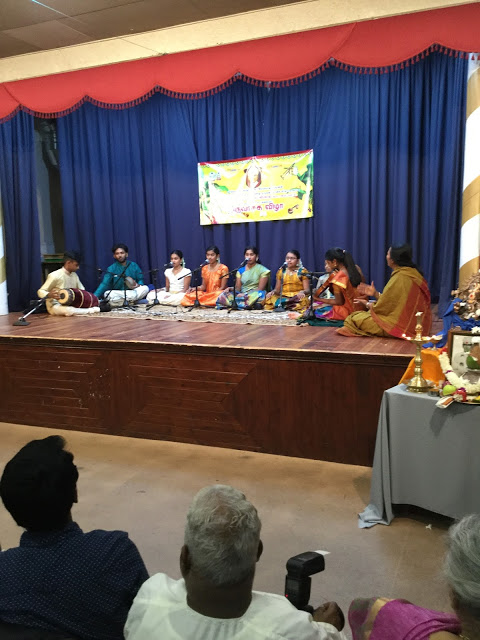
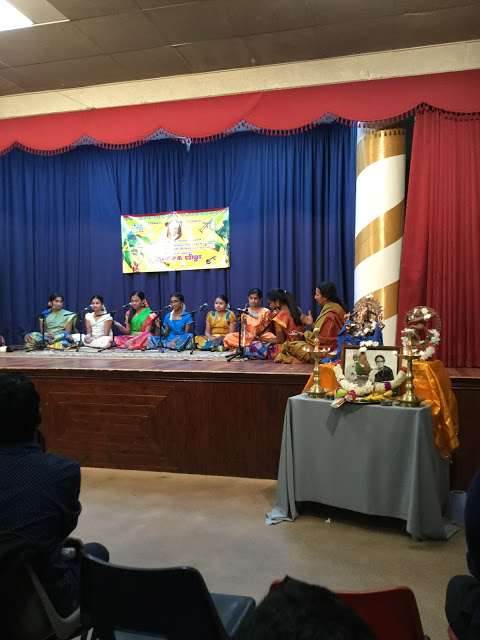
லண்டன் உயர்வாசற் குன்று முருகன் கோவிலின் (LONDON HIGH GATE MURUGAN TEMPLE) திருவாசக விழாவில் பேசுவதற்கு என்னை அழைத்திருந்தார்கள். நேற்று ஞாயிற்றுக்கிழமை 18-12-2016 அந்த விழா நடந்தது. பலர் சொற்பொழிவாற்றினர். மாணவ மாணவியர் தேவார திருவாசக இன்னிசை விருந்து அளிததனர்.


“நீண்ட நாள் வாழ ஒரு யோஜனை”– என்ற தலைப்பில் நேற்று முதல் பகுதியை வெளி யிட்டேன்.


என்னுடைய சிற்றுரையின் சுருக்கம் இதோ.


முதல் கதை


திருவாசகத்தை நமக்கு அருளிய மாணிக்க வாசகர் பாடுகிறார்:-


வேண்டத்தக்கது அறிவோய் நீ

வேண்ட முழுதும் தருவோய் நீ

வேண்டும் அயன்மாற்கு அரியாய் நீ

வேண்டி என்னைப் பணிகொண்டாய்

வேண்டி நீயா தருள் செய்தாய்

யானும் அதுவே வேண்டின் அல்லால்

வேண்டும் பரிசு ஒன்று உண்டென்னில்

அதுவும் உன்றன் விருப்பன்றே

–குழைத்தபத்து, திருவாசகம்


பொருள்:-

எனக்கு வேண்டிய எல்லாவற்றையும் நீயே அறிவாய். நான் எதைக் கேட்டாலும் அருளும் கருணை வள்ளல் நீ. உன்னிடம் பல பொருள்களை வேண்டும் திருமாலுக்கும், பிரம்மாவுக்கும் அரியவன் நீ;  எனக்கு வேண்டியவற்றை கொடுத்து , நீயே என்னை ஏற்று அருளும் செய்தாய்; நானும் அதைத்தான் விரும்பினேன். இப்போது நான் வேண்டுவது ஏதாவது இருக்குமானால், அதுவும் உன்னுடைய விருப்பமே.


திருவாசகத்திலுள்ள 656 பாடல்களுக்கும் ஒரு கதை சொல்லி விளக்கமுடியும். சொல்லப்போனால் சிவபுராணம், கீர்த்தித் திரு அகவல் போன்ற நீண்ட பாடல்களுக்கு  ஒவ்வொரு மூன்று வரிகளுக்கும் ஒரு கதை சொல்லலாம். எனக்குள்ள சிறிது நேரத்தில் வேண்டியது முழுதும் அருள்வோய் நீ — என்ற வரிக்கு ராமகிருஷ் ண பரமஹம்சர் சொன்ன கதையை சொல்லுகிறேன்:

ஒரு வழிப்போக்கன் நீண்ட நெடுந்தூரம் பயணம் செய்து களைத்துப் போனான். ஒரு மரத்தின் நிழலில் படுத்துக் கொண்டு சிந்திக்கத் துவங்கினான். அடடா! இங்கு மட்டும் ஒரு மெத்தை இருந்தால் எவ்வளவு சுகமாக இருக்கும் என்று நினைத்தான். அடுத்த கணத்தில் அவன் உடல் மெத்தை மீது இருந்தது. அவனுக்கு ஒரே ஆச்சரியம்; சிறிது நேரம் அதில் விழுந்து புரண்டு ஆனந்தித்தான். அடடா! இபோது மட்டும் என் உடல் வலி தீர ஐந்தாறு அழகான பெண்கள் வந்து என் கால்களைப் பிடித்துவிட்டால் எவ்வளவு நன்றாக இருக்கும் என்று எண்ணினான்.

என்ன அதிசயம்! அடுத்த நொடியில் அங்கே சில அழகிகள் வந்து அவனுக்கு ‘மஸாஜ்’ செய்யத் துவங்கினர். சிறிது நேரம் ஆனபின்னர் பசி, வயிற்றைக் கிள்ளியது. நல்ல அறுசுவை உண்டி கிடைத்தால் சுகமாக இருக்குமே என்று நினத்ததுதான் தாமதம்! ஆவி பறக்க அறுசுவை உண்டி கிடைத்தது. எல்லா தேவைகளும் கிடைத்துவிட்டால் தேவையற்ற பயம் வந்துவிடும்.


பாருங்கள் நாம் கூட நிறைய பணம் சேர்ந்தால் அதைப் பாதுகாத்து வைப்பது பற்றிக் கவலைப் படுகிறோம். லாக்கரில் கொண்டு நகைகளைப் பாதுகாப்பாக வைப்பதற்குப் பயம். அதை யாராவது வழிப்பறி செய்துவிடுவானோ என்று நகைகளை எடுக்கும் போது பயம். வீட்டில் அரிசிப் பானைக்குள் நகைகளை வைத்தால் Metal Detector மெடல் டிடெக்டர் வைத்து எடுத் துக்கொண்டு போய்விடுவானோ என்று பயம்! இது போலவே அந்த வழிப்போக்கனுக்கும் வேண்டாத ஒரு பயம் வந்தது அடடா! நம் நடுக்காட்டில் அல்லவா மரத்துக்கு அடியில் படுத் துக் கொண்டிருக்கிறோம் இப்போது ஒரு புலி வந்து நம்மை அடித்துக் கொன்றுவிட்டால் நான் என்ன செய்வது என்று நினைத்தான். அடுத்த வினாடி, புலி தோன்றி அவனைக் கடித்துக் குதறி கொன்றுவிட்டது.

இந்தக் கதையை சொன்ன ராமகிருஷண பரமஹம்சர் நம்மை எச்சரிக்கிறார்:- இறைவன் கருணைக்கடல்; கற்பக விருட்சம்; கேட்டதை எல்லாம் கொடுத்துவிடுவான்; நாம்தான் கேட்பதில் கவனமாக இருக்க வேண்டும்.

அன்பர்களே!

பாருங்கள், மாணிக்கவாசகரும் இதைத்தான் மேற்கூறிய பாட்டில் எதிரொலிக்கிறார். நாம் கடவுளை வேண்டும் போது எனக்கு நல்லன எல்லாவற்றையும் கொடு என்று வேண்டினால் போதும்.


இரண்டாம் கதை


நாடகத்தால் உன்னடியார்

போல் நடித்து நான் நடுவே

வீடகத்தே புகுந்திடுவான்

மிகப் பெரிதும் விரைகின்றேன்

ஆடகச் சீர் மணிக்குன்றே

இடையறா அன்புனக்கென்

ஊடகத்தே நின்றுருகத்

தந்தருளும் எம்முடையானே

திருச்சதகம் 11

பொருள்:-

தங்கத்துக்கு நடுவே எழுந்த மாணிக்க மலையே! எம்மை ஆட்கொண்ட இறைவா! உன்னுடைய அடியார்களைப் போலவே நடிக்கிறேன். அவர்களிடையே இருந்து மோட்ச உலகத்துக்குச் செல்ல விழைகின்றேன். நான் உன் அடிமை என்பதால், நீங்காத அன்பு அகலாதபடி எனக்கு அருள்புரி.


நாடகத்தால் நடித்து — என்ற வரியைப் பார்த்டவுடன் ராமகிருஷ்ணர் சொன்ன இன்னும் ஒரு கதை நினைவுக் கு வருகிறது.


நாடகத்தில் நடிப்பதுபோல நடித்தாலும் கூட இறைவன் அருள்புரிந்த கதை இதோ: ஒரு திருடன் ஒருநாள், ராஜாவின் அரண்மனைக்குள் புகுந்து திருடுவதற்காக ஒளிந்திருந்தான். அப்போது மன்னன், தன்னுடைய மகளின் கல்யாணம் பற்றி மந்திரியுடன் விவாதித்துக் கொண்டிருந்தான். தன்னுடைய மகளுக்கு நல்ல ஆன்மீக நாட்டம் கொண்ட ஒருவனையே மணம் முடிக்க விரும்புவதாகவும் மந்திரி, ஒரு நல்ல மாப்பிள்ளையை கண்டுபிடித்துவர வேண்டும் என்றும் சொன்னான்.

இதைக் கேட்டுக் கொண்டிருந்த திருடனுக்கு ஒரு யோஜனை மின்னல் போலப் பளிச்சிட்டது. நாம் ஏன் இங்கே திருட வேண்டும்? அகப்பட்டுவிடால் தலை போய்விடும். இதற்குப் பதிலாக நாம் ஒரு சந்யாசி போல நடிதால், ஒரு வேளை மன்னன் மகள் தன்னைக் கல்யாணம் செய்துவிடால் முழு ராஜ்யத்தையுமே அமுக்கிவிடலாமே என்று எண்ணி, சந்யாசி வேடம் போட்டுக் கொண்டு ஊருக்கு வெளியே சந்யாசிகள் எல்லாம் தங்கி இருக்கும் மடத்துக்குப் போனான்.


இதற்கிடையில்  மந்திரிக்கும் கவலை; மன்னன் கட்டளை ஆயிற்றே. மாப்பிள்ளைக் கிடைக்காவிடில் தன் தலை போய்விடுமே என்று மறு நாள் ஊருக்கு வெளியே மரத்தடியில் வசிக்கும் சந்யாசிகளிடையே போனான்


ஒவ்வொரு சந்யாசியையும் மந்திரி கேட்ட போது அவர்கள் எல்லாம் திருமணத்துக்கு சம்மதம் தரவில்லை. புதிய சந்யாசியாக வந்த திருடன் மட்டும் முதலில் ஒப்புக்கொண்டான். அவனுக்கு உடனே கிடைத்த ராஜ உபசாரத்தைப் பார்த்தவுடன் அவன் எண்ணினான்: சந்யாசியாக வேடம் போட்டதுக்கே இவ்வளவு மதிப்பு என்றால், உண்மையான சந்யாசியானால் எவ்வளவு மதிப்பும் சுகமும் கிடைக்கும் என்று எண்ணி அவனும் சந்யாசி ஆகிவிட்டான்.


பூவோடு சேர்ந்த நாரும் மணம் பெறும் அல்லவா?


அடுத்த முறை வரும்போது ஒரு மணி நேரம் சங்கீத உபந்யாசம் செய்ய ஆசை. ஒவ்வொரு திருவாசகப் பாடலுக்கும் ஒரு கதை சொல்கிறேன்.

நன்றி வணக்கம்.


–சுபம்


ப்ருந்தாவன் எக்ஸ்ப்ரஸ் (Post No. 3465)

Written by S NAGARAJAN


Date: 20 December 2016


Time uploaded in London:- 5-48 am


Post No.3465


Pictures are taken from different sources; thanks.


contact; swami_48@yahoo.com


நல்ல புத்தகம்

ப்ருந்தாவன் எக்ஸ்ப்ரஸ்

(Brindavan Express – A train of thought)

ச.நாகராஜன்


நல்ல எழுத்தாளர் தேசிகன்


நண்பர் வி.தேசிகனின் ப்ருந்தாவன் எக்ஸ்ப்ரஸ் ஒரு அழகிய பயணத்திற்கு அடி கோலுகிறது.


தேசிகன் ஒரு சிறந்த விஞ்ஞானி. மதுரையில் செந்தமிழ் மணம் கமழ வளர்ந்தவர். பாரம்பரிய மிக்க குடும்பத்தில் அற நெறியை வழுவாது காக்கும் குல மரபைப் பின்புலமாக கொண்டு வளர்ந்தவர்.


எலக்ட்ரானிக்ஸ் மாஸ்டர் டிகிரியை மதராஸ் இன்ஸ்டிடியூட் ஆஃப் டெக்னாலஜியில் பெற்று விட்டு டிஃபென்ஸ் ரிஸர்ச் அண்ட் டெவலப்மெண்ட் ஆர்கனைசேஷனில் பணியாற்றச் சேர்ந்தார்.

நீண்ட நெடும் பணிக் காலத்தில் அவர் அடைந்த அனுபவங்கள் பல.


1983ஆம் ஆண்டு பாரத பிரதம்ர் இந்திராகாந்தி அவர்களிடமிருந்து “ஸ்யிண்டிஸ்ட் ஆஃப் தி இயர்” (Scientist of the Year) என்று சிறந்த விஞ்ஞானிக்கு ஆண்டுக்கு ஒரு முறை வழங்கப்படும் விருதைப் பெற்ற பெருமைக்குரியவர்.

ஏராளமான தொழில்நுட்ப ஆய்வுப் பேப்பர்களை சரளமாக் எழுதும் ஆற்றல் பெற்ற அவர், தனது எழுத்துத் திறமையால் அன்றாடம் நடக்கும் சிறு சிறு நிகழ்வுகள் வாழ்வினில் ஏற்படுத்தும் தாக்கங்களை இந்த நூலில் அழகுற விளக்குகிறார்.


சம்பவக் கோவைகள்


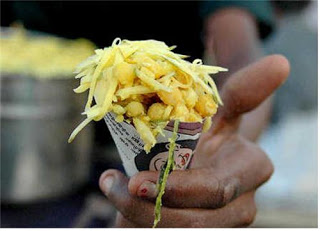
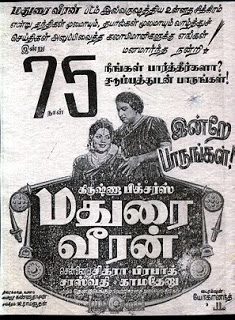
அவரது மேல் அதிகாரியுடனான சந்திப்பு. அவர் வாழ்நாள் சாதனையாக அவர் உருவாக்கிய 40 அடி நீளமுள்ள சங்கம் என்று பெயரிடப்பட்ட அற்புதமான ஆய்வு வாகனம், அதை அப்துல்கலாம் உள்ளிட்டவர்கள் கண்டு பாராட்டிய பாங்கு, மரீனா பீச்சில் சுண்டல் விற்கும் அழகு, மதுரைவீரன் படத்தைப் பார்க்க அந்தக் கால வழக்கப்படி க்யூவில் நண்பர்களுடன் நின்ற நினைவு,விம்பிள்டனில் உள்ள ஆல் இங்க்லேண்ட் களப்பிற்குச் சென்றது என ஒவ்வொரு சிறு சிறு விஷயத்தையும் நகைச்சுவை மிளிர அழகுறப் படம் பிடித்துக் காட்டுகிறார்.


சிந்தனைச் சிதறல்களாக அரும் பெரும் கருத்துக்கள் பளிச் பளிச்சென ஆங்காங்கு கட்டுரையில் மின்னும் போது அதில் மனம் ஆழ்ந்து லயித்து விடுகிறது.

 

சிந்தனைக்கும் விருந்து


சிறந்த நாவல்கள், சிறந்த  முடிவுகள் (Great Novels, Great endings) என்ற கட்டுரையில் சார்லஸ் டிக்கன்ஸின் நாவலான எ டேல் ஆஃப் டூ சிடீஸில் ( A Tale of Two Cities) வரும் சிறந்த கதாபாத்திரம் சிட்னி கார்டனை நினைவு  கூர்ந்து நாவலின் கடைசி வரியைச் சுட்டிக் காட்டுகிறார் அவர்.


இன்னும் பல அழகிய நாவல்களின் முடிவுகளை அவர் சுட்டிக் காட்டும் பாணியே தனி!


தன் உள்ளத்தில் ஊறி இருக்கும் பிரபல கவிஞர்கள் மற்றும் மேதைகளின் சிறந்த வரிகளை ஆங்காங்கே பொருத்தமான் இடத்தில் கட்டுரைகளில் மேற்கோளாகப் பயன்படுத்தியிருப்பதைப் படிக்கும் போது கட்டுரையின் விஷயம் கனமாக ஆகிறது. இப்படி ரவீந்திரநாத் தாகூர், ஹாரி எமர்ஸன் ஃபாஸ்டிக், வில்லியம் ஹாஸ்லிட் உள்ளிட்ட ஏராளமானோரின் பொன் மொழிகளைப் படிக்கும் போது உள்ளம் உவகையுறுகிறது..


நேனோ டெக்னாலஜியைப் (Nano technology)  பற்றிய பல செய்திகளை நம் முன் வைத்து எதிர்கால தொழில்நுட்பத்தைப் பற்றிச் சிந்திக்க வைக்கிறார்.


பேத்தி தாரா அவருக்கு ஸ்காட்லாந்தில் பிறந்த தின வாழ்த்தைச் சொல்லிய பாங்கைப் படித்து நாம் நெகிழும் போதே அவரது மனைவிக்கு அடுப்பங்கரையில் உதவி செய்யப் போய் அல்லாடியதையும் சேர்த்து ரஸிக்கிறோம்.


வாழ்க்கை!

பன்முக உணர்வுகளைத் தூண்டும் வாழ்க்கை!

உறவுகள், அதில் ஊறும் சிலிர்ப்புகள்! நண்பர்கள், அவர்களுடனான சந்திப்புகள், இழப்புகள், அதனால் மனதில் ஏற்படும் ஆறாத வ்டுக்கள் – இப்படி எல்லாவற்றையும் படிக்கும் போது எடுத்த புத்தகத்தை (239 பக்கங்கள்)  முடிக்காமல் கீழே வைக்க மனம் வராது.


அழகிய சரளமான ஜிலு ஜிலுவென்ற ஆங்கில நடையில் தேசிகன் எழுதிய கட்டுரைகள் பிரபல ஆங்கில நாளிதழான டெக்கான் ஹெரால்டில் நடுப்பக்கத்தில் வந்து விடும்.


அவற்றின் தொகுப்பும், பல்வேறு வலைத்தளக் கட்டுரைகளும் சேர்ந்த ஒரு கலவையாக மின்னுகிறது இந்த நூல்

இந்த நூலை வெளியிட்டே ஆக வேண்டும் என்று ஆக்கமும் ஊக்கமும் தந்த நண்பரான ஆர்வி ராஜனே அதை அழகுற அச்சிட்டும் தந்துள்ளார் நல்ல நண்பர். அழகிய தாளில் நேர்த்தியாக வடிவமைக்கப்பட்ட வெளியீடு.


புத்தகம் எழிலுற உயர்ந்த தரத்துடன் அச்சிடப்பட்டிருக்கிறது.

விலை ரூ 350. கிடைக்குமிடம் Bookventure, 38, Thanikachalam Road, T.Nagar, Madras, 600 017, India.


புத்தகத்திலிருந்து எடுக்கப்பட்ட சில பகுதிகள்:
 

About his Boss:


My boss Burman, a confirmed bachelor was in charge of system integration. He was a chain smoker. If he liked someone, he would call him an ‘idiot’ or ‘a fool’ –  I was one of his favorite idiots!


On seeing his dream vehicle,  the 40 feet long SANGAM:


I went towards my favorite SANGAM  and stood there for a long time. I looked at her and gently whispered (what Brutus told Cassius):

‘Forever and forever farewell, my dear

If we do meet again, why, we shall smile.

If not, why then this parting was well made.’


About ஸSundal :


If there be Chat Centres, fast food outlets all over our cities, why can’t someone open a ‘Sundal Center’?


About KDK (Kumbakonam Degree (Coffee) Kaapi :


Thank you KDK

You bring me joy in the morning

You bring me joy in the morning;


About the requirement of a positive newspaper :


I have a real problem on hand. All my life I have enjoyed sipping my morning coffee, reading the morning newspaper. I have recently discontinued my habit as it is no more a pleasant experience. Now I need a ‘Positive Newspaper’ badly.


I have a dream:


My idea of Next-gen city is that it should be

Totally green and with Zero pollution

With efficient and complete public transportation

With minimum private vehicles

Total Connectivity – Airports, roads, sea (where applicable)

Full Safety


ஒரு பானைச் சோறுக்கு ஒரு  சோறு பதம்! ப்ருந்தாவன் எக்ஸ்ப்ரஸ் ஒரு சுவையான விருந்து!


வாழ்த்துக்கள் தேசிகன், வாழ்த்துக்கள்!!

******


SWAMI VIVEKANANDA ON OMKARA! (Post No.3464)

Compiled by London swaminathan


Date: 19 December 2016


Time uploaded in London:- 20-23


Post No.3464


Pictures are taken from different sources; thanks.


contact; swami_48@yahoo.com


Every idea that you have in the mind has a word; the word and the thought are inseparable. The external part of one and the same thing is what we call word, and the internal part is what we call thought. No man can by analysis, separate thought from word.


The idea that language was created by men–certain men sitting together and deciding upon words — has been proved to be wrong. So long as man existed there have been words and language. What is the connection between an idea and a word? Although we see that there must always be a word with a thought, it is not necessary that the same thought requires the same word.


The thought may be the same in twenty different countries, yet the language is different. We must have a word to express each thought, but words need not necessarily have the same sound. Sounds will vary in different nations.

One commentator says, “Although the relation between thought and word is perfectly natural, yet it does not mean a rigid connection sound and one idea.” These sounds vary, yet the relation between sounds and the thoughts is a natural one. The connection between thoughts and sounds is good only if there be a real connection between the thing signified and the symbol; until then the symbol will never come into general use.


A symbol is the manifestor of the thing signified, and if the thing signified has already an existence, and if, by experience we know that the symbol has expressed that thing many times then we are sure that is a real relation between them. Even if the things are not present, there will be thousands who will know them by their symbols. There must be a natural connection between the symbol and the thing signified; then when the symbol is pronounced, it recalls the thing signified.


The commentator says the manifesting word of God is OM. Why does he emphasize this word? There are hundreds of words for God. One thought is connected with a thousand words; the idea, God, is connected with hundreds of words and each one stands as a symbol for God. Very good, but there must be generalisation among all these words, some subsratum, some common ground of all these symbols and that which is the common symbol will be the best, and really will represent them all.


In making a sound we use the larynx and the palate as a sounding board. Is there any material sound of which all other sounds must be manifestations, one which is the most natural sound? Om (Aum) is such a sound, the basis of all sounds. The first letter, A, is the root sound, the key, pronounced without touching any part of the tongue or palate. M represents the last sound in the series, being produced by the closed lips, and the U rolls from the very root to end of the sounding board of the mouth. Thus, Om, represents the whole phenomena of sound-producing. As such, it must be the natural symbol, the matrix of all the various sounds. It denotes the whole range and possibility of all the words that can be made.


Apart from these speculations we see that around this word om are centred all the different religious ideas in India, all the various religious ideas of the Vedas have gathered themselves round this word Om.


What has that to do with America and England or any other country? Simply this, that the word has been retained at every stage of religious growth in India and it has been manipulated to mean all the various ideas about God. Monists, dualists, mono-dualists, separatists, and even atheists took up this Om. Om has become the one symbol for the religious aspiration of that vast majority human beings. Take, for instance, the English word God. It covers only a limited function, and if you go beyond it, you have to add adjectives, to make it Personal, or impersonal, or Absolute God. So with the words for God in every other language their signification is very small. This word

Om however, has around it all the various significances. word om, how. significances. As such it should be accepted by everyone.


Source: Selections from The Complete works of swami Vivekananda, Advaita Ashrama, Calcutta 700 014

–Subham–

நீண்ட நாள் வாழ ஒரு யோஜனை (Post No.3463)

Written by London swaminathan


Date: 19 December 2016


Time uploaded in London:- 14-43


Post No.3463


Pictures are taken from different sources; thanks.


contact; swami_48@yahoo.com


லண்டன் உயர்வாசற் குன்று முருகன் கோவிலின் (LONDON HIGH GATE MURUGAN TEMPLE) திருவாசக விழாவில் பேசுவதற்கு என்னை அழைத்திருந்தார்கள். நேற்று ஞாயிற்றுக்கிழமை 18-12-2016 அந்த விழா நடந்தது. பலர் சொற்பொழிவாற்றினர். மாணவ மாணனவியர் தேவார திருவாசக இன்னிசை விருந்து அளிததனர் என்னுடைய சிற்றுரையின் சுருக்கம் இதோ.


அன்புடையீர்,

முதற்கண் என் பணிவான வணக்கங்கள்; என்னை இங்கு பேச அழைத்த கோவில் நிர்வாகத்துக்கு முதலிலேயே நன்றி தெரிவித்துக்கொள்கிறேன்.

வள்ளுவன் சொன்னான் “தமிழா! கொஞ்சமாவது நல்ல விஷயங்களைக் கேள்; அந்த அளவுக்காவவது உனக்கு நன்மை கிடைக்கும்”

எனைத்தானும் நல்லவை கேட்க அனைத்தானும்

ஆன்ற பெருமை தரும் —-என்றான்.


இங்கு பெருந்திரளான மக்கள் கூடி எனக்கு முன்னே பேசிய அறிஞர் பெருமக்களின் உரைகளைச் செவி மடுத்தீர்கள். நானும் சில விஷயங்களைச் சொல்ல விழைகிறேன்.

திருவாசகத்துக்கு உருகார் ஒரு வாசகத்துக்கும் உருகார் என்ற ஆன்றோர் மொழியை நாம் அனைவரும் அறிவோம்.


முதலில் ஒரு ரஹசியம். நீங்கள் நீண்ட நாட்கள் வாழ ஒரு ரஹசியத்தைச் சொல்லுகிறார் ரெவெரண்ட் ஜி.யு.போப் (Rev G U Pope):–


திருவாசகத்தை ஆங்கிலத்தில் மொழிபெயர்த்த டாக்டர் ஜி.யு. போப்,இங்கிலாந்திலுள்ள ஆக்ஸ்போர்ட் நகரைச் சேர்ந்தவர். அவர் 1900 ஆம் ஆண்டில் திருவாசகப் புத்தகத்ததை எப்படி வெளியிட்டார் என்ற அதிசயச் செய்தியை அவரே அப்புத்தகத்தின் முன்னுரையில் எழுதியுள்ளார். இதோ அந்த முன்னுரை:–


“இன்று என்னுடைய எண்பதாவது பிறந்த தினம். நான் எழுதி வைத்த குறிப்புகளைப் பார்க்கப் போனபோது நான் 1837 ஆம் ஆண்டில் தமிழ் கற்கத் துவங்கினேன் என்பது தெரிந்தது. நீண்டகாலத்துக்கு தமிழ் அன்னையின் பக்தனாக இருந்தேன்; அது முடிவுக்கு வருகிறது என்றே தோன்றுகிறது. என்னுடைய வாழ்க்கையின் முக்கியமான இலக்கியப் படைப்பை சமர்ப்பணம் செய்து இப்பணியை முடிக்கும்போது மிகவும் உணர்ச்சி வசமாகி விட்டேன்.


பல ஆண்டுகளுக்கு முன், நடந்த ஒரு நிகழ்ச்சியைச் சொல்கிறேன். அப்போது இப்படி ஒரு புத்தகம் வெளியிடும் திட்டம் என் மனதில் இல்லை. ஒரு நாள் மாலையில் பிரார்த்தனைக் கூட்டம் முடிந்தவுடன், என் கல்லூரித் தலைவருடன் (பாலிலோல் கல்லூரி மாஸ்டர்) நடந்து கொண்டிருந்தேன். எக்களுடைய சம்பாஷனை திடீரென்று தமிழ் வரலாறு, இலக்கியம், தத்துவம் பற்றித் திரும்பியது. நீண்ட உரையாடலின்நடுவே ஒரு இடைவெளி நேரிட்டது. என்னுடைய மாஸ்டர் எப்போதுமே வேகமாகப் பேசக்கூடியவர். திடீரென்று ‘அதை நீ அச்சிட்டே ஆகவேண்டும்” என்றார்.


நான் 80 வயதுக்காரன் என்ன பதில் சொல்லுவானோ அதையே அவரிடம் சொன்னேன்: மாஸ்டர் நான் என்ன சாகாவரம் வாங்கி வந்திருக்கிறேன் என்று நினைத்து விட்டீர்களா? இதை வெளியிடத் துவங்கினால் அதை முடிக்க நீண்ட காலம் ஆகும். இப்போது அவர் முகத்தை பார்த்தேன்; அவர் என்னை நோக்கித் திரும்பினார். அவருடைய வெண்

தாடி மீதும் அன்பே உருவான முகத்தின் மீதும் நிலவொளி பட்டொளி வீசிப் பரவியது. அவர் அன்போடு என் தோளின் மீது கைகளைப் போட்டார் — ஒரு நீண்ட பணியை எடுத்துக்கொண்டுவிட்டால் அது முடியும் வரை நீ மரணம் அடைய மாட்டாய். இது நீண்டகாலம் வாழவுள்ள ஒரு வழி! அது நிறைவடையும் வரைக்கும் நீ வாழ்வாய்” என்று சொல்லி முடித்தார்.


இதை அவர் சொன்னபோது எனக்குக் கொஞ்சம்கூட நம்பிக்கை இல்லை. ஆனால் அவர் சொன்ன சொற்கள் மட்டும் என் மனதில் அசரீரி போல எதிரொலித்துக் கொண்டே இருந்தது. நான் களைபுற்றபோதெல்லாம் அந்த ஆரூடச் சொற்கள் எனக்கு உத்வேகம் ஊட்டின. அவர் இப் பூவுலகில் இருந்து மறைந்துவிட்டார். ஆனால் அவர் சொன்ன காரியம் நிறைவேறிவிட்டது.


அந்த அன்பான ,சிறந்த, பொறுமை மிக்க பெஞ்சமின் ஜோவெட் அவர்களை இன்று நன்றியுடன் நினைவுகூறுகிறேன். இது எல்லாம் அவருக்கே சமர்ப்பணம். என்னுடைய நன்றியையும் மரியாதையையும் தெரிவித்து வணங்குகிறேன்”.


(இது போப் அவர்கள் ஆங்கிலத்தில் எழுதியதை நான் மொழிபெயர்த்தது)


நமது வீடுகளில் கூட நாம் பார்த்திருக்கிறோம்; வீட்டில் வயதான கிழவன் கிழவி — தாத்தா, பாட்டி இருப்பார்கள் அவர்கள் நான் என் பேரப் பிள்ளையின் கல்யாணத்தைப் பார்க்கவேண்டும் என்பர்; அல்லது பேரக் குழந்தை பிறப்பதைப் பார்க்க வேண்டும் என்பர். அந்த்த நல்ல காரியம் நடக்கும்வரை அவர்கள் இறக்க மாட்டார்கள். நடந்தவுடன் திடீரென்று ஒரெ மாதத்தில் இறந்துவிடுவர். ஆகையால் உங்கள் மனதிலும் நல்ல ஒரு பெரிய லட்சியம் இருக்குமானால் நீண்ட காலம் வாழலாம். இந்த ரஹசியத்தை நீங்களும் புரிந்து கொண்டு பின்பற்றுங்கள்; உங்கள் வாழ்க்கையில் மகத்தானதொரு காரியத்தை முன்னே வைத்துக் கொண்டால இன்று முதல் இன்னும் நூறு ஆண்டுகள் நீங்கள் வாழ்வீர்கள். பன்னிரு திருமுறையில் மட்டும் 18,000 பாடல்கள் உள்ளன. இது தவிர தாயுமானவர், பட்டினத்தார்,என்று ஆயிரக்கணக்கான அடியார் எழுதிய நூல்கள் உள. இன்று முதல் அவை அனைத்தையும் படித்துவிட வேண்டுமென்று உறுதி பூணுங்கள். நீங்கள் நூறாண்டுக் காலம் வாழ்வீர்கள்


திரு வாசகத்தில் மட்டும் 51 பாடற் தொகுப்புகள், 656 பாடலகள் 3000 வரிகளுக்கு மேல் உள்ளது. 74 இடங்களில் மாணிக்கவாசக ர் தன்னை நாயேன் என்று அழைத்துக் கொள்கிறார். உண்மையில் அவர் உயரிய நிலை எய்திய பெரியார். அவர் நம்மைப் பிரதிநிதித்துவப் படுத்துவதற்கே—- நம்மைப் போன்றவர்களை எண்ணியே—- நாய் என்று சொல்லிவைத்தார்.


மறைவாக நமக்குள்ளே பழங்கதைகள் பேசுவதிலோர்

மகிமை இல்லை-திறமான புலமையெனில் வெளிநாட்டோர் அதை வணக்கம் செய்தல் வேண்டும்—- என்று பாரதி சொன்னான். அப்படி வெளி நாட்டாரும் வணக்கம் செய்த புத்தகம் திருவாசகம் என்பது போப் அவர்களின் வாழ்க்கையிலிருந்து தெரிகிறது.

போப் அவர்கள் 63 ஆண்டுகளுக்குத் தமிழ் படித்தார்! என்ன அதிசயமான விஷயம் பாருங்கள்; நம்மில் எத்தனை பேர் 63 ஆண்டுகளுக்குத் தமிழ் படிப்போம் அல்லது படித்தோம்; எண்ணிப்பாருங்கள்.


இதன் பிறகு ஓம் பற்றிய திருவாசககக் குறிப்புகளைச் சொன்னேன். அது தமிழ் இலக்கியத்தில் ஓம்காரம் என்ற கட்டுரையில் வந்த விஷயம் என்பதால் இங்கே மீண்டும் தரவில்லை. (சில நாட்களுக்கு முன் நான் எழுதிய கட்டுரையில் ஓம்கார விளக்கம் காண்க)


எனது உரையில் 2 திருவாசகப் பாடல்களை எடுத்துக் கொண்டு இரண்டு கதைகளைச் சொன்னேன்; அதை நாளை காண்போம்.

—தொடரும்