EMPEROR ASHOKA AND A PROSTITUTE STORY ! (Post No.3432)

EMPEROR ASHOKA AND A PROSTITUTE STORY ! (Post No.3432)

Compiled by London swaminathan


Date: 9 December 2016


Time uploaded in London: 8-06 am


Post No.3432


Pictures are taken from different sources; thanks.


contact; swami_48@yahoo.com


“There is a word in in Hindi, kiriya. It is used when someone swears by something. it is short for saccha kiriya, that is an “act of truth”. An act of truth is performed by using the accumulated power of  some form of secret you have kept for a long time. There are many stories about “acts of truth”. Here is one of those stories:


It is said that emperor Ashoka, in the third century BCE, was standing by the River Ganga (Ganges) near his capital. In the history of India Ashoka is well known as the most noble king. being an emperor Ashoka could naturally follow whatever whim he wished. So he said to his ministers, “I wonder whether it is possible to for anyone to make the river flow back towards the mountains!”.


The ministers, not wanting to offend the emperor, very gently told him, “Sir many things are possible but perhaps this is not one of them”.


a courtesan was passing by. She said, “You are all wise ministers, and who am I to speak in the presence of a great emperor., but may I have permission to speak please?” So she was granted permission. She said, “Even someone as lowly as myself can make the river flow backwards”. They asked her to demonstrate. She stood there, closed her eyes and did a saccha kiriya, an act of truth. And the emperor saw that, indeed, the river was flowing backwards towards the mountains. “That is enough”, he said, “Let the river flow naturally”. And she let the river flow.


The king and his wise men asked her what her secret was. How could a prostitute have such power? She said, “when I was younger and circumstances led me into this kind of life, I said to myself that there is very little good I can do

in this life to raise myself, but I must do something. So I made one vow to myself, though I lead the life of a prostitute, whether a prince comes to me or a leper comes to me, in mind and body I will treat them absolutely equally. And I have kept to that secret truth in my life. I have not let it out to this day. It is by the power of this truth that I have been able to make the river flow backwards. However for this kind of power you must keep your truth a secret.”


Source: Five Pillars of Sadhana by Swami Veda Bharati (Formerly he was Prof.Ushar Budh, Head of the Department of Sanskrit, University of Minnesota,USA)


My comments:

Other stories like this:

Gandhari saw Duryodhana naked to save him from Arjuna, but he hid his private parts and lost his life

Babar going round sick Humayun 3 times and saved him by sacrificing his life

Viswamitra sending Trishanku to heaven but pushed back

–Subham–


மஹாகவி பாரதியார் பற்றிய நூல்கள் – 14 (Post No.3431)

WRITTEN BY S NAGARAJAN


Date: 9 December 2016


Time uploaded in London: 5-35 am


Post No.3431


Pictures are taken from different sources; thanks.


contact; swami_48@yahoo.com


பாரதி இயல்


மஹாகவி பாரதியார் பற்றிய நூல்கள் – 14

பாரதியை ஒட்டிய நினைவுகள் – பெ.நா.அப்புஸ்வாமியின் பல கட்டுரைத் தொகுப்புகள்


ச.நாகராஜன்


தினமணி சுடரில் வெளியான பல கட்டுரைத் தொகுப்புகள்

‘பாரதியை ஒட்டிய சில நினைவுகள்’ என்ற தலைப்பில் பெ.நா.அப்புஸ்வாமி அவர்கள் தினமணி சுடரில் ஏராளமான கட்டுரைகளை எழுதி வந்துள்ளார்.

பாரதியும் திலகரும் பற்றிச் சென்ற கட்டுரையில் பார்த்தோம்.

இதர சில கட்டுரைகளின் தலைப்புகள் கீழே கொடுக்கப்பட்டுள்ளன.


அறிவியல் கோணத்தில் 1 (6-9-1981 சுடர் இதழில் ஆரம்பம்)

சரசுவதி தேவியின் புகழ் 1 (22-11-1981 சுடரில் ஆரம்பம்)

பாரதியும் பிற மொழிகளும் 13-12-1981, 20-12-1981 சுடர் இதழ்கள்

பாரதி பாடும் தனிப்பாணி 1,2 (7-2-1982, 14-2-1982 சுடர் இதழ்கள்)

பாரதியின் நாட்டுப் பற்று 1,2 (21-2-1982,28-2-1982 சுடர் இதழ்கள்)

பாரதி பிரசுராலயம் 1,2,3,4 (21-3-1982,28-3-1982,4-4-198211-4-1982 சுடர் இதழ்கள்)

இந்தக் கட்டுரைகளின் தலைப்புகளைப் பார்த்தாலேயே பெ.நா.அப்புஸ்வாமி பாரதியாரைப் பற்றி எத்தனை தகவல்களை அளித்திருப்பார் என்பதை எளிதில் ஊகிக்க முடியும்.

தனது நினைவிலிருந்தே இந்தத் தகவல்களை அவர் அளித்திருப்பதால், சில இடங்களில் தனக்கு நினைவு சரியாக வரவில்லை என்பதையும் வெளிப்படையாக குறிப்பிடுகிறார்.


அறிவியல் கோணத்தில்


இந்தக் கட்டுரைத் தொடரில் பெ.நா.அப்புஸ்வாமி பாரதியாரைப் பற்றிக் குறிப்பிடுகையில், “நேரில் பழகாத குறை தான், ஆயினும் தொடர்புகள் பல. ஆகையால் பாரதியை நேரில் காணாமலும், அவருடைய குரலை நேரில் கேட்காமலும் இருந்த போதிலும் அவரைப் பற்றி எழுத எனக்கு உரிமை உண்டு” என்று அழுத்தம் திருத்தமாகச் சொல்கிறார்.


பின்னர் வந்தே மாதரம் கீதத்தை பாரதியார் இரு முறைகள் மொழிபெயர்த்த நயத்தைப் பாராட்டுகிறார்.

உணர்ச்சி வேகத்தில் புதுமைப் பெண் என்ற பாடல் பாரதியார் வாயிலிருந்து எப்படி எழுந்தது என்ற சம்பவத்தைப் படிக்கச் சுவையாக இருக்கும்.


சாது கணபதி பந்துலு என்னும் தேசபக்தர் திருநெல்வேலி வீரராகவபுரத்தில் வாழ்ந்தவர். அவர் வீட்டில் சில காலம் பாரதி தங்கியதுண்டு.


அந்த வீட்டில், ஒரு நாள் மாலை ‘அதோ பார் புதுமைப் பெண்ணை, அதோ நிற்கிறாளே தெரியவில்லையா’ என்று கூறி நிமிர்ந்த நன்னடை,நேர் கொண்ட பார்வை கொண்ட பெண்ணைப் பற்றிய பாடலை பாரதியார் பாட நண்பர்கள் அதை எழுதிக் கொண்டனராம்.


சரசுவதி தேவியின் புகழ்


இந்தத் தொடரில் பாரதி ஸரஸ்வதி தேவியின் புகழ் என்ற பாரதி பாடலை அவர் எப்பொழுது பாடினார் என்பது பற்றித் தனக்குத் தெரிந்த ஒரு தகவலை  முன் வைக்கிறார்.


பாரதியும் பிற மொழிகளும்


பாரதியாரின் பன்மொழிப் புலமையை விரிவாக இந்தத் தொடரில் தருகிறார் பெ.நா.அப்புஸ்வாமி

இயல்பாகவே எட்டயபுரத்தில் இருந்த சங்கீத சூழ்நிலையில் தமிழும் தெலுங்கும் பாரதியாருக்கு இயல்பான மொழிகளாக இருந்தன. இந்துக் கல்லூரியில் பயின்றதால் ஆங்கிலத்தில் வல்லமை பெற்றார்

காசியில் வடமொழியில் தேர்ந்தார். பாண்டிச்சேரியில் பிரெஞ்சு மொழியில் தேர்ந்தார்.

ஆங்கிலத்திலும் சம்ஸ்கிருதத்திலும் அவர் கவிதைகள், கட்டுரைகள் புனைந்துள்ளார்.


பாரதி பாடும் தனிப்பாணி


பாரதி வாழ்ந்த காலத்தில் எட்டயபுரத்தில் வாழ்ந்த இசை மேதை சுப்பராம தீக்ஷிதர். அவர் காலமான போது பாரதியார் அவரைப் பற்றிய கவிதை ஒன்றைப் புனைந்தார்.


பாரதியார் திருவல்லிக்கேணி கடற்கரையில் தனிப்பாணியுடன் தன் பாடல்களை இசைப்பதையும், அதைத் தான் நேரில் கேட்கவில்லை என்றாலும் பாரதியாரின் (ஒன்று விட்ட) தம்பி விசுவநாதையர் பாடிக் கேட்டிருப்பதாகவும் பெ.நா.அப்புஸ்வாமி இந்தக் கட்டுரைத் தொடரில் குறிப்பிடுகிறார்.


பாரதியின் நாட்டுப் பற்று


இந்தத் தொடரில் பாரதியாரின் நாட்டுப் பற்றைப் பற்றி விவரிக்கும் பெ.நா.அப்புஸ்வாமி மதுரையில் சேதுபதி பள்ளியில் பாரதியார் பணியாற்றியபோது அவருடன் பணியாற்றிய கோபால கிருஷ்ணய்யரைத் தான் சந்தித்தைப் பற்றிக் குறிப்பிடுகிறார்.

பாரதியார் வந்தேமாதரம் கீதம் வரும் பங்கிம் சந்திர சட்டர்ஜியின் ஆனந்த ம்டத்தை மொழி பெயர்த்த மஹேசகுமார் சர்மாவைப் புகழ்ந்து எழுதியது ஒரு அருமையான செய்தி.

அரவிந்தரும் வந்தேமாதரத்தை மொழி பெயர்த்துள்ளார். ஆங்கிலத்தில் மொழி பெயர்க்கப்பட்ட அந்த கீதத்தின் முதல் அடி

Rich with thy hurrying streams, Bright with thy Orchard gleams’  என்பதாகும்.


பாரதி பிரசுராலயம்


பாரதி பிரசுராலயம் தோன்றிய விதத்தையும் விசுவநாதையர் பெரு முயற்சி எடுத்து பாரதியின் பல நூல்களைப் பதிப்பித்ததையும் இந்தத் தொடரில் பெ.நா.அப்புஸ்வாமி எடுத்துரைக்கிறார். பல்வேறு செய்திகளை அவர் பகிர்ந்து கொள்ளும் போது பல புதிய விஷயங்கள் பாரதியாரைப் பற்றி நமக்குத் தெரிய வருகிறது.


இந்தத் தொடர் கட்டுரைகள் பாரதி அன்பர்களுக்கு ஒரு வர பிரசாதம் தான்.


பல செய்திகள் நினைவிலிருந்தே எழுதப்பட்டிருப்பதால் இவற்றை  மேலும் ஆராய்ந்து பல விஷயங்களில் பாரதி ஆர்வலர்கள் தெளிவு பெற முடியும்.

தினமணியும் தினமணி சுட்ரும் பாரதி பற்றிய பல செய்திகளை ஆரம்ப காலத்தில்ருந்தே சேகரித்து வந்திருக்கிறது. பயன் தரும் விதத்தில் அவற்றைத் தமிழர்கள் பெற பிரசுரித்திருக்கிறது.  தமிழுக்குச் சேவை செய்த தினமணி பாரதியைப் பற்றிய பல புதிய விஷயங்களைத் தொகுத்திருப்பது பாராட்டுக்குரிய ஒரு பெரிய விஷயம்.


பெ.நா.அப்புஸ்வாமியின் எழுத்துக்கள் புத்தக வடிவில் முழுமையாக வந்ததாகத் தெரியவில்லை.

அவற்றைத் தமிழ் உலகம் பெறுமானால் அது ஒரு பொக்கிஷமாகவே அமையும்!

*********

Kurathi- Tamil Soothsayer and Bull Fighting Floats in Tamil Procession (Post No.3430)

Compiled by London swaminathan


Date: 8 December 2016


Time uploaded in London: 13-28


Post No.3430


Pictures are taken from different sources; thanks.


contact; swami_48@yahoo.com


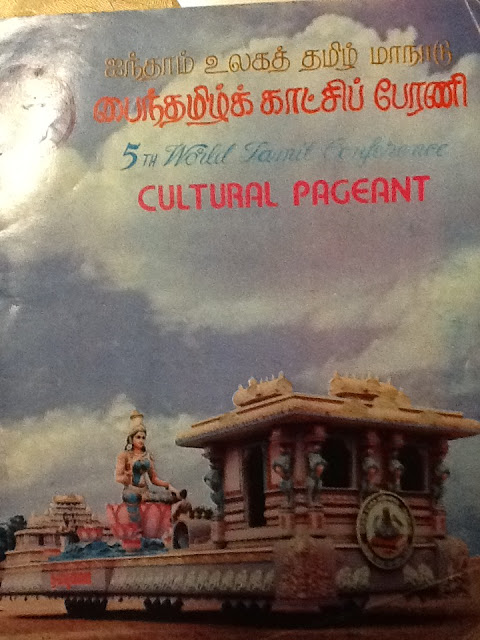
Following are the floats (tableaus) in the Fifth World Tamil Conference held in Madurai in 1981
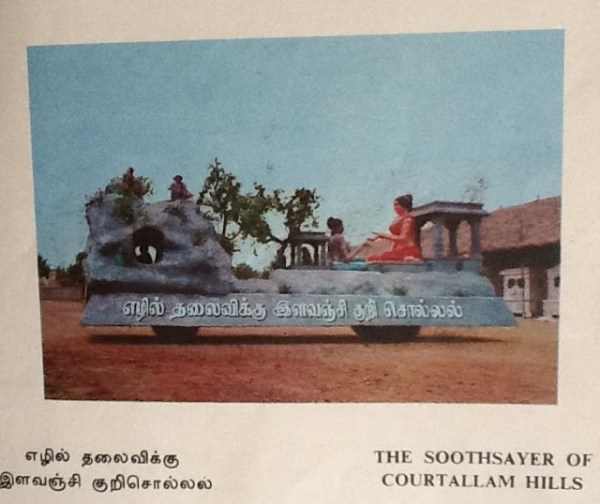
THE SOOTHSAYER OF COURTALLAM HILLS

Kuravanchi is a conventional form of Tamil poetry which blends together some of the ways of life of the elites with those of the hunters. Tirukuta  Rasappa Kavirayar, a Tamil poet from Melakaram, near Tenkasi in Thirunelveli District, has composed Kutralakkuravanchi which is considered to be the supreme example of this genre of Tamil poetry.


It portrays Lord Siva coming in procession accompanied by his devotees against the background of the natural tapestries of the captivating hills of Courtallam, its flora and fauna and its beautiful waterfalls. With its excellent rhythmic beauty, sensuous style, flexible and tender poetic diction it also depicts the heroine Vasantha Valli falling in love with Lord Siva. She is so captivated by the charms of the handsome Lord that she suffers from insomnia and mental agony which a girl faces due to the pangs of separation from her lover. At this juncture, a woman soothsayer from the hunter’s tribe of Courtallam arrives there singing the beauty of Courtallam and the transcendental glory of the Lord. The words of the foreteller console Vasanthavalli and give her the hope of marrying the Lord. This tableau depicts the foretelling of the soothsayer.


xxxxx


KURINCHI


The ancient Tamils have classified the landscape into five divisions namely Kurinchi (Hilly region), Mullai (Pastoral), Marutam (Plain), Neytal (Coastal region) and Palai (Wilderness). While dealing with the poetic conventions of the love poems, they have assigned the Mutarporul (i.e. time and space), Karupporul (i.e. the flora and fauna) as well the Uripporul (i.e. the human drama which forms the poetic theme) for each division of lands. This tableau depicts an event wh ich normally happens in the ancient Kurinchi poems. In the human drama of love, Kurinchi depicts love at first sight. Eventhough the damsel is anxious to embrace the hero, out of her feminine quality namely “nanam” (shyness), she feels reluctant to come near the hero. At this juncture, a ferocious tiger comes on the spot. The fear of the tiger makes her cast away her shyness. Without any second thought she takes refuge in the broad chest of the hero, who protects her and drives away the tiger by his arrow.
xxxx

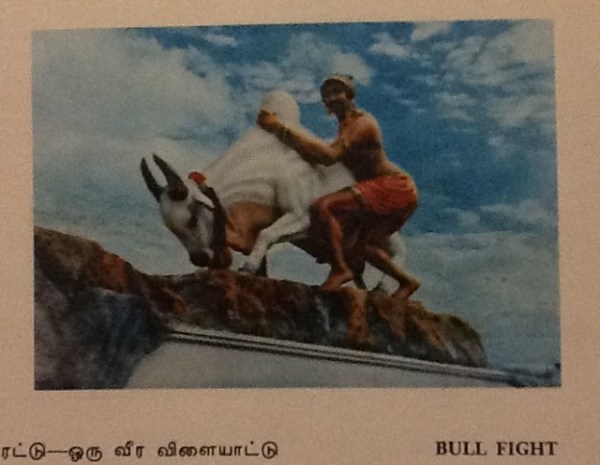
BULL FIGHT


Bull fight is one of the heroic sports of the Tamils and has its origin in a very hoary past. In Mullaikkali of Sankam anthology we come across some instances of the hero grappling with a bull and conquering it as a test of bravery. The damsels of the ancient Tamil pastoral used to bring up wild bulls. They were given in marriage to the suitors who successfully conquered their bulls.


According to Mullaikkali, the girl of the pastoral land would not even think of the defeated man as her husband in anyone of her various births. This scene depicts a hero who tries to conquer the bull and a heroine who waits anxiously to garland him after his victory. This sport is in vogue in many parts of Tamilnadu, especially in some parts of Madurai as a sport under the popular name Manchu Virattu.
xxxx


THE HERO AND THE LANCE

Thiruvalluvar, who glorified agriculture describes a heroic battle in one of his couplets as: “At elephant heads his lance, for weapon pressed He laughs and plucks the spear from his breast be Slaying the elephant in the battle is considered to a supreme kind of heroism by the Tamils. A hero who was nurtured in this heroic tradition fought with an elephant in a battle. He threw his lance on the frenzied elephant which fought fiercely with him. The elephant fell down. When he turned with pride, the victorious hero was hit by the spear of an enemy. At the same time, an elephant also attacked him. Finding no lance ready with him to attack the elephant, he removed the spear which had pierced into his body to throw it on the enemy elephant. Removing the spear, he gloats over the fact that he has a weapon to fight the elephant. Tirukkural describes this thrilling episode and the tableau depicts it.

–Subham–

தமிழ்நாட்டின் எல்லை ‘திருப்பதி’தான்! (Post No.3429)

Research Article Written by London swaminathan


Date: 8 December 2016


Time uploaded in London: 9-03 am


Post No.3429


Pictures are taken from different sources; thanks.


contact; swami_48@yahoo.com


தொல்காப்பியர் காலம் முதல் கம்பன் காலம் வரை தமிழ்நாட்டின் வடக்கு எல்லை மாறவே இல்லை. தமிழன் இந்தியா முழுவதையும் ஆண்டான் என்பதற்கு இலக்கியச் சான்றும் இல்லை, வரலாற்றுச் சான்றும் இல்லை. ஆனால் புனிதமிக்க இமயமலை வரை சென்று அதன் மீது முத்திரை பொறிக்கும் வழக்கம் இருந்தது உண்மையே.


முதலில் இலக்கியச் சான்றுகளையும் பின்னர் மொழி இயல் சான்றுகளையும் காண்போம்


தொல்காப்பியர் காலம்

தொல்காப்பியத்துக்கு பாயிரம் (முன்னுரை) எழுதிய பனம்பாரனார் பாடுகிறார்:-

வடவேங்கடம் தென்குமரி

ஆயிடைத்

தமிழ் கூறு நல்லுலகத்து

வழக்கும் செய்யுளும் ஆ இரு முதலின்

எழுத்தும் சொல்லும் பொருளும் நாடிச்

செந்தமிழ் இயற்கைச் சிவணிய நிலத்தொடு

முந்துநூல் கண்டு

…………………


பொருள்:-

வடக்கே வேங்கட மலையும் தெற்கே குமரி முனையும் ஆகிய இந்நிலத்திற்கு இடைப்பட்ட செந்தமிழ் பேசும் தமிழகத்தில் உலக வழக்கு, செய்யுள் வழக்கு என்ற இரு வழக்குகளில் உள்ள எழுத்து, சொற்கள், பொருள்களை நன்கு ஆராய்ந்து (தொல்காப்பியர் நூல் இயற்றினார்).


புராணங்களில் வரும் 56 தேசங்களில் திராவிட தேசத்துக்கும் தெற்கில்தான் பாண்டிய சோழ தேசங்கள் குறிப்பிடப்படுகின்றன. ஆக திராவிட என்ற சொல்லையும் தமிழ்நாட்டுக்குப் பயன்படுத்த வில்லை. இது பற்றி 56 தேசங்கள் கட்டுரையில் முன்னரே எழுதிவிட்டேன். பஞ்ச திராவிடர்கள் என்பது 5 வகை பார்ப்பன மக்களைக் குறிக்கவே பயன்படுத்தப்பட்டதையும் தந்து விட்டேன்.


காளிதாசனின் ரகு வம்ச காவியத்திலும் தென் பகுதியில் உள்ள பாண்டிய மன்னரை மட்டுமே குறிப்பிடுகிறான். சேர சோழர்கள் இல்லை!!


கம்பன் என்ன சொல்லுகிறான் என்று பார்ப்போம்; தொல்காப்பிய காலத்துக்கு மிகவும் பின்னால் வந்தவன் கம்பன். அவனும் வட வேங்கட மலையே (திருப்பதி-திருமலை) தமிழ் நாட்டின் எல்லை என்பான்:-


வடசொற்கும் தென்சொற்கும் வரம்பு ஆகி

நான் மறையும் மற்றை நூலும்

இடைசொற்ற பொருட்கு எல்லாம் எல்லை ஆய்

நல் அறிவுக்கு ஈறு ஆய் வேறு

புடை சுற்றும் துணை இன்றிப் புகழ் பொதிந்த

மெய்யேபோல் பூத்துநின்ற

அடைசுற்றும் தண்சாரல் ஓங்கிய

வேங்கடத்தில் சென்று அடைதீர் மாதோ


பொருள்:-

வடமொழிக்கும் தென்மொழியாகிய தமிழ் மொழிக்கும் எல்லையாகியும், நான்கு வேதங்களுக்கும், ஆறு அங்கங்களுக்கும் மற்றுமுள்ள நூல்களுக்கும் முடிவான பொருளைக் காட்டுவதாகவும் நல்லறங்களின் மேன்மையாகவும்,  ஈடு இணை இல்லாததும் புகழ்மிக்கதும், எல்லோரும் வணங்கக்கூடியதுமான, குளிர்ந்த மலைப்பகுதியான வேங்கட மலையில் போய்த் தேடுங்கள்.–கிட்கிந்தா காண்டம், நாடவிட்ட படலம்- கம்ப ராமாயணம்


சீதையை த் தேடச் செல்லும் வானரப் படைகளுக்கு கட்டளையிட்டபோது இச்செய்யுள் கூற்று வருகிறது.

ஆக, கம்பனும் வட வேங்கட மலையையே தமிழ் மொழி பேசும் நில எல்லையாகக் காட்டுகிறான். வடக்கில் உள்ள வேங்கட மலை எல்லோரும் அறிந்ததே. ஆயினும் தெற்கிலுள்ள குமரி முனை கடலுக்குள் போய் இப்போது கன்யாகுமரியே நமது தென் எல்லையாக இருக்கிறது.


தமிழ் மொழி திருப்பதியைத் தாண்டி ஒலித்ததே இல்லை!


அதீத அன்பினாலும் தமிழ் ஆர்வத்தாலும் —- தமிழ் மொழி பற்றிப் பலரும், இதுதான் உலகின் பழைய மொழி என்றும் இந்தியா முழுதும் இம்மொழி பேசப்பட்டது என்றும் புகழ்வர். ஆயினும் இதற்குச் சான்றுகள் இல்லை.


தமிழன் இமயம்வரை சென்று புலி, வில், மீன் முத்திரைகளைப் பதித்திருக்கலாம். அதெல்லாம் போகும் வழியில் இருக்கும் மன்னர்களிடம் முன் கூட்டியே சொல்லி வைத்து  விடுவர். மிகவும் அபூர்வமாக ஓரிருவர் எதிர்த்து சண்டைக்கு வருவர்.


சதகர்ணி என்ற சக்திவாய்ந்த ஆந்திர மன்னர் உதவியுடன், சேரன் செங்குட்டுவன் இமயம் சென்றான். ஊர் பேர் தெரியாத இரண்டு சில்லுண்டி சிற்றரசர்கள் — கனகனும் விஜயனும் — சேரனை எதிர்க்கவே அவர்கள் தலையில் அவன் கல்லை ஏற்றிக் கொண்டுவந்தான் என்று நாம் சிலப்பதிகாரத்தில் படிப்போம். இப்படி இரண்டு அரசர்கள் இருந்ததற்கு வரலாற்றுச் சான்றுகள் இல்லை. ஆக இவர்கள் இருவரும் ஏதோ ஒரு பகுதியை ஆண்ட சிற்றரசர்களாக இருக்கலாம்.

வடக்கில் திராவிட மொழிகள் இல்லையா?

இப்போது ஒரு கேள்வி எழும். வடக்கிலுள்ள சில மொழிகள், தமிழுக்கு நெருக்கமானவை என்றும் அவை திராவிட மொழிக் குடும்பத்தைச் சேர்ந்தவை என்றும் வெள்ளைக்காரர்கள் எழுதிவைத்துள்ளனரே. அது எல்லாம் பொய்யா?


தமிழும் சம்ஸ்கிருதமும் ஒரே மூல மொழியிலிருந்து உருவனவை. அவைகளின் எச்ச சொச்சங்களை எல்லா இந்திய மொழிகளிலும் காணலாம். இப்படி திராவிட மொழிக் குடும்பம் என்று சொல்லுவோர் ஒரு நூறு சொற்களைக்கூட காட்டமுடியவில்லை. குறிப்பாக வடமேற்கு இந்தியவிலுள்ள பிராஹுய் மொழியைப் பற்றி எழுதி அது, சிந்து சமவெளியில் தமிழ் இருந்ததற்குச் சான்று என்றெல்லாம் பிதற்றுவார்கள். உண்மையில் வியாபாரத்துக்காக சிந்துவெளிக்கு மிகவும் பிற்காலத்தில் சென்ற தமிழ்    மக்கள்    விட்டுச் சென்ற சில சொற்கள் உள்ளன. அவ்வளவுதான்.


இவர்கள் எதை எதையெல்லாம் திராவிட மொழிக் குடும்பம் என்று சொல்லுகின்றனரோ அங்கெல்லாம் தமிழ் இல்லாத சொற்கள் 70 முதல் 90 சதவிகிதம் வரை உள்ளன. இது பற்றிக் கேட்டால் பிற்காலத்தில் இந்த மொழி கலந்துவிட்டது என்றும் பிதற்றுவர். பூசி மெழுகுவர். துருக்கியில் கி.மு 1400 வாக்கிலேயே சம்ஸ்கிருதச் சொற்களும் கல்வெட்டுகளும் உள்ளன. இது போலக் கல்வெட்டுகள் இருந்தால் உண்மையில் அந்த மொழி அங்கு இருந்தது என்பதை ஒப்புக்கொள்ளலாம்.


மேலும் இவர்கள் கூறும் எந்த திராவிட மொழிக்கும் எழுத்தும் கிடையாது, இலக்கணமும் கிடையாது, அகராதி, நிகண்டும் கிடையாது. பொய்ப் பித்தலாட்டத்திலேயே இந்த வாதம் நிற்கிறது. ஆழமாக ஆராய்ந்தால் பிராஹுய் மொழி, திரவிட மொழி என்ற வாதமெல்லாம் அடிபட்டுப் போகும். ஆகவே பிற்காலத்தில் வந்த இந்த மொழிகள் — தமிழனுக்கும் வடக்கிற்குமுள்ள தொடர்பை நிலைநாட்டப் போதுமானவை அல்ல.

பழங்குடி மக்களின் நாகரீகத்தை — குறிப்பாக தமிழ்நாட்டிலும் தென்னிந்தியாவிலும் வாழும் பழங்குடி மக்களின் நாகரீகத்தைப் படித்தால் ஆயிரக் கணக்கான பழக்க வேறுபாடுகள் இருப்பதை அறிய முடியும். ஆக இவர்கள் ஒரே இன மக்கள் இல்லை என்பதும் தெளிவு.


வாழ்க தமிழ்! வளர்க தமிழ்!! ஒளிர்க தமிழ்!!!


‘பாரதியும் திலகரும்’ (Post No.3428)

Written by S NAGARAJAN


Date: 8 December 2016


Time uploaded in London: 4-36 AM


Post No.3428


Pictures are taken from different sources; thanks.


contact; swami_48@yahoo.com


பாரதி இயல்

மஹாகவி பாரதியார் பற்றிய நூல்கள் – 13

பாரதியை ஒட்டிய நினைவுகள் – பெ.நா.அப்புஸ்வாமி

‘பாரதியும் திலகரும்


ச.நாகராஜன்


இதுவரை வந்த கட்டுரைகள் பற்றி


மஹாகவி பாரதியார் பற்றிய நூல்கள் என்று இது வரை 12 நூல்கள், கட்டுரைகள், வானொலி உரைகள் ஆகியவை பற்றிய சுருக்கமான விவரங்களை இந்தத் தொடரில் பார்த்தோம்.

புதிதாக இந்தக் கட்டுரையைப் படிப்போருக்கும் இதைத் தொடர்ந்து படிப்போருக்கும் முந்தைய கட்டுரைகளில் சொல்லப்பட்ட நூல்/கட்டுரை/வானொலி உரை தலைப்பை மட்டும் இங்கு குறிப்பிடுகிறோம்.


  • என் தந்தை – பாரதியாரின் புதல்வி சகுந்தலா பாரதி எழுதியுள்ள நூல்
  • பாரதி நினைவுகள் – திருமதி யதுகிரி அம்மாள் அவ்ர்களின் புதுவை வாச நினைவுக் கோவை
  • என் கணவர் – மஹாகவி பாரதியாரின் மனைவியார் செல்லமா பாரதி அவர்கள் 1951இல் திருச்சி வானொலியில் ஆற்றிய உரை
  • நான் கண்ட நால்வர் – வெ.சாமிநாத சர்மா அவர்களின் நூல்
  • பாரதி புதையல் மூன்றாம் தொகுதி – தொகுப்பாளர் ரா.அ..பத்மநாபன்
  • பாரதியார் பிறந்த நாள் – அரவிந்த ஆஸ்ரமவாசியான அமுதன் புதுவை வானொலியில் ஆற்றிய உரை
  • மஹாகவி பாரதியார் – வ.ரா. எழுதிய நூல்
  • Subrahmaniya Bharati – Partiot and Poet – Prof P.Mahadevan
  • பாரதியார் கவி நயம் – 31 அறிஞர்கள் எழுதிய 34 கட்டுரைகளின் தொகுப்பு – தொகுப்பாளர் ரா.அ..பத்மநாபன்
  • கண்ணன் என் கவி – கு.ப.ரா. சிட்டி ஆகியோர் எழுதிய நூல்
  • பாரதி நான் கண்டதும், கேட்டதும் – பி.ஸ்ரீ எழுதிய நூல்
  • பாரதி பிறந்தார் – கல்கி எழுதிய நூல்


இது தவிர ‘மஹாகவி பாரதியாருக்குச் செய்யும் மஹத்தான துரோகம்’ என்ற எனது கட்டுரையில் பாரதியின் கட்டுரைகள், கவிதைகளை  மனம் போல மாற்றி வெளியிடும் போக்கு பற்றி எழுதப்பட்டிருந்தது.


அடுத்து ‘பாரதியார் கவசம் அணியுங்கள்’ என்ற கட்டுரையில்  இன்றைய ஊழல் நிறைந்த வாழ்க்கை முறையில் நம்மைப் பாதுகாத்துக் கொள்ள உதவும் பாரதியாரின் பாடல்களைக் குறிப்பிட்டு இந்த பாரதி கவசத்தை அணியலாம் என்ற ஆலோசனை தரப்பட்டிருந்தது.


இவற்றைப் படித்தால் மஹாகவி பாரதியார் என்ற பிரம்மாண்டமான கடல் எவ்வளவு பெரியது என்ற உணமை தெரியும்.


இப்போது மஹாகவி பாரதியார் பற்றிய நூல்கள் தொடரில் மேலும் சில நூல்கள், கட்டுரைகள் ஆகியவற்றைப் பார்ப்போம்.


பாரதியை ஒட்டிய நினைவுகள் – பெ.நா.அப்புஸ்வாமி – பாரதியும் திலகரும்

தினமணி சுடரில் 1980,1981,1982 ஆம் ஆண்டுகளில் பாரதியை ஒட்டிய நினைவுகள் என்ற தொடரில் பல்வேறு தலைப்புகளில் பாரதியைப் பற்றி பிரபல எழுத்தாளர் பெ.நா.அப்புஸ்வாமி எழுதி வந்தார்.


இந்தத் தொடரில் 22-6-1982, 29-6-1982, 4-7-1982 ஆகிய தேதியிட்ட இதழ்களில் ‘பாரதியும் திலகரும்’ என்று பெ.நா.அப்புஸ்வாமி எழுதிய கட்டுரைகள் குறிப்பிடத்தகுந்த ஒன்று.


பச்சையப்பன் கல்லூரிக்கு விடுமுறை விட்ட ஆங்கிலேயர்

இதில் சென்னையில் நட்ந்த ஒரு சம்பவத்தை பெ.நா.அப்புஸ்வாமி நினைவு கூர்கிறார்.


அவரது சொற்களில் அப்போதிருந்த நாட்டு நிலைமை இது தான்:


“பாரதியின் மனம் பொதுவாக வன்மை முறைகளை ஆதரிக்காத மனமாக இருந்த போதிலும், ஓரளவு திலகருடைய வன்மைமுறைச் சார்பான கட்சியை ஆதரித்தது என்றே கருத வேண்டும். பாரதி கோகலேயையும் (கோகலே சாமியார்  பாடல்), திலகரையும் (வாழ்க திலகர் நாமம்) பற்றிப் பாடியிருக்கிறார். இப்படிப்பட்ட பின்னணி நாட்டில் நிலவிய பொழுது திலகர் காலமானார். அப்பொழுது, பாரதி அரங்கசாமி ஐயங்காரின் பாராட்டைப் பெற்று, ‘சுதேசமித்திரன்’ பத்திரிகையில், செய்தித் துறை முதலியவற்றைக் கவனித்து வரும் குழுவில் ஒருவராக இருந்து வந்தார்.”

பெ.நா.அப்புஸ்வாமி, திலகர் இறந்த நாளில் நடந்த சம்பவம் ஒன்றை அவரது நண்பர் எஸ்.ஆர்.வெங்கடராமன் சுட்டிக் காட்ட, அதை விளக்குகிறார்.


பால கங்காதர திலகர் இந்திய நாட்டின் மாபெரும் தலைவர். 1958ஆம் ஆண்டு ஜூலை  மாதம் 23ஆம் தேதி பிறந்த திலகர் 1920ஆம் ஆண்டு ஆகஸ்ட் மாதம் முதல் தேதியன்று காலமானார்.

எஸ் ஆர்.  வெங்கடராமன் பச்சையப்பன் கல்லூரியில் மாணவராக இருந்தார். அந்தக் காலத்தில் பச்சையப்பன் கல்லூரி சென்னையில் ஜார்ஜ் டவுன் பகுதியில் இருந்தது.

அந்தக் கல்லூரிக்கு ரென் என்னும் ஆங்கிலேயர் தலைமை ஆசிரியராக இருந்தார்.இளைய வயதின்ரான அவர் பெரும்பானிமையான ஆங்கில மக்களைப் போன்று இந்திய சுதந்திரத்தில் விருப்பம் உடையவராக இருந்தார்.


திலகர் காலமான செய்தியைக் கேட்ட பின்னர் அவர் தம்முடைய கல்லூரி மாணவர்களை கல்லூரியின் உட்புறத்தில் உள்ள திற்ந்த கூடத்தில் கூடச் செய்தார். திலகருடைய நற்பண்புகளைப்ப் பற்றி ஐந்து நிமிஷம்  போல் பாராட்டிப் பேசினார். பேசிய பின், “இது உங்களுக்கு ஒரு துக்ககரமான நாள். ஆதலால் இன்று நம்முடைய கல்லூரிக்கு விடுமுறை நாளாக் அதை மதிப்பது நமது கடமை” என்று சொல்லி கல்லூரியை மூடி விட்டார்.

அந்தச் செய்தியைப் பத்திரிகைக்கு அறிவிக்கும் செய்தி எஸ்.ஆர்.வெங்கடராமனிடம் ஒப்புவிக்கப்பட்டது.


பாரதியாரின் கூற்று


அவர் சுதேசமித்திரன் அலுவலகத்திற்குச் சென்றார். அங்கு அரங்கஸ்வாமி ஐயங்காரைக் கண்டார்.


‘செய்திப் பொறுப்பு பாரதியைச் சேர்ந்தது, அவரிடம் போ’ என்று அவர் சொல்ல வெங்கடராமன் பாரதியிடம் சென்றார்.

வெங்கடராமன் தெரிவித்த செய்தியை நம்ப முடியாமல் “யார்? ஒரு வெள்ளைக்காரனா திலகரைப் புகழ்ந்து பேசினான்? அவனா உங்களுக்கு விடுமுறை விட்டான்? என்றெல்லாம் கேட்டு விட்டு பாரதியார், ‘இந்த நாட்டில் அவன் அந்தப் பத்வியில் அதிக நாள் இருக்க மாட்டான்’ என்றார்.


விடுமுறை அளிக்கப்பட்ட செய்தி சுதேசமித்திரனில் வந்தது.

நிர்வாகத்திற்கு ரென்னுக்கும் இதனால் பிரச்சினை ஏற்பட,

ரென் கல்லூரியை விட்டு விலக நேர்ந்தது.

புலமை மிக்க அவர் இலக்கண நூல்கள், கட்டுரை எழுதுவதற்கு வழிகாட்டும் நூல்களை எழுத ஆரம்பித்தார்.


இப்படி ஒரு அரிய செய்தியை பெ.நா.அப்புஸ்வாமி பாரதியும் திலகரும்’ கட்டுரையில் (மூன்று பகுதிகள்) தெரிவிக்கிறார்.


பாரதியின் கணிப்பு சரியாகப் போனது. ஒரு ஆங்கிலேயர் இந்திய சுதந்திரத்தில் அக்கறை கொண்டு தேசீய்த் தலைவர் மறைந்ததற்கு இரங்கல் தெரிவித்து கல்லூரிக்கு விடுமுறை விட்டது போன்றவற்றை சுவாரசிய்மாக விளக்கியுள்ளார் பெ.நா.அப்புஸ்வாமி.


பாரதி அன்பர்கள் படிக்க வேண்டிய ஒரு கட்டுரைத் தொடர் இது.

****


Whales in Kalidasa’s work and Tamil Sangam Literature (Post No.3427)

Research Article Written by London swaminathan


Date: 7 December 2016


Time uploaded in London: 16-43


Post No.3427


Pictures are taken from different sources; thanks.


contact; swami_48@yahoo.com


(Tamil version of this research article is also posted)


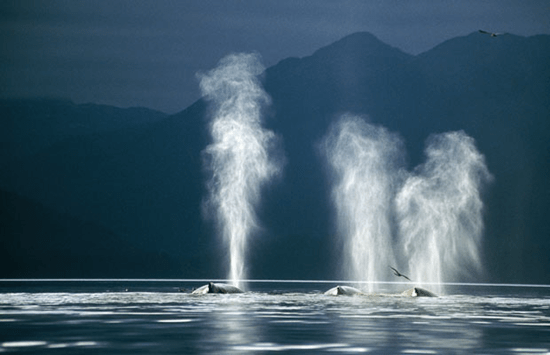
Kalidasa, India’s greatest poet, who lived in the first century BCE talks about whales in his work Raghuvamsa. Kalidasa was one of the geniuses of the world. He is well versed in all the subjects from astronomy to zoology. In Raghuvamsa, he describes the whale and ‘the water’ that was coming out of its holes on the head.


Following is the translation of Raghuvamsa 13-10

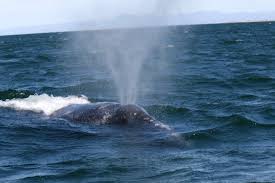
“These whales with these wide opened mouths take in the water along with the marine creatures into them, and holding their jaws together, jet out water through the blowholes on their heads”.

Science fact: Though it is not water but the hot air breathed out, it sprinkles water during this exhaling. The hot air thrown out or exhaled condescends and sprinkles water.


Tamil poets who lived 200 years ago also repeats what Kalidasa said in his Raghuvamsa. There are two verses in Natrinai (132 and 291) where in we come across whales and sperm whale that contains ‘oil’ in its head.


An anonymous poet says in verse 132: “ Whole town is sleeping; there is no one who is awake. The mouthed whale gushes out water. When the cold and noisy wind blows into the streets there is drizzling.  The water comes into the house through the holes in the door. Even the sharp toothed dog shivers.”


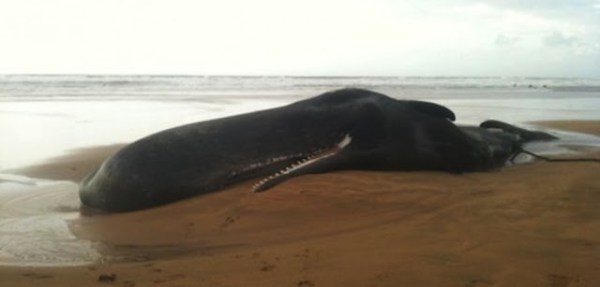
In verse 291, famous poet Kapilar says:-The water birds stand in the muddy waters like the soldiers of a king’s army to eat the fat/oil headed (Sperm) whale.(Probably the whale got  stranded in the muddy water).


Another anonymous poem found in Natrinai 175 says, “the fishermen light the lamps made up of oyster shells, filled with fish oil in the coastal areas.

Picture of a stranded Sperm Whale

These poems show clearly that the ancient Indians know about the whales. the reference is in both Tamil and Sanskrit

texts. Their belief was also the same. They did believe the whales threw out water through their blow holes. They used fish oil as a fuel.


South Indian coasts were frequented by whales and dolphins 2000 years ago. now we see only stranded whales.


Big Whale Bone

Tamil poet Kamban who made Ramayana in Tamil also spoke about whale bone on the sea shore (Kishkinda Canto, Dundhubi section). When Lord Rama saw a big and dry bone on the sea shore, he asked Sugreeva what it was. He wondered whether it was a skeleton of a whale. But Sugreeva explained it was the skeleton of Dundhubi killed by Vali.


From this we come to know it was not uncommon to see a whale bone intact on the sea shore.


Makara and Sura in Tamil and Sanskrit:

Ancient poets used words like Makara and Sura for all the aquatic creatures (shark fish) and mammals (whales and dolphins) with a strangely shaped mouth. But to differentiate it from one another, they added some pre-fix. Old commentators due to lack of knowledge in Biology, interpreted every big creature as big fish.


–subham–


திமிங்கிலம் பற்றிக் காளிதாசனும் சங்கப் புலவர்களும் தரும் அதிசயத் தகவல் (Post No.3426)

Research Article Written by London swaminathan


Date: 7 December 2016


Time uploaded in London: 9-50 am


Post No.3426


Pictures are taken by Tamil Conference Booklet.


contact; swami_48@yahoo.com


(English version of this research article is also posted)

2000 ஆண்டுகளுக்கு முன் வாழ்ந்த காளிதாசனும் சங்கப் புலவர்களும் கடலில் வாழும் திமிங்கிலங்கள் பற்றி அரிய தகவல்களைக் கூறுகின்றனர். அவ்வப்பொழுது நாடு முழுதும் உள்ள கடற்கரைகளில் இறந்துபோன திமிங்கிலங்கள் கரை ஒதுங்குவதையும், சில நேரங்களில் உயிருடன் கரை ஒதுங்கி தத்தளிப்பதையும் பத்திரிக்கைகளில் படிக்கிறோம். ஆனால் 2000 ஆண்டுகளுக்கு முன் திமிங்கிலங்கள் நம் நாட்டுக் கரை ஓரமுள்ள கடற் பகுதியில் வந்து சென்ற விஷயங்களைக் காளிதாசன் பாடலும் காளிதாசன் புலவர் பாடல்களும் காட்டுகின்றன.


இப்போது அவை நம் நாட்டுக் கடற்பகுதிகளில் வசிப்பதில்லை. நம்மவர்கள் வேட்டையாடி அழித்திருக்கலாம் அல்லது கடல் வெப்ப நிலை மாற்றத்தால் அவை வேறு பகுதிகளுக்குச் சென்றிருக்கலாம்.

இதோ காளிதாசன் பாடல்:


காளிதாசன் கண்ட அற்புதக் காட்சி இது; திமிங்கிலங்கள் ஏராளமான மீன்களுடன் கூடிய தண்ணீரை உறிஞ்சி, மீன்களை வாயில் வைத்துக் கொண்டு, தலையிலுள்ள ஓட்டை வழியாக நீரைப் பாய்ச்சுவதைக் காளிதாசன் கண்டு மகிழ்ந்துள்ளான். இதை எல்லாம் விமானத்திலிருந்து இராமபிரான், சீதைக்குக் காட்டுவதாக கவி புனைந்துள்ளான் காளிதாசன்.

சசந்த்வமதாய நதீமுகாம்ப: சம்மீலயந்தோ விவ்ருதானனத்வாத்

அமீ சிரோபிஸ்திமய: சரங்ரைரூர்த்வம் விதன்வதி ஜலப்ரவாஹான்

ரகுவம்சம் 13-10

அமீ-இந்த, திமய: – திமிங்கிலங்கள்,  விவ்ருத் ஆனனத்வாத்- – திறந்த வாய்களை உடையதால், சமத்வம் – பிற கடல்வாழ் உயிரினங்களுடன் கூடிய, நதீமுகாம்ப:- ஆற்றின் முகத்வார நீரை,  ஆதாய- எடுத்து, சம்மீலயந்த: – வாய்களை மூடிக்கொள்கின்றன, சரங்க்ரை:- துளைகளுடன் கூடிய தலைகளின் வழியாக நீர்ப்பெருக்கை, ஊர்த்வம்- மேல் நோக்கி, விதன்வந்தி- விடுகின்றன.

(திமிங்கிலங்கள் உண்மையில் மூச்சுக் காற்றை வெளியேற்றவே கடலின் மேல் மட்டத்திற்கு வருகின்றன. அவை மேல் மட்டத்துக்கு வரும்போது வீசும் மூச்சுக் காற்று நீரில் குளிர்ந்து நீர்த்துளி ஆவதாலும், காற்றுடன் கடல் நீர் வீசுவதாலும் தண்ணீர் தெளித்தது போலாகிரறது. மேலும் திமிங்கிலங்களின் நீச்சலாலும் நீர்த்திவலைகள் வெளியே வரும். அதன் தலை ஓட்டையிலிருந்து வருவது மூச்சுக் காற்றுதான்; தண்ணீர் அல்ல என்பது விஞ்ஞான உண்மையாகும்)

தமிழ்க் கடலில் திமிங்கிலங்கள், Whales & Sperm Whale

Whales

இதோ சங்கப் புலவர்களின் திமிங்கிலப் பாடல்கள்:–

2000 ஆண்டுகளுக்கு முன்னர் தமிழ்நாட்டுக் கரை ஓரமாக திமிங்கிலங்கள் கூட்டம் கூட்டமாகச் சென்றிருக்க வேண்டும். ஏனெனில் திமிங்கிலங்கள் தலையிலிருந்து உயரே பாய்ச்சும் நீரானது, காற்றினால் அடித்துவரப்பட்டு  மீனவர் குடிசைகள் மீது விழுந்ததாகத் தமிழ்ப் புலவர்கள் பாடுகின்றனர். அது மட்டுமல்ல தலையில் அதிக எண்ணையுடன் வரும் SPERM WHALE ஸ்பேர்ம் வேல் – எனப்படும் திமிங்கிலம் பற்றியும் பாடுகின்றனர். இது தவிர சுறாமீன்கள் செய்யும் அட்டூழியங்கள், வலைகளைக் கிழித்துக் கொண்டு வெளியேறுவது ஆகியன பற்றியும் பாடியுள்ளனர். இப்பொழுது தமிழ்நாட்டின் கரை ஓரங்களில் திமிங்கிலங்களைக் காணமுடியாது. எப்போதாவது வழி தவறி, திசை மாறி அடித்துவரப்படும் திமிங்கிலங்களை மட்டுமே பார்க்கலாம்.


பேர் ஊர் துஞ்சும்; யாரும் இல்லை;

திருந்துவாய்ச் சுறவம் நீர் கான்று, ஒய்யெனப்

பெருந்தெரு உதிர்தரு பெயலுறு தண் வளி

போர் அமை கதவப் புரைதொறும் தூவ,

கூர் எயிற்று எகினம் நடுங்கும் நல்நகர்ப்

…………………

நற்றிணைப் பாடல் 132


பெரிய ஊர் உறங்கும் வேளை; தூங்காதவர் யாரும் இல்லை; பெரிய வாயுடைய திமிங்கிலம் தண்ணீரைப் பாய்ச்சும். குளிர்ந்த காற்று ஒய்- என்ற ஒலியுடன் வீசும்;  அந்தக் காற்றில் திமிங்கிலத் தலையிருந்து பொங்கும் நீர் அடித்து வரப்படும். கடலோரமாகவுள்ள மீனவர் வீடுகளில் அது மழைபோலப் பெய்யும்; இரட்டைகதவுகளின் துவாரம் வழியாக அது வீட்டுக்குள்ளேயும் தெரிக்கும்.

Sperm whale

கபிலர் பாடிய நற்றிணைப் பாடல் 291-ல் எண்ணைத் தலையுடைய SPERM WHALE ஸ்பெர்ம் வேல் பற்றிப் பாடுகிறார்:-


நீர்பெயர்ந்து மாறிய செறி சேற்று அள்ளல்

நெய்த்தலைக் கொழு மீன் அருந்த, இனக் குருகு

குப்பை வெண்மணல் ஏறி, அரைசர்

ஒண்படைத் தொஉகுதியின் இலங்கித் தோன்றும்

தண் பெரும் பௌவ நீர்த்துறைவற்கு

……………….


இது ஒரு கடற்கரைக் காட்சி; எண்ணைச் சத்தை அதிகமாகக் கொண்ட தலையையுடைய ஒரு திமிங்கிலம்  வழிதவறிப்போய் கடற்கரையோர சேற்றில் சிக்கிக் கொண்டது. அதைச் சாப்பிட பெரிய கொக்குக் கூட்டம் வெண்மணலில் குவிந்துவிட்டன. அது எப்படி இருக்கிறது என்றால் ஒரு அரசரின் படை போல உள்ளது.


நற்றிணைப் பாடல் 175-ல் மீன் எண்ணை பற்றிய குறிப்பு வருகிறது. மீன் பிடித்து வந்த பரதவர் (மீனவர்), மீன்களைக் கடற்கரையில் குவித்துவிட்டு பெரிய கிளிஞ்சல்களில் மீன் எண்ணையை ஊற்றி விளக்கு ஏற்றுவர் என்று ஒரு புலவர் பாடி இருக்கிறார். இது சுறா போன்ற எண்ணைச் சத்துடைய மீன்களில் இருந்து எடுக்கப்பட்ட எண்ணையாக இருக்கலாம். இதுதான் மீனவர்களின் எரிபொருள்.

Sperm Whale

நெடுங்கடல் அலைத்த கொடுந்திமிற் பரதவர்

கொழுமீன் கொள்ளை அழி மணல் குவைஇ

மீன் நெய் அட்டிக் கிளிஞ்சில் பொத்திய

சிறு தீ விளக்கில் துஞ்சும்……………


கம்பனும் கூட திமிங்கில எலும்புக்கூடு பற்றி ஒரு பாடலில் கூறுகிறான்

அண்டமும் அகிலமும் அடைய அன்று அனலிடைப்

பண்டு வெந்தென நெடும் பசை வறந்திடினும் வான்

மன்டலம் தொடுவது அம் மலையின் மேல் மலை எனக்

கண்டனன்  துந்துபி கடல்  அனான் உடல் அரோ


தென்புலக் கிழவன்  ஊர் மயிடமோ திசையின் வாழ்

வன்பு உலக்கரி மடிந்தது கொலோ மகரமீன்

என்பு உலப்புற உலர்ந்தது கொலோ இது எனா

அன்பு உலப்பு அரிய நீ உரை செய்வாய் என அவன்


துந்துபிப் படலம் , கிட்கிந்தா காண்டம்


பொருள்:-

மிகுந்த ரத்தம் வற்றிப் போயிருந்தாலும், ஊழித்தீயில் வெந்தது போன்றும் வான மண்டலத்தைத் தொடுவது போன்றும், கடல் போலப் பரவிக் கிடக்கும் துந்துபி என்னும் அசுரனின் உடல் எலும்புக் குவியலை, ருசியமுக மலையில் கண்டான்; அது வேறு ஒரு மலைபோலக் காணப்பட்டது.


அதைப் பார்த்த ராமன் சொன்னான்:- இது என்ன தென் திக்கில் பயணம் செய்யும் எமதர்மனின் வாகனமான எருமைக் கடாவா? திக்குகள் தோறும் உள்ள யானைகள் இறந்து கல்லானதோ! மகரம் என்னும் பெரிய  மீன் இறந்தபின்னர் உலர்ந்து கிடக்கும் எலும்புக்கூடா? என்று வியந்து சுக்ரீவனை நோக்கி உனக்குத் தெரிந்ததைச் சொல் என்றான்.

Whale Bone

உடனே துந்துபி என்னும் அரக்கனை வாலி கொன்ற வரலாற்றைச் சுக்ரீவன் சொன்னான்.

இங்கு வருணிக்கப்படும் மகர மீன் சுறாமீன் அல்ல; பெரிய திமிங்கிலமாகும். மகர என்ற சொல்லை டால்பின், சுறாமீன், திமிங்கிலம் ஆகிய எல்லாவற்றிற்கும் பயன்படுத்துவர்.


—subham–
 

பாம்புகள் காத்த பைரவர் ஆலயம்!(Post No.3425)

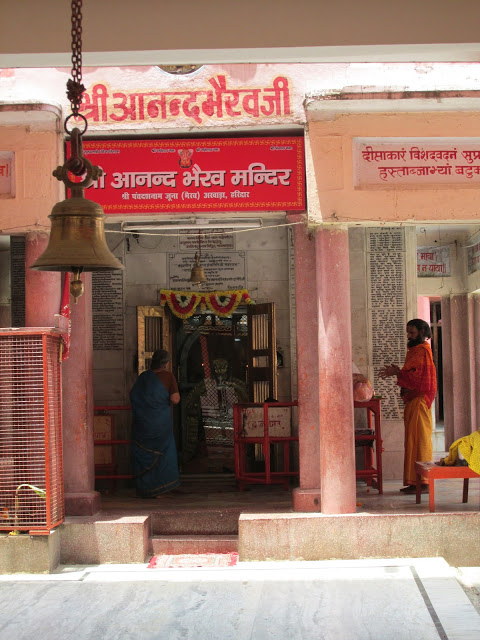
Picture: Anand Bhairav Temple, Haridwar

Written by S NAGARAJAN


Date: 7 December 2016


Time uploaded in London: 5-31 am


Post No.3425


Pictures are taken from various sources; thanks


contact; swami_48@yahoo.com


ஹரித்வார் பற்றிய உண்மை நிகழ்ச்சி

பாம்புகள் காத்த பைரவர் ஆலயம்!


ச.நாகராஜன்


இந்திய வரலாற்றின் பழைய ஏடுகள் அதிசயிக்கத்தக்க செய்திகளைத் தரும் ஒன்றாகும். இவற்றை முறையாகத் தொகுப்பார் இல்லாததால் அனைவரும் இந்த அதிசயச் செய்திகளை அறிய முடியாமல் போகிறது. வரலாற்று ஏடுகளிலிருந்து ஹரித்வாரைப் பற்றிய ஒரு உண்மை சம்பவம் :

பிரிட்டிஷார் நம்மை ஆண்டு வந்த காலத்தில் சர் அலெக்ஸாண்டர் கன்னிங்ஹாம் இந்திய தொல்லியல் பிரிவின் டைரக்டர் ஜெனரலாக இருந்தார். 1870-71ஆம் ஆண்டுகளில் தன்னால் இயன்றவரை தொல்லியல் முக்கியத்துவம் வாய்ந்த செய்திகளைச் சேகரித்தார். அவரது அறிக்கையில் ஹரித்வார் ஸ்தலம் பத்து அல்லது பதினொன்றாம் நூற்றாண்டில் பிரபலமாக இருந்தது என்றும் அப்போது அங்கு கோவில் கட்டப்பட்டது என்றும் குறிப்பிடப்பட்டுள்ளார்.


பின்னால் வந்த தொல்லியல் நிபுணர்களும் அகழ்வாராய்ச்சி நிபுணர்களும் இந்த தலம் மிகப் பழமையானது என்றும் சுமார் 3750 ஆண்டுகளுக்கு முற்பட்டது என்றும் கூறியுள்ளனர்.


கி.பி,1206ஆம் ஆண்டில் குத்புதீன் ஐபக் அடிமை வம்சத்தை இந்தியாவில் நிறுவினான்.1320இல் கயாசுதின் துக்ளக் தனது துக்ளக் வம்சத்தை நிறுவினான். இதில் வந்த அமிர் ஜாஃபர் தைமூர் 1398இல் ஒரு பயணத்தை மேற்கொண்டான்.


யமுனை நதிக் கரையோரம் படைகளுடன் சென்ற அவன் வழியில் இருந்த கோவில்களை இடித்தான்.டெல்லி, பீஜானூர் வழியே கங்கைக் கரையோரமாக முன்னேறிய அவன் ஹரித்வார் நகரை அடைந்தான்.

அங்கிருந்த யாத்ரீகர்களை அடித்து விரட்டிய அவன் நேராக மாயாதேவி கோவிலுக்கு அருகில் இருந்த பைரவர் ஆலயத்தை நோக்கிச் சென்றான்.

அதை இடித்துத் தள்ள ஆணையிட்டான். ஆனால் உடனே அவன் கண்ட காட்சி அவனை நடுநடுங்க வைத்தது.


ஏராளமான பாம்புகளும் தேள்களும் அங்கு தோன்றின. அவனது படைகளுக்கு சரி நிகர் சமானமாக பாம்புப் படைகளைக் கண்ட அவனது படைவீரர்கள் அலறிப் பின் வாங்கி ஓடினர்.


நடுநடுங்கிய தைமூர் சமர்கண்ட் நோக்கிச் சென்று விட்டான். ஹரித்வாரும் பிழைத்தது. பைரவர் ஆலயமும் பாம்புப் படையினால் காப்பாற்றப்பட்டது!

தைமூருடன் சென்ற வரலாற்றாசிரியன் ஷர்ஃபுடீன் ஹரித்வாரைப் பற்றியும் அங்கு நடந்த நிகழ்ச்சிகளையும் தன் நினைவுக் குறிப்புகளில்  பதிந்து வைத்துள்ளதால் நடந்த நிகழ்ச்சிகளை நம்மால் அறிய முடிகிறது!


Haridwar Temples

*******


A BRIEF INTRODUCTION TO TAMIL DEVOTIONAL LITERATURE (Post No.3424)

Compiled by London swaminathan


Date: 6 December 2016


Time uploaded in London: 10-50 am


Post No.3424


Pictures are taken by Tamil Conference Booklet.


contact; swami_48@yahoo.com


1981 World Tamil Conference Procession in Madurai -Part 2


Yesterday I posted Part 1 with the title A Brief Introduction to Tamil. following is the 2nd part.
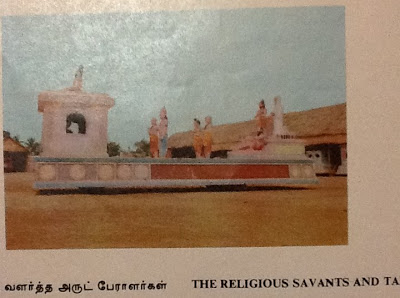
THE RELIGIOUS SAVANTS AND TAMIL

Thirugnana Sambanthar


He lived in the 7thc. A.D. This young devotee who attained the divine mercy at the age of seven, was largely responsible for Saivism becoming popular in Tamil Nadu. His poems are melodious and mellifluous and they form the first three books in the twelve canons of Saivite sacred texts, which are popularly known by the term Panniru Thirumuraikal.


Tirunavukkarasar (Appar)


An ardent Saivite saint, Appar lived in the 7th C. AD. He has composed his devotional lyrics in the Thandakan form and hence he was called by the popular attribution Thandaka venthar (King of Thandaka genre). His works are included as the fifth, sixth and seventh books of the twelve Saivite sacred books. As per the Saivite tradition, he was the supreme example of Divine Service.


Sundarar


He lived in the 8th C. A.D. and considered himself to be a close friend of Lord Siva. Consequently, his devotional poems reveal his sense of comradeship with God. His poems form the seventh book of the Tamil Saivite sacred books.


Manikkavasakar


He lived in the Eighth century A.D. and composed the very beautiful Tamil devotional lyrics entitled Thiruvasakam and Thirukkovaiyar. The special charm. of the former work has captivated the mind of the European missionary G.U. Pope, who has rendered it into English.


LORD AT THE SERVICE OF PEOPLE


When the Pandya King Arimarthanan punished Manikkavasakar for spending the Govt money for religious purpose, Lord Siva performed a miracle before the king to make known the greatness of the famous Saivite saint. As per His divine orders, there was heavy flood in Vaikai river. It destroyed the banks of Vaikai. The officials of the Pandya King ordered that each one of the subjects should do his allotted work to repair the damaged river banks. The poor Vanthi who sold Pittu (rice pudding) could not find a man to work on her behalf. As per her prayer, Lord Siva assumed the form of a coolly and came to Vanthi. After eating the Pittu given by her, he joined others who were engaged in the flood relief activities. He carried in his basket the sand for filling the damaged portions of the river bank. But, he had not sincerely done his job. Consequently, the work allotted to Vanthi remained unfinished. When this was reported to the King, the King got angry and started beating the coolly by a cane. Everyone present there felt a blow on their backs. The coolly put one basket of sand in his allotted area and suddenly disappeared.  The outrageous King’s men went to Vanthi to punish her. But, she was taken to Heaven on a divine chariot by the Siva ganas. When the King’s men went to the river bank they found that it was completely repaired.


Andal –THE DIVINE BRIDE


Andal, the daughter of Periyalvar, is one of the most fascinating of the Alvars. Periyalvar, her foster father found her as a baby in his garden and he brought her up as his daughter. Later, she imagined herself to be the bride of Krishna, refusing to marry mortals, boldly wearing even the garlands intended for the image of Krishna. One day, when her foster father saw it, he was shocked. He proclaimed that the garland which was worn by mortal being was not befitting to Krishna. Consequently, he would not use it to garland the image of Krishna. The same night Krishna appeared in Periyalvar’s dream and said that he would like only the garland which was worn by Andal. Finally, she was given in marriage to the lord of Srirangam. Andal has left but two works Tiruppavai of 30 stanzas and Nachiar Thirumoli of l43 stanzas. Krishna is the hero and she, the heroine in both. Thiruppavai owes its origin to a religious observance among maidens of the cowherds’ class. This tableau depicts Periyalvar looking in wonder at his daughter offering the garland to the statue of Krishna.


xxxxx


Arunakiri Nathar


He is the author of Tiruppukal, which consists of three thousand devotional poems endowed with high rhythmic qualities. He was proficient in Tamil music too. He composed the metrical compositions such as Kanthar Alankaram, Kanthar Anuputhi, Kanthar Antathi, Vel virutham, Mayil Virutham and Tiruvakuppu.


Tirumular


He was a saivite saint and a mystic poet par excellence. He has composed the famous philosophical work Tirumanthiram. His poems are the revelations of his deep reflection in Yoga, Jnanam and Siddha medicines. To him, serving humanity is the chief way to serve God


Thayumanavar (1705 1742)


Born at Vedaranyam, Thayumanavar a great saint was full of love for mankind. His notable poetic works are Anandak kalippu and Paraparak kanni


Ramalinga Swamikal

He lived in Tamil Nadu in the 19th century A.D., and composed Tiruvarutpa which consists of six thousand devotional hymns. He was born on 5-10-1823 at Marutur, near Chidambaram. He lived in Madras for more than thirty years and composed a number of poems. He has established Sathiya Taruma Salai Sathiya Gnanasabai and Samarasa Sanmarka Sankam in Vadalur. His philosophical reflections which are full of egalitarian sentiment and profound humanitarian spirit are considered to be unique contributions to the world of religion and philosophy.

THE POET AND THE PATRON

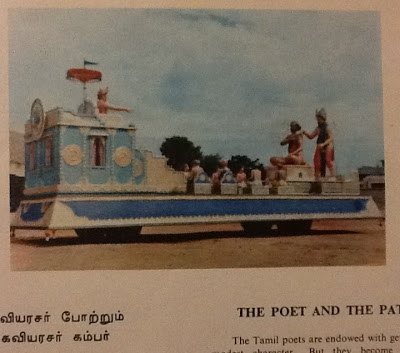
KAMBAR

The Tamil poets are endowed with genial spirit and modest character. But they become crusaders of their cause if anything happens to stain their spotless virtue and prestige. In such cases, they are even prepared to fight with their royal patrons. Consequently, the rulers of the Tamil land patronized the poets with much care love and respect without offending their tender feelings. An event which stands as a typical example of the poet-patron relationship of the ancient Tamil Nadu is depicted here. The Chola King failed to recognize and give due respect to Kamban, the greatest epic poet of Tamil. The offended poet decided to teach him a lesson. He took a vow that he would sit before the court of the Chola King duly served and attended by great king equal in status to the Chola monarch as his errand man. The Chera King who was captivated by the poetic talent of Kamban followed him as an errand man and prepared betel leaf to Kampan while he was seated in the Chola palace. The Chola king promptly recognised the greatness of Kamban.


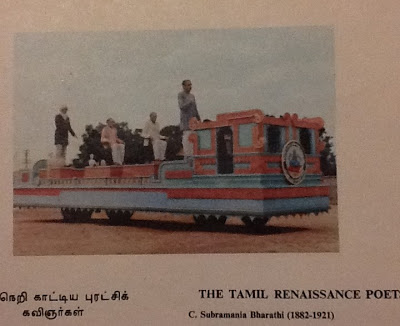
THE TAMIL RENAISSANCE POETS


  1. Subramania Bharathi (1882-1921)


Bharathi started his poetic career as a court poet of the Zamindar of Ettayapuram. He completely freed himself from the court life when he was attracted by the currents of the renaissance spirit as well as the upsurge of the waves of the Indian Freedom Struggle. When he found that he was not able to give vent to his patriotic feelings freely in Sudesamithiran, a Tamil journal in which Bharati worked as a sub-editor, he relinquished his job and started a new journal entitled India. He lived the life of a political exile in Pondicherry. He successfully experimented in modern Tamil literature and showed a new way to his successors. He used poetry as an invincible weapon to fight against oppressions of all kinds. His poems played a predominant role in the Freedom Struggle kindling the patriotic feelings of the Tamils. Most of his poems are highly prophetic.

Among his poetical compositions his national poems, Kannan Pattu, Kuyil Pattu and Panchali Sabatam are famous.


xxxxx


மெதுவாக ருசித்து சாப்பிடுங்கள்: பால முரளி கிருஷ்ணா ‘அட்வைஸ்’ (Post No.3423)

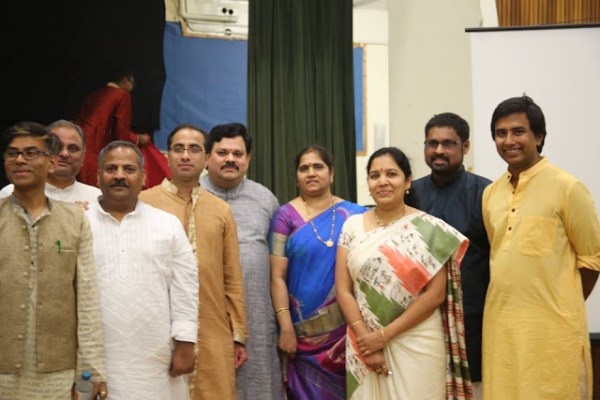
Pictures are at London Sraddhanjali to Balamurali Krishna on 3-12-2016

Written by London swaminathan


Date: 6 December 2016


Time uploaded in London: 6-24 am


Post No.3423


Pictures are taken by ADITYA KAZA


contact; swami_48@yahoo.com


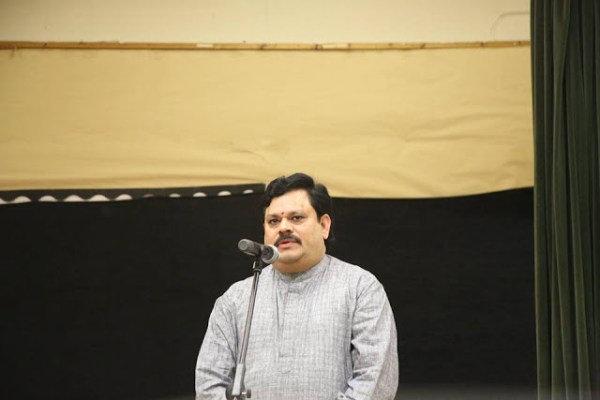
லண்டனில் இசை மேதை பாலமுரளி கிருஷ்ணாவின் மறைவை ஒட்டி நடந்த அஞ்சலிக் கூட்டத்தில் வெளியான சுவையான தகவல்களின் முதல் பகுதியை “கஷ்டம் வந்தால் கவிதை பிறக்கும்” — என்ற தலைப்பில் நேற்று வெளியிட்டேன். இதோ இரண்டாவது பகுதி:–


எனது (London Swaminathan) சொற்பொழிவின் தொடர்ச்சி:


“தோன்றின் புகழொடு தோன்றுக அஃதிலார்

தோன்றலின் தோன்றாமை நன்று (236)


தக்கார் தகவிலர் என்பது அவரவர்

எச்சத்தாற் காணப்படும் (114)


குழலினிது யாழினிது என்பர்தம் மக்கள்

மழலைச் சொல் கேளாதவர் (66)


முதல் குறளின்படி பார்த்தால் அவர்தம் வாழ்க்கை புகழ்மிக்க வாழ்க்கை என்பது புலப்படும். பால முரளி கிருஷ்ணா 86 ஆண்டுகள் இந்த உலகில் வாழ்ந்தார். ஆறு வயதில் இசை கற்றார்; ஒன்பது வயதில் முதல் கச்சேரி செய்தார். ஏறத்தாழ 80 ஆண்டுக்காலம் இசைத்துறைக்கே தன் வாழ்வை அர்ப்பணித்தார். இதுபோல வேறு ஒருவரைக் காணமுடியாது. ஈடு இணையற்ற சாதனை இது.


இரண்டாவது குறளின்படி பார்த்தால் ஒருவர் பெரியவரா இல்லையா என்பது அவர் விட்டுச் சென்றதை (எச்சம்) வைத்தே ஒருவரை எடைபோட வேண்டும்.. பால முரளி கிருஷ்ணா பன்மொழி  வித்தகர். 400 கிருதிகளை இயற்றியுள்ளார். 25,000 கச்சேரிகளைச் செய்துள்ளார். அவை அனைத்தும் யூ ட்யூப், டேப்புகள், சி.டி.க்களில் கிடைக்கின்றன. இது பெரிய பொக்கிஷம். ஆக அவர் ஒரு பெரியவர் என்பதும் வெள்ளிடை மலை.


மூன்றாவது குறளை நான் சிறிது மாற்றிப் பாடுகிறேன்.


குழல் இனிது யாழ் இனிது என்பர் பாலமுரளி பாடல்களைக் கேளாதவர் — என்று. நான் இதைச் சொல்லவில்லை. ஒரு நாள் போதுமா பாடலில் கண்ணதாசனே பாலமுரளி பாடுவதற்கு எழுதிக் கொடுத்த வரிகள் இவை!!

குழலென்றும் யாழென்றும் சிலர் கூறுவார் – என்
குரல் கேட்ட பின்னாலே அவர் மாறுவார்


இனி டாக்டர் நந்தகுமாரா சொன்ன இன்னொரு சம்பவத்தையும் கேளுங்கள் (நேற்று மீன் போட்ட தயிரினால் எழுந்த கவிதை பற்றி அவர் கூறியதைக் கேட்டோம்); பாரதீய வித்யா பவன் நந்த குமாரா மேலும்  கூறியதாவது:


“டாக்டர் பாலமுரளி கிருஷ்ணா, லண்டனில் பாரதீயா வித்யா பவனில் கச்சேரிக்காகவும் சங்கீத ஒர்க்ஷாப் WORKSHOP புக்காகவும் பல நாட்கள் தங்கியதுண்டு. அப்பொழுது தினமும் சாப்பிட அழைப்பேன். நான் வேக மாகச் சாப்பிடும் பழக்கம் உடையவன். ஆகையால் வேகமாகச் சாப்பிட்டுவிட்டு அடுத்த கட்டிடத்திலுள்ள பவனின் அலுவலத்துக்குச் சென்று விடுவேன். பால முரளியோ கொஞ்சம்தான் சாப்பிடுவார். ஆனால் மிகவும் ருசித்து ரசித்து மெதுவாகச் சாப்பிடுவார். ஒரு நாள் என் மனைவியைப் பார்த்து பாலமுரளி சொன்னார்:


“ஜானகி, ஏன் இந்த நந்தா அவசரம் அவசராமாகச் சாப்பிட்டுவிட்டு ஓடுகிறான்? நாளைக்கு வரட்டும்; அவனை நான் சாப்பிட்டு முடியும் வரை உட்கார வைக்கிறேன்”.

மறு நாளும் வந்தது. “இன்று நான் சாப்பிட்டு முடியும் வரை நீ எழுந்துபோகக் கூடாது” என்று சொல்லிவிட்டார். நானும் பொறுமையாக உட்கார்ந்தேன். அப்பொழுது பாலமுரளி ஸார் சொன்னார்.

“இதோ பார் சாப்பாட்டை நன்கு ருசித்துச் சாப்பிட வேண்டும் அவசரம் அவசரமாக அள்ளிப்போட்டுக் கொண்டு ஓடக்கூடாது” என்றார்.

Violinist Mr Nagaraju is in the picture


(எனது கருத்து:- உண்மைதானே? அவரும் ராக ஆலாபனை எதுவும் இல்லாமல் அவசரம் அவசரமாகப் பாடிவிட்டு ஓடினால் நமக்கு எப்படி இருக்கும்? பால் மக்கன்னா Paul McKenna என்பவர் பெரிய ஹிப்னாடிஸ்ட். மனோவசிய நிபுணர். அவரது டெலிவிஷன் காட்சிகள் லண்டன் மக்களுக்கு நன்கு தெரிந்தவை. உடற்பருமனைக் குறைப்பதற்கு அவரும் இதே வழியைத்தான் சொன்னார். ஒரு கிரிஸ்ப் (உருளைக் கிழங்கு சிப்ஸ்) பாக்கெட்டை எடுத்தால் ஒவ்வொரு துண்டாக எடுத்து மெதுவாகச் சாப்பிட்டீர்களானால் அதுவே வயிறு நிறைந்தது போலக் காட்டும். திருப்தி ஏற்படும். அதில்லாமல் டெலிவிஷன் பார்த்துக்கொண்டே பொட்டலம்,பொட்டலமாக உள்ளே தள்ளினீர்கள் என்றால் கலோரிகள் கூடி உடல் பருக்கும் என்றார்.


இந்துக்கள் மிகவும் புத்திசாலிகள்.அந்தக் காலத்திலேயே இலையில் உட்கார்ந்தவுடன் அன்னத்தைப் போற்றித் துதிக்கும் மந்திரத்தைச் சொல்ல வேண்டும் என்ற வழக்கத்தை ஏற்படுத்தினர். அது மட்டுமல்ல. வேதத்திலேயே உணவைக் கடவுள் என்று போற்றும் மந்திரங்களும் உள.

சாப்பிட்டு முடித்த பின்னரும் “அன்ன தாதா சுகீ பவ” ( உண்டி கொடுத்தோர் உயிர் கொடுத்தோரே; அவர்கள் சுகமாக வாழட்டும்! என்று வாழ்த்திவிட்டு இலையிலிருந்து எழுந்திருப்பர். அந்த உணவை அமிர்தத்துக்கு நிகரானது என்பர்.. இவை யெல்லாம் உணவின் மீது நமக்கு மதிப்பை ஏற்படுத்தும். உணவு பரிமாறும் மனைவி அல்லது அம்மாவைத் திட்டாமல் பாராட்டச் செய்யும்).

சுபம்–