அதிசய புத்த துறவி ஸு யுன்! – 28 (Post No. 3554)

Written by S NAGARAJAN


Date: 18 January 2017


Time uploaded in London:-  6-34 am


Post No.3554


Pictures are taken from different sources; thanks.


Contact: swami_48@yahoo.com


100 வயது வாழ்ந்த பெரியோர்


120 வயது வாழ்ந்த அதிசய புத்த துறவி ஸு யுன்! – 28

ச.நாகராஜன்


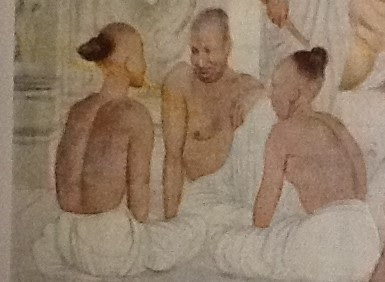
ஸு யுன்னுக்கு இப்போது வ்யது 95. வசந்த காலம் வந்தது. வின்ய பள்ளியை மேம்படுத்துவதற்காக தர்மா மாஸ்டர் சி ஷோவை தலைமை ஆசிரியராக இருக்குமாறு ஸு யுன் கேட்டுக் கொண்டார்.

இரண்டாம் மாதத்தில் ஒரு நாள்  மாலை ஸு யுன் ஆழ்ந்த தியானத்தில் இருந்தார். அப்போது ஆறாம் குலபதி அவர் முன் தோன்றினார். அது நிச்சயமாக கனவு இல்லை. “நீ போகும் காலம் வந்து விட்டது” என்று அவர் தெளிவாகக் கூறினார். ஆறாம் குலபதி என்பவர் ஹூய் நெங் என்ற பெயரைக் கோண்டவர். (அவர் வாழ்ந்த காலம் கி.பி.638-713) அவரால் தான் மனம் பற்றிய புதிய மார்க்கம் சீனாவில் பரவியது.

அடுத்த நாள் ஸு யுன் இதை தன் சிஷ்யரான குவன் பென்னிடம் குறிப்பிட்டு, “ஒரு வேளை நான் பூமியிலிருந்து போக வேண்டிய காலம் வந்து விட்டதோ என்னவோ?” என்றார்.


குவான் பென் தன் மாஸ்டரான் ஸு யுன்னுக்கு ஆறுதல் வார்த்தைகளைக் கூறினார்.

நான்காம் மாதத்தில் திரும்பவும் அதே தோற்றம்! ஆறாம் குல்பதி மூன்று முறை ஸு யுன்னை திரும்பிப் போகும்படி வற்புறுத்தினார்.

மறுநாள் குவாங்டாங் மடாலயத்திலிருந்து தந்தி ஒன்று வந்தது அங்குள்ள ஆறாம் குலபதியின் ம்டாலயப் பொறுப்பை ஏற்க முன் வருமாறு ஸு யுன்னுக்கு அழைப்பு அந்த் தந்தியின் மூலம் வந்திருந்தது.

அந்த ம்டாலயம் மிகவும் சிதிலமடைந்திருதது. ஸு யுன் அங்கு கிளம்ப முடிவு செய்து புறப்பட்டார்.


1933 நவம்பர் முதல் ஆரம்பித்த புனருத்தாரண பணி 1934 அக்டோபரில் முடிந்தது. அங்கு தர்ம சூத்ரங்களை ஸு யுன் விளக்க ஆரம்பித்தார்.

காண்டன் மற்றும் ஷோவாகுவான் நகரத்தைச் சேர்ந்த பெரும் அதிகாரிகளும் அவர்கள் குடும்பத்தினரும் திரள் திரளாக வந்தனர். அவர்கள் அனைவரும் ஸு யுன்னின் சிஷ்யர்களாக ஆயினர்.

பதினொன்றாம் மாதம் 17ஆம் நாள் மாலை விளக்கவுரை ஆரம்பிக்கப்பட்டது. அப்போது ஒரு புலி அங்கு வந்தது. அனைவரும் பயந்து நடுநடுங்கினர். ஆனால் ஸு யுன்னோ தொடர்ந்து விளக்கவுரையை புலிக்கும் கூறலானார்.அகதி சூத்ரத்தைக் கேட்ட புலி சாதுவாக திரும்பிச் சென்றது.


1934ஆம் ஆண்டு எட்டாம் மாதம் இரண்டாம் நாள் திரளான் அதிகாரிகள், சிஷ்யர்களுடன்  ஸு யுன்  காவோஸி என்ற இடம் நோக்கிச் சென்றார். அங்கு குலபதியின் பிறந்த தினம் கோலாகலமாகக் கொண்டாடப்பட்டது.

ஸு யுன் தர்ம சூத்ரங்களைச் சுருக்கமாகப் பாடினார்.


ஸு யுன்னுக்கு இப்போது வயது 96. வ்சந்த காலத்தின் போது அதுவரை நல்ல ஆதரவு நல்கி வந்த ஜெனரல் லி ஹான் – யுன் கிழக்கு மாவட்டத்திற்கு மாற்றப்பட்டார்.


ஹாங்காங்கில் உள்ள டோங்குஹா மருத்துவமனைக் குழுமம் ஸு யுன்னை உடனே வருமாறு அழைப்பு விடுத்தது. நீரிலும் நிலத்திலும் இறந்தவர்களின் ஆத்மா சாந்தி அடைய சடங்குக்ளைச் செய்ய வேண்டும் என்பது அங்குள்ளோரின் விருப்பம்.

இதற்கென அங்குள்ள டாங் லியான் மற்றும் ஜூ யுவான் ஆலயங்களில் ஒரு விசேஷ பீடம் நிறுவப்பட்டது.  இந்த சடங்குகள்  முடிந்த பின்னர் நேராக  கு ஷான் மடாலயம் திரும்பிய ஸு யுன் அங்கு தனது ராஜிநாமாவைச் ச்மர்ப்பித்தார்.

பிறகு நான் ஹுவா மடாலயம் திரும்பிய ஸு யுன் ஆறாம் குலபதியின் பிரதான் ஹாலைப் புதுப்பித்தார். அவலோகிதேஸ்வரருக்கு அங்கு ஒரு சந்ந்தியைப் பிரதிஷ்டை செய்தார்.
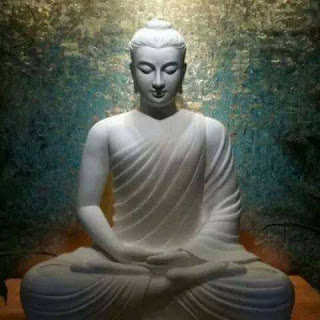
குளிர் காலத்தில் அங்கு பட்டுப்போயிருந்த மூன்று செடார் மரங்கள் திடீரென்று துளிர் விட்டு மீண்டும் தழைக்க ஆரம்பித்தன.

நெடுங்காலமாக வாடி இருந்த அவை இப்படி மலர்ச்சியுற்றதைத் தொடர்ந்து அங்கிருந்த அவைத் தலைவர் மாஸ்டர் குவான் பென் இந்த நிகழ்ச்சியை ஒரு பாடலாகப் பாடினார். அந்தக் கவிதையை உபாசகர் ஜென் ஸூ லூ ஒரு கல்வெட்டில் பொறித்து அங்கு நிறுவினார்.

ஸு யுன்னுக்கு இப்போது வயது 97. நான் ஹுவா மடாலய கட்டிடம் வசந்த காலத்தில் சூத்ரங்கள் இசைக்கப்பட்ட பின்னர் படிப்படியாக முழுமை பெற்றது.


குடியரசுத் தலைவர் லின் ஷென், காபினட் மந்திரியான சூ ஷெங்,  ஜெனரல் சியாங் கே ஷேக் ஆகியோர் ஸு யுன்னைப் பார்க்க வருகை புரிந்தனர். லின்னும் சூ ஷெங்கும் பெரிய அளவில் நிதி உதவி அளித்தனர். சியாங் கே ஷேக்கோ காவோக்ஸி நீரோடையை தடம் மாற்றுவதற்காக தொழிலாளர்களுக்குத் தர வேண்டிய ஊதியத்தைத் தர முன் வந்தார்.

பழைய காலத்தில் காவோக்ஸ் நீரோடை ம்டாலயத்திலிருந்து சுமார் 1400 அடி தள்ளிப் பாய்ந்து கொண்டிருந்தது. அங்கு ஏராளமான புதர்களும் பாறைகளும் வரவே அது பாதை மாறி மடாலயம் நோக்கிப் பாய ஆரம்பித்தது. பழைய தடத்திற்கு அதை  மாற்ற 3000 தொழிலாளிகள் தேவையாக இருந்தது.

அந்தப் பணி தொடங்க இருந்த நாள் நெருங்கியது.


ஏழாம் மாதம் இருபதாம் நாளன்று மாலை திடீரென இடி ஒலி கேட்டது, அப்போது ஆரம்பிதத் இடியோசை இரவு முழுவதும் தொடர்ந்தது. தொடர்ந்து காவோக்ஸி நதியில் பெருவெள்ளம் பொங்கியது. ஆனால் என்ன ஆச்சரியம், அந்த வெள்ளப் பெருக்கு காவோக்ஸியின் பழைய தடத்தைப் புதுப்பித்து அதன் வழியாகவே நீர்ப் பெருக்கு செல்ல ஆரம்பித்தது. எந்த ஒரு மாபெரும் பணி தொடங்க இருந்ததோ அது சில மணி நேரங்களுக்குள் தானாகவே முடிந்து விட்டது!

இந்த அதிசயத்துடன் வருடம் முடிவுக்கு வந்தது.

தொடரும்

*********

 

தொல்காப்பியருக்கு நவரசத்தில் ஒரு ரசம் குறைந்தது ஏன்? (Post No.3553)

Written by London swaminathan


Date: 17 January 2017


Time uploaded in London:- 22-09


Post No.3553


Pictures are taken from different sources; thanks.

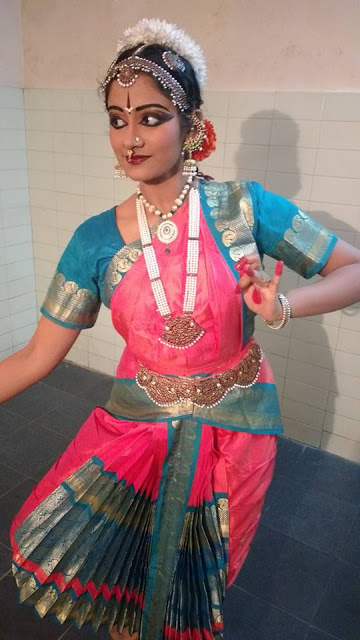
Pictures from Dhanyavarshini’s posts on Facebook; thanks


contact:– swami_48@yahoo.com


பரத நாட்டிய சாஸ்திரத்தில் ஒன்பது ரசங்கள், முக பாவங்கள், உணர்ச்சி வெளிப்படுத்தல்கள் இருப்பதை இந்தியர் அனைவரும், மற்றும் இந்தியக் கலையைப் பாராட்டுவோர் பலரும் அறிந்திருக்கிறார்கள். பிற்காலத் தமிழ் நூல்களும் ஒன்பான் ரசங்களை அங்கீகரித்துள்ளன. ஆனால் தொல்காப்பியர் மட்டும் நவரசத்தை —அஷ்ட ரசம்— ஆக்கிவிட்டார். இது ஒரு புதிராகவே இருந்து வருகிறது. ஏன் என்று தெரியவில்லை!


தொல்காப்பியம்–பொருளதிகாரம், மெய்ப்பாட்டியல்


நகையே அழுகை இளிவரல் மருட்கை

அச்சம் பெருமிதம் வெகுளி உவகை என்று

அப்பால் எட்டே மெய்ப்பாடு என்ப (1197)


நகை (Laughter) என்பது இகழ்ச்சியிற் பிறக்கும்

அழுகை (Weeping) என்பது துன்பத்தில் பிறக்கும்

இளிவரல் (Despise/disgust)  என்பது அருவெறுப்பால் உண்டாகும்

மருட்கை (Wonder) என்பது வியப்பில் தோன்றும்

அச்சம் (Fear) என்பது பயத்தில் பிறக்கும்

பெருமிதம் (Fortitude, Heroism) என்பது வீரத்தால் பிறக்கும்

வெகுளி (Anger) என்பது கோபத்தால்/வெறுப்பால் தோன்றும்

உவகை (Delight/Happiness) என்பது மகிழ்ச்சியில் பிறக்கும்

சாந்தம் (Peaceful/ Tranquility) என்பது தொல்காப்பியத்தில் இல்லை!


சிருங்காரம் என்பதும் இல்லாவிடினும் அதை உவகையில் சேர்க்கமுடியும்

நவரசம் என்பது எவை?


சிருங்காரம், ஹாஸ்யம், கருணா, ரௌத்ர, வீர, பயங்கர, பீபத்ஸ, அத்புத, சாந்த என்று வடமொழி நூல்கள் விளம்பும்.


இடமொன்றுமைக்கரனீந்த மெய்ப்பகதெழிற்கிணையாத்

திடமொன்றியவணச் சிங்காரம் வீரஞ்சிரிப்பருளே

யடமின்றியஞ் சினம் குற்சையுஞ் சாந்தமுமற்புதமுங்

கடியென்று மொன்பது மாலிரதத்தைக் காட்டுதற்கே

–உபமான சங்கிரஹம் இரத்தினச் சுருக்கம்


இடது பக்கத்தை உமைக்கு சிவன் கொடுத்த சரீரத்தின் அழகிற்கு இணையாக உறுதியாகிய வண்ணம் 1.சிங்காரம், 2.வீரம், 3.சிரிப்பு, 4.அருள், 5.அடமில்லாத சினம், 6.குற்சை, 7.சாந்தம், 8.அற்புதம்,  9.கடி என்ற ஒன்பதும் அழகிய ரசத்தைப் புலப்படுத்துவதற்காம்.

பரத நாட்டியம் பயின்று அரங்கேறுவோர் அனைவரும் இந்த ஒன்பது உணர்ச்சிகளை வெளிப்படுத்தும் வகையில் முகபாவங்களைக் காட்டும் அழகு தனி அழகுதான்!

–சுபம்–


இந்திய அதிசயம்: இந்தியாவின் நீண்ட நெடுஞ்சுவர் (Post No.3552)


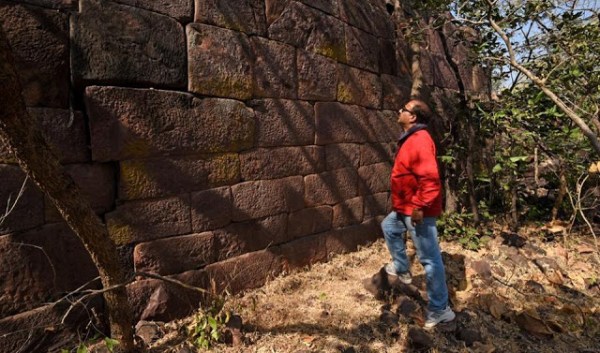
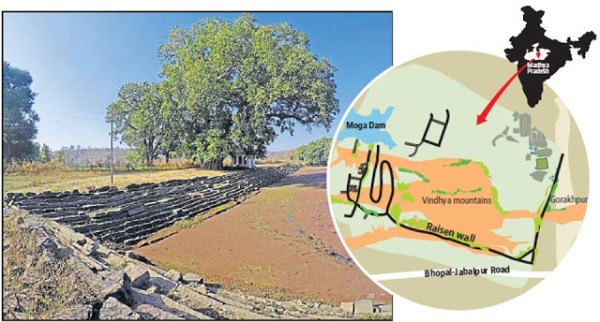
Amid MP’s forests, mountains, fields and villages stands Raisen’s wall, a structure that evokes more questions than answers. (Pratik Chorge/HT Photo)

Written by London swaminathan


Date: 17 January 2017


Time uploaded in London:- 9-09 am


Post No.3552


Pictures are taken from different sources; thanks.


contact; swami_48@yahoo.com


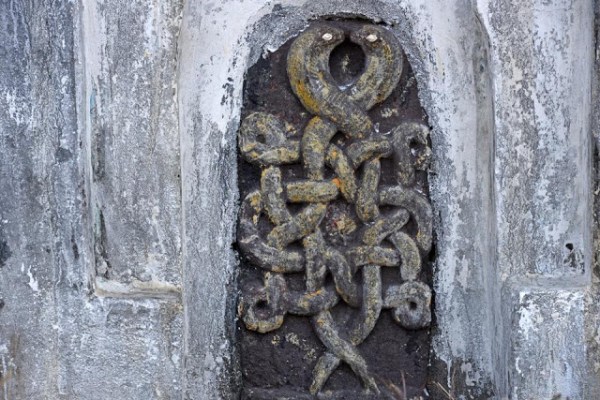
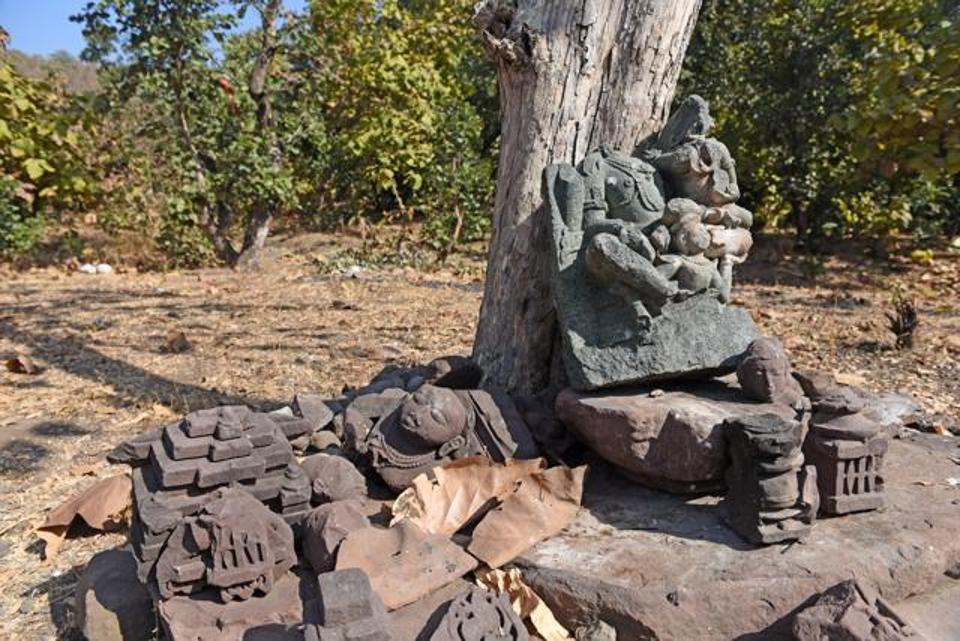
Look closely, the two snakes are not knotted up but artfully entwined, indicating that the artist took care over the design. The icon stands at one end of the wall, near Gorakhpur. (Pratik Chorge/HT PHOTO)


உலக அதிசயங்களில் ஒன்று சீன நெடுஞ்சுவர். விண்வெளியிலிருந்தும் காணக்கூடியது. 5500 மைல் நீளம் உடையது. இடையிடையே சுவர் இல்லாத அல்லது மறைந்து போன பகுதிகளும் உண்டு. இதற்கு அடுத்த நீண்ட சுவர் இந்தியாவில் மத்தியப் பிரதேசத்தில் இருப்பது பலருக்கும் தெரியாது. இதன் நீளம் ஐம்பது மைல்கள்தான். ஆயினும் இது ஒரு வரலாற்றுப் புதிராகவே இருந்து வருகிறது. இதை யார் கட்டினார்கள்? ஏன் கட்டினார்கள்?   என்று தெரியவில்லை.


இது மத்தியப் பிரதேச மாநிலத்தில் போபாலுக்கும் ஜபல்பூருக்கும் இடையே உள்ளது. இது கோரக்பூர் தேவ்ரி என்ற கிராமத்திலிருந்து —  சோக்கிகர் வரை செல்கிறது. விந்திய மலைப் பள்ளத்தாக்குகள், தேக்குமரக் காடுகள், லாங்கூர் இனக் குரங்குகள் வசிக்குமிடங்கள், கிராமங்கள், கோதுமை வயல்கள் ( ராய்சென் மாவட்டம்) வழியாக இந்த 80 கிலோமீட்டர் சுவர் கட்டப்பட்டுள்ளது. ஓரிடத்தில் 20 ஆண்டுகளுக்கு முன் கட்டப்பட்ட ஒரு அணையும் இதைத் தடுக்கிறது.


இந்தச் சுவர் வழியாக நடந்து சென்றால் போகப்போக பல அதிசயப் புதிர்கள் வந்து கொண்டே இருக்கும்! பாழடைந்த கோவில்கள், யாரும் வசிக்காத வீடுகள், உடைந்த சிலைகள், படிக்கட்டுகள் உடைய படிக் கிணறுகள், கரை எழுப்பப்பட்ட குளங்கள், விநோதமான நாகர் (பாம்பு) சின்னங்கள் என்று யாரும் விளக்கமுடியாத தடயங்களைக் காணலாம். இதைக் காணும் வரலாற்று ஆர்வலர்கள் நாம் இப்போது மேல்பரப்பை மட்டும் கண்டு ‘நுனிப்புல் மேய்ந்து கொண்டிருக்கிறோம்’. இன்னும் தோண்டத்தோண்ட ‘தொட்டனைத்து ஊறும் மணற்கேணி போல’ பல அதிசயங்கள் வரும் என்கின்றனர்.


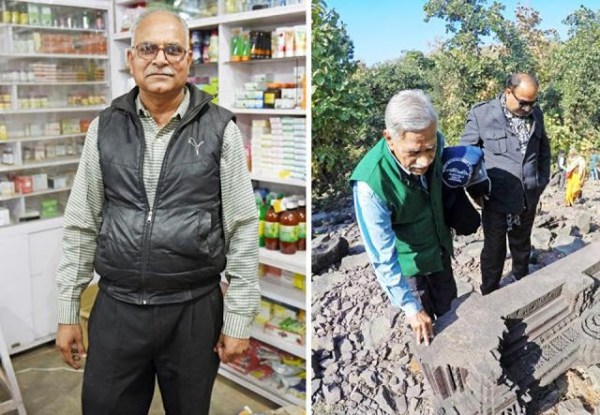
இதுபற்றி ராய்சென் நகர மருந்துக்கடை வணிகர் ராஜீவ் சோபே (57) கூறியதாவது: “1980 ஆம் ஆண்டுகளில் இதைப் பார்த்தது முதல் நான் மோட்டார் சைக்கிளில் பலருடன் சென்று ஆராய்ந்து கொண்டே இருக்கிறேன். ஒருநாள் சுகதேவ் மஹராஜ் என்ற துறவி என் கடைக்கு வந்தார். தனது குடில் வரை இந்தச் சுவர் வருவதாகச் சொல்லி தனக்கும் இது பற்றி அறிய ஆர்வம் உண்டு என்றார். அது முதல் நானும் அவரும் பலரையும் காலில் செருப்பு இல்லாமல் அழைத்துச் சென்று, கோவில் பகுதிகளை ஆராய்ந்து வருகிறோம்”.

தொல்பொருட் துறையில் பணியாற்றி ஓய்வுபெற்ற நாராயண வியாஸ் சொன்னார்: ” இந்த சுவர் இந்த ப்பகுதியில் கிடைக்கும் கற்களால் எழுப்பப்பட்டுள்ளது. மேலும் அதன் மீது நடந்து செல்லும் அளவுக்கு அகலம் உள்ளது. ஆயுதங்களும் ஆட்களும் மறைந்து இருக்க மாடங்கள் உள்ளன. இதைப் பார்க்கையில் இது ஒரு ராணுவப் பாதுகாப்புச் சுவர் போல உள்ளது.”


ஆனால் கோரக்பூர் ஜோதிடர் ராகவேந்திர கார்வே, “நடுக்காட்டில் எதற்கப்பா பாதுகாப்புச் சுவர்?” என்று இடை மறிக்கிறார். இவரும் நாராயண வியாசும் சுவரை பெரிய சர்வே செய்துள்ளனர்.

இது பத்து அல்லது பதினோராம் நூற்றாண்டுச் சுவர் என்றும் பார்மர் வம்ச மன்னர் ஆட்சிக் காலத்தில் தோன்றியது என்றும் அவர்கள் கருதுகின்றனர். ஆயினும் கல்வெட்டுகள் எதுவும் கிடைக்கவில்லை.


காலசூரி வம்சத்தினர் போரில் ஆர்வமுடையோர். அவர்களைத் தடுத்து நிறுத்த பார்மர் வம்ச மன்னர்கள் இதைக் கட்டியிருக்கலாம் என்றும் கருதுகின்றனர். பார்மர் வம்ச கோவில்கள் கட்டிடங்களிலுள்ள உத்திகள் இங்கே காணப்படுகின்றன என்பது அவர்களுடைய வாதம்.


இந்த இடத்தைச் சுற்றி வசிப்பவர்கள், முன்னர் அங்கிருந்த சிம்மவாஹினி அம்மன், கால பைரவர் சிலைகள் எல்லாம் மாயமாய் மறைந்துவிட்டன. இப்போது உடைந்த சிலைகள் மட்டுமே உள்ளன. பலரும் இந்தச் சுவரின் கற்களை எடுத்துச் சென்று வீடு கட்டுகின்றனர். இதை முறையாகப் பாதுக்காக்க வேண்டும் என்று சொல்கிறார்கள்.

The wall zig-zags across the Vindhya mountains just north of the Bhopal Jabalpur Road in Raisen district, and alongside, a man-made pond has been discovered. (Pratik Chorge, Ashwin Patil/HT Photo)


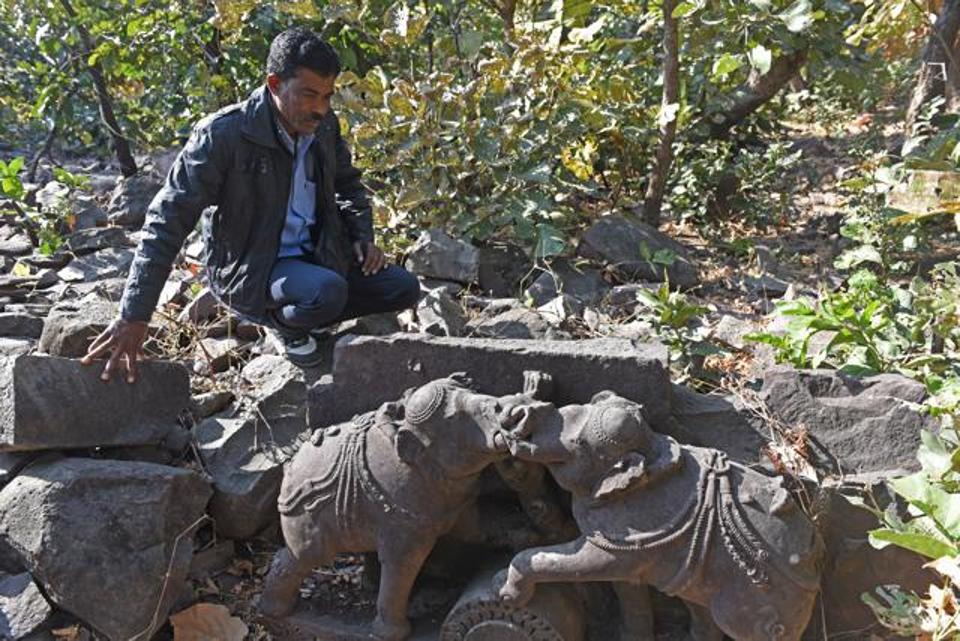
In most Indian temples, elephant icons have been used at the base, their strength metaphorically holding up the stones. Could that have been the case with the temples inside Raisen’s wall too? (Pratik Chorge/HT PHOTO)


ஹிந்துஸ்தான் டைம்ஸ் பத்திரிக்கையில் வெளியான கட்டுரையின் சுருக்கம் இது; நன்றி.


–Subham–


Custom of Garlanding and Flower Giving in Tamil and Sanskrit Literature (Post No.3550)

Giving Flowers to a woman began in India.


Written by London swaminathan


Date: 16 January 2017


Time uploaded in London:- 21-06


Post No.3550


Pictures are taken from different sources; thanks.


contact; swami_48@yahoo.com


Garlanding statues of Gods and leaders, garlanding visiting dignitaries are common sights in India. Exchanging garlands is a marriage ritual as well. Giving flowers to women, offering flowers to Gods are also an everyday sight in India. All these started with the Hindus thousands of years ago according to Sanskrit and Tamil literature.


Jayamala ceremony is part of a marriage in North and South, showing Indian culture is one.

In my article FLOWERS IN TAMIL CULTURE posted on 25th August 2012, I have dealt with the Flower vendors in Sangam Tamil Literature, Kapilar’s listing of 99 flowers, Tamil classification of flowers, Tamil’s obsession with flowers even in the wars, 27 leaves to God Vinayaka, Famous Andal garland of Srivilliputtur, Onam Pukkolam and Pushpanchali.


Garlands are used from the Swayamvara (A princess choosing a King as her husband by garlanding) days.


Giving flowers to women was also started by the Hindus at least 2000 years ago. Let me give some examples from Kalidasa’s works:-


In the most famous drama of Sakuntala (Act 7-1), we read about garlands:

“Glancing up with a smile at Jayanta, his son

who stood beside him longing inwardly for the same,

Hari placed around my neck the Mandara garland

tinged with golden sandal rubbed off his chest”


In the Kumara Sambhava (3-22), the Master’s command is imagined to be a garland offered as a gift of favour.

In the Raghu vamsa (18-29)the king was, as it were, the crest garland of his race suggesting thereby the marks of a good rule.

The Love god whose energy had diminished with the departure of spring seems to be regaining his vim and vigour through the head hair of pretty women, for they are letting it loose after a bath aesthetically, per-fumigating it tastefully, and slicing evening jasmine flowers pleasingly. [16-50]


(Kiraataarjuniiyam also has a reference).


In the Raghuvamsa (6-80), Indumati’s glance itself was like the Swayamvara garland to Aja. The flowers in the garland were fresh and white and her steady glances were also white.

Keeping flowers in the ear or just above the ear is also mentioned in Kalidasa:-

Meghaduta. – 28, 67


“Where women toy with a lotus held in hand

twine fresh jasmines in the hair

the beauty of their faces glows pale gold

dusted with the pollen of lodhra flowers

fresh amaranth blooms encircle the hair-knot

a delicate Sirisa mestles at the ear

and on the hair parting lie Kadamba blossoms

born at your coming (verse 67, Megaduta)


Sakuntala : 1-4; 1-30; 6-18; in the prologue as well.


Raghu.7-26; 9-28, 9-43, 16-62

In the Tamil literature

Flower or tender plant in the ear:

Kurinjip paattu (Kapilar) 119-120

Tiru murukku-(Nakkirar)-30-31; 207

Paripaatal – 11-95; 12-88


GIVING FLOWERS TO A WOMAN

Kuruntokai belongs to Sangam period. The very first verse is about a man giving flowers to a woman he loves. It is sung by Tiputolar.


Natrinai, part of 2000 year old Tamil Sangam Literature, describes the garland worn by a man who came to see his lady love. He came wearing a garland made up of wild jasmine flowers and Bilva (Vilvam) leaves. Kalidasa also mentioned jasmine flowers in the hair of women. It showed that there was only one culture from the southern most part to the Northern Himalayas.


one of the verses in Marutham genre describes that when the farmers go to the fields, heroines (women) get flowers and garlands.

Natrinai verse 173 says that the women gathered flowers and made into a garland for Lord Skanda. She did it to so that her lover would marry her soon.

Purananuru verse 106 by Kapilar mentions that god wont reject even leaves and grass offered, reflecting the Bhagavad Gita verse 9-26 (Patram pushpam phalam toyam……)
This flower giving and garlanding is another proof to show that Indian culture is one from south to north and the Aryan-Dravidian Race theory is a fake one. No ancient culture has this flower culture.

–Subham–


Age Anecdotes (Post No. 3549)

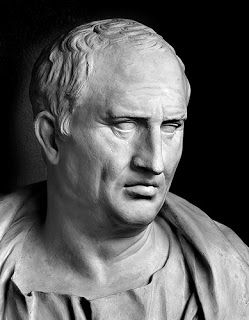
Image of Cicero, Roman emperor

Compiled by London swaminathan


Date: 16 January 2017


Time uploaded in London:- 20–17


Post No.3549


Pictures are taken from different sources; thanks.


contact; swami_48@yahoo.com

Fabia Dollabella saying she was thirty years of age.
Cicero answered:”it must be true, for I have heard it these twenty years.

Xxx


92 year old man after a young girl!

When Oliver Wendel Holmes was still on the Supreme Court bench, he and Justice Brandeis took walk every afternoon. On one of the occasion s, Holmes, then 92, paused to gaze in Frank admiration at a beautiful young girl who passed them. He even turned to look at her as she continued down the street. Then, turning to Brandeis, he sighed, “Oh! what I wouldn’t give to be 70 again!

Xxx

A farmer called out to Colonel Thomas Hart Benton and inquired to know his age. The Colonel replied, “According to the calendar my age is seventy four, but when anything is to be done I am thirty five years old, sir”.

Xxx


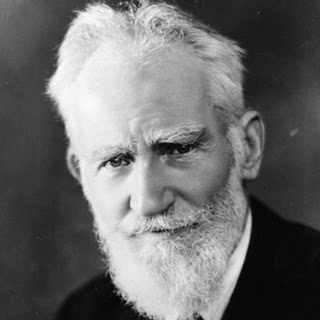
Bernard Shaw on Youth!

Youth, said Bernard Shaw , ” is a wonderful thing. What a crime to waste it on children “.

Xxx

I do not approve of shadows in painting “, said Queen Elizabeth to Daniel Meyers. ” You must strike off my likeness without shadows.

The queen was near sixty when she said this and the shadows, as she charitably called them were wrinkles big enough to have had a straw in them.

Xxx

I am 38, only my Mum is 41!

Stirred by the patriotic fervour that swept over the country, an Irish man of 41 tried to enlist in
the army. Although the recruiting sergeant saw that this man would make a good soldier, he could not accept any man over 38.

“Listen, fella”, said the sergeant, ” are you sure of your age? Suppose y ou go home and think it over, and then come back tomorrow.”

Next day the Irish man returned.
“Well,how old are you now? Asked the sergeant.
“I was wrong yesterday “,said the hopeful recruit. ” Sure , I am 38. It’s e old mother who is 41″.

Xxx

Ex President of USA

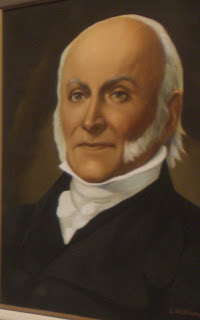
In his e extreme old age John Quincy Adams was slowly and feebly walking down a street in Boston. An old friend accosted him and shaking his trembling hand asked, ” and how is john Quincy Adams today?

“Thank you “, said the ex-president, ” John Quincy Adams is well, quite well, I thank you. But the house in which he lives at present is becoming quite dilapidated. It is tottering upon its foundations. Time and the season s have nearly destroyed it. Its roof is pretty well worn out . Its walls are much shattered, and it tremble s with every wind. The old tenement is almost uninhabitable, and I think John Quincy Adams will have to move out of. It soon. But he himself is quite well, quite well “.

SUBHAM


புத்துலகம் காண விழையும் வித்தகர்கள் – 2


   லியனார்டோ டிகாப்ரியோ


Written by S NAGARAJAN


Date: 16 January 2017


Time uploaded in London:-  6-34 am


Post No.3548


Pictures are taken from different sources; thanks.


Contact: swami_48@yahoo.com


6-1-2017 பாக்யா வார இதழில் அறிவியல் துளிகள் தொடரில் வெளியான கட்டுரை


 புத்துலகம் காண விழையும் வித்தகர்கள் – 2

by ச.நாகராஜன்

t

“உலகெங்கும் சுற்றி வரும் நான் பார்ப்பது, மக்கள் மத்திய கிழக்கில் மட்டும் தான் நீராதாரம் இல்லை என்று நினைக்கிறார்கள் என்பதைத் தான். அவர்கள் நினைப்பது முற்றிலும் தவறு. உண்மை என்னவெனில் உலகெங்குமே நீர் பிரச்சினை இருக்கிறது – கோஃபி அனான்


லியனார்டோ டிகாப்ரியோ


டைட்டானிக் படத்தில் நடித்த பிரபல நடிகர் லியனார்டோ டிகாப்ரியோவை அறியாதவர் யாரும் இருக்க முடியாது. இப்போது அவர் சுற்றுப்புறச் சூழலின் காவலராக மாறி இருப்பதால் இன்னும் ஏராளமானோரைக் கவர்ந்திருக்கிறார்.

துருவக் கரடிகளையும், பனிப்பாறைகளையும் அழிந்து விடாமல் காக்க வேண்டும் என்ற விழிப்புணர்ச்சியை உலகெங்கும் ஊட்டிவ் வருகிறார். அவர் எடுத்த டாகுமெண்டரி படமான ‘தி லெவந்த் ஹவர் (The 11th Hour) என்ற படம் அனைவரின் பாராட்டையும் பெற்றது.

‘தி பீச்’ என்ற திரைப்படத்தை எடுக்கும் போது தாய்லாந்து கடற்கரை ஒன்றில் படக் குழுவினர் தங்களின் காட்சிகள் காமரா வியூவிற்கு பொருந்தி வர வேண்டும் என்பதற்காக ஏராளமான பனைமரங்கள் தற்காலிகமாக நட்டனர். கடற்கரை  மணற்பகுதி மாற்றி அமைக்கப்பட்டது. இதைக் கண்ட மக்களும் ஊடகங்களும் படக் குழுவினரை கடுமையாக விமரிசிக்கவே, மனம் நொந்து போன டிகாப்ரியோ சுற்றுப்புறச் சூழலின் ஆர்வலராக மாறி விட்டார்.


படங்களில் நடித்து புகழ் ஏற ஏற சுற்றுப்புறச் சூழலைப் பாதுகாப்பதிலும் அவர் ஆர்வமாக இருப்பதைக் கண்ட மக்கள் அதற்காகவும் இவரைப் புகழ ஆரம்பித்தனர்.  டிஸ்கவரி சானலுக்காக சுற்றுப்புறச் சூழல் படம் ஒன்றையும் இவர் தயாரித்து நல்ல பெயர் பெற்றார்.


ஜெங்க்ராங் ஷி (Zhengrong Shi)

   சீன விஞ்ஞானியான இவர்  சோலார் செல் பற்றிய ஆராய்ச்சியில் ஈடுபட்டு வெற்றியைப் பெற்றார். சன் டெக் பவர் என்ற கம்பெனியை நிறுவி உலகின் பெரும் பணக்காரராக ஆகி விட்டார். சோலார் பேனல்கள் எனப்படும் சூரிய சக்தியைச் சேமிக்கும் தகடுகளைத் தயாரித்து பெருமளவில் விறக ஆரம்பிக்கவே 600 கோடி டாலர் என்ற அளவில் வர்த்தகம் பெருகியது. நியூயார்க் ஸ்டாக் எக்ஸ்சேஞ்சில் பட்டியலிடப்பட்ட முதல் சீனக் கம்பெனியின் உரிமையாளர் என்ற புகழும் இவரை வந்தடைந்தது. ஜியாங்சு மாகாணத்தைச் சேர்ந்த ஒரு எளிய விவசாயியின் மகனாகப் பிறந்த இவர் ஏழ்மையால் வாடி வருந்தியவ்ர். 2001இல் கஷ்டப்பட்டு தனது நிறுவனத்தை நிறுவ அது இன்று உலகின் மிகப் பெரிய சுற்றுப்புறச் சூழல்  காக்கும் நிறுவனமாக ஆகி விட்டது. ஷாங்காயில் மட்டும் ஒரு லட்சம் சோலார் பேனல்களை நிறுவ இவர் திட்டமிட்டார். அதனால் இந்த தொழில்நுட்பத்தில் முதலிடத்தை வகித்து வந்த ஜப்பானையே திணற அடித்தார்.


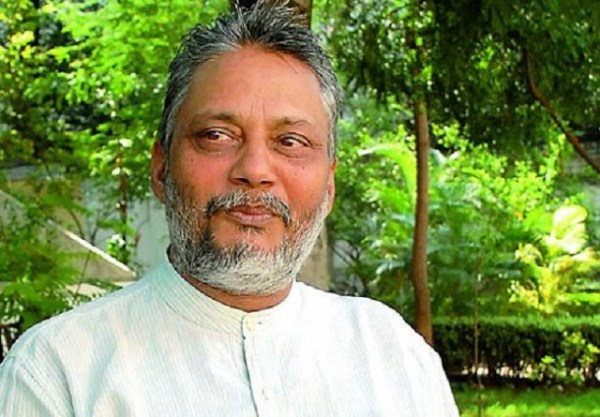
ராஜேந்திர சிங்

ராஜஸ்தானில் சுகாதார மையங்களை நிறுவலாம் என்று ஆர்வத்துடன்  சென்றார் ராஜேந்திர சிங் என்பவர். அங்குள்ள கோபாலபுரம் என்ற இடத்தை அடைந்தவர் அதிர்ச்சி அடைந்தார். அங்குள்ள மக்கள் நீரின்றித் தவித்து ஊரை விட்டே ஓடிக் கொண்டிருந்தனர்.  முதலில் அவர்களுக்குத் தேவை நீராதாரம் என்பதை உணர்ந்த அவர், பாலைவனமாக இருந்த அந்தப் பகுதி மக்கள் மழை நீரை நம்பியே இருப்பதை உணர்ந்தார். ஆனால் மழையோ பெய்யவே பெய்யாது. என்ன செய்வது என்று யோசித்தார்.


பாரம்பரிய முறையில் ராஜஸ்தானில் அமைக்கப்பட்டு வந்த நீர் சேகரிப்பு அணைகளை அவர்கள் சமீப காலத்தில் அமைப்பதே இல்லை என்பதை அவர் கண்டார். ஜோஹாத் என்று அழைக்கப்பட்டு வந்த அந்த சிறு சிறு அணைகளைக் கட்டினால் என்ன என்று யோசித்த அவர் கோபாலபுரத்தில் இருந்த பழைய ஜோஹாத் ஒன்றைத் தோண்டினார்.


என்ன ஆச்சரியம்! ஏழு மாதங்கள் கழித்து அதில் நிறைய நீர் சேர்ந்திருந்தது. ஐந்து அடிக்கு தண்ணீர்! அதிர்ஷ்டவசமாக மழை வேறு  பெய்யவே அணை விளிம்பு வரை நீர் தளும்பியது. கிராம மக்களுக்கு ஒரே உற்சாகம். வெளியே சென்றவர்கள் செய்தி கேட்டு ஊருக்குத் திரும்பினர். இரண்டாவது ஜோஹாத் அமைக்கப்பட்டது அதுவும் வெற்றியானது. இப்படி பல ஜோஹாத்கள் அமைக்கப்பட்டன. நிலத்தடி நீர் மட்டம் 6.7 மீட்டரிலிருந்து 14 மீட்டராக உயர்ந்தது.


பாலைவனமாக இருந்த கிராமம் பசுமை நிறைந்ததாக மாறியது. ராஜேந்திர சிங்கை  ‘ராஜஸ்தானின் மழை மனிதன்’ என்ற செல்லப் பெயரால் அனைவரும் அழைக்க ஆரம்பித்தனர்.


செய்தி பரவவே இதே போலவே 8600 ஜோஹாத்கள் அமைக்கப்பட்டன. ஆயிரம் கிராமங்களில் நீர் சேகரிக்கப்பட்டது. ராஜஸ்தான் கிராமங்களுக்கு உயிர் ஊட்டிய அவரை அனைவரும் போற்றினர்.


தண்ணீர் அறுவடை செய்து வறண்ட பாலைவனம் போன்ற பகுதியையும் நீருள்ள பிரதேசமாக மாற்றிய் ராஜேந்திர சிங் அனைவருக்கும் உத்வேகமூட்டும் ஒரு சுற்றுப்புறச் சூழல் ஆர்வலராக நன்கு மதிக்கப்படுகிறார்.


இன்னும் சிலரை அடுத்துப் பார்ப்போம்.


அறிவியல் அறிஞர் வாழ்வில .. ..


பிரிட்டனைச் சேர்ந்த பெண்மணியான காத்லீன் லான்ஸ்டேல் (Kathleen Lonsdale) இரசாயன இயலில் பெரிய விஞ்ஞானி. இவர் ஒரு க்வேக்கர். க்வேக்கர் என்ற இயக்கம் கிறிஸ்தவ மத சார்புடையது. இந்த இயக்கத்தில் இணைந்தவர்கள் போரை விரும்பாத சமாதான விரும்பிகள். இவர்கள் எந்த விதமான வன்முறையையும் ஆதரிக்க மாட்டார்கள். அஹிம்சாவாதிகள்.

கிறிஸ்டல்கள் பற்றிய ஆய்வில் பல அபாரமான கண்டுபிடிப்புகளைக் கண்டவர் காத்லீன்.


இரண்டாம் உலகப் போரில் பிரிட்டிஷ் அரசு அனைவரையும் ராணுவத்திலும் ராணுவத்திற்கு ஆதரவான சிவில் சர்வீஸிலும் சேருமாறு அழைப்பு விடுத்தது. அனைவரும் ராணுவத்தில் சேர தங்கள் பெயர்களைப் பதிவு செய்தனர்.

ஆனால் காத்லீன் தனது பெயரைப் பதிவு செய்ய மறுத்து விட்டார்.


இதனால் வெகுண்ட அரசு இவரைச் சிறையில் அடைத்தது.

ஒரு மாதம் சிறையில் கழித்தார் இவர்.


போர் முடிந்த பிறகு தன் பணியைத் தொடரலானார் காத்லீன்.  அப்போது இங்கிலாந்தின்  ராயல் சொஸைடி பெண் விஞ்ஞானிகளையும் அதில் சேர அனுமதித்தது.

இவரும் இன்னொரு பெண்மணியான மார்ஜரி ஸ்டெபென்ஸனும் அதில் சேர்ந்தனர். ராயல் சொஸைடியில் சேர்ந்த முதல் இரு பெண்மணிகள் என்ற புகழையும் பெற்றனர்.


போரை விரும்பாத பெண் விஞ்ஞானி என்ற புகழைப் பெற்றவர் காத்லீன்!

*********

 

காளிதாசன் கண்ட பறக்கும் பாம்பு (Post No.3547)

e4c34-flying2bsnake

Written by London swaminathan


Date: 15 January 2017


Time uploaded in London:- 17-49


Post No.3547


Pictures are taken from different sources; thanks.


contact; swami_48@yahoo.com


காளிதாசன் உலக மஹா கவிஞன். ஏழே நூல்கள் எழுதி இந்த அளவுக்கு உலகப் புகழ் பெற்ற கவிஞனைக் காணமுடியாது. கிரேக்க மொழியில் இரண்டே நூல்கள் (இலியட், ஆடிஸி) எழுதிப் புகழ்பெற்ற ஹோமரைவிடப் பெரியவர் என்றே நான் சொல்லுவேன். காவியமே இல்லாத மொழியில்  முதல் முதல் காவியம் எழுதியதாலும் நாகரீகமற்ற காட்டுமிராண்டிகள் வாழ்ந்த ஐரோப்பாவில் அவர் வாழ்ந்ததாலும் வெள்ளைக்காரர்கள் கொஞ்சம் தூக்கலாகவே ஹோமரைப் புகழ்ந்து தள்ளுவர். அ தாவது “ஆலை இல்லாத ஊரில் இலுப்பைப்பூ சர்க்கரை” — என்ற கதை! ஆனால் வால்மீகி, வியாசன், ரிக்வேதத்தின் 400 கவிஞர்கள், உபநிஷத ஞானிகள் ஆகியோருக்குப் பின்னர் வந்த காளிதாசன் 2000 ஆண்டுகளுக்கு முன்னரே  இவ்வளவு புகழ் எய்தினாரென்றால் அதற்குக் காரணம் இல்லாமல் இல்லை. 1250-க்கும் மேலான உவமைகளை அள்ளிக் கொட்டிய காளிதாசனை ஒப்பிட வேண்டும் என்றால் சங்கத் தமிழ் புலவர் 450 பேர் உள்பட குறைந்து 500 கவிகளின் படைப்புகளை நான் பார்க்கவேண்டி இருக்கிறது.

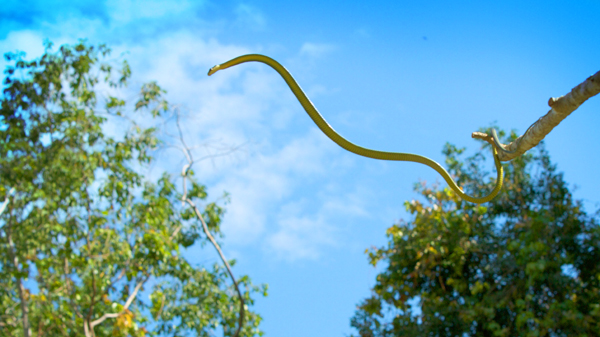
04597-snakesthatfly_600x337


மேலும் இலக்கிய நயத்துக்காகவும் உவமைகளுக்காகவும் புகழ் பெற்ற காளிதாசனின் நூலில் ஏராளமான விஞ் ஞான (அறிவியல்) பூகோள (புவி இயல்) செய்திகள் இருப்பது பலருக்கும் தெரியாது. இன்று பறக்கும் பாம்பு பற்றிய ஒரே ஒரு விஷயத்தைப் பற்றி மட்டும் பார்ப்போம்.


1997-ல் காளிதாசன் எழுதிய ரகுவம்ச காவியத்தைப் படிக்கையில், ரகுவின் அம்புகள் பறக்கும் பாம்புகள் போலப் பறந்தன என்று காளிதாசன் எழுதியதைப் படித்துவிட்டு புத்தக margin மார்ஜினில் பறக்கும் பாம்பு என்று ஒரு ஆச்சரியக் குறி போட்டு வைத்திருந்தேன்.


அதைக் கற்பனை என்றே கருதி இருந்தேன்; அண்மையில் பி.பி.சி.யில் ஒரு செய்திப்படம் (டாகுமெண்டரி) பார்த்தபோது இந்தோ நேஷியாவில் அப்படி இருப்பதும் அது பறப்பதைப் படம்பிடிக்க அவர்கள் மிகவும் பிரயத்தனப் பட்டதும் தெரியவந்தது. உடனே ஓடிப்போய் ரகு வம்ச காவியத்தைப் புரட்டிப் பார்த்து அந்தக் குறிப்புடன் அருகில் பி.பி.சி. ஒளிபரப்பு என்றும் எழுதி வைத்தேன். இப்பொழுது பறக்கும் பாம்பு Flying Snake, Flying Serpent என்று கூகுள் செய்தாலோ விக்கி பீடியாவும் யூ ட்யூபும் (You Tube) ஏராளமான படங்களையும் கட்டுரைகளையும் தருகின்றன. பல தகவல் தொடர்பு வசதிகள் இல்லாத காலத்தே இப்படி காளிதாசன் இமயமலையின் நீளம், பறக்கும் விமானியின் அனுபவம், பாரசீகம் (ஈரான்) முதல் இந்தோநேசியா  வரையுள்ள நிலவியல் விஷயங்கள்– நாடுகள் பற்றி எழுதியதெல்லாம் அவன் மிகப்பெரிய அறிவாளி என்பதைக் கட்டுகிறது.

28542-snake2bflying2b1

இதோ ரகுவம்ச காவியத்தில் அவன் சொன்னது:-

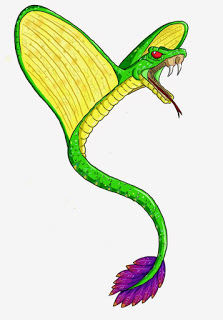
தாமே வெற்றி பெறவேண்டும் என்ற லட்சியத்துடன் ரகுவும் இந்திரனும் போரிட்டனர். அவர்கள் விட்ட அம்புகள் இறக்கைகளையுடைய பறக்கும், கொடிய விஷப்பாம்புகள் போல இருந்தன. இந்திரன் விட்ட அம்புகள் கீழ்நோக்கியும் ரகு விட்ட அம்புகள் மேல் நோக்கியும் ப றந்தன. இருவரது சேனைகளும் அச்சத்துடன் விலகி நின்றன.


இந்த ஒரு விஷயத்தை மட்டும் காளிதாசன் எழுதி இருந்தால் இது ஒரு கற்பனை என்று ஒதுக்கிவிடலாம். ஆனால் காளிதாசனோ காந்தம் முதல் உருப்பெருக்காடி (பூதக் கண்ணாடி) வரை பேசுகிறான். ஆகவே அப்படி ஒதுக்கிவிடமுடியாது.


பறக்கும் பாம்புகள் Glider கிளைடர் போல லாவகமாகத் தரை இறங்கும் வகைப் பாம்புகளாலும். இவை இந்தியாவில் ஆந்திரப் பிரதேசம், இலங்கைத் தீவு, லாவோஸ் வியட்நாம், கம்போடியா முத லிய நாடுகளில் காணப்படுகின்றன. ஆக காளிதாசன் இறக்கை கட்டிய பாம்புகள் என்ற உவமையைப் பயன்படுத்தி அம்புக ளைக் குறிப்பிட்டது கற்பனை அல்ல ; காளிதாசனுக்கு இவை பற்றி நன்கு தெரியும் என்றே தோன்றுகிறது.

நீங்களும் Flying Snake, Flying serpent  என்று கூகுள் செய்தாலோ, யூ ட்யூபில் போட்டாலோ இக்காட்சியைக் காணலாம்.


-சுபம்-

பெண்கள் அழிவது எதனாலே? பிராமணர் அழிவது எதனாலே? (Post No.3546)

3be97-brahmin2

Written by London swaminathan


Date: 15 January 2017


Time uploaded in London:- 11-55 am


Post No.3546


Pictures are taken from different sources; thanks.


contact; swami_48@yahoo.com


அந்தக் காலத்தில் அனுபவ அறிவு மூலம் பழமொழிகளையும் பாடல்களையும் எழுதி எதிர்காலச் சந்ததியினருக்கு விட்டுச் சென்றனர். அவைகளில் சில:-

ஸ்த்ரீ ரூபம் = அழகினால் பெண்களுக்கு ஆபத்து

பிராமண ராஜ சேவா= அரசர்களிடத்தில் பணிபுரிவதால் அந்தணர்களுக்கு ஆபத்து

காவஹ தூரப்ப்ரசாரண = தொலைவில் மேய்வதால் பசுக்களுக்கு ஆபத்து

ஹிரண்ய லோபலிப்சா = பேராசையினால் தங்கத்துக்கு அழிவு


சில எடுத்துக்காட்டுகள்:


உலகப் பேரழகி சித்தூர் ராணி பத்மினியால் அவள் மீது ஆசைகொண்ட அலாவுதீன் கில்ஜி ரஜபுத்ர ராஜ்யத்தை அழித்தான்.

பிராமணர்களுக்கும் நவநந்தர்களுக்கும் மோதல் வலுத்து, சாணக்கியனை நந்த வம்சம் அவமானப்படுத்தியது. இறுதியில் நந்த வம்சத்தை வேருடன் கலைந்தார் சாணக்கியர்.

பசுக்கள் வேறு நிலத்தில் மேய்வதால் கிராமங்களில் கோஷ்டி மோதல் ஏற்படுகிறது. அல்லது புலி சிங்கம் முதலிய மிருகங்களால் கொல்லப்படுகிறது.

தங்கத்தின் (செல்வத்தின்) மீது ஆசை கொண்டு சிறைக் கம்பிகளை எண்ணியோர் உலகம் முழுதும் உண்டு


இது போன்ற ஏராளமான எடுத்துக் காட்டுகளை அடுக்கிக் கொண்டே போகலாம்.


ஸ்த்ரீ விநஸ்யதி ரூபேண ப்ராஹ்மணோ ராஜசேவயா

காவோ தூரப்ரசாரேண ஹிரண்யம் லோபலிப்சயா

–சுபாஷித ரத்ன பாண்டாகாரம் 153/19

xxx

2feaa-beauty2blong2bhair2bbaack

கருட புராணம் (115-7) இதைக் கொஞ்சம் மாற்றிச் சொல்லும்:


ஸ்த்ரியோ நஸ்யந்தி ரூபேண தபஹ க்ரோதேன நஸ்யதி

காவோ தூரப்ரசாரேண க்ஷுத்ரான்னேன த்விஜோத்தமாஹா

பொருள்:-

ரூபேண ஸ்த்ரி = அழகினால் பெண்களுக்கு ஆபத்து


க்ரோதேன தபஹ = கோபத்தினால் தவத்துக்கு அழிவு (விஸ்வாமித்ரரும் துர்வாசரும்  சிறந்த எடுத்துக்காட்டுகள்)


க்ஷுத்ரான்னேன திவிஜோத்தமாஹா= ஆரோக்கியமற்ற, சுத்தமில்லாத உணவைச் சாப்பிடுவதால் அந்தணர்களுக்கு ஆபத்து.

காவஹ தூரப்ப்ரசாரண = தொலைவில் மேய்வதால் பசுக்களுக்கு ஆபத்து

xxx


பிராமணர்கள் பற்றி மனு தர்ம சாஸ்திரம் சொல்வதும் முக்கியமானது:-


அனப்யாஸேன வேதானாமாசரஸ்ய ச வர்ஜனாத்

ஆலஸ்யாதன்னதோஷாச்ச ம்ருத்யுர் விப்ராஞ்சிதாம்சதி

மனு 5-4


பொருள்:-

வேத அனப்யாசேன = வேதங்களைக் கற்காததாலும்

ஆசாரவர்ஜன = ஆசார விதிகளைப் பின்பற்றாததாலும்

ஆலஸ்ய = சோம்பேறித்தனத்தாலும்

அன்னதோஷ = சாப்பிடக்கூடாத உணவைச் சாப்பிடுவதாலும்


பிராமணர்களுக்கு விரைவில் மரணம் சம்பவிக்கிறது.


எல்லோரும் விதி முறைகளைப் பின்பற்றி நூறாண்டுக்காலம் வாழ்க! நோய் நொடி இல்லாமல் வாழ்க!!


–subham–


Business is Business!(Post No.3545)

Written by S NAGARAJAN


Date: 15 January 2017


Time uploaded in London:-  5-47 am


Post No.3545


Pictures are taken from different sources; thanks.


Contact: swami_48@yahoo.com


Business is Business and How to win the game

by S. Nagarajan


The nature of the world is to find fault with everybody. You have to bear these comments and you have to sail smooth against the rough waves.

Be it a manager, or a CEO, or a club president, nobody could satisfy all.


If he begins on time,                        He is a tyrant

If he waits for late-comers               He is too tolerant

If he requires constant attention       He is a despot

If he does not care                            He makes himself foolish

If he assumes the spokesman’ role   He becomes a bore

If he yields                                        He becomes unnecessary

If he calls for silence                         it is an abuse of power

If he permits disorder                        He falls in authority

If he is firm                                        He takes himself too seriously

If he is good-natured                          He does not maintain his rank

If he expounds his own ideas             People are perforce against him

If he asks for a choice                        He is irresolute

If he is dynamic                                 He is worked up

If he remains cautious                       He is inefficient

If he does everything on his own      He is conceited

If he delegates                                   He is lazy

If he is attentive to the ladies            He is obsequious

If he is not                                         He is a snob!!!


I.P.Guillon, Rotary Club of Marmande, France has written the above  under the caption The Club President  in French.. This has been translated in English by Wallace Flint, Rotary Club of Hilton Head Island, South Carolina, U.S.A  The Rotary Club magazine ‘The Rotarian’ has published it in its July 1982 issue.


Well, let us formulate and plan our own good principles and action plan to achieve our goal.


What is business? There is an internet joke as to how one should win the game of business.


Father:  I want you to marry a girl of my choice

Son   : I will choose my own bride

Father: But the girl is Bill Gates’ daughter

Son    : Well in that case…. OK


Next father approaches Bill Gates.


Father: I have a husband for your daughter

Bill Gates : But my daughter is too young to marry!

Father: But this young man is a vice – president of World Bank

Bill Gates: Ah! In that  case… Ok


xxx

Finally father goes to see the president of the World Bank.

Father : I have a young man to be recommended as a vice-president

President : But I already have more vice-presidents than I need!

Father : But this young man is Bill Gates’s son-in-law.

President : Ah! In that case… OK


xxx


This is how good business is done.


Manipulate intelligently supply and demand and win the game without harming anybody but to the satisfaction of all concerned.

Keep the secret in your heart and start playing.


GOOD LUCK!


*******


Flying Snake in Kalidasa (Post No.3544)

Written by London swaminathan


Date: 14 January 2017


Time uploaded in London:- 18-39


Post No.3544


Pictures are taken from different sources; thanks.


contact: swami_48@yahoo.com


Kalidasa, the greatest poet of India, who lived in the first century BCE, had amazing knowledge about flora and fauna of India. His knowledge about a vast land mass of Asia from Iran to Indonesia is equally amazing. Whenever I try to compare his writings I go through at least 500 Tamil and Sanskrit poets of ancient India. Most of my poets are from Sangam Tamil literature. There are over 450 Tamil poets of Sangam age. They lived 2000 years ago. Is it not amazing that I need 500 poets to compare his 1250 similes and images?


It is not only the images. He speaks about 1500 mile long Himalayas, flying experience of a pilot, longest tour from Iran to Indonesia. He knew the ins and outs of even he Southern most Pandya Kings and their Guru Agastya!


When I read about flying snakes in the Raghuvamsa in 1997, I made a marginal note in my book. Recently I watched a nature series on the BBC television and I came to know what he wrote about the flying snake is true. Later I googled and found out there are several videos showing the flying snakes that glide from the tree and reaches another tree or the ground! Kalidasa knew all these things even before we knew! His description of the coastal caves that echo the thundering clouds, the beautiful Himalayas and Vindhyas – all these show he was the greatest poet. In Shakespeare who lived 1600 years after Kalidasa we do not see much science. But Kalidasa talks about Magnets and Magnifying glasses, phosphorescent plants etc. I will write about his knowledge in science and geography in a series of articles. If the snake reference is a single one I will simply reject it. But he refers to whales and other animals.


Following is the place where he refers to the flying snake; though he talks about winged snakes we don’t see any wings, but they fly as if they have wings. You can watch them on several You Tube videos.


Read the following Raghuvamsa sloka taken from Sanskrit documents.com


तयोरुपान्तस्थितसिद्धसैनिकं गरुत्मदाशीविषभीमदर्शनैः|
बभूव युद्धं तुमुलं जयैषिणोरधोमुखैरूर्ध्वमुखैश्च पत्रिभिः॥ ३-५७

tayorupāntasthitasiddhasainikaṁ
garutmadāśīviṣabhīmadarśanaiḥ|
babhūva yuddhaṁ tumulaṁ jayaiṣiṇor
adhomukhairūrdhvamukhaiśca patribhiḥ || 3-57

tayorupAntasthitasiddhasainika.n garutmadAshIviShabhImadarshanaiH |
babhUva yuddha.n tumula.n jayaiShiNoradhomukhairUdhvamukhaishca patribhiH || 3-57

tayoH upAnta sthita siddha sainikam garutmat ashI viSa bhIma darshanaiH | babhUva yuddham tumulam jaya eSiNoH atho mukhaiH Urthva mukhaH ca patribhiH || 3-57


3-57. jaya eSiNoH= victory, desiring; tayoH= between those two – Indra, raghu; garutmat= like divine eagle Garuda; ashI viSa= in fangs, venom [those that have] snakes; bhIma darshanaiH= frightening [arrows,] to look at; athaH mukhaiH= down, faced – downwards; Urthva mukhaH ca= up, faced – upwards, also; patribhiH= with arrows; upAnta sthita siddha= nearby – there about, staying – stood motionless, with siddha-s; sainikam= [also with] soldiers; tumulam yuddham babhUva= tumultuous, war, occurred.


Meaning:-


Between those two who desired victory over the other, namely Indra and Raghu, there occurred a tumultuous fight with frightful arrows that flew up and down between sky and earth like winged serpents, or like the mutually chasing eagles and snakes, and with this the onlookers, namely the celestials like siddha-s, chAraNa-s et al on indra’s side on sky, and the soldiers, and other princes following the ritual horse, on Raghu’s side on earth, stood motionless there about. [3-57]


Flying snakes are in India, Srilanka, Indonesia, Laos Vietnam and Cambodia. Indian species is known as Chrysopelea taprobanica. All the flying or gliding snakes belong to genus Chrysopelea.


Following information is taken from Wikipedia:_

The Sri Lankan flying snake (Chrysopelea taprobanica) is a species of gliding snake distributed in India and Sri Lanka. It can glide, as with all species of its genus Chrysopelea, by stretching the body into a flattened strip using its ribs. The snake is known as “dangara dandaa – දඟරදන්ඩා” in Sinhala, due to its folding postures.


The Sri Lankan flying snake population in Sri Lanka can be found in dry zone lowlands and parts of the intermediate climatic zones, including PolonnaruwaWilpattu, National ParkSigiriyaKurunegalaJaffnaTrincomalee, and Monaragala. This species was known to be an endemic species to Sri Lanka until researchers have recorded few specimens from Andhra Pradesh India.

Chrysopelea, more commonly known as the flying snake or gliding snake, is a genus that belongs to the family Colubridae. Flying snakes are mildly venomous,[1] though the venom is only dangerous to their small prey.[2] Their range is in Southeast Asia (the mainland (Vietnam, Cambodia, and Laos), Greater and Lesser SundasMaluku, and the Philippines), southernmost ChinaIndia, and Sri Lanka.

–Subham–